



Every year, hundreds of thousands of high school and college students walk into conference rooms, take their assigned country seats, and spend days debating global issues as though the fate of the world depends on their words — because for the duration of Model United Nations, it does. The Model UN position paper is the foundation of that experience: a formal policy document that forces delegates to inhabit another country’s perspective, synthesize complex research into coherent arguments, and present those arguments in the precise diplomatic register used by actual UN missions.
Writing a strong model UN position paper is harder than most students expect and more impressive than most schools formally recognize. This guide walks through the complete process of researching, drafting, and refining a position paper that earns Best Delegate awards — and explains why schools that preserve and display these academic achievements build stronger cultures of intellectual excellence.
Model UN programs represent some of the most academically demanding extracurricular experiences available to students. The research required for a single position paper can span international law, geopolitical history, economic policy, human rights frameworks, and current events — all filtered through the specific lens of a country that may hold very different values than the student writing it. Schools that take MUN seriously invest in coaching, conference travel, and competitive preparation. What many miss is the equally important step of recognizing and preserving the results.

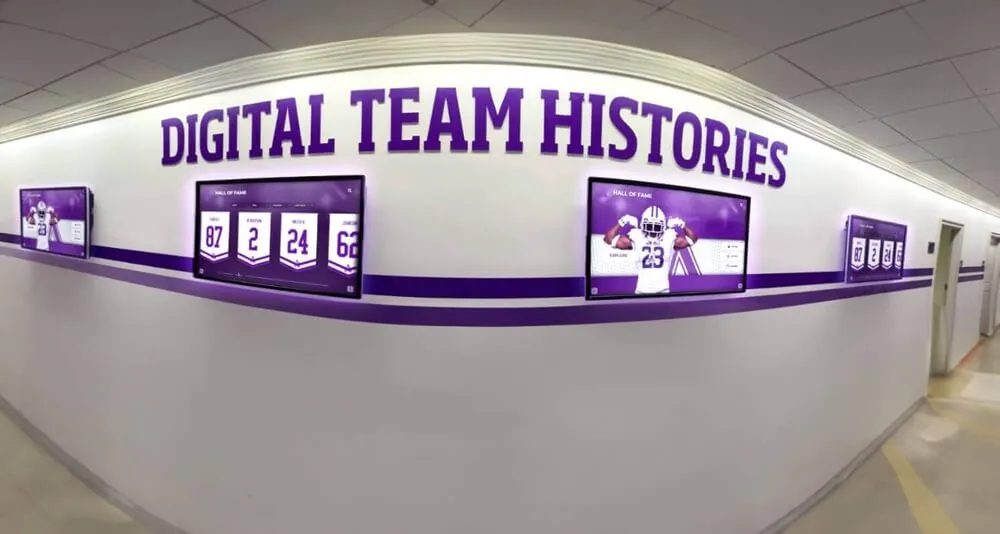
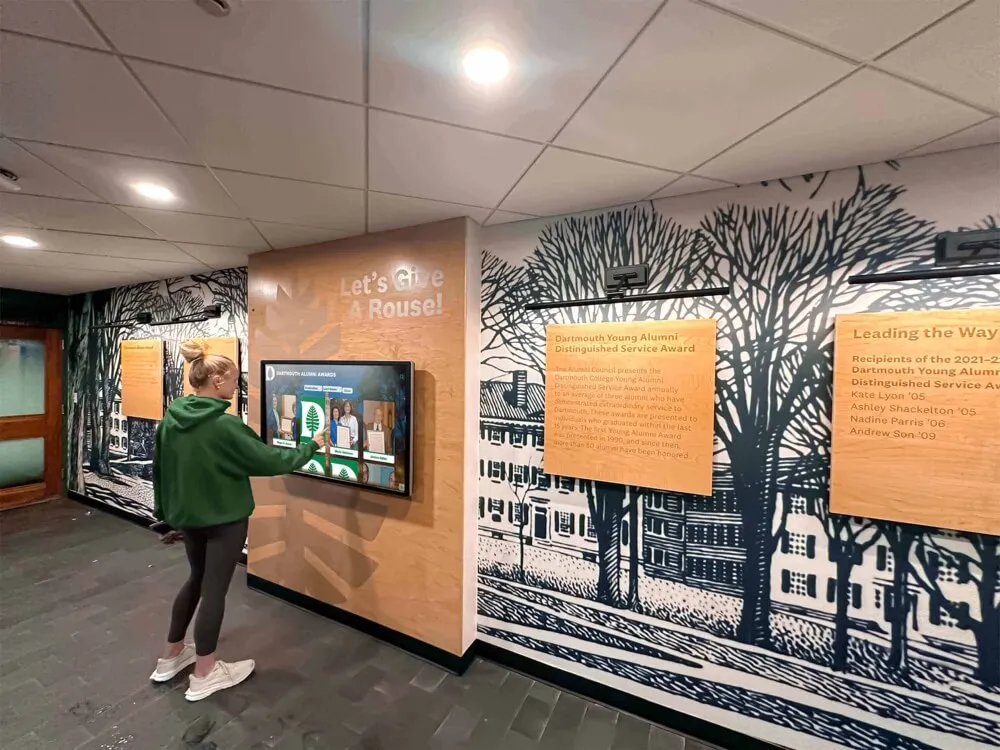
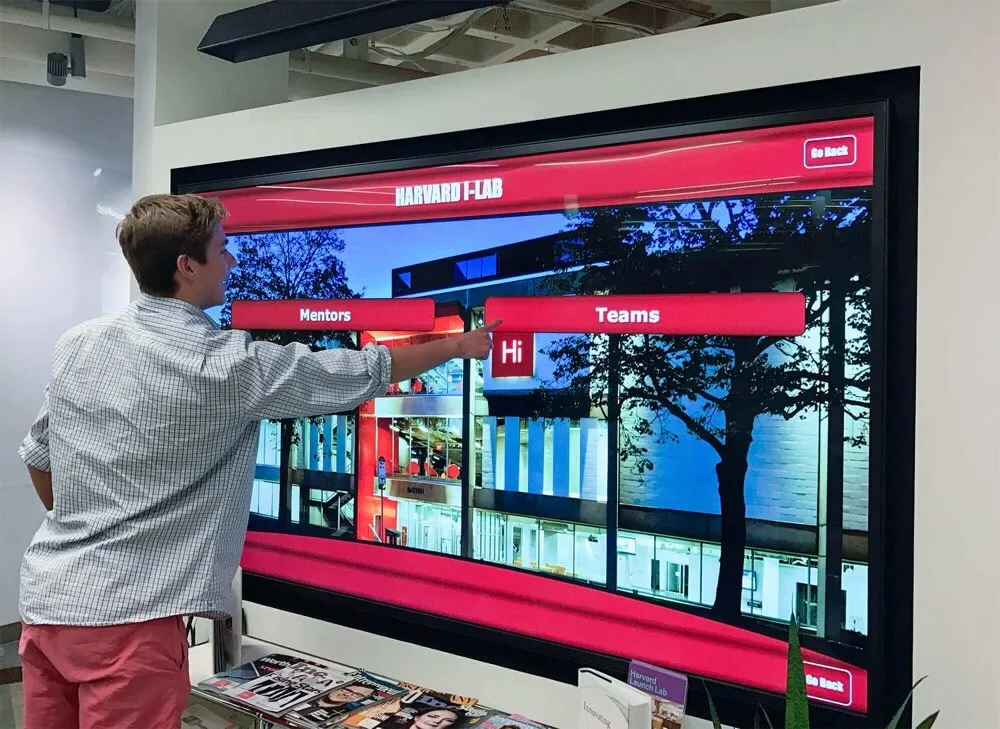
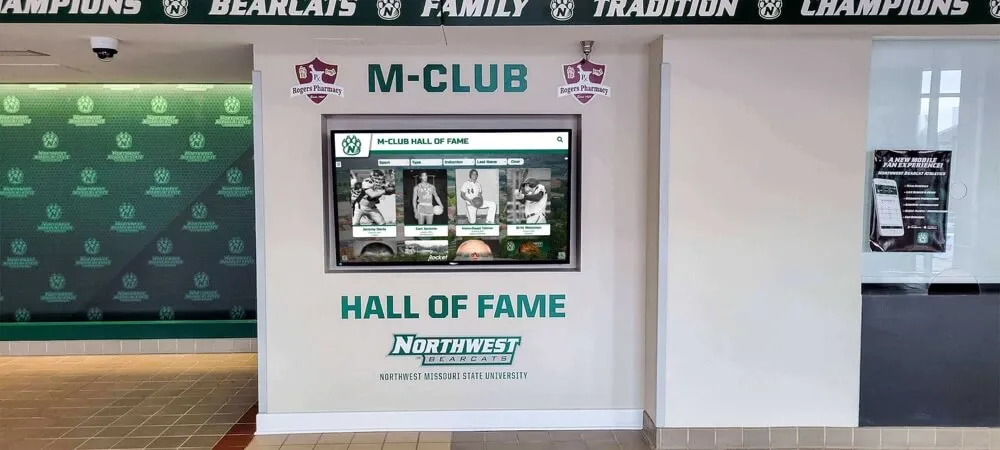
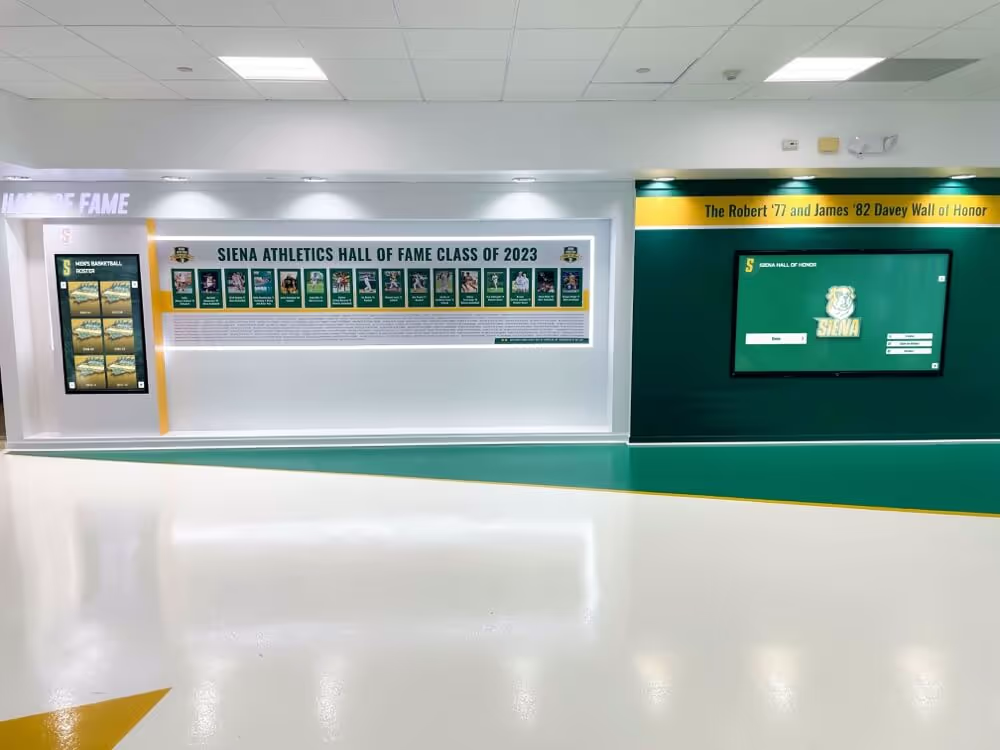
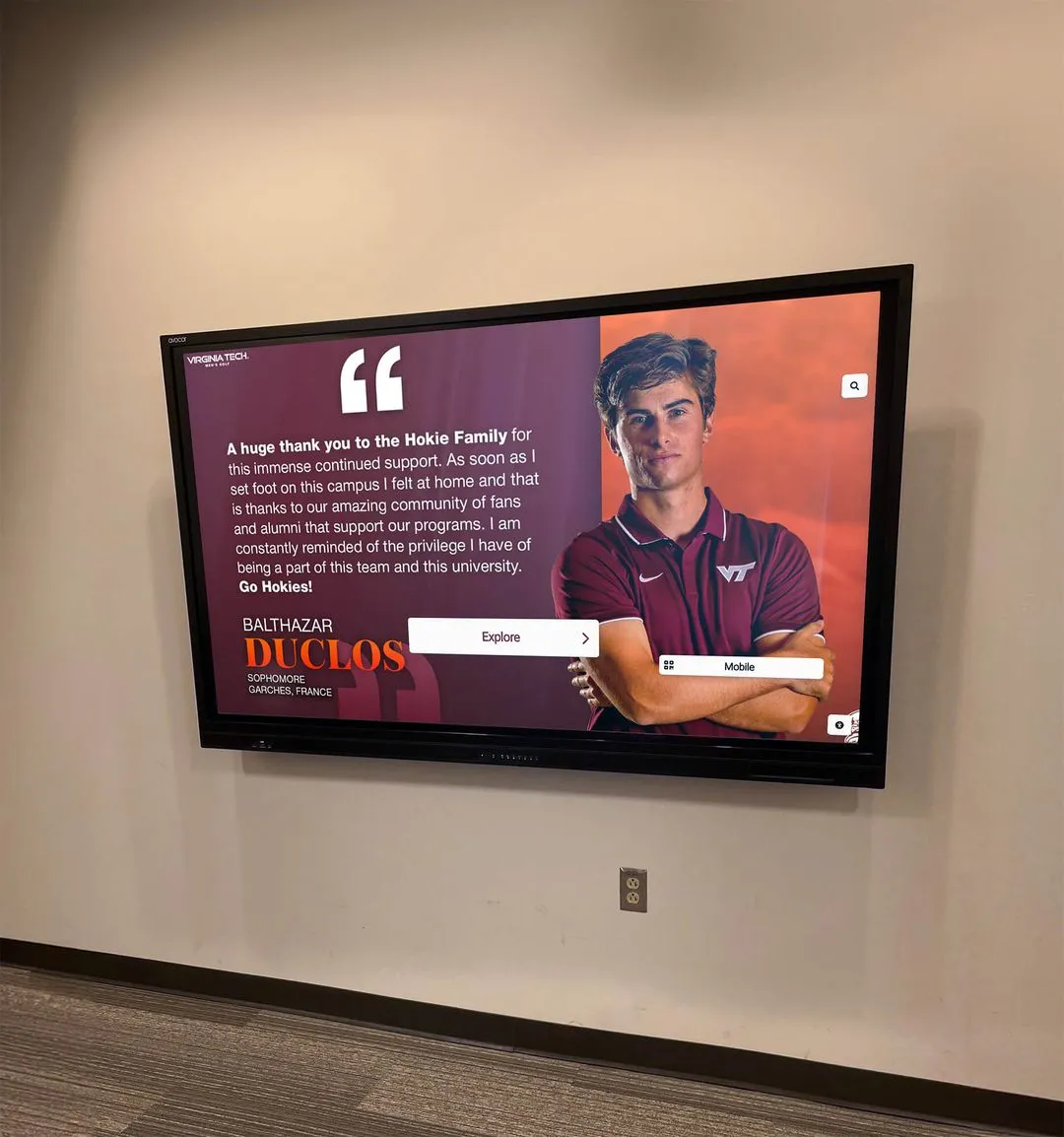
Schools that invest in academic programs like Model UN benefit from recognition systems that make intellectual achievements as visible as athletic ones
What Is a Model UN Position Paper?
A position paper is a formal policy document that delegates submit before a Model UN conference begins. It introduces the delegate’s assigned country, explains that country’s official position on the committee topic, and outlines what policy direction the country will advocate for during debate.
Most conferences require position papers for competitive consideration. Awards committees — the panels that determine which delegates earn Best Delegate, Outstanding Delegate, or Honorable Mention recognitions — often evaluate position papers as a significant part of the final score. Some conferences weight them at 20-40% of total assessment.
The document accomplishes three things simultaneously:
1. Demonstrates country research. The committee knows whether a delegate has actually studied their country’s history, economic situation, alliances, and UN voting record — or whether they are winging it based on general knowledge.
2. Signals debate strategy. A well-written position paper previews how the delegate will engage in committee: what resolution language they will support, which blocs they will seek to join, and which counterarguments they have already considered.
3. Establishes academic credibility. For awards committees evaluating dozens of delegates, a sophisticated position paper creates immediate first impressions that shape how they watch a delegate perform in the room.
Standard Model UN Position Paper Format
While specific conferences vary their requirements, most position papers follow a consistent three-section structure that mirrors actual UN documentation.
Section One: Introduction of the Country
This opening section establishes the country’s identity and its relationship to the committee topic. Strong delegates cover:
- Geographic and demographic context relevant to the issue
- The country’s economic situation as it relates to the topic
- Relevant historical background — particularly major events, treaties, or conflicts that shaped the country’s current stance
- The country’s membership in regional blocs and alliances that influence its UN behavior
- Key statistics that frame why the topic matters (or doesn’t matter) to this particular country
Avoid making this section a geography lesson. Every sentence should connect country context to committee topic. A delegate representing a landlocked country addressing maritime trade routes should explain how the landlocked status creates specific policy preferences — not simply establish that the country exists.
Section Two: Country’s Position on the Topic
This is the analytical core of the position paper. Delegates must articulate what their assigned country actually believes about the committee topic and why.
Strong position statements require primary source research. Delegates should be reviewing:
- Official UN speeches and voting records from their country
- Statements from the country’s Ministry of Foreign Affairs
- Bilateral and multilateral agreements the country has signed
- Academic and policy analyses of the country’s diplomatic history
The common mistake at this stage is conflating the delegate’s personal views with the country’s actual position. A student representing Saudi Arabia at a women’s rights committee must represent Saudi Arabia’s policy position accurately — even if that means advocating for frameworks the student finds disagreeable. This is one of Model UN’s most valuable academic exercises: understanding that intelligent people can reach different policy conclusions from the same information, and that international diplomacy requires engaging those perspectives honestly.
For schools building recognition programs around academic achievement, awards high school students can earn through Model UN represent an opportunity most programs haven’t fully explored. A delegate who masters the discipline of representing a country they disagree with has demonstrated a form of intellectual maturity worth formal recognition.
Section Three: Proposed Solutions
The final section shifts from analysis to advocacy. The delegate articulates what policy outcomes they will work toward during debate and what resolution language they will support.
Effective proposed solutions are:
Specific rather than aspirational. “Urging member states to consider the potential benefits of greater international cooperation on climate adaptation” is not a solution. “Calling upon the UNFCCC secretariat to establish a standardized reporting framework for national adaptation plans with mandatory five-year review cycles” is.
Calibrated to the country’s interests. A delegate representing a middle-income country skeptical of binding international agreements should not propose mandatory enforcement mechanisms. The proposed solutions must be internally consistent with the position stated in section two.
Diplomatically framed. UN resolution language uses a precise vocabulary of operative and preambulatory clauses. Position papers should preview this vocabulary rather than writing in casual prose.
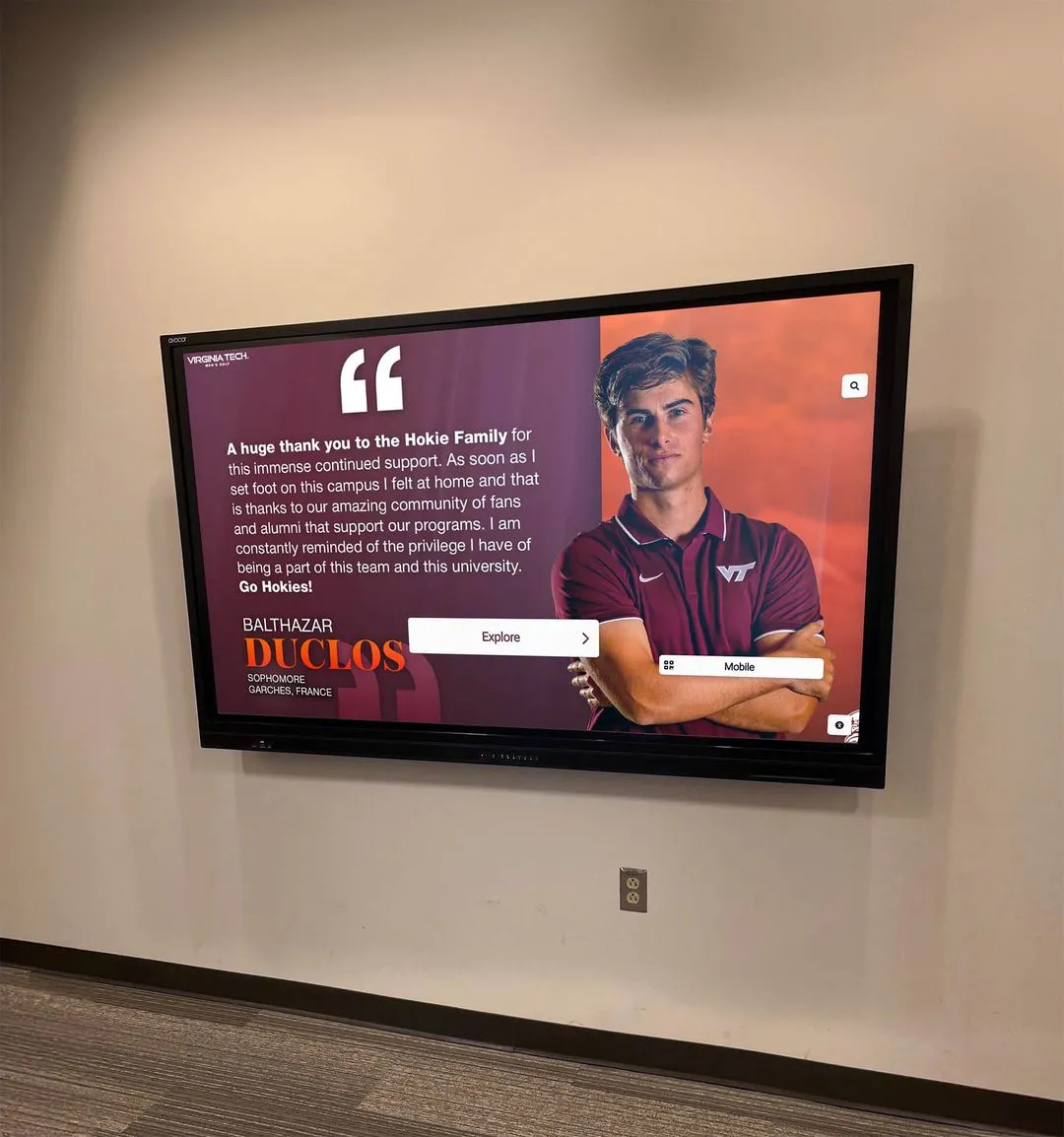
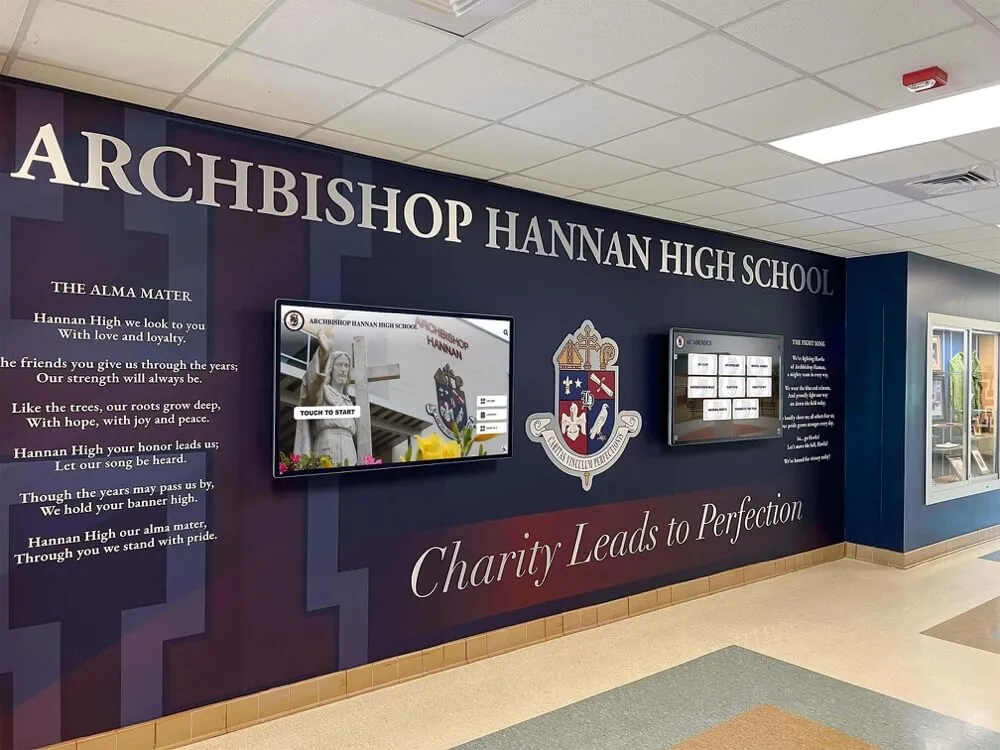
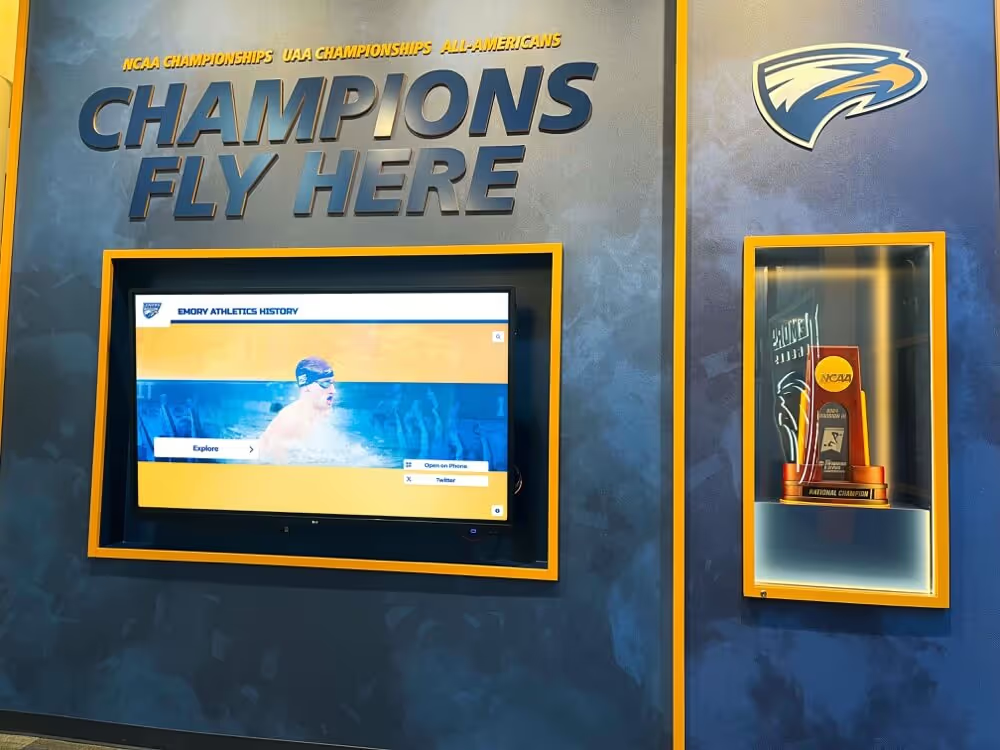
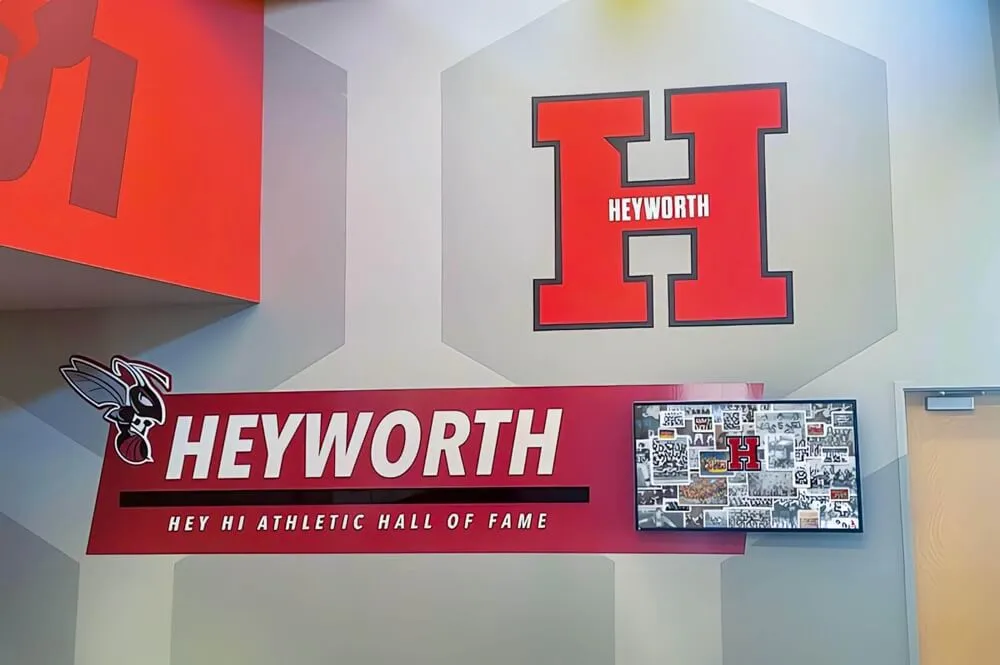
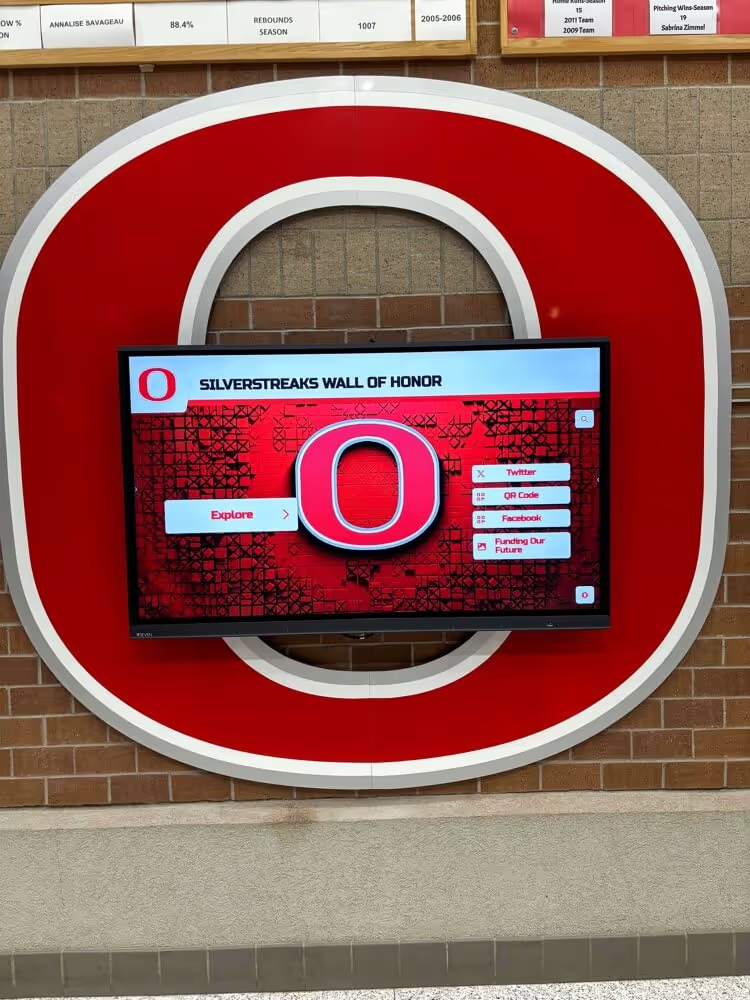
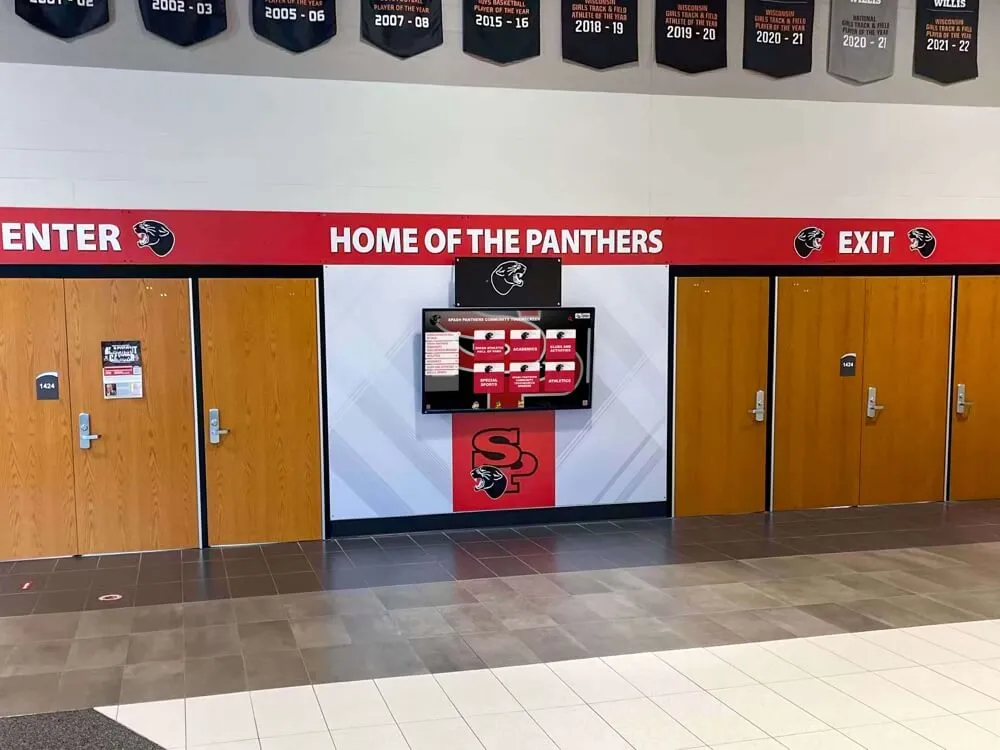
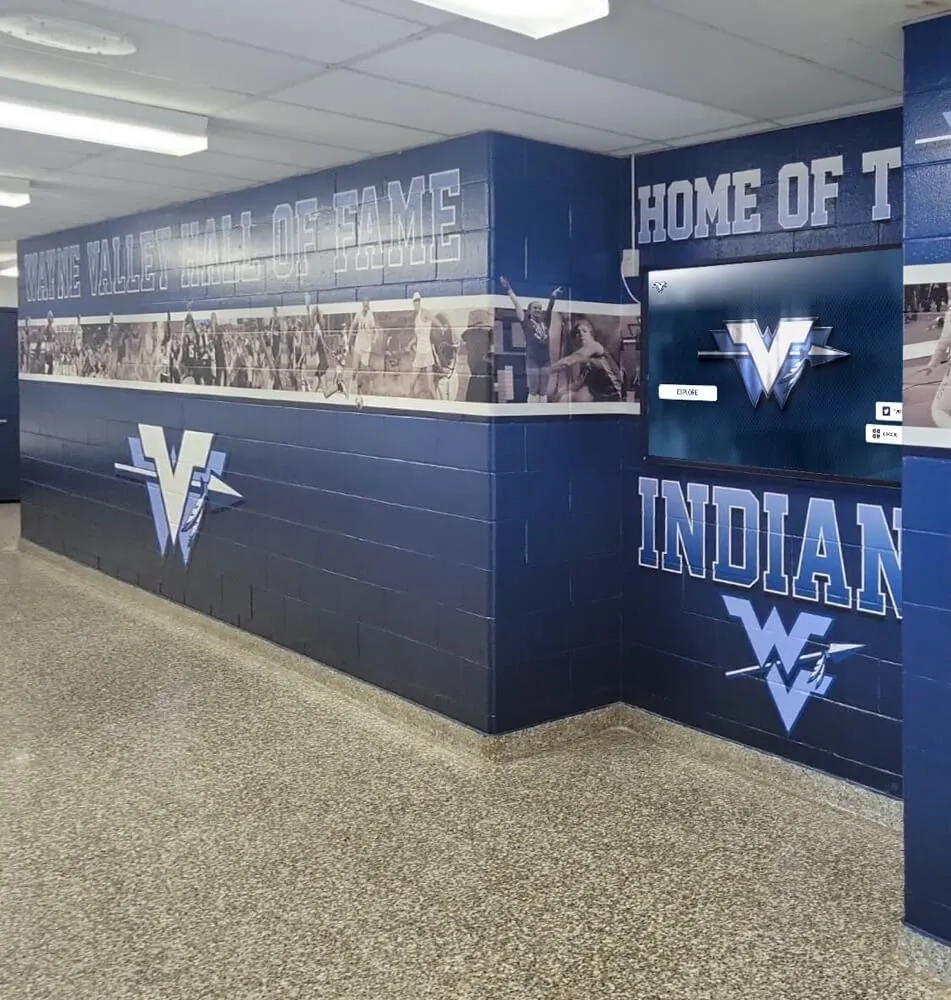
Recognition walls that honor both athletic and academic achievement signal what an institution values most
Length, Tone, and Formatting Requirements
Most conferences specify position paper length, typically one to two pages per topic. Delegates working across multiple topics in a single committee should confirm whether papers are submitted collectively or individually.
Tone considerations:
Model UN position papers are formal diplomatic documents, not academic essays and certainly not personal opinion pieces. The writing should be:
- Third person (“The delegation of [country] believes…” rather than “I believe…”)
- Formal but clear — the goal is precision, not complexity
- Free of colloquialisms, rhetorical flourishes, and personal commentary
- Consistent in how it refers to the country (“The delegation of Brazil” or “Brazil” — choose one and maintain it)
Formatting basics:
- Standard headers (Country Name, Committee, Topic, Delegate Name, School Name)
- Professional font and spacing that matches conference requirements
- Clear section breaks even when not explicitly required
- Citations for any statistics or factual claims — this demonstrates research rigor and protects against challenges during committee
Researching Your Country: Where to Actually Look
The quality of a position paper depends almost entirely on the quality of the research that precedes it. Students who rely primarily on Wikipedia or country encyclopedia entries produce position papers that read like encyclopedia entries.
Primary source research for Model UN:
UN Documentation System (undocs.org): Every official UN document — resolutions, committee reports, Secretary-General reports, member state statements — is archived and searchable. Delegates who have read their country’s actual statements to the General Assembly write with an authenticity that other delegates cannot match.
UN Voting Records: UNBISnet and UN Digital Library archive how every member state voted on every resolution. Delegates should understand not just how their country voted but why — and be prepared to defend those votes in committee.
Government Ministry Websites: Most countries maintain accessible Ministry of Foreign Affairs websites with official statements, press releases, and policy frameworks. These documents often contain the exact language a government uses to describe its position, which can be directly incorporated into position papers.
Think Tank and Academic Research: Organizations like the Council on Foreign Relations, Chatham House, Brookings Institution, and Carnegie Endowment for International Peace publish detailed country-specific policy analyses. These sources help delegates understand the academic and geopolitical context around their country’s positions.
Regional News Sources: Understanding how a topic is covered within the country — not just how Western media covers the country — helps delegates avoid the common error of applying external value frameworks to countries with different political traditions.
Common Position Paper Mistakes to Avoid
Mistake 1: Writing from the student’s perspective instead of the country’s. This is the most frequent error and the most damaging. Position papers that begin “As a developing nation, we are deeply concerned about…” and then advocate for positions the actual country has never endorsed reveal immediately that the delegate hasn’t done the research.
Mistake 2: Being too general. “Country X supports international cooperation on this issue” communicates nothing. What specific mechanisms does the country support? What past agreements has it ratified? What compromises has it historically accepted?
Mistake 3: Ignoring the bloc structure. Countries don’t take positions in isolation. A delegate representing a G77 member should understand G77 consensus positions and explain how their country fits within or occasionally diverges from them.
Mistake 4: Submitting without proofreading. Spelling errors, inconsistent country name usage, and grammatical problems undermine the professional image a position paper is supposed to project. Awards committees notice.
Mistake 5: Missing the deadline. Many conferences disqualify delegates from award consideration if position papers arrive late. Schools that build MUN programs around serious competition treat position paper deadlines like exam dates.
How Schools Can Recognize MUN Achievement
Model UN creates academically rigorous experiences that most traditional recognition frameworks aren’t designed to capture. A student who spends forty hours researching Bolivia’s position on lithium extraction regulation, writes a two-page policy paper, and then earns Best Delegate in a 200-person committee has accomplished something genuinely impressive — something that should appear in the school’s record of academic achievement.
Schools with strong recognition programs built around meaningful achievement often overlook MUN-specific recognition categories. Building explicit recognition pathways for MUN accomplishment — from first-time conference participation to national-level awards — signals to students that intellectual achievement in international studies carries the same weight as athletic victories.
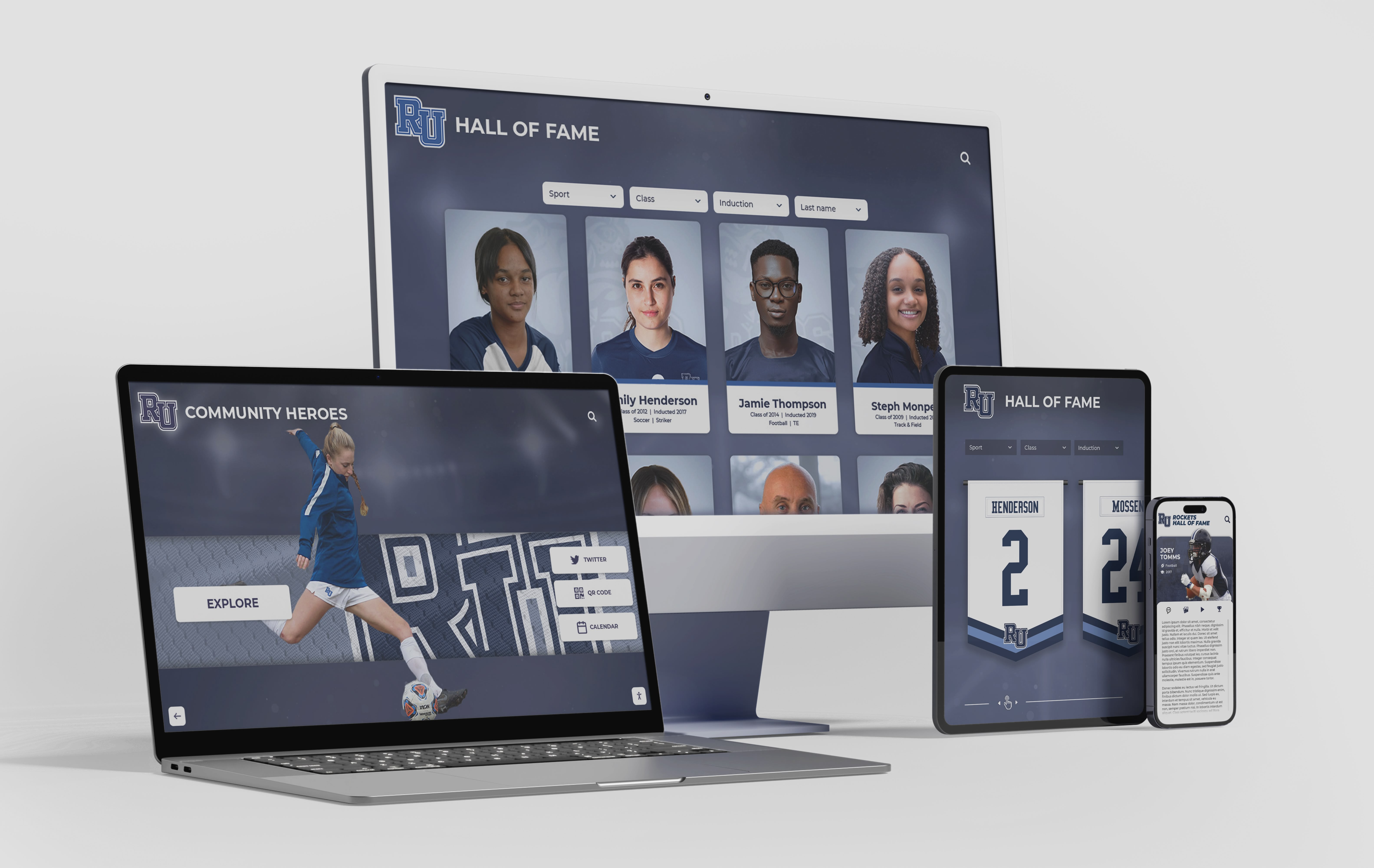
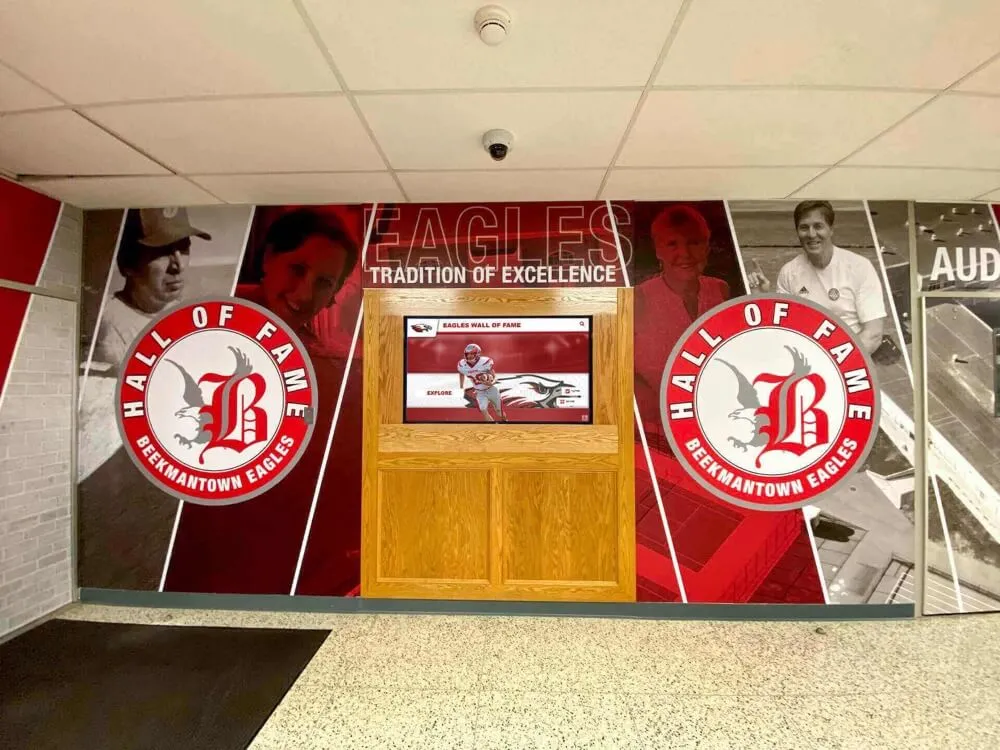
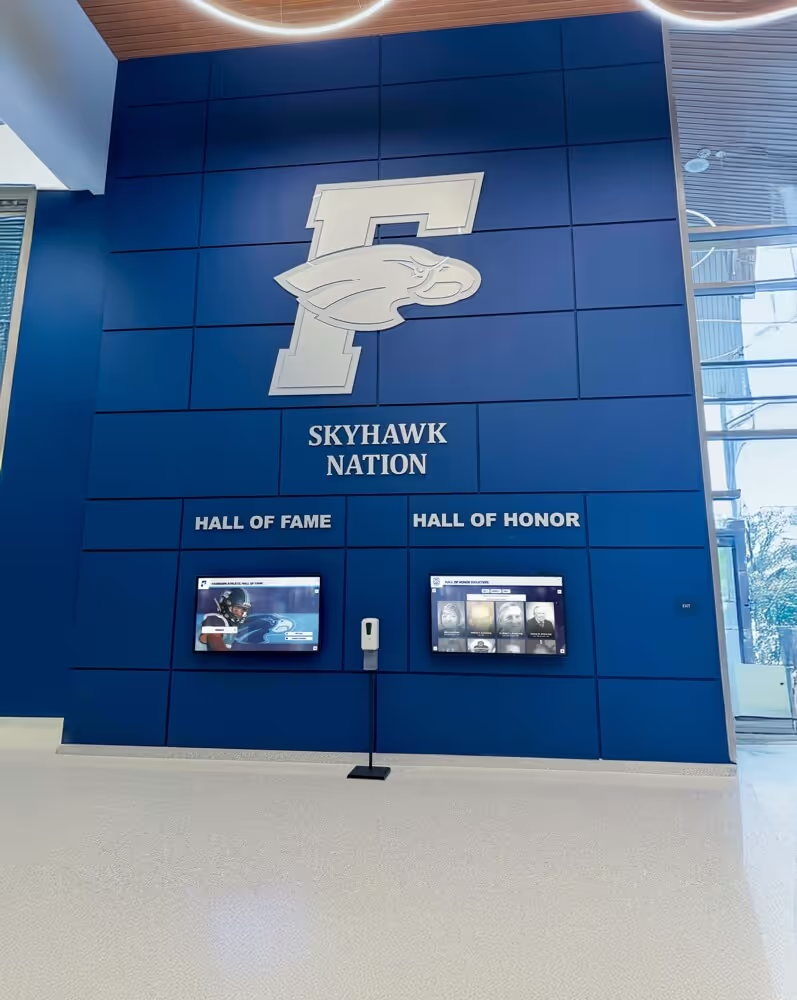
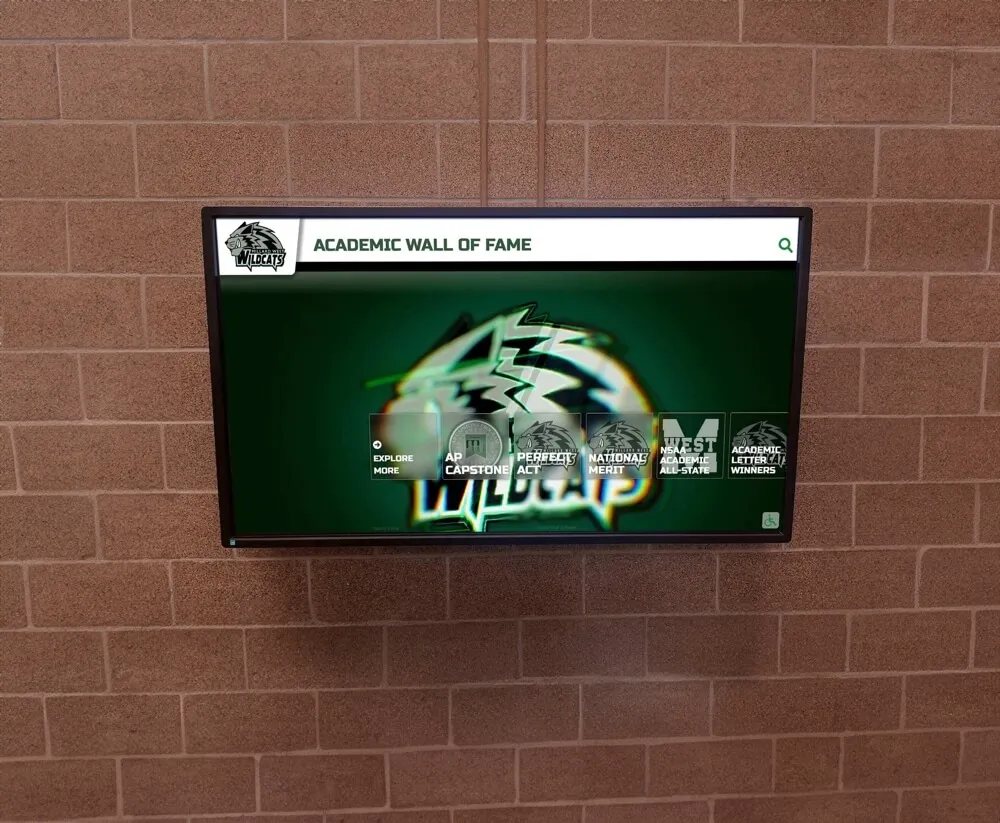
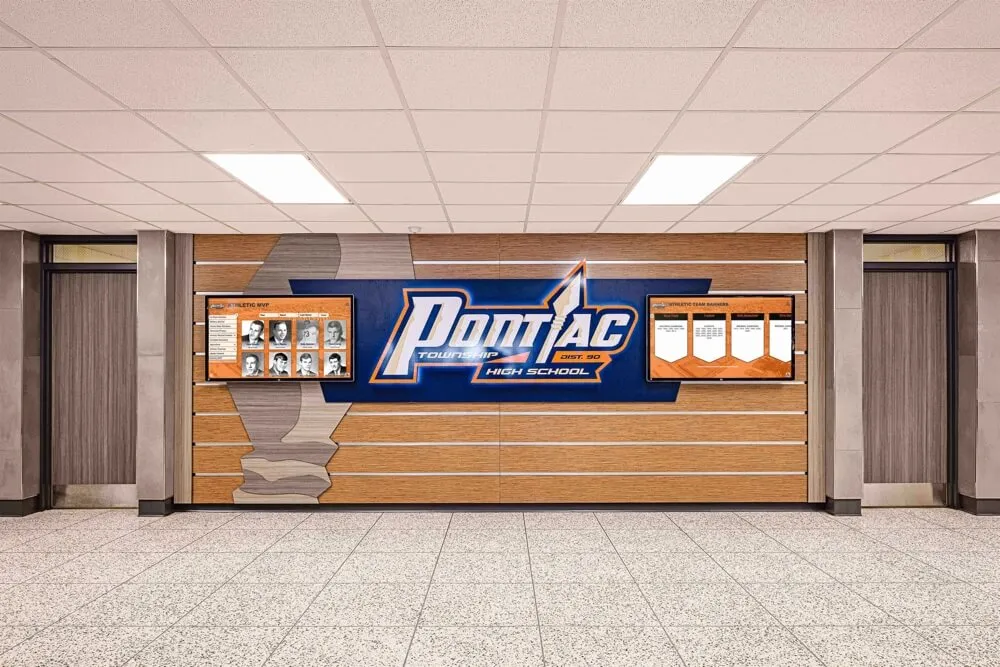
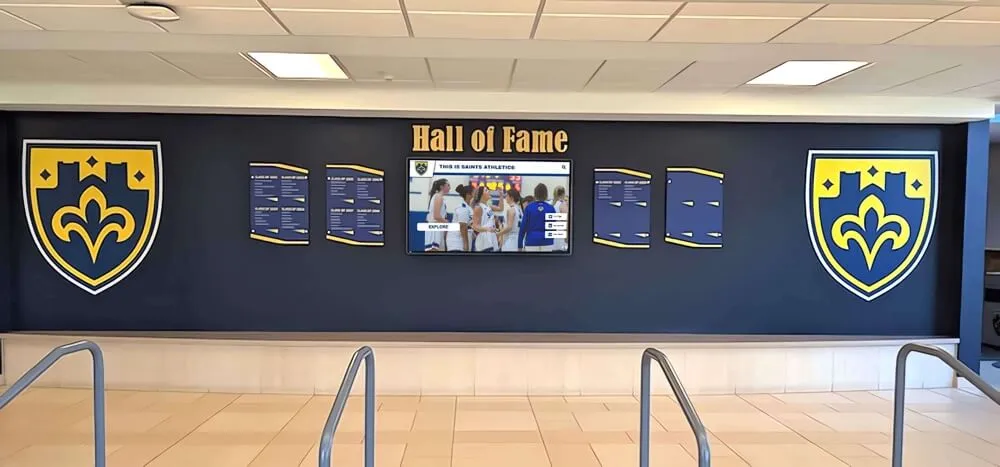
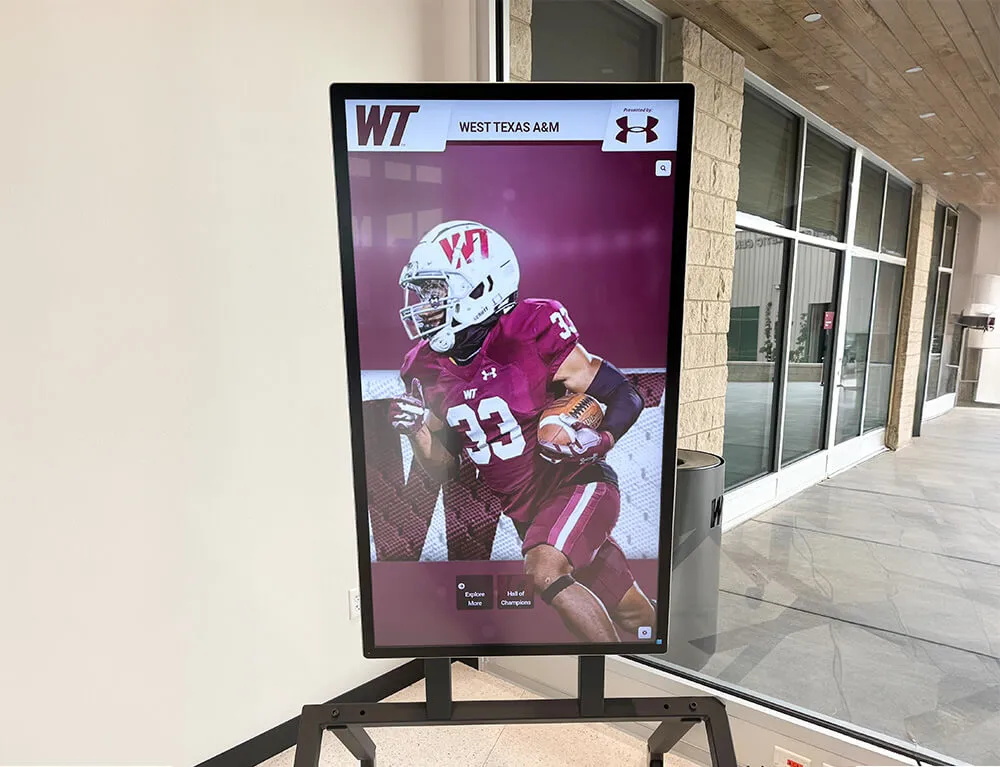
Web-accessible achievement archives extend recognition beyond campus, allowing families and alumni to celebrate student accomplishments
Building a Culture of Academic Prestige Around MUN
The schools with the strongest Model UN programs share a common characteristic: they treat the program with the institutional seriousness usually reserved for varsity athletics. This means dedicated coaching time, conference travel budgets, preparation workshops, and — critically — visible recognition systems that make MUN achievement part of the school’s public identity.
Schools with strong academic recognition cultures often find that visibility itself drives program growth. When incoming students see award certificates, conference photos, and delegate profiles displayed alongside athletic banners and championship trophies, they understand that the school considers intellectual competition as prestigious as physical competition. That perception shapes enrollment decisions, student motivation, and alumni identity in lasting ways.
Recognition solutions designed for school community belonging now support academic recognition alongside athletic displays. A school that allocates display space for Model UN national qualifiers, debate state champions, and Science Olympiad medalists alongside its sports hall of fame creates a more accurate representation of what its students actually accomplish.
For administrators planning senior class and end-of-year awards displays, MUN provides natural category structures: Best Delegate, Outstanding Delegate, Honorable Mention, and Most Improved Delegate. Adding these categories to existing awards frameworks requires minimal additional planning and creates meaningful recognition for students who may not receive recognition through traditional academic channels.
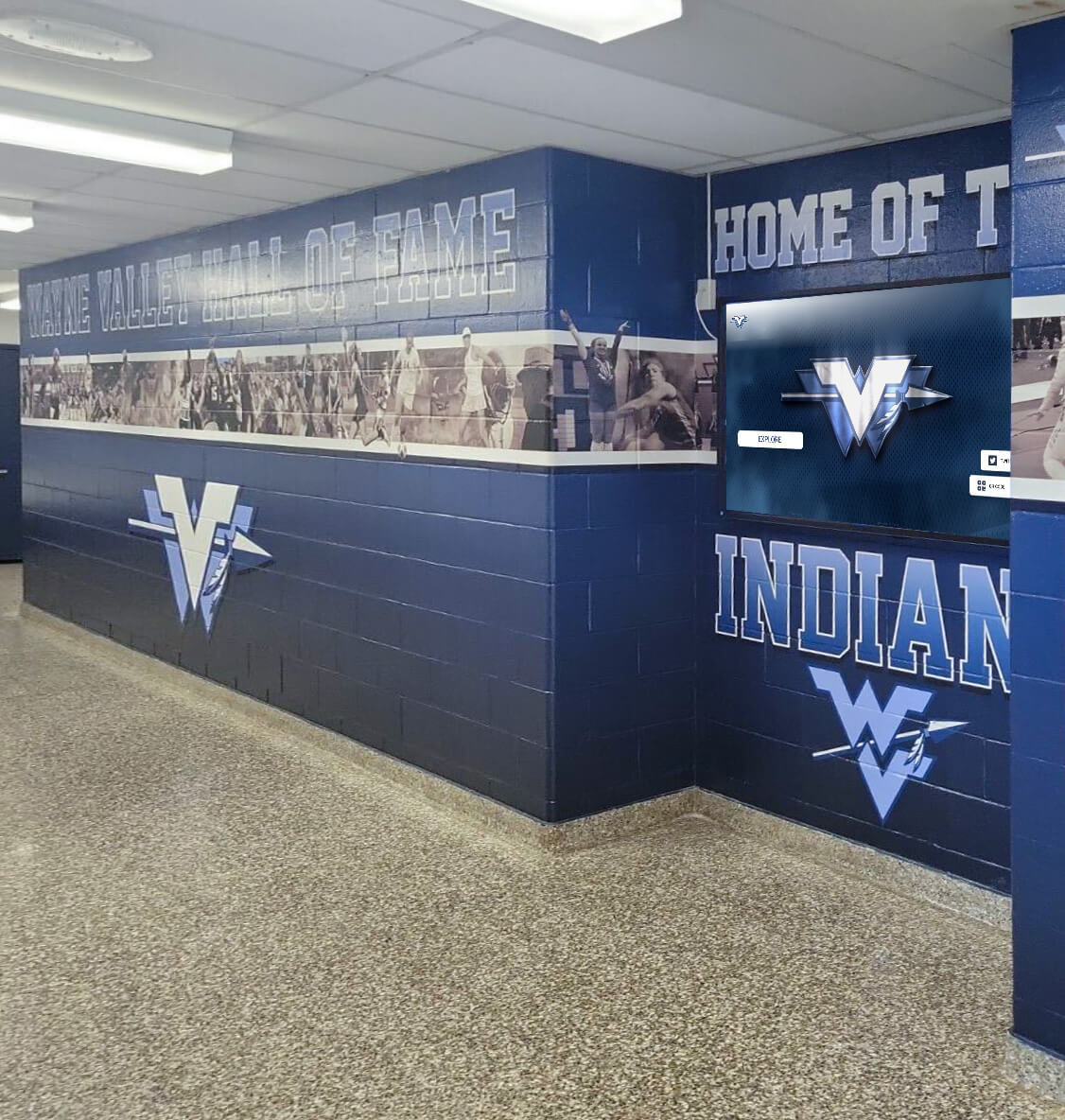
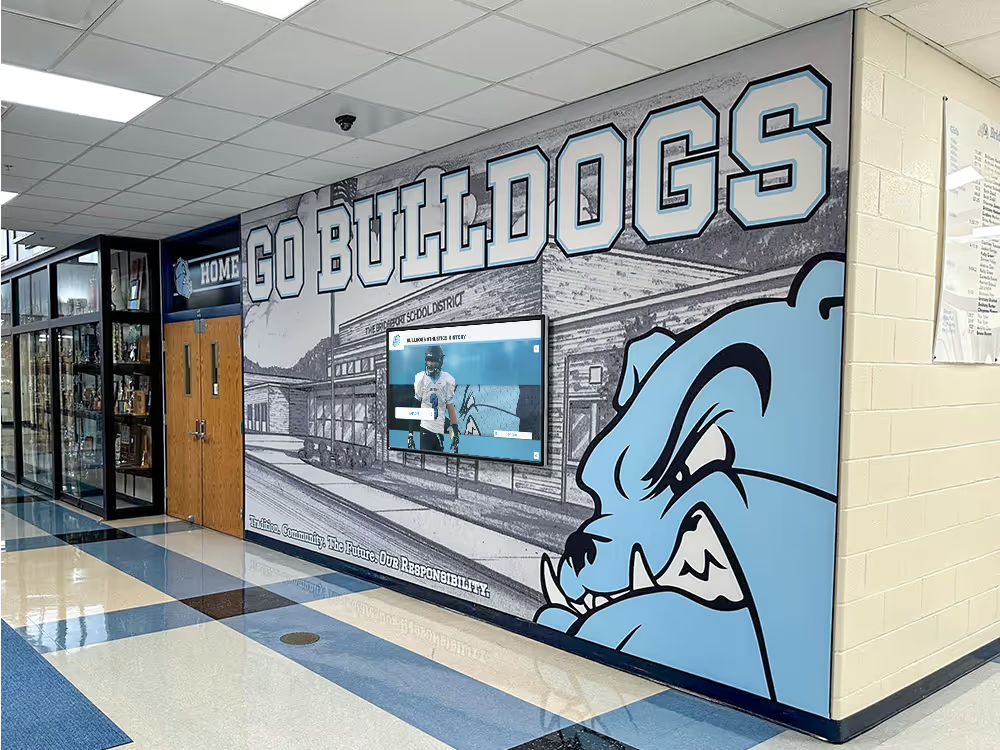
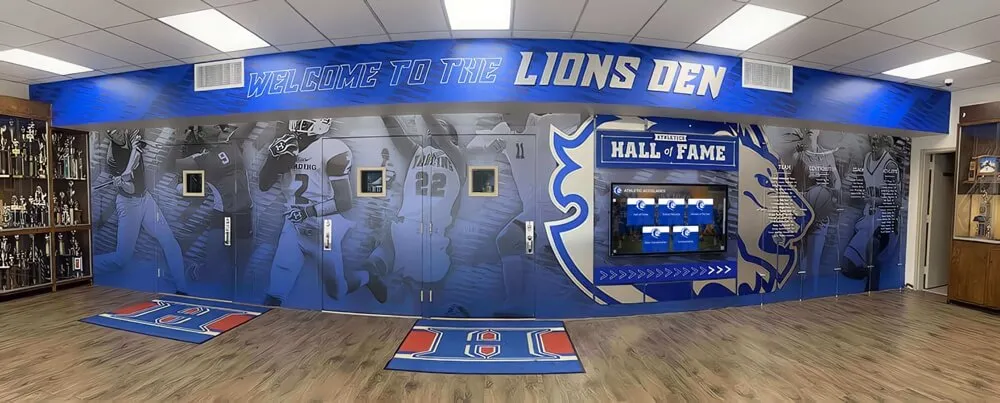
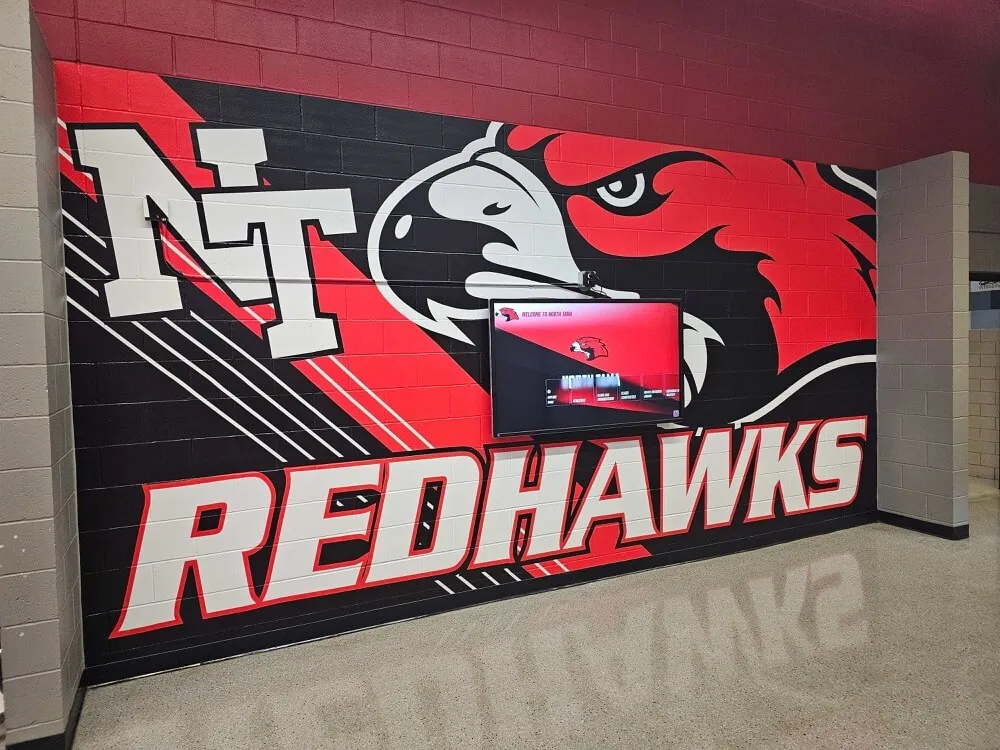
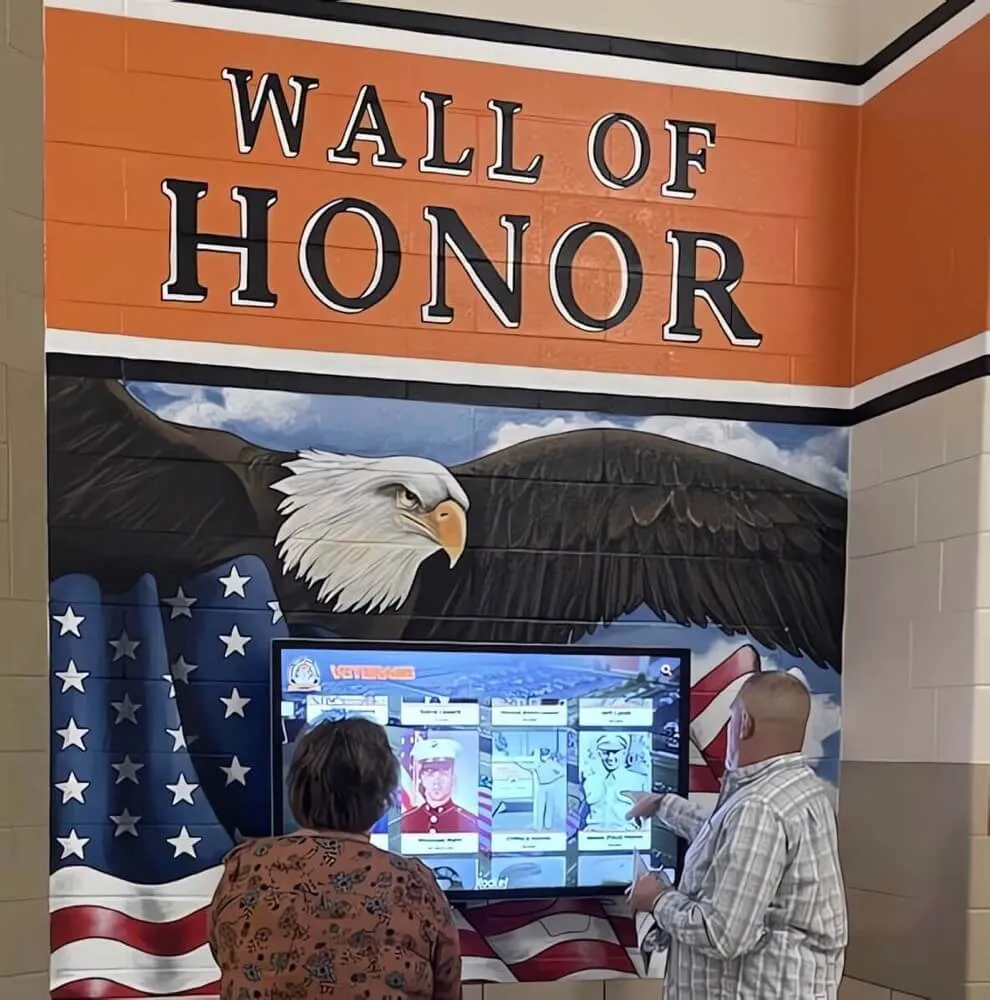
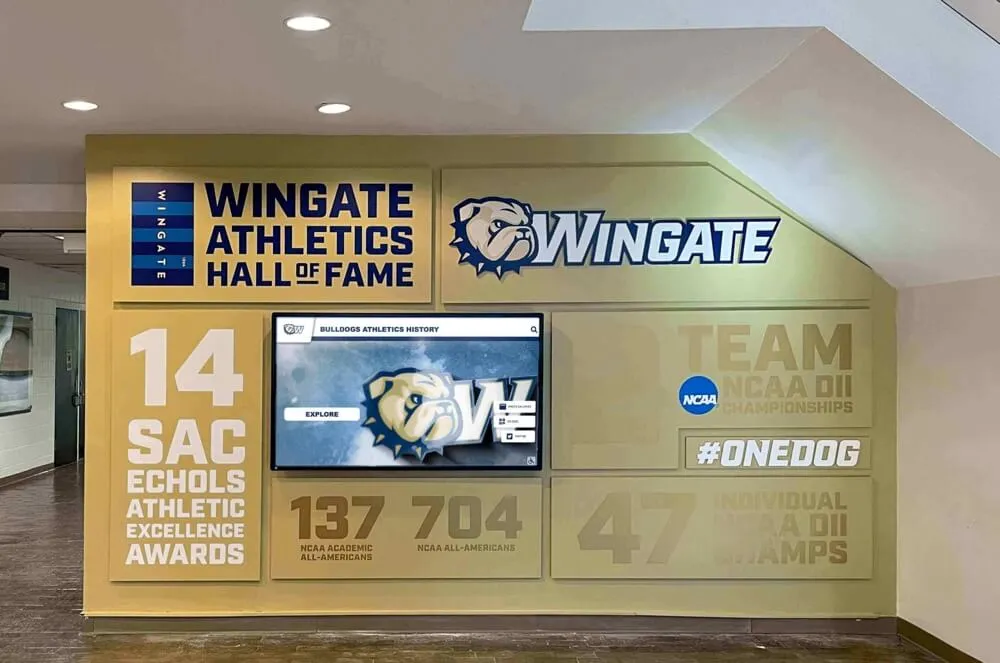
Hallway recognition walls create daily visibility for student achievements, reinforcing school culture every time students pass through
Preserving Model UN Records for the Long Term
Strong Model UN programs accumulate institutional knowledge over years: which committees have produced the strongest delegations, which conferences have been most rewarding, which topics have generated the best position papers, and which coaching approaches have yielded the most consistent delegate development. Without systematic preservation, this knowledge disappears when faculty advisors move on and when graduating seniors take their memories with them.
Schools that treat their MUN records as institutional archives — preserving position papers, conference results, delegate rosters, and award histories — build programs with compounding advantages. New delegates can study what past delegates wrote. Coaches can analyze trends across multiple conference seasons. Alumni can see themselves reflected in a continuous record of program achievement.
The same logic applies to physical display. Schools that invest in trophy and digital preservation for academic programs for their MUN programs — conference certificates, award plaques, team photos from regional and national competitions — make the program’s history visible in a way that purely digital-only archives cannot.
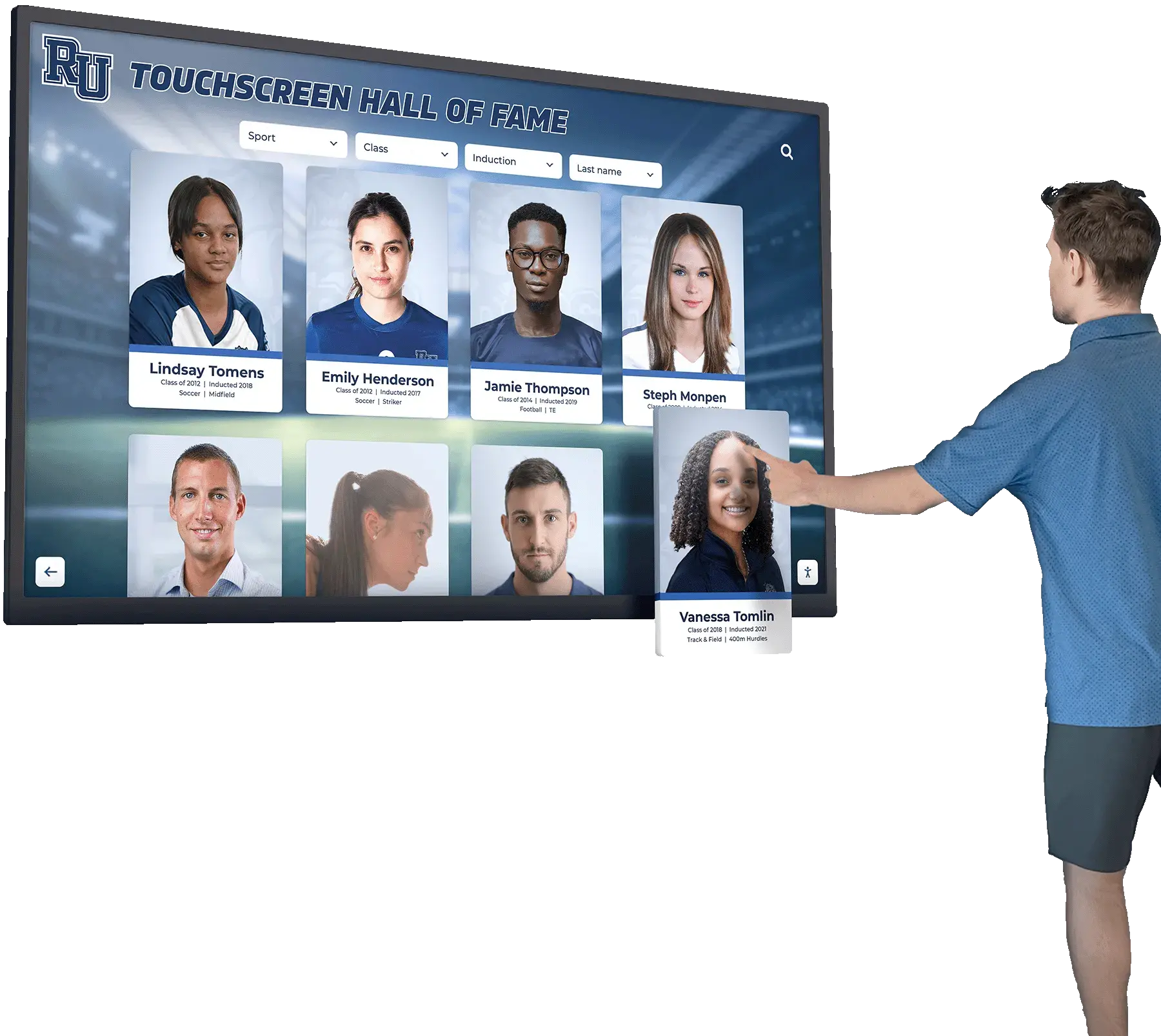
Digital archive systems extend that visibility further. Academic history archiving systems for schools allow MUN programs to display searchable records of past delegate achievements, organized by year, conference, award level, and committee — the same way athletic departments display season records and championship histories. A student browsing the kiosk in 2030 could find their school’s 2024 Best Delegate in International Court of Justice, see that delegate’s conference photo, and read a brief summary of the position they argued. That kind of searchable institutional memory builds program identity across graduating classes.
What Award Committees Actually Look For
Understanding how conferences evaluate delegates helps students write position papers that stand out.
Accuracy and depth of country research. Awards committees often include former delegates, faculty advisors, or diplomatic professionals who can identify when country positions are misrepresented or when research has been superficial. Position papers that demonstrate genuine engagement with primary sources consistently outperform those built on secondary summaries.
Internal consistency. The position advocated in the paper should match the country’s actual interests, align with its historical voting behavior, and be consistent with the alliance structures the country actually operates within. Papers that fall apart under scrutiny — where the proposed solutions contradict the country’s stated interests — signal that the delegate hasn’t thought through the logic of their position.
Writing quality. Clarity, formal register, and professional presentation matter. A committee evaluating 150 position papers will form impressions quickly. A paper that requires rereading to understand what the country’s position actually is will not be remembered favorably.
Specificity of proposed solutions. Generic calls for international cooperation do not distinguish competitive delegates. Specific, technically grounded policy proposals — even if brief — signal that the delegate has thought beyond the talking points.
Schools that want to display school history and student achievement effectively should highlight not just award outcomes but the process. A delegate who earns Best Delegate after completing forty hours of research on agricultural trade policy in sub-Saharan Africa has demonstrated analytical and written skills that matter beyond the conference room. Schools that communicate that story — through displays, recognition programs, and archival records — help families, college admissions offices, and future students understand what MUN achievement actually represents.
From Position Paper to Permanent Record
The best Model UN advisors treat exceptional position papers the way English teachers treat exceptional student essays: as evidence of intellectual achievement worth preserving. Some programs maintain internal libraries of strong position papers from previous years, using them as teaching tools for new delegates learning to write their first papers.
Digital history archive systems make this kind of institutional knowledge management sustainable. When position papers, conference records, and delegate achievement data are stored in organized, searchable systems rather than in individual faculty members’ email inboxes or filing cabinets, programs can build on their history rather than starting from scratch every time an advisor changes or a senior class graduates.
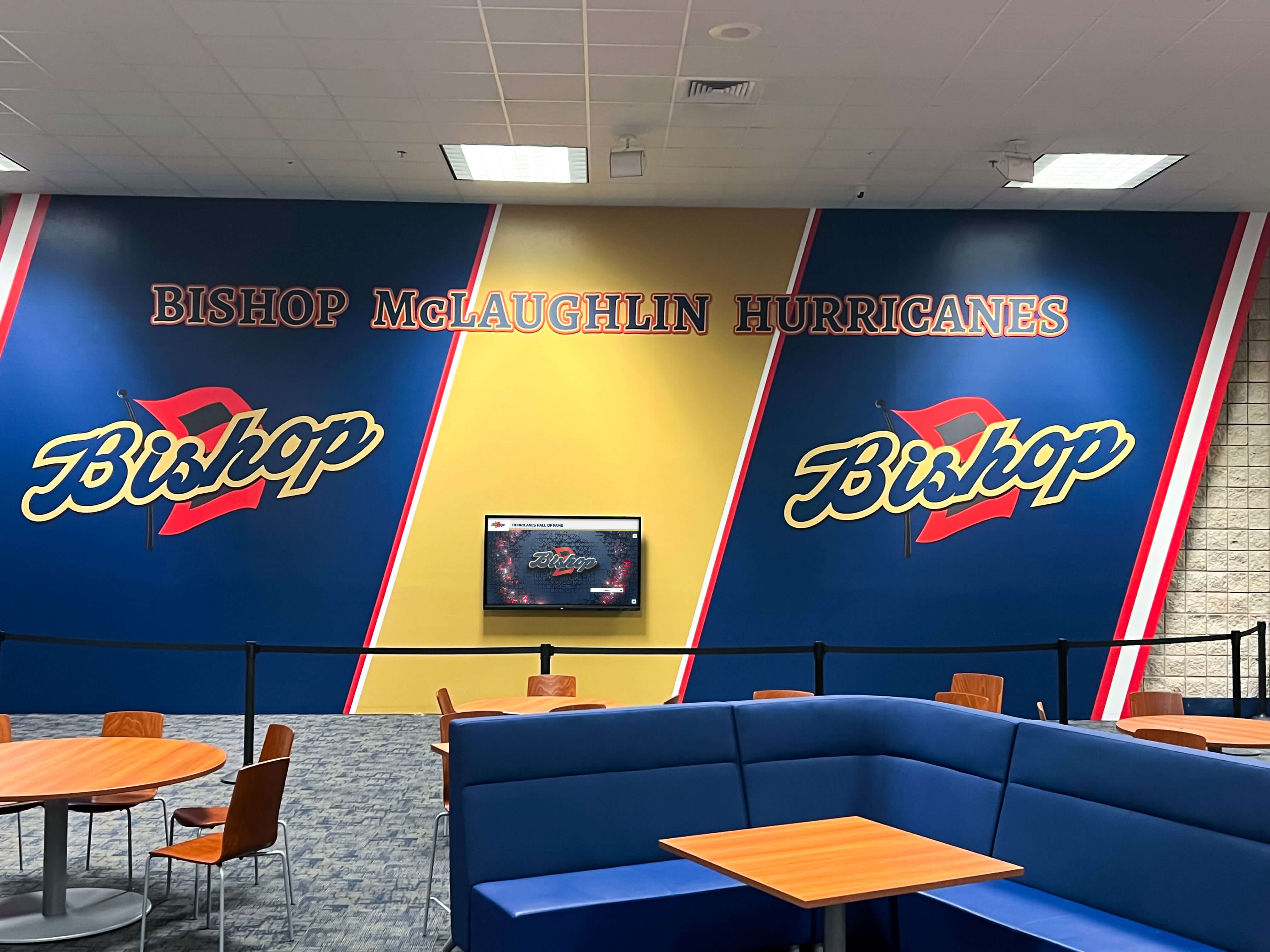
High-traffic spaces like cafeterias and lounges offer opportunities to make academic achievements part of daily student experience
Recognition Strategies for MUN Programs by School Level
High school MUN programs benefit most from creating recognition that connects to the school’s broader academic identity. Featuring MUN award winners in the same communication channels used for athletic achievements — morning announcements, school newsletters, social media, and hallway displays — establishes that academic competition receives institutional recognition comparable to sports. Guides on high school awards and types of recognition students can earn suggest integrating competitive academic recognition into end-of-year ceremonies rather than siloing it into program-specific events that reach only participants’ families.
College and university MUN programs deal with additional complexity: delegate achievement spans multiple academic departments, conference travel involves institutional resources, and the competitive stakes include national championship circuits. Schools with strong college MUN traditions often maintain formal alumni networks through which past delegates mentor current ones — an investment that compounds program quality across years. Understanding graduation honors and academic achievement tiers helps schools recognize that structures designed for athletic achievement translate readily to academic competition programs like MUN, creating structured connections between past award winners and current delegates learning the craft.
What Makes a Position Paper Worth Showcasing
Not every position paper is worth displaying in a school’s recognition archive. The ones that are — the papers that earned major conference awards, represented the school at national competitions, or demonstrated exceptional research and writing craft — share identifiable characteristics.
They demonstrate genuine country expertise rather than surface-level research. They argue internally consistent positions using the actual diplomatic register of UN documentation. They propose specific, technically grounded solutions rather than aspirational generalities. And they were written by delegates who understood that the exercise is not about winning an argument — it’s about inhabiting a perspective authentically enough to move a committee.
Schools that archive and display these papers — even in summary or excerpt form — give future students a concrete model for what excellent MUN work looks like. That visibility serves an educational function that award certificates alone cannot provide.
For schools considering how to integrate academic competition recognition into existing display infrastructure, Rocket Alumni Solutions offers touchscreen systems designed for schools that want to archive and celebrate the full range of student achievement — from athletic championships to academic excellence programs like Model UN. These systems allow programs to build searchable archives that remain accessible to students, families, and alumni long after the conference season ends.
Archive Your School's Academic Excellence
Discover how interactive touchscreen displays can preserve and showcase Model UN achievements, delegate awards, and academic recognition alongside your school's athletic legacy.
Request a DemoConclusion
A model UN position paper is an academic document that demands genuine scholarship: primary source research, analytical reasoning, formal writing, and the intellectual discipline to represent a country’s perspective accurately even when it differs from the delegate’s own. Students who master this process develop skills — researching complex policy questions, constructing coherent arguments, writing in formal registers, and engaging diplomatically with opposing viewpoints — that matter in nearly every professional context they will eventually enter.
Schools that recognize this achievement explicitly, archive it systematically, and display it alongside athletic and other extracurricular recognition create institutional cultures that take academic competition seriously. The position paper filed before a conference begins, the debate that unfolds in the committee room, and the award earned at the end of three days represent a complete arc of intellectual achievement. That arc deserves to be visible.
Whether through formal recognition programs, end-of-year awards ceremonies, or digital archive displays that preserve delegate histories for future students to explore, schools that invest in recognizing MUN achievement find that the investment returns compounding dividends: stronger programs, more motivated students, and a school identity that reflects the full range of what students are actually capable of accomplishing.