



Earning admission to the National Honor Society represents one of the most prestigious academic achievements in high school. Beyond grades and test scores, NHS membership requires students to demonstrate excellence across four essential pillars: scholarship, leadership, service, and character. The National Honor Society essay serves as your opportunity to showcase these qualities in your own voice, distinguishing yourself from other accomplished applicants competing for limited spots.
Yet many high-achieving students struggle with this critical component. The essay prompt feels deceptively simple—explain how you embody NHS values—but crafting a memorable response that authentically represents your experiences while demonstrating genuine commitment to these principles challenges even the strongest writers. Generic responses highlighting volunteer hours without deeper reflection fail to impress selection committees who read hundreds of similar applications.
This comprehensive guide provides proven strategies, concrete examples, and actionable tips for writing a National Honor Society essay that captures your unique journey while effectively communicating your readiness to contribute meaningfully to your school’s NHS chapter.
The National Honor Society essay represents more than an admissions hurdle—it’s an exercise in self-reflection about the kind of student, leader, and community member you’ve become and aspire to be. Schools across the country display NHS members prominently, recognizing these students as exemplars of academic and personal excellence.

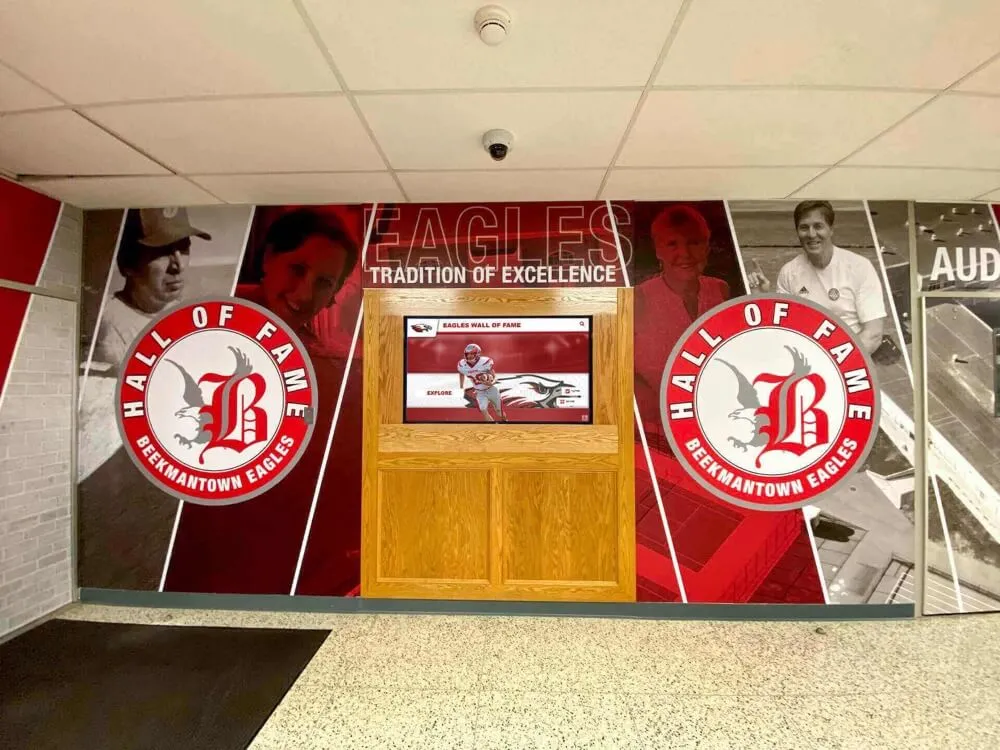
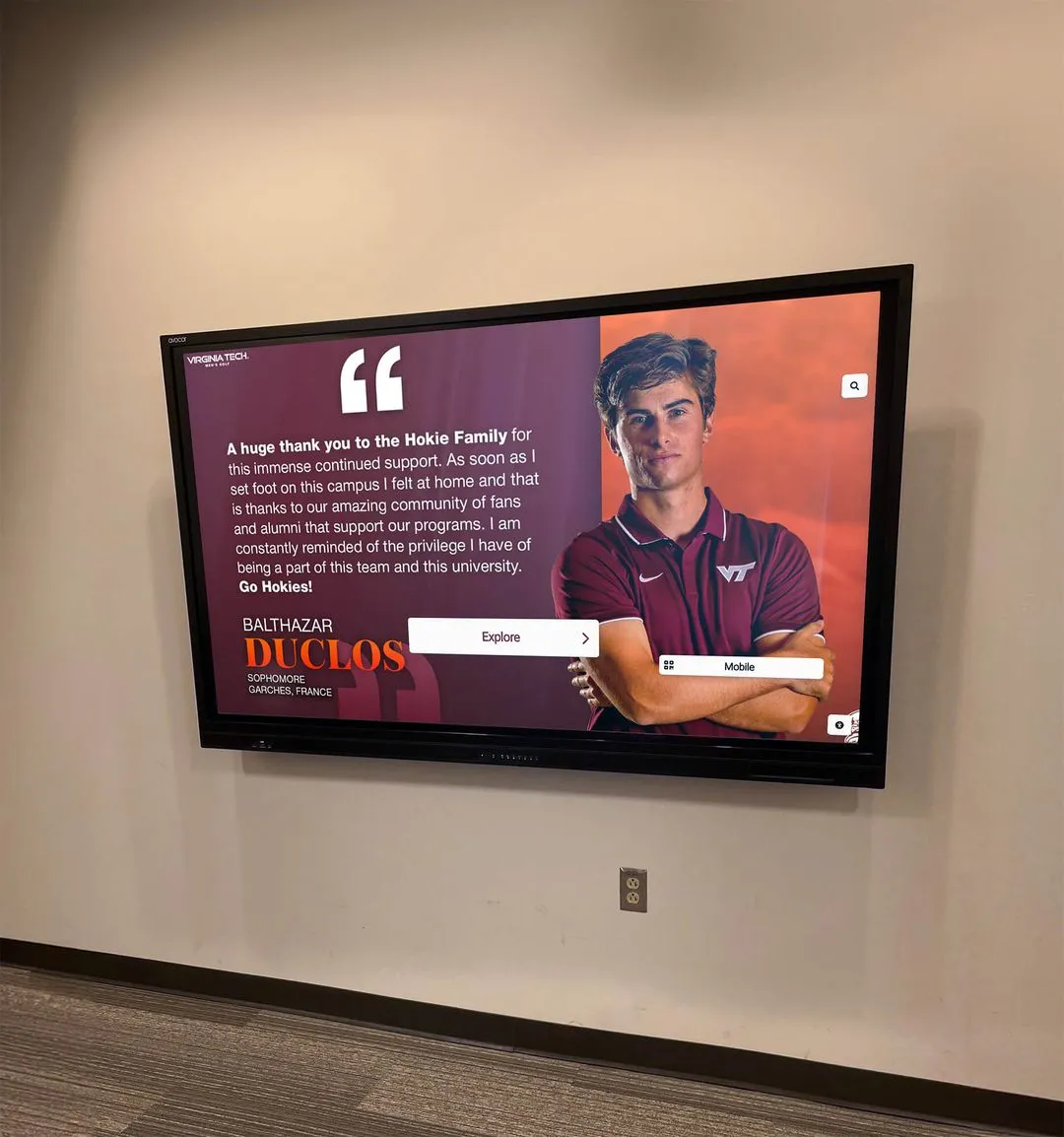
National Honor Society membership earns students recognition among their school's most accomplished scholars and leaders
Understanding the National Honor Society Essay
Before writing, understanding what selection committees seek helps you craft an effective response.
Purpose of the NHS Essay
The National Honor Society essay serves several essential functions in the application process:
Demonstrating Pillar Alignment
Selection committees use your essay to assess how you embody the four NHS pillars:
- Scholarship: Commitment to learning, intellectual curiosity, and academic excellence
- Leadership: Positive influence on peers, initiative, and responsibility
- Service: Dedication to helping others without expectation of recognition or reward
- Character: Integrity, respect, responsibility, and ethical behavior
Your essay provides evidence that you don’t just meet minimum requirements but genuinely exemplify these values.
Revealing Personal Voice and Authenticity
While grades and activities lists tell committees what you’ve done, your essay reveals who you are:
- Personal values and motivations driving your achievements
- Reflection and growth from experiences
- Authentic commitment versus resume-building
- Communication skills and maturity
- Fit with your school’s NHS chapter culture and priorities
Differentiating Among Qualified Candidates
Most NHS applicants meet academic standards and have impressive activities. Your essay distinguishes you when numerical credentials alone cannot.
Common NHS Essay Prompts
While specific prompts vary by school, most National Honor Society applications ask variations of these questions:
Four Pillar Essays
The most common prompt asks students to address all four NHS pillars:
- “Explain how you have demonstrated scholarship, leadership, service, and character.”
- “Describe your commitment to the four pillars of the National Honor Society.”
- “How do you embody the values of scholarship, leadership, service, and character?”
Individual Pillar Focus
Some applications request separate responses for each pillar:
- “Describe a leadership experience that shaped your understanding of effective leadership.”
- “Explain your most meaningful service experience and what you learned.”
- “How have you demonstrated strong character in challenging situations?”
Contribution and Goals Essays
Other prompts focus on future involvement:
- “What would you contribute to our NHS chapter?”
- “How will NHS membership help you achieve your goals?”
- “Describe how you will continue demonstrating NHS values in college and beyond.”
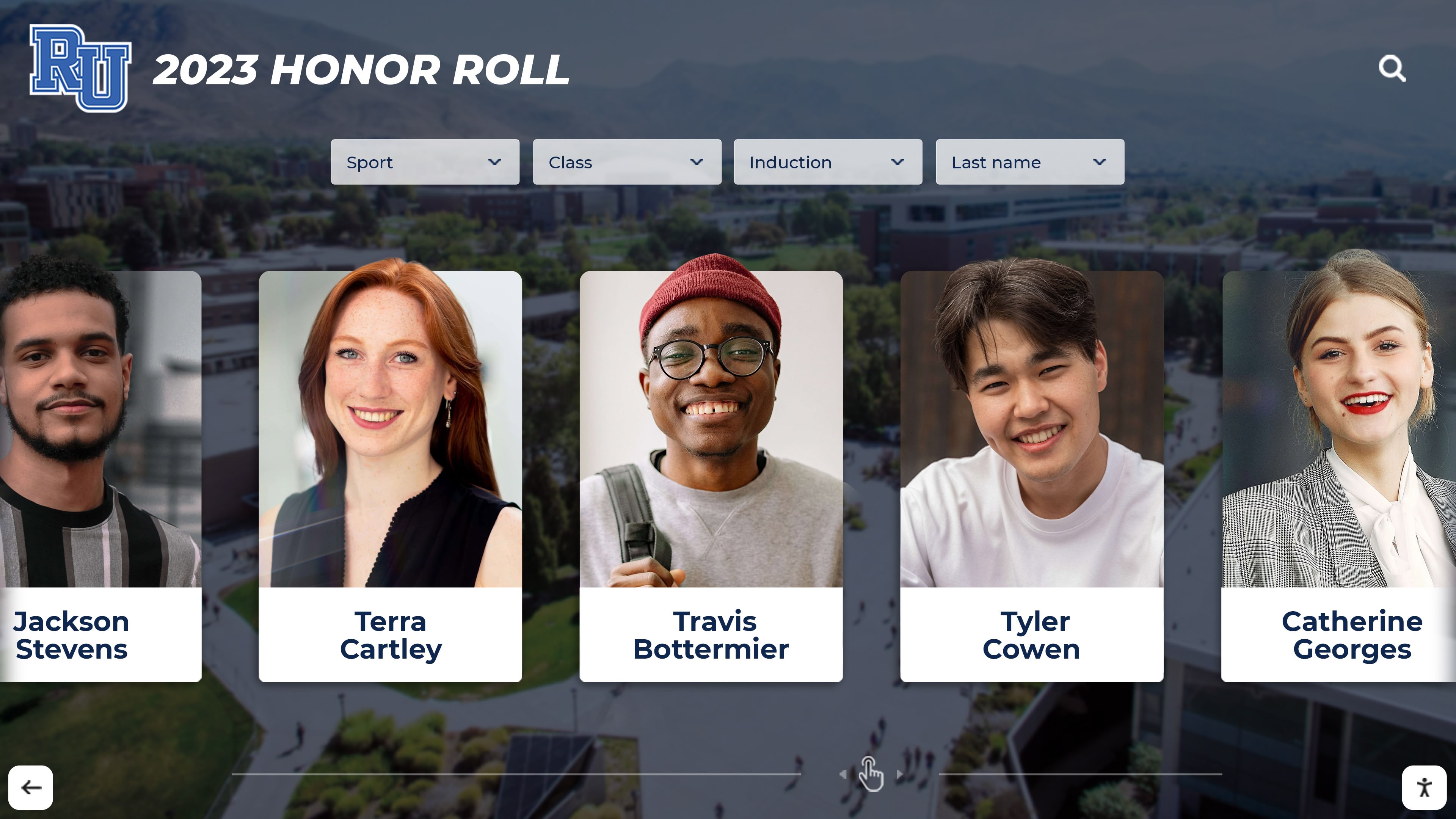
NHS members join a legacy of students recognized for comprehensive excellence across academics, leadership, service, and character
Regardless of specific wording, all NHS essay prompts ultimately ask: “Why do you deserve membership in an organization honoring exceptional students?”
Word Count and Format Guidelines
Understanding technical requirements prevents disqualification and helps you plan appropriately:
Typical Length Requirements
- Short essays: 250-500 words addressing all four pillars together
- Medium essays: 500-750 words providing more detailed examples
- Long essays: 750-1,000+ words with comprehensive reflection
- Multiple essays: Separate 200-300 word responses for each pillar
Check your specific school’s requirements carefully, as exceeding limits may result in disqualification.
Format Expectations
Standard formatting typically includes:
- Double-spaced text in readable font (Times New Roman, Arial, Calibri)
- 11 or 12-point font size
- One-inch margins on all sides
- Proper heading with name, date, and application details
- Saved as PDF to preserve formatting
Some schools provide online forms with character limits instead of traditional document uploads.
The Four Pillars: What Selection Committees Look For
Understanding what each pillar means helps you provide relevant, compelling examples.
Scholarship: More Than Just Grades
Scholarship represents the foundation of NHS membership, but extends beyond GPA alone.
What Scholarship Truly Means
Selection committees seek evidence of:
- Genuine intellectual curiosity and love of learning
- Academic challenge and rigor in course selection
- Consistent effort and improvement over time
- Academic integrity and ethical behavior
- Support and encouragement of peers’ learning
- Application of knowledge beyond classroom requirements
Effective Scholarship Examples
Strong scholarship discussions might include:
- Choosing challenging courses despite potential GPA impact because of genuine interest
- Independent research projects exploring topics beyond curriculum
- Tutoring peers in difficult subjects
- Participation in academic competitions or subject-specific clubs
- Reading and learning about topics purely from curiosity
- Overcoming academic obstacles through persistence and resourcefulness
Weak Scholarship Approaches to Avoid
Selection committees respond poorly to:
- Simply stating your GPA without context or reflection
- Listing honors classes without explaining motivation or learning
- Focusing solely on grades rather than intellectual growth
- Claiming you’re naturally smart without discussing effort
- Competitive attitudes about being better than classmates
Leadership: Influence Through Action
Leadership encompasses more than titles—it’s about positive impact on communities.
Leadership Beyond Positions
NHS values leadership demonstrated through:
- Initiative in identifying and addressing needs
- Positive influence on peers through example
- Responsibility for outcomes of group efforts
- Empowering others to contribute and succeed
- Persistence through challenges and setbacks
- Collaboration and team-building skills
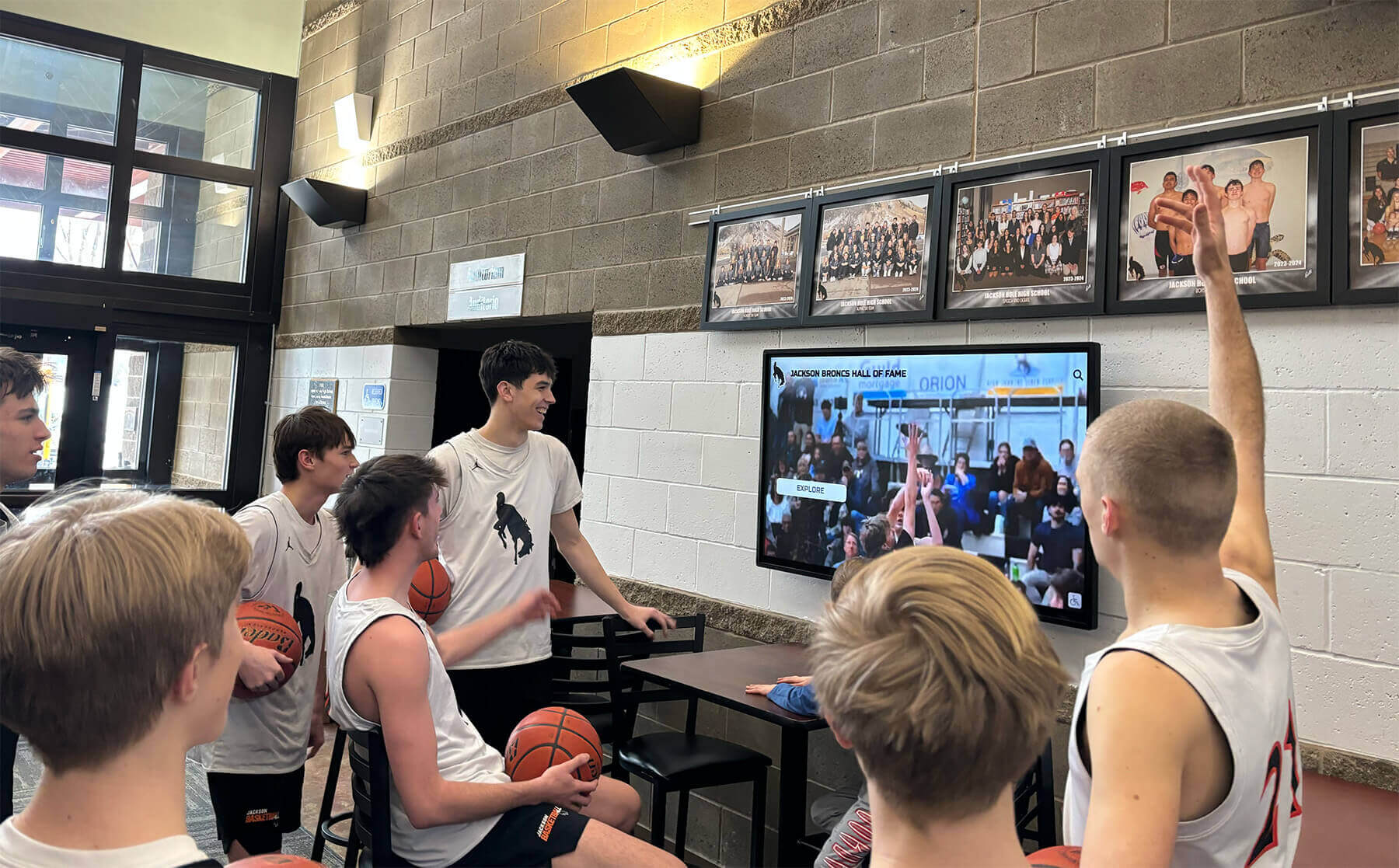
Student leaders inspire others through visible examples of commitment to excellence and service
Strong Leadership Examples
Compelling leadership discussions include:
- Founding or revitalizing a club addressing student needs
- Leading projects that create lasting positive change
- Mentoring younger students or new team members
- Taking initiative when others hesitate
- Leading through encouragement rather than authority
- Learning from leadership failures and adapting approaches
For students documenting their leadership journey, digital recognition systems preserve these achievements permanently.
Leadership Pitfalls to Avoid
Weak leadership discussions include:
- Merely listing positions held without describing impact
- Claiming leadership without specific examples or outcomes
- Describing authoritarian approaches rather than collaborative leadership
- Taking individual credit for team accomplishments
- Focusing on recognition received rather than change created
Service: Meaningful Contribution to Others
Service represents commitment to improving communities without expectation of personal gain.
Understanding True Service
Selection committees value:
- Sustained commitment over one-time events
- Personal involvement and hands-on contribution
- Service addressing genuine community needs
- Reflection on service impact and personal growth
- Continuation of service beyond requirement fulfillment
- Empathy and genuine care for those served
Effective Service Examples
Strong service discussions feature:
- Regular volunteering showing long-term commitment
- Service initiated independently rather than required
- Personal connection to causes served
- Specific stories of people or communities helped
- Skills developed through service experiences
- Plans for continuing service throughout life
Service Essay Mistakes
Avoid these common weaknesses:
- Listing volunteer hours without reflection or personal connection
- Service performed solely for college applications or requirements
- One-time service events without sustained engagement
- Focusing on personal benefits rather than impact on others
- Exaggerating importance of minor contributions
- Generic descriptions of service activities
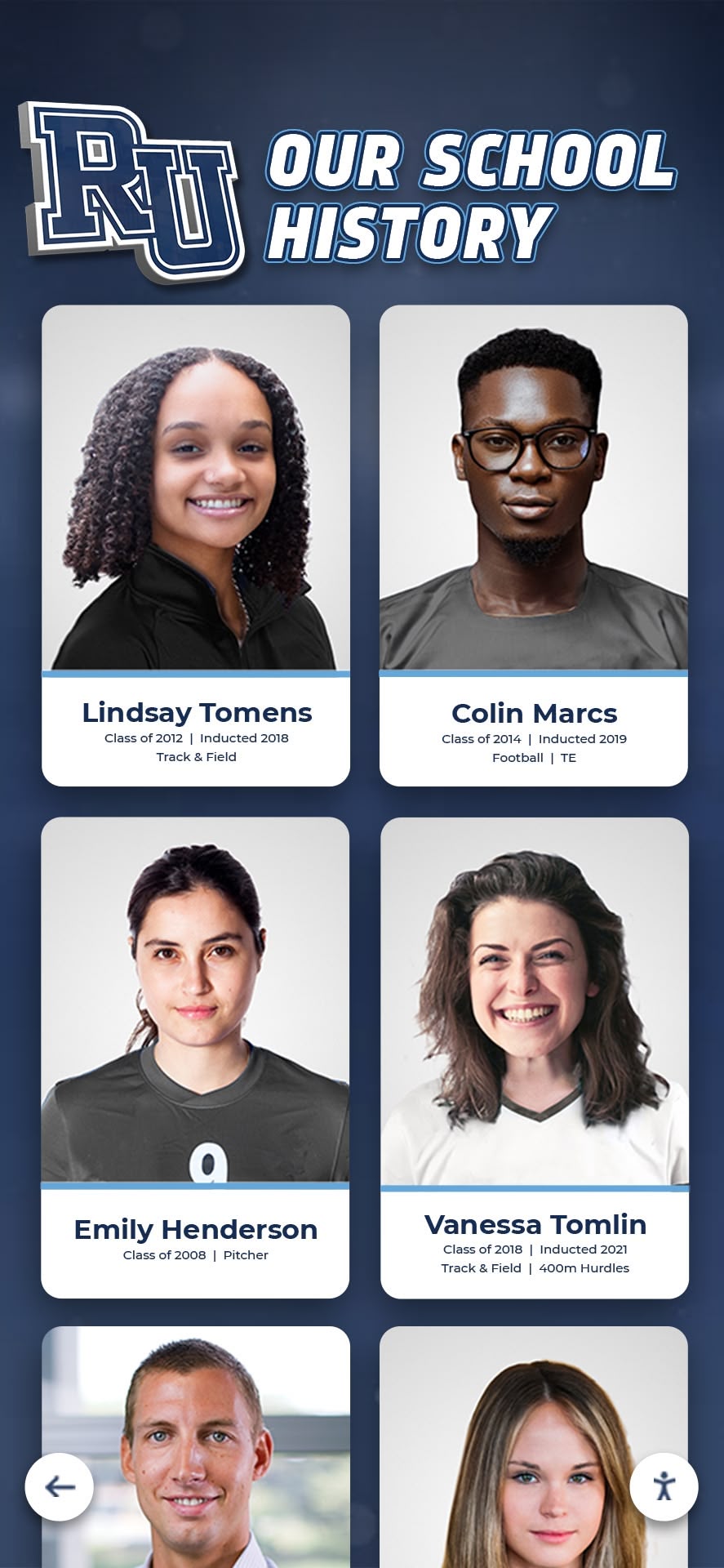
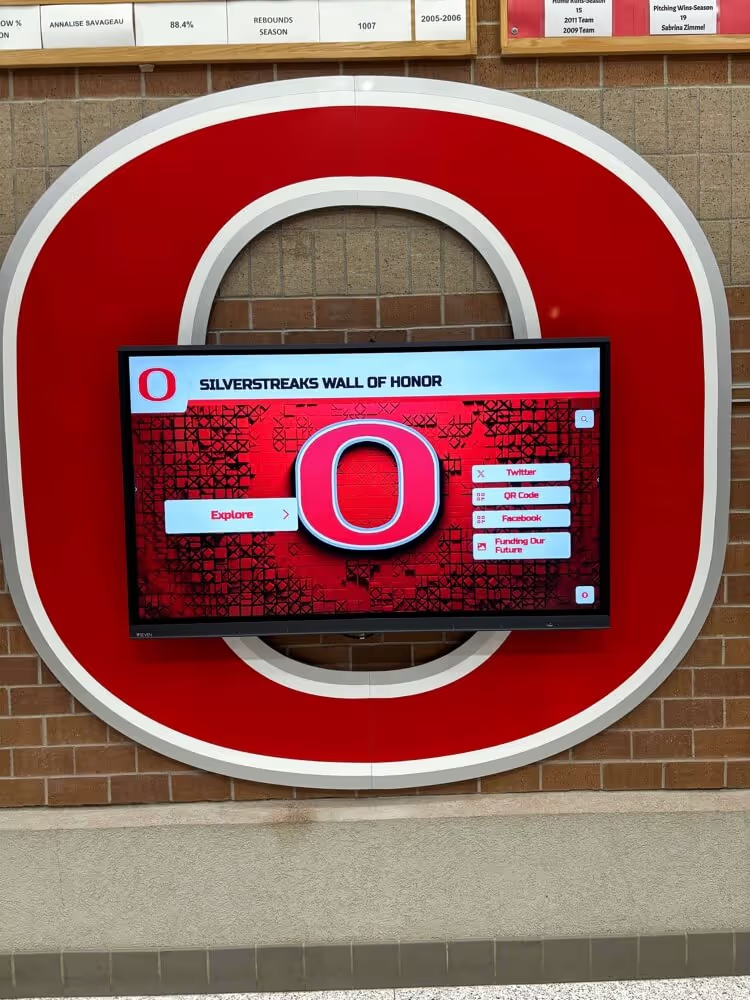
NHS recognition honors sustained commitment to service, leadership, and character alongside academic achievement
Character: The Foundation of Excellence
Character encompasses the ethical and personal qualities defining trustworthy, responsible individuals.
What Character Means to NHS
Selection committees assess:
- Integrity and honesty in all situations
- Respect for others regardless of differences
- Responsibility for actions and commitments
- Cooperation and positive attitude
- Reliability and trustworthiness
- Ethical decision-making even when difficult
Demonstrating Character Effectively
Strong character discussions include:
- Times you made ethical choices despite personal cost
- How you treated others with respect in challenging situations
- Taking responsibility for mistakes and learning from them
- Supporting peers facing difficulties
- Maintaining integrity when no one was watching
- Growth in emotional maturity and self-awareness
Schools often highlight character through comprehensive academic recognition programs that celebrate well-rounded excellence.
Character Discussion Weaknesses
Avoid these approaches:
- Claiming perfect character without acknowledging growth areas
- Using vague generalities without specific examples
- Describing character only through others’ praise
- Focusing on rule-following rather than ethical reasoning
- Minimizing or justifying ethical lapses
- Character claims contradicted by other application elements
Planning Your National Honor Society Essay
Strategic planning produces focused, compelling essays rather than scattered responses.
Brainstorming Your Experiences
Begin by inventorying relevant experiences across all four pillars.
Create a Pillar Inventory
For each NHS pillar, list:
- Specific activities, experiences, and accomplishments
- Skills developed through these experiences
- Challenges faced and how you overcame them
- Impact on others or communities
- Personal growth and lessons learned
- Ongoing commitments and future plans
Identify Your Strongest Examples
From your inventory, select experiences that:
- Demonstrate genuine passion and commitment
- Show sustained engagement over time
- Include specific details and outcomes
- Reveal personal growth and reflection
- Connect to multiple pillars when possible
- Distinguish you from other applicants
Look for Connecting Themes
Identify common threads linking your experiences:
- Personal values driving your commitments
- Causes or communities you care about deeply
- Challenges you’ve worked to overcome
- Growth trajectory across high school
- Ways different experiences reinforce each other
These themes help create cohesive essays rather than disconnected lists of activities.
Choosing Your Essay Approach
Strategic structure depends on prompt type and your strongest examples.
For Comprehensive Four-Pillar Essays
Two effective organizational approaches:
1. Pillar-by-Pillar Structure
- Devote one paragraph to each pillar
- Use specific examples demonstrating each value
- Ensure equal attention to all four pillars
- Connect pillars through transitions showing how they interrelate
2. Thematic or Chronological Structure
- Organize around central experiences touching multiple pillars
- Show how single meaningful commitment demonstrates all four values
- Create narrative arc showing growth across high school
- Integrate all pillars naturally rather than artificially separating them
For Individual Pillar Essays
When writing separate essays for each pillar:
- Select different primary examples for each pillar essay
- Ensure variety across experiences chosen
- Go deeper into single experiences rather than listing multiple activities
- Connect each pillar’s importance to your overall values
- Show authentic voice consistent across all essays

NHS membership becomes part of students' permanent academic legacy celebrated throughout their schools
For Future Contribution Essays
When focusing on what you’ll bring to NHS:
- Reference past experiences showing commitment to NHS values
- Describe specific ways you’d contribute to chapter activities
- Demonstrate knowledge of your school’s chapter
- Balance confidence with humility and eagerness to learn
- Connect personal goals to NHS mission
Outlining Before Writing
Create detailed outlines preventing rambling or disorganized essays.
Basic Essay Outline Template
Introduction (10% of essay)
- Hook engaging the reader
- Brief context about your connection to NHS values
- Thesis statement previewing main points
Body Paragraphs (75-80% of essay)
- Each paragraph focuses on one pillar or one major experience
- Topic sentence stating main point
- Specific example with concrete details
- Reflection on meaning and impact
- Transition to next paragraph
Conclusion (10-15% of essay)
- Synthesis of main points
- Reflection on growth and future commitment
- Strong closing statement about NHS membership meaning
Outline Benefits
Detailed outlines help you:
- Ensure balanced coverage of all required elements
- Identify gaps requiring additional examples
- Eliminate repetitive points before drafting
- Stay within word limits through strategic planning
- Maintain focus on most compelling examples
Writing Your National Honor Society Essay: Section by Section
With planning complete, focus on crafting each essay section effectively.
Crafting a Compelling Introduction
Your opening paragraph determines whether readers engage enthusiastically or skim mechanically.
Effective Opening Strategies
Strong introductions use these approaches:
The Meaningful Moment
- Open with specific scene from defining experience
- Use vivid sensory details creating immediate engagement
- Connect moment to larger significance regarding NHS values
Example: “The weight of thirty pairs of eyes locked on me as I stood before my school board, trembling hands clutching my proposal for a peer tutoring program. In that moment, I understood that leadership meant stepping forward despite fear when you believe in something bigger than yourself.”
The Surprising Statement
- Begin with counterintuitive claim or unexpected perspective
- Challenge common assumptions about NHS values
- Engage curiosity prompting readers to continue
Example: “Failing my first chemistry test taught me more about scholarship than any ‘A’ I’ve ever earned. That failure sparked the intellectual curiosity and resilience that have defined my academic journey.”
The Core Value Declaration
- Open with clear statement of personal value aligned with NHS
- Immediately establish authentic voice and perspective
- Preview how experiences demonstrate stated value
Example: “Service means showing up consistently, even when no one notices. This principle has guided my three years of Saturday mornings at the senior center, teaching technology skills to isolated elderly residents.”

NHS members demonstrate leadership that inspires younger students while serving their communities
Introduction Mistakes to Avoid
Weak introductions include:
- Generic statements about NHS being important or prestigious
- Dictionary definitions of scholarship, leadership, service, or character
- Overly formal language sounding inauthentic
- Listing all four pillars without engaging specifics
- Biographical information without connection to NHS values
- Clichéd opening phrases like “Ever since I was young…”
Developing Strong Body Paragraphs
Body paragraphs provide evidence supporting your NHS candidacy through specific examples and reflection.
The STAR Method for Example Paragraphs
Structure compelling paragraphs using:
Situation: Set the context
- What was happening when this example occurred?
- What need or opportunity did you recognize?
- What made this situation significant?
Task: Explain your role
- What did you decide to do?
- What responsibilities did you take on?
- What made this challenging?
Action: Describe specific steps
- What concrete actions did you take?
- How did you overcome obstacles?
- What skills or knowledge did you apply?
Result: Share outcomes and reflection
- What changed because of your actions?
- What did you learn about yourself?
- How did this experience shape your values or future commitments?
Example STAR Paragraph (Leadership)
“When I joined debate team as a sophomore, experienced seniors dominated discussions while new members remained silent (Situation). Remembering my own intimidation as a novice, I volunteered to coordinate a freshman mentorship program pairing new debaters with upperclassmen (Task). I created structured meeting guidelines, practice schedules, and a resource library. I personally mentored three freshmen, meeting weekly to review arguments and build confidence (Action). By season’s end, all three freshmen competed at regionals, with one breaking to elimination rounds. More importantly, these students became active team voices, contributing ideas in meetings and supporting other newcomers. Watching quiet freshmen transform into confident debaters taught me that effective leadership means empowering others to find their own voices (Result).”
Balancing Multiple Examples
For comprehensive four-pillar essays with limited space:
- Select one strongest example per pillar
- Include 2-3 specific details making each example vivid
- Devote 2-3 sentences to reflection per example
- Use transitions connecting examples thematically
Demonstrating Genuine Reflection
Selection committees distinguish authentic reflection from superficial claims by looking for:
- Specific insights about personal growth
- Acknowledgment of challenges or initial failures
- Nuanced understanding rather than simple platitudes
- Connection between experiences and evolving values
- Humility and continued areas for growth
Writing an Impactful Conclusion
Your conclusion should reinforce key themes while looking forward to NHS membership.
Effective Conclusion Elements
Strong conclusions include:
Synthesis of Main Points
- Briefly tie together examples from body paragraphs
- Highlight common themes across different pillar examples
- Show how experiences form coherent picture of who you are
Future Commitment Statement
- Express genuine enthusiasm about NHS membership
- Describe specific ways you’ll contribute to chapter
- Connect NHS to your long-term goals and values
- Demonstrate understanding that NHS is beginning, not endpoint
Memorable Closing
- Return to opening image or theme for circular structure
- End with thought-provoking statement about personal values
- Use confident tone without arrogance
- Leave readers with clear sense of your character and potential
Example Conclusion
“From tutoring struggling freshmen to organizing community service projects to maintaining integrity in challenging situations, I’ve worked to embody scholarship, leadership, service, and character not because they would look good on applications, but because they reflect the person I’m committed to becoming. National Honor Society membership would connect me with peers who share these values, creating opportunities to serve our school community more effectively while continuing to grow as a student and leader. More than recognition for past achievements, NHS represents an ongoing commitment to excellence and service that will shape my contributions long after graduation.”

Modern recognition systems showcase NHS members alongside other distinguished student achievements
Conclusion Mistakes to Avoid
Weak conclusions include:
- Simply restating introduction without synthesis
- Introducing entirely new examples or ideas
- Overly humble statements undermining previous claims
- Arrogant assumptions about deserving membership
- Generic statements about being honored if selected
- Ending abruptly without thoughtful closing
Advanced Writing Techniques for Standout Essays
Elevate your NHS essay beyond competent to compelling through strategic writing techniques.
Showing Rather Than Telling
The most common NHS essay weakness is telling committees about qualities rather than showing evidence.
Weak Telling Example
“I am a strong leader with excellent character who has demonstrated consistent service to my community. My scholarship reflects my dedication to academic excellence.”
Strong Showing Example
“Every Tuesday evening, I guide five middle school students through algebra concepts they’re struggling with, adapting explanations until each student’s confusion transforms into understanding. These students don’t know I volunteer my tutoring time—they just know someone believes they can succeed in math.”
How to Show Effectively
Transform telling statements into showing evidence by:
- Replacing abstract qualities with concrete actions
- Including specific sensory details and dialogue
- Describing observable behaviors and their impacts
- Using examples making readers visualize your experiences
- Letting evidence speak rather than labeling your qualities
Using Specific Details and Examples
Specificity distinguishes memorable essays from generic ones.
Generic Statement
“I volunteered at a local nonprofit helping people in need.”
Specific, Compelling Version
“At the community food pantry every Saturday morning, I sort donations, stock shelves, and help families select groceries. Last month, Mrs. Johnson thanked me for remembering her grandson has a dairy allergy and setting aside dairy-free items. That personal connection—knowing families’ names, their situations, their needs—transformed what could have been impersonal charity into genuine human relationship.”
Elements Creating Specificity
- Proper names of organizations, people, or places
- Concrete numbers (hours, people served, funds raised)
- Sensory details readers can visualize
- Direct quotes or dialogue
- Specific challenges or outcomes
- Personal connections or relationships formed
For schools looking to permanently recognize NHS members and other achievers, touchscreen archive displays provide comprehensive, engaging solutions.
Finding Your Authentic Voice
Authenticity distinguishes genuine commitment from resume-building and makes essays memorable.
Characteristics of Authentic Voice
Essays with genuine voice:
- Sound like the student wrote them, not a parent or consultant
- Include natural language the student would actually use
- Reveal genuine emotions and reactions, not performed sentiments
- Acknowledge complexity and struggle, not just success
- Show personality and individuality while remaining appropriate
- Demonstrate real reflection, not what the student thinks committees want to hear
Developing Authentic Voice
To find your genuine voice:
- Write first drafts without self-censoring or trying to sound impressive
- Read essays aloud to check if language sounds natural
- Remove unnecessarily formal or complex vocabulary
- Include genuine reactions and feelings from experiences
- Let imperfections and struggles show, not just polished successes
- Seek feedback on whether essays sound like you
Voice Pitfalls to Avoid
Inauthentic voice results from:
- Excessive use of thesaurus replacing natural word choices
- Overly formal academic language inappropriate for personal essay
- Trying to sound older or more sophisticated than you are
- Writing what you think committees want rather than your truth
- Hiding personality behind generic, safe language
- Exaggerating or embellishing experiences for effect

Interactive recognition displays allow students to explore NHS member achievements and contributions
Creating Smooth Transitions
Strong transitions guide readers through your essay and reveal connections between ideas.
Transition Techniques
Connect paragraphs and ideas through:
Thematic Transitions
- Link paragraphs through common themes or values
- Show how different examples illustrate related points
- Create narrative arc demonstrating growth or development
Example: “While tutoring taught me about academic leadership, my service with Habitat for Humanity revealed leadership’s physical dimension…”
Chronological Transitions
- Move through experiences showing progression over time
- Demonstrate development and increasing commitment
- Use time markers signaling movement
Example: “This early experience with peer mentoring sparked a commitment to educational service that has expanded throughout high school…”
Contrast Transitions
- Show different facets of your involvement or growth
- Highlight range of experiences demonstrating versatility
- Create interest through variety
Example: “Leadership in the classroom differs from leadership on the soccer field, yet both require the same fundamental skill: inspiring others through consistent example…”
Question Transitions
- Pose questions your next paragraph will answer
- Create curiosity maintaining reader engagement
- Show your thought process and reflection
Example: “These service experiences raised an important question: How could I expand this impact beyond individual tutoring sessions?”
Common National Honor Society Essay Mistakes to Avoid
Understanding frequent pitfalls helps you craft stronger applications.
Generic and Impersonal Writing
The most common weakness is essays that could describe any accomplished student.
Signs of Generic Writing
- Statements true for most NHS applicants without distinguishing you
- Listing activities without personal connection or meaning
- Vague descriptions lacking specific details
- Missing personal voice or individual perspective
- No reflection on why experiences mattered to you specifically
How to Personalize Your Essay
- Focus on fewer examples with deeper exploration
- Include personal reactions, emotions, and realizations
- Explain your specific motivations and values
- Use concrete details only you would include
- Show your unique perspective on common experiences
Listing Activities Without Reflection
Many students fall into the resume trap of listing accomplishments without exploring significance.
The Resume Trap
Weak essays sound like expanded activity lists:
“I am president of three clubs, captain of two sports teams, and volunteer at five different organizations. I have logged 200+ service hours. I earned a 4.0 GPA taking 8 AP classes.”
The Reflective Alternative
Strong essays explore meaning:
“Founding the environmental club taught me that effective leadership sometimes means starting conversations others find uncomfortable. When I proposed eliminating styrofoam trays in our cafeteria, I faced resistance from students prioritizing convenience over sustainability. Learning to engage skeptics with data rather than judgment, to build coalitions rather than demand compliance, to persist through setbacks—these leadership lessons have proven more valuable than any position or title.”
Creating Meaningful Reflection
Transform activities into reflection by asking:
- Why did this experience matter to me?
- What did I learn about myself or others?
- How did this challenge or change me?
- What would I do differently given another chance?
- How has this shaped my values or future goals?
- What broader insights did this experience provide?

NHS recognition celebrates students' reflective growth alongside their academic and service accomplishments
Exaggeration and Dishonesty
Misrepresenting experiences or accomplishments undermines your entire application.
Forms of Exaggeration
Selection committees detect:
- Claiming sole credit for team accomplishments
- Inflating hours, impact, or scope of involvement
- Describing plans as if already completed
- Overstating leadership roles or authority
- Omitting important context that would diminish achievements
- Fabricating experiences or outcomes
Why Honesty Matters
Beyond ethical concerns:
- Teachers provide recommendations revealing accurate context
- Selection committees review multiple applications revealing inconsistencies
- Exaggerated claims sound inauthentic and unbelievable
- Discovery of dishonesty can result in rejection or membership revocation
- Genuine experiences, honestly described, are always more compelling than inflated claims
Schools committed to recognizing authentic excellence often use comprehensive academic recognition systems documenting verified achievements.
How to Present Achievements Honestly
- Use accurate numbers for hours, participants, or outcomes
- Share credit appropriately for team accomplishments
- Acknowledge challenges and imperfections honestly
- Describe ongoing commitments accurately without overpromising
- Present achievements in proper context without minimizing or inflating
- Focus on what you actually learned rather than ideal outcomes
Focusing Only on Achievements
Strong essays balance accomplishments with personal growth, including struggles overcome.
The Perfection Problem
Essays describing only successes and perfect execution:
- Sound inauthentic and unbelievable
- Miss opportunities to demonstrate resilience
- Fail to show genuine reflection and growth
- Make you seem arrogant or lacking self-awareness
- Don’t demonstrate character through how you handle difficulty
The Growth Alternative
Discussing challenges and growth creates stronger essays:
“My first fundraiser flopped spectacularly—I raised $43 from three donors. Instead of giving up, I sought mentorship from our advisor, researched effective fundraising strategies, and rebuilt the campaign with clearer messaging and broader outreach. The second attempt raised $1,200. That early failure taught me more about persistence, humility, and leadership than easy success ever could.”
Appropriate Vulnerability
Include challenges and struggles that show:
- How you responded to setbacks constructively
- What you learned from mistakes or failures
- Growth in maturity, skills, or understanding
- Resilience and persistence through difficulty
- Humility and willingness to improve
Avoid discussing:
- Significant disciplinary issues or serious character lapses
- Blaming others for your shortcomings
- Struggles presented without resolution or growth
- Oversharing personal issues unrelated to NHS pillars
Editing and Refining Your NHS Essay
Even excellent first drafts benefit from systematic revision.
Self-Editing Strategies
Before seeking outside feedback, improve your essay through self-editing.
The Cooling Period
- Write your first draft completely
- Set it aside for at least 24-48 hours
- Return with fresh perspective enabling objective evaluation
- Read as if encountering essay for first time
Read Aloud Technique
Reading your essay aloud reveals issues invisible when reading silently:
- Awkward phrasing or unclear sentences
- Repetitive language or sentence structures
- Places where voice sounds inauthentic
- Overly long or complex sentences
- Missing transitions or logical connections
Reverse Outline
Create outline from existing draft to evaluate structure:
- Write one sentence summarizing each paragraph’s main point
- Evaluate whether organization is logical and effective
- Identify paragraphs lacking clear focus
- Reveal gaps in coverage or excessive repetition
- Assess whether conclusion follows logically from body paragraphs

NHS achievements become part of students' permanent academic records displayed throughout campus facilities
Self-Editing Checklist
Review your essay asking:
- Does my introduction immediately engage readers?
- Have I addressed all required elements or pillars?
- Are my examples specific with concrete details?
- Have I included genuine reflection, not just description?
- Does my authentic voice come through?
- Are transitions smooth and logical?
- Does my conclusion provide satisfying synthesis?
- Is every sentence necessary and purposeful?
- Have I stayed within word limits?
- Is my essay free from grammatical and spelling errors?
Seeking Effective Feedback
Strategic feedback from appropriate readers improves essays while maintaining your authentic voice.
Who to Ask for Feedback
English Teachers
- Excellent for writing mechanics and structure
- Can identify unclear passages or weak development
- Provide grammatical and stylistic guidance
School Counselors
- Understand NHS selection criteria and committee expectations
- Can assess whether you’ve addressed requirements effectively
- May provide insight into what your school’s chapter values
Parents or Trusted Adults
- Offer perspective on whether essay sounds authentic
- Can remind you of experiences you might have forgotten
- Provide emotional support through revision process
Current NHS Members
- Share experiences with successful applications
- Offer insight into chapter culture and priorities
- Can identify what distinguished their own essays
Who NOT to Ask
Avoid feedback from:
- People who will rewrite your essay rather than suggest revisions
- Multiple people simultaneously creating conflicting advice
- Those unfamiliar with college essay conventions
- Peers competing for same NHS spots
- Anyone who will do the work for you rather than guide improvement
Questions for Feedback Providers
Ask specific questions rather than general “What do you think?”:
- Does this essay sound like me?
- What do you think is my strongest example?
- Are there places where I’m telling rather than showing?
- Where do you want more detail or explanation?
- Does my conclusion effectively tie things together?
- What’s your main takeaway about who I am?
Final Proofreading
Polished presentation demonstrates attention to detail valued by NHS.
Common Errors to Check
- Spelling errors especially with names, organizations, or technical terms
- Grammar mistakes particularly with subject-verb agreement and pronouns
- Punctuation errors in complex sentences
- Inconsistent verb tenses within paragraphs
- Incorrect formatting or font issues
- Missing or incomplete sections
Proofreading Techniques
- Read from end to beginning catching errors your brain autocorrects
- Use text-to-speech software hearing errors you miss visually
- Print hard copy for proofreading rather than screen-only review
- Check essay against specific requirements checklist
- Verify all names and organization references are correct
- Confirm word count and formatting requirements met
Professional Presentation
Ensure your essay:
- Follows all formatting guidelines exactly
- Includes proper heading with required information
- Uses consistent, professional font and spacing
- Is saved and submitted in required format
- Contains your name on every page if multiple pages
- Looks polished and carefully prepared
NHS Essay Examples and Analysis
Examining effective examples helps you recognize strong techniques in action.
Scholarship Essay Example
Sample Prompt: Describe how you have demonstrated commitment to scholarship.
Effective Response (excerpt):
“The periodic table posted in my bedroom represents more than chemistry study materials—it’s a symbol of how curiosity transformed my approach to learning. Freshman year, I memorized elements mechanically for tests, forgetting them immediately afterward. Everything changed when I started asking ‘why’: Why do noble gases refuse to bond? Why does atomic radius decrease across periods? These questions led me down research rabbit holes exploring quantum mechanics, electron configurations, and chemical reactivity far beyond our curriculum.
This curiosity-driven approach transformed all my classes. In history, I didn’t just memorize dates but researched economic and social forces driving historical events. In literature, I explored how authors’ biographical experiences influenced their work. I started reading academic journals, watching university lectures online, and emailing professors with questions. My GPA improved, but more importantly, learning became genuinely exciting rather than obligation.
This scholarship commitment extends beyond personal study. When classmates struggle with concepts, I share the ‘why’ questions that help me understand deeply. I organized a STEM mentorship program pairing interested freshmen with upperclassmen in advanced science courses. Last year, I designed independent study projects exploring genetic engineering’s ethical implications, combining biology with philosophy in ways our standard curriculum couldn’t accommodate. Scholarship, I’ve learned, isn’t about grades—it’s about intellectual hunger that drives you to explore beyond requirements because you genuinely want to understand.”
Why This Works
This example succeeds because it:
- Opens with specific, vivid detail (periodic table in bedroom)
- Shows evolution from superficial to deep learning
- Includes concrete examples of curiosity-driven exploration
- Demonstrates initiative beyond classroom requirements
- Connects personal learning to helping others
- Reveals authentic passion for learning versus grade-chasing
- Uses active, descriptive language creating engagement
- Includes reflection on scholarship’s true meaning
Leadership Essay Example
Sample Prompt: Describe a meaningful leadership experience.
Effective Response (excerpt):
“Twenty-three freshmen stared at me skeptically as I explained the new peer mentorship program I’d proposed for our debate team. ‘Why would we want help from other students?’ one challenged. ‘The coaches teach us everything we need.’ In that moment, I realized effective leadership isn’t about having good ideas—it’s about persuading others to believe in them.

Integrated systems celebrate NHS members alongside other student achievements creating comprehensive recognition
I shifted strategies. Instead of telling freshmen what they needed, I asked what challenges they faced. They described feeling intimidated in rounds, struggling to understand judges’ feedback, and not knowing how to improve efficiently between tournaments. I shared my own freshman struggles—the brutal first tournament where I went 0-4, the confusion decoding RFDs, the lonely feeling of not belonging. Vulnerability succeeded where authority had failed.
I restructured the program around their expressed needs: weekly practice rounds with structured feedback, tournament prep sessions, and post-competition debriefs. I recruited junior and senior volunteers, trained them on effective mentoring approaches, and created accountability systems. When the freshmen I mentored began winning rounds and excitedly discussing debate strategy at lunch, I understood that leadership means creating conditions where others succeed, then stepping back to let them shine.
By year’s end, all three freshmen I personally mentored competed at state, and our novice retention rate doubled. But my greatest leadership accomplishment wasn’t these statistics—it was watching former novices design the next year’s freshman orientation, having internalized that great teams build up new members rather than hazing them into belonging.”
Why This Works
- Opens with specific scene creating immediate engagement
- Includes dialogue making story feel real
- Acknowledges initial failure and strategic adjustment
- Shows empathy and understanding of others’ perspectives
- Describes concrete actions taken
- Emphasizes empowering others over personal glory
- Includes specific outcomes demonstrating impact
- Reflects on leadership’s deeper meaning
- Demonstrates humility and growth mindset
Service Essay Example
Sample Prompt: Describe your most meaningful service experience.
Effective Response (excerpt):
“Mrs. Rodriguez held the iPad at arm’s length, squinting at the screen displaying her granddaughter’s photos. ‘It’s too small,’ she sighed, sliding it back across the table. ‘I give up.’ Three months into volunteering at the senior center’s technology class, I’d encountered this frustration repeatedly—elderly residents wanting to connect with distant family but defeated by devices designed for younger, tech-savvy users.
Rather than accepting defeat, I redesigned our program. I researched accessibility features, created large-print instruction guides with simple screenshots, and slowed our lesson pace dramatically. Most importantly, I started one-on-one sessions matching each senior’s pace and goals. With Mrs. Rodriguez, we spent four weeks just on photo viewing—adjusting text size, practicing zoom gestures, organizing albums. The day she successfully video-called her granddaughter in Texas, her tears of joy made every Saturday morning worthwhile.
This service has taught me patience, humility, and the profound importance of human connection. These seniors don’t just need technical help—they need someone who treats their learning struggles with respect rather than condescension, who celebrates small victories, who sees them as whole people rather than problems to solve. I’ve learned more about empathy, resilience, and gratitude from my students than I could teach them about technology.
Service, I now understand, isn’t about the helper and the helped—it’s about mutual growth through genuine relationship. Next year, I’m expanding the program to include smartphone basics and social media safety. But my real goal remains unchanged: helping isolated seniors reconnect with people they love, one video call at a time.”
Why This Works
- Opens with specific scene and person creating emotional connection
- Shows problem identification and innovative solution
- Includes specific, meaningful outcome (successful video call)
- Demonstrates personal investment and consistent commitment
- Reveals genuine reflection on service’s deeper meaning
- Avoids savior complex or condescending attitudes
- Shows mutual benefit and respect between server and served
- Connects to continued future commitment
- Uses authentic, compassionate voice throughout
Schools preserving student service achievements often utilize interactive recognition displays documenting comprehensive contributions.
After You Submit: What Happens Next
Understanding the selection process helps manage expectations and prepare for potential next steps.
The NHS Selection Process
While processes vary by school, most follow similar patterns.
Application Review Timeline
- Initial screening: Academic credentials verified against minimum requirements
- Essay review: Selection committee reads all essays, often multiple times
- Holistic evaluation: Committee considers complete applications including recommendations and activities
- Deliberation: Committee discusses candidates, particularly borderline cases
- Selection: Final membership decisions made
- Notification: Applicants informed of acceptance or rejection
This process typically takes 2-6 weeks depending on application volume and committee meeting schedules.
What Selection Committees Consider
Beyond essays, committees evaluate:
- Academic achievement relative to requirements
- Quality and authenticity of pillar examples
- Teacher and administrator recommendations
- Demonstrated character through school behavior
- Overall application coherence and authenticity
- Fit with chapter culture and priorities
- Balance of achieving equity across student populations
If You’re Selected
NHS membership brings responsibilities:
- Required attendance at monthly meetings and events
- Ongoing service hour requirements
- Active participation in chapter projects
- Upholding NHS values in all school activities
- Planning and leading chapter initiatives
Membership isn’t just recognition—it’s commitment to continued excellence.
If You’re Not Selected
Rejection from NHS doesn’t diminish your achievements or potential:
- Many accomplished students don’t make NHS due to limited spaces
- Continue demonstrating NHS values regardless of membership
- Use feedback if provided to grow and improve
- Remember that NHS is one of many ways to contribute and achieve
- Consider reapplying if your school allows (sophomore/junior rejections)
Your character, scholarship, leadership, and service matter whether or not a committee recognizes them formally.

Permanent recognition systems document NHS achievements alongside athletic and artistic accomplishments
NHS Membership and College Applications
Understanding how NHS factors into college admissions helps you leverage membership appropriately.
How Colleges View NHS
Admissions officers see NHS as:
- Recognition of well-rounded achievement across multiple dimensions
- Indicator of sustained high school success and involvement
- Evidence of character qualities valued in college students
- Participation in established, reputable organization
However, NHS is common among competitive applicants and won’t single-handedly secure admission.
Listing NHS on Applications
Present NHS membership effectively:
- List in activities section, not honors section
- Include specific roles (member, officer positions if applicable)
- Describe chapter activities and your contributions
- Highlight leadership of NHS projects or initiatives
- Quantify service hours or impact when possible
NHS Essays and College Essays
Your NHS essay can inform college applications:
- Strong NHS examples may work in college essays with adaptation
- Reflection developed for NHS transfers to personal statements
- Don’t simply copy NHS essay for college applications
- Use similar themes adapted to different prompts and purposes
Frequently Asked Questions
How long should my NHS essay be?
Check your specific school’s requirements. Most NHS essays range from 300-750 words. Some schools request separate responses for each pillar (200-300 words each), while others want comprehensive essays addressing all pillars together. Always adhere strictly to stated limits—exceeding word counts may result in disqualification.
Can I reuse my NHS essay for college applications?
While themes and examples from your NHS essay might inform college essays, don’t simply submit the same essay. College essays serve different purposes, have different prompts, and reach different audiences. You can adapt particularly strong NHS examples for college essays, but tailor content specifically to each application.
What if I don’t have leadership positions or titles?
NHS values leadership through positive influence, not just formal positions. Effective leadership examples include mentoring peers, taking initiative on group projects, starting new initiatives, or consistently setting positive examples. Focus on your impact and influence rather than titles held.
Should I ask teachers to review my NHS essay?
Yes, appropriate feedback improves essays. English teachers help with writing quality, while counselors can assess whether you’ve addressed selection criteria effectively. Avoid letting others rewrite your essay—seek guidance while maintaining your authentic voice.
What if I’m rejected from NHS?
NHS rejection doesn’t diminish your achievements or college prospects. Many accomplished students don’t make NHS due to limited spots. Continue demonstrating NHS values regardless of membership. If your school allows, consider reapplying in future years with stronger examples and improved essays.
Can I discuss struggles or failures in my NHS essay?
Yes—discussing challenges you’ve overcome often creates stronger essays than describing only successes. Show how you responded to difficulties, what you learned, and how you grew. Appropriate vulnerability demonstrates character, resilience, and genuine reflection. Avoid significant disciplinary issues or failures without resolution.
How do I make my essay stand out from other strong applicants?
Distinction comes from specificity, authenticity, and depth of reflection. Use concrete details making your experiences unique and memorable. Write in your genuine voice rather than trying to sound impressive. Go deep into fewer examples rather than listing many activities superficially. Show real growth and reflection rather than just describing accomplishments.
Should I mention NHS in my essay?
Generally no—selection committees know you’re applying to NHS. Instead of stating “I want to join NHS because…” or “These experiences qualify me for NHS,” simply demonstrate how you embody NHS values through your examples and reflection. Let your evidence speak rather than explicitly stating you deserve membership.
Conclusion: Writing Your Best National Honor Society Essay
Your National Honor Society essay represents more than an application requirement—it’s an opportunity for meaningful self-reflection about the student, leader, and community member you’ve become throughout high school. Crafting an essay that authentically represents your experiences while effectively demonstrating scholarship, leadership, service, and character requires thoughtfulness, honest reflection, and careful revision. But the effort invested pays dividends beyond NHS selection, helping you articulate your values and commitments for college applications, scholarship essays, and your own personal development.
The strategies explored in this guide provide comprehensive frameworks for creating compelling NHS essays: understanding what selection committees seek, choosing meaningful examples, structuring responses effectively, writing with authenticity and specificity, and revising thoughtfully. Whether you’re addressing all four pillars in one essay or writing separate responses for each value, these approaches help you showcase your genuine accomplishments and growth while avoiding common pitfalls that undermine weaker applications.
Celebrate NHS Excellence at Your School
Discover how interactive touchscreen displays can permanently honor National Honor Society members and other student achievers, creating engaging recognition that inspires current and future students.
Request a DemoMost importantly, approach your NHS essay as an authentic expression of who you are and who you’re becoming. Selection committees distinguish genuine commitment from resume-building, real reflection from superficial claims, and authentic voices from essays that try too hard to impress. Your real experiences, honestly described and thoughtfully examined, always create more compelling essays than exaggerated claims or borrowed language.
Remember that NHS membership represents recognition of sustained excellence across multiple dimensions—scholars who lead, leaders who serve, and servants of strong character. Your essay should demonstrate not just that you’ve done impressive things, but that these experiences reflect core values guiding how you engage with learning, peers, and community. Whether selected or not, embodying these values matters far more than membership itself.
As you write, revise, and finalize your National Honor Society essay, maintain confidence in your authentic story while remaining open to feedback and improvement. The time invested in crafting a thoughtful, genuine essay that truly represents your high school journey will serve you well throughout the college application process and beyond. Your accomplishments deserve to be expressed effectively—this guide provides the tools to do exactly that.
Ready to honor student excellence at your school? Explore solutions for comprehensive academic recognition and student achievement archives, or request a demo to see how digital touchscreen displays can celebrate NHS members and other distinguished students permanently.