



The National Student Leadership Conference (NSLC) represents one of the most prestigious summer leadership programs available to high school students across the United States. Each year, thousands of motivated students attend NSLC programs at renowned college campuses, gaining hands-on experience in fields ranging from medicine and engineering to law, business, and international diplomacy. For schools, supporting NSLC attendees creates opportunities to develop future leaders, strengthen college preparation efforts, and demonstrate commitment to student excellence.
Yet many schools remain unclear about how the National Student Leadership Conference operates, which students benefit most from participation, how to support the nomination and selection process, and ways to recognize student achievements upon their return. Some administrators wonder whether NSLC investment delivers meaningful educational value or primarily serves as expensive resume padding. Others struggle to balance equitable access with merit-based selection when recommending students for these competitive programs.
This comprehensive guide explores what schools need to know about the National Student Leadership Conference, providing practical strategies for identifying appropriate candidates, supporting participants before and during attendance, and leveraging NSLC experiences to strengthen institutional leadership cultures that benefit entire school communities.
Understanding the National Student Leadership Conference enables schools to make informed decisions about program participation, maximize student benefits, and create systematic approaches to leadership development that extend far beyond individual summer experiences.

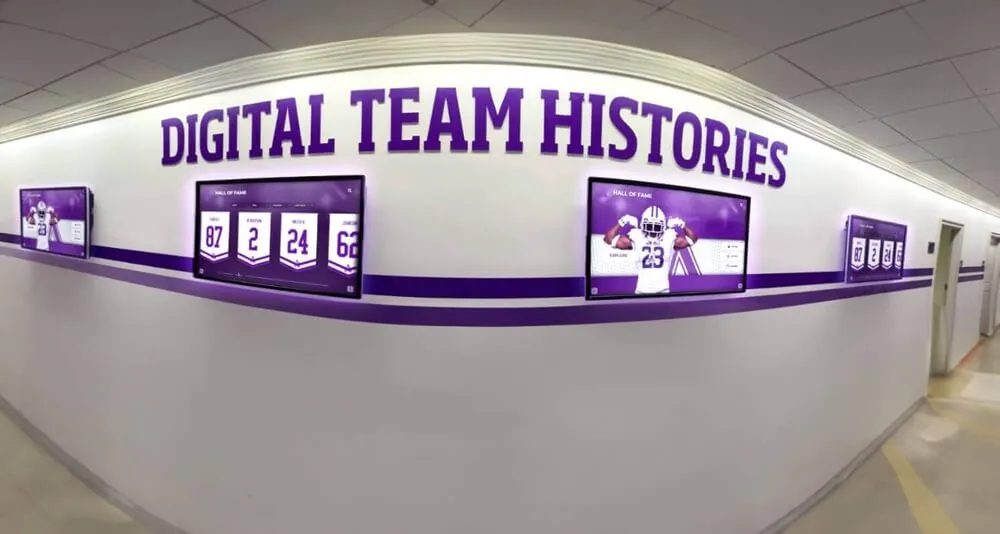
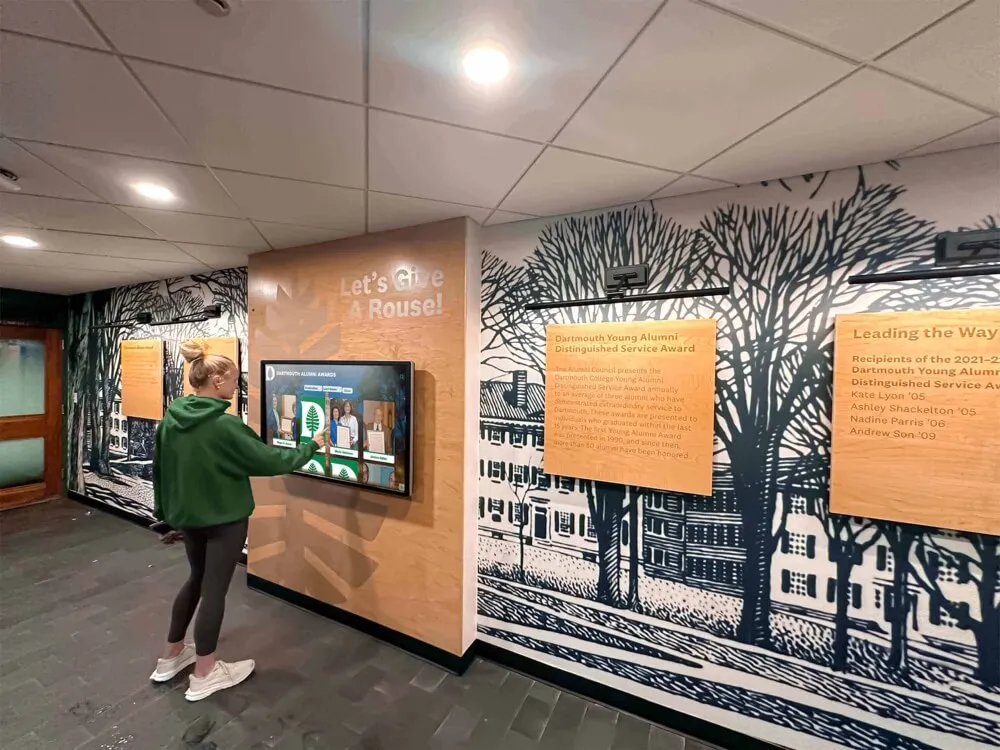
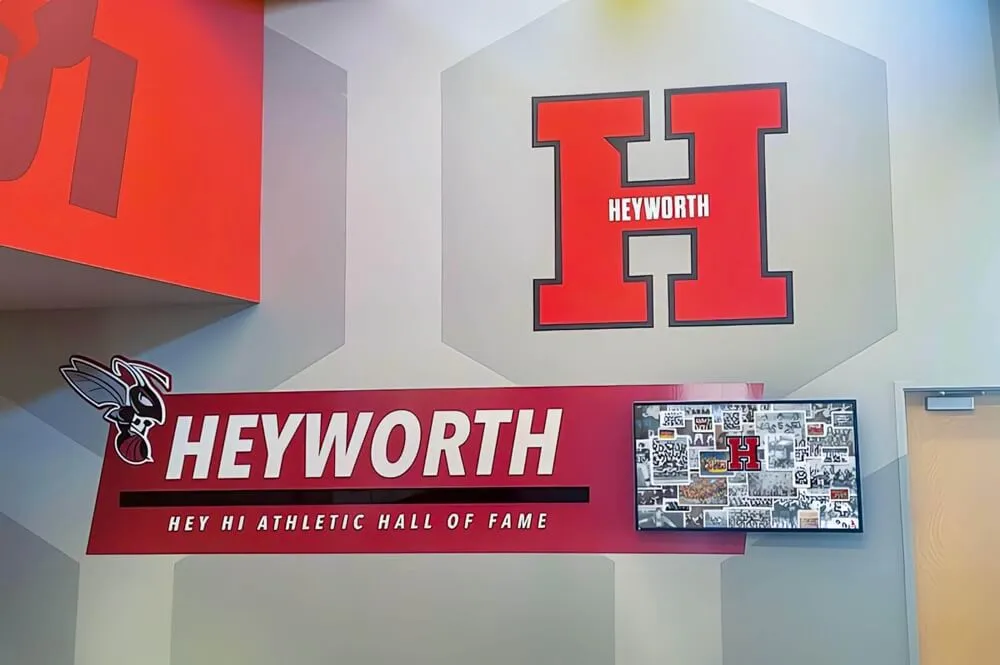
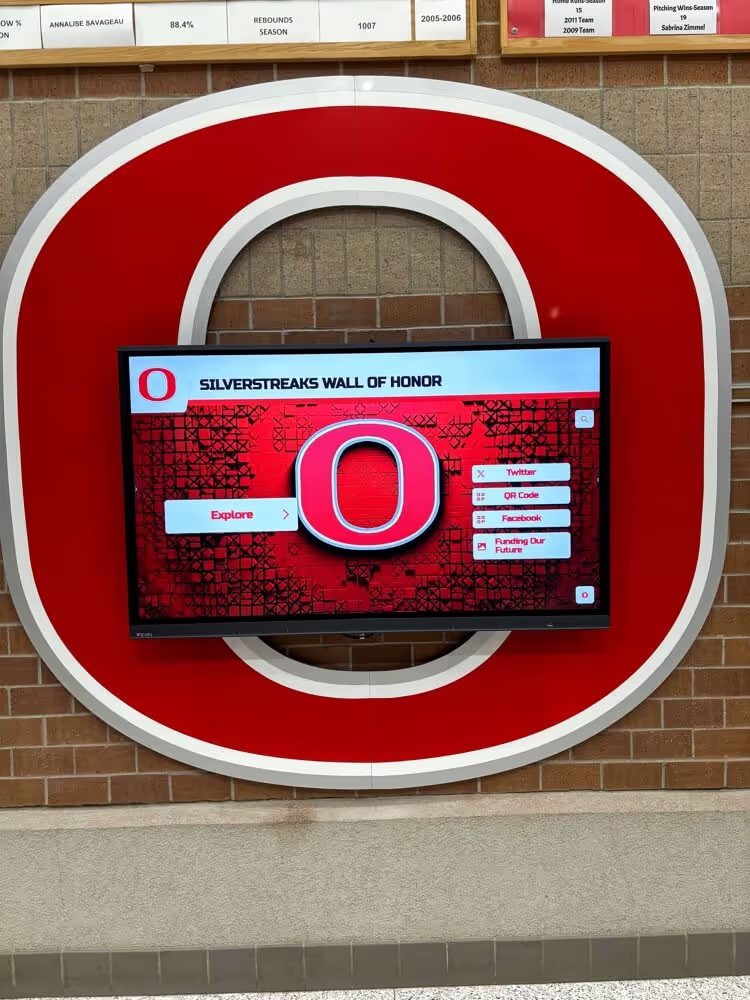
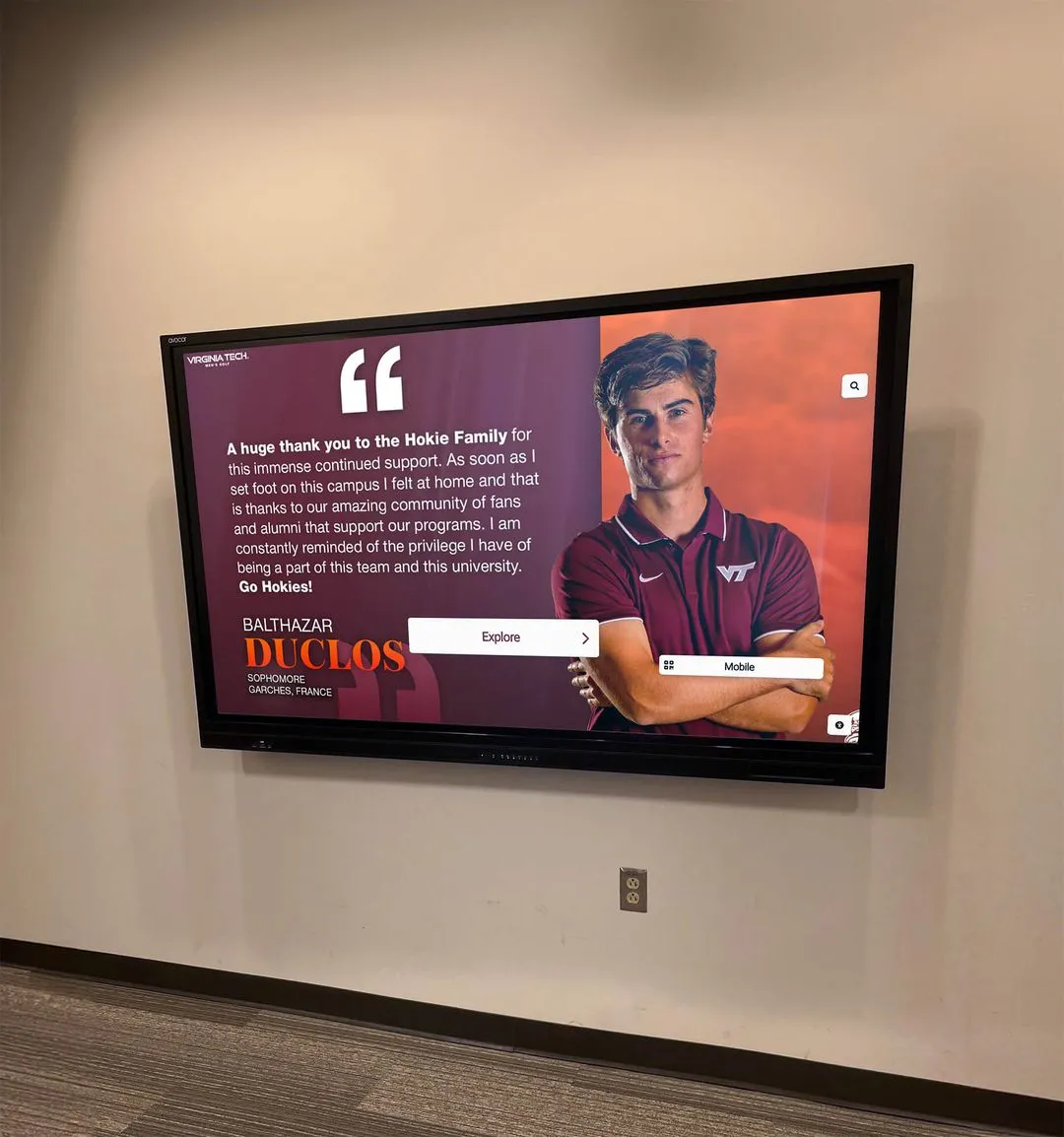
Recognition displays celebrating student leadership achievements inspire participation in programs like NSLC while honoring exceptional accomplishments
Understanding the National Student Leadership Conference (NSLC)
Before supporting student participation, schools should thoroughly understand what NSLC offers and how it differs from other summer programs.
NSLC Program Structure and Format
The National Student Leadership Conference operates through multiple program tracks designed for high school students:
Career Exploration Programs
NSLC offers specialized programs in diverse professional fields:
- Medical and healthcare programs exploring clinical careers and biomedical research
- Engineering and technology tracks introducing STEM career pathways
- Law and criminal justice programs examining legal systems and courtroom procedures
- Business and entrepreneurship programs teaching market analysis and venture creation
- International relations and diplomacy programs addressing global challenges
- Psychology and behavioral science programs exploring human development
- Media and communications tracks covering journalism, broadcasting, and digital media
Each program provides immersive experiences including campus tours, laboratory sessions, professional networking, and hands-on activities simulating real-world career challenges.
Program Duration and Timing
NSLC programs typically follow consistent structures:
- 5-10 day intensive programs held during summer months
- Residential experiences on college and university campuses
- Programs offered at prestigious institutions nationwide
- Multiple session dates enabling schedule flexibility
- Age-appropriate programming for grades 9-12
- Small group formats ensuring individualized attention
Pedagogical Approach
NSLC distinguishes itself through experiential learning methodologies:
- Interactive workshops and hands-on activities rather than passive lectures
- Collaborative team projects developing cooperation skills
- Professional mentorship from industry experts and faculty
- Campus immersion providing authentic college experience
- Leadership skill development through structured exercises
- Networking opportunities with peers from diverse backgrounds
NSLC Cost Structure and Financial Considerations
Understanding program costs helps schools advise families appropriately:
Program Fees
NSLC participation involves significant financial investment:
- Program tuition ranging from $2,500 to $6,000 depending on length and specialty
- Residential costs including housing and meals typically included
- Travel expenses to and from program locations
- Spending money for personal expenses and activities
- Required supplies or program-specific materials
- Travel insurance and health coverage considerations
Financial Aid and Scholarship Opportunities
NSLC offers limited financial assistance:
- Need-based scholarship applications available through NSLC
- Early application advantages for scholarship consideration
- School-based scholarship possibilities from local organizations
- Community foundation support for leadership program participation
- Crowdfunding approaches some families successfully employ
- Payment plan options spreading costs across months
Schools should counsel families about total financial commitment while helping identify scholarship resources for deserving students lacking full funding capacity.
NSLC Admission Requirements and Selectivity
Academic Qualifications
NSLC programs maintain consistent standards:
- Minimum GPA requirements typically 3.0 or higher
- Strong academic performance in relevant subject areas
- Grade-level appropriateness for program content
- English language proficiency for international students
- Good disciplinary standing and behavior records
- Genuine interest in program focus area

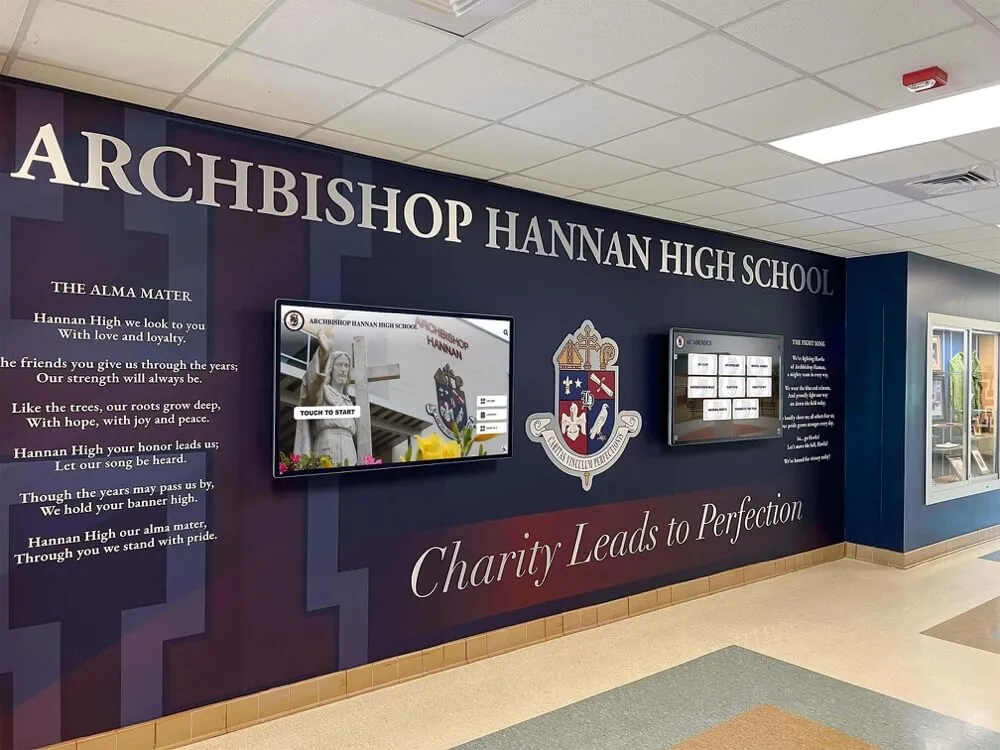
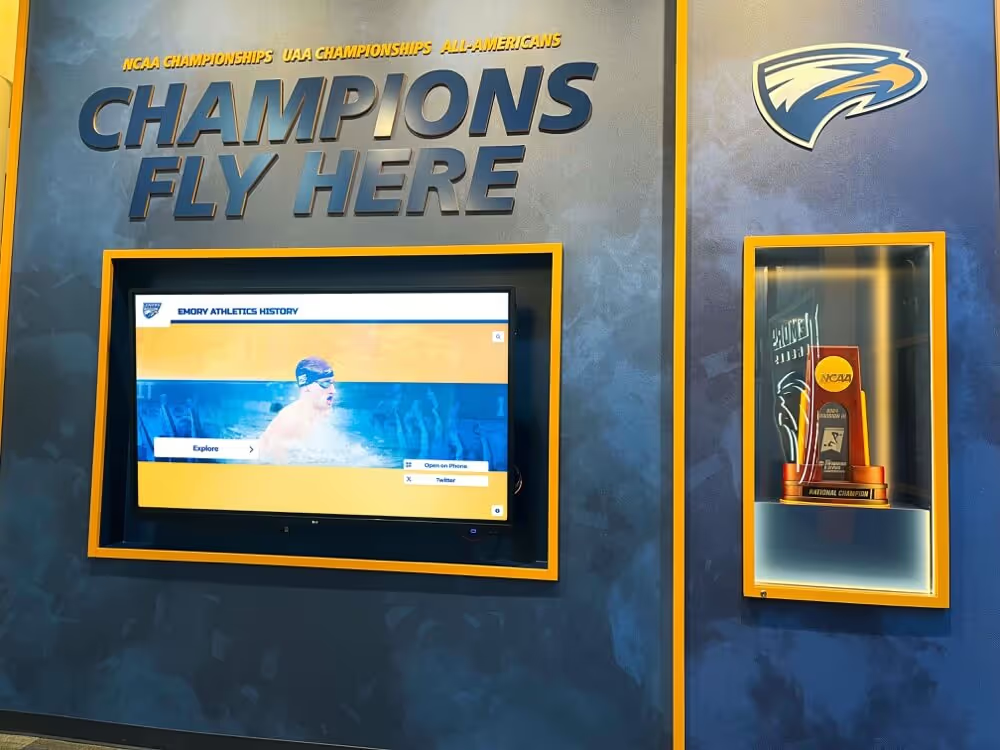
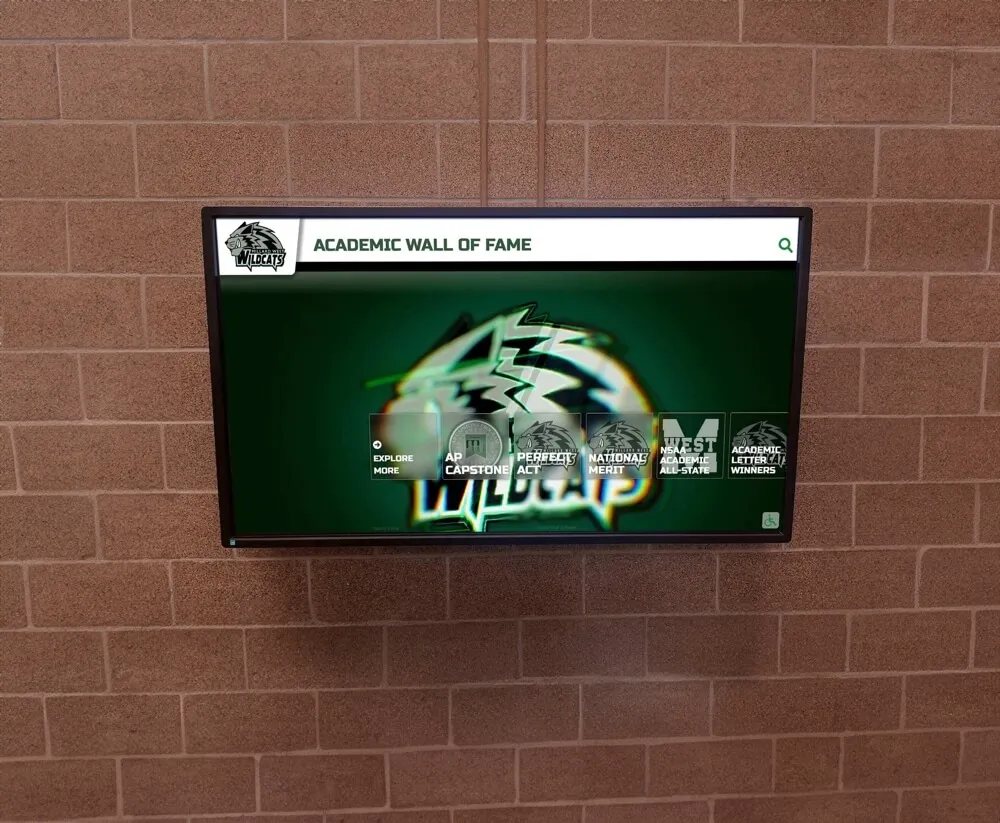
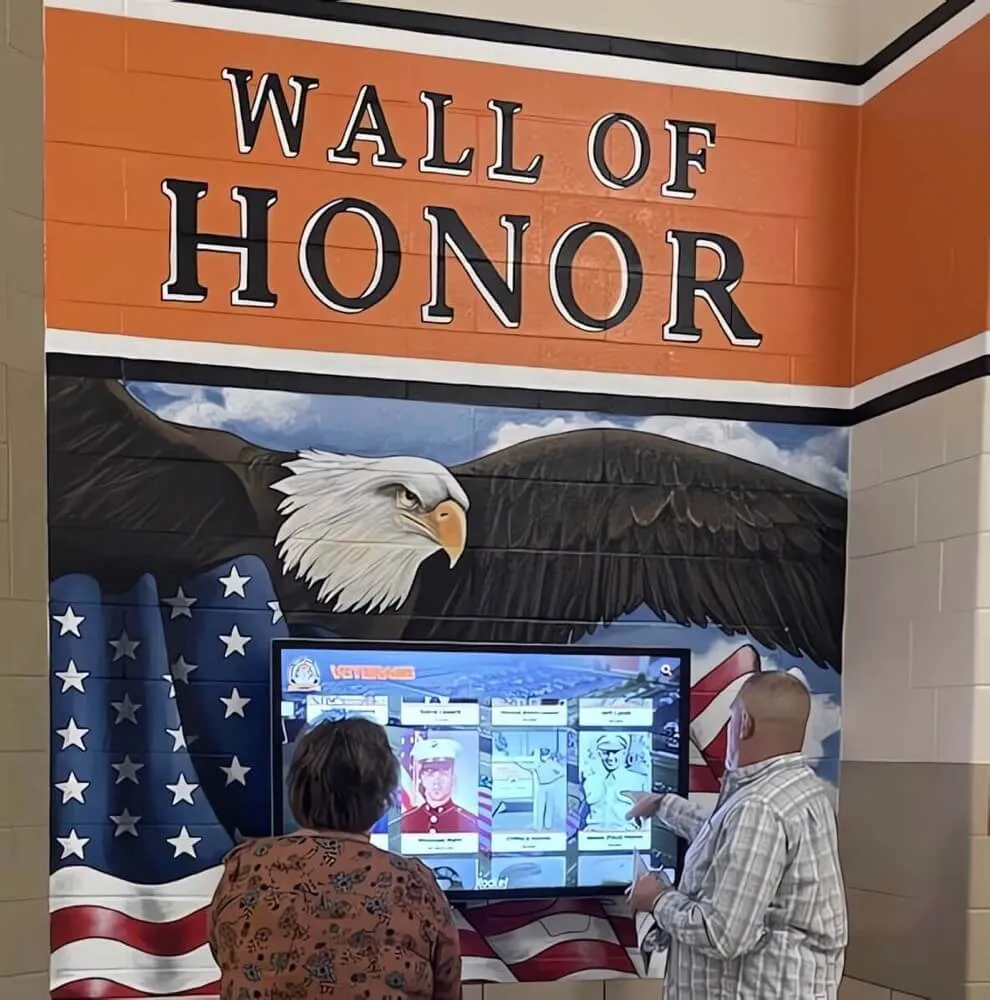
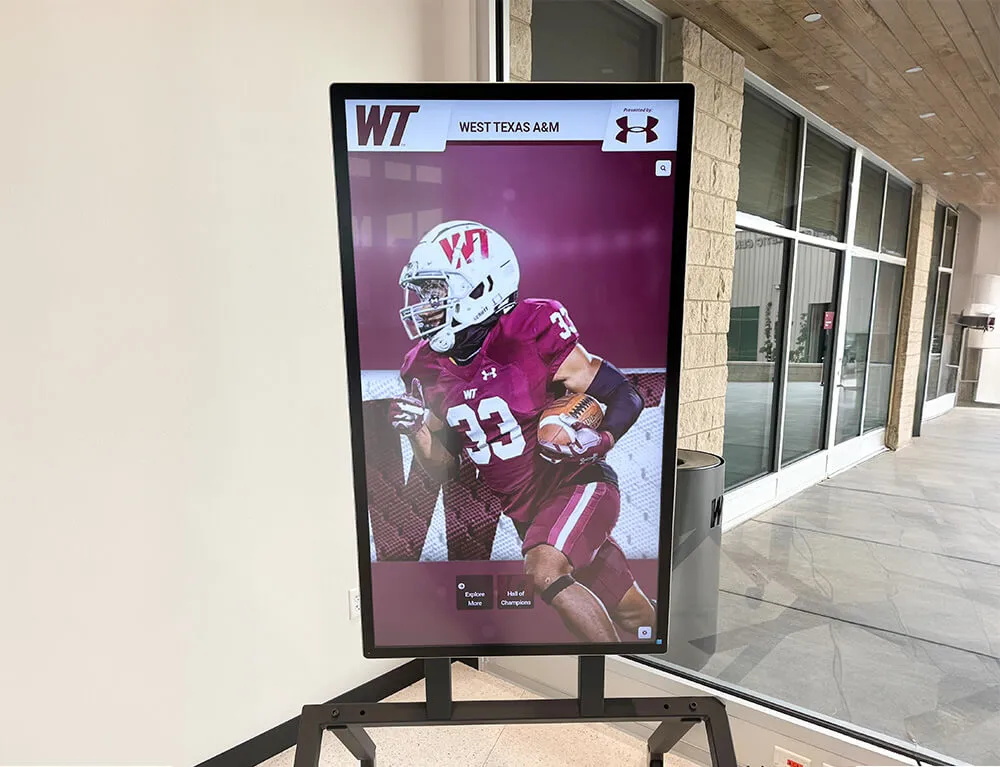
School displays celebrating diverse achievements create cultures valuing leadership development and program participation
Application Components
Prospective participants submit materials including:
- Online application forms with biographical information
- Academic transcripts demonstrating performance history
- Teacher or counselor recommendation letters
- Personal statements explaining interest and goals
- Resume or activity list highlighting leadership experience
- Application fees (sometimes waived for financial need)
Selectivity and Acceptance Rates
NSLC programs maintain competitive but accessible standards:
- Programs accept qualified students meeting basic requirements
- Less selective than elite programs like RSI or TASP
- Focus on motivated students genuinely interested in career exploration
- Rolling admission with earlier applicants receiving priority consideration
- Some programs fill quickly requiring prompt application
- Geographic diversity considerations in selection decisions
Schools should present NSLC honestly—as valuable educational experiences for motivated students rather than highly elite programs accepting only top academic performers.
Identifying Appropriate NSLC Candidates
Effective student selection maximizes program benefits while ensuring appropriate matches between participants and program expectations.
Student Characteristics Predicting NSLC Success
Certain qualities indicate strong NSLC candidate potential:
Academic Foundation and Readiness
Successful participants typically demonstrate:
- Solid academic performance with GPA meeting minimum requirements
- Curiosity about specific career fields or academic disciplines
- Ability to engage with college-level content and discussions
- Reading comprehension and writing skills enabling program participation
- Time management capacity handling structured daily schedules
- Study skills supporting independent learning expectations
Maturity and Independence
Residential programs require personal responsibility:
- Comfort with extended time away from home and family
- Ability to navigate unfamiliar environments independently
- Social skills enabling positive peer interaction and friendship formation
- Problem-solving capacity addressing minor challenges without parental intervention
- Emotional regulation during stressful or challenging situations
- Respect for program rules and community living expectations
NSLC experiences work best for students ready for residential independence rather than those needing significant supervision or struggling with homesickness.
Genuine Interest and Motivation
Intrinsic motivation drives meaningful experiences:
- Authentic curiosity about program focus area beyond resume building
- Initiative in exploring career fields through reading, activities, or shadowing
- Questions about college majors and career pathways
- Willingness to engage fully with program activities and challenges
- Openness to diverse perspectives and learning from peers
- Growth mindset embracing challenge and learning opportunities
Students attending primarily for parental approval or college application enhancement gain less from experiences than those with genuine interest.
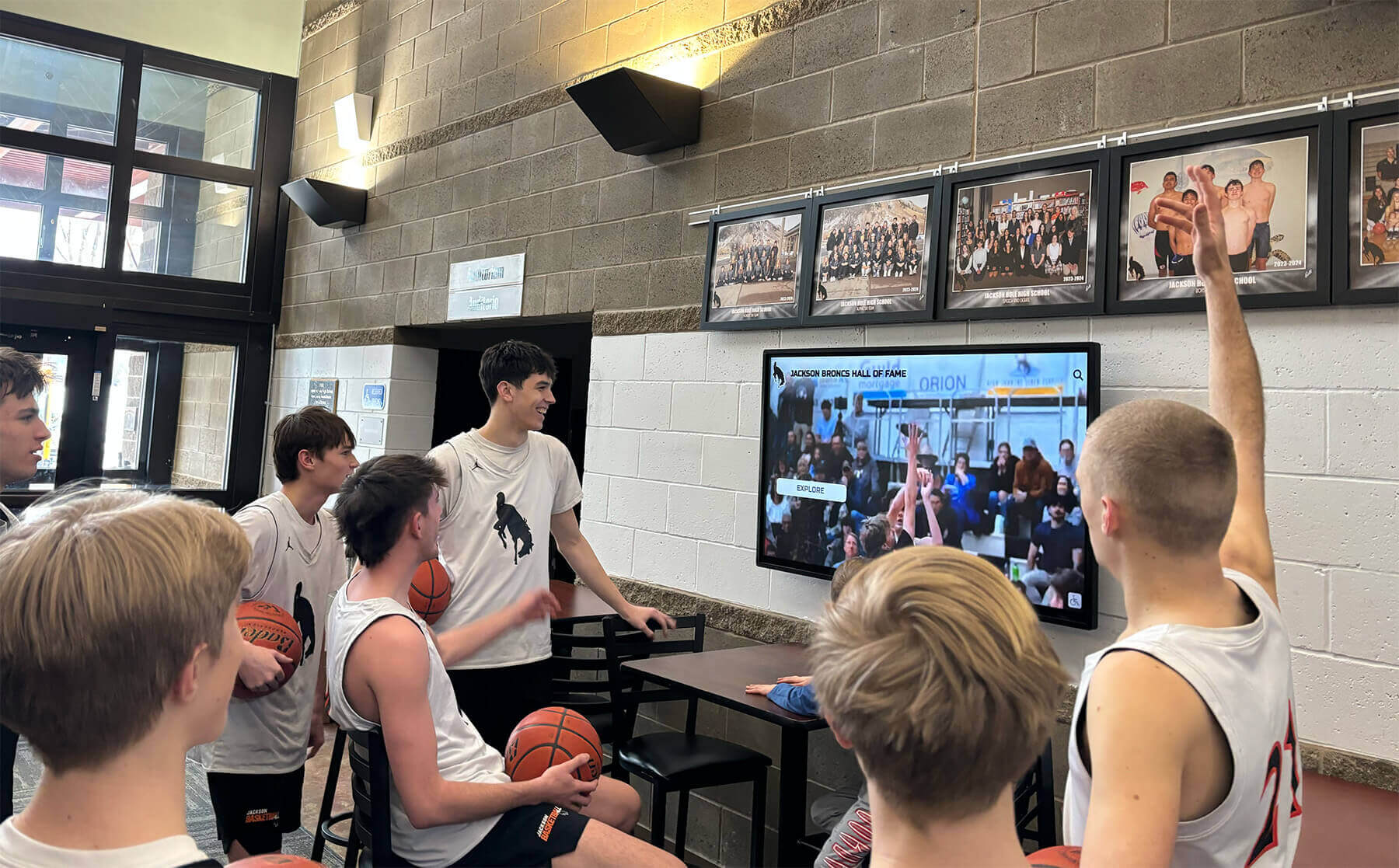
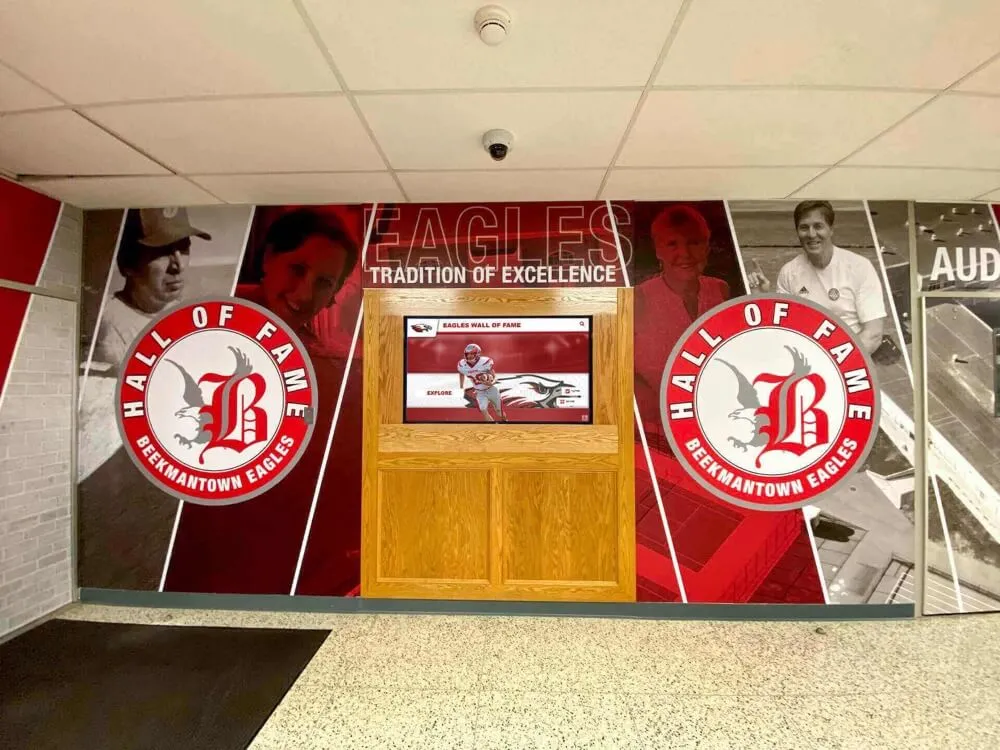
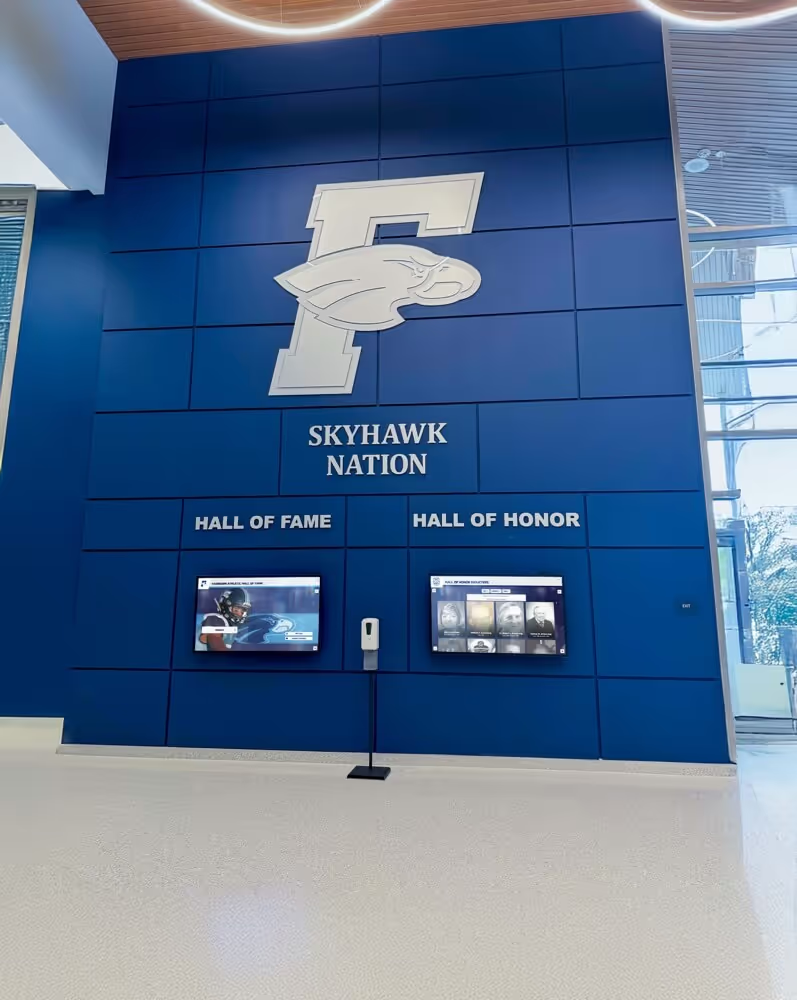
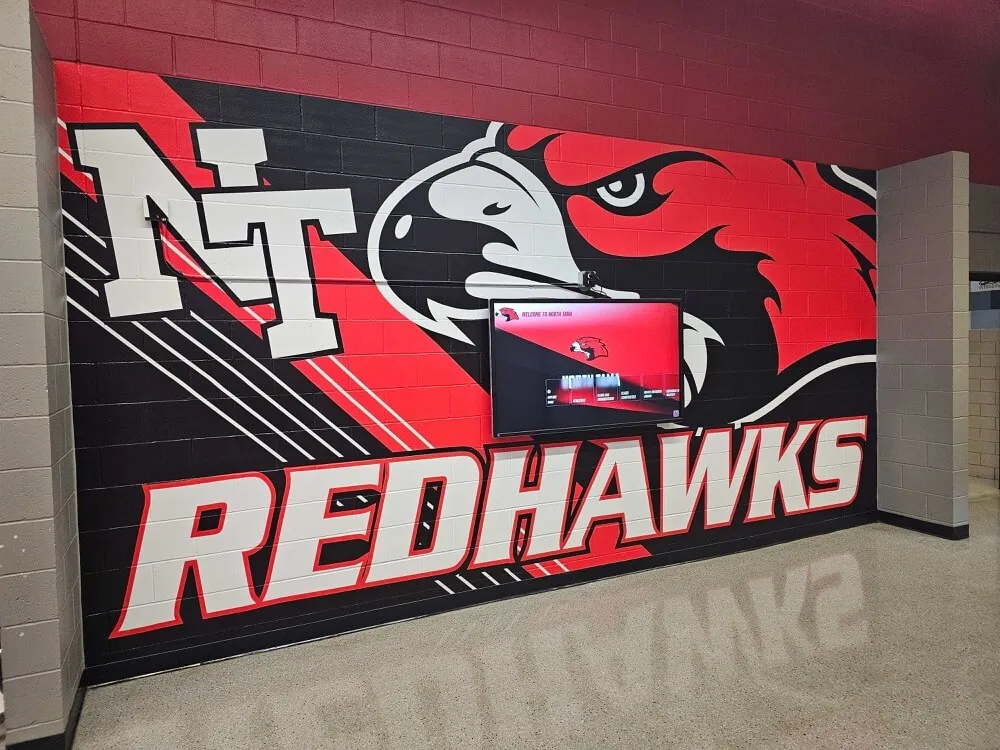
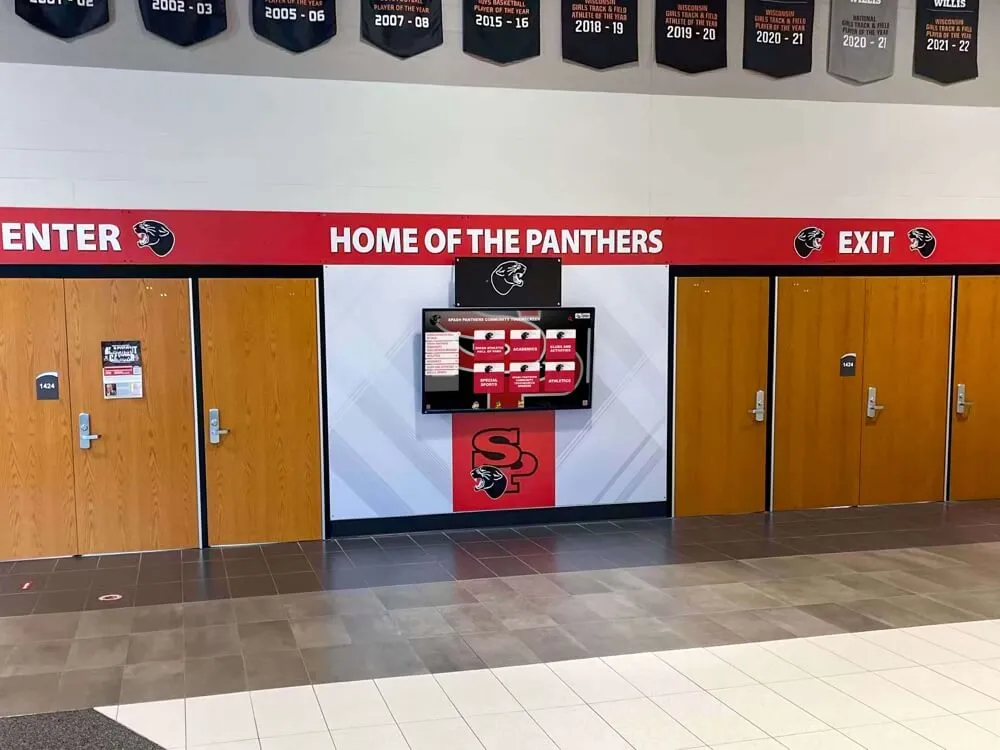
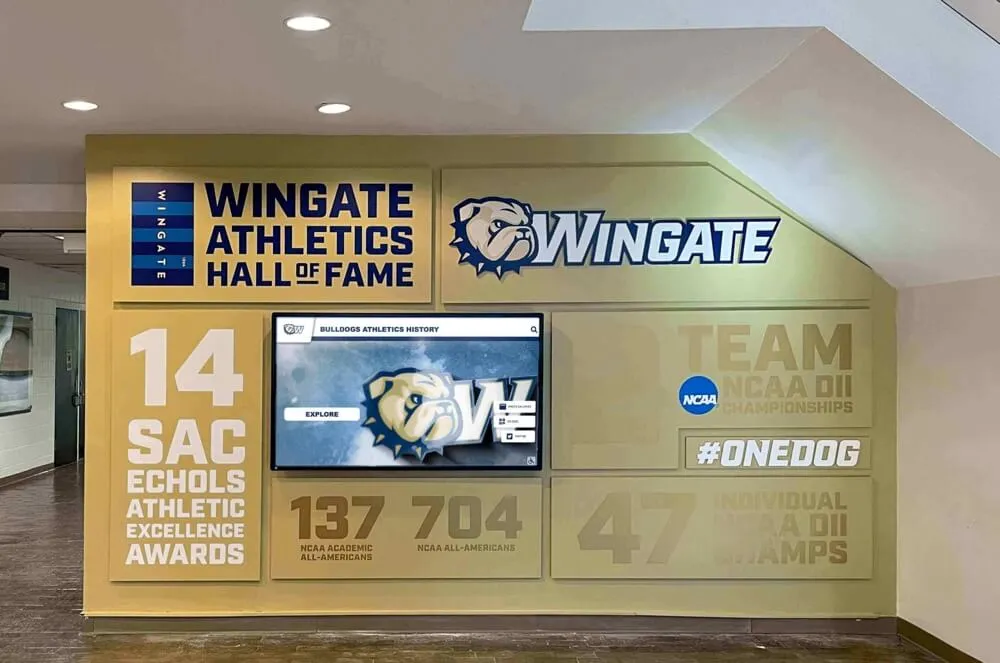
Interactive displays showcasing student achievements create engagement while inspiring younger students to pursue leadership opportunities
Equitable Selection and Nomination Processes
Schools should develop fair, transparent systems for identifying NSLC candidates:
Nomination Criteria and Procedures
Establish clear standards for school support:
- Published criteria outlining academic, behavioral, and readiness requirements
- Multiple pathways for student identification including self-nomination and teacher referral
- Holistic evaluation considering diverse strengths beyond test scores
- Explicit attention to equity ensuring opportunities reach underrepresented students
- Committee review processes preventing individual bias
- Clear timelines for nomination, review, and decision communication
Supporting Diverse Participation
Intentional efforts expand access:
- Proactive outreach to students who might not self-nominate
- Information sessions for families unfamiliar with summer programs
- Scholarship application support for students with financial barriers
- Counselor conversations with promising students from underrepresented backgrounds
- Recognition of leadership potential beyond traditional academic metrics
- Financial aid guidance helping families navigate scholarship processes
Research consistently shows that students from lower-income backgrounds and underrepresented minorities participate in elite summer programs at disproportionately low rates despite equal qualification levels, often due to information gaps and application support rather than academic readiness.
Balancing Merit and Access
Navigate tensions between excellence and equity:
- Merit-based standards ensuring program readiness
- Access considerations addressing historical opportunity gaps
- Multiple program recommendations rather than single “chosen” student
- Transparent communication about selection factors
- Appeals processes for students believing they were unfairly evaluated
- Annual review of nomination outcomes examining demographic patterns
Alternatives to NSLC for Different Student Profiles
NSLC represents one option among many summer programs:
More Selective Alternative Programs
Students seeking greater challenge might consider:
- Research Science Institute (RSI) for top STEM students
- Telluride Association programs (TASS, TASP) for humanities scholars
- Governor’s schools in various states offering rigorous academics
- University-based research programs with faculty mentorship
- Prestigious scholarship programs with competitive selection
These programs typically offer full or partial scholarships and carry more significant college application weight.
Lower-Cost Leadership Alternatives
Budget-conscious families can explore:
- Local community college courses earning credit inexpensively
- School-based leadership programs and summer intensives
- Service-learning programs with minimal costs
- Online leadership courses and certificate programs
- Volunteer leadership in community organizations
- Work experiences developing professional skills
Many of these alternatives provide comparable skill development at fraction of NSLC costs. Schools can support student exploration by maintaining resources about student leadership opportunities and programs that recognize achievement.
Career Exploration Without Residential Experience
Students unready for residential programs might benefit from:
- Job shadowing and informational interviews with local professionals
- Virtual career exploration programs offered by universities
- School-based career days and professional panels
- Industry-specific youth programs and mentorship
- Vocational programs and technical skill development
- Part-time jobs and internships in fields of interest
Supporting Students Before NSLC Attendance
Pre-program preparation maximizes student readiness and program benefit.
Academic and Logistical Preparation
Program-Specific Academic Readiness
Help students prepare for program content:
- Recommend preparatory reading in program focus area
- Suggest relevant courses or independent study topics
- Connect students with teachers for content-area mentorship
- Encourage exploration of current events related to program themes
- Facilitate connections with professionals in relevant fields
- Share resources about program host institutions and locations
Students entering programs with foundational knowledge engage more deeply with advanced content and discussions.
Logistical Coordination
Assist families with practical arrangements:
- Verification of program registration completion
- Documentation of required forms and medical records
- Travel planning and transportation coordination
- Communication protocols during program
- Emergency contact procedures
- Packing lists and residential living guidance

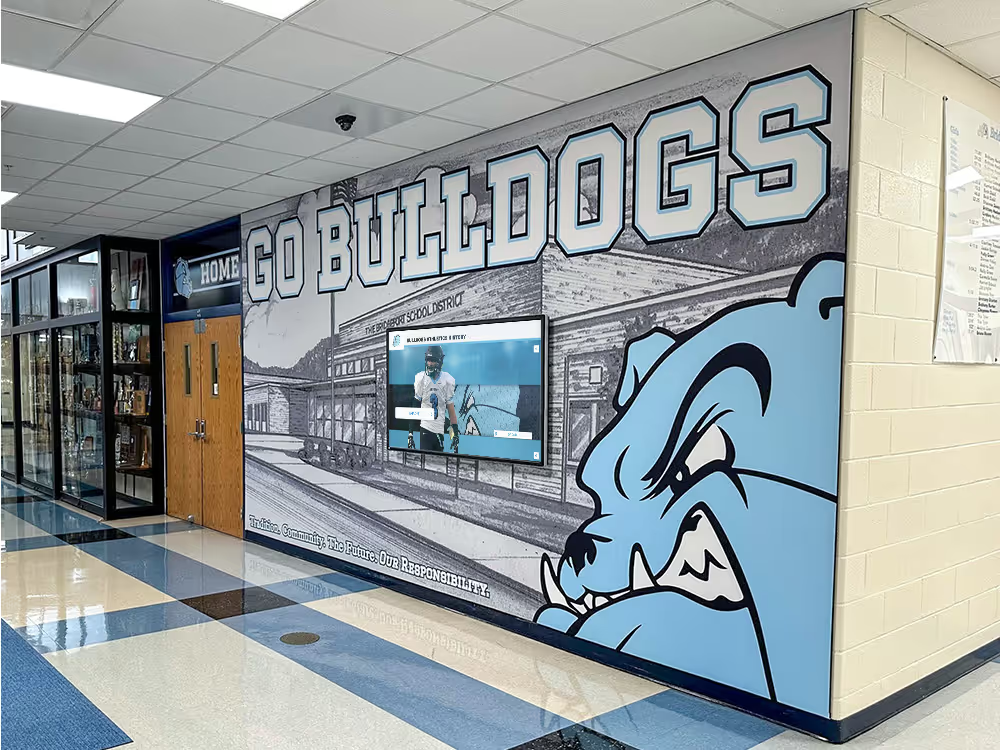
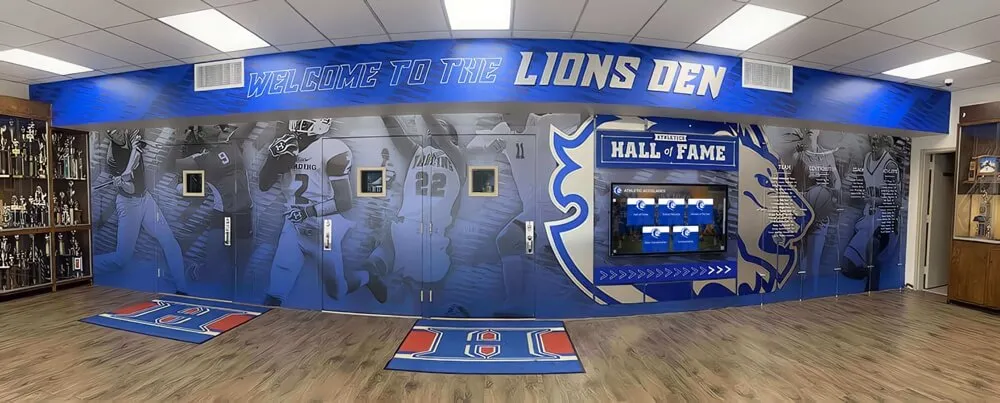
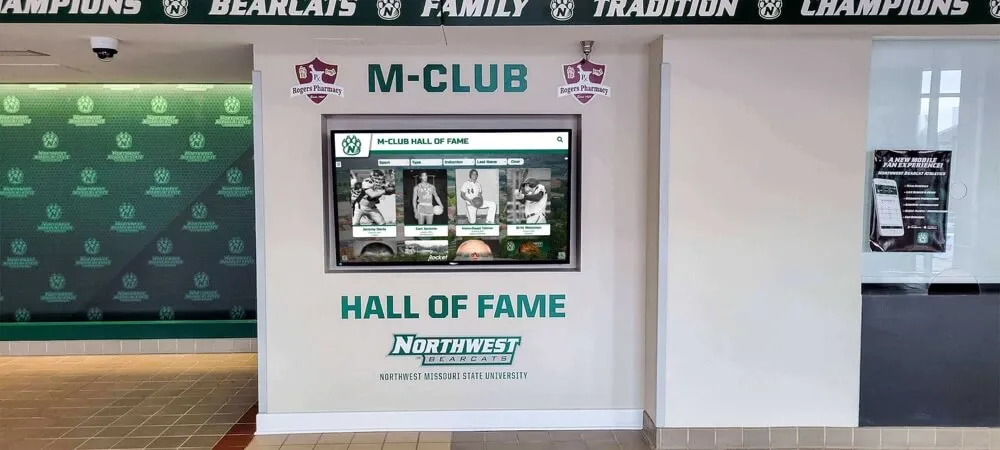
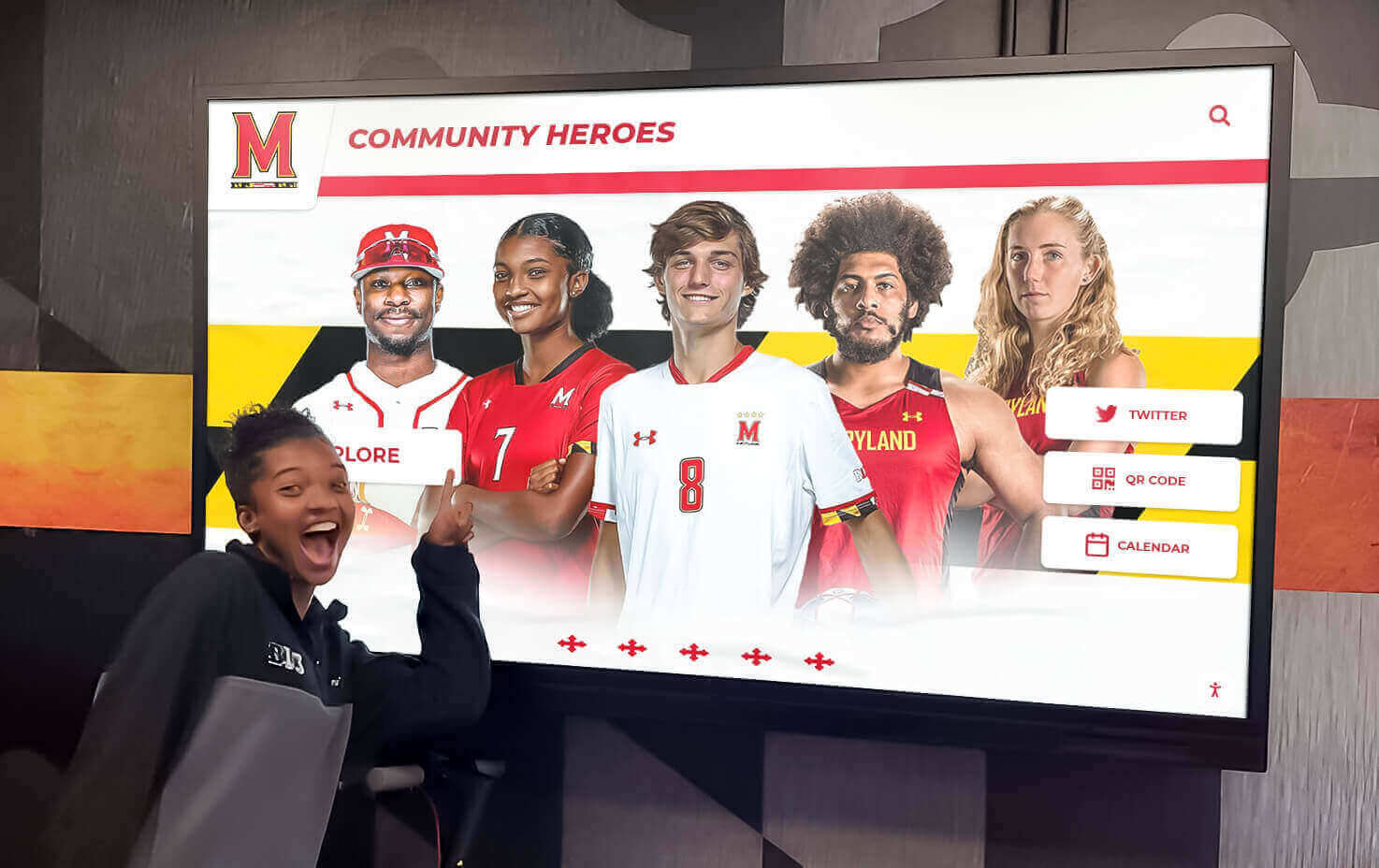
Recognition displays create natural spaces for conversations about student achievements and program opportunities
Goal-Setting and Expectation Management
Pre-Departure Goal Development
Facilitate intentional participation through goal-setting:
- Individual meetings with school counselors or advisors
- Reflection prompts about program hopes and objectives
- Identification of specific skills or knowledge to develop
- Networking goals and professional connection targets
- Personal growth objectives beyond academic content
- Plans for documenting experiences and learnings
Students with clear goals approach programs more intentionally than those attending without defined purposes.
Realistic Expectation Setting
Prevent disappointment through honest preparation:
- Explanation that NSLC represents exploration not career commitment
- Understanding that programs provide exposure not mastery
- Recognition that college application impact remains modest
- Awareness that intensive programs involve challenge and occasional frustration
- Acknowledgment that not every moment will feel transformative
- Acceptance that peer interactions vary in quality and depth
Balanced expectations enable students to appreciate genuine program benefits without disappointment when experiences don’t match idealized fantasies.
Connection to Broader School Leadership Development
Integration with School Leadership Programs
Link NSLC participation to institutional initiatives:
- Recognition of NSLC attendance as leadership achievement worthy of honor
- Expectations for applying learning to school leadership roles
- Connections with student government and organizational leadership
- Opportunities to share experiences with younger students
- Integration into academic recognition programs celebrating achievement
- Mentorship relationships with program alumni
This contextualization helps students see NSLC as part of broader leadership journeys rather than isolated summer experiences.
Supporting Students During NSLC Programs
While students attend residential programs independently, schools can provide appropriate support:
Appropriate Distance and Independence
Residential leadership programs intentionally create space from familiar environments:
Encouraging Student Autonomy
Support independence rather than hovering:
- Resist urges to solve minor problems students can address themselves
- Trust program staff to handle routine challenges and concerns
- Encourage students to use program resources before contacting home
- Allow students to experience temporary discomfort enabling growth
- Recognize that homesickness and challenge represent normal parts of experience
- Celebrate student problem-solving rather than immediately intervening
Students develop resilience and confidence through navigating challenges independently with appropriate support structures.
Maintaining Appropriate Contact
Balance connection with independence:
- Agreed-upon check-in schedules providing structure without excess
- Student-initiated communication when challenges arise
- Brief exchanges rather than lengthy daily debriefs
- Focus on student experience rather than parental anxiety
- Trust in program staff supervision and support
- Emergency-only contact for routine concerns
Excessive parental contact during programs often increases homesickness and reduces immersive experience benefits.
School Connection During Programs
When appropriate, schools can maintain modest connection:
Mid-Program Check-In
Brief counselor outreach can provide support:
- Single email or message checking experience quality
- Offering encouragement and expressing school pride
- Reminder about post-program expectations and opportunities
- Availability for concerns requiring school intervention
- Reinforcement of institutional support and investment
This limited contact demonstrates care without undermining independence.
Leveraging NSLC Experiences After Student Return
Post-program integration maximizes experience value for participants and broader communities.
Individual Student Debriefing and Reflection
Structured reflection helps students consolidate learning:
Formal Debriefing Sessions
Individual or small group conversations:
- Counselor meetings discussing experience highlights and challenges
- Reflection on initial goals and achievement level
- Identification of learnings about careers, college, and personal strengths
- Processing of difficulties or disappointments constructively
- Planning for applying leadership skills in school contexts
- Discussion of next steps in leadership and career exploration journey
These conversations help students articulate and internalize experience benefits.
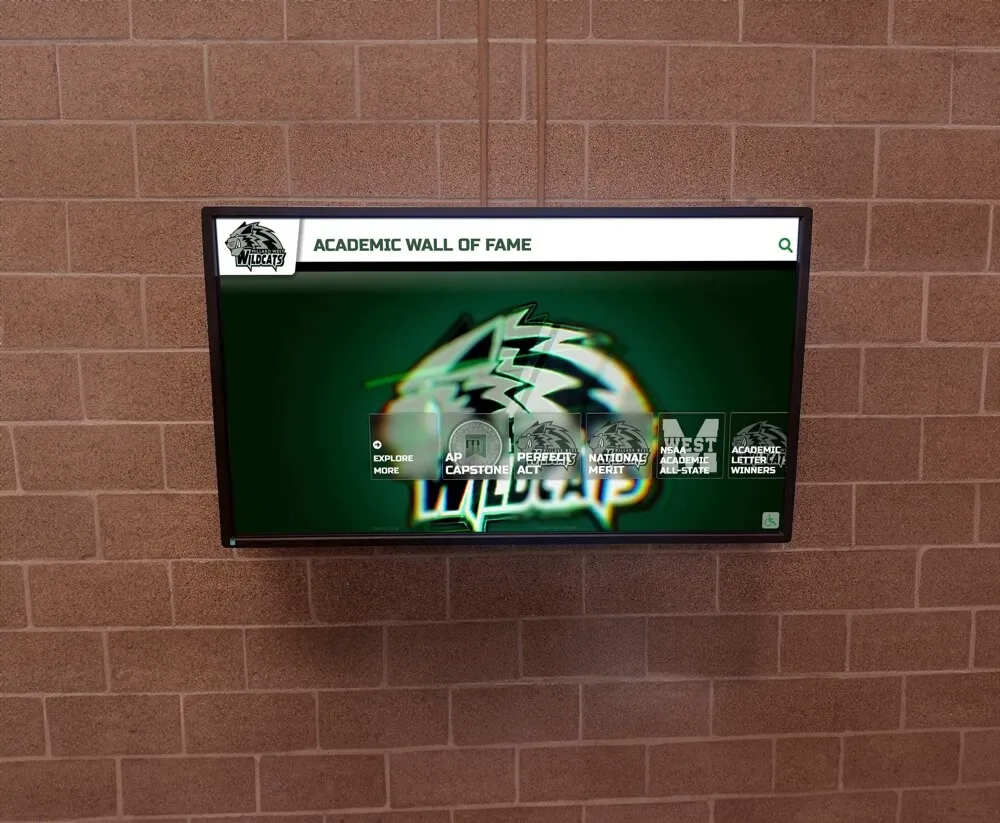
Academic recognition displays honor diverse achievements including leadership program participation and skill development
Written Reflection Assignments
Structured reflection exercises:
- Essay describing most meaningful program aspects
- Before-and-after comparison of career interests and understanding
- Leadership lessons learned through program experiences
- Recommendations for future student participants
- Thank-you letters to recommenders or scholarship donors
- Goal statements for applying learning at school
Documentation creates artifacts students can reference for college applications and personal growth tracking.
Sharing Learning with Broader School Community
Returned participants can benefit peers and younger students:
Formal Presentation Opportunities
Structured sharing experiences:
- Class presentations describing program experiences and learnings
- Assemblies highlighting summer program opportunities
- Information sessions for students considering NSLC application
- Panel discussions with multiple program alumni
- Career day participation sharing field knowledge
- Student leadership programs incorporating NSLC insights
These presentations provide value while reinforcing participant learning through teaching.
Mentorship Relationships
Connecting participants with younger students:
- Formal mentoring programs pairing NSLC alumni with aspiring participants
- Informal advising relationships supporting application processes
- Peer coaching on goal-setting and program preparation
- Shadowing opportunities in leadership roles
- Alumni network building across graduating classes
Mentorship creates communities of practice around leadership development and summer program participation.
Media and Communication Features
Public recognition and information sharing:
- School newsletter features highlighting participant experiences
- Social media posts celebrating student achievements
- Local media coverage of exceptional summer program participation
- Website profiles showcasing student leadership
- Video testimonials for prospective participants
- Digital recognition displays honoring program achievements
Public recognition validates student accomplishments while marketing programs to future participants.
Creating Leadership Opportunities for Returned Participants
Apply developed skills through new responsibilities:
Enhanced Leadership Roles
Position participants for increased impact:
- Student government positions leveraging developed skills
- Club and organization leadership responsibilities
- Peer tutoring and academic support programs
- New club or initiative founding based on program interests
- Committee service and school improvement efforts
- Representation at district or community events
Schools should actively recruit NSLC participants for leadership positions rather than waiting for self-nomination.
Project-Based Leadership Application
Create opportunities for visible impact:
- School improvement projects addressing identified needs
- Curriculum development support in program-related subjects
- Event planning for career exploration or leadership programming
- Mentorship program design for younger students
- Community service initiatives leveraging program learning
- Research projects sharing program field knowledge
These projects provide tangible leadership experience while benefiting school communities.
Recognizing and Celebrating NSLC Achievement
Formal recognition honors accomplishment while inspiring broader participation:
Public Acknowledgment and Celebration
Award Ceremonies and Recognition Events
Formal celebration of achievement:
- Awards ceremonies at year-end assemblies or recognition nights
- Certificates or plaques commemorating program completion
- Recognition alongside other academic honors and achievements
- Parent inclusion in celebration events
- Photo opportunities and memory creation
- Principal or superintendent participation demonstrating importance
Public recognition signals institutional values around leadership development and continuous learning.
Permanent Recognition Displays
Document achievement through lasting acknowledgment:
- Honor roll listings including summer program participants
- Displays showcasing student leadership achievements
- Historical archives documenting participation across years
- Photo galleries celebrating program experiences
- Achievement timelines showing student progression
- Alumni recognition linking current and graduated students
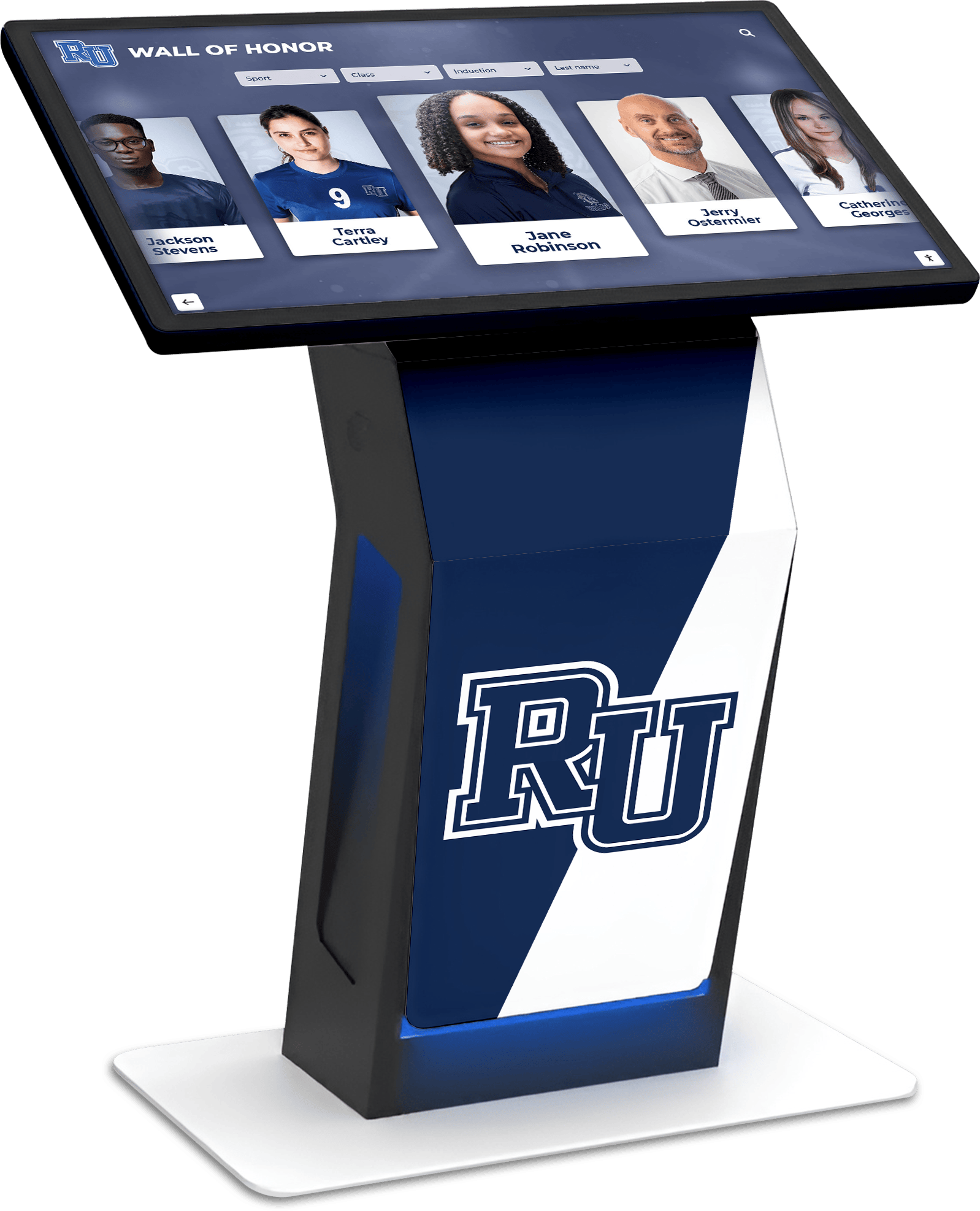
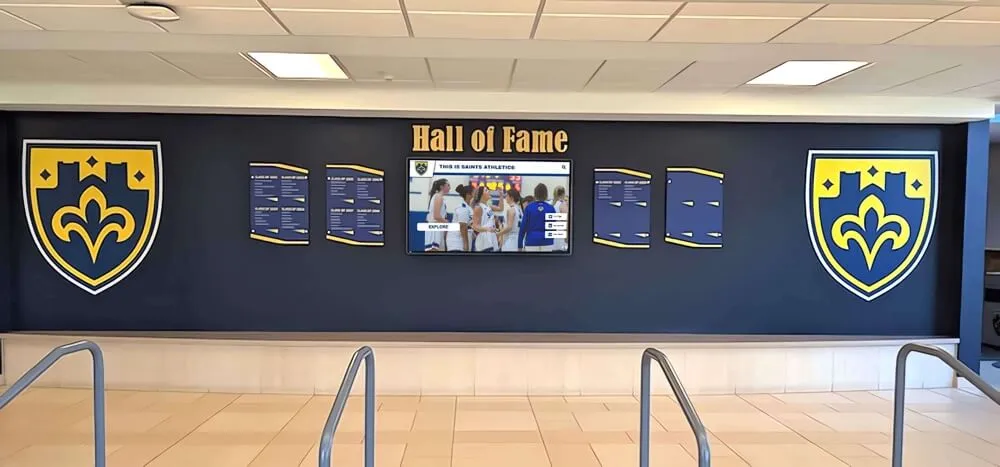
Interactive recognition systems provide unlimited capacity for celebrating diverse student achievements including leadership program participation
Modern recognition technology enables comprehensive acknowledgment without physical space constraints. Solutions like Rocket Alumni Solutions allow schools to create interactive digital displays showcasing student achievements including NSLC participation, academic honors, athletic accomplishments, and artistic achievements through searchable touchscreen systems accessible to students, families, and visitors year-round.
Transcript and Academic Record Documentation
Formal record inclusion:
- Notation on official transcripts documenting participation
- Academic file inclusion of completion certificates
- Recommendation letter material for college applications
- Resume building guidance incorporating experience
- Portfolio development for scholarship applications
- Documentation of skills developed during program
Transcript notation provides verification for college applications while signaling institutional value placed on leadership development.
Creating Culture Valuing Leadership Development
Recognition should advance broader cultural goals:
Institutional Messaging About Leadership
Consistent communication reinforcing values:
- Leadership development as core institutional priority
- Diverse leadership pathways celebrated equally
- Growth mindset emphasis over fixed ability beliefs
- Risk-taking and challenge-seeking encouragement
- Learning from failure and setback normalization
- Community contribution expectation for student leaders
This messaging creates environments where students aspire to leadership development rather than viewing it as optional enrichment.
Building Systematic School Support for Summer Leadership Programs
Individual NSLC support can expand into comprehensive systems:
Comprehensive Summer Program Portfolio
Develop broad support beyond single programs:
Information Repository
Centralized resources supporting exploration:
- Curated lists of reputable summer programs across disciplines
- Application deadlines and requirement documentation
- Scholarship and financial aid resource compilation
- Student experience testimonials and program reviews
- Admission statistics and selectivity information
- Cost-benefit analysis helping family decision-making
Many schools maintain dedicated websites or resource guides supporting summer program exploration.
Advising and Application Support
Systematic assistance for interested students:
- Group information sessions about summer program options
- Individual advising appointments discussing program fit
- Application workshops covering essays and materials
- Teacher recommendation coordination and timeline management
- Scholarship application support for financial need students
- Post-acceptance decision-making guidance
This infrastructure benefits students exploring diverse programs beyond NSLC including research opportunities, arts programs, and service experiences.
Financial Support Mechanisms
Schools can facilitate participation through various approaches:
School-Based Scholarship Funds
Institutional resources supporting access:
- Dedicated scholarship funds for summer program participation
- Needs-based allocation to deserving students lacking resources
- Competitive application processes with transparent criteria
- Fundraising campaigns building scholarship capacity
- Alumni and community donor cultivation
- Recognition of scholarship donors and supporters
Even modest scholarship amounts ($500-$1,000) meaningfully reduce participation barriers.
Community Partnership Development
External relationships expanding resources:
- Local foundation connections supporting educational enrichment
- Business partnerships providing program sponsorships
- Service club relationships (Rotary, Kiwanis) funding student development
- Professional association scholarships for career-specific programs
- Community crowdfunding campaigns for specific students
- Recognition of community supporters through appreciation programs
These partnerships distribute costs while building community investment in student success.
Evaluating NSLC and Summer Program Impact
Schools should assess whether program support delivers meaningful outcomes:
Individual Student Outcome Assessment
Track participant development and benefit:
Immediate Outcomes
Short-term impact indicators:
- Student satisfaction with experience quality
- Skill development in leadership and career knowledge
- College and career goal clarity
- Network development and professional connections
- Personal growth and independence gains
- Specific learning aligned with program focus
Surveys and reflection exercises document these immediate benefits.
Longer-Term Impact
Sustained outcome tracking:
- College admission outcomes for program participants
- Major and career selection alignment with program interests
- Leadership role assumption after program return
- Continued engagement with program fields
- Academic performance in related subjects
- Scholarship and recognition earned
Longitudinal tracking reveals whether summer programs predict meaningful development or serve primarily as expensive enrichment without lasting impact.
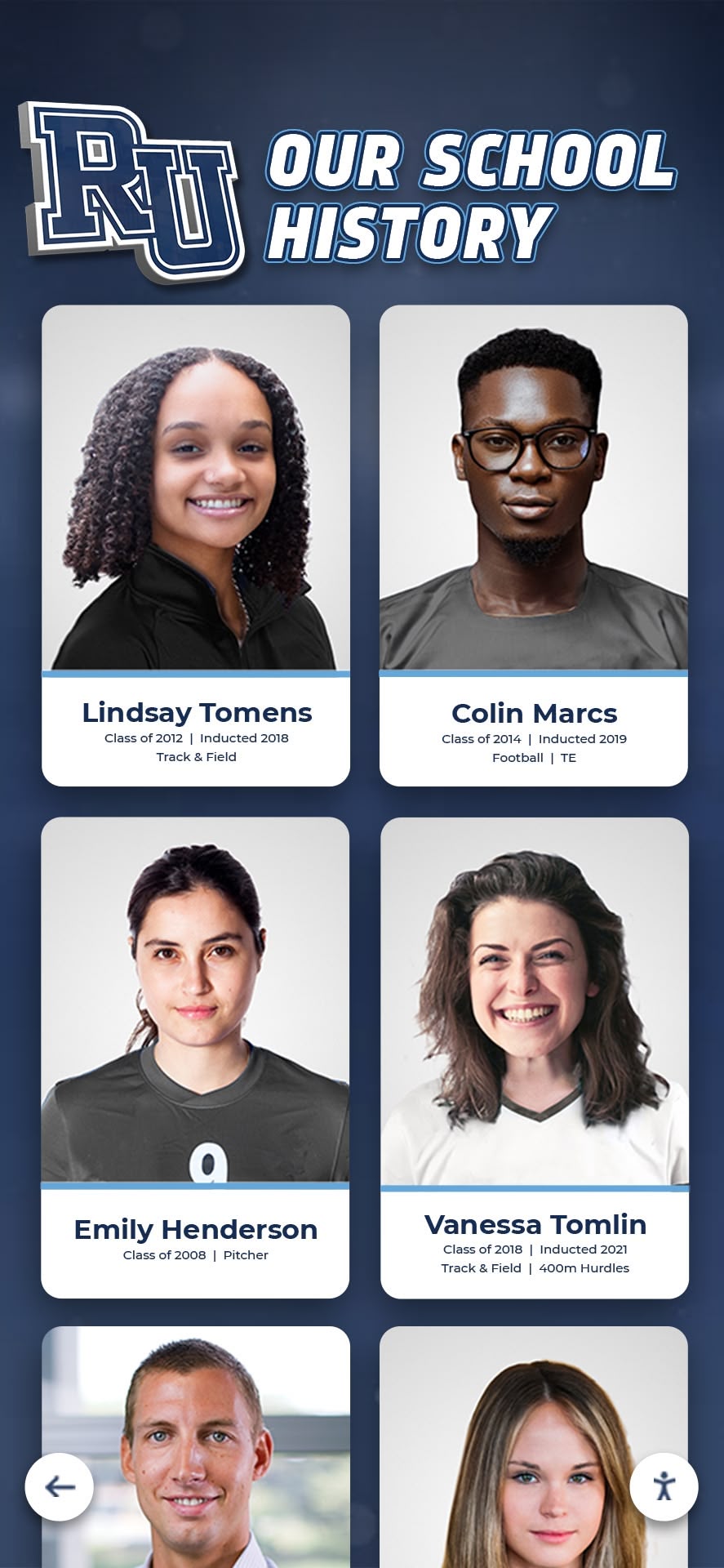
Comprehensive recognition systems document student achievement journeys across academic, athletic, and leadership domains
Programmatic Evaluation
Assess school support system effectiveness:
Participation Pattern Analysis
Examine equity and reach:
- Demographic analysis of participants versus school population
- Identification of underrepresented groups in participation
- Socioeconomic access patterns and barrier identification
- Academic profile distribution among participants
- Program type distribution across student interests
- Year-over-year participation trends
This analysis reveals whether support systems reach diverse students or primarily benefit already-advantaged populations.
Resource Allocation Assessment
Evaluate investment return:
- Cost per participant for school-provided support
- Scholarship fund utilization and impact
- Staff time investment required for program support
- Opportunity costs versus alternative leadership investments
- Comparative benefits of summer programs versus school-year leadership development
- Community partnership effectiveness and sustainability
Schools should honestly assess whether summer program support represents best use of limited resources compared to alternatives.
Common Challenges and Solutions
Schools encounter predictable obstacles when supporting NSLC participation:
Financial Access Barriers
Challenge: High program costs exclude deserving students from lower-income families.
Solutions:
- Build dedicated scholarship funds through fundraising and donor cultivation
- Identify alternative lower-cost programs providing comparable experiences
- Support financial aid applications for program-offered scholarships
- Create payment plan assistance coordinating with families
- Develop school-based leadership programs serving students unable to afford residential experiences
- Partner with community organizations providing youth development funding
Equity in Student Identification
Challenge: Nomination processes disproportionately identify advantaged students already aware of opportunities.
Solutions:
- Implement proactive outreach to students who might not self-nominate
- Train teachers to identify leadership potential across diverse student populations
- Conduct information sessions in multiple languages for family accessibility
- Examine historical nomination patterns identifying demographic gaps
- Create multiple nomination pathways beyond teacher recommendation alone
- Provide application support reducing barriers for first-generation college families
Managing Parent Expectations
Challenge: Families view NSLC as guaranteed college admission advantage.
Solutions:
- Clearly communicate realistic college application impact
- Emphasize skill development and exploration over credential collection
- Share data about admission outcomes with and without NSLC participation
- Encourage program selection based on genuine interest not perceived prestige
- Discuss alternative programs offering comparable or superior college application value
- Focus conversations on student development rather than admission strategy
Post-Program Integration
Challenge: Student experiences remain isolated without connection to school life.
Solutions:
- Create structured opportunities for participants to share learning
- Develop mentorship programs connecting program alumni with younger students
- Integrate returned participants into leadership positions applying skills
- Establish communication expectations before program attendance
- Recognize achievements through formal acknowledgment systems
- Document learning through portfolio development and reflection
The ROI of Supporting Leadership Program Participation
School investment in NSLC and similar programs can deliver meaningful returns:
Direct Student Benefits
Participants gain concrete advantages:
- Clarity about college major and career interests reducing college exploration time
- Leadership skills applicable across contexts throughout life
- Professional networks providing information and opportunities
- College campus exposure demystifying higher education
- Independence and maturity development supporting college transition
- Credential strengthening college applications modestly
While NSLC alone rarely determines college admission outcomes, participation combined with strong academics and leadership application creates compelling applicant profiles.
Broader School Community Benefits
Support systems extend beyond individual participants:
- Leadership culture development inspiring broader student engagement
- Peer learning as participants share knowledge with classmates
- Enhanced school reputation for supporting student excellence
- Alumni satisfaction creating positive school associations
- Community relationships built through partnership development
- Institutional pride through recognition of student achievement
Schools that systematically support leadership development create virtuous cycles where achievement cultures strengthen across generations.
Long-Term Institutional Benefits
Strategic investment compounds over time:
- Alumni engagement as appreciated graduates remain connected
- Reputation enhancement attracting strong students and families
- Staff satisfaction from supporting meaningful student growth
- Community support as investment demonstrates educational commitment
- Leadership pipeline development for future school and community leadership
- Documentation and celebration through digital recognition systems preserving achievement history
Celebrate Student Leadership Achievements with Lasting Recognition
Discover how Touch Archive digital recognition displays help schools honor students attending prestigious programs like NSLC alongside academic achievements, athletic excellence, and community service. Interactive touchscreen systems create engaging displays showcasing unlimited student accomplishments while inspiring younger students to pursue their own leadership journeys.
Request a DemoConclusion: Building Cultures That Develop Student Leaders
Supporting National Student Leadership Conference participation represents one component of comprehensive approaches to developing student leadership capacity. Schools that excel at creating student leaders implement systematic identification processes ensuring equitable access, provide meaningful preparation maximizing program benefits, facilitate post-program integration allowing skill application, and recognize achievements through formal acknowledgment inspiring broader participation.
The strategies explored throughout this guide provide frameworks for supporting NSLC participants while building broader leadership development cultures that benefit entire school communities. Whether focusing specifically on NSLC or supporting diverse summer program participation, core principles remain consistent: intentional student identification, thoughtful preparation, appropriate independence during programs, structured post-program reflection, and formal recognition of achievement.
Most importantly, effective school support communicates clearly that leadership development matters—that investing time and resources in student growth delivers returns worth pursuing, that leadership potential exists across diverse student populations deserving cultivation, and that developing capable, ethical leaders represents fundamental educational responsibility rather than optional enrichment for privileged students.
Modern recognition technology increasingly enables schools to celebrate leadership achievements alongside academic and athletic accomplishments without physical space limitations. Solutions like Rocket Alumni Solutions help schools create comprehensive digital recognition displays showcasing students attending programs like NSLC, earning academic honors, achieving athletic excellence, and contributing through service—all through interactive touchscreen systems accessible to students, families, and visitors throughout years while preserving institutional history across generations.
Start supporting National Student Leadership Conference participation today with confidence that thoughtful student selection, meaningful preparation, and systematic post-program integration will create leadership development cultures strengthening entire school communities. Every student who returns from NSLC with enhanced skills, clarified goals, and increased confidence represents investment in your institution’s future and broader community leadership capacity.
Ready to explore how interactive recognition displays can celebrate student leadership achievements while preserving accomplishment history permanently? Learn how Touch Archive helps schools create comprehensive recognition systems that honor diverse student achievements including leadership program participation through engaging digital displays accessible to communities throughout years while building cultures that inspire excellence across all domains.