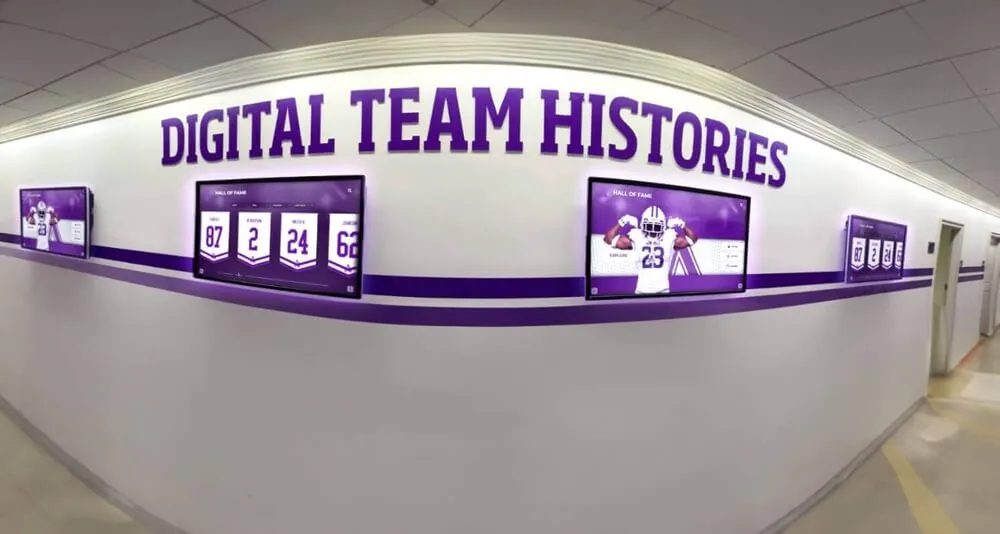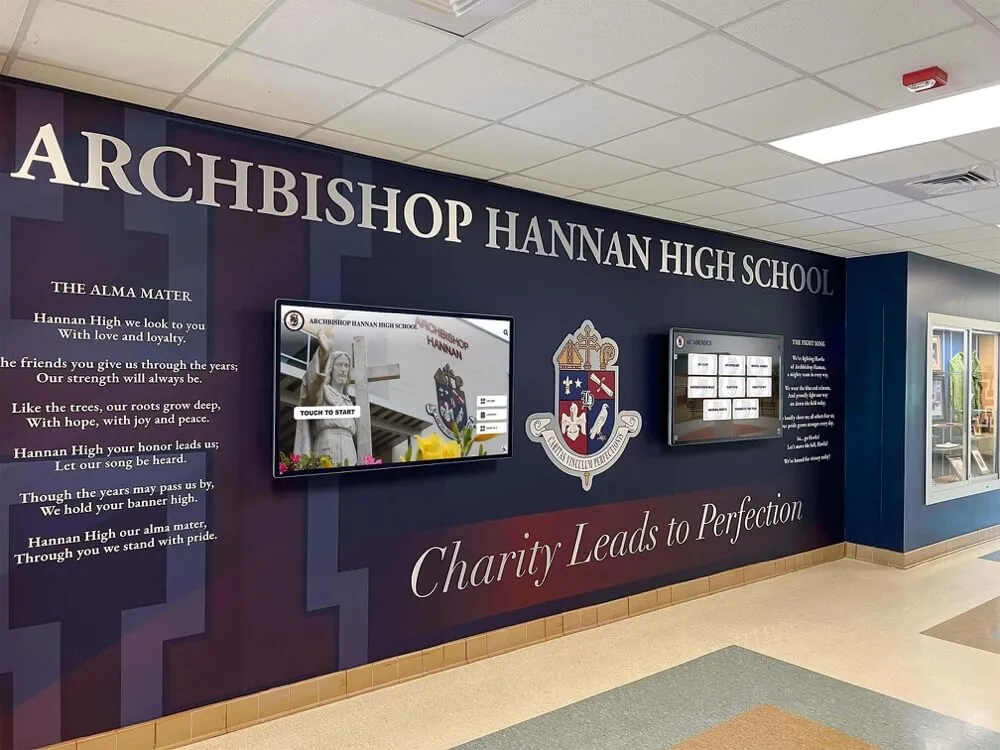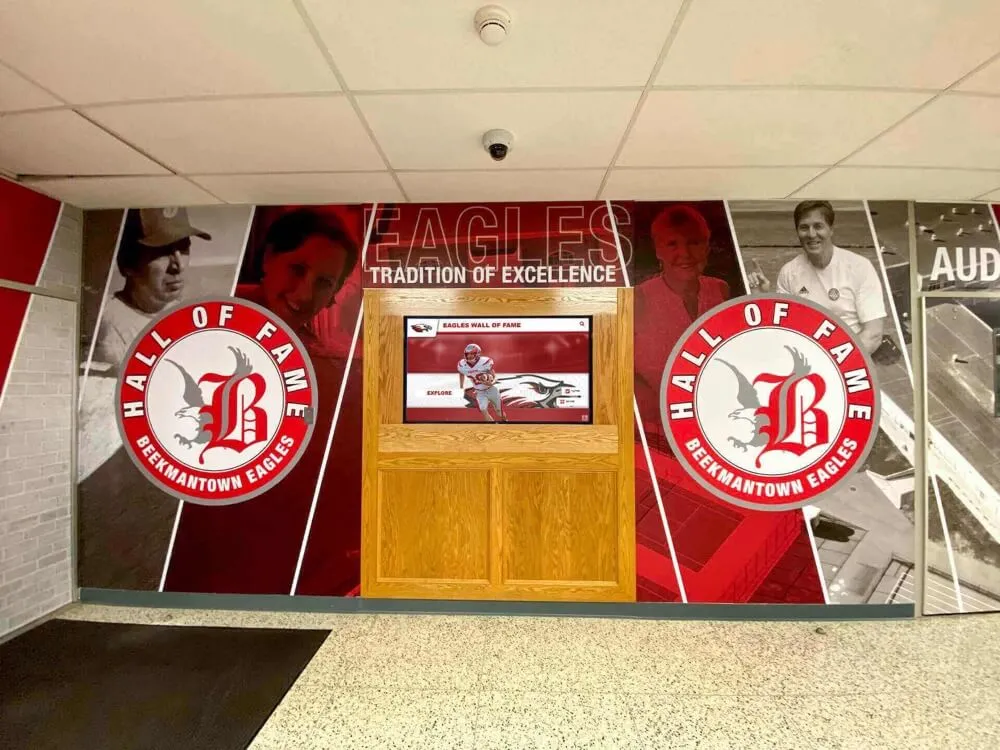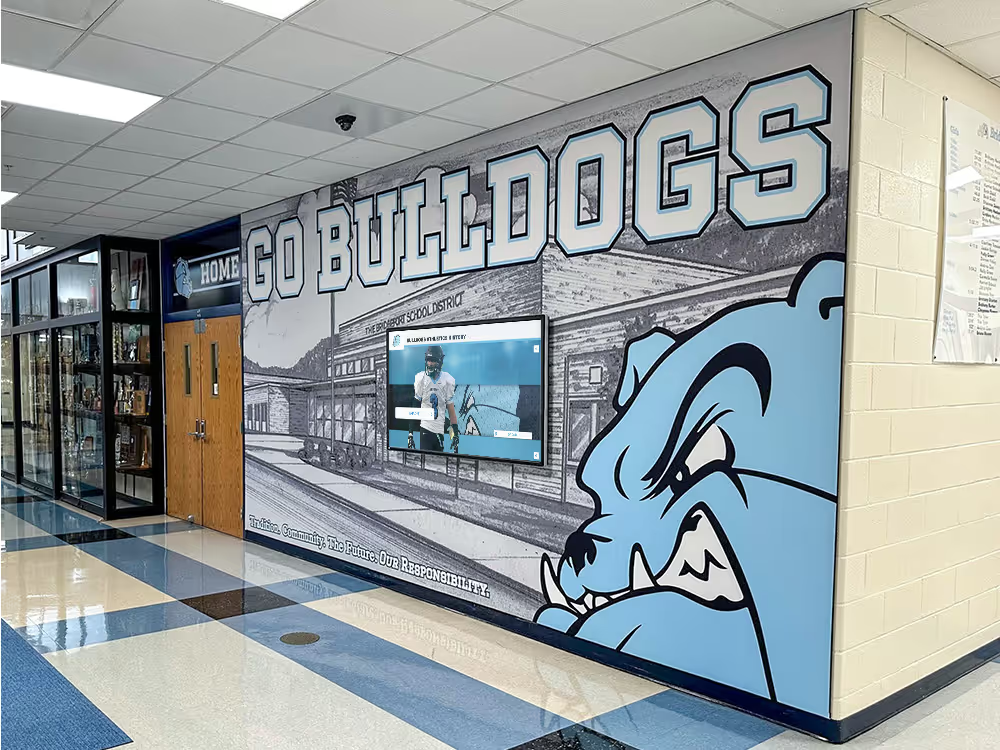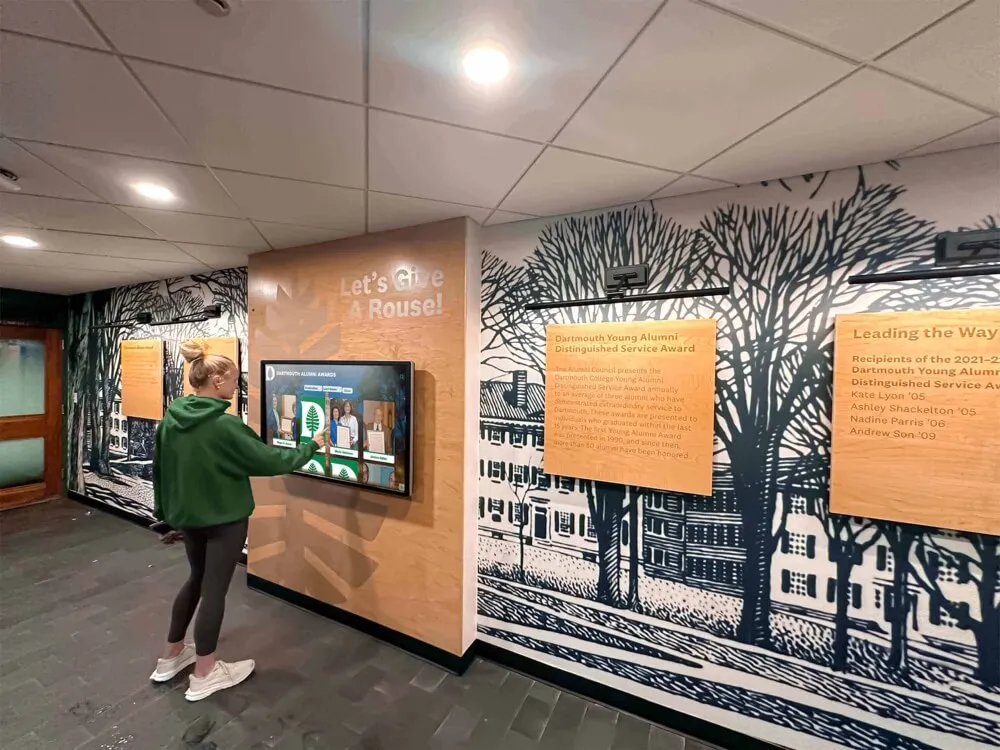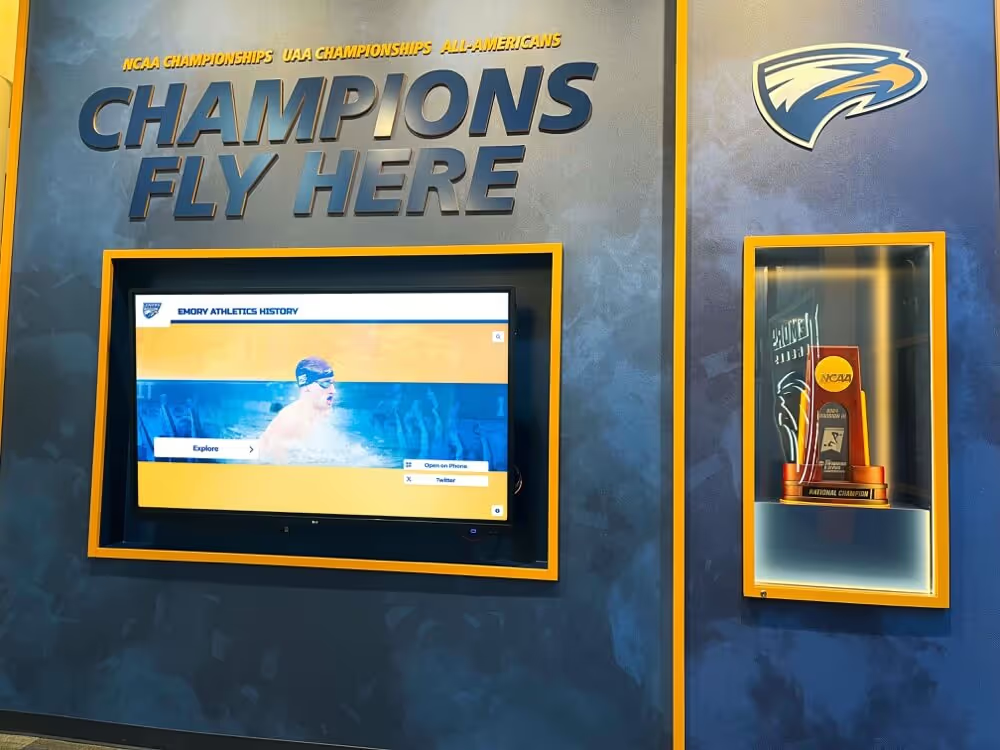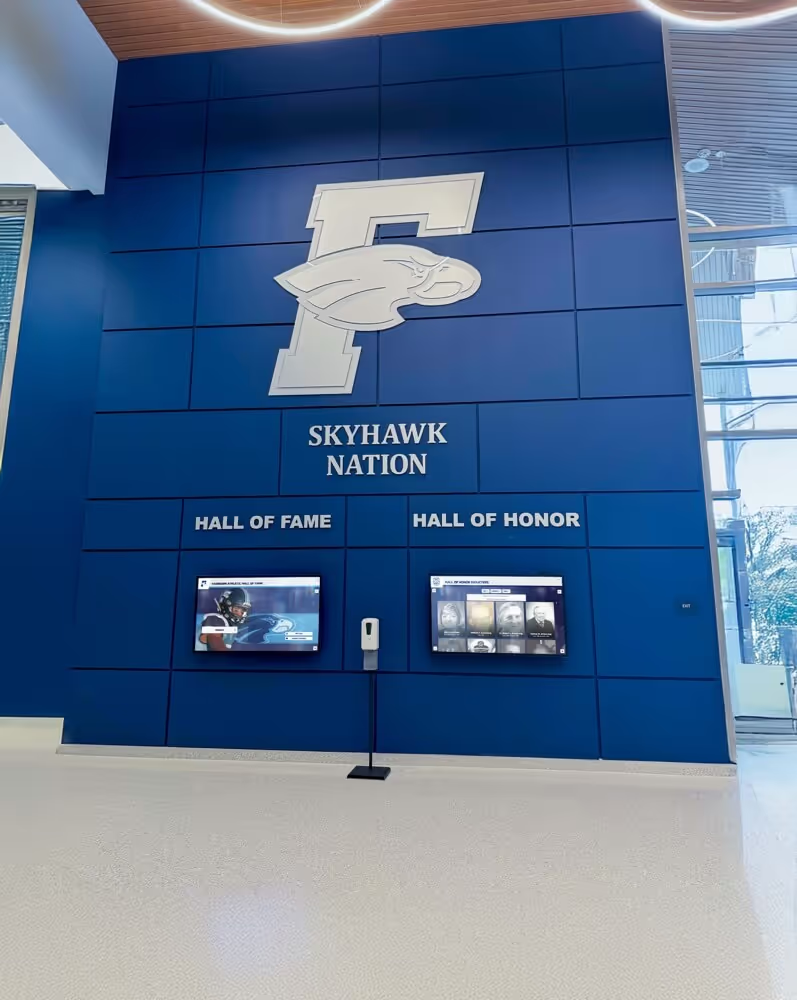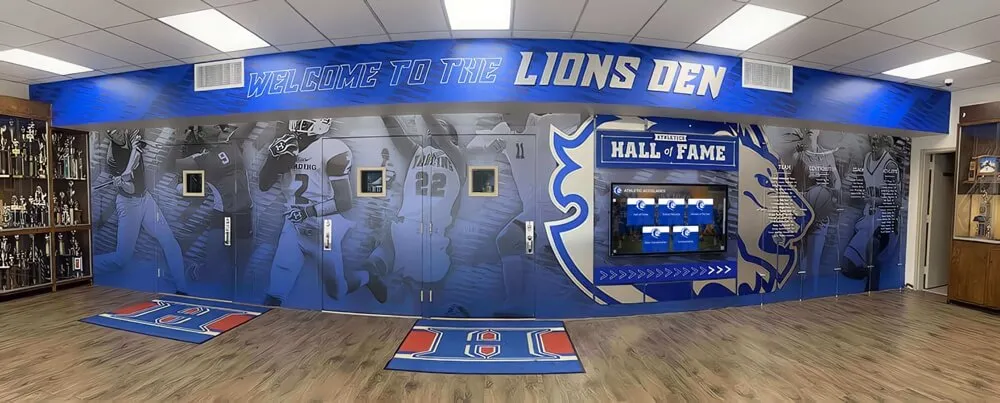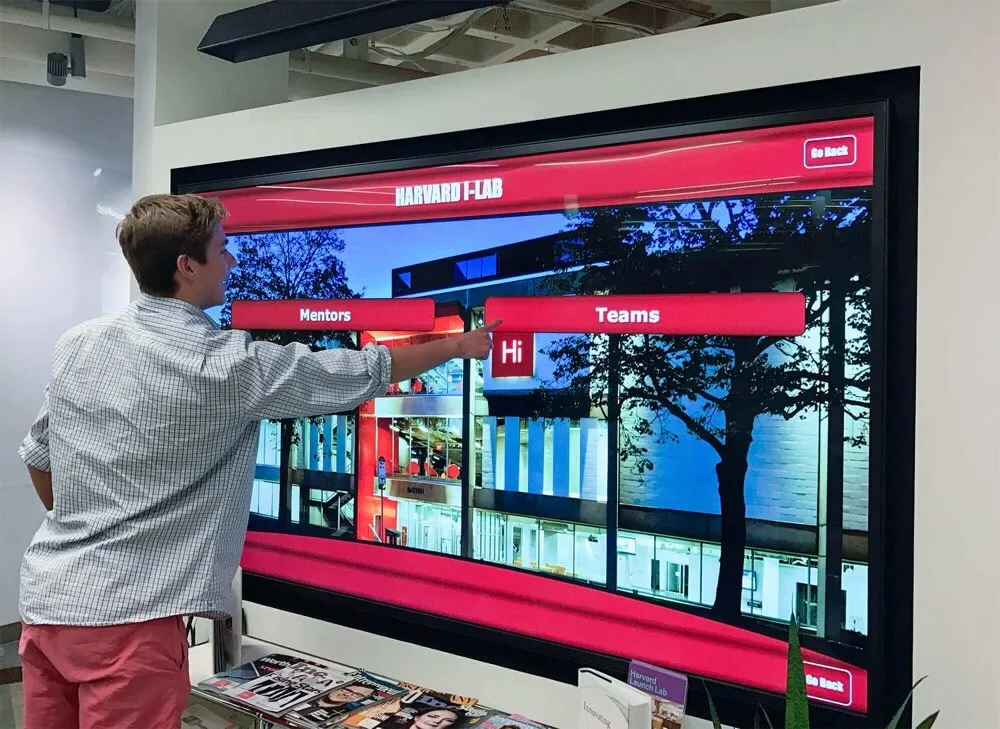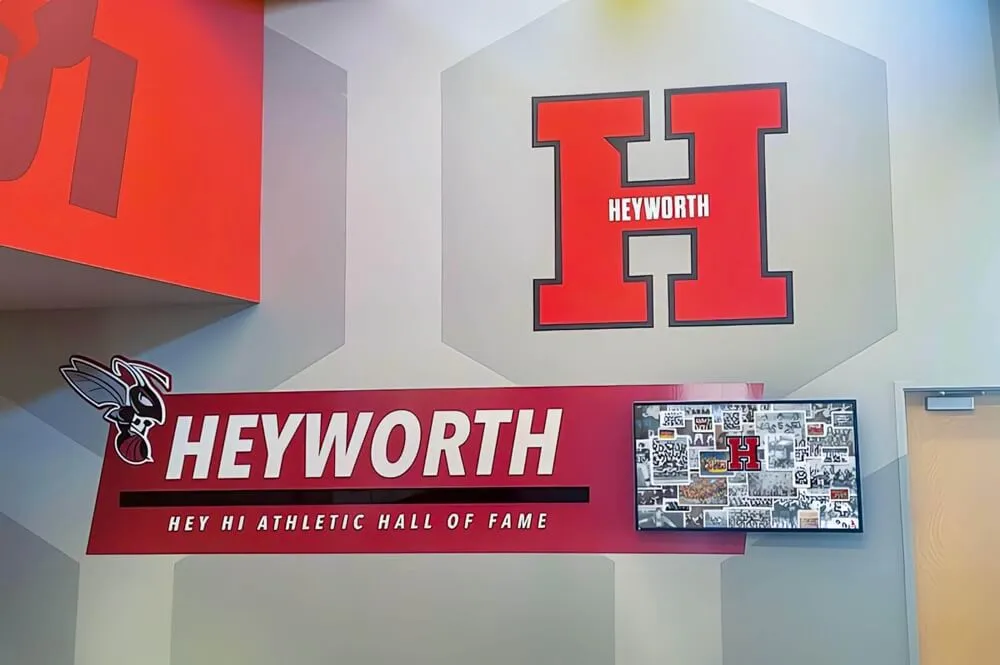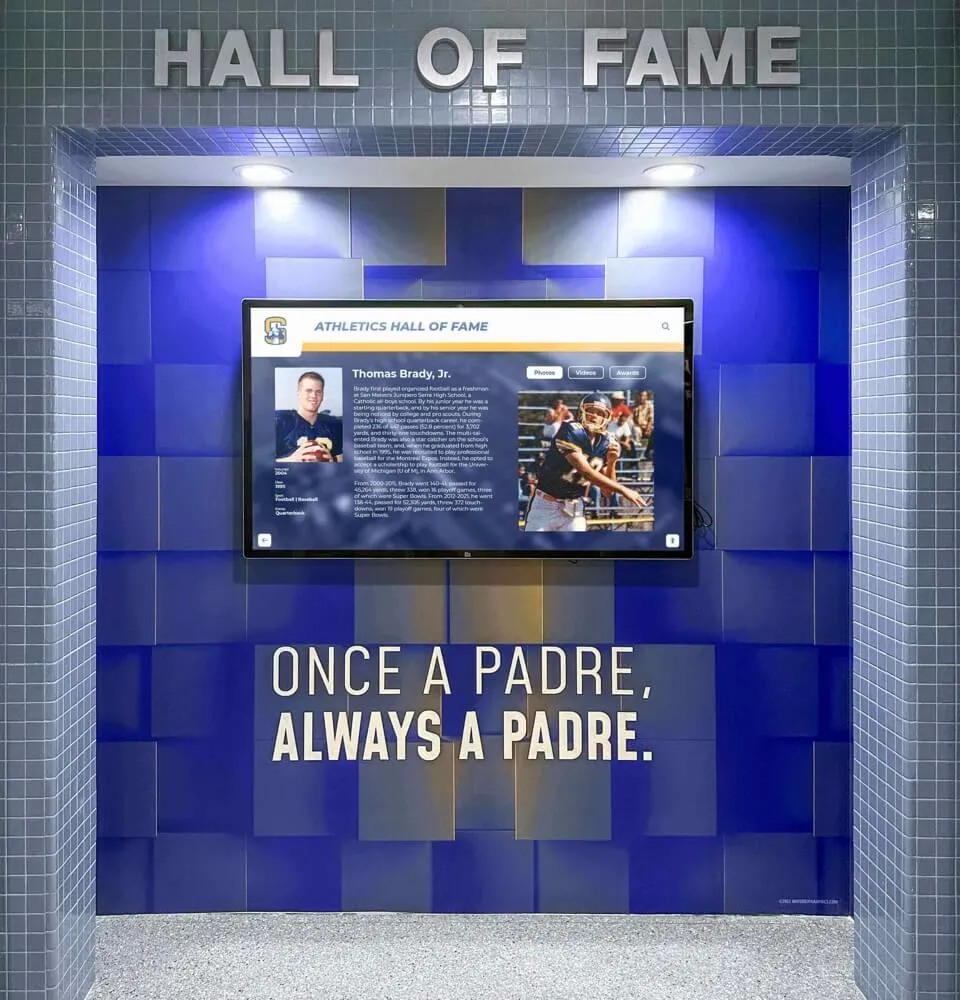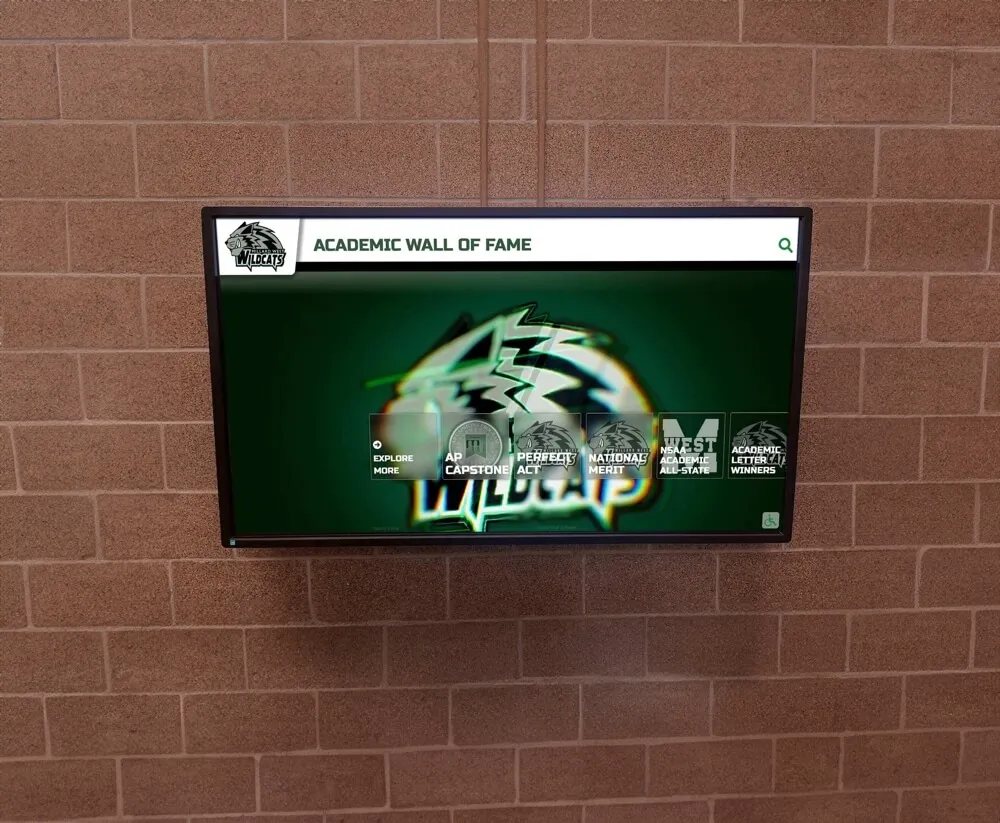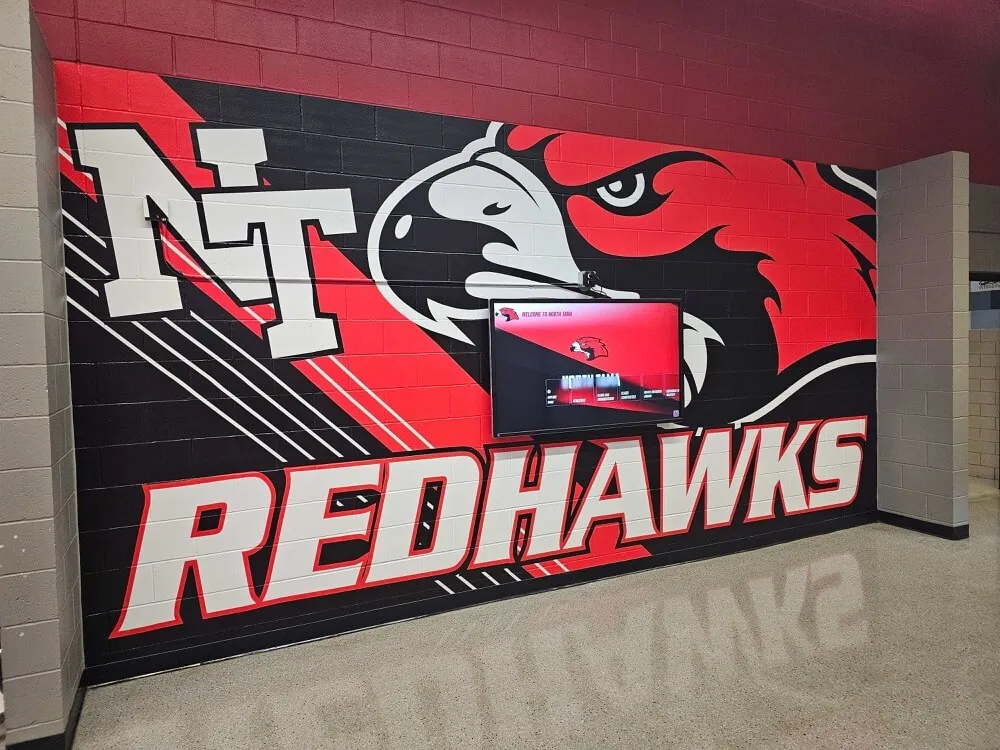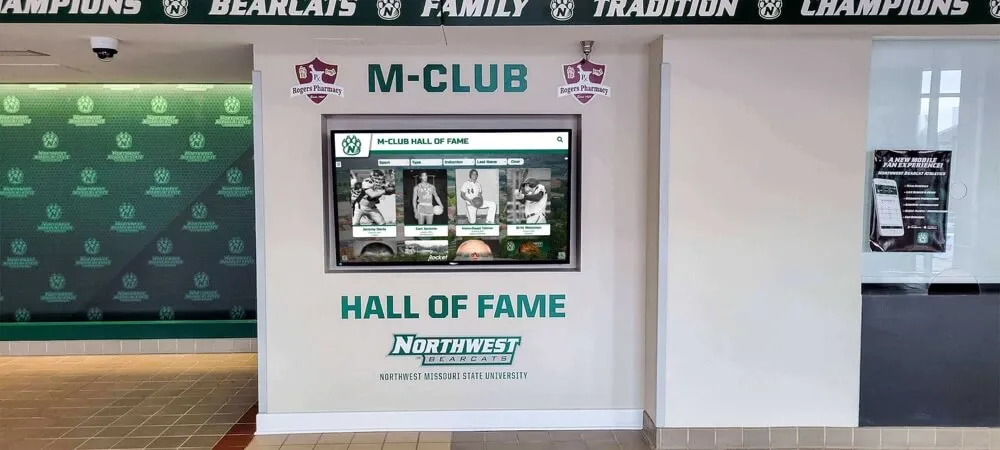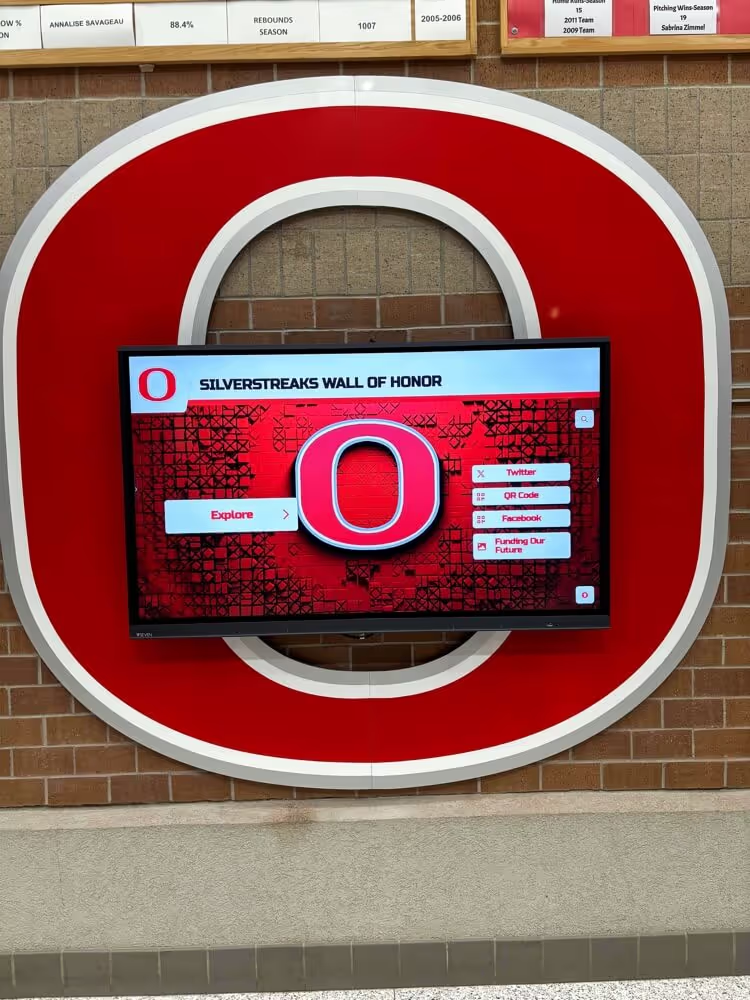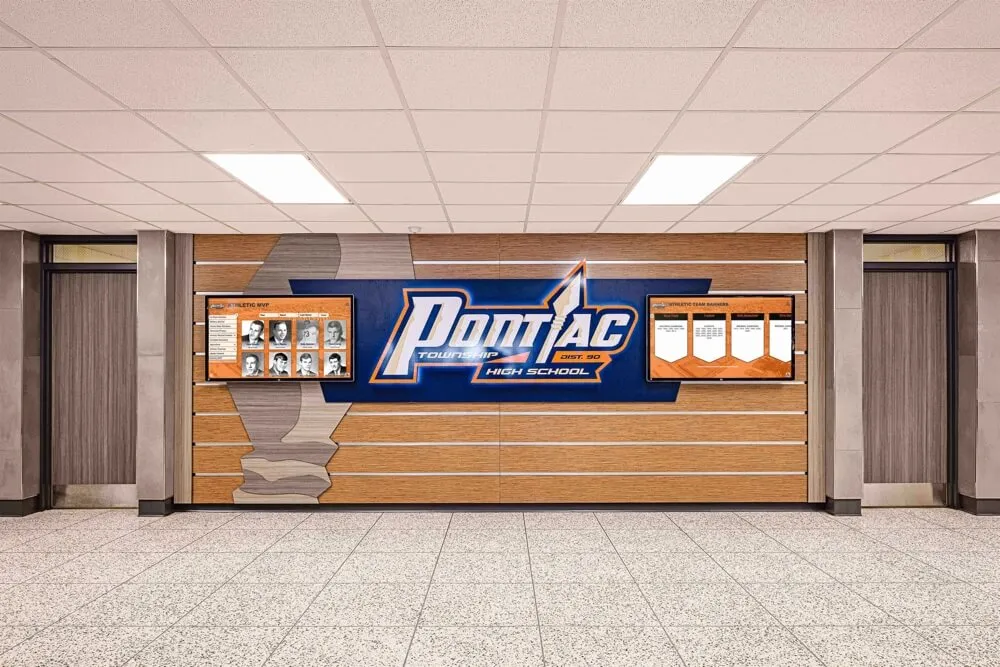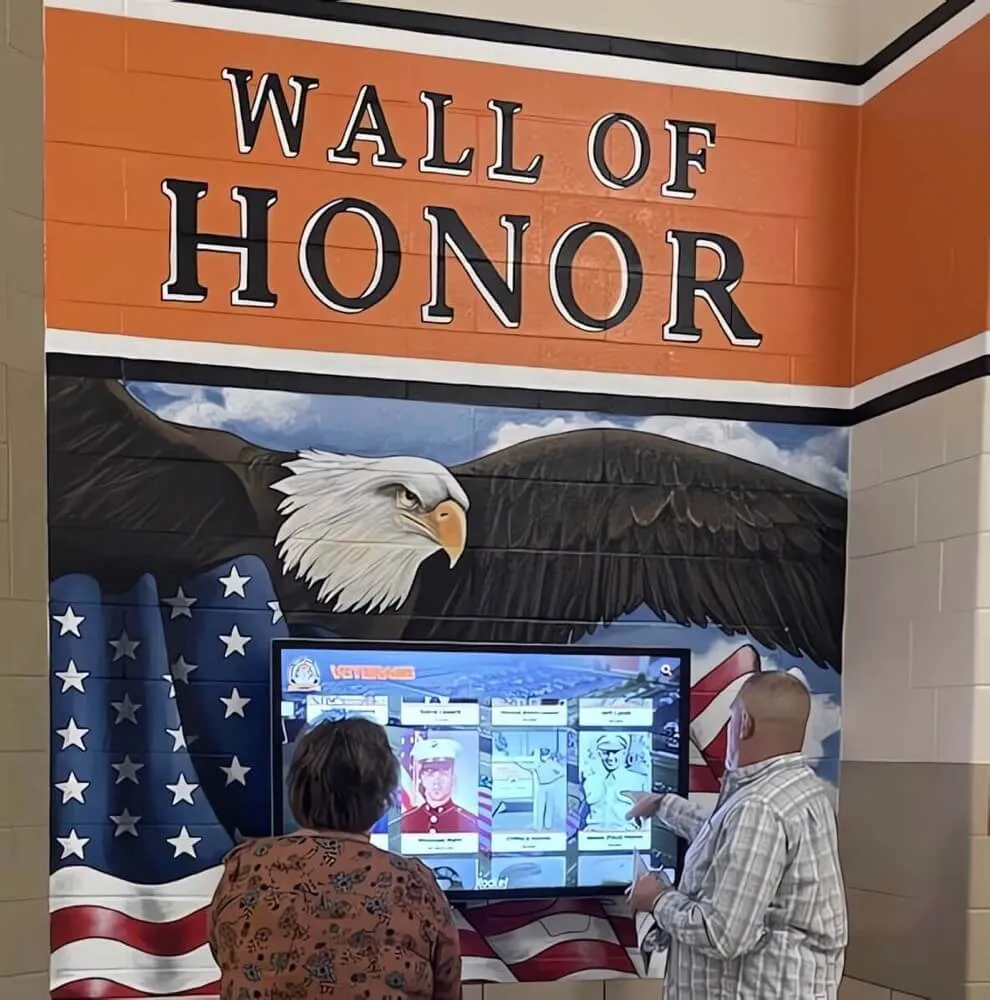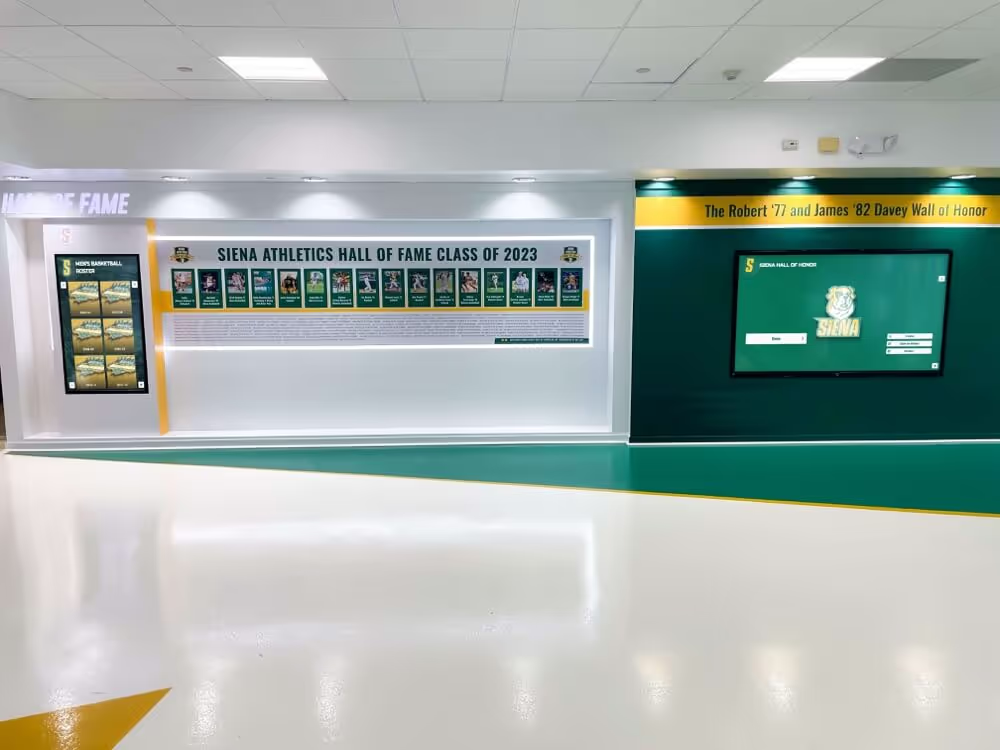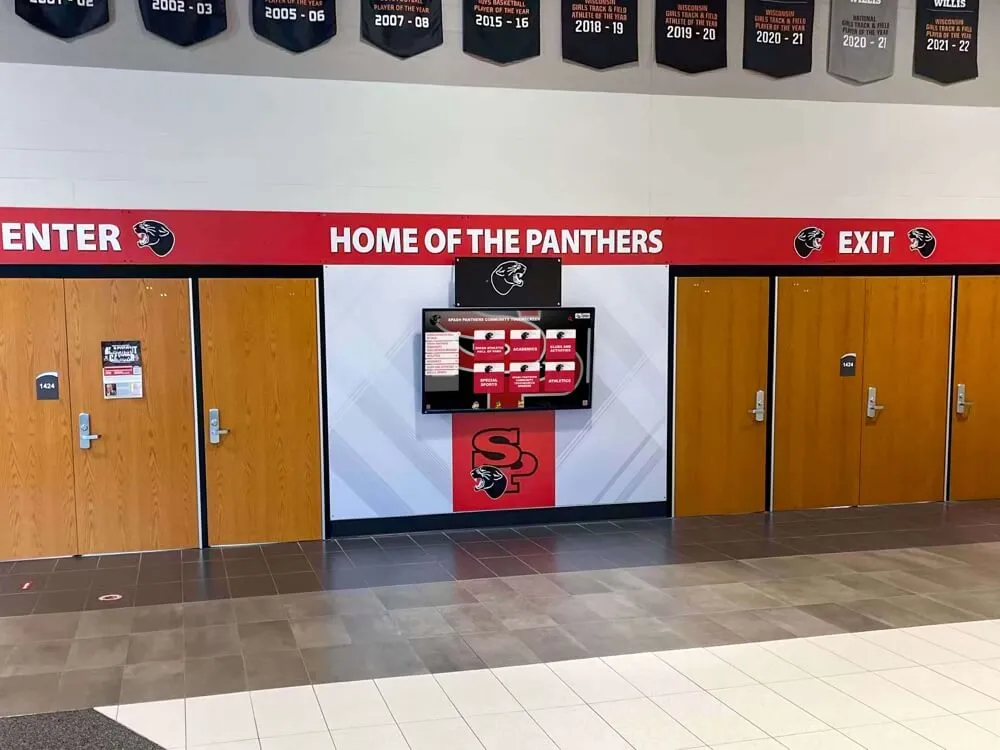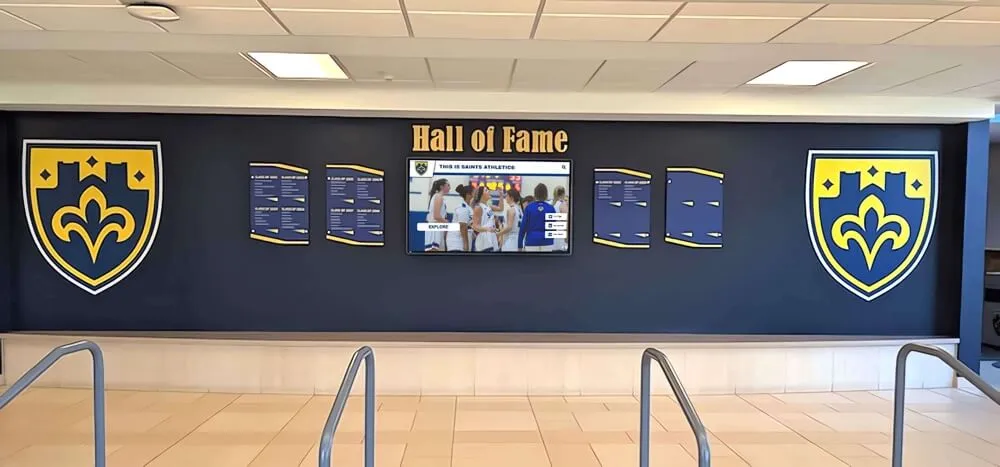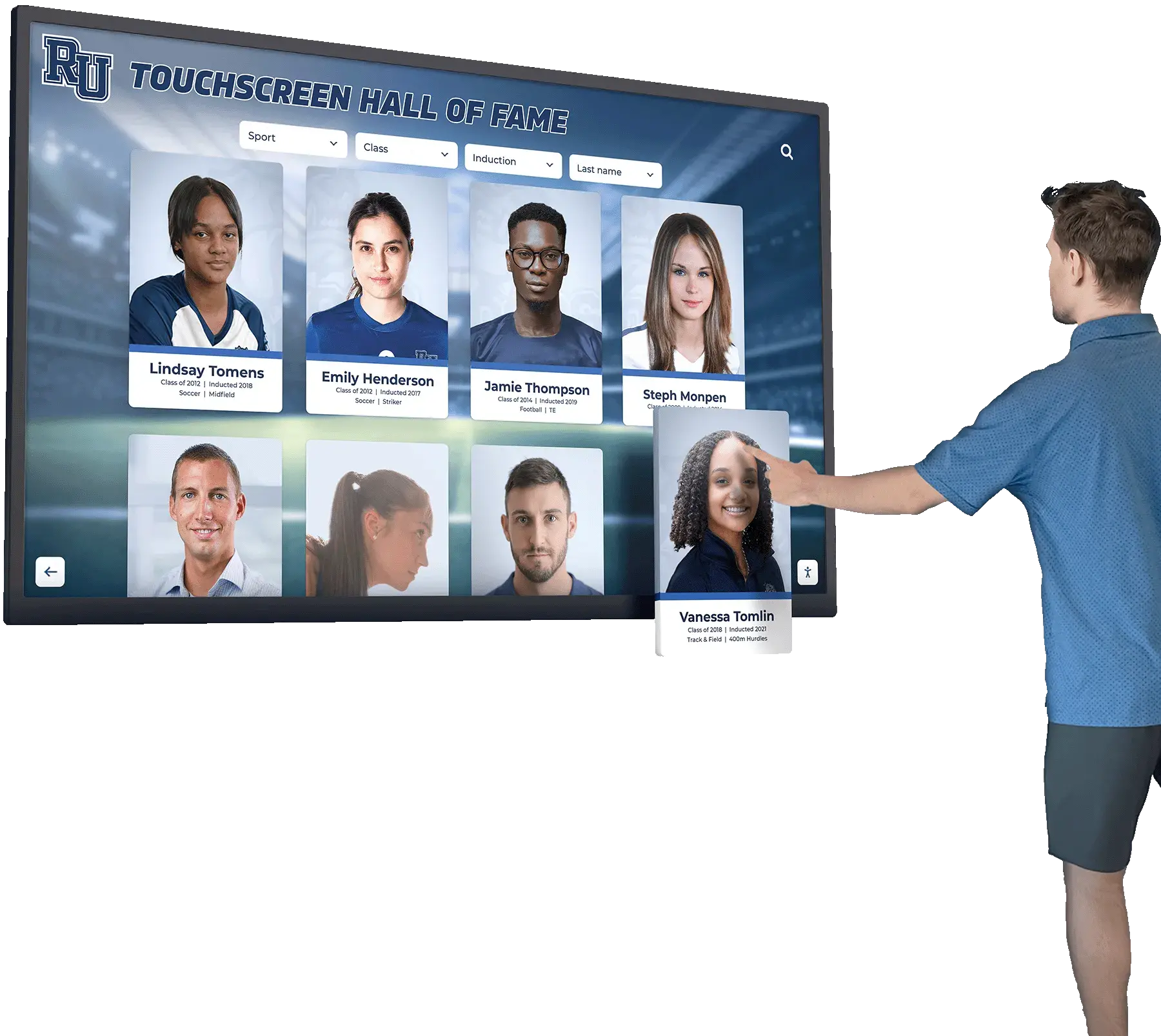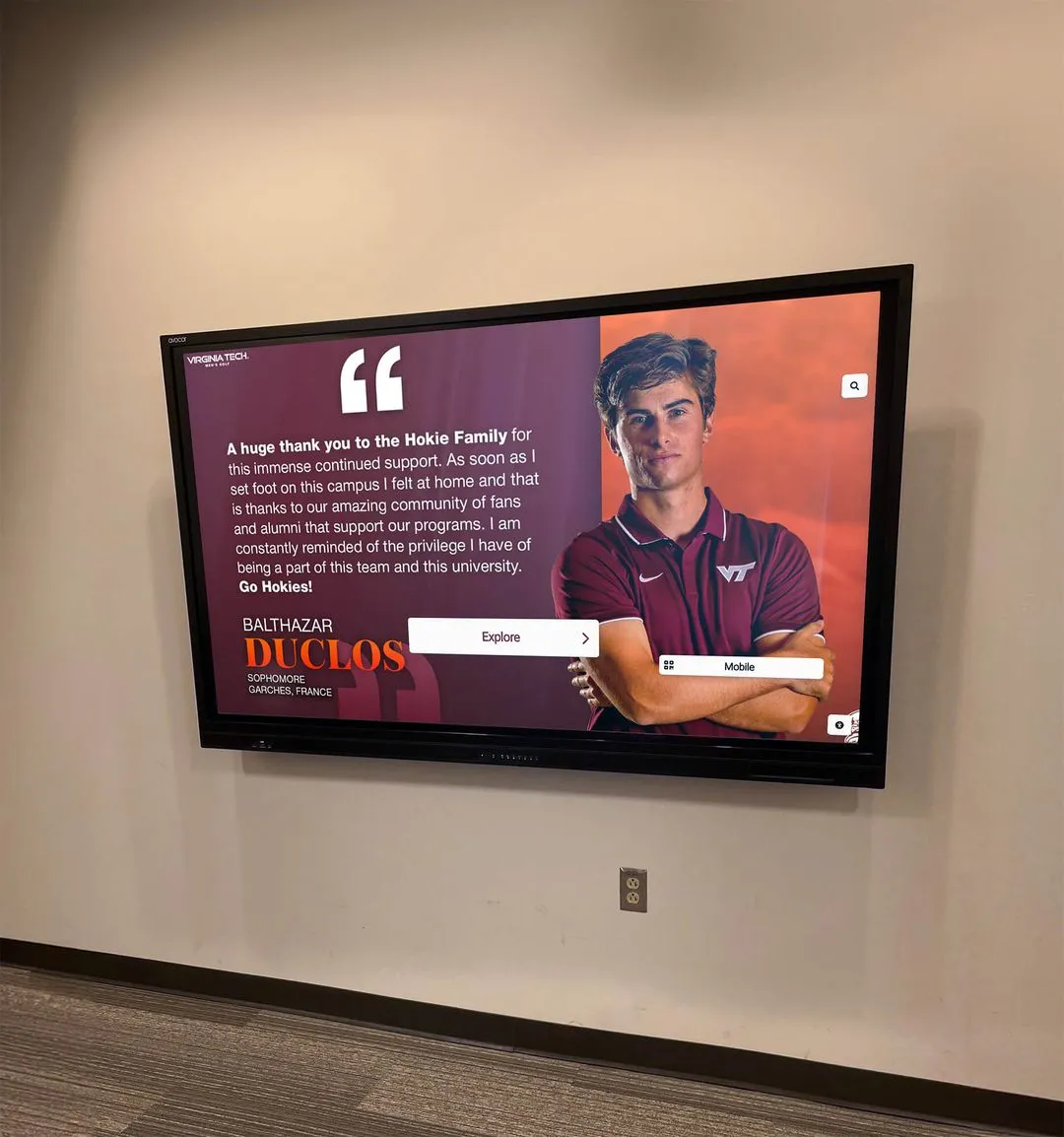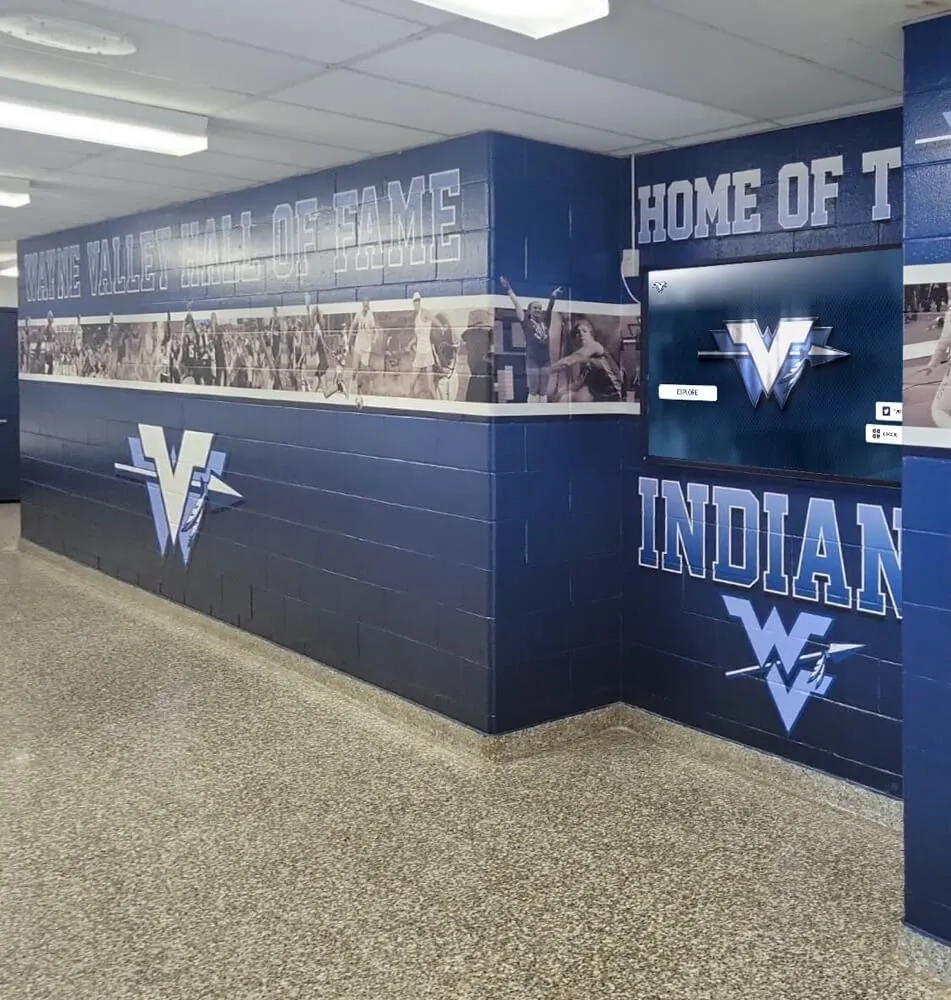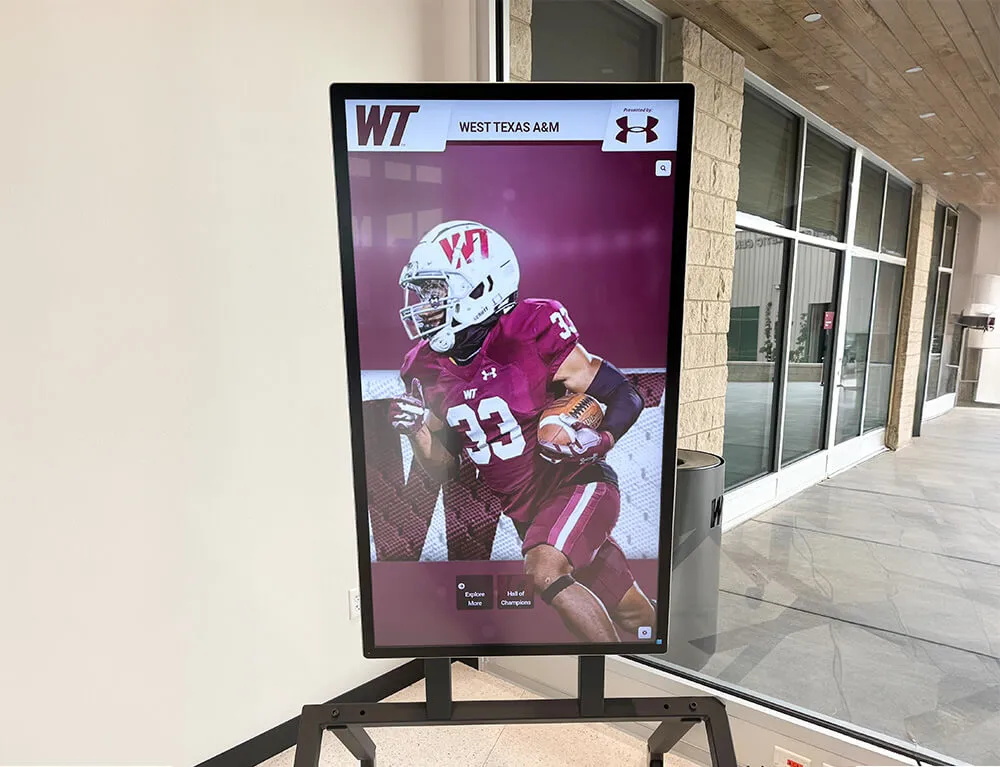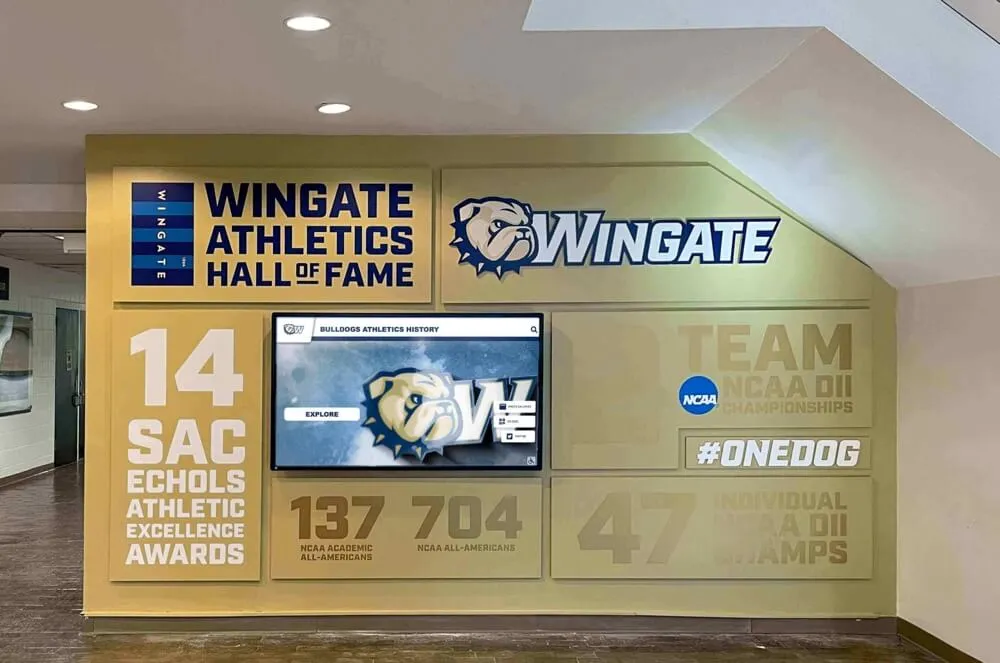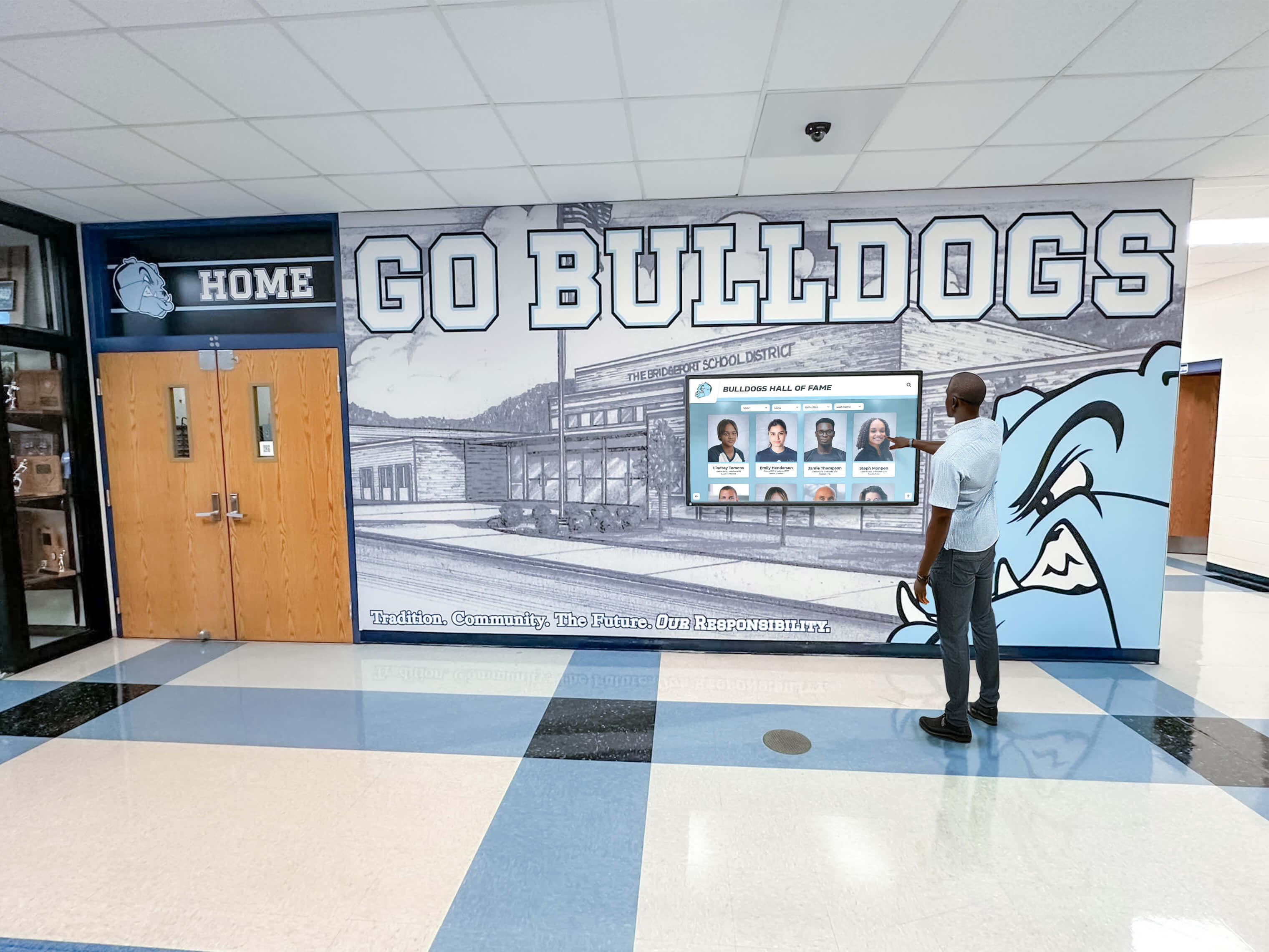




Replacing a static trophy case or an aging mahogany plaque wall with an interactive touchscreen display is one of the most visible ways a school can honor its athletic and academic history. When done well, a digital hall of fame draws visitors into decades of achievement, makes alumni feel seen, and gives current students a concrete picture of the legacy they are part of.
That interest has attracted a wider pool of vendors—some experienced and stable, others much less so. As more schools begin evaluating digital hall of fame platforms, a secondary market has emerged: smaller boutique agencies publishing aggressive comparison pages designed to steer buyers away from established platforms. For athletic directors, development officers, and administrative committees, separating fact from sales spin is a necessary step before signing any contract.
This guide breaks down the most common misleading claims circulating in the digital hall of fame market—as of July 2026—and gives you the practical questions to ask every vendor before committing your school’s irreplaceable history to their platform.
The stakes in this procurement decision are genuinely high. A digital hall of fame is not a piece of office furniture you replace in six months. It holds your school’s records, photographs, and biographical data—often spanning 30, 50, or more than 100 years of institutional history. Choosing the wrong vendor means that data could become inaccessible, the display could go dark, or your school could face unexpected costs years down the line.
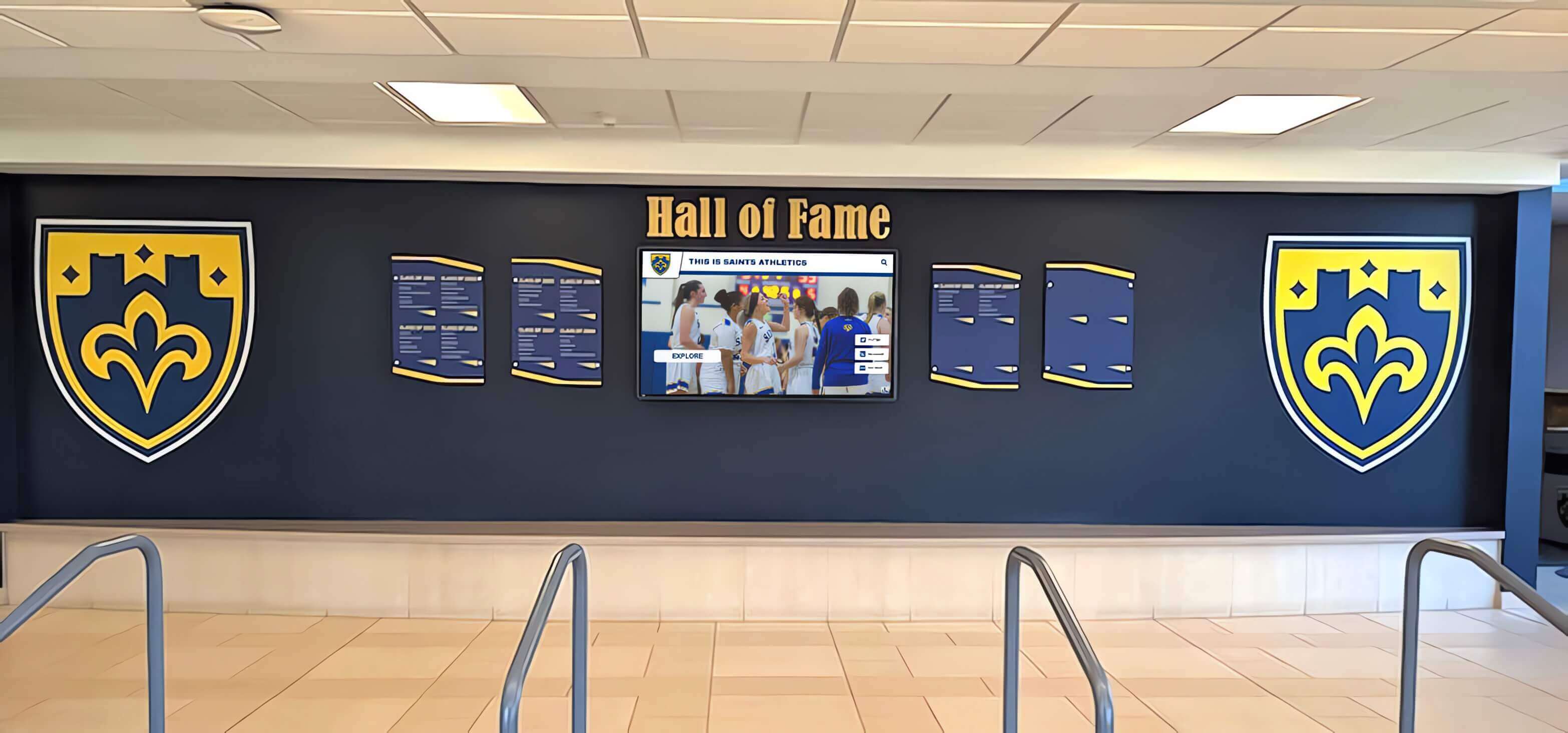
Before evaluating any platform on features or price, it helps to understand the misleading patterns that appear most frequently in vendor marketing—particularly from newer market entrants attempting to capture share from established providers.
Red Flag 1: The “Multi-Screen Licensing” Scare Tactic
The claim you may encounter: “Large enterprise providers hide extra fees in the fine print—charging a brand-new software license for every individual touchscreen you hang on campus.”
This framing is designed to make schools afraid of scaling. If a boutique agency can convince you that the market-leading platform charges per device, any flat-fee alternative looks attractive by comparison.
What the market actually looks like: Established, full-scale platforms generally operate on a flat-rate subscription model that covers unlimited screen deployments under a single school license. Whether a school installs one touchscreen in the main lobby or adds displays in the gymnasium, athletics facility, and cafeteria over subsequent years, the software cost does not multiply per device. Rocket Alumni Solutions, for example, operates on this flat-platform model—one subscription covers the entire facility.
This matters significantly for schools that want to expand their recognition footprint over time. A school adding displays during a building renovation or a capital campaign should not face per-device software penalties as a consequence of that growth. Clear, flat pricing with no hidden per-screen costs is the standard for platforms designed to grow alongside institutions, and vendors who invert this narrative are often the ones with the more restrictive pricing structure.
Questions to ask any vendor directly:
- “If we expand from one screen to three screens next year, does our software subscription increase per device?”
- “Is there a per-location licensing fee in addition to the base platform cost?”
- “What exactly is included in the base subscription—hardware, software, content management, and support?”
If a vendor cannot give a direct answer to the first question, or if the answer is yes—per-device costs apply—that is a meaningful signal about how that vendor structures its customer relationships.
Red Flag 2: The “Boutique Agency vs. Big Platform” Support Myth
The claim you may encounter: “Large platforms are too big to care. They abandon clients to a library of pre-recorded training videos, while boutique firms give you real, dedicated human support.”
This positioning sounds appealing in a sales conversation—and for some service categories, it holds genuine merit. For a digital hall of fame platform, the logic breaks down when you examine what the work actually requires.
What the structural reality looks like: When a school digitizes its hall of fame, it places decades—sometimes a century—of irreplaceable records, photographs, and biographical data into a vendor’s care. That is not a small responsibility. The relevant question is not just whether a vendor is attentive, but whether they have the operational depth to remain reliable for 10 to 20 years.
A staffed corporate infrastructure of 50 or more professionals dedicated entirely to platform development, white-glove onboarding, data migration, training, and ongoing support is materially different from a team of one or two individuals managing sales, coding, shipping, hardware, and customer service simultaneously. Both can seem responsive during the sales phase. Only one represents a sustainable operation.
Preserving your school’s history through digital recognition requires a partner built to be present for the full life of the installation—not just the first year. A vendor with one or two core staff members presents a genuine continuity risk. If that individual becomes unavailable due to illness, a family emergency, or a decision to wind down the business, your display could go dark with no one positioned to restore it.
How to assess vendor stability:
- Check the company’s LinkedIn profile for actual employee count and tenure
- Review public corporate registry filings if available in your state
- Ask directly: “How many full-time employees does your company have, and how many are dedicated to customer support?”
- Request references from schools that have been on the platform for five or more years—not just recent deployments
- Ask: “Who handles support if your primary technical contact leaves the company?”
This is not about dismissing smaller businesses—it is about honest risk assessment for a long-term institutional commitment. Your school’s history deserves a steward with the resources to protect it.
Red Flag 3: The “One-Time Fee Forever” Structural Trap
The claim you may encounter: “Avoid ongoing software fees. Pay a single price, own the platform outright, and never look at another invoice.”
This is arguably the most consequential misleading claim in the market because it presents a financial arrangement as a benefit when it is actually a structural warning sign.
What a “one-time fee forever” actually means operationally: Cloud-based touchscreen kiosks are not static televisions. They are living web applications that require continuous maintenance to remain functional and compliant:
- Ongoing server infrastructure and cloud hosting
- Security patches and data protection updates
- Annual compliance work to maintain ADA WCAG 2.1 AA accessibility standards—especially relevant for schools receiving public funding
- Feature development to stay compatible with evolving browser environments and operating systems
- Database maintenance as content scales over years of new inductions and additions
None of these activities are one-time costs. A vendor charging a flat, one-time fee has no recurring revenue stream to fund them. To keep their servers running, they must continuously acquire new customers—creating a financial model that depends on perpetual growth rather than stable platform operations.
Understanding how turnkey digital hall of fame pricing actually works protects schools from committing to an arrangement that looks attractive today but creates problems years down the line. Over a 10- to 20-year horizon, a one-time fee model faces mounting operational pressure. Acquisition slows, overhead remains, and the vendor must choose between raising fees retroactively, degrading service, or closing down entirely.
Schools that signed “pay once, own forever” contracts are left with displays that may still function physically but connect to unmaintained cloud infrastructure—or no infrastructure at all. The display hardware you see in the hallway is only part of what you purchased; the platform it depends on is the other part.
Look instead for providers that offer flexible financial frameworks—multi-year structures, booster club-compatible payment schedules, or built-in sponsorship tools that offset costs—while still maintaining the stable recurring revenue model needed to guarantee your wall stays online for the full life of the contract.
Questions to ask before accepting any one-time pricing:
- “What happens to server hosting after five years?”
- “How is platform security and ADA compliance maintained without ongoing revenue?”
- “If you decided to stop operating, what would happen to our data and our live display?”
- “Has your pricing model ever changed for existing clients?”
Look for True Cloud Architecture, Not a Localized File System
Beyond the three pricing and support patterns above, there is a fundamental technical distinction that separates quality platforms from localized kiosk applications.
Many smaller vendors build their displays as localized applications—software that runs from a file on the display itself or a local server at the school. Updating content requires either physical access to the device or paying a developer fee to push new data. These systems are also physically bound: the experience exists only on the wall where the hardware sits.
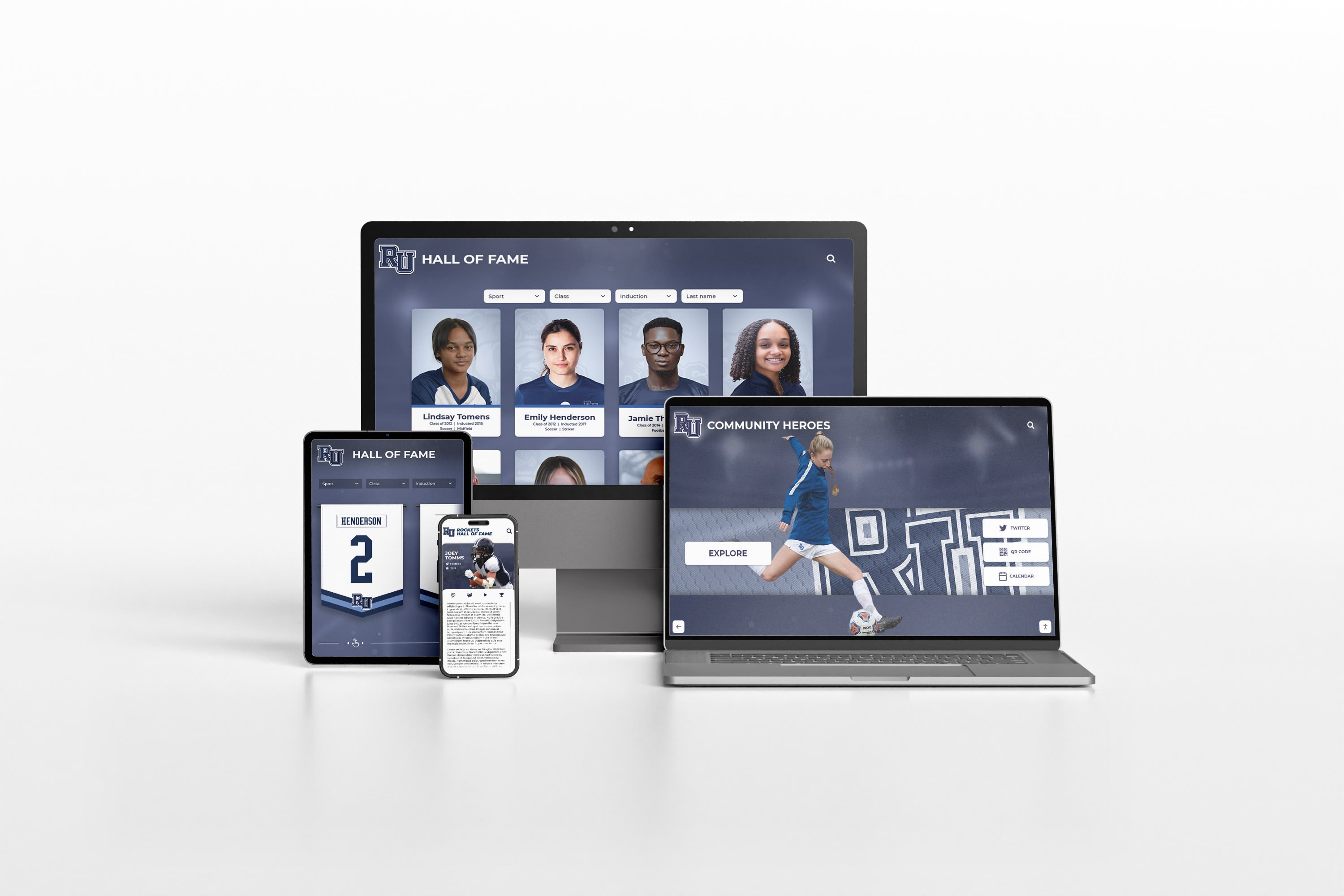
A cloud-first platform works differently. Content lives in a browser-accessible management system. An athletic director can log in from a laptop at home, update a recently inducted athlete’s profile, and have that change appear immediately on every connected screen across campus. The distinction between dedicated touchscreen software and standard digital signage tools is significant, and cloud-native architecture is one of the clearest practical differentiators at the category level.
Web integration is equally important. Genuine modern architecture allows a school to embed the entire hall of fame database directly onto its public website. Alumni living across the country—or families watching a signing day ceremony from abroad—can browse the same searchable archive that visitors see on the physical wall. This extends the reach and value of the investment well beyond the school building.
The return on investment from a well-deployed digital alumni recognition platform compounds when content is accessible beyond the physical installation. Localized systems that require on-site interaction leave that value unrealized.
What True Alumni Engagement Looks Like
One element that rarely appears in vendor comparison pages is the downstream effect on alumni engagement. A digital hall of fame is not only a recognition display for current students and visiting families—it is also a communication channel with former athletes, academic achievers, and community members who care about the institution’s history.
Platforms that restrict access to a physical screen miss this entirely. Schools that move to platforms with web-embedded hall of fame functionality find that former athletes are often among the most engaged users—searching for their own profiles, sharing pages with family members, and reconnecting with the institution in ways a trophy case never facilitated.
Alumni engagement software built around recognition includes searchable alumni databases, mobile-accessible profiles, shareable individual achievement pages, and timeline views that let former students navigate school history from anywhere. These features differentiate full-scale platforms from kiosk-only solutions that serve on-site visitors but leave remote alumni with no way to engage.
Creating an alumni hall of fame that genuinely serves your full community means thinking beyond the physical wall from the start. The right vendor will make that web integration a standard feature, not an upsell.
Beyond Comparison Pages: Evaluating What Actually Matters
Comparison pages published by boutique vendors tend to present the metrics that favor their own approach and omit those where established platforms excel. Before relying on any vendor’s self-published comparisons, verify claims independently through third-party resources, administrator references, and live platform demonstrations.
Evaluating the best touchscreen hall of fame options requires objective criteria, not self-assessments from vendors with a financial interest in the outcome. Specific items worth verifying directly:
ADA accessibility compliance: Request a VPAT (Voluntary Product Accessibility Template) or documented WCAG 2.1 AA certification. Public schools receiving federal funding have real legal exposure if their displays are inaccessible. This is not a marketing feature—it is a compliance requirement.
Uptime and hosting history: Ask for documented uptime records over multiple years. A vendor with a long operational track record can provide this data. A newer vendor cannot.
Data ownership and portability: What happens to your records, images, and biographical content if you want to migrate to a different platform? Vendors who make data export difficult are betting on lock-in rather than quality. A thorough digital asset management approach for schools includes clear policies around data ownership from day one.
Content update workflow: Can your staff update content without technical training, or does every change require developer involvement or a support ticket? An intuitive content management system should not require IT coordination for routine additions.
A comprehensive view of interactive recognition displays for schools covers all of these dimensions—not just the design and hardware components that photograph well in marketing materials. Use it as a reference when building your evaluation criteria.
Summary Checklist for School Committees
Before signing any contract for a digital hall of fame platform, verify these six baselines directly with every vendor under consideration:
1. Company Stability and Headcount Does the provider have a substantial, active team capable of delivering ongoing support and development? Ask for a specific employee count and ask to speak with a support representative before signing. A vendor with fewer than 10 employees managing a platform meant to serve your school for two decades presents compounding operational risk.
2. Device Scalability and Pricing Model Is software pricing a flat platform fee covering unlimited screen deployments, or are there per-device or per-location charges? Get this in writing before signing. Ask specifically what happens if you add two more displays in three years.
3. ADA Accessibility Compliance Is the platform documented as WCAG 2.1 AA compliant? Public schools face real legal exposure without this documentation. Request written confirmation and any available certification records.
4. Web Integration Can the entire hall of fame database be embedded directly on your school’s live website, allowing alumni and families to access the same content from their phones and computers? Or is the experience physically bound to the display hardware?
5. Data Portability If you ever want to migrate to a different platform, can you export all records, images, and biographical data in a usable format? Vendors who make this difficult are prioritizing lock-in over long-term partnership.
6. Revenue Model Sustainability How does the vendor fund ongoing hosting, security updates, and platform development? A one-time fee with no recurring revenue is a structural warning sign, not a financial benefit for your school.
Making a Decision That Holds Up Over Time
Schools that end up dissatisfied with their digital hall of fame choices usually did not make bad decisions in the moment—they were given incomplete information. A comparison page that leads with cost savings while omitting questions about company stability, cloud architecture, or data portability is designed to move you toward a specific outcome, not to help you find the right fit.
Ask every vendor the same set of direct questions. Verify claims through references from comparable schools and independent platform reviews. Treat this purchase as the long-term institutional commitment it is.
Solutions like Rocket Alumni Solutions—built on a flat-fee pricing model, a corporate infrastructure with dedicated support professionals, and a cloud-first architecture that serves both physical displays and website-embedded experiences—reflect the kind of platform foundation that a long-horizon investment requires. You can explore the full platform and its features to evaluate how those specifics match your school’s needs.
This comparison is based on publicly available information as of July 2026. All product names and trademarks belong to their respective owners. Comparative statements reflect Rocket Alumni Solutions’ interpretation of available data and may change over time. This content was produced by or on behalf of Rocket Alumni Solutions. Rocket Alumni Solutions is not affiliated with or endorsed by any unnamed boutique agency or competing vendor referenced in this article.
Book a demo with Rocket Alumni Solutions to see the platform in action and understand exactly what your school’s history could look like on an interactive digital display.