



Oregon’s track and field tradition runs deeper than most states, forged through decades of legendary performances on cinder tracks and modern synthetic surfaces alike. From the rain-soaked infields of the Willamette Valley to the high-altitude training grounds of Central Oregon, the state has produced world-class athletes whose high school achievements continue to inspire generations of young competitors chasing those elusive state records.
Yet for many Oregon track programs, preserving and celebrating this rich competitive heritage presents ongoing challenges. Record boards painted decades ago fade into illegibility, championship banners gather dust in storage, and legendary performances risk being forgotten as coaching staffs change and facilities are renovated. Meanwhile, current athletes often lack connection to the historical achievements that define their program’s identity and competitive standard.
This comprehensive guide explores Oregon’s high school track and field record landscape—examining the state’s championship structure, legendary performances, notable athletes who’ve shaped Oregon track history, and how schools across the state are using modern technology to preserve these achievements while inspiring the next generation of record-breakers.
Track and field holds a unique place in Oregon’s athletic culture. The state that produced Steve Prefontaine and Nike’s track heritage creates an environment where distance running excellence meets diverse track and field achievement across all events. Understanding Oregon’s record structure helps schools celebrate their place within this storied tradition.

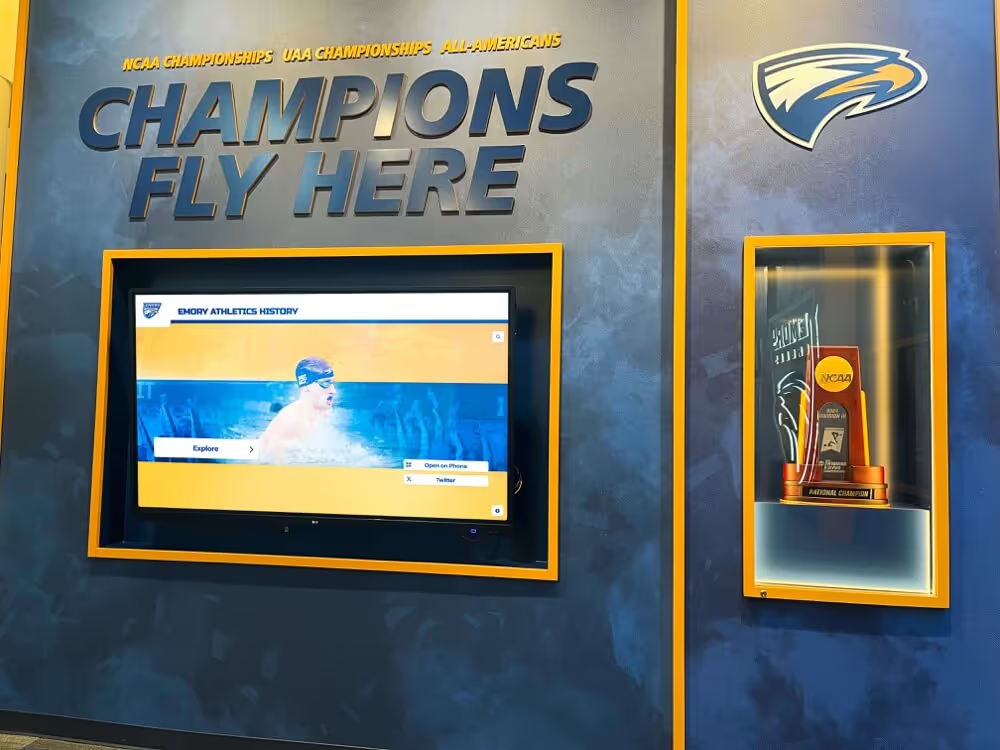
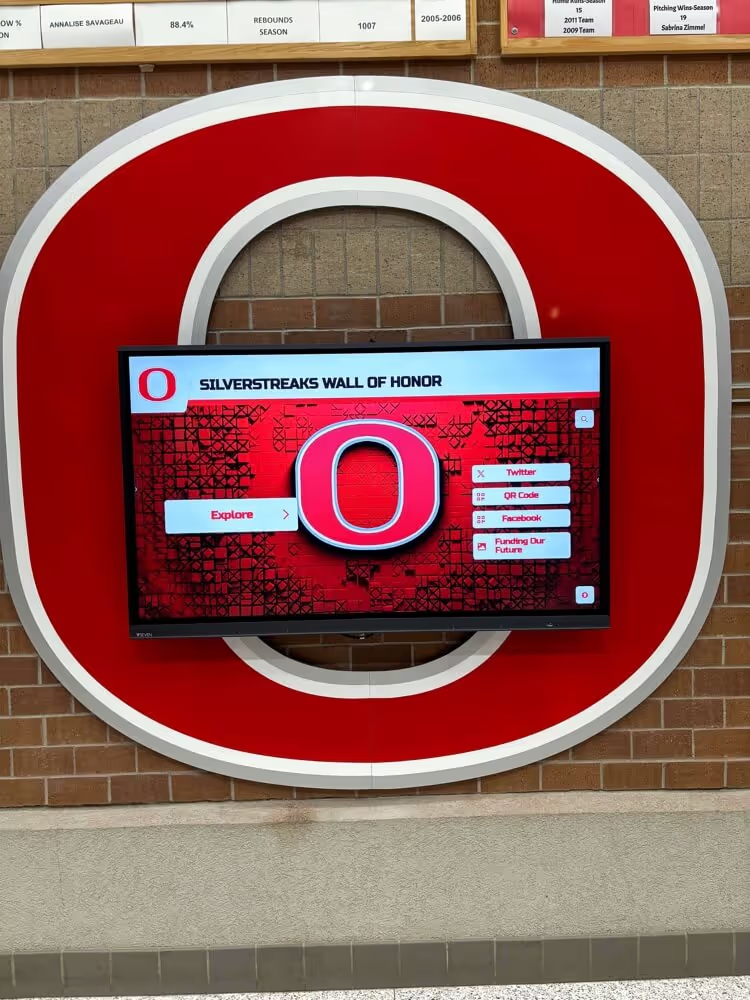
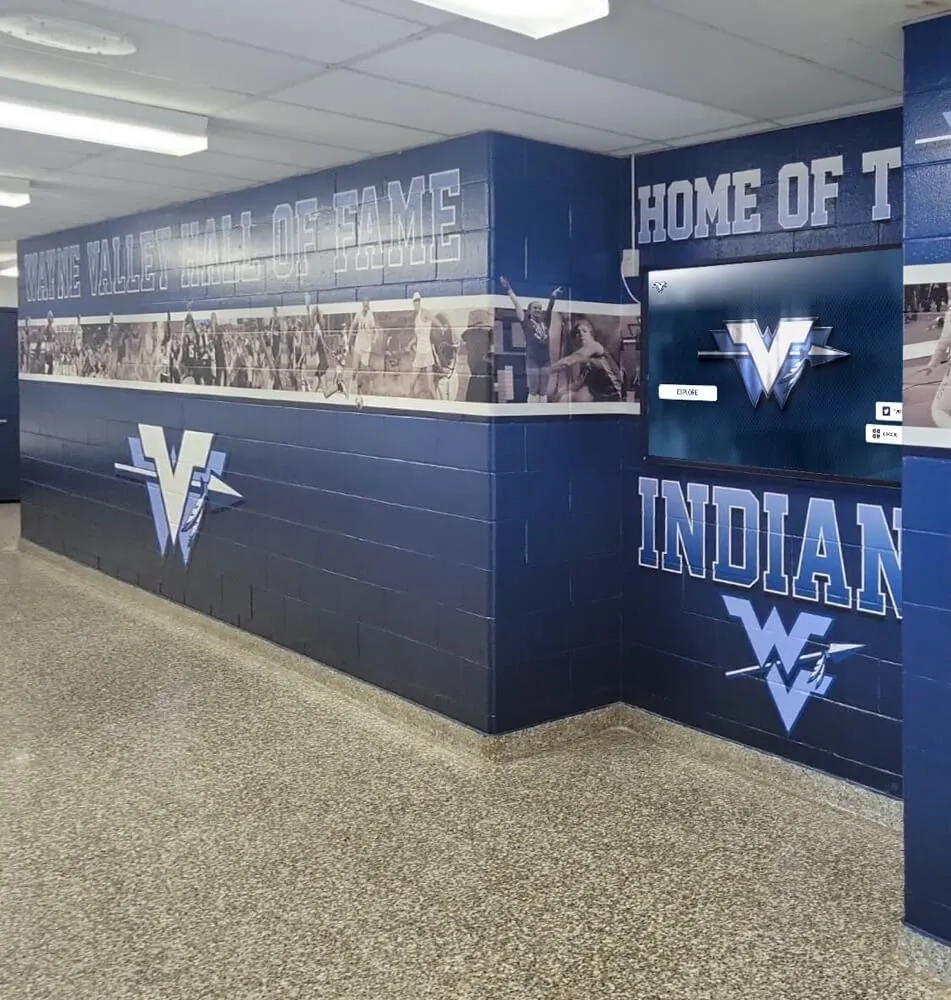
Modern digital displays enable Oregon schools to preserve track and field achievements while connecting current athletes to program legacy
Oregon Track and Field: A State Tradition
Understanding Oregon’s unique track culture provides context for the state’s record-keeping traditions and competitive standards.
Oregon’s Track and Field Legacy
Few states can match Oregon’s impact on American distance running and track culture:
The Prefontaine Effect
Steve Prefontaine’s legacy continues shaping Oregon track culture decades after his tragic 1975 death:
- Marshfield High School (Coos Bay) produced one of America’s most legendary distance runners
- “Pre’s” competitive fearlessness and front-running style inspired generations
- Annual Prefontaine Memorial Run in Coos Bay celebrates his legacy
- Hayward Field renovations honor Oregon’s connection to track greatness
- High school athletes across Oregon grow up hearing Pre stories
- Competitive fire and aggressive racing remain hallmarks of Oregon runners
This cultural foundation creates expectations that Oregon track athletes compete with distinctive intensity and pride.
Nike and Oregon Track Culture
The relationship between Nike’s founding and Oregon track shapes the state’s athletic identity:
- Bill Bowerman coached legendary University of Oregon track programs
- Bowerman’s innovations in shoe design revolutionized distance running
- Nike headquarters in Beaverton reinforces Oregon’s track connection
- Hayward Field renovations funded by Nike co-founder Phil Knight
- Oregon track facilities often feature cutting-edge surfaces and technology
- State’s track culture embraces innovation alongside tradition
These connections make track and field more culturally significant in Oregon than most states.
Distance Running Strength
Oregon’s climate and culture produce exceptional distance runners:
- Mild, wet winters enable year-round outdoor training
- Mountainous terrain provides natural hill training opportunities
- Cross country culture feeds into track distance events
- State championships regularly feature nationally competitive distance times
- Multiple Olympic Trials qualifiers emerge from Oregon high schools annually
- Distance events receive particular attention in Oregon track programs
While Oregon produces strong athletes across all events, distance running claims special prominence in the state’s track identity.

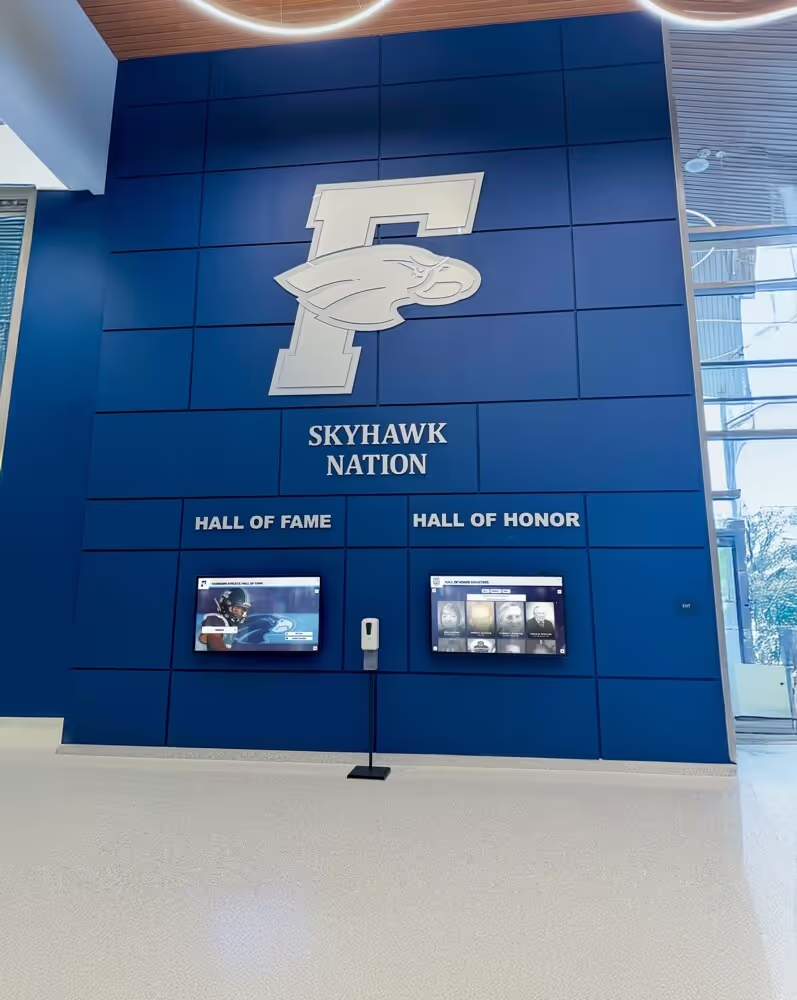
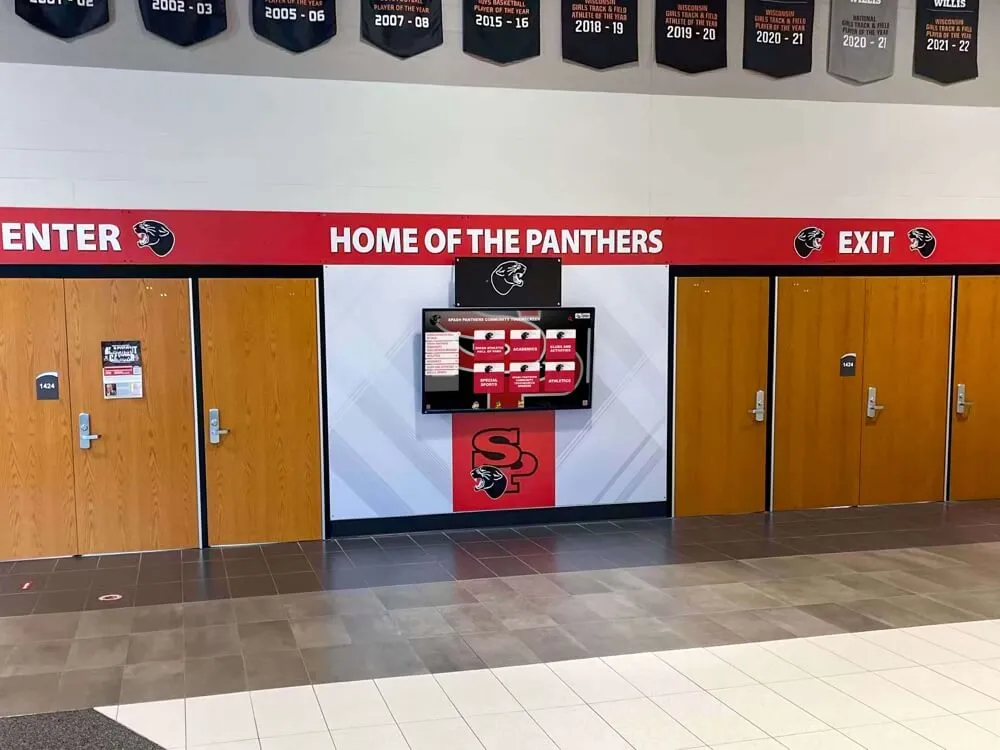
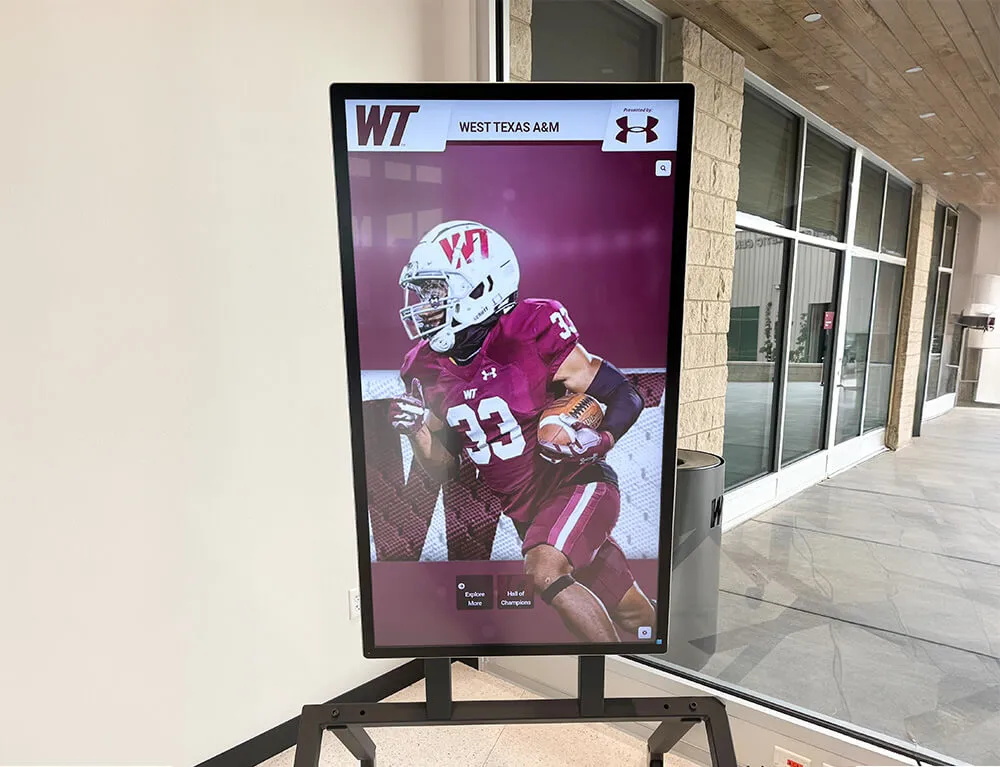
Strategic placement of record displays ensures Oregon track achievements remain visible to current and future athletes
Oregon School Activities Association (OSAA) Structure
Understanding OSAA’s organizational framework:
Classification System
Oregon organizes schools by enrollment into six classifications:
- 6A: Largest schools (1,200+ enrollment) - Portland metro area dominance
- 5A: Large schools (769-1,199) - Suburban and larger city programs
- 4A: Mid-size schools (384-768) - Regional centers and growing suburbs
- 3A: Smaller schools (192-383) - Rural communities and small towns
- 2A: Small schools (96-191) - Remote and rural Oregon programs
- 1A: Smallest schools (under 96) - Tiny communities maintaining tradition
Each classification crowns separate state champions, recognizing achievement across Oregon’s diverse school landscape.
Competitive Structures
Track season organization:
- Spring season typically runs March through late May/early June
- District meets determine state championship qualifiers
- State championships held at Hayward Field (Eugene) or other rotating venues
- Multiple qualifying standards based on classification
- Preliminary rounds in some events for larger classifications
- Finals determine individual and relay champions across events
The progression from district to state creates clear competitive pathway for Oregon athletes.
Special Programs and Recognition
OSAA maintains various recognition initiatives:
- All-State team selections honoring top performers
- Academic All-State recognition for scholar-athletes
- Sportsmanship awards celebrating exemplary conduct
- Varsity letter requirements standardized across Oregon schools
- Career achievement milestones tracked and celebrated
- Historical records documentation preserving Oregon track legacy
These programs ensure comprehensive recognition beyond just championship titles.
Oregon High School Track and Field Records
Examining the various record categories that Oregon schools maintain and celebrate.
State Classification Records
OSAA recognizes official state records within each classification:
6A State Records
Oregon’s largest schools produce elite performances:
- Boys 100m: Sub-10.5 clockings from Portland-area sprinters
- Girls 800m: State-leading middle distance tradition
- Boys 3200m: Multiple sub-9:00 performances reflecting distance strength
- Field events: High-level marks across jumps and throws
- Relay dominance: Metro area schools with deep talent pools
- Facility advantages: Access to year-round training and quality surfaces
Large school records often approach national elite standards.
4A/3A Competitive Balance
Mid-size school records reflect strong programs across Oregon:
- Distance events particularly competitive at these levels
- Rural programs with long-standing distance traditions
- Multi-event athletes competing across specialties
- Coaching stability creating sustained program excellence
- Community support for comprehensive track programs
- Records standing for decades reflecting historical performances
These classifications showcase Oregon’s depth beyond metro areas.
Small School Achievements
2A and 1A records demonstrate rural Oregon track strength:
- Outstanding individual athletes emerging from tiny communities
- Limited specialization producing multi-event competitors
- Long-standing records from past eras
- Community pride in rare state-level achievements
- Coaching dedication maintaining programs with minimal resources
- Athletes competing up in classification at meets
Small school records often represent incredible individual achievement against limited training resources.
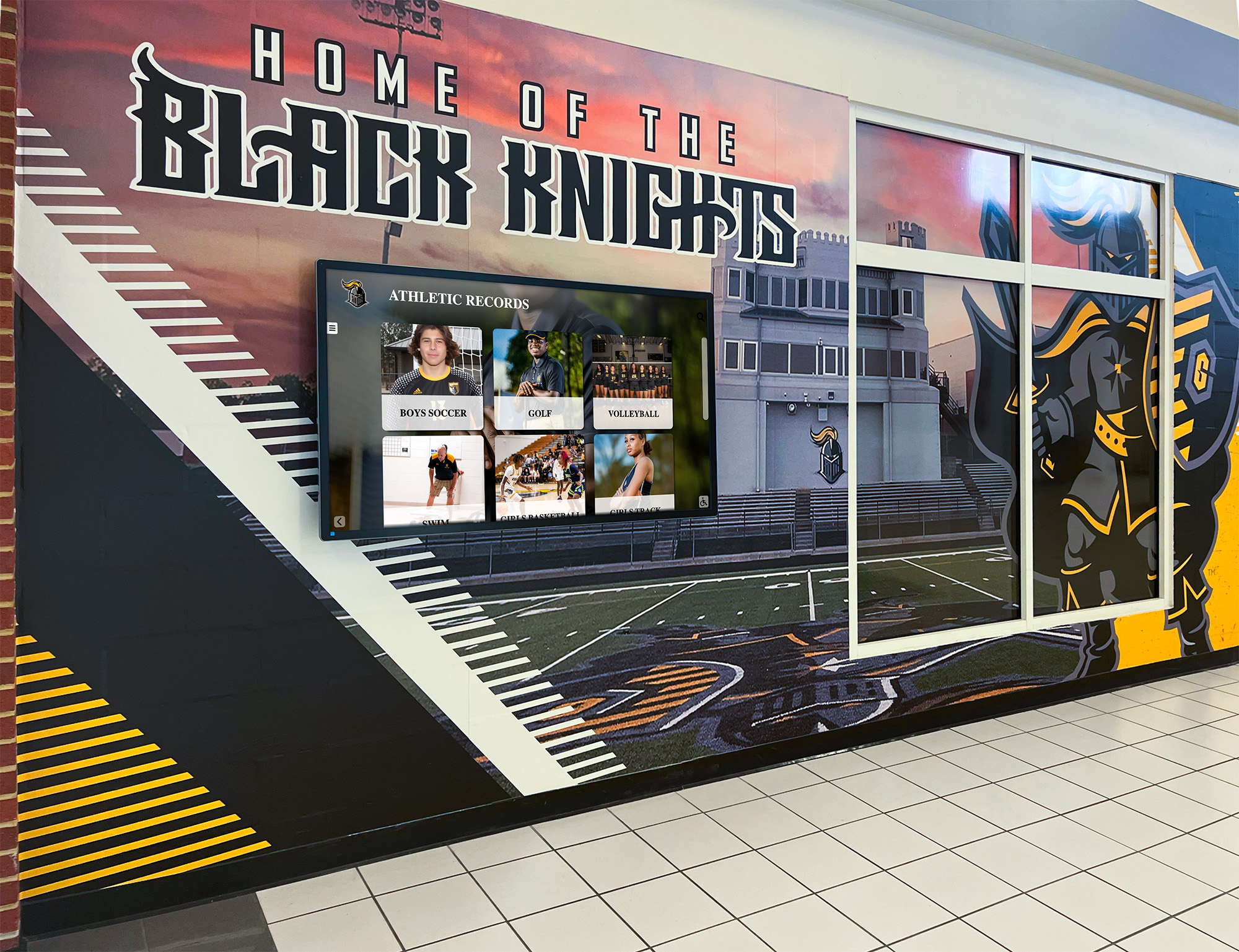
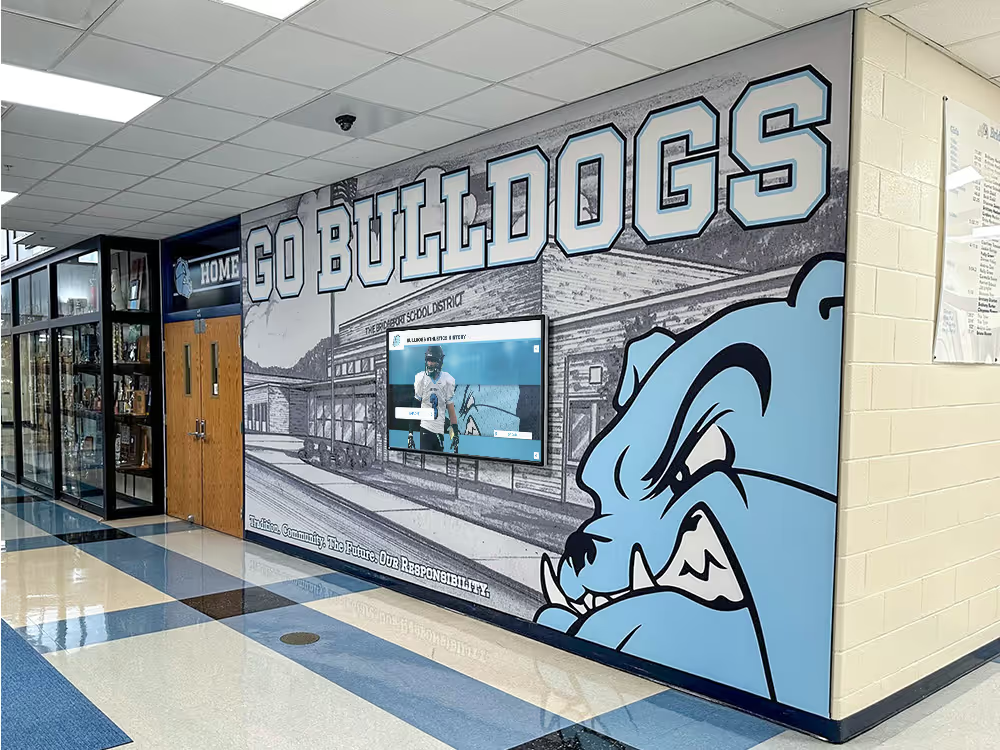
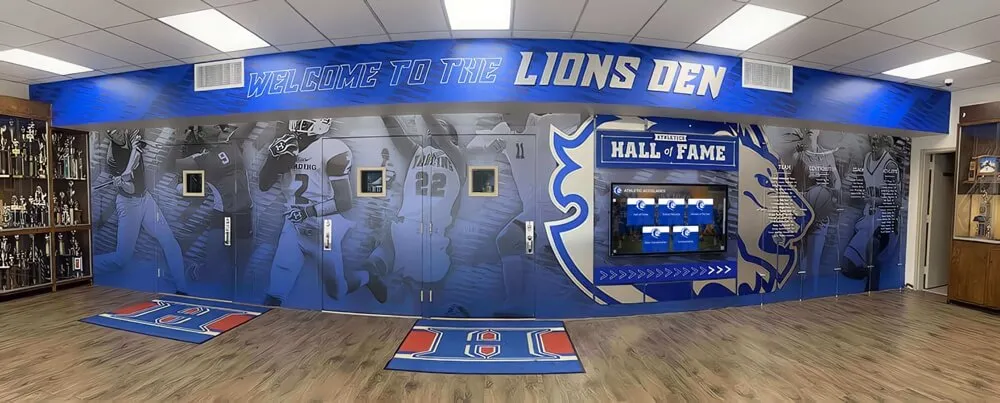
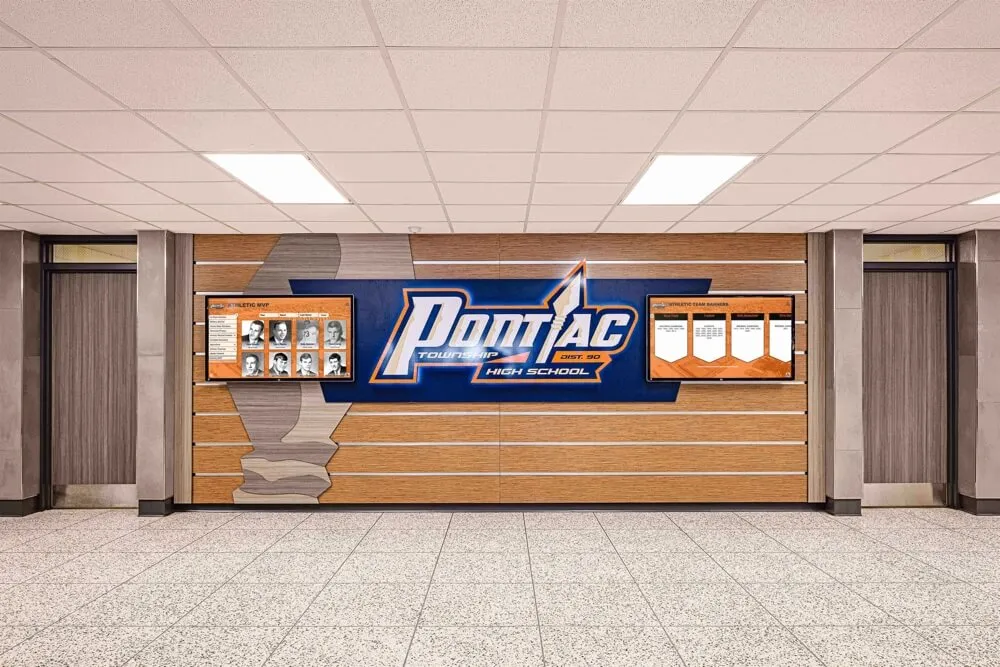
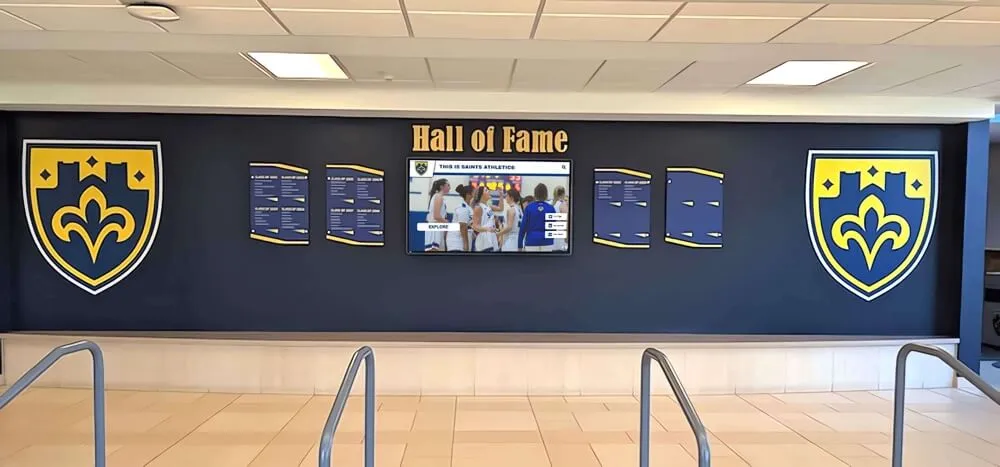
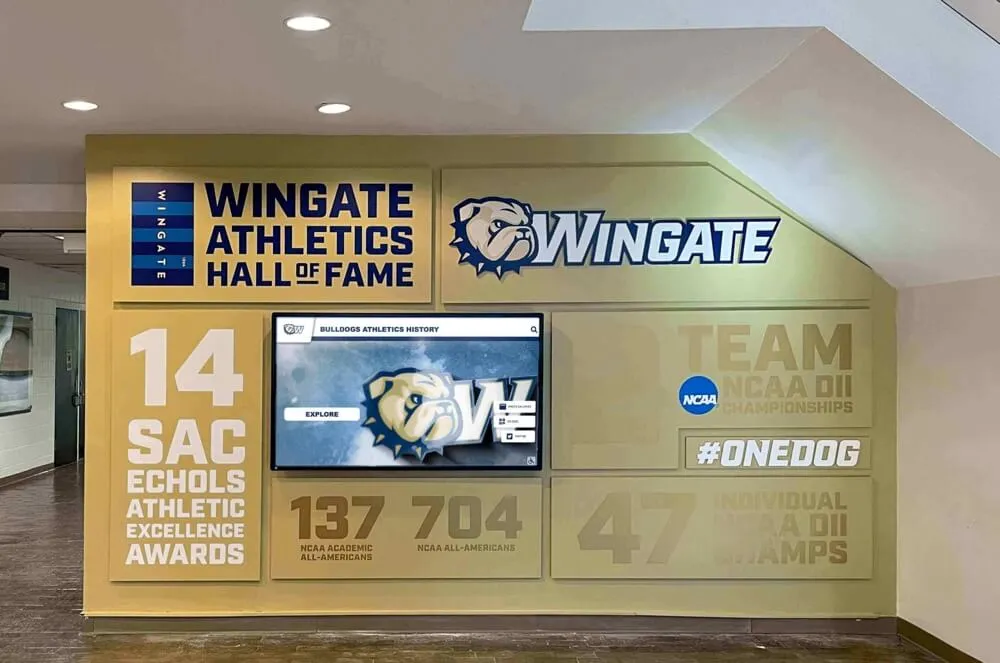
Oregon schools integrate record displays with facility branding celebrating athletic tradition
All-Time vs. Current Records
Understanding different record categories:
All-Conditions Records
Oregon’s wind and weather create record categories:
- Wind-legal marks (2.0 m/s or less tailwind) for sprints and horizontal jumps
- All-conditions bests showing absolute performance regardless of wind
- Altitude considerations for performances at higher elevation meets
- Weather-aided performances noted but tracked separately
- Historical context for pre-electronic timing era marks
- Meet-specific conditions documented with performances
Oregon’s variable spring weather makes conditions notation particularly important.
Indoor vs. Outdoor Records
Some Oregon programs maintain indoor records:
- Limited indoor facilities in Oregon compared to other states
- University of Portland and other venues host occasional indoor meets
- Converted distances and times for indoor performances
- Outdoor records receive primary emphasis
- Spring sports recognition typically focuses on outdoor season
- Indoor marks used as early-season indicators
Most Oregon track tradition centers on outdoor competition.
Meet and Facility Records
Location-specific achievements:
- Hayward Field state championship meet records
- Home facility marks at individual schools
- Invitational meet records (Jesuit Twilight, Nike Portland XC, etc.)
- District championship meet standards
- Venue renovations creating pre/post record eras
- Historical facility comparisons across decades
These layered records create multiple recognition opportunities.
Notable Oregon High School Track Achievements
Examining legendary performances and athletes who’ve defined Oregon track excellence.
Legendary Distance Performances
Oregon’s distance running heritage produces memorable high school achievements:
Sub-Four Minute Mile Pursuits
Oregon high schoolers chasing the historic barrier:
- Matthew Maton (Sunset HS, 2015): 4:03.25 - Oregon’s closest approach
- Mac Fleet (Summit HS, 2013): 4:03.65 - Bend’s elite miler
- Multiple 4:05-4:10 performances from Oregon schools
- State championship 1600m races featuring 4:10-4:15 depth
- The “four-minute barrier” remains aspirational goal for Oregon preps
- Training at altitude (Bend, Sisters area) produces distance excellence
While no Oregon high schooler has officially broken four minutes in the mile, the state consistently produces sub-4:10 1600m runners.
Girls Distance Dominance
Oregon girls’ distance running tradition:
- Jordan Hasay (Mission Prep, California, but trained Oregon summers): Sub-4:40 1600m
- Multiple Oregon girls under 4:50 in 1600m
- 3200m performances approaching 10:00 barrier
- Cross country state championships feeding track success
- Girls distance athletes earning Division I scholarships regularly
- Cultural acceptance of distance training for female athletes
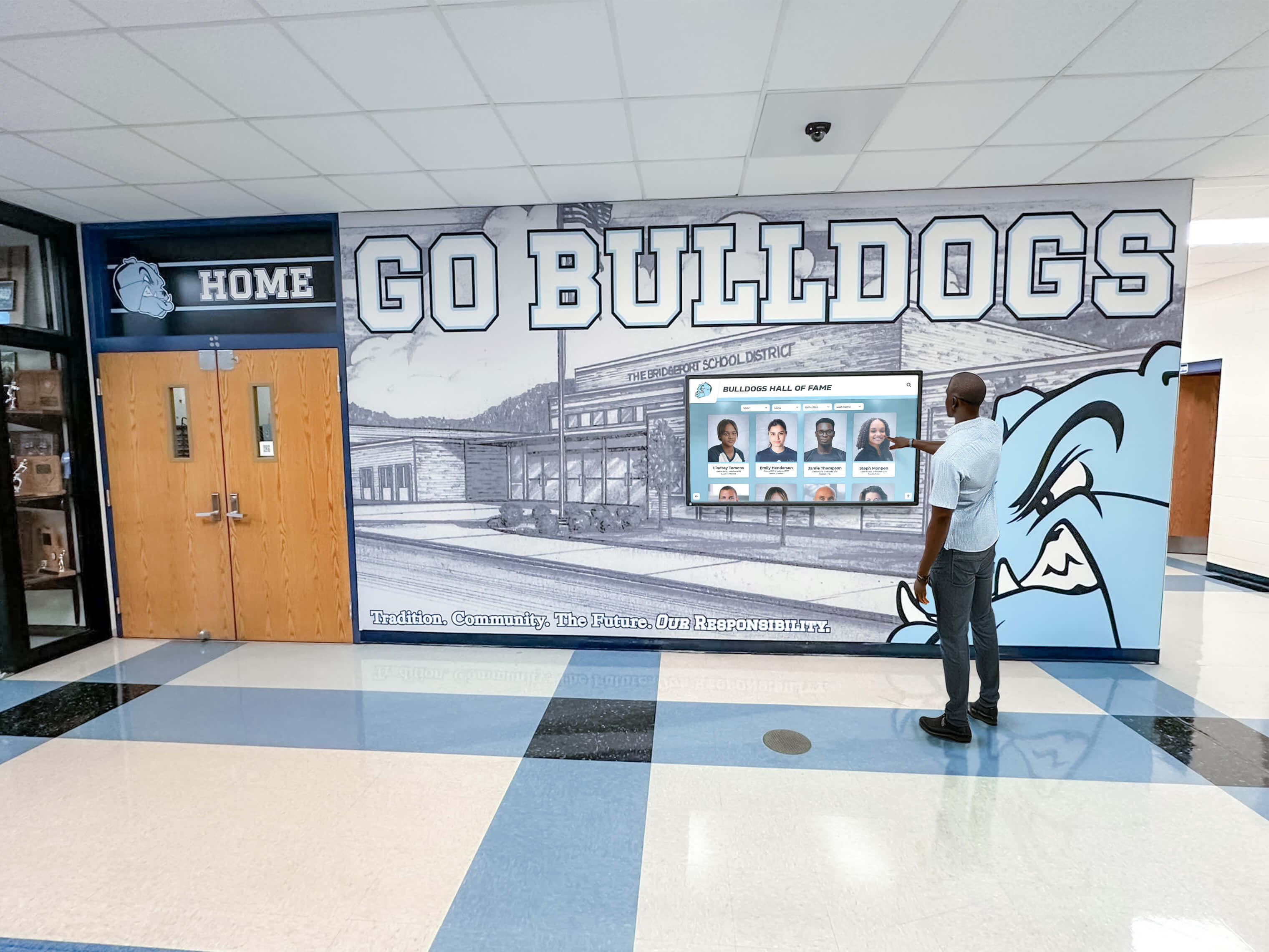
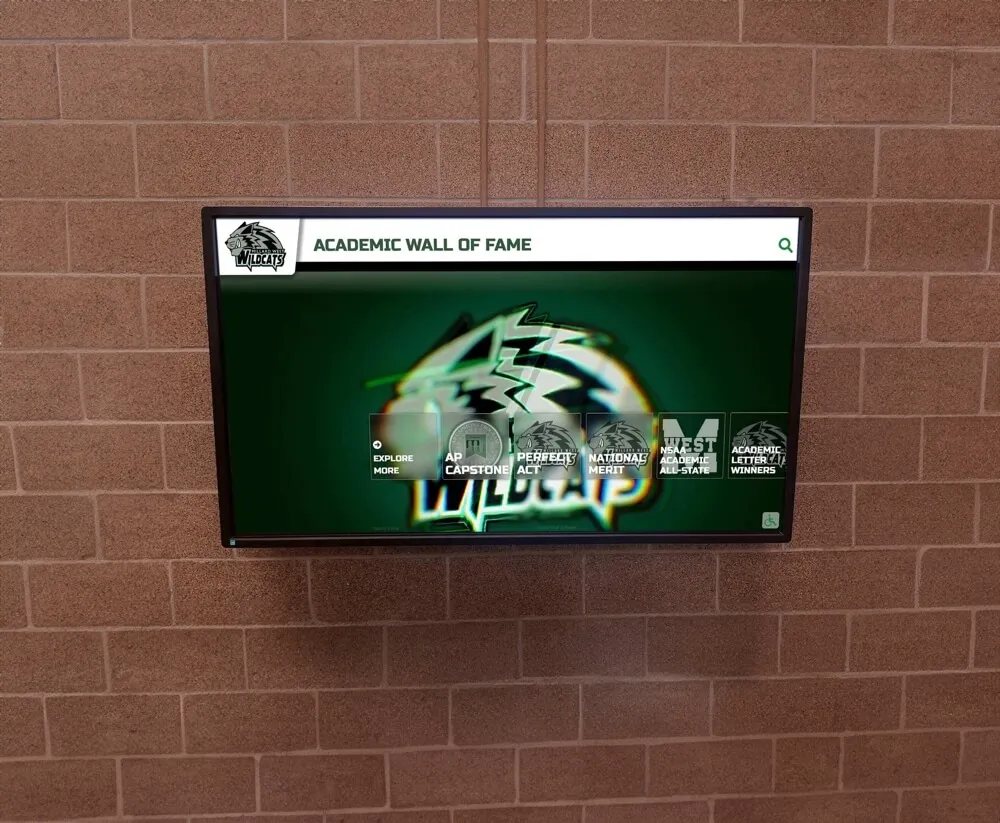
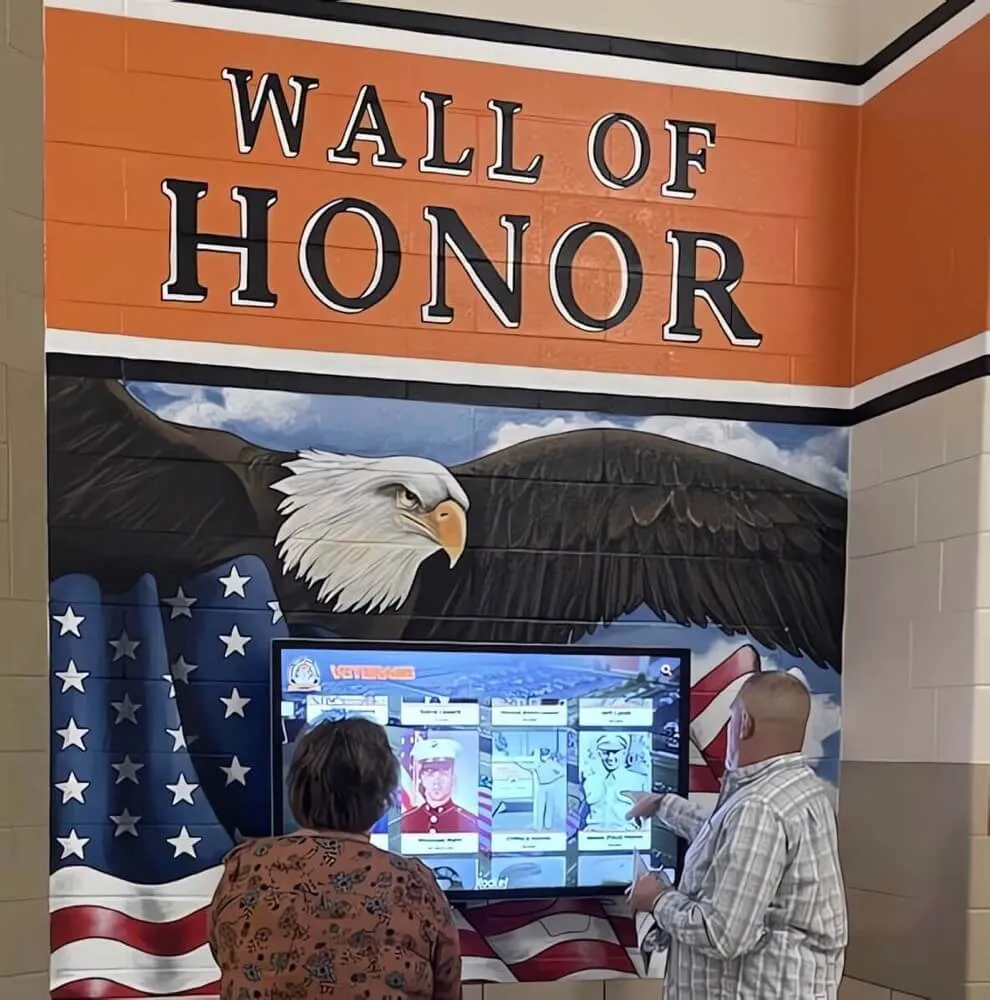
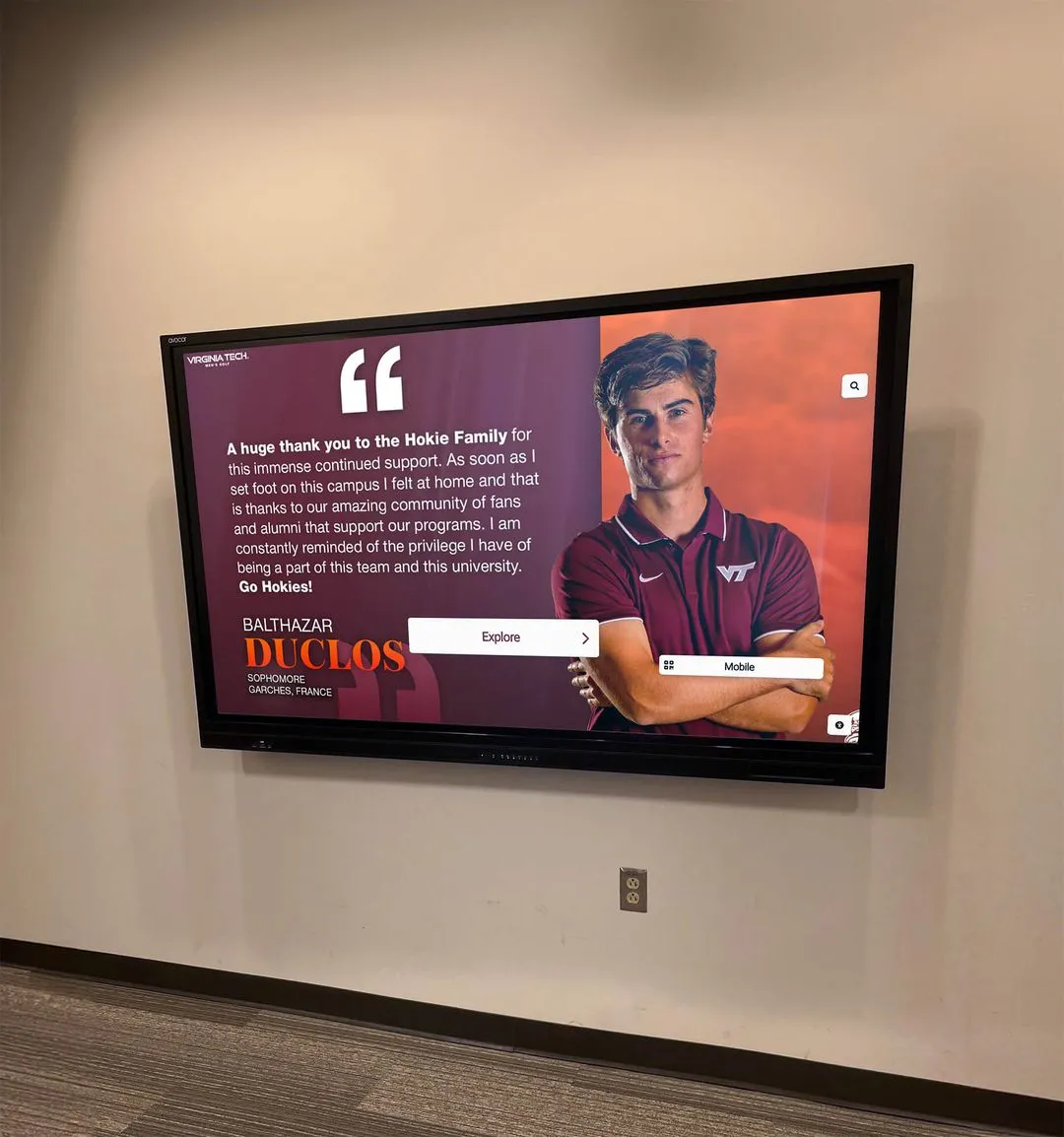
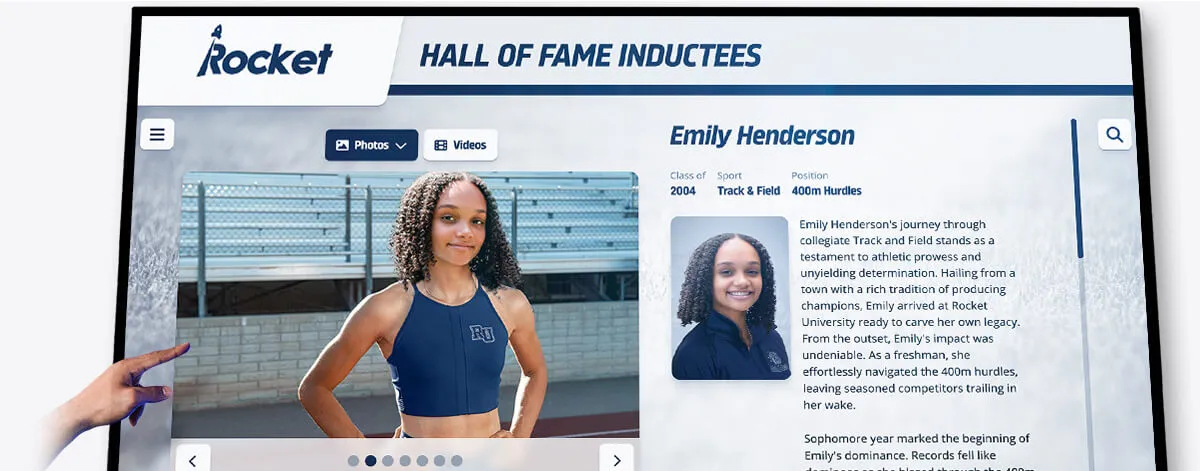
Digital systems enable athletes to explore Oregon's rich track history and connect with program traditions
State Championship Race Legends
Memorable state meet performances:
- Breakthrough times in championship finals
- Championship races decided by hundredths of seconds
- Upset victories by lower-seeded runners
- Weather-challenged races showcasing competitive courage
- Multiple classification record performances in single meets
- Rivalry matchups producing historic performances
These moments become part of Oregon track lore passed between generations.
Sprints and Field Event Excellence
Beyond distance dominance, Oregon produces quality across all events:
Sprint Performances
Oregon sprinting achievements:
- Boys 100m: Low-10-second range from top programs
- Girls 100m: Sub-12-second performances regularly at state
- 400m: Both genders producing sub-50 (boys) and sub-57 (girls) marks
- Portland-area programs with sprint tradition and facilities
- Football/basketball athletes excelling in sprint events
- Year-round training enabling technical development
Oregon’s mild climate supports sprint training despite reputation as distance state.
Horizontal Jumps
Long jump and triple jump achievements:
- Boys long jump: 24-foot range performances from elite athletes
- Girls long jump: 19-20 foot marks at top level
- Triple jump: Technical event producing state record pursuits
- Multi-event athletes competing across jump specialties
- Facility quality varying significantly across Oregon schools
- Wind readings crucial for legal record status
Jump events require technical coaching often found at Oregon’s larger programs.
Vertical Jumps and Pole Vault
High jump and pole vault traditions:
- High jump: 7-foot (boys) and 5-8+ (girls) marks representing elite level
- Pole vault: Technical event growing in Oregon with better equipment access
- Equipment costs limiting some smaller programs
- Coaching expertise concentrated at established programs
- State championship competitions showcasing top technique
- Progressive improvement as athletes develop across seasons
These events demonstrate Oregon track’s breadth beyond distance reputation.
Throws
Shot put, discus, and javelin achievements:
- Football programs producing throwers with strength foundation
- Shot put: 60-foot range (boys) and 45-foot range (girls) at top level
- Discus: 180+ feet (boys) and 140+ feet (girls) from state leaders
- Javelin: Technical event with growing Oregon participation
- Year-round throwing programs at committed schools
- Size and strength development programs supporting throwers
Throws receive strong emphasis at programs with dedicated coaching and facilities.
For schools planning comprehensive athletic recognition programs, systematic approaches ensure complete athlete celebration.
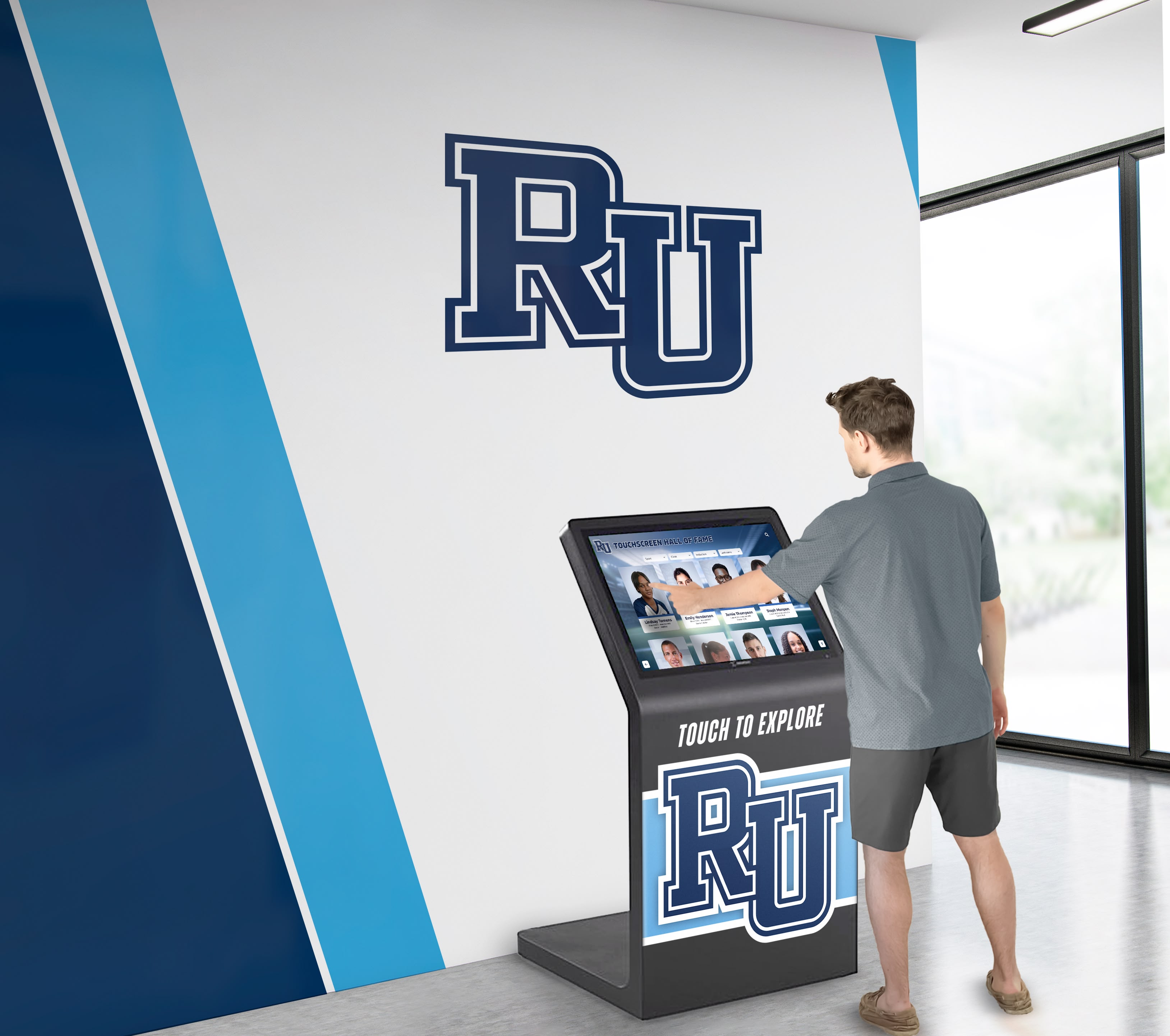
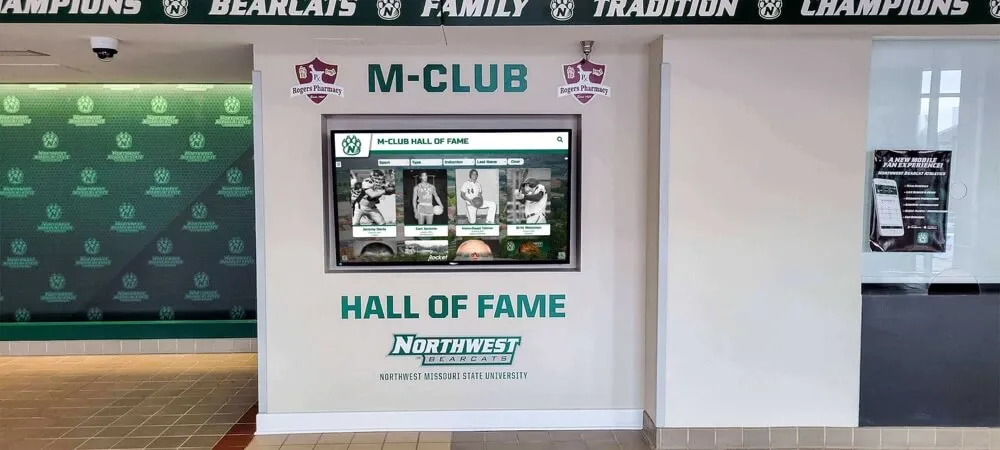
Lobby kiosks create prominent locations for showcasing Oregon track traditions and records
Oregon Track and Field State Championships
Understanding Oregon’s state meet structure and tradition.
State Meet History and Venues
Oregon’s championship meet evolution:
Hayward Field Legacy
Oregon’s most iconic track venue:
- University of Oregon’s legendary facility in Eugene
- Historic home of Oregon state championships for decades
- Recent $200+ million renovation creating world-class venue
- Olympic Trials hosting demonstrating facility caliber
- High school athletes competing where Olympic champions trained
- Emotional significance competing at Pre’s home track
For Oregon track athletes, competing at Hayward represents career pinnacle.
Alternate Championship Venues
When Hayward unavailable:
- Bend’s Caldera High School hosting state meets
- Mount Hood Community College in Gresham
- Willamette University in Salem
- Various high school facilities across Oregon
- Venue selection based on capacity, surface quality, and accessibility
- Some athletes prefer less intimidating alternate venues
Venue changes create different championship experiences across years.
Championship Meet Format
Competition structure:
- Preliminary heats in sprints and hurdles (larger classifications)
- Time-based advancement to finals
- Field event flights and progressive height events
- Team scoring across all events
- Individual and relay championships determined separately
- Multi-day meets for larger classifications
- Weather contingencies for Oregon spring conditions
The format ensures comprehensive competition across two-plus days.
Oregon State Championship Traditions
Cultural elements defining Oregon’s track championships:
Pre-Meet Atmosphere
Championship environment:
- Team camps and hotels creating community atmosphere
- Athletes from across Oregon converging on championship site
- Coaches reunions and networking among Oregon track community
- Vendor displays showcasing track equipment and technology
- University recruiting presence at state championships
- Media coverage from Oregon’s track-focused press
- Family travel supporting competing athletes
State championships become major events for Oregon track community.
Race Day Rituals
Championship competition traditions:
- National anthem performances before competition
- Public address announcing honoring athlete achievements
- Awards ceremonies for each event immediately following
- Coaching recognition for state championship programs
- Record announcement when marks fall
- Senior night recognition for graduating athletes at meets
- Victory laps celebrating championship performances
These traditions create memorable championship experiences.
Post-Championship Recognition
After state meets conclude:
- All-State team announcements
- Academic All-State honors
- Coach of the Year selections
- Team championship trophy presentations
- Media interviews with state champions
- Social media celebration of achievements
- Community welcomes for returning champions
Recognition extends beyond the immediate victory moment.
Regional Variations Across Oregon
Understanding geographic differences in Oregon track culture:
Portland Metro Area Programs
Characteristics of Oregon’s population center:
Competitive Depth
Portland metro advantages:
- Concentration of 6A programs with large enrollment
- Year-round training facility access
- Club track opportunities supplementing school programs
- Experienced coaching pools with track backgrounds
- Competition depth pushing performance standards
- Recruiting pressure from nearby colleges
Metro programs often dominate state championships across classifications.
Facility Quality
Portland-area infrastructure:
- Modern synthetic surfaces at most schools
- Indoor training facilities at select locations
- Proximity to University of Portland indoor track
- Professional-quality starting blocks and equipment
- Lighting enabling evening practice
- Weather protection for some training areas
These advantages support elite performance development.
Program Resources
Metro area capabilities:
- Larger athletic budgets supporting comprehensive programs
- Booster clubs funding equipment and travel
- Multiple assistant coaches with event specialization
- Strength and conditioning program access
- Video analysis and technology integration
- Competition travel to out-of-state elite meets
Resource advantages create sustainable excellence.
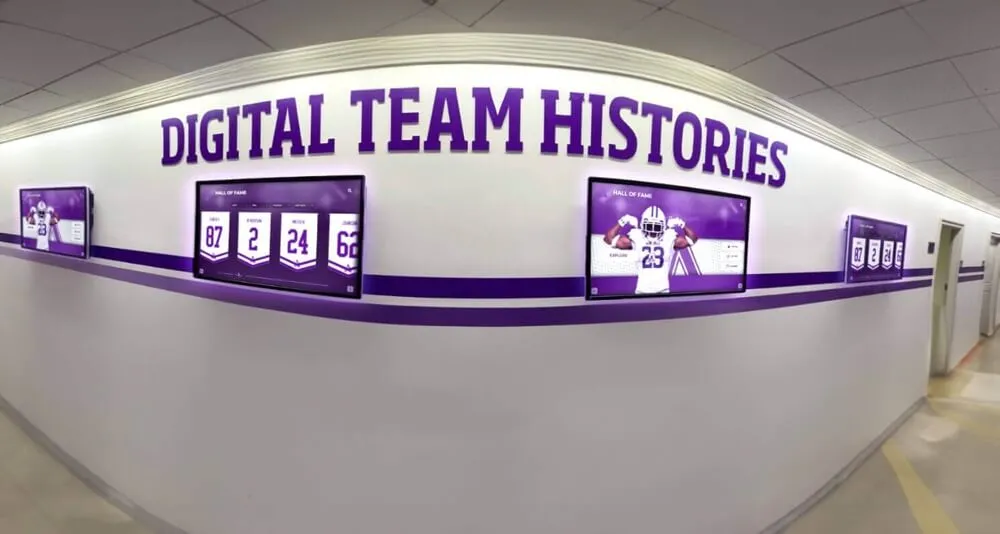
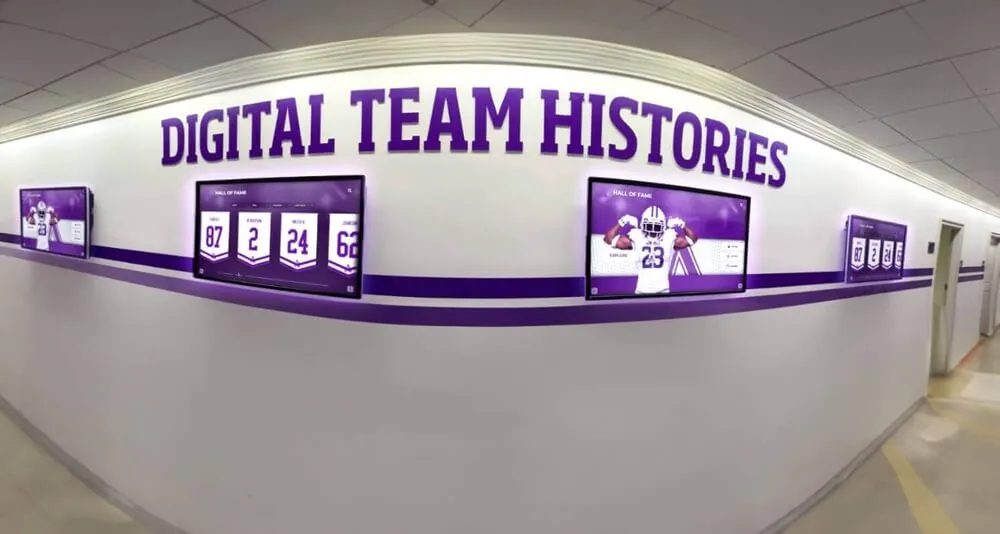
Championship documentation preserves Oregon's team achievement history across decades
Willamette Valley Programs
Oregon’s heartland track tradition:
Community Program Investment
Valley characteristics:
- Strong community support for comprehensive track programs
- Multi-generational program participation and loyalty
- Alumni involvement in coaching and mentorship
- Facility fundraising from local businesses and families
- Emphasis on balanced programs across all events
- Pride in competing against Portland-area powers
Valley programs blend community tradition with competitive ambition.
Eugene-Springfield Special Culture
Track Town USA influences:
- Proximity to University of Oregon and Hayward Field
- Daily exposure to elite track culture and training
- Access to UO coaching clinics and knowledge
- Hayward Field availability for some high school practices
- Former UO athletes returning to coach local programs
- Youth track clubs feeding high school programs
Eugene-area schools benefit from immersion in track excellence.
Agricultural Community Athlete Development
Rural work ethic applied to track:
- Farm and ranch work building strength and endurance
- Self-reliant training approaches
- Multi-sport athletes competing across seasons
- Outdoor lifestyle supporting year-round conditioning
- Distance runners emerging from rural cross country tradition
- Throwers from football-strong communities
Valley programs combine resources with traditional work ethic.
Central and Eastern Oregon
High desert track culture:
Altitude Training Advantages
Bend and high desert benefits:
- Training at 3,500+ feet elevation
- Natural altitude adaptation for distance events
- Competitive advantage at sea-level state championships
- Distance running emphasis reflecting terrain and culture
- Mountain biking and trail running cross-training
- Outdoor recreation culture supporting endurance development
Central Oregon produces particularly strong distance runners.
Smaller Program Challenges
Eastern Oregon realities:
- Limited athlete pools in small communities
- Multi-event athletes by necessity
- Long travel distances for competition
- Coaching volunteers often lacking specialized knowledge
- Facility limitations requiring creative solutions
- Weather extremes challenging spring training
Despite obstacles, dedicated programs maintain Oregon track tradition.
Community Pride and Identity
Small school motivation:
- Track success as community achievement
- Legendary individual athletes becoming local heroes
- State meet appearances celebrated for years
- Records standing for decades creating lasting recognition
- Alumni support spanning generations
- Program survival depending on community investment
For small Oregon schools, track represents community identity.
For programs seeking to showcase athlete achievements, digital record board solutions provide modern alternatives to traditional displays.
Challenges in Preserving Oregon Track History
Oregon programs face common obstacles maintaining historical records:
Documentation and Record Keeping
Historical preservation challenges:
Incomplete Historical Records
Common problems:
- Pre-electronic timing era records difficult to verify
- Meet results from decades past lost or inaccessible
- Coaching changes resulting in institutional knowledge loss
- Facility renovations disrupting display continuity
- Physical record books deteriorating over time
- Athlete name spelling variations creating confusion
Many Oregon programs lack comprehensive historical documentation.
Verification Standards
Ensuring record accuracy:
- Wind readings required for sprint and jump records
- Hand-timed vs. electronic timing distinctions
- Facility certification for record eligibility
- Multiple source confirmation for historical marks
- Documentation standards evolving over decades
- Conflicting information requiring research and judgment
Record verification requires systematic approaches and clear policies.
Staff Transitions
Knowledge preservation during changes:
- Long-tenured coaches retiring with institutional memory
- New coaches unfamiliar with program history
- Athletic director changes disrupting continuity
- Record book access lost during transitions
- Tradition and culture requiring conscious transmission
- Alumni involvement crucial for historical preservation
Coaching stability directly impacts historical preservation quality.
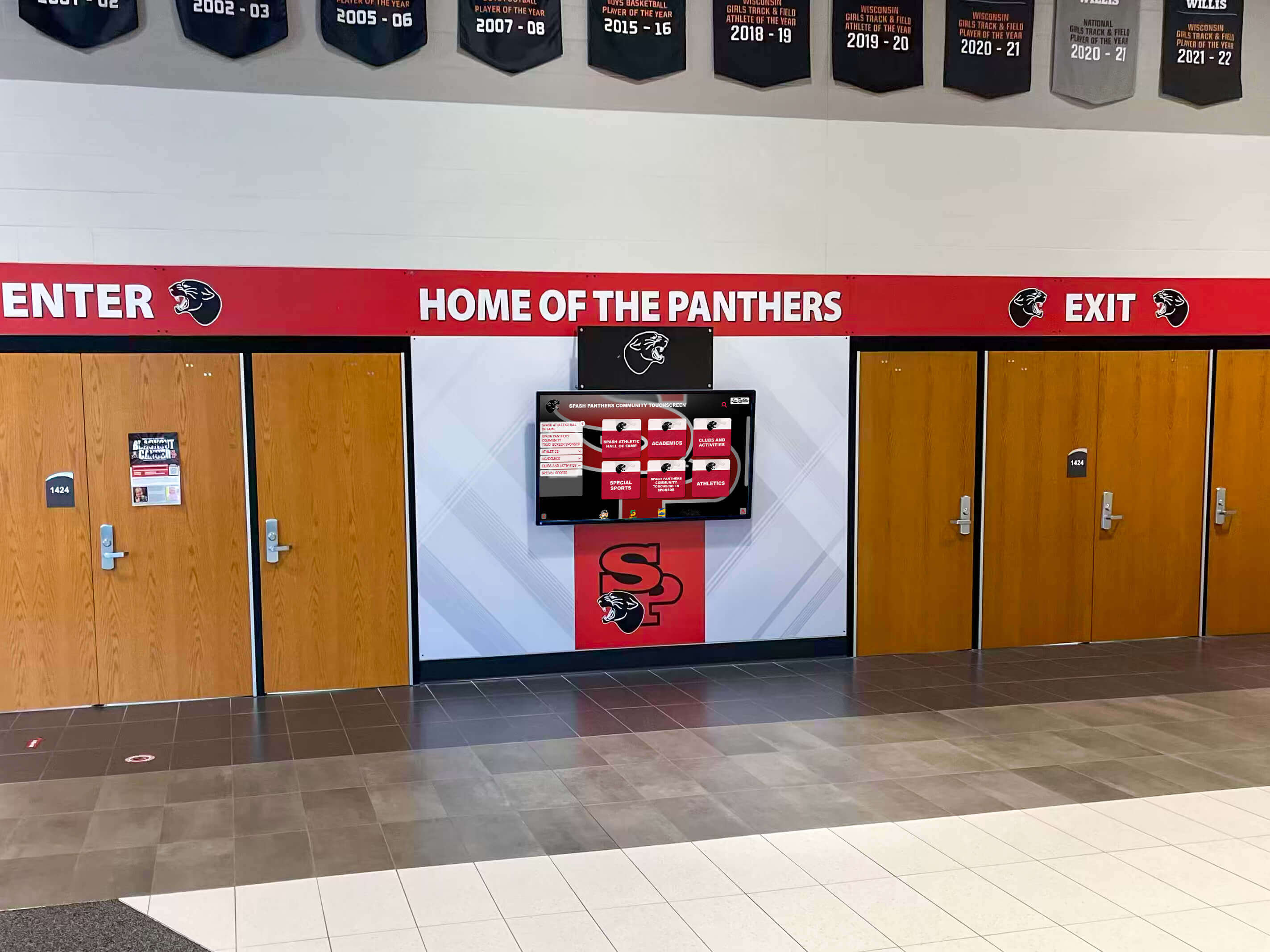
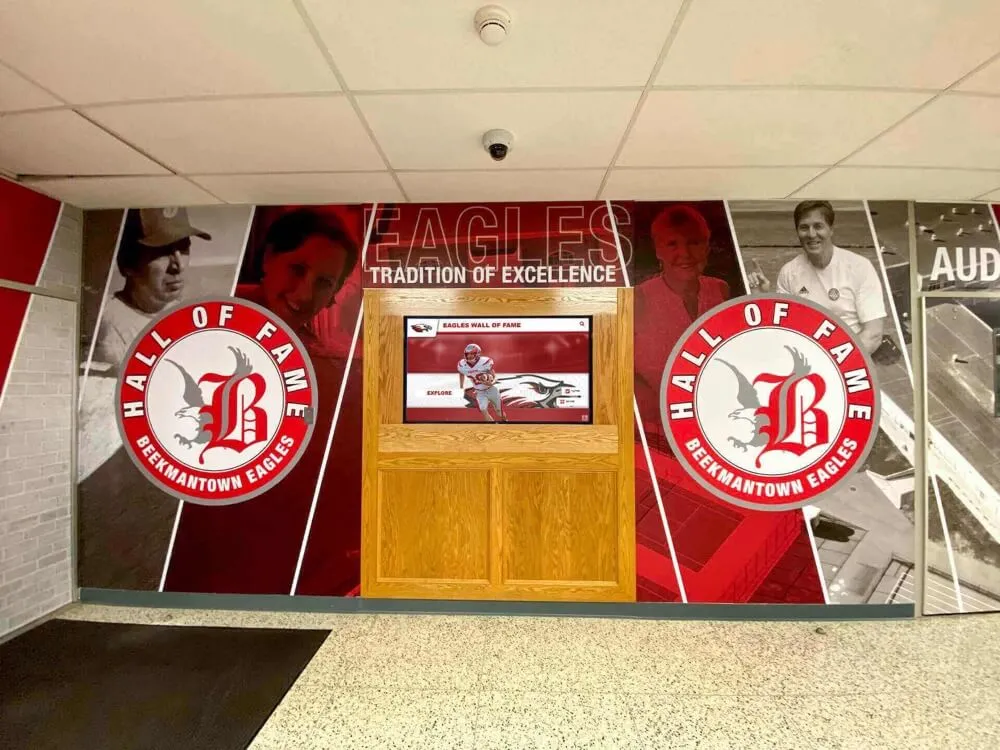
Entrance displays ensure Oregon track achievements greet athletes, visitors, and recruits daily
Display and Recognition Challenges
Making history visible and accessible:
Physical Space Constraints
Traditional display limitations:
- Limited wall space for comprehensive record documentation
- Trophy cases insufficient for decades of achievements
- Outdoor record boards damaged by Oregon weather
- Facility renovations eliminating historical displays
- Competition for recognition space among all sports
- Expensive updates when records fall frequently
Space limitations force difficult choices about what receives recognition.
Maintenance and Updates
Ongoing challenges:
- Painted record boards costly to update
- Engraved plaques requiring replacement when marks fall
- Printed displays fading or becoming damaged
- Administrative burden tracking and updating records
- Budget constraints limiting recognition investments
- Deferred maintenance resulting in outdated information
Many Oregon programs display outdated records simply due to update costs.
Weather and Environmental Damage
Oregon-specific issues:
- Rain damaging outdoor displays
- Sun fading printed materials and painted surfaces
- Moss and mildew on outdoor installations
- Temperature extremes cracking and warping materials
- Wind damaging loosely mounted displays
- Vandalism or accidental damage requiring repairs
Oregon’s climate particularly challenges outdoor recognition displays.
Modern Solutions for Record Display and Preservation
Digital technology transforms how Oregon schools preserve and celebrate track history:
Interactive Digital Record Displays
Contemporary approaches overcoming traditional limitations:
Comprehensive Record Documentation
Digital platform capabilities:
Solutions like Touch Archive enable Oregon track programs to create complete historical archives:
- Unlimited Record Capacity: Every event, every classification, every era documented without space constraints
- Automatic Updates: Records updated remotely when marks fall—no painting, engraving, or installation required
- Complete Historical Depth: Record progressions showing how marks evolved across decades
- Multimedia Integration: Photos, videos, and athlete profiles enriching record documentation
- Weather-Proof Display: Indoor digital screens unaffected by Oregon’s challenging climate
- Searchable Archives: Athletes, coaches, and alumni can locate specific performances instantly
Oregon programs using digital recognition displays report dramatically increased engagement from current athletes exploring program history.
Accessibility and Engagement
Digital advantages:
- Mobile and web access extending beyond physical location
- QR codes enabling smartphone viewing of complete records
- Social sharing spreading recognition beyond school community
- Alumni engagement reconnecting with their achievements
- Recruiting tool showcasing program tradition to prospects
- Current athlete motivation through accessible historical context
Technology makes Oregon track history accessible anytime, anywhere.

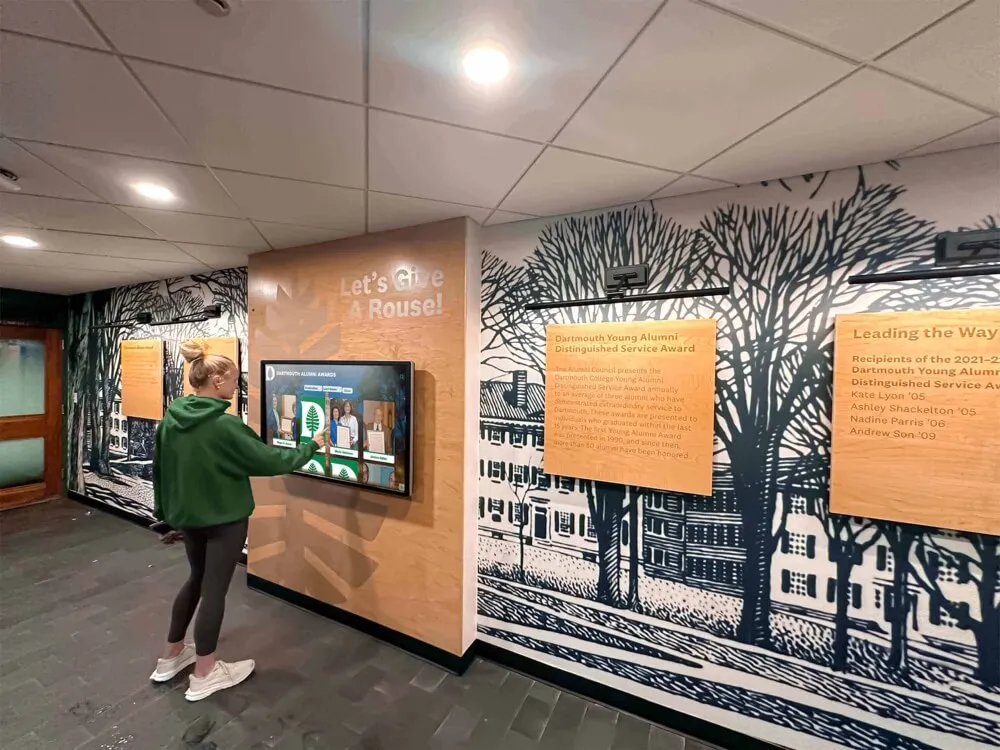
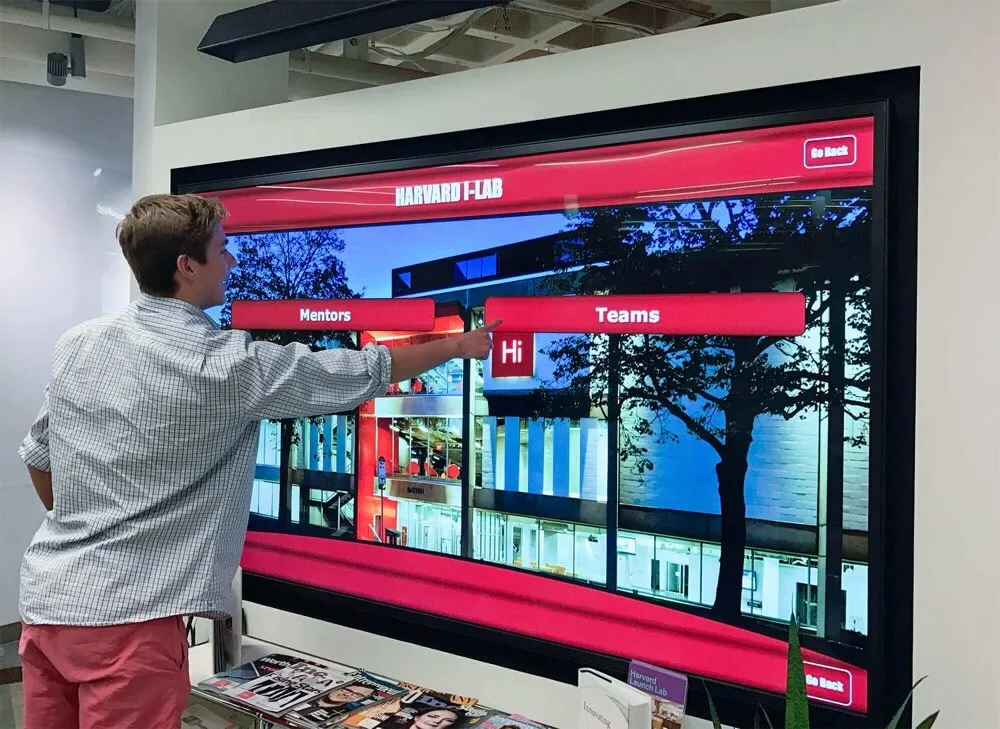
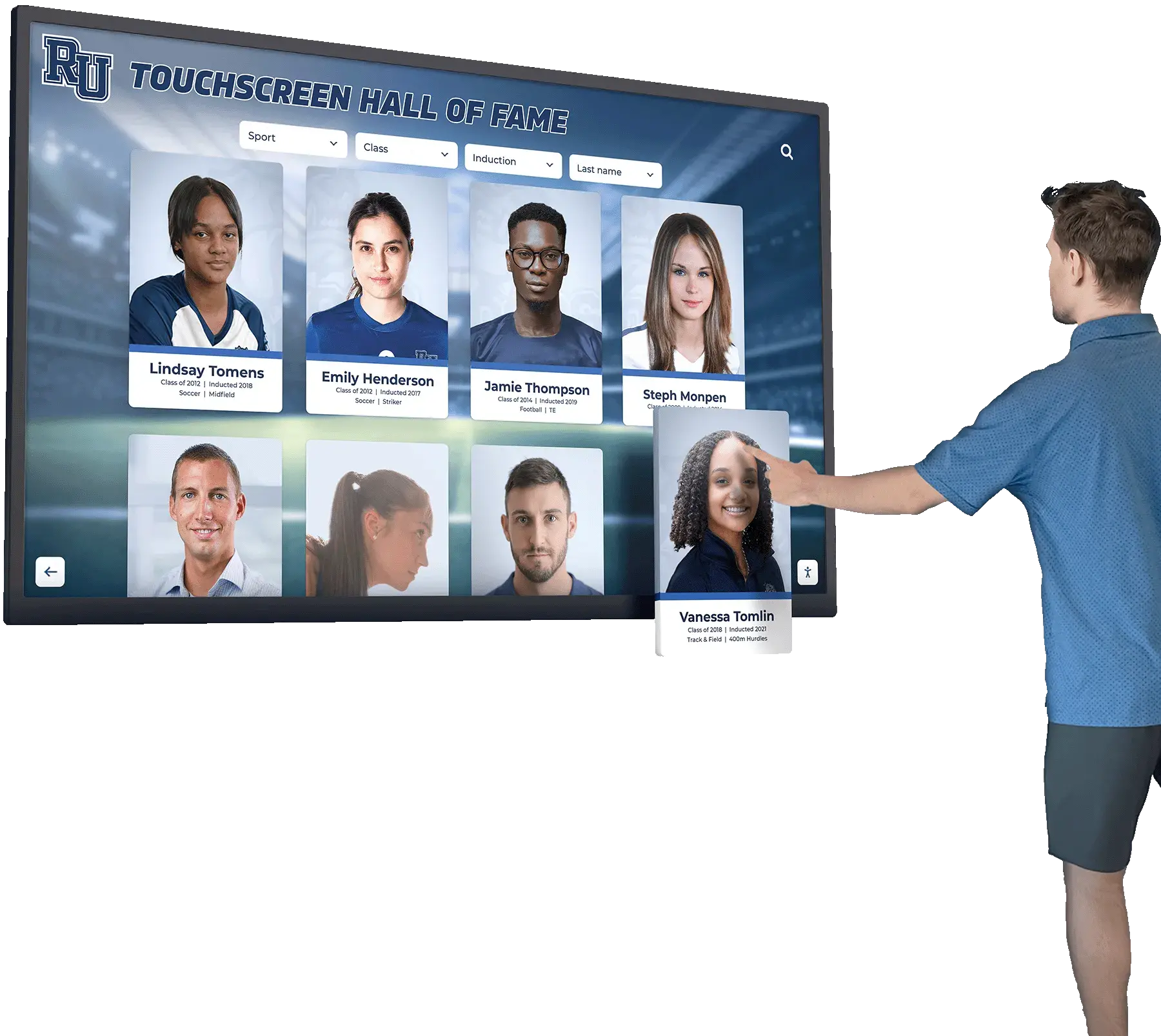
Touchscreen interfaces make exploring Oregon track records intuitive and engaging
Cost-Effective Long-Term Solution
Digital financial advantages:
- Elimination of recurring update costs when records fall
- No weather damage requiring repairs or replacements
- Remote management reducing administrative time
- Single platform serving multiple recognition needs
- Long-term total cost lower than traditional approaches
- Scalability as program history grows
Many Oregon schools find digital solutions more sustainable than traditional physical displays.
Implementation Considerations for Oregon Schools
Practical steps for Oregon track programs:
Content Development
Building comprehensive archives:
- Research historical records from meet results and archives
- Interview long-tenured coaches and alumni
- Digitize existing record books and documentation
- Collect photos from team archives and families
- Document facility history and evolution
- Establish verification standards for historical marks
Content development requires investment but creates permanent value.
Strategic Placement
Maximizing impact:
- Main gym lobbies ensuring high visibility
- Athletic facility entrances greeting visitors
- Track facility areas where athletes train daily
- Building school pride through multiple campus locations
- Administration areas for district office visitors
- Web and mobile access extending beyond physical displays
Strategic placement ensures maximum community exposure to Oregon track tradition.
Ongoing Management
Sustainable systems:
- Clear responsibility assignments for record updates
- Verification processes before publishing new marks
- Regular content reviews ensuring accuracy
- Seasonal updates adding championship results
- Alumni outreach gathering historical information
- Continuous improvement adding depth over time
Successful implementation requires sustainable management processes.
Preserve Your Oregon Track and Field Legacy
Discover how interactive touchscreen displays help Oregon schools document complete track history, celebrate championship traditions, and inspire current athletes through connection to program legacy. Transform how your school honors its place in Oregon's rich track and field heritage.
Request a DemoOregon Track Records by Event Category
Understanding record benchmarks across Oregon’s competitive landscape:
Sprint and Hurdle Events
Oregon sprint and hurdle standards:
100 Meter Dash
Benchmark performances by classification:
- 6A Boys: Sub-10.6 represents elite Oregon level
- 6A Girls: Sub-12.0 marks top-tier sprinting
- Smaller classifications: Marks typically 0.2-0.5 seconds slower
- Wind-legal vs. all-conditions distinction crucial
- State meet finals regularly feature photo finishes
- Portland metro programs dominating sprint events
Oregon produces solid sprinting despite distance reputation.
400 Meter Dash
The “toughest race”:
- Boys: Sub-49 seconds defines Oregon excellence
- Girls: Sub-57 seconds represents state leadership
- Tactical racing vs. all-out speed approaches
- Championship races often won in final 100 meters
- Depth of sub-50 (boys) and sub-58 (girls) runners
- Distance runners doubling up successfully
The 400m showcases both speed and endurance across Oregon.
Hurdle Events
Technical event achievements:
- 110m/100m hurdles requiring speed and technique
- 300m/400m hurdles testing speed-endurance and rhythm
- Equipment and coaching quality affecting development
- Smaller programs often lacking hurdle specialization
- State championships showcasing proper technique
- Multi-event athletes competing successfully
Hurdles represent technical sophistication in Oregon programs.
Middle Distance Events
Oregon’s traditional strength area:
800 Meters
The classic middle distance:
- Boys: Sub-1:55 marks representing state-level excellence
- Girls: Sub-2:15 times showing top-tier performance
- Tactical vs. front-running racing styles
- Oregon’s most competitive and depth-filled event
- State championships often feature stunning finishes
- Athletes doubling from 1600m successfully
The 800m perfectly matches Oregon’s distance culture with speed demands.
1600 Meters (Mile)
Oregon’s signature event:
- Boys: Sub-4:20 representing strong Oregon runners
- Girls: Sub-5:00 marks showing elite fitness
- Multiple sub-4:15 (boys) and sub-5:00 (girls) runners annually
- State meet often featuring nationally significant times
- Front-running tactics honoring Pre’s aggressive style
- Younger athletes chasing four-minute barrier
The 1600m generates the most excitement at Oregon state meets.
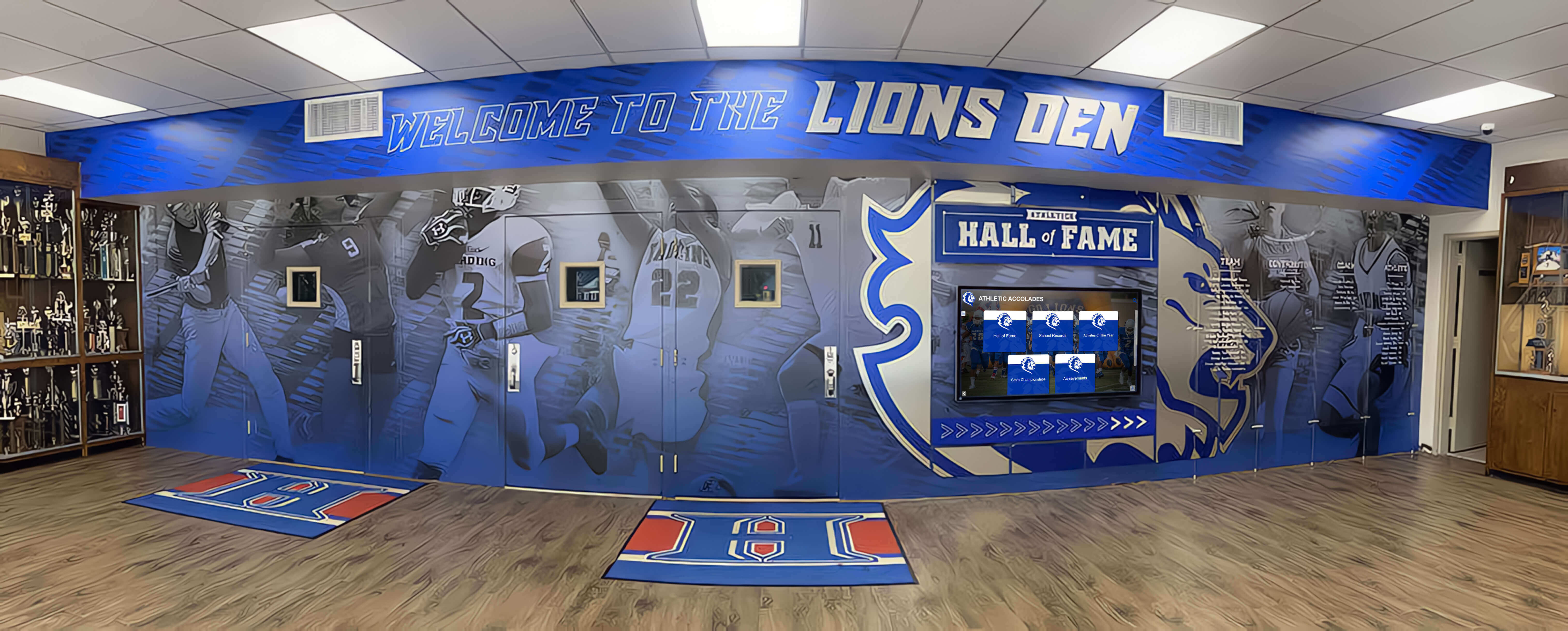
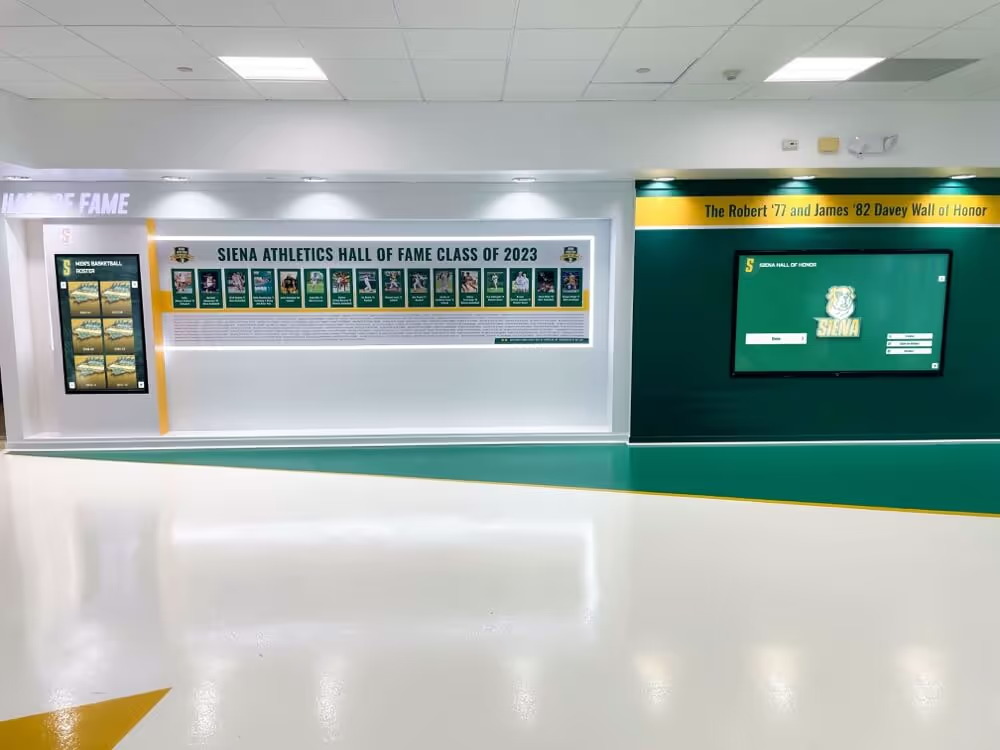
Comprehensive displays integrate records with championship team recognition
Distance Events
Oregon distance running excellence:
3200 Meters (Two-Mile)
Ultimate high school distance test:
- Boys: Sub-9:15 representing Oregon’s elite distance runners
- Girls: Sub-10:45 marks showing championship caliber
- Physical and mental toughness proving grounds
- Cross country state champions typically dominating
- Pack running tactics in championship races
- Altitude-trained Central Oregon athletes often excelling
The 3200m separates good distance runners from great ones.
Steeplechase (Limited Programs)
Specialized distance event:
- Select Oregon schools offering steeplechase
- Water jump and barrier technical demands
- Additional training requirement limiting participation
- College-bound distance runners gaining experience
- State meet steeplechase when offered
- Growing interest in technical distance racing
Steeplechase remains niche event in Oregon high school track.
Field Events
Oregon’s developing field event culture:
Jumping Events
Vertical and horizontal achievements:
- Long jump: Elite marks approaching 24 feet (boys), 19 feet (girls)
- Triple jump: Technical event producing state championship battles
- High jump: 7-foot and 5-6 barriers representing excellence
- Pole vault: Growing participation with better equipment access
- Football and basketball athletes competing successfully
- Technical coaching increasingly available
Field events receive growing emphasis at Oregon programs.
Throwing Events
Strength-based competitions:
- Shot put: 55+ feet (boys) and 40+ feet (girls) representing state leaders
- Discus: 170+ feet (boys) and 130+ feet (girls) at top level
- Javelin: Technical refinement producing competitive throws
- Hammer (where available): Specialized strength event
- Football programs providing thrower development foundation
- Year-round training producing progressive improvement
Oregon throws programs compete successfully despite state’s distance reputation.
For schools examining comprehensive athletic recognition, staff recognition programs provide frameworks for complete community celebration.
Notable Oregon Track Programs and Dynasties
Examining schools with sustained excellence:
Legendary Oregon Programs
Schools defining Oregon track tradition:
Jesuit High School (Portland)
Consistent championship contender:
- Multiple 6A state championships across decades
- Comprehensive excellence across all event areas
- Strong distance tradition alongside balanced program
- Extensive alumni involvement and program support
- National-level performances regularly produced
- Jesuit Twilight Relays hosting elite competition
Jesuit represents sustained excellence in Oregon track.
Summit High School (Bend)
Central Oregon distance powerhouse:
- Elite distance runners leveraging altitude training
- State championship individual titles regularly
- Multiple sub-4:10 milers across program history
- Outdoor culture supporting year-round conditioning
- Community pride in distance running excellence
- College recruiting pipeline to major programs
Summit exemplifies Oregon distance running culture.
Sheldon High School (Eugene)
Track Town tradition:
- Proximity to Hayward Field and UO influence
- Balanced program excellence across events
- State championship team titles multiple times
- Eugene community supporting track culture
- Alumni involvement from UO track program
- Facility quality enabling elite training
Sheldon benefits from Eugene’s unique track environment.
South Eugene High School
Another Eugene powerhouse:
- Strong girls’ distance running tradition
- Multiple individual state champions
- Team championships in various classifications
- Community and university connections
- Historical program spanning decades
- Tradition of excellence inspiring current athletes
Eugene schools share Track Town USA advantages.
Emerging Programs
Oregon schools building new traditions:
Suburban Growth Programs
New competitive forces:
- Growing enrollment enabling deeper teams
- Modern facilities supporting comprehensive programs
- Coaching recruitment attracting experienced staff
- Community investment in athletic excellence
- Competing with established Portland metro powers
- Building traditions through sustained commitment
Oregon’s demographic shifts creating new competitive dynamics.
Rural Program Resurgence
Small schools maintaining relevance:
- Dedicated coaching creating competitive programs
- Individual excellence despite limited numbers
- Distance running emphasis playing to strengths
- Community rallying around standout athletes
- State championship moments defining program eras
- Alumni returning to coach and mentor
Small Oregon schools continue producing occasional champions.

Interactive displays enable exploration of Oregon track program histories and individual achievements
Resources for Oregon Track Athletes and Programs
Supporting Oregon track community:
Oregon-Specific Track Resources
State-level support organizations:
OSAA Track and Field Resources
Official governing body support:
- Championship meet information and qualifying standards
- Rules and regulations updates
- Officials training and certification
- Coaches clinics and education programs
- Safety guidelines and best practices
- Historical records and state meet results
OSAA provides comprehensive support for Oregon programs.
Oregon Track Clubs and Organizations
Supplemental training opportunities:
- Oregon Track Club Elite (Portland)
- Team Run Eugene youth programs
- Bend Track Club development programs
- Summer track club competition across Oregon
- USATF Oregon Association events
- Junior Olympic development pathways
Club track supplements high school programs across Oregon.
University of Oregon Influence
Elite program connections:
- Coaching clinics hosted by UO staff
- Hayward Field access for select meets
- Elite athlete training visible to Oregon youth
- Inspirational connection to national-level program
- Recruiting pipeline from Oregon high schools
- Cultural influence on Oregon track standards
UO’s prominence shapes Oregon’s entire track culture.
Training and Development Resources
Supporting athlete improvement:
Coaching Education
Professional development:
- OSAA coaching education requirements
- USATF coaching certification programs
- Event-specific clinics and workshops
- Online coaching education resources
- Mentorship from experienced Oregon coaches
- College coaching staff outreach to high schools
Coaching quality determines program excellence ceiling.
Athlete Development Pathways
Progressive training approaches:
- Youth track introduction programs
- Middle school development opportunities
- Freshman/JV competition structure
- Varsity progression with increasing training loads
- Summer training and competition
- College recruiting preparation and support
Systematic development produces sustained excellence.
For comprehensive recognition planning, end-of-year awards programs provide frameworks for celebrating achievement.
Conclusion: Honoring Oregon’s Track and Field Legacy
Oregon’s high school track and field tradition represents something special—a combination of legendary athletes, passionate coaching, unique cultural appreciation for the sport, and a competitive environment that consistently produces excellence across all events while maintaining particular strength in distance running. From Marshfield to Jesuit, from Summit to South Eugene, Oregon schools have contributed to American track history while building local traditions that inspire generations of athletes.
The approaches explored in this guide provide frameworks for preserving and celebrating this rich heritage through comprehensive record documentation, strategic recognition systems, and modern technology that ensures no achievement is forgotten or overlooked. From understanding OSAA’s organizational structure to implementing digital displays that overcome traditional limitations, these strategies help Oregon programs honor their unique place in the state’s track culture.
Modern recognition technology enables even resource-constrained Oregon programs to create impressive documentation of their track traditions. Digital platforms eliminate the weather damage, update costs, and space constraints that plagued traditional displays while creating engaging systems that connect current athletes to the legacy they’re building upon.
Most importantly, effective recognition systems communicate to Oregon athletes that their achievements matter within the state’s storied track tradition—motivating the commitment and effort required to compete at high levels while demonstrating that being part of Oregon track means contributing to something larger than individual seasons. These systems validate the countless training miles and personal sacrifices Oregon track athletes make pursuing excellence.
Whether your Oregon school competes at 6A state championships at Hayward Field or sends occasional individuals from small rural programs, your athletes deserve recognition systems that celebrate their achievements within Oregon’s unique track culture. The technology and approaches explored in this guide make comprehensive, lasting recognition accessible regardless of program size or resources.
Ready to transform how your Oregon track program preserves and celebrates its achievements? Explore Touch Archive solutions for comprehensive athletic recognition and complete program history preservation, or request a demo to see how your records and achievements can be showcased through interactive displays that engage current athletes, inspire future competitors, and honor the traditions that make Oregon track special.