Outdoor Sports Equipment Storage Solutions for Schools and Athletic Facilities
- Home /
- Touch Archive Blog /
- Outdoor Sports Equipment Storage Solutions for Schools and Athletic Facilities
The Easiest Touchscreen Solution




Live Example: Rocket Alumni Solutions Touchscreen Display
Interact with a live example (16:9 scaled 1920x1080 display). All content is automatically responsive to all screen sizes and orientations.
Athletic directors and facilities managers at schools across the country face a persistent challenge that affects program efficiency, equipment longevity, and budget allocation: where to store outdoor sports equipment safely, accessibly, and affordably. From football practice sleds and soccer goals to lacrosse nets and track hurdles, the accumulation of essential field equipment creates organizational headaches that intensify with each season.
The cost implications are substantial. Quality outdoor athletic equipment represents significant investment—a set of football practice dummies runs $2,000-$5,000, professional-grade soccer goals cost $800-$2,500 each, and complete track and field equipment sets exceed $15,000. Yet many schools leave this expensive gear exposed to weather damage, scattered across facilities, or crammed into inadequate spaces where equipment deteriorates prematurely and becomes difficult to locate when needed.
This comprehensive guide explores outdoor sports equipment storage solutions that protect athletic investments while improving program organization and accessibility. Whether managing a single sport or coordinating equipment for multiple programs sharing limited facility space, these strategies help schools develop storage systems that serve athletes, coaches, and budgets effectively.
Effective outdoor sports equipment storage extends beyond simply finding space to stash gear between seasons. Strategic storage solutions reduce equipment replacement costs, improve practice efficiency by making gear accessible, enhance facility safety by eliminating hazards, and preserve the substantial financial investments schools make in quality athletic equipment.

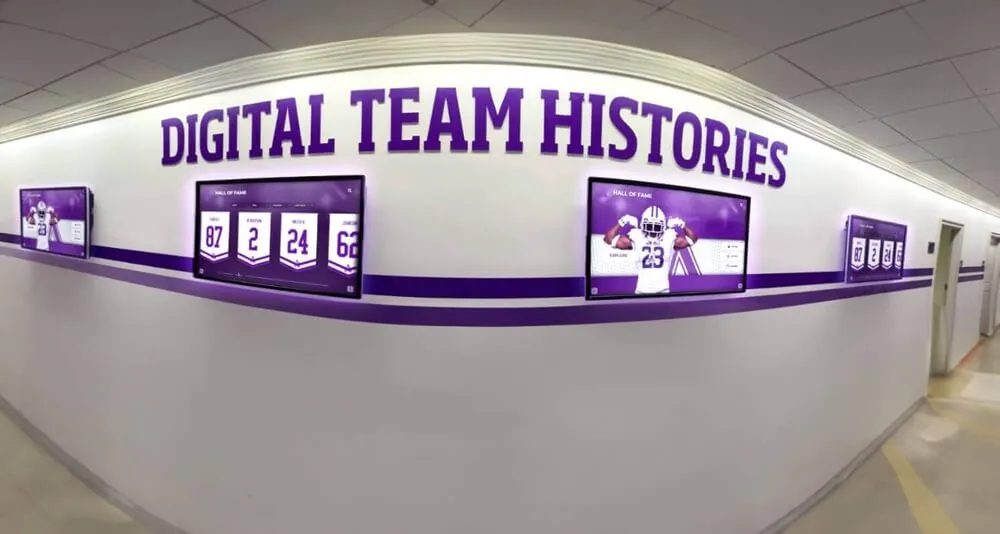
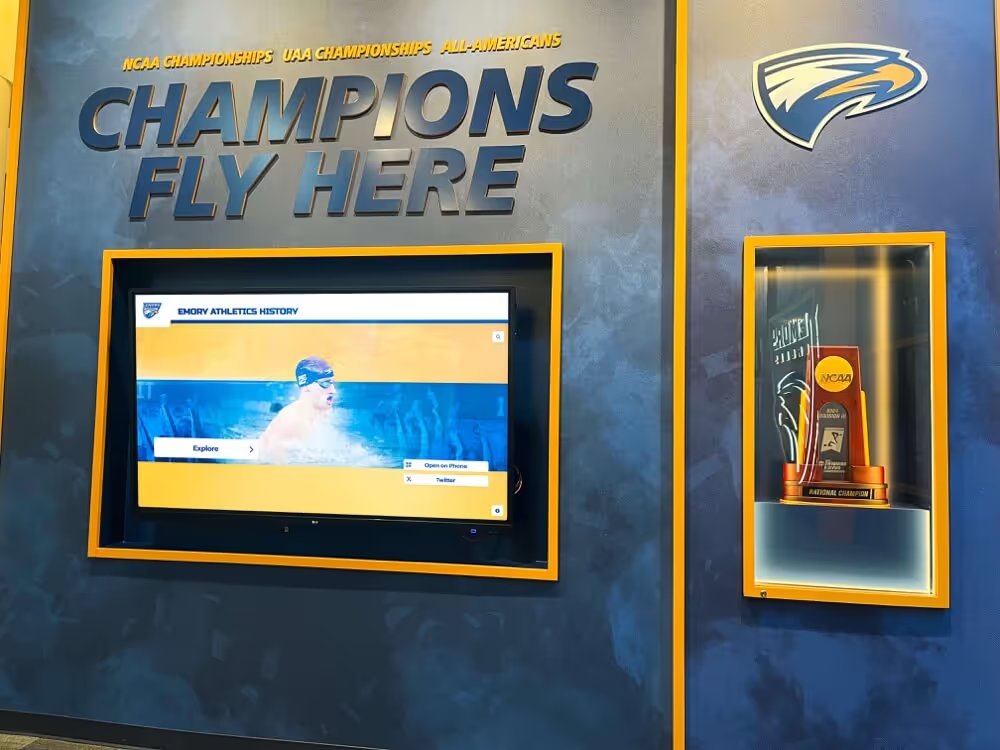
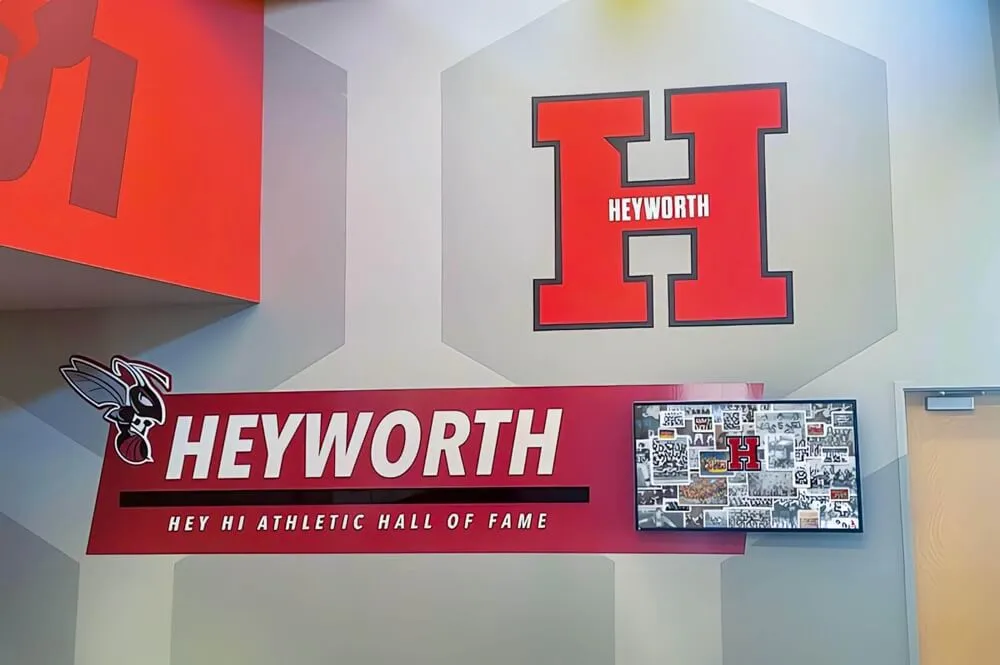
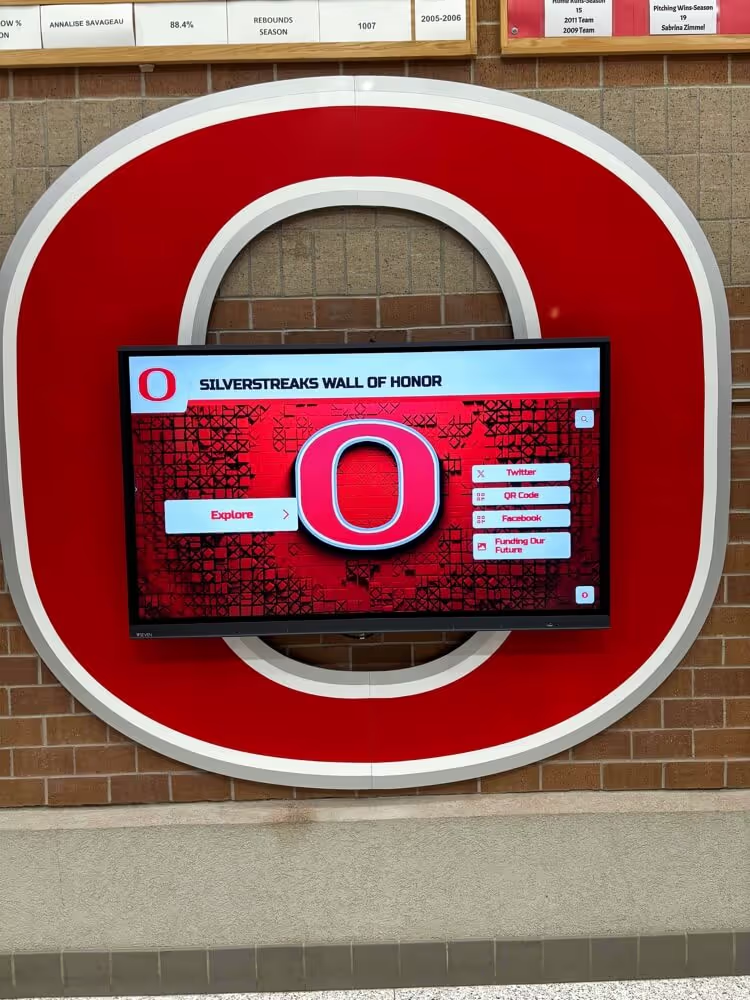
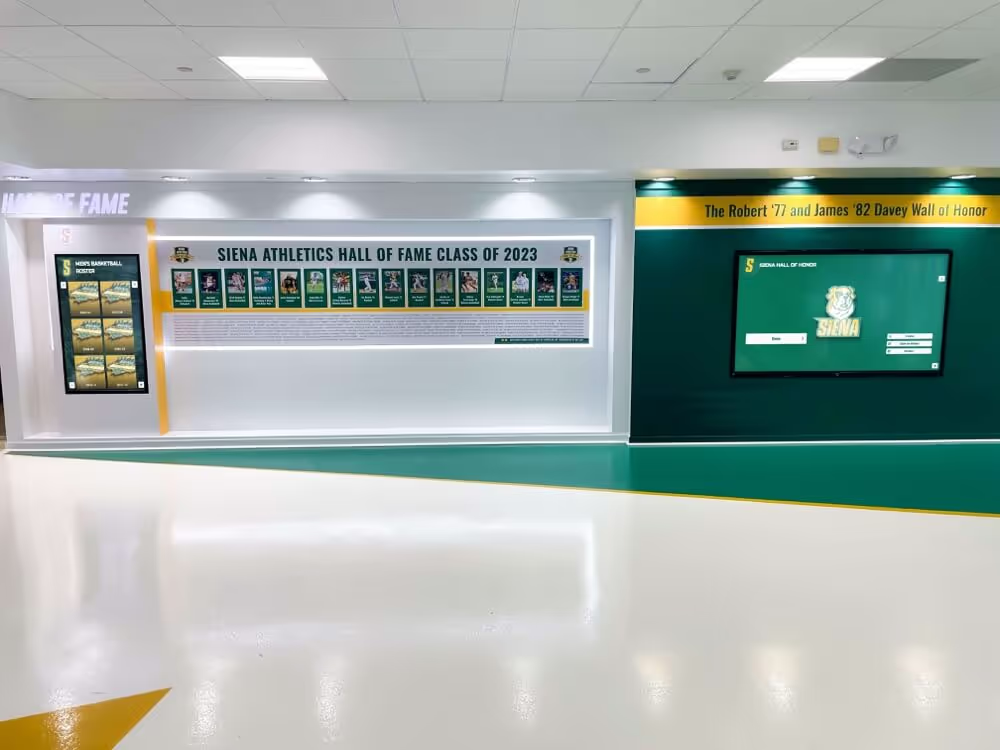
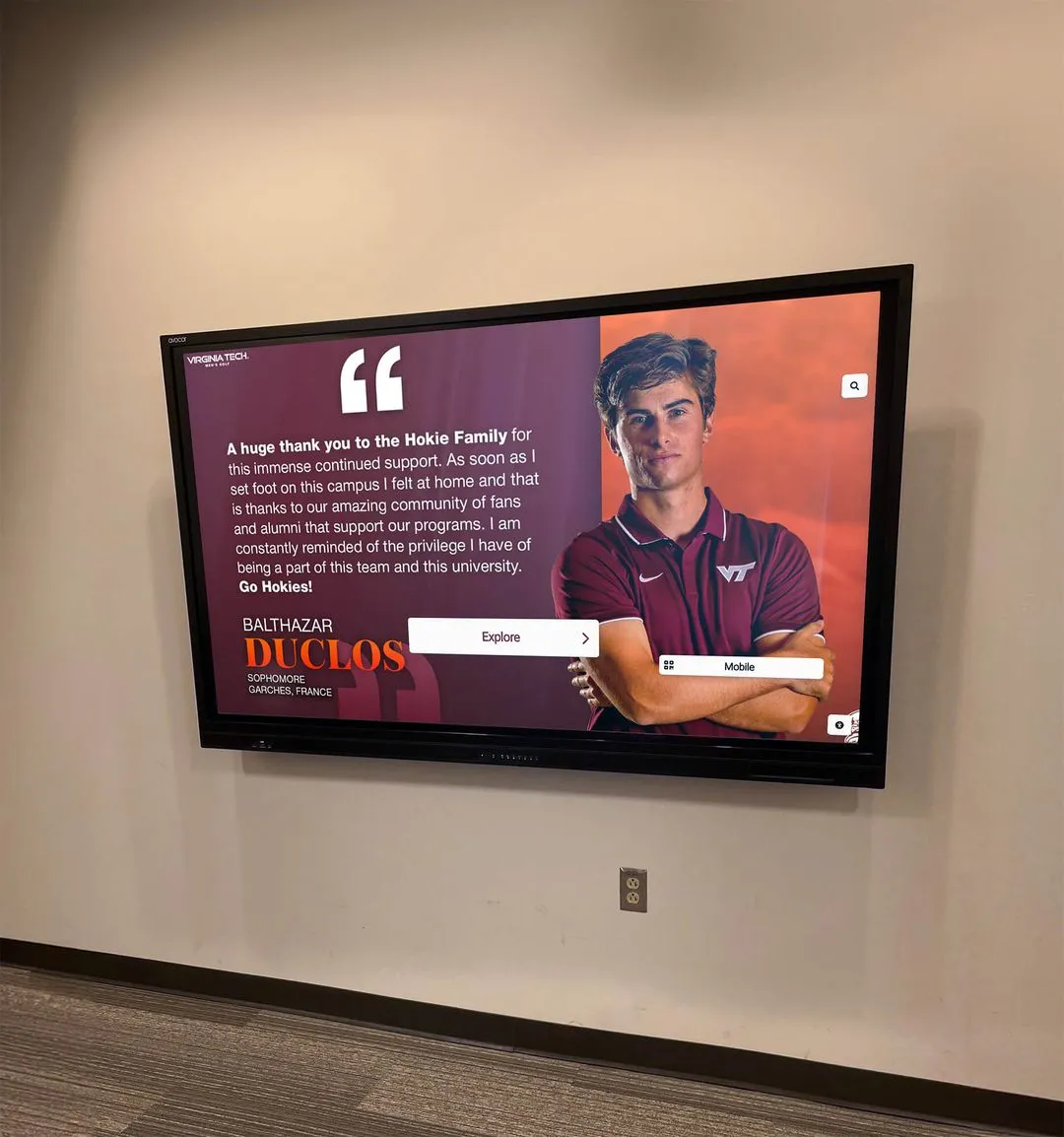
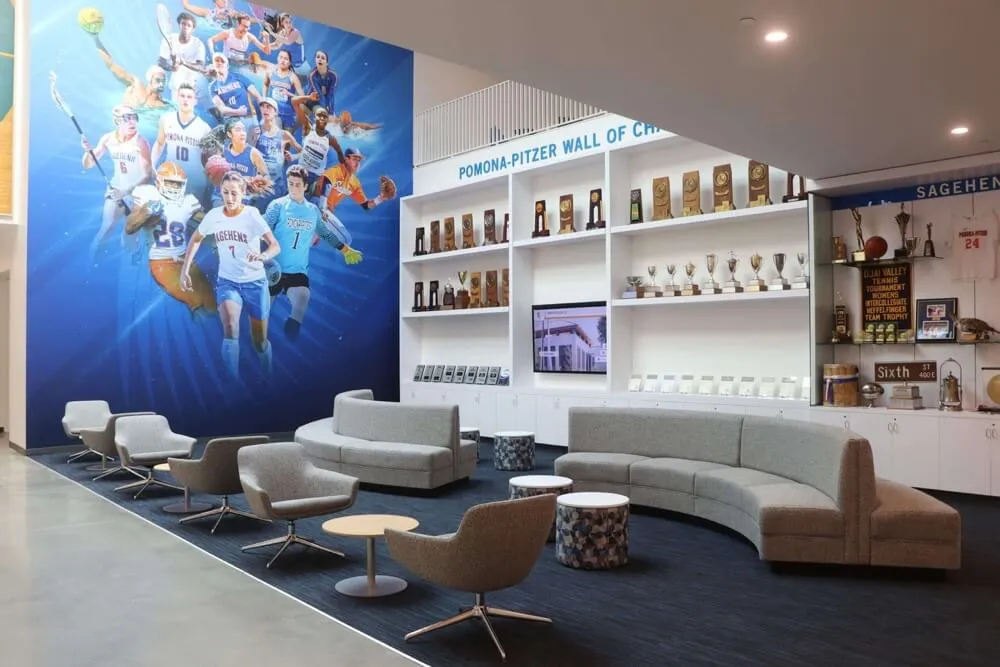
Well-organized athletic facilities require systematic approaches to both equipment storage and program recognition
Understanding Outdoor Sports Equipment Storage Needs
Schools and athletic facilities maintain diverse outdoor equipment inventories requiring different storage approaches based on size, frequency of use, and environmental protection needs.
Common Outdoor Athletic Equipment Categories
Athletic programs accumulate substantial equipment inventories across sports:
Large Field Equipment
The bulkiest storage challenges involve equipment essential for practice and competition:
- Football: blocking sleds, tackling dummies, practice pads, goalposts, yard markers, sideline equipment
- Soccer: full-size goals, portable goals, corner flags, field lining equipment, training cones
- Lacrosse: goals, nets, field equipment, training gear
- Baseball/Softball: batting cages, pitching machines, backstops, field maintenance equipment, bases
- Track and Field: hurdles, high jump pits, pole vault equipment, starting blocks, relay batons
These items often measure 6-20 feet in length and weigh hundreds of pounds, creating substantial storage space requirements.
Seasonal Equipment Rotation
Multi-sport facilities require storage supporting seasonal transitions:
- Fall sports equipment (football, soccer, field hockey, cross country) stored during spring/summer
- Spring sports gear (baseball, softball, lacrosse, track) stored during fall/winter
- Winter equipment (if applicable) requiring specialized storage during off-seasons
- Practice equipment used year-round versus competition-only gear
- Rotating equipment in and out of accessible storage based on current sports season
This seasonal rotation demands sufficient capacity to store multiple sports’ complete equipment inventories simultaneously.
Field Maintenance and Grounds Equipment
Supporting equipment enabling field preparation and maintenance:
- Field lining machines and paint
- Lawn maintenance equipment (mowers, aerators, rollers)
- Drag mats and field grooming tools
- Irrigation equipment and hoses
- Fertilizer and field treatment materials
- Emergency repair supplies and tools
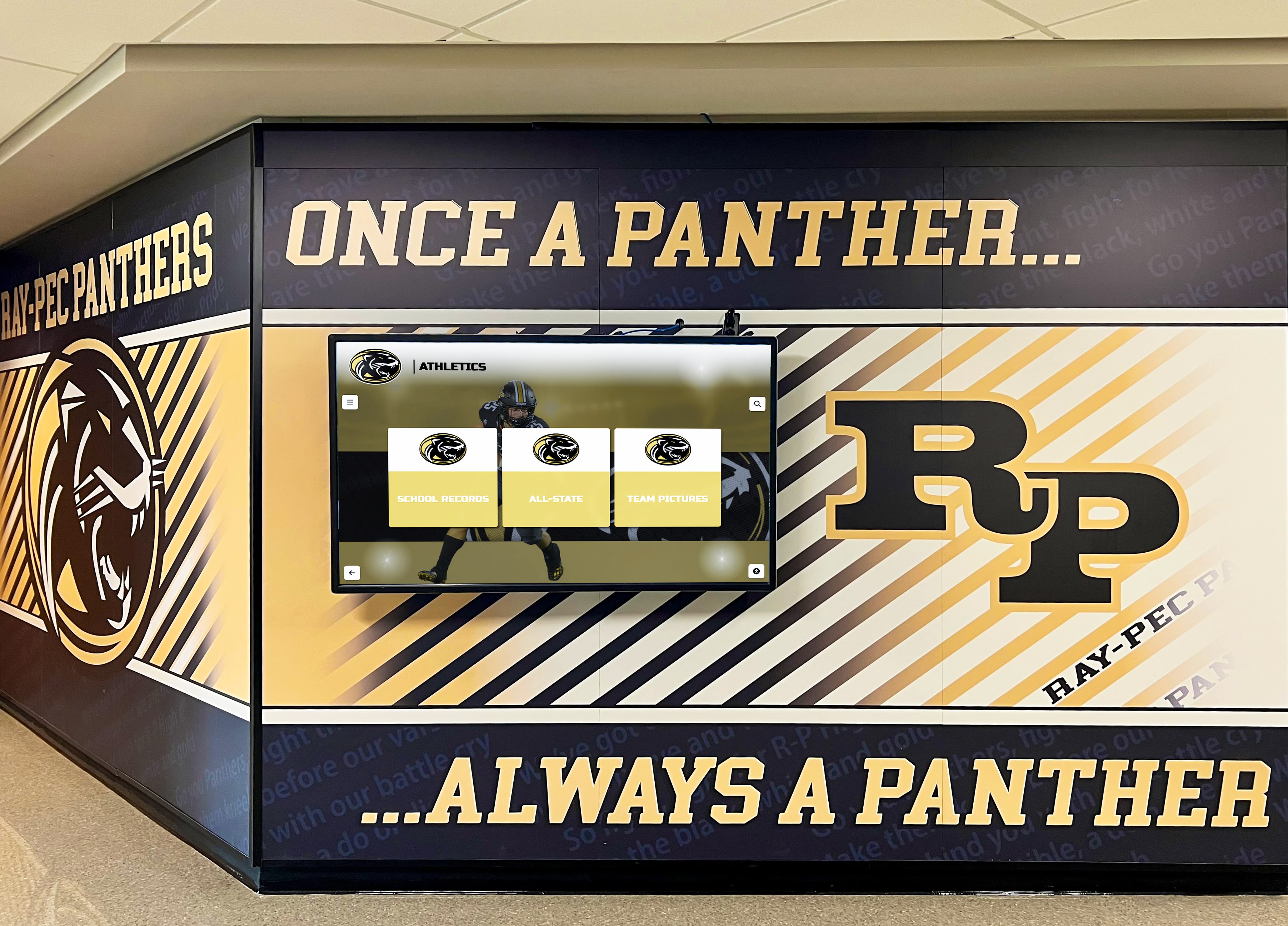
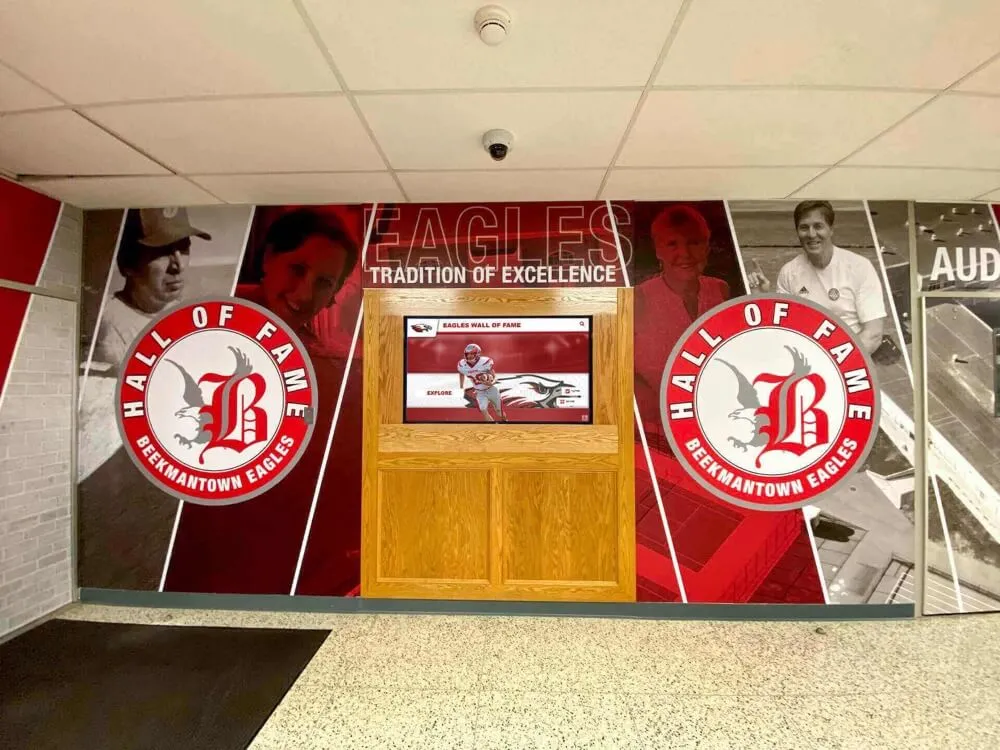
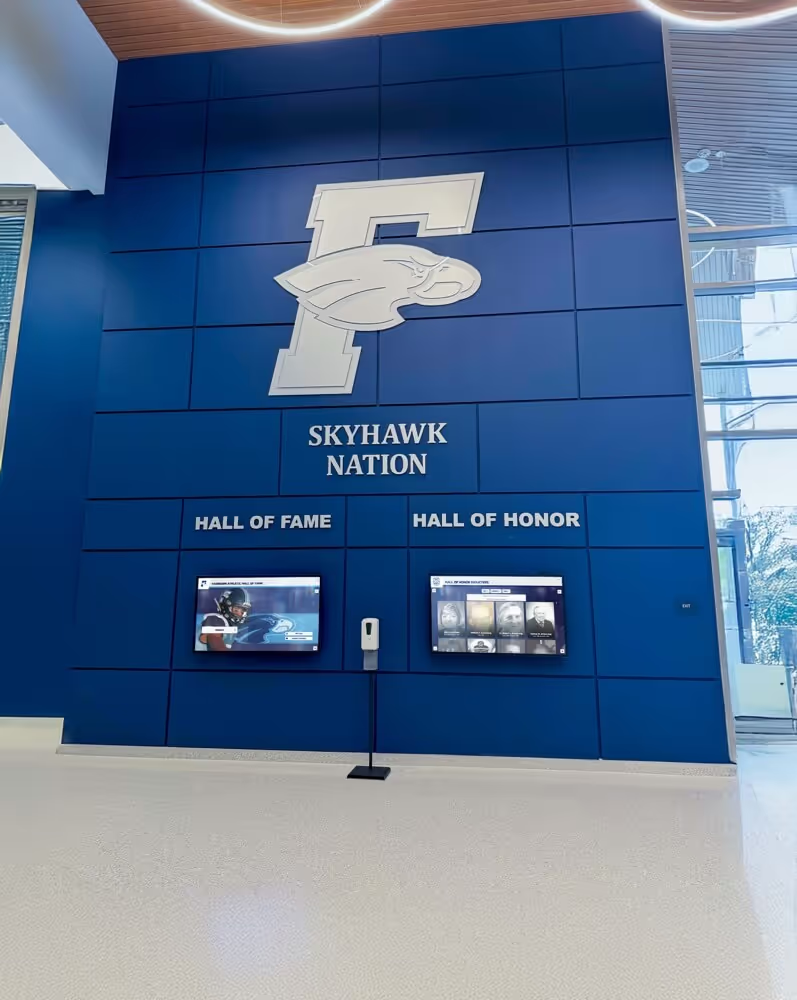
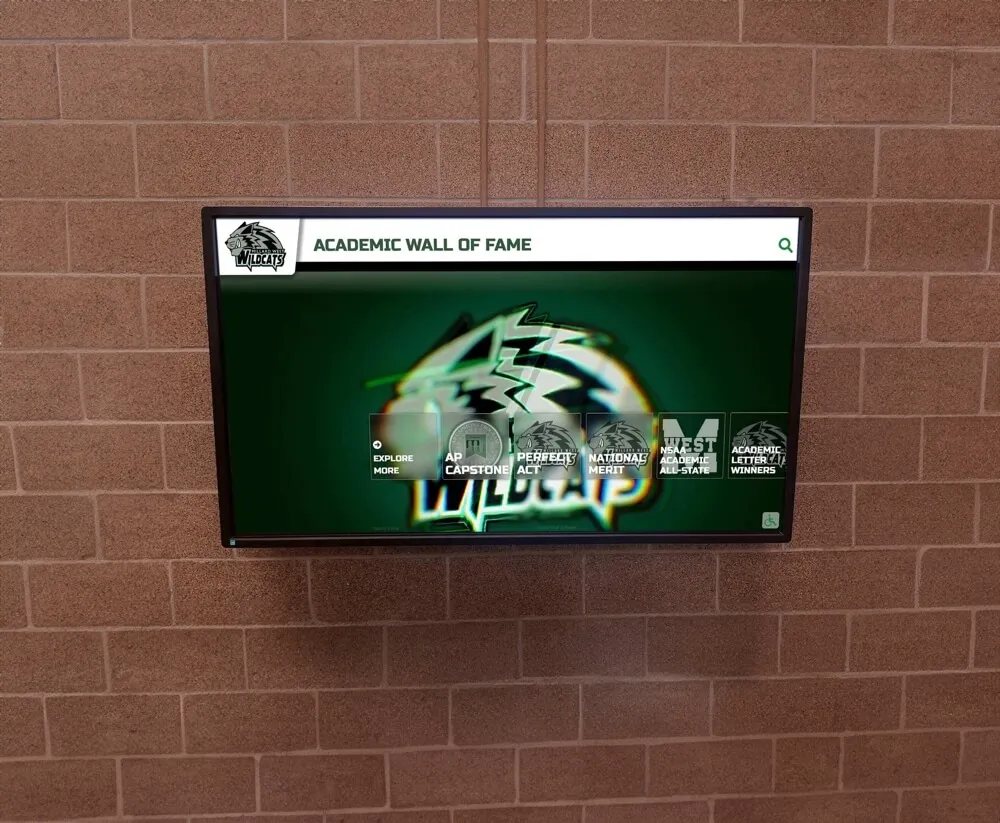
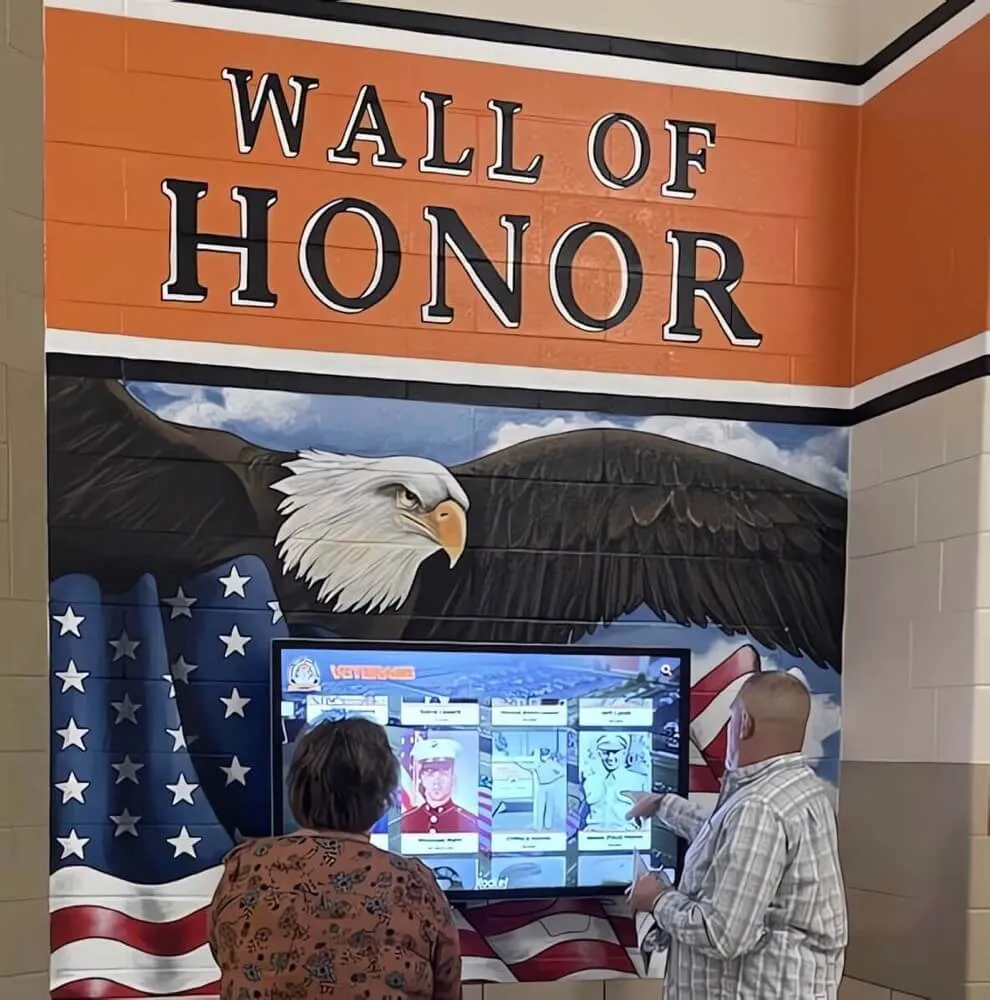
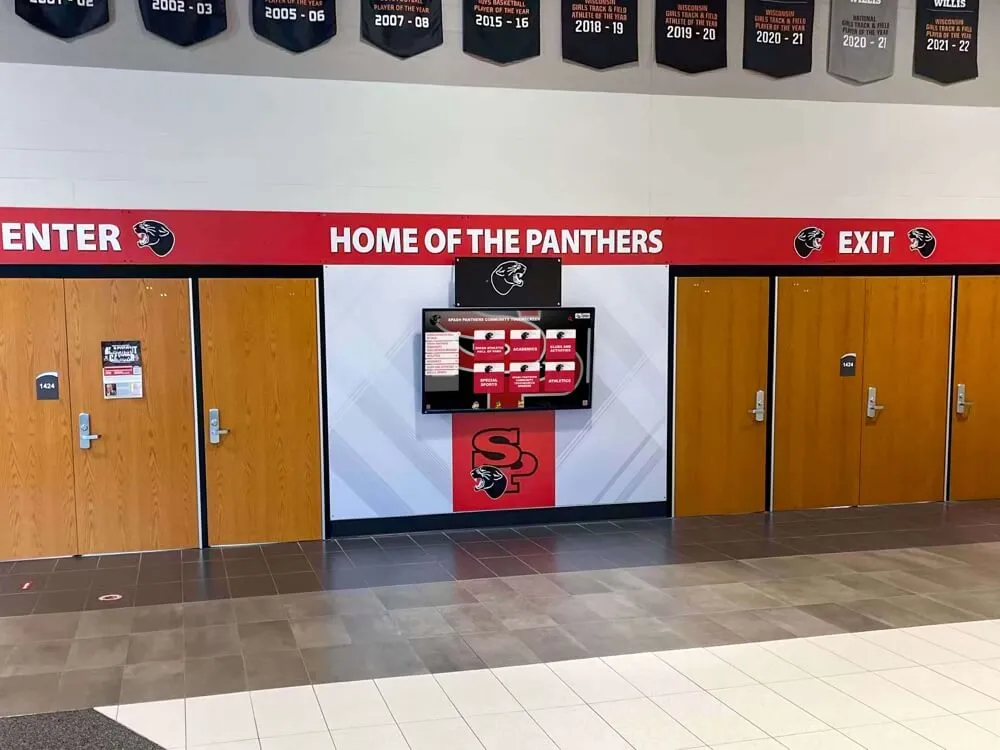
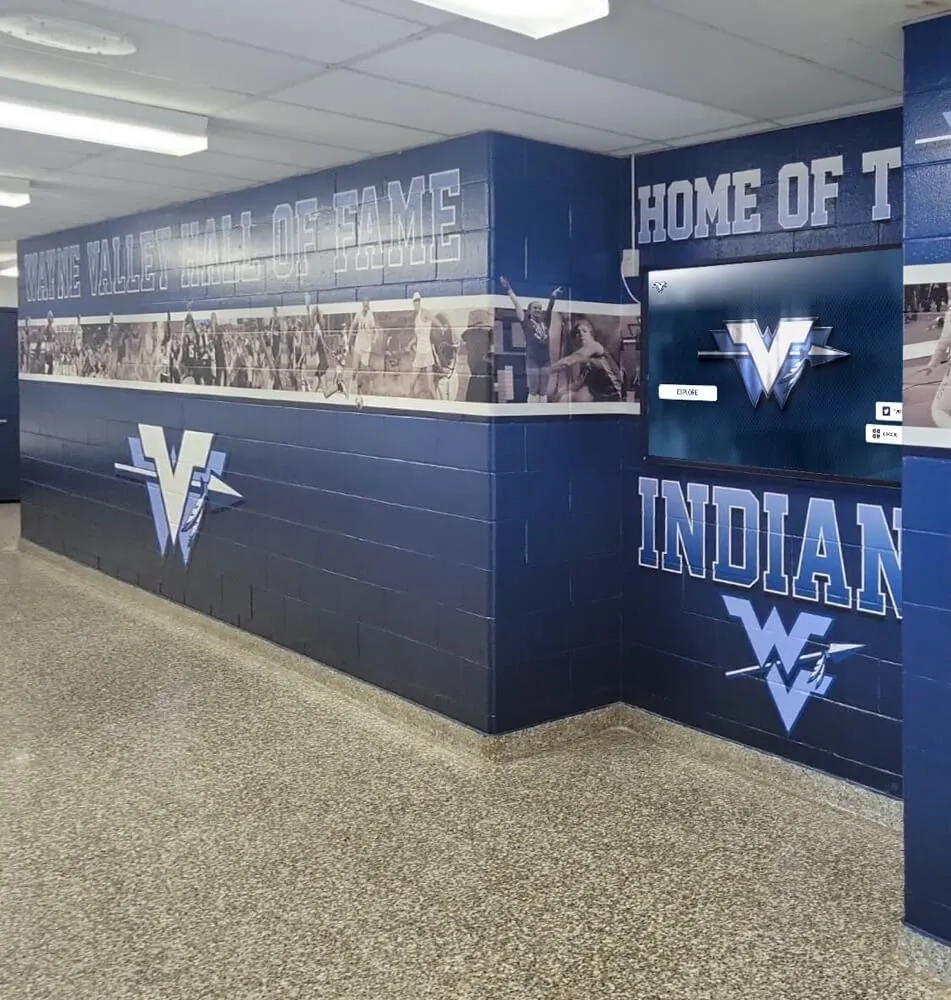
Modern athletic facilities balance functional storage needs with inspiring displays celebrating program achievements
Small Equipment and Accessories
Numerous smaller items requiring organized storage preventing loss:
- Training cones, agility ladders, resistance bands
- Balls for various sports (footballs, soccer balls, baseballs, softballs)
- Stopwatches, clipboards, first aid supplies
- Spare nets, flags, and replacement parts
- Team equipment for practices and games
- Water bottles, coolers, and hydration equipment
While individually inexpensive, these items collectively represent substantial investment and become costly to replace when lost due to poor storage organization.
Storage Challenges Unique to Outdoor Equipment
Outdoor athletic equipment faces challenges that indoor gear does not:
Weather Exposure and Environmental Damage
Equipment left unprotected suffers accelerated deterioration:
- Rain and moisture causing rust, corrosion, and material breakdown
- UV radiation from sunlight degrading plastics, fabrics, and padding
- Temperature fluctuations causing material expansion/contraction damage
- Wind displacing equipment and causing collision damage
- Snow and ice creating weight stress and moisture penetration
- Mold and mildew growth in humid conditions
Schools report 30-50% shorter equipment lifespans when gear lacks adequate weather protection, translating to thousands in premature replacement costs.
Security and Theft Prevention
Outdoor storage locations often prove vulnerable:
- Equipment theft from unsecured storage areas
- Vandalism of expensive athletic gear
- After-hours facility access by unauthorized individuals
- Insufficient lighting around storage areas
- Visibility from public roads and parking areas
- High resale value of athletic equipment motivating theft
Theft of a single set of football equipment can cost $3,000-$8,000, while complete field equipment loss reaches five figures.
Accessibility and Practice Efficiency
Storage systems affect daily program operations:
- Equipment difficult to access wastes practice time
- Heavy items requiring multiple people to move or retrieve
- Distance from storage to fields affecting setup/breakdown time
- Insufficient organization making specific items hard to locate
- Lack of inventory visibility creating uncertainty about available equipment
- Storage methods that damage equipment during repeated access
Coaches report that inefficient storage can consume 15-30 minutes of valuable practice time daily for equipment setup and breakdown.
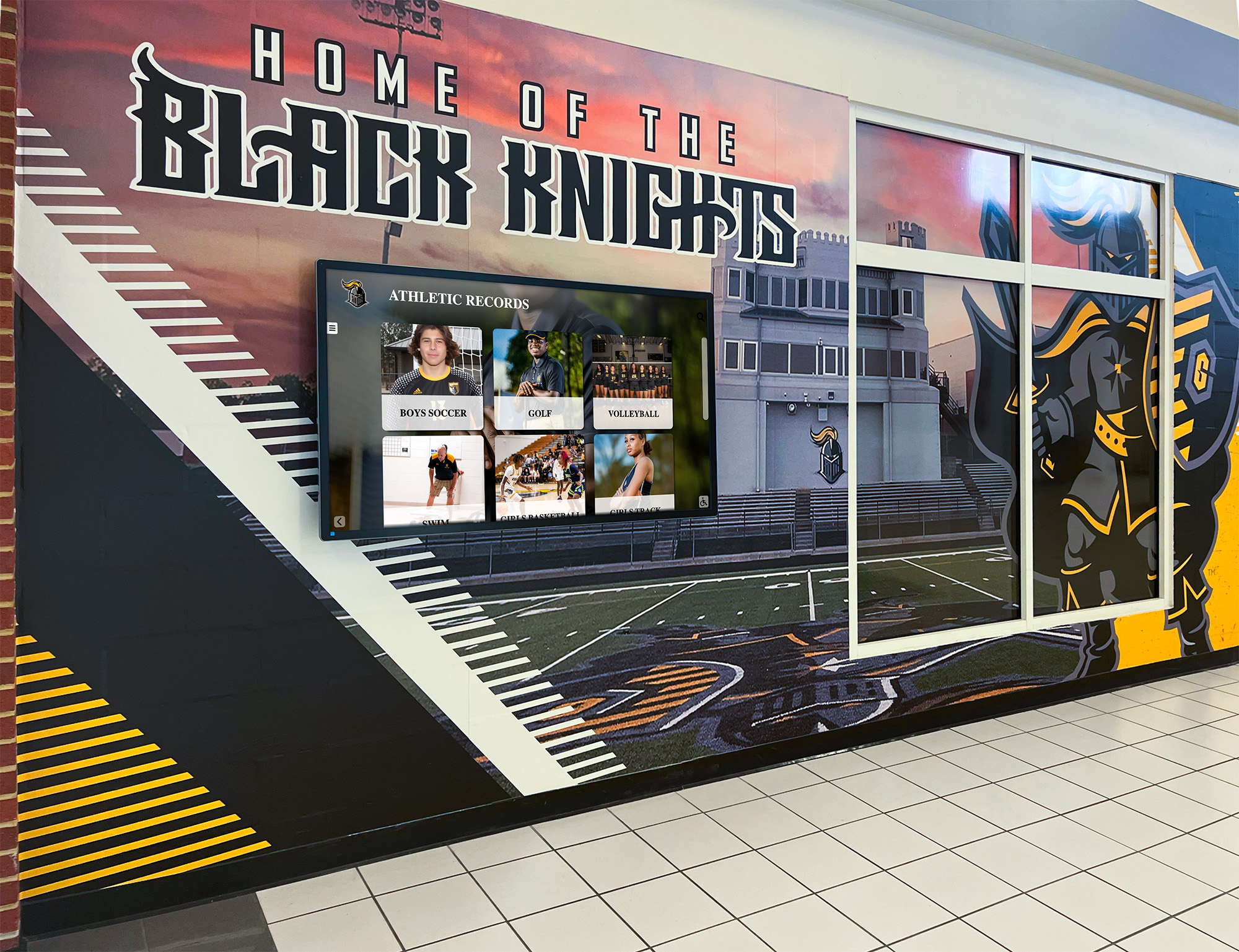
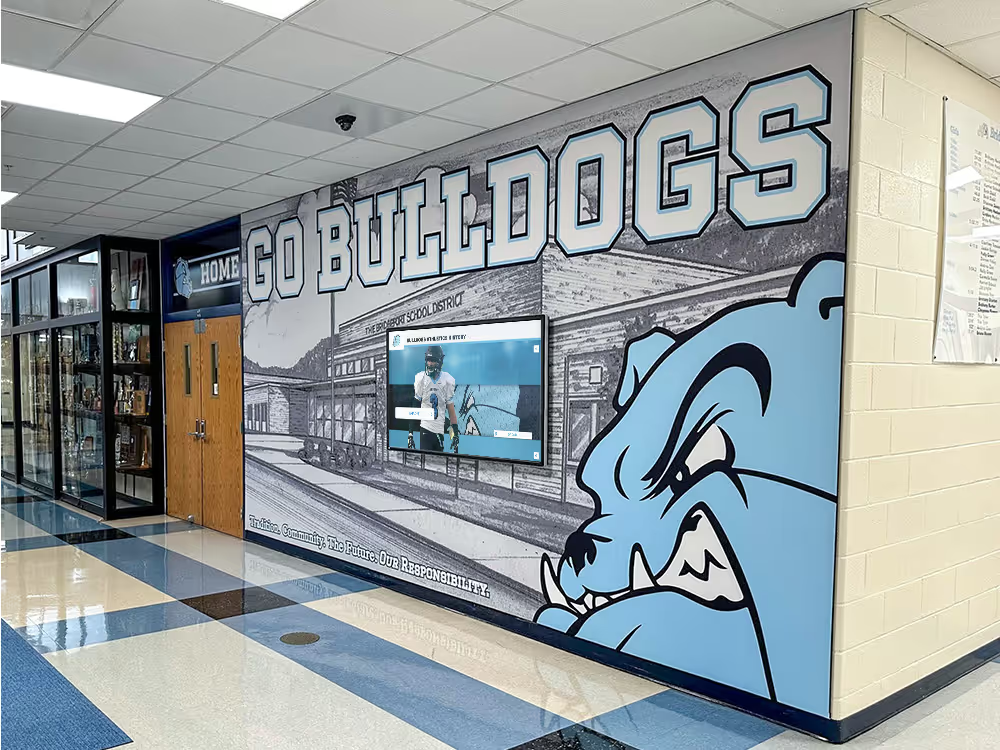
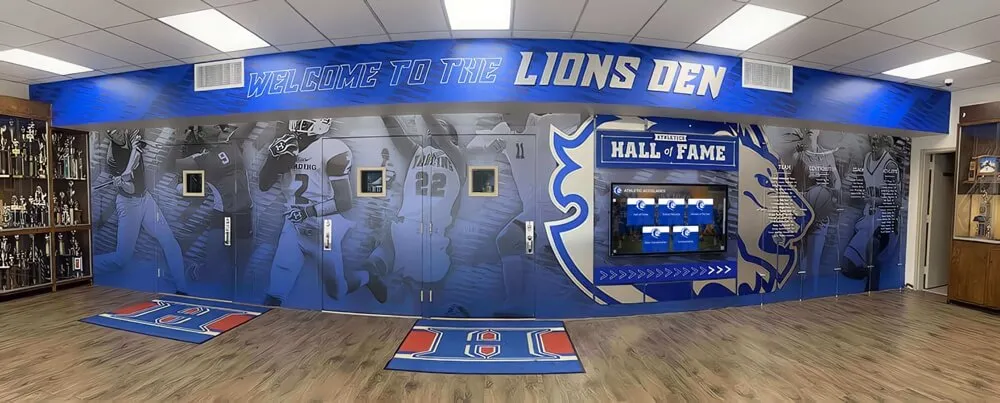
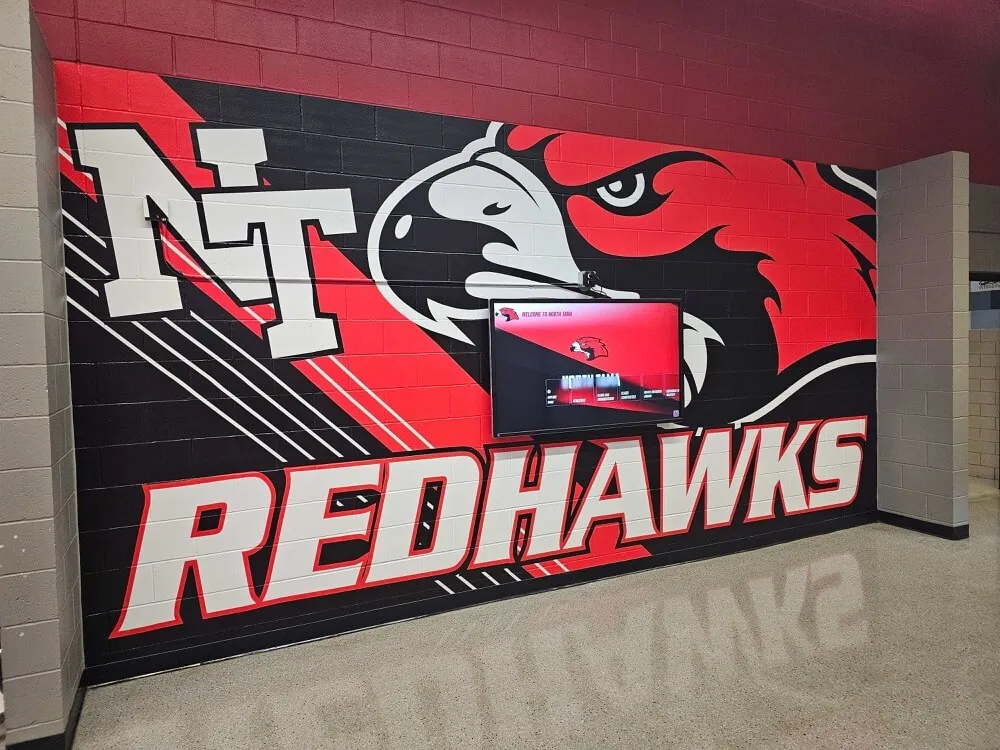
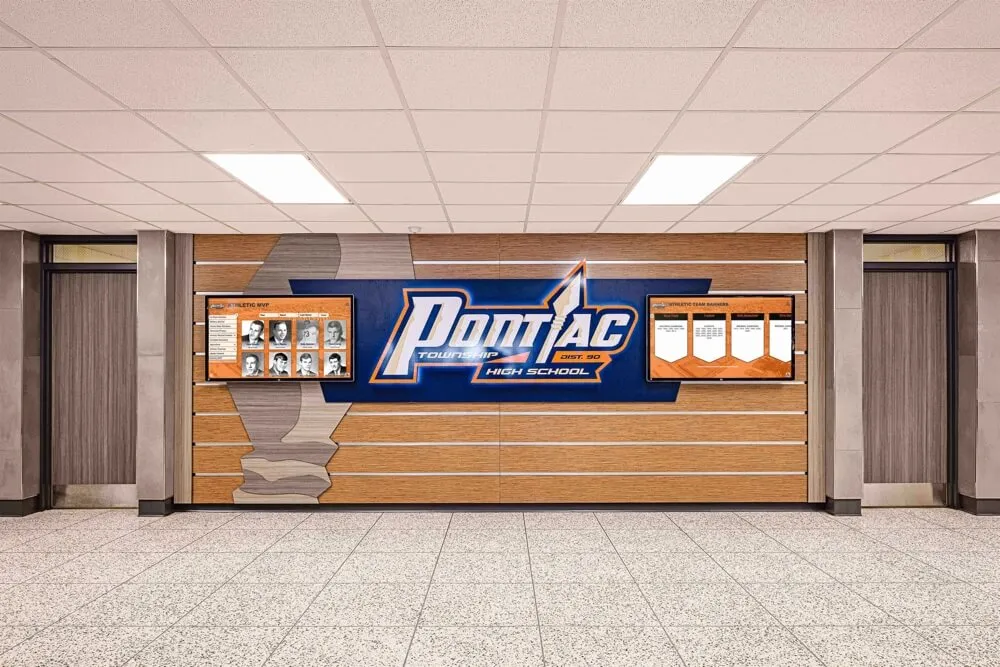
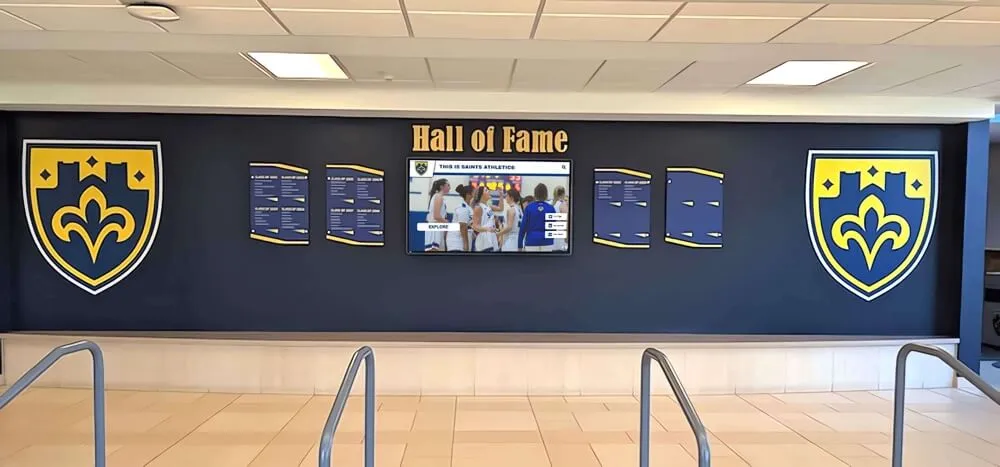
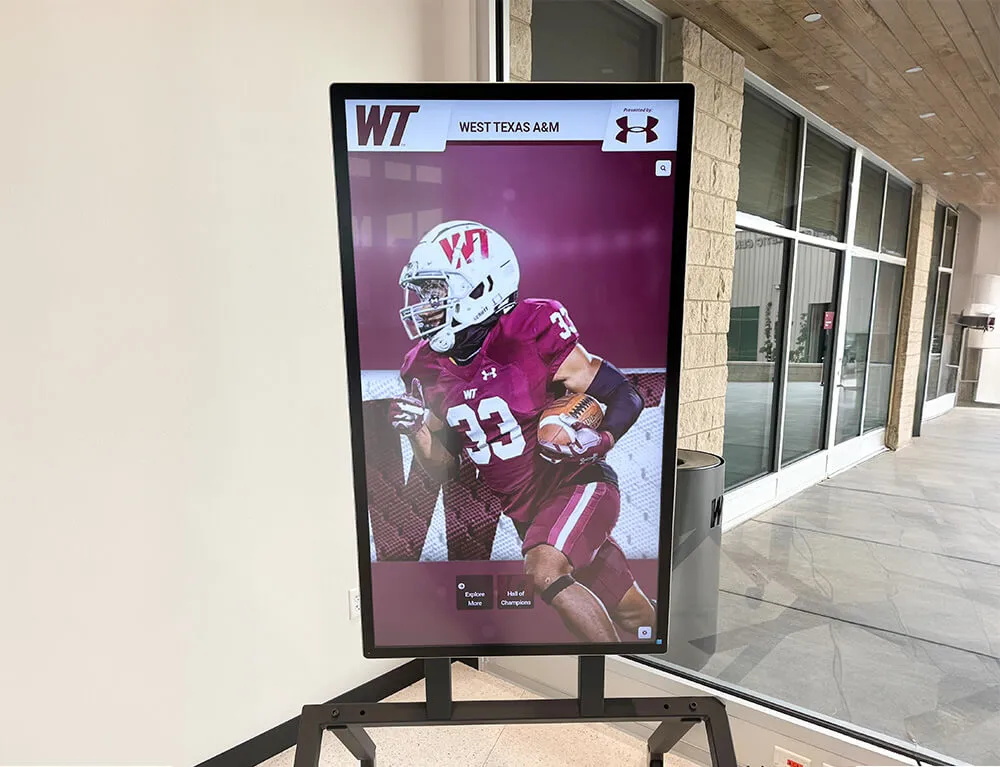
Comprehensive athletic facilities integrate functional equipment management with visible program achievement recognition
Outdoor Storage Structure Options
Various building and structure types address outdoor equipment storage needs with different cost, security, and accessibility characteristics.
Permanent Storage Buildings and Sheds
Purpose-built structures provide dedicated equipment housing:
Metal Storage Buildings
Durable, cost-effective permanent storage:
- Pre-fabricated metal buildings offering weather protection
- Available in sizes from 10x12 feet to 30x50 feet or larger
- Typical costs: $2,000-$15,000+ depending on size and features
- Installation requiring concrete pad foundation (adds $1,500-$5,000)
- Moderate security with lockable doors and solid walls
- Lifespan of 15-25 years with proper maintenance
- Ventilation challenges requiring additional vents or windows
Wood Storage Sheds
Traditional shed construction offering customization:
- Custom-built or prefabricated wooden structures
- Greater aesthetic appeal matching school architecture
- Typical costs: $3,000-$20,000 depending on size and finishes
- Easier to customize with shelving, hooks, and organizational systems
- Requires regular maintenance (painting, repairs) preventing rot and damage
- Lifespan of 10-20 years depending on construction quality and maintenance
- Better insulation properties than metal alternatives
Masonry and Concrete Block Buildings
Maximum durability and security:
- Permanent concrete block or brick construction
- Highest security against theft and vandalism
- Typical costs: $15,000-$50,000+ for substantial structures
- Requires professional design and construction
- Superior weather protection and durability
- Lifespan exceeding 30-50 years
- Often requires building permits and compliance with codes
- Can integrate with existing facility architecture
Schools prioritizing long-term investment often favor masonry construction despite higher initial costs, particularly when storage buildings become visible facility elements.
Container-Based Storage Solutions
Shipping containers repurposed for equipment storage:
Standard Shipping Container Storage
Cost-effective weatherproof storage:
- 20-foot or 40-foot shipping containers (8 feet wide, 8.5 feet tall)
- Purchase costs: $2,500-$5,000 for used, $5,000-$10,000 for new
- Delivery and placement: $500-$2,000 depending on location
- Excellent weather protection and security
- Mobile/relocatable if facility needs change
- Modifications possible (doors, windows, ventilation, insulation)
- Industrial appearance may not match school aesthetics
- Concrete pad or gravel base recommended for proper drainage
Modified Container Solutions
Enhanced containers with custom features:
- Side doors, roll-up doors, or multiple access points
- Interior shelving, racks, and organizational systems
- Electrical wiring for lighting and climate control
- Insulation and ventilation improvements
- Exterior painting matching school colors and branding
- Partition walls creating separate storage zones
- Modification costs: $2,000-$10,000+ depending on complexity
Schools appreciate containers for rapid deployment—equipment storage capacity available within weeks rather than months required for conventional construction.
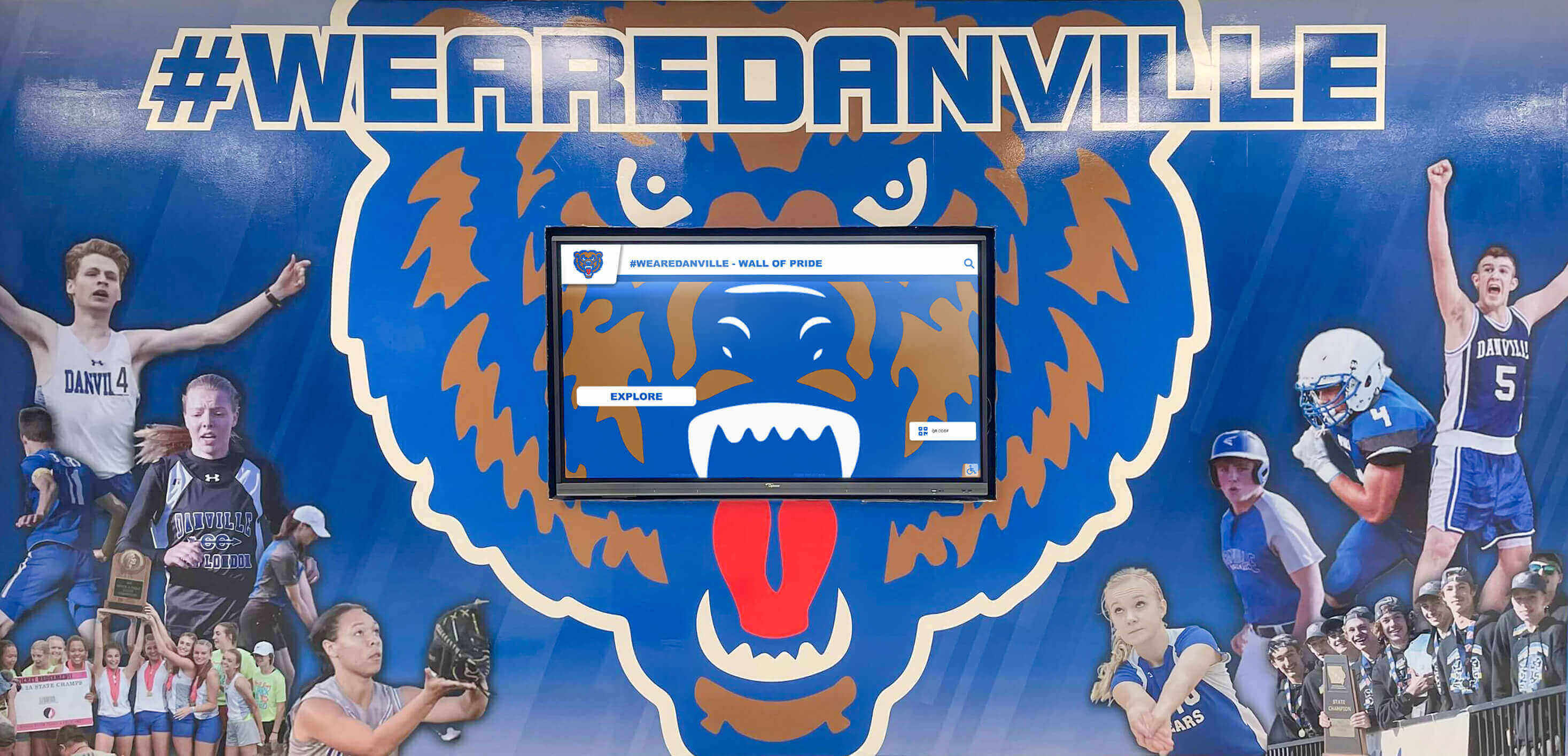
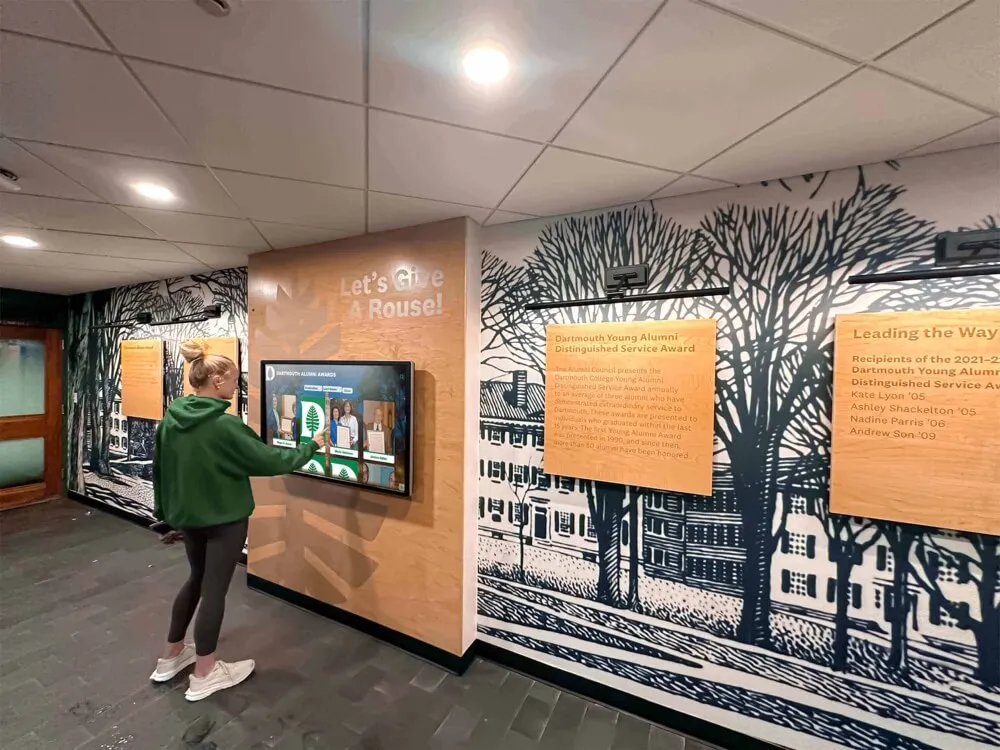
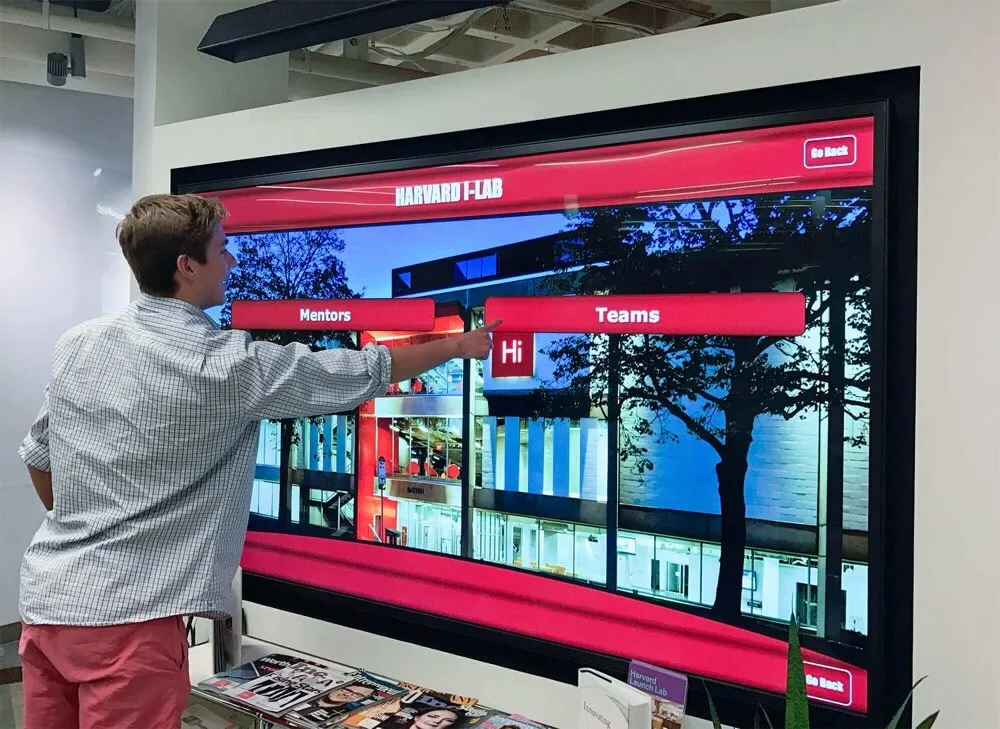
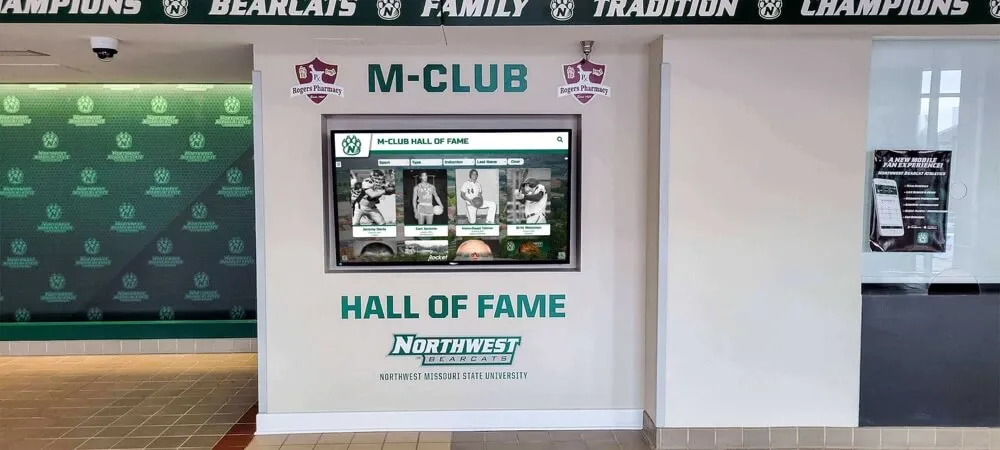
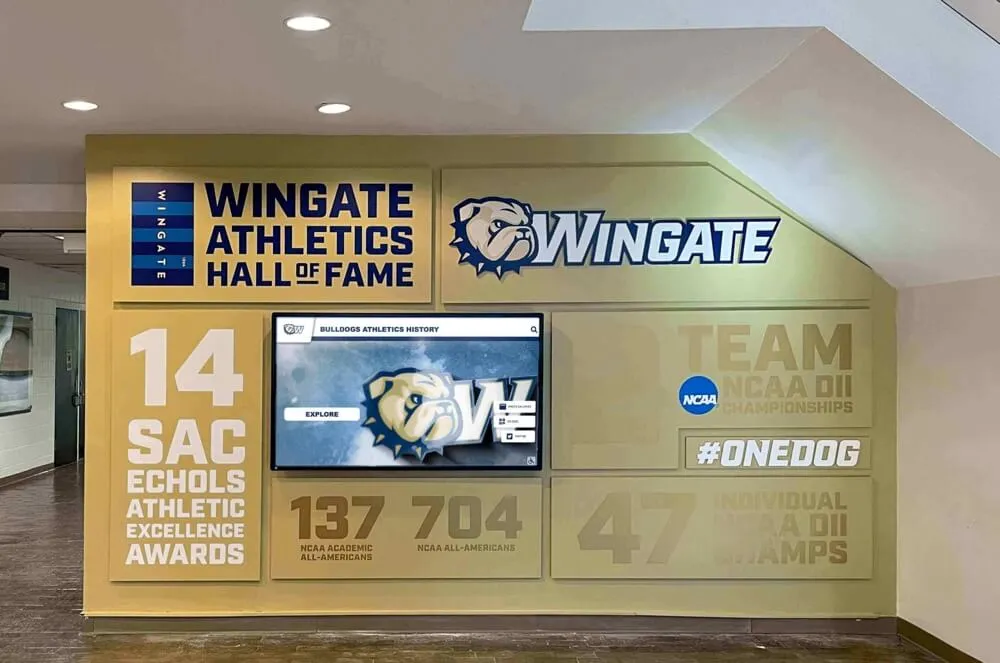
Facility design integrating storage functionality with visual program identity creates cohesive athletic environments
Covered Storage and Canopy Solutions
Weather protection without enclosed structures:
Fabric Canopy Structures
Temporary or semi-permanent weather protection:
- Heavy-duty fabric canopies protecting equipment from sun and precipitation
- Available in sizes from 12x20 feet to 30x40 feet or larger
- Typical costs: $500-$5,000 depending on size and quality
- Portable options for seasonal installation
- Provides shade and rain protection but limited security
- UV-resistant fabrics extending 5-10 year lifespan
- Anchoring requirements for wind resistance
- Quick installation compared to permanent structures
Pole Barn and Open-Sided Structures
Partial enclosure with excellent accessibility:
- Open-front or open-sided structures with roofs
- Excellent for frequently accessed equipment
- Typical costs: $5,000-$25,000 depending on size
- Superior ventilation preventing moisture accumulation
- Equipment visible enabling quick inventory assessment
- Limited security requiring supplemental measures
- Weather protection primarily from above, limited side protection
These solutions work well for equipment requiring frequent access or when security concerns are minimal due to remote locations or monitored facilities.
Indoor Storage Alternatives for Outdoor Equipment
When outdoor storage proves impractical, indoor options provide superior protection and security.
Repurposing Existing Facility Spaces
Schools with available indoor space can adapt existing areas:
Fieldhouse and Gymnasium Storage Rooms
Dedicated storage within athletic buildings:
- Storage rooms designed into original facility construction
- Climate-controlled environments preventing weather damage
- Superior security through building access control
- Direct access to practice and competition spaces
- Space often limited due to competing facility uses
- May require organizational systems maximizing vertical space
- Shared access requiring coordination between programs
Basement and Utility Spaces
Underutilized areas converted to equipment storage:
- Building basements or underground spaces
- Often overlooked available square footage
- Humidity control essential preventing mold and corrosion
- Access challenges moving heavy equipment up/down stairs
- Good security through limited access points
- May require upgrades (dehumidifiers, lighting, organization)
- Cost-effective utilizing existing space
Converted Locker Rooms or Team Areas
Reclaiming outdated spaces:
- Old locker rooms renovated for storage
- Team rooms converted when facilities expand
- Climate control and security already present
- Convenient proximity to current athletic facilities
- Renovation costs: $2,000-$10,000 depending on scope
- Improved lighting, shelving, and organizational systems needed
Schools experiencing declining enrollment or benefiting from facility expansions often discover interior storage opportunities eliminating outdoor storage needs.
Utilizing Unused Building Spaces
Under-Stair Storage
Maximizing wasted space:
- Areas beneath bleachers and stadium seating
- Under-stair cavities in multi-level facilities
- Often overlooked storage potential
- May require security improvements
- Unusual dimensions requiring custom organizational systems
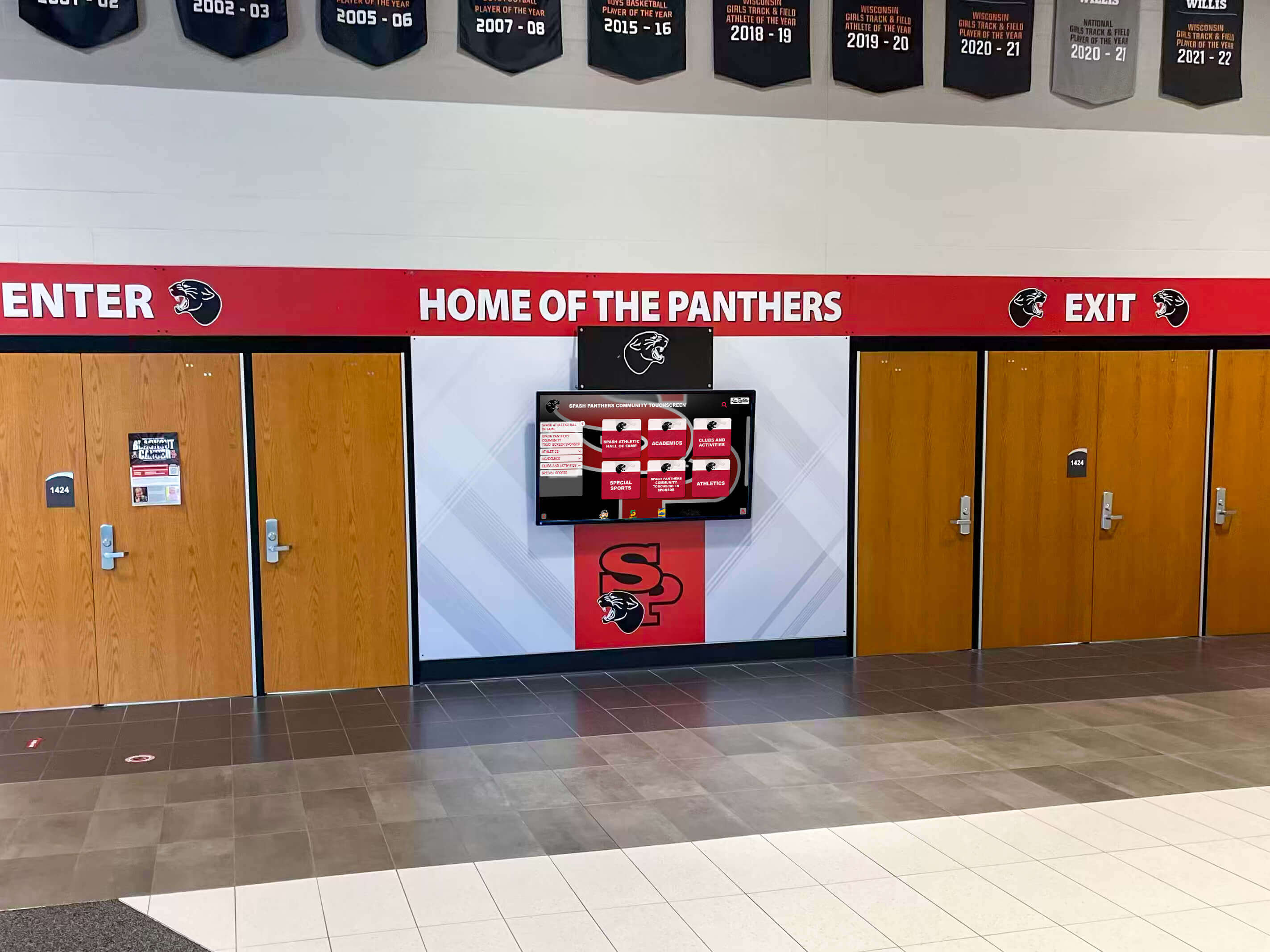
Entrance areas showcase program pride while effective back-end storage ensures operational efficiency
Mezzanine and Overhead Storage
Vertical space utilization:
- Installing mezzanines in high-ceiling facilities
- Overhead storage platforms in gymnasiums or fieldhouses
- Typical costs: $10,000-$40,000 for professional installation
- Requires structural engineering assessment ensuring capacity
- Excellent for seasonal equipment not needed frequently
- Access via stairs or lifts
The most efficient facilities maximize three-dimensional space through creative storage approaches using height and unusual areas others overlook.
Organizational Systems for Equipment Storage
Physical storage structures provide only part of the solution—interior organization determines actual functionality and efficiency.
Shelving and Racking Systems
Organized storage maximizing capacity:
Heavy-Duty Industrial Shelving
Storing substantial equipment loads:
- Commercial steel shelving supporting 500-3,000 pounds per shelf
- Adjustable shelf heights accommodating various equipment sizes
- Typical costs: $200-$800 per shelving unit
- Modular systems expanding as needs grow
- Bolting to walls or floors preventing tipping accidents
- Galvanized or powder-coated finishes resisting corrosion
Wall-Mounted Storage Systems
Maximizing floor space:
- Wall-mounted racks, hooks, and brackets
- Storing balls, nets, training equipment, and accessories
- Typical costs: $100-$500 for comprehensive wall systems
- Clears floor space for large equipment
- Visual inventory enabling quick assessment of available gear
- Installation requiring secure mounting to wall studs or masonry
Vertical Storage Racks
Purpose-built equipment holders:
- Ball cages and racks organizing spherical equipment
- Bat and stick racks for baseball, softball, lacrosse equipment
- Net storage systems preventing tangling damage
- Goal storage racks protecting expensive frames
- Typical costs: $150-$800 per specialized rack
- Prevents equipment damage from improper stacking
Schools implementing comprehensive organizational systems report 40-60% increased storage capacity in existing spaces through better utilization of vertical dimensions and specialized equipment holders.

Facility improvements balance practical storage needs with showcasing program achievements and tradition
Mobile Storage and Equipment Carts
Improving accessibility and practice efficiency:
Equipment Carts and Wagons
Transporting gear between storage and fields:
- Heavy-duty carts and wagons moving multiple equipment items
- Typical capacities: 500-1,500 pounds
- Typical costs: $200-$1,000 depending on size and features
- Large pneumatic tires for outdoor terrain
- Foldable options for compact storage when not in use
- Reduces equipment trips and setup time
Sport-Specific Equipment Carriers
Purpose-built transportation:
- Ball carts with compartments and mesh bags
- Goal transport systems with wheels
- Hurdle carts stacking multiple track hurdles
- Training equipment organizers
- Typical costs: $100-$600 per specialized carrier
Athletic programs using mobile equipment systems report 50-70% reductions in practice setup time, translating to more productive training sessions and less wear on equipment from dragging across fields.
Labeling and Inventory Systems
Tracking equipment preventing loss and simplifying organization:
Equipment Labeling Methods
Systematic identification:
- Color-coded labels by sport or equipment type
- Numbered inventory systems for accountability
- Size labels for balls and uniform equipment
- Condition tags flagging equipment needing repair
- Check-out/check-in systems for accountability
- Storage location labels matching inventory lists
Digital Inventory Management
Technology-enabled tracking:
- Spreadsheet databases documenting all equipment
- Barcode or QR code systems for scanning equipment
- Mobile apps enabling real-time inventory updates
- Automated low-stock alerts for consumables
- Maintenance schedules tracking equipment service needs
- Cost tracking documenting equipment investments
Schools implementing formal inventory systems report 30-40% reductions in equipment loss and 25-35% decreases in duplicate purchases resulting from inability to locate existing gear.
Security Measures for Outdoor Equipment Storage
Protecting substantial equipment investments requires multi-layered security approaches:
Physical Security Systems
Preventing unauthorized access and theft:
Secure Locking Mechanisms
Foundation of equipment security:
- Commercial-grade padlocks with hardened steel shackles
- Hasp and latch systems resistant to pry attacks
- Multiple locks providing redundant security
- Keyless entry systems with access codes (electronic locks)
- Master key systems for administrative access
- Regular lock maintenance and combinations changes
Perimeter Security Enhancements
Deterring intrusion attempts:
- Fencing around storage areas (chain-link or security fencing)
- Lighting illuminating storage areas during dark hours
- Motion-activated security lighting startling intruders
- Concrete barriers preventing vehicle access for large equipment theft
- Landscaping cleared around storage preventing concealment
- Visibility from offices or security patrol routes
Window and Door Security
Protecting access points:
- Solid doors without windows (or small reinforced windows)
- Security bars on windows if glass necessary
- Heavy-duty hinges resistant to removal
- Door frame reinforcement preventing kick-in
- Roll-up doors with bottom locks and side bolts
- Alarm contacts on all entry points
Schools in high-theft areas report equipment loss reductions of 60-80% after implementing comprehensive physical security measures.
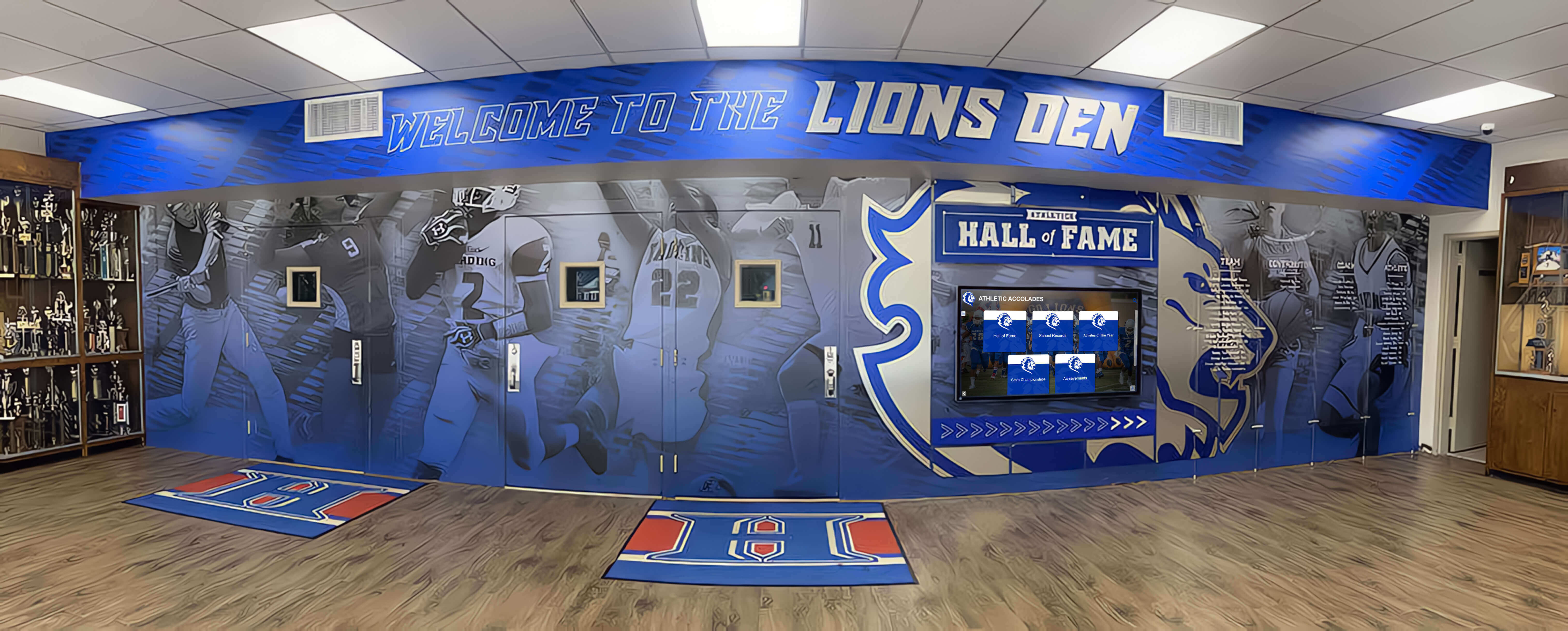
Comprehensive athletic facilities balance secure equipment storage with public-facing displays celebrating program excellence
Surveillance and Monitoring
Electronic systems supplementing physical security:
Security Camera Systems
Visual monitoring and deterrence:
- Security cameras covering storage area entrances
- Night vision or infrared capabilities for 24/7 coverage
- Cloud-based recording systems preserving footage
- Visible camera placement deterring theft attempts
- Typical costs: $500-$3,000 for 2-4 camera systems
- Integration with broader facility security systems
- Signage advertising surveillance presence
Alarm and Notification Systems
Alert systems detecting unauthorized access:
- Door and window alarm contacts
- Motion sensors detecting interior movement
- Wireless systems avoiding wiring costs
- Smartphone notifications alerting security to intrusions
- Integration with local security or police dispatch
- Typical costs: $300-$1,500 for basic systems
Access Control Systems
Electronic entry management:
- Keypad or card reader entry systems
- Access logs documenting who entered storage and when
- Programmable access permitting coach/staff entry only
- Time-based access restrictions to authorized hours
- Remote access management and code changes
- Typical costs: $800-$3,000 depending on features
Equipment Marking and Recovery
Improving theft recovery and deterring resale:
Permanent Equipment Identification
Marking ownership:
- Engraving school names on metal equipment components
- UV-marked identification invisible except under special light
- Asset tags with serial numbers
- School colors and branding making equipment recognizable
- Photographs documenting equipment for insurance claims
- Serial number databases for high-value items
GPS Tracking for High-Value Equipment
Technology-enabled recovery:
- GPS trackers hidden in expensive equipment
- Real-time location tracking if equipment moved
- Typical costs: $50-$200 per tracker plus subscription
- Most effective for highly portable valuable items
- Recovery assistance for stolen equipment
Schools recovering stolen equipment report that permanent marking significantly increases recovery likelihood while deterring theft by complicating resale.
Maintenance Considerations for Stored Equipment
Proper storage extends beyond protecting equipment from theft—preservation from environmental damage and deterioration maintains equipment quality and longevity.
Climate Control and Ventilation
Managing humidity, temperature, and air quality:
Ventilation Requirements
Preventing moisture accumulation:
- Passive ventilation through vents and louvers
- Active ventilation using exhaust fans
- Air circulation preventing stagnant moisture pockets
- Preventing mold, mildew, and corrosion
- Dehumidification in humid climates
- Typical costs: $200-$1,500 depending on approach
Temperature Considerations
Protecting temperature-sensitive materials:
- Insulation preventing extreme temperature swings
- Heating preventing freezing damage to equipment
- Cooling rarely necessary for equipment storage
- Protecting leather, rubber, and plastic components
- Typical insulation costs: $1-$3 per square foot installed
Equipment Preparation for Storage
Seasonal storage procedures preventing damage:
Cleaning Before Storage
Removing contaminants causing deterioration:
- Washing equipment removing dirt, grass, and field materials
- Drying thoroughly before storage preventing rust and mold
- Lubricating moving parts on mechanical equipment
- Protective coatings on metal surfaces
- Inspecting for damage requiring repair before storage
Protective Covering and Wrapping
Shielding equipment from dust and damage:
- Tarps or covers protecting large equipment
- Plastic sheeting for weather-sensitive items
- Padding separating stacked equipment preventing damage
- Netting or breathable covers allowing air circulation
- Elevating equipment off floors preventing moisture contact
Schools implementing formal equipment preparation protocols report 35-45% longer equipment lifespans compared to programs storing equipment without preparation.
Regular Maintenance Schedules
Systematic equipment care during storage:
Inspection Protocols
Regular equipment condition assessment:
- Monthly inspection checking for damage or deterioration
- Pre-season thorough inspection before returning to use
- Documentation of equipment condition trends
- Early detection of maintenance needs preventing failures
- Replacement planning based on condition assessments
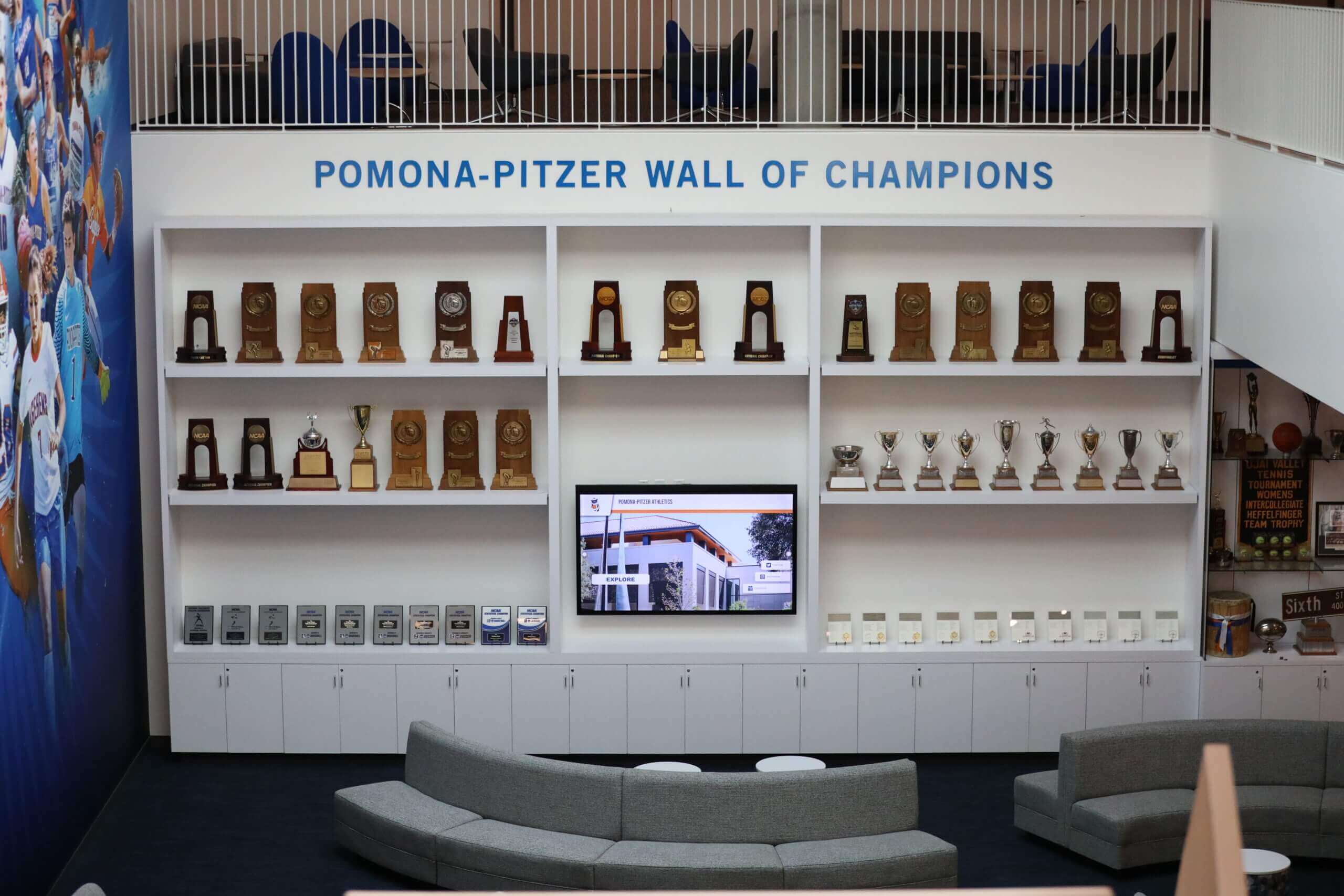
Successful athletic programs balance behind-the-scenes equipment management with visible celebration of achievements
Maintenance Task Scheduling
Proactive equipment servicing:
- Lubrication of moving parts and hinges
- Tightening loose bolts and hardware
- Replacing worn pads, nets, and components
- Painting and refinishing preventing rust
- Seasonal servicing before equipment return to use
- Maintenance logs tracking service history
Budget Planning for Equipment Storage Solutions
Developing appropriate storage requires realistic financial planning accounting for initial investment and ongoing costs.
Storage Solution Cost Comparison
Understanding investment requirements:
| Storage Solution | Initial Investment | Lifespan | Annual Maintenance | Security Level | Weather Protection |
|---|---|---|---|---|---|
| Metal Storage Building (12x20) | $3,000-$7,000 | 15-25 years | $100-$300 | Moderate | Excellent |
| Wood Shed (12x16) | $3,500-$8,000 | 10-20 years | $200-$500 | Moderate | Good |
| Shipping Container (20 ft) | $3,000-$7,000 | 20-30 years | $50-$150 | Good | Excellent |
| Fabric Canopy (20x30) | $1,000-$3,000 | 5-10 years | $100-$300 | Poor | Moderate |
| Concrete Block Building (20x30) | $25,000-$60,000 | 30-50+ years | $200-$600 | Excellent | Excellent |
These cost comparisons illustrate trade-offs between initial investment, longevity, and functionality requiring evaluation based on specific circumstances and budget constraints.
Funding Sources for Storage Projects
Identifying resources for equipment storage investments:
School and District Budgets
Traditional funding sources:
- Athletic department capital budgets
- Facilities and maintenance budgets
- Multi-year capital improvement allocations
- Equipment budget reallocations (investing in storage reducing replacement costs)
Booster Clubs and Fundraising
Community support for athletic investments:
- Booster club fundraising for specific storage projects
- Parent volunteer labor reducing installation costs
- Community business sponsorships
- Alumni donations supporting facilities improvements
- Crowdfunding campaigns for specific needs
Grants and External Funding
Alternative funding sources:
- State athletic association facility grants
- Federal Safe Routes to School funding (if applicable)
- Corporate sponsorships from sporting goods companies
- Foundation grants supporting youth athletics
- Community development block grants
Schools successfully funding storage projects typically employ multiple funding sources rather than depending on single budget allocations, particularly for substantial investments.
Cost-Benefit Analysis for Storage Investments
Justifying storage expenditures through long-term savings:
Equipment Replacement Cost Avoidance
Storage protecting existing investments:
- Average equipment life extension: 30-50% with proper storage
- Typical school outdoor equipment inventory value: $25,000-$75,000
- Annual replacement savings: $3,000-$10,000 with proper storage
- Storage investment payback period: 2-5 years typical
Operational Efficiency Improvements
Time and productivity gains:
- Practice time saved through organized accessible storage: 15-30 minutes daily
- Coaching time available for instruction versus equipment management
- Reduced administrative time tracking and replacing lost equipment
- Improved program quality through better equipment availability
Risk Mitigation Value
Reducing liability and replacement costs:
- Theft prevention avoiding replacement costs and program disruption
- Injury prevention through organized storage eliminating trip hazards
- Insurance premium reductions for secured equipment storage
- Reduced replacement urgency enabling better purchasing decisions
Comprehensive cost-benefit analyses typically demonstrate that quality equipment storage systems pay for themselves through equipment preservation and operational improvements within 3-5 years.
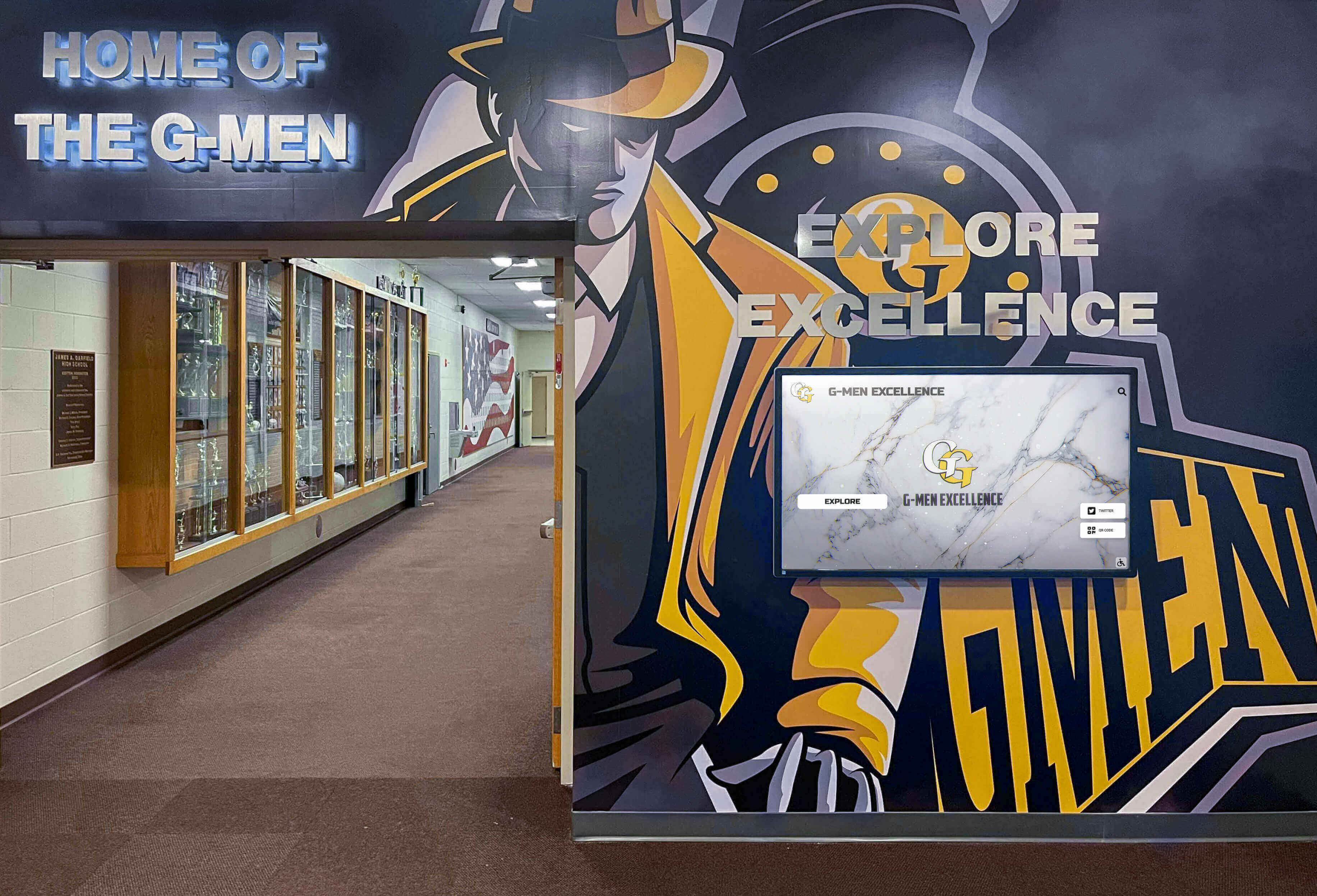
Complete athletic programs require both functional equipment management systems and inspiring displays connecting current athletes to program tradition
Digital Solutions Complementing Physical Equipment Storage
While physical storage addresses equipment housing needs, digital systems improve program management and communication about resources and achievements.
Equipment Inventory and Management Systems
Technology streamlining equipment tracking:
Digital Inventory Databases
Comprehensive equipment documentation:
- Complete equipment inventories with photos and descriptions
- Purchase dates and cost tracking documenting investments
- Warranty and maintenance information for major equipment
- Storage location documentation preventing loss
- Condition assessments and replacement planning
- Mobile access enabling field-based inventory updates
Check-Out and Accountability Systems
Tracking equipment usage:
- Digital check-out systems when coaches or staff borrow equipment
- Return date tracking and overdue notifications
- Usage logs documenting equipment deployment
- Damage reporting linked to specific users
- Shared equipment coordination between programs
Schools implementing digital equipment management report 40-50% reductions in administrative time compared to paper-based systems while improving accuracy and accountability.
Facility Management and Program Recognition
Comprehensive digital platforms serving multiple functions:
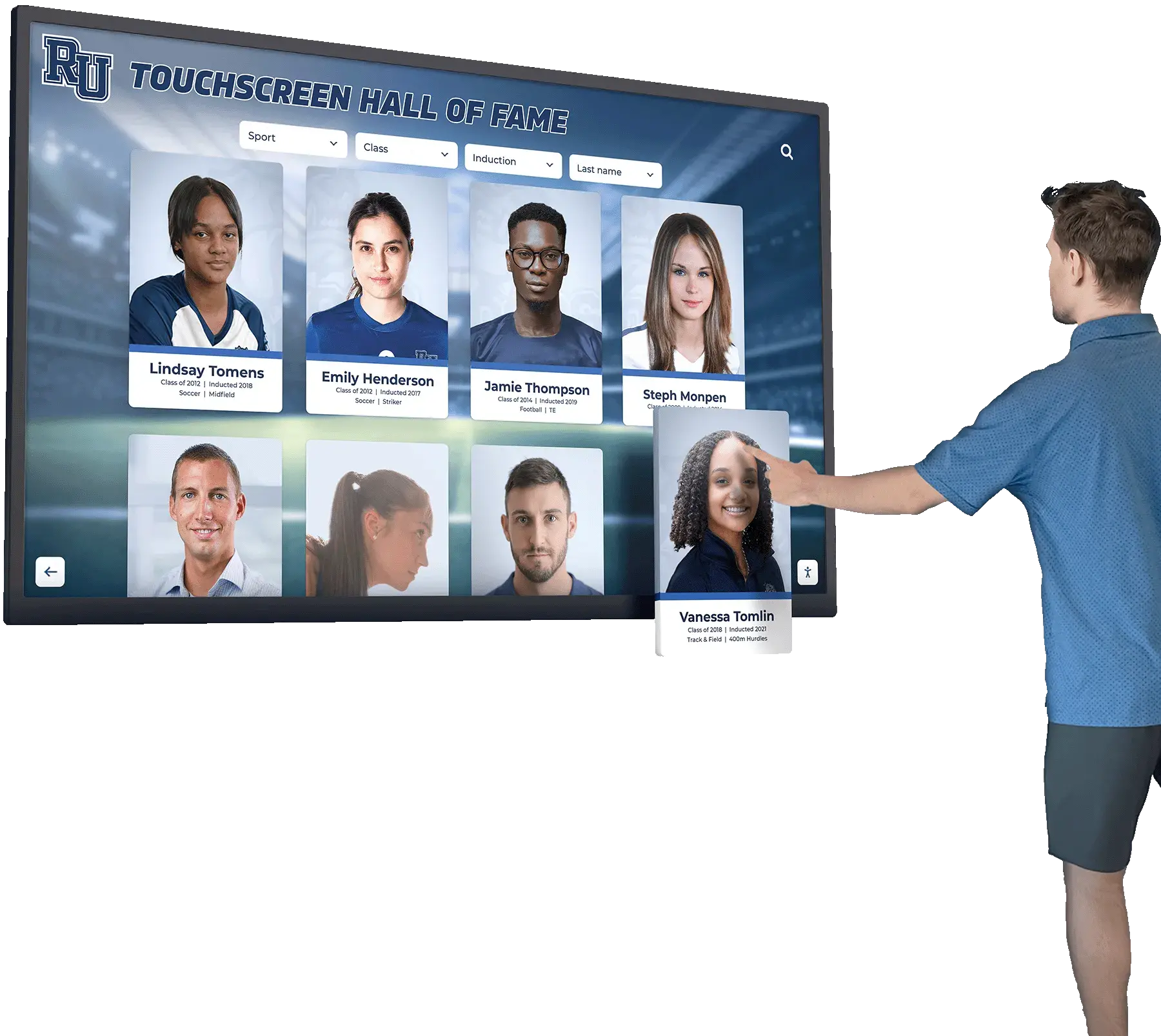
Just as modern equipment storage represents essential behind-the-scenes infrastructure enabling successful athletic programs, digital recognition systems provide the public-facing displays celebrating program achievements and inspiring current athletes. Organizations like Rocket Alumni Solutions help schools develop integrated approaches addressing both operational efficiency and program culture.
Program Achievement Documentation
Digital platforms preserving program history:
- Championship recognition and team accomplishments
- Individual athlete achievements and records
- Historical program documentation creating tradition
- Coach profiles and program development timelines
- Searchable archives making history accessible
Community Engagement Systems
Connecting stakeholders to programs:
- Alumni network building and engagement
- Facility tour integration showcasing program excellence
- Recruiting tools demonstrating program quality
- Parent and community communication about program achievements
These systems complement equipment management by addressing the visibility and culture-building aspects of comprehensive athletic programs while practical storage addresses operational foundations.
The most successful athletic facilities recognize that excellence requires both functional infrastructure—including proper equipment storage—and inspiring environments celebrating achievement. Digital solutions like those from Rocket Alumni Solutions help schools develop the recognition and community-building components while proper equipment storage ensures programs operate efficiently protecting substantial investments.
Special Considerations for Specific Sports
Different sports create unique outdoor equipment storage requirements deserving specialized approaches:
Football Equipment Storage
Football’s substantial equipment inventory requires careful planning:
Large Equipment Challenges
- Blocking sleds and tackling dummies (8-15 feet long, 200-800 pounds each)
- Practice equipment including pads, chutes, and training devices
- Goal posts and yard markers
- Sideline equipment and communication systems
- Typical storage space needs: 400-800 square feet for comprehensive program
Storage Solutions for Football
- Dedicated storage buildings or large sections of fieldhouse storage
- Heavy-duty wheeled carts for moving blocking sleds
- Wall-mounted systems for smaller training equipment
- Seasonal rotation between practice and game equipment
Soccer and Lacrosse Equipment
Goal storage presents primary challenges:
Goal Storage Requirements
- Full-size soccer goals (8x24 feet, 200-400 pounds each)
- Practice goals and training equipment
- Net storage preventing tangling and damage
- Field lining equipment and training accessories
Effective Storage Approaches
- Goal storage racks or wall-mounted hangers
- Covered outdoor storage adequate in many climates
- Net bags and specialized holders preventing tangling
- Mobile goal carts enabling setup by small teams
Track and Field Equipment
Diverse equipment types requiring organized systems:
Equipment Variety Challenges
- Hurdles (30-50 individual hurdles typical for programs)
- High jump and pole vault equipment
- Throwing implements (shot puts, discuses, javelins)
- Starting blocks, batons, and timing equipment
- Field event equipment (standards, crossbars, pits)
Organization Strategies
- Hurdle carts stacking multiple hurdles compactly
- Throwing implement racks preventing rolling damage
- Compartmentalized storage separating event equipment
- Indoor storage essential for expensive timing systems
Baseball and Softball Storage
Equipment for multiple field positions and practices:
Storage Needs
- Batting cages and pitching machines (expensive equipment requiring protection)
- Field maintenance equipment (drags, rakes, infield maintenance)
- Bases, pitching rubbers, and field equipment
- Practice balls, batting practice equipment, protective screens
- Typical storage needs: 200-400 square feet per program
Effective Solutions
- Combination of indoor storage for expensive machines and outdoor storage for field equipment
- Ball carts and bag systems for practice balls
- Mobile equipment enabling efficient practice setup
- Batting cage storage systems (folding or wheeled movement)
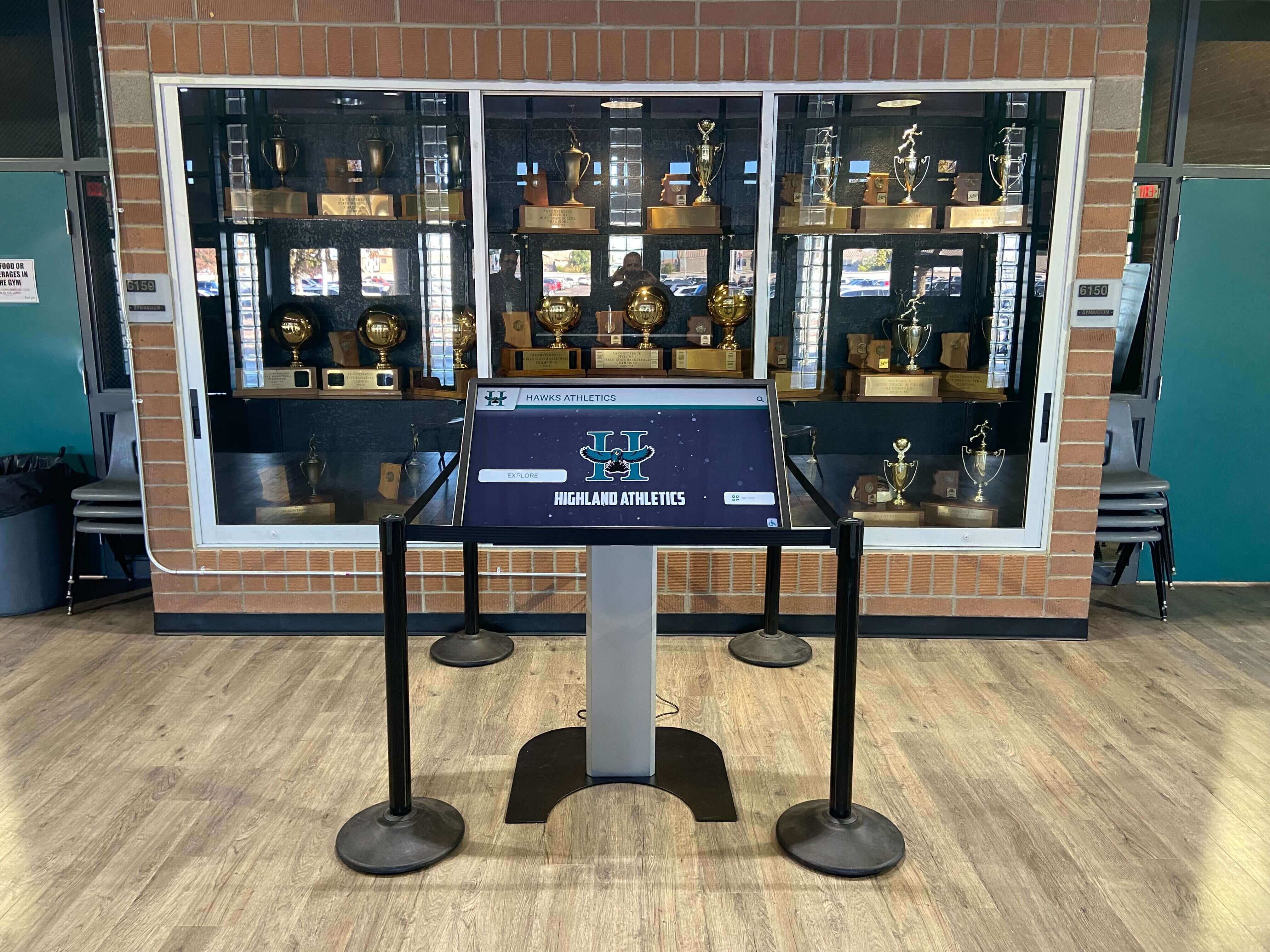
Modern athletic facilities integrate traditional equipment and trophy storage with digital systems creating comprehensive program showcases
Implementation Planning for Storage Projects
Systematic planning ensures storage solutions effectively address program needs within budget constraints:
Assessment and Planning Phase
Understanding current situation and requirements:
Current State Assessment
Evaluating existing conditions:
- Inventory of all outdoor equipment requiring storage
- Current storage locations and conditions assessment
- Equipment condition evaluation identifying weather damage
- Security incident history (theft, vandalism)
- Coach and staff input about accessibility challenges
- Space measurement and site evaluation
- Budget availability and funding source identification
Requirements Definition
Specifying storage needs:
- Total storage capacity required (square footage)
- Equipment types requiring specialized storage
- Accessibility requirements for daily operations
- Security level appropriate for equipment value and location
- Weather protection needs based on equipment and climate
- Future growth accommodation for program expansion
Design and Specifications Development
Creating detailed project plans:
Storage Solution Selection
Choosing appropriate approaches:
- Comparing storage structure options against requirements
- Evaluating cost versus features and longevity
- Security system specification
- Organizational system planning (shelving, racks, carts)
- Site preparation requirements (foundation, utilities)
Budget Development
Comprehensive cost planning:
- Structure or building costs
- Site preparation and foundation work
- Organizational systems and equipment
- Security systems and lighting
- Installation and professional services
- Contingency for unexpected costs (typically 10-15%)
Implementation and Installation
Executing storage project:
Site Preparation
Preparing for structure installation:
- Site grading and drainage ensuring water management
- Foundation or pad construction (concrete, gravel)
- Utility installation if required (electrical, lighting)
- Access pathway development for equipment movement
Structure Installation
Building or placing storage:
- Professional installation for complex structures
- DIY installation for simpler solutions when appropriate
- Security system installation and testing
- Organizational system installation (shelving, racks)
- Lighting installation for visibility and security
Equipment Organization and Migration
Moving into new storage:
- Equipment cleaning and condition assessment
- Implementing organizational systems and labeling
- Coach training on storage systems and inventory procedures
- Development of check-out and maintenance procedures
Schools successfully implementing storage projects typically complete planning and installation within 3-6 months for moderate projects, with larger construction requiring 6-12 months.
Maintenance and Long-Term Management
Sustaining storage effectiveness requires ongoing attention:
Regular Inspection and Maintenance
Preventing deterioration through systematic care:
Storage Structure Maintenance
Building upkeep preventing problems:
- Roof inspection and repair preventing leaks
- Painting and protective coating maintenance
- Door and lock maintenance ensuring functionality
- Ventilation system cleaning and operation verification
- Pest control preventing damage to stored equipment
- Seasonal winterization in cold climates
Organizational System Maintenance
Preserving storage efficiency:
- Shelving and rack inspection for damage or instability
- Label and signage replacement as needed
- Cart and mobile equipment maintenance (wheels, bearings)
- Lighting replacement and electrical system inspection
- Security system testing and battery replacement
Storage Practice Enforcement
Maintaining organizational standards:
User Training and Accountability
Ensuring proper storage practices:
- Coach and staff training on organizational systems
- Check-out and return procedures enforcement
- Equipment cleaning requirements before storage
- Damage reporting procedures
- Regular audits ensuring compliance with storage procedures
Continuous Improvement
Adapting storage as needs evolve:
- Regular assessment of whether current storage meets needs
- Modifications addressing identified problems
- Expansion or reorganization as equipment inventories change
- User feedback integration improving functionality
Programs maintaining formal storage maintenance procedures report storage system effectiveness lasting 2-3 times longer than facilities without systematic upkeep.
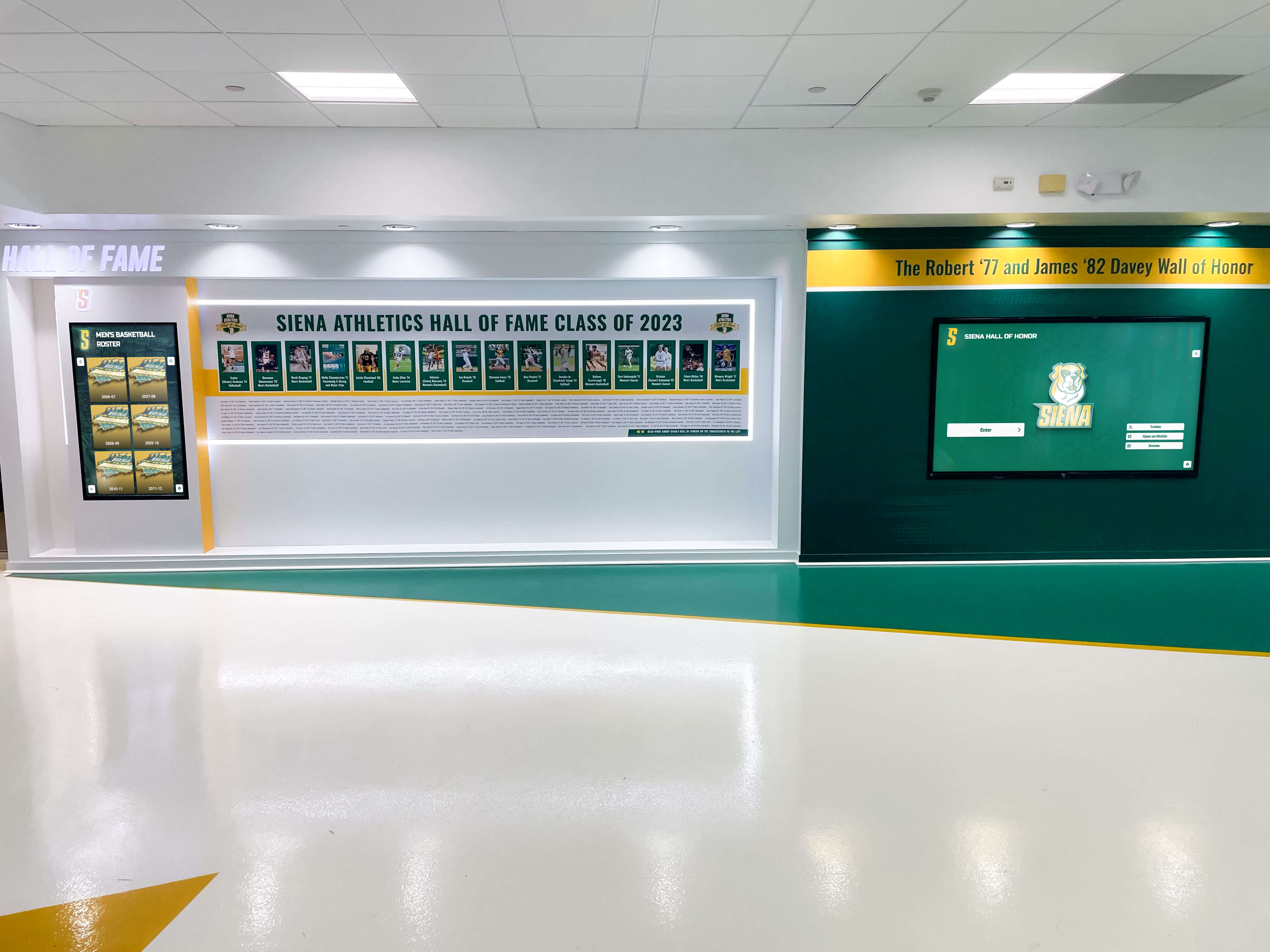
Elite athletic programs combine excellent equipment management with impressive displays documenting championship tradition
Conclusion: Building Sustainable Equipment Storage Systems
Outdoor sports equipment storage represents essential infrastructure enabling athletic programs to protect substantial investments, operate efficiently, and maintain equipment quality supporting athlete performance. When schools approach storage systematically—assessing needs thoroughly, selecting appropriate solutions matching requirements and budgets, implementing comprehensive security and organization, and maintaining systems consistently—equipment storage transforms from persistent headache into program asset enhancing operational effectiveness.
The storage approaches explored in this guide provide frameworks applicable across diverse circumstances, from resource-constrained programs implementing basic improvements to comprehensive facilities investing in optimal long-term solutions. Whether selecting storage buildings, repurposing existing spaces, implementing organizational systems, or upgrading security, these strategies help schools develop equipment storage addressing their unique situations while establishing sustainable practices protecting equipment for years.
Beyond immediate practical benefits—equipment preservation, theft prevention, accessibility improvements—effective storage systems demonstrate program professionalism that attracts athletes, impresses parents, and builds community confidence in athletic program management. Schools investing thoughtfully in equipment storage infrastructure communicate commitment to excellence extending beyond competition into every operational aspect.
Showcase Your Athletic Program Excellence
While proper equipment storage provides essential operational infrastructure, comprehensive athletic programs also need impressive public-facing systems celebrating achievements and building program pride. Discover how interactive digital displays can help you honor unlimited accomplishments, connect current athletes to program tradition, and create lasting recognition without the space constraints of traditional trophy cases.
Request a DemoMost successful athletic facilities recognize that excellence requires attention to both functional infrastructure and program culture. Equipment storage addresses operational foundations ensuring programs run smoothly and investments remain protected. Meanwhile, comprehensive recognition systems celebrate achievements connecting current athletes to tradition while engaging alumni and community. Together, these elements create complete athletic environments where programs thrive operationally while building cultures inspiring continued excellence.
As athletic programs expand, budgets tighten, and equipment becomes more sophisticated and expensive, systematic approaches to equipment storage become increasingly critical. Schools implementing the storage solutions outlined in this guide position their programs for sustained success by protecting investments, improving efficiency, and demonstrating professional management deserving continued community support.
Ready to complement your equipment management infrastructure with impressive athletic recognition systems? Explore how comprehensive digital displays can transform how your school celebrates athletic achievement, or discover solutions for preserving complete program histories through interactive systems engaging athletes, alumni, and community members in your athletic tradition.
Live Example: Rocket Alumni Solutions Touchscreen Display
Interact with a live example (16:9 scaled 1920x1080 display). All content is automatically responsive to all screen sizes and orientations.