



Schools and nonprofits seeking to raise significant funds while honoring their supporters often turn to gala events—formal gatherings that combine fundraising with celebration, recognition with relationship-building, and mission awareness with memorable experiences. When executed successfully, galas generate substantial revenue, strengthen donor relationships, and elevate institutional visibility within communities.
Yet planning a gala that achieves these objectives requires navigating countless decisions: venue selection, program development, sponsorship cultivation, auction management, recognition protocols, and dozens of logistical details that determine whether your event inspires giving or simply exhausts resources. Many organizations struggle with their first galas or watch attendance decline when events become formulaic and fail to evolve.
This comprehensive guide walks through every phase of planning a successful gala for schools and nonprofits—from initial concept through post-event stewardship—providing practical strategies that transform formal fundraisers into engaging experiences that advance your mission.
Gala events represent significant investments of staff time, volunteer energy, and financial resources. Organizations that approach gala planning strategically maximize return on investment by creating events that serve multiple purposes: generating immediate revenue, cultivating major gift prospects, recognizing current supporters, and building community awareness that drives long-term support.

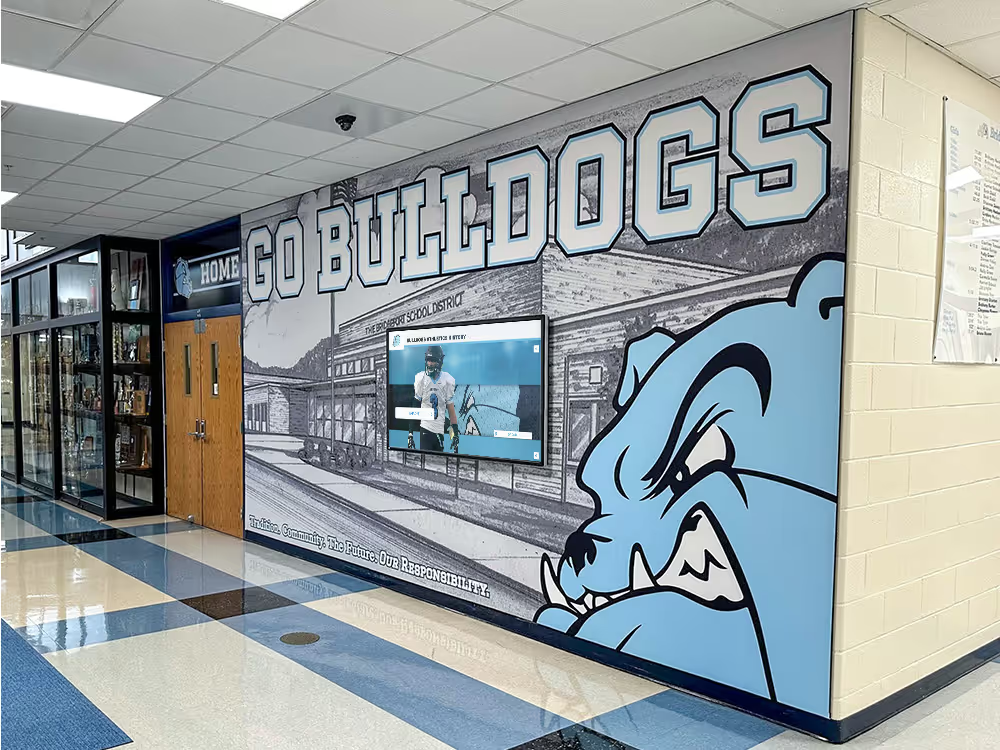
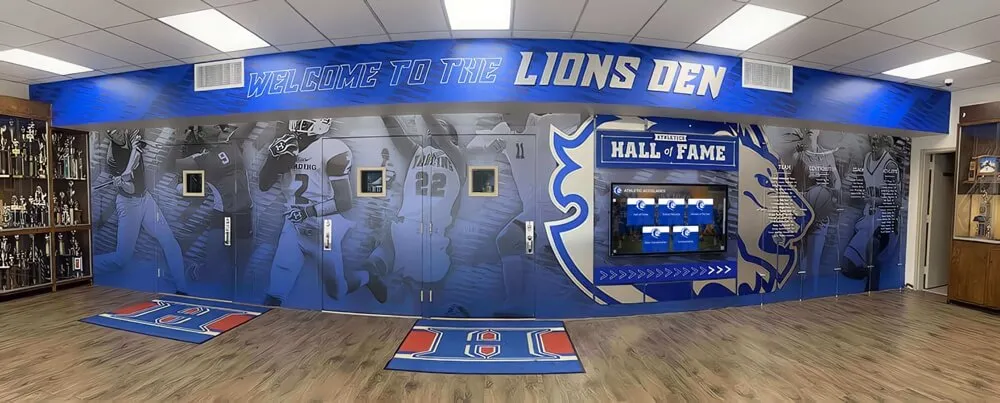
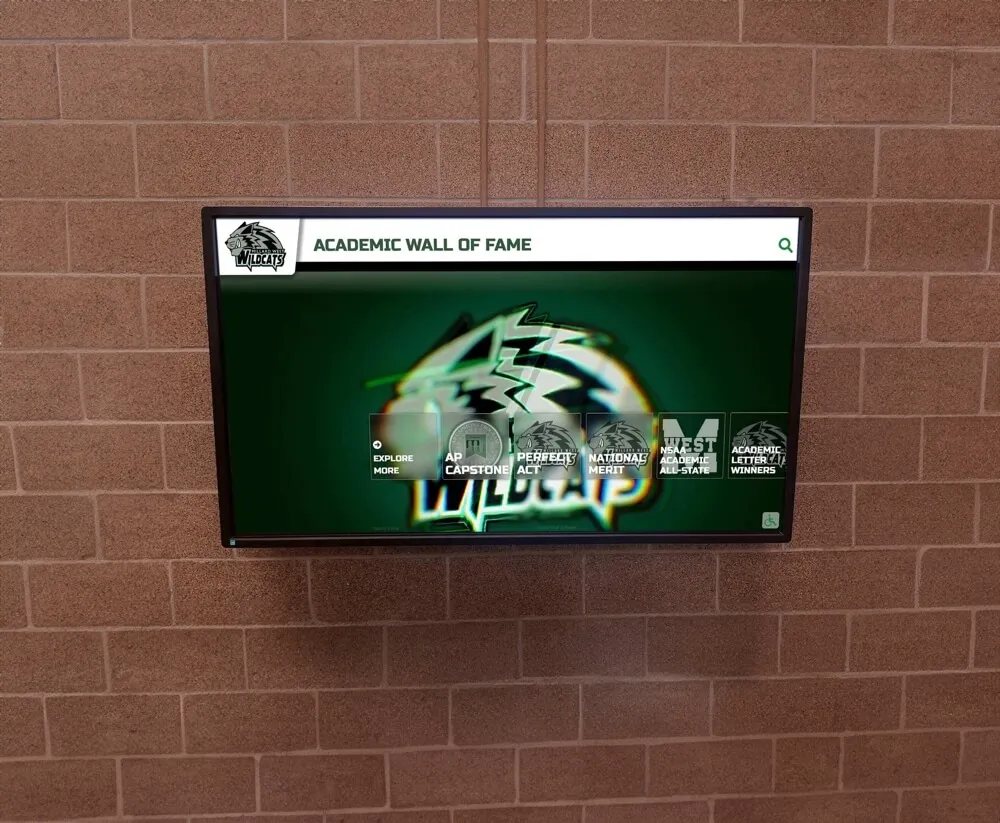
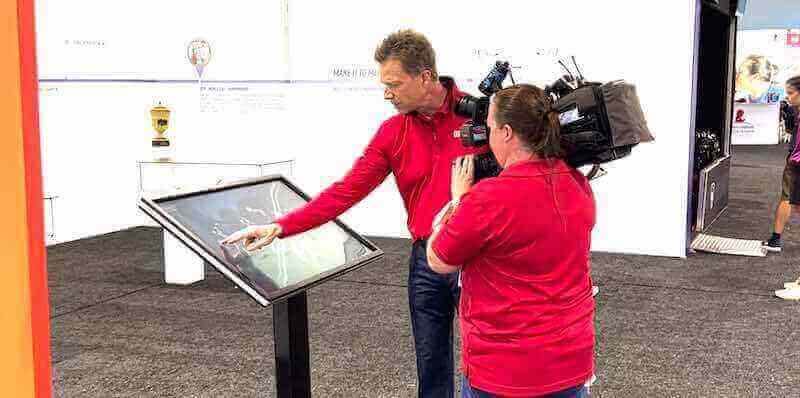
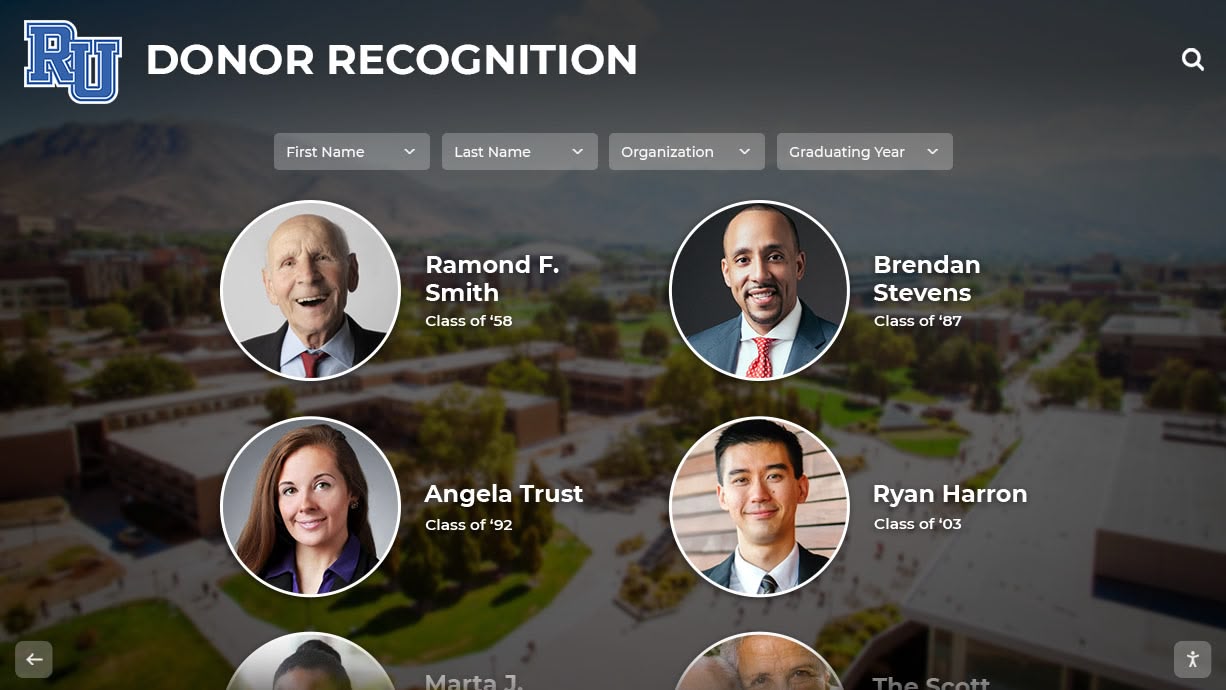
Effective galas prominently recognize donors and supporters, creating visible appreciation that inspires continued giving
Understanding the Purpose and Goals of Your Gala
Before diving into logistics, clarify what success looks like for your organization and how a gala serves broader strategic objectives.
Defining Primary Objectives
Successful galas typically pursue multiple complementary goals:
Fundraising Targets
- Net revenue goals after all event expenses (typically $50,000-$500,000+ depending on organizational scale)
- Major gift commitments solicited before or during the event
- Recurring donor acquisition through ticket sales and participation
- Planned giving conversations initiated with long-term prospects
- Corporate sponsorship relationships established or strengthened
Relationship Building Priorities
- Existing donor stewardship demonstrating appreciation for support
- Prospect cultivation introducing potential major donors to your mission
- Board and volunteer engagement recognizing leadership contributions
- Community visibility raising awareness among new audiences
- Staff and beneficiary recognition celebrating organizational success
Mission Advancement
- Program awareness educating attendees about institutional impact
- Advocacy messaging amplifying policy priorities or community needs
- Testimonial platforms featuring beneficiaries sharing personal stories
- Partnership development connecting with potential collaborators
- Media attention generating press coverage beyond event attendees
Setting Realistic Benchmarks
First-time galas require particularly careful expectation management:
First Gala Expectations
- Break-even or modest profit typically acceptable for inaugural events
- Learning experience building organizational capacity for future events
- Network expansion more valuable than immediate revenue for new organizations
- Relationship foundation establishing gala tradition over time
Established Event Benchmarks Industry standards suggest successful galas generate 50-70% net revenue after expenses, meaning a $200,000 gross revenue event might net $100,000-$140,000. Organizations achieving higher percentages typically have:
- Strong corporate sponsorship reducing expense burden
- Substantial in-kind donations for venue, catering, or auction items
- Volunteer committees managing significant planning tasks
- Established ticket sales base requiring minimal marketing investment
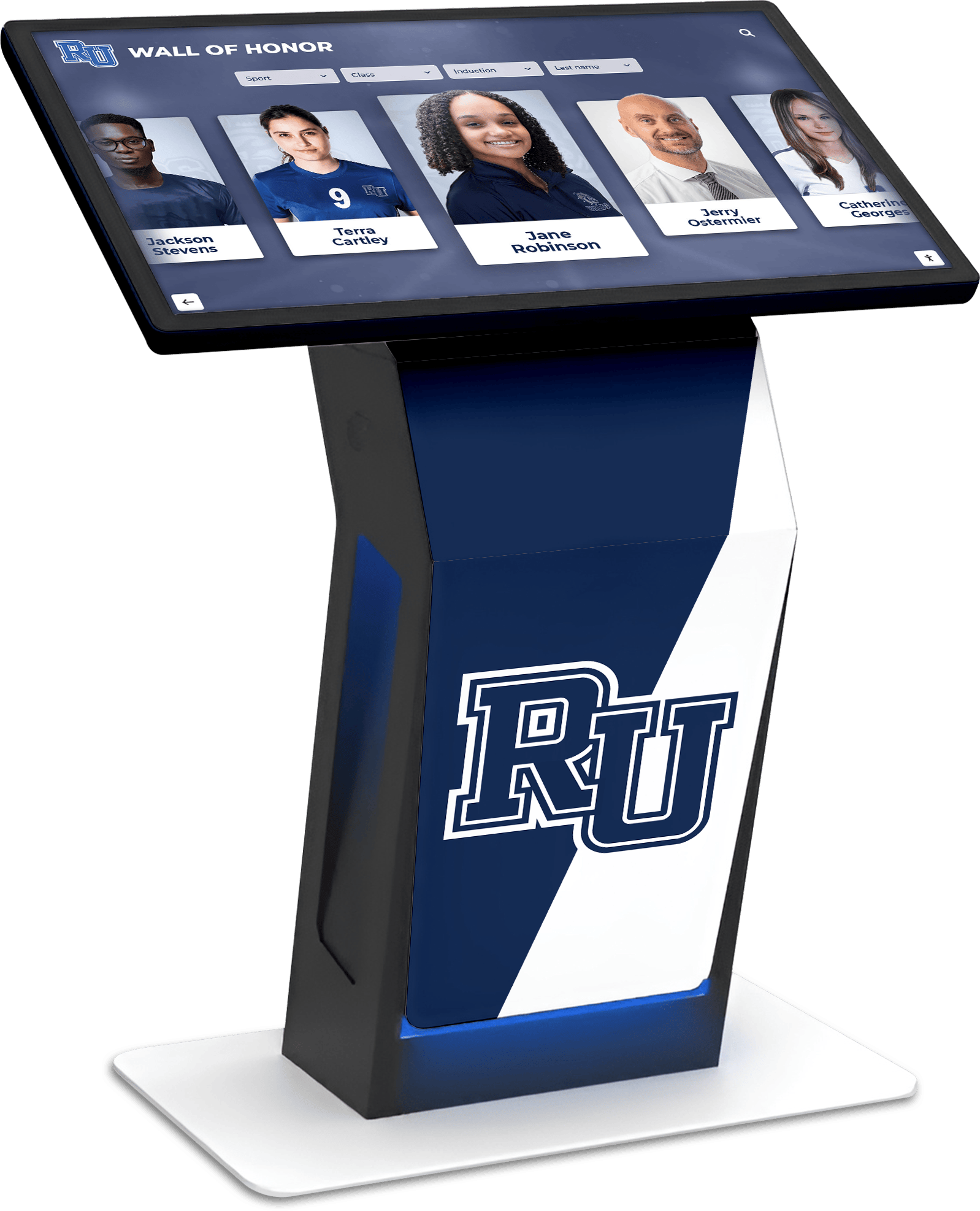
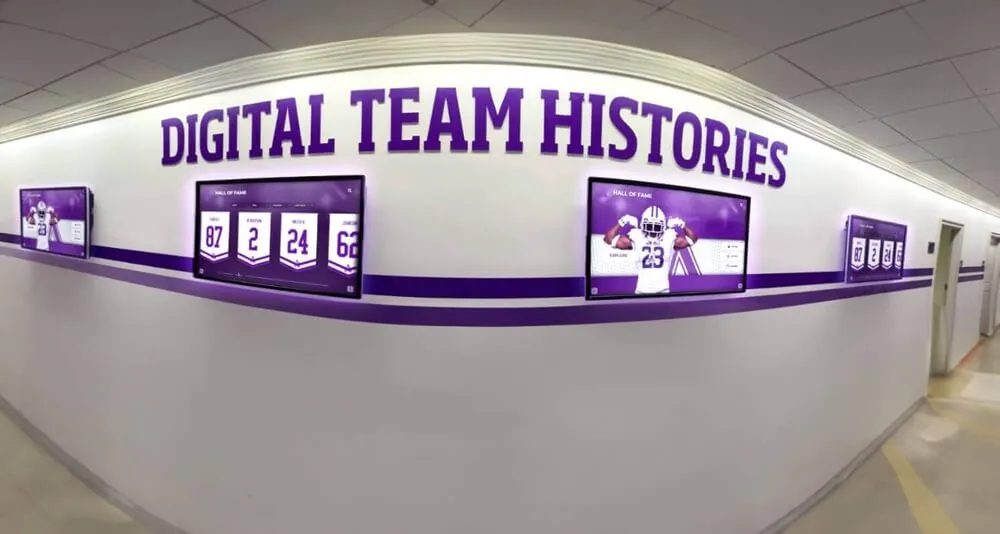
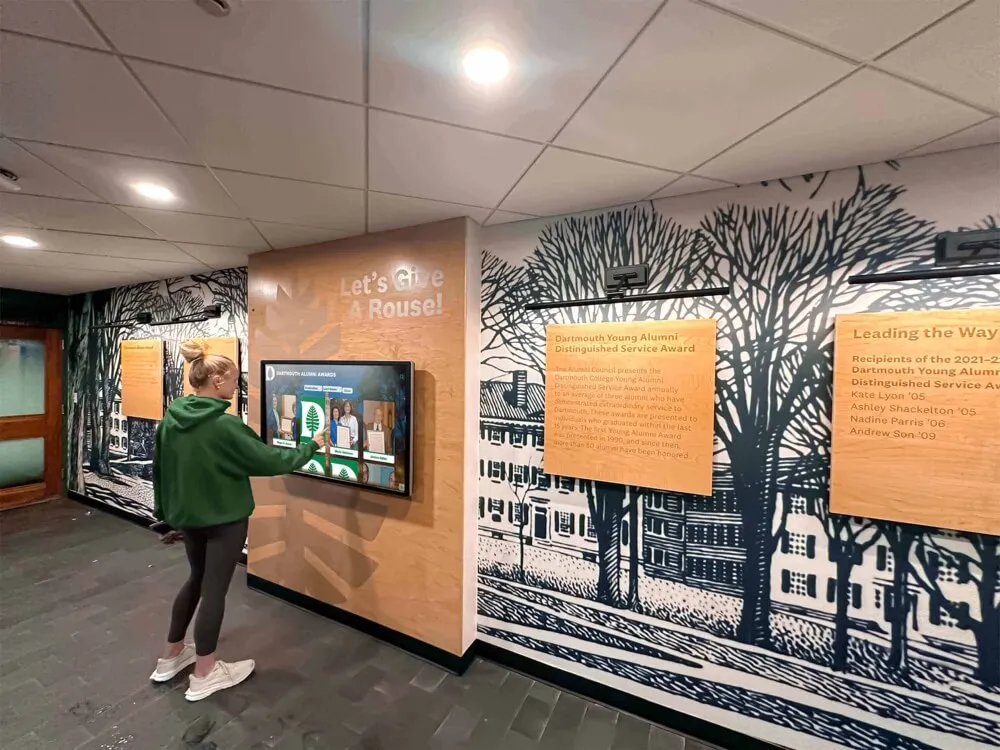
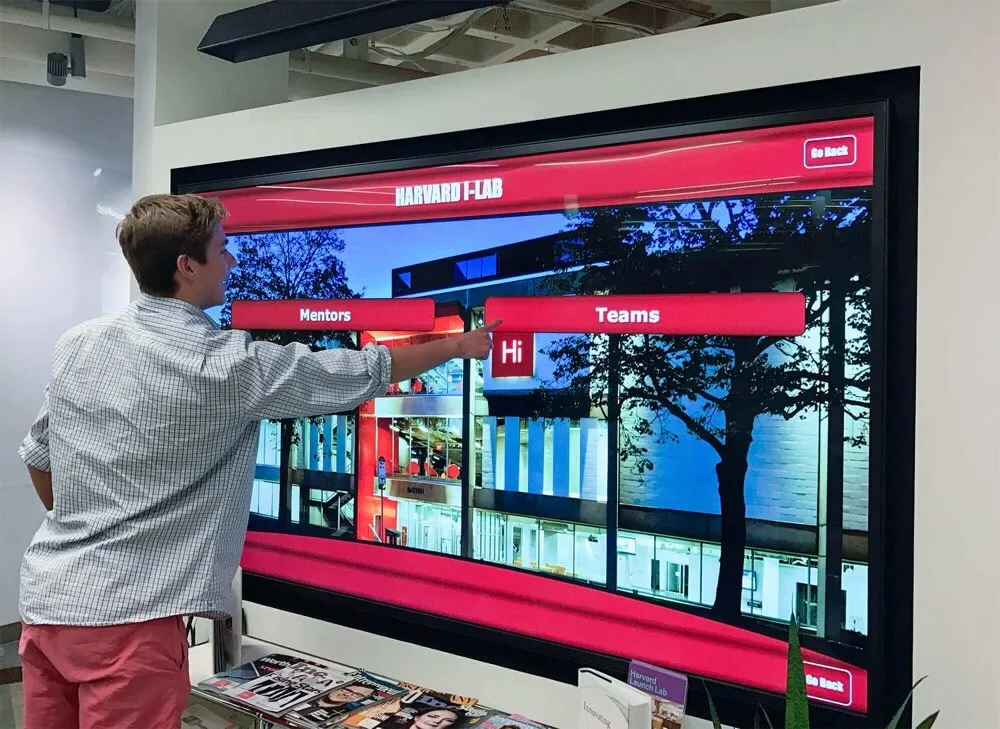
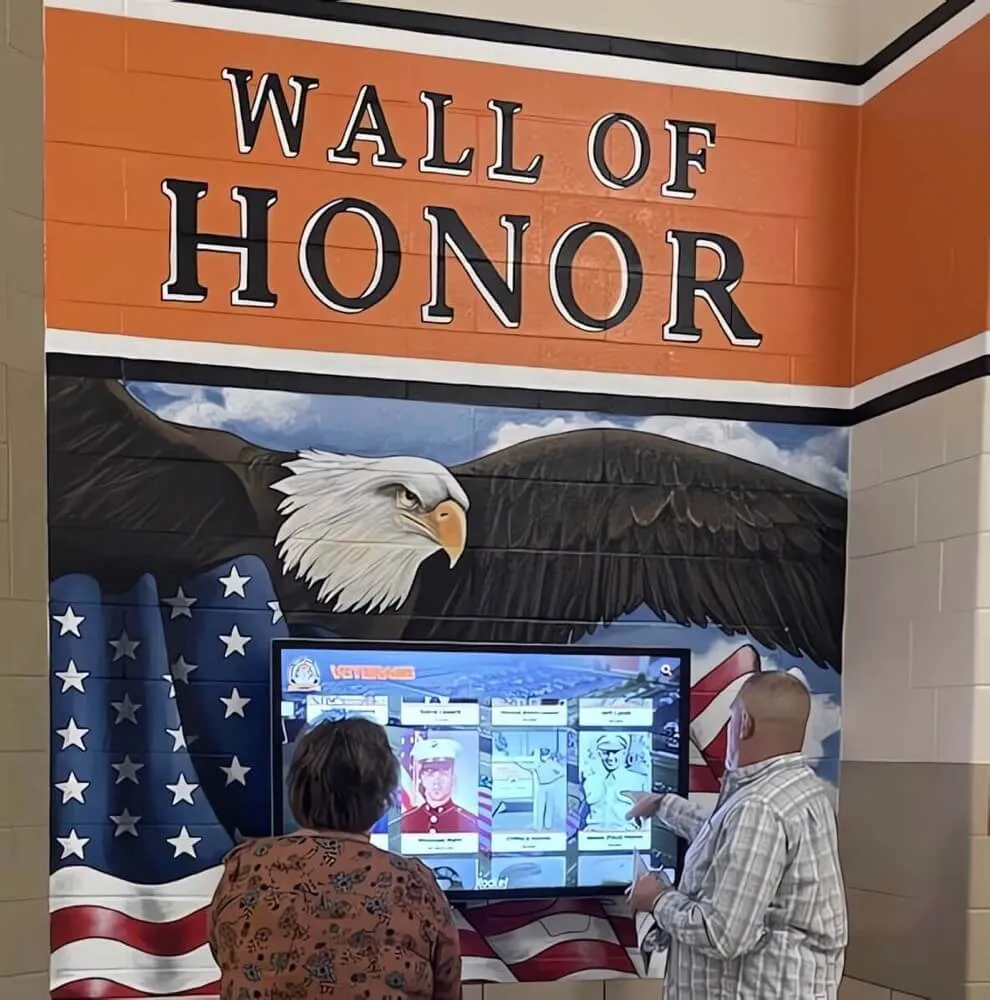
Digital recognition displays at gala venues help attendees explore donor appreciation in interactive, engaging ways
Audience Identification and Segmentation
Clarify who you’re inviting and what motivates their attendance:
Primary Audience Categories
- Current major donors: Seeking meaningful stewardship and recognition
- Major gift prospects: Evaluating whether to increase support
- Corporate sponsors: Expecting professional event reflecting well on their brands
- Board members and volunteers: Celebrating shared accomplishments
- Community leaders: Interested in institutional visibility and networking
- Alumni or beneficiaries: Connected emotionally to mission impact
Different audiences require different value propositions. Corporate attendees prioritize networking and professional experiences, while longtime supporters care most about mission impact and community. Successful galas balance these varied interests through thoughtful program design.
Building Your Gala Planning Timeline
Adequate planning time separates successful events from rushed disasters. Most successful galas require 6-12 months of preparation.
12-6 Months Before Event
Initial Planning Phase
Month 12-11: Foundation and Leadership
- Form planning committee including board members, volunteers, and key staff
- Establish budget with realistic revenue projections and expense estimates
- Select event date avoiding conflicts with other major community events
- Define theme or program concept providing coherent event structure
- Identify potential honorees whose recognition might drive attendance
Month 10-9: Venue and Major Contracts
- Research and visit potential venues assessing capacity, amenities, and costs
- Negotiate venue contract including contingency clauses for cancellation or weather
- Select caterer (if not included with venue) with menu tastings
- Book entertainment or speakers aligned with theme and audience
- Reserve audio-visual equipment and technical support services
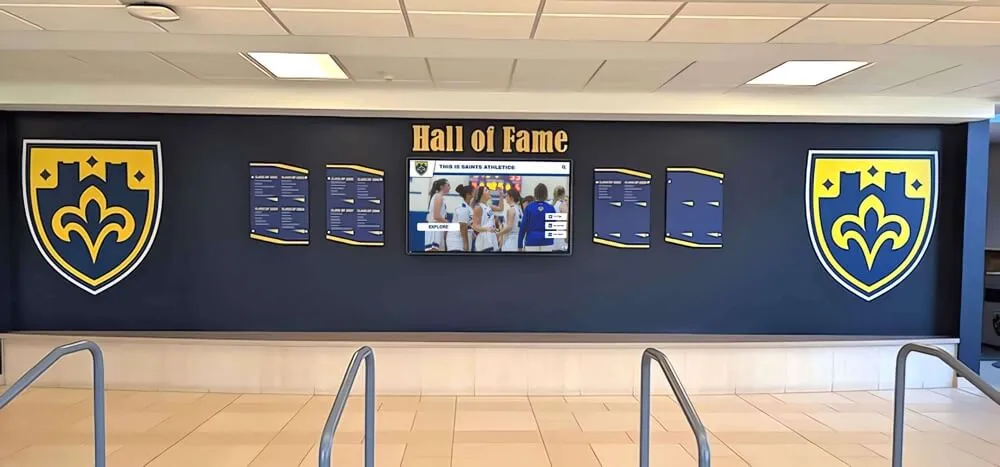
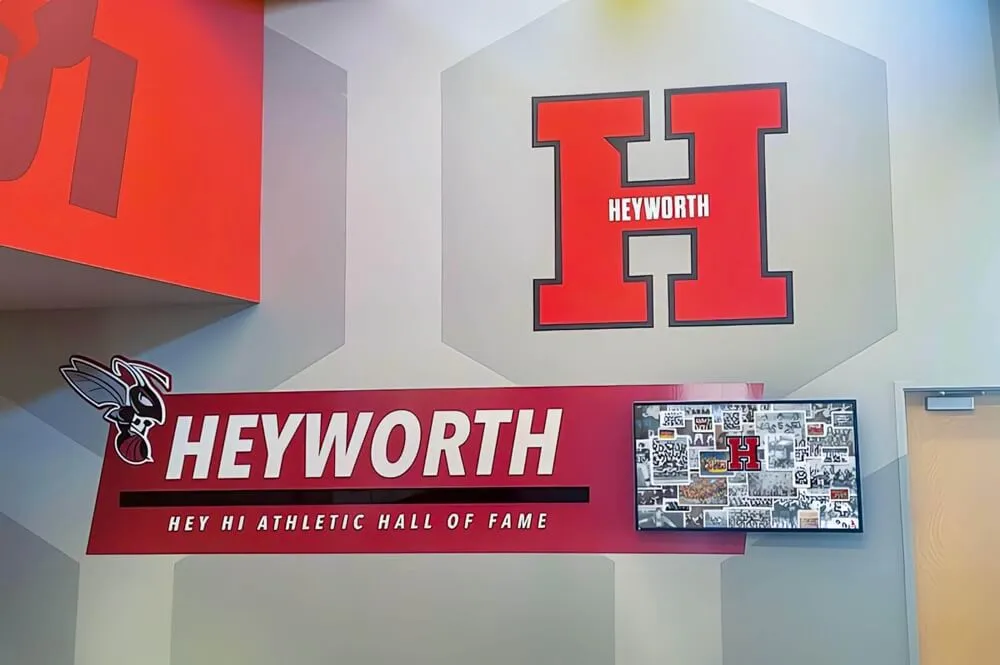
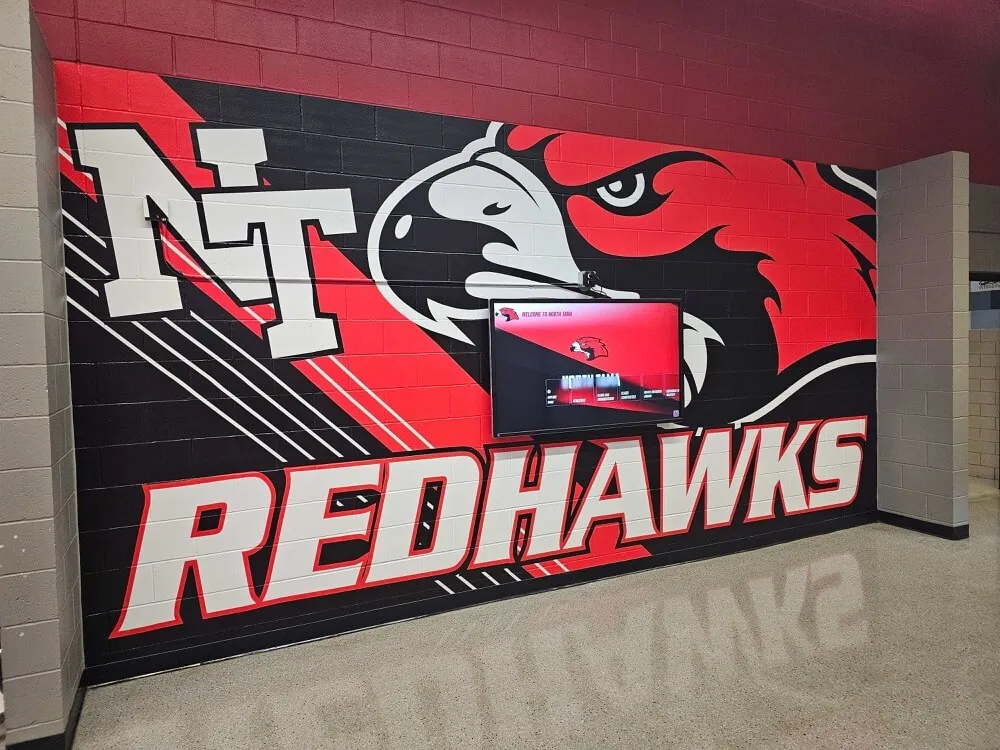
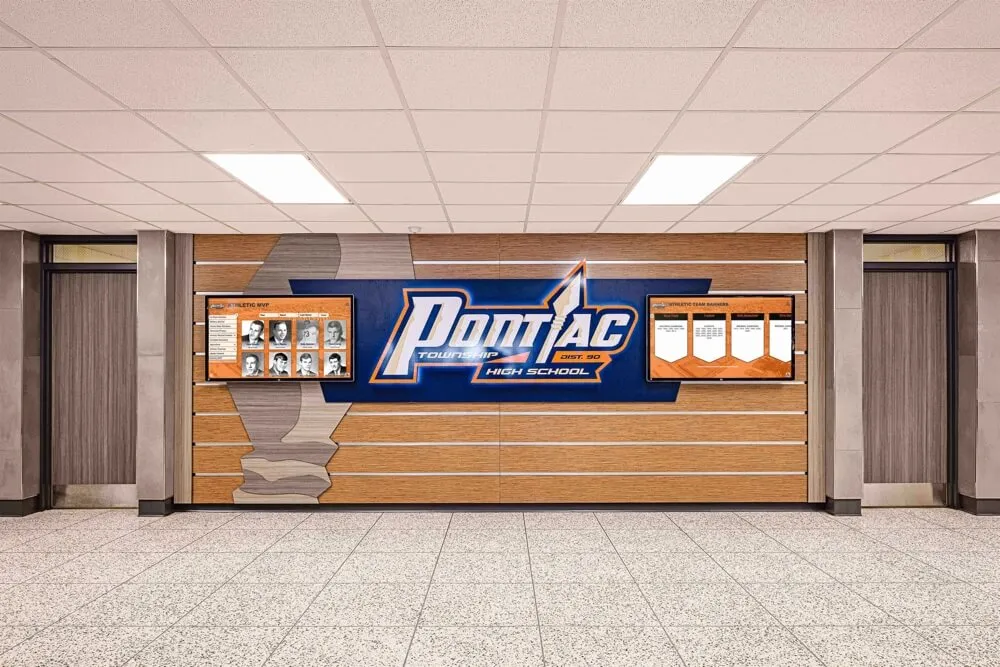
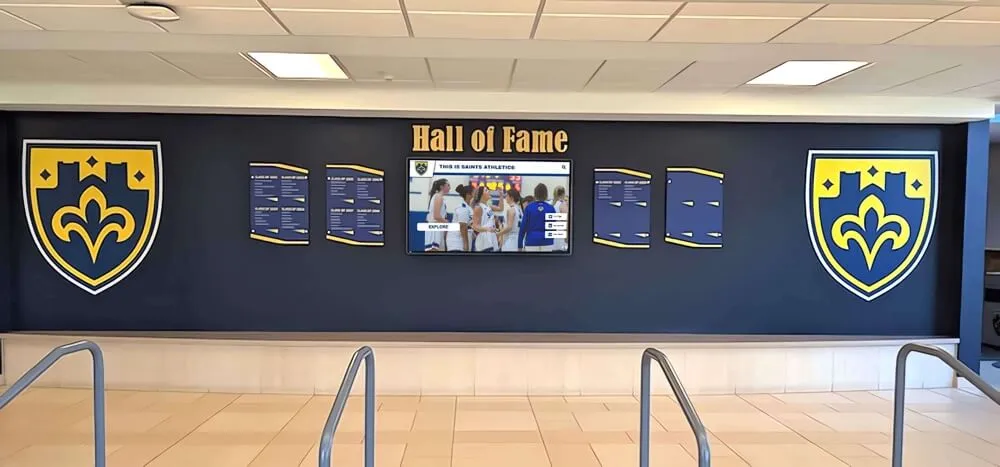
Hybrid recognition approaches combining physical elements with digital displays create sophisticated gala backdrops
Month 8-7: Sponsorship and Committee Building
- Develop sponsorship packages with clear benefits at multiple investment levels
- Recruit committee members for specific areas (auction, decorations, sponsorship solicitation)
- Begin corporate sponsorship outreach targeting businesses with organizational connections
- Create “save the date” communications for established supporters
- Establish online ticket sales and registration system
Month 6: Marketing Materials and Public Launch
- Design invitations, programs, and promotional materials
- Launch ticket sales with early bird pricing incentives
- Begin social media campaign building awareness
- Secure auction items through donation solicitation
- Confirm honorees and recognition program details
6-3 Months Before Event
Intensive Promotion and Logistics Phase
Month 6-5: Ticket Sales and Sponsorship Push
- Mail formal invitations to full prospect list
- Implement sponsorship follow-up securing commitments
- Begin weekly planning committee meetings addressing logistics
- Solicit auction items from businesses, donors, and community partners
- Plan recognition displays and donor acknowledgment elements
Many schools integrate donor recognition wall ideas into their gala venues, creating permanent displays that complement event-specific recognition.
Month 4: Program Development and Vendor Confirmation
- Finalize program schedule including speeches, entertainment, and auction timing
- Confirm all vendor contracts and delivery schedules
- Recruit and train volunteers for event day roles
- Create seating charts strategically placing major donors and prospects
- Develop scripts for emcees, speakers, and recognition segments
Month 3: Final Details and Contingency Planning
- Provide final guest count to caterer
- Order printing materials (programs, signage, table numbers)
- Arrange for photography and videography documentation
- Create backup plans for weather or vendor problems
- Finalize auction catalog with item descriptions and values
Final 2 Months: Execution and Fine-Tuning
Month 2-1: Confirmation and Communication
- Send reminder communications to ticket holders
- Follow up with non-responders extending final registration opportunities
- Confirm volunteer assignments and training schedules
- Coordinate with venue regarding setup timeline and requirements
- Prepare donor recognition elements including nonprofit donor recognition displays
Final Week: Last-Minute Details
- Conduct final walkthrough with venue and vendors
- Print final materials including programs, place cards, and signage
- Assemble auction materials and bidding systems
- Brief all speakers and program participants
- Prepare thank-you communications for immediate post-event distribution
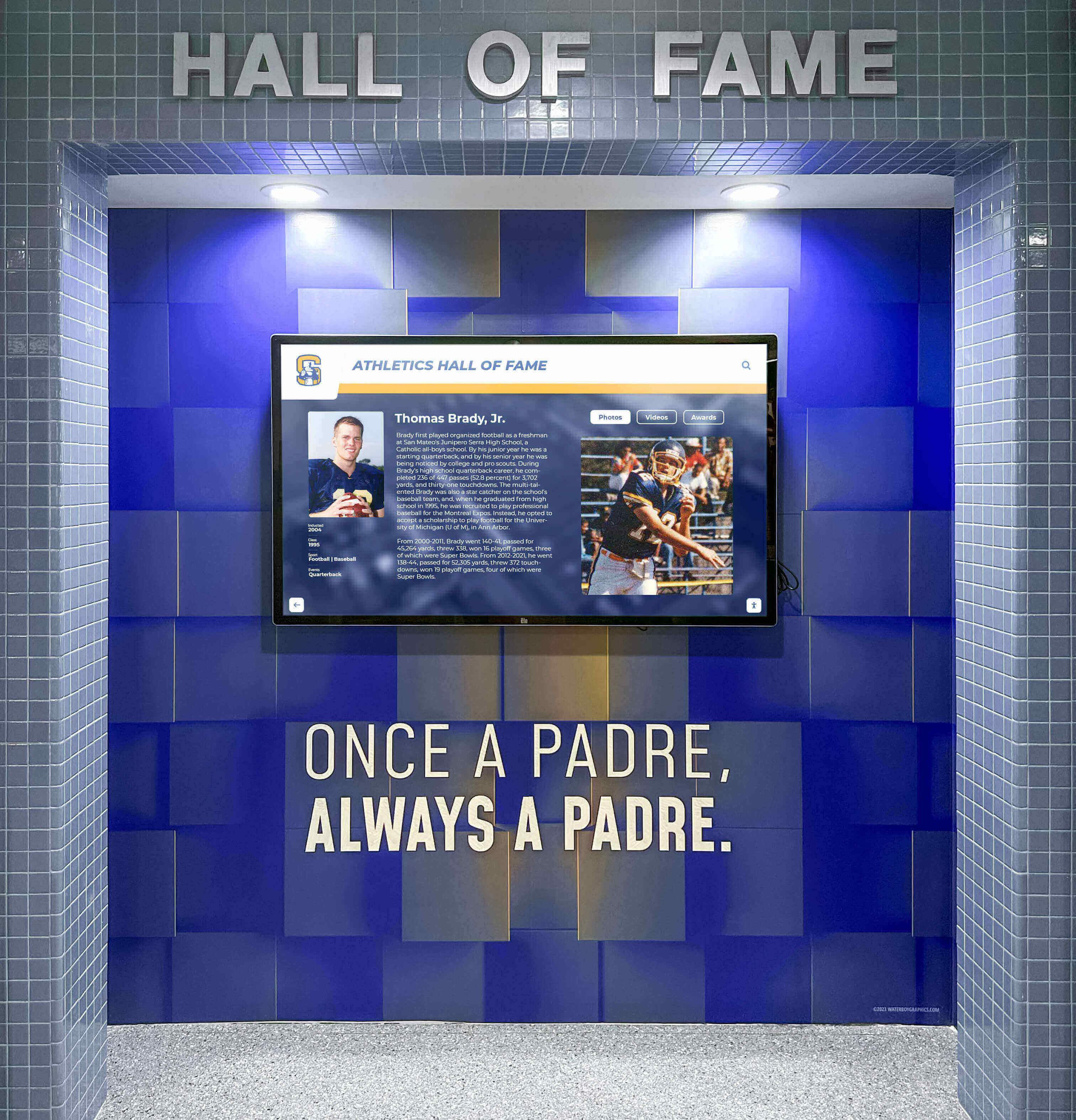
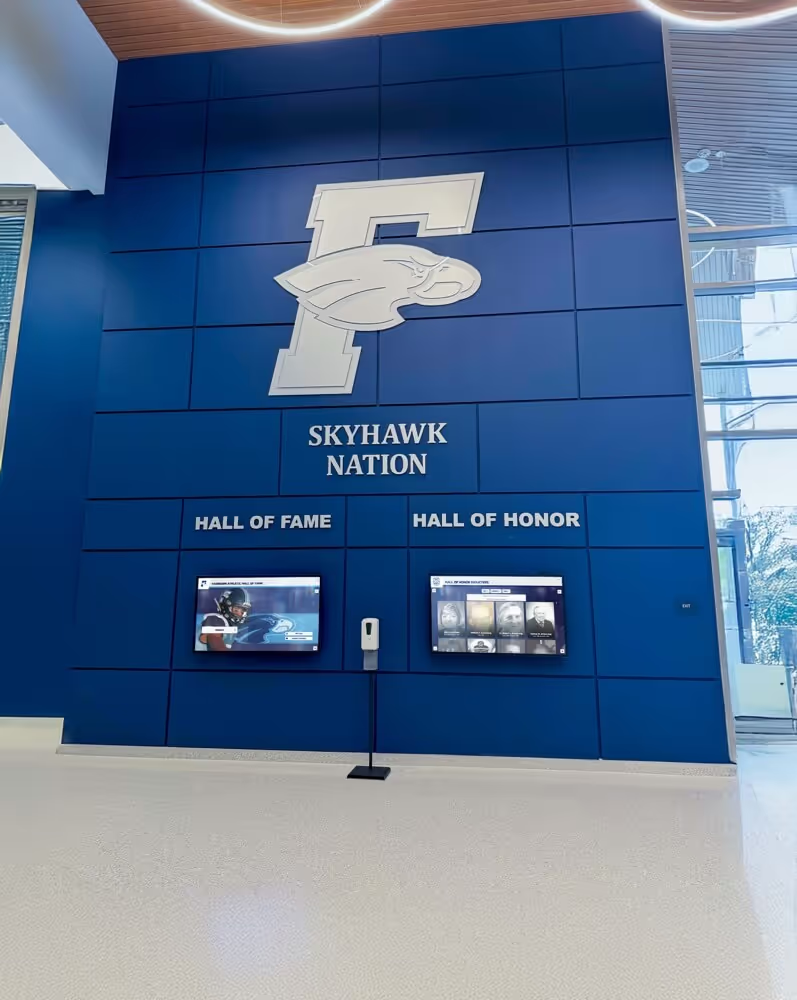
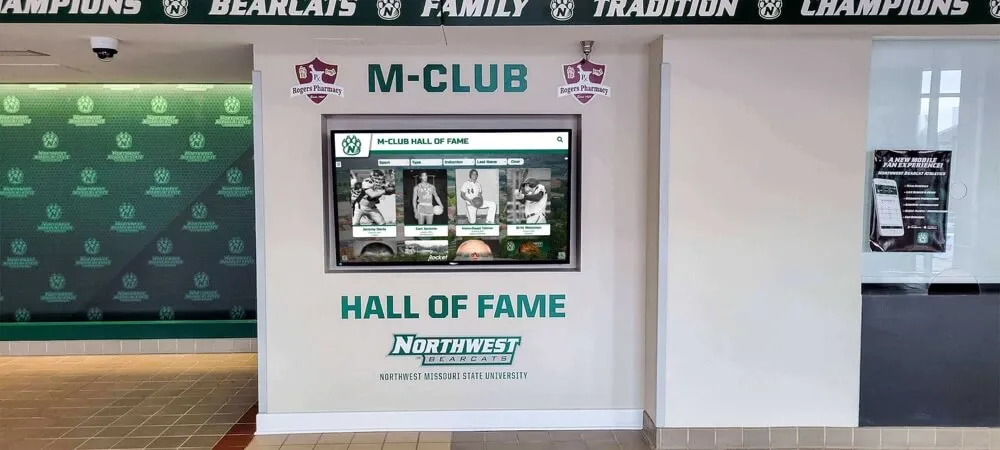
Digital screens at gala venues can display live recognition updates, event schedules, and sponsor acknowledgments throughout the evening
Venue Selection and Event Design
Location dramatically impacts guest experience, attendance, and overall event success.
Venue Evaluation Criteria
Consider multiple factors when selecting gala locations:
Capacity and Layout
- Adequate space for projected attendance with comfortable circulation
- Appropriate room configuration for dining, entertainment, and socializing
- Space for silent auction displays, registration, and sponsor recognition
- Accessibility compliance for guests with disabilities
- Parking availability or valet service options
Atmosphere and Aesthetics
- Ambiance appropriate to organizational brand and event theme
- Architectural features that enhance or require minimal decoration
- Lighting quality and controllability for program elements
- Acoustics suitable for speeches and entertainment
- Photo-worthy spaces creating shareable social media content
Practical Considerations
- Available dates matching your preferred timeline
- Pricing structure including rental fees, catering minimums, and service charges
- Technical capabilities (A/V equipment, internet, power access)
- Vendor flexibility (can you bring outside caterers, decorators, or services?)
- Setup and teardown timing and restrictions
Budget-Conscious Venue Strategies
Leveraging Connections
- Use institutional facilities (school gymnasiums, performing arts centers) reducing rental costs
- Request donated venue space from board members or corporate sponsors
- Partner with other nonprofits to share venue costs for separate events
- Consider off-peak seasons or days (Sunday brunch galas, weekday events) for better pricing
Transforming Simple Spaces Strategic design makes modest venues elegant:
- Dramatic lighting transforms plain rooms into sophisticated spaces
- Fabric draping conceals institutional features
- Focal point decorations draw attention to specific areas
- Table-level decorations create intimacy in large spaces
- Wall wraps and graphics temporarily transform institutional spaces
Theme Development and Event Design
Cohesive themes provide structure and enhance guest experience:
Mission-Connected Themes Align themes with organizational purpose:
- Educational institutions: “Celebrating Excellence,” “Building Futures,” “Honoring Tradition”
- Healthcare nonprofits: “Healing Hearts,” “Champions of Hope,” “Wellness Journey”
- Arts organizations: “Creative Spirits,” “Performance Legacy,” “Artistry in Action”
- Social services: “Community Builders,” “Changing Lives,” “Hope and Home”
Seasonal and Timeless Approaches
- Spring garden parties with floral themes
- Winter galas with elegant, formal aesthetics
- Milestone anniversary celebrations honoring history
- Timeless sophistication avoiding trendy elements that date quickly
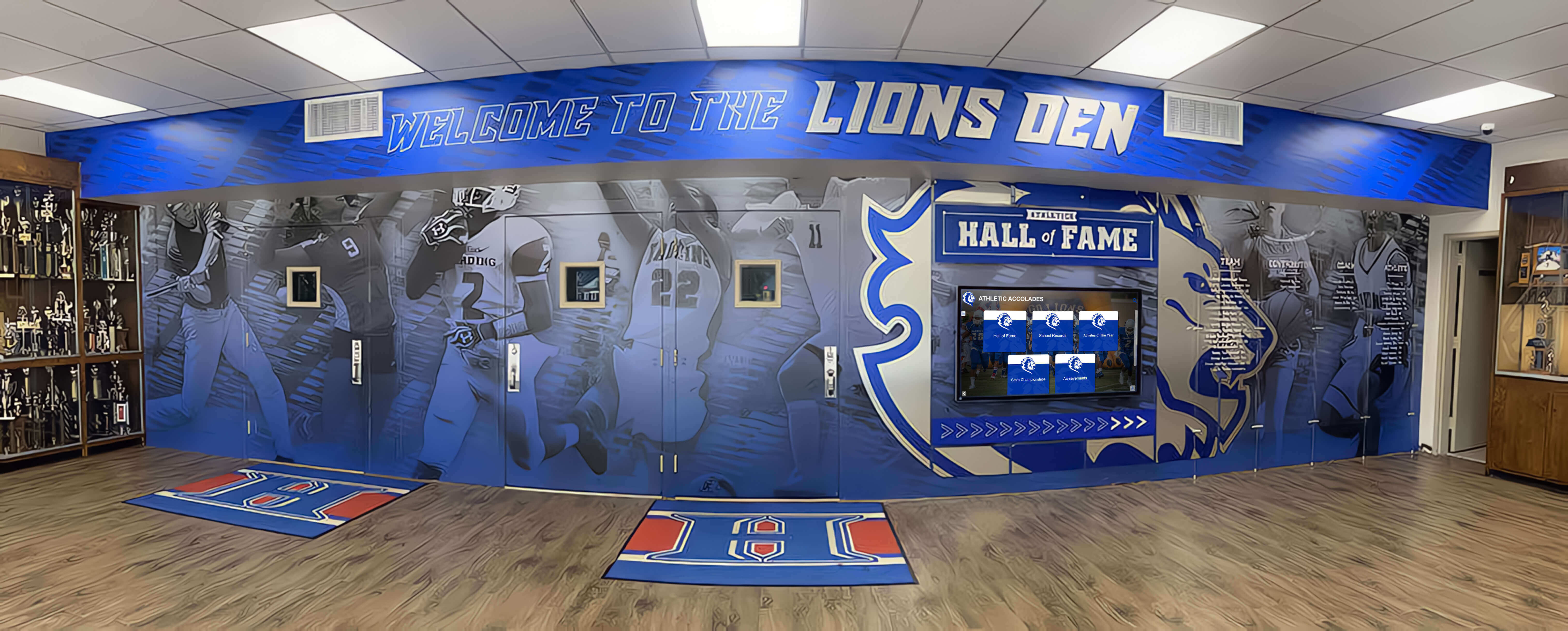
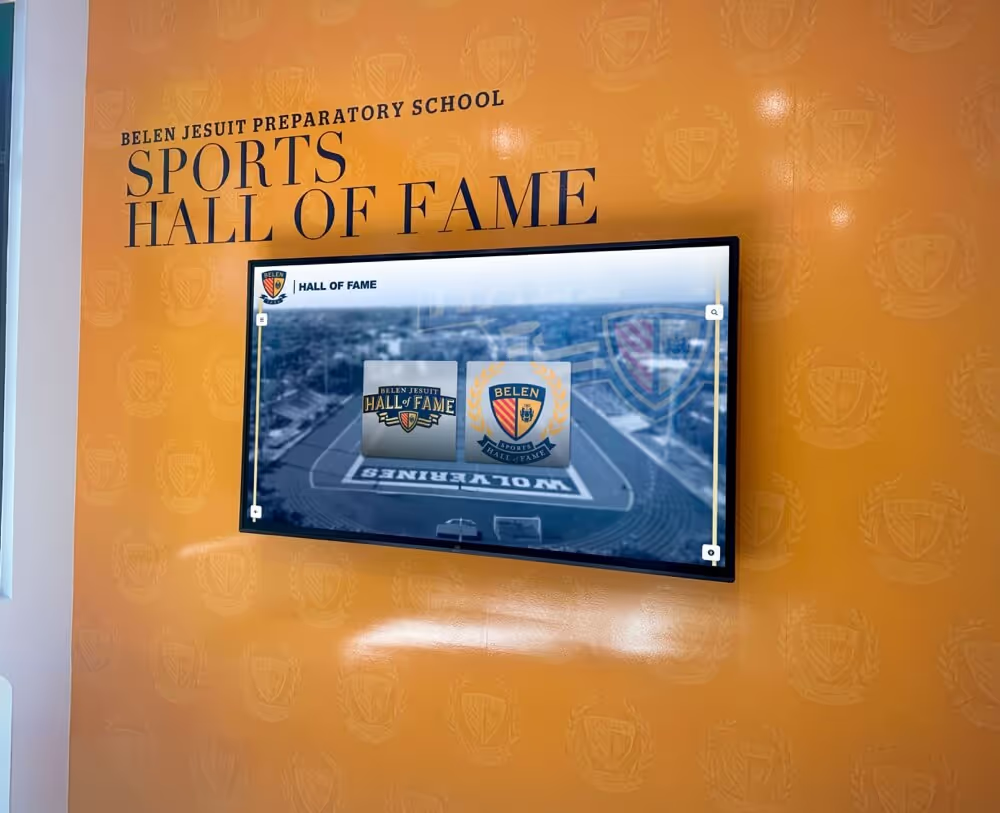
Schools often use athletic facilities for galas, leveraging existing recognition displays and championship heritage
Fundraising Strategies and Revenue Generation
Galas succeed financially through diverse revenue streams beyond ticket sales.
Ticket Pricing and Sales Strategy
Tiered Pricing Structure Create multiple entry points encouraging broad participation:
- Individual tickets ($100-$250 typical range for community organizations)
- Couple or pairs pricing offering modest discount
- Tables (8-10 seats) with pricing incentive compared to individual tickets
- Young professional or young alumni discount rates building next-generation support
- VIP packages including premium seating, receptions, or exclusive experiences
Early Bird Incentives Generate early commitment through discounted advance pricing:
- 15-20% discount for tickets purchased 2-3 months in advance
- Guaranteed preferred seating for early purchasers
- Recognition as “early supporters” in programs or communications
- Building momentum and reducing last-minute uncertainty
Corporate Sponsorship Development
Sponsorship typically provides 30-50% of total gala revenue while requiring minimal incremental expense.
Sponsorship Package Design
Presenting Sponsor ($25,000-$50,000+)
- Exclusive naming rights (“The Smith Corporation Gala”)
- Logo prominence on all materials and signage
- Reserved premium tables at event
- Recognition during program by leadership
- Exclusive sponsor reception access
- Year-long recognition in institutional communications
Platinum Sponsors ($10,000-$25,000)
- Major logo placement on invitations and programs
- Reserved table seating
- Recognition during event program
- Signage at venue entrance or registration
- Social media recognition campaign
Gold/Silver/Bronze Levels ($2,500-$10,000)
- Scaled logo placement and recognition
- Table or group seating at specified levels
- Program book advertising
- Name recognition during event
In-Kind Sponsorships Secure donated goods and services reducing expenses:
- Venue donation
- Catering or beverage service
- Entertainment or audio-visual services
- Printing and design services
- Auction items or experience packages
Auction Strategy and Management
Live and silent auctions generate significant revenue while creating event excitement.
Silent Auction Best Practices
- Curate 50-100 items at various price points
- Display items attractively with clear descriptions
- Use mobile bidding technology enabling remote participation
- Strategic item placement encouraging traffic flow
- Clear closing sequence preventing congestion
- Immediate payment processing and item pickup
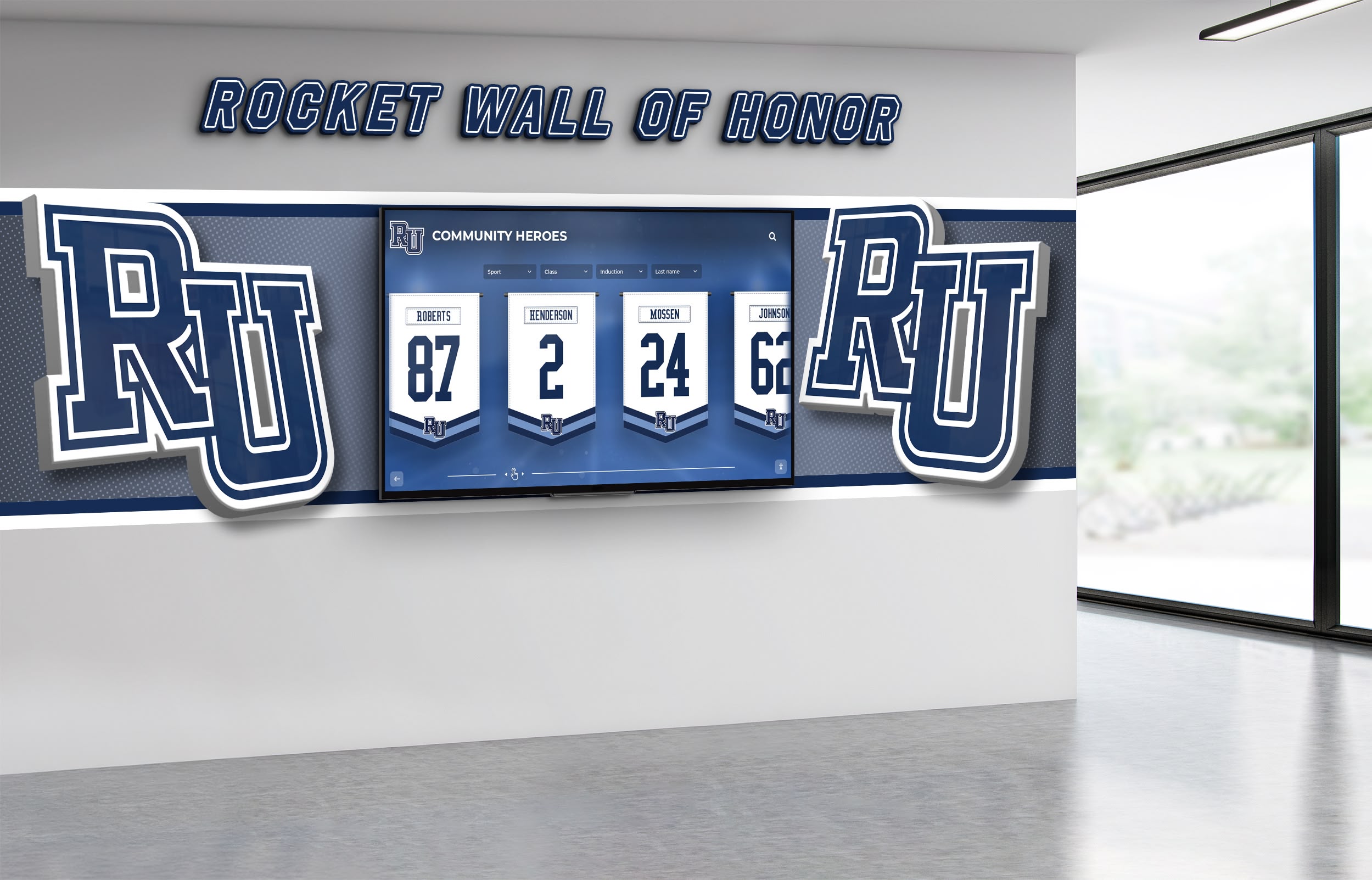
Lobby displays create natural gathering points during cocktail hours when silent auctions are most active
Live Auction Considerations
- Limit to 5-10 high-value items maintaining pace and energy
- Feature unique experiences unavailable for purchase
- Professional auctioneer maximizing competitive bidding
- Strategic placement after dinner when guests are relaxed
- Paddle system with clear bidder identification
Auction Item Sourcing
- Solicit donations from board members and supporters
- Request experiences from local businesses (restaurants, hotels, entertainment venues)
- Create unique institutional access (lunch with leadership, naming opportunities, behind-the-scenes tours)
- Bundle smaller items into attractive themed packages
- Feature travel packages and exclusive experiences
Fund-a-Need or Paddle Raise
Direct appeals generate substantial revenue from guests already invested in your mission:
Structure for Success
- Clear description of specific program or need being funded
- Tiered giving levels ($5,000, $2,500, $1,000, $500, $250)
- Compelling beneficiary testimonial creating emotional connection
- Recognition of contributors by level during appeal
- Simple pledge card or electronic pledge system
- Immediate visual display showing progress toward goal
Storytelling for Impact Personal narratives inspire giving more effectively than abstract needs:
- Feature student, patient, client, or program beneficiary sharing story
- Use compelling video showcasing program impact
- Quantify what different giving levels accomplish specifically
- Create urgency explaining why funding is needed now
- Thank donors immediately and personally
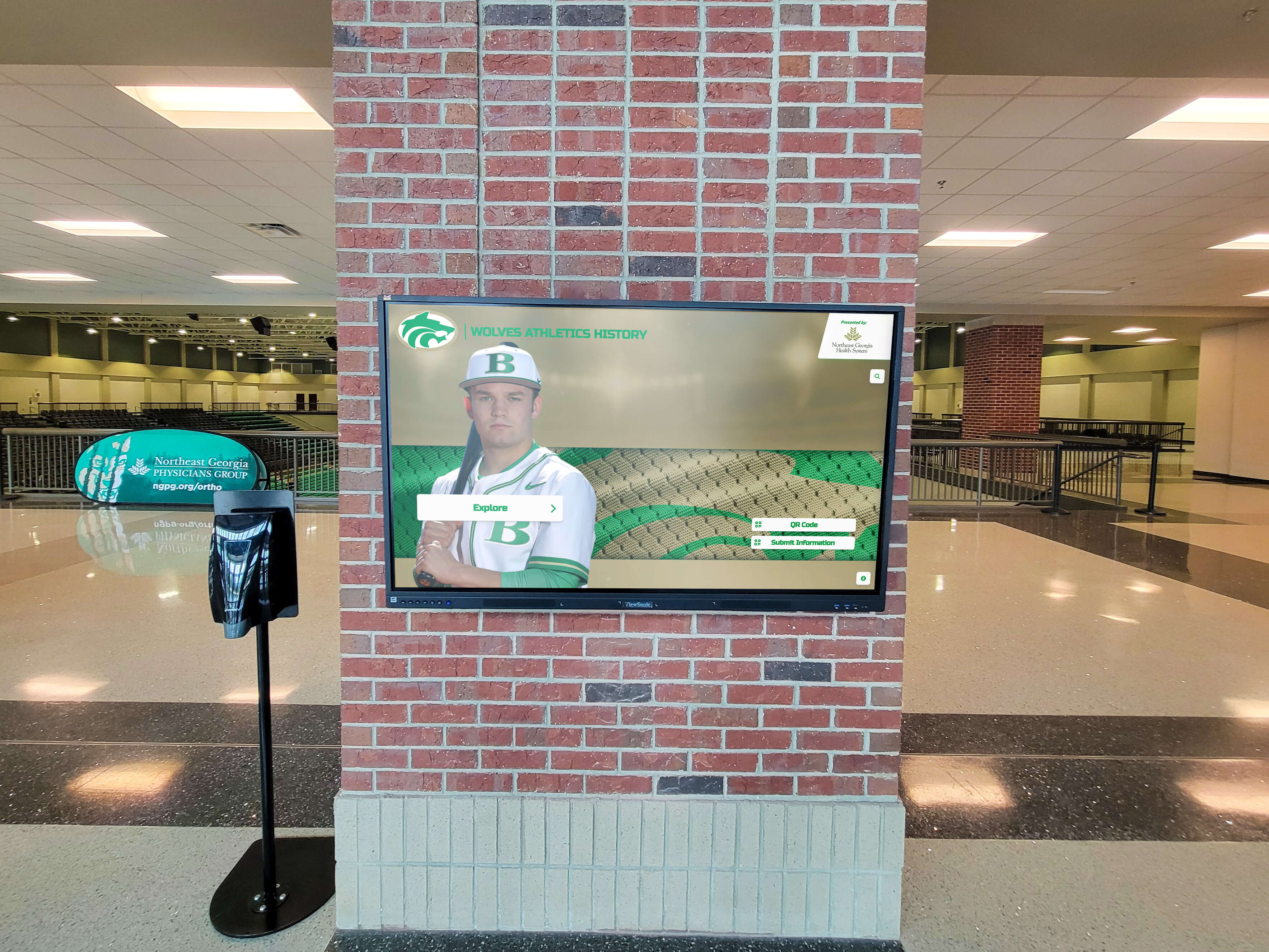
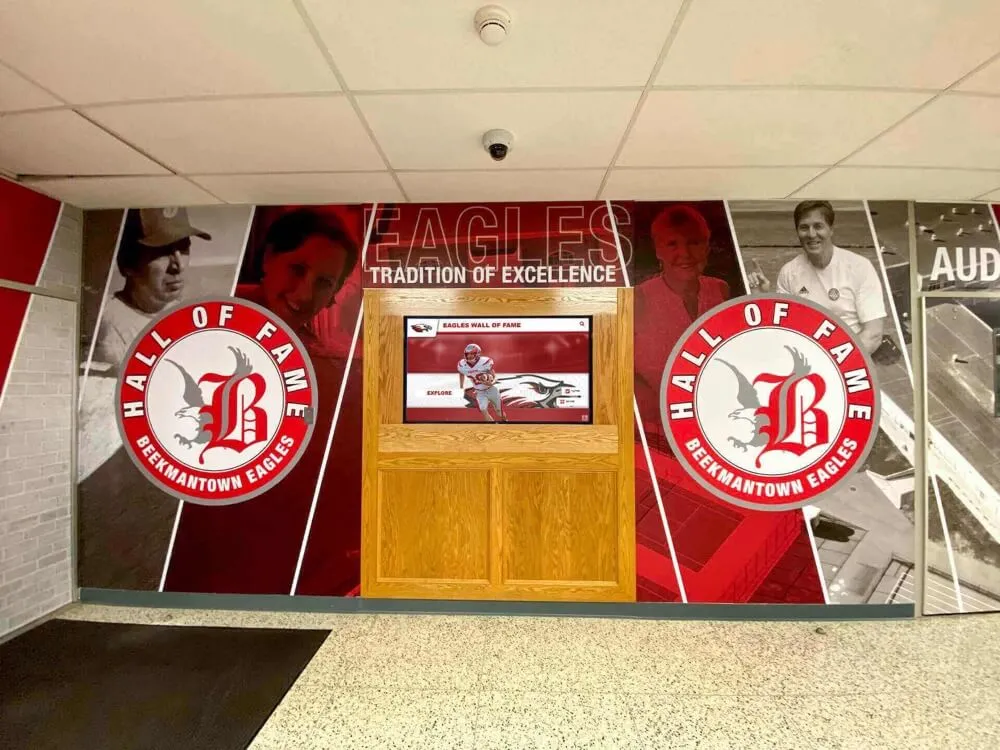
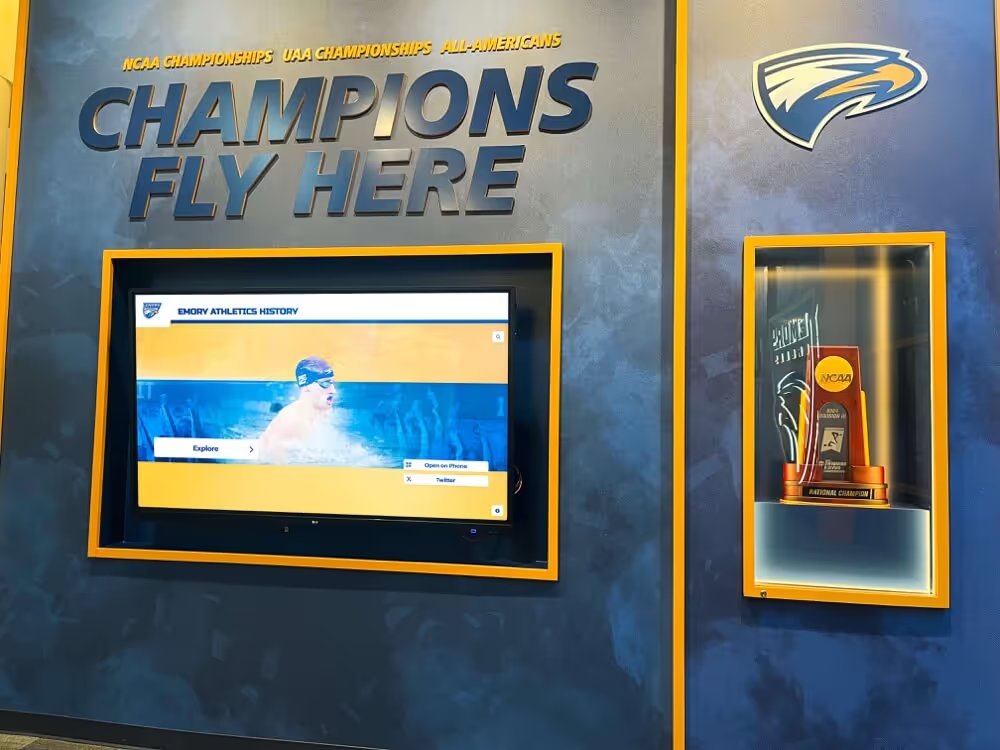
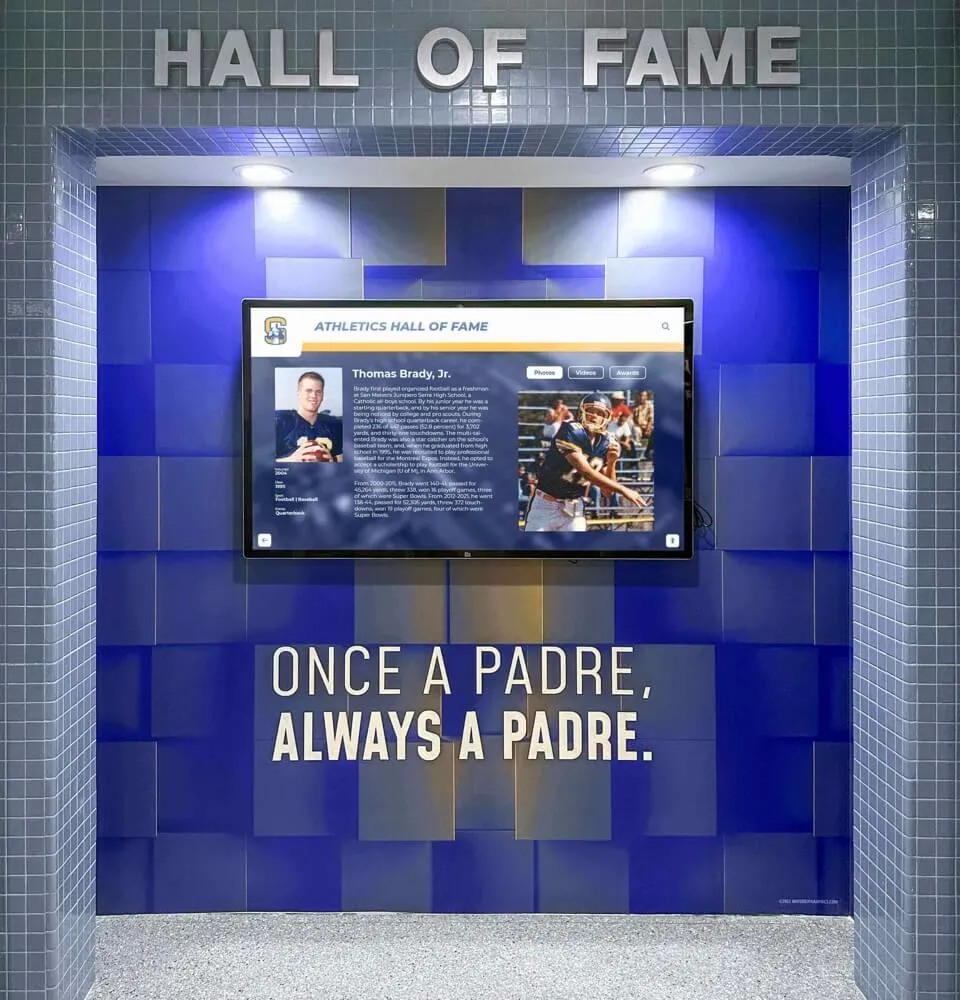
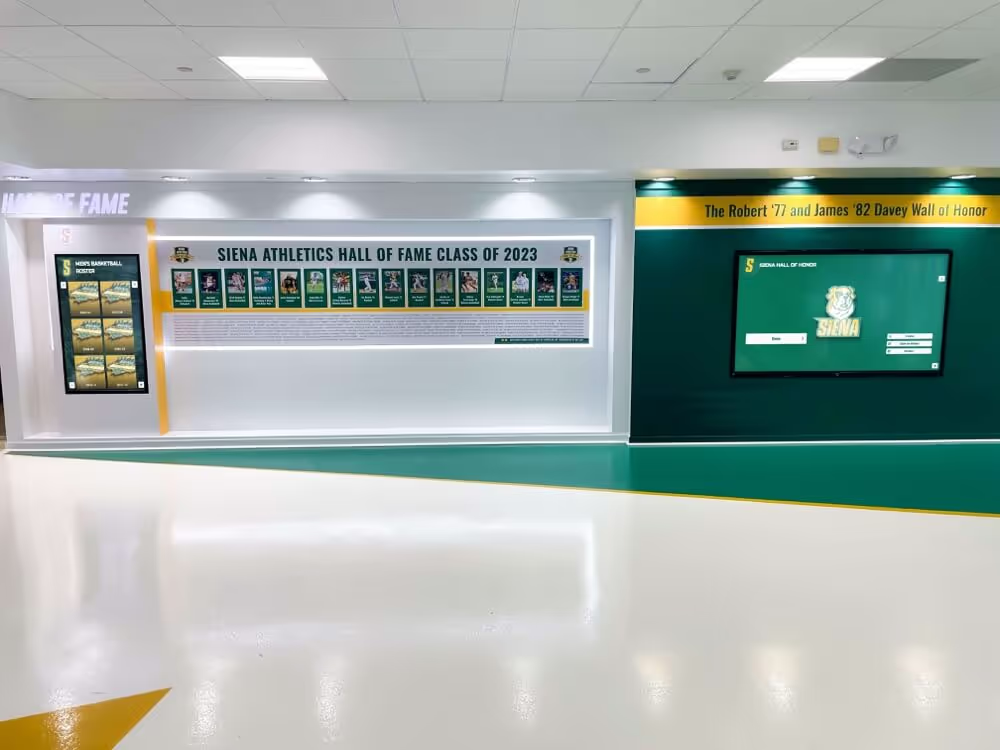
Athletic organizations leverage championship heritage and player recognition during fundraising galas
Program Development and Event Flow
Thoughtful program design keeps guests engaged while accomplishing event objectives.
Optimal Event Timeline
Standard gala format typically follows 3.5-4 hour structure:
6:00-7:00 PM: Cocktail Reception
- Guest arrival and registration
- Silent auction browsing and bidding
- Networking and socializing
- Sponsor recognition display viewing
- Passed hors d’oeuvres and beverages
7:00-8:30 PM: Dinner Service
- Welcome remarks and program opening (5-10 minutes)
- Dinner service (60-75 minutes)
- Interspersed program elements during meal service
- Entertainment or video presentations
- Recognition of sponsors and major supporters
8:30-9:15 PM: Program and Live Auction
- Honoree recognition or awards presentation
- Fund-a-need or paddle raise appeal
- Live auction if applicable
- Final remarks and thank you
9:15-10:00 PM: Closing Reception
- Silent auction closing and winning notification
- Continued networking
- Checkout and item pickup
- After-party or dessert reception
Recognition and Awards Programs
Honoring supporters and beneficiaries provides program content while advancing stewardship:
Honoree Selection Criteria
- Distinguished service to organization or community
- Compelling personal story connecting to mission
- Network likely to purchase tables or tickets
- Media interest generating publicity
- Diverse representation across honoree history
Recognition Formats
- Video tributes featuring colleagues, family, or beneficiaries
- Live presentations from organizational leadership
- Acceptance speeches from honorees sharing personal connection
- Physical awards or plaques presented on stage
- Permanent recognition in institutional halls of fame or donor walls
Many schools create banquet program templates that can be adapted for gala recognition ceremonies.
Entertainment and Speaker Selection
Entertainment Options
- Live band or DJ providing varied musical selections
- Solo performers during cocktails or dinner service
- Student or beneficiary performances showcasing programs
- Comedians or emcees maintaining energy and pace
- Cultural performers reflecting organizational mission
Speaker Selection Guidelines
- Limit speaking to 20-30 minutes total throughout evening
- Choose dynamic speakers comfortable with formal presentations
- Provide clear time limits and enforce them respectfully
- Avoid insider language or lengthy organizational updates
- Balance emotion, inspiration, and concrete impact information
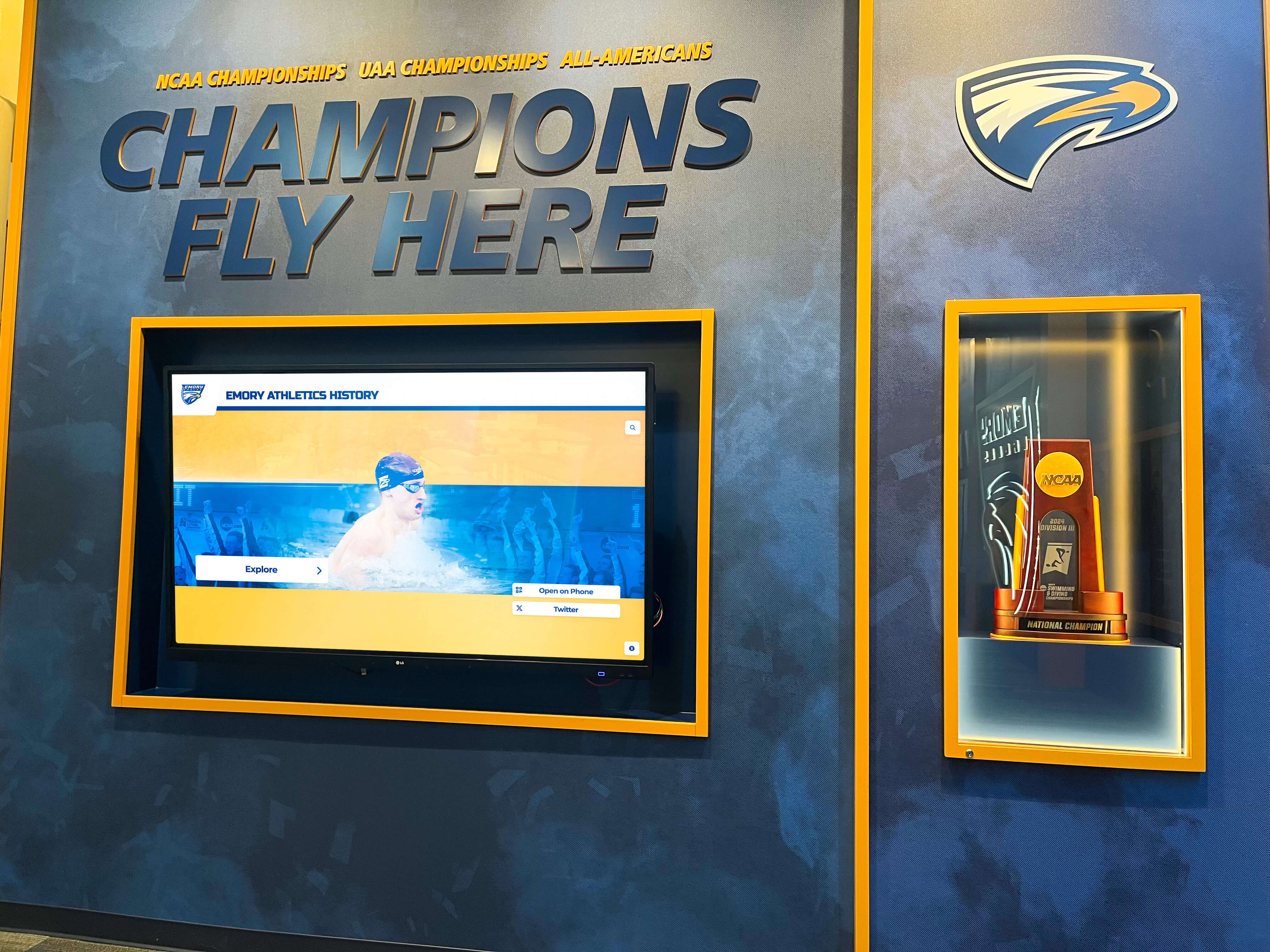
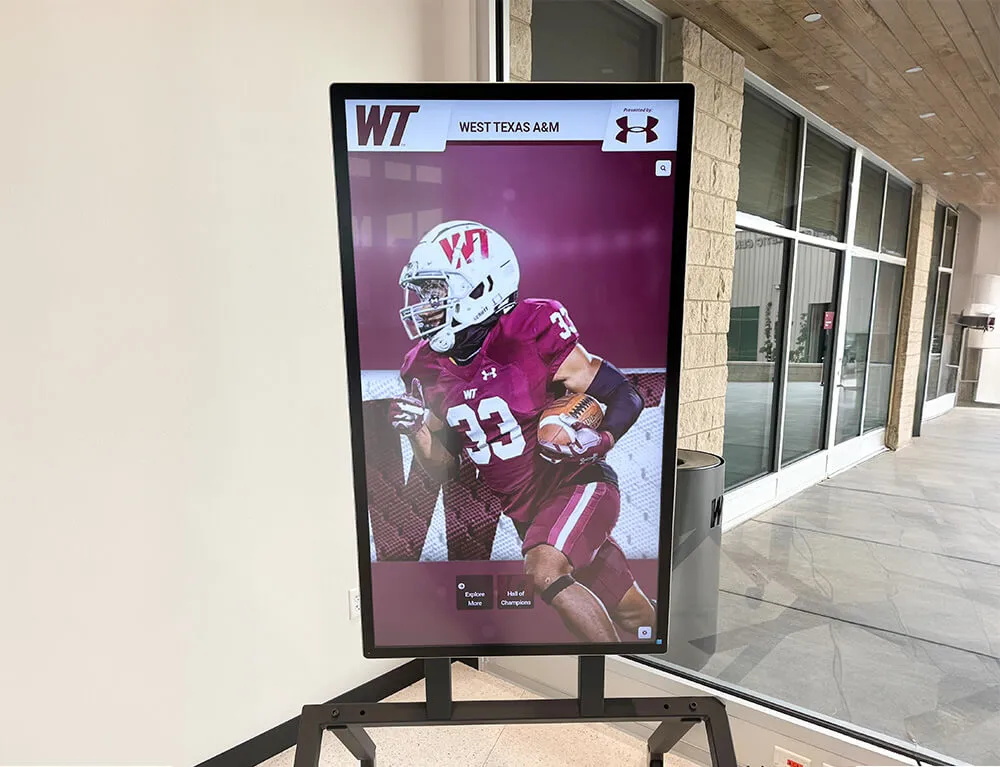
Championship recognition creates pride and excitement at athletic-focused fundraising galas
Donor Recognition and Stewardship Integration
Galas provide visible platforms for demonstrating appreciation while cultivating continued support.
Public Recognition Strategies
Program Book Recognition
- Tiered listings by giving level (major donors, sponsors, annual supporters)
- Tribute or memorial acknowledgments
- Volunteer and committee recognition
- Historical donor lists honoring sustained support
- Space for sponsor advertisements generating additional revenue
Visual Recognition at Venue
- Sponsor banners and signage at entrance and registration
- Table signage crediting sponsors or donors at each seating area
- Video presentations featuring donor names and impacts
- Digital displays with rotating sponsor acknowledgment
- Recognition boards listing supporters by category
Solutions like digital donor walls for nonprofits can be temporarily installed at gala venues, providing interactive recognition experiences while showcasing permanent recognition capabilities.
Verbal Acknowledgment
- Sponsor recognition during welcome remarks
- Introduction of major donors or board members in attendance
- Special recognition of planning committee and volunteers
- Acknowledgment of in-kind donors and supporters
- Thank you to all attendees for participation
Stewardship Opportunities During Events
Galas create ideal environments for relationship deepening:
VIP Receptions
- Pre-event gatherings for major donors and sponsors
- Exclusive access to leadership or honorees
- First viewing of auction items or recognition displays
- Intimate setting for relationship building
- Recognition of donor commitment
Leadership Cultivation Strategic seating creates cultivation opportunities:
- Place major gift prospects with board members or peer donors
- Seat program beneficiaries with potential supporters
- Create tables mixing longtime donors with new attendees
- Position leadership strategically for relationship development
- Assign specific board members to host each table
Giving Moment Integration While galas should avoid feeling like sustained pressure, strategic giving invitations work when appropriately timed:
- Pledge cards at place settings for fund-a-need contributions
- Challenge grants announced during program
- Planned giving information in materials for appropriate audiences
- Follow-up visit scheduling for major gift conversations
- Recognition society invitation for multi-year commitments

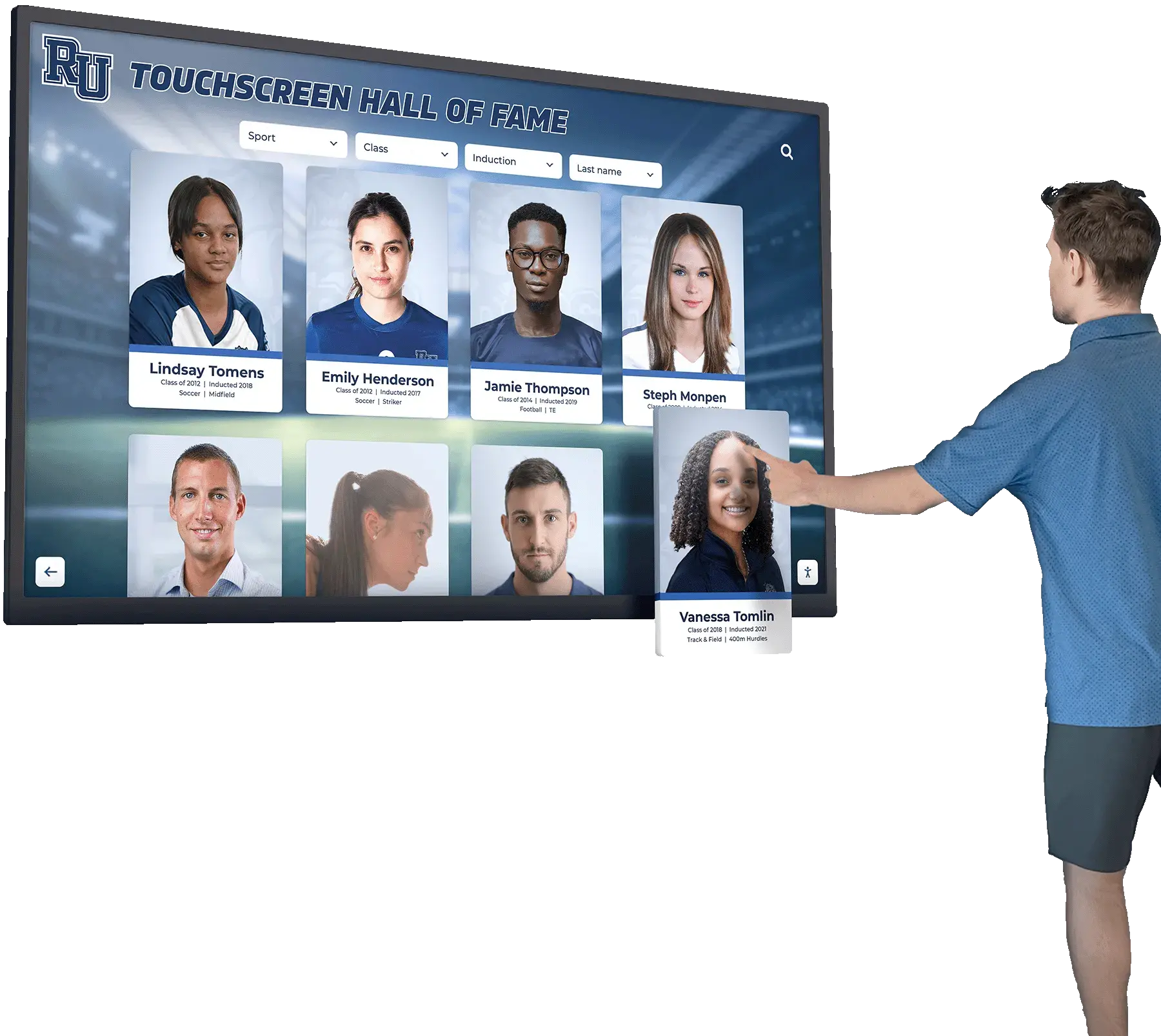
Interactive recognition technology creates engaging experiences allowing donors to explore organizational impact and history
Logistics, Volunteer Management, and Day-Of Coordination
Flawless execution requires detailed planning and capable volunteer coordination.
Volunteer Committee Structure
Committee Chair Responsibilities
- Overall coordination and leadership
- Committee meeting facilitation
- Vendor relationship management
- Budget monitoring and reporting
- Timeline adherence and deadline management
Specialized Committee Roles
Sponsorship Committee
- Corporate solicitation and relationship management
- Sponsorship package fulfillment and recognition coordination
- Sponsor benefit tracking and delivery
Auction Committee
- Item procurement through donation solicitation
- Catalog development and item descriptions
- Display design and arrangement
- Checkout process management
- Donor thank you coordination
Decorations Committee
- Theme development and aesthetic design
- Vendor coordination for rentals and floral arrangements
- Day-of setup and placement
- Post-event breakdown
Hospitality Committee
- Registration process development
- Volunteer recruitment for event day roles
- Guest services and assistance
- VIP reception coordination
Day-Of Volunteer Roles and Training
Registration and Check-In
- Greet guests warmly and distribute materials
- Verify reservations and process walk-up sales
- Distribute auction paddles or bidding devices
- Answer questions and provide directions
- Collect donations or pledge forms
Auction Support
- Monitor silent auction bidding and answer questions
- Manage closing sequence and winning notifications
- Facilitate payment processing and item pickup
- Handle live auction logistics and runner support
- Troubleshoot bidding technology issues
Guest Services
- General information and wayfinding assistance
- Special accommodation facilitation
- Coat check management if applicable
- Transportation coordination
- Emergency contact and problem resolution
Volunteer Training Essentials
- Event overview and objectives
- Specific role responsibilities and expectations
- Key talking points about organizational mission
- Problem escalation procedures
- Contact information for leadership
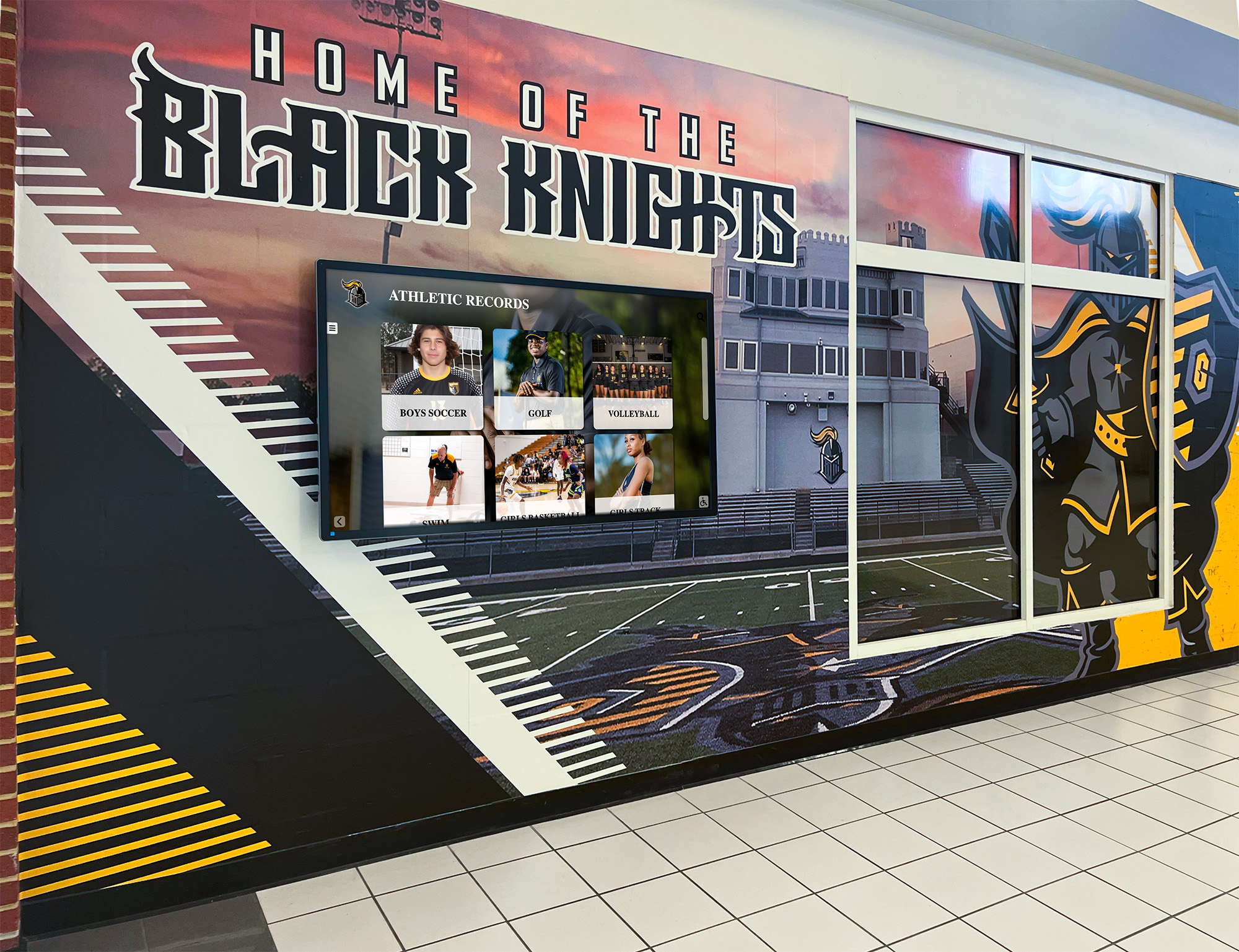
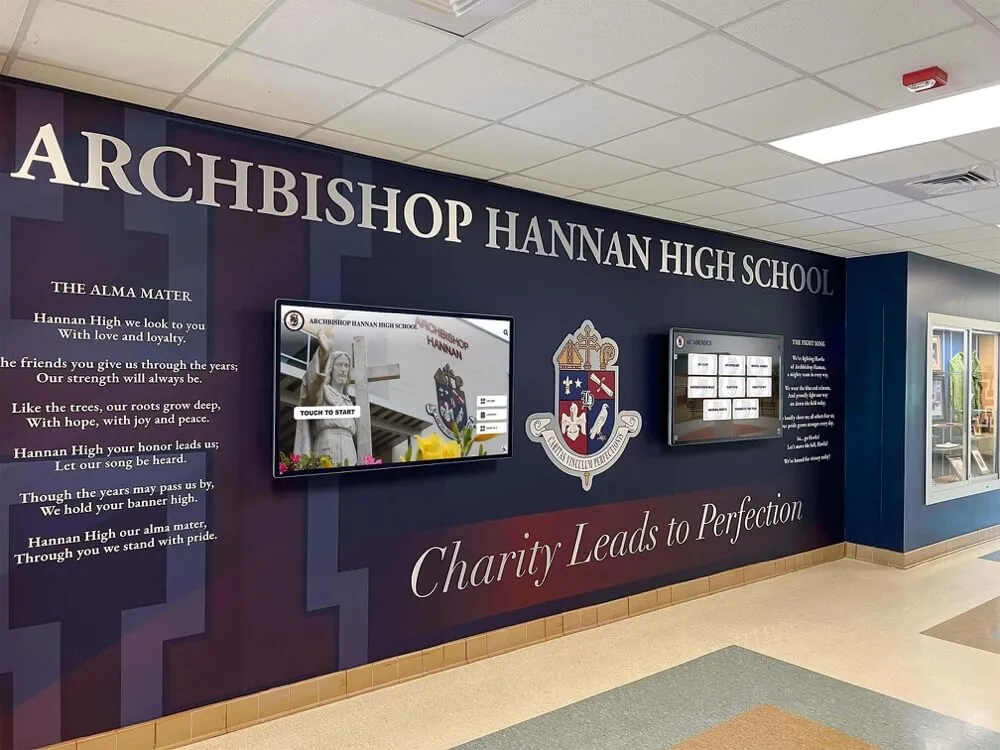
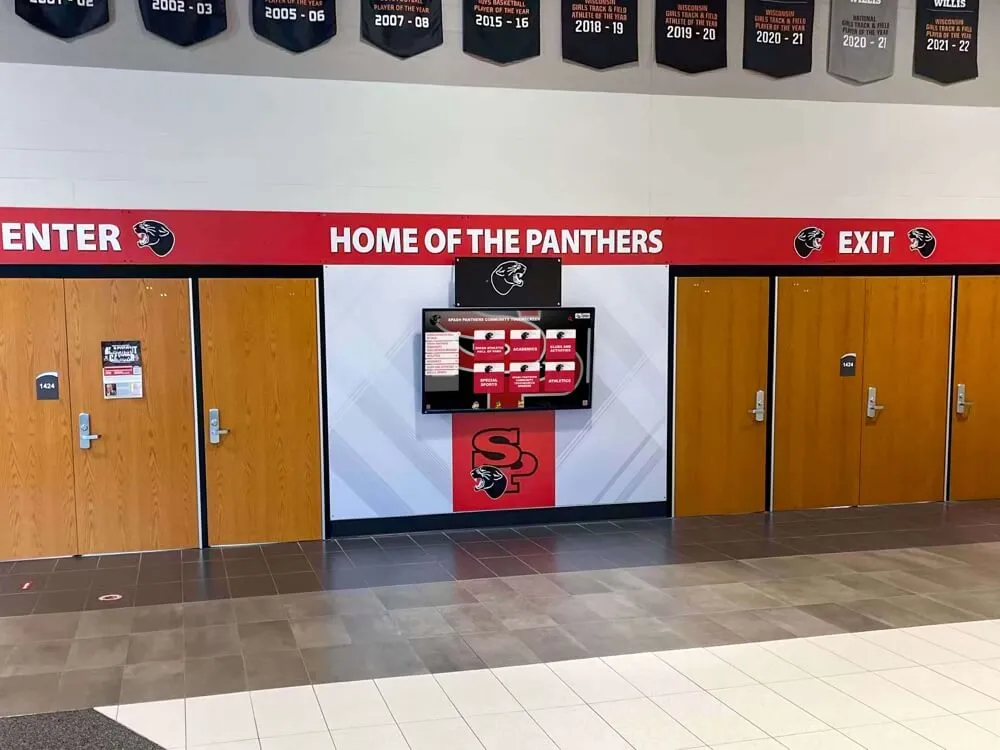
Schools hosting galas in their facilities can leverage existing recognition displays showcasing athletic and academic achievement
Technology Integration for Modern Galas
Strategic technology use enhances guest experience, streamlines operations, and extends event impact.
Event Management Platforms
Registration and Ticketing Systems
- Online registration with secure payment processing
- Customizable registration forms collecting needed information
- Automated confirmation emails with event details
- Mobile-friendly interfaces for smartphone access
- Real-time attendance tracking and reporting
Mobile Bidding Technology
- Silent auction participation via smartphones
- Remote bidding from anywhere in venue
- Automatic outbid notifications keeping bidders engaged
- Simplified checkout and payment processing
- Real-time bid tracking and item monitoring
Digital Recognition Displays Modern institutions integrate technology into recognition strategies:
- Interactive touchscreen displays at venue entrances showcasing donor honor rolls
- Video walls featuring sponsor recognition and organizational impact
- Real-time fund-a-need progress displays showing campaign success
- Digital hall of fame systems highlighting institutional achievements
- QR codes linking to additional information or giving opportunities
Solutions like those from Rocket Alumni Solutions enable organizations to create professional recognition displays that serve galas while providing year-round donor acknowledgment at institutional facilities.
Social Media and Digital Engagement
Pre-Event Promotion
- Event hashtag creation for coordinated social sharing
- Countdown posts building anticipation
- Honoree features and auction preview posts
- Behind-the-scenes content showing planning progress
- Sponsor recognition and thank you posts
During-Event Engagement
- Live social media updates with photos and highlights
- Real-time donor recognition and thank you posts
- Streaming portions of program for unable-to-attend supporters
- Interactive elements encouraging attendee posting
- Photo booth or designated photo areas with branded backdrops
Post-Event Extension
- Highlight videos and photo galleries shared across channels
- Thank you posts to attendees, sponsors, and volunteers
- Impact updates showing how funds raised will be used
- Save-the-date announcements for next year
- Continued recognition of major supporters
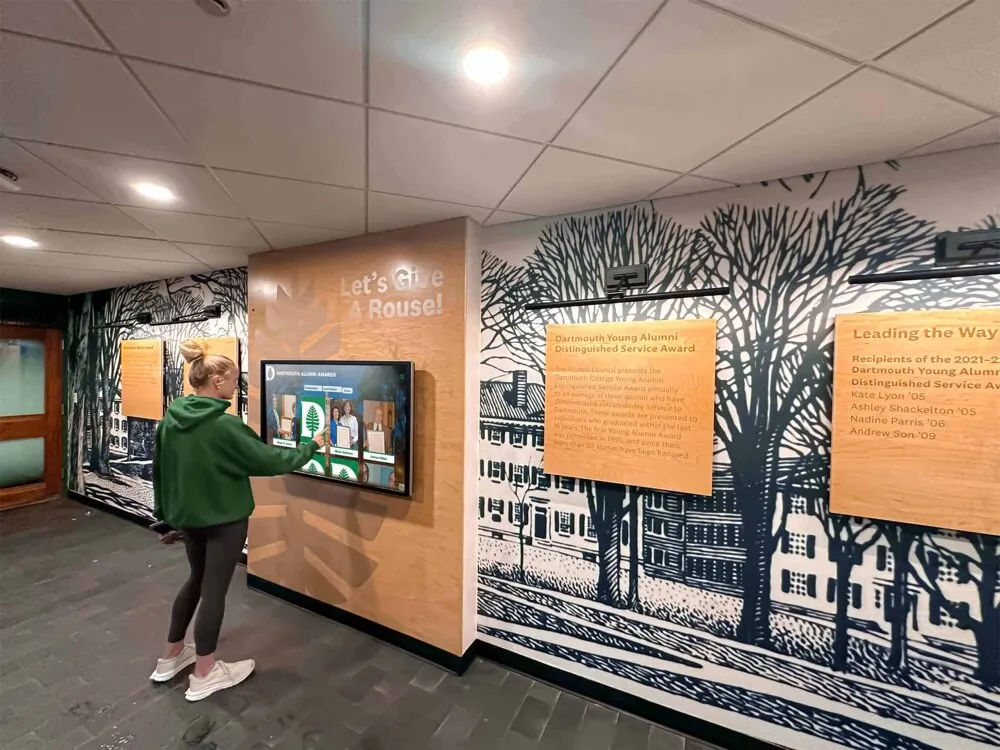
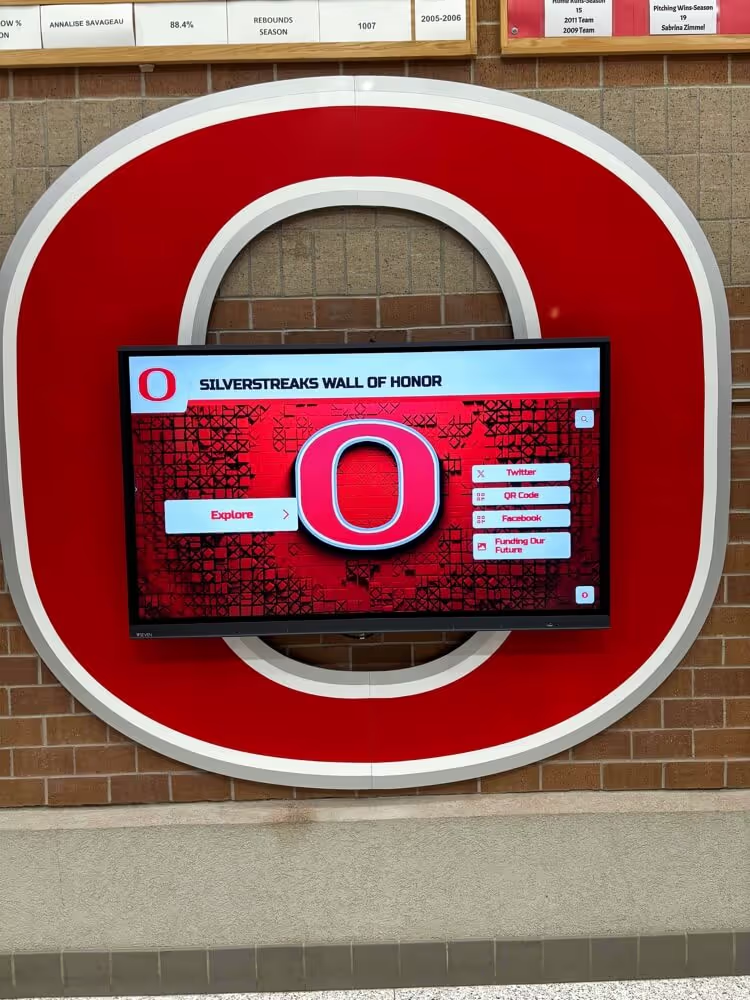
Interactive displays allow gala guests to explore organizational history and achievements in engaging, self-directed ways
Budget Development and Financial Management
Realistic budgeting ensures events generate intended returns while avoiding financial surprises.
Typical Gala Budget Categories
Revenue Projections
- Ticket sales (individual and table purchases)
- Corporate sponsorships at multiple levels
- Silent auction net proceeds
- Live auction net proceeds
- Fund-a-need or paddle raise contributions
- Program book advertising
- Other donations or grants specific to event
Expense Categories
Venue and Catering (typically 40-50% of expenses)
- Venue rental fees
- Food and beverage per-person costs
- Service charges and gratuities
- Bar service and beverage packages
- Rental equipment (tables, chairs, linens if not included)
Entertainment and Program (10-15% of expenses)
- Band or DJ fees
- Audio-visual equipment rental
- Lighting and staging elements
- Honoree gifts or awards
- Speaker fees if applicable
Marketing and Printing (10-15% of expenses)
- Invitation design and printing
- Postage and mailing services
- Program books and event materials
- Signage and decorations
- Website and online marketing
Auction and Fundraising (5-10% of expenses)
- Mobile bidding platform fees
- Auction software or paddle system
- Credit card processing fees
- Printing of auction catalogs
- Display materials and supplies
Miscellaneous (5-10% of expenses)
- Event insurance
- Valet or parking services
- Photography and videography
- Volunteer and staff meals
- Contingency reserve for unexpected costs
Maximizing Net Revenue
Expense Reduction Strategies
- Negotiate vendor contracts comparing multiple proposals
- Solicit in-kind donations for major expense categories
- Use volunteer labor for tasks not requiring professional expertise
- Select off-peak dates or venues for better pricing
- Limit program book printing to actual registrants rather than overprinting
Revenue Enhancement
- Introduce new giving opportunities (wine pull, raffle, games)
- Create upgrade opportunities (premium seating, VIP access)
- Extend giving period (accept pledges fulfilled after event)
- Leverage matching gifts amplifying contributions
- Cultivate major gifts pledged at event but fulfilled later
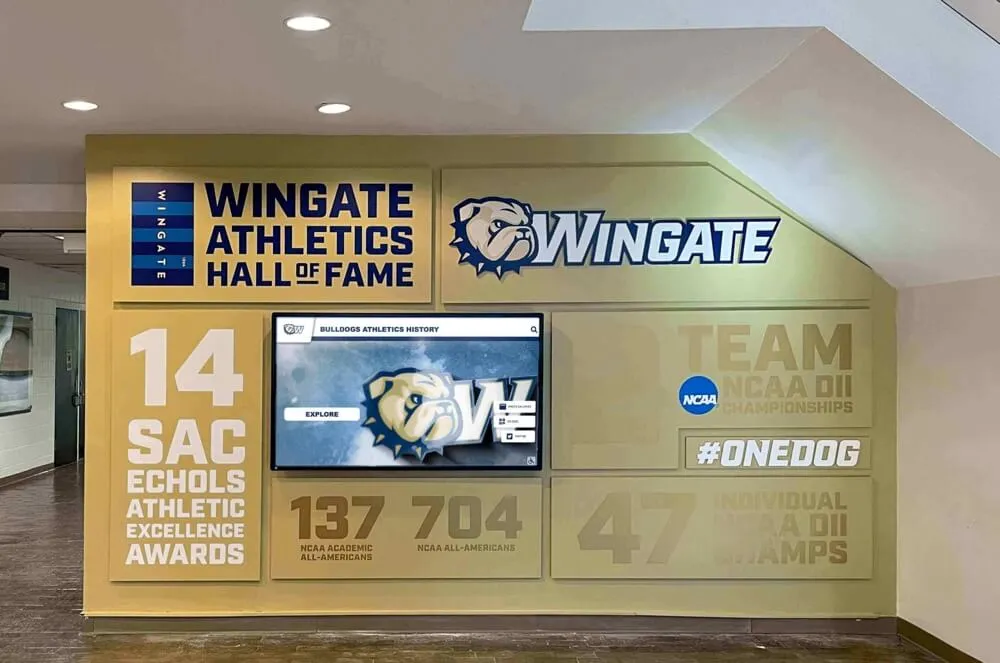
Hybrid recognition installations combining traditional elements with digital technology create sophisticated gala aesthetics
Post-Event Follow-Up and Stewardship
Events end but relationship building continues through strategic follow-up.
Immediate Follow-Up (Within 1 Week)
Attendee Thank You
- Personal thank you emails from organizational leadership within 24-48 hours
- Social media posts expressing gratitude and sharing highlights
- Photo galleries allowing guests to relive experience
- Impact preview describing how funds will be used
Sponsor and Donor Recognition
- Personal calls or notes from executive director or board chair
- Detailed accounting of sponsorship benefits delivered
- Photos of recognition at event (signage, program book, etc.)
- Media coverage clips if applicable
- Preliminary results sharing event success
Vendor and Volunteer Appreciation
- Thank you communications to all vendors and contractors
- Recognition of volunteer committee and day-of helpers
- Request for feedback about what worked well or needs improvement
- Photos or gifts for key contributors
- Testimonials for vendor marketing if service was exceptional
Medium-Term Follow-Up (2-4 Weeks)
Pledge Fulfillment
- Invoices or reminders for paddle raise or auction pledges
- Easy payment options with online giving links
- Personal outreach to major pledge makers
- Recognition when pledges are fulfilled
- Gentle follow-up for outstanding commitments
Impact Reporting
- Detailed results announcement (total raised, attendance, highlights)
- Stories about how funds are being allocated
- Program updates showing immediate impact
- Beneficiary thank you to supporters
- Recognition of top fundraisers or auction bidders
Prospect Cultivation
- Follow-up meetings with major gift prospects identified at event
- Introduction to programs or staff appropriate to donor interests
- Invitation to upcoming events or volunteer opportunities
- Consideration for advisory committees or other involvement
- Personal cultivation consistent with giving capacity
Long-Term Stewardship and Annual Cycle
Ongoing Relationship Building
- Quarterly impact updates to event attendees
- Exclusive pre-sale access to next year’s event
- Recognition in annual report and institutional publications
- Invitation to other engagement opportunities beyond galas
- Permanent recognition in donor displays or honor rolls
Year-Round Recognition Organizations increasingly use permanent recognition installations that honor gala supporters continuously:
- Digital donor recognition walls in institutional lobbies
- Searchable honor rolls accessible online and on-campus
- Interactive displays featuring donor stories and impact
- Recognition that evolves as relationships deepen
Solutions like Rocket Alumni Solutions enable schools and nonprofits to create sophisticated recognition displays that complement event-based stewardship with year-round appreciation, ensuring donors feel valued continuously rather than only during annual fundraisers.
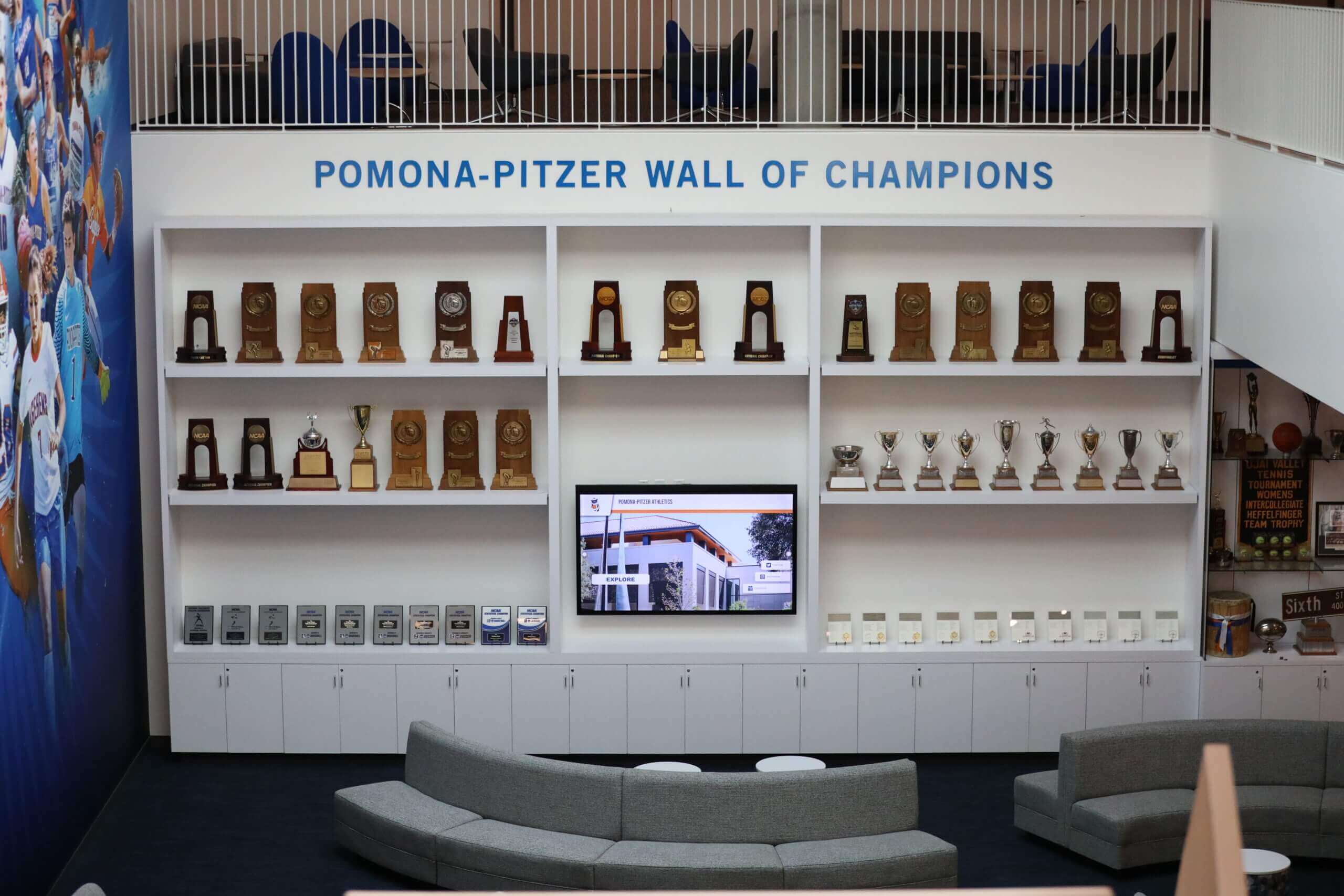
Permanent recognition installations in campus facilities reinforce donor appreciation established at annual gala events
Common Gala Planning Mistakes and How to Avoid Them
Learning from others’ experiences prevents common pitfalls.
Planning and Timeline Errors
Insufficient Planning Time Mistake: Beginning gala planning only 3-4 months before event. Solution: Start 9-12 months in advance for first-time events, minimum 6 months for established galas.
Unrealistic Budgets Mistake: Underestimating expenses or overestimating revenue without historical data. Solution: Research comparable events, build in 15-20% expense contingency, and conservative revenue projections.
Inadequate Volunteer Support Mistake: Assuming small staff can manage all planning without volunteer committees. Solution: Recruit engaged committees early, delegate specific responsibilities, and provide clear expectations.
Event Experience Problems
Overly Long Programs Mistake: Cramming too many speakers, videos, or program elements creating exhaustion. Solution: Limit speaking to 25-30 minutes total, keep program segments concise, and maintain event energy.
Poor Audio-Visual Quality Mistake: Assuming venue equipment will suffice or skimping on A/V support. Solution: Budget for professional audio-visual services, conduct advance testing, and have backup plans.
Neglecting Guest Comfort Mistake: Overcrowding venues, inadequate climate control, or insufficient seating/table space. Solution: Visit venue during similar events, respect capacity limits, and prioritize guest comfort.
Fundraising Strategy Failures
Asking Fatigue Mistake: Constant appeals throughout event making guests feel pressured. Solution: Limit direct asks to 1-2 strategic moments (fund-a-need, live auction), focus primarily on stewardship.
Unclear Sponsorship Benefits Mistake: Vague sponsor packages making value proposition unclear. Solution: Specific, tiered packages with tangible benefits clearly documented and consistently delivered.
Auction Overload Mistake: Too many low-value items creating clutter and decision fatigue. Solution: Curate quality over quantity (50-75 silent auction items, 5-10 live), ensure attractive displays.
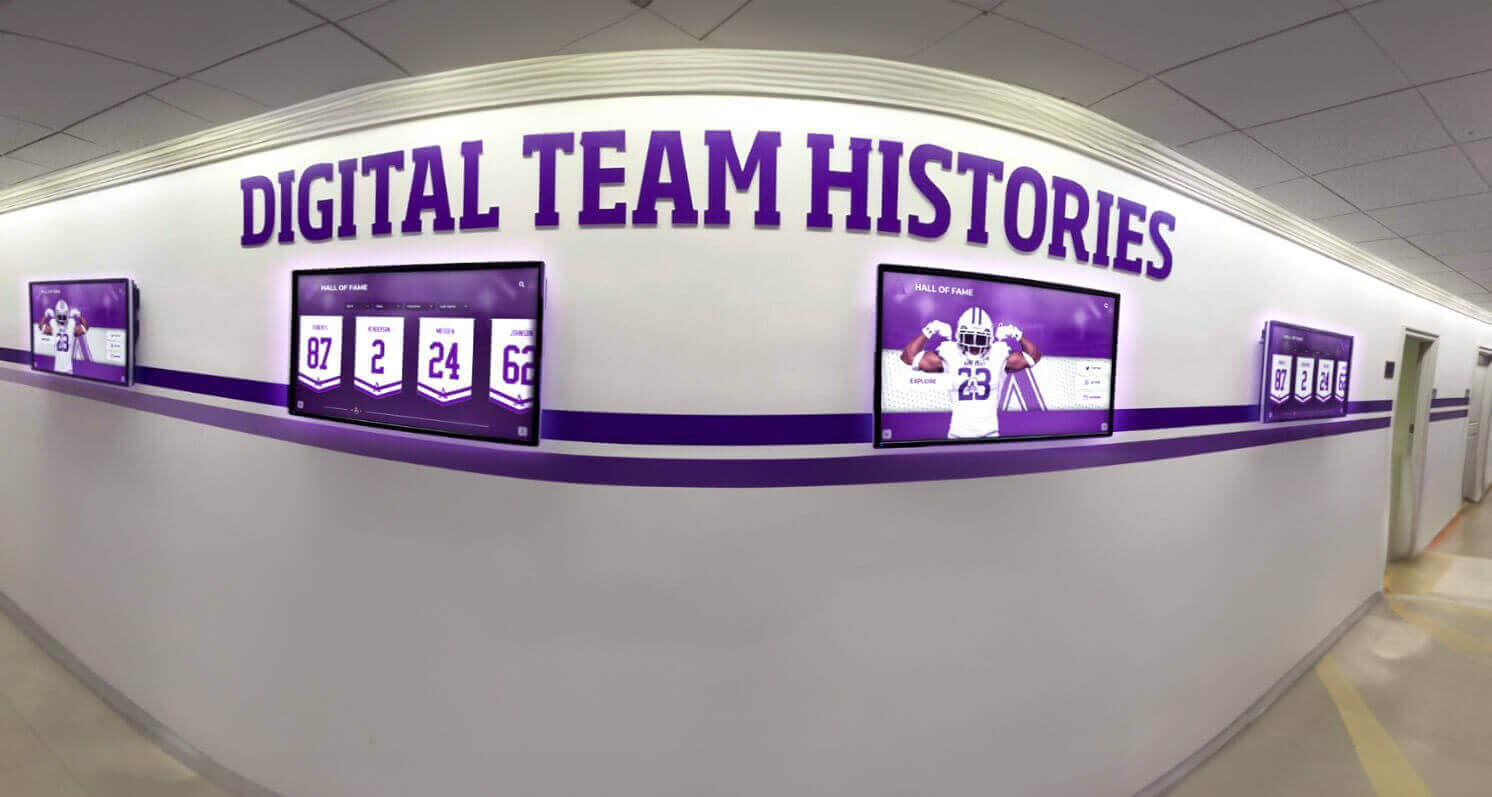
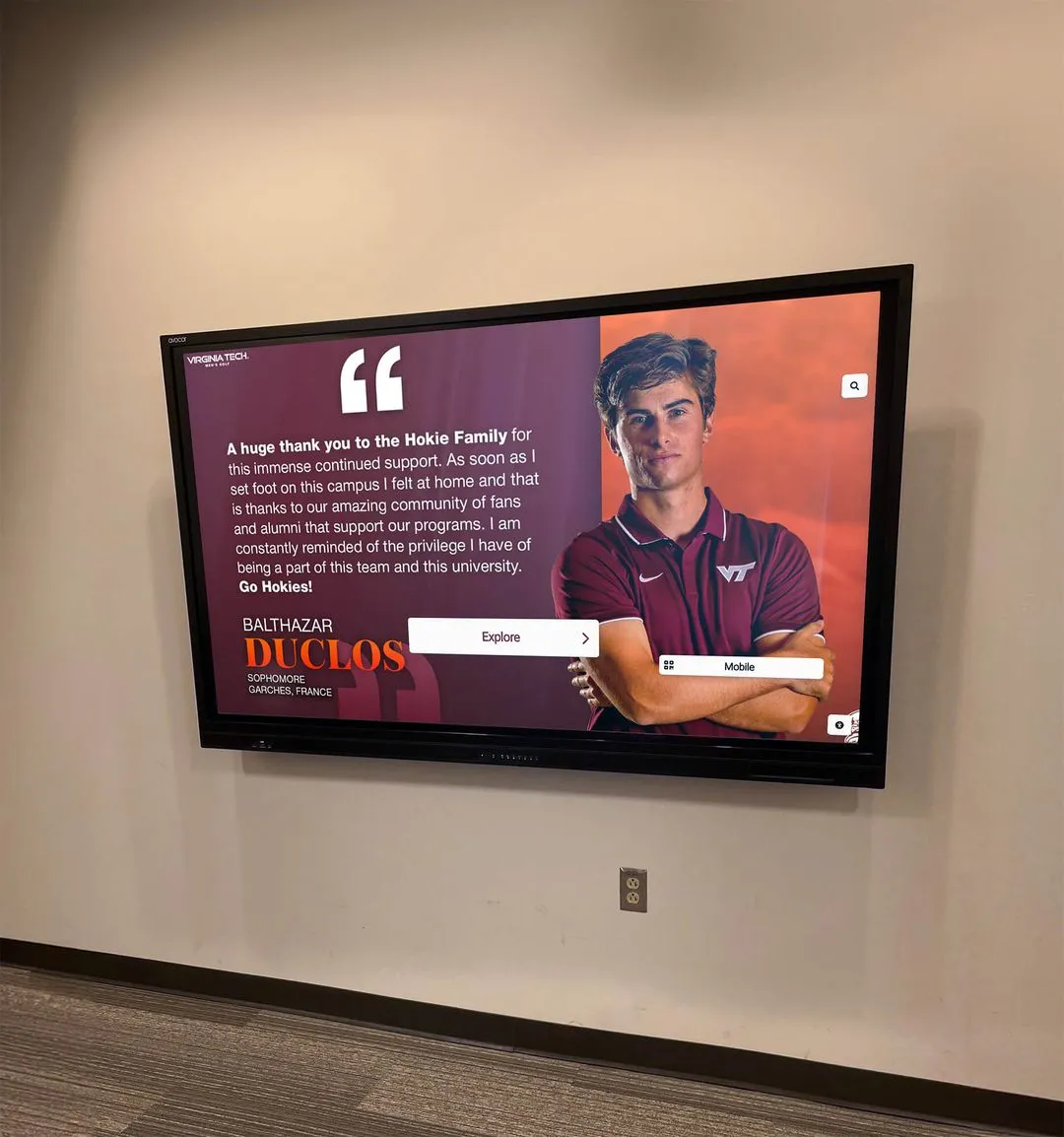
Digital displays in campus hallways can showcase gala highlights, donor recognition, and impact updates year-round
Alternative and Emerging Gala Formats
Traditional seated dinners aren’t the only option—consider formats matching your audience and mission.
Casual and Contemporary Options
Cocktail Reception Galas Standing receptions rather than seated dinners:
- Lower per-person costs enabling broader accessibility
- More networking and mingling opportunities
- Shorter time commitment appealing to busy professionals
- Multiple food stations creating interactive experience
- Still incorporates auctions, recognition, and fundraising appeals
Outdoor Garden Parties Seasonal alternatives to traditional ballrooms:
- Spring or summer timing with weather contingency plans
- Relaxed atmosphere with natural beauty
- Lower venue costs if using institutional grounds
- Family-friendly potential including children
- Distinctive experience differentiating from competitors
Themed Experience Events Mission-connected immersive experiences:
- Art auction galas at galleries with exhibition viewing
- Athletic organizations hosting events at professional sports venues
- Educational institutions using campus facilities showcasing programs
- Healthcare nonprofits featuring wellness activities or demonstrations
- Social service organizations including beneficiary participation meaningfully
Hybrid and Virtual Components
Livestreaming Portions Extend reach beyond physical attendance:
- Stream program segments to unable-to-attend supporters
- Enable remote participation in fund-a-need appeals
- Record video for later sharing and marketing
- Create content for social media and communications
- Accessibility for distant supporters maintaining connection
Virtual Bidding Platforms Technology expands auction participation:
- Online catalogs available days before event
- Remote bidding from outside physical venue
- Extended auction windows increasing competition
- Lower barriers to participation
- Convenience appealing to busy professionals
Satellite Events Regional gatherings coordinated with central gala:
- Watch parties in multiple cities viewing livestream
- Coordinated fund-a-need participation across locations
- Local hosts managing smaller gatherings
- National or distributed organizational reach
- Lower travel barriers increasing participation
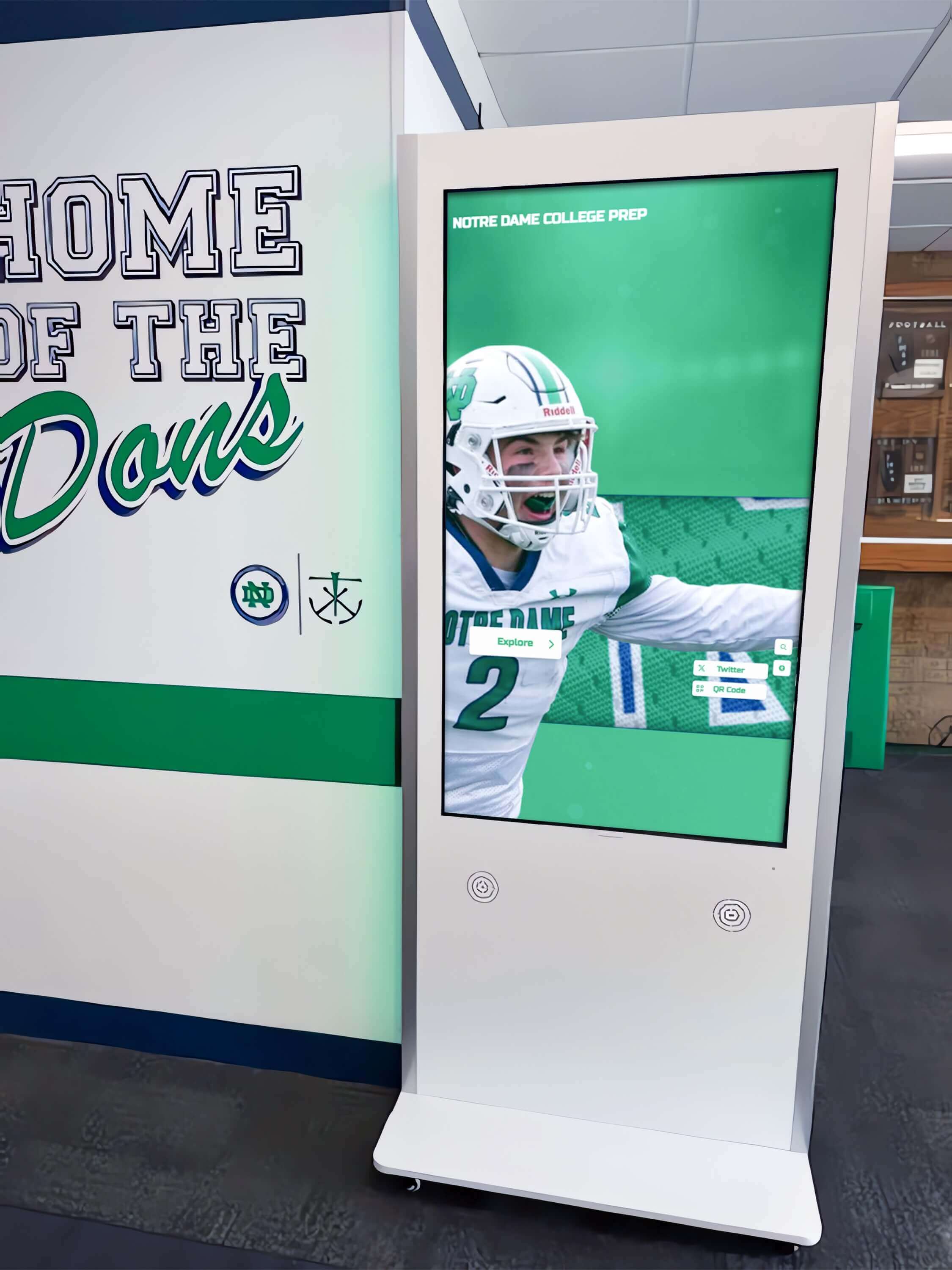
Interactive kiosks in campus facilities provide year-round access to achievement archives and donor recognition featured at galas
Measuring Success and Continuous Improvement
Systematic evaluation ensures each gala strengthens future events.
Key Performance Indicators
Financial Metrics
- Gross revenue (all income sources)
- Net revenue (after expenses)
- Expense ratio (expenses as percentage of gross revenue)
- Average gift per attendee
- Sponsorship revenue growth year-over-year
- Auction yield per item
Attendance and Engagement
- Total attendees compared to projections
- New attendees vs. returning guests
- Board and volunteer participation rates
- Auction participation percentages
- Social media reach and engagement
- Media coverage quality and reach
Relationship Outcomes
- Major gift conversations initiated
- New donors acquired through event
- Sponsor retention and upgrade rates
- Volunteer recruitment success
- Post-event engagement rates
- Planned giving inquiries generated
Feedback Collection and Analysis
Attendee Surveys Brief post-event surveys gather actionable insights:
- Overall satisfaction ratings
- Specific element feedback (food, entertainment, program)
- Likelihood to attend future events
- Suggestions for improvements
- Interest in other engagement opportunities
Committee and Volunteer Debriefs Internal perspectives identify operational improvements:
- What worked smoothly versus problematic areas
- Vendor performance and recommendations
- Timeline adequacy and stress points
- Role clarity and volunteer sufficiency
- Resource needs for future events
Financial Analysis Detailed accounting informs future budgeting:
- Actual results compared to projections in each category
- Unexpected expenses or revenue sources
- ROI calculation on major expense categories
- Cost per dollar raised efficiency
- Revenue source diversification assessment
Implementing Continuous Improvement
Documentation Create institutional knowledge base:
- Comprehensive timeline and checklist for next year
- Vendor contacts and contract details
- Successful strategies and proven approaches
- Mistakes and lessons learned
- Budget templates with actual results
Strategic Adjustments Data-driven decisions enhance future events:
- Eliminate underperforming elements
- Expand successful revenue sources
- Address commonly cited concerns
- Test innovations on small scale
- Balance tradition with fresh approaches
Stakeholder Communication Share results building ongoing support:
- Thank all participants with results summary
- Board reporting with strategic recommendations
- Public communications celebrating success
- Recognition of top performers and contributors
- Transparency about challenges and improvements
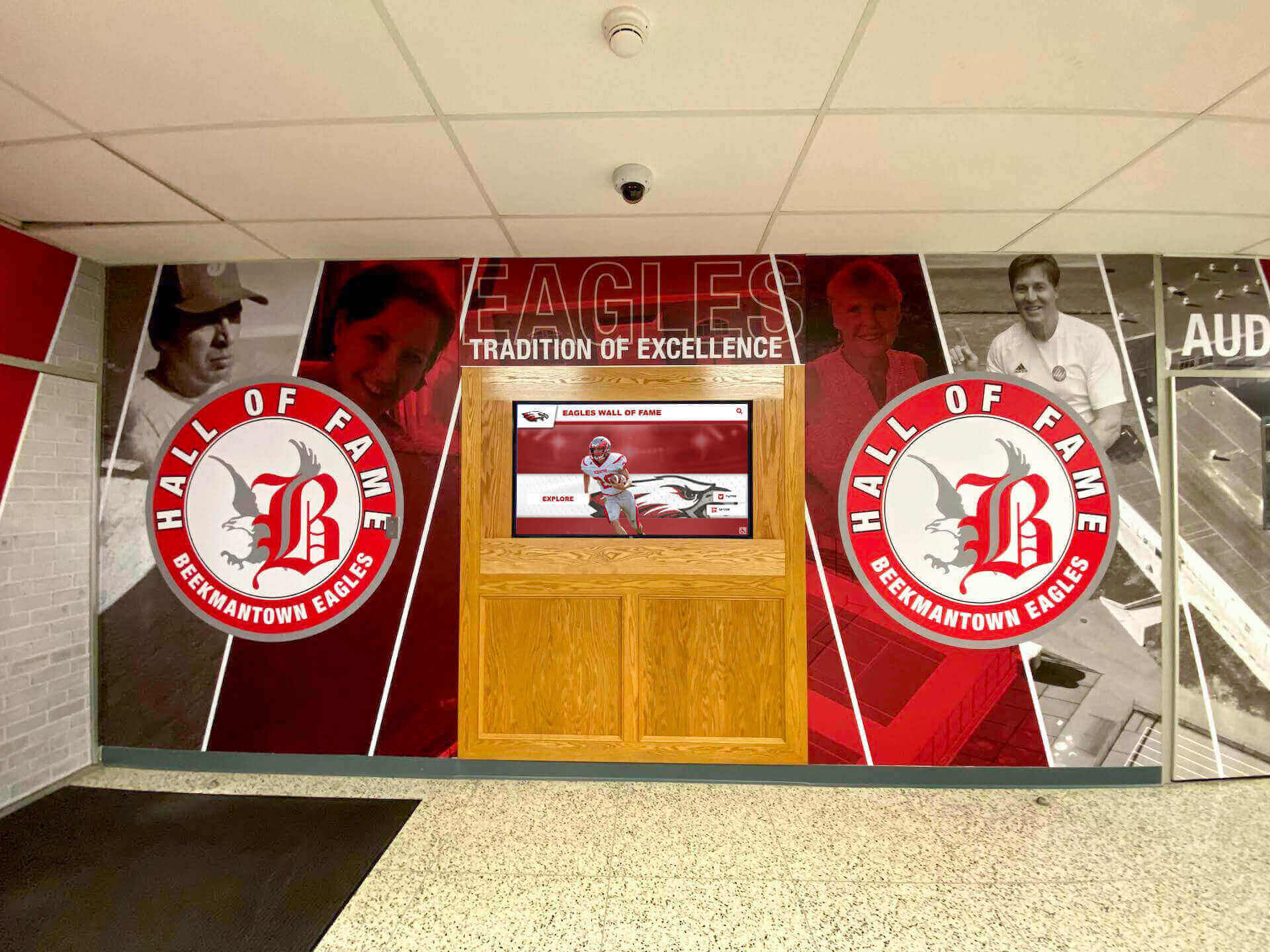
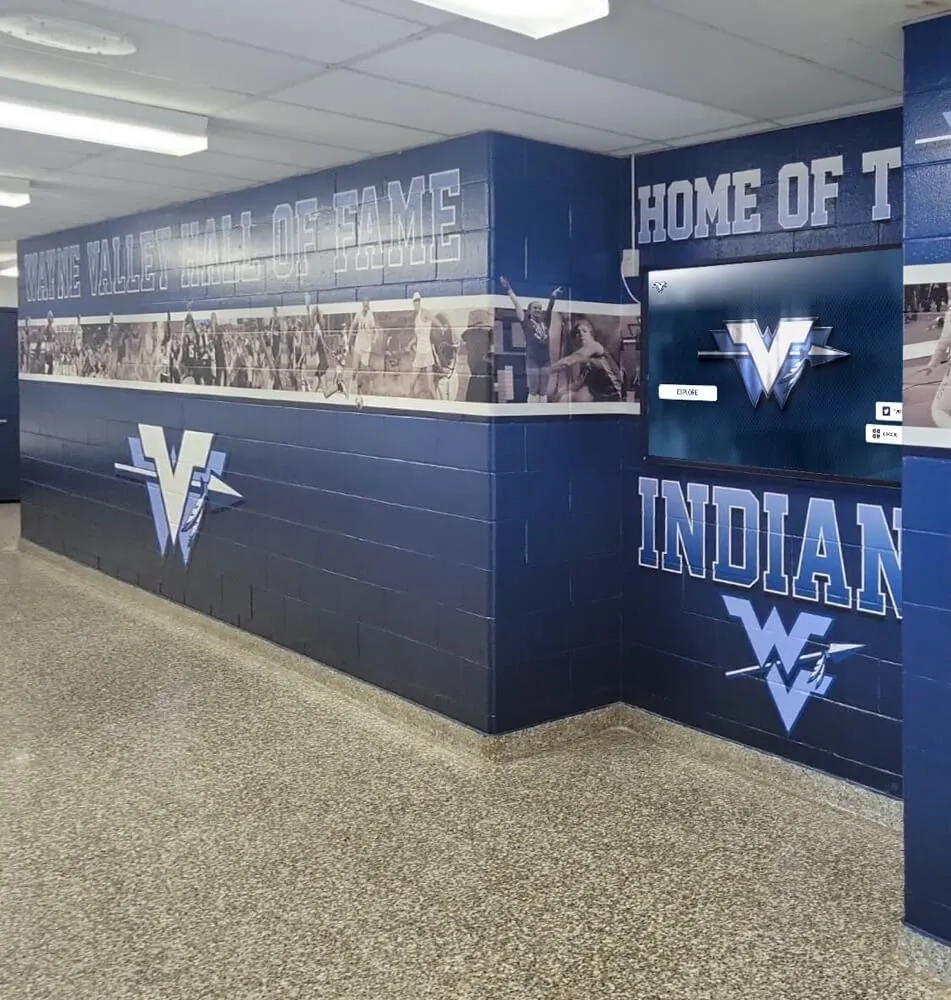
Schools hosting galas can leverage permanent heritage displays creating impressive backdrops celebrating institutional tradition
Conclusion: Creating Galas That Inspire Lasting Support
Successful galas accomplish far more than single-night fundraising—they strengthen communities, deepen relationships, and inspire continued investment in organizational missions. When schools and nonprofits approach gala planning strategically, they create memorable experiences that honor supporters appropriately while generating resources enabling program excellence.
The most effective galas balance fundraising with stewardship, entertainment with mission focus, and formal elements with authentic connections. They recognize that guests attend not merely to support causes financially but to belong to communities working toward shared purposes. Events that provide meaningful recognition, demonstrate tangible impact, and create genuine enjoyment build donor loyalty that extends far beyond event night.
As you plan your organization’s gala, remember that execution quality matters as much as concept creativity. Adequate planning time, detailed logistics management, capable volunteer support, and systematic follow-up separate successful fundraisers from disappointing ones. The investment required to plan excellent galas pays dividends through enhanced revenue, strengthened relationships, and institutional positioning that attracts continued support.
Modern technology enables organizations to extend gala impact beyond event night through year-round recognition displays, digital engagement platforms, and sophisticated stewardship systems. Solutions like Rocket Alumni Solutions help schools and nonprofits create permanent recognition installations that complement event-based appreciation with continuous donor acknowledgment, ensuring supporters feel valued throughout the year rather than only during annual fundraisers.
Transform Your Donor Recognition Strategy
Discover how digital recognition displays can honor your gala supporters year-round while creating impressive backdrops for fundraising events. Interactive touchscreen systems showcase donor appreciation, preserve institutional heritage, and inspire continued giving.
Request a DemoWhether hosting your first gala or refining an established tradition, systematic planning guided by clear objectives creates events that serve your mission effectively. Begin with realistic goals appropriate to organizational capacity, build committee structures distributing workload sustainably, and focus relentlessly on guest experience recognizing that attendee satisfaction drives future participation and giving.
Your gala represents your organization to some of your most important stakeholders—current donors, prospective major gift contributors, community leaders, and institutional advocates. Events that honor these supporters appropriately while showcasing mission impact strengthen the relationships essential to long-term sustainability. The planning effort required to execute excellent galas generates returns that compound over time, building traditions of excellence that inspire generosity for years to come.
Ready to elevate your donor recognition beyond annual events? Explore comprehensive recognition solutions that honor supporters continuously while providing engaging experiences during fundraising galas and events.