



Students who dedicate their time to community service deserve meaningful recognition that honors their commitment to making a difference. The Presidential Volunteer Service Award (PVSA) stands as one of the most prestigious national acknowledgments available to volunteers across all age groups, celebrating those who contribute significant time and energy to addressing community needs through service.
Created in 2003 to recognize Americans who demonstrate an ongoing commitment to volunteer service, the PVSA provides validation for the countless hours students, families, and adults invest in strengthening their communities. Schools, nonprofits, and organizations across the country use this federal recognition program to acknowledge volunteers who meet specific hour thresholds, creating tangible appreciation for service that might otherwise go unnoticed.
This comprehensive guide explains everything schools, students, and organizations need to know about the Presidential Volunteer Service Award—from qualification requirements and application processes to creative ways schools celebrate recipients through recognition programs that inspire continued service.
Understanding the Presidential Volunteer Service Award enables schools to leverage this federal recognition program as part of comprehensive service-learning initiatives that motivate students to engage meaningfully with their communities while building skills essential for college, career, and civic participation.

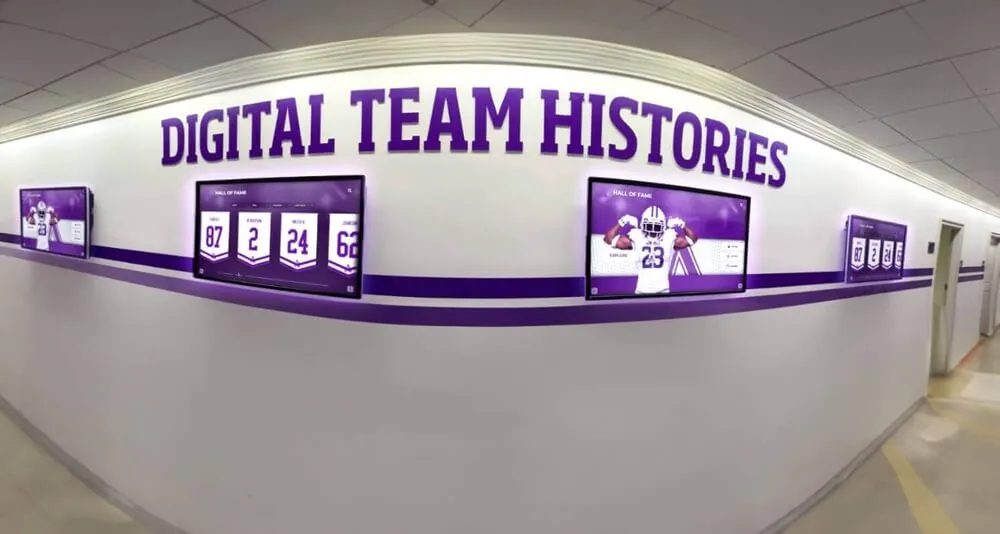
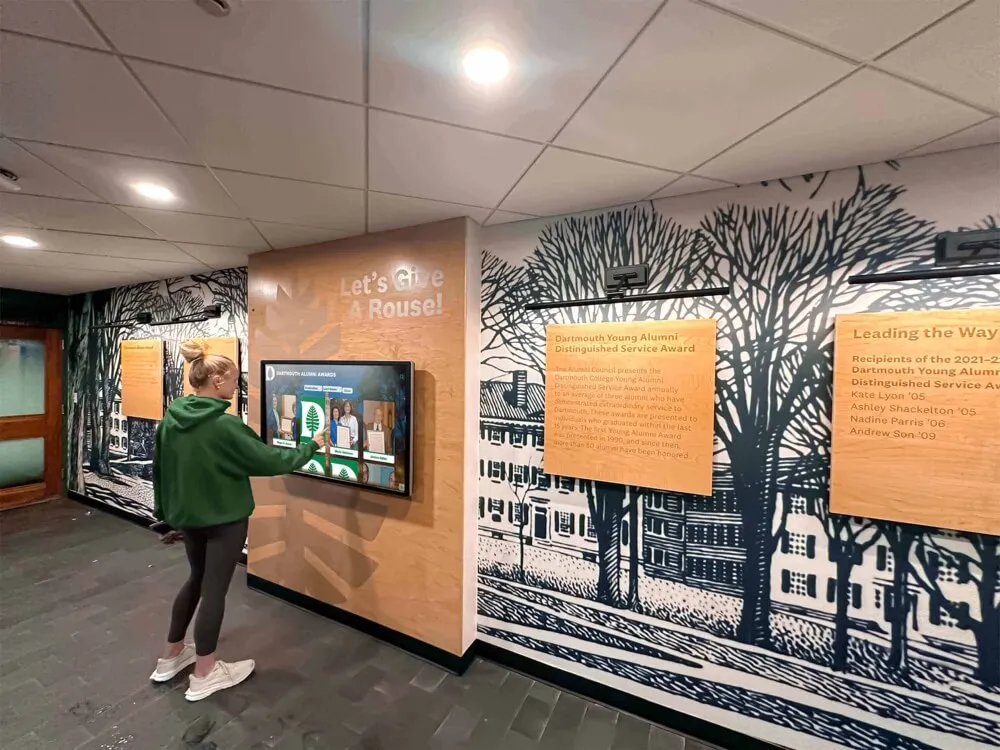
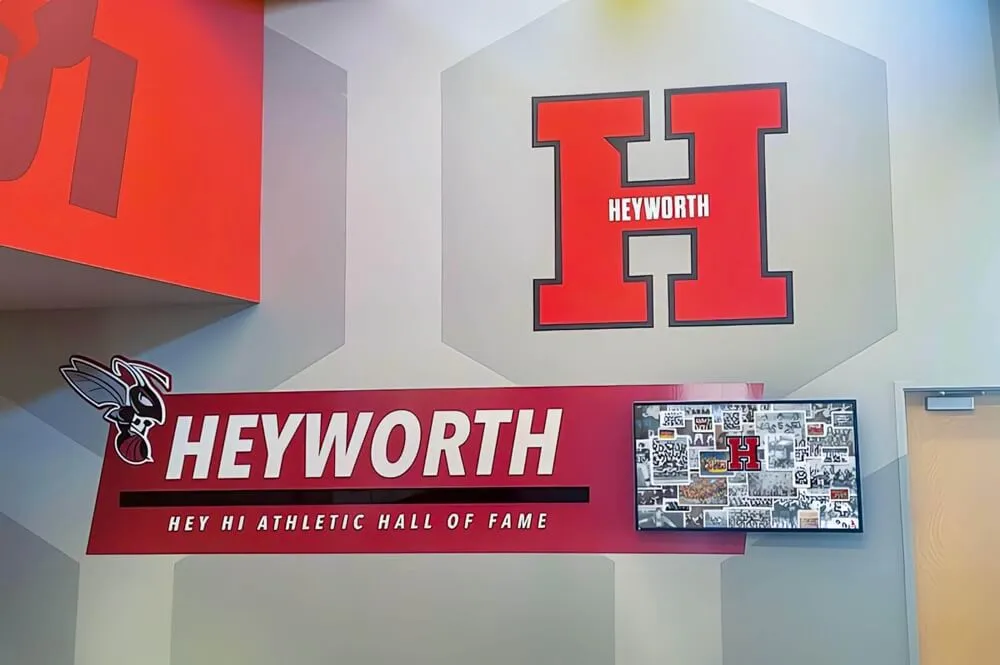
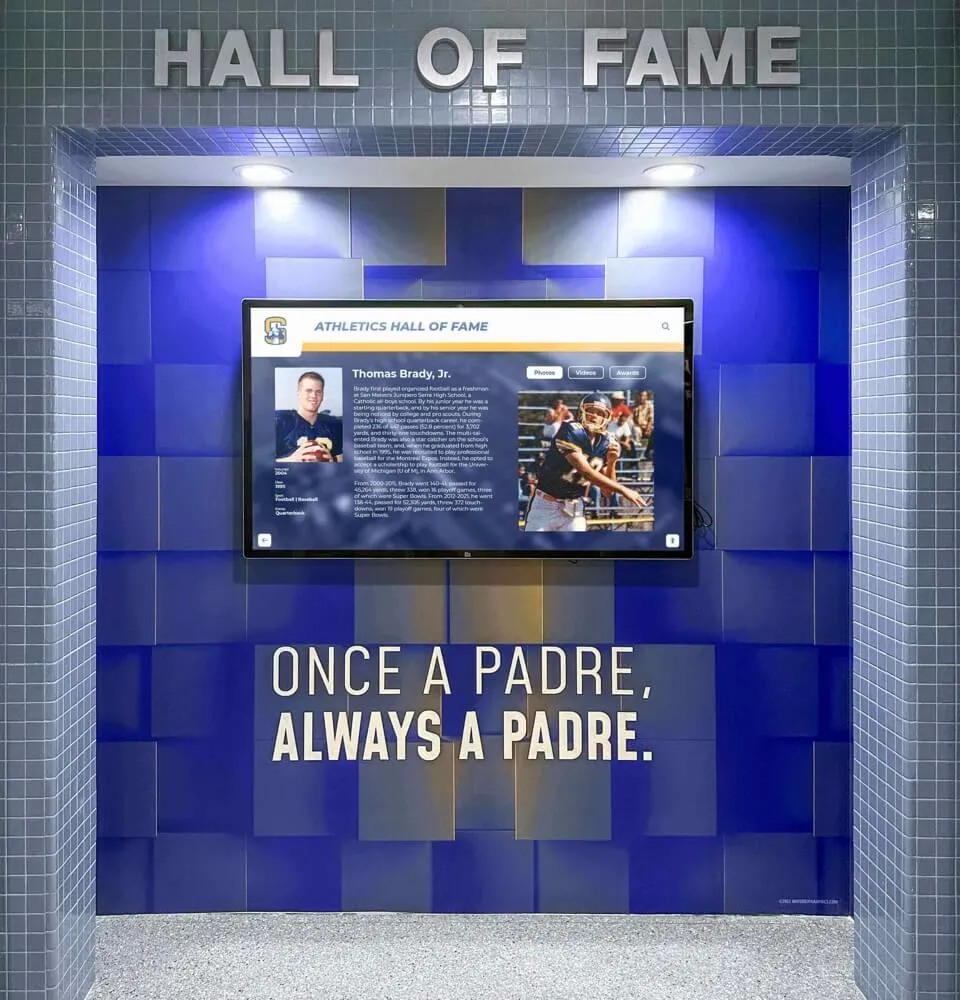
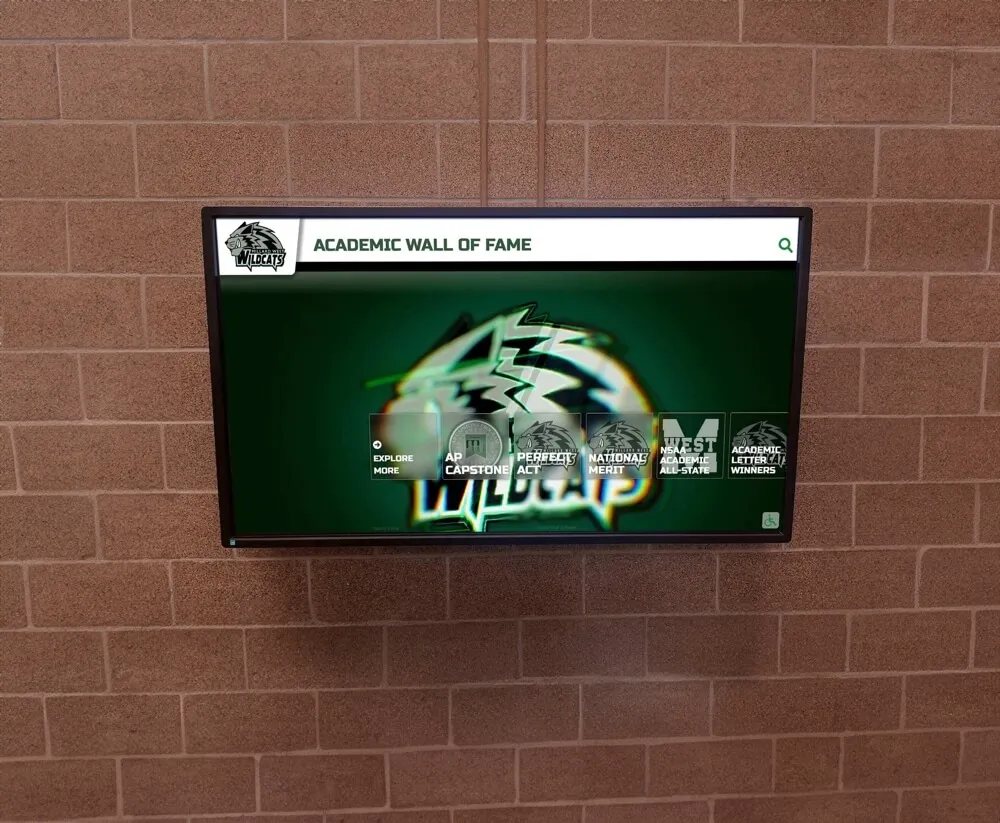
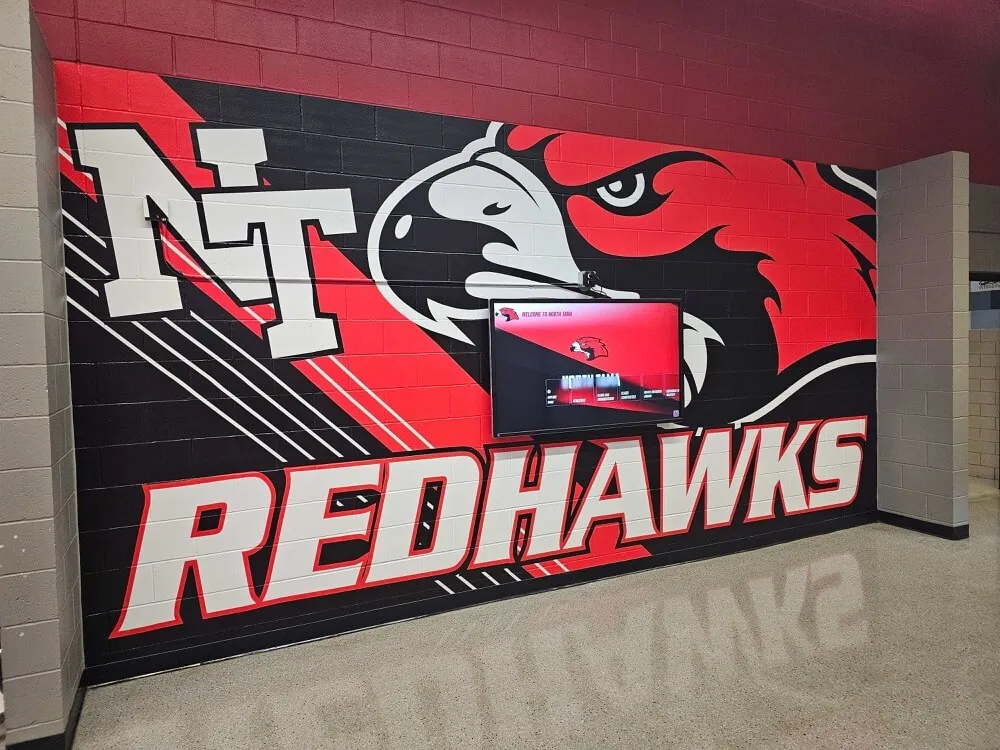
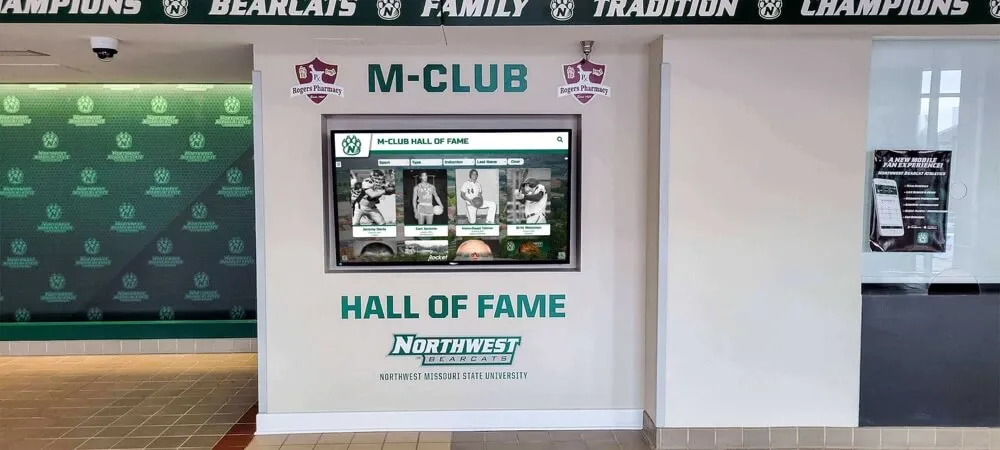
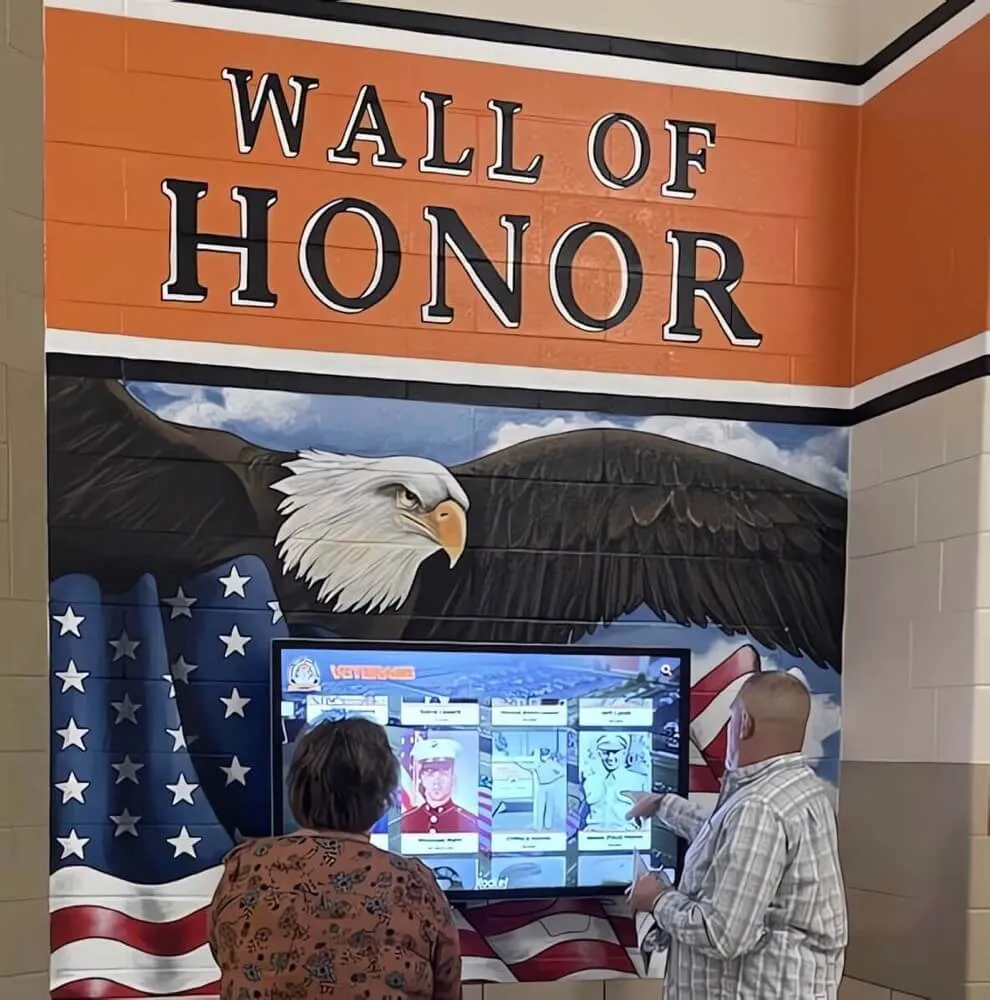
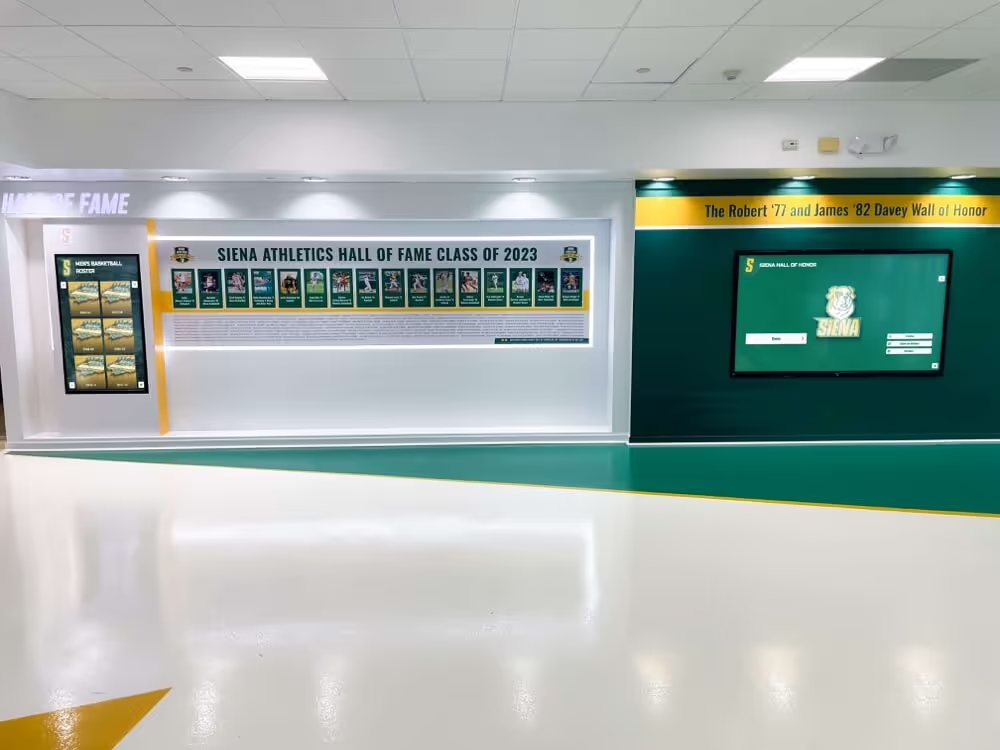
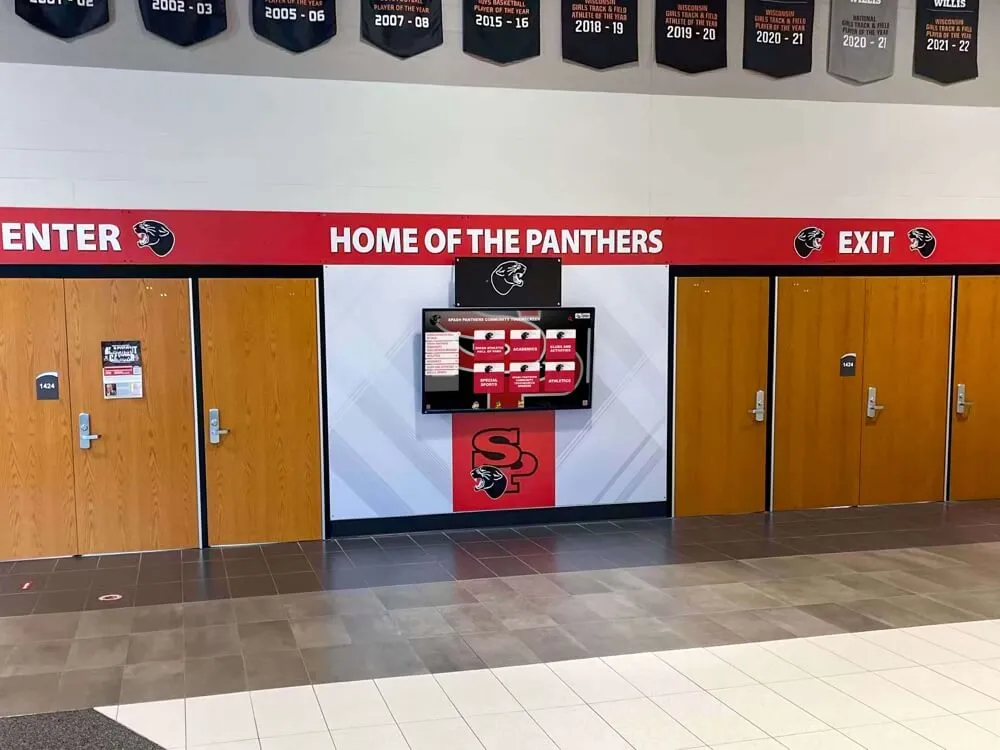
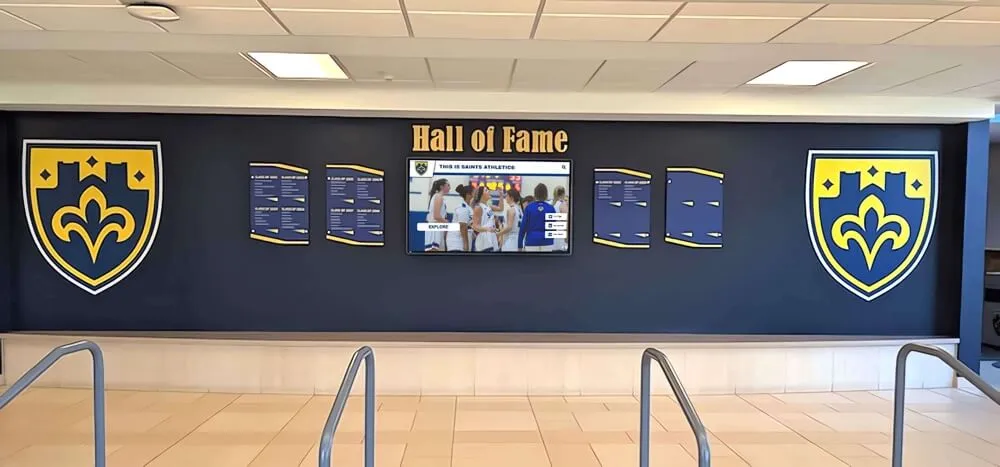
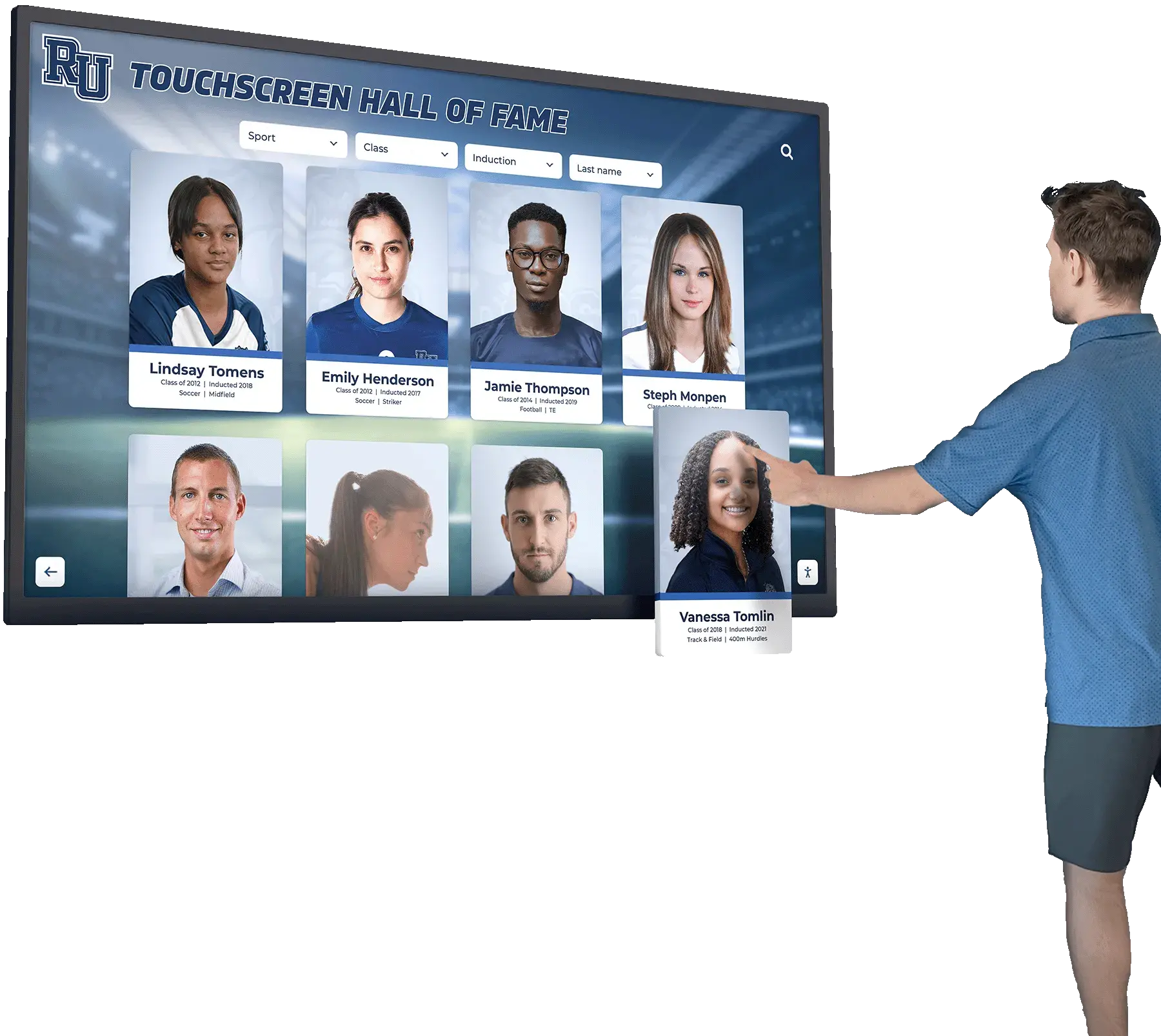
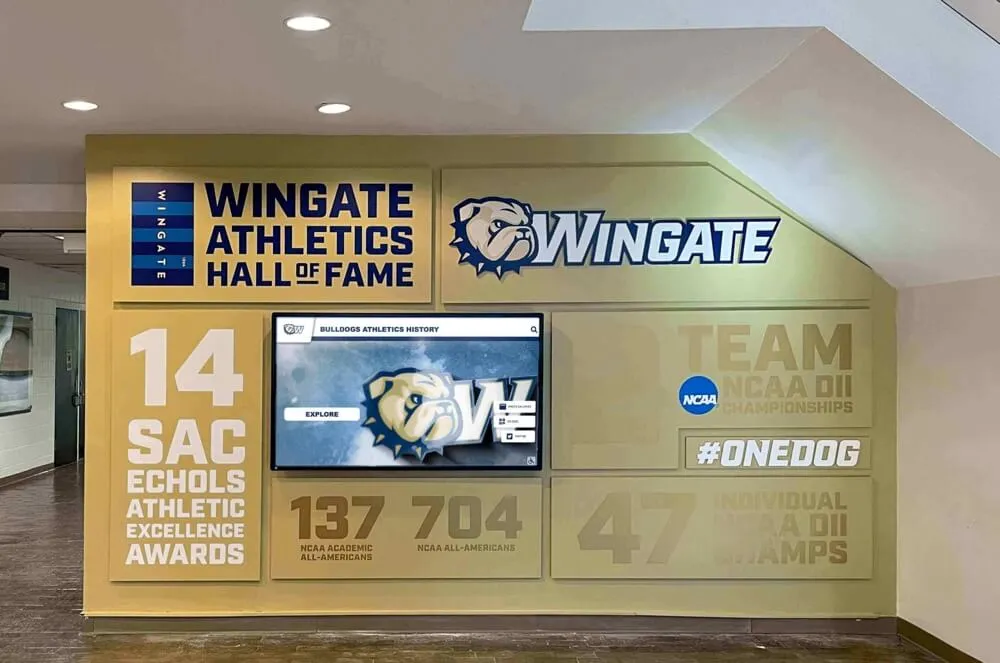
Modern recognition systems enable schools to celebrate service achievements alongside academic and athletic accomplishments
What Is the Presidential Volunteer Service Award?
The Presidential Volunteer Service Award represents the federal government’s official recognition program for outstanding volunteer service by Americans of all ages.
Program History and Purpose
The PVSA originated through presidential leadership recognizing the vital role volunteers play in American civic life:
Program Origins
- Established in 2003 by the President’s Council on Service and Civic Participation
- Designed to honor volunteers who demonstrate sustained commitment to service
- Available to individuals and groups meeting specific hour requirements
- Administered through Certifying Organizations authorized to verify service hours
- Recognizes service across all ages from young children through seniors
The program stems from recognition that volunteering strengthens communities, develops individual character, and reinforces the American tradition of neighbors helping neighbors. By providing official presidential recognition, the program validates volunteer contributions and encourages continued civic engagement.
National Recognition Significance
Presidential recognition carries weight for volunteers:
- Official acknowledgment from the President of the United States
- Prestigious credential recognized by colleges and employers
- Validation of significant time investment in community service
- Tangible recognition motivating continued volunteer engagement
- National standard distinguishing substantial service commitment
- Documentation supporting college applications and scholarship opportunities
Schools and organizations report that PVSA recognition significantly increases student motivation to pursue additional service opportunities, creating positive cycles where recognition drives further engagement.
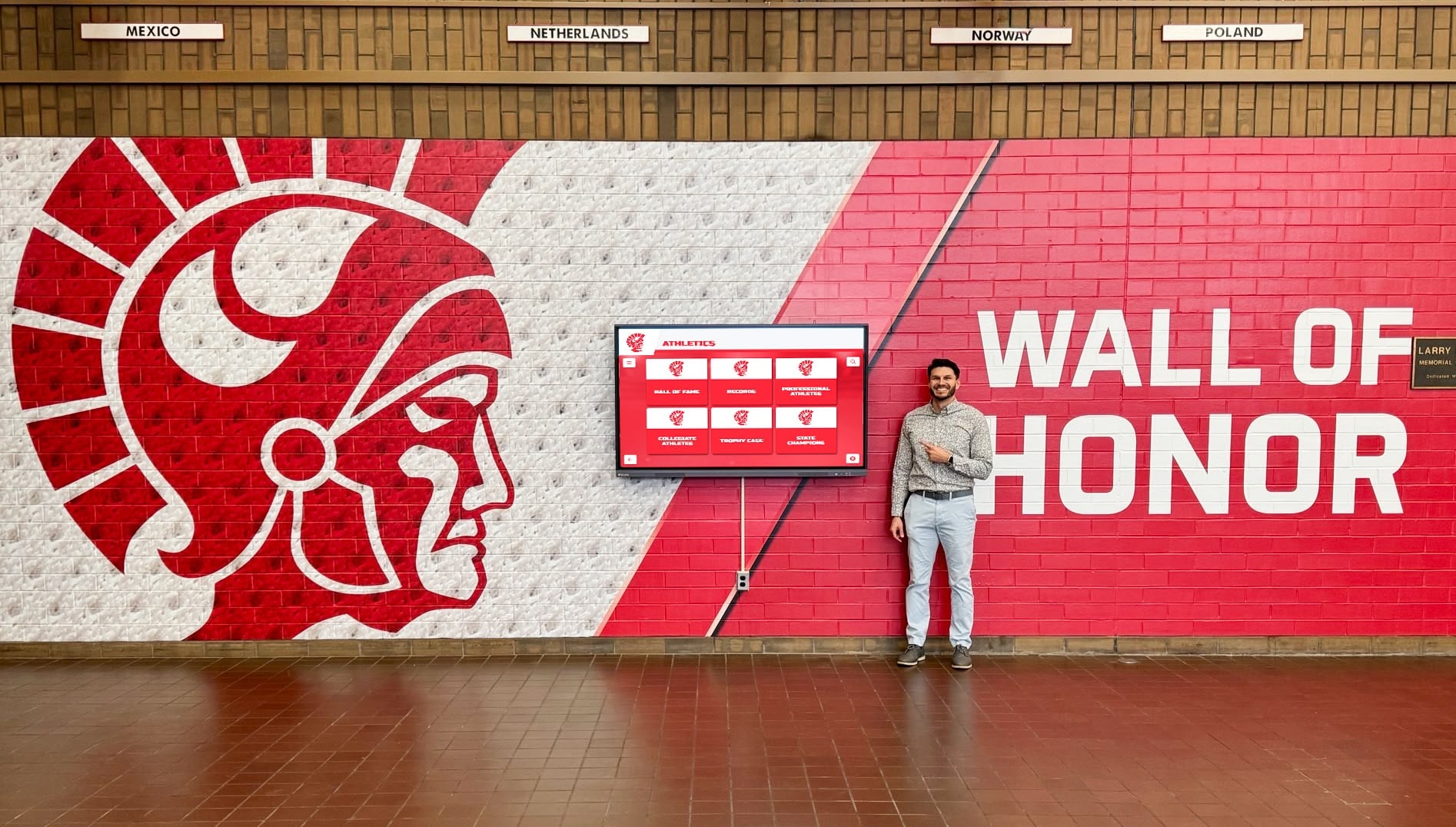
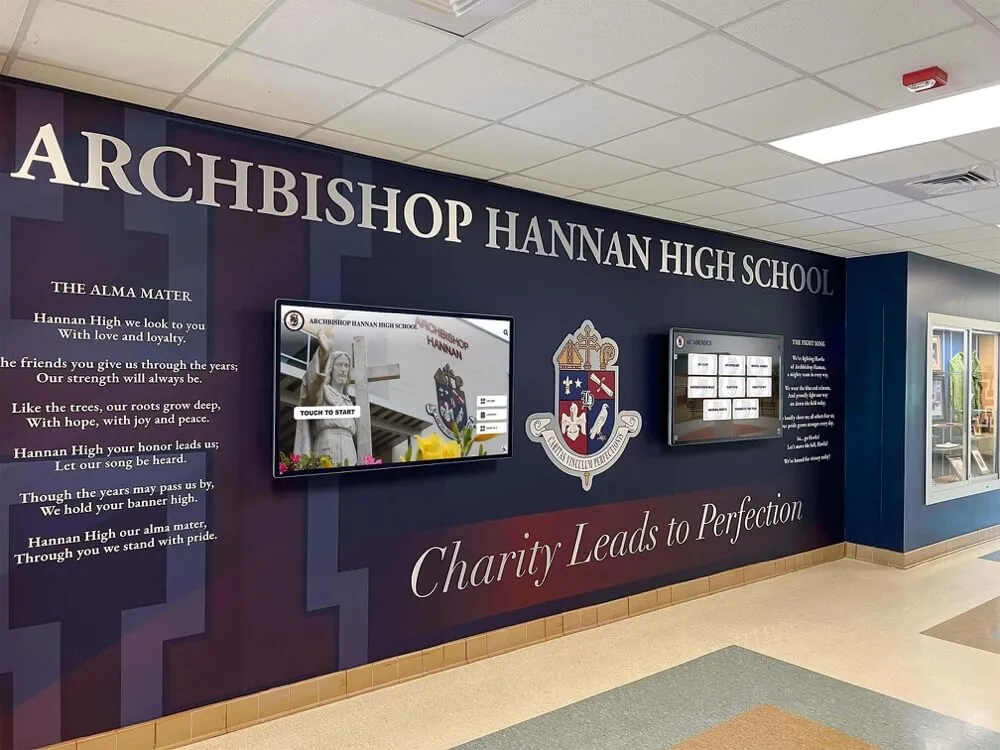
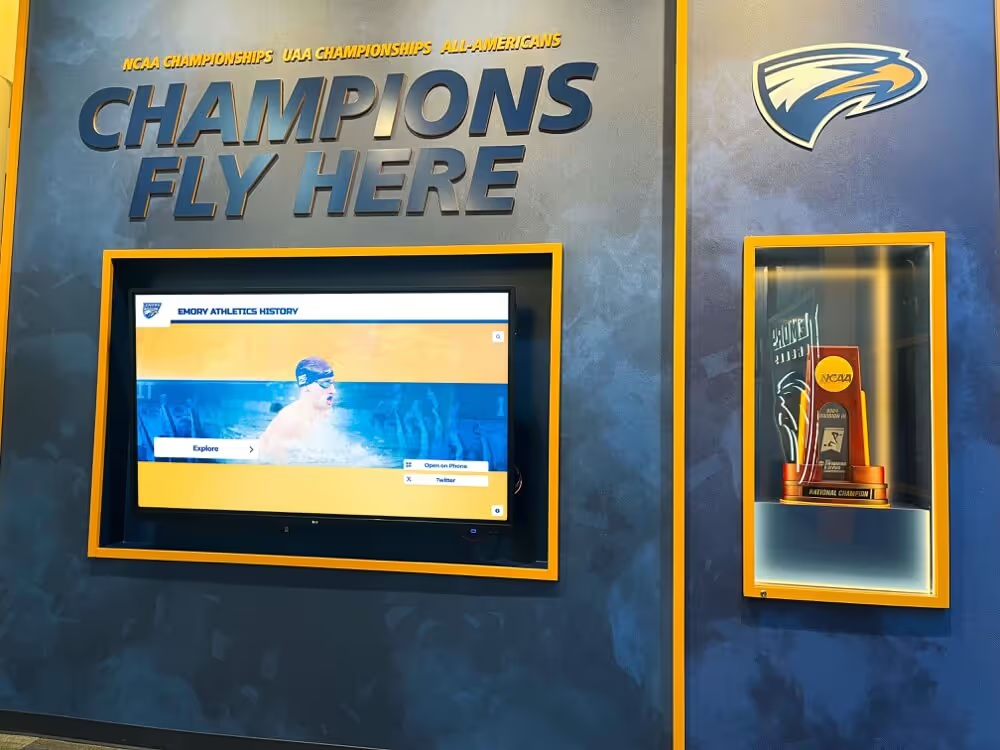
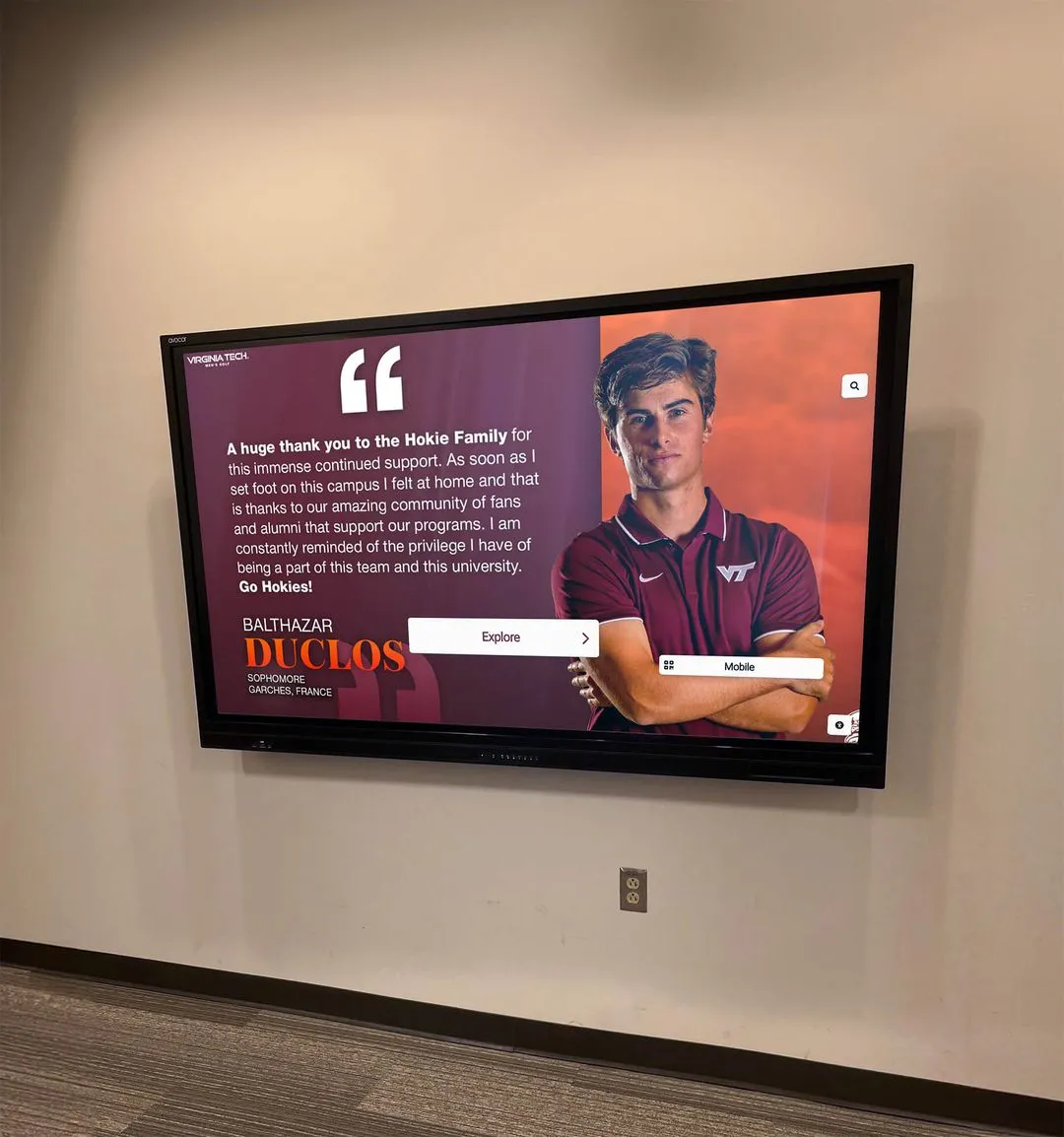
Schools use recognition displays to celebrate service achievements and inspire continued community engagement
PVSA Award Levels and Categories
The program recognizes service through tiered award levels acknowledging different commitment depths:
Age Group Categories
The PVSA structures requirements by life stage:
- Kids (5-10 years old): Age-appropriate hour requirements
- Teens (11-15 years old): Moderate service expectations
- Young Adults (16-25 years old): Higher thresholds reflecting greater capacity
- Adults (26+): Substantial service commitment requirements
- Families and Groups: Aggregate hour requirements
This age-based structure ensures appropriate recognition for volunteers at different developmental stages while maintaining meaningful standards across all categories.
Award Tiers Within Each Category
Each age group features multiple recognition levels:
- Bronze Award: Entry-level recognition for substantial service
- Silver Award: Mid-tier acknowledgment for significant commitment
- Gold Award: High-achievement recognition for exceptional service
- President’s Lifetime Achievement Award: Cumulative recognition for 4,000+ lifetime service hours
This tiered structure creates recognition opportunities for volunteers at various commitment levels while providing aspirational goals encouraging increased service over time.
Qualification Requirements and Hour Thresholds
Understanding specific eligibility criteria enables students and organizations to plan service activities qualifying for PVSA recognition.
Service Hour Requirements by Age and Award Level
The PVSA establishes clear hour thresholds for each recognition tier:
Kids (Ages 5-10)
- Bronze: 26-49 hours within a 12-month period
- Silver: 50-74 hours within a 12-month period
- Gold: 75+ hours within a 12-month period
Teens (Ages 11-15)
- Bronze: 50-74 hours within a 12-month period
- Silver: 75-99 hours within a 12-month period
- Gold: 100+ hours within a 12-month period
Young Adults (Ages 16-25)
- Bronze: 100-174 hours within a 12-month period
- Silver: 175-249 hours within a 12-month period
- Gold: 250+ hours within a 12-month period
Adults (Ages 26 and older)
- Bronze: 100-249 hours within a 12-month period
- Silver: 250-499 hours within a 12-month period
- Gold: 500+ hours within a 12-month period
President’s Lifetime Achievement Award
- Available to any age group
- Requires 4,000+ cumulative lifetime service hours
- Recognizes sustained long-term volunteer commitment
These thresholds ensure recognition remains meaningful while creating achievable goals for volunteers at different engagement levels.
What Service Activities Qualify?
Not all volunteer activities meet PVSA criteria—understanding eligible service ensures accurate hour tracking:
Qualifying Service Activities
- Direct service to individuals or communities
- Environmental conservation and sustainability projects
- Tutoring and educational support programs
- Senior citizen assistance and companionship
- Food bank and hunger relief activities
- Hospital and healthcare support roles
- Animal shelter and rescue volunteering
- Community cleanup and beautification projects
- Disaster relief and emergency response
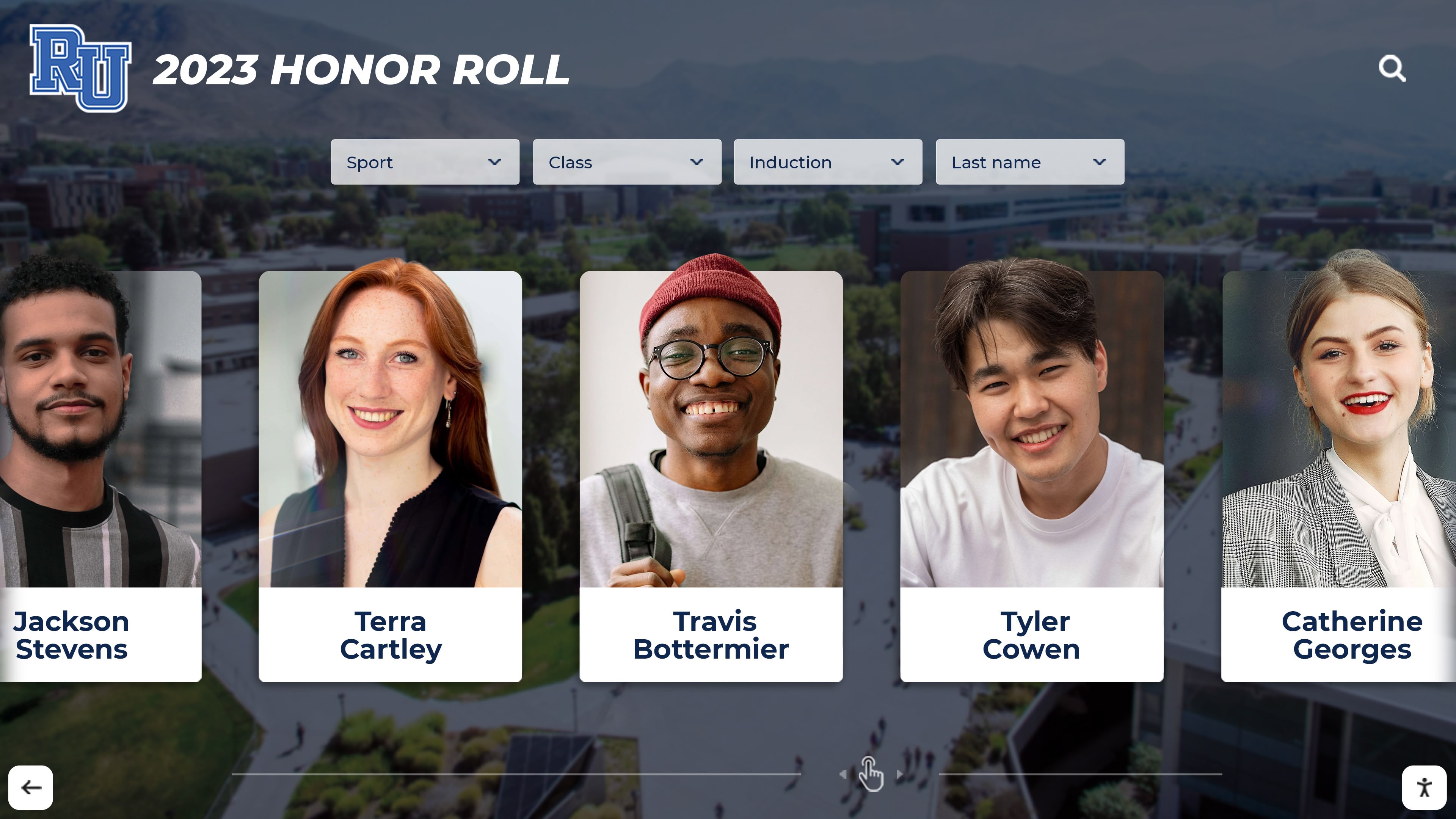
Individual recognition profiles document service hours and specific contributions
Non-Qualifying Activities
Certain activities do not meet PVSA standards:
- Court-ordered community service or service required to address legal violations
- Service performed for direct compensation or payment
- Activities primarily benefiting family members or close friends
- Religious proselytizing or political campaigning
- Fundraising activities where the volunteer directly benefits
- Service that primarily benefits the volunteer rather than community
Schools and organizations should carefully review activity eligibility to ensure accurate hour reporting and appropriate recognition.
For schools developing comprehensive recognition programs alongside service awards, explore student achievement display frameworks celebrating diverse accomplishments.
How to Apply for the Presidential Volunteer Service Award
The PVSA application process requires working through authorized Certifying Organizations that verify service hours and distribute awards.
Understanding Certifying Organizations
The PVSA program operates through a network of authorized organizations:
What Certifying Organizations Do
- Verify volunteer service hours through documentation
- Maintain records of volunteer activities and contributions
- Submit award applications on behalf of qualified volunteers
- Distribute PVSA recognition items including certificates and pins
- Ensure service meets program eligibility standards
- Track cumulative hours for Lifetime Achievement Award qualification
Types of Certifying Organizations
- Schools and educational institutions (K-12, colleges, universities)
- Nonprofit organizations and community service agencies
- Faith-based organizations with service programs
- Volunteer centers and United Way organizations
- National service programs like AmeriCorps
- Youth organizations including Scouts, 4-H, and Boys & Girls Clubs
Students typically pursue PVSA recognition through their schools if the institution has registered as a Certifying Organization, or through the nonprofit where they volunteer.
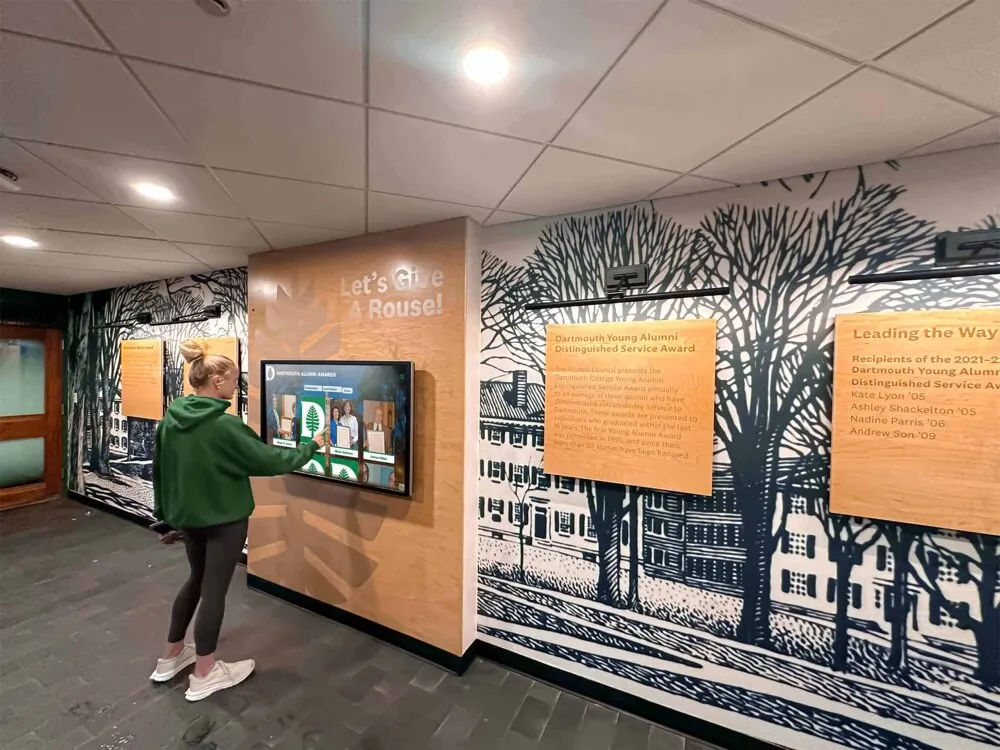
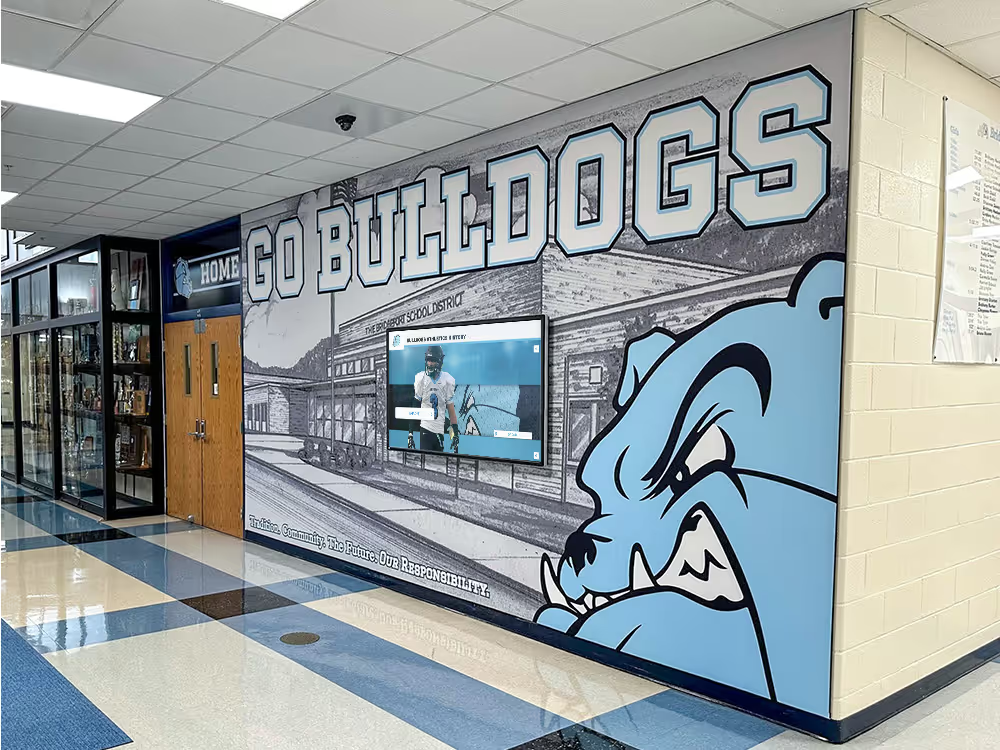
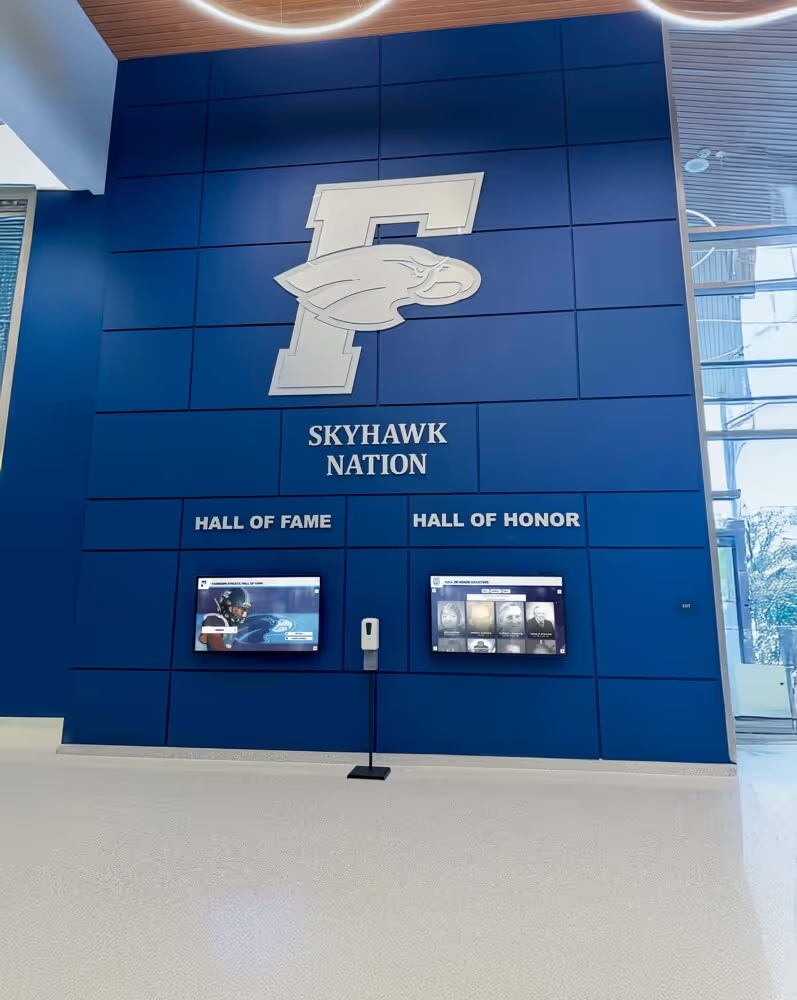
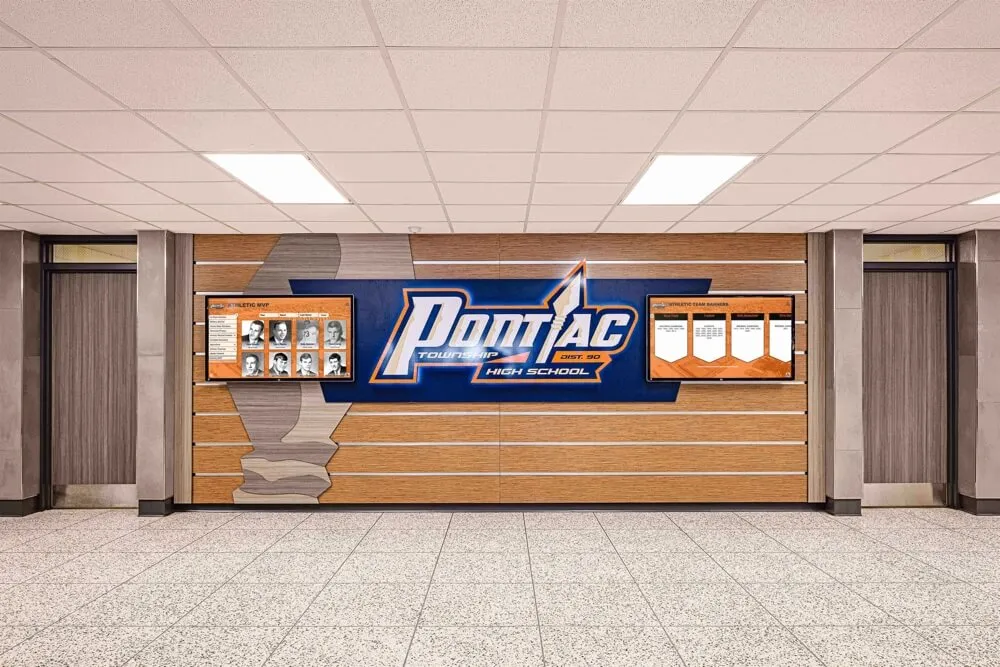
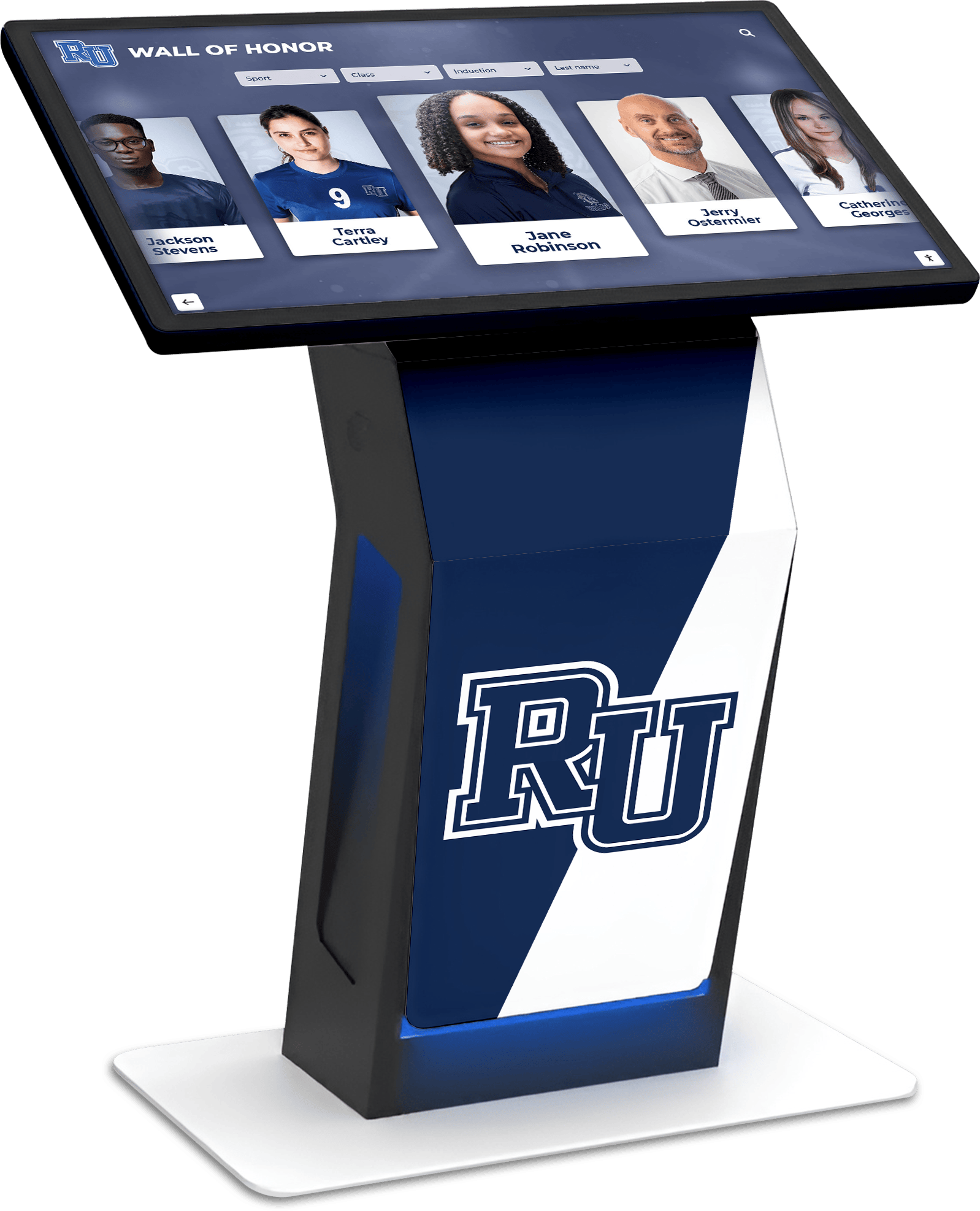
Digital displays enable schools to showcase service awards alongside academic and athletic recognition
Registration Process for Organizations
Schools and nonprofits must register to become Certifying Organizations:
Organization Registration Steps
- Review Program Requirements: Understand responsibilities and standards for Certifying Organizations
- Complete Online Registration: Submit application through the official PVSA portal
- Pay Annual Registration Fee: Modest fee covering program administration (approximately $250-350 annually)
- Designate Program Administrator: Assign staff member responsible for verification and reporting
- Establish Verification Procedures: Create systems for documenting and validating service hours
- Order Award Materials: Purchase certificates, pins, and recognition items as needed
Organizations should complete registration several months before anticipated award distribution to ensure processing time.
Application Process for Individual Volunteers
Students and volunteers pursue recognition through their Certifying Organization:
Step-by-Step Application Process
- Identify Your Certifying Organization: Determine whether your school, volunteer site, or other organization is registered
- Document Service Hours: Maintain detailed records including dates, locations, activities, and hours served
- Obtain Verification: Secure signatures or confirmation from service site supervisors
- Submit to Certifying Organization: Provide documentation to designated program administrator
- Organization Reviews and Verifies: Certifying Organization confirms eligibility and accuracy
- Award Processing: Organization submits verified applications and orders recognition items
- Award Distribution: Receive certificate, pin, and congratulatory letter from the President
The timeline from submission to award receipt typically spans 4-8 weeks depending on organization processing and shipping times.
Documentation Best Practices
Accurate record-keeping ensures smooth processing:
- Track hours contemporaneously rather than reconstructing later
- Include specific dates, times, and service descriptions
- Obtain supervisor signatures or verification emails promptly
- Photograph service activities when possible
- Maintain backup documentation in case questions arise
- Store records securely throughout the service period
Many schools implement digital tracking systems enabling students to log hours regularly, simplifying the eventual application process. For schools managing multiple recognition programs, comprehensive digital platforms streamline documentation and celebration.
Service Hour Tracking and Documentation
Effective tracking systems ensure accurate hour reporting and simplified application processes.
Creating Service Hour Tracking Systems
Schools implementing PVSA programs should establish systematic tracking:
Manual Tracking Methods
- Service hour log sheets distributed to students
- Supervisor signature verification forms
- Monthly or quarterly hour reporting to school coordinator
- Physical portfolios documenting service activities
- Photo evidence of service participation
Digital Tracking Solutions
- Online service hour logging platforms
- Mobile apps enabling real-time hour entry
- Automated supervisor verification requests
- Cloud-based record storage and backup
- Integration with school information systems
- Automated hour calculation and award level notifications
Digital solutions reduce administrative burden while improving accuracy and student engagement with tracking requirements.
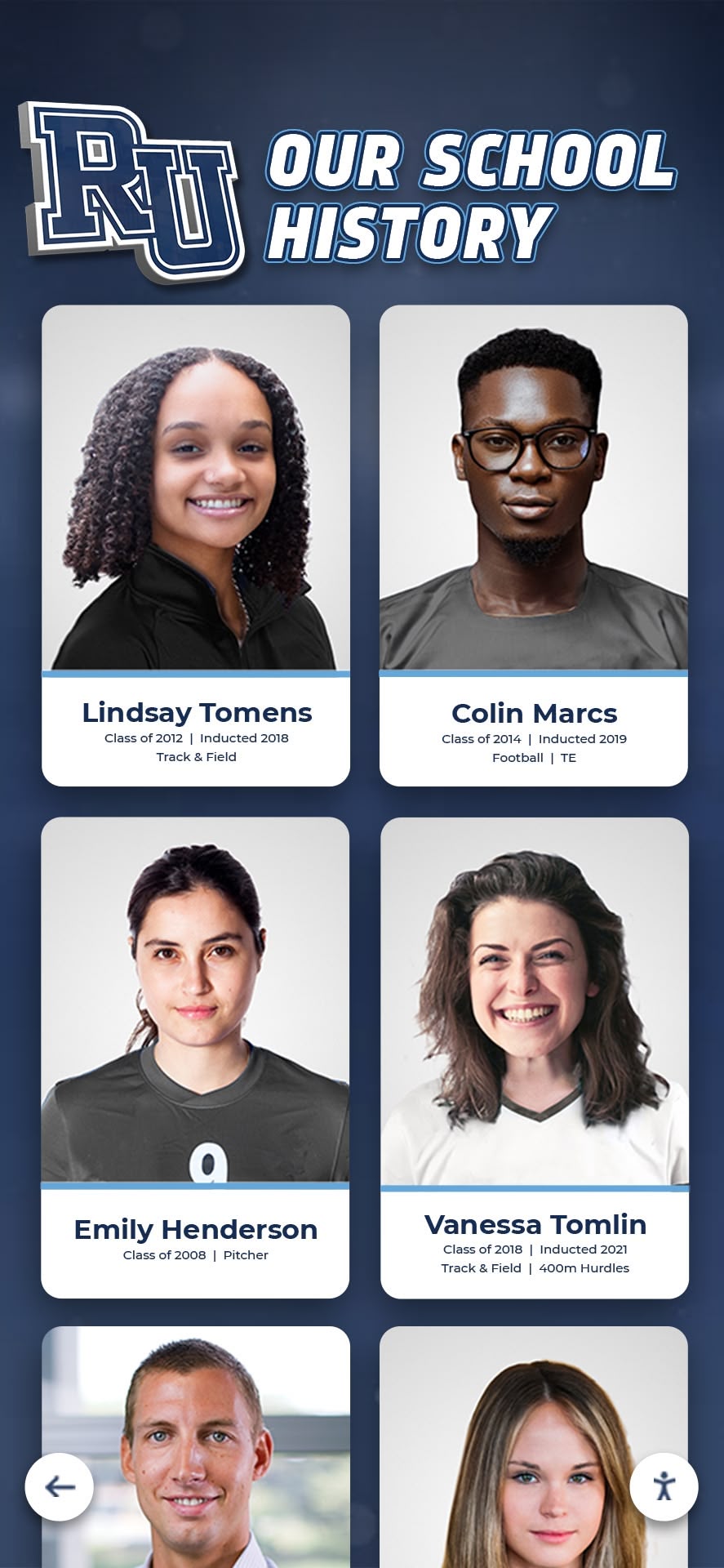
Digital archives preserve service achievements across multiple years and student cohorts
Verification Standards and Procedures
Certifying Organizations must maintain documentation standards:
Required Documentation Elements
- Volunteer name and age category
- Service organization name and contact information
- Specific service dates and hours per occasion
- Description of activities performed
- Supervisor signature or electronic verification
- Total hours completed within qualifying period
Quality Control Measures
- Random audits of submitted documentation
- Supervisor contact verification for questionable submissions
- Cross-reference service hours with organizational records
- Clear standards communicated to students and families
- Consistent enforcement of eligibility criteria
- Appeal processes for disputed hours
Strong verification procedures maintain program integrity while ensuring deserving volunteers receive appropriate recognition.
Common Documentation Challenges and Solutions
Schools frequently encounter tracking obstacles:
Challenge: Students Forget to Log Hours Regularly
- Solution: Implement weekly or monthly reminder systems
- Solution: Require periodic check-ins with service coordinator
- Solution: Make logging part of advisory or homeroom routine
- Solution: Provide incentives for timely documentation
Challenge: Supervisor Verification Delays
- Solution: Request verification immediately after service completion
- Solution: Provide pre-addressed verification forms
- Solution: Establish digital verification options reducing paperwork
- Solution: Build relationships with frequent service site supervisors
Challenge: Lost Documentation
- Solution: Require digital photo backups of all paperwork
- Solution: Implement cloud-based storage of service records
- Solution: Create duplicate record systems
- Solution: Periodic record check-ins before final submission
Proactive systems prevent documentation issues that might disqualify otherwise eligible volunteers.
Schools and Organizations: Implementing PVSA Programs
Educational institutions benefit from systematic approaches to PVSA implementation and recognition.
Planning and Launching School PVSA Programs
Strategic planning ensures successful program implementation:
Needs Assessment and Planning
- Survey student interest in service recognition
- Assess current service-learning program integration
- Evaluate administrative capacity for program management
- Budget for registration fees and award materials
- Identify staff coordinator and backup administrators
- Establish timeline for launch and first award cycle
Program Design Decisions
- Determine whether to pursue school-wide participation or start with pilot groups
- Establish internal deadlines for hour submission and verification
- Create student information and promotional materials
- Develop parent communication explaining program and expectations
- Design recognition ceremony and celebration approaches
- Plan integration with existing service-learning curriculum
Schools should begin planning 6-9 months before anticipated first award distribution, allowing time for organization registration, student enrollment, service completion, and processing.
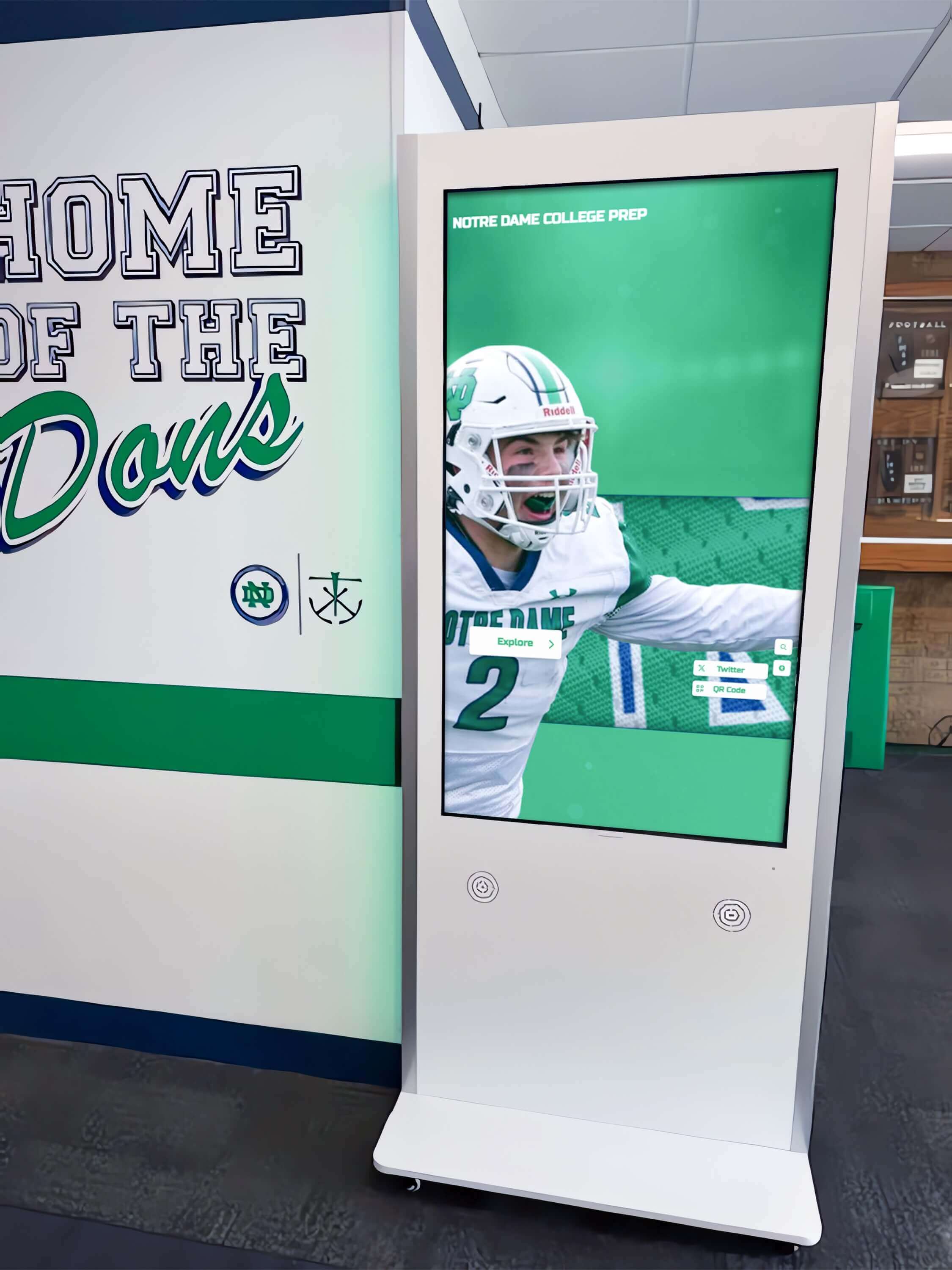
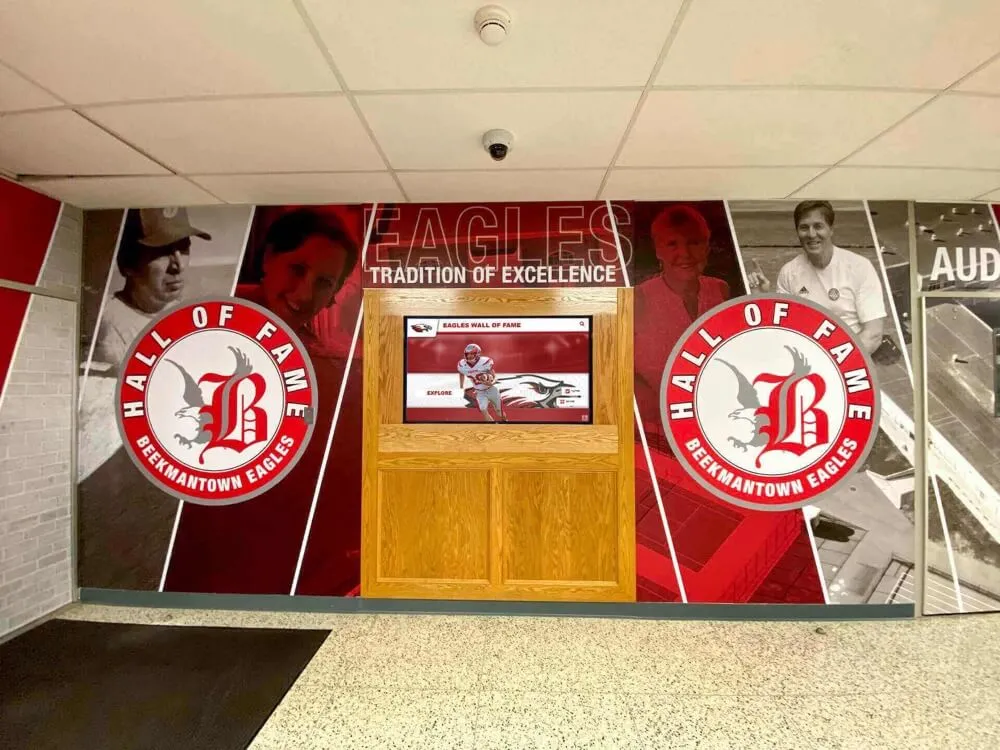
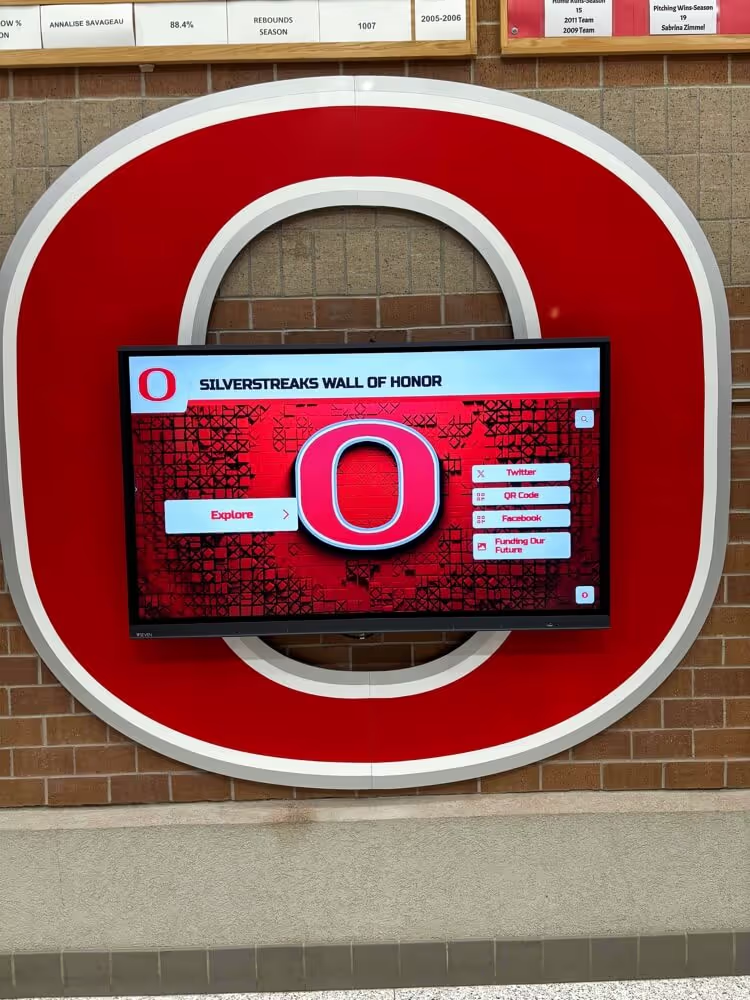
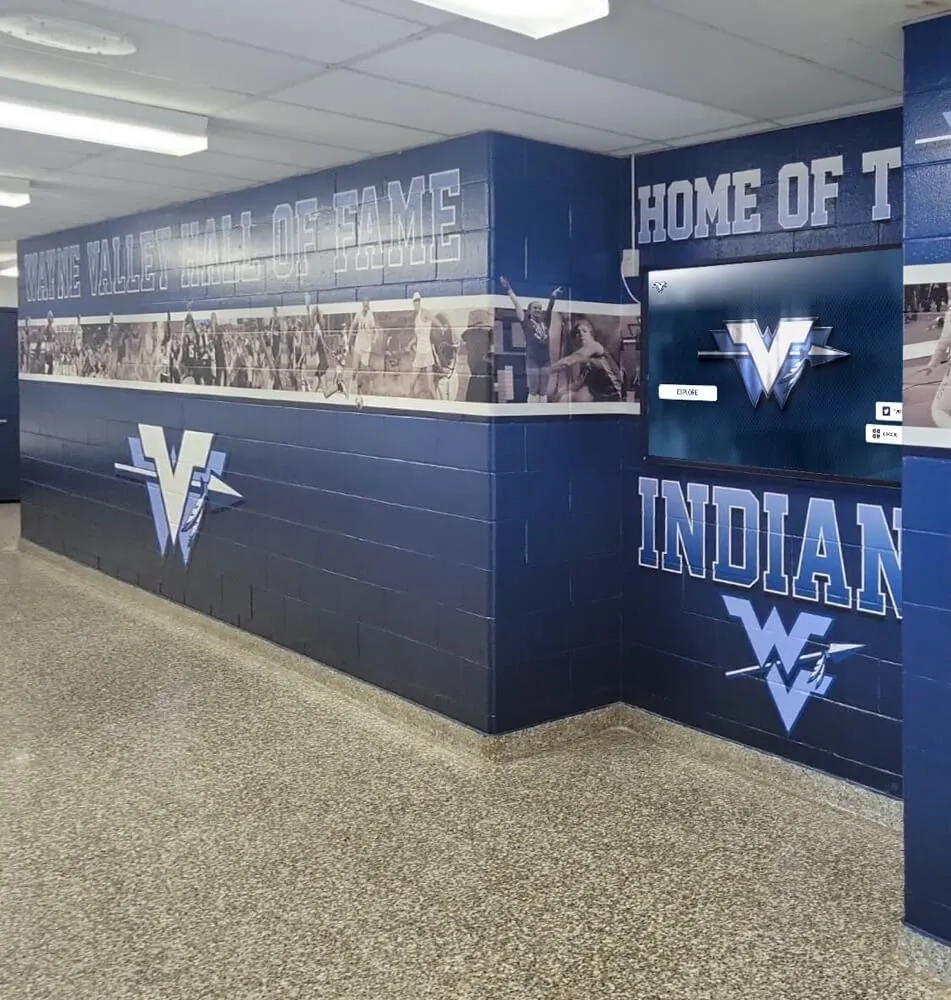
Permanent recognition displays in high-traffic areas keep service achievements visible year-round
Student Recruitment and Engagement
Maximizing participation requires strategic promotion:
Communication Strategies
- Assembly presentations explaining PVSA benefits and requirements
- Service fair showcasing qualifying opportunities
- Parent information sessions and written materials
- Student handbook and website program information
- Peer ambassadors sharing personal PVSA experiences
- Integration with college preparation programming
Service Opportunity Development
- Partner with local nonprofits needing regular volunteers
- Create school-based service projects qualifying for PVSA hours
- Organize group service events accumulating hours for multiple students
- Connect students with causes matching personal interests
- Provide transportation assistance when feasible
- Offer diverse service options accommodating different abilities and interests
Schools report higher participation when service opportunities feel accessible, meaningful, and aligned with student interests rather than purely hour-driven.
Recognition and Celebration Strategies
How schools honor PVSA recipients significantly impacts program effectiveness:
Award Distribution Ceremonies
- Dedicated service recognition events celebrating all recipients
- Integration into existing award ceremonies or assemblies
- Grade-level specific recognition enabling peer celebration
- Family invitation creating shared pride moments
- Student testimonials about service impact
- Community partner participation acknowledging student contributions
Ongoing Visibility and Recognition
- Hallway displays featuring PVSA recipients
- Morning announcements acknowledging new award recipients
- Newsletter and social media recognition
- School website PVSA recipient profiles
- Digital recognition displays showcasing service achievements alongside academic and athletic honors
- Service alumni connection showing long-term impact
Multi-channel recognition ensures PVSA achievements receive visibility comparable to other student accomplishments, reinforcing that schools value service equally with academics and athletics.
For comprehensive recognition strategies, schools can explore end-of-year award frameworks celebrating diverse student achievements.
Benefits of PVSA Recognition for Students
Understanding recognition value helps students and families appreciate program significance.
College Application and Scholarship Benefits
PVSA recognition strengthens college applications in multiple ways:
Application Enhancement Value
- Demonstrates sustained community commitment beyond isolated activities
- Provides specific, quantifiable service hour documentation
- Shows presidential-level recognition validating service significance
- Distinguishes students in competitive applicant pools
- Documents character qualities colleges seek
- Supports application essays about service experiences
According to National Association for College Admission Counseling research, meaningful community service involvement positively influences admission decisions at selective institutions, with formal recognition programs like PVSA adding credibility to claimed service hours.
Scholarship Opportunities
- Many service-focused scholarships require documented volunteer hours
- PVSA recognition demonstrates eligibility for service awards
- Presidential recognition strengthens scholarship applications
- Some scholarships specifically recognize PVSA recipients
- Hour thresholds often align with scholarship requirements
- Documentation simplifies scholarship application processes
Students should maintain PVSA certificates and documentation as part of college and scholarship application materials.
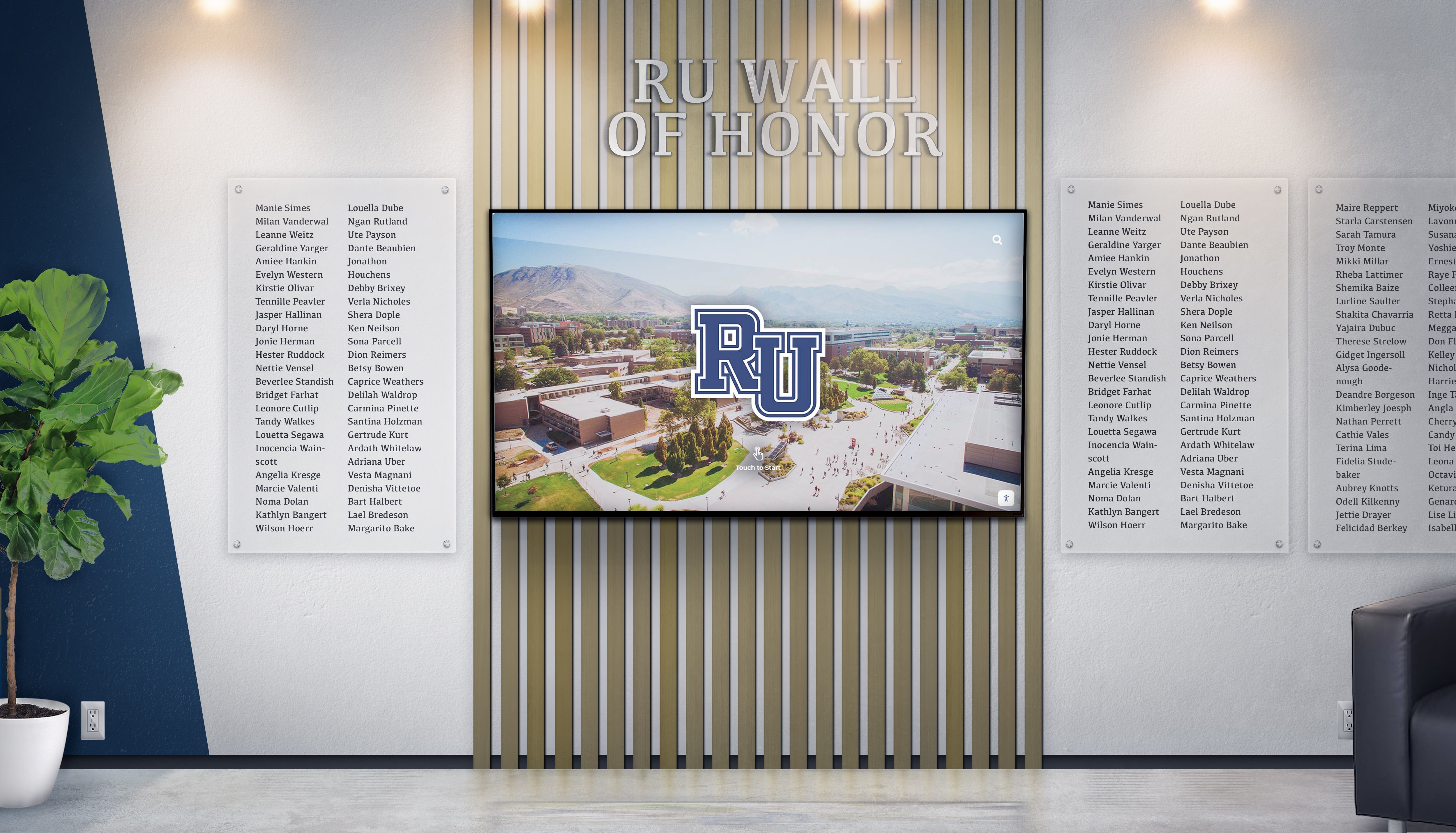
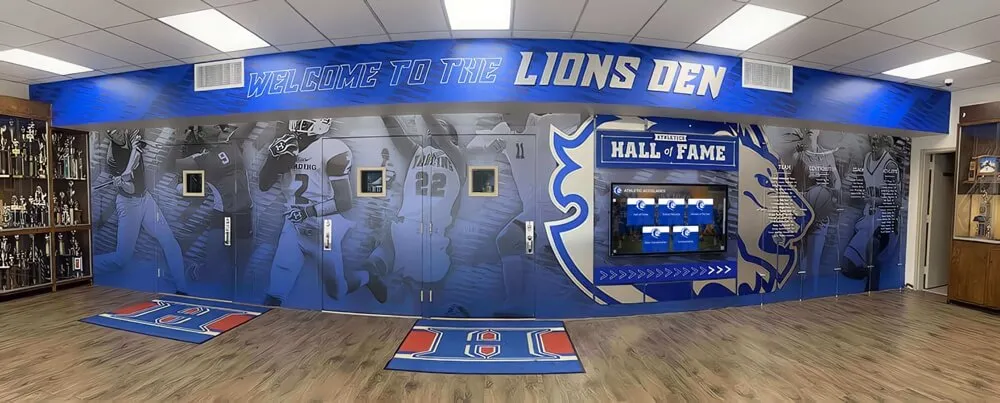
Integrated recognition systems celebrate service achievements alongside academic honors and athletic accomplishments
Personal Development and Skill Building
Service experiences underlying PVSA qualification develop essential capabilities:
Character and Social-Emotional Development
- Empathy expansion through exposure to different life circumstances
- Perspective-taking abilities strengthened through community engagement
- Civic responsibility understanding and commitment development
- Leadership skills through service project coordination
- Teamwork and collaboration practice
- Problem-solving in real-world contexts
Career-Related Skill Development
- Professional communication with adults and supervisors
- Time management balancing service with academics
- Responsibility and reliability demonstration
- Specialized skills in service areas (healthcare, education, environment)
- Resume-building with concrete accomplishments
- Reference development from service site supervisors
These transferable skills benefit students regardless of eventual career paths while building foundations for lifelong civic engagement.
Recognition and Motivation Effects
PVSA acknowledgment produces psychological and motivational benefits:
Intrinsic Motivation Enhancement
- External recognition validating internal service motivation
- Pride in accomplishment encouraging continued engagement
- Social recognition normalizing service among peers
- Identity development as “someone who serves”
- Confidence building through recognized achievement
- Sense of purpose connected to community impact
Research indicates that recognition programs increase sustained volunteer engagement, with PVSA recipients more likely to continue service activities beyond award qualification periods.
For schools exploring comprehensive recognition including service achievements, digital display solutions enable unlimited recognition capacity.
Modern Recognition Display Solutions for PVSA Recipients
Technology enables schools to celebrate service achievements through engaging, permanent recognition systems.
Digital Recognition Platform Benefits
Modern schools leverage digital displays to honor PVSA recipients:
Unlimited Recognition Capacity Traditional plaques limit how many recipients schools can display:
- Digital systems showcase unlimited PVSA recipients across all years
- No need to remove historical recognition to add current recipients
- Comprehensive service award archives preserving institutional tradition
- Equal visibility for Bronze, Silver, Gold, and Lifetime Achievement recipients
Interactive Exploration Features Digital displays create engagement impossible with static recognition:
- Search functionality enabling students to find PVSA recipients by name, year, or award level
- Filtering by service focus area or community organization
- Detailed profiles sharing service stories and community impact
- Photo galleries documenting service activities
- Video testimonials explaining why students chose to serve
Schools using interactive recognition systems report students spending 5-8 minutes exploring service achievements compared to seconds viewing static displays.
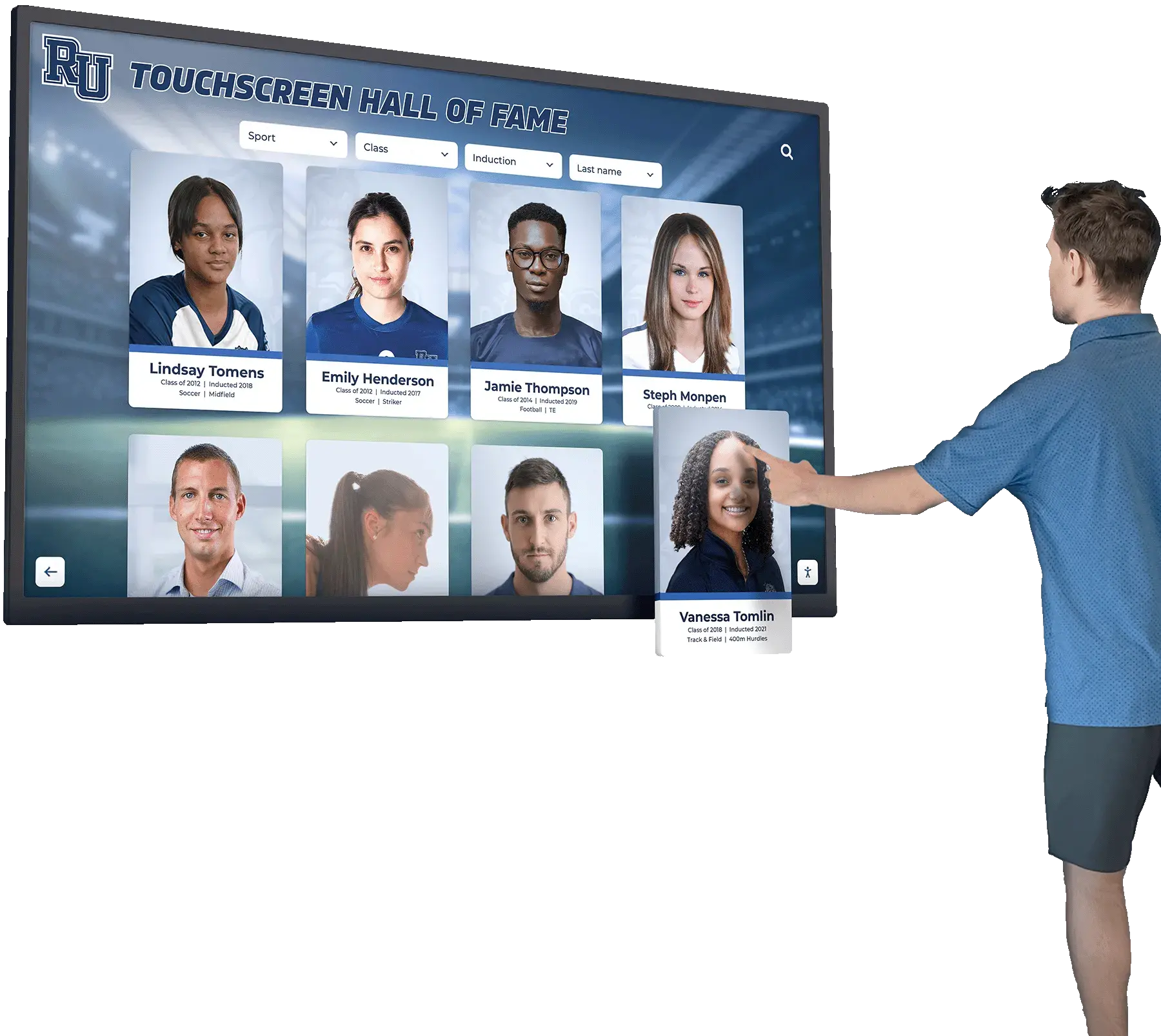
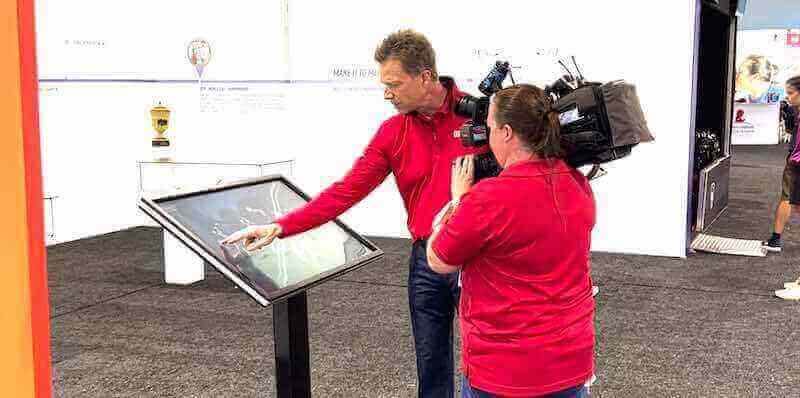
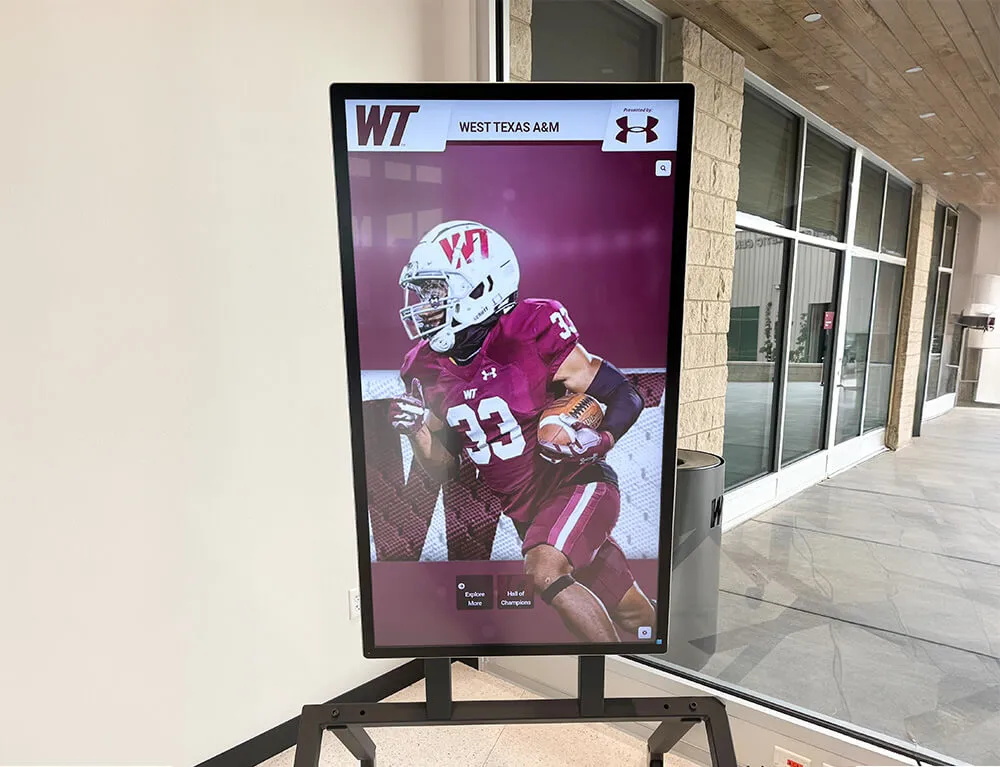
Touchscreen displays enable detailed exploration of service achievements and volunteer stories
Simple Content Management Cloud-based systems simplify recognition updates:
- Remote updates from any internet-connected device
- Bulk import of PVSA recipient data
- Template systems ensuring consistent professional appearance
- Scheduled publishing for award ceremony timing
- Multi-administrator access enabling shared management
- Automated backups protecting recognition archives
Service coordinators report 80-90% time savings maintaining digital recognition compared to traditional plaque systems.
Integrating Service Recognition With Academic and Athletic Honors
Comprehensive recognition systems celebrate all student achievements:
Multi-Dimensional Recognition Displays Schools should position service recognition equally with other accomplishments:
- Single display system showcasing academics, athletics, and service
- Navigation enabling exploration across achievement categories
- Equivalent presentation quality for all recognition types
- Integration showing students who excel in multiple dimensions
- Filters enabling focused viewing by achievement type
This integrated approach signals that schools value service as highly as traditional accomplishments, reinforcing institutional commitment to developing well-rounded students.
Physical Placement Strategy Recognition display location affects program impact:
- High-traffic areas maximizing daily visibility
- Main entrances welcoming visitors with achievement showcase
- Service learning classroom proximity connecting recognition to curriculum
- Multiple location deployment when facility size warrants
- Mobile access extending recognition beyond physical campus
Strategic placement ensures service achievements receive visibility inspiring continued community engagement. For schools considering comprehensive recognition, digital recognition platforms offer turnkey solutions.
Creating Lasting Service Award Archives
Permanent recognition preserves institutional service tradition:
Historical Service Recognition Archives
- Cumulative PVSA recipient records across all years
- Service hour trend analysis showing program growth
- Alumni profiles connecting service to post-graduation success
- Organizational partnerships documenting community relationships
- Service impact metrics demonstrating collective contribution
Storytelling Through Service Recognition The most compelling displays transcend name lists:
- Video testimonials from PVSA recipients explaining service motivation
- Photo galleries documenting service projects
- Impact stories showing what volunteer hours accomplished
- Community partner testimonials acknowledging student contributions
- Connection to school mission and values
Digital platforms enable rich storytelling impossible with traditional recognition plaques, creating emotional resonance inspiring future student engagement.
Common PVSA Program Challenges and Solutions
Schools implementing recognition programs encounter predictable obstacles:
Student Participation and Motivation Challenges
Challenge: Students View Service as Purely Hour-Driven Many students focus on accumulating hours rather than meaningful engagement:
- Solution: Emphasize service learning curriculum connecting service to deeper understanding
- Solution: Require reflection activities helping students process service experiences
- Solution: Highlight stories of impactful service rather than just hour totals
- Solution: Recognize service quality alongside quantity in school-based awards
Challenge: Limited Service Opportunities Students struggle finding qualifying service placements:
- Solution: Develop partnerships with multiple nonprofits needing regular volunteers
- Solution: Create school-based service projects qualifying for PVSA hours
- Solution: Organize transportation to service sites reducing access barriers
- Solution: Publish comprehensive service opportunity directory with contact information
- Solution: Coordinate group service events enabling multiple students to participate
Challenge: Unequal Access Based on Family Resources Students with transportation, flexible schedules, and family support more easily accumulate hours:
- Solution: Provide school-sponsored transportation to service sites
- Solution: Offer diverse service opportunities accommodating different schedules
- Solution: Create on-campus service options requiring no transportation
- Solution: Weekend and evening service opportunities for working students
- Solution: Summer service programs for students unable to serve during school year
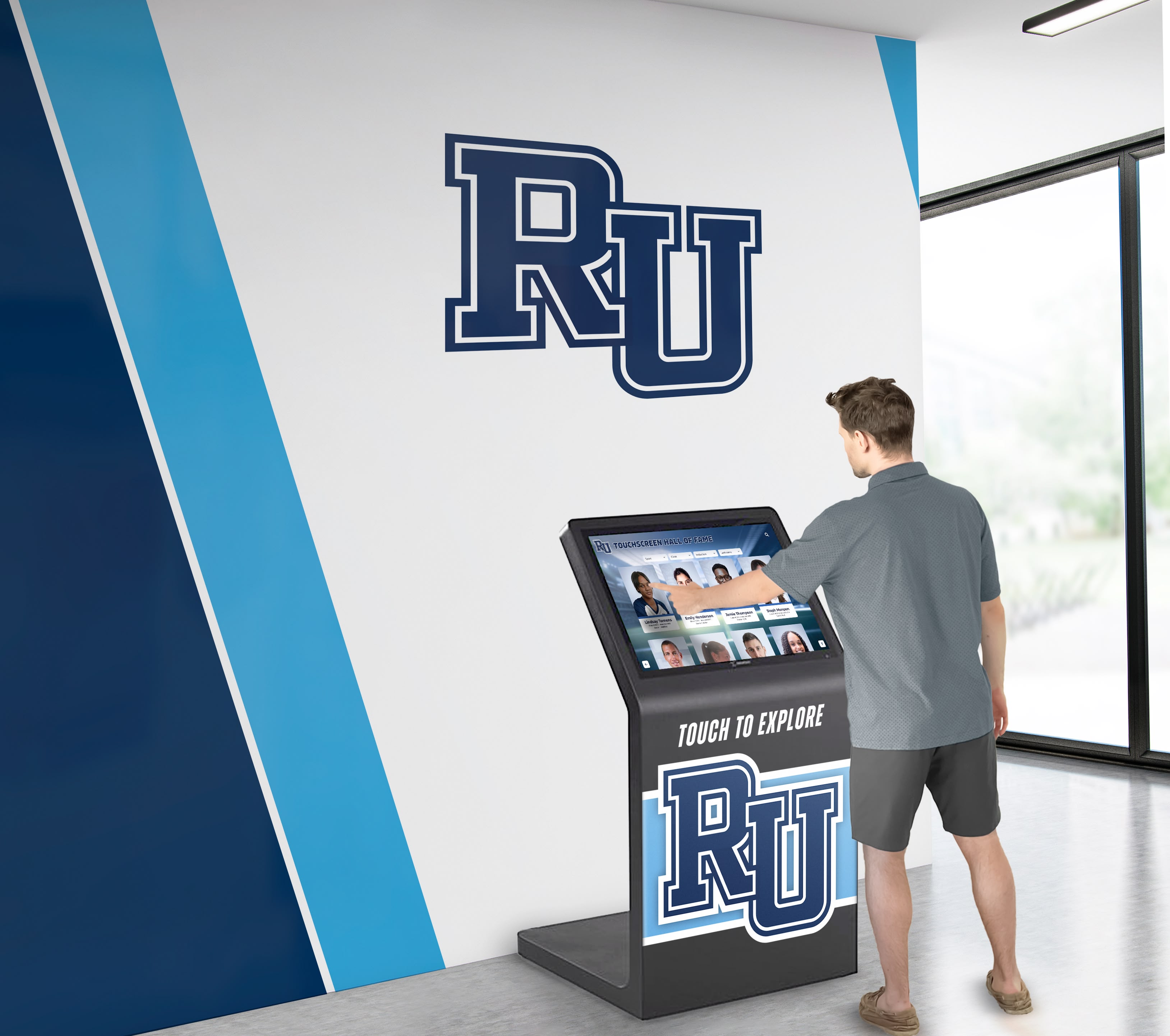
Accessible displays enable all students to explore service opportunities and celebrate peer achievements
Administrative and Documentation Challenges
Challenge: Time-Intensive Verification Processes Reviewing and verifying service documentation burdens school staff:
- Solution: Implement digital tracking systems reducing manual data entry
- Solution: Train student ambassadors to perform initial documentation review
- Solution: Establish standardized verification forms streamlining processing
- Solution: Create relationships with frequent service sites simplifying verification
- Solution: Conduct periodic hour reviews rather than waiting for year-end submission
Challenge: Inconsistent Documentation Quality Students submit incomplete or unclear service records:
- Solution: Provide clear documentation templates and examples
- Solution: Conduct training sessions explaining documentation requirements
- Solution: Implement monthly record check-ins catching issues early
- Solution: Return incomplete submissions with specific correction guidance
- Solution: Recognize exemplary documentation encouraging quality standards
Challenge: Award Processing Delays Long timelines from submission to award receipt reduce recognition impact:
- Solution: Establish internal deadlines providing buffer before processing cutoffs
- Solution: Process applications in batches throughout year rather than single annual submission
- Solution: Communicate realistic timelines managing student and family expectations
- Solution: Provide immediate recognition while official awards are processed
- Solution: Order award materials in advance when possible
For schools managing multiple recognition programs, digital management platforms centralize administration reducing coordination burden.
Connecting PVSA to Broader Service-Learning Programs
PVSA recognition works best when integrated into comprehensive service-learning initiatives:
Service-Learning Curriculum Integration
Effective programs connect service to academic learning:
Curricular Connections
- Social studies classes exploring community issues addressed through service
- English classes incorporating service reflection writing
- Science courses conducting environmental service projects
- Math classes analyzing community data informing service priorities
- Arts programs creating work for community benefit
This integration transforms service from extracurricular addition to central educational experience while naturally generating PVSA-qualifying hours.
Reflection and Analysis Deep learning requires processing service experiences:
- Regular journaling about service experiences and observations
- Class discussions analyzing root causes of community needs
- Research projects examining effective service approaches
- Presentations sharing service learning with broader audiences
- Portfolio development documenting growth through service
These reflection activities enhance service’s educational value while providing documentation supporting PVSA applications.
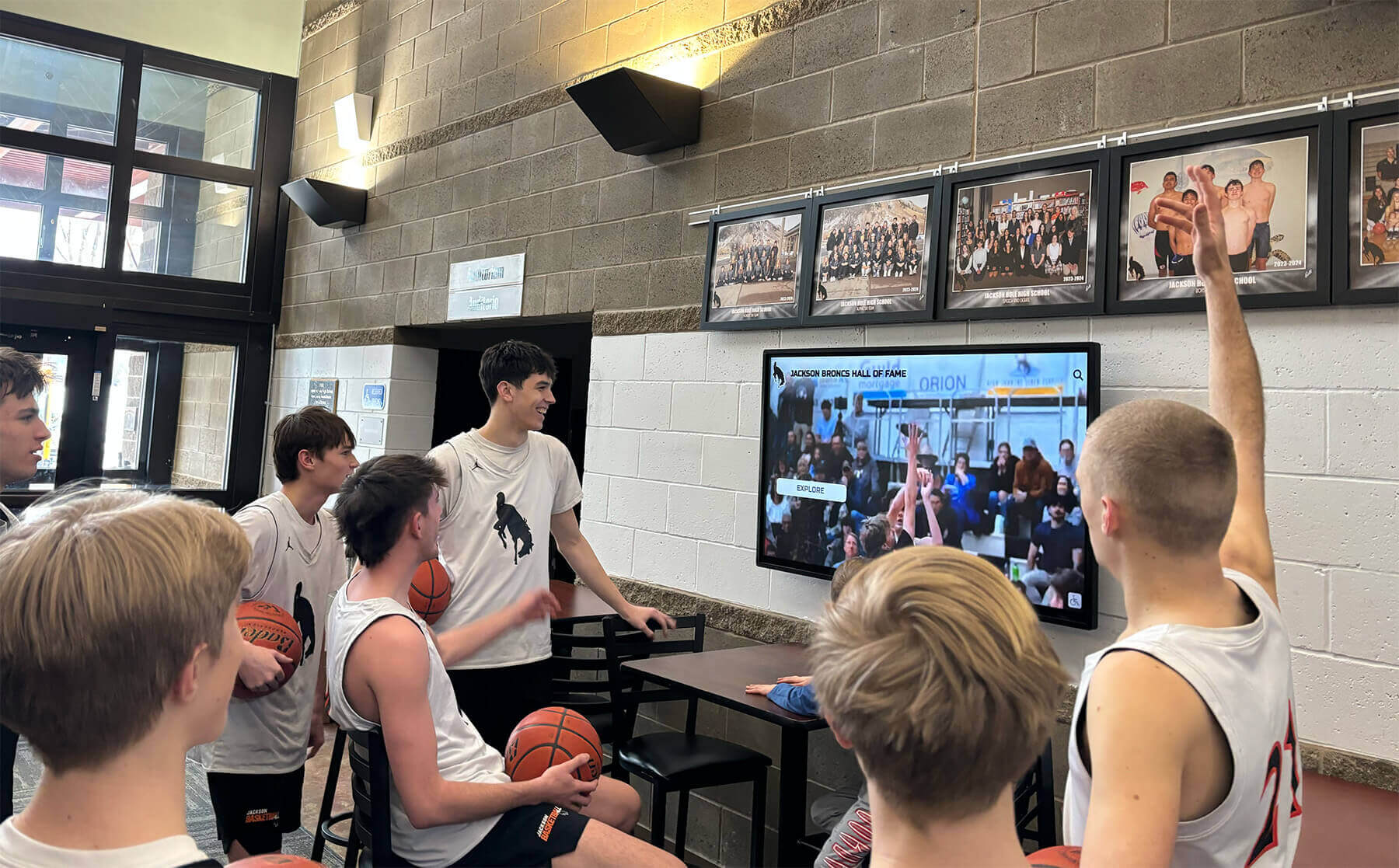
Recognition displays create gathering points for students to explore service achievements and opportunities
Building Service Culture Beyond PVSA
While PVSA provides valuable recognition, healthy service programs emphasize intrinsic motivation:
Culture Development Strategies
- Normalize service as expected community membership rather than exceptional behavior
- Celebrate service impact on communities, not just individual hour accumulation
- Connect service to school mission and values
- Engage faculty and staff in visible service modeling
- Create peer-to-peer service recruitment and mentorship
- Recognize diverse service forms beyond traditional volunteering
Schools with strong service cultures report higher PVSA participation as natural outgrowth of broader engagement rather than primary program driver.
Long-Term Engagement Development PVSA programs should cultivate lifelong service commitment:
- Alumni mentorship showing sustained service importance
- Connection between service and career pathways
- Service opportunities growing with student development
- Leadership pathways within service programs
- Multi-year service traditions creating institutional identity
- Recognition of cumulative service alongside annual achievements
When schools view PVSA as component of comprehensive service education rather than isolated recognition program, students develop authentic commitment extending beyond award qualification.
Celebrate Student Service With Modern Recognition
Discover how interactive digital displays can help your school honor PVSA recipients alongside academic and athletic achievements, creating comprehensive recognition that inspires continued community engagement.
Request a DemoPVSA Recognition Best Practices and Success Strategies
Schools achieving high program impact follow common approaches:
Establishing Clear Program Communication
Transparency ensures student and family understanding:
Initial Program Launch Communication
- Comprehensive information sessions explaining requirements
- Written materials detailing hour thresholds and eligible activities
- Frequently asked questions addressing common concerns
- Timeline outlining application deadlines and award distribution
- Contact information for questions and support
Ongoing Communication Throughout Service Period
- Regular reminders about hour logging and verification
- Progress updates showing students’ current hour totals
- Upcoming service opportunity announcements
- Recognition of milestone achievement during qualification period
- Deadline reminders ensuring timely submission
Consistent communication prevents confusion while maintaining motivation throughout the service period.
Creating Milestone Celebrations
Recognition shouldn’t wait until final award distribution:
Progress Recognition Strategies
- Quarterly recognition of students approaching hour thresholds
- Celebration when students reach Bronze, Silver, or Gold levels
- Interim certificates acknowledging progress toward awards
- Social media spotlights featuring current service activities
- Class or grade-level recognition of collective service hours
These interim celebrations maintain momentum while validating service in progress.
Building Community Partnerships
Strong nonprofit relationships enhance program quality:
Partnership Development
- Identify organizations needing consistent volunteer support
- Establish clear service expectations and supervision structures
- Create streamlined hour verification processes
- Develop multi-year partnerships enabling deep relationships
- Recognize community partners appreciating their student support
Quality partnerships provide meaningful service experiences while simplifying logistical coordination.
For schools developing comprehensive student recognition including service achievements, integrated display systems showcase all dimensions of student excellence.
Beyond Individual Recognition: Group and Family PVSA Awards
The program extends beyond individual student recognition:
Family Service Recognition
The PVSA includes provisions for family volunteer teams:
Family Award Requirements
- Aggregate service hours from multiple family members
- Combined hour totals meeting award thresholds
- Service performed together as family unit
- Documentation showing family participation
Family awards recognize households modeling service commitment while providing meaningful shared experiences strengthening family bonds.
Benefits of Family Service Recognition
- Parents and children serving together
- Younger siblings building service habits
- Shared accomplishment strengthening family identity
- Multi-generational service tradition development
- Service as family value demonstration
Schools promoting family service often see increased student participation as service becomes household priority rather than isolated student activity.

Recognition displays engage families in exploring and celebrating service achievements
Group and Organization Recognition
Schools and organizations can pursue collective recognition:
Group Award Eligibility
- Student clubs and organizations serving together
- Grade-level cohorts with shared service projects
- Athletic teams engaging in community service
- Academic classes incorporating service learning
- School-wide service initiatives
Group recognition celebrates collective impact while building team identity around service values.
Implementing Group Recognition
- Track aggregate hours from all group members
- Document how service connects to group mission
- Celebrate group achievement in addition to individual recognition
- Use group awards to motivate club and team participation
- Connect group service to organizational values
Group awards work particularly well for organizations like National Honor Society chapters naturally emphasizing service as membership component.
Conclusion: Presidential Recognition Inspiring Lifelong Service
The Presidential Volunteer Service Award provides schools with powerful tools to acknowledge student community contributions, validate the significance of volunteer service, and inspire continued civic engagement extending far beyond high school. When schools implement PVSA programs thoughtfully—with clear communication, systematic tracking, meaningful service opportunities, and prominent recognition—they create cultures where serving others becomes normalized, celebrated, and central to student identity development.
Understanding PVSA qualification requirements, application processes, and recognition best practices enables schools to leverage this federal program as part of comprehensive service-learning initiatives developing students’ character, skills, and civic responsibility. From Bronze awards recognizing emerging service commitment through Lifetime Achievement Awards honoring sustained dedication, the tiered structure provides recognition opportunities for students at all engagement levels while creating aspirational goals encouraging increased service over time.
Modern recognition technology transforms how schools celebrate PVSA recipients, eliminating the space constraints and maintenance challenges of traditional plaques while enabling interactive exploration of service achievements that inspire peers to pursue their own community engagement. Digital recognition platforms like Touch Archive enable schools to showcase PVSA recipients alongside academic and athletic honors, signaling that institutions value service equally with traditional accomplishments.
Begin your school’s PVSA journey by registering as a Certifying Organization, developing service opportunity partnerships, establishing clear documentation systems, and planning recognition ceremonies and displays honoring recipients meaningfully. Every student who receives presidential recognition for community service reinforces your school’s commitment to developing citizens who recognize their responsibility to strengthen communities and address social needs.
The hours students invest in service deserve acknowledgment validating their commitment while motivating continued engagement. PVSA recognition provides exactly that—presidential-level appreciation for young people choosing to dedicate time and energy to making their communities stronger, healthier, and more vibrant.
Ready to celebrate your students’ service achievements? Explore Touch Archive solutions for comprehensive student recognition and school achievement archives, or request a demo to discover how interactive digital displays can help you honor PVSA recipients and inspire continued community service.