



Senior year passes in a blur of firsts and lasts—final games, final performances, final days in a building that shaped who these students became. The challenge for yearbook committees, school archivists, and digital display coordinators isn’t finding seniors willing to share their stories. It’s knowing which questions to ask seniors that unlock genuine reflection rather than generic answers.
The right interview questions transform a senior feature from a list of statistics into a living portrait. They help students articulate what they couldn’t have named at the start of freshman year: who supported them, what changed them, what they’ll carry forward. That content powers exceptional yearbook spreads, meaningful senior tribute pages, and the kind of digital archive that alumni return to for decades.
This guide delivers complete interview templates for every senior recognition context—yearbook features, digital tribute displays, athletic recognition walls, and senior archive projects—along with practical advice for gathering, organizing, and preserving the responses in formats that serve your school for generations.
Knowing where to start makes the difference between a productive senior interview session and a frustrating one. Before presenting any specific questions, it helps to understand the range of contexts these interviews serve and what each format demands from its content.

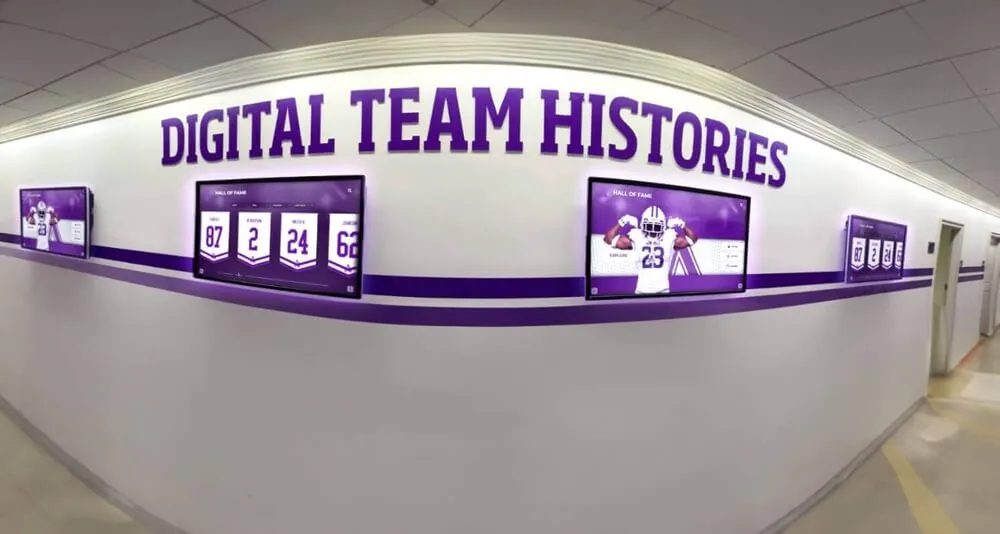
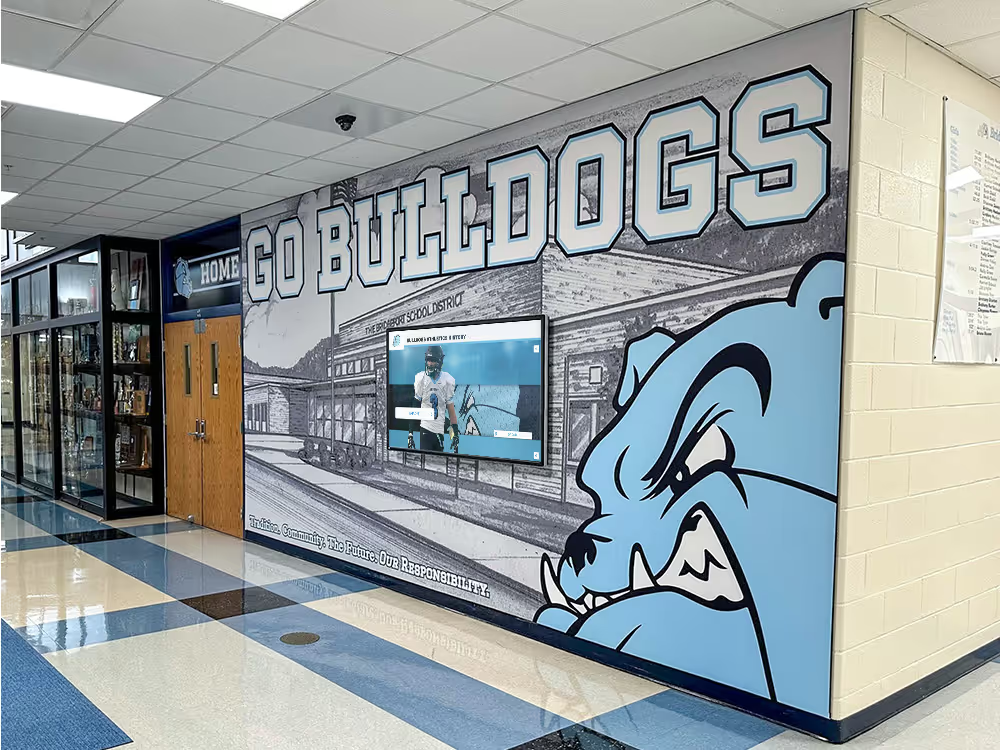
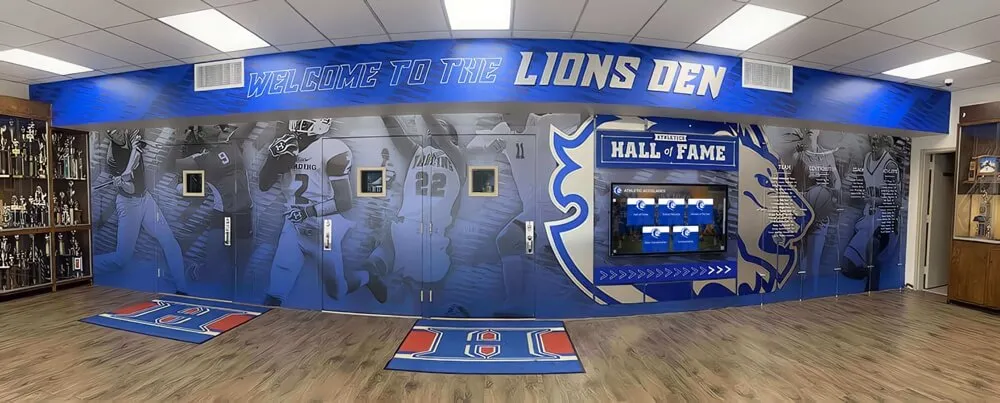
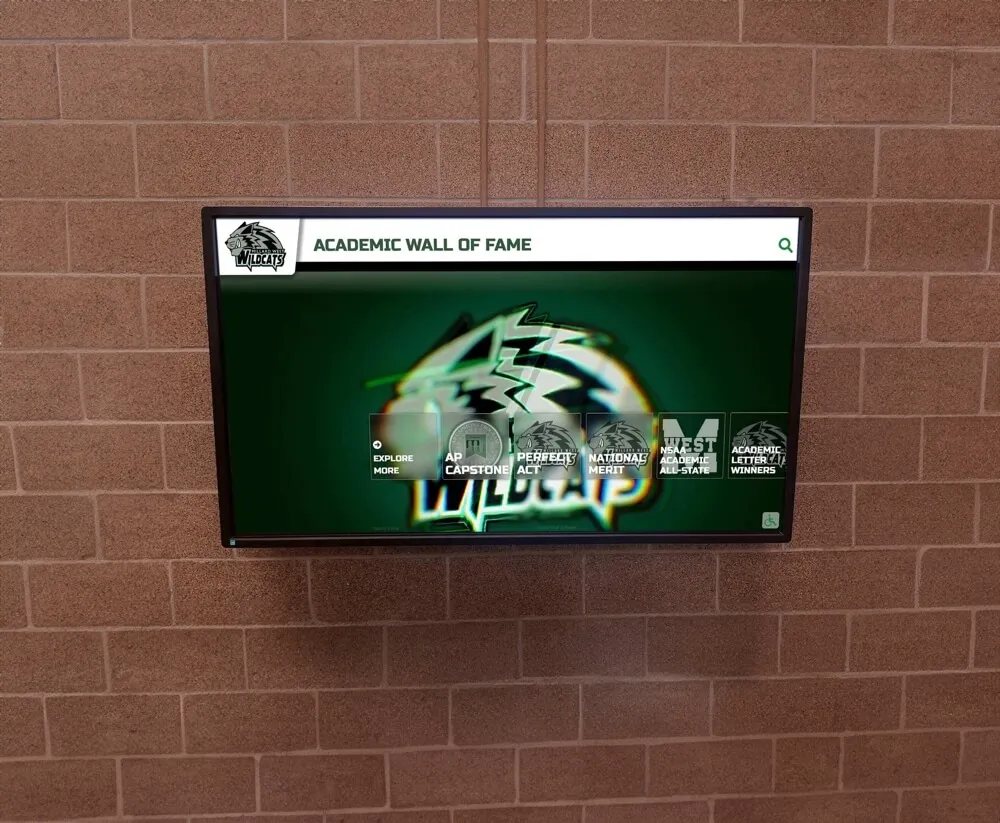
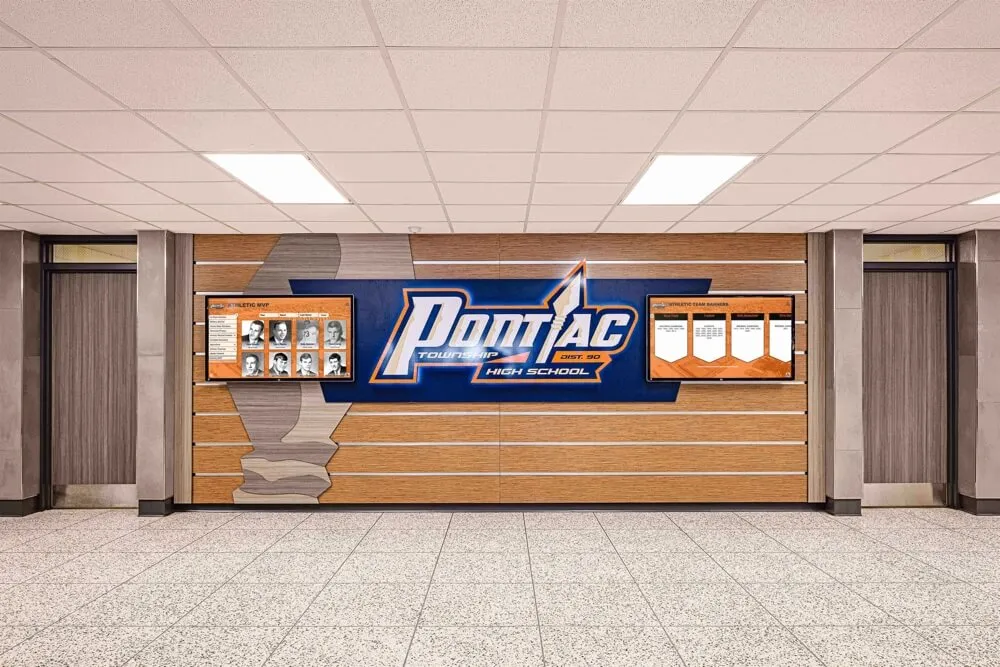
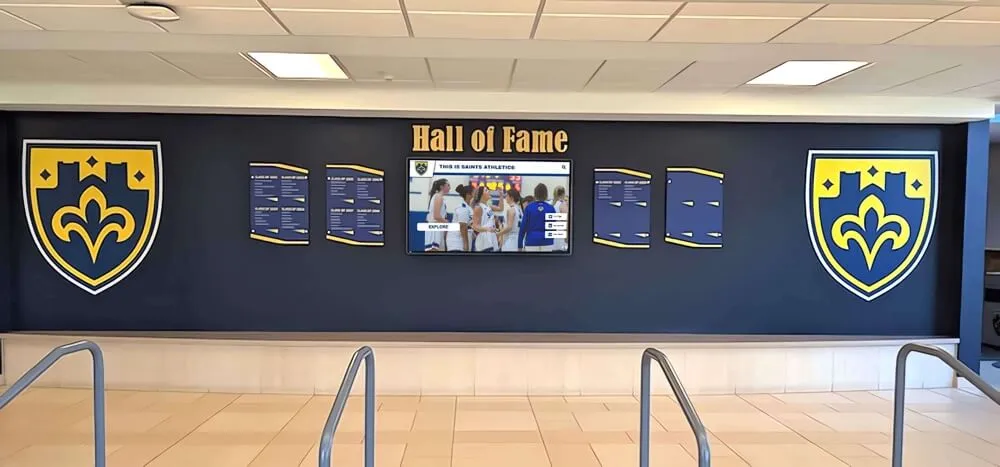
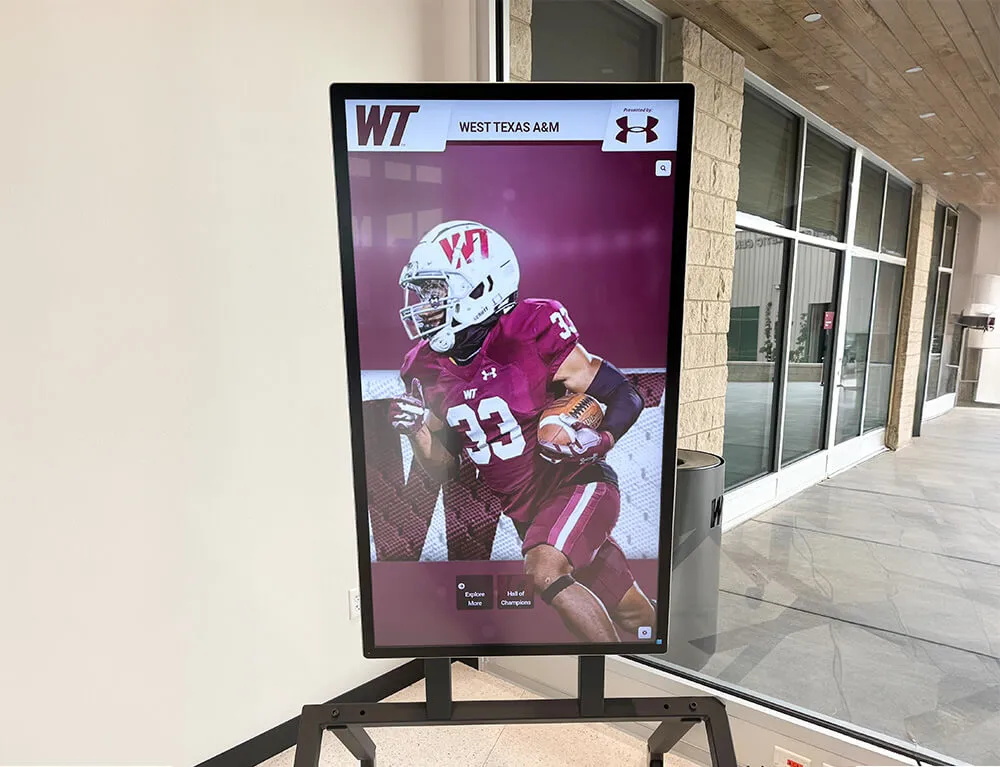
Digital tribute displays bring senior profiles to life with photos, stats, and personal stories that physical plaques cannot contain—making the questions you ask seniors the foundation of every compelling display
Why the Questions You Ask Seniors Determine What You Preserve
Interview content directly determines archive quality. Schools that hand seniors a generic form asking for “favorite memory” and “future plans” end up with content that ages poorly—vague platitudes and job titles that mean nothing in twenty years. Schools that ask structured, thoughtful questions end up with material that forms the backbone of a genuine institutional record.
The Difference Between Data and Story
Statistical records—GPA, athletic records, club memberships—are easy to capture. The harder material to preserve is interpretive: how a student understood their own experience. Meaningful questions to ask seniors bridge that gap, capturing the subjective alongside the objective.
A senior who set the school record in the 400-meter hurdles isn’t just a number in a record book. She’s a person who woke up early for winter conditioning, navigated coaching changes, and found out what she was made of in the final 100 meters of the district meet. That story belongs in your archive alongside her split times.
Content That Serves Multiple Formats
Well-designed interview templates produce content that works across multiple recognition formats simultaneously:
- Yearbook senior profiles: Short biographical features anchoring the senior section
- Digital tribute displays: Interactive profiles on touchscreen walls of honor
- Senior night ceremonies: Personal tributes read during athletic or performing arts recognition events
- Class history documents: Narrative records archived for future reference
- Alumni outreach materials: Personal stories that reconnect graduates to their school identity
Investing in thorough interview questions once yields content that serves all these purposes without requiring separate data collection efforts for each format.
Core Interview Template: Questions to Ask Every Senior
These foundational questions work across contexts—yearbook features, digital displays, and ceremony programs. They’re broad enough to accommodate seniors from any background while specific enough to generate genuinely useful answers.
About Their School Journey
These questions establish the biographical foundation for any senior feature:
- What changed about you between your first day of high school and today? (Asks for growth, not just nostalgia)
- Which class, teacher, or experience most influenced how you think? (Surfaces academic influences beyond grades)
- What’s something you tried here that you almost didn’t? (Reveals courage and turning points worth documenting)
- If you could go back and tell your freshman self one thing, what would it be? (Captures wisdom in a relatable format)
- What’s a moment from these four years that you want to make sure you always remember? (More specific than “favorite memory”)
- Who at this school made a difference for you, and how? (Names anchor tribute displays and personalize recognition)
About Their Identity and Passions
These questions build the personal layer that makes senior profiles genuinely distinctive:
- What did you discover about yourself through the activities you chose?
- What’s something most people here don’t know about you that you don’t mind sharing?
- How did your friend group or community here shape who you became?
- What are you most proud of from your time here—even if no one else would understand why?
- What role did this school play in the bigger story of who you’re becoming?
About Looking Forward
Future-facing questions connect senior profiles to ongoing alumni identity:
- What’s next for you, and how did your experience here prepare you for it?
- What values or habits from high school are you taking into adult life?
- What do you hope to be able to say about yourself in ten years?
- What would you want current freshmen to know about making the most of this place?

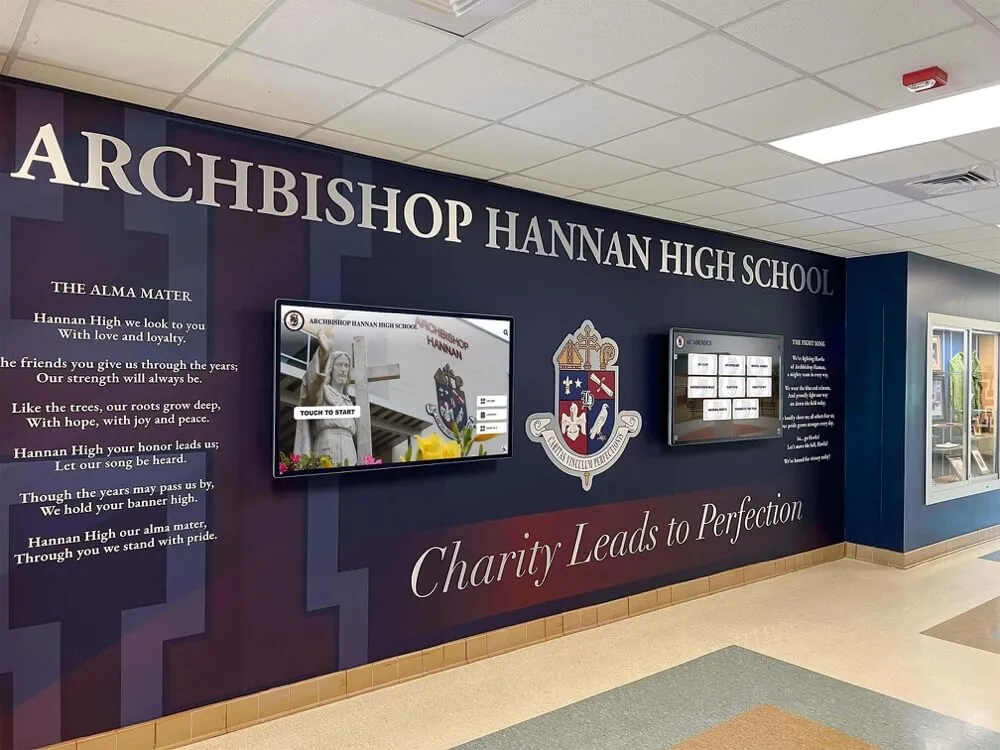
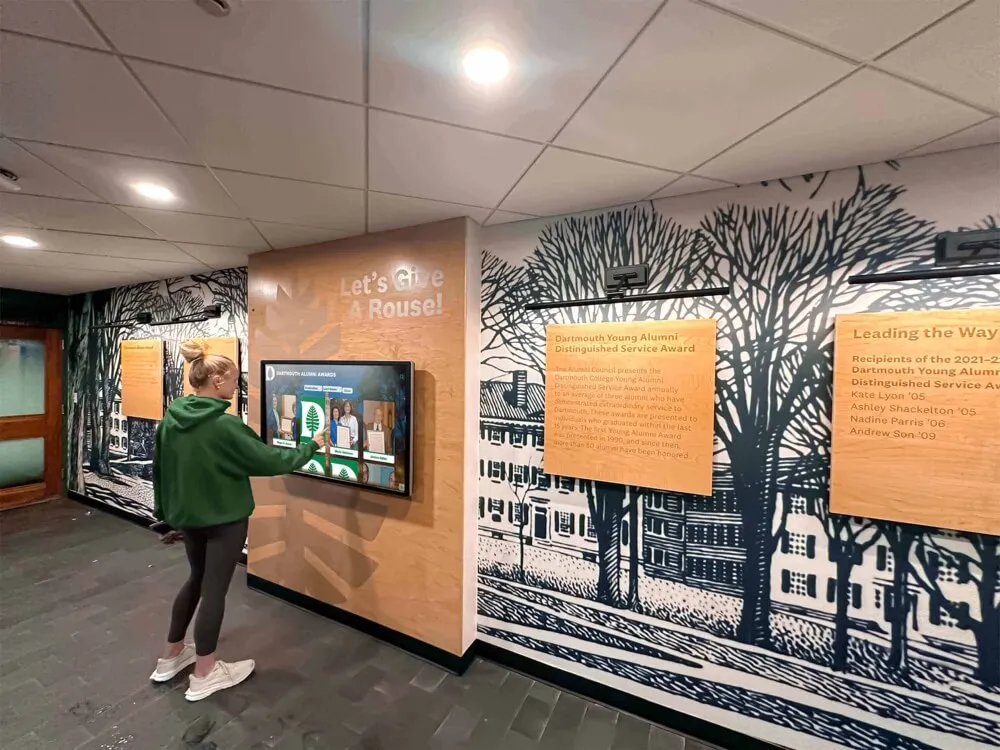
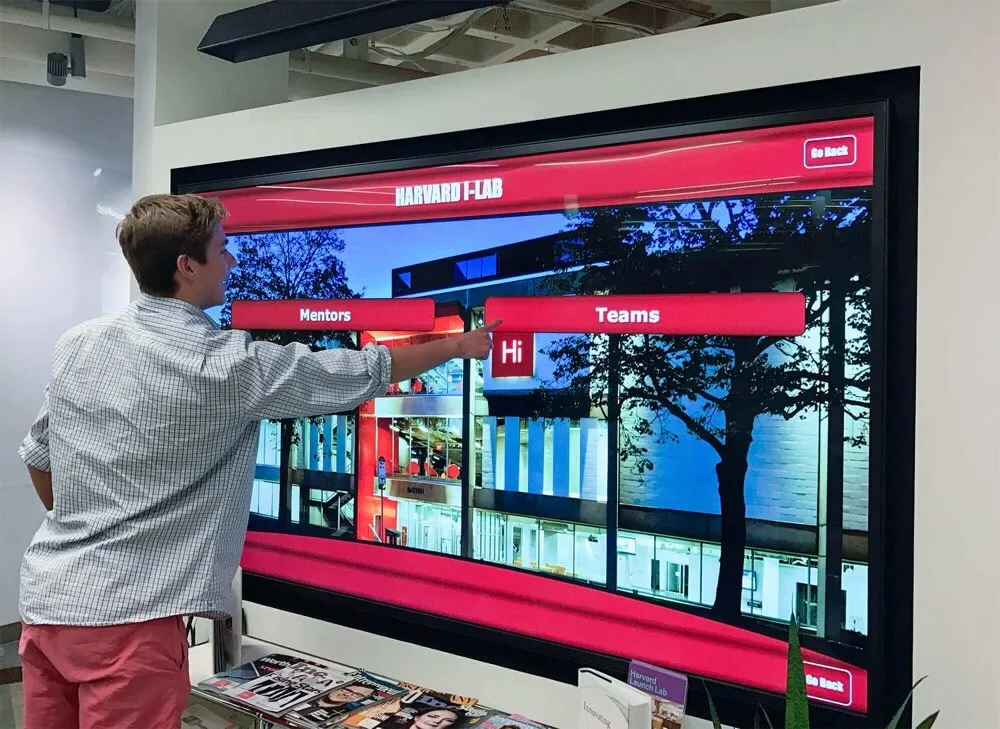
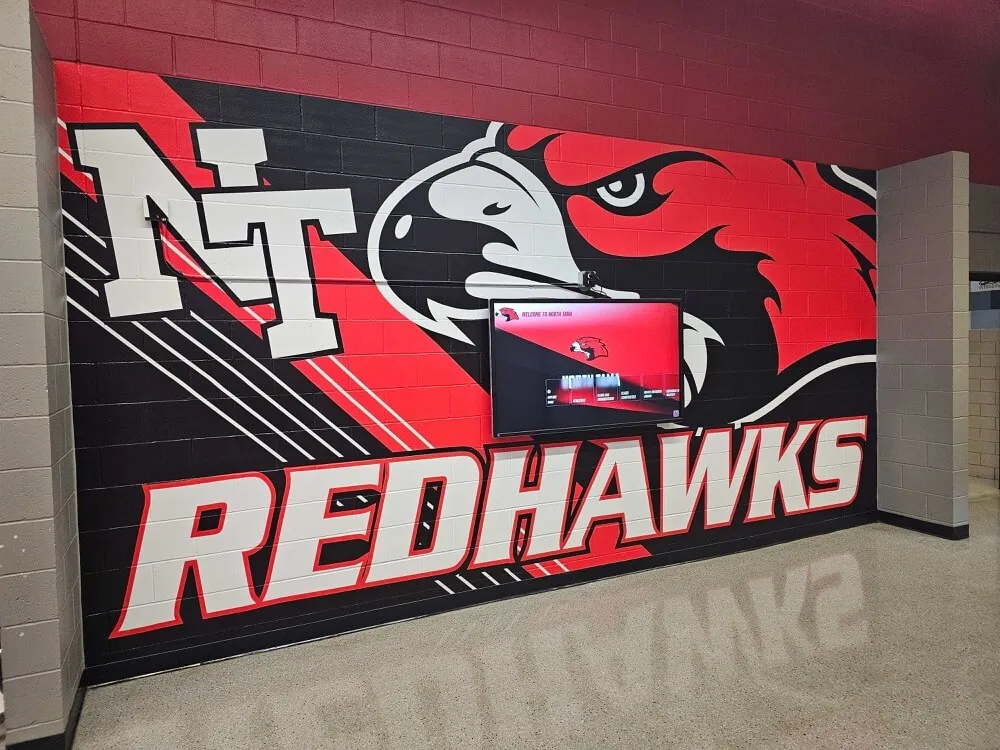
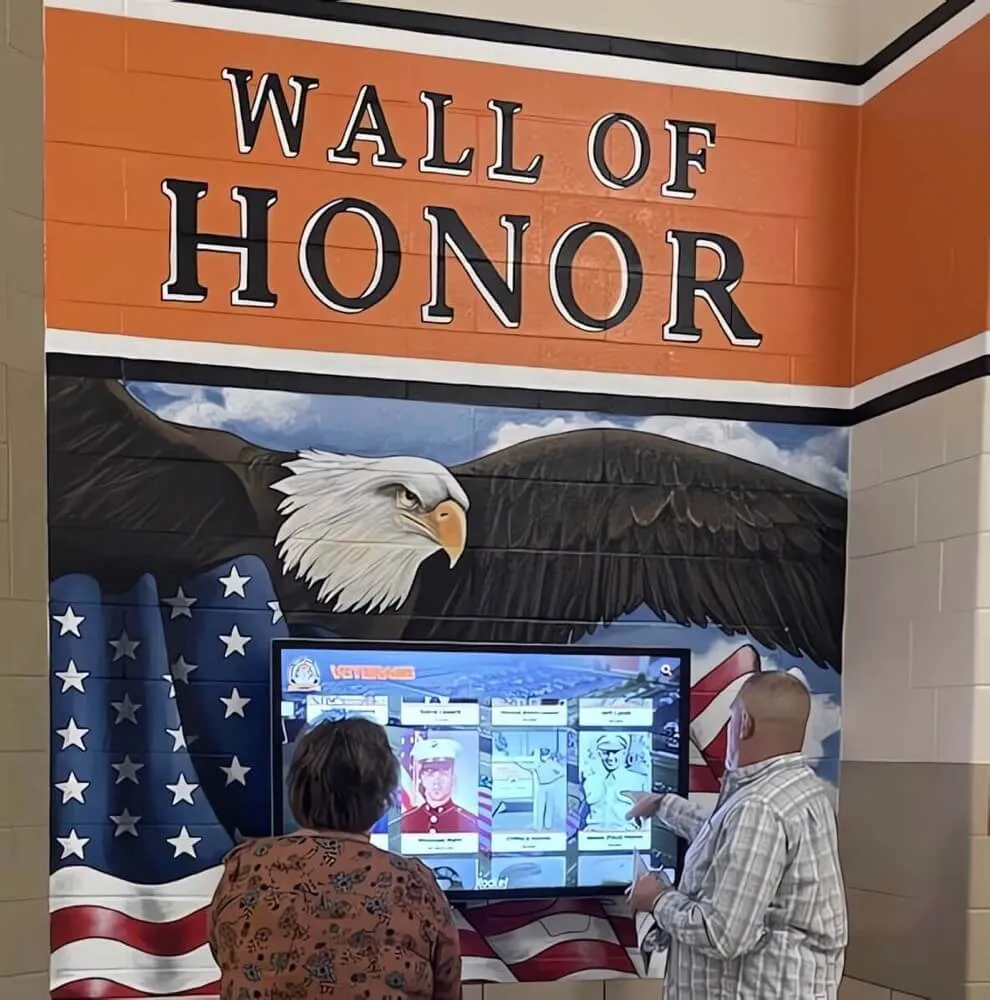
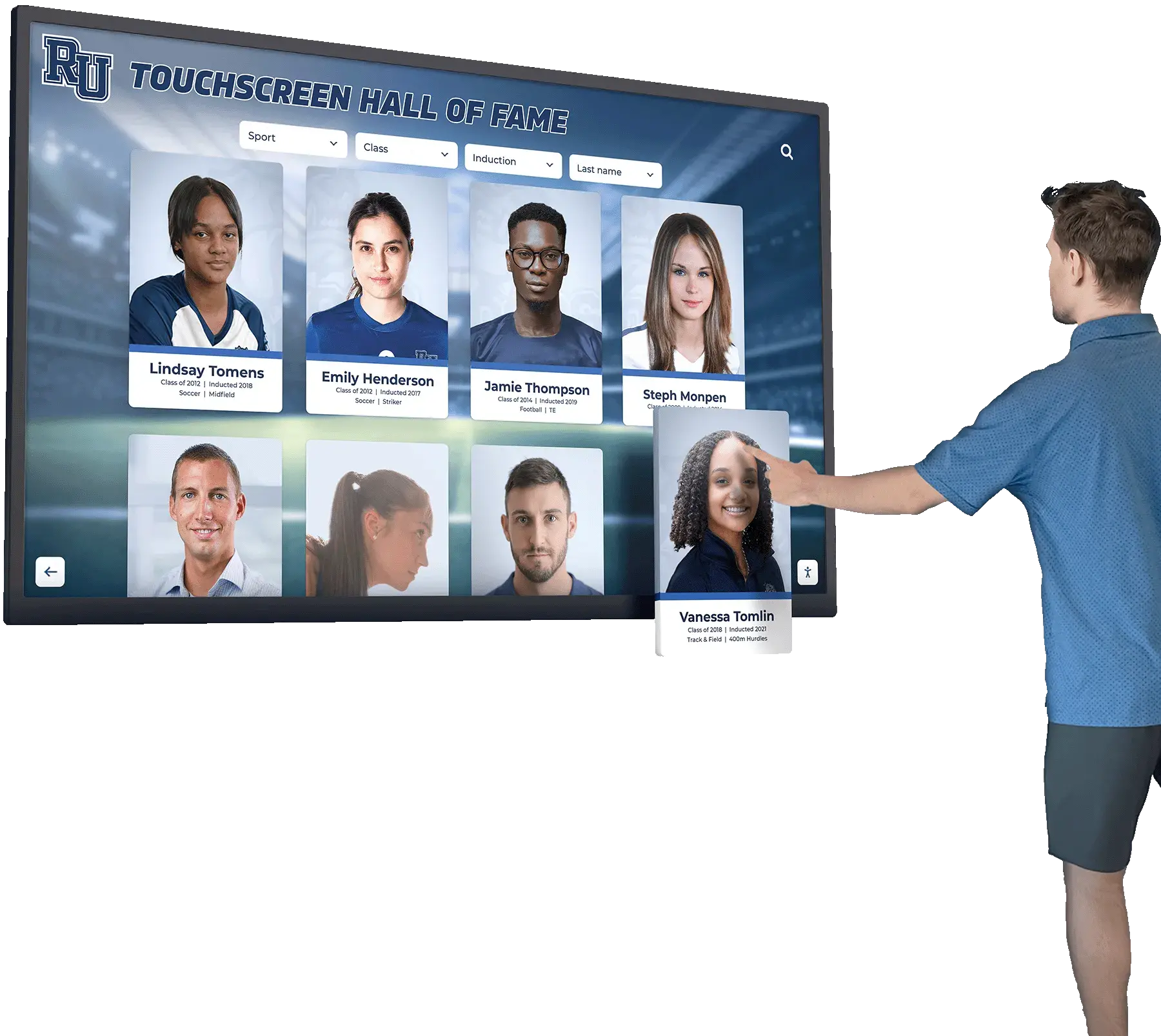
Interactive digital displays let visitors browse individual senior profiles, surfacing the stories captured through thoughtful interview questions in a format alumni can explore for decades
Athletic Senior Interview Template
Athletic seniors occupy a distinct category in school recognition programs. Their physical achievements are documented in record books, but their experience as competitors—what drove them, what they overcame, what the sport meant to them—requires specific questions to surface.
Sports Journey and Development
- When did you realize this sport would be central to your high school story?
- What’s the practice, game, or season you’d relive if you could?
- Who was the competitor you most wanted to beat—and what did competing against them teach you?
- What did your best season feel like from the inside?
- What’s the hardest thing you pushed through during your athletic career here?
- How did being on a team change how you relate to other people?
- What did your sport teach you that nothing in a classroom could?
Records, Milestones, and Legacy
- Which statistic or record from your career here means the most to you, and why?
- What do you want younger athletes to know about what it takes to compete at this level?
- How did your sport intersect with your academic and personal life—was the balance hard?
- If your career here had a highlight reel, what moment would be on it?
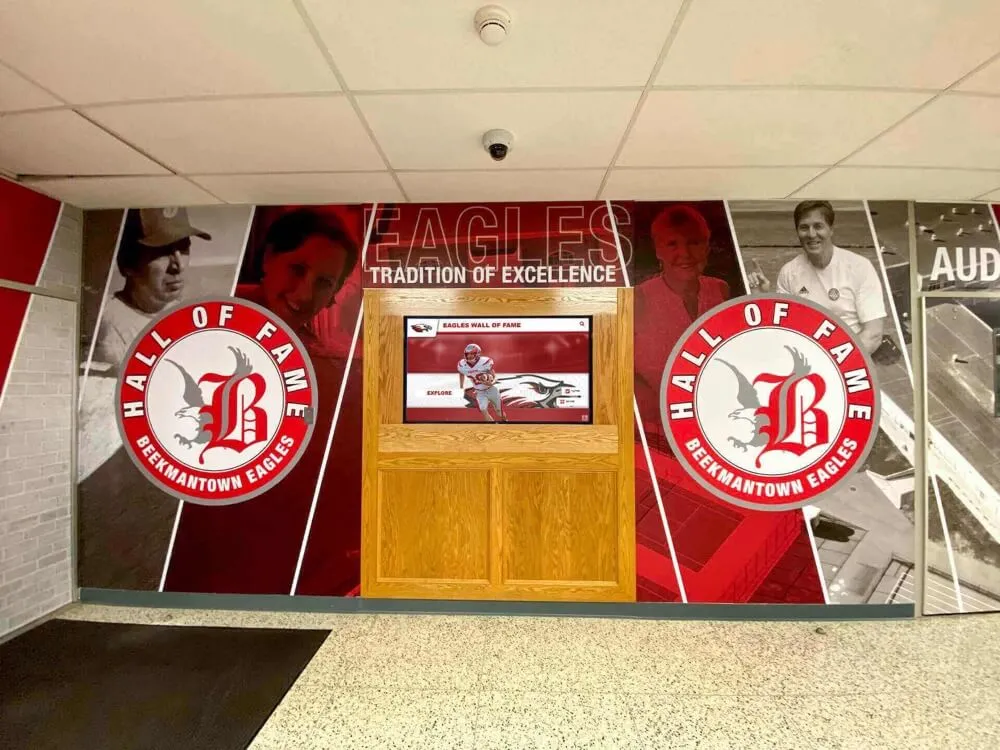
Schools documenting athletic seniors for digital hall of fame displays should collect both the quantitative record and the qualitative story—records without context are data, not tributes.
For seniors who earned varsity letters, questions about the experience behind that recognition carry special weight. Understanding what varsity letters require in high school sports helps contextualize what earning them actually meant in terms of sustained dedication—and makes interview questions about that journey more precise.
Team Culture Questions
- What’s something your team accomplished together that you couldn’t have done alone?
- Who on your team made you better? How?
- What’s the locker room or bus ride culture no one on the outside ever sees?
- What does your program stand for—what’s the culture you’re passing on to next year’s team?
Academic and Scholarly Senior Interview Template
High-achieving students and seniors recognized for academic accomplishments deserve questions tailored to intellectual development, not just GPA and course listings.
Academic Discovery
- Which subject surprised you—something you expected to dislike that you ended up caring about?
- What’s a project, paper, or problem that genuinely challenged your thinking?
- Which teacher changed how you approach learning?
- Was there a moment when something finally clicked—a concept, a skill, a field—that opened up a new direction for you?
- What does intellectual rigor look like to you, and when did you first encounter it here?
Leadership and Service
- What leadership role here taught you the most, and what was the most unexpected part?
- What did you learn about serving your community through your involvement?
- What initiative or project are you most proud of starting or improving?
- What does the phrase “leaving it better than you found it” mean to you personally?
These questions produce content ideal for scholastic walls of honor that go beyond academic statistics to document genuine intellectual development and community impact—making individual senior profiles meaningful for visitors who never met the student.
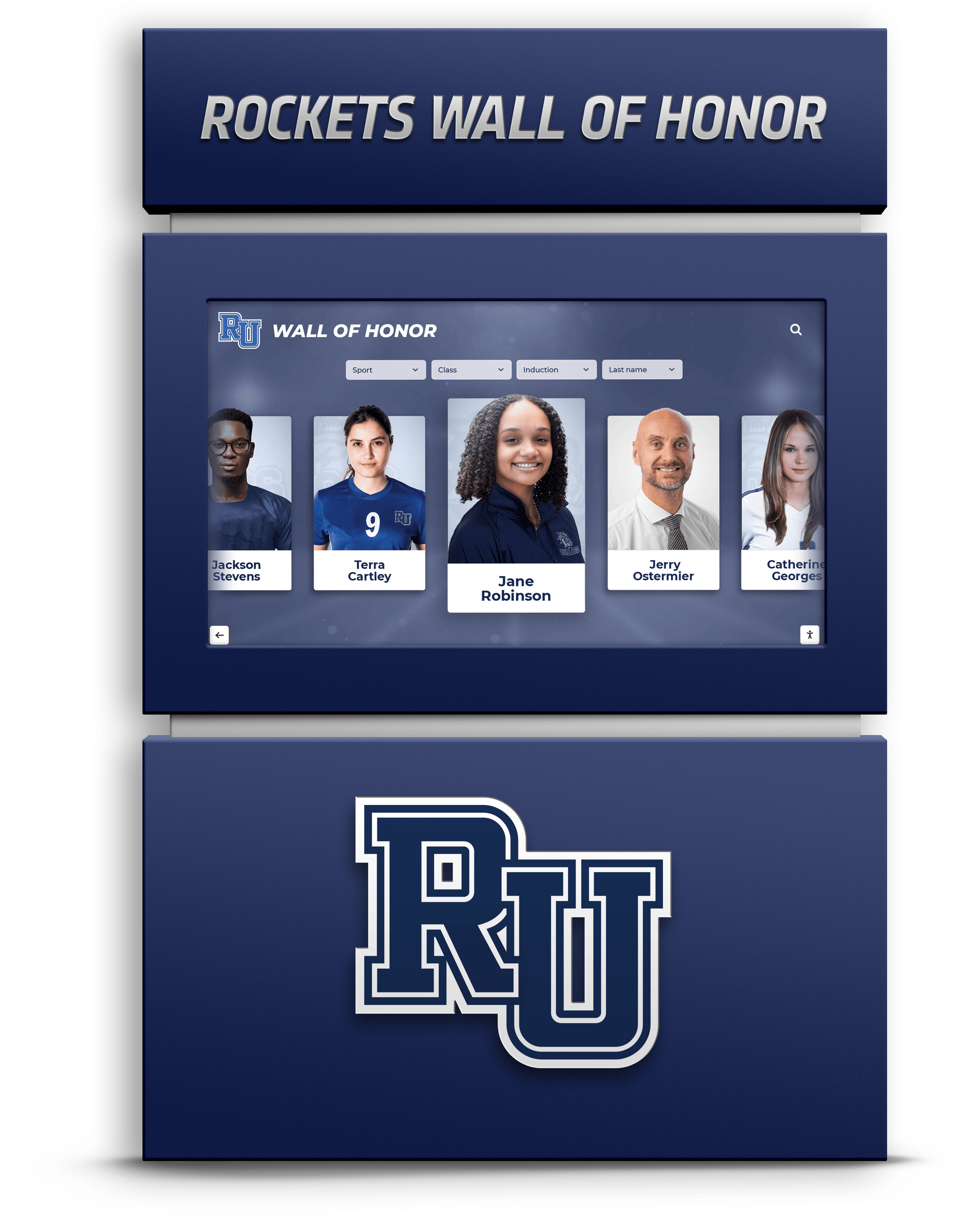
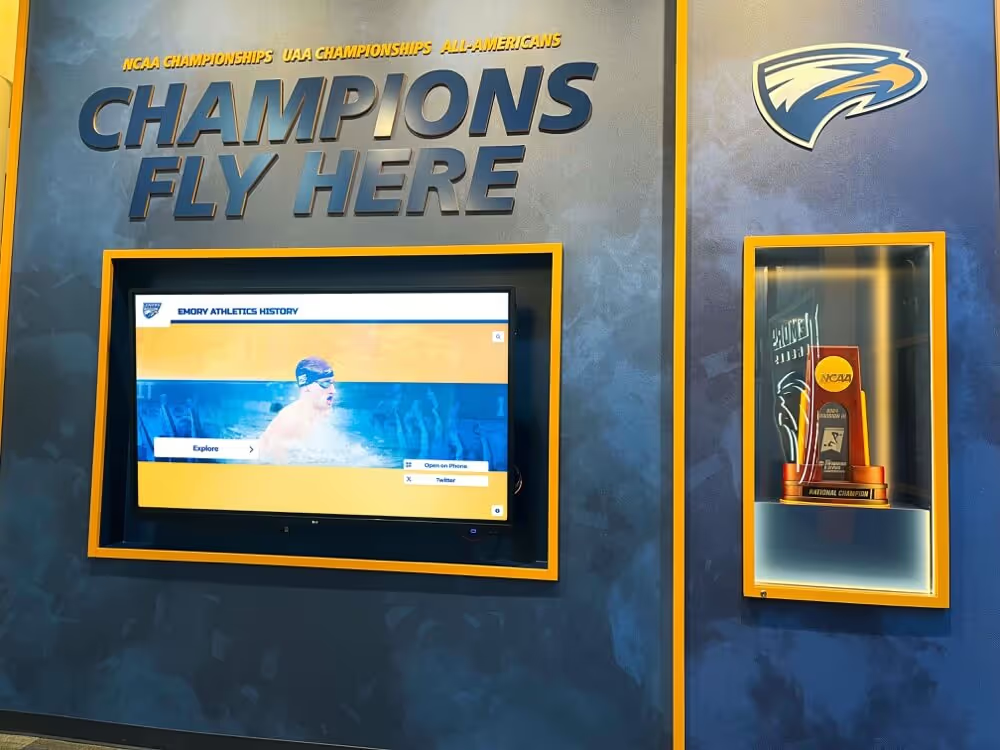
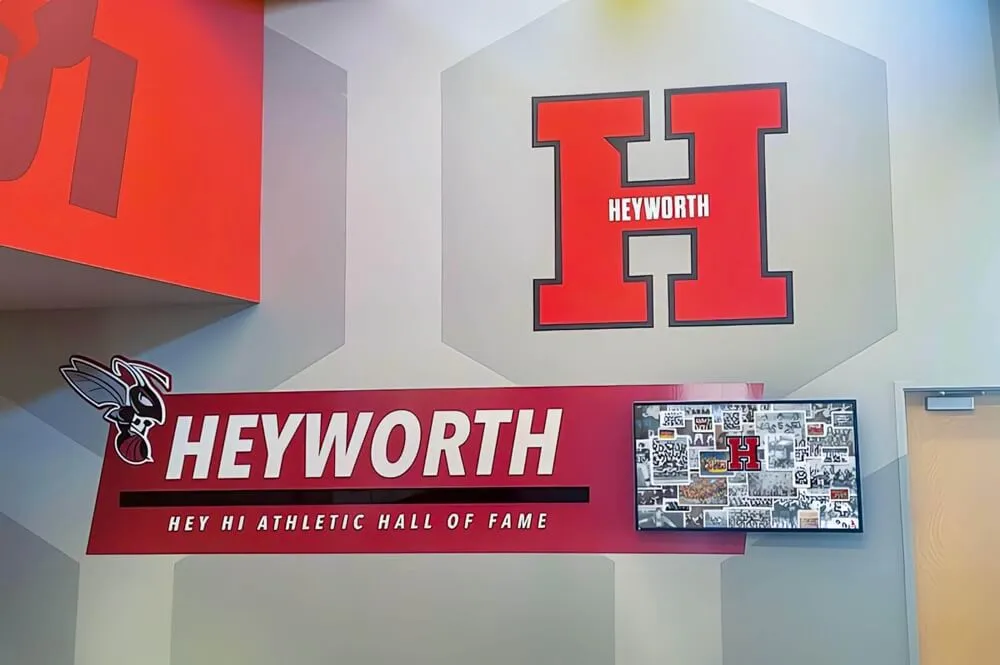
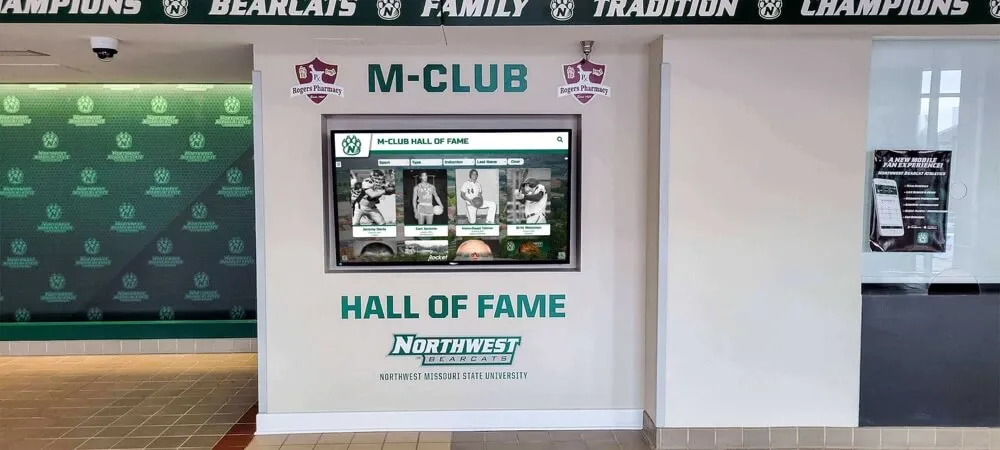
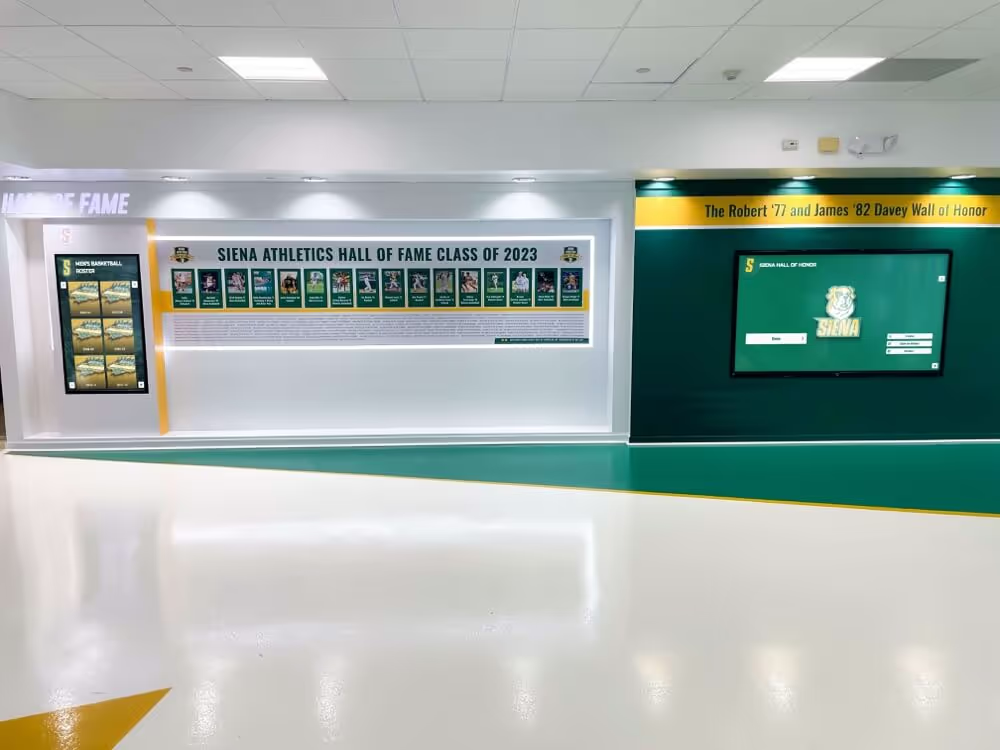
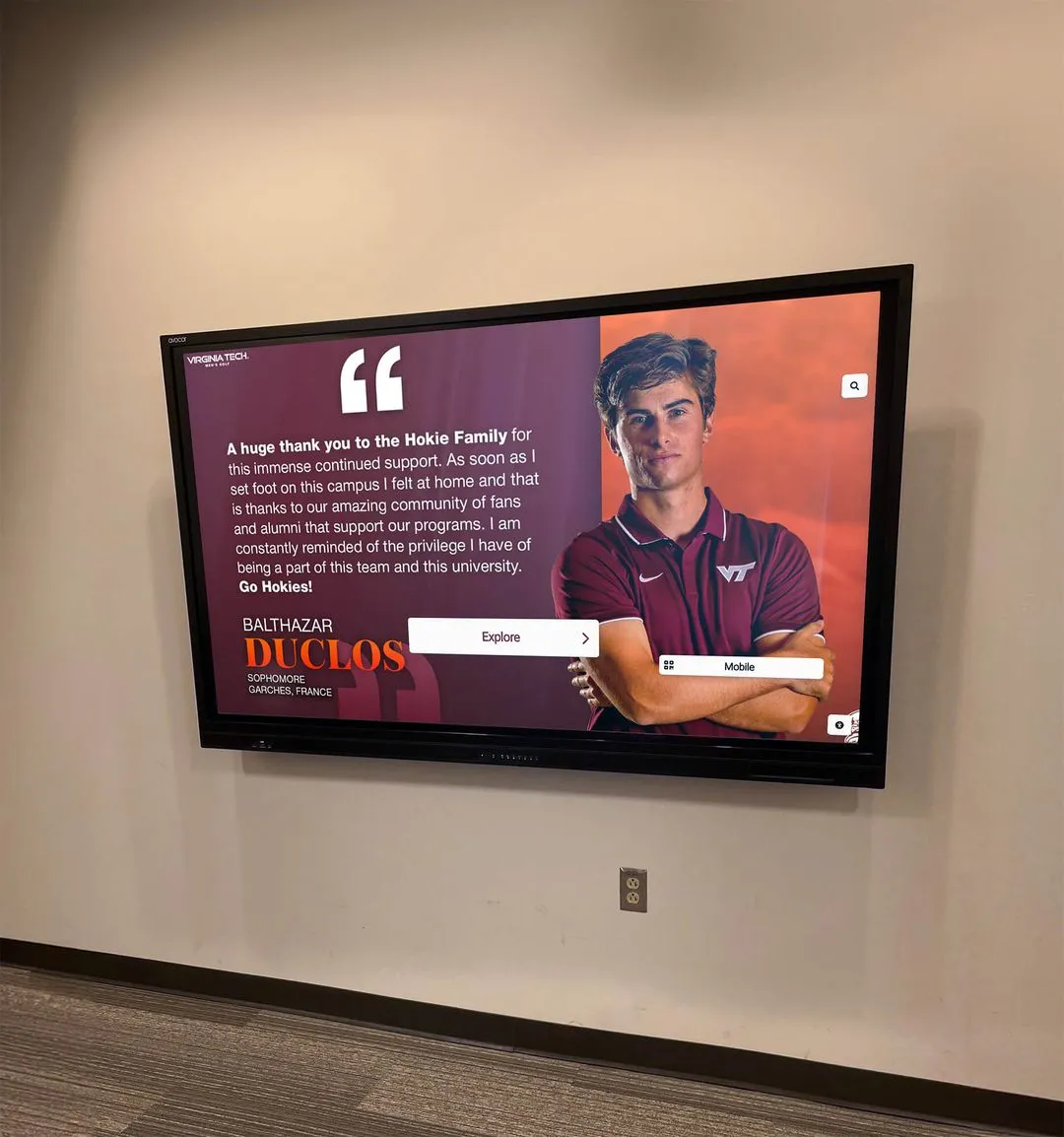
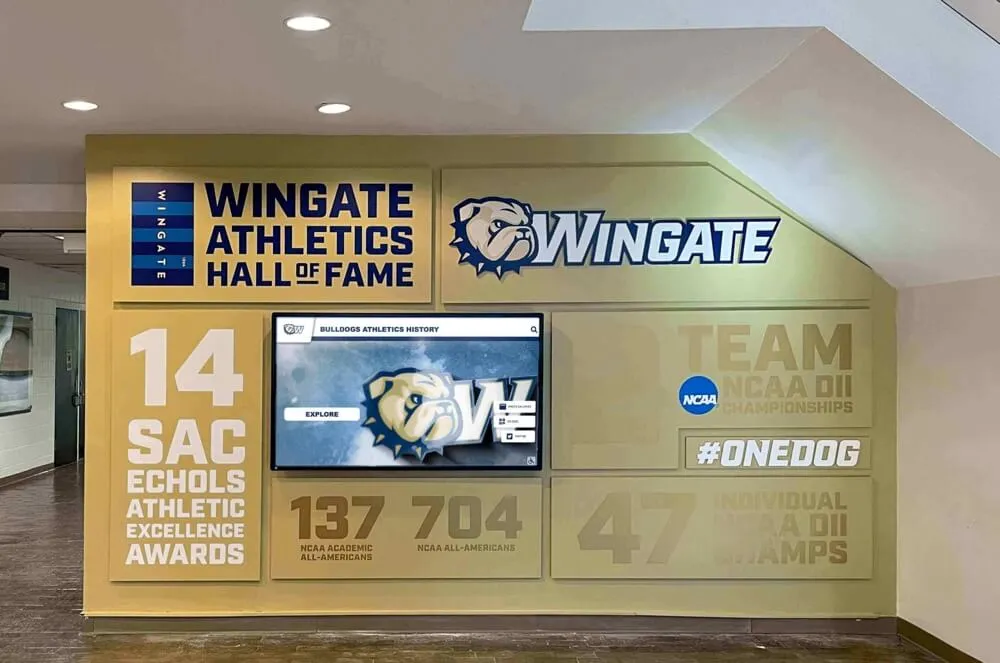
Digital walls of honor present senior portraits and personal profiles in searchable, interactive formats that preserve individual stories long beyond the graduation ceremony
Performing Arts Senior Interview Template
Theater, music, dance, and visual arts seniors have experiences that standard yearbook questions rarely capture. These questions are designed to surface the performance-specific dimensions of artistic development.
Artistic Growth
- When did you realize you were an artist—not just someone who liked art?
- Which performance, show, or project is the one you keep returning to in your memory?
- What’s a role, piece, or work that changed you in the process of creating it?
- What does your art form teach you that nothing else could?
- Who in this program—teacher, peer, director—helped you become the artist you are?
Craft and Process
- What was the hardest technical challenge you overcame in your discipline?
- What’s something you know now about your craft that you couldn’t have known when you started?
- How has creating art changed how you see the non-artistic parts of your life?
- What would you tell an incoming freshman who just discovered they love what you love?
Interview Questions Designed for Digital Tribute Displays
Digital tribute displays operate differently from printed yearbook pages. Visitors interact with them in real time—tapping profiles, reading stories, watching brief video clips. The questions that power the best digital tributes anticipate that interactive context.
Optimizing Answers for Display Format
When collecting content specifically for digital tribute displays, frame your questions to generate content that reads well in short segments. Visitors to an interactive hall of fame aren’t reading long paragraphs—they’re exploring in bursts. Content that works in this format is:
- Quotable: One strong sentence or phrase that captures a genuine insight
- Specific: Tied to a named person, place, achievement, or moment
- Emotionally resonant: Reflecting real feeling rather than generic pride
- Visually paired: Designed to work alongside a photo or video clip
Questions Designed for Interactive Profiles
- If someone who never met you were reading your profile right now, what would you want them to know first?
- Give me one sentence that tells the truth about your experience here.
- Who would you thank if the display had space for it—and what would you say?
- If there’s one memory from this school that you’d want to always be able to return to, what is it?
- What do you hope students who come after you will feel when they read your profile?
Schools building digital tribute displays should consider how archived interview content integrates with their recognition infrastructure. Leading digital signage platforms allow administrators to attach interview content, photos, and video clips directly to individual senior profiles—creating layered tribute displays that go far deeper than static portrait walls.
Video Interview Questions
If your tribute project includes video elements—brief recorded statements alongside written profiles—these questions prompt content that holds up in a short-format clip:
- In 30 seconds, what would you say to the school that made you?
- What’s one piece of advice you’d shout into the hallway if you could?
- Finish this sentence: “This school taught me that ___.”
- Who here do you want to make sure knows they made a difference?
Organizing Senior Interview Content for Long-Term Preservation
Collecting answers is only half the work. How you organize, store, and access that content determines whether it remains a living archive or becomes a folder of files no one can find in five years.
Standardizing Collection Formats
Consistent collection formats allow seniors across multiple graduating years to be compared, searched, and displayed in the same templates. Establish these standards before collection begins:
- Photo requirements: Consistent file naming conventions, minimum resolution (typically 1200px on the short side), and accepted file formats
- Response length guidelines: Word count targets for each question category (longer narrative questions vs. brief quote-style answers)
- Consent documentation: Written authorization for digital display of photos and quoted content—especially important for displays visible to the public
- Supplemental materials: A clear process for submitting athletic records, award certificates, and supporting documentation alongside interview responses
Linking Interview Content to Existing Records
Senior interview responses are most powerful when they connect to the institutional records already in your system—academic awards, athletic records, activity rosters. Effective archive practice links biographical content to performance data rather than treating them as separate silos.
Platforms built for alumni digital recognition allow administrators to attach interview responses, photos, and supplemental documentation directly to individual profiles that integrate with record board data—creating complete senior portraits accessible to future students and returning alumni alike.
Multi-Year Archive Structure
A single year of senior profiles is useful. A decade of them is an institutional treasure. Structure your archive to accommodate multi-year growth from the beginning:
- Class-year organization: Group profiles by graduation year for browsing by era
- Cross-reference capability: Tag seniors by sport, activity, or award category for thematic exploration
- Media libraries: Maintain photo and video assets tied to individual senior records
- Search functionality: Index names, activities, and key phrases so anyone can find a specific graduate years later
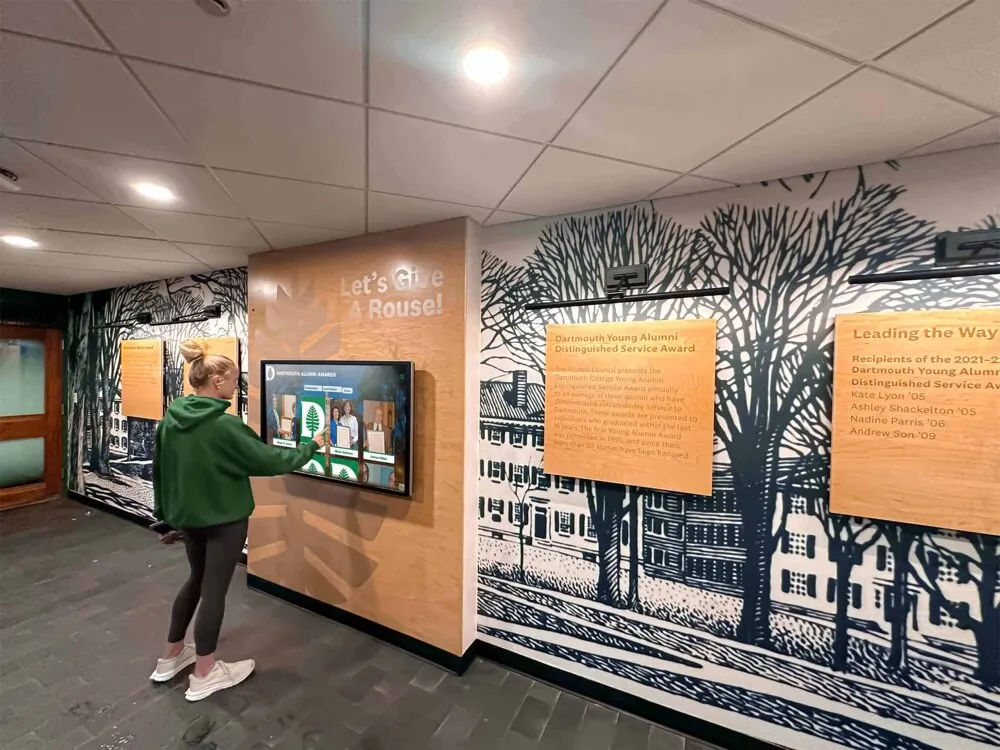
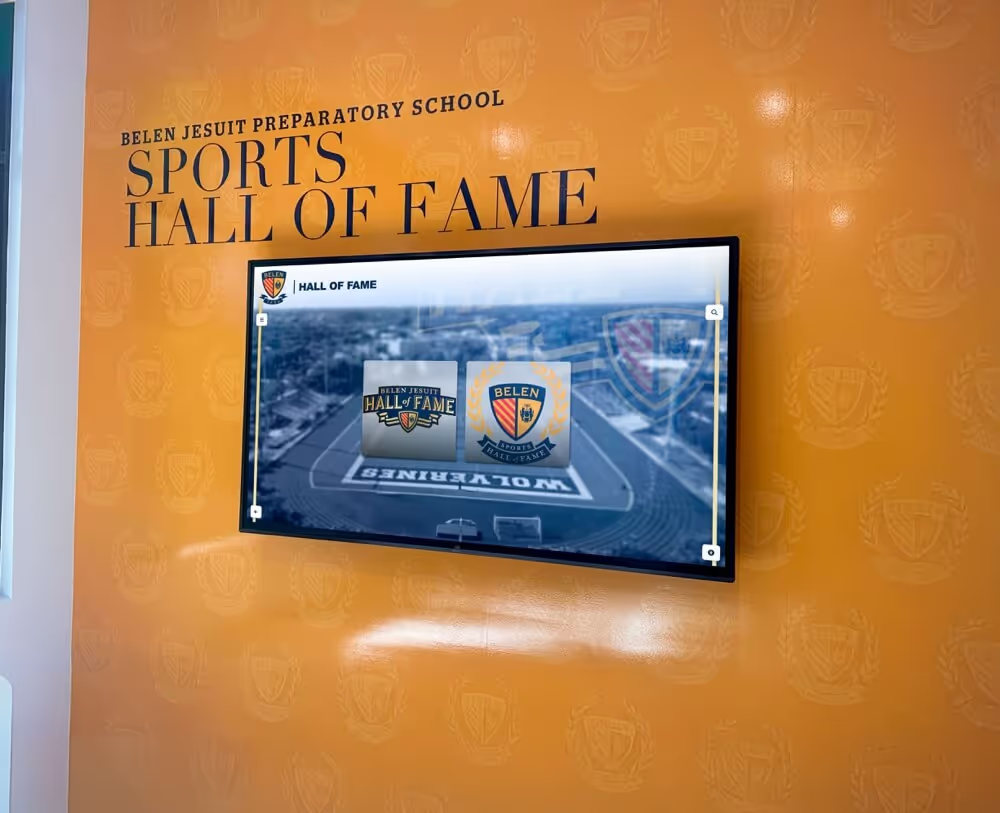
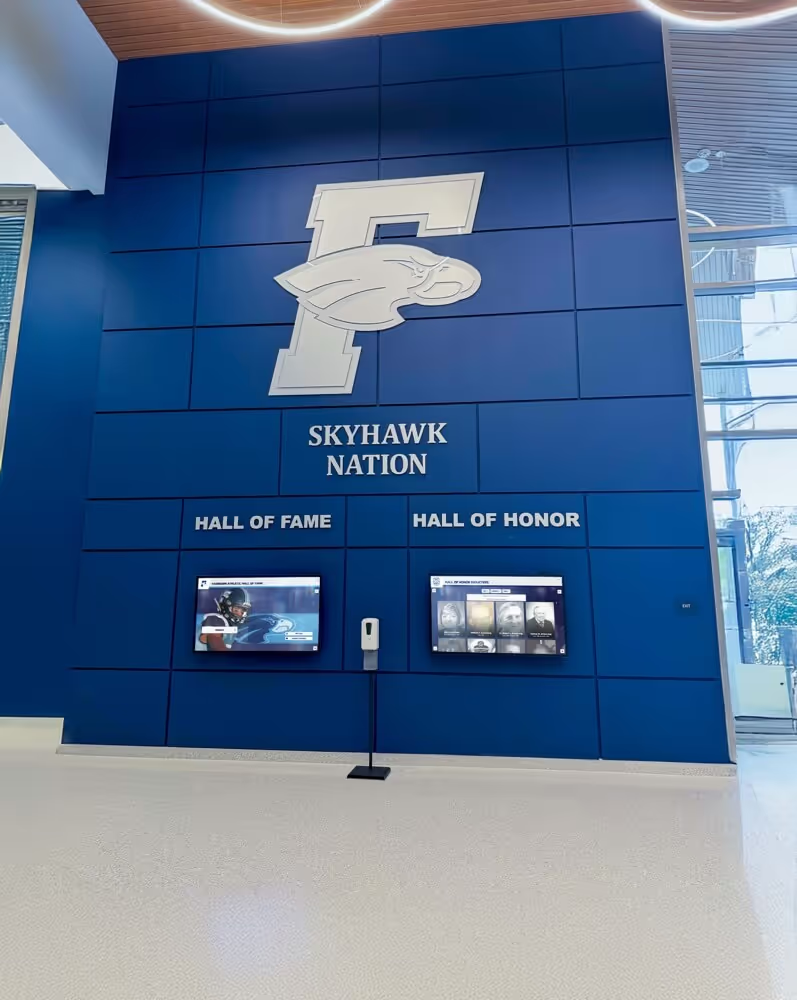
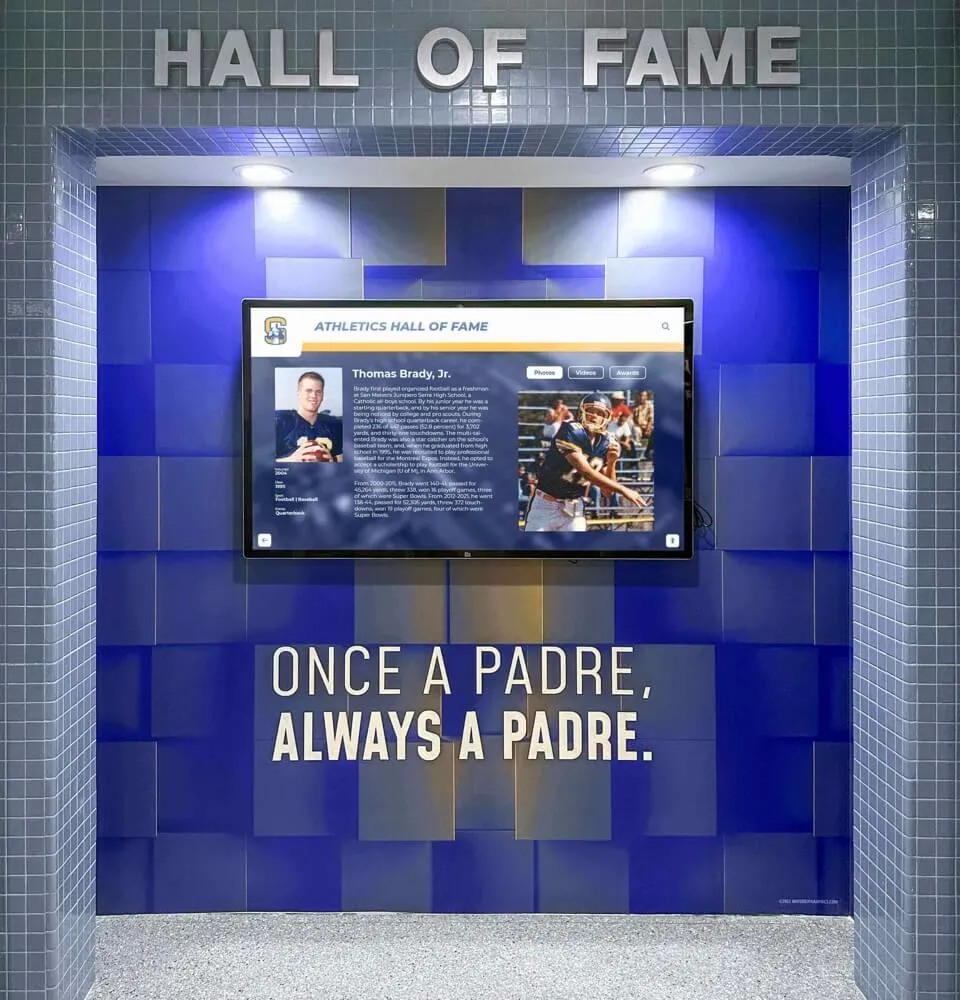
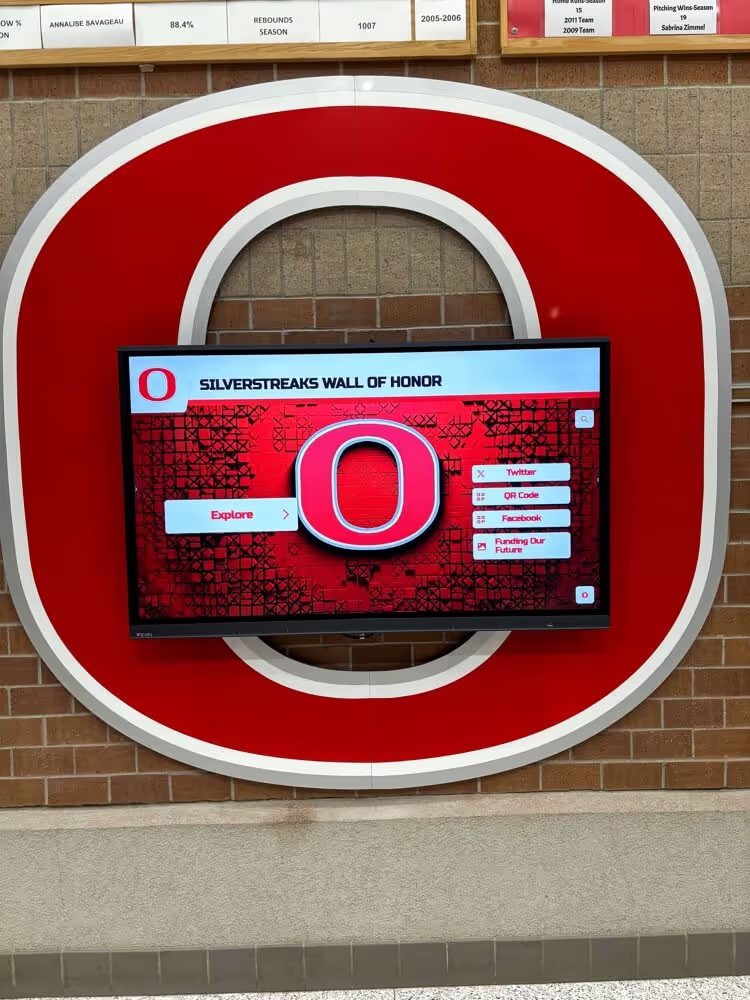
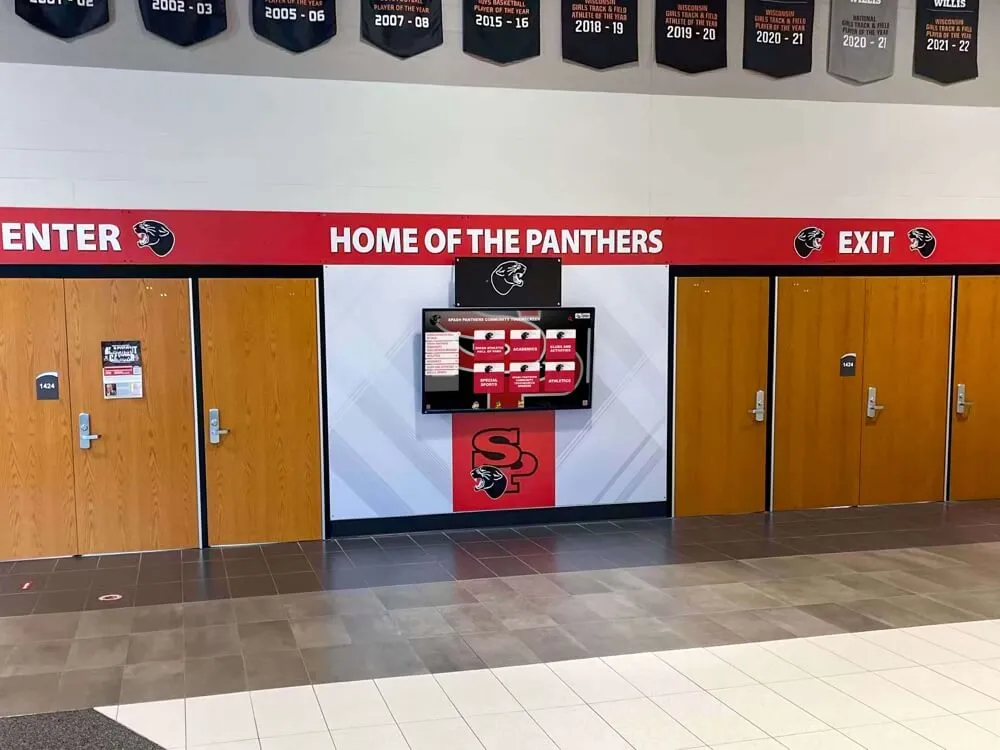
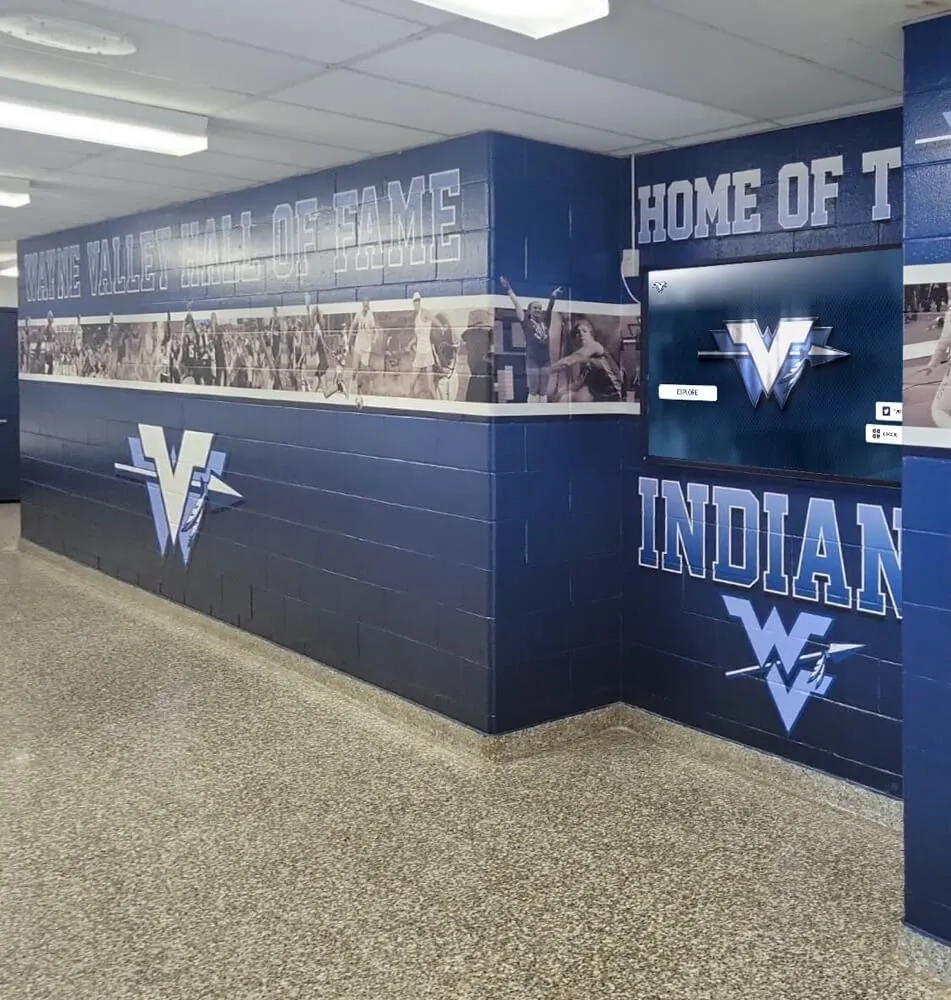
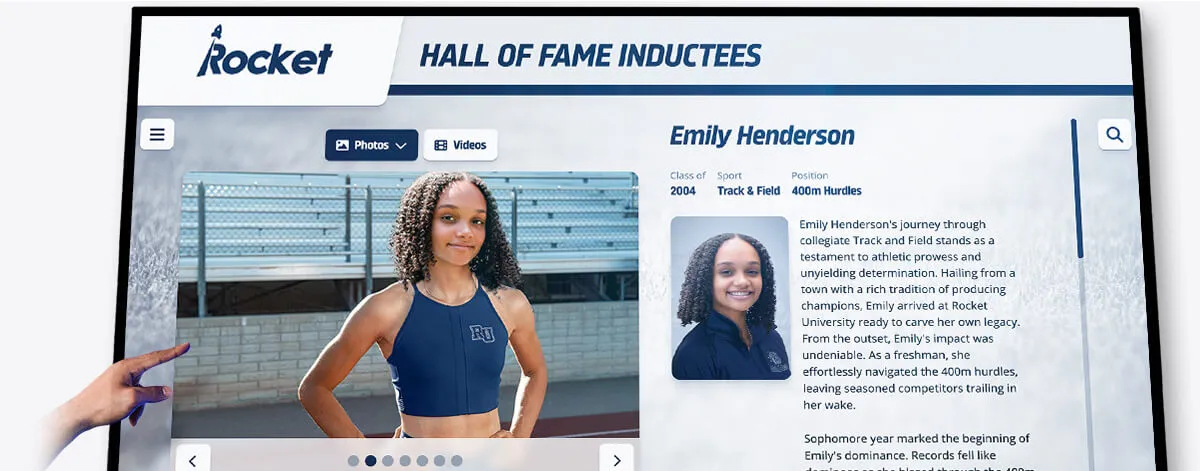
Interactive alumni displays in school hallways turn individual senior profiles into browsable, searchable archives that grow more valuable with each graduating class added to the record
Designing the Senior Feature: How to Use Interview Responses
Interview answers don’t automatically become compelling features—they require editorial judgment to shape into content worth publishing or displaying.
Selecting the Best Quotes
Every senior interview will yield a range of responses: some memorable, some routine, some that accidentally capture something true and worth preserving. When reviewing responses, identify quotes that:
- Say something specific, not general: “Coach Rodriguez taught me that you can’t fake preparation” rather than “I learned a lot from my coaches”
- Reveal character, not résumé: The moment that shows who this person is, not just what they achieved
- Contain some surprise: Anything that challenges a clichéd expectation of what a senior’s experience should look like
- Stand alone: A sentence that would mean something even without the photo or full profile beside it
Matching Visual Content to Interview Responses
The strongest senior tributes—whether in print or digital—pair visual content with interview responses that deepen or complicate the image. A photo of a senior in her game uniform paired with a quote about the early-morning practice nobody saw is more powerful than the same photo with generic biographical text.
Maintaining design consistency across recognition displays ensures that individual senior profiles feel cohesive as a collection while preserving the distinctiveness that makes each one worth reading. Without that framework, tribute pages can feel visually fragmented—technically complete but lacking the unified presentation that signals institutional care.
Yearbook Layout Integration
For print yearbook features, interview content should be laid out to serve the reader’s experience:
- Opening pull quote: The single most striking sentence from the interview, enlarged and positioned to draw readers in
- Biographical capsule: Name, activities, honors, and statistical highlights for quick reference
- Narrative text block: A short paragraph (75–100 words) using interview responses to tell the arc of this student’s experience
- Closing quote: A forward-looking statement that ends the profile with expectation rather than summary
This four-part structure works for both yearbook spreads and digital profile pages—the components are the same, only the presentation medium changes.
Senior Recognition Beyond Graduation Day
The interviews you conduct and the tributes you build don’t have to be retired at the end of the school year. Senior recognition content has a long half-life when stored and accessed in the right format.
Traditional Tribute Options and Their Limits
Physical tribute formats—name plaques, framed portraits, brass dedication panels—have served schools for generations. Understanding the full range of recognition plaque options helps administrators appreciate where physical formats excel (permanence, tactile presence, ceremony value) and where they fall short (space constraints, update cost, inability to include extended content like interview responses or video).
Digital tribute displays complement rather than replace physical recognition. A wall plaque marks that a student existed and achieved. A digital profile—populated with interview answers, photos, and linked records—tells the story of who they were.
Building Alumni Connections Through Senior Profiles
Graduates who can access their senior profile years later—finding their own words and images in a searchable institutional archive—maintain a qualitatively different relationship with their school than those who received a printed yearbook and nothing more. These accessible archives become discovery tools during reunions, homecoming visits, and annual alumni outreach campaigns.
A graduate who discovers their own interview quote still displayed in the school’s hallway at their 20-year reunion experiences something no alumni newsletter can replicate. That moment of recognition—of feeling genuinely remembered rather than merely included on a contact list—is the foundation of meaningful alumni engagement.
Scaling the Senior Tribute Program Over Time
Starting a structured senior interview and tribute program means making a long-term commitment to a growing archive. Plan for sustainability from the beginning:
- Assign clear ownership: One staff member or committee role responsible for collection, review, and archiving each year
- Build the program into the academic calendar: Senior interviews shouldn’t happen in a rush during graduation week—plan collection windows during senior fall or winter semester
- Establish data retention policies: Decide in advance how long profiles remain on active public display versus archival access
- Integrate with existing recognition events: Senior nights, athletic banquets, and academic awards ceremonies all generate content that feeds the archive if collection workflows are coordinated in advance
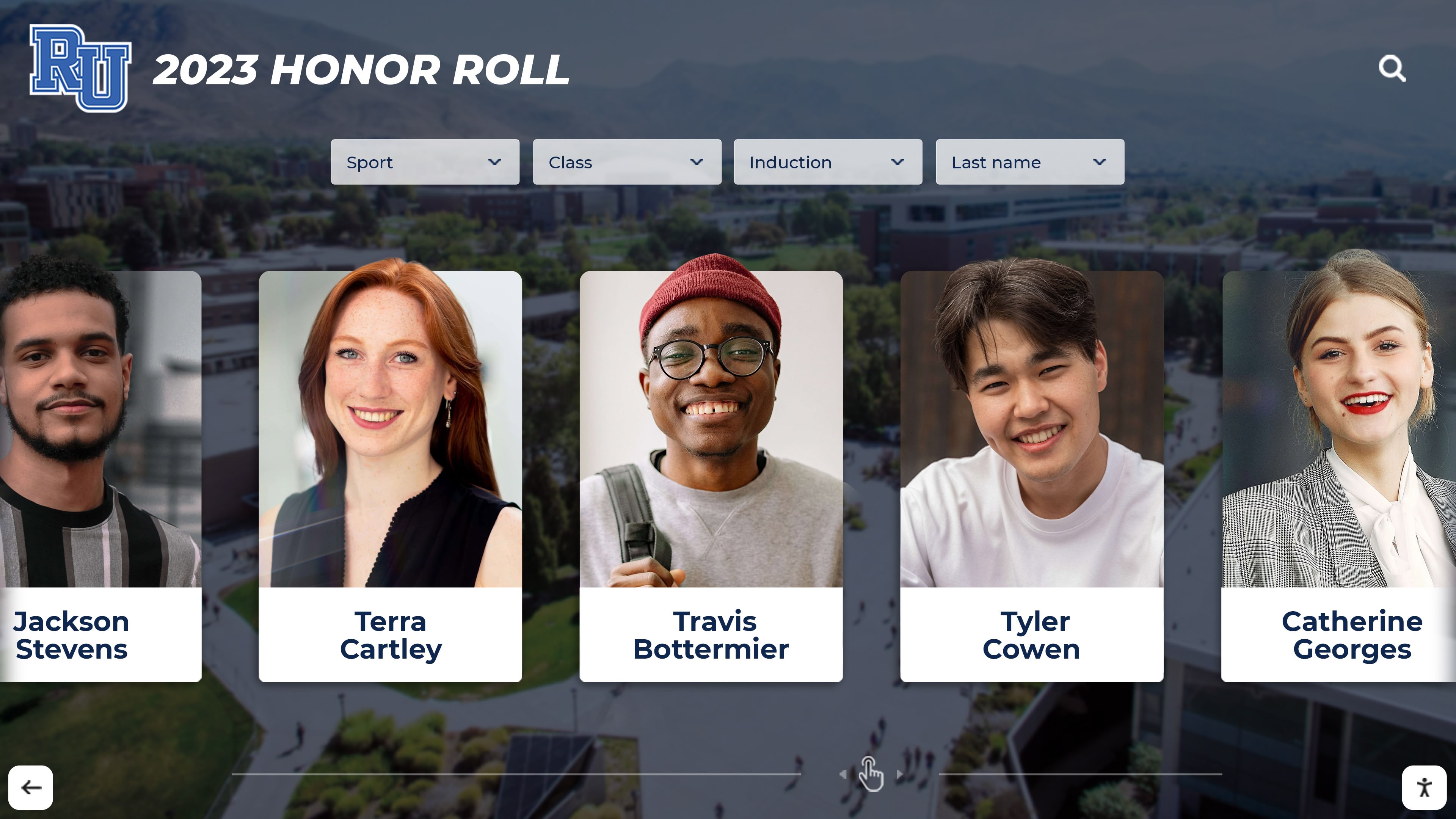
Structured senior portrait programs create consistent visual formats for each graduating class—providing recognizable organization across years while preserving the distinctiveness of individual student stories
Quick Reference: Questions to Ask Seniors by Category
For practical use, here is the complete list organized for easy reference. Consider creating separate one-page forms for each category—athletes receive the core template plus athletic questions; performing arts seniors receive core plus arts questions—rather than presenting the full list to every student.
Core Questions (All Seniors): Questions 1–15 cover school journey, personal identity, and future outlook. These apply universally regardless of activities.
Athletic Seniors: Questions 16–30 cover sport journey, competitive milestones, record context, and team culture. Pair with verified athletic records and statistics.
Academic and Scholarly Seniors: Questions 31–39 cover intellectual development, academic influences, leadership, and service. Pair with award certificates and honor designations.
Performing Arts Seniors: Questions 40–48 cover artistic identity, craft development, and creative growth. Pair with production history and performance credits.
Digital Display Optimization: Questions 49–57 generate display-ready quotes and short-format video content. Use these alongside core questions for seniors featured in touchscreen profiles.
The overlap is intentional—a senior athlete who also excels academically benefits from questions in both categories. The goal isn’t comprehensive coverage of every question, but selecting the subset that will generate the richest content for each individual’s profile.
The Archive That Compounds in Value
The questions you ask seniors this year determine what your school can preserve and share for the next fifty. Generic questions yield generic answers—biographical data that ages into dust. Thoughtful, structured questions capture experience: what it felt like, who made it possible, what it meant in the moment and what it came to mean later.
That material is what powers compelling yearbook features, meaningful digital tribute displays, and the kind of institutional archive that alumni explore with genuine emotion rather than polite curiosity. The investment is modest—a thoughtful template, a collection workflow, a consistent storage structure—but the return compounds annually as each graduating class adds its voices to the record.
Every senior walking out of your building this spring has a story worth preserving. The questions you ask determine how much of it you actually get to keep.
Transform Senior Interviews Into Permanent Digital Tributes
Rocket Alumni Solutions' interactive touchscreen displays help schools build searchable, lasting archives from the senior stories you collect. See how your school can preserve every senior's legacy in a digital tribute display that alumni will return to for decades.
Schedule a Free Demo