



Quiz bowl represents one of the most intellectually demanding and rewarding competitive academic activities available to students. Teams face off in fast-paced question-and-answer tournaments testing knowledge across literature, science, history, mathematics, fine arts, and popular culture. Unlike standardized tests measuring individual performance in isolation, quiz bowl combines collaborative teamwork with individual quick recall, creating dynamic competitions where students apply their knowledge under pressure while representing their schools.
Starting a successful quiz bowl program requires more than gathering interested students and registering for tournaments. Effective programs need systematic recruitment strategies, structured practice methods, tournament preparation approaches, and sustainable organizational frameworks ensuring programs thrive across multiple years. Schools with established quiz bowl traditions often produce state and national champions while providing participants with valuable skills extending far beyond the buzzer system—critical thinking, teamwork, quick decision-making, and deep content knowledge spanning multiple disciplines.
This comprehensive guide explores everything needed to launch and maintain a competitive quiz bowl program, from initial team formation through state and national competition success, including how to preserve championship achievements through lasting recognition that honors intellectual excellence alongside athletic accomplishment.
Academic competitions like quiz bowl deserve celebration equal to athletic championships. When students dedicate hundreds of hours mastering obscure historical facts, scientific principles, and literary references, their achievements merit permanent recognition connecting current competitors to program tradition while inspiring future participants.

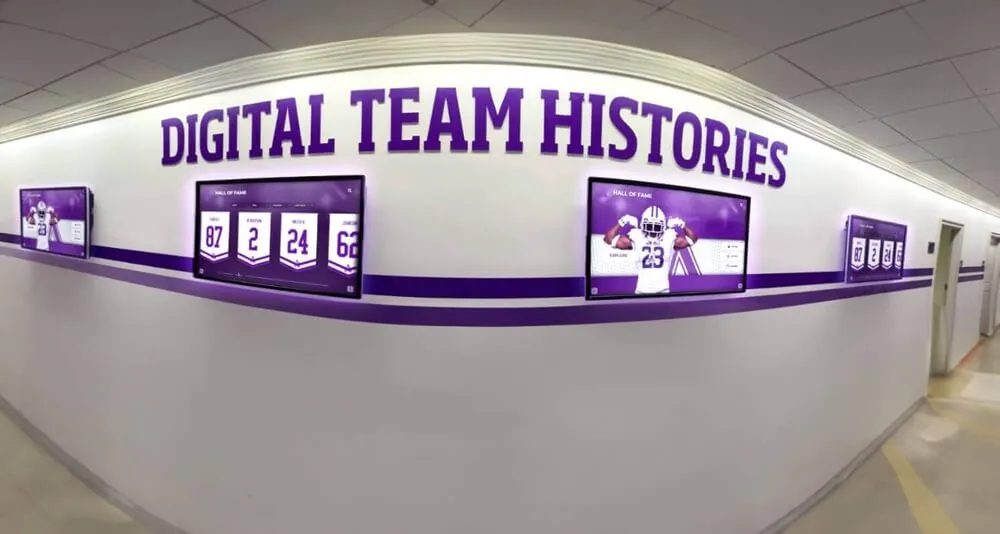
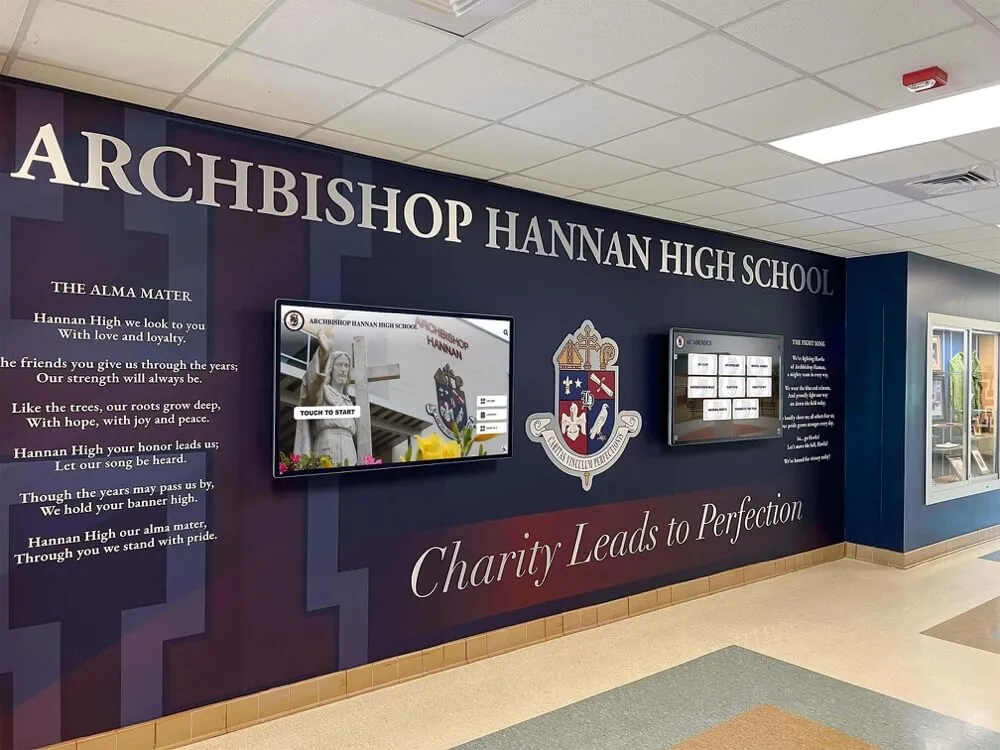
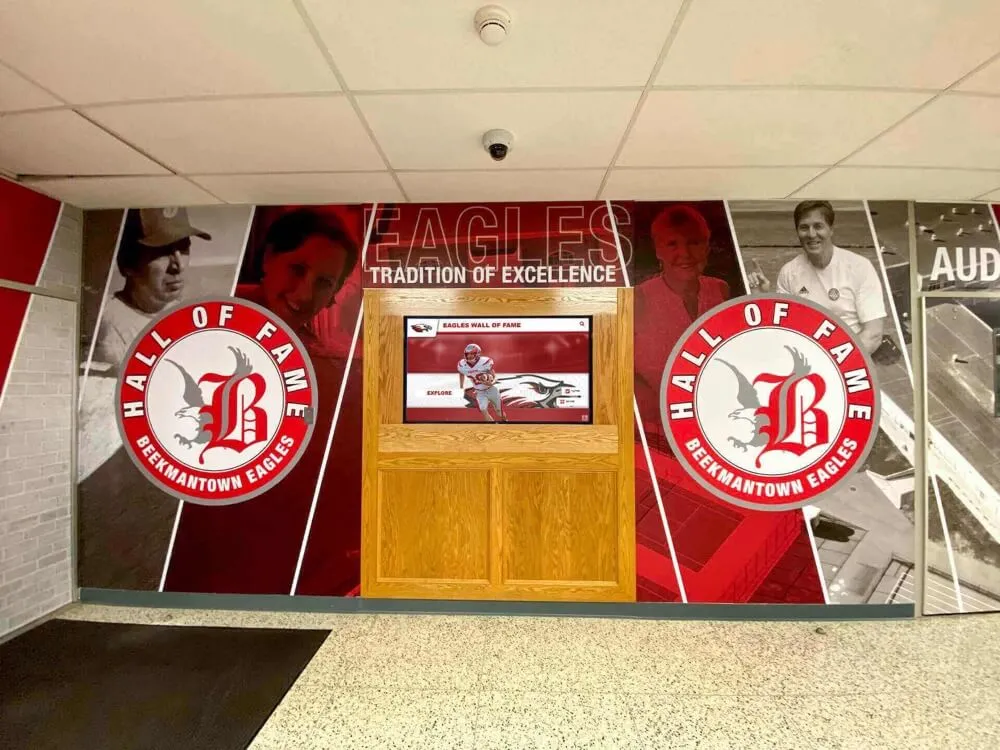
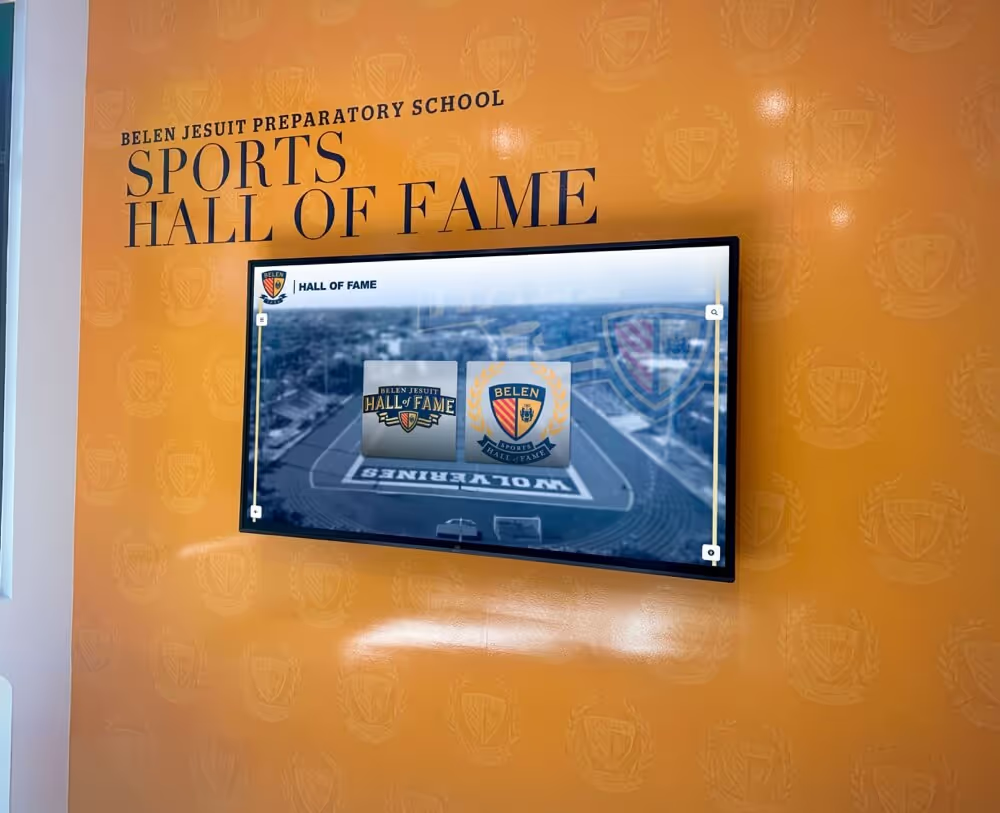
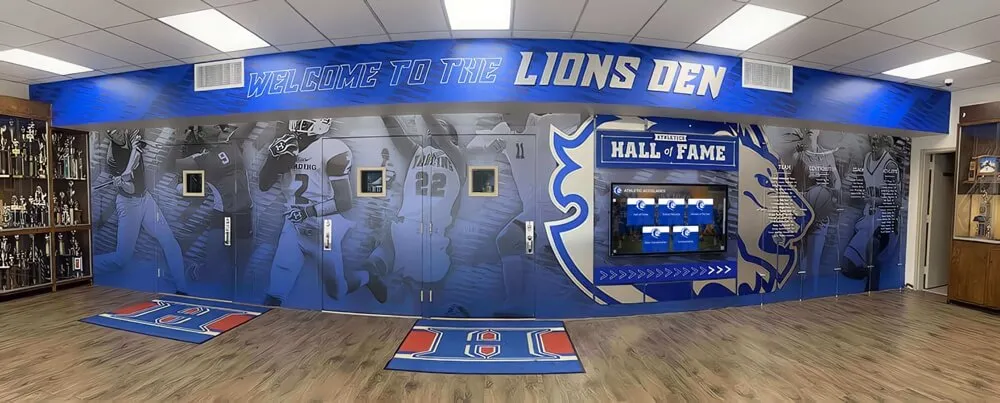
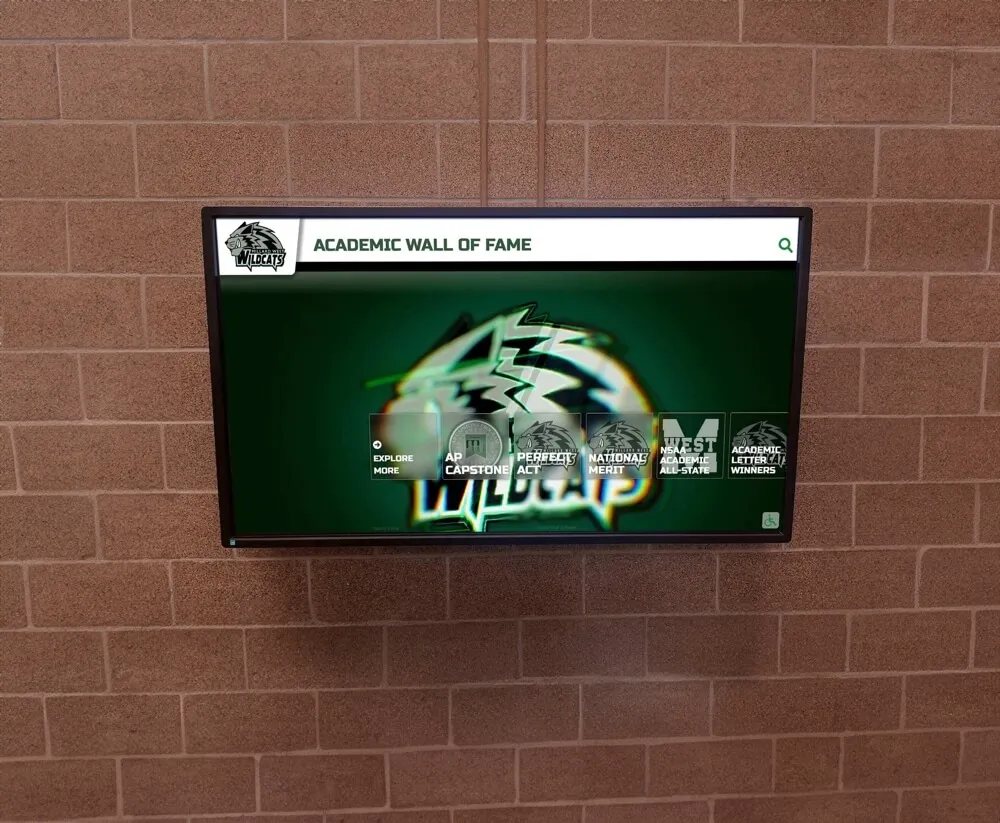
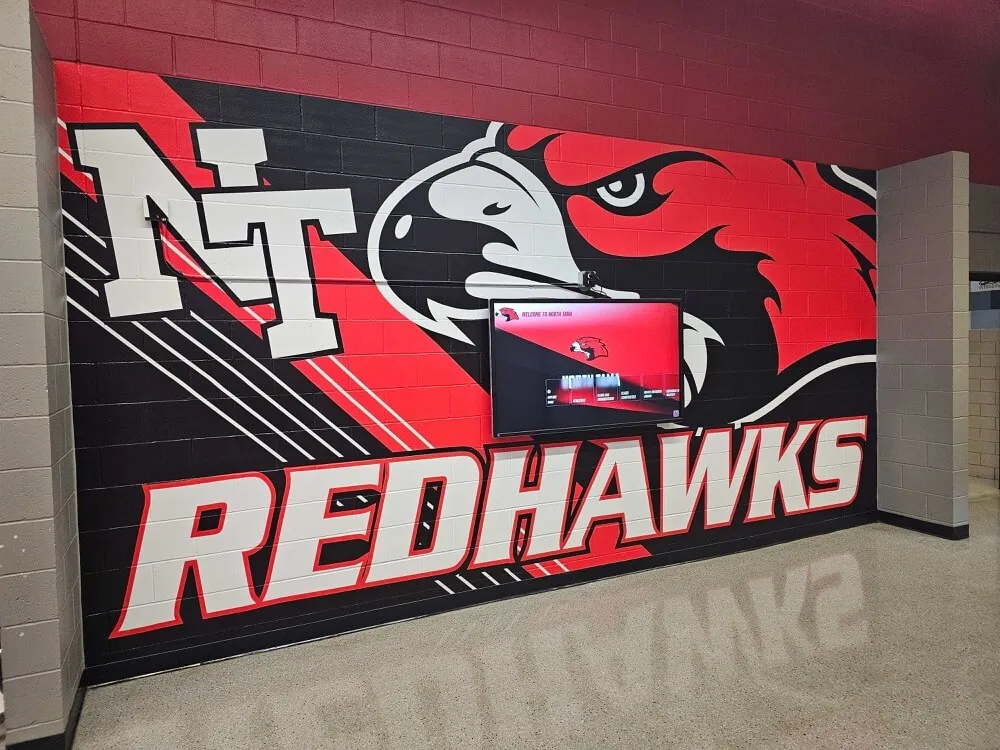
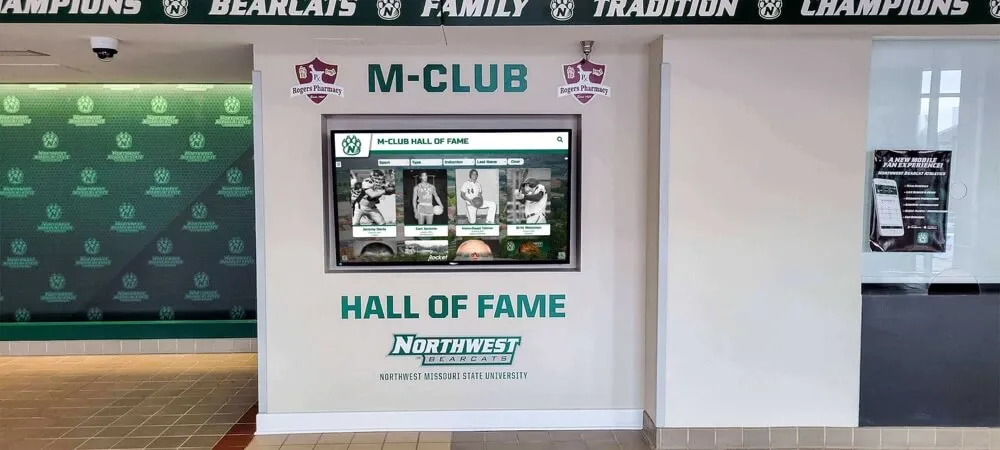
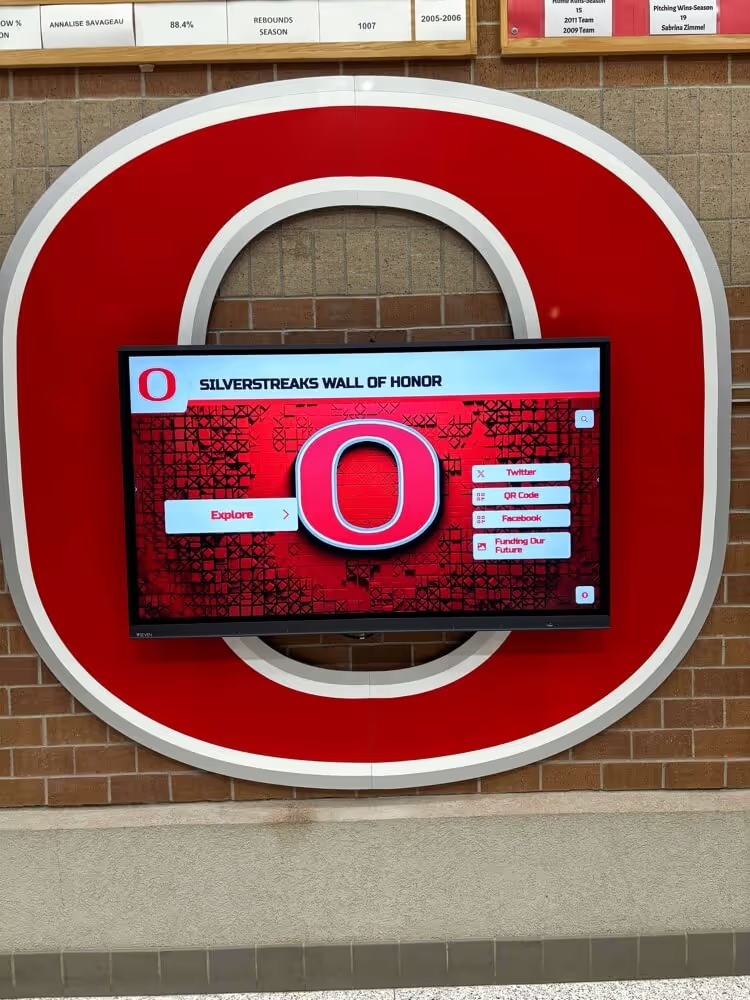
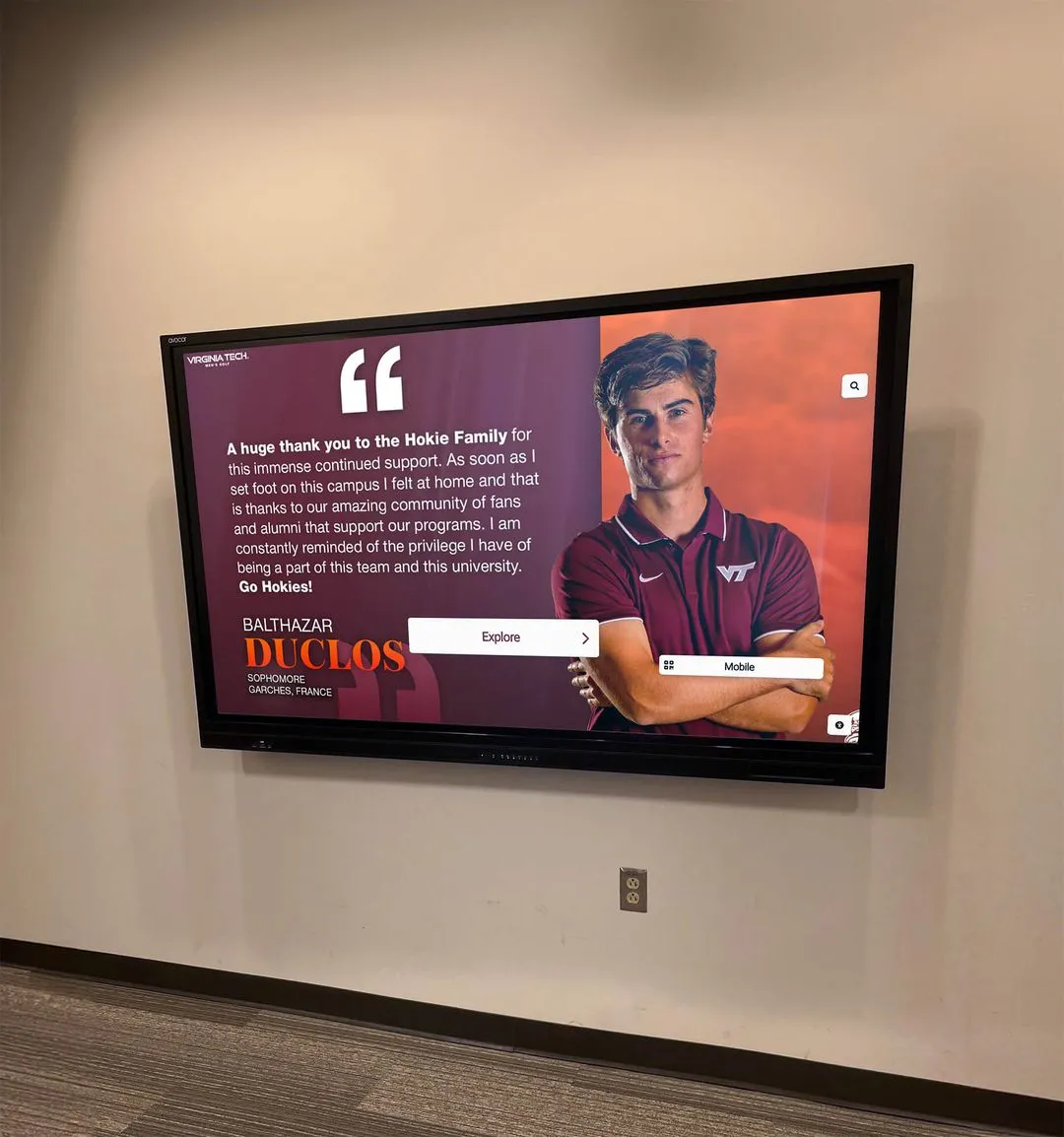
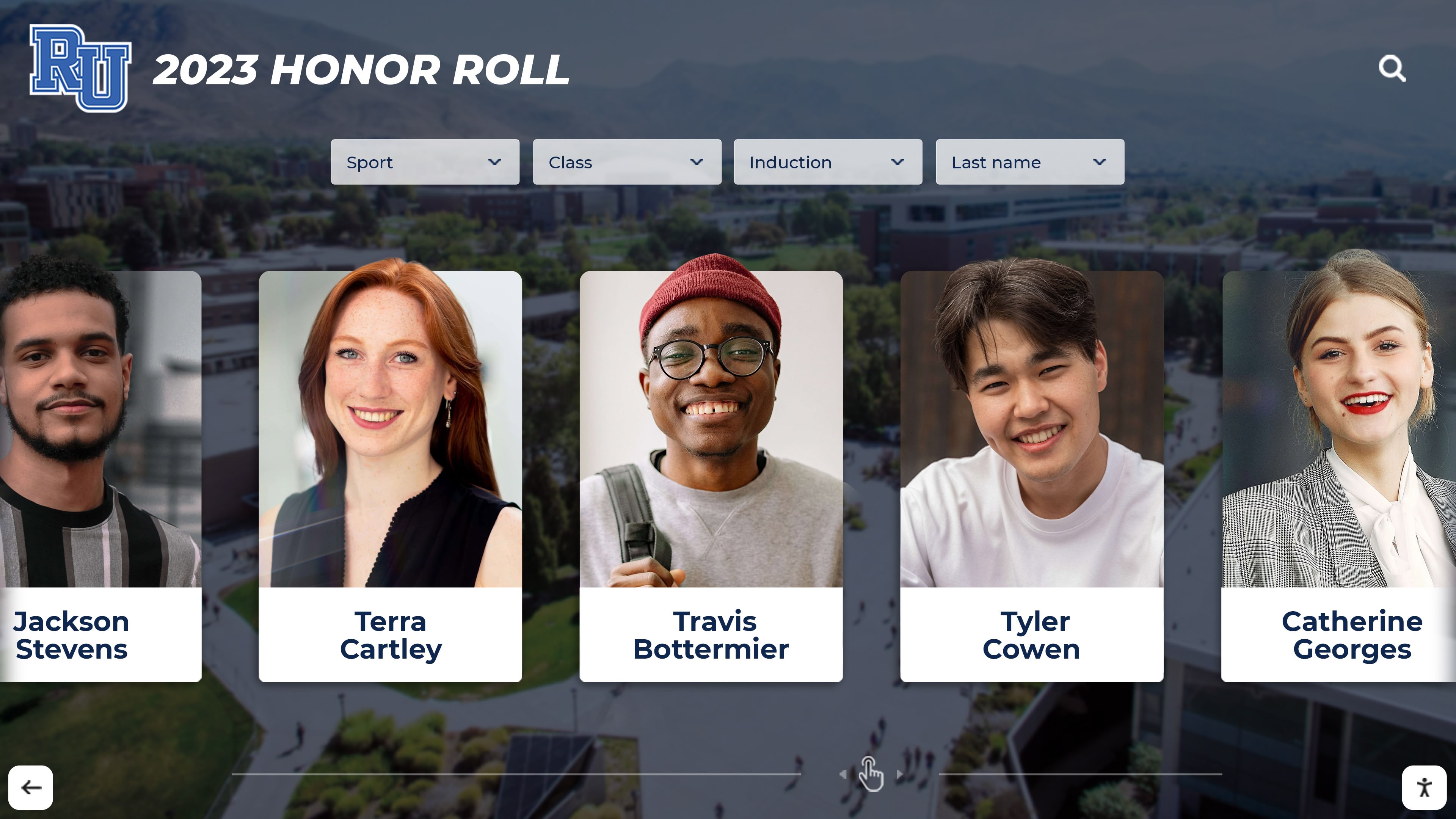
Digital recognition systems showcase quiz bowl champions alongside other academic achievers, ensuring intellectual excellence receives prominent celebration
Understanding Quiz Bowl Competition
Before launching a program, understanding quiz bowl’s structure, formats, and competitive landscape helps programs prepare effectively.
Quiz Bowl Formats and Structure
Tournament Competition Format
Quiz bowl competitions typically follow standardized formats:
- Toss-Up Questions: Individual players buzz in to answer questions read to both teams; correct answers earn points and bonus opportunities
- Bonus Questions: Three-part questions awarded to teams answering toss-ups correctly; teams collaborate to answer without buzzing
- Match Structure: Games typically consist of 20-25 toss-up questions with corresponding bonuses; matches last 8-12 minutes
- Scoring Systems: Correct toss-up answers typically earn 10-15 points; bonuses worth 20-30 points total; incorrect interruptions may incur -5 point penalties
- Team Composition: Four active players compete simultaneously with substitutions allowed between games or during timeouts
Question Categories and Subjects
Quiz bowl questions span comprehensive academic knowledge:
- Literature: World and American literature, poetry, authors, literary movements, and character identification
- History: World history, American history, historical figures, wars, treaties, and political movements across all eras
- Science: Biology, chemistry, physics, astronomy, mathematics, and scientific discoveries
- Fine Arts: Visual arts, music, architecture, composers, artists, and artistic movements
- Geography: World geography, capitals, physical features, geopolitical knowledge
- Current Events and Popular Culture: Recent history, sports, entertainment, and contemporary knowledge
- Mythology and Religion: World religions, mythological figures, and religious history
- Philosophy: Major philosophers, philosophical movements, and ethical frameworks
This comprehensive scope requires teams to develop specialists while maintaining general knowledge across all areas.
Competition Levels and Tournament Types
Local and Regional Competition
Programs begin competing at accessible levels:
- School league matches within conferences or regions
- Invitational tournaments hosted by nearby schools
- Online competitions enabling participation without travel
- Practice scrimmages with neighboring programs
- County or district championships
- Developmental tournaments for newer teams
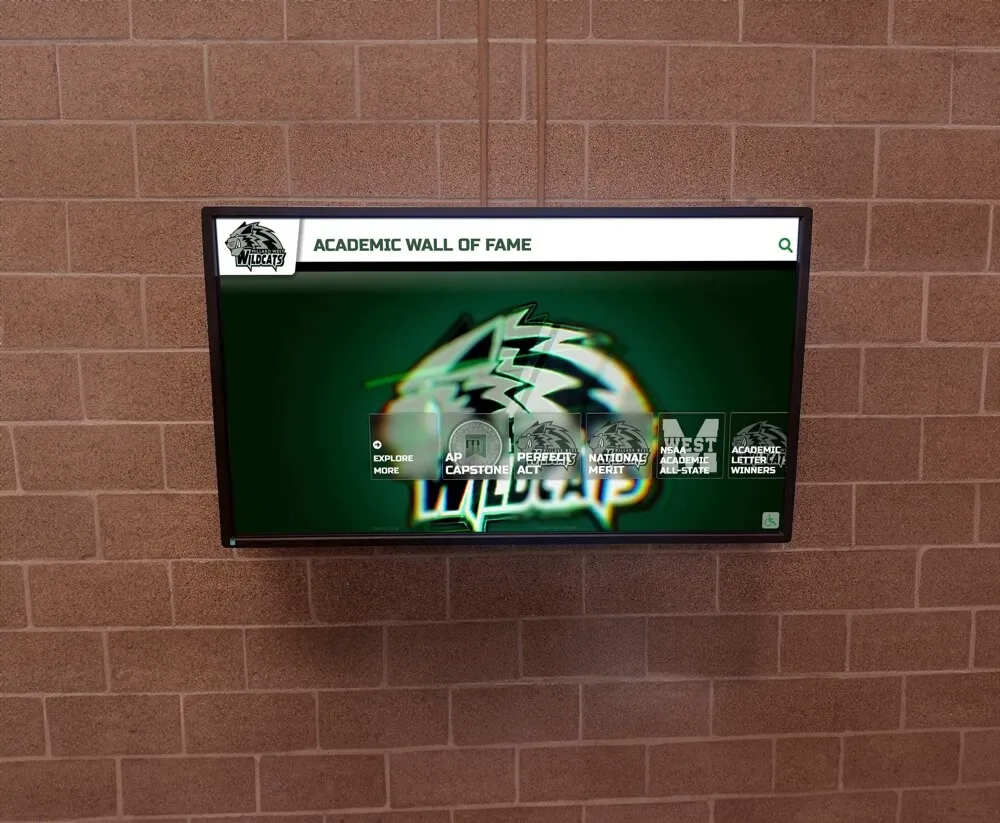
Schools can showcase quiz bowl achievements prominently through permanent displays visible throughout campus
State and National Championships
Advanced programs compete at elite levels:
- State Championships: Annual state-level tournaments determining state champions; qualification often through regional success
- National Tournaments: High School National Championship Tournament (HSNCT), National Academic Quiz Tournaments (NAQT), and others drawing top teams nationwide
- International Competition: International History Olympiad and subject-specific international competitions
- Online National Championships: Virtual tournaments enabling broader participation
- Invitational Elite Tournaments: Prestigious tournaments like the Partnership for Academic Competition Excellence (PACE) National Scholastic Championship
Schools achieving state or national success earn recognition deserving permanent commemoration alongside athletic championships.
Starting a Quiz Bowl Team: Initial Steps
Launching a successful program requires strategic planning and institutional support.
Building Administrative Support and Funding
Gaining School Administration Approval
Successful programs begin with official school backing:
- Present quiz bowl benefits: college application enhancement, academic skill development, positive school representation, intellectual culture building
- Provide cost analysis comparing quiz bowl expenses to other extracurricular activities
- Highlight minimal facility needs compared to physical sports requiring fields or courts
- Share research documenting academic recognition programs benefits
- Identify faculty sponsor and coaching personnel
- Develop initial budget for registration fees, travel, equipment, and materials
- Establish team as official school club or activity with appropriate oversight
Securing Funding and Resources
Financial sustainability requires diverse revenue sources:
- School budget allocation as official academic team
- Booster club support similar to athletic programs
- Parent organization fundraising and donations
- Local business sponsorships supporting academic excellence
- Grant opportunities for educational enrichment programs
- Tournament hosting to offset travel expenses
- Crowdfunding campaigns for specific needs (buzzer systems, travel to national championships)
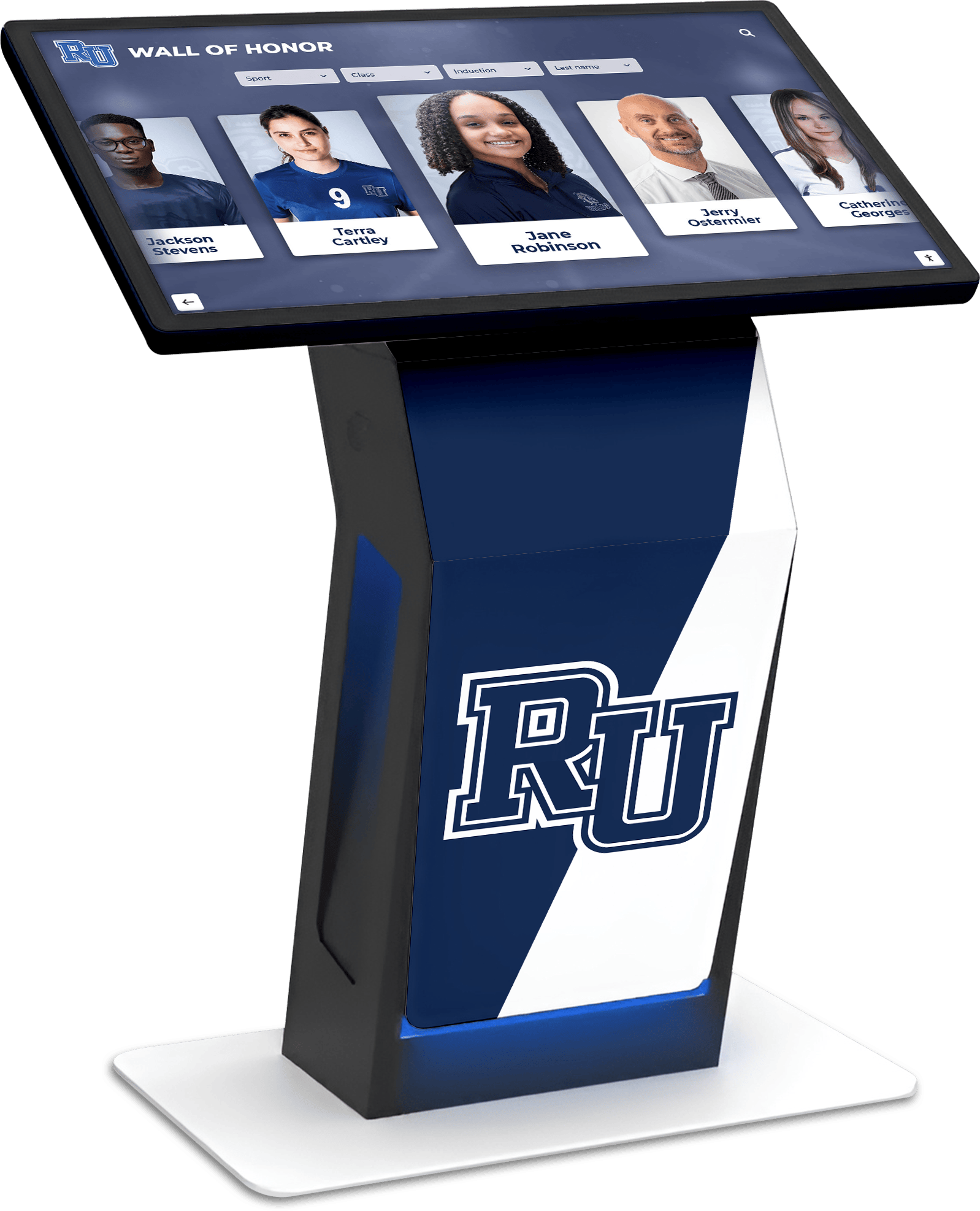
Modern recognition systems enable schools to showcase quiz bowl achievements alongside athletics, creating comprehensive celebration of student excellence
Finding a Coach or Faculty Sponsor
Ideal Coach Characteristics
Effective quiz bowl coaches possess specific qualities:
- Broad general knowledge across academic subjects
- Enthusiasm for academic competition and learning
- Organizational skills managing schedules, registrations, and logistics
- Teaching ability helping students improve knowledge and strategy
- Time commitment for practices, tournaments, and program management
- Willingness to continue learning question formats and competition developments
- Patience developing novice players into competitors
Coaches need not be content experts in all subjects—facilitating learning and managing logistics matters more than comprehensive encyclopedic knowledge.
Recruiting Faculty Sponsors
Multiple strategies identify potential coaches:
- Approach teachers with broad subject knowledge (history, English, social studies)
- Seek educators who participated in quiz bowl or academic competitions
- Identify staff members who coach other activities demonstrating organizational ability
- Consider librarians with broad knowledge and research skills
- Ask for volunteers during faculty meetings emphasizing time commitment and rewards
- Develop co-coaching models sharing responsibilities between multiple sponsors
- Engage parents with competitive academic backgrounds assisting with coaching
Essential Equipment and Materials
Buzzer Systems and Technology
Core equipment requirements include:
- Buzzer System: Lockout buzzer systems allowing players to signal answers (purchase commercial systems or build DIY versions)
- Question Databases: Access to practice questions from NAQT, various question writers, and past tournaments
- Reading Device: Computer or tablet for question reader displaying questions
- Timing Systems: Stopwatch or timer for match management and time tracking
- Scorekeeping Materials: Scoresheet templates or digital scoring applications
- Audio Equipment: Microphone and speakers for larger practice spaces or tournaments
Initial equipment investment typically ranges from $200-$1,000 depending on buzzer system choice and whether programs purchase commercial products or create custom solutions.
Practice and Reference Materials
Supporting resources enhance training:
- Reference books and encyclopedias covering quiz bowl subjects
- Online databases providing question access and practice
- Quiz bowl strategy guides and coaching materials
- Subject-specific study resources for targeted learning
- Past tournament questions for practice and analysis
- Recording equipment documenting practices for review
Many resources exist free online through quiz bowl communities and databases enabling programs to start with minimal material costs.
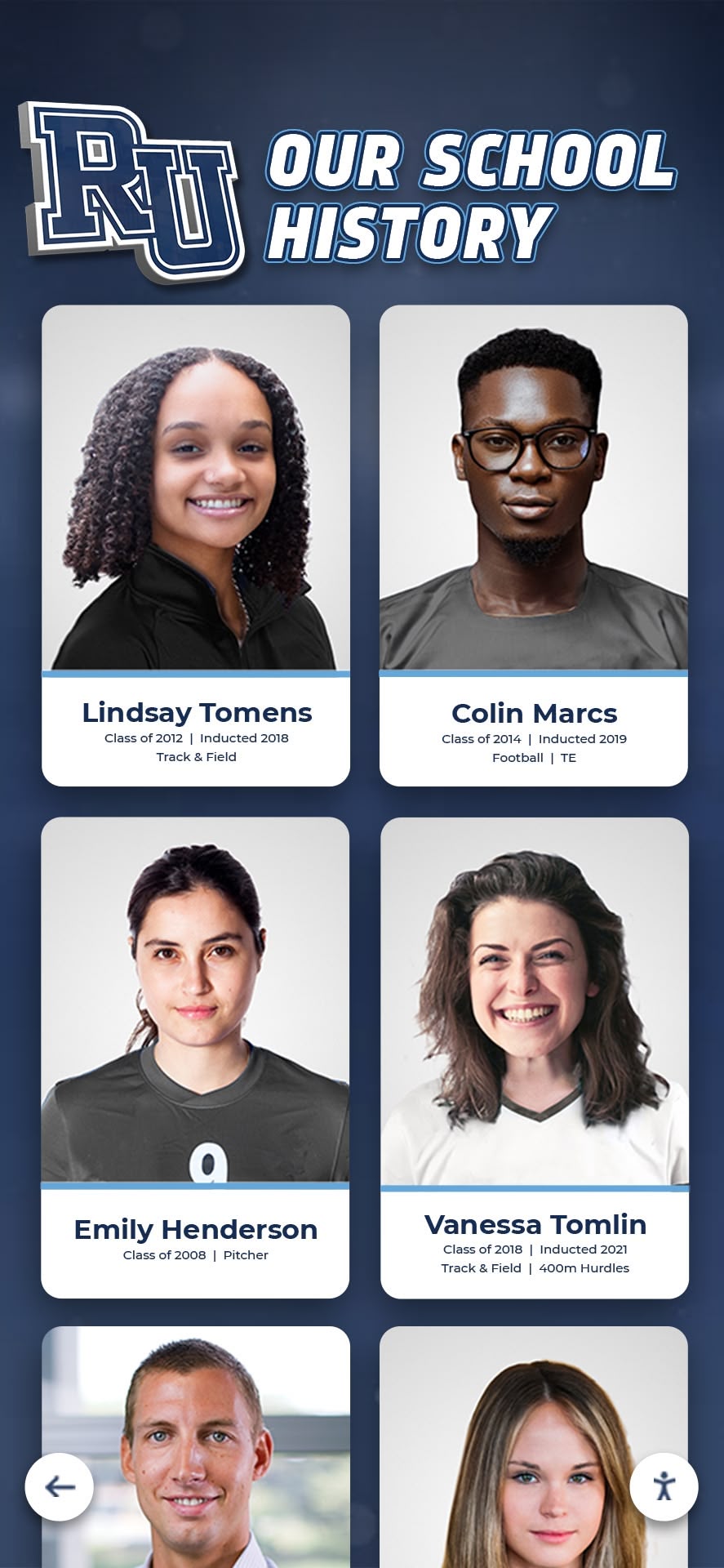
Comprehensive recognition systems document quiz bowl achievements across multiple years, preserving program history and individual accomplishments
Recruiting and Building Your Quiz Bowl Team
Successful programs systematically identify, recruit, and develop talented students.
Identifying Potential Team Members
Target Student Populations
Multiple student groups provide strong recruitment pools:
- Honor Roll and Advanced Placement Students: High academic performers often possess content knowledge and competitive drive
- Debate Team Members: Students experienced with competitive formats and quick thinking
- Academic Club Participants: Math club, science olympiad, and other academic competition veterans
- Avid Readers: Students with broad literary and general knowledge
- Multi-Subject Interested Students: Those with diverse academic interests rather than single-subject focus
- Competitive Personalities: Students who thrive under pressure and enjoy intellectual challenges
- Students Seeking College Application Enhancement: Those recognizing academic competition’s value for college admissions
Cast wide recruitment nets—quiz bowl success often comes from unexpected students whose knowledge doesn’t always appear through traditional classroom performance.
Recruitment Strategies and Promotion
School-Wide Awareness Campaigns
Multiple channels reach potential participants:
- Morning announcement promotions during school weeks
- Posters in hallways, libraries, and classrooms emphasizing no prerequisites
- Class visits by team members or coaches explaining quiz bowl
- Demonstration matches during lunch periods or assemblies
- Interest meeting scheduling informational sessions
- Social media promotion through school channels
- Guidance counselor communications highlighting college benefits
- Academic recognition displays showcasing quiz bowl alongside other achievements
Emphasizing Accessibility and Inclusivity
Remove perceived barriers to participation:
- Emphasize “no experience necessary” welcoming all interested students
- Highlight diverse knowledge types valued in quiz bowl (sports, pop culture, etc.) beyond traditional academics
- Promote social and team aspects alongside competition
- Offer flexible practice schedules accommodating multi-sport athletes and busy students
- Ensure equitable opportunities regardless of gender, background, or academic track
- Create JV or developmental teams for beginners
- Establish mentorship programs pairing experienced and new players
Tryouts Versus Open Roster Approaches
Open Roster Philosophy
Many successful programs welcome all interested students:
- Unlimited team size accommodating everyone
- JV and varsity team structures providing competition opportunities at all levels
- Emphasis on learning and improvement over immediate performance
- Tournament roster selection based on subject strength matchups
- Internal ranking systems determining tournament lineups
- Long-term program building through broad participation

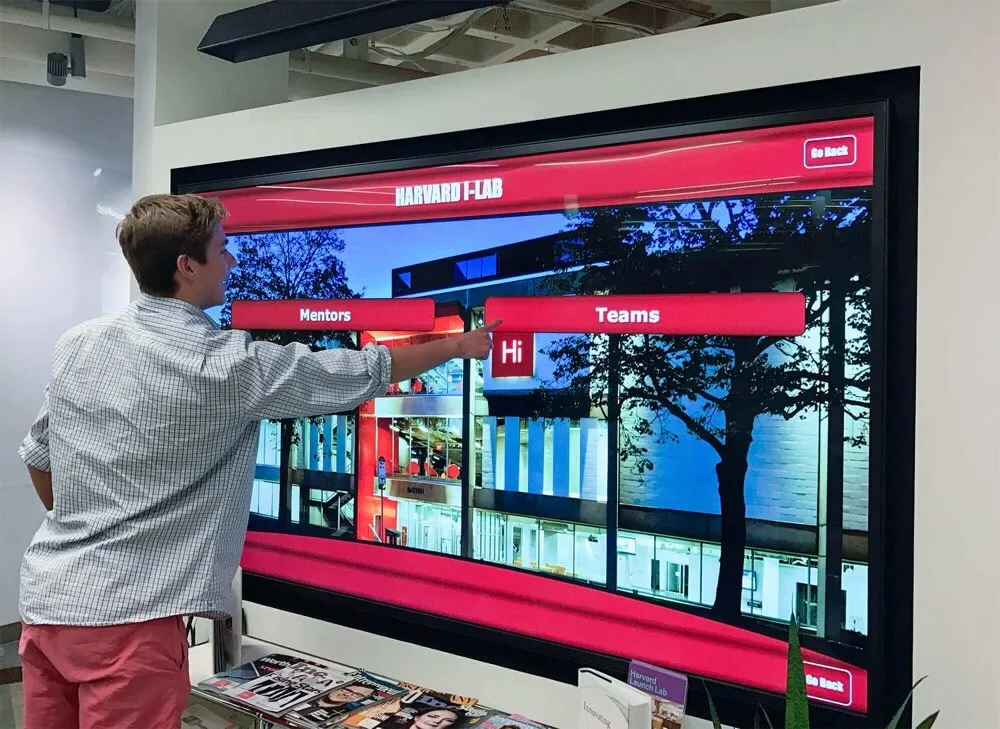
Interactive displays enable families and community members to explore quiz bowl achievements year-round
Selective Tryout Models
Competitive programs may implement tryouts:
- Limited roster size based on tournament rules or resource constraints
- Tryout tournaments or practice matches evaluating performance
- Knowledge assessments across subject areas
- Interviews evaluating commitment and team compatibility
- Probationary periods allowing new members to demonstrate capability
- Merit-based advancement to varsity competition
Balance exclusivity creating competitive intensity with accessibility encouraging broad participation and program growth.
Developing Effective Practice Structures
Systematic practice routines transform interested students into competitive teams.
Practice Schedule and Time Commitment
Weekly Practice Frequency
Successful programs maintain consistent schedules:
- Developmental Teams: 1-2 practices weekly (60-90 minutes each) building foundational knowledge
- Competitive Varsity Programs: 3-4 practices weekly (90-120 minutes each) preparing for tournaments
- Pre-Tournament Intensification: Additional practices before major competitions
- Off-Season Maintenance: Summer practices or reading assignments maintaining engagement
- Flexible Scheduling: Accommodating athletic seasons, activities, and academic demands
Balance practice frequency with burnout prevention—overscheduling reduces effectiveness and increases attrition.
Practice Structure and Format
Effective sessions include varied activities:
- Warm-Up Questions (10-15 minutes): Quick toss-ups building confidence and energy
- Full Practice Matches (30-40 minutes): Simulated tournament conditions with buzzer system
- Subject-Specific Practice (15-20 minutes): Targeted improvement in weaker categories
- Strategy Discussion (10-15 minutes): Analyzing performance, buzzer timing, conferencing techniques
- Knowledge Building (15-20 minutes): Learning new content through guided study or presentations
- Cool-Down and Social Time (5-10 minutes): Team bonding and informal conversation
Varied practice structures maintain engagement while developing diverse skill sets.
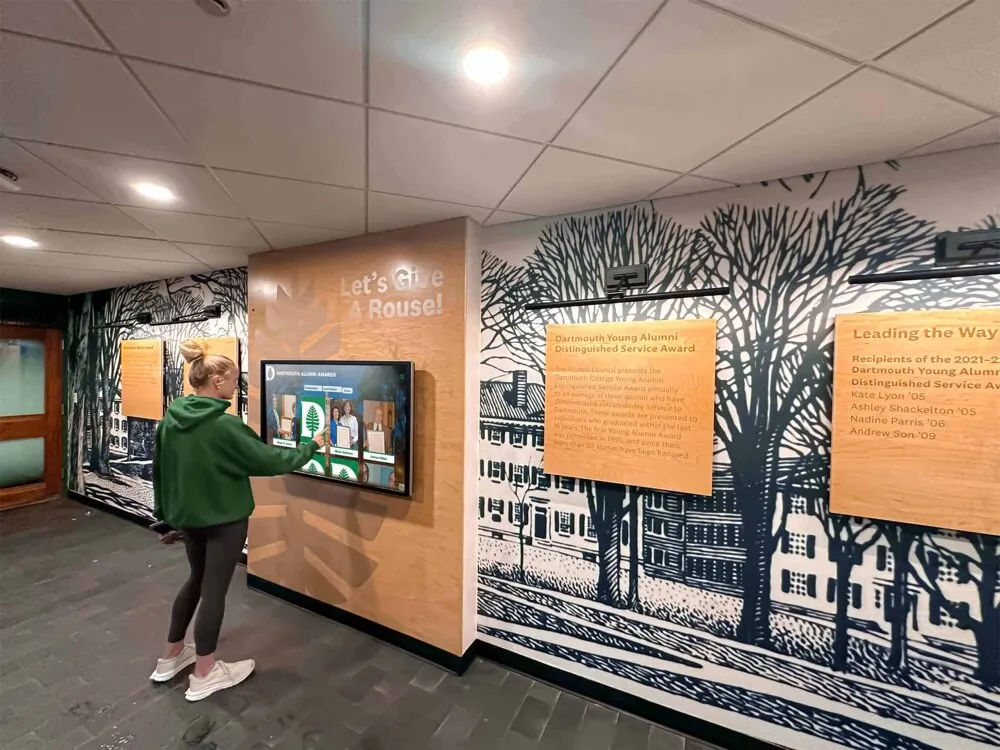
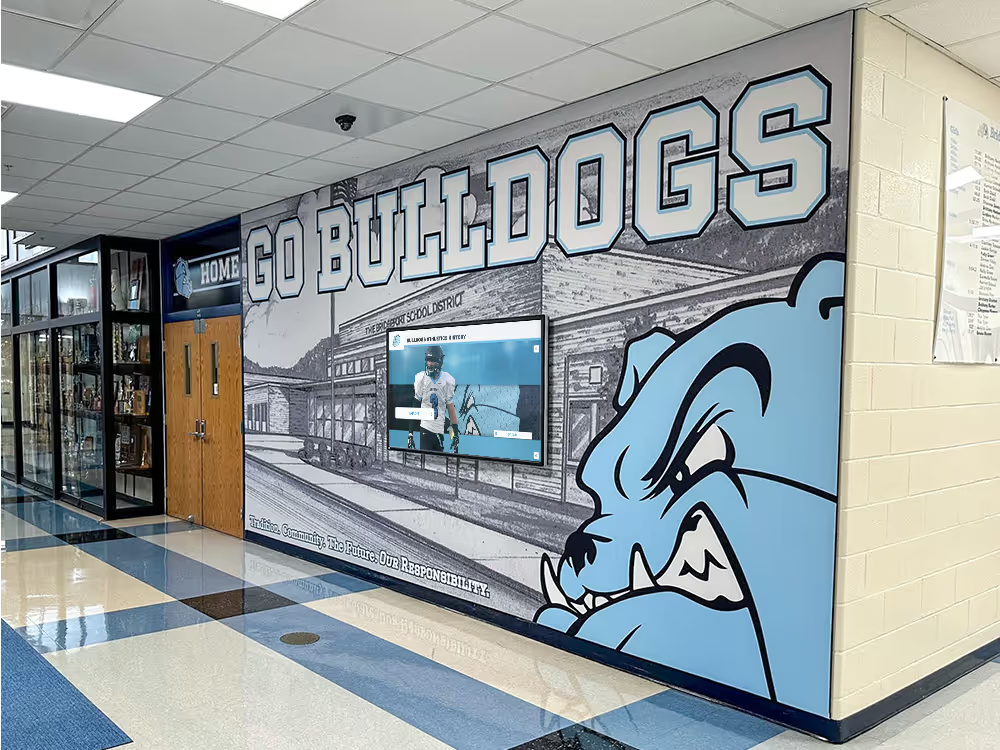
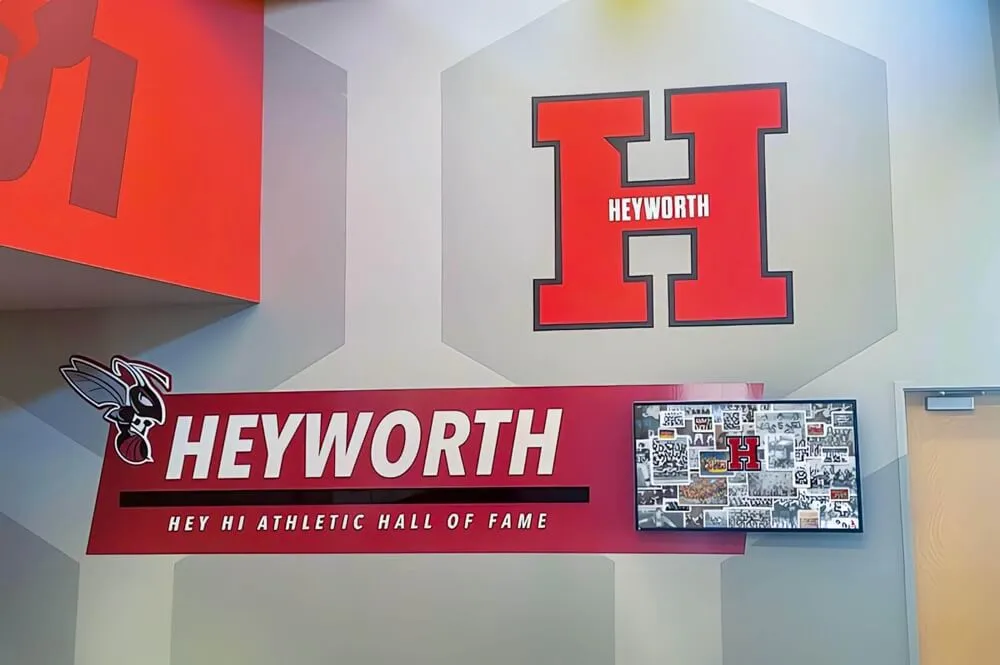
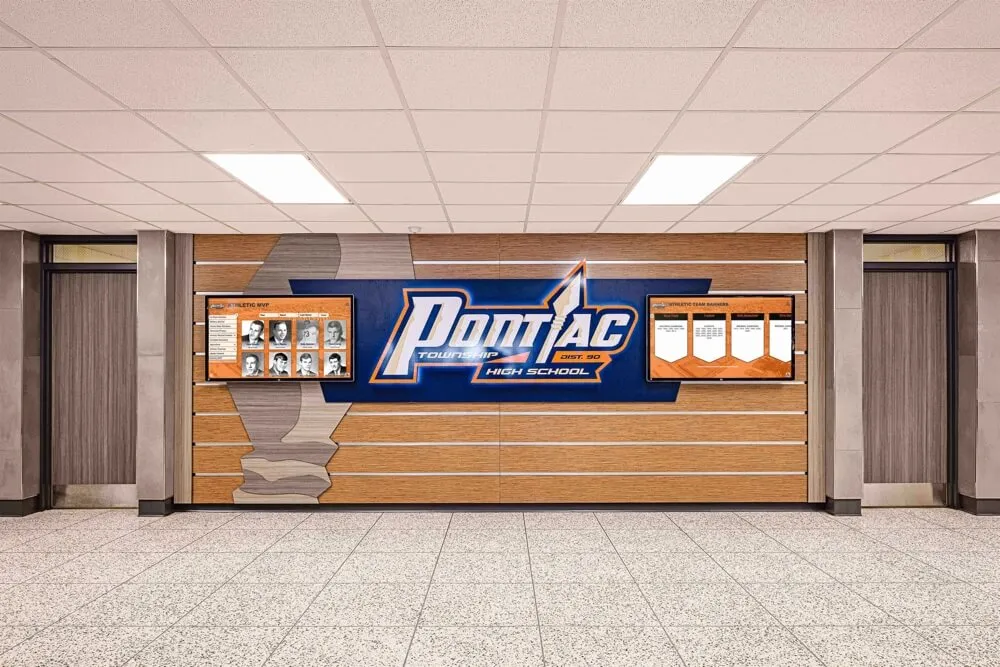
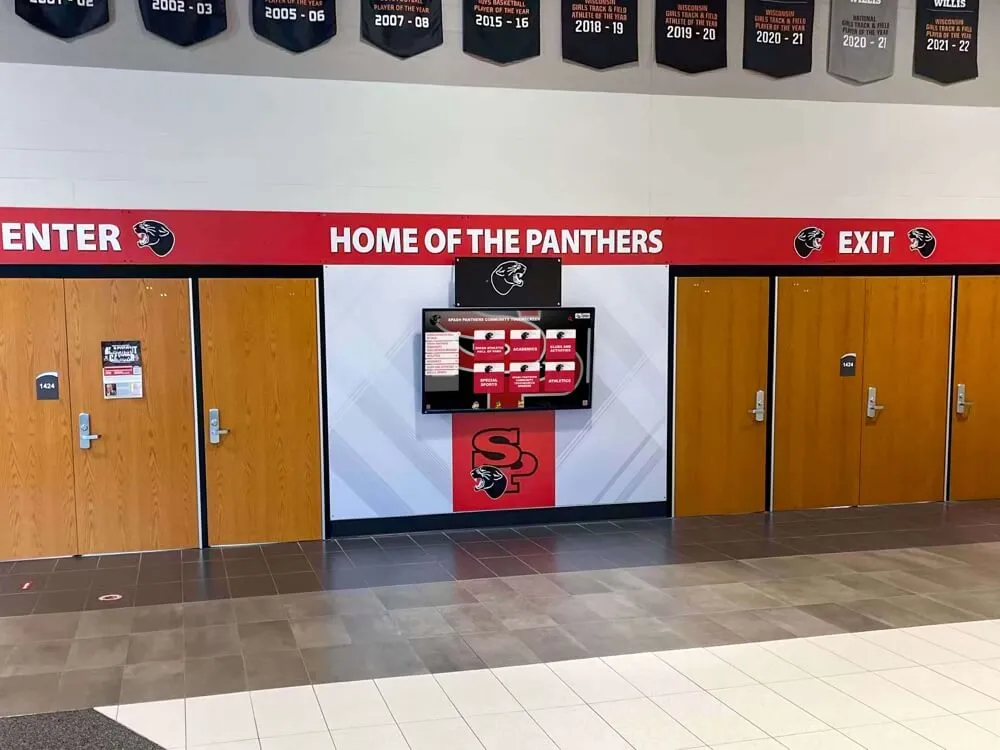
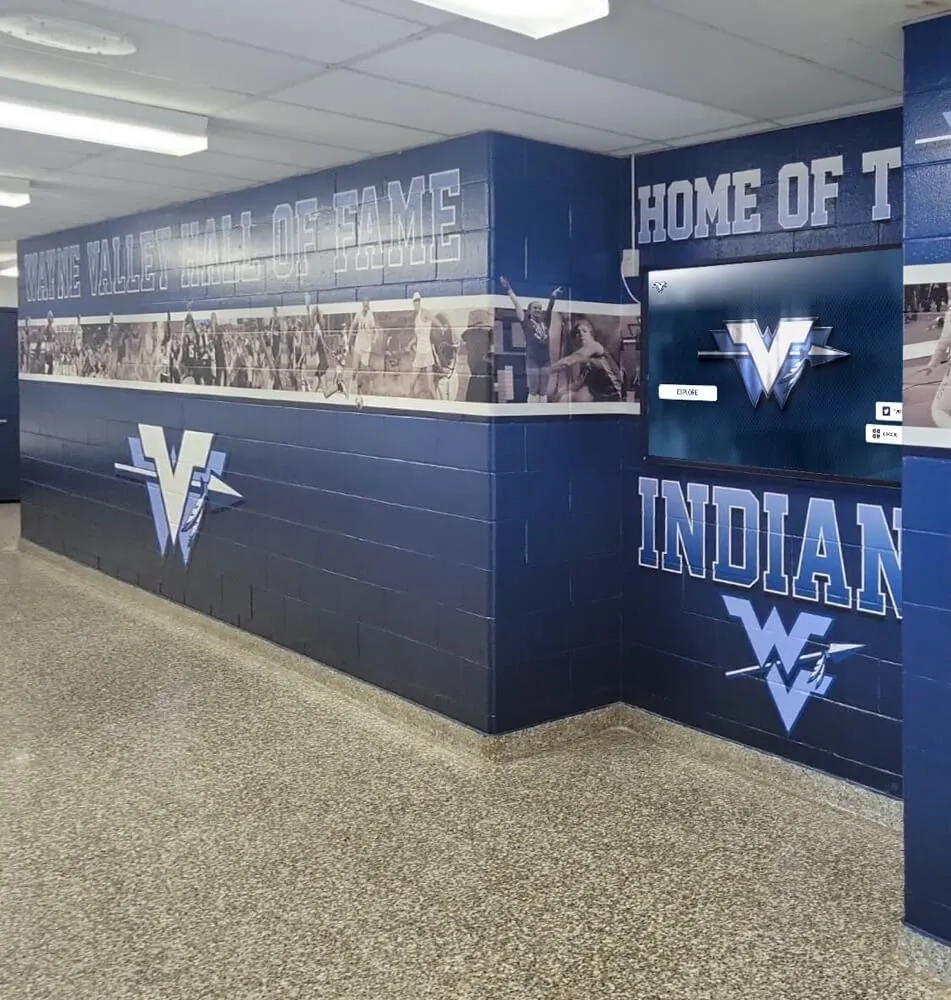
Hallway placement ensures quiz bowl recognition remains visible to all students, families, and visitors throughout the academic year
Question Practice Methods
Simulated Tournament Conditions
Realistic practice prepares teams for competition:
- Use actual quiz bowl questions from question databases
- Implement proper scoring including negative points for interruptions
- Enforce tournament rules and procedures
- Rotate team compositions testing different lineup combinations
- Practice with moderator reading questions at competitive speed
- Record matches for later review and analysis
- Invite other schools for scrimmages providing external competition
Subject-Specific Drills
Targeted practice strengthens weak areas:
- Dedicate entire practices to single subjects (all literature, all science)
- Use subject-specific question packets building category depth
- Assign homework readings in deficit areas
- Create study groups focusing on particular topics
- Leverage team members’ strongest subjects through peer teaching
- Utilize online resources and flashcard systems for individual study
- Track subject performance identifying areas needing additional focus
Knowledge Development Strategies
Building Breadth and Depth
Effective preparation balances comprehensive coverage with specialization:
Breadth Development Approaches
- Regular reading across diverse subjects and publications
- Quiz bowl-specific study guides covering common topics
- Wikipedia and reference work systematic review
- Question database analysis identifying frequently-tested topics
- Cross-subject connection building (literature-history connections, science-mathematics relationships)
- Current events tracking through news consumption
Depth Development Through Specialization
- Individual team members develop subject expertise
- Deep dives into specific historical periods, literary movements, or scientific fields
- Advanced textbooks and academic sources
- Subject-specific competitions supplementing quiz bowl (Science Olympiad, History Day)
- Mentorship from subject-expert teachers
- College-level coursework in areas of interest
Most successful teams develop both generalists with broad knowledge and specialists with deep expertise in specific domains.
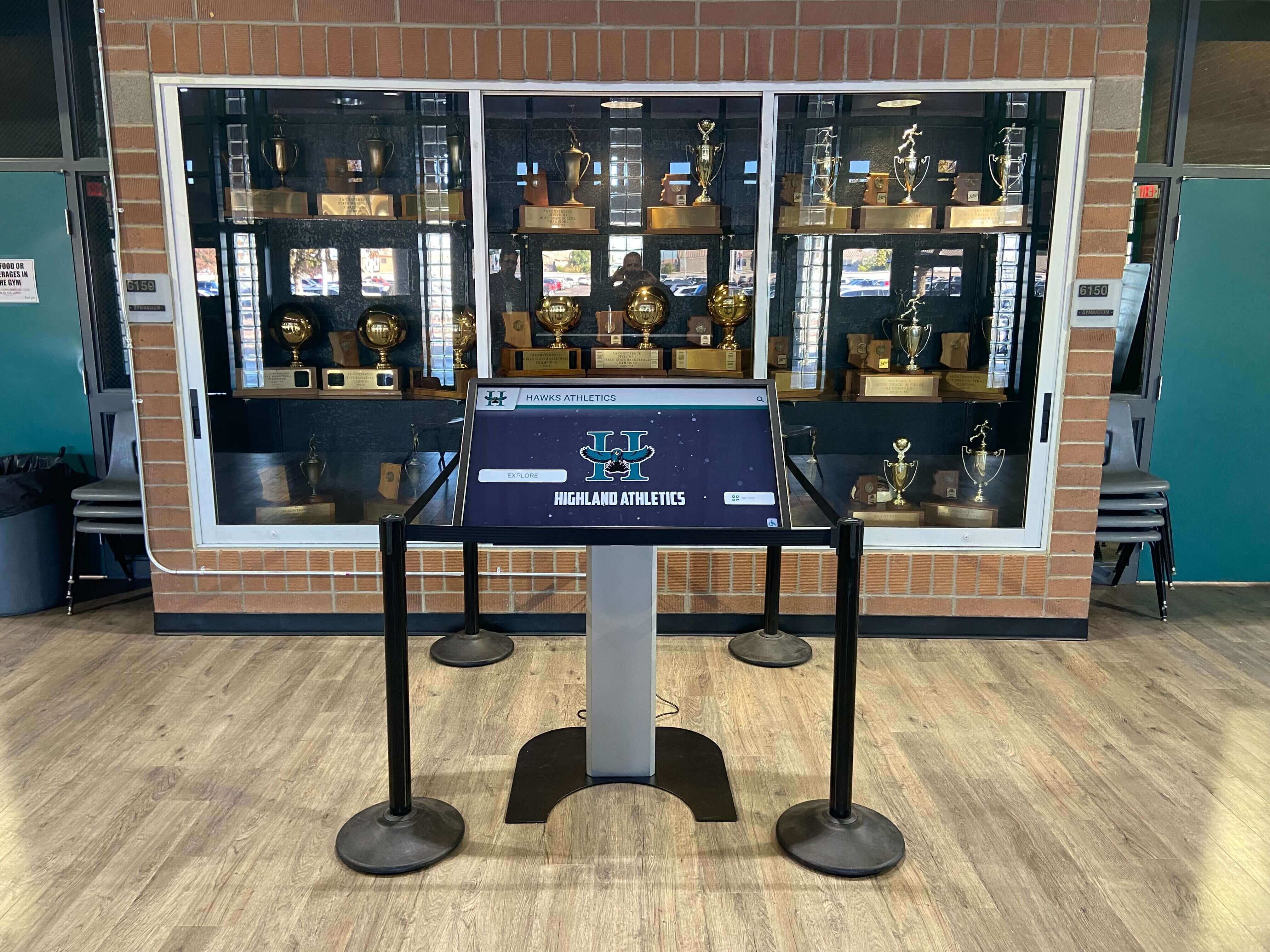
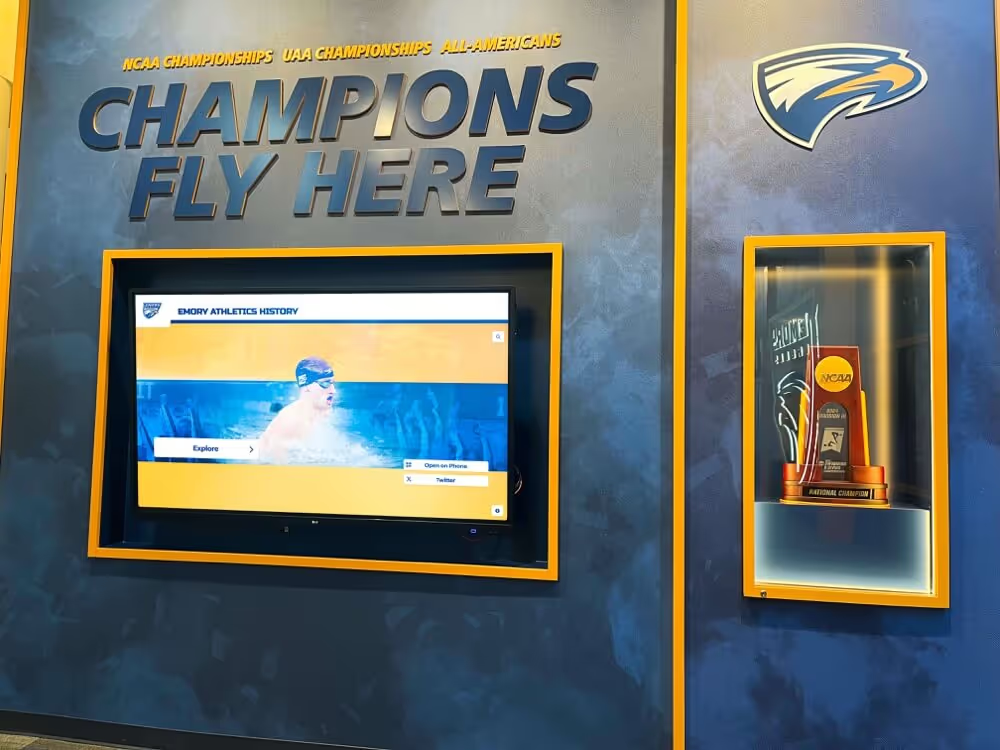
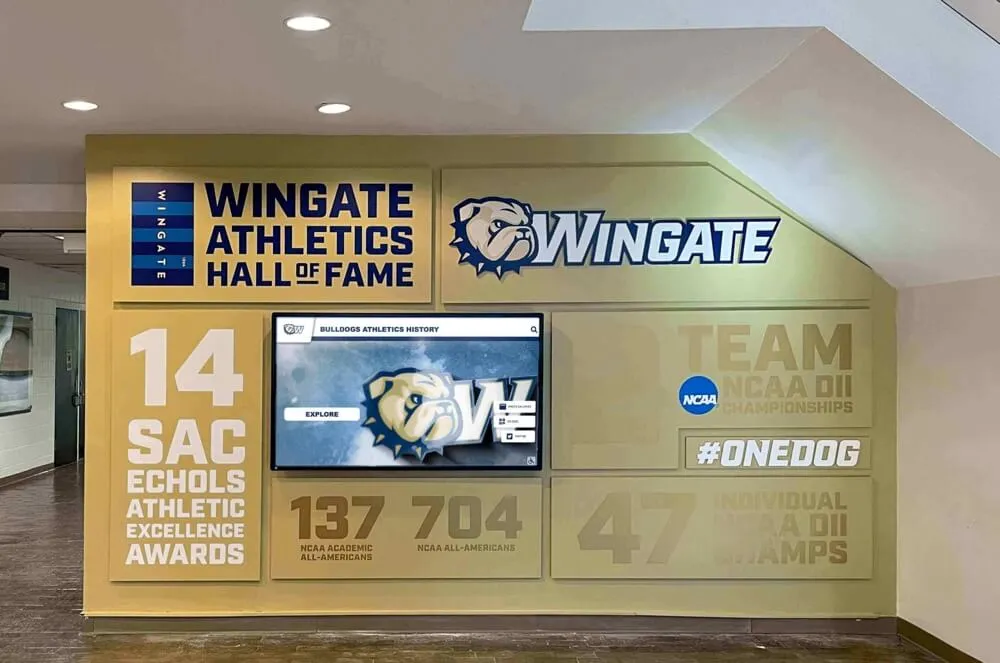
Integrating quiz bowl recognition with athletic displays demonstrates comprehensive celebration of all student excellence
Tournament Preparation and Competition Strategy
Success requires more than knowledge—strategic preparation and competition tactics matter equally.
Tournament Selection and Registration
Choosing Appropriate Competitions
Strategic tournament selection aids development:
- Beginner Tournaments: Novice divisions or tournaments designed for new teams
- Difficulty Levels: Match tournament difficulty to team experience (1-star to 5-star difficulty ratings)
- Geographic Accessibility: Start with local tournaments minimizing travel costs and time
- Question Set Reputation: Select tournaments using quality question sets from reputable writers
- Field Strength: Balance competitive challenge with realistic success opportunities
- Season Pacing: Distribute tournaments across season preventing overload
- Championship Qualification: Identify tournaments required for state/national qualification
Research tournament history, question writers, and field strength through quiz bowl online communities.
Registration and Logistics
Systematic organization prevents problems:
- Register before deadlines to avoid late fees
- Arrange transportation well in advance (school buses, parent drivers, rental vehicles)
- Book hotel accommodations for overnight tournaments
- Submit roster information and fees promptly
- Communicate tournament details to participants and families
- Prepare permission slips and emergency contact information
- Budget for registration fees, travel costs, meals, and incidentals
Pre-Tournament Preparation
Strategic Lineup Decisions
Optimize team composition:
- Analyze team members’ subject strengths and weaknesses
- Review tournament difficulty and likely question distribution
- Consider buzzer speed and confidence under pressure
- Balance experienced players with developmental opportunities for newer members
- Prepare substitute strategies for fatigue or performance issues
- Practice specific lineup combinations before tournaments
Mental and Physical Preparation
Competition readiness extends beyond knowledge:
- Adequate sleep before competition days
- Nutritious meals maintaining energy throughout long tournament days
- Hydration and snacks between matches
- Mental preparation strategies managing competition anxiety
- Team bonding building confidence and chemistry
- Equipment verification ensuring functioning buzzers and materials
- Contingency plans for unexpected issues
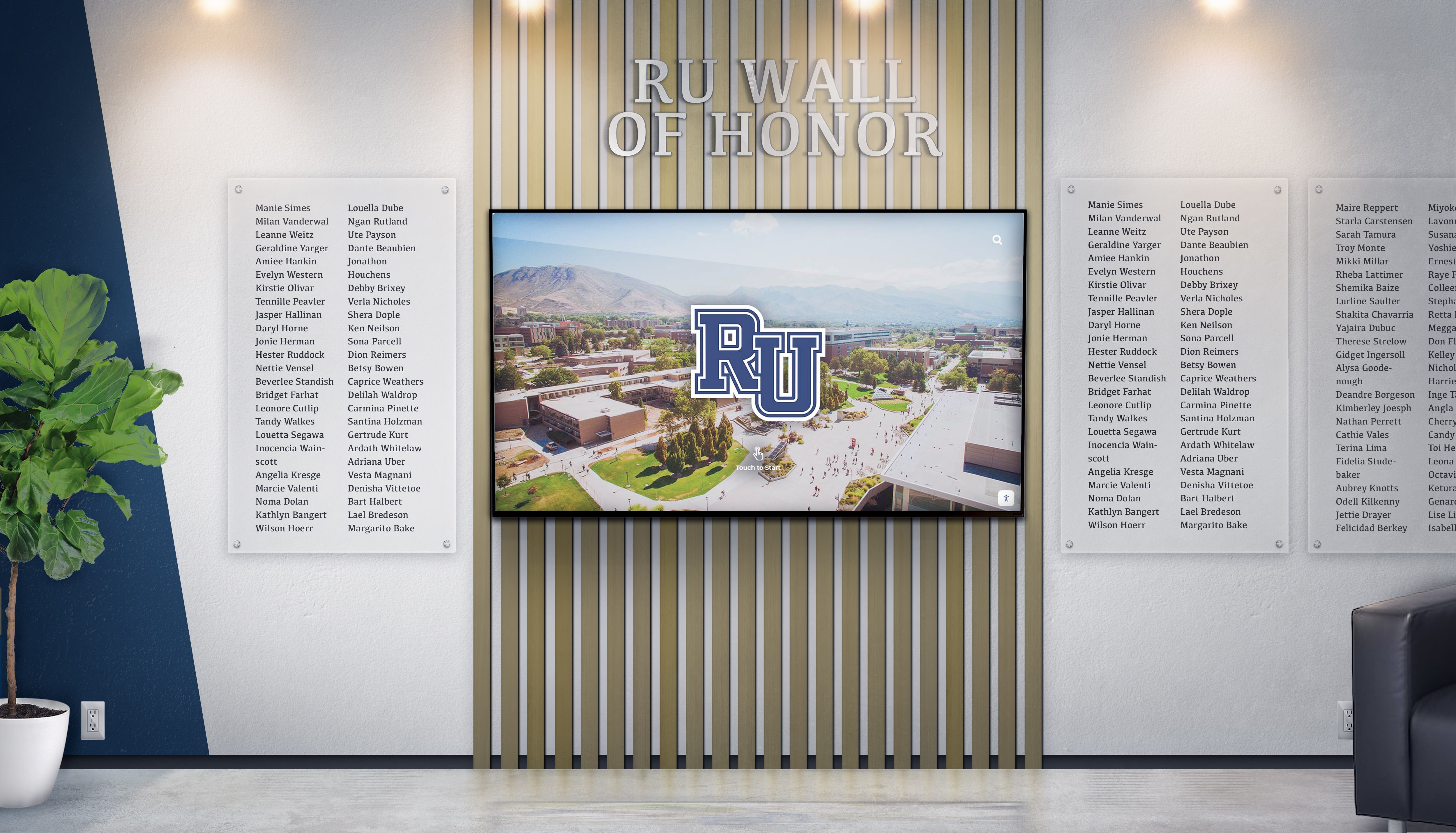
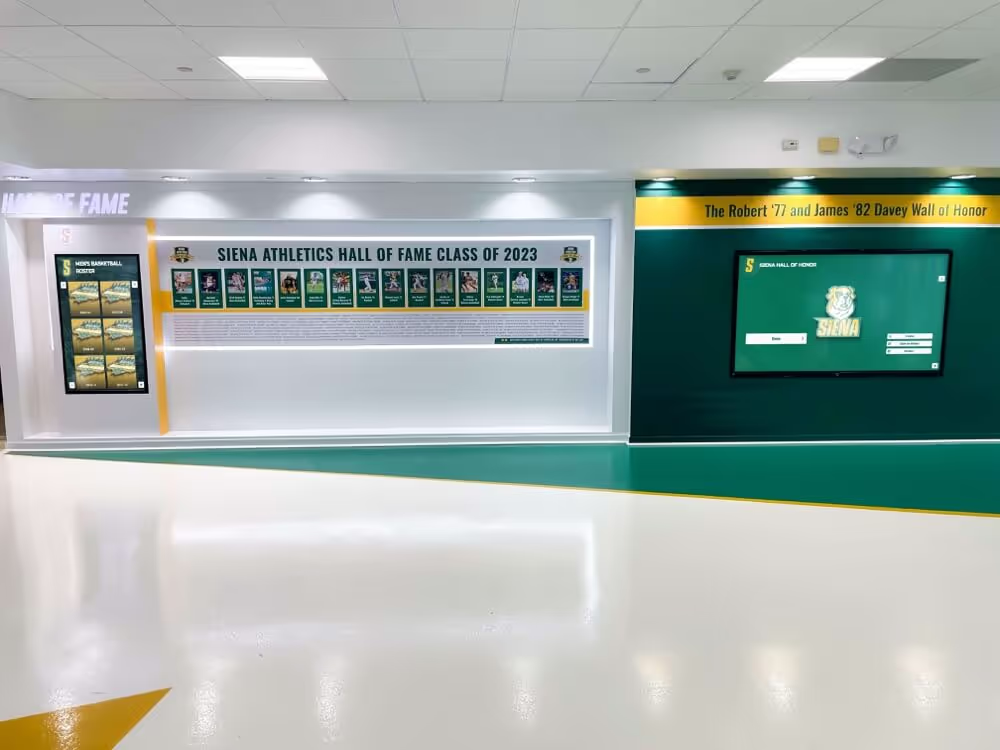
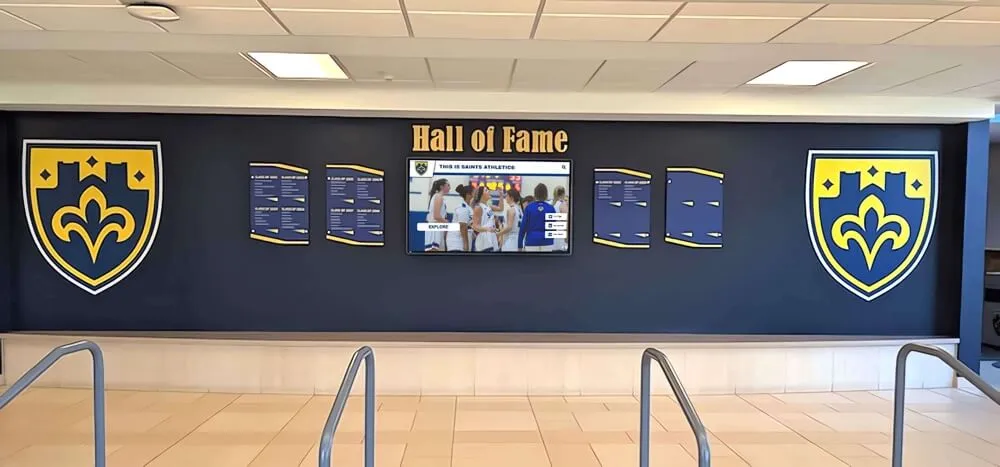
Comprehensive recognition walls combine digital displays with traditional elements honoring quiz bowl champions permanently
Competition Day Strategy
Between-Game Management
Tournament success requires effective time management:
- Rest and recovery between matches preventing fatigue
- Quick performance reviews identifying adjustments
- Subject tracking noting which categories appeared frequently
- Morale management celebrating successes and maintaining confidence after losses
- Strategic substitutions based on subject distribution patterns observed
- Communication with teammates about momentum and confidence
- Nutrition and hydration maintaining physical and mental sharpness
Buzzer Timing and Strategy
Technical skills impact performance significantly:
- Early Buzzing: Interrupt questions confidently on strong subjects risking negative points
- Patient Listening: Wait for complete clues on uncertain topics
- Power Marking: Identify questions’ difficulty levels buzzing at optimal moments
- Opponent Reading: Notice opposing team patterns adjusting strategy accordingly
- Neg Avoidance: Prevent incorrect interruptions costing points and bonus opportunities
- Bonus Conferencing: Maximize bonus points through effective team communication
Handling High-Pressure Situations
Manage competition intensity:
- Stay calm after incorrect answers or negative points
- Maintain confidence throughout matches regardless of score
- Support teammates after mistakes or difficult moments
- Focus on process rather than outcome during competition
- Celebrate good performance regardless of match results
- Learn from losses without dwelling on disappointments
- Represent school with sportsmanship and professionalism
Building Sustainable Quiz Bowl Programs
Long-term success requires systematic program development beyond single seasons.
Developing Team Culture and Tradition
Creating Positive Team Environment
Strong cultures attract and retain participants:
- Welcoming atmosphere for all experience levels
- Celebration of individual improvement and learning
- Recognition of diverse knowledge types beyond traditional academics
- Social activities building relationships beyond competition
- Inside jokes and team traditions creating identity
- Supportive environment where mistakes become learning opportunities
- Team leadership structures with captains mentoring newer members
Establishing Program Traditions
Consistent traditions create program identity:
- Annual team dinners or social events
- Senior recognition ceremonies similar to athletic programs
- Team apparel creating visual identity
- Traditional pre-tournament rituals or chants
- Documentation of achievements through photos and records
- Alumni connections maintaining program continuity
- Partnership with school academic recognition programs
Multi-Year Development Pipeline
Building Depth Through Recruitment
Sustainable programs systematically develop talent:
- Annual recruitment campaigns attracting new members
- JV team structures developing future varsity competitors
- Freshman and sophomore targeted recruitment
- Mentorship programs pairing experienced and novice players
- Leadership progression with clear advancement pathways
- Alumni engagement supporting current teams
- Feeder programs in middle schools
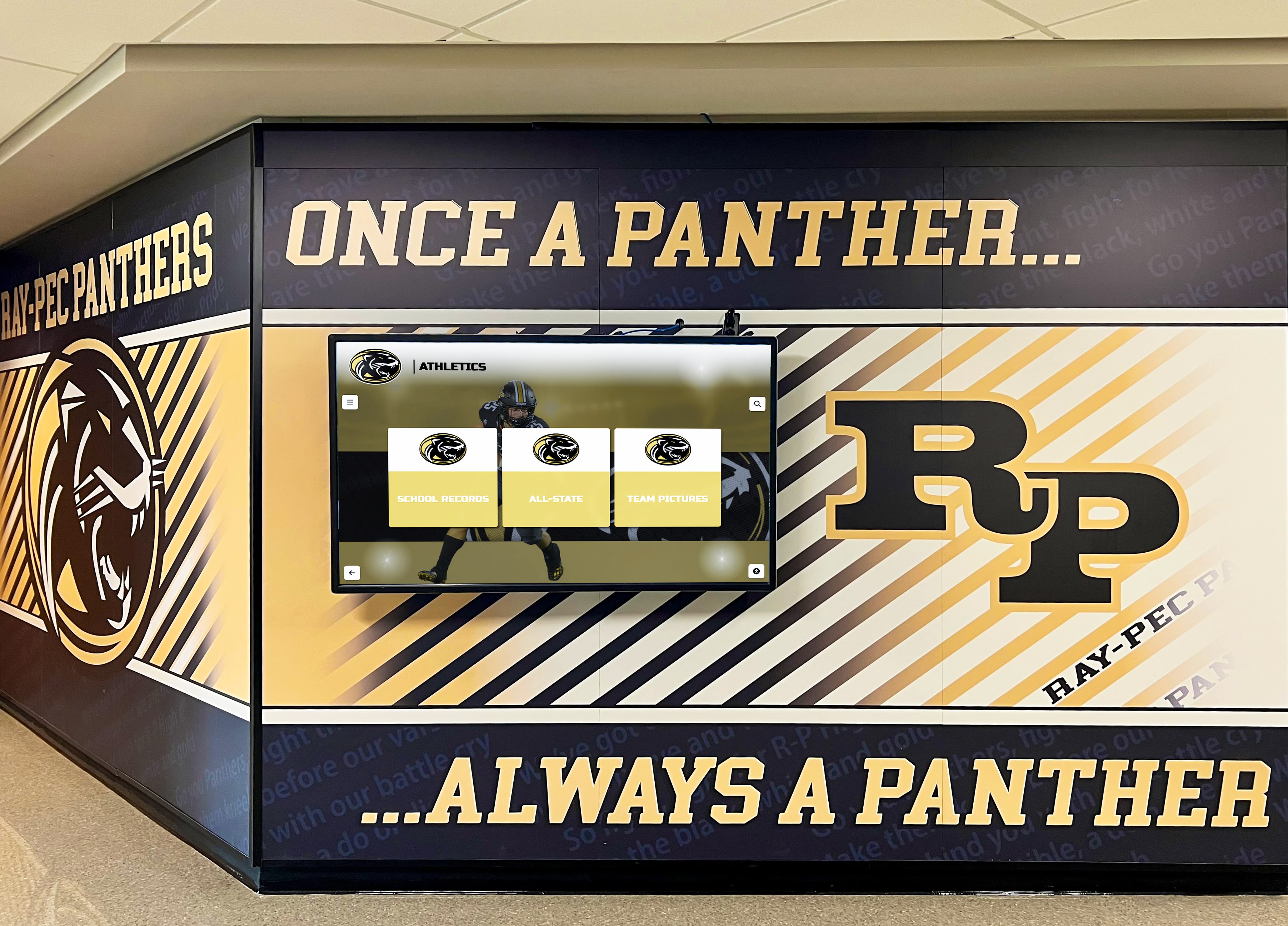
School facilities can showcase quiz bowl achievements alongside athletic recognition creating comprehensive student excellence displays
Knowledge Transfer and Continuity
Prevent knowledge loss when seniors graduate:
- Document effective practice techniques and resources
- Create question banks and study materials for future teams
- Establish coaching succession plans preventing program disruption
- Maintain institutional knowledge through written procedures
- Record tournament experiences and lessons learned
- Build relationships with question writers and tournament directors
- Preserve program history through systematic documentation
Recognition and Celebration
Seasonal Achievement Acknowledgment
Recognize accomplishments systematically:
- End-of-season recognition ceremonies celebrating team achievements
- Individual awards for tournament success and improvement
- Team statistics tracking performance across competitions
- School announcements highlighting tournament results
- Social media recognition sharing achievements
- Newsletter features documenting quiz bowl success
- Academic recognition displays showcasing quiz bowl champions
Permanent Recognition and Legacy
Championship achievements deserve lasting commemoration:
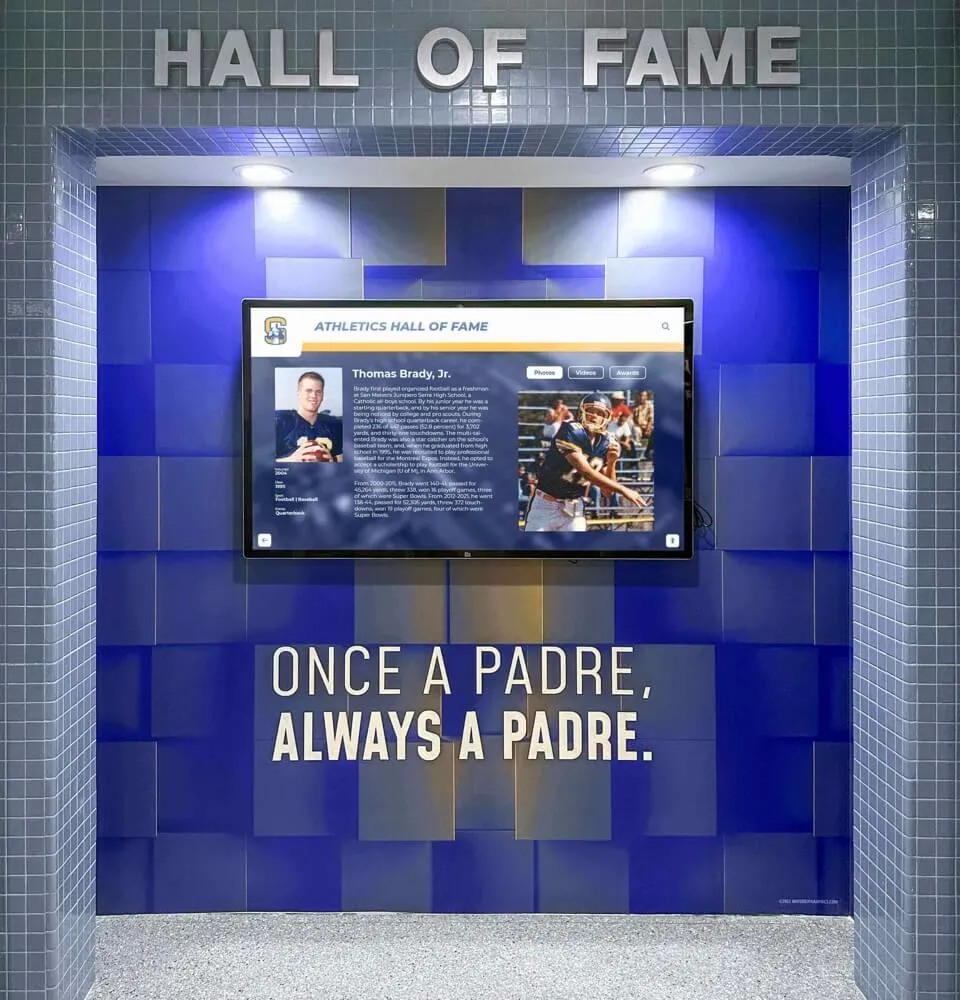
Schools increasingly recognize that academic championships deserve permanent display equal to athletic trophies. Solutions like digital recognition displays enable comprehensive documentation of quiz bowl success:
- State and national championship recognition preserved permanently
- Individual tournament performance records maintained
- Player profiles documenting career achievements across multiple years
- Team rosters for championship seasons with photos and accomplishments
- Historical program timeline showing development across decades
- Searchable databases enabling alumni to revisit achievements years later
- Integration with broader school achievement displays celebrating all student excellence
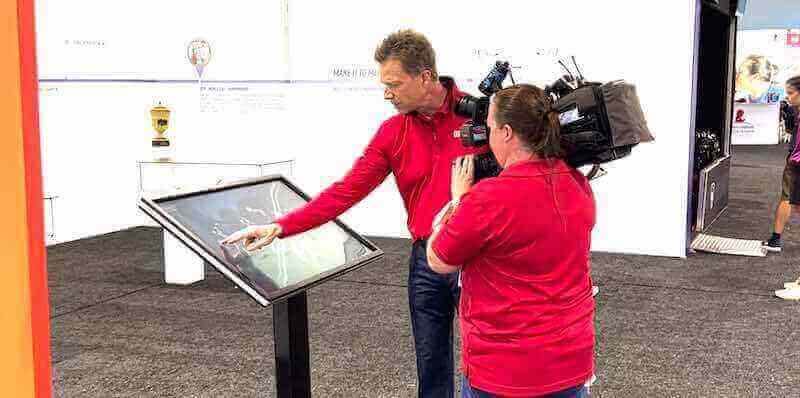
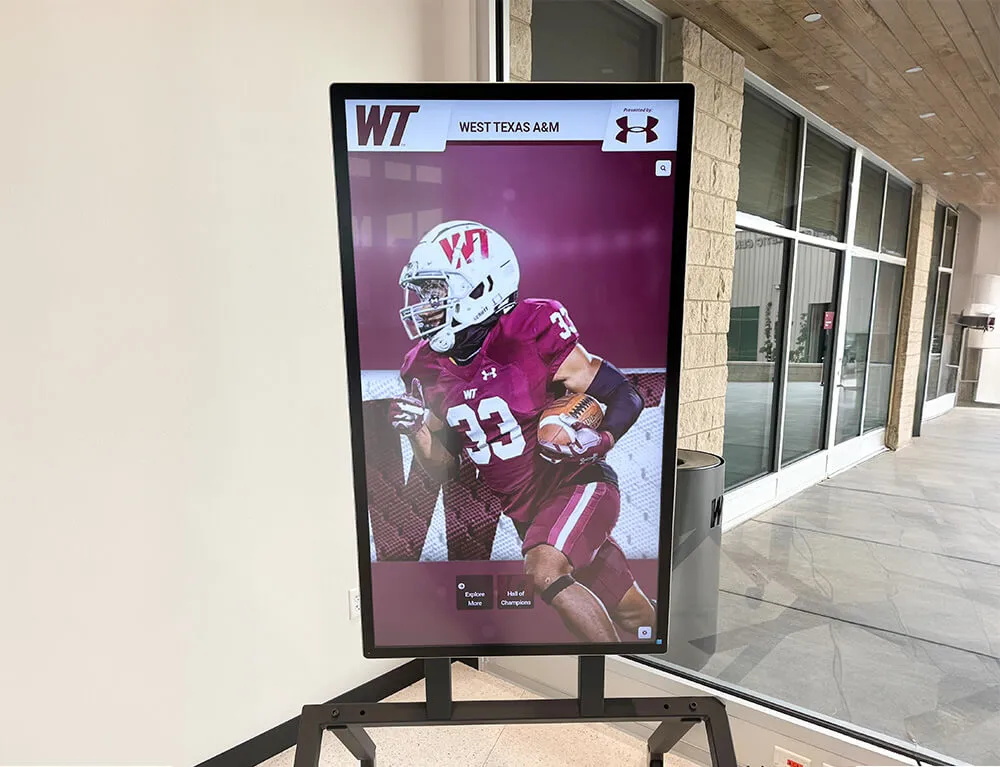
Modern touchscreen recognition systems overcome traditional trophy case space limitations by showcasing unlimited achievements while providing engaging interfaces families and visitors can explore year-round.

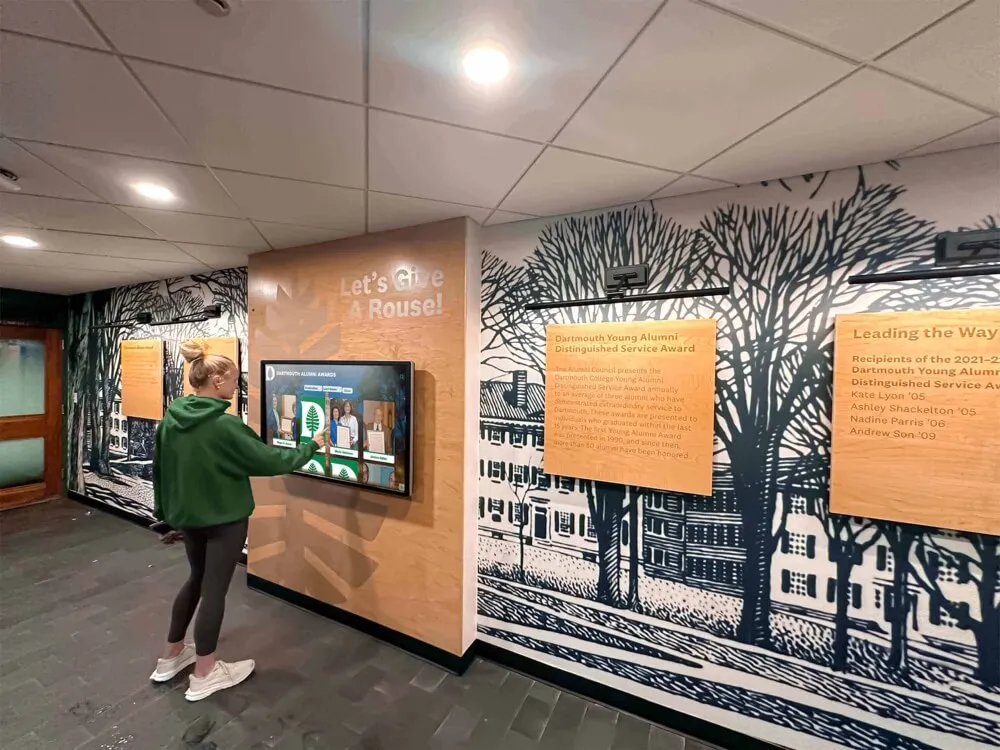
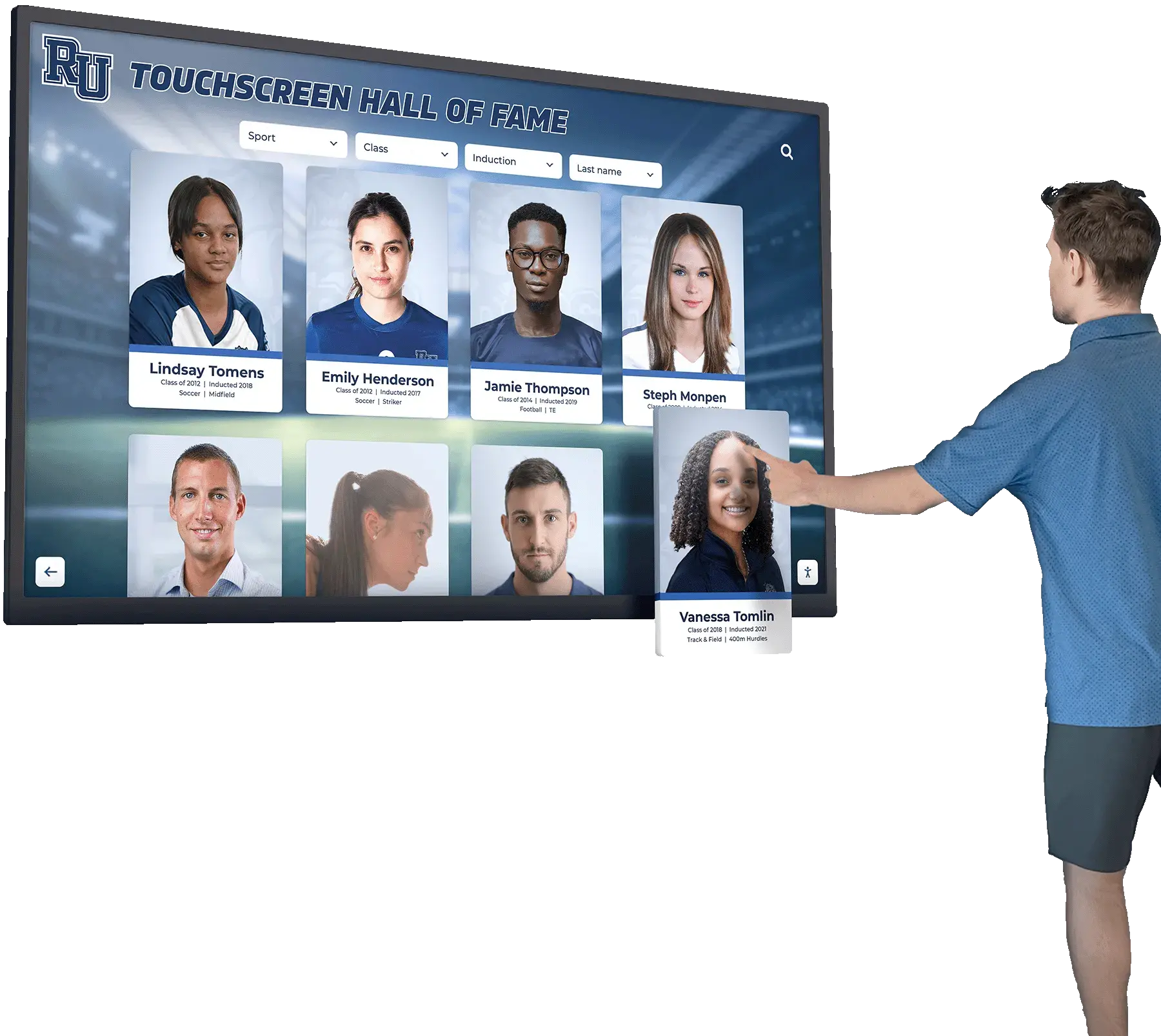
Interactive systems enable detailed exploration of individual quiz bowl achievements and team accomplishments
Advancing to State and National Competition
Elite-level success requires focused preparation and strategic approaches.
State Championship Qualification and Preparation
Understanding State Tournament Formats
State championship pathways vary by location:
- State-specific qualifying tournaments or point systems
- Regional championships advancing winners to state finals
- Open state tournaments without qualification requirements
- State organizations coordinating official championships
- Online state championships supplementing in-person competition
- Multiple difficulty divisions within state championships
Research your state’s specific structure early in season planning appropriate preparation timeline.
Strategic State Tournament Preparation
Specific approaches enhance state-level performance:
- Study past state tournament questions identifying frequently-tested topics
- Analyze successful in-state programs learning from their approaches
- Attend in-state tournaments throughout season gaining experience with regional competition
- Develop deep knowledge of state-specific history and culture often emphasized
- Practice with difficult question sets matching state tournament intensity
- Build mental toughness preparing for high-pressure championship environment
- Establish performance goals beyond just winning (top-10 finish, improvement from previous year)
National Tournament Qualification and Competition
Major National Championships
Multiple national tournaments exist:
- High School National Championship Tournament (HSNCT): NAQT’s official national championship held annually
- National Academic Championship (NAC): Question-writing community tournament
- Partnership for Academic Competition Excellence (PACE) NSC: Elite national tournament
- Online National Championships: Virtual competitions enabling broader participation
- Subject-Specific National Championships: Science Bowl, History Bowl, and others
Each tournament has unique characteristics, difficulty levels, and qualification requirements.
Preparing for National-Level Competition
Elite competition demands intensive preparation:
- Study past national tournament questions analyzing difficulty and trends
- Attend prestigious invitational tournaments testing against elite teams
- Develop exceptionally deep knowledge in specialized areas
- Build comprehensive breadth covering obscure topics national tournaments feature
- Practice with hardest available question sets
- Analyze top teams’ strategies and approaches
- Mental preparation for competing against nation’s best teams
- Budget planning for travel and accommodation expenses
- Alumni connections leveraging past national competitors’ experience
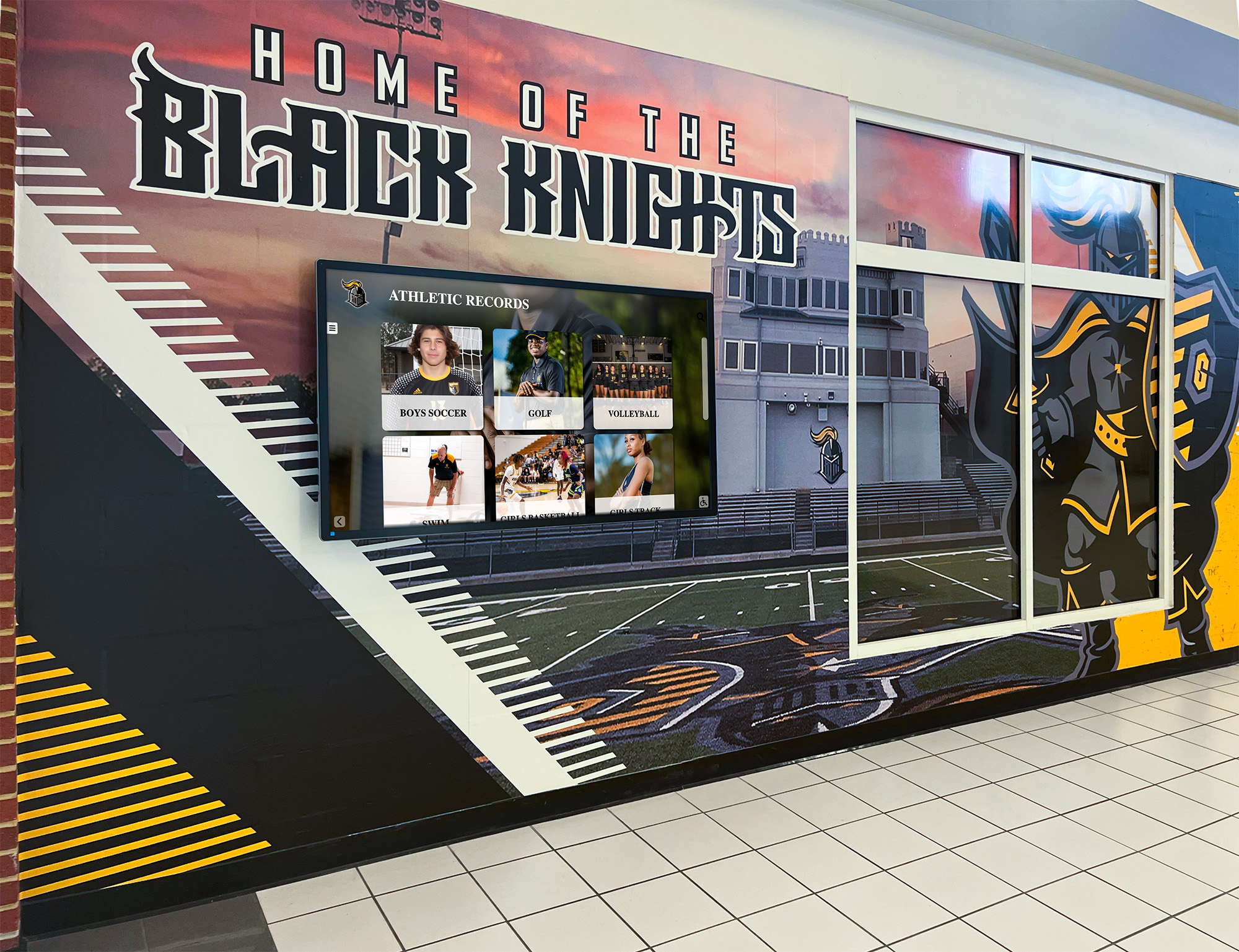
Hallway displays ensure quiz bowl national championship recognition remains visible throughout school alongside other achievements
Success Stories and Program Models
Learning from Established Programs
Study successful programs’ approaches:
- Research schools consistently successful at state and national levels
- Analyze their practice structures and preparation methods
- Review published program philosophies and strategies
- Connect with coaches through quiz bowl online communities
- Attend tournaments observing top programs’ approaches
- Request advice from successful programs in other states
- Model sustainable practices rather than resource-intensive approaches
Adapting Strategies to Your Context
Customize approaches to your specific situation:
- Work within available resources and constraints
- Leverage school-specific strengths and opportunities
- Build gradually rather than expecting immediate championship success
- Focus on sustainable improvement across multiple years
- Celebrate incremental progress toward long-term goals
- Maintain realistic expectations based on team experience and development stage
Common Quiz Bowl Challenges and Solutions
Programs encounter predictable obstacles requiring proactive management.
Recruitment and Retention Issues
Challenge: Limited Initial Interest
Solutions for attracting participants:
- Demonstrate quiz bowl through engaging assemblies or lunch demonstrations
- Emphasize low time commitment compared to many activities
- Highlight college application benefits and scholarship opportunities
- Recruit through diverse channels reaching various student populations
- Leverage popular quiz shows (Jeopardy) demonstrating appeal
- Offer trial participation without commitment pressure
Challenge: Senior Graduation Depleting Team
Solutions for continuity:
- Systematic underclassmen recruitment annually
- Mentorship programs transferring knowledge before seniors graduate
- JV teams developing future varsity competitors
- Middle school feeder programs creating pipeline
- Leadership positions for juniors preparing for senior year
- Documentation preserving institutional knowledge
Practice and Preparation Challenges
Challenge: Uneven Subject Coverage
Solutions for balanced preparation:
- Identify team-wide weak subjects through practice analysis
- Assign subject specialization ensuring all categories covered
- Dedicated practices focusing exclusively on deficit areas
- Leverage teachers with subject expertise for targeted help
- Online resources and study guides supplementing practice
- Subject-specific question drills building category strength
Challenge: Limited Practice Competition
Solutions when local competition scarce:
- Online tournaments providing competition without travel
- Virtual practice matches with distant schools
- Computer-based practice against timed question sets
- Internal team competitions creating competitive pressure
- Video recording practice matches for analysis
- Tournament hosting bringing competition to your location
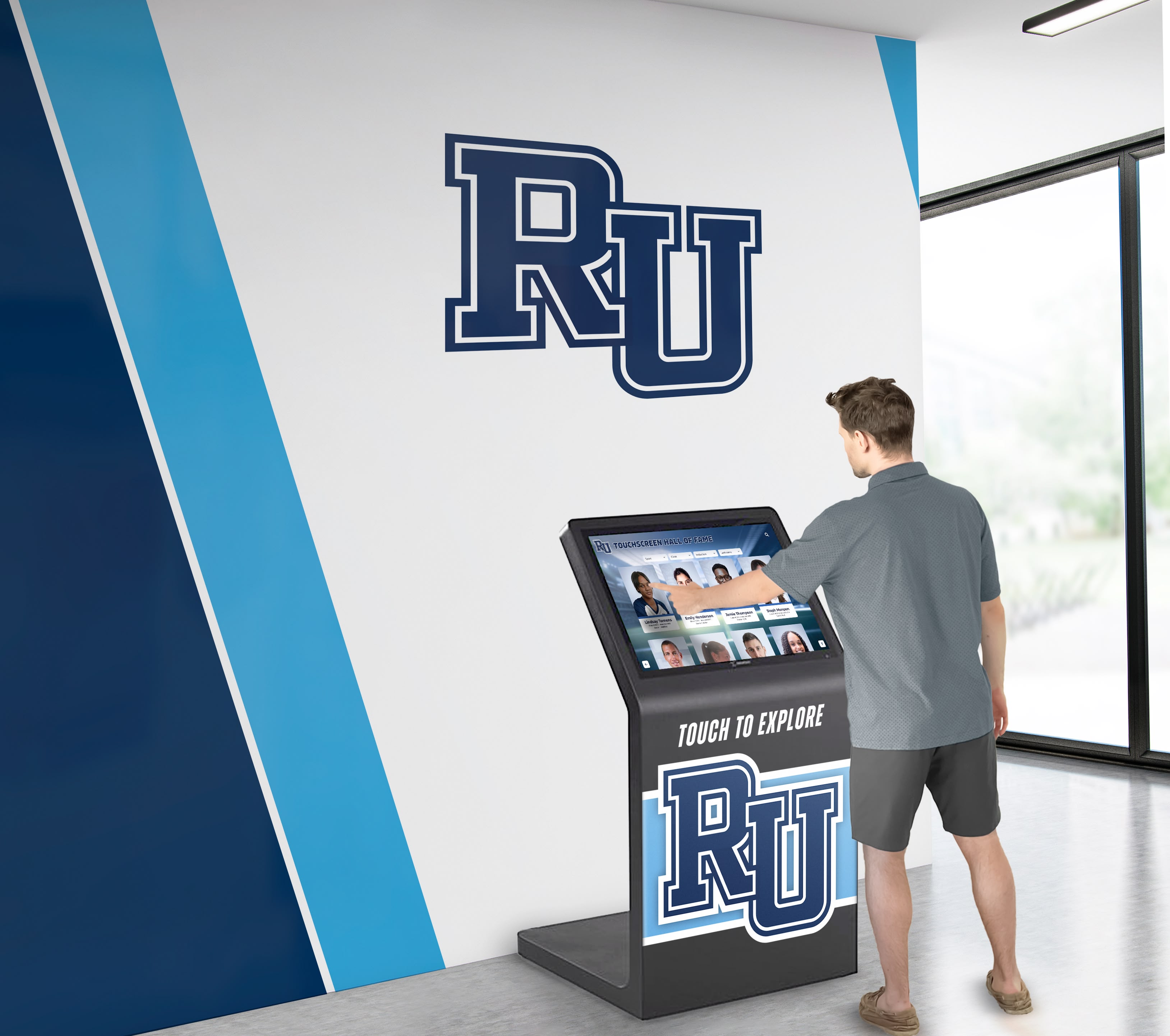
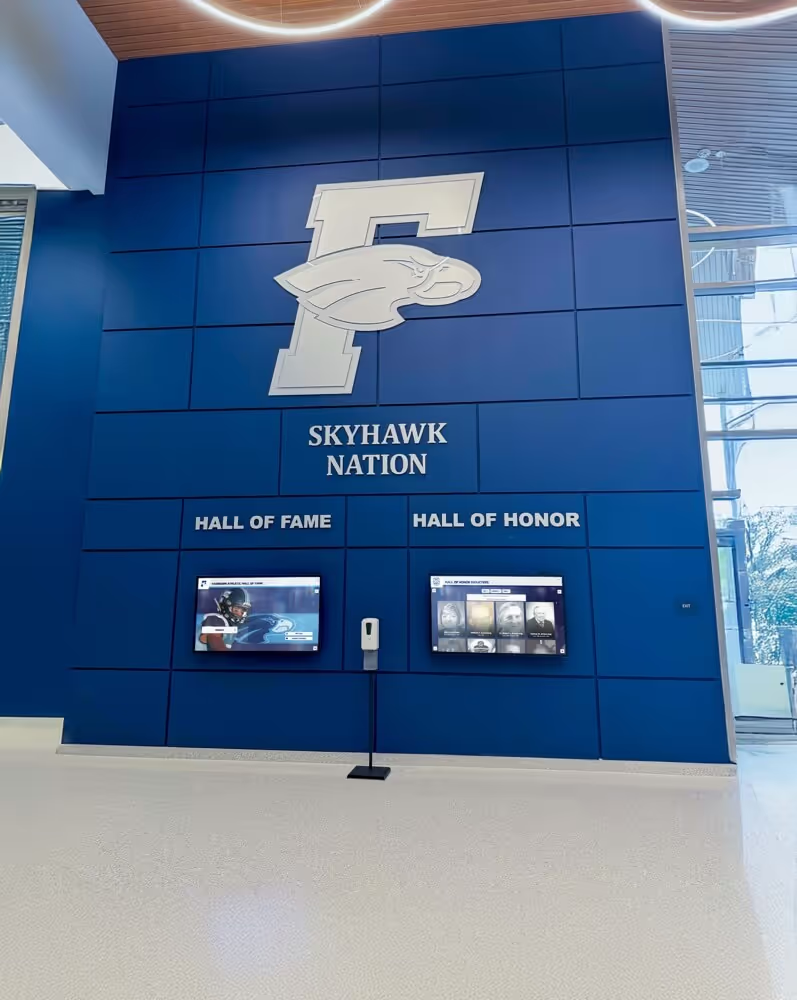
Prominent lobby placement ensures quiz bowl recognition engages prospective students and visitors year-round
Competition Performance Issues
Challenge: Tournament Underperformance
Solutions improving competitive results:
- Analyze losses identifying specific weaknesses (buzzer timing, subject gaps, conferencing)
- Adjust practice emphasis based on tournament performance patterns
- Mental performance coaching managing competition anxiety
- Strategic lineup changes addressing chemistry or confidence issues
- Difficulty-appropriate tournament selection preventing discouragement
- Focus on improvement metrics beyond just wins/losses
Challenge: Team Chemistry or Conflict
Solutions for interpersonal issues:
- Clear team rules and behavioral expectations established early
- Open communication channels addressing problems quickly
- Coach mediation when conflicts arise
- Social activities building positive relationships
- Emphasize collaborative success over individual glory
- Rotate leadership opportunities distributing responsibility
- Remove toxic individuals if necessary preserving team culture
Resources for Quiz Bowl Programs
Numerous resources support program development and improvement.
Question Databases and Practice Resources
Free Online Resources
- NAQT Question Archive: Past tournament questions for practice
- Protobowl: Online buzzer practice system with large question database
- QuizDB: Searchable database of thousands of past questions
- Quinterest: Pinterest-style question database
- High school quiz bowl subreddits and Discord communities
Commercial and Subscription Services
- NAQT Question Subscription Service
- Commercial question sets from tournament directors
- Subject-specific question packets from specialized writers
- College tournament questions adapted for high school practice
Quiz Bowl Communities and Organizations
National Organizations
- National Academic Quiz Tournaments (NAQT): Major question provider and tournament organizer
- Quiz Bowl Resource Center: Information clearinghouse
- State quiz bowl associations coordinating local competition
Online Communities
- High School Quizbowl Resource Center forums
- Reddit r/quizbowl community
- Quiz bowl Discord servers
- Facebook groups for coaches and players
- State-specific email lists and forums
Coaching Resources and Strategy Guides
Published Guides
- NAQT “You Gotta Know” lists covering essential topics
- Various “How to Win at Quiz Bowl” strategy guides
- Subject-specific study guides for quiz bowl preparation
- Buzzer timing and strategy articles
Experienced Coach Connections
- Local coach networks sharing resources and advice
- State organization leadership providing mentorship
- Online forums asking specific questions
- Tournament directors offering guidance
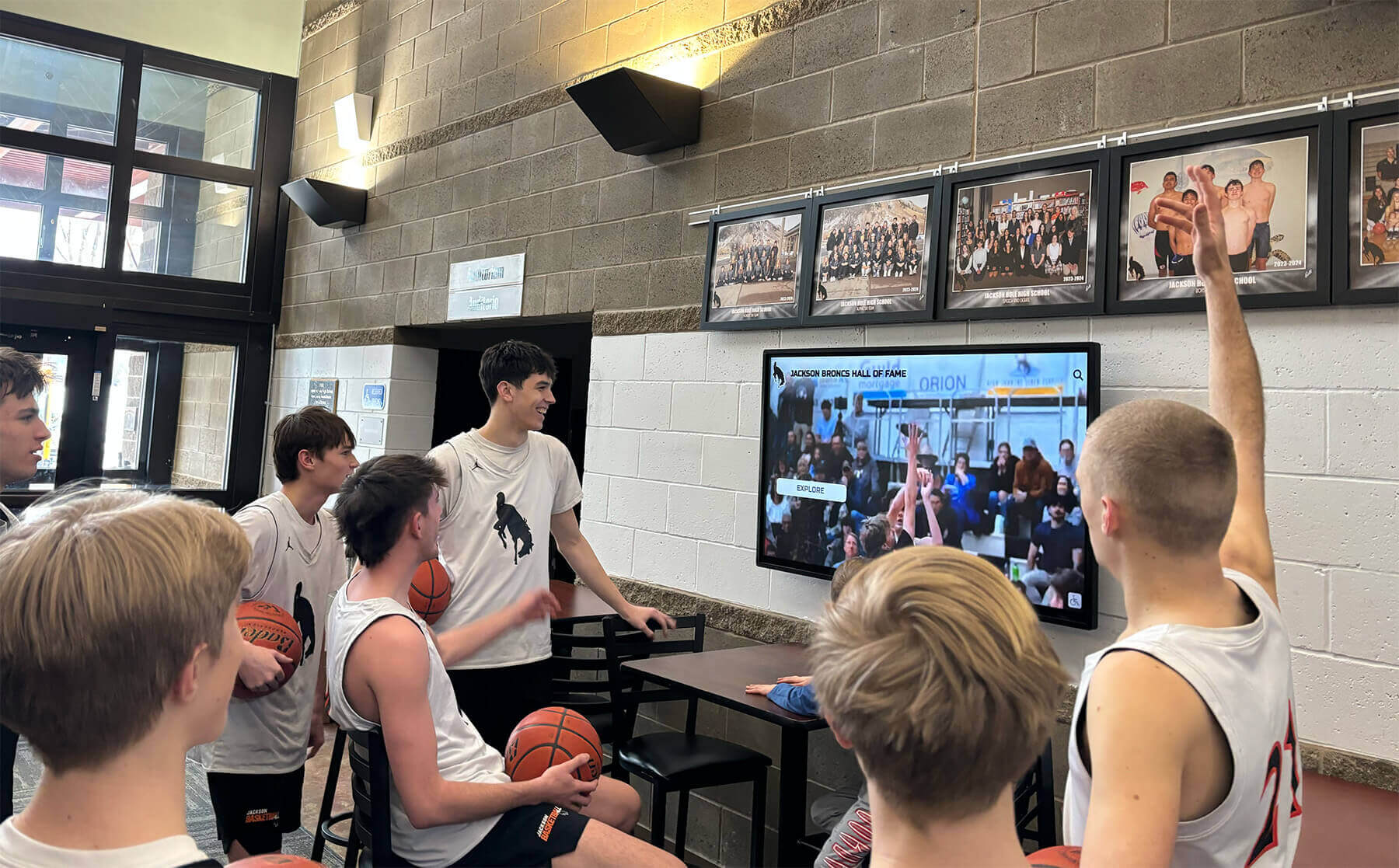
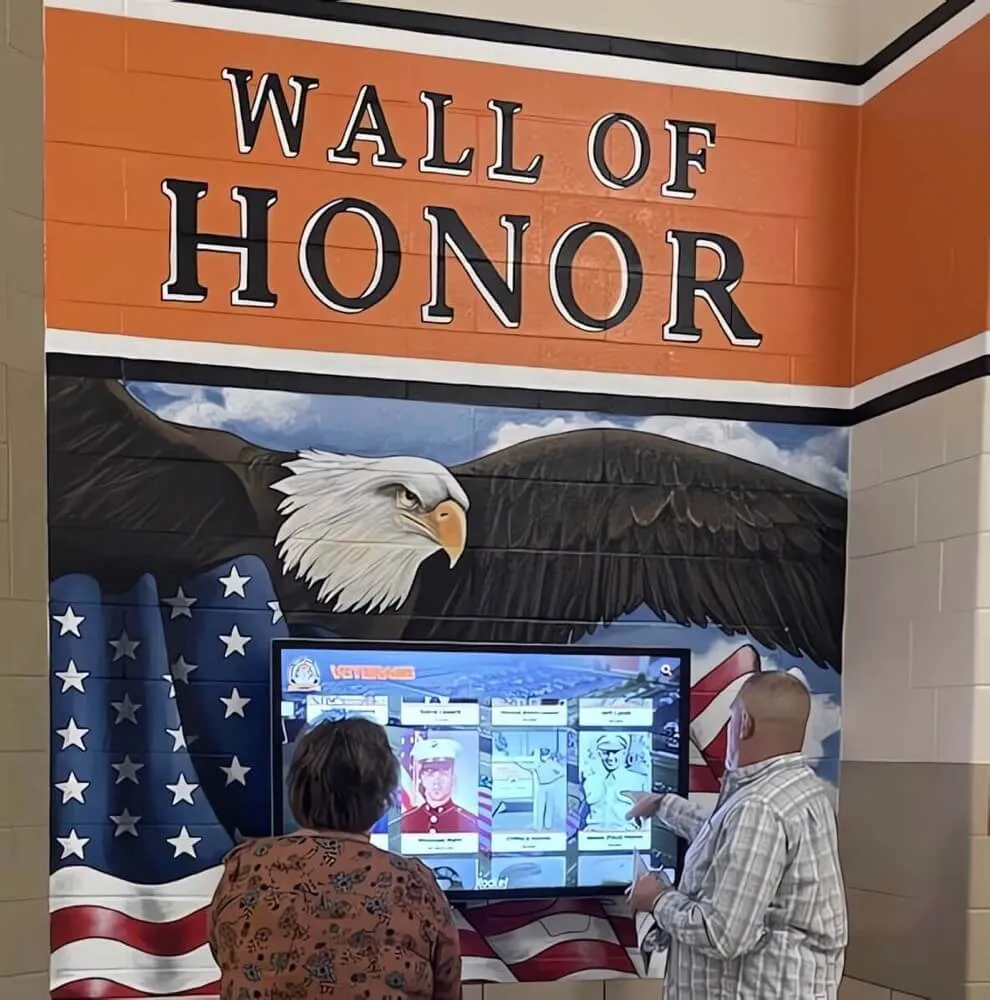
Interactive displays create engaging environments where students can explore both athletic and academic achievements
Conclusion: Building Quiz Bowl Excellence
Starting and maintaining a successful quiz bowl program represents an investment in student intellectual development, academic culture building, and competitive excellence. Programs provide participants with deep content knowledge, quick thinking abilities, teamwork skills, and confidence applying expertise under pressure—capabilities serving students throughout education and careers. Schools benefit from enhanced academic reputation, positive representation in competition, and cultures valuing intellectual achievement alongside athletic success.
The strategies explored in this guide provide comprehensive frameworks for quiz bowl program development—from initial team formation through state and national championship competition. Whether starting from scratch or strengthening existing programs, the core principles remain constant: systematic recruitment welcoming diverse participants, structured practice developing knowledge and skills, strategic competition building experience gradually, and sustainable organization ensuring programs thrive across multiple years and coaching transitions.
Preserve Your Quiz Bowl Champions Permanently
Discover how interactive touchscreen displays can help you honor quiz bowl state and national championships alongside athletic achievements, creating comprehensive recognition celebrating all forms of student excellence through engaging digital archives accessible to students, families, and visitors year-round.
Request a DemoMost importantly, quiz bowl achievements deserve recognition equal to any athletic championship. State and national titles represent extraordinary dedication, countless practice hours, and intellectual excellence worthy of permanent commemoration. Modern digital recognition solutions enable schools to showcase quiz bowl champions prominently through interactive displays preserving accomplishments permanently while creating engaging experiences visitors can explore discovering program history and individual achievements.
Whether your program aims for competitive championship success or primarily emphasizes learning and intellectual engagement, thoughtful organization, effective coaching, and consistent recognition create environments where students develop lasting knowledge while building memories and friendships through academic competition. Every student who discovers passion for learning through quiz bowl participation strengthens your school’s intellectual culture and demonstrates that academic excellence deserves celebration equal to athletic achievement.
Technology solutions like digital archive displays now make comprehensive quiz bowl recognition achievable across unlimited students and seasons. Unlike physical trophy cases with finite space forcing choices about which achievements receive display, digital platforms showcase every championship team, tournament success, and individual accomplishment permanently while remaining easily updatable as new achievements occur throughout years.
Start building or strengthening your quiz bowl program today with confidence that systematic approaches to recruitment, practice, competition, and recognition will create experiences students treasure throughout their lives. Academic champions deserve lasting acknowledgment equal to any other achievement—and schools demonstrating this commitment through prominent recognition send powerful messages that intellectual excellence matters deeply and receives appropriate celebration.
Ready to explore comprehensive recognition for your quiz bowl champions? Learn how Touch Archive helps schools create permanent digital displays showcasing academic achievements alongside athletic recognition, or request a demo to see how your quiz bowl state championships, tournament victories, and individual accomplishments can be preserved and celebrated permanently through interactive touchscreen systems that engage current students, returning alumni, and prospective families for generations to come.