



Recreational sports programs serve as vital community connectors, bringing together people of all ages, abilities, and backgrounds through the universal language of athletics. Unlike competitive sports focused primarily on winning championships, rec sports emphasize participation, enjoyment, social connection, and lifelong fitness habits—creating inclusive environments where community members build relationships while staying active.
Yet many community organizations and rec centers struggle to maximize rec sports program potential. Participation drops when programs fail to offer sufficient variety or convenient scheduling. Volunteer coaches burn out without proper support or recognition. Meanwhile, opportunities to celebrate participant achievements and program milestones go underutilized, missing chances to build pride and strengthen community bonds.
This comprehensive guide explores how rec sports programs build thriving athletic communities while examining recognition strategies that honor participants, celebrate achievements, and strengthen program cultures across recreational athletics.
Recreational athletics represents one of the most democratizing forces in community sports. Where competitive leagues may exclude less skilled athletes or impose financial barriers limiting access, well-designed rec sports programs welcome all participants regardless of ability level, creating opportunities for social connection, physical activity, and community engagement that benefit entire populations.

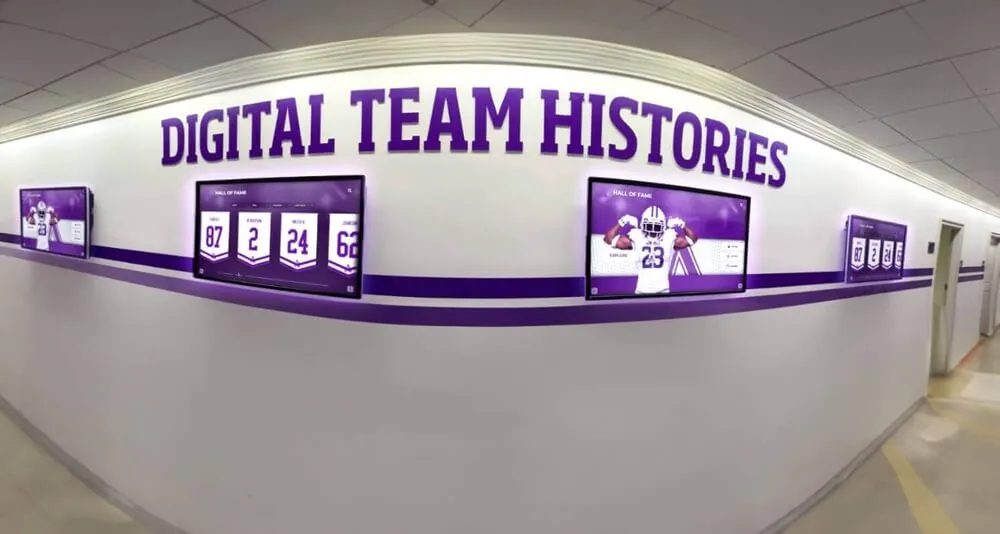
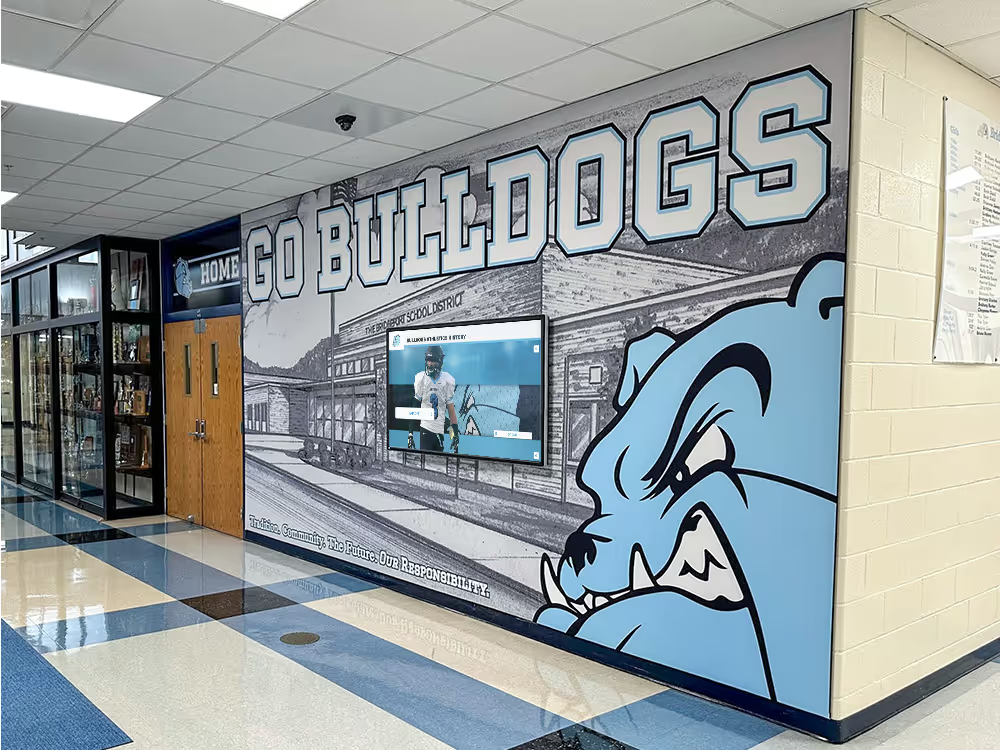
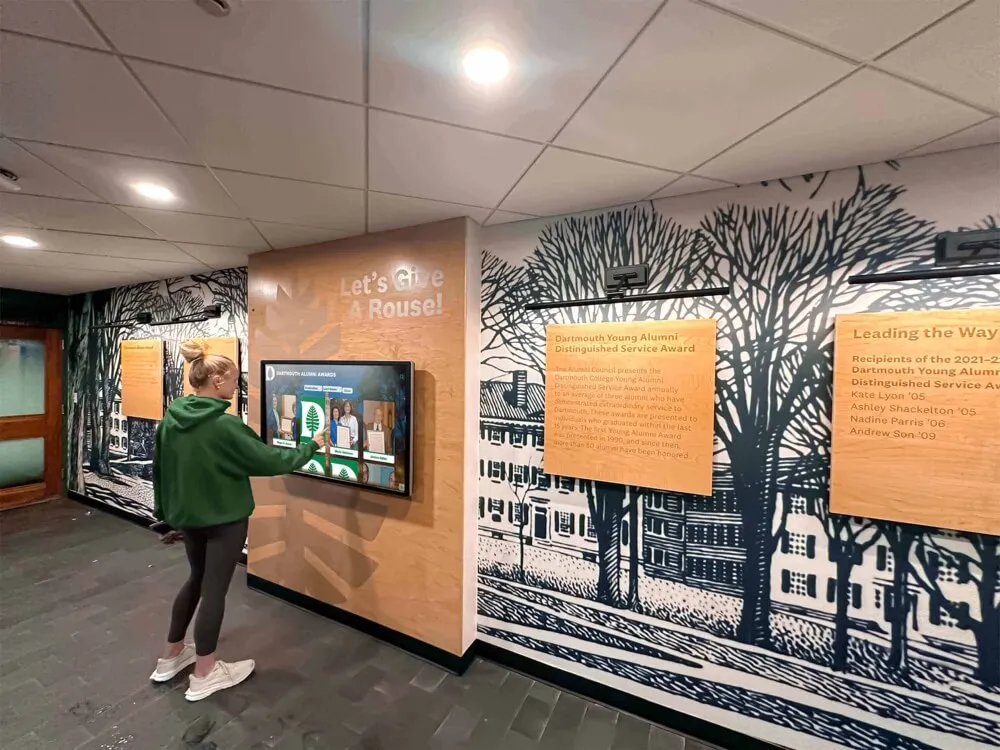
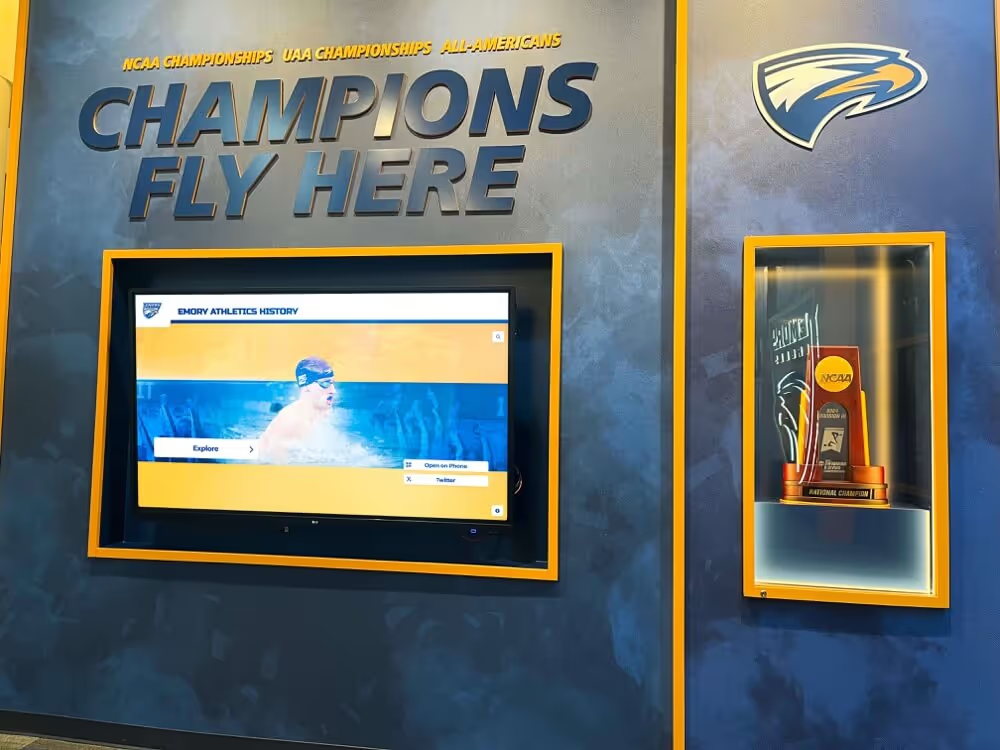
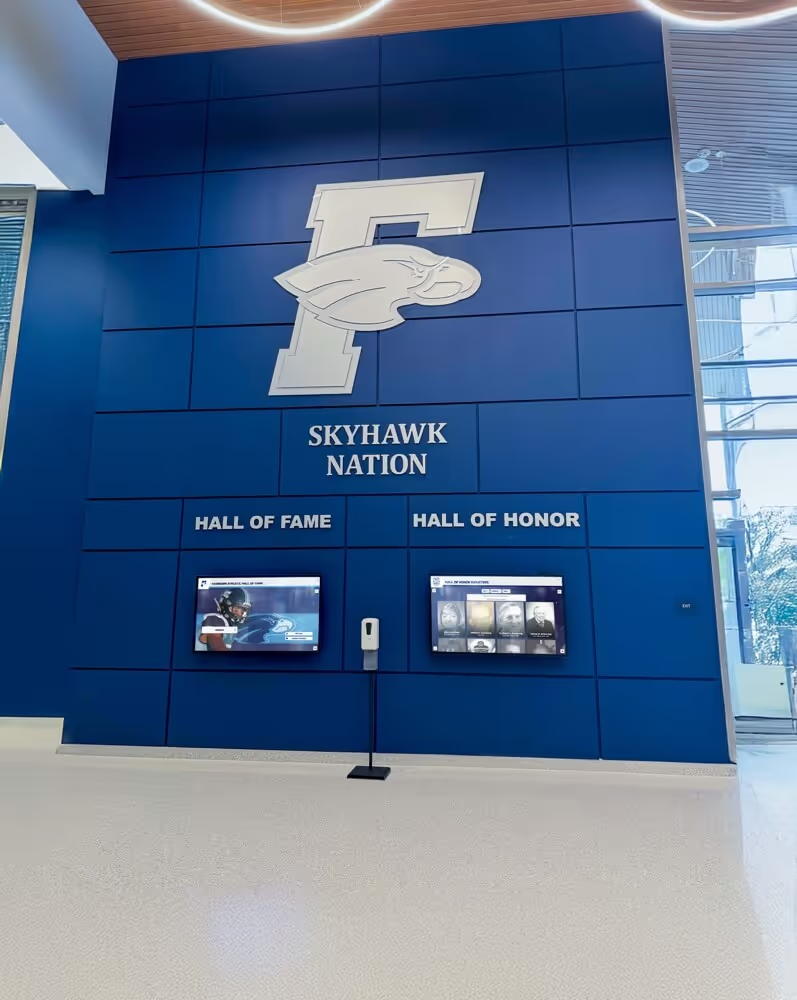
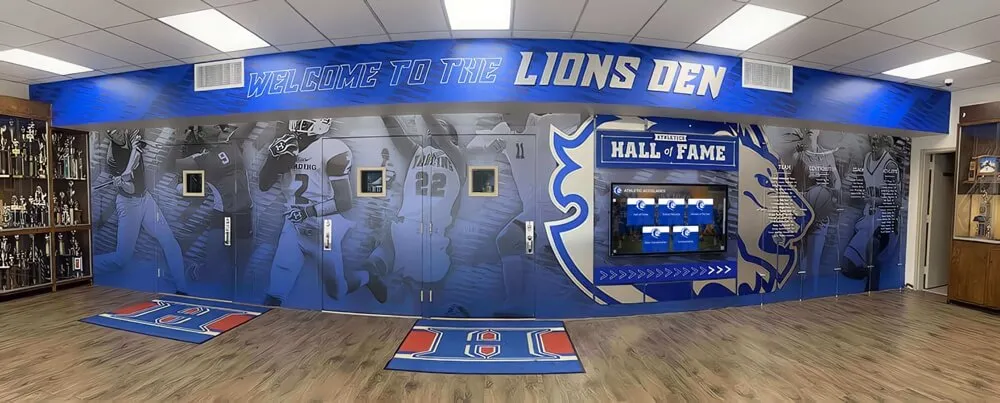
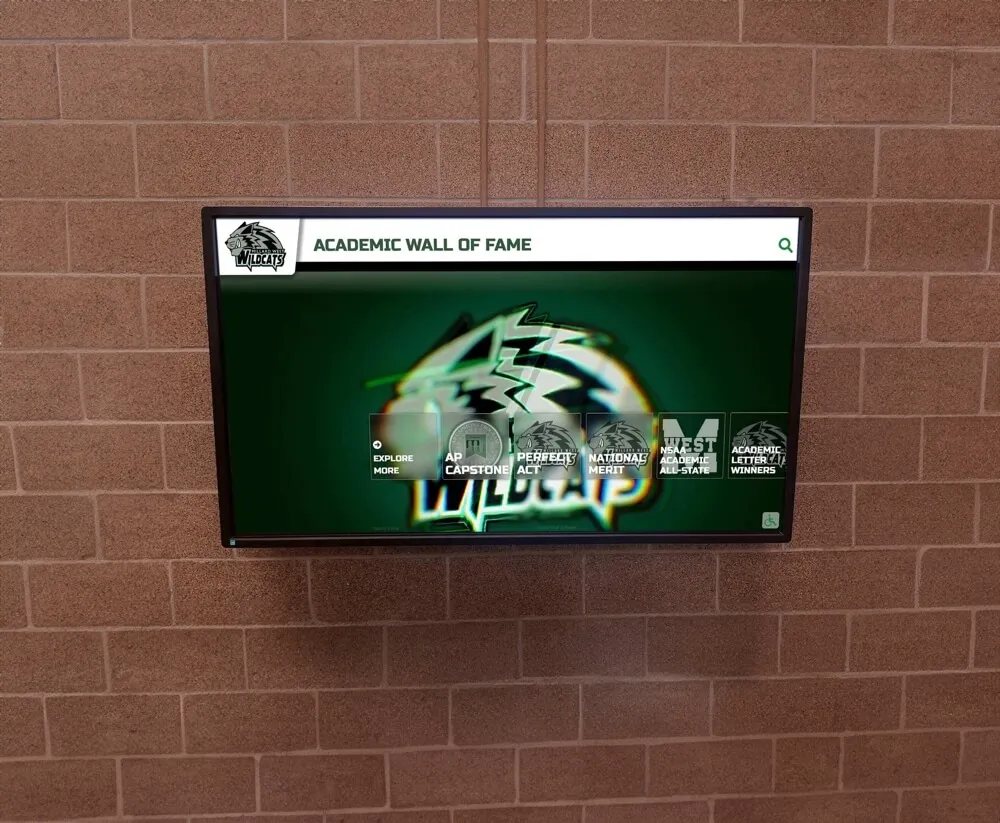
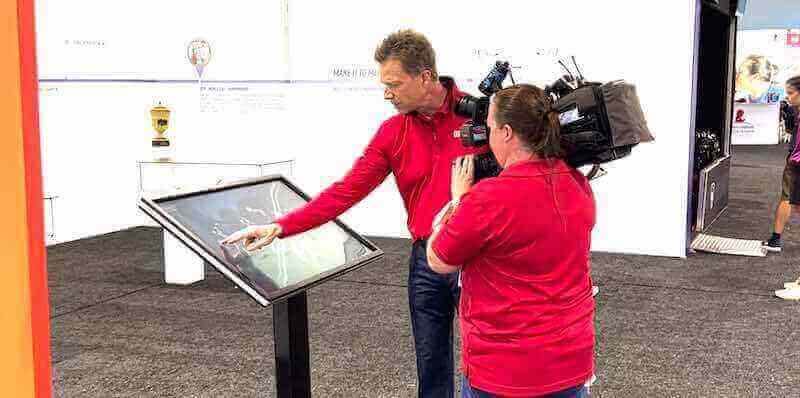
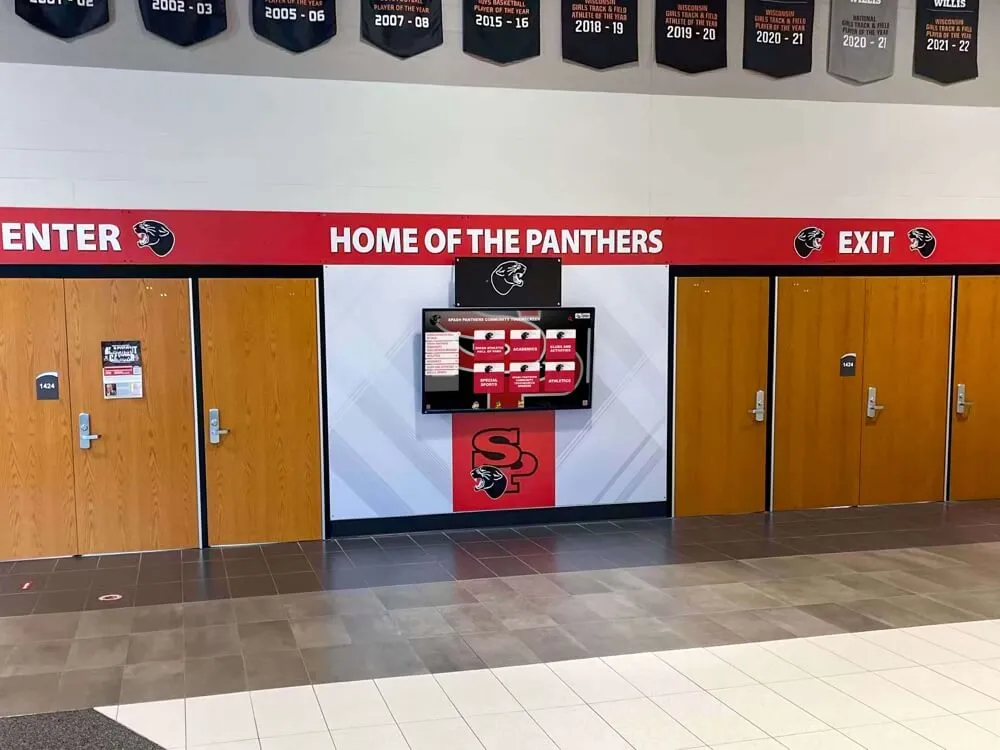
Recognition displays showcase rec sports achievements and highlights, building program pride and participant engagement
Understanding the Rec Sports Landscape
Recreational athletics encompasses diverse program types serving varied community needs and participant preferences.
Types of Rec Sports Programs
Different organizational models address specific community requirements:
Community Recreation Department Programs
Municipal recreation departments operate comprehensive athletics programming:
- Youth leagues offering developmental experiences in multiple sports
- Adult sports leagues providing competitive and social play options
- Family programs encouraging multi-generational participation
- Senior athletic activities promoting active aging and social connection
- Special needs adapted programs ensuring inclusive access
- Drop-in recreation offering flexible participation without registration commitment
These taxpayer-funded programs typically emphasize broad access and affordability, reaching diverse community populations.
School-Based Intramural Programs
Educational institutions supplement competitive athletics with recreational options:
- Intramural leagues providing team sport opportunities for non-varsity athletes
- Lunchtime and after-school recreational activities maximizing participation
- Club sports offering organized competition beyond traditional interscholastic athletics
- Physical education enrichment programs extending curriculum learning
- Faculty-student games building cross-community relationships
- Special event tournaments creating inclusive competitive experiences
School rec sports programs particularly benefit students unable to commit to travel team demands or those seeking lower-pressure athletic participation.
Private Recreation Center Programming
Membership-based facilities offer specialized recreational athletics:
- Fitness center group activities combining exercise with social connection
- Country club recreational leagues for members and families
- YMCA/YWCA community sports programs serving diverse populations
- Church and faith-based athletics building congregation connections
- Corporate wellness programs promoting employee health and team building
- Specialized training facilities offering recreational clinics and camps
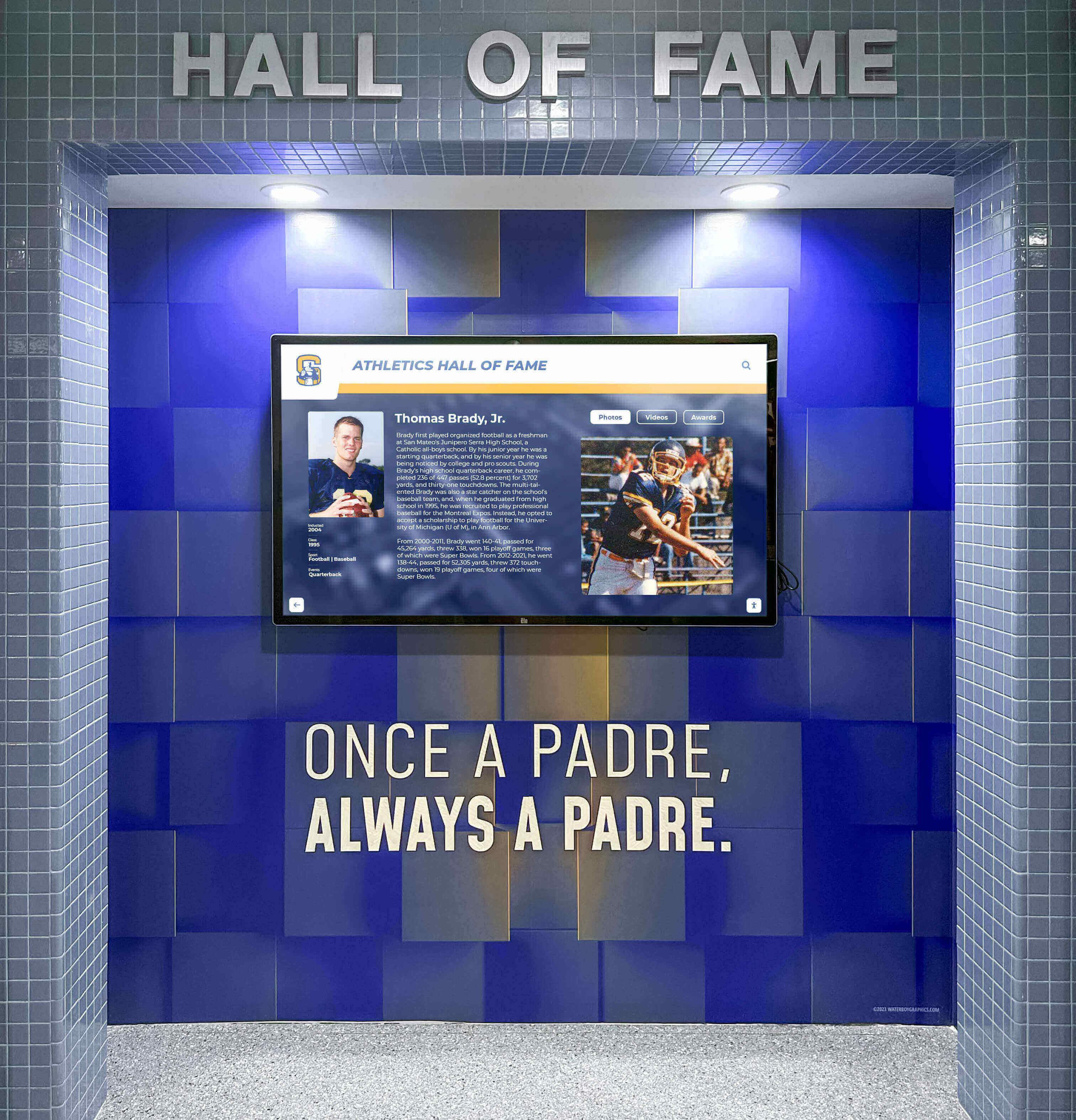
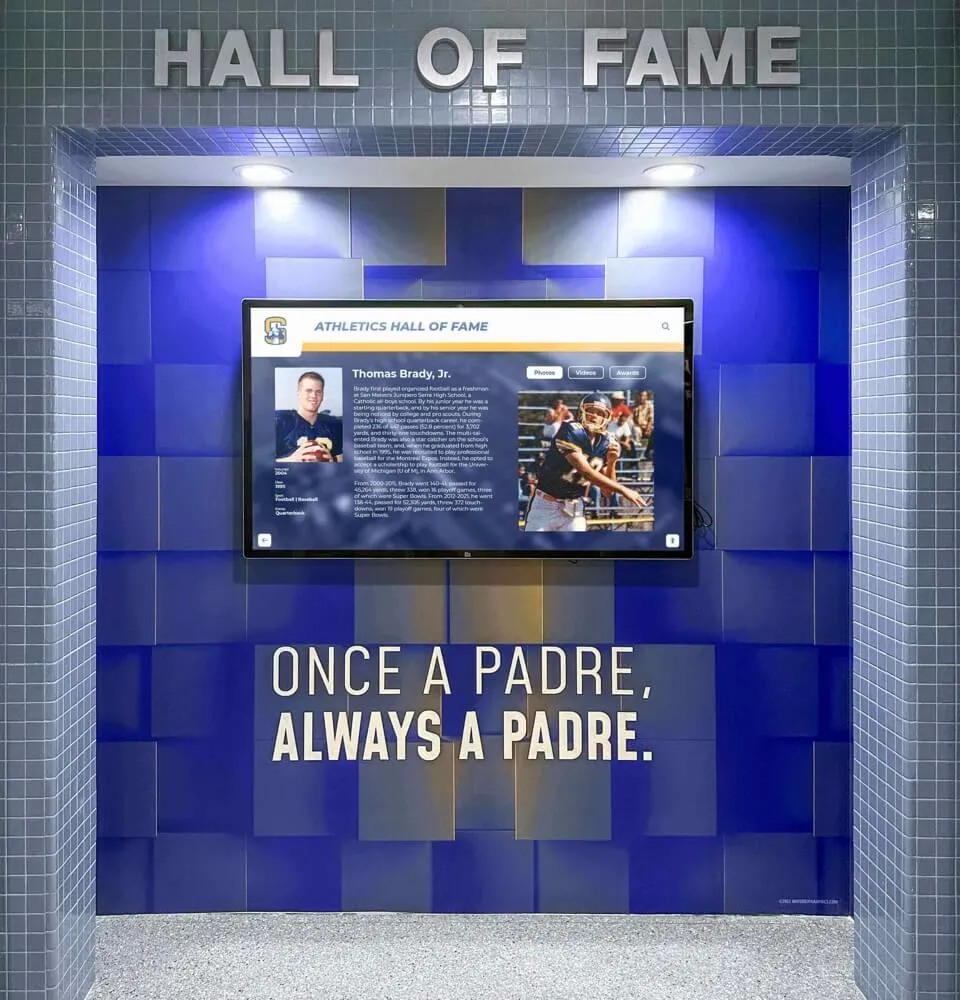
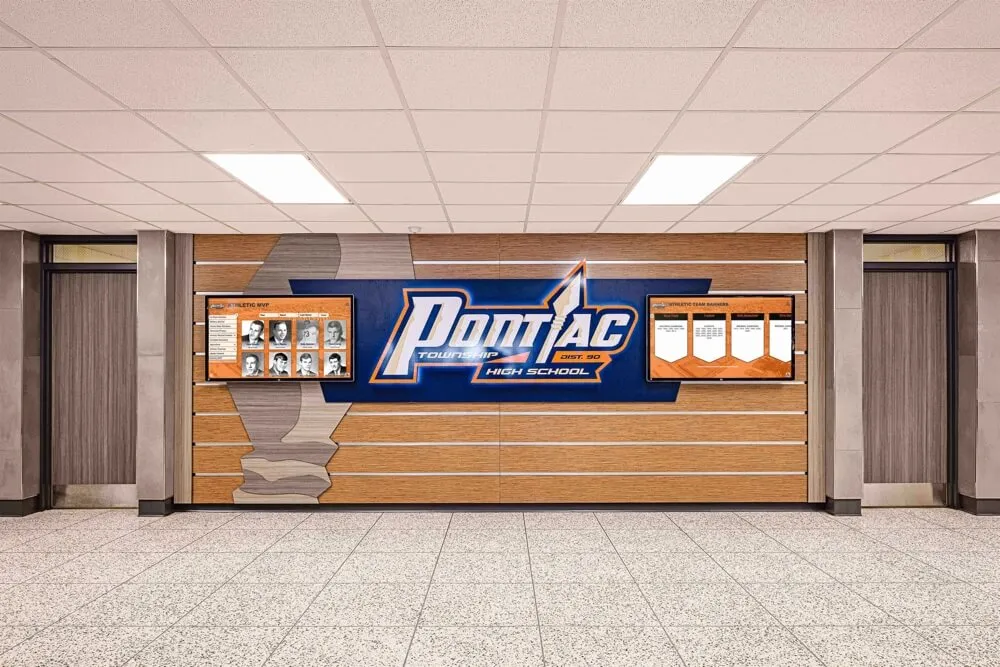
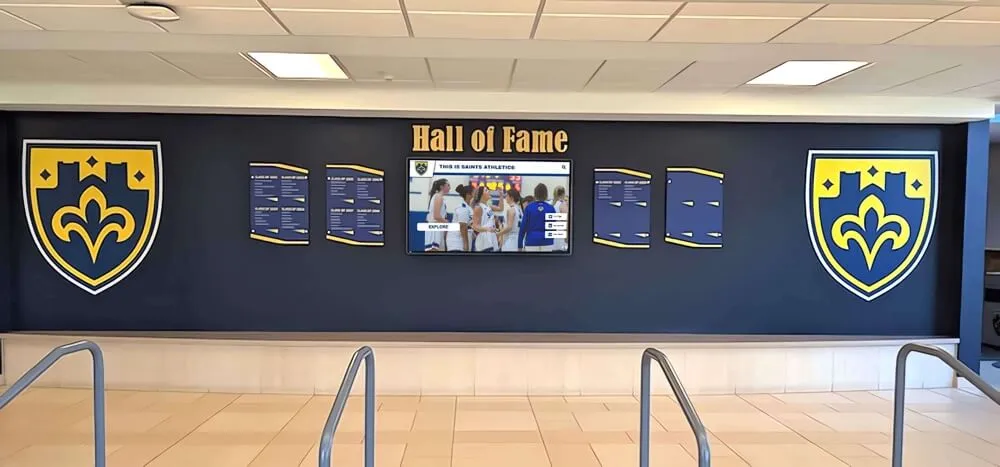
Digital displays in rec facilities celebrate participant achievements while showcasing program offerings and schedules
Workplace Recreation Programs
Employers increasingly recognize recreational athletics’ role in workforce wellness:
- Corporate sports leagues facilitating inter-department connection
- Lunch hour pickup games and recreational activities
- Company-sponsored community sports team participation
- Workplace fitness challenges combining individual and team goals
- Recreational tournaments as team-building events
- Wellness program integration connecting athletics with health initiatives
The Value Proposition of Rec Sports
Recreational athletics provides distinct benefits beyond competitive sports programming:
Physical Health Benefits
Regular recreational activity supports community wellness:
- Cardiovascular fitness maintenance through enjoyable activity
- Strength and flexibility development appropriate to participant abilities
- Injury prevention through proper technique instruction and safer play formats
- Chronic disease management through physician-recommended activity
- Mental health improvement through exercise and social connection
- Lifelong fitness habit establishment beginning in childhood
Social and Community Connection
Rec sports build relationships across community divisions:
- Friendship formation through shared team experiences
- Cross-generational interaction mixing age groups on rosters
- Cultural integration bringing diverse populations together
- Neighborhood strengthening as local residents connect through play
- Professional networking emerging from recreational leagues
- Family bonding through youth sports participation and support
Skill Development and Learning
Recreational programs teach valuable competencies:
- Sport-specific skill acquisition in low-pressure environments
- Teamwork and cooperation through collaborative play
- Leadership development through team captaincy and organization
- Conflict resolution and sportsmanship in competitive settings
- Time management balancing athletic participation with other commitments
- Communication skills coordinating with teammates and opponents
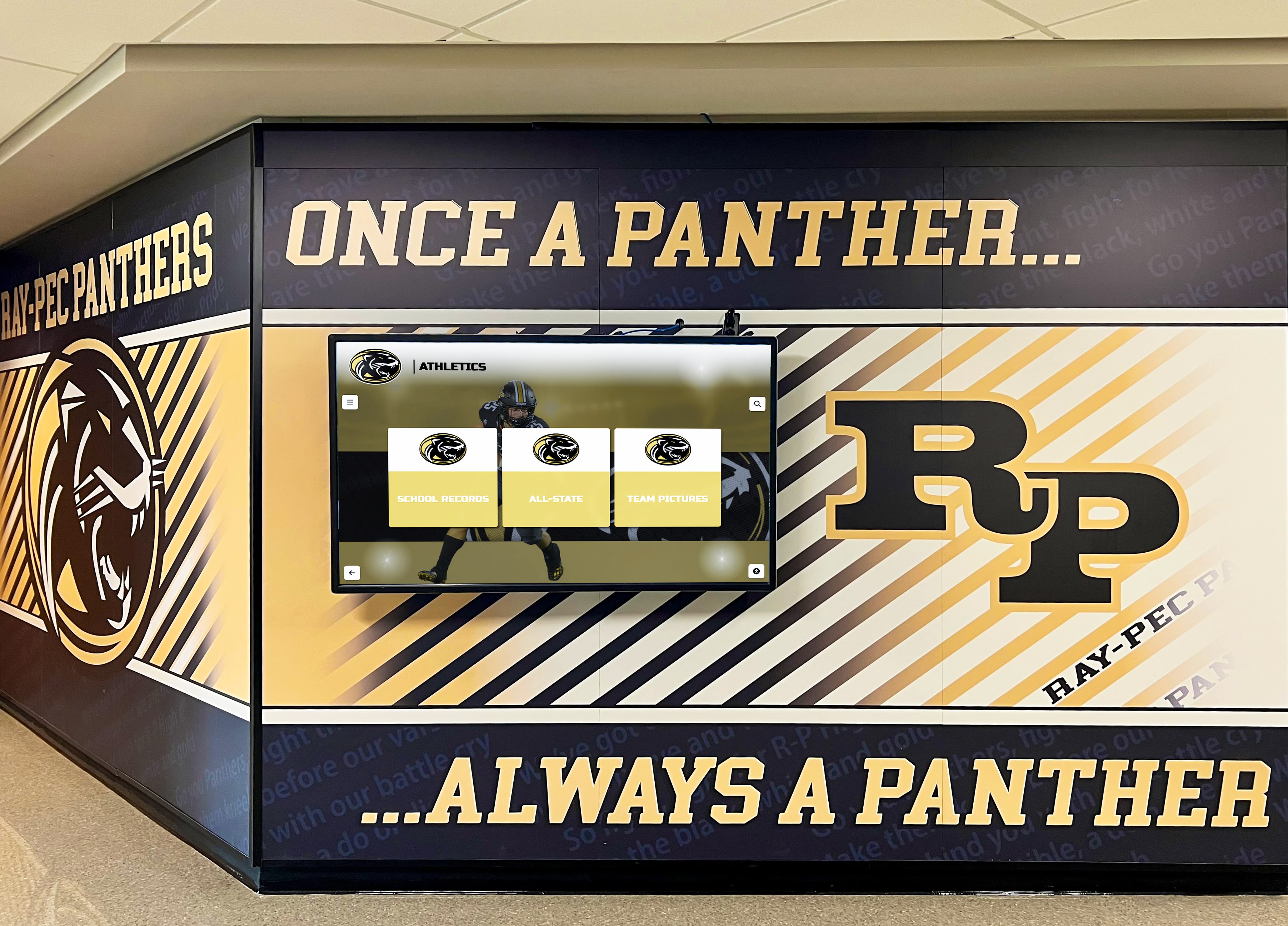
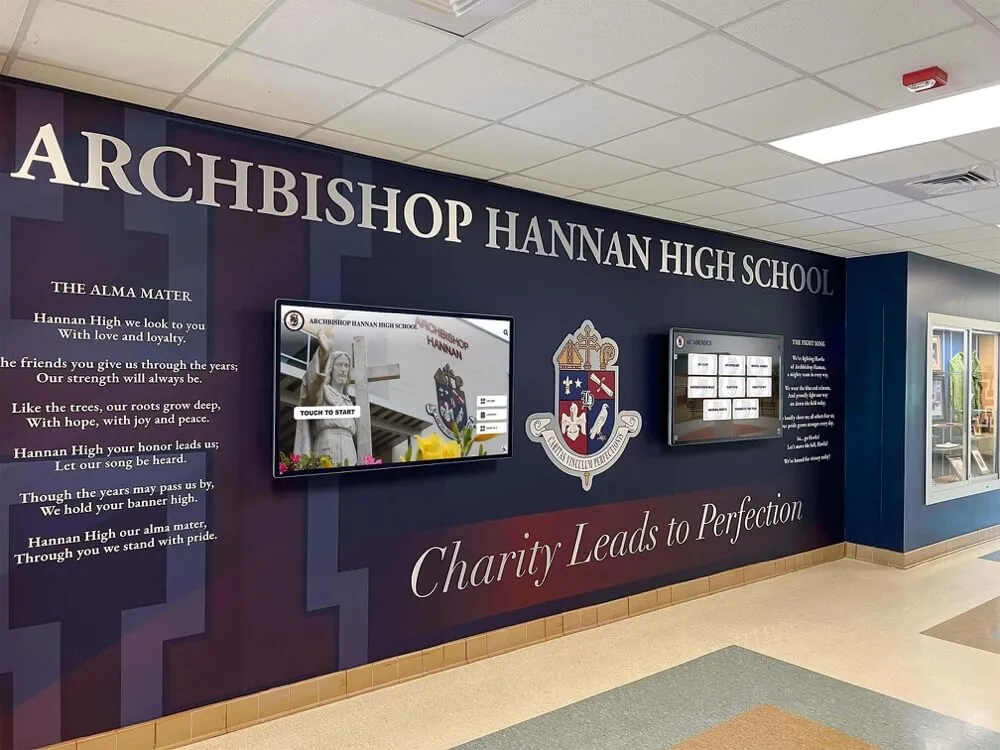
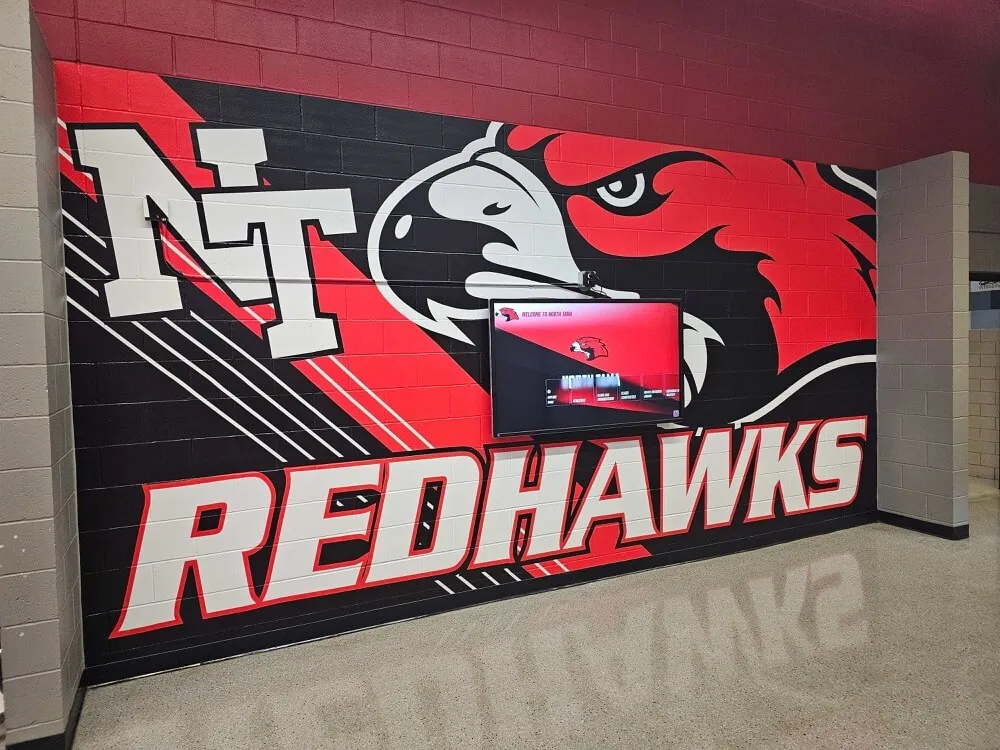
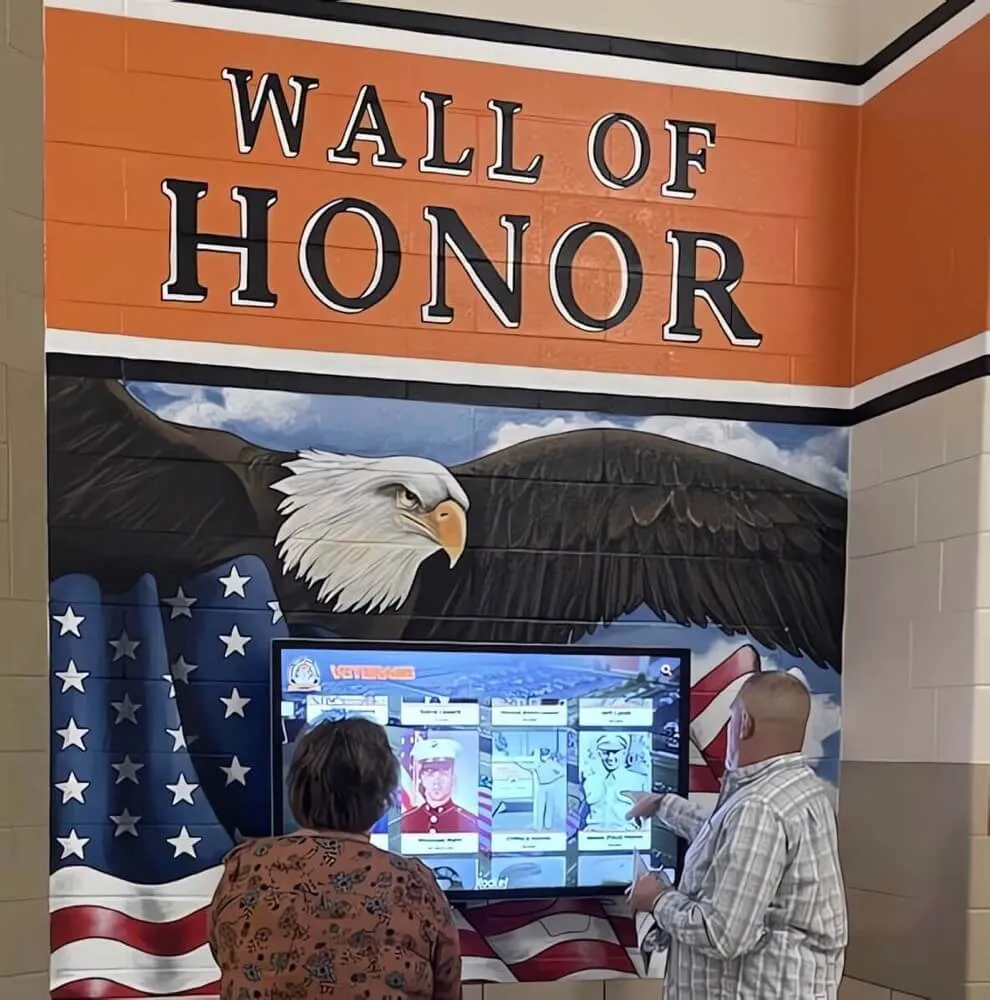
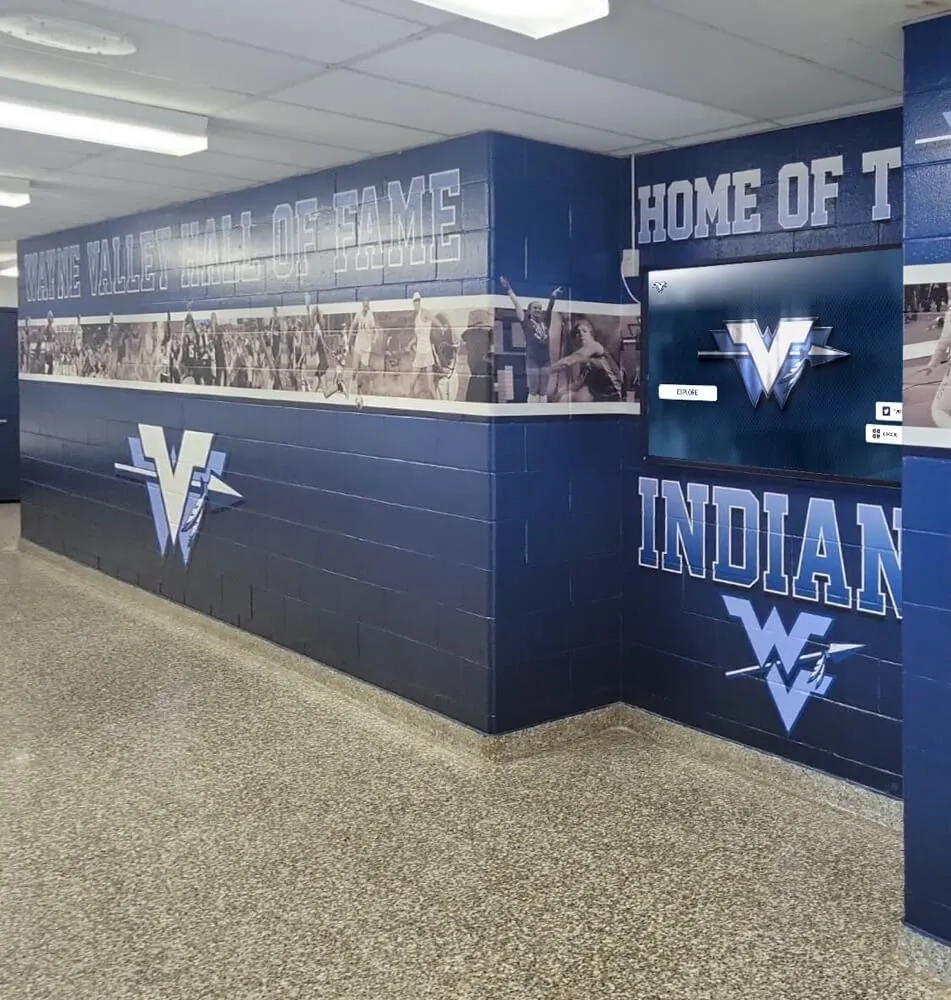
Athletic murals and displays create pride in recreational programs while celebrating participant achievements
Designing Effective Rec Sports Programs
Successful recreational athletics requires thoughtful program structure addressing community needs and participant preferences.
Comprehensive Needs Assessment
Understanding community demand informs program development:
Demographic Analysis
Evaluate population characteristics guiding offerings:
- Age distribution identifying youth, adult, and senior program needs
- Family structures revealing demand for parent-child or family activities
- Skill level distribution determining competitive versus recreational emphasis
- Cultural diversity informing sport selections and scheduling considerations
- Accessibility needs ensuring programs accommodate disabilities
- Economic factors influencing pricing and financial assistance requirements
Facility and Resource Inventory
Assess infrastructure supporting program delivery:
- Available fields, courts, and indoor facilities determining capacity
- Equipment inventories identifying purchases needed for program expansion
- Existing staff and volunteer capacity for program administration
- Technology infrastructure supporting registration and communication
- Partnership opportunities with schools, churches, or private facilities
- Transportation access ensuring equitable participation regardless of location
Competitive Program Analysis
Understand existing athletic options preventing unnecessary duplication:
- Youth sports organization offerings in the community
- School athletic programs and intramural options
- Private club and travel team availability
- Nearby municipality programs residents may access
- Unmet needs where current offerings fall short
- Unique program opportunities differentiating from existing options
Program Structure and Format Options
Flexible formats accommodate diverse participation preferences:
League-Based Competition
Traditional team structure provides organized play:
- Scheduled seasons with regular weekly games creating predictable commitment
- Skill-balanced divisions ensuring competitive equity and enjoyment
- Championship playoffs providing goal-oriented motivation
- All-star recognition celebrating individual excellence within programs
- Season-ending celebrations and awards ceremonies honoring achievement and participation
- Team assignments facilitating new friendships and connections
Leagues work particularly well for team sports like basketball, soccer, softball, volleyball, and flag football where ongoing competition enhances enjoyment.
Tournament and One-Day Event Formats
Compressed competition accommodates limited schedules:
- Weekend tournaments offering intensive play without season commitment
- Holiday tournaments capitalizing on vacation availability
- Fundraising events combining athletics with community benefit
- 3-on-3 or modified format competitions requiring smaller team sizes
- Skills competitions and individual challenges beyond team sports
- Festival-style multi-sport events providing varied activities
These formats suit participants unable to commit to full seasons while maintaining social and competitive benefits.
Drop-In and Open Play Sessions
Unstructured recreation provides maximum flexibility:
- Open gym times allowing pickup basketball, volleyball, or badminton
- Field times for informal soccer, ultimate frisbee, or touch football
- Court reservations for tennis, pickleball, or racquetball
- Swimming pool open hours for recreational lap swimming or water play
- Fitness room access for strength training and conditioning
- Walking track availability for individual exercise
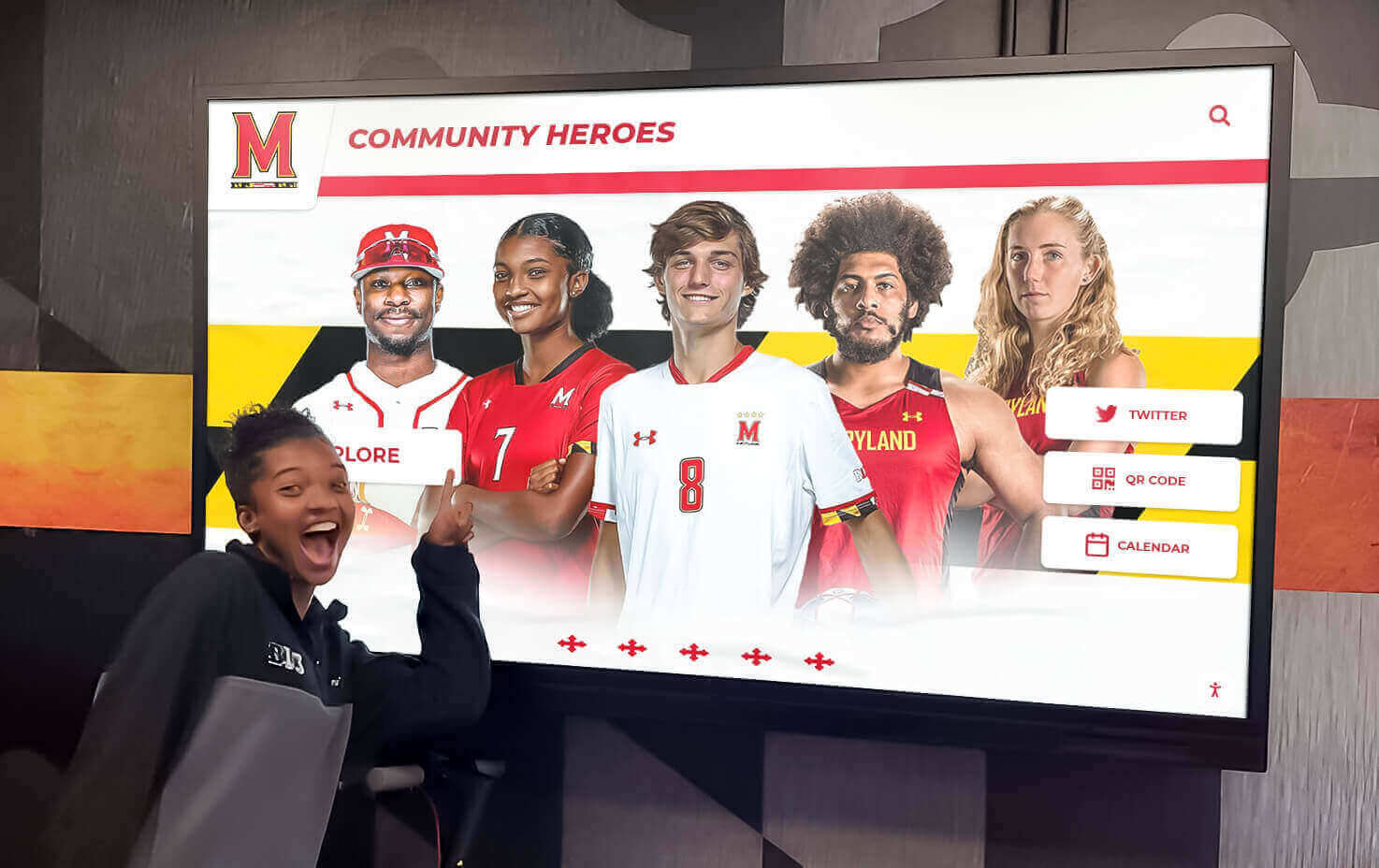
Recognition displays celebrate community sports heroes and local athletic achievements
Instructional Clinics and Skill Development
Educational programming builds competency:
- Beginner clinics introducing sports fundamentals to novices
- Position-specific training developing specialized skills
- Adult learning programs teaching sports missed during childhood
- Advanced skill sessions for experienced recreational players
- Referee and coaching clinics supporting volunteer development
- Fitness and conditioning classes complementing sport participation
Age and Ability Segmentation
Thoughtful grouping ensures appropriate competition and safety:
Youth Recreation Programming
Age-appropriate structure supports child development:
- Pre-school programs (3-5 years) emphasizing motor skill development through play
- Elementary leagues (6-11 years) introducing sport fundamentals and team concepts
- Middle school recreation (12-14 years) providing alternatives to competitive travel teams
- High school intramurals (15-18 years) complementing varsity athletics
- Modified rules and equipment appropriate to developmental stages
- Parent involvement opportunities connecting families through youth participation
Adult Recreational Leagues
Varied competitive levels accommodate diverse abilities:
- Competitive divisions for experienced former athletes seeking challenging play
- Intermediate leagues balancing competition and social emphasis
- Recreational/social divisions prioritizing fun over winning
- Co-ed formats requiring gender-mixed rosters and participation
- Age-restricted leagues (30+, 40+, 50+) ensuring competitive equity
- Beginner-friendly programming welcoming athletic novices
Senior and Adapted Programs
Inclusive recreation serves special populations:
- Senior athletic leagues promoting active aging and wellness
- Wheelchair sports programs providing adapted competitive opportunities
- Special Olympics programs serving athletes with intellectual disabilities
- Adaptive equipment utilization enabling participation despite physical limitations
- Walking and low-impact activities appropriate to mobility levels
- Partner programs pairing able-bodied and disabled athletes
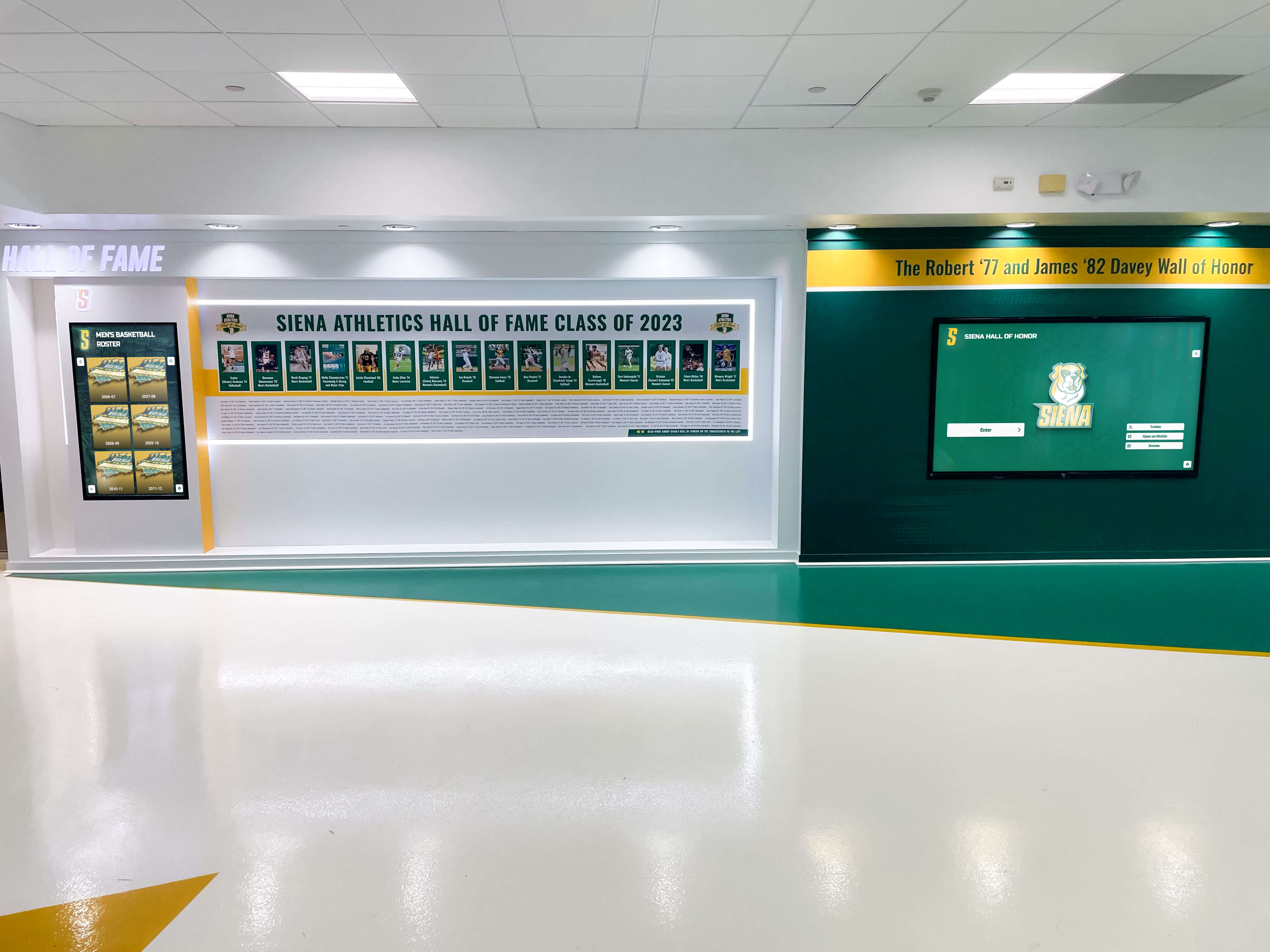
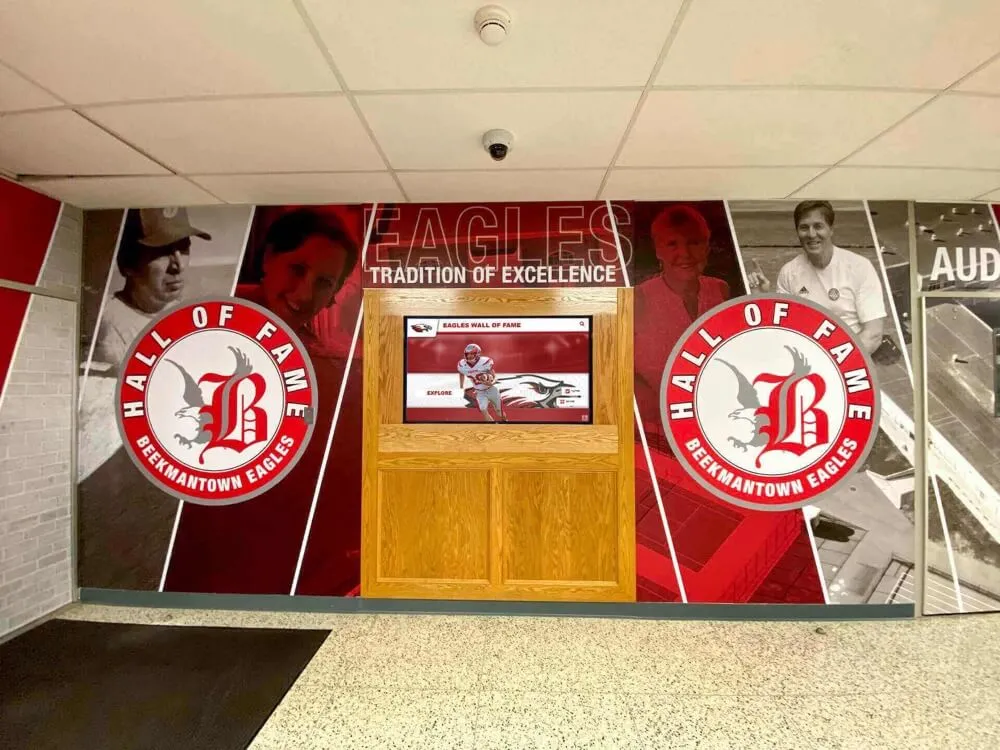
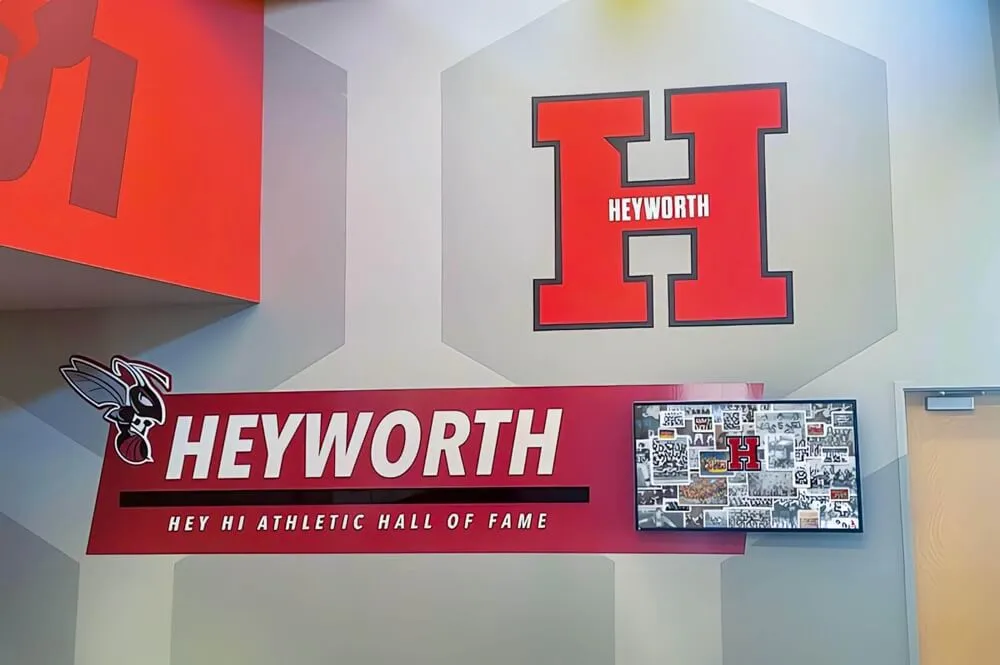
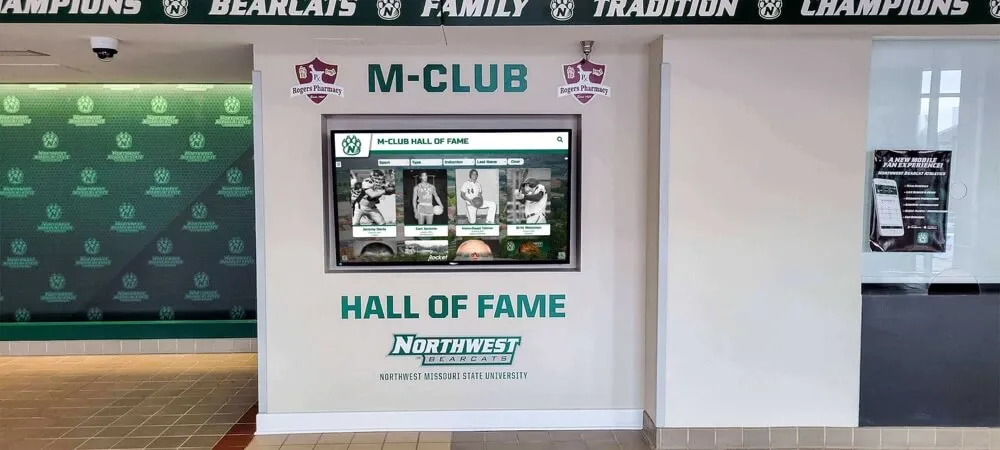
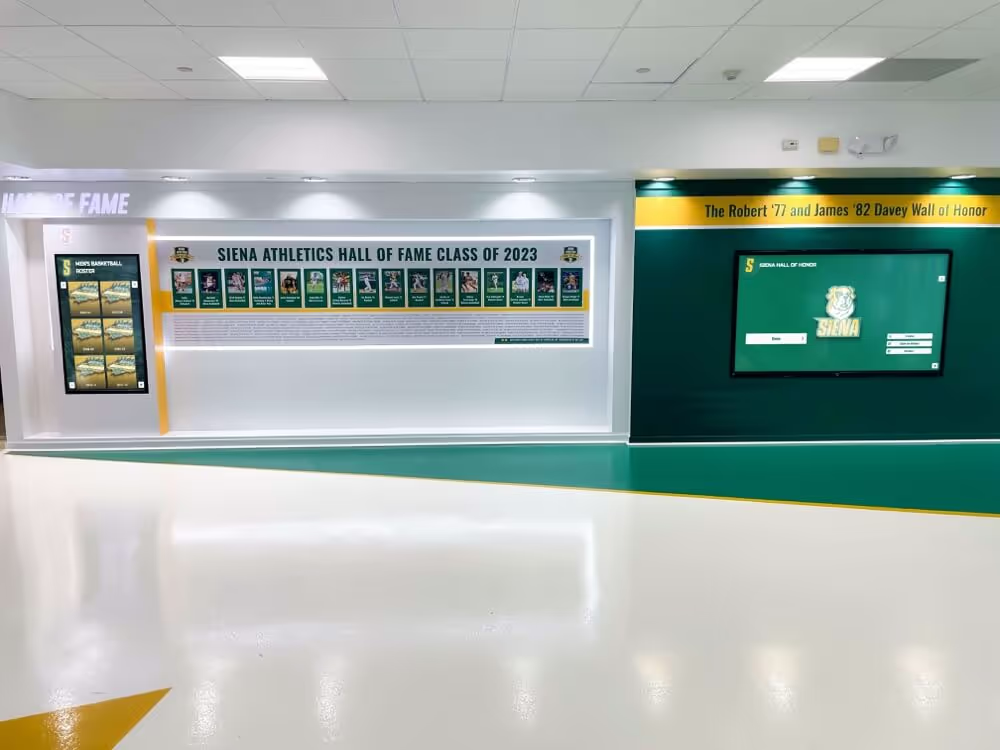
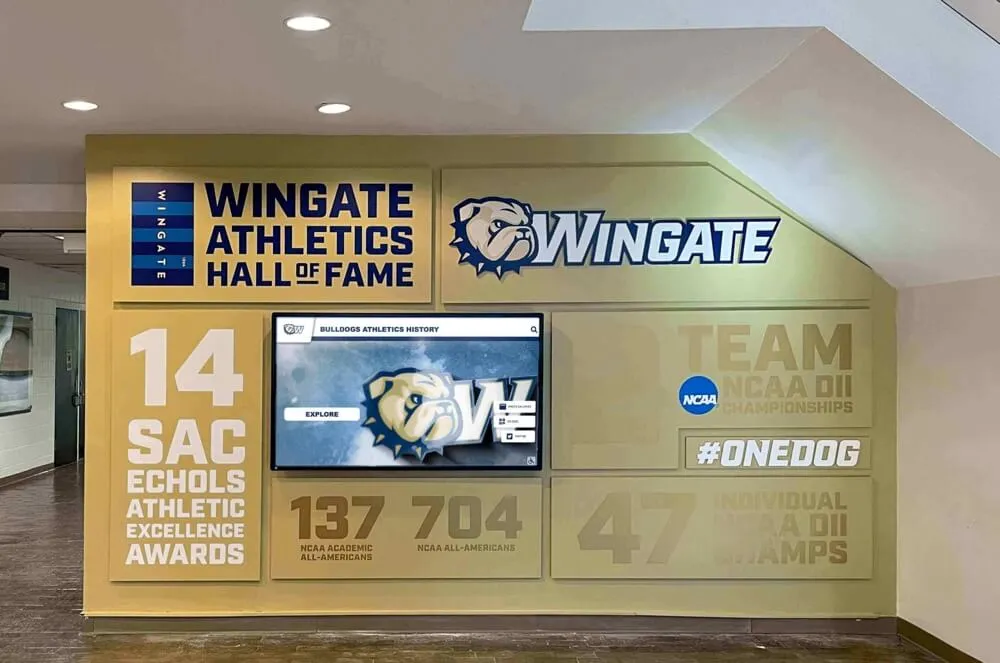
Hall of fame displays recognize excellence across all athletic programs including recreational and intramural sports
Building Sustainable Volunteer Structures
Most rec sports programs depend heavily on volunteer support requiring systematic recruitment and retention.
Volunteer Coach Development
Quality instruction enhances participant experience and safety:
Recruitment Strategies
Expand volunteer coach pools through targeted outreach:
- Parent recruitment during registration emphasizing minimal time commitments
- College student partnerships providing leadership experience and service hours
- Retired athlete engagement leveraging experienced players’ knowledge
- Corporate volunteer program connections with business community
- Service organization partnerships with Rotary, Lions, Kiwanis clubs
- Coaching incentive programs offering fee reductions for volunteer families
Training and Certification
Proper preparation ensures coach effectiveness and participant safety:
- Sport-specific technique and rules instruction for volunteer coaches
- Child development training ensuring age-appropriate expectations
- Safety and first aid certification protecting participant welfare
- Positive coaching philosophy emphasizing development over winning
- Communication skills training for effective parent and participant interaction
- Background check requirements ensuring child safety and program integrity
Coach Recognition and Retention
Appreciation reduces volunteer burnout:
- Coach appreciation events honoring volunteer contributions
- Public acknowledgment in facility displays and communications
- Professional development funding for courses and conferences
- Discounted or waived program fees for volunteer families
- Hall of fame inductions recognizing sustained coaching excellence
- Permanent recognition in digital archives preserving volunteer legacies
Administrative Volunteer Support
Beyond coaching, programs need organizational assistance:
League Coordinator Volunteers
Season management requires dedicated support:
- Schedule creation and field/court assignment coordination
- Score and standings tracking throughout seasons
- Communication management with teams and participants
- Problem resolution addressing conflicts or concerns
- Rules interpretation and enforcement consistency
- Season-end playoff and tournament organization
Facility and Equipment Volunteers
Operational support maintains program quality:
- Field preparation and maintenance ensuring safe playing surfaces
- Equipment distribution and collection managing program resources
- Scorekeeping and timekeeping during games and events
- Facility setup and cleanup for events and activities
- Equipment repair and maintenance extending resource lifespans
- Concession stand operation generating revenue supporting programs
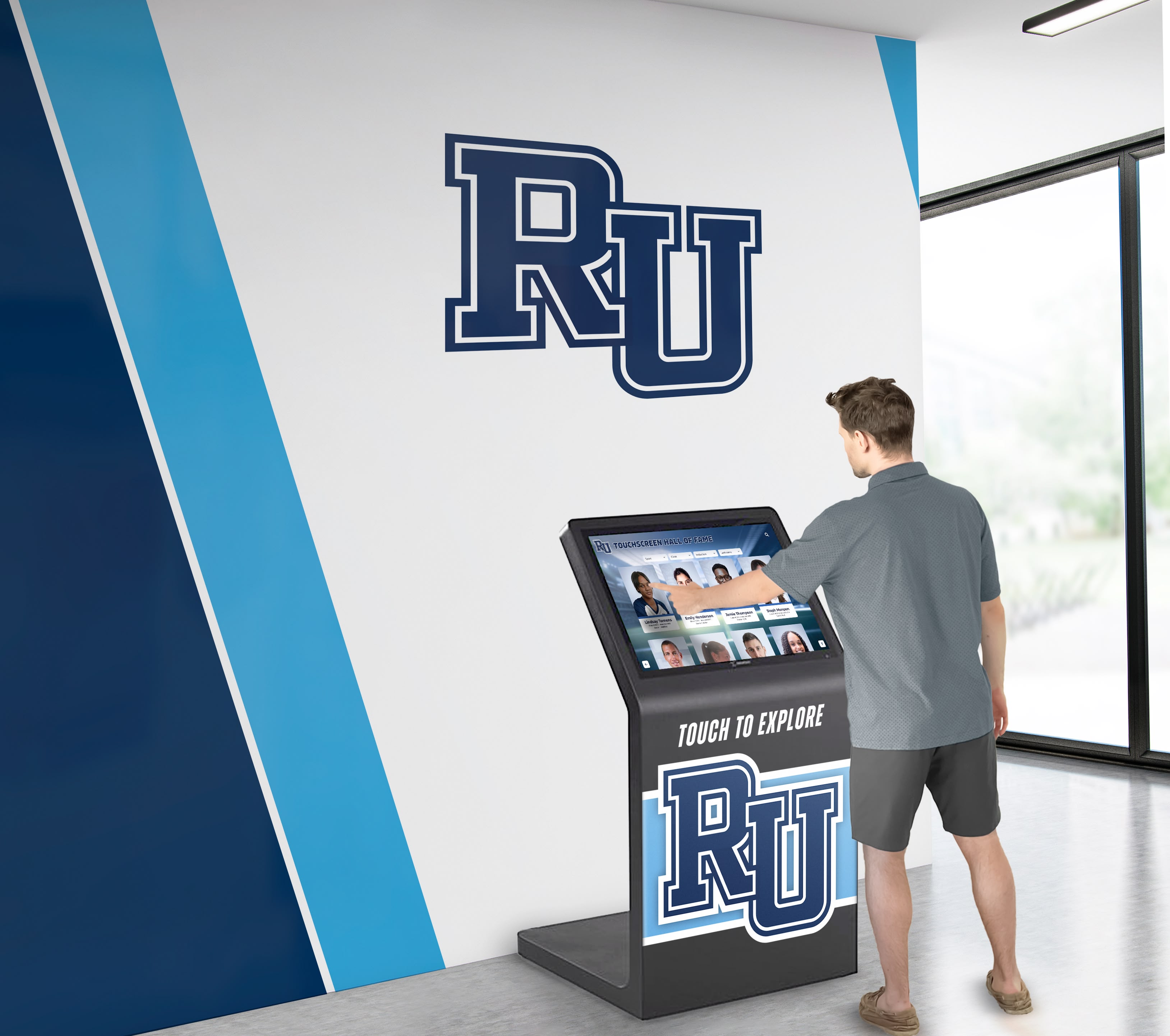
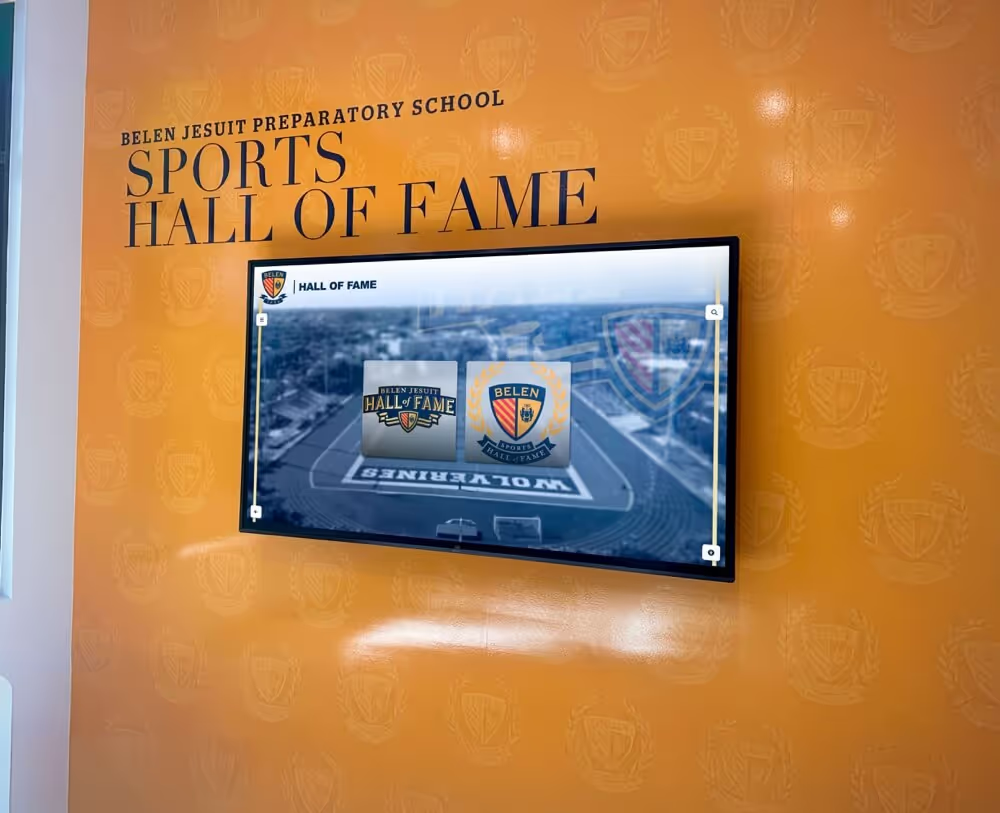
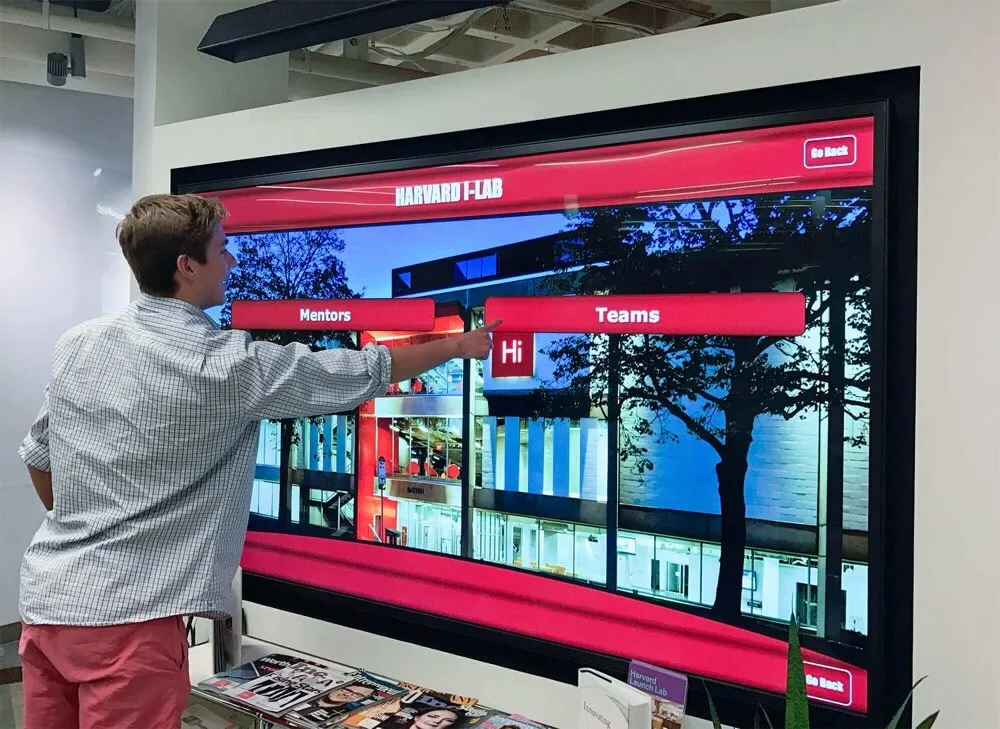
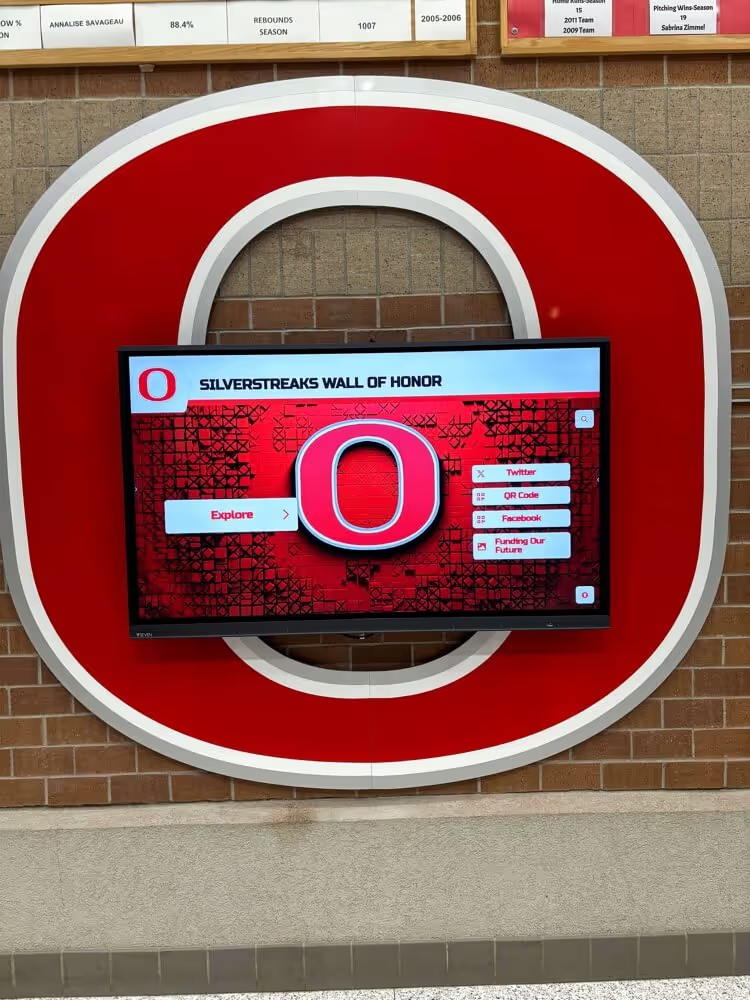
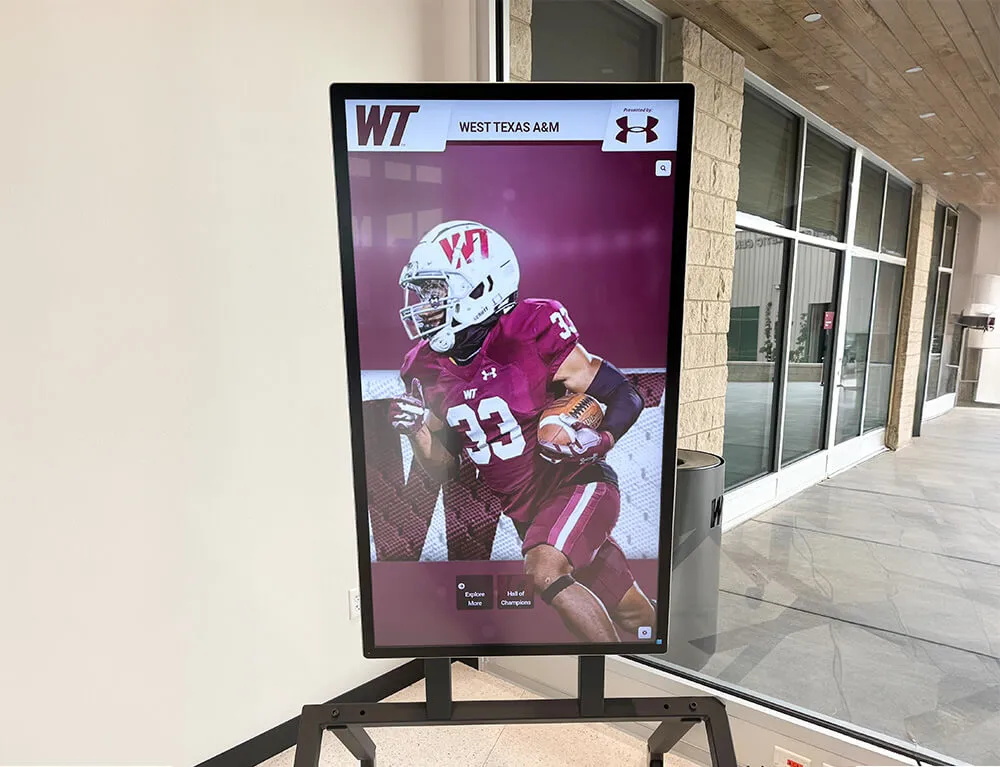
Interactive kiosks provide participant information and schedules while celebrating program achievements
Creating Inclusive and Welcoming Program Cultures
Recreational sports programs succeed when all community members feel welcome regardless of background or ability.
Reducing Financial Barriers
Affordability determines who can participate:
Fee Structure Design
Pricing strategies balance revenue needs with access:
- Tiered pricing based on household income using sliding scales
- Family discounts reducing per-person costs for multiple participants
- Early bird registration incentives encouraging advance commitment
- Payment plan options allowing installment fees over time
- Scholarship programs funded by general revenue or donations
- Volunteer credits reducing fees for families contributing time
Minimizing Equipment Costs
Required gear creates participation barriers:
- Equipment lending programs providing necessary items at no cost
- Uniform provision included in registration fees
- Used equipment swaps connecting families with outgrown gear
- Bulk purchasing programs offering discounted group buying
- Sponsor partnerships securing donated equipment for programs
- Modified sport formats reducing expensive equipment needs
Transportation and Scheduling Accessibility
Logistics determine who can participate:
Geographic Distribution
Facility locations affect access equity:
- Neighborhood program offerings close to residential areas
- Transportation provision from underserved communities to facilities
- Mobile programs bringing activities to parks and schools
- Multi-site offerings reducing travel requirements
- Partnership facilities accessing spaces across community geography
- Online scheduling showing real-time availability and location options
Flexible Timing
Schedule accommodation increases participation:
- Weekend options for participants unavailable on weekdays
- Evening programs after work and dinner hours
- Lunch hour activities for shift workers or flexible schedules
- Seasonal variation adjusting to daylight and weather
- Make-up sessions accommodating missed games or classes
- Drop-in flexibility allowing spontaneous participation
Cultural Competency and Inclusion
Programs reflecting community diversity strengthen participation:
Diverse Sport Offerings
Varied options honor different cultural athletic traditions:
- Soccer programs serving Hispanic/Latino community interests
- Cricket leagues for South Asian populations
- Volleyball popular in Asian American communities
- Basketball appealing broadly across cultural groups
- Martial arts reflecting East Asian cultural heritage
- Dance-based fitness honoring Latin and African traditions
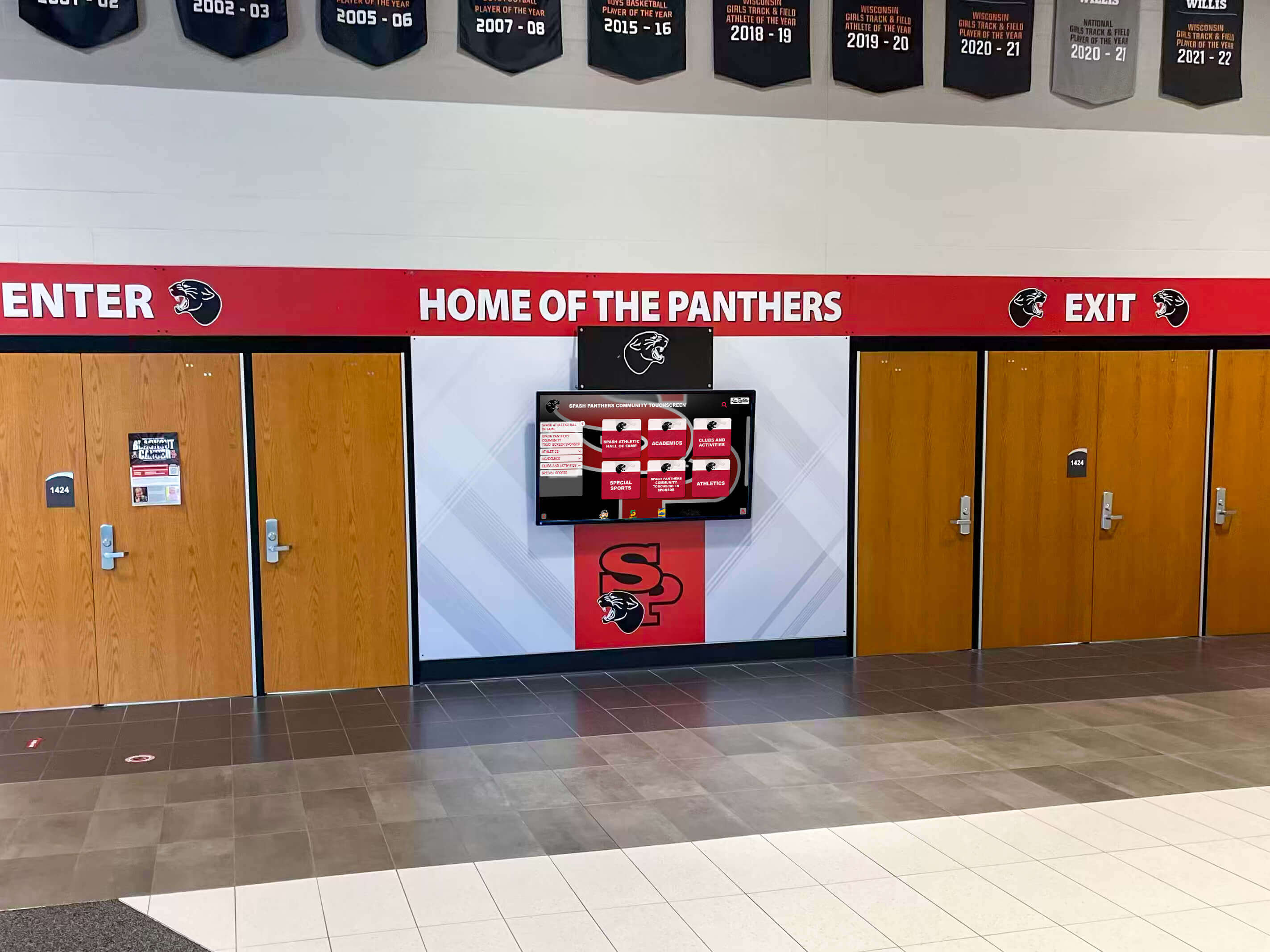
Entrance displays create welcoming environments showcasing program diversity and participant recognition
Multilingual Communication
Language accessibility ensures understanding:
- Registration materials translated to community languages
- Bilingual staff and volunteers facilitating communication
- Coaching instruction provided in participants’ native languages
- Signage and facility information in multiple languages
- Interpretation services at parent meetings and events
- Technology solutions providing automatic translation
Gender Equity and LGBTQ+ Inclusion
Respectful environments welcome all participants:
- Gender-inclusive team assignments respecting self-identification
- Female-only leagues providing comfortable participation options
- Co-ed formats promoting gender integration and respect
- Anti-discrimination policies protecting LGBTQ+ participants
- Facility accommodation for transgender and non-binary athletes
- Staff training ensuring welcoming and affirming environments
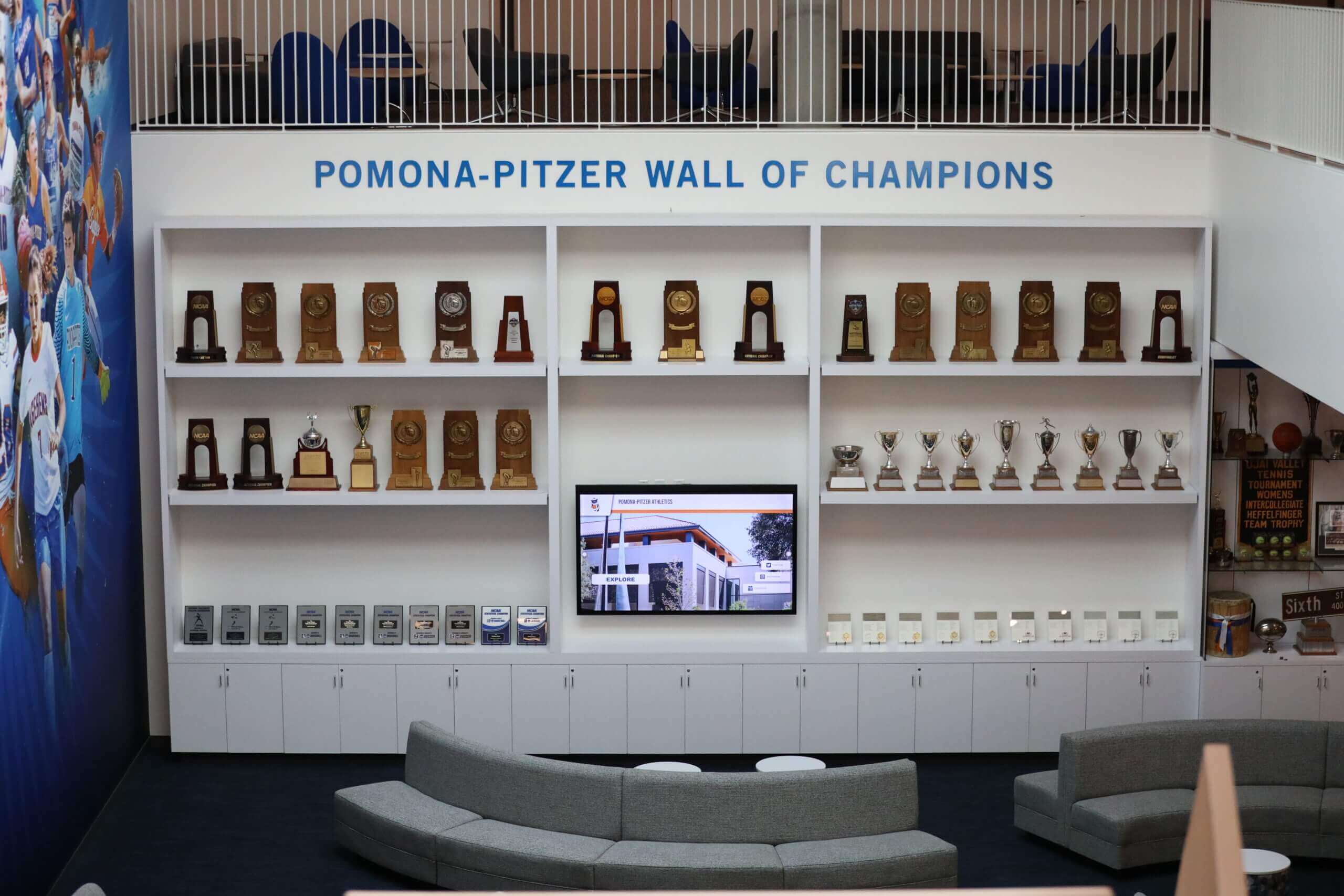
Trophy displays and recognition lounges celebrate achievement while building program pride
Recognition and Celebration in Rec Sports
Honoring participation and achievement strengthens community connection and program loyalty.
Individual Participant Recognition
Celebrating personal accomplishment motivates continued involvement:
Participation Milestones
Longevity recognition honors sustained engagement:
- Season participation certificates acknowledging completion
- Multi-year recognition for athletes returning across seasons
- Consecutive season tracking celebrating ongoing commitment
- Career milestone awards for significant participation tenure
- Age-group transition ceremonies marking developmental progression
- Senior recognition honoring graduating or aging-out participants
Skill Development Acknowledgment
Progress recognition motivates continued learning:
- Most improved player awards celebrating growth
- Skill achievement badges marking competency progression
- Leadership recognition for team captains and organizers
- Sportsmanship awards honoring respectful competition
- Effort and attitude recognition beyond pure athletic ability
- Specialized skill awards (best defense, most assists, etc.)
Personal Achievement Documentation
Records and statistics provide meaningful remembrance:
- Individual statistics tracking personal performance across seasons
- Career records documenting cumulative achievement
- Photographic memories capturing game action and team moments
- Video highlights showcasing memorable plays and celebrations
- Personal profile pages in program archives
- Permanent inclusion in facility recognition displays
Team Recognition Systems
Group celebration builds camaraderie and shared pride:
Championship and Tournament Recognition
Competitive achievement deserves acknowledgment:
- Championship trophy presentations at season conclusions
- Team photo displays documenting title victories
- Banner hanging in facilities commemorating championships
- Tournament bracket displays showing playoff results
- Team name engraving on perpetual trophies
- Digital recognition systems featuring championship rosters
Season-End Celebrations
Concluding events provide closure and celebration:
- Team parties honoring seasonal participation
- Awards ceremonies recognizing individual and team achievement
- Banquet events featuring meals and entertainment
- Photo slideshows documenting season memories
- Coach speeches reflecting on growth and accomplishments
- Participant testimonials sharing favorite moments
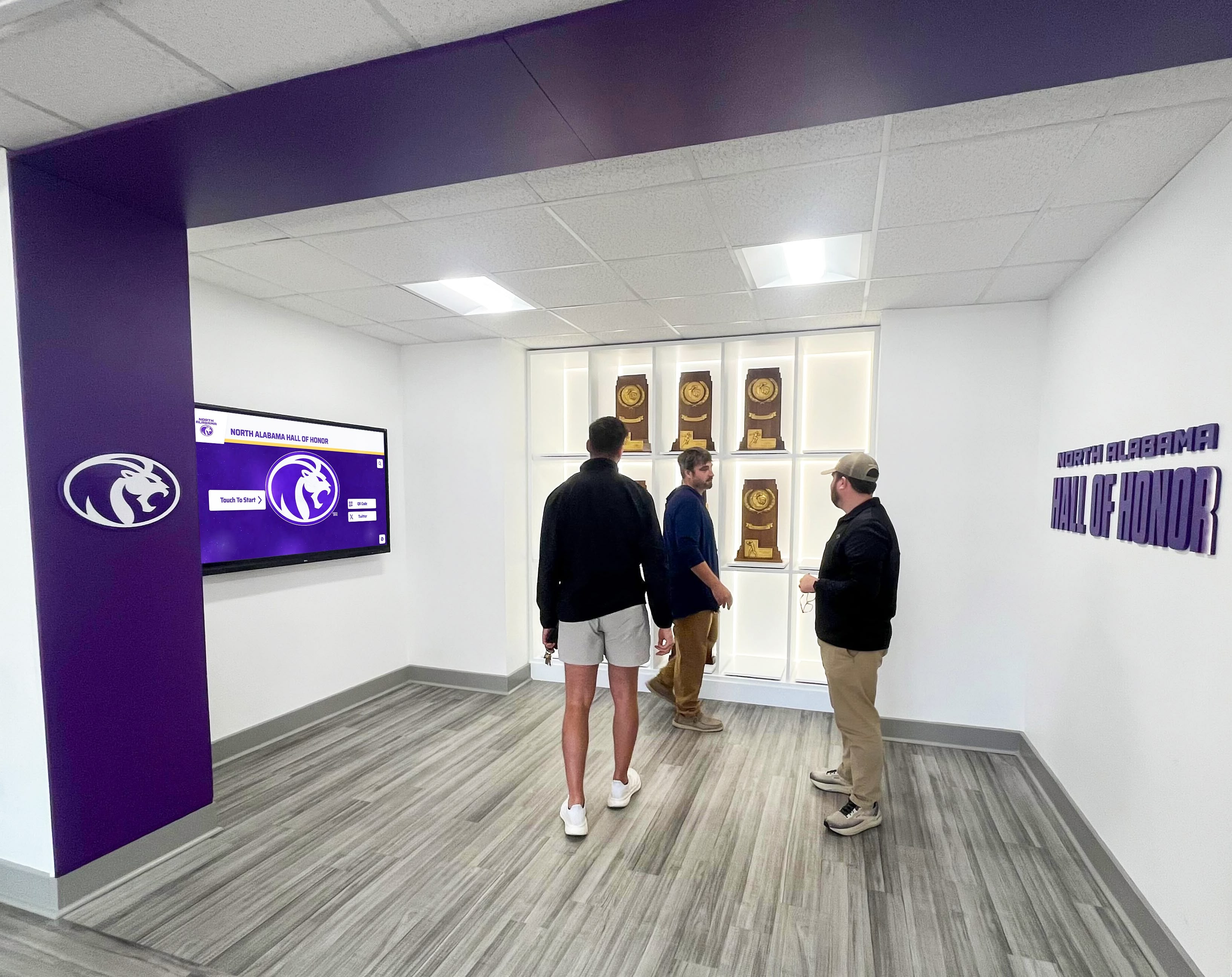
Recognition displays create natural gathering points and conversation starters celebrating recreational athletics
Facility-Based Recognition Displays
Permanent installations honor program history and achievement:
Traditional Recognition Methods
Physical displays create visible program pride:
- Trophy cases showcasing championship hardware
- Photo walls featuring team and individual pictures
- Plaque boards listing championship teams and MVPs
- Record boards documenting program and facility records
- Banner displays hanging from gymnasium or field facility walls
- Hall of fame plaques recognizing distinguished participants
Digital Recognition Innovation
Modern technology overcomes traditional limitations:
Organizations implementing comprehensive recognition systems like Rocket Alumni Solutions transform how rec programs celebrate achievement:
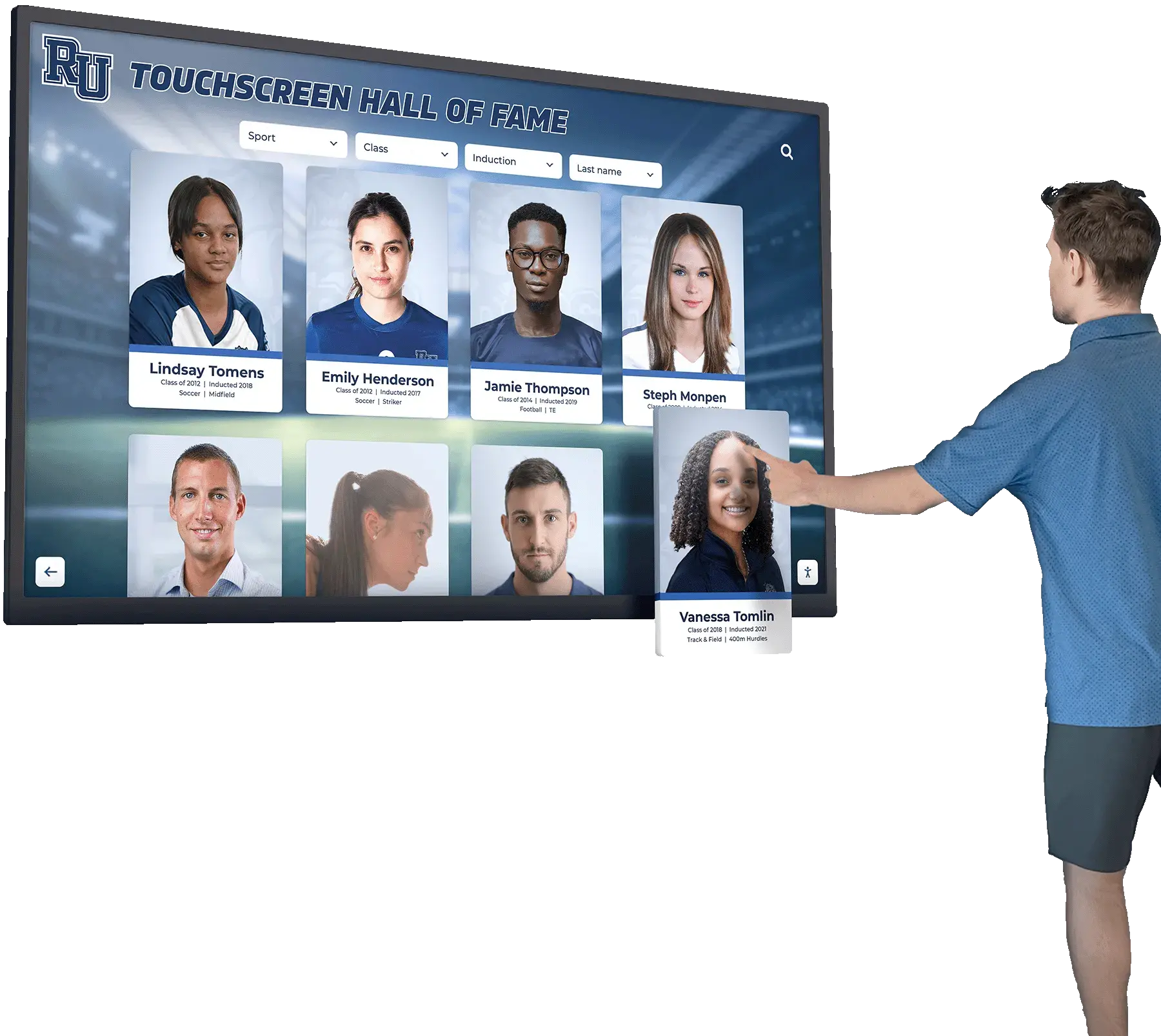
- Unlimited Recognition Capacity: Digital displays showcase every participant, team, and champion without space constraints
- Searchable Participant Archives: Community members locate friends and teammates across program history
- Multimedia Documentation: Photos, videos, and statistics create rich program histories
- Dynamic Content Updates: Current season highlights appear immediately alongside historical achievement
- Community Engagement Features: Interactive displays encourage exploration and discovery
- Cross-Program Integration: Recognition spans recreational and competitive athletics comprehensively
Programs using digital recognition displays report increased participant pride and community engagement as all athletes receive prominent recognition previously limited to championship teams.

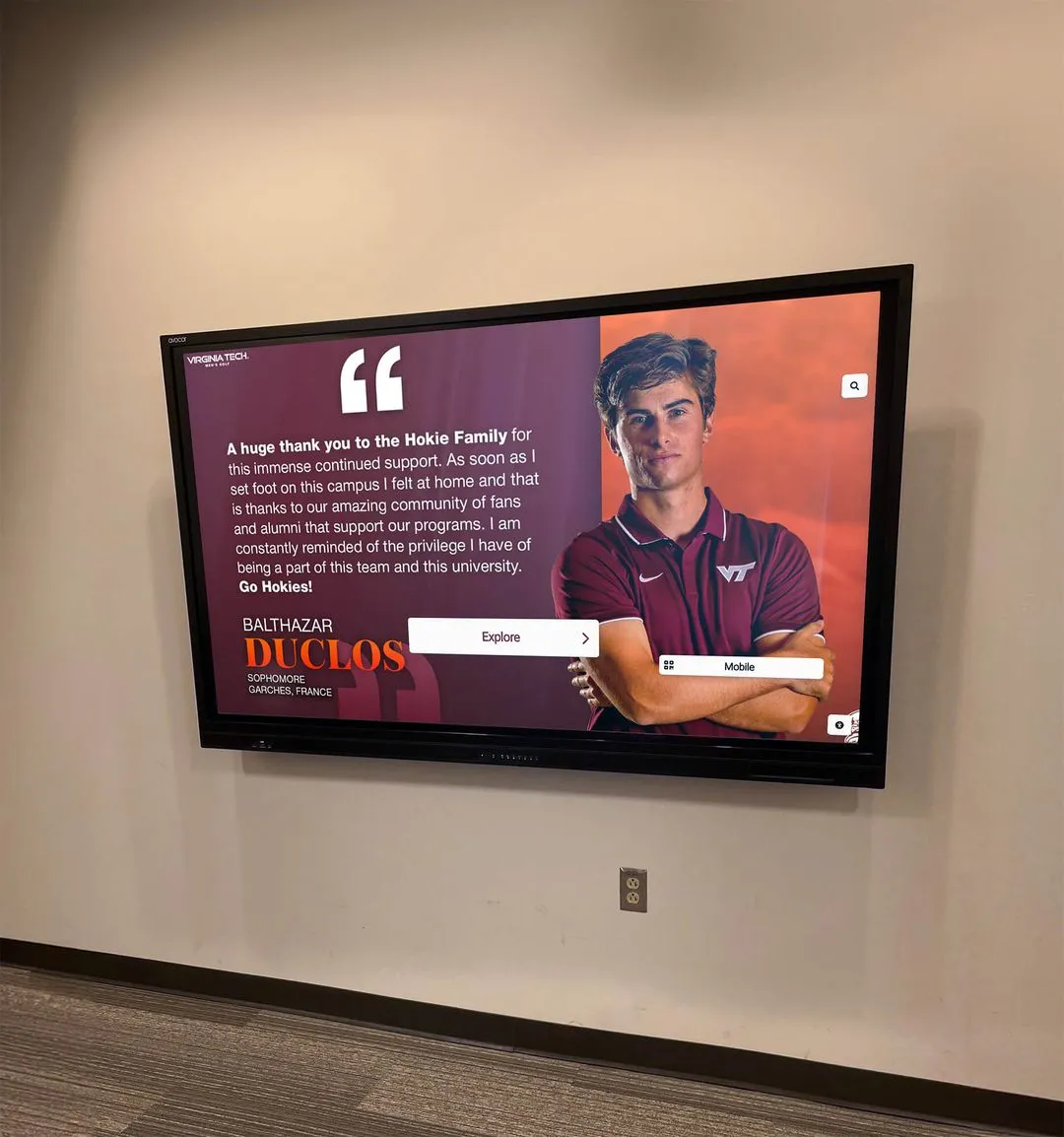
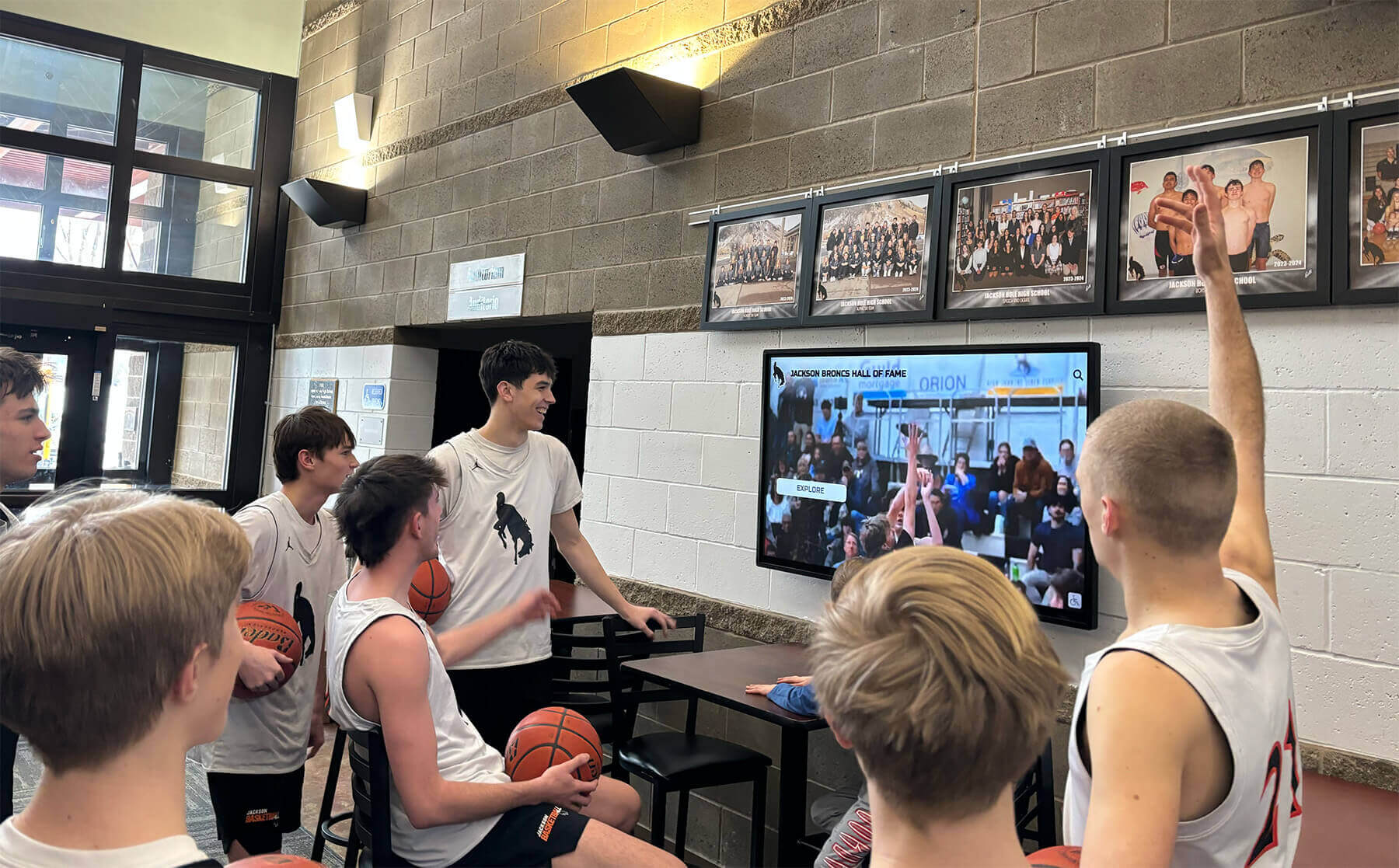
Interactive displays in rec facility lobbies celebrate participant achievements while providing program information
Year-Round Visibility
Strategic display placement maximizes impact:
- Lobby installations greeting facility visitors
- Hallway displays visible during daily facility use
- Court and field-side screens viewable during competitions
- Community center high-traffic area placement
- School entrance positioning showcasing student achievement
- Multi-screen networks throughout large facilities
Program Quality and Safety Standards
Maintaining high standards protects participants while enhancing reputation.
Safety Policies and Procedures
Risk management prevents injuries and liability:
Facility and Equipment Standards
Proper maintenance ensures safe participation:
- Regular facility inspections identifying hazards
- Equipment condition monitoring replacing unsafe items
- Field and court surface maintenance preventing injury
- Weather monitoring postponing activities during dangerous conditions
- Emergency action plans addressing medical situations
- First aid kit availability and regular restocking
Participant Safety Requirements
Policies protect athlete welfare:
- Medical information collection during registration
- Emergency contact documentation for all participants
- Concussion protocols following head injury management guidelines
- Hydration requirements during hot weather activities
- Age-appropriate equipment and field dimensions
- Proper supervision ratios ensuring adequate oversight
Rules and Sportsmanship Enforcement
Behavioral standards maintain positive environments:
Code of Conduct
Clear expectations guide participant behavior:
- Player conduct standards emphasizing respect and fair play
- Spectator behavior policies maintaining positive atmospheres
- Coach conduct requirements modeling appropriate leadership
- Bullying and harassment prohibition protecting all participants
- Substance abuse policies ensuring drug and alcohol-free environments
- Consequences for violations including warnings, suspensions, and expulsions
Conflict Resolution Processes
Systematic approaches address disputes:
- Protest procedures for rules interpretation disagreements
- Complaint mechanisms for participant or parent concerns
- Mediation services resolving interpersonal conflicts
- Appeals processes for disciplinary decisions
- Communication protocols between staff, volunteers, and participants
- Documentation requirements ensuring fair and consistent enforcement
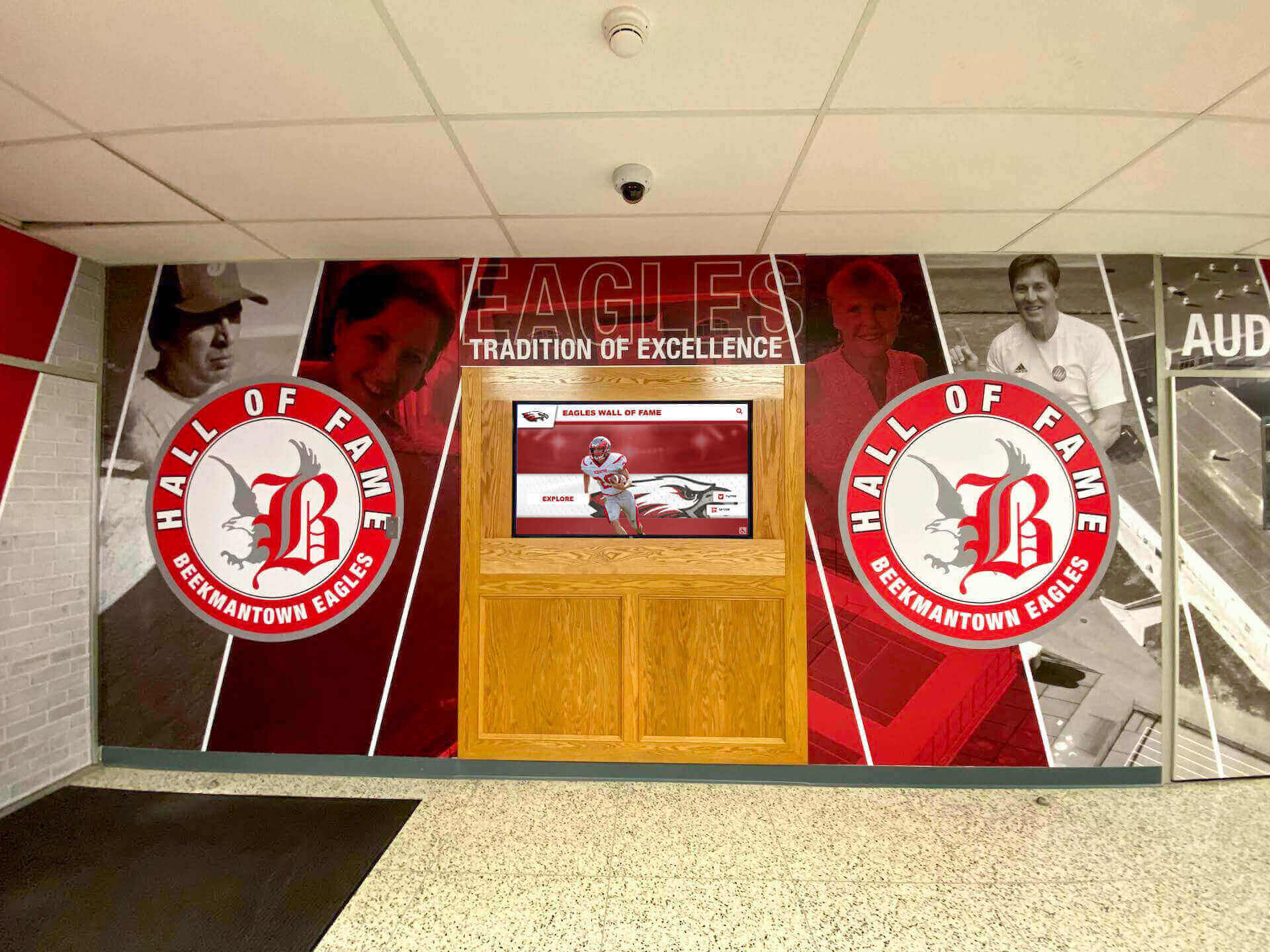
Heritage murals combined with recognition systems create pride in athletic traditions and community identity
Measuring Rec Sports Program Success
Systematic evaluation ensures programs meet community needs and organizational goals.
Quantitative Success Metrics
Measurable data tracks program performance:
Participation Indicators
Enrollment data reveals program health:
- Total participant numbers across all programs
- Participation rates as percentage of target populations
- Retention rates tracking returning participants across seasons
- Wait list data indicating unmet demand
- Demographic participation tracking equity across community segments
- Geographic distribution ensuring broad community access
Financial Performance
Revenue and cost analysis informs sustainability:
- Program revenue from participant fees and sponsorships
- Cost recovery percentages showing subsidy requirements
- Per-participant costs enabling pricing strategy
- Scholarship distribution tracking financial assistance
- Capital investment needs for facility and equipment
- Volunteer contribution value quantifying in-kind support
Safety and Satisfaction Metrics
Quality indicators guide improvement:
- Injury rates and incident reports
- Participant satisfaction survey results
- Coach and volunteer satisfaction levels
- Complaint frequency and resolution effectiveness
- Facility condition assessments
- Regulatory compliance audit results
Qualitative Impact Assessment
Narrative outcomes demonstrate community value:
Community Connection Outcomes
Social benefits extend beyond individual participation:
- Friendship formation and social network expansion
- Community pride in athletic facilities and programs
- Cross-cultural interaction and understanding
- Family strengthening through shared athletic involvement
- Neighborhood connection among local residents
- Program graduate testimonials describing long-term impact
Health and Wellness Impact
Individual benefits justify public investment:
- Participant physical fitness improvements
- Mental health and stress reduction benefits
- Chronic disease management through activity
- Healthy lifestyle habit development
- Youth obesity prevention and intervention
- Senior mobility and cognitive function maintenance
Celebrate Your Rec Sports Community
Discover how Touch Archive digital recognition displays help recreational programs honor participants, celebrate achievements, and build lasting pride. Our interactive touchscreen systems showcase unlimited athletes, teams, and accomplishments while creating engaging experiences that strengthen community connections.
Request a DemoConclusion: The Transformative Power of Recreational Athletics
Rec sports programs represent far more than organized games and activities—they serve as vital community connectors bringing diverse populations together through shared athletic experiences. When designed thoughtfully with attention to accessibility, inclusion, quality instruction, and meaningful recognition, recreational athletics creates spaces where friendships form, skills develop, and community bonds strengthen across differences that might otherwise divide.
The most successful programs balance competitive spirit with recreational enjoyment, welcome participants of all abilities, support volunteers sustaining operations, and celebrate achievement in ways that honor every participant’s contribution. They recognize that while championships and trophies matter, the true measure of success lies in participation rates, community connection, lifelong fitness habits, and the pride community members feel in their local recreational programs.
Modern recognition technology enables even resource-constrained programs to provide comprehensive honor and celebration previously limited to elite competitive athletics. Solutions like Rocket Alumni Solutions help rec centers, schools, and community organizations create permanent digital archives showcasing every participant, team, and achievement while building program pride that attracts new participants and strengthens community support.
As communities increasingly recognize recreational sports’ role in public health, social connection, and community vitality, thoughtful program development combined with meaningful recognition infrastructure creates athletic experiences that benefit individuals while strengthening the social fabric connecting neighborhoods, schools, and entire communities through the unifying power of sport and play.
Whether launching new recreational programming or enhancing existing offerings, the principles explored in this guide provide frameworks for building inclusive, sustainable, and celebrated rec sports programs that serve communities across generations. Your community’s recreational athletes—from youth discovering sports for the first time to seniors staying active in later years—deserve programs and recognition honoring their participation while celebrating the connections formed through shared athletic experiences.
Ready to explore how interactive recognition displays can enhance your rec sports program? Learn how Touch Archive helps recreational organizations create impressive participant recognition systems that build pride, strengthen community, and celebrate the achievements of all athletes across recreational and competitive programming.