



Opening a new school facility, athletic center, or community building represents years of planning, fundraising, and construction culminating in a single celebratory moment. Your ribbon cutting ceremony provides the perfect opportunity to honor donors, recognize community support, engage stakeholders, and generate excitement about your institution’s expansion.
Yet many organizations miss opportunities during facility openings—rushing through ceremonies without proper planning, failing to recognize key contributors, or overlooking chances to integrate permanent recognition systems that continue honoring supporters long after guests depart. Schools and institutions that approach ribbon cuttings strategically create memorable events while establishing lasting recognition infrastructure.
This comprehensive guide explores creative ribbon cutting ceremony ideas that transform facility openings from perfunctory formalities into meaningful celebrations connecting past achievements with future possibilities.
Ribbon cutting ceremonies date back to early 20th century retail openings, evolving into standard practice for inaugurating new facilities across all organizational types. Today’s most successful ceremonies blend traditional elements with innovative approaches that reflect institutional identity while creating shareable moments amplifying impact through social media and community connections.

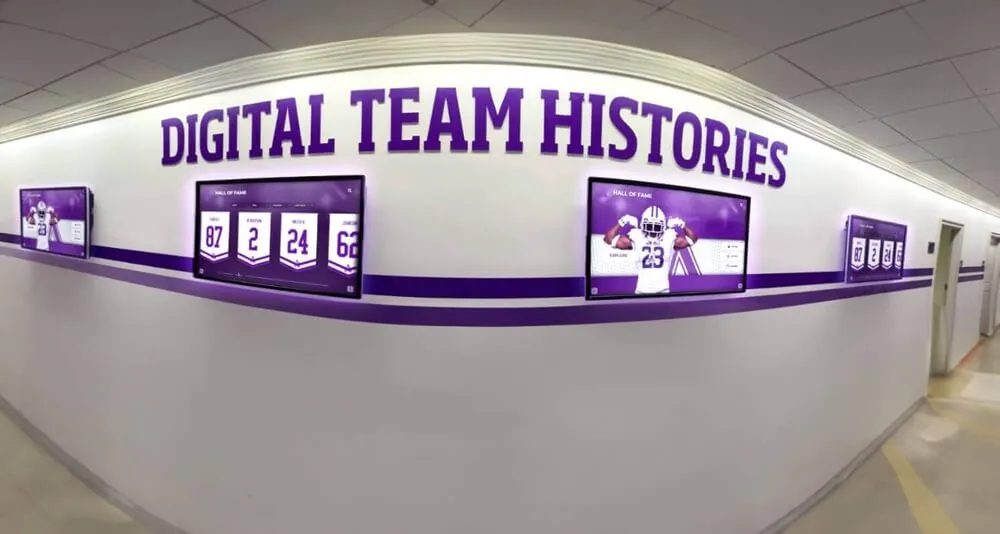
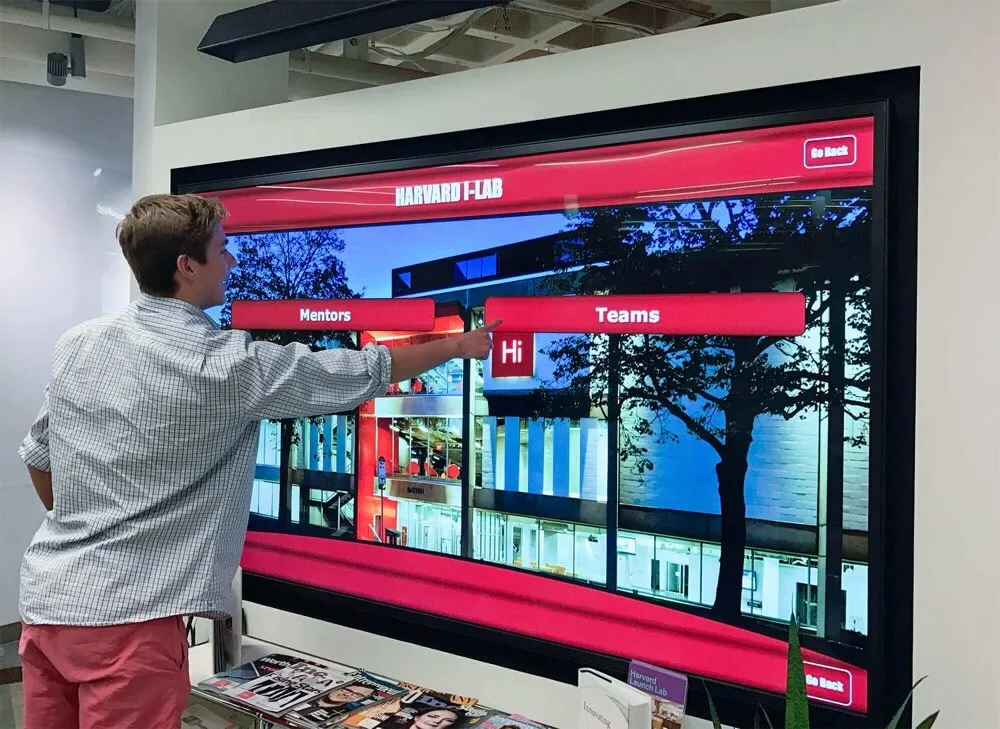
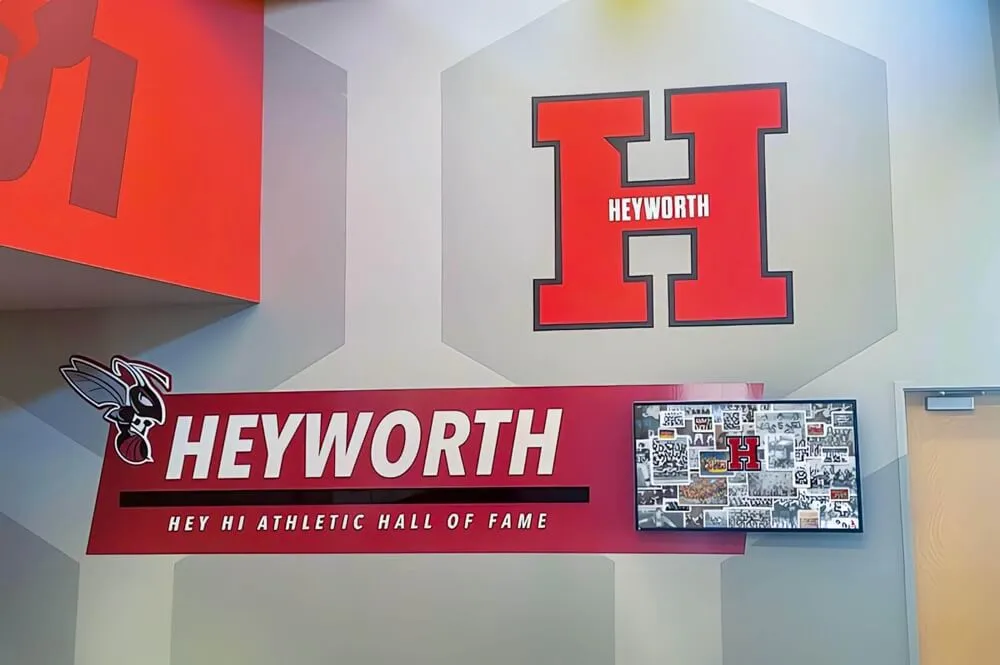
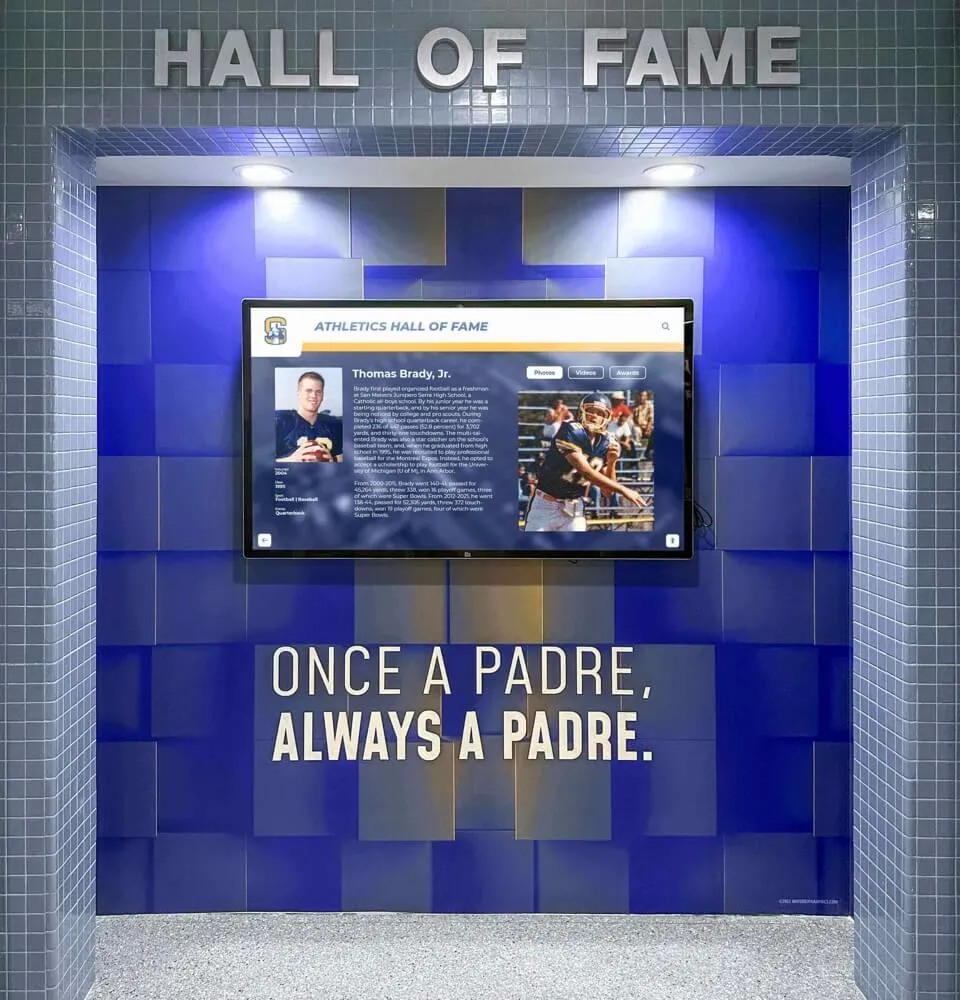
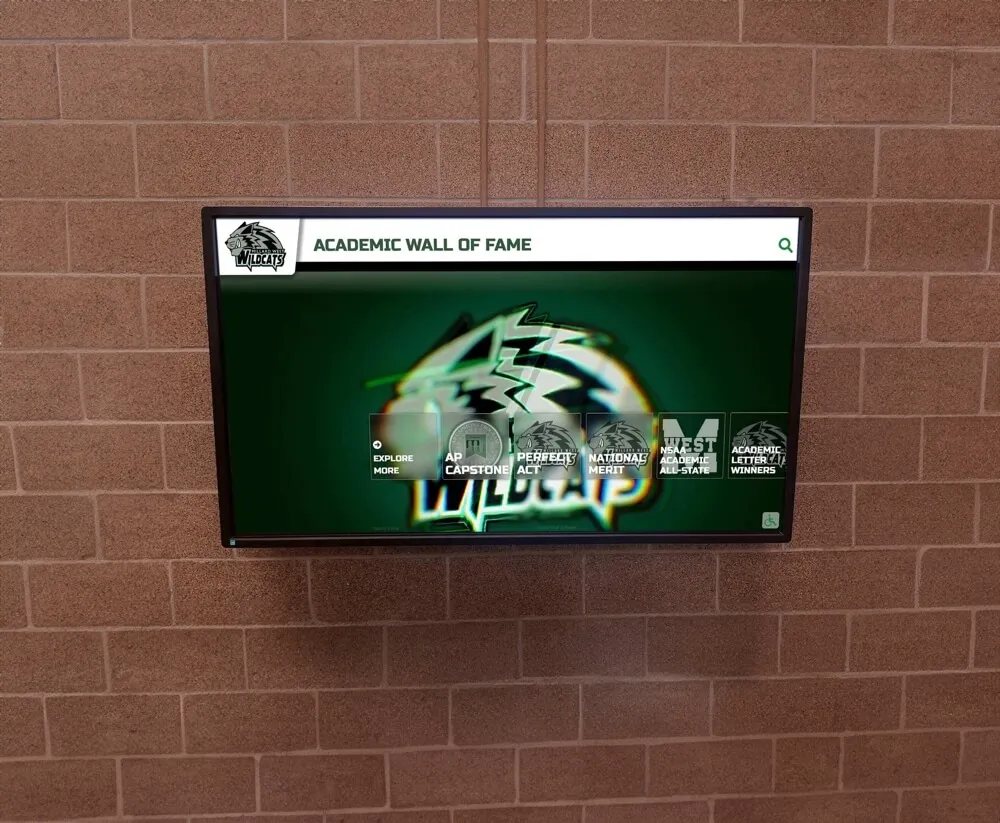
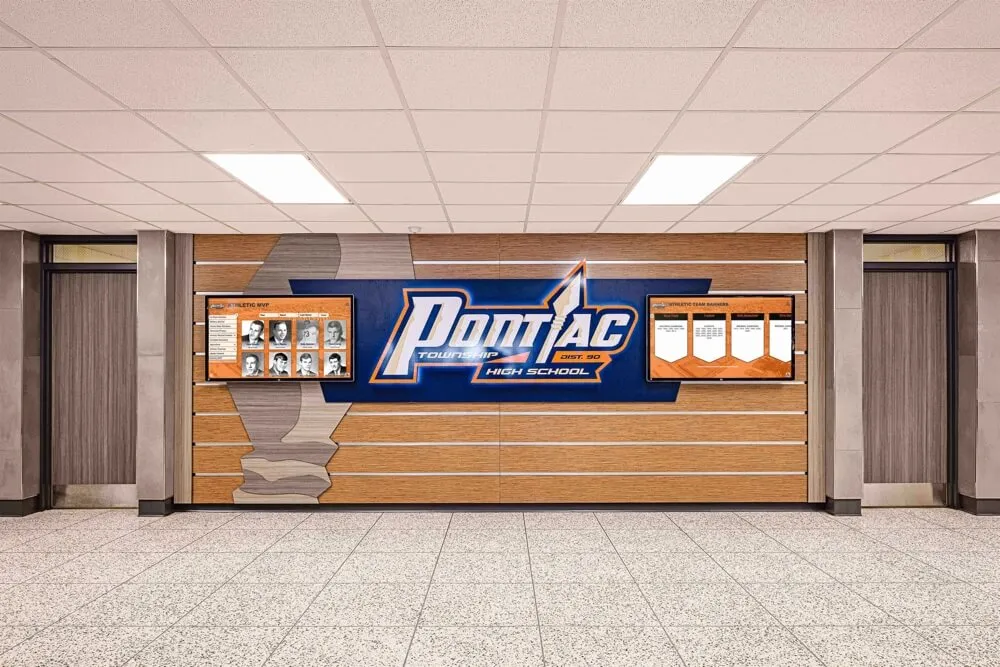
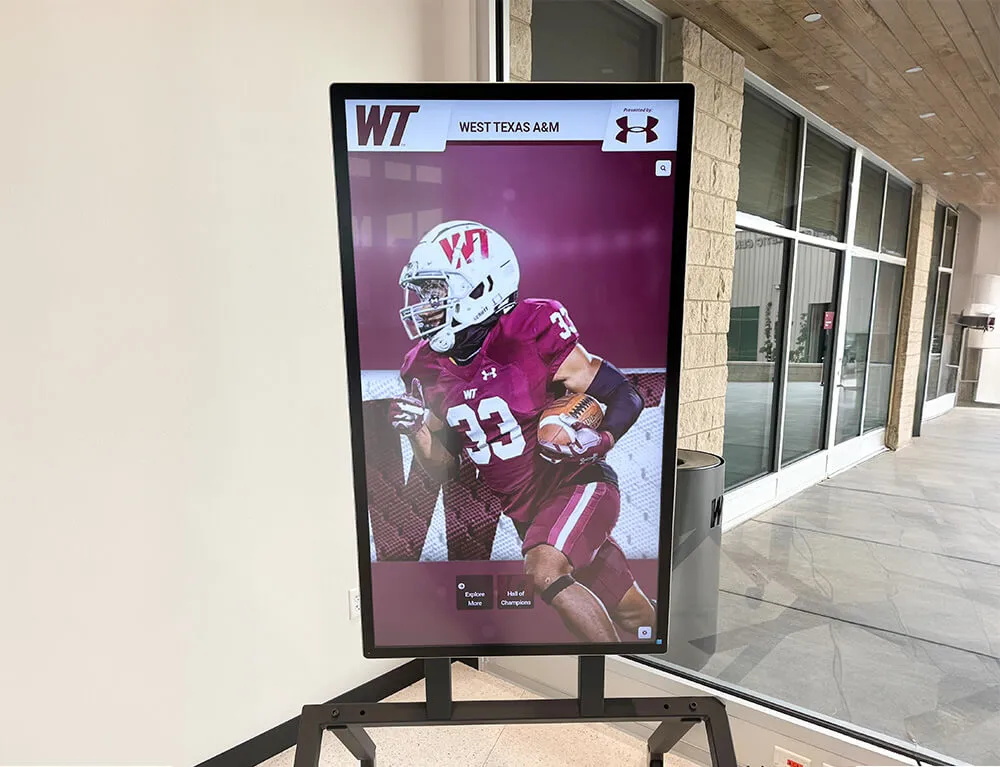
Strategic facility openings showcase recognition displays that honor contributors while establishing permanent celebration infrastructure
Planning Your Ribbon Cutting Ceremony Timeline
Successful facility openings require systematic planning beginning months before the ceremonial scissors cut through the ribbon.
Pre-Event Planning Phase (3-6 Months Before)
Early planning establishes foundations for successful ceremonies:
Stakeholder Committee Formation
Assemble diverse planning team representing key constituencies:
- Administrative leaders providing strategic direction and approval authority
- Facilities staff understanding building readiness and logistics
- Development officers coordinating donor recognition and stewardship
- Communications professionals managing publicity and documentation
- Student or community representatives ensuring inclusive perspectives
- Event planning staff coordinating logistics and vendor management
Committees meeting monthly during planning phases prevent last-minute challenges while ensuring comprehensive consideration of stakeholder needs.
Date Selection Strategy
Choose ceremony dates maximizing attendance and impact:
- Avoid conflicts with major holidays, school breaks, or community events
- Consider weather patterns for outdoor ceremonies or significant outdoor components
- Coordinate with academic calendars ensuring student participation
- Schedule during times convenient for elected officials and VIP guests
- Allow adequate time after construction completion for facility preparation
- Plan weekday morning or afternoon slots typically optimal for professional attendance
Most institutions schedule ribbon cuttings 2-4 weeks after substantial completion, allowing time for final preparations while maintaining momentum from construction completion.
Budget Development
Establish realistic financial plans covering ceremony costs:
- Venue setup and equipment rental (seating, sound systems, displays)
- Catering and refreshments for attendees
- Printed materials and signage
- Photography and videography documentation
- Recognition items and ceremonial elements
- Contingency funds for unexpected needs
Schools implementing new building touchscreen displays often coordinate installations with grand openings, creating impressive focal points while controlling overall costs.
Invitation and Communications Phase (6-8 Weeks Before)
Strategic outreach ensures strong attendance:
VIP Guest List Development
Identify essential attendees deserving special recognition:
- Major donors whose contributions funded facility construction
- Elected officials at local, state, and federal levels
- School board members or governing body representatives
- Project architects, engineers, and construction team leaders
- Community partners and neighboring organization representatives
- Distinguished alumni or institutional legacy figures
- Media representatives from local news outlets
Send personalized invitations to VIP guests 6-8 weeks before ceremonies, following up with reminder communications and attendance confirmation requests.
Community Invitation Strategy
Balance exclusive VIP recognition with inclusive community celebration:
- Open invitations to institutional stakeholders (students, parents, faculty, staff)
- Targeted outreach to community members interested in institutional developments
- Social media promotion generating awareness and encouraging attendance
- Website announcements with RSVP options for planning purposes
- Partnership with local chambers of commerce or business organizations
- Press releases to media outlets covering community developments
Media Coordination
Generate coverage amplifying ceremony impact:
- Advance media advisories announcing event details
- Press kit preparation with facility background, statistics, and human interest angles
- Scheduled media interviews with institutional leaders and key donors
- Photo opportunity planning for compelling visual content
- Live streaming arrangements for virtual attendance
- Social media content calendar before, during, and after event

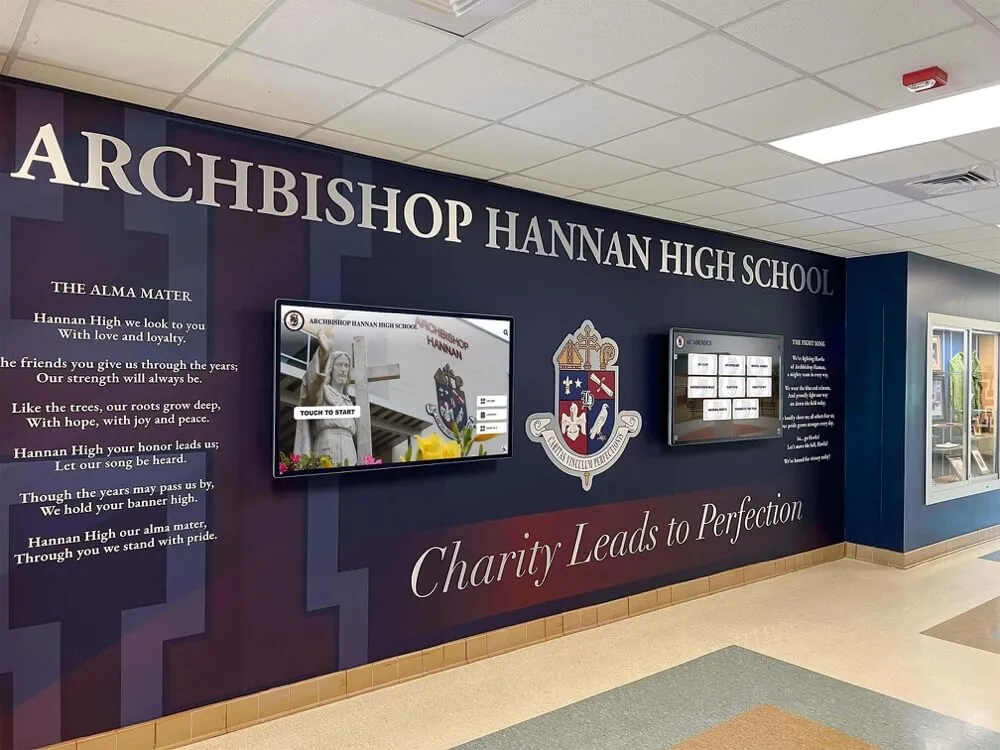
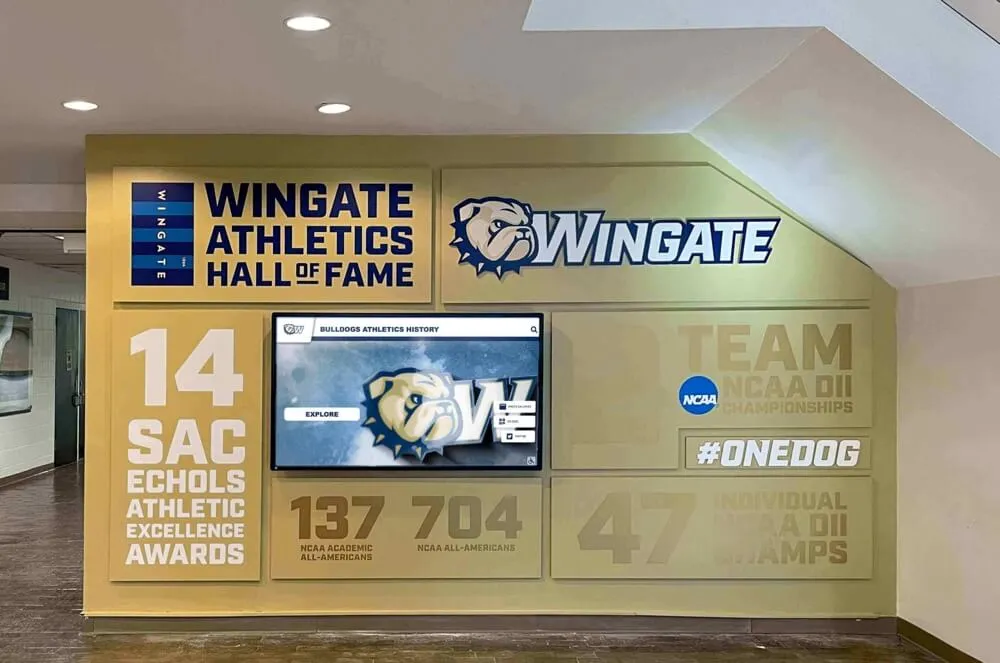
Well-designed facility entrances integrate recognition elements that become natural focal points during grand opening ceremonies
Final Preparation Phase (1-2 Weeks Before)
Execute detailed logistics ensuring smooth ceremonies:
Facility Readiness Confirmation
Verify building prepared for public access:
- Final cleaning and detailing of ceremonial spaces
- Furniture installation and arrangement completion
- Technology systems testing (audio, visual, connectivity)
- Safety inspections and regulatory compliance confirmation
- Signage installation directing visitors to ceremony locations
- Temperature control and environmental comfort verification
Conduct walk-through inspections with facilities staff, identifying any remaining issues requiring resolution before ceremonies.
Ceremony Rehearsal
Practice program elements ensuring polished execution:
- Processional and recessional path confirmation
- Speaker podium testing and microphone checks
- Ribbon placement and cutting logistics rehearsal
- Photography position planning for optimal documentation
- Timing verification ensuring program fits scheduled duration
- Contingency planning for weather or technical issues
Rehearsals prove particularly important for complex ceremonies involving multiple speakers, student performances, or elaborate ribbon cutting formats.
Materials Preparation
Finalize all printed and ceremonial items:
- Program printing with agenda, speaker bios, and facility information
- Directional signage throughout campus or facility
- Name tags or credentials for VIP guests
- Ceremonial scissors, ribbon, and cutting platform
- Recognition plaques or commemorative items
- Digital presentation slides with visuals and talking points
Creative Ribbon Cutting Ceremony Format Ideas
Moving beyond standard formats creates memorable experiences reflecting institutional character.
Traditional Ceremony Enhancements
Classic elements with innovative twists:
Multi-Person Ribbon Cutting
Rather than single individual cutting ribbon, engage multiple stakeholders:
- Donor representatives holding ribbon sections recognizing funding contributions
- Student body presidents representing beneficiaries of new facilities
- Faculty members symbolizing academic programs housed in buildings
- Alumni representing institutional legacy and continued connection
- Community partners reflecting collaborative relationships
- Staff members whose daily work occurs in new spaces
Extended ribbons accommodate 8-12 participants simultaneously cutting different sections, creating inclusive photo opportunities while honoring diverse contributors.
Symbolic Key Presentations
Incorporate ceremonial key transfers:
- Oversized ceremonial keys presented to institutional leaders
- Original architectural drawings or building models gifted to institutions
- Time capsules embedded in facilities during ceremonies
- Cornerstone inscriptions revealed during opening events
- Commemorative plaques unveiled recognizing major contributors
These tangible elements provide lasting artifacts commemorating facility openings.
Student Performance Integration
Feature institutional talent during ceremonies:
- Musical performances by school bands, orchestras, or choirs
- Dance or theatrical presentations celebrating institutional identity
- Student speakers describing impact of new facilities on learning
- Athletic demonstrations in new sports facilities
- Art displays created specifically for facility openings
Student involvement creates authentic connections between facility openings and educational missions.
Themed Ceremony Concepts
Align ceremony formats with facility purposes:
Athletic Facility Grand Openings
Create sport-specific celebration elements:
- Current athlete participation in ribbon cutting
- Alumni athlete recognition and reunion coordination
- Sport demonstrations showcasing facility capabilities
- Digital recognition display unveilings honoring distinguished program contributors
- Jersey retirement ceremonies for legendary athletes
- First official events in new facilities (games, competitions, practices)
Athletic openings particularly benefit from coordinating with homecoming weekends or major competition schedules, maximizing attendance and creating festival atmospheres.
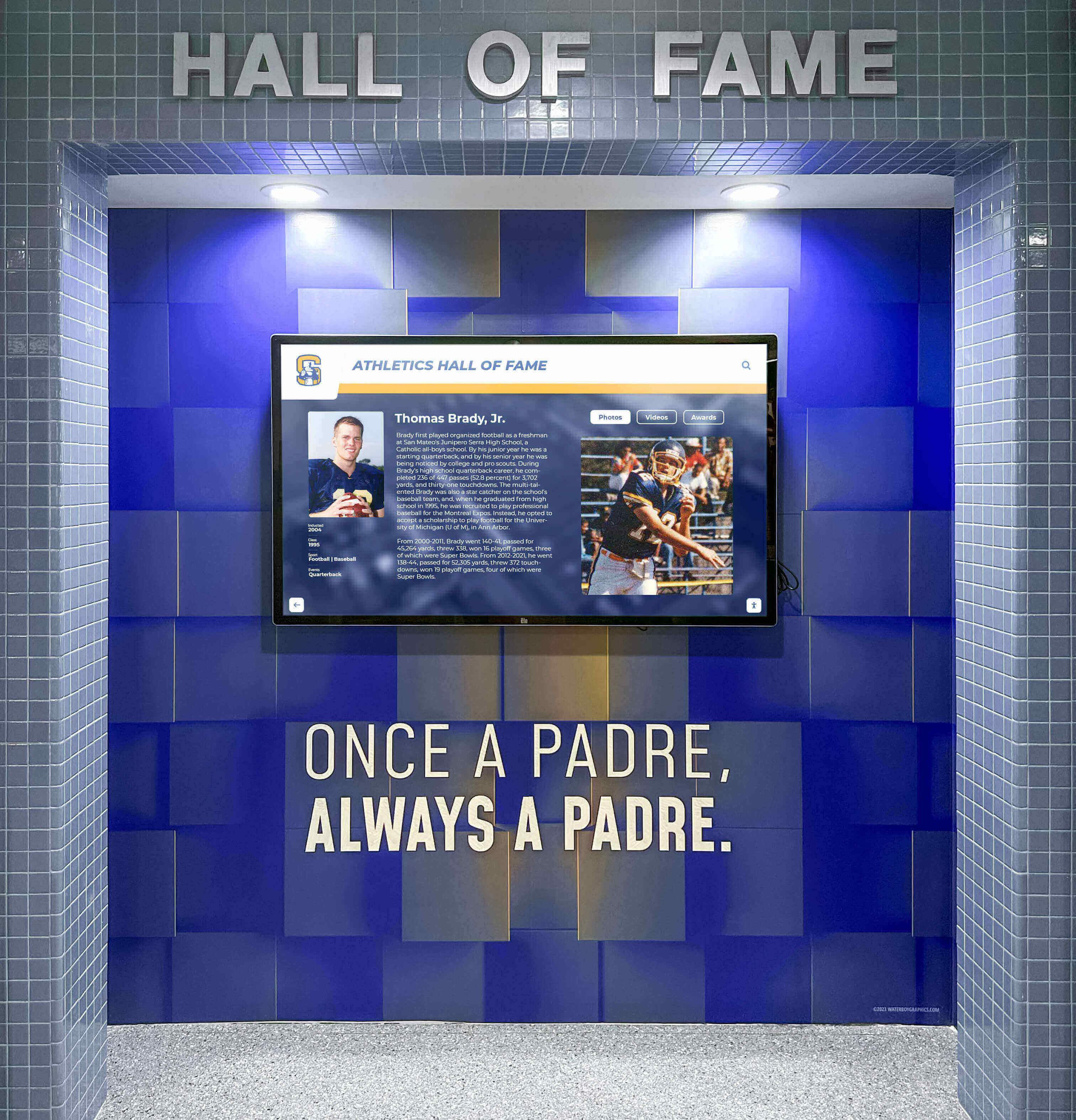
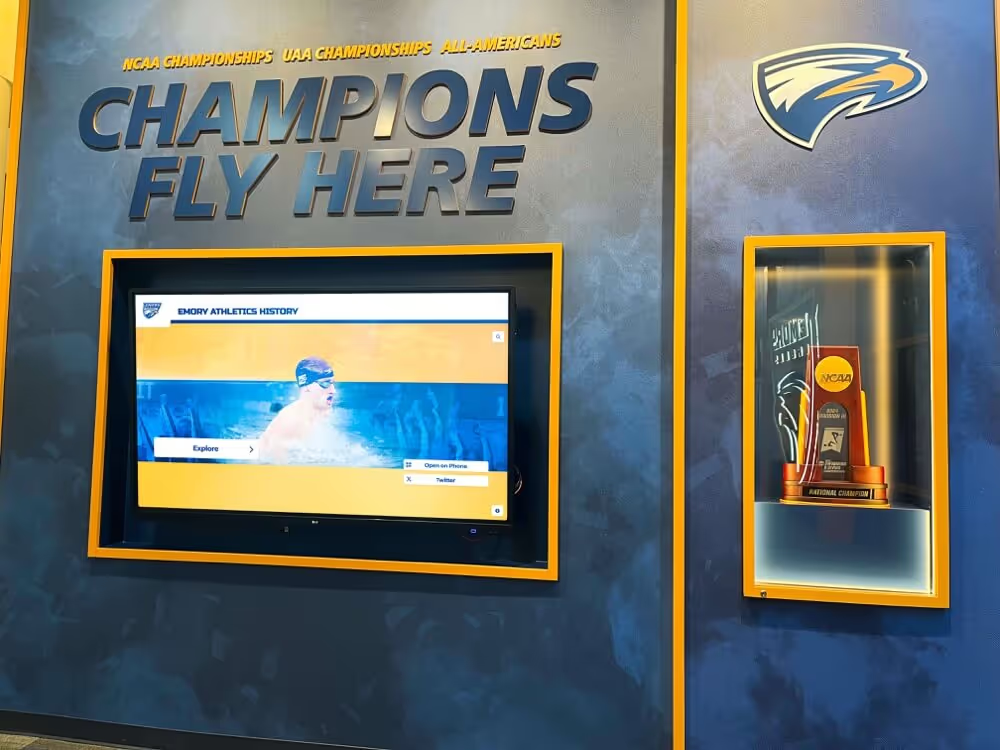
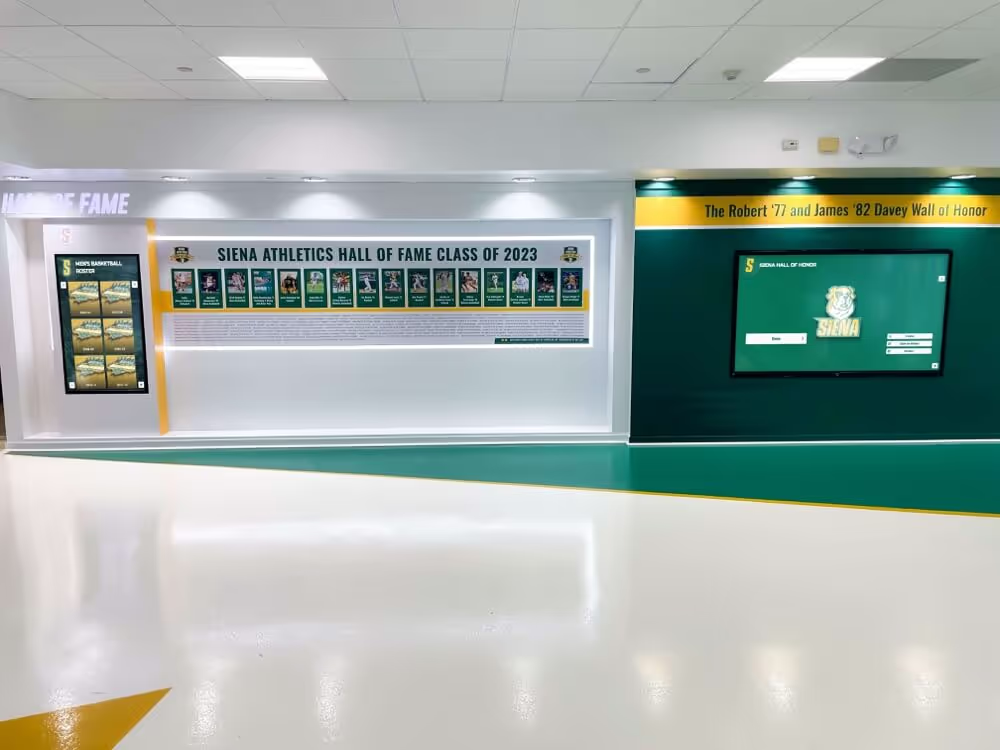
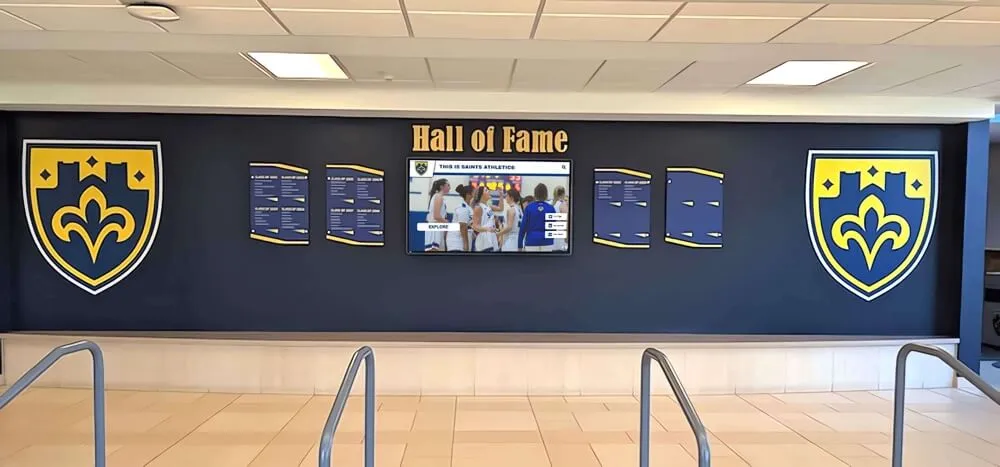
Athletic facility openings provide natural opportunities to unveil permanent recognition systems honoring program history
Academic Building Dedications
Emphasize educational missions:
- Faculty processions in academic regalia
- Inaugural lectures by distinguished professors
- Research presentation highlighting work enabled by new facilities
- Laboratory or classroom demonstrations showing teaching capabilities
- Library collection displays in new learning commons
- Interactive campus history presentations contextualizing facility within institutional development
Academic facility openings often incorporate educational programming reflecting disciplines housed in new buildings.
Community Center Celebrations
Highlight public service missions:
- Community partner recognition ceremonies
- Service program demonstrations showing center capabilities
- Local artist performances celebrating community culture
- Volunteer recognition for community development efforts
- Memorial displays honoring individuals inspiring facility creation
- Open house formats allowing public exploration of spaces
Community facilities benefit from extended celebration periods with activities spanning multiple days.
Interactive Ceremony Experiences
Engage attendees actively rather than passive observation:
Facility Tours and Open Houses
Structure exploration opportunities:
- Guided tour groups led by knowledgeable staff or students
- Self-guided tours with information stations throughout facilities
- Behind-the-scenes access to specialized spaces (control rooms, equipment areas)
- Interactive demonstrations of facility capabilities and technologies
- Q&A stations where architects or planners discuss design decisions
- Digital wayfinding helping visitors navigate new spaces
Tours work particularly well following formal ceremonies, allowing guests to explore facilities at their own pace while mingling with other attendees.
Time Capsule Creation
Involve attendees in creating historical artifacts:
- Contribution stations where guests add items, messages, or predictions
- Student artwork or essays included in capsules
- Current newspapers, photographs, and institutional publications
- Building plans, dedication programs, and ceremony materials
- Digital media capturing ceremony days (USB drives, QR codes to video archives)
- Sealed containers embedded in facility walls or grounds with scheduled opening dates
Time capsules create tangible connections between present moments and future community members who will eventually open them.
Dedication Wall Signing
Create interactive recognition opportunities:
- Large wall surfaces where attendees sign names or messages
- Artistic installations incorporating attendee handprints or contributions
- Digital signature boards that preserve messages permanently in facility archives
- Commemorative bricks or tiles purchased by community members
- Photo booths creating keepsakes for attendees
- Guestbooks collecting memories and congratulations
Interactive elements transform passive attendees into active ceremony participants, strengthening emotional connections to new facilities.
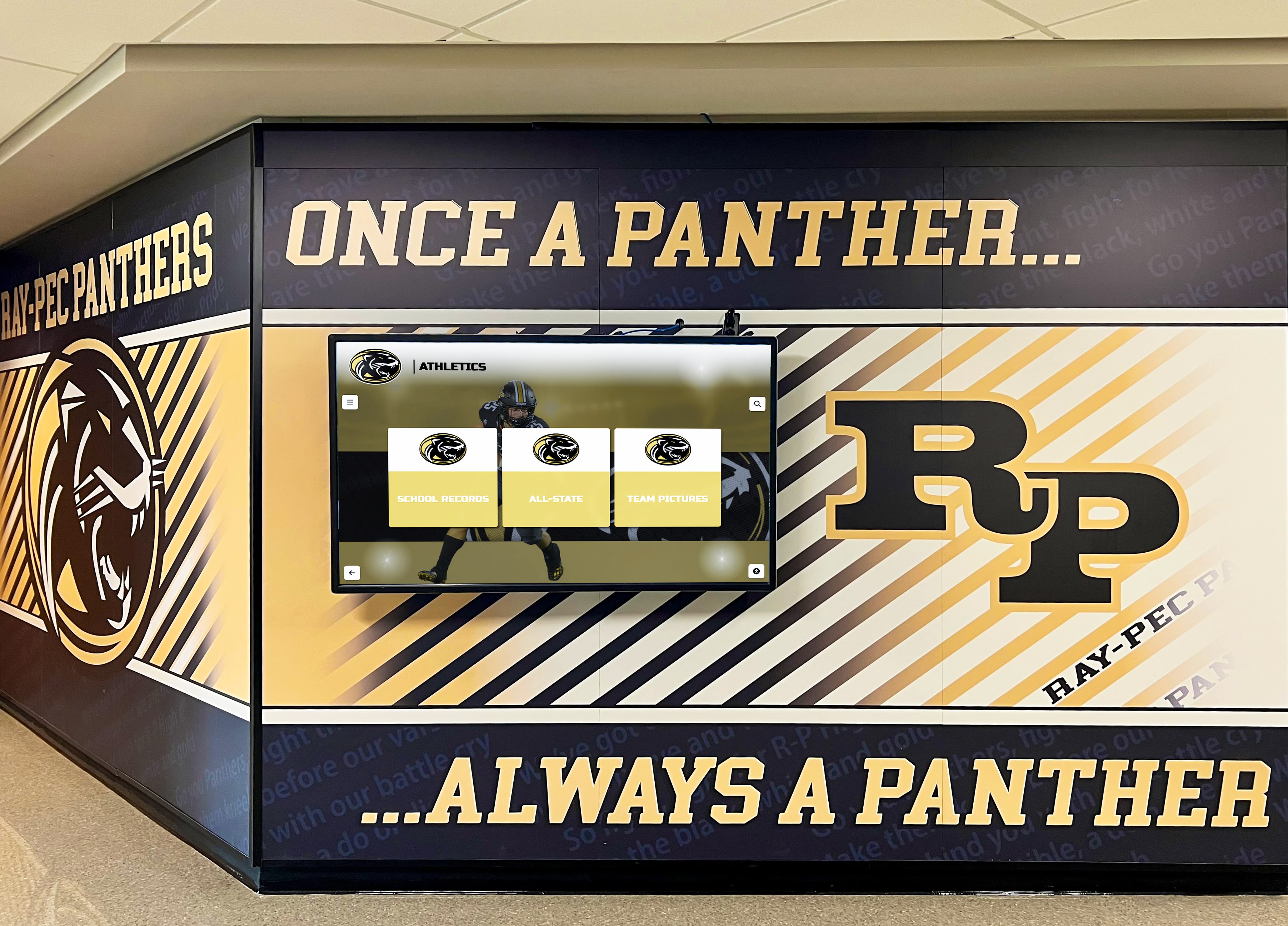
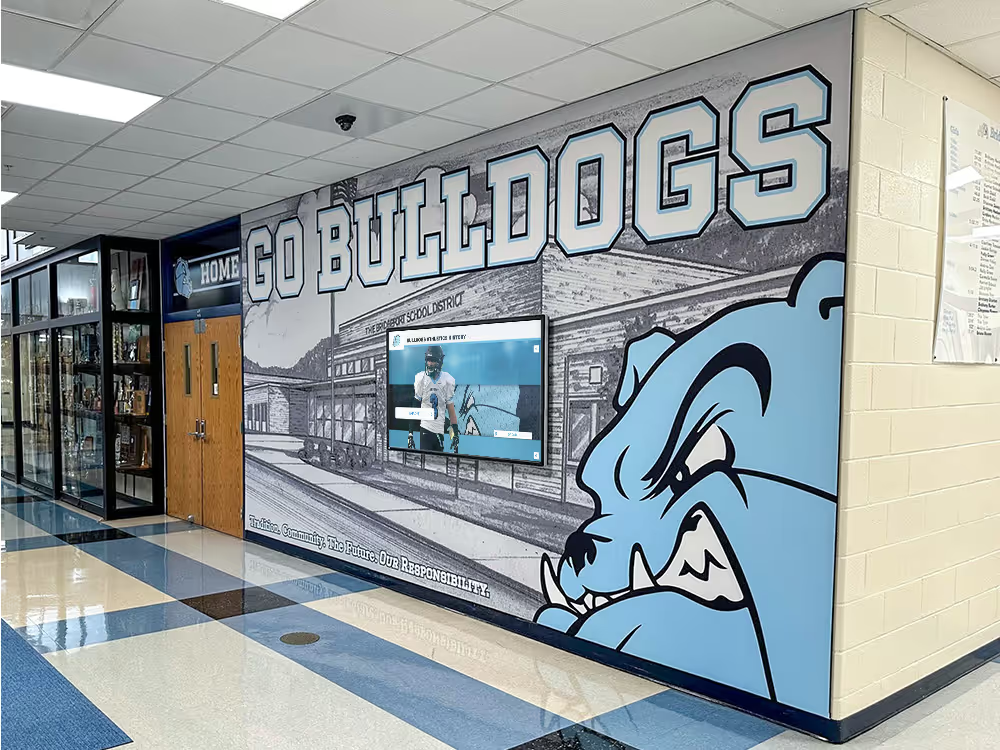
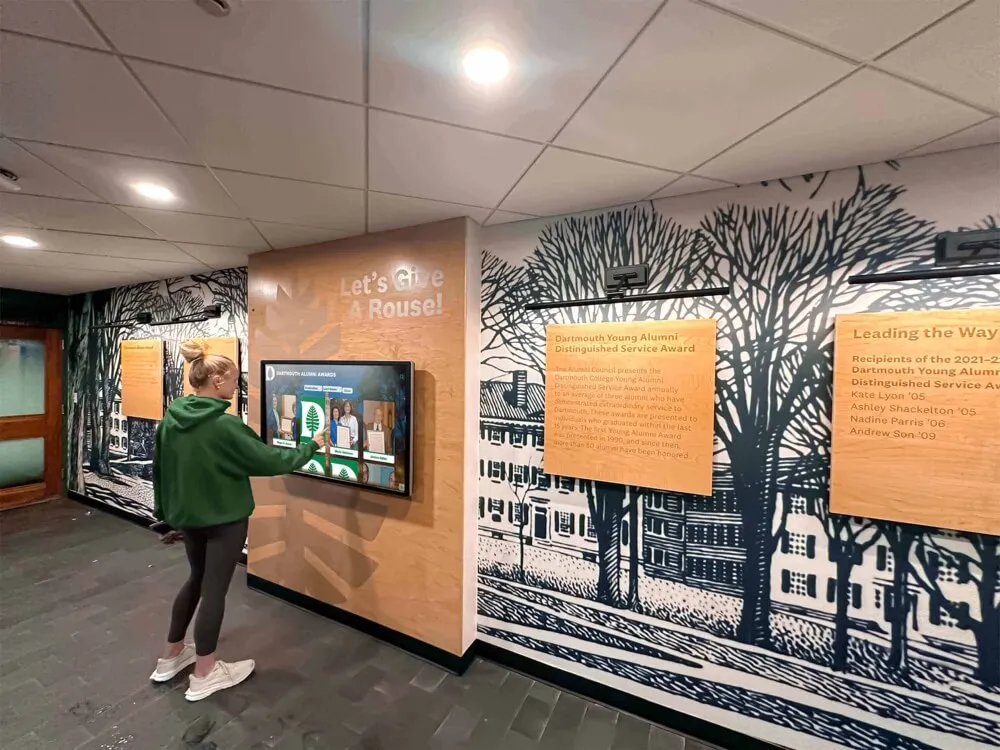
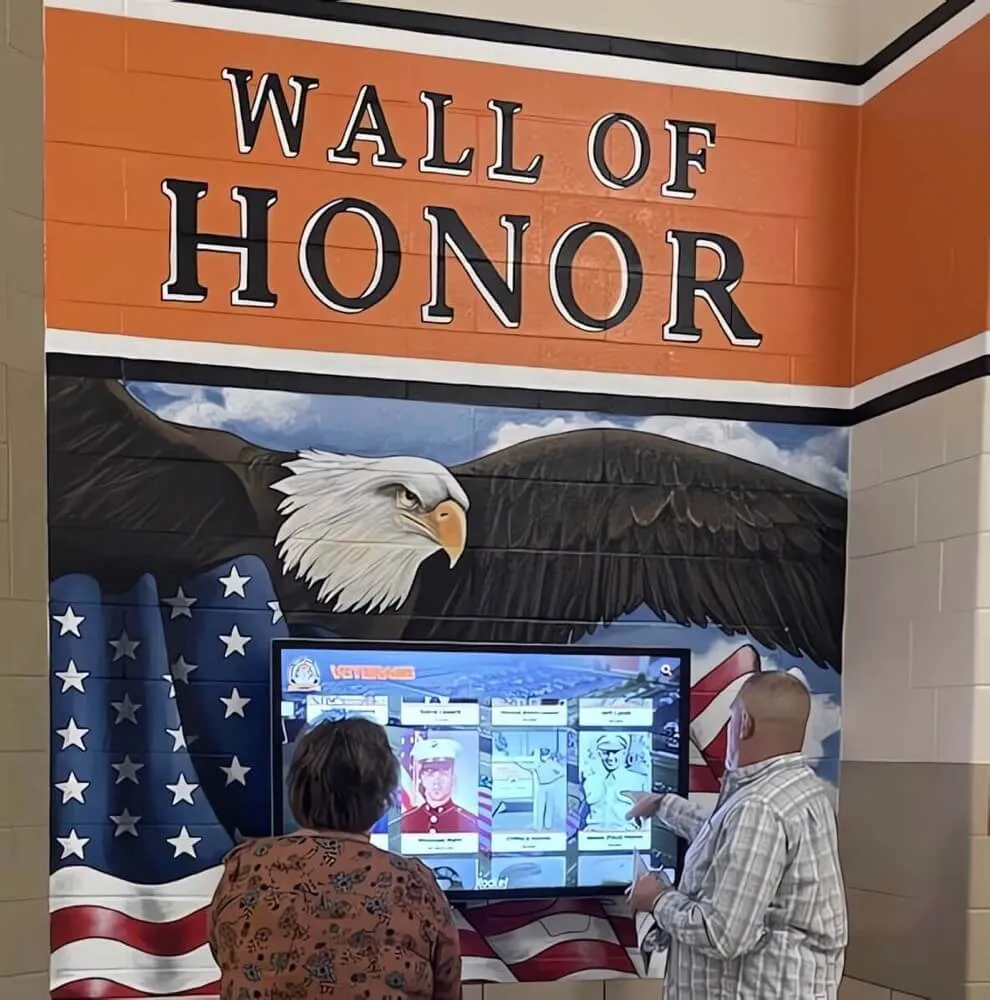
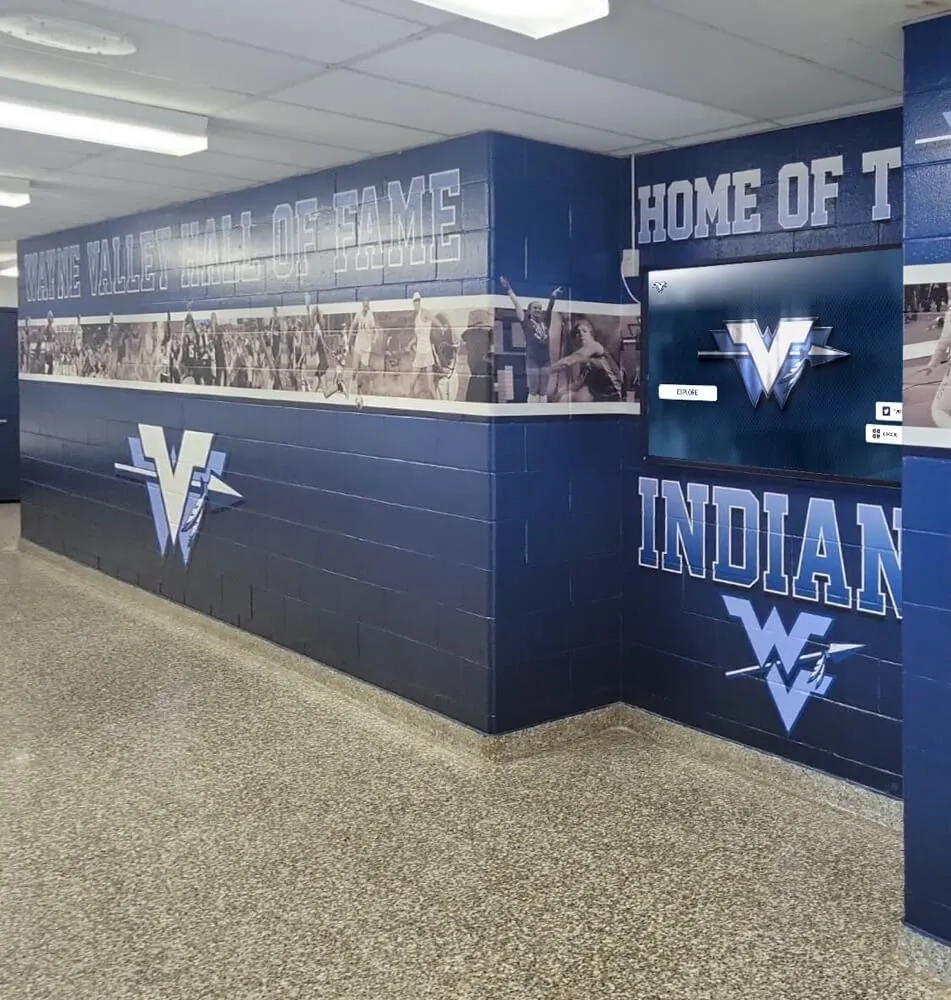
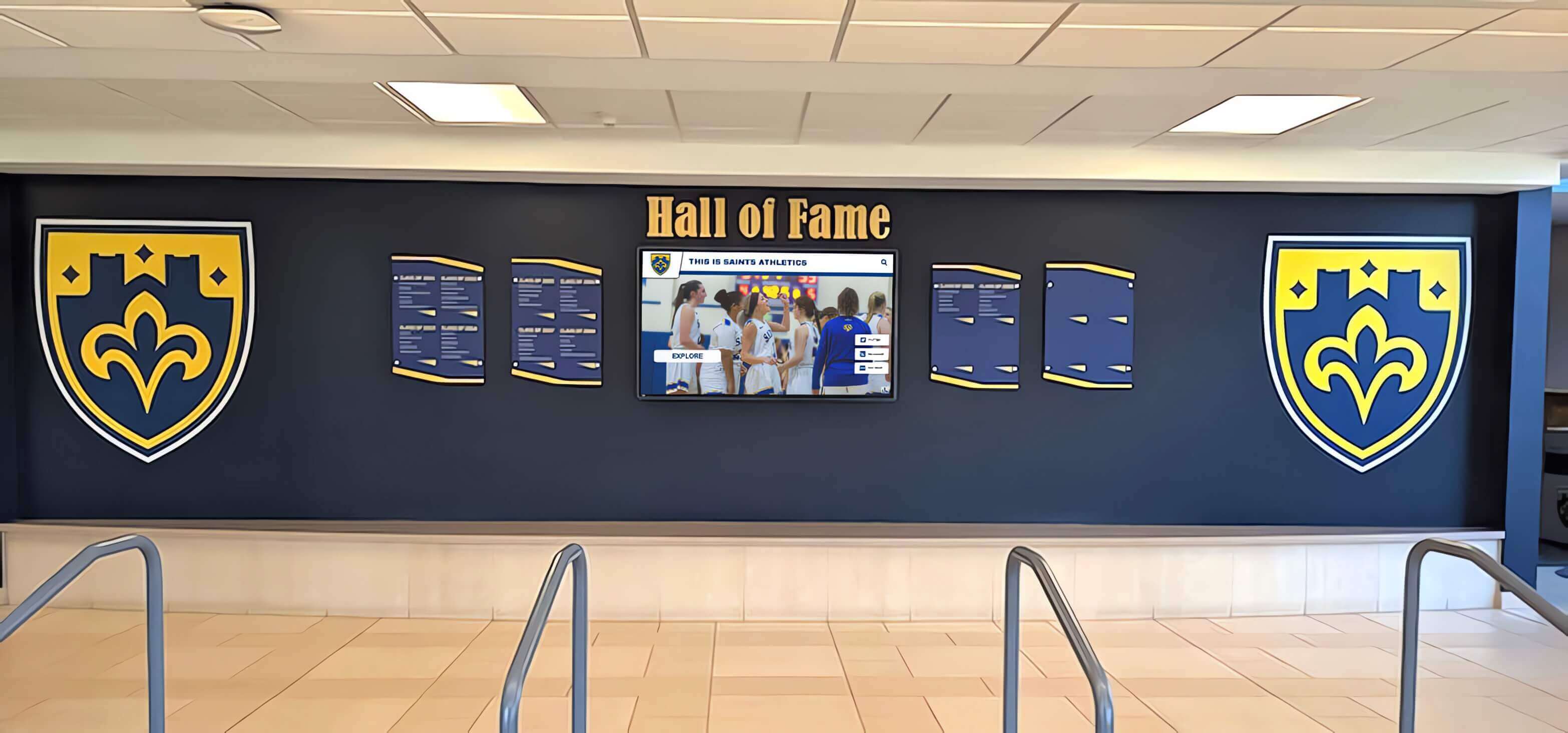
Permanent recognition murals combined with digital displays create lasting ceremony legacies honoring contributors and achievements
Donor Recognition and Stewardship Integration
Ribbon cuttings provide crucial opportunities for acknowledging philanthropic support.
Pre-Ceremony Donor Events
Create exclusive experiences for major contributors:
VIP Reception and Facility Previews
Honor major donors before public ceremonies:
- Private facility tours for lead donors and families
- Intimate receptions with institutional leadership
- First looks at dedicated spaces, named rooms, or recognition displays
- Personalized thank you presentations from beneficiaries
- Photo opportunities in named spaces before public access
- Small group discussions about facility impact and institutional vision
Private donor events demonstrate appreciation while providing relationship-building opportunities crucial for sustained philanthropic engagement.
Naming Opportunity Reveals
Unveil permanent recognition elements:
- Dedication plaques for named spaces, rooms, or facilities
- Building entrance signage prominently displaying donor names
- Interior wayfinding incorporating donor recognition
- Digital donor walls featuring searchable contributor databases
- Artistic installations commissioned in donors’ honor
- Legacy displays connecting donor families to institutional history
Timing reveals during ribbon cutting ceremonies creates memorable recognition moments while demonstrating to prospective donors the prominence of institutional acknowledgment.
Public Ceremony Donor Recognition
Balance exclusive donor stewardship with public acknowledgment:
Recognition Speeches and Presentations
Publicly honor major contributors:
- Dedicated speaker slots for lead donors sharing motivations
- Institutional leader remarks highlighting donor impact
- Beneficiary testimonials explaining how philanthropy enables missions
- Donor family recognition across multiple generations
- Community partner acknowledgment for collaborative support
- Campaign committee recognition for fundraising leadership
Keep recognition speeches concise (3-5 minutes) while ensuring genuine appreciation comes through clearly.
Permanent Recognition Display Unveilings
Create ceremony focal points around donor acknowledgment:
- Dramatic reveals of donor walls or recognition displays
- Interactive touchscreen demonstrations showing comprehensive contributor databases
- Video presentations showing campaign progression and donor stories
- Recognition wall tours highlighting different giving levels
- Donor tribute videos with testimonials from beneficiaries
- Commemorative book presentations documenting all contributors
Digital recognition systems particularly shine during facility openings, demonstrating to attendees the sophisticated platforms that will honor donors in perpetuity.
Commemorative Gift Presentations
Provide tangible remembrances for major donors:
- Framed photographs of ceremonies or facilities
- Artistic renderings of buildings or campus plans
- Books documenting facility planning and construction
- Custom commemorative items featuring facility imagery
- Building material artifacts (bricks, cornerstones, architectural elements)
- Thank you notes from students or program beneficiaries
These gifts serve dual purposes—expressing immediate gratitude while providing lasting reminders of donors’ impact.
Post-Ceremony Stewardship Continuation
Extend recognition beyond single events:
Thank You Communications
Systematic follow-up reinforces appreciation:
- Personalized thank you letters from leadership within one week
- Photo sharing from ceremonies through digital platforms
- Video highlight compilations showing ceremony moments
- News clippings and media coverage distribution
- Impact reporting showing facility utilization and outcomes
- Anniversary acknowledgments marking facility opening milestones
Ongoing Donor Engagement
Create sustained connections with contributors:
- Regular facility tours showing spaces in active use
- Event invitations showcasing programs enabled by philanthropy
- Student thank you communications describing educational experiences
- Annual reports highlighting facility impact metrics
- Campaign updates on progress toward remaining goals
- Legacy society inductions for estate gift commitments
Effective stewardship recognizes that ribbon cutting ceremonies represent beginnings of donor relationships rather than conclusions.
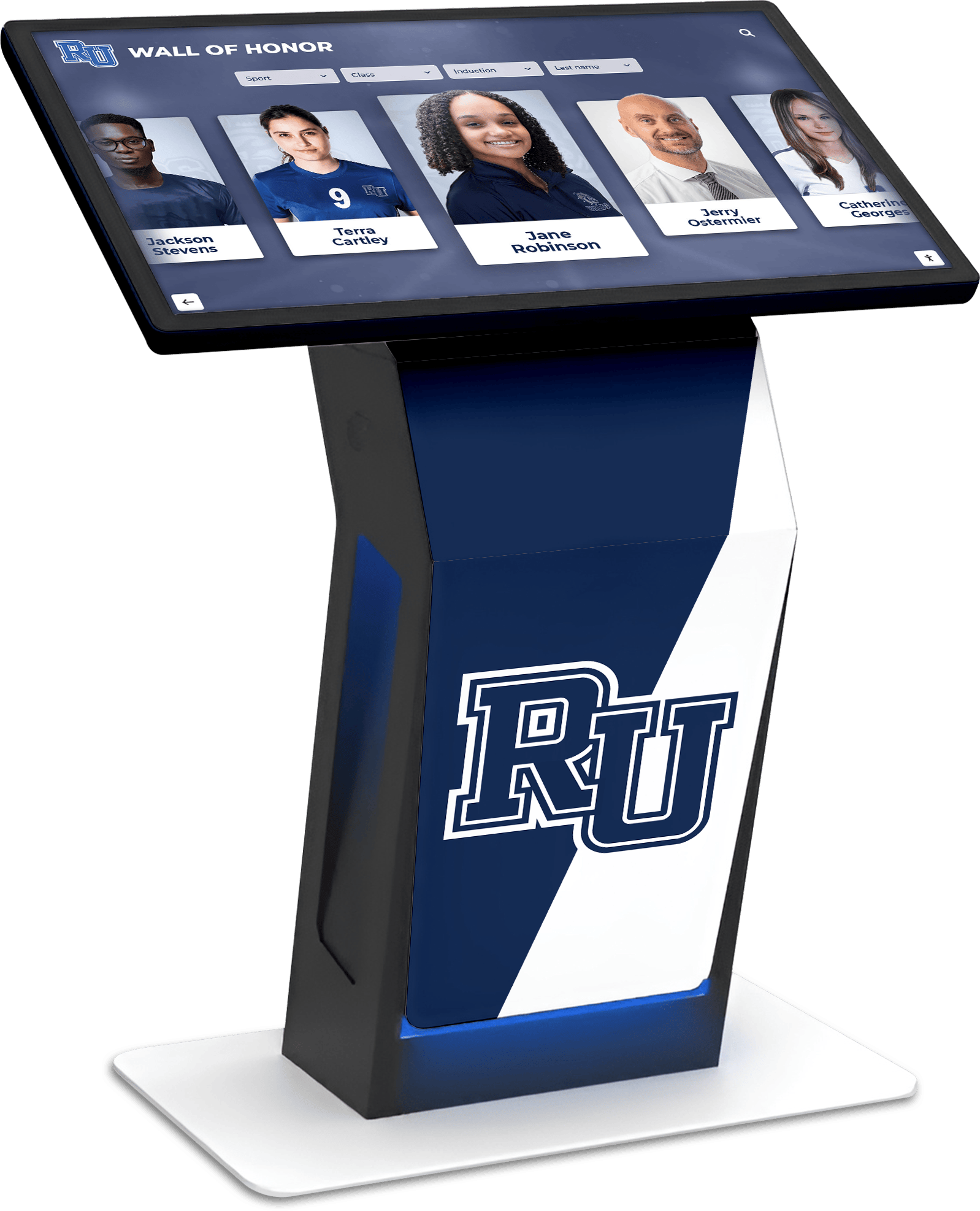
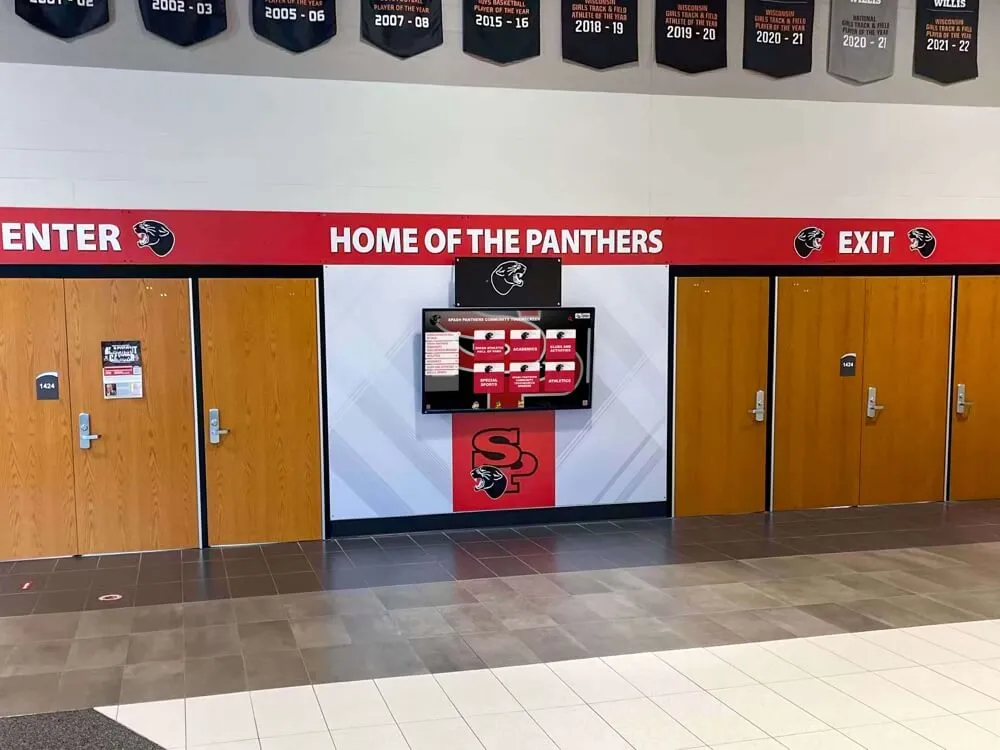
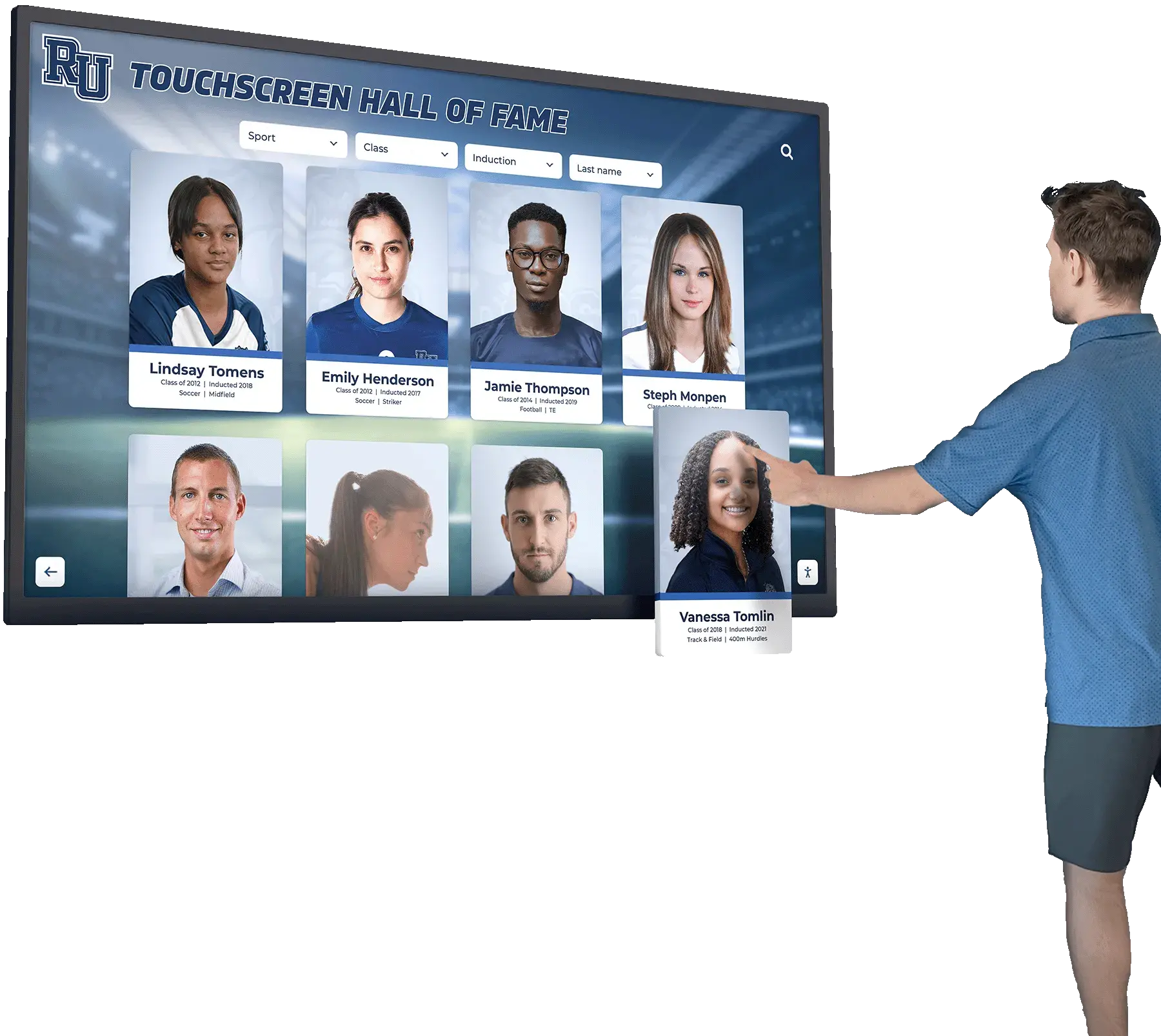
Professional recognition kiosks provide lasting donor acknowledgment infrastructure unveiled during facility opening ceremonies
Student and Community Involvement Strategies
Successful ceremonies engage beneficiaries actively rather than positioning them as passive observers.
Student Participation Opportunities
Create meaningful roles for learners:
Student Leadership in Ceremonies
Feature students prominently in programs:
- Student government presidents delivering welcome remarks
- Academic achievement students introducing speakers
- Athletic team captains participating in sports facility openings
- Performing arts students showcasing talents during events
- Student tour guides leading facility exploration
- Class representatives on ribbon cutting lines
Student involvement ensures ceremonies honor the ultimate beneficiaries of facility investments.
Student Created Content
Incorporate learner productions:
- Original musical compositions performed during ceremonies
- Artwork displayed throughout facility during openings
- Video presentations created by media production students
- Written reflections from students about facility impact
- Photography exhibitions showing construction progression
- Historical research presentations about institutional development
These contributions demonstrate educational outcomes while personalizing ceremonies.
Student Recognition Programming
Honor academic and extracurricular excellence:
- Honor roll announcements during academic facility openings
- Athletic achievement recognition at sports facility dedications
- Arts awards presentation at performing arts center openings
- Volunteer service recognition at community facility ceremonies
- Scholarship announcements funded by facility campaigns
- Academic hall of fame inductions coordinated with facility openings
Linking ceremonies to student recognition creates powerful messaging about educational priorities.
Community Integration Approaches
Connect facility openings to broader community interests:
Local Business Partnership Recognition
Acknowledge commercial sector support:
- Contractor and subcontractor recognition for construction excellence
- Local vendor acknowledgment for materials and services
- Business donor recognition for corporate philanthropy
- Chamber of commerce partnership celebration
- Economic development impact presentations
- Community employment created during construction
Civic Leader Participation
Involve governmental representatives:
- Elected official speaking slots discussing community impact
- Public funding acknowledgment when applicable
- Zoning and planning commission recognition
- Emergency services partnerships for safety equipment or training facilities
- Municipal infrastructure coordination acknowledgment
- Regional educational cooperation highlighting shared resources
Neighborhood Inclusion
Engage surrounding community members:
- Open house invitations to neighboring residents
- Community organization recognition for support during construction
- Facility use agreements benefiting local groups
- Parking and traffic management acknowledgments
- Good neighbor initiatives reducing construction disruption
- Future community access plans for public facility components
Building strong community relationships during facility openings creates goodwill supporting long-term institutional success.
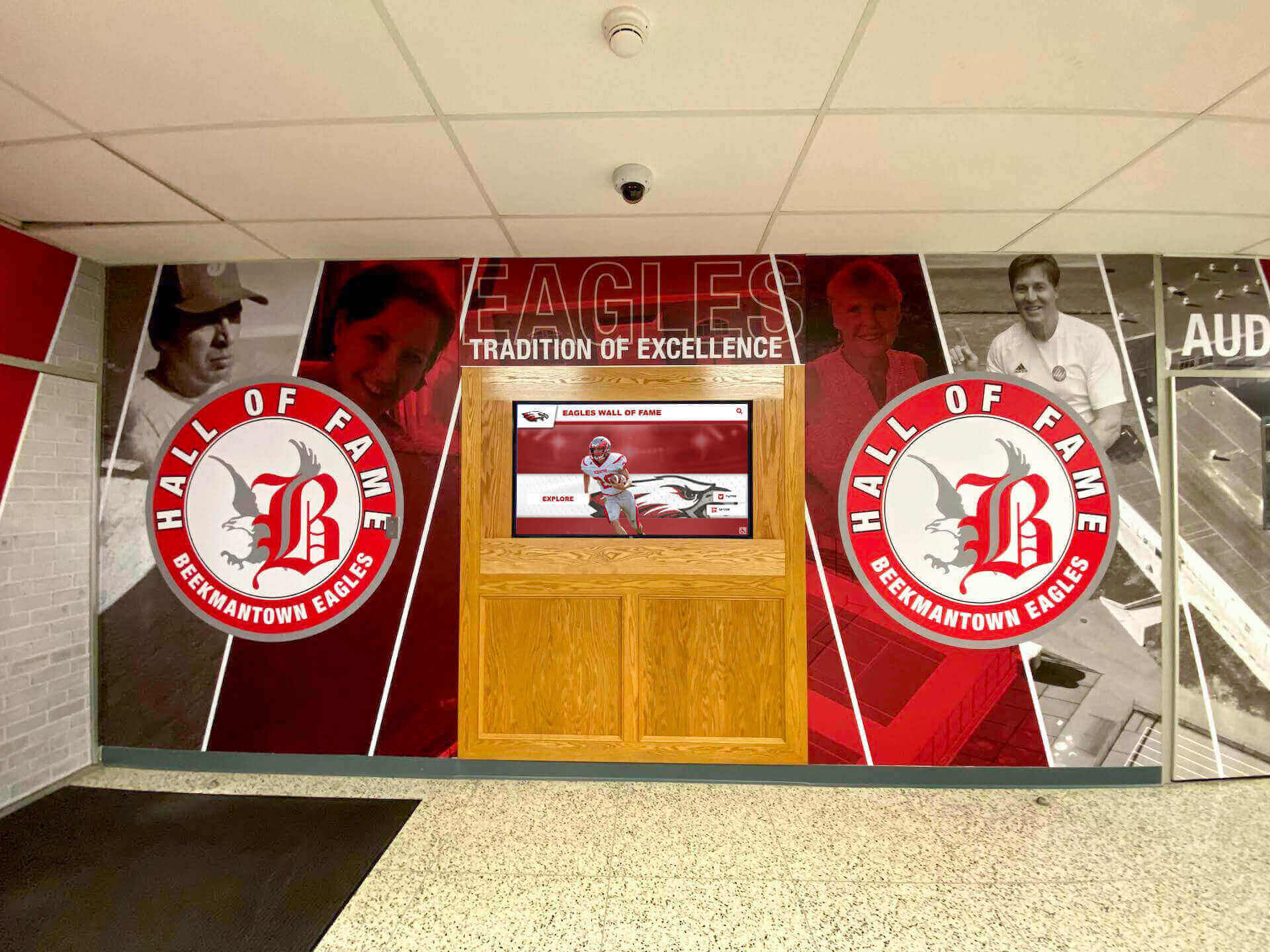
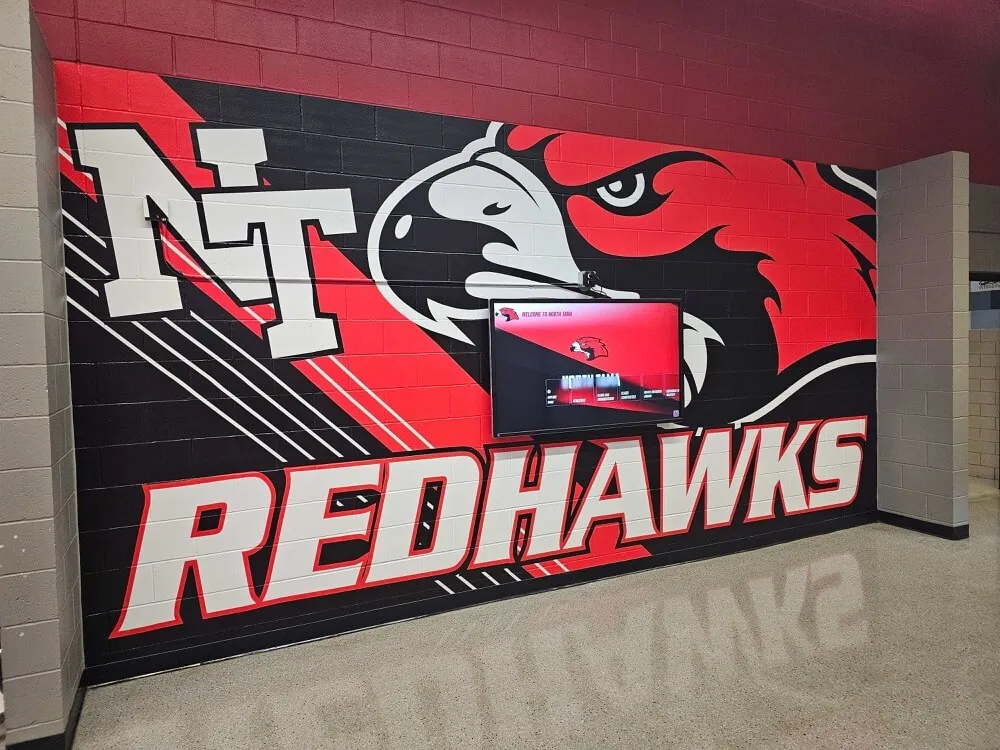
Artistic murals unveiled during grand opening ceremonies create lasting visual celebrations of institutional identity and pride
Ceremony Logistics and Event Management
Thoughtful operational planning ensures smooth execution despite complexity.
Venue Setup and Layout
Strategic space configuration supports ceremony objectives:
Seating Arrangements
Optimize guest experience:
- Reserved VIP seating for major donors, board members, and dignitaries
- General admission seating for community attendees
- Standing room areas for overflow attendance
- Accessible seating sections for guests with disabilities
- Clear sightlines to podium and ceremony focal points
- Adequate aisle widths for processionals and emergency egress
Plan seating capacity conservatively—better to accommodate unexpected attendance than appear poorly attended due to excessive setup.
Technology Infrastructure
Ensure reliable systems:
- Professional sound systems with backup equipment
- Large display screens showing speakers and presentations
- Reliable WiFi supporting live streaming and social media
- Adequate electrical power for equipment and lighting
- Microphones for speakers, performers, and Q&A sessions
- Recording equipment capturing ceremonies for archives
Test all systems during rehearsals, identifying and resolving issues before ceremony days.
Weather Contingencies
Prepare for outdoor ceremony challenges:
- Tent or canopy rental providing weather protection
- Indoor alternative locations if conditions become severe
- Adequate cooling or heating depending on season
- Sun protection for afternoon ceremonies
- Rain dates or backup timing for critical events
- Communication plans notifying attendees of location changes
Timeline and Program Management
Structure events maintaining engagement without exhaustion:
Optimal Program Duration
Balance comprehensiveness with attention spans:
- 45-60 minute ceremonies for most facility openings
- 30-45 minute formal programs followed by receptions
- Extended 90-120 minute events for milestone institutional anniversaries
- Concise 20-30 minute ceremonies for smaller facility additions
- Multi-day celebration formats for major capital projects
Attendee engagement decreases significantly after one hour—prioritize impact over comprehensiveness.
Program Flow Structure
Create logical ceremony progression:
Welcome and Opening (5-10 minutes)
- Musical prelude or performance
- Welcome remarks from master of ceremonies
- National anthem or institutional songs
Recognition and Remarks (20-30 minutes)
- Institutional leader addresses
- Major donor recognition and speeches
- Elected official remarks
- Student or beneficiary testimonials
Ceremonial Ribbon Cutting (5-10 minutes)
- Participant introduction and positioning
- Ribbon cutting moment with photography
- Facility dedication prayer or blessing if appropriate
Facility Activation (10-15 minutes)
- Recognition display unveilings
- First symbolic facility use
- Closing remarks and transition to tours
Reception and Tours (60-90 minutes)
- Refreshments and networking
- Self-guided or led facility tours
- Interactive displays and demonstrations
Speaker Coordination
Manage presenter logistics efficiently:
- Advance script or talking point distribution
- Speaking time limit communication (typically 3-5 minutes)
- Speaker order confirmation avoiding awkward transitions
- Podium setup testing for varied heights and needs
- Backup speakers identified in case of cancellations
- Thank you gift preparation for speaker appreciation
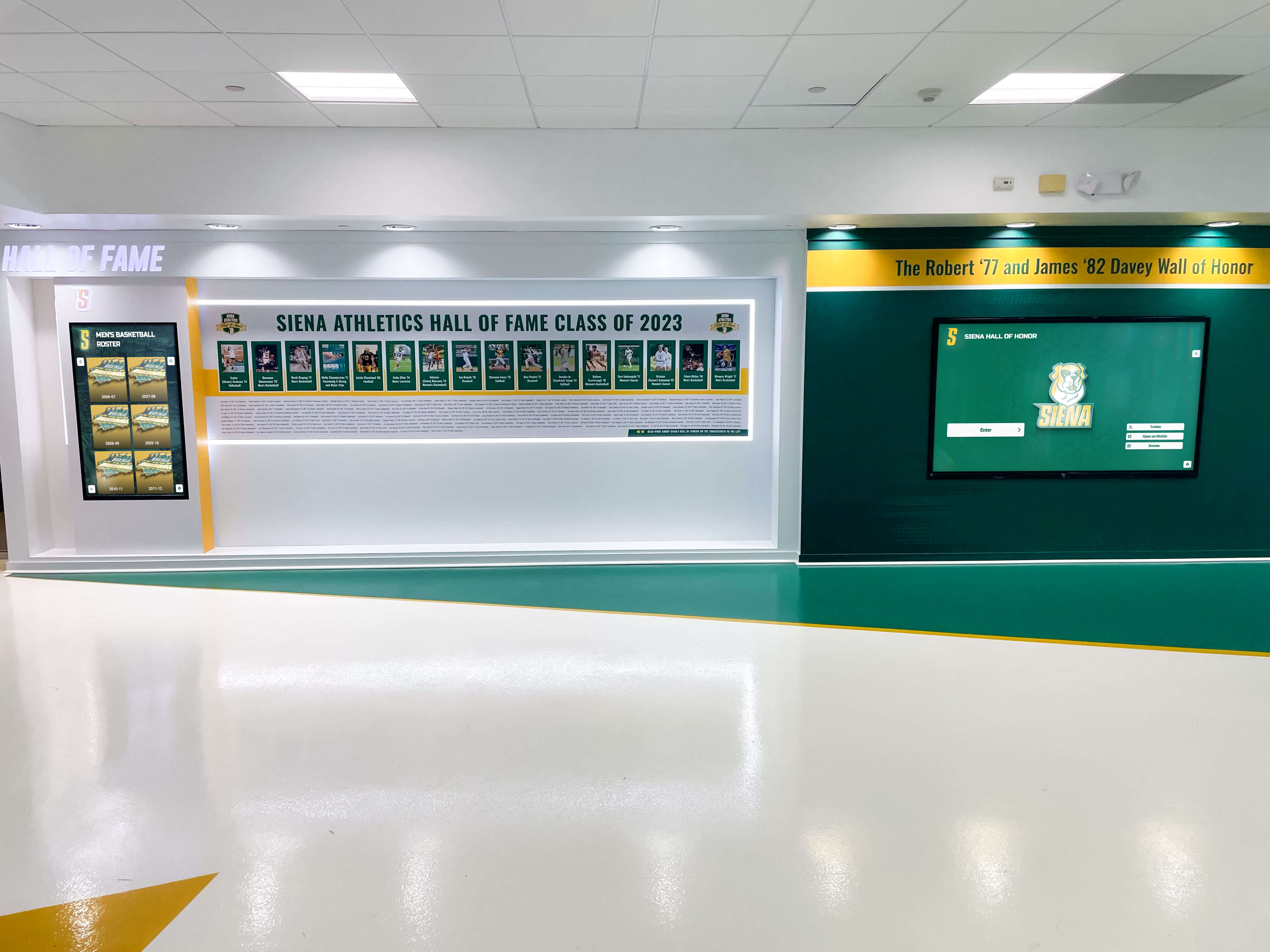
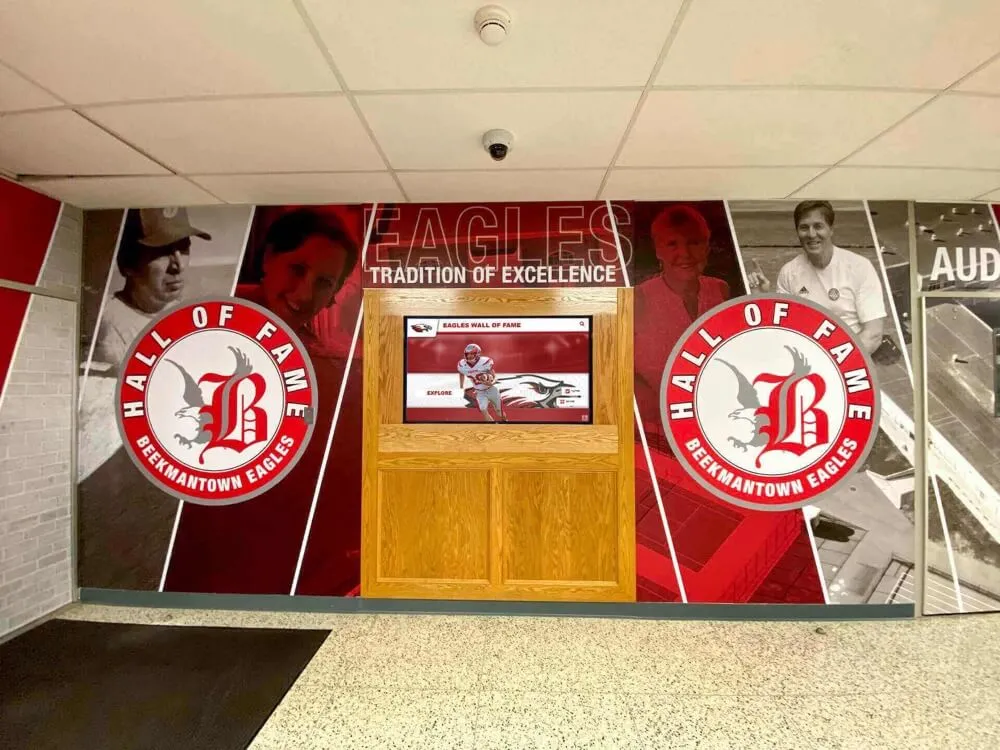
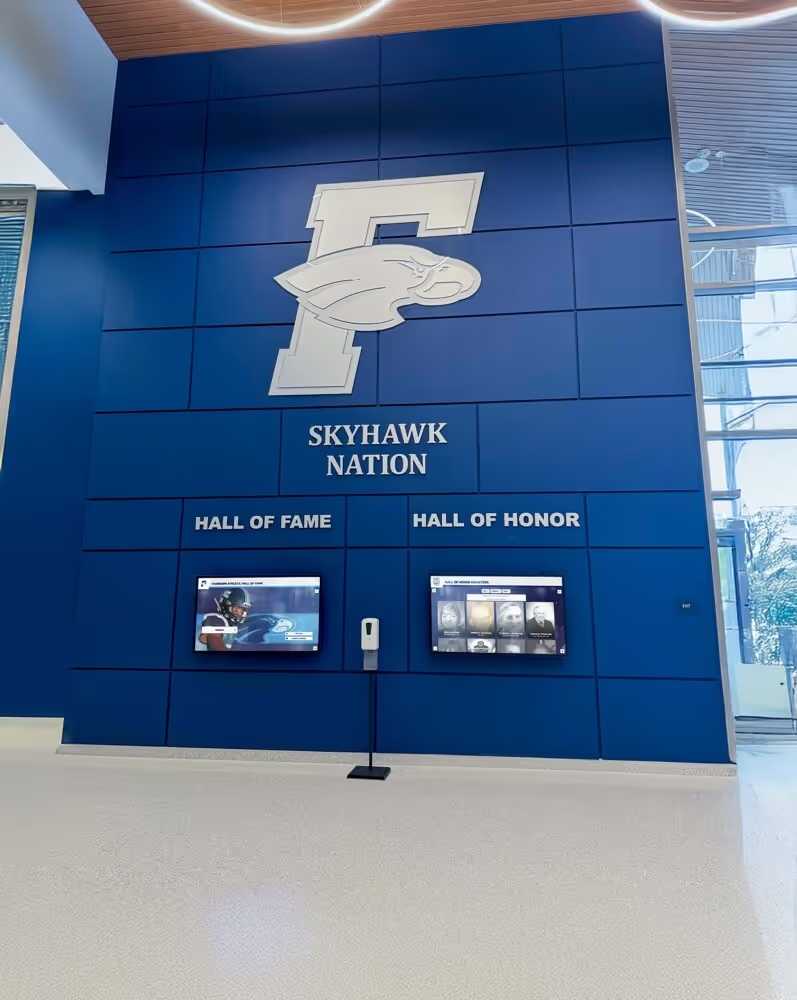
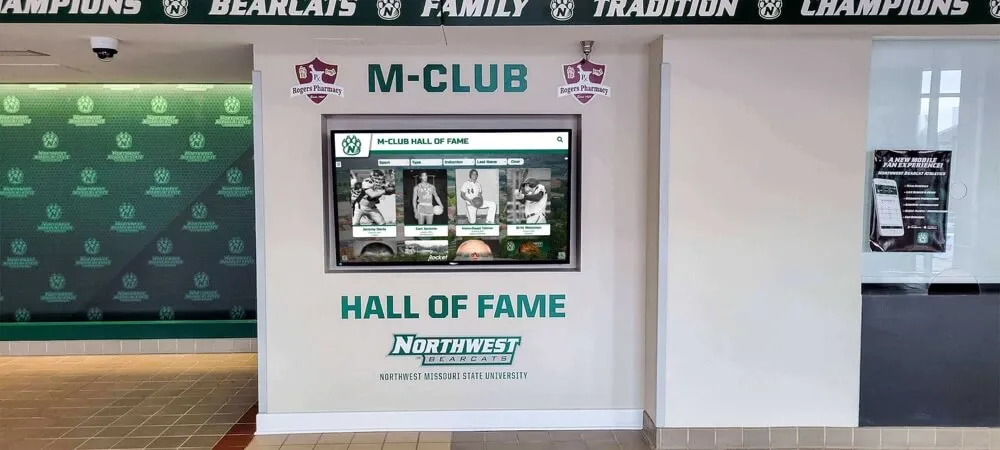
Permanent hall of fame displays unveiled during ceremonies create lasting recognition infrastructure honoring institutional excellence
Catering and Hospitality
Thoughtful refreshment planning enhances guest experience:
Reception Formats
Match catering to ceremony scale and budget:
- Light refreshments (coffee, pastries, cookies) for morning ceremonies
- Boxed lunch provision for midday events
- Hors d’oeuvres and beverages for afternoon receptions
- Full meal service for major milestone celebrations
- Local vendor sourcing supporting community businesses
- Dietary accommodation for varied restrictions and preferences
Service Logistics
Execute smooth refreshment operations:
- Strategic refreshment station placement preventing crowding
- Adequate serving staff maintaining food replenishment
- Clear signage indicating food contents and allergen information
- Waste and recycling receptacles throughout venues
- Hand washing or sanitizer stations for hygiene
- Accessible serving heights accommodating all guests
Budget 15-20% of total ceremony costs for catering and hospitality unless donor sponsorships cover refreshment expenses.
Digital Recognition System Integration
Facility openings provide perfect opportunities to unveil permanent recognition infrastructure.
Coordinating Display Installation with Grand Openings
Strategic timing creates impressive ceremony focal points:
Pre-Opening Installation Benefits
Complete recognition systems before ceremonies:
- Displays operational during facility tours
- Live demonstrations showing system capabilities
- Content population completed allowing immediate use
- Photography of systems integrated with facility architecture
- Attendee interaction enabling engagement measurement
- Immediate donor recognition visible during opening events
Schools and organizations implementing touchscreen recognition systems find grand openings provide natural unveiling opportunities generating excitement about technology.
Display Unveiling Ceremonies
Create dramatic reveal moments:
- Curtain or covering removal revealing finished displays
- First activation powering on screens for attendee viewing
- Walk-through demonstrations showing system features
- Major donor profile features highlighting lead contributors
- Interactive demonstrations inviting attendee participation
- Photography capturing donor reactions to recognition
Recognition display unveilings provide powerful ceremony moments demonstrating institutional commitment to permanent donor stewardship.
Touchscreen Recognition Display Applications
Modern systems support diverse recognition needs:
Donor Recognition Walls
Honor capital campaign contributors:
- Searchable donor databases with complete contributor lists
- Giving level organization recognizing leadership gifts
- Family recognition across generations of philanthropy
- Memorial tributes for deceased donors
- Video testimonials explaining philanthropic motivations
- Campaign progress visualization showing community support
Organizations implementing comprehensive donor wall systems find digital platforms dramatically increase recognition capacity while reducing long-term costs.
Hall of Fame Displays
Celebrate institutional excellence:
- Athletic achievement recognition spanning program history
- Academic distinction highlighting scholarly accomplishments
- Alumni success stories inspiring current students
- Historical timeline placing achievements in context
- Searchable directories helping visitors locate specific honorees
- Multimedia content including photos, videos, and statistics
Facility History Archives
Document construction and development:
- Construction photography showing facility evolution
- Architectural plans and rendering displays
- Time capsule content accessible digitally
- Oral history interviews with facility planners
- Before-and-after facility comparisons
- Future expansion plans and institutional vision
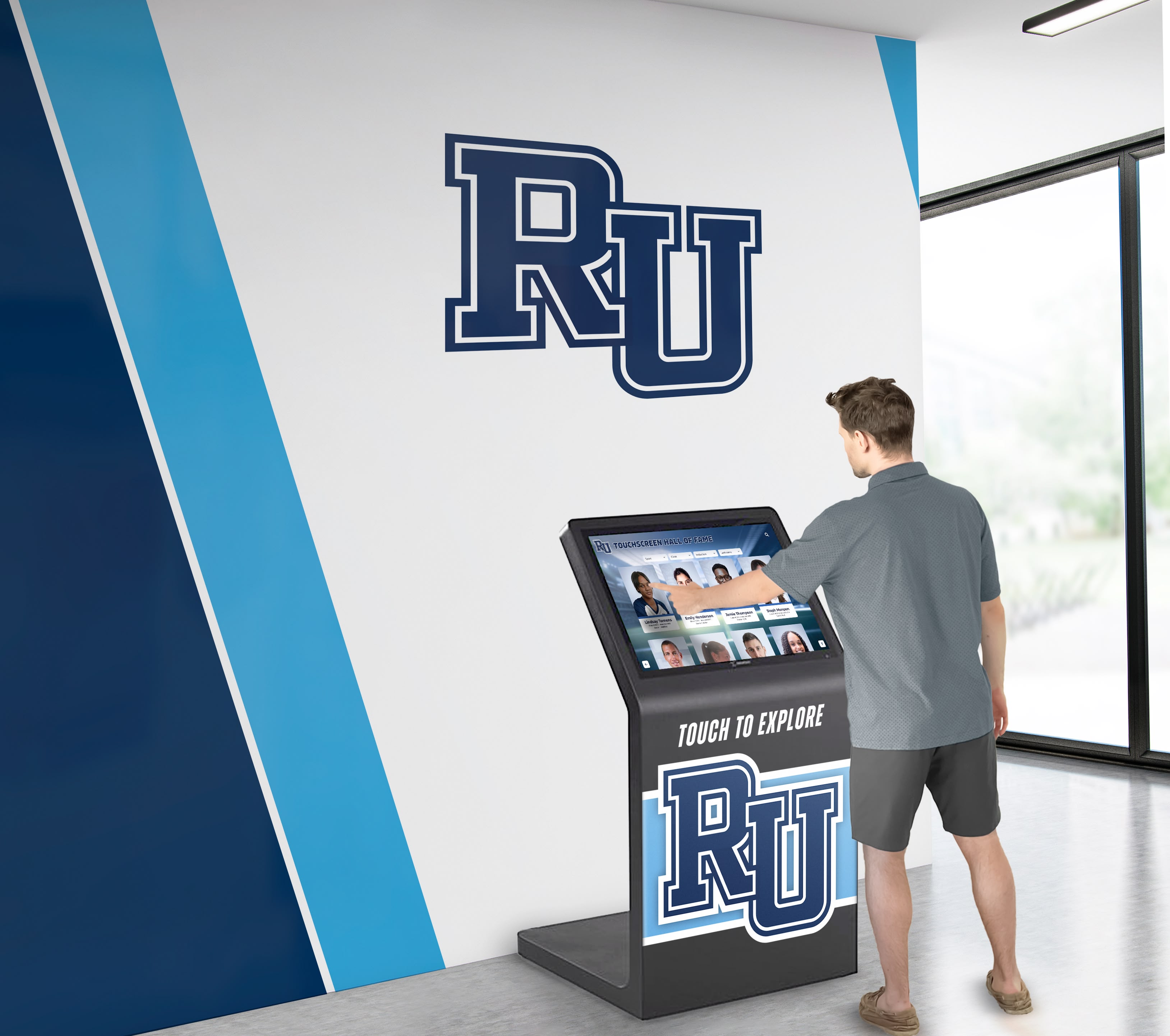
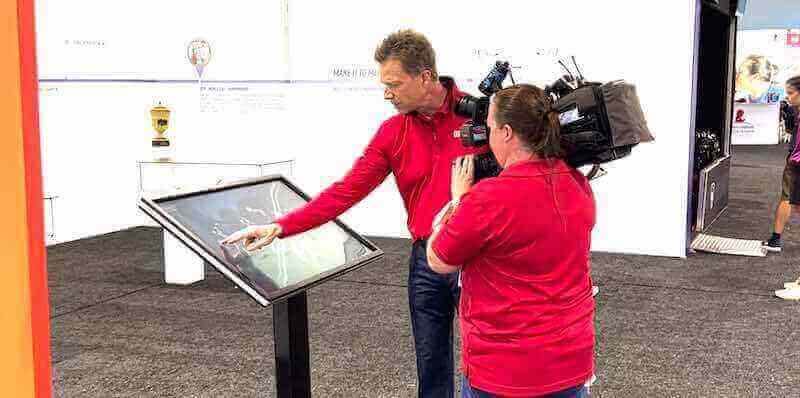
Interactive kiosks installed for facility openings provide permanent information access and recognition display infrastructure
Content Development for Launch
Prepare comprehensive materials before unveilings:
Pre-Opening Content Population
Ensure displays showcase capabilities:
- Complete donor databases with accurate information
- High-quality photography of contributors when available
- Facility information and historical background
- Campus maps and wayfinding for visitor navigation
- Event schedules showing upcoming facility programming
- Contact information for inquiries and additional engagement
Rushed content population shows in final results—invest adequate time ensuring polished launches.
Launch Day Content Features
Highlight ceremony-specific material:
- Live event photography streaming to displays
- Social media feeds showing attendee reactions
- Speaker bios and program information
- Facility statistics and construction facts
- Thank you messages to community and donors
- Future facility use schedules generating interest
Real-time content demonstrates system flexibility while engaging attendees during ceremonies.
Marketing and Communication Strategies
Maximize ceremony impact through strategic promotion before, during, and after events.
Pre-Event Publicity
Generate awareness and anticipation:
Press Release Distribution
Craft compelling media announcements:
- Facility background and construction statistics
- Opening ceremony date, time, and location details
- Public attendance information and registration requirements
- Human interest angles highlighting community impact
- Notable speaker or attendee announcements
- Photography and interview opportunity notifications
Distribute releases 2-3 weeks before ceremonies, following up with media phone calls confirming coverage plans.
Social Media Campaigns
Build digital excitement:
- Countdown posts marking days until openings
- Behind-the-scenes construction photography
- Donor spotlight features recognizing contributors
- Historical facility comparisons showing transformations
- Interactive content soliciting community memories or predictions
- Event hashtag promotion for attendee sharing
Create visual content specifically for social platforms—video performs particularly well generating engagement and shares.
Community Outreach
Extend invitations broadly:
- Website banner announcements with registration links
- Email campaigns to institutional stakeholders
- Print advertising in local newspapers
- Partnership announcements with community organizations
- School newsletter features for internal audiences
- Chamber of commerce bulletin board postings
Multi-channel approaches ensure comprehensive awareness across diverse community segments.
Event Day Coverage
Document ceremonies thoroughly:
Photography and Videography
Capture ceremony moments professionally:
- Hired photographers ensuring quality documentation
- Multiple camera angles covering all ceremony elements
- VIP guest portrait sessions with institutional leaders
- Candid attendee photography showing engagement
- Facility tours documenting spaces in active use
- Video recording for archival preservation and future promotion
Prioritize photography of major donors, elected officials, and student participants—these images support future stewardship and marketing efforts.
Live Streaming and Virtual Attendance
Extend ceremony reach digitally:
- YouTube or Facebook live streaming for distant community members
- Interactive virtual tours for those unable to attend in person
- Social media real-time updates throughout ceremonies
- Drone footage capturing facility exteriors and campuses
- Remote question submission allowing virtual participant engagement
- Recording availability for on-demand viewing after events
Virtual options particularly matter for alumni, distant donors, and community members with scheduling conflicts.
Media Management
Facilitate journalistic coverage:
- Designated media areas with optimal sight lines
- Press packets with background information and quotes
- Scheduled interview opportunities with key figures
- High-resolution photography available for publication
- Post-ceremony media debriefs for additional information
- Follow-up contact information for future stories
Strong media relationships yield coverage extending ceremony impact far beyond attendee numbers.
Post-Event Communications
Extend celebration momentum:
Thank You and Recap Messaging
Express gratitude while sharing outcomes:
- Personalized thank you emails to attendees within 48 hours
- Photo galleries shared through digital platforms
- Video highlight reels posted to institutional channels
- Attendance statistics and celebration success metrics
- Media coverage compilation and sharing
- Quote collections from speakers and attendees
Impact Storytelling
Demonstrate facility value:
- Student testimonials about enhanced learning experiences
- Program expansion announcements enabled by facilities
- Utilization statistics showing active space use
- Faculty perspectives on teaching improvements
- Community benefit documentation for public facilities
- Future programming announcements generating continued interest
Ongoing storytelling ensures facility openings mark beginnings rather than endings of community engagement.
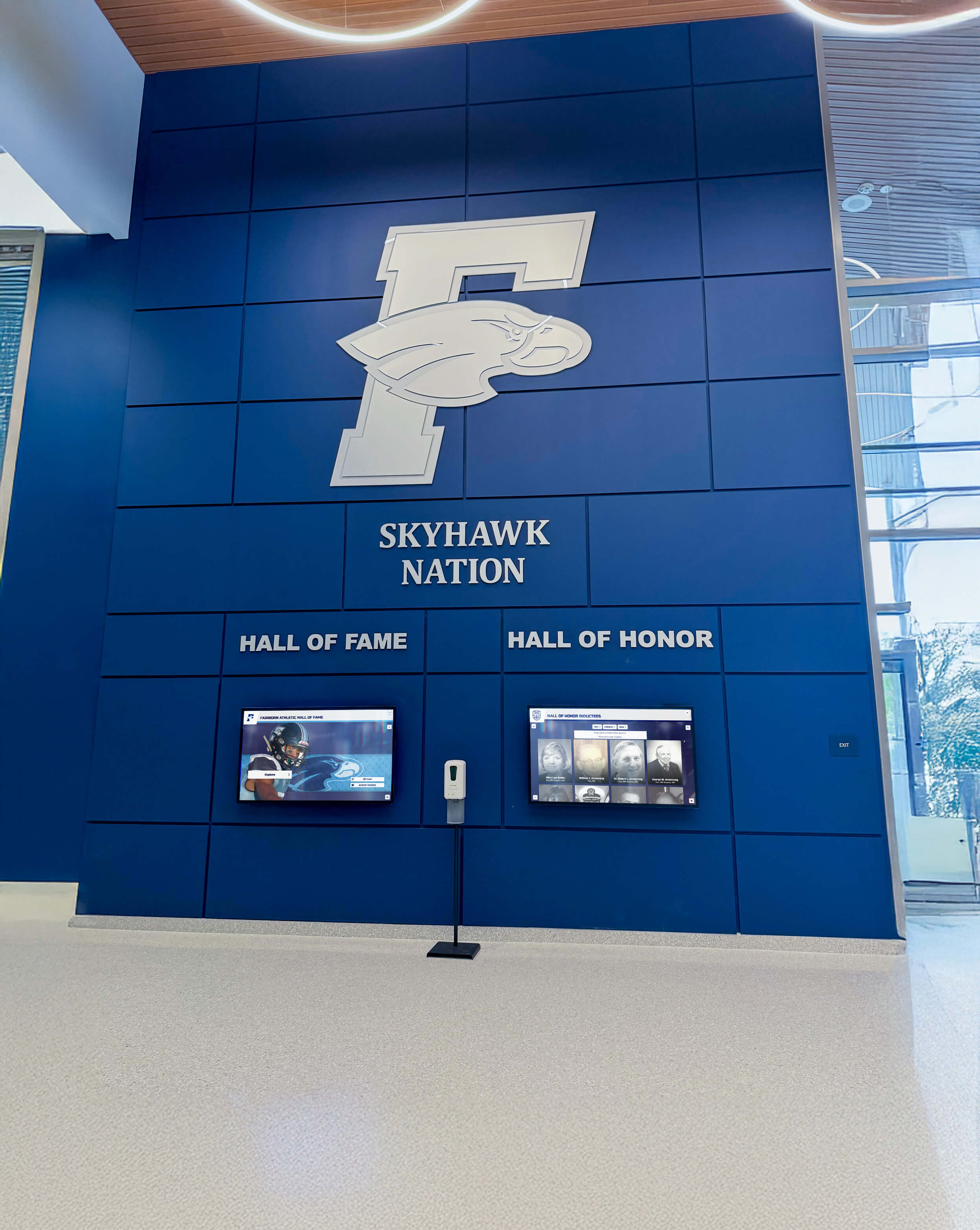
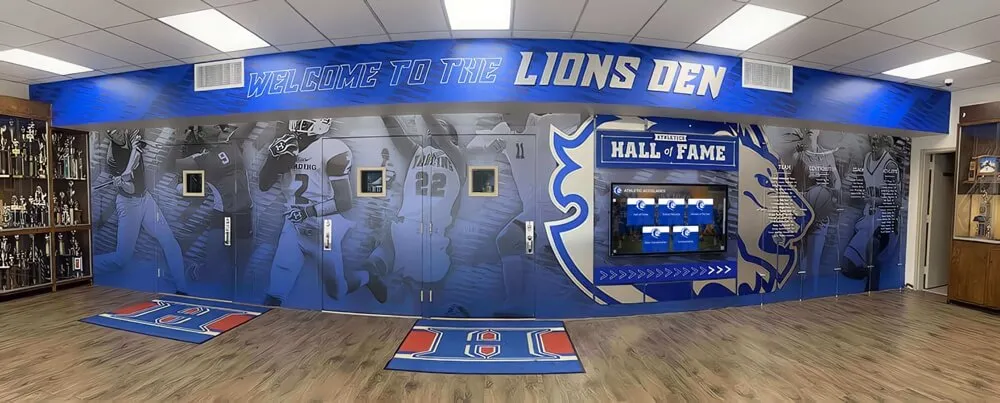
Professional recognition installations unveiled during ceremonies provide lasting facilities celebrating institutional pride and achievement
Budget Considerations and Cost Management
Understanding financial requirements enables realistic planning and resource allocation.
Typical Ceremony Cost Ranges
Budget guidance by event scale:
Small Facility Opening (Under 50 Attendees)
- Venue setup and equipment: $500-1,500
- Catering and refreshments: $500-1,000
- Printed materials and signage: $200-500
- Photography: $500-1,000
- Ceremonial items: $100-300
- Total: $1,800-4,300
Medium Facility Dedication (50-200 Attendees)
- Venue setup and equipment: $2,000-5,000
- Catering and refreshments: $1,500-4,000
- Printed materials and signage: $500-1,500
- Photography and videography: $1,500-3,000
- Recognition items and displays: $500-2,000
- Total: $6,000-15,500
Large Capital Project Opening (200+ Attendees)
- Venue setup and equipment: $5,000-15,000
- Catering and refreshments: $4,000-12,000
- Printed materials and signage: $1,500-4,000
- Photography and videography: $3,000-8,000
- Recognition items and displays: $2,000-8,000
- Entertainment and performances: $1,000-5,000
- Total: $16,500-52,000
Recognition Display Installation
- Hardware and installation: $15,000-50,000
- Software and content development: $5,000-15,000
- Ongoing annual licensing: $2,000-5,000
Organizations coordinating permanent recognition installations with facility openings often allocate 0.5-1% of total construction budgets to comprehensive recognition systems.
Cost Reduction Strategies
Maximize impact while managing expenses:
In-Kind Contribution Solicitation
Leverage community resources:
- Local catering companies donating refreshments
- Photography services provided by alumni professionals
- Printing services contributed by local businesses
- Rental equipment loans from partner organizations
- Student or volunteer staffing reducing labor costs
- Venue donations for pre-ceremony receptions
Sponsorship Opportunities
Engage businesses supporting institutional missions:
- Event sponsor recognition in programs and signage
- Corporate logo placement in ceremony materials
- Speaking opportunities for sponsor representatives
- Exclusive sponsor receptions with institutional leadership
- Digital recognition on facility displays
- Tax-deductible contribution receipts when appropriate
Strategic Prioritization
Allocate resources to highest-impact elements:
- Professional photography ensuring quality documentation
- Adequate catering maintaining hospitality standards
- Recognition elements honoring major donors
- Technology supporting smooth ceremony execution
- Safety and accessibility accommodations
Reduce expenses in lower-impact areas like elaborate decorations, extensive printed materials, or luxury refreshments when budgets constrain.
Special Considerations for Different Facility Types
Tailor ceremonies to specific building purposes and user communities.
Athletic Facility Openings
Sport-specific celebration elements:
Timing Coordination
Align with athletic calendars:
- Schedule during homecoming or rivalry game weekends
- Coordinate with season openers for featured sports
- Plan around alumni athlete reunion schedules
- Align with hall of fame induction ceremonies
- Consider tournament hosting opportunities showcasing facilities
Athletic Program Integration
Feature sports prominently:
- Current team introductions during ceremonies
- Alumni athlete recognition and reunion events
- First official competitions in new facilities
- Equipment demonstrations showing facility capabilities
- Coach remarks about competitive advantages
- Athletic recognition display unveilings
Academic and Learning Spaces
Education-focused ceremonial elements:
Instructional Demonstrations
Showcase teaching capabilities:
- Laboratory experiment demonstrations
- Technology integration examples
- Student research presentations
- Classroom teaching examples
- Maker space creation activities
- Library resource showcases
Academic Community Involvement
Engage faculty and students:
- Faculty processions in academic regalia
- Department chair remarks about program enhancements
- Student academic achievement recognition
- Scholarship announcements funded by capital campaigns
- Curriculum development presentations
- Alumni educator recognition
Performing Arts Centers
Artistic celebration approaches:
Performance Integration
Feature institutional talent:
- Original musical compositions premieres
- Dance performance previews
- Theater production excerpts
- Visual art exhibitions in lobby spaces
- Poetry readings or literary performances
- Student ensemble showcases
Artistic Community Recognition
Honor arts supporters:
- Artist-in-residence introductions
- Distinguished alumni performer recognition
- Arts patron acknowledgment
- Community arts partnership celebration
- Student arts achievement recognition
- Future programming announcements
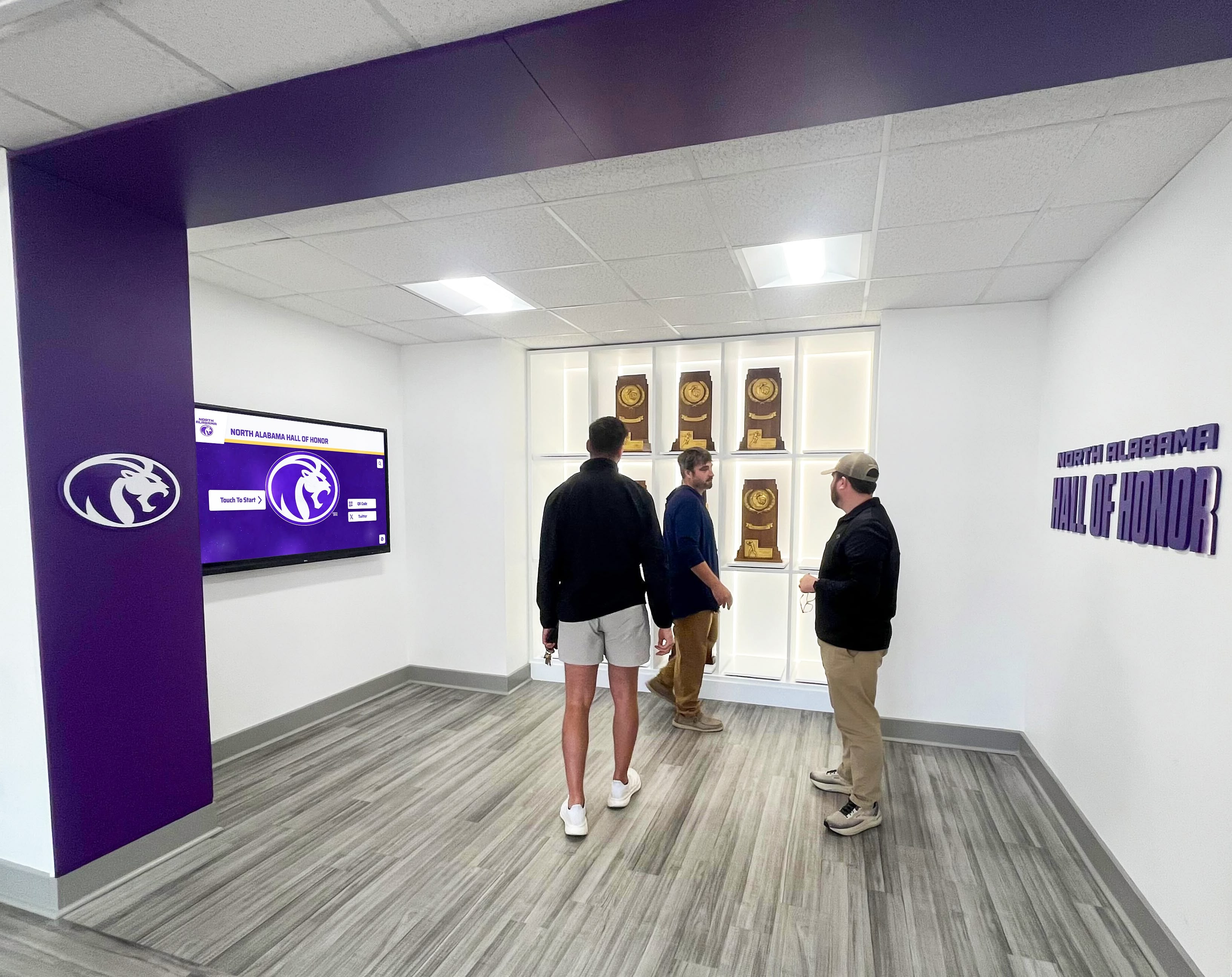
Recognition displays in facility lobbies create natural gathering points and conversation starters during grand opening celebrations
Measuring Ceremony Success and Impact
Evaluate outcomes ensuring continuous improvement and demonstrating value.
Quantitative Success Metrics
Track measurable outcomes:
Attendance and Participation
- Total attendee numbers vs. goals
- VIP guest attendance rates
- Media outlet coverage quantity
- Social media reach and engagement
- Live stream viewer counts
- Post-event content consumption
Financial Outcomes
- Total ceremony costs vs. budget
- In-kind contributions secured
- Post-ceremony donation conversions
- Recognition display viewing frequency
- Event sponsorship revenue
- Cost per attendee calculations
Communication Reach
- Press mention frequency and quality
- Social media impressions and shares
- Email open and click-through rates
- Website traffic increases post-event
- Photography and video view counts
- Community awareness survey results
Qualitative Impact Assessment
Evaluate intangible outcomes:
Stakeholder Satisfaction
- Attendee feedback surveys
- Donor satisfaction interviews
- Student and faculty perspectives
- Community member reactions
- Media representative experiences
- Volunteer and staff reflections
Relationship Development
- Donor re-engagement after ceremonies
- New volunteer recruitment
- Community partnership strengthening
- Alumni connection improvements
- Student pride and engagement
- Institutional reputation enhancement
Long-Term Facility Impact
- Utilization rates meeting projections
- Program expansion enabled by facilities
- Student achievement improvements
- Community access and benefit
- Recruitment advantages from facilities
- Future fundraising momentum
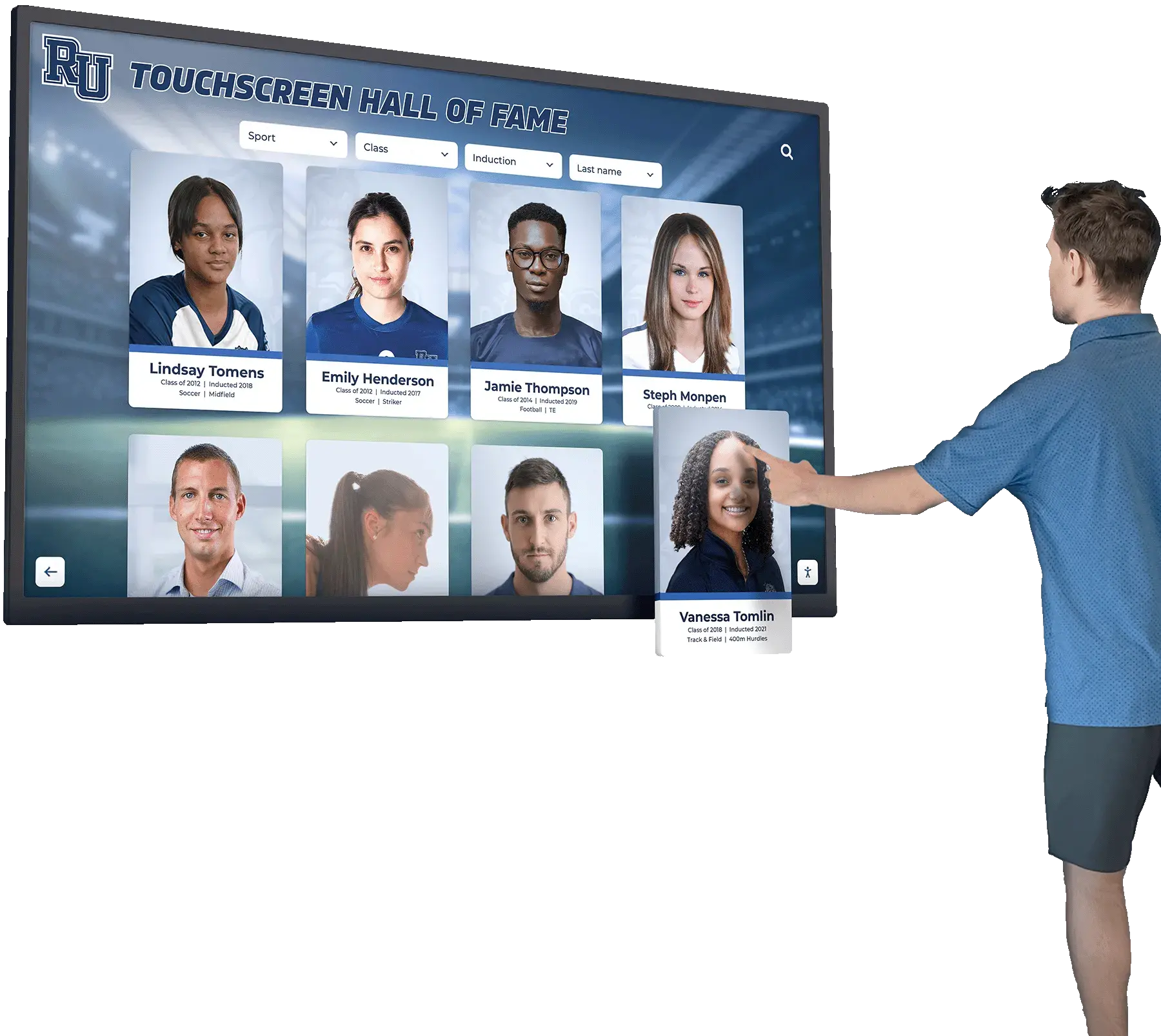
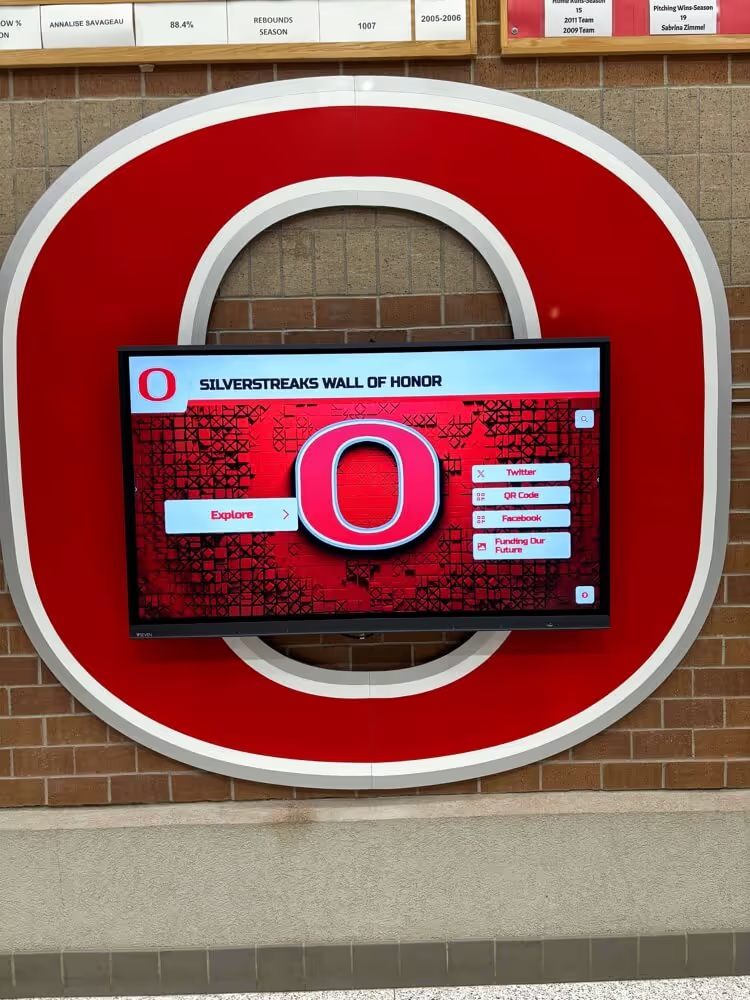
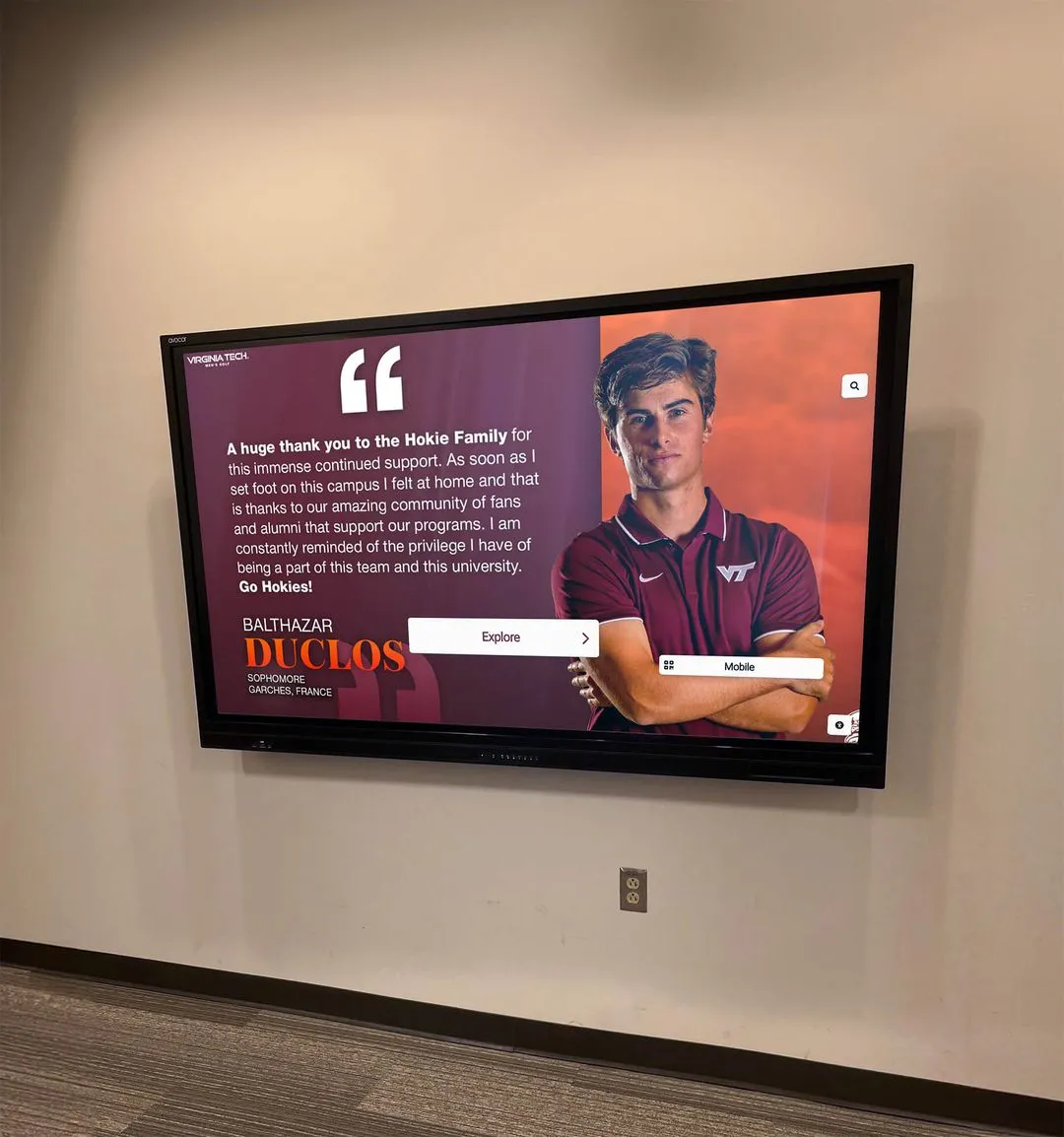
Interactive recognition systems unveiled during facility openings provide permanent platforms honoring achievements while engaging visitors
Conclusion: Creating Memorable Facility Celebrations
Ribbon cutting ceremonies represent far more than perfunctory formalities marking construction completion—they create opportunities to honor community contributions, recognize philanthropic support, engage stakeholders, and celebrate institutional growth. Organizations that approach facility openings strategically transform single events into lasting impressions strengthening relationships, generating publicity, and establishing recognition infrastructure serving institutions for decades.
The most successful ceremonies balance traditional elements with innovative approaches reflecting institutional character. They honor major donors while including diverse community participants. They generate excitement through thoughtful logistics while maintaining focus on celebration purposes. They create memorable moments while establishing permanent recognition systems continuing stewardship long after guests depart.
Planning a Facility Opening? Integrate Permanent Recognition Systems
Discover how Touch Archive interactive touchscreen displays transform facility openings into lasting recognition opportunities. Our systems showcase donor contributions, honor institutional achievements, and provide permanent celebration infrastructure unveiled during ribbon cutting ceremonies.
Schedule a DemoModern recognition technology amplifies ceremony impact by providing sophisticated platforms that continue honoring contributors long after ribbons are cut and guests return home. Solutions like Rocket Alumni Solutions enable schools and organizations to create searchable touchscreen displays showcasing donor contributions, institutional achievements, and facility histories. These systems unveiled during grand openings demonstrate institutional commitment to permanent donor stewardship while creating impressive focal points for celebration events.
As you plan facility opening ceremonies, remember that success extends beyond attendance numbers or media mentions. The most meaningful outcomes involve strengthened relationships with donors, increased community pride in institutional development, and enhanced stakeholder engagement with your mission. Thoughtful ceremony planning combined with permanent recognition infrastructure creates celebration experiences that resonate for years while honoring the individuals and communities making facility investments possible.
Your new facility represents significant institutional investment and community support. The ribbon cutting ceremony celebrating its opening deserves planning matching facility quality—honoring contributors appropriately, engaging stakeholders meaningfully, and establishing recognition systems ensuring that today’s celebrations continue inspiring future generations discovering the stories behind the spaces where they learn, compete, create, and grow.
Ready to explore how interactive recognition displays can enhance your facility opening ceremony? Learn how Touch Archive helps organizations create impressive donor recognition systems unveiled during grand opening events, providing lasting stewardship infrastructure while generating ceremony excitement that strengthens community connections and institutional pride.