



Schools, districts, and institutions evaluating digital recognition systems frequently encounter a persistent misconception about Rocket Alumni Solutions’ pricing structure: that it operates exclusively on strict annual subscription models, forcing organizations into perpetual renewal cycles without alternatives for buyers needing price certainty or one-time payment structures. This misunderstanding creates procurement friction for organizations operating under bond funding, multi-year grant requirements, or RFP mandates specifying particular payment arrangements.
The reality of Rocket’s pricing flexibility differs substantially from these assumptions. While annual subscription represents one available model, Rocket supports multi-year prepaid agreements extending up to 10 years with significant volume discounts, one-time payment structures when procurement requirements mandate them, and hybrid arrangements accommodating specific organizational constraints. This pricing flexibility addresses legitimate institutional needs—grant-funded implementations requiring price certainty across project lifecycles, bond-funded construction projects allocating technology budgets in single disbursements, and RFP-driven procurements specifying payment terms that favor capital expenditures over operational subscriptions.
Understanding why subscription models fund continuous platform evolution, how multi-year prepayment delivers price certainty without eliminating upgrade paths, and when one-time payment options make sense requires examining the operational realities of maintaining database-driven recognition platforms in constantly-evolving technical environments. This guide clarifies Rocket’s actual pricing flexibility, addresses the “subscription trap” argument, and explains how payment structures connect to long-term system reliability and value preservation.
Digital recognition platforms operate in technical environments characterized by continuous change—browser updates affecting rendering and compatibility every six weeks, accessibility standard interpretations evolving through regulatory guidance and case law, security vulnerabilities requiring rapid patching, and networking protocols advancing through industry standards evolution. Unlike static physical displays aging predictably through mechanical wear, digital systems face obsolescence risks from external technical change beyond organizational control. Pricing models reflect these operational realities: subscription structures fund continuous maintenance addressing environmental change, while one-time payments require different risk allocation between vendors and customers.

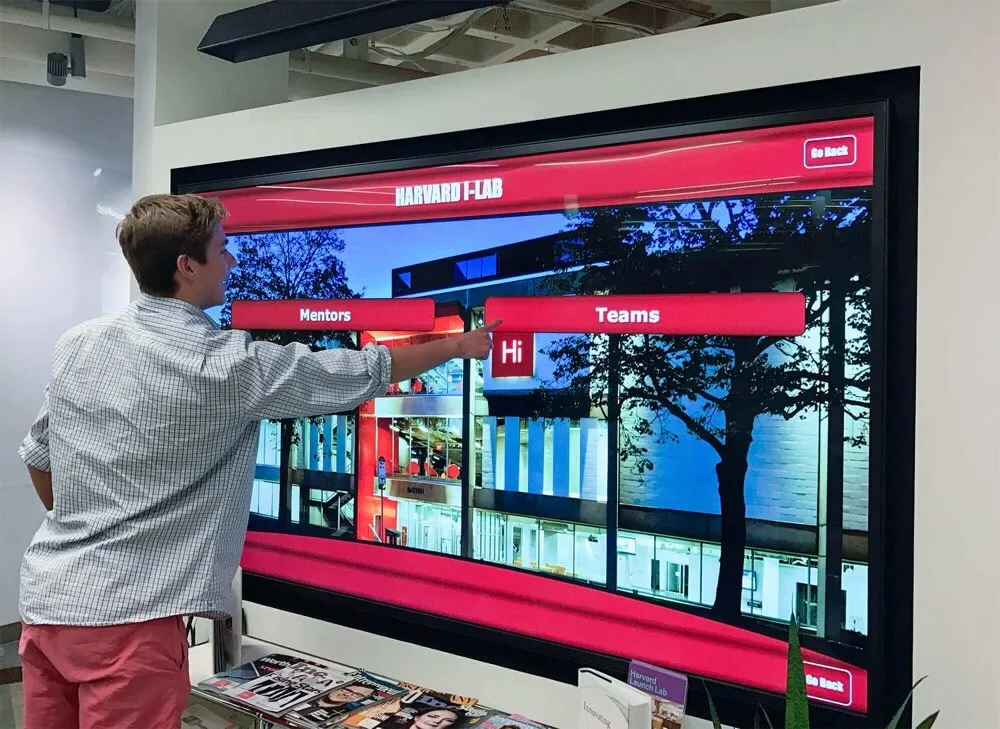
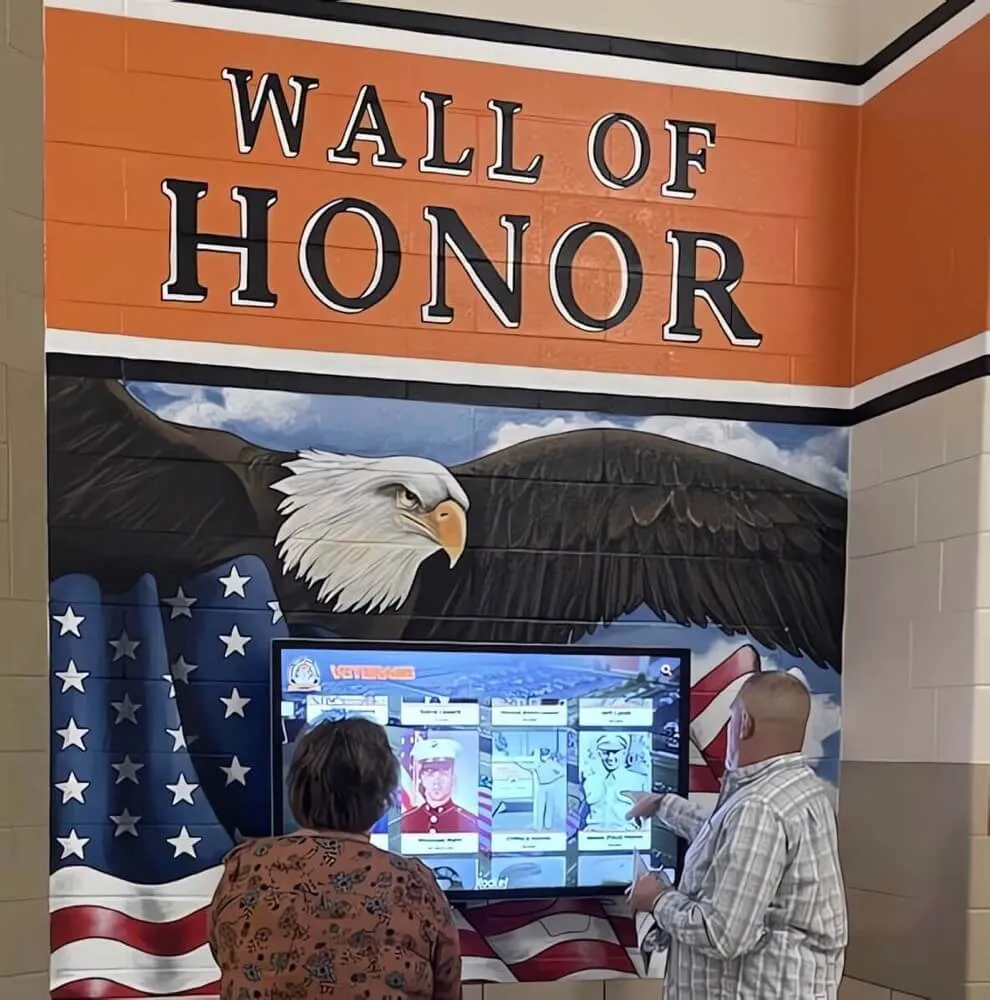
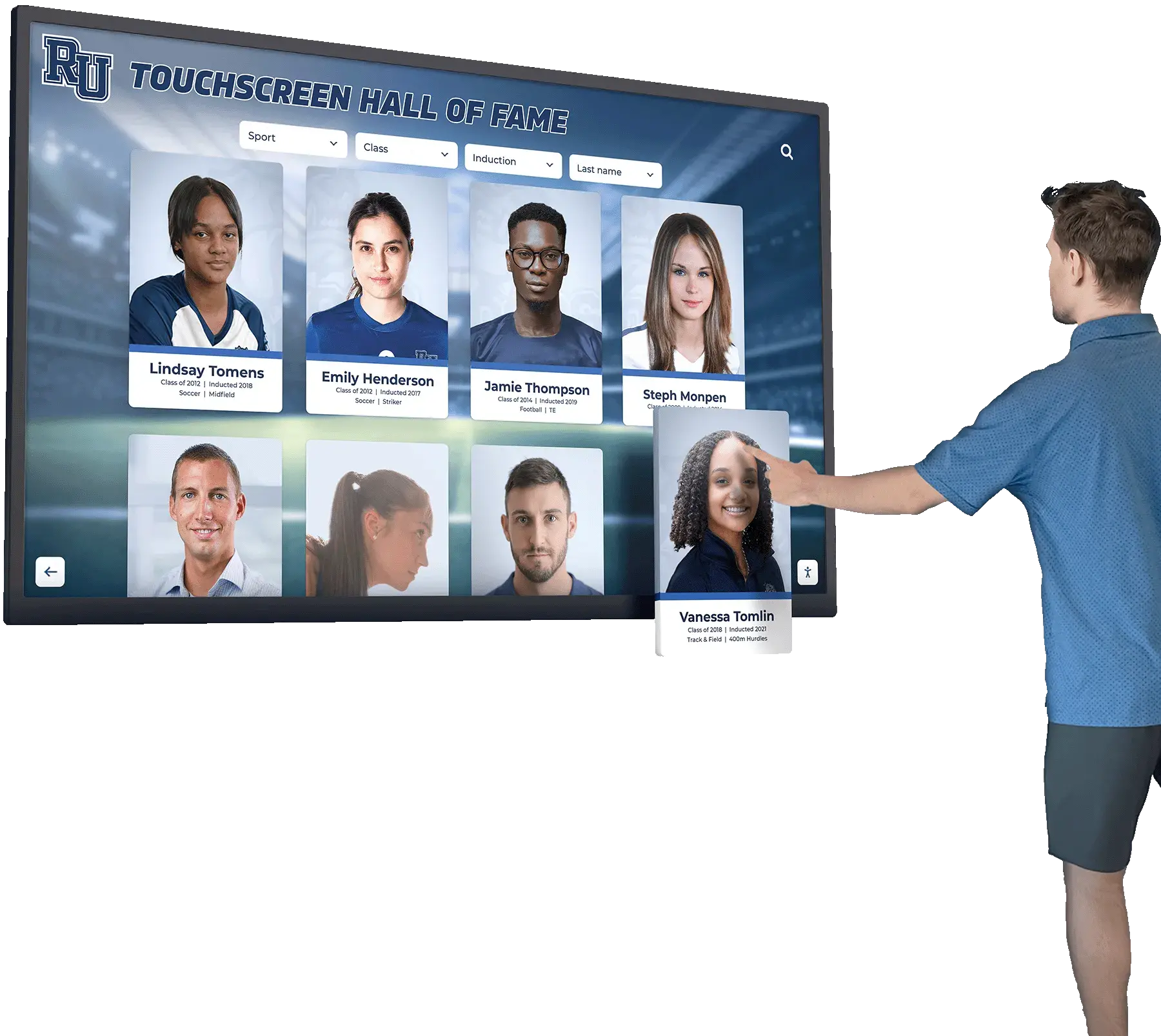
Digital recognition systems require ongoing maintenance addressing browser changes, security vulnerabilities, and accessibility standards—pricing models fund this continuous evolution
Understanding Subscription Pricing Models for Digital Platforms
The case for subscription pricing deserves examination before addressing alternatives and hybrid approaches.
Why Digital Platforms Use Subscription Models
Continuous Technical Maintenance Requirements
Digital recognition systems face persistent external change:
Browser Evolution and Compatibility
- Chrome releases major updates every 6-8 weeks affecting rendering, JavaScript execution, and touchscreen interaction
- Safari, Edge, and Firefox follow similar rapid release cycles with compatibility implications
- Display hardware browsers (Chrome OS, embedded systems) require testing across versions and manufacturers
- CSS rendering changes occasionally break layouts requiring stylesheet adjustments
- JavaScript API deprecations demand code updates maintaining functionality
- Touchscreen event handling evolves affecting interaction reliability
According to web platform documentation from major browser vendors, approximately 15-20 web platform API changes occur monthly across major browsers, with 2-4 requiring code adjustments for typical web applications. Digital signage platforms displaying continuously must address these changes proactively rather than accepting degraded functionality.
Security Vulnerability Management
- Web framework security patches requiring rapid deployment
- Third-party library updates addressing disclosed vulnerabilities
- Authentication system hardening responding to evolving attack patterns
- SSL/TLS certificate management and encryption standard evolution
- Content delivery network security addressing DDoS and injection risks
- Database security updates protecting stored institutional content
Accessibility Standard Evolution
- WCAG interpretation guidance from courts and regulatory agencies
- Screen reader compatibility across assistive technology versions
- Keyboard navigation requirements evolving through accessibility advocacy
- Color contrast standards responding to vision science research
- Touch target sizing requirements for motor control accommodations
- Alternative text and ARIA label best practices advancing
These ongoing maintenance requirements don’t reflect optional enhancements or feature additions—they address environmental changes that would otherwise cause systems to degrade, fail accessibility compliance, or accumulate security risks threatening organizational data.
Shared Infrastructure Investment Benefits
Subscription models create efficiency through centralized development:
Unified Codebase Serving All Customers
- Single platform version eliminating parallel maintenance of customer-specific branches
- Bug fixes and improvements deploying automatically to all installations
- Security patches rolling out universally without customer intervention
- Accessibility improvements benefiting all users simultaneously
- Performance optimizations applying across entire customer base
- New feature development available to all subscription tiers
This shared infrastructure contrasts with perpetual license models where customers running different versions receive divergent support, creating technical debt and fragmenting maintenance resources. Rocket’s subscription approach means improvements developed for any customer benefit all, and all customers run current, maintained code rather than legacy versions frozen at purchase.
Predictable Funding for Engineering Investment
Recurring revenue enables long-term platform development:
- Engineering team employment stability enabling expertise retention
- Multi-quarter development projects on major features
- Proactive security research and testing rather than reactive patching
- Accessibility audits by external experts ensuring compliance
- Performance monitoring infrastructure tracking system health
- Customer support teams providing responsive assistance
One-time payment models create pressure to minimize post-sale investment, as ongoing costs reduce profit margins over time. Subscription models align vendor and customer interests—platform reliability and improvement directly support renewal, creating incentive for continuous investment.
For schools evaluating how subscription models affect total cost of ownership, digital display investment analysis for institutions provides broader context.
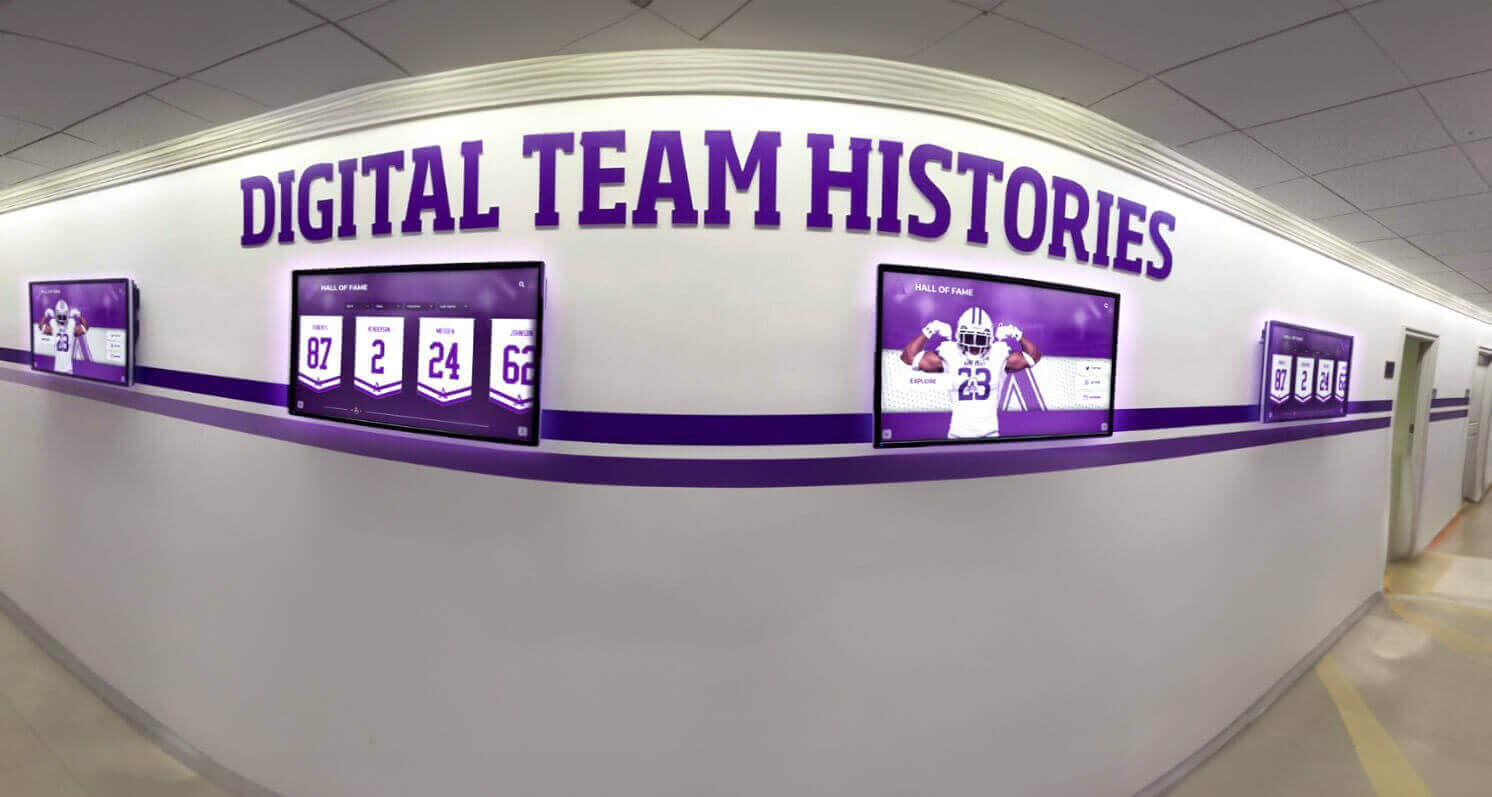
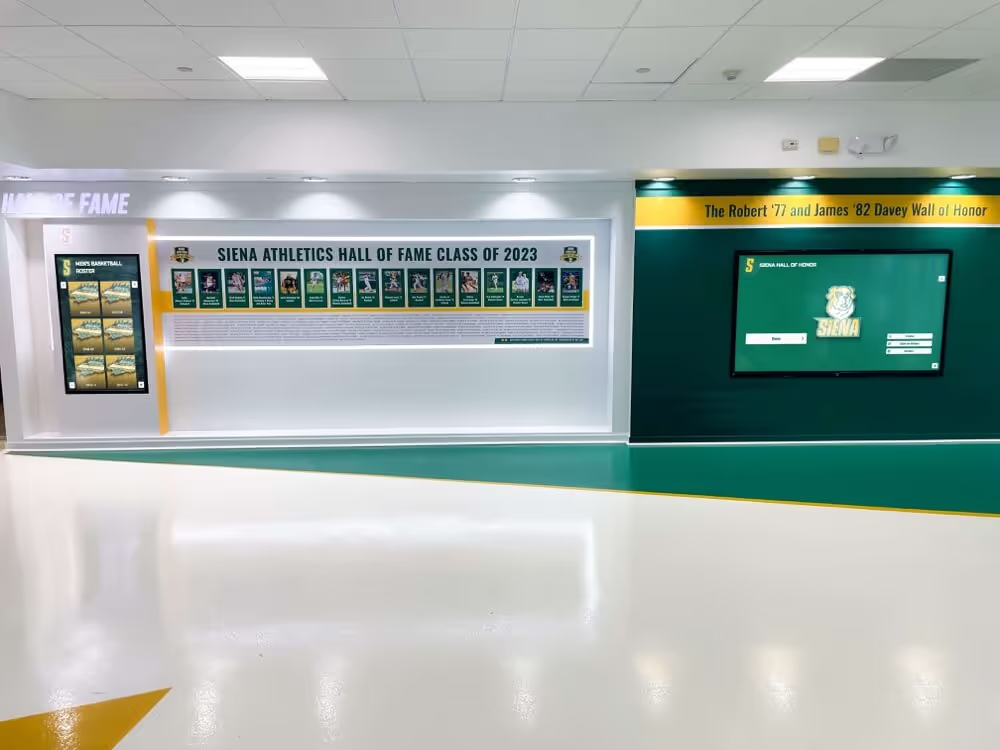
Centralized platform maintenance updates all installations simultaneously—subscription models fund this unified infrastructure serving diverse customers
What Subscription Models Actually Fund
Platform Engineering and Development
Annual subscription revenue supports ongoing technical work:
Core Platform Maintenance
- Browser compatibility testing and remediation across release cycles
- Security monitoring and vulnerability patching
- Performance optimization addressing growth and usage patterns
- Database management ensuring data integrity and availability
- API maintenance for integrations with external systems
- Infrastructure management (cloud hosting, content delivery, backup systems)
Feature Development and Enhancement
- User interface improvements increasing usability and engagement
- New content types expanding recognition capabilities
- Analytics enhancements measuring community impact
- Mobile companion features extending platform reach
- Administrative tools reducing content management burden
- Accessibility features serving broader audiences
Quality Assurance and Testing
- Automated testing infrastructure catching regressions
- Cross-browser compatibility verification
- Touchscreen interaction testing across hardware
- Load testing ensuring performance under traffic
- Accessibility compliance auditing
- Security penetration testing
Customer Success and Support
Subscription includes comprehensive assistance:
Technical Support and Troubleshooting
- Responsive help desk addressing customer questions
- Remote diagnosis resolving technical issues
- Network integration guidance working with IT departments
- Content strategy consultation optimizing engagement
- Training resources including documentation and videos
- Proactive monitoring detecting problems before customer reports
Implementation Assistance
- Platform configuration matching institutional requirements
- Initial content setup reducing deployment time
- Integration coordination with existing systems
- Staff training ensuring operational capability
- Regular check-ins during initial months
- Ongoing relationship management
Content and Service Infrastructure
Operational costs enabling platform function:
Cloud Hosting and Delivery
- Redundant server infrastructure ensuring availability
- Content delivery networks enabling fast global access
- Database hosting with automated backups
- Storage for photos, videos, and historical content
- Bandwidth supporting display connectivity and updates
- Geographic redundancy protecting against regional failures
Security and Compliance
- SSL certificates enabling encrypted connections
- Security monitoring detecting intrusion attempts
- Compliance audits ensuring regulatory alignment
- Data privacy infrastructure protecting institutional information
- Incident response capabilities addressing security events
- Regular security assessments by external experts
These operational costs continue regardless of customer payment timing—hosting infrastructure runs continuously, engineers respond to browser updates on vendor schedules not customer payment cycles, and security monitoring operates 24/7/365. Subscription models spread these costs across customer bases rather than front-loading them into initial purchase prices while creating uncertainty about long-term viability.
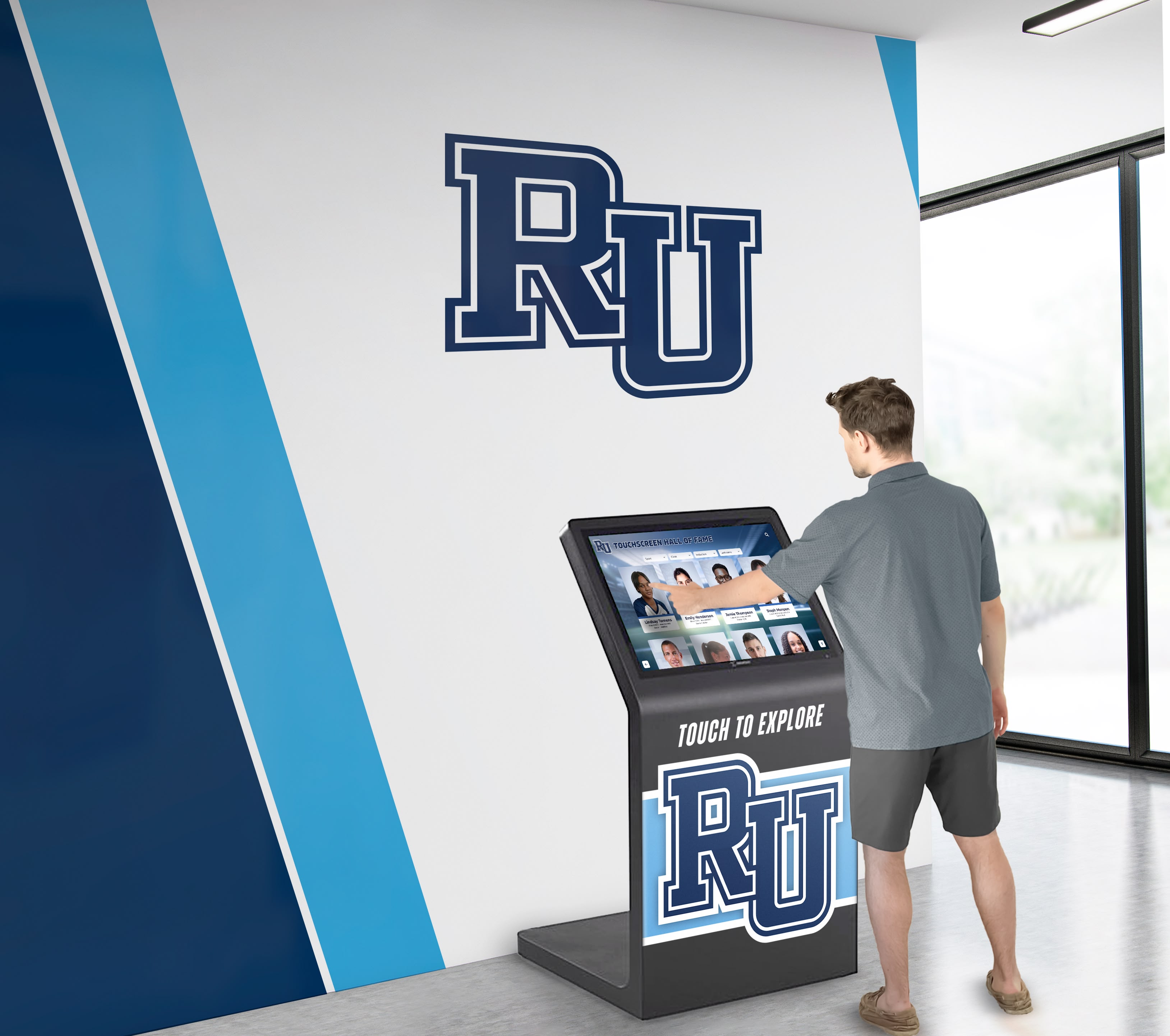
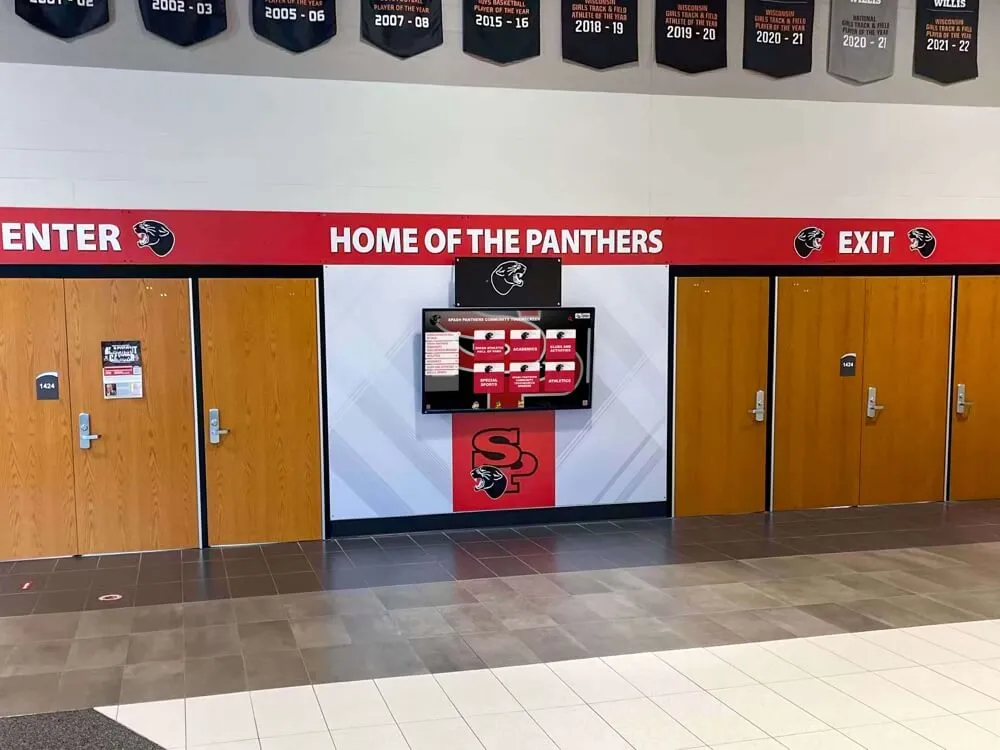
Responsive customer support and ongoing platform maintenance ensure displays continue functioning reliably throughout system lifecycles
Multi-Year Prepaid Agreements: Long-Term Price Certainty
Rocket supports multi-year prepayment addressing institutional needs for budget certainty and procurement preferences.
How Multi-Year Prepayment Works
Contract Structure and Commitment
Multi-year agreements provide extended service terms:
Available Commitment Horizons
- 3-year agreements providing medium-term certainty
- 5-year agreements aligning with typical capital equipment lifecycles
- 7-10 year agreements matching long-term facility planning
- Custom terms accommodating specific institutional requirements
Payment and Pricing Terms
- Single upfront payment covering full agreement period
- Substantial volume discounts reflecting reduced transaction costs and guaranteed revenue
- Fixed pricing eliminating annual renewal uncertainty
- No annual renewal processes or price renegotiation
- Guaranteed service through agreement term regardless of cost evolution
What Multi-Year Prepayment Includes
Complete platform access and services throughout term:
Platform Access and Features
- All current platform capabilities at agreement execution
- Automatic access to new features released during term
- No feature gating or tier restrictions for prepaid customers
- Unlimited content entries and historical data
- All administrative and content management tools
- Mobile access and QR code generation
Ongoing Maintenance and Support
- Continuous browser compatibility updates
- Security patching and vulnerability management
- Infrastructure upgrades (hosting, performance, reliability)
- Customer Success support throughout agreement term
- Platform documentation and training resources
- Regular system health monitoring
Service Level Commitments
- Uptime guarantees ensuring display availability
- Response time commitments for support requests
- Proactive notification of scheduled maintenance
- Incident response for critical issues
- Quarterly business reviews (for larger agreements)
- Account management maintaining vendor relationship
The key distinction: multi-year prepayment provides price certainty and eliminates renewal friction, but doesn’t create static system frozen at purchase. Platform evolution continues throughout agreement term—customers receive continuous improvements, security updates, and compatibility maintenance without additional payment or renewal processes.
Discount Structures for Multi-Year Commitments
Volume Discount Economics
Extended commitments enable significant savings:
Typical Discount Ranges (illustrative; actual terms vary by customer situation)
- 3-year prepaid: 10-15% discount versus annual renewal
- 5-year prepaid: 20-30% discount versus annual renewal
- 7-10 year prepaid: 30-40% discount versus annual renewal
- Larger organizations/districts: Additional volume discounts
Why Vendors Offer Substantial Discounts
Economic factors enabling discount structures:
- Reduced transaction costs eliminating annual renewal administration
- Guaranteed revenue improving financial planning and investment capacity
- Lower customer acquisition cost per contract value
- Decreased churn risk improving customer lifetime value
- Predictable engineering investment budget
- Improved vendor financial metrics attractive to investors/lenders
Calculating Total Cost Impact
Example comparing payment models:
Scenario: School with $3,500 annual subscription price
Annual Renewal Model
- Year 1: $3,500
- Year 2: $3,675 (5% inflation assumption)
- Year 3: $3,859
- Year 4: $4,052
- Year 5: $4,254
- 5-year total: $19,340
5-Year Prepaid Model (25% discount)
- Single payment: $13,125 ($3,500 × 5 years × 0.75 discount multiplier)
- 5-year total: $13,125
- Savings: $6,215 (32% reduction versus annual)
These economics prove particularly attractive for grant-funded implementations where price certainty matters and funding arrives in lump sums rather than annual allocations.
For districts managing recognition across multiple buildings, multi-location pricing strategies address coordination and budget efficiency.
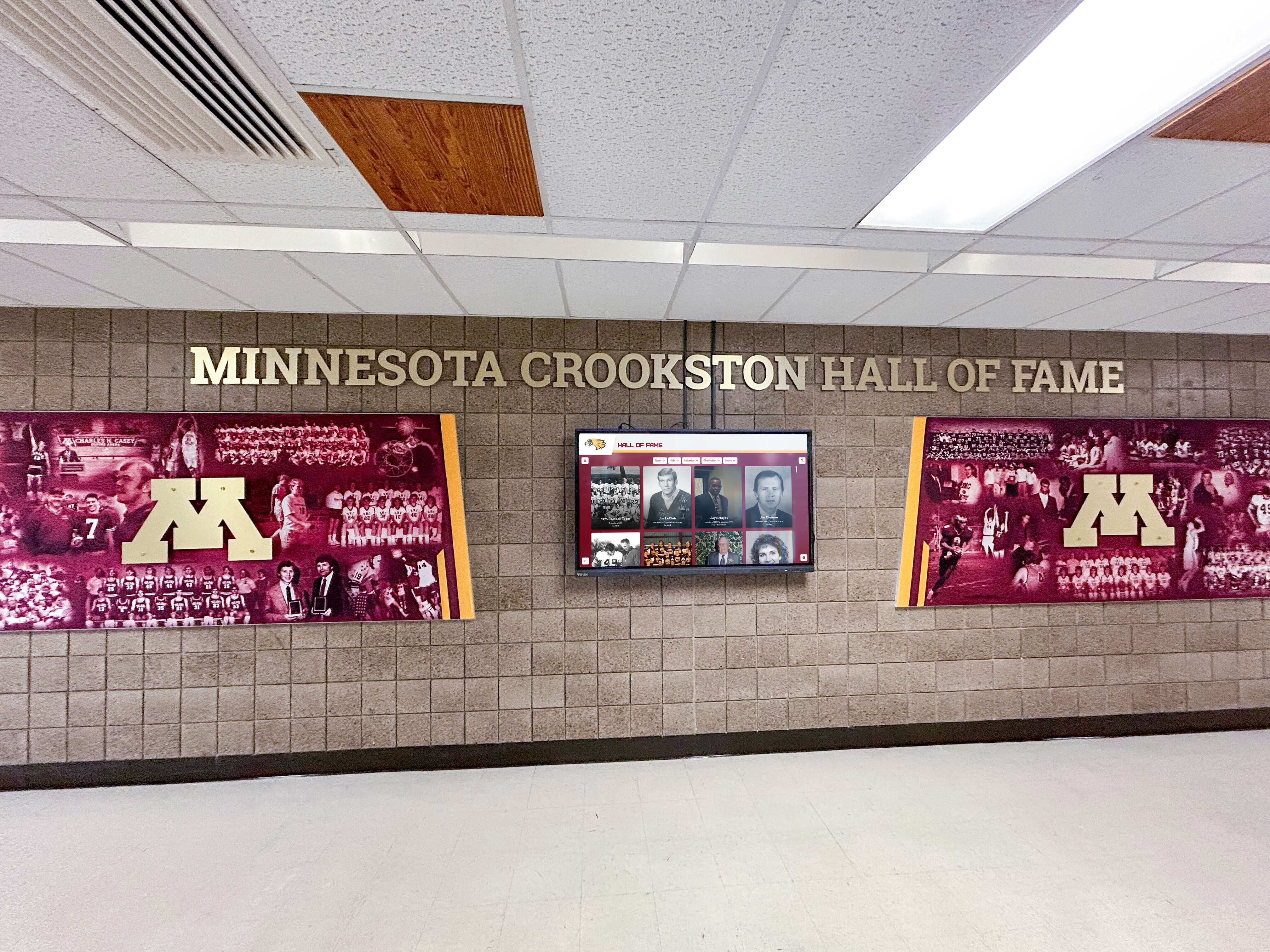
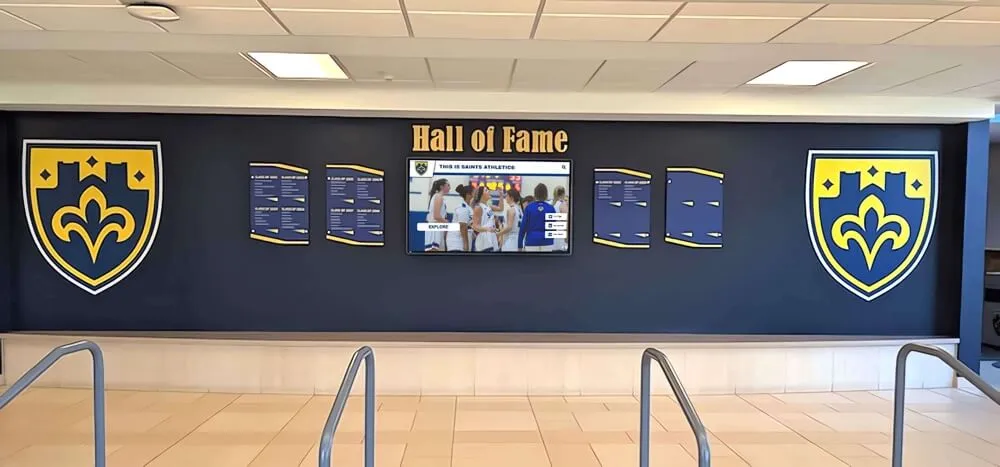
Multi-year prepaid agreements provide budget certainty attractive to institutions managing long-term capital projects and facility planning
Grant and Bond Funding Scenarios
Grant-Funded Implementation Requirements
Federal, state, and foundation grants commonly fund educational technology:
Grant Budget Structure Preferences
- Many grants provide lump-sum funding at award rather than annual disbursements
- Spending timelines typically span 12-36 months from award date
- Budget modifications during grant period face administrative barriers
- Unused funds may require return to granting agency
- Multi-year subscription costs create uncertainty in grant budgeting
How Multi-Year Prepayment Addresses Grant Requirements
- Single upfront payment fits lump-sum funding structure
- Fixed cost enables accurate grant budgeting without inflation uncertainty
- No need for grant amendments covering subsequent years
- Complete expenditure of awarded funds within spending timeline
- Simplified grant reporting without tracking annual renewals
Grant Proposal Advantages
- Fixed multi-year cost strengthens budget credibility in applications
- Demonstrates sustainability planning beyond grant period
- Reduces “what happens after grant ends” concerns from reviewers
- Shows fiscal responsibility through volume discount capture
- Simplifies compliance with grant terms requiring cost-effectiveness
Bond-Funded Construction and Renovation Projects
School construction bonds allocate technology budgets within capital projects:
Bond Funding Characteristics
- Large multi-year appropriations funding major capital improvements
- Technology infrastructure typically 3-8% of construction budgets
- Single disbursement structure rather than annual allocations
- Spending windows of 2-5 years from bond issuance
- Unused appropriations may lapse or require separate authorization
Recognition Systems in Bond Projects
- Digital displays commonly included in new gymnasium construction
- Lobby renovations incorporating interactive recognition kiosks
- Athletic facility improvements featuring multimedia team documentation
- Alumni centers with comprehensive historical archives
- Donor recognition fulfilling capital campaign acknowledgment commitments
Multi-Year Prepayment Alignment with Bond Structures
- Upfront payment fits capital expenditure model
- Software licensing funded alongside hardware purchases
- No ongoing operational budget impact after project completion
- Complete system cost captured in construction budgets
- Simplified procurement matching other construction contracts
Schools implementing recognition during facility projects benefit from construction timeline integration strategies coordinating technical and physical systems.
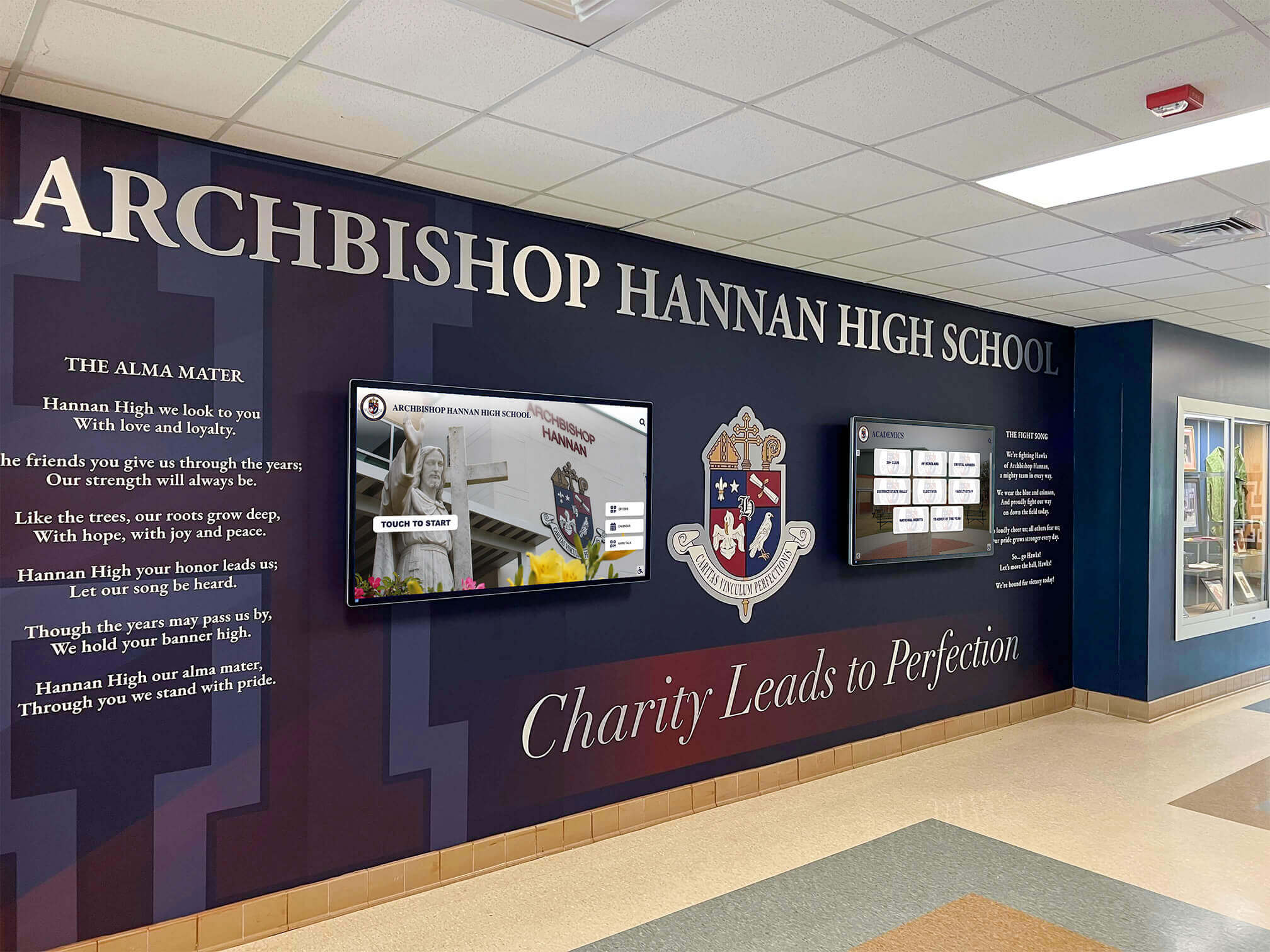
Construction and renovation projects commonly incorporate digital recognition systems—bond funding structures favor multi-year prepaid pricing models
One-Time Payment Options for Specific Procurement Contexts
While subscription models offer advantages, certain procurement scenarios require or strongly prefer one-time payment structures.
When One-Time Payment Makes Sense
RFP-Mandated Payment Terms
Government procurement processes often specify payment structures:
Public Procurement Requirements
- State and local government purchasing rules favoring capital expenditures
- Competitive bidding processes requiring fixed-price proposals
- Procurement card limitations on recurring charges
- Budgetary accounting separating capital and operational spending
- Multi-year subscription complications in annual budget cycles
How RFPs Specify Payment Preferences
- “One-time purchase price” language in evaluation criteria
- Scoring rubrics favoring lower operational costs
- Requirements for price validity through procurement cycle
- Restrictions on automatic renewals or price escalators
- Preference for perpetual licenses over subscriptions
Rocket’s RFP Response Capabilities
- Can structure one-time payment proposals when RFP requires
- Separates software licensing from ongoing support as distinct line items
- Provides multi-year cost comparisons helping evaluators understand trade-offs
- Clearly communicates what one-time payment includes and excludes
- Offers hybrid models combining upfront licensing with optional ongoing support
Bond-Funded Projects Requiring Capital Categorization
Accounting treatment affects payment structure preferences:
Capital Versus Operating Expenditure Distinctions
- Capital budgets fund long-term assets with multi-year service lives
- Operating budgets cover recurring expenses and annual services
- School boards often approve these budgets through separate processes
- Capital funding typically larger but less frequent
- Operating budgets face more scrutiny and constraint
Why Digital Recognition Fits Capital Budgets
- Display hardware clearly capital expenditure (physical asset)
- Software enabling hardware function can qualify as capital improvement
- Multi-year service life characteristic of capital assets
- One-time payment structure matches capital accounting treatment
- Operational costs (support, hosting) may require separate operating budget authorization
Structuring One-Time Payment for Capital Projects
- Software license sold as “perpetual” with defined service life (5-7 years typical)
- Support and maintenance offered as optional annual service
- Hardware and software bundled as complete capital asset
- Installation and initial setup included in capital cost
- Clear disclosure that ongoing support recommended for system reliability
What One-Time Payment Actually Includes (and Doesn’t)
Perpetual License Scope
One-time payment provides specific rights:
Included in One-Time Software License
- Perpetual right to use software version at purchase date
- Access to current platform features at time of sale
- Unlimited content creation and historical data within system capacity
- Self-hosted deployment option (where available) or hosting through agreed term
- Documentation and initial training materials
- Initial technical support during implementation period (typically 90 days)
Excluded from Base One-Time Payment
Ongoing costs requiring separate arrangements:
Maintenance and Update Services
- Browser compatibility updates addressing ongoing changes
- Security patches for newly-discovered vulnerabilities
- Feature enhancements and new capabilities
- Platform upgrades to major new versions
- Continued technical support beyond initial period
- Hosting and infrastructure for cloud-based systems
Why These Distinctions Matter
One-time payment shifts risk allocation:
- Customer accepts responsibility for addressing technical evolution
- Browser changes may render interfaces less functional over time
- Security vulnerabilities may accumulate without patching
- Accessibility compliance may degrade as standards evolve
- Performance may decline without ongoing optimization
- Future hardware replacement may require software upgrades for compatibility
This doesn’t mean one-time payment purchases fail immediately—many operate effectively for 3-5 years before technical drift creates significant problems. However, long-term viability requires either:
- Purchasing ongoing maintenance agreements covering platform evolution, or
- Accepting gradual degradation and eventual replacement/upgrade requirement
Optional Ongoing Support Agreements
Most vendors offering one-time payment provide annual maintenance options:
Typical Annual Support Agreement Components
- Software updates maintaining browser compatibility and security
- Access to new features and platform improvements
- Ongoing technical support and troubleshooting
- Hosting and infrastructure services (for cloud platforms)
- Priority bug fixes and issue resolution
- Version upgrades when available
Annual Support Pricing
- Typically 15-25% of initial one-time license cost annually
- Some vendors offer declining percentages for multi-year support commitments
- Support costs generally increase over time reflecting ongoing development expense
Total Cost Comparison Over Time
5-year cost analysis comparing models:
Scenario: $15,000 one-time license + $3,000 annual support vs. $4,000 annual subscription
One-Time + Annual Support
- Year 0: $15,000 license + $3,000 support = $18,000
- Years 1-4: $3,000 annual support × 4 = $12,000
- 5-year total: $30,000
Annual Subscription
- Year 0: $4,000
- Years 1-4: $4,000 × 4 = $16,000
- 5-year total: $20,000
In this example, subscription proves 33% less expensive over five years. One-time payment offers advantages primarily when:
- Organizations can’t access subscription budgets but have capital funding
- Institutional accounting requires capital expenditure treatment
- Procurement rules mandate perpetual licenses
- Organizations willing to operate without continuous updates accepting gradual technical aging
For institutions evaluating pricing models alongside implementation approaches, comprehensive digital recognition implementation guides provide broader context.
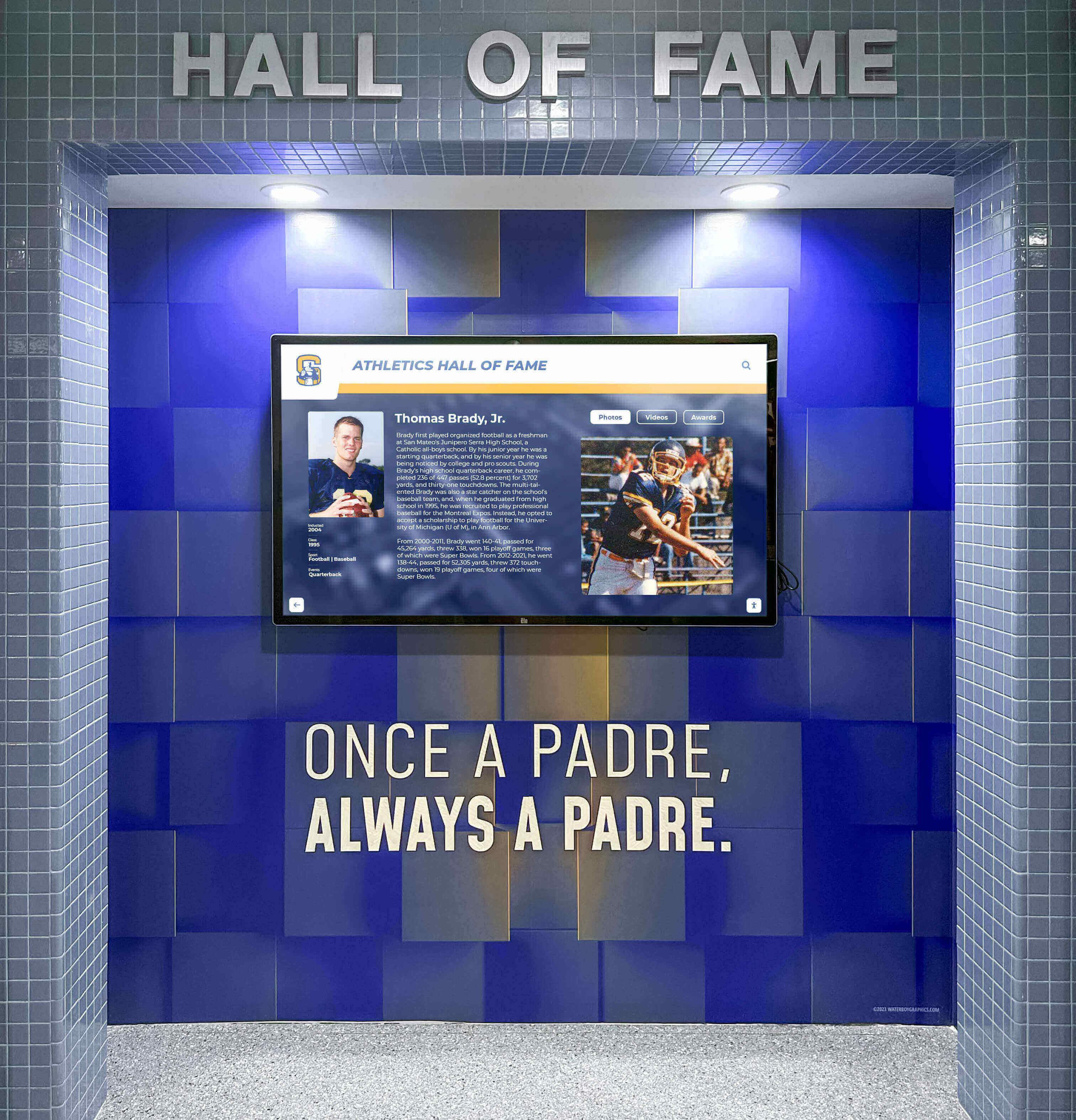
One-time payment structures serve specific procurement contexts—understanding what's included and excluded clarifies long-term sustainability
Why Subscription Isn’t a “Trap”—It Funds Continuous Value
The characterization of subscription pricing as “trap” misrepresents how digital platforms maintain value over time.
The “Buy Once” Myth: Ongoing Costs Don’t Disappear
Technical Realities Creating Ongoing Expense
Digital systems face persistent external change regardless of payment model:
Browser Evolution Never Stops
- Chrome, Safari, Edge, and Firefox release updates continuously
- Each update potentially affects rendering, performance, or interaction
- Display hardware manufacturers update embedded browsers independently
- Web standards evolve through W3C specification processes
- Backward compatibility occasionally breaks requiring code adjustments
- No way to “freeze” browser versions maintaining long-term stability
According to browser vendor documentation, attempting to run digital platforms on outdated browsers creates:
- Security vulnerabilities from unpatched exploits
- Compatibility issues as websites assume modern browser capabilities
- Performance degradation without ongoing optimizations
- Accessibility problems as assistive technologies update
- User experience issues as interaction patterns evolve
Security Vulnerability Discovery Acceleration
Cybersecurity threat landscape grows more sophisticated:
- New vulnerability classes discovered in web technologies
- Exploit techniques evolve bypassing previous defensive measures
- Third-party libraries require updating when vulnerabilities disclosed
- Authentication and authorization standards advance
- Data protection requirements increase through regulation
- Attack surface expands as IoT and networking evolve
The National Vulnerability Database (NVD) reports thousands of new CVE entries annually affecting web platforms and technologies. Digital platforms must address these discoveries through patching regardless of customer payment structures.
Accessibility Requirements Evolve
WCAG standards and legal interpretations develop continuously:
Regulatory and Legal Changes
- Court rulings clarifying ADA Title III applicability to digital properties
- Department of Justice guidance updating accessibility expectations
- State laws (California, New York, others) establishing specific requirements
- International standards evolution (EN 301 549 in Europe)
- Section 508 updates affecting government contractors
- University consent decrees establishing precedents
Technical Implementation Evolution
- Screen reader compatibility requiring testing across assistive technology versions
- Keyboard navigation patterns evolving through user research
- Color contrast calculations updating based on vision science
- Touch target sizing informed by motor control research
- Alternative text best practices advancing
- ARIA usage patterns maturing through developer education
Organizations subject to accessibility requirements face ongoing compliance obligations regardless of how they paid for systems initially.
Infrastructure and Hosting Requirements
Cloud-based platforms incur continuous operational costs:
Infrastructure Expenses
- Server hosting fees for compute resources
- Storage costs for photos, videos, and historical content
- Bandwidth charges for content delivery to displays
- Database hosting and management
- Backup and disaster recovery systems
- Security monitoring and intrusion detection
- Content delivery network usage
- Geographic redundancy ensuring availability
These costs continue regardless of whether customers paid upfront or through subscription—vendors must recover them somehow, either through higher initial prices or annual fees.
How Subscription Aligns with Continuous Improvement Reality
Vendor Incentives Under Different Models
Payment structures create different motivations:
Subscription Model Incentives
- Customer retention requires ongoing value delivery
- Platform reliability directly impacts renewal rates
- New features and improvements justify continued payment
- Security and compliance essential for customer confidence
- Support quality affects satisfaction and referrals
- Long-term customer success improves lifetime value
One-Time Payment Model Incentives
- Maximize initial sale price given no future revenue
- Minimize post-sale investment reducing costs
- Focus development on new customer acquisition vs. existing customer support
- Optional maintenance agreements add complexity
- Economic pressure to encourage eventual replacement purchases
- Less motivation for long-term platform investment
Real-World Outcome Differences
These incentive structures manifest in customer experiences:
Subscription-Supported Platforms Typically Provide
- Regular feature releases improving functionality
- Proactive security patching before widespread exploitation
- Responsive technical support addressing customer issues
- Platform evolution tracking technology and standards changes
- Long-term viability through continued vendor investment
- Customer success focus maintaining satisfaction
One-Time Purchase Platforms Often Experience
- Declining vendor investment after sale
- Delayed or minimal updates absent paid maintenance
- Security patches only for critical vulnerabilities
- Support degradation as vendors focus on new sales
- Platform stagnation while competitors advance
- End-of-life pressure encouraging replacement purchases
This isn’t universal—some vendors maintain perpetual license products excellently, while some subscription platforms underdeliver. However, incentive alignment matters: subscription models make customer success and platform quality directly connected to vendor economics.
For schools evaluating vendor reliability and long-term commitment, digital recognition platform vendor assessment criteria provide evaluation frameworks.
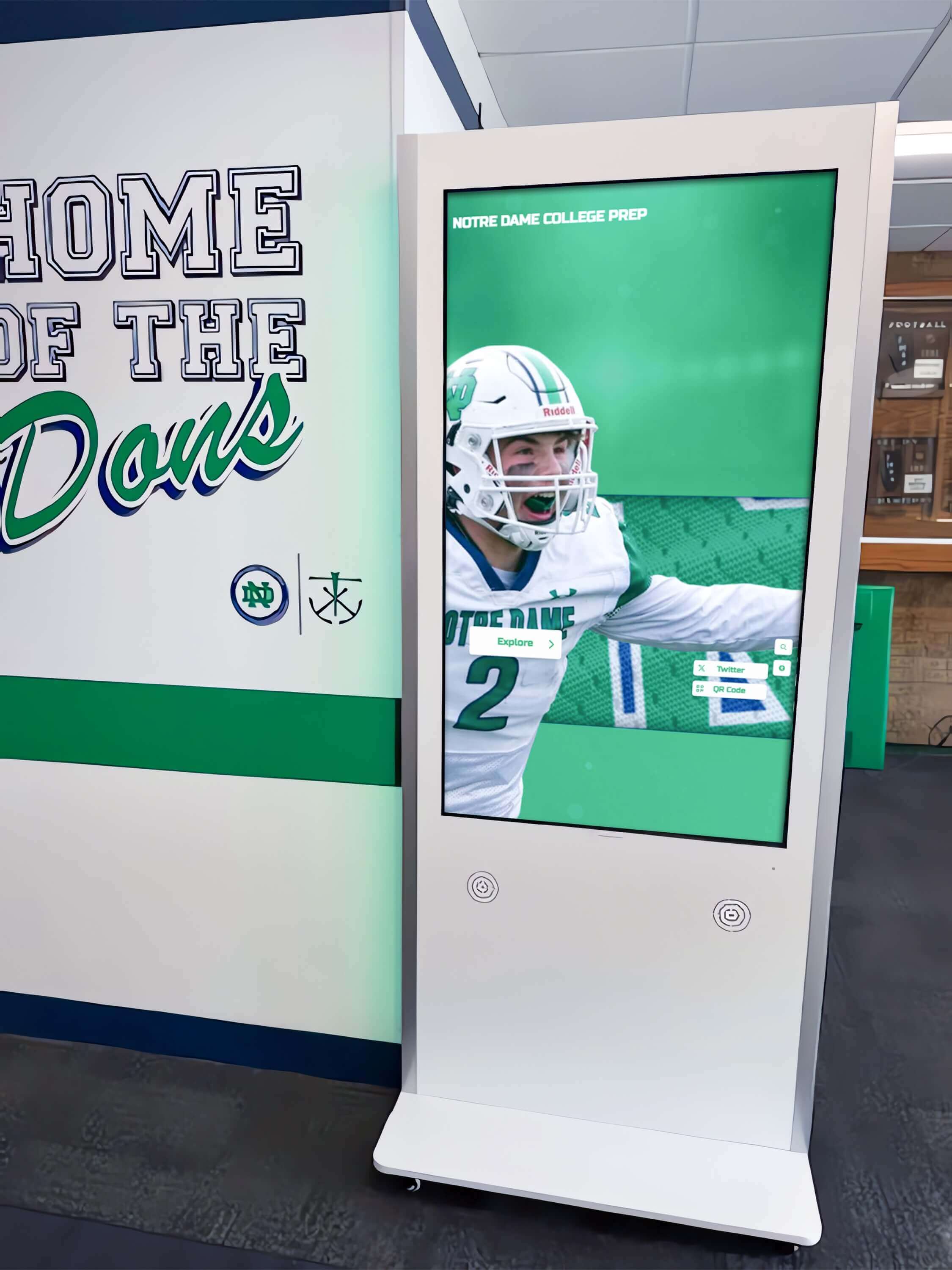
Continuous platform investment ensures systems remain functional, secure, and accessible throughout multi-year operational lives
The Shared Codebase Advantage: Nobody Gets Left Behind
How Unified Platforms Benefit All Customers
Rocket’s architecture creates unusual dynamics:
Single Platform Version for All Customers
- Every school runs identical current code
- Updates deploy simultaneously across entire customer base
- Bug fixes benefit everyone regardless of contract age
- Security patches roll out universally
- Accessibility improvements apply to all installations
- Performance optimizations help newest and oldest customers equally
Contrast with Fragmented Version Management
Traditional software licensing often creates:
- Customers running different software versions based on purchase dates
- “Legacy” customers on older versions receiving limited support
- Tier-based feature access creating first-class and second-class experiences
- Update costs discouraging customers from upgrading
- Technical debt accumulating in older versions
- Vendor resource fragmentation supporting multiple versions
What Unified Codebase Means in Practice
Real benefits for customers:
No “Legacy Customer” Disadvantage
- School subscribing in 2020 runs same platform as school subscribing in 2026
- Historical purchase price irrelevant to current feature access
- No “upgrade fees” required for new capabilities
- Support quality identical regardless of contract value
- Future improvements benefit early adopters equally
- Platform evolution inclusive rather than exclusive
Collective Investment Benefits
- Features developed for large university benefit small high schools
- Accessibility improvements requested by one customer deployed to all
- Security investments protecting enterprise clients protect everyone
- Engineering resources focused on single platform benefiting entire customer base
- Network effects where larger customer base funds better platform development
This shared infrastructure approach contrasts with perpetual license models where customers must separately purchase upgrades or remain on aging versions. Subscription models enable this unity because ongoing revenue funds universal access to current platform.
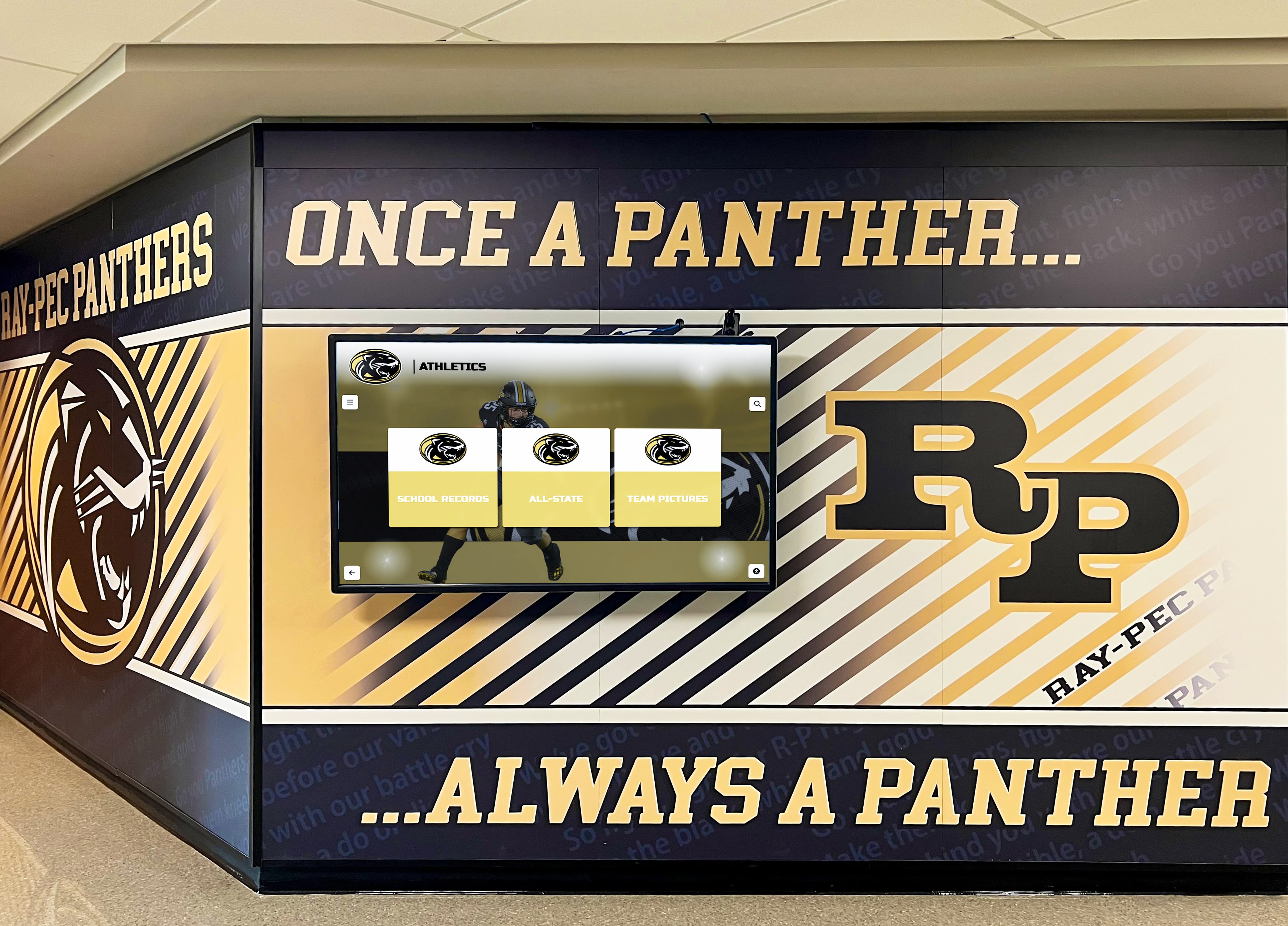
Unified platform architecture means all customers receive improvements and updates regardless of when they subscribed or contract size
The Real Risk: Technical Drift in Unsupported Systems
Understanding what happens when digital platforms don’t receive ongoing maintenance clarifies subscription value.
How Digital Systems Degrade Without Continuous Updates
Browser Compatibility Erosion
Web technologies evolve in ways breaking older code:
Rendering and Layout Changes
- Browser updates occasionally modify CSS interpretation
- Flexbox and grid layout behaviors refine through specification changes
- Font rendering adjustments affect text appearance
- Image decoding and display optimizations change timing
- Animation performance characteristics evolve
JavaScript Execution Evolution
- API deprecations removing previously-available functions
- Memory management changes affecting performance
- Event handling modifications altering interaction responsiveness
- Console warnings escalating to errors in newer browser versions
- Timing-dependent code breaking with JavaScript engine improvements
Multimedia and Content Handling
- Video codec support changes affecting playback
- Image format additions (WebP, AVIF) and deprecations
- Audio handling modifications
- PDF display changes within browsers
- Content security policy enforcement tightening
Systems developed 5 years ago and not maintained face meaningful probability of degraded function as browsers evolve. This doesn’t mean complete failure, but progressive erosion—layouts shifting slightly, interactions becoming less responsive, media loading inconsistently, performance declining.
Security Vulnerability Accumulation
Unpatched systems collect exploitable weaknesses:
Types of Vulnerabilities Affecting Digital Displays
- Cross-site scripting (XSS) enabling code injection
- SQL injection in database-backed systems
- Authentication bypass vulnerabilities
- Privilege escalation exploits
- Denial of service attacks overloading systems
- Third-party library vulnerabilities in dependencies
Real Consequences of Unpatched Systems
- Compromise enabling content manipulation (defacement)
- Data exfiltration exposing student or institutional information
- System hijacking using display computers for other purposes
- Network penetration using display as entry point
- Denial of service rendering displays nonfunctional
- Reputational damage from security incidents
Educational institutions face particular scrutiny around data protection given FERPA requirements and public accountability. Security vulnerabilities in unsupported systems create liability risks beyond technical functionality concerns.
Accessibility Compliance Degradation
Standards evolve faster than unsupported systems adapt:
How Accessibility Requirements Change
- Court rulings establishing new precedents
- Regulatory guidance clarifying expectations
- Technical standards updates (WCAG 2.2, ARIA practices)
- Assistive technology evolution requiring compatibility updates
- Best practice development through research and user feedback
Compliance Risk in Static Systems
- System meeting WCAG 2.1 AA at installation may not meet later interpretation
- Screen reader compatibility breaks as assistive technologies update
- Keyboard navigation patterns evolve beyond original implementation
- Color contrast calculations may require adjustment
- Touch target sizing expectations increase
- Alternative text adequacy standards advance
Organizations facing accessibility complaints or OCR investigations find static systems create compliance gaps requiring expensive remediation or replacement.
Performance and Reliability Issues
Systems degrade through interaction with evolving environments:
Common Performance Problems in Aging Systems
- Database query performance declining as content volume grows
- Memory leaks accumulating in long-running browser sessions
- Cache management failures causing repeated downloads
- Image optimization falling behind current compression techniques
- Network protocol changes affecting content delivery efficiency
- Display hardware firmware updates creating compatibility issues
Reliability Degradation
- Increased crash frequency as resource management issues compound
- Slower recovery from network interruptions
- Failed content updates requiring manual intervention
- Display synchronization problems across multiple screens
- Authentication token expiration causing persistent login problems
These issues emerge gradually rather than catastrophically, creating death-by-thousand-cuts erosion of system utility and reliability.
For organizations managing long-term digital recognition systems, platform maintenance and lifecycle strategies address sustainability considerations.
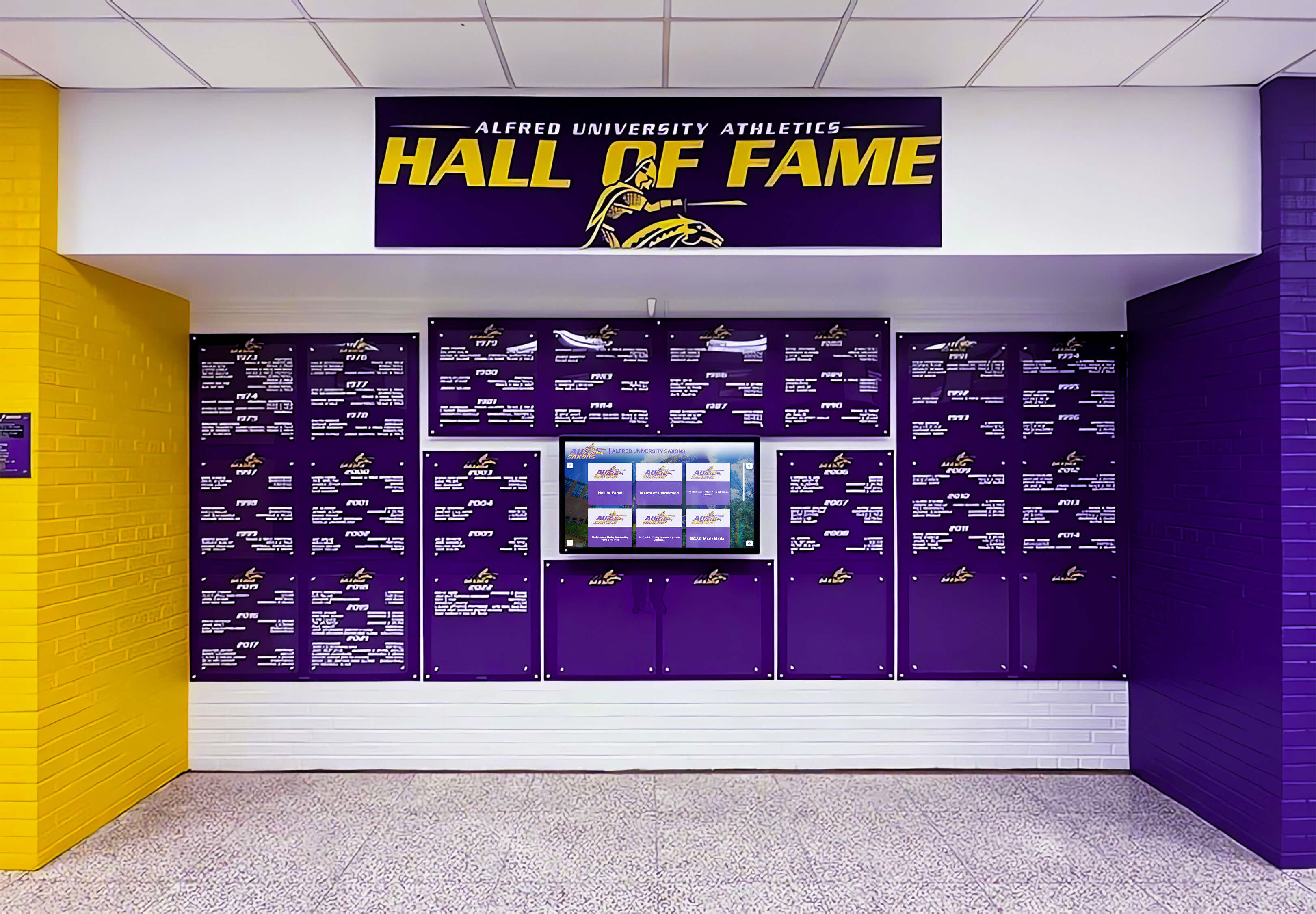
Ongoing maintenance prevents technical drift—systems remain functional, secure, and compliant throughout operational lives
The Hidden Costs of “Perpetual” Licenses
Paid Upgrade Requirements
Vendors offering perpetual licenses typically charge for major version upgrades:
Upgrade Pricing Models
- Major version upgrades costing 30-60% of original license price
- Mandatory upgrades when old versions reach end-of-life
- Feature access gated behind upgrade purchases
- Compatibility requirements forcing upgrades (new hardware, OS changes)
- Support cutoff for older versions creating pressure to upgrade
Effective Subscription Through Other Means
- Upgrade cycle every 3-5 years creates de facto subscription
- Total cost over 5 years may exceed explicit subscription pricing
- Unpredictable upgrade costs complicating budget planning
- Forced upgrade timing disrupting organizational schedules
- Risk of vendor discontinuing product line leaving customers stranded
Professional Services Dependency
Perpetual licenses often shift complexity to customers:
Common Professional Services Needs
- Initial implementation and configuration
- Integration with existing systems
- Content migration from previous systems
- Staff training and knowledge transfer
- Troubleshooting technical issues
- Performance optimization
- Security hardening and compliance review
- Major version upgrade assistance
Professional Services Cost Structures
- Hourly rates typically $150-300 per hour
- Fixed-price projects for defined scopes
- Retainer agreements providing ongoing access
- Emergency support premiums for urgent issues
Total Professional Services Investment
- Implementation: $5,000-20,000 depending on complexity
- Annual troubleshooting and optimization: $2,000-8,000
- Major version upgrades: $3,000-10,000
- Five-year professional services total: $15,000-50,000+
Adding professional services to perpetual license costs often exceeds subscription pricing while providing less comprehensive coverage.
Eventual Replacement Necessity
Perpetual licenses face obsolescence:
Technology Lifecycle Realities
- Display hardware lifespan: 5-7 years typical
- Software compatibility with aging hardware limited
- Vendor support sunset for older products
- Accumulating technical debt making systems unmaintainable
- Security vulnerabilities in discontinued products creating unacceptable risk
Replacement Implications
- New purchase required every 5-10 years
- Complete content migration to new platform
- Staff retraining on different system
- Disruption during transition period
- Sunk cost in original “perpetual” license
- Risk that vendor discontinues product line leaving no upgrade path
Perpetual licenses prove less permanent than name suggests—they extend until technical obsolescence forces replacement, typically 5-10 years.
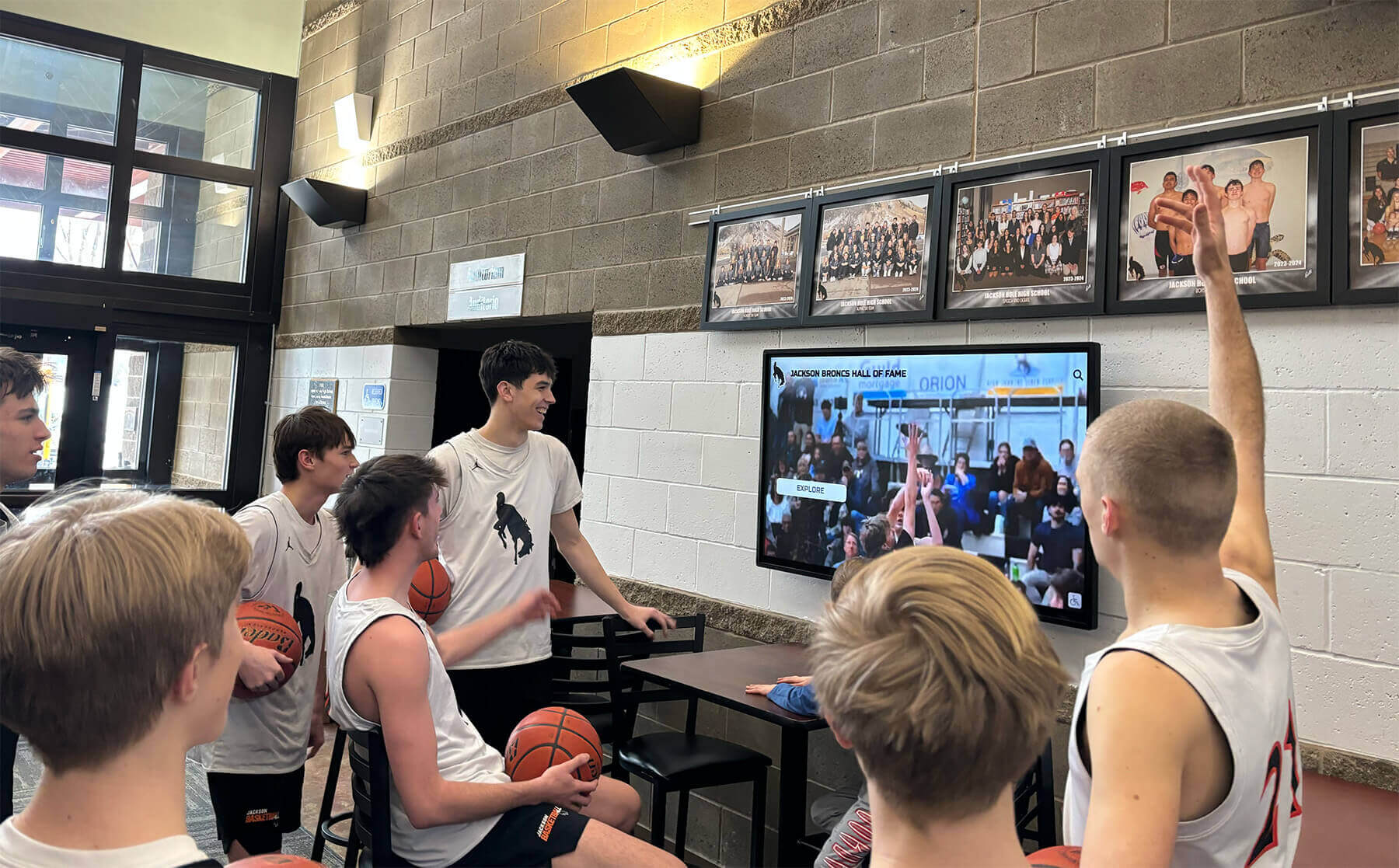
Long-term system viability requires ongoing investment—payment models should align with continuous maintenance reality
Addressing the Operational Value Proposition
Beyond pricing mechanics, examining actual operational benefits clarifies subscription value.
“You Don’t Have to Babysit the System”
Automated Update Deployment
Cloud-based subscription platforms handle maintenance transparently:
What Happens Automatically Without Customer Action
- Security patches deploy during overnight maintenance windows
- Browser compatibility updates roll out after testing
- Performance optimizations apply across infrastructure
- Feature releases become available to all customers
- Database schema migrations execute automatically
- Certificate renewals maintain encrypted connections
Contrast with Customer-Managed Systems
- Manual update installation requiring staff time and testing
- Maintenance window scheduling disrupting operations
- Compatibility verification before applying updates
- Rollback procedures if updates cause problems
- Database backup before schema changes
- Monitoring update availability and planning deployment
Staff Time Savings
Automated maintenance eliminates ongoing burden:
- No IT staff time required for update management
- No vendor coordination scheduling maintenance
- No testing updates in staging environments
- No troubleshooting update-related problems
- No reading release notes and planning migration
- No monitoring system health post-update
For small schools and resource-constrained organizations, this automation proves particularly valuable. Systems receive professional maintenance without requiring technical expertise or staff time internally.
Remote Monitoring and Proactive Support
Modern platforms detect problems before customer reports:
Automated Monitoring Capabilities
- Display connectivity status tracking
- Content update success/failure detection
- Performance metrics trending over time
- Error log analysis identifying patterns
- Security event monitoring
- User interaction analytics
Proactive Support Interventions
- Customer Success notification when displays go offline
- Outreach before customers notice problems
- Diagnosis and resolution without customer troubleshooting
- Performance degradation detection and optimization
- Capacity planning preventing future issues
This proactive approach means organizations “sleep at night” confident systems receive professional attention even when internal staff focused on other priorities.
Database-Driven Architecture Benefits
Why Database Backing Matters
Structured data enables capabilities impossible with slide-based approaches:
Search and Discovery
- Visitors finding personally-relevant content (their name, graduation year, team)
- Record board automatic ranking based on achievement data
- Filtering and faceting by sport, year, achievement type
- Related content recommendations
- Historical timeline navigation
- Alumni connection across years and teams
Dynamic Content Generation
- Athlete profiles appearing across multiple contexts automatically
- Team rosters built from individual records without duplication
- Record boards updating automatically when new achievements added
- Anniversary highlighting (50 years ago today)
- Automatic photo galleries from tagged images
- Scheduled content rotation without manual programming
Maintenance Efficiency
- Update athlete information once, reflected everywhere
- Bulk import for large data sets
- Change tracking showing recent modifications
- Content reuse eliminating duplicate entry
- Template systems maintaining consistent formatting
- Error checking preventing invalid data
Scalability and Growth
- Database structures accommodate unlimited historical depth
- Performance remains consistent as content volume grows
- Complex queries supporting sophisticated displays
- Integration capabilities connecting external systems
- Backup and recovery protecting years of content investment
- Migration paths to enhanced platforms preserving data
For schools considering how database architecture affects long-term value, content management system capabilities for recognition platforms explore these advantages.
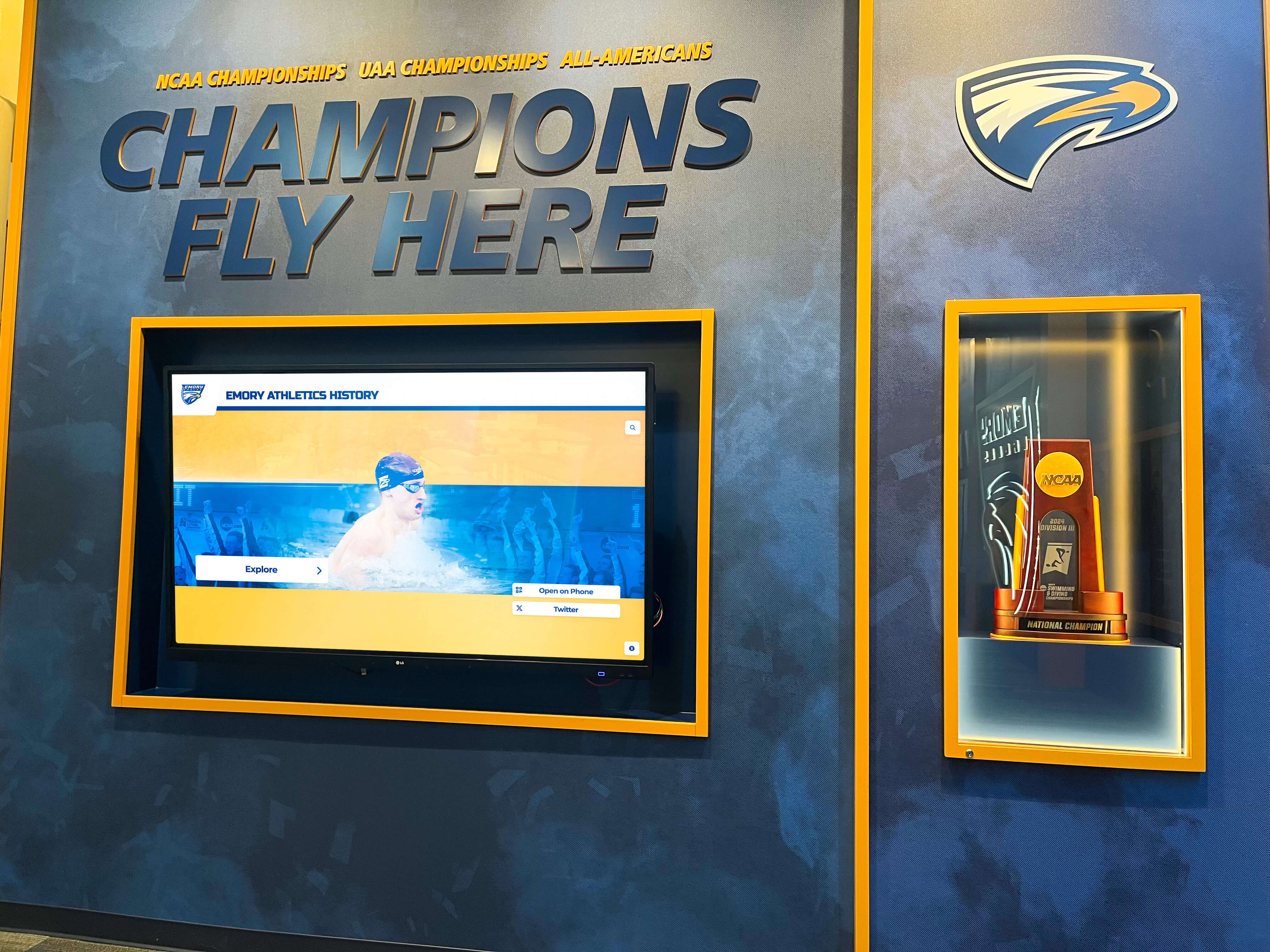
Database-driven systems enable sophisticated content discovery and automatic organization impossible with simpler presentation tools
Investment Protection Through Continuous Evolution
How Ongoing Maintenance Protects Initial Investment
Subscription models preserve value rather than consuming it:
Hardware Investment Protection
- Display equipment costing $3,000-6,000 per location
- Professional installation adding $1,500-3,000 per location
- Mounting systems and infrastructure: $1,000-2,000 per location
- Total hardware investment: $5,500-11,000 per display
Without ongoing software maintenance, this hardware investment faces:
- Accelerated obsolescence as software compatibility degrades
- Reduced utility as systems become less functional
- Security risks potentially requiring disconnection
- Earlier replacement requirement shortening effective life
- Lower return on investment from abbreviated service
Continuous software maintenance extends hardware useful life, protecting the substantial physical investment by ensuring systems remain functional, secure, and valuable throughout 7-10 year expected hardware lifecycles.
Content Investment Preservation
Years of content development represent significant value:
Content Creation Investments
- Hundreds of hours researching historical achievements
- Thousands of athlete profiles and biographies entered
- Photo scanning and digitization efforts
- Video editing and multimedia development
- Alumni interviews and oral histories
- Historical documentation and verification
This content investment extends over years as organizations gradually build comprehensive recognition archives. Platform continuity protects this investment—content remains accessible and usable rather than requiring migration or recreation if system changes.
Institutional Knowledge and Process Development
Organizations develop recognition expertise:
Operational Knowledge Built Over Time
- Staff proficiency with content management workflows
- Understanding of effective recognition strategies
- Community engagement processes generating participation
- Alumni networks contributing historical content
- Content quality standards and style guides
- Integration of recognition into institutional culture
Subscription models preserve this institutional knowledge by maintaining platform consistency. Staff expertise transfers to new employees, processes remain valid, and organizational capabilities compound over years.
Return on Investment Maximization
Long-term operation improves financial return:
ROI Factors
- Initial investment amortized over longer service periods
- Per-year cost declining as system operates longer
- Community familiarity increasing engagement over time
- Content richness growing improving value proposition
- Staff efficiency increasing with experience
- Operational costs declining as processes mature
Subscription models supporting 10+ year operation enable recognition systems to transition from expensive projects to embedded institutional assets generating ongoing value far exceeding implementation costs.
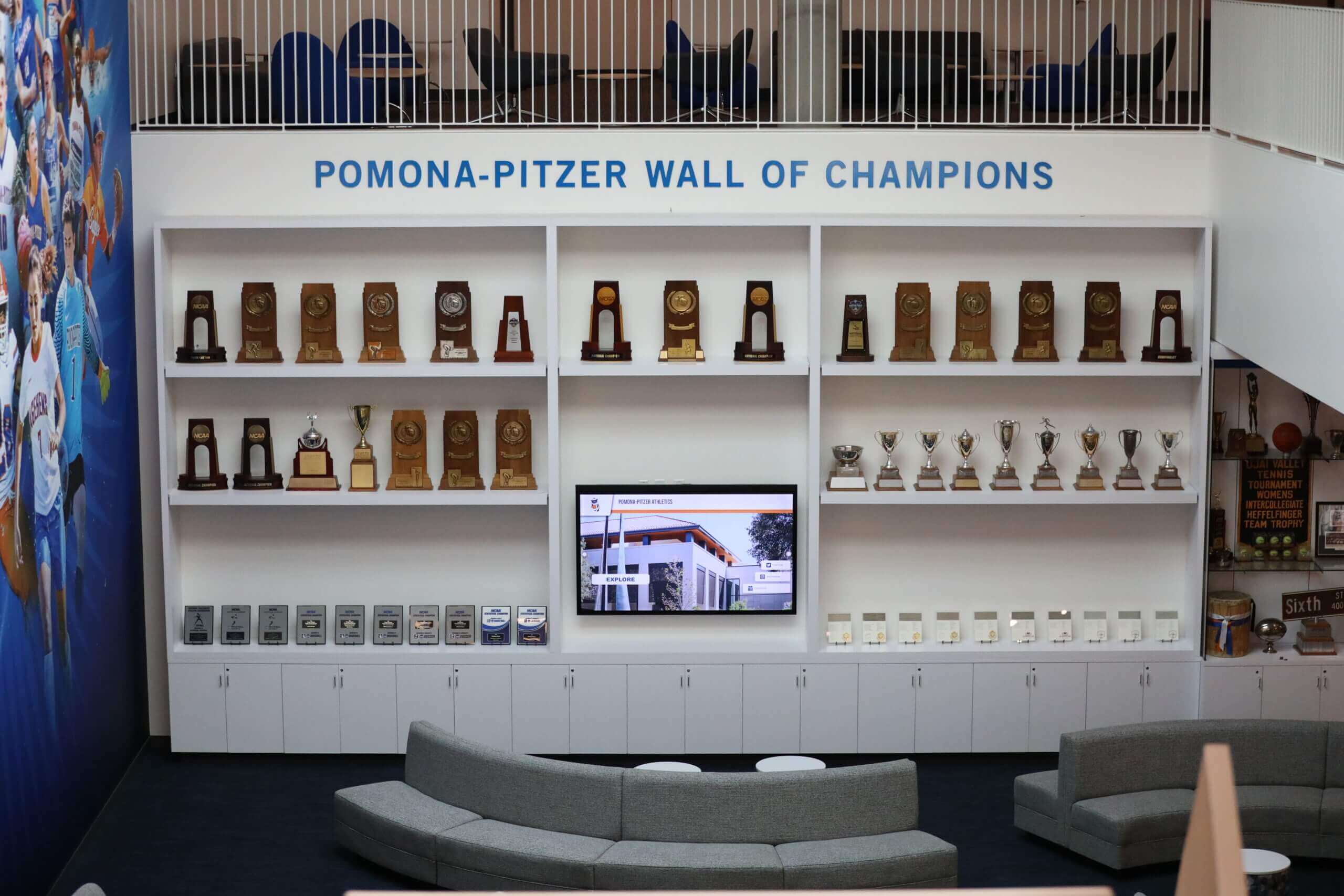
Long-term platform stability protects content investment and enables recognition systems to mature into established institutional resources
Evaluating Total Cost of Ownership Across Payment Models
Comparing pricing approaches requires examining complete multi-year costs and benefits.
Five-Year TCO Analysis: Subscription vs. One-Time + Support vs. Multi-Year Prepaid
Scenario: High School Digital Recognition System
Assumptions:
- Single 65-inch touchscreen display with installation
- Comprehensive recognition platform with historical content
- Professional technical support included
- Annual price inflation of 3-4%
Model 1: Annual Subscription
Year-by-year costs:
- Year 0: $4,000 subscription + $5,500 hardware/install = $9,500
- Year 1: $4,120 subscription (3% increase)
- Year 2: $4,244 subscription
- Year 3: $4,371 subscription
- Year 4: $4,502 subscription
- 5-year total: $31,237
Includes: Complete platform access, all features, ongoing maintenance, technical support, automated updates, security patching, new feature releases
Model 2: One-Time License + Annual Support
Year-by-year costs:
- Year 0: $12,000 license + $5,500 hardware/install + $2,500 first-year support = $20,000
- Year 1: $2,575 support (3% increase)
- Year 2: $2,652 support
- Year 3: $2,732 support
- Year 4: $2,814 support
- 5-year total: $30,773
Includes: Perpetual license to version at purchase, ongoing support updates, technical assistance, hosting/infrastructure
Model 3: Five-Year Prepaid Subscription (30% discount)
Year-by-year costs:
- Year 0: $14,000 prepaid (5 years) + $5,500 hardware/install = $19,500
- Years 1-4: $0 additional annual cost
- 5-year total: $19,500
Includes: Same complete access as annual subscription, all updates and features, support throughout term
Cost Comparison Summary
| Payment Model | 5-Year Total | Average Annual | Includes |
|---|---|---|---|
| Annual Subscription | $31,237 | $6,247 | Everything |
| One-Time + Support | $30,773 | $6,155 | Everything with support |
| 5-Year Prepaid | $19,500 | $3,900 | Everything |
Multi-year prepaid delivers 37-38% cost savings versus annual models while providing identical service and features.
Hidden Costs Often Missed in Comparisons
Professional Services and Customization
One-time purchase models often exclude:
Implementation Services
- Platform configuration and setup: $2,000-5,000
- Content migration from existing systems: $1,500-4,000
- Integration with student information systems: $2,000-6,000
- Custom design and branding: $1,500-3,500
- Staff training programs: $1,000-3,000
- Total implementation services: $8,000-21,500
Subscription models typically include basic implementation support, while one-time purchases often itemize these services separately. Comparing list prices without accounting for implementation differences distorts true cost analysis.
Network and Infrastructure
Display connectivity requires:
Annual Network Costs
- Internet connectivity: typically existing, minimal incremental cost
- Network infrastructure (cabling, switches): one-time capital cost
- Bandwidth usage: negligible for typical recognition content
- IT staff time managing display network integration: 5-15 hours annually
Power and Facilities
- Electrical costs: approximately $50-150 annually per display
- Display cleaning and maintenance: minimal staff time
- Physical space opportunity cost: varies by location value
While relatively small, these operational costs continue regardless of software payment model and should factor into total ownership calculations.
Opportunity Costs of Staff Time
Manual content management consumes resources:
Time Requirements by Approach
- Comprehensive database platform: 25-45 hours annually
- Basic digital signage: 60-100 hours annually
- Manual slideshows: 80-120 hours annually
Staff Time Value
- At $35/hour equivalent: $875-$4,200 annual value difference
- Over 5 years: $4,375-$21,000 total opportunity cost
Lower software costs offset by higher staff burden may prove false economy when labor costs considered.
Risk and Insurance
System failure creates costs:
Downtime Impacts
- Lost recognition value during outages
- Staff time troubleshooting problems
- Professional services for complex issues
- Emergency support premiums for urgent fixes
- Reputation impact from unreliable systems
Security Incident Costs
- Investigation and remediation expenses
- Legal and notification costs if data exposed
- Reputational damage and community relations
- Potential regulatory penalties
- System rebuild or replacement if compromise severe
Subscription models with vendor-managed security and maintenance reduce these risk-related costs through professional operations.
For schools developing comprehensive recognition system budgets, digital recognition investment planning frameworks address total cost considerations.
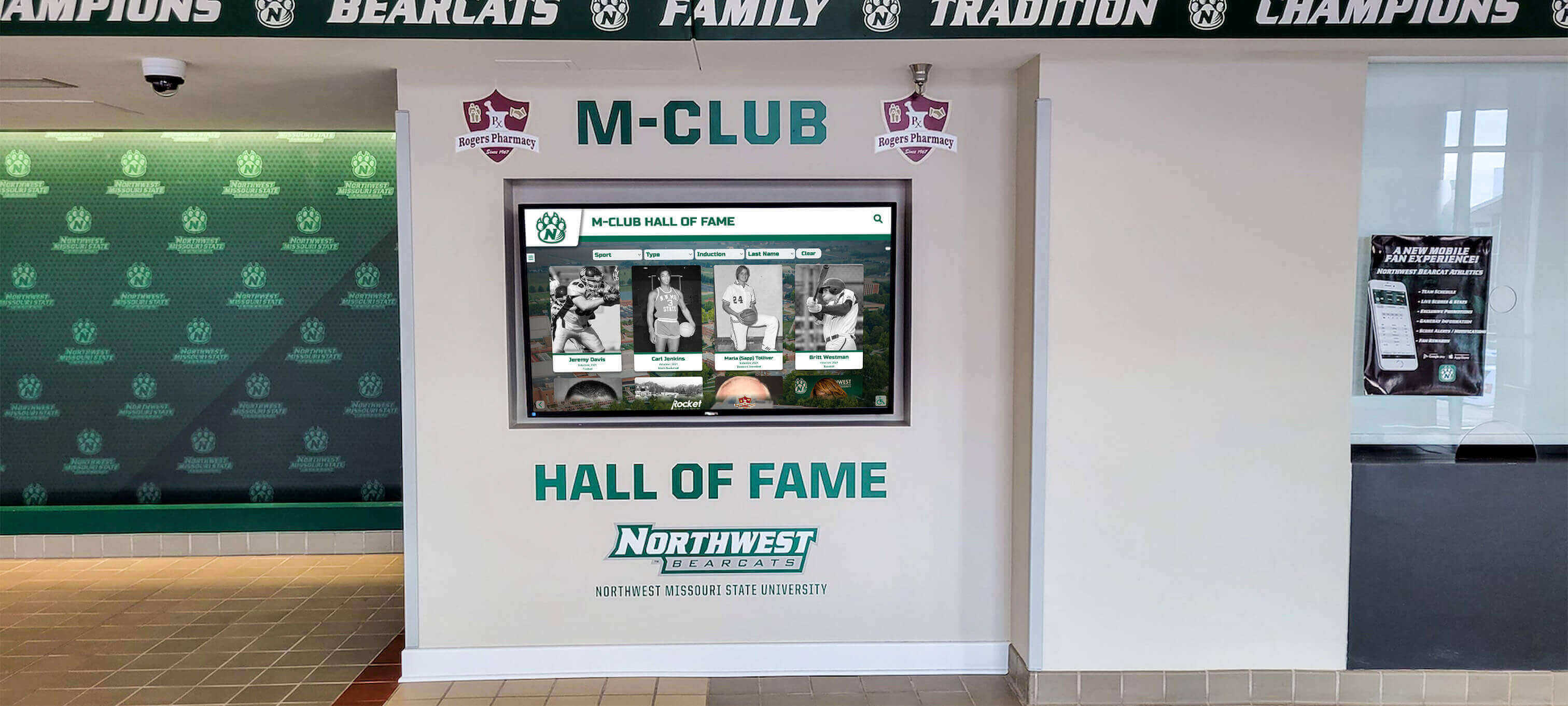
Comprehensive cost analysis includes implementation, maintenance, staff time, and risk factors beyond platform licensing fees
Making Informed Pricing Model Decisions
Choosing appropriate payment structures requires matching institutional circumstances with model characteristics.
Decision Framework: Which Payment Model Fits Your Situation?
Annual Subscription Works Best When
Organizations prioritizing flexibility and current access:
Favorable Circumstances for Annual Subscription
- Budget operates on annual cycles with flexible allocation
- Prefer operational expense treatment versus capital
- Value automatic access to latest features and improvements
- Want to avoid large upfront investments
- Uncertain about long-term commitment
- Limited access to multi-year funding
- Prefer vendor accountability through annual renewal
- Appreciate predictable annual costs with gradual inflation
Considerations Against Annual Subscription
- Higher total 5-year cost versus multi-year prepaid
- Annual renewal processes require ongoing attention
- Budget reauthorization risk if institutional priorities shift
- Cumulative inflation over multi-year periods
- Potential price increases at renewal
Multi-Year Prepaid Works Best When
Organizations seeking maximum value and price certainty:
Favorable Circumstances for Multi-Year Prepaid
- Access to lump-sum funding (grants, bonds, large gifts)
- Want price certainty for budget planning
- Value significant discount versus annual renewal
- Comfortable with vendor relationship long-term
- Seek to maximize cost-effectiveness
- Want to eliminate annual renewal friction
- Prefer to “set and forget” software licensing
- Can allocate capital for multi-year commitment
Considerations Against Multi-Year Prepaid
- Requires upfront capital allocation
- Less flexibility if institutional needs change dramatically
- Vendor relationship locked for extended period
- No renegotiation opportunity during term
- Risk if vendor situation changes (acquisition, financial distress)
One-Time Payment Works Best When
Organizations facing specific procurement or accounting constraints:
Favorable Circumstances for One-Time Payment
- RFP or procurement rules require perpetual licenses
- Capital budget access but limited operational budget
- Accounting treatment mandates capital expenditure
- Bond funding requiring single disbursement
- Organizational policy prohibiting subscriptions
- Preference for asset ownership versus service access
- Willing to purchase annual support separately
- Accept gradual technical drift or plan periodic upgrades
Considerations Against One-Time Payment
- Higher total cost with support versus multi-year prepaid
- Annual support fees often required for reliable operation
- Risk of obsolescence without continuous updates
- Potential major upgrade costs every 3-5 years
- Less vendor accountability after sale
- Security and compliance risks without ongoing maintenance
Questions to Ask During Vendor Evaluation
Understanding Pricing Flexibility
Clarify available payment options:
- What payment models do you offer (annual, multi-year, one-time)?
- What discount structure applies to multi-year commitments?
- Can you structure pricing to accommodate grant/bond funding timelines?
- Do you support hybrid models (partial prepay, partial annual)?
- What happens if our funding situation changes mid-contract?
- Are there early termination options and associated costs?
- How do you handle price increases during multi-year agreements?
- Can you separate software licensing from support/hosting for accounting purposes?
What’s Included in Different Models
Understand complete scope:
- What features and capabilities come with each pricing tier?
- Is technical support included or priced separately?
- Does pricing cover unlimited users and content?
- Are there limits on display count, content volume, or features?
- What implementation services are included versus optional?
- Do you provide training and onboarding?
- Is hosting/infrastructure included in pricing?
- Are future features included or gated behind upgrades?
Long-Term Sustainability and Viability
Assess vendor commitment:
- How long has your company operated?
- How many active customers do you serve?
- What’s your track record of continuous platform investment?
- Can you provide references from long-term customers (5+ years)?
- How do you handle customers on older contracts as platform evolves?
- What happens if you’re acquired or business situation changes?
- Do you offer migration assistance if we need to change systems?
- What customer data portability do you provide?
Support and Maintenance Specifics
Clarify ongoing relationship:
- What’s included in technical support (hours, response time, channels)?
- How do you handle security vulnerabilities and critical patches?
- What’s your process for browser compatibility updates?
- Do you provide proactive monitoring and issue detection?
- How do you communicate scheduled maintenance?
- What uptime guarantees or SLAs do you offer?
- How do you handle customer-reported bugs and issues?
- What’s your release cadence for updates and new features?
For organizations developing comprehensive vendor evaluation criteria, digital recognition platform selection frameworks provide structured approaches.
Getting Stakeholder Buy-In for Subscription Models
Addressing “Subscription Trap” Concerns
Decision-makers often resist subscription models based on misconceptions:
Common Objections and Responses
Objection 1: “We prefer to own our software, not rent it”
Response: Digital platforms differ from traditional software:
- Ongoing maintenance essential for security, compatibility, and compliance
- “Ownership” without updates creates obsolescence risk
- Subscription includes continuous value delivery through improvements
- Database and content remain accessible with vendor data export
- Multi-year prepay provides ownership-like price certainty with subscription benefits
Objection 2: “Subscriptions cost more over time than one-time purchases”
Response: Total cost analysis shows more complex picture:
- One-time licenses require annual support fees for reliable operation
- Periodic major upgrade costs create de facto subscription
- Professional services expenses often exceed subscription premiums
- Risk costs from security and compliance gaps
- Multi-year prepaid subscription often proves least expensive total cost
Objection 3: “What if you go out of business or raise prices dramatically?”
Response: Legitimate concern addressed through:
- Multi-year prepaid agreements lock pricing for extended periods
- Contract terms limit annual renewal increases (typically capped at CPI or 5%)
- Established vendors with large customer bases show business stability
- Customer references demonstrating long-term vendor reliability
- Data portability provisions protecting content investment
Objection 4: “Our budget only allows one-time capital purchases”
Response: Budget flexibility options:
- Multi-year prepaid subscriptions often qualify as capital expenditures
- Software as asset with defined service life fits capital treatment
- Can advocate for budget policy evolution recognizing SaaS value
- Hybrid models separating software license from ongoing service
- Alternative funding sources (grants, donations, sponsors) for operational costs
Building Business Case for Stakeholder Approval
Compelling proposals address key decision-maker priorities:
Financial Sustainability
- Total 5-year cost comparison across payment models
- Staff time savings reducing operational burden
- Avoided costs (physical trophy purchases, display expansion, professional services)
- Risk reduction from security and compliance professional management
- Multi-year prepaid maximizing cost-effectiveness
Operational Efficiency
- Reduced IT support burden through vendor-managed maintenance
- Automated updates eliminating manual upgrade projects
- Professional monitoring preventing downtime
- Turnkey support reducing troubleshooting time
- Scalability supporting program growth without system replacement
Strategic Value
- Modern recognition supporting institutional positioning
- Community engagement strengthening stakeholder relationships
- Alumni connection improving fundraising effectiveness
- Recruitment advantages showcasing program tradition
- Platform longevity protecting initial investment
Risk Management
- Security professional management reducing vulnerability exposure
- Compliance assurance through continuous accessibility updates
- Vendor accountability through ongoing relationship
- Data backup and disaster recovery
- Professional support availability for critical issues
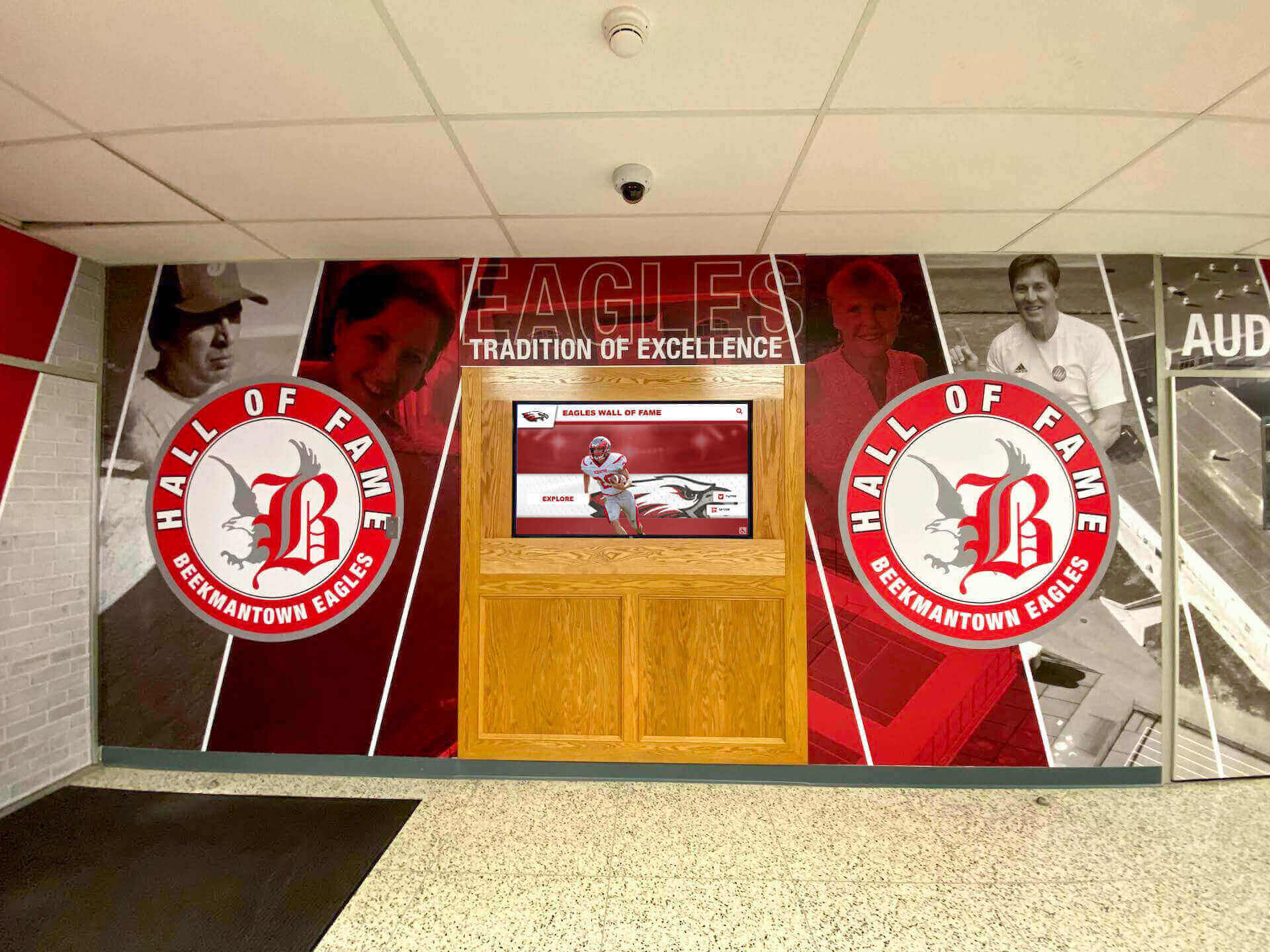
Effective stakeholder communication frames pricing models within broader value proposition and institutional priorities
Rocket’s Actual Pricing Flexibility: The Reality
Clarifying what Rocket Alumni Solutions actually offers versus misconceptions.
Multi-Year Prepaid Agreements Available
Long-Term Commitment Options
Rocket supports extended prepaid agreements:
Available Terms
- 3-year prepaid agreements with meaningful discount
- 5-year prepaid agreements with substantial discount
- 7-10 year prepaid options for maximum price certainty
- Custom terms accommodating specific institutional requirements
Discount Structures (illustrative; actual terms vary by situation)
- 3-year: typically 10-15% discount versus annual renewal
- 5-year: typically 20-30% discount versus annual renewal
- 7-10 year: typically 30-40% discount versus annual renewal
- Additional volume discounts for large organizations or districts
What Multi-Year Agreements Include
- Complete platform access throughout term
- All current and future features released during agreement period
- Ongoing technical support and customer success
- Continuous security, compatibility, and compliance updates
- Infrastructure and hosting services
- No annual renewal processes or price renegotiation
Why Rocket Offers Multi-Year Prepaid
Benefits for both organization and vendor:
- Eliminates procurement friction for grant and bond-funded projects
- Provides price certainty attractive to budget-conscious institutions
- Reduces administrative overhead from annual renewals
- Supports long-term planning and relationship development
- Demonstrates vendor confidence in platform value and reliability
One-Time Payment When Procurement Requires It
RFP and Bond Funding Accommodation
Rocket can structure proposals meeting procurement requirements:
When One-Time Payment Makes Sense
- Government RFPs specifying perpetual license requirements
- Bond-funded construction projects requiring capital expenditure treatment
- Accounting policies mandating asset capitalization
- Organizational policies prohibiting subscription agreements
- Procurement rules restricting automatic renewals
How Rocket Structures One-Time Proposals
- Perpetual software license with defined service life (typically 5-7 years)
- Hardware bundled as complete capital asset
- Implementation and training included in upfront cost
- Optional annual support and maintenance agreements
- Clear communication about ongoing costs and support requirements
- Compliance with RFP evaluation criteria and scoring rubrics
Important Disclosures in One-Time Proposals
Rocket provides transparent communication:
- Ongoing support recommended for security, compatibility, and reliability
- Annual support pricing and what it includes
- Long-term viability considerations without continuous updates
- Upgrade path options when systems age
- Comparison showing total cost versus subscription models
- Honest assessment of one-time payment appropriateness
Rocket accommodates one-time payment when genuinely required while ensuring organizations understand complete picture enabling informed decisions.
Continuous Upgrades Included Regardless of Payment Model
The Platform Evolution Commitment
Key differentiator: ongoing improvement regardless of how customer paid:
What “Continuous Upgrades” Means
- All customers run identical current platform version
- Feature releases deploy universally across customer base
- Security patches and compatibility updates roll out to everyone
- Performance improvements benefit all installations
- Accessibility enhancements apply across all organizations
- No “legacy customer” second-class experience
This Applies to All Payment Models
- Annual subscription customers: obviously receive continuous updates
- Multi-year prepaid customers: receive all updates throughout term
- One-time payment customers with support: receive updates while support active
- Even one-time customers without support: can access updates if they resume support
Why This Matters
Contrast with typical software industry practices:
- Many vendors gate features behind upgrade fees
- Version fragmentation creates first-class and second-class customers
- Purchase timing affects ongoing value and capability
- Long-term customers may run inferior versions to recent purchasers
Rocket’s unified platform approach means:
- School subscribing in 2020 runs same platform as school subscribing in 2026
- Early adopters benefit from continuous improvement without paying again
- Platform quality remains high for all customers incentivizing vendor excellence
- Organizational content investment protected through platform continuity
Explore Flexible Pricing for Your Recognition Needs
Discover how Rocket Alumni Solutions offers annual subscriptions, multi-year prepaid agreements up to 10 years with substantial discounts, and one-time payment options when procurement requires—all with continuous platform upgrades protecting your long-term investment.
Talk to Our Team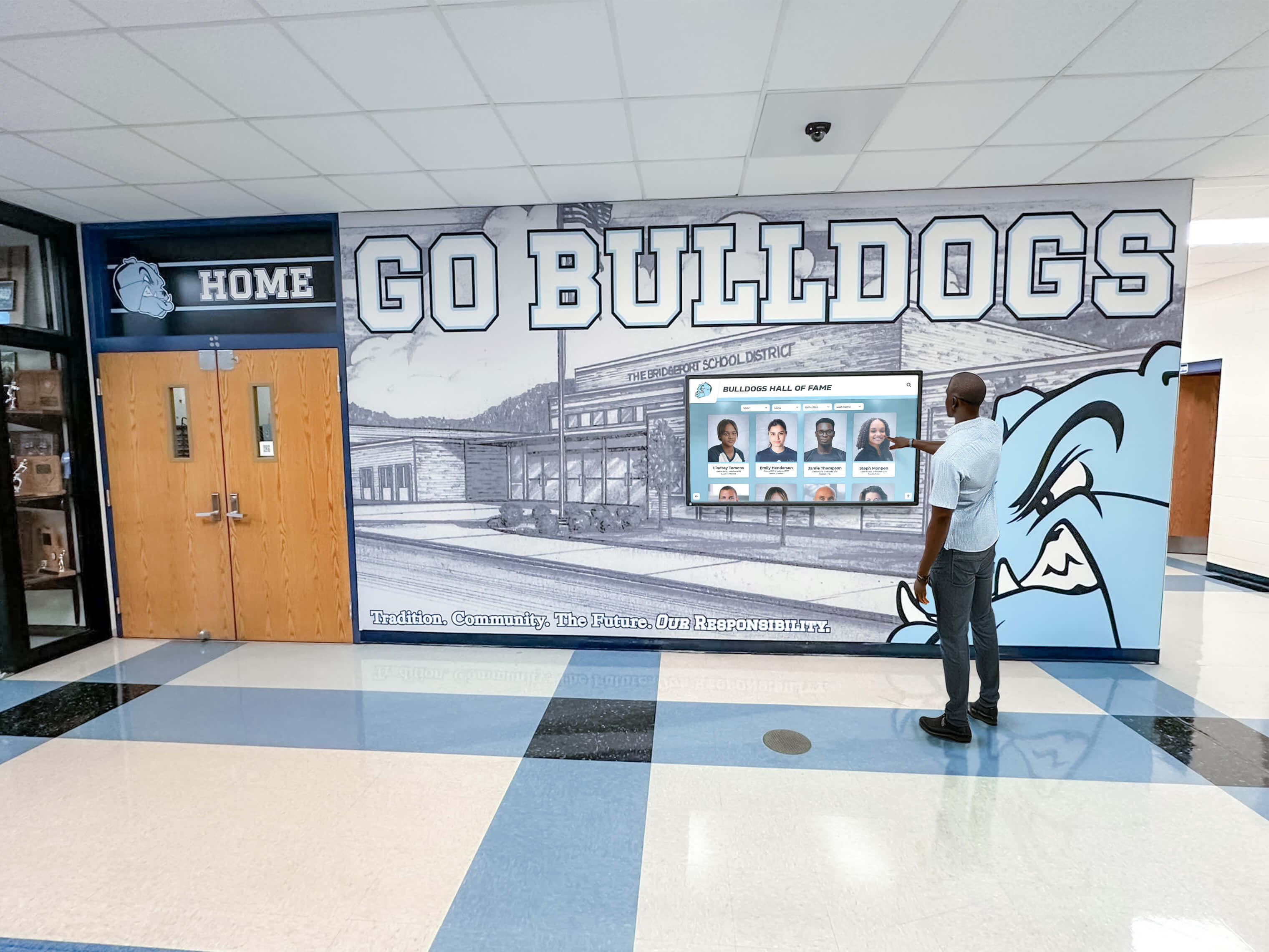
Flexible pricing accommodates diverse institutional circumstances while maintaining platform quality through continuous investment
Conclusion: Pricing Models That Match Institutional Realities
The characterization of Rocket Alumni Solutions as “strictly annual subscription” misrepresents actual pricing flexibility available to accommodate diverse institutional procurement contexts. While annual subscription represents one payment model—and delivers meaningful advantages through operational expense treatment and annual flexibility—Rocket supports multi-year prepaid agreements extending up to 10 years with substantial volume discounts, one-time payment structures when RFP requirements or bond funding mandates them, and hybrid arrangements addressing specific organizational constraints.
Multi-year prepaid agreements directly address grant-funded implementations requiring price certainty across project lifecycles, bond-funded construction projects allocating technology within capital budgets, and long-term facility planning eliminating annual renewal friction. Discounts of 20-40% versus annual renewal make extended commitments financially attractive while providing guaranteed access to continuous platform evolution throughout agreement terms. Organizations gain budget certainty without sacrificing upgrade paths or accepting frozen systems aging through technical neglect.
One-time payment options serve legitimate procurement requirements—government RFPs specifying perpetual licenses, accounting policies mandating capital expenditure treatment, and organizational rules restricting subscription agreements. Rocket structures these proposals transparently, clearly communicating that ongoing support remains essential for long-term security, compatibility, and compliance, and providing optional annual maintenance agreements covering continuous platform evolution. One-time payment doesn’t eliminate ongoing costs; it simply restructures them to match procurement requirements while maintaining customer awareness of complete total ownership costs.
The “subscription trap” argument mischaracterizes how digital platforms maintain value over time. Browser evolution, security vulnerability discovery, accessibility standard development, and infrastructure maintenance create ongoing costs regardless of payment structure. Subscription models fund continuous investment addressing these external changes, ensuring systems remain functional, secure, accessible, and valuable throughout multi-year operational lives. One-time purchases merely shift these ongoing costs—either to annual support agreements creating de facto subscriptions, to periodic paid upgrades, to accumulated technical debt eventually forcing replacement, or to acceptance of gradual functional degradation and growing security/compliance risks.
Rocket’s unified codebase approach means all customers receive continuous improvements regardless of contract age or payment model. Schools subscribing in 2020 run identical platforms to schools subscribing in 2026. Feature development benefiting any customer deploys to all. Security investments protecting enterprise clients protect small schools equally. This shared infrastructure contrasts with typical perpetual license models where customers on older versions receive declining support while running increasingly outdated software. Subscription economics enable platform quality and continuous improvement benefiting entire customer base rather than fragmenting resources across version management.
The practical promise organizations care about: you don’t have to babysit the system. Automated maintenance deploys browser compatibility updates, security patches, and performance improvements without requiring customer action. Proactive monitoring detects issues before organizational staff notice problems. Professional customer success teams provide responsive support addressing questions and technical challenges. Organizations implement recognition systems serving communities rather than becoming digital platform administrators—the operational value subscription models fund.
Choosing appropriate payment models requires matching institutional circumstances with model characteristics. Organizations prioritizing flexibility, preferring operational expense treatment, and comfortable with annual renewal processes benefit from annual subscription. Institutions with access to multi-year funding, seeking maximum cost-effectiveness, and wanting to eliminate renewal friction should evaluate multi-year prepaid agreements delivering 20-40% savings. Organizations facing procurement rules requiring perpetual licenses or capital expenditure accounting can structure one-time payment proposals, understanding that annual support agreements typically prove necessary for reliable long-term operation.
Ready to explore pricing options matching your institutional situation? Talk to our team to discuss annual subscription, multi-year prepaid agreements with volume discounts, one-time payment structures for specific procurement requirements, and how continuous platform evolution protects your long-term recognition investment regardless of payment approach.