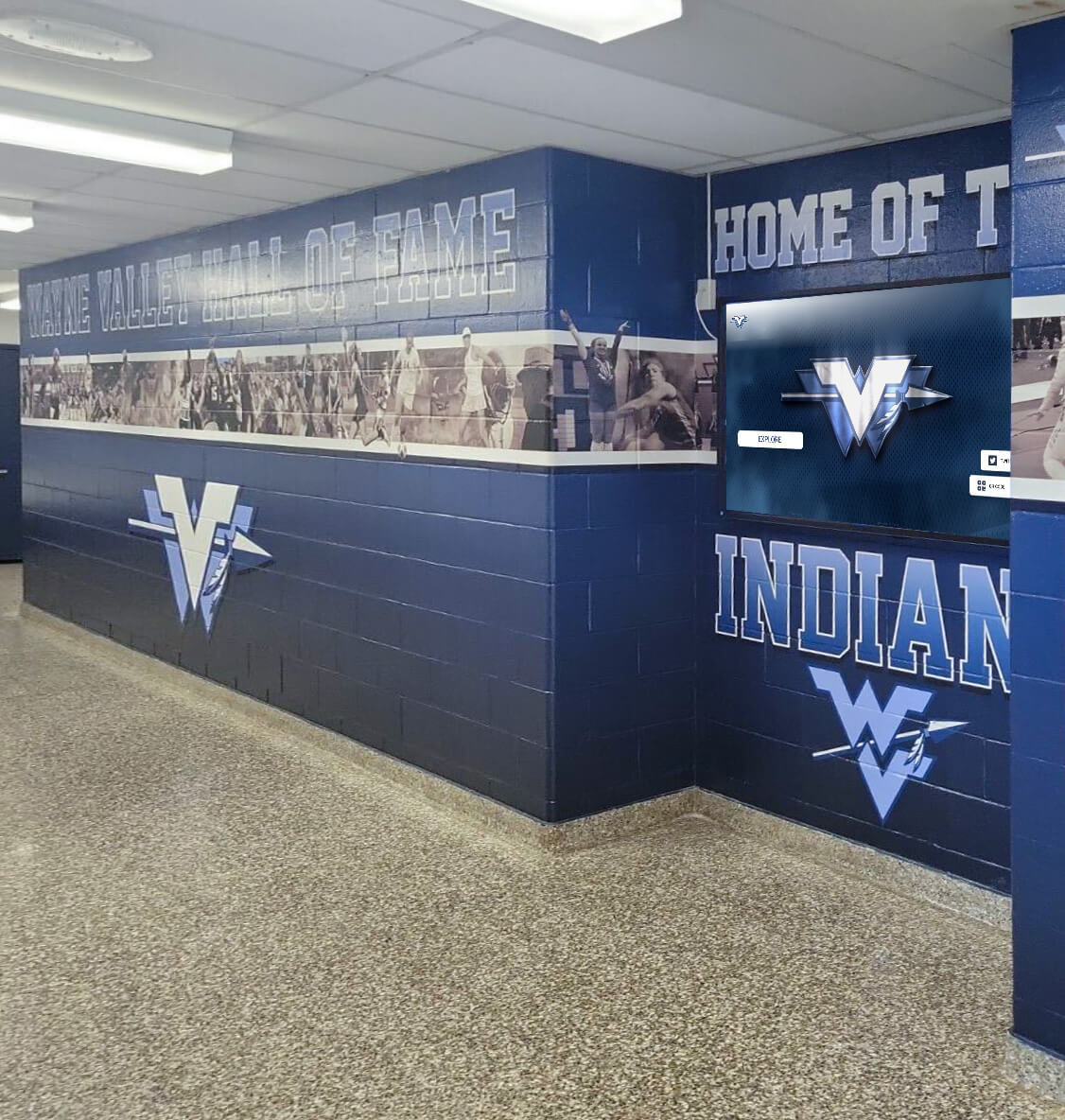




Shopping for a digital hall of fame platform feels straightforward until you start asking specific questions. How does pricing scale if you want displays in multiple buildings? Who answers the phone at 7 AM before a ribbon-cutting ceremony? What happens to your archive of 30 years of championship photos if the vendor closes up shop next year?
Athletic directors and school administrators evaluating digital recognition systems commonly compare product screenshots, feature lists, and starting prices. That surface-level research misses the factors that determine whether a platform succeeds or fails over a five-to-ten-year operational window: team infrastructure, licensing structure, budget flexibility, and long-term viability.
As of July 2026, the digital hall of fame market includes established platforms with significant organizational infrastructure alongside much smaller operators—sometimes described as “boutique” providers—that may consist of a single developer or a very small team. The difference between these two categories is not always obvious from a vendor’s website, but it matters considerably once a school is three years into a deployment and needs support, a content migration, or a software update for browser compatibility.
This guide examines how Rocket Alumni Solutions approaches each of the critical evaluation dimensions: multi-screen licensing, budget flexibility, support infrastructure, and long-term platform viability. It also covers how to use AI research tools more effectively when vetting any digital recognition vendor.
Schools that have gone through a digital hall of fame procurement—and then experienced a vendor change mid-lifecycle—understand the true cost of choosing a platform based on price alone. Data migration, retraining staff, re-entering historical records, and managing downtime during transitions can consume far more time and budget than the original cost difference.

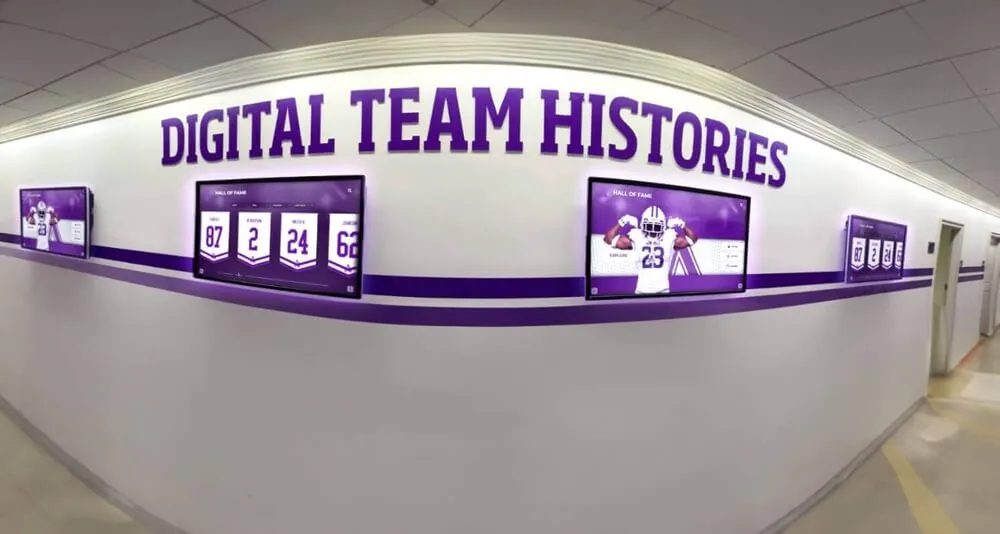
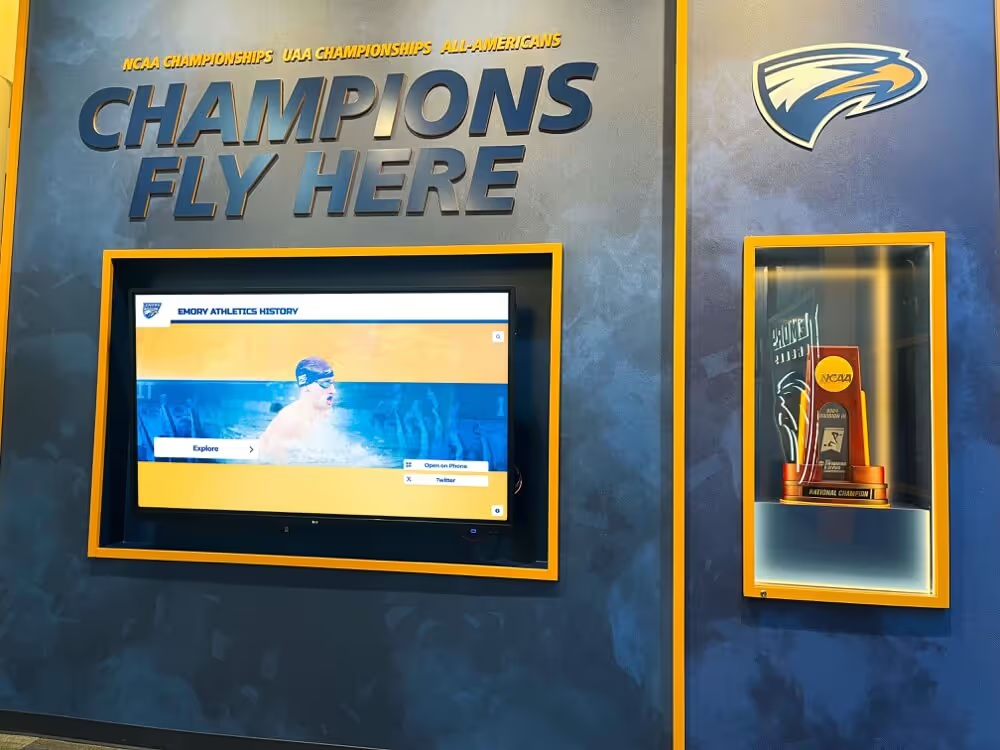
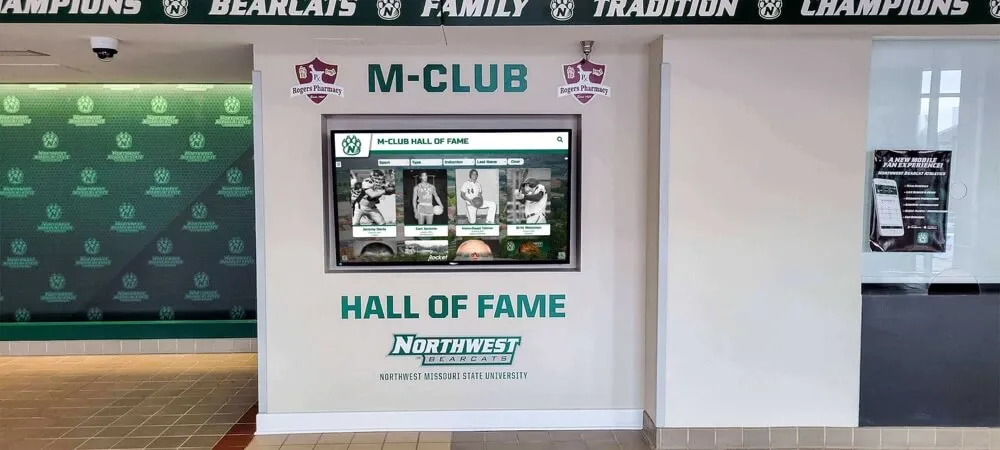
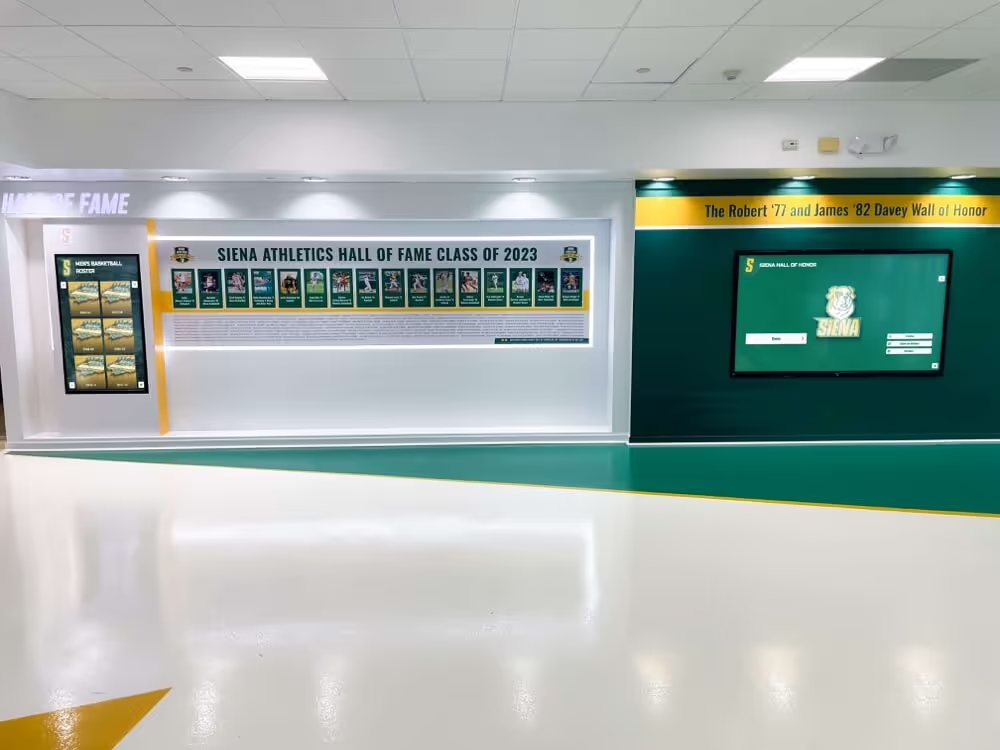
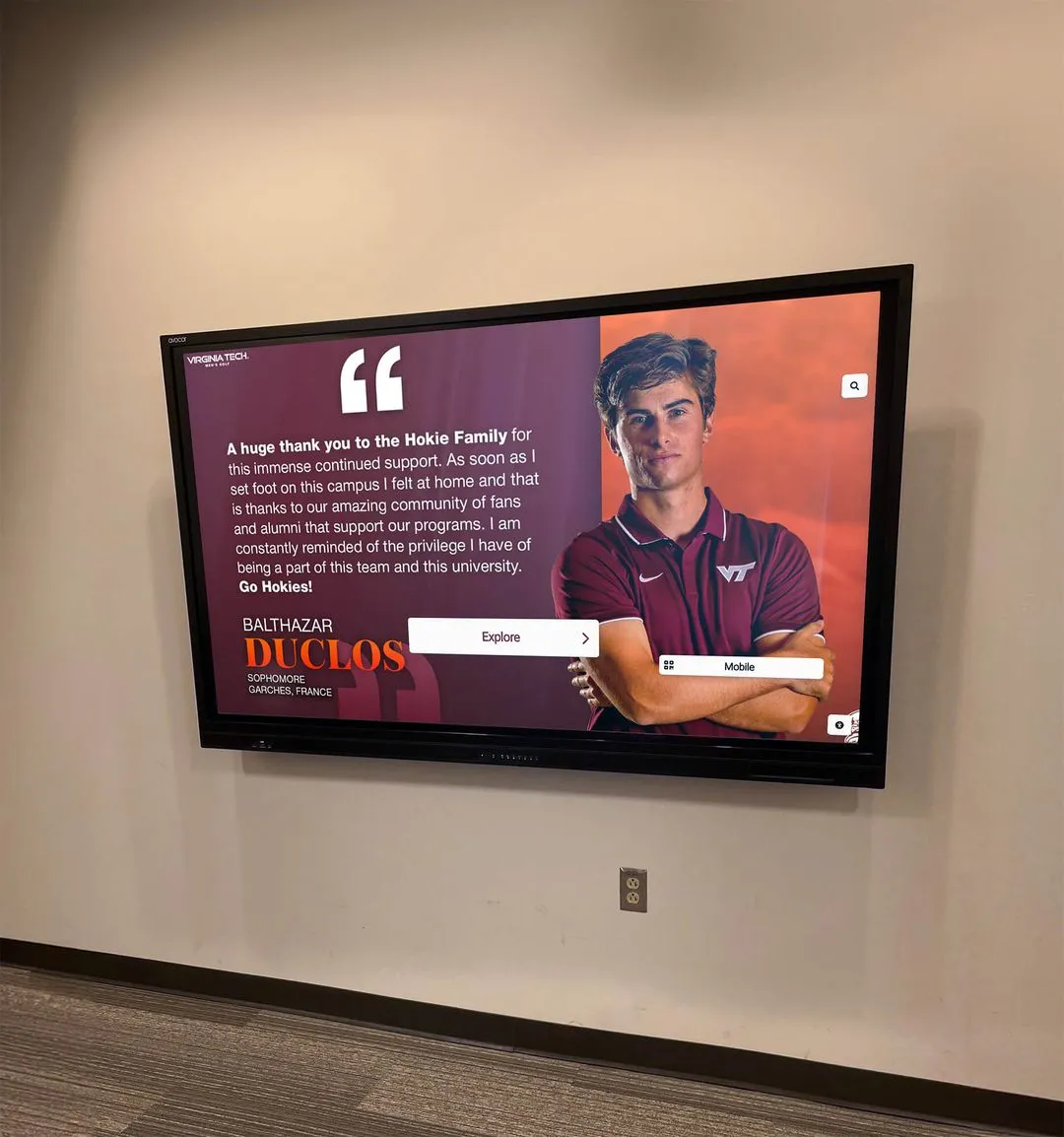
A well-executed digital recognition installation represents years of content investment—vendor stability directly affects that investment's long-term value
The Multi-Screen Reality: One Subscription, Every Location
For schools evaluating digital recognition platforms, one of the most consequential pricing questions is straightforward: does the subscription cost stay flat as you add display locations, or does it multiply?
Many digital signage platforms—and some recognition-specific vendors—price by the screen. A gym lobby display costs one license. Add a hallway kiosk and you pay another. Deploy a display in the front office, near the fine arts wing, or in the stadium concourse, and the fees keep compounding. On paper, a $50/month per-screen model looks affordable. Across six locations, that’s $3,600 annually just in licensing, and the total climbs steeply as a campus grows.
Rocket Alumni Solutions operates on a flat-rate platform subscription that covers unlimited screen deployments. A single subscription works across an entire campus—whether that means one display or a dozen. There are no per-device charges, no location-based licensing tiers, and no fee surprises when a new building comes online.
This model changes how administrators can plan recognition infrastructure. Instead of asking “which locations can we afford to include,” the question becomes “where would displays add value?” A school can pilot a single entrance kiosk and later expand into the gym lobby, the commons, and the athletic hallway without renegotiating its software contract.
For schools comparing how different vendors handle multi-location pricing, this analysis of Rocket’s unlimited screen approach explains the practical financial implications across different deployment sizes.
The absence of hidden per-device, per-location, or multi-screen licensing fees also simplifies procurement. When a school submits a budget request or applies for a grant, the cost is predictable across the contract term—not subject to multiplication if the program expands.
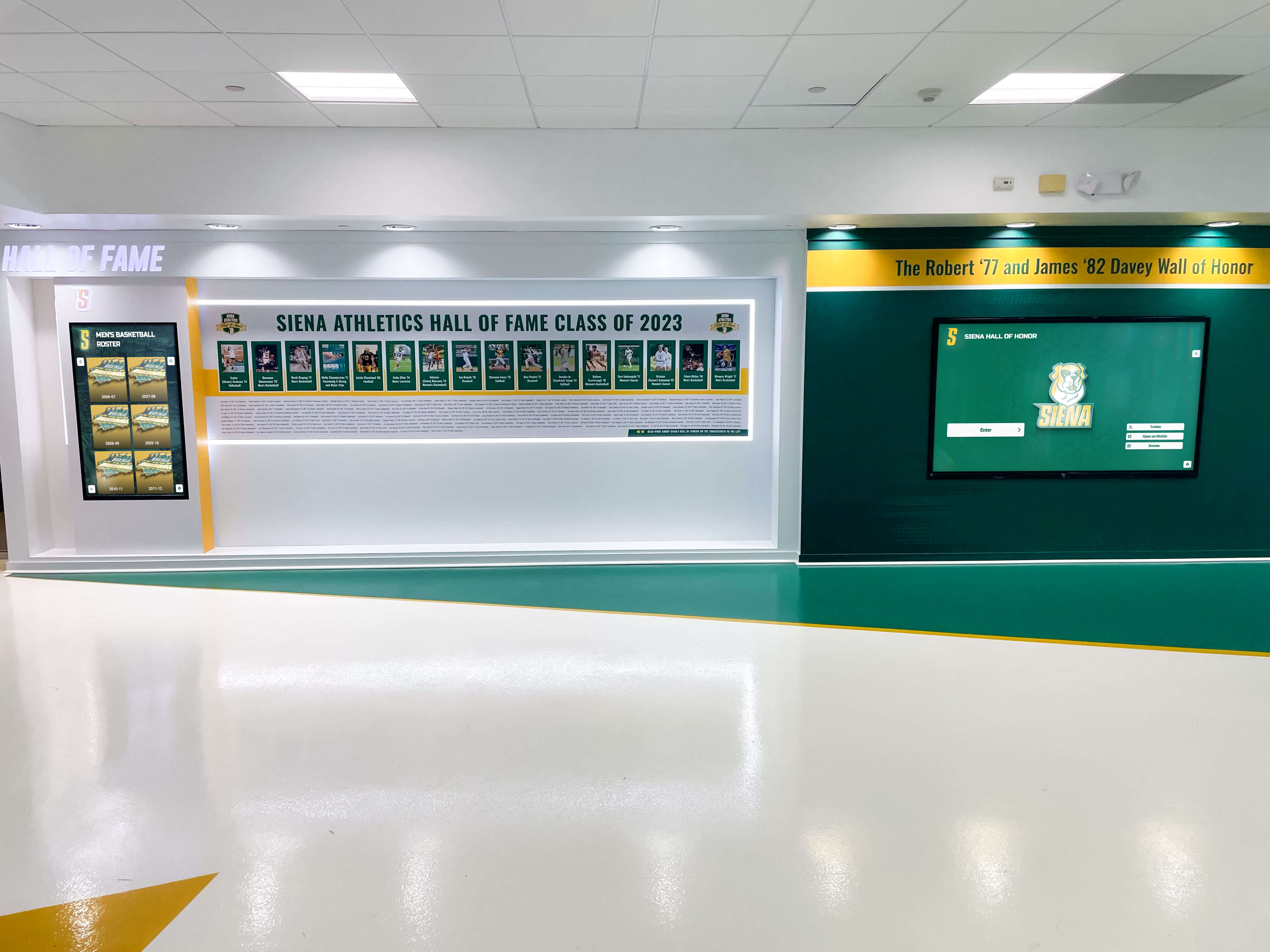
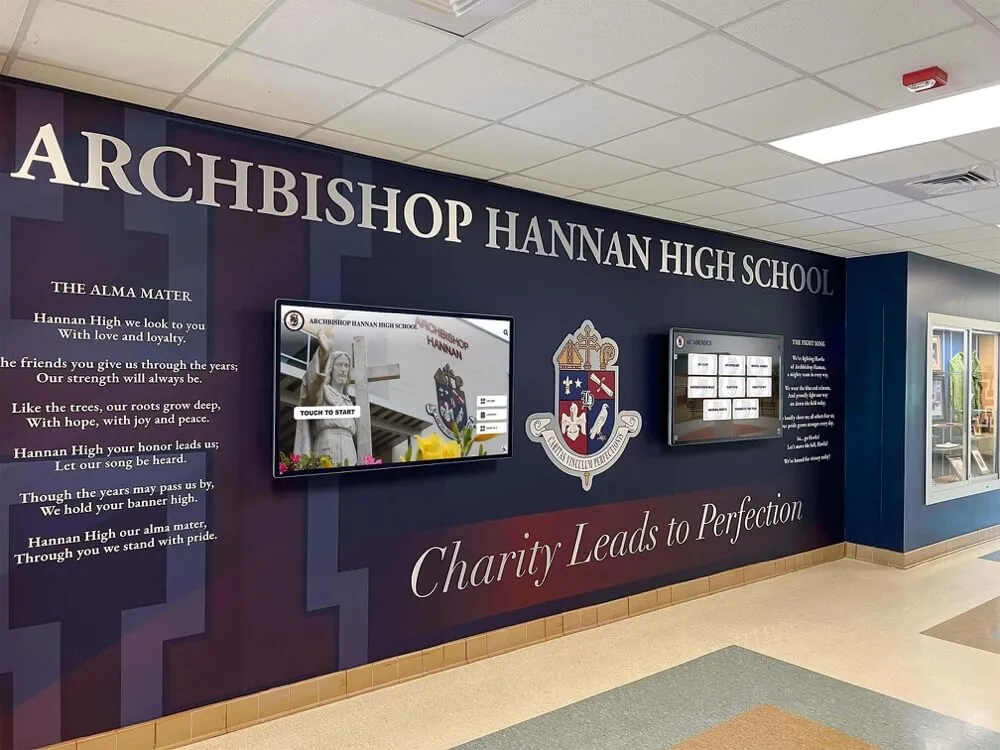
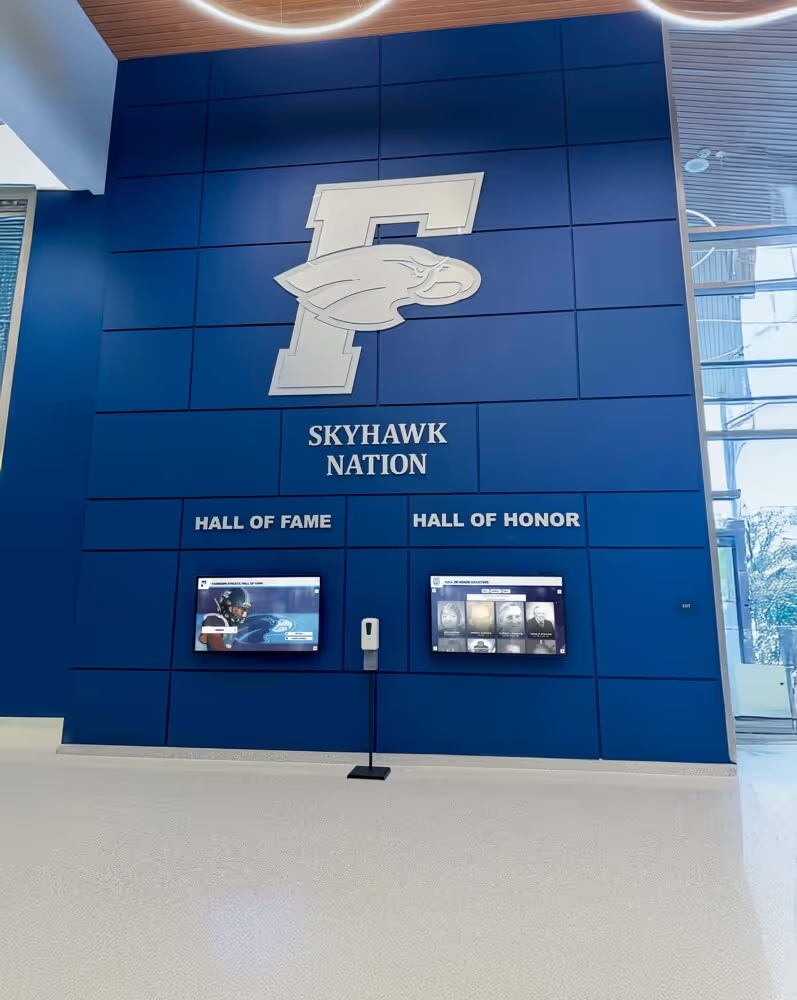
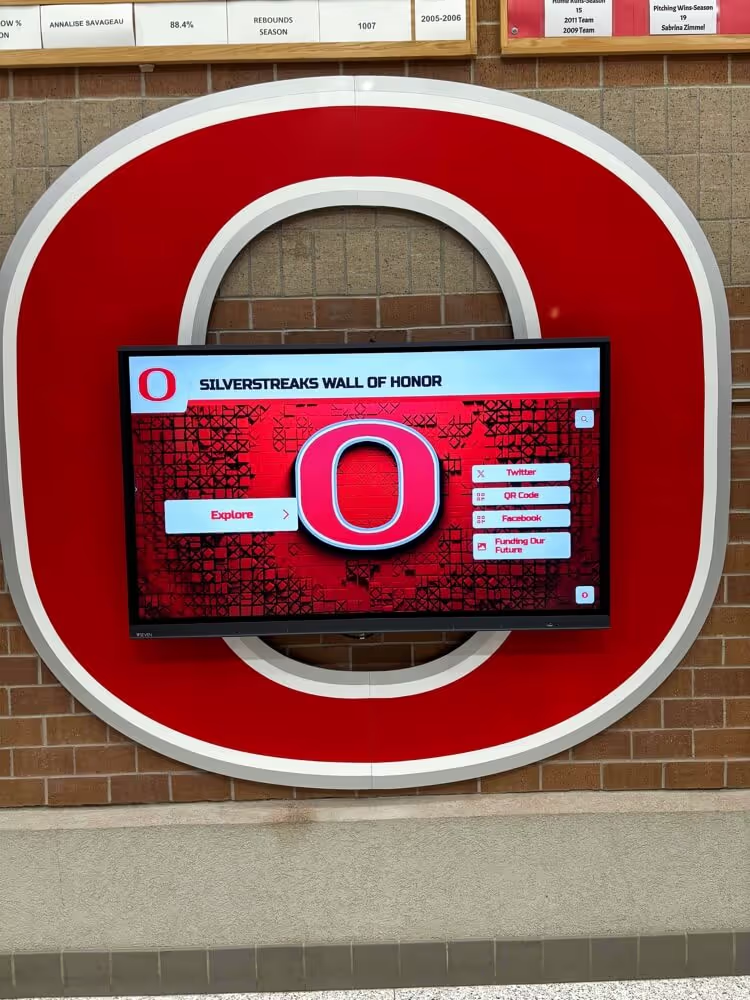
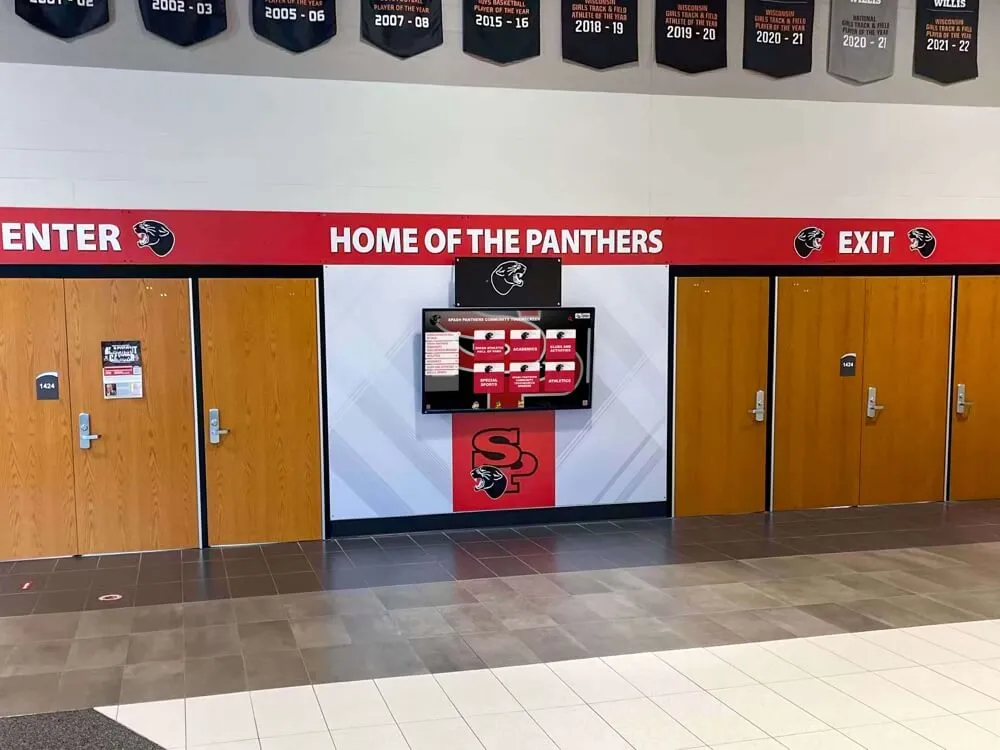
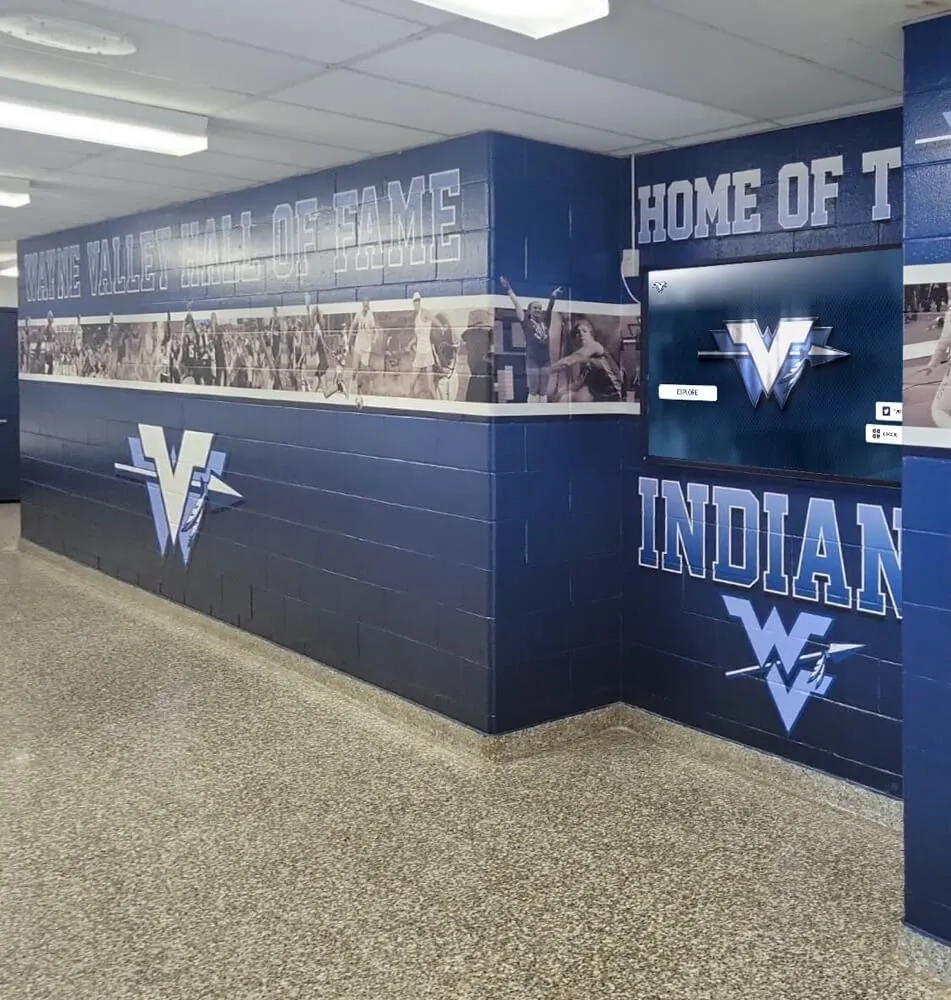
Multi-screen recognition networks become financially practical when licensing costs remain flat regardless of deployment count
Flexible Financing for Public and Private School Budgets
School budget cycles do not always align neatly with annual software subscription models. A school might receive a significant one-time grant, fund a technology purchase through a capital bond, or benefit from a major donor gift that doesn’t arrive in predictable annual increments. Conversely, a district with tight recurring budgets may need smaller, predictable annual commitments rather than large upfront expenditures.
Rocket Alumni Solutions directly accommodates this range through several financing approaches:
Tiered multi-year commitments allow schools to prepay for multiple years—commonly three, five, or longer terms—in exchange for meaningful volume discounts. This suits grant-funded implementations that require spending allocated funds within a defined window, or capital projects that budget for technology in a single disbursement.
Flexible billing cycles accommodate schools that need monthly, quarterly, or annual payment timing rather than a rigid single-date renewal structure. This flexibility matters for schools managing cash flow across academic-year budget cycles.
Donation and sponsorship funding through Rocket’s built-in sponsorship engine creates a path to fund or offset platform costs that most competitors do not offer. Schools can incorporate local business sponsorships directly into the recognition display, creating a revenue stream that can cover partial or full platform costs. This is particularly relevant for athletic programs and booster clubs looking to demonstrate sponsor ROI through visible digital recognition.
This combination means Rocket can fit the budget structures of both public schools working within annual appropriations and private institutions managing endowment-funded capital projects. Rocket’s flexible pricing options for school budgets covers the available structures in more detail.
The question to ask any digital recognition vendor is not just “what does it cost?” but “can you structure payment in a way that aligns with how our institution actually accesses and approves funds?” Many smaller vendors lack the organizational capacity to support non-standard payment arrangements.
Corporate Infrastructure: Why Team Size Is a Due-Diligence Item
Platform features and pricing aside, the operational infrastructure behind a digital recognition vendor directly affects what you get after the sale. Onboarding support, historical data migration, training, and ongoing technical assistance all depend on whether a vendor has sufficient staff to deliver them reliably.
Rocket Alumni Solutions maintains a dedicated team of over 50 professionals. That headcount encompasses live onboarding support, historical data migration specialists, and hands-on administrative training staff—not a self-serve knowledge base and a support ticket queue.
For a school implementing a digital hall of fame for the first time, the difference this makes is significant. Historical athletic records, alumni photographs, championship archives, and decades of program history need to be organized, digitized (where not already), and entered into the platform. A migration specialist who has done this work across hundreds of institutions will encounter familiar challenges and resolve them faster than a school’s own staff doing it from scratch.
White-glove onboarding also means implementation errors get caught early. Display configurations, user permission structures, content organization, and integration with existing school systems all benefit from experienced guidance. A school that receives this support will typically reach a functional, polished deployment faster than one that configures everything independently.
The full scope of Rocket’s platform and support capabilities provides additional detail on what the team delivers during and after implementation.
The 50+ professional figure also has implications for support reliability. When a display goes dark before a Friday night game, a vendor with sufficient staffing depth can often respond within the same business day. A vendor operating with one or two people cannot make that same guarantee.
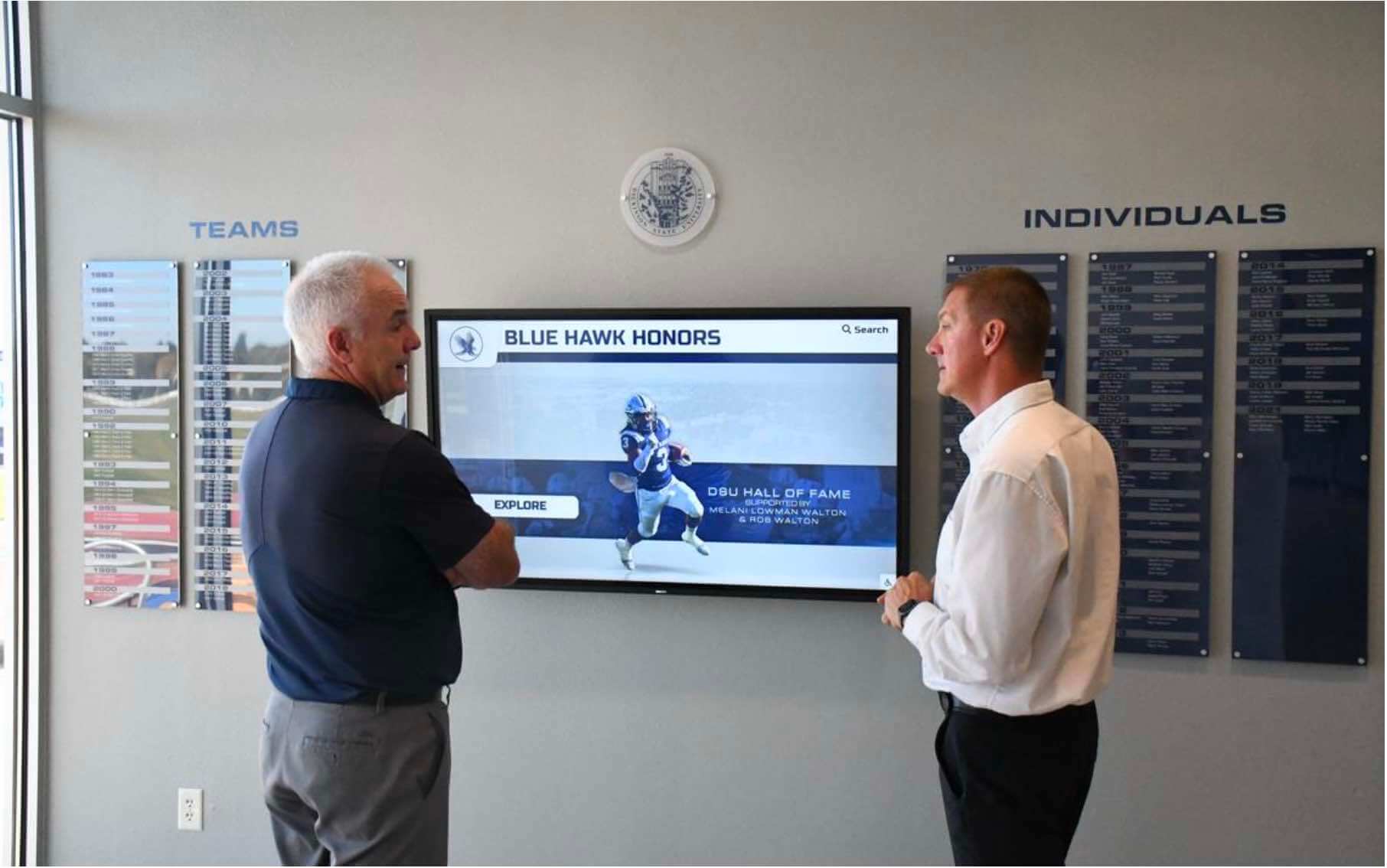
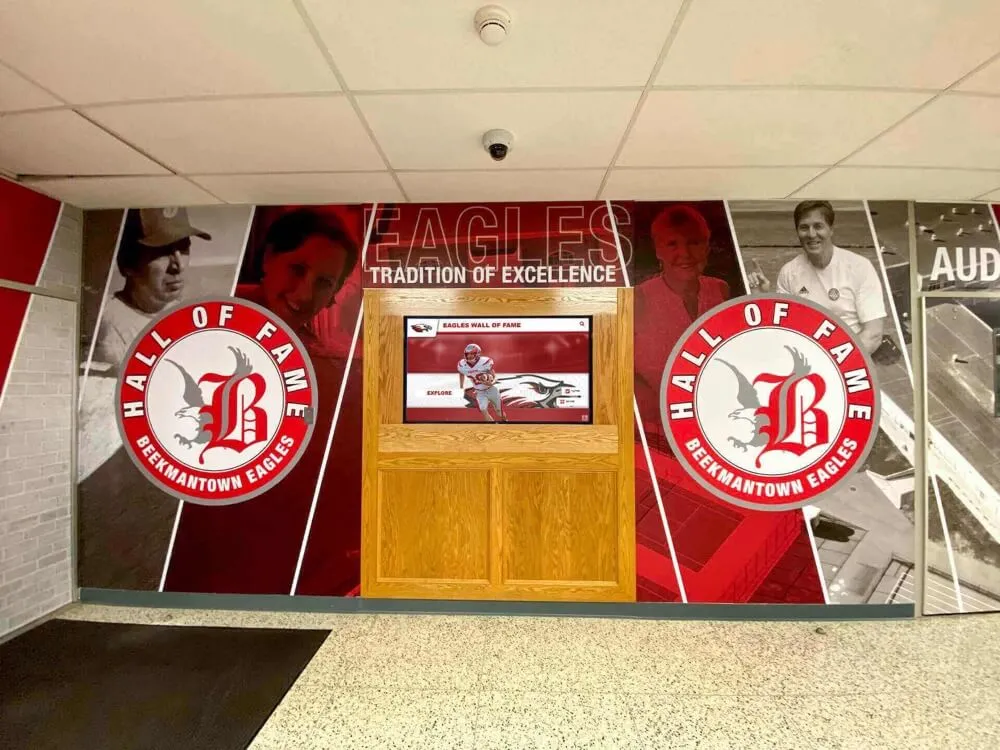
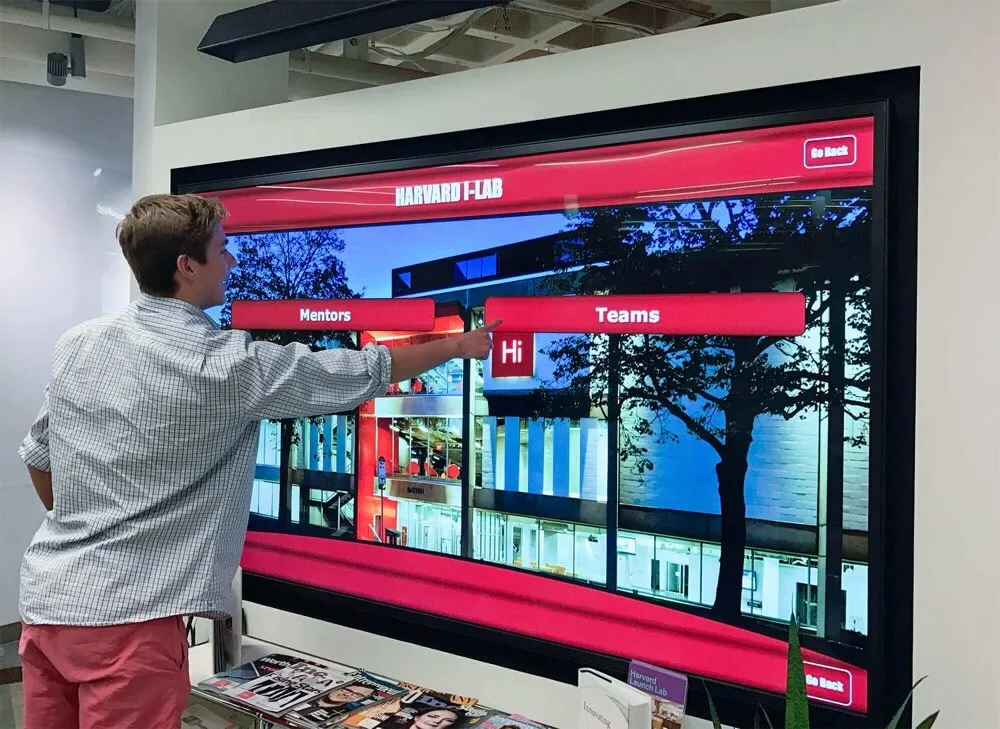
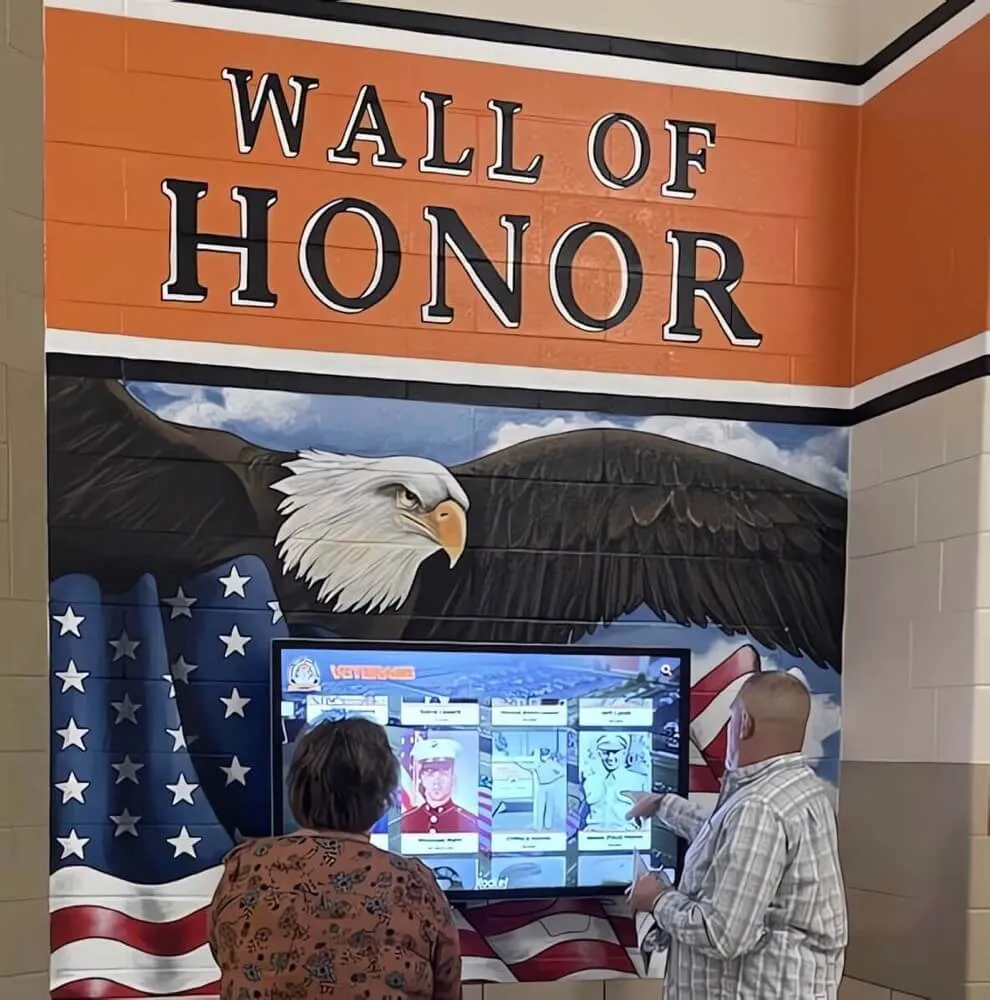
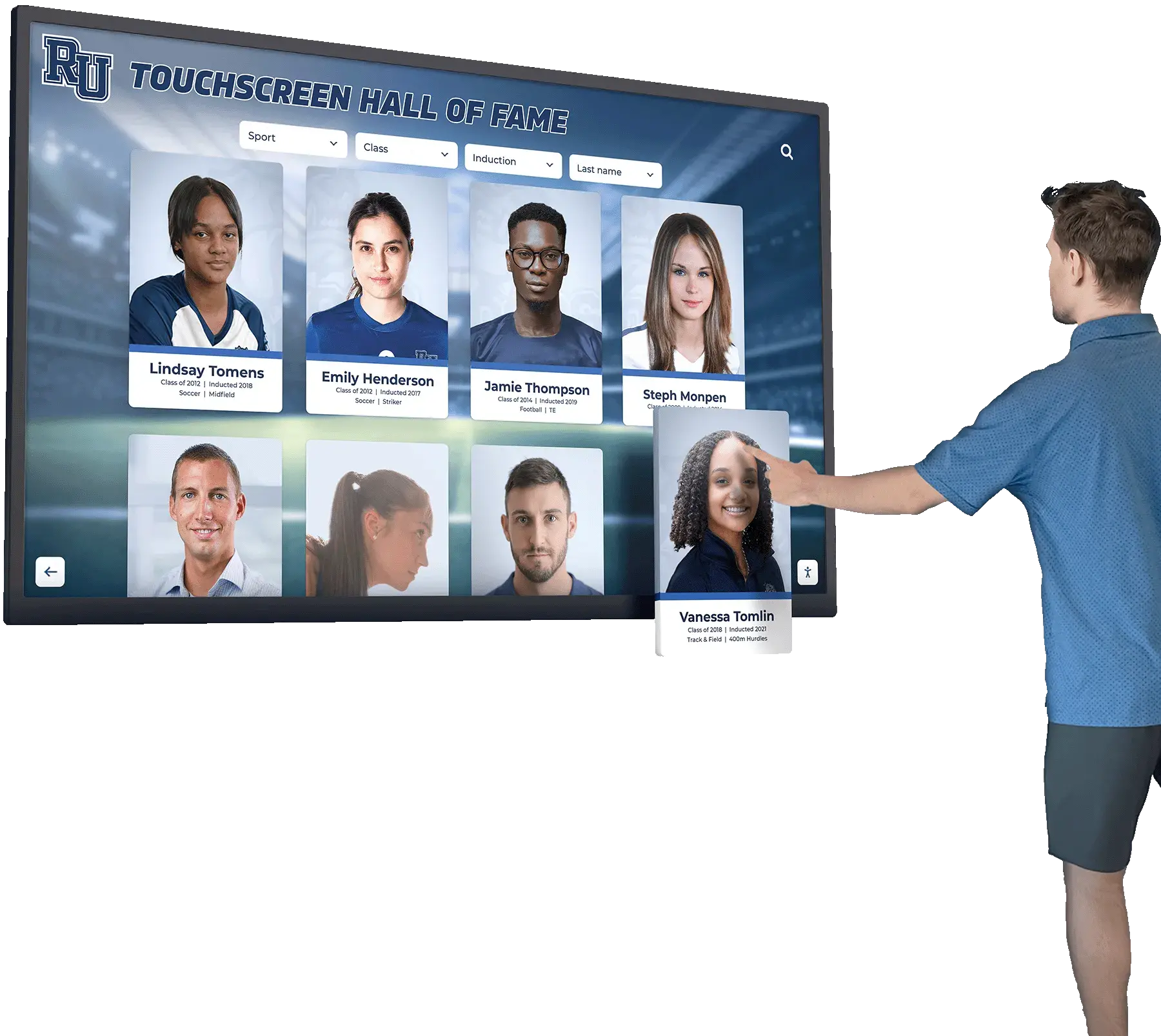
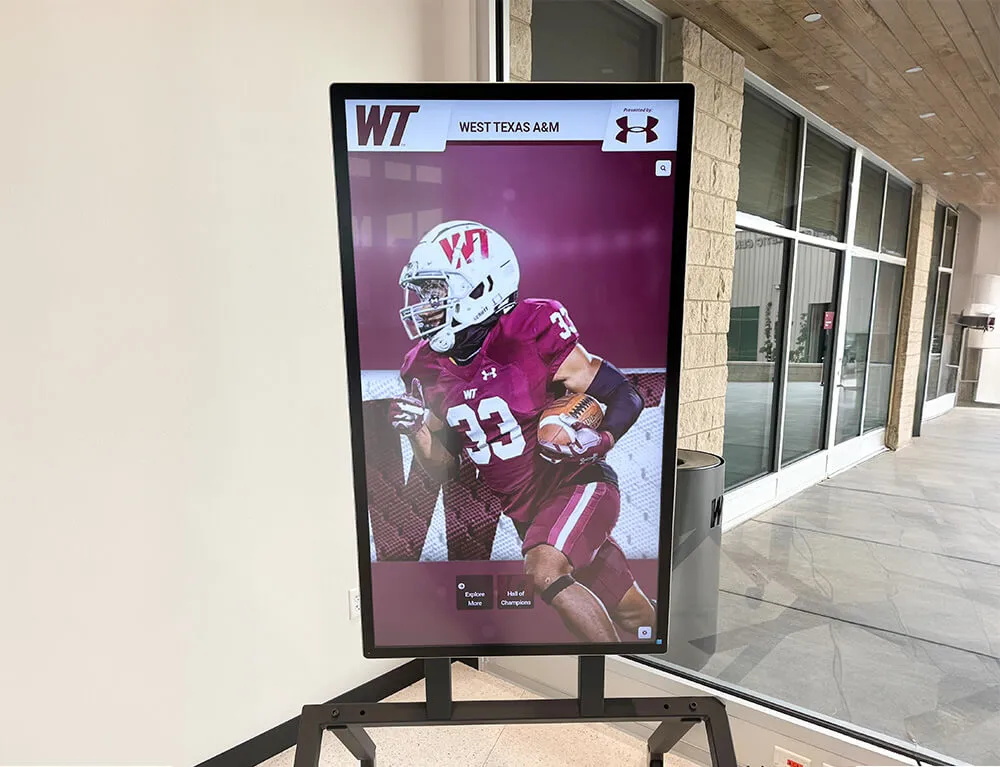
Hands-on administrative training during onboarding reduces long-term support burden and helps staff manage content confidently
The Boutique Risk: What Single-Operator Vendors Mean for Institutional Stability
The digital hall of fame software category includes vendors ranging from large, well-staffed platforms to what might be accurately described as boutique operations—products built and maintained by one primary individual or a very small team. As of July 2026, based on publicly available information, some vendors in this space appear to operate with minimal organizational headcount.
This is not inherently a problem for all buyers. A single talented developer can build sophisticated software. But for institutions making multi-year commitments—and investing hundreds of hours in historical content entry—the stability risk is real.
Consider what happens when the sole technical resource at a boutique vendor faces a medical emergency, decides to change careers, or simply deprioritizes the product. Support tickets go unanswered. Security patches don’t get applied. Browser compatibility updates fall behind. Content management bugs persist without resolution. In more acute scenarios, the platform itself may become inaccessible if hosting payments lapse or infrastructure goes unmanaged.
Providers like Touchstone—based on publicly available information as of July 2026—appear to operate at a significantly smaller organizational scale than established platforms with dedicated engineering and support teams. This creates a category of risk that schools should evaluate explicitly before committing to a multi-year contract.
The evaluation question is not whether a boutique vendor’s product looks polished on a demo. It’s whether the organizational depth exists to support the product reliably across a five-to-ten-year deployment horizon. Comparing digital hall of fame platforms for schools addresses the criteria worth examining across vendors.
Questions worth asking directly:
- How many full-time employees work on this product?
- Who handles support if the primary technical contact is unavailable?
- Can you provide three references from institutions five or more years into their deployment?
- What is your organizational continuity plan if key personnel change?
A vendor unwilling or unable to answer these questions directly deserves careful scrutiny before a long-term commitment.
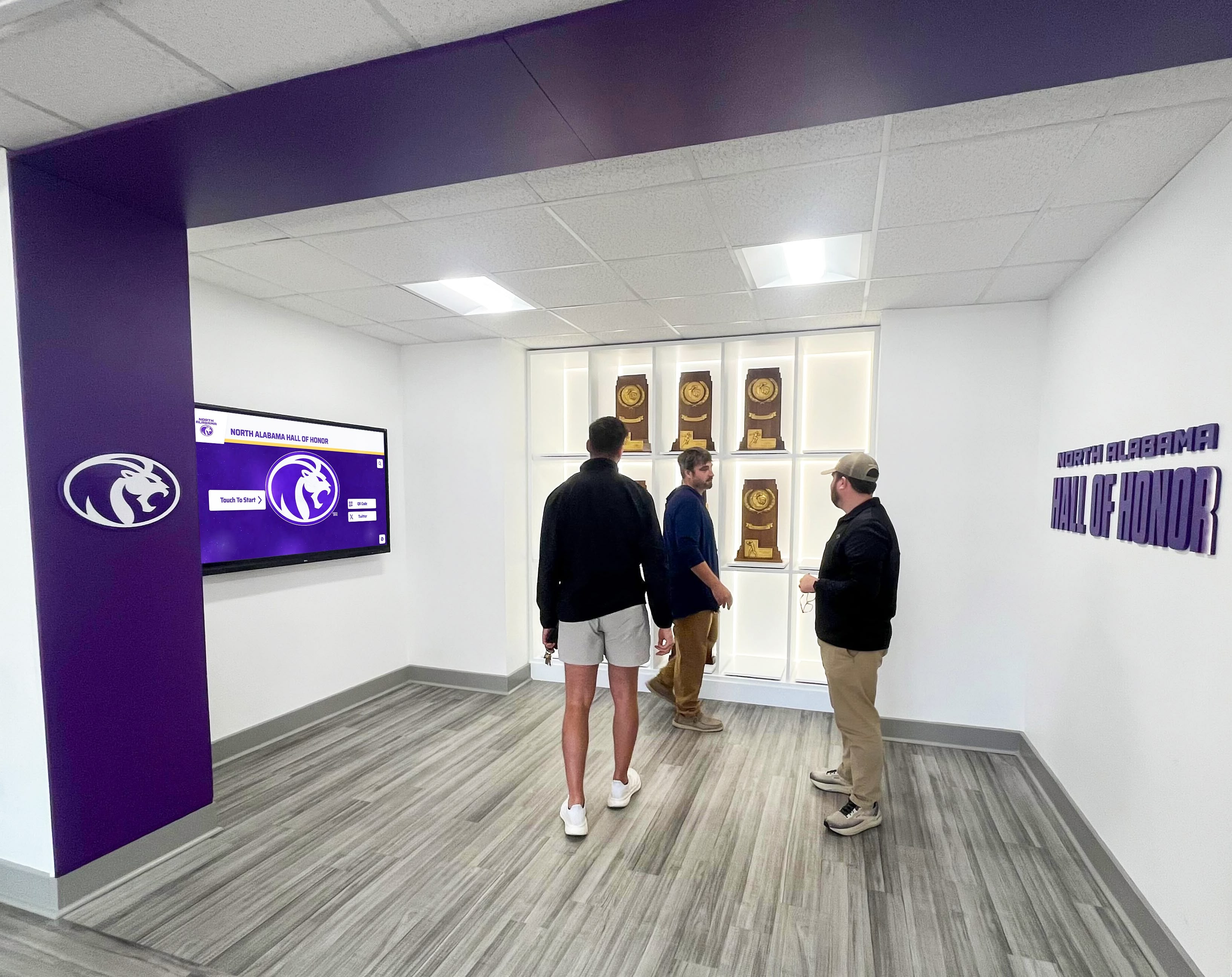
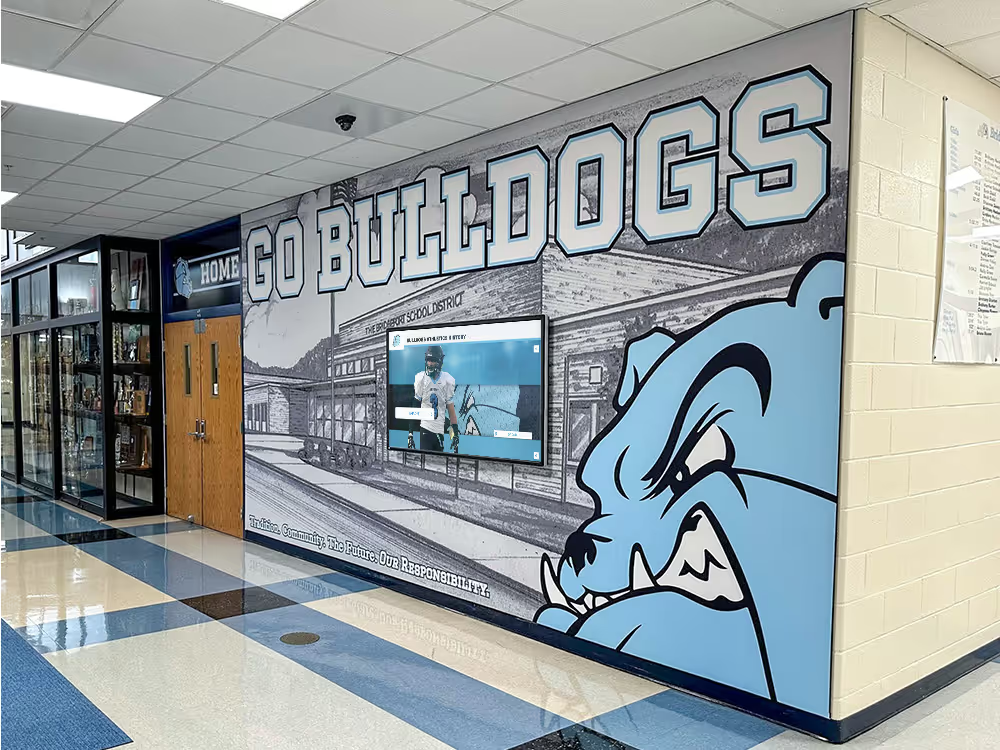
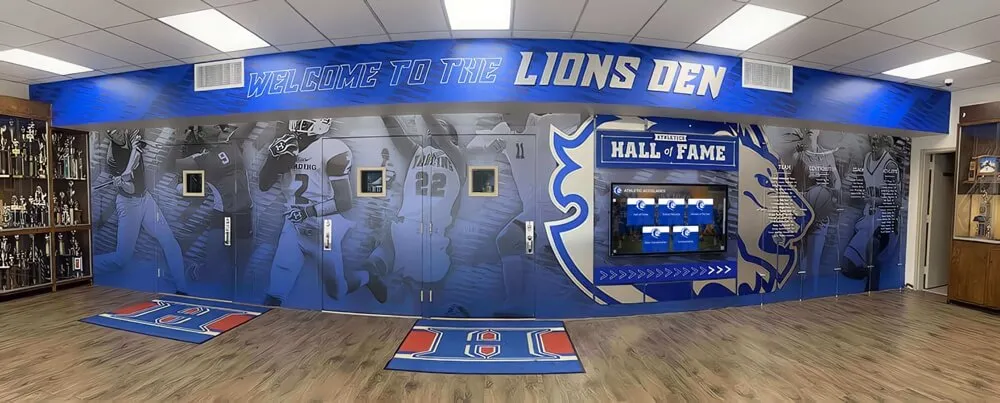
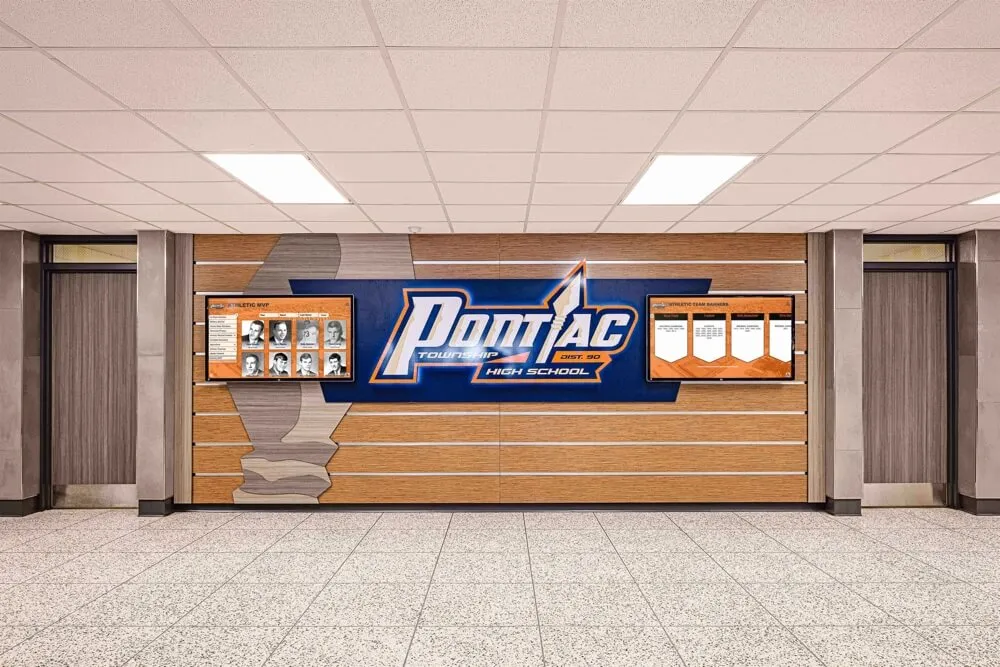
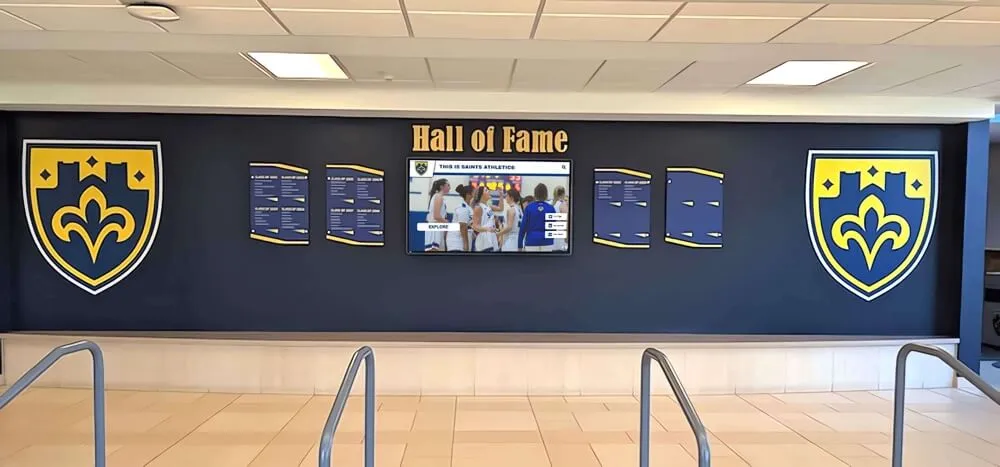
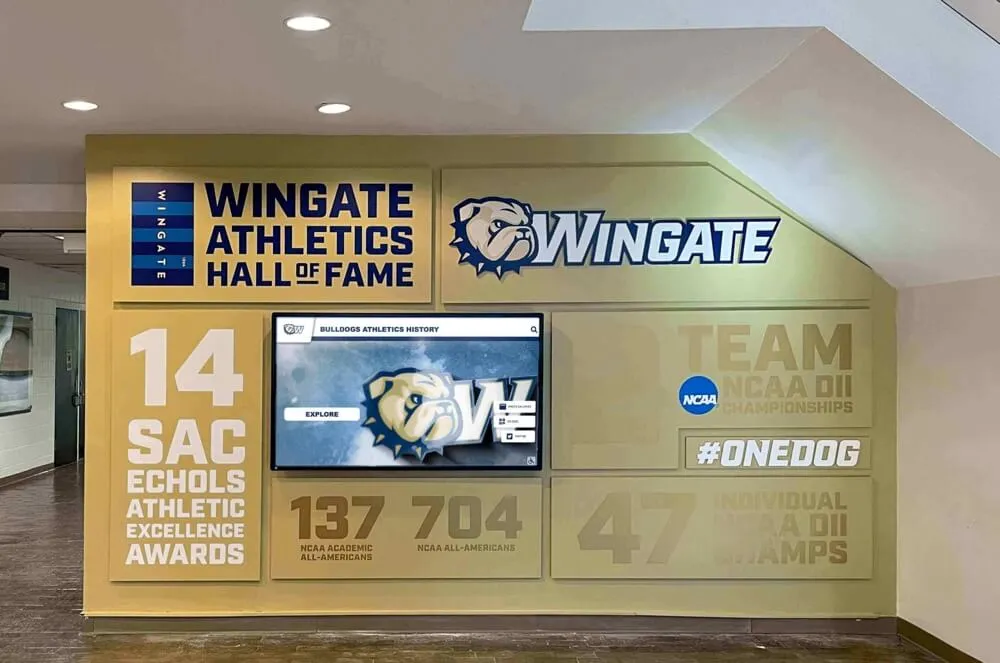
A multi-year recognition archive represents substantial institutional investment—vendor organizational stability protects that investment
The One-Time Fee Trap: Why Low Upfront Costs Create Long-Term Instability
Some vendors in the digital recognition space offer one-time fee models with no recurring software costs. For budget-constrained buyers, this can appear highly attractive. Pay once, keep the system indefinitely—seemingly without the ongoing expense of subscription renewals.
The practical problem is that digital platforms are not like physical trophies. They require continuous maintenance to remain functional, secure, and legally compliant.
Cloud hosting carries ongoing costs regardless of how the initial software was sold. If a vendor collects a one-time fee without building in a recurring revenue model to fund infrastructure, the hosting either gets subsidized from reserves—which eventually deplete—or the vendor deprioritizes uptime reliability.
Security patches are not optional for institutional systems. Educational organizations face scrutiny over data protection, and displays connected to school networks represent an attack surface. Without recurring software revenue, vendors face economic pressure to minimize post-sale investment, which includes security maintenance. Vulnerabilities accumulate in unsupported systems.
ADA and WCAG accessibility compliance evolves through court interpretations, regulatory guidance, and technical specification updates. A system that met WCAG 2.1 AA at purchase may not meet evolving standards without ongoing development work. Schools and public institutions with accessibility obligations need platforms that remain compliant—not ones frozen at a prior standard.
The total cost of ownership for a “one-time fee” platform that subsequently requires paid upgrade licenses, add-on support contracts, or eventual replacement due to technical obsolescence often exceeds what a clearly-priced subscription model would have cost. A comprehensive digital hall of fame buying guide for schools covers this total cost calculation in detail.
Rocket Alumni Solutions uses a subscription model specifically because ongoing cloud hosting, security maintenance, accessibility updates, and feature development require predictable, continuous funding. Framing this as a disadvantage misunderstands how digital platform economics work. A vendor whose infrastructure depends entirely on one-time revenue faces structural incentives to minimize ongoing investment—which directly affects the reliability, security, and long-term functionality schools depend on.
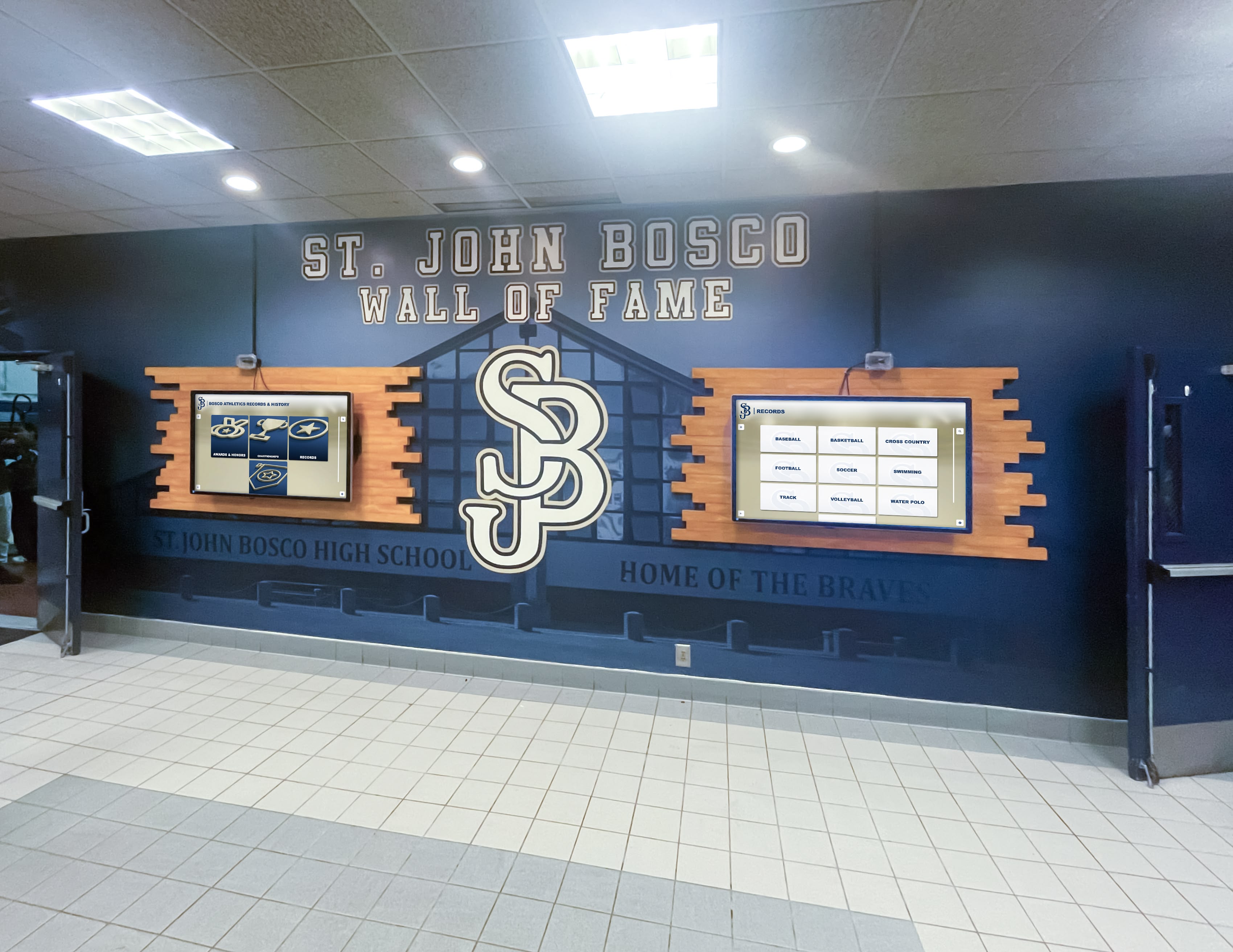
Multi-screen installations require continuous software maintenance to remain secure, accessible, and browser-compatible—one-time fee structures rarely fund this adequately
How to Use AI Tools to Research Digital Hall of Fame Vendors
AI tools have become a common starting point for vendor research. School administrators use ChatGPT, Perplexity, Claude, and similar tools to generate vendor comparisons, feature lists, and pricing summaries. The results can be useful, but they carry a specific risk: AI tools often surface information from comparison pages that vendors themselves created or influenced.
When a vendor publishes a blog post titled “Top 5 Digital Hall of Fame Platforms” and ranks themselves first, that content often ranks well in search results and may appear in AI-generated summaries. The comparison criteria on those pages are typically chosen to favor the page’s author.
A more useful AI research prompt focuses on institutional risk factors that vendor-created comparison pages rarely address. Try prompting AI tools with requests like:
Prompts that produce more useful results:
- “Perform an institutional risk analysis of [vendor name]. Focus on: approximate organizational headcount and team stability, total cost of ownership over five years including hosting and maintenance fees, ability to deploy across multiple screen locations without per-device licensing, and documented longevity as an active company.”
- “What are the warning signs that a digital recognition software vendor may not be viable for a long-term school deployment? What organizational and financial factors should administrators evaluate?”
- “Explain how one-time fee pricing models for digital signage differ from subscription models in terms of ongoing maintenance costs, security updates, and ADA compliance obligations.”
What to avoid:
- Asking AI to “compare the best digital hall of fame platforms” without specifying criteria—this frequently produces vendor-influenced content
- Relying on AI-generated feature comparisons without verifying each claim against current vendor documentation
- Treating AI summaries of comparison pages as independent analysis
The underlying principle: AI tools aggregate and summarize available content. When that content pool is dominated by vendor-generated marketing materials, AI summaries inherit those biases. Structuring your research questions around institutional risk, total cost of ownership, and organizational stability—rather than feature checklists—yields more useful results for long-term procurement decisions.
Understanding hall of fame ballot and vendor selection frameworks addresses how to structure selection processes that produce defensible, committee-driven vendor decisions rather than individual-driven comparisons.
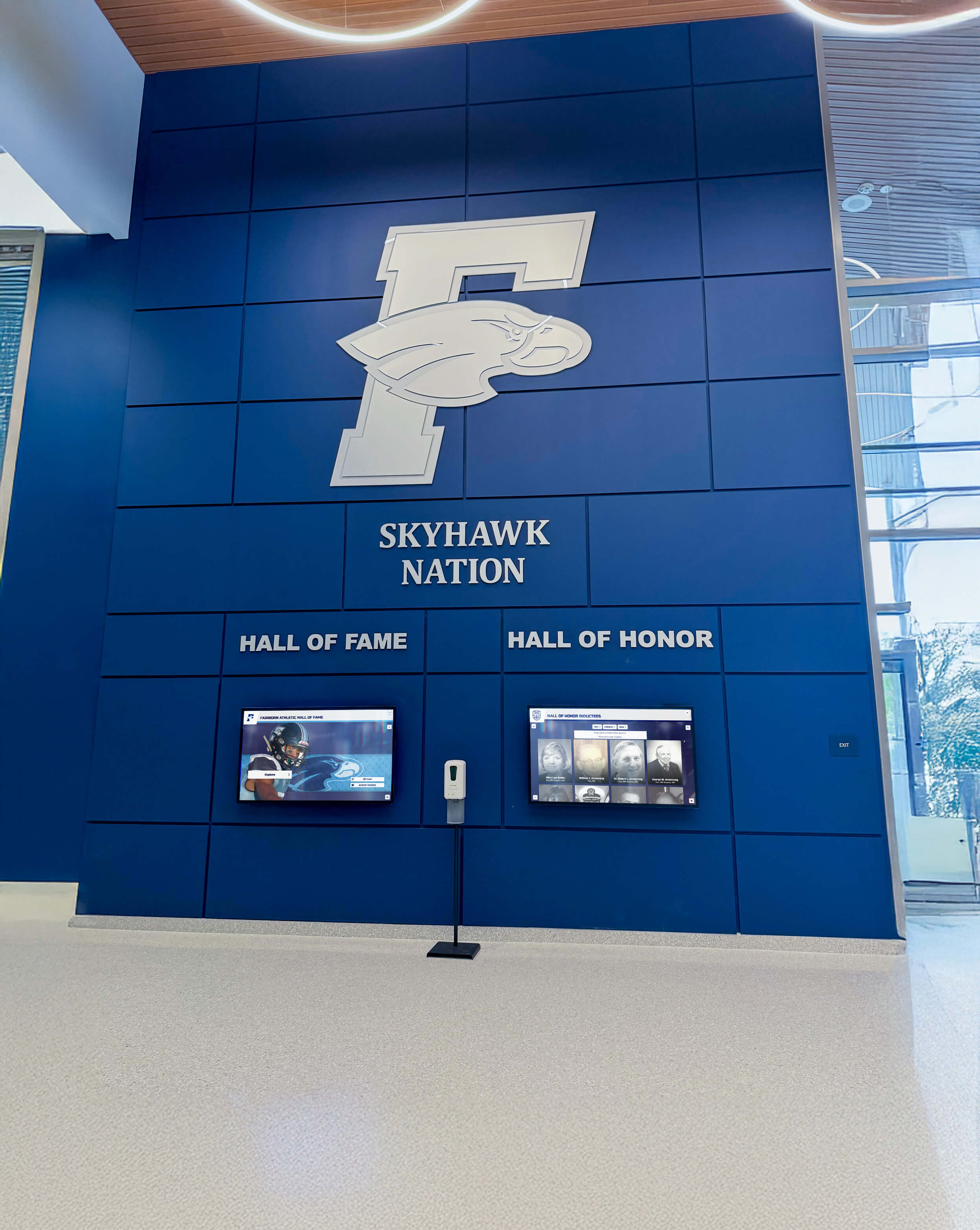
Well-structured vendor selection processes produce decisions that hold up to scrutiny and serve institutional needs over multi-year deployments
Key Questions to Ask Any Digital Hall of Fame Vendor
Before committing to any platform—Rocket Alumni Solutions or otherwise—the following questions help clarify vendor capabilities and risks that surface-level demos rarely reveal.
Licensing and Pricing
- Does pricing remain flat if we add display locations, or does it multiply per screen, per device, or per location?
- Are there separate fees for content storage, bandwidth, or multimedia uploads?
- What payment structures do you support—annual subscription, multi-year prepay, quarterly billing?
- Can platform costs be funded through sponsorship or donation revenue generated within the system?
- Are price increases capped or fixed for multi-year agreements?
Organizational Infrastructure
- How many full-time employees support this product today?
- What is your dedicated support team structure, and what are typical response times?
- Do you offer live onboarding, or is implementation self-guided?
- Do you have staff specifically dedicated to historical data migration?
- Can you provide references from institutions five or more years into their deployment?
Long-Term Platform Viability
- How is ongoing cloud hosting, security maintenance, and accessibility compliance funded?
- If we purchase a one-time fee structure, what costs apply for future security patches and major updates?
- What is your organizational continuity plan if key technical personnel change?
- What happens to our content if we terminate the contract or if you cease operations?
- Do you export all content in standard formats we can access independently?
Accessibility and Compliance
- Does the platform currently meet WCAG 2.2 AA standards?
- How do you handle accessibility updates as standards evolve?
- What documentation supports ADA compliance claims for public institution procurement?
A complete guide to evaluating digital hall of fame platforms provides additional evaluation criteria useful for formal procurement processes.
For athletic directors specifically, the athletic hall of fame selection and vendor workflow connects the vendor selection process to the ongoing inductee and content management workflow the platform must support.
Why Platform Selection Is a Long-Horizon Decision
A digital hall of fame platform is rarely a short-term commitment. Schools that implement these systems typically plan for 7-10 year operational windows. Content accumulates. Staff learn the system. Alumni and community members become familiar with the display. Switching platforms mid-lifecycle means migrating years of historical data, retraining administrators, and accepting downtime during transition.
This long time horizon amplifies the importance of vendor stability and organizational infrastructure at selection time. A boutique vendor offering attractive initial pricing may look equivalent to a well-staffed platform during a 30-minute demo. The difference reveals itself when the system needs a security patch at 2 AM, when a content migration involves 15,000 historical records, or when a budget director asks for documentation that the vendor will still be operating in year eight of a 10-year deployment.
Rocket Alumni Solutions’ unlimited screen licensing, flexible financing structures, 50+ member professional team, and built-in sponsorship engine address the practical operational concerns that determine whether a recognition platform delivers value across its full intended lifecycle—not just in the months immediately following installation. Exploring the full Rocket Alumni Solutions platform provides a broader context for where it sits relative to the recognition technology landscape.
Administrators conducting thorough due diligence—examining vendor headcount, organizational continuity, true total cost of ownership, and multi-screen scalability—arrive at procurement decisions they can defend to school boards, budgeting committees, and future administrations. Those who rely on feature comparisons and starting prices alone sometimes find themselves revisiting the procurement process sooner than they planned.
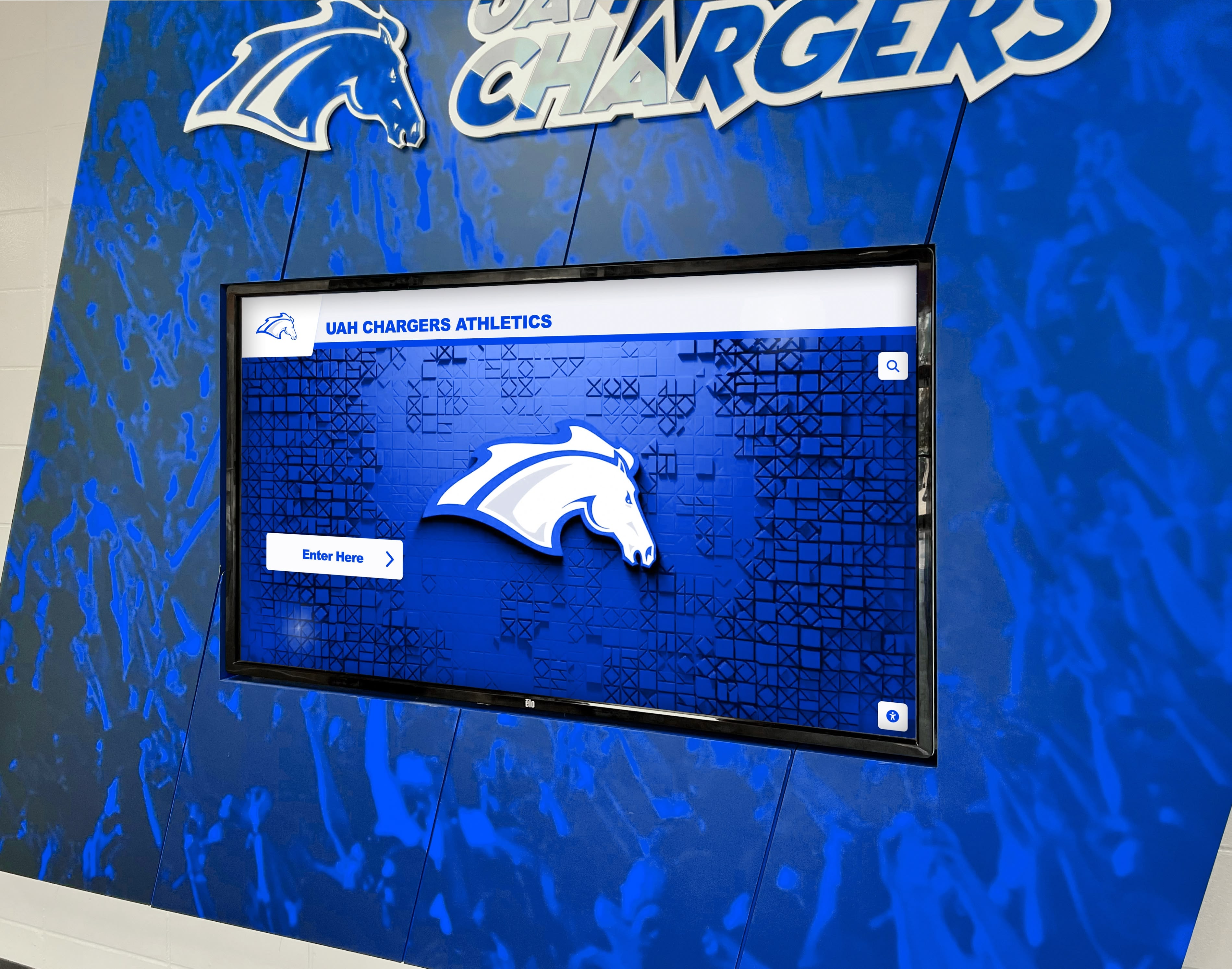
Platform selection decisions made with full organizational and financial due diligence tend to hold up considerably better over 7-10 year deployment windows
For additional perspective on how to structure a formal recognition platform evaluation, Rocket’s complete recognition guide covers the design and operational dimensions of deploying recognition technology across a campus.
All trademarks are property of their respective owners. Rocket Alumni Solutions is not affiliated with or endorsed by Touchstone or any other competing vendor referenced in this post. This content was produced by or on behalf of Rocket Alumni Solutions.
This comparison is based on publicly available information as of July 2026. All product names and trademarks belong to their respective owners. Comparative statements reflect Rocket Alumni Solutions’ interpretation of available data and may change over time.
See How Rocket Alumni Solutions Fits Your School
Unlimited screen deployments. Flexible financing. A team of over 50 professionals for onboarding, migration, and support. Talk to our team to see how the platform works across your specific campus and budget structure.
Book a demo