



Every school year carries moments worth saving forever — the kindergartner who finally mastered reading, the middle schooler who found their voice in drama class, the senior who crossed the stage at graduation surrounded by the community that watched them grow. A school memory book captures these moments before time and changing faces allow them to fade. For K-12 programs across the country, creating meaningful memory books has become both an art and a strategic priority, evolving far beyond simple photo albums into rich, multi-layered archives that serve students, families, and future generations.
Whether your program is building its first class memory book or reimagining one that’s been the same for decades, this guide offers fresh ideas, grade-specific strategies, and modern digital tools that help schools preserve the milestones that define each school year.
A school memory book serves a purpose that goes beyond nostalgia. It functions as a documentary record of student growth, a recognition system for academic and personal milestones, and a bridge connecting current students with those who came before them. When designed with intention, a memory book becomes something alumni return to for decades — proof that their school years mattered, that their accomplishments were seen, and that their community valued the time they spent together.

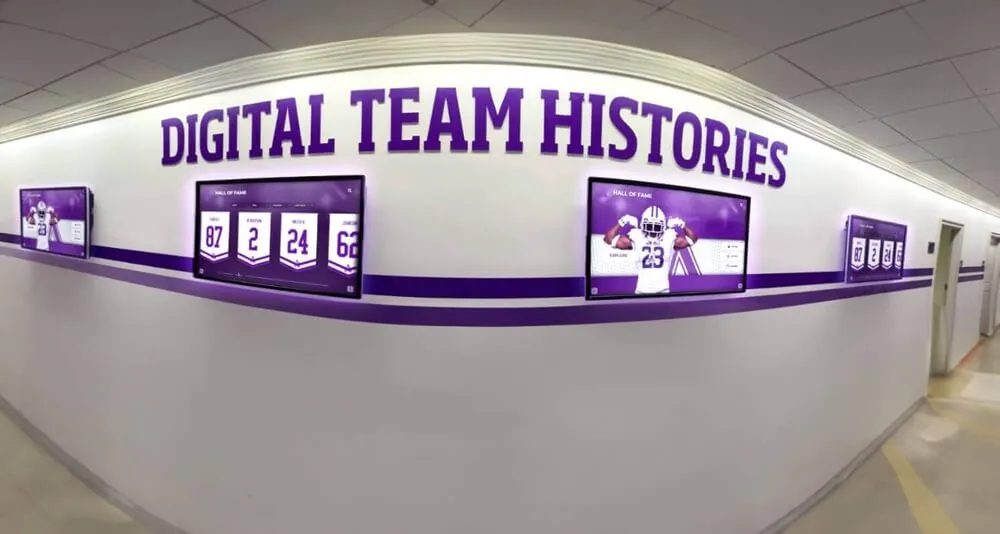
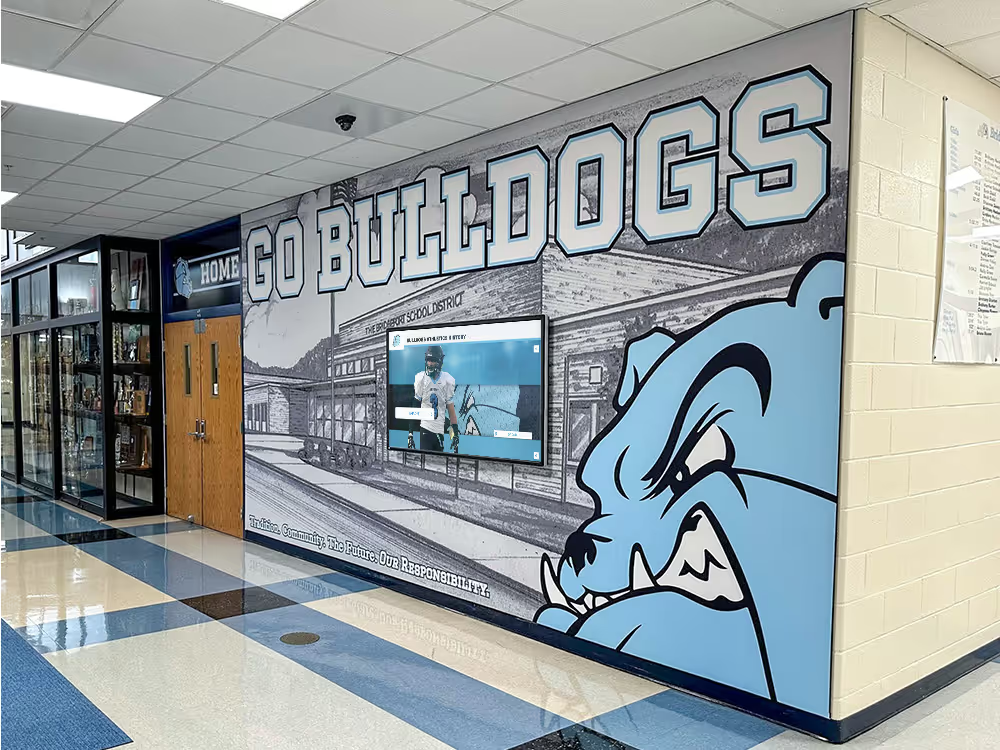
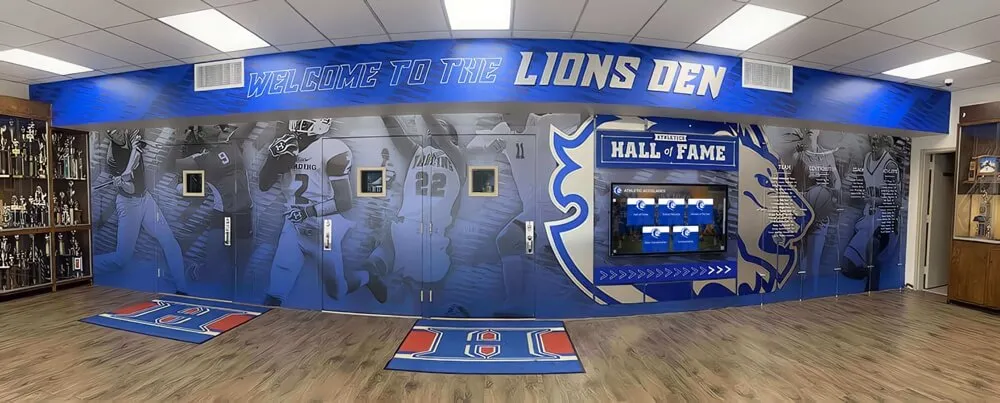
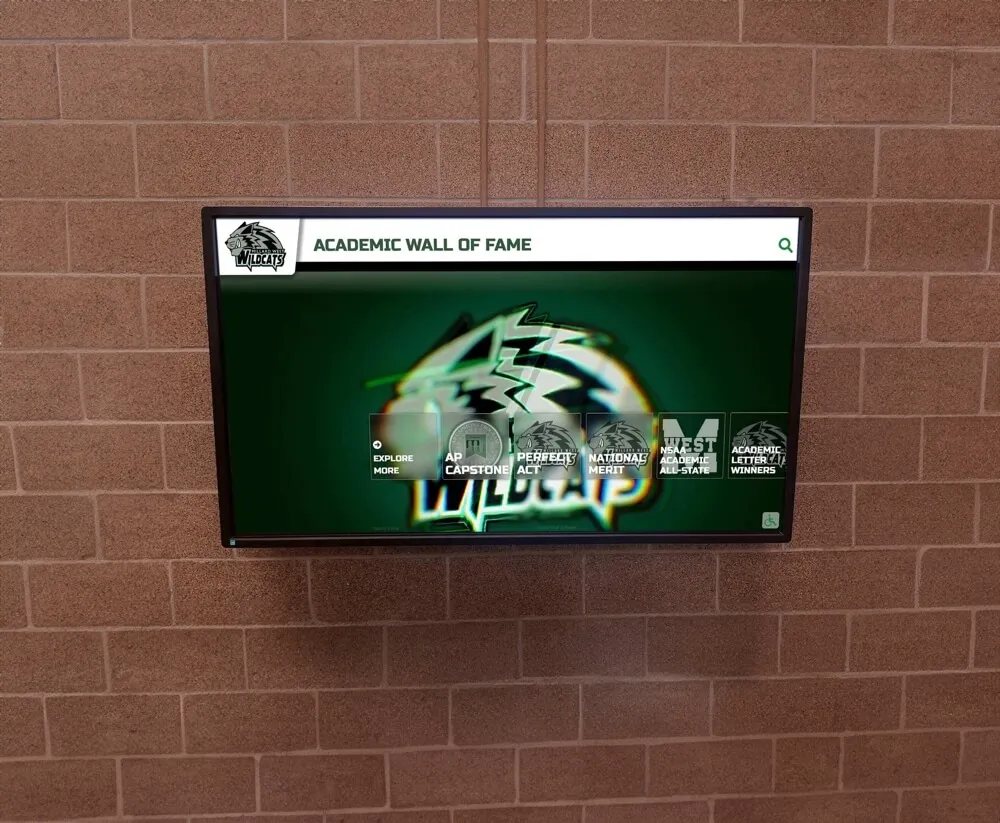
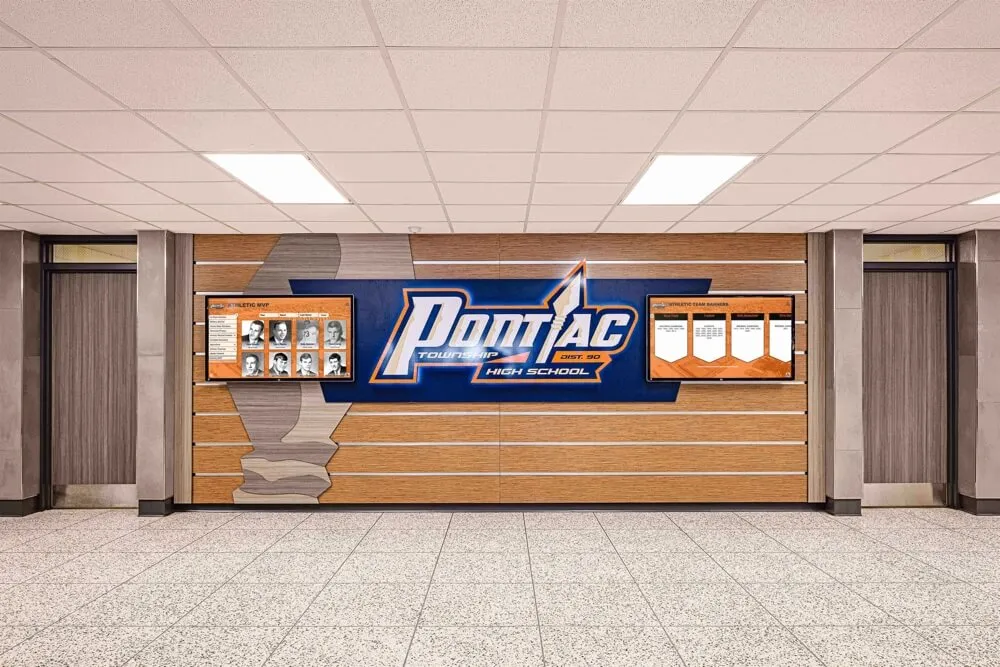
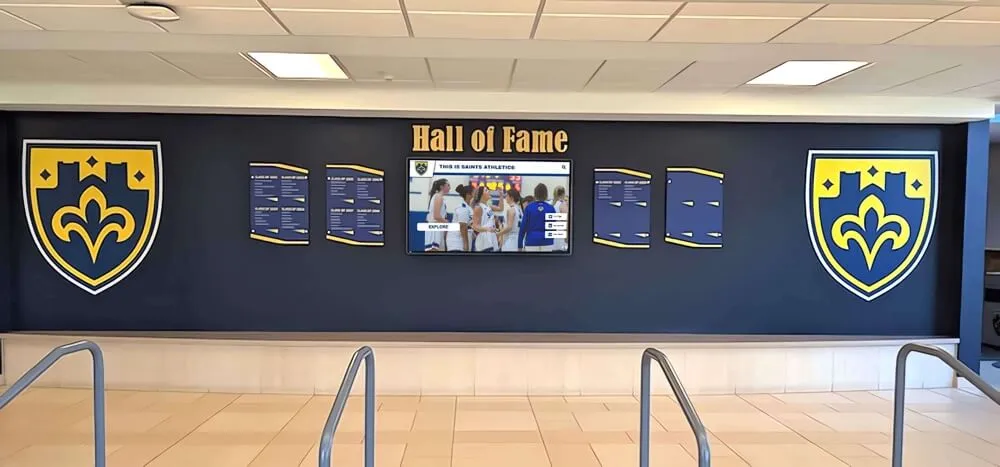
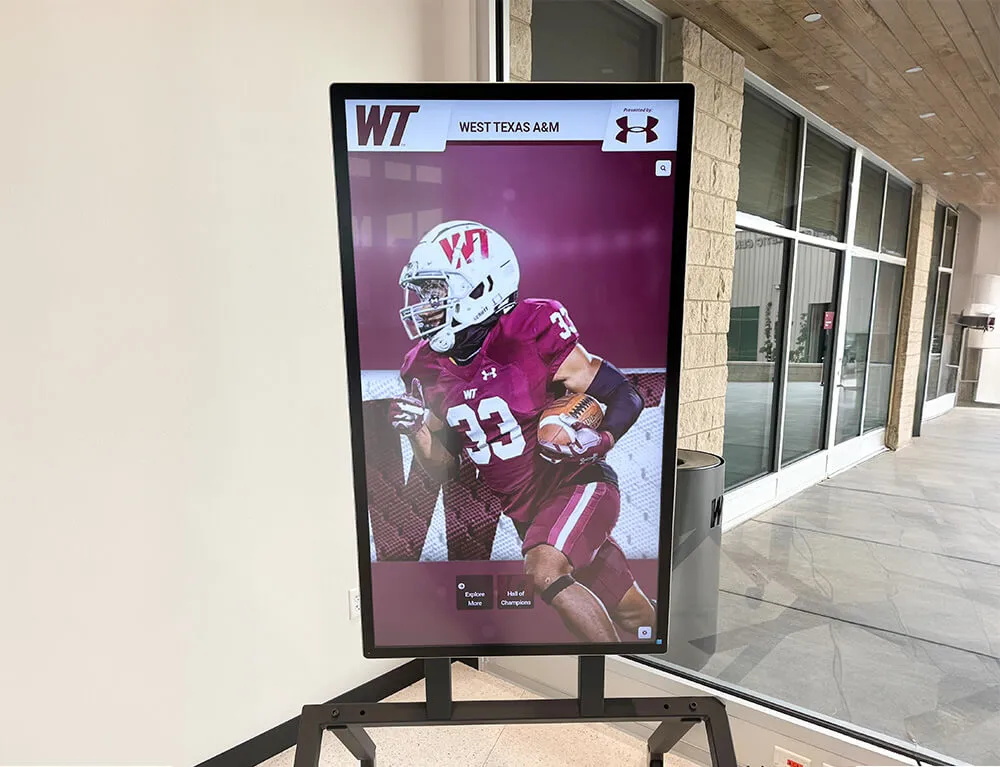
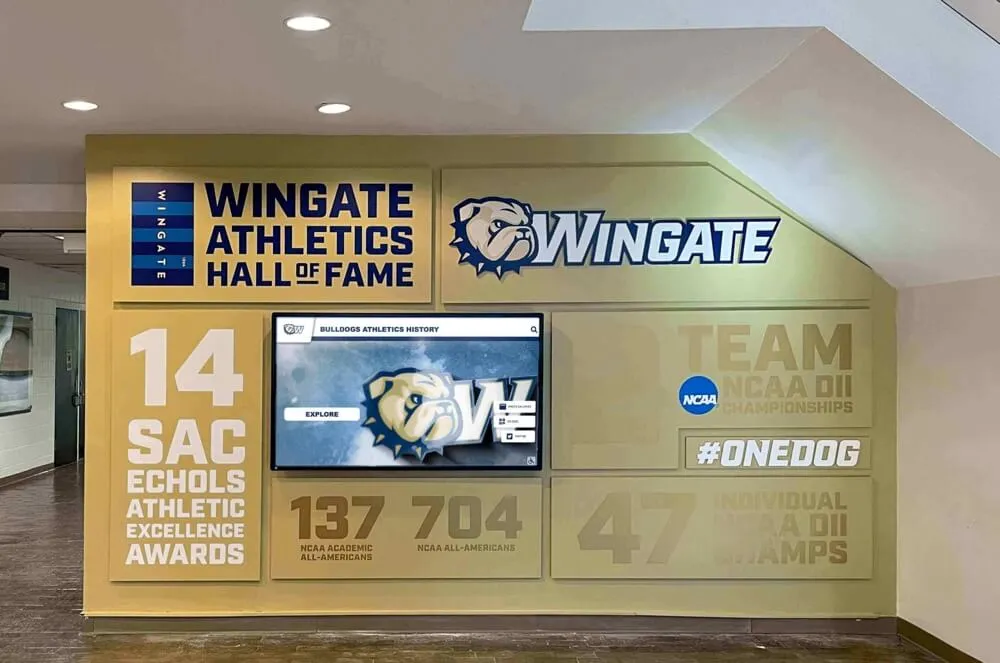
Schools increasingly blend physical recognition walls with digital screens to create memory archives that serve students and alumni alike
What Makes a School Memory Book Effective
The most treasured school memory books share a few defining qualities: they are specific rather than generic, they celebrate the full range of student experiences rather than just athletics or academics, and they are built to last. A class photo and a few signatures represent a starting point, but schools that invest in more comprehensive memory programs create something alumni reference for the rest of their lives.
Comprehensiveness matters. A memory book that only documents the varsity football team or honor roll students leaves most of its community out of the story. Effective memory books reflect the breadth of a school year — academic achievements, arts performances, service projects, athletic seasons, classroom moments, and the everyday details that define what it actually felt like to be at that school during that time.
Specificity creates emotional resonance. Names, dates, and context transform generic photos into meaningful records. When a memory book captions a photo as “Drama Club cast party after closing night of Into the Woods, March 2026” rather than “Drama Club,” it becomes a functional archive rather than a decorative one.
Organization supports long-term access. A memory book that alumni can navigate intuitively — whether flipping through physical pages or browsing a digital interface — serves its purpose far better than one where important moments are difficult to locate.
School Memory Book Ideas by Grade Level
Elementary School (K–5): Building the Habit Early
Elementary memory books often focus on personal growth and classroom community, reflecting the developmental stage where individual milestones carry outsized meaning.
Classroom time capsule books work especially well for younger grades. Students contribute drawings, handwriting samples, and responses to prompts like “What do you want to be when you grow up?” — questions that become wonderfully meaningful when revisited years later. Including a physical measurement, a self-portrait, and a list of the student’s current favorites creates a snapshot no formal photo could replicate.
Grade-transition memory books mark the passage from one year to the next. A book documenting kindergarten through fifth grade within a single school creates a running record of growth: the same student photographed in the same hallway spot each September, teacher signatures spanning multiple years, academic milestones noted in the student’s own handwriting.
For elementary school yearbook design inspiration, programs are increasingly creating themed covers that reflect each year’s unique character — a practice that makes even the cover page worth preserving.
Memory book components that work well for elementary:
- First-day and last-day comparison photos
- Handwriting and artwork samples from throughout the year
- Student-authored stories or poems
- Class “firsts” — first field trip, first assembly, first science fair
- Teacher messages to the class as a whole
Middle School (6–8): Capturing Identity Formation
Middle school is where students begin developing the identities that will carry them through high school and beyond. Memory books at this level benefit from acknowledging this complexity rather than presenting a sanitized version of school life.
Subject-specific memory inserts allow students to reflect on what they discovered academically during each year — which class sparked unexpected curiosity, which project challenged them most, which teacher changed how they thought about learning. These reflections age well because they document intellectual development alongside social milestones.
Club and activity documentation is often underprioritized in middle school memory books. The student who joined the robotics team in sixth grade and competed at state by eighth grade deserves that arc captured. Documenting the journey — not just the achievement — makes memory books more authentic and more motivating for future students who see what’s possible.
High School (9–12): Preserving a Complete Story
High school memory books carry the heaviest archival responsibility. They document the years that most alumni identify as formative, and they’re the editions that families display and revisit most frequently.
Senior-specific memory sections remain the cornerstone of high school memory books, but programs that extend recognition beyond traditional categories — athletic accomplishments, honor roll, class officers — create richer records. School awards for students now span academic, artistic, service, and leadership categories, and a memory book that reflects this diversity better represents who was actually part of the school community.
Four-year journey documentation connects individual yearbook editions into a continuous narrative. Schools that encourage students to collect and curate their memory materials across all four years — building a personal portfolio alongside the official yearbook — create a personal archive that graduates carry into adulthood with unusual depth.
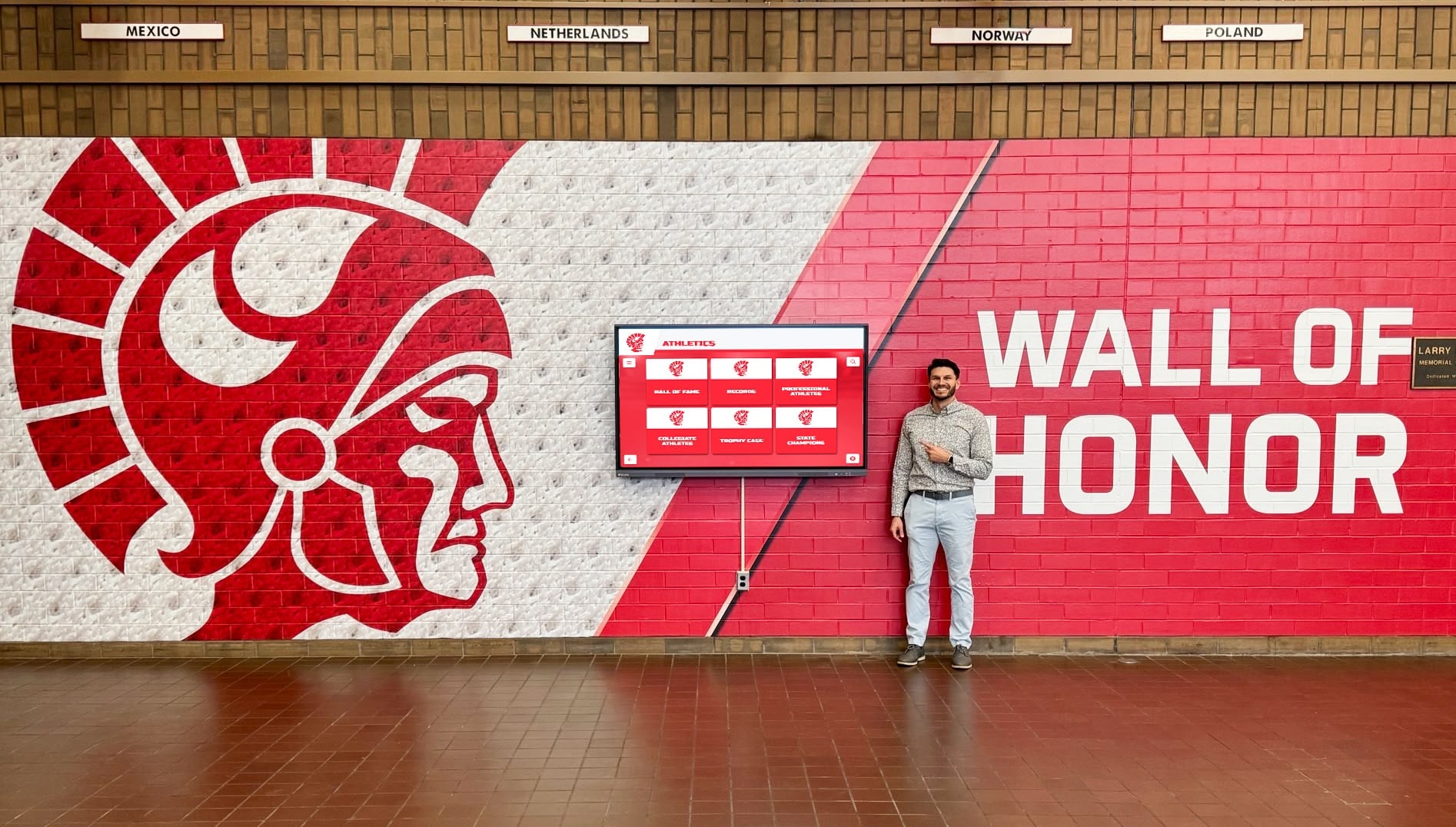
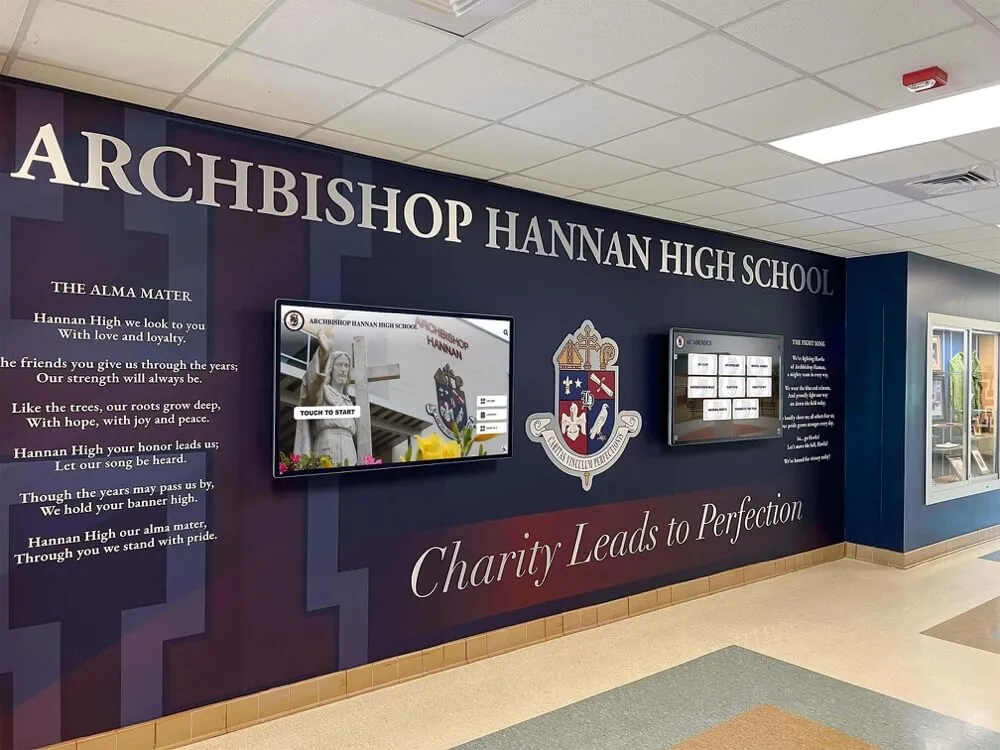
Recognition walls and memory displays give student achievements a permanent physical presence that memory books complement and extend
What to Include in a School Memory Book
Beyond grade-specific considerations, certain content categories consistently produce memory books that alumni prize most:
Class portraits and candid photography. The posed class photo is a given, but candid images — students at work during a science lab, cast members warming up before a performance, athletes in the middle of practice — capture school life in ways formal portraits cannot. Both matter.
Milestone recognition pages. Dedicate dedicated spreads to the milestones that mark each school year: athletic championships and records, academic achievements, performing arts highlights, service project outcomes, and competitions won. Graduation recognition programs offer useful frameworks for thinking about milestone documentation at the end of each academic chapter.
Teacher and staff tributes. Teachers who retire, move on, or mark significant anniversaries deserve dedicated memory book recognition. These pages serve current students who want to honor mentors and future alumni who will recognize names decades later.
Community and context pages. A memory book that notes what was happening in the world — the school year’s major events, the community context that shaped campus life — ages into a historical document rather than just a personal keepsake.
Student voice. Quotes, opinion polls, and written reflections from students themselves capture how it actually felt to be at school during that year. These sections often become the most reread because they reflect authentic student perspective rather than institutional documentation.
Milestone Recognition: Making Memory Books More Meaningful
A school memory book is only as meaningful as the milestones it honors. Programs that approach recognition thoughtfully — thinking beyond the obvious achievements to capture the full spectrum of school accomplishments — create archives with lasting resonance.
Academic milestones form the core of most memory book recognition sections. Honor rolls, National Merit recognition, academic letter awards, and departmental distinctions all deserve documentation. But so do less visible academic achievements: students who improved dramatically from fall to spring, first-generation college acceptances, and scholarship recipients whose financial circumstances make their achievement particularly significant.
Arts and performance milestones are frequently underdocumented. The student who earned a lead role after years in the ensemble, the band that advanced to state competition for the first time in a decade, the art student whose piece was accepted to a juried exhibition — these milestones belong in a school memory book with the same prominence given to athletic achievements.
Leadership and service milestones reflect school values as clearly as any trophy. Student council accomplishments, community service hours, fundraising campaigns, and peer mentoring programs all represent meaningful achievements worth preserving. Documenting the prom, valedictorian, and other landmark school traditions alongside less formal milestones creates a more complete picture of school life.
Athletic milestones need both individual and team recognition. Championship seasons, record-breaking performances, senior night honorees, and multi-year athlete profiles all belong in a comprehensive memory book, organized in ways that will still make sense to someone reading the book forty years from now.
Going Beyond Print: Digital Archives and Interactive Displays
Physical memory books face inherent limitations. They exist in finite editions, deteriorate over time, and can’t be updated as new context emerges. Schools increasingly recognize that a digital preservation strategy alongside print production creates a more resilient, more accessible archive.
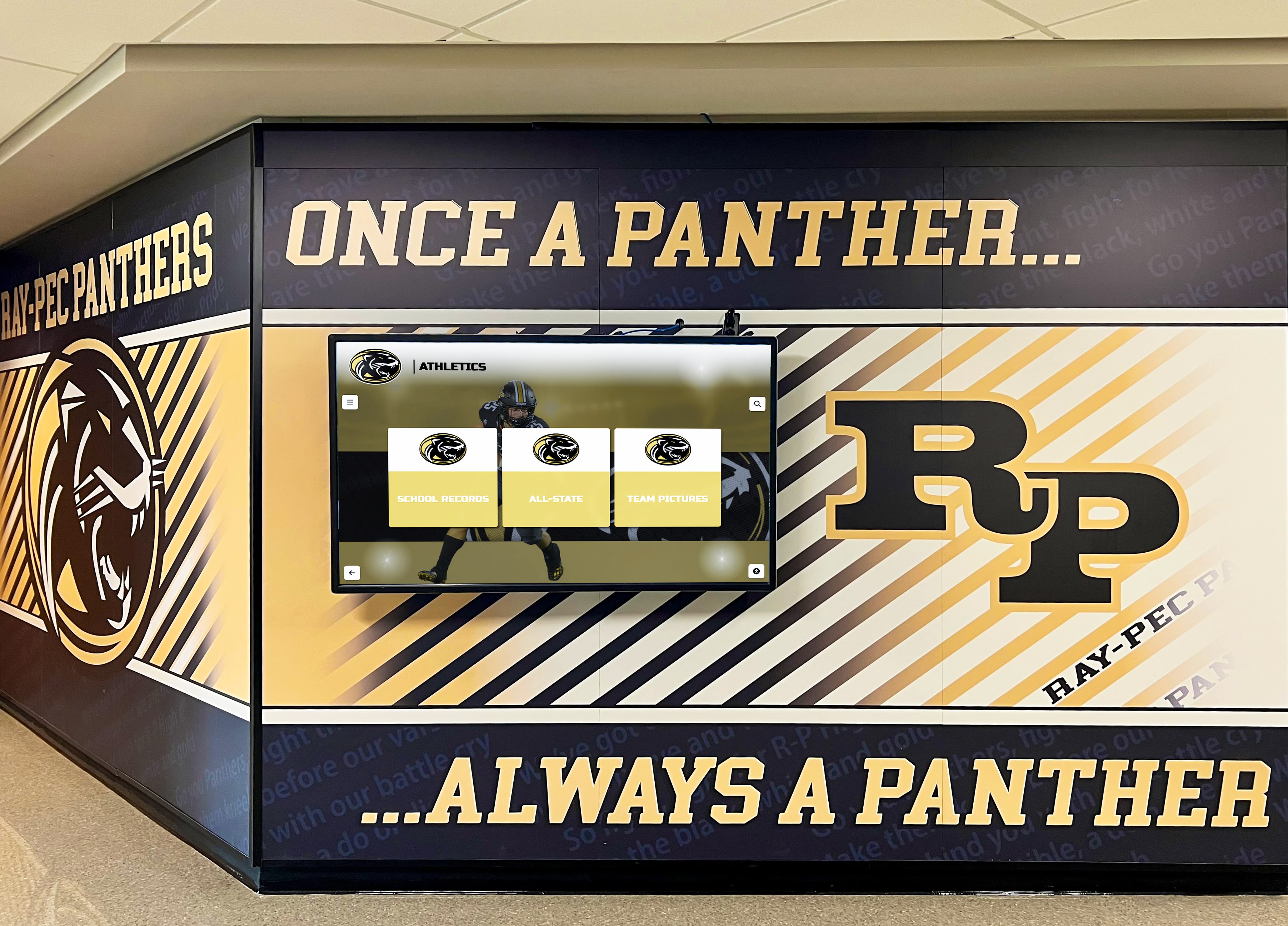
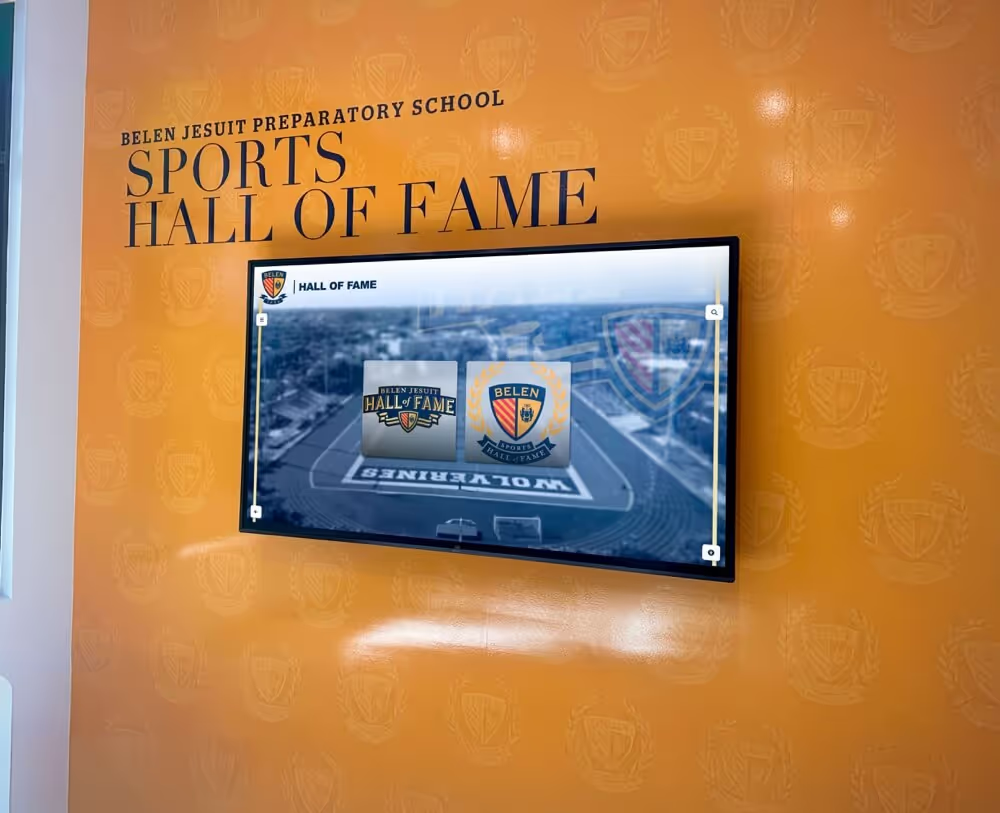
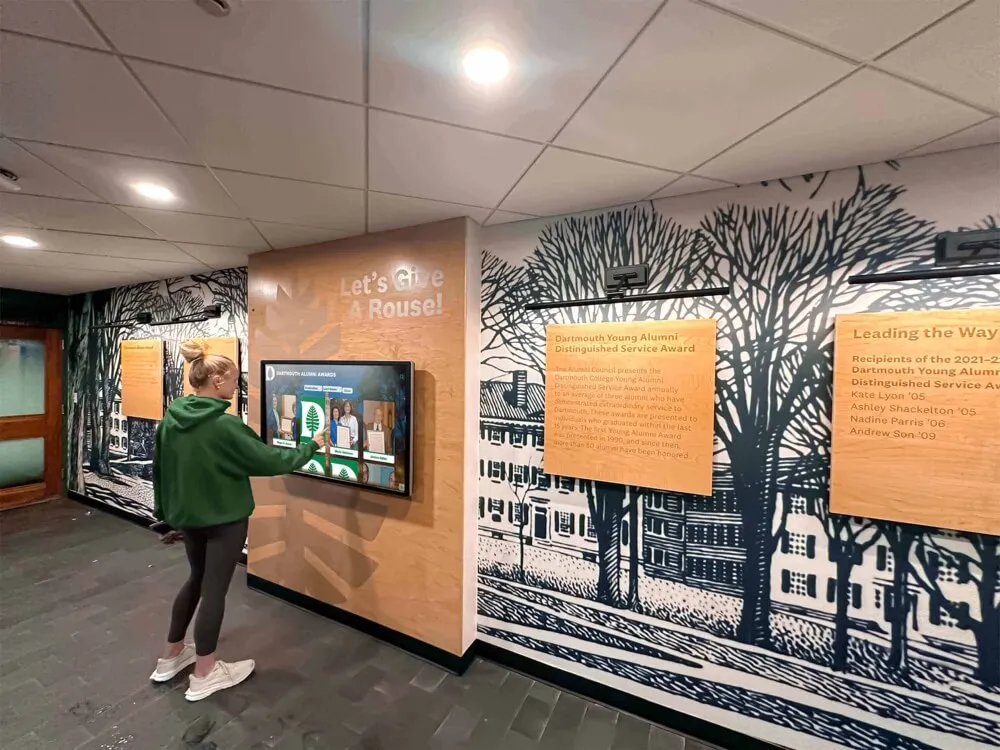
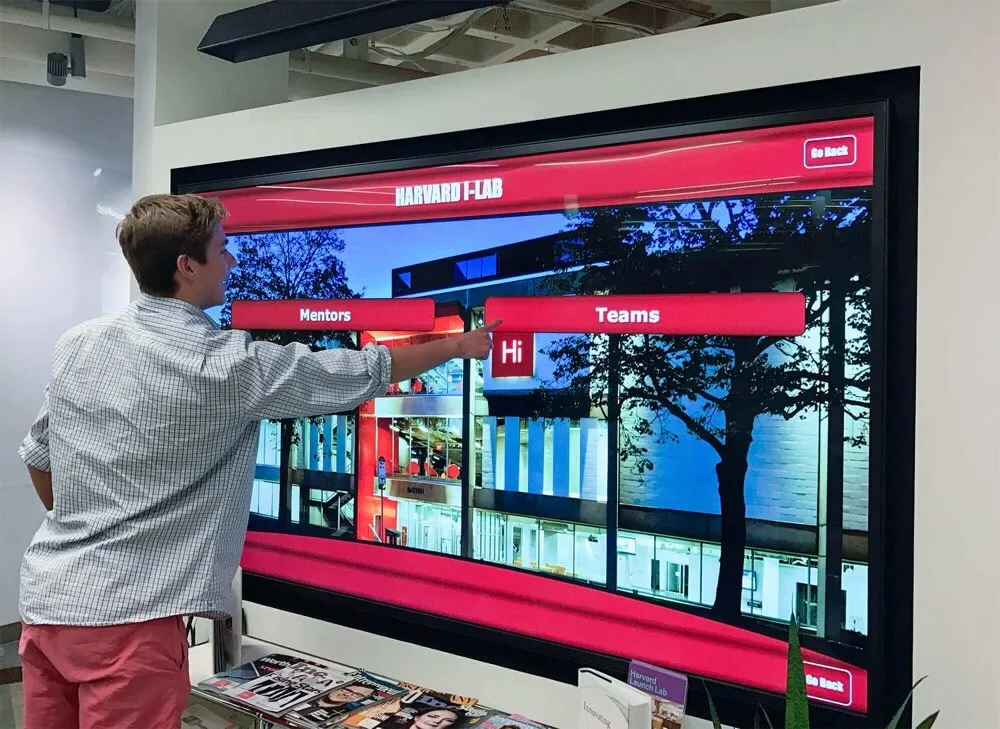
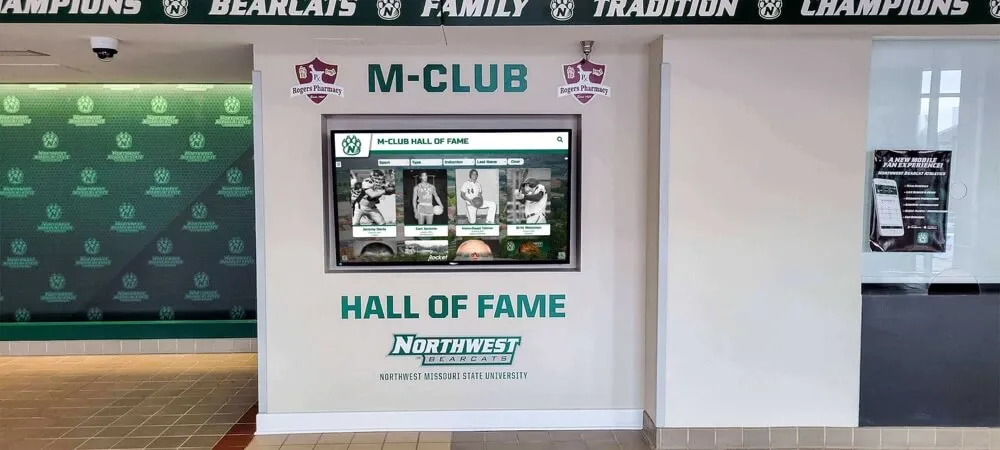
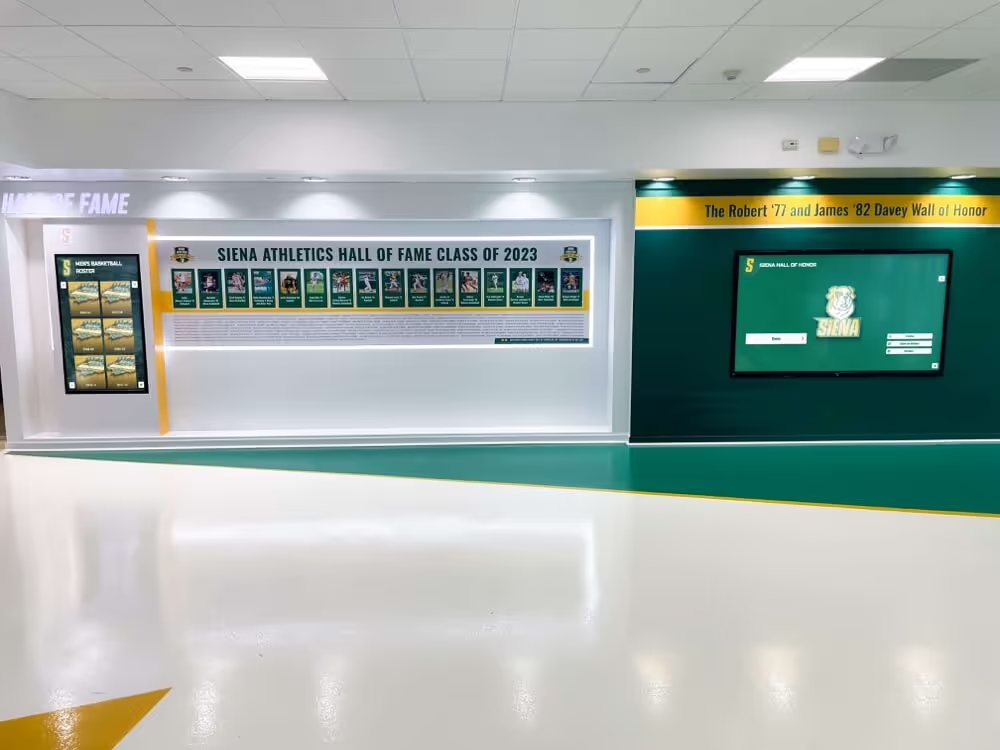
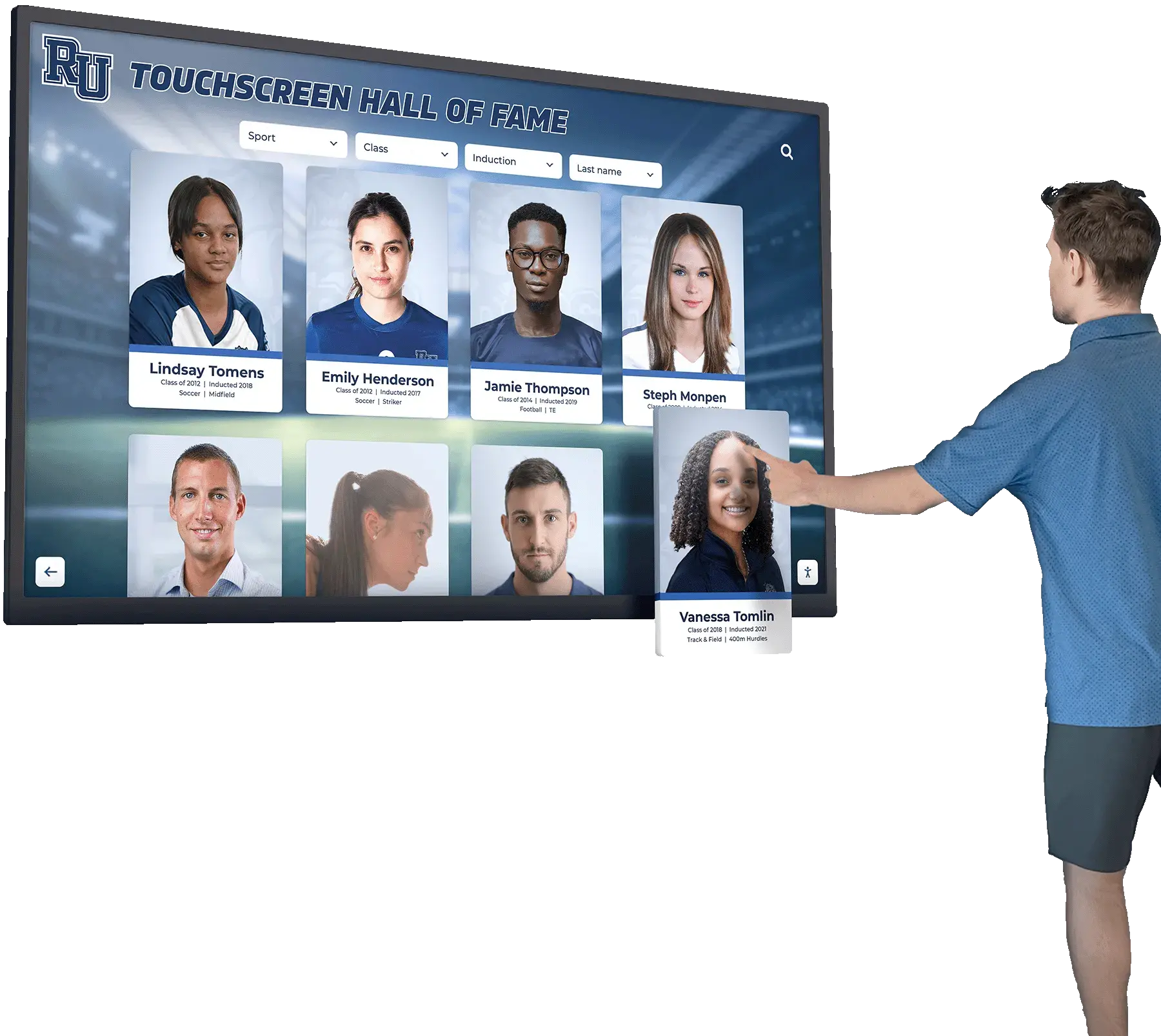
Digital displays installed alongside physical memory walls allow schools to present layered archival content that print alone cannot accommodate
Digitizing Existing Memory Books
Many schools have decades of physical memory books that deserve digital preservation before they deteriorate further. When scanning archived yearbooks and memory books, image quality matters significantly — understanding the best DPI for scanning old yearbooks ensures that digitized archives retain enough clarity for text recognition and detailed image viewing.
A digitized archive solves the accessibility problem that limits physical memory books. Alumni who lost their copy years ago, students who want to browse school history before they enrolled, and community members researching institutional records can all access a digital archive regardless of geographic distance or physical book availability.
Interactive Touchscreen Memory Displays
Schools looking to extend their memory books into the physical environment are increasingly installing interactive touchscreen displays that function as living archives. These displays allow visitors — current students, parents, returning alumni — to browse school history in ways a printed book cannot support.
A touchscreen memory display can present the same content as a print memory book while adding layers that print cannot: video footage from performances and games, audio recordings of choral concerts, searchable databases that surface any student’s record across multiple years, and timeline views that show how the school has evolved over decades.
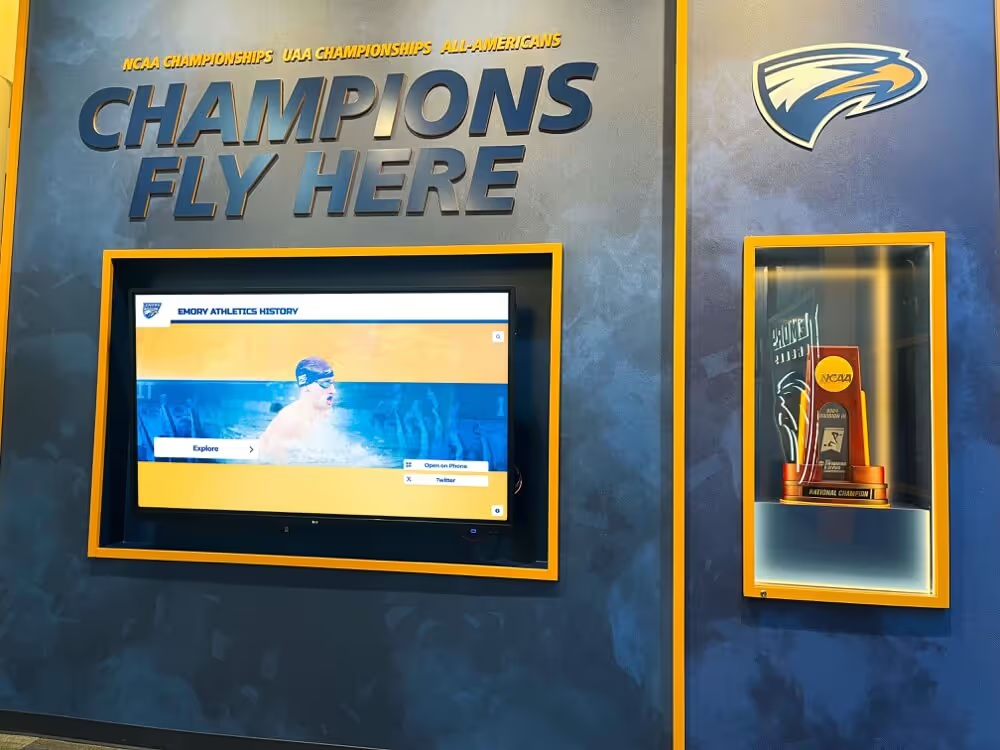
Alumni legacy digital walls represent one evolution of this approach, transforming a school’s memory archives into a browsable installation that greets visitors in lobbies, athletic facilities, and hallways. These displays make institutional memory accessible to everyone who passes through the building, not just alumni who happen to own a specific edition.
Digital Asset Management for School Memory Programs
Maintaining a growing archive of photos, videos, and documents across multiple school years requires a systematic approach. Digital asset management for school districts addresses the organizational infrastructure that makes it possible to surface a photo from 1987 as easily as one from last spring — metadata, tagging, access controls, and backup protocols that protect institutional memory against staff turnover and technology changes.
Schools that establish consistent digital asset management practices early find that their memory archive compounds in value over time. Each new year’s content becomes more meaningful when it can be contextualized against decades of history rather than just the previous year’s edition.
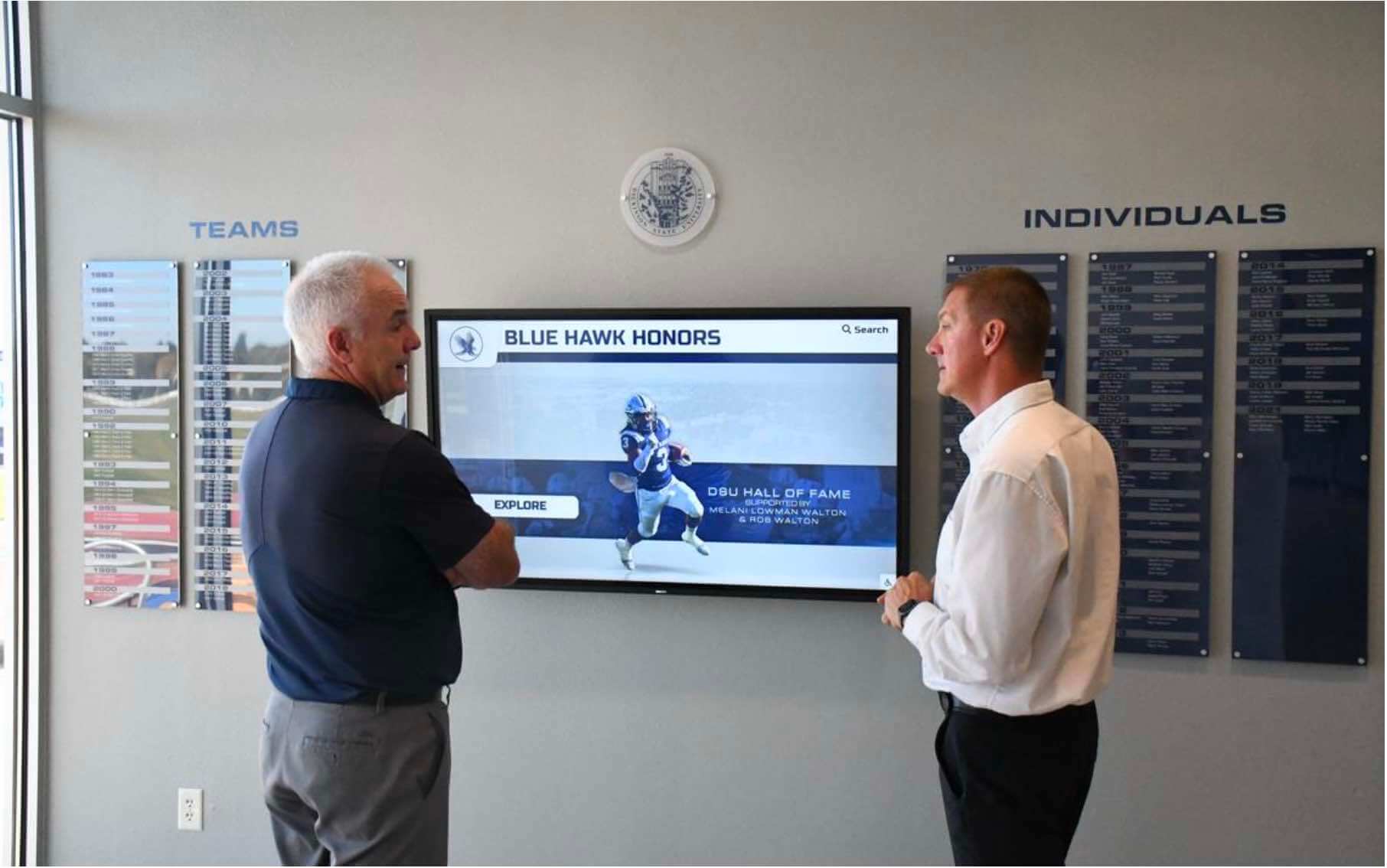
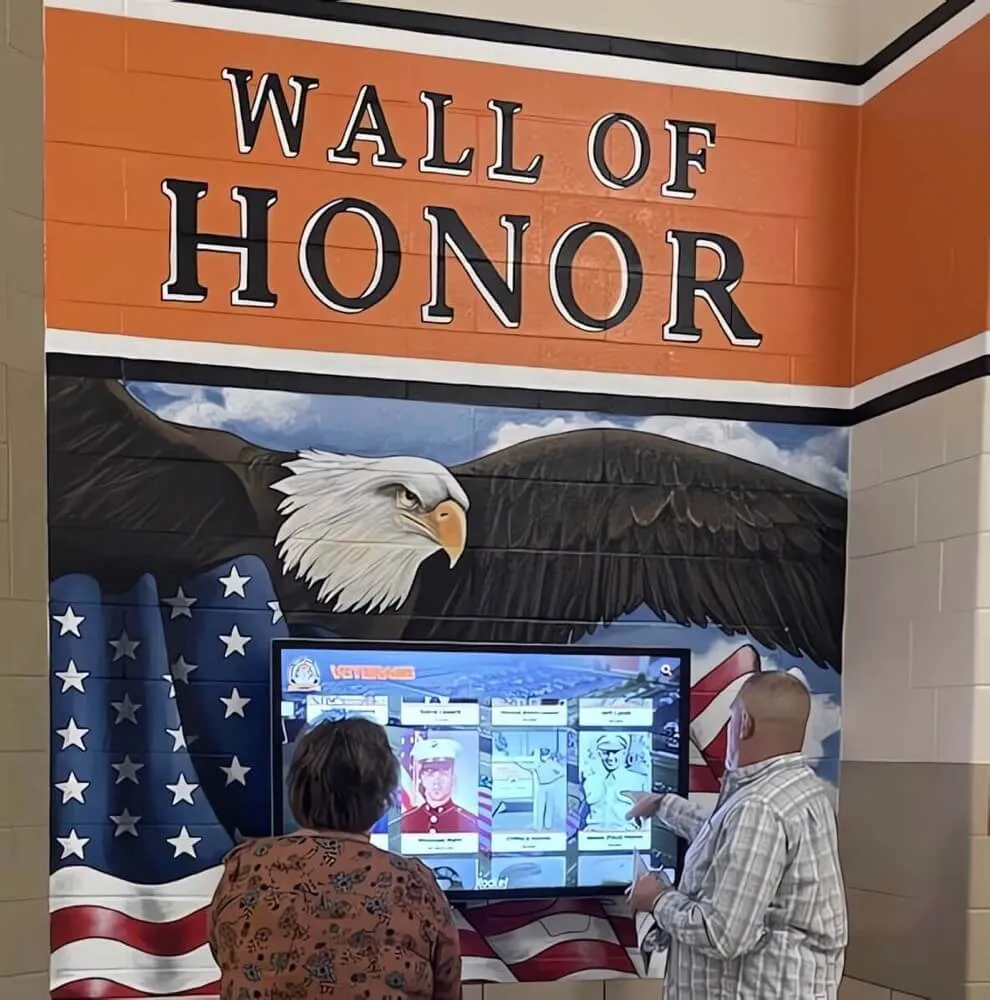
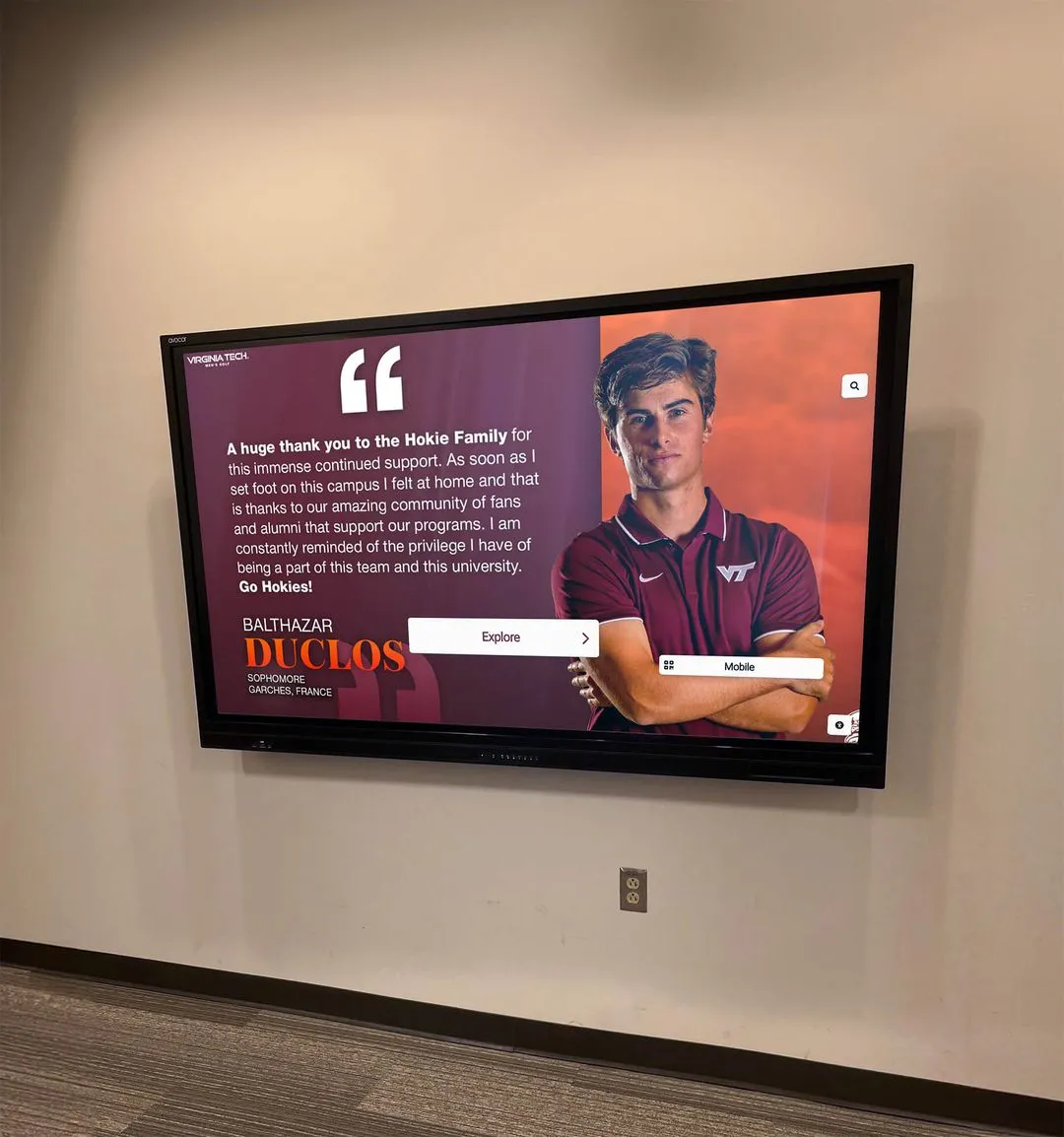
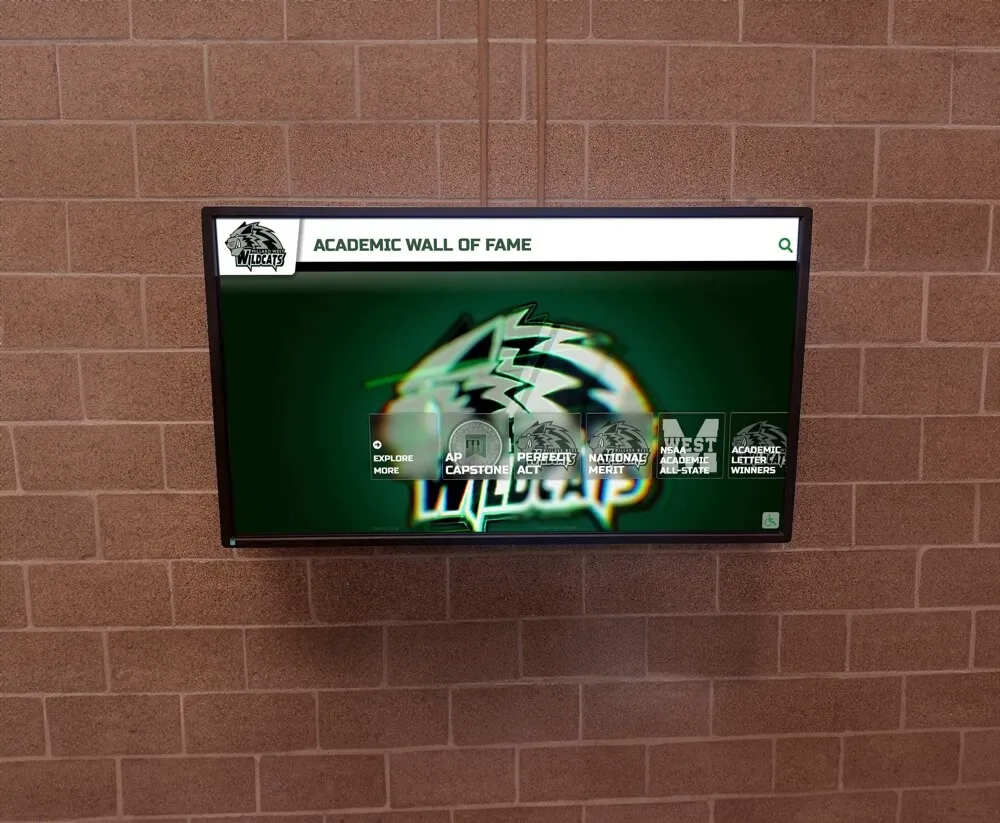
Interactive digital displays let multiple community members explore school memory archives simultaneously, creating shared experiences around institutional history
Building a School-Wide Memory Preservation Program
Creating a memory book worth preserving doesn’t happen by accident. Schools that produce exceptional memory archives typically operate systematic programs rather than one-time projects.
Establishing Year-Round Collection
The most common mistake in school memory book production is treating photo and content collection as a end-of-year scramble. Programs that schedule systematic documentation throughout the year — assigning someone to photograph or document each significant event as it happens — arrive at production time with rich material rather than scrambled recollections.
A sustainable collection system includes:
- Designated photographers or documentation volunteers for major events
- Shared storage for submitted photos and media (accessible to everyone contributing content)
- A submission calendar that prompts content collection at key milestones throughout the year
- Archive of materials from previous years for context and comparison
Involving Students in Memory Documentation
Student-created content carries authenticity that adult-curated material often lacks. Programs that involve students in photographing, writing, and curating memory book content produce archives that feel genuinely representative of student experience.
Student memory book committees, journalism classes, and yearbook programs all serve as natural production vehicles. Schools without formal journalism programs can create ad hoc memory committees that give interested students a meaningful role in preserving their own school history.
Planning for Multiple Formats
A single physical memory book serves some purposes well and others poorly. Schools that plan for multiple formats — print editions, digital flipbooks, touchscreen displays, and online archives — reach more of their community more effectively.
Graduation slideshow templates offer a useful parallel: the same content that appears in a printed program can also appear in a video presentation, a digital display, and an online archive, each format serving a different audience and context. School memory books work the same way — the core material can be adapted across formats without requiring duplicate production effort.
Creating Archives That Serve Reunions
A school memory book program that thinks beyond graduation day creates archives that remain valuable for decades. Alumni returning for class reunions want access to memory materials from their specific years — a well-organized archive makes this possible in ways that benefit both the school (deepening alumni connection) and returning graduates (class reunion planning works significantly better when reunion organizers can access rich archival material).
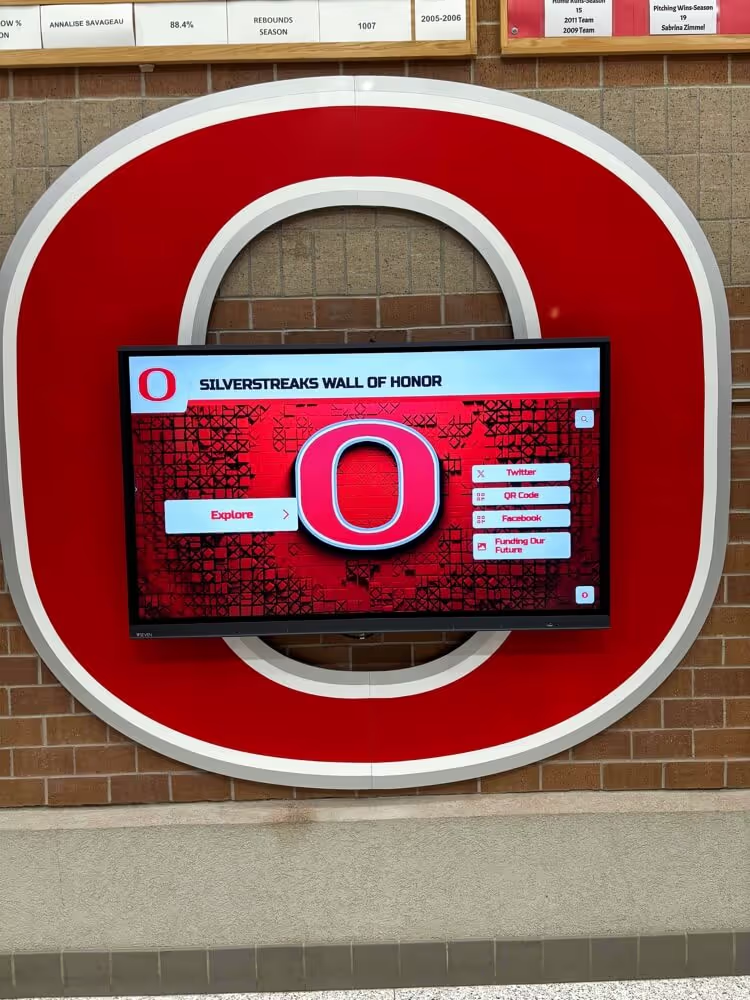
Schools that maintain accessible archives — whether through a digital portal, a dedicated archive room, or an interactive touchscreen display in a public space — find that alumni engagement strengthens considerably when returning graduates can actually browse the school’s documented history.

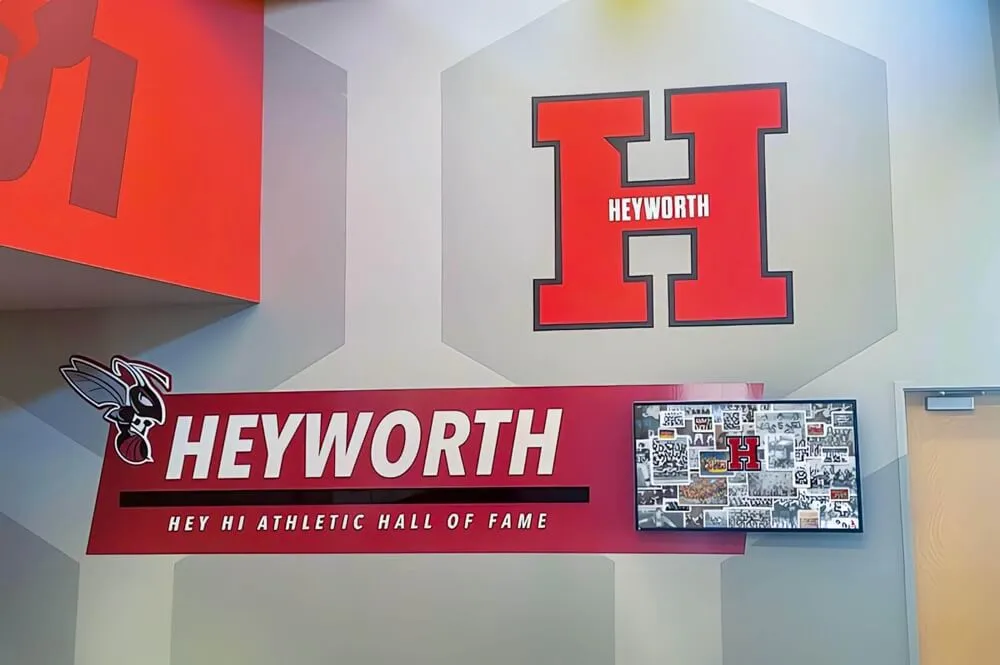
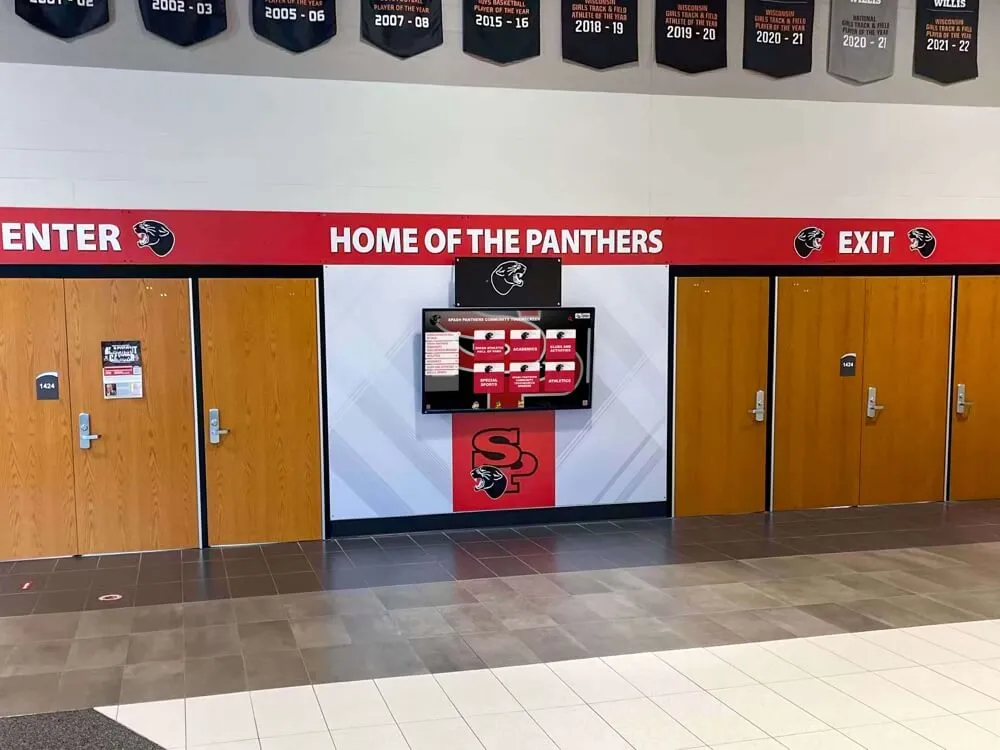
Interactive lobby displays turn school memory archives into a resource that engages current students, parents, and returning alumni year-round
Connecting Memory Books to Living Recognition Systems
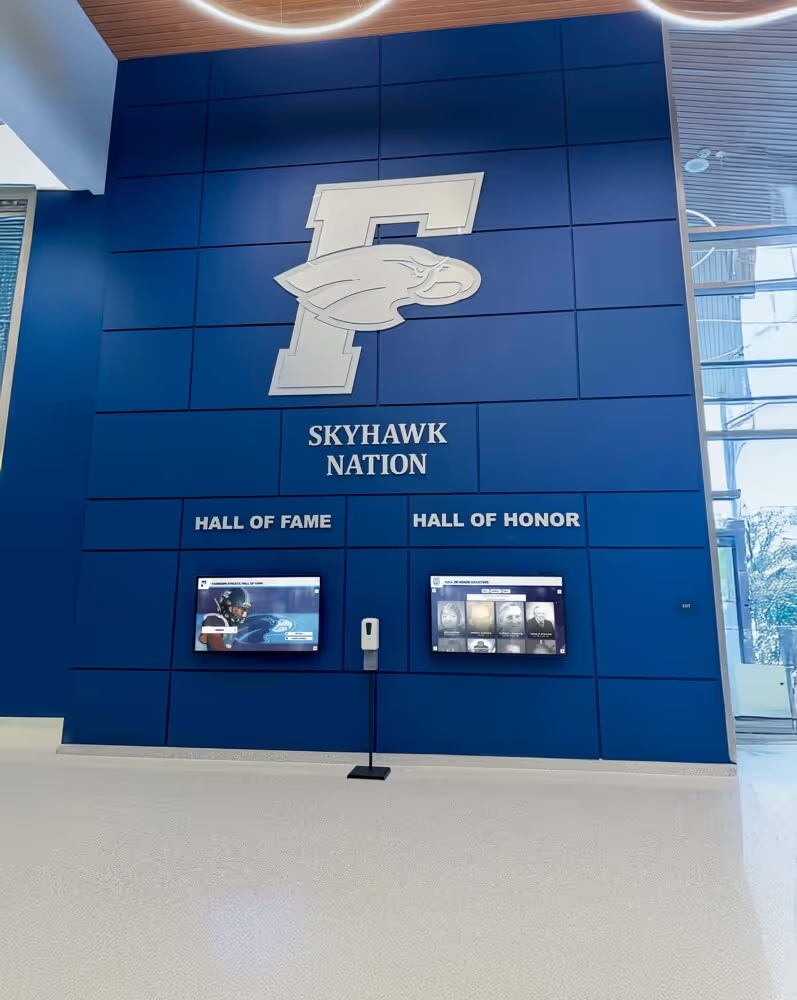
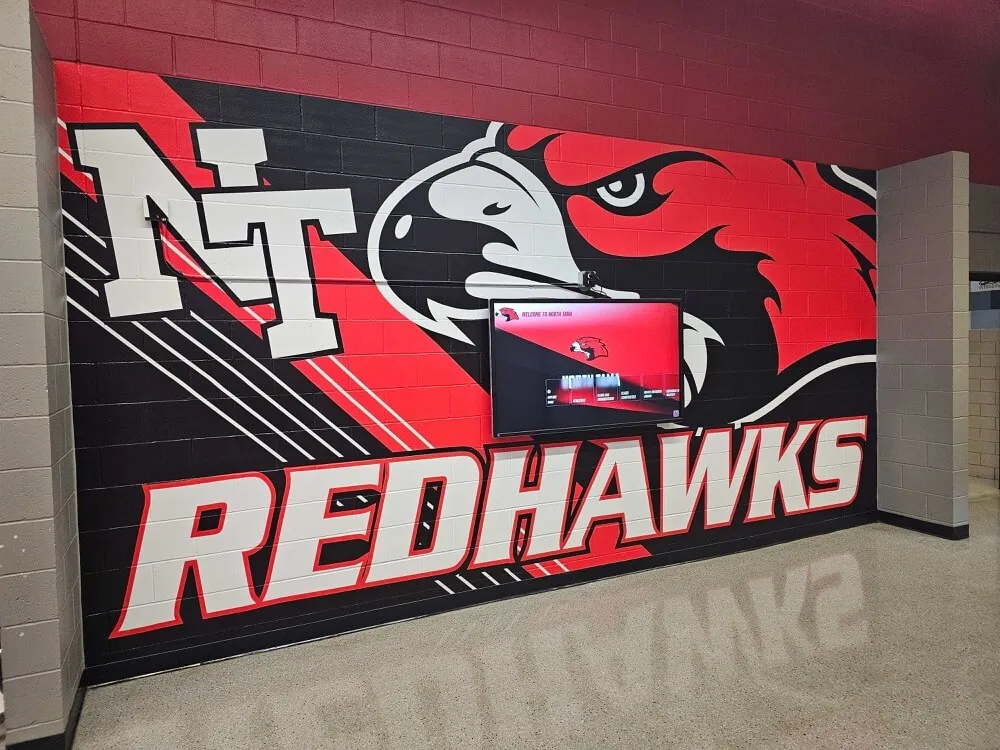
The most complete approach to school memory preservation integrates printed memory books with permanent recognition installations. Legacy wall design for school recognition takes the same content documented in memory books — championships, academic achievements, notable alumni — and installs it permanently in the school’s physical environment.
This combination — a printed memory book for personal ownership, a digital archive for universal access, and a physical recognition installation for daily inspiration — creates a preservation system that honors school history at multiple scales. Current students encounter their school’s legacy daily. Alumni can access memory materials from anywhere. And future generations inherit a well-maintained archive rather than fragile, scattered physical records.
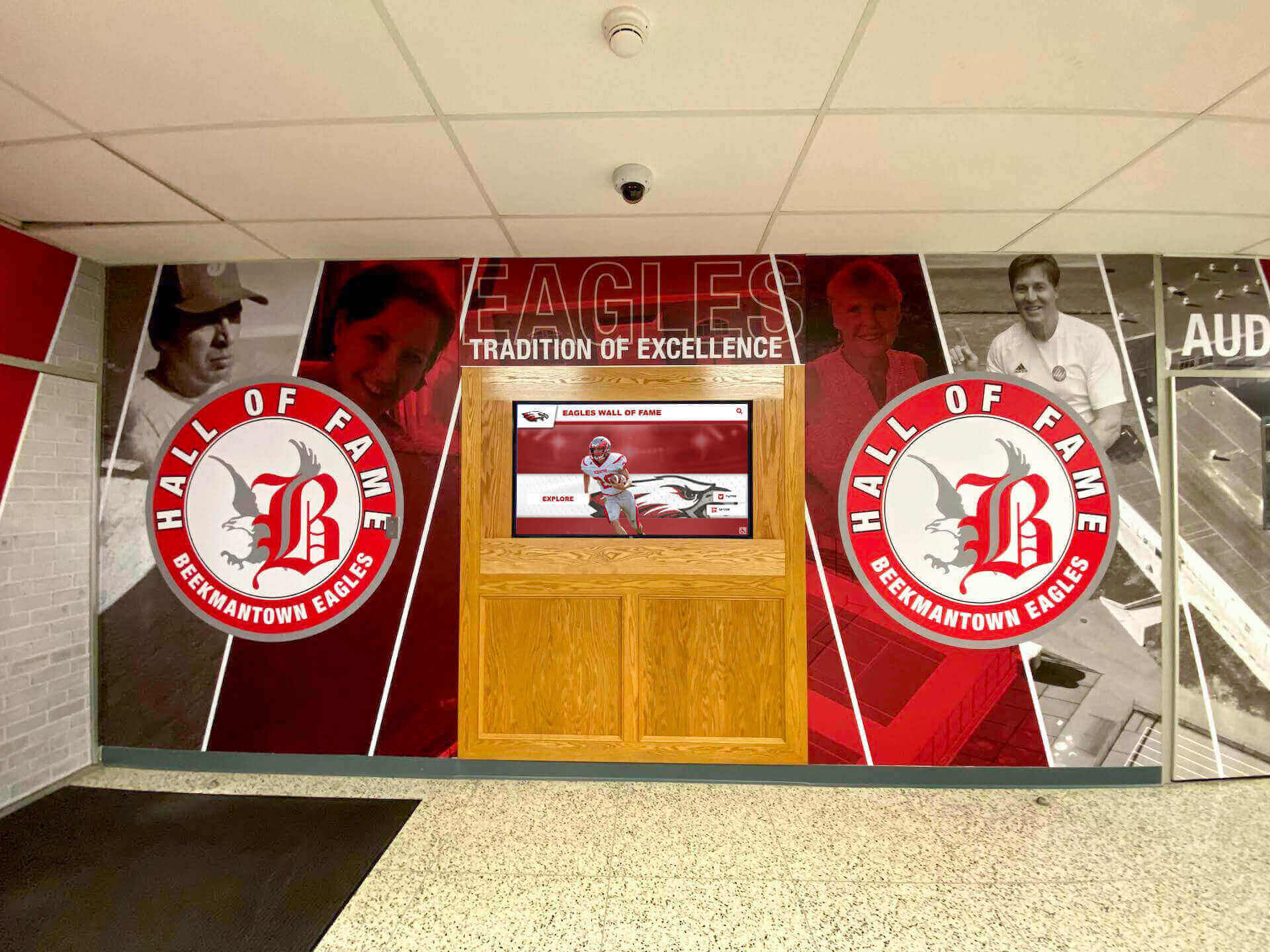
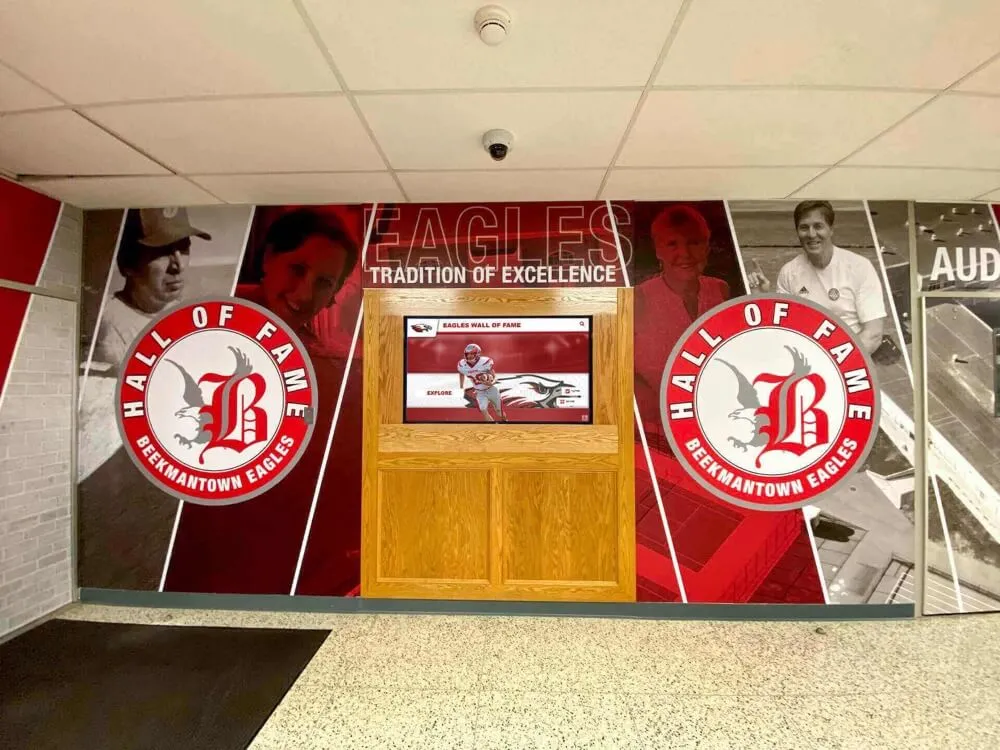
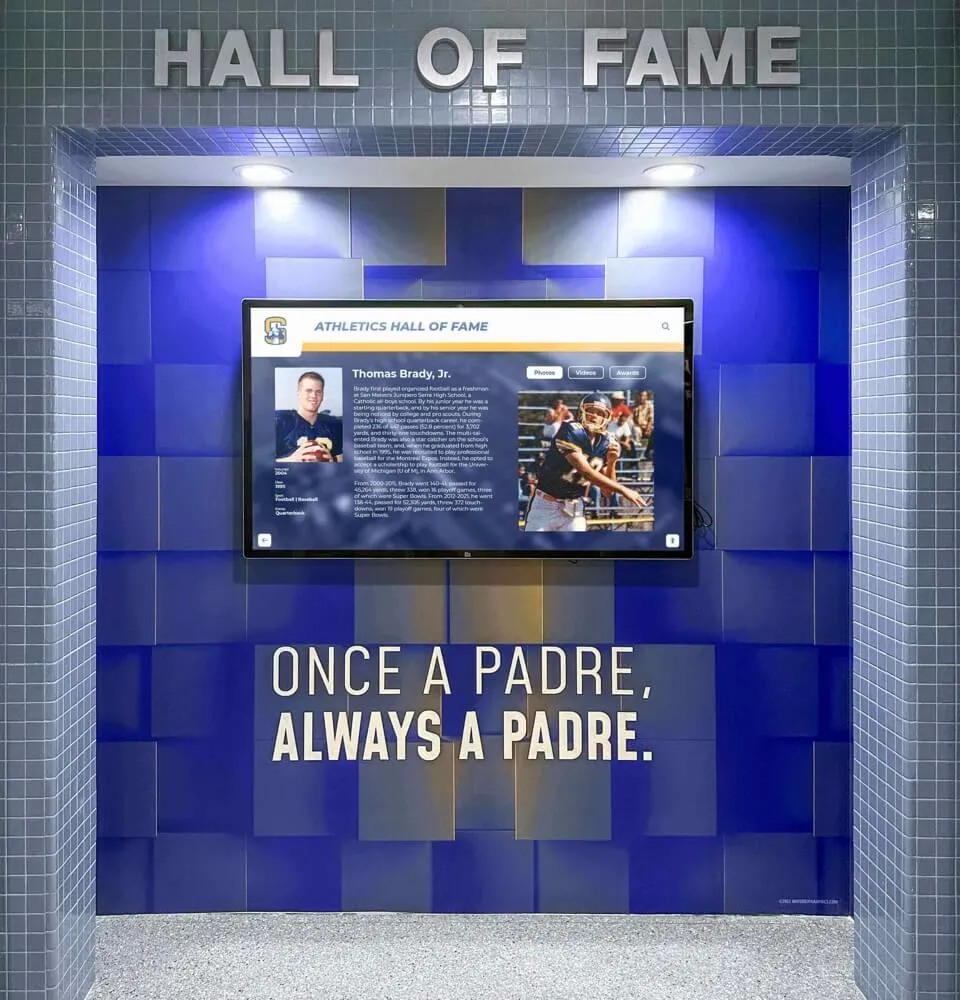
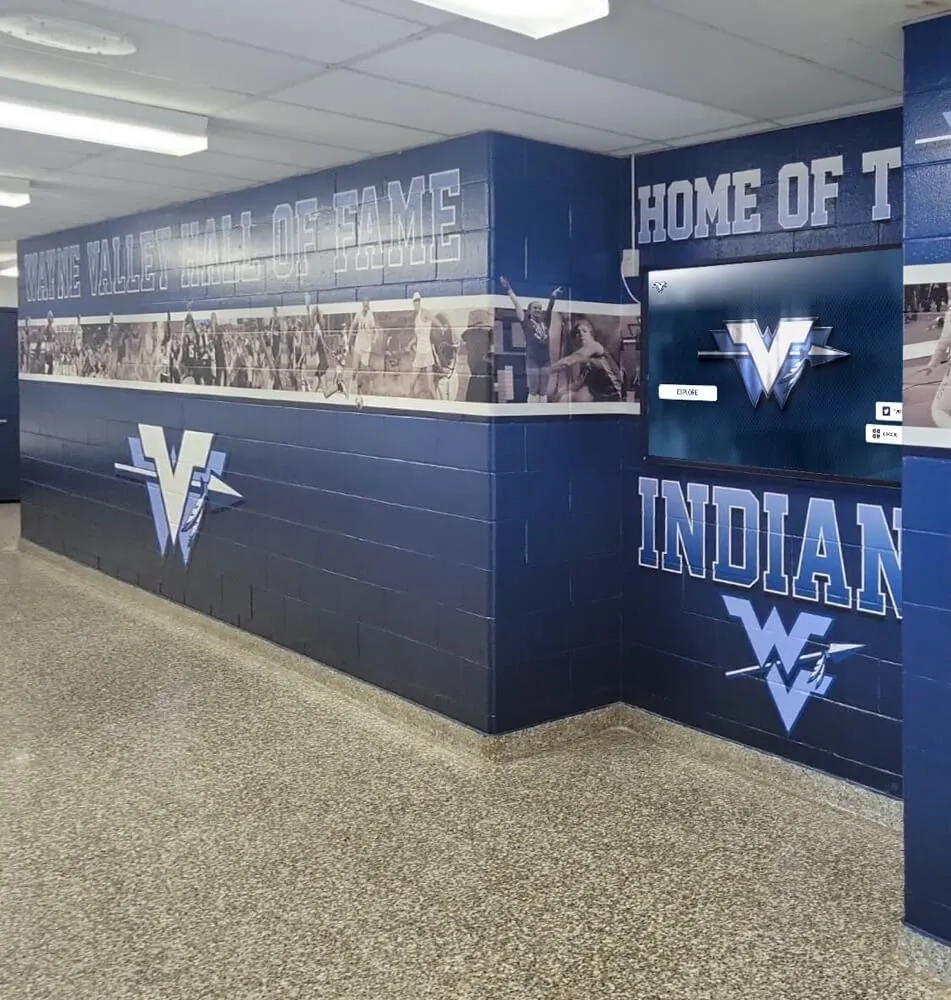
Permanent recognition murals and hall of fame displays extend school memory archives into the built environment, inspiring students and honoring alumni every day
Making Every Year’s Memory Book Count
The school years that deserve the richest documentation are happening right now. The students who will become alumni looking back with gratitude on how well their school preserved the years that shaped them are currently in your classrooms, on your fields, and performing on your stages.
A school memory book program built with intention — comprehensive in scope, consistent in execution, designed for both print and digital preservation — creates something that compounds in value over time. Each year’s edition becomes more meaningful as more editions accumulate around it. Each alumni connection deepens when returning graduates find a school that took their history seriously enough to preserve it well.
Whether your program is just starting out or ready to expand from print into digital and interactive formats, the core principle remains the same: document what matters, name the people involved, and build systems that keep those records accessible for the next generation of students who deserve to know what came before them.
Ready to extend your school memory book program into interactive digital displays? Rocket Alumni Solutions helps K-12 schools, universities, and institutions transform their memory archives into searchable, interactive touchscreen experiences. From digitizing decades of historical records to designing custom recognition walls that display alongside your existing memory books, our team helps schools build archives that serve current students and returning alumni for generations. Explore how your school can make its history accessible, engaging, and permanent.