



School newspapers are some of the most underappreciated archives in any institution’s history. Every issue is a timestamped record of student life, athletic achievement, campus events, and community voice—a primary source that yearbooks supplement but never replace. Yet most schools treat their student publications as disposable current-events documents rather than the institutional records they actually are. This guide presents school newspaper examples across ten distinct formats and approaches, followed by practical strategies for archiving and showcasing student journalism so it continues serving the school community long after each issue’s original audience has graduated.
Whether you’re an administrator looking for program models, a faculty adviser evaluating your publication’s identity, or a student journalist curious how different newsrooms operate, these examples offer a clear picture of the range and depth that school newspaper programs can achieve.
School newspapers occupy a unique space in institutional memory. Unlike official communications or achievement displays, the newspaper carries the student voice—reporting, questioning, celebrating, and documenting from the perspective of people who are actually living the school experience. That combination of timeliness and authenticity makes issues from any era valuable not just as historical documents, but as windows into what school life actually felt like.

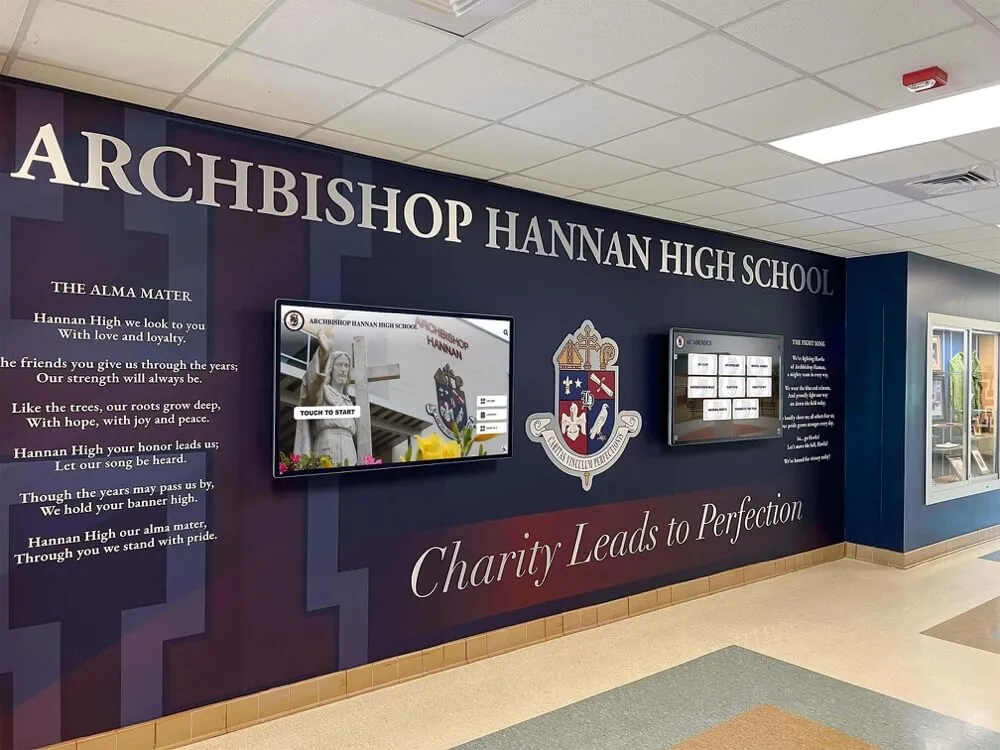
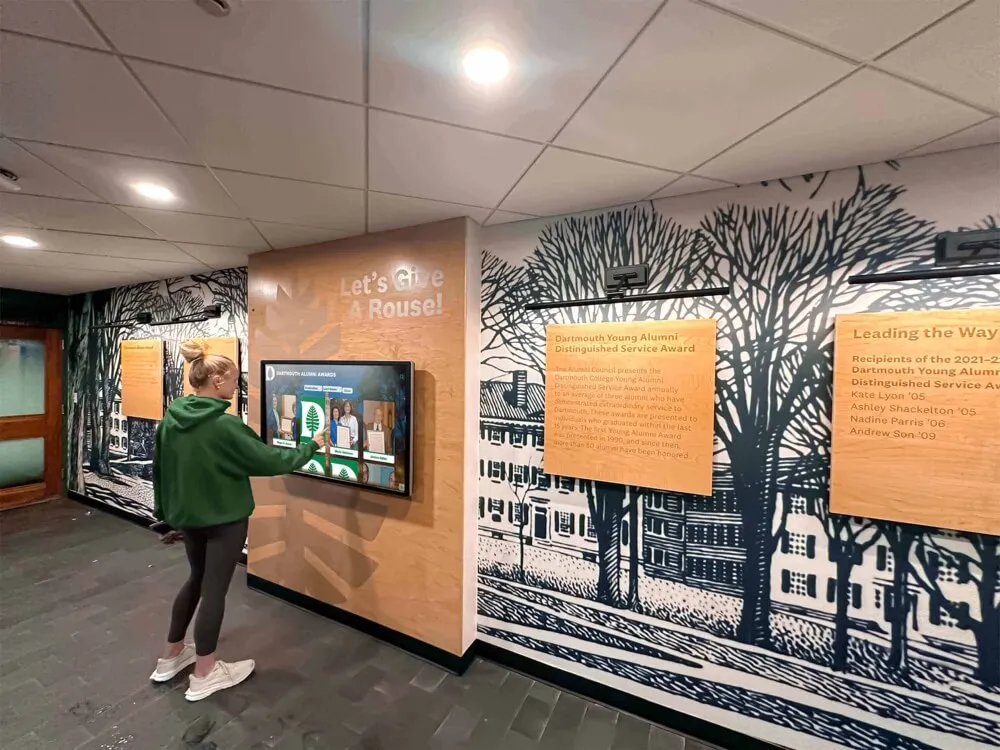
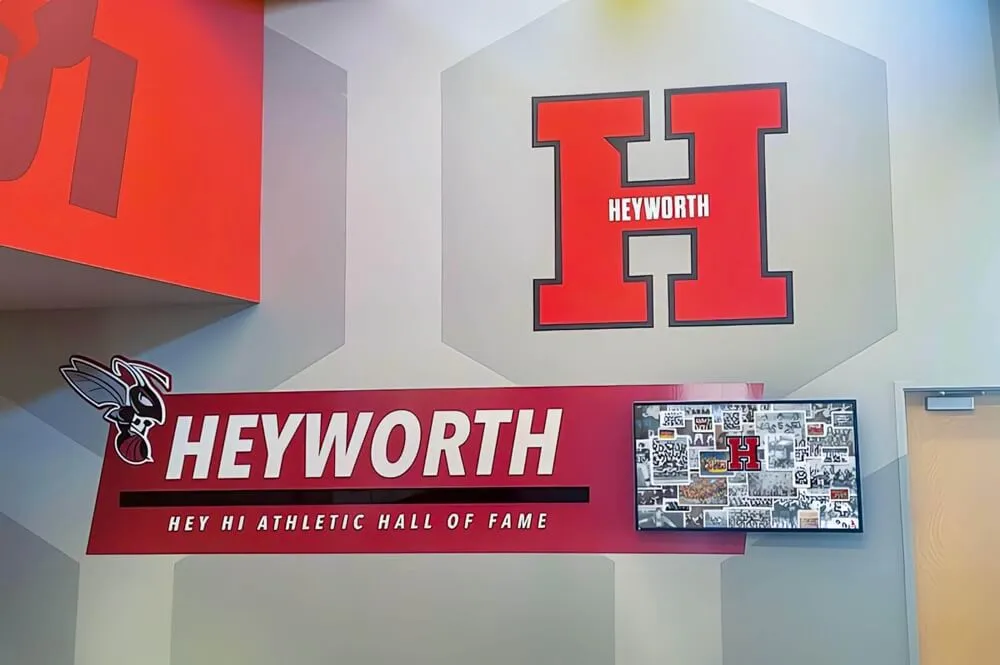
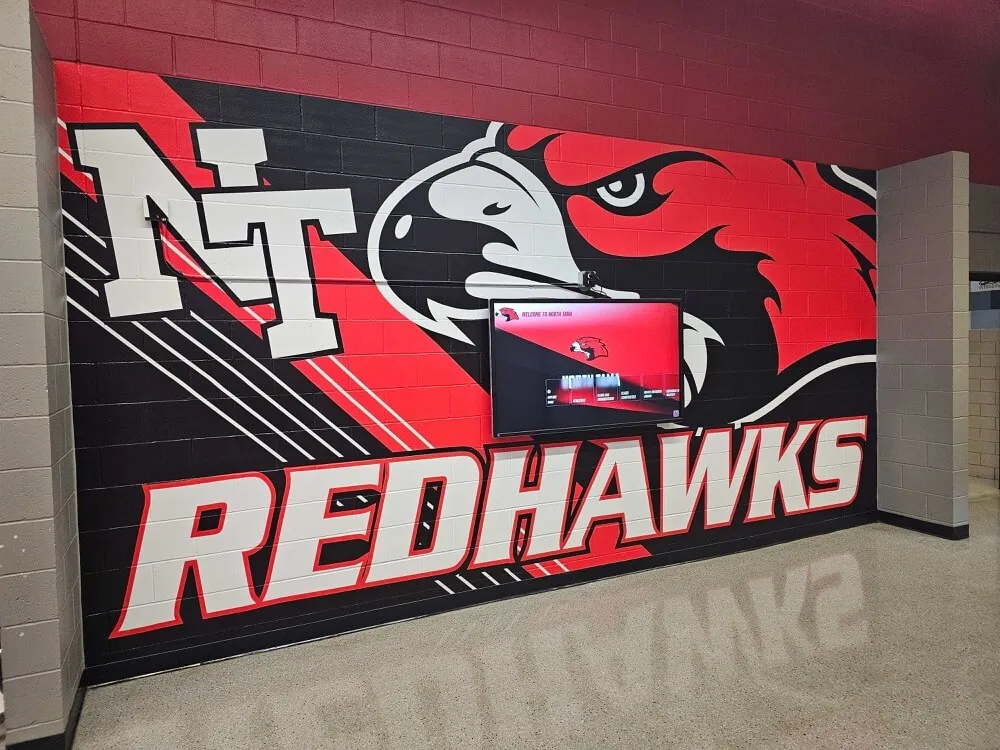
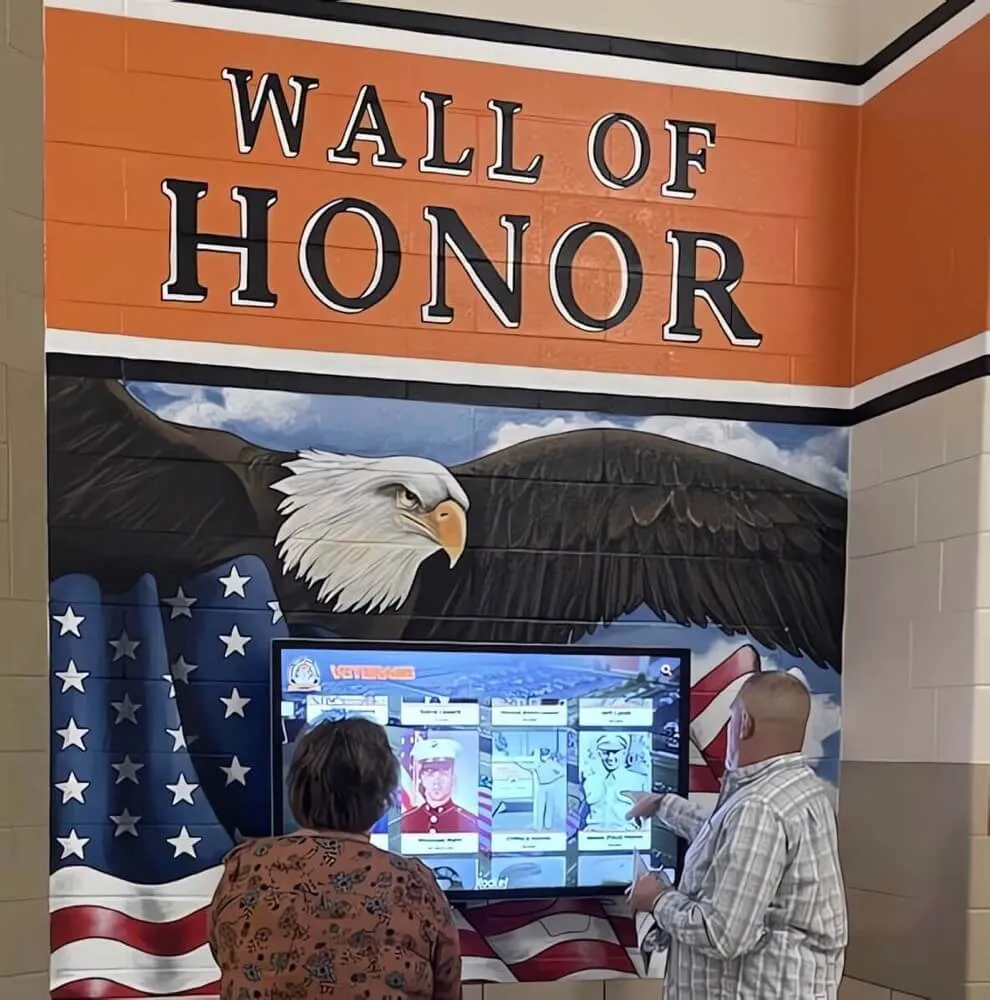
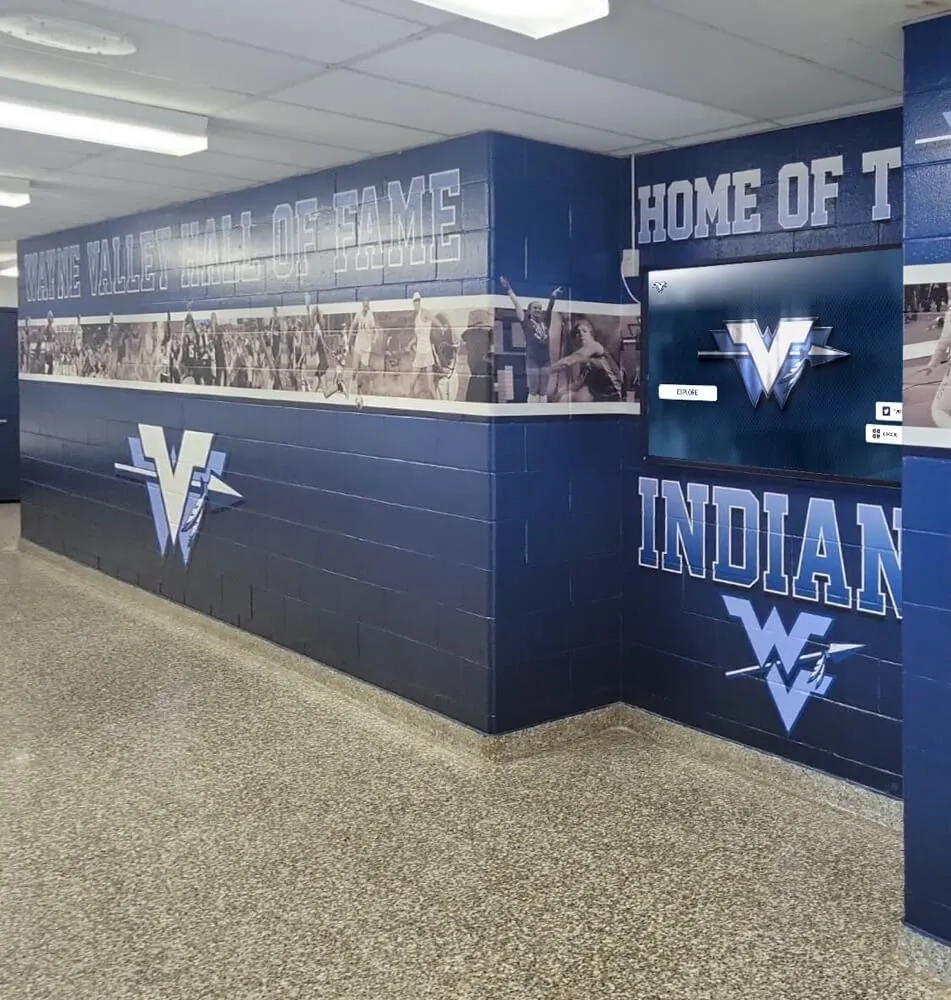
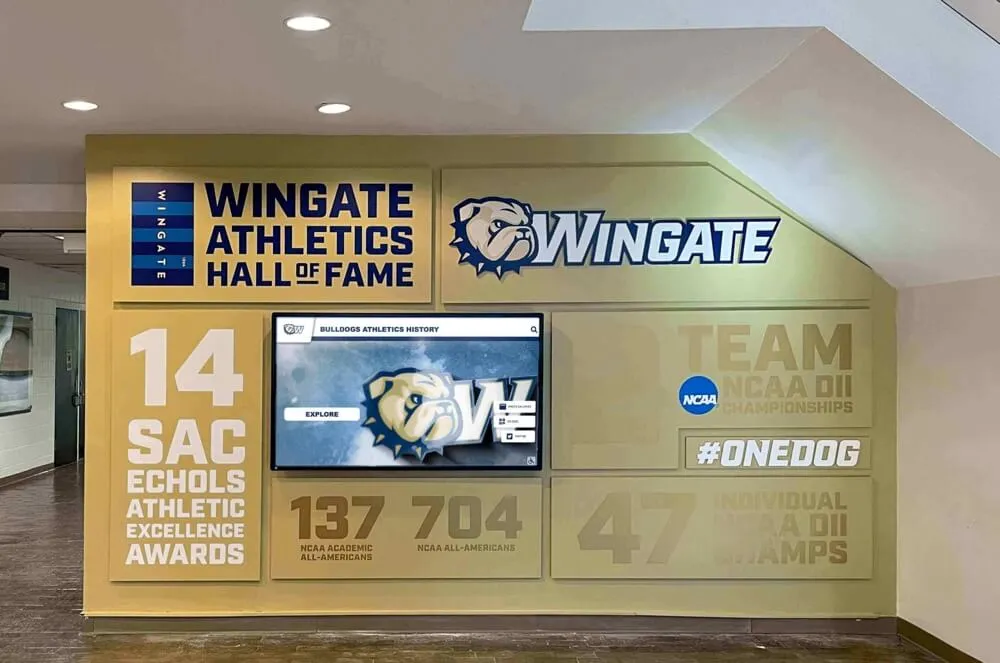
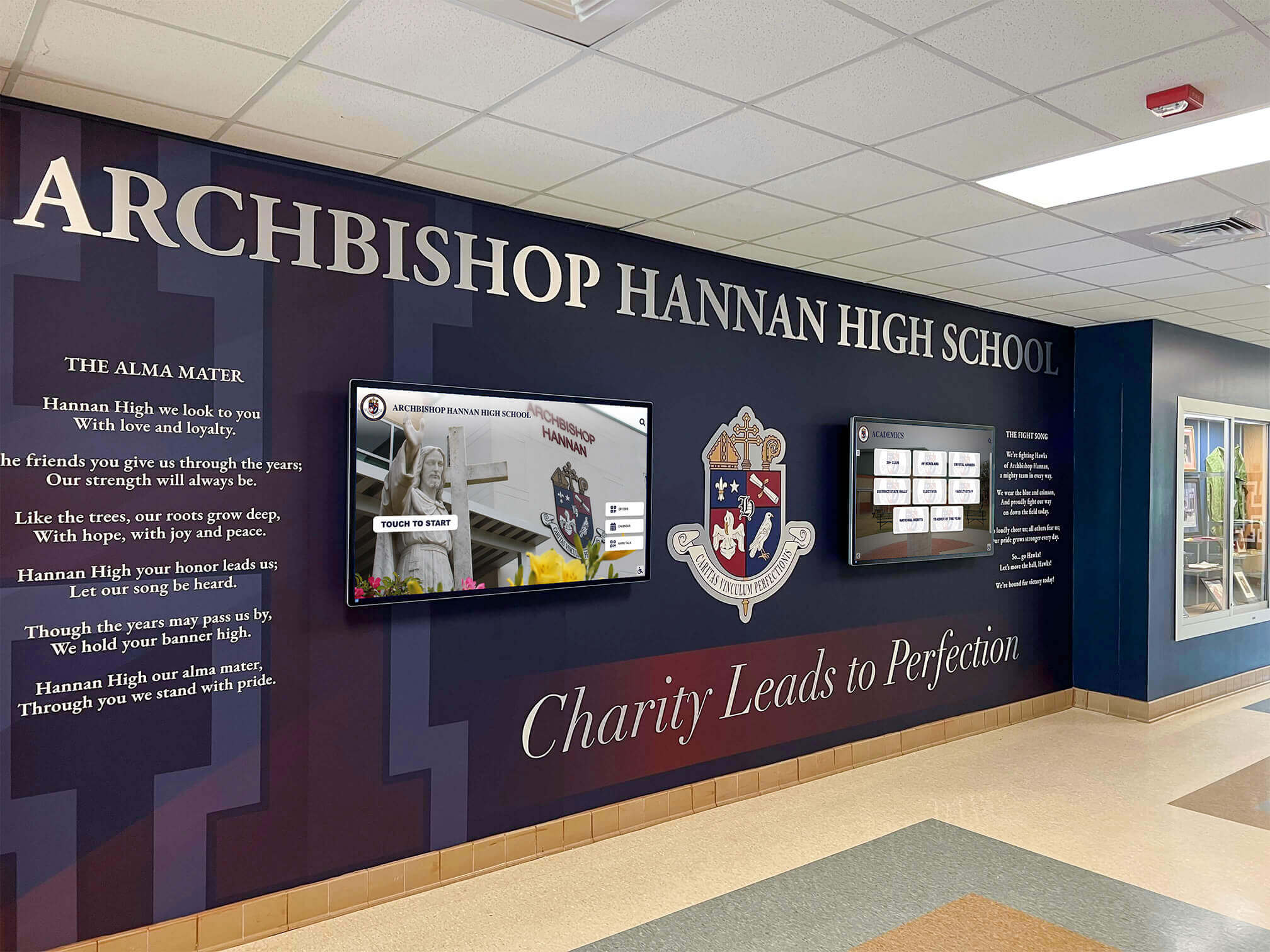
School lobbies that combine visual identity elements with digital displays create natural showcases for student journalism archives alongside athletic and academic recognition
What Distinguishes Strong School Newspaper Programs
Before examining specific school newspaper examples by format, it helps to understand the qualities that separate publications doing important work from those producing routine content. Excellent school newspapers share several characteristics regardless of format.
They treat journalism as documentation, not just reporting. The best programs understand that every issue becomes part of the institutional record. Editors who think about how their coverage will read in twenty years—not just next week—produce journalism with more depth and historical value.
They build systems for preservation. Strong programs maintain complete archives from their founding issue forward, whether physical, digital, or both. Programs that allow gaps in their archives lose pieces of the school’s history that cannot be recovered.
They cover the full range of school experience. Publications that limit themselves to athletics and school events miss the academic, creative, service, and personal dimensions of student life that are often the most historically interesting material.
They engage alumni and community. Newspapers that connect current student journalism to the school’s broader community—through alumni profiles, retrospective coverage, and accessible archives—extend their impact far beyond the campus.
10 School Newspaper Examples by Format and Approach
1. The Traditional Print Broadsheet
The broadsheet format—a full-size, multi-section printed newspaper—remains one of the most prestigious formats in scholastic journalism. Broadsheet programs typically produce a weekly or biweekly publication with dedicated sections for news, sports, opinion, features, and arts. The format demands advanced design and journalism skills, producing students who graduate prepared for college-level newsrooms.
Schools running strong broadsheet programs often maintain physical archive rooms where bound volumes of past issues are accessible to students, faculty, and alumni. The weight and permanence of print creates a natural incentive to preserve issues that purely digital publications sometimes lack.
2. The Tabloid Newsmagazine
The tabloid (half-broadsheet) format is the most common across American high school programs, balancing production feasibility with journalistic depth. Tabloid publications typically run 12–20 pages, with room for extended feature writing alongside hard news and sports coverage.
What distinguishes excellent tabloid programs is how they use their limited page count. The best examples prioritize in-depth feature writing over wire-style event summaries, investing in the kinds of stories—profile journalism, investigative pieces, historical retrospectives—that have lasting value beyond a single news cycle. Alumni spotlight recognition programs model how schools can formally recognize graduates; tabloid newspapers that run regular alumni columns create a similar ongoing connection between current students and the school’s broader community.
3. The All-Digital Online Publication
Fully digital school newspapers—websites with no print component—have grown significantly as print production costs have risen and student media consumption has shifted online. Digital-first programs can publish continuously throughout the week rather than waiting for a print deadline, allowing for more timely sports coverage, event updates, and news reporting.
The challenge for all-digital programs is archival preservation. Websites migrate, hosting providers change, and URLs break. Programs that don’t actively archive their digital content risk losing years of institutional record to simple technical attrition. Establishing a systematic approach to bringing school history to life digitally requires deliberate decisions about storage, backup, and accessibility—not just publishing platforms.
4. The Hybrid Print-and-Web Model
Hybrid programs maintain both a printed edition and an active website, treating the two as complementary rather than redundant. The website handles breaking news, game results, and content that benefits from immediacy; the printed edition focuses on the deeper analysis, feature writing, and visual storytelling that rewards more deliberate production.
This model is increasingly common at schools with well-established journalism programs because it develops students in both traditional and digital media skills simultaneously. The hybrid approach also creates a natural archiving structure: print issues provide physical documentation while the website extends reach and accessibility.
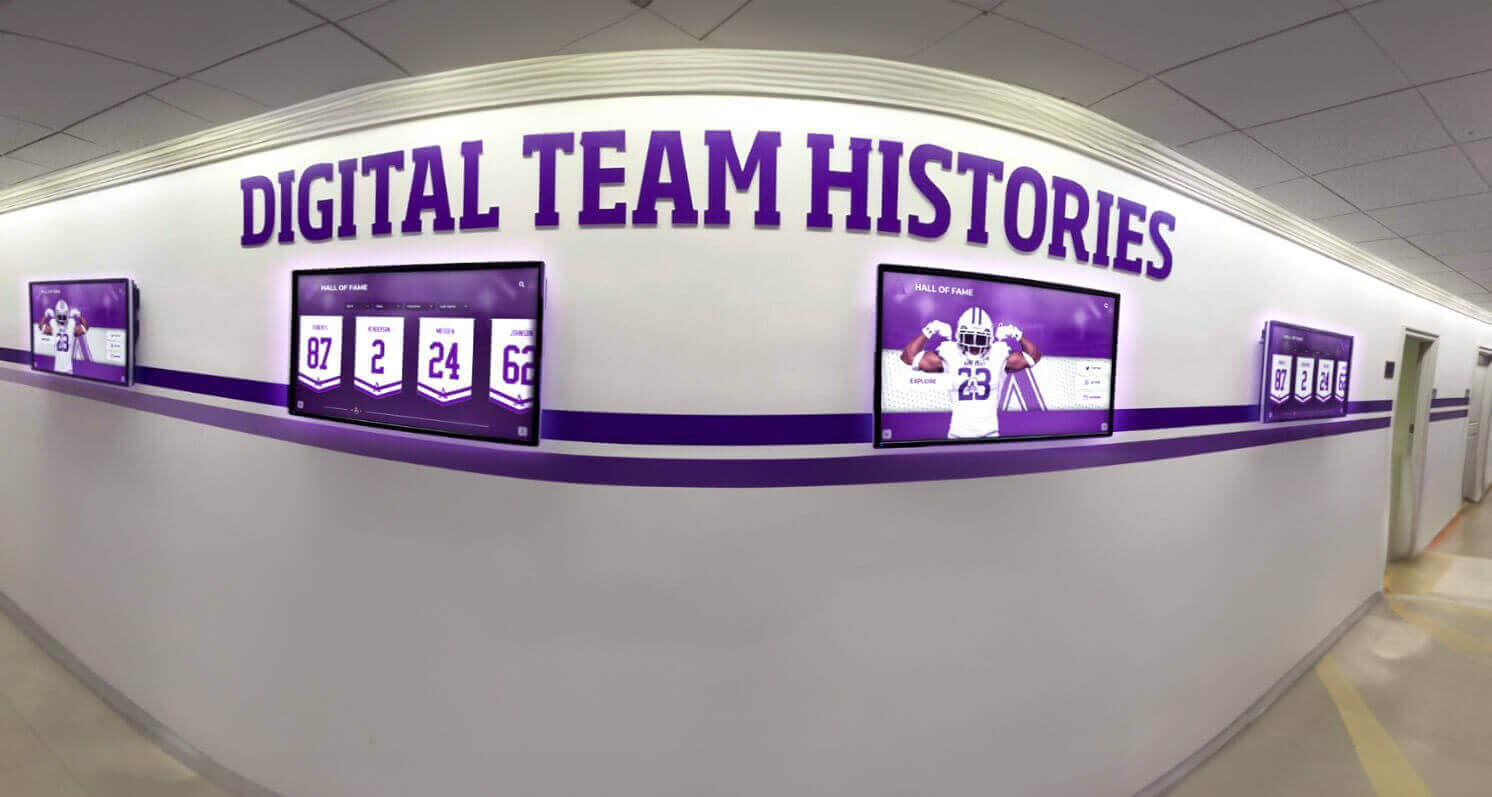
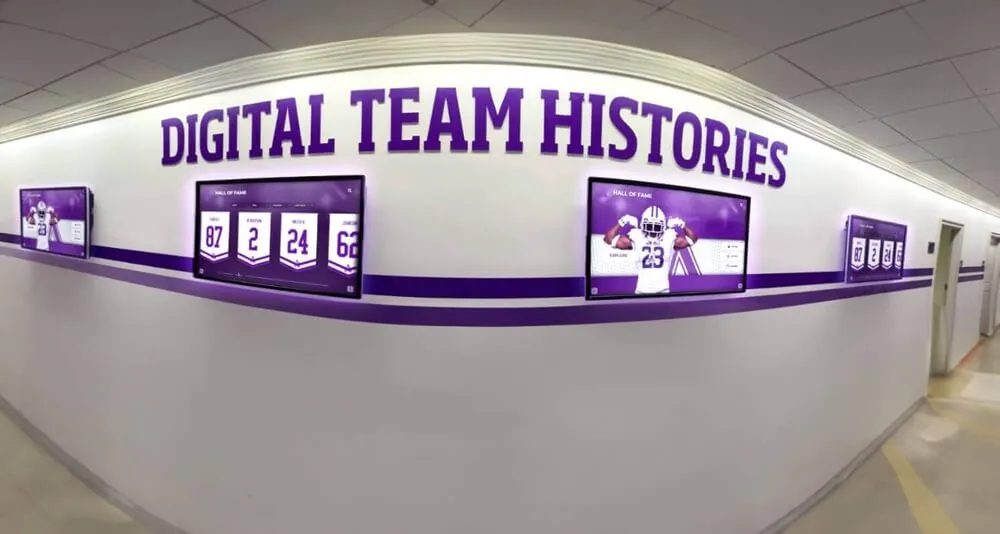
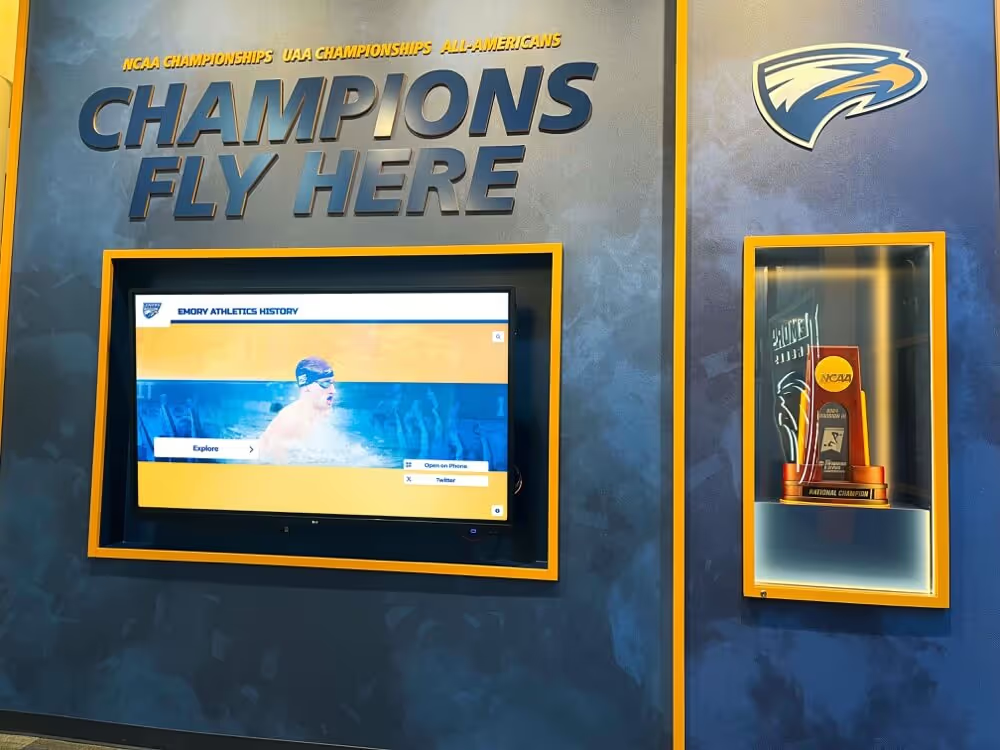
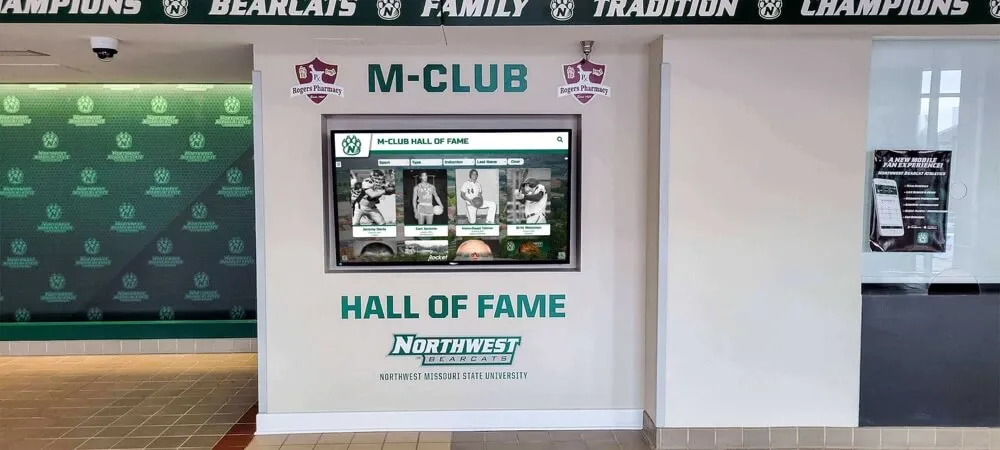
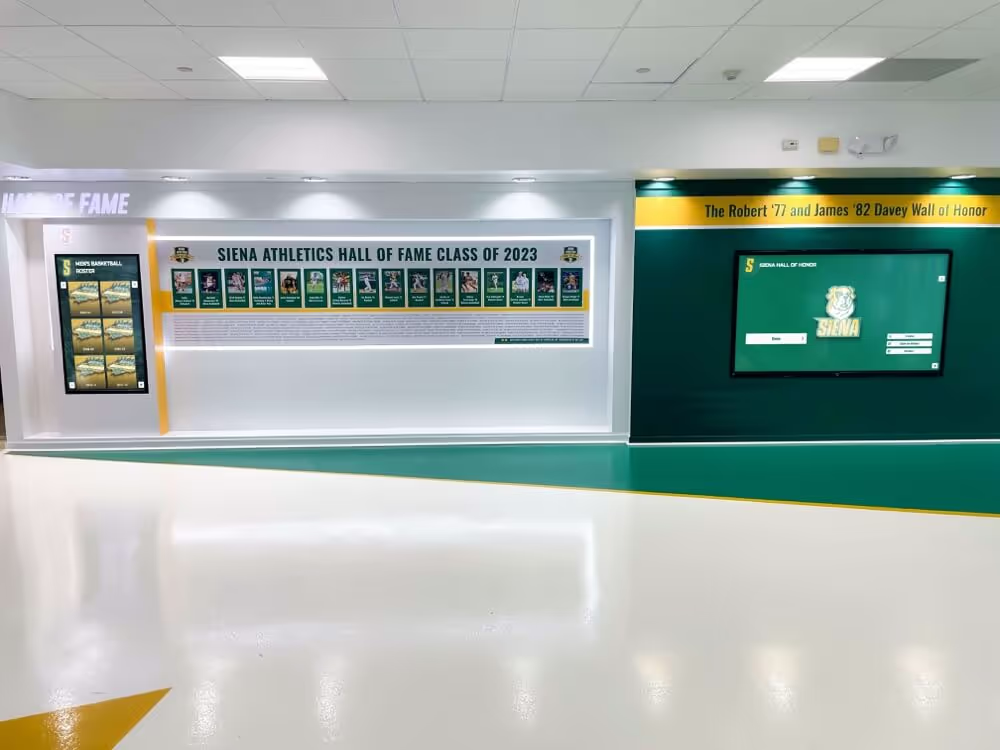
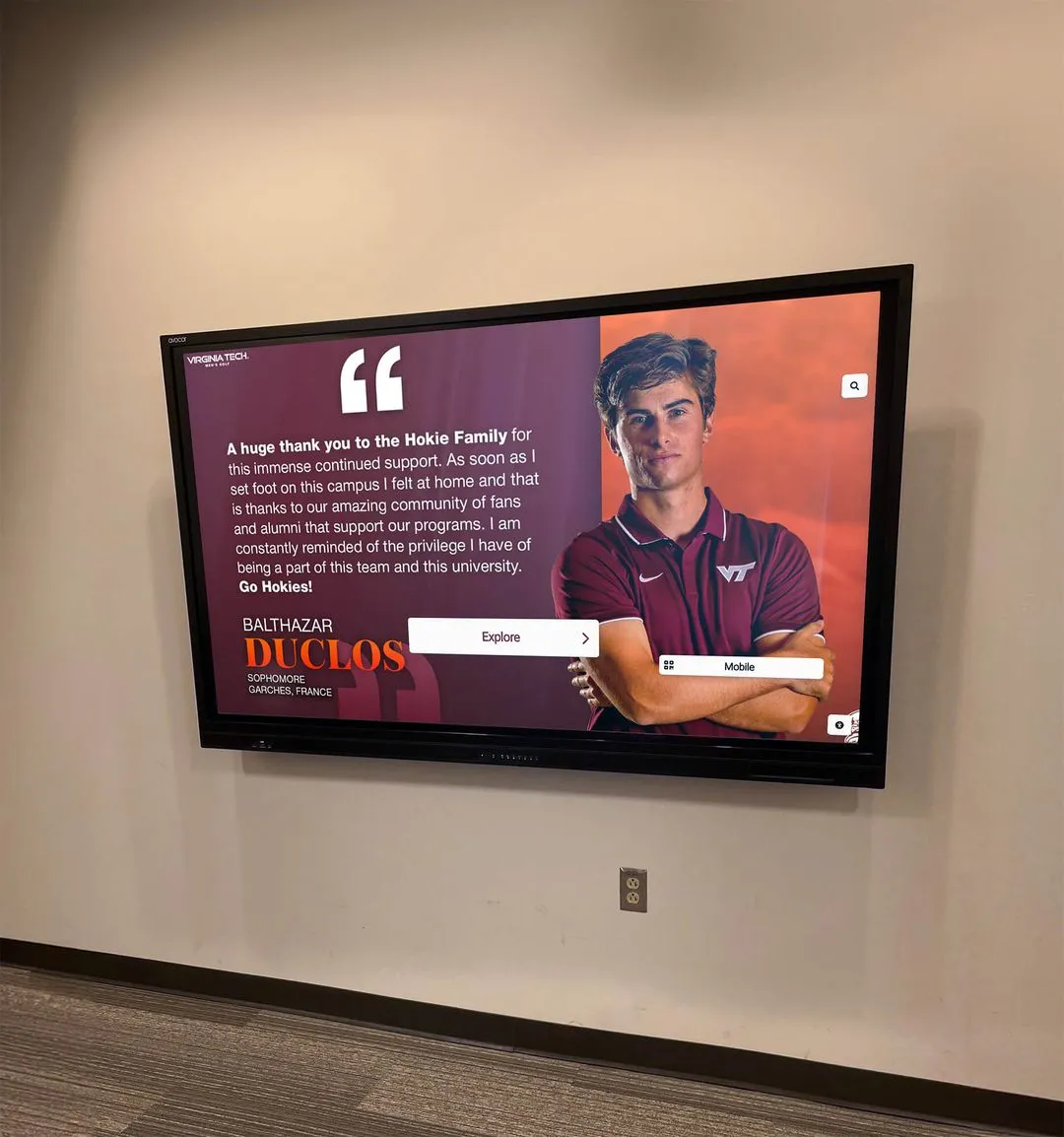
Digital display systems in school hallways can showcase student journalism alongside athletic history, making archived publications part of the school's visible identity
5. The Investigative Journalism Program
Some school newspapers distinguish themselves through a commitment to accountability journalism—covering school board decisions, budget allocations, administrative policies, and community issues with the same rigor applied to professional newsrooms. These programs typically receive strong support from experienced faculty advisers, often with professional journalism backgrounds.
Investigative programs produce some of the most historically significant student journalism. Coverage of school policy decisions, demographic changes, and community events creates primary source documentation that historians and researchers sometimes cite decades later. These issues deserve particularly careful preservation because their value as historical records often exceeds their value as current news.
6. The Sports-Focused Edition
Athletic coverage is consistently among the most-read content in school newspapers, and programs that invest in strong sports journalism create some of the most enduring institutional records. Beyond game results, excellent sports journalism covers recruiting, coaching transitions, record-setting performances, and the human stories behind team dynamics.
School historical timeline displays demonstrate how athletic and institutional history can be presented as a coherent narrative—the same approach applied to sports journalism creates coverage that serves as both current reporting and future archive.
Sports issues covering championship seasons, record-setting performances, and major coaching transitions are often the most requested from school archives by alumni. Programs that recognize the long-term value of this coverage invest in both thorough reporting and careful preservation.
7. The Arts and Culture Publication
Schools with strong performing and visual arts programs often develop newspapers or supplements that center creative and cultural coverage: theater reviews, visual arts criticism, music profiles, and literary arts features. These publications document dimensions of school culture that athletic and academic records rarely capture.
Digital theatre playbills for high schools show how performing arts programs are finding innovative ways to preserve production history—newspapers that cover arts comprehensively contribute to that same institutional record. A school that has produced generations of notable alumni in creative fields has an invaluable archive in the theater, art, and music coverage its student newspapers produced over the decades.
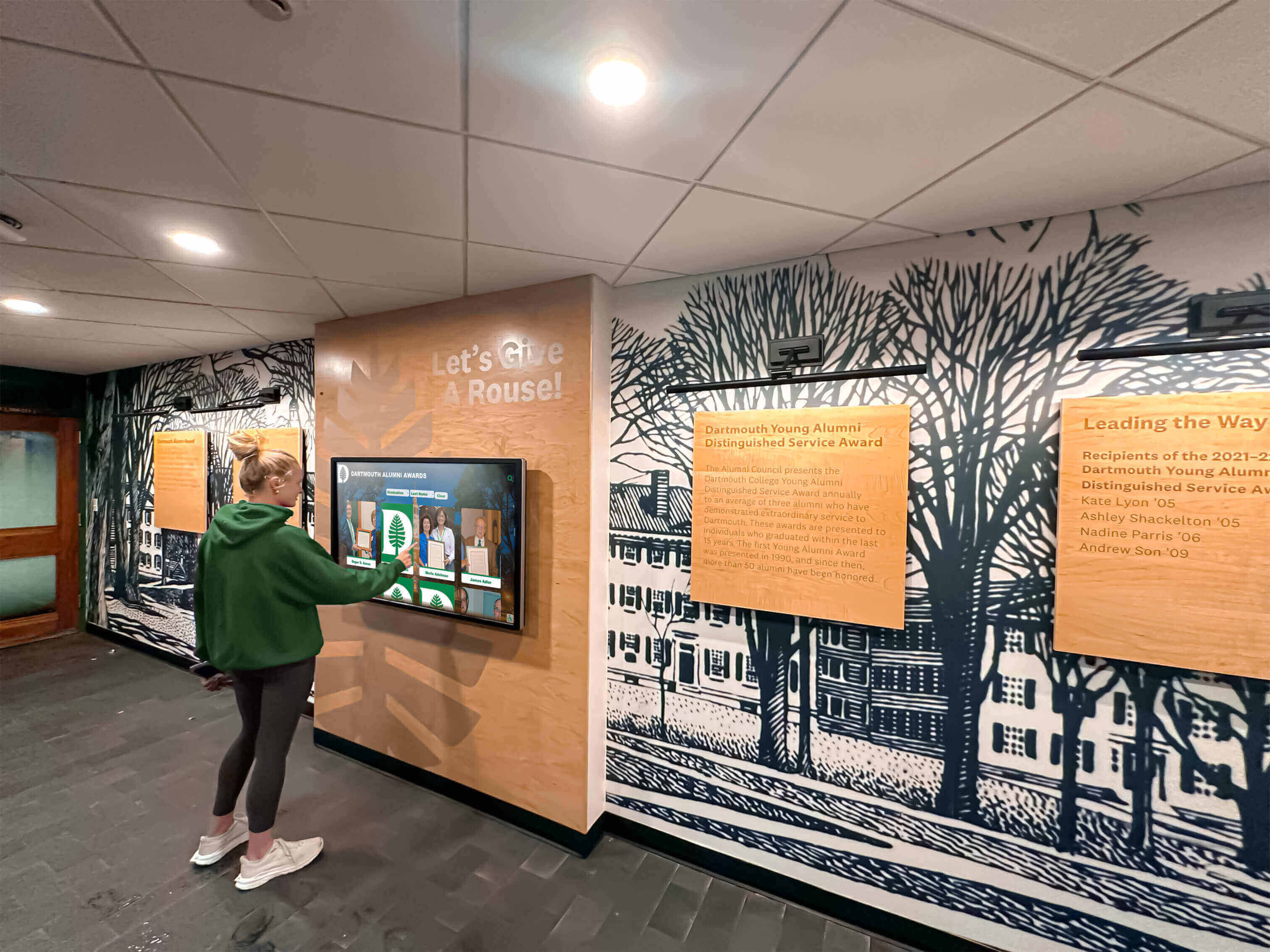
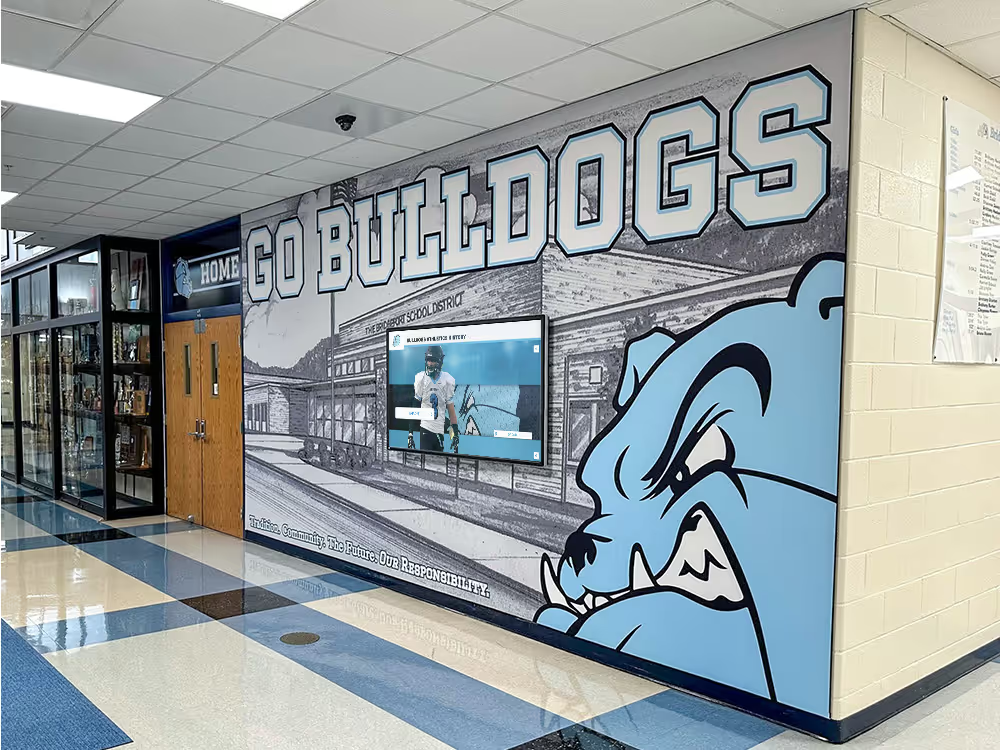
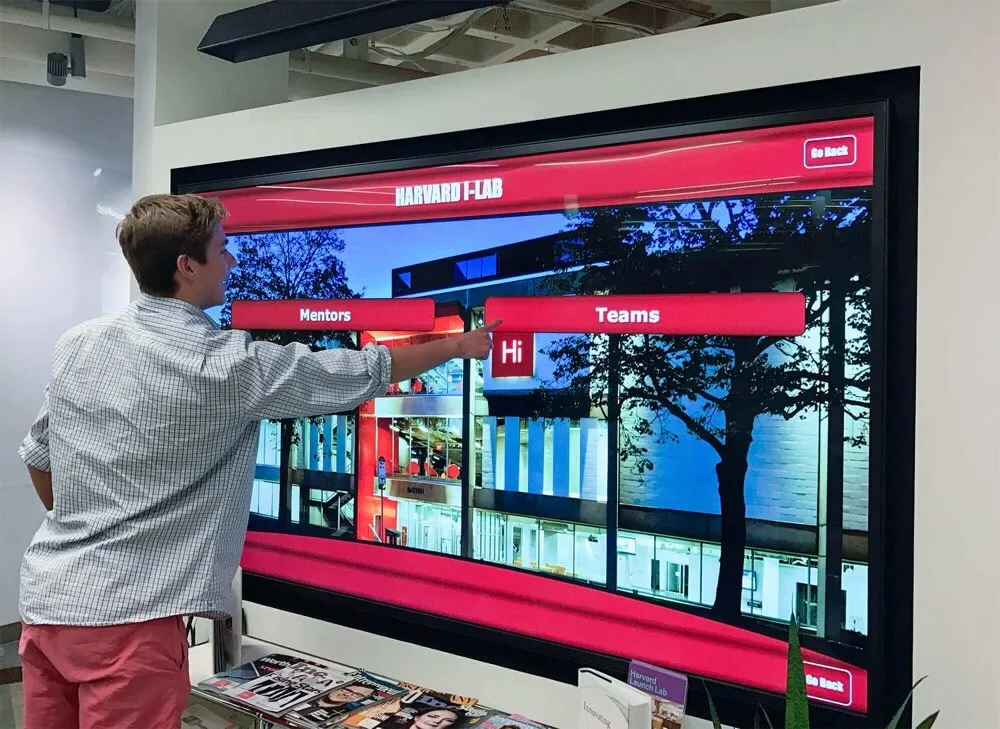
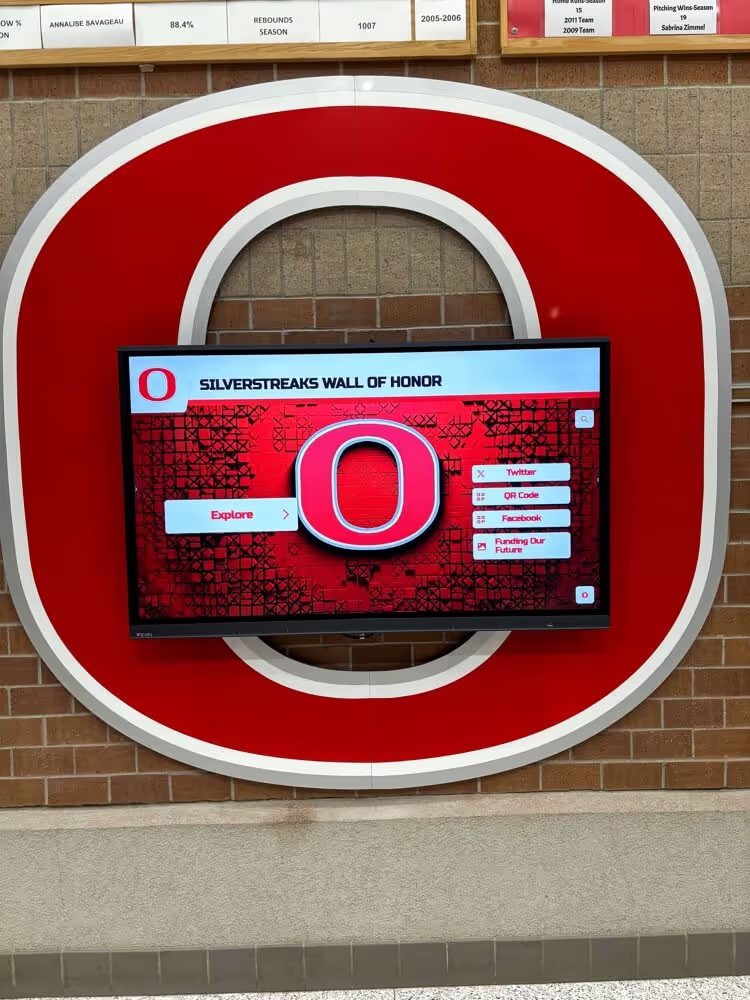
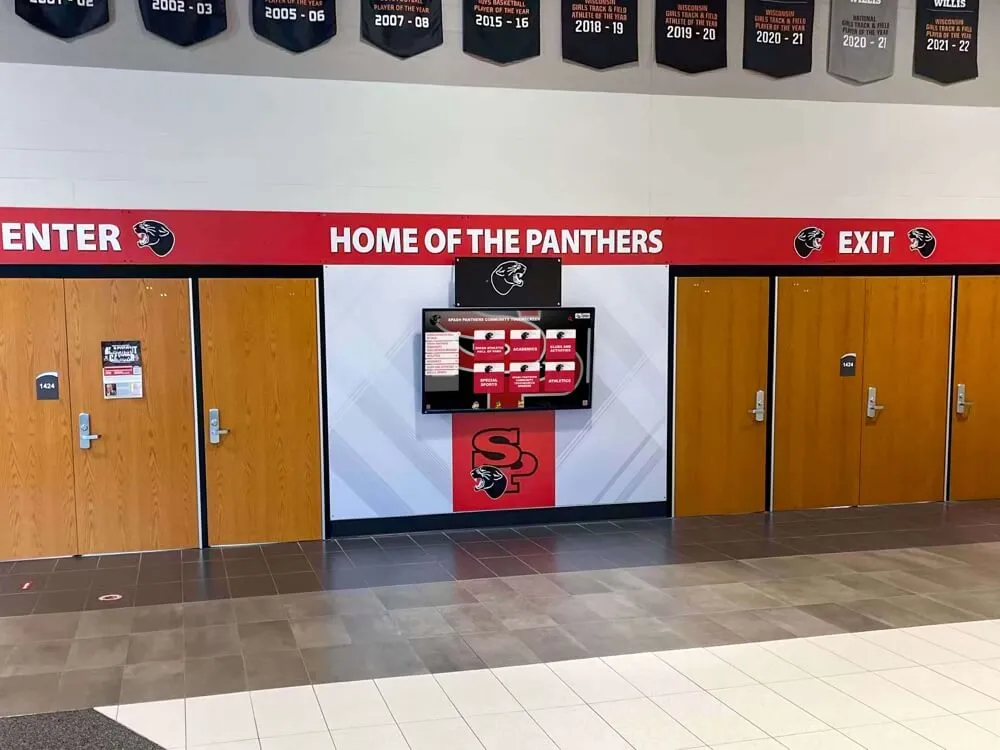
Interactive displays connect current students to the school's history—archived student newspapers integrated into such systems make institutional memory genuinely accessible
8. The Alumni-Connected Publication
Some of the most effective school newspaper programs build explicit bridges between current student journalism and the school’s alumni community. Regular alumni feature columns—where former students are profiled, interviewed about their careers, or invited to reflect on their school experience—create content that engages both current readers and the broader school community.
Alumni “where are they now” spotlight features describe the lasting engagement value of this kind of journalism. When alumni appear in the student newspaper—particularly in substantive profile pieces—they share those stories with their networks, significantly extending the publication’s reach and reinforcing the connection between graduates and their school.
9. The Multimedia-Integrated Newsroom
Contemporary school newspapers increasingly operate as full multimedia platforms, producing not just print and web articles but video journalism, podcasts, social media content, and photojournalism packages. These programs model professional newsroom convergence and develop students across a range of media skills.
The archival challenge for multimedia programs is format longevity. Audio files, video content, and social media posts require different preservation strategies than print or web text. Programs that think carefully about telling the entire story through their archives build systems that preserve multimedia content alongside traditional journalism—ensuring that future readers can experience the full range of what the program produced.
10. The Living Archive Model
The most forward-thinking school newspaper programs treat archiving as a core function of their journalism, not an afterthought. These “living archive” programs maintain searchable digital databases of their complete publication history, make back issues accessible to students and alumni, and actively draw connections between historical coverage and current stories.
Living archive programs recognize that every issue they publish has two audiences: the current school community reading it this week, and the future readers—alumni, historians, researchers, and students—who will consult it as a primary source of school history. That dual awareness shapes both what they cover and how carefully they preserve what they produce.
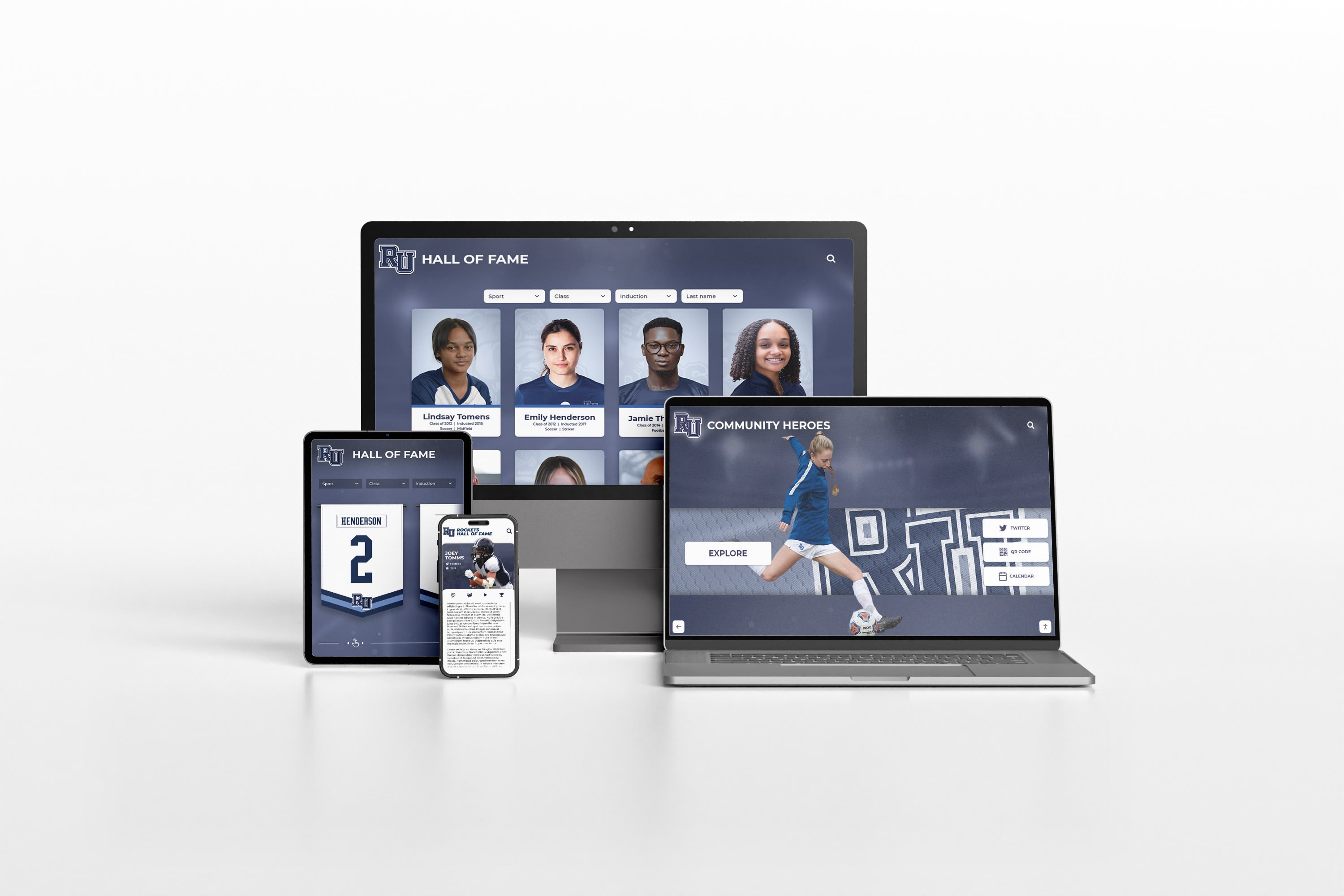
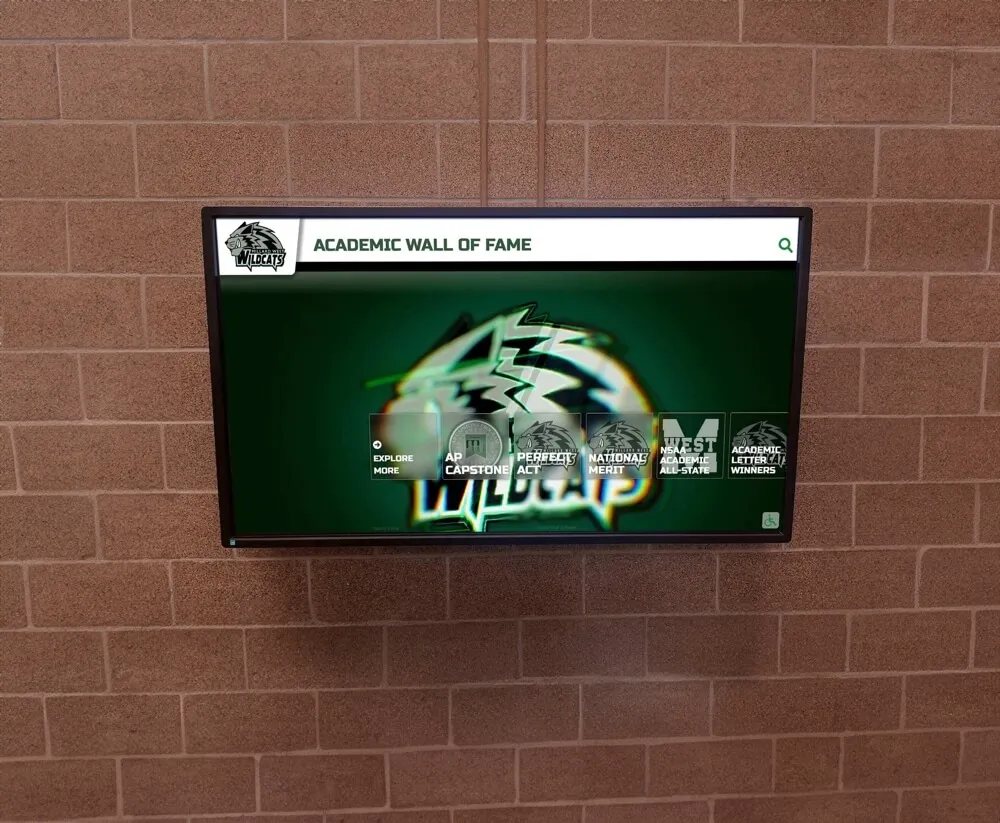
Digital archives built for multi-device access ensure that school newspaper history is accessible to alumni and researchers from any platform
How Schools Archive and Showcase Student Journalism
Regardless of publication format, the value of school newspaper archives depends entirely on how well they’re preserved and made accessible. Schools that have built strong newspaper archives typically use several complementary strategies.
Physical Bound Archives
Many schools with established newspaper programs maintain bound volumes of past issues in the school library or archives. These physical collections provide reliable long-term storage, remain accessible without technology, and create a tangible sense of the publication’s history. Well-maintained bound archives going back decades are among the most valuable institutional records a school can hold.
Digitized Back-Issue Libraries
Digitizing historical print issues—scanning and organizing them as searchable PDF files—dramatically increases their accessibility and utility. Students researching school history, journalists working on retrospective pieces, and alumni curious about their era can search digitized archives in ways that physical collections don’t permit. Best school history software includes platforms specifically designed to manage and display digitized institutional records including student publications.
Digital Asset Management Systems
Programs producing large volumes of photography, video, and multimedia content need systematic approaches to organizing and preserving digital assets. Digital asset management for schools covers how institutions can structure their media libraries so that photographs from a 2003 state championship or a 2015 spring musical production remain findable and usable decades later—essential for multimedia newsrooms that generate substantial media libraries.
Public Display of Historic Issues
Some schools have created physical or digital displays that showcase notable newspaper issues, award-winning pages, or covers marking significant school events. A framed collection of championship-season front pages in an athletic hallway, or a digital display cycling through significant issues in the school lobby, turns the newspaper archive from a storage resource into a visible element of school identity.
Keeping recognition content fresh year-round applies directly to newspaper archive displays: rotating featured issues, surfacing anniversary content, and connecting current school events to historical coverage keeps the archive visible and engaged rather than static.
Connecting Student Journalism to the School’s Broader Archive
The most complete institutional archives treat student publications as part of a larger documentation ecosystem—alongside athletic records, hall of fame inductions, yearbooks, and event photography. When all of these elements are integrated, the school’s history becomes both more complete and more accessible.
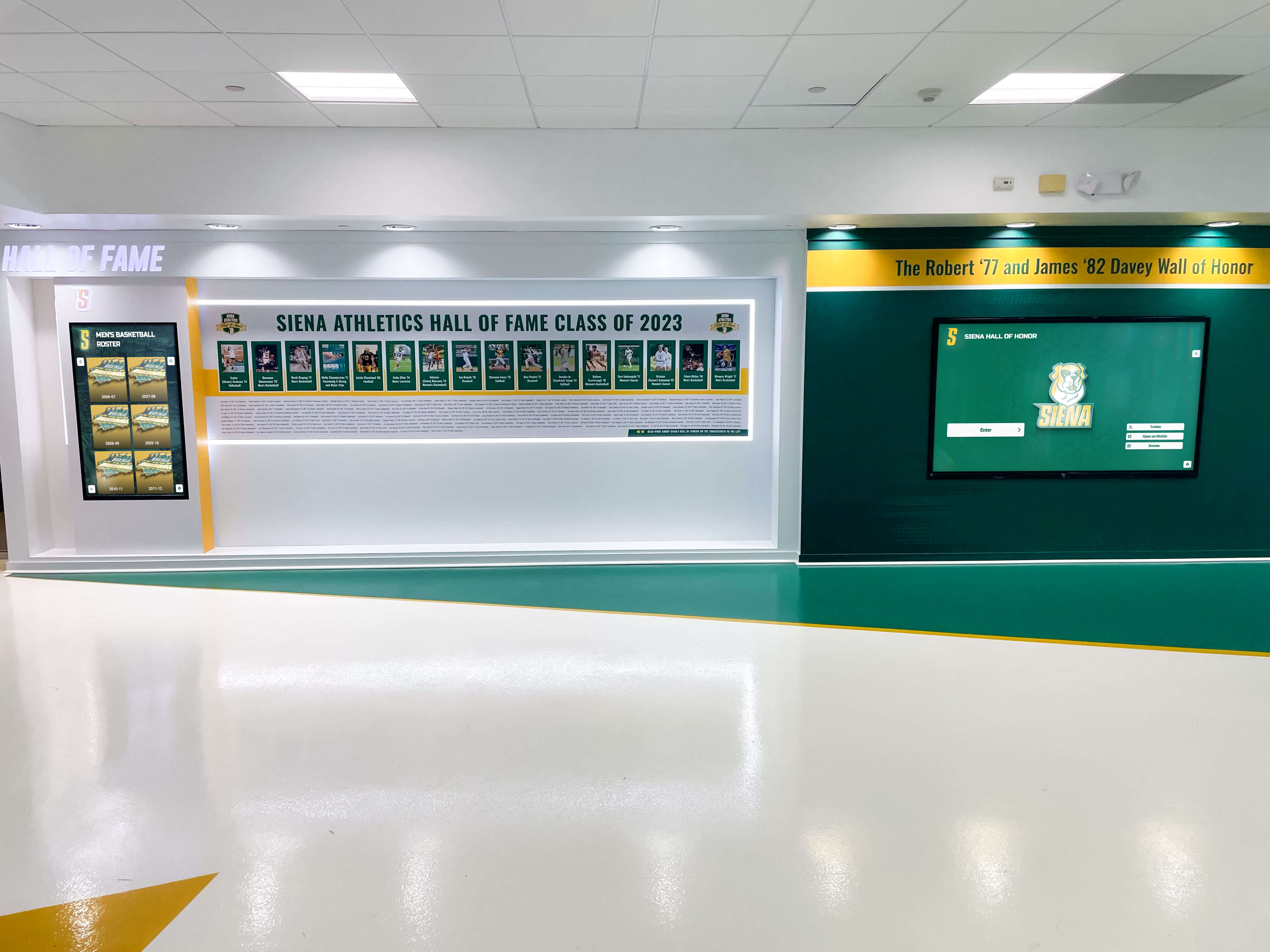
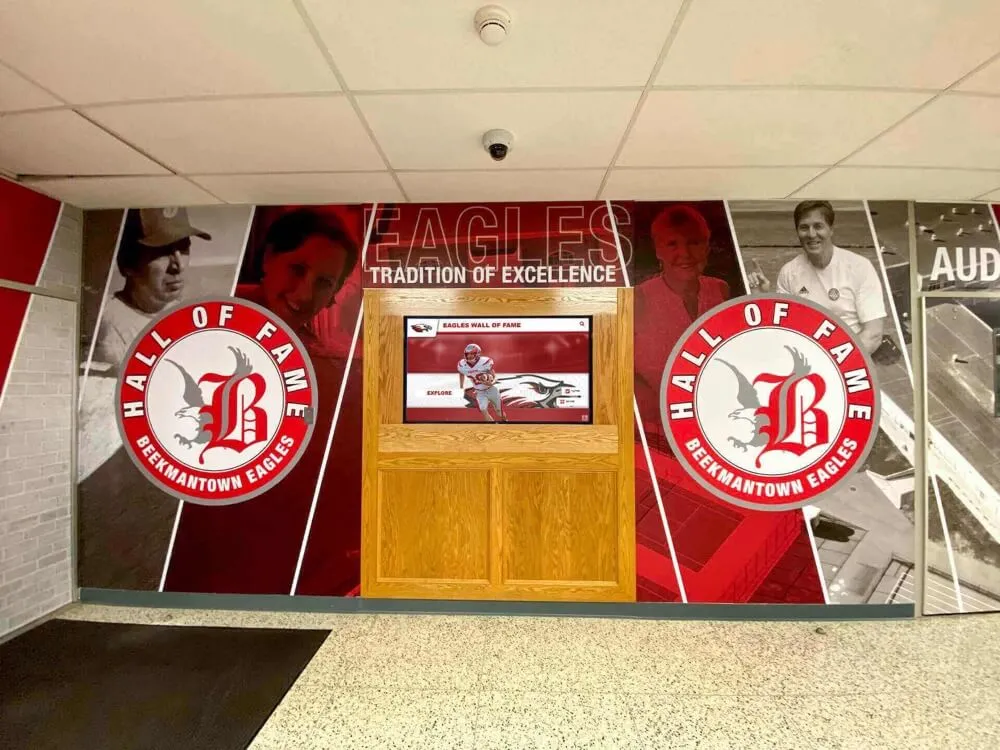
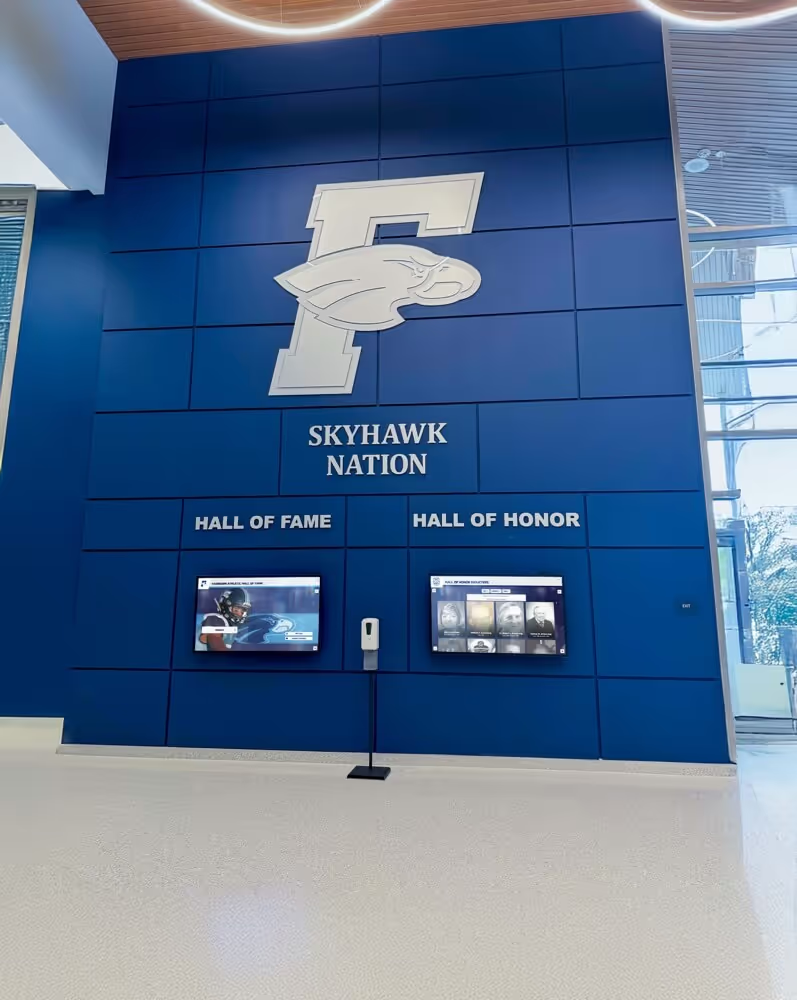
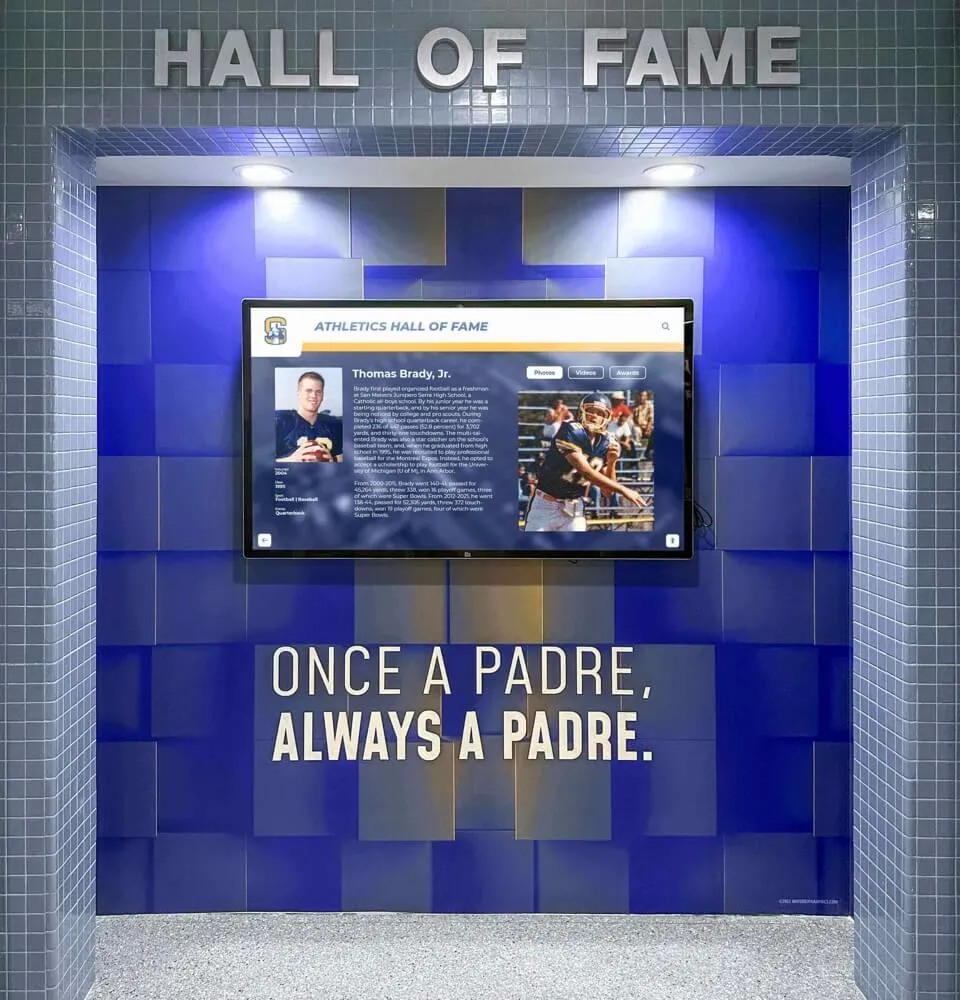
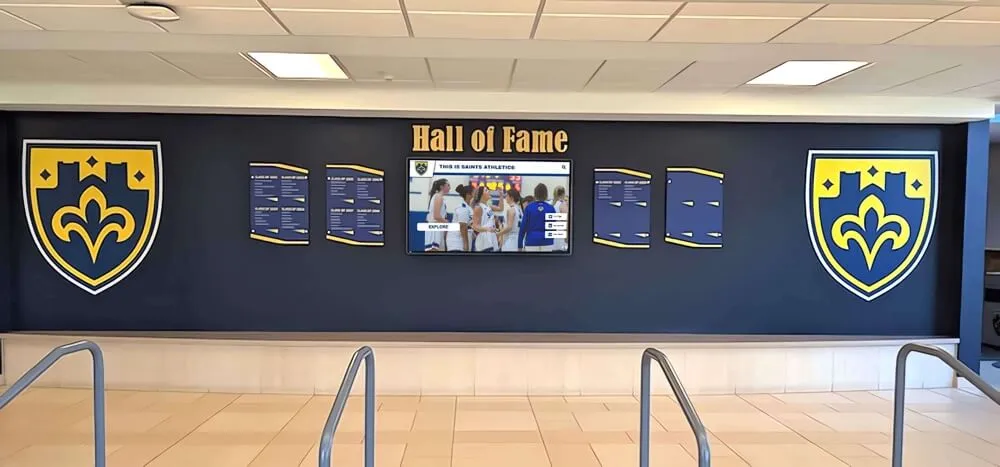
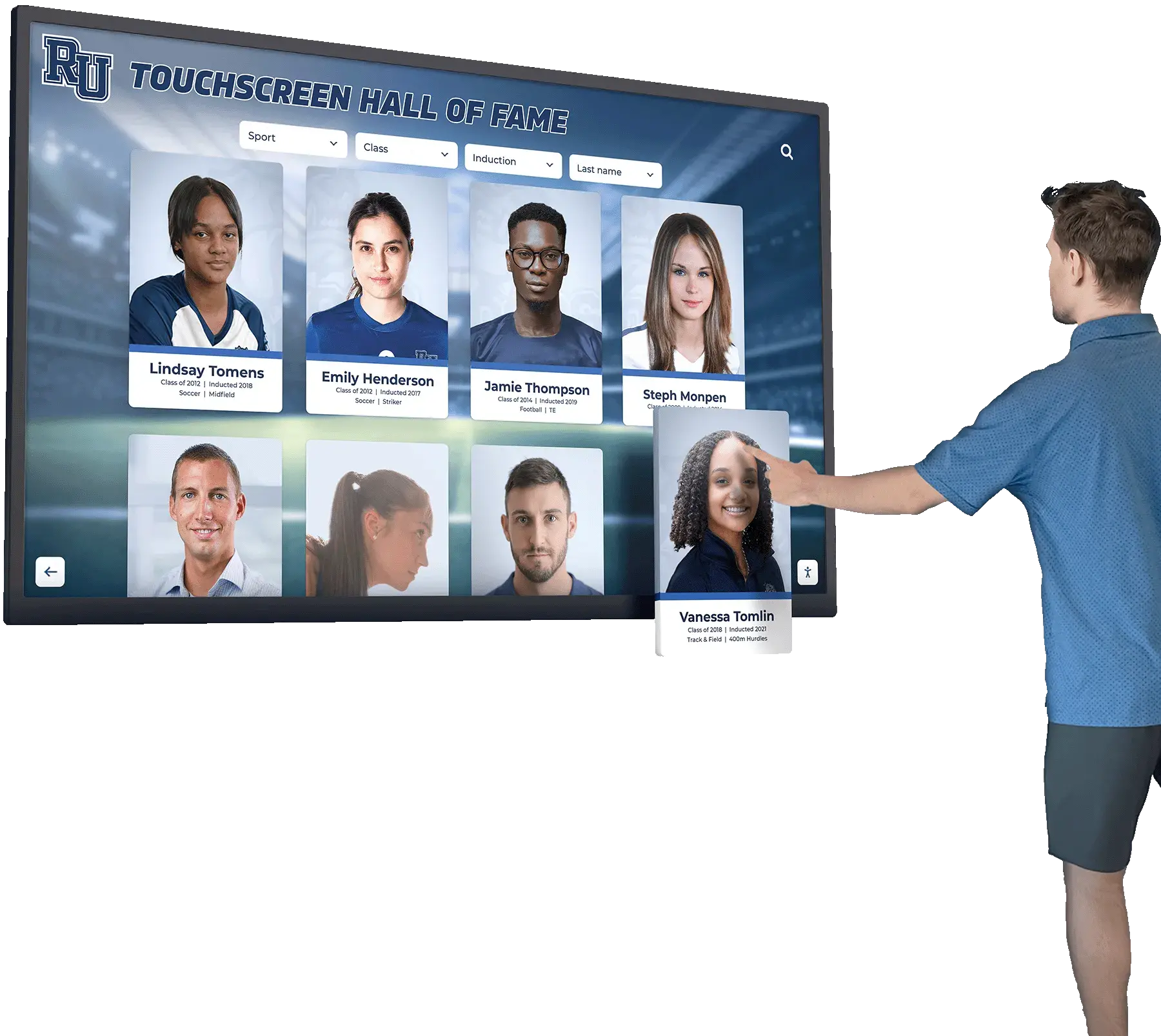
Athletic hall of fame displays and student newspaper archives are natural complements—the display recognizes achievement while the archive documents the stories behind it
Schools that have invested in interactive digital archive systems can integrate newspaper content alongside athletic records, alumni profiles, and institutional history. A touchscreen display that shows a championship-winning team’s statistics can also surface the newspaper coverage from that season—giving visitors not just the record but the story behind it.
This integration matters because institutional memory lives in narrative, not just data. A record board showing that a track athlete ran a 4:12 mile in 1997 is meaningful; the newspaper profile that described her training regimen, her comeback from injury, and her coach’s assessment of what she meant to the program is what makes that record human. When the archive preserves both, it preserves something genuinely irreplaceable.
Schools considering how to make their historical records more accessible—including student journalism—can explore how Rocket Alumni Solutions creates interactive touchscreen displays that integrate multiple streams of institutional history. These systems can incorporate newspaper archives, athletic records, hall of fame content, and historical photography into a unified, searchable experience that serves students, alumni, and visitors.
Starting or Strengthening a School Newspaper Archive
If your school newspaper program lacks a systematic archive, building one is more achievable than it might seem. Begin with whatever physical issues exist and create a complete inventory by year. Identify gaps and reach out to alumni who may have personal copies of issues from missing years—many graduates kept issues that covered their teams, performances, or graduation years.
For active programs, establish consistent archiving practices now: maintain a complete digital backup of every published issue, tag content systematically for searchability, and store files in formats designed for long-term accessibility (PDF/A for documents, TIFF or high-resolution JPEG for photography).
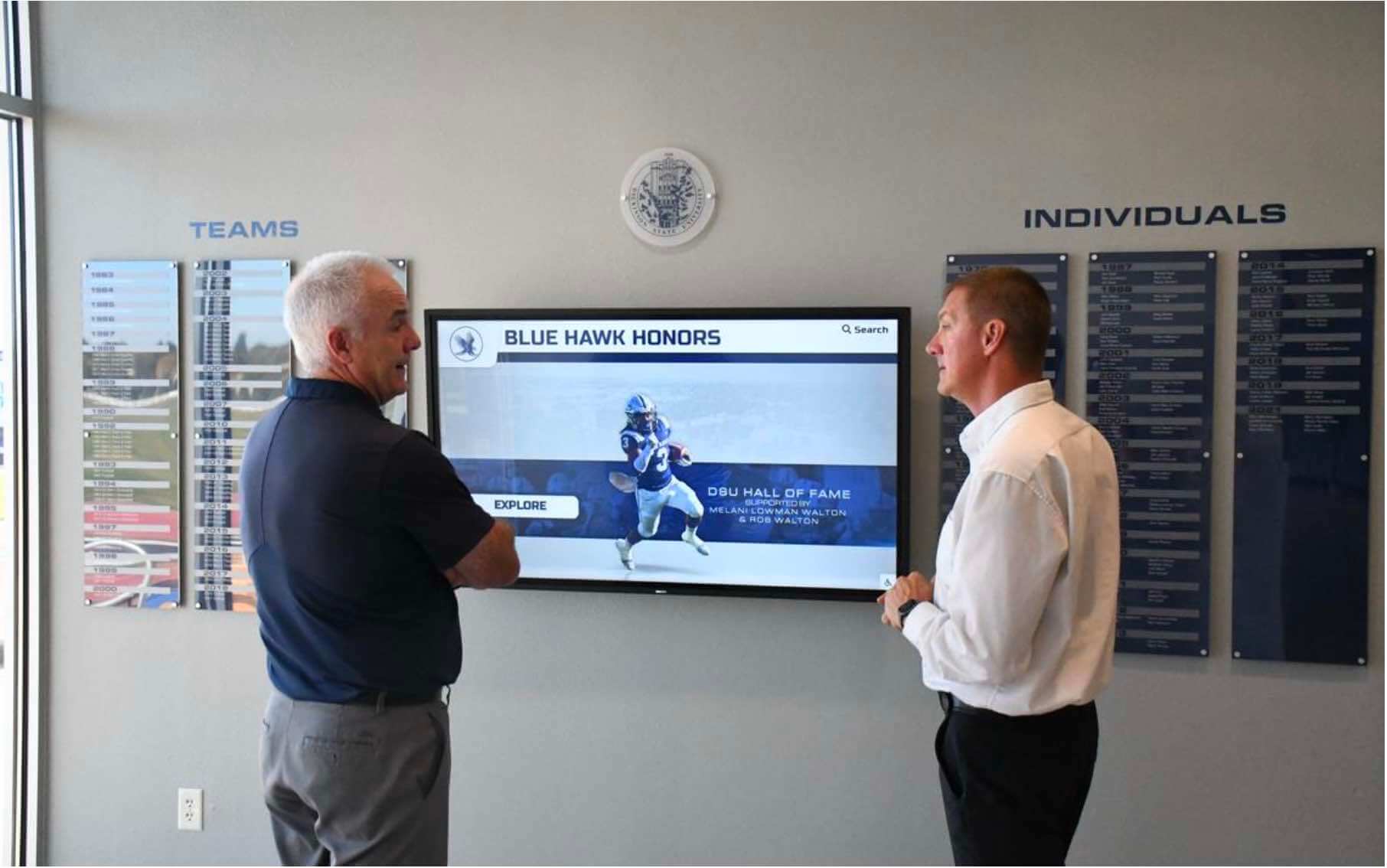
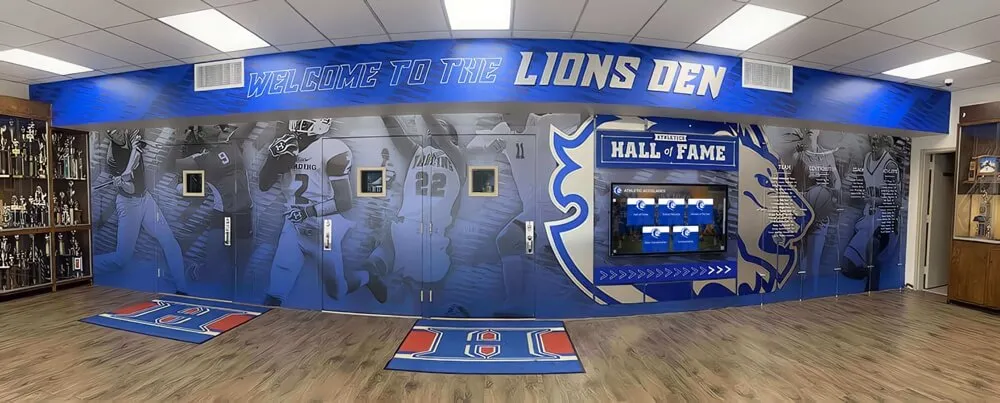
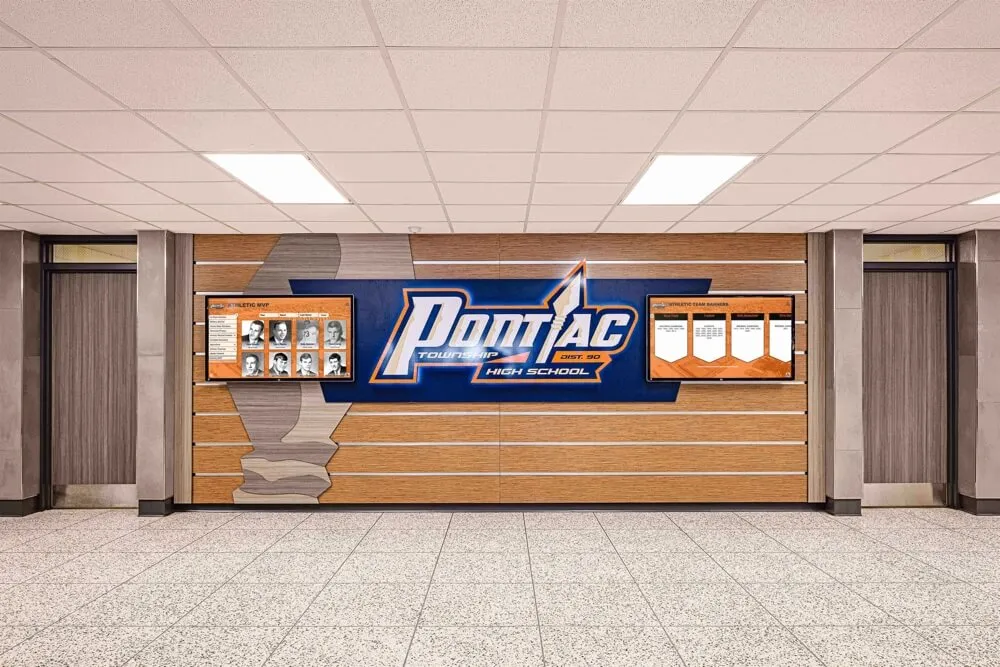
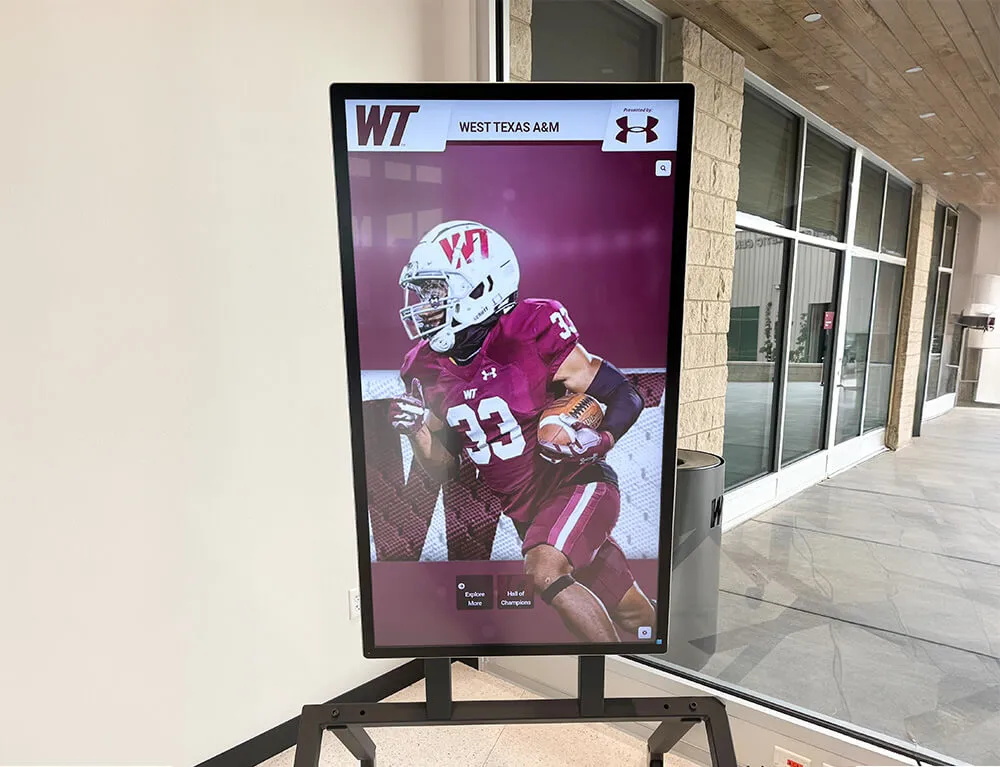
Digital recognition displays invite meaningful engagement with institutional history—newspaper archives integrated into this format turn past issues into active parts of school identity
Consider partnering with your school library or local historical society for archival expertise. Many public libraries and historical societies have experience helping community organizations digitize and preserve periodical records, and some have existing digitization programs that school newspapers can join.
For schools ready to give their entire institutional archive—including student publications—an interactive digital home, the combination of thorough journalism and modern display technology creates something genuinely powerful: a school community that can literally browse its own history, discover the stories behind the names on their record boards, and understand the decades of effort that produced the school’s current identity.
Ready to give your school’s historical records—including student journalism—an interactive display home? Request a free demo from Rocket Alumni Solutions and discover how a touchscreen archive system can integrate your school’s newspaper history alongside athletic records, hall of fame inductions, and the full depth of your institutional story.