



School time capsules create magical connections between past and future, transforming ordinary objects into treasures that tell your institution’s story decades later. When administrators plan building dedications, milestone anniversaries, or graduation ceremonies, burying a carefully curated time capsule offers students, faculty, and community members a tangible way to participate in school history. The moment when future students open that sealed container—whether in ten, twenty-five, or fifty years—becomes an event that bridges generations and reminds everyone how some values remain constant even as everything else changes.
Yet many schools struggle to move beyond generic time capsule contents. Student councils collect predictable items—current newspapers, yearbooks, and letters to the future—missing opportunities to preserve the authentic character of their school community at a specific moment in time. The most meaningful time capsules capture not just facts about a year, but the spirit, challenges, dreams, and daily realities that defined life at your school when the capsule was sealed.
This comprehensive guide provides creative time capsule ideas specifically designed for schools, practical organization strategies, opening ceremony suggestions, and modern digital alternatives that complement or replace traditional physical capsules while ensuring your school’s legacy remains accessible to future generations.
School time capsules serve as intentional historical records, deliberately preserved artifacts that future community members will discover with wonder and curiosity. The process of creating a time capsule engages current students in thinking about legacy and historical continuity while contributing their own voices to your school’s ongoing story.

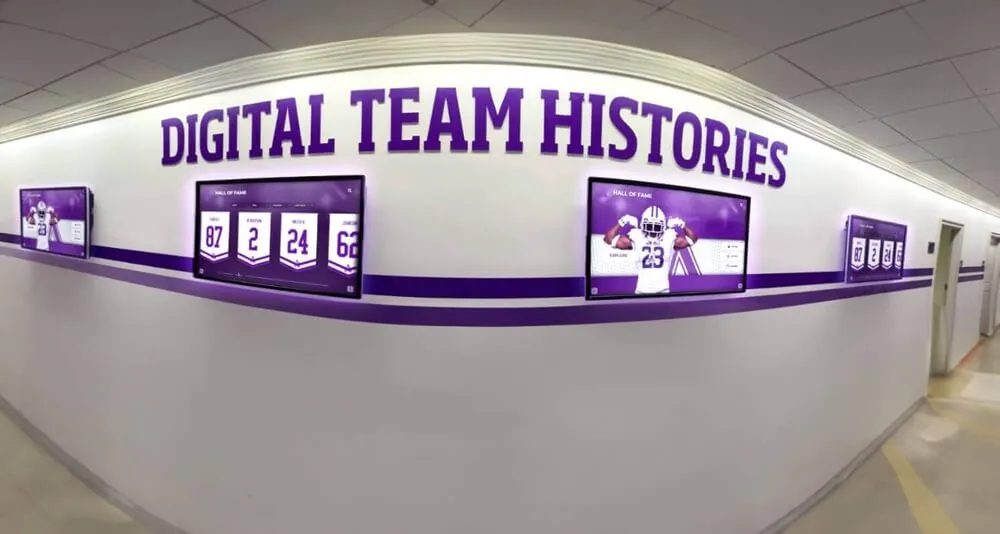
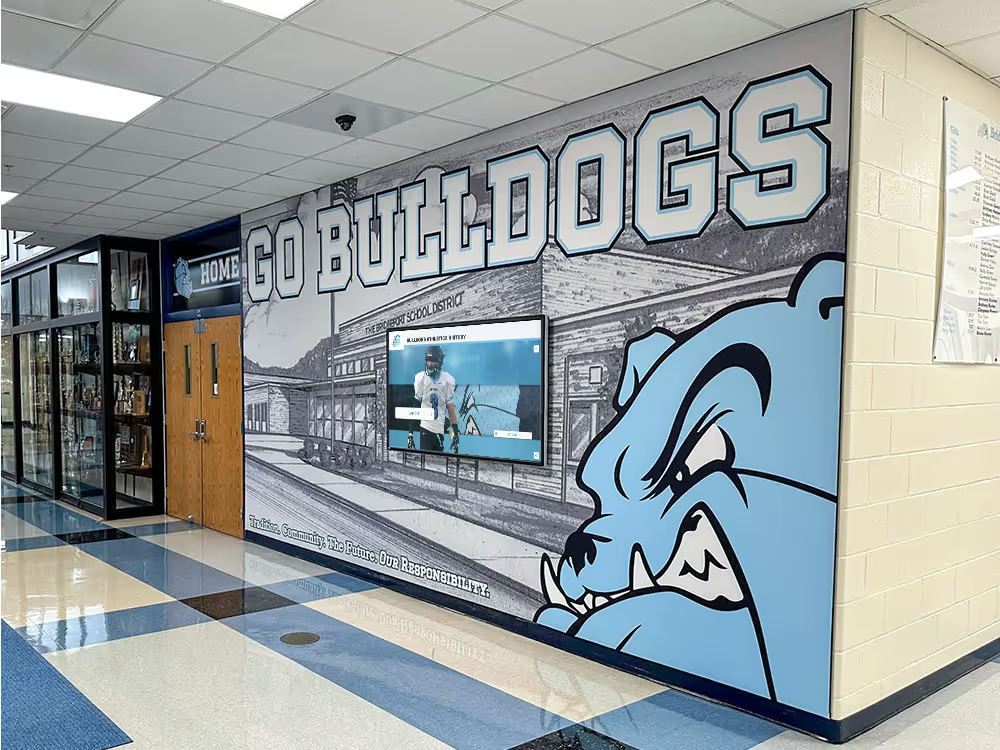
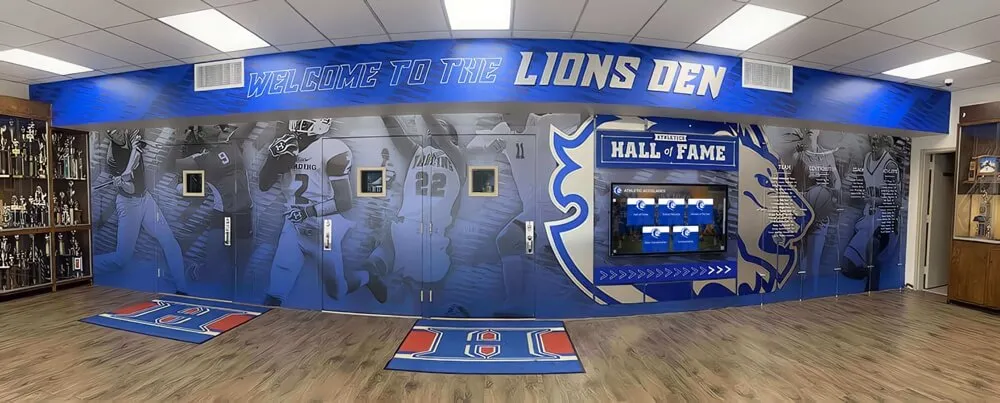
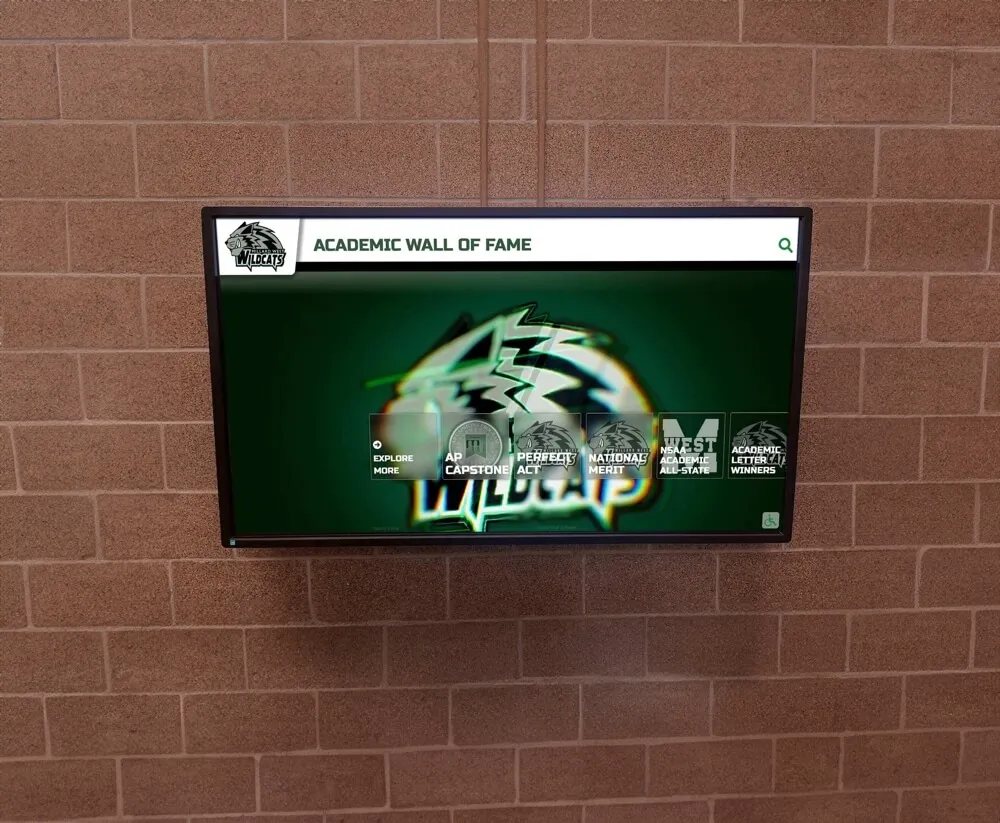
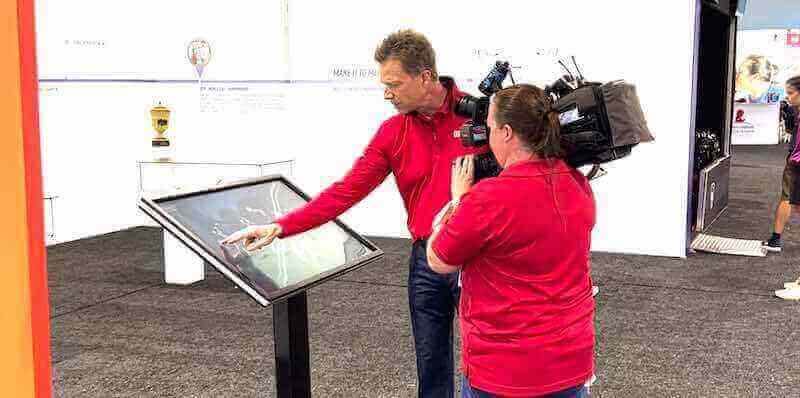
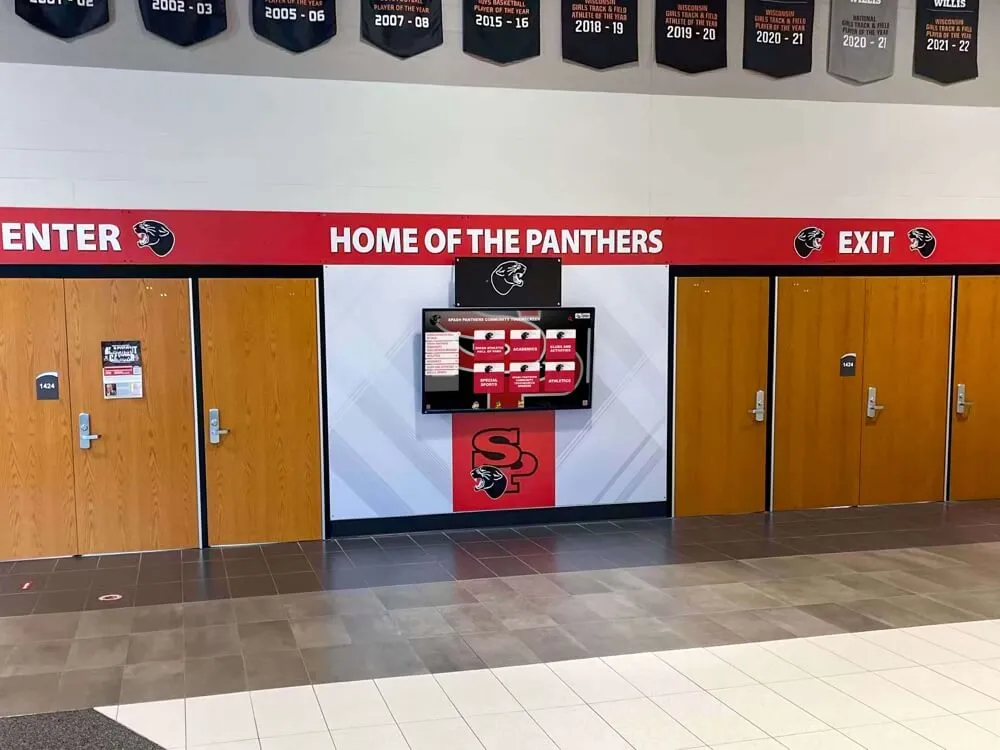
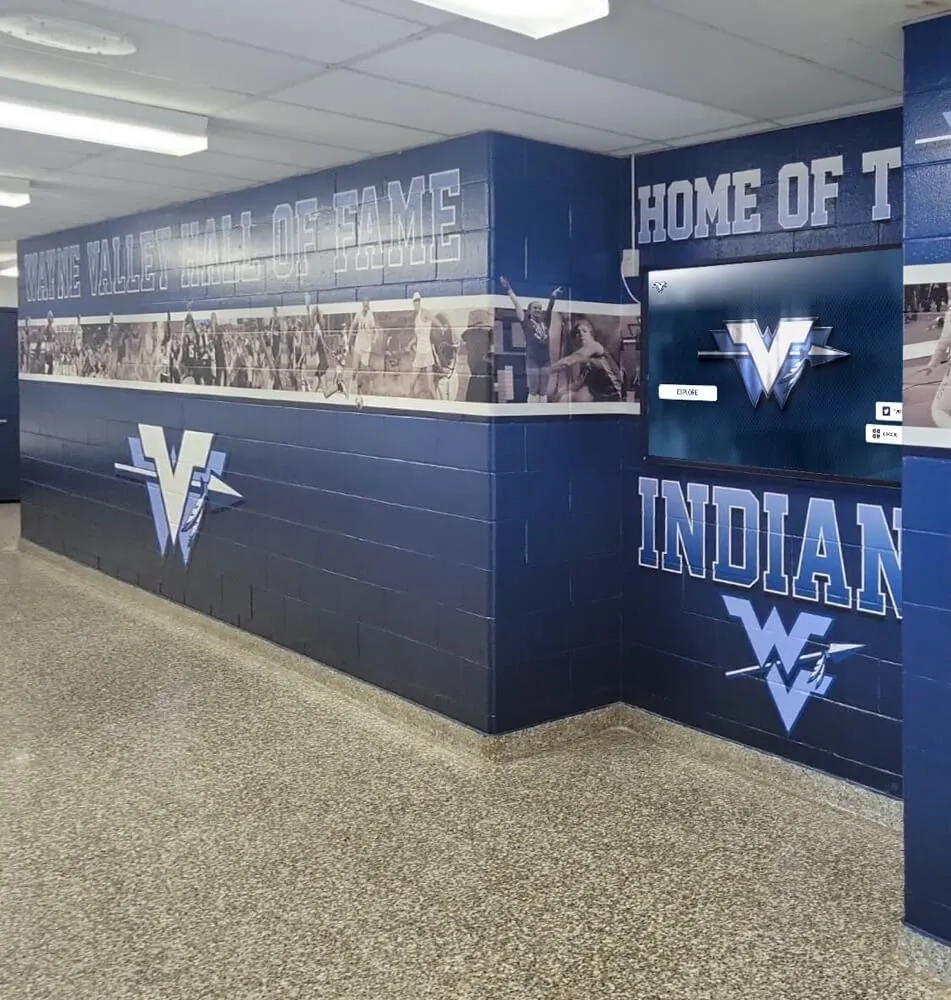
Schools honor their legacy through multiple preservation methods, from physical time capsules to permanent recognition displays celebrating traditions
Why Schools Create Time Capsules
Understanding the purpose behind time capsules helps you create more meaningful collections that serve your school community effectively.
Marking Significant Milestones
Time capsules commemorate important moments in your school’s history:
Anniversary Celebrations
Schools often create time capsules during milestone anniversaries:
- 25th, 50th, 75th, or 100th anniversary celebrations
- Documentation of school evolution and growth over decades
- Comparison points showing how education has changed
- Celebration of institutional longevity and community stability
- Connection between founding values and current mission
These anniversary capsules capture schools at specific points in their development, creating comparison points that future historians will value.
Building Dedications and Renovations
New construction or major renovations provide perfect time capsule opportunities:
- Cornerstone ceremonies for new buildings
- Documentation of construction process and architectural vision
- Student input on new facilities and anticipated uses
- Community investment recognition
- Before-and-after perspectives on campus transformation
Embedding time capsules in building foundations creates permanent associations between physical spaces and the eras they represent.
Graduation Milestones
Senior classes often create time capsules as legacy projects:
- Class of [year] perspectives and predictions
- Current senior class culture and priorities
- Messages to future graduates decades later
- Documentation of what mattered to students in that specific year
- Continuation of school traditions across generations
These graduation capsules connect students across time, reminding future seniors that their experiences echo those of students who came before.
Engaging Students in Historical Thinking
Time capsule projects offer valuable educational opportunities:
Historical Perspective Development
Students gain important insights through time capsule creation:
- Understanding that today becomes tomorrow’s history
- Recognizing what future generations might find interesting or puzzling
- Considering how to document current events for future context
- Appreciating artifacts from past eras with renewed perspective
- Connecting abstract historical concepts to concrete experience
This historical thinking extends beyond social studies classes, helping students see themselves as participants in ongoing narratives.
Community Building and Shared Purpose
Time capsule projects unite school communities:
- Collaborative decision-making about what represents school identity
- Inclusive participation from diverse student groups and perspectives
- Shared excitement about contributing to school legacy
- Connection to school traditions that span decades
- Intergenerational dialogue between current and alumni community members
These collaborative projects create memories beyond the capsule itself—the creation process becomes part of school lore.
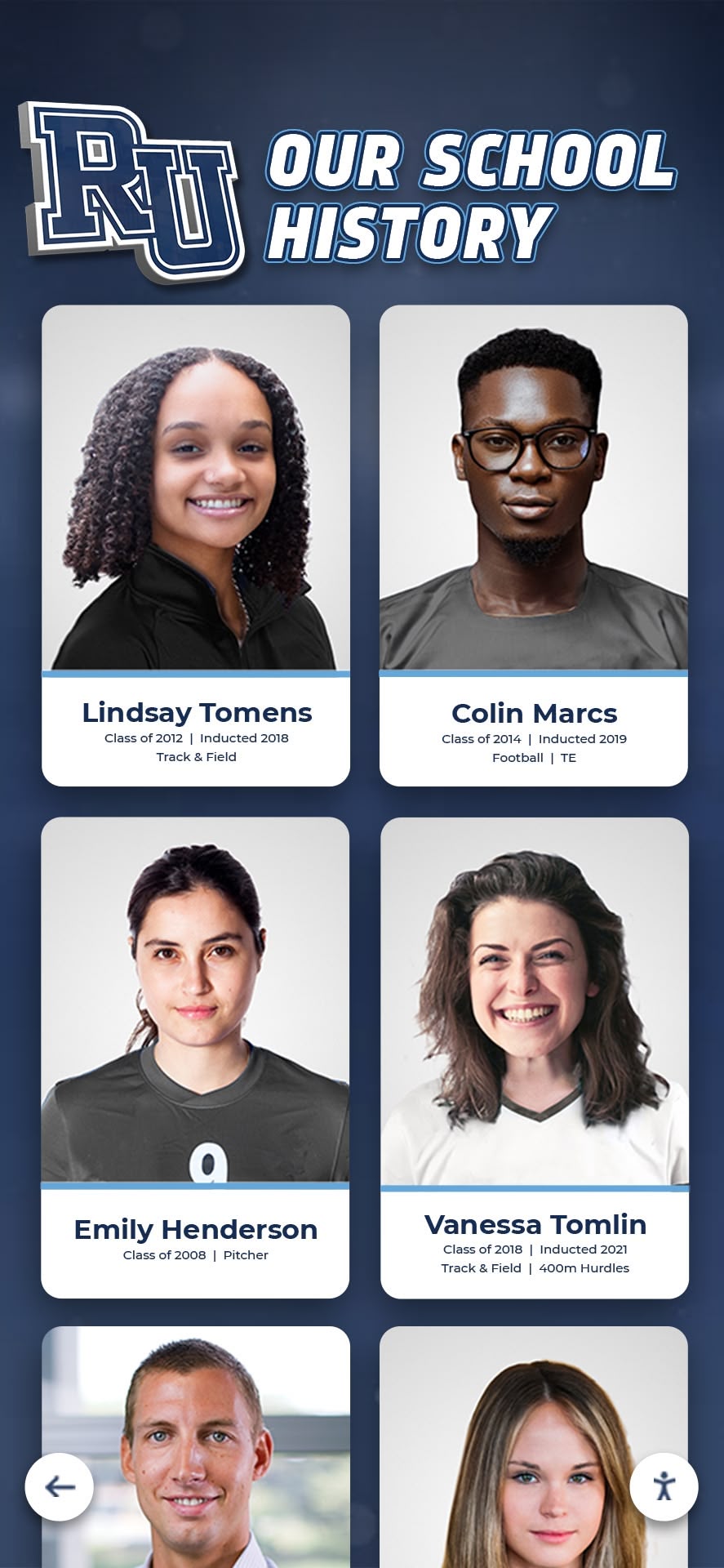
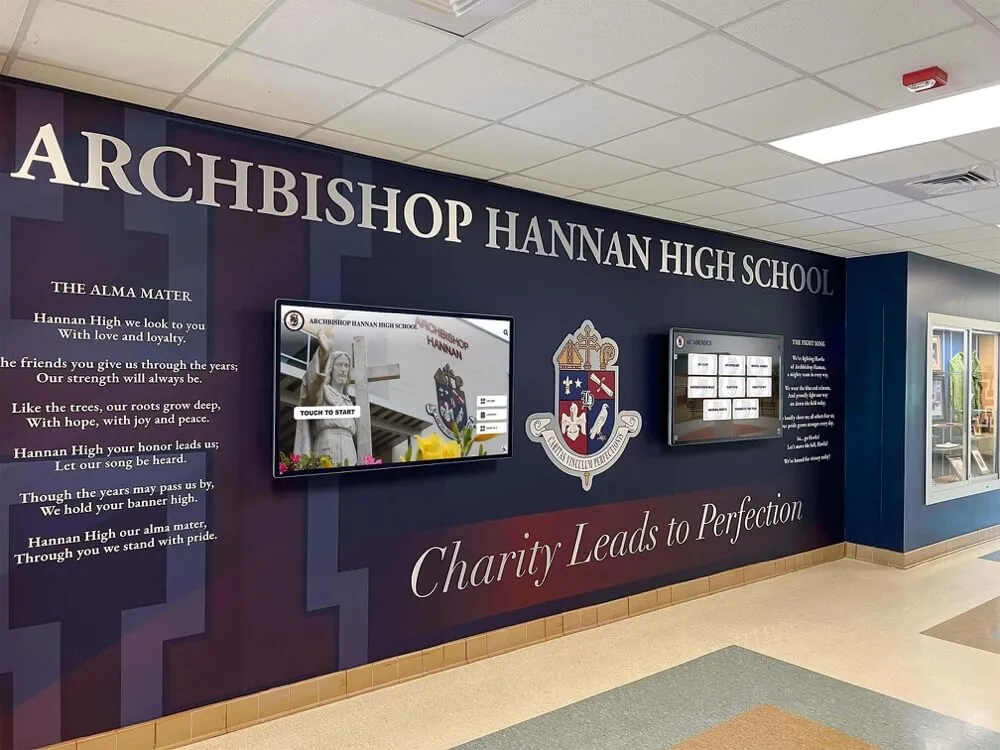
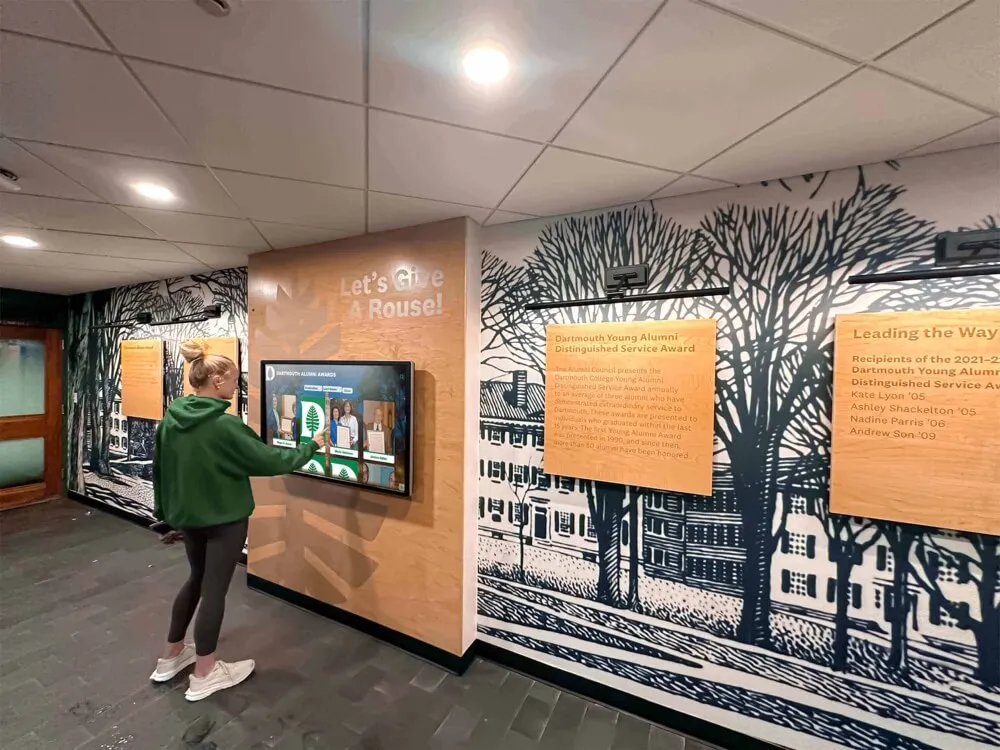
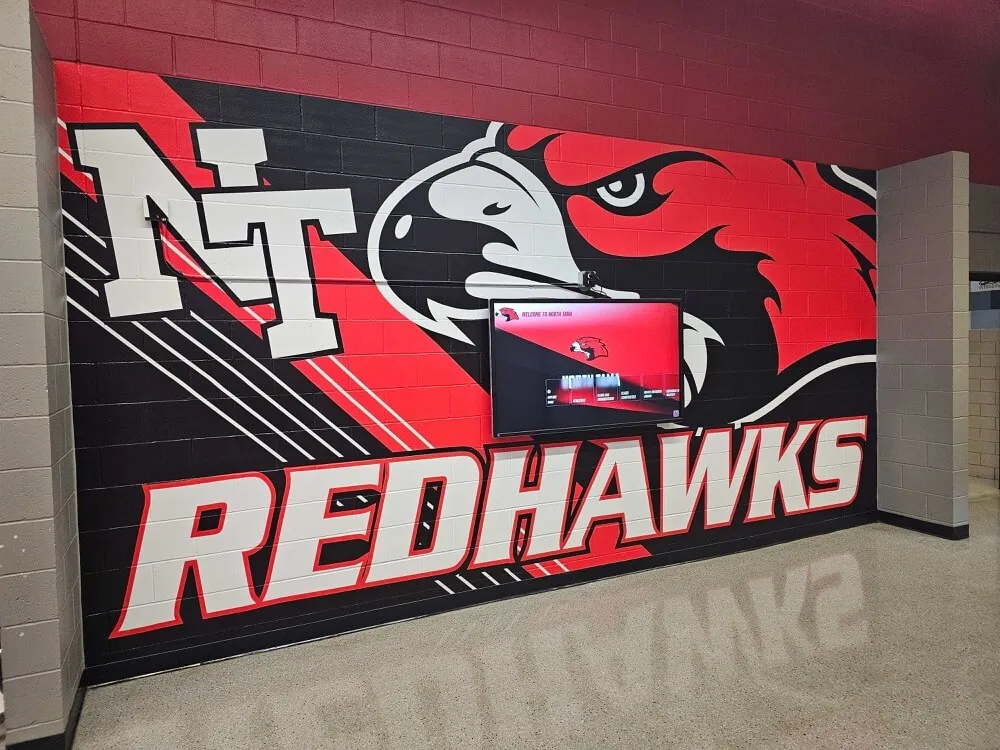
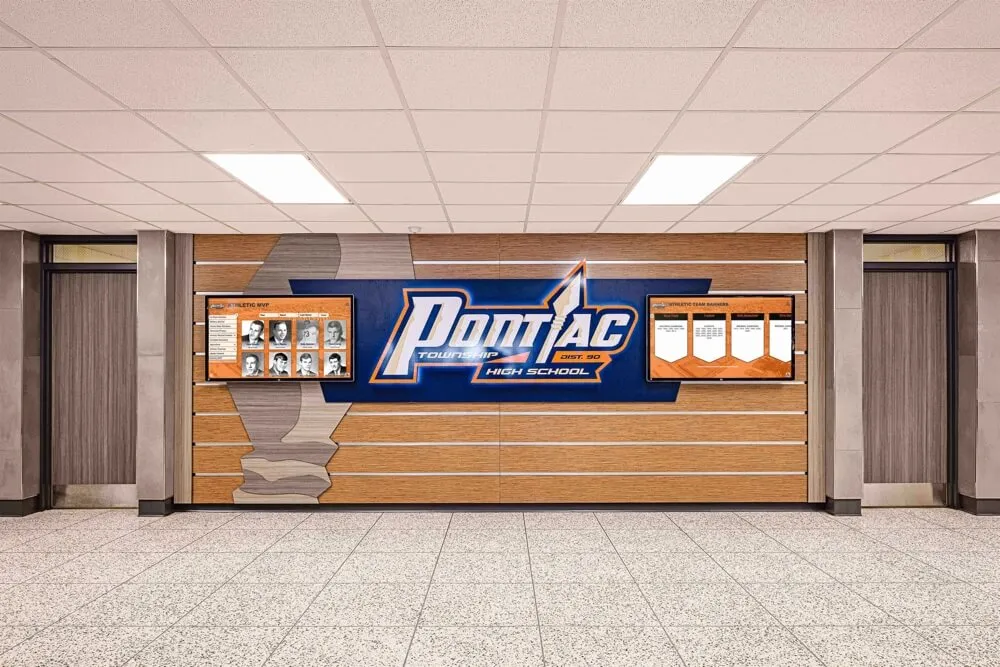
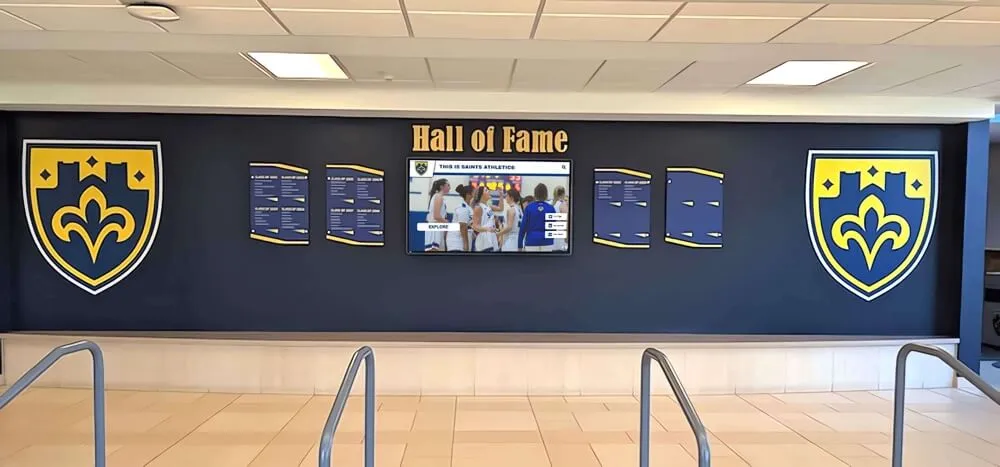
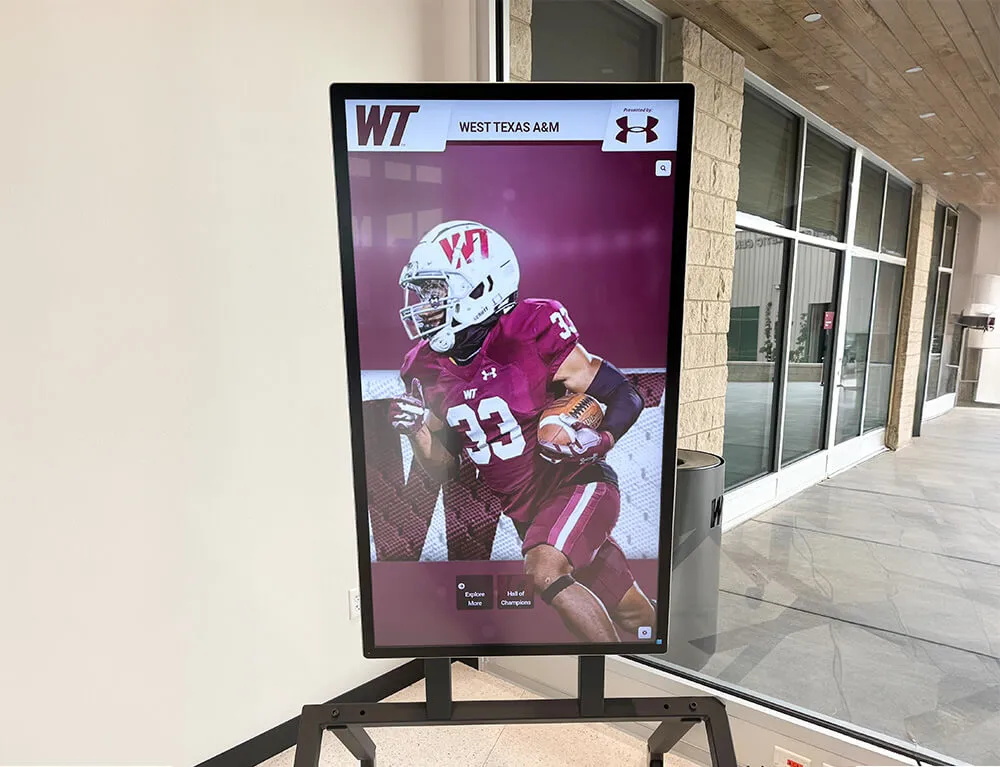
Preserving student achievements and school history helps current students understand their connection to institutional legacy
Essential Items to Include in School Time Capsules
The most effective time capsules balance predictable documentation with unexpected items that capture authentic school culture.
Documentation and Publications
Official records provide factual foundations for understanding your school:
School Publications
Include comprehensive documentation:
- Current year’s yearbook with student signatures and messages
- Several editions of school newspaper throughout the year (not just one issue)
- Literary magazine or art publication if your school produces them
- Student handbook with rules, policies, and behavioral expectations
- Course catalog showing offered classes and graduation requirements
- Athletics program or game-day materials
- Digital yearbook copies or QR codes linking to online versions
These publications document official institutional perspectives and priorities.
Local and National News
Provide broader context for understanding the era:
- Local newspaper from capsule sealing date
- National newspaper capturing major current events
- Magazine issues addressing significant cultural topics
- Timeline of major events from that year
- Headlines that dominated news cycles
- Technology magazines showing current innovations
Future readers will need context about the world beyond your school to fully appreciate what daily life was like.
Statistical and Demographic Information
Quantitative data helps future generations understand changes:
- Current student enrollment numbers and demographic breakdown
- Faculty and staff numbers
- Tuition costs or per-pupil spending figures
- Average SAT/ACT scores if applicable
- College acceptance and matriculation data
- Athletics championship records and statistics
- List of colleges where recent graduates enrolled
These statistics become fascinating comparison points decades later.
Student Voices and Perspectives
The most valuable time capsule contents often come directly from students:
Letters to the Future
Personal messages create intimate connections across time:
- Letters from current students to future students opening the capsule
- Predictions about future technology, culture, and society
- Descriptions of current daily life, challenges, and joys
- Messages from senior class to future graduating classes
- Faculty reflections on teaching and their hopes for education
- Administrator vision statements about school direction
These letters preserve individual voices that official documentation misses.
Student Work and Creativity
Include examples representing student talent:
- Art projects representing various media and styles
- Creative writing samples from different grade levels
- Photographs taken by student photographers
- Music recordings or sheet music from performances
- Science fair project descriptions
- Debate team briefs or speech competition entries
Student work demonstrates what education valued and what students created with their learning.
Survey Results and Opinion Data
Capture student perspectives systematically:
- Survey responses about favorite classes, teachers, activities
- Predictions for where students will be in 10, 25, or 50 years
- Opinions on current social issues and school policies
- Most popular music, movies, books, and cultural references
- Common slang expressions and language particular to that era
- Biggest worries and greatest hopes for the future
These aggregated opinions paint pictures of collective student mindsets.
School Culture and Daily Life Items
Capture the authentic experience of attending your school:
Physical Objects with Cultural Significance
Tangible items that future students will find fascinating:
- Current school ID badge or card
- Visitor pass or hall pass representing daily procedures
- Parking permit or parking lot map
- Cafeteria menu and meal card
- School spirit wear tags or labels (not full garments—they deteriorate)
- Athletic ticket stubs from important games
- Dance or event tickets and programs
- School planner or assignment notebook pages
- Technology items (flash drive, earbuds, phone accessories) showing current tech
These everyday objects seem mundane now but become historical artifacts with time.
Popular Culture References
Document what students cared about beyond academics:
- Top 40 music chart from capsule date
- Movie theater section from local paper
- Video game magazine or gaming content
- Social media trend explanations and screenshots
- Popular memes with context explanations
- Celebrity and influencer information
- Fashion catalog pages showing current styles
- App store rankings for popular applications
Future generations will find these cultural snapshots endlessly interesting as they recognize how much has changed.
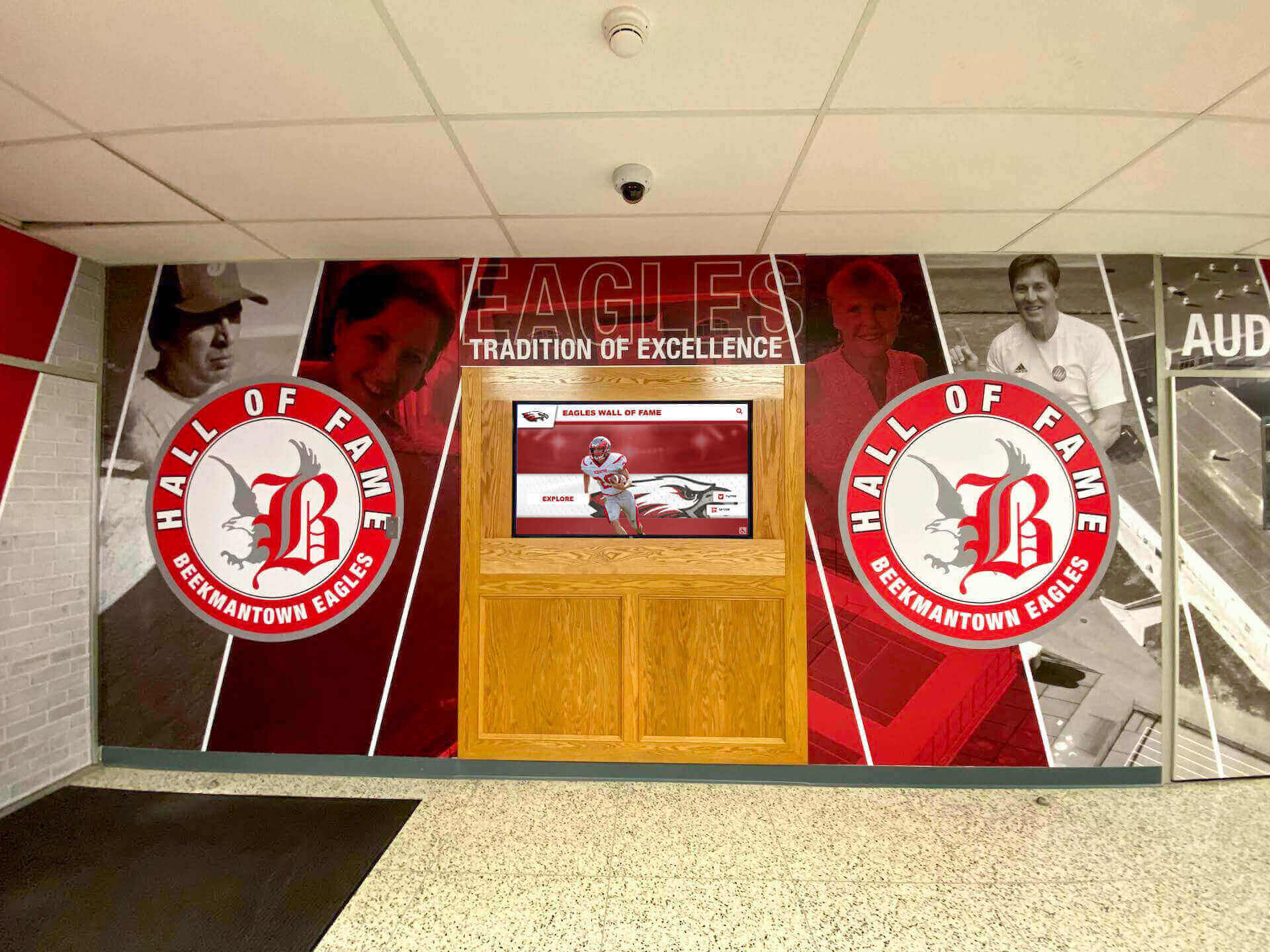
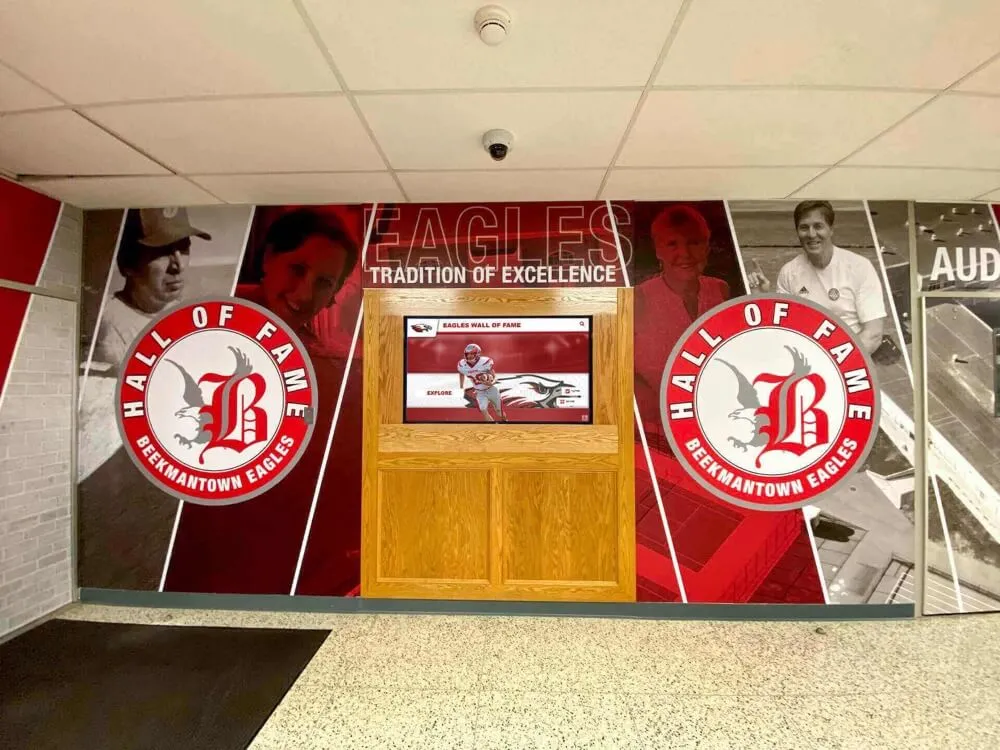
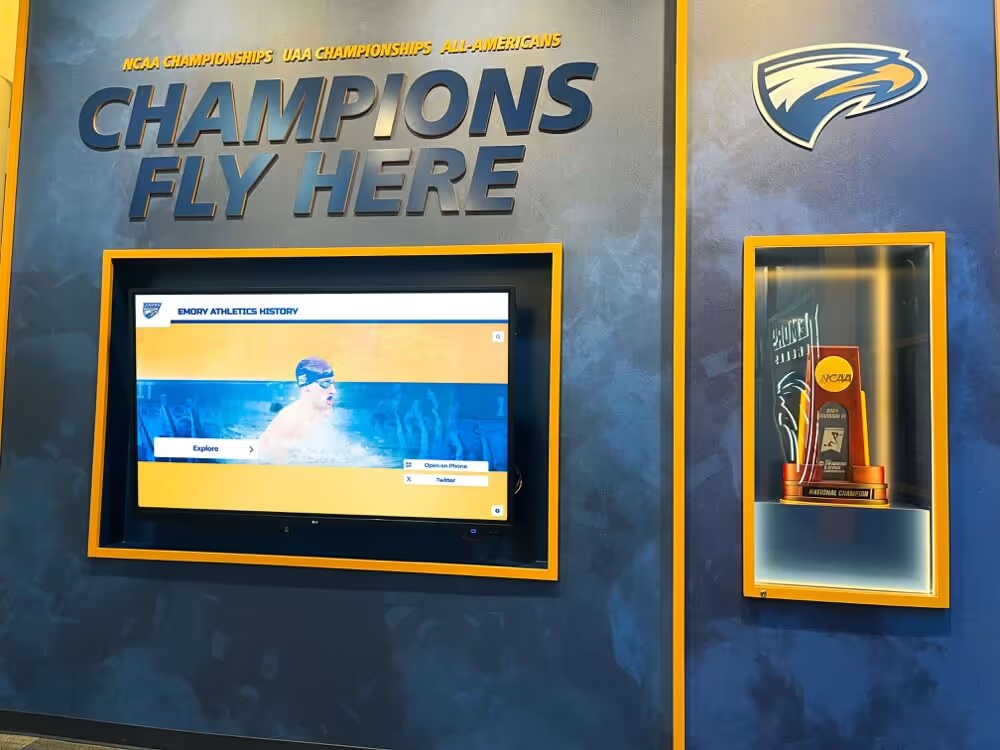
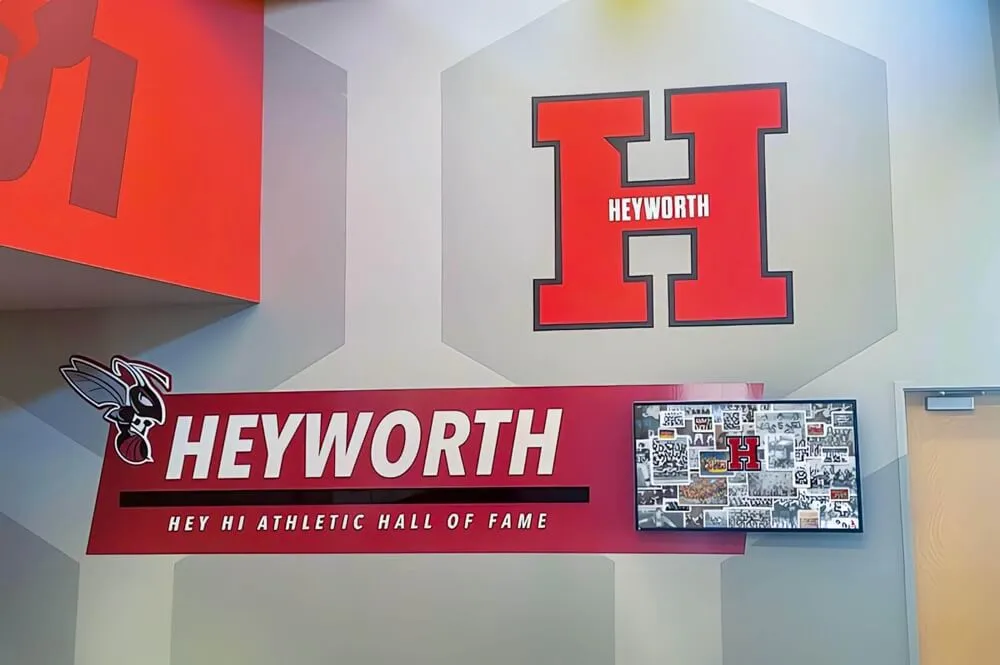
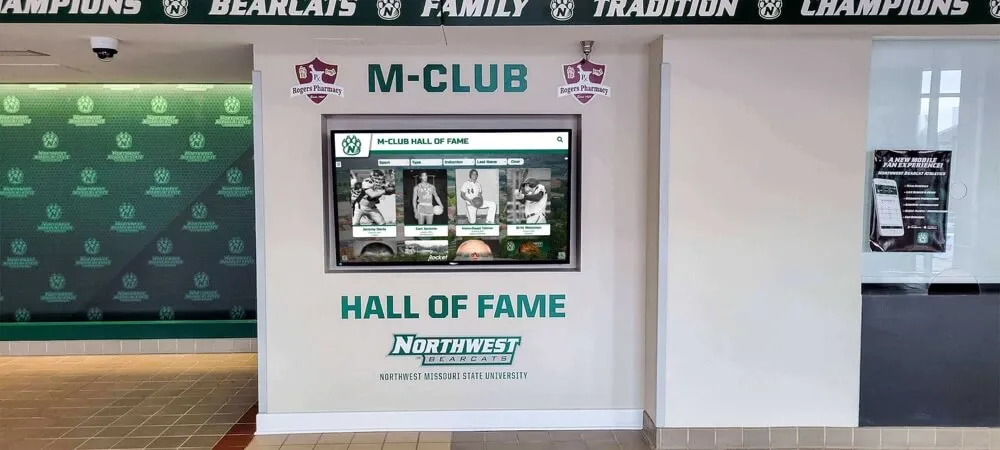
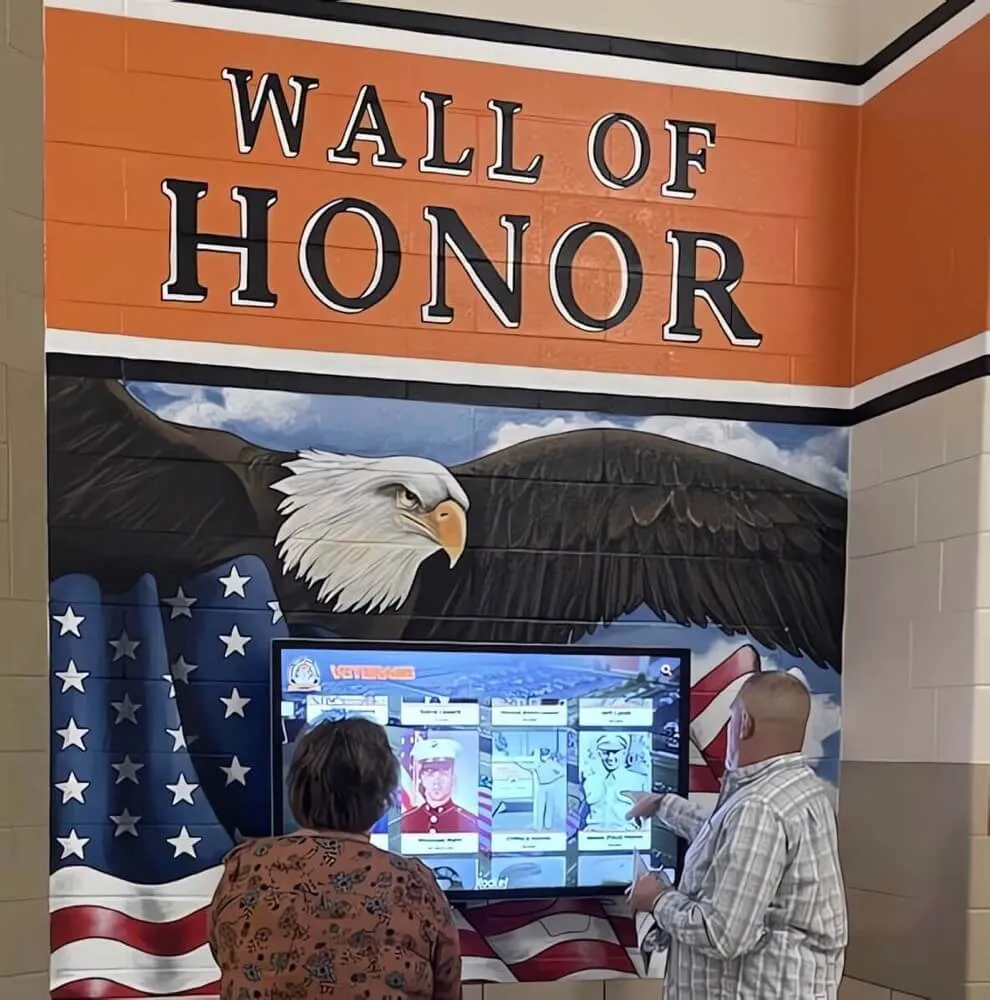
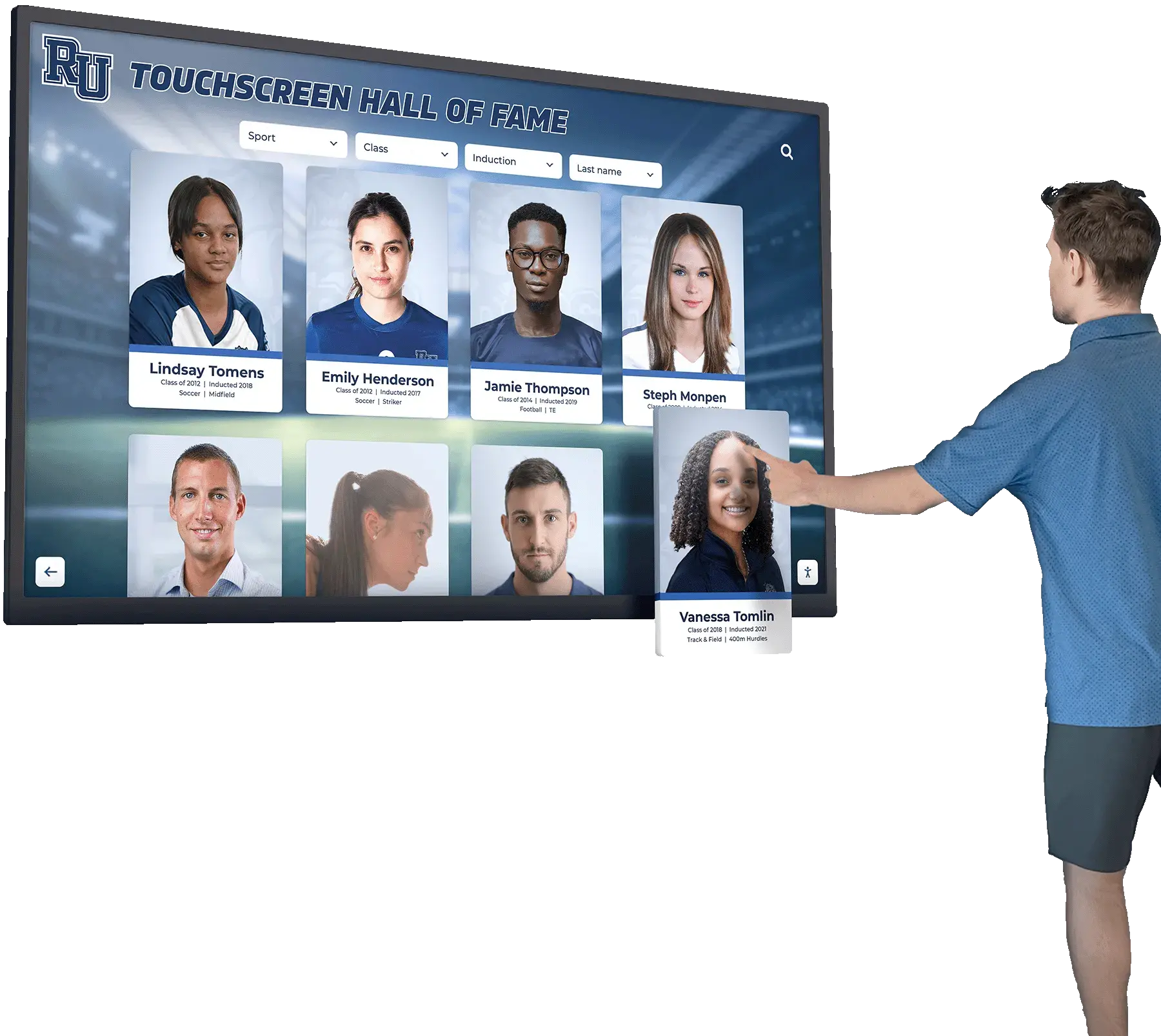
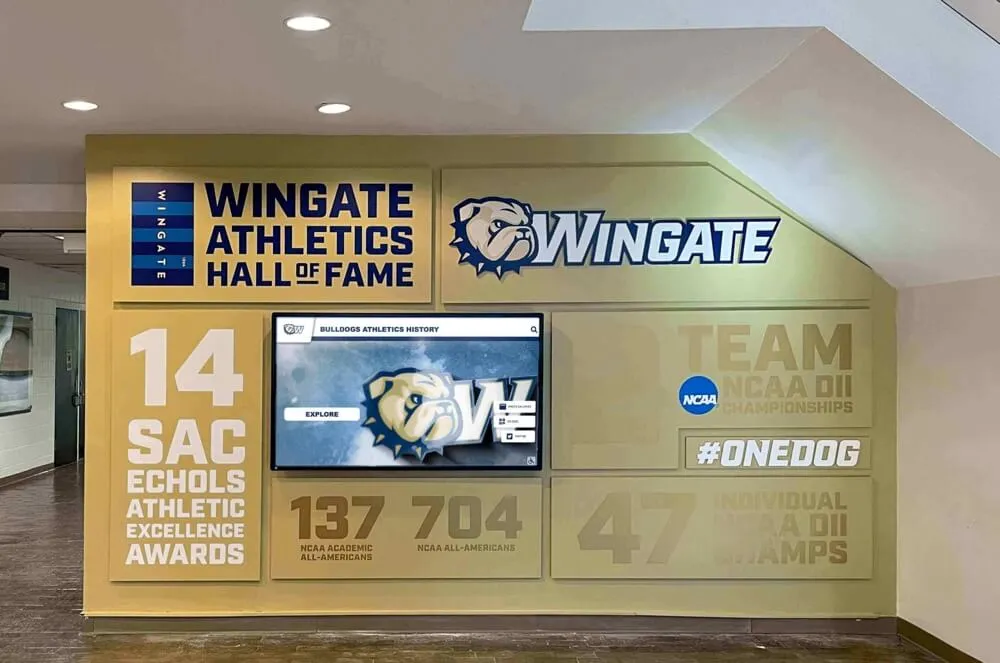
School traditions and community identity evolve over time while maintaining core values that time capsules help preserve
Digital Media and Technology
Modern time capsules should address how to preserve digital content:
Digital Storage Considerations
Include technology thoughtfully:
- USB drives with photos, videos, and digital documents
- QR codes linking to cloud-stored content with long-term access plans
- Printed transcripts of social media content (platforms may not exist later)
- Website screenshots showing school online presence
- DVD or thumb drive with video messages and school recordings
- Technology specifications showing current standard devices
- Instruction manuals for including technology explaining how to access files
Digital Content to Include
Capture aspects of school life that only digital formats preserve:
- Video tour of school facilities
- Recorded performances from concerts, plays, and ceremonies
- Slideshow of typical school day activities
- Interviews with students, faculty, and administrators
- Time-lapse of construction projects or seasonal changes
- Audio recordings of school sounds (bell system, announcements, ambient cafeteria noise)
- Digital recognition displays showing student achievements
Digital formats capture movement, sound, and color that physical items cannot preserve.
Creative and Unique Time Capsule Ideas
Beyond standard items, consider creative approaches that make your time capsule distinctive:
Interactive and Participatory Elements
Engage broader community in time capsule creation:
Prediction Contests
Turn future forecasting into engaging activities:
- Student predictions about future technology sealed for later verification
- Faculty guesses about future education trends and teaching methods
- Community predictions about school enrollment, facilities, or programs
- Contests predicting future world events, inventions, or discoveries
- Best and worst-case scenario essays about potential futures
- Time capsule betting pool results on various predictions
Opening the capsule and checking predictions provides entertainment and historical insight.
Sealed Questions for Future Students
Pose questions that future generations will answer:
- “What challenges do you face that we couldn’t imagine?”
- “Which of our predictions came true and which seem absurd now?”
- “What aspects of our school experience seem strangest to you?”
- “Has the fundamental purpose of education changed?”
- “What do you wish you could tell us about how things turned out?”
These questions prompt future students to engage actively with historical perspectives.
Comparative Time Capsules
Create structured comparison opportunities:
Multiple Capsules for Staged Opening
Plan a series rather than single capsule:
- Three identical capsules to open after 10, 25, and 50 years
- Capsules from different grades (elementary, middle, high school) opened simultaneously
- Faculty capsule and student capsule opened side-by-side for perspective comparison
- Annual capsules from each graduating class opened at reunions
- Decade capsules opened at ten-year intervals
Multiple capsules create ongoing traditions and repeated community gathering opportunities.
Before and After Documentation
Capture transformations deliberately:
- Campus maps from before and after major construction
- Photographs from same locations taken decades apart
- Student population demographics showing community changes
- Technology inventories comparing what students use
- Curriculum comparisons across eras
- School traditions documentation showing what continued and what changed
These comparative elements make opening ceremonies more meaningful.
Theme-Based Capsules
Organize around specific concepts:
Academic Excellence Time Capsules
Focus on scholarly achievements:
- Research abstracts from student projects
- Math and science competition results
- Academic award recipient names and achievements
- Honor society recognition and member lists
- Perfect attendance records
- Valedictorian and salutatorian speeches
- National Merit Scholar and AP Scholar recognition
These academic capsules emphasize your school’s commitment to scholarship.
Athletics and Activities Capsules
Celebrate extracurricular achievements:
- Championship records and trophy photos
- Team rosters from state championship teams
- Sports record holders and statistics
- Club accomplishment documentation
- Athletic recognition materials and all-conference selections
- Dramatic production programs and cast photos
- Music competition results and recordings
These specialized capsules appeal particularly to alumni who participated in these programs.
Community Service and Impact Capsules
Document how your school served broader community:
- Service learning project documentation
- Volunteer hour totals and organization partnerships
- Fundraising campaign results for charitable causes
- Community partnership descriptions
- Environmental initiatives and sustainability projects
- Social justice work and advocacy efforts
Service capsules demonstrate your school’s values beyond academic achievement.

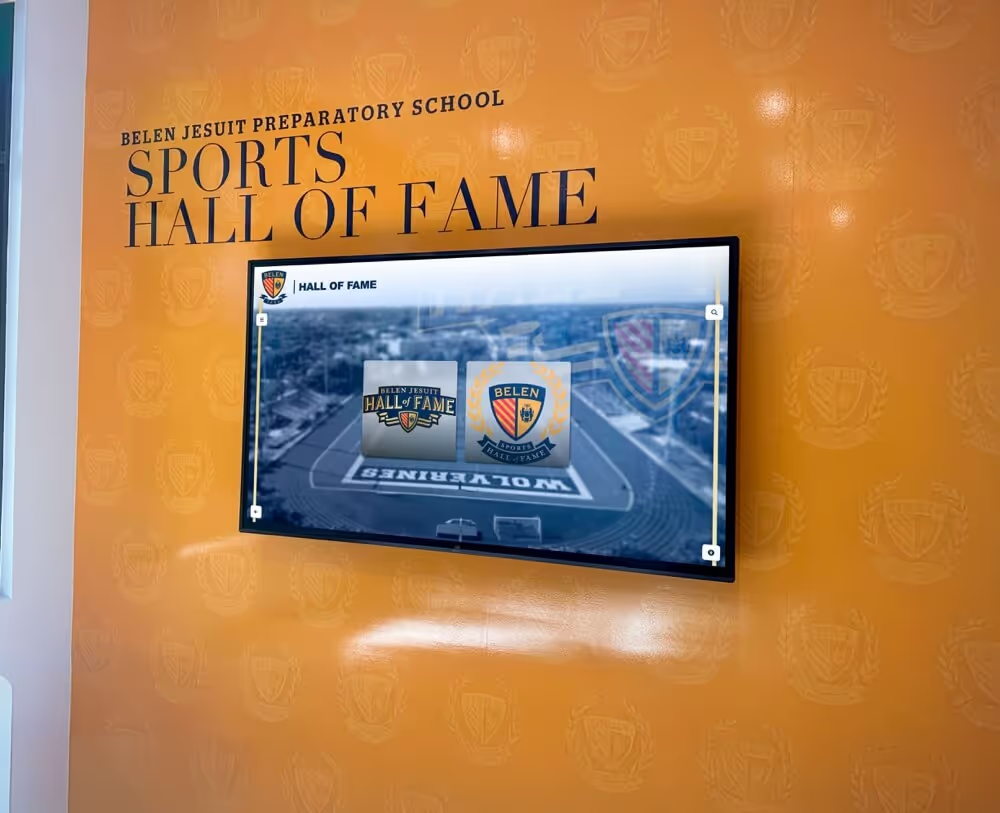
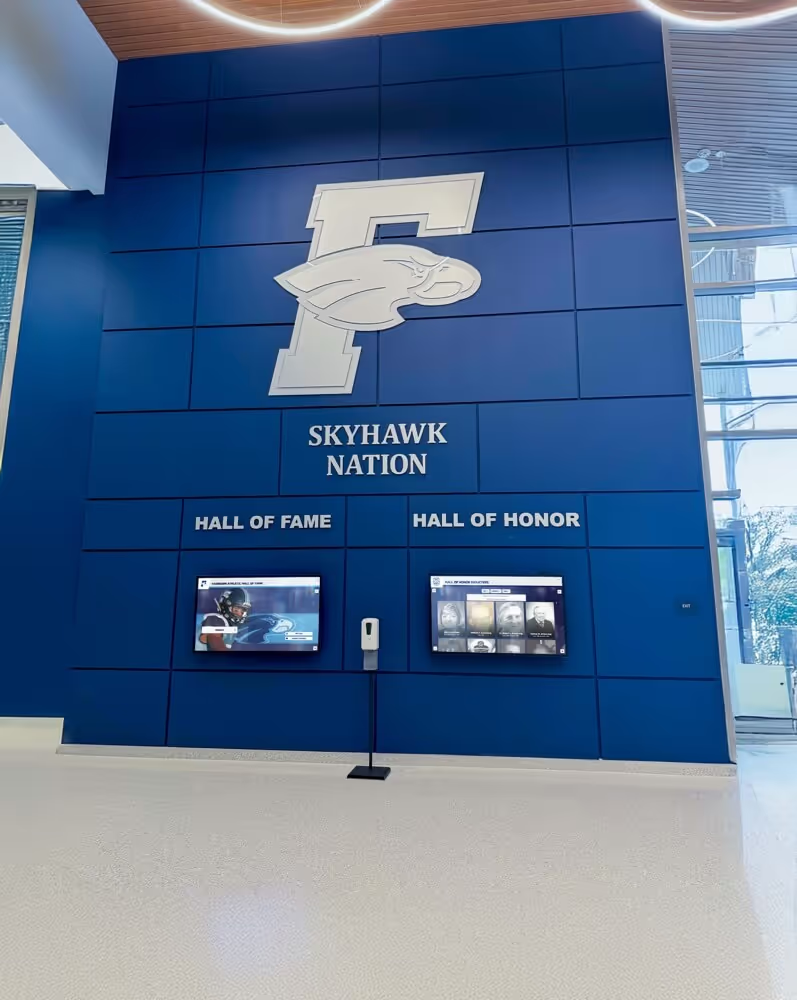
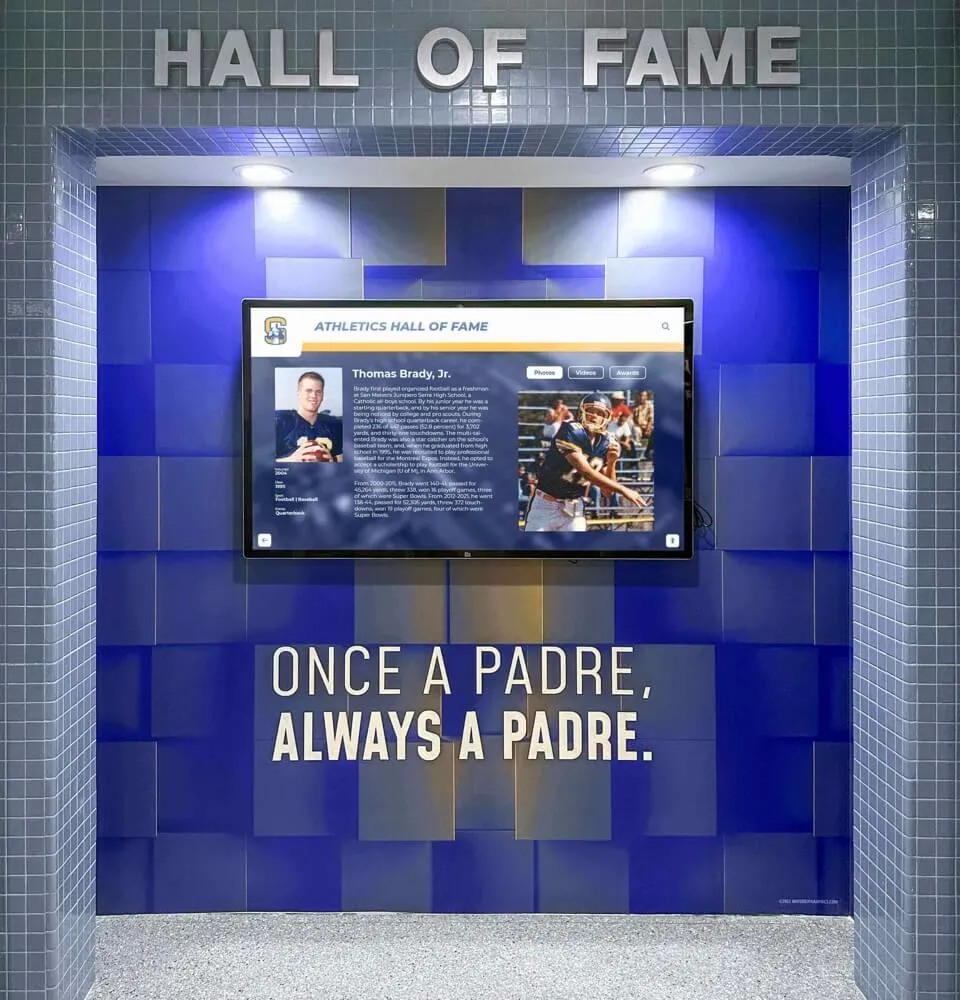
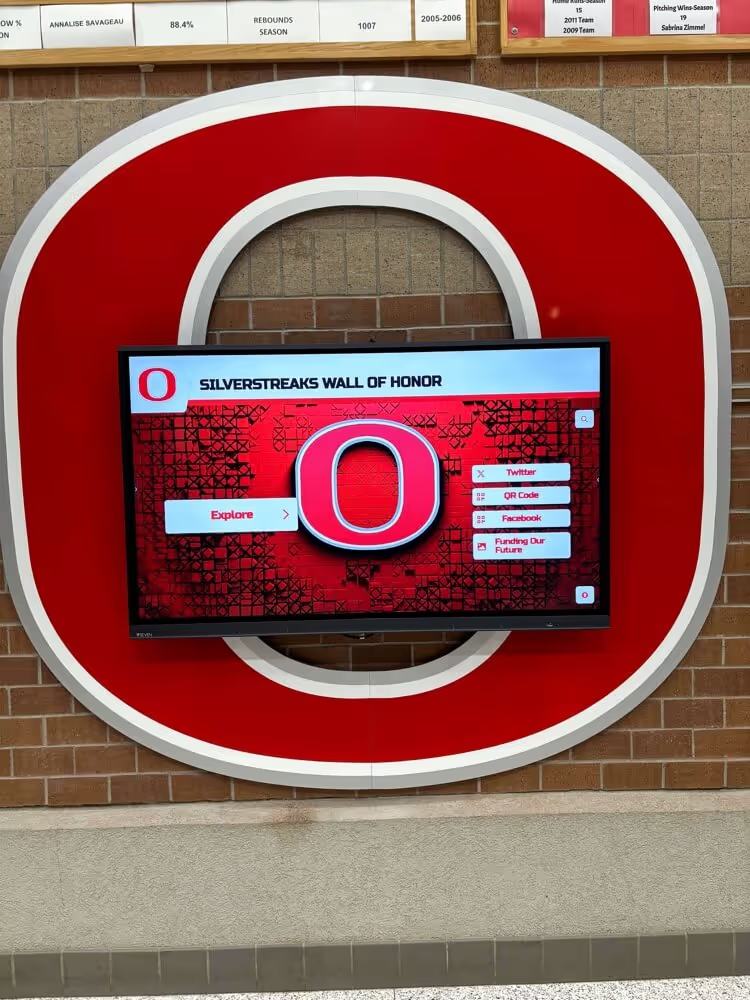
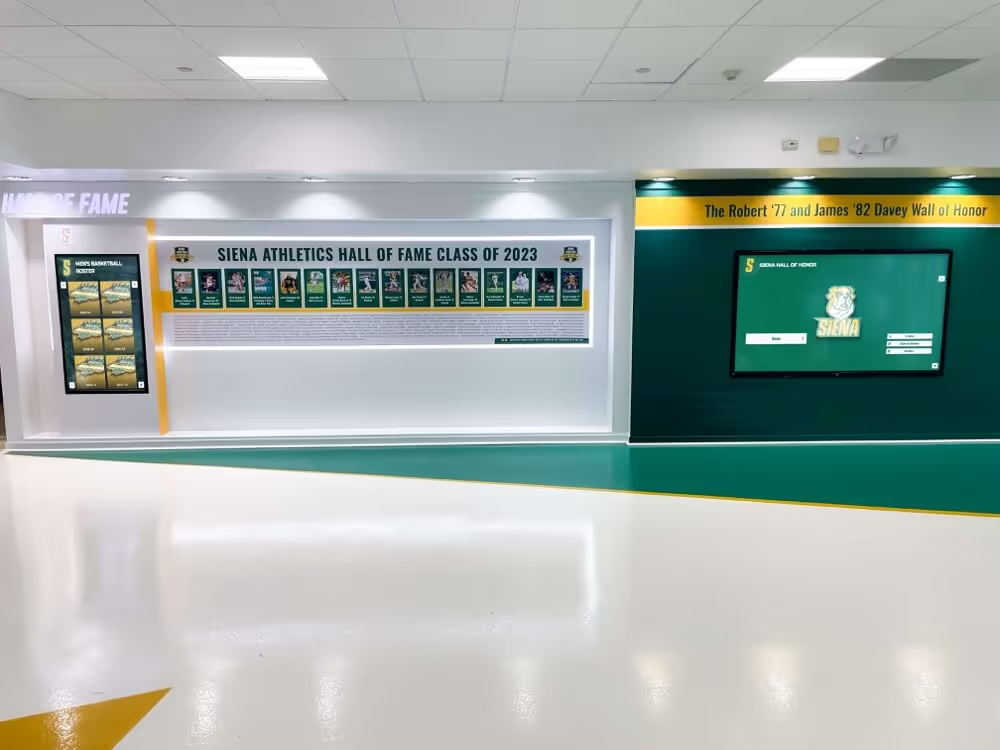
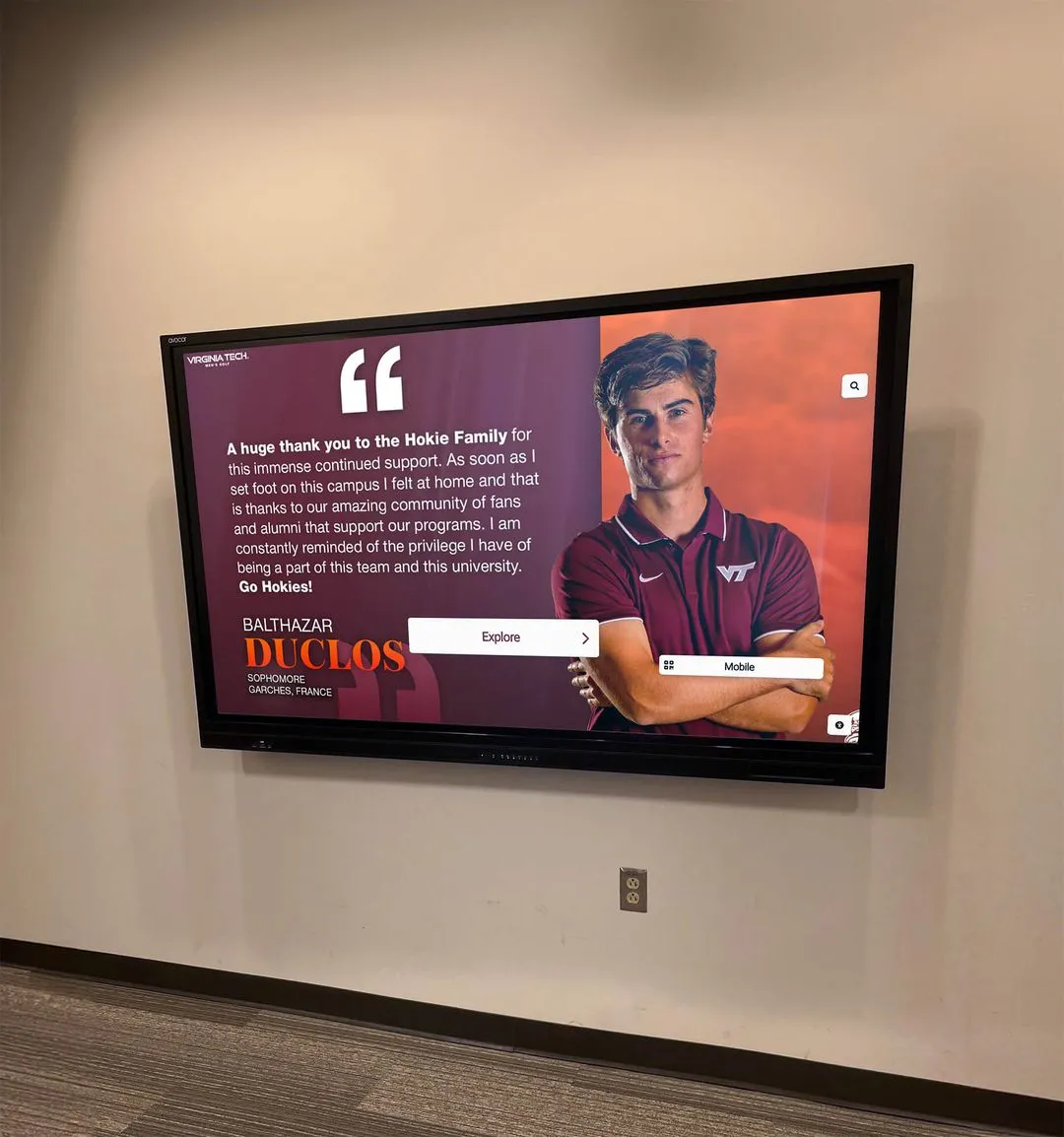
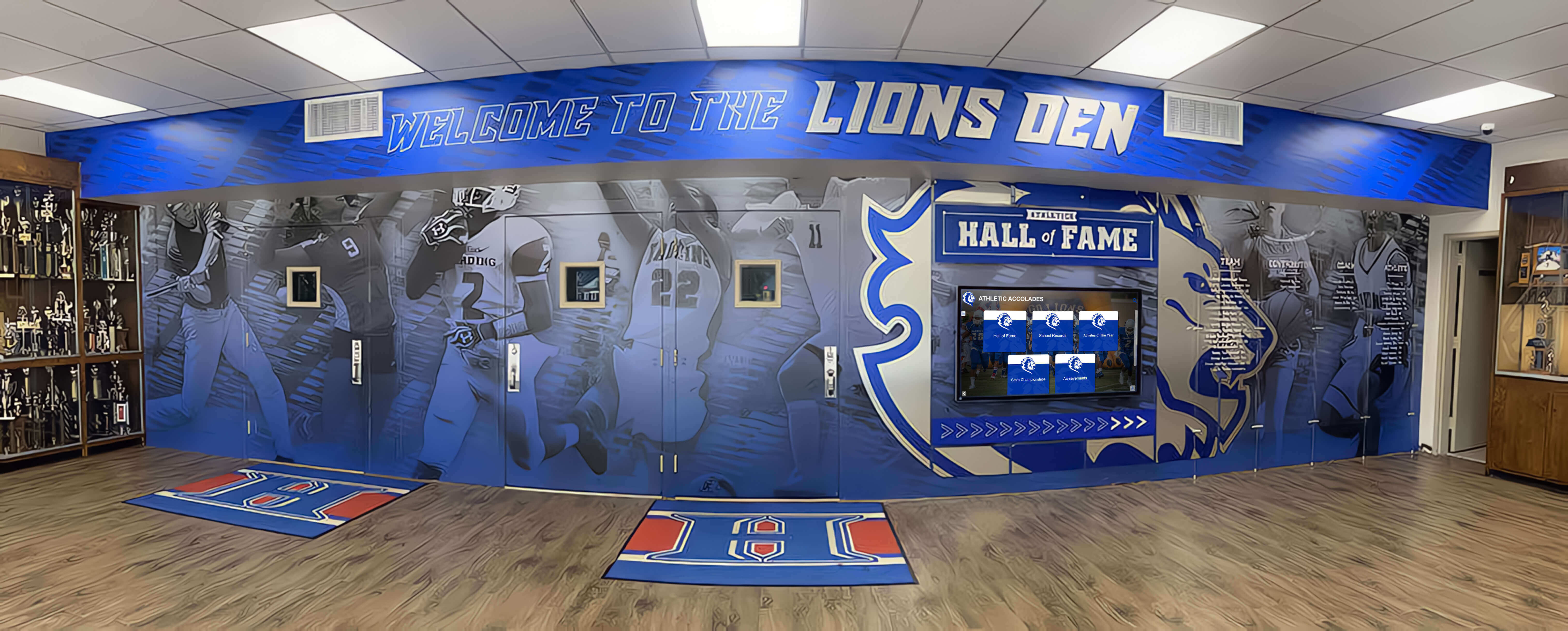
Modern digital preservation systems complement traditional time capsules by making school history continuously accessible rather than sealed away
Practical Considerations: Creating Time Capsules That Last
Careful planning ensures your time capsule survives until its intended opening date:
Container Selection and Preparation
Choose appropriate vessels for long-term storage:
Container Options
Different containers serve different purposes:
- Commercial time capsule containers: Purpose-built with moisture barriers and guaranteed longevity
- Stainless steel boxes: Durable and corrosion-resistant but require proper sealing
- PVC pipes: Affordable option with proper capping and waterproofing
- Waterproof ammunition boxes: Readily available and designed for long-term storage
- Archival document boxes: Suitable for dry indoor storage locations
- Custom-built vessels: Tailored to specific contents and storage conditions
Select containers based on burial location, budget, and time span until opening.
Preservation Techniques
Protect contents from deterioration:
- Vacuum-sealing documents in archival-quality plastic
- Using silica gel packets to absorb moisture
- Wrapping metal objects separately to prevent corrosion transfer
- Avoiding newspaper directly touching other items (acidic paper deteriorates)
- Using acid-free tissue paper for separating layers
- Including preservation instructions for future opening committee
- Consulting with archivists about proper techniques for your specific items
Professional preservation methods ensure contents remain viewable when opened.
Storage Location Selection
Where you place time capsules affects their safety and discovery:
Burial Locations
Traditional buried capsules require careful planning:
- Foundation cornerstones in new construction
- Dedicated time capsule gardens with markers
- Beneath commemorative plaques or monuments
- Under trees planted during ceremony
- In weatherproof vaults with access panels
- Locations with detailed documentation ensuring discovery
Choose locations unlikely to be disturbed by future construction or landscaping.
Climate-Controlled Storage
Indoor storage sometimes proves more practical:
- Secured display cases in main office or library
- Climate-controlled archive rooms
- Sealed but visible enclosures in trophy cases
- Administrative vault storage with ceremony access
- Museum-quality cases with viewing windows
- Locations with security and environmental controls
Indoor storage allows periodic verification that capsules remain intact.
Documentation and Discovery Insurance
Ensure future generations actually find capsules:
- Multiple copies of burial location maps filed in different places
- Coordinates and detailed location descriptions
- Inclusion in school architectural plans and surveys
- Notation in deed records and property documentation
- Digital archive of time capsule location accessible to future administrators
- Physical markers or plaques indicating presence
- Scheduled opening dates noted in institutional calendars
The most heartbreaking time capsule stories involve lost capsules that nobody can locate when opening time arrives.
Legal and Ethical Considerations
Address important governance questions upfront:
Ownership and Access Rights
Establish clear policies:
- Who owns time capsule contents
- Whether items can be displayed after opening or must be resealed
- Permission requirements for including student work and images
- Privacy considerations for personal information
- Copyright issues for included materials
- Procedures if capsule must be opened early
Written policies prevent disputes decades later.
Scheduling and Ceremony Planning
Plan for successful future events:
- Specific opening date or event trigger
- Ceremony organizer responsibilities
- Budget allocation for opening event
- Media coverage and documentation plans
- Alumni notification procedures
- Community participation approaches
Planning opening ceremonies when sealing capsules ensures traditions continue as intended.
Organizing Successful Time Capsule Projects
Effective project management ensures meaningful community participation:
Committee Formation and Roles
Distribute responsibilities for comprehensive representation:
Organizational Structure
Create a balanced leadership team:
- Student representatives from diverse groups and grade levels
- Faculty sponsors providing continuity and institutional knowledge
- Administrator oversight ensuring project alignment with school goals
- Alumni representative connecting past and future
- Community member participation for broader perspective
- PTA/PTO involvement for parent perspective
- Facilities staff for technical and practical guidance
Diverse committees create more comprehensive and inclusive capsules.
Specific Responsibilities
Assign clear roles to committee members:
- Content collection and curation team
- Documentation and cataloging group
- Preservation and technical preparation specialists
- Ceremony planning committee
- Communications and publicity team
- Budget and fundraising coordinators
- Historical research team for context
Clear responsibilities prevent overlapping efforts and missed tasks.
Timeline Development
Plan adequate time for thoughtful execution:
Typical Project Timeline
Allow sufficient time for each phase:
- 6-9 months before ceremony: Form committee and establish goals
- 5-7 months before: Determine contents and request submissions
- 3-5 months before: Collect items and prepare preservation
- 2-3 months before: Catalog contents and prepare documentation
- 1-2 months before: Finalize container and confirm burial location
- 2-4 weeks before: Plan and publicize opening ceremony
- Ceremony day: Seal capsule with community participation
- After ceremony: Complete documentation and archiving
Rushing time capsule creation produces less thoughtful results.
Budget Planning
Account for all project costs:
Typical Expenses
Budget for these common costs:
- Commercial time capsule container ($100-$1,000+)
- Preservation materials (archival sleeves, silica packets, protective wrapping)
- Printing and copying costs for documentation
- Plaque or marker for burial location
- Ceremony expenses (sound system rental, programs, refreshments)
- Professional services (archivist consultation, surveyor for location documentation)
- Contingency fund for unexpected needs
Many schools fund time capsule projects through:
- Graduating class fundraising or class gift programs
- PTA/PTO donations
- Alumni association contributions
- Local business sponsorships
- Grant funding for educational projects
- General school budget allocations
Adequate funding ensures quality execution matching the project’s long-term significance.
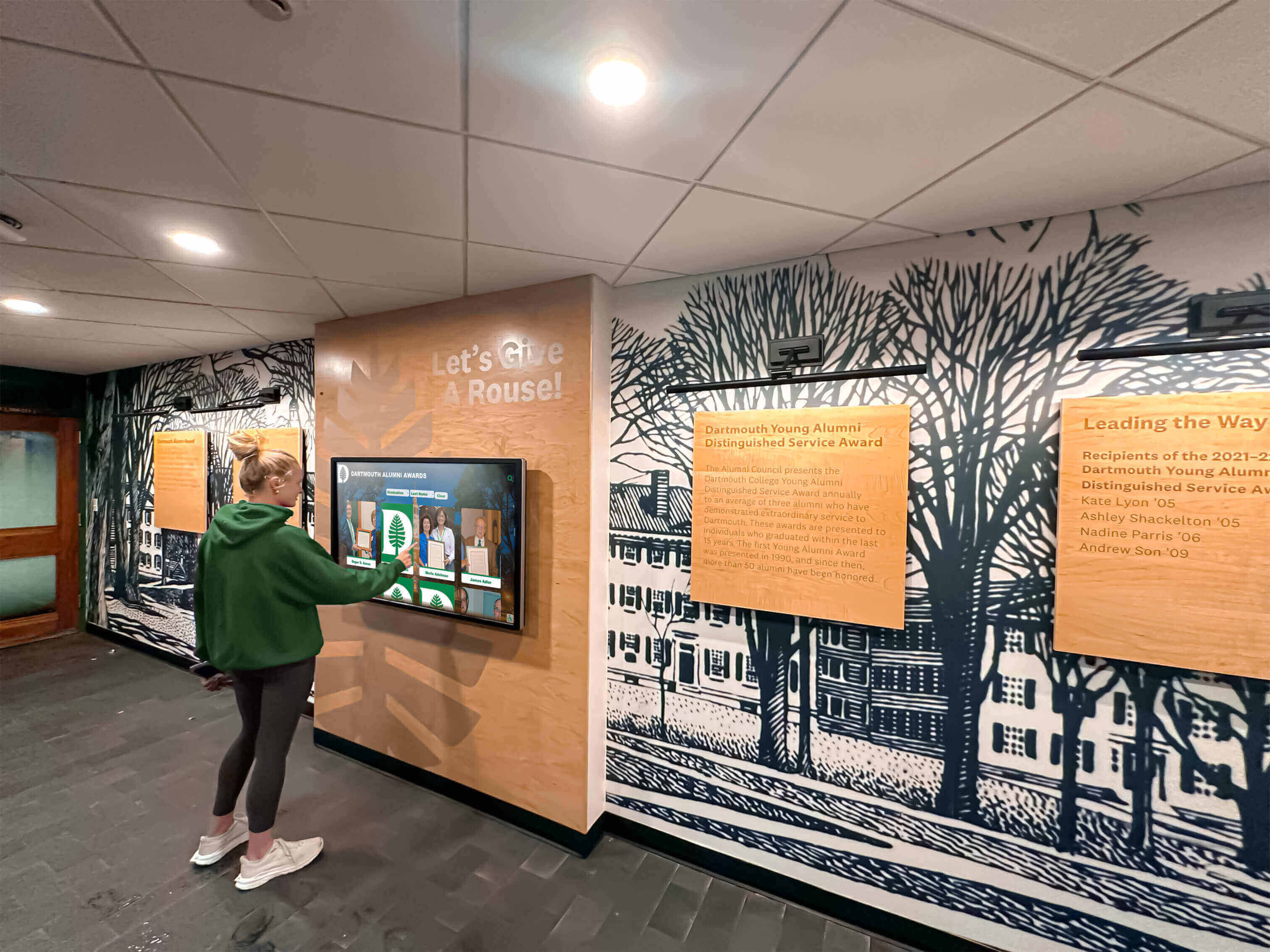
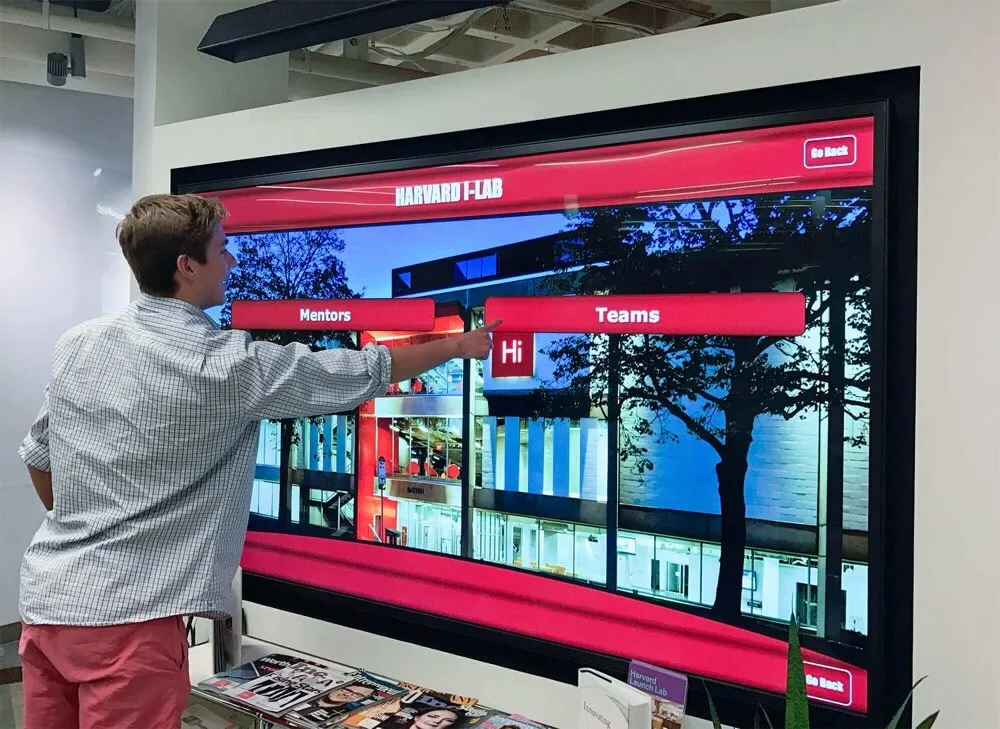
Modern schools provide continuous access to institutional history through interactive displays, complementing traditional time capsules that remain sealed
Time Capsule Opening Ceremonies: Making the Moment Memorable
Opening time capsules creates community events connecting past and future:
Planning Meaningful Opening Events
Ceremonies honor both those who created capsules and those discovering them:
Attendee Invitations
Bring together relevant participants:
- Alumni from the class that created the capsule
- Current students particularly those in similar roles
- Faculty members who were present at sealing
- Community members who participated originally
- Local media for coverage and documentation
- School board members and district administration
- Recognition program participants from that era if applicable
Reuniting original participants with current community creates powerful intergenerational moments.
Ceremony Program Elements
Structure events for maximum meaning:
- Historical context presentation about when capsule was sealed
- Remarks from original participants if available
- Student readings of predictions or letters included in capsule
- Live opening with contents displayed systematically
- Discussion of what has changed and what remained constant
- Creation of new capsule to continue tradition
- Reception allowing attendees to view items closely
Well-planned ceremonies transform openings into memorable community celebrations.
Documentation and Digitization
Preserve opening events and contents:
Recording the Opening
Create comprehensive documentation:
- Professional photography of ceremony and contents
- Video recording of opening process and reactions
- Interviews with attendees about memories and reflections
- Detailed catalog of all contents with condition notes
- Comparisons of predictions with actual outcomes
- Media coverage archiving for future reference
- Social media documentation capturing community excitement
Documentation of opening becomes historical record itself.
Content Preservation After Opening
Decide on post-opening treatment:
- Archival storage of physical items in climate-controlled conditions
- Digitization of all documents, photos, and appropriate items
- Rotating display in school museum or trophy cases
- Temporary exhibition allowing broader community viewing
- Resealing of some or all items in new container
- Distribution of appropriate items to archives or museums
- Digital archive creation for permanent access
The opening shouldn’t be the end—preserved contents continue serving educational purposes.
Digital Alternatives to Traditional Time Capsules
Modern technology offers compelling alternatives and supplements to physical capsules:
Advantages of Digital Preservation
Digital approaches address traditional time capsule limitations:
Accessibility and Engagement
Digital formats provide unique benefits:
- Continuous access rather than waiting decades for single opening
- Easy sharing with geographically dispersed alumni communities
- Search and discovery features for specific content
- Multimedia capabilities physical capsules cannot match
- Regular updates and additions as school history continues
- Integration with existing school recognition systems
- Interactive elements engaging current students with history
Digital systems make school history a living resource rather than sealed artifact.
Preservation Reliability
Digital storage offers preservation advantages:
- No deterioration from moisture, temperature, or physical damage
- Multiple backup locations ensuring preservation
- Format migration preventing technological obsolescence
- Professional archiving services with long-term guarantees
- Disaster recovery protection physical capsules lack
- Easier restoration and conservation than physical artifacts
Properly managed digital archives often outlast physical time capsules.
Hybrid Approaches Combining Physical and Digital
The most effective strategies often blend traditional and modern methods:
Complementary Systems
Create comprehensive preservation programs:
- Traditional time capsule supplemented with extensive digital documentation
- Physical ceremony and burial with digital replicas accessible immediately
- Digital displays showing historical photos, documents, and artifacts
- Interactive touchscreens allowing students to explore decades of school history
- Annual digital “deposits” to living archive supplementing periodic physical capsules
- QR codes on physical plaques linking to digital content and context
Hybrid approaches provide the ceremonial meaning of physical capsules with the accessibility of digital systems.
Digital Time Capsule Platforms
Dedicated solutions designed for institutional memory:
Schools increasingly implement interactive digital recognition systems that function as continuously accessible “time capsules.” These digital preservation platforms allow schools to:
- Archive yearbooks, photographs, and documents in searchable databases
- Create profiles honoring students, faculty, and achievements across decades
- Enable alumni to access and contribute to school history remotely
- Display rotating historical content in lobbies and common areas
- Preserve athletic records, academic achievements, and cultural milestones
- Maintain living archives that grow continuously rather than being sealed
- Provide context and storytelling that physical artifacts alone cannot offer
These systems complement rather than replace traditional time capsules, ensuring school legacy remains accessible while maintaining beloved ceremonial traditions.
Implementing Digital Archive Systems
Modern preservation platforms offer sophisticated capabilities:
Touchscreen Recognition Displays
Interactive digital systems serve multiple purposes:
- Central location for accessing decades of school history
- Honoring community accomplishments across generations
- Engaging current students with institutional legacy
- Providing alumni with access to their school memories
- Showcasing the evolution of programs, facilities, and traditions
- Supporting research and historical inquiry
- Celebrating continuity amid change
Digital displays in high-traffic areas keep school history visible and relevant daily rather than sealed away for decades.
Content Management and Curation
Effective digital archives require ongoing attention:
- Dedicated staff or committee for content management
- Regular digitization of new materials and historical artifacts
- Quality standards for images, documents, and media
- Metadata and tagging for searchability
- Rights management and permissions tracking
- Integration with existing school information systems
- User-friendly interfaces for diverse audiences
Well-maintained digital archives become invaluable resources for students, faculty, researchers, and community members.
Making Time Capsule Projects Educational
Maximize learning opportunities throughout the process:
Curriculum Integration
Connect time capsules to academic standards:
History and Social Studies
Time capsule projects reinforce essential concepts:
- Primary versus secondary source analysis
- Historical methodology and preservation
- Change and continuity over time
- Cultural analysis and comparison
- Civic participation and community engagement
- Archival research skills
- Historical thinking and perspective-taking
Teachers can structure assignments around time capsule participation, making the project serve educational objectives.
Writing and Communication
Composition opportunities abound:
- Persuasive writing arguing for specific inclusions
- Descriptive writing documenting current school culture
- Letter writing to future students
- Technical writing creating catalogs and instructions
- Research writing providing historical context
- Reflective writing considering legacy and impact
Time capsule projects motivate authentic writing for real audiences.
Science and Technology
STEM connections enhance understanding:
- Material science and preservation chemistry
- Engineering design for containers and storage
- Environmental science examining deterioration factors
- Information technology and digital archiving
- Geolocation and surveying for documentation
- Long-term data storage challenges
Scientific approaches to preservation problems engage students in applied learning.
Cross-Generational Learning
Time capsules facilitate meaningful intergenerational dialogue:
Alumni Participation
Connect current students with graduates:
- Alumni presentations about their school experiences
- Comparison discussions of how school has changed
- Mentorship relationships emerging from project
- Alumni contributions to time capsule contents
- Joint opening ceremonies reuniting generations
- Alumni recognition programs honoring continuing involvement
These interactions help students understand themselves as participants in ongoing institutional narratives.
Community Engagement
Extend learning beyond school walls:
- Local historical society partnerships
- Senior citizen interviews about community changes
- Business leader participation representing economic evolution
- Civic leader involvement connecting to broader trends
- Family engagement through multi-generational contributions
- Media coverage educating broader public
Community participation transforms time capsules into shared public history projects.
Preserve Your School's Legacy with Modern Digital Solutions
While traditional time capsules create meaningful ceremonial moments, digital recognition systems ensure your school's history remains continuously accessible to students, alumni, and community members. Discover interactive touchscreen displays that preserve decades of achievements, traditions, and memories while complementing your time capsule programs with searchable, permanent archives that engage current students with institutional legacy every day.
Explore Digital Archive SolutionsConclusion: Creating Meaningful Connections Across Time
School time capsules serve purposes far beyond simple preservation. They engage current students in thinking about legacy, change, and continuity. They create ceremonies that unite communities around shared values and institutional identity. They give voice to students who might otherwise remain anonymous in historical records. Most importantly, they create tangible connections between past and future, reminding everyone that schools exist as living institutions where each generation contributes to ongoing stories larger than individual experience.
The most successful time capsule projects balance tradition with innovation. Physical capsules buried during cornerstone ceremonies create meaningful rituals and ceremonial moments that communities remember for years. Digital preservation systems ensure that school history remains accessible and relevant rather than sealed away waiting for distant opening dates. Together, these approaches create comprehensive memory preservation programs serving educational, communal, and historical purposes.
As you plan your school’s time capsule project, remember that the creation process often proves as valuable as the eventual opening. Students participating in content selection, preservation preparation, and ceremony planning gain insights about history, community, and legacy that transcend specific academic lessons. Faculty and staff engaging with questions about what truly represents your school’s character deepen their own connections to institutional mission and values. Alumni contributing perspectives and participating in ceremonies reconnect with formative experiences and continuing community membership.
Whether you’re marking a milestone anniversary, dedicating new facilities, celebrating a graduating class, or simply seeking meaningful ways to engage students with school history, time capsules offer flexible frameworks for achievement. Start planning early, involve diverse voices in decision-making, think creatively about both contents and formats, document the entire process thoroughly, and remember that the goal extends beyond creating interesting artifacts—you’re helping current students see themselves as participants in stories that began before them and will continue long after they leave.
Your school’s legacy deserves preservation methods matching its significance. Traditional time capsules create ceremonial moments that communities treasure. Digital recognition systems ensure continuous access to institutional memory. Together, they honor past achievements while inspiring future excellence. Explore comprehensive solutions that help your school preserve its unique story for generations to come.