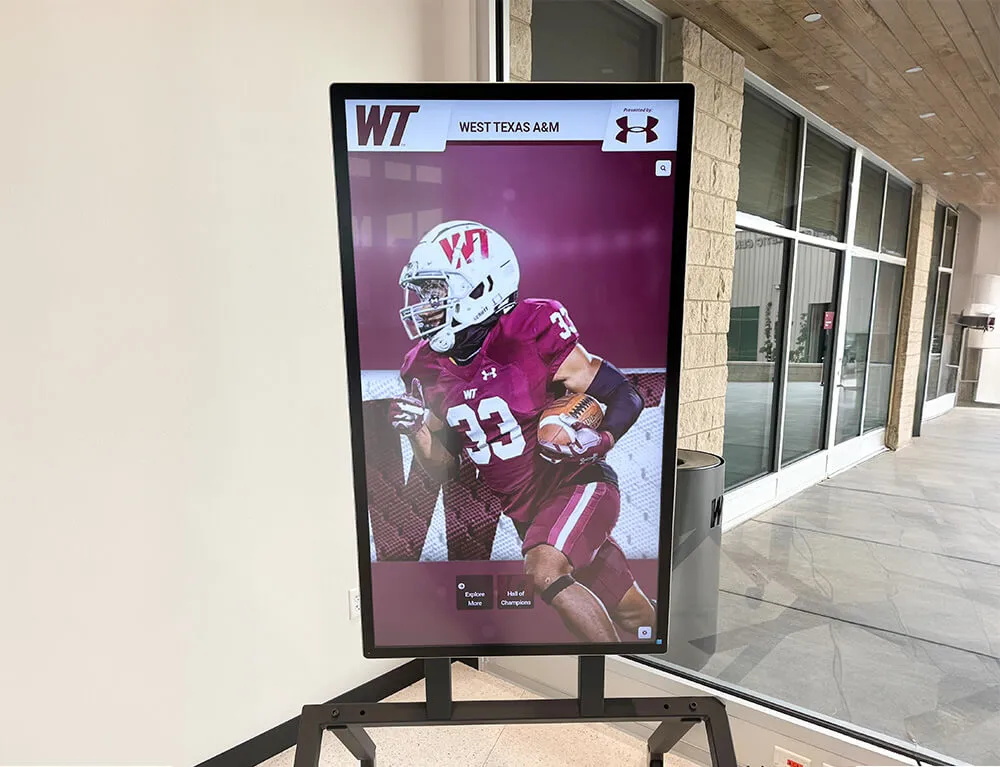
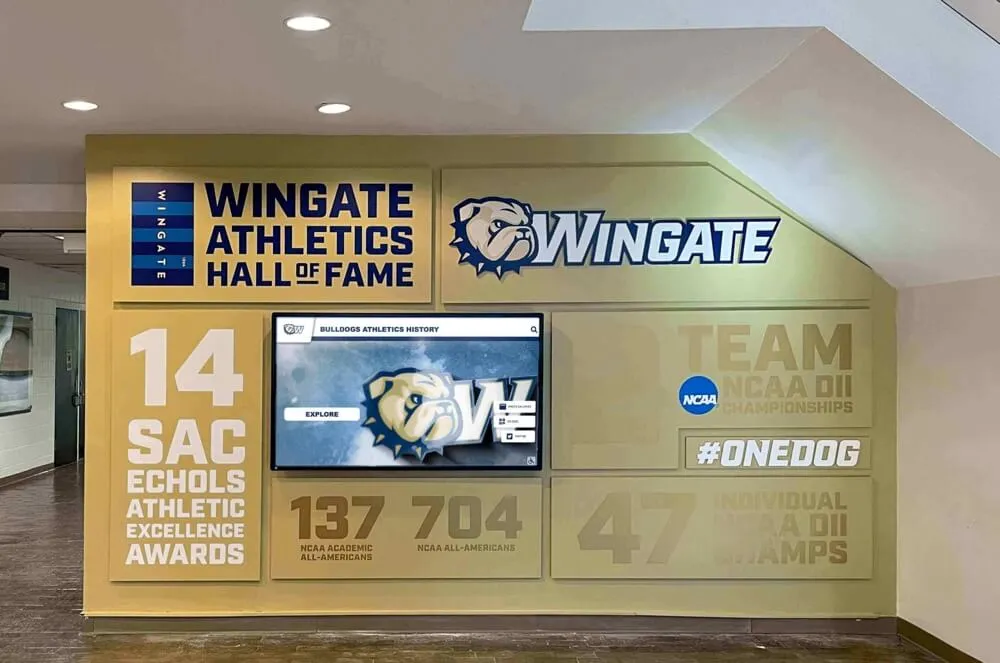
Senior living communities thrive when residents feel recognized, connected, and celebrated. From parking committee decisions to neighbor of the week awards, from memorial tributes to comprehensive resident directories, every recognition touchpoint strengthens community bonds and resident satisfaction.
Yet many communities struggle with outdated bulletin boards, scattered paper announcements, and static plaques that become hard to maintain as resident populations change. Important information about committees, achievements, and community milestones gets buried in newsletters or forgotten on overcrowded walls. Meanwhile, residents and families seek easier ways to stay connected with community life and celebrate individual contributions.
This comprehensive guide explores how interactive touchscreen displays transform senior living recognition programs. You’ll discover 20 practical ideas for celebrating residents, implementing effective governance structures, and creating engaging community experiences that address what senior living facilities care most about: resident satisfaction, family engagement, and vibrant community culture.
Modern senior living communities recognize that resident engagement extends far beyond activities programming. The most successful communities create systematic recognition that honors contributions, preserves memories, celebrates achievements, and keeps everyone informed about community governance and daily life.

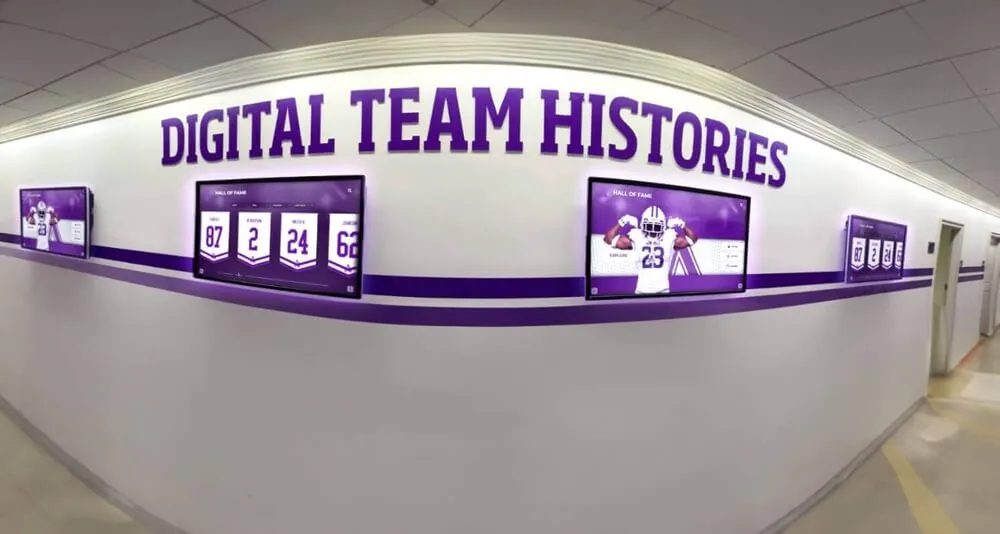
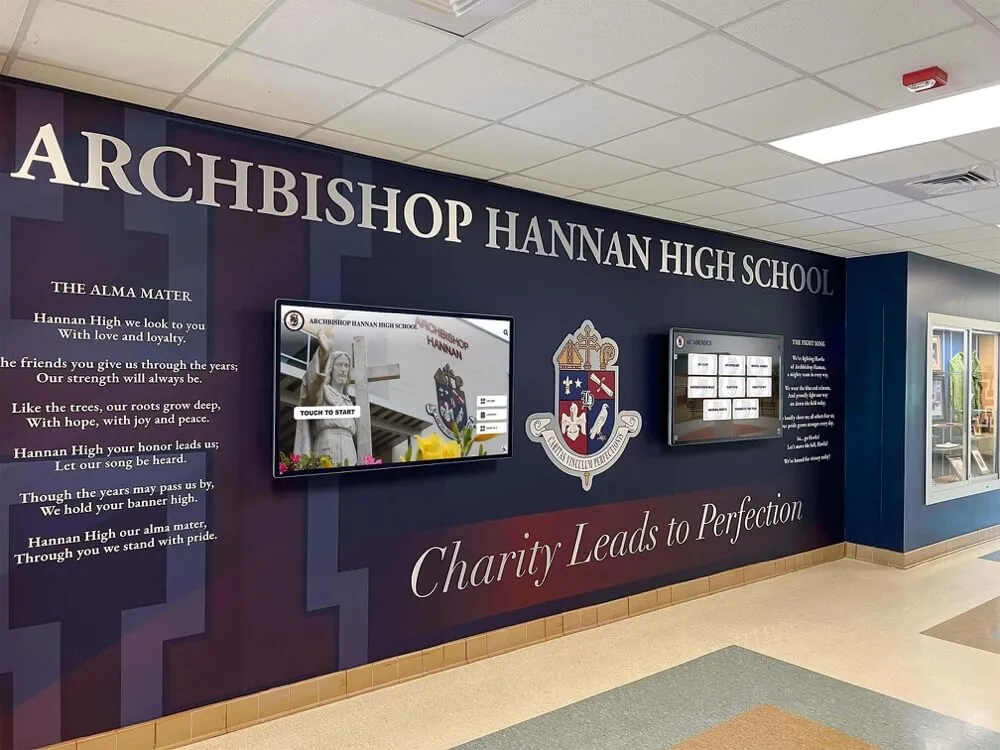
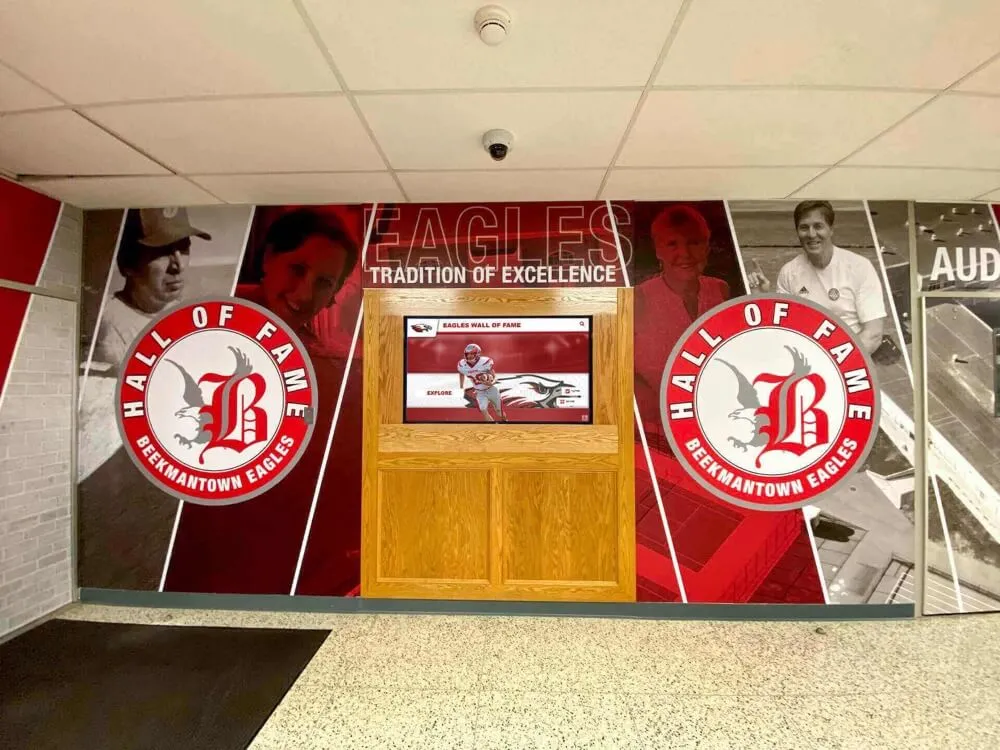
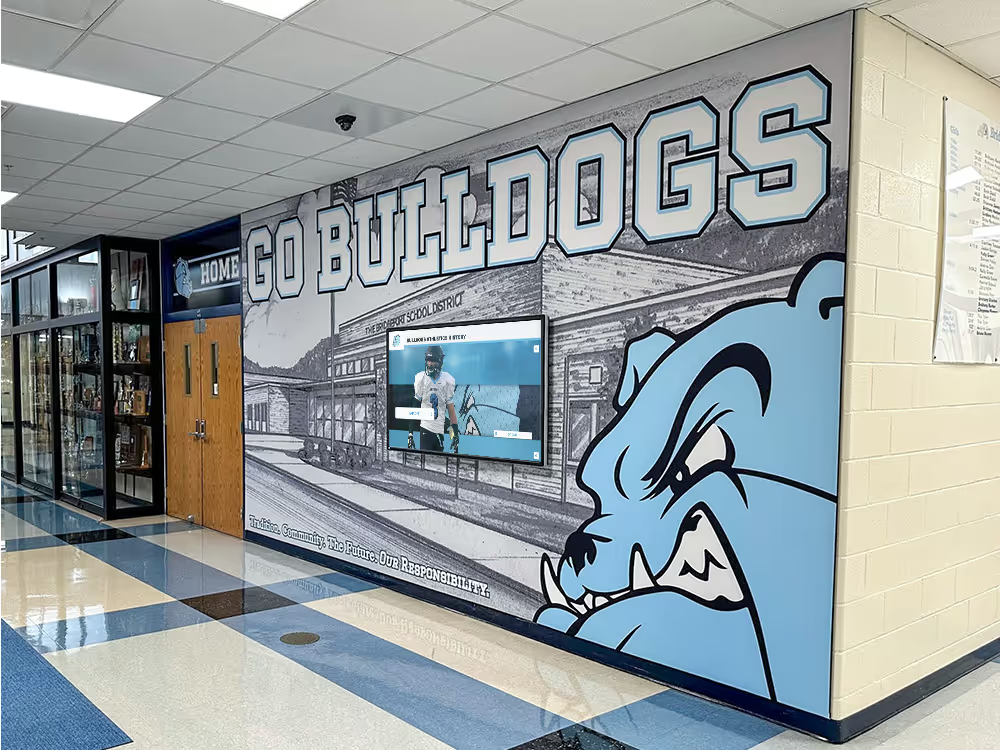
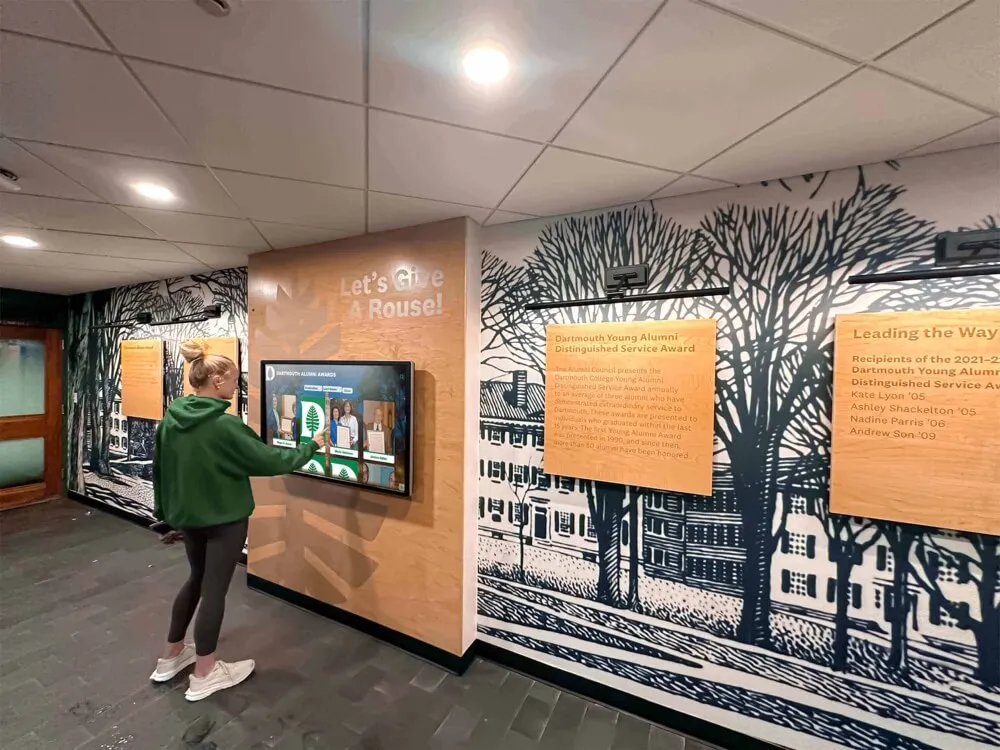
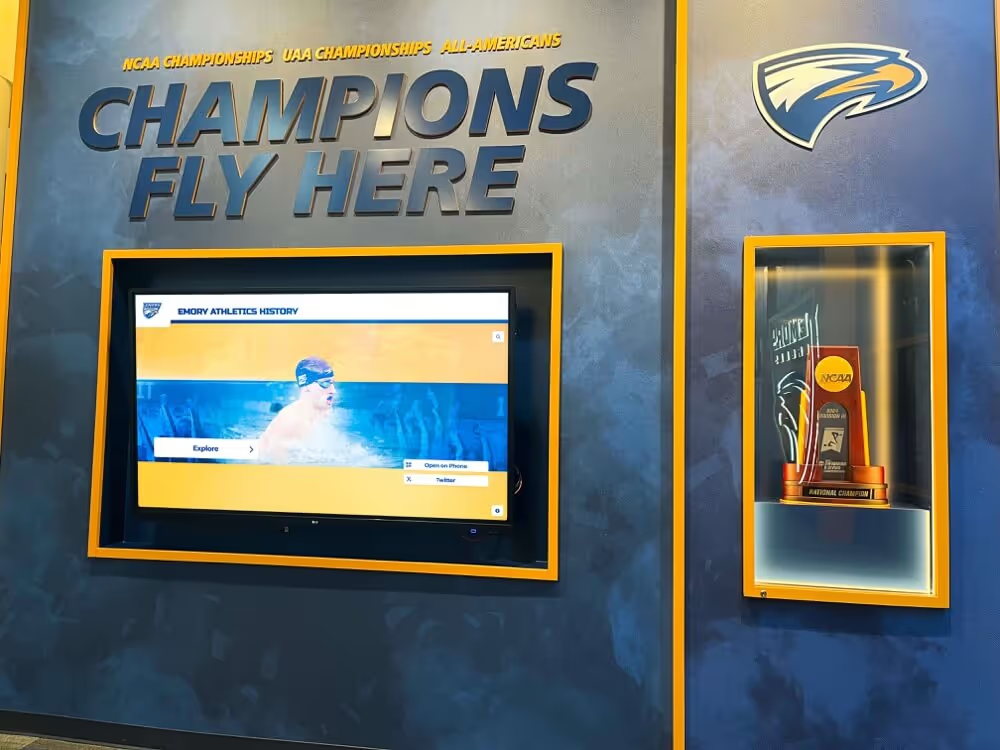
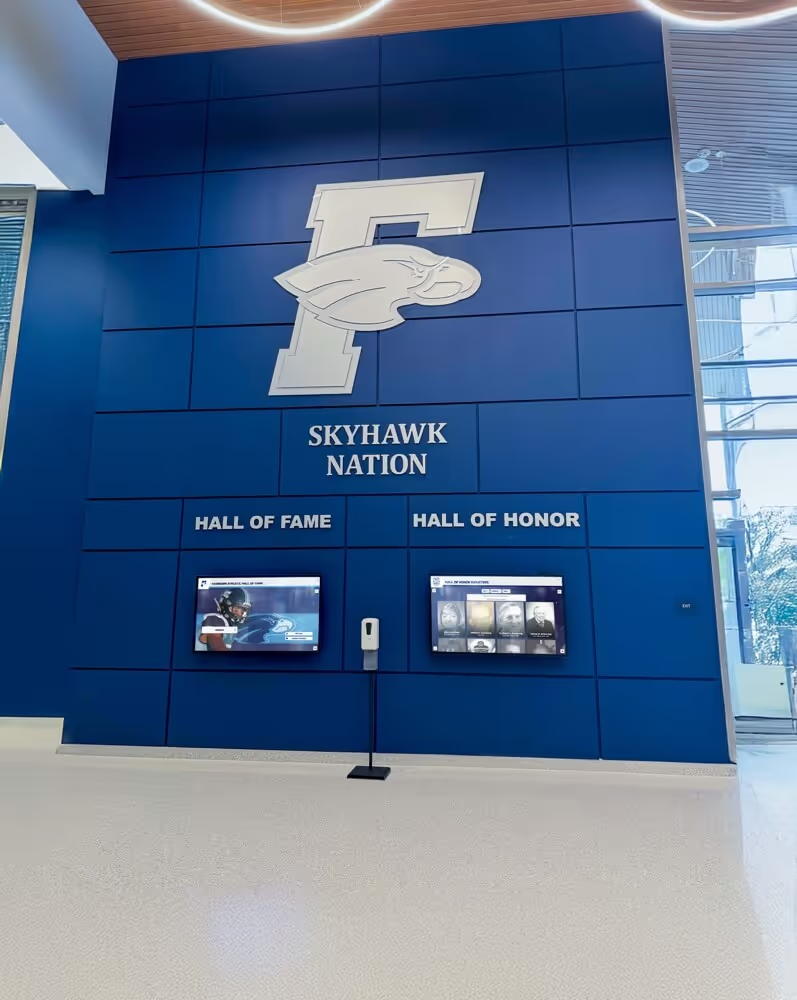
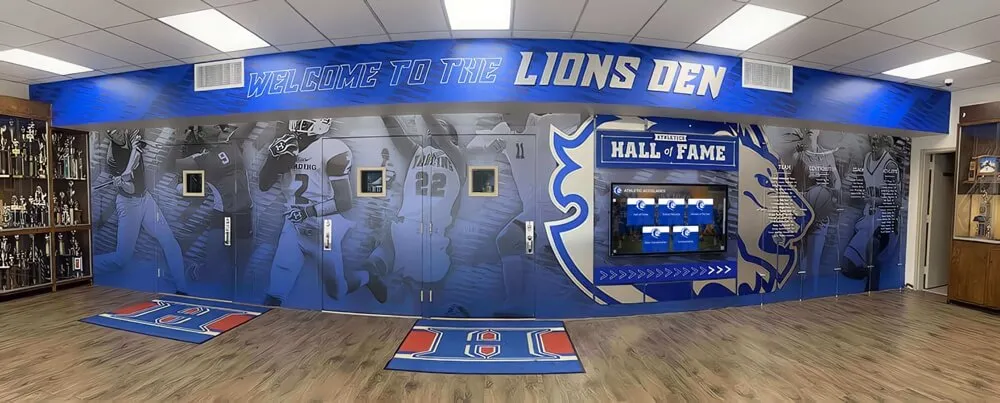
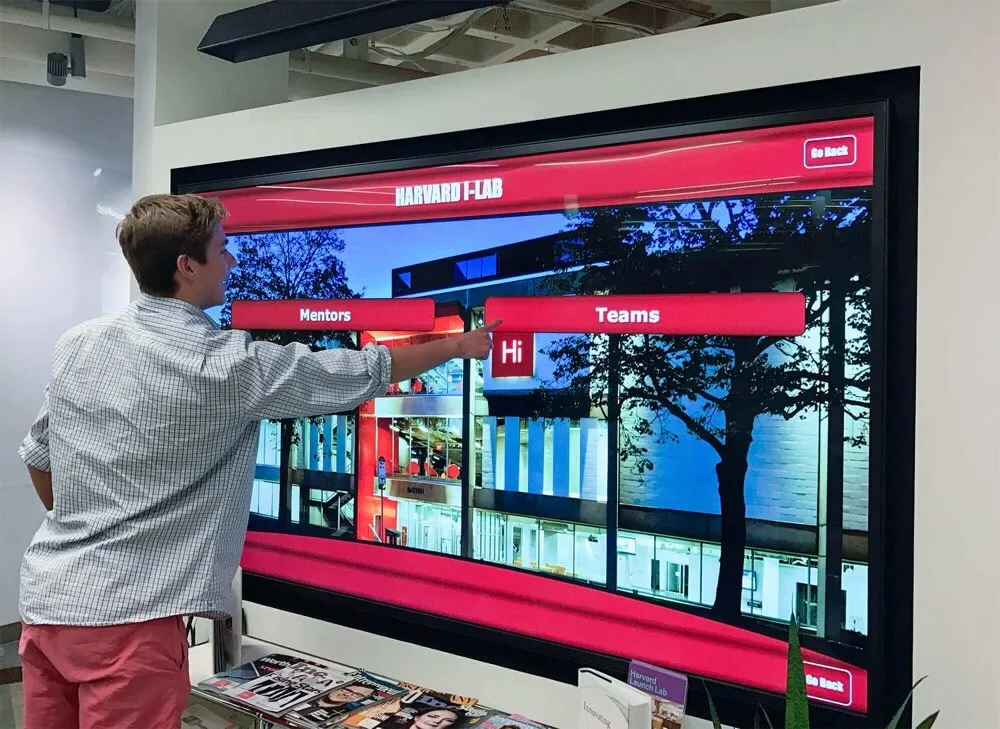
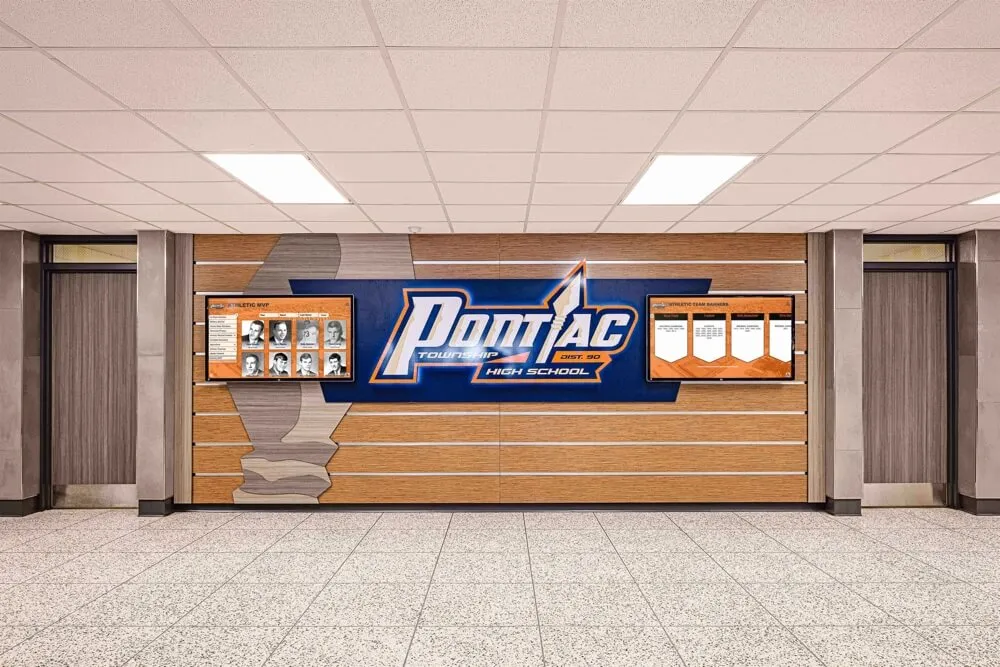
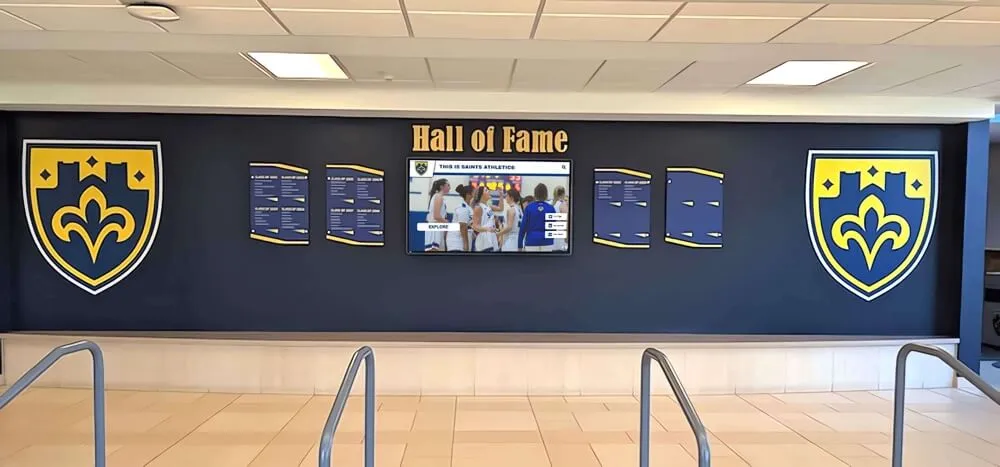
Interactive displays create welcoming lobby experiences where residents, families, and visitors explore community recognition and information
What Senior Living Communities Care Most About
Understanding core priorities helps communities design recognition programs that deliver measurable impact.
Resident Satisfaction and Engagement
Quality of life metrics drive senior living success, and recognition plays a central role:
Social Connection and Belonging
- 87% of residents report higher satisfaction when they feel recognized by staff and peers
- Recognition programs reduce isolation by highlighting resident involvement
- Community awards create conversation starters and relationship-building opportunities
- Visible acknowledgment validates resident contributions and purpose
- Committee participation and leadership roles provide meaningful engagement
Family Peace of Mind Families choosing senior living communities prioritize environments demonstrating genuine care:
- Recognition programs signal attentive, person-centered culture
- Digital directories help families stay connected to their loved ones’ community
- Memorial tributes honor residents with dignity and permanence
- Award programs demonstrate active, engaging community life
- Transparent governance through committee displays shows organized leadership
Communities implementing comprehensive recognition systems report significant improvements in family satisfaction scores and referral rates.
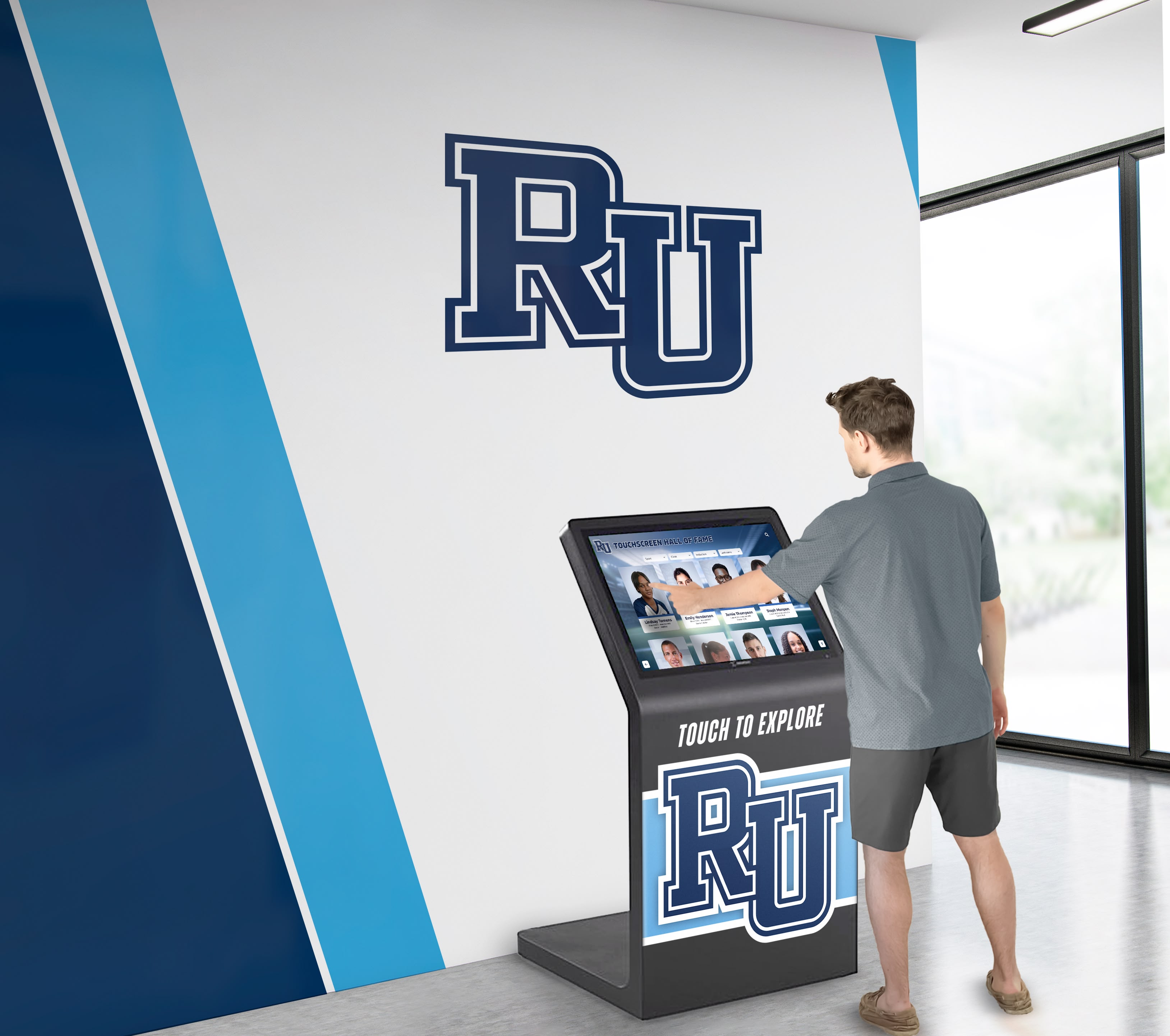
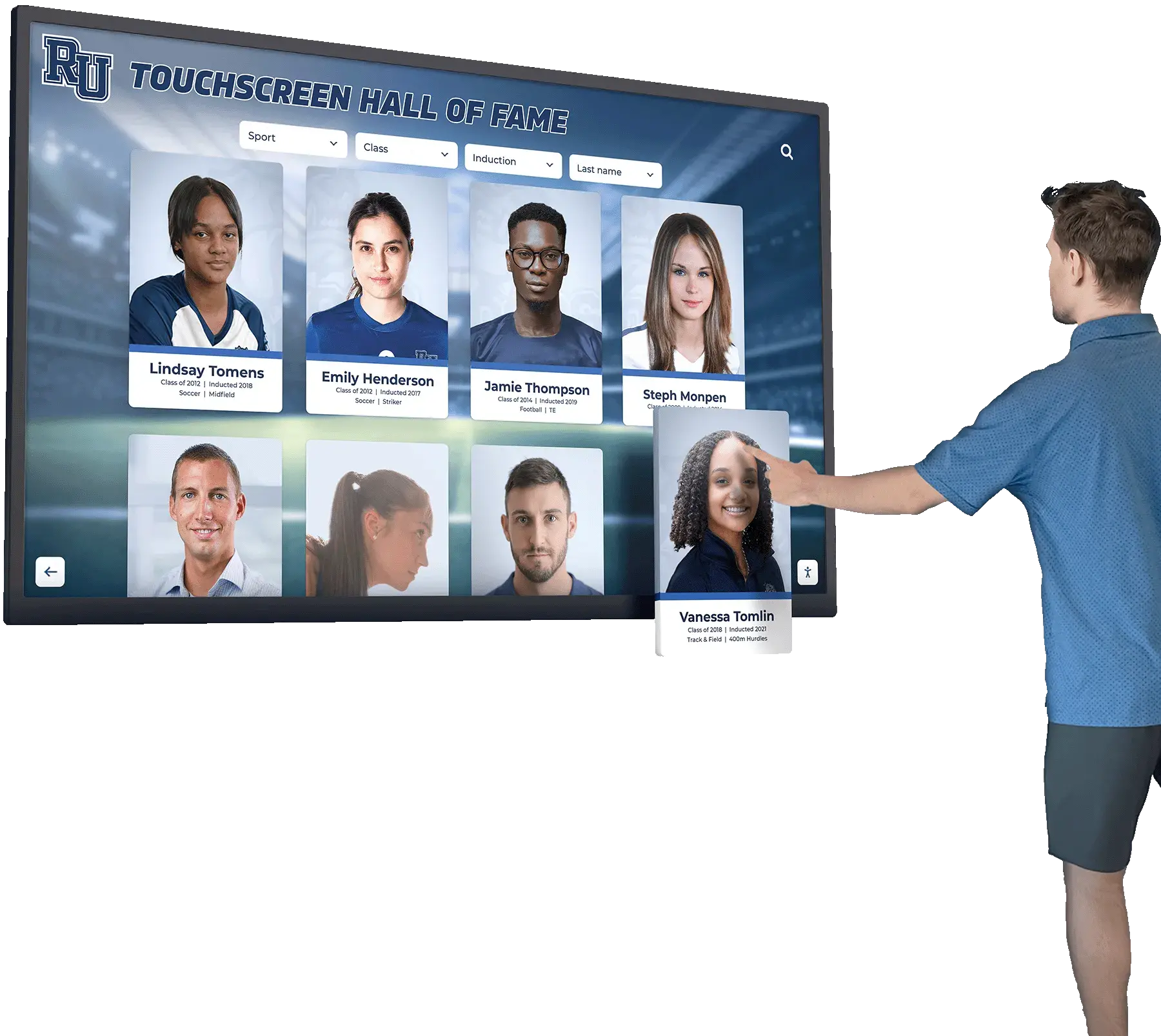
Searchable community directories enable residents and staff to quickly find information about fellow residents and community resources
Operational Efficiency and Staff Productivity
Recognition systems that simplify communication save substantial staff time:
Centralized Information Management
- Single platform for all community announcements and recognition
- Remote updates from any device eliminate physical posting
- Scheduled content ensures timely information delivery
- Role-based permissions enable appropriate staff access
- Reduced staff time spent maintaining bulletin boards
Enhanced Communication Effectiveness Traditional paper postings create information gaps and maintenance burdens. Digital systems provide:
- Guaranteed visibility in high-traffic lobby locations
- Rotating content ensuring all information receives attention
- Analytics showing which content residents view most
- Integration with family communication platforms
- Consistent, professional presentation across all content types
Marketing and Competitive Differentiation
Senior living markets grow increasingly competitive, making community culture visible:
Tour Experience Enhancement Prospective residents and families touring communities notice:
- Professional, modern technology demonstrating forward-thinking culture
- Active community life visible through award programs and activities
- Organized governance through committee displays
- Resident vitality and engagement evident in recognition
- Welcoming, connected atmosphere created by visible celebration
Reputation Building Communities with strong recognition cultures develop reputations for:
- Resident-centered programming and genuine care
- Active, engaged resident populations
- Transparent, well-organized governance
- Respectful memorial traditions honoring residents
- Professional, thoughtful communication systems
Organizations seeking to improve community culture often explore interactive display solutions that showcase achievements while simplifying information management.
20 Senior Living Touchscreen Recognition Ideas
Internal Governance and Committee Recognition
Strong communities build on organized resident leadership and transparent governance.
1. Parking Committee Management Display
Parking remains one of the most discussed topics in senior living communities. A dedicated display section addresses this systematically:
Key Features
- Current committee members with photos and contact information
- Parking policy explanations and recent updates
- Visitor parking procedures and temporary permit requests
- Assigned space directory helping residents locate their spots
- Committee meeting schedules and decision documentation
Implementation Benefits
- Reduces front desk questions about parking policies
- Provides transparent decision-making visibility
- Enables residents to easily contact committee members
- Documents policy rationale preventing repeated discussions
- Creates searchable archive of parking-related information
2. Resident Council and Internal Government
Resident councils provide community voice and organized leadership:
Display Components
- Current council officers with biographical information
- Committee structure and responsibilities
- Meeting schedules and agenda previews
- Recent decisions and action items
- How to participate or raise concerns
- Election information and candidate profiles
- Historical council achievements and milestones
Governance Transparency Visible governance structures create resident trust and participation:
- Clear explanation of decision-making processes
- Committee jurisdiction and authority boundaries
- Process for resident input and proposal submission
- Meeting minutes summaries and key decisions
- Links to detailed governance documents
Communities prioritizing resident engagement and recognition find that transparent governance information reduces conflicts while increasing participation.
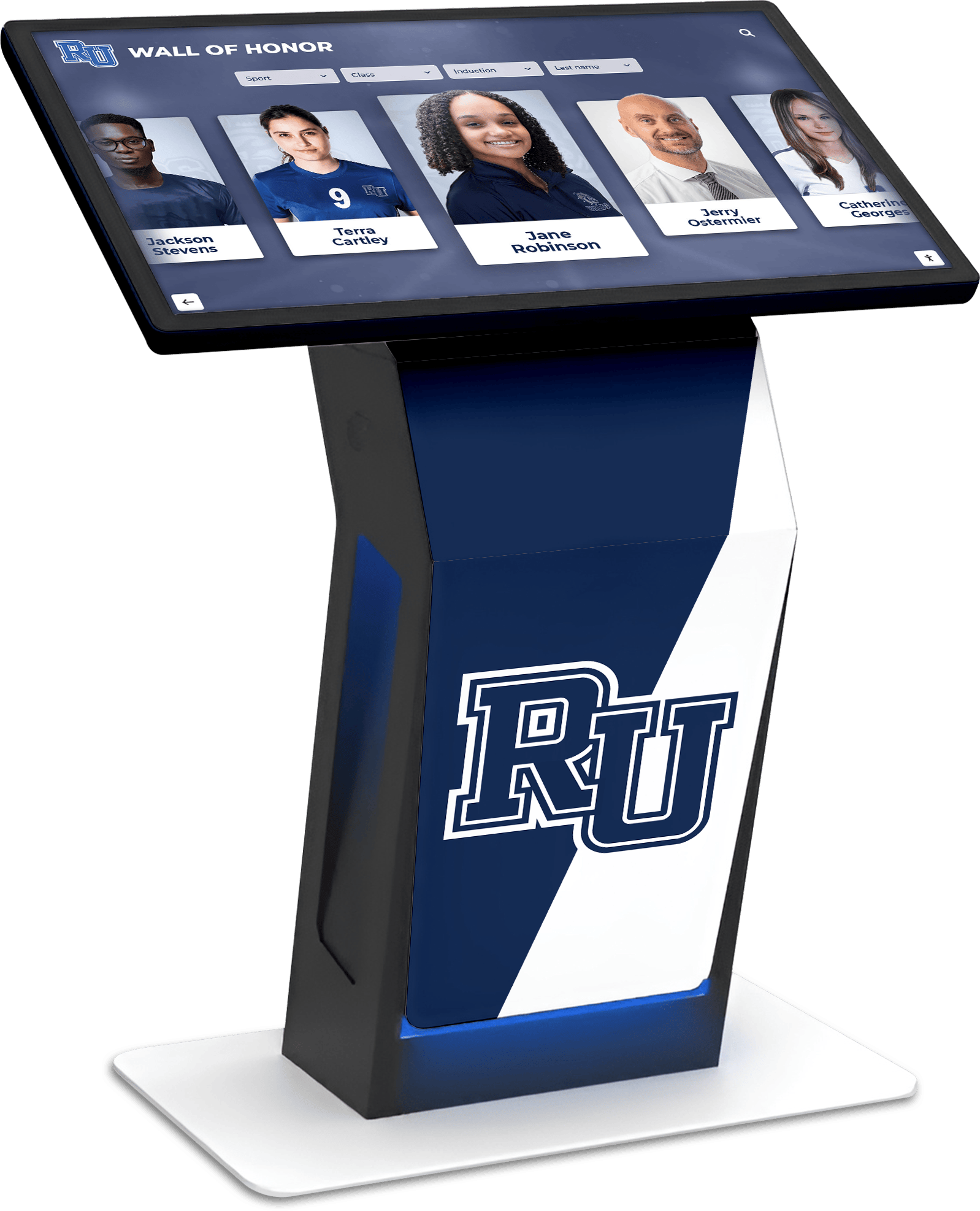
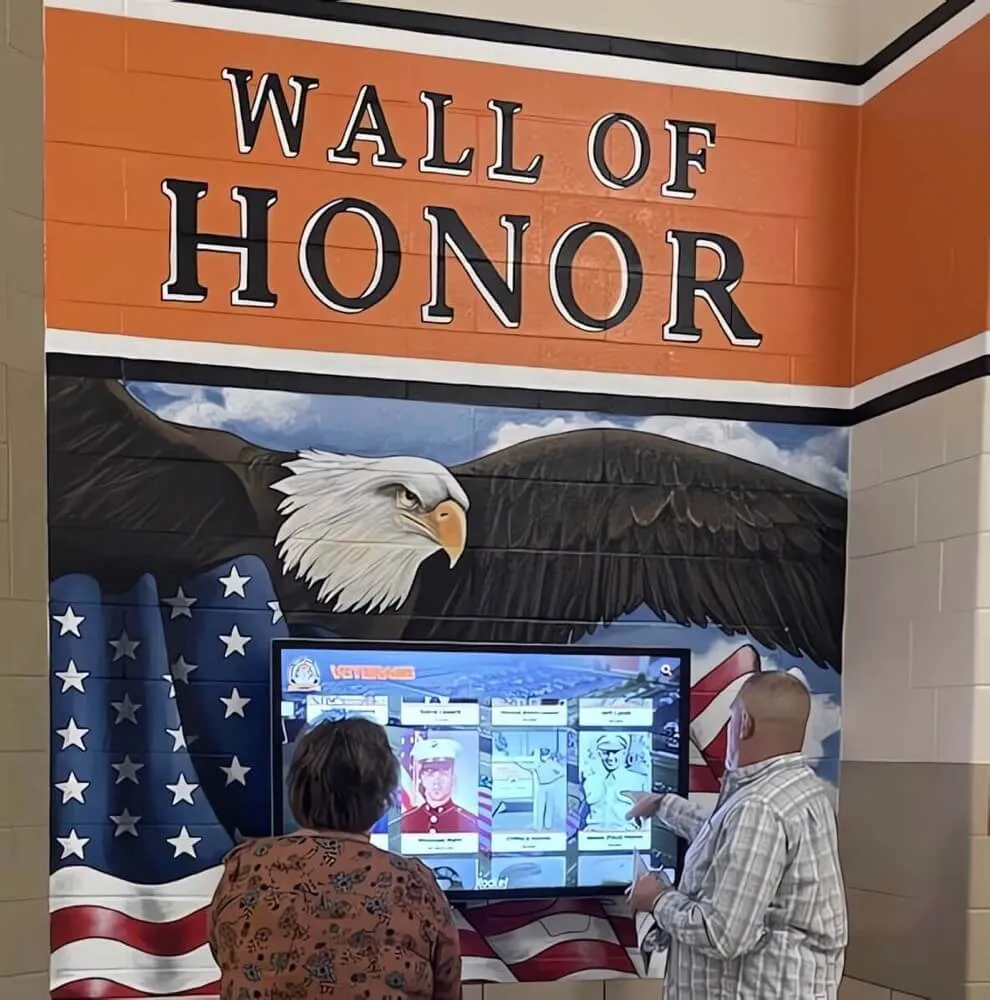
Freestanding kiosks provide comprehensive community information including governance structures and resident recognition
3. Committee Showcase for All Standing Committees
Beyond parking and council, many communities maintain multiple committees:
Common Senior Living Committees
- Activities and Entertainment Committee
- Dining and Menu Committee
- Grounds and Beautification Committee
- Wellness and Fitness Committee
- Technology and Communication Committee
- Library and Learning Committee
- Social Events and Celebrations Committee
- Pet Owners Committee (in pet-friendly communities)
Committee Display Structure
- Committee name and mission statement
- Current member roster with photos
- Recent accomplishments and ongoing projects
- Meeting schedules and locations
- How to join or participate
- Committee contact information
This comprehensive committee visibility encourages resident participation while demonstrating active community self-governance.
Recognition Awards and Honors
Celebrating resident contributions builds positive community culture.
4. Neighbor of the Week/Month Recognition
Weekly or monthly neighbor recognition creates ongoing celebration:
Selection Process
- Staff nominations based on observed kindness and community spirit
- Peer nominations from fellow residents
- Rotating selection ensuring diverse recognition
- Clear criteria focusing on helpfulness, positivity, and community contribution
Recognition Components
- Featured photo and biographical profile
- Description of why resident was selected
- Quotes from nominators about impact
- History of all past recipients searchable by month
- Small ceremony or reception announcement
5. Volunteer Service Awards
Many residents dedicate significant time to community service:
Volunteer Categories
- Activity program assistants and helpers
- Library organizers and docents
- Dining room hosts and greeters
- New resident welcome committee members
- Technology tutors helping peers
- Garden maintenance volunteers
- Transportation assistance coordinators
Recognition Levels
- 25 hours: Bronze volunteer recognition
- 50 hours: Silver volunteer recognition
- 100 hours: Gold volunteer recognition
- 250 hours: Platinum volunteer recognition
- Lifetime achievement for sustained multi-year service
6. Longest-Tenured Residents
Celebrating residents who’ve called the community home for many years:
Milestone Recognition
- 5-year resident anniversary
- 10-year resident anniversary
- 15-year resident anniversary
- 20+ year residents honored as community foundations
Display Content
- Resident photos from move-in and present day
- “My community story” personal reflections
- Favorite memories and community changes witnessed
- Advice for newer residents
- Family connections and community involvement
Communities implementing comprehensive recognition displays report that tenure recognition creates powerful connection between new and established residents.
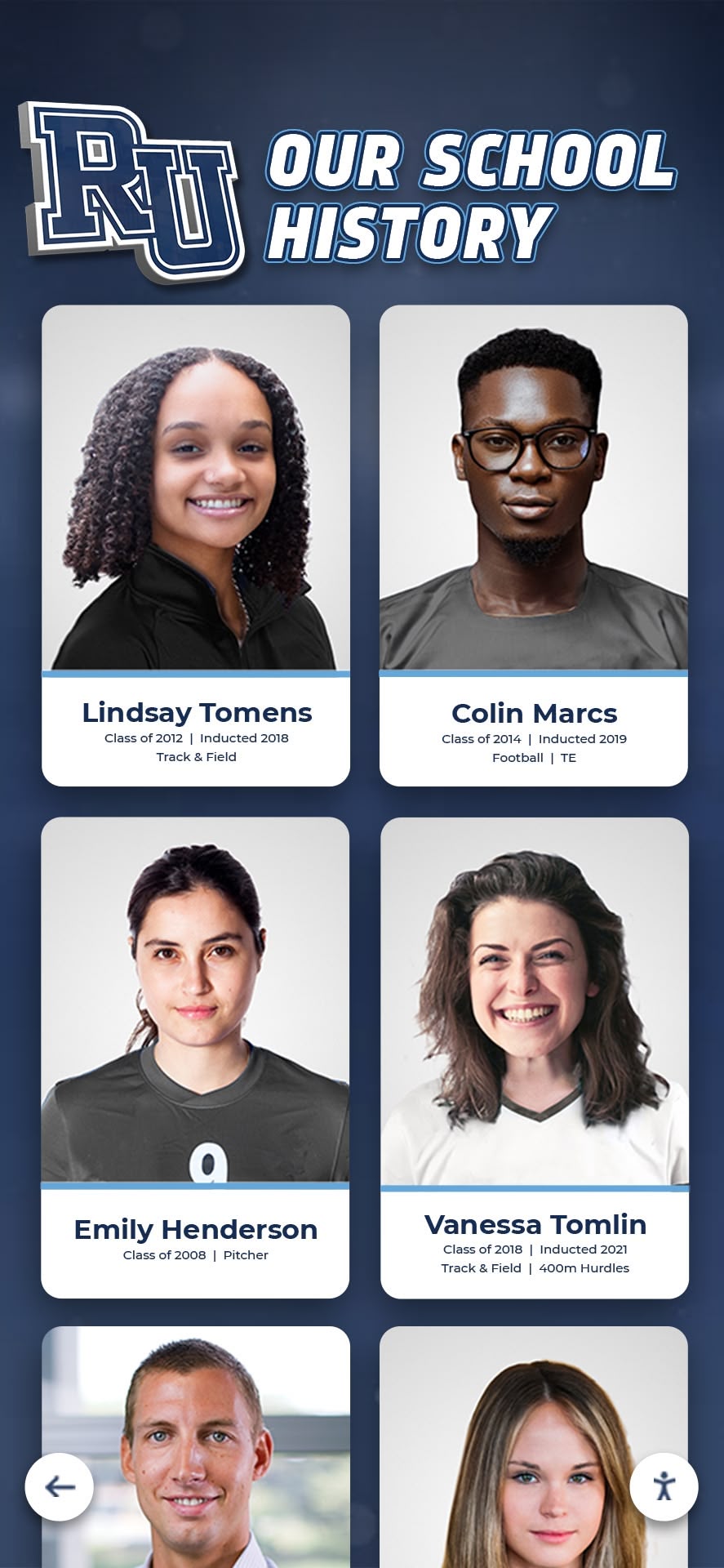
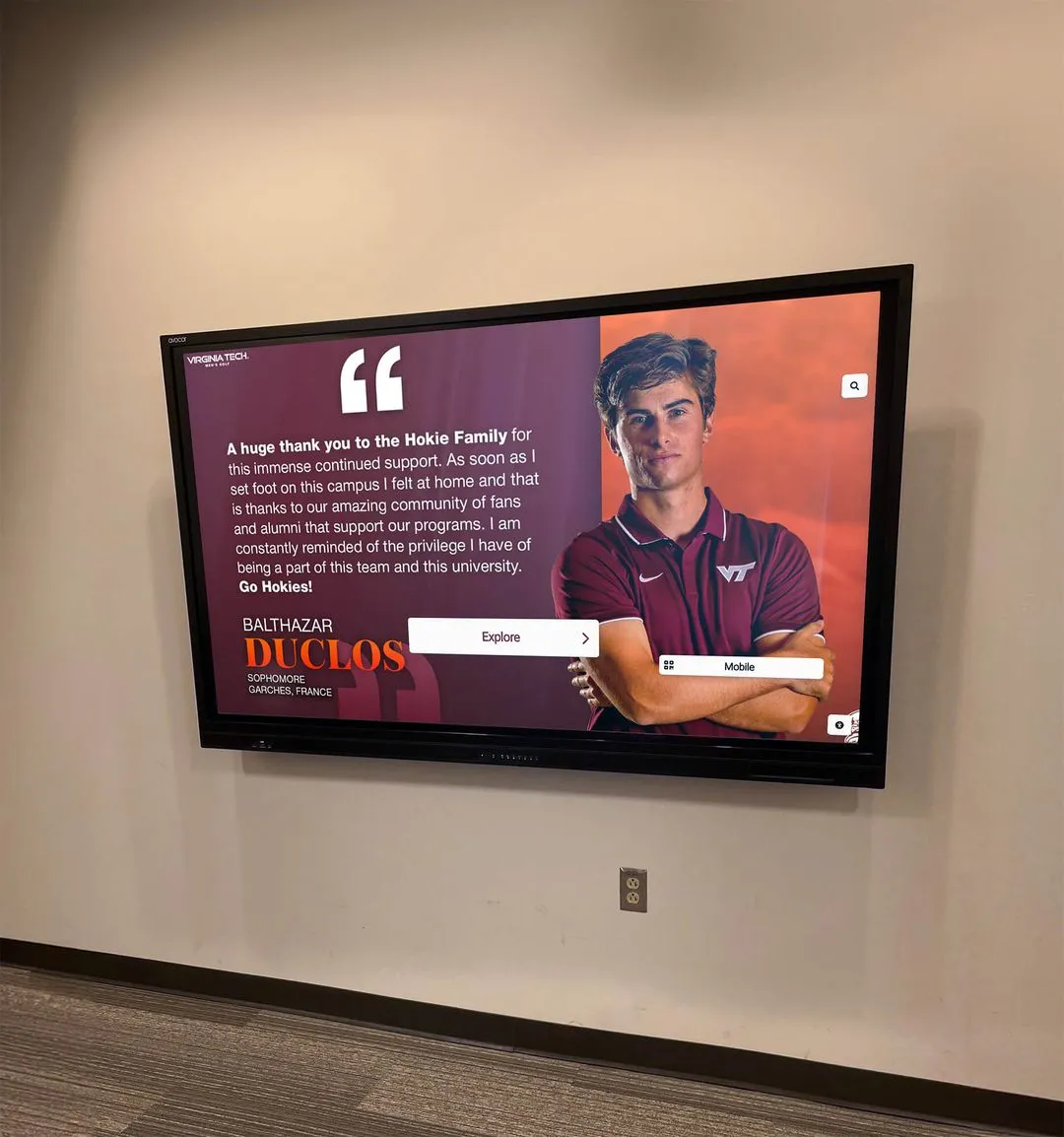
Individual profile cards create engaging resident recognition that families and visitors enjoy exploring
7. Resident Achievements and Milestones
Celebrating personal accomplishments maintains resident vitality:
Achievement Categories
- Educational milestones (degrees, certifications completed while in residence)
- Published works (books, articles, memoirs)
- Artistic accomplishments (exhibitions, performances)
- Athletic achievements (competitions, fitness milestones)
- Community leadership (organizations led, advocacy work)
- Family milestones (new grandchildren, great-grandchildren, anniversaries)
8. Activity Participation Champions
Recognizing residents who fully embrace community life:
Recognition Criteria
- Most activities attended in a month/quarter
- Trying new activities and encouraging others
- Consistent participation across diverse programs
- Bringing friends and building activity participation
- Positive attitude and enthusiasm contributions
9. Wellness Warriors Recognition
Health-conscious residents inspire peers:
Wellness Categories
- Fitness class attendance achievements
- Personal health goal accomplishments
- Walking club mileage milestones
- Weight training or strength program participants
- Nutrition and healthy eating ambassadors
- Mindfulness and meditation program participants
10. Cultural and Educational Contributors
Residents sharing knowledge and culture enrich communities:
Recognition Areas
- Lecture series speakers sharing expertise
- Language conversation group leaders
- Book club facilitators and discussion leaders
- Technology mentors teaching skills
- History and memoir project contributors
- Musical performance participants
Directory and Information Systems
Comprehensive directories improve daily community function.
11. Comprehensive Resident Directory
Searchable directories help residents connect with neighbors:
Directory Features
- Alphabetical resident listing by last name
- Floor and apartment number location
- Optional phone numbers (with permission)
- Resident photos for name recognition
- Move-in dates and tenure information
- Family contact information (private, staff access only)
- Interests and hobbies for connection opportunities
Search and Filter Capabilities
- Alphabetical search finding residents instantly
- Floor or building location filtering
- Interest-based searching (find other bridge players, gardeners, etc.)
- Anniversary and milestone filtering
- Committee membership cross-referencing
Communities implementing comprehensive directory systems report that searchable formats significantly improve resident satisfaction and social connection.
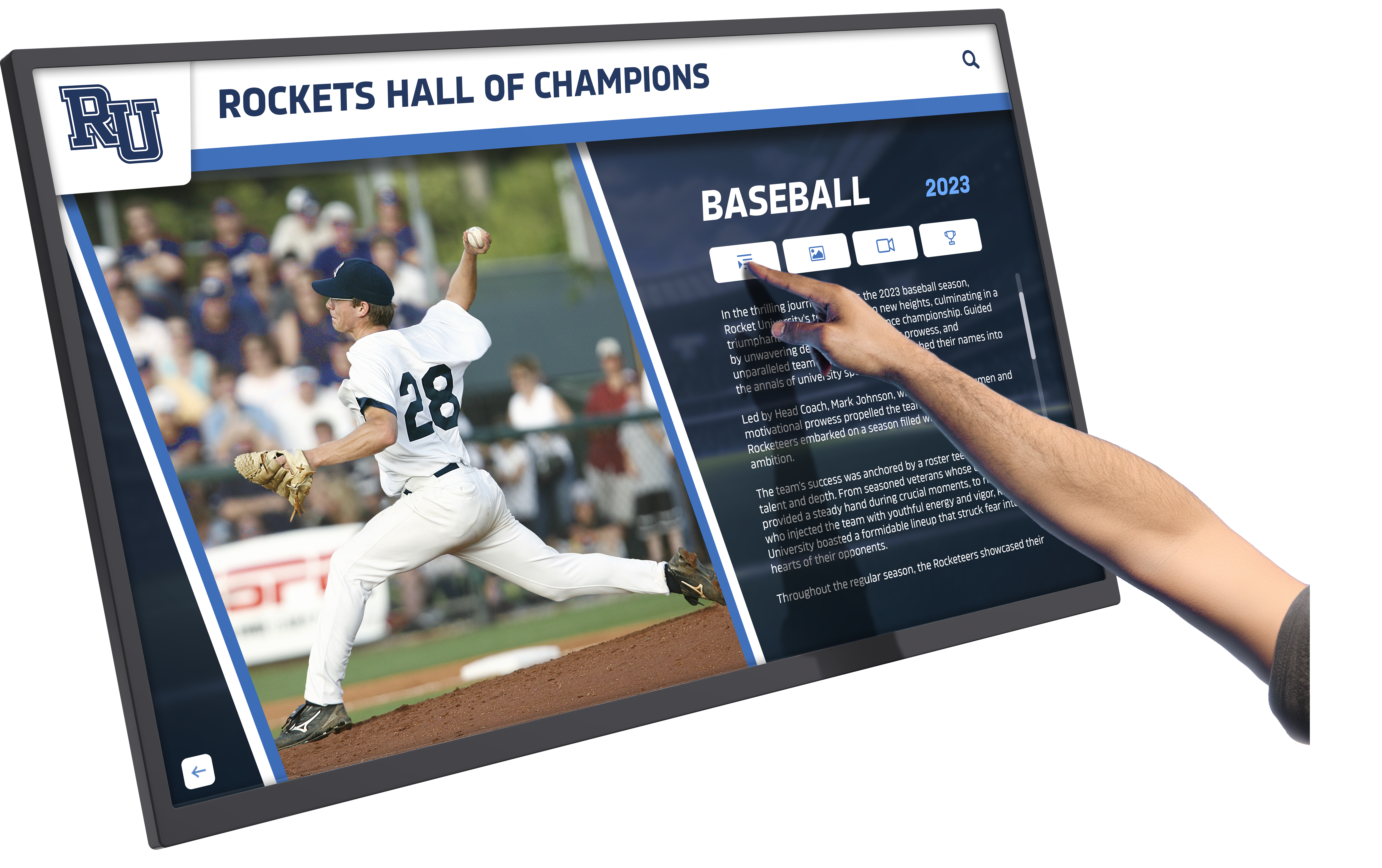
Intuitive touchscreen interfaces make finding residents, staff, and community information simple and accessible
12. Staff Directory and Expertise
Helping residents connect with appropriate staff members:
Staff Information
- Department organization and hierarchy
- Individual staff photos and names
- Roles and responsibilities descriptions
- Office locations and hours
- Contact information and extension numbers
- Staff specializations and expertise areas
- Staff recognition and tenure acknowledgment
13. Service and Amenity Directory
Comprehensive community resource information:
Directory Sections
- Dining room locations and hours
- Fitness center schedules and equipment
- Library catalog and borrowing procedures
- Transportation services and scheduling
- Maintenance request procedures
- Guest accommodations and reservations
- Beauty salon and barber scheduling
- Package delivery and mail procedures
Memorial and Legacy Tributes
Honoring residents with dignity creates healing and community memory.
14. In Memoriam Tribute Section
Respectful memorial recognition honors residents who’ve passed:
Tribute Components
- Resident photo and biographical information
- Years of residence in community
- Family information and survivor details
- Memorial service or celebration of life details
- Charitable contribution information if applicable
- Guest book for condolences and memories
- Links to full obituary or memorial website
Sensitive Implementation
- Timed content removal after appropriate mourning period
- Private family access to guest book messages
- Optional visibility controls respecting family preferences
- Integration with community memorial services
- Archive preservation for historical record
15. Celebration of Life Stories
Beyond memorials, celebrating resident life stories:
Legacy Content
- Resident-authored biographies and memoirs
- Oral history project recordings
- Photo galleries from resident lives
- Career accomplishments and achievements
- Military service and community contributions
- Family trees and generational stories
- “Wisdom shared” favorite quotes and advice
Communities creating memorial and tribute displays find that dignified tributes provide comfort to families while honoring community history.
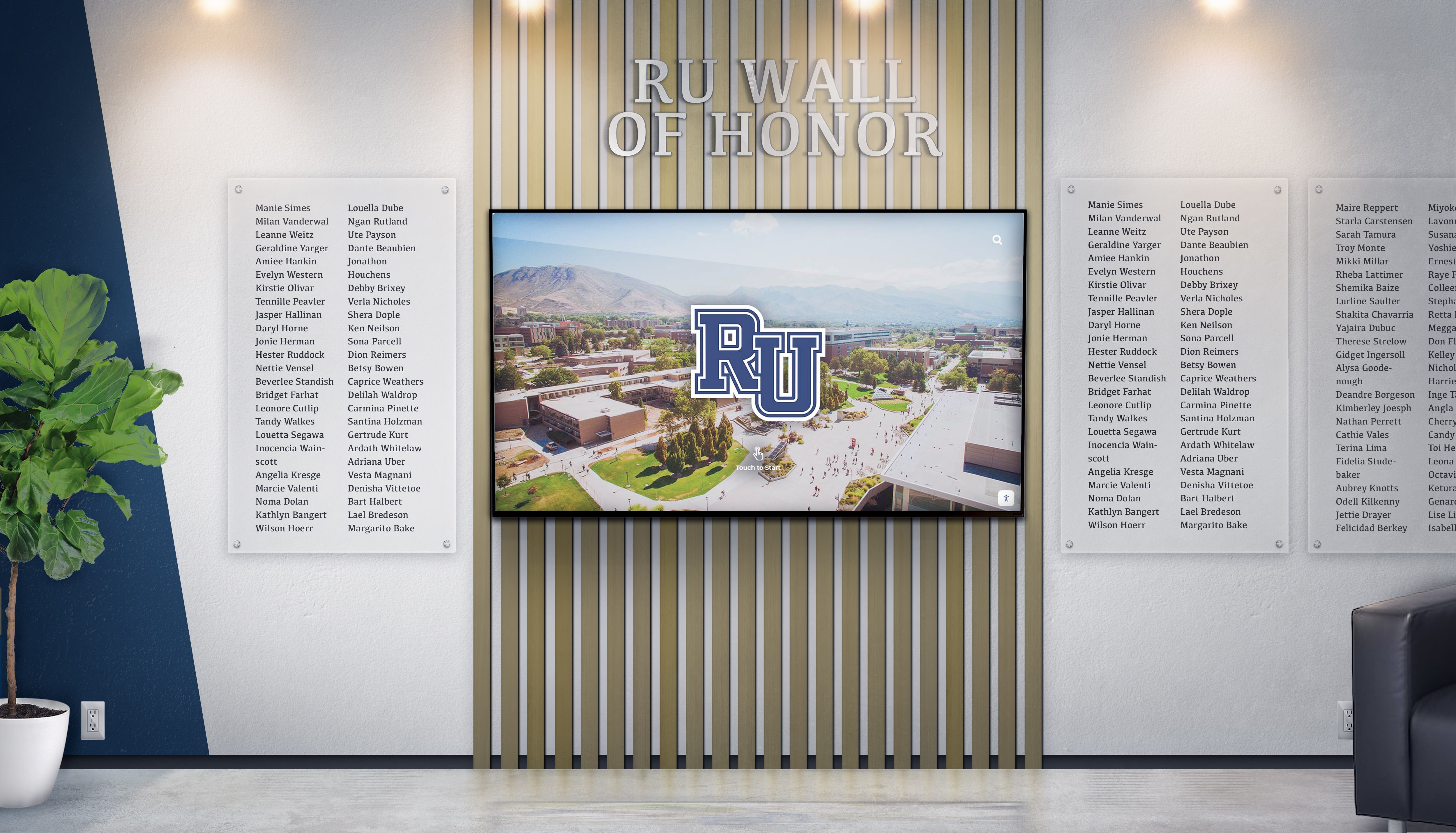
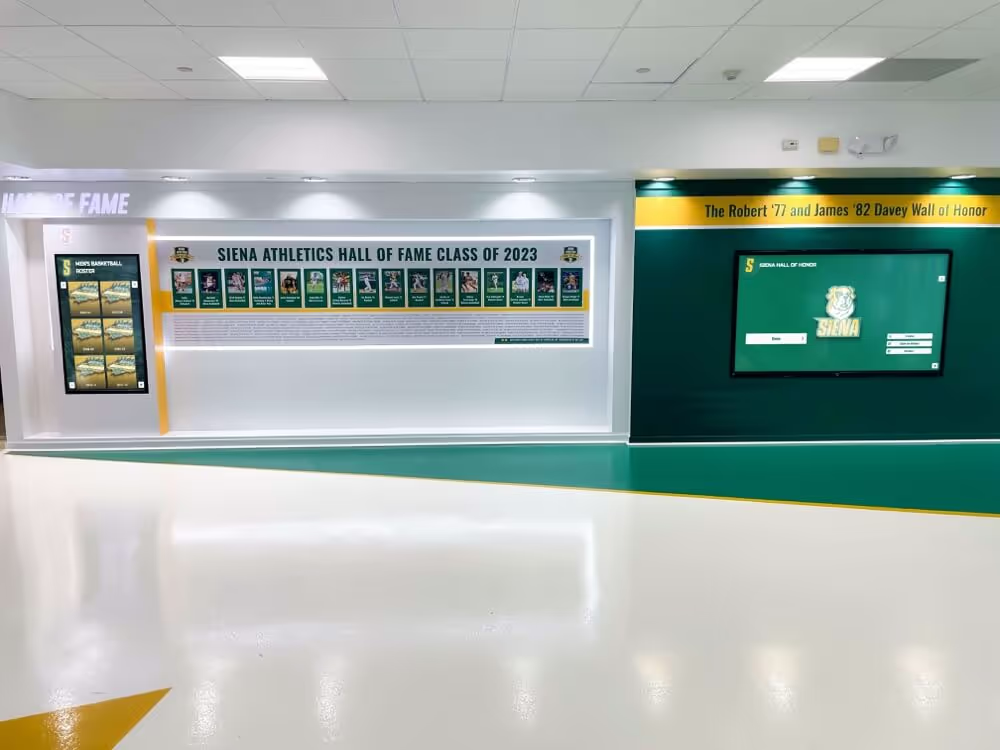
Integrated memorial and recognition systems honor past residents while celebrating current community members
16. Historical Community Timeline
Documenting community evolution and resident contributions:
Timeline Content
- Community founding and opening
- Major renovations and expansions
- Significant resident accomplishments
- Community traditions established
- Milestone anniversaries and celebrations
- Notable visits and speakers
- Generational resident families
- Community crisis response and resilience stories
Engagement and Culture Building
Creating interactive content that brings residents together.
17. Birthday and Anniversary Celebrations
Systematic celebration of personal milestones:
Recognition Content
- Monthly birthday listings with photos
- Significant milestone birthdays (75th, 80th, 90th, 100+)
- Wedding anniversaries (50th, 60th, 70+ years)
- Move-in anniversaries celebrating community tenure
- Upcoming celebration calendar and reception invitations
18. Photo Galleries and Community Events
Visual celebration of community life:
Gallery Content
- Recent activity and event photos
- Holiday celebration galleries
- Trip and outing photo collections
- Resident art and photography exhibitions
- Historical community photo archives
- Resident-submitted travel and family photos
19. Grandchildren and Great-Grandchildren Gallery
Celebrating extended family connections:
Family Recognition
- Grandchildren photo galleries submitted by proud grandparents
- Birth announcements and family growth
- Graduation celebrations and achievements
- Wedding celebrations and family milestones
- Family visit photo sharing
- Multi-generational resident families
20. Resident Talent Showcase
Highlighting resident skills and accomplishments:
Showcase Categories
- Visual arts gallery (paintings, photography, crafts)
- Written works (poetry, short stories, memoirs)
- Musical performances (recordings or performance announcements)
- Educational backgrounds and career highlights
- Travel experiences and cultural knowledge
- Recipes and culinary expertise
- Gardening accomplishments and plant knowledge
- Technology skills and digital literacy
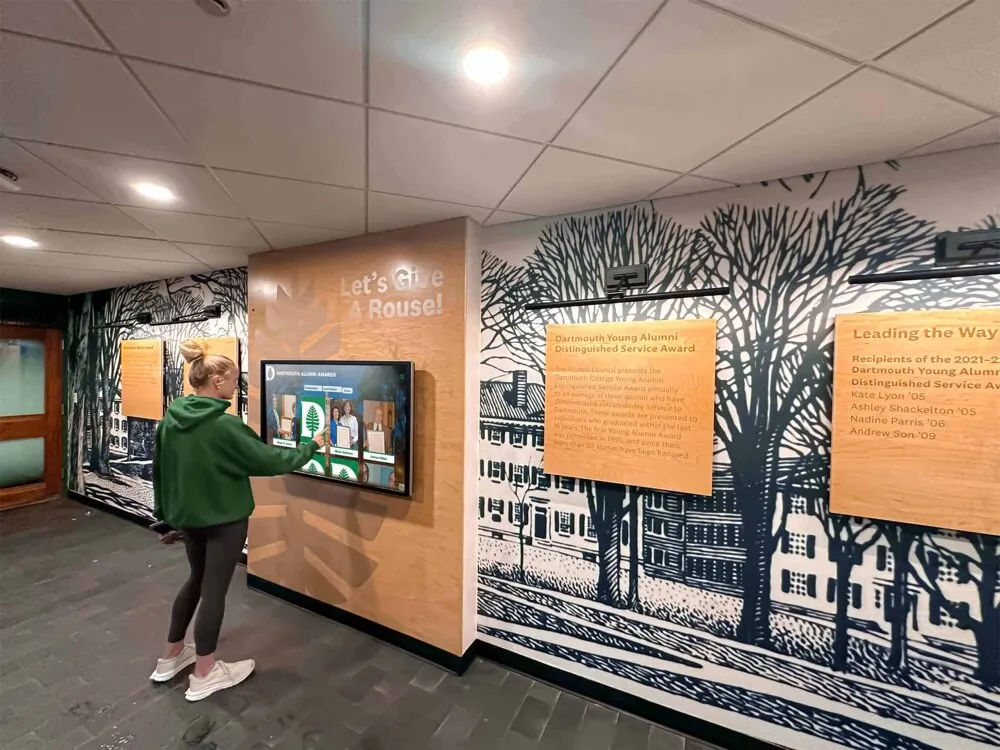
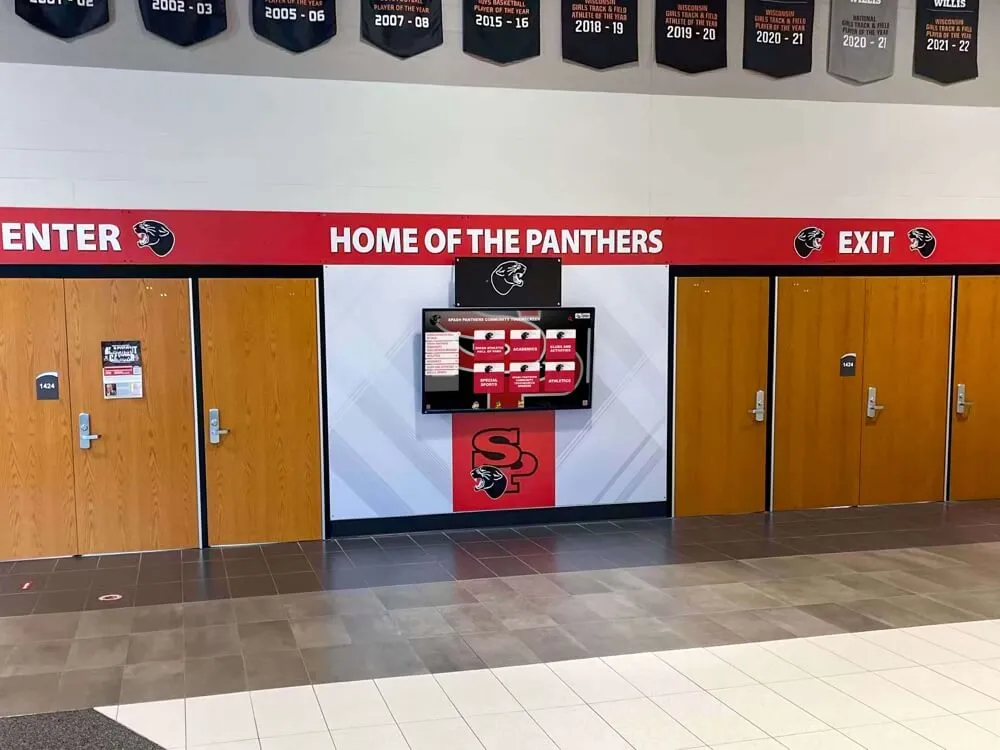
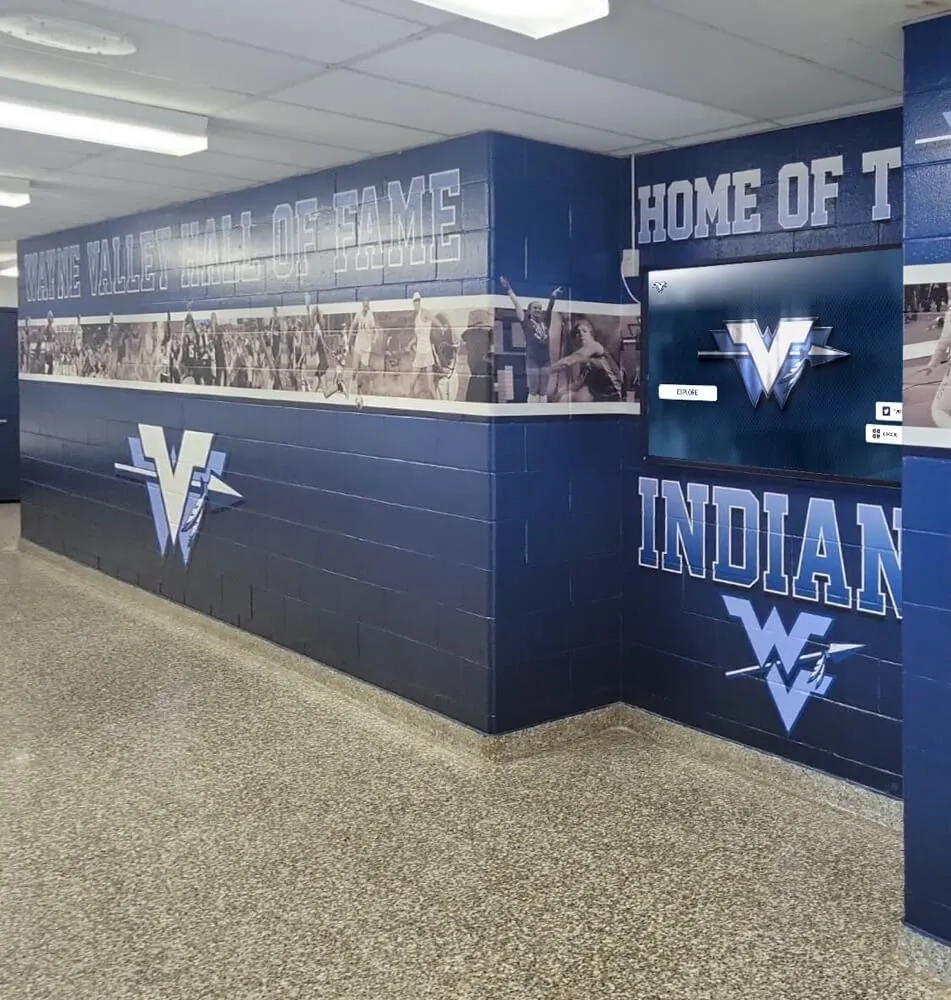
Strategically placed displays in hallways and common areas encourage regular resident interaction and community connection
Implementation Guide for Senior Living Communities
Moving from concept to functioning recognition systems requires systematic planning.
Assessment and Planning Phase
Community Needs Evaluation Begin by understanding your specific community context:
- What recognition programs currently exist?
- Which information causes the most front desk questions?
- What committees and governance structures need visibility?
- How do families currently learn about community life?
- What memorial traditions exist and how are they maintained?
- Which residents feel underrecognized or disconnected?
Stakeholder Input Gather perspectives from key groups:
- Resident Council: What recognition would residents value most?
- Activities Staff: What programs deserve more visibility?
- Administration: What information needs better communication?
- Families: What would help them stay connected?
- Marketing: What content would enhance tour experiences?
Technical Infrastructure Assessment Evaluate your facility’s technical readiness:
- Available wall space in lobby and common areas
- Electrical and network connectivity at desired locations
- Staff technology comfort levels
- Budget for hardware, software, and implementation
- Ongoing content management capacity
Hardware and Software Selection
Display Placement Strategy Senior living environments require thoughtful installation:
- Main lobby: Comprehensive display for directories, governance, and recognition
- Dining room entrance: Event calendars, birthday recognition, daily announcements
- Elevator lobbies: Floor-specific information and resident recognition
- Activity center: Program schedules, participation recognition, photo galleries
- Memory care units: Adapted content with larger text, simpler navigation
Accessibility Considerations Senior populations require special attention to usability:
- Large, high-contrast text for vision accessibility
- Simple, intuitive navigation requiring minimal steps
- Mounting heights accommodating wheelchair users
- Audio options for vision-impaired residents
- Adjustable text size controls
- Consistent interface design reducing learning curve
Solutions like Rocket Alumni Solutions offer senior-living-optimized interfaces designed specifically for older adult users with accessibility built into every feature.
Content Management System Requirements Staff managing displays need appropriate tools:
- Cloud-based access enabling remote updates
- Simple drag-and-drop interfaces requiring no technical expertise
- Photo and video upload capabilities
- Scheduled content publication automation
- Template systems ensuring consistent formatting
- Role-based permissions for different staff members
- Mobile app for quick updates from any device
Content Development and Launch
Initial Content Creation Successful launches require quality starting content:
Phase 1: Essential Information (Week 1-2)
- Resident directory with photos and basic information
- Staff directory and department information
- Committee listings and contact information
- Dining and activity schedules
- Emergency procedures and important contacts
Phase 2: Recognition Programs (Week 3-4)
- Historical award recipients where applicable
- Current committee members and governance
- Recent event photo galleries
- Birthday and anniversary calendars
- Memorial tributes for recent losses
Phase 3: Expanded Content (Month 2)
- Resident life stories and biographies
- Community history timeline
- Expanded photo archives
- Volunteer recognition programs
- Talent showcase content
Resident Photography Process Quality photos enhance recognition impact:
- Schedule individual resident photo sessions
- Offer multiple date/time options accommodating preferences
- Provide grooming and preparation time
- Include photo approval process before publication
- Create consistent background and lighting
- Respect resident privacy preferences
- Update photos periodically maintaining currency
Staff Training and Resident Orientation
Staff Preparation Multiple staff members should manage systems:
- Train activity directors on event content and photo uploads
- Prepare front desk staff to assist residents with navigation
- Educate marketing staff on tour integration
- Train maintenance on basic troubleshooting
- Designate backup content managers ensuring continuity
Resident Introduction Launch the system with resident support:
- Host informational sessions explaining features
- Create printed quick reference guides
- Recruit tech-savvy residents as peer helpers
- Schedule one-on-one training for interested residents
- Gather feedback and adjust based on initial usage
- Celebrate the launch as community improvement
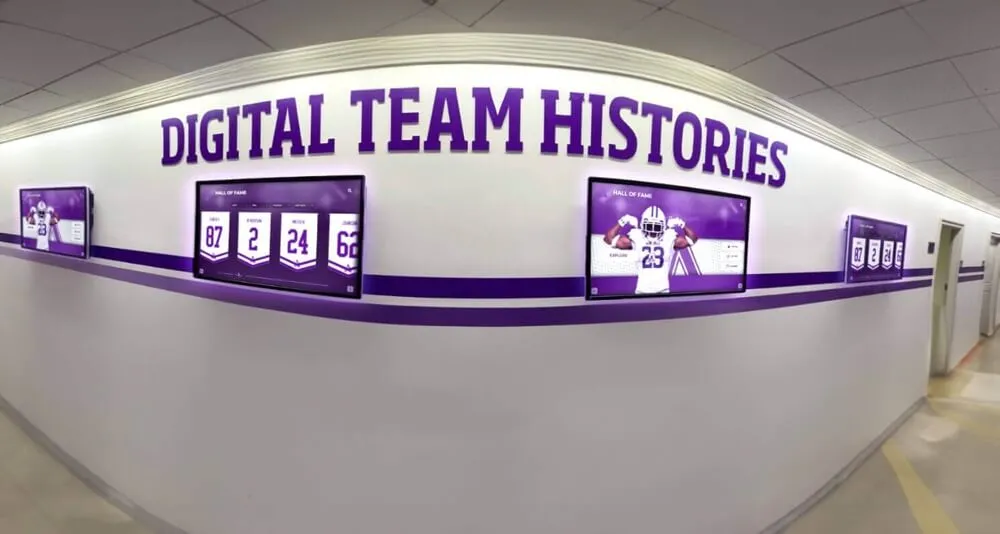
Networked displays throughout the community ensure consistent recognition visibility across all living areas
Best Practices for Sustained Success
Communities maintaining effective touchscreen recognition over years implement these key practices.
Content Freshness and Regular Updates
Update Schedules Establish predictable content rhythms:
- Daily: Activity schedules, dining menus, announcements
- Weekly: Neighbor of the week, upcoming events, birthday highlights
- Monthly: Committee updates, new resident welcomes, photo galleries
- Quarterly: Award ceremonies, governance reports, milestone celebrations
- Annually: Community timeline additions, anniversary recognition, historical archives
Avoiding Stagnation Static content undermines engagement:
- Rotate featured residents and recognition
- Refresh photo galleries regularly
- Update committee information as membership changes
- Remove outdated event information promptly
- Archive historical content appropriately
- Celebrate seasonal themes and holidays
Privacy and Sensitivity Considerations
Information Sharing Permissions Always secure resident consent:
- Written permission forms for photo publication
- Optional directory participation choices
- Ability to control which personal information displays
- Family contact privacy protection
- Medical condition and mobility information confidentiality
- Financial contribution privacy when applicable
Memorial Content Sensitivity Handle loss with appropriate dignity:
- Establish memorial content duration policies
- Respect family wishes about memorial visibility
- Provide private access to condolence messages
- Coordinate memorial content with family
- Maintain appropriate time gap before transitioning to celebration of life stories
Measuring Success and Impact
Quantitative Metrics Track engagement and utilization:
- Display interaction frequency and session duration
- Content view counts by category
- Search query patterns revealing resident interests
- Committee participation rates after visibility increase
- Tour visitor engagement with displays during facility visits
Qualitative Assessment Gather stakeholder feedback:
- Resident satisfaction surveys about recognition programs
- Family member feedback about community connection
- Staff observations of social connection improvements
- Tour feedback from prospective residents
- Committee chair assessments of participation changes
Communities implementing comprehensive recognition platforms report significant improvements in resident satisfaction scores and family engagement metrics.
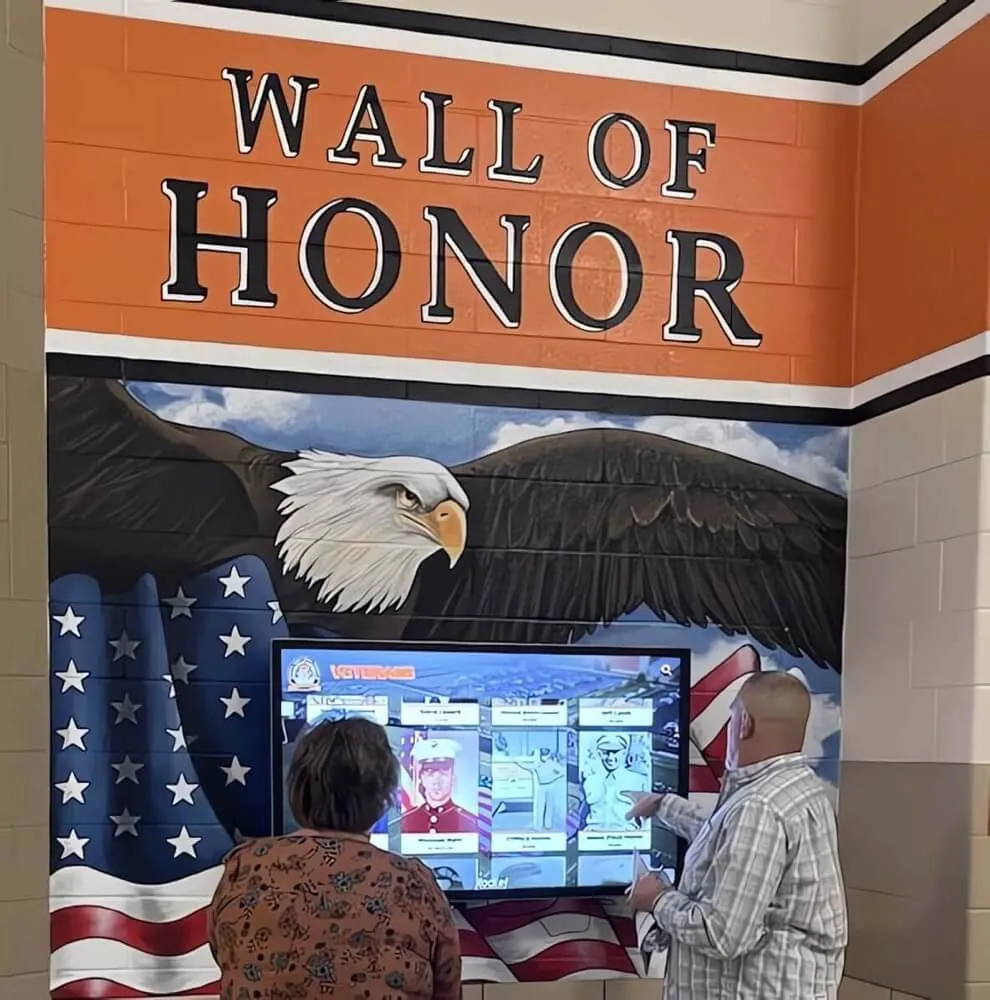
Professional recognition displays create impressive lobby focal points that communicate community values and resident celebration
Conclusion: Building Connected Senior Living Communities Through Recognition
Senior living communities that systematically recognize residents, provide transparent governance visibility, and create comprehensive information systems build stronger cultures where residents feel valued, connected, and engaged in community life. The touchscreen recognition ideas explored in this guide—from parking committee displays to neighbor of the week awards, from comprehensive directories to dignified memorial tributes—address the core priorities that drive senior living success: resident satisfaction, family peace of mind, and vibrant community culture.
Technology transforms what’s possible in senior living recognition. Interactive touchscreen displays eliminate the maintenance burden of paper postings while creating professional, engaging information systems that residents, families, and staff appreciate. Digital platforms accommodate the dynamic nature of senior communities—residents come and go, committees evolve, achievements accumulate, and community life continues—without the space constraints, update costs, and fading appearance that limit traditional approaches.
Yet technology alone doesn’t create effective recognition. Success requires understanding what senior living communities care most about: residents who feel known and valued, families who trust their loved ones receive person-centered care, staff who can communicate effectively, and community cultures that honor both individual dignity and collective connection. When communities implement recognition systems addressing these priorities—through thoughtful content, accessible design, regular updates, and genuine celebration—they create environments where residents thrive and families feel confident in their community choice.
Start where you are with recognition programs you can implement immediately—perhaps beginning with a resident directory or committee showcase—then systematically expand to create the comprehensive acknowledgment your community deserves. Every resident who sees their contribution recognized, every family member who stays connected through digital information, and every visitor who experiences your vibrant community culture reinforces the value of systematic recognition.
Your residents built remarkable lives before joining your community, and they continue contributing daily to community culture. They deserve recognition systems that honor their dignity, celebrate their achievements, and preserve their legacies while making practical information easily accessible to everyone.
Ready to explore how modern touchscreen recognition can strengthen your senior living community? Discover comprehensive recognition solutions designed specifically for communities seeking to celebrate residents, improve communication, and build the connected culture where everyone thrives.