



A sports memorabilia donation request is the structured intake process schools use to receive, evaluate, and catalog athletic artifacts—game-worn jerseys, championship photographs, trophies, signed equipment, and personal mementos contributed by alumni, families, and community supporters. When handled correctly, a donation intake program deepens alumni relationships, enriches institutional archives, and produces the provenance documentation that makes every accepted item display-worthy for decades to come. When handled loosely, the same program produces unidentified objects in unlabeled storage boxes and donors who feel their contribution was quietly forgotten.
Athletic directors, school administrators, advancement staff, facilities teams, and recognition committees each touch some part of this process. This guide unifies those responsibilities into a single clear workflow—from the initial public solicitation through condition assessment, donor permissions, cataloging, storage, and eventually, digital recognition display. It includes a ready-to-adapt intake form field checklist, a condition assessment table, a donor permissions overview, and a FAQ covering the questions intake coordinators most commonly encounter.
Every donated jersey, photograph, or trophy carries a story. The intake process is what captures that story before the person who knows it best walks out the door. Schools that establish consistent intake procedures build archives that reward them for generations; those that accept items informally often spend equal effort years later trying to reconstruct details that could have been recorded in twenty minutes at the point of donation.

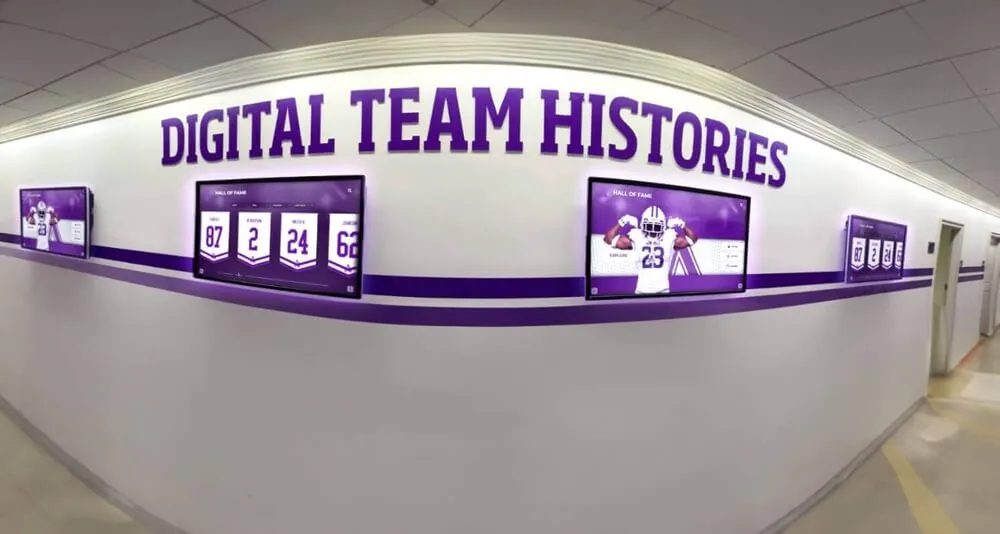
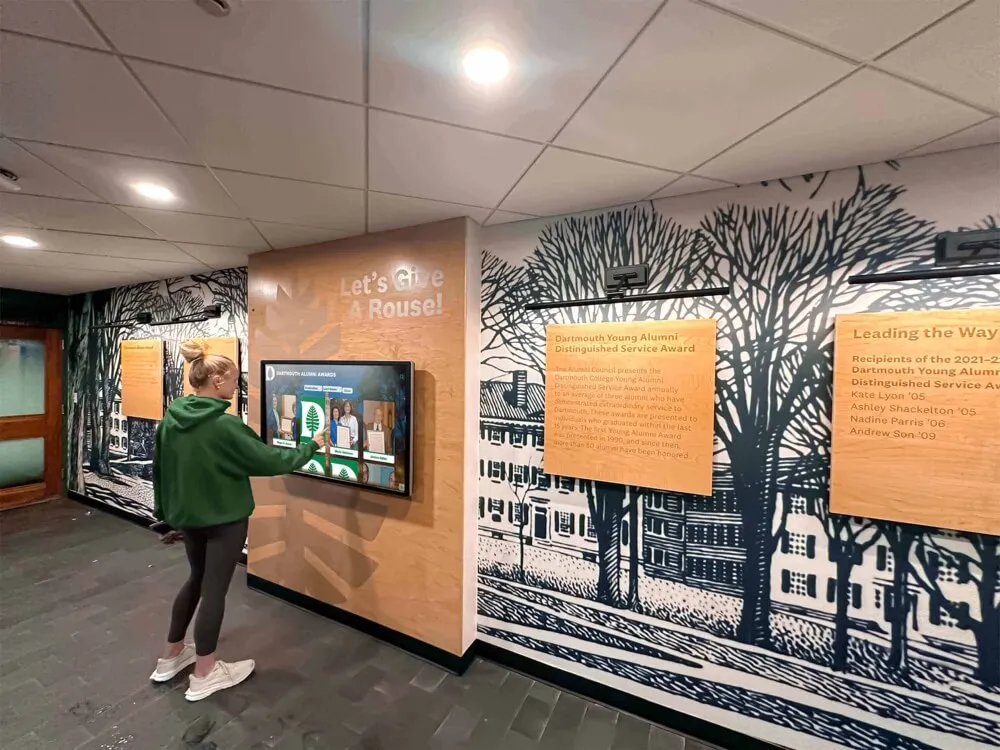
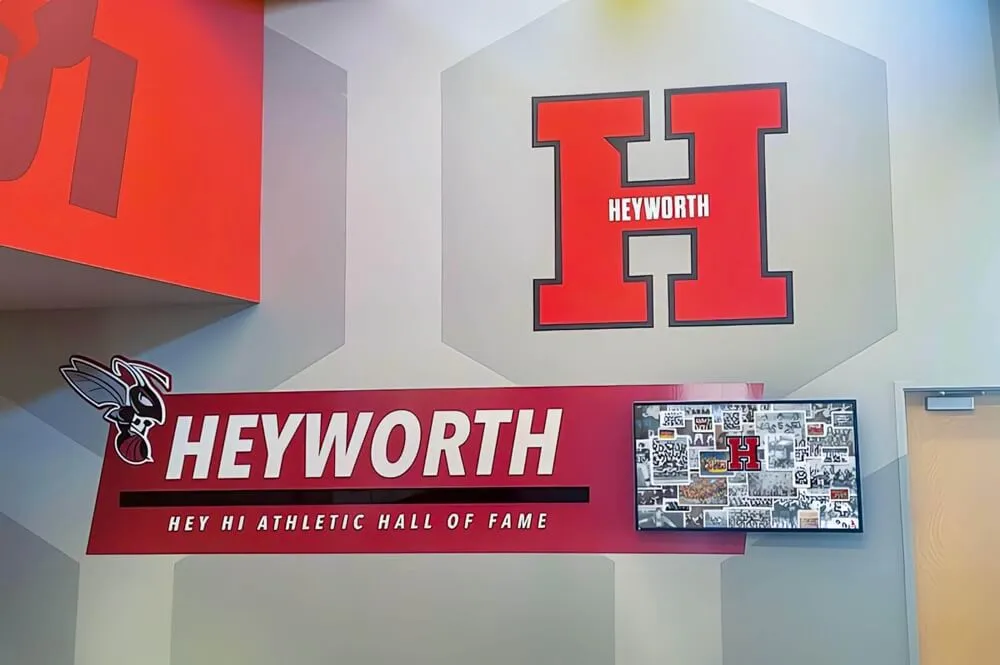
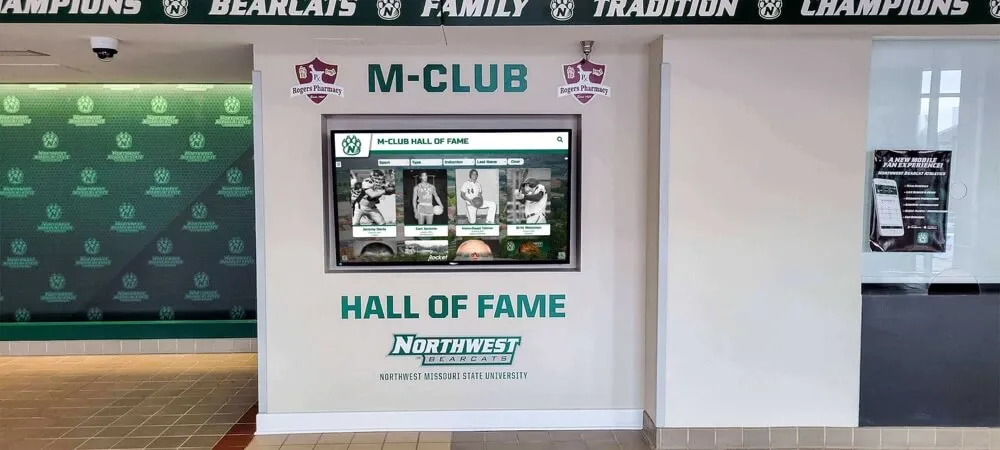
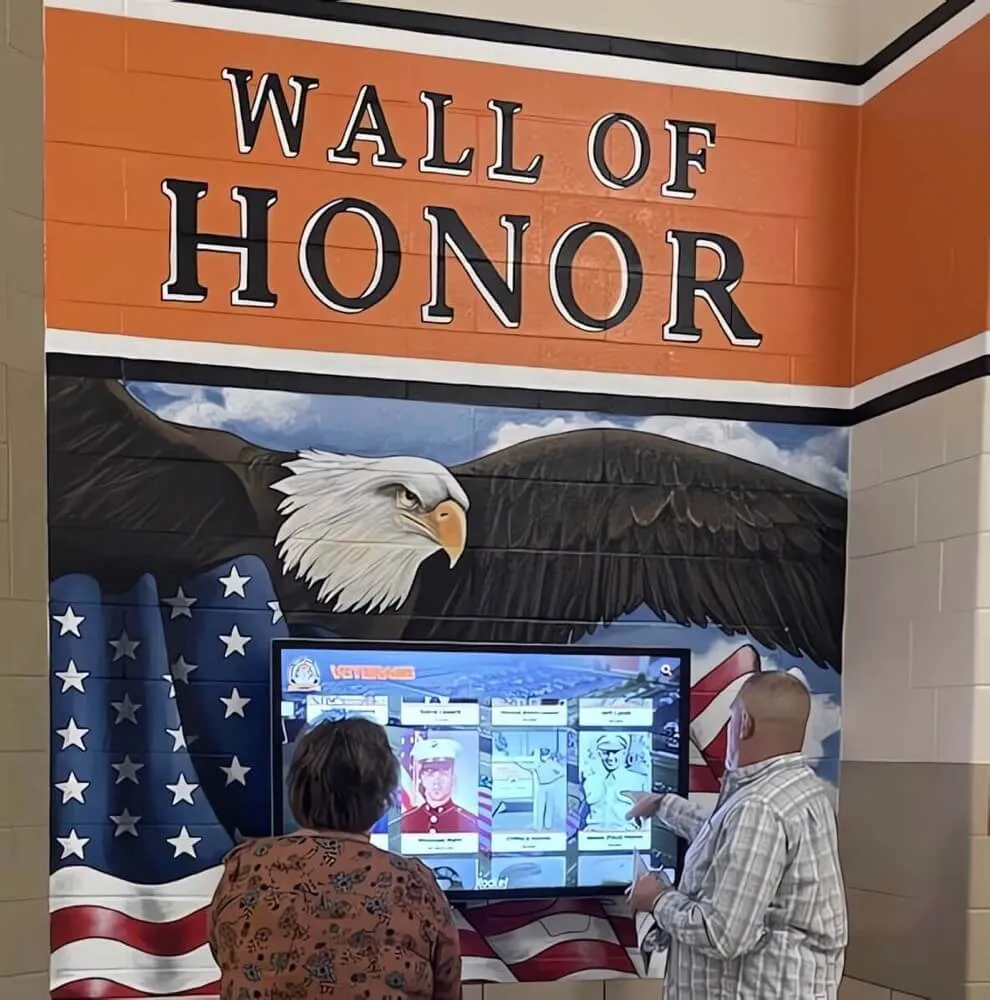
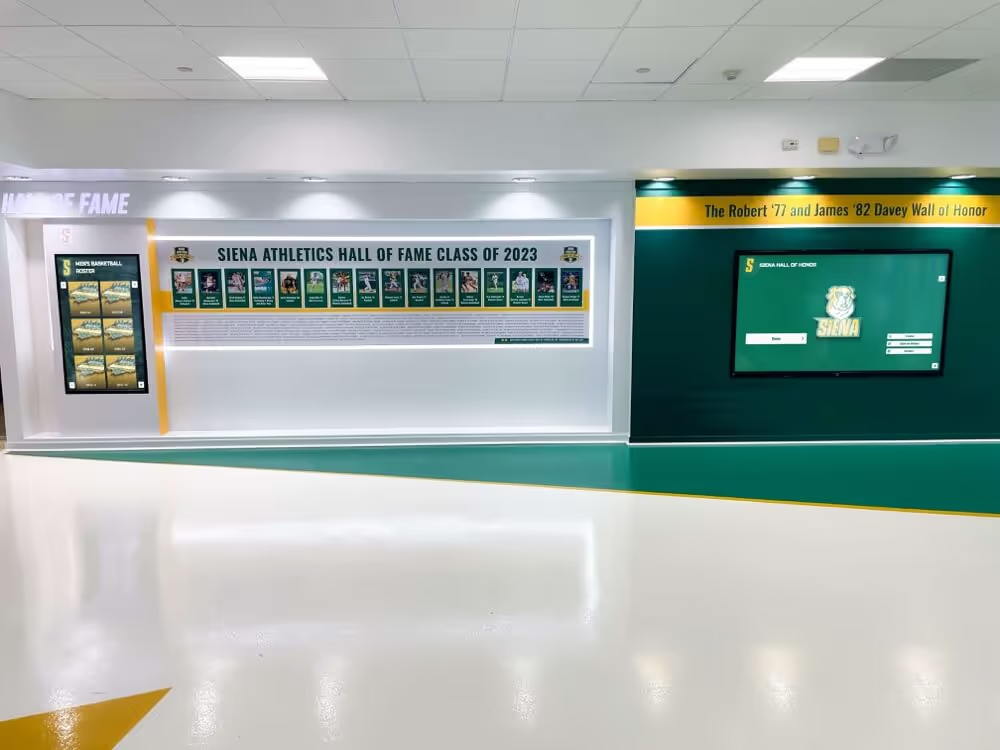
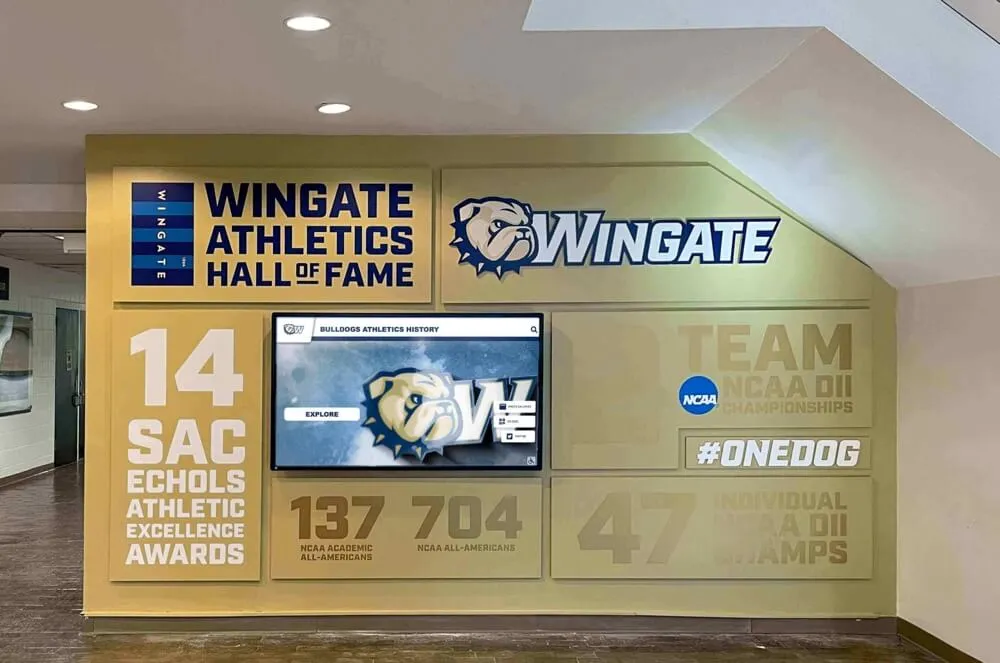
A well-documented athletics hall of honor draws on decades of carefully cataloged donations—each item arrived through a structured intake process that recorded provenance, condition, and donor attribution
What a Sports Memorabilia Donation Request Actually Accomplishes
A well-designed intake process does three things simultaneously: it screens items for institutional relevance before they physically arrive on campus, it creates a documentation trail that protects both the school and the donor, and it produces the metadata that makes each accepted jersey, photo, or trophy discoverable in an archive or digital display without additional research later.
The intake form is the central tool—and its fields determine how useful a donation will be for years to come. Schools that skip or abbreviate the form at acceptance frequently find themselves holding artifacts whose significance is unknown, whose donor relationship is unacknowledged, and whose display potential is unrealized.
Step-by-Step: The Memorabilia Intake Process
These nine steps cover the full lifecycle of a donation from initial inquiry to accepted placement. Schools with existing gift acceptance policies should align this workflow with those policies before implementation.
Step 1 — Publish a Donation Invitation
Make the intake program visible to alumni, families, and community members through athletic department newsletters, booster club communications, alumni association outreach, social media channels, and the school website. Specify the item categories you are actively seeking, the intake window if seasonal, and a designated contact. Being specific reduces vague inquiries and focuses energy on the collections most useful to your recognition program.
Step 2 — Pre-Screen Donor Inquiries
Before scheduling a drop-off appointment, conduct a brief preliminary conversation—by phone, email, or a short online form—to assess whether the item aligns with collection priorities. Ask about the item type, approximate age, associated athlete or team, and general condition. Items that clearly fall outside scope can be redirected at this stage, before transportation and paperwork are involved.
Step 3 — Schedule an Intake Appointment
Scheduled appointments create structured handoffs rather than informal drop-offs. An appointment ensures the right staff member is present to complete the intake form, assess condition, and conduct a full provenance conversation while the donor’s memory is fresh. Ad hoc donations accepted at the front desk frequently arrive with incomplete documentation.
Step 4 — Complete the Intake Request Form
The intake form is the cornerstone of the memorabilia program. Complete it in full at the appointment—not after the donor has left. The request field checklist in the next section covers all required and recommended fields.
Step 5 — Assess Item Condition
Examine the item with the donor present. Document condition using a standardized scale (see the condition assessment table below). Note any damage, soiling, repairs, or missing components. Photograph the item on intake—front, back, and any relevant detail areas. Condition documentation protects the school if questions about when damage occurred arise later.
Step 6 — Review and Document Provenance
Provenance is the chain of custody and context that makes an artifact meaningful. Ask the donor how they acquired the item, which athlete or team it belonged to, and what specific event or season it commemorates. If supporting documentation exists—newspaper clippings, programs, photographs, letters—request copies or originals on loan for scanning.
Step 7 — Obtain a Signed Donor Agreement
Before the appointment concludes, obtain the donor’s signature on a clear written agreement specifying: what is being donated, that ownership transfers to the institution (or the terms of any long-term loan arrangement), how the item may be displayed or loaned to partner exhibitions, and any naming or attribution preferences. The guidance in this section is general educational information for school administrators and is not legal advice. Consult your institution’s legal counsel, advancement office, or gift acceptance policy team before drafting or implementing donor agreement language.
Step 8 — Catalog and Store the Accepted Item
Once the agreement is signed, assign a catalog number, enter the item in your archival database, and place the item in appropriate storage. Trophies and three-dimensional hardware should be stored with acid-free tissue padding in labeled archival boxes. Jerseys and textile items should be stored clean, folded or on padded hangers, in a climate-controlled space away from UV light.
Step 9 — Notify and Recognize the Donor
Send a formal acknowledgment confirming receipt, describing how the item will be used, and thanking the donor for their contribution to the school’s historical record. Identify how the donor will be recognized—in a physical display, a digital archive entry, a printed program, or at an upcoming recognition event.
Sports Memorabilia Donation Request Form — Required Fields Checklist
Use this checklist when building or auditing your intake form. Fields marked [R] are required at intake; fields marked [O] are optional but strongly recommended.
| Field | R/O | Notes |
|---|---|---|
| Date of intake | R | Record the actual receipt date, not the appointment date |
| Intake staff name | R | Staff member completing the form |
| Pre-assigned catalog number | R | Assigned before the appointment for immediate labeling |
| Donor full name | R | Legal name required for the donor agreement |
| Donor relationship to school | R | Alumni, parent, community member, estate representative |
| Donor contact email | R | Primary contact for acknowledgment and follow-up |
| Donor contact phone | O | Secondary contact method |
| Donor mailing address | O | Needed if a formal acknowledgment letter is mailed |
| Item type | R | Jersey, trophy, photograph, equipment, program, plaque, other |
| Item physical description | R | Full written description of the object |
| Sport or activity | R | The sport, team, or program the item represents |
| Associated athlete(s) | R | Name(s) if known; “unknown” if not |
| Season or year(s) | R | Academic or competition year, or estimated date range |
| Specific event or achievement | O | Championship, record-setting game, all-star selection, etc. |
| Condition at intake | R | Use standardized scale (see condition table below) |
| Damage or wear notes | O | Describe any tears, staining, missing hardware, or fading |
| Original packaging present | O | Case, box, frame, display stand |
| Supporting documentation received | O | Clippings, programs, letters, photographs |
| Provenance statement | R | Brief narrative of how the donor acquired the item |
| Donor acquisition method | R | Personal participant, family member, purchase, or inheritance |
| Previous display or exhibition | O | Has the item been publicly displayed before? |
| Transfer type | R | Outright gift, estate gift, or long-term loan |
| Display and reproduction permission | R | Permission to display publicly, digitize, and publish images |
| Attribution preference | R | How the donor wishes to be credited in any display |
| Naming or display restrictions | O | Any conditions the donor places on display |
| Appraisal or insurance documentation | O | For higher-value items; not legal or insurance advice |
| Intake photographs taken | R | Number of photos taken and file reference numbers |
| Acceptance decision | R | Accepted or declined, recorded before donor departs |
| Decline reason | O | Document for collection management records |
| Donor notified | R | Date and method of formal acknowledgment |
Provenance — The Questions That Unlock the Story
Condition and physical description can be assessed by looking at an item. Provenance requires a conversation. These questions are most likely to surface the details that make a donated jersey or trophy a genuine archival resource rather than an unattributed object.
Chain of custody:
- How did you come to have this item?
- Was it given to you directly, inherited, or purchased?
- Were there any intermediate owners between the original athlete and you?
Context:
- Which athlete or team does this item belong to?
- What season, year, or specific event does it represent?
- Do you know of any newspaper coverage, game programs, or other contemporaneous documentation?
Significance:
- Is there a specific game, record, or achievement this item is associated with?
- Has this item been referenced publicly before—in a news article, yearbook entry, or prior school display?
- Is there anything about the athlete’s or team’s story that would help a future researcher understand why this item matters?
Answers do not need to be complete or perfectly documented. Even partial provenance—“I believe this was worn during the 1991 regional championship, but I can’t confirm the specific game”—is more useful than silence. Record what the donor knows, note what is uncertain, and flag items where provenance is too incomplete to support public attribution without additional research.
Condition Assessment Basics
A standardized condition scale ensures every intake record uses consistent language and sets realistic expectations for display and restoration.
| Condition Level | Definition | Typical Display Suitability |
|---|---|---|
| Excellent | No visible damage, soiling, or deterioration. All original hardware and components present. | Ready for primary display without preparation |
| Good | Minor wear consistent with age; no structural damage. Minor soiling or slight fading. | Suitable for display; light cleaning may improve appearance |
| Fair | Moderate wear, fading, or minor damage. Original components may be incomplete. | Suitable for archive storage; may be displayed with a condition notation |
| Poor | Significant damage, staining, or deterioration. Structural integrity compromised. | Requires review before display; may be suited for reproduction or digital-only archive |
| Conservation Needed | Active deterioration, mold, insect activity, or fragility requiring professional attention before any handling. | Do not display or handle without professional conservation guidance |
For textile items like jerseys, note whether the item has been laundered after its final use. Laundering removes biological material that can accelerate decay, but it may also remove trace materials some institutions prefer to preserve. Record whichever state applies at intake.
Donor Permissions and Stewardship
The donor agreement converts a physical handoff into a proper institutional gift. Without it, the school holds an item whose ownership, display rights, and attribution terms are undefined.
Core elements most gift acceptance frameworks address:
- Transfer of ownership: A statement that the donor transfers all ownership rights to the institution for an outright gift, or the terms governing return for a loan
- Display and reproduction rights: Permission for the institution to photograph, digitize, and publicly display the item in physical and digital formats
- Attribution preferences: Whether the donor wishes to be identified and in what form
- Restrictions, if any: Any conditions placed on display, loan to partner institutions, or future deaccession
The guidance above is general educational information for school administrators and is not legal or financial advice. Gift acceptance policies, donor agreement requirements, and appraisal obligations vary by jurisdiction and institutional type. Consult your institution’s legal counsel, advancement office, or risk management team before finalizing any donor agreement language.
Stewardship after acceptance matters as much as the intake form itself. Donors who receive a thoughtful acknowledgment, see their contribution cited in a display program, or are invited to a recognition event become long-term advocates for the school’s archive program. Schools that build structured donor milestone recognition and celebration frameworks find that consistent stewardship creates meaningful alumni engagement well beyond the initial gift.

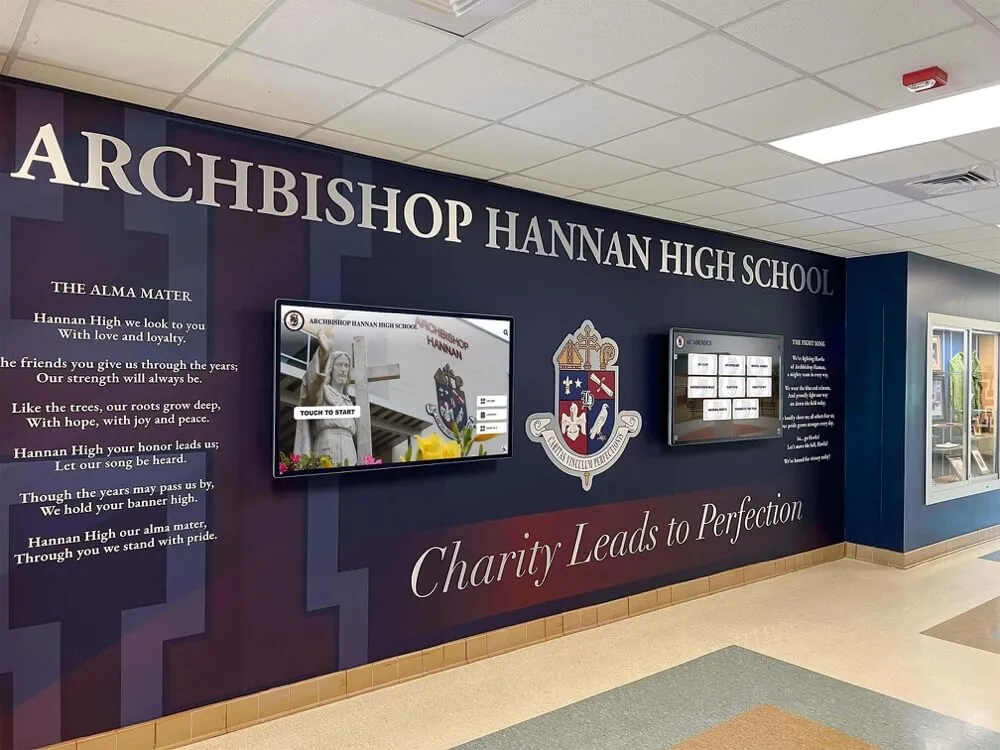
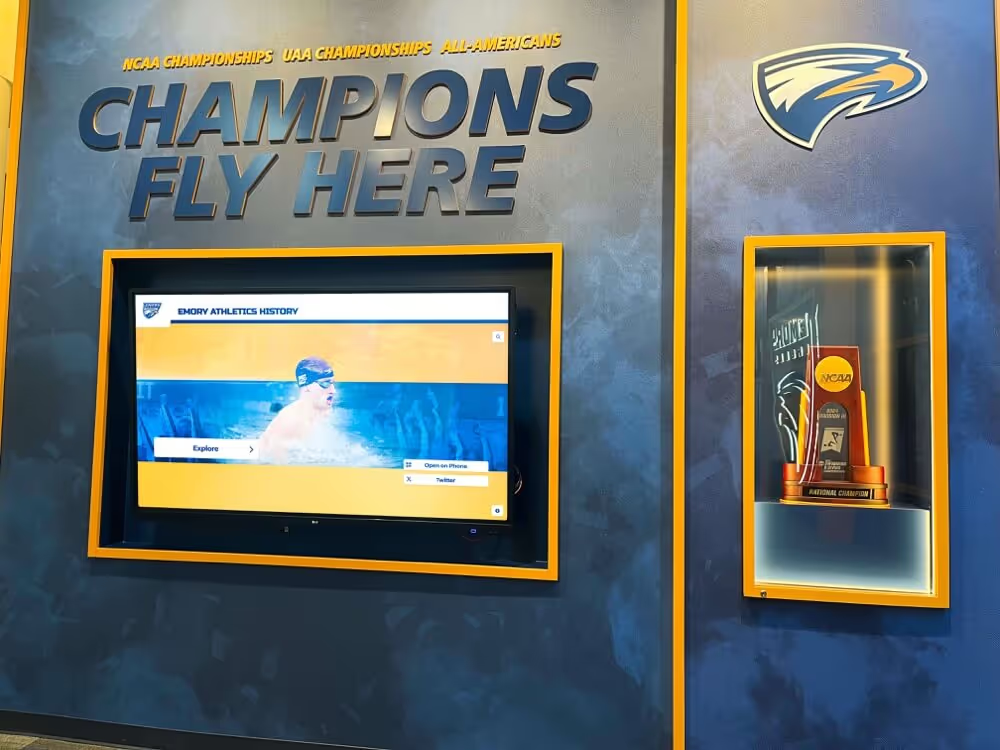
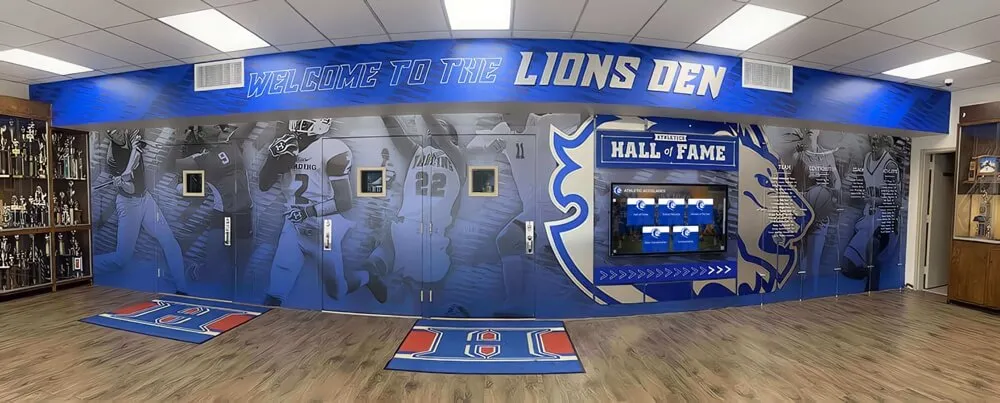
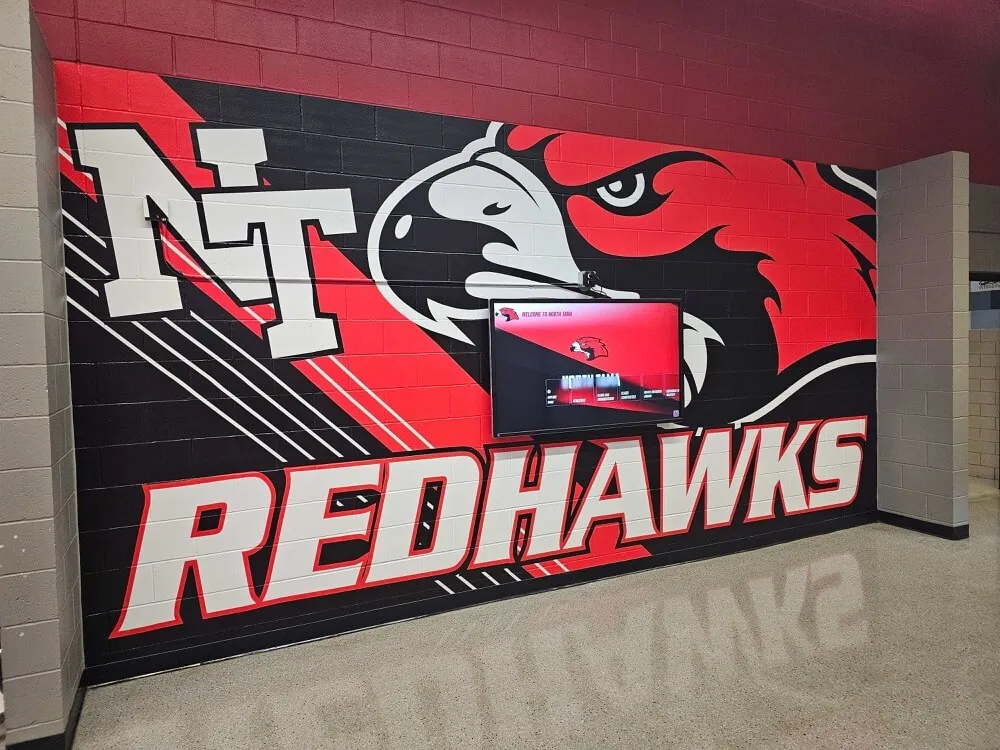
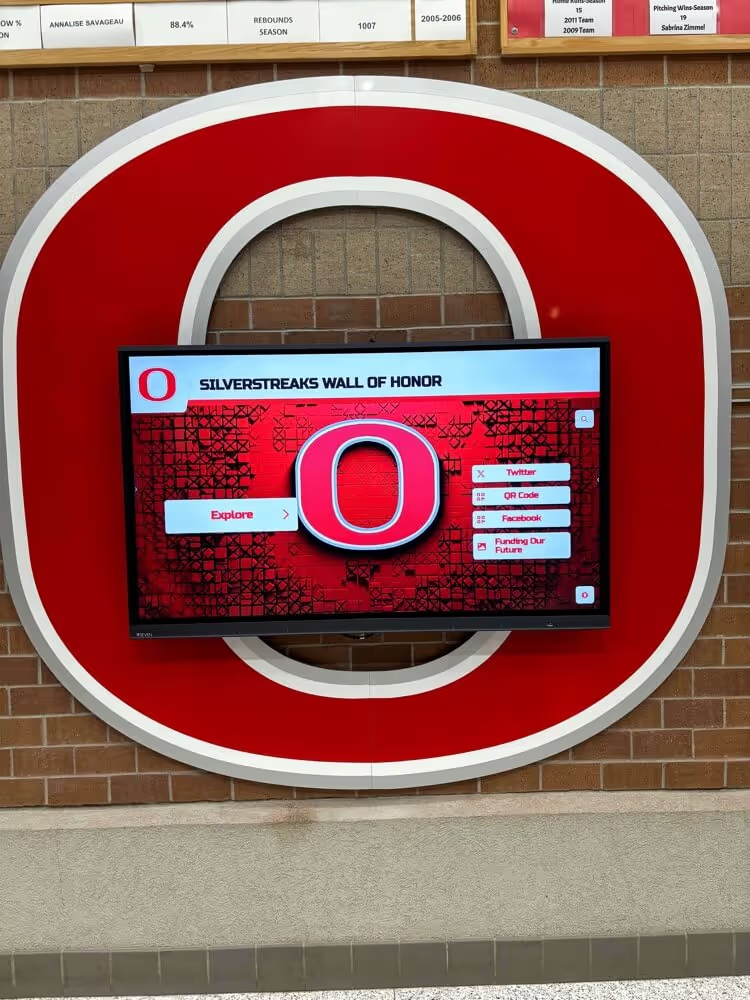
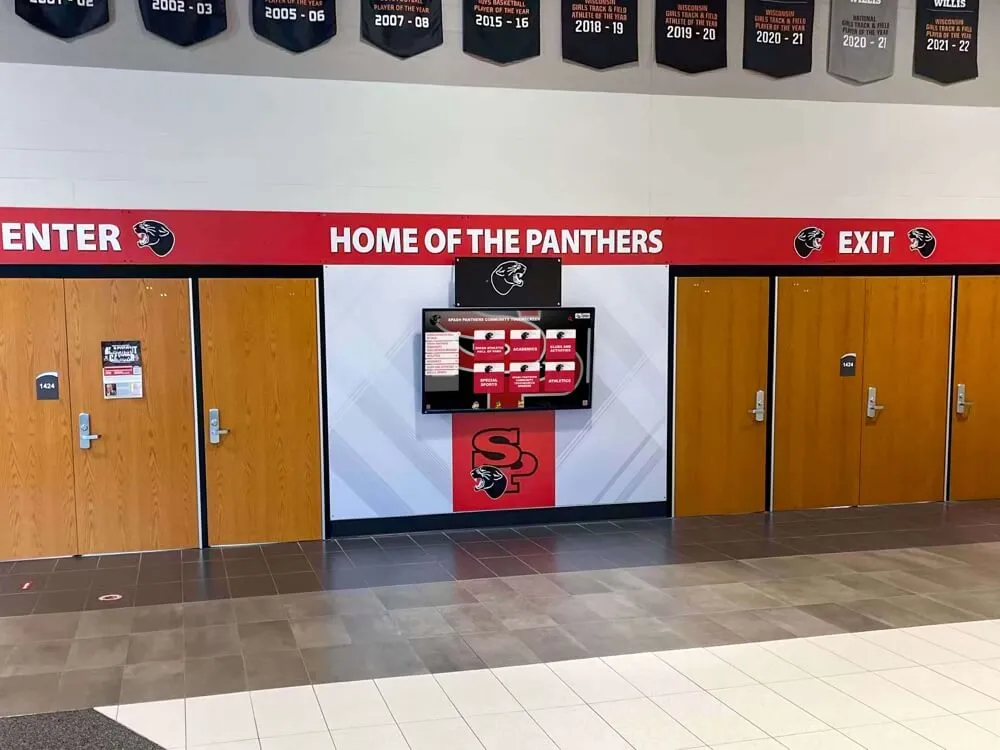
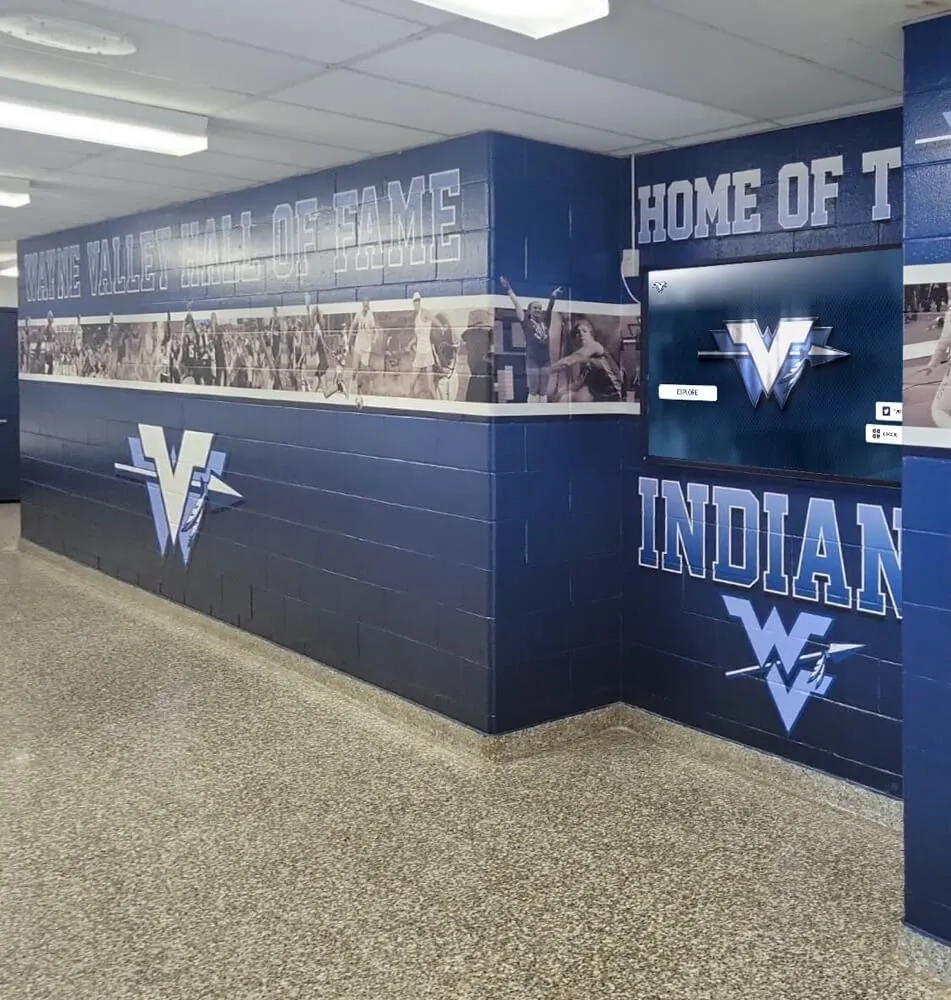
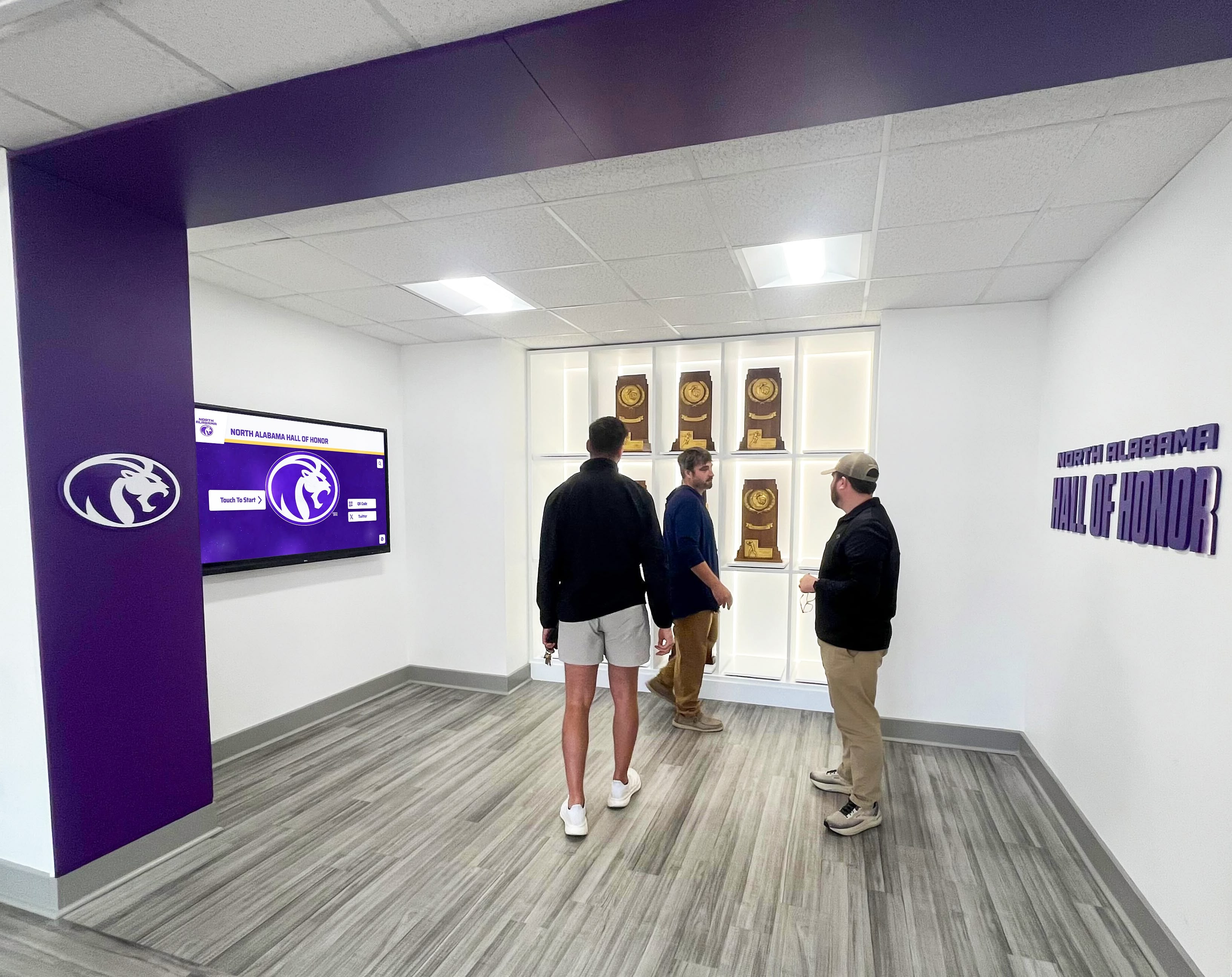
Trophy walls and athletic display spaces represent years of structured intake—each item arrived with complete documentation, signed donor attribution, and a condition record
Cataloging Accepted Memorabilia
Once the donor agreement is signed, the item moves from intake into the cataloging and storage pipeline.
Catalog record fields to create immediately after intake:
- Catalog number (matching the intake form)
- Item title and physical description
- Sport, season, athlete name(s), and event
- Condition level at intake
- Physical storage location (room, shelf, box reference)
- Intake photograph file references
- Donor name and date of gift
- Display permission status and attribution preference
- Related items in the collection
Assign a physical label to the item and its storage enclosure before it leaves the intake table. Items that leave without a catalog number attached frequently become unidentifiable within the year—and each unidentifiable item represents a failed donor relationship and a lost recognition opportunity.
For schools building or expanding a digital recognition program, catalog records become the metadata that powers searchable archive displays. Creating school record graphics and recognition displays is substantially simpler when the underlying data is already structured consistently in a catalog format. Consistent schema across a growing collection also supports design coherence across digital display environments—incomplete or inconsistently formatted catalog entries slow every downstream project, from archive search functionality to new recognition panel builds.
Photo documentation gathered during athletic seasons—team portraits, action shots, group candids—feeds both physical and digital archives over time. Coordinators managing this documentation pipeline will find useful parallels in school photo documentation and yearbook display practices, which share the same core challenge: capturing meaningful context at the moment it exists, before people and details disperse.
From Physical Memorabilia to Digital Recognition
The end goal of a sports memorabilia donation intake program is not merely storage—it is recognition. Every jersey, photograph, and trophy that completes the intake process correctly becomes source material for a searchable, story-rich archive that honors athletes, programs, and eras that might otherwise be forgotten.
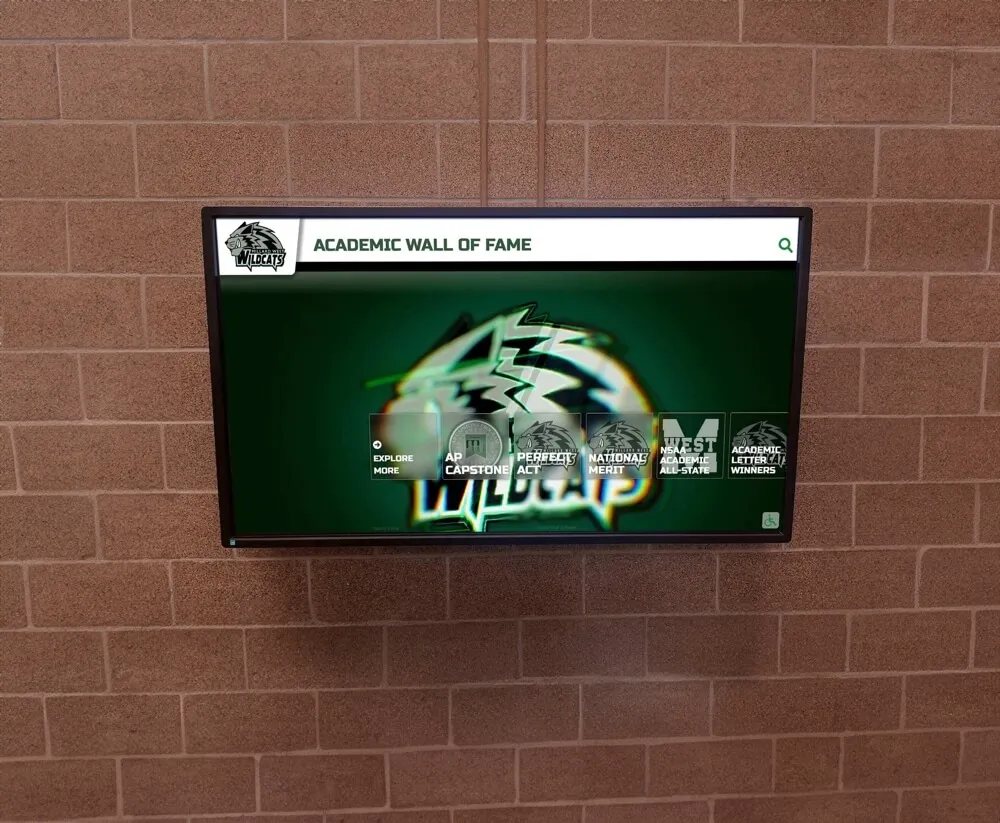
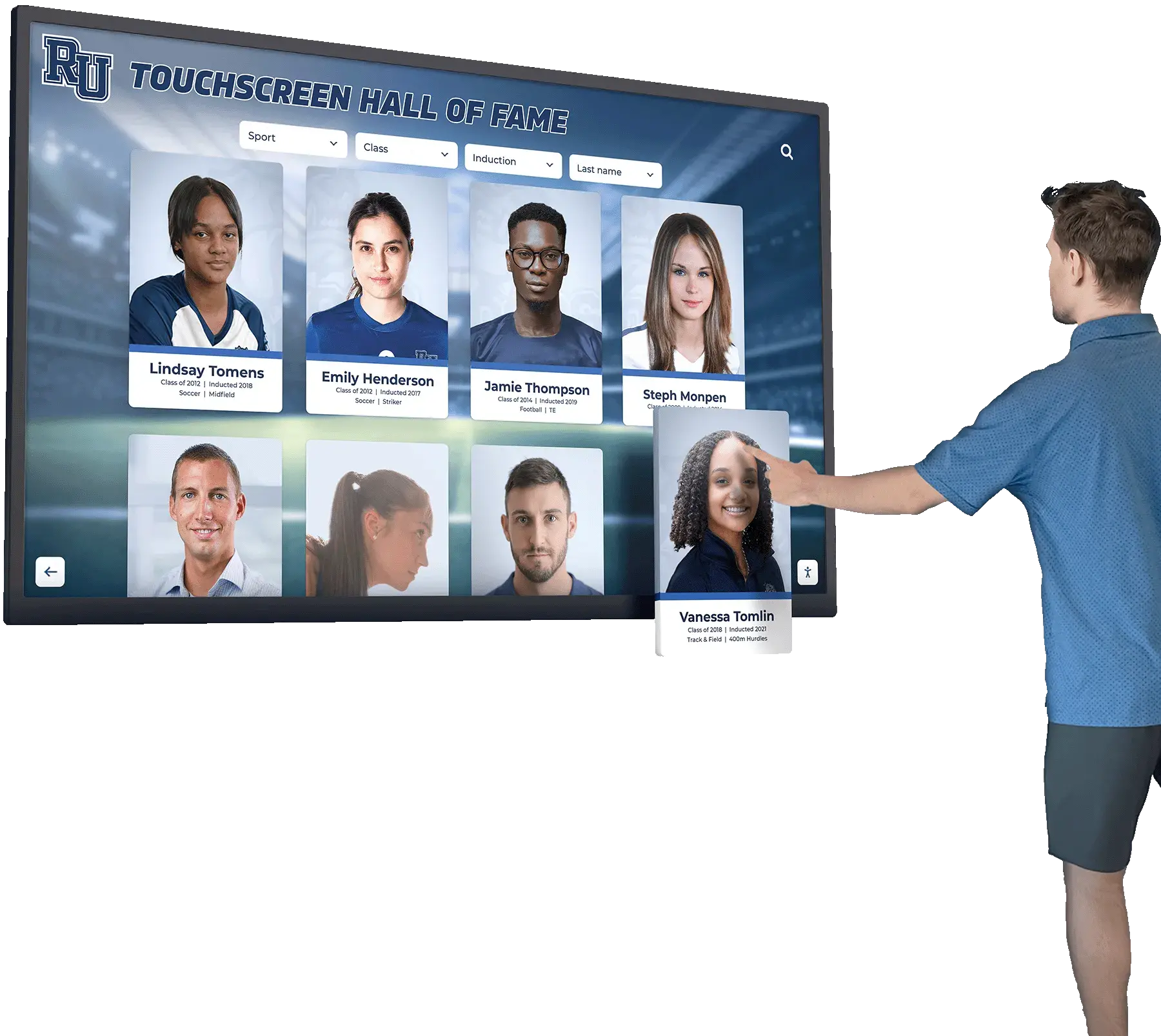
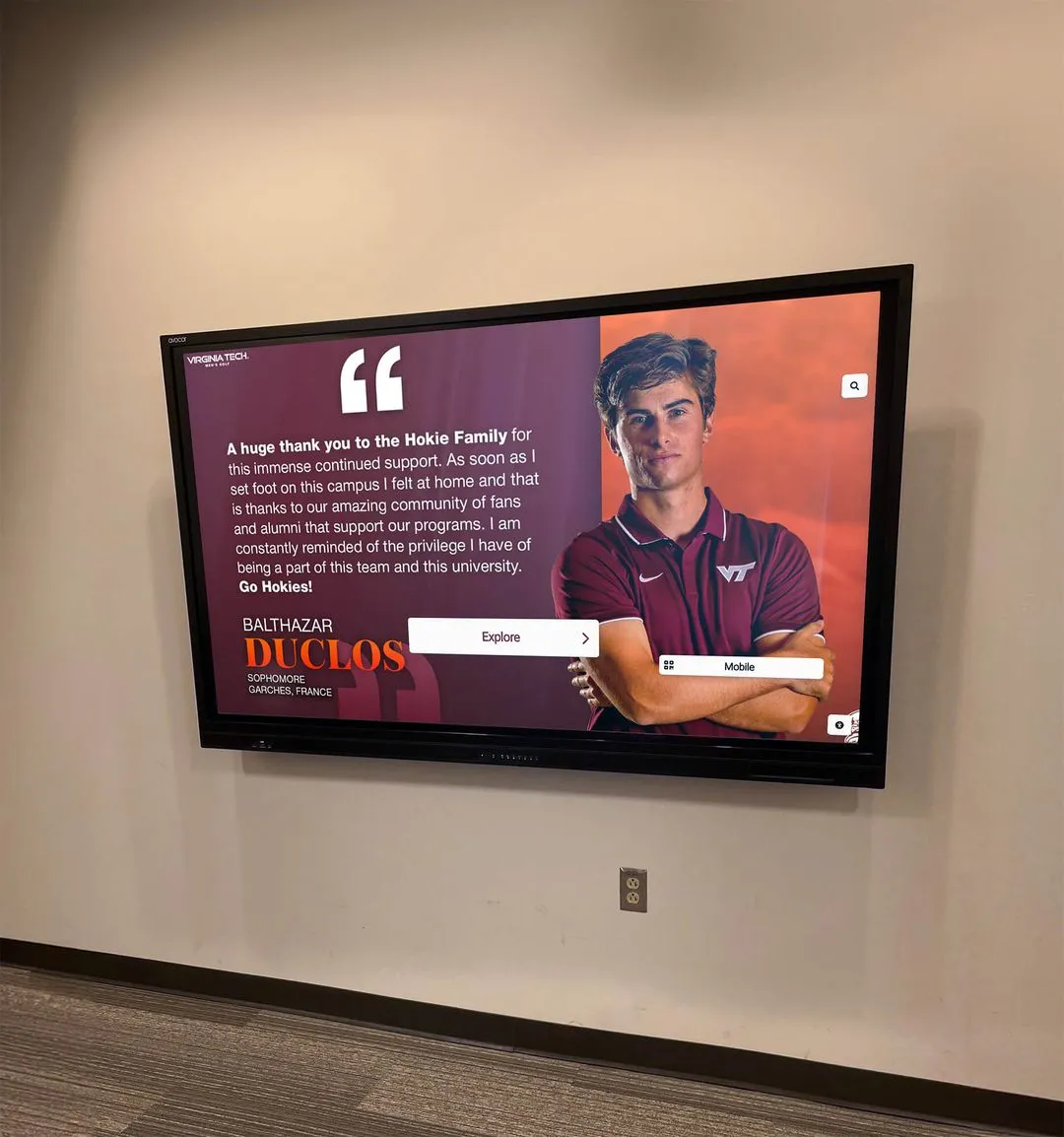
Schools working with modern recognition platforms can connect physical donation catalog records directly to digital display systems. A donated jersey from a 1987 state championship team, cataloged with athlete names, season, and full provenance, can appear as an individual athlete story on an interactive lobby touchscreen—complete with context, supporting photographs, related records, and links to other items from the same era. Recognition platforms built for institutional archives provide unlimited storage for historical photos and video media, easy digitization workflows for physical collection records, and searchable archive interfaces that let students, staff, and alumni query by athlete name, sport, season, or achievement. Timeline views surface the arc of a program’s history across decades. ADA WCAG 2.1 AA-compliant display interfaces ensure that historical content is accessible to all visitors, including those using assistive technologies. Cloud-based preservation protects the archive from local hardware failure and enables remote content updates—so an advancement staff member can add a newly accepted jersey to a digital display from anywhere on campus or off. Explore the full platform to see how physical archive records translate into searchable digital recognition experiences.
For a concrete example of how storied athletic artifacts anchor interactive archive experiences, the Fenway Park sports recognition touchscreen guide illustrates how a single well-documented artifact can anchor a layered, explorable display. The same principle applies at every level of athletics: a signed ball, a framed jersey, or a championship trophy becomes a navigation point in a broader recognition story when its intake documentation is complete.
Programs that recognize individual athlete achievements across seasons also benefit from the cumulative power of a structured archive. ECNL soccer all-star recognition programs demonstrate how annual documentation—building season by season—creates an institutional memory that gives each new cohort context for what came before.
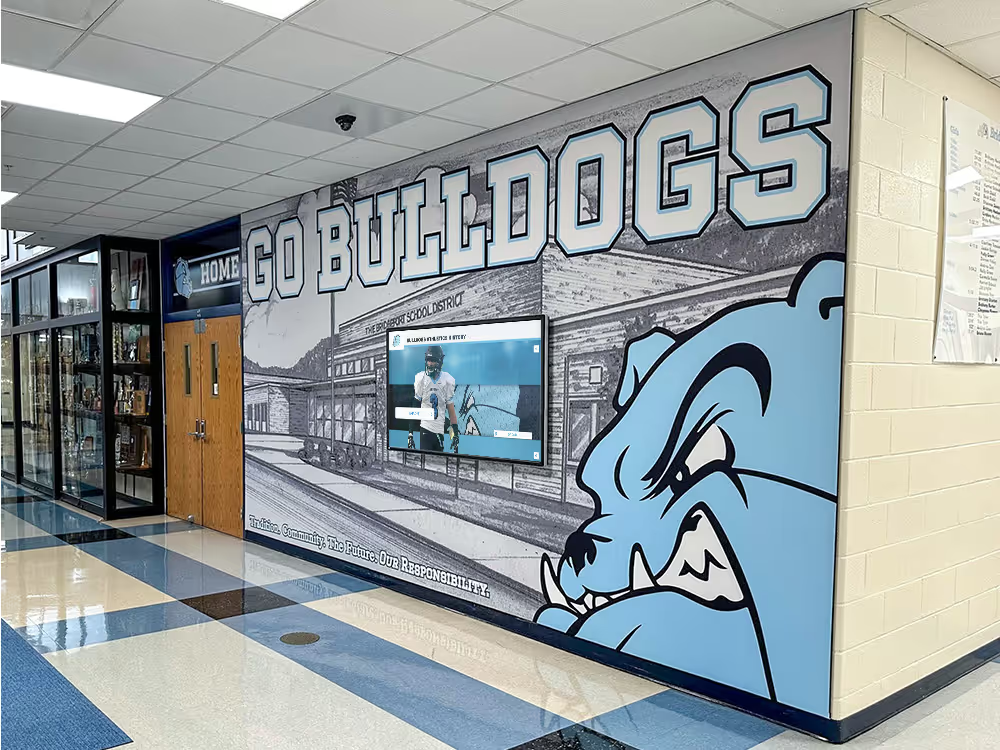
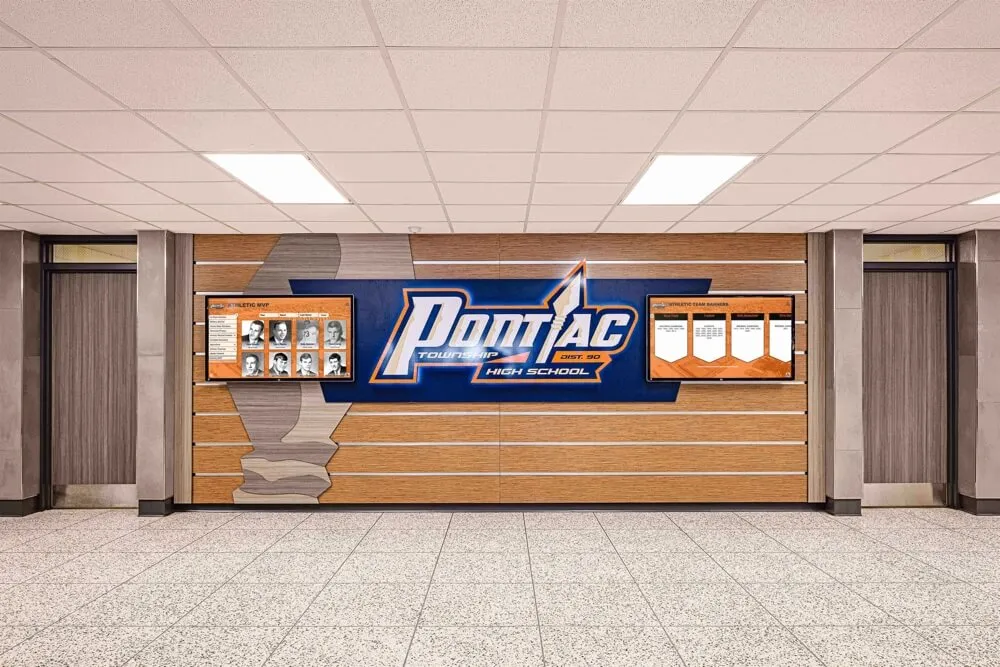
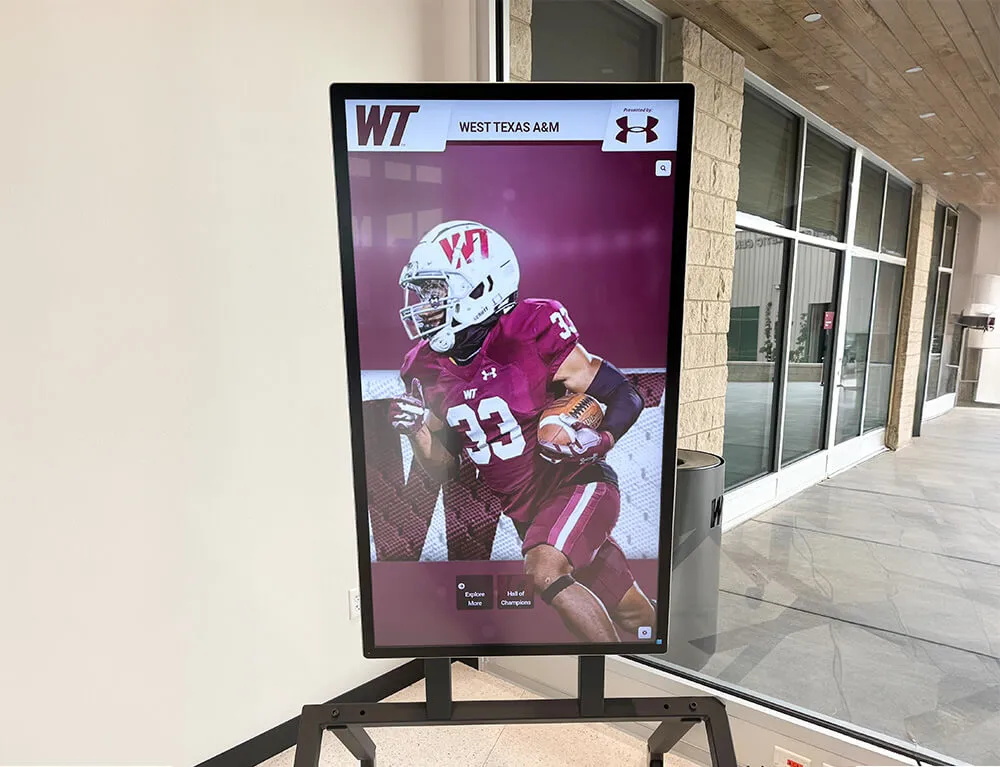
Physical donations enrich recognition programming throughout the school year. During homecoming events and major school celebration weeks, a curated selection of donated jerseys and championship trophies displayed alongside their digital records creates an immersive experience that draws community members deeper into school history. For athletic departments evaluating how donation records will appear in lobby and hallway environments, touchscreen kiosk and digital signage display formats—including portrait galleries, split-screen timelines, and achievement boards—provide flexible templates that accommodate memorabilia of varying types, eras, and physical formats.

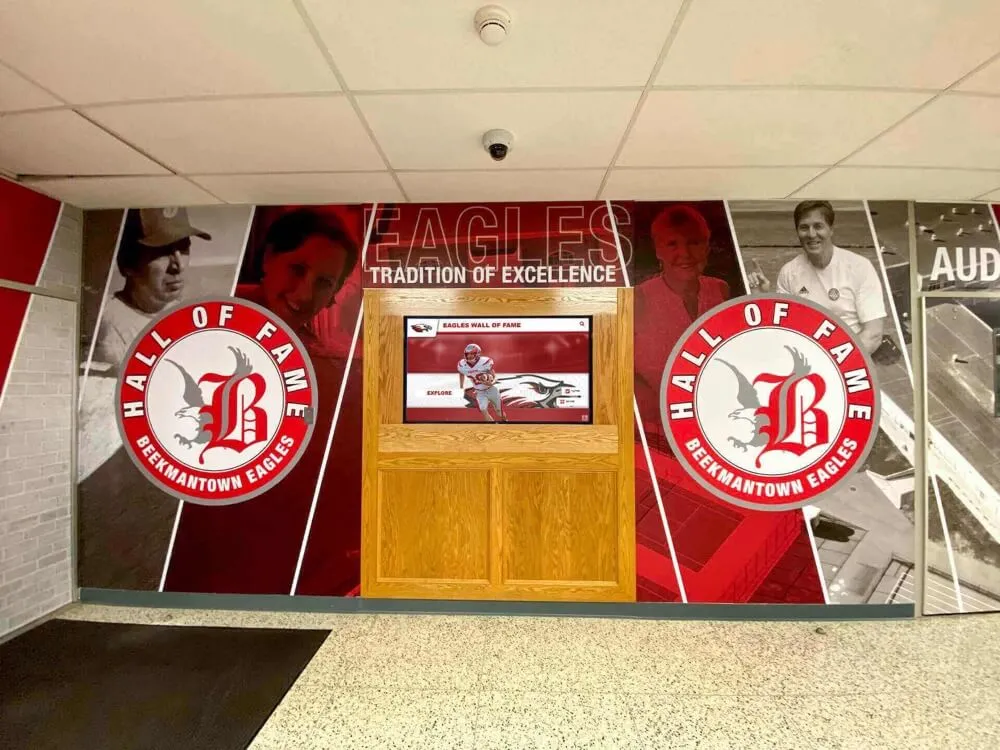
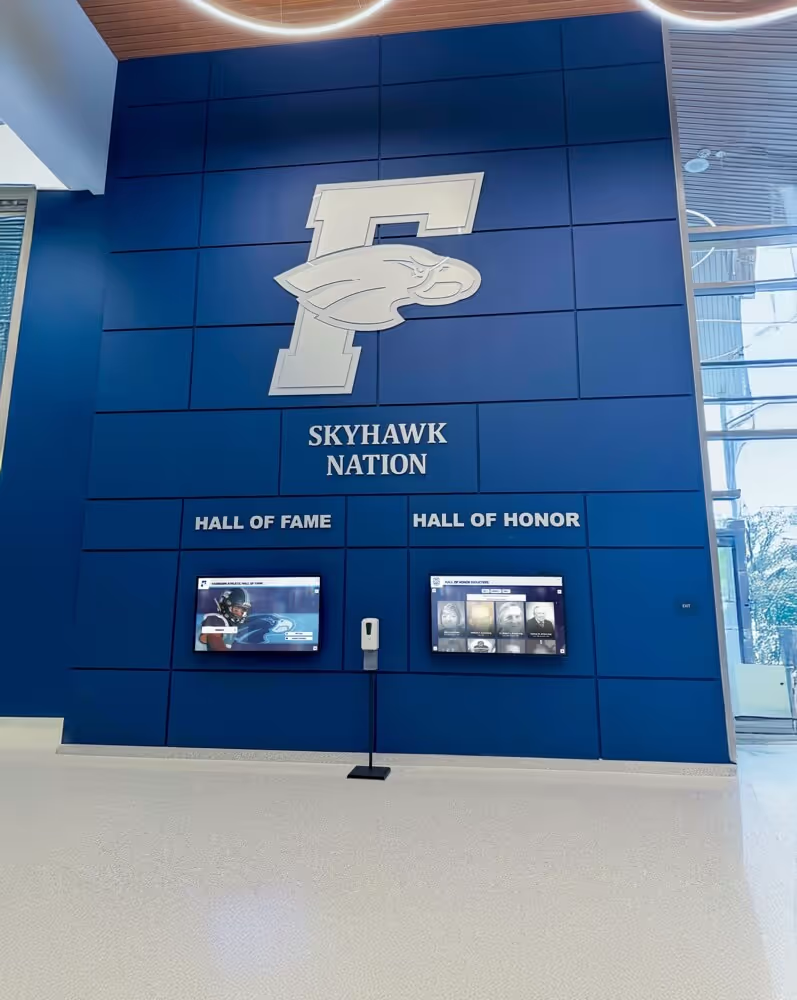
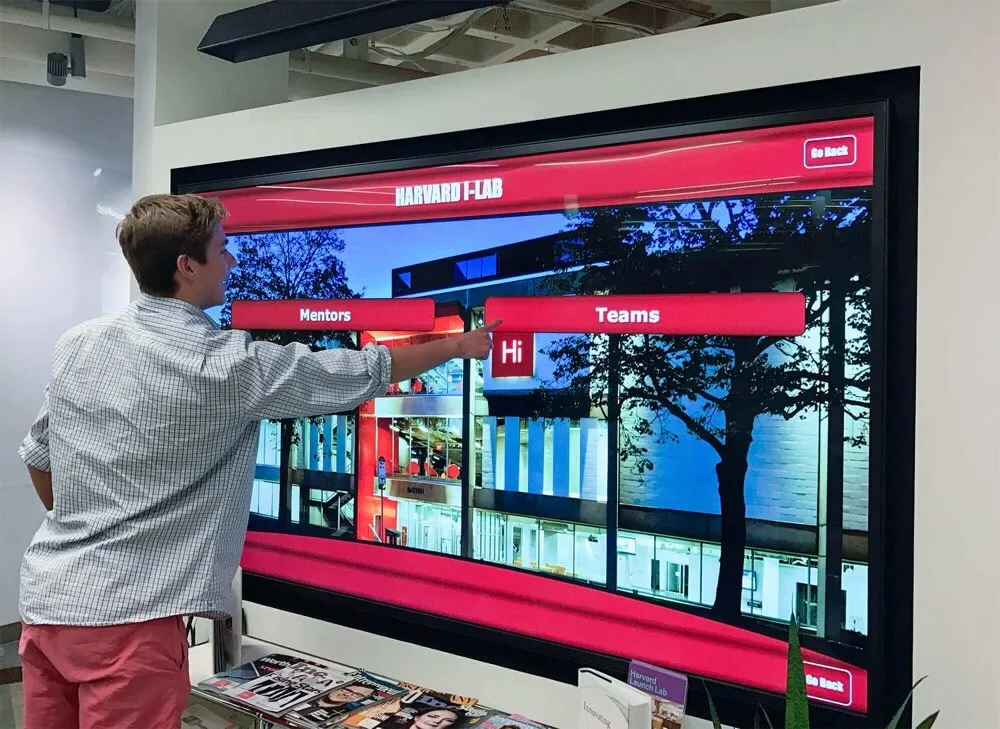
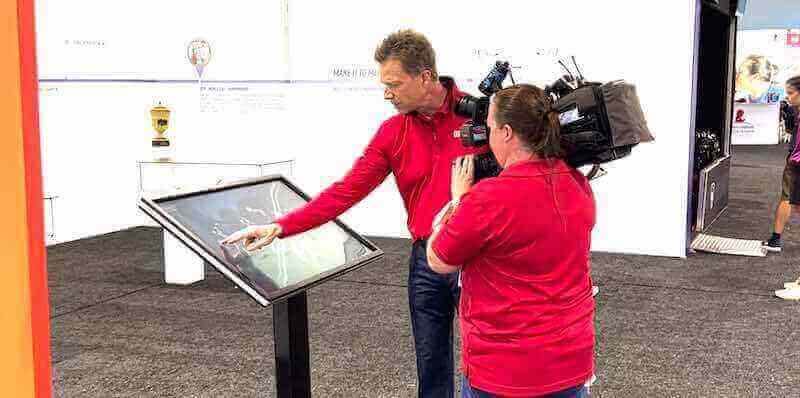
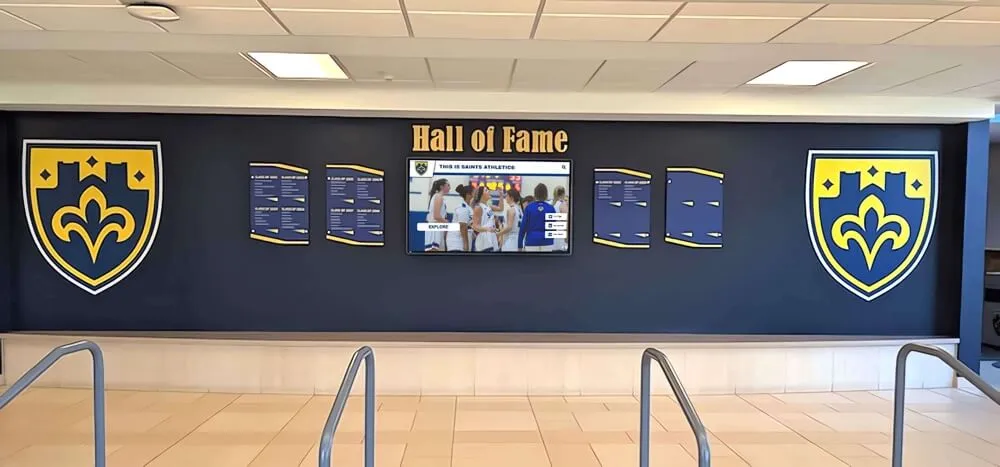
Properly cataloged donations surface as individual athlete recognition stories on interactive archive displays, making physical memorabilia accessible to every student, alumnus, and community visitor
Frequently Asked Questions
How long should a memorabilia intake appointment take? A standard single-item intake appointment takes 20–30 minutes when both staff and donor are prepared. Complex donations—multiple items, incomplete provenance, or condition issues requiring detailed documentation—may take 45–60 minutes. Schedule buffer time rather than booking intake appointments consecutively.
What types of sports memorabilia should schools prioritize? Prioritize items with clear provenance, documented athletic significance, and good-to-excellent condition. Game-worn and game-used items from significant competitions—championships, record-setting performances, senior seasons—are the highest-value categories. Items from historically underrepresented teams or eras where few records survive may warrant priority even at fair condition levels.
Can schools decline a donation? Yes. A gift acceptance policy gives institutions the right to decline items that duplicate existing holdings, fall outside collection scope, carry conditions the institution cannot meet, or require restoration resources not currently available. Declining clearly and respectfully—with a written explanation—maintains donor relationships better than vague non-acknowledgment.
Do donated items need to be formally authenticated? Third-party authentication as used in commercial sports memorabilia markets is not standard practice for most school archives. Establishing provenance through the intake form serves a practical authentication function: it documents the chain of custody through a known donor rather than anonymous acquisition. For higher-value items where authenticity has public significance, consult your advancement office or legal counsel on whether formal appraisal is warranted. This is not legal or appraisal advice.
How should schools recognize donors publicly? Standard approaches include acknowledgment in athletic programs, inclusion in a donor recognition display, attribution in digital archive entries, and invitation to recognition events when items enter public display. Coordinate with your advancement or alumni relations team to ensure donor recognition aligns with institutional stewardship standards.
What happens to declined items? Return declined items to the donor promptly with a written explanation. Never retain items that have been declined—holding an item without completing intake creates ambiguous ownership. If a donor cannot retrieve a declined item, work together on alternative destinations such as local historical societies, sport-specific museums, or the athlete’s family before considering disposal.
Turn Donated Memorabilia Into Living Recognition Stories
Every properly cataloged jersey, photograph, and trophy in your archive is source material for a searchable digital recognition experience. See how Rocket Alumni Solutions transforms school athletic archives into interactive touchscreen displays that engage students, alumni, and community members every day.
Request a DemoConclusion
A sports memorabilia donation request intake process is the invisible infrastructure behind every compelling athletic hall of fame, trophy display, and searchable school archive. When the form fields are complete, the provenance is documented, and the donor agreement is signed, every jersey and trophy that passes through your doors becomes a genuine archival resource—ready for display, discovery, and recognition—rather than an undocumented object occupying shelf space.
The nine-step workflow and request field checklist in this guide provide a practical starting framework. Schools with active advancement or alumni relations teams should integrate this workflow with existing gift acceptance procedures. Those building a memorabilia program for the first time will find that starting with a consistent intake form and cataloging schema saves far more effort than it requires—establishing a foundation that compounds in value with every subsequent donation cycle.
When accepted items are cataloged and digitized, platforms like Rocket Alumni Solutions can bring those physical artifacts to life as interactive recognition stories—searchable by athlete name, sport, season, or achievement, and displayed on touchscreen systems that give every student, alumni visitor, and community member access to decades of preserved school history.
Explore athletic recognition displays and school and team history archives to see how physical memorabilia and digital recognition work together, or request a demo to see what your school’s archive collection could become.