



Friday night lights illuminate the gymnasium as visiting teams arrive, their eyes scanning hallways adorned with vibrant team posters celebrating your athletes. Parents armed with smartphones photograph displays featuring their children in action. Student sections rally around banners that transform ordinary walls into shrines of team pride. In these moments, well-designed sports team posters become more than decoration—they’re visual statements of program excellence that inspire athletes, engage communities, and define your athletic identity.
Yet many athletic programs struggle with poster design that truly resonates. Generic templates from online sources lack personality, outdated rosters create embarrassment rather than pride, and poster quality that looked acceptable during design appears unprofessional when printed at full size. Meanwhile, coaches juggling practice schedules and game planning rarely have time to develop graphic design skills, leaving many programs settling for mediocre displays that fail to reflect their athletes’ dedication and achievement.
This comprehensive guide explores sports team poster ideas that create professional, eye-catching displays celebrating your athletes while building lasting team traditions and program pride.
Sports team posters serve multiple purposes within athletic programs—from motivating current players to honoring achievements, building excitement for upcoming competitions, and creating visual traditions that connect generations of athletes. Effective poster design combines compelling imagery, strategic messaging, and thoughtful placement to maximize impact throughout your facilities.

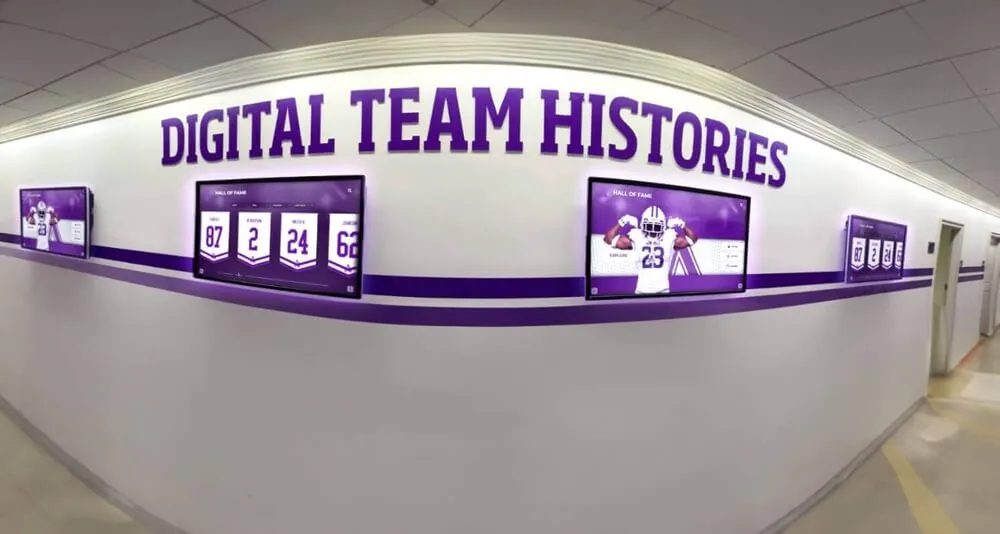
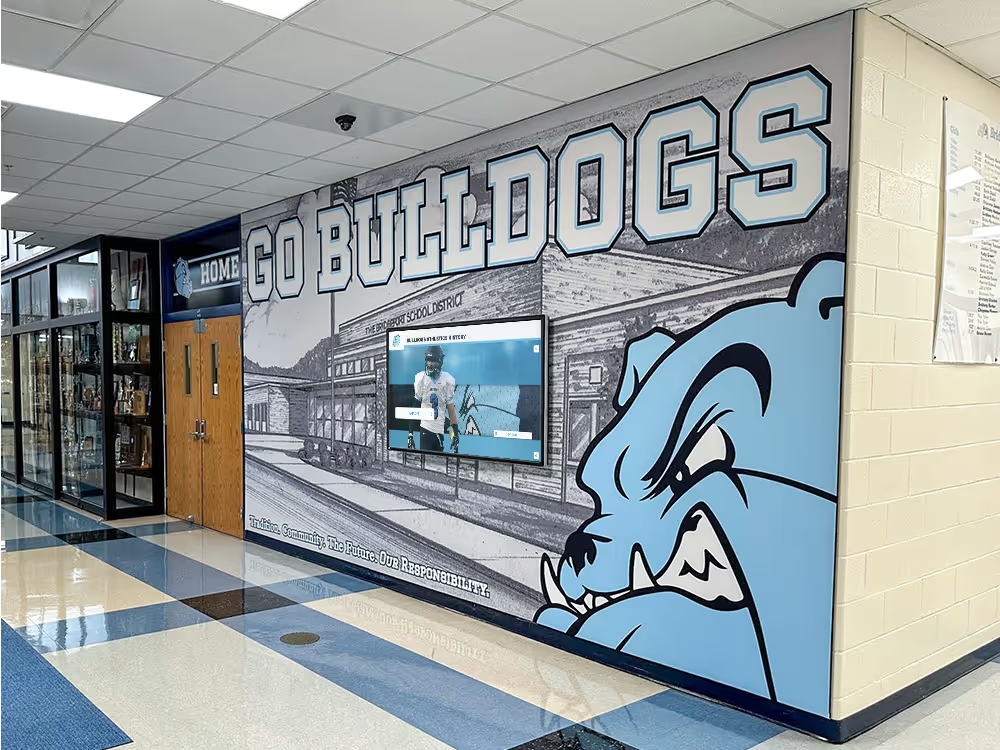
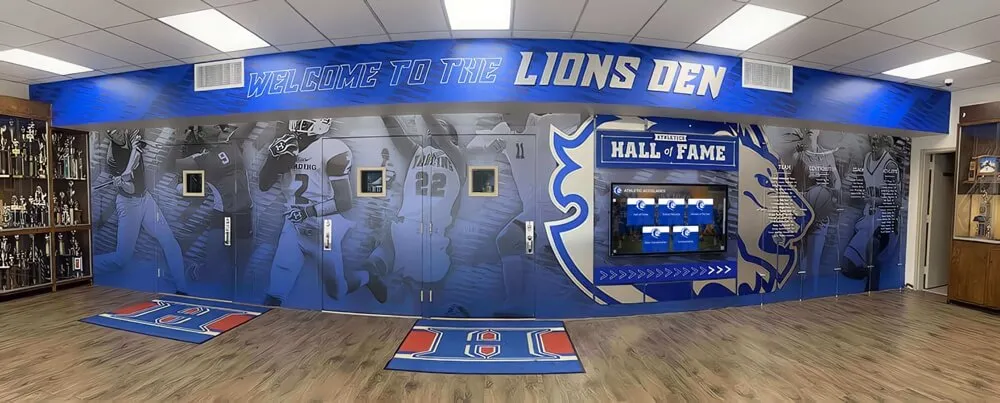
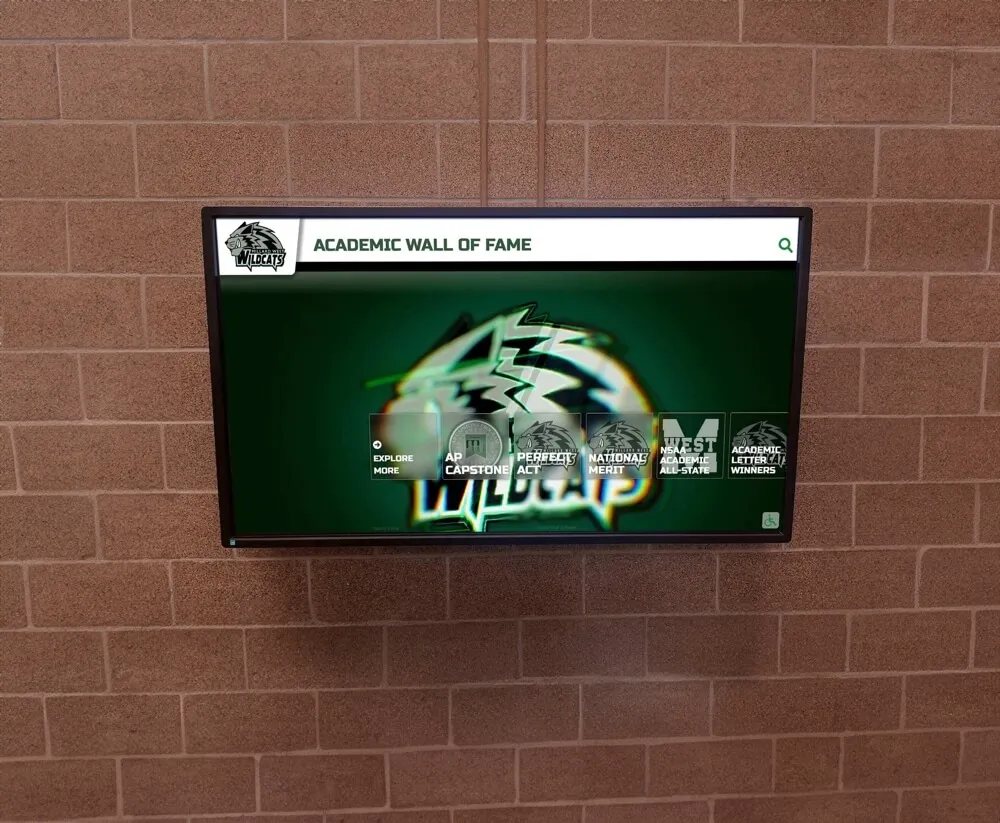
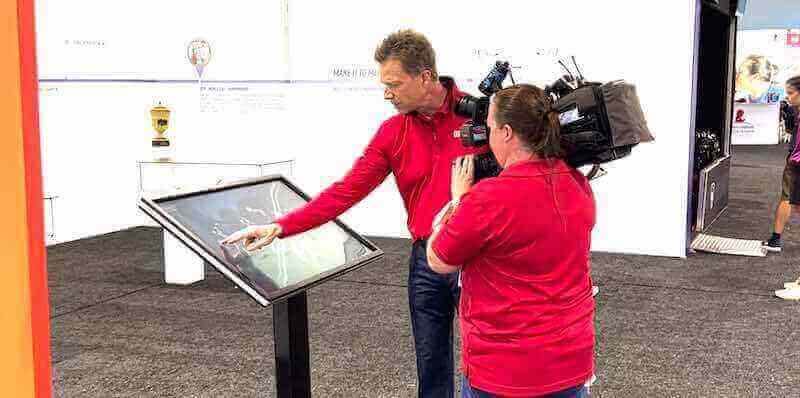
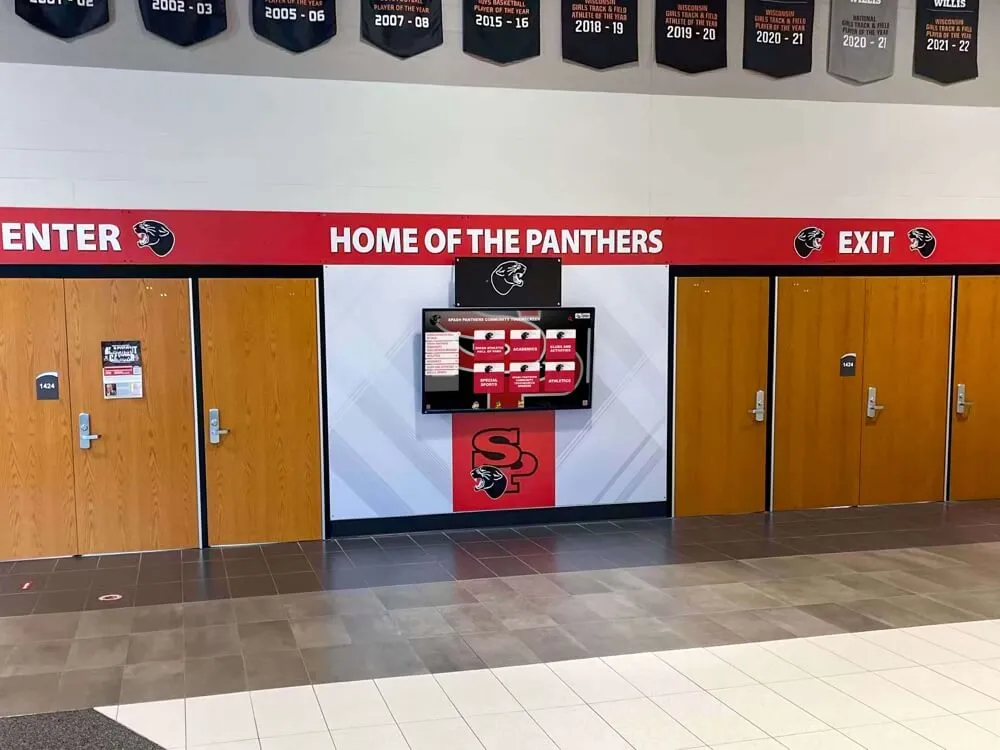
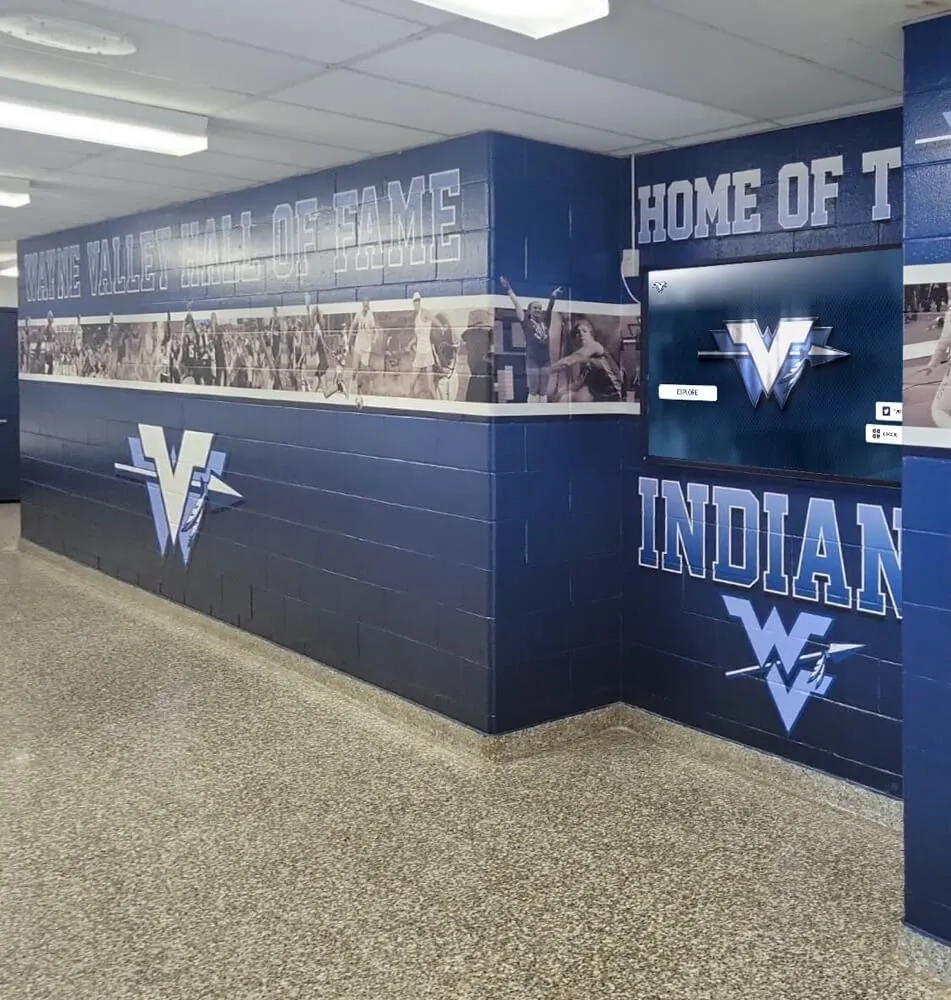
Professional team displays create powerful visual impact while establishing program identity and celebrating athlete achievements
Understanding Sports Team Poster Purposes
Before designing posters, clarifying their specific purposes ensures your creative efforts align with program goals and maximize return on investment.
Season Preview and Schedule Posters
Season kickoff posters generate excitement while providing essential information for fans and families:
Key Elements for Schedule Posters
Effective schedule designs incorporate:
- Prominent team name, mascot, and school branding
- Complete season schedule with dates, opponents, and locations
- Home game emphasis using color coding or bold formatting
- Visual hierarchy prioritizing key rivalry games or championships
- Player roster highlights featuring returning stars
- Season theme or motivational tagline establishing tone
Schedule posters typically measure 18x24 inches or larger for hallway visibility, with simplified wallet-card versions distributed to students and families for portability.
Strategic Placement Considerations
Display schedule posters where stakeholders naturally gather:
- Main entrances and administrative office areas
- Gymnasium lobbies and locker room hallways
- Community bulletin boards in local businesses
- Concession stand areas during multi-sport events
- Team social media profiles and athletic department websites
Multiple placement locations maximize exposure while reinforcing schedule awareness throughout your community.
Senior Recognition and Senior Night Displays
Senior athletes deserve recognition that honors their commitment and creates lasting memories for families:
Senior Spotlight Poster Components
Comprehensive senior recognition includes:
- High-quality action photos capturing athletes in competition
- Professional portraits in uniform maintaining consistency
- Athletic statistics and achievement summaries
- Years of participation and position played
- Future plans including college commitments or career goals
- Personal quotes or memorable team contributions
- Parent/guardian names acknowledging family support
These elements combine to create tribute posters displayed during senior night ceremonies and preserved as keepsakes families treasure for decades.
Achievement and Championship Celebration
Victory posters commemorate significant accomplishments:
Tournament and Championship Documentation
- Conference championship recognition
- State tournament qualification and advancement
- Record-breaking performances and milestones
- Undefeated season or winning streak achievement
- Comeback victories and rivalry game triumphs
Team Roster and Player Introduction
Season roster posters help communities connect with athletes:
Effective Roster Poster Design
- Individual player headshots maintaining uniform style
- Jersey numbers, positions, and grade levels
- Coaching staff recognition with photos
- Team captains or leadership council identification
- Varsity and junior varsity designations
- Letterman and varsity award qualifications
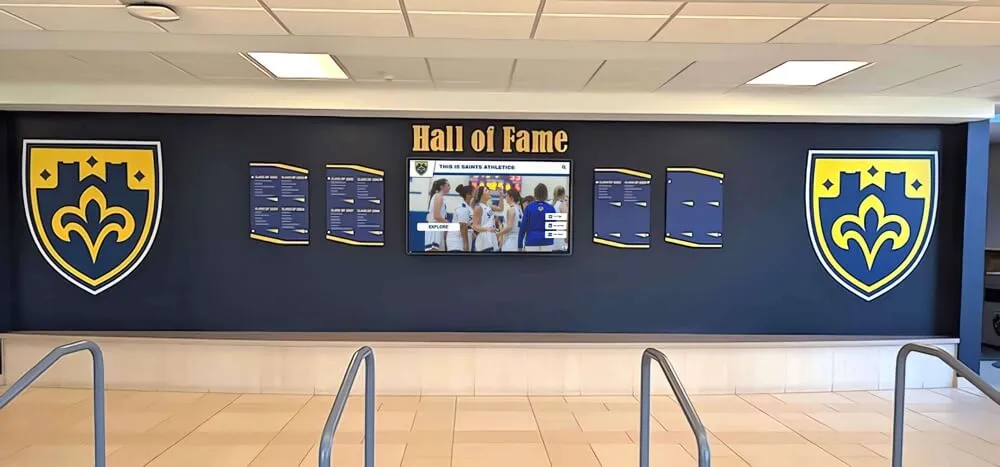
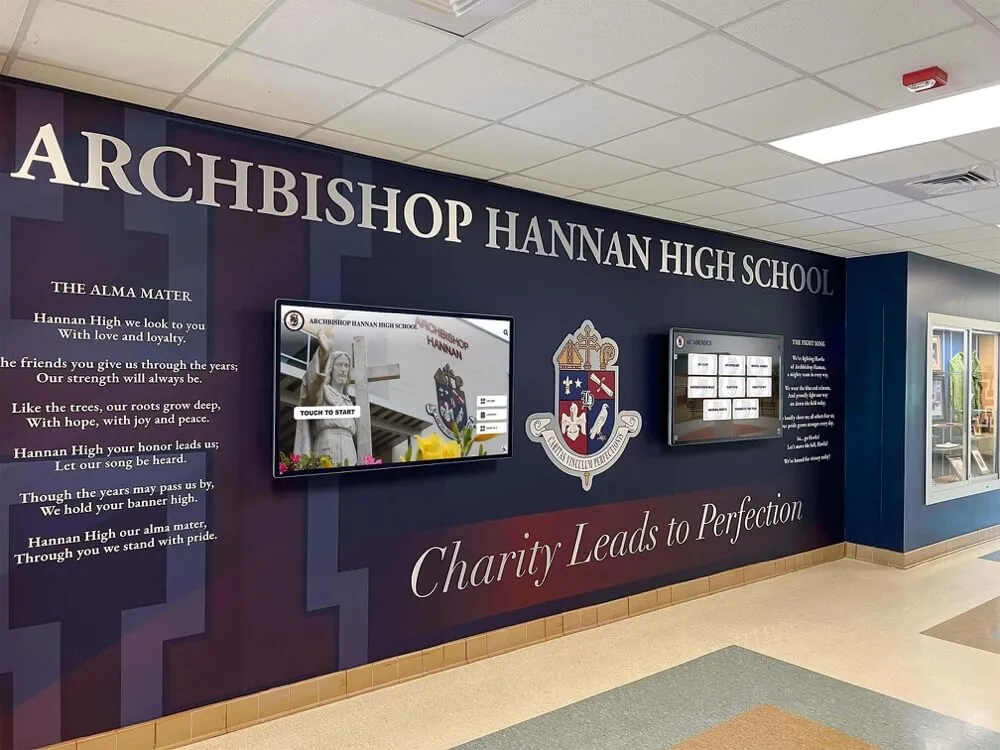
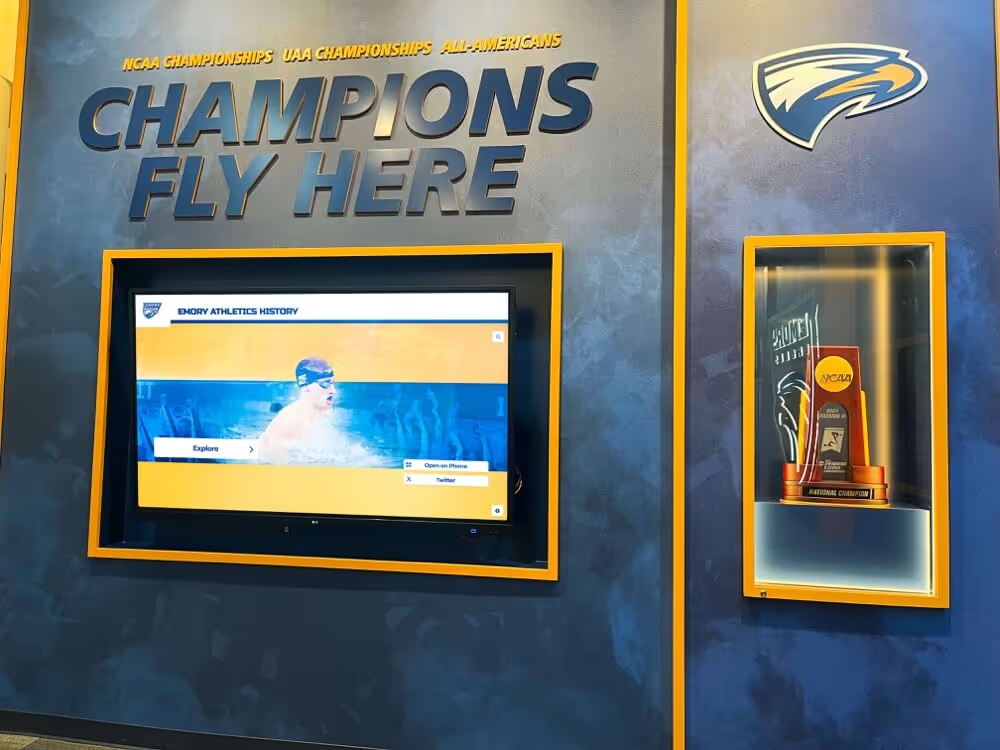
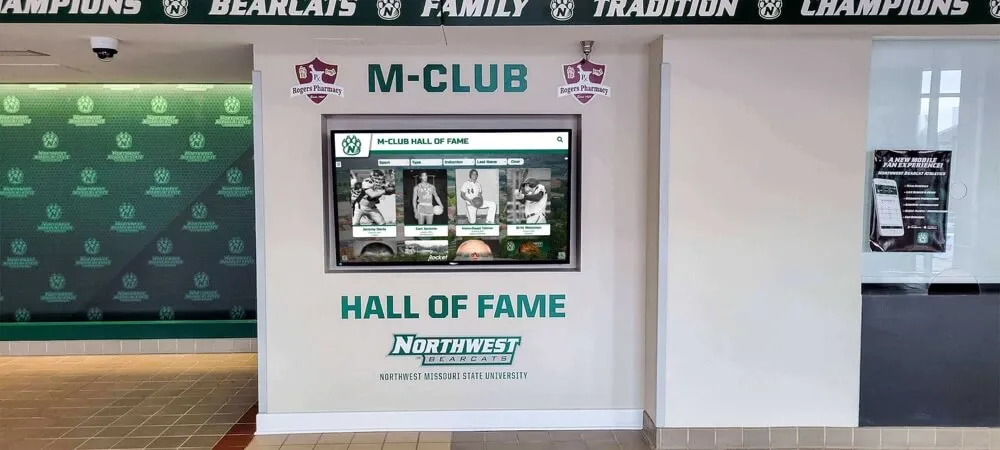
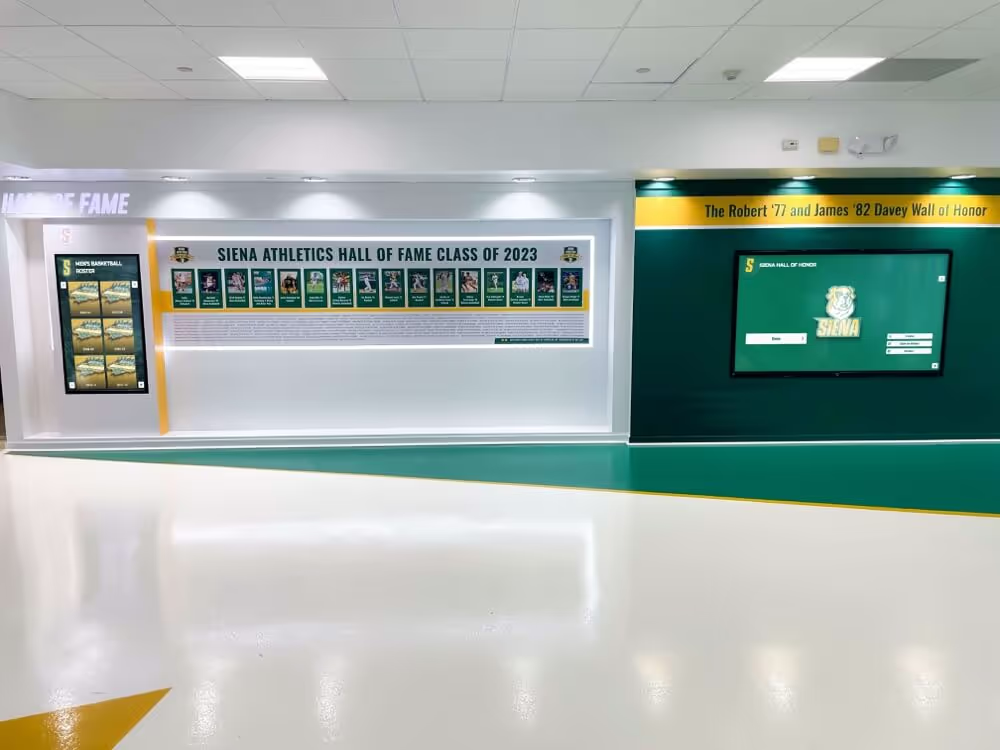
Permanent athletic displays honor program history while inspiring current athletes toward excellence
Essential Design Elements for Effective Sports Posters
Strong poster design follows proven principles that maximize visual impact and professional appearance regardless of budget or design experience.
Color Psychology and Team Branding
Strategic color choices reinforce team identity while creating emotional responses:
School Color Integration
Maintain brand consistency through:
- Primary team colors forming dominant visual elements (60-70% of design)
- Secondary accent colors providing contrast and emphasis (20-30%)
- Neutral backgrounds preventing visual overwhelm (white, gray, or black)
- Consistent color application across all athletic program materials
- Consideration for color associations (red = energy, blue = trust, gold = excellence)
Schools with established brand guidelines should follow existing specifications for precise color matching across printed and digital materials. When official guidelines don’t exist, selecting 2-3 primary colors and using them consistently throughout the season creates cohesive visual identity.
Contrast for Readability
Poster text must remain legible from distances of 10-15 feet in typical hallway viewing conditions:
- Dark text on light backgrounds or light text on dark backgrounds
- Avoiding low-contrast combinations (yellow on white, dark blue on black)
- Testing color combinations for accessibility and readability
- Considering lighting conditions in planned display locations
- Ensuring key information stands out through strategic contrast
Typography That Commands Attention
Font choices significantly impact poster effectiveness and professional appearance:
Font Selection Strategy
Effective typography combines:
- Bold, sans-serif fonts for headlines and team names (Impact, Bebas Neue, Oswald)
- Readable serif or sans-serif fonts for body text (Georgia, Open Sans, Roboto)
- Maximum 2-3 font families per poster preventing visual chaos
- Adequate font sizing (headlines 72pt+, body text 18pt+ for large format)
- Letter spacing and line height adjustments improving readability
Avoid overly decorative or script fonts that sacrifice readability for style—especially for key information like dates, times, and opponent names.
Text Hierarchy and Organization
Guide viewer attention through intentional hierarchy:
- Largest elements: Team name, mascot, or dominant headline
- Secondary elements: Player names, dates, or key messages
- Tertiary elements: Supporting details, statistics, or quotes
- Consistent alignment (left, center, or right) maintaining order
- Adequate white space preventing cramped appearance
Photography and Image Quality Standards
Visual quality separates professional posters from amateur attempts:
Action Photography Best Practices
Compelling sports photography captures:
- Athletes in mid-action showcasing skill and intensity
- Sharp focus on subject with appropriate depth of field
- Proper lighting avoiding harsh shadows or overexposure
- Clean backgrounds minimizing distractions from athletes
- Horizontal orientation fitting standard poster formats
Schedule team photo sessions during practices under good lighting conditions rather than attempting to capture usable images during games when lighting, angles, and timing challenges complicate photography.
Image Resolution Requirements
Print quality demands high-resolution images:
- Minimum 300 DPI at final print size preventing pixelation
- Original image dimensions exceeding final poster size
- Professional camera equipment or smartphone cameras in optimal conditions
- Raw image editing adjusting exposure, contrast, and color
- File formats (TIFF or high-quality JPEG) preserving image quality
A common mistake involves using social media images or screenshots that appear acceptable on screens but print with obvious quality issues at poster scale.
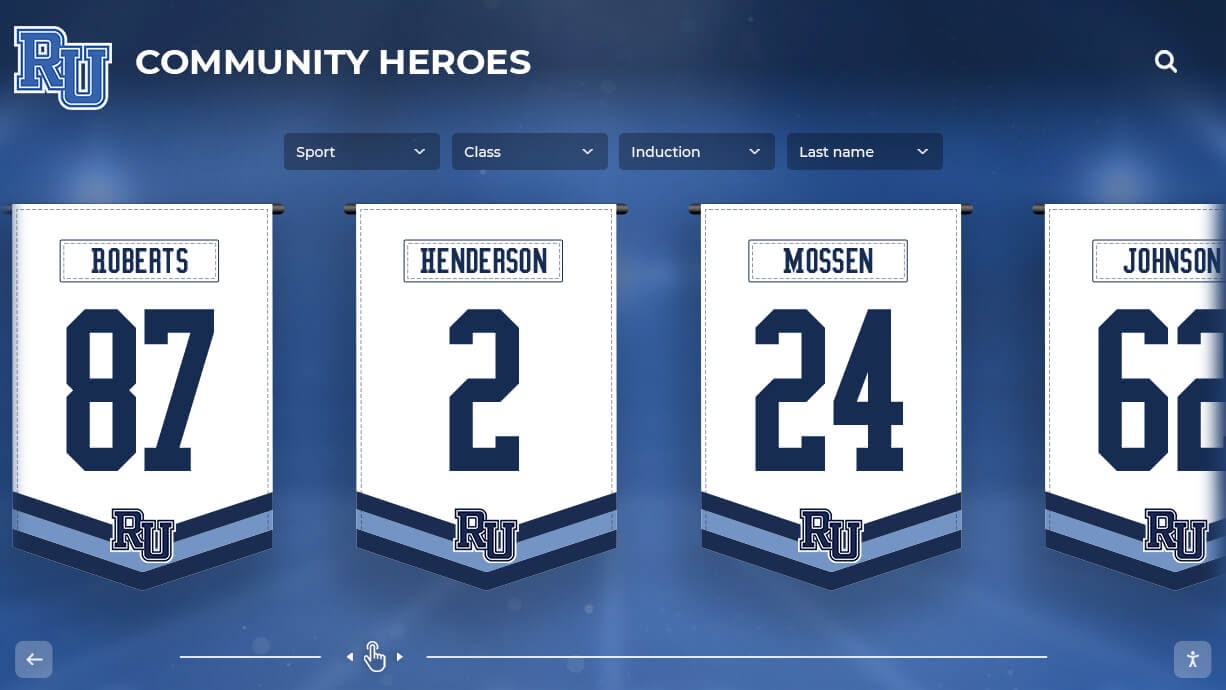
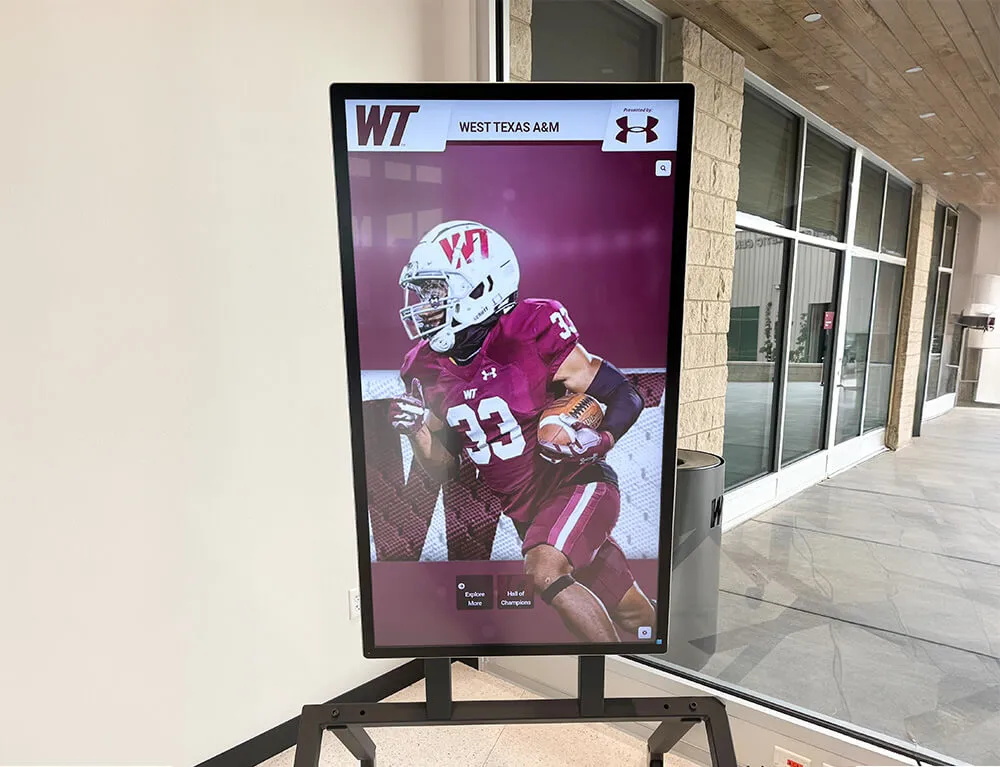
Jersey banner displays create dramatic visual impact while celebrating individual athletes and team achievements
Creative Sports Team Poster Concepts by Sport Type
Different sports lend themselves to specific design approaches that highlight their unique characteristics and competitive elements.
Team Sports Poster Ideas (Basketball, Football, Soccer, Volleyball)
Team sports offer opportunities for group compositions and action sequences:
Full Team Composition Posters
Showcase entire rosters through:
- Traditional team photo arrangements with staggered rows
- Creative formations matching sport (football huddle, basketball circle)
- Uniform consistency with all athletes in game jerseys
- Coach and staff inclusion at appropriate positions
- Trophy case or facility backgrounds reinforcing program history
Starting Lineup Highlights
Focus on key contributors:
- Individual player cards arranged in formation patterns
- Statistics or achievements for each featured athlete
- Depth chart visualization showing position groups
- Captains or team leaders receiving prominent placement
- Coaching philosophy quotes framing team identity
Individual Sports Poster Ideas (Wrestling, Track, Swimming, Tennis)
Individual sports allow personal achievement focus while maintaining team context:
Individual Achievement Spotlights
Celebrate personal accomplishments through:
- Single-athlete hero images filling poster frame
- Statistical achievements and personal records
- Competition results and tournament placements
- Training dedication and improvement narratives
- Multi-year progression showing development
Weight Class, Event, or Position Groups
Organize by competition categories:
- Wrestling posters organized by weight class
- Track and field grouped by event type (sprints, distance, field)
- Swimming organized by stroke specialty
- Team scoring contribution from each category
Multi-Sport and Athletic Department Posters
Comprehensive athletic programs require displays celebrating diverse offerings:
All-Sports Recognition
Unified athletic department identity includes:
- Multi-sport athletes highlighted across seasonal programs
- Athletic department mission statement and values
- Facilities overview and program resources
- Community partnership acknowledgments
- Historical program timeline celebrating championships and milestones
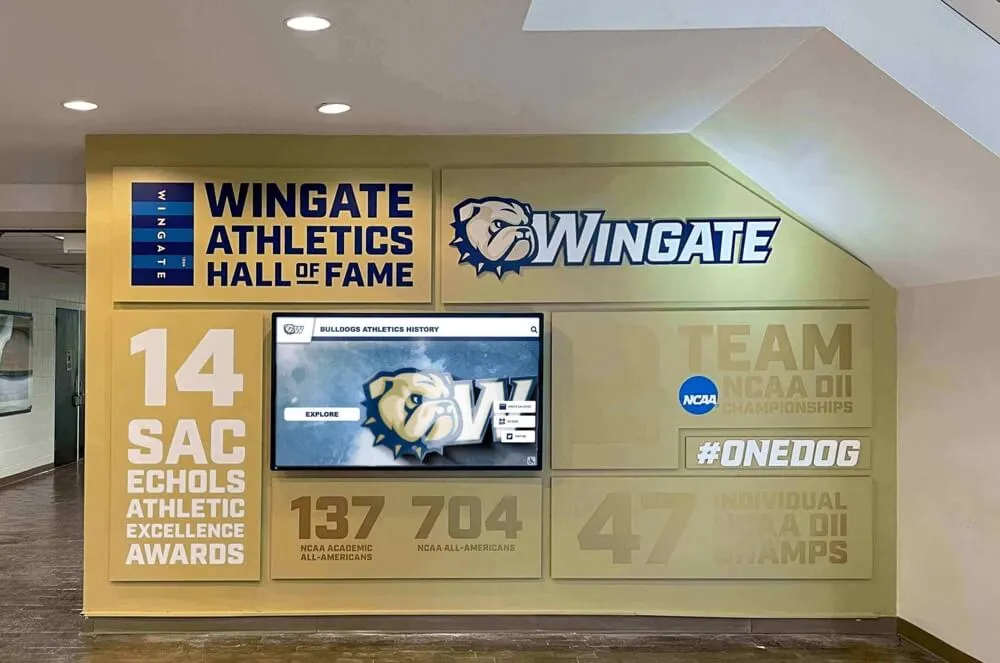
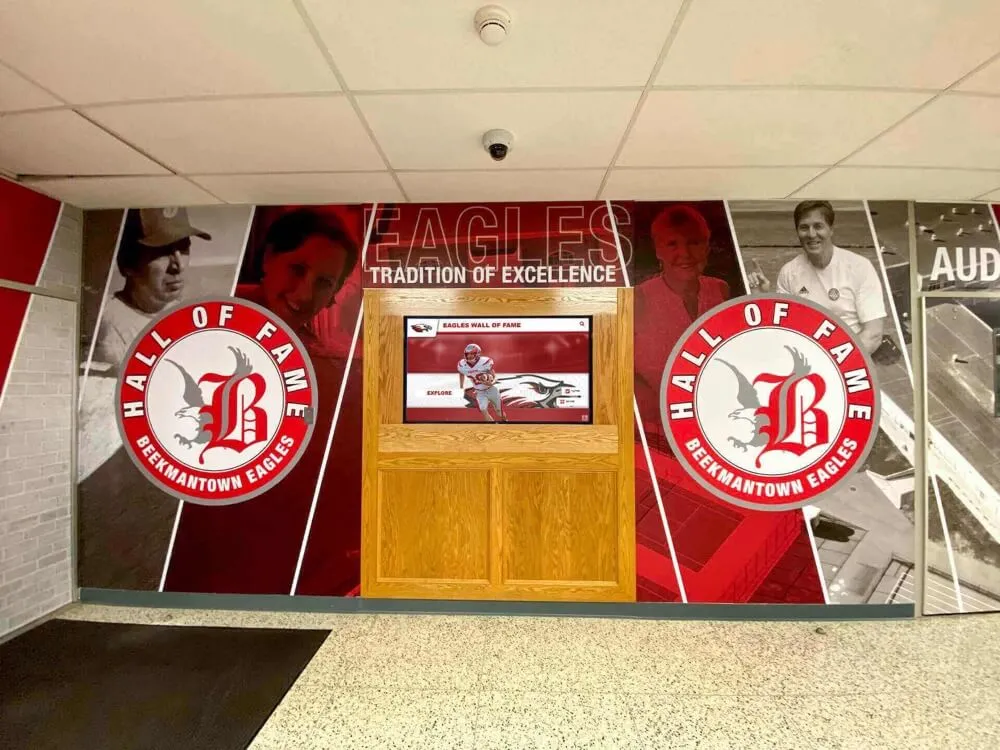
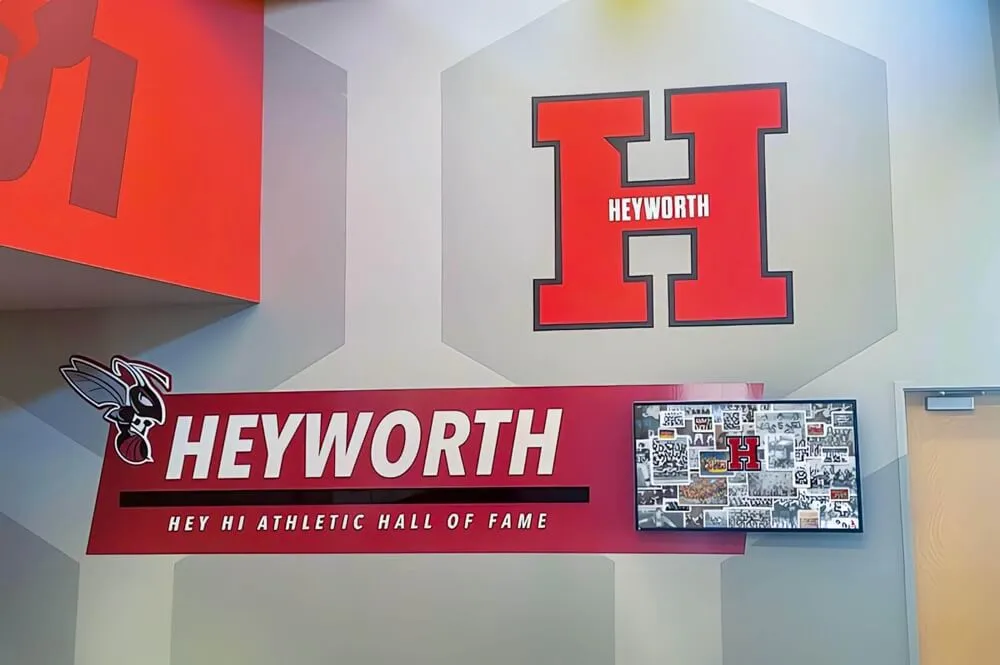
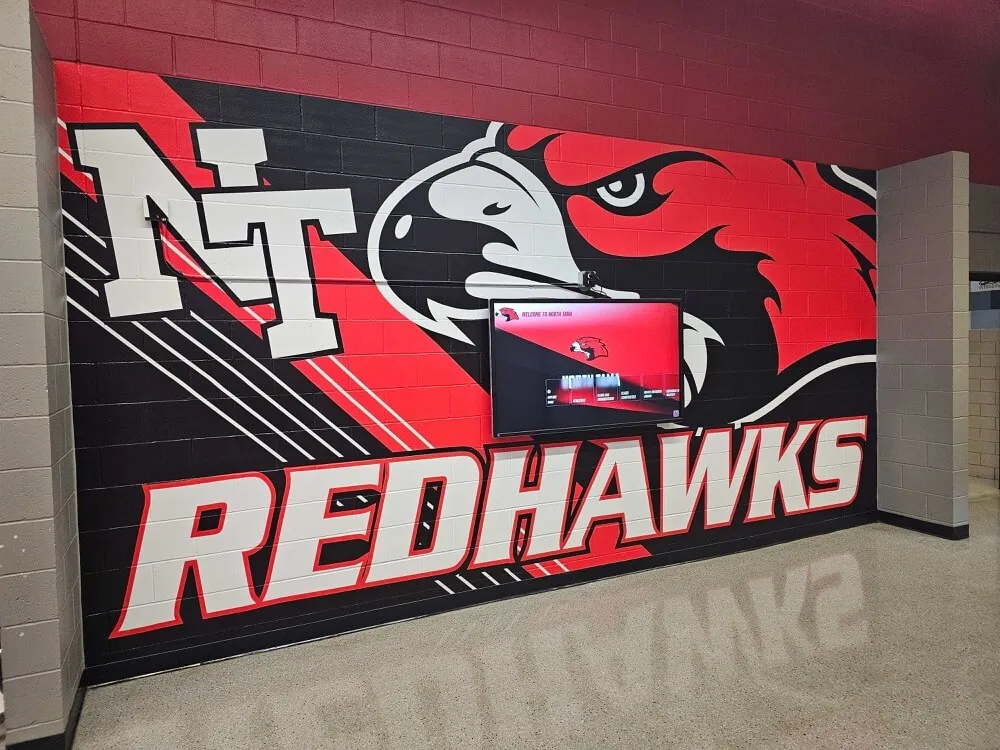
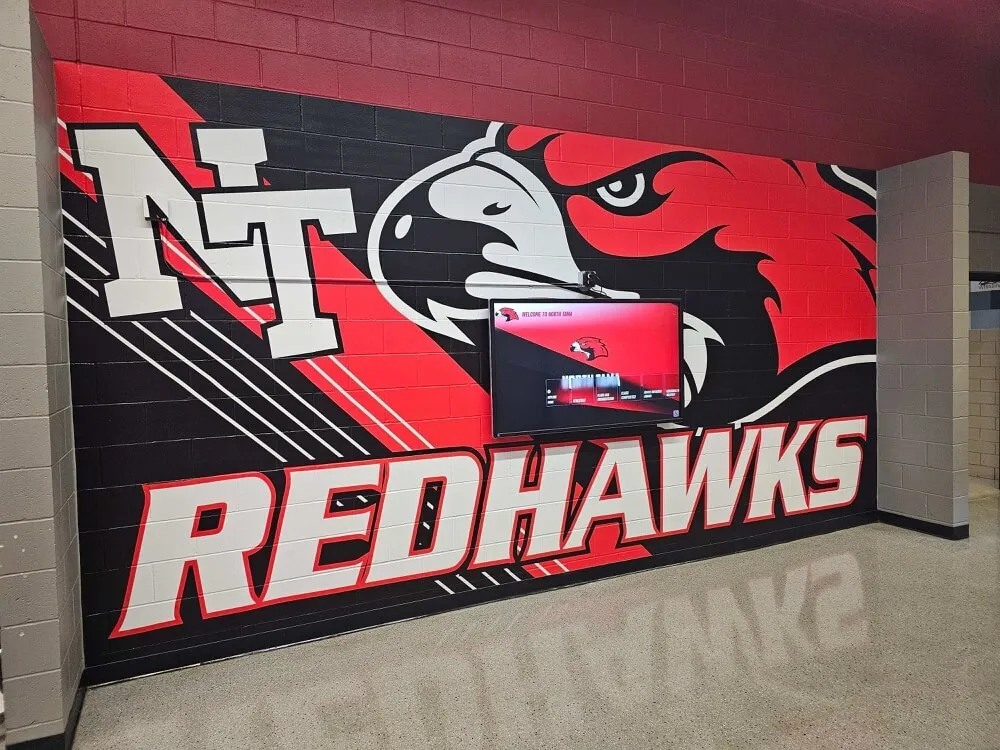
Mascot-centered displays create powerful brand identity while honoring athletic program traditions and achievements
Practical Design Methods for Every Budget Level
Schools face varying resource constraints requiring flexible approaches to poster creation matching available time, skills, and budgets.
DIY Design Using Free Tools
Budget-conscious programs can create professional posters using accessible software:
Recommended Free Design Platforms
- Canva Free: Template-based design with extensive sports poster templates
- GIMP: Advanced photo editing alternative to Photoshop
- Photopea: Browser-based image editor supporting Photoshop files
- Google Drawings: Simple layout tool integrated with Google Workspace
- Inkscape: Vector graphics editor for scalable designs
These platforms offer sufficient capability for most poster needs while maintaining zero software costs.
Template Customization Strategies
Maximize template efficiency:
- Select templates matching your sport and general layout vision
- Replace placeholder images with your team photos
- Modify colors matching exact school brand specifications
- Adjust text content, fonts, and sizing for your needs
- Remove template elements that don’t serve your purpose
- Export at maximum resolution your printer requires
Template customization balances efficiency with personalization, producing professional results without advanced design skills.
Semi-Professional Options Through Online Services
Mid-range budgets enable custom designs through affordable professional services:
Design Service Platforms
- Fiverr: Individual designers offering custom sports poster design ($25-150)
- 99designs: Competition-based design with multiple concept options ($200-500)
- Upwork: Freelance designers with portfolio review before hiring
- Designhill: Template customization with designer assistance
Provide designers with high-resolution team photos, logo files, specific text content, and reference examples showing preferred style to ensure deliverables match expectations.
Professional Design and Printing Services
Programs prioritizing maximum quality and durability invest in comprehensive professional services:
Full-Service Athletic Graphics Providers
Professional services typically include:
- Custom design consultation understanding program needs
- Professional photography sessions if needed
- Multiple design revisions ensuring satisfaction
- High-quality printing on durable materials
- Lamination or protective coatings for longevity
- Installation services for permanent displays
While costs range significantly ($300-2000+ per poster depending on size and complexity), professional results withstand years of display while projecting premium program image.
Material Selection and Printing Considerations
Design quality means nothing if printing and materials fail to do justice to your creative vision.
Poster Material Options
Different materials serve specific purposes and display durations:
Paper-Based Posters
Standard poster paper works for:
- Seasonal displays replaced annually
- Indoor locations with minimal environmental exposure
- Budget-conscious programs prioritizing quantity over longevity
- Temporary event-specific promotions
- Standard sizes: 18x24", 24x36", 27x40"
Costs range from $15-50 per poster depending on size and paper weight.
Vinyl and Fabric Banners
Durable materials appropriate for:
- Multi-year displays justifying higher investment
- Outdoor locations exposed to weather
- High-traffic areas where posters face contact or abuse
- Large format displays exceeding standard poster sizes
- Permanent recognition board installations
Vinyl banners cost $50-200+ but withstand years of use when properly maintained.
Rigid Substrates (Foam Board, Coroplast, Aluminum)
Professional mounting options include:
- Foam board: Lightweight, indoor use, professional appearance ($40-100)
- Coroplast: Plastic corrugated, weather-resistant, budget-friendly ($50-120)
- Aluminum composite: Premium durability, outdoor rated, professional ($100-300+)
Rigid substrates create polished, permanent-feeling displays that stand apart from paper posters.
Print Quality Specifications
Ensure your printer understands requirements preventing disappointing results:
Essential Print Specifications to Confirm
- Resolution: 300 DPI minimum for photo-quality output
- Color management: CMYK color mode matching print capabilities
- Bleed area: 0.25" additional image area beyond trim preventing white edges
- Safe zone: Keep critical text/images 0.5" inside trim line
- File format: PDF or TIFF preferred for professional printing
- Finishing options: Matte vs. gloss, lamination, mounting
Request printed proofs for large orders before committing to full production runs, catching design issues before printing hundreds of dollars worth of materials.
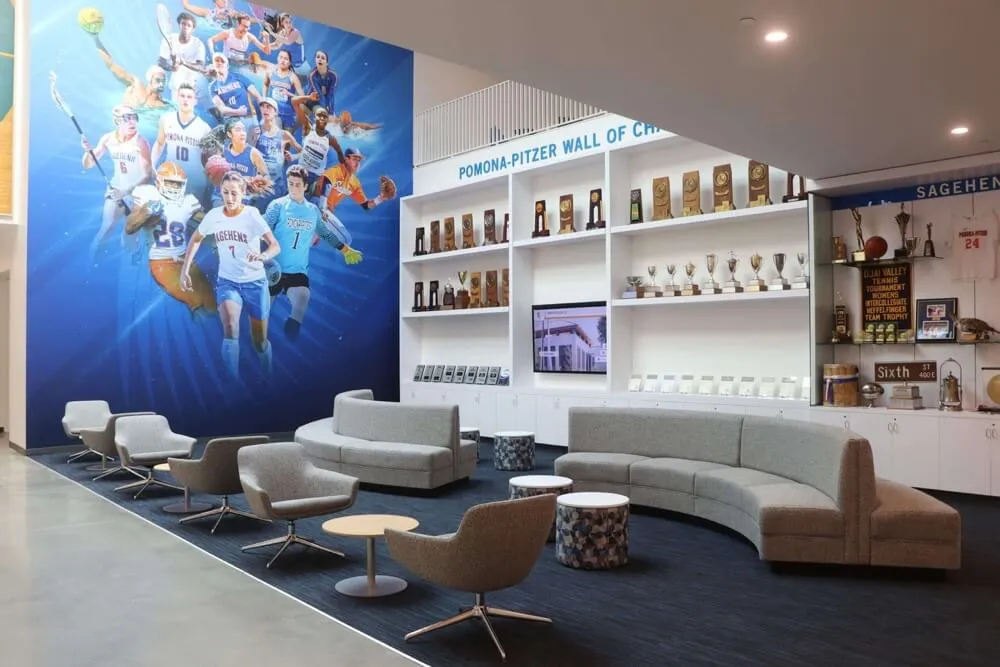
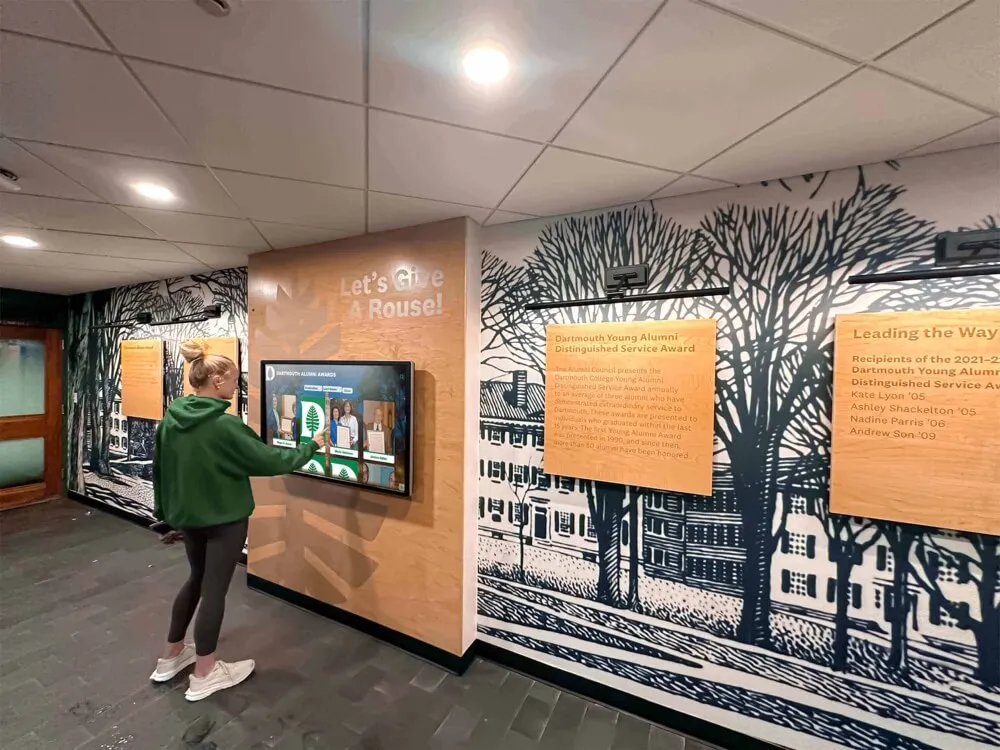
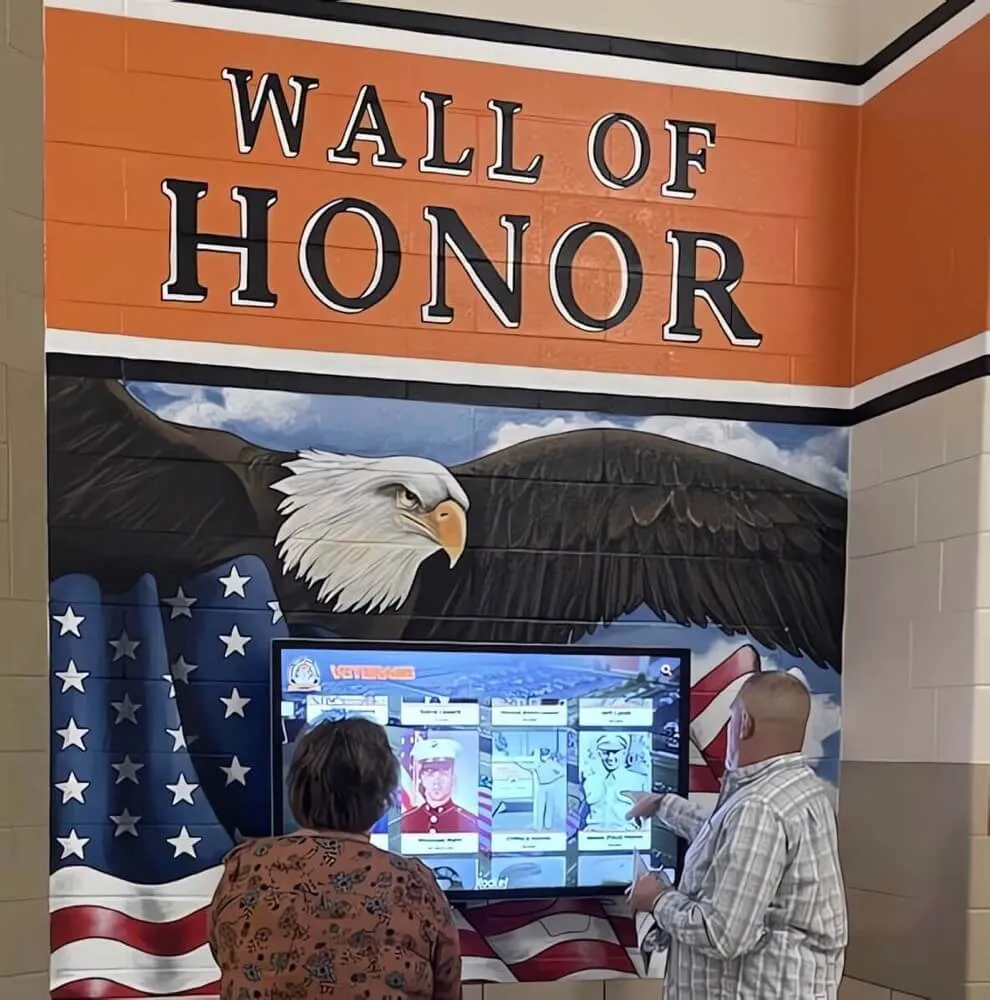
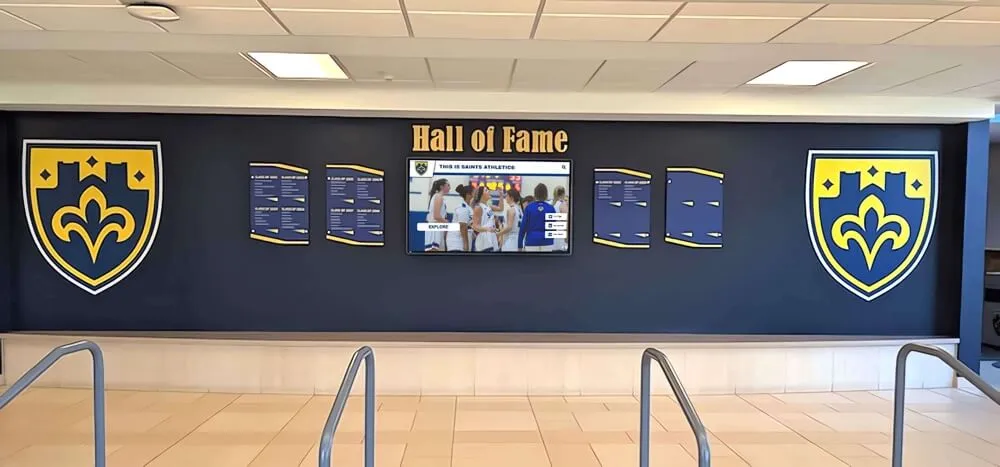
Permanent murals combine with changeable displays creating flexible recognition systems that honor past achievements while celebrating current teams
Strategic Placement and Display Techniques
Even exceptional poster design fails without thoughtful placement maximizing visibility and impact.
High-Impact Display Locations
Prioritize locations where posters receive maximum exposure to target audiences:
Primary Display Areas
- Main gymnasium entrances where all stakeholders enter
- Athletic hallways connecting locker rooms to competition areas
- School main entrances greeting daily traffic
- Commons areas or cafeterias with high student concentration
- Administrative office lobbies where visitors wait
- Concession stand areas capturing spectator attention
Each location serves specific audiences—design placement strategies considering who views posters in each space and what messages resonate with those groups.
Community Extension Displays
Extend program visibility beyond school facilities:
- Local businesses supporting athletic programs
- Recreation centers hosting youth sports
- Community bulletin boards in libraries or civic centers
- Team sponsor locations acknowledging partnership
- Tournament and playoff venue displays
Community placement builds broader support while creating pride among families unable to visit school facilities regularly.
Installation Methods Preventing Damage
Protect both posters and facility surfaces through appropriate mounting:
Temporary Installation Options
For seasonal displays:
- Painter’s tape or removable adhesive strips on walls
- Poster frames with hanging hardware on dedicated walls
- Portable stands or easels in lobby areas
- Magnetic mounting on metal surfaces
- Tension rod systems spanning hallway widths
Avoid permanent adhesives or damaging methods requiring repair or repainting when posters change.
Permanent Display Systems
Long-term solutions include:
- Dedicated poster frames with changeable inserts
- Acrylic pocket systems accepting updated materials
- Track mounting systems allowing easy content swapping
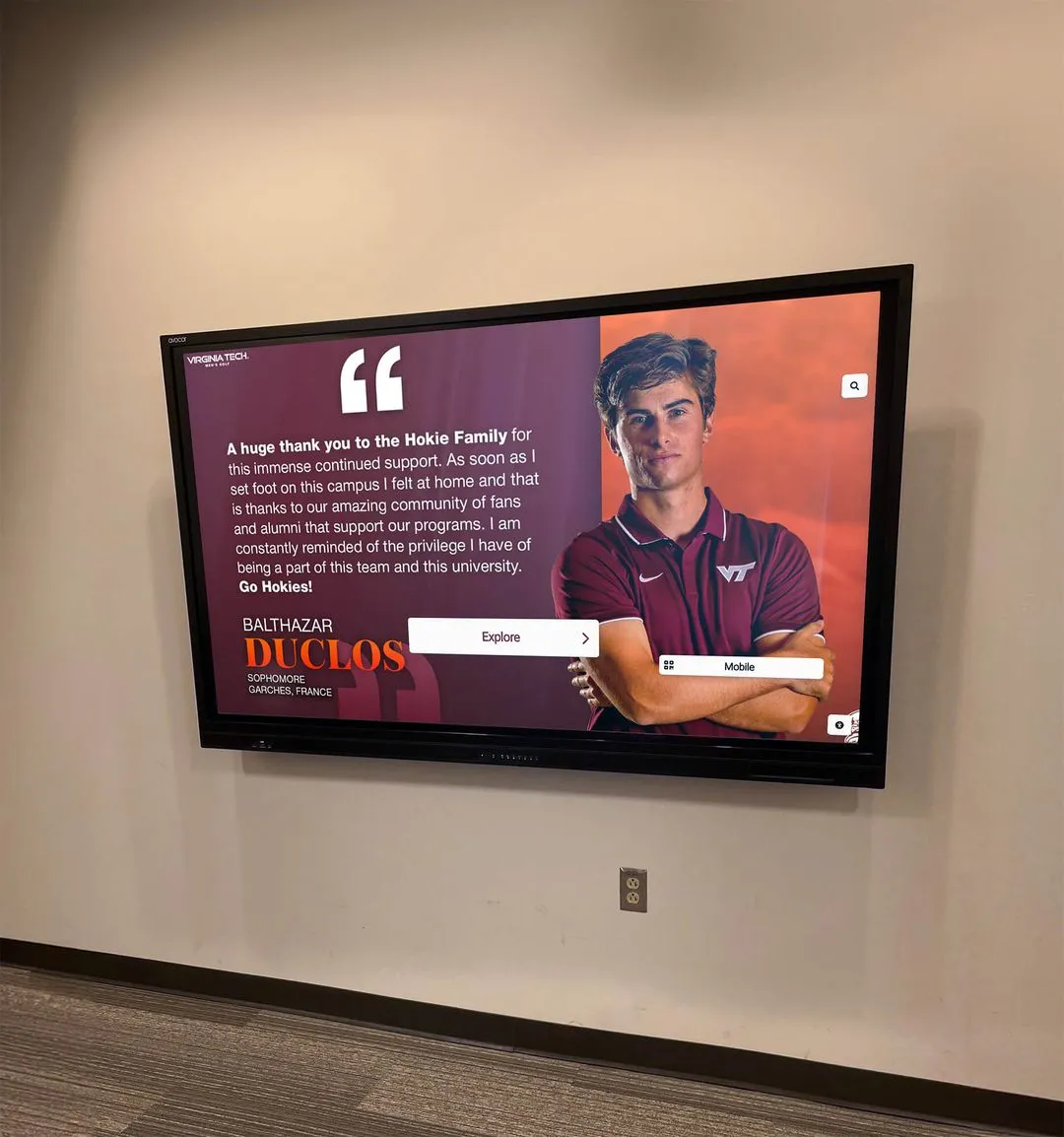
- Digital display screens rotating through poster designs
- Professional mounting to rigid backing with permanent installation
Investment in infrastructure simplifies future content updates while maintaining consistent, professional appearance.
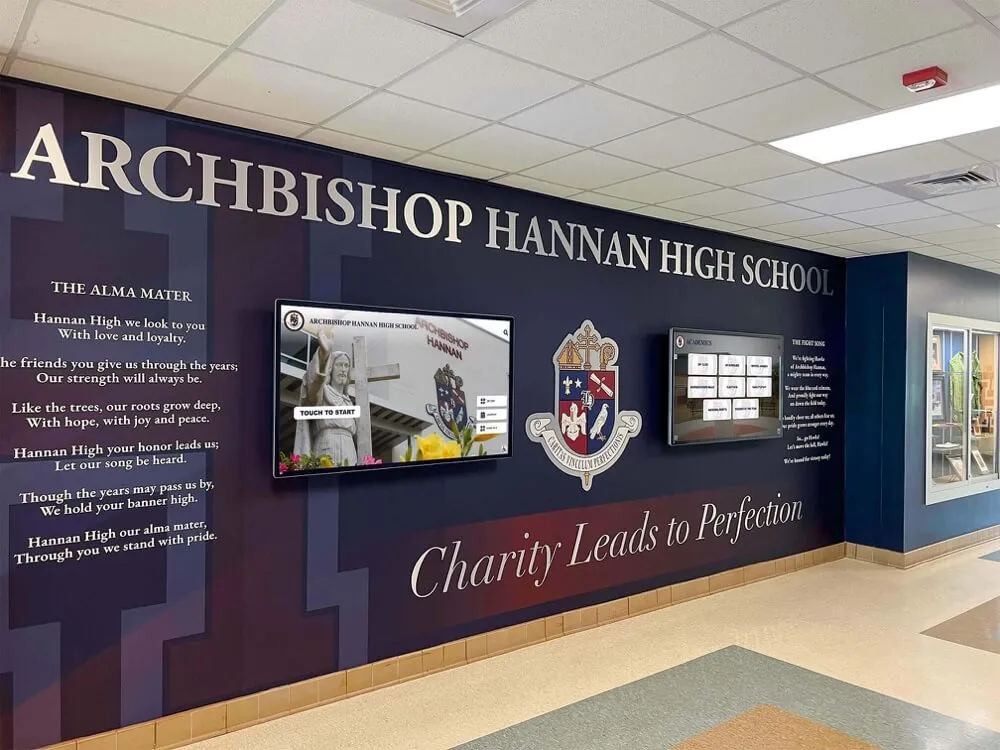
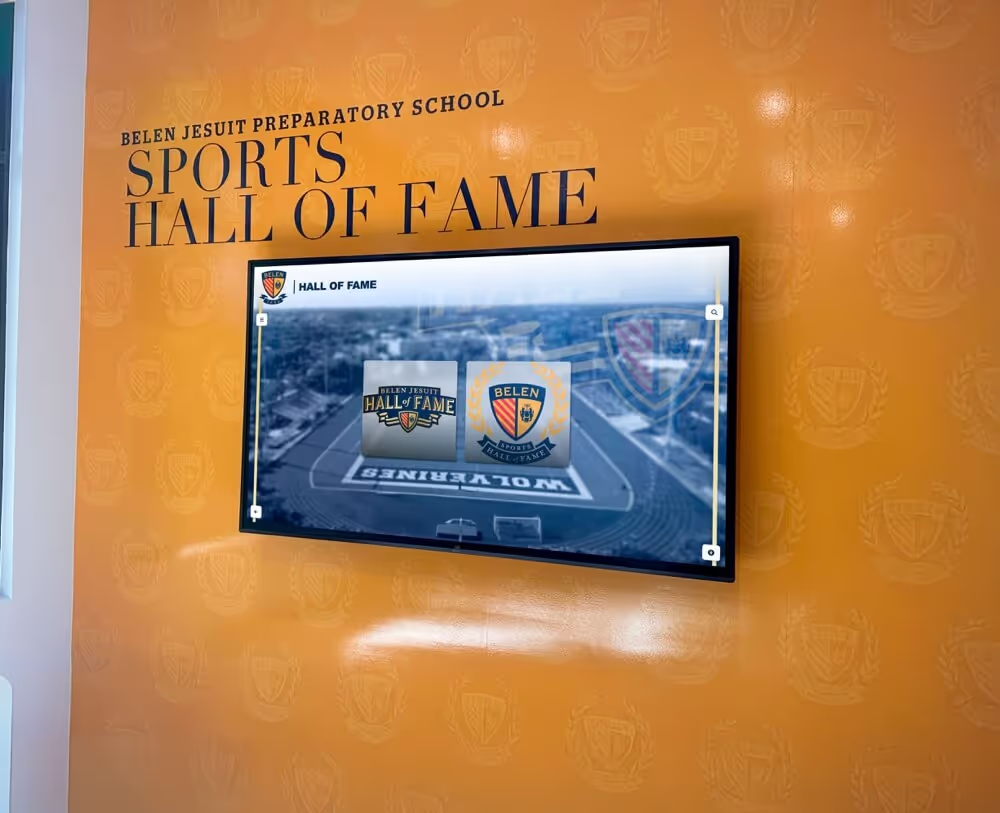
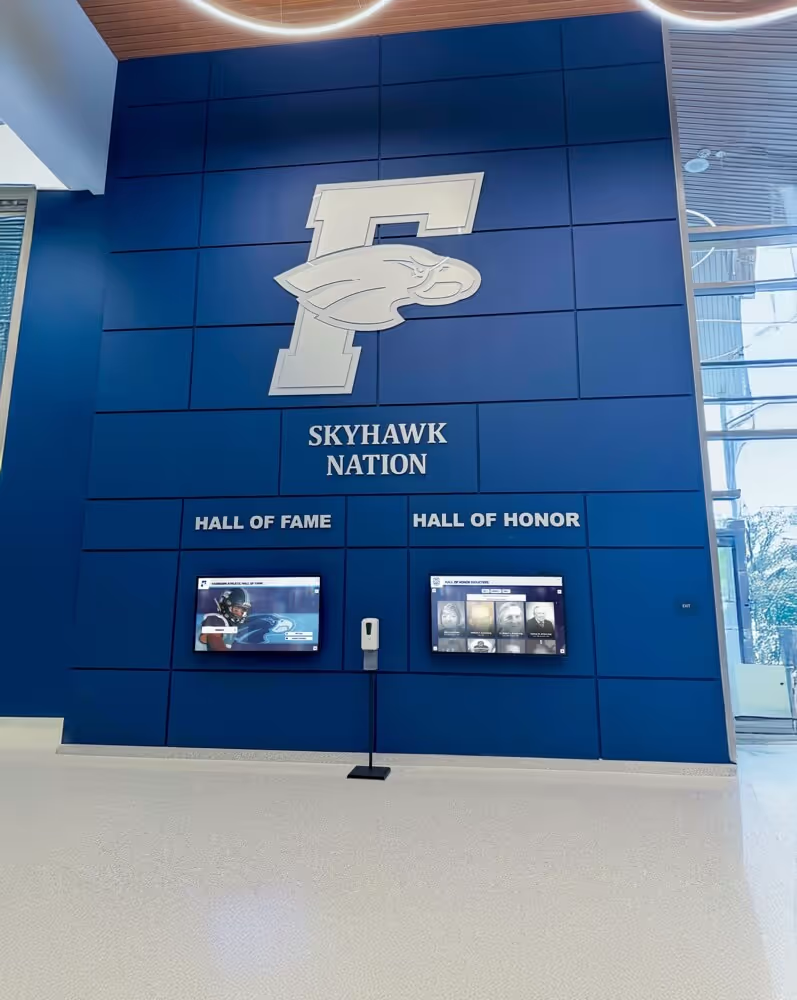
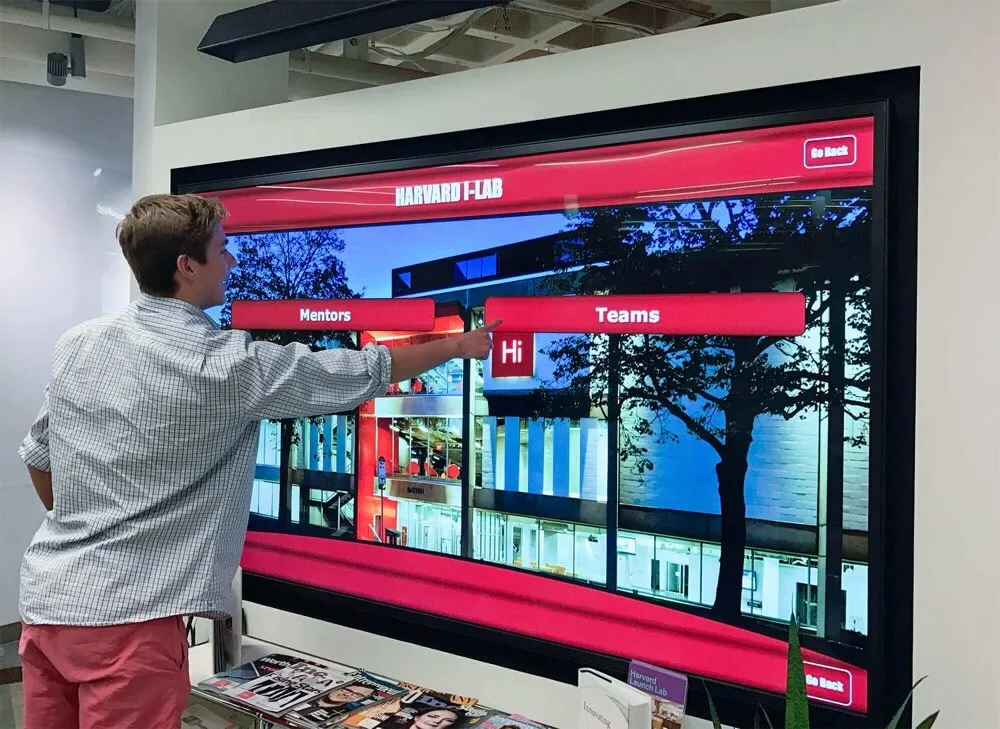
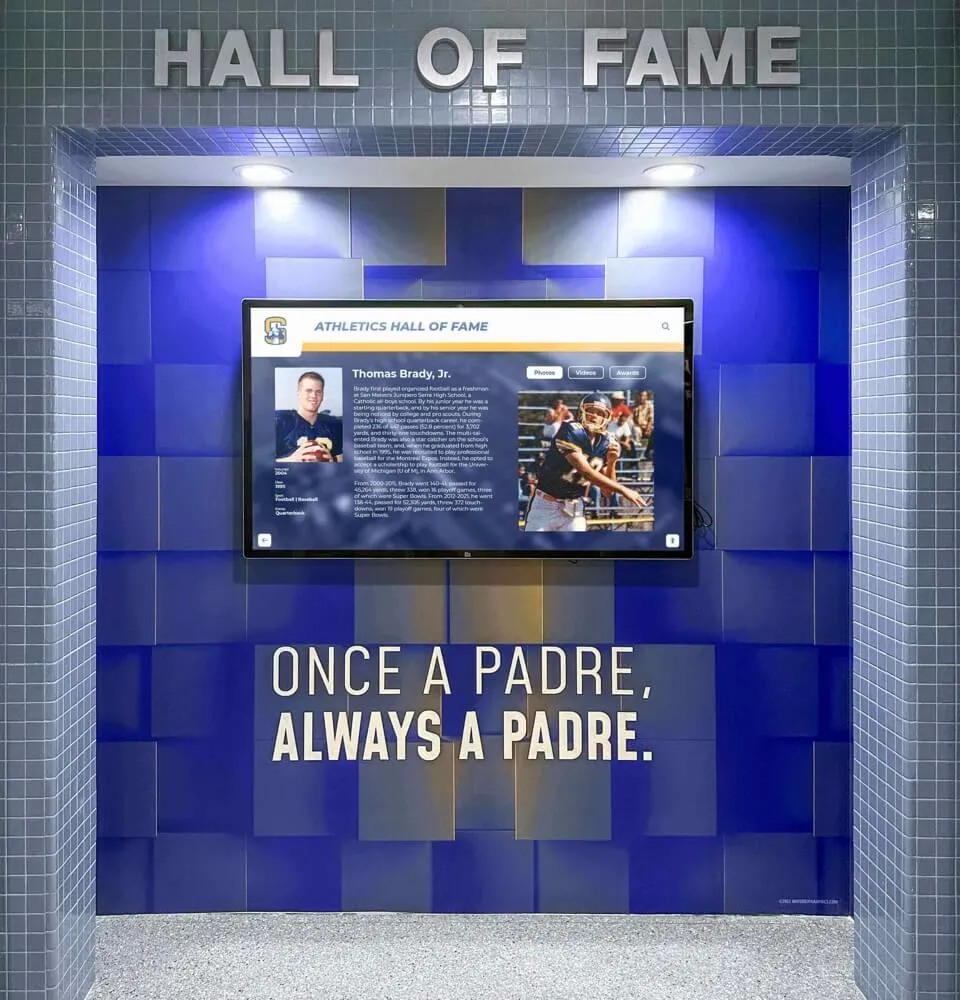
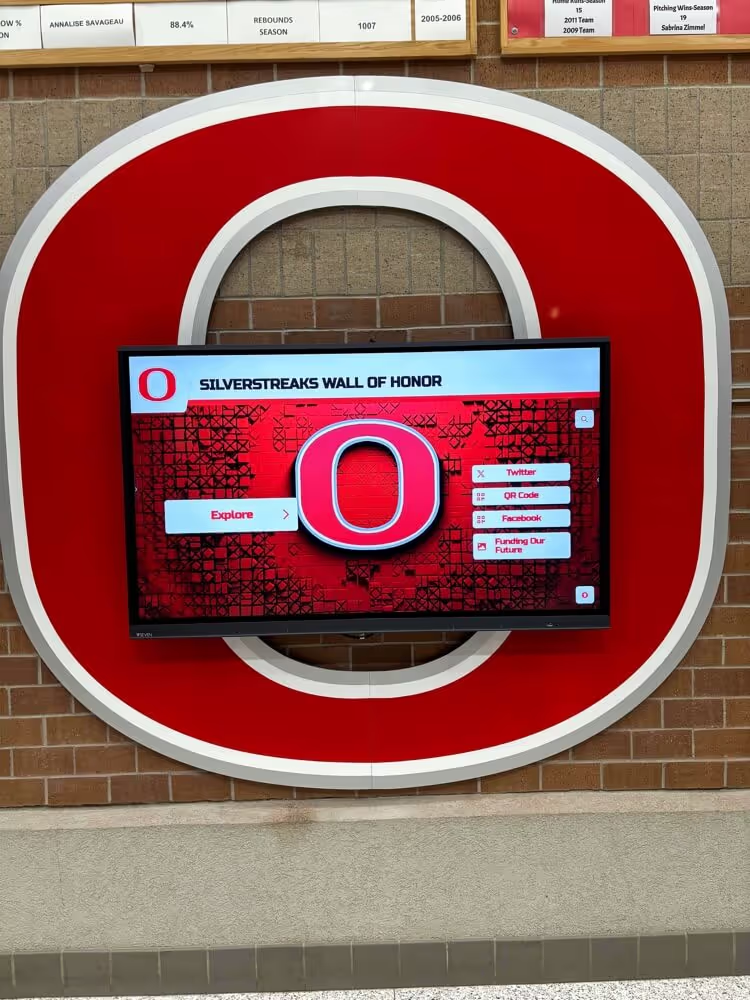
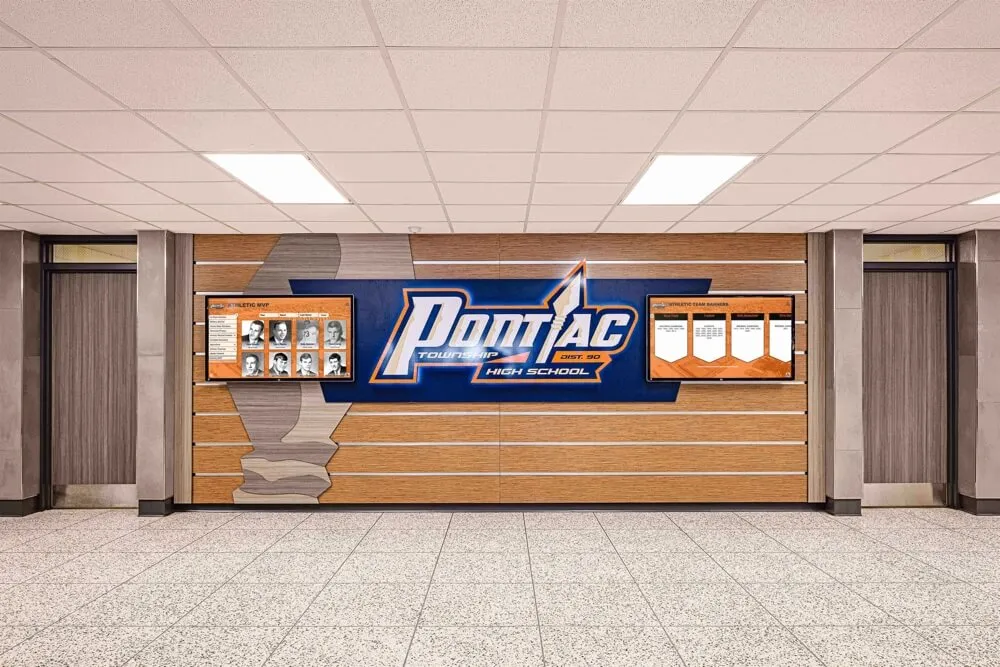
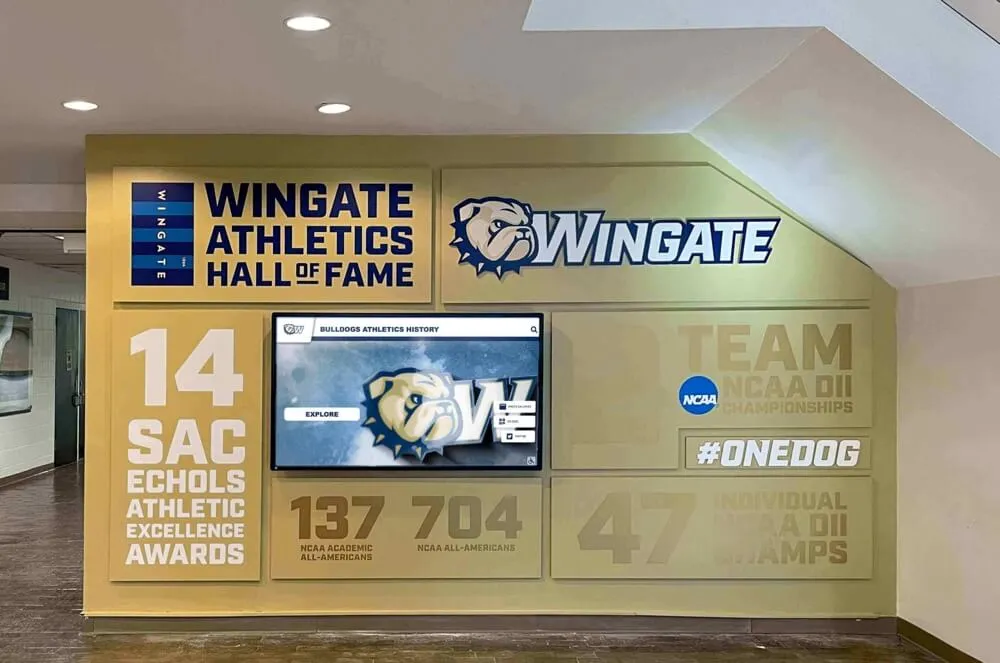
Integrated recognition systems combine permanent architectural elements with updateable digital displays creating lasting program identity
Digital Evolution: From Static Posters to Interactive Displays
While traditional posters remain valuable recognition tools, many programs complement printed materials with digital alternatives providing flexibility and enhanced engagement.
Advantages of Digital Athletic Displays
Modern technology addresses limitations inherent in printed posters:
Dynamic Content Updates
Digital systems enable:
- Real-time schedule updates reflecting cancellations or changes
- Live scoring and statistics during competition days
- Rotating content showcasing multiple sports and athletes
- Video highlights supplementing static images
- Social media integration displaying team updates
This flexibility eliminates reprinting costs while ensuring displayed information remains current and relevant.
Historical Preservation and Accessibility
Digital archives complement current recognition:
- Comprehensive athlete databases spanning decades of program history
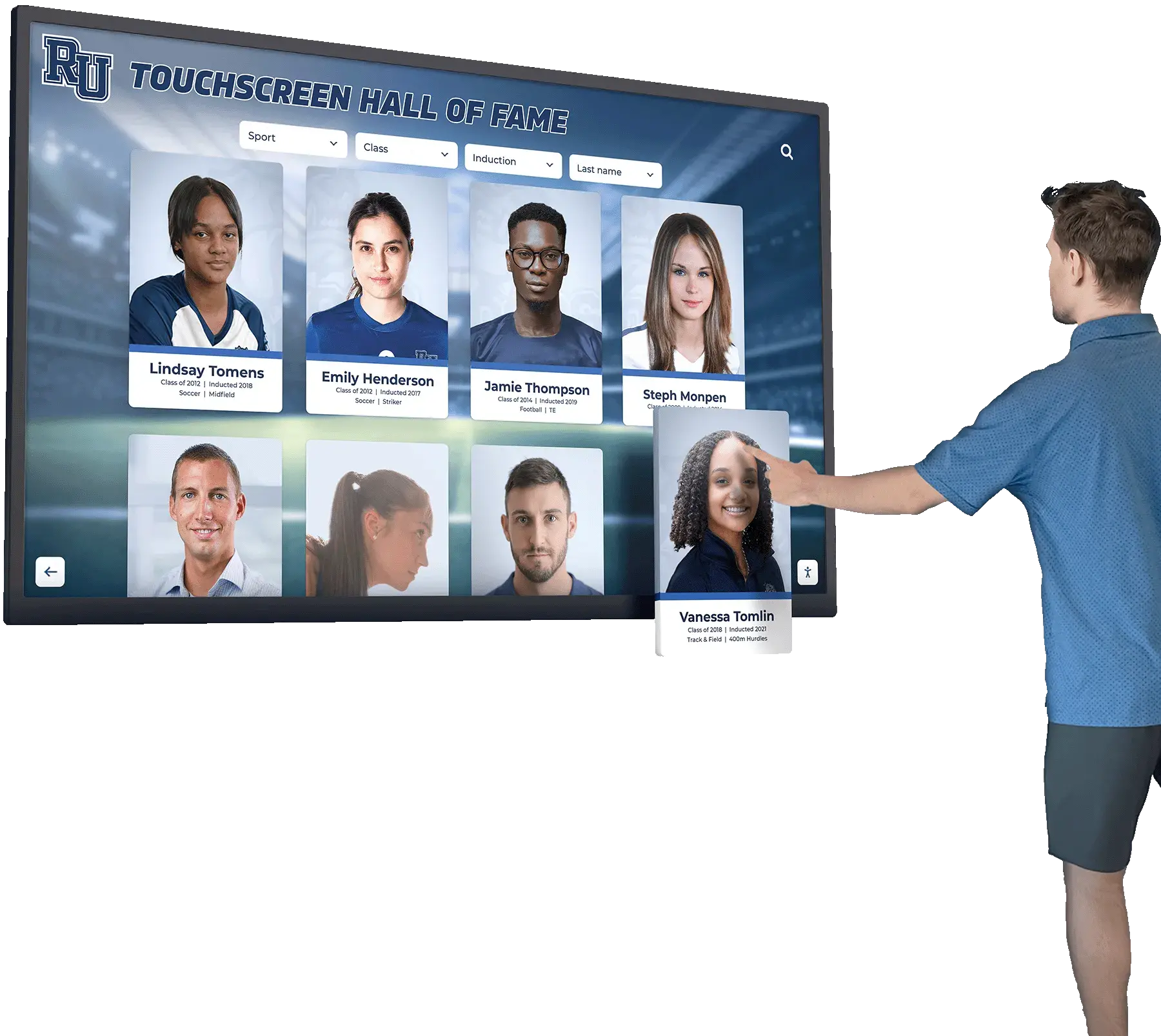
- Searchable records allowing alumni to locate their achievements
- Hall of fame displays honoring legendary athletes and teams
- Statistical comparisons across eras
- Photo galleries preserving program memories
These capabilities transform recognition from single-season snapshots to comprehensive program narratives connecting current athletes with rich institutional traditions.
Hybrid Approaches Combining Print and Digital
Strategic programs leverage strengths of both mediums:
Complementary Display Strategies
Effective hybrid systems feature:
- Permanent printed murals establishing visual identity and program pride
- Adjacent digital screens displaying current rosters and schedules
- Printed senior recognition posters during senior night ceremonies
- Digital displays archived after events for historical access
- Static branded elements with changeable digital content areas
This balanced approach preserves the tangible, permanent nature of printed recognition while gaining digital flexibility and engagement advantages.
Maintaining and Updating Your Poster Displays
Initial poster investment represents just the beginning—ongoing maintenance ensures displays continue representing program excellence.
Seasonal Update Schedules
Establish systematic refresh cycles:
Annual Update Requirements
Each season requires:
- New roster information reflecting current team composition
- Updated schedules with accurate dates and opponents
- Current coach staff if personnel changes occurred
- Achievement updates recognizing recent accomplishments
- Refreshed design elements preventing visual staleness
Plan poster updates 2-3 weeks before season begins, allowing adequate design, approval, printing, and installation time.
Graduated Athlete Recognition Transition
Senior recognition requires special handling:
- Timely removal of senior-specific displays after season concludes
- Honor roll of graduated athletes in permanent locations
- Distribution of senior posters to athletes as keepsakes
- Digital archiving ensuring achievements remain accessible
- Smooth transition to next season’s team without gaps
Physical Maintenance Best Practices
Extend poster lifespan through proper care:
Regular Inspection and Cleaning
- Monthly checks for fading, damage, or detachment
- Gentle cleaning removing dust and fingerprints
- Damage repair or replacement when needed
- Adhesive reinforcement preventing poster falls
- Environmental monitoring for moisture or direct sunlight exposure
Storage of Retired Materials
Preserve historical posters:
- Flat storage preventing creasing or damage
- Climate-controlled environments avoiding moisture and temperature extremes
- Cataloging system enabling easy retrieval
- Digital photography creating backup records
- Periodic rotation bringing historical displays to temporary exhibition
These archives support reunion events, program anniversary celebrations, and historical displays while preserving athletic program heritage.
Building Team Traditions Around Poster Recognition
Beyond visual decoration, poster programs can become cherished traditions connecting athletes across generations.
Annual Poster Reveal Events
Create anticipation through ceremonial unveilings:
Season Kickoff Poster Ceremonies
- Team gathering to view first display of season posters
- Photography opportunities with athletes beside their images
- Social media sharing generating broader visibility
- Parent and community attendance building support
- Integration with other season preview events
These moments transform poster installation from administrative task to meaningful tradition athletes anticipate annually.
Senior Poster Signing Traditions
Adapt yearbook signing to athletic recognition:
Poster Guest Books
- Display senior posters at final home games
- Provide markers for teammates, coaches, and fans to sign
- Present signed posters to seniors as keepsakes
- Photograph athletes with their poster before and after signing
- Create emotional connection between recognition and community
Years later, signed posters remind athletes of relationships and support systems surrounding their athletic careers.
Alumni Connection Through Historical Displays
Use posters connecting current athletes with program legacy:
Decades of Excellence Displays
- Historical poster collections spanning program history
- Side-by-side comparisons of past and present teams
- Alumni return visits sharing stories behind historical posters
- Mentor connections between current athletes and alumni
- Program evolution visualization through changing poster styles
These displays demonstrate that current athletes participate in something larger than single seasons—they’re part of ongoing traditions connecting generations of competitors who wore the same uniform.
Creating Your Sports Team Poster Action Plan
Implementing effective poster programs requires systematic planning balancing ambition with realistic resource assessment.
Assessment: Current State and Desired Future
Begin by evaluating your existing situation:
Current Recognition Inventory
Document what already exists:
- Existing poster quantity, quality, and locations
- Historical practices and update frequencies
- Budget allocation for athletic recognition
- Available design skills and resources
- Stakeholder satisfaction with current displays
Understanding your baseline informs realistic improvement goals.
Vision Development
Define your ideal recognition program:
- Sports and athletes requiring poster coverage
- Display locations needing enhancement
- Quality standards reflecting program values
- Budget ranges matching financial realities
- Timeline for implementation across seasons
Implementation: Phased Rollout Strategy
Avoid overwhelming limited resources through staged implementation:
Year One: Foundation Building
Priority actions include:
- Select one or two sports for enhanced poster development
- Establish design templates and processes
- Identify and prepare key display locations
- Create documentation enabling replication
- Gather feedback informing expansion
Year Two-Three: Program Expansion
Build upon initial success:
- Extend poster programs to additional sports
- Upgrade materials and printing quality
- Develop permanent infrastructure supporting displays
- Integrate digital elements where appropriate
- Establish sustainable maintenance routines
Long-Term: Program Maturity
Mature programs demonstrate:
- Consistent recognition quality across all sports
- Established traditions anticipated by athletes
- Efficient processes minimizing time investment
- Budget sustainability supporting ongoing operations
- Continuous improvement based on feedback and innovation
Conclusion: Designing Displays That Honor Excellence
Sports team posters represent far more than hallway decoration—they’re visual celebrations of athletic dedication, program pride, and community connection. Whether featuring entire rosters, highlighting senior achievements, or documenting championship victories, well-designed posters create emotional resonance that inspires athletes while engaging broader communities in celebrating shared successes.
The most effective poster programs balance professional design quality with authentic representation of your unique program identity. Teams don’t need unlimited budgets or professional design skills—they need thoughtful planning, genuine commitment to honoring athletes, and willingness to improve iteratively over time.
As you develop poster displays celebrating your athletes, remember that perfect shouldn’t become the enemy of good. A heartfelt poster created with available resources and genuine care resonates more powerfully than expensive productions lacking authentic connection to your athletes and community. Start where you are, use what you have, and build traditions that future teams will treasure for decades to come.
When your athletes walk past hallways displaying their images and achievements, they’re reminded that their dedication matters—that coaches, administrators, and communities notice their sacrifices and celebrate their successes. That recognition creates motivation driving continued excellence while building pride connecting current teams to the rich legacies they inherit and extend.
Ready to elevate your athletic recognition beyond traditional posters? Rocket Alumni Solutions specializes in interactive digital displays that combine the visual impact of professional poster design with the flexibility and engagement of modern technology. Our touchscreen solutions celebrate current athletes while preserving decades of program history, creating recognition systems that inspire excellence across generations. Discover how digital recognition transforms athlete celebration while building lasting program traditions.