



Every fall, school hallways transform into vibrant campaign galleries as student council candidates plaster walls with colorful posters competing for attention, votes, and leadership positions. These creative displays represent more than decorated poster board—they’re students’ first experiences with political campaigns, public messaging, and persuasive communication that shapes how classmates perceive their leadership potential.
Yet creating effective student council posters challenges candidates who must balance creativity with clarity, humor with professionalism, and eye-catching design with meaningful messaging. Students wonder which design approaches actually influence voting decisions, how to stand out among dozens of competing campaigns, and whether traditional poster strategies still resonate with today’s digitally-native student bodies.
This comprehensive guide explores winning student council poster ideas, proven design strategies, memorable campaign slogans, and how schools celebrate student leadership achievements—both through traditional campaign materials and modern digital recognition systems that preserve these important moments in students’ leadership journeys.
Student council campaigns provide valuable learning experiences where students discover how visual communication, persuasive messaging, and creative expression influence peer perceptions and decision-making. Understanding what makes campaign posters effective helps candidates create compelling materials while giving schools frameworks for celebrating student leadership traditions.

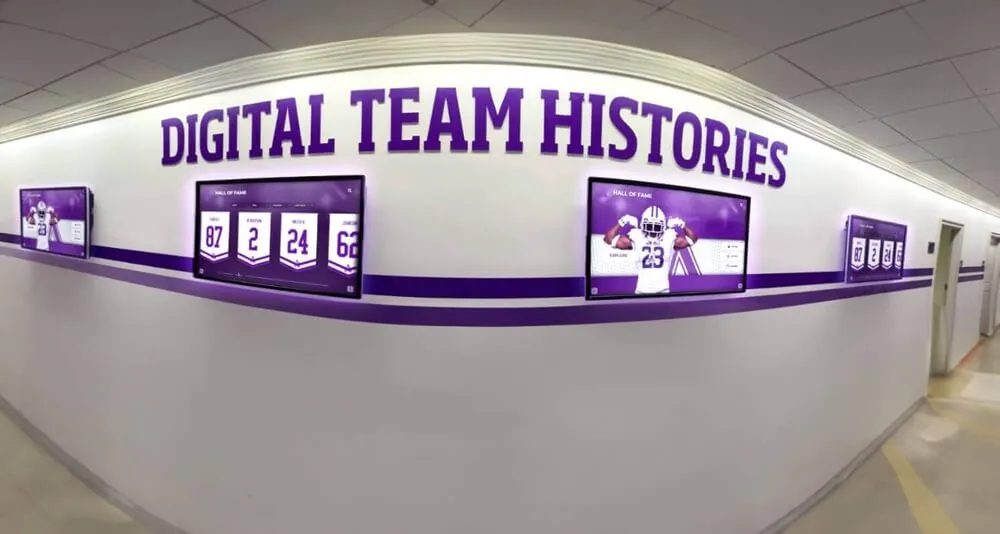
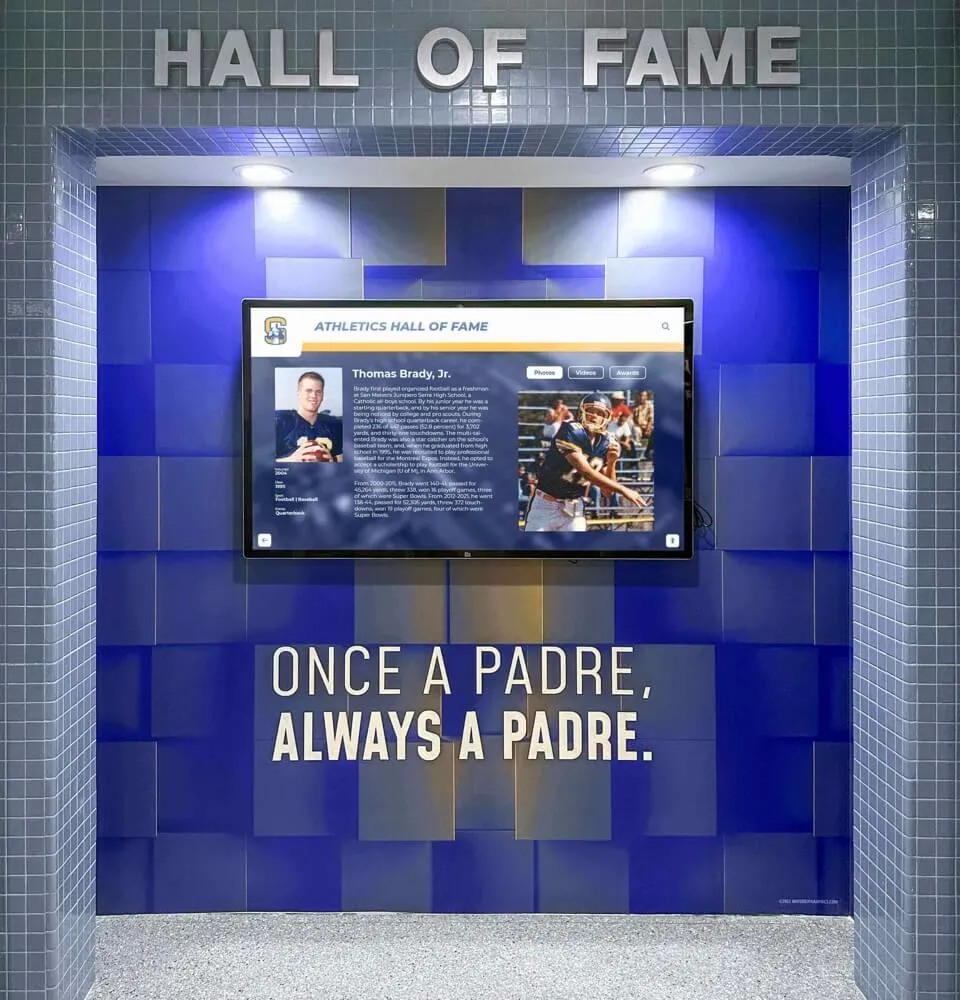
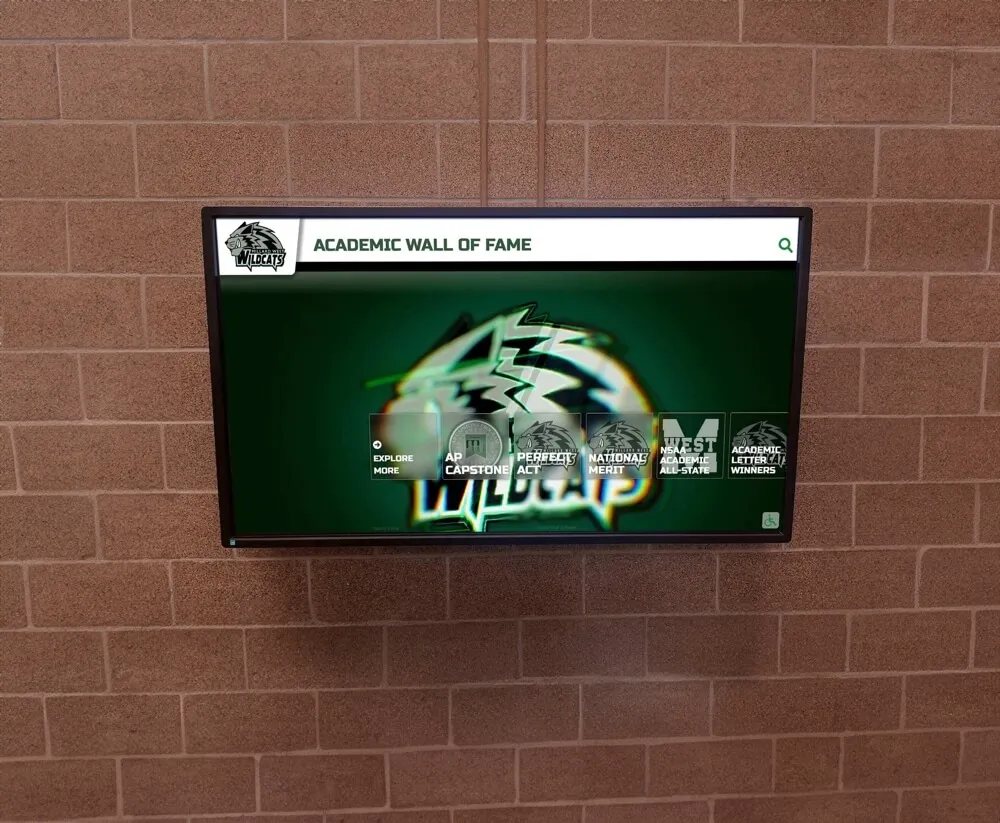
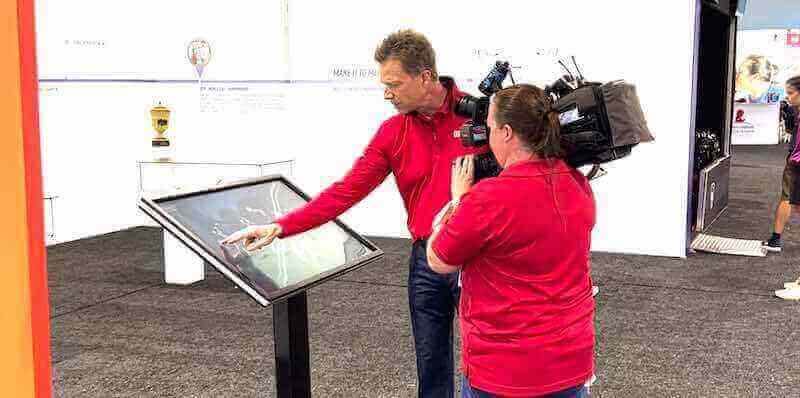
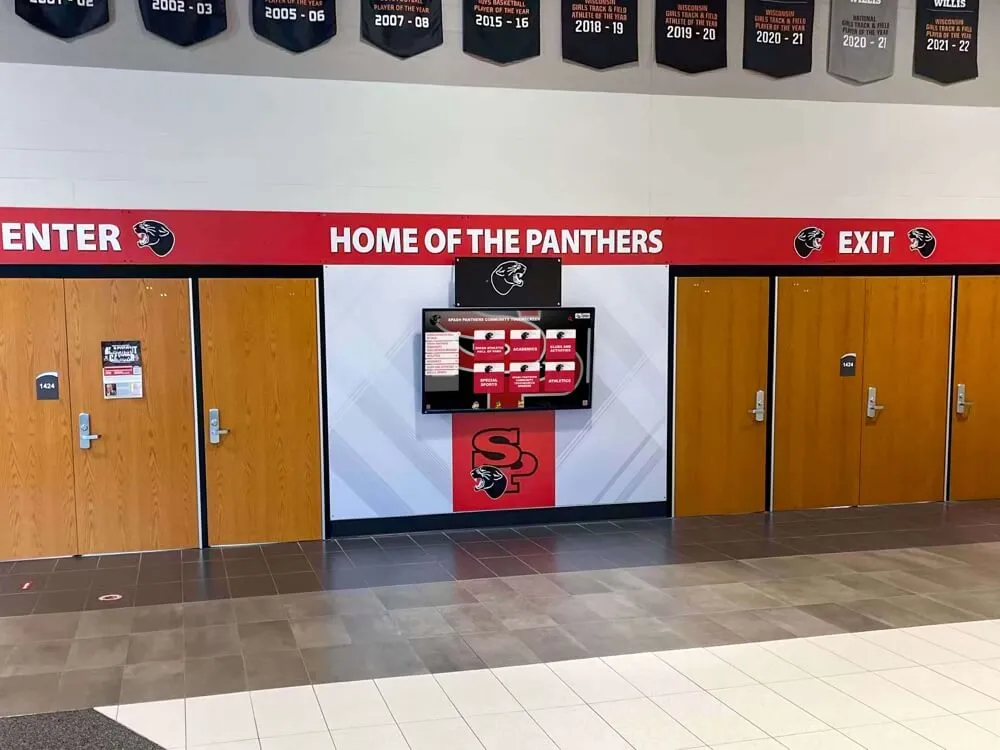
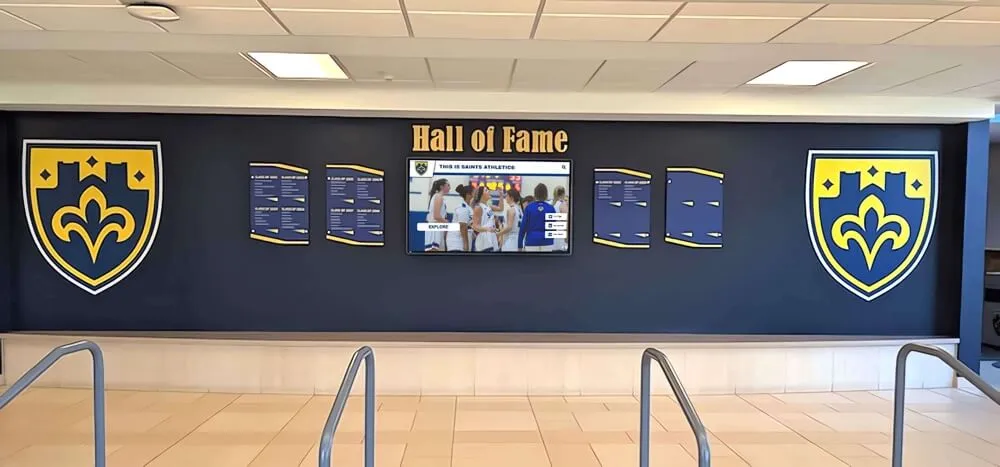
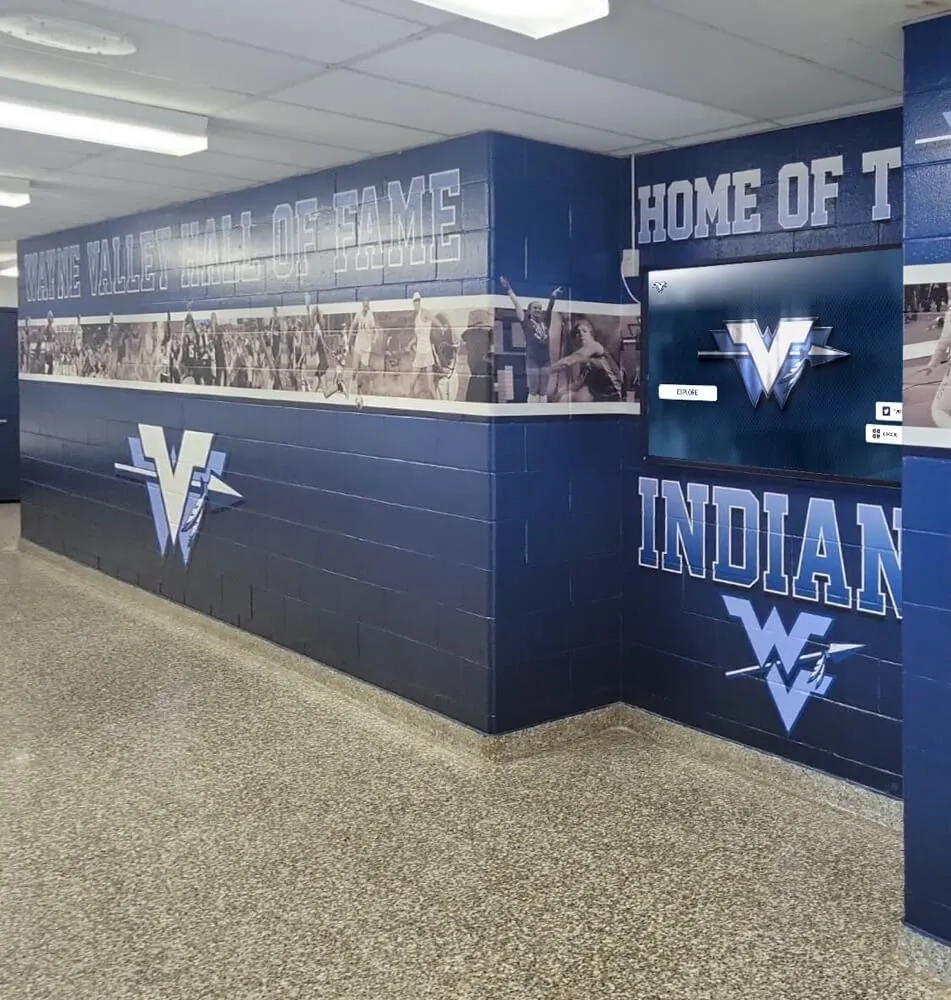
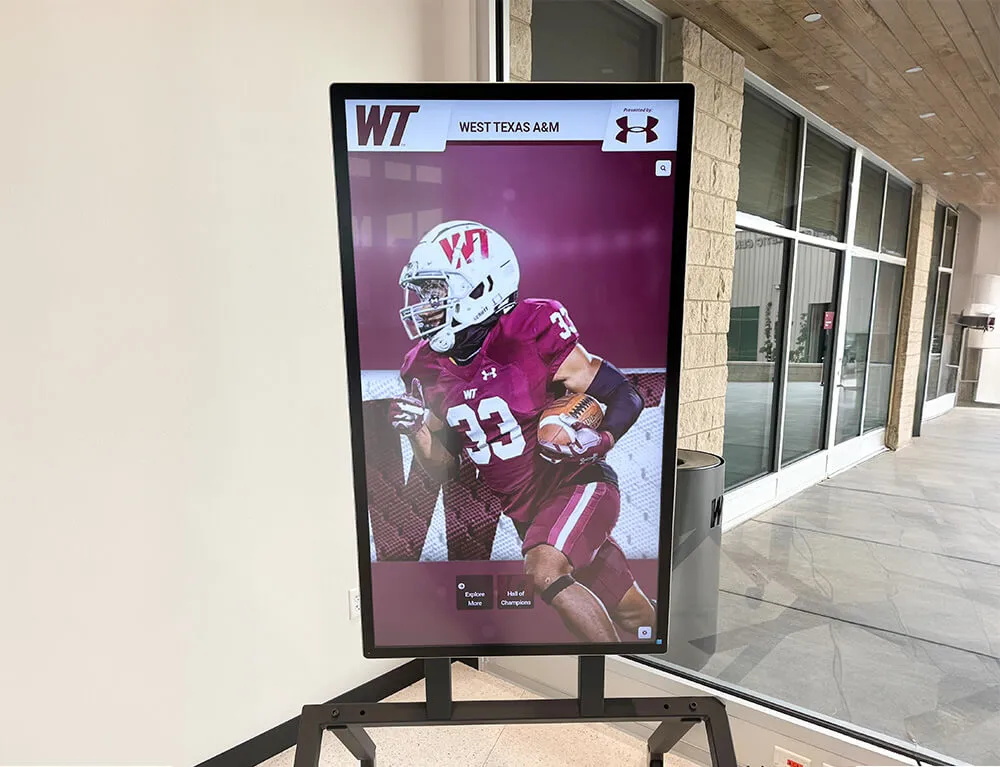
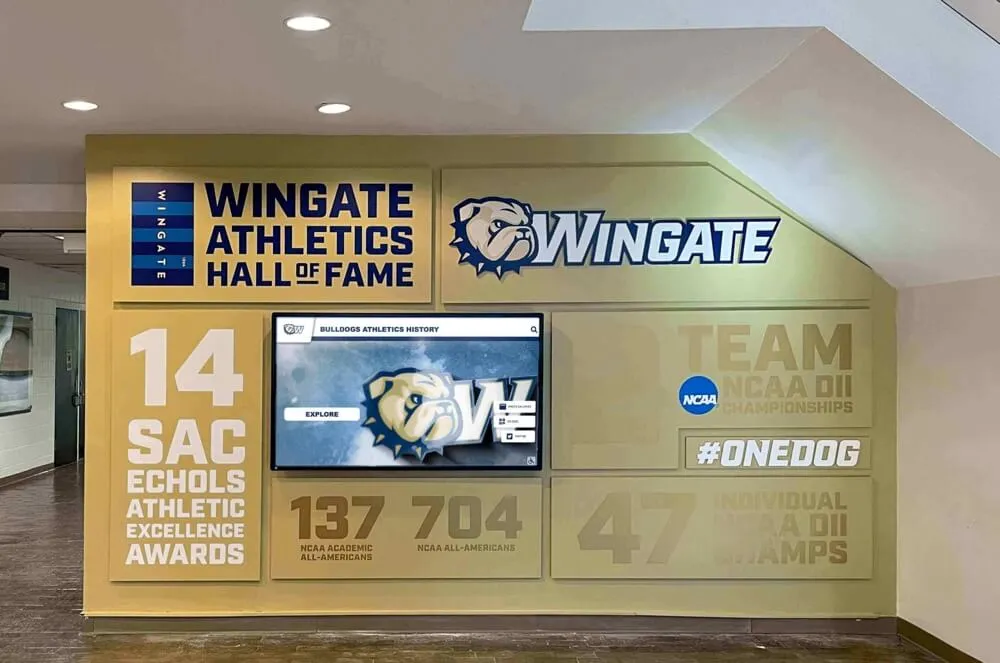
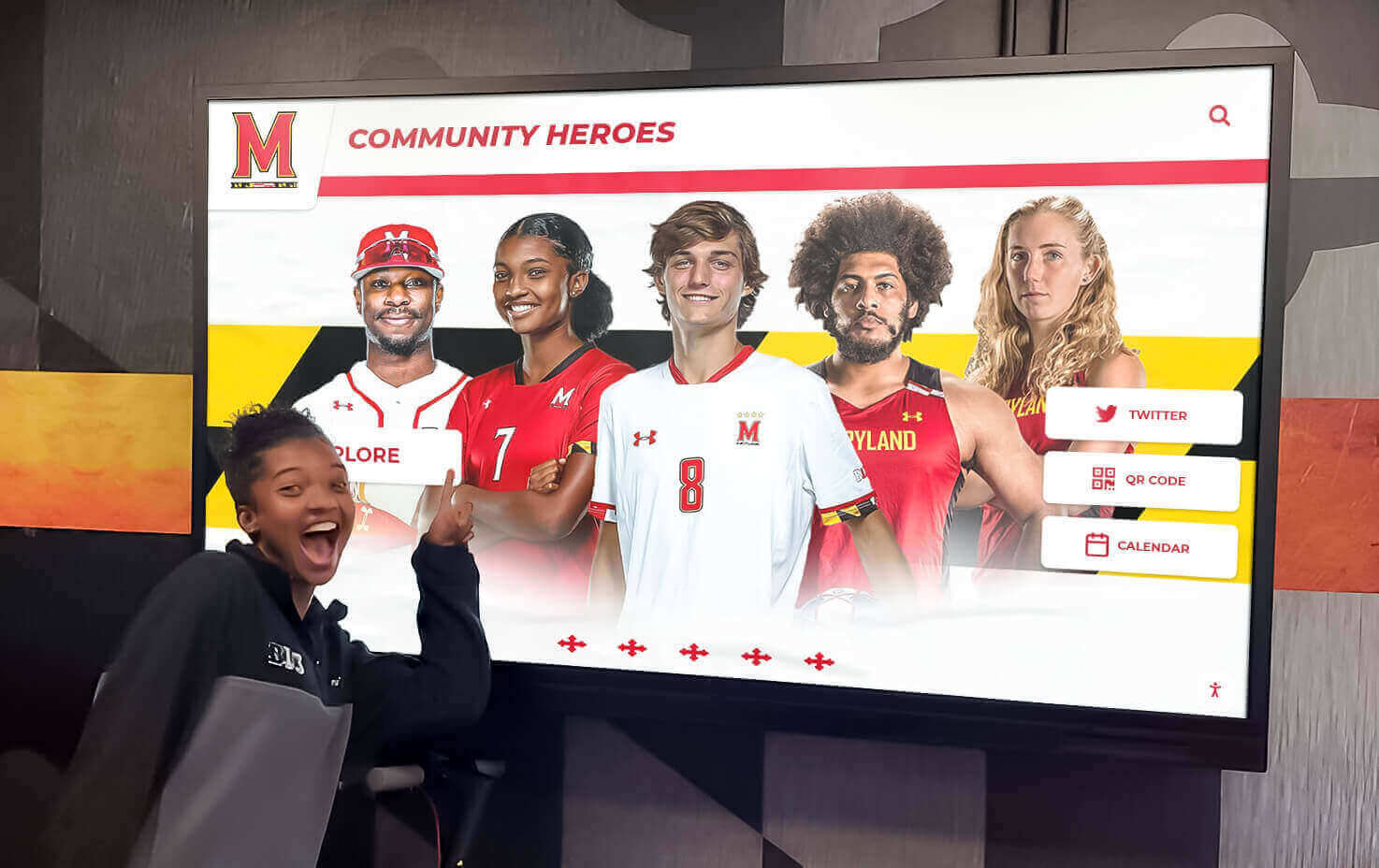
Digital displays showcase student leaders and their achievements, preserving campaign moments and celebrating student government contributions
Understanding Student Council Campaign Poster Purpose
Before designing campaign materials, understanding poster functions and audience expectations shapes effective strategies.
The Role of Campaign Posters in Student Elections
Campaign posters serve multiple strategic purposes:
Name Recognition and Visibility
Building candidate awareness among student body:
- Repeated exposure creating familiarity with candidate names
- Visual presence establishing candidates as serious contenders
- School-wide visibility reaching voters across grade levels
- Memorable designs helping students recall candidates during voting
- Strategic placement maximizing exposure in high-traffic areas
- Quantity creating impression of robust campaign organization
Students typically recognize poster-heavy campaigns as well-organized and committed efforts, influencing perceptions of candidate seriousness.
Communicating Platform and Priorities
Conveying candidate positions and promises:
- Brief slogans highlighting key campaign themes
- Visual metaphors representing candidate values and priorities
- Policy positions communicated concisely for quick comprehension
- Personality traits demonstrated through design choices and humor
- Connection to student concerns through relevant messaging
- Differentiation from opponents through unique positioning
Effective posters communicate what candidates stand for beyond simple name recognition.
Creating Personal Connection
Building rapport with potential voters:
- Photographs humanizing candidates beyond names on ballots
- Personality expression through design style and humor choices
- Approachability signaled through friendly messaging and tone
- Relatability demonstrated through references students understand
- Authenticity shown through genuine rather than generic messaging
- Enthusiasm conveyed through energetic design and colors
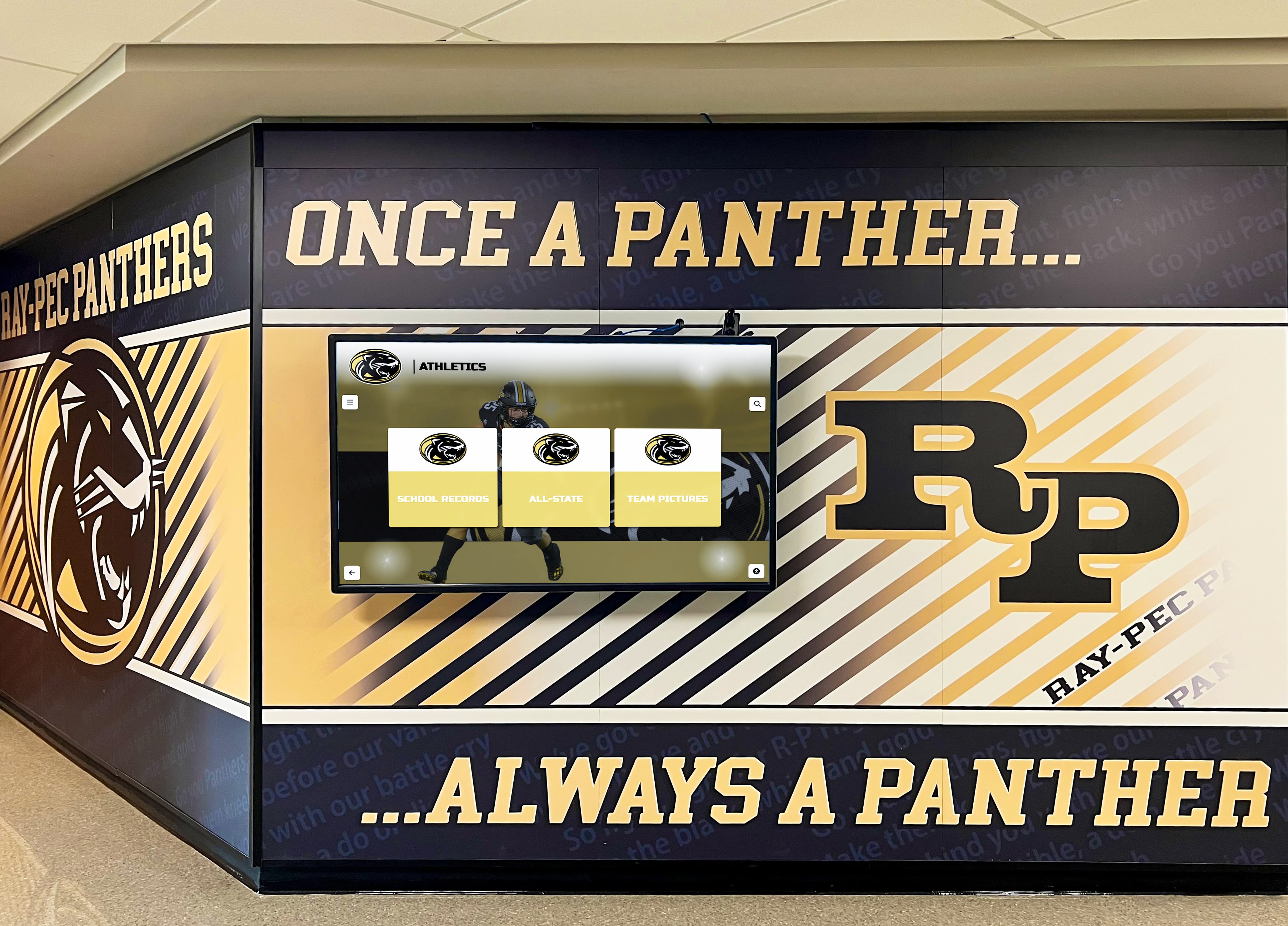
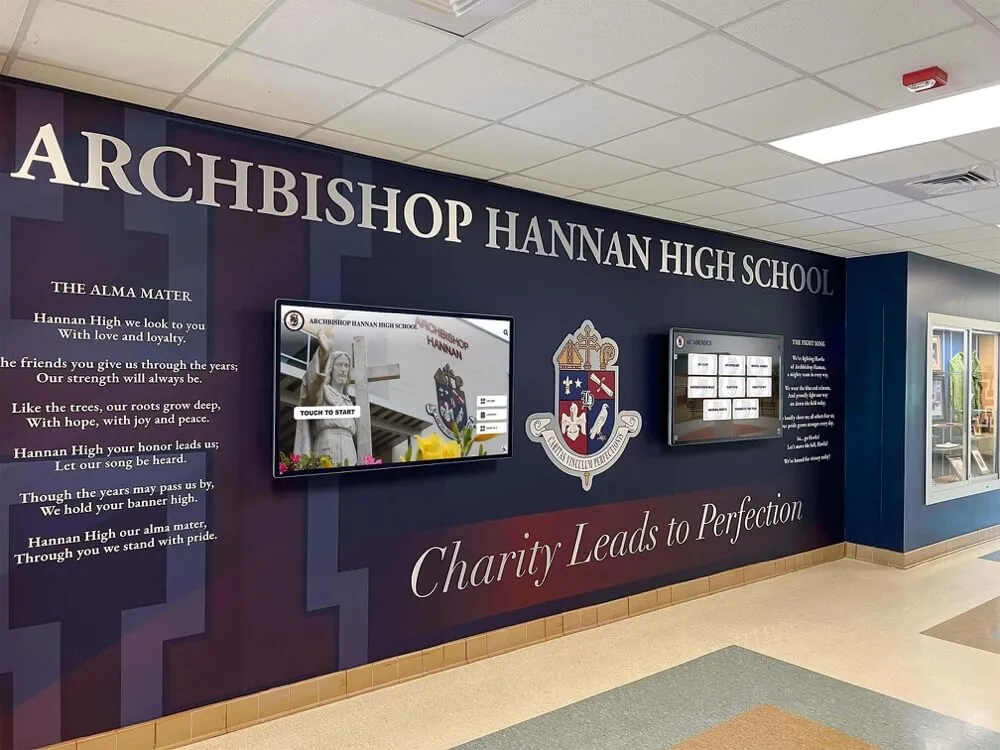
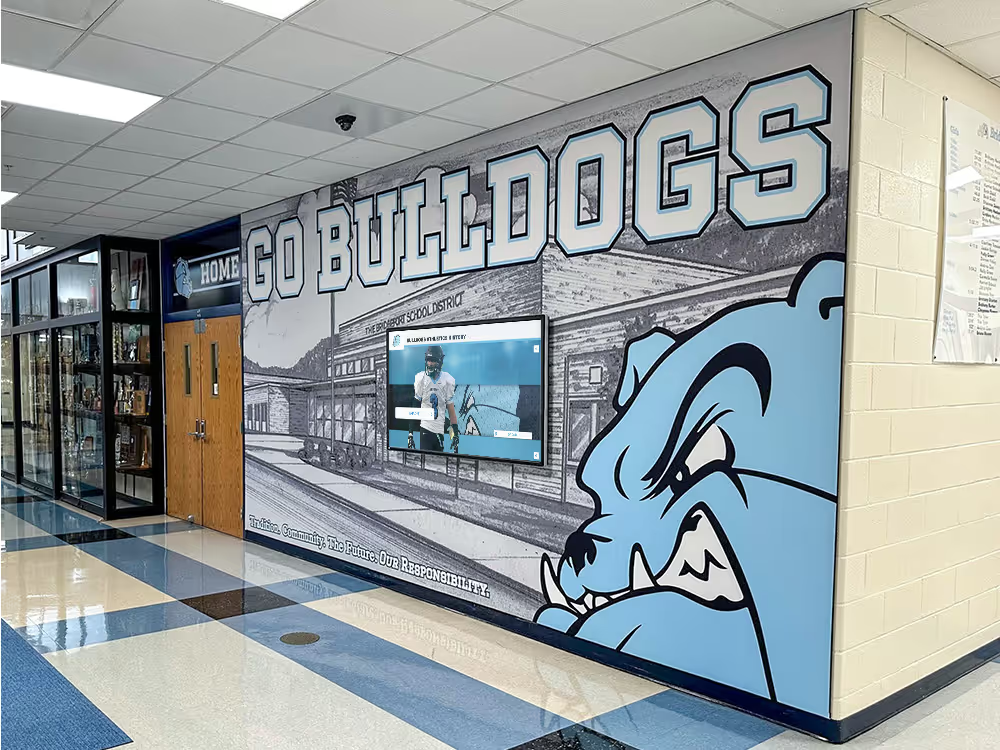
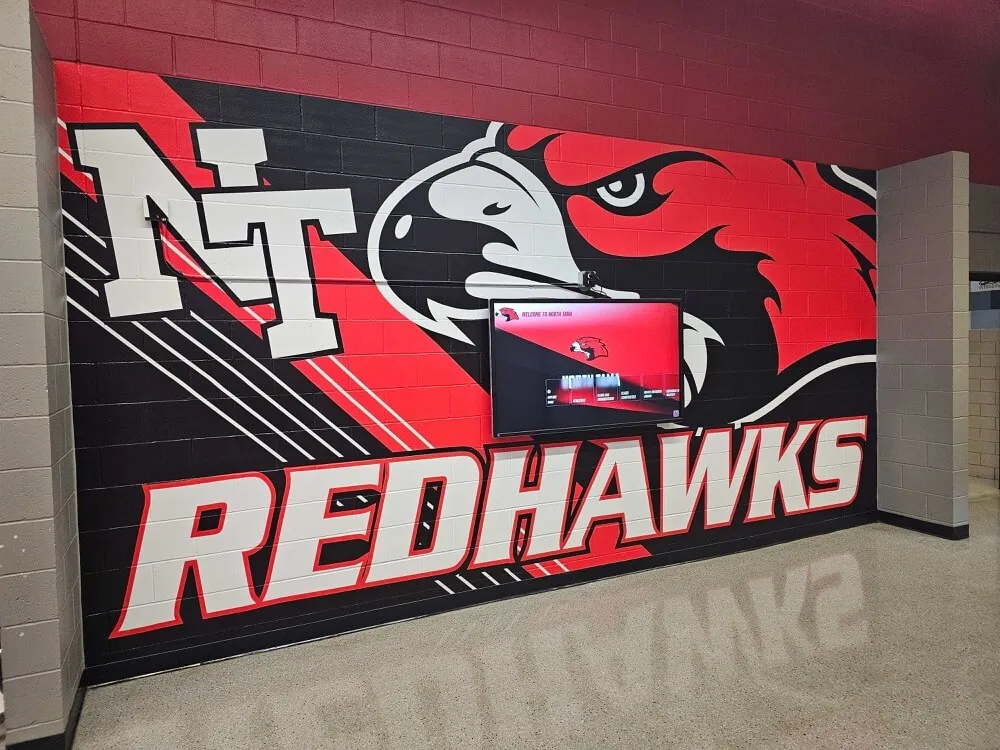
School hallways provide natural campaign spaces where students encounter messages repeatedly throughout the day
Psychology of Effective Campaign Design
Visual communication principles influencing poster impact:
Attention and Memory
Cognitive factors affecting poster effectiveness:
- Bright colors attracting attention in crowded hallway environments
- Contrast making text readable from distance
- Simplicity aiding quick comprehension during passing periods
- Humor creating memorable associations with candidate names
- Repetition reinforcing messages through multiple poster encounters
- Emotional connections making candidates memorable beyond visual design
Research on political messaging shows voters remember candidates who create emotional responses—whether through humor, inspiration, or clever wordplay.
Social Proof and Bandwagon Effects
Peer influence in student elections:
- Visible campaign presence suggesting popular support
- Student testimonials or endorsements adding credibility
- Group photos demonstrating broad backing
- Extensive poster coverage implying momentum
- Peer recommendations influencing undecided voters
- Perceived frontrunner status becoming self-fulfilling
Students often gravitate toward candidates who appear popular or well-supported by peers they respect.
Authority and Competence Signals
Design quality conveying candidate qualities:
- Professional-looking posters suggesting competence and organization
- Creative designs demonstrating innovation and fresh thinking
- Well-executed ideas showing attention to detail
- Clever concepts indicating intelligence and strategic thinking
- Quality materials suggesting commitment and resourcefulness
- Consistent messaging across posters demonstrating planning
Campaign quality often serves as proxy for how students will perform in actual leadership roles.
Classic Student Council Poster Design Approaches
Time-tested strategies that consistently perform well in student elections.
Name Recognition and Slogan Posters
Simple, direct approaches emphasizing candidate identity:
Bold Name Display
Typography-focused designs:
- Large, readable fonts dominating poster space
- Candidate names in school colors creating brand consistency
- Position titles (President, Vice President, Secretary) clearly stated
- High-contrast color combinations ensuring visibility
- Repetition across multiple posters building familiarity
- Simple layouts avoiding visual clutter
The most basic effective poster features candidate name, position, and single compelling reason to vote—nothing more.
Rhyming and Wordplay Slogans
Memorable phrase-based campaigns:
- Name-based rhymes creating catchy associations
- “Vote for Kate—She’ll Be Great!”
- “Elect Brett—Your Best Bet!”
- “Choose Drew for Class President!”
- Alliteration adding verbal rhythm
- “Sarah’s Solutions for Student Success”
- “Marcus Means Business”
- Punchy, rhythmic phrases that stick in memory
- Simple language ensuring broad appeal across grade levels
- Positive messaging emphasizing what candidates offer
Rhyming slogans remain popular because they’re easily remembered and repeated among students.
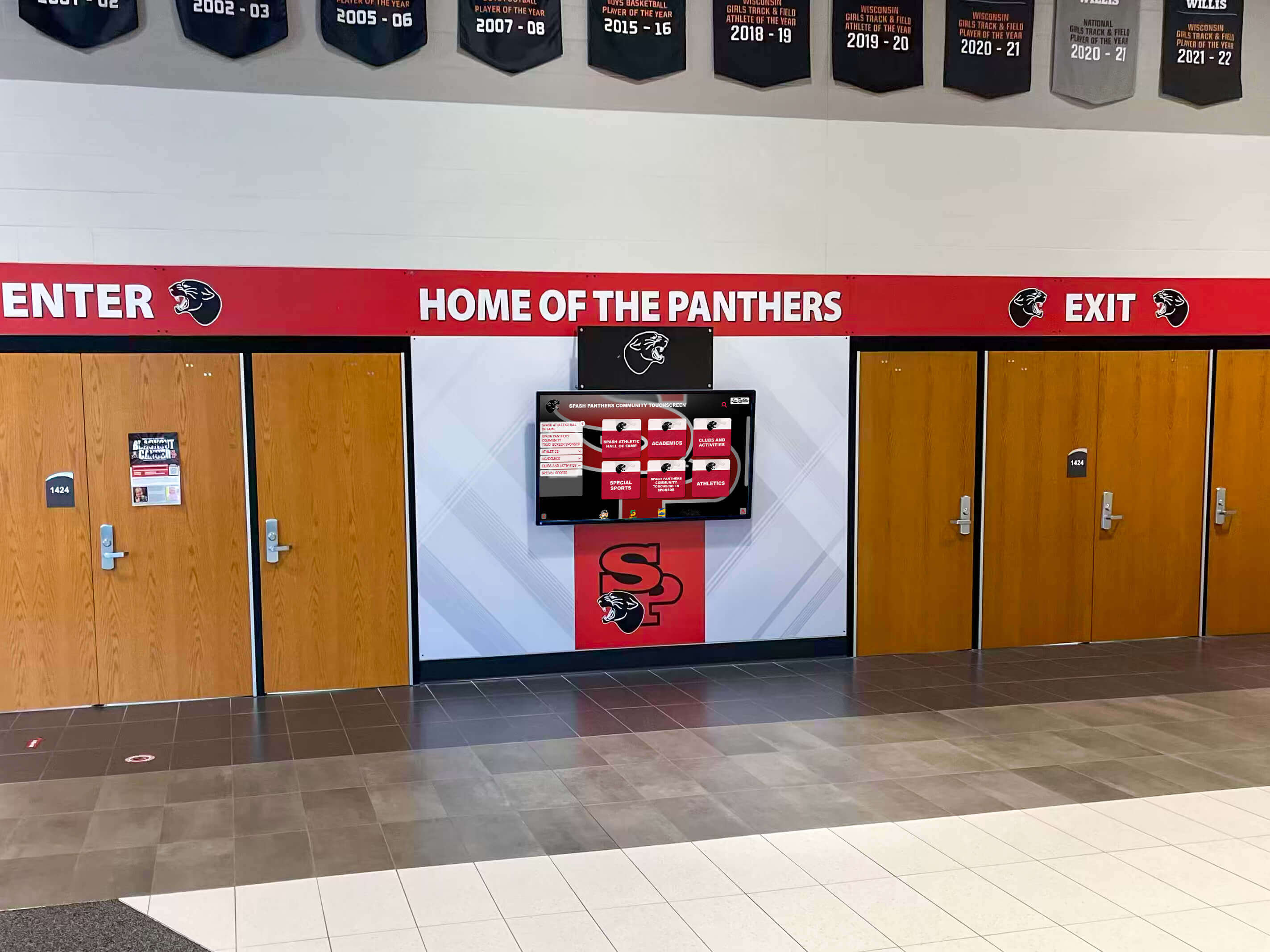
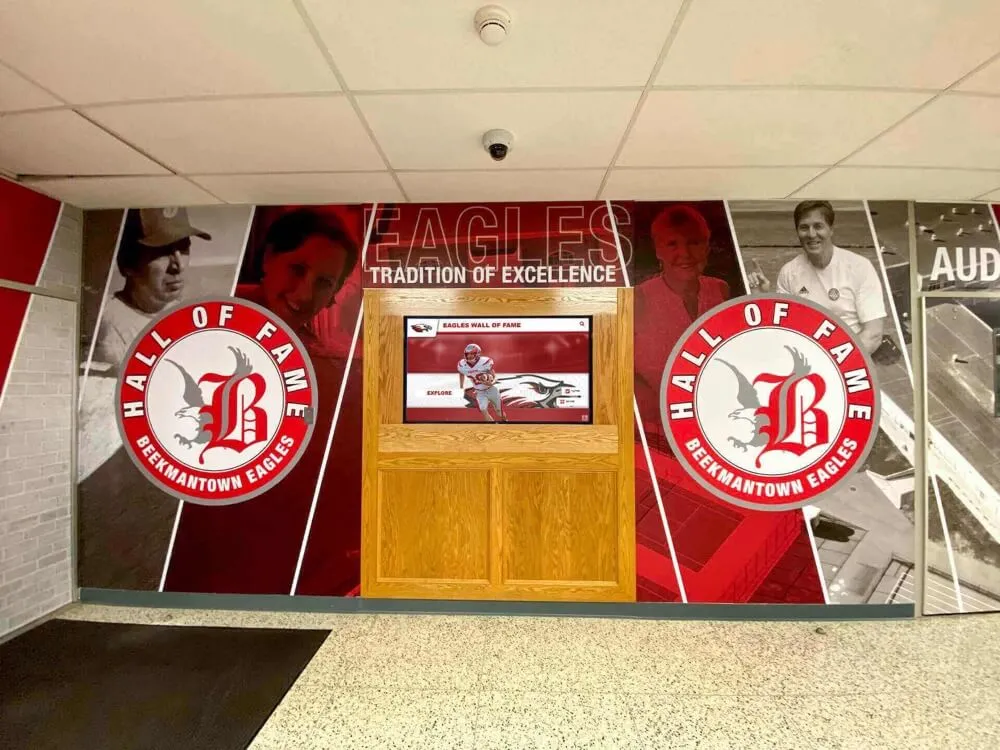
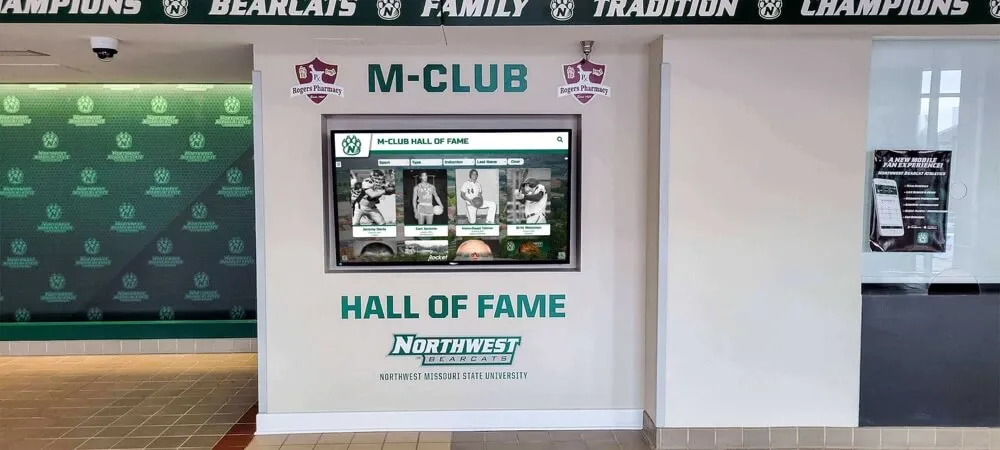
Entrance areas provide high-visibility locations for [student leadership](https://digitalyearbook.org/blog/national-student-leadership-conference-what-students-need-to-know/?utm_source=organic&utm_medium=seo-auto&utm_content=toucharchives&utm_campaign=student-council-posters&utm_term=seo) announcements and campaign information
Pop Culture and Trending Reference Posters
Contemporary approaches leveraging current student interests:
Movie and TV Show Parodies
Adapting entertainment properties:
- Superhero movie references positioning candidates as heroes
- Popular streaming show formats reimagined for campaigns
- Classic movie poster recreations featuring candidates
- Meme formats adapted to campaign messaging
- Trending TikTok references connecting with younger voters
- Video game aesthetics appealing to gamer demographics
Copyright considerations typically don’t apply to student parody posters for educational elections.
Music and Social Media References
Digital culture integration:
- Popular song lyric adaptations featuring candidate names
- Social media post formats (Instagram story style, Twitter layouts)
- Hashtag campaigns creating digital crossover
- Spotify playlist-style designs listing “candidate qualities”
- Text message conversation formats showing support
- YouTube thumbnail aesthetics familiar to digital natives
These references work best when genuinely current—last year’s trend won’t resonate with student voters.
Sports and Competition Themes
Athletic metaphors for campaigns:
- “Vote [Name] for the Win!” sports themes
- Jersey number designs featuring election dates or candidate numbers
- Championship banner styles celebrating anticipated victory
- Trading card designs making candidates collectible
- Scoreboard formats showing candidate advantages
- Team roster layouts positioning supporters
Sports themes particularly resonate in schools with strong athletic cultures.
Humor and Pun-Based Posters
Lighthearted approaches building positive associations:
Food and Candy Puns
Edible wordplay creating memorable campaigns:
- “Orange You Glad You Voted?” with orange imagery
- “This Election is a Piece of Cake” with dessert themes
- “Donut Worry—Vote [Name]!” with donut visuals
- “Have a Ball—Vote [Name]!” with gumball or sports imagery
- “S’more Reasons to Vote [Name]” listing qualities
- “The Whole Enchilada” promising comprehensive leadership
Bonus points for candidates who attach actual candy to posters (where school rules permit).
Animal and Nature Puns
Wildlife-based wordplay:
- “Don’t be Sheepish—Vote [Name]!” with sheep imagery
- “Bee-lieve in [Name]” with honeybee themes
- “I’m Not Lion—[Name] for President!” with lion visuals
- “Let’s Taco ‘Bout It—Vote [Name]” with taco graphics
- “You Otter Vote for [Name]” with otter imagery
- “[Name] is Turtle-y Awesome!” with turtle designs
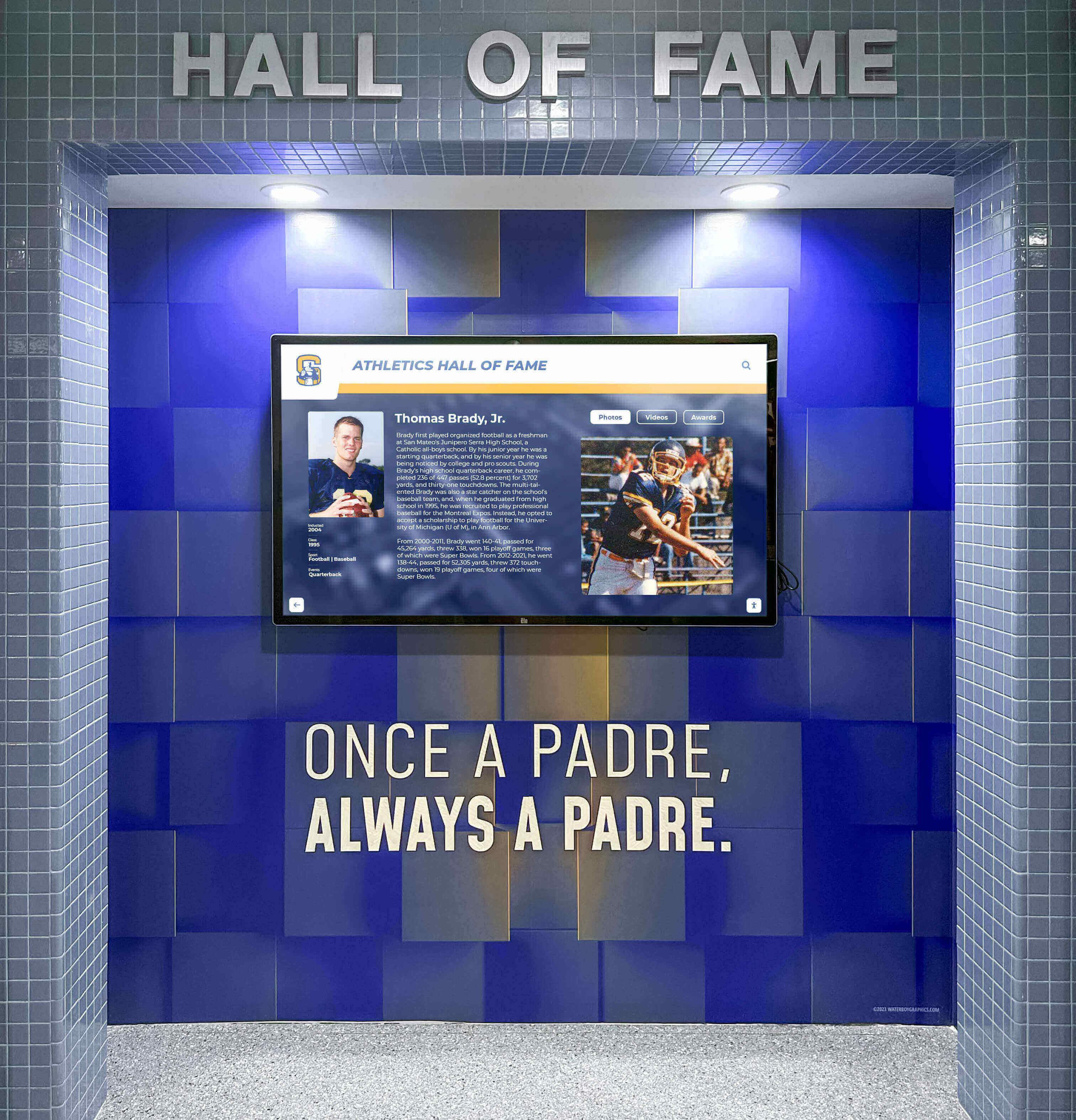
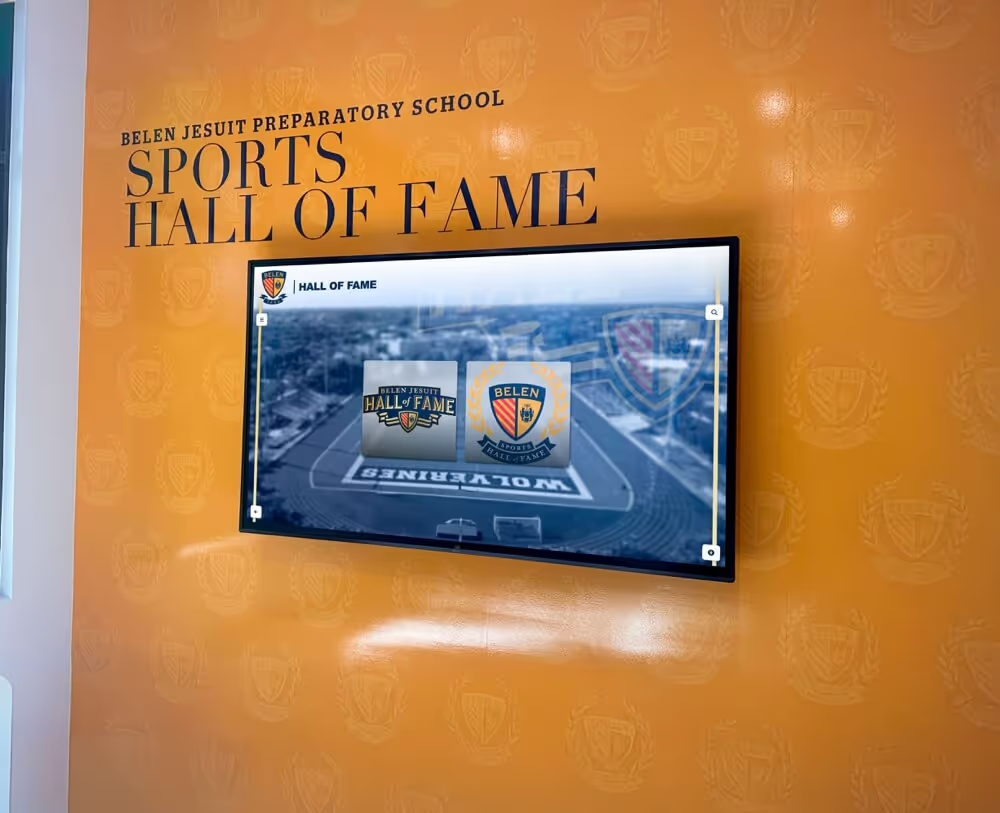
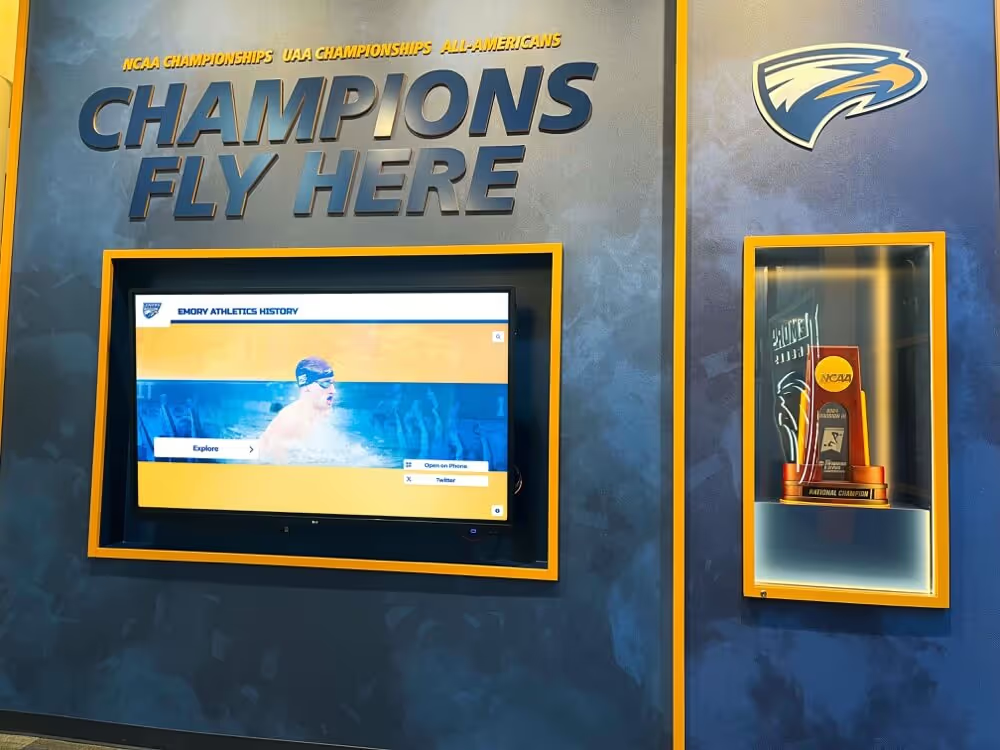
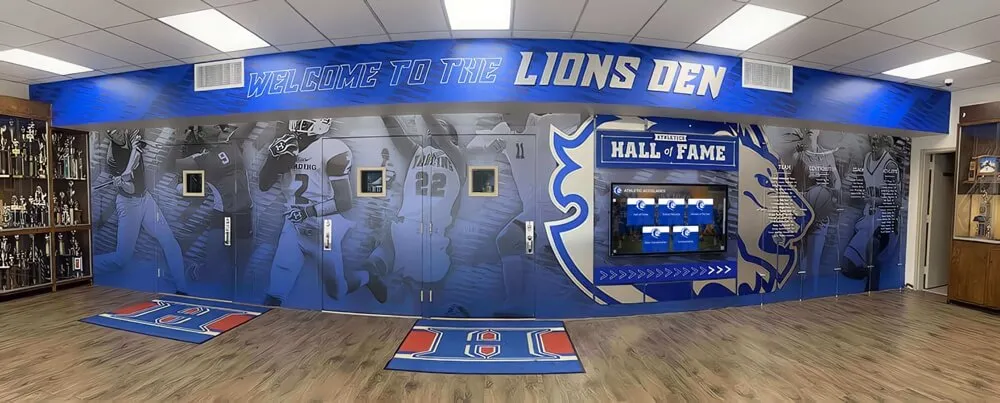
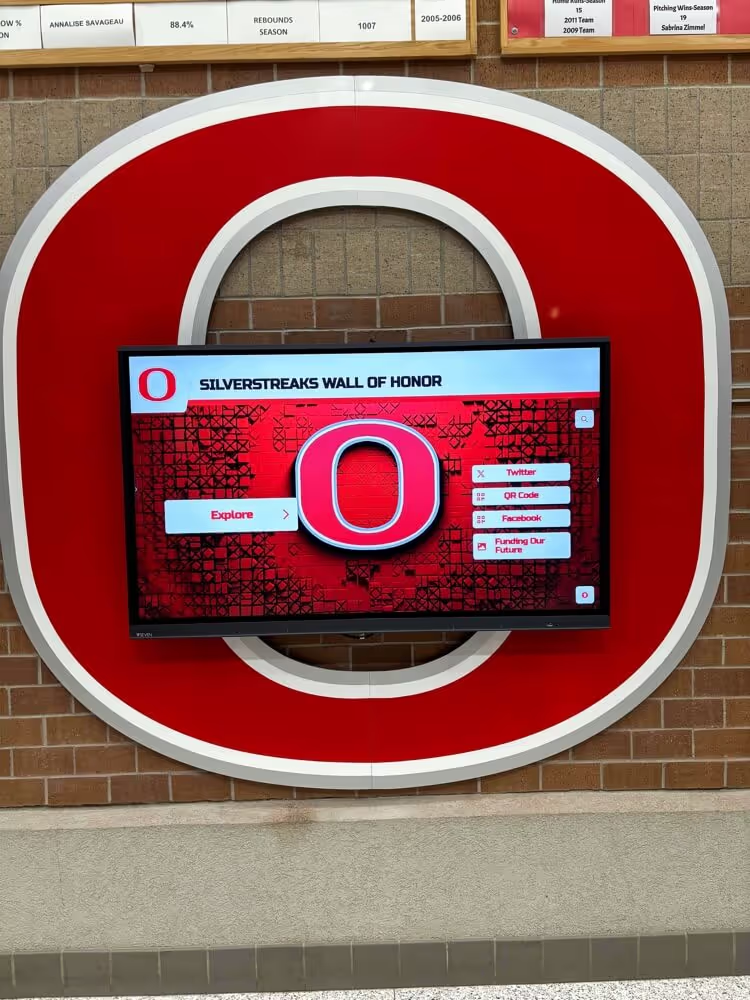
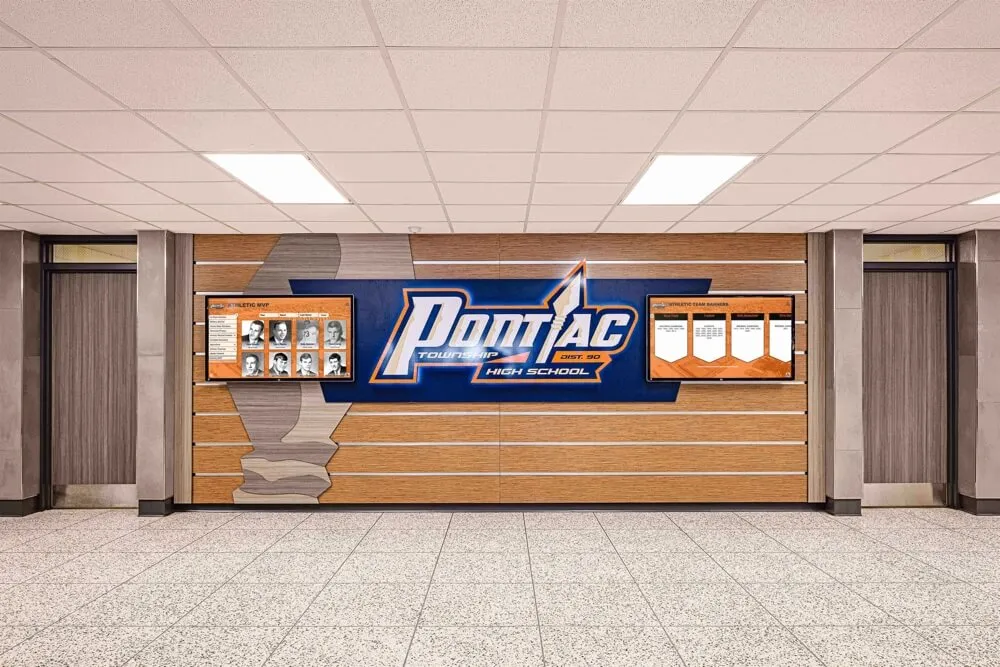
Recognition displays celebrate student achievements across athletics, academics, and leadership roles
Action and Movement Puns
Dynamic language suggesting progress:
- “Make a Splash—Vote [Name]!” with water imagery
- “Jump on Board!” with jumping or train visuals
- “Take a Stand—Vote [Name]!” emphasizing leadership
- “Catch the Wave!” suggesting momentum
- “Join the Journey!” promising positive change
- “Ride the Wave to Success!” with surfing themes
Movement language creates energy and excitement around campaigns.
Creative and Innovative Poster Concepts
Contemporary approaches that stand out in crowded campaign environments.
Interactive and Dimensional Posters
Going beyond flat paper designs:
Pull-Tab and Reveal Designs
Engaging physical interaction:
- Tear-off tabs with candidate information or website addresses
- Lift-the-flap designs revealing hidden messages or platform details
- Pocket folders containing policy positions or fun facts
- 3D elements creating visual interest and touchable features
- Pop-up designs that extend from wall surfaces
- Spinning wheels showing different candidate qualities
Interactive elements increase engagement time and memorability.
QR Code Integration
Digital campaign connections:
- QR codes linking to candidate social media profiles
- Video campaign speeches accessible via smartphone scanning
- Digital portfolios showcasing past leadership experience
- Interactive quizzes helping voters align with candidate positions
- Instagram or TikTok campaign content extensions
- Virtual meet-the-candidate events or Q&A sessions
QR codes bridge physical posters and digital engagement where candidates maintain campaign presence.
Before and After Concepts
Visual transformation themes:
- “School Before [Name] / School After [Name]” showing improvements
- Problem-solution formats identifying issues and proposed fixes
- Growth narratives showing candidate development and experience
- Side-by-side comparisons highlighting candidate advantages
- Timeline designs showing campaign progression
- Transformation stories demonstrating candidate impact
These formats work particularly well for candidates with concrete policy positions.
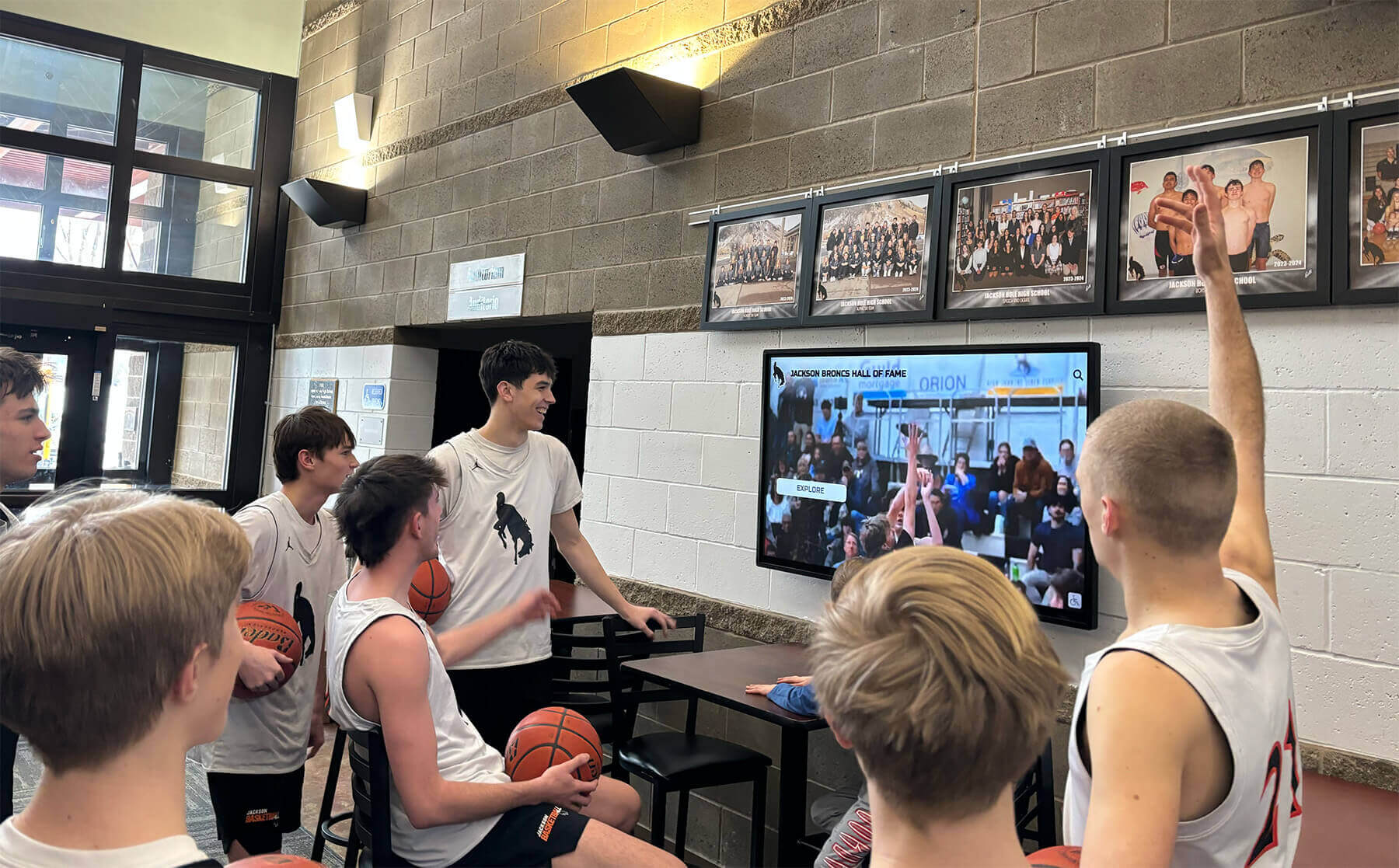
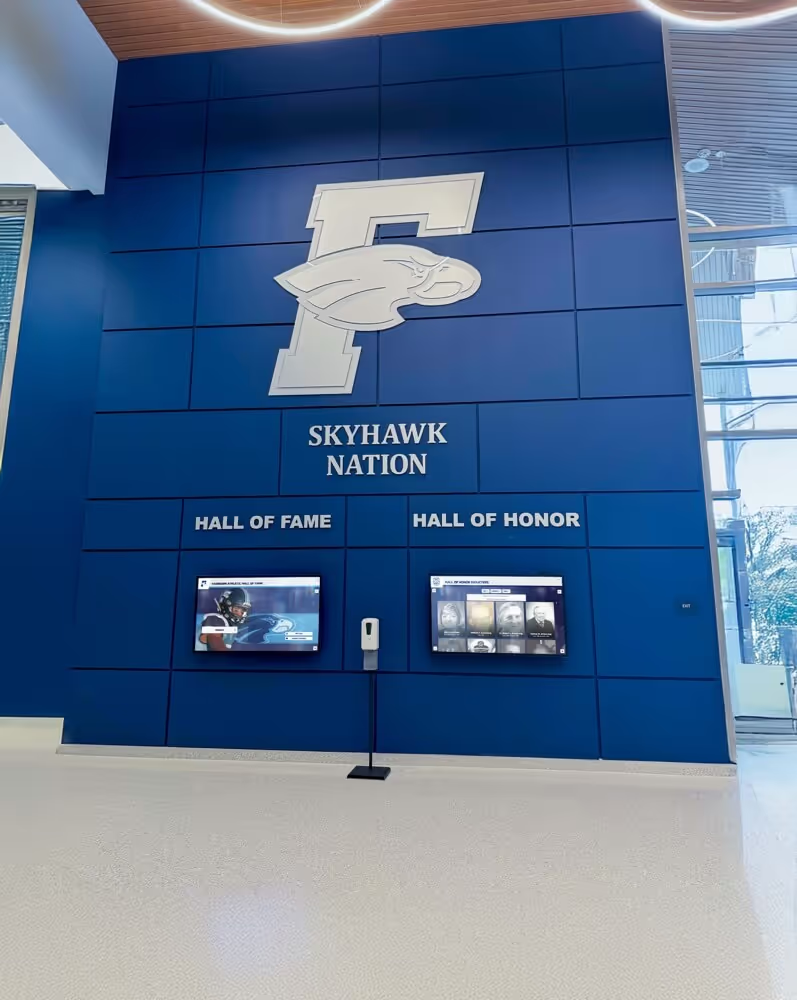
Lobby displays create gathering spaces where students engage with school information and recognition of peer achievements
Series and Storytelling Campaigns
Multi-poster narratives building anticipation:
Sequential Story Campaigns
Connected poster series:
- Mystery campaigns revealing candidate identity progressively
- Daily poster releases building campaign momentum
- Numbered series encouraging students to find all installments
- Puzzle campaigns where individual posters connect into larger message
- Choose-your-own-adventure formats with different poster paths
- Episodic storytelling with cliffhangers and resolutions
Series campaigns require significant advance planning but create sustained interest throughout election period.
Character Development Campaigns
Narrative-based approaches:
- Superhero origin stories positioning candidates as heroes
- Quest narratives where student body joins candidate journey
- Team assembly formats introducing running mates and supporters
- Documentary-style campaigns showing candidate preparation
- Behind-the-scenes formats humanizing campaign process
- Interview series revealing candidate personality and positions
Storytelling creates emotional investment in campaign outcomes beyond simple voting decisions.
Challenge and Call-to-Action Campaigns
Engagement-focused messaging:
- Direct challenges to vote and make difference
- Promises conditional on voter turnout (“Help Me Help You”)
- Student body involvement opportunities beyond voting
- Collaborative messaging emphasizing shared goals
- Community-building language bringing students together
- Inspirational calls emphasizing student power and voice
These approaches work especially well for candidates emphasizing student empowerment themes.
Minimalist and Modern Design Aesthetics
Clean, sophisticated alternatives to traditional busy posters:
Typography-Only Designs
Text-focused elegant approaches:
- Bold, modern fonts with generous white space
- Single powerful word or phrase dominating design
- Monochromatic or limited color palettes
- Clean layouts emphasizing message over decoration
- Professional appearance suggesting mature leadership
- Confidence demonstrated through design simplicity
Minimalist posters stand out precisely because they’re different from typical busy campaign materials.
Icon and Symbol Designs
Simple visual communication:
- Single powerful image representing candidate platform
- Symbolic representations of campaign themes
- Geometric designs with modern aesthetics
- Negative space creating shapes and meanings
- Infographic-style data visualization showing platform priorities
- Logo-based campaigns creating brand identity
Icon-based designs work particularly well in competitive environments where simple messages cut through noise.
Photography-Based Campaigns
Image-driven approaches:
- Professional-quality candidate photographs
- Action shots showing candidates in leadership roles
- Candid images demonstrating approachability and authenticity
- Black-and-white photography for timeless aesthetic
- Photo collages showing candidate involvement in school activities
- Documentary-style imagery telling visual stories
Quality photography elevates campaign sophistication and creates memorable impressions.
For schools seeking to showcase student leaders beyond campaign season, student achievement recognition approaches provide frameworks for permanent celebration.
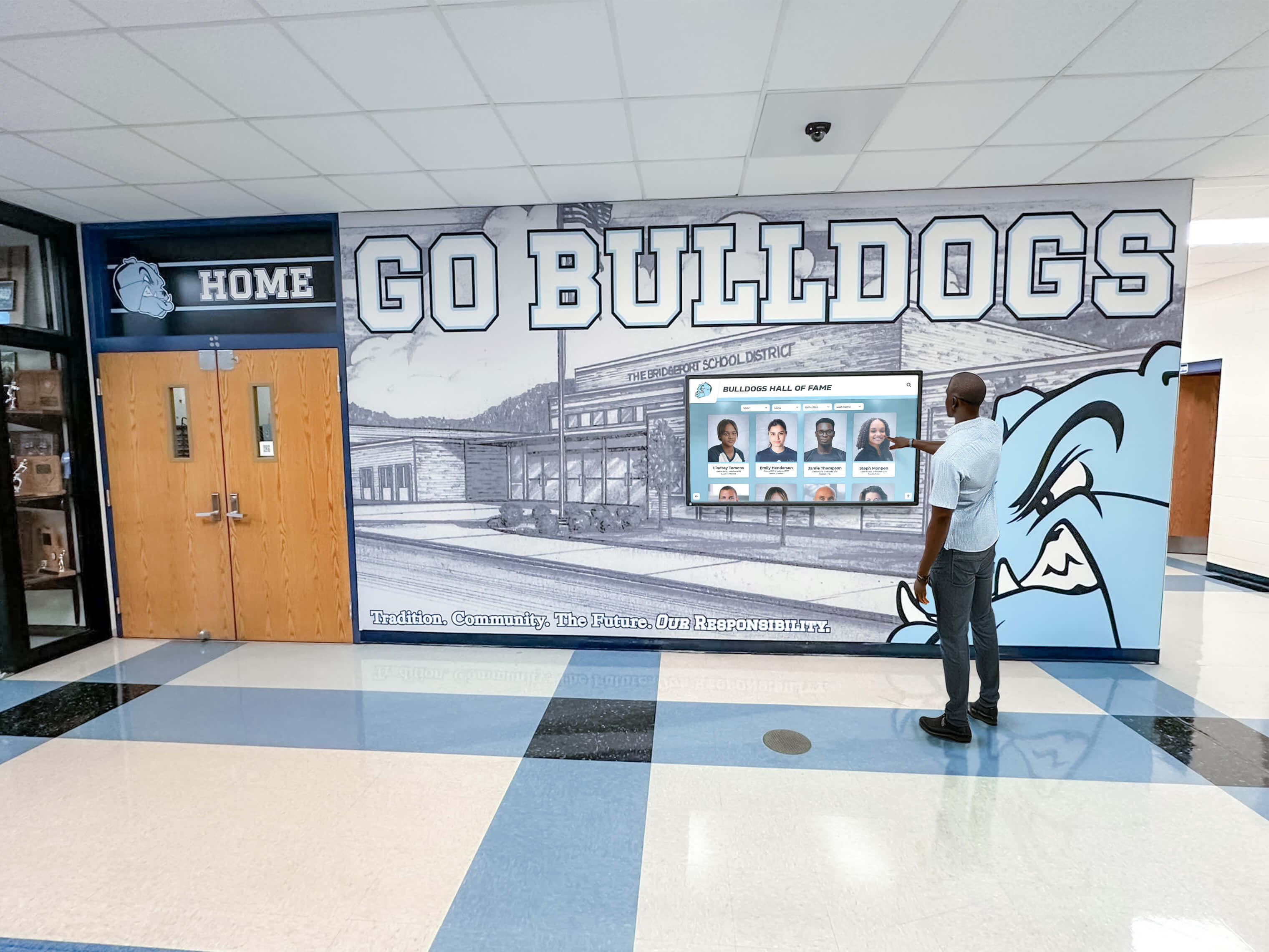
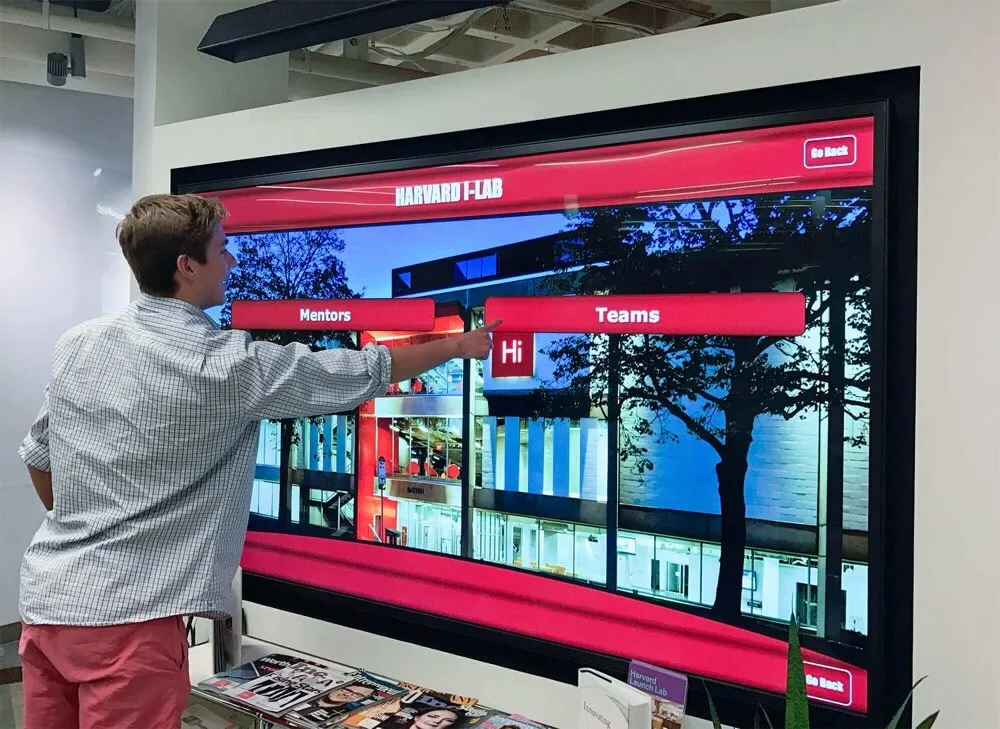
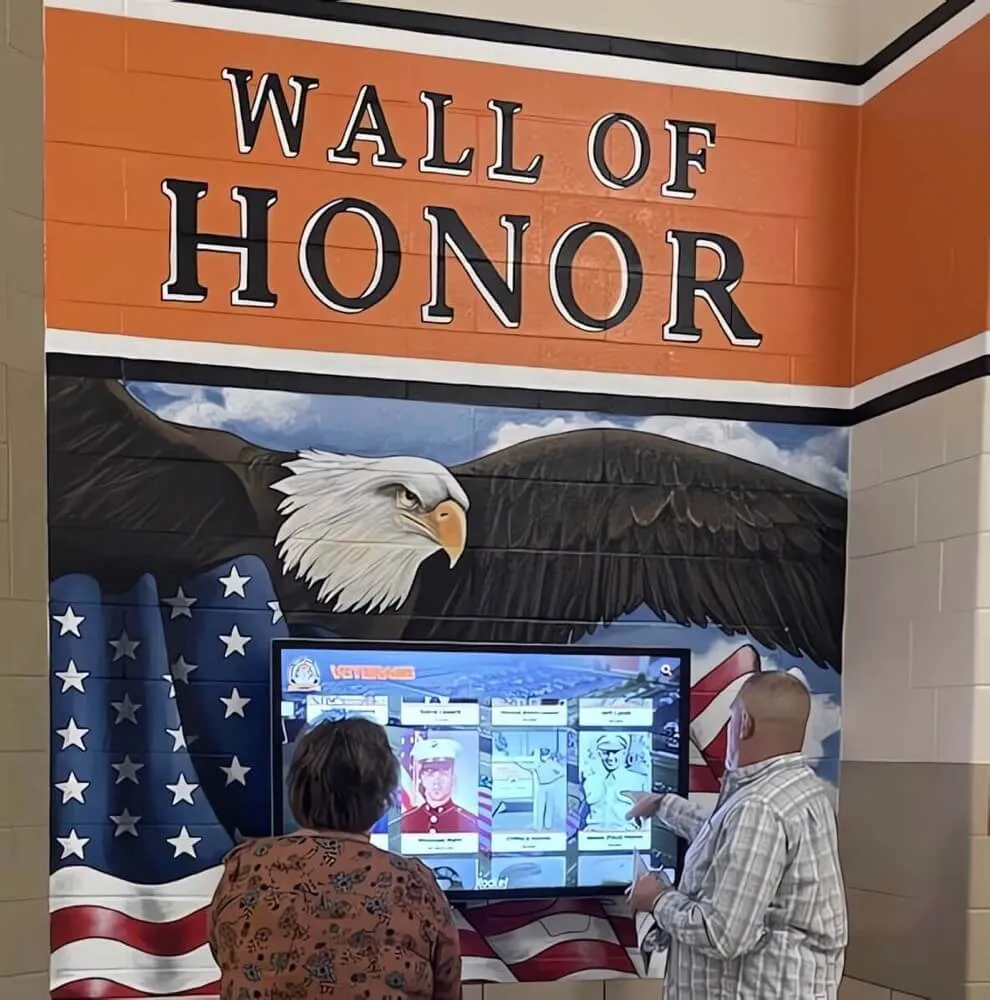
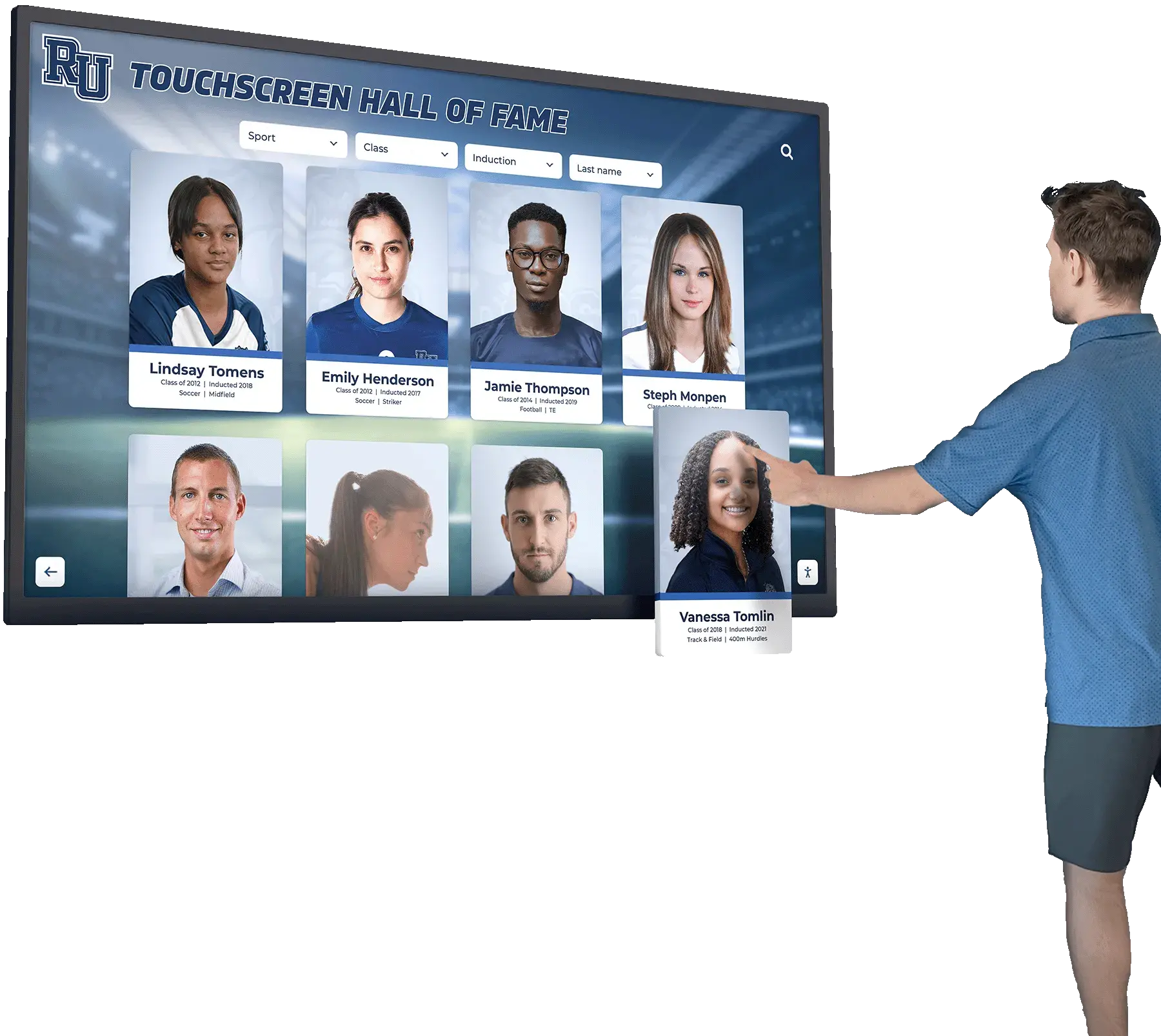
Interactive displays allow students to explore leadership histories and achievements of past student council members
Winning Campaign Slogan Strategies
Effective messaging that resonates with student voters and creates memorable campaigns.
Action-Oriented Slogans
Dynamic language creating momentum:
Change and Progress Themes
Forward-looking messaging:
- “Vote [Name]—Let’s Make Change Happen”
- “Time for New Leadership—Vote [Name]”
- “Ready for Something Different? Vote [Name]!”
- “Change Starts with Your Vote”
- “New Ideas, New Energy, New Leadership”
- “The Future of [School] Starts Now”
Change messaging works especially well for challengers rather than incumbents or continuity candidates.
Action and Movement Language
Energetic calls to participation:
- “Let’s Go, [School]—Vote [Name]!”
- “Take Action—Vote [Name]!”
- “Don’t Wait—Vote [Name]!”
- “Make It Happen—Vote [Name]!”
- “Get Moving—Vote [Name] for President!”
- “Stand Up and Vote [Name]!”
Action verbs create urgency and energy around campaigns.
Together and Unity Slogans
Collaborative leadership emphasis:
- “Together We’re Better—Vote [Name]”
- “United for [School]—Vote [Name]”
- “Your Voice, Our Future—Vote [Name]”
- “Stronger Together—[Name] for President”
- “All In for [School]—Vote [Name]”
- “One School, One Voice—Vote [Name]”
Unity messaging positions candidates as bringing students together rather than dividing into factions.
Humor and Wordplay Slogans
Memorable phrases using clever language:
Question-Based Slogans
Engaging students through queries:
- “Who’s Got Your Back? [Name] Does!”
- “What’s the Best Choice? [Name]!”
- “Why Vote [Name]? Why Not?!”
- “Where’s the Leadership? Vote [Name]!”
- “How Do We Improve [School]? Vote [Name]!”
- “When Do We Start? After You Vote [Name]!”
Questions create engagement by prompting mental responses from students reading posters.
Comparative Slogans
Positioning through contrast:
- “Don’t Settle—Vote [Name]!”
- “Why Choose Less? Vote [Name]!”
- “Good is Great, But [Name] is Better!”
- “The Clear Choice—[Name]”
- “Head and Shoulders Above—Vote [Name]”
- “Simply the Best—[Name] for President”
Comparative language should focus on candidate strengths rather than attacking opponents directly.
Promise and Guarantee Slogans
Commitment-based messaging:
- “[Name] Will Listen—Guaranteed!”
- “A Vote for [Name] is a Vote for Change”
- “[Name] Promises to Deliver”
- “Count on [Name] for Leadership”
- “You Can Trust [Name]”
- “[Name]—Dependable Leadership”
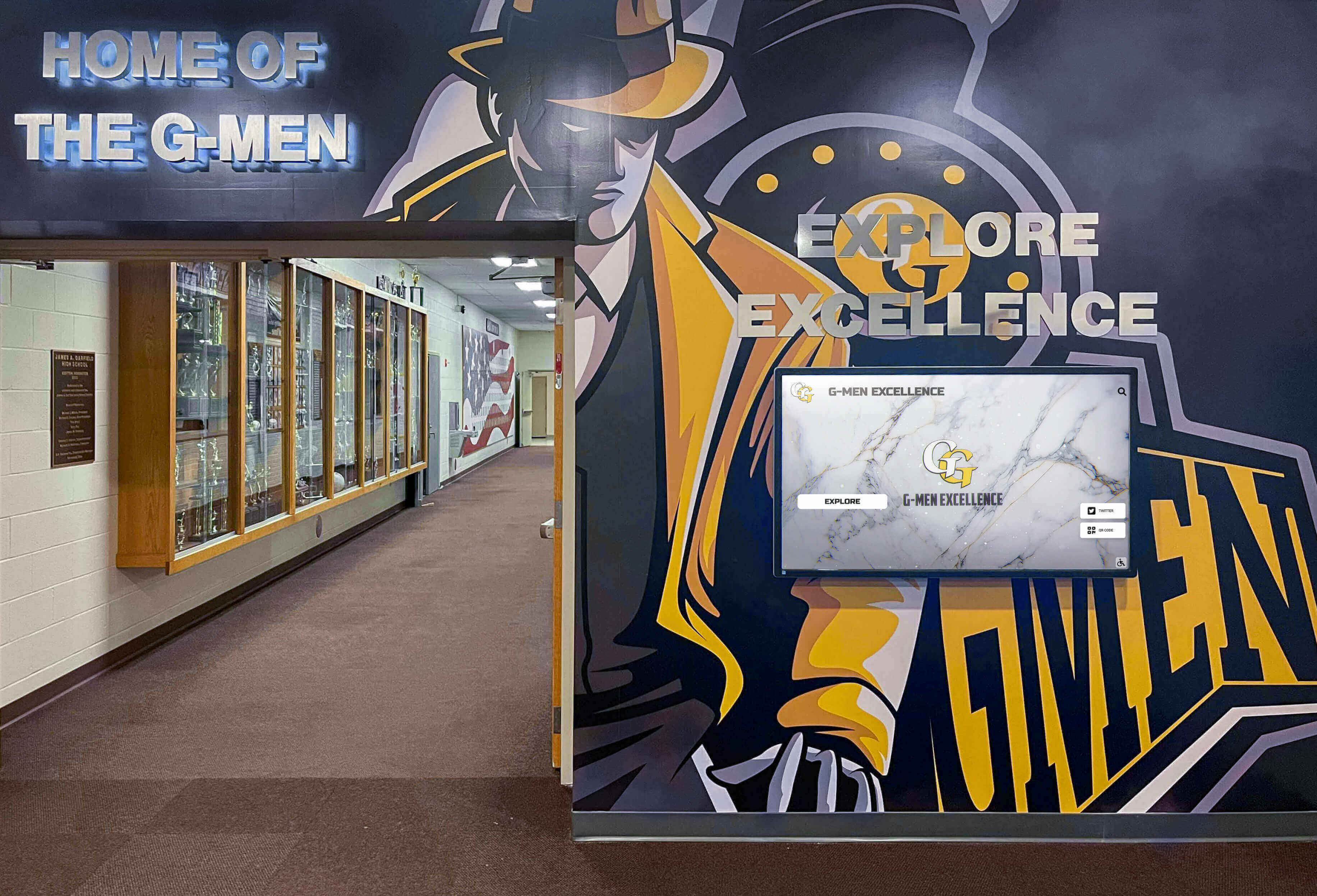
Coordinated displays showcase multiple dimensions of [school pride](https://digitalwarming.net/blog/spirit-week-ideas-for-school/?utm_source=organic&utm_medium=seo-auto&utm_content=toucharchives&utm_campaign=student-council-posters&utm_term=seo) including leadership, athletics, and academics
Platform-Based Slogans
Issue-focused messaging addressing student priorities:
Specific Issue Slogans
Concrete platform communication:
- “Better Food, Better School—Vote [Name]”
- “More Events, More Fun—Vote [Name]”
- “Your Voice in Administration—Vote [Name]”
- “Real Change for Real Issues—Vote [Name]”
- “Listen, Act, Deliver—Vote [Name]”
- “Solutions, Not Promises—[Name] for President”
Specific slogans work best when aligned with actual student concerns and candidate capabilities.
Value-Based Slogans
Character-focused messaging:
- “Integrity, Leadership, Results—Vote [Name]”
- “Honest Leadership—[Name]”
- “Experience Matters—Vote [Name]”
- “Proven Leadership—[Name] for President”
- “Dedication, Innovation, Action—Vote [Name]”
- “Leadership You Can Trust—[Name]”
Values-based campaigns position candidates based on personal qualities rather than specific promises.
Student-First Slogans
Constituent-focused messaging:
- “Students First—Vote [Name]”
- “Your Priorities Are My Priorities—Vote [Name]”
- “A President Who Listens—Vote [Name]”
- “For Students, By Students—[Name] for President”
- “Your Advocate—Vote [Name]”
- “Fighting for You—[Name]”
Student-centric language emphasizes servant leadership approach rather than personal ambition.
Poster Design Best Practices and Guidelines
Technical considerations ensuring posters achieve intended impact.
Visual Design Principles
Fundamental design rules for effective posters:
Color Theory and Contrast
Strategic color usage:
- School colors creating institutional connection and brand consistency
- Complementary colors providing visual impact and readability
- High contrast between text and backgrounds ensuring legibility
- Limited color palettes (2-3 colors maximum) avoiding visual confusion
- Bright, saturated colors attracting attention in crowded spaces
- Consistent color schemes across all campaign materials
Test poster readability from 10-15 feet away—the typical hallway viewing distance.
Typography and Readability
Text considerations:
- Large fonts (minimum 2-inch letter height) for main messages
- Bold, clean fonts avoiding decorative styles difficult to read quickly
- Limited text focusing on essential messages only
- Hierarchical sizing distinguishing primary from secondary information
- Adequate spacing between letters and lines improving readability
- Capitalization used strategically for emphasis, not entire messages
If posters require close reading, messages likely won’t register with students passing in hallways.
Layout and Composition
Organizing poster elements:
- Focal point placement drawing attention to most important information
- Balanced layouts avoiding heavy concentration in single area
- Rule of thirds creating dynamic rather than static compositions
- Breathing room around elements preventing cluttered appearance
- Directional cues guiding eye movement through information
- Borders and frames creating contained, finished appearance
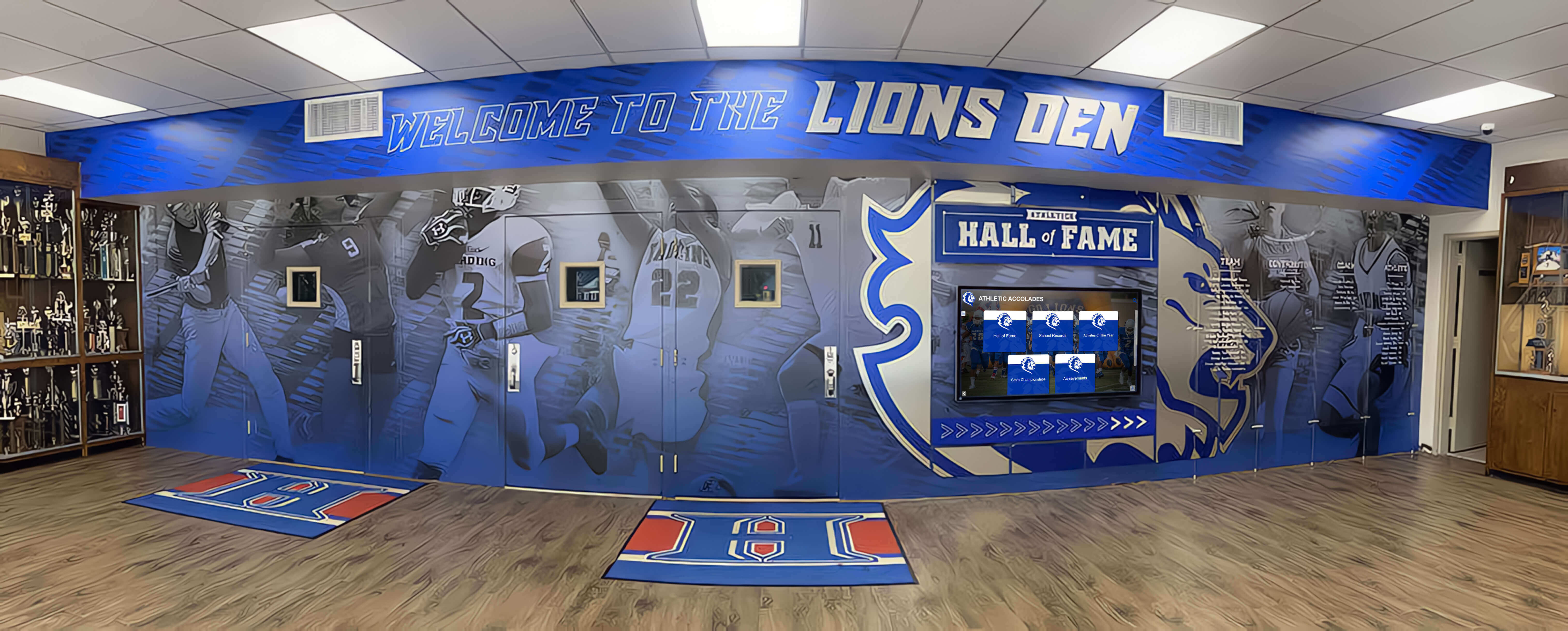
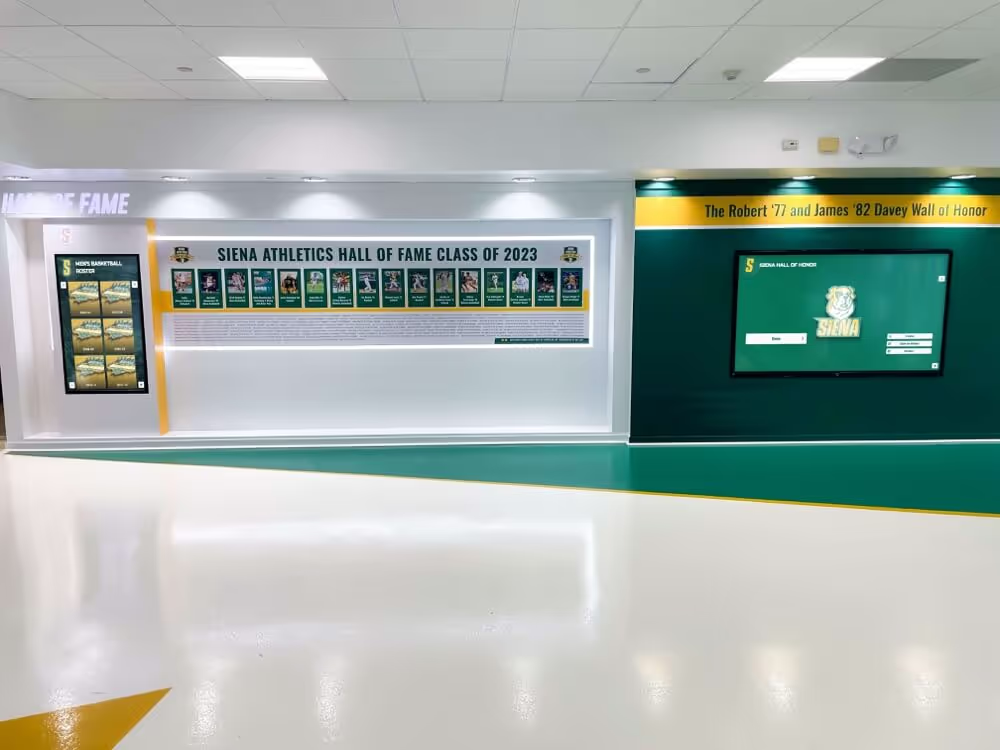
Facility displays provide models for organizing visual information in impactful, readable formats
Material and Production Considerations
Physical poster creation factors:
Poster Size and Format
Dimensional decisions:
- Standard poster board (22" x 28") providing adequate size for hallway visibility
- Larger formats (3’ x 4’) creating bigger impact where space permits
- Vertical orientation matching typical hallway viewing angles
- Horizontal formats for specific placement locations
- Series consistency ensuring coordinated campaign appearance
- Size regulations compliance following school election guidelines
Check school rules about poster size limits before creating oversized designs.
Materials and Durability
Construction considerations:
- Sturdy poster board resisting tearing and sagging during campaign period
- Lamination protecting posters from moisture and handling
- Quality markers or printed materials preventing fading and bleeding
- Mounting methods ensuring posters stay attached throughout voting
- Weather-resistant materials for any outdoor placement
- Backup posters replacing damaged ones during campaign
Campaigns typically last 1-2 weeks—materials should maintain quality throughout entire period.
Production Methods
Creating poster content:
- Hand-drawn designs showing personality and creativity
- Computer-designed posters enabling precision and professional appearance
- Printed materials allowing photo-quality images and graphics
- Hybrid approaches combining printed elements with hand embellishments
- Stencils ensuring consistency across multiple posters
- Templates providing base designs customizable for specific messages
Most effective campaigns use combination of professional printed elements and hand-personalization.
Strategic Placement and Positioning
Maximizing poster visibility and impact:
High-Traffic Location Identification
Optimal placement zones:
- Main hallway intersections where students must pass between classes
- Cafeteria entrances and exits capturing meal period crowds
- Bathroom hallway areas with high daily traffic
- Stairwell walls visible from multiple levels
- Entrance areas greeting students arriving at school
- Areas near lockers where students spend transition time
Map school to identify highest-traffic routes and place posters accordingly.
Eye-Level Positioning
Height considerations:
- 4.5 to 6 feet height range matching average student eye level
- Higher placement for posters designed to be seen from distance
- Lower placement appropriate for interactive elements students touch
- Angled visibility consideration for hallway corners
- Sightline testing from approaching directions
- Clearance maintaining accessibility and safety standards
Posters mounted too high or too low dramatically reduce readership.
Clustering and Spacing Strategies
Density decisions:
- Multiple posters in single high-value location creating strong presence
- Strategic spacing preventing visual crowding and competition with own materials
- Consistent presence throughout school versus concentrated placement
- Pairing with allied candidates for mutual reinforcement
- Separation from direct competitors’ posters where possible
- Respectful placement avoiding coverage of others’ existing posters
Balance between adequate visibility and overwhelming students with excessive campaign materials.
For comprehensive school event planning including leadership celebrations, recognition frameworks provide valuable guidance.

Interactive systems enable exploration of student leadership history and achievements across years
Campaign Rules, Ethics, and Best Practices
Conducting campaigns that build community rather than creating division.
School Election Guidelines and Compliance
Following institutional rules:
Understanding Campaign Regulations
Required knowledge:
- Poster size and quantity limits set by student government advisors
- Placement restrictions protecting certain areas from campaigning
- Timeline requirements for when posters may be displayed
- Content guidelines prohibiting inappropriate messaging
- Budget or spending limits for campaign materials
- Digital campaigning rules for social media and online platforms
Disqualification for rule violations makes understanding requirements essential.
Approval Processes
Required permissions:
- Pre-approval requirements for poster content before displaying
- Advisor or administration review of campaign materials
- Signature or stamp requirements on approved posters
- Modification processes for flagged content
- Timeline for approval submissions before posting deadlines
- Appeals procedures for disputed rejections
Build approval time into campaign schedules rather than creating materials at last minute.
Removal and Cleanup Responsibilities
Post-election obligations:
- Prompt poster removal following election conclusion
- Damage repair for wall markings or tape residue
- Recycling or disposal of campaign materials
- Penalties for abandoned campaign materials left in hallways
- Community responsibility demonstrated through cleanup
- Environmental consideration in material disposal
How candidates handle campaign cleanup reflects on their leadership character.
Ethical Campaigning Practices
Conducting campaigns with integrity:
Positive Messaging Focus
Constructive approach emphasis:
- Highlighting own qualifications rather than opponent shortcomings
- Issue-based campaigns addressing real student concerns
- Solutions-oriented messaging proposing concrete improvements
- Collaborative language including all students in vision
- Respectful competition acknowledging all candidates’ contributions
- Gracious victory and defeat modeling good sportsmanship
Negative campaigning typically backfires in school settings where everyone must continue working together.
Honesty and Realistic Promises
Truthful campaigning:
- Accurate representation of candidate experience and qualifications
- Realistic promises acknowledging student government limitations
- Honest communication about what positions can accomplish
- Transparency about ideas versus guaranteed outcomes
- Correction of misinformation when it occurs
- Accountability to stated positions if elected
Overpromising damages credibility if elected and must face constituents daily.
Inclusive and Respectful Messaging
Community-building communication:
- Welcoming language including all student groups
- Respectful reference to school community and traditions
- Sensitivity to diverse student backgrounds and perspectives
- Avoidance of inside jokes excluding portions of student body
- Accessibility consideration in design and messaging
- Positive school culture reinforcement through campaign tone
Campaigns provide opportunities to strengthen rather than divide school communities.
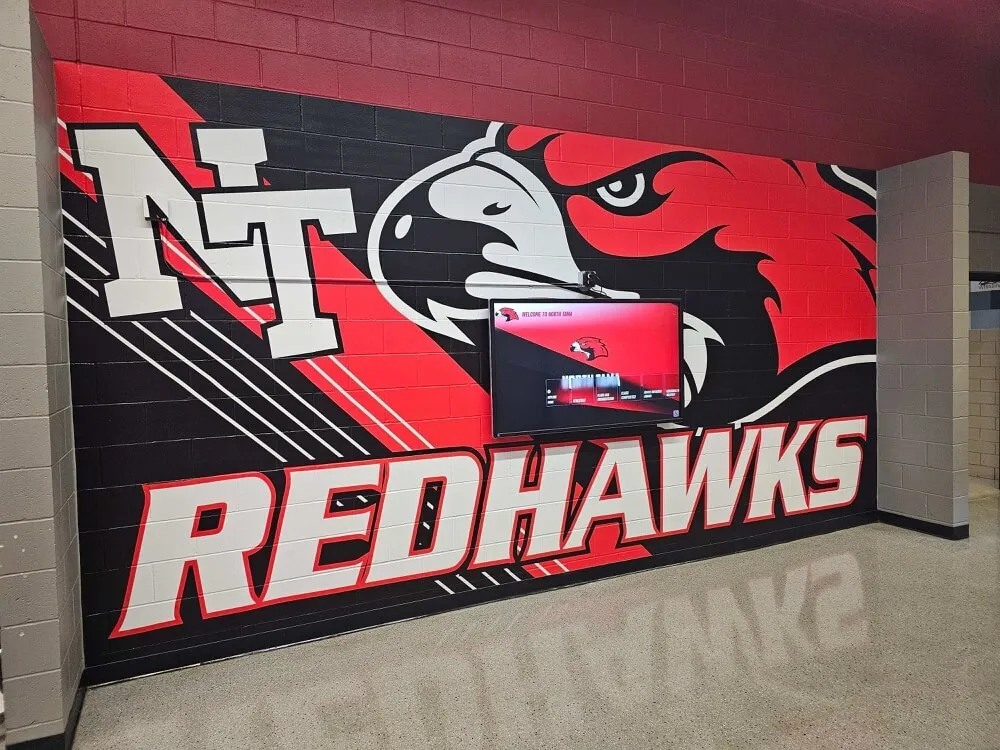
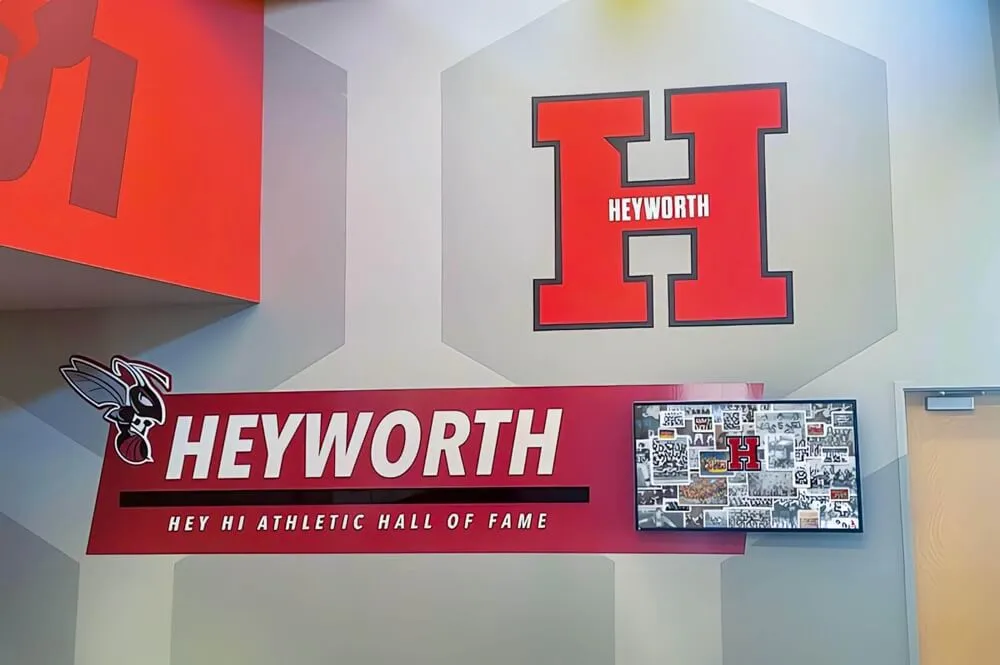
School branding and displays create environment celebrating student achievements including leadership contributions
Beyond Posters: Comprehensive Campaign Strategies
Integrated approaches extending beyond traditional poster campaigns.
Multi-Channel Campaign Approaches
Coordinated messaging across platforms:
Social Media Integration
Digital campaign presence:
- Instagram campaign accounts showcasing platform and personality
- TikTok content demonstrating creativity and connecting with peers
- Twitter or X accounts for quick updates and student interaction
- Facebook pages for family and community engagement
- Snapchat stories providing behind-the-scenes campaign moments
- YouTube videos for longer-form platform presentations
Digital campaigns complement rather than replace physical posters in most school settings.
In-Person Engagement Activities
Direct voter contact:
- Morning greeting campaigns at school entrances
- Lunch period meet-and-greet opportunities
- Classroom presentations where permitted
- Student organization attendance and outreach
- Club meeting endorsement requests
- Peer-to-peer conversations during passing periods
Personal interactions often influence undecided voters more than any poster design.
Creative Campaign Events
Memorable campaign moments:
- Flash mob performances in cafeteria or common areas
- Free merchandise distribution (buttons, stickers, bookmarks)
- Campaign rallies or pep assembly presentations
- Fundraising events demonstrating community engagement
- Service projects showing leadership in action
- Creative stunts generating conversation and attention
Event-based campaigns create talking points extending poster impact.
Debate and Speech Opportunities
Formal presentation platforms:
Candidate Debates
Structured comparison opportunities:
- Format preparation researching likely questions
- Platform articulation practicing concise position statements
- Opponent respect maintaining positive tone regardless of provocation
- Audience engagement making eye contact and connecting personally
- Question handling addressing concerns directly and honestly
- Closing statements reinforcing key campaign themes
Strong debate performances significantly influence student voters.
Campaign Speeches
Direct address to student body:
- Assembly presentations reaching entire grade level or school
- Video recordings distributed through school communication channels
- Morning announcement spots providing daily visibility
- Classroom visits presenting platforms to smaller groups
- Recorded interviews for school news programs
- Written statements in school newspapers or newsletters
Speech opportunities allow depth impossible in poster formats.
Question and Answer Sessions
Interactive voter engagement:
- Open forums where students ask candidates anything
- Anonymous question submissions allowing sensitive inquiries
- Rapid-fire format testing candidate thinking and personality
- Issue-specific forums diving deep into particular topics
- Small group sessions with specific student populations
- Online Q&A through platforms enabling broader participation
Q&A formats help voters assess candidate authenticity and preparedness.
For schools developing comprehensive student programs, recognition frameworks extend beyond single events.
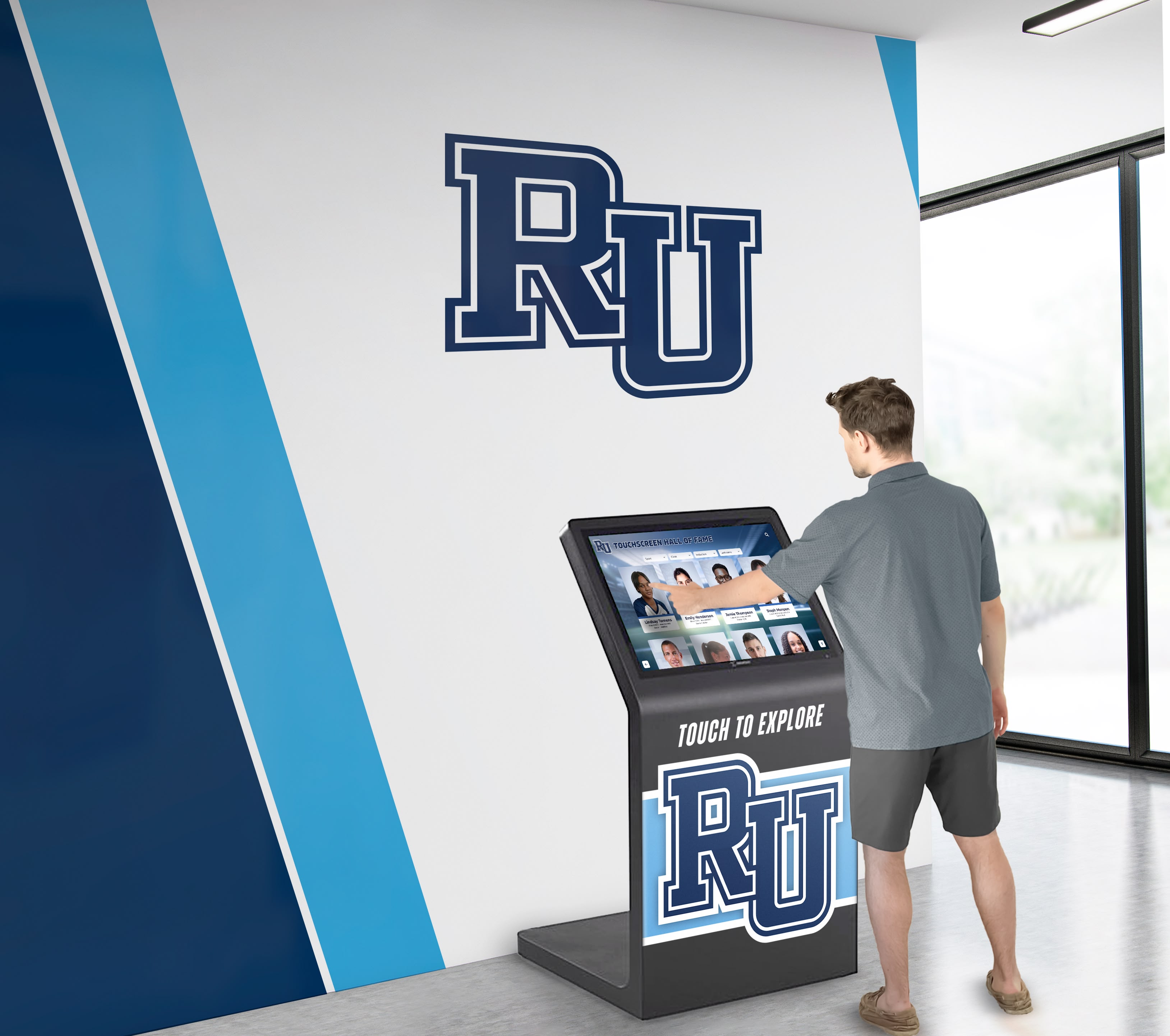
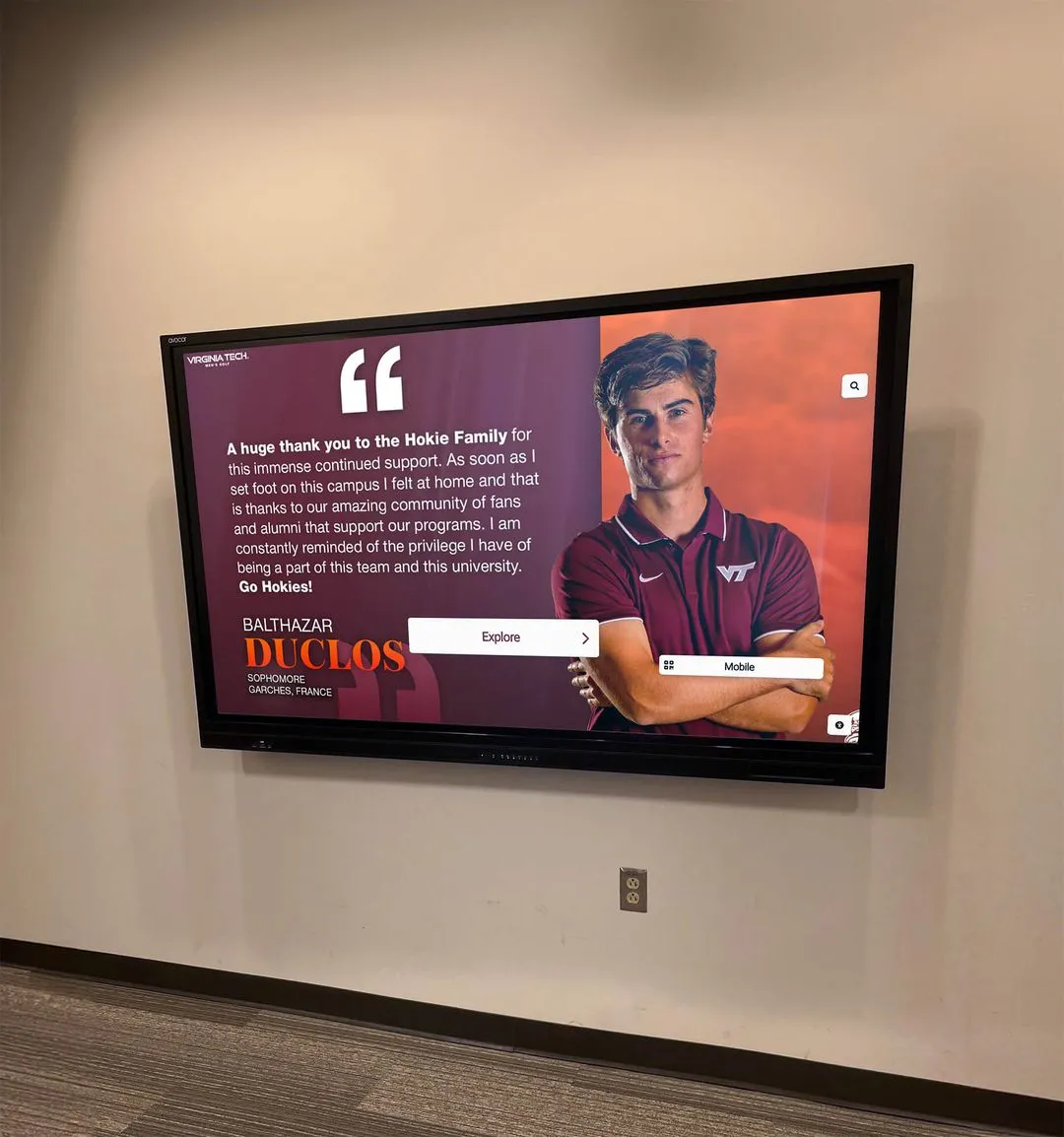
Lobby kiosks provide platforms for showcasing student leaders and their achievements throughout school year
Celebrating Student Leadership Through Recognition
Preserving campaign moments and honoring student government service.
Traditional Recognition Methods
Conventional approaches celebrating student leaders:
Physical Campaign Material Archives
Preserving election history:
- Winning poster display in student government office or hallway
- Campaign material collections in school archives
- Yearbook sections documenting election seasons and winners
- Photo collages showing campaign activities and celebrations
- Bulletin board displays featuring current student government
- Trophy case recognition for student leaders and achievements
Physical archives create tangible connections to leadership traditions.
Annual Recognition Events
Celebrating student government contributions:
- Installation ceremonies inaugurating new leadership
- End-of-year banquets honoring outgoing student government
- Award ceremonies recognizing exceptional student leaders
- Leadership conferences acknowledging student government participation
- Community events featuring student government presentations
- Graduation recognition highlighting student leadership service
Formal events validate student leadership contributions and build institutional traditions.
Published Recognition
Documenting leadership service:
- School newspaper profiles of student government members
- Website features highlighting leadership projects and achievements
- Social media recognition of student government activities
- Newsletter acknowledgments of student leadership contributions
- Local media coverage of significant student government initiatives
- Resume and transcript documentation of leadership positions
Published recognition extends beyond school community, supporting college and career applications.
Digital Recognition Systems for Student Leadership
Modern approaches overcoming physical limitations:
Comprehensive Leadership Documentation
Technology-enabled recognition:
Schools implementing digital recognition systems like Touch Archive transform how student leadership is celebrated and preserved:
- Permanent Leadership Archives: Digital displays showcase student government members across decades, preserving names, photos, and contributions
- Campaign Material Documentation: Photos of creative campaign posters and materials preserved beyond election period
- Project and Initiative Galleries: Visual documentation of student government accomplishments and programs
- Leadership Timeline Displays: Historical evolution of student government showing institutional development
- Interactive Exploration: Students discover past leaders and their achievements, connecting to leadership legacy
- Multimedia Storytelling: Video, photos, and text creating rich documentation beyond simple names and titles
Programs using digital recognition displays report increased interest in student government as comprehensive historical documentation demonstrates honor and significance of leadership service.
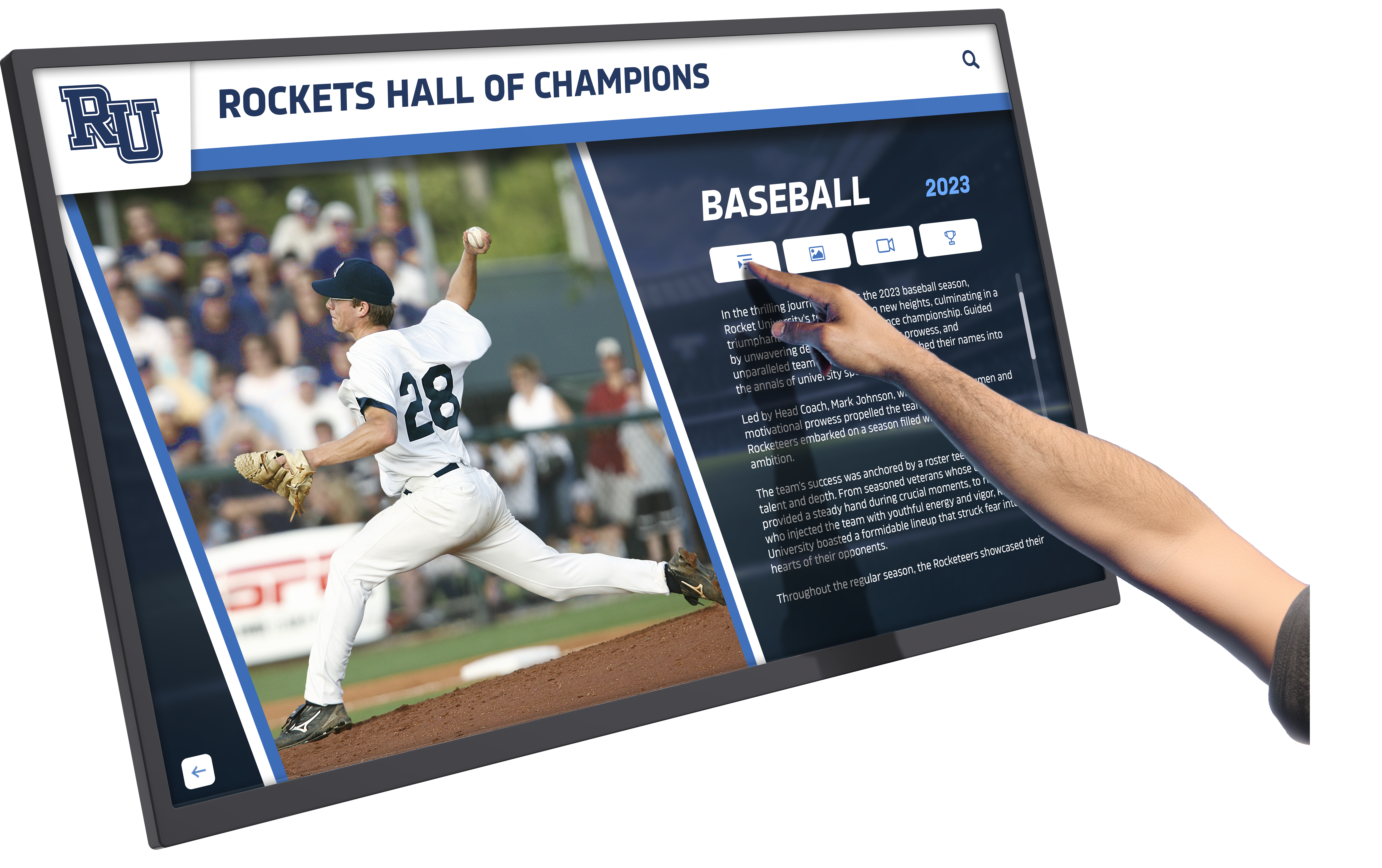
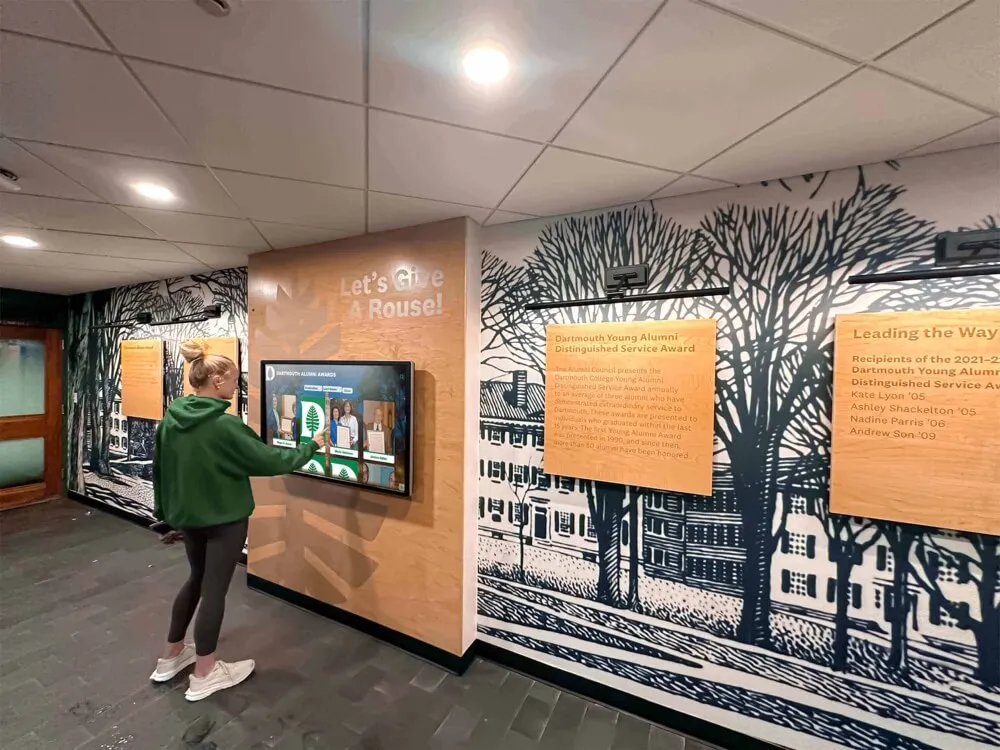
Touchscreen technology enables engaging interaction with leadership histories and student achievement documentation
Benefits of Digital Student Leadership Recognition
Modern advantages over traditional approaches:
Unlimited Historical Capacity
Space constraint elimination:
- Every student government member across all years documented
- Campaign materials and election information preserved digitally
- No forced choices about which leaders receive recognition
- Growing archives accommodating infinite additions
- Equal visibility for all leadership positions and roles
- Complete institutional leadership history in single location
Digital systems ensure every student leader receives permanent recognition regardless of space limitations.
Accessibility and Engagement
Enhanced interaction opportunities:
- Mobile and web access enabling exploration beyond physical location
- Search functionality locating specific student leaders or years
- Filter options organizing by position, year, or achievement type
- Social sharing spreading recognition beyond school community
- Alumni engagement reconnecting with leadership experiences
- Current student inspiration through accessible leadership examples
Interactive platforms create engagement impossible with static physical displays.
Maintenance and Updates
Sustainable recognition management:
- Immediate updates when new leaders elected
- No physical deterioration or replacement needs
- Easy corrections or additions to existing profiles
- Consistent quality across all entries regardless of age
- Remote management enabling updates from anywhere
- Long-term preservation protecting digital assets
Celebrate Your Student Leaders
Discover how interactive digital displays help schools preserve campaign traditions, honor student government service, and create engaging leadership archives that connect current students with institutional history. Transform how your school recognizes and celebrates student leadership across generations.
Request a DemoResources and Support for Student Candidates
Helping students create effective campaigns and develop leadership skills.
School-Provided Campaign Support
Institutional assistance for candidates:
Advisor Guidance and Mentorship
Faculty support for campaigns:
- Scheduled meetings reviewing campaign strategies and plans
- Design feedback improving poster effectiveness
- Rule clarification ensuring compliance with election guidelines
- Resource access to materials and production tools
- Skill development in public speaking and presentation
- Emotional support managing campaign stress and outcomes
Strong advisor relationships provide valuable learning experiences beyond simple rule enforcement.
Resource Access and Materials
School-provided support:
- Poster board and art supplies available for all candidates
- Computer and printing access for professional-quality materials
- Design software or templates simplifying creation process
- Display space allocation ensuring fair visibility opportunities
- Production assistance from graphic design or art classes
- Budget equity ensuring equal campaign capability regardless of personal resources
Resource provision levels the playing field between candidates with different access to materials and support.
Skill Development Opportunities
Learning experiences embedded in campaigns:
- Public speaking workshops preparing for speeches and debates
- Design principles education improving visual communication
- Leadership training developing governance skills
- Campaign management instruction teaching organizational skills
- Conflict resolution preparation for handling disagreements
- Civic education contextualizing student elections in democratic traditions
Elections provide authentic learning opportunities when supported by intentional skill development.
Online Resources and Inspiration
External support for campaign development:
Design Tools and Templates
Digital resources:
- Canva and similar platforms offering free poster templates
- Pinterest inspiration boards showcasing successful campaigns
- Font and graphic resources enhancing design quality
- Color palette generators ensuring effective combinations
- Photo editing tools improving image quality
- Printing services offering affordable poster production
Technology makes professional-quality campaigns accessible to all students.
Leadership Development Resources
Broader skill building:
- Student council association websites offering best practices
- Online courses teaching leadership and governance skills
- TED talks and videos featuring young leaders and changemakers
- Books and articles about effective student government
- Networking opportunities connecting with student leaders at other schools
- Conference and workshop information for ongoing development
Campaign period launches longer leadership development journey for many students.
Community Connections
Local support networks:
- Alumni leaders mentoring current candidates
- Community leaders offering advice and perspective
- Local designers volunteering professional feedback
- Business partnerships supporting student government programs
- Parent volunteers assisting with campaign logistics
- Peer mentorship from previous student government members
Community connections enrich campaigns while building broader networks supporting student success.
For schools building comprehensive recognition programs, strategic approaches create welcoming environments.
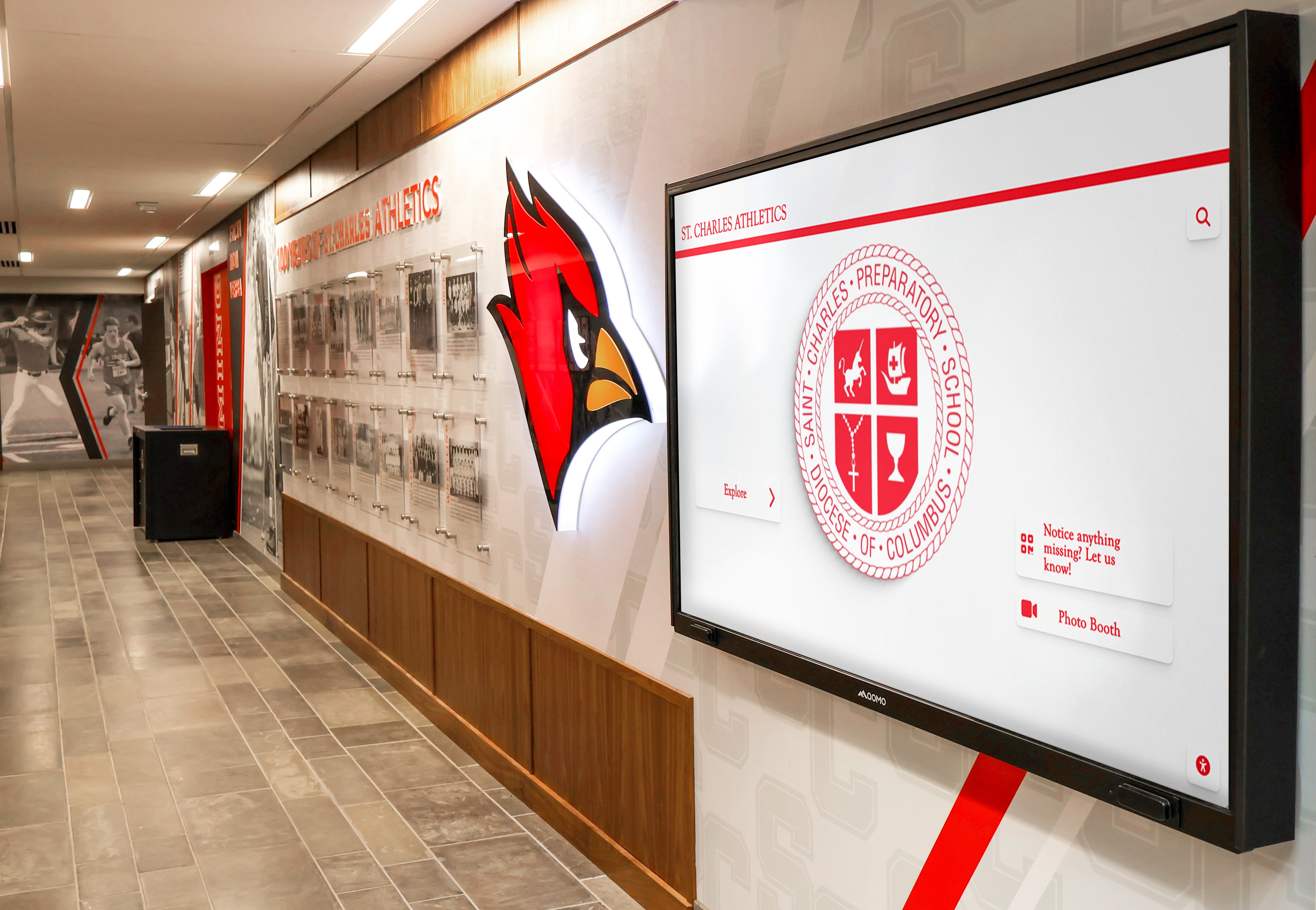
Coordinated branding and displays throughout facilities create cohesive environments celebrating student achievements
Common Campaign Mistakes to Avoid
Learning from unsuccessful approaches improves campaign effectiveness.
Design and Messaging Errors
Pitfalls undermining campaign impact:
Overcomplicated Designs
Common design mistakes:
- Too much text overwhelming viewers during brief hallway encounters
- Cluttered layouts lacking clear focal points
- Multiple competing messages confusing core platform
- Tiny fonts requiring close reading students won’t perform
- Poor color choices creating low contrast and readability issues
- Busy backgrounds distracting from essential information
Simplicity almost always outperforms complexity in campaign poster effectiveness.
Generic or Cliché Messaging
Unoriginal approaches:
- Overused slogans appearing on competitors’ posters
- Generic promises lacking specific relevance to school
- Impersonal tone failing to convey candidate personality
- Borrowed designs lacking authentic connection to candidate
- Trend references already outdated by campaign time
- Messages that could apply equally to any candidate
Authenticity and originality create memorable campaigns distinguishing candidates from opponents.
Negative or Inappropriate Content
Counterproductive messaging:
- Attack campaigns focusing on opponent weaknesses
- Inappropriate humor offensive to student groups
- References to drugs, alcohol, or other prohibited content
- Mean-spirited jokes at others’ expense
- Divisive messaging alienating portions of student body
- Content violating school conduct codes or values
Negative campaigns typically backfire, damaging candidates more than targets.
Strategic Campaign Errors
Tactical mistakes reducing effectiveness:
Late or Inconsistent Campaigning
Timing problems:
- Last-minute poster creation resulting in rushed, low-quality materials
- Inconsistent presence creating impression of disorganization
- Limited visibility compared to competitors’ extensive campaigns
- Poster placement occurring after high-traffic spots already claimed
- Delayed social media launch missing early campaign period
- Absence during key events like debates or forums
Early, consistent campaigns build momentum while late efforts struggle to catch up.
Ignoring Opponent Positioning
Competitive awareness lapses:
- Identical slogans or designs to other candidates
- Failure to differentiate from similar candidates
- Missing opportunities to highlight unique qualifications
- Unclear positioning in crowded candidate fields
- Ineffective responses to competitor advantages
- Campaign strategies ignoring electoral dynamics
Understanding competitive landscape enables strategic positioning and differentiation.
Neglecting Direct Voter Contact
Over-reliance on posters:
- Exclusive focus on posters without personal engagement
- Avoiding speeches, debates, or Q&A opportunities
- Limited interaction with student organizations and groups
- Failure to ask for specific vote commitments
- Absence from school events and activities during campaign
- Reliance on recognition without relationship building
Posters create awareness, but personal connections typically determine final voting decisions.
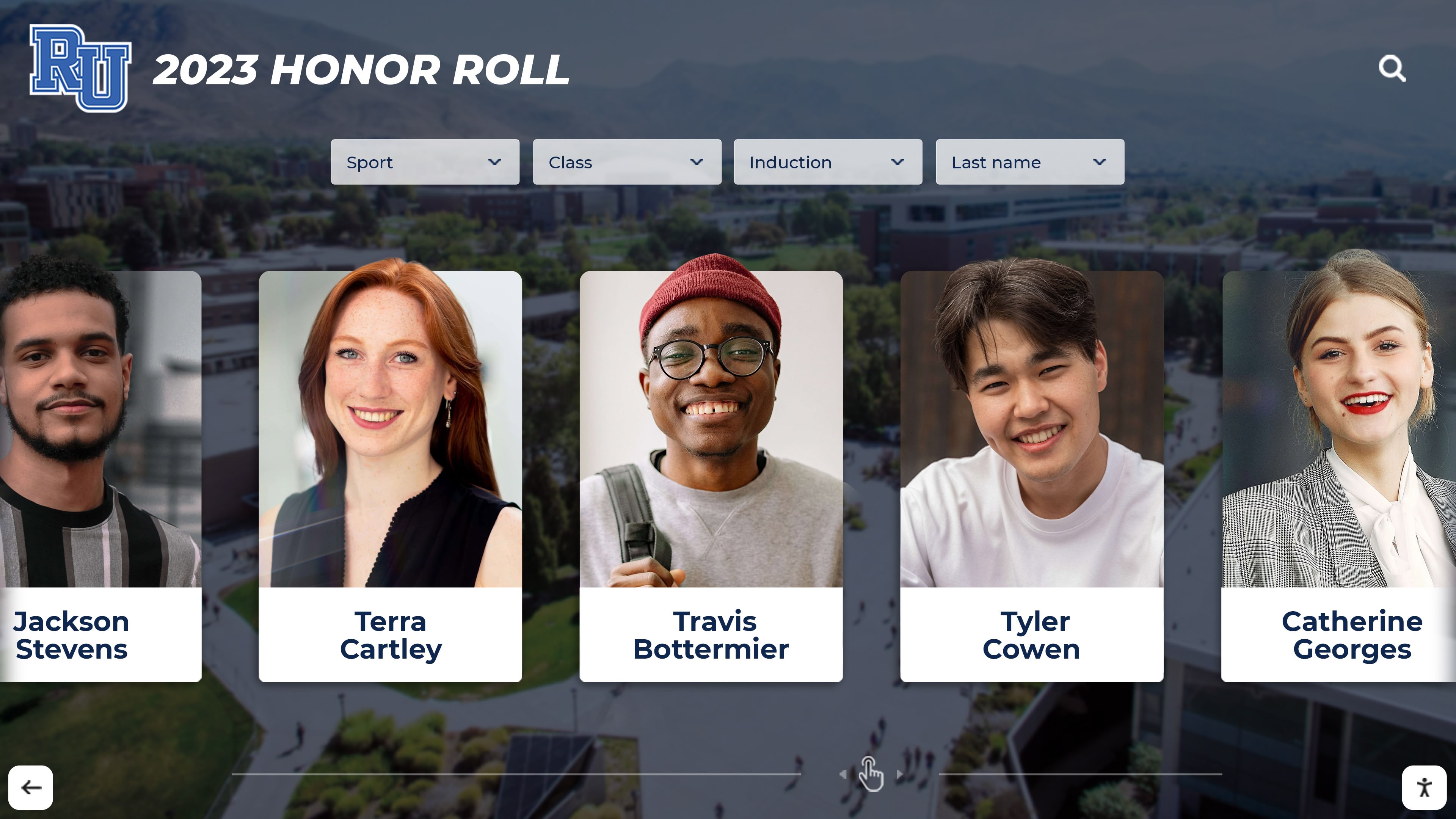
Recognition systems showcase diverse student achievements including academic honors and [leadership contributions](https://digital-trophy-case.com/blog/pep-rally-ideas-games-activities-build-school-spirit/?utm_source=organic&utm_medium=seo-auto&utm_content=toucharchives&utm_campaign=student-council-posters&utm_term=seo)
Post-Election Transition and Leadership
Moving from campaigns to governance:
Gracious Winning and Losing
Handling election outcomes appropriately:
Victory Conduct
Winner responsibilities:
- Gracious victory speeches thanking supporters and acknowledging opponents
- Immediate outreach to losing candidates offering collaboration
- Humble recognition of close races or competitive elections
- Inclusive transition messaging bringing whole student body together
- Follow-through on campaign promises demonstrating integrity
- Recognition that victory represents beginning rather than endpoint
How winners behave in victory sets tone for their entire leadership tenure.
Handling Defeat with Grace
Losing candidate conduct:
- Congratulating winners sincerely and promptly
- Supporting successful candidates for benefit of student body
- Reflection on campaign experience and learning opportunities
- Continued school involvement demonstrating genuine leadership commitment
- Positive communication about election process and outcome
- Perspective maintaining that elections measure campaign, not personal worth
Gracious defeat often earns more respect than victory, preparing students for future opportunities.
Community Healing After Competitive Races
Post-election reconciliation:
- School-facilitated gatherings bringing candidates together
- Public unity demonstrations from all participants
- Collaborative projects involving winning and losing candidates
- Transition meetings ensuring losing candidates’ ideas considered
- Recognition events honoring all candidates’ participation and courage
- Communication emphasizing shared school community beyond political division
Intentional healing processes teach valuable democratic principles and interpersonal skills.
Transitioning Campaign Energy to Governance
Converting momentum into action:
Implementing Campaign Promises
Following through on platforms:
- Prioritization identifying most achievable campaign goals
- Timeline development creating realistic implementation schedules
- Resource identification determining what’s needed for success
- Stakeholder engagement building support for initiatives
- Progress communication keeping constituents informed
- Adjustment willingness when promises prove unfeasible
Campaign promises create accountability expectations requiring thoughtful execution planning.
Building Effective Student Government Teams
Creating productive working relationships:
- Cabinet or committee formation including diverse perspectives
- Role clarification ensuring everyone understands responsibilities
- Meeting structure enabling productive collaboration
- Conflict resolution processes managing disagreements constructively
- Skill utilization assigning tasks matching individual strengths
- Appreciation culture recognizing team members’ contributions
Successful student governments function as teams rather than individual leaders.
Maintaining Student Body Connection
Ongoing constituent engagement:
- Regular communication through newsletters, social media, or announcements
- Open office hours enabling student access to representatives
- Feedback mechanisms gathering student input on decisions
- Visibility maintenance through attendance at school events
- Responsiveness to concerns and questions
- Accessibility ensuring all students can reach leadership
Effective student governments maintain connection to broader student body rather than becoming isolated.
For comprehensive school culture development, recognition frameworks build appreciation throughout communities.
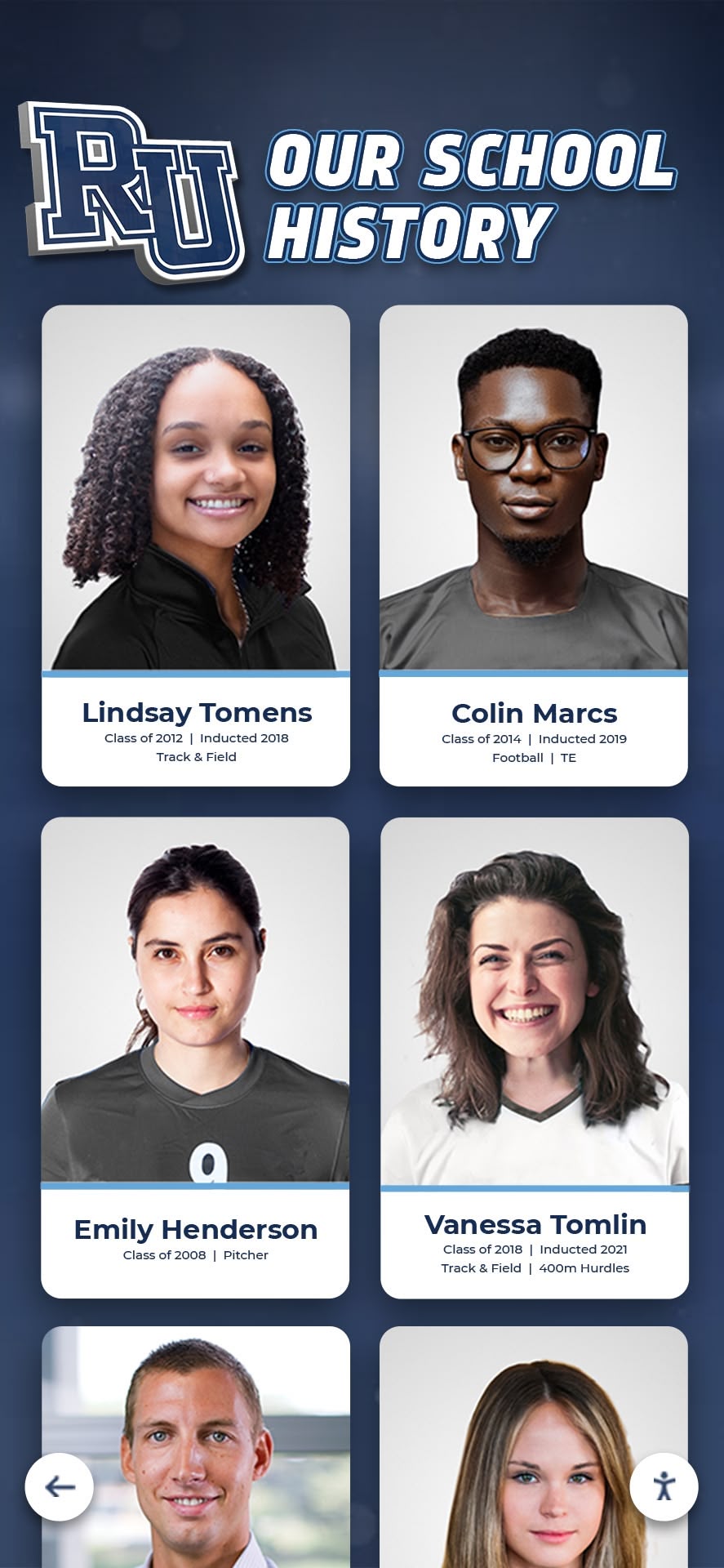
Historical displays connect current students with leadership traditions and institutional heritage across generations
Conclusion: Campaign Posters as Leadership Learning Experiences
Student council campaign posters represent more than colorful hallway decorations—they serve as authentic learning experiences where students develop communication skills, creative expression, and strategic thinking that extend far beyond school elections. When approached thoughtfully with attention to effective design, meaningful messaging, and ethical practices, campaign processes teach valuable lessons about persuasion, positioning, and democratic participation that serve students throughout their lives.
The approaches explored in this guide provide frameworks for creating impactful campaigns that resonate with student voters while maintaining positive school culture and community. From understanding psychological principles influencing voter decisions to implementing creative design strategies that cut through crowded campaign environments, these strategies help candidates communicate effectively while developing leadership capabilities.
Modern recognition technology enables schools to preserve and celebrate campaign traditions and student leadership service in ways previous generations couldn’t access. Solutions like Touch Archive help institutions create permanent digital archives documenting election histories, showcasing creative campaign materials, and honoring student government contributions across decades while building engagement that strengthens student voice and school democracy.
As schools increasingly recognize student government’s role in developing civic engagement, leadership capacity, and school culture, thoughtful election processes combined with comprehensive recognition create experiences benefiting individuals while strengthening democratic traditions connecting students across generations.
Whether running first student council campaigns or refining approaches based on previous experience, the principles explored in this guide provide direction for creating memorable campaigns that serve learning goals while achieving electoral success. Your school community—from candidates discovering leadership potential to voters engaging meaningfully in democratic processes—deserves election traditions that honor participation while celebrating the student voice and leadership these processes develop.
Ready to explore how interactive recognition displays can showcase your student leadership traditions? Learn how Touch Archive helps schools create impressive documentation of student government history, preserve creative campaign materials, and celebrate the leadership development that student council participation builds across your campus community.