



The best school newspaper articles don’t just cover what happened last Friday night—they connect current students to the decades of history that shaped their school’s identity. Record-holder profiles, alumni interviews, and championship retrospectives are among the most-read pieces any student publication can produce, yet they’re chronically underrepresented in student newsrooms that default to game recaps and event previews. This guide gives student journalists and faculty advisers a deep pool of school newspaper article ideas built around the three richest veins of institutional history: athletic records, alumni networks, and the championship moments that define a program’s legacy.
Whether you’re filling out a spring issue, building a themed archive section, or looking for stories that genuinely move readers, these prompts give you the research entry points, interview angles, and narrative frameworks to turn school history into compelling journalism.
School newspapers occupy a unique position in the institutional memory ecosystem. Unlike yearbooks—which document a single year in retrospect—or official record boards that compress achievement into statistics, the newspaper can examine school history through narrative, give voice to people whose names appear on plaques but whose stories have never been told, and create the kind of writing that alumni share decades after publication. That combination of journalistic rigor and archival depth makes the school newspaper one of the most powerful preservation tools a school community has.

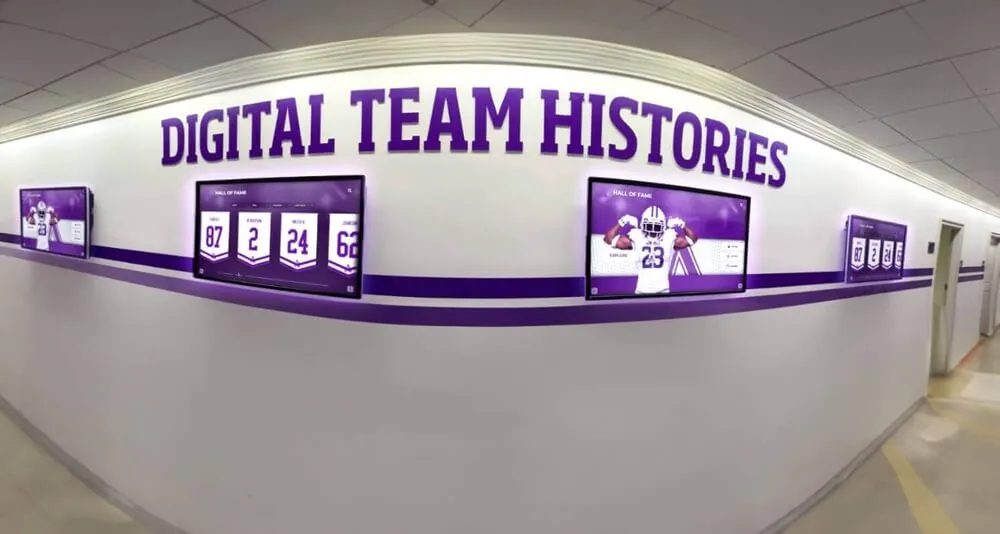
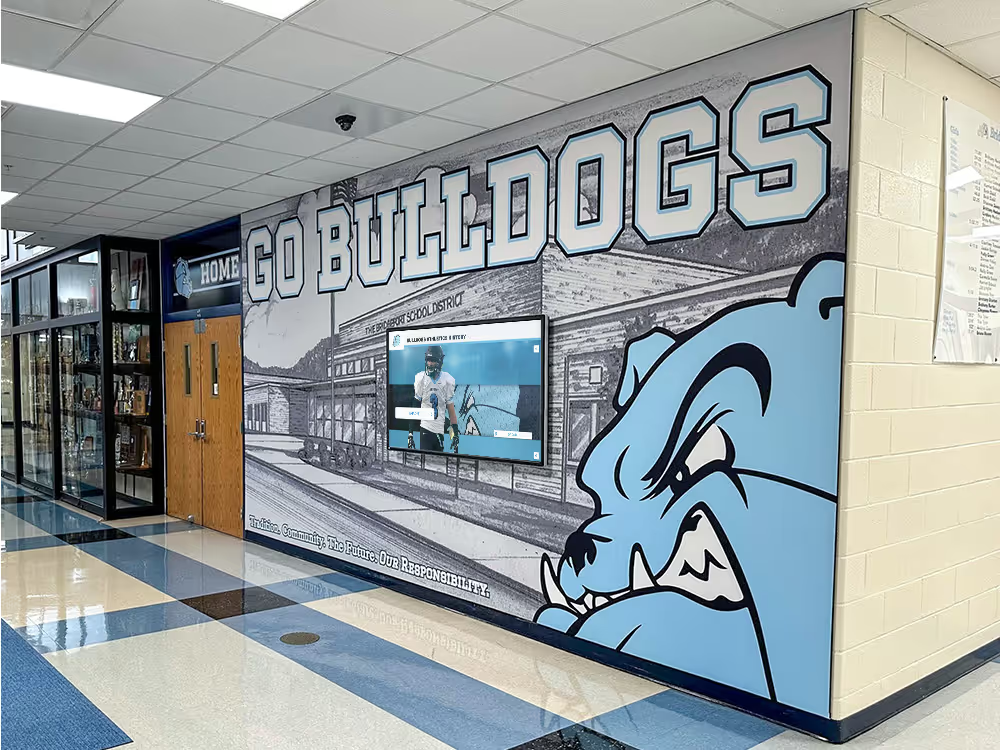
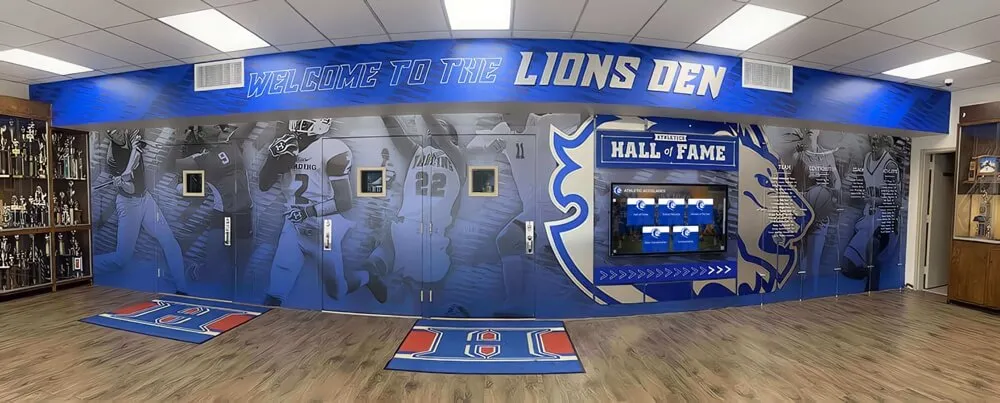
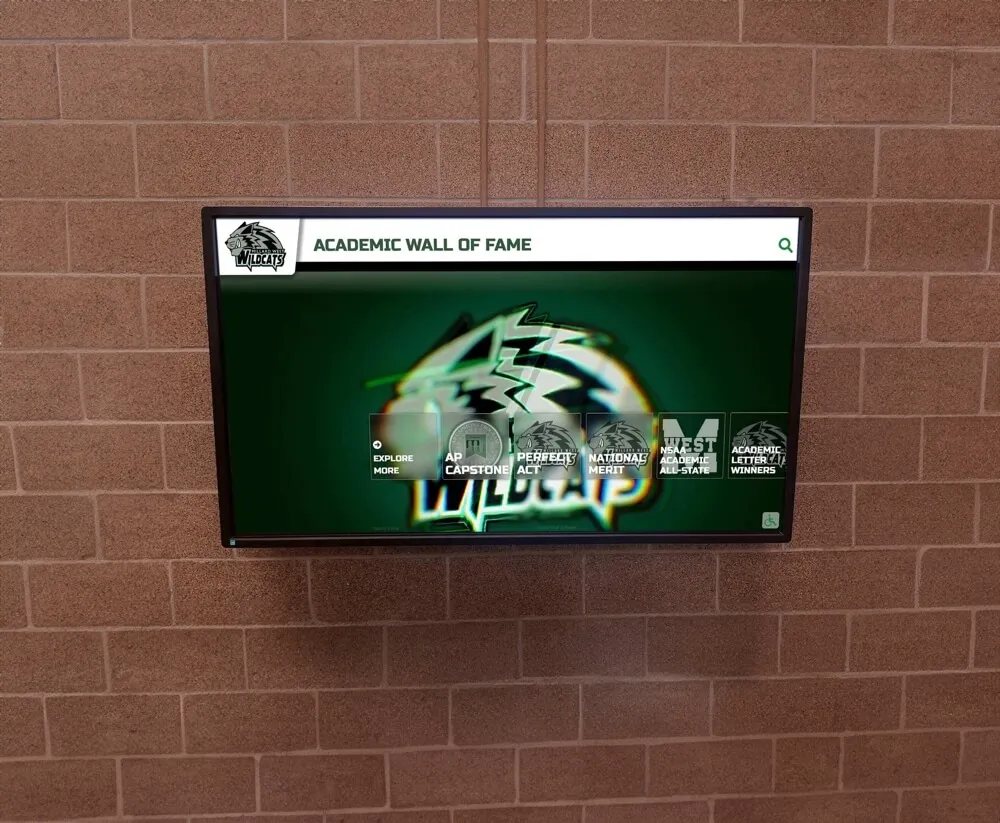
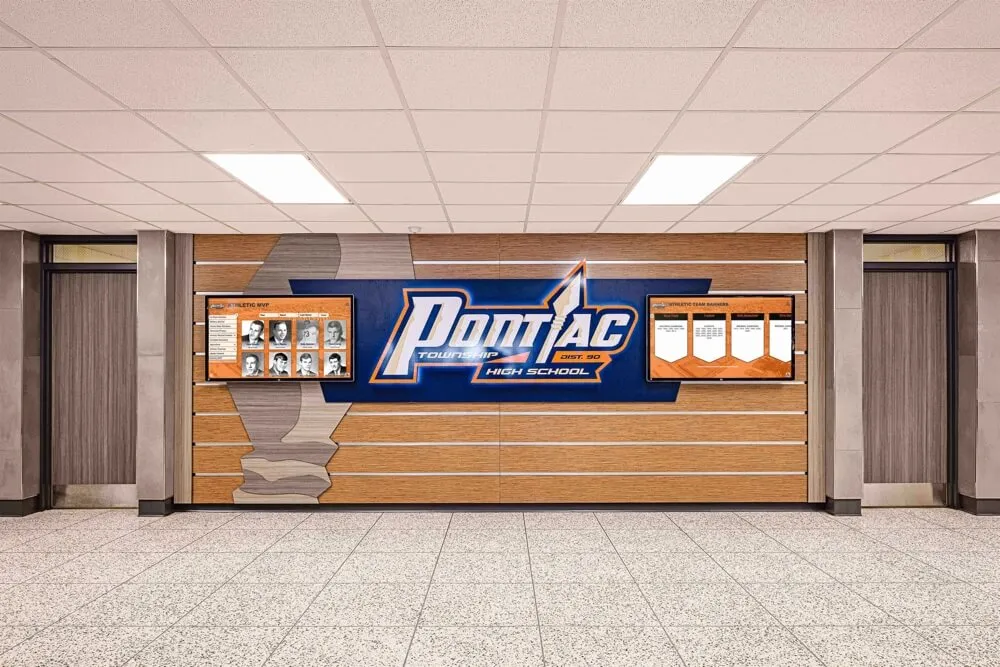
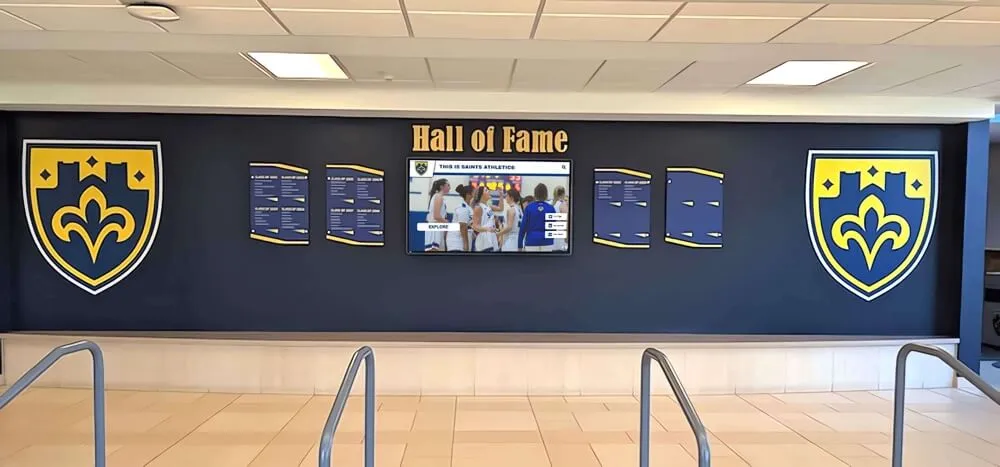
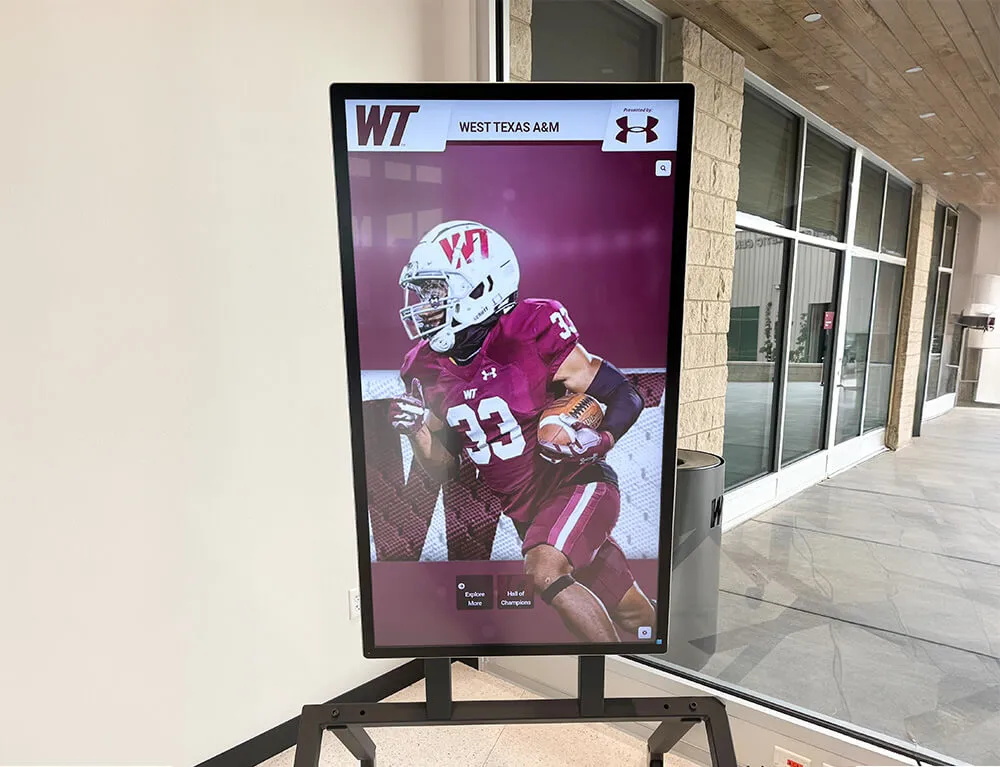
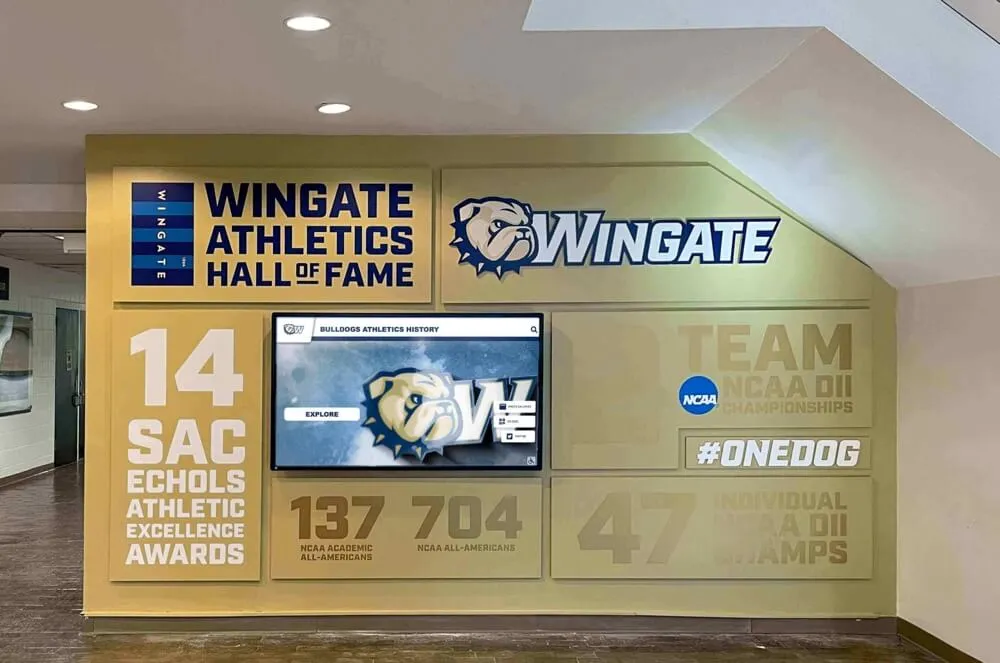
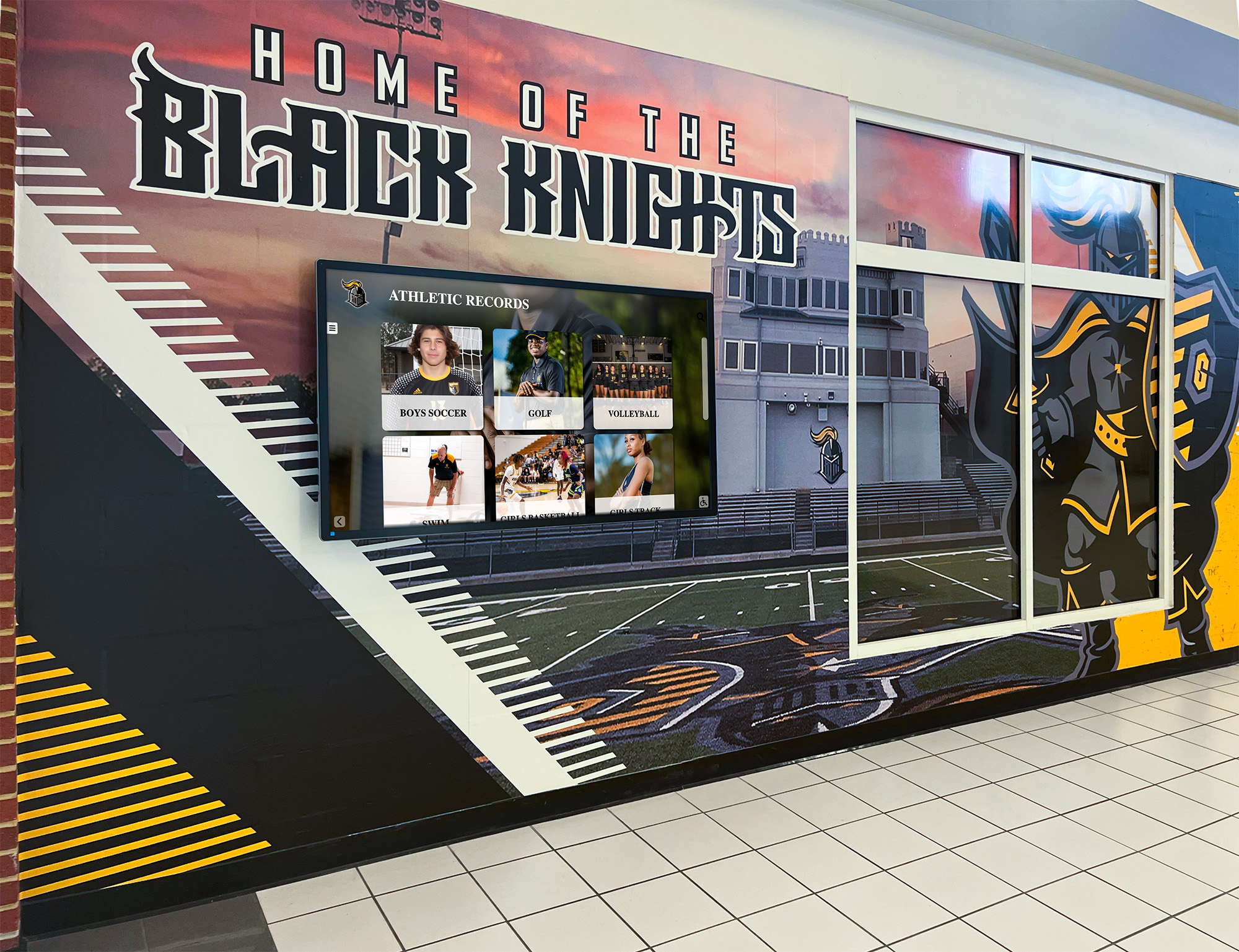
School hallways accumulate visual records that student journalists can translate into deep-dive stories—every banner and record board is a story waiting to be told
Why These Stories Matter More Than You Think
Before diving into specific prompts, it’s worth understanding why history-focused school newspaper articles reliably outperform event coverage in terms of reader engagement, alumni sharing, and community impact.
Record and archive stories are inherently exclusive. No other news organization has access to your school’s internal history, coaching staff memories, or alumni networks. When your paper profiles the student who held the school’s 400-meter record for seventeen years, you’re producing content that literally cannot be found anywhere else.
Alumni read these stories long after graduation. Athletic alumni—particularly those from teams that won championships or set records—represent a highly engaged audience that follows school news with genuine interest. A retrospective story about a 1998 state championship gets forwarded, shared in alumni groups, and discussed at reunions in ways that a preview of next week’s game never will.
They build school pride that extends beyond athletics. Not every student plays a sport, but nearly every student feels the weight of institutional identity. Stories that trace school history—its defining moments, its overlooked contributors, its evolving traditions—reinforce a sense of belonging that purely event-based coverage can’t create.
They’re research-intensive in ways that develop journalists. Tracking down a record-holder who graduated twenty years ago, navigating the school’s historical archive, conducting oral history interviews with retired coaches—these are exactly the research and reporting skills that produce better journalists.
Record-Holder Profile Story Prompts
Athletic records are the most concentrated form of achievement documentation a school produces, yet the people behind those records are often known only as names and numbers on a display. Here are story prompts that give those records human dimension.
The Long-Standing Record
Find the school record that has stood the longest in any sport. Then find the athlete who set it—no matter how long ago—and tell the story of that performance in full. What was the season like? What training produced the result? What did it mean to the athlete at the time, and what does it mean to them now?
This structure works for any athletic record: sprint times, service aces, points scored in a season, career goals. The longer the record has stood, the more powerful the story. A record that’s survived fifteen seasons of athletes trying to break it is an implicit narrative about excellence, and the person who set it deserves a full profile.
Research entry points: The school’s athletic record board (check whether your school has a digital record display system that catalogs historical data), old yearbooks, archived newspaper issues, and current coaches who may know the history of records in their sports.
The Record That Almost Wasn’t
Sometimes the most compelling record story isn’t the one that stands, but the one that nearly fell. Interview current coaches and long-time athletic staff about records that came within a margin—the swim time that missed by hundredths, the scoring season that finished two points short. These near-misses reveal both the achievement of the record-holder and the ambition of every competitor who’s chased them.
The Record That Changed the Program
Some records aren’t just athletic milestones—they’re catalysts. The season a track athlete broke the school’s 400-meter record might have been the same year the track program began recruiting differently, or the year the school built a new facility. Trace the downstream effects of a record-setting performance on how the athletic program evolved.
Consecutive Games, Consecutive Seasons
Endurance records—consecutive wins, consecutive playoff appearances, a coach’s consecutive seasons with a winning record—tell stories about program-building rather than individual peak performance. Profile the players, coaches, and administrators who sustained excellence across time, and examine what threatened to break the streak and didn’t.
These stories work especially well as anniversary pieces: the twentieth anniversary of a consecutive playoff run, or a retrospective on a coach’s streak tied to a milestone season.
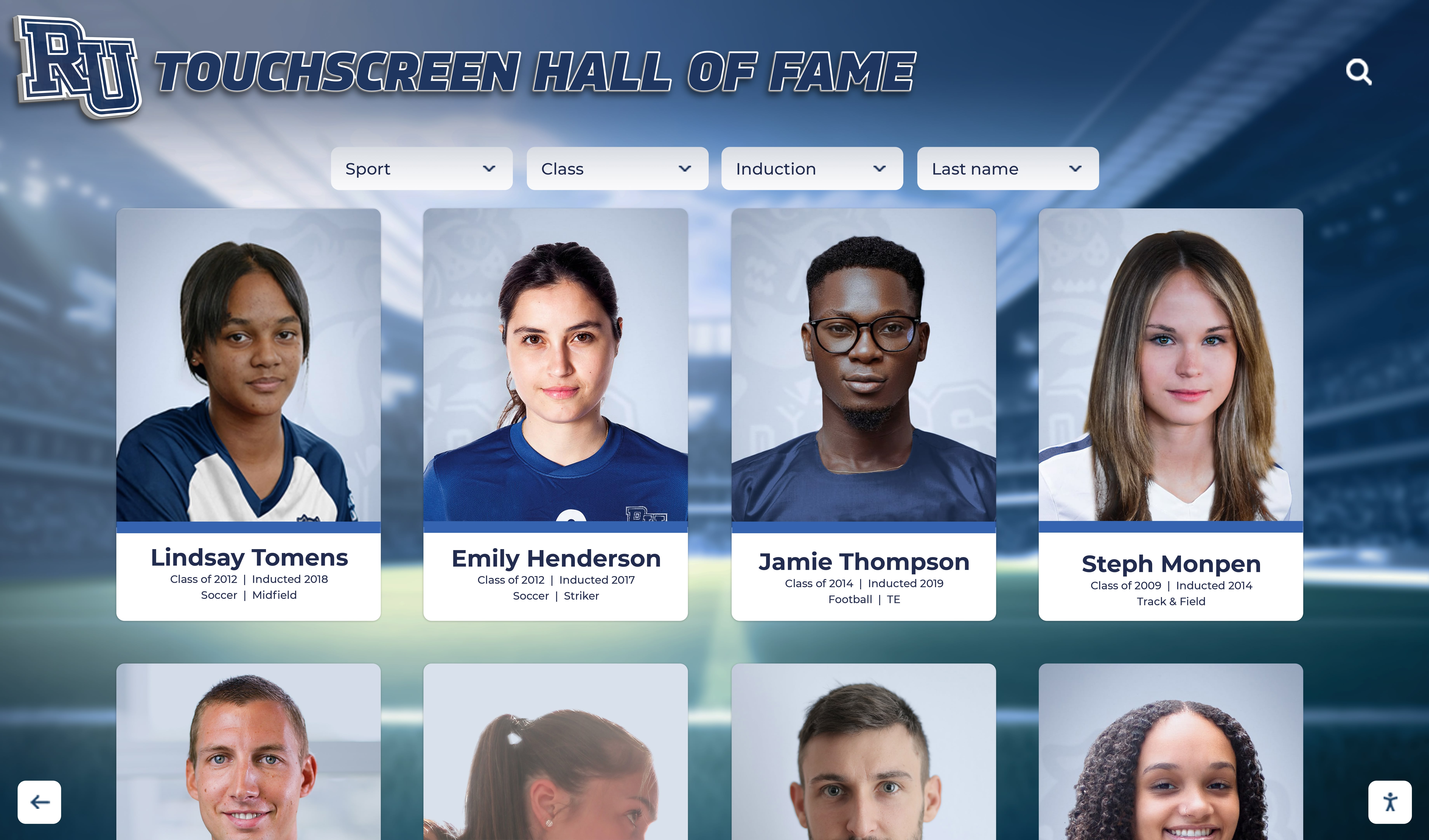
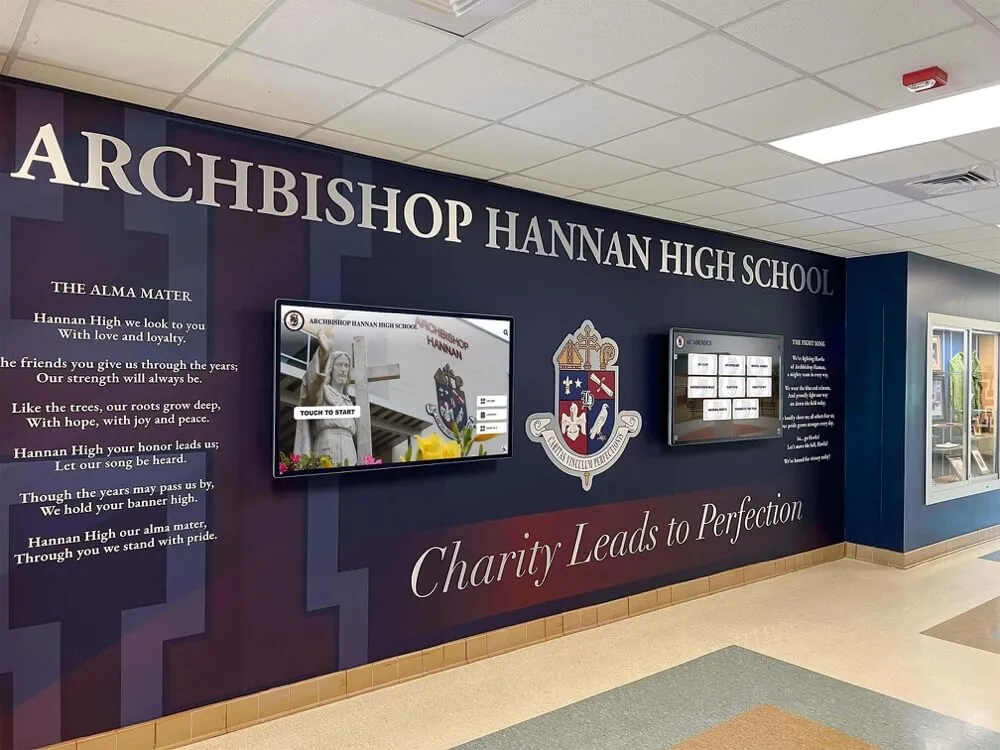
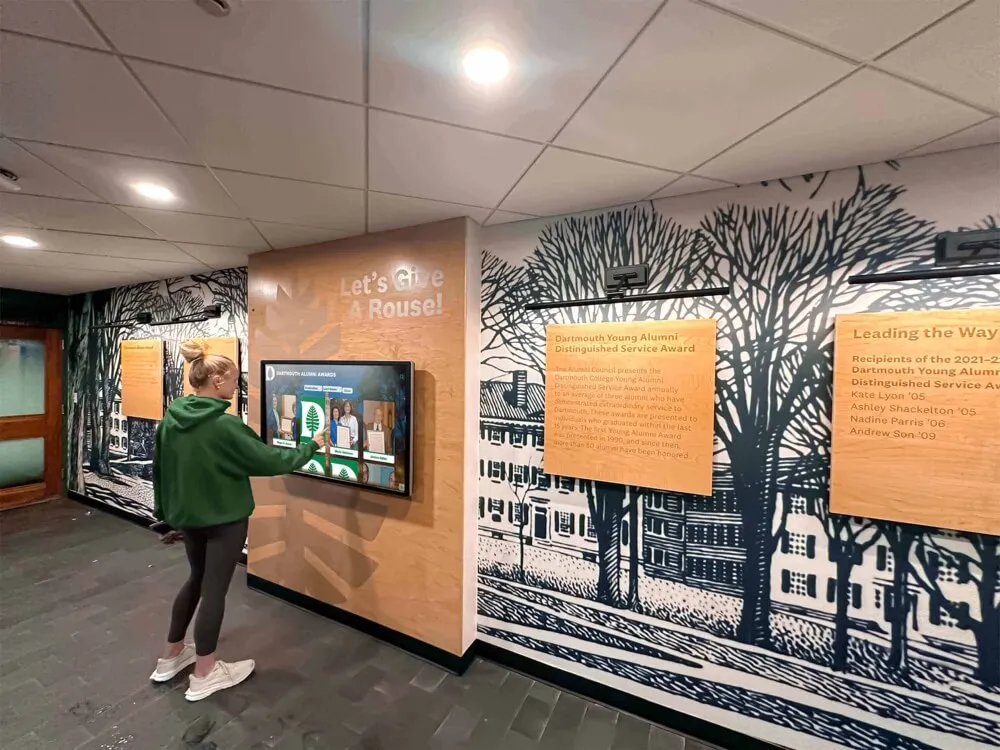
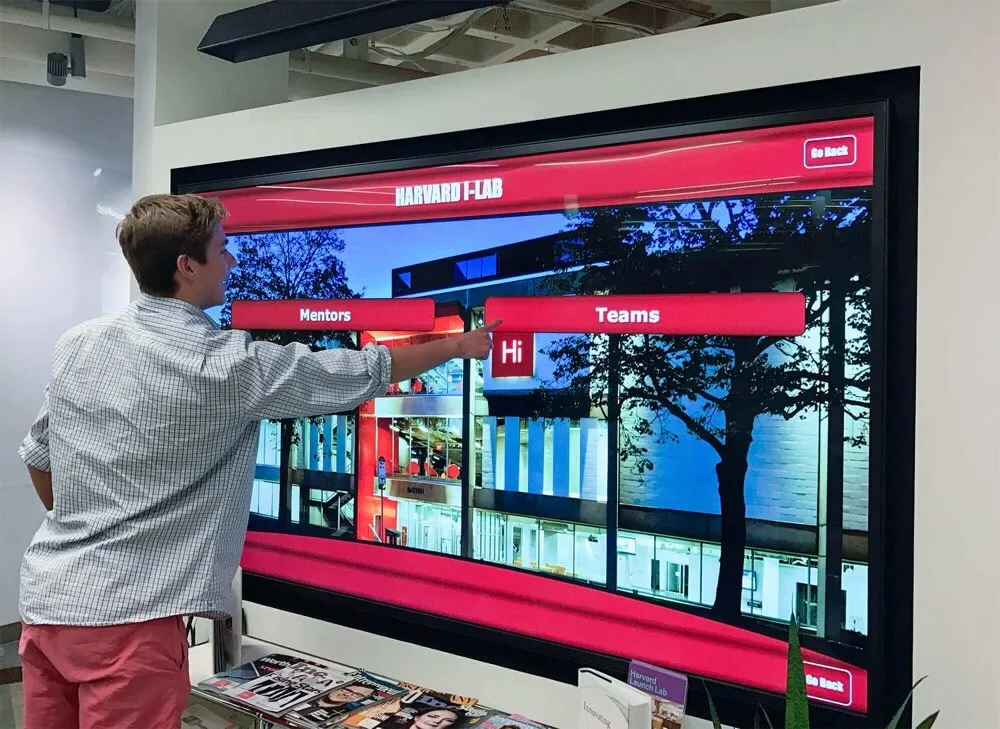
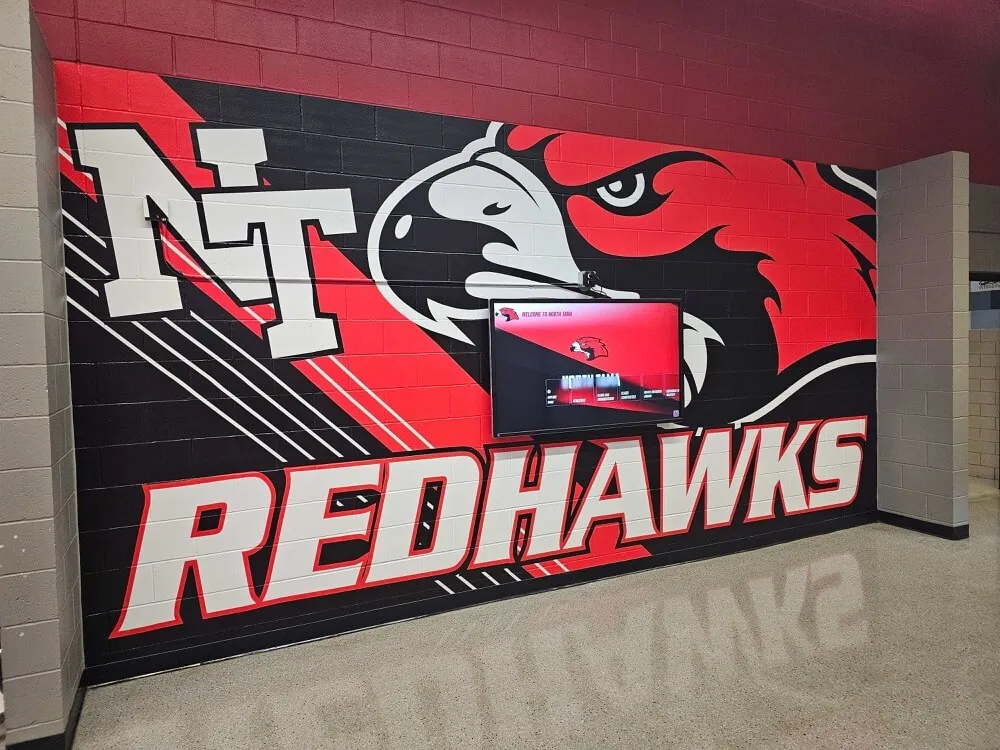
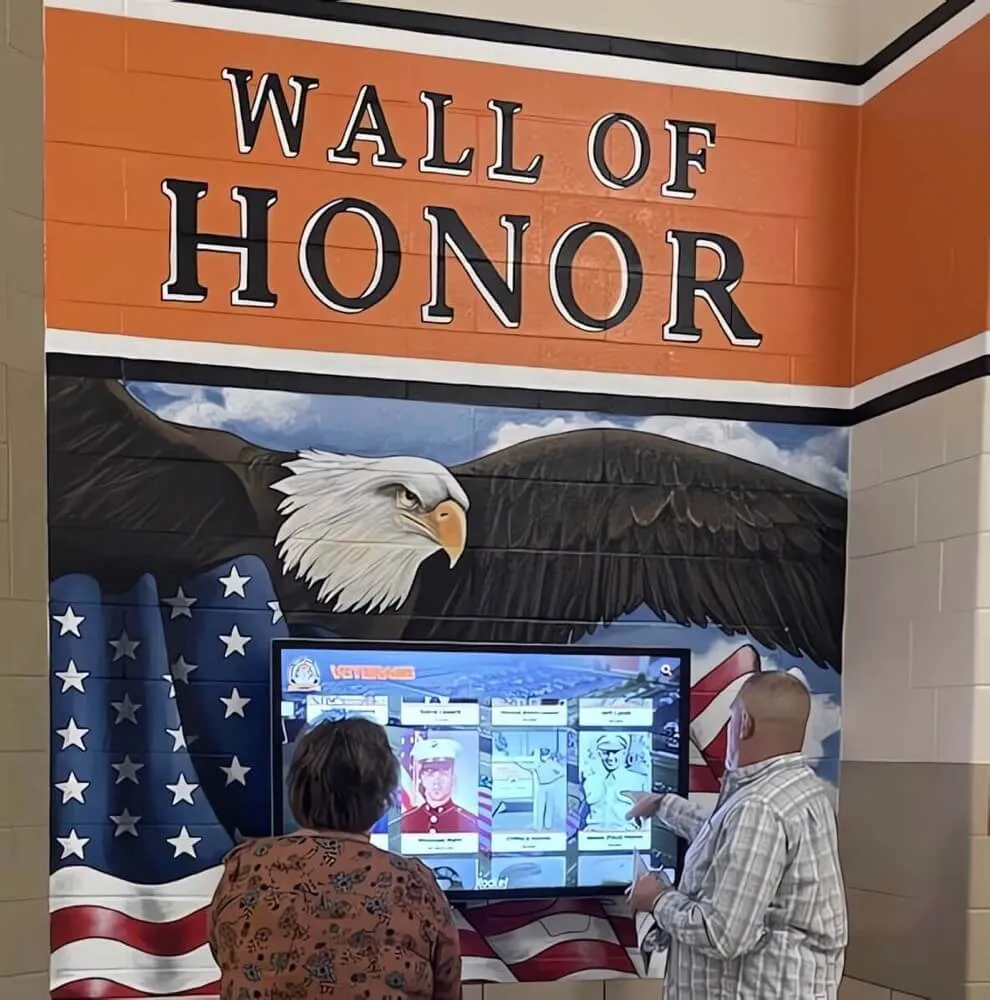
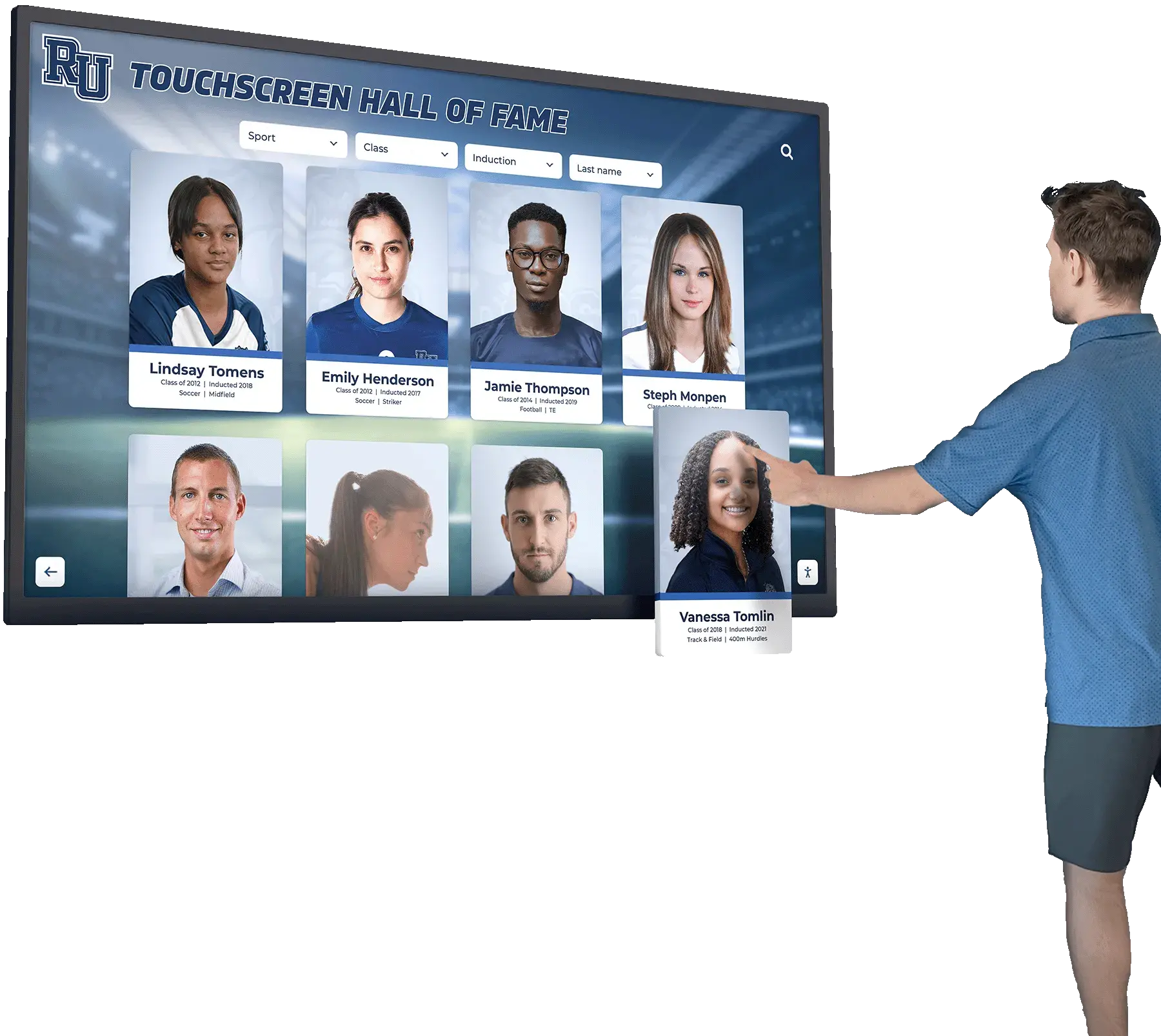
Interactive hall of fame systems make historical athlete data searchable for student journalists researching record-holder stories
Alumni Interview Story Ideas
Alumni interviews are among the most consistently engaging story categories a student newspaper can produce. Former students carry unique perspectives: they’ve experienced the school through a particular historical lens, they can compare their experience to what current students describe, and they’ve watched how the institution’s identity has evolved from the outside.
The Career That Started Here
Profile an alumnus or alumna whose career trajectory traces directly to something that happened at your school—not just “they played here and went on to success,” but the specific moment, coach, or experience that shaped their direction. The more specific and traceable the connection, the more powerful the story.
High school reunion planning resources can connect you with alumni who are already engaged with the school community and ready to reflect on their experience. Reunion attendees are often the most articulate narrators of how the school shaped them.
What’s Still the Same, What’s Different
Send a current student journalist to interview an alumnus who graduated ten, twenty, and thirty years ago—separately—with a standardized set of questions about their daily school experience. Then compare the answers and publish the responses as a comparative piece. What aspects of school life are strikingly consistent across generations? What has changed beyond recognition?
This structure works particularly well around school anniversaries or facility changes, when the contrast between eras has natural news peg.
The One Who Got Away: Untold Athletic Alumni Stories
Every school’s athletic history includes alumni who went on to notable competitive careers at the college level or beyond, but who never received comprehensive coverage in the school newspaper. Research your athletic hall of fame nominations, speak with longtime coaches, and identify athletes whose post-graduation careers were significant but whose school stories were never fully told.
Covering all-conference and all-state recognition is a natural entry point—every athlete who earned those honors has a story about what that recognition meant and where they went from there.
Alumni Who Came Back
Profile alumni who returned to the school—as coaches, teachers, administrators, or volunteers. The decision to return to the institution that shaped you is inherently a story about loyalty, community, and identity. What brought them back? What’s different about seeing the school from the other side?
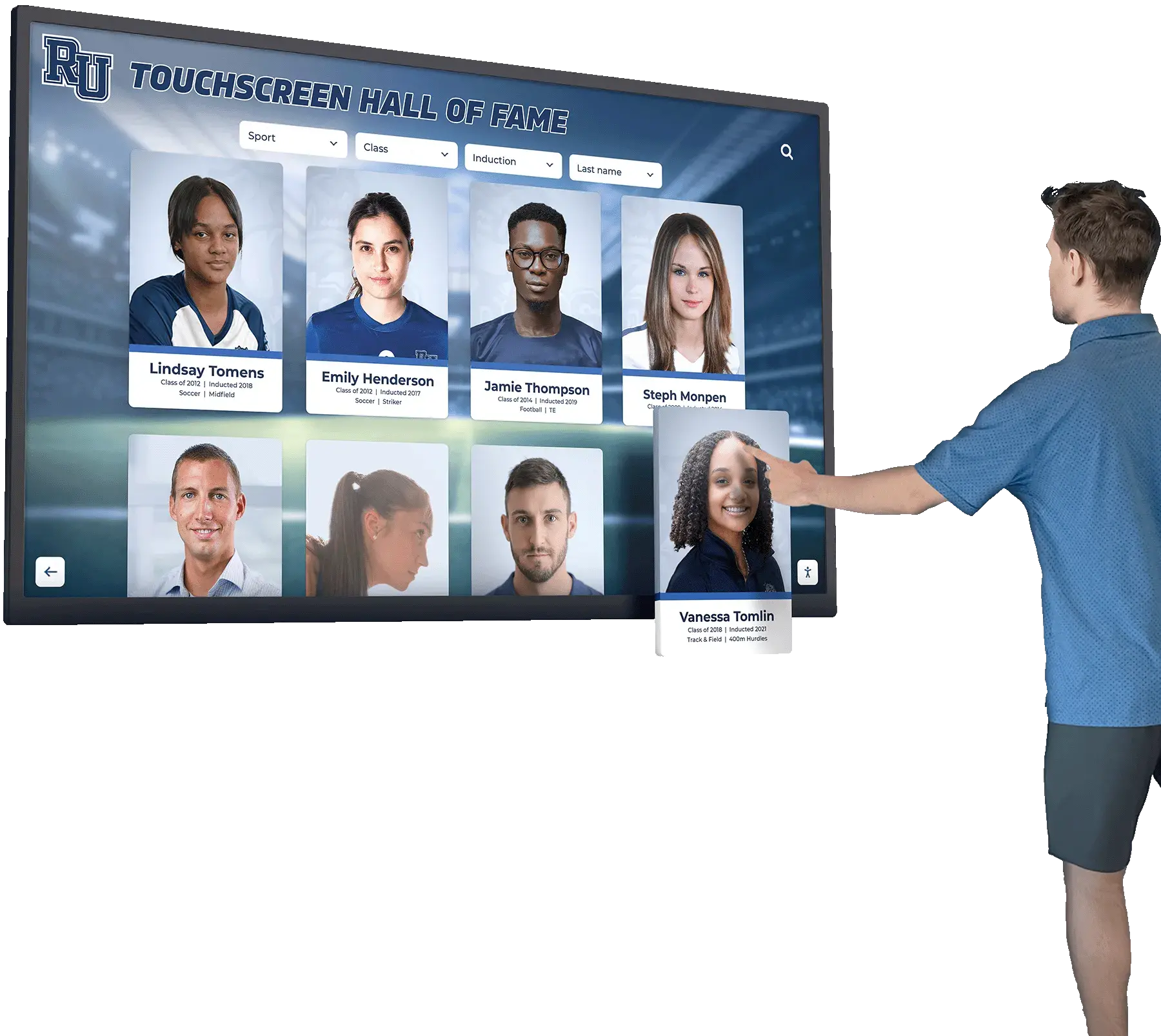
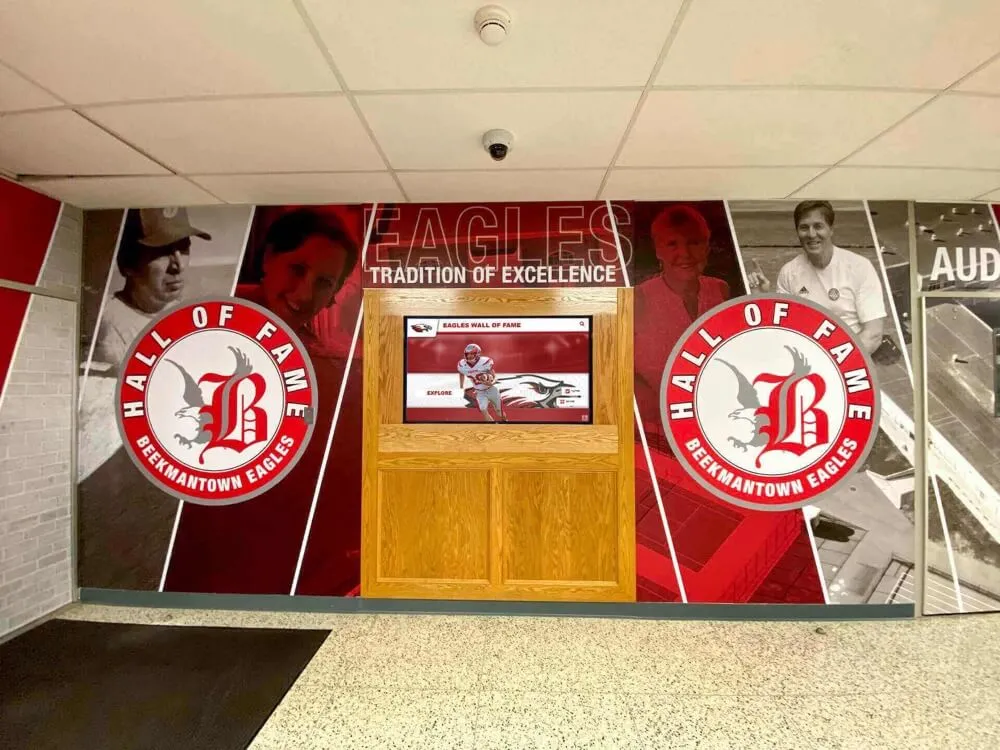
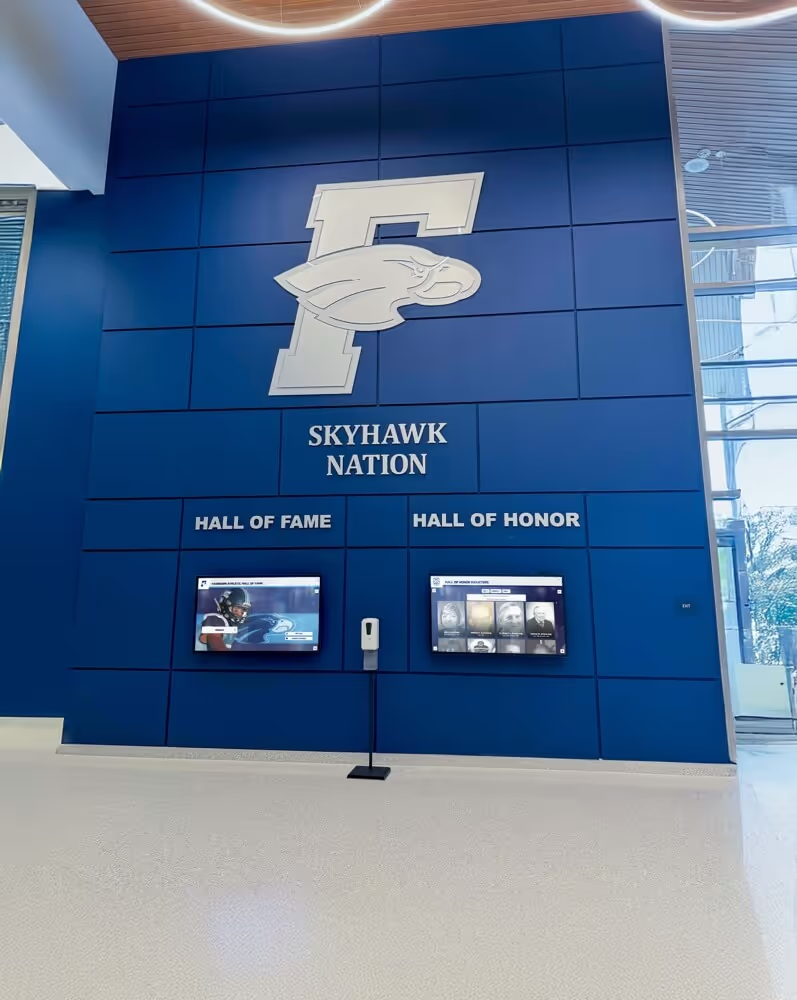
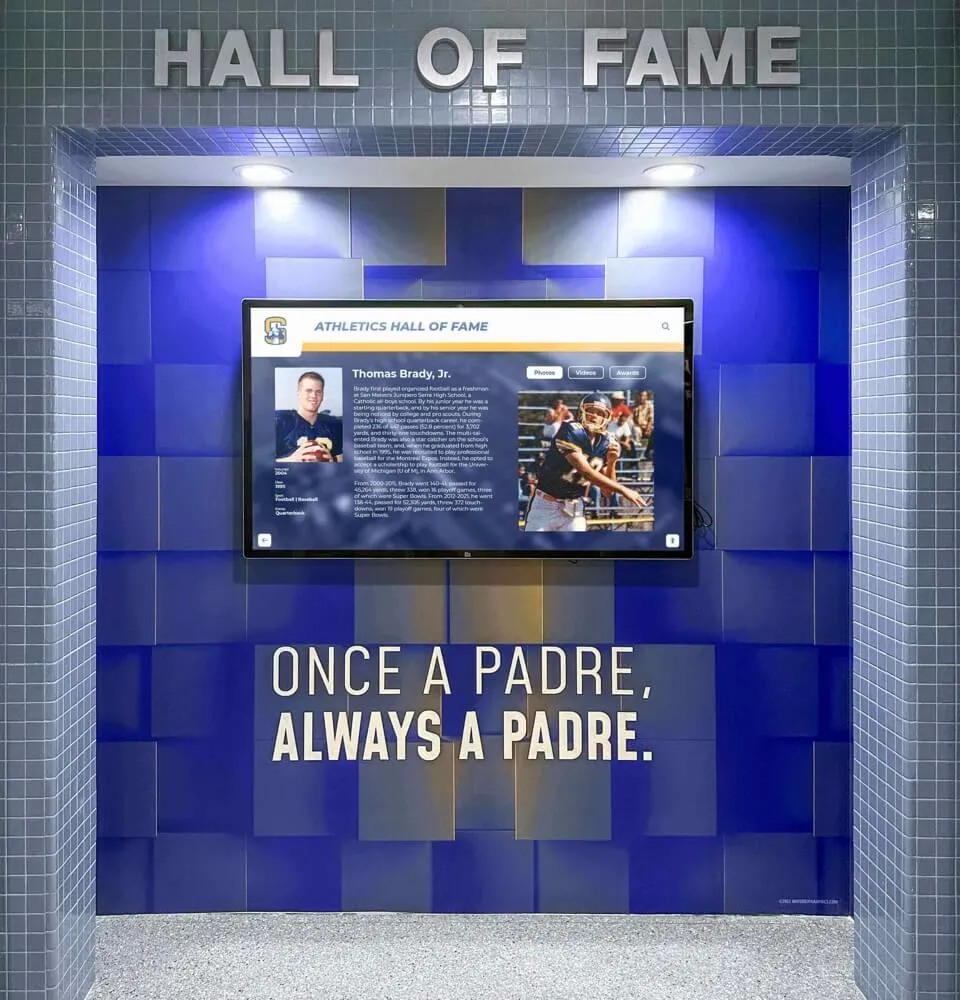
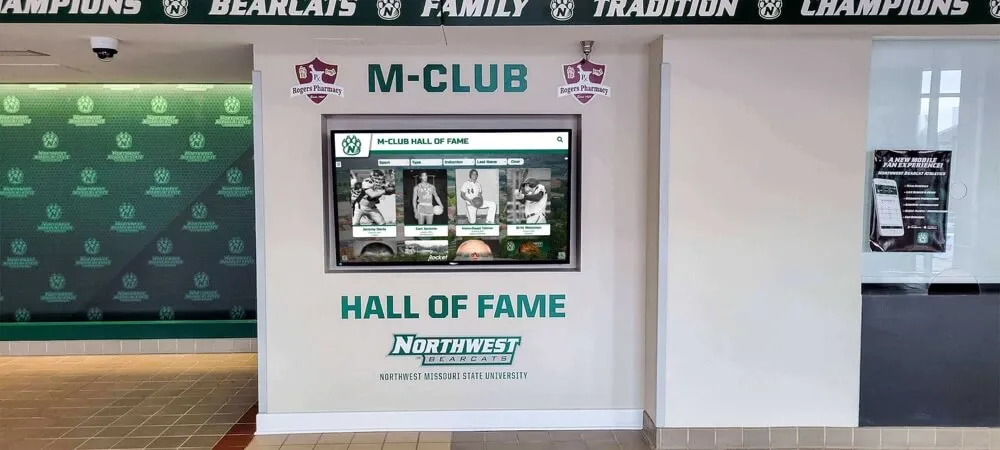
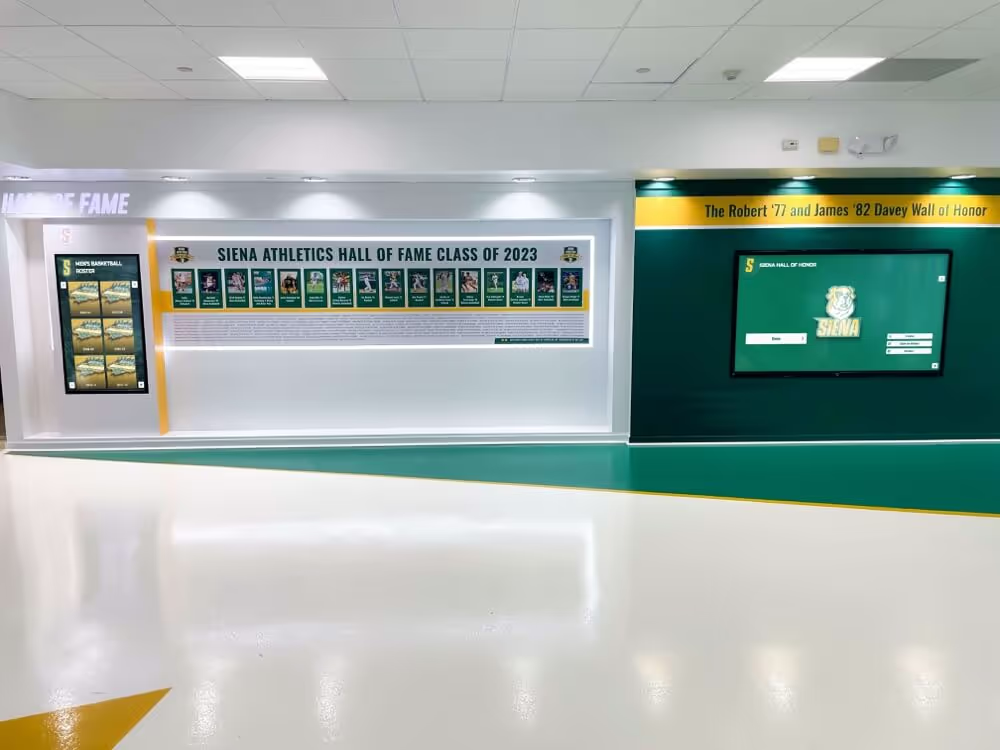
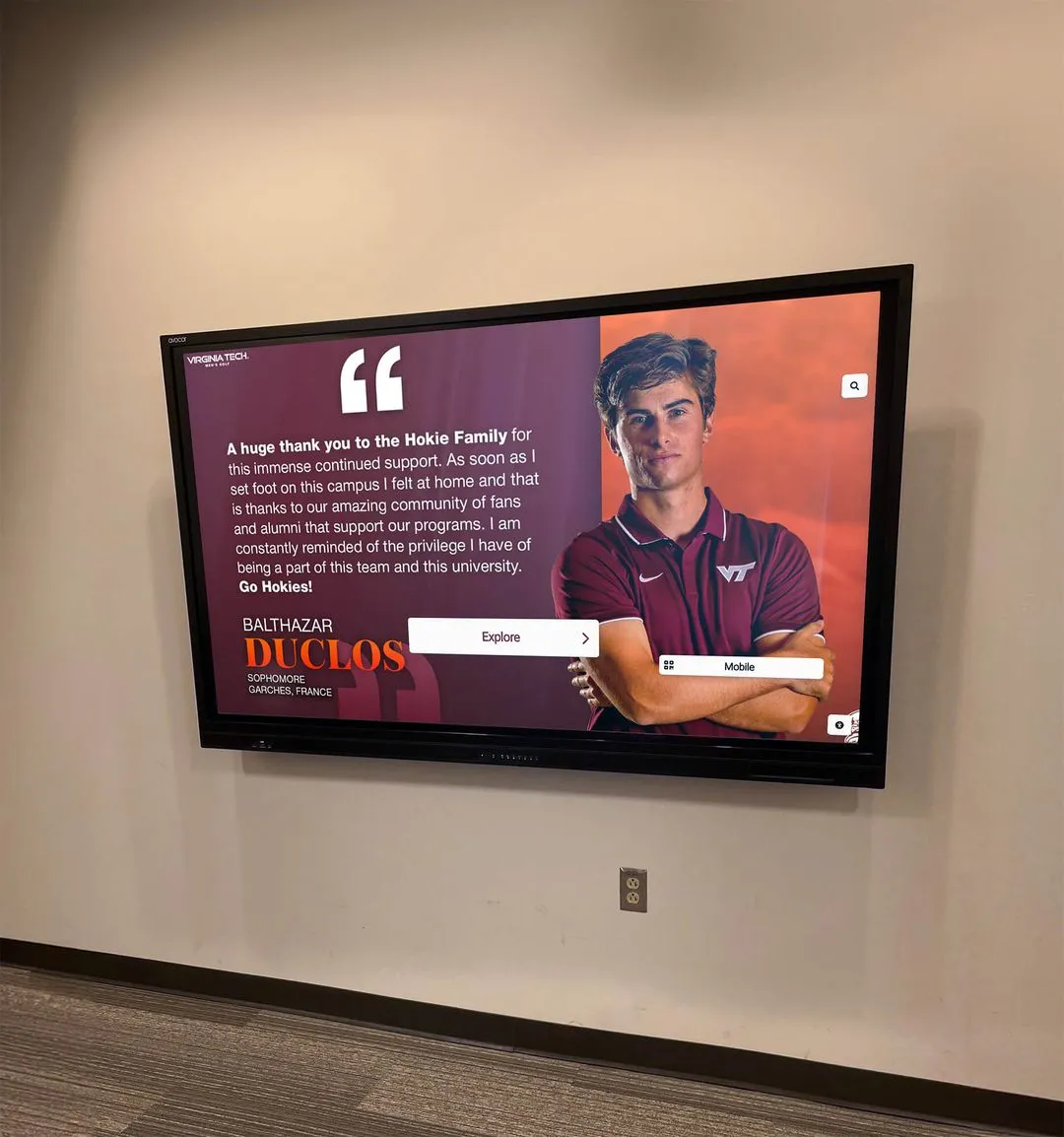
Digital hall of fame displays make it easier to identify and locate alumni athletes whose stories belong in the school newspaper
Championship Retrospective Story Prompts
Championship moments are the most emotionally resonant material in any school’s historical archive, yet they often receive only a fraction of the coverage they deserve. A retrospective approach—returning to a championship with full reporting depth—almost always produces better journalism than the original game coverage did.
The Championship Anniversary
Find the five, ten, fifteen, or twenty-year anniversary of a significant team title. Return to that season with the benefit of hindsight: interview coaches and players about what they remember, what they’ve learned, and what that championship meant for the program’s trajectory. Use the anniversary as the news peg and the retrospective as the substance.
Championship and hall of fame display history shows how program history documentation creates narrative threads that resonate across generations—the same approach applied to high school championship retrospectives produces powerful journalism.
What the Trophy Doesn’t Show
Physical championships leave artifacts—trophies, banners, photographs—but those artifacts compress rich stories into single moments. The retrospective that interests readers most isn’t the final score; it’s the obstacles, the near-misses, and the human dynamics of a team that reached peak performance. Interview multiple members of a championship team about what was happening in the locker room, in practice, and in the team’s relationships that produced the outcome.
Seasons That Weren’t Quite Championships (But Should Be Remembered)
Some of the most compelling athletic histories aren’t championships—they’re the exceptional seasons that ended just short: the team that reached the state final for the first time, the individual athlete who qualified for state after years of missing, the program that went from losing seasons to a competitive record under new leadership.
Coverage of senior night traditions points to the kinds of milestone moments that punctuate seasons—stories that honor the arc of effort, not just the endpoint of a championship.
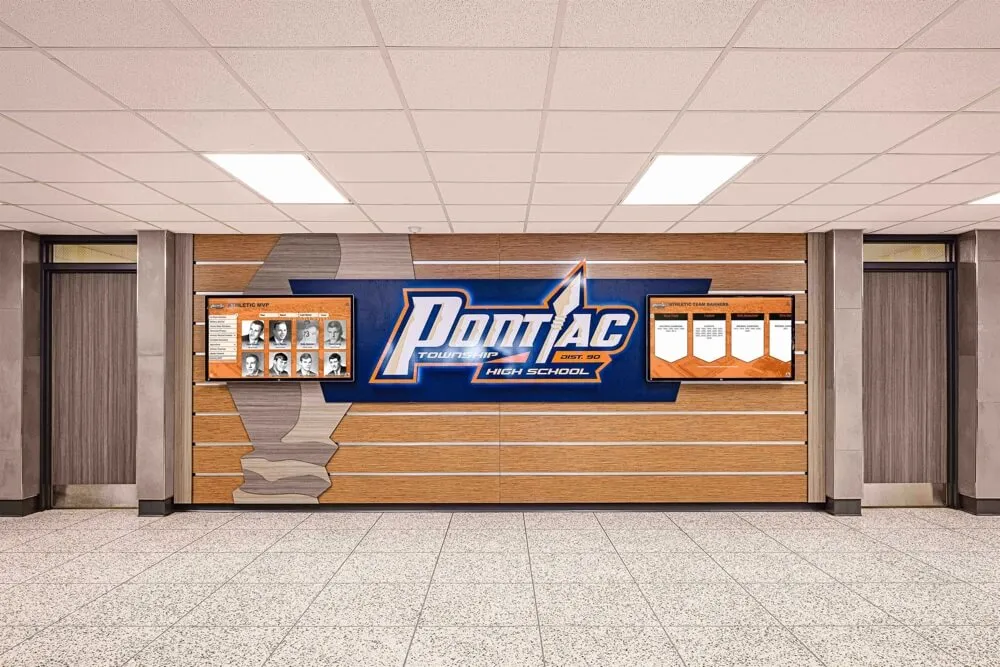
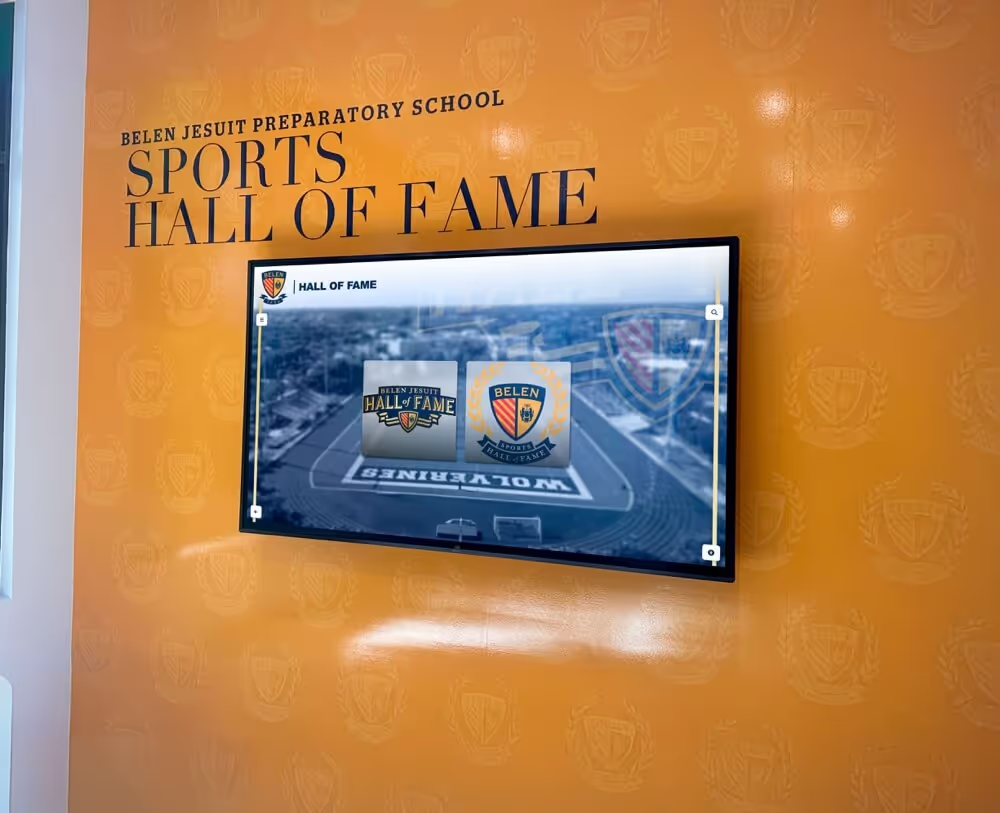
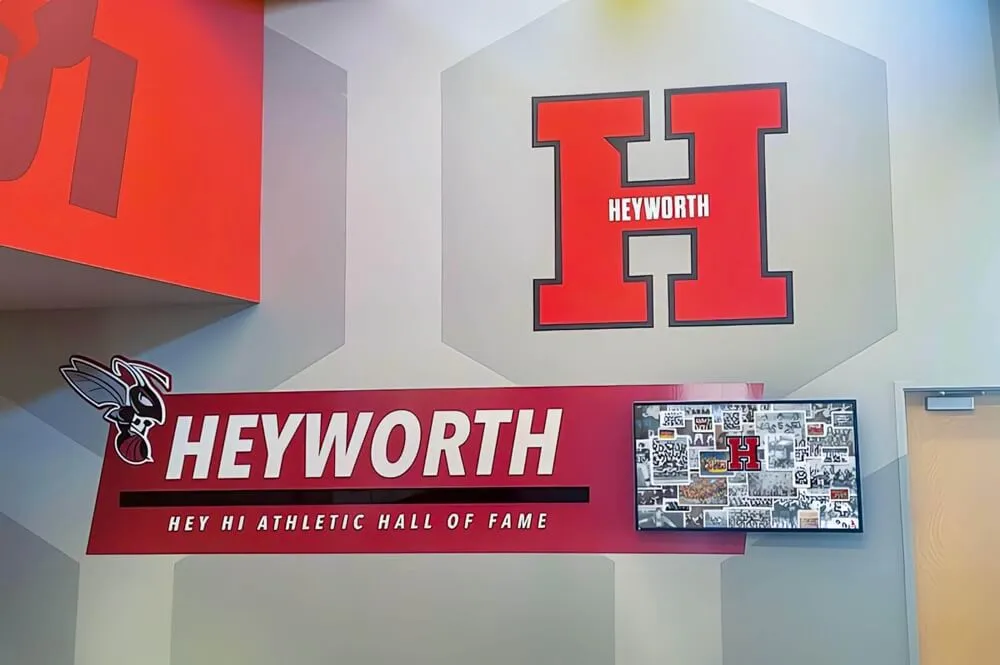
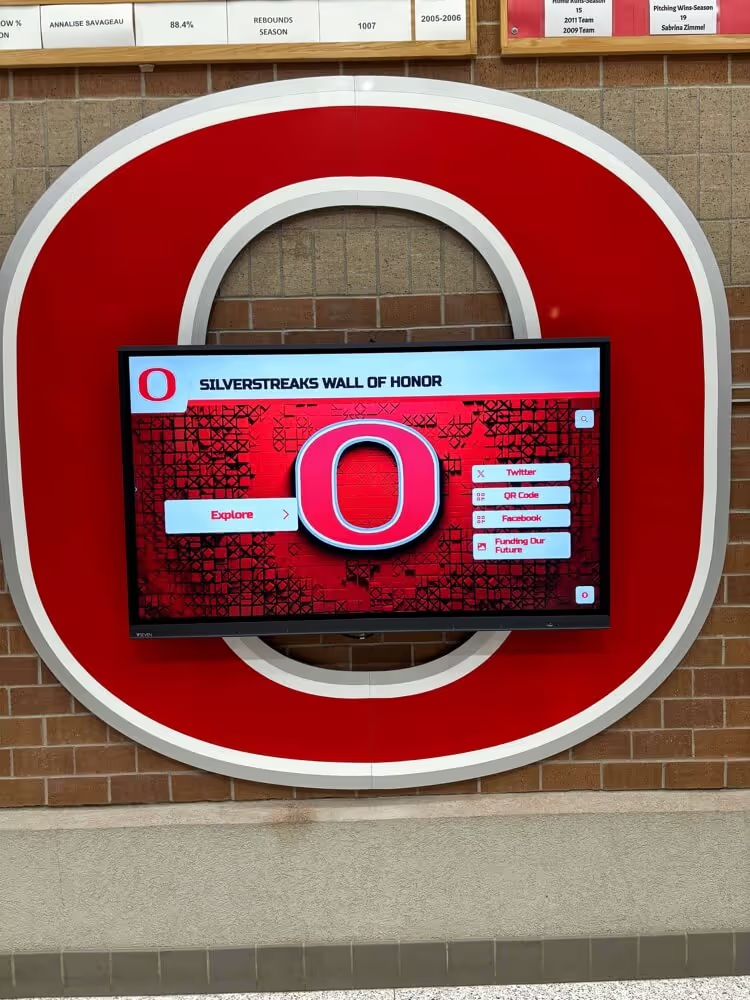
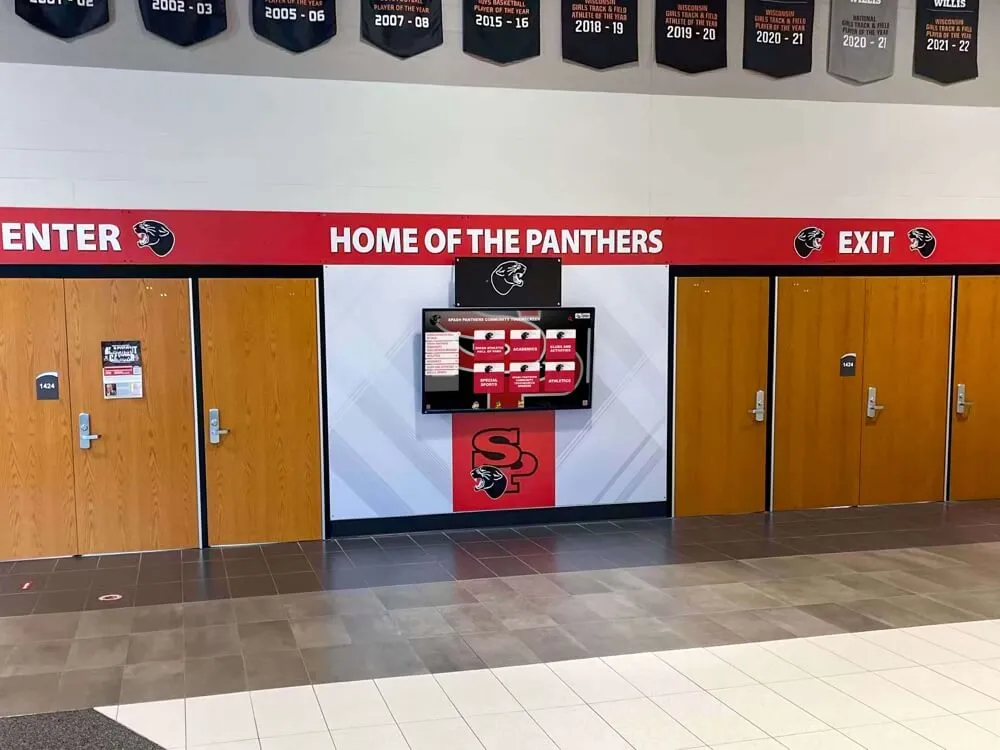
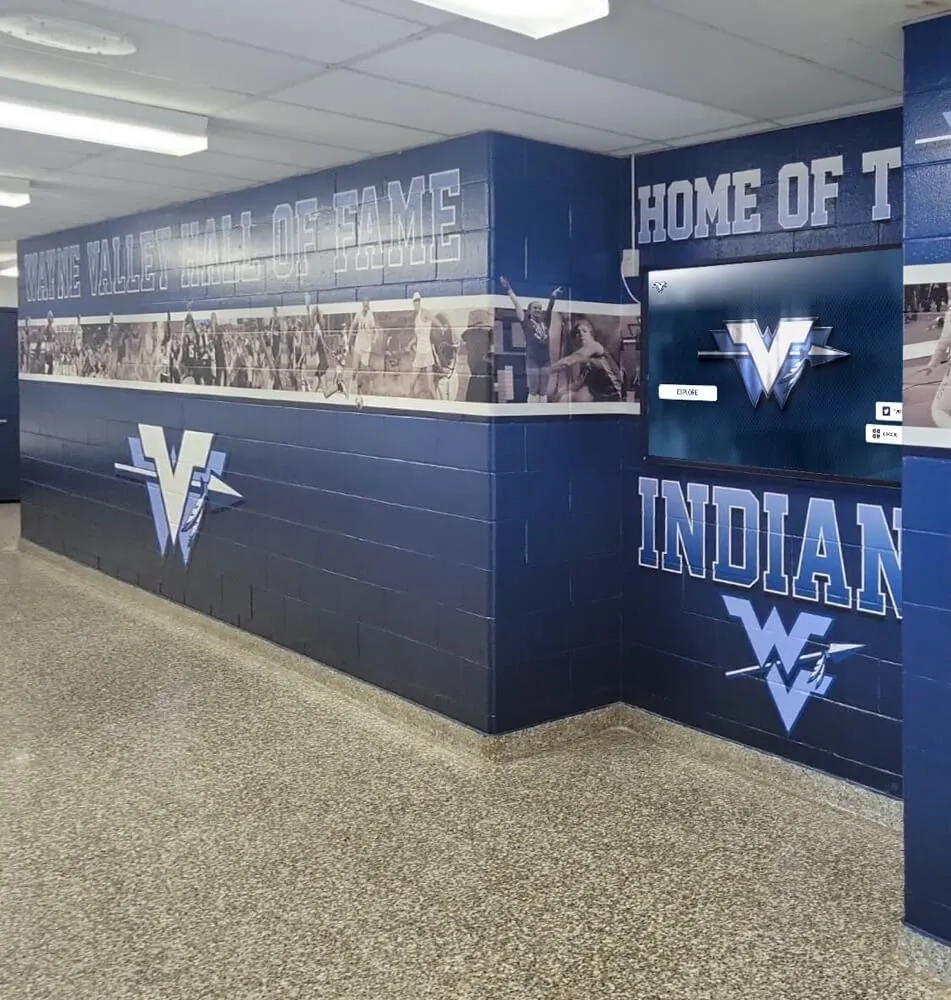
Athletic honor walls concentrate decades of achievement documentation that student journalists can mine for retrospective story angles
The Coach Who Built the Dynasty
When a school program runs a multi-year period of dominance, the story is almost always the coach who built it. Profile the coach who accumulated the most wins in school history, or who oversaw the most consequential era of a program’s development. Go beyond career statistics to examine philosophy, recruiting approach, and relationships with athletes who went on to their own careers.
The athletic awards and recognition landscape shows how schools formally honor coaches—but a full newspaper profile can capture the human story that award plaques never communicate.
Archive Deep-Dive Story Ideas
The school archive—whether physical, digital, or a combination—contains stories that have never been told because no one has gone looking for them. These prompts direct journalists into the archive with specific questions.
The Decade Comparison
Pull coverage of athletic, academic, and community life from a specific decade in your school’s history. Find the equivalent data from today. Write a comparative analysis of how the school has changed: enrollment trends, sport offerings, academic program evolution, and the changing face of what the school recognizes and celebrates.
Old issues of the school newspaper are themselves primary sources for this kind of comparison—the 1985 sports section reveals not just results, but what the school community considered worth covering and how they wrote about it.
Stories the Yearbook Didn’t Tell
Yearbooks cover the official record. School archives often contain records—game film, coach’s notes, informal correspondence, unofficial photographs—that never made it into published documentation. Work with archives staff to identify materials that tell a different or fuller version of an event that received official coverage.
Digital tools that bring history to life describe how institutions are making historical materials more accessible—story ideas often emerge when journalists can browse digitized archives that weren’t previously searchable.
The Overlooked Contributors
Every successful athletic program includes athletes, coaches, and staff whose contributions were substantial but whose names never appeared in headlines. The statistician who kept records for twenty seasons, the trainer who kept athletes healthy through multiple championship runs, the booster who funded equipment upgrades that changed what was possible—these are stories that exist only if someone goes looking.
Alumni reunion events often surface these overlooked contributors, and connecting with alumni reunion planning efforts gives journalists access to the networks most likely to know who deserves this kind of recognition.
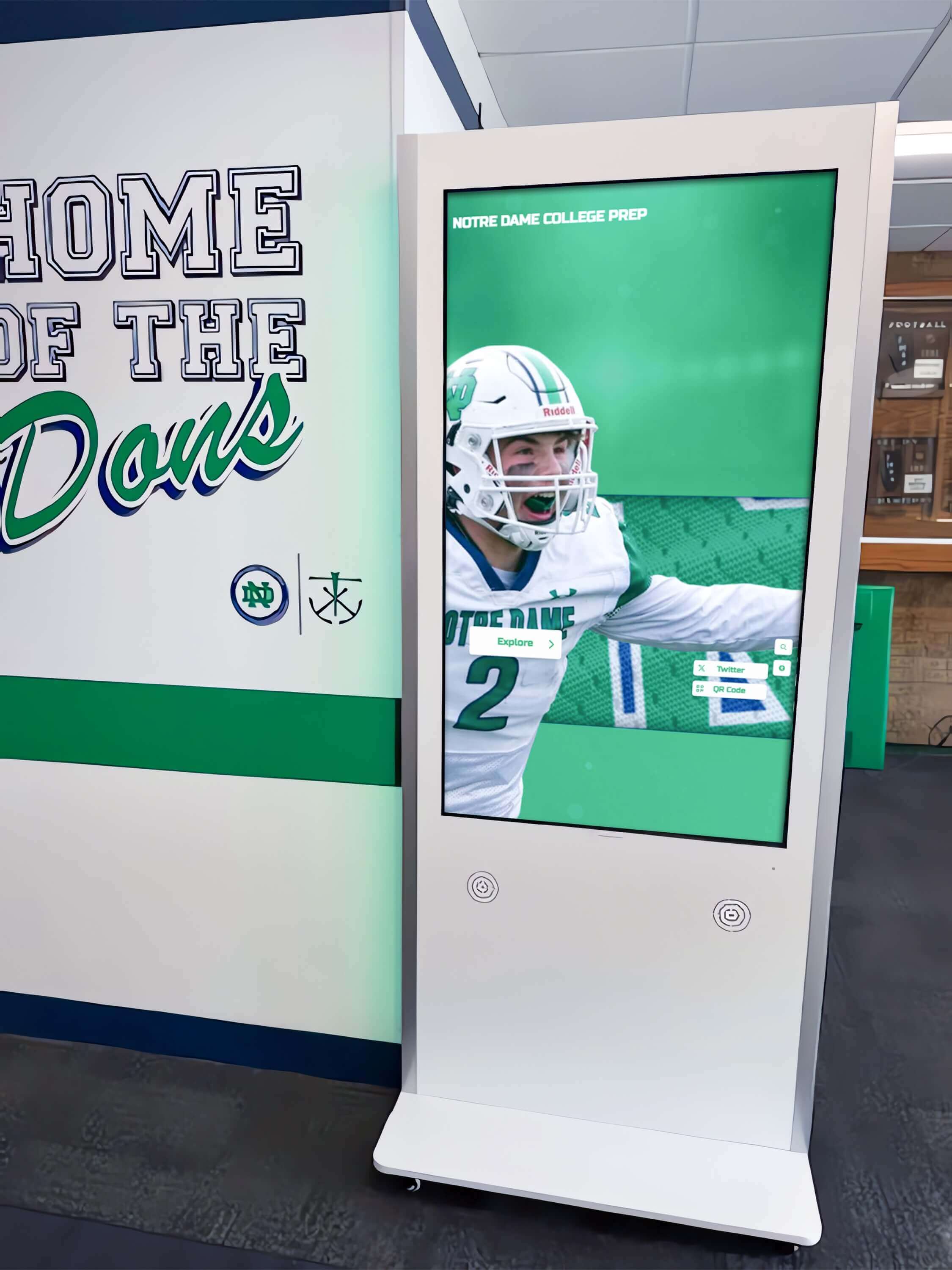
Interactive archive displays serve a dual purpose for student journalists: story subject and research tool, making historical records immediately accessible
Seasonal and Event-Tied Story Prompts
Some school newspaper article ideas work best when tied to specific points in the school calendar. Here are prompts organized by the events they naturally accompany.
Before National Signing Day
Cover the full arc of a recruited athlete’s journey—not just the announcement, but the years of work, the academic preparation, and the recruiting process itself. National Signing Day coverage at the school level creates natural retrospective possibilities: how has the rate of college athletic placement changed over the past decade? Which sports produce the most college athletes? Who in the school’s history had the most significant college athletic career?
Before Hall of Fame Induction Ceremonies
If your school holds an annual athletic hall of fame induction, the week before the ceremony is the ideal moment for retrospective coverage. Profile each inductee with a full narrative piece that goes beyond their career statistics. What did other athletes from their era say about competing alongside them? What coaches shaped them? What does the induction mean to them now?
At the End of a Coach’s Career
When a longtime coach announces retirement, the retrospective opportunity is immediate and significant. Document the career fully—wins, titles, coaching philosophy, and the generations of athletes who passed through the program. These pieces are among the most-read a school newspaper can produce and are regularly shared far beyond the school community.
Practical Tips for Journalists Covering School History
Reporting on school history requires different skills than event coverage. These practical approaches make historical journalism more reliable and more compelling.
Work backward from the display. Your school’s hall of fame displays, record boards, and trophy cases are essentially curated story lists. Digital hall of fame systems often include searchable records that can help identify story candidates by sport, year, or achievement type—a significantly faster entry point than digging through physical archives.
Contact athletic directors before coaches. Current coaches may not know the full history of their program. Athletic directors—particularly those with long tenure—typically have the most comprehensive institutional memory and can point you toward the records, the people, and the materials that will make your story accurate and complete.
Request access to the school archive early. Many schools maintain physical or digital archives that are accessible to student journalists but rarely consulted. These archives often contain photographs, game programs, and documents that dramatically improve the depth of historical coverage. Give yourself enough lead time—archive research typically takes longer than expected.
Use alumni networks for sources. Your school’s alumni association, booster club, and reunion committees are direct lines to people whose memories extend further back than any currently enrolled student’s. High school reunion display resources describe how schools engage alumni around historical content—the same networks that power those events can also connect you with interview subjects for historical journalism.
Record and preserve your interviews. Every oral history interview you conduct for a historical piece is itself an archival document. Request permission to archive the full recording (not just the quotes you use) with the school library or archives. The interview you conduct today for a story about a 1995 championship may be the only surviving audio record of a participant’s account.
Verify statistics independently. Memory is unreliable, particularly around specific numbers—win totals, personal bests, scoring records. Always verify statistics against official school records, state athletic association databases, or contemporary newspaper accounts before publishing.
How Digital Archive Displays Support Student Journalism
Schools that have invested in interactive digital archive systems—touchscreen displays that catalog decades of athletic records, hall of fame inductions, and historical photographs—give student journalists a research resource that paper archives simply can’t match. When records are digitized and searchable, a student journalist can identify the athlete with the longest-standing school record in seconds rather than hours.
These systems also generate their own story ideas. When a school’s digital trophy display includes photographs, career summaries, and multimedia records of past athletes, student journalists have visual context for retrospective stories that purely statistical records can’t provide.
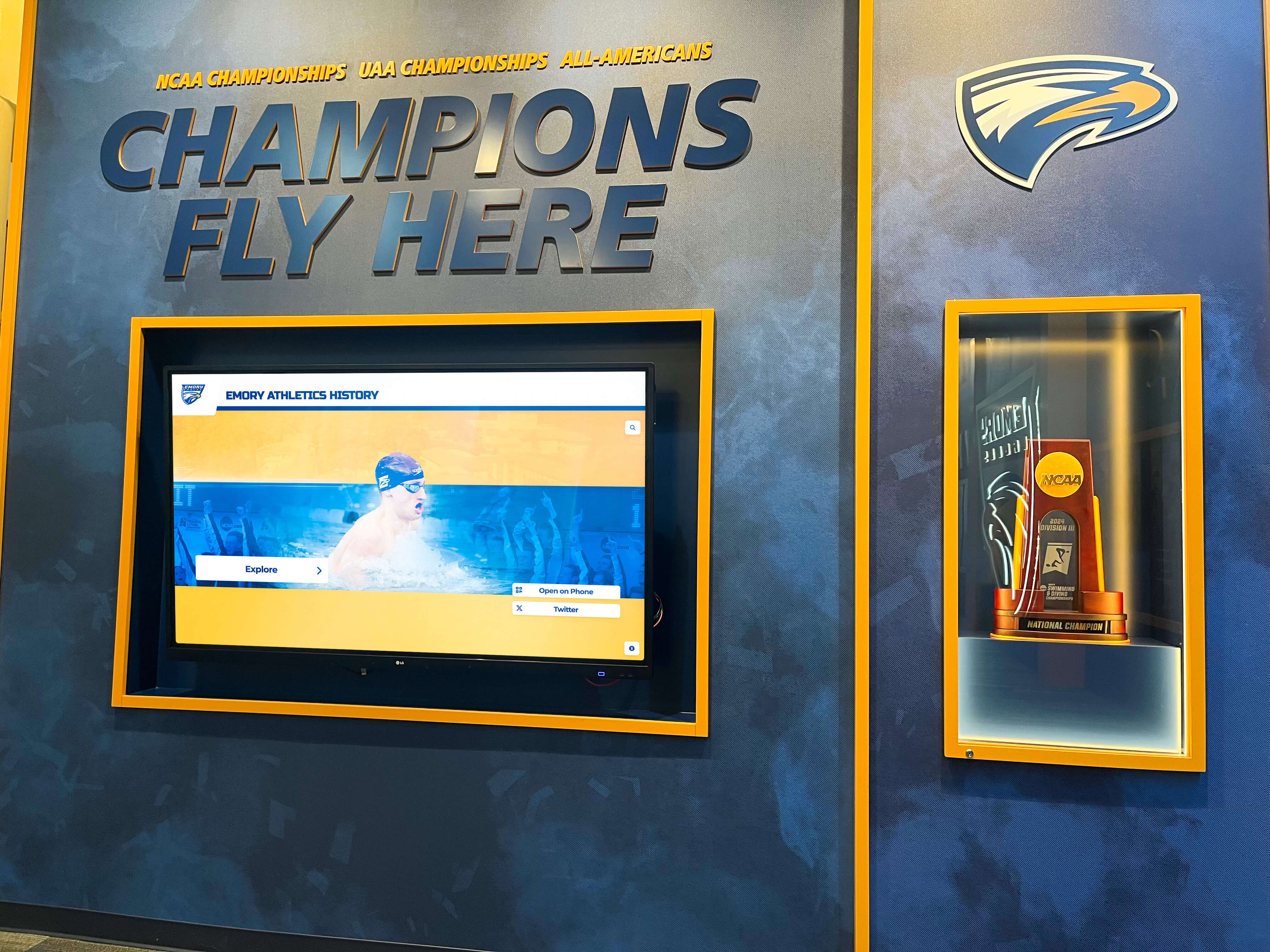
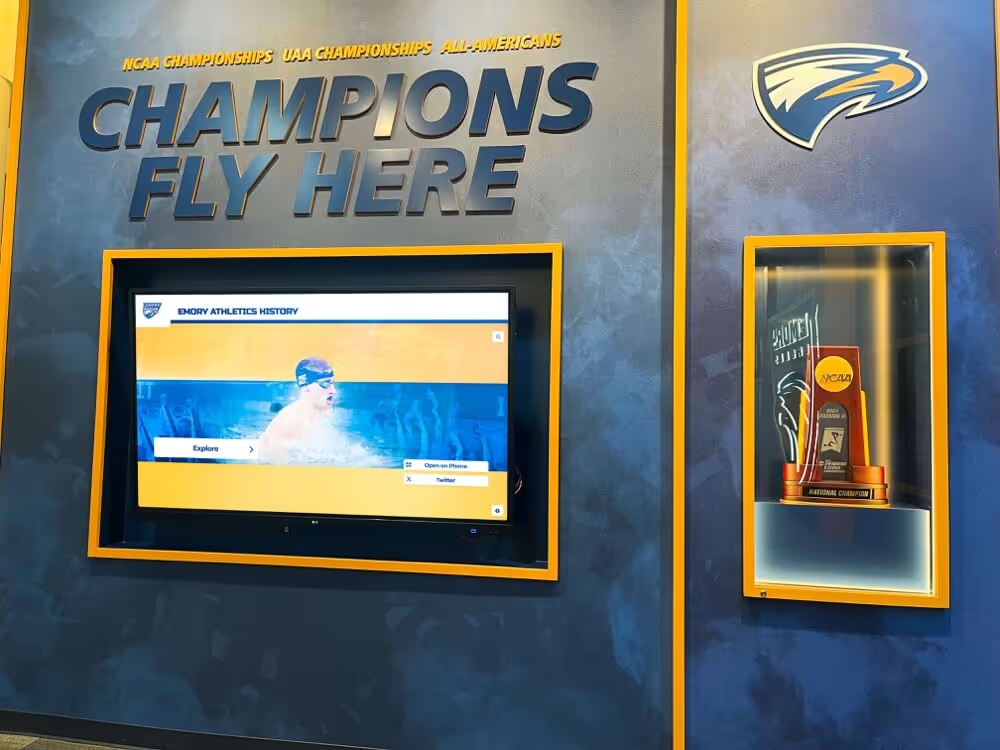
Championship artifacts preserved in institutional displays are primary sources for athletic retrospective journalism—each trophy represents a story waiting to be fully told
The journalism and the archive exist in a virtuous relationship: well-reported historical stories generate documentation that strengthens the archive, while strong archival systems give journalists the material they need to report those stories accurately. Schools that treat their digital archives as public research resources—accessible to student journalists, alumni researchers, and community members—get better journalism as a result.
Building a History Coverage Tradition in Your Student Newsroom
The deepest impact of history-focused journalism comes not from a single exceptional retrospective, but from building it into the culture of the student publication over time. Here’s how to make it sustainable.
Create a standing history section or column. Giving historical coverage a regular home in the publication—a recurring feature, a dedicated section, or even a consistent column name—signals to readers that this kind of journalism is an ongoing commitment, not an occasional event.
Assign a history beat. Designate one or two journalists per semester as the primary reporters on historical and archival stories. A beat assignment focuses research energy and builds institutional knowledge within the newsroom—the history reporter in the spring semester can brief their successor on what they found and what stories remain untold.
Develop a story backlog. Keep a running list of historical story ideas that came up in research but couldn’t be developed for a particular issue. Every interview surfaces two or three additional story possibilities; capturing those ideas ensures future editors have a deep pool of history stories to assign.
Archive your own publication. One of the most important things a student newspaper can do for its school’s institutional memory is maintain its own complete, searchable archive. Digitizing back issues and making them accessible to the school community transforms the student newspaper from a current events publication into a primary source for school history.
If your school is looking to build a living digital archive that makes decades of athletic records, hall of fame profiles, and institutional history accessible to students, alumni, and community members, Rocket Alumni Solutions creates interactive touchscreen archive displays that connect current students to the full depth of their school’s history. A well-designed digital archive isn’t just a display system—it’s a research resource that makes better journalism possible.
Ready to give your school’s historical records the interactive home they deserve? Request a free demo from Rocket Alumni Solutions and see how a touchscreen archive display can become both a recognition system and a journalism resource for your school community.