Student Photo Privacy on School Displays: FERPA, Consent Forms, and Best Practices
- Home /
- Touch Archive Blog /
- Student Photo Privacy on School Displays: FERPA, Consent Forms, and Best Practices
The Easiest Touchscreen Solution




Live Example: Rocket Alumni Solutions Touchscreen Display
Interact with a live example (16:9 scaled 1920x1080 display). All content is automatically responsive to all screen sizes and orientations.
Schools proudly showcase student achievements through displays in hallways, lobbies, and digital screens—celebrating academic honors, athletic accomplishments, and community contributions. Yet behind every displayed student photo lies a complex web of privacy regulations, parental consent requirements, and ethical considerations that administrators must carefully navigate. The question isn’t whether to recognize students, but how to do so while respecting their privacy rights and complying with federal law.
The Family Educational Rights and Privacy Act (FERPA) governs how schools handle student information, including photographs. While FERPA permits certain “directory information” disclosures, it also requires schools to establish clear policies, obtain appropriate consent, and honor opt-out requests from parents and eligible students. Schools that mishandle student photo privacy face potential compliance violations, damaged trust with families, and legal liability—consequences far outweighing the benefits of any recognition program.
This comprehensive guide explores student photo privacy requirements for school displays, providing administrators with actionable frameworks for FERPA compliance, consent management, and best practices that protect student rights while maintaining meaningful recognition programs.
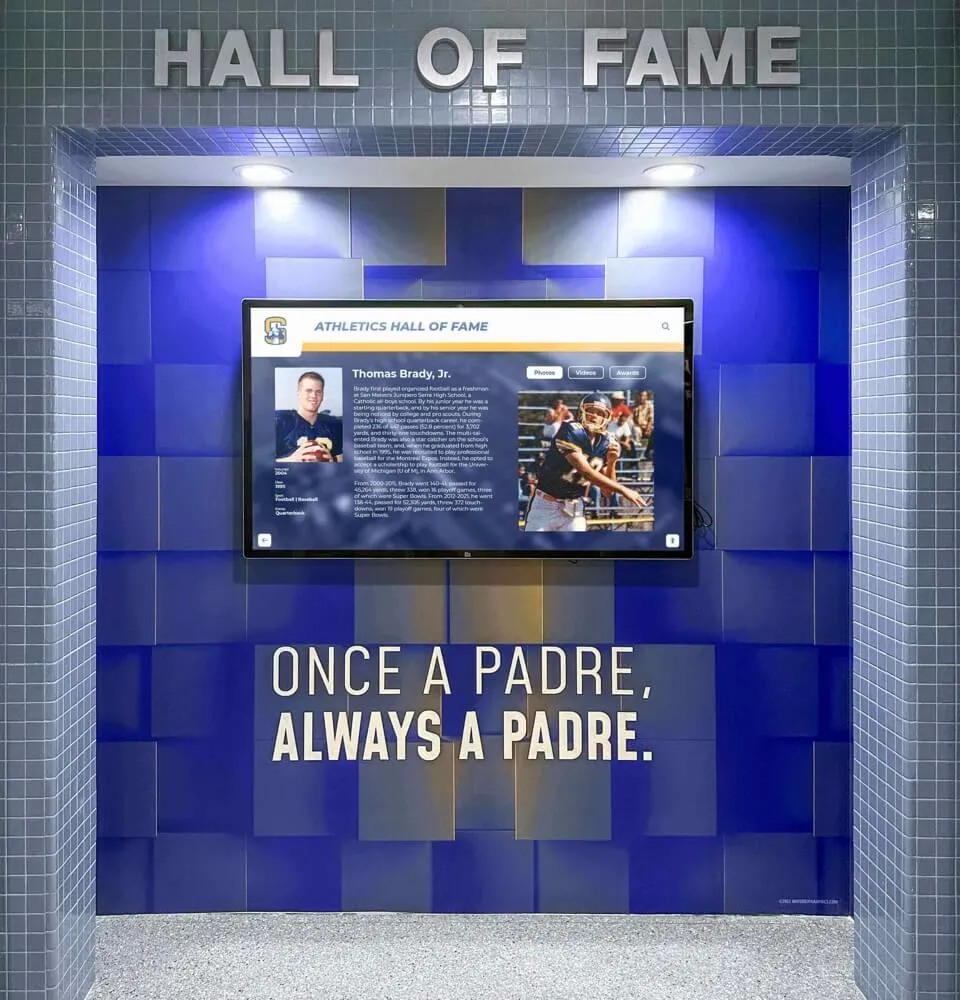
Schools nationwide invest in recognition displays celebrating student excellence—from traditional trophy cases to modern digital hall of fame displays showcasing photos, achievements, and biographical information. These displays serve important purposes: motivating students, building school culture, and creating lasting archives of institutional history. However, they also create privacy considerations requiring careful policy development and consistent implementation.

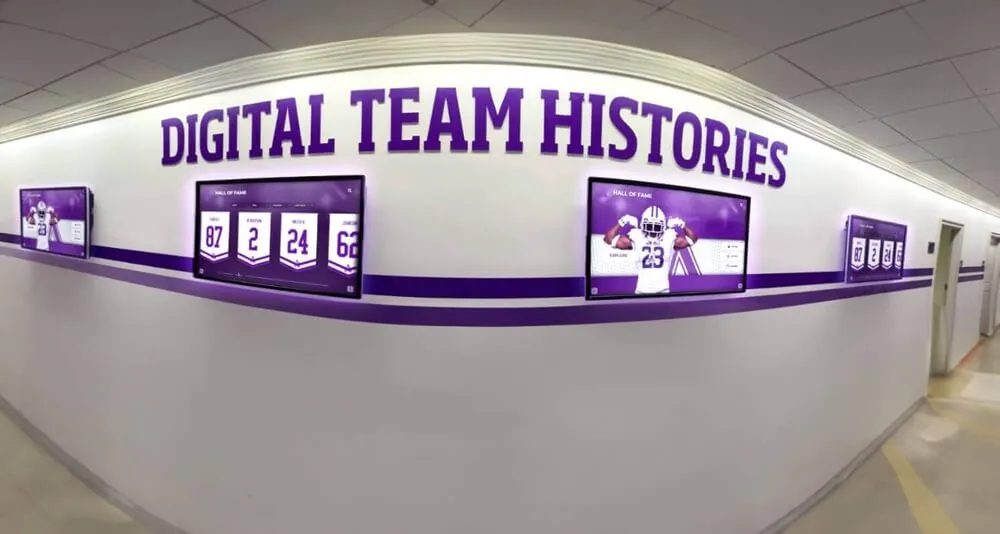
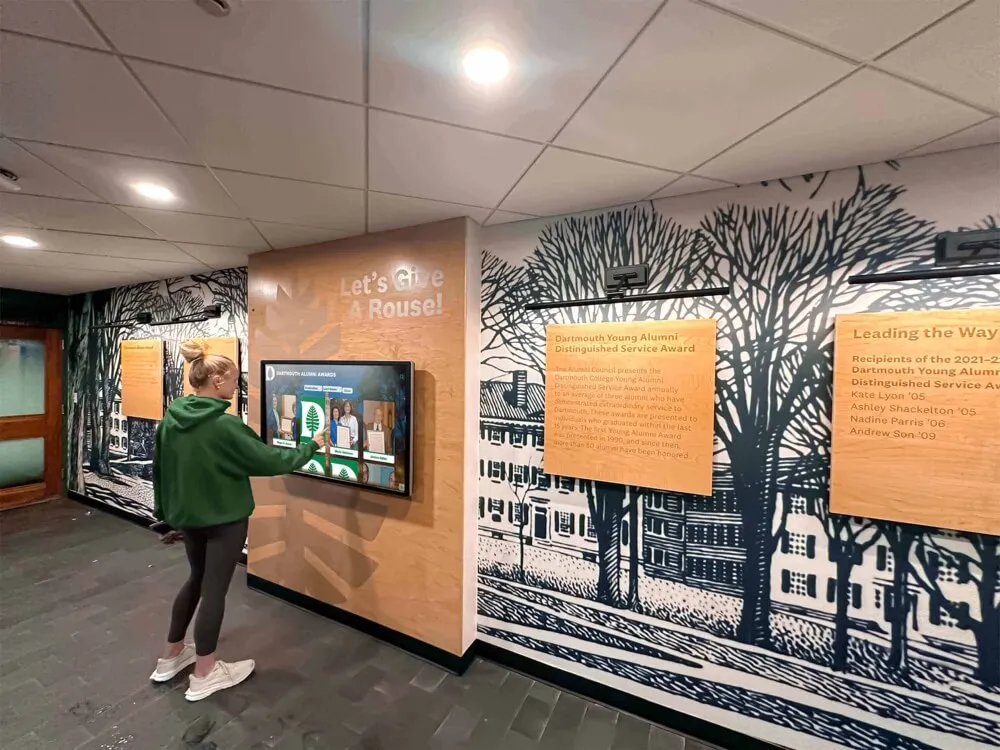
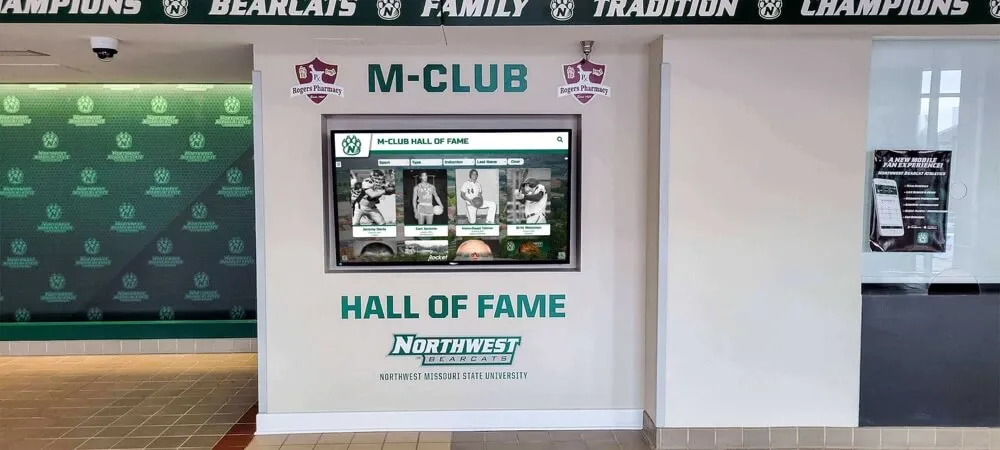
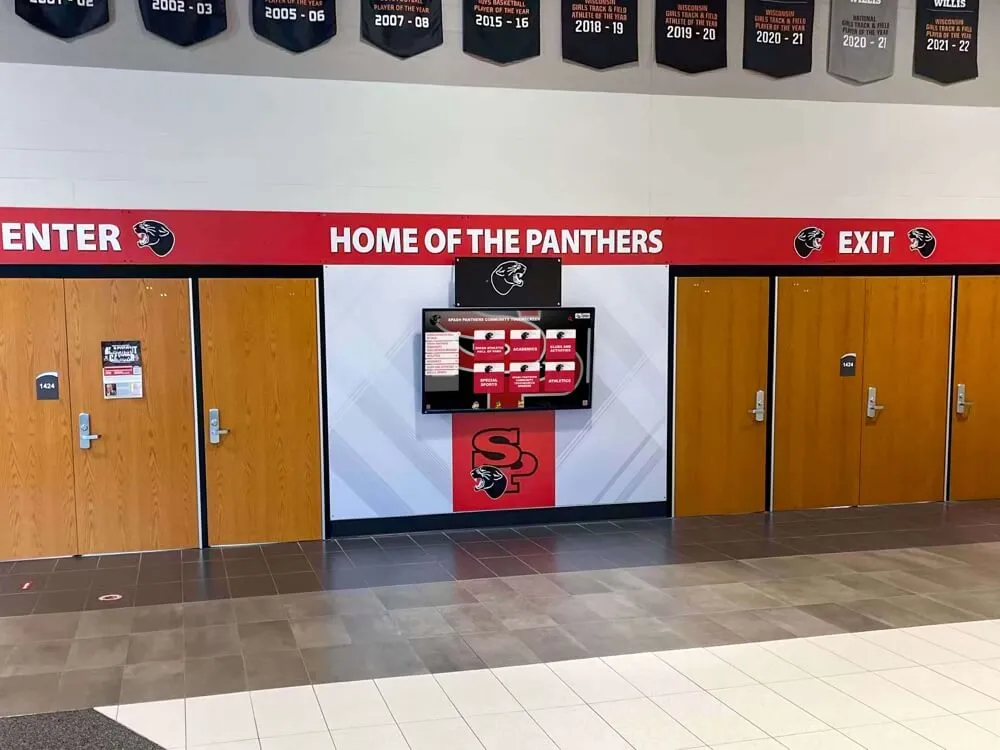
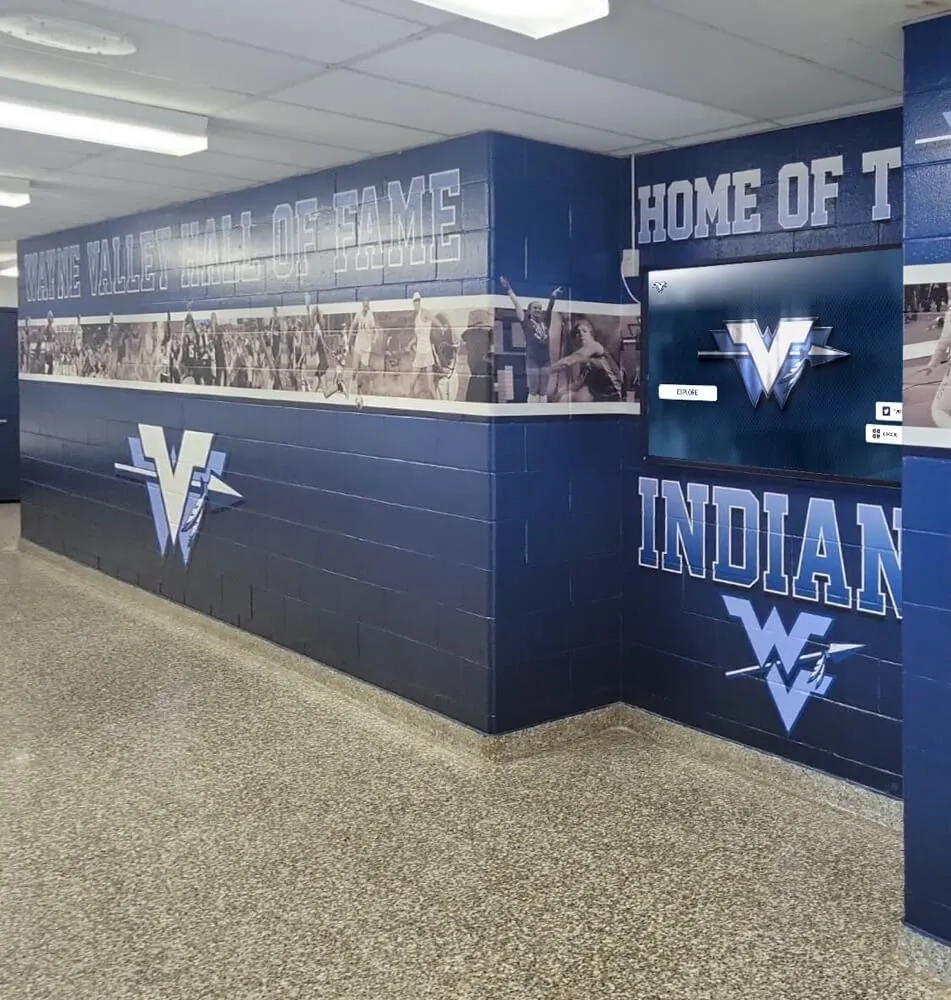
Digital displays celebrating student achievements require careful attention to privacy regulations and consent management
Understanding FERPA and Student Photo Privacy
The Family Educational Rights and Privacy Act provides the legal framework governing student information privacy, including photographs used in school displays.
What FERPA Covers Regarding Student Photos
FERPA protects “education records”—information directly related to students maintained by educational institutions. Understanding how photographs fit within this framework is essential for compliance.
When Student Photos Are Education Records
Student photographs become protected education records under FERPA when:
- Maintained in student files or databases by the school
- Connected to personally identifiable student information
- Used in educational contexts (yearbooks, ID cards, records)
- Linked to academic or behavioral information
- Stored in systems containing other protected student data
Once photographs qualify as education records, schools must follow FERPA protocols for disclosure, consent, and access.
Directory Information Provisions
FERPA allows schools to designate certain student information as “directory information” that can be disclosed without explicit consent:
- Student names
- Grade levels and enrollment status
- Participation in officially recognized activities
- Dates of attendance
- Degrees and awards received
- Photographs, when properly designated
However, schools must provide annual notice of directory information categories and allow parents/eligible students to opt out of any or all disclosures.
The Annual Notice Requirement
To utilize directory information provisions, schools must:
- Notify parents/eligible students annually about what constitutes directory information
- Specify all categories included (photos, names, achievements, etc.)
- Provide reasonable time for families to opt out
- Honor all opt-out requests completely and consistently
- Document the notice process and opt-out procedures
Schools cannot retroactively claim information as “directory information” without proper annual notice procedures.
FERPA Compliance Requirements for School Displays
Displaying student photos requires systematic compliance processes protecting student privacy rights.
Establishing Clear Policies
FERPA-compliant photo display policies must address:
- Scope Definition: What displays are covered (hallways, websites, digital screens, social media)
- Consent Mechanisms: How schools obtain and document permission
- Opt-Out Processes: Clear procedures for families declining participation
- Retention Guidelines: How long photos remain displayed and archived
- Third-Party Sharing: Limits on sharing student images with vendors or media
- Update Procedures: How schools remove photos when requested or when students leave
Written policies should be included in student handbooks, distributed at enrollment, and posted on school websites.
Obtaining Appropriate Consent
While directory information provisions may cover some photo uses, best practice involves obtaining specific consent for display purposes:
- General consent covering anticipated photo uses throughout the school year
- Specific consent for special displays (halls of fame, donor walls, achievement boards)
- Digital consent for online displays and social media
- Media release consent for publications or promotional materials
Consent forms should clearly describe how photos will be used, where they’ll be displayed, and how long they’ll remain public.
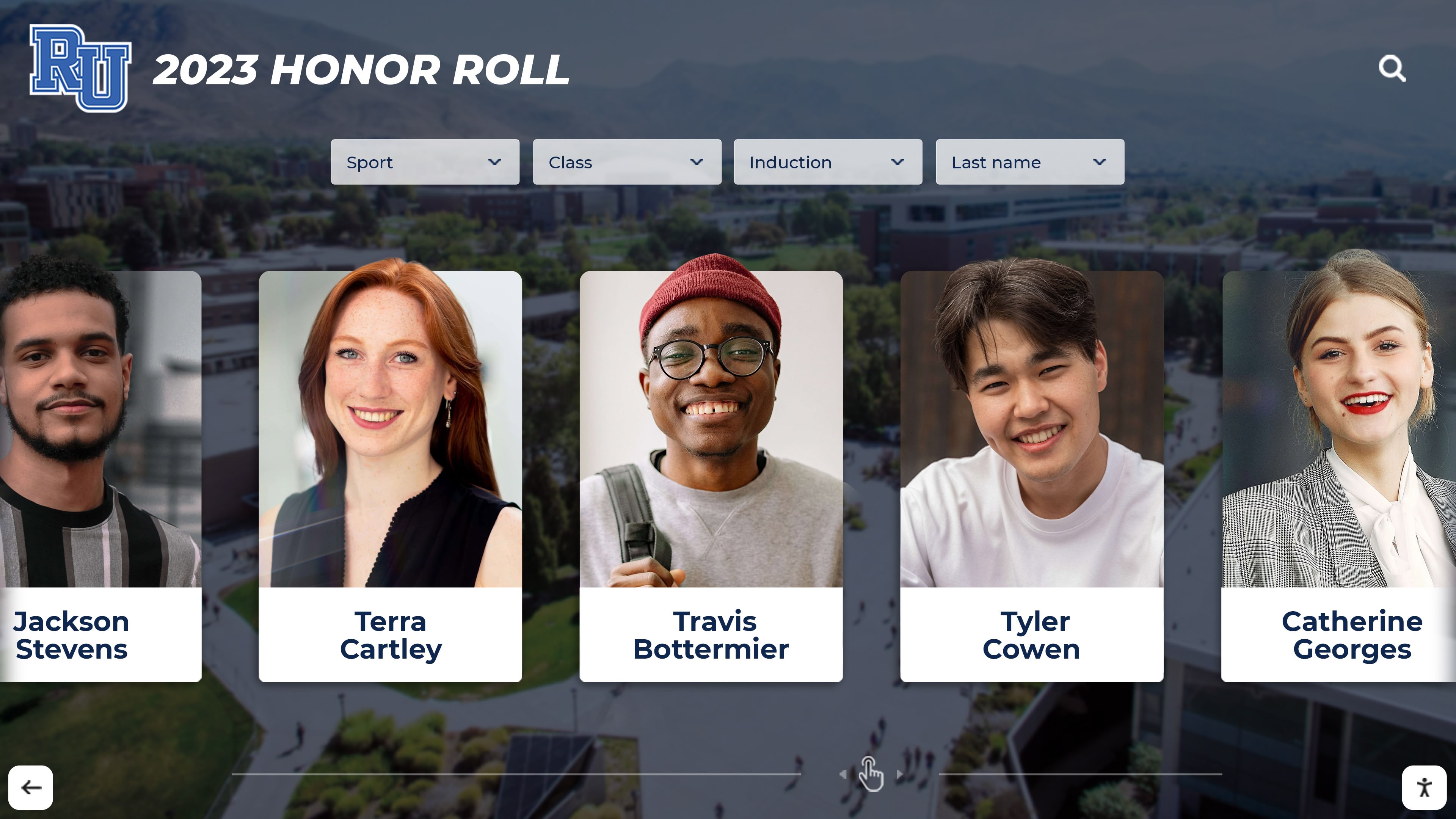
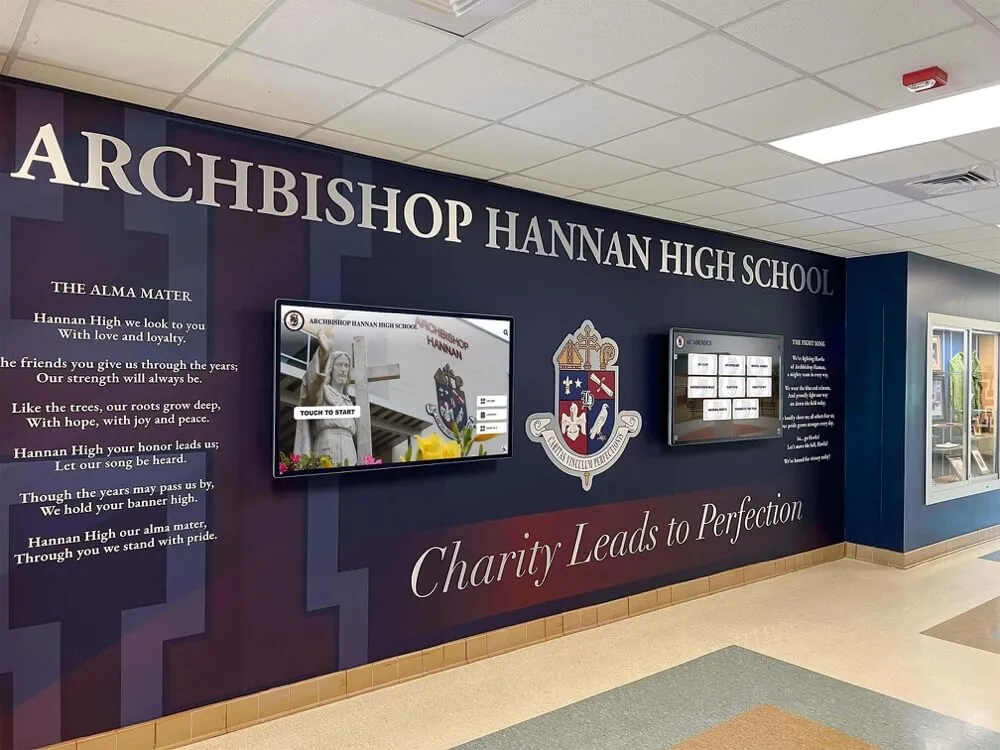
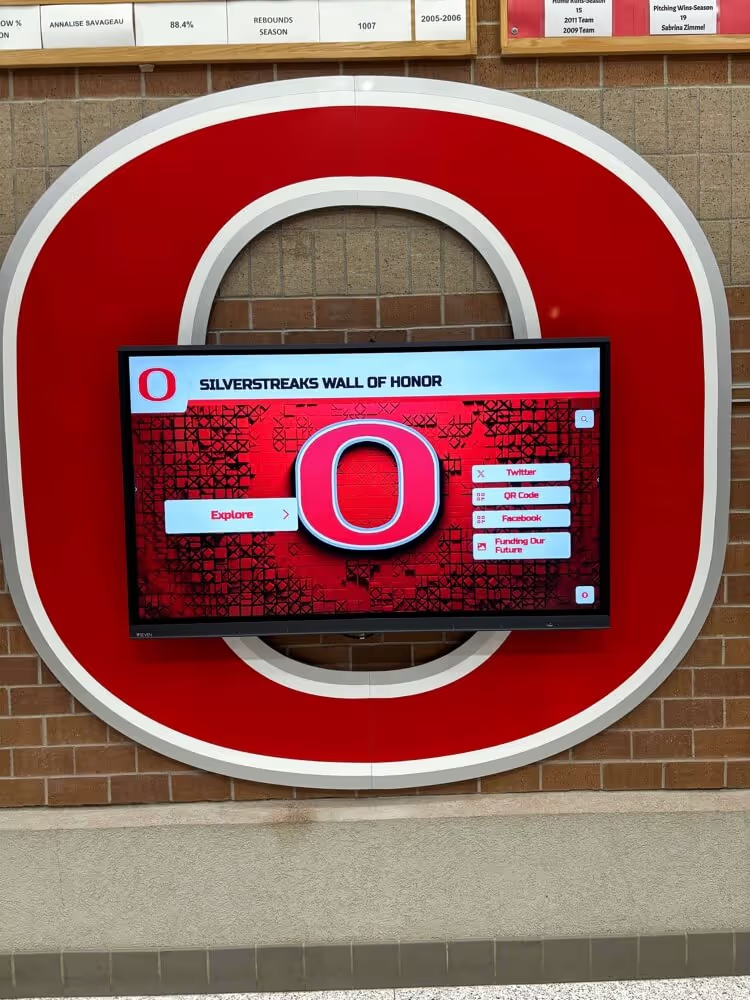
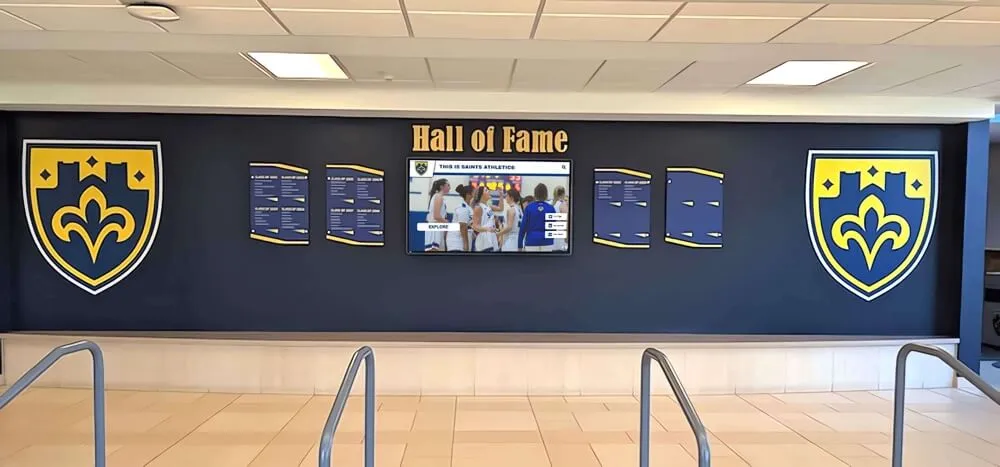
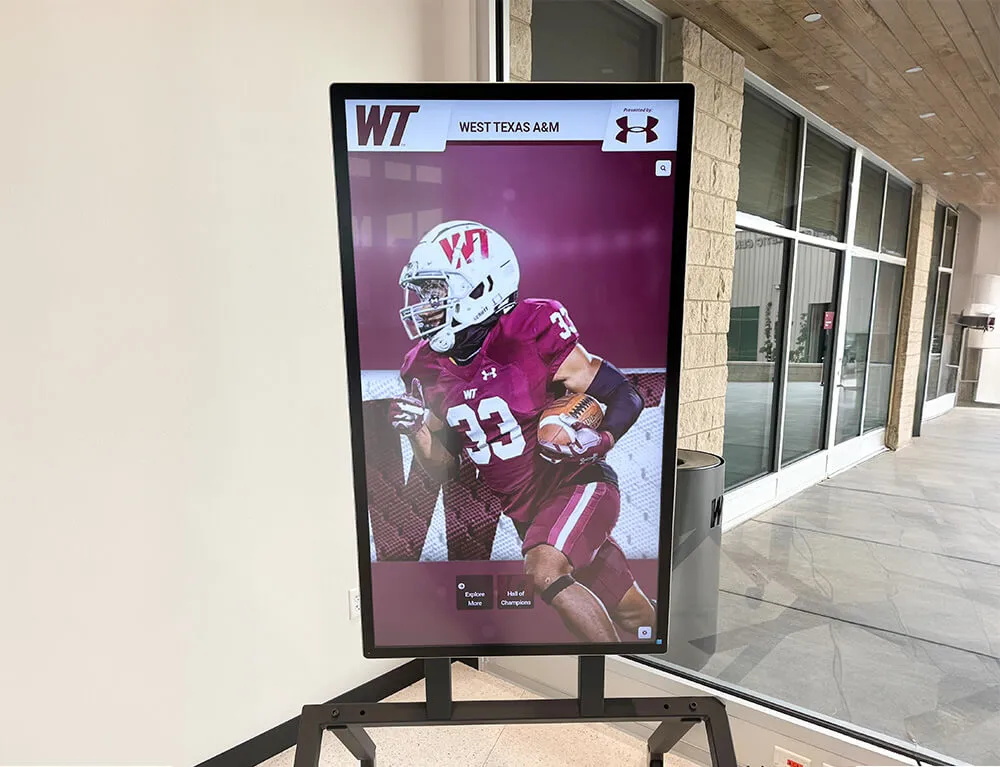
Recognition programs featuring student photos require properly documented consent and clear privacy policies
Common FERPA Misconceptions About Student Photos
Several widespread misunderstandings create compliance risks for well-intentioned schools.
“We Don’t Need Permission for Hallway Displays”
False. While directory information provisions may apply, schools must:
- Properly designate photos as directory information in annual notice
- Allow opt-out opportunities
- Honor all opt-out requests
- Apply policies consistently across all displays
Assuming permission without formal designation and opt-out processes violates FERPA.
“Consent Forms Cover All Photo Uses Forever”
Problematic. Consent should be:
- Specific: Describe particular uses clearly
- Time-Limited: Typically covers one school year unless renewed
- Revocable: Parents can withdraw consent anytime
- Scope-Appropriate: Separate consent for different contexts (yearbooks vs. websites vs. permanent displays)
A single blanket consent form covering unlimited uses indefinitely rarely provides adequate protection or notice.
“Photos Taken at Public School Events Aren’t Protected”
Not entirely true. Context matters:
- Photos taken by parents at public events (games, performances) generally aren’t FERPA-restricted
- Photos taken by schools or school-hired photographers may be education records
- Photos selected by schools for official displays require consent regardless of where taken
- Schools cannot compel disclosure of privately-taken photos without consent
The key distinction is whether schools maintain and control the photos as part of student records.
Consent Forms and Permission Processes
Effective consent management balances compliance requirements with administrative practicality while respecting family preferences.
Designing Effective Photo Consent Forms
Well-crafted consent forms provide clear notice while making processes simple for families.
Essential Consent Form Elements
Comprehensive photo consent forms should include:
1. Clear Scope Description
Specify exactly how photos may be used:
- Physical displays (locations specified: hallways, lobby, gym, trophy cases)
- Digital displays (interactive screens, slideshows, digital signage)
- School website and online galleries
- Social media accounts (platforms specified)
- Publications (newsletters, annual reports, promotional materials)
- Media releases (newspapers, local TV, educational articles)
2. Duration Specifications
Define how long consent applies:
- School year coverage (renewed annually)
- Specific event or program (one-time use)
- Ongoing for permanent displays (halls of fame, historical archives)
- Expiration dates and renewal processes
3. Opt-Out Mechanisms
Provide granular control:
- Option to consent to some uses while declining others
- Ability to withdraw consent anytime
- Process for requesting photo removal
- Contact information for privacy questions
4. Parent/Guardian Information
Collect necessary details:
- Student name, grade, and school
- Parent/guardian names and contact information
- Signature and date
- Relationship to student (for custody situations)
Example Consent Language
“I grant permission for [School Name] to use photographs and video recordings of my child for the following purposes (check all that apply):
☐ Physical displays in school buildings (hallways, lobby, trophy cases) ☐ Digital displays and screens within school facilities ☐ School website and password-protected online galleries ☐ School social media accounts (Facebook, Instagram, Twitter) ☐ School publications (newsletters, yearbook, annual reports) ☐ Media releases to local newspapers and news outlets
I understand that I may revoke this permission at any time by contacting [Privacy Contact] at [email/phone]. This consent is valid for the [2025-2026] school year unless otherwise specified.”
Managing Consent at Scale
Large schools need systematic processes for tracking thousands of consent forms annually.
Digital Consent Collection Systems
Modern enrollment platforms streamline consent management:
- Electronic forms submitted during online registration
- Automated reminders for incomplete submissions
- Digital signature capture and verification
- Integrated database linking consent to student records
- Bulk export capabilities for filtering by consent status
Schools transitioning to digital asset management systems benefit from built-in consent tracking connected directly to photo archives.
Tracking Opt-Out Requests
Reliable opt-out management requires:
- Centralized Database: Single source of truth for all consent statuses
- Access Controls: Limited to privacy coordinators and administrators
- Flagging Systems: Visual indicators in student information systems
- Communication Protocols: Alerts to teachers, coaches, and staff about restricted students
- Regular Audits: Quarterly reviews ensuring compliance across all displays
Schools should designate a privacy coordinator responsible for maintaining consent records and investigating potential violations.
Handling Mid-Year Changes
Families may withdraw consent or request photo removal anytime:
- Acknowledge requests within 24-48 hours
- Remove photos from controllable displays within reasonable timeframes (typically 5-10 business days)
- Document removal actions and dates
- Inform relevant staff about consent status changes
- Understand limitations (printed yearbooks cannot be recalled, but future editions can exclude the student)
Clear policies about removal timelines and limitations prevent misunderstandings with families.
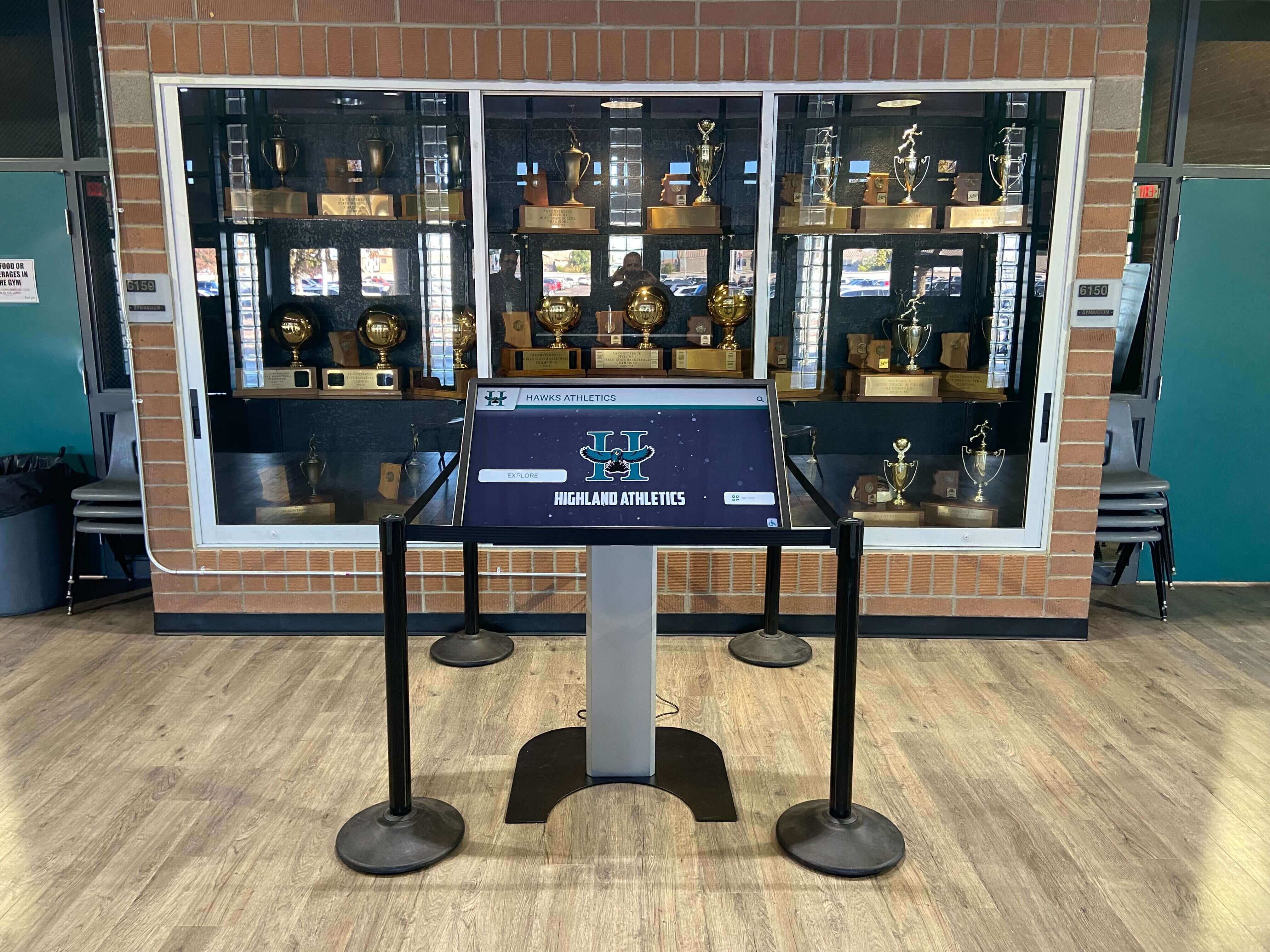
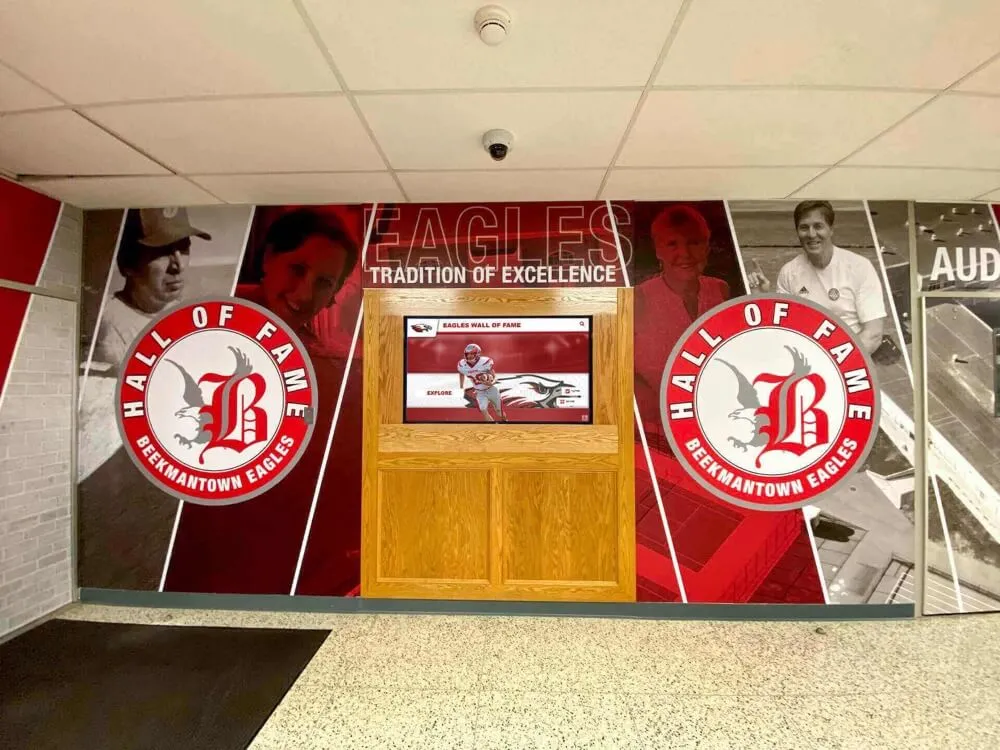
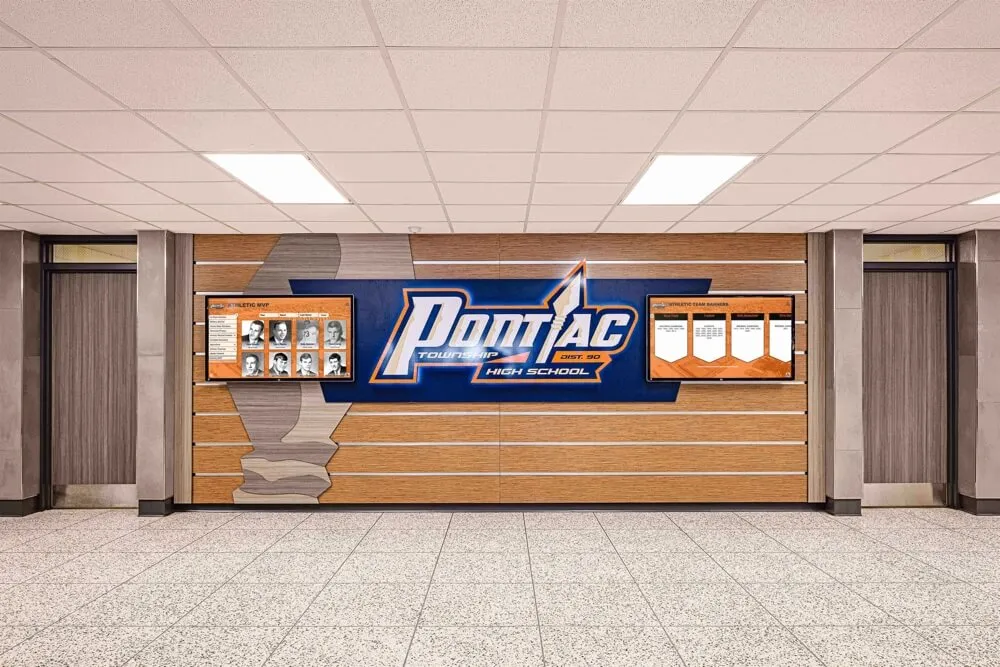
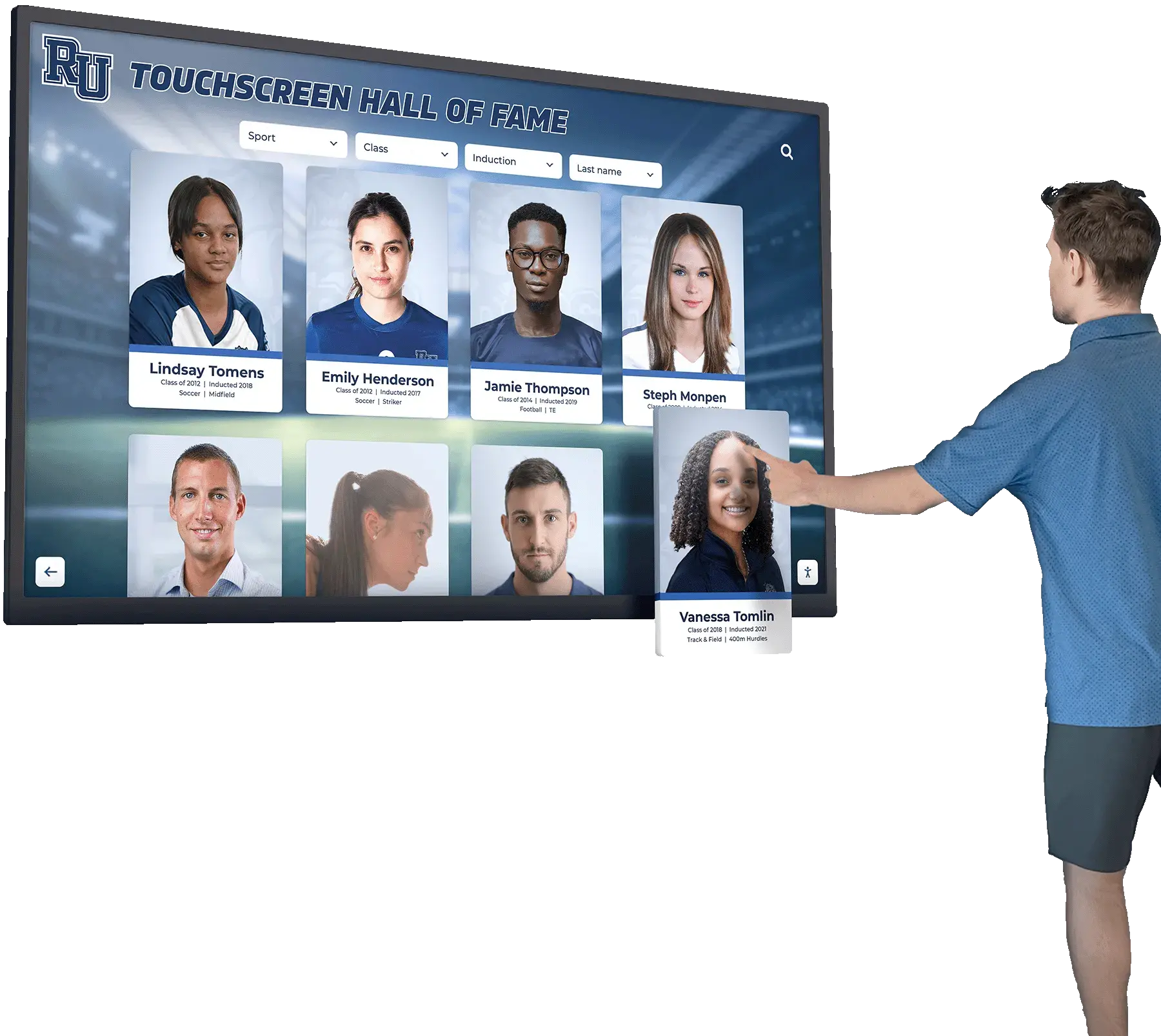
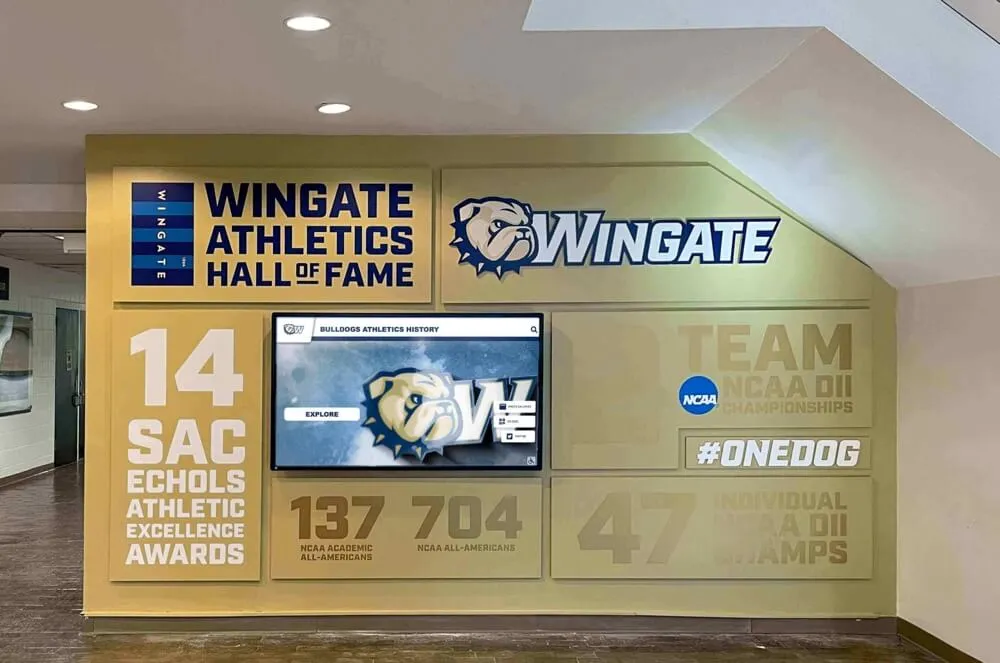
Digital recognition systems offer enhanced privacy controls compared to permanent physical displays
Special Consent Considerations
Certain situations require additional attention to consent and privacy protections.
Students in Custody Situations
Sensitive family circumstances demand heightened privacy:
- Verify which parents have legal decision-making authority
- Honor court orders restricting disclosure
- Maintain confidential flags in student records
- Limit photo display that could reveal student location or identity to restricted parties
- Require administrative approval before any photo use for flagged students
Schools should consult legal counsel about proper handling of protection orders and custody restrictions.
Transferred and Withdrawn Students
Photo privacy extends beyond current enrollment:
- Establish policies for displaying former students in historical displays
- Remove photos of withdrawn students from “current student” displays within reasonable timeframes
- Maintain alumni consent for ongoing display in permanent installations
- Allow graduated students to opt out of continued display as adults
- Archive photos securely rather than discarding them
Many schools maintain alumni recognition displays showcasing distinguished graduates, requiring ongoing consent management for former students.
Photos Highlighting Sensitive Information
Some photos require extra scrutiny:
- Images revealing disciplinary contexts or special education placement
- Photos connected to medical information or accommodations
- Images from counseling programs or sensitive support services
- Pictures highlighting financial need (scholarship recipients, free lunch programs)
Even with general photo consent, schools should obtain specific permission before displaying photos revealing sensitive student circumstances.
Best Practices for Privacy-Protective Recognition
Schools can celebrate student achievements while implementing robust privacy protections through thoughtful policies and modern solutions.
Privacy-by-Design Display Strategies
Build privacy protections into recognition programs from the beginning rather than adding them as afterthoughts.
Anonymization and Aggregation Options
Not all recognition requires identifying individual students:
- Team photos without individual names
- Achievement statistics without personal identifiers
- Historical milestone displays highlighting accomplishments without current student photos
- Anonymous showcase of student work (art, writing, projects) without attributing to specific students
Consider whether recognition goals can be achieved through less privacy-invasive approaches.
Controlled Access Displays
Limit photo exposure through strategic placement and access controls:
- Display student photos in restricted-access areas (inside school buildings rather than external windows)
- Use password-protected online galleries requiring school credentials
- Implement digital displays with permission-based access to different content
- Create alumni-only sections viewable only by authenticated community members
Geographic and access restrictions reduce privacy risks while maintaining recognition benefits.
Time-Limited Displays
Rotating recognition reduces long-term privacy exposure:
- Monthly or seasonal displays rather than permanent installations
- Achievement recognition valid for current school year only
- Automatic archival after students graduate
- Regular refreshes removing outdated student information
Digital displays excel at time-limited recognition, automatically cycling content and archiving historical materials.
Implementing Digital Displays with Enhanced Privacy Controls
Modern digital recognition systems offer privacy capabilities impossible with traditional physical displays.
Granular Permission Management
Advanced digital platforms enable sophisticated consent tracking:
- Individual student records linked to specific consent permissions
- Automatic filtering preventing display of restricted students
- Permission inheritance from parent records in student information systems
- Audit trails documenting who viewed student information and when
- Instant removal capabilities when consent is withdrawn
These technical controls reduce human error in consent compliance.
Dynamic Content Filtering
Digital systems can tailor displayed content based on viewer identity and permissions:
- Public-facing displays showing only broadly-consented content
- Authenticated displays revealing additional information to verified community members
- Parent portals showing only their own children’s photos and achievements
- Administrative views with full records for authorized staff
This layered approach balances recognition with privacy protection.
Automated Compliance Workflows
Digital solutions streamline privacy management:
- Consent expiration alerts requiring annual renewal
- Integration with student information systems reflecting enrollment changes
- Automatic archival when students leave or graduate
- Flagging of potential privacy concerns for manual review
- Standardized templates ensuring consistent consent language
Automation reduces compliance burden while improving consistency.
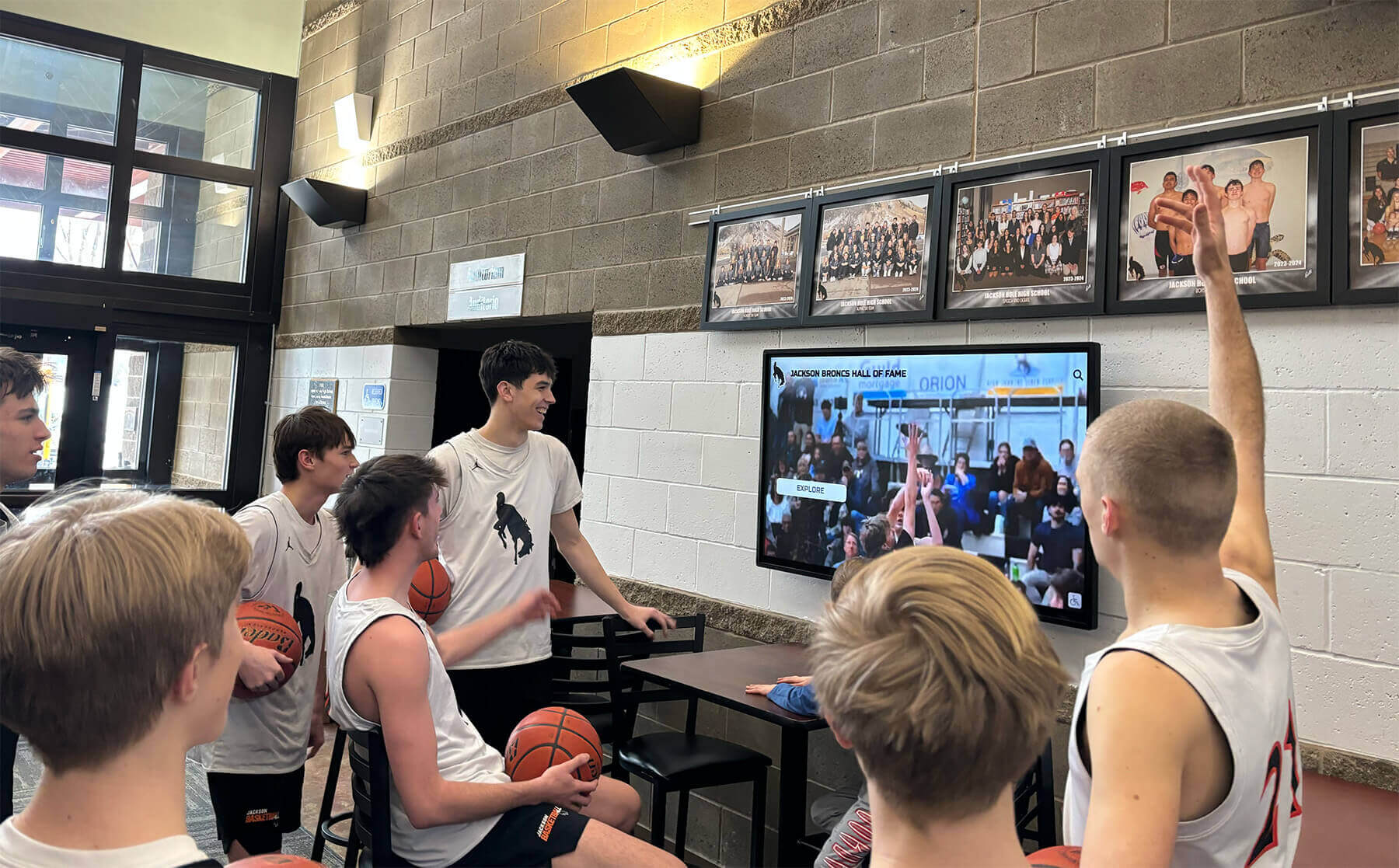
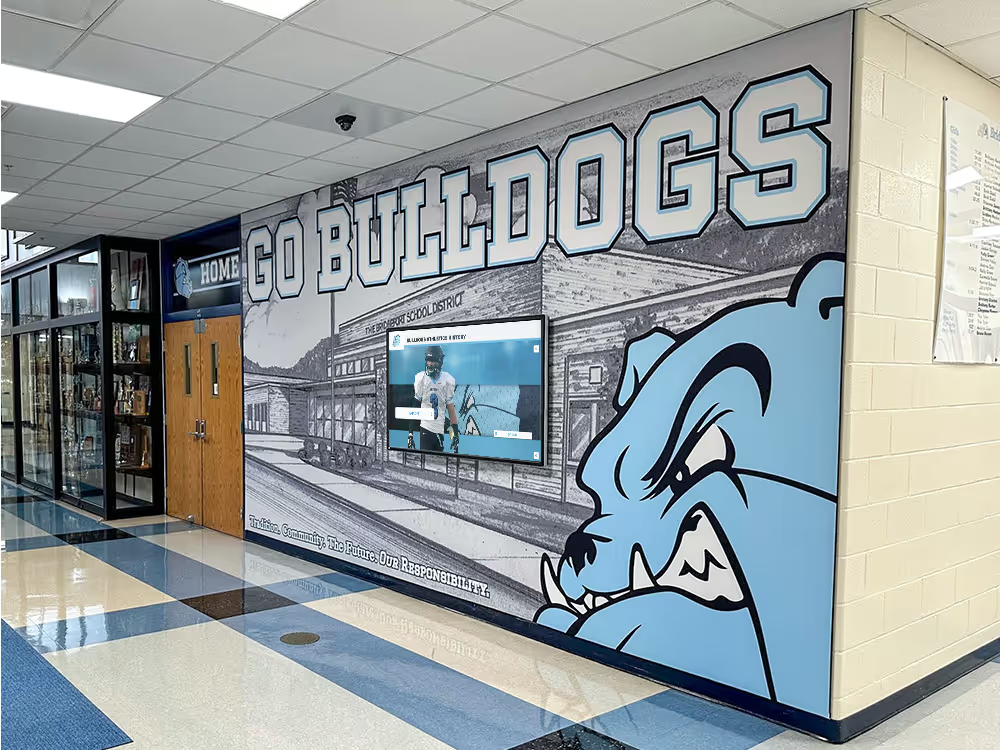
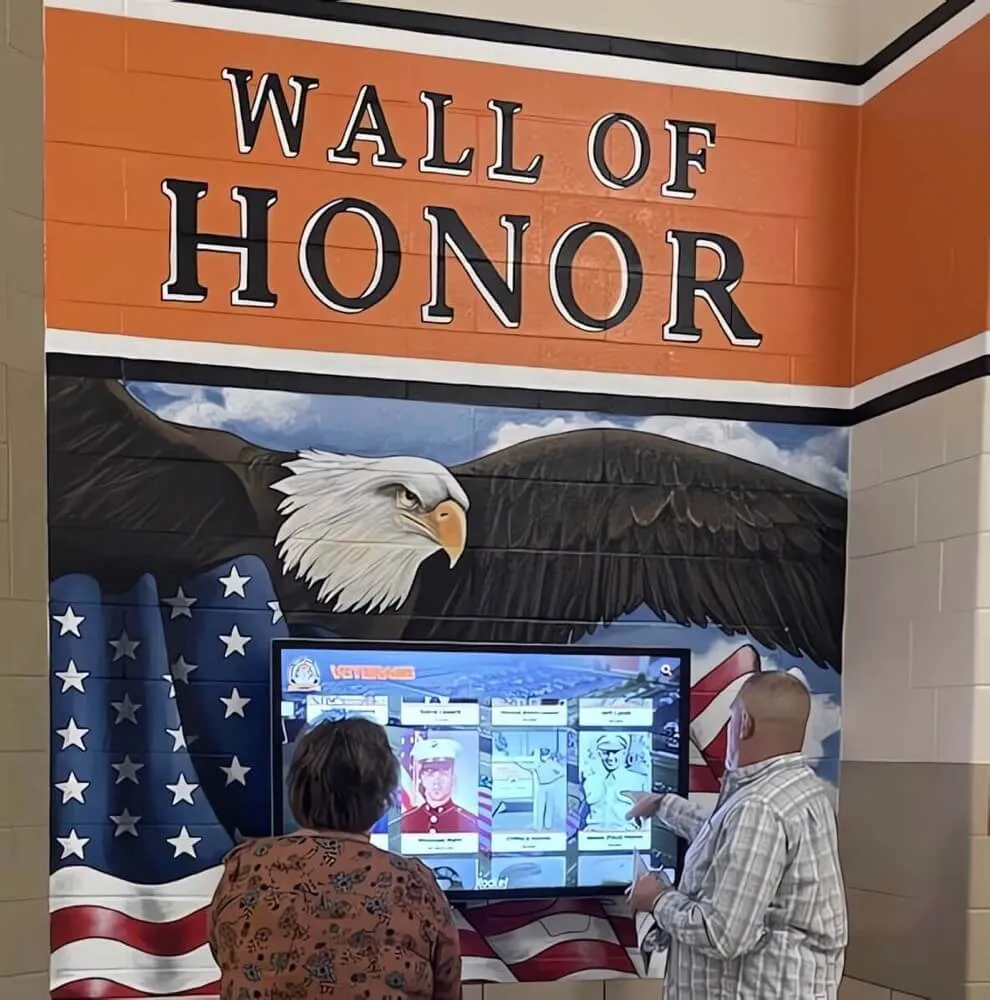
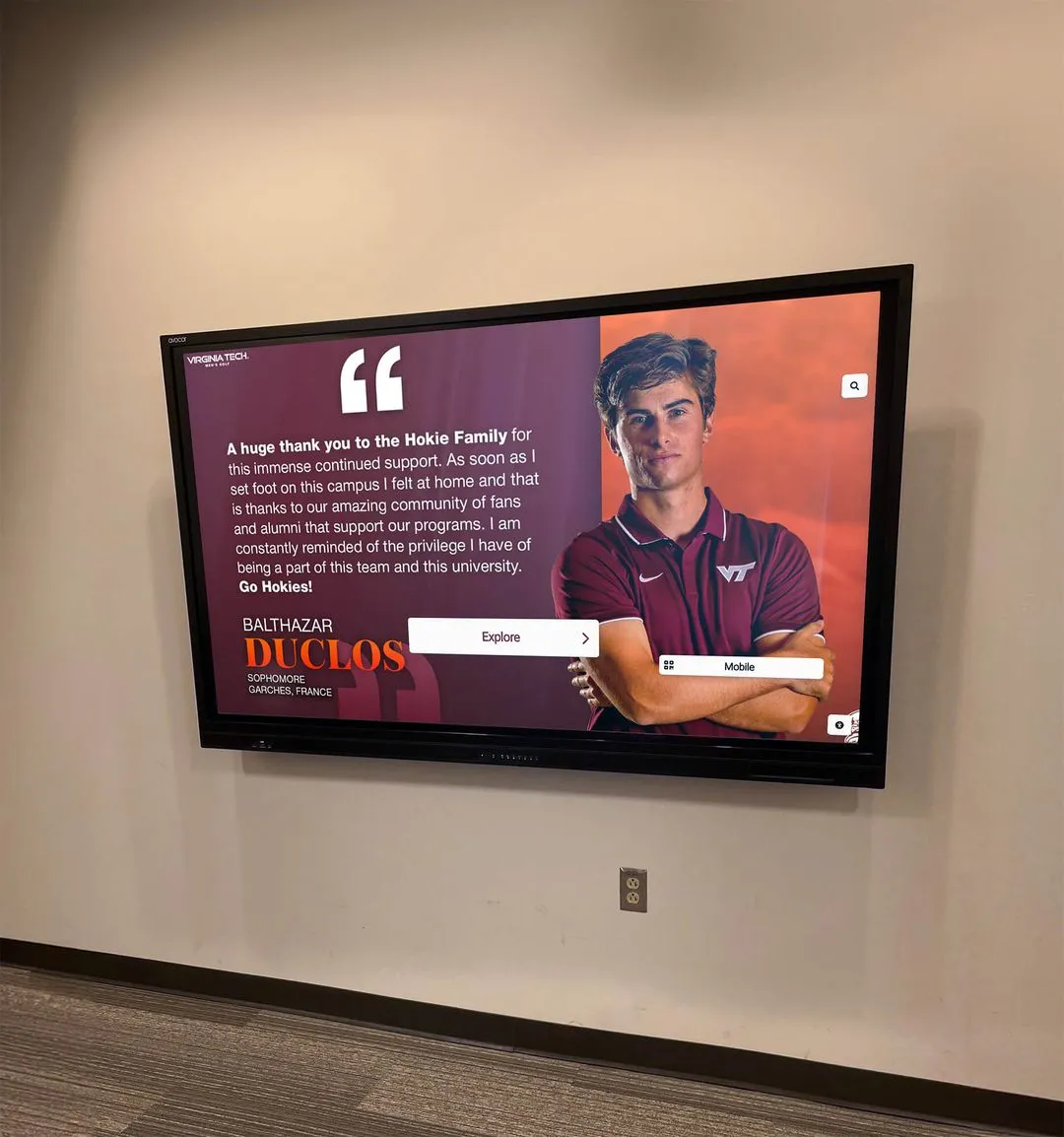
Modern digital displays engage students while offering superior privacy protections and consent management
Privacy Policies and Governance
Strong policies and clear governance structures ensure consistent privacy protection across all school recognition programs.
Developing Comprehensive Photo Privacy Policies
Effective policies provide specific guidance for all stakeholders while remaining practical to implement.
Policy Components
Comprehensive student photo privacy policies should address:
1. Scope and Applicability
Define what’s covered:
- All school-sponsored displays (physical and digital)
- Third-party displays on school property
- School website and social media accounts
- Vendor-managed systems (digital displays, websites, apps)
- Temporary displays for special events and celebrations
2. Roles and Responsibilities
Assign accountability:
- Privacy coordinator responsible for consent management
- Department heads ensuring compliance in their areas
- Technology staff implementing technical controls
- Communications staff managing external media releases
- Legal counsel reviewing policies and handling complaints
3. Consent Requirements
Specify necessary permissions:
- What requires general directory information designation
- What requires specific photo consent
- What requires additional parental permission beyond standard forms
- How consent is documented and verified
- Renewal timelines and processes
4. Use Limitations
Establish boundaries:
- Acceptable use cases for student photos
- Prohibited uses (commercial purposes, endorsements, unrelated contexts)
- Third-party sharing restrictions
- Social media guidelines
- Media release protocols
5. Enforcement and Accountability
Define consequences:
- Investigation procedures for alleged violations
- Corrective actions for non-compliance
- Staff training requirements
- Regular compliance audits
- Escalation processes for unresolved issues
Staff Training on Student Photo Privacy
Policies work only when staff understand and consistently implement them.
Essential Training Topics
Regular professional development should cover:
FERPA Fundamentals
- What student information is protected
- When consent is required
- Directory information provisions and limitations
- Consequences of violations
Practical Scenarios
- Social media posts featuring student photos
- Parent requests to share team photos
- Media inquiries about student achievements
- Event photography and display
- Website and newsletter photo use
Consent Verification
- How to check student consent status before using photos
- Where to find consent records in student information systems
- What to do when consent status is unclear
- Who to contact with questions
Response Protocols
- Handling parent complaints about photo use
- Removing photos when consent is withdrawn
- Reporting potential privacy violations
- Seeking guidance for unusual situations
Many districts integrate photo privacy into broader compliance training covering FERPA, COPPA (for online services), and state-specific student privacy laws.
Training Frequency and Formats
Effective training strategies include:
- Annual mandatory training for all staff
- Specialized training for high-risk roles (coaches, communications staff, social media managers)
- New employee orientation covering privacy fundamentals
- Refresher modules before high-photo-volume events (senior nights, award ceremonies)
- Quick-reference guides and checklists for common scenarios
Ongoing reinforcement prevents privacy complacency as staff turnover occurs.
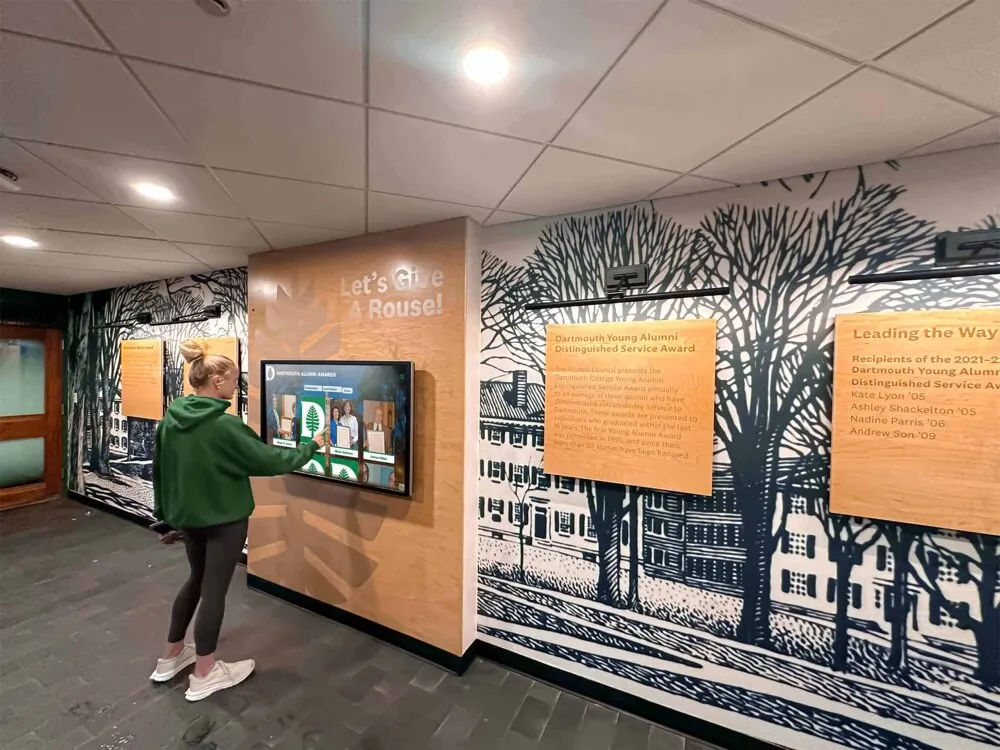
Interactive displays allow schools to celebrate achievements while maintaining privacy controls and historical archives
Privacy Considerations for Specific Display Types
Different recognition contexts present unique privacy challenges requiring tailored approaches.
Athletic Recognition Displays
Sports recognition often involves high visibility and community interest, intensifying privacy considerations.
Team Rosters and Records
Athletic displays commonly include:
- Current team rosters with names and photos
- Historical record holders and statistics
- Championship team photos from past decades
- Individual achievement milestones
Privacy best practices for athletic displays:
- Obtain sport-specific consent beyond general photo permission
- Allow students to participate in athletics while opting out of photo displays
- Provide anonymous statistical displays (school records without names/photos)
- Archive historical photos with graduated players, obtaining alumni consent for ongoing display
- Remove current students from displays when they leave the team or school
Schools maintaining athletic record boards should implement systems for updating records while respecting privacy preferences.
Recruiting and Publicity Conflicts
Student-athletes face unique pressures:
- Athletes may desire publicity for recruiting purposes
- Parents may have different preferences than students
- College recruiting rules impose additional photo restrictions
- Professional media attention raises stakes
Schools should:
- Develop clear policies distinguishing school displays from media releases
- Require separate consent for sharing photos with sports media
- Educate families about recruiting implications of photo publicity
- Respect differing preferences between students and parents (allowing conversation and accommodation)
Academic Achievement Displays
Honor rolls, scholarship recognition, and academic halls of fame present specific privacy considerations.
Honor Roll and Achievement Lists
Public display of academic achievement requires balancing recognition with privacy:
- Obtain specific consent for honor roll publication beyond general photo consent
- Allow students to opt out of public recognition while still receiving private acknowledgment
- Consider grade-level or anonymous displays showing excellence without identifying individuals
- Separate academic achievement from photos (display names without photos, or achievements without personal identifiers)
Some students prefer privacy about their academic performance despite eligibility for recognition.
Scholarship and Financial Award Recognition
Scholarship displays raise heightened privacy concerns:
- May reveal family financial circumstances
- Can highlight student socioeconomic status
- Might attract unwanted attention or create security risks
Best practices include:
- Always require specific consent beyond general photo permissions
- Offer private recognition alternatives for students declining public display
- Avoid displaying award amounts unless student specifically consents
- Ensure scholarship recognition doesn’t unintentionally reveal financial need
Schools committed to academic recognition programs should develop consent processes respecting varied privacy preferences.
Hall of Fame and Alumni Displays
Permanent recognition installations create long-term privacy obligations.
Ongoing Consent for Historical Displays
Students inducted into halls of fame may be displayed for decades:
- Obtain lifetime consent acknowledging ongoing display
- Provide periodic opt-out opportunities even after graduation
- Respect alumni requests to remove photos from displays
- Maintain contact information for inducted members to facilitate ongoing communication
Digital systems excel at managing historical content while allowing individual removal without destroying entire displays.
Privacy for Deceased Alumni
Photos of deceased students and alumni require sensitive handling:
- Consult family members before creating memorial displays
- Respect family wishes about photo use and biographical information
- Establish policies about when deceased students can be displayed without family consent
- Handle sensitive circumstances (tragic deaths, controversial figures) with care
Consider creating separate memorial sections with additional consent requirements.
Updating Historical Information
Hall of fame members’ lives evolve after induction:
- Career changes and achievements beyond original recognition
- Name changes (marriage, gender transition, personal preference)
- Requests to update biographical information or replace photos
- Changed relationship with institution (withdrawal of support, controversy)
Policies should address how and when historical information can be updated or removed at individual request.
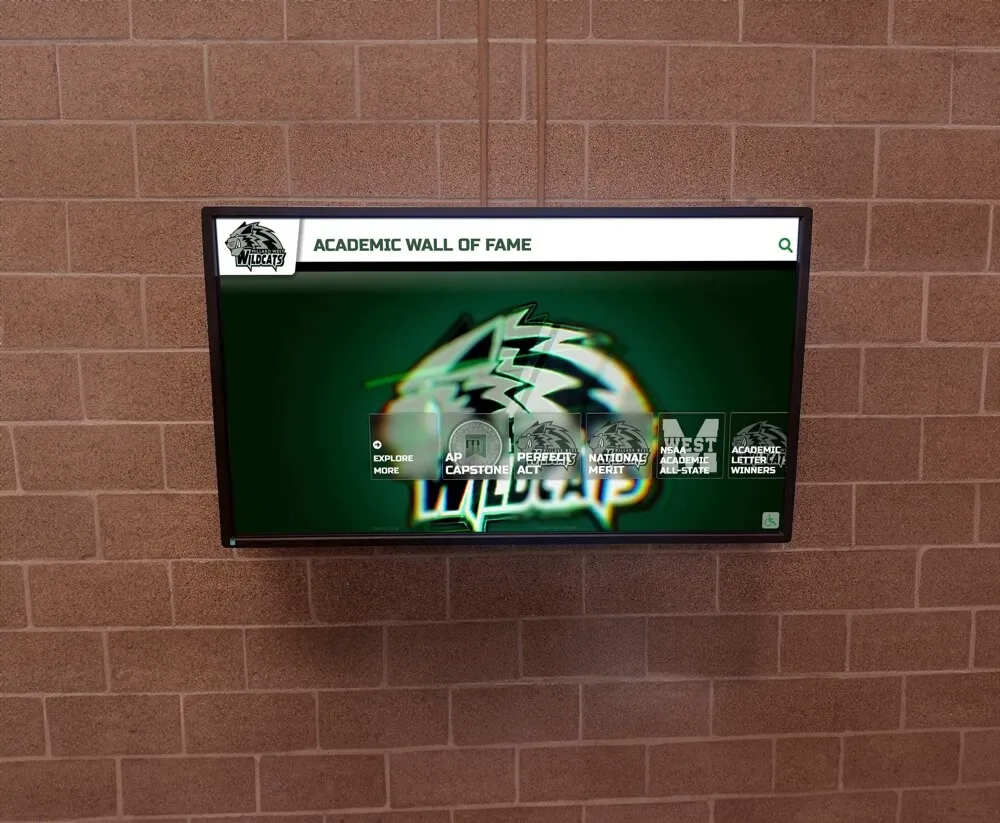
Academic halls of fame require lifetime consent management and processes for updating or removing alumni information
Privacy Incidents and Response Protocols
Despite best efforts, privacy incidents may occur. Effective response protocols minimize harm and restore trust.
Common Student Photo Privacy Violations
Understanding typical violations helps schools prevent them and recognize them quickly when they occur.
Inadvertent Display of Restricted Students
Most common violations involve displaying photos without proper consent:
- Staff unaware of opt-out status posting restricted student photos
- System errors failing to filter students lacking consent
- Outdated consent records not reflecting recent withdrawals
- Assumptions that general consent covers specific display purposes
Unauthorized Third-Party Sharing
Schools sometimes lose control of student photos:
- Staff sharing photos with media without media release consent
- Vendors using student photos beyond contracted purposes
- Booster organizations posting student photos without school authorization
- Community members photographing school displays and posting online
Social Media Oversharing
Social media creates unique privacy risks:
- Coaches posting team photos including students who opted out
- Teachers sharing classroom photos without proper consent
- Schools tagging students in posts without permission
- Reposting or sharing content exposing students to broader audiences
Incident Response Procedures
Quick, transparent response to privacy incidents limits damage and demonstrates commitment to privacy protection.
Immediate Actions
When potential violations are identified:
- Contain the Exposure: Remove or restrict access to problematic photos immediately
- Document the Incident: Record what happened, when discovered, and initial response
- Verify Consent Status: Confirm whether consent was actually lacking or systems failed
- Identify Affected Students: Determine all individuals whose privacy may have been compromised
- Assess Impact: Evaluate severity and potential harm
Investigation Process
Thorough investigation determines root causes:
- Interview staff involved to understand how violation occurred
- Review consent records and system processes
- Identify systemic failures versus individual errors
- Determine whether violation was isolated or indicates broader compliance gaps
- Consult legal counsel for serious violations
Family Notification
Transparency with affected families is essential:
- Notify families promptly when their student’s photo was displayed without consent
- Explain what happened and why
- Describe corrective actions taken
- Apologize sincerely and take responsibility
- Provide contact information for questions and concerns
- Offer assurances about prevention of future incidents
Honest communication, even when uncomfortable, maintains trust better than minimization or defensiveness.
Corrective and Preventive Actions
Incidents should drive improvement:
- Implement technical or procedural controls preventing recurrence
- Provide additional staff training on identified gaps
- Update policies clarifying unclear areas
- Enhance oversight and auditing processes
- Discipline staff when appropriate (counseling to termination depending on severity and intent)
Learning from Privacy Incidents
Organizations that learn from mistakes develop stronger privacy cultures.
Incident Analysis and Pattern Recognition
Regular review of privacy incidents reveals systemic issues:
- Quarterly reports of all incidents and near-misses
- Analysis of root causes and contributing factors
- Identification of high-risk areas or processes
- Trending of incidents over time to assess improvement
- Sharing lessons learned across departments
Continuous Improvement Cycles
Privacy protection evolves through ongoing refinement:
- Annual policy reviews incorporating lessons from incidents
- Technology updates addressing identified vulnerabilities
- Staff training adjusted to address common errors
- Consent processes simplified where confusion led to violations
- Recognition of staff and departments with excellent privacy compliance
Protect Privacy While Celebrating Achievement
Discover how modern digital recognition systems provide enhanced privacy controls, automated consent management, and flexible display options that honor student achievements while protecting their privacy rights.
Request a Privacy-Focused DemoTechnology Solutions for Privacy-Compliant Recognition
Modern technology enables student recognition programs that would be impractical to manage compliantly using manual processes and physical displays.
Features of Privacy-Protective Display Systems
Advanced digital display platforms incorporate privacy by design rather than treating it as an afterthought.
Integrated Consent Management
Leading systems connect recognition displays directly to consent databases:
- Real-time synchronization with student information systems
- Automatic filtering of students lacking appropriate consent
- Permission-based content visibility (different views for different audiences)
- Consent expiration tracking and renewal workflows
- Audit trails documenting consent verification for each display
Integration eliminates manual consent checking and reduces human error.
Flexible Content Controls
Digital platforms enable granular privacy controls:
- Individual student visibility settings
- Time-based content display (automatically archive after graduation)
- Location-based restrictions (certain content only visible in specific physical locations)
- Authentication requirements for sensitive content
- Instant removal capabilities when consent is withdrawn
These controls allow schools to balance recognition with privacy far more effectively than physical displays permit.
Secure Archival and Access
Long-term photo storage requires security and access controls:
- Encrypted storage protecting archived student photos
- Role-based access limiting who can view historical content
- Retention policies automatically removing outdated content
- Secure deletion when retention periods expire
- Alumni self-service portals for managing their own historical photos
Digital archives preserve institutional history while respecting evolving privacy expectations.
Vendor Privacy Requirements
Schools purchasing recognition display systems should verify vendor privacy practices.
Privacy Provisions in Vendor Contracts
Contracts with display system providers should specify:
- Data Ownership: School retains ownership of all student data and photos
- Use Limitations: Vendor cannot use student data for any purpose beyond contracted services
- Subprocessor Restrictions: Vendor must identify and obtain approval for any subcontractors accessing student data
- Security Requirements: Specific technical and organizational safeguards protecting student information
- Breach Notification: Vendor must promptly report any security incidents or privacy breaches
- Deletion Obligations: Vendor must securely delete all student data when contract terminates
- Audit Rights: School can audit vendor compliance with privacy terms
- FERPA Compliance: Vendor acknowledges status as “school official” under FERPA with corresponding obligations
Student Privacy Pledges and Certifications
Reputable education technology vendors demonstrate privacy commitment through:
- Signing the Student Privacy Pledge
- Obtaining independent privacy certifications (iKeepSafe, Privacy by Design)
- Maintaining SOC 2 compliance reports
- Providing transparent privacy policies in clear language
- Designating privacy officers for school inquiries
Verify vendor privacy practices before sharing student photos with third-party systems.
Balancing Accessibility and Privacy
Recognition displays serve multiple audiences with different access needs and privacy expectations.
Public vs. Authenticated Access
Thoughtful design creates layered access:
Public Access (No Authentication Required)
Display only broadly-consented, non-sensitive content:
- School name, mascot, and general information
- Team photos without individual names
- Historical milestones and statistics
- Generic achievement information
Community Member Access (School Credentials Required)
Authenticated users see additional details:
- Individual student names and photos
- Biographical information and achievements
- Current student rosters and classes
- Recent awards and recognition
Restricted Access (Administrative Credentials)
Authorized staff access full records:
- Complete student profiles with all information
- Privacy flags and consent statuses
- Contact information and enrollment details
- Editing capabilities for content management
This graduated approach maximizes recognition for consenting students while protecting those preferring privacy.
Visitor vs. Internal Displays
Physical location influences appropriate privacy levels:
- Lobby displays visible to visitors show only public-appropriate content
- Displays in restricted-access areas (inside secured buildings) can include more detailed student information
- Staff-only areas might display sensitive content not appropriate for students or visitors
- External windows or outdoor displays should contain minimal student information
Geographic placement serves as a natural privacy control.
State Privacy Laws and Additional Considerations
While FERPA provides baseline federal protections, many states impose additional student privacy requirements.
State-Specific Photo Privacy Requirements
Schools must comply with more restrictive state laws when they exceed FERPA protections.
Examples of Enhanced State Protections
Several states have enacted student privacy laws affecting photo displays:
California - Student Online Personal Information Protection Act (SOPIPA) and other laws:
- Strict limitations on commercial use of student information
- Enhanced consent requirements for sharing with third parties
- Restrictions on targeted advertising using student data
- Requirements for privacy policies accessible to parents
Illinois - Student Online Personal Protection Act (SOPPA):
- Operator prohibitions on targeted advertising to students
- Data deletion requirements when no longer needed for educational purposes
- Strict consent requirements for collecting biometric information (including some photo recognition technologies)
New York - Education Law §2-d:
- Parents’ Bill of Rights for Data Privacy and Security
- Enhanced contract requirements with third-party vendors
- Specific data security and privacy requirements
- Supplemental parental consent provisions
Texas - Various statutes addressing student privacy:
- Restrictions on selling or sharing student information
- Enhanced parental rights regarding educational records
- Cybersecurity requirements for student data
Schools should consult with legal counsel familiar with applicable state laws to ensure comprehensive compliance.
Biometric Privacy Considerations
Facial recognition and other biometric technologies create unique privacy concerns.
Facial Recognition Technology Restrictions
Some jurisdictions specifically regulate facial recognition in schools:
- Prohibitions on using facial recognition for student identification or surveillance
- Enhanced consent requirements if biometric analysis is permitted
- Data retention and deletion requirements for biometric templates
- Disclosure requirements about biometric technology use
Even where legal, schools should carefully consider whether biometric technologies are necessary and proportionate to objectives.
Photo Tagging and Automatic Identification
Technologies that automatically identify students in photos may trigger biometric privacy laws:
- Automatic tagging features in photo management systems
- Search-by-face capabilities in digital archives
- Recognition features connecting photos across multiple systems
Consult legal counsel before implementing technologies that analyze or identify students’ faces automatically.
Frequently Asked Questions
Does FERPA require parental consent before displaying student photos?
Not always. FERPA allows schools to disclose “directory information” including photos without consent IF the school: (1) includes photos in its annual directory information notice, (2) provides parents opportunity to opt out, and (3) honors all opt-out requests. However, many schools obtain specific photo consent as a best practice providing clearer notice and more explicit permission than general directory information provisions.
How long can schools display photos of graduated students?
There’s no automatic expiration. Schools can continue displaying graduated students in historical or hall of fame displays if they obtained appropriate consent. Best practice involves obtaining lifetime consent for permanent displays and providing periodic opt-out opportunities even after graduation. Alumni should be able to request removal from displays at any time, and schools should honor such requests.
Can parents photograph school displays containing other students’ photos?
Generally yes—parents photographing displays in public areas of schools typically isn’t restricted by FERPA (which governs school actions, not parent actions). However, schools can establish policies prohibiting photography of displays for privacy reasons. Schools cannot control what parents do with their own photos, but can educate families about respectful practices regarding other students’ images.
What if parents disagree about photo consent?
Custodial parents with legal decision-making authority can provide or withhold consent. In shared custody situations, schools should verify which parent has educational decision-making rights. When parents disagree and share legal authority, the conservative approach is honoring the more restrictive preference (withholding photos if one parent objects). Schools should consult legal counsel for guidance on custody disputes.
Are yearbook photos covered by the same rules as display photos?
Yearbook photos have somewhat different considerations. Most schools treat yearbook photos as directory information with opt-out provisions. However, best practice involves specific yearbook consent separate from other photo uses. Students can generally opt out of yearbook photos, though some schools make basic directory photos (class portraits) mandatory with opt-out available only for candid and activity photos.
Can schools use student photos on social media?
Social media photo use requires specific consent beyond general photo permissions due to the broad, uncontrolled distribution and permanence of social content. Schools should obtain separate social media consent specifying which platforms are covered. Social media posts should never tag students without permission, as tagging can expose students to unwanted contact and privacy risks.
What about photos of students with disabilities or in special education?
Photos revealing special education placement or disability status require heightened privacy protection. Even with general photo consent, schools should not display photos that identify students as receiving special education services unless specific consent is obtained. Photos from inclusive settings where special education status isn’t apparent may be treated like other student photos.
Do charter schools and private schools have to follow FERPA?
Charter schools that receive federal education funding must comply with FERPA just like traditional public schools. Private schools must comply with FERPA only if they receive federal education funding. However, private schools not subject to FERPA may be bound by state privacy laws, accreditation standards, or their own policies. All schools should implement privacy protections regardless of legal requirements.
How should schools handle photos from student events outside school hours?
Context determines requirements. Photos taken at school-sponsored events (games, performances, field trips) even outside school hours are generally covered by school photo policies and consent requirements. Photos from private events (birthday parties, family gatherings) even involving school-related teams aren’t school records and aren’t governed by FERPA, though schools that choose to display such photos should still obtain consent.
What happens if a school violates FERPA by displaying photos without consent?
FERPA violations can result in complaints to the U.S. Department of Education Family Policy Compliance Office, which investigates and can require corrective action. Severe or persistent violations could theoretically result in loss of federal funding, though this extreme sanction is rarely imposed. Beyond federal consequences, schools may face lawsuits, loss of community trust, negative publicity, and damaged relationships with families.
Conclusion: Building Privacy-Respectful Recognition Programs
Student photo privacy on school displays requires balancing competing interests: celebrating achievements, building school culture, preserving institutional history, and protecting student privacy rights. Schools that treat privacy as a constraint to minimize or work around create compliance risks and erode family trust. Schools that embrace privacy as a core value build recognition programs that respect individual preferences while achieving institutional objectives.
FERPA provides the legal framework, but excellent privacy practices extend beyond minimum compliance. Comprehensive consent processes, clear policies, staff training, thoughtful technology choices, and genuine responsiveness to family concerns create privacy-protective recognition that serves all stakeholders. Modern digital display systems offer capabilities impossible with physical displays: granular consent management, flexible access controls, instant updates, and secure archival balancing recognition with privacy far more effectively than traditional approaches.
The strategies explored throughout this guide provide actionable frameworks for schools developing or refining photo privacy practices: understanding FERPA requirements, designing effective consent forms, implementing privacy-by-design displays, creating comprehensive policies, training staff, responding to incidents, and leveraging technology for enhanced protection. Whether your school uses traditional trophy cases or advanced digital systems, these principles ensure recognition programs honor students while respecting their rights.
Most importantly, privacy protection enables more inclusive recognition. When schools demonstrate genuine commitment to honoring privacy preferences, more families feel comfortable participating in recognition programs. Students who might otherwise opt out of all recognition become willing to participate knowing their preferences will be respected. Privacy and recognition aren’t opposing forces—they’re complementary values that together create better programs serving more students.
As technology evolves and privacy expectations continue rising, schools must continuously refine their practices. Annual policy reviews, regular training, ongoing assessment of new technologies, and genuine listening to family concerns ensure privacy protections remain effective. The schools that invest in robust privacy practices today build sustainable recognition programs celebrating student excellence for generations to come—preserving both institutional history and individual dignity.
Ready to implement privacy-protective student recognition at your school? Discover how modern digital display systems provide enhanced consent management, flexible privacy controls, and engaging recognition that honors both student achievements and their privacy rights.
Live Example: Rocket Alumni Solutions Touchscreen Display
Interact with a live example (16:9 scaled 1920x1080 display). All content is automatically responsive to all screen sizes and orientations.