



Effective student progress reports serve as critical communication bridges between educators and families, documenting academic growth, identifying areas needing support, and celebrating achievements throughout the school year. Yet many teachers struggle with creating progress reports that balance comprehensive assessment with clarity, honest evaluation with encouragement, and detailed documentation with time-efficient preparation.
Traditional report cards often reduce complex learning journeys to letter grades and brief comments, missing opportunities to paint complete pictures of student development. Parents receive standardized forms that fail to capture their child’s unique strengths, growth areas, and learning personality. Meanwhile, teachers spend hours writing generic comments that don’t meaningfully inform families about how to support continued progress.
This comprehensive guide explores evidence-based strategies for creating student progress reports that genuinely inform families, motivate students, and document achievement in ways that drive continued growth and development.
Student progress reports represent more than administrative requirements—they provide opportunities to strengthen home-school partnerships, celebrate growth, and establish shared understanding of educational goals. When designed thoughtfully and communicated effectively, progress reports become powerful tools for student success rather than routine paperwork.

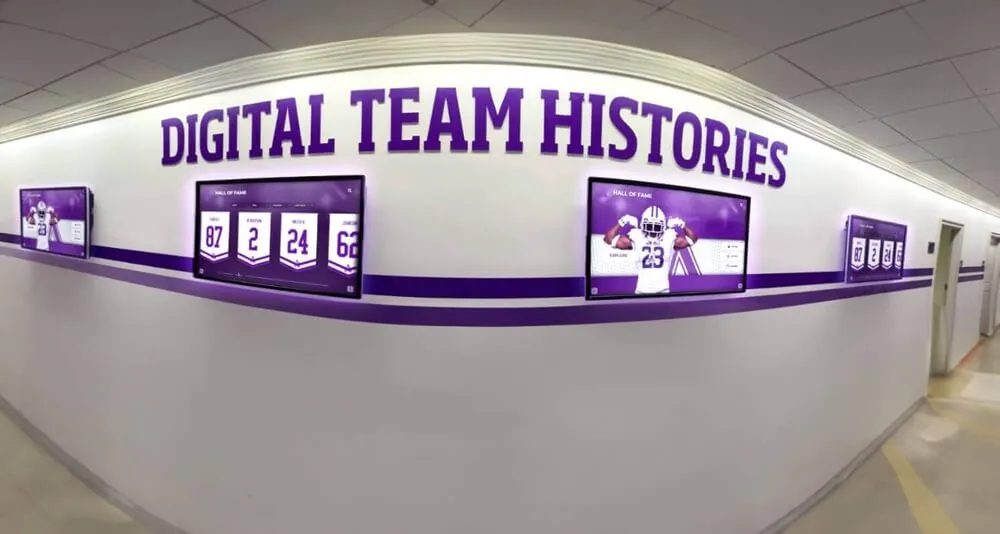
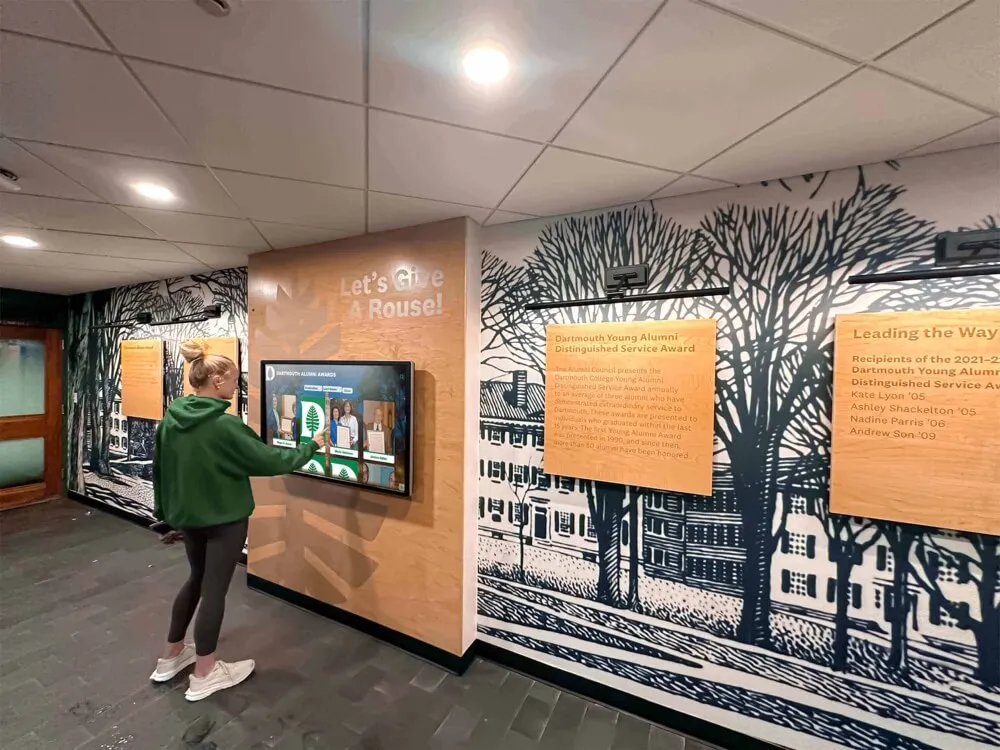
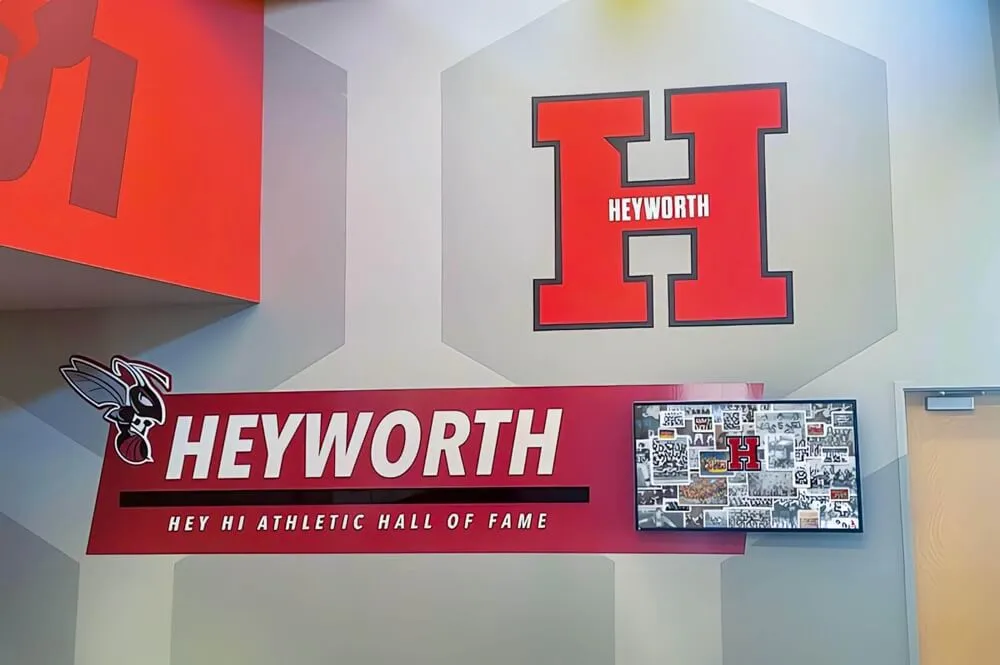
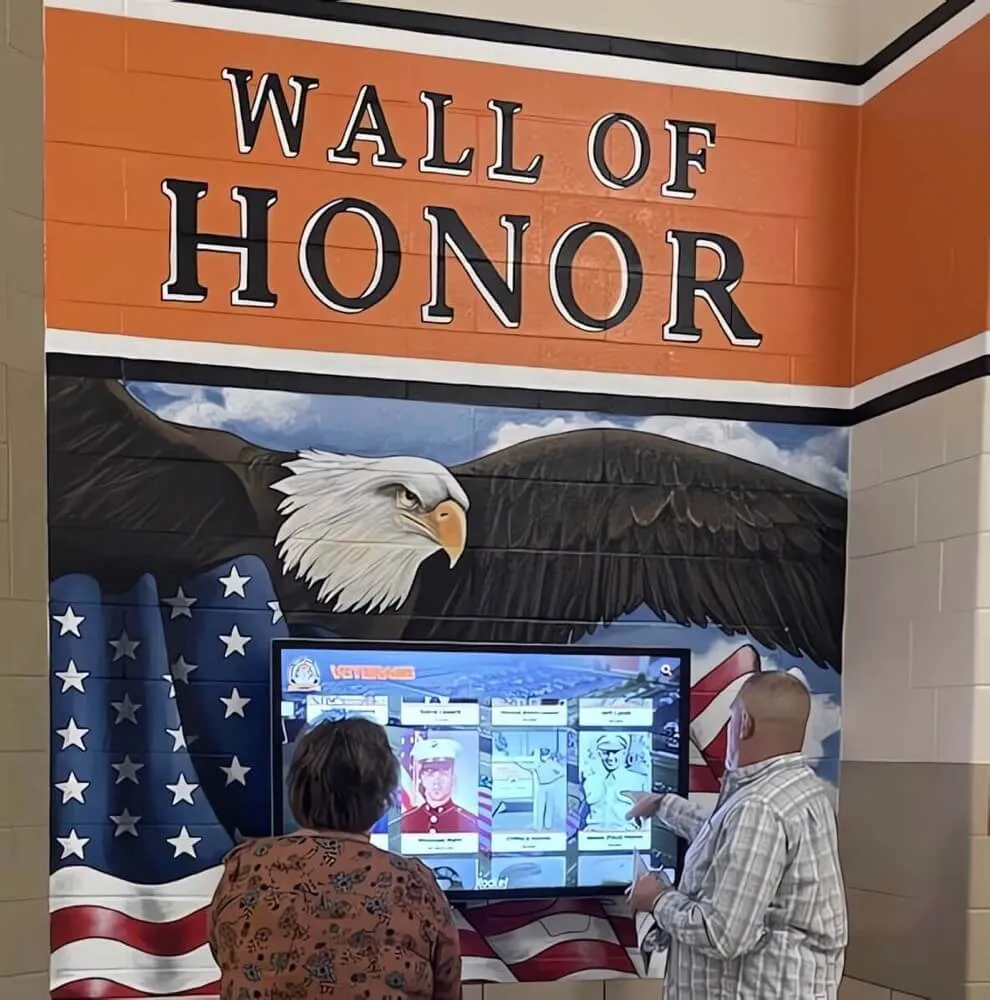
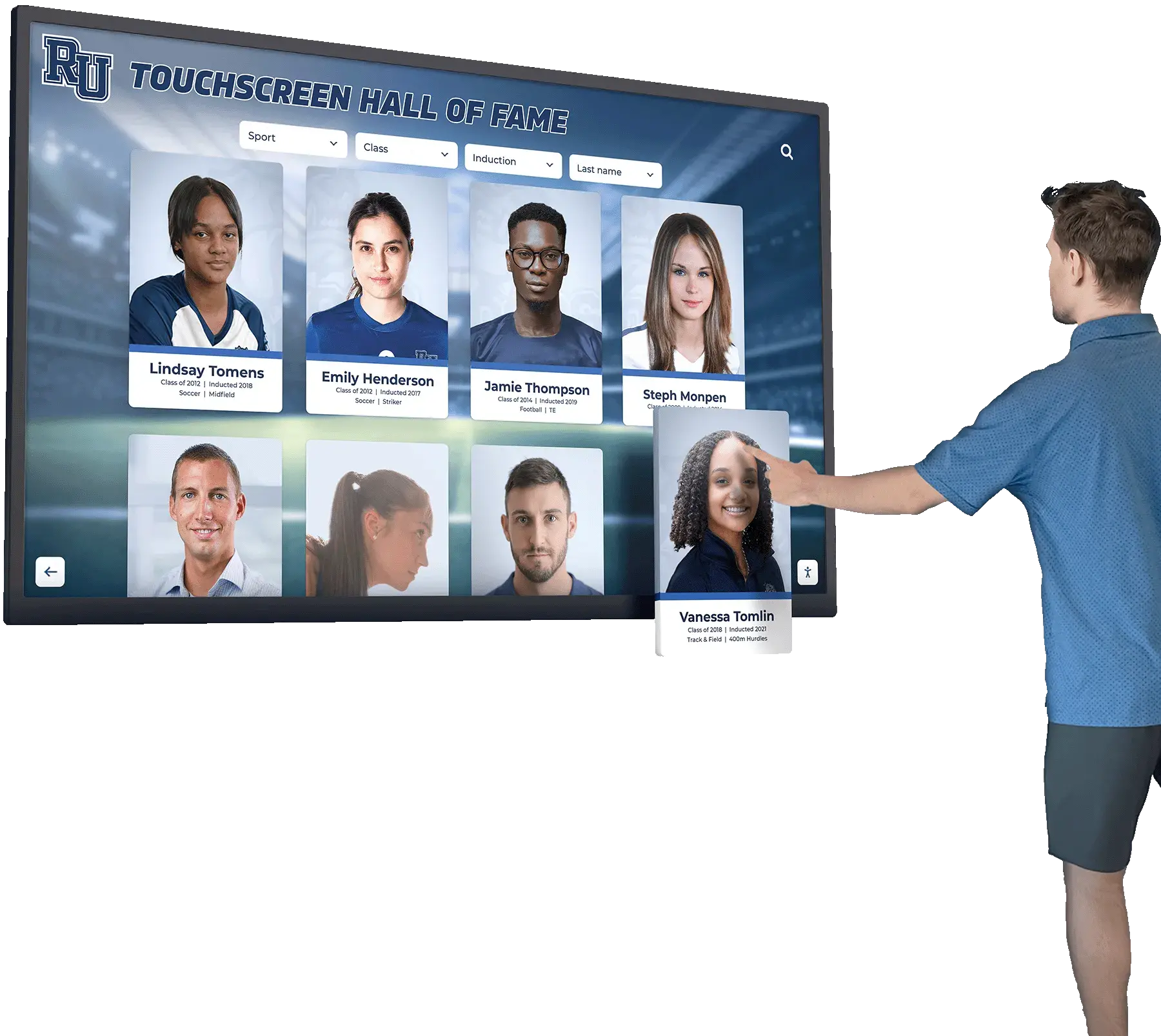
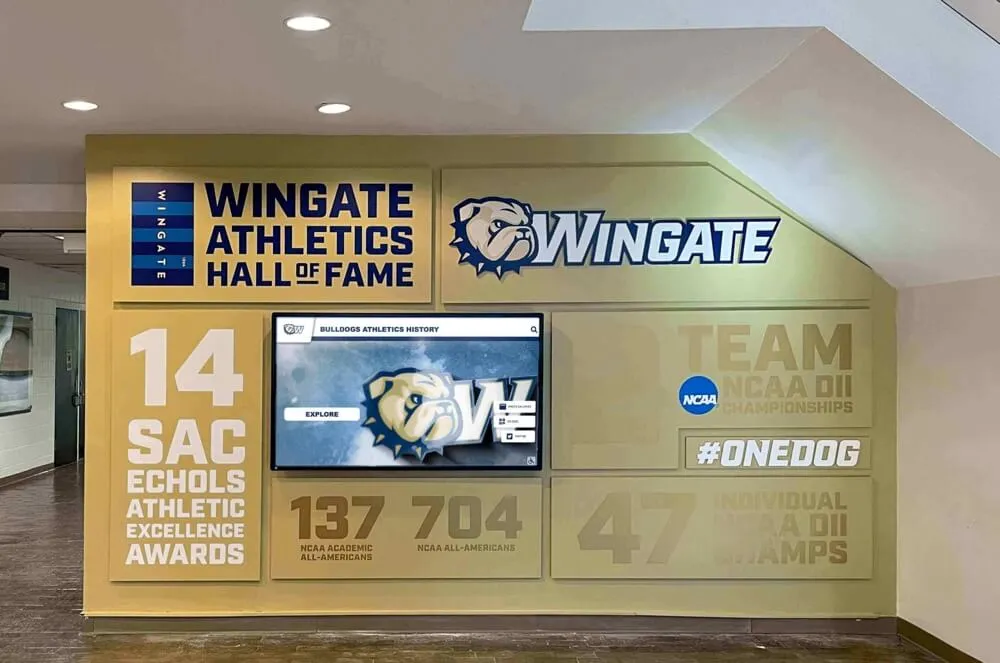
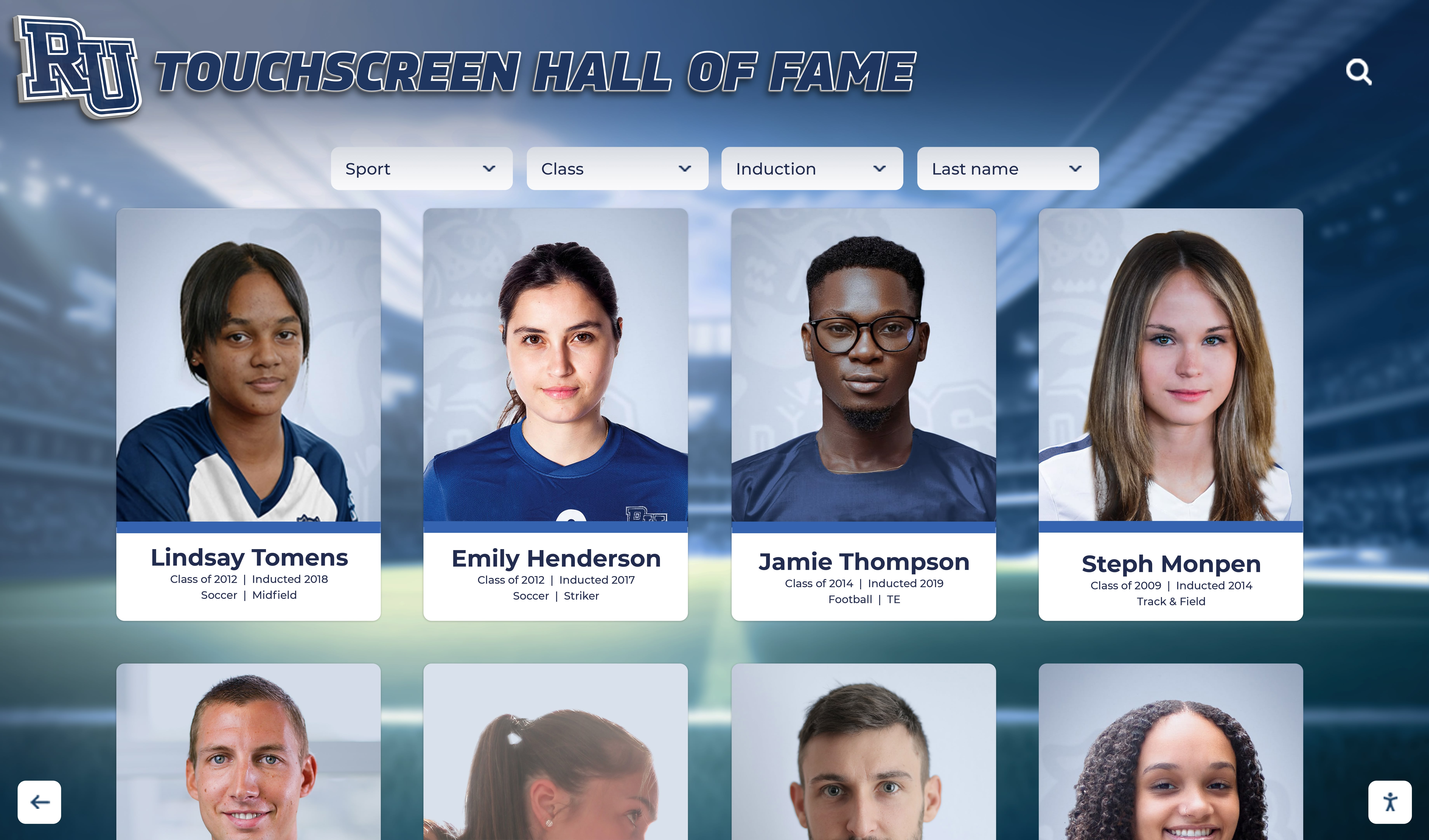
Modern progress tracking systems document student achievements and growth across multiple dimensions throughout their academic careers
Understanding Different Types of Student Progress Reports
Schools use various progress report formats depending on grade level, reporting period, and educational philosophy.
Traditional Report Cards
Standard report cards remain the most common progress documentation:
Elementary Report Cards
Early education report cards typically include:
- Subject area grades or standards-based assessments
- Learning behaviors and social-emotional development
- Attendance and punctuality records
- General comments from classroom teachers
- Specials (art, music, PE, library) assessments
Elementary reports often use descriptive scales (Exceeds Expectations, Meets Expectations, Approaching Expectations, Needs Support) rather than letter grades, reflecting developmental appropriateness and growth-oriented assessment.
Secondary Report Cards
Middle and high school reports typically feature:
- Letter grades or percentage scores by subject
- Grade point average calculations
- Credit accumulation toward graduation
- Attendance records and tardiness
- Limited narrative comments or standardized remarks
Traditional secondary report cards emphasize academic performance in individual courses, often with less attention to character development, effort, or social-emotional growth.
Standards-Based Progress Reports
Many districts have adopted standards-based reporting aligned with state learning standards:
Standards-Based Assessment Features
These reports document progress toward specific learning goals:
- Individual learning standard mastery levels
- Clear descriptions of what students should know and do
- Multiple assessment points throughout marking periods
- Growth tracking over time on specific skills
- Separation of academic achievement from behavior/effort
Standards-based reports provide more detailed information about specific competencies, helping families understand exactly what students have mastered and what requires additional support.
Implementation Considerations
Schools implementing standards-based reporting should:
- Educate families about how to read and interpret new formats
- Provide clear explanations of proficiency levels
- Show connections between standards and real-world skills
- Offer examples of student work at different proficiency levels
- Maintain consistent language across grade levels and subjects
For schools tracking multiple achievement dimensions, digital recognition systems can complement traditional reports by showcasing student accomplishments and growth over time.
Interim Progress Reports
Mid-quarter or mid-semester progress updates provide early intervention opportunities:
Progress Report Timing and Purpose
Interim reports typically:
- Arrive midway through grading periods
- Highlight students at risk of failing or struggling
- Provide opportunity for course correction before final grades
- Enable earlier family communication about concerns
- Celebrate positive progress and strong performance
Some schools send interim reports only to students with concerning performance, while others provide updates for all students to maintain consistent communication.
Effective Interim Report Elements
Strong mid-period reports include:
- Current grade or performance level
- Specific missing assignments or assessments
- Attendance concerns if applicable
- Concrete action steps for improvement
- Teacher contact information for follow-up
- Deadline for implementing improvement plans

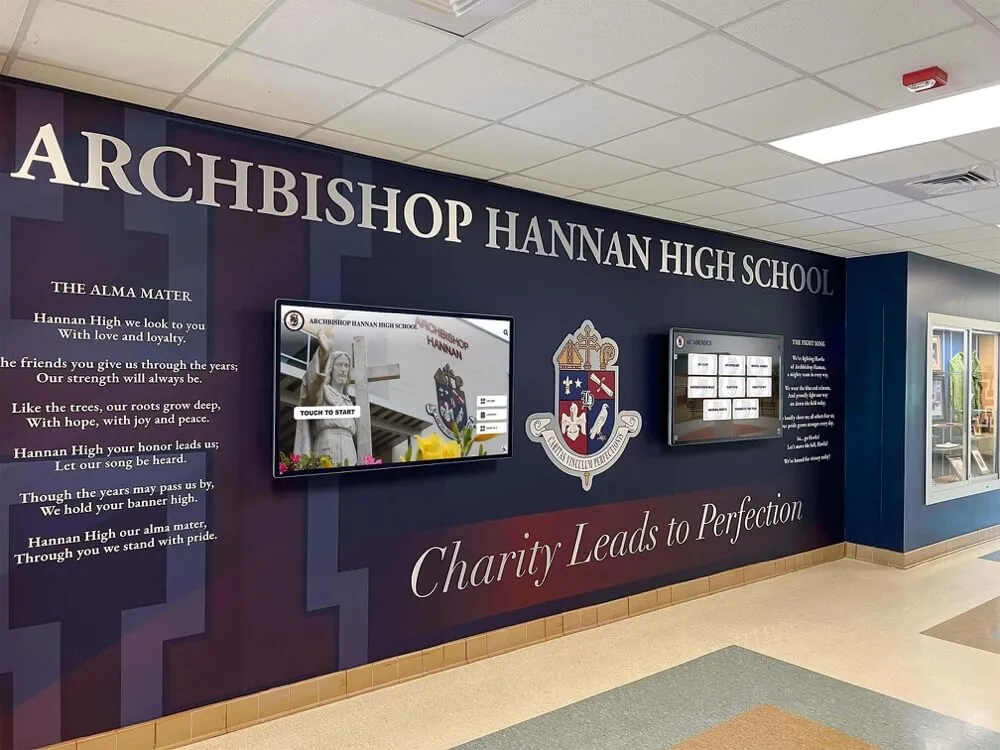
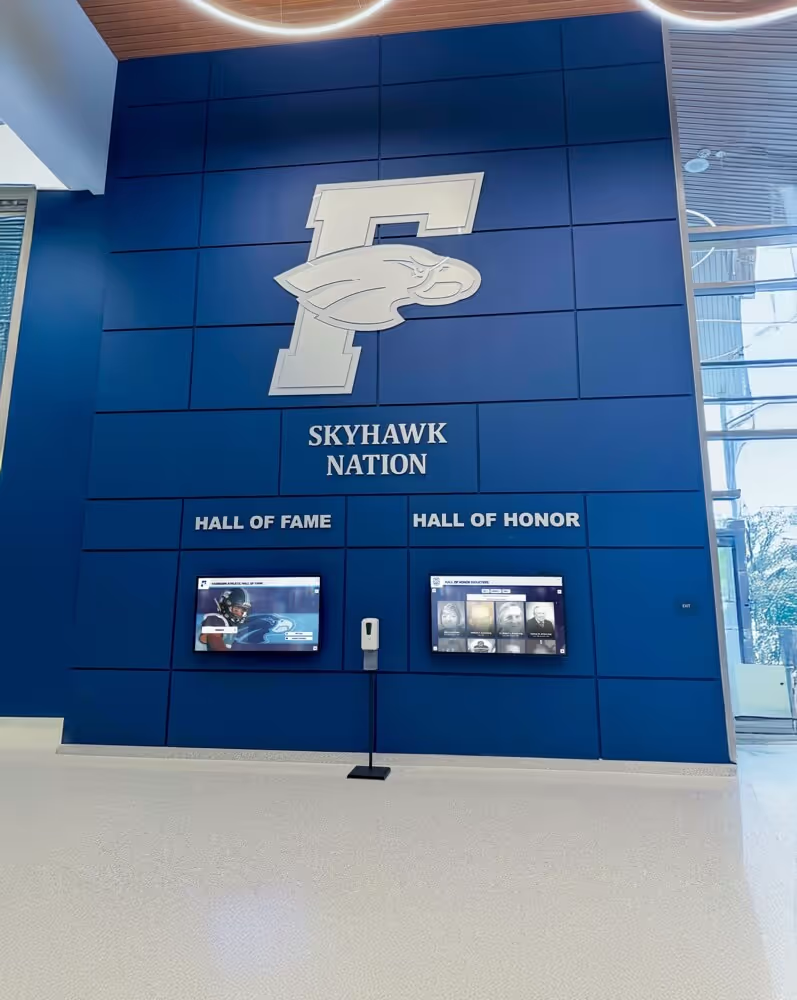
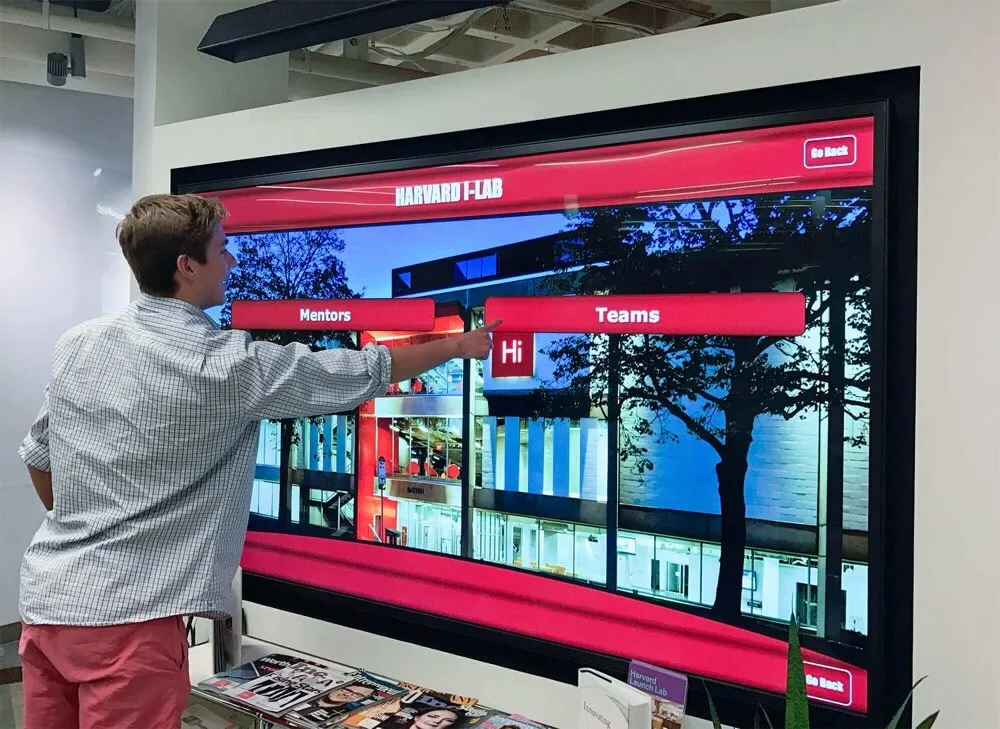
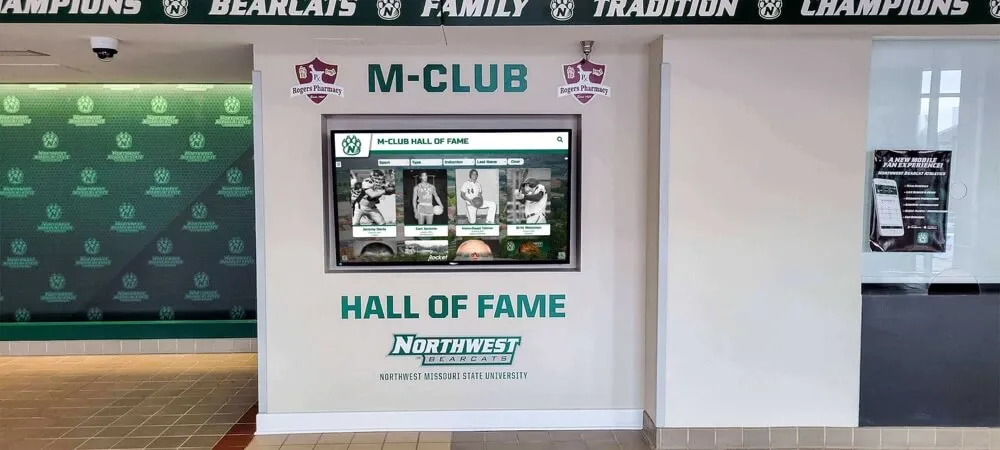
Interactive systems enable detailed exploration of student progress across multiple achievement areas and time periods
Narrative Progress Reports
Some schools, particularly at elementary levels or alternative education settings, use detailed narrative reports:
Narrative Report Components
Comprehensive written reports typically address:
- Academic progress in each subject area
- Learning behaviors and approaches to challenges
- Social-emotional development and peer relationships
- Specific examples of growth and achievement
- Areas needing additional support or practice
- Recommendations for home support strategies
- Student strengths and unique learning characteristics
Benefits and Challenges
Narrative reports offer rich, personalized information but require:
- Significant teacher time for writing
- Strong writing skills to communicate effectively
- Consistent quality across teachers
- Clear organization so families can find key information
- Balance between honesty and encouragement
Many schools combining narrative comments with traditional grading create hybrid approaches maximizing benefits of both formats.
Essential Components of Effective Student Progress Reports
Regardless of format, strong progress reports share critical characteristics that maximize their value.
Clear, Specific Academic Performance Information
Families need concrete information about academic achievement:
Subject-Specific Performance Details
Effective reports specify:
- Current performance level with clear definitions
- Comparison to grade-level expectations
- Specific skills mastered and skills developing
- Notable assessments or projects completed
- Growth trajectory over time
- How performance compares to previous marking periods
Avoiding Vague Language
Replace generic statements with specific details:
- Instead of “doing well,” specify “consistently demonstrates mastery of multiplication facts through 12”
- Rather than “needs improvement,” clarify “requires additional practice with paragraph organization and topic sentences”
- Move beyond “good student” to “actively participates in class discussions and asks thoughtful questions that deepen understanding”
Specific language helps families understand exactly what their child has accomplished and where to focus support.
Effort and Learning Behaviors
Academic performance tells only part of the story—learning behaviors matter tremendously:
Work Habits and Engagement
Document observable behaviors:
- Homework completion consistency
- Class participation and engagement
- Preparedness (materials, organization)
- Time management and task completion
- Response to feedback and revision willingness
- Independent work capabilities
- Collaboration skills in group settings
Growth Mindset Indicators
Highlight attitudes toward learning:
- Willingness to attempt challenging work
- Response to mistakes and setbacks
- Persistence when facing difficulties
- Help-seeking when confused or stuck
- Acceptance of feedback and improvement efforts
- Risk-taking in learning situations
Families can significantly influence these behaviors at home, making them valuable targets for school-home partnership.
Social-Emotional Development
Student wellbeing and interpersonal skills impact learning:
Relationship Skills
Report on social competencies:
- Peer relationships and friendship development
- Conflict resolution approaches
- Collaboration and teamwork
- Respect for others and classroom community
- Leadership demonstrations
- Empathy and perspective-taking
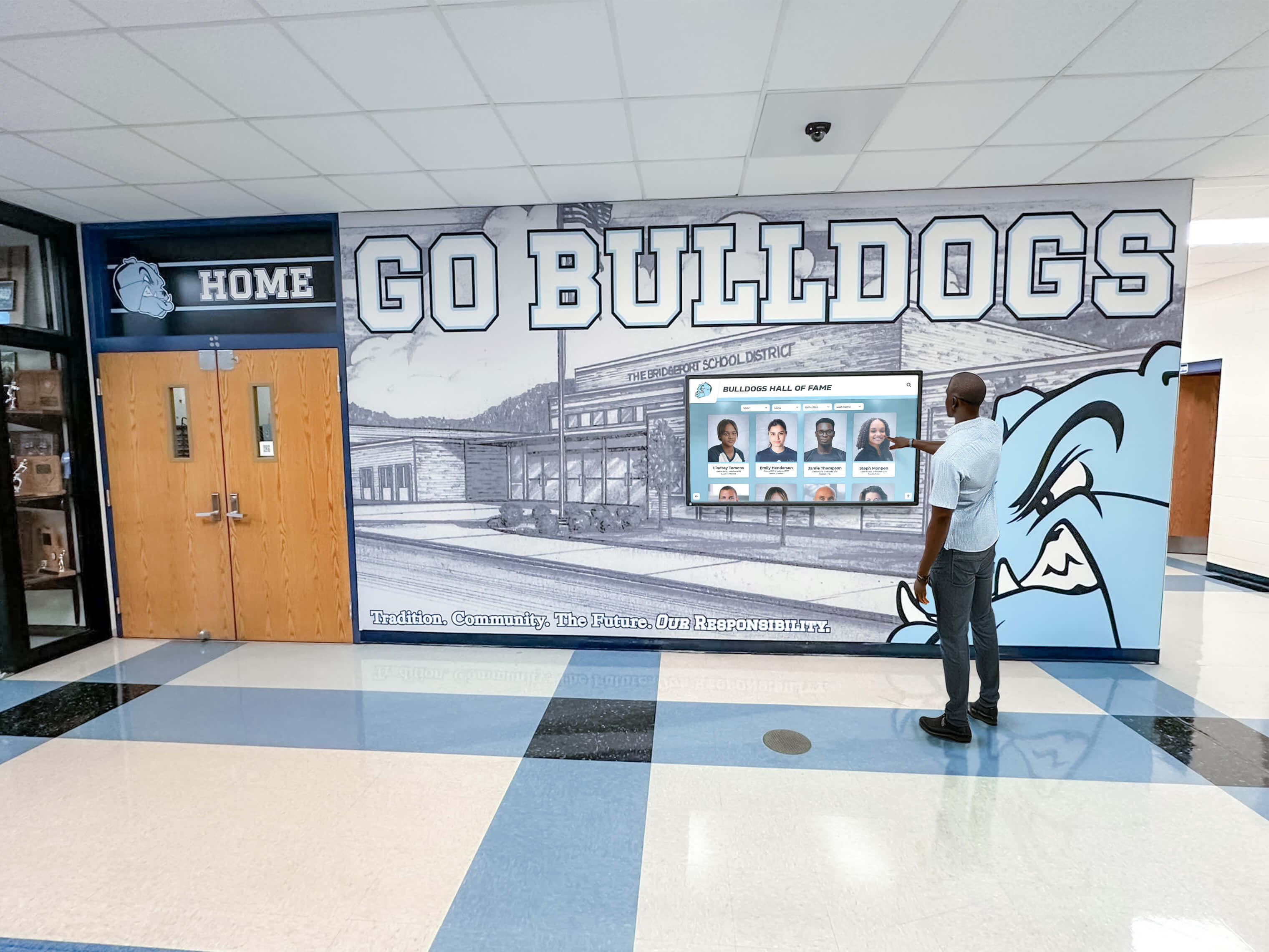
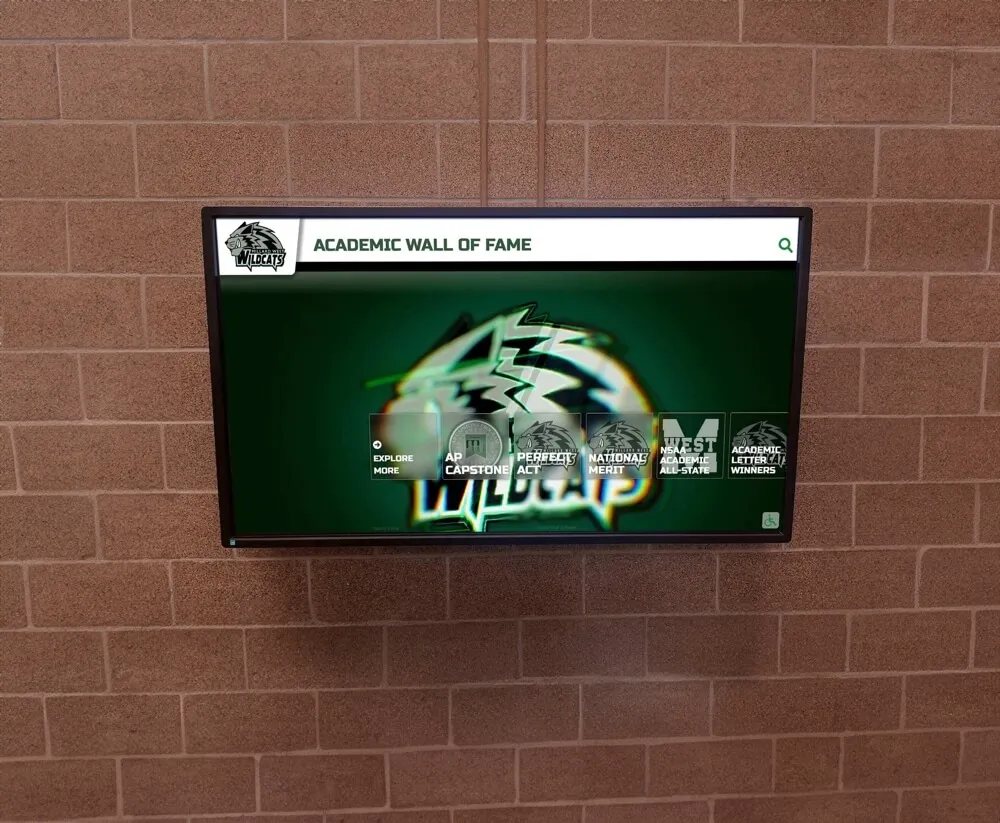
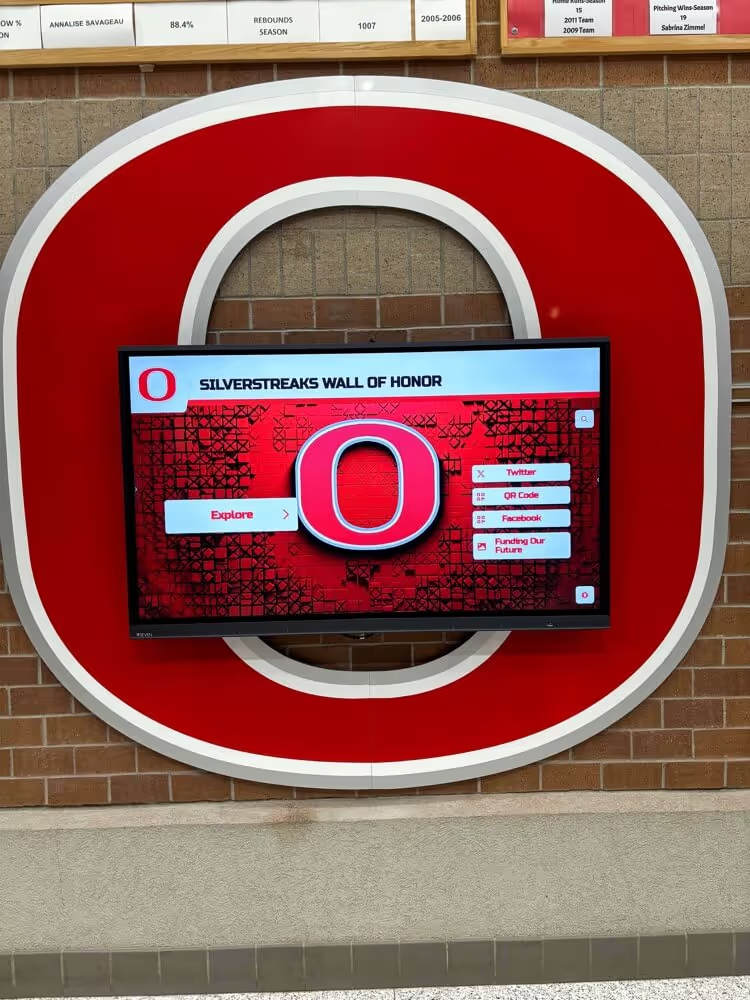
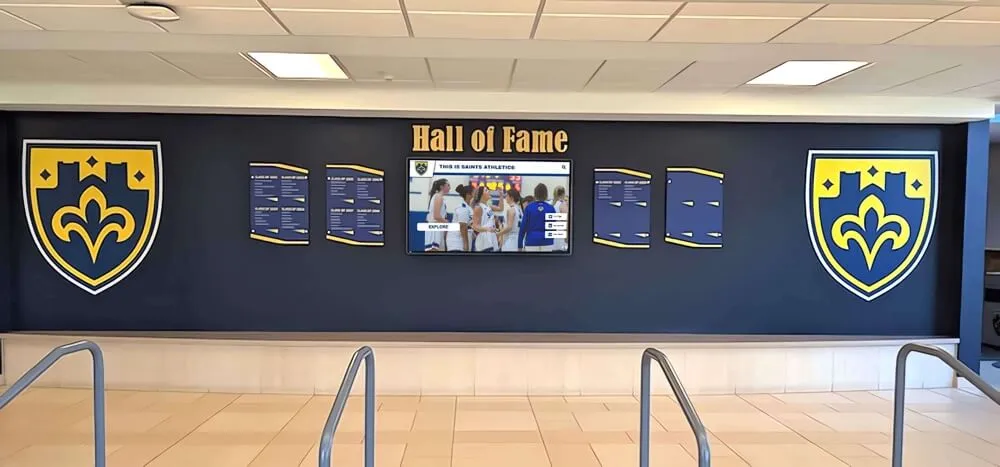
Shared exploration of student progress strengthens school-family partnerships and celebration of achievement
Self-Management Capabilities
Note developing independence:
- Emotional regulation in academic settings
- Frustration tolerance and coping strategies
- Self-advocacy for needs
- Responsibility for belongings and materials
- Attention and focus capabilities
- Transitions between activities and subjects
Social-emotional development particularly matters at elementary levels but remains relevant through secondary education.
Actionable Recommendations
The most valuable progress reports suggest concrete next steps:
For Families
Provide specific support suggestions:
- “Practice math facts using flashcards or online games 10 minutes daily”
- “Read together 20 minutes each evening, taking turns reading paragraphs aloud”
- “Help organize homework materials with a color-coded folder system”
- “Discuss current events to build background knowledge for social studies”
- “Visit the library to find books matching their current reading level and interests”
For Students
Age-appropriate recommendations might include:
- “Ask for help right away when you don’t understand instead of waiting”
- “Use the checklist we created together to review work before submitting”
- “Participate in class discussions at least twice per day”
- “Complete homework in quiet space without device distractions”
- “Review notes from class within 24 hours to reinforce learning”
Actionable recommendations transform reports from mere documentation to tools driving improvement.
Schools looking to recognize and showcase student achievement can explore digital trophy displays that celebrate progress alongside traditional reporting.
Creating Effective Written Comments for Progress Reports
The narrative component of progress reports often provides the most valuable information—when done well.
Comment Writing Best Practices
Strong progress report comments share common characteristics:
Lead with Positives
Begin comments by acknowledging strengths:
- Specific achievements or growth areas
- Notable effort or improvement
- Unique capabilities or contributions
- Positive learning behaviors or attitudes
Starting positively creates receptive mindset for any concerns that follow and ensures families see complete picture rather than focusing only on deficits.
Be Specific and Evidence-Based
Use concrete examples:
- Reference specific assignments, projects, or assessments
- Cite observable behaviors rather than interpretations
- Include data points when relevant (test scores, completion rates)
- Mention particular incidents or patterns demonstrating points
Specificity builds credibility and helps families understand exactly what you’re describing.
Balance Honesty with Encouragement
Address concerns directly while maintaining optimism:
- Clearly state areas needing improvement
- Frame challenges as opportunities for growth
- Acknowledge effort even when outcomes need work
- Express confidence in student’s ability to improve
- Suggest specific pathways forward
Families need honest information about struggles, but overly negative comments can discourage rather than motivate.
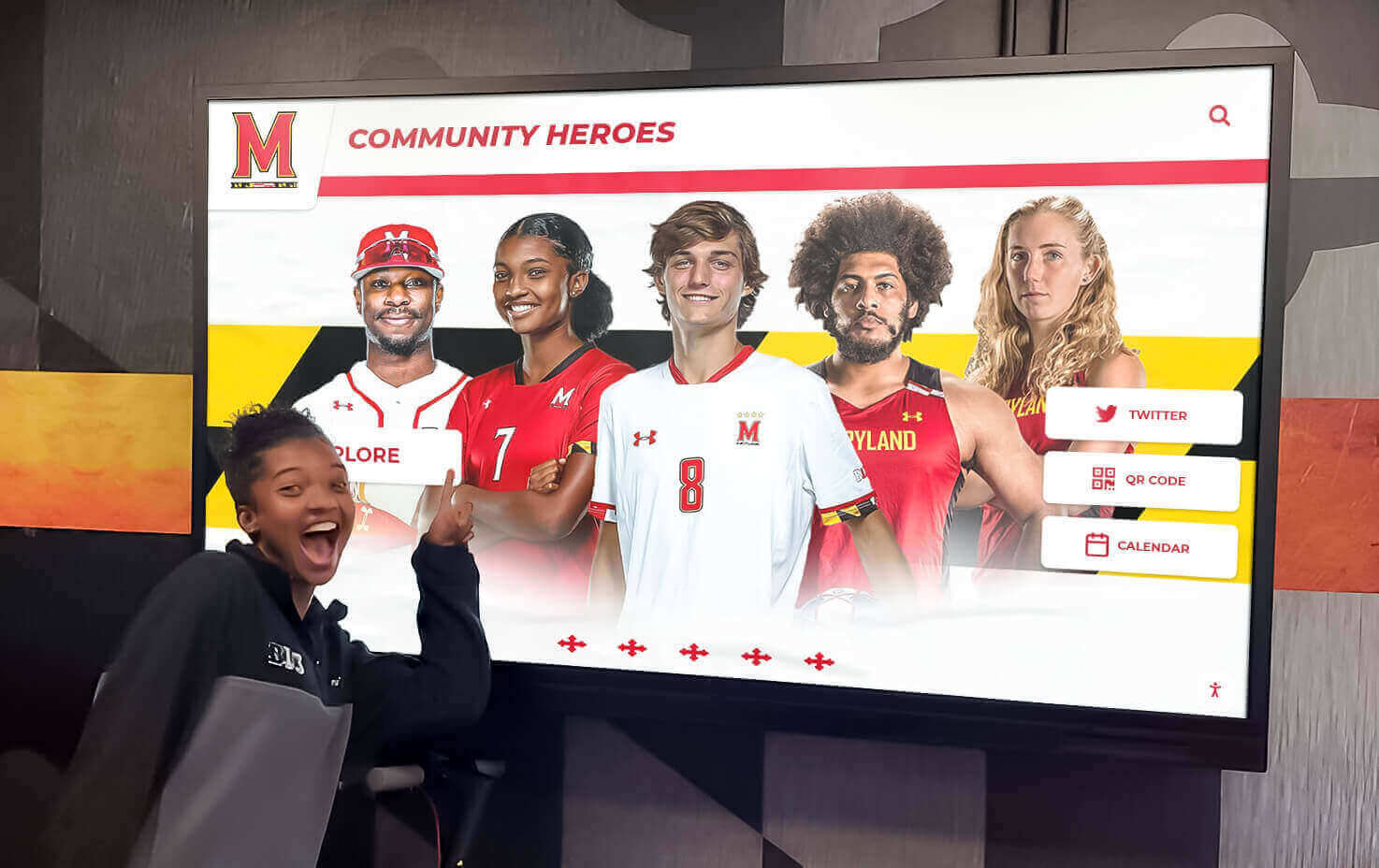
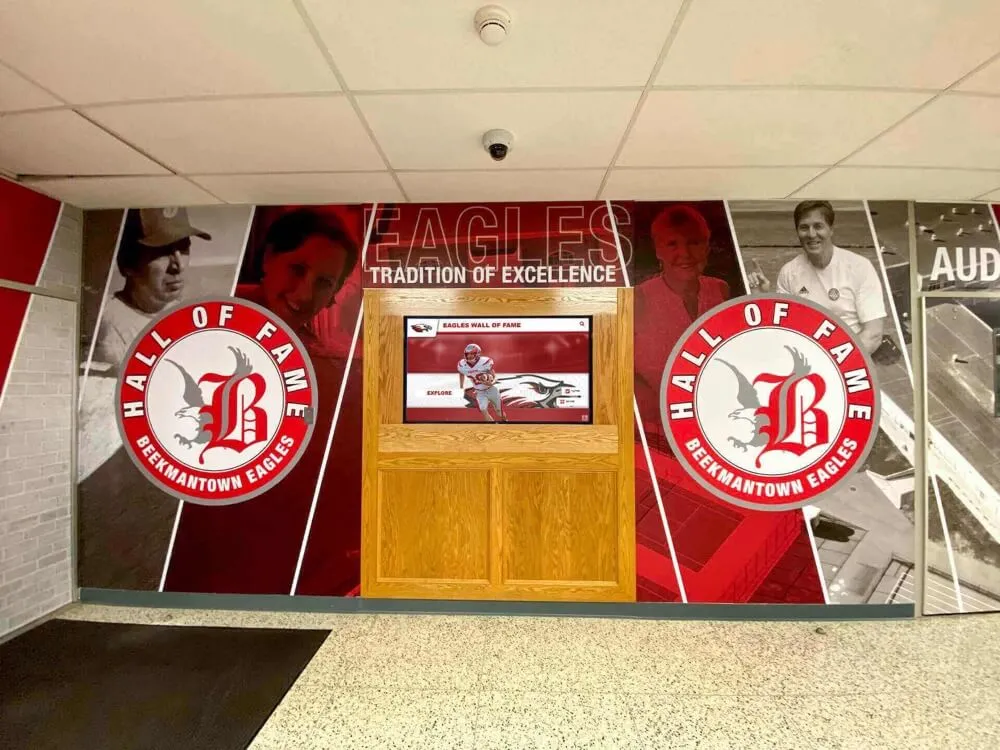
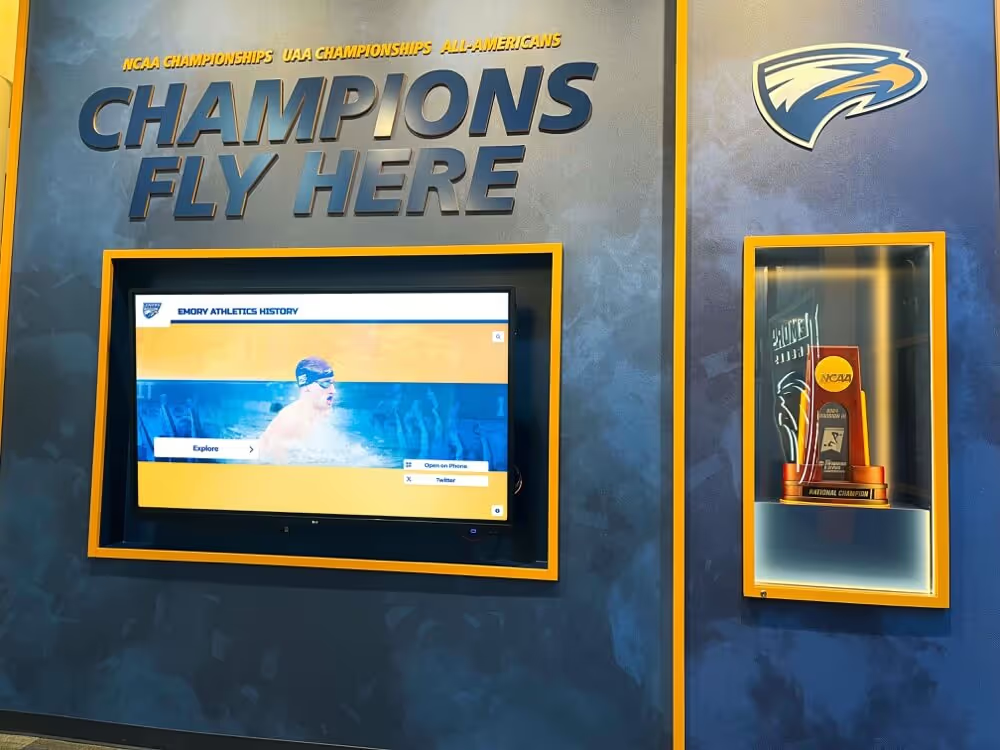
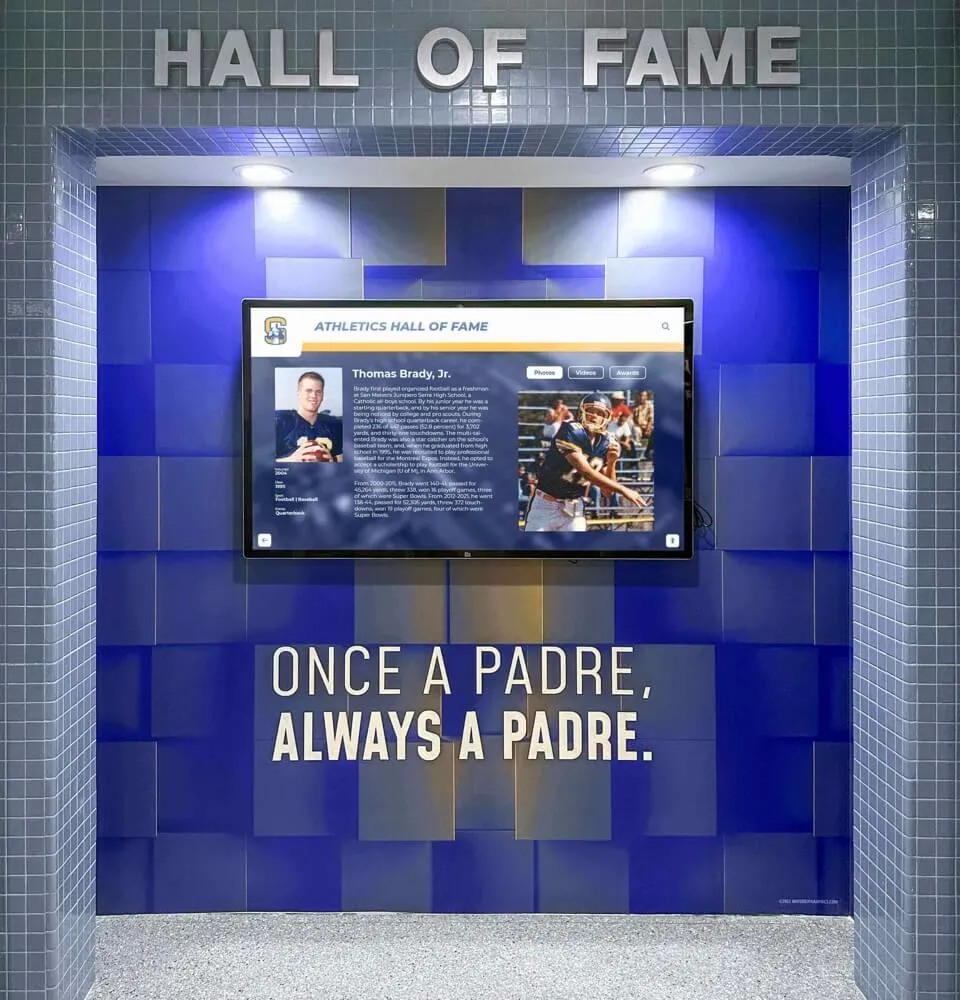
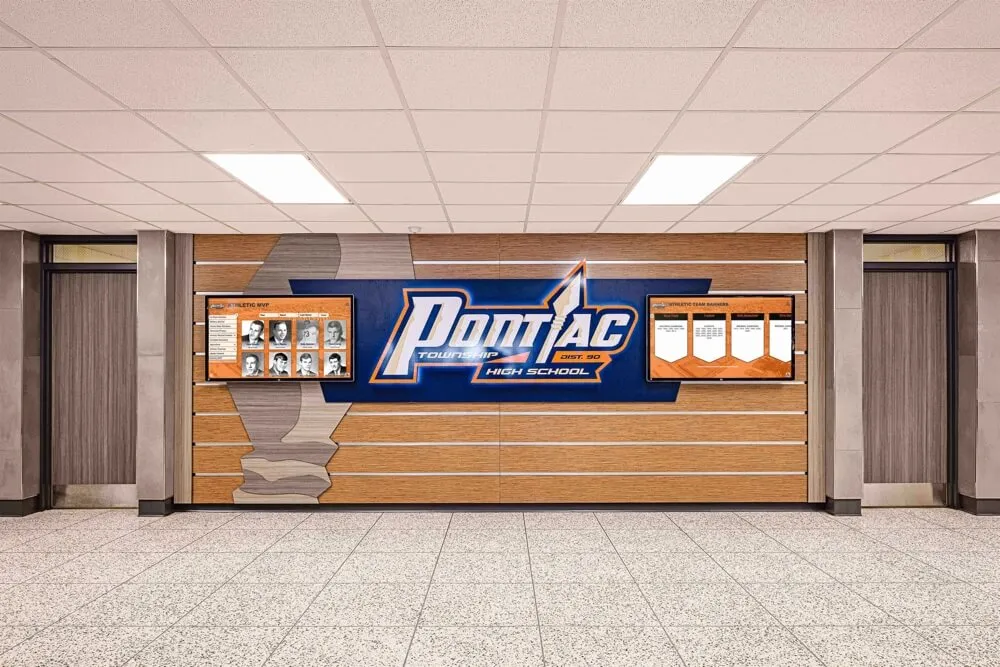
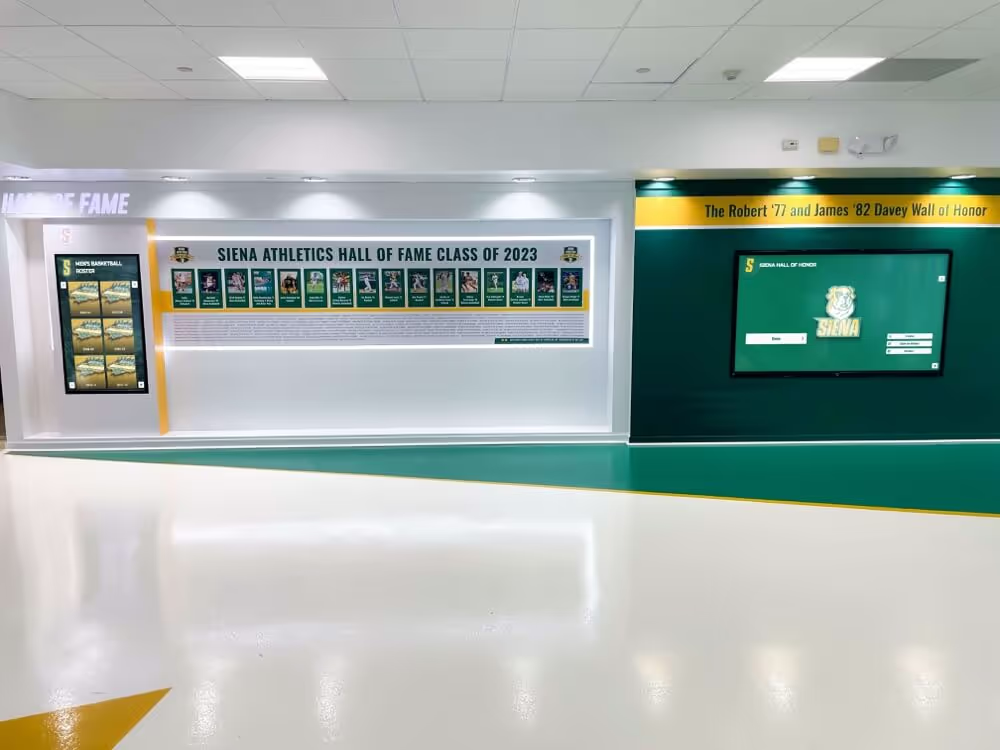
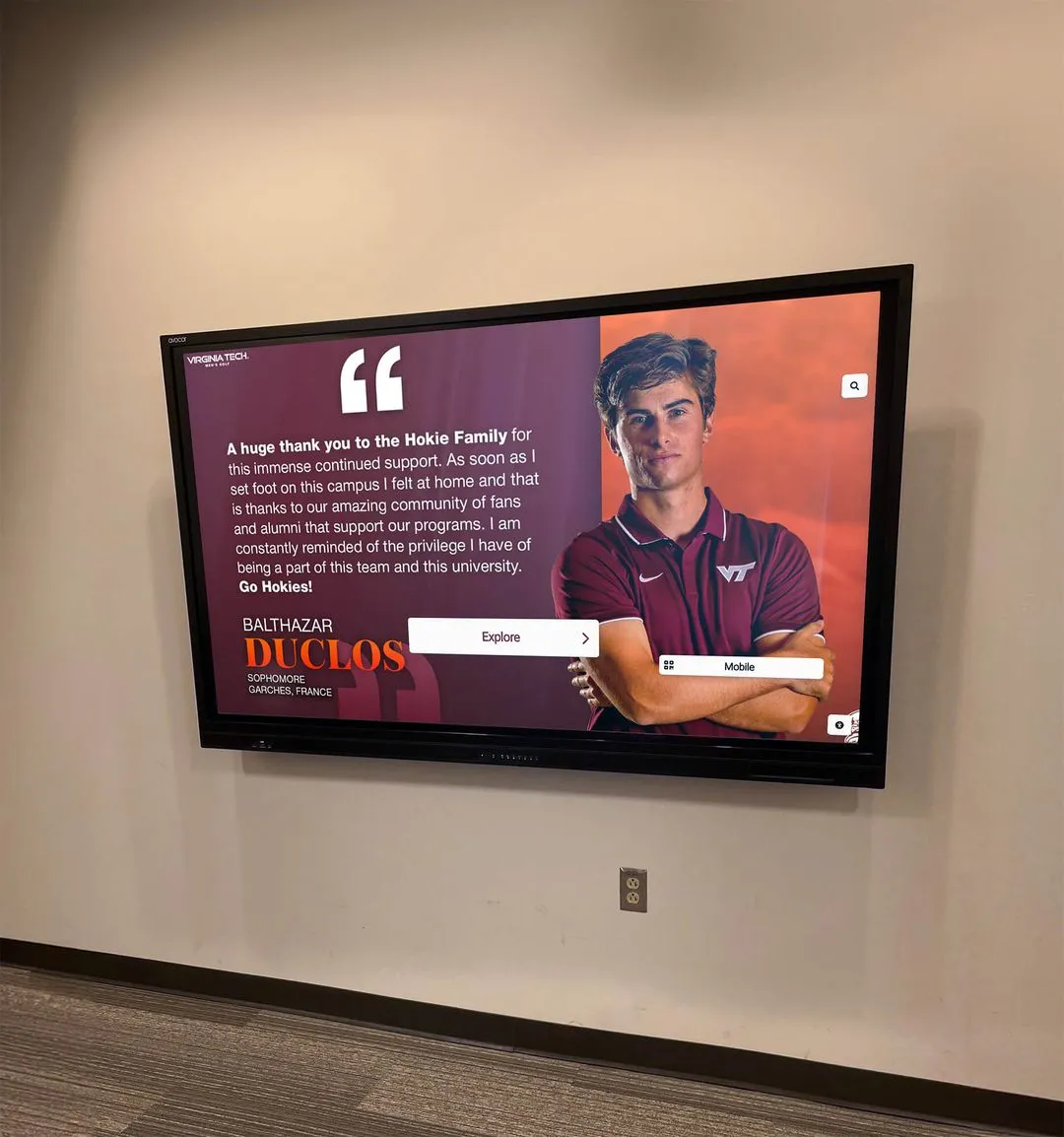
Recognition displays motivate continued achievement by showcasing progress and celebrating diverse student accomplishments
Comment Templates and Examples by Subject Area
While comments should be personalized, templates provide starting points:
Mathematics Progress Comments
Elementary:
- “Demonstrates strong understanding of place value concepts and can add and subtract three-digit numbers with regrouping. Would benefit from additional practice with word problems to strengthen application skills.”
- “Shows growth in multiplication fact fluency and can solve multi-step problems with support. Encourage continued practice with times tables to build automaticity.”
- “Excels in mathematical reasoning and eagerly tackles challenge problems. Sometimes rushes through work, leading to careless errors—encourage checking work carefully.”
Secondary:
- “Grasps algebraic concepts quickly and successfully solves equations and inequalities. Participation in class discussions would help deepen understanding and benefit peers.”
- “Working hard in geometry but struggles with proofs and logical reasoning. Attending extra help sessions and working through practice problems would strengthen these skills.”
- “Demonstrates exceptional problem-solving abilities in calculus and consistently produces accurate, well-organized work. A pleasure to teach.”
Reading and Language Arts Comments
Elementary:
- “Reading level has grown two levels this quarter! Comprehension is strong, and fluency continues improving. Continue reading together at home to maintain momentum.”
- “Enjoys creative writing and produces imaginative stories with interesting details. Would benefit from additional work on spelling and punctuation conventions.”
- “Participates enthusiastically in literature discussions and makes thoughtful connections to texts. Writing stamina is developing—encourage sustained writing sessions at home.”
Secondary:
- “Produces well-organized essays with strong thesis statements and supporting evidence. Would benefit from incorporating more varied sentence structures and advanced vocabulary.”
- “Reads assigned texts carefully and completes work on time. Encourage speaking up in class discussions to share insights—your written work shows you have valuable perspectives.”
- “Exceptional analytical skills in literature analysis. Written work demonstrates sophisticated understanding of themes, symbolism, and author’s craft.”
Science and Social Studies Comments
- “Demonstrates genuine curiosity about scientific concepts and asks excellent questions. Lab work is careful and detailed. Continue exploring topics of interest independently.”
- “Strong grasp of historical chronology and cause-effect relationships. Encourage working on essay organization to better communicate deep understanding.”
- “Actively engages in experiments and collaborative activities. Would benefit from more detailed note-taking to support retention of key concepts.”
Avoiding Common Comment Pitfalls
Weak comments undermine progress report value:
Problems to Avoid
Don’t write comments that:
- Could apply to any student (“Nice student,” “Pleasure to teach”)
- Focus only on behavior without addressing academics
- Use educational jargon families don’t understand
- Contradict grades (glowing comments with poor grades)
- Lack any positive elements for struggling students
- Fail to provide specific next steps
- Compare students to peers rather than to standards
- Use overly critical or judgmental language
Language Considerations
Phrase comments thoughtfully:
- Use “student” or the child’s name rather than “he/she/they” when possible for clarity
- Avoid labeling students (“lazy,” “unmotivated,” “difficult”)
- Focus on behaviors rather than character judgments
- Use “not yet” language emphasizing growth potential
- Consider cultural sensitivity and family circumstances
- Maintain professional, respectful tone throughout
Many schools exploring ways to complement traditional progress reports with ongoing achievement tracking find value in digital signage systems showcasing student progress and accomplishments.
Student Progress Report Templates and Formats
Well-designed templates streamline report creation while ensuring consistency.
Elementary Progress Report Template
Student Information Section
- Student name, grade, teacher
- Reporting period dates
- School year
- Attendance summary
Academic Progress by Subject For each core subject (Reading, Writing, Math, Science, Social Studies):
- Current performance level (standards-based scale or letter grade)
- Specific skills/standards addressed this period
- Growth since previous reporting period
- Strengths demonstrated
- Areas for development
- Teacher comments
Specials and Enrichment Brief assessment for art, music, PE, library, other specials
Learning Behaviors Rating scale and/or comments on:
- Follows directions
- Completes work on time
- Works independently
- Participates in class
- Asks for help when needed
- Shows respect to others
- Demonstrates effort
Social-Emotional Development Comments on peer relationships, emotional regulation, problem-solving
Recommendations Specific suggestions for home support and student goals
Teacher Signature and Contact Information

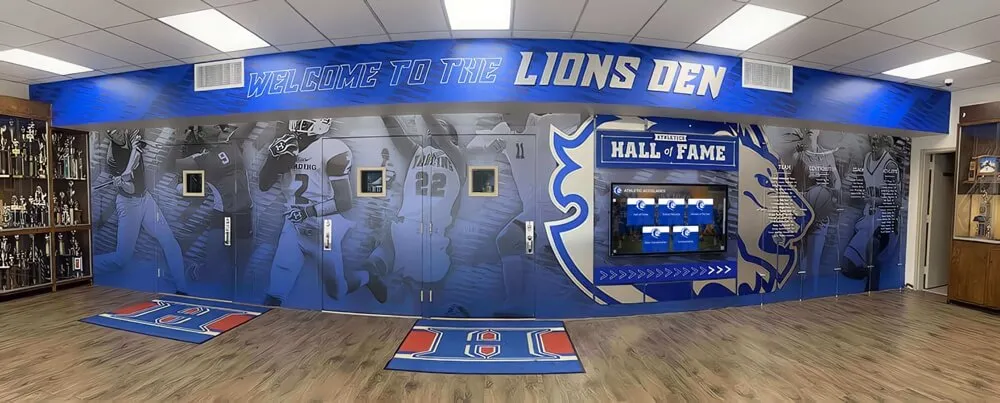
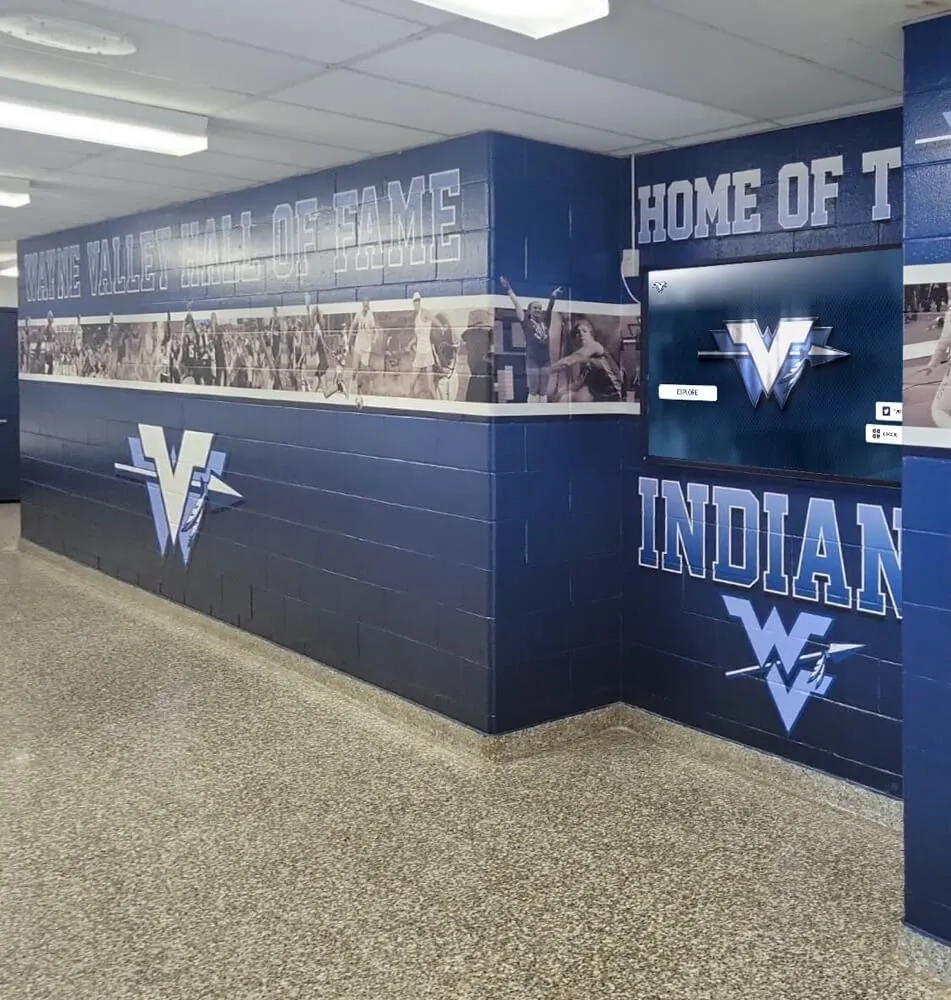
Comprehensive tracking systems enable detailed documentation of student progress across multiple achievement dimensions
Secondary Progress Report Template
Student and Course Information
- Student name, grade level, student ID
- Course title and period
- Teacher name
- Marking period or semester
- Credits earned
Academic Performance
- Current grade (letter and/or percentage)
- Grade breakdown by category (tests, quizzes, homework, projects, participation)
- Comparison to previous marking period
- Cumulative GPA impact
Performance Indicators Rating or checklist for:
- Attendance and punctuality
- Homework completion rate
- Class participation
- Assignment quality
- Test/quiz performance
- Preparation and organization
- Respect and responsibility
Teacher Comments Narrative section addressing:
- Specific strengths in the course
- Areas needing improvement
- Notable achievements or concerns
- Recommendations for continued success
Action Plan (for at-risk students)
- Specific concerns
- Support strategies being implemented
- Student and family responsibilities
- Timeline for improvement
- Follow-up plan
Standards-Based Report Template
Learning Standards Section
For each subject area standard:
- Standard code and description
- Performance level (typically 1-4 scale)
- 4: Exceeds standard
- 3: Meets standard
- 2: Approaching standard
- 1: Beginning understanding
- Evidence of learning
- Next steps toward mastery
Learning Behaviors Checklist
Separate from academic achievement:
- Works independently
- Seeks help appropriately
- Persists through challenges
- Completes work on time
- Follows directions
- Respects school and peers
- Participates actively
Narrative Summary
Overall student progress paragraph highlighting:
- Greatest areas of growth
- Standout achievements
- Learning approach and engagement
- Social-emotional development
- Goals for next reporting period
Schools implementing comprehensive student tracking systems can learn from National Merit Scholar recognition programs that document achievement across multiple years.
Digital Tools and Systems for Progress Reporting
Technology transforms progress reporting efficiency and effectiveness.
Student Information Systems (SIS)
Modern SIS platforms streamline reporting:
Integrated Grading and Reporting Features
- Real-time grade entry and calculation
- Automatic report card generation
- Pre-loaded comment banks for efficiency
- Attendance tracking integration
- Behavior incident documentation
- Parent portal access to current progress
- Historical record archiving
- Bulk printing and distribution capabilities
Popular SIS Platforms
Commonly used systems include:
- PowerSchool
- Infinite Campus
- Skyward
- Aspen
- Schoology
- Google Classroom (basic tracking)
Each platform offers different strengths—schools should evaluate based on specific needs, budget, and technical capacity.
Comment Banks and Text Expansion Tools
Efficiency tools help teachers write personalized comments faster:
Comment Bank Benefits
Pre-written phrases that can be customized:
- Ensure consistent language across teachers
- Speed comment writing process
- Maintain professional, appropriate tone
- Cover common scenarios and situations
- Allow easy personalization with student names and specifics
Using Comment Banks Effectively
Best practices include:
- Combining multiple pre-written snippets rather than using one generic comment
- Always adding student-specific details or examples
- Customizing language to match your voice
- Building your own comment bank over time
- Organizing by subject, grade level, and topic
Text Expansion Software
Tools like TextExpander, PhraseExpress, or built-in operating system features enable quick insertion of common phrases with keyboard shortcuts, dramatically reducing typing time.
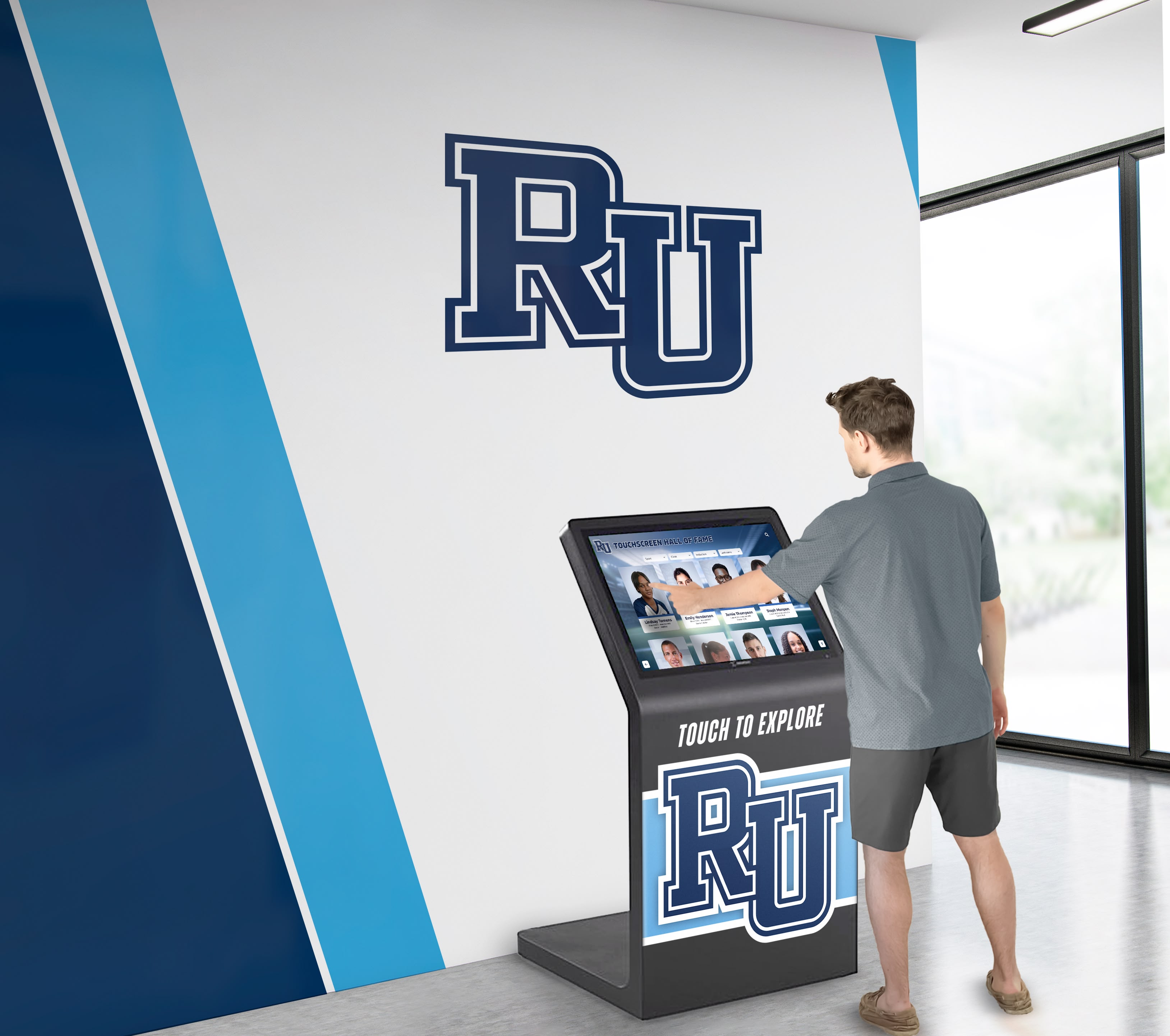
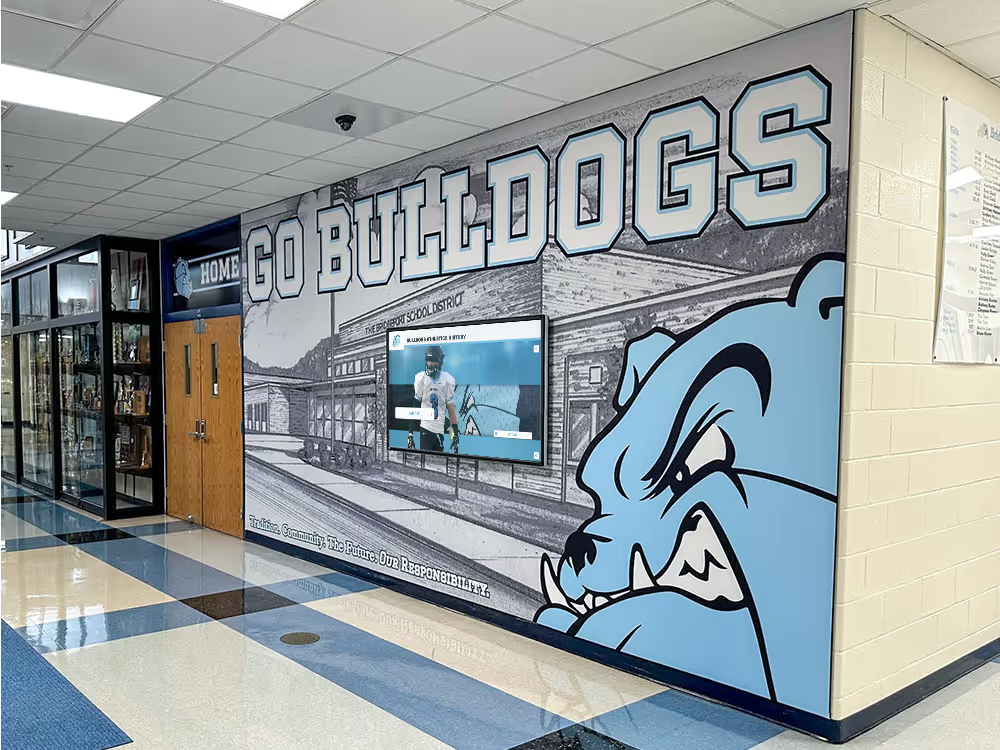
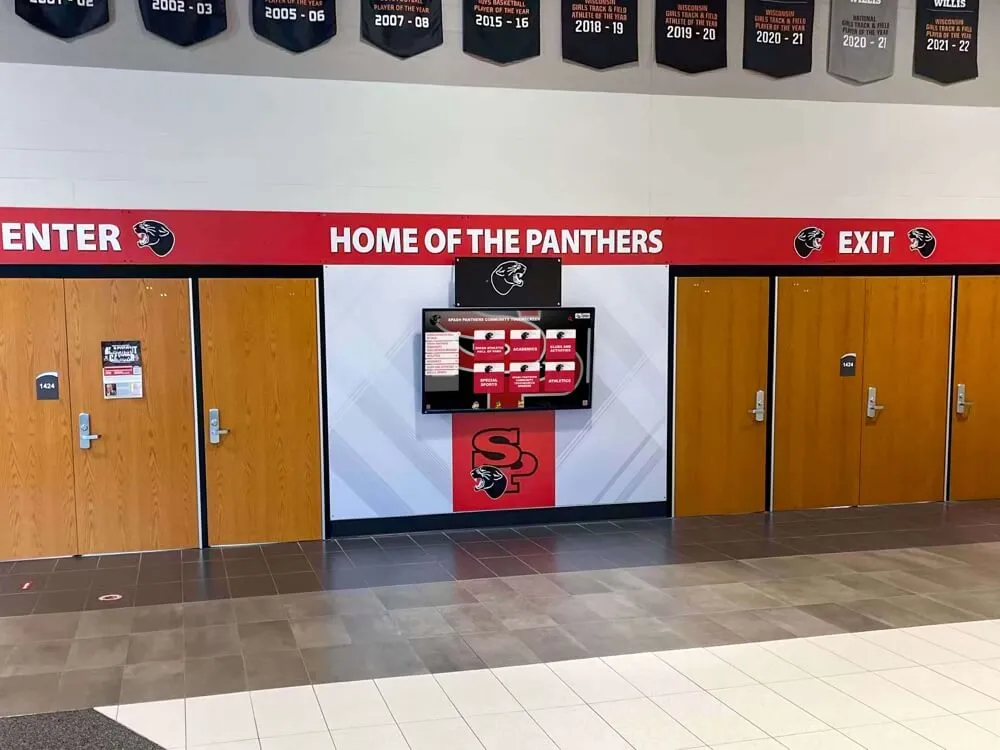
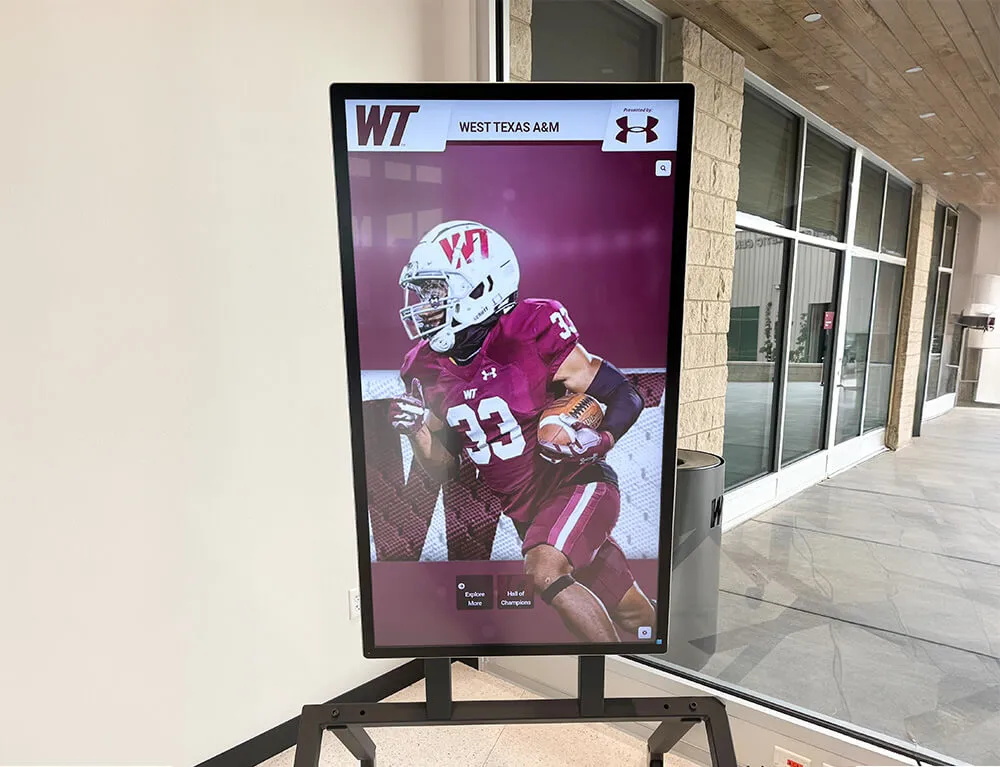
Interactive kiosks provide accessible platforms for families to explore student progress and achievement information
Parent Communication Platforms
Dedicated family communication tools complement formal progress reports:
Ongoing Progress Updates
Platforms like ClassDojo, Remind, Seesaw, and Bloomz enable:
- Weekly or daily updates on learning activities
- Photo/video documentation of student work
- Behavior tracking and positive reinforcement
- Direct messaging with families
- Assignment reminders and due dates
- Celebration of achievements and milestones
Benefits of Frequent Communication
Regular touchpoints prevent progress report surprises:
- Families stay informed about current performance
- Teachers can address concerns early
- Positive moments get shared, not just problems
- Home-school partnership strengthens
- Formal reports become summaries rather than only communication
Digital Achievement and Recognition Systems
Schools increasingly document student accomplishments through permanent digital archives:
Comprehensive Recognition Platforms
Solutions like those from Rocket Alumni Solutions enable schools to:
- Showcase student achievements on interactive touchscreen displays
- Create searchable databases of student accomplishments
- Preserve academic, athletic, and character recognition permanently
- Integrate photos, accomplishment details, and achievement timelines
- Provide web-based access for families and alumni
- Celebrate progress alongside final outcomes
These systems complement traditional progress reports by creating visible, lasting recognition of growth and achievement throughout students’ academic careers.
For schools seeking to modernize how they track and celebrate student progress, digital displays for educational institutions offer innovative approaches to showcasing student success.
Communicating Progress Reports to Families
How reports are delivered and discussed significantly impacts their effectiveness.
Parent-Teacher Conferences
Conferences provide essential context for written reports:
Preparing for Productive Conferences
Teachers should:
- Review student work samples to show families
- Prepare specific examples illustrating comments
- Have data ready (grades, assessments, attendance)
- List specific recommendations for home support
- Anticipate questions families might ask
- Set positive, collaborative tone
Conference Structure
Effective conferences typically follow this flow:
- Welcome and establish rapport (1-2 minutes)
- Highlight strengths and growth (3-5 minutes)
- Review academic performance across subjects (5-8 minutes)
- Discuss concerns and areas for improvement (3-5 minutes)
- Collaborative action planning (2-3 minutes)
- Answer family questions (2-3 minutes)
- Close with encouragement and next steps (1 minute)
Following Up After Conferences
Send brief summary email:
- Thank families for attending
- Recap key points discussed
- Reiterate action steps and responsibilities
- Share additional resources if relevant
- Provide timeline for next communication
Report Card Distribution Strategies
Thoughtful delivery maximizes family engagement:
Timing Considerations
Strategic scheduling helps:
- Allow teacher time to write meaningful comments
- Provide families adequate time to review before conferences
- Avoid releasing right before major holidays
- Ensure consistent schedule across marking periods
- Give advanced notice of release dates
Distribution Methods
Options include:
- Student delivery (with family signature required)
- Mailing to home addresses
- Parent portal access for digital review
- Hand-delivery during conferences
- Combination approaches for different situations
Supporting Family Understanding
Help families interpret reports:
- Include legend explaining grading scales
- Provide definitions of proficiency levels
- Share exemplars of work at different levels
- Offer translation for non-English speaking families
- Host family information sessions on reading reports
- Create video tutorials or written guides
Schools can enhance traditional reporting with digital directory systems that make student information and achievements easily accessible to families.
Addressing Concerns and Difficult Conversations
Some progress reports require sensitive communication:
Discussing Academic Struggles
When sharing concerning news:
- Frame struggles as solvable problems, not deficits
- Provide specific evidence of concerns
- Express belief in student’s ability to improve
- Offer concrete support strategies
- Establish clear plan with measurable goals
- Schedule follow-up to review progress
- Partner with families rather than blaming
Managing Defensive or Resistant Responses
If families react negatively:
- Listen to concerns without becoming defensive
- Acknowledge emotions while maintaining focus on student
- Clarify that you share goal of student success
- Provide additional evidence if credibility questioned
- Suggest involving additional support (counselor, administrator)
- Document conversations for record
- Maintain professional, respectful tone
Cultural Sensitivity
Recognize diverse family contexts:
- Avoid assumptions about home resources or support
- Respect different cultural values around education
- Provide translation and interpretation when needed
- Acknowledge that “parent involvement” looks different across cultures
- Understand different communication preferences
- Consider family circumstances affecting school performance
Transform Student Recognition and Progress Tracking
Discover how modern digital recognition systems can complement your progress reporting by creating permanent, accessible archives of student achievement that families can explore anytime, anywhere.
Request a DemoGrade-Level Specific Progress Reporting Considerations
Effective reports adapt to developmental stages and educational contexts.
Early Elementary Progress Reports (K-2)
Young learners require unique reporting approaches:
Developmental Appropriateness
Focus on foundational skills:
- Letter and number recognition
- Phonemic awareness and early reading
- Fine motor skill development
- Social-emotional regulation
- Following classroom routines
- Peer interaction capabilities
- Attention and focus development
Family Communication Priorities
Help families support early learners:
- Reading together daily
- Counting and math in everyday activities
- Developing independence in self-care
- Building attention span and focus
- Encouraging curiosity and questions
- Supporting social skill development
Report Format Considerations
Early elementary reports work best with:
- Standards-based scales rather than letter grades
- Emphasis on growth and effort
- Specific skill checklists showing progress
- Frequent reporting (quarterly minimum)
- Student self-assessment components when appropriate
Upper Elementary Progress Reports (3-5)
Intermediate grades bridge early education and secondary approaches:
Academic Rigor Increases
Address developing capabilities:
- Multi-step problem solving
- Reading comprehension strategies
- Research and information literacy
- Written expression and organization
- Subject-specific content knowledge
- Study skills and organization
- Collaborative work quality
Independence and Responsibility
Document growing autonomy:
- Homework completion without parental oversight
- Organization of materials and assignments
- Time management for longer projects
- Self-advocacy when confused or struggling
- Response to feedback and revision
- Goal-setting and self-assessment
Preparing for Middle School
Upper elementary reports should:
- Introduce subject-specific performance detail
- Emphasize work habits and study skills
- Address executive function development
- Prepare families for transition to secondary education
- Highlight areas needing support before middle school
Middle School Progress Reports (6-8)
Adolescent learners need reports reflecting their developmental stage:
Academic Complexity
Address advanced content:
- Subject-specific depth in science, social studies, math, language arts
- Abstract thinking and analysis
- Extended research projects
- Course placement considerations (honors, advanced)
- Preparation for high school course sequences
Social-Emotional Awareness
Acknowledge adolescent development:
- Peer relationship navigation
- Identity development influences on engagement
- Motivation fluctuations
- Executive function challenges
- Response to increased independence and responsibility
Communication Strategies
Middle school reports benefit from:
- Student involvement in reviewing and responding to reports
- Clear connection between effort and outcomes
- Emphasis on growth mindset during vulnerable period
- Recognition of non-academic strengths
- Specific strategies for home support during challenging developmental stage
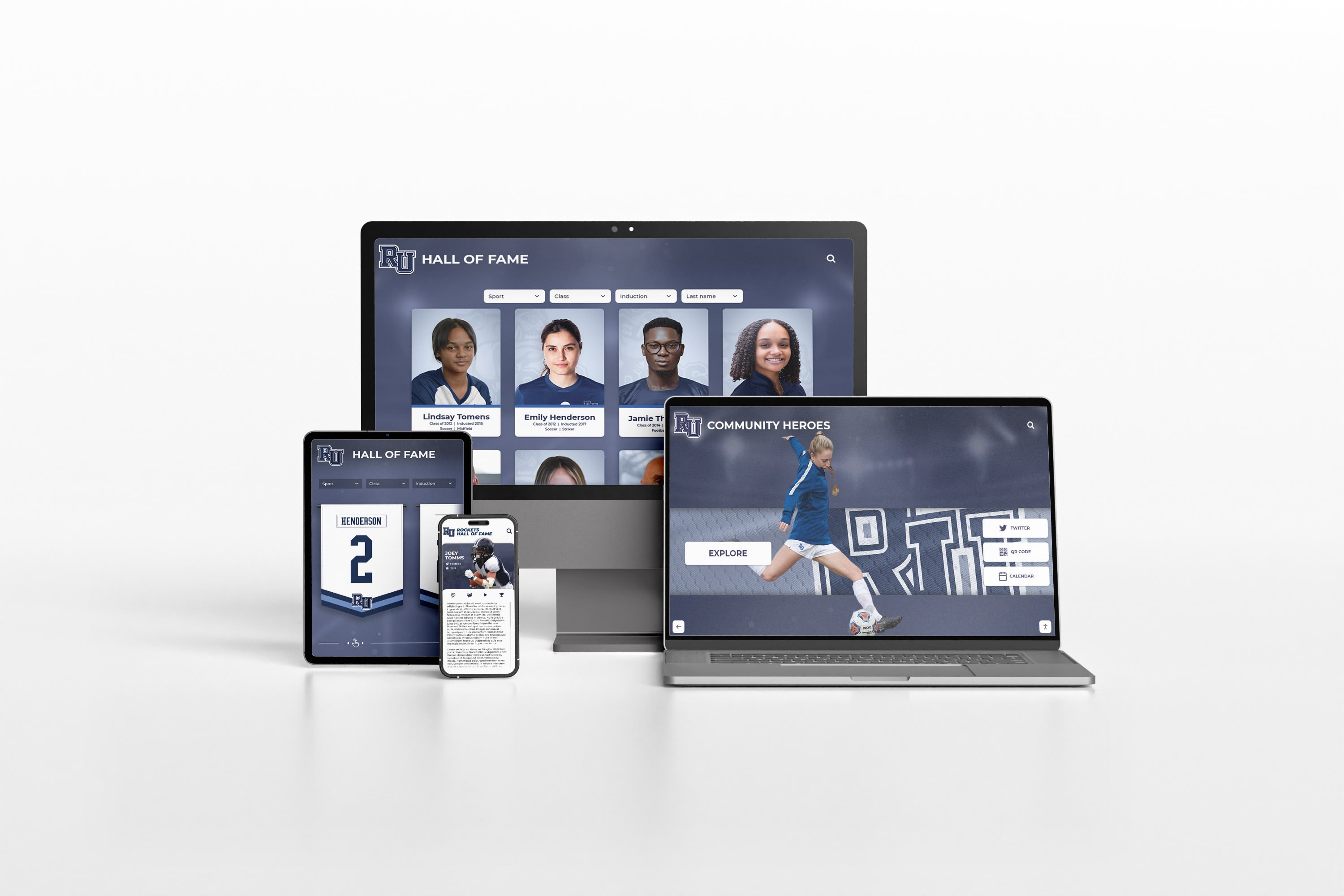
Modern progress systems provide families convenient access across devices, enabling engagement anytime and anywhere
High School Progress Reports (9-12)
Secondary reports connect to college, career, and adult life:
Academic Achievement Documentation
High school reports must:
- Show performance influencing GPA and class rank
- Document credit accumulation toward graduation
- Reflect rigor level (regular, honors, AP, dual enrollment)
- Indicate trends and trajectories
- Connect to college admissions implications
Post-Secondary Preparation
Address readiness development:
- College and career readiness indicators
- Work habits needed for post-secondary success
- Independent learning capabilities
- Research and analytical skill development
- Communication and collaboration competencies
Student Ownership
High school reports should:
- Encourage student review and self-reflection
- Connect performance to personal goals
- Support students advocating for themselves
- Promote metacognition about learning approaches
- Prepare students to discuss academic performance in interviews, applications
Legal and Ethical Considerations in Progress Reporting
Student progress reports involve important legal and professional responsibilities.
FERPA Compliance
The Family Educational Rights and Privacy Act governs education records:
Protected Information
Progress reports are educational records requiring:
- Secure storage and transmission
- Protection from unauthorized access
- Parent/guardian access rights
- Procedures for amending inaccurate records
- Consent for release to non-custodial parties
Digital Security
Online reporting systems must:
- Use secure authentication for parent portals
- Encrypt sensitive student information
- Limit access to authorized individuals
- Maintain audit trails of record access
- Follow district data privacy policies
Accuracy and Documentation
Progress reports must reflect accurate information:
Evidence-Based Reporting
Ensure comments and grades are:
- Based on objective assessment data
- Supported by documented student work
- Consistent with grading policies
- Free from personal bias
- Defensible if questioned
Record Retention
Districts should:
- Maintain progress reports according to record retention policies
- Preserve documentation supporting grades and comments
- Archive reports in student permanent records
- Ensure reports are available for transcript and transfer requests
Special Education Considerations
Students with IEPs or 504 plans require additional attention:
Reporting on IEP Goals
Progress reports for students with IEPs should:
- Address progress toward individual goals
- Document accommodations and modifications provided
- Report using metrics established in IEP
- Align with quarterly progress reporting requirements
- Involve special education staff in preparation
Accommodation Documentation
Reports should reflect:
- Which accommodations student is using effectively
- How performance with accommodations compares to grade-level expectations
- Areas where additional support might be needed
- Coordination between general and special educators
Many schools recognize diverse student achievements through systems like National Merit Scholar touchscreen displays celebrating academic excellence alongside progress documentation.
Best Practices for Teachers Writing Progress Reports
Efficient, effective reporting requires strategic approaches.
Time Management Strategies
Progress reporting represents significant time investment:
Ongoing Documentation
Reduce end-of-quarter stress through:
- Brief weekly notes about notable student progress or concerns
- Photographs of student work throughout marking period
- Voice memos capturing observations
- Anecdotal record spreadsheets
- Portfolio collections of representative work
Efficient Writing Processes
Complete reports systematically:
- Write comments for strongest/struggling students first (easiest to describe)
- Use templates and comment banks as starting points, then personalize
- Set timer and complete specific number per session
- Write all math comments, then all reading comments (subject batching)
- Write during fresh, focused time rather than when exhausted
- Have colleague review sample comments for tone and clarity
Avoiding Last-Minute Rush
Smart scheduling prevents crisis:
- Note grade entry deadlines well before report release
- Build in buffer time for technology issues or unexpected absences
- Start narrative comments before final grades are calculated
- Request coverage or prep time specifically for report completion
- Communicate expectations to students about final assessment timing
Maintaining Consistency and Fairness
Equal treatment matters tremendously:
Grading Consistency
Ensure fair assessment:
- Use rubrics for subjective assignments
- Apply same standards to all students
- Grade all students on same assignment before moving to next
- Review outlier grades for accuracy
- Check that comments align with grades given
Comment Equity
Provide comparable detail:
- Write similar length comments for all students
- Offer specific examples across performance levels
- Give struggling students constructive feedback, not just criticism
- Recognize all students’ strengths, not only high achievers
- Maintain professional tone regardless of student behavior
Collaboration with Colleagues
Progress reporting benefits from teamwork:
Grade-Level or Department Coordination
Work together on:
- Shared comment banks
- Consistent interpretation of grading scales
- Common language for describing performance levels
- Sample reports for review and calibration
- Strategies for addressing common reporting challenges
Communication with Support Staff
Coordinate with counselors, special educators, and administrators:
- Share concerns about students needing additional support
- Ensure consistency between reports and IEP progress documentation
- Flag students requiring intervention before formal report release
- Get input on particularly difficult or sensitive report situations
Improving Progress Report Systems Continuously
Regular evaluation strengthens reporting effectiveness.
Gathering Stakeholder Feedback
Multiple perspectives improve the process:
Family Surveys
Ask parents/guardians about:
- Clarity of report format and language
- Whether reports provided useful information
- How well reports helped them support their child
- Suggested improvements or additions
- Preferred communication timing and methods
Student Input
When age-appropriate, ask students:
- Whether reports accurately reflected their performance
- How reports influenced their learning approach
- What information was most/least helpful
- How report format could improve
Teacher Feedback
Survey staff about:
- Time required for completion
- Challenges in current format or system
- Tools or training that would help
- Suggestions for streamlining process
- What’s working well to maintain
System Refinement
Use feedback to make improvements:
Format Updates
Consider revisions like:
- Adjusting comment length requirements
- Adding or removing report card sections
- Revising proficiency scales based on confusion
- Improving visual design and organization
- Enhancing digital accessibility
Process Improvements
Streamline workflows through:
- Better training on student information systems
- Enhanced comment banks
- Clearer timeline with realistic deadlines
- Additional planning or coverage time
- Technology upgrades
- Professional development on effective commenting
Communication Enhancements
Strengthen family engagement:
- Additional family education on interpreting reports
- More frequent interim updates
- Enhanced translation services
- Parent portal improvements
- Supplemental conference opportunities
Conclusion: Progress Reports as Partnerships for Student Success
Effective student progress reports represent far more than administrative compliance—they embody the fundamental school-family partnership essential for student success. When progress reports clearly communicate academic achievement, celebrate growth, honestly address concerns, and provide actionable guidance, they transform from routine paperwork into powerful tools driving continued development.
The strategies explored in this guide provide practical frameworks for creating progress reports that genuinely inform families, motivate students, and strengthen the collaborative relationships that support learning. From crafting specific, evidence-based comments to leveraging technology for efficient reporting, from adapting communication for different grade levels to ensuring legal compliance and equity, these approaches enable educators to fulfill their reporting responsibilities while maximizing impact on student achievement.
Modern educational technology expands what’s possible in progress documentation, with digital platforms enabling real-time family access to student performance, interactive systems showcasing achievements and growth over time, and comprehensive archives preserving academic journeys throughout students’ educational careers. These innovations complement traditional progress reports by creating ongoing, accessible communication that keeps families engaged between formal reporting periods.
Ultimately, effective progress reporting requires balancing efficiency with personalization, honesty with encouragement, and documentation with forward-looking guidance. Every student deserves progress reports that capture their unique strengths, acknowledge their growth, address their challenges, and chart clear pathways toward continued success.
Ready to enhance how your school documents and celebrates student achievement? Explore Touch Archive solutions for comprehensive student recognition and digital achievement displays, or request a demo to discover how interactive systems can complement your progress reporting by creating permanent, accessible archives of student accomplishment that inspire continued growth and celebrate every achievement along the educational journey.