



High school students navigate complex social landscapes while developing identities, building relationships, and discovering their roles within communities. Whether in athletic teams, academic clubs, performing arts groups, or student organizations, young people crave genuine connection and shared purpose that transcends individual achievement. Yet creating these bonds intentionally challenges coaches, advisors, and educators managing time constraints, diverse personalities, and competing priorities.
Team building activities for high school students provide structured opportunities to strengthen relationships, develop communication skills, build trust, and create the shared experiences that transform groups of individuals into cohesive teams. The most effective activities balance fun with purpose, engagement with reflection, and challenge with accessibility—creating memorable moments where students discover their strengths, appreciate teammates’ contributions, and develop the collaborative skills essential for success in school, athletics, careers, and life.
This comprehensive guide explores 50+ team building activities designed specifically for high school students across athletic teams, clubs, student government, and other organizations. From quick icebreakers to elaborate team challenges, these proven activities help coaches and advisors build connected student communities where belonging, trust, and shared purpose flourish.
Team building represents far more than simple entertainment or time-filling activities. Intentional relationship development creates psychological safety enabling students to take risks, support one another authentically, and commit fully to collective goals. When teams invest in building genuine connections, performance improves, conflicts decrease, retention strengthens, and students develop social-emotional skills that benefit them throughout their lives.

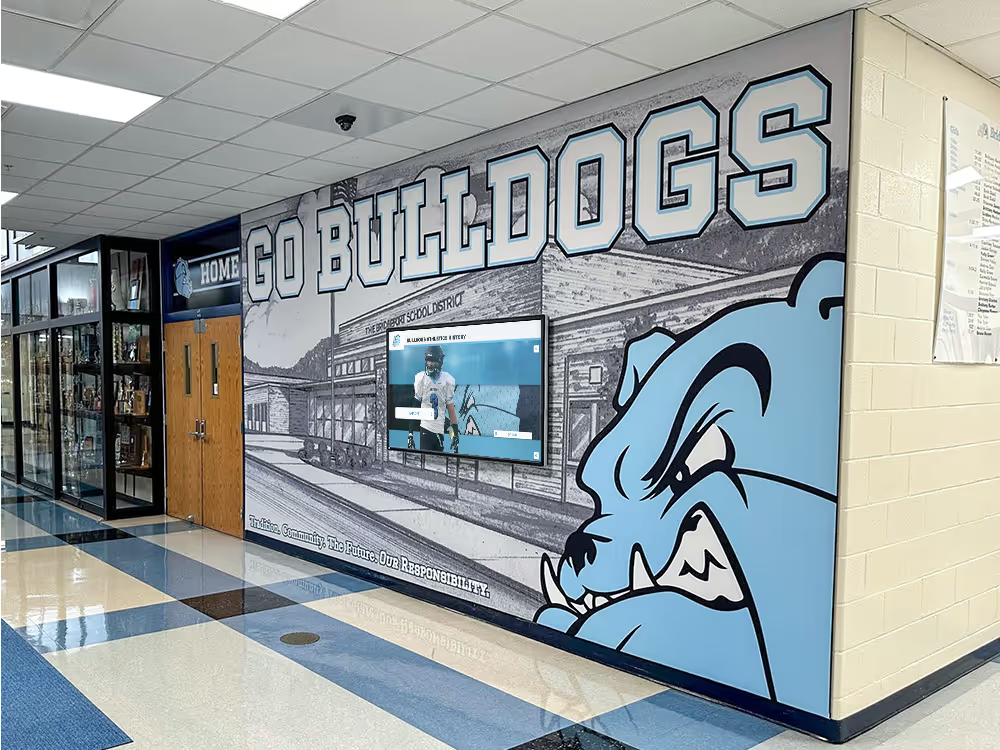
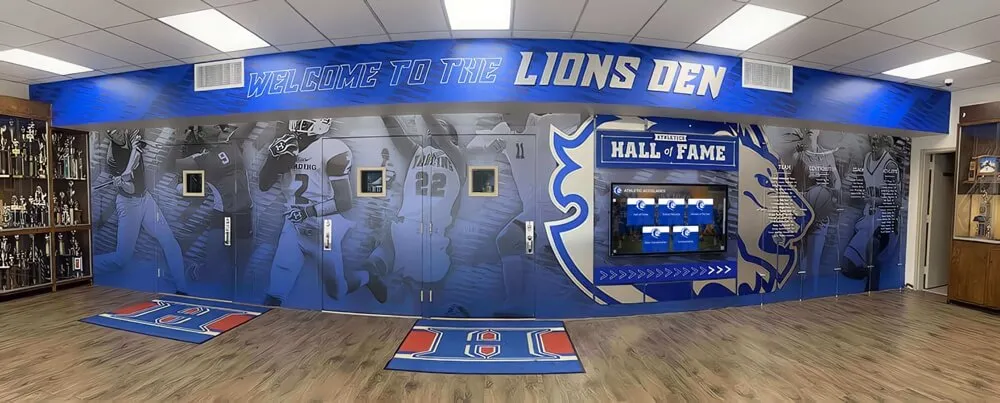
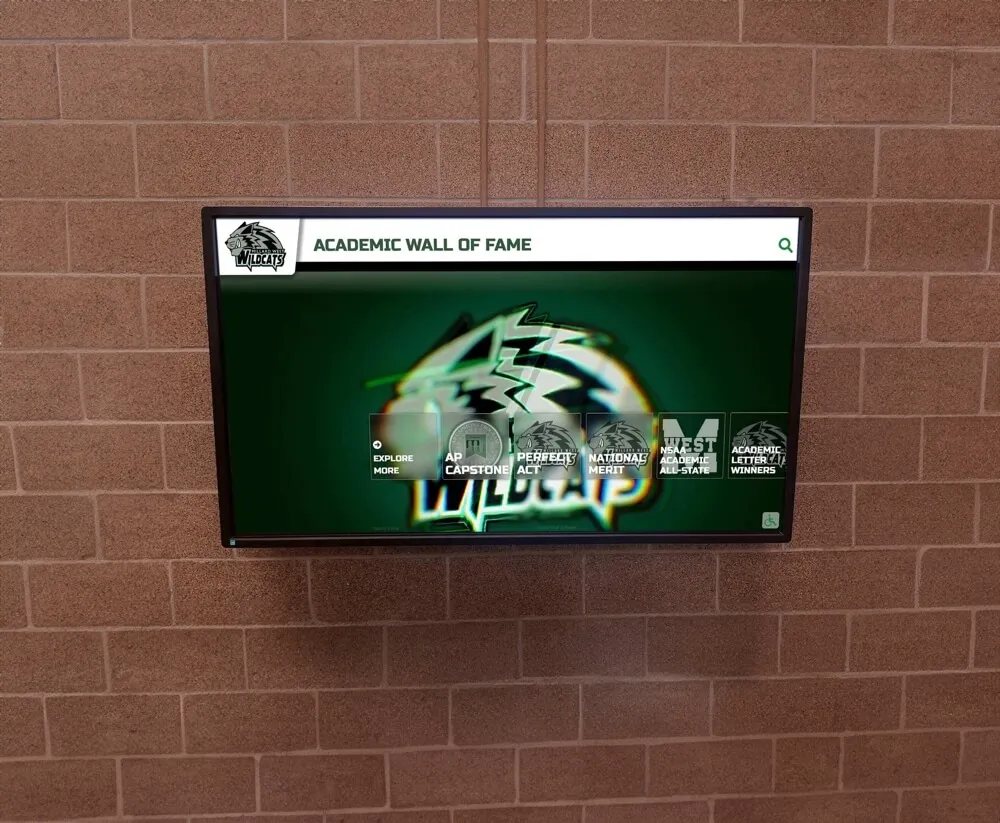
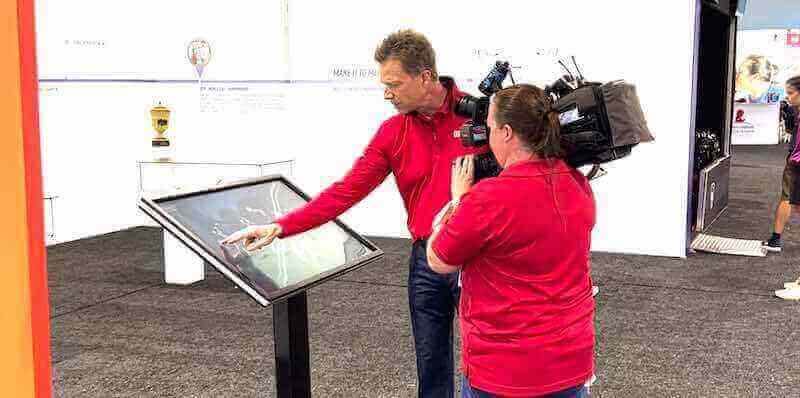
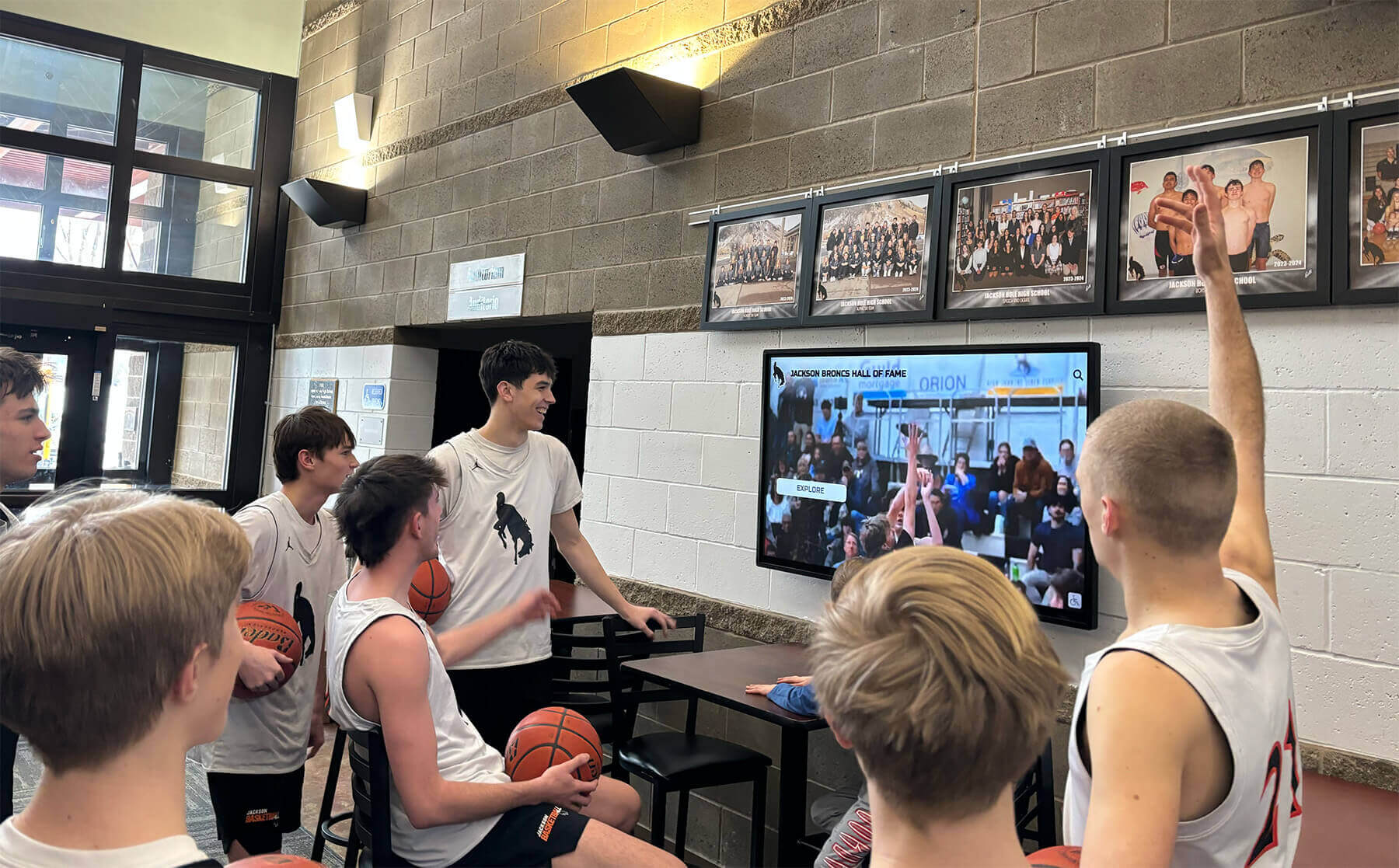
Team building creates shared experiences and memories that strengthen bonds and build program culture across seasons
Why Team Building Matters for High School Students
Before exploring specific activities, understanding the developmental benefits helps coaches and advisors approach team building with intentionality and purpose.
Social-Emotional Development Benefits
Building Authentic Relationships
Team building accelerates relationship formation beyond superficial interaction:
- Students discover commonalities with teammates from different social circles
- Shared challenges create vulnerability enabling deeper connection
- Structured activities reduce social anxiety providing interaction frameworks
- Diverse groupings expand peer networks beyond existing friendships
- Collaborative success builds mutual respect and appreciation
- Fun shared experiences create positive associations with team membership
According to research from the Association for Middle Level Education, adolescents who experience strong peer connections in structured settings demonstrate higher school engagement, improved mental health, and greater resilience when facing challenges.
Developing Communication Skills
Effective team building strengthens essential communication abilities:
- Active listening practice during partner and group activities
- Clear verbal communication required for collaborative challenges
- Nonverbal communication awareness in physical team activities
- Conflict resolution practice when disagreements arise
- Giving and receiving constructive feedback
- Public speaking comfort through sharing and presentation activities
- Cross-cultural communication in diverse team settings
Leadership and Character Development
Cultivating Multiple Leadership Styles
Team building reveals and develops diverse leadership approaches:
- Formal leadership opportunities through team roles and positions
- Informal influence practice within small group activities
- Servant leadership modeling through support and encouragement
- Collaborative leadership requiring shared decision-making
- Situational leadership adapting to different challenges
- Peer mentorship as experienced students guide newcomers
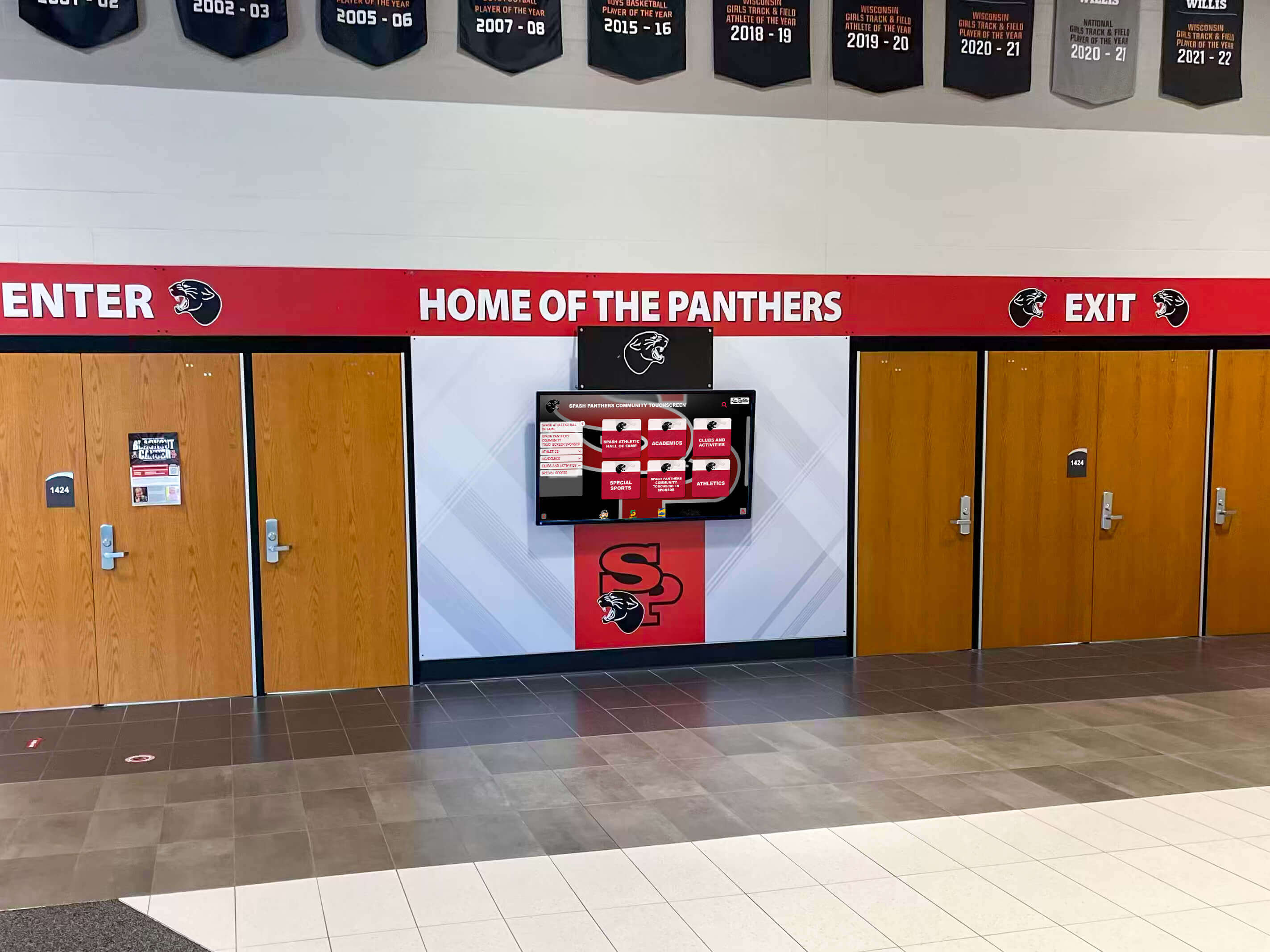
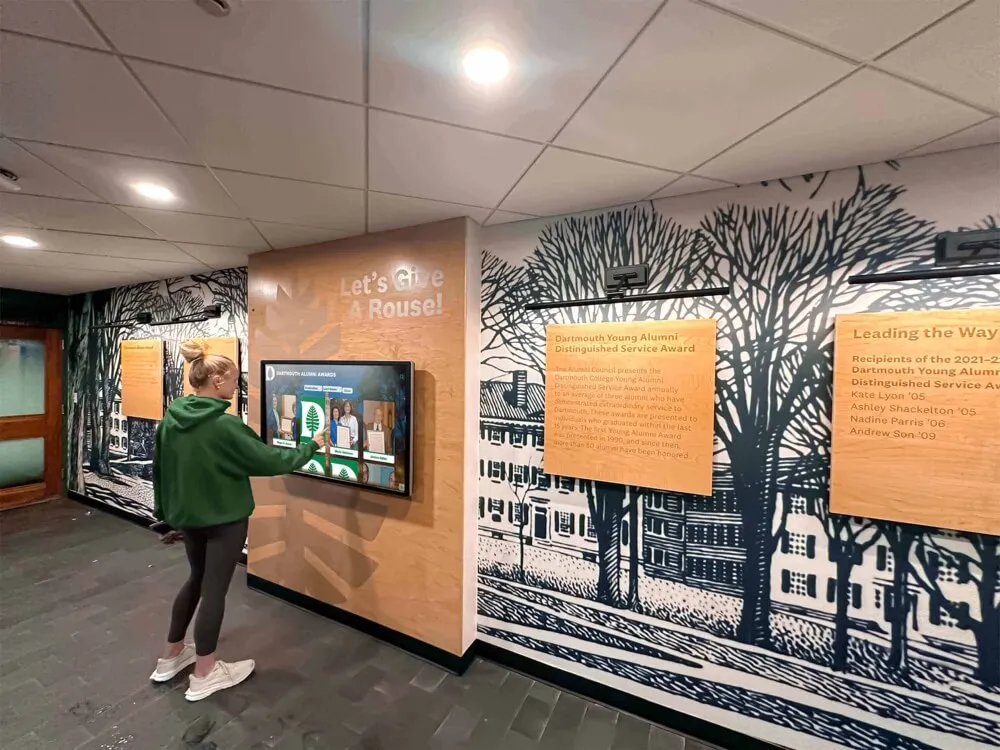
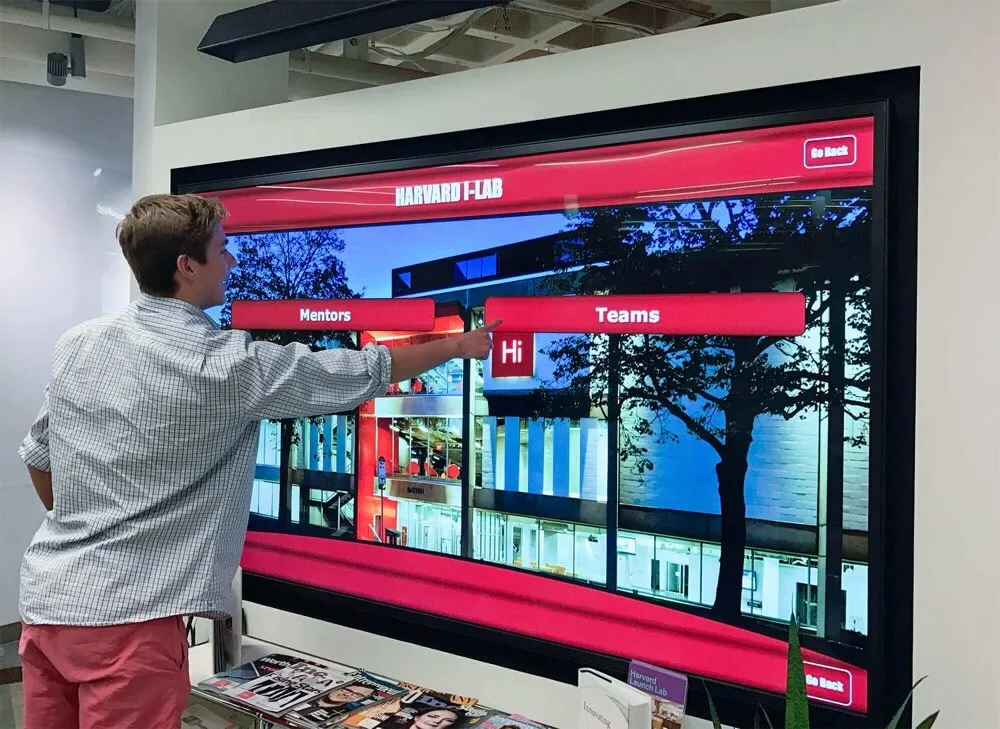
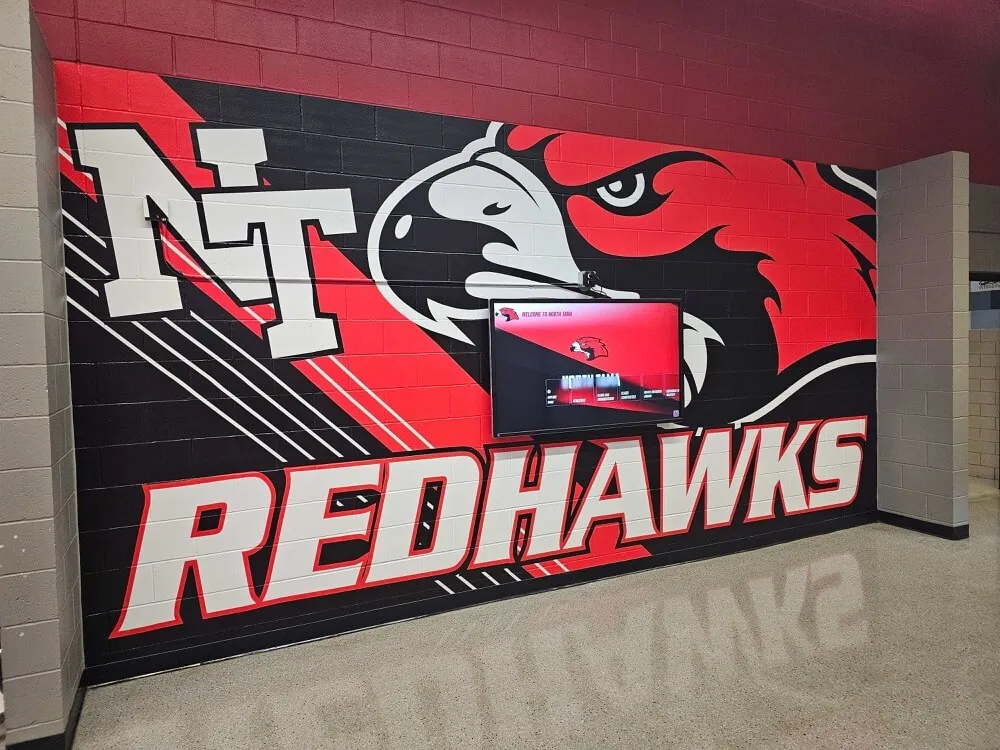
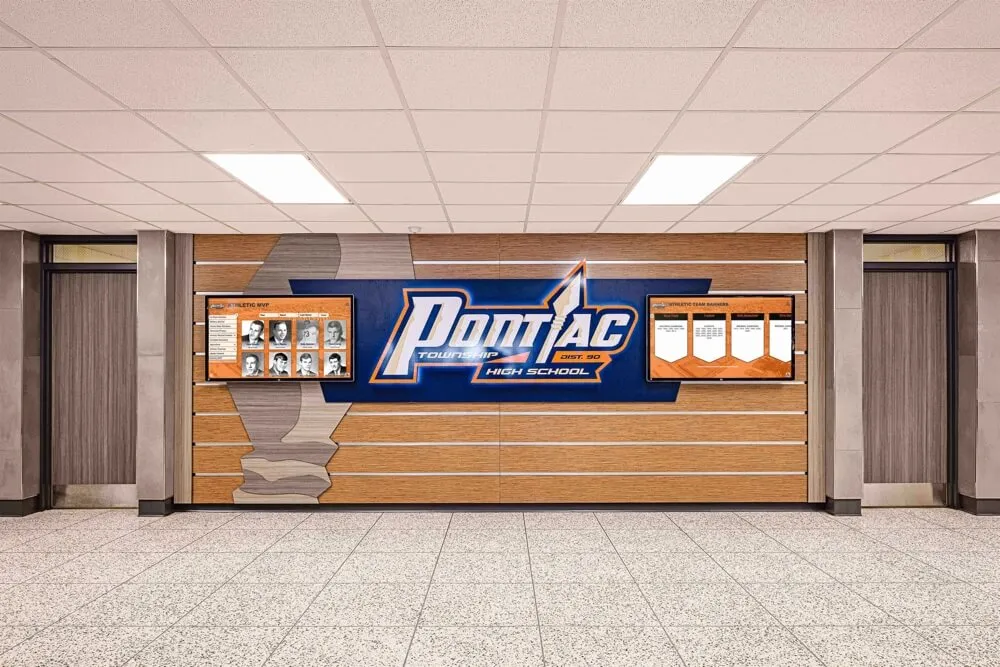
Recognition displays celebrate team achievements and leadership development throughout the year
Character Growth Through Challenge
Well-designed activities build essential character traits:
- Perseverance when facing difficult physical or mental challenges
- Resilience recovering from setbacks during competitive activities
- Integrity maintaining honesty and fairness during competitions
- Responsibility completing assigned roles within team activities
- Empathy understanding and supporting teammates’ struggles
- Humility accepting limitations and learning from others
- Courage stepping outside comfort zones in new experiences
Academic and Performance Benefits
Transfer to Athletic and Academic Performance
Team cohesion directly impacts performance outcomes:
- Higher trust enables better on-field or on-stage coordination
- Improved communication translates to faster problem-solving
- Stronger relationships increase effort and commitment
- Psychological safety encourages innovation and risk-taking
- Collective accountability motivates consistent preparation
- Positive team culture attracts and retains talent
Studies of high school athletic programs consistently demonstrate that teams emphasizing relationship building alongside skill development achieve better competitive results while maintaining higher athlete retention and satisfaction.
Retention and Commitment Strengthening
Connected students stay engaged:
- Belonging reduces dropout from teams and organizations
- Friendships provide motivation during difficult periods
- Positive experiences encourage multi-year participation
- Social connections compensate for frustration with performance
- Team identity strengthens commitment to group goals
- Relationships extend participation beyond individual interest
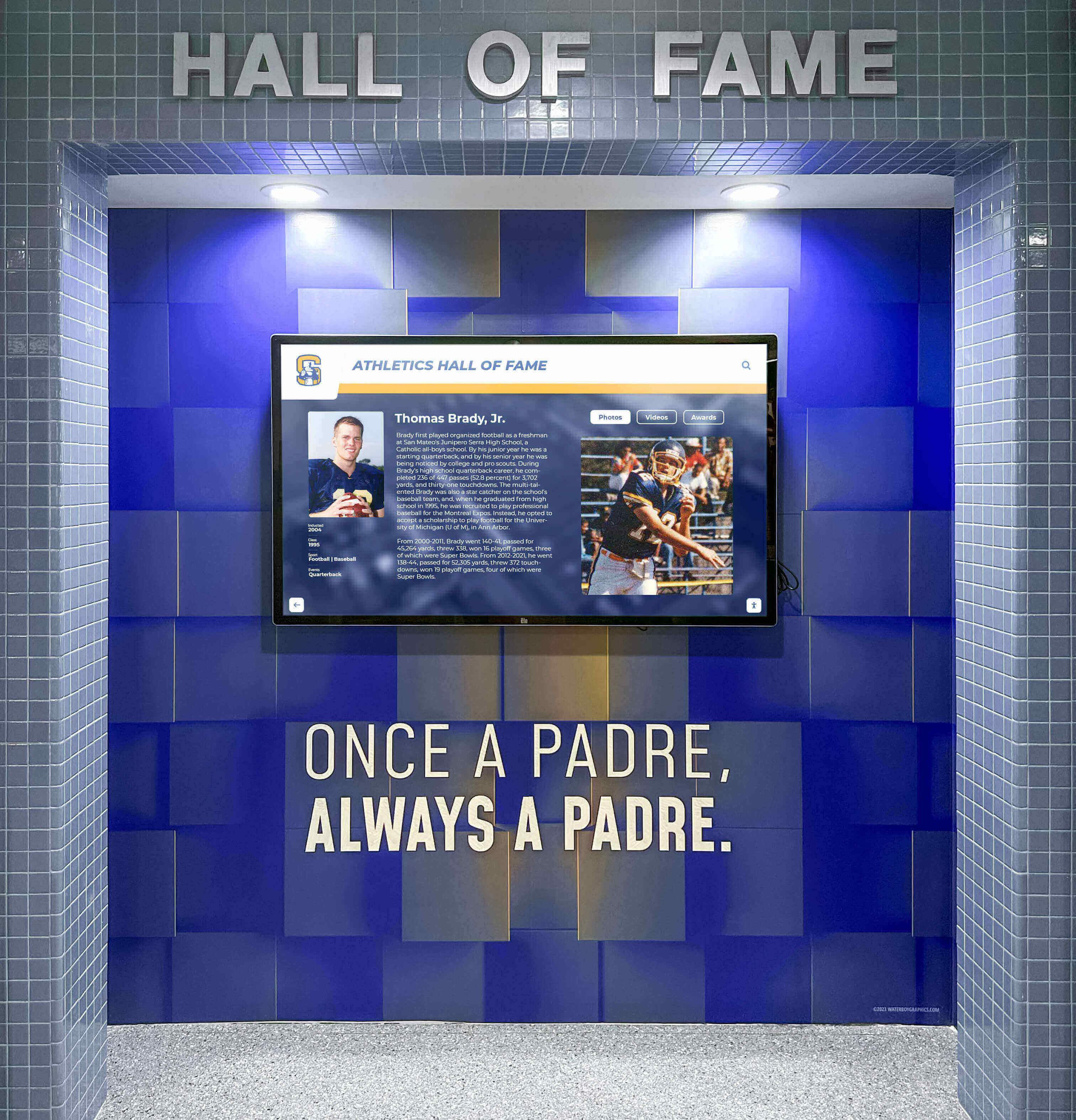
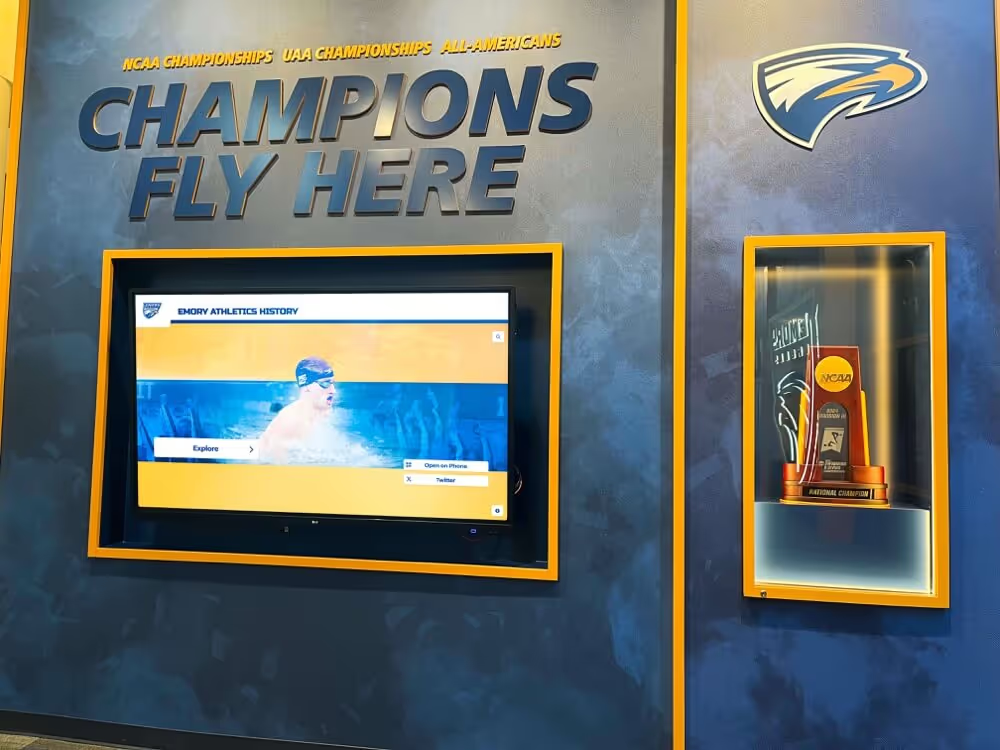
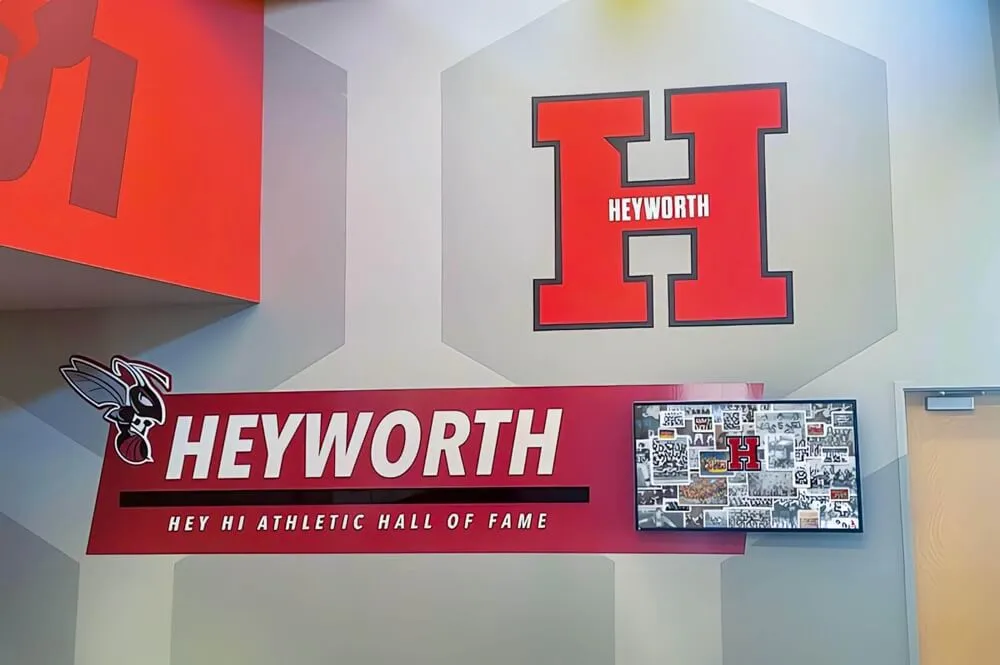
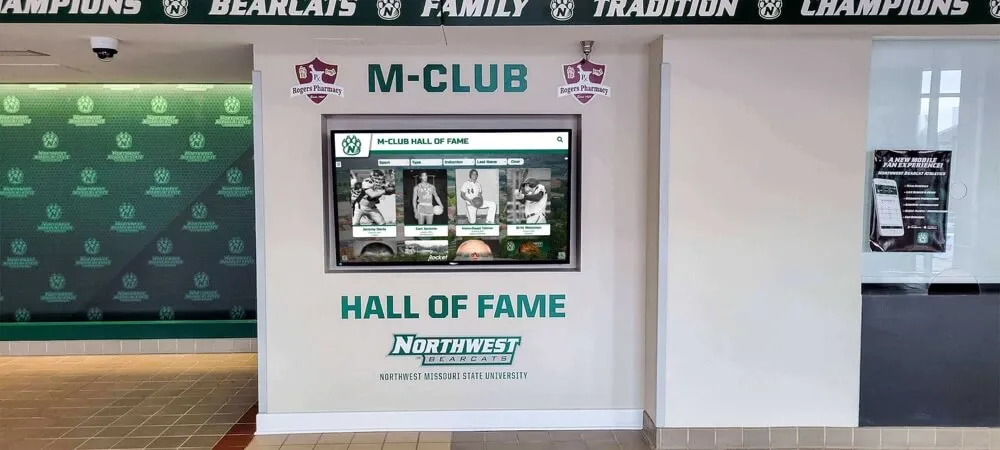
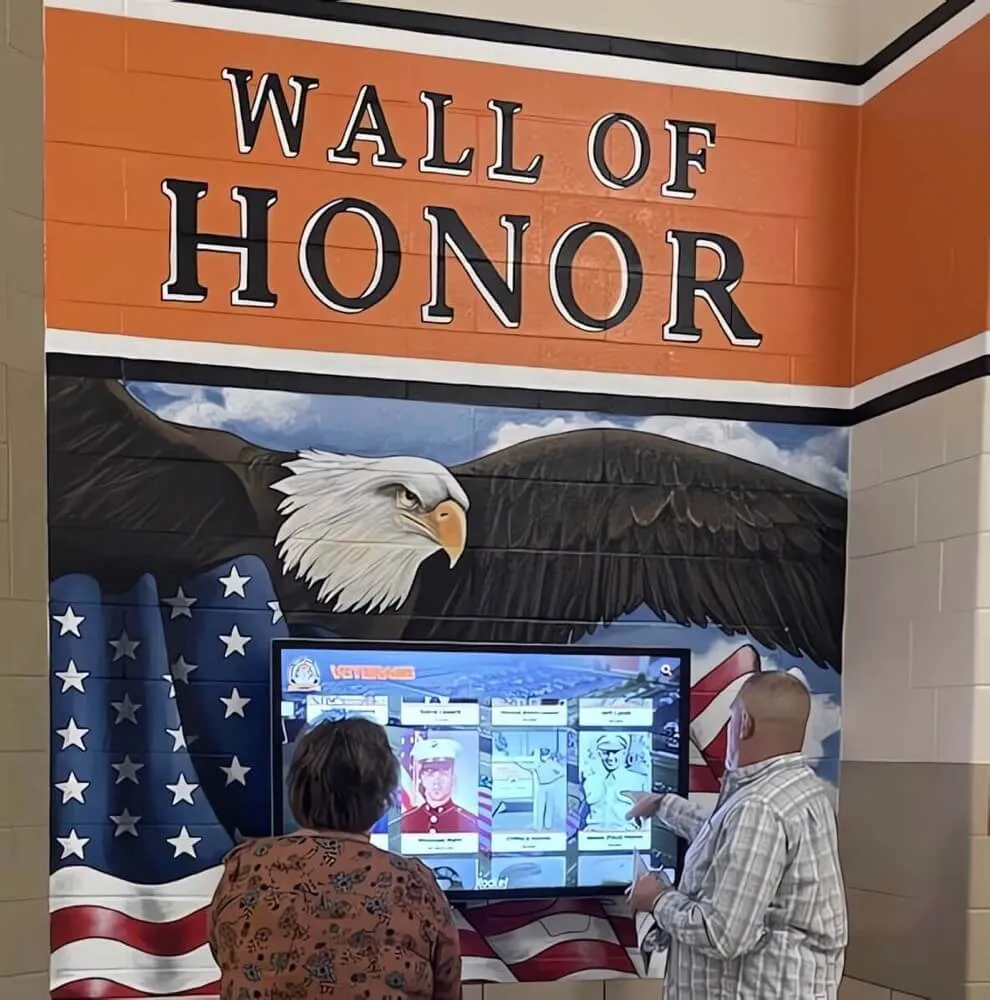
Permanent recognition systems preserve team building moments and achievements, reinforcing program culture
Quick Team Building Activities (5-15 Minutes)
Time-constrained coaches and advisors benefit from brief activities building connection without extensive preparation or time commitment.
Icebreakers and Connection Activities
Two Truths and a Lie
Classic activity revealing interesting facts:
- Each student shares three statements about themselves
- Two statements are true, one is false
- Teammates guess which statement is the lie
- Facilitates learning unexpected information about peers
- Works well at season starts or when integrating new members
- Minimal preparation required
Speed Meeting
Rapid relationship building through structured conversations:
- Students pair up for 90-second conversations
- Specific question prompts guide each round
- Timer signals rotation to new partners
- Multiple rotations ensure interaction with many teammates
- Questions progress from surface level to more meaningful
- Sample questions: “What’s your hidden talent?”, “What accomplishment are you most proud of?”, “What’s something people misunderstand about you?”
Common Ground
Finding shared experiences and interests:
- Small groups identify things all members share
- Challenge groups to find specific number of commonalities
- Categories can include hobbies, experiences, values, goals
- Sharing discoveries with larger group builds community
- Variation: Most Unique—finding what makes individuals distinctive
- Balances celebrating similarity and valuing differences
Would You Rather
Lighthearted preference sharing:
- Facilitator poses two options, students choose one
- Students move to designated areas representing their choice
- Brief discussion of reasoning with nearby students
- Questions can be silly or thought-provoking
- Reveals personality differences in low-stakes way
- Sample questions: “Would you rather have super strength or invisibility?”, “Beach vacation or mountain adventure?”, “Lead from the front or support from behind?”
Energy and Engagement Boosters
Human Knot
Physical problem-solving challenge:
- Group stands in circle, reaches across to grab two different hands
- Team must untangle into circle without releasing hands
- Requires communication, patience, and collaboration
- Natural laughter reduces tension and builds camaraderie
- Debrief about communication strategies and frustration management
- Works best with 8-12 person groups
Partner Pulse
Quick physical connection activity:
- Partners face each other, making eye contact
- One partner closes eyes while other provides gentle physical guidance
- Guide leads partner through simple obstacle course
- Partners switch roles
- Builds trust and communication quickly
- Discuss importance of clear guidance and trusting teammates
Group Juggle
Coordination and memory challenge:
- Group stands in circle with one ball
- First person says name and throws to someone across circle
- Recipients remember who threw to them
- Establish pattern involving everyone exactly once
- Add additional balls following same pattern
- Builds focus, memory, and communication
- Debrief about supporting teammates when challenges increase
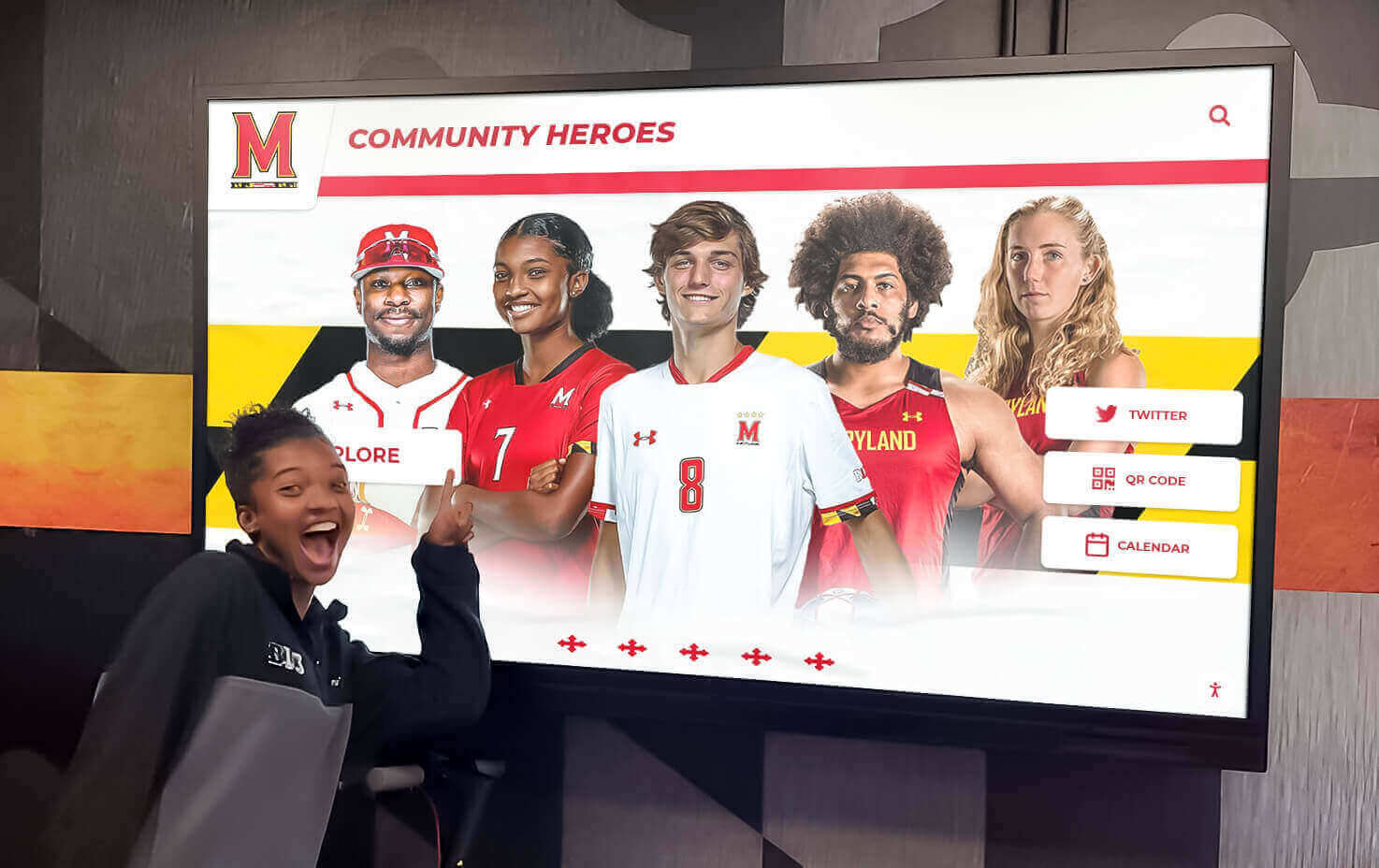
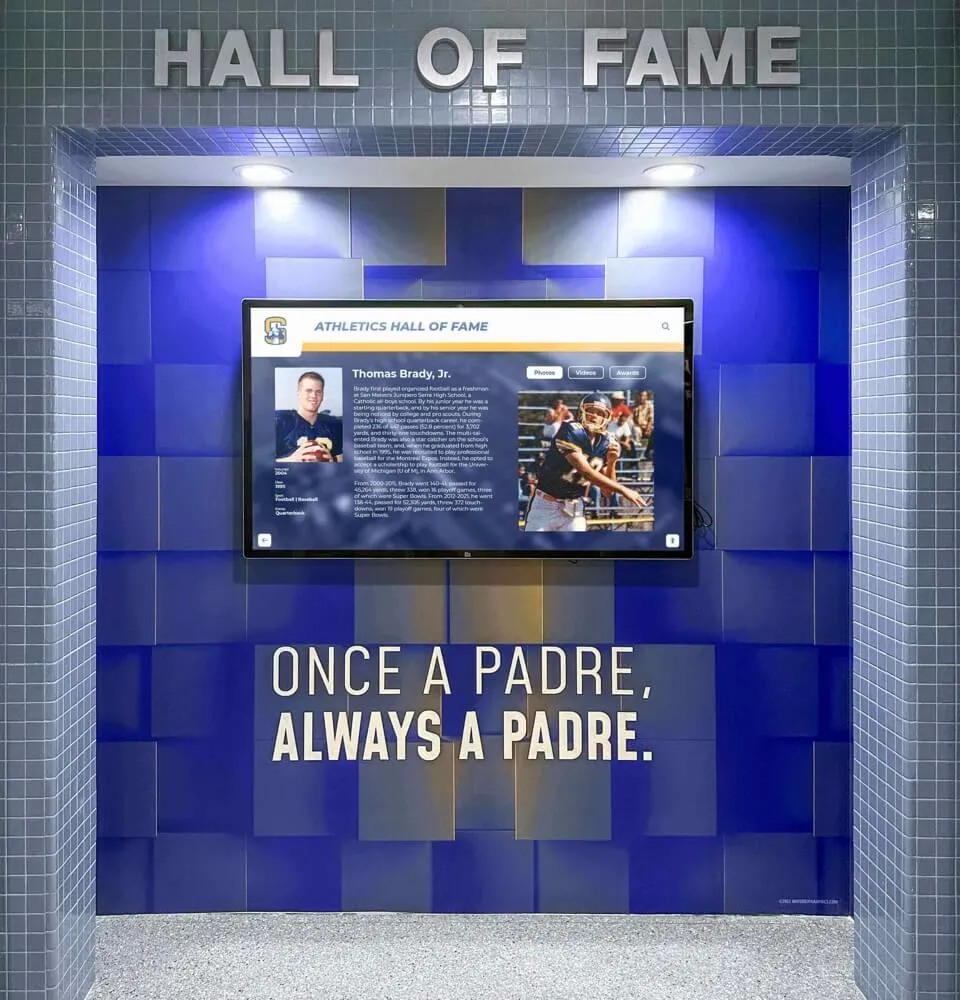
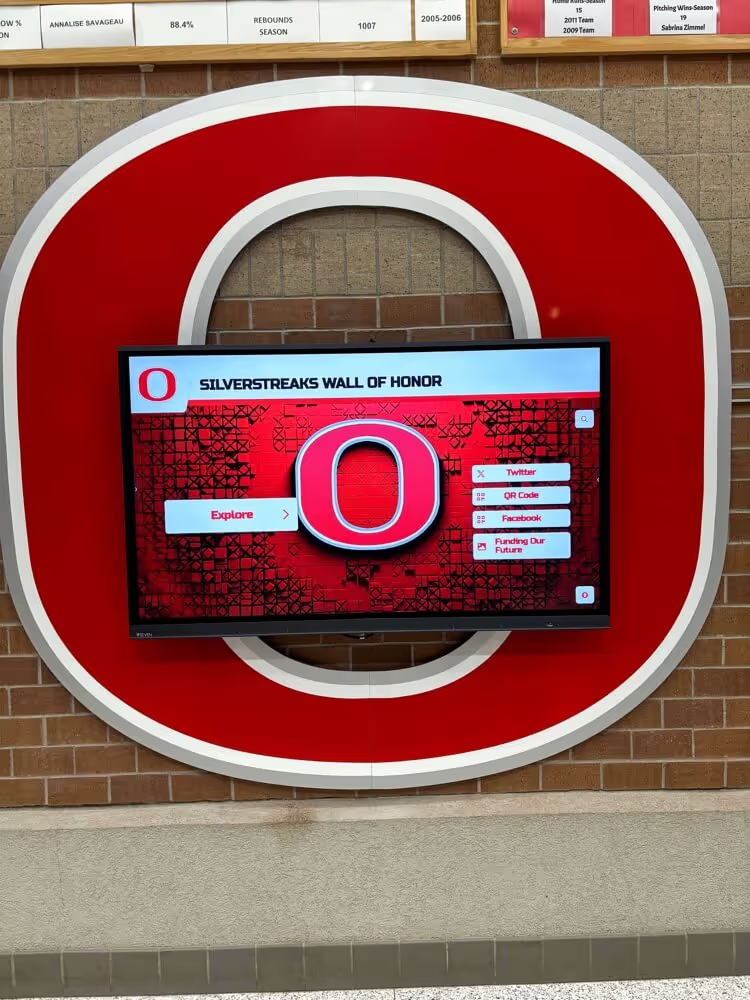
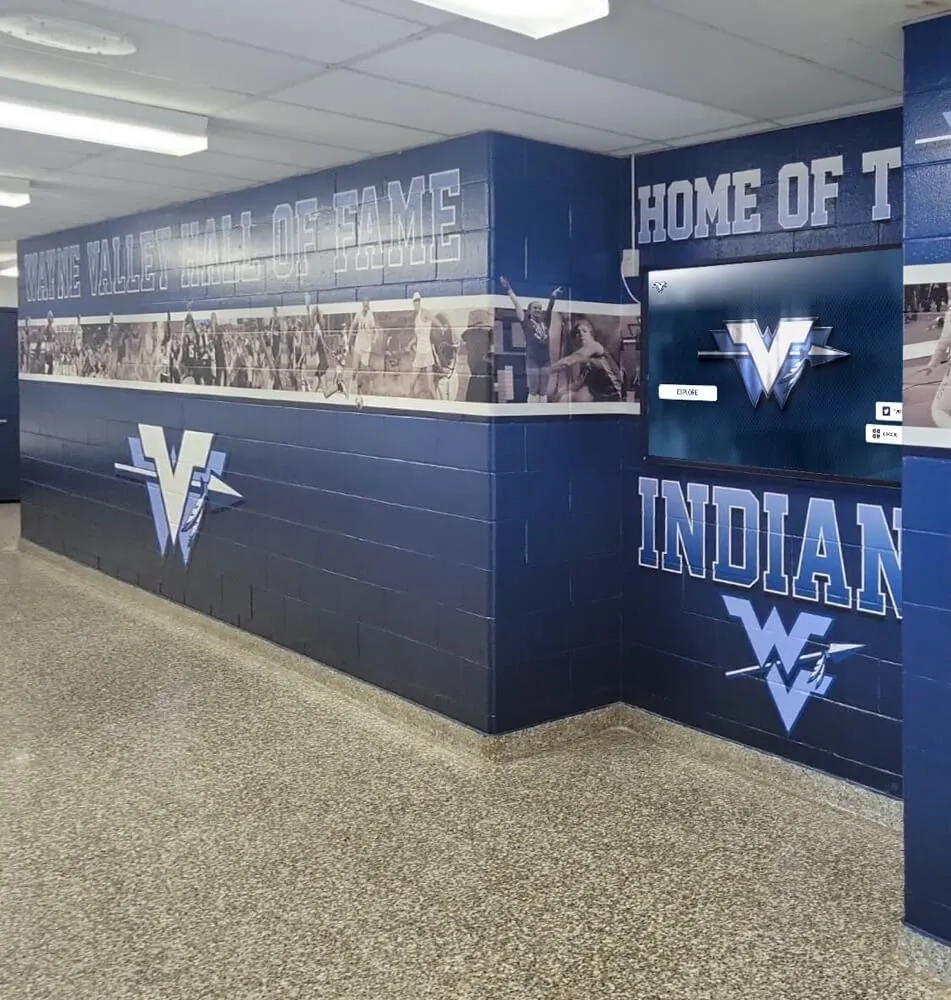
Recognition displays celebrating community contributions reinforce team values and inspire student engagement
Giants, Wizards, Elves
Team version of rock-paper-scissors:
- Two teams huddle to select character (giant, wizard, or elf)
- Teams face off in center, performing chosen character action
- Losing team runs back to safe zone while winners chase
- Tagged players join opposing team for next round
- Requires quick consensus building and commitment
- High energy activity perfect for breaking monotony
Reflection and Goal-Setting Activities
One Word Check-In
Quick emotional temperature taking:
- Each student shares one word describing current state
- No explanation required initially
- Reveals team energy and individual mindsets
- Facilitator can ask follow-up questions if concerning patterns emerge
- Works well at practice or meeting starts
- Variations: One word goal for session, one word describing previous performance
Appreciation Circle
Building positive team culture:
- Students stand in circle
- Each person shares appreciation for teammate (specific, genuine)
- Can be directed (person to your right) or spontaneous
- Emphasize specific behaviors or contributions rather than general praise
- Creates positive emotional tone before practice or competition
- Reinforces desired behaviors and values
Personal Best Commitment
Individual and collective goal setting:
- Students write one specific goal for upcoming period
- Share goals with partner or small group
- Identify how teammates can support goal achievement
- Revisit periodically to track progress and celebrate achievement
- Connects individual growth to team support
- Variation: Team establishes collective goal alongside individual commitments
Medium-Length Team Building Activities (20-45 Minutes)
More substantial activities provide deeper engagement and learning while remaining feasible for typical practice or meeting schedules.
Communication and Problem-Solving Challenges
Minefield Navigation
Trust and communication development:
- Create “minefield” with scattered objects across space
- Partners separate—one blindfolded, one guiding verbally
- Guide directs partner across minefield without touching obstacles
- Switch roles after completion
- Debrief about clear communication, trust, and listening
- Increase difficulty by adding multiple pairs navigating simultaneously
- Connects to sports/activities requiring communication under pressure
Team Triangle
Geometric problem-solving challenge:
- Entire team stands on long rope placed in straight line
- Challenge: Create equilateral triangle with rope while entire team holds it
- No one can release rope at any point
- Requires spatial reasoning, communication, and coordination
- Variations: Different shapes, blindfolded team members, silence restrictions
- Debrief about planning, leadership, and adapting strategies
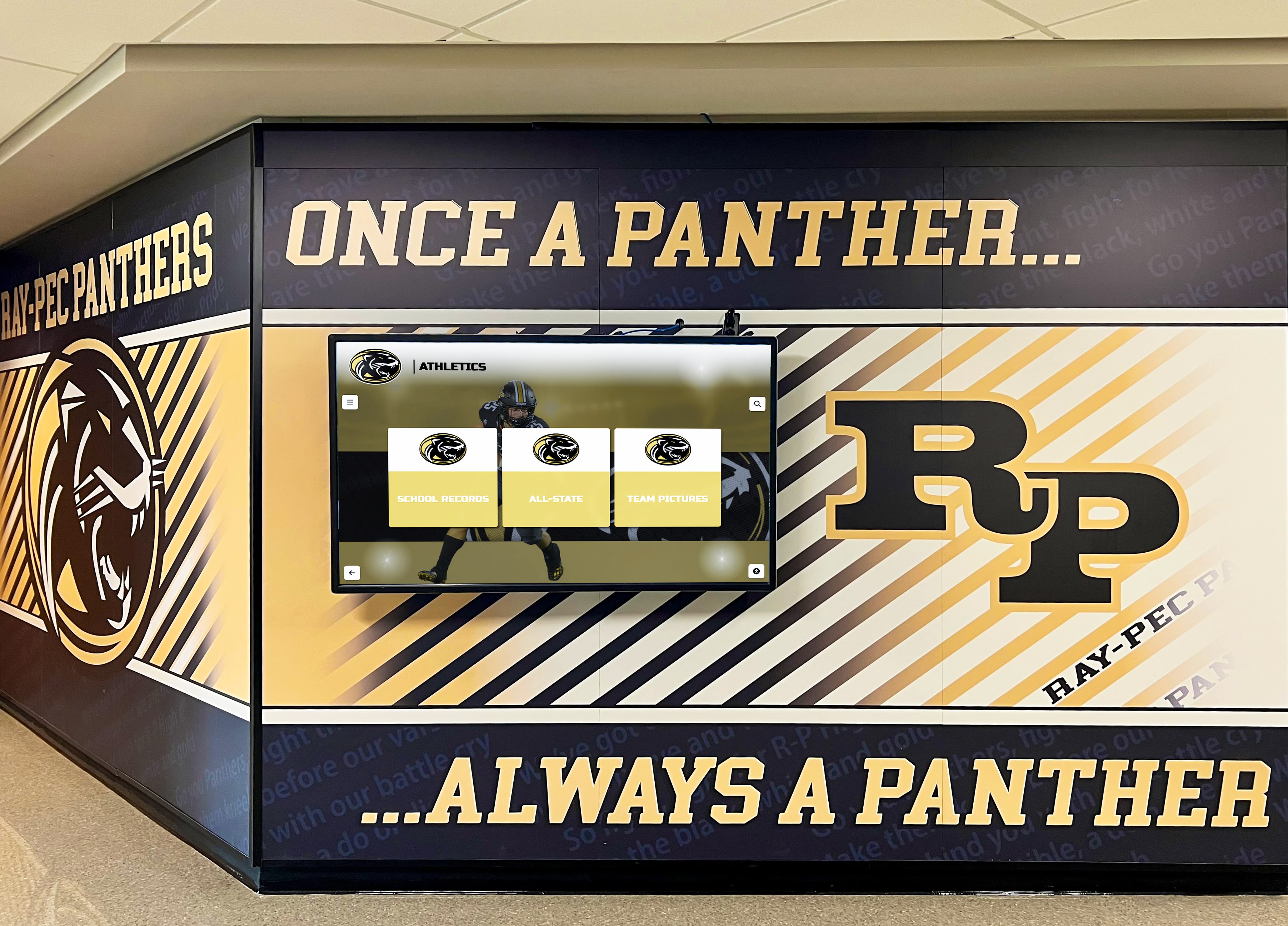
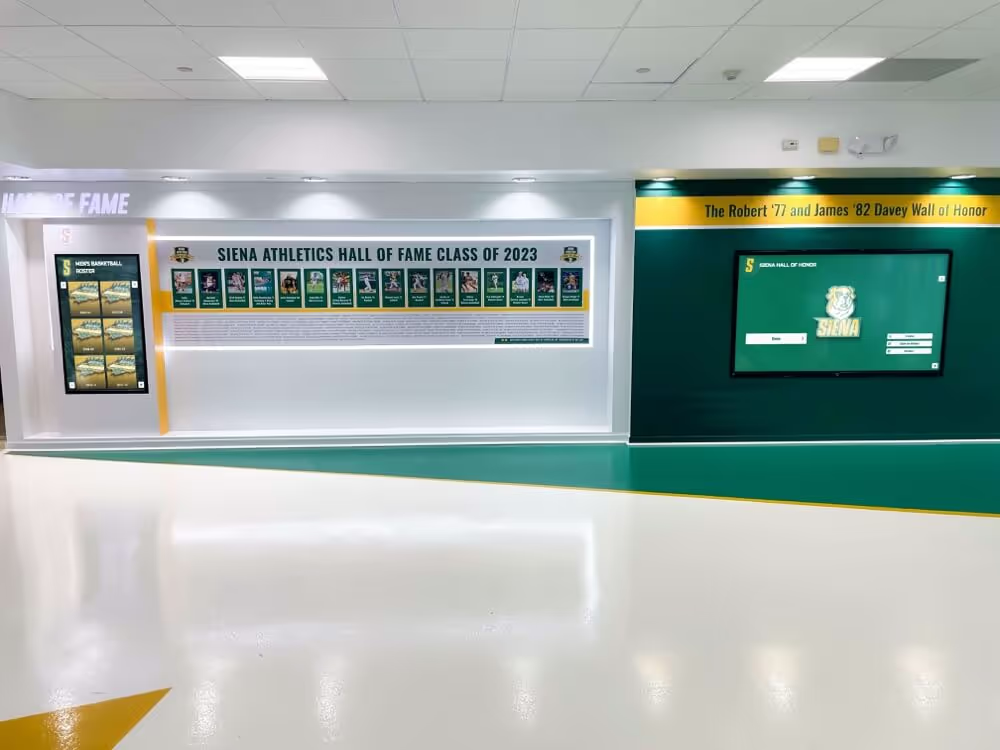
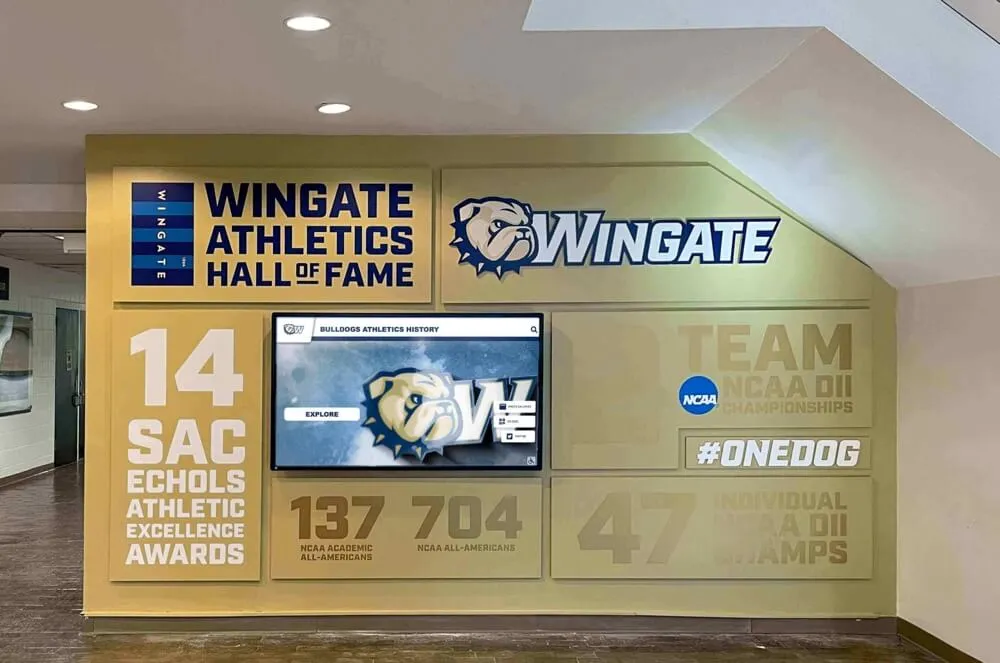
Athletic facilities integrating recognition displays reinforce team identity and celebrate collaborative achievements
Pipeline Challenge
Collaborative object transportation:
- Teams transport ball through series of tubes/pipes without dropping
- Each person holds tube section—ball must keep moving
- Team members must reposition after ball passes to continue pipeline
- Requires coordination, communication, and timing
- Can be competitive between teams or collaborative time trial
- Natural metaphor for keeping momentum and coordinating efforts
Escape Room Challenges
Puzzle-solving team experience:
- Create series of puzzles requiring collaboration to solve
- Clues lead to next challenge in sequence
- Time limit creates urgency and excitement
- Puzzle complexity appropriate to student age and experience
- Commercial escape room field trips or DIY classroom versions
- Debrief about dividing tasks, using diverse skills, and managing pressure
Marshmallow Tower Competition
Engineering design challenge:
- Small groups receive identical materials (spaghetti, tape, string, marshmallow)
- Challenge: Build tallest freestanding structure supporting marshmallow on top
- Time limit forces rapid planning and execution
- Failure and iteration teach resilience and adaptation
- Competition element motivates engagement
- Debrief about planning versus action, learning from failure, and innovation
Physical Team Challenges
Relay Race Variations
Competitive team activities with twists:
Over-Under Relay
- Teams line up single file
- First person passes ball overhead to next person
- That person passes between legs to next
- Continue alternating pattern to end of line
- Last person runs to front to restart pattern
- First team returning to original order wins
Three-Legged Soccer or Basketball
- Partners bound together at ankle
- Play modified game requiring coordination
- Natural communication and synchronization development
- Humorous challenge reducing competitive pressure
- Debrief about adaptation and supporting partners
Human Pyramid Building
Collaborative physical challenge:
- Small groups build human pyramids of varying complexity
- Requires trust, communication, and physical coordination
- Safety considerations essential—use mats, spotters, appropriate height
- Photographic documentation creates lasting memory
- Variation: Groups design creative poses or formations
- Connects to cheerleading, gymnastics, or team celebration traditions
Obstacle Course Team Competitions
Physical challenge requiring collaboration:
- Design course requiring partner or team collaboration
- Checkpoints require group participation to advance
- Mix physical challenges with problem-solving elements
- Timed competition or focus on completion together
- Modify difficulty based on fitness levels
- Debrief about encouraging struggling teammates and celebrating collective success
Creative and Expression Activities
Team Commercial Creation
Creative storytelling and performance:
- Small groups create 30-60 second “commercial” for team
- Must include team values, inside jokes, or season goals
- Perform for entire group
- Encourages creativity and risk-taking
- Reveals team culture and shared experiences
- Low-stakes performance practice builds confidence
- Video recording creates lasting artifact
Collaborative Art Projects
Shared creative expression:
Team Canvas Painting
- Large canvas with team member contributions
- Theme-based (values, goals, identity) or abstract
- Displayed in team space or facility
- Creates permanent reminder of shared experience
- Recognition displays can feature student artwork alongside achievements
Team Song or Chant Creation
- Groups write original team song or chant
- Incorporates team identity, values, or traditions
- Performed at competitions or team events
- Builds shared identity and tradition
- Alumni often remember and teach to new members across years
Storytelling Circle
Narrative sharing building connection:
- Facilitator provides story prompt
- Each person adds one sentence continuing narrative
- Stories become creative and often humorous
- Low-pressure creative expression
- Variation: True story sharing about meaningful experiences
- Builds listening skills and collaborative creativity
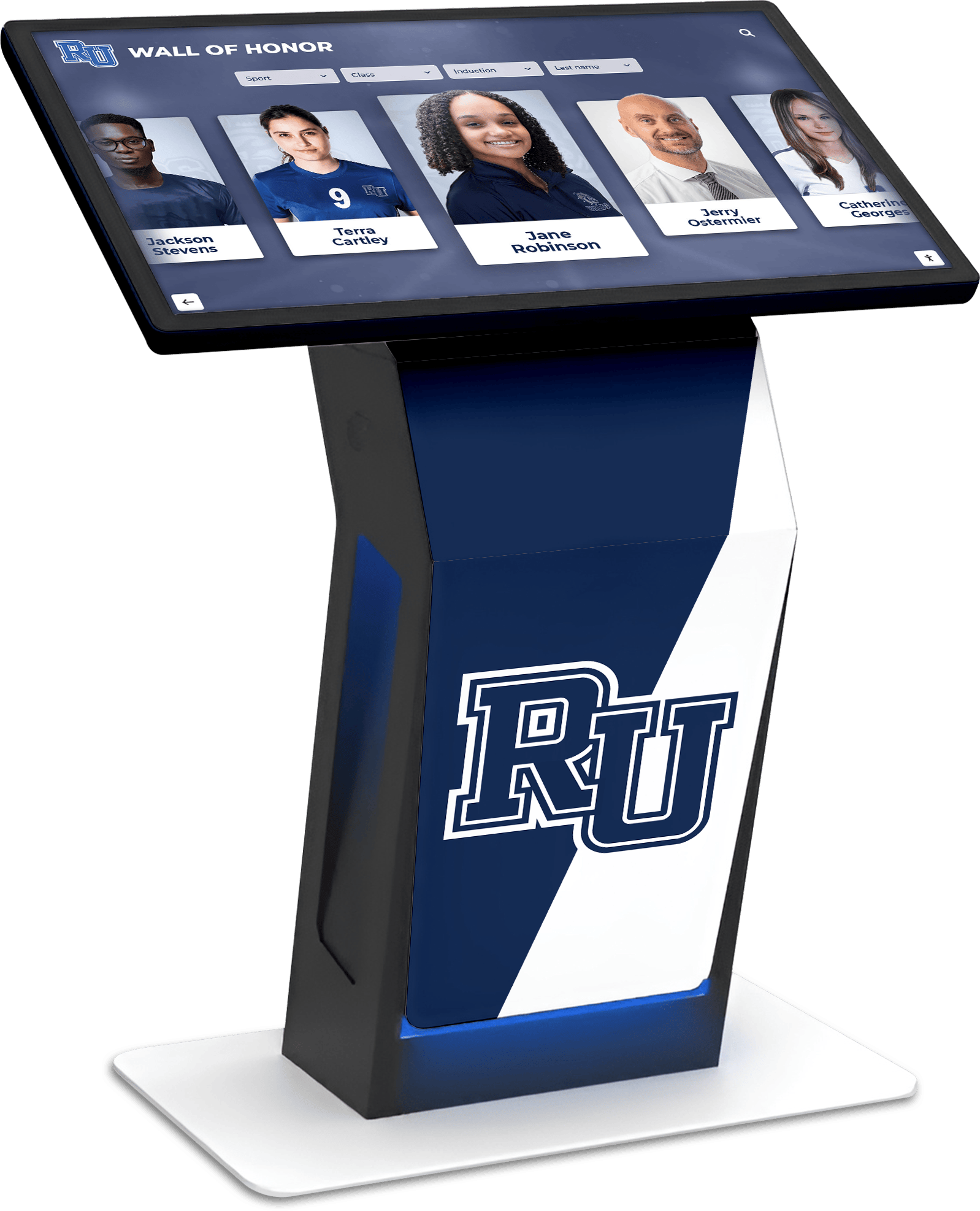
Interactive displays preserve team building memories, creative projects, and collaborative achievements permanently
Service and Community Connection
Team Service Projects
Collaborative community contribution:
- Identify local need team can address collectively
- Examples: Food bank volunteering, park cleanup, elementary mentoring, senior center visit
- Provides perspective beyond competitive focus
- Builds appreciation for teamwork serving others
- Strengthens bonds through meaningful shared experience
- Connects to school’s community service recognition programs
Team Legacy Project
Creating lasting program contribution:
- Teams complete project benefiting future members
- Examples: Equipment organization system, training resource development, facility improvement, tradition documentation
- Instills program pride and continuity
- Current students appreciate previous teams’ contributions
- Creates cycle of giving back across generations
Extended Team Building Activities (1+ Hours)
Longer activities provide immersive experiences with significant impact, ideal for pre-season camps, special team days, or retreats.
Adventure and Outdoor Challenges
Ropes Course Experiences
Professional facilitated adventure activities:
- High and low ropes course elements building trust
- Challenge-by-choice philosophy respecting comfort levels
- Professional facilitators ensure safety and learning
- Debriefs connect experiences to team dynamics
- Memorable peak experiences strengthening bonds
- Cost considerations—some schools have accessible courses nearby
- Variations: Rock climbing, zip-lining, adventure parks
Amazing Race Team Competition
Elaborate multi-station challenge:
- Teams navigate to various locations solving challenges
- Mix physical, mental, and creative tasks at each station
- Requires strategy, communication, and diverse skill utilization
- Can be campus-based or extend into community
- Document experiences through photos at checkpoints
- Debrief about decision-making, strength utilization, and pressure management
- Consider digital displays showcasing race photos and results
Camping or Outdoor Retreat
Immersive team experience in nature:
- Overnight or day-long outdoor experience
- Activities: Hiking, cooking together, campfire discussions, star-gazing, outdoor challenges
- Removes normal distractions enabling focus on relationships
- Informal time builds connections different from structured activities
- Traditions like senior speeches or goal-setting sessions
- Requires significant planning and permission logistics
- Creates powerful shared memories lasting throughout school years
Simulation and Role-Playing Activities
Survival Scenario Challenges
Collaborative decision-making under constraints:
- Present hypothetical survival situation (desert island, zombie apocalypse, natural disaster)
- Teams must prioritize limited resources, make strategic decisions, assign roles
- Defend decisions to other groups
- Reveals leadership styles, communication patterns, and decision-making approaches
- Debrief about consensus building, valuing diverse perspectives, and managing disagreement
- Variation: Business simulation, historical scenario, ethical dilemma
Role Reversal Activities
Perspective-taking exercises:
- Captains become spectators while underclassmen lead practice section
- Coaches and athletes switch roles for drill
- Varsity and JV swap responsibilities
- Builds empathy and appreciation for different positions and roles
- Often humorous while providing genuine insight
- Debrief about appreciating others’ challenges and contributions
Deep Reflection and Planning Sessions
Team Values Identification Workshop
Collaborative culture definition:
- Small groups brainstorm values important to team success
- Whole team discusses and narrows to 3-5 core values
- Define specific behaviors demonstrating each value
- Create visual representation (poster, canvas, display)
- Revisit regularly to hold team accountable
- Becomes foundation for team culture conversations throughout season
- Connections to recognition systems highlighting students embodying team values
Personal and Team Goal-Setting Retreat
Intensive planning and commitment session:
- Individual reflection on personal goals (athletic, academic, personal)
- Small group sharing and mutual accountability
- Team collective goal-setting for season
- Create action plans with specific steps and timeline
- Document commitments visually
- Regular progress check-ins throughout season
- Culminating celebration when goals achieved
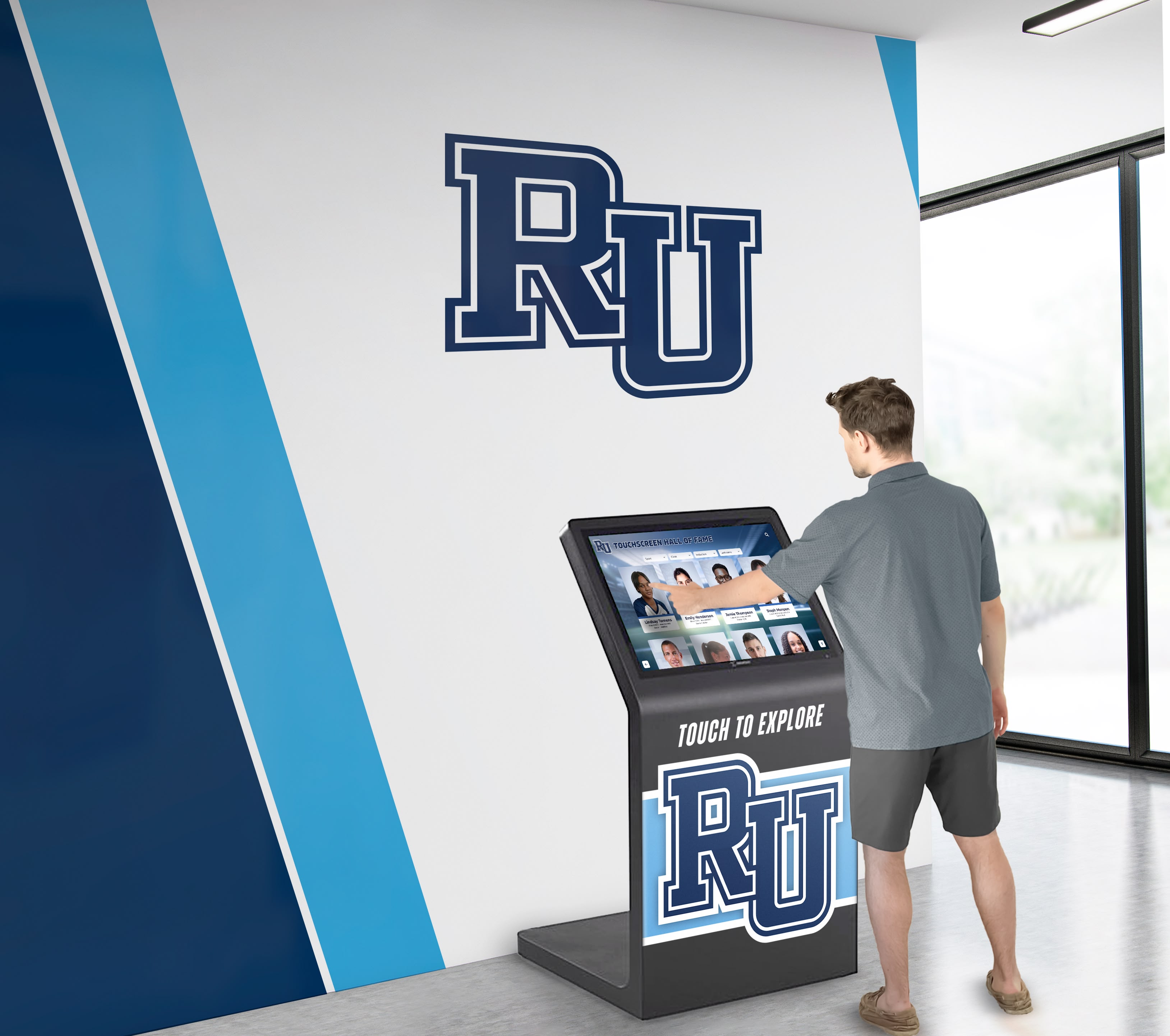
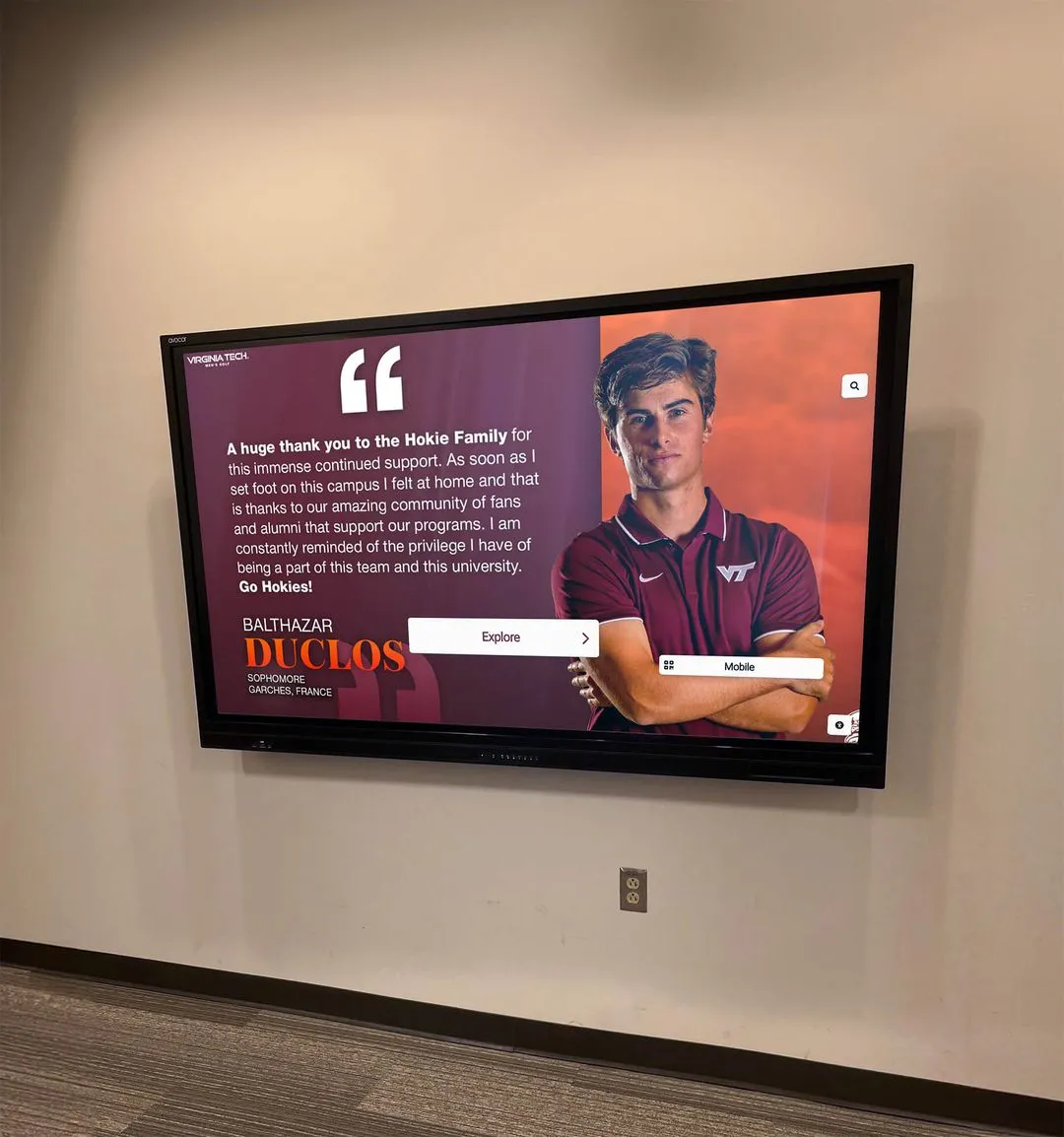
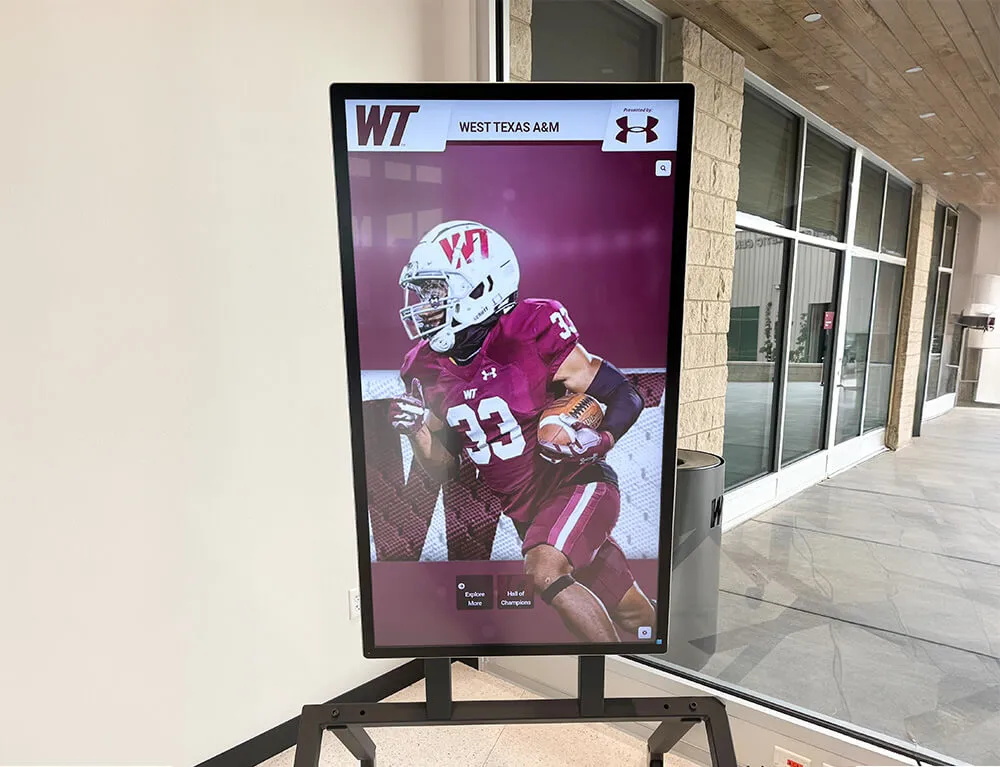
Recognition kiosks can feature team goals, values, and achievement documentation from planning sessions
Team History and Tradition Workshop
Connecting current team to program legacy:
- Alumni guest speakers sharing program history
- Review archived photos, videos, championship documentation
- Discuss traditions and their meanings
- Identify which traditions to continue and potential new additions
- Create timeline or display documenting program evolution
- Strengthens connection to program larger than current roster
- Modern programs increasingly use digital archives connecting current students to institutional history
Strength-Based Team Building
Identifying and leveraging individual talents:
- Students complete strength or personality assessment
- Share results and discuss how strengths complement team needs
- Identify gaps and development opportunities
- Assign roles leveraging natural strengths
- Appreciate diversity rather than expecting uniformity
- Common tools: StrengthsFinder, DiSC, Myers-Briggs (age-appropriate versions)
- Debrief about valuing different contributions and building complete teams
Sport-Specific Team Building Considerations
Different athletic contexts require tailored approaches maximizing relevance and engagement.
Team Sport Applications
Basketball, Soccer, Volleyball Team Building
Activities emphasizing team sports skills:
- Communication drills requiring constant verbal interaction
- Passing challenges building chemistry and coordination
- Small-sided games emphasizing teamwork over individual skill
- Film study with team discussion of decision-making
- Captain-led practices developing leadership
- Partner shooting or skill work building accountability pairs
Football and Baseball/Softball Large Rosters
Managing extensive teams:
- Position group bonding activities before whole-team events
- Mixed position activities ensuring cross-group connections
- Leadership council representing all position groups
- Freshman integration activities preventing class divisions
- Senior legacy activities honoring graduating class
- Off-season small group activities maintaining connection
Individual Sport Team Dynamics
Track, Swimming, Wrestling, Golf Team Building
Building team identity in individual sports:
- Relay emphasis even in typically individual events
- Team scoring discussion highlighting collective contribution
- Peer mentorship pairing experienced with developing athletes
- Partner training accountability
- Celebration traditions for individual achievements benefiting team
- Collective goal-setting alongside individual targets
Performing Arts and Academic Teams
Band, Choir, Theater, Debate Team Applications
Adapting activities for non-athletic teams:
- Performance anxiety reduction through vulnerability activities
- Creative collaboration emphasizing artistic synergy
- Section or small group bonding within larger ensembles
- Risk-taking encouragement through improv and games
- Celebrating diverse roles (performers, tech crew, support staff)
- Connection between preparation collaboration and performance excellence
Academic Teams and Student Government
Intellectual and leadership team building:
- Problem-solving competitions aligned with academic focus
- Service project planning and execution
- Leadership development workshops and training
- Cross-grade mentorship programs
- School improvement collaborative planning
- Recognition of academic achievement alongside team contribution
Seasonal Team Building Strategies
Strategic timing maximizes team building impact throughout program year.
Pre-Season Team Building Focus
Foundation Building at Season Start
Early activities establishing team culture:
- Extensive icebreakers ensuring all members know each other
- Values identification and team standards establishment
- Goal-setting for season (individual and collective)
- Leadership selection or captain introduction
- Team tradition education for new members
- Creating anticipation and excitement for season
Summer Training Camp Intensives
Immersive pre-season experiences:
- Multi-day together creating intensive bonding
- Morning team building before afternoon skill work
- Evening reflection and connection activities
- Challenging activities building mental toughness
- Fun activities balancing intensity
- Establishing practice culture and communication patterns
In-Season Maintenance Activities
Sustaining Connection During Competition
Brief ongoing team building:
- Quick pre-practice check-ins maintaining communication
- Weekly appreciation or recognition rituals
- Small group dinners or social time
- Stress management activities during intense periods
- Conflict resolution when tensions arise
- Celebrating milestones maintaining positive culture
Midseason Rejuvenation
Preventing burnout and restoring energy:
- Fun activities providing mental break from competition
- Team social events outside normal context
- Individual check-ins from coaches or captains
- Revisiting goals and adjusting if needed
- Acknowledging progress and growth
- Addressing any cultural issues emerging
Post-Season and Off-Season Team Building
End-of-Season Reflection and Celebration
Honoring season completion:
- Team banquet or celebration
- Awards and recognition of diverse contributions
- Senior tributes and legacy acknowledgment
- Season reflection discussion identifying growth
- Photo and video review of memorable moments
- Recognition systems preserving seasonal achievements permanently
Off-Season Connection Maintenance
Preventing complete disconnection:
- Optional informal gatherings (movies, meals, activities)
- Strength and conditioning partner accountability
- Alumni return visits connecting past and present
- Service projects during school breaks
- Social media engagement maintaining communication
- Leadership planning for upcoming season
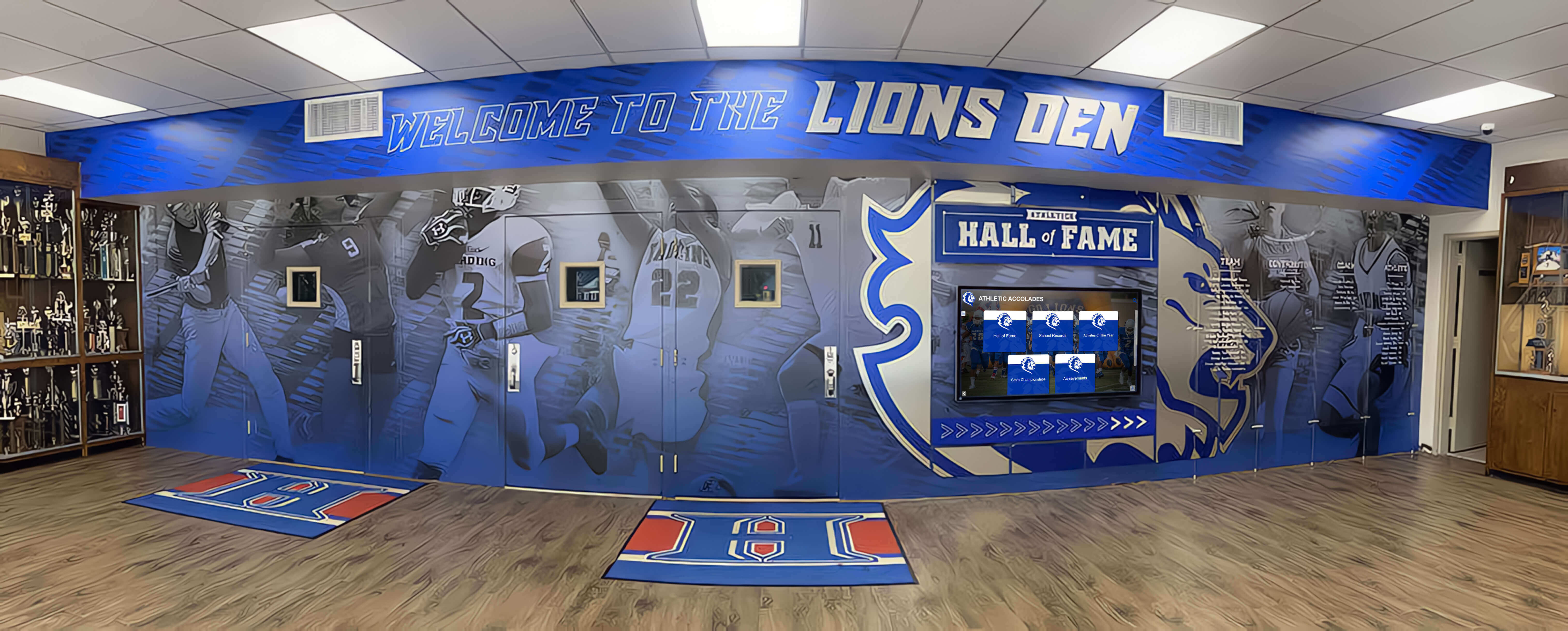
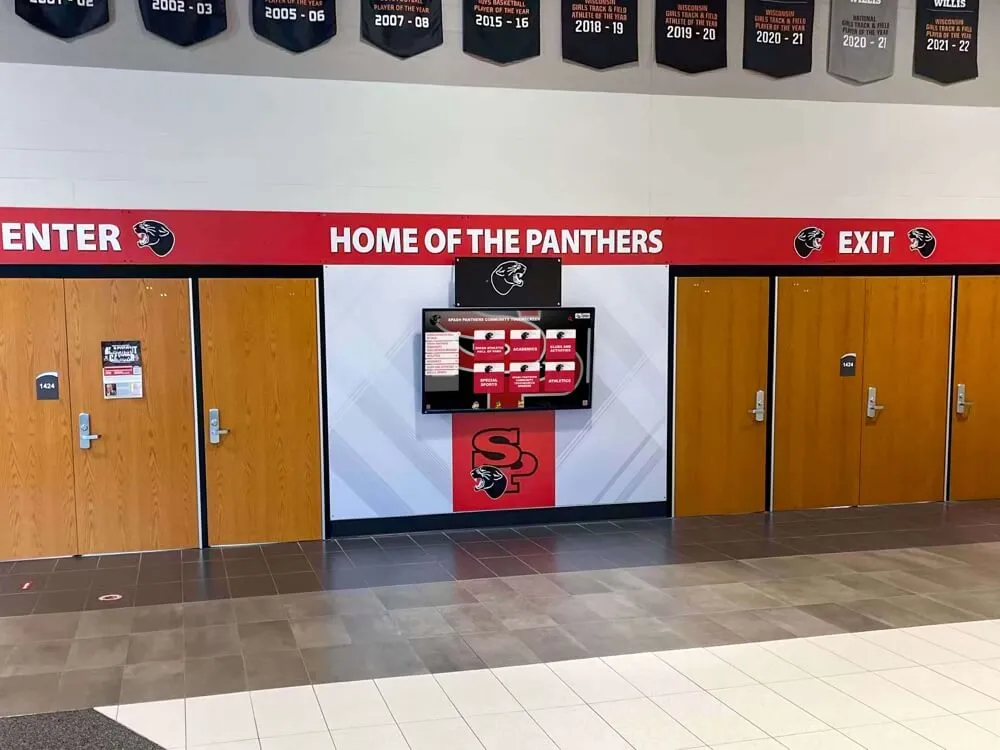
Athletic facilities celebrating tradition create physical spaces reinforcing team culture and connection across seasons
Facilitating Team Building Effectively
Activity selection matters less than skilled facilitation creating meaningful learning experiences.
Preparation and Planning
Choosing Appropriate Activities
Selection criteria ensuring success:
- Match activity to time available
- Consider group size and space requirements
- Assess physical ability range ensuring accessibility
- Align with current team needs and challenges
- Balance fun and challenge appropriately
- Consider safety and risk management
- Prepare materials and logistics in advance
Creating Psychologically Safe Environment
Essential foundation for effective team building:
- Establish expectation of respect and inclusion
- Emphasize challenge-by-choice participation approach
- Model vulnerability and authentic participation
- Address inappropriate behavior immediately
- Ensure activities avoid embarrassment or humiliation
- Celebrate effort and participation over winning
- Monitor for exclusion or social dynamics issues
Facilitation Skills and Techniques
Effective Activity Introduction
Setting up success:
- Clearly explain rules and objectives
- Demonstrate when helpful
- Check for understanding before beginning
- Emphasize specific learning goals
- Establish time limits and parameters
- Assign roles if needed
- Create appropriate energy level
Managing Group Dynamics
Navigating challenges during activities:
- Monitor for off-task behavior or disengagement
- Adjust difficulty if too easy or frustrating
- Intervene if safety concerns arise
- Redirect if activity losing educational value
- Encourage quieter students to contribute
- Balance competitive intensity with fun
- Maintain appropriate pace and energy
Debriefing for Maximum Learning
Essential reflection after activities:
- Ask open-ended questions about experience
- Connect activity to real team challenges
- Identify specific behaviors to continue or change
- Allow multiple perspectives and interpretations
- Summarize key learning points
- Set intentions for applying insights
- Sample questions: “What made this challenging?”, “How did we solve problems?”, “What does this teach us about our team?”, “What will we do differently based on this?”
Common Pitfalls to Avoid
Activities Becoming Counterproductive
Warning signs requiring adjustment:
- Excessive competitiveness creating division rather than unity
- Embarrassment or humiliation of individuals
- Dominant individuals preventing broad participation
- Physical or emotional safety compromised
- Activity duration exceeding engagement
- Unclear connection to team building purpose
- Unaddressed conflicts or negative dynamics
- Lack of transfer from activity to real team function
Cultural Sensitivity and Inclusion
Ensuring activities work for diverse students:
- Consider cultural differences in physical contact comfort
- Avoid activities requiring sharing potentially sensitive personal information
- Provide alternatives for students unable to participate physically
- Use inclusive language and examples
- Recognize different communication and interaction styles
- Accommodate religious or cultural observances
- Monitor for exclusion based on social hierarchies
Measuring Team Building Impact
Assessing effectiveness helps coaches refine approaches and demonstrate value.
Observable Team Culture Indicators
Behavioral Evidence of Stronger Connections
Signs team building is working:
- Increased interaction across social subgroups
- More positive and constructive communication
- Teammates supporting each other during challenges
- Higher energy and engagement during practices or meetings
- Reduced conflict or more productive conflict resolution
- Greater willingness to take risks and be vulnerable
- Inside jokes and shared references creating identity
Performance Improvements
Competitive or organizational results:
- Better on-field or on-stage coordination
- Higher quality communication during competition
- Increased effort and commitment
- More effective problem-solving under pressure
- Greater resilience after setbacks
- Improved retention and reduced quitting
Formal Assessment Approaches
Team Climate Surveys
Periodic measurement of team culture:
- Anonymous questionnaires assessing trust, communication, belonging
- Pre and post-season comparison showing development
- Identifying specific areas needing attention
- Tracking improvement over multiple seasons
- Sample questions about feeling valued, psychological safety, connection to teammates
Individual Student Reflection
Personal growth documentation:
- Journal prompts about team building experiences
- Goal-setting and progress tracking
- Exit interviews or end-of-season reflections
- Alumni feedback about lasting impact
- Connection to character development or leadership programs
Preserving Team Building Memories and Achievements
Documenting experiences reinforces their significance and creates lasting connection to programs.
Traditional Documentation Methods
Photography and Video
Visual record of team building experiences:
- Designate photographer for team building activities
- Action shots during challenges
- Group photos after completion
- Candid moments capturing authentic interaction
- Video compilation of season team building experiences
- Sharing through appropriate social media or team platforms
Physical Displays and Memorabilia
Tangible reminders in team spaces:
- Posters featuring team values identified during workshops
- Photo collages from team building events
- Artwork created during collaborative activities
- Trophy or awards from team challenges
- Written team standards or mission statements
- Traditional trophy cases displaying achievements
Digital Recognition and Archive Systems
Interactive Touchscreen Displays
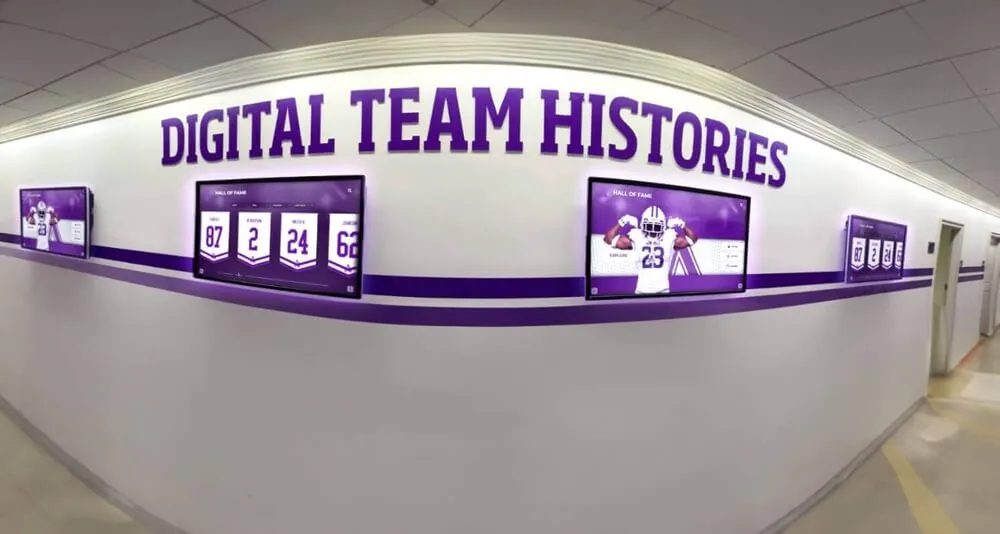
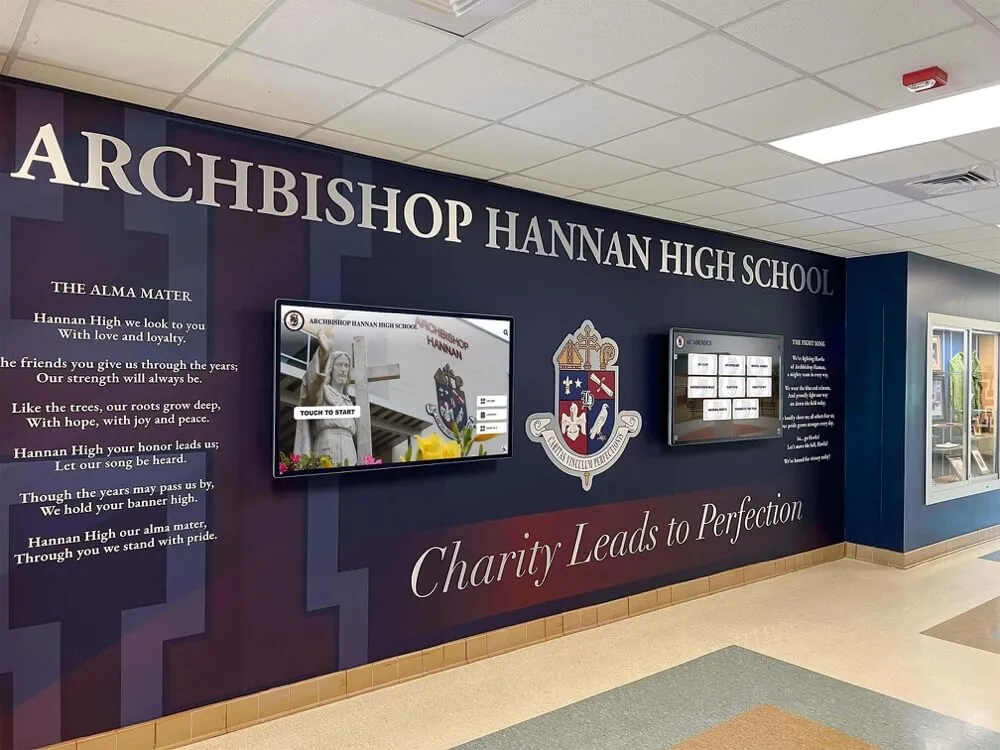
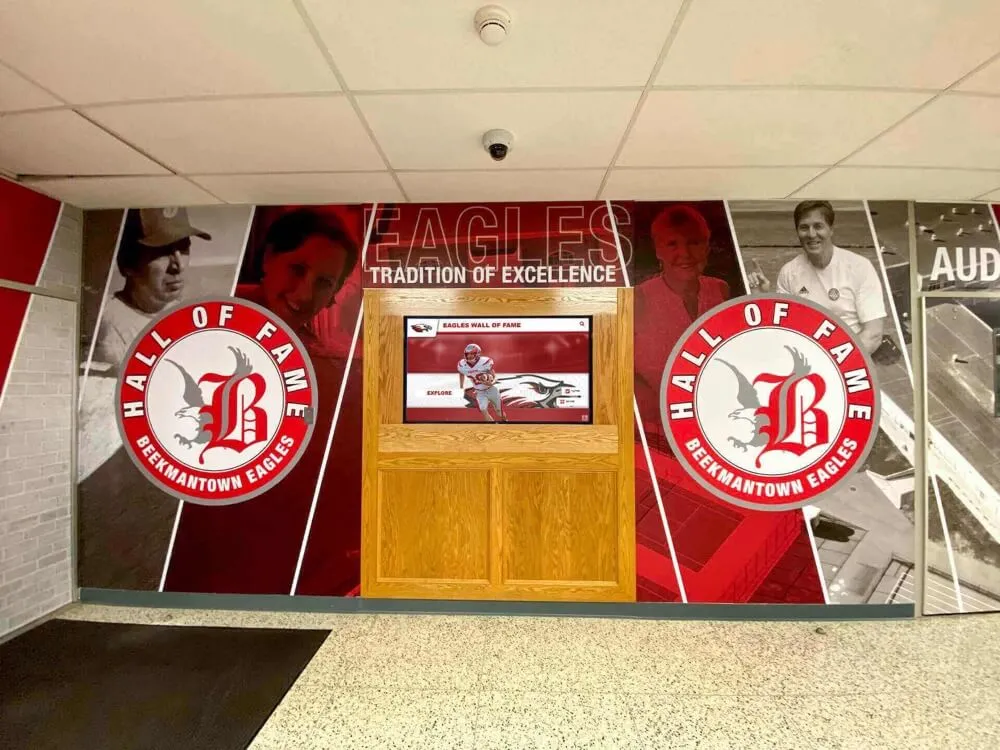
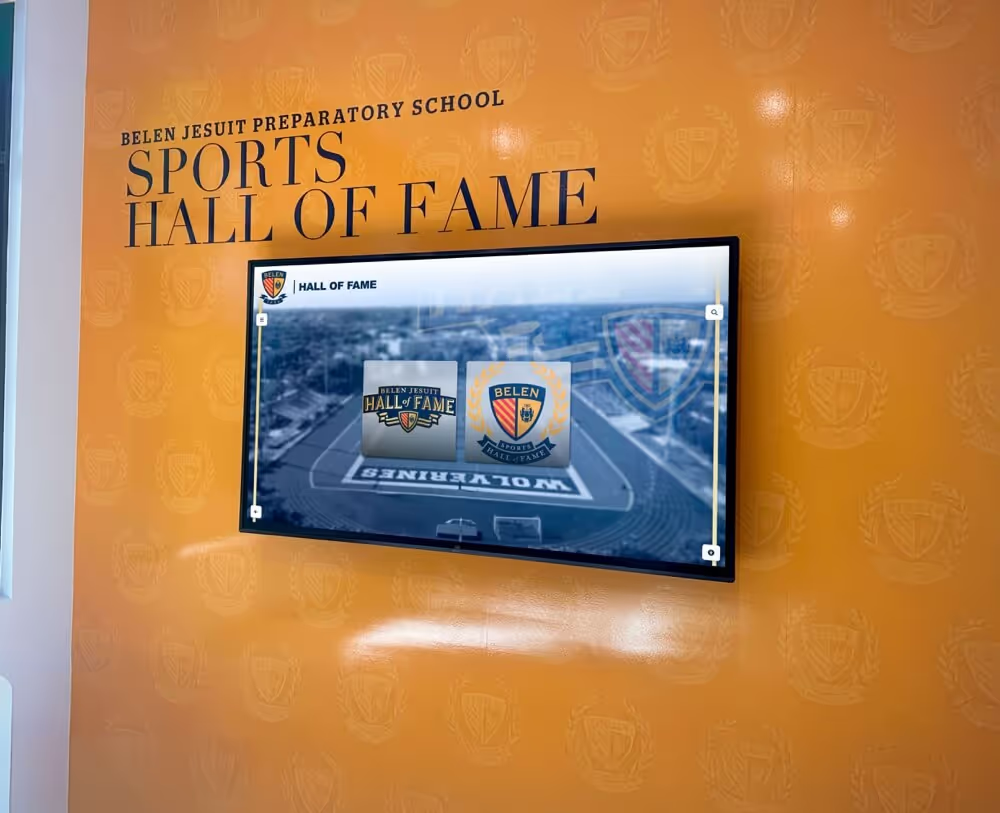
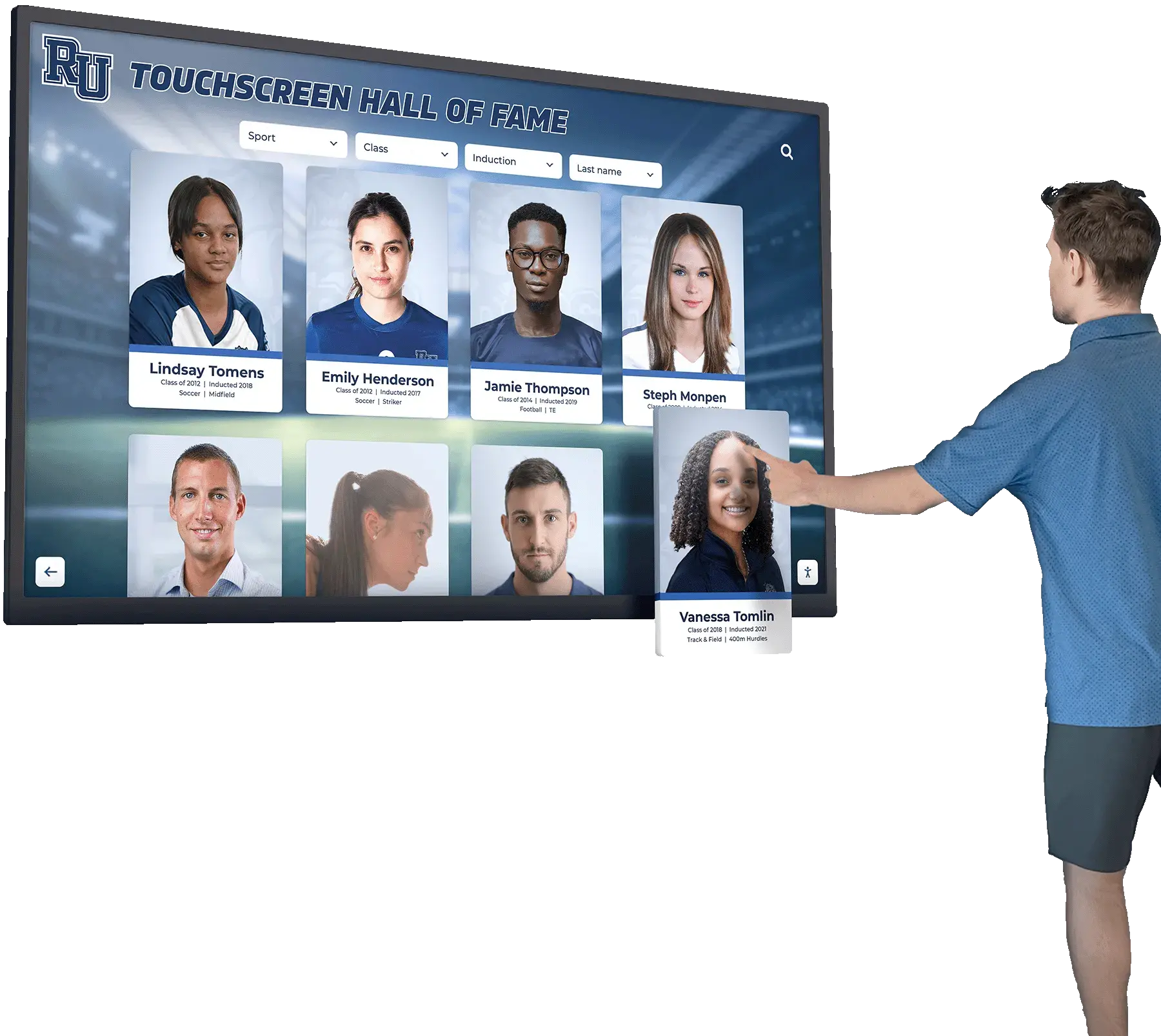
Modern programs increasingly preserve team building experiences through comprehensive digital recognition systems:
Solutions like Rocket Alumni Solutions transform how schools and athletic programs document and celebrate team development alongside competitive achievements:
- Team Building Documentation: Photo galleries from retreats, camps, and activities accessible to current students, families, and alumni
- Values and Culture Preservation: Digital display of team values, mission statements, and cultural commitments
- Leadership Recognition: Highlighting student leaders and their contributions to team building and culture
- Tradition Documentation: Historical archives showing team building evolution across seasons
- Multimedia Integration: Videos from team building activities, senior speeches, goal-setting sessions
- Searchable Archives: Alumni can revisit team building memories from their years in programs
These permanent recognition displays create visible reminders that team culture and relationship building are valued equally to competitive success, while preserving memories that might otherwise be lost.
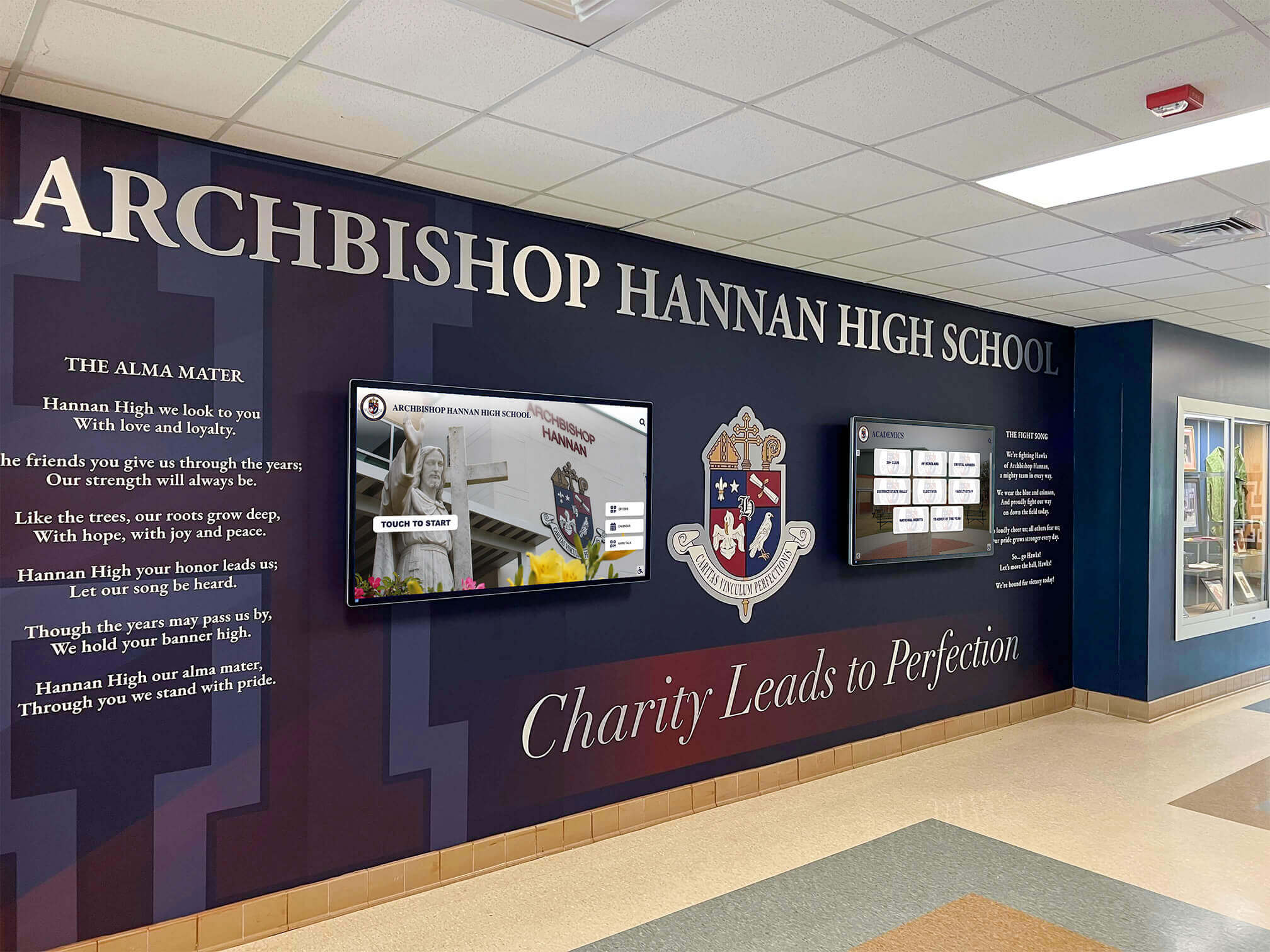
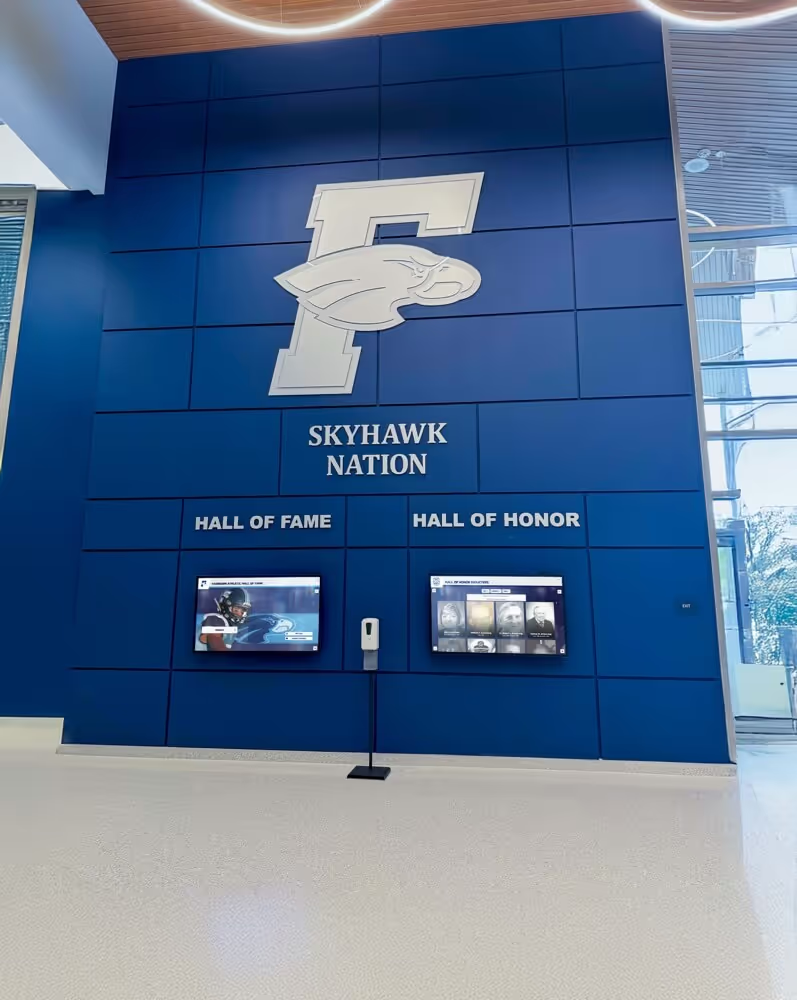
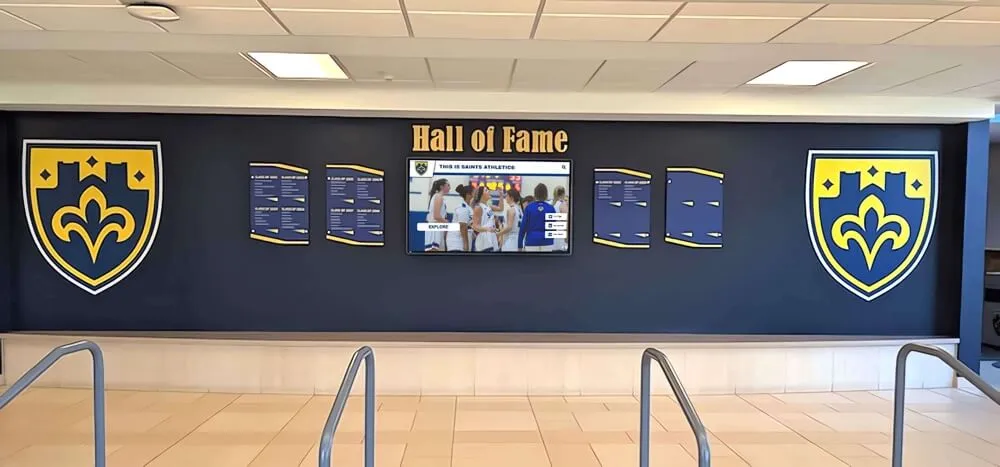
Lobby displays combining traditional and digital elements preserve team building traditions and celebrate student achievements
Cloud-Based Team Platforms
Digital spaces maintaining connection:
- Shared photo libraries accessible to team members
- Team building memory books or digital scrapbooks
- Video archives of important moments
- Discussion platforms for ongoing communication
- Goal tracking and progress documentation
- Alumni access maintaining long-term connection
Budget-Friendly Team Building Strategies
Effective team building doesn’t require elaborate budgets—creativity and intentionality matter most.
No-Cost or Low-Cost Activities
Free Relationship Building
Powerful activities requiring minimal resources:
- Most icebreakers and communication activities
- Discussion-based values identification and goal-setting
- Nature-based activities (hiking, park games, outdoor challenges)
- School facility-based obstacle courses or challenges
- Talent show or performance activities
- Service projects (may require transportation)
- Potluck team meals at coach or family homes
Leveraging Existing Resources
Using what’s already available:
- School equipment for athletic challenges
- Classroom spaces for discussion activities
- Technology for video creation or digital activities
- School grounds for outdoor activities
- Parent volunteer skills and expertise
- Alumni mentorship and speaking
- Community partnerships providing free or discounted access
When to Invest in Professional Experiences
High-Impact Investment Opportunities
Activities worth budget allocation:
- Ropes courses or adventure experiences creating peak memories
- Professional team building facilitators bringing expertise
- Special event experiences (sporting events, concerts, activities)
- Team travel for competitions including team building elements
- Quality t-shirts or gear creating team identity
- Senior gifts or recognition items
- Recognition technology preserving team achievements permanently
Fundraising to Support Team Building
Revenue generation enabling experiences:
- Booster club support for team building budget
- Crowdfunding for specific experiences (ropes course, team trip)
- Sponsorships from local businesses
- Fundraising events benefiting team activities
- Parent organization support
- Alumni contributions funding current team experiences
Conclusion: Building Connected Student Communities Through Intentional Team Building
Team building activities for high school students represent far more than entertaining diversions from normal practice or meeting routines—they provide essential opportunities for developing the relationships, communication skills, trust, and shared identity that transform groups of individuals into cohesive teams capable of achieving collective goals while supporting individual growth. When coaches, advisors, and educators approach team building with intentionality and skill, they create experiences that students remember throughout their lives while developing social-emotional competencies essential for success beyond school.
The 50+ activities explored in this comprehensive guide provide frameworks for team building across diverse contexts, time constraints, and resource availability. From quick five-minute icebreakers building connection at practice starts to elaborate multi-hour retreats creating transformative peak experiences, effective team building activities share common characteristics: they create psychological safety enabling vulnerability, they require authentic collaboration rather than just coordination, they provide structured reflection connecting experiences to learning, and they generate shared memories strengthening team identity and culture.
Most importantly, consistent investment in relationship development communicates that students matter as complete people, not just as athletes or performers whose value depends on competitive contribution. Teams that prioritize connection alongside performance create environments where students develop confidence, leadership, resilience, and belonging that benefit them throughout their lives. The memories created through team building—the laughter during human knot challenges, the trust developed navigating blindfolded minefields, the vulnerability shared during values identification workshops, the accomplishment felt completing difficult physical challenges—often resonate more powerfully across years than any single competitive victory.
Preserve Your Team Building Memories Permanently
Discover how digital recognition displays help schools and athletic programs celebrate team culture, document leadership development, and preserve team building memories alongside competitive achievements. Interactive touchscreen systems create engaging experiences that connect current students, honor traditions, and strengthen program identity across generations.
Request a DemoModern technology increasingly enables programs to preserve and celebrate team building experiences that previous generations documented only through fading photographs or forgotten memories. Solutions like Rocket Alumni Solutions provide comprehensive platforms where schools showcase not just championship trophies and statistical achievements, but the team values, leadership development, and relationship building that create the cultures enabling competitive excellence. When students see their team building experiences valued enough to feature in permanent recognition displays alongside athletic honors, they receive powerful messages that character development, collaboration, and community matter as much as individual achievement.
Start implementing intentional team building activities today, beginning with simple connection activities at your next practice or meeting while planning more elaborate experiences throughout your season or year. Every student who experiences genuine belonging and authentic connection within your team leaves with memories, skills, and relationships that enrich their lives while strengthening your program’s culture and tradition for those who follow.
Ready to create permanent recognition celebrating your team’s culture, values, and traditions alongside competitive achievements? Explore Touch Archive solutions for comprehensive team recognition and program history preservation, or request a demo to see how your team building experiences, leadership development, and student achievements can be preserved and celebrated through interactive displays that engage students, families, and communities across generations.