



Being named team captain represents one of the highest honors in athletics—a recognition that coaches, teammates, and program traditions have identified you as someone capable of leading others through challenges, inspiring excellence, and representing your team both on and off the field. Yet many newly appointed captains quickly discover that the responsibility extends far beyond wearing a “C” on their jersey or serving as a game-day coin toss representative.
The difference between ceremonial captaincy and transformative leadership lies in understanding the full scope of team captain responsibilities and committing to executing them consistently throughout the season. Exceptional captains bridge the gap between coaches and players, set cultural standards through personal example, maintain team cohesion during adversity, and create legacies that inspire future athletes long after their playing careers conclude.
This comprehensive guide explores what it truly takes to lead your team effectively—from the daily responsibilities that define captain excellence to the leadership qualities that separate great captains from merely good ones—while examining how programs can properly recognize and support the athletes who shoulder these critical leadership roles.
Athletic programs worldwide recognize that team captains serve as the foundation of successful cultures. While coaches develop strategy and manage logistics, captains establish the peer-to-peer accountability, emotional leadership, and cultural continuity that transforms collections of talented individuals into cohesive, championship-caliber teams.

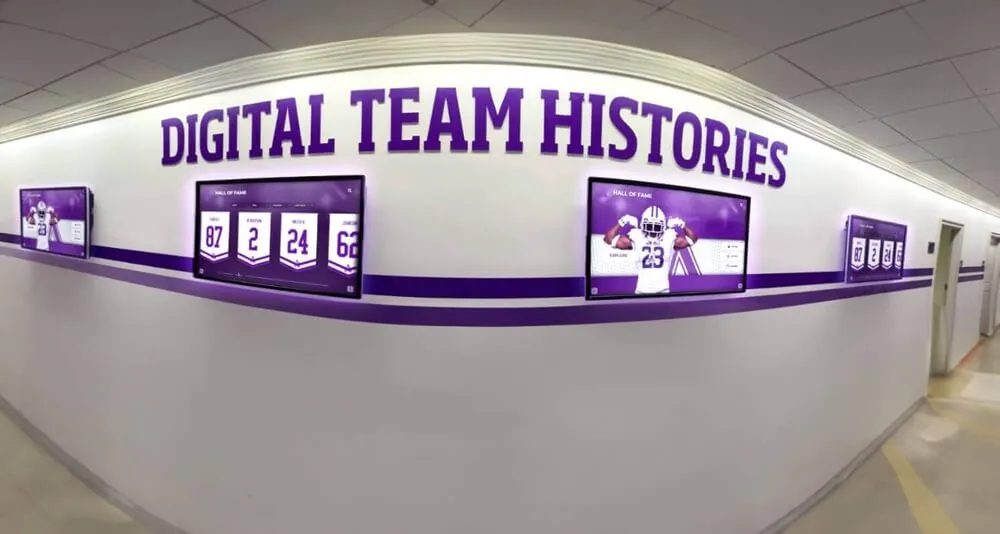
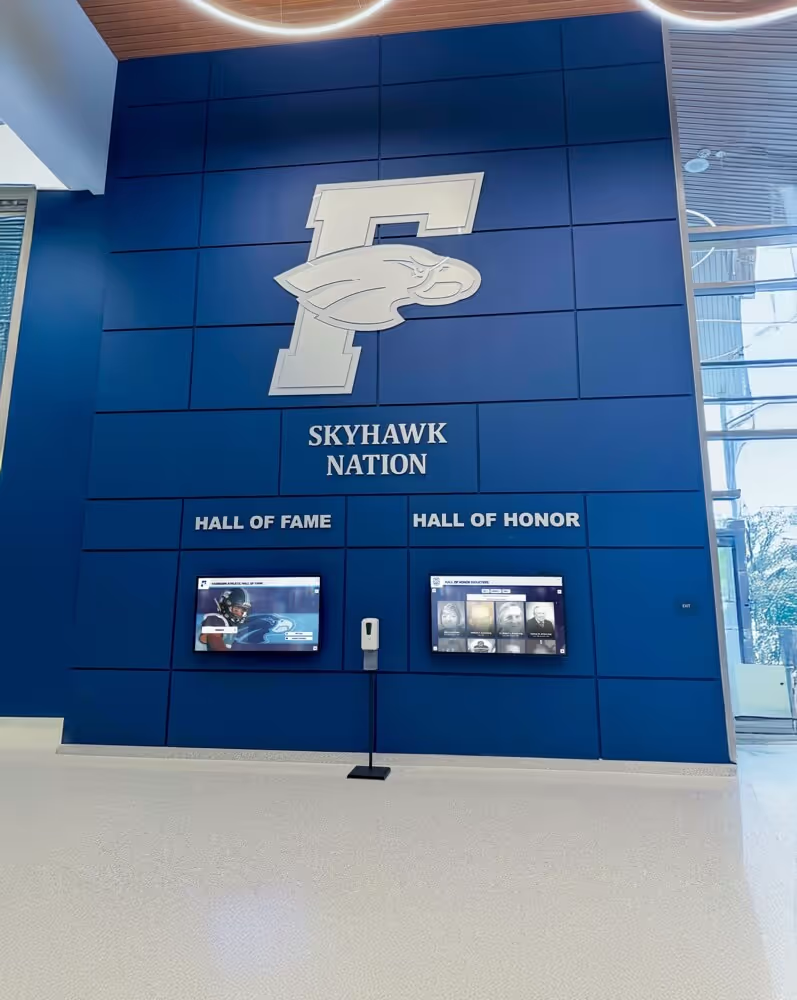
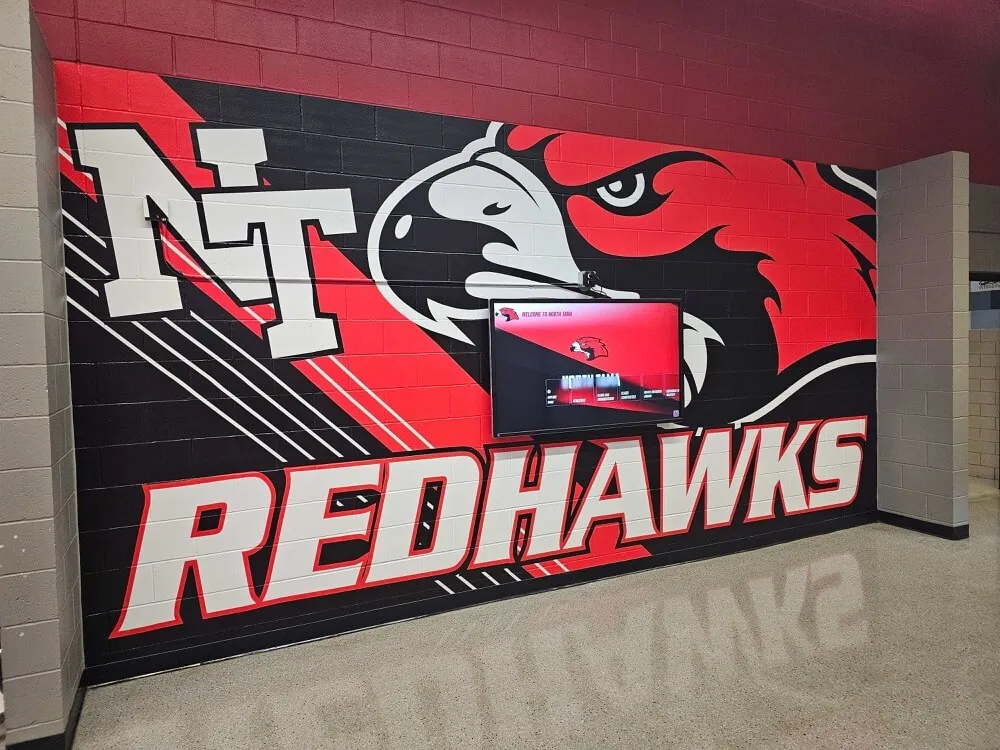
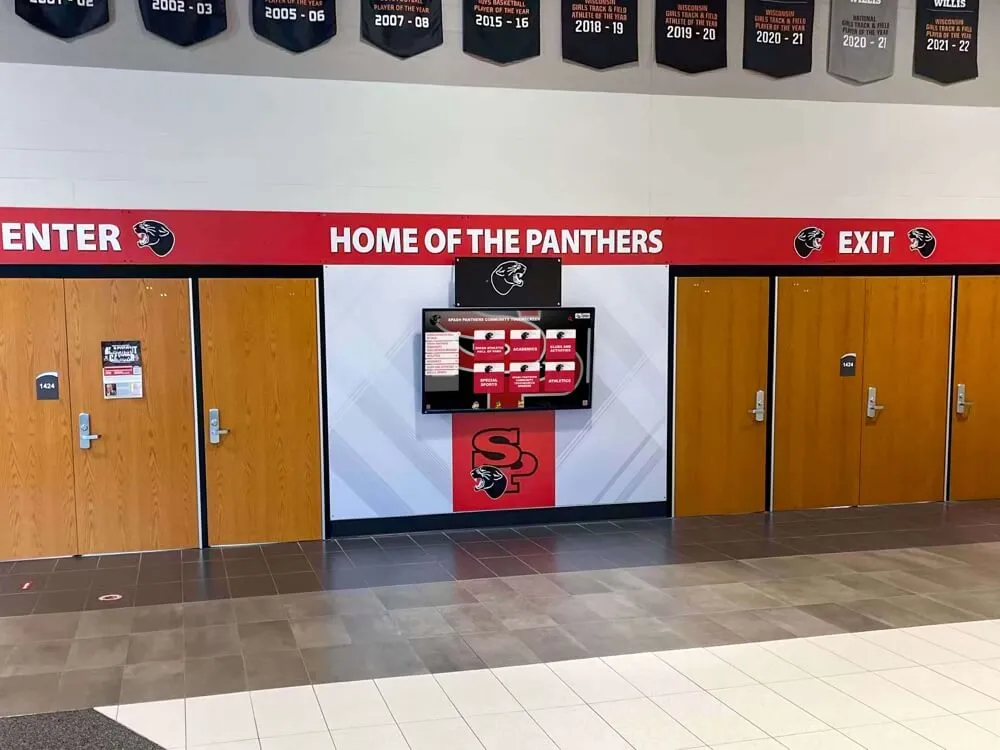
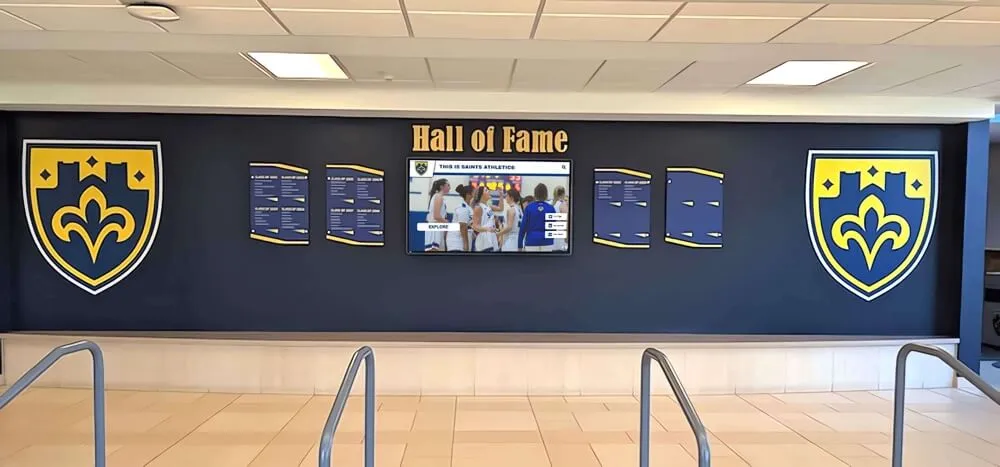
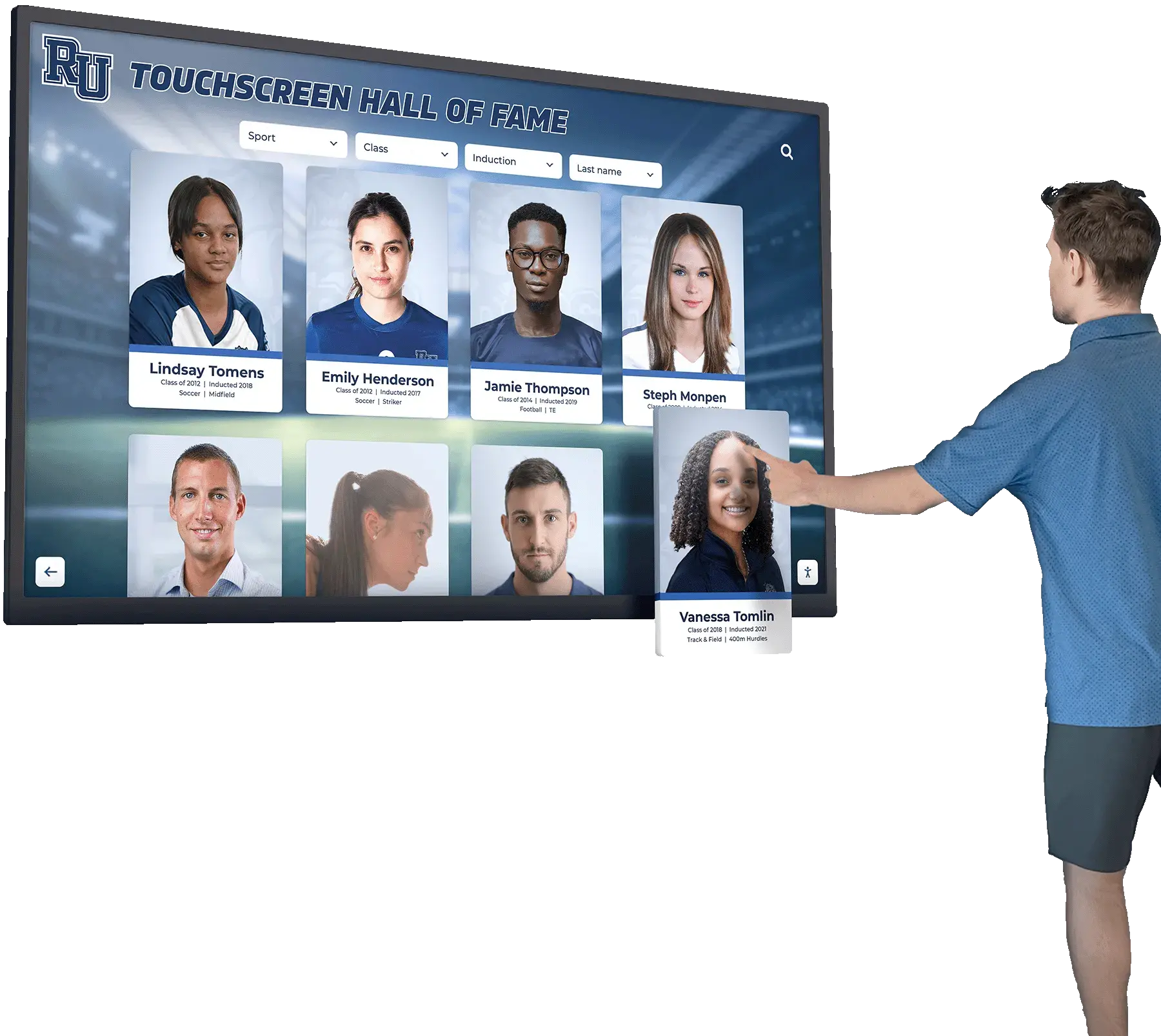
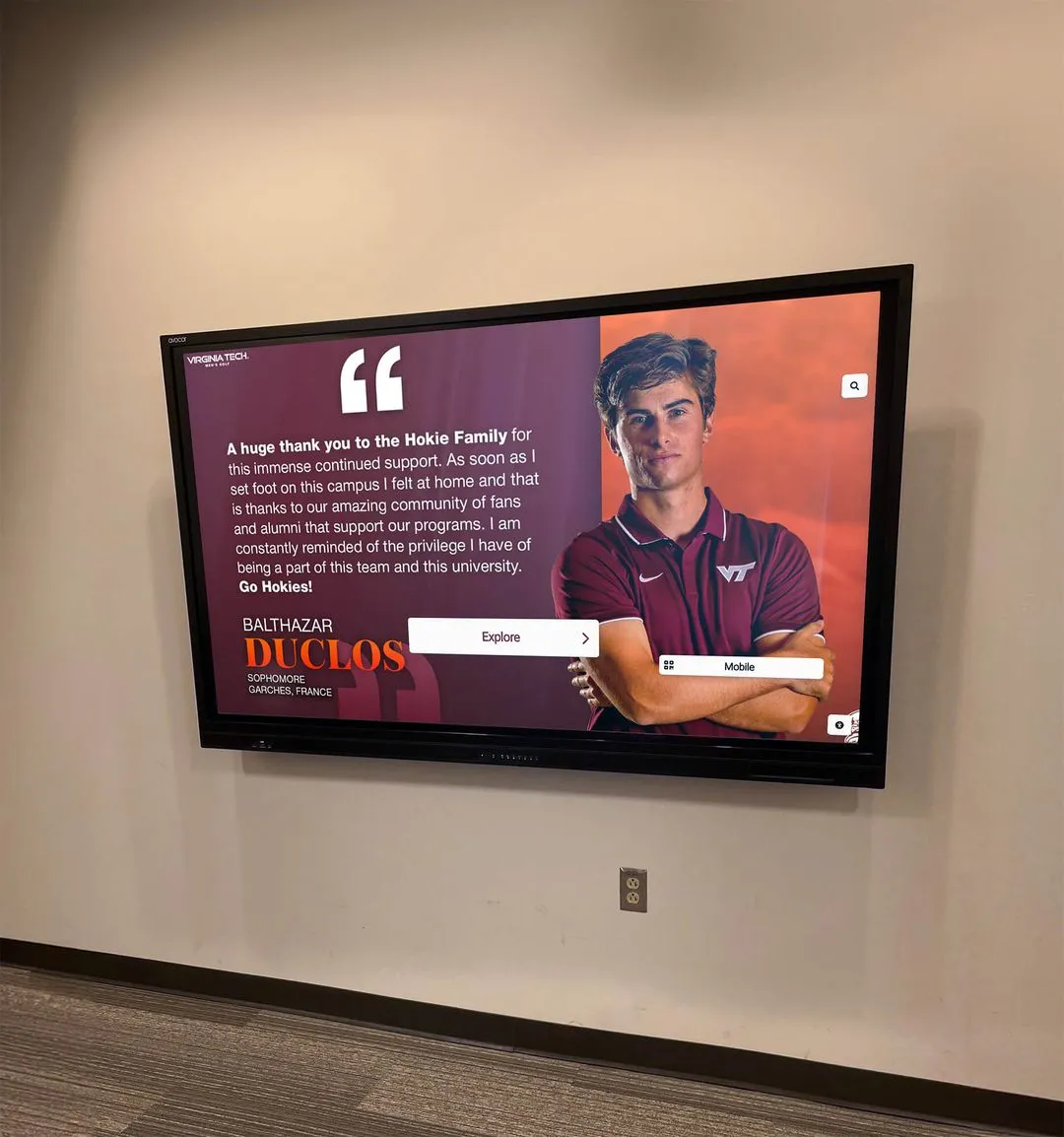
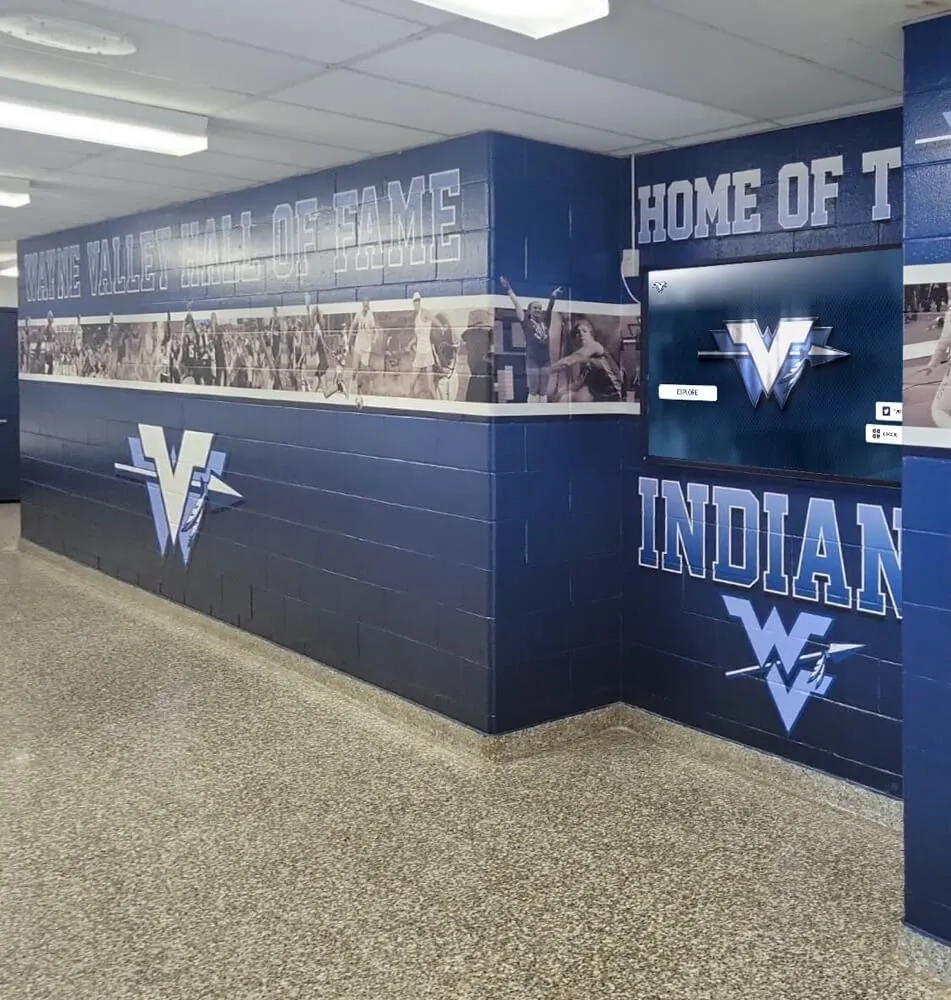
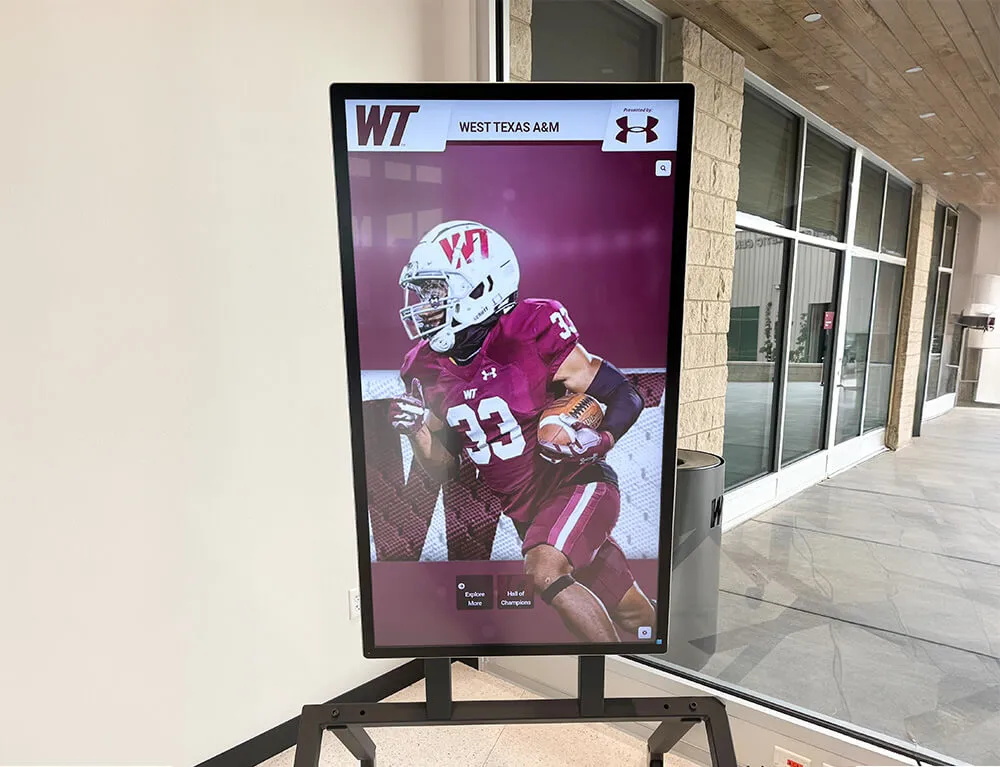
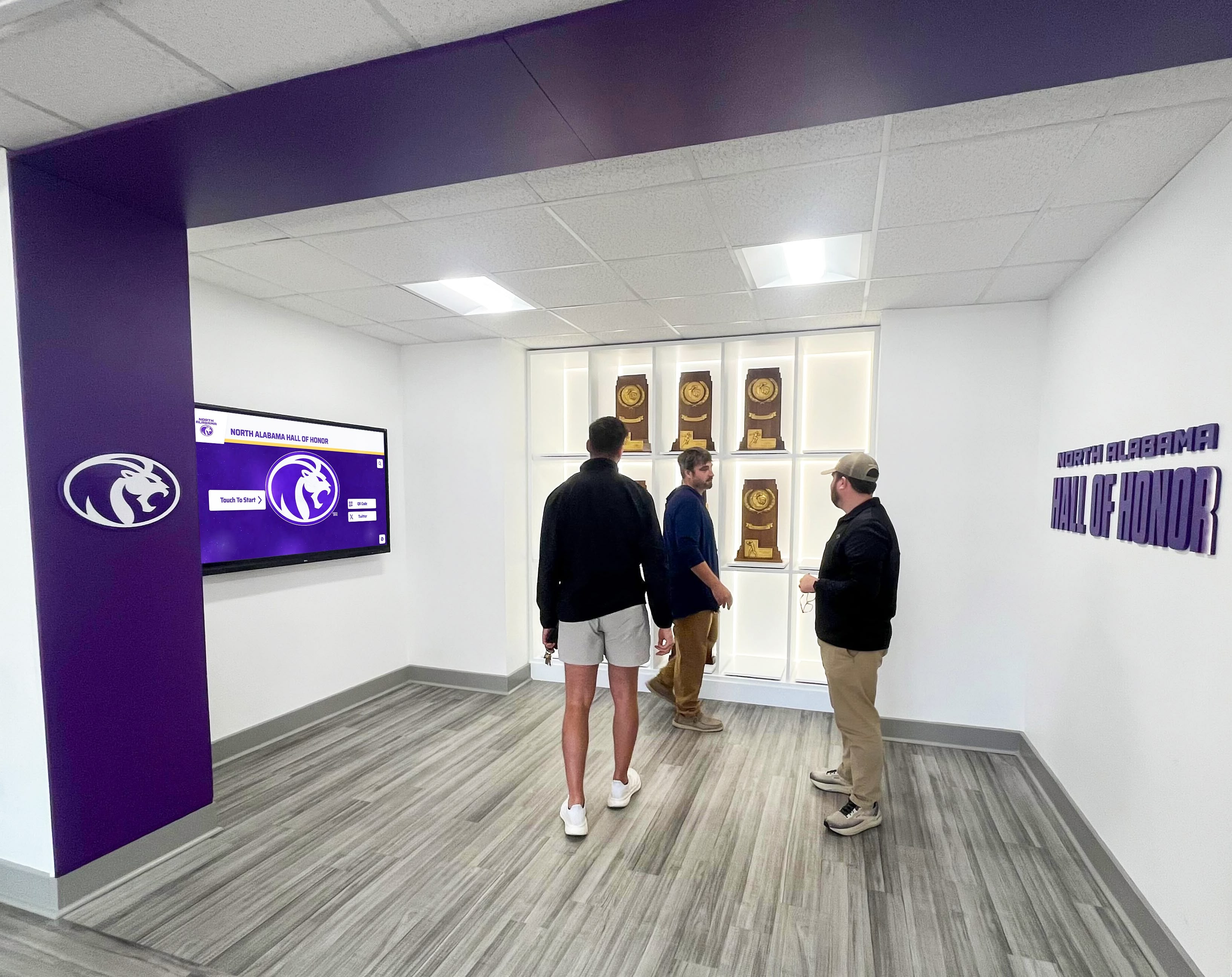
Recognition displays preserve team captain legacies, honoring the leadership that defines successful athletic programs
Understanding the Captain Role
Before diving into specific responsibilities, it’s essential to understand what the captain position represents and why it matters so profoundly to team success.
The Evolution of Team Captaincy
The captain concept has deep roots in athletic tradition, evolving from military leadership structures into modern sports contexts:
Historical Foundations
Traditional captain roles emerged from:
- Military command structures requiring clear field leadership
- Early team sports needing on-field decision makers
- Player-managed teams before professional coaching existed
- Cultural emphasis on leadership development through athletics
- Recognition systems honoring character alongside athletic achievement
- Peer leadership traditions valuing teammate respect over authority
These historical foundations established captaincy as honor recognizing both athletic excellence and personal character—a dual emphasis that remains central to captain selection today.
Modern Captain Responsibilities
Contemporary team captains operate in more complex environments:
- Bridging communication between coaching staff and players
- Maintaining team culture across diverse personalities and backgrounds
- Managing social media presence and public representation
- Supporting mental health and well-being of teammates
- Navigating name, image, and likeness (NIL) dynamics
- Balancing athletic commitments with academic and personal responsibilities
While core leadership principles remain constant, effective captains must adapt their approach to address evolving team dynamics and societal expectations.
Why Captains Matter: The Research
Studies consistently demonstrate that effective team captain leadership correlates with improved team performance:
Performance Impact
Research documents that teams with strong captain leadership experience:
- Higher team cohesion scores and chemistry ratings
- Improved communication effectiveness during competition
- Better conflict resolution and reduced internal friction
- Enhanced motivation and practice intensity
- Increased accountability for individual preparation
- Superior performance in high-pressure situations
According to sports psychology research, athletes report that captain leadership often matters more than coaching during critical competitive moments—particularly in self-refereed sports or situations requiring immediate decision-making without coaching input.

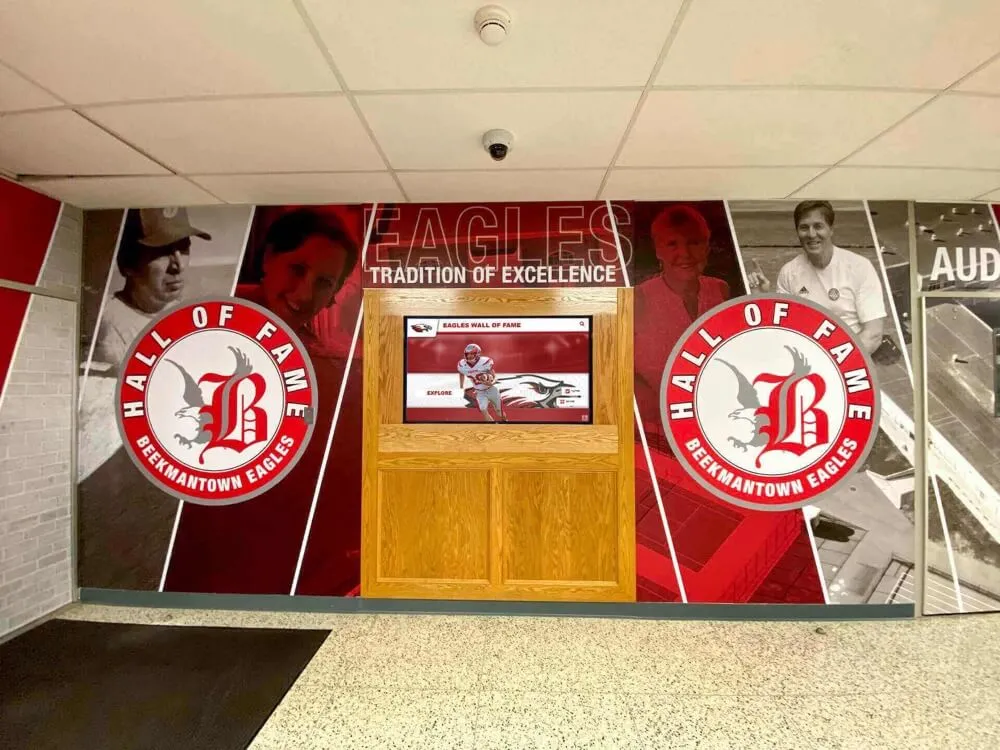
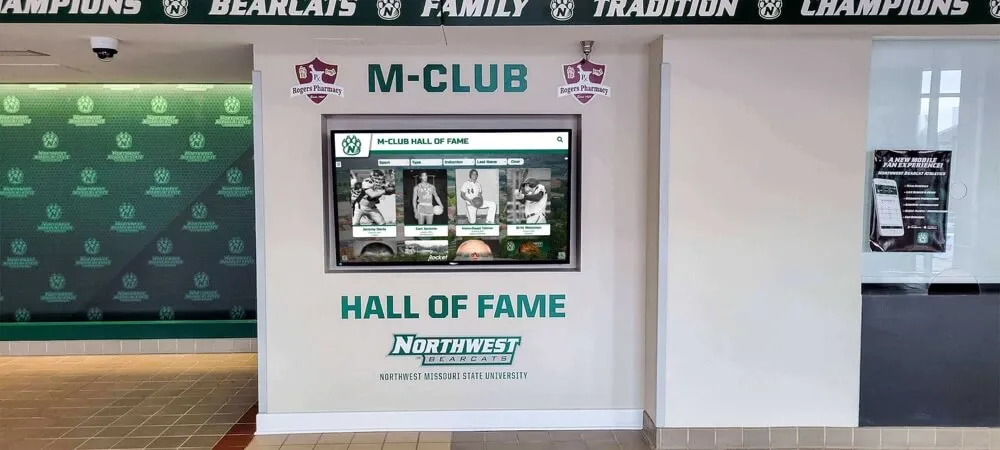
Permanent recognition systems celebrate captain leadership alongside championship achievements
Cultural Influence
Captains profoundly shape team culture through:
- Setting behavioral standards teammates emulate
- Establishing work ethic expectations through personal example
- Defining acceptable versus unacceptable conduct
- Creating inclusive environments where all players feel valued
- Maintaining tradition while adapting to roster changes
- Building connections between underclassmen and program history
The most successful programs recognize that captain influence extends across entire athletic careers—today’s freshmen observe current captains and develop leadership approaches that will define their own future captaincy.
Captain Selection Approaches
Programs use various methods to identify team captains, each with distinct advantages:
Coach-Selected Captains
Coaching staff designation based on:
- Demonstrated leadership qualities and character
- Athletic skill and performance consistency
- Understanding of team strategy and coach philosophy
- Ability to communicate effectively with diverse personalities
- Track record of accountability and responsibility
- Coachability and willingness to execute program standards
Coach selection ensures captains align with program values while possessing characteristics coaches believe support team success.
Player-Voted Captains
Teammate election emphasizing:
- Peer respect and natural leadership presence
- Ability to connect with entire roster
- Democratic process building team buy-in
- Recognition of informal leadership already occurring
- Authenticity valued by teammates over coaches
- Player ownership of team culture and standards
Player voting ensures captains possess genuine teammate respect—often the most important leadership qualification.
Hybrid Selection Models
Combined approaches balance multiple perspectives:
- Players nominate captain candidates through voting
- Coaching staff selects final captains from nominated pool
- Weighted voting combining coach and player input
- Multiple captain roles with different selection methods
- Leadership council with both appointed and elected members
- Rotating captaincy giving multiple athletes leadership experience
These hybrid models leverage both coaching expertise and teammate insight while building inclusive leadership structures.
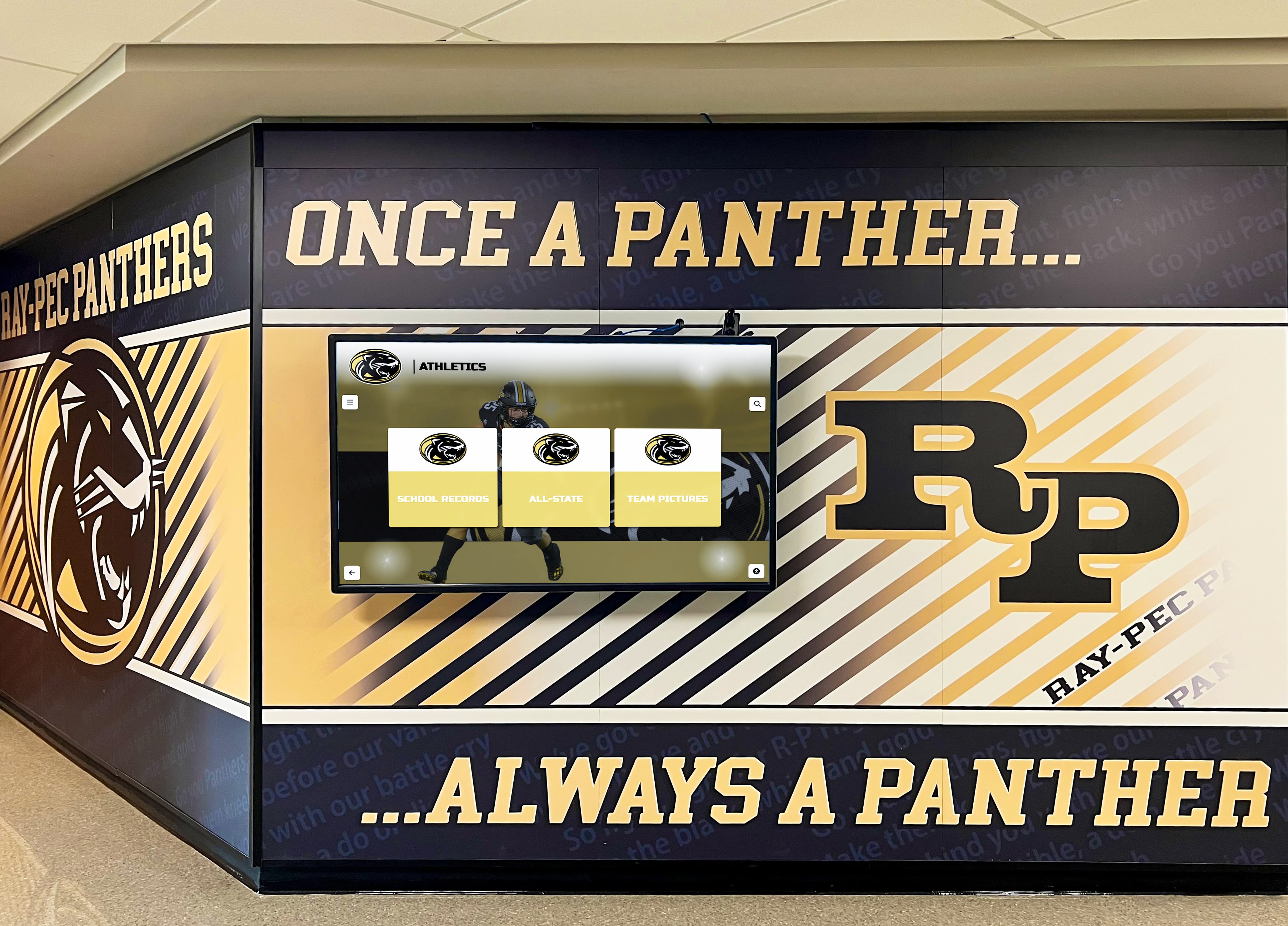
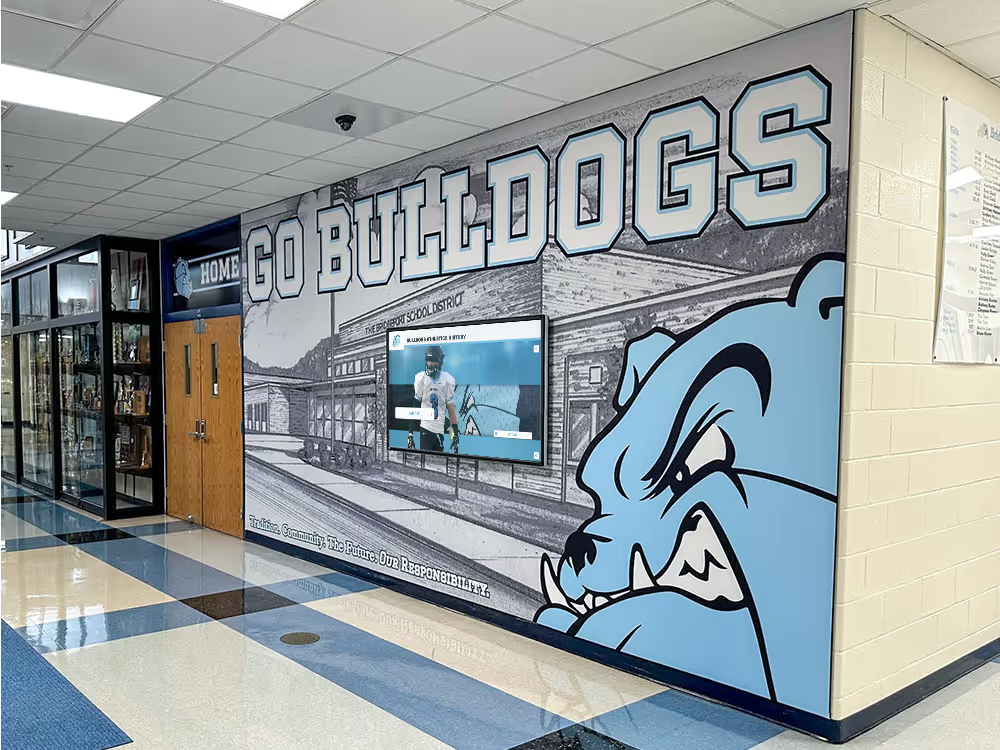
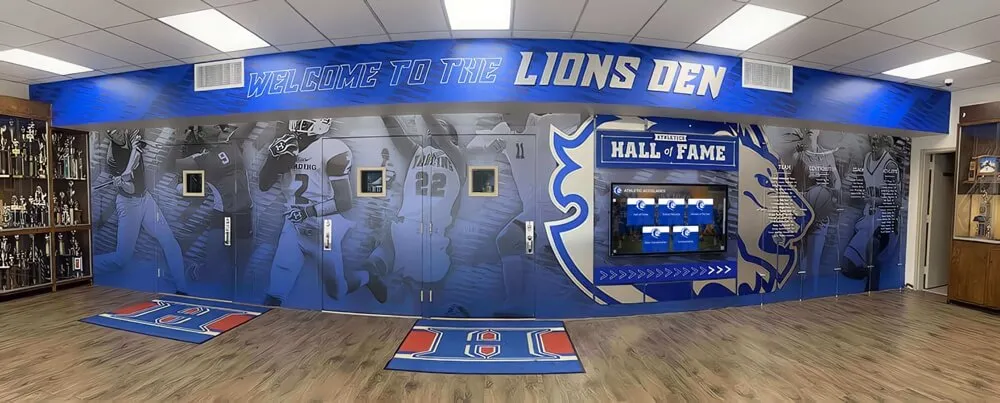
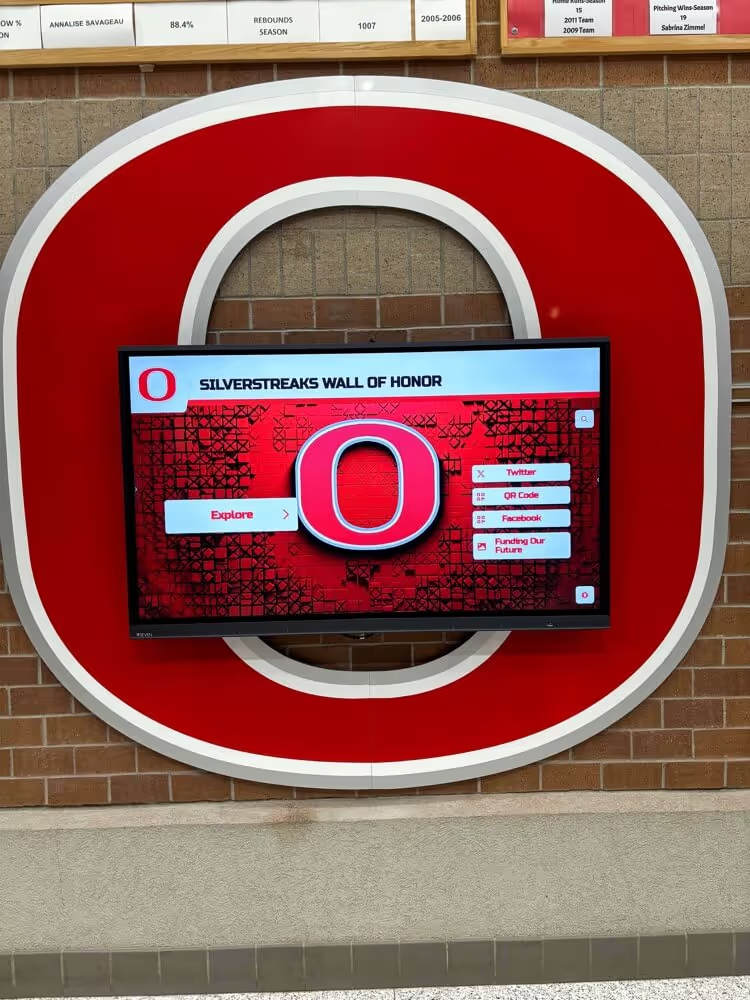
Athletic facility displays create pride while celebrating the leadership that drives program excellence
Essential Team Captain Responsibilities
Effective captains understand their multifaceted role encompasses responsibilities spanning communication, culture-building, performance, and representation.
Communication Bridge Between Coaches and Players
Perhaps the most critical captain responsibility involves facilitating clear, honest communication between coaching staff and team members:
Upward Communication to Coaches
Captains serve as player representatives conveying:
- Team morale and emotional state throughout season
- Player concerns about training methods or team dynamics
- Suggestions from roster about strategy or approach
- Early warning signs of developing conflicts or issues
- Feedback about what’s working versus areas needing adjustment
- Information coaches might not observe directly during practice
Effective captains deliver this feedback respectfully and constructively, helping coaches understand player perspectives while maintaining appropriate coach-player boundaries.
Downward Communication to Teammates
Captains also translate coaching priorities and expectations:
- Clarifying strategy and game plans for teammates
- Reinforcing coaching messages in player-friendly language
- Addressing questions or confusion about coach expectations
- Explaining rationale behind difficult decisions or approaches
- Maintaining coaching messaging consistency when coaches absent
- Helping teammates understand long-term program vision
This bidirectional communication prevents misunderstandings while ensuring alignment between coaching intentions and player understanding.
Facilitating Peer-to-Peer Communication
Beyond coach-player interaction, captains enable teammate dialogue:
- Creating safe spaces for honest team discussions
- Encouraging quieter players to share perspectives
- Mediating conflicts between teammates before escalation
- Facilitating team meetings addressing issues democratically
- Building communication norms emphasizing respect and honesty
- Establishing channels for anonymous feedback when needed
Teams with strong internal communication systems weather adversity more effectively and maintain cohesion despite challenges.
Setting Cultural Standards and Expectations
Captains define what’s acceptable within team culture through both explicit statements and implicit modeling:
Establishing Practice Standards
Captain leadership determines practice culture:
- Intensity levels expected during training sessions
- Focus and concentration norms throughout practice
- Response to mistakes emphasizing growth versus criticism
- Peer encouragement versus negative teammate interaction
- Punctuality and preparation expectations
- Effort standards regardless of role or playing time
Research shows that practice culture established by captain leadership predicts competitive performance more reliably than coaching instruction alone—players police themselves when captains set strong standards.
Modeling Off-Field Behavior
Captain influence extends beyond athletic facilities:
- Academic commitment and classroom engagement
- Social behavior at school and community events
- Social media presence and digital footprint management
- Relationship with teachers, administrators, and community members
- Substance use decisions and party behavior
- Treatment of family members, friends, and dating partners
Athletes consistently report that teammate behavior influences their choices more than coaching rules—making captain modeling particularly powerful for establishing cultural norms.
Enforcing Team Rules and Standards
Captains must address teammate behavior not meeting standards:
- Having difficult conversations with struggling teammates
- Addressing behavior issues before coaching intervention needed
- Balancing friendship with accountability requirements
- Maintaining consistency in standards across all players
- Protecting team culture from negative influences
- Supporting teammates in making better choices
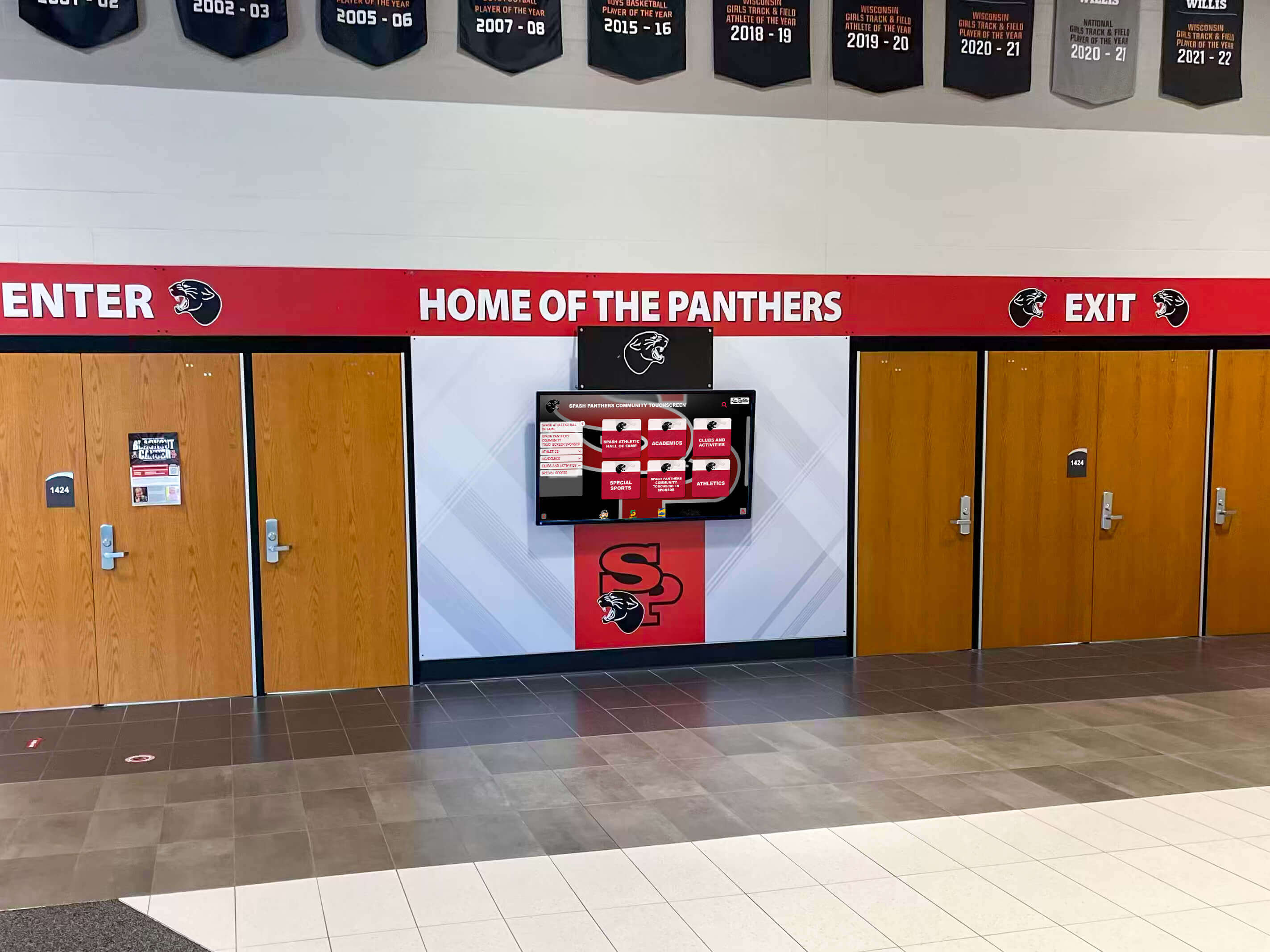
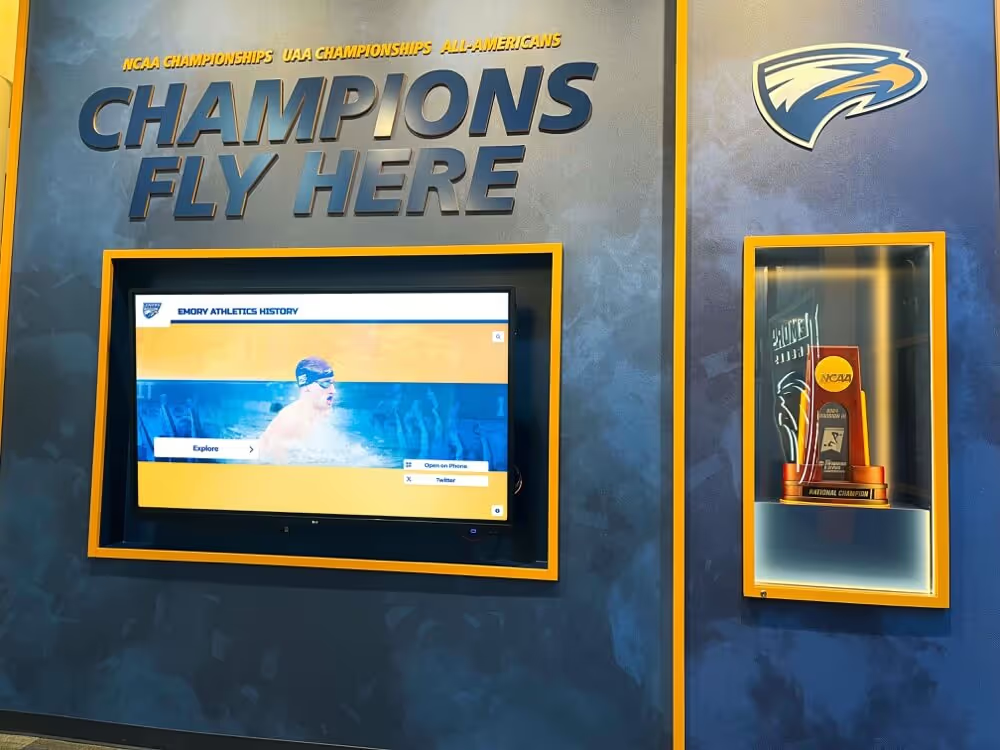
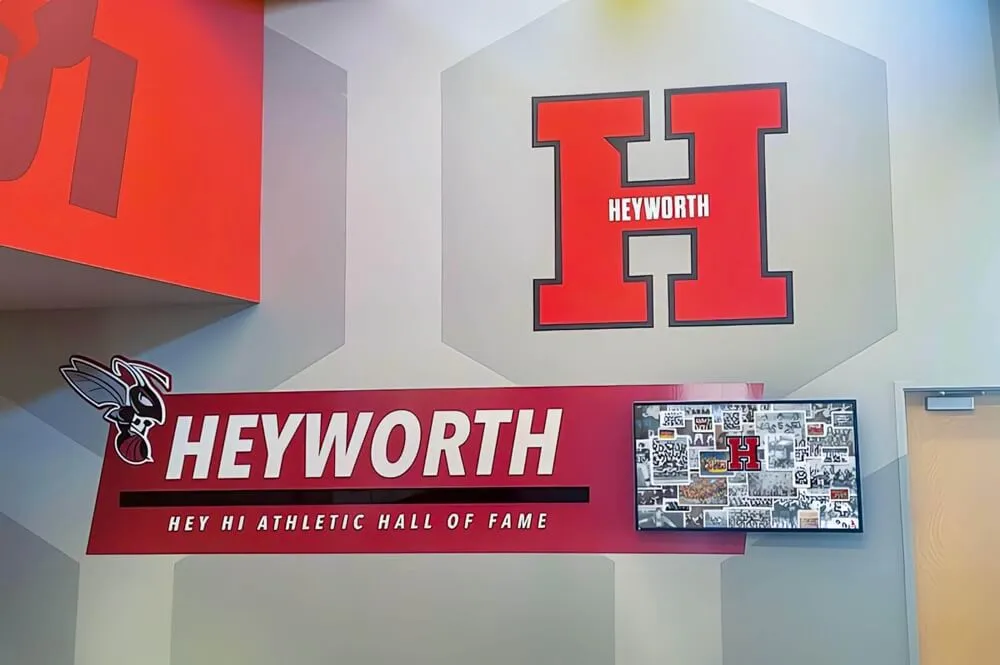
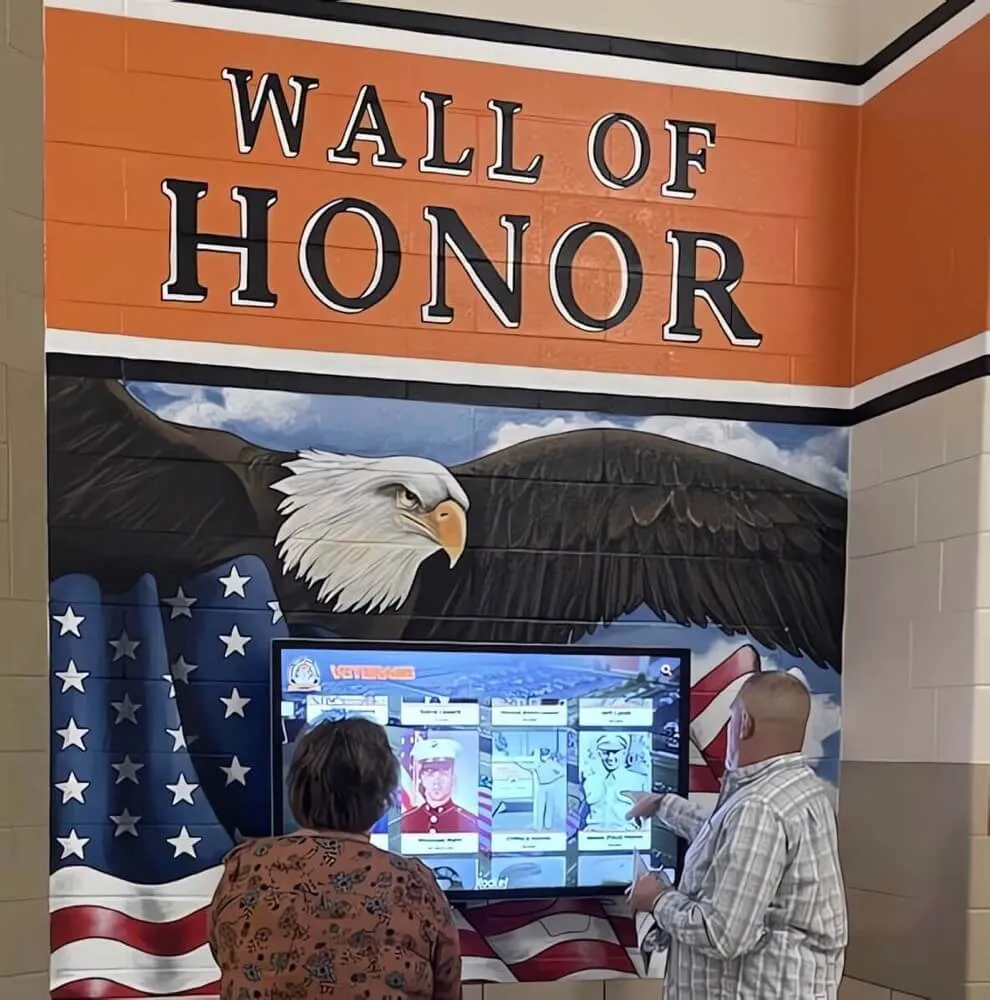
Entrance recognition displays honor captains who established the standards defining program excellence
This peer accountability often proves more effective than coaching discipline—teammates change behavior to maintain peer respect more readily than to avoid coach punishment.
Building and Maintaining Team Cohesion
Exceptional captains create unity across diverse personalities, backgrounds, and athletic abilities:
Fostering Inclusivity
Inclusive team cultures require deliberate captain action:
- Ensuring new players feel welcomed and integrated
- Preventing clique formation that divides roster
- Creating social opportunities connecting entire team
- Addressing discrimination or exclusionary behavior immediately
- Amplifying voices of quieter or marginalized teammates
- Building traditions that involve all players regardless of role
Teams where every member feels genuinely valued demonstrate stronger cohesion and higher collective performance than rosters with internal divisions.
Managing Playing Time Dynamics
One of the most challenging captain responsibilities involves maintaining morale despite competitive hierarchies:
- Supporting benched players feeling frustrated about roles
- Preventing resentment toward starters or high-profile athletes
- Emphasizing every role’s importance to team success
- Celebrating scout team and practice players’ contributions
- Managing ego among high-performing athletes
- Building culture where team success exceeds individual statistics
Research shows that teams maintaining cohesion across entire roster—not just starters—perform better in championship situations requiring depth and versatility.
Creating Team Bonding Experiences
Strategic team bonding strengthens relationships supporting athletic performance:
- Organizing social events outside athletic context
- Planning team meals or activities building connections
- Initiating traditions creating shared experiences
- Encouraging teammate support beyond athletics
- Developing inside jokes and team culture elements
- Facilitating conversations helping teammates know each other deeply
These bonding experiences create trust that translates to competitive communication and cohesion when facing adversity.
For programs looking to celebrate team bonding and achievements, athletic banquet ideas can help recognize captain leadership alongside team accomplishments.

Recognition lounges create spaces celebrating leadership excellence alongside championship achievements
Game Day Leadership Responsibilities
Competition reveals captain leadership through critical moments requiring real-time decision-making:
Pre-Competition Preparation
Effective captains establish game-day readiness:
- Leading warm-up routines ensuring physical preparation
- Managing pre-game emotions and competitive anxiety
- Delivering motivational messages appropriate to situation
- Ensuring teammates understand game plan and strategy
- Conducting final equipment and preparation checks
- Creating focused, confident atmosphere in locker room
These pre-game captain actions significantly impact team mental state and competitive readiness.
In-Game Leadership
Competition demands captain presence and decision-making:
- Making tactical adjustments when coaches unavailable
- Maintaining teammate composure during adversity
- Celebrating success appropriately without losing focus
- Managing official relationships professionally
- Reading momentum and emotional state of teammates
- Delivering critical feedback or encouragement mid-competition
In sports allowing captain-official dialogue, effective communication with referees can influence game outcomes significantly.
Halftime and Timeout Leadership
Break periods require focused captain intervention:
- Reinforcing coaching messages with player perspective
- Addressing specific teammate struggles compassionately
- Maintaining belief during deficit situations
- Preventing overconfidence when leading comfortably
- Facilitating quick team discussions addressing issues
- Managing hydration, nutrition, and physical recovery
Research shows that teams performing strong second-half adjustments typically feature captains effectively reinforcing coaching strategy during breaks.
Post-Competition Responsibilities
Captain leadership continues after final whistle:
- Managing immediate post-game emotions appropriately
- Leading team through victory celebrations or defeat processing
- Ensuring proper cool-down and injury care attention
- Representing team in post-game media or formal settings
- Beginning preparation mentally for next competition
- Checking on struggling teammates after disappointing results
How captains handle victory and defeat significantly influences team culture and resilience throughout season.
Leading Through Adversity and Challenge
True captain leadership reveals itself during difficult circumstances:
Managing Losing Streaks
Extended losing tests captain resilience and creativity:
- Maintaining belief and positive mindset despite results
- Preventing finger-pointing or blame assignment
- Emphasizing controllable factors versus outcome focus
- Protecting struggling teammates from excessive criticism
- Finding small victories and improvement within defeats
- Sustaining practice intensity and preparation quality
Teams that emerge from difficult stretches often credit captain leadership for preventing complete collapse of morale and standards.
Navigating Internal Conflicts
Interpersonal friction threatens team cohesion:
- Identifying developing conflicts before significant escalation
- Mediating disputes between teammates professionally
- Addressing bullying or harassment immediately
- Managing personality clashes through communication
- Preventing social media drama from affecting team
- Knowing when conflicts require coaching or administrative intervention
Effective conflict management prevents minor disagreements from becoming roster-dividing issues that undermine performance.
Supporting Teammates During Personal Crises
Athletes face challenges beyond athletics requiring captain support:
- Academic struggles threatening eligibility or confidence
- Family issues affecting emotional state and focus
- Mental health challenges requiring compassion and resources
- Relationship problems impacting practice and performance
- Injury recovery support maintaining connection to team
- Grief and loss experiences requiring team sensitivity
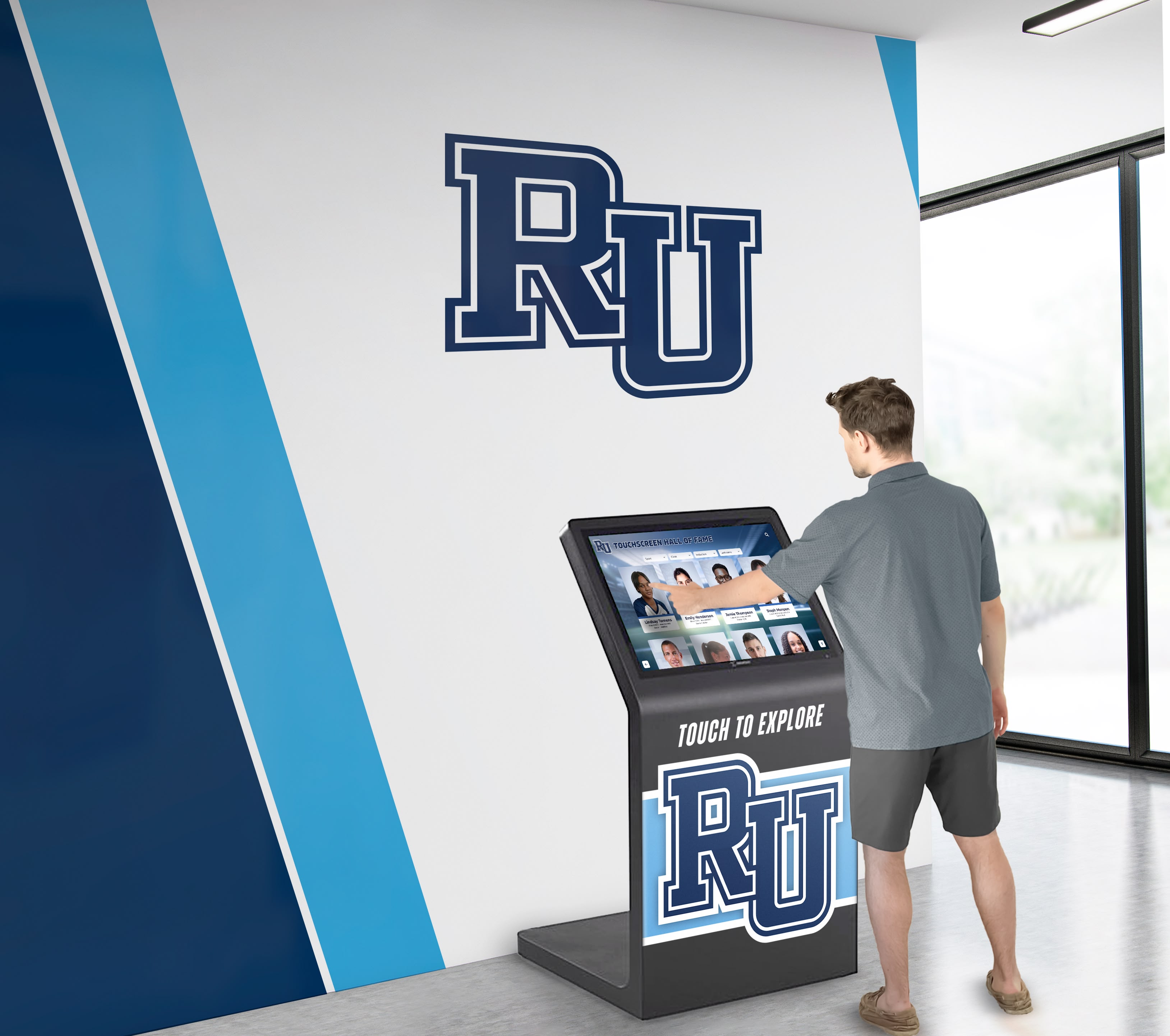
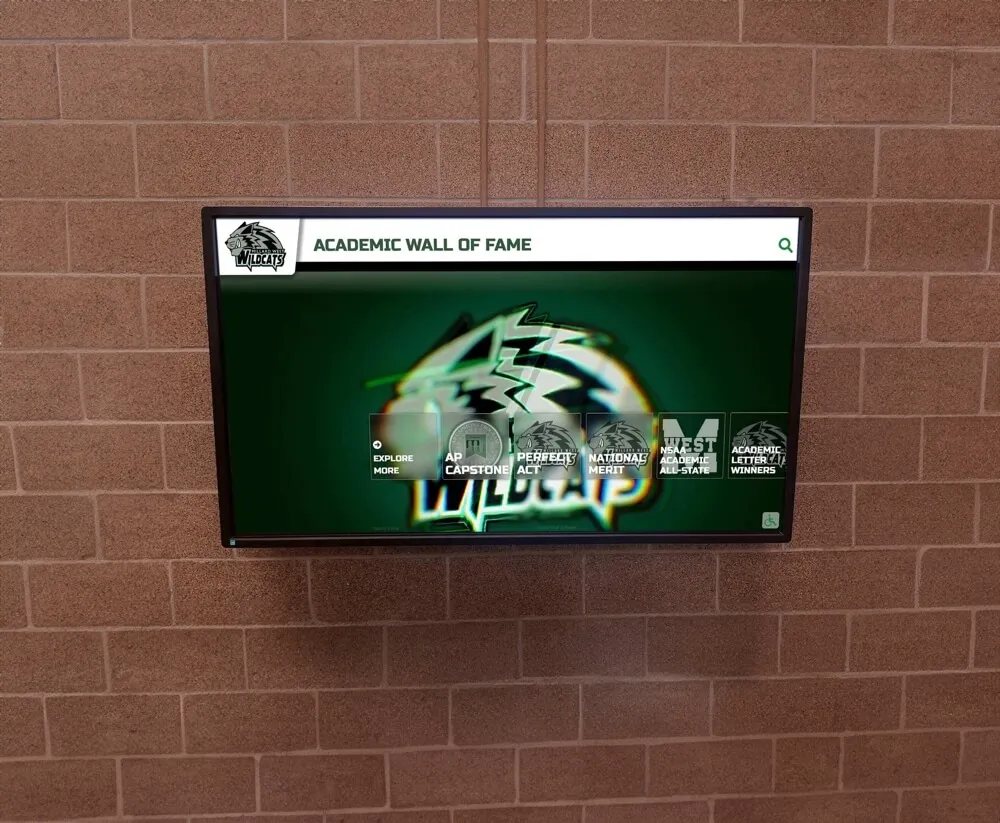
Recognition kiosks enable programs to honor captain leadership while showcasing team achievements
Captain awareness and appropriate response to teammate struggles demonstrates genuine care extending beyond athletic contribution—building loyalty and trust that strengthens team bonds.
Responding to Coaching Changes or Program Instability
Organizational turbulence requires steady captain leadership:
- Maintaining team focus during coaching transitions
- Preventing roster attrition when programs face uncertainty
- Preserving program culture across leadership changes
- Managing teammate anxiety about future direction
- Serving as continuity connecting past and future
- Supporting incoming coaches while honoring predecessor relationships
Teams navigating significant program changes often depend on captain stability to prevent complete cultural disruption.
Sport-Specific Captain Responsibilities
Different sports emphasize distinct leadership dimensions based on their unique demands:
Team Sport Captain Responsibilities
Basketball Captain Leadership
Basketball’s pace and intimate team size create specific captain demands:
- Constant on-court communication directing teammates
- Managing individual offensive roles within team system
- Defensive coordination and assignment communication
- Timeout and substitution pattern leadership
- Maintaining composure during momentum swings
- Building chemistry among five-player units
Basketball captains often serve as floor generals translating coaching strategy into real-time execution.
Football Captain Leadership
Football’s complexity and roster size require comprehensive leadership:
- Multi-captain systems spanning offense, defense, and special teams
- Managing position groups and unit cohesion
- Pre-snap communication in high-noise environments
- Bridging coordination between multiple assistant coaches
- Creating cohesion across 50+ player rosters
- Representing program in highly visible public contexts
Football recognition programs often celebrate captain leadership alongside position-specific achievement.
Soccer Captain Leadership
Soccer’s continuous play emphasizes sustained captain influence:
- Managing tactical adjustments during uninterrupted play
- Maintaining defensive organization and offensive shape
- Captain-referee relationship in player-managed officiating context
- Managing substitutions and formation changes
- Building cohesion across field positions with limited direct interaction
- Penalty kick and set piece leadership
Soccer captains must influence play continuously without coaching intervention during extended periods.
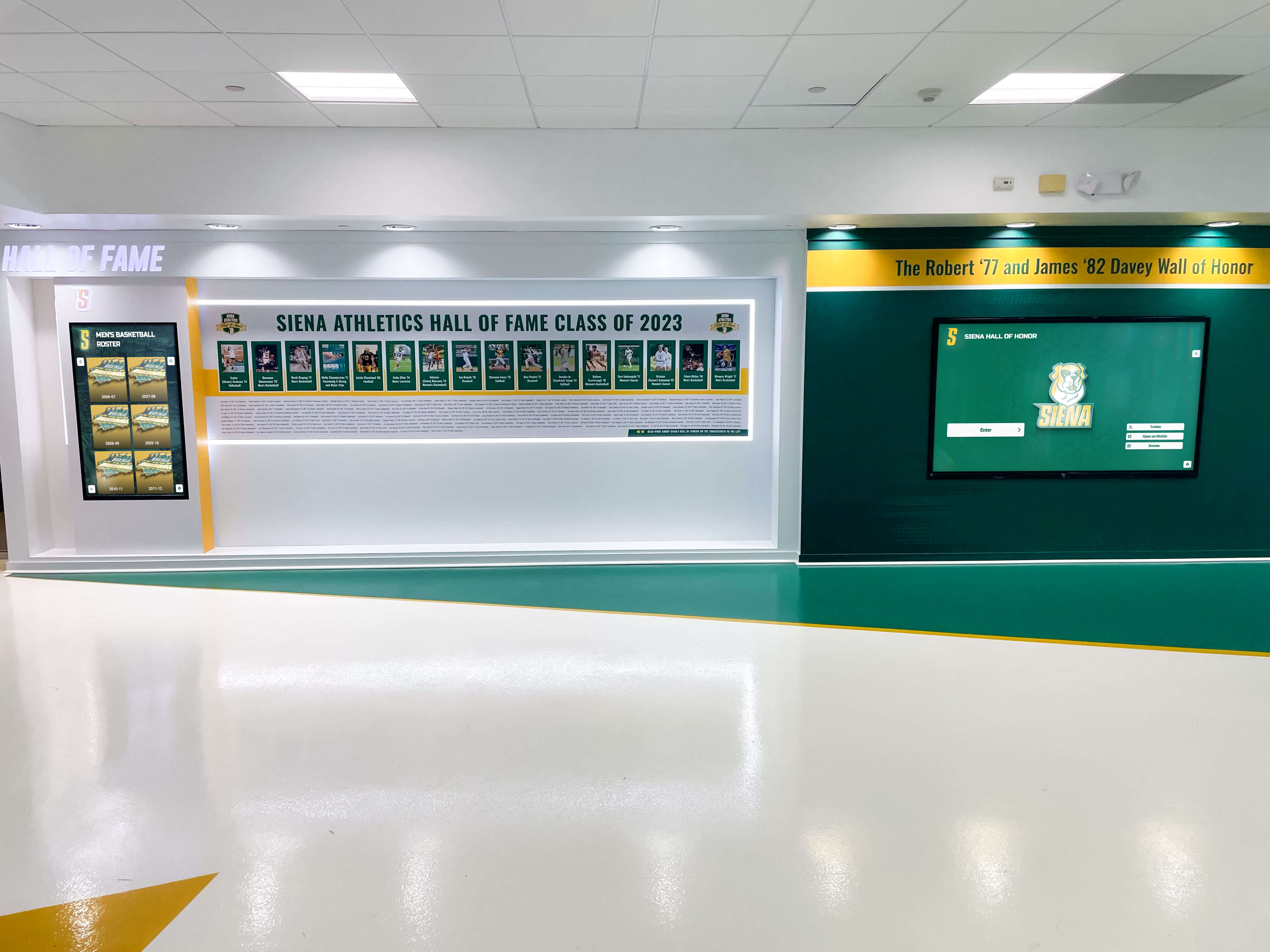
Hall of fame displays recognize captain excellence across all sports, preserving leadership legacies
Individual Sport Captain Responsibilities
Track and Field Captain Leadership
Multi-event sports require comprehensive team building:
- Creating cohesion across diverse event groups with limited interaction
- Managing relay team chemistry and competitive edge
- Supporting athletes in individual competition contexts
- Coordinating team scoring strategies at championships
- Building culture connecting throwers, runners, and jumpers
- Maintaining practice intensity across event-specific training
Track captains must unify athletes who train separately and compete individually while building team identity.
Wrestling Captain Leadership
Combat sports emphasize mental toughness and weight management:
- Supporting teammates through difficult weight cuts
- Building practice room intensity and competitive edge
- Managing individual preparation for dual meet team scoring
- Creating culture balancing individual success with team points
- Supporting teammates through losses in exposed individual format
- Maintaining multi-year program culture across graduation
Wrestling captains must balance fierce individual competition with genuine teammate support.
Swimming Captain Leadership
Endurance sports demand training intensity management:
- Sustaining motivation through monotonous training cycles
- Managing relay selection and team chemistry
- Supporting teammates through championship taper anxiety
- Building excitement for team scoring at major competitions
- Maintaining training quality when racing infrequent
- Creating energy in individual-focused competitive environment
Swimming captains combat isolation inherent in lane-based training while building cohesive team culture.
Qualities of Exceptional Team Captains
Certain characteristics consistently appear among the most effective team captains across all sports:
Character and Integrity
The foundation of captain leadership rests on personal character:
Accountability and Responsibility
Exceptional captains demonstrate:
- Taking ownership for personal mistakes and failures
- Accepting consequences for choices without excuse
- Following through on commitments consistently
- Maintaining standards even when inconvenient or difficult
- Acknowledging shortcomings honestly without deflecting blame
- Setting example through action rather than just words
Athletes follow captains they respect—and respect flows from demonstrated integrity more than athletic ability.
Consistency and Reliability
Captain influence depends on predictable, steady presence:
- Showing up prepared physically and mentally every day
- Maintaining emotional stability through ups and downs
- Delivering consistent effort regardless of circumstances
- Being available when teammates need support or guidance
- Honoring commitments made to coaches and teammates
- Providing stable leadership during turbulent periods
Teams thrive when they know exactly what to expect from captain leadership day-to-day.
Authenticity and Humility
Effective captains lead as genuine versions of themselves:
- Acknowledging limitations and areas for personal growth
- Avoiding pretense or false persona to appear “leader-like”
- Admitting uncertainty and soliciting teammate input
- Celebrating teammate success without jealousy
- Maintaining appropriate humility about personal achievements
- Leading through service rather than seeking status or recognition
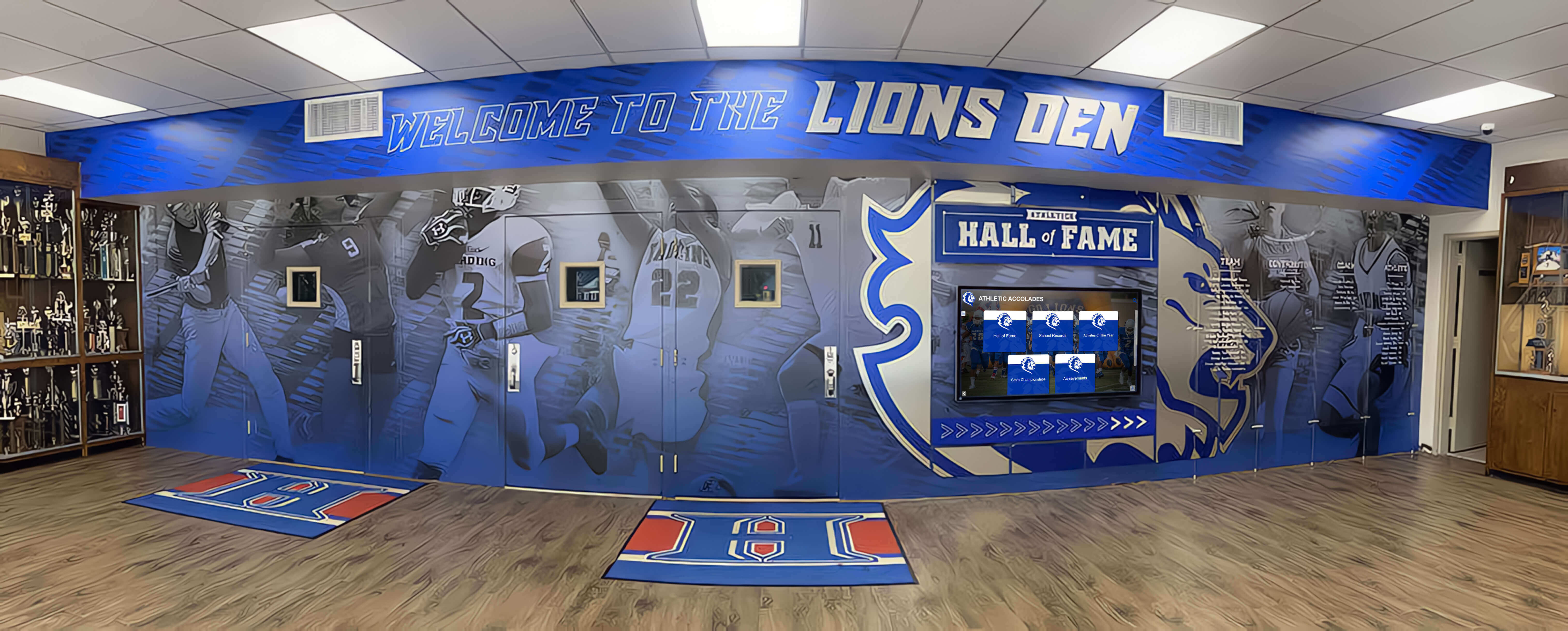
Facility recognition integrates captain achievement into comprehensive program histories
Teammates identify and reject inauthentic leadership quickly—making genuine character non-negotiable for effective captaincy.
Communication and Emotional Intelligence
Technical leadership skills enable captain effectiveness:
Verbal Communication Excellence
Strong captains master various communication contexts:
- Public speaking in team meetings and formal settings
- One-on-one conversations with struggling teammates
- Difficult conversations delivering critical feedback
- Motivational speaking inspiring peak performance
- Conflict mediation facilitating compromise and understanding
- Representative communication with media and public
Communication effectiveness determines whether captain vision translates into team action and understanding.
Active Listening Skills
Communication requires receiving information as effectively as delivering it:
- Providing full attention to teammates expressing concerns
- Asking clarifying questions before drawing conclusions
- Withholding judgment during difficult conversations
- Reading nonverbal communication and emotional cues
- Creating safe spaces where teammates share honestly
- Remembering details from previous conversations demonstrating care
Teams feel heard and valued when captains genuinely listen rather than simply waiting to speak.
Emotional Awareness and Regulation
Captain effectiveness requires sophisticated emotional intelligence:
- Recognizing own emotional state and its impact on others
- Managing personal emotions appropriately in team contexts
- Reading teammate emotional needs accurately
- Providing appropriate emotional support based on situation
- Knowing when to push teammates versus provide compassion
- Maintaining composure during high-stress situations
Research consistently shows emotional intelligence correlates with leadership effectiveness more strongly than technical athletic ability.
Work Ethic and Commitment
Captains earn respect through demonstrated dedication:
Training Intensity and Preparation
Leading by example requires visible commitment:
- Arriving early and staying late for additional training
- Demonstrating maximum effort in every repetition
- Maintaining preparation standards during offseason
- Pursuing continuous skill and knowledge development
- Taking care of body through nutrition, sleep, and recovery
- Studying film and game strategy beyond requirements
No captain can demand more from teammates than they give themselves—making visible work ethic essential for credibility.
Sacrifice and Prioritization
Captain responsibilities often require personal sacrifice:
- Choosing team needs over individual preferences
- Sacrificing social opportunities to maintain standards
- Accepting reduced playing time or role changes for team benefit
- Investing time in teammate development and support
- Managing academic and personal commitments around captain duties
- Delaying individual goals when team success requires it
These sacrifices demonstrate commitment to team-first values captains must embody to lead effectively.
For athletic directors seeking to recognize leadership development alongside achievement, senior night planning provides opportunities to celebrate captain contributions during final home competitions.

Interactive displays enable programs to celebrate captain legacies that inspire current and future athletes
Supporting and Developing Team Captains
Coaches and athletic departments must provide frameworks enabling captain success:
Pre-Season Captain Preparation
Effective programs don’t simply name captains and expect excellence—they develop leadership capacity:
Leadership Training Programs
Structured development prepares captains for responsibilities:
- Leadership workshops teaching communication and conflict resolution
- Team-building facilitation skill development
- Sports psychology education about motivation and cohesion
- Mentorship from former captains sharing experiences and advice
- Reading and discussion about leadership principles
- Role-playing practice handling difficult scenarios
Programs investing in captain development report higher captain effectiveness and confidence.
Defining Role Expectations
Clear expectations prevent confusion and misalignment:
- Written documentation of specific captain responsibilities
- Discussion clarifying coach expectations and boundaries
- Agreement about decision-making authority and autonomy
- Understanding of when to handle issues versus escalate to coaches
- Communication protocols for various situations
- Performance evaluation criteria for captain effectiveness
When captains understand exactly what’s expected, they can execute responsibilities confidently without constantly seeking coach validation.
Multiple Captain Role Definition
Programs with multiple captains benefit from clear role delineation:
- Specific responsibilities assigned to individual captains
- Offense/defense/special teams division in large rosters
- Senior versus junior captain distinctions
- Designated spokesperson for media and official interactions
- Primary liaison roles with coaching staff
- Regular captain meetings ensuring coordination and alignment
Role clarity prevents duplication, gaps in coverage, and conflict between co-captains.
Ongoing Captain Support
Captain development continues throughout season:
Regular Check-Ins
Coaches should meet regularly with captain leadership:
- Weekly captain meetings discussing team state and issues
- Individual conversations about captain well-being and struggles
- Feedback sessions evaluating leadership effectiveness
- Problem-solving support for challenging situations
- Validation and encouragement during difficult periods
- Guidance about specific teammate concerns or conflicts
Captains feel supported and empowered when coaches invest in their leadership success.
Balancing Autonomy and Oversight
Effective coaching relationships balance empowerment with appropriate boundaries:
- Giving captains space to lead without micromanagement
- Stepping in when situations exceed captain capacity
- Respecting captain decisions while providing guidance
- Allowing natural consequences teaching leadership lessons
- Protecting captains from adult-level problems
- Maintaining ultimate responsibility while delegating appropriate authority
Finding this balance enables captain growth while preventing overwhelming immature leaders.
Protecting Captain Well-Being
Leadership stress can negatively impact captain performance and health:
- Monitoring for captain burnout and emotional exhaustion
- Ensuring captains maintain academic performance and sleep
- Providing mental health resources when leadership stress overwhelming
- Sharing leadership burden across multiple captains
- Giving permission for captains to focus on personal performance when needed
- Recognizing signs of anxiety, depression, or unhealthy coping
When programs protect captain wellness, they enable sustained leadership throughout entire season.
For comprehensive athletic leadership development, intramural sports programs provide leadership opportunities for athletes across skill levels.
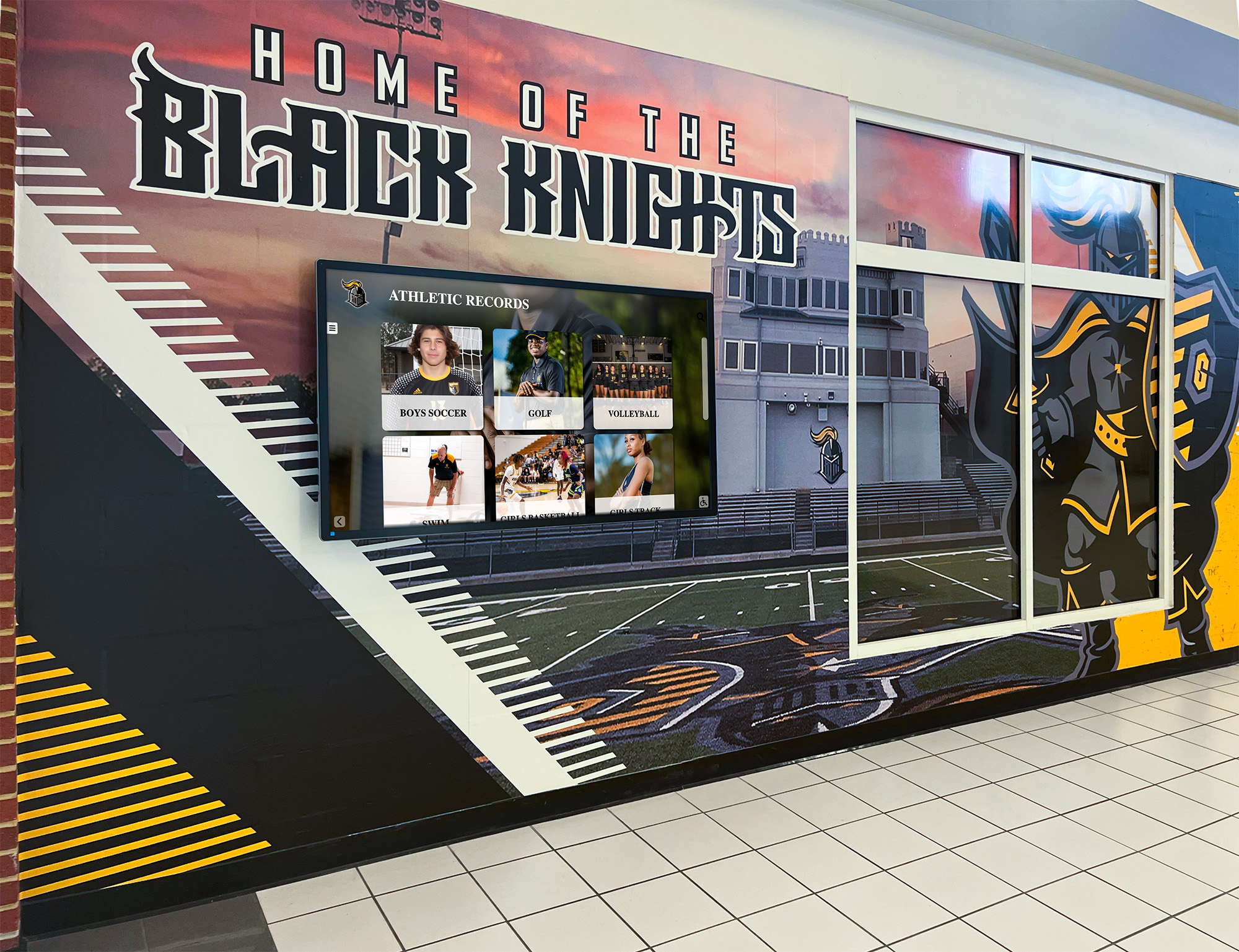
Hallway displays ensure captain leadership remains visible throughout athletic facilities
Recognizing and Honoring Captain Leadership
Programs should celebrate captain contributions appropriately throughout careers and beyond:
Season-Long Recognition
Regular acknowledgment sustains captain motivation:
Public Recognition Opportunities
Visible captain acknowledgment builds respect:
- Pre-game introductions highlighting captain status
- Program publications featuring captain profiles
- Social media content celebrating captain leadership
- Parent and fan communication explaining captain roles
- School assemblies recognizing captain contributions
- Local media features highlighting leadership excellence
Public recognition validates captain effort while demonstrating that program values leadership alongside athletic performance.
End-of-Season Captain Awards
Formal recognition honors captain dedication:
- Captain-specific awards at team banquets
- Certificates or plaques commemorating leadership service
- Special recognition from coaches during award ceremonies
- Team acknowledgment of captain contributions
- Video tributes highlighting leadership moments throughout season
- Letters of recommendation emphasizing leadership experience
These formal recognitions provide tangible acknowledgment captains can reference for college applications, resumes, and future opportunities.
Permanent Captain Recognition
The most meaningful recognition preserves captain legacies:
Traditional Physical Recognition
Conventional approaches honor captain service:
- Captain plaques mounted in athletic facilities
- Team photos distinguishing captains through placement or designation
- Trophy cases featuring captain-specific awards
- Retired numbers or permanent recognition for exceptional leaders
- Named awards for future captains honoring distinguished predecessors
- Physical captain recognition walls documenting program history
These traditional methods create visible tributes ensuring captain contributions aren’t forgotten after graduation.
Digital Recognition Display Solutions
Modern technology enables comprehensive captain celebration:
Organizations implementing digital recognition systems like Rocket Alumni Solutions transform how programs preserve and celebrate captain leadership:
- Comprehensive Captain Archives: Digital displays showcase every team captain across program history without space limitations
- Detailed Leadership Profiles: Each captain receives profile including statistics, achievements, leadership contributions, and personal story
- Searchable Historical Records: Alumni and community easily find specific captains regardless of era
- Multimedia Integration: Photos, videos, and testimonials create rich captain tributes impossible with traditional plaques
- Dynamic Updates: Cloud-based management enables honoring current captains alongside historical leaders
Programs using interactive touchscreen displays report significantly higher engagement from current students, returning alumni, and facility visitors compared to traditional recognition methods—ensuring captain legacies inspire future generations.
Integration With Comprehensive Athletic Archives
The most effective systems connect captain recognition to complete program documentation:
- Championship teams linked to captain leadership
- Statistical achievements contextualized with captain contributions
- Coaching legacies connected to captains who executed vision
- Program evolution narratives highlighting transformative captain leadership
- Alumni networks facilitated through captain connections across eras
- Tradition preservation documenting captain roles in building program culture
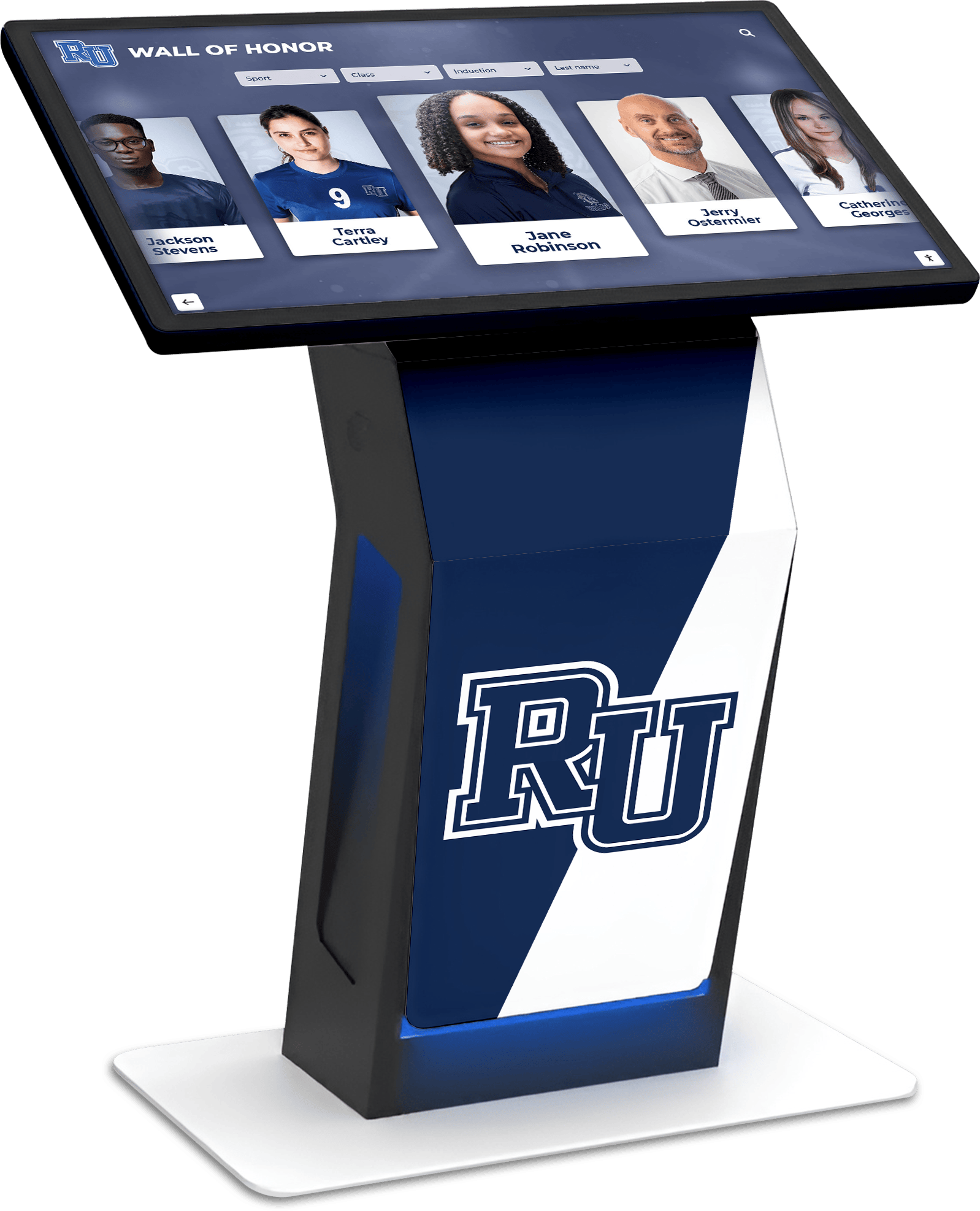
Touchscreen kiosks provide permanent platforms celebrating captain leadership alongside team achievements
Alumni Captain Networks
Long-term recognition extends beyond playing careers:
Maintaining Captain Connections
Programs benefit from sustained captain engagement:
- Alumni networks specifically connecting former captains
- Mentorship programs pairing current and former captains
- Annual captain reunions celebrating leadership tradition
- Advisory roles where former captains guide program development
- Fundraising campaigns led by captain alumni networks
- Career networking facilitating professional connections among captains
These alumni relationships demonstrate that captain recognition extends throughout lifetime—not just athletic career.
Captain Success Documentation
Tracking captain achievements validates leadership development claims:
- College athletic participation rates for program captains
- Academic achievement and graduation rates
- Professional success in career fields
- Continued leadership in community and workplace contexts
- Service and volunteer engagement patterns
- Testimonials about how captain experience influenced life trajectory
Programs documenting captain success provide compelling evidence about leadership development value extending far beyond sport.
For comprehensive recognition approaches, employee recognition programs in corporate contexts offer models applicable to athletic leadership celebration.
Challenges Facing Modern Team Captains
Contemporary captains navigate complexities previous generations didn’t encounter:
Social Media and Public Presence
Digital visibility creates unique captain challenges:
Managing Team Social Media
Captains must navigate online team representation:
- Maintaining positive team image on social platforms
- Addressing inappropriate teammate posts before damaging program
- Coordinating team social media presence and messaging
- Managing conflict when online drama affects team chemistry
- Representing program appropriately in personal social media
- Understanding that captain posts reflect on entire program
Athletic departments increasingly provide social media training helping captains manage these responsibilities effectively.
Dealing With External Criticism
Online platforms expose captains to unprecedented critique:
- Managing fan criticism of team performance
- Responding appropriately to unfair personal attacks
- Protecting teammates from online harassment or bullying
- Maintaining confidence despite public criticism
- Knowing when to engage versus ignore online commentary
- Supporting teammates struggling with negative attention
Captain resilience in face of digital criticism models healthy responses for younger teammates observing leadership reactions.
Name, Image, and Likeness (NIL) Dynamics
NIL opportunities create potential captain complications:
Managing NIL Disparities
Individual earning differences can affect team chemistry:
- Preventing resentment toward highly compensated teammates
- Maintaining team-first mentality when individual earnings vary
- Addressing work ethic or commitment concerns with NIL athletes
- Balancing celebration of teammate success with team cohesion
- Managing captain’s own NIL opportunities appropriately
- Preventing NIL becoming divisive force within roster
Captains must navigate these financial dynamics diplomatically while maintaining focus on team objectives.
Leveraging Captain Platform
Captain status can create NIL opportunities while demanding responsibility:
- Using leadership visibility for appropriate endorsements
- Maintaining authenticity in sponsored content and partnerships
- Ensuring NIL activities don’t compromise team commitments
- Considering how captain NIL choices model behavior for teammates
- Balancing personal earning with team responsibilities
- Recognizing platform built through team success, not just individual achievement
For organizations managing recognition across multiple dimensions, digital trophy systems provide comprehensive frameworks.
Mental Health and Well-Being Pressures
Modern awareness reveals captain mental health vulnerabilities:
Leadership Stress Management
Captain responsibilities can create significant pressure:
- Balancing personal performance with leadership obligations
- Managing teammate problems while handling own challenges
- Feeling responsible for team struggles or failures
- Difficulty separating self-worth from team performance
- Pressure to maintain positive appearance despite personal struggles
- Isolation from teammates when leadership creates distance
Programs must provide mental health resources specifically supporting captain well-being while reducing stigma around seeking help.
Supporting Teammate Mental Health
Captains increasingly serve as first responders for teammate struggles:
- Recognizing signs of depression, anxiety, or crisis
- Knowing appropriate resources and when to escalate concerns
- Providing compassionate support without becoming therapist
- Protecting confidentiality while ensuring safety
- Reducing stigma through open dialogue about mental health
- Modeling healthy coping strategies and help-seeking behavior
Training captains to support teammate mental health appropriately represents essential contemporary leadership preparation.
Celebrate Your Team Captain Legacy
Discover how Touch Archive digital recognition displays help athletic programs permanently honor captain leadership, preserve team histories, and inspire future generations through interactive touchscreen systems showcasing unlimited achievements and stories.
Request a DemoConclusion: The Lasting Impact of Captain Leadership
Team captain responsibilities extend far beyond ceremonial game-day duties or wearing distinguished uniform markings. Exceptional captains serve as the connective tissue binding coaching vision to team execution, the cultural architects establishing behavioral standards, and the emotional leaders guiding teammates through adversity and triumph alike.
While individual seasons conclude and athletic careers eventually end, the leadership skills developed through captain responsibilities create foundations for lifetime success. The communication abilities refined through difficult teammate conversations, the emotional intelligence built through conflict mediation, the work ethic modeled for younger athletes, and the accountability demonstrated through consistent example translate directly into professional, family, and community contexts long after final competitions.
Programs that recognize captain contributions appropriately—through seasonal acknowledgment, permanent recognition displays, and sustained alumni engagement—create leadership development pipelines producing generations of athletes prepared for life challenges extending far beyond sport. Solutions like Rocket Alumni Solutions enable even resource-constrained programs to provide comprehensive captain recognition previously achievable only through extensive space and financial investment, ensuring every captain receives acknowledgment proportional to their profound program impact.
Whether you’re a newly appointed captain seeking to understand your responsibilities, a coach working to develop leadership capacity, or an athletic director building recognition systems honoring those who lead, the principles explored in this guide provide frameworks for captain excellence. From daily communication bridging coaches and players to legacy preservation inspiring future generations, effective captain leadership represents one of athletics’ most valuable developmental experiences—transforming young athletes into leaders capable of guiding others toward collective goals while maintaining character and integrity under pressure.
The captains who embrace these responsibilities fully—who communicate honestly, set cultural standards through personal example, maintain team cohesion during challenges, and lead with authenticity and humility—create legacies that define programs and inspire teammates decades after their playing days conclude. When we properly recognize and celebrate these leaders through comprehensive digital archives preserving their contributions permanently, we ensure their leadership impact extends across generations, inspiring current and future captains to pursue the excellence that transforms teams, programs, and individual lives.
Ready to explore how your program can permanently honor captain leadership alongside championships and individual achievements? Learn how Touch Archive helps athletic programs create impressive recognition systems celebrating the leadership that defines program excellence while preserving legacies that inspire future generations of team captains committed to leading with character, dedication, and impact.