



Every athletic program is built on more than wins and losses. The rituals athletes perform before stepping onto a court, the records etched into hallway boards, the alumni who return years later to share what the program meant to them—these are the team traditions that give a school’s sports culture its depth and staying power. Yet without deliberate effort, traditions fade. Coaching changes scramble institutional memory. Photos go unarchived. Records stop getting updated. Alumni stories disappear when the people who hold them move on.
This guide is for athletic directors, school administrators, and communications staff who want to treat team traditions as the institutional asset they genuinely are. It covers what to document, how to build a practical preservation workflow, and how modern display technologies help schools make those traditions visible and alive for current athletes, returning alumni, and the broader community.
Team traditions create continuity—a thread connecting current athletes to the generations who wore the same jersey before them. When that thread is visible and maintained, it changes how athletes understand their own participation. A senior who knows she’s running the same pre-meet warm-up circuit her school’s runners have used for thirty years experiences that routine differently than someone doing it for the first time. Tradition is meaning built up over time, and it requires intentional stewardship to survive it.

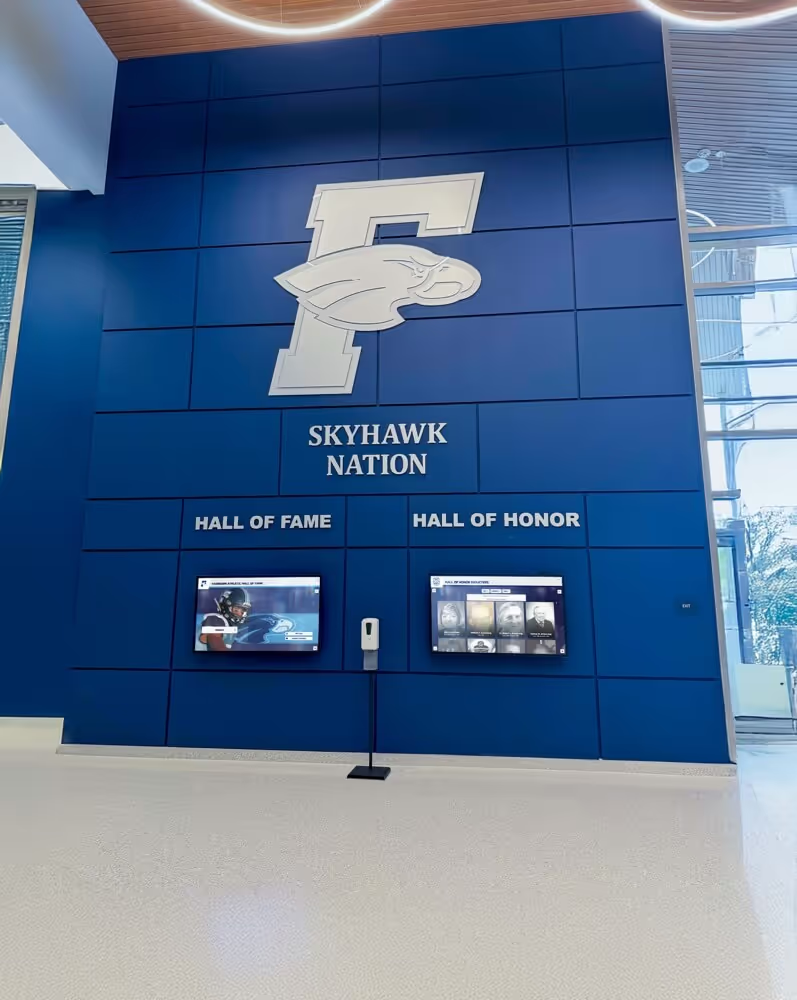
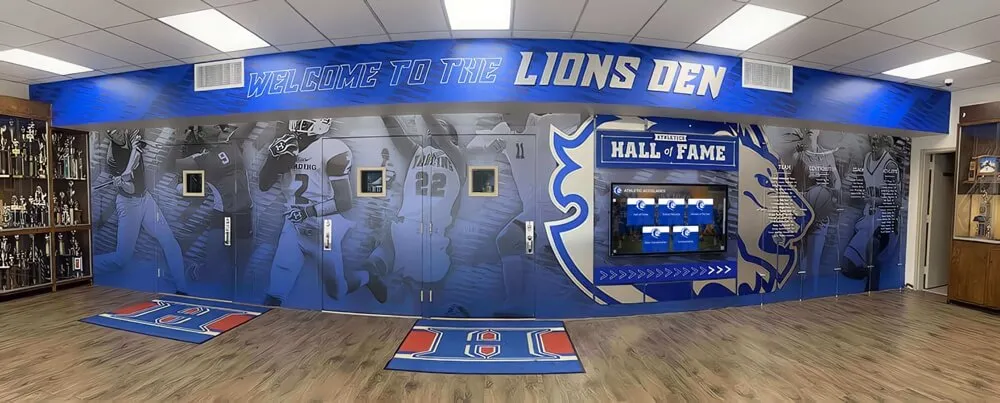
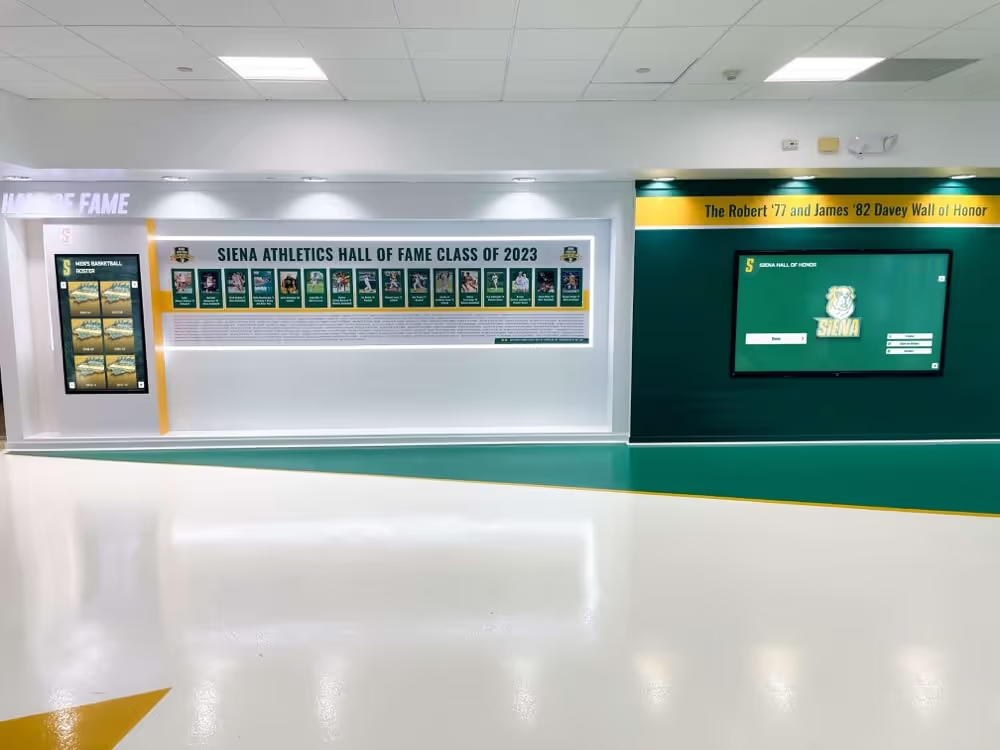
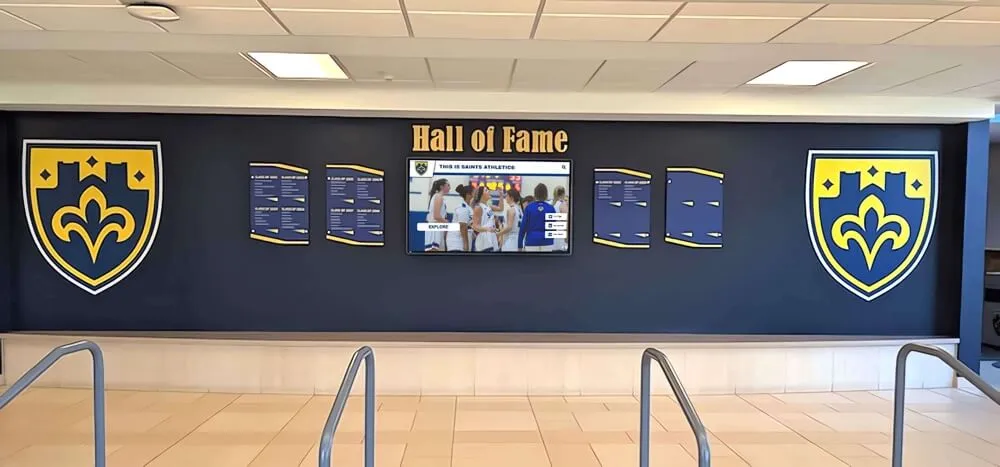
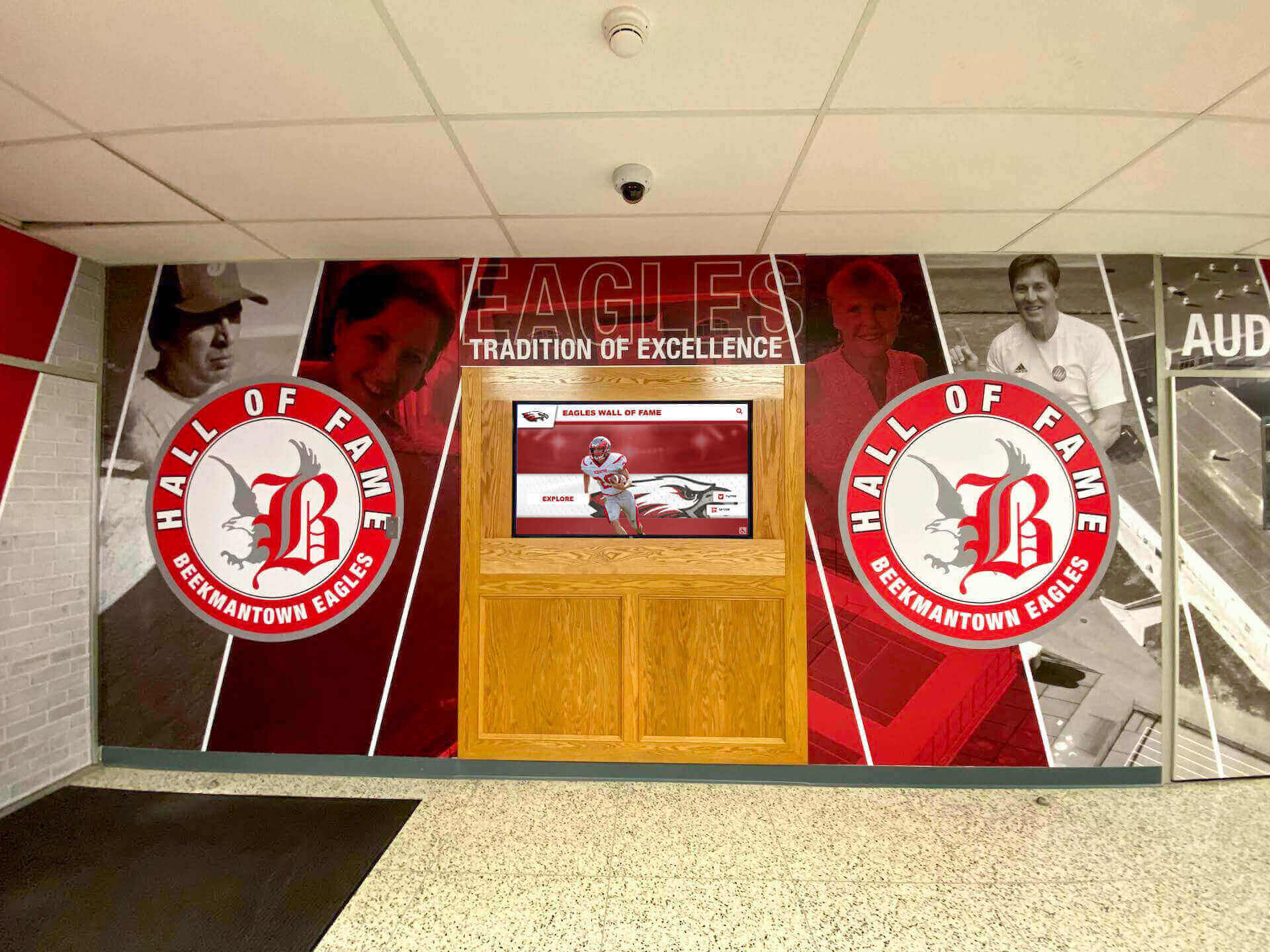
A hall of fame mural anchored in the school lobby makes athletic tradition visible to every student, visitor, and returning alumnus who walks through the door
What Team Traditions Are Worth Preserving
Before building a preservation system, it helps to take inventory of what your program actually has. Team traditions fall into several overlapping categories, each requiring a different approach to documentation.
Pre-Game and In-Season Rituals
The rituals that surround competition—tunnel walks, team huddle formats, warm-up sequences, locker room customs—are often the hardest to document because they live in muscle memory rather than paperwork. They’re passed informally from upperclassmen to freshmen, and they rarely get written down.
Preserving these traditions starts with naming and describing them. A short written description of a pre-game ritual, paired with video footage captured during a regular season contest, creates a record that survives coaching transitions. Even a dedicated page in a program handbook—updated annually—gives the tradition documentary life beyond the athletes who currently carry it.
Season-Opening and Closing Ceremonies
Many programs have established ceremonies marking the start and end of each competitive season: a team commitment gathering at the season’s first practice, a senior recognition event at the final home contest, a year-end banquet where awards are presented and highlights reviewed. These structured ceremonies are traditions even when no one calls them that, and they deserve deliberate documentation.
Photographing ceremonies consistently, archiving the materials used (programs, award lists, speech excerpts), and organizing those materials by season creates the kind of layered historical record that becomes genuinely valuable ten years later.
Records, Milestones, and Statistical History
Competitive records—individual and team bests across every measurable sport—are among the most concrete traditions a program maintains. A record board that documents who ran the fastest 400-meter dash in school history, or which team posted the program’s longest winning streak, creates an ongoing relationship between current athletes and their predecessors that no other format quite matches.
The challenge is that records require consistent stewardship. Yearbooks on touchscreen and digital record systems can automate updates and eliminate the manual maintenance burden that causes physical boards to fall behind. When records are always accurate and visible, they do their cultural work continuously rather than requiring athletes to trust that the board they’re looking at is current.
Alumni Stories and Career Achievements
What happens to athletes after they leave is as much a part of program tradition as anything that happens during their time at school. An alumnus who went on to compete at the college level, enter a profession touched by the discipline sport taught, or return as a mentor or donor represents the full arc of a program’s impact—and that story deserves to be captured.
Alumni stories are the hardest category to preserve because they require ongoing outreach, not just documentation of events that happen on campus. Programs that build alumni story collection into their annual recognition cycles—asking returning graduates to share updates at reunions, banquets, or induction events—accumulate living records that flat statistics can never replicate.
Building a Preservation Workflow: Where to Start
Preserving team traditions doesn’t require a comprehensive overhaul of how a program operates. It requires a systematic workflow applied consistently over time. The following framework gives athletic departments a starting point that scales with available resources.
Step 1: Conduct a Tradition Audit
Start by mapping what already exists. Walk through every space athletes occupy—gymnasiums, hallways, locker rooms, practice facilities—and document what’s displayed and what’s stored. Talk to veteran coaches, long-tenured support staff, and program alumni who hold institutional memory that no current database captures.
The audit typically reveals two categories of findings: more history than the program realized it had, and significant gaps where documentation should exist but doesn’t. Both are useful. The existing history gives you a foundation to build from; the gaps show you where immediate preservation effort is most urgent.
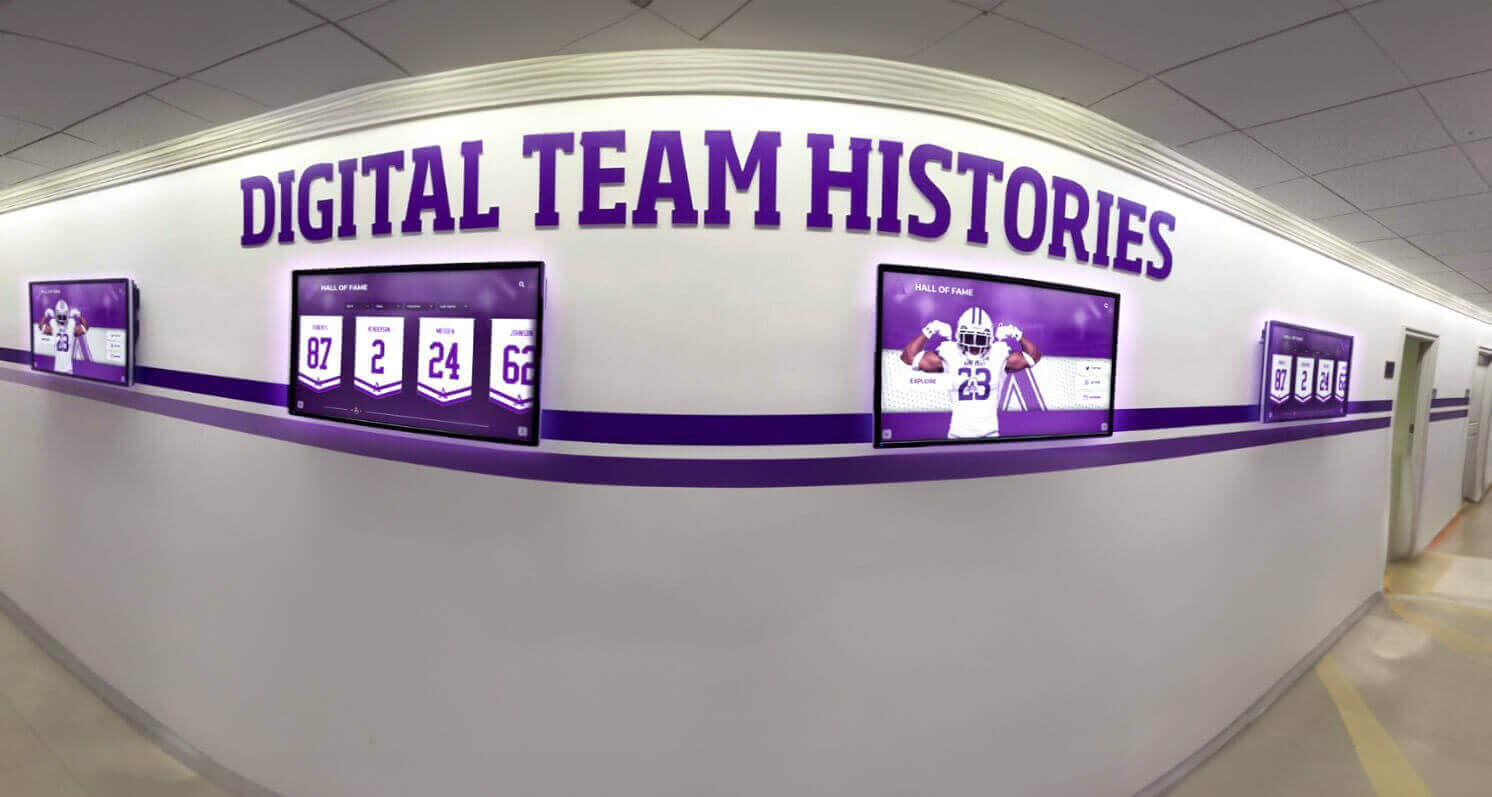
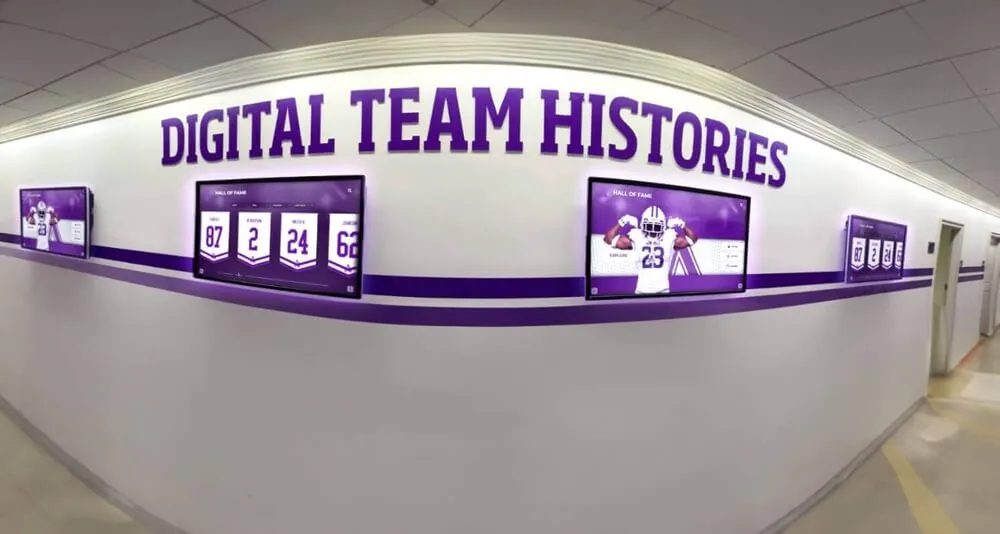
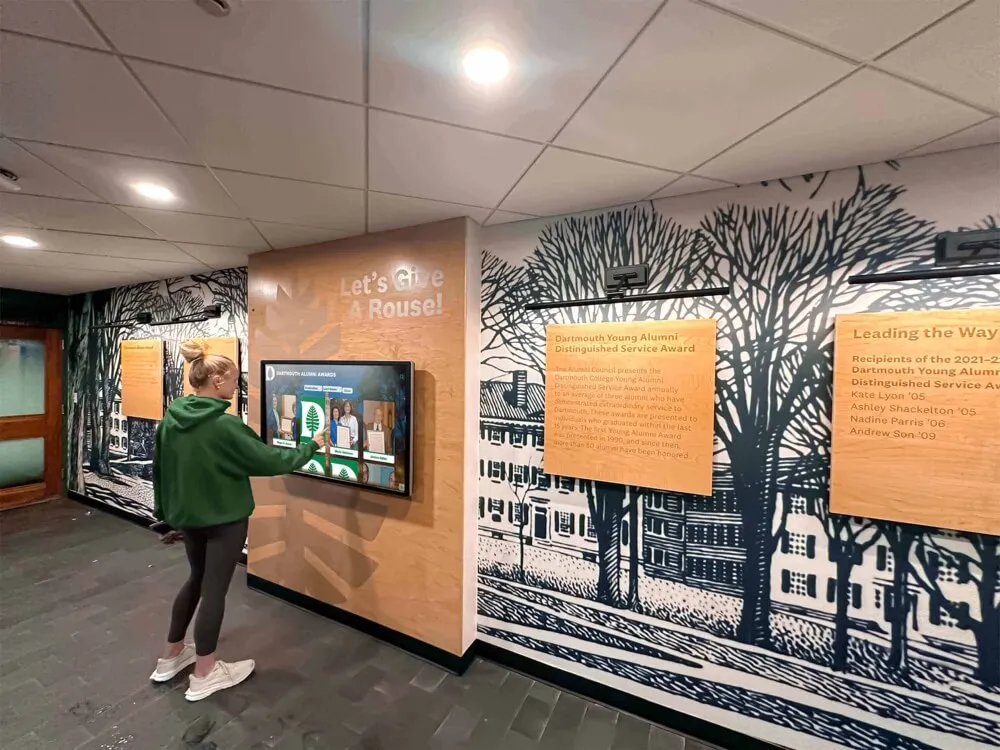
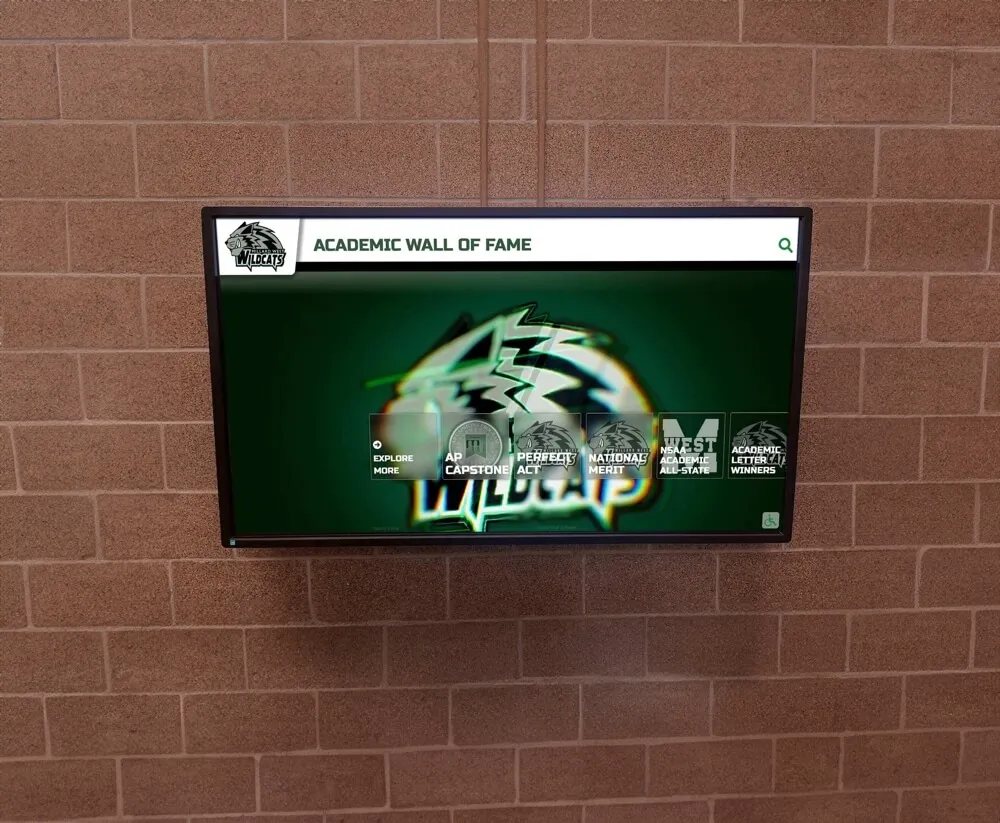
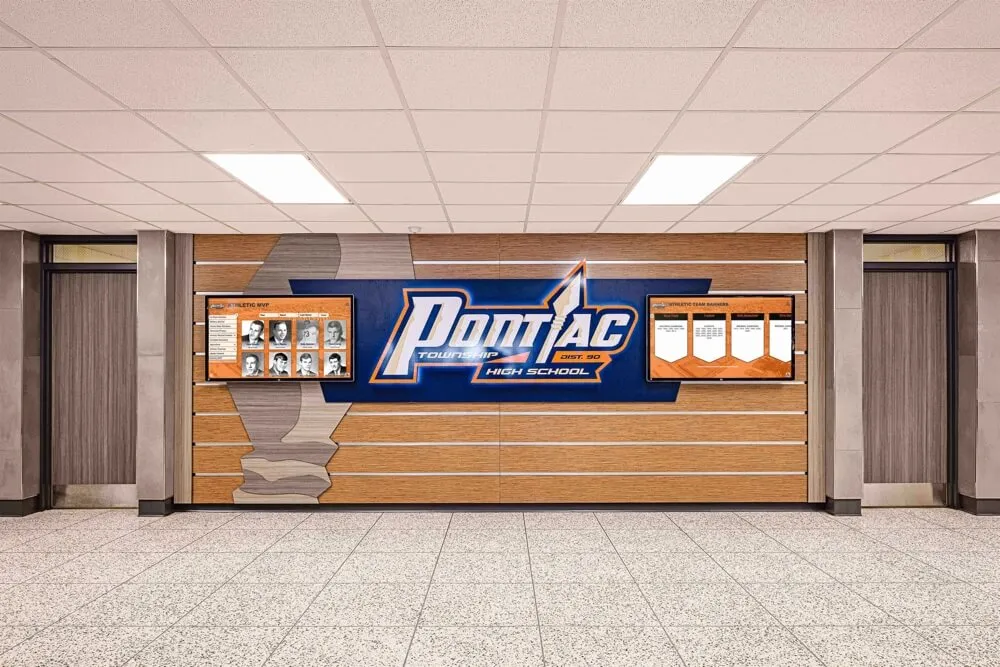
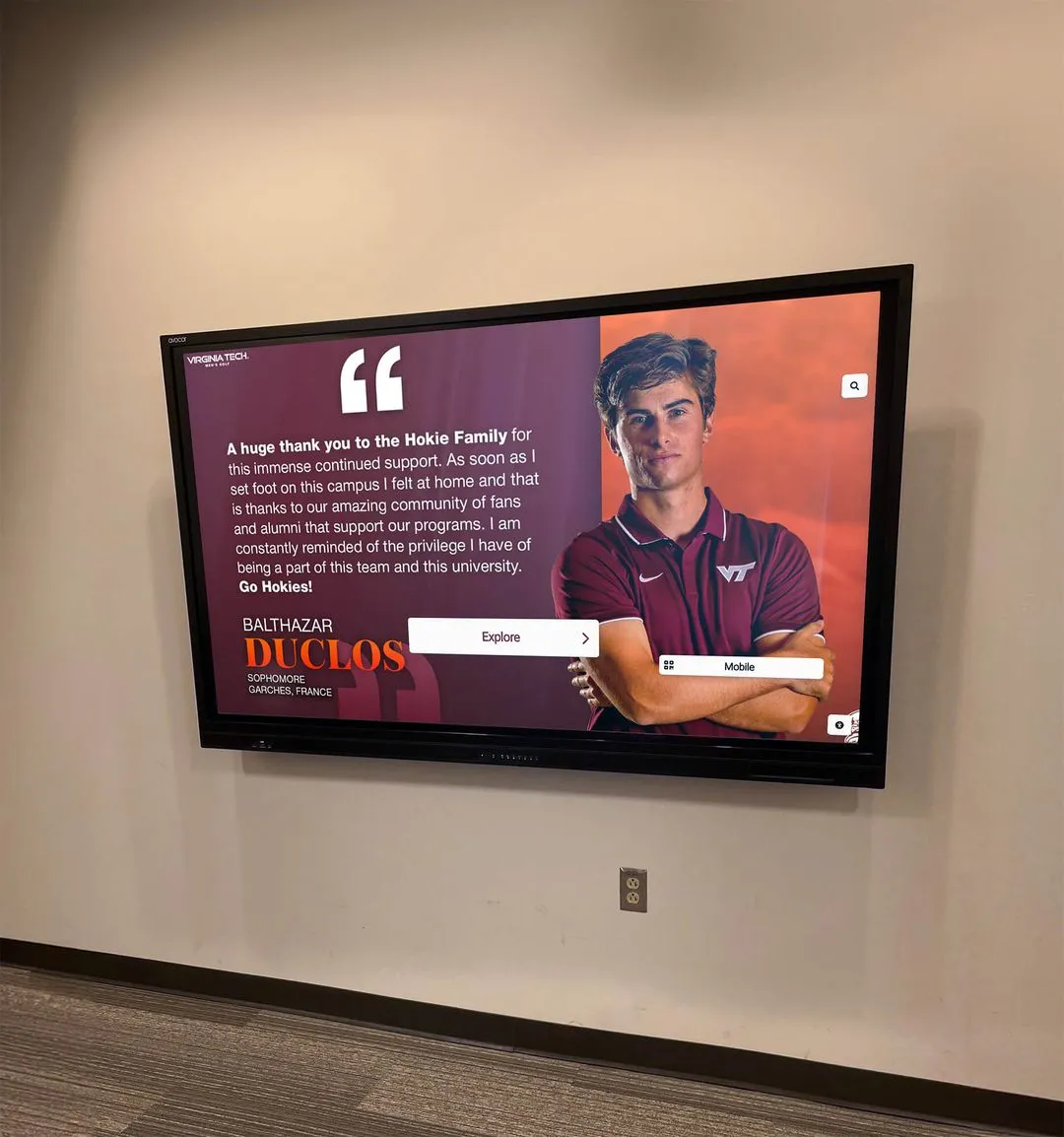
Digital hallway displays organized by team history give current athletes a browsable record of the program traditions they've joined
Step 2: Establish a Formal Documentation Policy
A school archives policy defines what gets preserved, in what format, and by whom. Without a written policy, preservation depends entirely on individual initiative—which means it stops when the person who cared about it leaves.
A functional documentation policy for athletic traditions should address:
- What gets documented: Ceremonies, records, awards, photographs, team rosters, season summaries, and notable alumni milestones
- Who is responsible: Designate a specific role—whether athletic director, communications staff, or a rotating student archive team—for each documentation category
- When documentation happens: Build documentation checkpoints into the athletic calendar (end-of-season, banquet night, senior night) so it becomes routine rather than reactive
- Where materials are stored: Establish both a digital repository and a designated physical archive space with consistent organization
The policy doesn’t need to be long. A single page that answers those four questions gives a program far more preservation infrastructure than most schools currently have.
Step 3: Prioritize What’s Most at Risk
Not all traditions face equal preservation risk. Oral traditions and informal rituals are most vulnerable because they exist only in the memories of people currently involved in the program. Physical artifacts—trophies, jerseys, plaques, photographs—deteriorate without proper archival handling. Digital records, while more durable, become inaccessible when stored on obsolete platforms or personal devices rather than institutional systems.
Prioritize preservation efforts around what’s irreplaceable. A trophy stored in adequate conditions can wait. A coach who holds thirty years of program memory and is approaching retirement cannot. Capture the high-risk institutional knowledge first, then build systematic processes for ongoing documentation.
Step 4: Create Visibility for What You Preserve
Documentation without display is incomplete. Preserved traditions that sit in storage rooms or digital folders accomplish little culturally—the point is for current athletes, students, and visitors to encounter them regularly and absorb the continuity they represent.
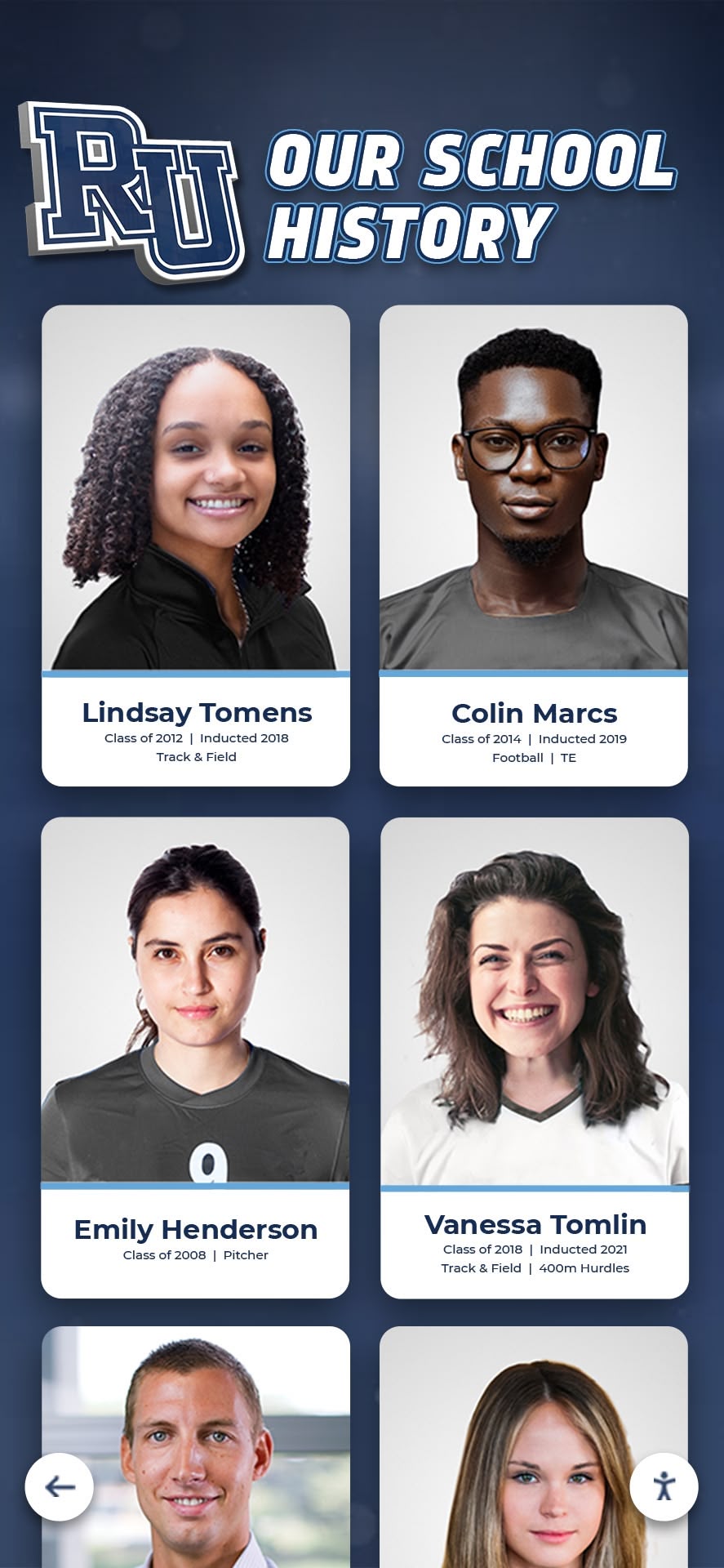
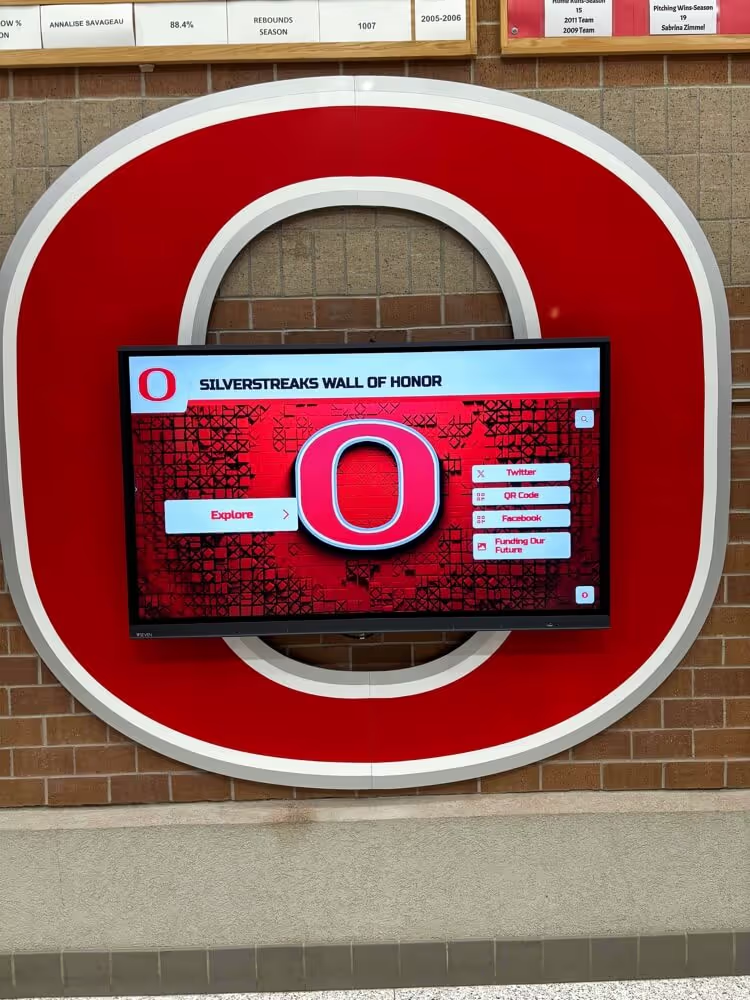
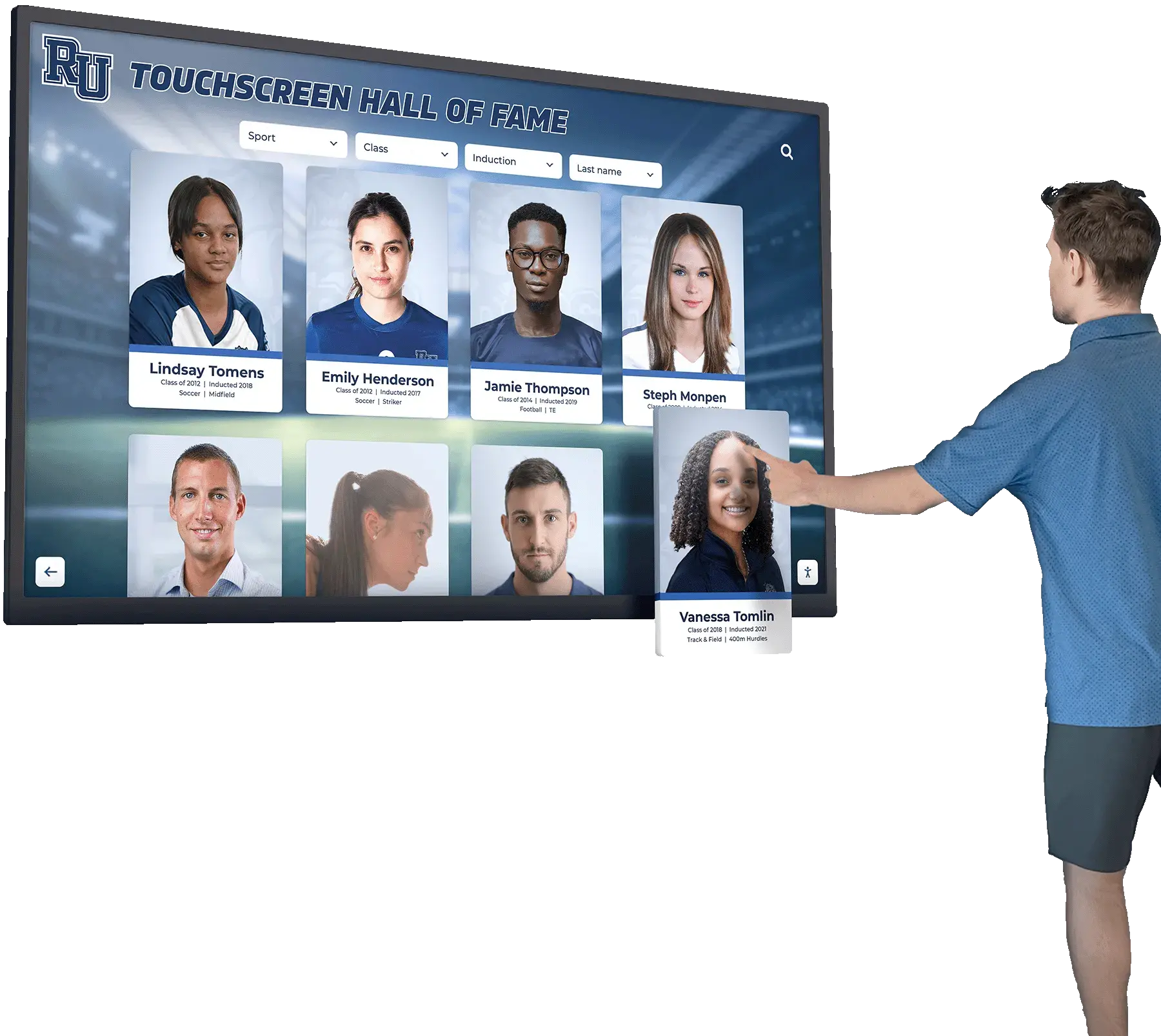
Alumni portrait card displays make individual stories from program history immediately visible to students who share those athletes' hallways decades later
Display strategy should connect the preserved material to the spaces athletes inhabit daily. Hall of fame installations in lobby areas, record boards in practice facilities, alumni story panels in athletic hallways—these placements ensure that preserved traditions generate ongoing cultural impact rather than serving only as archival resources for occasional reference.
For inspiration on how schools use physical memorabilia to make history tactile, school memorabilia display ideas cover a range of formats from shadow boxes and framed artifact collections to integrated display walls that blend physical objects with photographic documentation.
Preserving Athletic Records and Milestones
Records are among the most powerful tradition-building tools athletic programs have—but only when they’re maintained accurately and displayed prominently. A faded, outdated record board communicates institutional neglect. A current, well-maintained record board communicates that achievement within this program is permanently acknowledged.
What Records to Document
Every sport with measurable performance metrics should have a maintained record board. Individual records typically include seasonal bests and all-time program bests for performance events. Team records include winning streaks, season win totals, conference championships, and playoff runs.
Beyond raw performance metrics, programs benefit from documenting distinction records: athletes who earned all-conference or all-state recognition, coaches who achieved career milestones, teams that overcame unusual circumstances to achieve notable seasons. These contextual records tell a richer story than statistics alone.
Creating Record Documentation Systems That Last
The most common failure in record preservation is the gap between records that exist in coaches’ memories or personal files and records that are formally documented in accessible institutional systems. When a coach leaves, those undocumented records often leave with them.
Building a records documentation system that outlasts individual tenures requires centralizing record data in an institutional database, establishing clear update protocols tied to each season’s conclusion, and designating both a primary record-keeper and a backup. Programs that review record documentation as part of their end-of-season administrative process—the same process that handles equipment returns, eligibility certification, and budget reconciliation—tend to maintain more complete records than programs that treat it as a separate responsibility.
Yearbook theme ideas offer one approach to the annual documentation problem: structuring each year’s program or team publication around a coherent narrative theme helps staff and students approach documentation with creative intent rather than treating it as a compliance task. The resulting publications become substantially more valuable as archival documents.
Alumni Stories: The Living Heart of Team Traditions
Alumni stories transform program history from a list of achievements into a human narrative. When current athletes can learn not just that a former teammate ran the school’s fastest mile but why it mattered to him, what the program meant in his life, and where that experience led—the record gains a dimension that statistics alone can never provide.
Capturing Alumni Stories Systematically
Collecting alumni stories requires building outreach into regular program operations rather than depending on alumni to initiate contact. Programs that maintain active alumni networks—reaching out annually with season updates, inviting graduates back for recognition events, hosting dedicated alumni days—create natural opportunities for story collection.
When alumni return for events, structured interviews or brief written reflections provide raw material for documentation. Simple prompts work well: What ritual or tradition stands out most from your time in the program? What did the program teach you that carried into your career or adult life? Who do you remember and why?
These collected reflections, organized alongside each alumnus’s competitive record and photographs, create the kind of layered alumni profiles that make a hall of fame feel like a living document rather than an honorary roster.
Connecting Alumni to Current Athletes
The most culturally valuable alumni story isn’t one stored in a display case—it’s one delivered directly by an alumnus to a current athlete. Programs that facilitate meaningful contact between generations, through mentorship structures, alumni speaker series, or informal connections at athletic events, create living traditions that preservation systems can only partially replicate.
Youth athlete of the year programs provide one structure for this cross-generational connection: when a current athlete receives recognition alongside a historical display documenting previous recipients, the award itself becomes part of a tradition with visible lineage. The recognition carries more weight when the recipient can see exactly who came before them.
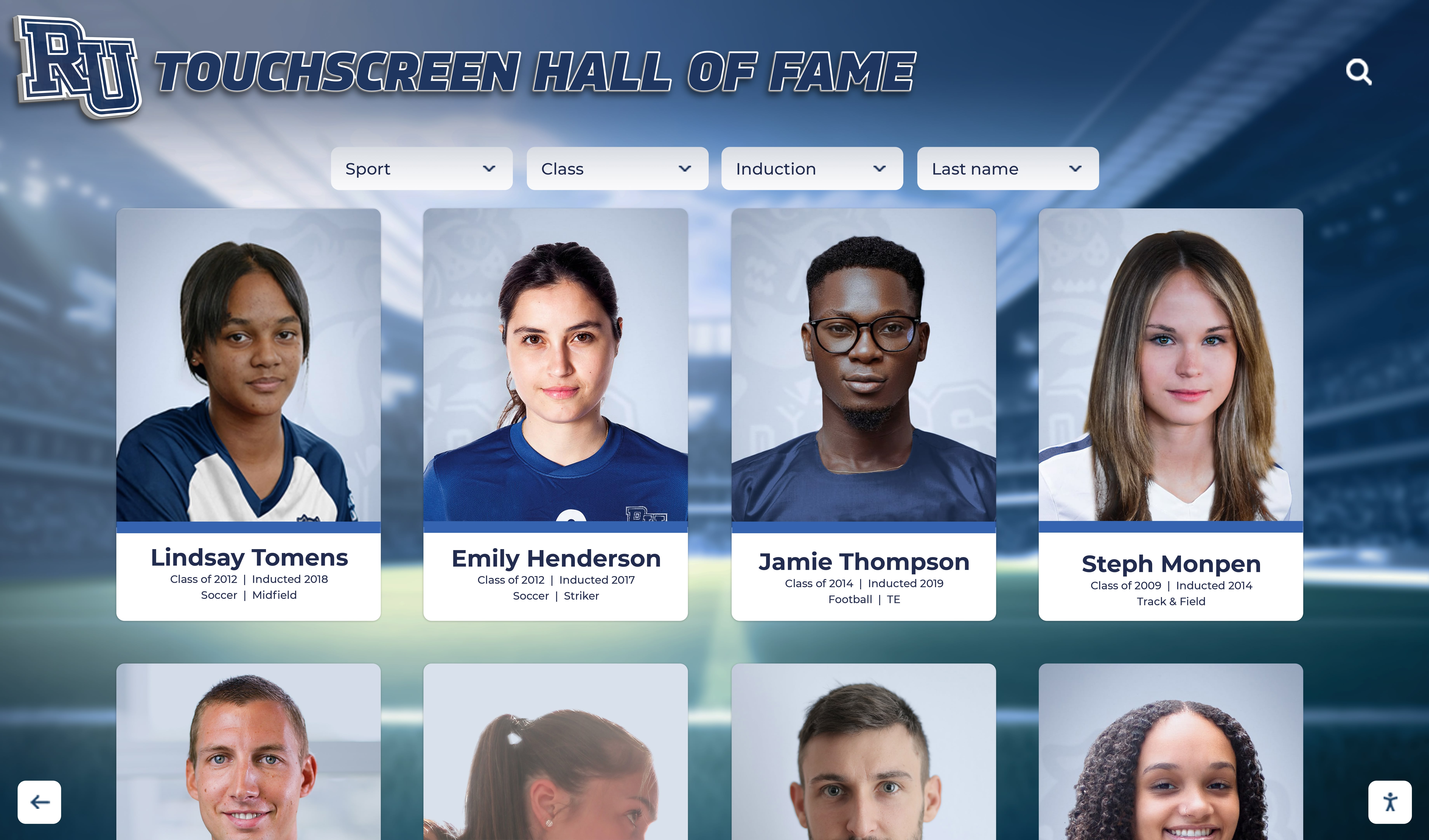
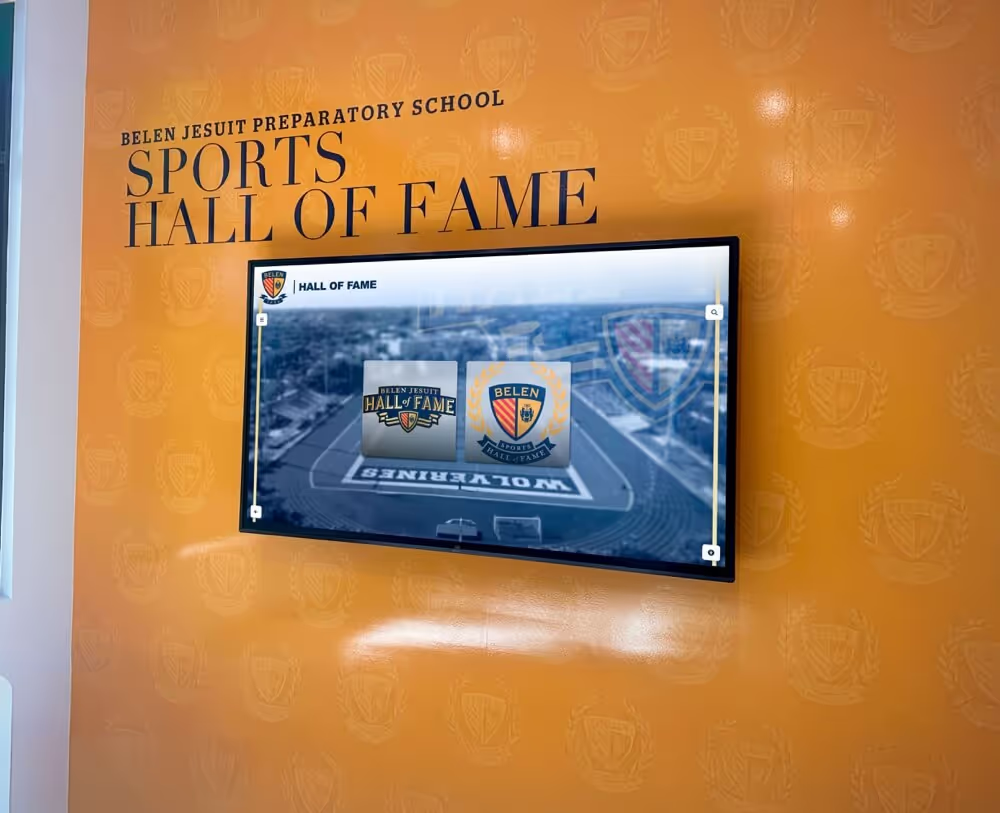
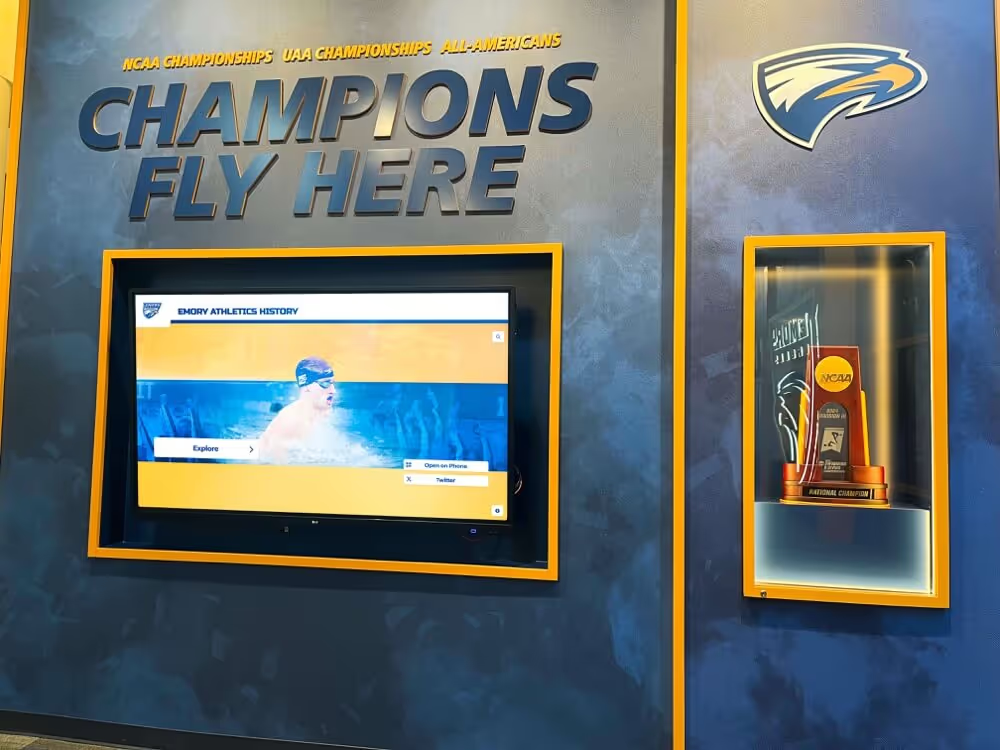
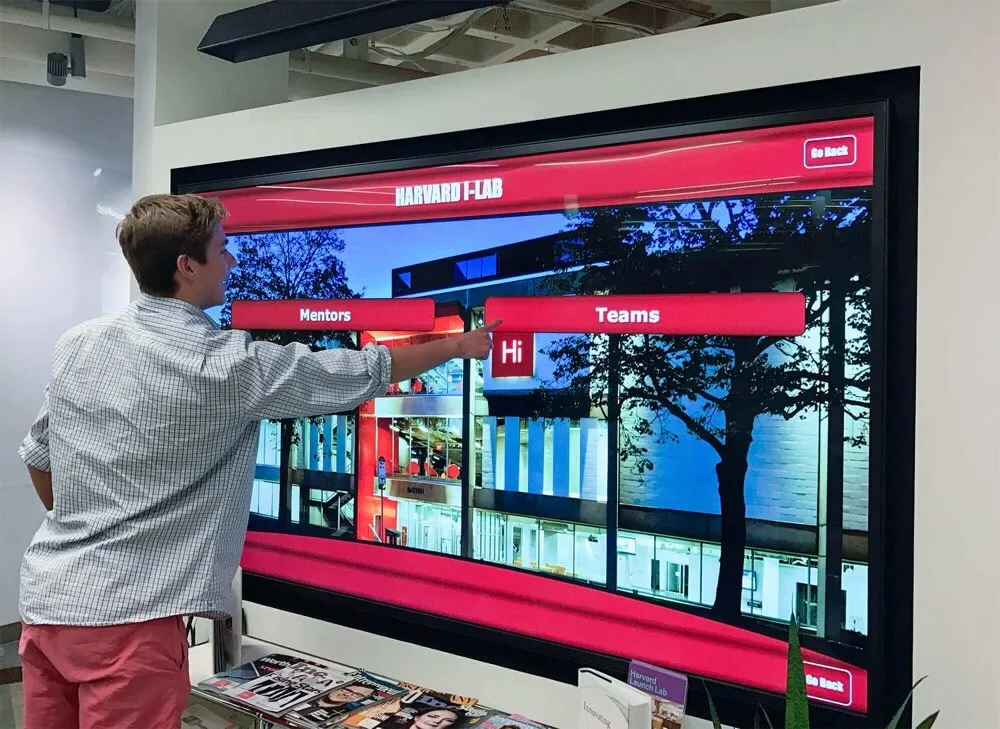
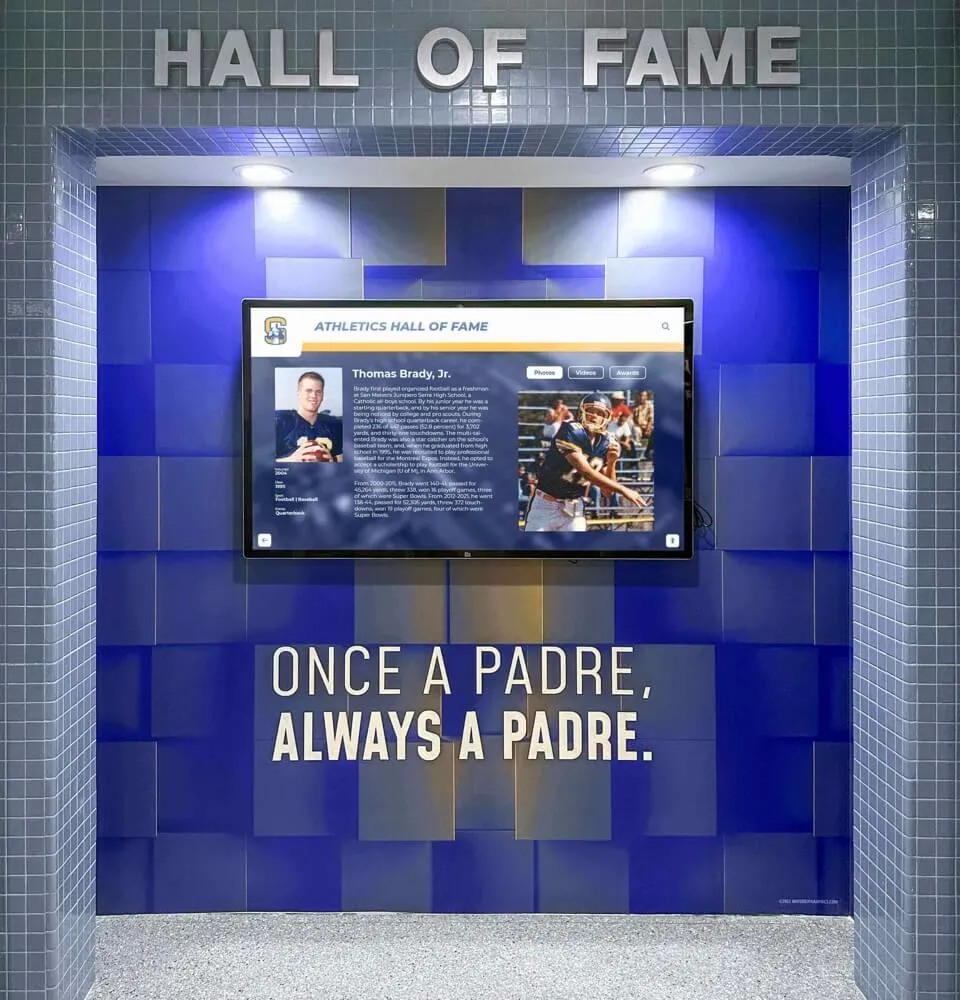
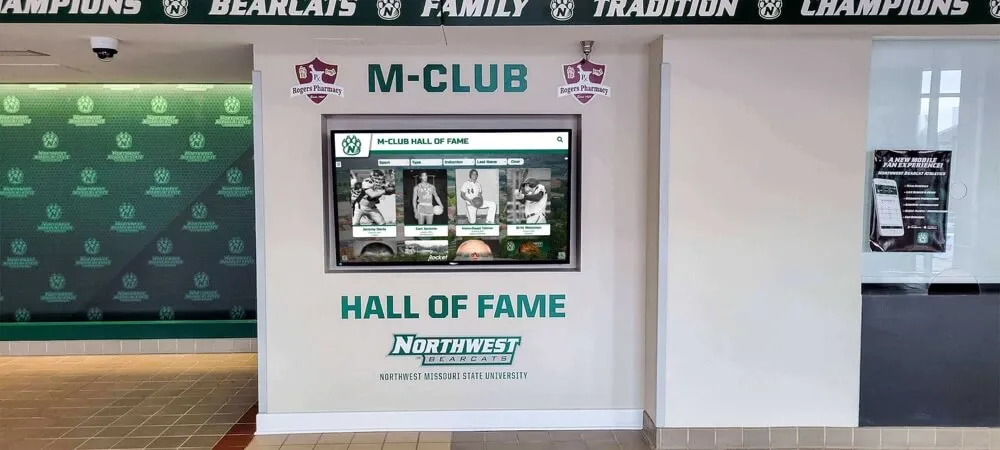
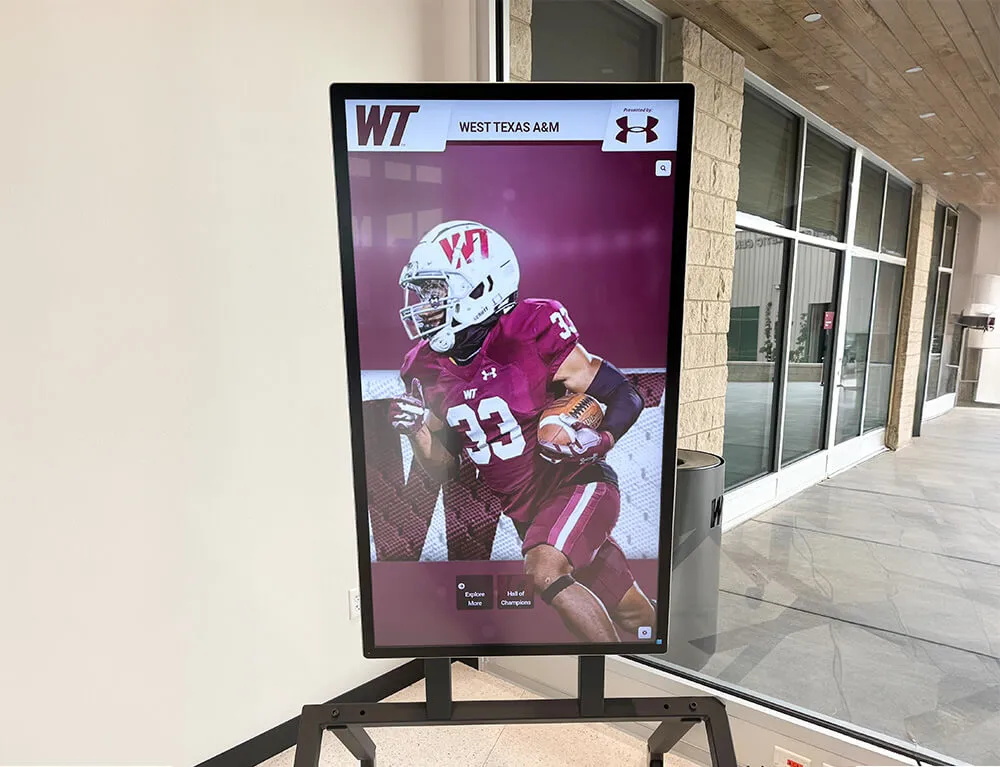
Touchscreen hall of fame displays let alumni and current athletes explore individual stories and career details that static displays can never accommodate
Senior Recognition as an Alumni Story Seed
Every senior night, banquet, and year-end ceremony is an opportunity to plant the seed of an alumni story before the athlete leaves. Programs that capture comprehensive senior profiles—including photographs, career statistics, notable achievements, and brief personal reflections—at the time of graduation have the raw material for complete alumni profiles when those graduates return years later.
Senior page layouts in program yearbooks represent one format for this at-graduation documentation. A well-structured senior page that captures both the statistical record and the personal context of a student-athlete’s career becomes a foundational document for later alumni recognition, eliminating the need to reconstruct information from memory years after the fact.
Sports Team Traditions and High School Sports Culture
High school sports traditions occupy a particularly important cultural role because high school athletes are typically building their foundational relationship with athletic competition and team identity. The traditions they experience during those years often shape how they understand athletics—and community—for the rest of their lives.
Traditions That Cross Sports and Eras
Some of the most powerful high school sports traditions aren’t specific to a single sport or coaching era—they’re program-wide customs that transcend individual teams. A school’s tradition of alumni returning to watch the opening game of football season, for instance, creates a different kind of community than any individual team’s pre-game ritual.
These program-wide traditions require documentation at the institutional level, not just the team level. Photographs of alumni gatherings, records of how many graduates attended reunion events, year-by-year accounts of how school-wide traditions have evolved—this material tells the story of a program’s relationship with its community in ways that individual team records cannot.
Records-Based Sports: Wrestling, Swimming, and Track
Individual performance sports build distinct traditions around records and milestones in ways that team sports often don’t. Nominating and celebrating young champions in a track or swimming program, for example, often involves reviewing a multi-year record of times, placements, and competitive moments that tell a story of sustained excellence. When those records are maintained and displayed consistently, they create the competitive benchmarks that motivate successive generations of athletes.
Sports with individual records—wrestling weight class bests, swim program records by event, track and field all-time lists—are especially well-served by digital display systems that can update automatically and surface the full historical record without requiring manual maintenance after every meet.
Yearbook and Publications Traditions
For many programs, the annual yearbook represents the most consistent documentation tradition in place. Yearbooks capture team photos, season records, individual recognitions, and program highlights in a format that accumulates into a decades-long historical archive when preserved properly.
Yearbook cover design and publication traditions carry their own cultural weight—schools with distinctive annual publication traditions treat the yearbook as an artifact deserving preservation alongside trophies and awards. Building a complete yearbook archive, organized and accessible to current students and returning alumni, is one of the highest-return preservation investments a school can make.
Physical Displays That Make Traditions Visible
Documentation systems create the foundation; display systems create the cultural impact. Preserved traditions need physical expression in the spaces athletes and visitors actually occupy.
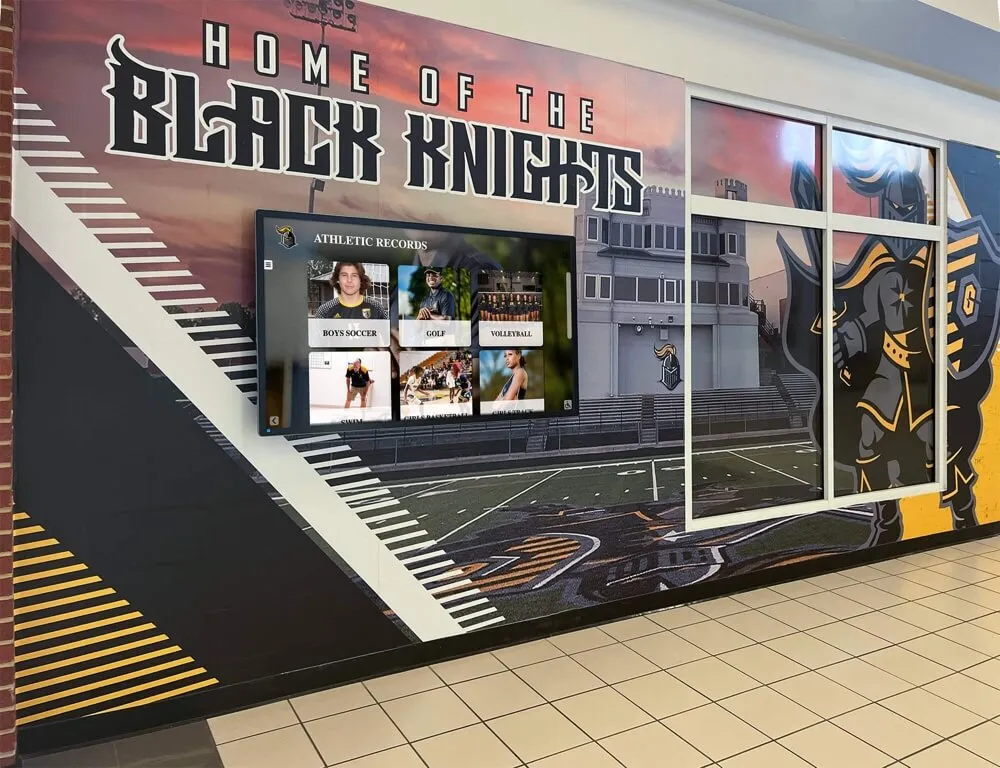
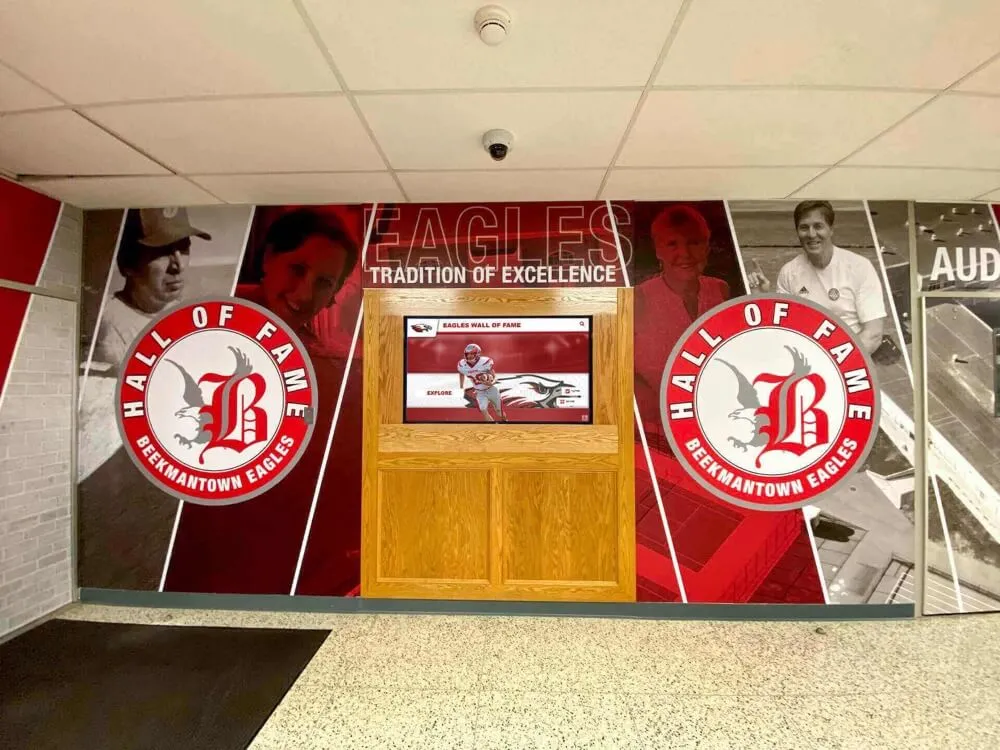
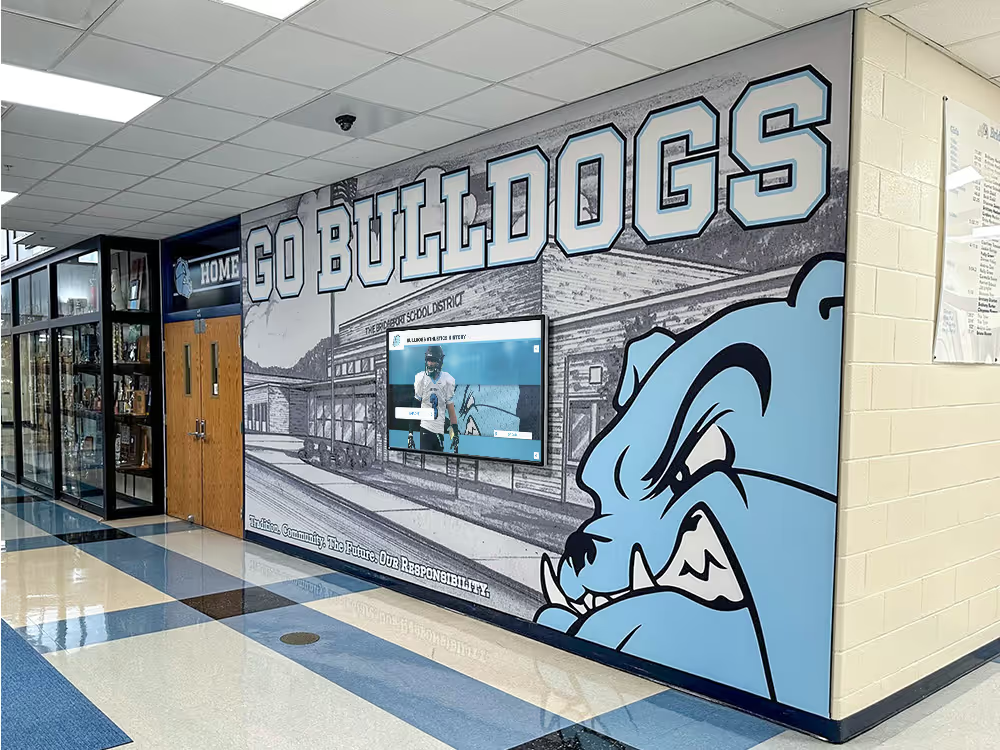
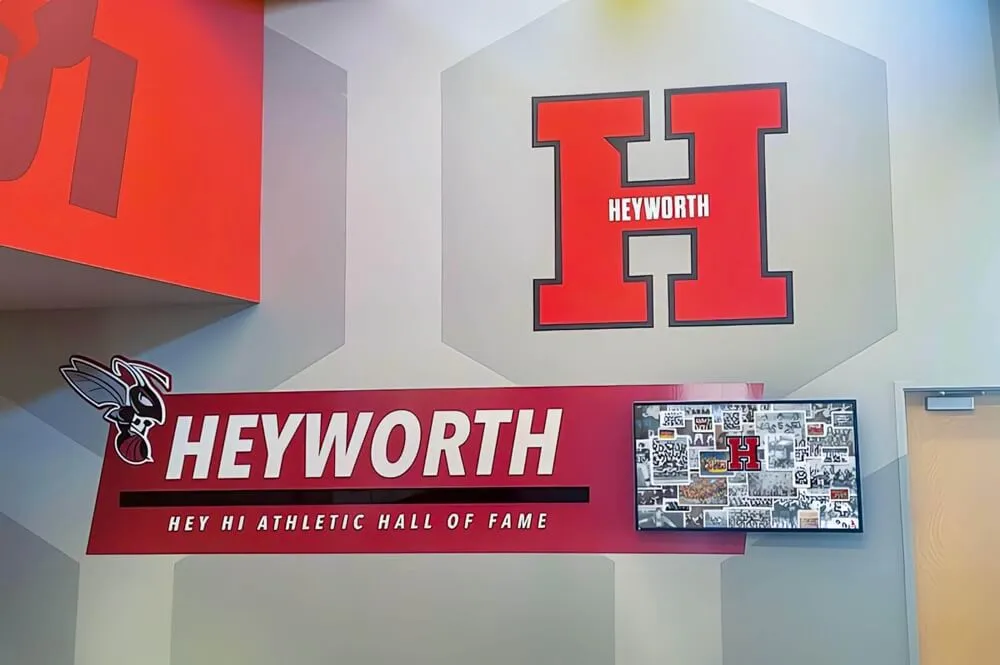
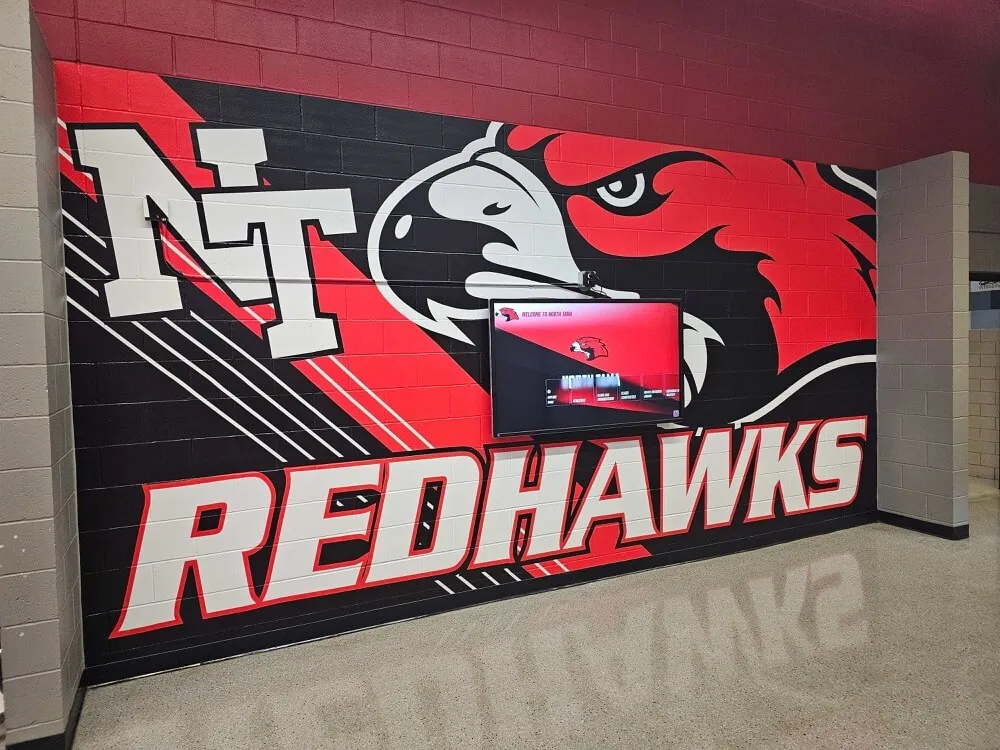
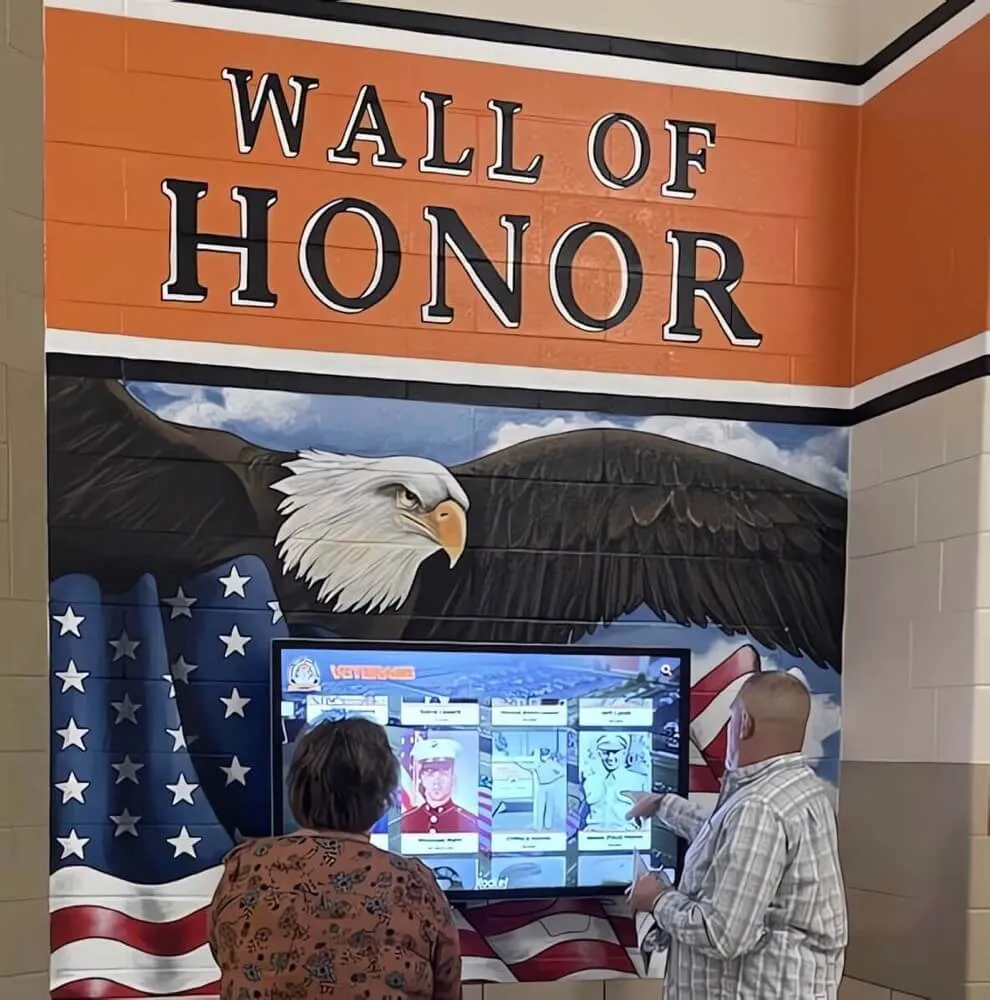
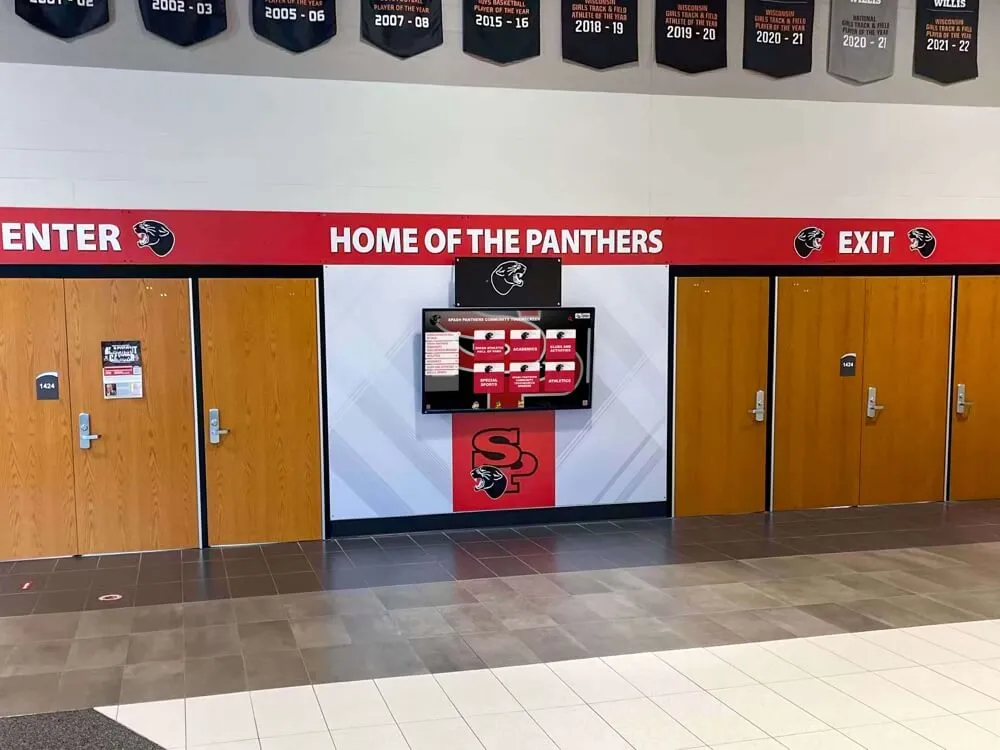
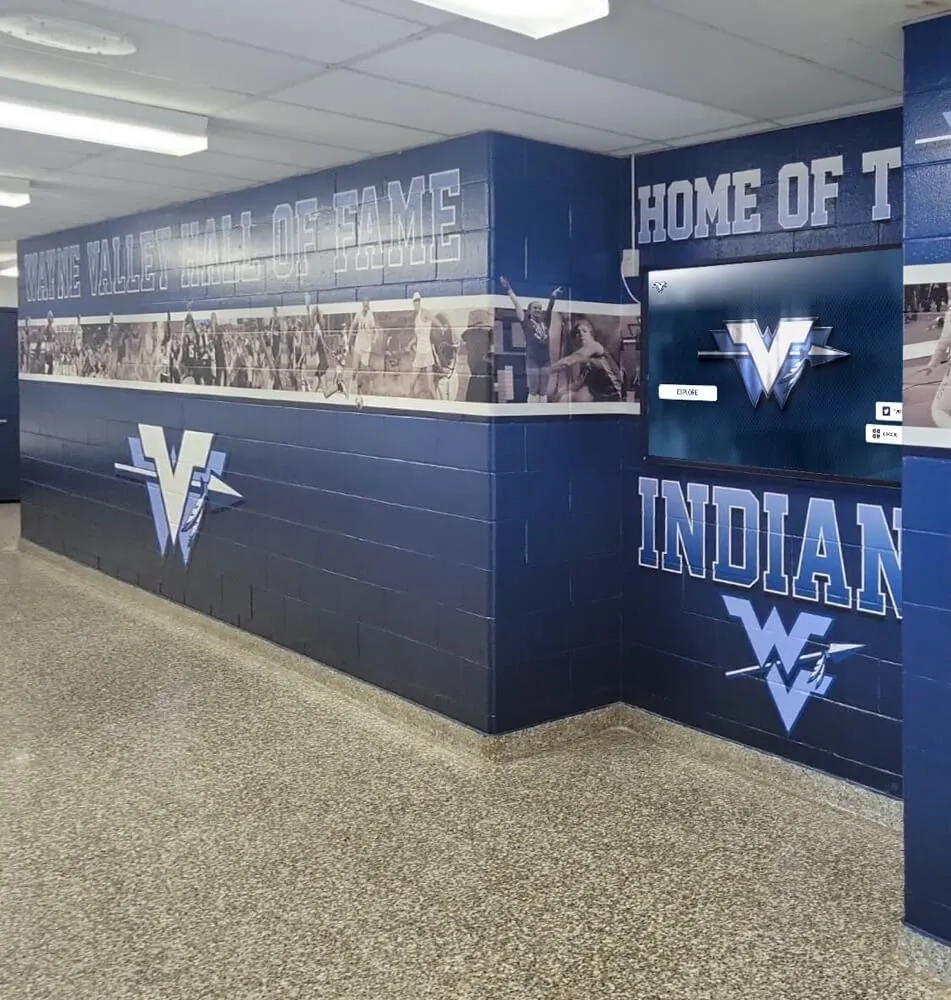
Pairing mascot murals with digital records displays creates athletic hallways that communicate both identity and documented history simultaneously
Hall of Fame Installations
A hall of fame installation is the most permanent expression of a program’s tradition-preservation commitment. Done well, it establishes a dedicated space where the program’s full history is visible, organized, and continuously updated as new inductees are added.
The placement matters as much as the content. Hall of fame installations positioned in high-traffic athletic lobbies—spaces athletes pass through daily and visitors encounter immediately—create ambient exposure to program history that shapes culture gradually. Athletes who pass alumni portraits dozens of times per week absorb a sense of program lineage that no assembly or announcement can replicate.
Record Boards and Performance Displays
Record boards work best when positioned in the spaces where the performances they document actually happen—near the pool, in the weight room, outside the wrestling room, along the track infield fence. Athletes who train in sight of program records develop a different relationship with those marks than athletes who encounter them only in administrative hallways.
The consistency of a record board’s format also communicates values. Programs that maintain their record boards with the same care they apply to competitive facilities signal that documented achievement is treated as seriously as current performance.
Hallway Gallery Displays
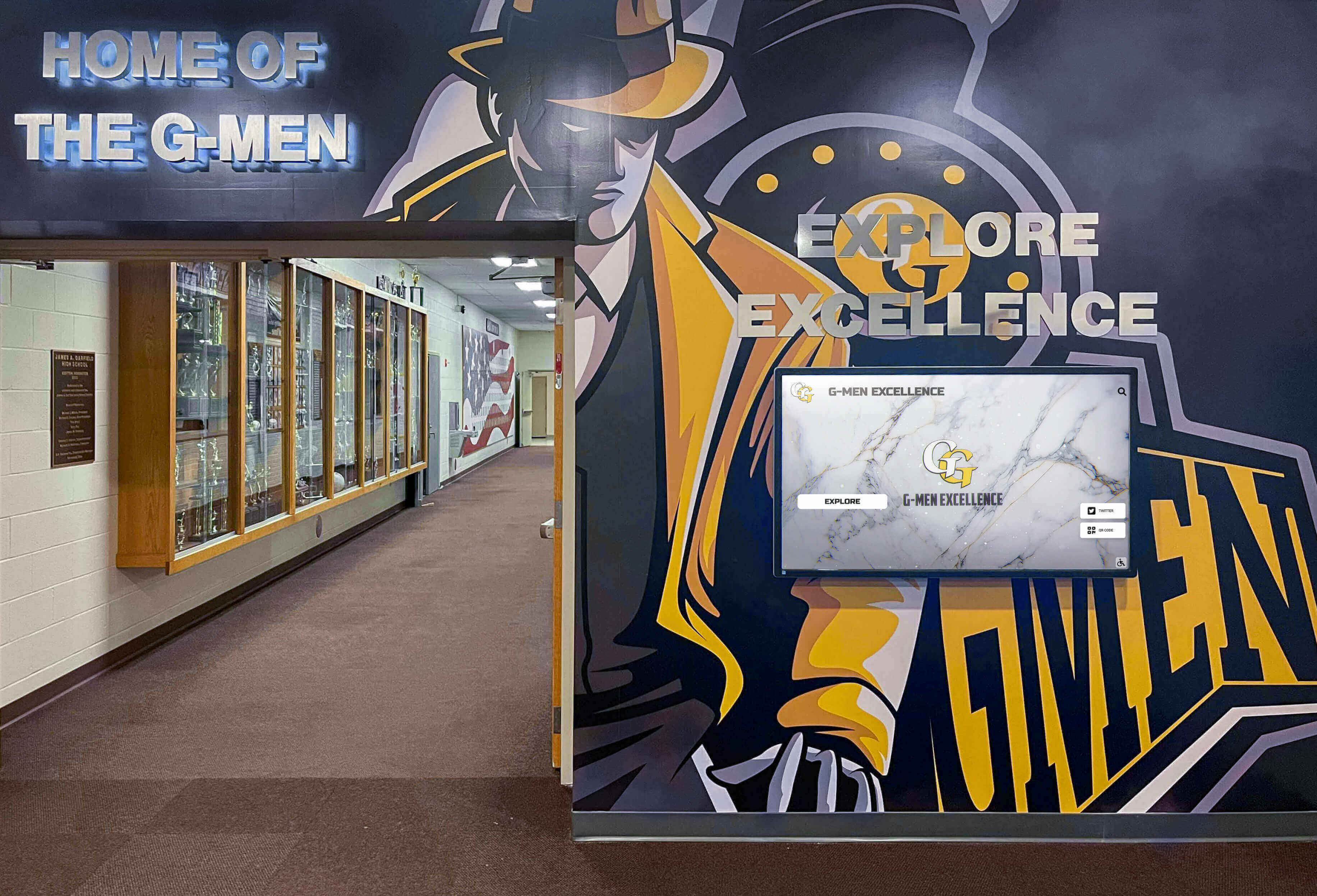
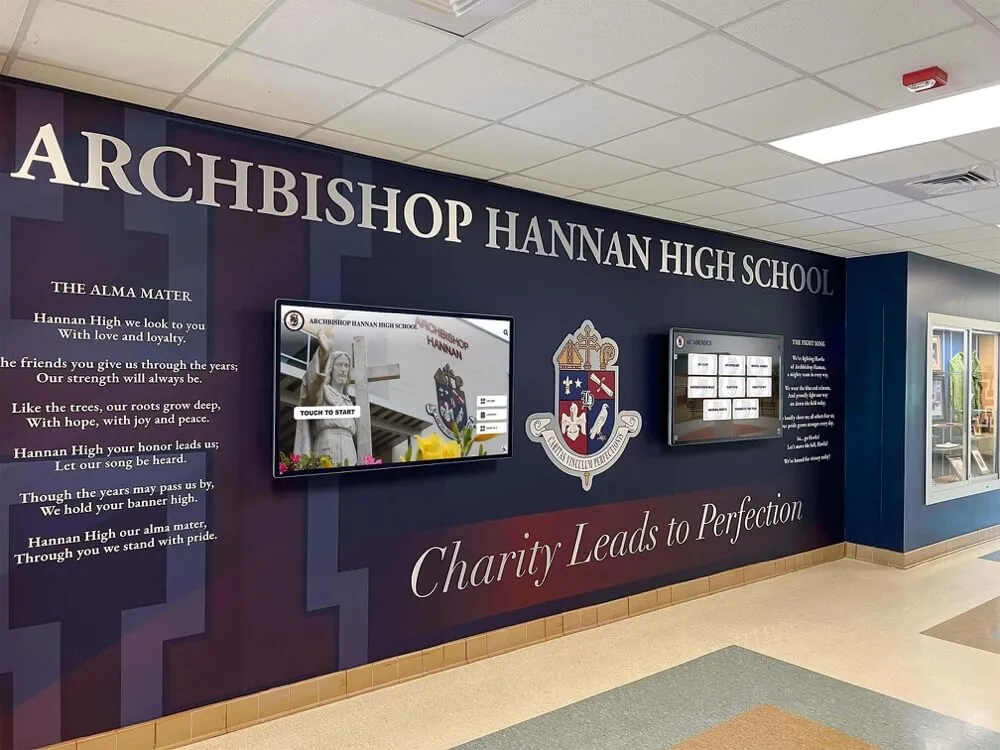
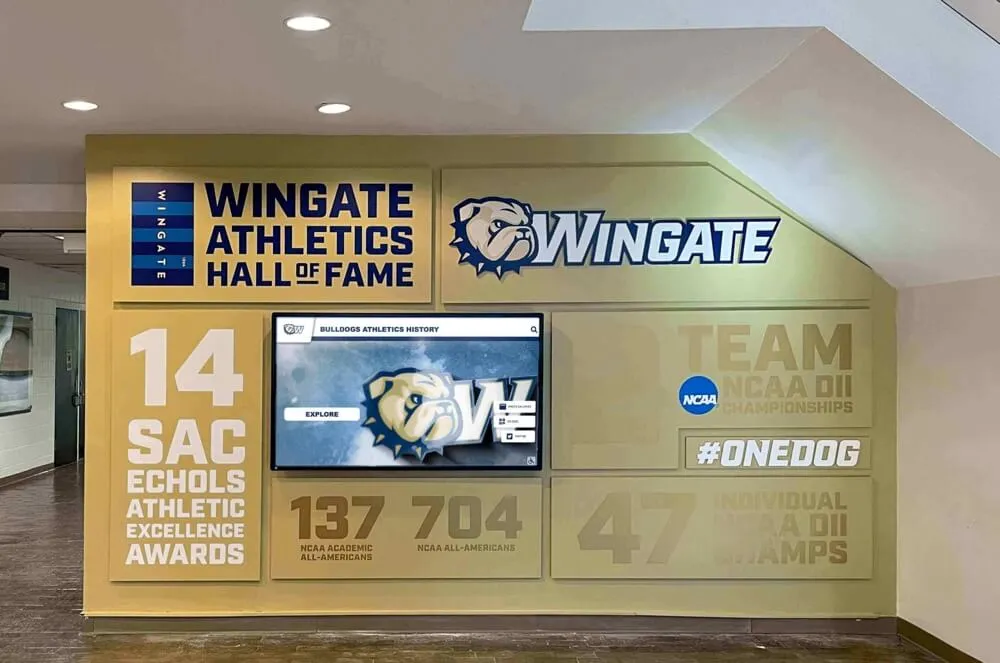
Integrated hallway systems that combine murals, digital displays, and physical trophy cases create complete athletic identity environments rather than isolated recognition elements
Athletic hallway gallery installations that line corridors with team history panels, photo collections, and individual recognitions create environments where program tradition is impossible to miss. Students who walk those hallways between classes encounter program history as part of their daily school experience—not as a special-occasion display they must seek out.
The most effective hallway galleries follow a coherent organizational logic: chronological progressions that let visitors trace the program’s evolution, sport-specific sections that allow deep dives into individual team histories, or theme-based installations that highlight specific dimensions of program culture such as academic excellence, community service, or leadership.
Digital Tools for Long-Term Tradition Preservation
Physical displays address the visibility requirement; digital systems address the scalability and longevity requirements that physical formats can’t meet alone.
Interactive Touchscreen Archives
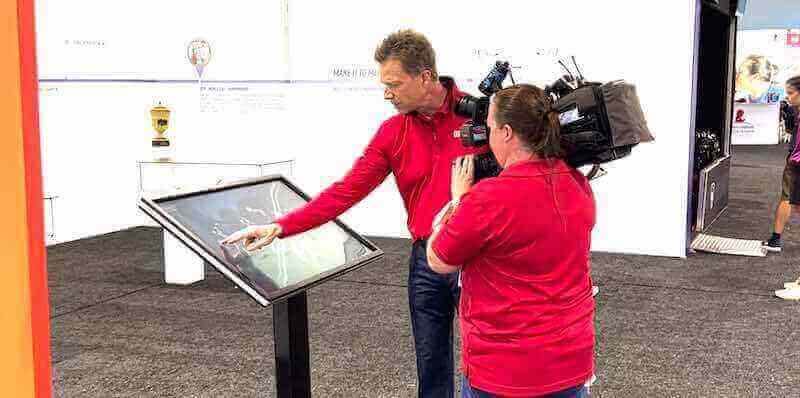
Interactive touchscreen displays allow programs to surface far more tradition-documenting content than any physical wall can accommodate. A touchscreen installation in an athletic lobby can present every season’s team roster, every record holder’s career statistics, every hall of fame inductee’s profile, and every archived photograph—organized and searchable in ways that give visitors control over how deeply they explore.
This depth matters for two distinct audiences: current athletes who want to understand where they stand within a program’s historical arc, and returning alumni who want to revisit specific seasons and teammates from their own competitive years. Touchscreen archives serve both groups in ways that static displays cannot.
Cloud-Based Record Systems
Cloud-based record systems eliminate the institutional vulnerability created by records stored in individual coaches’ files or local computers. When records live in a central, institution-managed system with consistent access controls, they survive coaching transitions, technology changes, and the kind of casual record-keeping drift that causes physical boards to become outdated.
These systems also enable the kind of comprehensive documentation that transforms a record board from a list of names and marks into a searchable historical archive. Programs can store not just current records but the full history of progression—who held each record and when, how records evolved over decades—creating the layered historical depth that makes a program’s tradition visible in its full complexity.
Connecting Digital Archives to Physical Displays
The most effective preservation systems integrate physical and digital elements rather than treating them as alternatives. A physical hall of fame installation provides the visual anchor and emotional weight that a screen alone cannot replicate. A digital archive provides the depth and searchability that a physical wall cannot accommodate. Together, they create preservation infrastructure that serves both the ambient cultural function of physical display and the research-depth function of digital archives.
See how your program’s traditions can be preserved and displayed.
Rocket Alumni Solutions builds custom digital archive systems—touchscreen halls of fame, digital record boards, and interactive alumni story displays—designed specifically for schools that take their athletic history seriously.
Request a free demo to see how your program’s traditions can be transformed into a living, interactive display that honors the past while inspiring current athletes.
Maintaining Traditions Across Coaching Changes
One of the most significant threats to athletic program traditions is leadership transition. When a coach who has stewarded a program’s traditions for fifteen years retires or moves on, the institutional memory they carry is at risk—particularly when no formal preservation system exists to capture what they know.
Building Tradition Documentation Into Coaching Transitions
The most vulnerable moment for tradition preservation is immediately before a coaching departure, when the departing coach still holds the knowledge and is available to transfer it. Athletic directors can protect program traditions by building tradition documentation requirements into coaching transition protocols—a structured exit process that captures not just tactical knowledge but the cultural and ceremonial traditions the departing coach carried.
This process doesn’t need to be burdensome. A focused conversation between an athletic director and a departing coach, recorded and transcribed, can capture decades of traditional knowledge that would otherwise be lost. Supplementing that conversation with requests for the coach’s personal photographic and documentary archives—materials that often represent the program’s most complete historical record—adds significant preservation value.
Training Incoming Staff in Program Traditions
Tradition preservation also requires deliberate onboarding. New coaches who understand a program’s established traditions—who’ve been introduced to the hall of fame inductees who defined the program’s identity, who know why certain pre-game rituals exist and how long they’ve been practiced—are better positioned to steward those traditions than coaches whose orientation focused exclusively on competitive strategy.
Building tradition orientation into coaching onboarding—a structured introduction to program history, a walkthrough of the hall of fame installation, conversations with long-tenured staff who know the backstory—creates the kind of cultural continuity that makes traditions durable across leadership changes.
The Long View: Why Team Traditions Matter Beyond Any Single Season
The daily work of preserving team traditions—updating records, archiving photographs, capturing alumni reflections, maintaining display installations—can feel peripheral to the core athletic program responsibilities that compete for administrative attention. But traditions accumulate their value slowly and reveal it dramatically.
A program’s twenty-fifth reunion gives alumni the clearest view of what their athletic experience actually meant: the relationships built, the character formed, the discipline carried into adult life. The program that has documented those years—that can show returning alumni photographs from their own seasons, display the records they set, tell the story of the traditions they participated in—gives those alumni a reunion experience qualitatively different from the program that has nothing to show for the years they were there.
That difference is not just sentimental. Alumni who feel genuinely connected to a documented, honored program tradition are more likely to remain engaged as donors, mentors, and community advocates. The investment in tradition preservation pays dividends in alumni engagement that compounds over decades.
For programs looking to establish or strengthen their tradition-preservation systems, the key is starting—even imperfectly—rather than waiting for a comprehensive solution. Document the traditions you know exist. Capture the records you can find. Photograph the ceremonies that happen this season. Build from that foundation, and the system will grow into something genuinely valuable year by year.
Request a free demo to see how Rocket Alumni Solutions helps schools build digital archive and display systems that preserve what makes each program’s traditions worth honoring.