



Texas high school football isn’t just a sport—it’s a cultural institution woven into the fabric of communities across the Lone Star State. From Friday Night Lights under stadium lights that rival small colleges to championship traditions spanning over a century, Texas has produced some of the most storied programs, legendary players, and unforgettable moments in American prep football history.
Yet as seasons pass and new champions emerge, preserving this rich football heritage becomes increasingly challenging. Traditional trophy cases overflow, championship banners fade, and the stories behind legendary teams risk being forgotten. Meanwhile, schools struggle to honor every player who contributed to their program’s legacy while keeping historical achievements accessible to current students, alumni, and visitors.
This comprehensive guide explores Texas high school football history through its record-breaking achievements, legendary programs, and enduring championship traditions—while examining how schools can systematically preserve these legacies for future generations.
Texas football history represents more than wins and losses. It encompasses community identity, generations of family traditions, and excellence that has shaped how America views high school athletics. Understanding this history provides context for why Texas football matters far beyond Friday night entertainment.

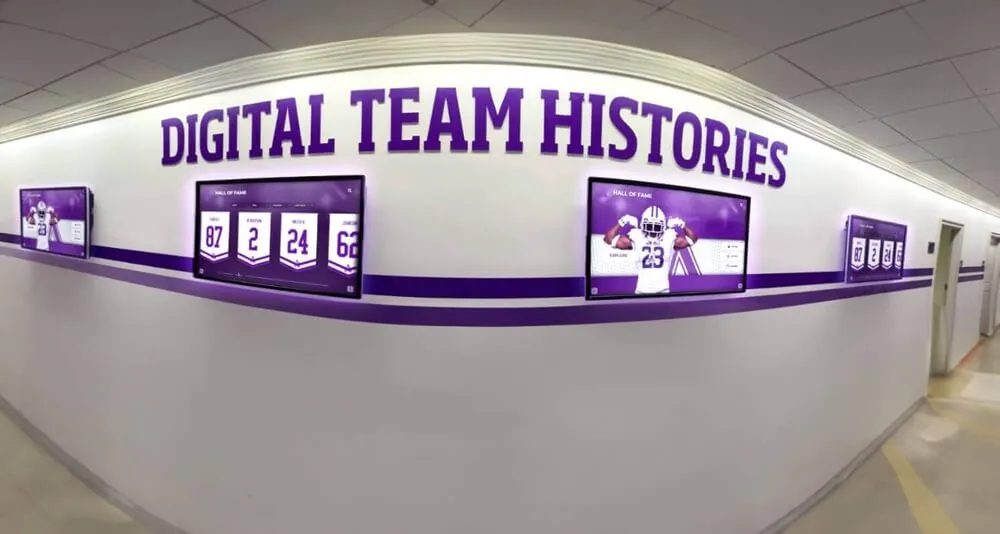
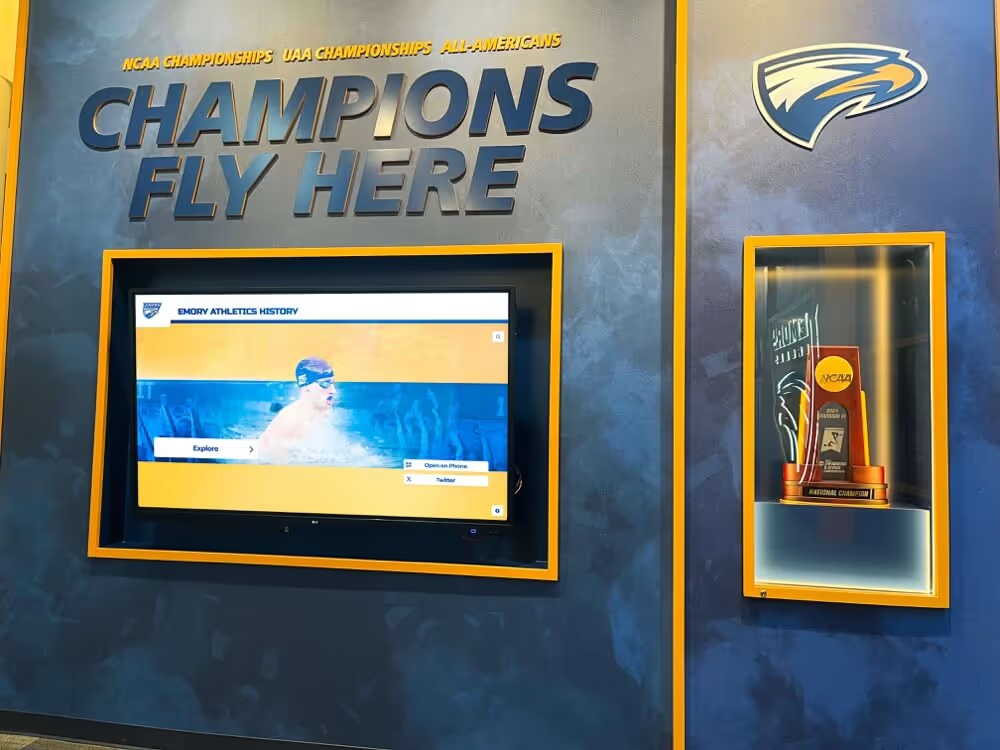
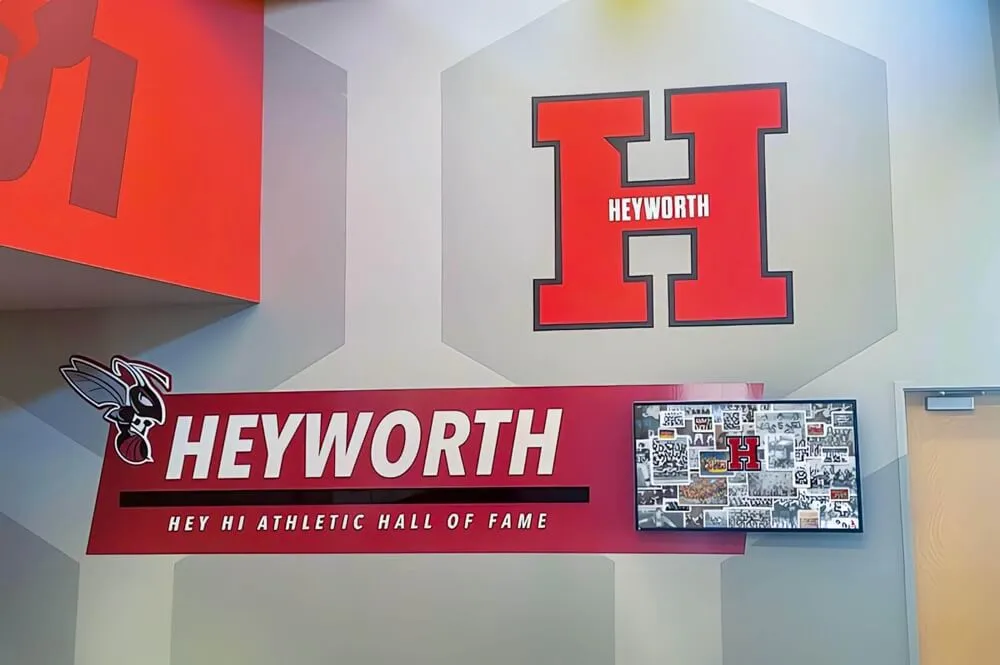
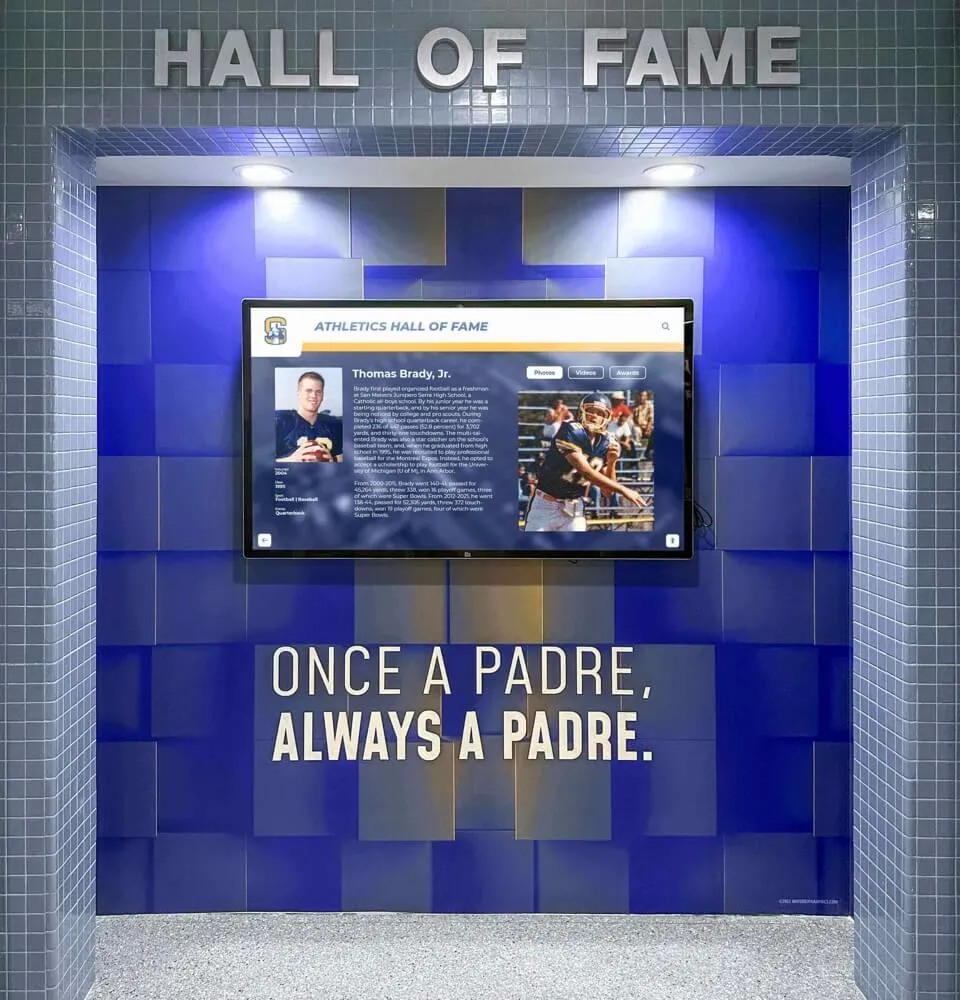
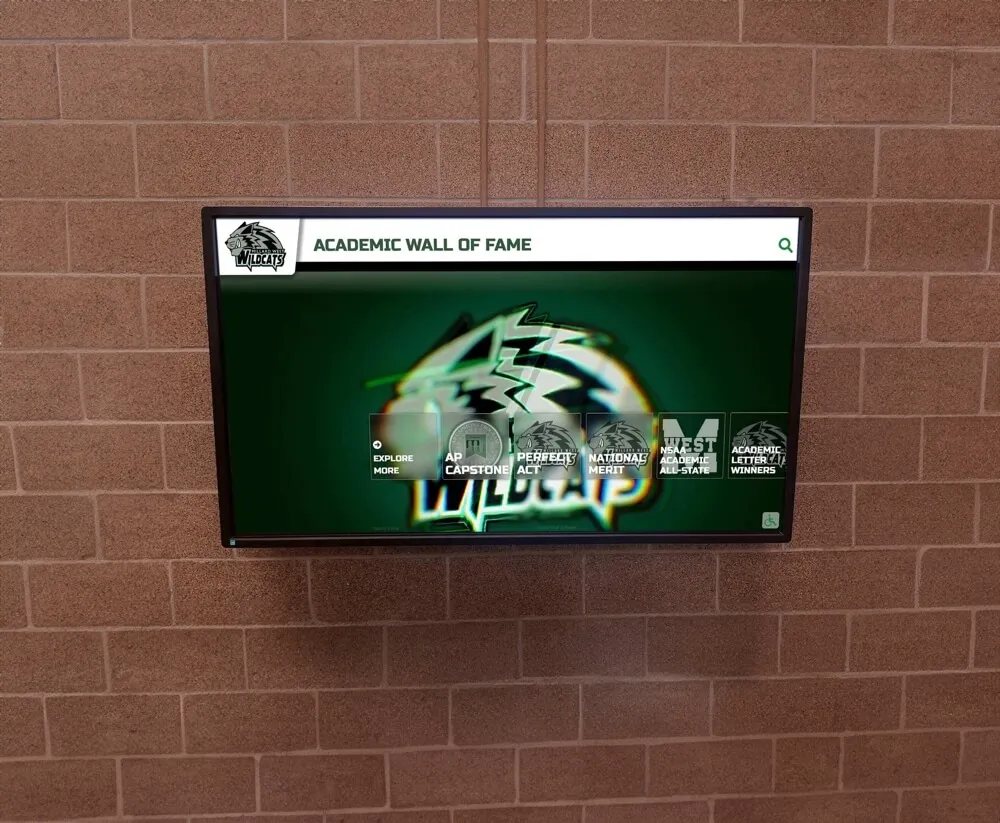
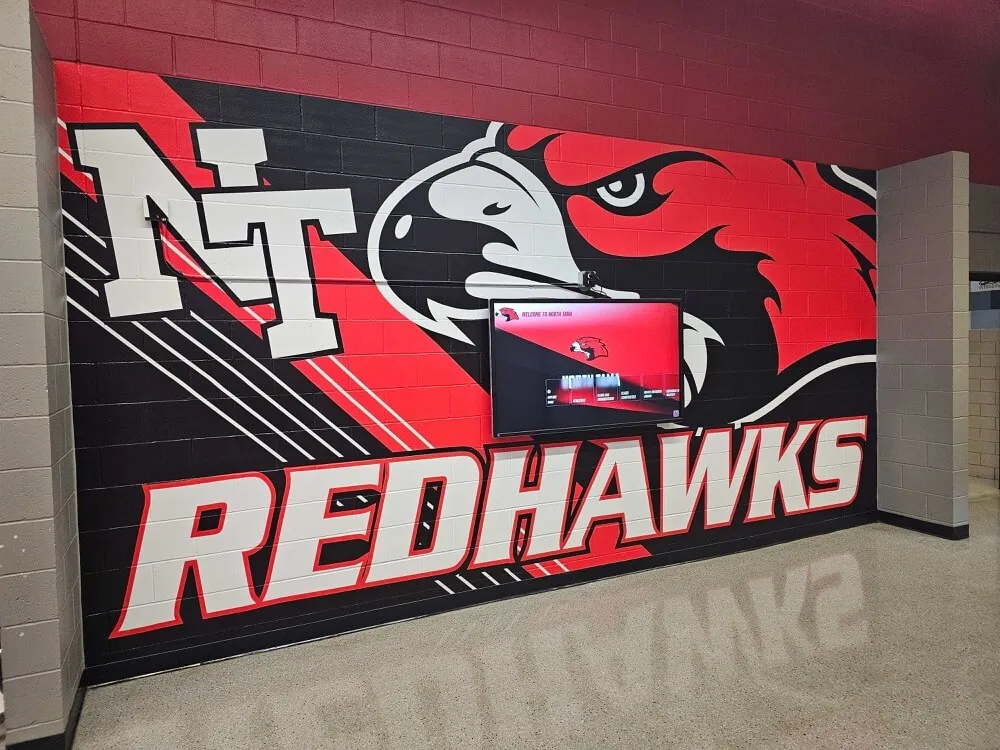
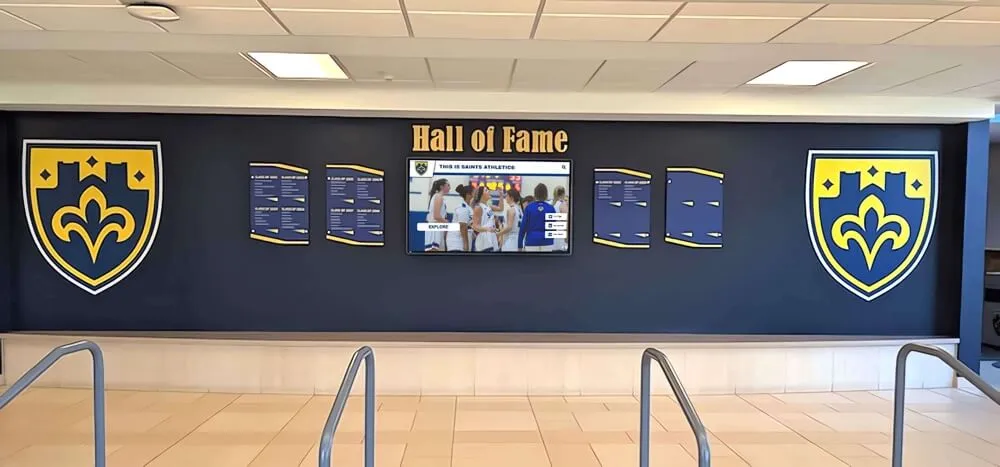
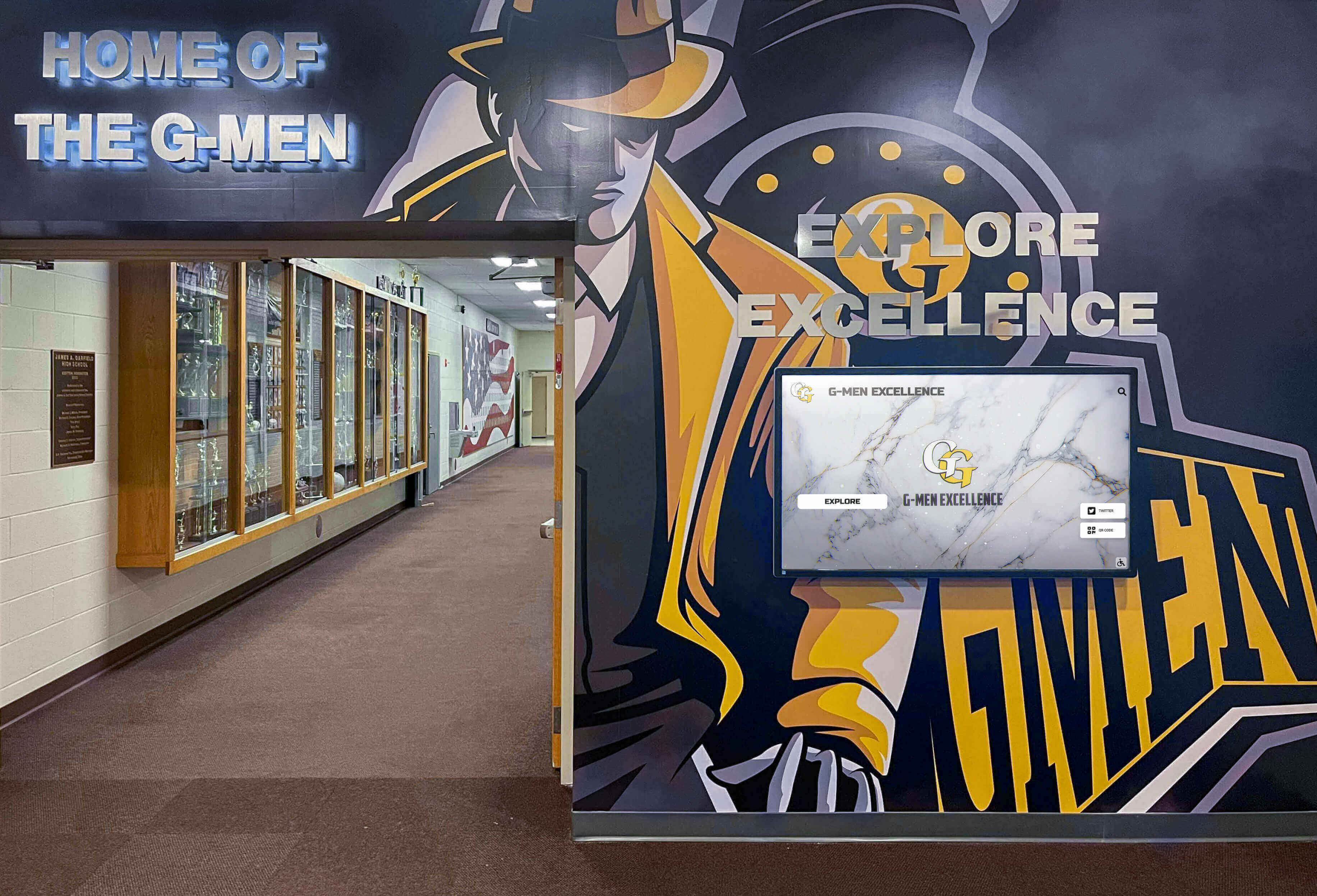
Texas high schools celebrate football heritage through displays honoring championship traditions and legendary program achievements
The Foundation: Early Texas High School Football History
Texas high school football’s origins trace back over a century, establishing traditions that continue shaping the sport today.
The Birth of Texas Prep Football (1890s-1920s)
Football arrived in Texas during the late 1800s, initially played by colleges and private academies before spreading to public high schools:
Early Adoption and Growth
- First documented high school football game in Texas: 1892 (Dallas High School)
- Houston-Galveston rivalry game: 1895, becoming one of nation’s oldest high school football rivalries
- Texas Interscholastic League foundation: 1913 (predecessor to UIL)
- First state championship game: 1920, establishing framework for championship traditions
These early decades established football’s central role in Texas communities. Small towns and large cities alike embraced the sport, with Friday night games becoming social focal points that transcended the athletic competition itself.
Regional Development Patterns
Football initially thrived in larger Texas cities—Houston, Dallas, San Antonio, Fort Worth—before spreading throughout rural areas:
- East Texas piney woods developing distinct power football tradition
- West Texas embracing spread offenses adapted to available talent
- South Texas producing technical precision and speed-based systems
- North Texas suburban programs combining resources with competitive depth
These regional variations created diverse football philosophies that enriched Texas high school football while establishing unique local traditions.
The UIL and Organized Championship Structure
The University Interscholastic League’s formation revolutionized Texas high school athletics:
UIL’s Transformative Impact
- Established standardized rules and eligibility requirements
- Created organized classification system based on school enrollment
- Developed playoff structures determining state champions
- Maintained comprehensive records of champions and achievements
- Protected student-athlete welfare through regulations
The UIL’s governance ensured competitive equity while enabling Texas football to flourish. Unlike states with fragmented oversight, Texas’ centralized system created consistent standards enabling fair comparison across eras and regions.
Classification Evolution
Texas football classifications have expanded dramatically:
- 1920s-1930s: Single classification for all schools
- 1940s: Introduction of multiple classes based on enrollment
- 1980s-1990s: Expansion to six classifications (A through 5A)
- 2000s-present: Current system with divisions within classifications (6A Division I & II, etc.)
This evolution recognized Texas’ population growth and diversity, ensuring small rural schools and massive suburban campuses compete for championships appropriate to their context.
For schools documenting championship history across multiple eras, state championship recognition systems provide frameworks for celebrating achievements across classification changes.

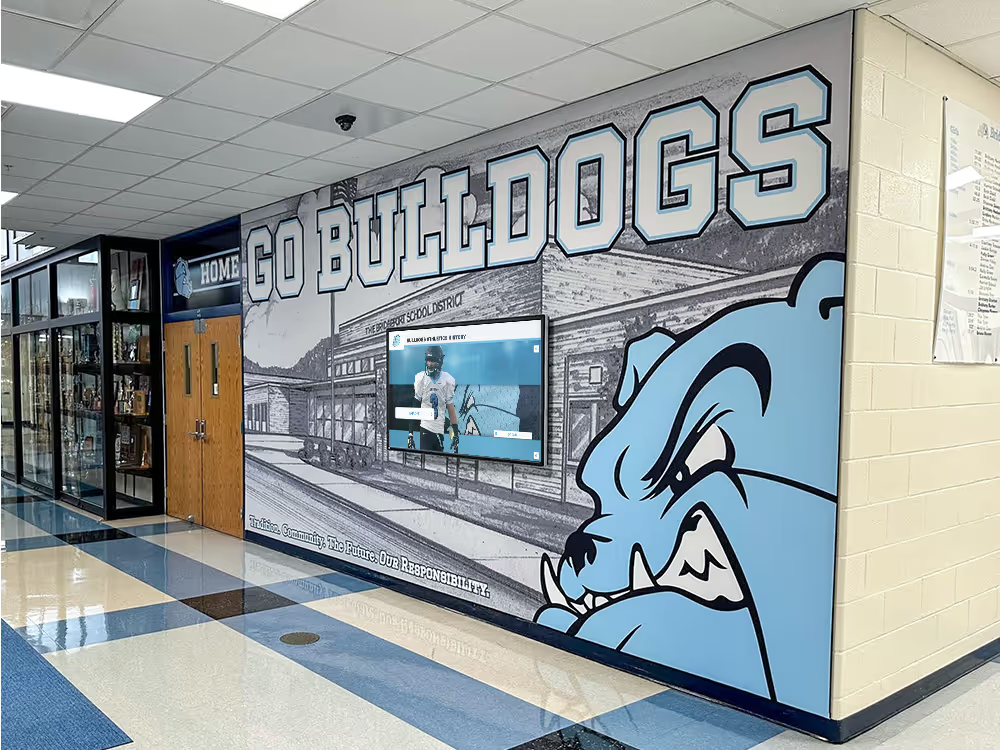
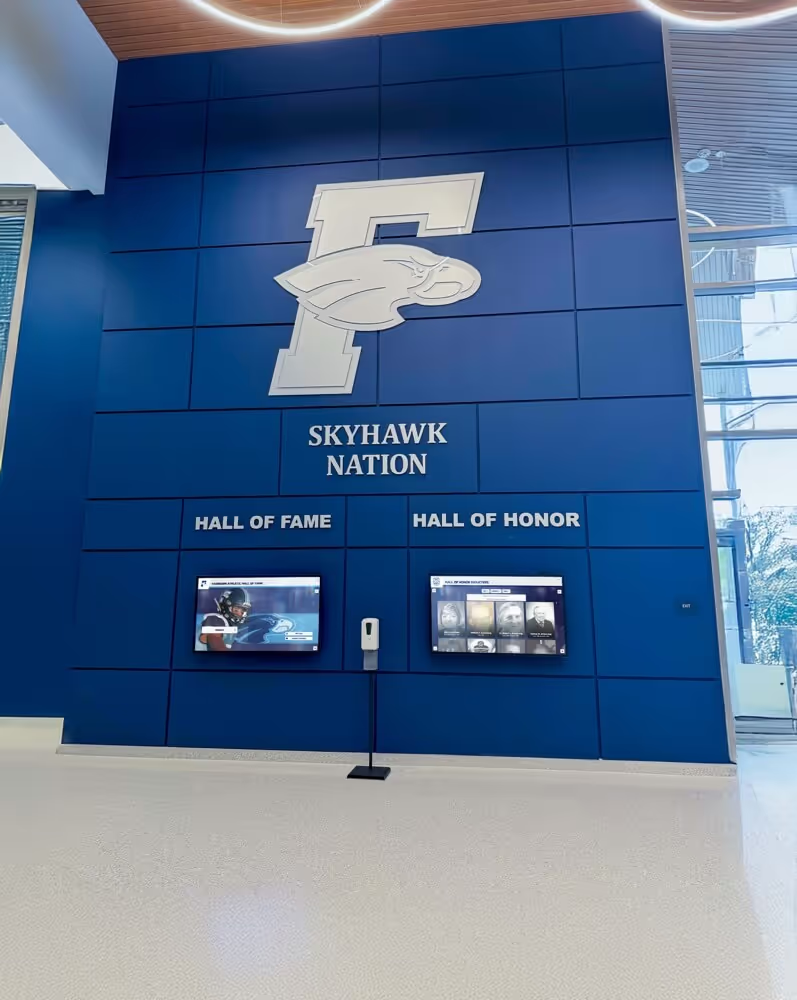
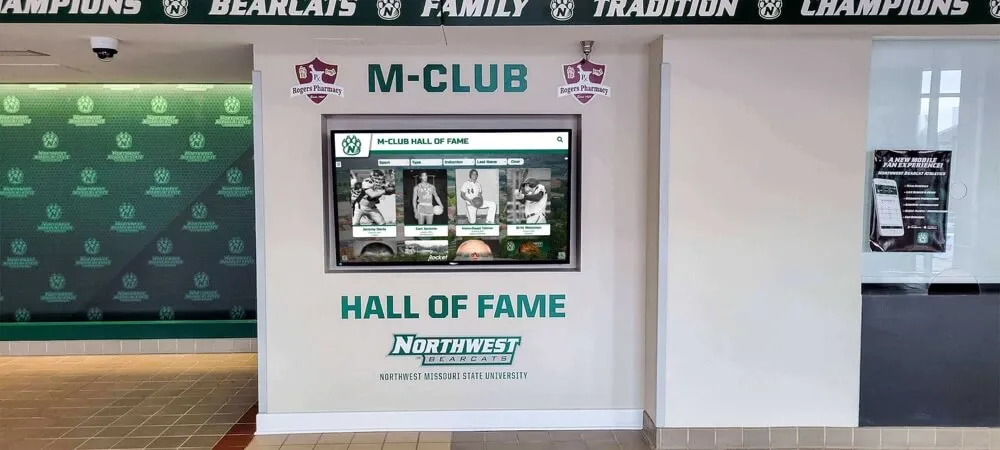
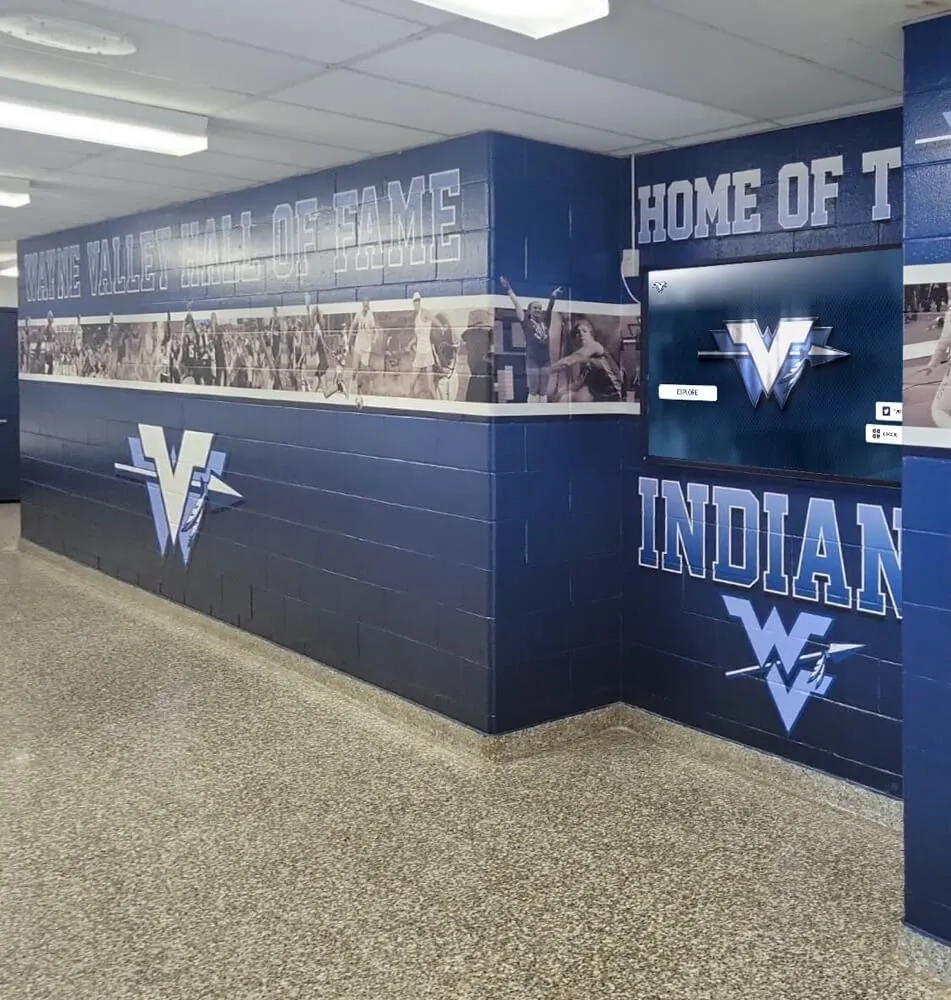
Modern recognition systems preserve complete football program histories including classification evolutions and multi-era achievements
Legendary Texas High School Football Programs
Certain Texas programs have established championship traditions spanning decades, becoming synonymous with football excellence.
Katy High School: Modern Dynasty
Katy represents contemporary Texas football dominance:
Championship Pedigree
- 9 state championships (as of 2025) since 1997
- Consistent playoff appearances and deep postseason runs
- Produced numerous Division I college players and NFL talent
- $70+ million stadium reflecting community football commitment
- National recognition as model suburban powerhouse program
Katy’s success stems from comprehensive program development: quality coaching continuity, extensive youth programs establishing fundamentals early, community support enabling resource investment, and competitive expectations established through championship tradition.
Cultural Impact
Katy exemplifies how Texas football programs become community identity sources. The Tigers’ success unites the Houston suburb, with championship runs creating shared experiences transcending individual participation.
Southlake Carroll: Building Excellence Through Culture
The Dragons established dynasty during the 2000s that redefined Texas football success:
Dynasty Achievements
- Back-to-back perfect seasons (2004-2005: 32-0) with consecutive state championships
- 8 state titles demonstrating sustained excellence
- Chase Daniel, Greg McElroy, Riley Dodge and other players achieving college/professional success
- HBO’s “Football Life” documentary capturing program culture
- Blueprint for other programs building competitive excellence
Carroll proved small-city programs could dominate through culture emphasizing character, academics, and athletic excellence simultaneously—the “Carroll Way” philosophy that influenced programs statewide.
Highland Park: Old Guard Excellence
Highland Park represents traditional power consistently producing championship teams:
Historical Significance
- Multiple state championships across different eras
- Dallas-area program with deep tradition and alumni support
- Produced legendary players including Bobby Layne and Matthew Stafford (Detroit Lions)
- Historic facilities reflecting long-term institutional commitment
- Consistent playoff competitiveness across generations
Programs like Highland Park demonstrate how football excellence can be sustained across decades through institutional commitment, alumni engagement, and community investment in program infrastructure.
Aledo: Small-School Dominance
Aledo proves championship excellence transcends enrollment size:
Remarkable Achievement Record
- 10+ state championships demonstrating consistent excellence
- Running back factory producing college stars
- Physical, power-based offense defining program identity
- Small Fort Worth suburb competing against larger programs
- Model for resource-efficient excellence
Aledo’s success shows that coaching excellence, program culture, and community commitment matter more than enrollment advantages—inspirational for smaller Texas programs building competitive traditions.
Celina: Rising Power
Celina represents newer programs establishing championship traditions:
Recent Success
- Multiple state championships in 2010s-2020s
- Rapid rise from relative obscurity to state power
- North Texas program capitalizing on suburban growth
- Modern approach to program building and development
- Proof that new dynasties can emerge quickly with right formula
Schools wanting to document both historical traditions and recent success benefit from football hall of fame recognition systems that celebrate multi-era achievements comprehensively.

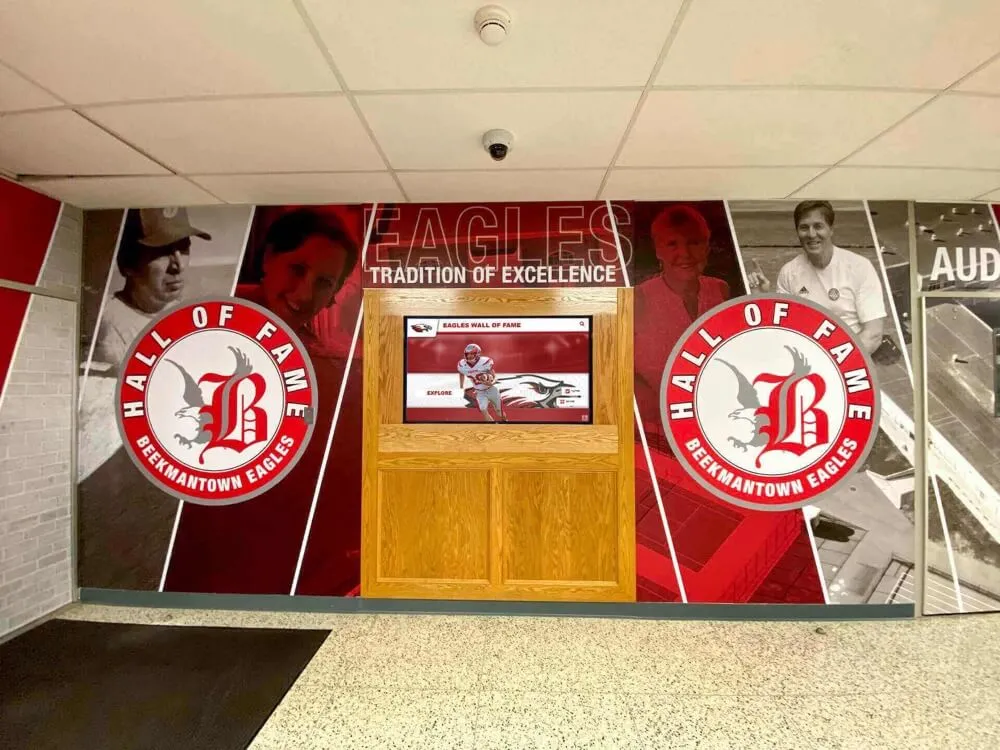
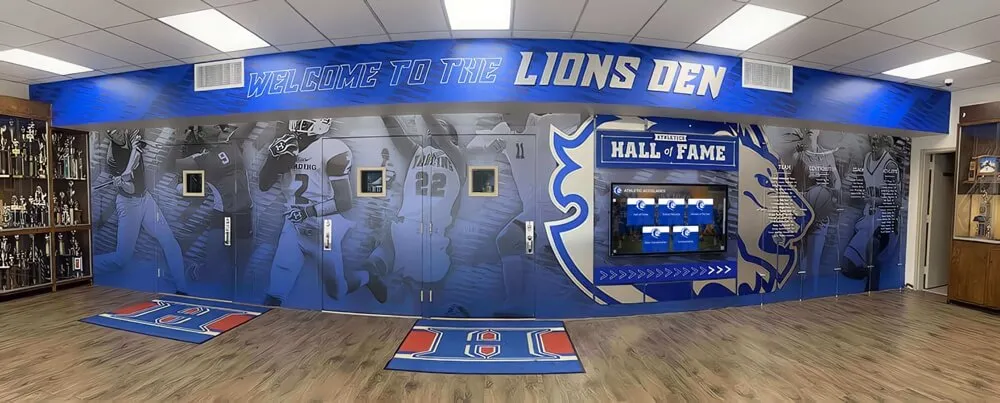
Comprehensive displays honor both historical championship traditions and contemporary program achievements
Record-Breaking Achievements in Texas Football History
Texas high school football has produced statistical achievements that define excellence benchmarks.
Individual Career Records
Exceptional players have established marks that endure across generations:
Rushing Records
- Career rushing yards leaders surpassing 10,000+ yards
- Single-season records exceeding 3,000+ yards
- Career touchdowns reaching 100+ scores
- Game performances including 400+ yard efforts
- Players like Kenneth Hall (“The Sugar Land Express”) establishing legendary status
Passing Excellence
- Career passing yardage records exceeding 15,000+ yards
- Touchdown pass records reaching 150+ career TDs
- Single-season performances surpassing 5,000+ yards
- Game records including 8+ touchdown passes
- Quarterbacks becoming Texas football legends through record achievements
Defensive Dominance
- Career tackle records documenting defensive excellence
- Interception records demonstrating ball-hawking ability
- Sack records from dominant pass rushers
- Return touchdown records from versatile athletes
- Defensive players achieving recognition equal to offensive stars
These individual achievements become part of program lore, with schools celebrating record-holders through recognition systems preserving statistical excellence alongside team accomplishments.
Team Performance Records
Collective achievements define program excellence:
Winning Streaks
- Multi-year undefeated streaks spanning 30-50+ games
- Conference winning streaks lasting entire decades
- Playoff winning streaks demonstrating postseason dominance
- Home winning streaks capitalizing on venue advantages
- Programs establishing competitive standards through sustained success
Scoring Excellence
- Single-game team scoring records exceeding 100+ points
- Season scoring averages demonstrating offensive dominance
- Consecutive games scoring 50+ points
- Playoff run scoring performances
- Offensive systems revolutionizing Texas football strategy
Defensive Shutouts
- Season shutout records including 10+ shutouts in single year
- Consecutive shutout streaks
- Playoff shutout performances under highest pressure
- Championship game defensive dominance
- Defensive units achieving legendary status
Schools preserving these record achievements alongside championship hardware create comprehensive program narratives. Digital record board systems enable displaying unlimited records without physical space constraints.
Championship Game Performances
State championship games produce defining moments:
Memorable Title Game Performances
- Individual rushing performances exceeding 300+ yards
- Multiple touchdown performances deciding championships
- Defensive stands preserving title victories
- Overtime classics creating lasting memories
- Underdog triumphs redefining program trajectories
Championship Game Records
- Largest victory margins demonstrating dominance
- Closest championship finishes showcasing competitive balance
- Attendance records reflecting Texas football passion
- Television viewership demonstrating statewide interest
- Championship weekend traditions becoming cultural events
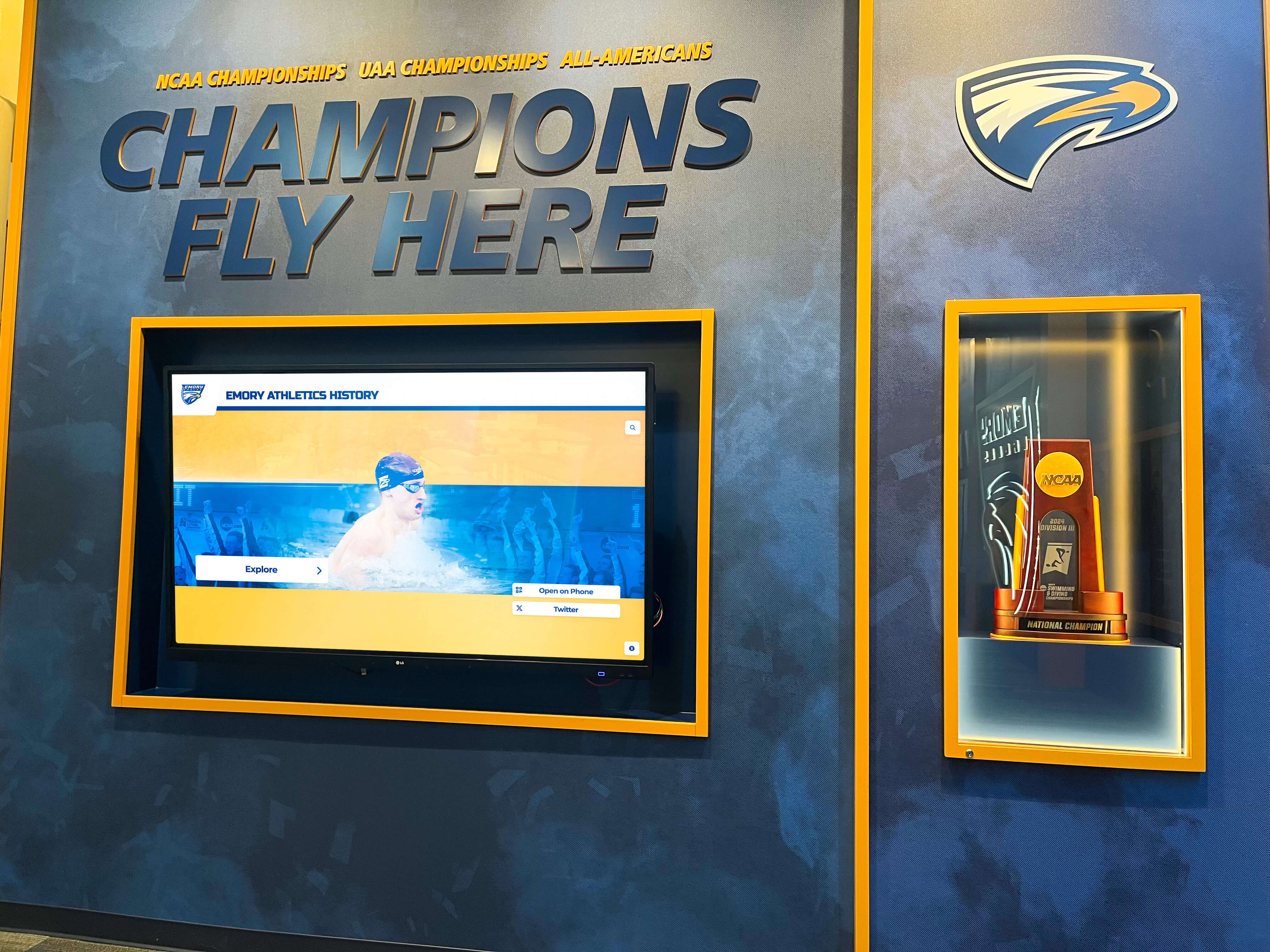
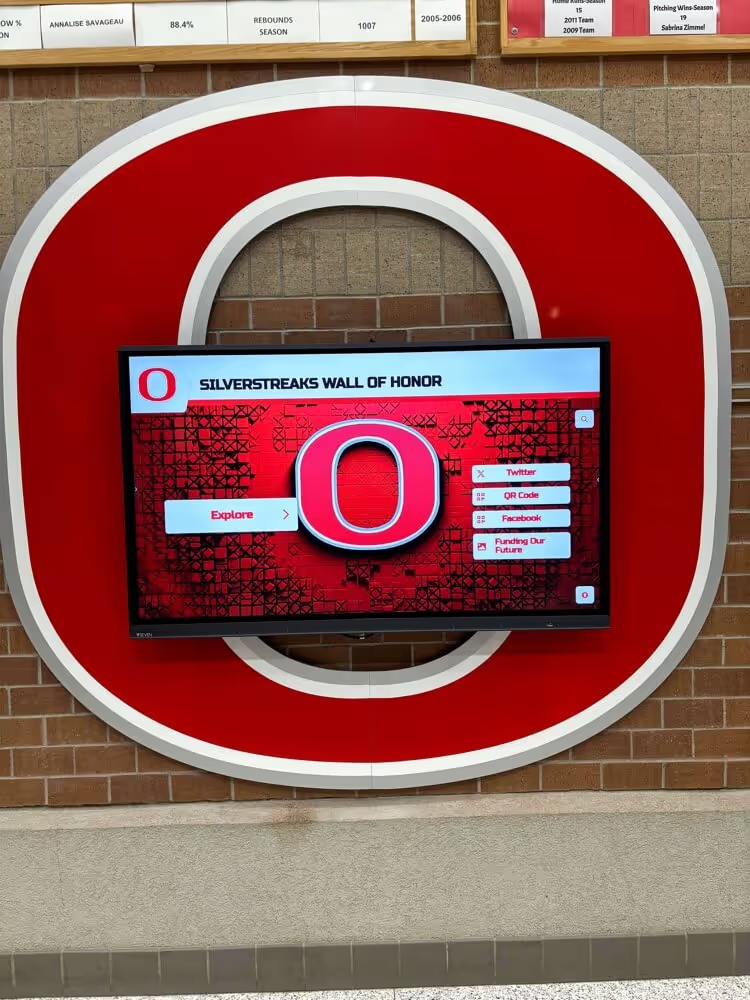
Championship achievements receive prominent recognition combining physical trophies with comprehensive historical documentation
These championship moments become permanent program history, deserving systematic preservation through recognition approaches that honor achievement while providing context for future generations.
Texas Football Legends: Players Who Defined Excellence
Individual players have shaped Texas football history while launching successful college and professional careers.
Running Back Legends
Texas has produced extraordinary running backs who dominated high school competition:
Eric Dickerson (Sealy High School)
- Legendary career establishing Texas rushing standards
- Multiple state championships and individual honors
- NFL Hall of Fame career following Texas high school success
- Symbol of Texas producing world-class talent
- Legacy inspiring generations of Texas running backs
Johnathan Gray (Aledo High School)
- Multiple state championships contributing to Aledo dynasty
- Record-breaking performances in title games
- University of Texas success following prep excellence
- Prototype power back from Texas tradition
- Model of student-athlete balancing academics and athletics
Cedric Benson (Midland Lee High School)
- West Texas legend dominating state competition
- State championship contributor to Lee program
- University of Texas star and NFL career
- West Texas football tradition exemplar
- Inspiration for region’s football development
Quarterback Excellence
Texas quarterbacks have defined the position’s evolution:
Andrew Luck (Stratford High School)
- Houston area prep star before Stanford career
- Academic and athletic excellence prototype
- NFL #1 draft pick and Pro Bowl performer
- Texas producing NFL elite talent consistently
- Modern Texas quarterback exemplar
Kyler Murray (Allen High School)
- Multi-sport superstar in Texas prep athletics
- State championship quarterback success
- Heisman Trophy winner and NFL MVP
- Texas multi-sport athlete tradition
- Demonstrating Texas athletic versatility
Robert Griffin III (Copperas Cove High School)
- Central Texas preparation for Baylor stardom
- Heisman Trophy winner with Texas high school roots
- NFL success following prep excellence
- Military community program demonstrating Texas diversity
- Multi-dimensional athlete from Texas tradition
Defensive Dominators
Defensive players have established legendary status equal to offensive stars:
Von Miller (DeSoto High School)
- Dallas area defensive star before Texas A&M career
- Super Bowl MVP and NFL dominance
- Texas producing elite defensive talent
- DeSoto program excellence exemplar
- Defensive player recognition importance
Earl Thomas (West Orange-Stark High School)
- East Texas defensive back legend
- Multiple state championships contributor
- NFL All-Pro career following prep success
- Small-school excellence demonstrating Texas depth
- Safety position Texas tradition
Programs honoring these legendary players through interactive athlete recognition displays create connections between current players and program history while celebrating individual excellence.

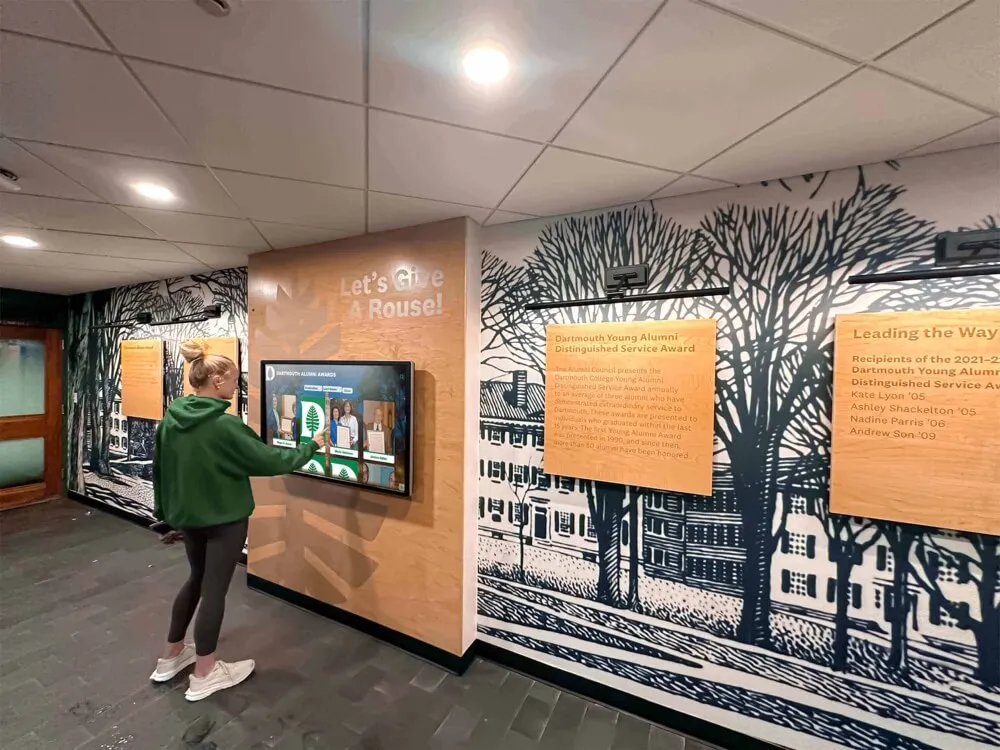
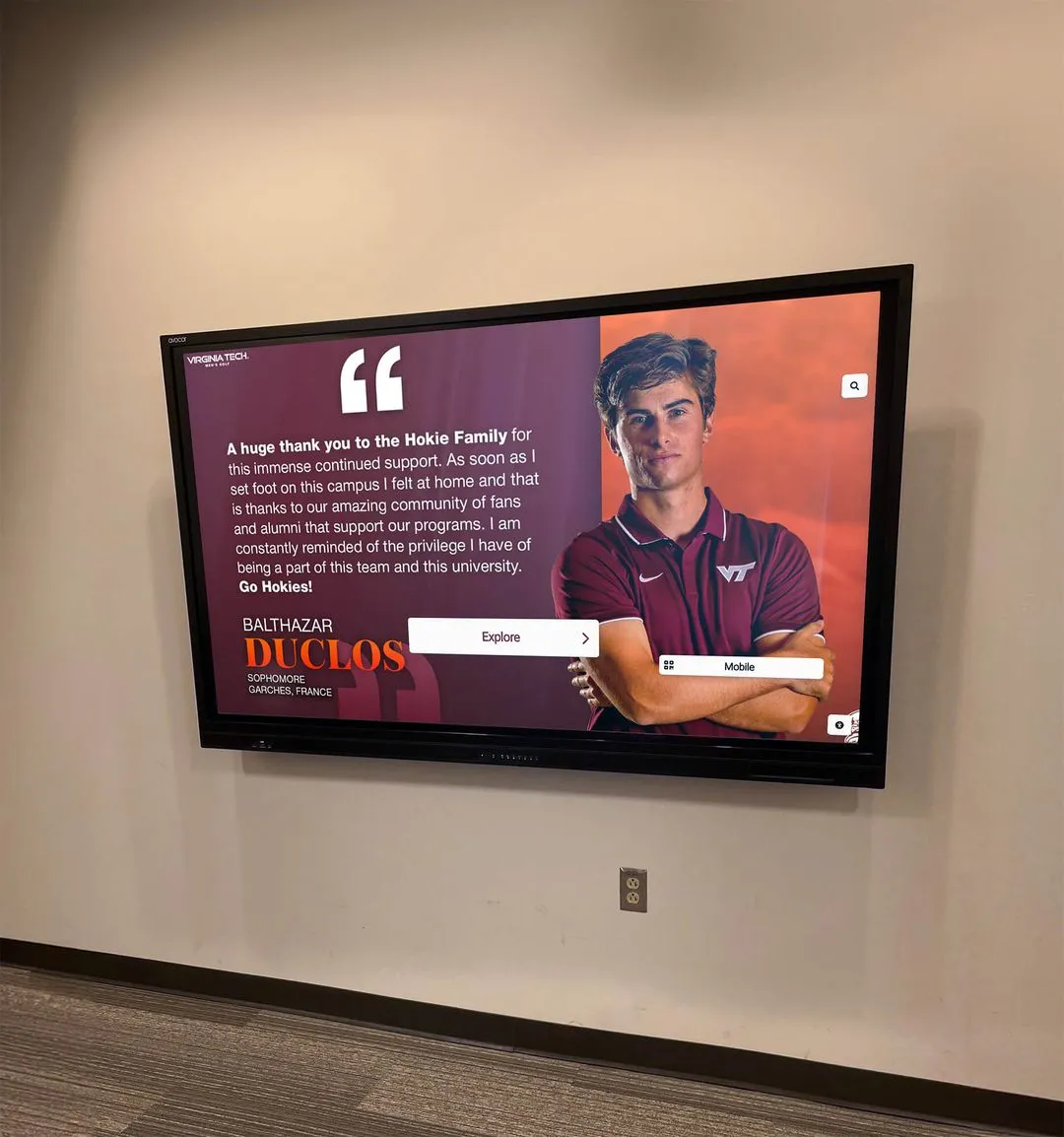
Interactive displays enable exploring individual player achievements, statistics, and biographical information comprehensively
Championship Traditions and Rivalry Games
Texas football tradition extends beyond state championships to include rivalry games and ceremonial traditions that define the sport’s cultural significance.
Historic Rivalry Games
Certain rivalry games have become Texas football institutions:
Highland Park vs. Jesuit (Dallas)
- Dallas private school rivalry spanning decades
- Playoff implications frequently at stake
- College recruiting showcase annually
- Community division and celebration
- Friday night social event transcending game
Odessa Permian vs. Midland Lee
- West Texas rivalry immortalized in “Friday Night Lights”
- Decades of intense competition and championship implications
- Regional pride battle between rival cities
- Multi-generational family tradition
- Cultural phenomenon extending beyond West Texas
Port Neches-Groves vs. Nederland (Mid-County Madness)
- Southeast Texas rivalry creating community division
- Thanksgiving week tradition for generations
- Small community passion exemplifying Texas football culture
- Playoff positioning frequently determined by rivalry outcome
- Economic and social impact throughout communities
Tyler John Tyler vs. Tyler Lee (Rose City Rivalry)
- East Texas cross-town battle defining community identity
- School district split creating instant rivalry
- Friday night determining community bragging rights
- Youth program divisions establishing lifelong loyalties
- Athletic excellence from both programs raising competitive standards
These rivalries demonstrate that Texas football significance transcends championship pursuits—weekly competition against traditional opponents creates meaning independent of playoff positioning.
Championship Weekend Traditions
Texas state championship games carry ceremonial elements that honor achievement:
AT&T Stadium Championships
- Playing in NFL venue elevating championship prestige
- Largest high school football crowds anywhere globally
- Television broadcasts extending reach statewide
- Collegiate atmosphere for high school athletes
- Neutral site ensuring competitive equity
Championship Ring Ceremonies
- Post-championship celebrations honoring team members
- Community recognition events celebrating achievement
- Championship rings becoming lifetime keepsakes
- Banquet traditions connecting teams to alumni
- Formal recognition of championship accomplishment
Victory Parades and Community Celebrations
- Championship teams receiving hero welcomes home
- Community parades celebrating collective achievement
- City proclamations and official recognitions
- Economic impact as communities celebrate together
- Generational bonding through shared celebration
Programs documenting these traditions alongside championship hardware create complete historical narratives. Sports banquet planning guides help schools systematically celebrate achievements through ceremonial traditions.
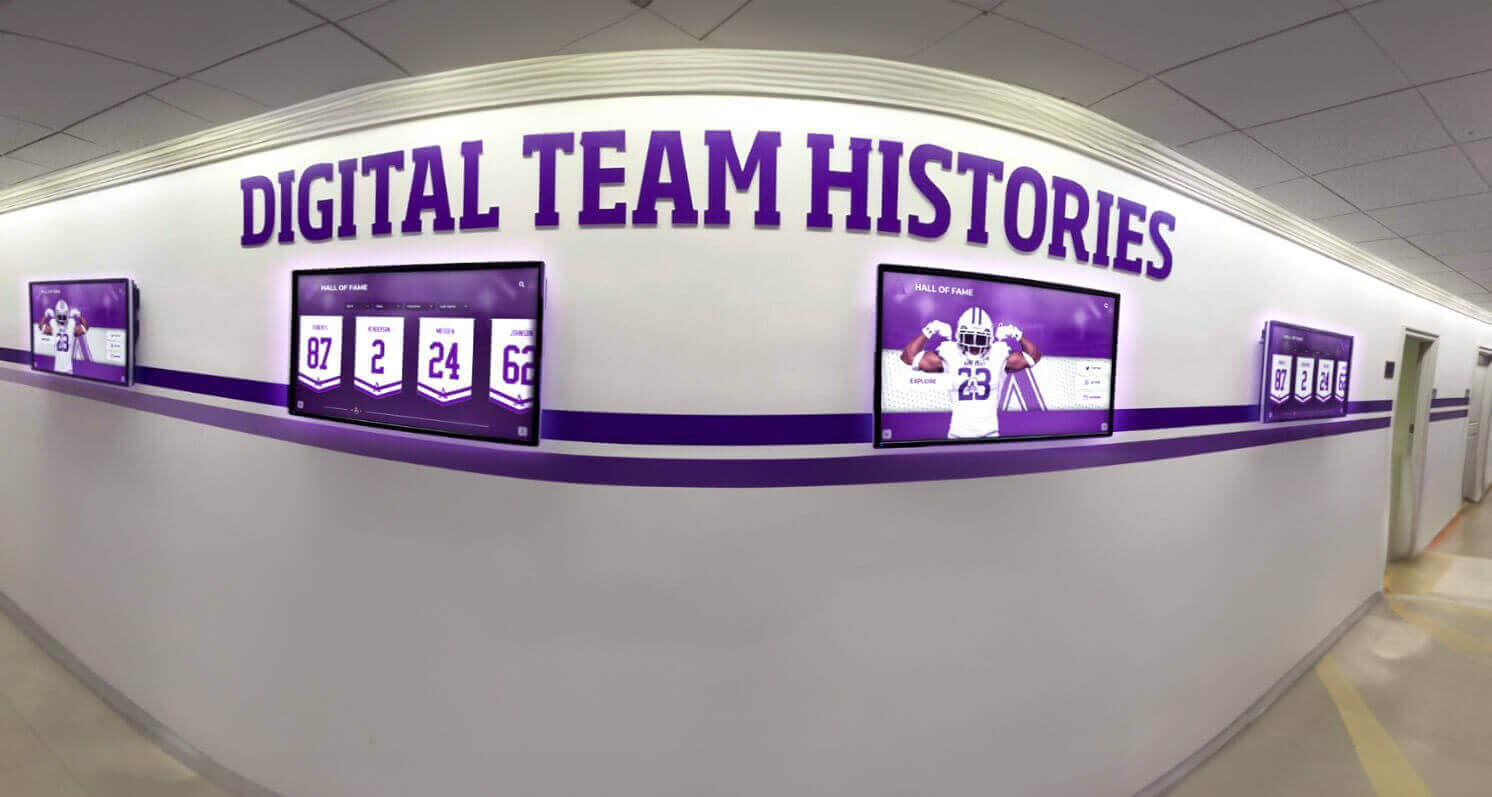
Comprehensive team history displays preserve championship seasons including celebration traditions and community impact
The Evolution of Texas Football Strategy and Style
Texas high school football has evolved strategically while maintaining core identity elements.
Offensive Evolution
Texas offensive football has transformed dramatically across eras:
Early Era: Power Football (1920s-1960s)
- Single wing and wing-T formations dominating
- Power running games emphasizing line play
- Limited passing reflecting era philosophy
- Regional uniformity in strategic approaches
- Physical, ground-based identity establishing Texas football character
Spread Revolution (1980s-2000s)
- Art Briles and others introducing spread offense concepts
- Shotgun formations and no-huddle tempos
- Passing games opening up Texas offense
- Speed and skill position emphasis
- Strategic diversity across regions
Modern Multiple Offense (2010s-Present)
- RPO (Run-Pass Option) systems becoming prevalent
- Up-tempo no-huddle pace standard
- Quarterback run games integrated systematically
- Personnel groupings creating matchup advantages
- Analytics influencing fourth-down decisions and strategic choices
Regional Variations Persisting
Despite evolution, regional identity remains:
- West Texas spread offenses maximizing limited rosters
- East Texas power running games maintaining tradition
- Dallas/Houston area programs with multiple strategic approaches
- South Texas technical precision and speed emphasis
- Rural programs adapting systems to available talent
Defensive Evolution
Defensive strategy has adapted to offensive changes:
Traditional Defense to Spread Response
- 5-2 and 4-4 base fronts giving way to 4-2-5 nickel packages
- Coverage schemes adapting to four and five receiver sets
- Aggressive blitz packages pressuring spread quarterbacks
- Speed emphasis over size at linebacker positions
- Defensive backs requiring elite coverage skills
Modern Defensive Trends
- Multiple fronts and coverage disguises
- Analytics informing aggressive fourth-down defense
- Turnover emphasis through strip drills and ball skills
- Defensive tempo matching offensive no-huddle pace
- Cross-training creating versatile position flexibility
Championship Defense Philosophy
Texas championship teams typically feature:
- Physical defensive fronts controlling line of scrimmage
- Ball-hawking secondary creating turnovers
- Situational excellence in red zone and goal line
- Playoff toughness under championship pressure
- Veteran leadership from experienced defenders
Programs documenting strategic evolution alongside championship success create comprehensive historical narratives showing how winning traditions adapt while maintaining core identity.
Coaching Legends and Program Builders
Great Texas football programs reflect exceptional coaching leadership spanning decades.
Legendary Coaches Who Defined Excellence
Certain coaches established standards for Texas high school football success:
Gordon Wood (Brownwood High School)
- All-time winningest Texas high school football coach (396 wins)
- Nine state championships across multiple decades
- Small-city excellence demonstrating coaching impact
- Mentor to numerous successful coaches
- Central Texas football tradition architect
G.A. Moore (Pilot Point, Celina)
- Multiple state championships building small-school programs
- Innovative offensive strategist ahead of his era
- Character-based coaching philosophy
- Longevity demonstrating sustained excellence
- North Texas football tradition builder
Art Briles (Stephenville, Later College Success)
- High school spread offense pioneer
- Multiple state championships revolutionizing Texas offense
- Transition to successful college coaching career
- Strategic innovator influencing Texas football statewide
- Offensive philosophy transforming the sport
Todd Dodge (Southlake Carroll)
- Built Carroll dynasty with back-to-back perfect seasons
- “Carroll Way” culture emphasizing character and excellence
- Quarterback development specialist
- Program culture architect creating sustained success
- Blueprint for comprehensive program development
Modern Coaching Excellence
Contemporary coaches continue Texas coaching tradition:
Gary Joseph (Katy High School)
- Multiple state championships building modern dynasty
- Suburb school program development model
- Comprehensive program including youth development
- Facility and resource management excellence
- Consistency across multiple decades
Tim Buchanan (Aledo High School)
- 10+ state championships demonstrating sustained dominance
- Running game specialist developing NFL talent
- Small-school excellence proving enrollment doesn’t determine success
- Program culture maintaining excellence through player turnover
- Modern era’s most successful coach
Jeff Hulme (Highland Park)
- Maintaining traditional power program excellence
- Dallas area recruiting and development
- Playoff consistency and championship competitiveness
- Balancing academics and athletics in high-achieving community
- Private school program building approaches
Schools honoring coaching excellence alongside player achievement recognize that sustained success requires exceptional leadership. Coach appreciation recognition guides provide frameworks for celebrating coaching contributions systematically.

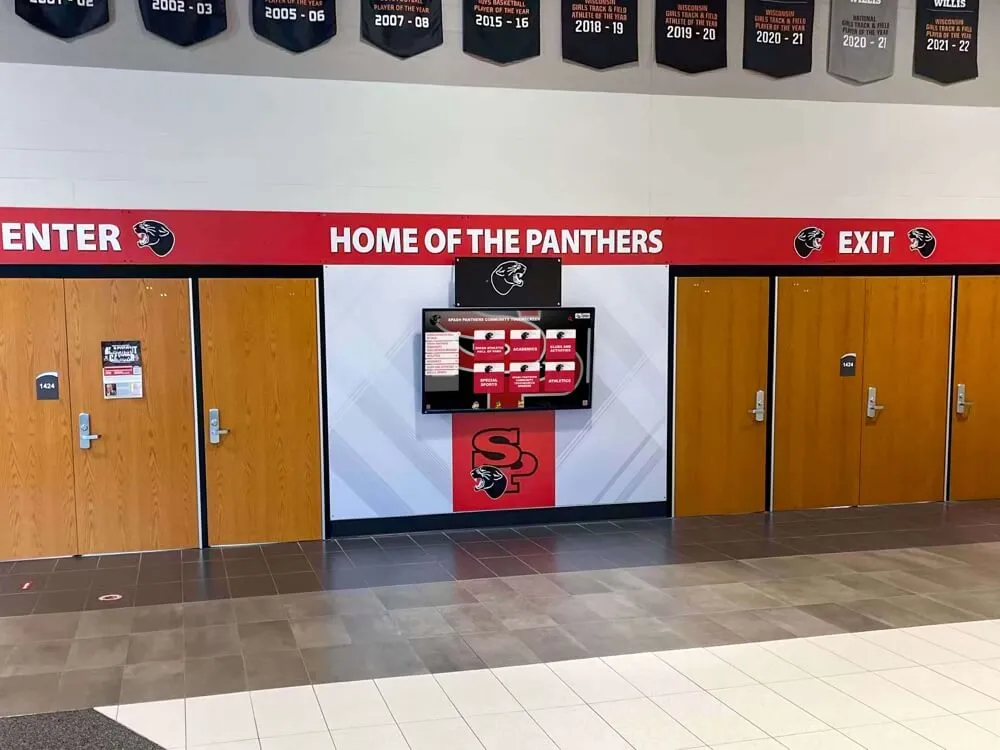
Comprehensive recognition systems celebrate both athletes and coaches who build championship traditions and program excellence
The Cultural Significance of Texas High School Football
Texas football transcends athletics, functioning as cultural institution with profound community impact.
Community Identity and Friday Night Traditions
Football defines community identity throughout Texas:
Small Town Texas Football Culture
- Friday night games as primary community gathering
- Multi-generational family attendance traditions
- Local business support through sponsorships and signage
- Community pride tied directly to team success
- Economic impact as games drive restaurant and retail activity
Suburban Program Excellence
- Large enrollment schools with massive facilities
- Competitive excellence through resource advantages
- College-level game day atmospheres
- Community investment in program success
- Metropolitan area recruiting competition
Urban Football Traditions
- City program resilience despite resource challenges
- Neighborhood pride and community representation
- Athletic pathways providing opportunity
- Diverse cultural influences enriching programs
- Social mobility through athletic achievement
Economic Impact
Texas football generates substantial economic activity:
Stadium Construction and Investment
- $60-70 million stadium projects in wealthy districts
- Community debate over appropriate spending
- Economic development through Friday night activity
- Tourism from playoff hosting opportunities
- Long-term community asset beyond athletics
Game Day Economics
- Ticket sales, concessions, merchandise revenue
- Local business activity surrounding games
- Hotel and restaurant impact during playoffs
- Booster club fundraising supporting programs
- Athletic department sustainability through revenue
Facility Rental and Multi-Use
- Stadium hosting youth programs and community events
- Facility rental revenue from non-school use
- Infrastructure supporting multiple sports and activities
- Community space for celebrations and gatherings
- Return on investment beyond Friday night football
Media Coverage and Cultural Recognition
Texas football receives media attention rivaling college programs:
Television and Streaming
- Regular season games broadcast regionally and statewide
- Championship games with NFL-quality production
- Streaming platforms extending access globally
- Media rights generating revenue for programs
- Professional-level coverage of high school athletes
Documentary and Cultural Representation
- “Friday Night Lights” book, film, and series
- HBO and Netflix documentaries exploring Texas football
- National media coverage of top programs and recruits
- Cultural export introducing Texas football nationwide
- Ongoing fascination with Texas football phenomenon
Social Media Impact
- Recruiting coverage creating year-round interest
- Highlight videos showcasing individual and team excellence
- Community engagement through digital platforms
- Alumni connection regardless of geographic distance
- Program marketing and recognition building
Programs understanding football’s broader cultural impact can leverage success for comprehensive community benefit beyond athletic achievement alone.
Preserving Texas Football Legacy Through Modern Recognition
As Texas football history grows richer, preserving this heritage requires systematic approaches overcoming traditional recognition limitations.
Traditional Recognition Approaches and Limitations
Historic methods face inherent constraints:
Trophy Cases and Physical Displays
- Limited space forcing difficult choices
- Physical deterioration over time
- Static presentations lacking engagement
- Update difficulties as achievements accumulate
- Inability to showcase complete rosters and statistics
Championship Banners
- Gymnasium space constraints limiting capacity
- Fading and wear requiring replacement
- Minimal context beyond year and achievement
- Climbing difficulty updating high-mounted banners
- Visual clutter as championships accumulate
Record Boards
- Painted boards difficult and expensive updating
- Limited space for comprehensive records
- Weather damage for outdoor installations
- Maintenance challenges keeping current
- Inability to provide player biographical context
These traditional approaches served well historically but struggle accommodating comprehensive documentation of program history spanning 50+ years with multiple championships, hundreds of record-holders, and thousands of contributing players deserving recognition.
Digital Recognition System Advantages
Modern technology transforms football legacy preservation:
Unlimited Historical Capacity
Digital platforms eliminate space constraints that forced difficult recognition choices:
- Every championship season documented completely with rosters, statistics, and narratives
- All-time record holders across every statistical category preserved permanently
- Individual player profiles for every team member throughout program history
- Coaching histories connecting mentors to successful seasons
- Rivalry game results and traditional opponent records spanning decades
Solutions like Touch Archive provide platforms specifically designed for preserving comprehensive athletic program histories without physical space limitations.
Multimedia Integration
Digital systems support rich content traditional displays cannot accommodate:
- Championship game highlight videos preserving defining moments
- Photo galleries documenting championship seasons comprehensively
- Player interview content adding personal narratives
- Historical context connecting current teams to tradition
- Dynamic presentations engaging younger generations
Easy Updates and Maintenance
Cloud-based platforms enable simple content management:
- Season-end updates adding new championships and records
- Weekly updates during playoff runs tracking team progress
- Individual record updates as new achievements occur
- Photo additions throughout seasons
- Alumni achievement tracking after graduation
Schools report updating digital recognition systems in minutes compared to hours or days required for traditional physical display updates requiring professional installation.

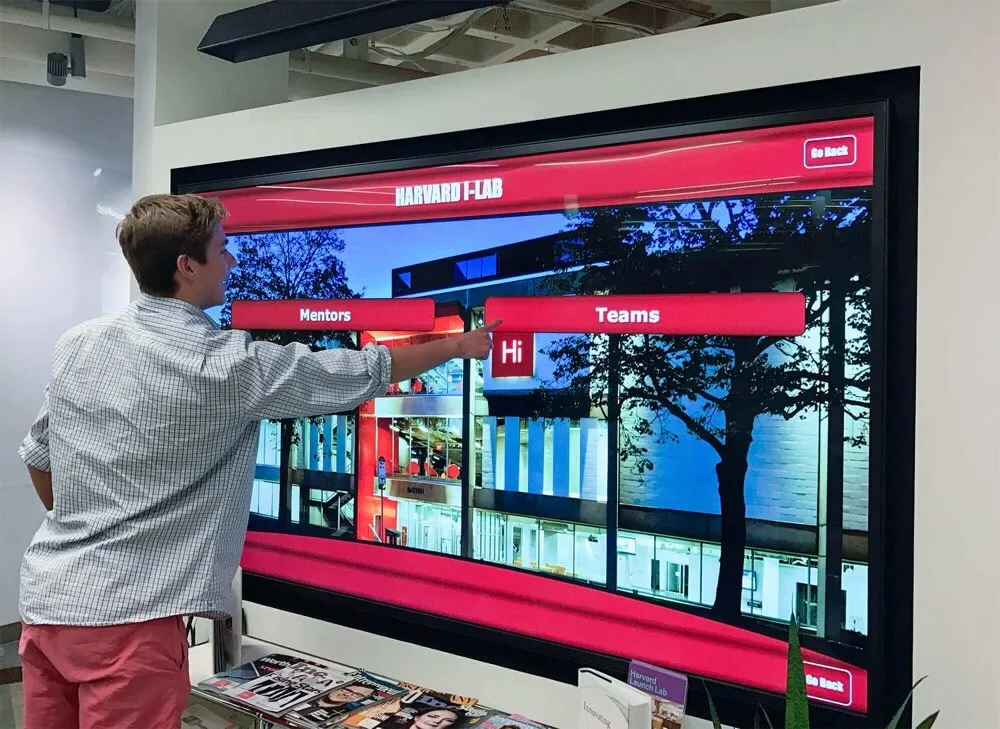
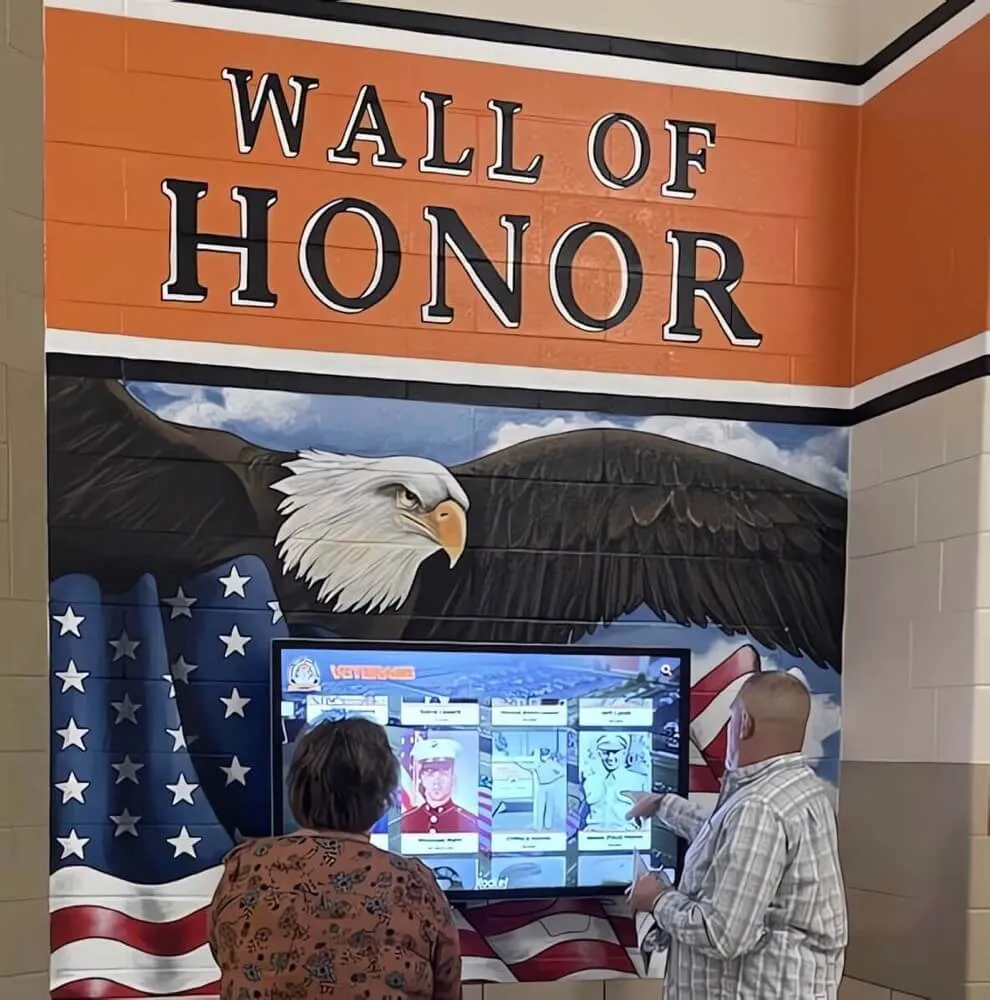
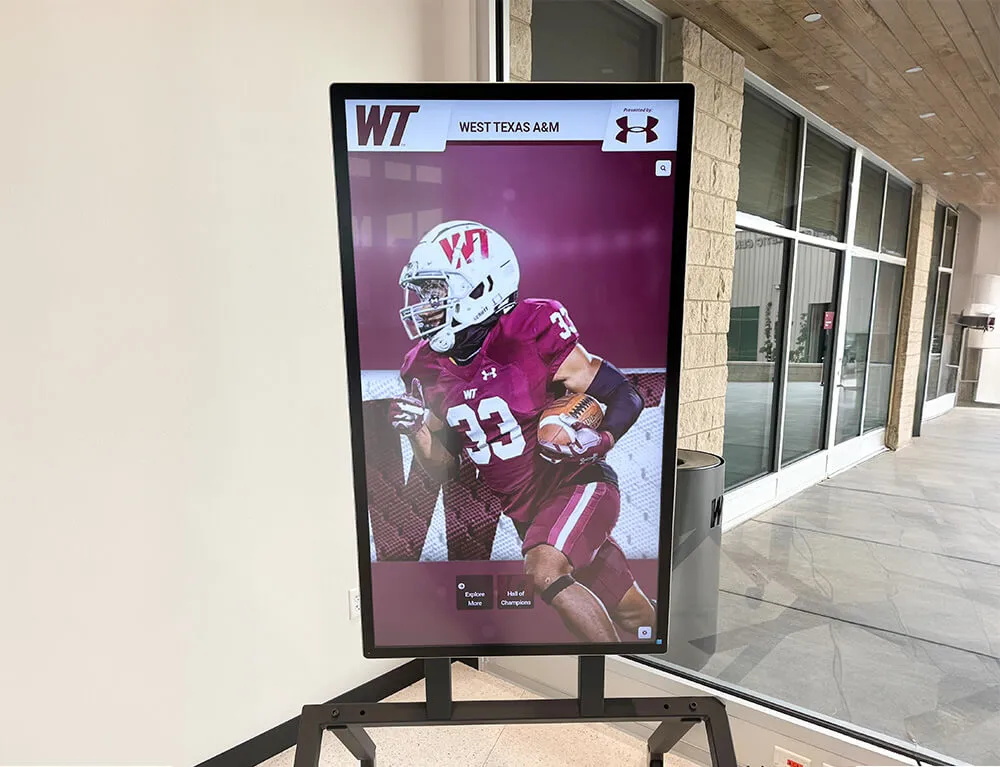
Interactive recognition kiosks create engaging experiences exploring football program history, championships, and individual player achievements
Comprehensive Football Program Documentation
Effective archival systems document programs across multiple dimensions:
Essential Historical Elements
- Season records and playoff results for every year
- Championship seasons with complete documentation
- All-time records across statistical categories
- Legendary player profiles with comprehensive achievements
- Coaching histories connecting mentors to success
- Rivalry game results and traditional opponent records
- Facility evolution and program development milestones
- Community impact and cultural significance documentation
Interactive Exploration Features
- Search functionality finding specific seasons, players, or records
- Filtering by championship years, decades, or achievement type
- Timeline views showing program development across eras
- Individual player profile pages with complete statistics
- Photo and video galleries documenting key moments
- Comparison tools examining different championship teams
Multiple Access Points
Modern recognition extends beyond physical campus displays:
- In-school touchscreen kiosks in high-traffic areas
- Web-accessible platforms enabling alumni viewing remotely
- Mobile optimization for smartphone and tablet access
- Social media integration amplifying achievement celebration
- QR codes on physical displays linking to digital content
This multi-channel approach ensures football achievements remain accessible to current students, returning alumni, prospective families evaluating programs, and community members celebrating local excellence.
Building Recognition Systems for Texas Football Excellence
Schools celebrating football tradition benefit from strategic recognition planning.
Planning Comprehensive Recognition Approaches
Effective recognition requires forethought and systematic implementation:
Needs Assessment
- Evaluate current recognition approaches and limitations
- Identify gaps in historical documentation
- Determine priority achievements requiring prominent display
- Assess available budget and implementation timeline
- Engage stakeholders including coaches, boosters, alumni, and administration
Content Strategy Development
- Compile historical records, rosters, and statistical data
- Gather photographs from championship seasons and key moments
- Collect player and coach interviews adding personal narratives
- Research program history filling knowledge gaps
- Create documentation standards for ongoing updates
Technology Selection
- Evaluate platforms supporting unlimited historical capacity
- Assess ease of content management for school staff
- Compare total costs including hardware, software, and support
- Verify multimedia integration capabilities
- Confirm mobile and web accessibility
Combining Traditional and Digital Recognition
The most effective approaches blend physical and digital elements strategically:
Hybrid Recognition Strategies
- State championship trophies displayed prominently in physical cases
- Adjacent digital displays providing complete championship season context
- Historical plaques for milestone achievements complemented by searchable digital archives
- Record boards featuring current records with touchscreens offering complete historical lists
- Physical banners for championships with digital documentation of all playoff runs
Strategic Display Placement
- Main entrance lobbies welcoming visitors with championship achievements
- Athletic hallways connecting facilities to recognition displays
- Stadium concourses enabling game-day engagement
- Cafeterias and common areas engaging entire student body
- Alumni centers connecting past players to current programs
Ongoing Maintenance Planning
- Designated staff responsibilities for content updates
- Season-end update procedures adding new achievements
- Regular review ensuring accuracy and completeness
- Technology refresh planning as systems evolve
- Budget allocation for recognition sustainability
Schools implementing comprehensive recognition should explore platforms that integrate football documentation with broader athletic achievement celebration, creating unified recognition systems rather than sport-specific isolated displays.

Strategic recognition system implementation ensures football achievements receive prominent, accessible, and engaging celebration
Engaging Stakeholders Through Football History
Football recognition creates engagement opportunities across diverse constituencies.
Current Student Connection
Present students benefit from understanding program tradition and competitive context:
Building Program Pride
- Historical achievements establishing expectations for current teams
- Legendary player profiles inspiring current athletes
- Championship traditions motivating competitive excellence
- Statistical records creating tangible pursuit goals
- Continuity connecting current teams to institutional legacy
Educational Integration
- History classes exploring football’s community impact
- Statistics classes analyzing athletic performance data
- Writing courses documenting player and program narratives
- Technology classes maintaining digital recognition systems
- Civics classes examining football’s community role
Alumni Engagement and Connection
Football recognition provides powerful alumni engagement tools:
Reconnection Opportunities
- Alumni easily finding their teams, seasons, and personal achievements
- Reunion events featuring recognition system exploration
- Digital access enabling remote viewing from anywhere
- Social media sharing of personal football memories
- Mentoring connections between alumni and current players
Fundraising Applications
- Recognition systems demonstrating institutional commitment to legacy
- Named recognition opportunities honoring major donors
- Alumni giving motivated by connection to football tradition
- Booster club support strengthened through comprehensive celebration
- Capital campaign success leveraging football pride
For comprehensive approaches to alumni engagement through athletics, explore digital recognition strategies that connect past players to current programs.
Community Pride and Support
Football recognition strengthens community connection to schools:
Public Access and Visibility
- Recognition displays in building entrances accessible to visitors
- Web platforms enabling community viewing from home
- Game-day engagement with stadium displays
- Local media partnerships celebrating achievements
- Community events featuring recognition presentations
Economic and Cultural Benefits
- Community pride attracting families when selecting residences
- Property values benefiting from quality athletic programs
- Local business support through sponsorship opportunities
- Cultural identity tied to football tradition
- Generational continuity through shared traditions
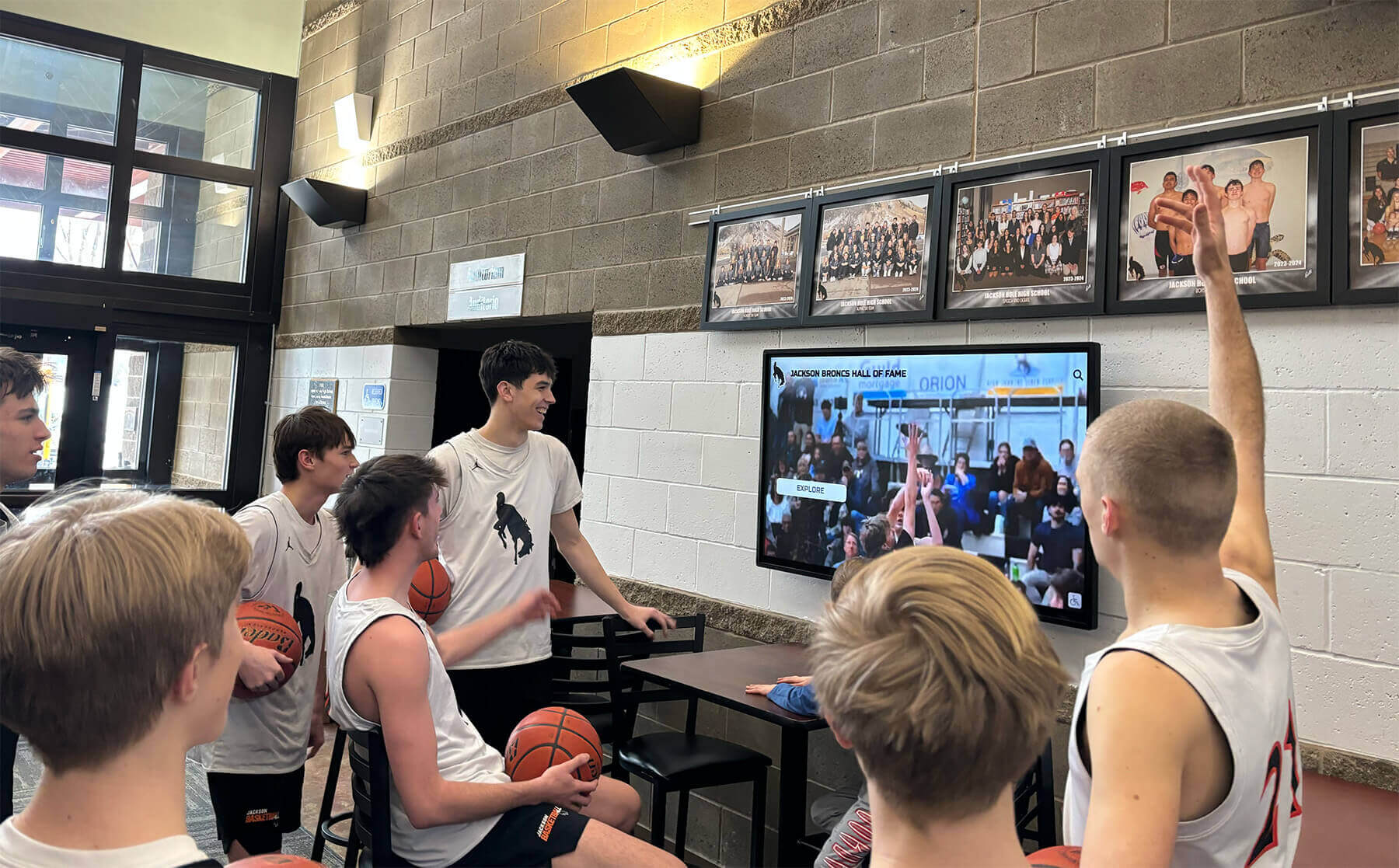
Public displays enable entire school communities and visitors to engage with football achievements and program history
The Future of Texas High School Football
Texas football continues evolving while maintaining core identity and tradition.
Competitive Evolution and Trends
Several trends shape Texas football’s future:
Transfer Portal and Recruiting
- Increasing player mobility between programs
- UIL eligibility rules navigating transfer considerations
- Recruiting coverage creating year-round interest
- 7-on-7 tournaments as recruiting showcases
- Private school advantages and public school responses
Safety and Rule Changes
- Concussion protocols prioritizing player safety
- Practice contact limitations affecting preparation
- Equipment innovations improving protection
- Parent concerns influencing participation rates
- Medical research informing policy decisions
Strategic Innovation
- Analytics influencing decision-making
- Tempo and pace continuing to accelerate
- Quarterback run games becoming standard
- Defensive adaptations to offensive evolution
- Coaching education and knowledge sharing
Technology and Recognition Evolution
How schools celebrate football achievement continues advancing:
Recognition Technology Trends
- Cloud-based systems enabling real-time updates
- Mobile accessibility extending recognition beyond campus
- Social media integration amplifying achievement celebration
- Artificial intelligence supporting content management
- Virtual reality potentially recreating historic moments
Data Analytics and Documentation
- Comprehensive statistical tracking across all levels
- Video analysis supporting player development
- Performance metrics identifying talent and improvement
- Historical comparisons across eras enabled by data
- Recruiting platforms connecting achievement to opportunity
Accessibility and Inclusion
- Recognition systems meeting ADA accessibility standards
- Multilingual content reflecting Texas diversity
- Remote access enabling global engagement
- Inclusive recognition celebrating all program contributions
- Technology reducing barriers to participation
Schools investing in modern recognition infrastructure position themselves to adapt as technology evolves while ensuring current investments remain relevant for decades.
Conclusion: Honoring Texas Football Legacy
Texas high school football history represents more than statistics and championships—it encompasses community identity, generational traditions, individual achievement, and cultural significance extending far beyond Friday night entertainment. From early 20th century origins through modern championship dynasties, Texas football has established standards for athletic excellence while creating stories that define communities across the Lone Star State.
Understanding this rich history provides context for why Texas football matters profoundly. The legendary programs, record-breaking achievements, championship traditions, and cultural impact deserve systematic preservation ensuring future generations understand the foundations upon which current success builds. Every championship season, every record-holding player, every legendary coach contributes to institutional narratives worth celebrating permanently.
Preserve Your Texas Football Legacy
Discover how interactive touchscreen displays can help you document championship traditions, honor legendary players, and preserve complete program history, creating lasting recognition that inspires current athletes while honoring past champions.
Request a DemoModern recognition technology now enables schools to honor football excellence comprehensively regardless of physical space limitations or budget constraints. Digital touchscreen systems preserve complete program histories, document championship seasons with photos and narratives, celebrate individual player achievements, and create engaging experiences for current students, returning alumni, and community visitors.
Every championship, every record, every legendary player represents countless hours of dedication, sacrifice, and excellence. These achievements deserve recognition that honors past accomplishments while inspiring future teams to add new chapters to your program’s competitive legacy. Whether celebrating your program’s first district championship or documenting your tenth state title, thoughtful recognition strengthens program culture, deepens community connection, and ensures achievement that matters today remains celebrated for generations.
Texas high school football history continues being written every Friday night across the state. Your program’s story—from founding traditions through contemporary success—deserves preservation and celebration that honors those who built your legacy while inspiring those who will extend it. Start building comprehensive recognition systems today that capture the achievements, traditions, and stories defining your program’s place in Texas football history.
Ready to transform how your school celebrates football achievement? Explore comprehensive recognition solutions for athletic excellence and program history, or request a demonstration showing how your football legacy can be preserved through interactive displays that engage your entire community while honoring the rich traditions that make Texas high school football extraordinary.