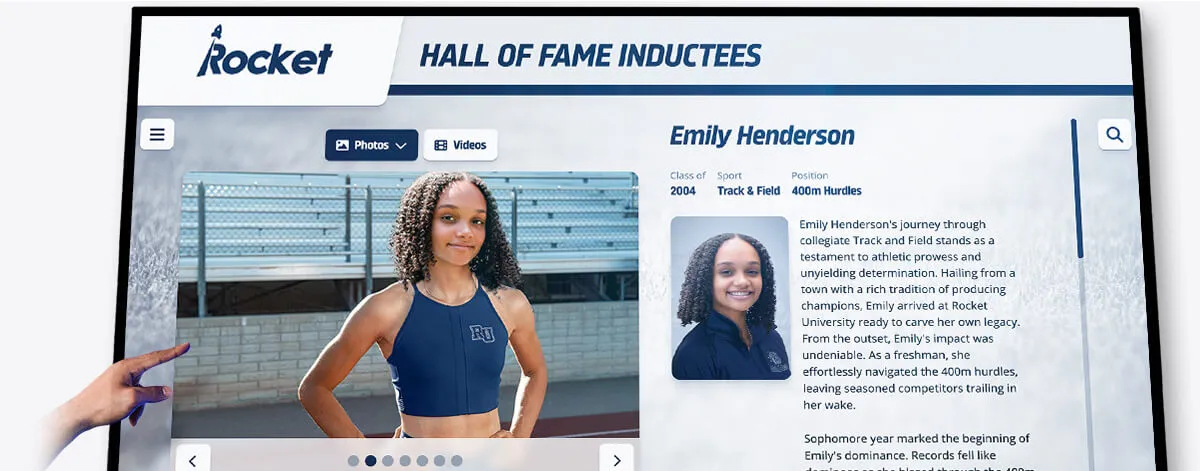




Track and field stands apart from other sports in its remarkable culture of precise record-keeping. Every race, jump, and throw generates exact measurements documented down to hundredths of seconds and fractions of inches. This meticulous data preservation creates rich opportunities for schools to celebrate athletic excellence through comprehensive record displays that honor past achievements while inspiring current competitors to push boundaries.
Yet many track programs struggle to maintain record displays that truly serve their athletes and community. Traditional painted record boards become outdated the moment a mark falls, static plaques lack context about record progressions, and limited physical space forces difficult choices about which achievements deserve visibility. Meanwhile, decades of program history may exist only in deteriorating paper files or coaches’ memories—vulnerable to loss during staff transitions or facility renovations.
This guide explores how schools can effectively display track and field records through approaches that preserve complete program history, remain continuously current, and create engaging experiences that connect current athletes to the legacy they’re building upon.
Track and field’s objective measurement system makes it uniquely suited for systematic record documentation. Unlike sports requiring subjective evaluation, every performance produces concrete data that can be compared across decades. A 400-meter time from 1985 relates directly to one from last week, creating timeless competitive narratives that fuel athlete motivation and program pride.

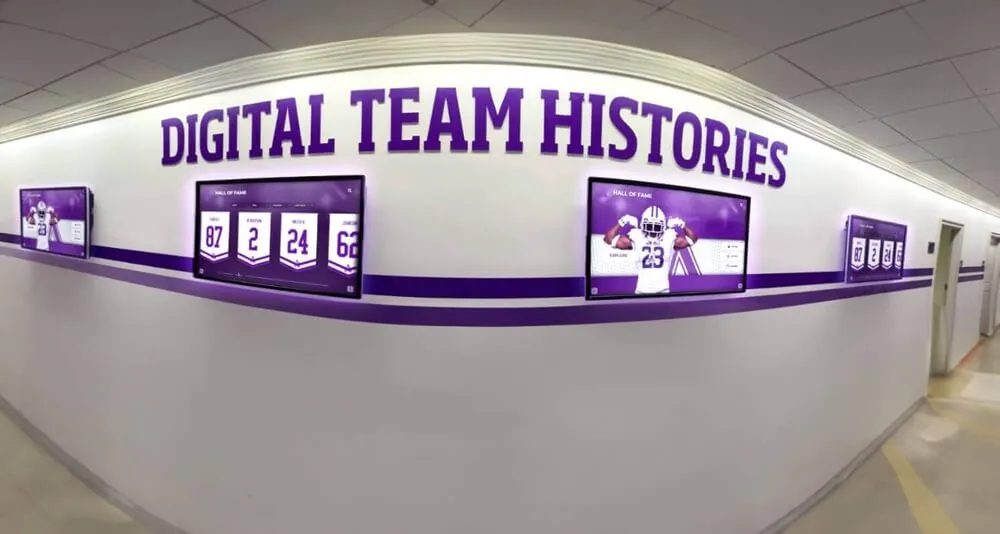
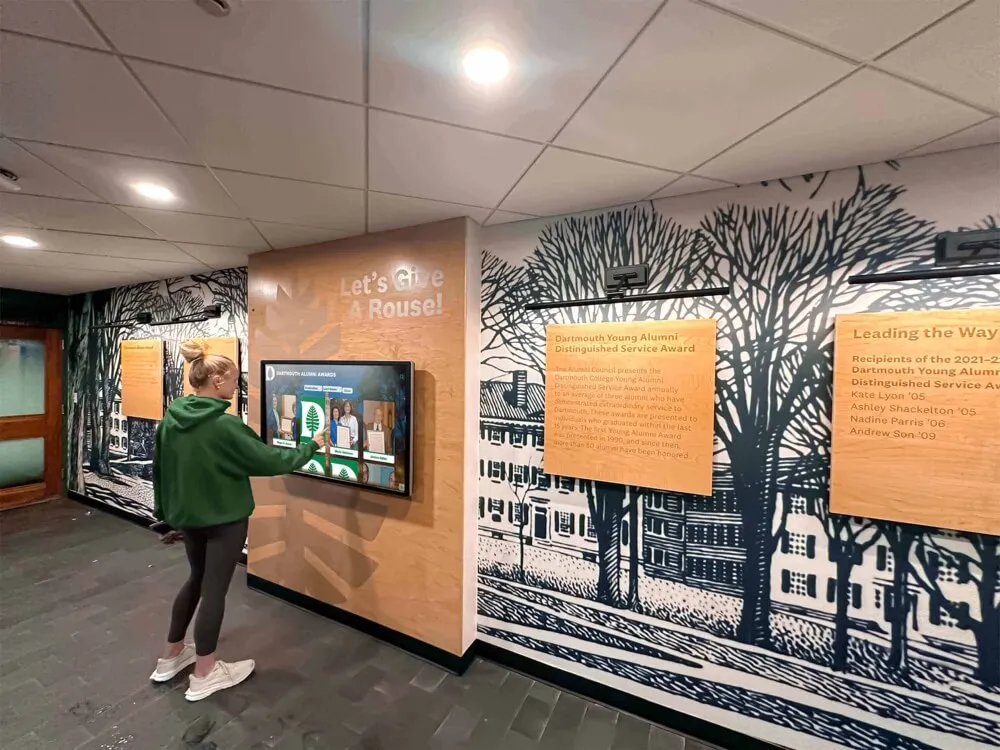
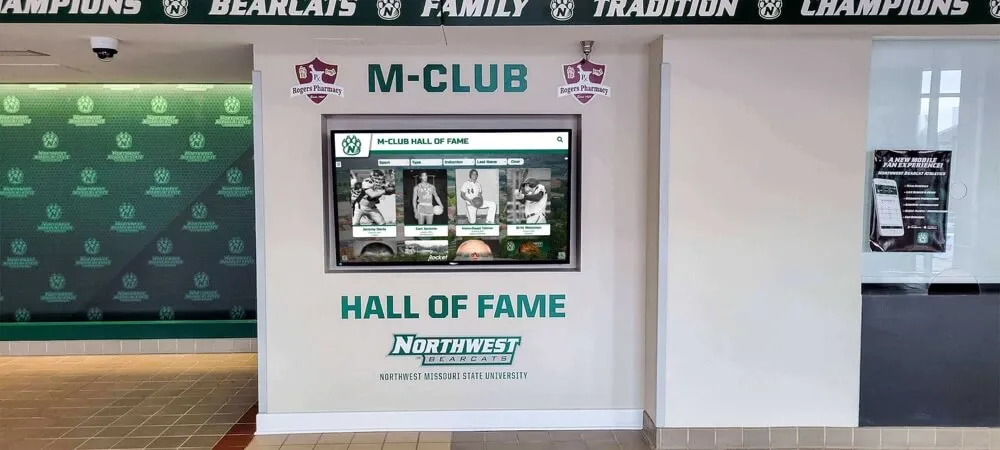
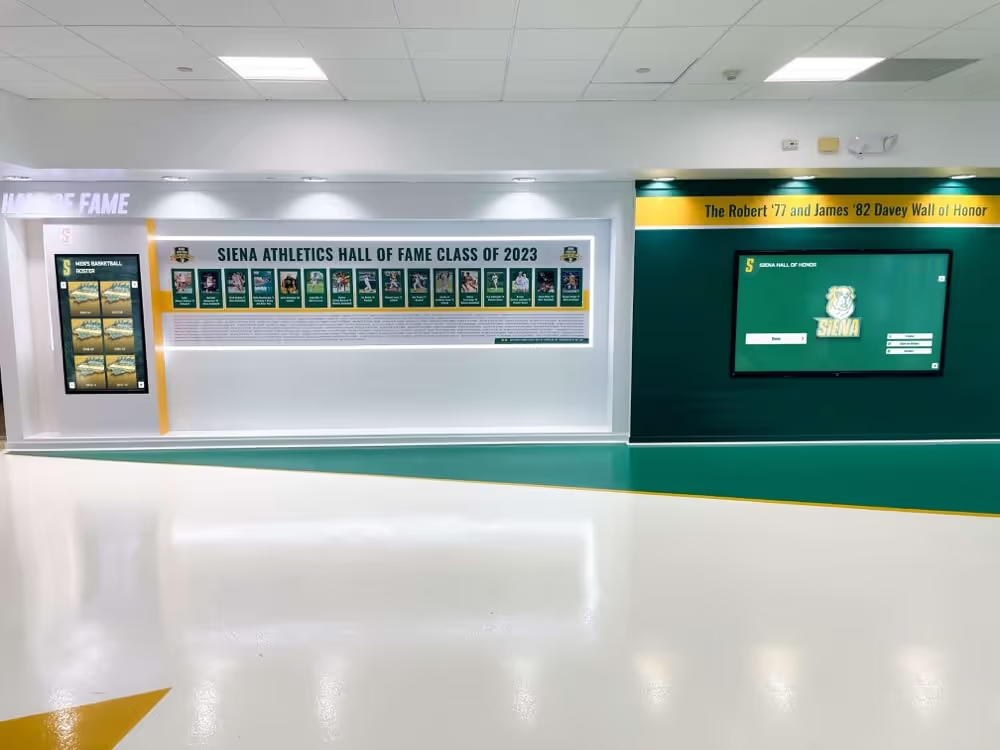
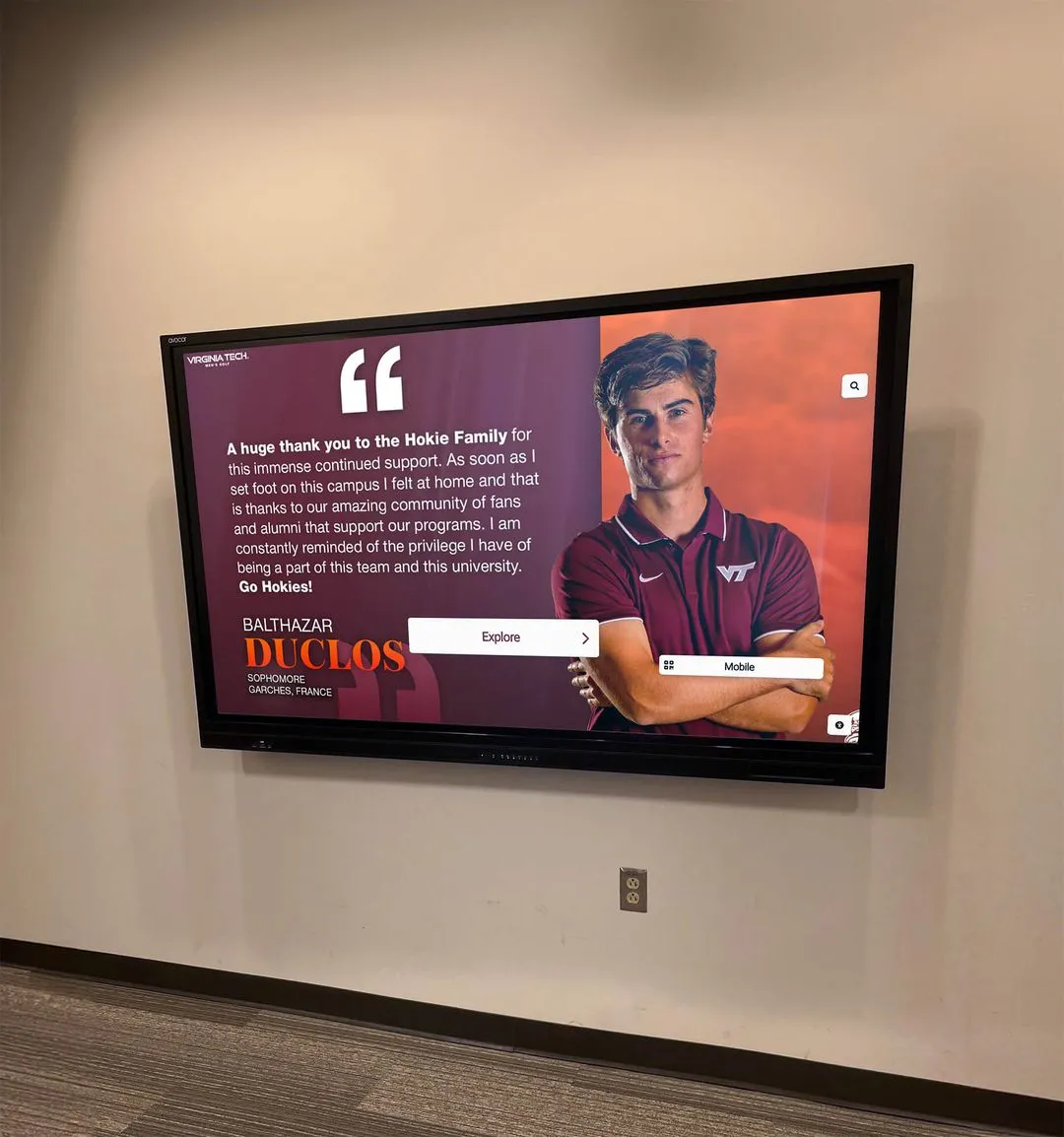
Modern record displays preserve track and field achievements permanently while making program history accessible and engaging
The Unique Record-Keeping Culture of Track and Field
Understanding track and field’s distinctive relationship with records helps schools create displays that resonate with the sport’s traditions and values.
Why Track Records Matter Differently
Track and field’s record culture stems from several sport-specific characteristics:
Objective Performance Measurement
- Electronic timing eliminates subjectivity from race results
- Standardized distances and conditions enable fair comparisons across years
- Field event measurements provide precise documentation
- Weather conditions and wind readings add context to performances
- Every mark represents absolute achievement rather than relative success
Individual Achievement Within Team Structure
Track operates simultaneously as individual and team sport:
- Athletes compete for personal records and rankings
- Individual points contribute to team scoring and championships
- Records celebrate both personal excellence and program tradition
- Multi-event athletes accumulate achievements across specialties
- Relay teams create collective records alongside individual marks
This dual nature requires record systems acknowledging both personal accomplishment and team contribution.
Historical Continuity and Progression
Track records create compelling narratives spanning generations:
- Current athletes chase marks set by predecessors they may have heard about through program lore
- Record progression documents improving training methods and facilities
- Legendary performances become part of institutional identity
- Alumni return to see whether their records still stand
- Comparisons across eras generate ongoing interest and conversation
Schools leveraging these elements create record displays that become focal points for program culture and community engagement.
Track and Field Event Categories Requiring Record Documentation
Comprehensive record systems address the sport’s diverse event structure:
Sprint and Hurdle Events
- 100m, 200m, 400m races for men and women
- 110m/100m hurdles and 400m hurdles
- 4x100m and 4x400m relay teams
- Indoor variations (55m, 60m, 200m, 300m, 4x200m, 4x400m)
- Alternative hurdle distances (300m hurdles, shuttle hurdle relays)
Distance Running Events
- 800m, 1600m (mile), 3200m (two-mile) for men and women
- Steeplechase events at collegiate level
- Distance medley and 4x800m relays
- 5K and 10K cross country performances
- Indoor mile and two-mile marks
Field Events - Jumps
- High jump records for men and women
- Long jump and triple jump marks
- Pole vault achievements
- Indoor facility records where applicable
Field Events - Throws
- Shot put records by gender and implement weight
- Discus throw achievements
- Javelin records where programs compete
- Hammer throw for programs with facilities
- Weight throw for indoor track programs
Multi-Events
- Decathlon records (men’s ten-event competition)
- Heptathlon achievements (women’s seven-event competition)
- Pentathlon marks for indoor competition
- Alternative multi-event formats
This event diversity requires systematic approaches ensuring every specialization receives appropriate recognition rather than concentrating attention on sprints or popular events.

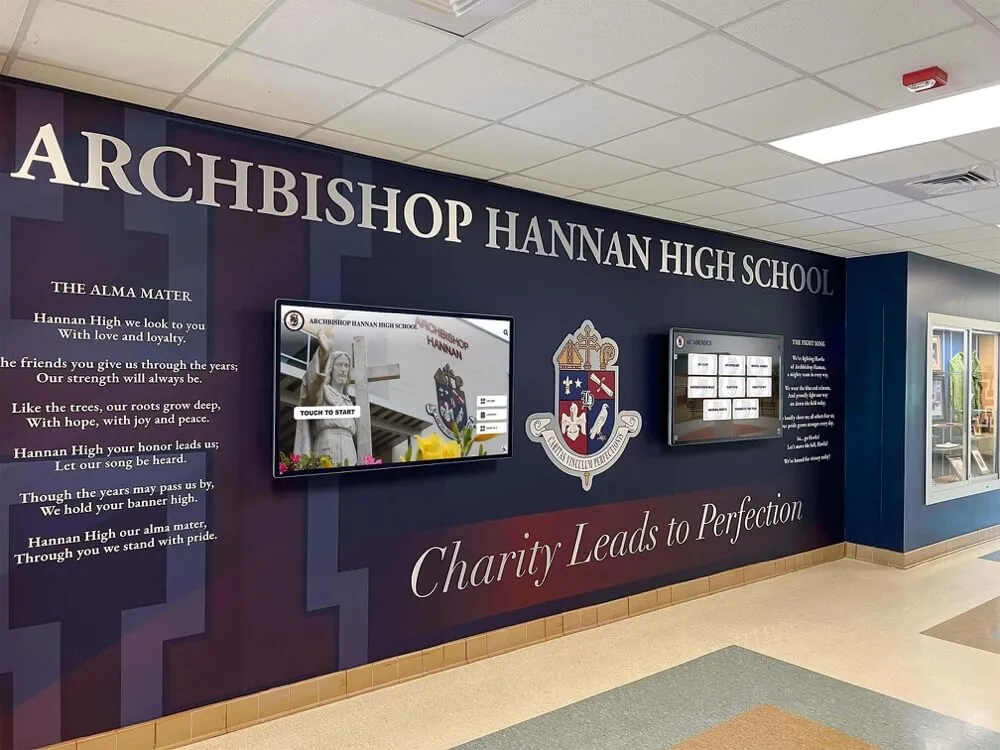
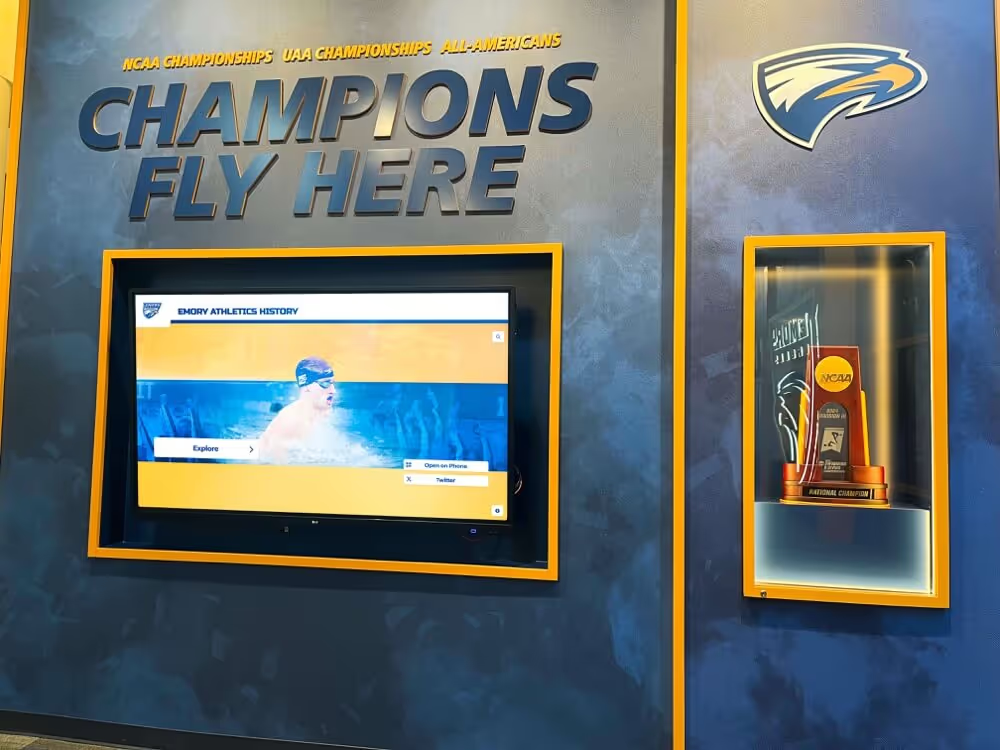
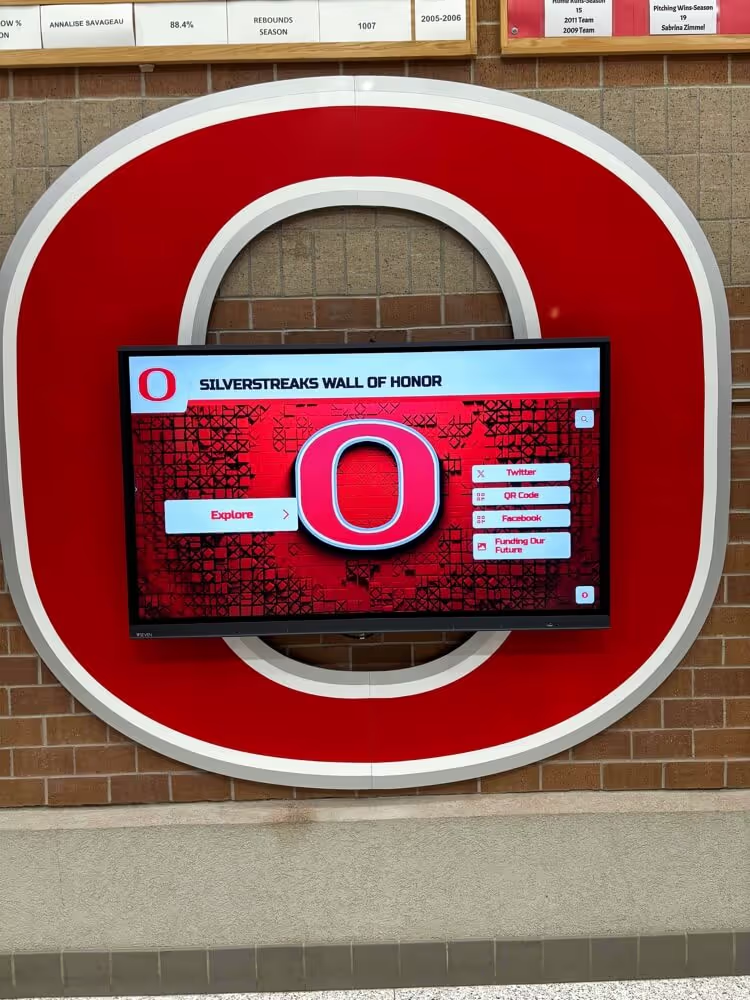
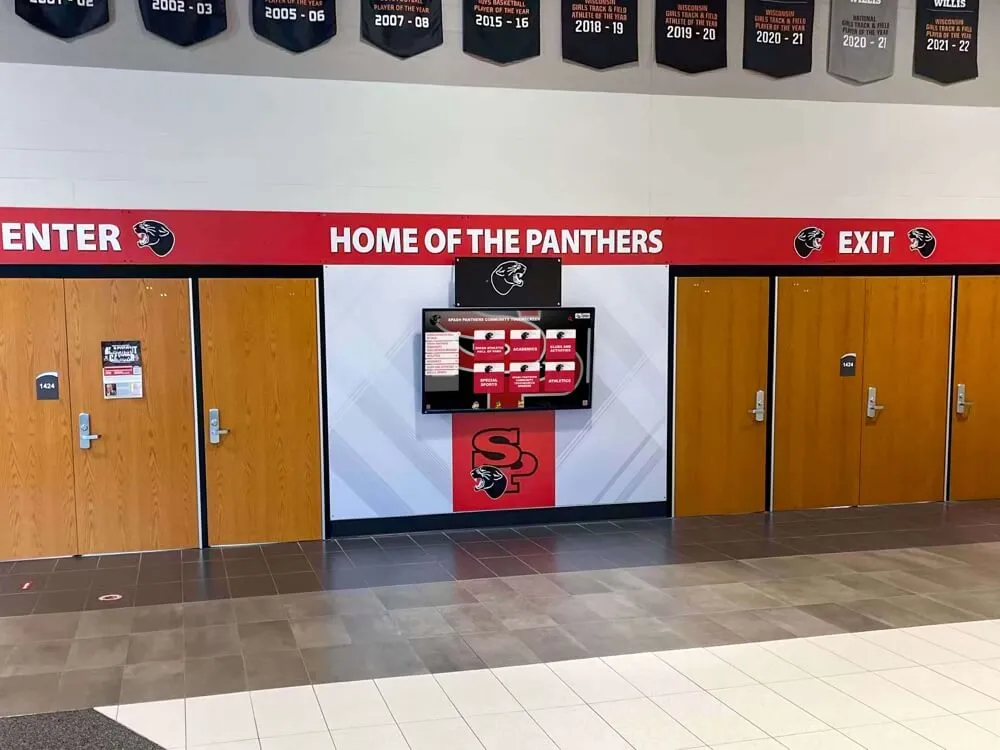
Strategic placement of record displays in athletic facilities ensures achievements remain visible to current competitors and visitors
Traditional Track and Field Record Display Methods
Schools have employed various physical approaches to documenting and displaying track records, each with distinct advantages and limitations.
Painted Wall Record Boards
Many track facilities feature painted boards listing records:
Traditional Painted Board Characteristics
- Records painted directly on fieldhouse or stadium walls
- Typically organized by event category
- Include athlete names, marks, and years
- Often positioned prominently in facility entrances or near track
- May feature school colors and mascot graphics
Advantages of Painted Displays
- Permanent, weather-resistant for outdoor installations
- High visibility creating focal point in facilities
- No ongoing costs once installed
- Traditional aesthetic connecting to track culture
- Prominent placement serving inspirational purpose
Limitations and Challenges
- Extremely difficult and expensive to update when records fall
- Limited space constraining information that can be displayed
- Inability to show historical record progressions
- No context about performances beyond name, mark, and year
- Aging painted surfaces requiring complete repainting
- Risk of becoming outdated immediately after installation
Many programs maintain painted boards showing records from decades past simply because updating requires complete repainting—an expensive, disruptive project typically deferred indefinitely.
Engraved Plaque Record Boards
Formal engraved displays provide more permanent traditional recognition:
Plaque Board Features
- Individual engraved plates for each event record
- Mounted on backing boards in fieldhouses or trophy cases
- Include athlete names, marks, years, and sometimes schools (for meet records)
- Often arranged in organized grids by event category
- May feature facility name or program branding
Benefits of Engraved Systems
- Professional, formal appearance
- Individual plates can theoretically be replaced when records fall
- Durable materials lasting decades
- Prestigious feel honoring record holders
- Clear organization and readability
Practical Limitations
- High cost per individual plate replacement ($20-50+ each)
- Installation labor required for each update
- Often become outdated as replacement costs accumulate
- Space constraints limiting context or historical depth
- Difficult decisions about which records merit display space
- No ability to show record progression or near-record performances
Schools frequently find that updating engraved displays costs more than anticipated, leading to outdated information remaining displayed for years.
Printed Record Boards and Posters
More flexible approaches using printed materials:
Printed Display Formats
- Laminated posters listing current records
- Vinyl banners with record information
- Printed signs in frames or display cases
- Meet program inserts showcasing facility records
- Locker room postings for athlete reference
Advantages
- Relatively inexpensive to produce
- Easy to update and replace when records fall
- Can include more comprehensive information
- Multiple copies can be placed in various locations
- Quick turnaround from design to installation
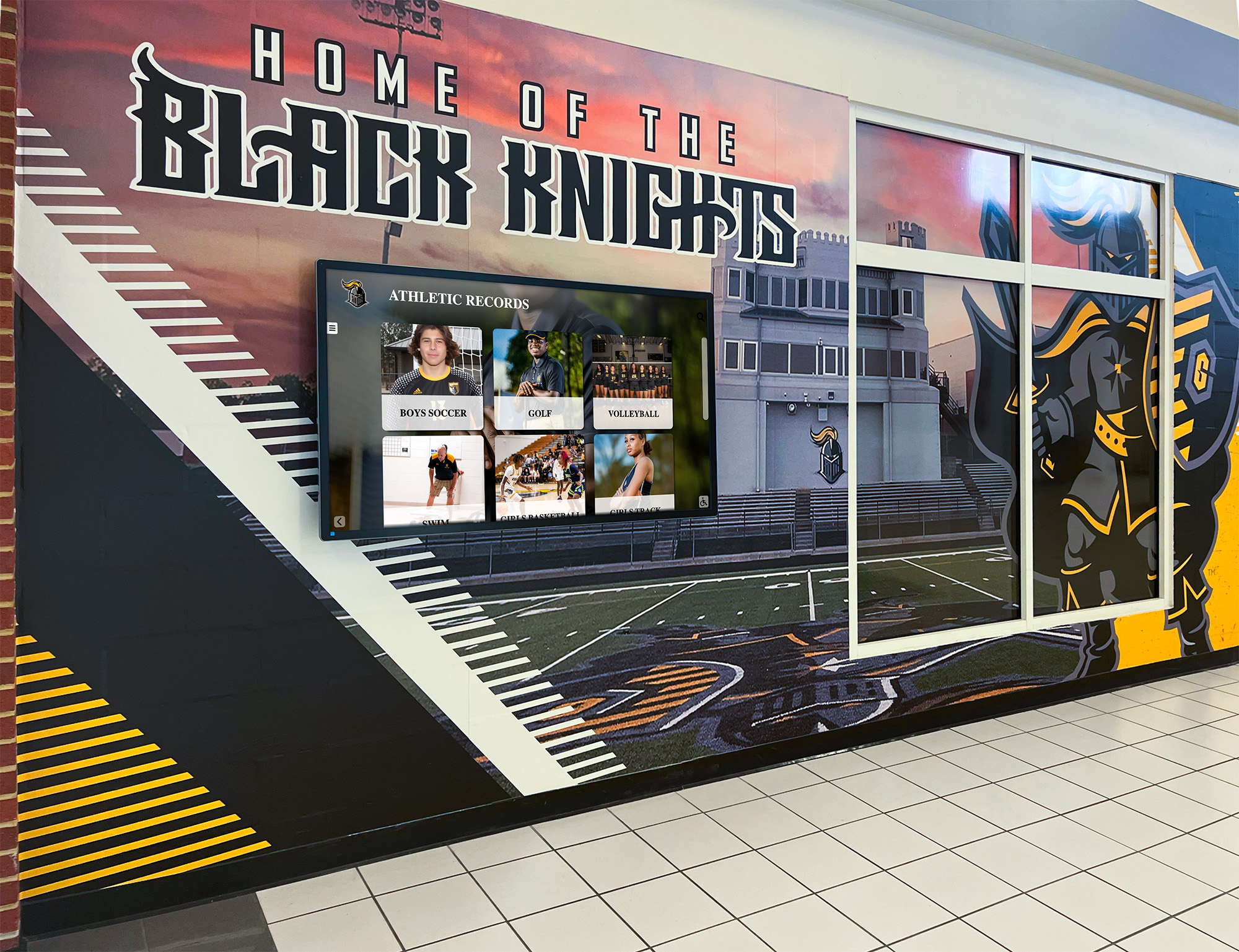
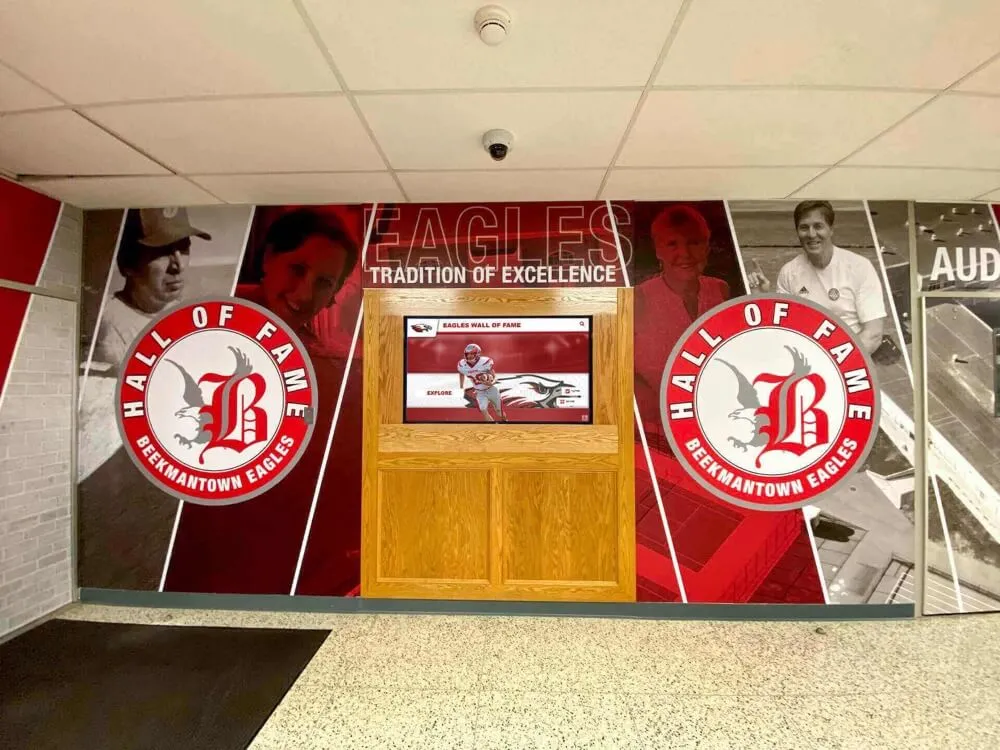
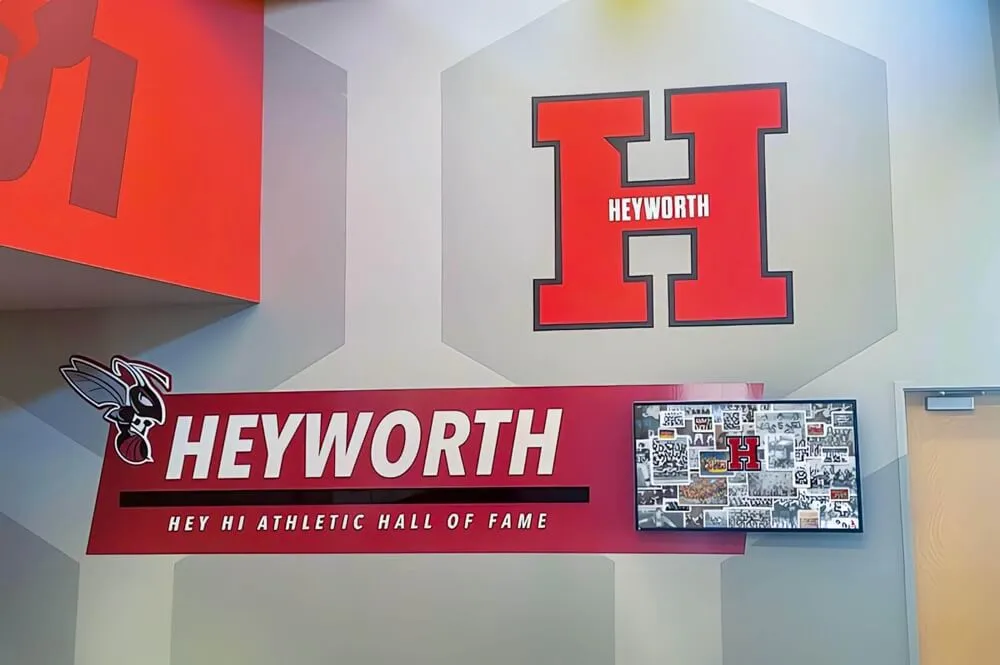
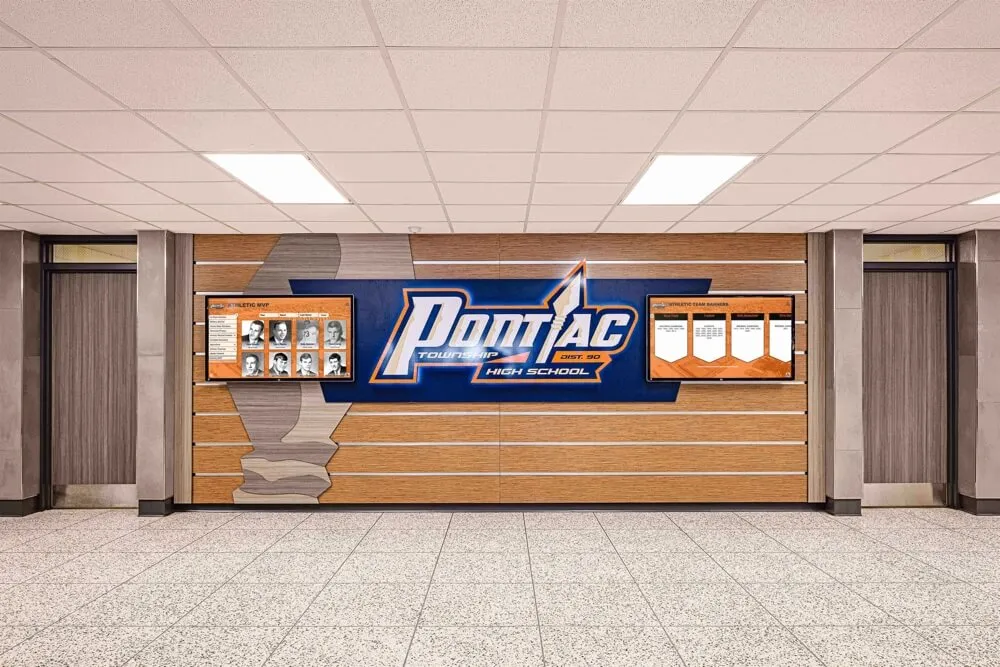
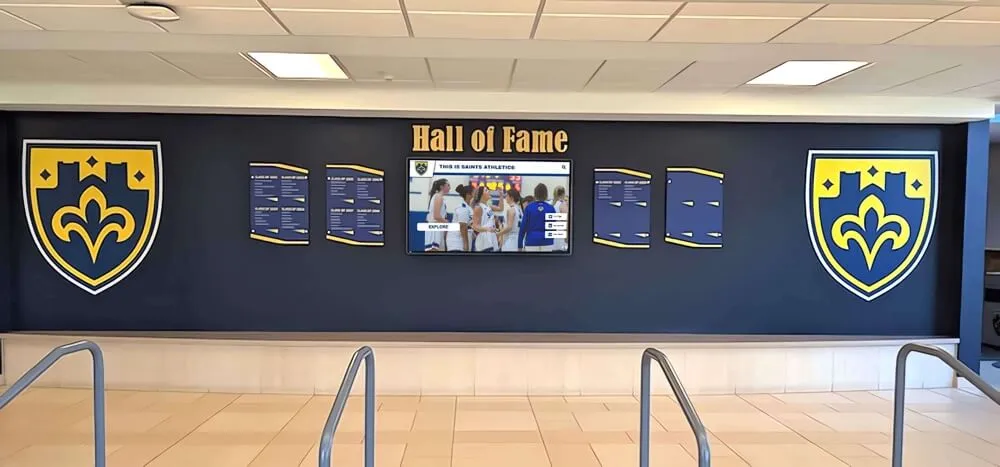
Integrating record displays with school branding creates cohesive athletic facility identity
Challenges and Concerns
- Less permanent feel than painted or engraved options
- Printed materials may fade or damage over time
- Lower perceived prestige compared to formal installations
- Maintenance burden of reprinting and replacing regularly
- Can appear temporary or less official
- Risk of becoming tattered or dated in appearance
Despite limitations, many programs favor printed approaches specifically because they enable keeping information current—a critical consideration for active track programs where records fall regularly.
Trophy Case Recognition
Traditional trophy displays incorporating record documentation:
Trophy Case Integration
- Record plaques alongside championship trophies and awards
- Medallions or certificates from record-setting performances
- Photos of record holders with performance details
- Meet result sheets or timing printouts from record performances
- Equipment from historic achievements (spikes, batons, etc.)
Value of Trophy Case Displays
- Connects records to broader program success narrative
- Physical artifacts creating tangible connection to achievements
- Central locations in schools ensuring visibility
- Integration with other athletic recognition
- Multiple elements telling richer stories than marks alone
Space and Maintenance Constraints
- Limited trophy case space creating competition for display priority
- Difficulty updating information once items are placed
- Dust and aging affecting display quality
- Insufficient room for comprehensive record documentation
- Need to periodically remove items to make room for new achievements
Many schools find trophy cases work better for championship team recognition than systematic individual record documentation due to space limitations.
For programs seeking comprehensive athletic recognition systems that go beyond just track records, sports banquet planning approaches provide frameworks for celebrating diverse achievements.
Categories of Track and Field Records Schools Maintain
Effective record systems document multiple record types creating layered recognition opportunities.
School/Program All-Time Records
Fundamental records every program maintains:
Individual Event Records
- All-time best performance in each event regardless of meet or conditions
- Separate records for men’s and women’s competitions
- Indoor and outdoor records distinguished where applicable
- All-conditions marks alongside wind-legal performances for sprints and horizontal jumps
- Historical documentation showing when record was set and by whom
These core records form the foundation of program recognition, representing the highest achievement level reached by any athlete in your history.
Relay Team Records
- 4x100m, 4x400m, 4x800m, and distance medley combinations
- All four athletes listed for relay records
- Year and meet where record was established
- Indoor versus outdoor distinctions
- Shuttle hurdle relay marks where applicable
Relay records celebrate team achievement while recognizing individual contributors, honoring both current record holders and historical performances.
Facility and Track Records
Location-specific marks documented separately:
Home Track/Facility Records
- Best performances achieved at your home venue
- Relevant for older tracks not matching current standards
- Facility renovations creating pre- and post-upgrade record eras
- Weather and altitude factors affecting facility marks
- Records may differ from program records set at away meets
Facility records create home field advantage narrative while acknowledging venue-specific factors affecting performances.
Meet-Specific Records For programs hosting annual invitationals:
- Best marks in each event at your hosted meet
- Creates prestige for invitational competition
- Attracts top competitors pursuing meet records
- Documents competitive quality of your event over time
- May include records from athletes competing for other schools
Meet records transform annual competitions into institutions with their own traditions and milestones worth pursuing.
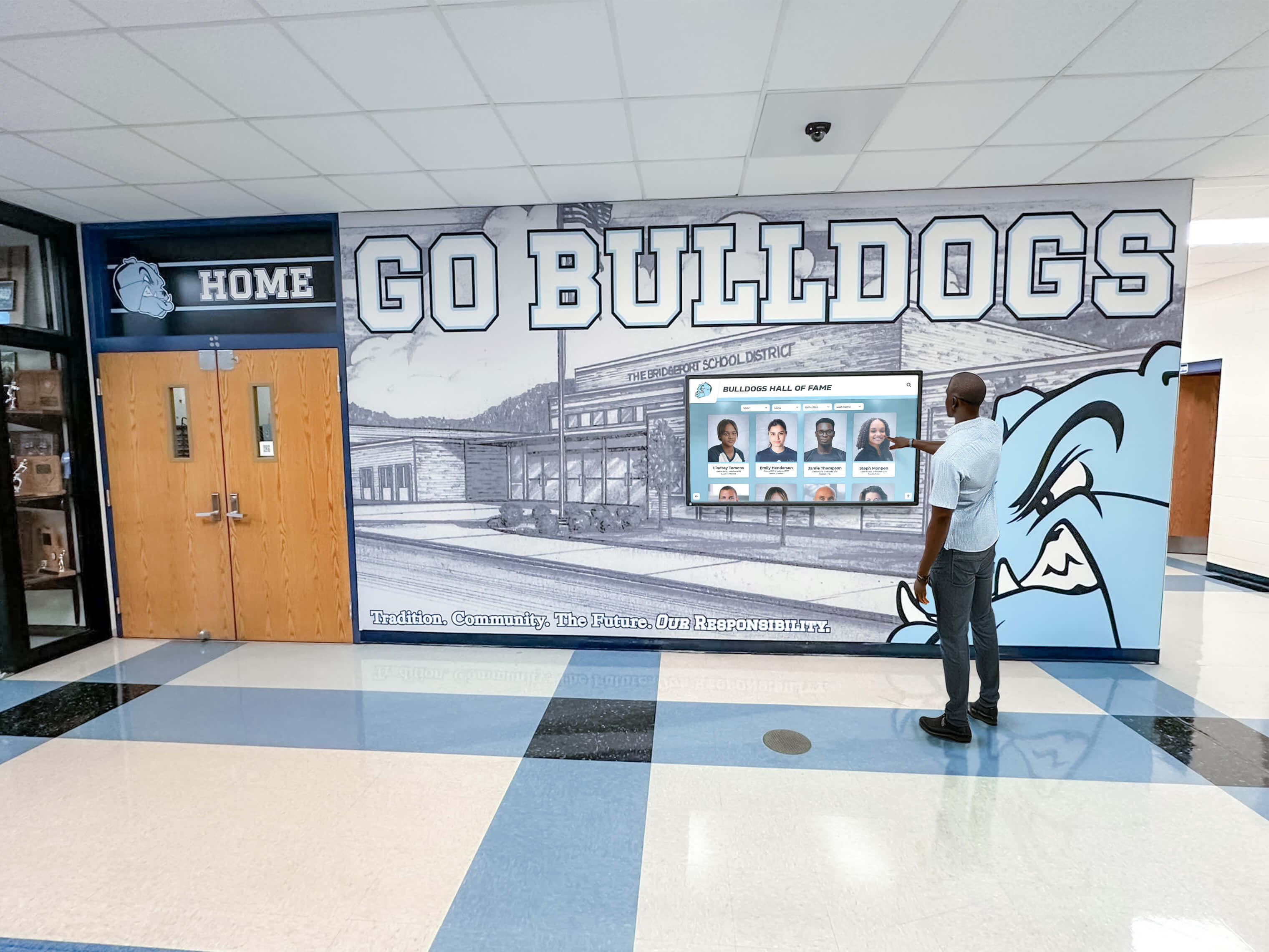
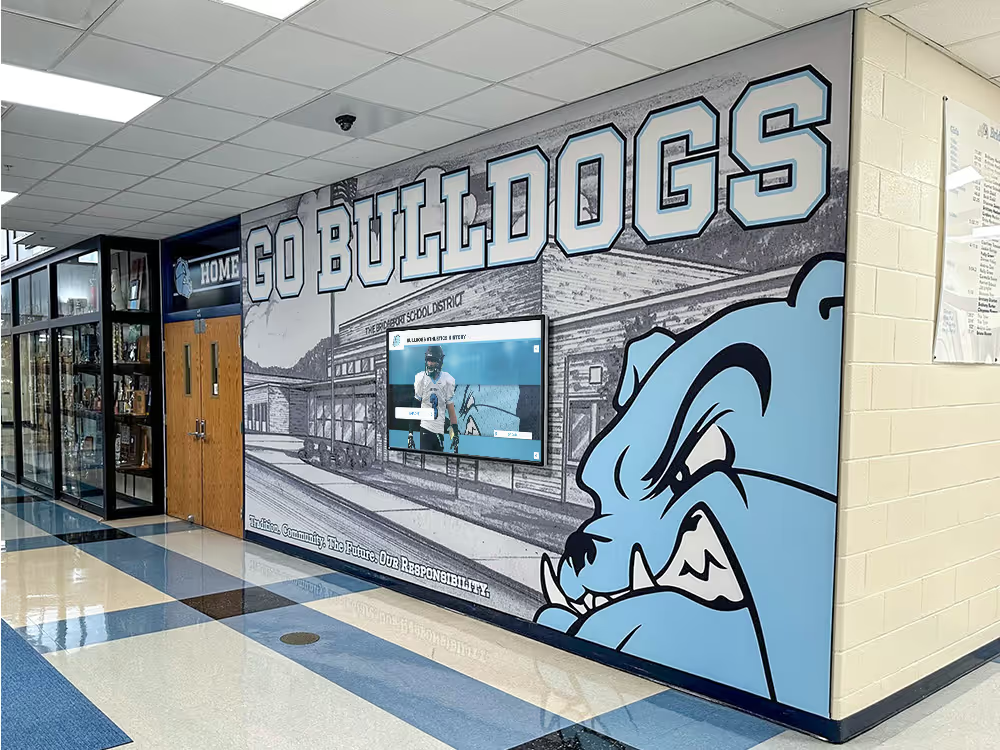
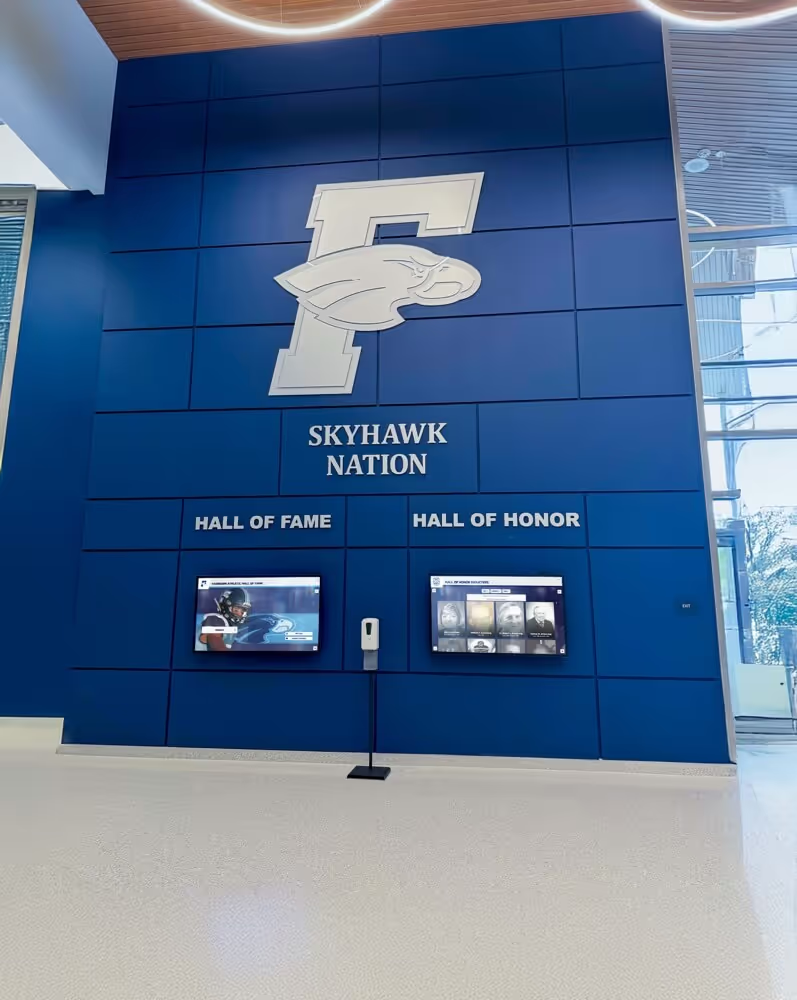
Interactive displays enable athletes to explore record histories and track their progress toward program milestones
Class and Age Group Records
Developmental recognition acknowledging different experience levels:
Class Year Records
- Freshman, sophomore, junior, senior class records
- Recognizes early excellence from younger athletes
- Creates motivation throughout high school careers
- Documents exceptional performances by developing athletes
- Class records may eventually become school records as athletes improve
Age Group Classifications For youth programs or those tracking younger development:
- Age-specific records (13-14, 15-16, 17-18 categories)
- Junior varsity versus varsity records
- Underclass competition records
- Freshman-only meet marks
- Development level appropriate to athlete experience
These layered systems ensure recognition opportunities exist for athletes at all stages rather than only celebrating fully developed seniors.
Season and Conditions-Specific Records
Contextual records providing additional recognition dimensions:
Indoor Versus Outdoor Records
- Separate documentation for different competitive seasons
- Acknowledges different conditions and event schedules
- Indoor conversions for adjusted distances (200m, 300m, etc.)
- Facility differences affecting performance (banked tracks, venues, etc.)
- Season-best versus all-time records
Wind-Legal Versus All-Conditions Records
For sprint and horizontal jump events:
- Official wind-legal marks qualifying for record books (tailwind ≤2.0 m/s)
- All-conditions bests showing true performance capability
- Wind readings included with performance documentation
- Distinguishes between legal and wind-aided performances
- Both marks providing valuable information
Altitude-Adjusted Recognition
For schools at significant elevation:
- Adjusted marks for altitude effects on performance
- Conversions enabling comparison to sea-level standards
- Documentation of actual altitude achieved at venue
- Recognition of both achieved and adjusted marks
These contextual approaches create nuanced record systems acknowledging factors affecting performance while maintaining fair comparison standards.
Challenges With Traditional Record Display Approaches
Physical record displays face inherent limitations that digital solutions address effectively.
The Update and Maintenance Burden
Traditional systems create ongoing administrative challenges:
Record Falls Frequently in Active Programs
- Successful track programs see records broken regularly
- Multiple records may fall in single season
- Each broken record requires display update
- Costs accumulate quickly with physical updating
- Delayed updates result in inaccurate displayed information
Administrative Time Requirements
- Coaches or staff must identify when records fall
- Coordinate with sign shops, engravers, or painters
- Manage installation and display updates
- Verify accuracy of updated information
- Document changes in program records
Many programs simply defer updates because administrative burden and costs make continuous maintenance impractical.
Historical Information Loss
Traditional displays rarely preserve complete record history:
- Previous record holders disappear when marks are broken
- No documentation of record progression over time
- Context about how long records stood gets lost
- Near-record performances go undocumented
- Historical athletes fade from program memory
This loss diminishes recognition for athletes who held records for significant periods and prevents telling full program evolution story.
Space Constraints and Selection Challenges
Physical display limitations force difficult decisions:
Insufficient Space for Comprehensive Recognition
- Wall and trophy case space strictly limited
- Cannot display all events and record categories
- Forced prioritization of certain events over others
- Distance events or field events sometimes overlooked
- Relay records may be omitted due to space constraints
Inequality in Recognition Opportunities
- Recent record holders prominently displayed while historical athletes forgotten
- Popular events receive more attention than specialized competitions
- Gender equity concerns if women’s and men’s records receive unequal space
- No room for honorable mention or near-record achievements
- Multi-event athletes with records in multiple disciplines consume disproportionate space
These space pressures result in incomplete recognition systems leaving significant achievements undocumented and invisible.
Lack of Context and Storytelling
Static displays provide minimal information beyond basic facts:
- No space for athlete photos or biographical information
- Context about competition conditions or meet significance missing
- Record progression history cannot be shown
- Rivalries and competitive narratives lost
- Connection to broader program success stories unexplored
The most compelling aspects of record achievement—the human stories, competitive contexts, and emotional significance—get omitted from traditional displays focused purely on names, marks, and years.
For schools looking to honor multiple types of athletic achievement beyond just records, high school trophy case approaches offer frameworks for comprehensive recognition.
Digital Solutions for Track and Field Record Display
Modern technology eliminates traditional limitations while creating more engaging, comprehensive record recognition systems.
Interactive Touchscreen Record Archives
Digital platforms transform record documentation and display:
Unlimited Recognition Capacity
Solutions like Touch Archive overcome physical space constraints:
- Single display showcases unlimited events and record categories
- Every event receives equal recognition opportunity
- Complete historical record progression preserved
- Multiple athletes per event documented (current and historical holders)
- No forced choices about which achievements to display
Comprehensive Record Documentation
Digital systems support information depth impossible with static displays:
- Individual athlete profiles with photos and biographical information
- Complete performance histories showing progression toward records
- Meet context including competition level, conditions, and significance
- Video highlights of record-setting performances where available
- Record progression timelines showing how marks evolved
Programs using digital trophy case displays report dramatically increased engagement from current athletes, alumni, and facility visitors compared to traditional static recognition.
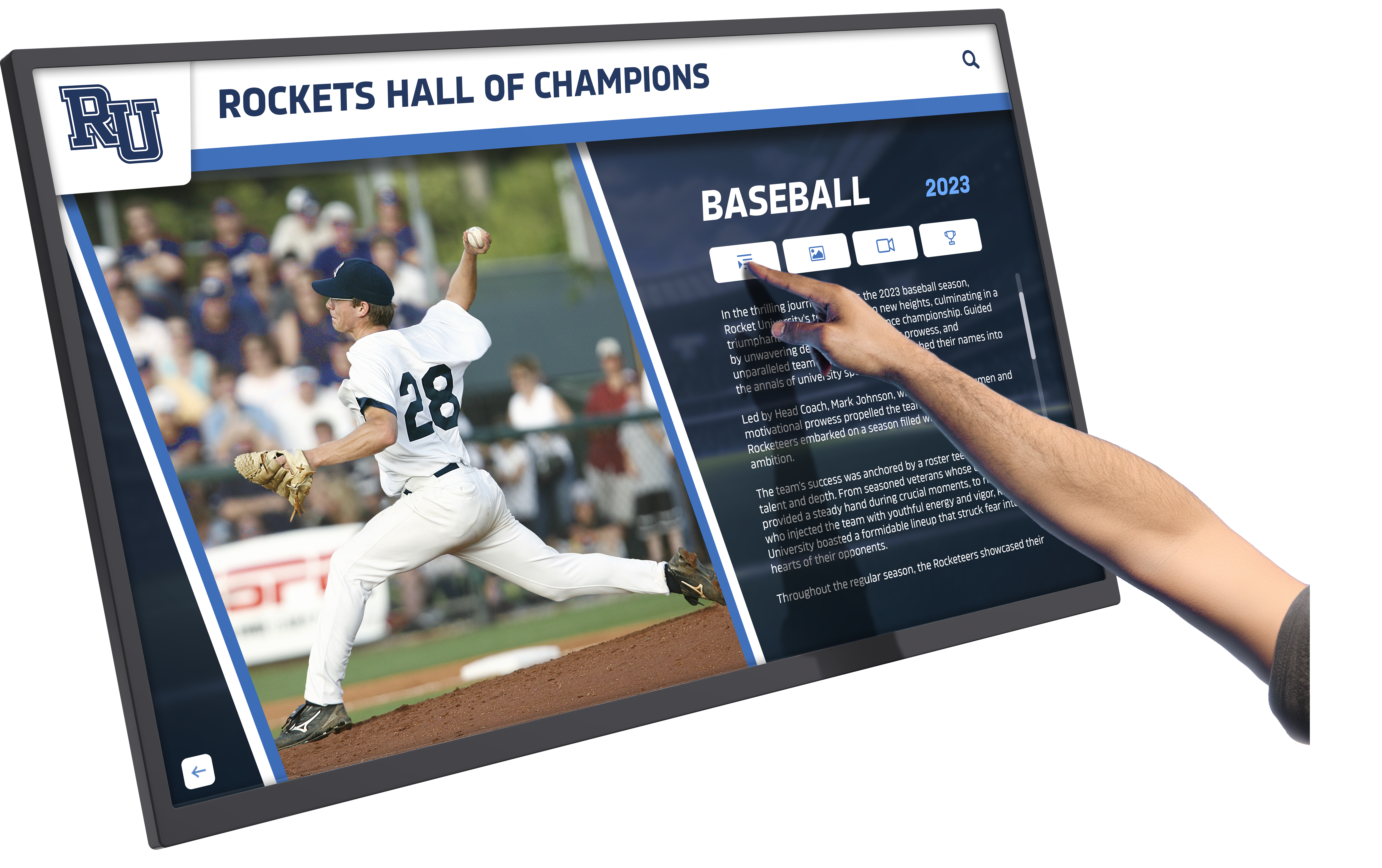
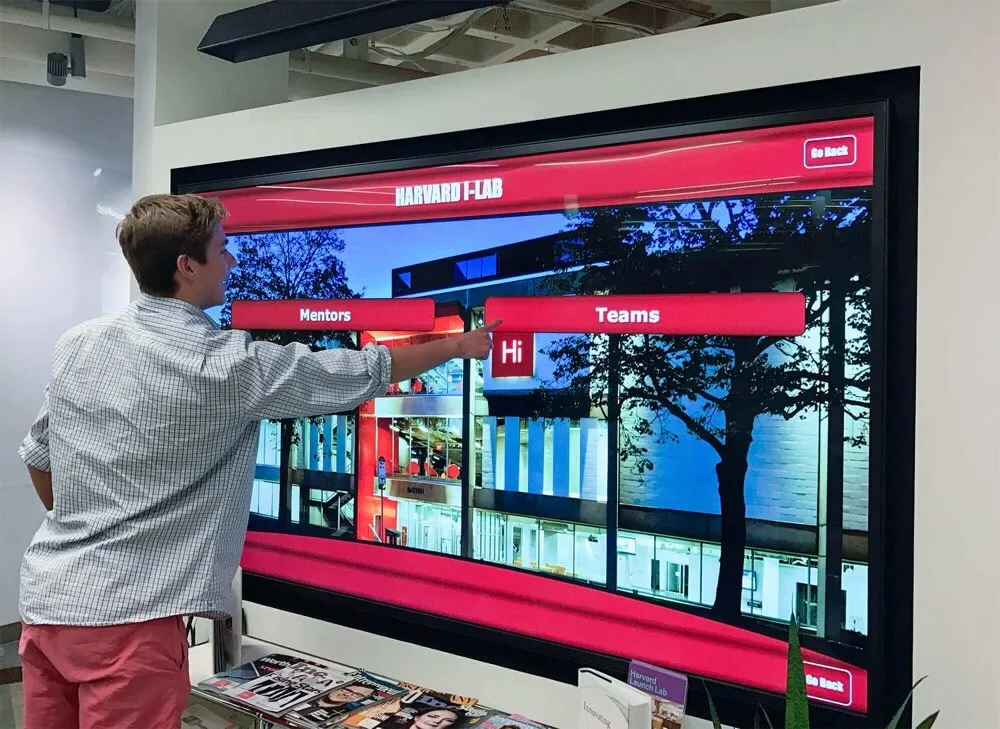
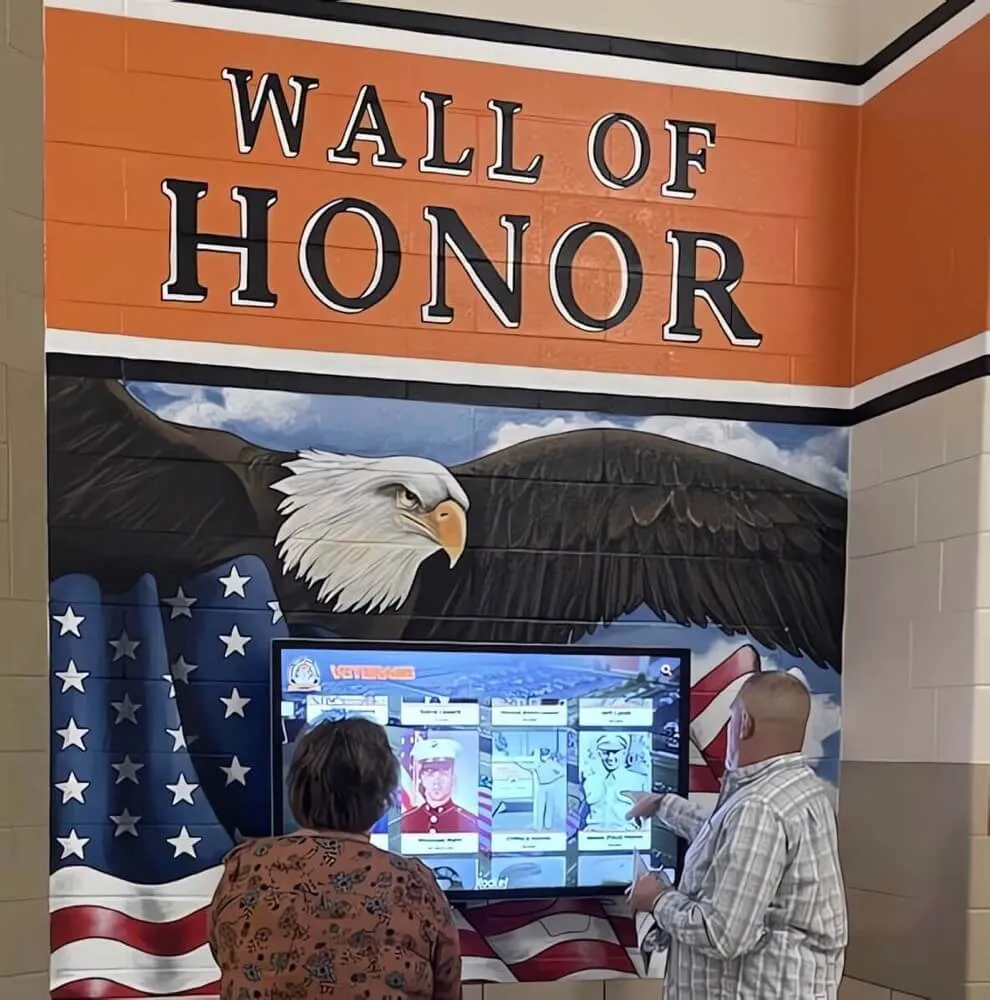
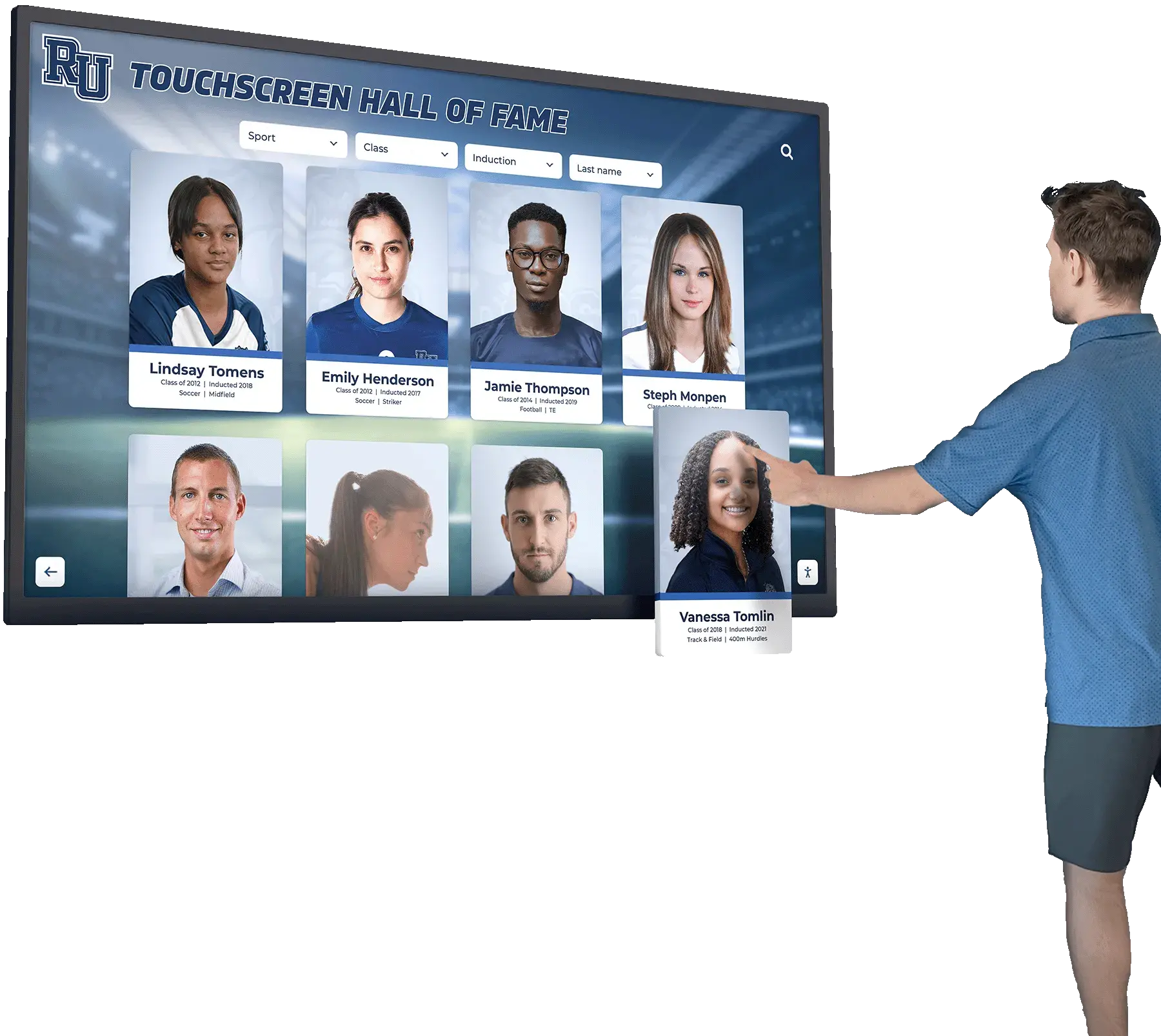
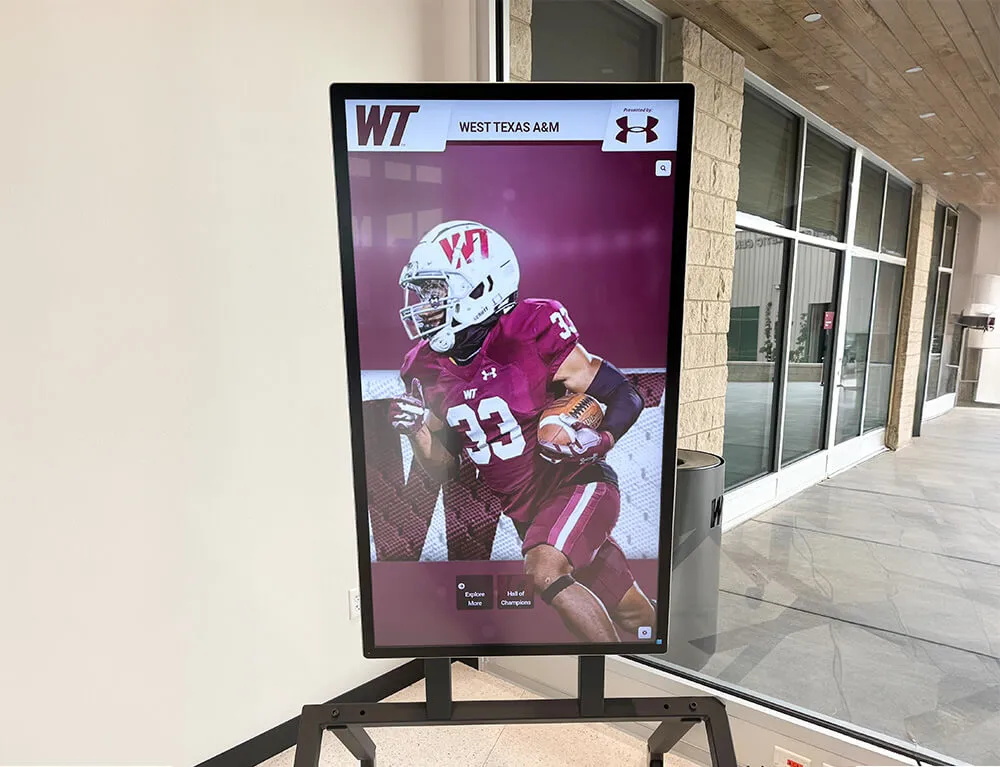
Touchscreen interfaces make exploring records intuitive and engaging for athletes and visitors
Easy Updates and Maintenance
Cloud-based management eliminates traditional update burden:
- Remote updates from any internet-connected device
- Records updated immediately when marks fall
- No engraving, painting, or installation costs
- Automatic sorting and organization of performance data
- Bulk import tools for historical record documentation
Schools report 80-90% reduction in administrative time maintaining record displays after implementing digital systems versus traditional physical approaches.
Searchable and Filterable Record Databases
Digital platforms enable sophisticated information access:
Advanced Search Capabilities
- Find records by athlete name, year, event, or performance mark
- Search historical record holders to see who owned marks before current athletes
- Filter by gender, event category, indoor/outdoor, or era
- Compare current athlete performances to records
- Identify athletes with records in multiple events
Dynamic Filtering and Views
- Display only current school records
- View facility records separately from program records
- Show class year records for developmental recognition
- Filter by decade to explore program evolution
- Display records by coaching era or facility generation
Performance Tracking and Comparison
Beyond just displaying records, digital systems enable:
- Current athletes’ season-best performances shown relative to records
- Historical context showing how close current competitors are to records
- Performance trend analysis showing program improvement over time
- Identification of “next up” athletes approaching record territory
- Recognition of top-ten performances alongside record holders
This dynamic capability transforms static record lists into engaging competitive narratives that motivate current athletes while honoring historical achievement.
Multimedia Content Integration
Digital displays support rich content impossible with traditional approaches:
Photo and Video Documentation
- Action photography of record-setting performances
- Victory celebration photos capturing emotional moments
- Historical photos showing athletes and equipment evolution
- Video highlights of record performances where available
- Finish-line footage and field event recordings
Contextual Information and Stories
Digital platforms provide space for narrative elements:
- Athlete interviews discussing record performances
- Coach reflections on historic achievements
- Competition context and meet significance
- Training approaches and preparation details
- Personal stories about overcoming obstacles to reach records
Timeline and Historical Visualization
Visual presentations of record progression:
- Timelines showing when records were set and how long they stood
- Graphs illustrating record improvement over program history
- Comparison visualizations across eras
- Championship team connections to record performances
- Facility and equipment evolution context
These multimedia elements create immersive recognition experiences that make program history accessible and compelling for current athletes who may not have witnessed historic performances.
For comprehensive approaches to maintaining and displaying track records alongside broader athletic achievements, track and field digital display solutions provide specialized frameworks for the sport’s unique recognition needs.
Building Comprehensive Track and Field Recognition Programs
Effective systems extend beyond records alone to celebrate complete athlete and program achievement.
All-Time Performance Lists
Expanding recognition beyond single record holder:
Top-Ten Performance Lists
- Document ten best performances in each event regardless of athlete
- Recognize multiple exceptional athletes rather than just record holder
- Show depth of program excellence across eras
- Create additional motivation as athletes pursue top-ten status
- Honor consistency and sustained excellence
All-Time Individual Achievement Rankings
- Athlete rankings by cumulative points or achievements
- Recognition for multi-event excellence
- Career scoring leaders across track and field specialties
- Most valuable athlete designations across seasons
- Comprehensive achievement beyond single-event focus
These expanded lists ensure more athletes receive recognition while documenting program depth.
Championship and Team Recognition
Connecting individual records to collective success:
Team Championship Documentation
- Conference, regional, and state championship teams
- Championship team photos with roster information
- Point scorers and place finishers at championship meets
- Record holders who contributed to championship teams
- Relay teams earning championship medals
Individual Championship Achievements
- Individual state qualifiers and place finishers
- All-state and all-conference selections
- National meet qualifiers and place winners
- Academic All-American and scholar-athlete recognitions
- Individual honors and milestone achievements
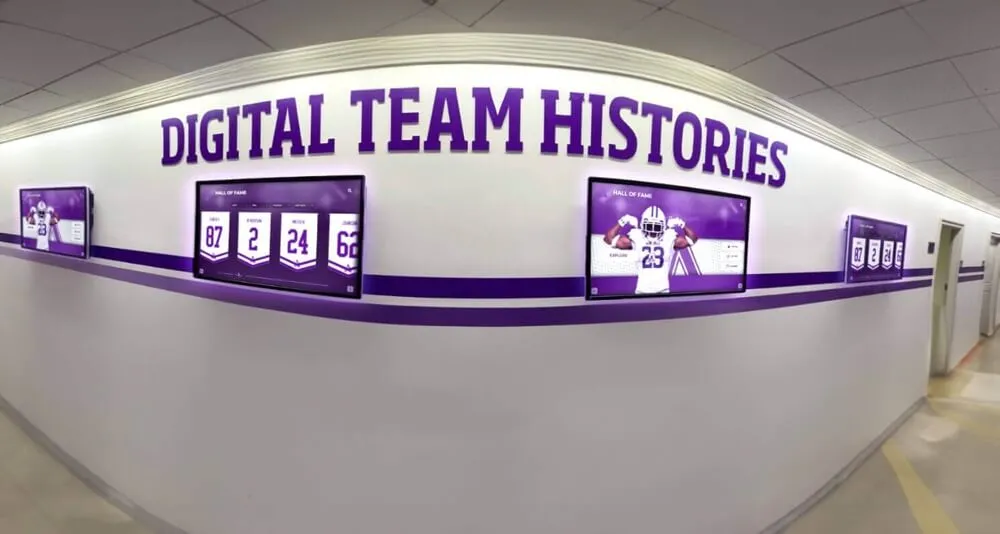
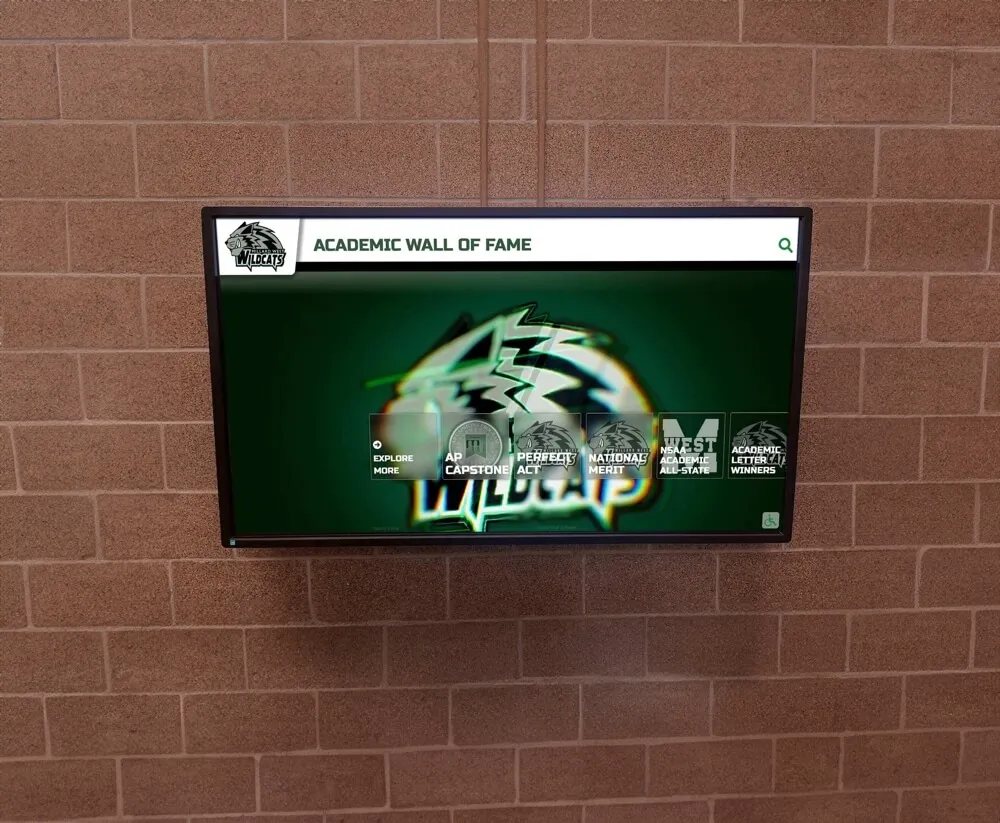
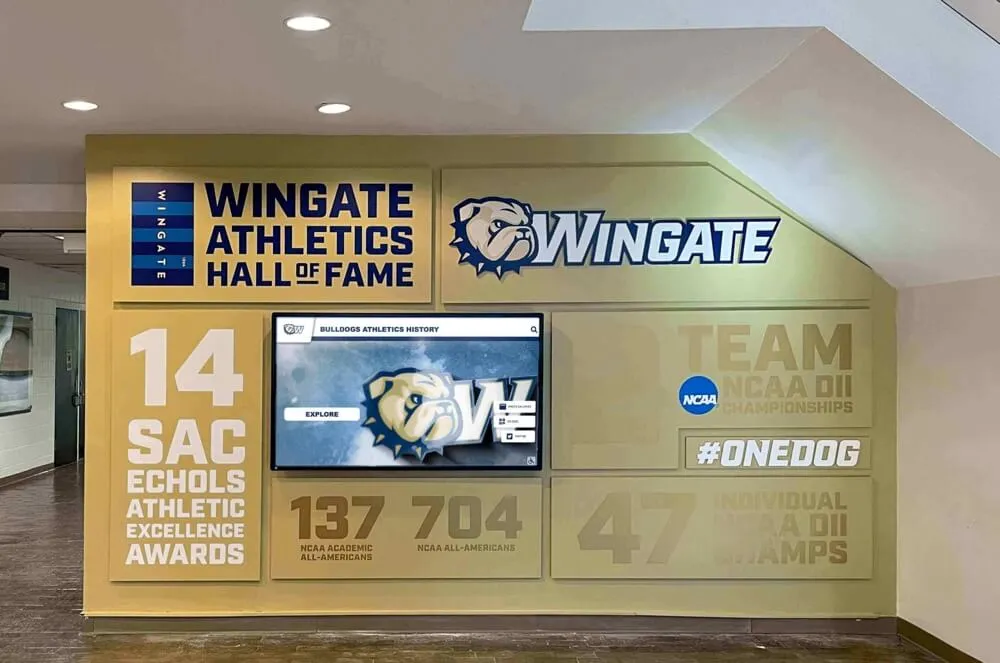
Comprehensive systems integrate records with championship achievements creating complete program narratives
Historical Athlete Profiles
Celebrating significant contributors beyond current record holders:
Program Hall of Fame Members
- Formal induction for most significant program alumni
- Comprehensive profiles documenting complete careers
- Post-graduation achievements and continued involvement
- Coaching and mentorship contributions
- Multi-generational family program participation
Notable Alumni Achievements
- Collegiate track success by program graduates
- Professional and Olympic-level competitions
- Coaching careers and program leadership roles
- Community contributions and professional success
- Inspiration and mentorship for current athletes
For schools developing comprehensive athletic recognition, academic and athletic recognition programs provide frameworks balancing multiple achievement dimensions.
Implementing Modern Record Display Systems
Creating effective digital recognition requires strategic planning and thoughtful execution.
Assessment and Planning Phase
Understanding current state and defining goals:
Current System Evaluation
- Inventory existing record displays and documentation
- Identify gaps in coverage and outdated information
- Assess historical records available in files, programs, or memory
- Survey coaches, athletes, and community about recognition priorities
- Evaluate physical display locations and space constraints
Goal Definition and Priorities
- Determine which record categories to document
- Decide balance between historical preservation and current focus
- Identify key stakeholder groups (current athletes, alumni, recruits, community)
- Set budget parameters for recognition investment
- Establish success metrics for recognition system effectiveness
Historical Research Requirements
Preparing for digital implementation:
- Locate historical records from meet results, programs, and archives
- Interview long-tenured coaches and community members
- Search newspaper archives for performance documentation
- Contact alumni for information and photos
- Organize historical data for digital entry
This planning phase ensures comprehensive implementation capturing complete program history rather than just current information.
Digital Platform Selection and Setup
Choosing systems matching program needs:
Display Hardware Considerations
- Touchscreen size appropriate for installation location and viewing distance
- Indoor versus outdoor installation requirements
- Mounting options (wall-mounted, kiosk, integrated displays)
- Technical specifications (brightness, resolution, touch technology)
- Durability and vandalism resistance for school environments
Content Management Platform Features
Evaluate systems based on:
- Ease of updating records and adding new performances
- Ability to organize multiple record categories and filtering
- Support for photos, videos, and multimedia content
- Search functionality enabling athlete and performance lookup
- Mobile and web accessibility extending beyond physical display
- Data import capabilities for historical records
- User permissions and administrative controls
Integration With Existing Systems
Consider connections to:
- School athletic websites and digital presence
- Timing systems and meet management software
- Photo libraries and video archives
- Alumni databases and communication platforms
- Other athletic recognition displays in facilities
Solutions like Rocket Alumni Solutions provide comprehensive platforms specifically designed for athletic record and achievement recognition.
Content Development and Population
Building comprehensive record archives:
Initial Content Creation
- Enter all current school records across event categories
- Add historical record progressions where documentation exists
- Create athlete profiles for record holders with photos and information
- Document championship achievements and team success
- Develop explanatory content about record categories and criteria
Ongoing Content Management
Establishing sustainable processes:
- Assign responsibility for updating records as marks fall
- Create workflows for verifying performances before official recognition
- Schedule regular content reviews ensuring accuracy
- Plan seasonal updates adding championship results and notable performances
- Develop processes for alumni information updates
Quality Control and Accuracy
Ensuring reliable information:
- Verify historical records against multiple sources when possible
- Implement review processes before publishing updates
- Correct errors promptly when identified
- Document sources for historical information
- Maintain transparency about record criteria and verification methods
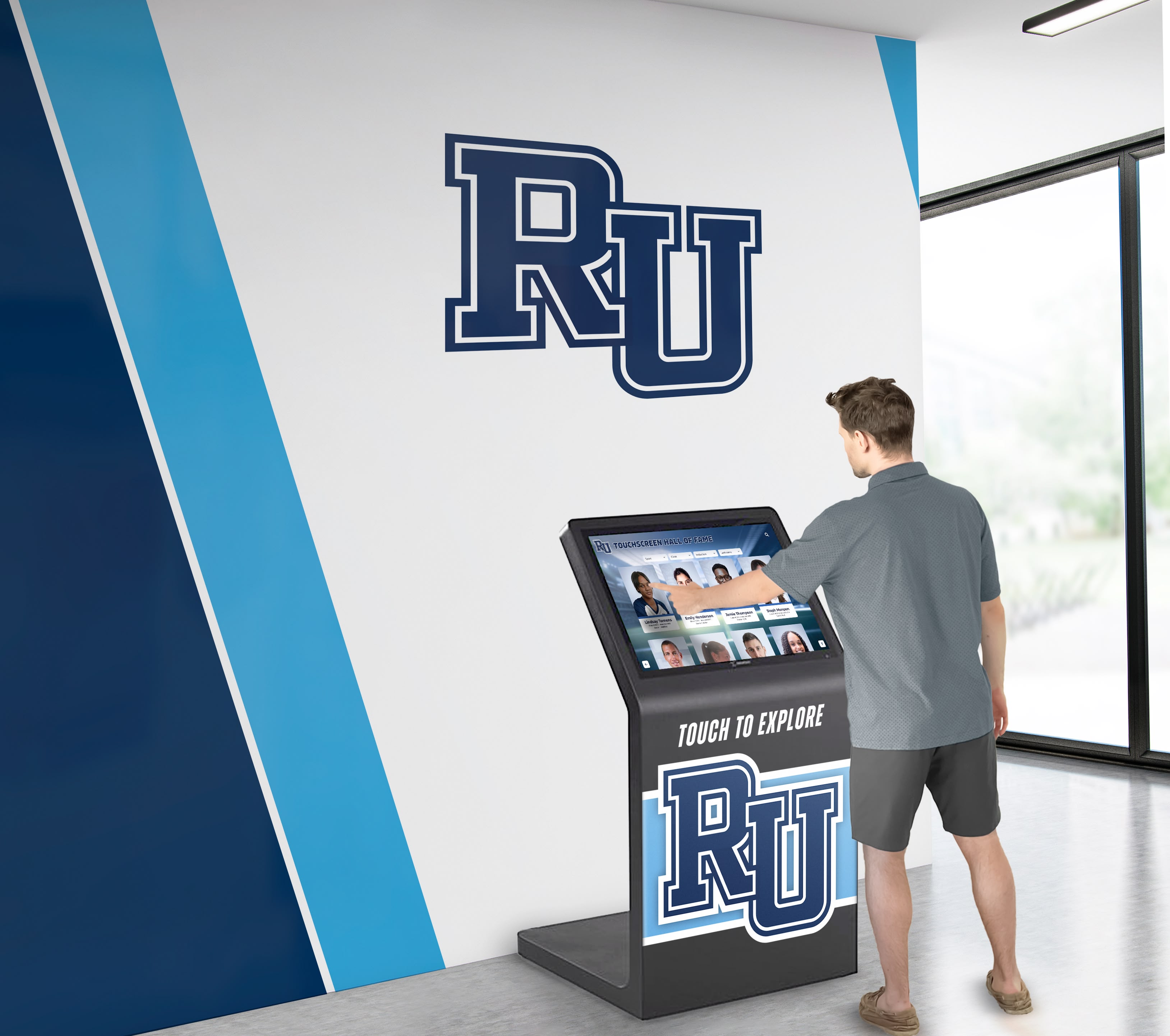
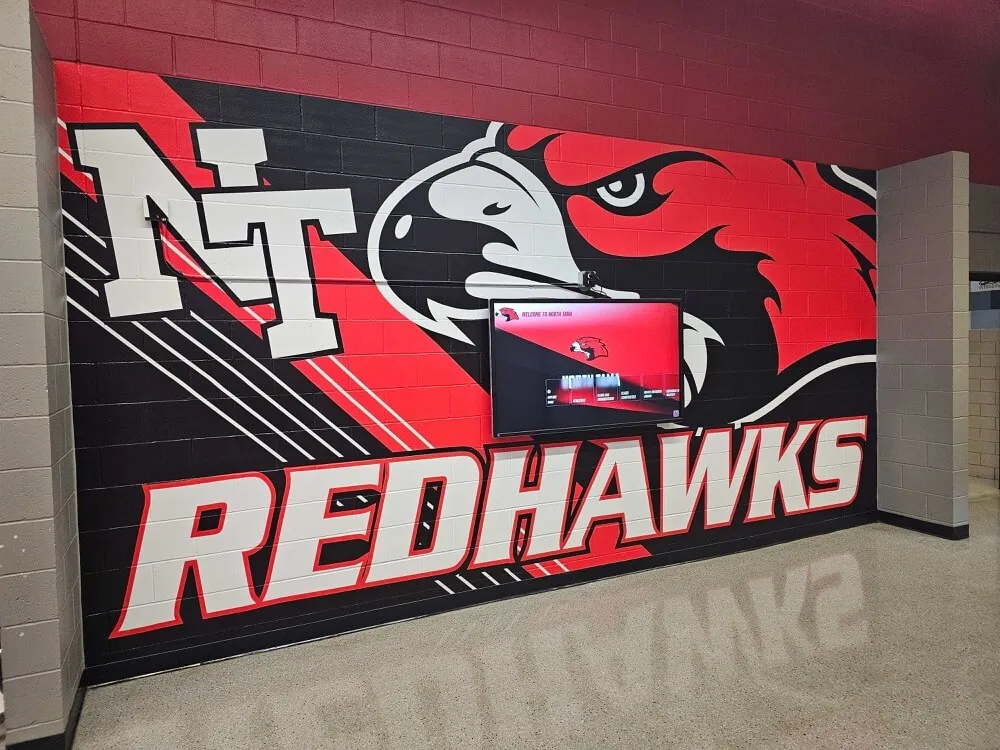
Prominent lobby placement ensures record displays reach diverse audiences including recruits, families, and community visitors
Maximizing Impact of Track Record Recognition
Strategic approaches ensure recognition systems achieve their full potential for motivation and program building.
Connecting Current Athletes to Records
Making records personally relevant to current competitors:
Season-Start Record Presentations
- Begin each season reviewing records in events where athletes compete
- Discuss record holders and stories behind achievements
- Identify athletes with potential to challenge records
- Set team goals including record pursuits
- Create awareness of developmental and class records as stepping stones
Regular Performance Tracking
Throughout the season:
- Post workout results relative to program standards and records
- Recognize athletes approaching records or achieving top-ten performances
- Celebrate incremental progress toward record territory
- Maintain visible tracking of season-best performances
- Acknowledge record attempts regardless of outcome
Record Recognition and Celebration
When athletes set new records:
- Immediate recognition at meets and practices
- Prominent display updates highlighting new record holder
- Social media celebration and communication to school community
- Track and field awards specifically honoring record-setting performances
- Documentation of record-setting moment with photos and video
Recruiting and Program Promotion
Leveraging record displays for program development:
Facility Tours for Prospective Athletes
- Interactive displays showcasing program tradition and success
- Record documentation demonstrating competitive excellence
- Historical context showing program development trajectory
- Alumni achievements illustrating pathways from program to collegiate success
- Evidence of commitment to honoring athlete achievement
Digital Access for Remote Audiences
Extending beyond physical displays:
- Web-accessible record databases reaching broader audiences
- Social media content featuring records and athletes
- Recruiting materials incorporating record achievements
- Virtual facility tours including recognition displays
- Mobile-optimized access for anywhere viewing
Media Relations and Community Recognition
Promoting program achievements:
- Local media coverage when significant records fall
- Community presentations highlighting program success
- School communications celebrating record achievements
- Alumni newsletters connecting historical and current records
- Partnership recognition for facility and program supporters
Building Program Culture Around Records
Creating environments where records matter:
Making Records Visible and Accessible
- Strategic display placement in high-traffic areas
- Regular references to records in practice and competition
- Integration of record pursuit into training plans
- Visible tracking of top performances relative to records
- Celebration of record challenges even when marks survive
Honoring Record Holders Past and Present
Maintaining connections:
- Alumni recognition at meets and events
- Communication with historical record holders about their marks
- Current athlete interaction with alumni who held records
- Academic and athletic recognition balance ensuring complete athlete recognition
- Mentorship programs connecting generations through shared records
Emphasizing Process Over Outcome
Healthy record culture focuses on:
- Celebrating effort and improvement toward record territory
- Recognizing athletes who push limits regardless of outcome
- Honoring near-record performances and breakthrough attempts
- Multiple pathways to recognition beyond single records
- Team success valued alongside individual achievements
This balanced approach ensures records inspire rather than discourage, motivating athletes at all competitive levels.
Special Considerations for Different Program Levels
Recognition approaches adapt to school and program type:
High School Track Programs
High school-specific considerations:
Four-Year Career Recognition
- Tracking athlete progression from freshman through senior years
- Class-specific records acknowledging developmental excellence
- Senior recognition and career achievement documentation
- Multi-year record pursuits creating extended narratives
- Transition recognition as athletes move to collegiate programs
Academic Integration
High school priorities:
- Scholar-athlete recognition alongside athletic achievement
- Academic requirements for record recognition programs
- Balance between athletic excellence and educational priorities
- College admissions context for athletic achievements
- Life lessons and character development emphasis
Multi-Sport Athlete Considerations
- Recognition of track athletes who excel in other sports
- Coordination with other athletic programs for comprehensive recognition
- Seasonal focus accommodating athletes competing year-round
- Facility sharing affecting display placement and design
- Limited specialization acknowledging developmental athletes
College and University Programs
Collegiate track recognition differences:
NCAA Competition Levels
- Division I, II, III record distinctions where applicable
- Conference record documentation
- National meet qualifications and achievements
- All-American recognition and honors
- Academic All-American designations
Eligibility and Competition Eras
- Freshman eligibility and redshirt year tracking
- Transfer athlete recognition and previous school acknowledgment
- Graduate student competitor achievements
- Professional athlete interactions and training groups
- Facility access for post-collegiate training
Alumni Engagement and Development
Collegiate recognition opportunities:
- Professional athlete success and Olympic qualifications
- Alumni engagement through record recognition
- Fundraising connections to historic achievement
- Facility naming opportunities tied to legendary performances
- Donor recognition integration with athletic achievement displays
Youth and Club Programs
Considerations for developmental programs:
Age-Appropriate Recognition
- Age group records rather than all-time marks
- Emphasis on improvement and participation
- Fun, engaging display formats appealing to younger athletes
- Parent involvement in recognition and celebration
- Developmental milestones alongside competitive achievements
Competition Format Variations
- Modified events and distances for youth levels
- Relay shuffles and non-standard competitions
- Skills competitions and developmental challenges
- Team-based scoring emphasizing collective success
- Transition planning toward high school competition
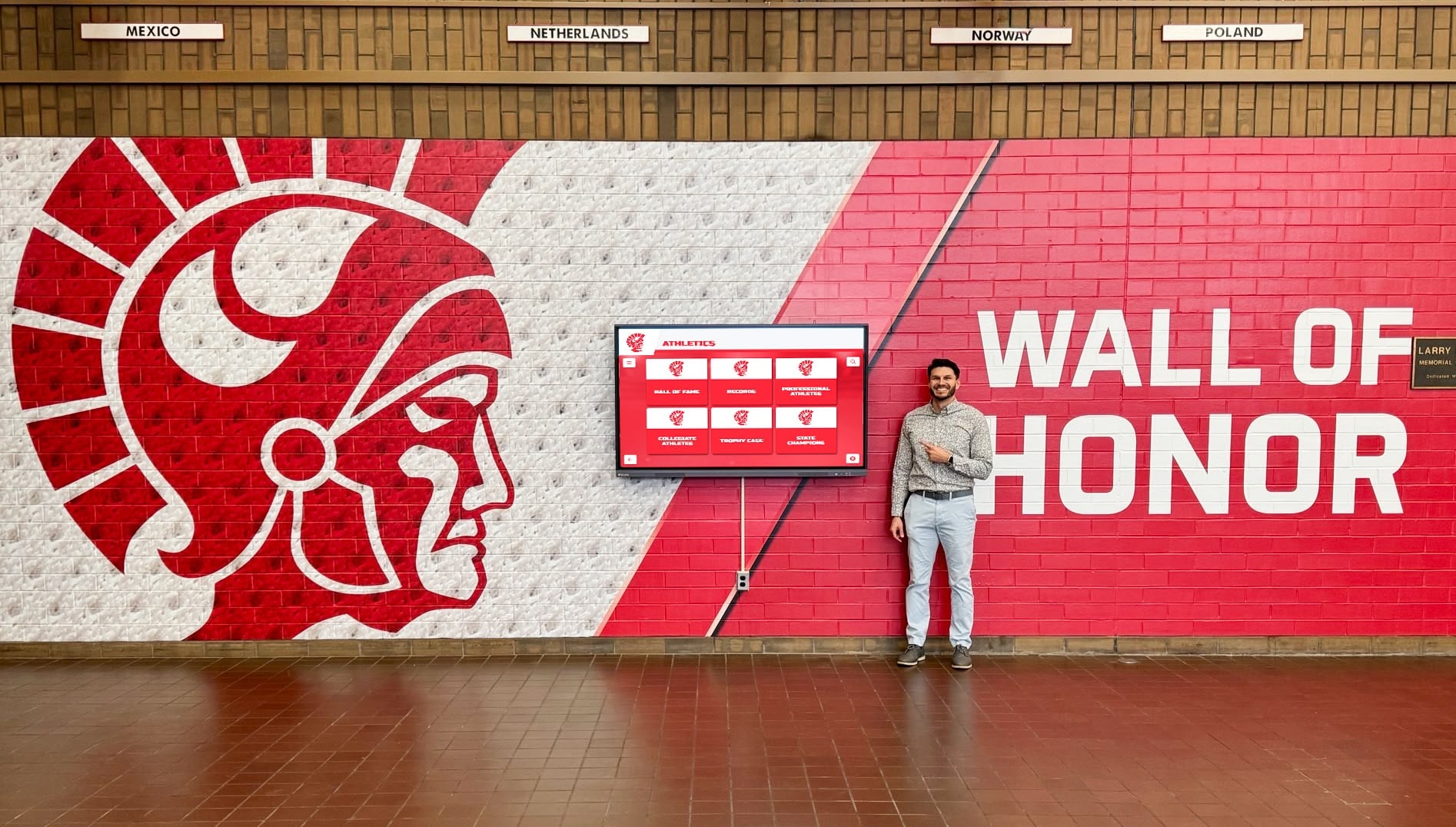
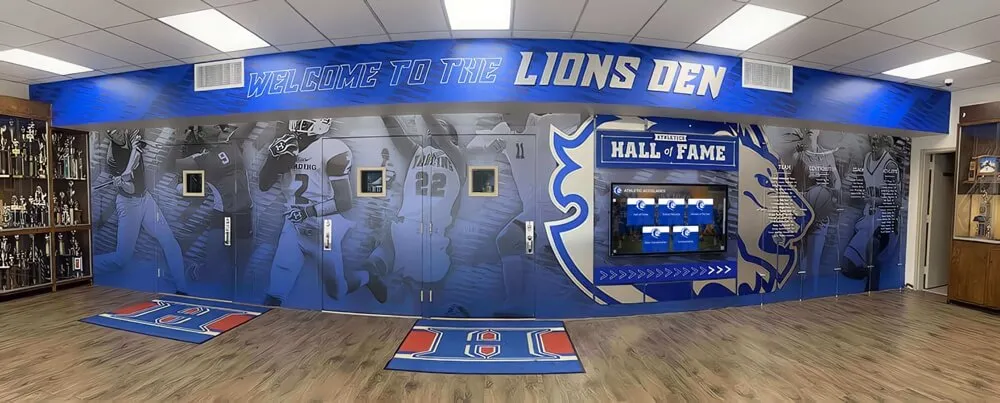
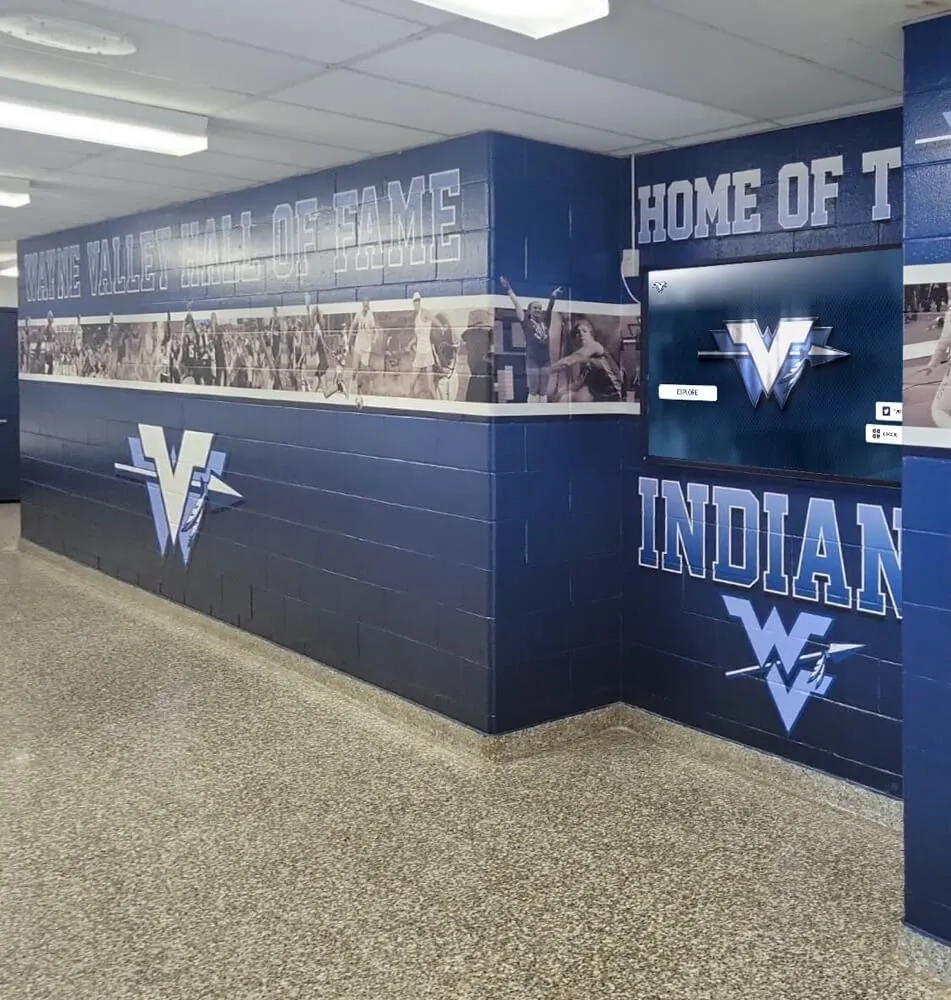
Wall of honor displays integrate record recognition with broader athletic tradition and program culture
Maintaining Historical Accuracy and Documentation
Preserving authentic program history requires systematic approaches:
Verification and Research Standards
Ensuring record accuracy:
Primary Source Documentation
- Meet result sheets and official timing printouts
- Newspaper coverage from performance dates
- Program archives and historical records books
- Championship meet documentation and official records
- Coach and athlete testimony for undocumented historical marks
Handling Uncertain Historical Information
- Acknowledge gaps in historical documentation
- Note estimated or unverified records appropriately
- Ongoing research to confirm questionable marks
- Community involvement in historical research
- Updates as additional documentation emerges
Record Criteria Clarity
Establishing transparent standards:
- Wind reading requirements for sprint and jump records
- Altitude adjustments and conversions
- Hand-timed versus electronic timing distinctions
- Facility certification and distance verification
- Meet classification requirements for official records
Preserving Institutional Knowledge
Preventing information loss:
Documentation Systems
- Comprehensive record books maintained digitally and physically
- Backed-up databases preventing data loss
- Photo and video archives preserved systematically
- Interview recordings with coaches and historical athletes
- Written histories documenting program development
Transition Planning
Ensuring continuity during staff changes:
- Documentation of record verification processes
- Training for new coaches and administrators
- Record maintenance responsibilities clearly assigned
- Access protocols for historical information
- Relationships with alumni and community preserving oral history
Community Engagement
Involving stakeholders in preservation:
- Alumni contributions of photos and memories
- Family connections to historical athletes
- Community historical societies and archives
- Local media partnerships accessing historical coverage
- Student projects researching and documenting program history
For programs developing comprehensive archival systems, academic history archiving approaches provide transferable frameworks for systematic preservation.
Financial Considerations and Budgeting
Creating sustainable recognition programs within realistic budgets:
Traditional Display Costs
Physical recognition expenses:
Initial Installation Costs
- Painted board professional design and installation: $2,000-$8,000
- Engraved plaque systems: $50-$100 per event/plaque
- Printed banners and displays: $200-$1,000
- Trophy case modifications: $500-$3,000
- Professional design and layout services: $500-$2,000
Ongoing Update Expenses
- Repainting record boards: $2,000-$8,000 per complete update
- Individual engraved plate replacements: $20-$50 each
- Reprinting updated posters: $100-$500 annually
- Installation labor: $50-$150 per hour
- Frame and mounting hardware: $20-$100 per display
These recurring costs accumulate significantly over years, particularly for successful programs with frequently falling records.
Digital Display Investment
One-time and ongoing digital costs:
Hardware Expenses
- Touchscreen displays (55"-75"): $3,000-$8,000
- Mounting hardware and installation: $500-$2,000
- Network connectivity infrastructure: $200-$1,000
- Kiosk enclosures for protection: $1,000-$3,000
- Multiple displays for larger facilities: costs scale with units
Software and Content Management
- Platform licensing: $1,000-$3,000 annually
- Initial content development and population: $1,000-$5,000
- Training and setup: $500-$1,500
- Ongoing content updates: typically included or minimal
- Technical support and maintenance: often included in licensing
Long-Term Cost Comparison
Digital advantages over time:
- No recurring update expenses when records fall
- Unlimited capacity without additional costs
- Reduced administrative time worth $1,000+ annually
- Content updates accomplished remotely without installation
- Multi-year total cost often lower than traditional approaches
Many schools find digital solutions more cost-effective over 5-10 year periods despite higher initial investment.
Budget-Friendly Approaches
Creating meaningful recognition regardless of resources:
Low-Cost Starting Points
- Simple printed record posters in frames
- DIY painted record boards using volunteer labor
- Repurposed display cases or existing structures
- Digital slideshows on existing screens or monitors
- Social media-based recognition requiring no physical displays
Phased Implementation
- Begin with current records, add historical depth over time
- Start with priority events, expand to full catalog gradually
- Single display initially, add locations as budget allows
- Basic features first, enhance with multimedia later
- Incremental improvements as resources become available
Fundraising and Support
Generating resources for recognition:
- Booster club funding for display systems
- Alumni donations supporting program recognition
- Sponsorship opportunities for facility displays
- Grant applications for educational technology
- Community partnerships and business support
For schools exploring digital recognition investments, digital signage content approaches demonstrate broader facility applications justifying platform investments.
Conclusion: Building Track and Field Record Systems That Inspire
Track and field’s meticulous measurement culture creates exceptional opportunities for schools to preserve and celebrate athletic excellence through comprehensive record display systems. When implemented thoughtfully with attention to complete historical preservation, easy maintenance, and engaging presentation, these recognition systems become focal points for program culture that motivate current athletes while honoring the achievements of generations who came before.
The approaches explored in this guide provide frameworks for moving beyond limiting traditional displays toward comprehensive solutions that document every achievement, remain perpetually current, and create compelling experiences connecting current competitors to the legacy they’re building upon. From establishing clear record categories and verification standards to implementing modern digital platforms that overcome space and maintenance constraints, these strategies ensure your track program’s remarkable history receives the lasting recognition it deserves.
Transform Your Track and Field Record Recognition
Discover how interactive touchscreen displays can help you preserve every record and celebrate complete program history, creating engaging displays that inspire current athletes while honoring your program's legacy.
Request a DemoMost importantly, effective record display systems communicate to current athletes that their achievements matter and will be remembered—motivating commitment and effort throughout careers while demonstrating that being part of your track program means contributing to tradition that extends beyond individual seasons. These recognition systems validate the countless training hours and personal sacrifices track athletes make pursuing excellence in one of sport’s most demanding competitions.
Technology like Touch Archive now enables even resource-constrained programs to provide comprehensive, lasting record recognition that previous generations could only achieve with significant ongoing expense and administrative burden. Digital platforms eliminate the forced choices about which records to display, the deferred updates leaving information outdated, and the eventual loss of historical achievement documentation that plagued traditional approaches.
Start building your track and field record recognition system today with confidence that thoughtful attention to complete documentation, accessible presentation, and sustainable maintenance will create displays that serve your program and community for decades to come. Every record documented and celebrated reinforces your program’s culture of excellence while inspiring the next generation of athletes to push boundaries and join the legacy of achievement you’re systematically preserving.
Ready to transform how your program honors track and field achievements? Explore Touch Archive solutions for comprehensive athletic recognition and complete program history preservation, or request a demo to see how your records and achievements can be preserved and celebrated permanently through interactive displays that engage current athletes, returning alumni, and your broader community.