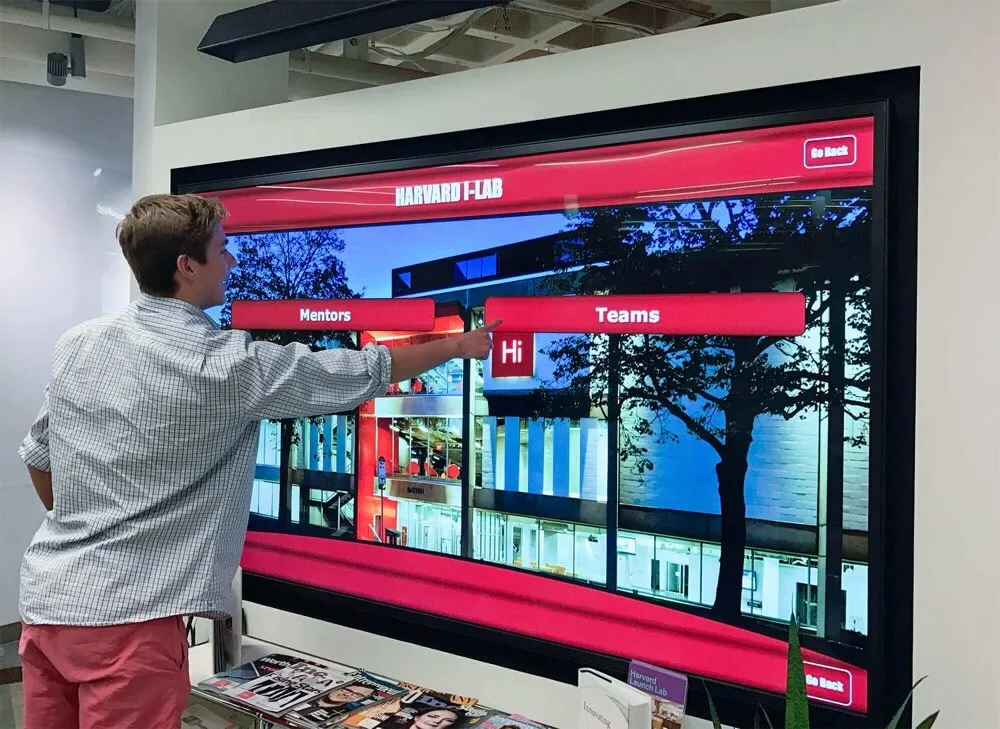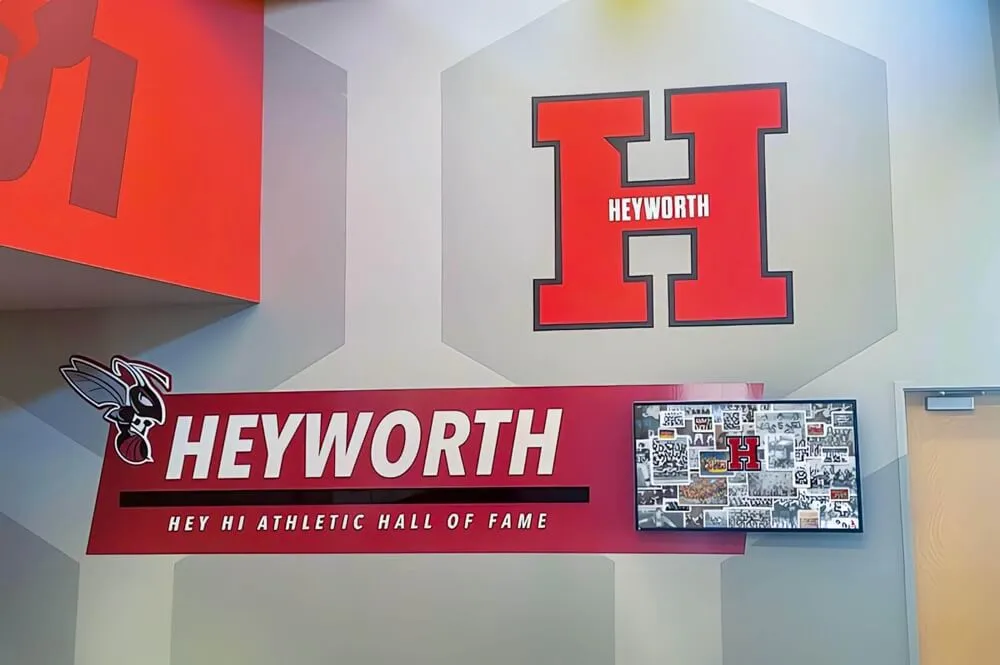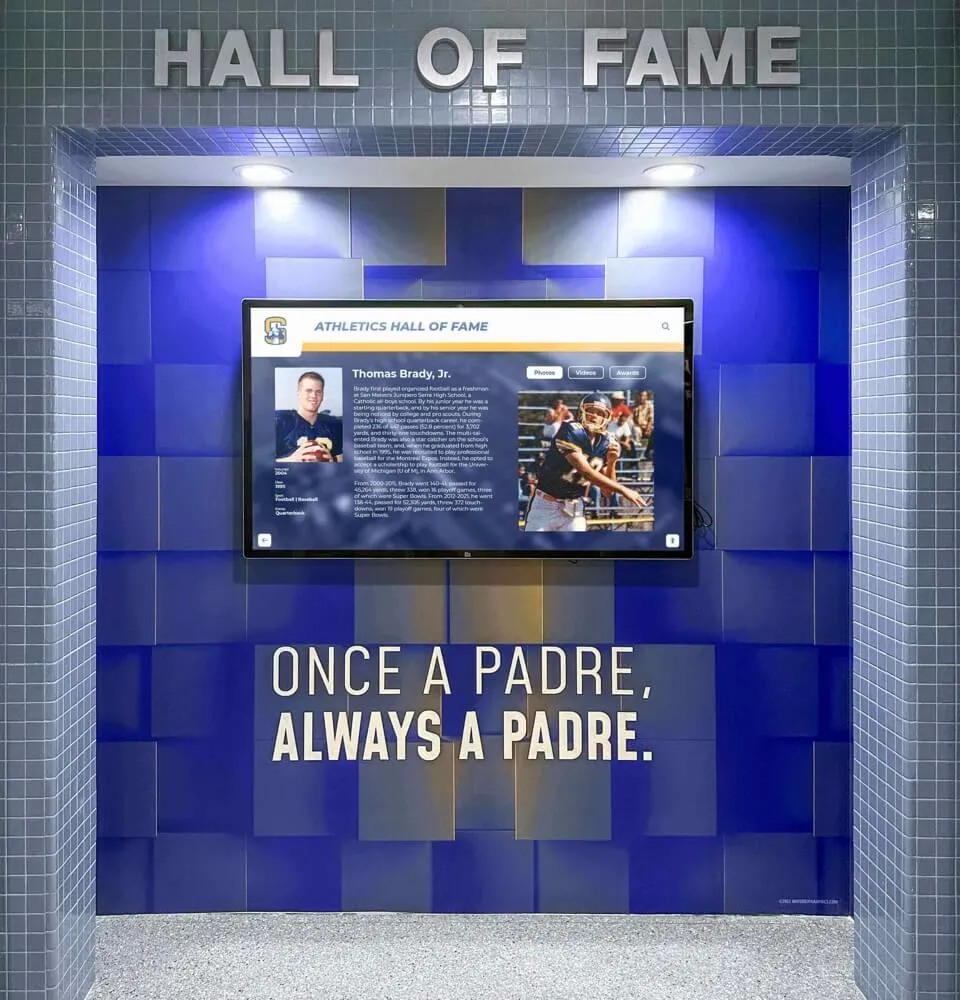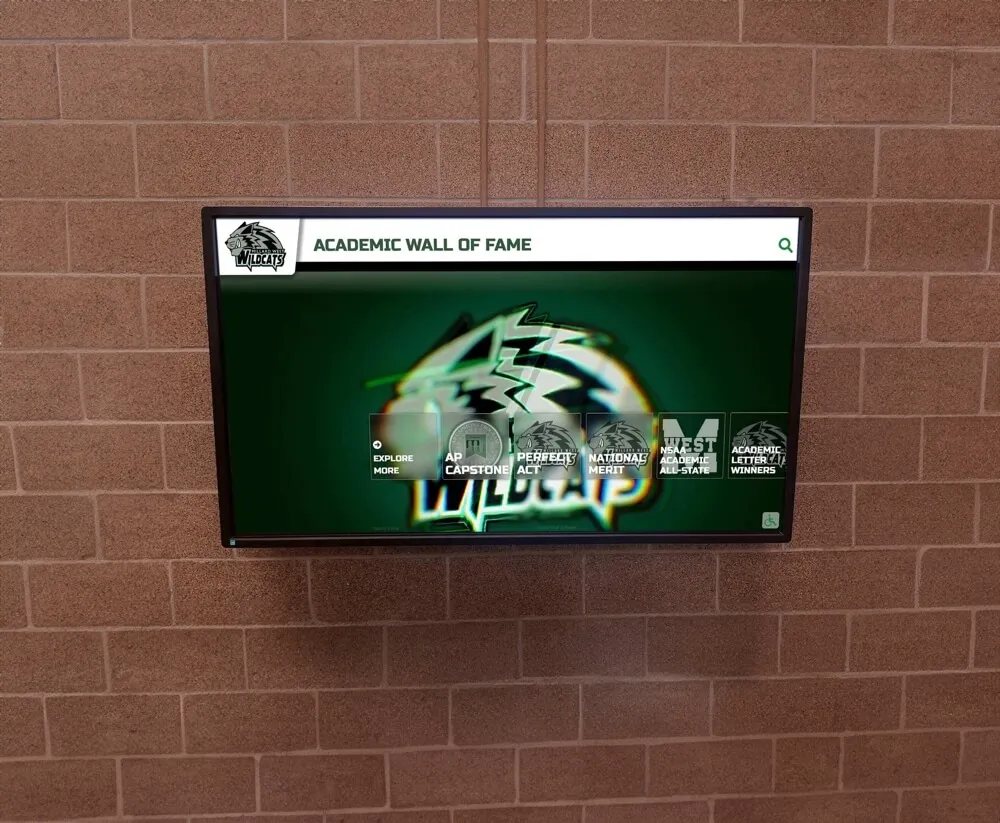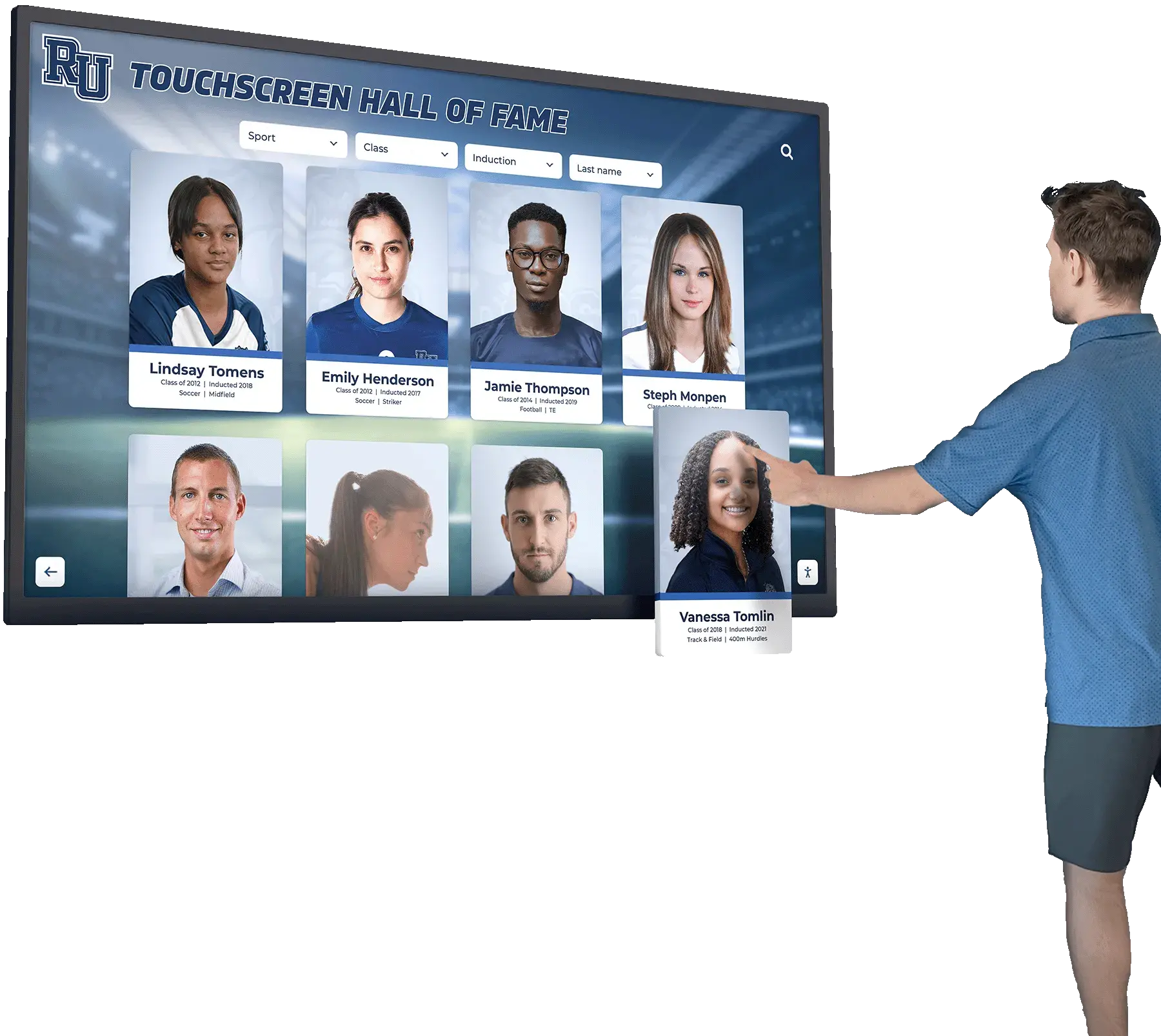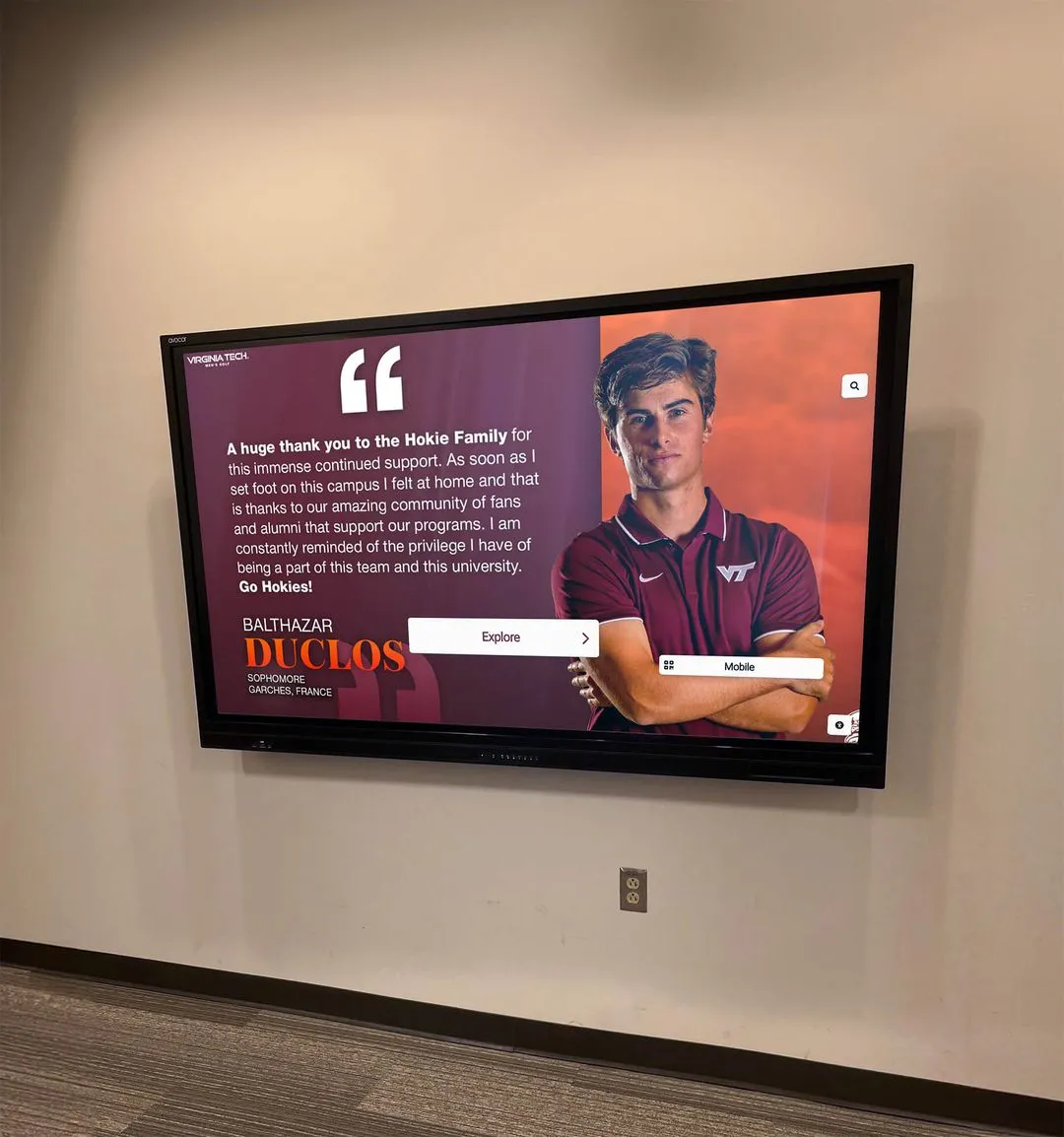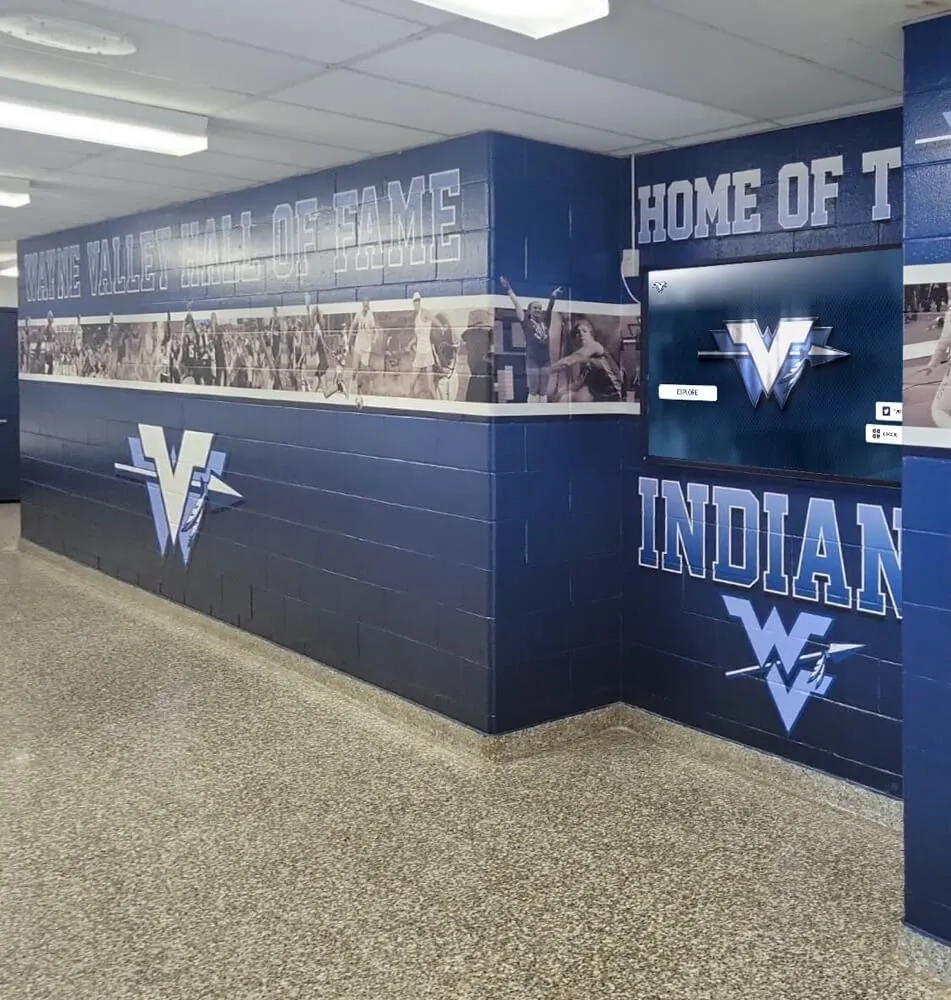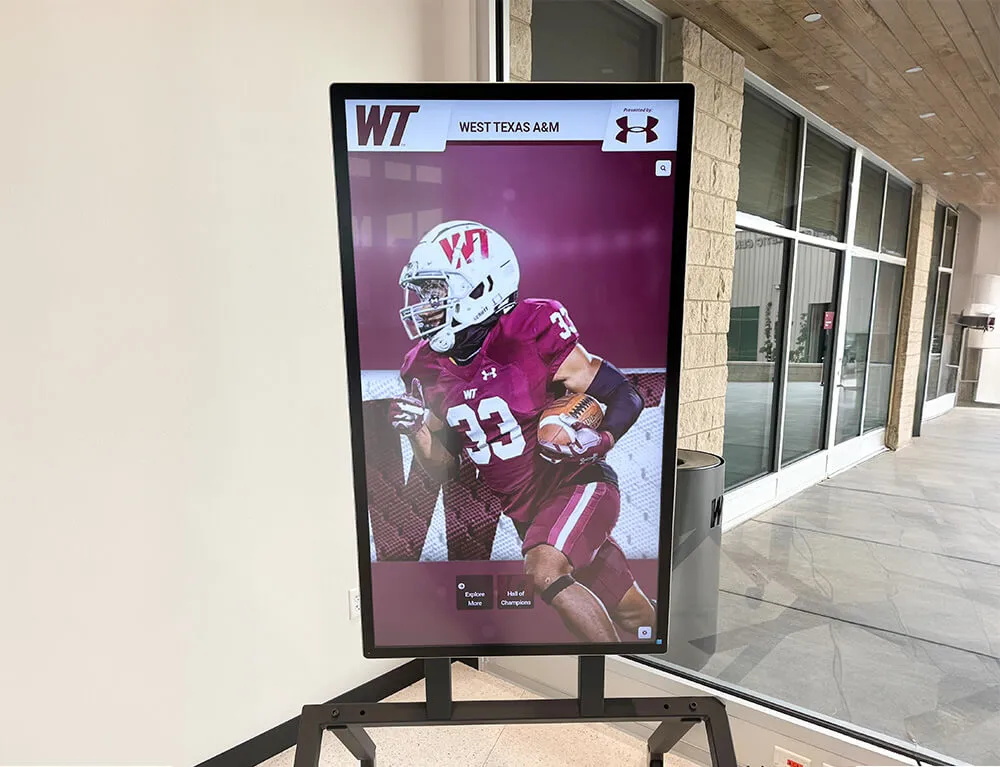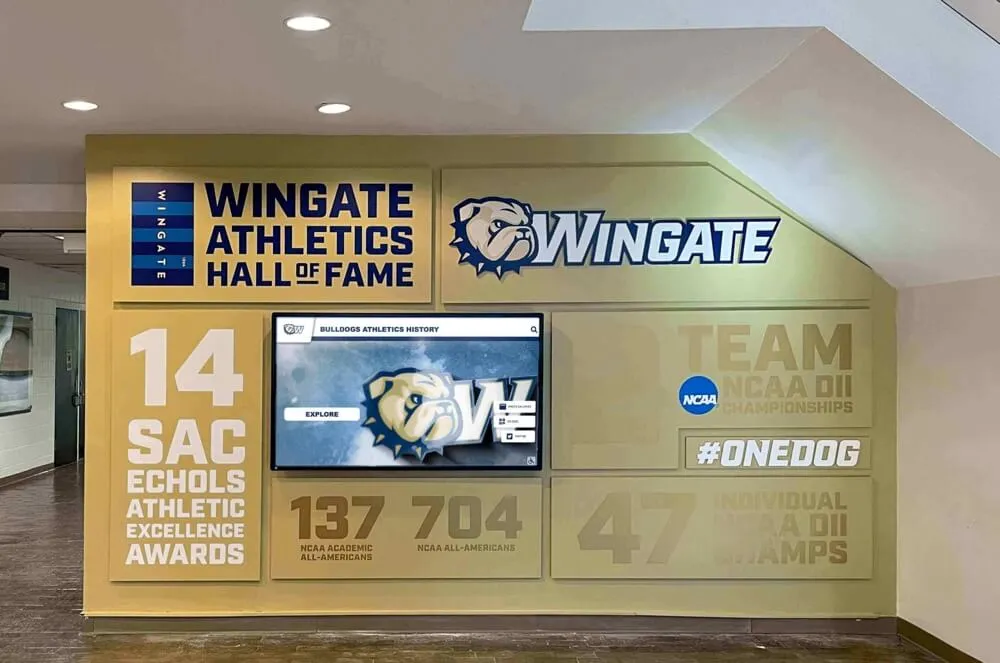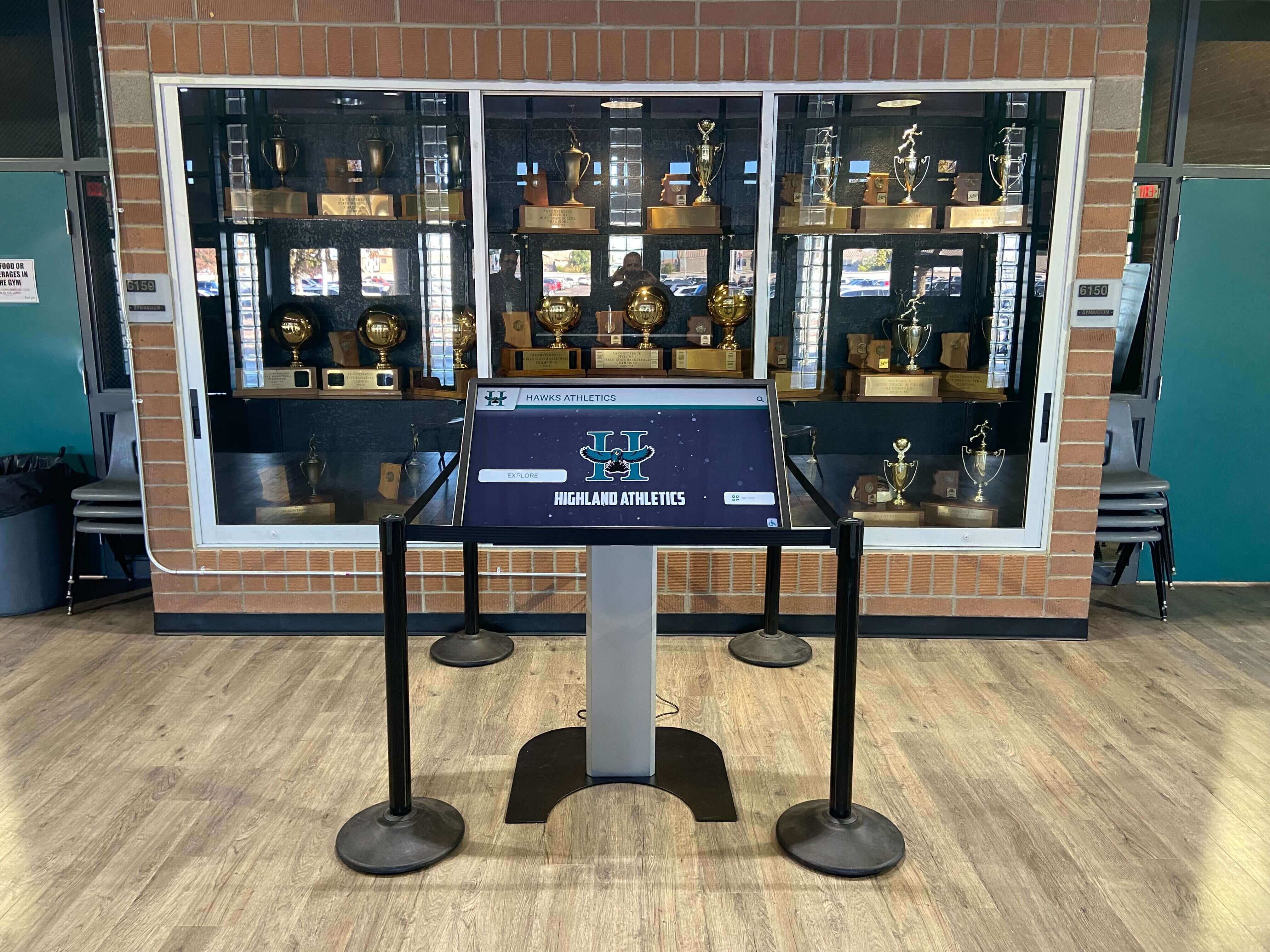




Athletic directors and school administrators researching digital hall of fame displays often begin with a straightforward question: “What does a complete, turnkey solution actually cost?” This question proves more complex than it appears. Some vendors quote hardware prices only, leaving schools to figure out content migration, staff training, and ongoing management. Others bundle services in ways that obscure actual costs or create dependencies on expensive annual contracts.
Schools need clarity about total investment requirements—not just equipment costs, but the complete package including professional content setup, comprehensive training, and ongoing support. The difference between a $10,000 hardware purchase and a $25,000 turnkey implementation often determines whether a digital hall of fame becomes a valued community asset or an expensive project that stalls during implementation.
This guide examines turnkey digital hall of fame pricing structures across the market, breaks down what “complete setup” actually includes, explains training components that matter, and helps schools evaluate total cost of ownership. Whether working with bond funding, PTO contributions, or annual operating budgets, administrators need realistic price ranges and clear understanding of what they receive for their investment.
Schools evaluating these systems typically discover that three distinct pricing models dominate the market: hardware-only approaches requiring internal implementation work, software-only platforms needing schools to source their own displays, and true turnkey providers delivering complete systems ready for launch. Understanding these differences prevents costly mismatches between expectations and reality.
Understanding “Turnkey” in Digital Hall of Fame Context
The term “turnkey” carries different meanings across vendors, creating confusion for schools comparing proposals. A truly turnkey digital hall of fame display solution should deliver a system that requires no technical expertise, no content migration work, and no troubleshooting coordination across multiple vendors when issues arise.
What Complete Turnkey Service Actually Includes
Comprehensive turnkey implementations encompass several distinct service categories:
Hardware Provision and Warranty Management: The provider supplies all physical equipment—touchscreen displays, mounting hardware, media players or computers, cables, and any necessary network components. More importantly, they own warranty relationships with hardware manufacturers, handling replacements and repairs through a single point of contact rather than requiring schools to manage multiple vendor relationships.
Professional Installation: Qualified technicians mount displays, run power and network connections, configure hardware, and test full system functionality before departing. Installation includes proper wall mounting that meets safety standards, cable management that looks professional, and network configuration that works with school infrastructure.
Content Migration and Setup: This represents where many “turnkey” claims break down. True turnkey providers take existing content—photos from old yearbooks, statistics from record boards, information from physical plaques—and migrate it into the digital system. Schools provide source materials; the vendor does the digitization, data entry, photo editing, and content organization work.
Training and Documentation: Staff members who will manage content receive hands-on training covering content updates, user management, system settings, and troubleshooting common issues. Training should accommodate different learning styles through live sessions, recorded videos, and written documentation.
Ongoing Support and Updates: Software updates, technical support, content assistance, and system improvements continue throughout the service relationship. Schools reach knowledgeable support staff familiar with their specific installation rather than generic helpdesk operators reading from scripts.
Solutions like Rocket Alumni Solutions provide this complete turnkey approach, handling everything from hardware specification through launch and beyond. Schools schedule a planning call, provide content materials, and receive a fully operational system without managing project coordination, vendor relationships, or technical implementation details.
Partial Solutions That Claim Turnkey Status
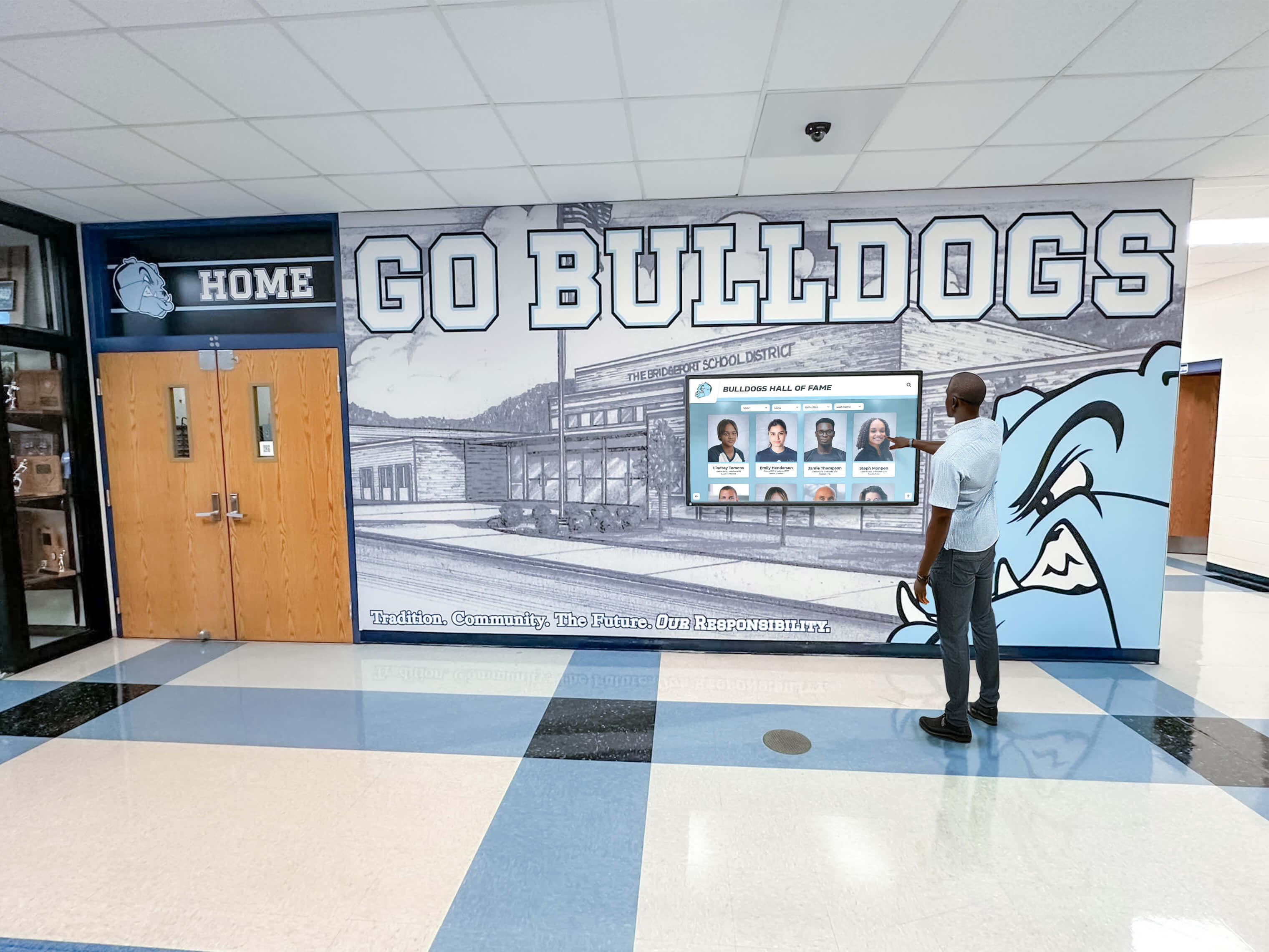
Several vendors market themselves as turnkey while actually providing only portions of complete service:
Hardware Vendors with Software Add-Ons: Some display manufacturers bundle basic digital signage software with screens but provide no content services, training, or specialized hall of fame functionality. Schools receive hardware but must create all content, design all layouts, and learn complex software independently.
Software Platforms Requiring Hardware Sourcing: Many digital recognition software providers require schools to purchase compatible displays separately, coordinate installation through local contractors, and manage troubleshooting across disconnected vendors. When problems occur, finger-pointing between software and hardware vendors leaves schools without clear resolution paths.
Template-Only Services: Some platforms provide attractive templates but require schools to input all content, categorize information, edit photos, and maintain data quality without professional assistance. While less expensive initially, these approaches often stall when busy administrators lack time to complete extensive data entry projects.
Understanding these distinctions helps schools evaluate proposals accurately. A $8,000 quote for software-only may cost $15,000 by the time schools purchase compatible hardware and pay for installation. A $25,000 turnkey package including content setup may deliver better value than a $12,000 do-it-yourself approach that requires 100+ staff hours to complete.
Turnkey Pricing Ranges Across Provider Types
Digital hall of fame pricing varies significantly based on service level, content volume, hardware specifications, and ongoing support models. Schools should expect these general ranges when requesting turnkey quotes:
Entry-Level Turnkey Packages
Basic turnkey implementations typically range from $8,000 to $15,000 and include:
- Single 55-inch touchscreen display
- Standard mounting and installation
- Basic content setup (50-100 profiles/entries)
- Initial staff training (2-4 hours)
- First year software access and support
- Standard hardware warranty (1-3 years)
These packages work well for smaller schools with limited historical content, single-sport recognition needs, or pilot programs testing digital recognition before broader implementation. Organizations choosing this tier should verify what happens in year two—annual software fees, support renewals, and whether content updates cost extra.
Providers like Touchhalloffame.us and similar platforms often operate in this price range, offering foundational functionality suitable for straightforward recognition needs.
Mid-Range Comprehensive Solutions
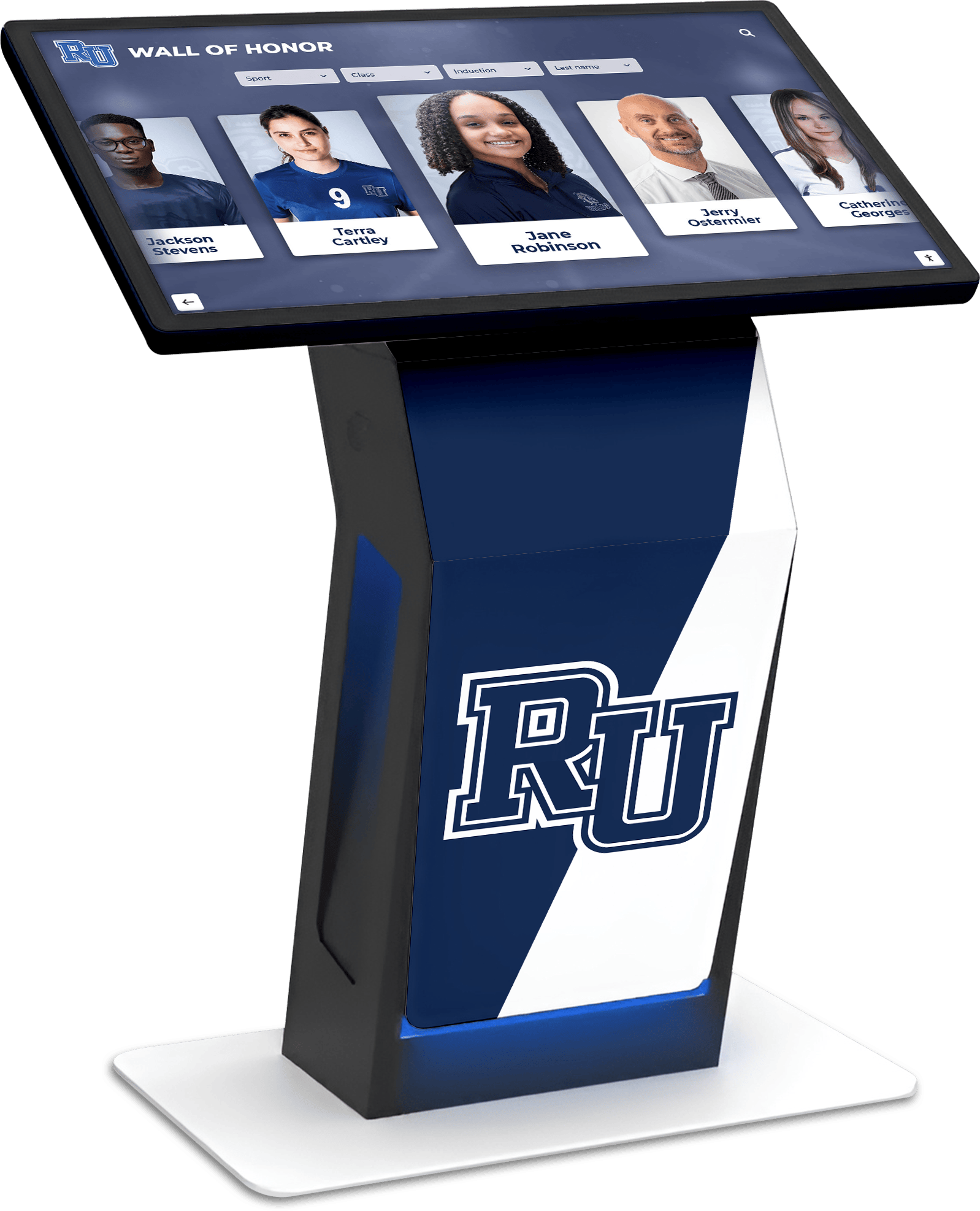
Most schools implementing meaningful digital hall of fame displays invest in the $15,000 to $25,000 range, which typically includes:
- 55-inch or 65-inch commercial-grade touchscreen
- Professional installation with clean cable management
- Extensive content setup (200-500 profiles/entries)
- Multiple content categories (athletics, academics, donors, etc.)
- Comprehensive training (4-8 hours, multiple sessions)
- Multi-year software licensing (often 3-5 years)
- Enhanced hardware warranties
- Ongoing content support and assistance
- Regular software updates and feature additions
This tier represents where most schools find sufficient functionality to recognize decades of achievements, multiple programs, and various contributor categories without compromising on quality or requiring extensive internal work. The content setup at this level typically includes professional photo editing, data organization, and system configuration tailored to school branding.
Rocket Alumni Solutions operates primarily in this range, providing comprehensive service that schools find balances investment with delivered value. The platform includes unlimited entries, unlimited screens, and no hidden per-profile costs that can inflate actual costs with other providers.
Enterprise Multi-Display Implementations
Large schools, districts, or universities implementing multiple displays across campuses typically invest $30,000 to $75,000+ for comprehensive deployments including:
- Multiple large-format touchscreens (65-75 inches)
- Installations across multiple locations
- Extensive historical content migration (1,000+ profiles)
- Advanced functionality (social media integration, video content, mobile access)
- Extensive training for multiple administrators
- Long-term licensing agreements (5-10 years)
- Priority support and dedicated account management
- Custom design and branding services
Organizations at this level often coordinate installations with facility renovations, capital campaigns, or anniversary celebrations that warrant significant investment in recognition infrastructure. These deployments may include specialized mounting solutions, integrated audio systems, or architectural design elements that exceed standard installations.
Comparison with Traditional Recognition Costs
Schools sometimes overlook how digital hall of fame pricing compares to traditional recognition approaches they’re replacing:
Physical Trophy Cases: Quality display cases cost $5,000-$20,000 each, hold limited items, and become full within years, requiring additional case purchases. A school needing three trophy cases over ten years spends $15,000-$60,000 on cases alone before counting individual trophies and plaques.
Bronze Plaques and Name Plates: Individual bronze plaques cost $200-$500 each. Schools recognizing 100 hall of fame members over ten years spend $20,000-$50,000 just on plaques, plus $3,000-$8,000 for mounting systems and installation labor.
Printed Recognition Boards: Custom-printed donor walls, record boards, or achievement displays cost $3,000-$12,000 per board. Updates requiring reprints add $2,000-$8,000 each time, with most boards needing updates every 2-4 years.
A $20,000 digital system that serves recognition needs for a decade typically costs less than traditional approaches requiring ongoing purchases of physical recognition items. Schools implementing digital trophy case solutions report total cost savings of 40-70% over ten-year periods compared to traditional approaches.
Content Setup: The Hidden Cost in Non-Turnkey Solutions
Content migration and setup represents where schools discover the largest gaps between turnkey and do-it-yourself approaches. The work required to transform decades of physical records into organized digital profiles is extensive and time-consuming.

What Professional Content Setup Actually Involves
Comprehensive content services include several labor-intensive processes:
Historical Research and Data Collection: Gathering accurate information from old yearbooks, newspaper clippings, physical plaques, and institutional records requires careful research. Dates, statistics, team rosters, and biographical details must be verified for accuracy before publication.
Photo Digitization and Editing: Scanning photos from yearbooks or physical prints, cropping images appropriately, adjusting brightness and contrast for consistency, removing backgrounds when necessary, and ensuring proper resolution for display requires photo editing expertise and specialized software.
Data Entry and Organization: Inputting information into structured database fields, categorizing content appropriately (sports, years, achievement types), creating relationships between related entries (coaches with teams, donors with programs), and ensuring consistency across hundreds or thousands of records demands attention to detail.
Content Quality Review: Checking for spelling errors, verifying factual accuracy, ensuring photo quality meets standards, confirming appropriate categorization, and maintaining consistent formatting across all entries prevents embarrassing mistakes in public-facing displays.
Professional content setup for 300 profiles typically requires 40-80 hours of skilled work. Schools attempting this internally often underestimate the time commitment, leading to projects that stall incomplete or contain errors that diminish credibility.
Internal Cost When Schools Handle Setup Themselves
Schools considering non-turnkey approaches to save money should calculate internal costs:
Staff Time: If content setup requires 60 hours and the responsible administrator earns $50/hour including benefits, internal costs reach $3,000 in staff time alone—often exceeding the cost difference between turnkey and do-it-yourself options.
Delayed Launch: Projects requiring internal content work frequently take 6-18 months from hardware installation to actual launch, delaying recognition value and reducing community engagement. Turnkey providers typically launch systems within 4-8 weeks from order to operation.
Quality Compromises: Busy administrators juggling content projects alongside regular responsibilities often reduce scope, lower quality standards, or rush completion to meet deadlines. The resulting displays may lack the polish and comprehensiveness that turnkey professional setup delivers.
Opportunity Costs: Hours spent on content entry represent time not spent on other priorities—curriculum development, student support, program improvement, or strategic planning that may offer greater institutional value.
Schools implementing digital hall of fame systems frequently report that professional content setup delivers better results faster while allowing staff to focus on roles better suited to their expertise.
Training Components That Determine Long-Term Success
Training quality separates digital recognition systems that become valued community resources from expensive hardware that staff avoids using because they never learned to operate it confidently.
Essential Training Elements for School Staff
Effective turnkey training programs address multiple competency areas:
Content Management Basics: Creating new profiles, editing existing entries, uploading and managing photos, organizing content into appropriate categories, and using templates effectively form the foundation skills administrators need for routine updates.
Advanced Features: Understanding search functionality, setting up featured content rotations, managing user permissions, configuring display settings, and utilizing specialized features like record boards or donor recognition tiers enable staff to fully leverage system capabilities.
Troubleshooting Common Issues: Recognizing and resolving typical problems—displays going to sleep mode, network connectivity issues, content not appearing as expected, user login problems—reduces support tickets and builds staff confidence.
Mobile and Remote Management: Learning to update content from smartphones, tablets, or home computers ensures administrators can make timely updates regardless of location, particularly valuable for after-hours updates following evening events.
Best Practices and Tips: Understanding effective photo sizing, writing engaging biographical content, organizing categories logically, and maintaining consistent quality standards helps staff create professional results.
Quality training accommodates different learning styles through multiple delivery methods. Live training sessions allow questions and hands-on practice. Recorded video tutorials enable self-paced learning and future reference. Written documentation provides quick lookup for specific procedures.
Ongoing Training and Support Availability
Initial training represents only the first phase of administrator support needs. Ongoing assistance proves equally important:
Refresher Training: When staff turnover occurs or new features launch, additional training sessions help current administrators stay proficient and new users get up to speed quickly.
Live Support Access: Phone, email, or chat support from knowledgeable staff familiar with the platform provides critical assistance when administrators encounter unfamiliar situations or need guidance on complex updates.
Training Resources Library: Searchable knowledge bases, video tutorial libraries, and user community forums enable self-service learning when administrators want to expand their skills or solve problems independently.
Content Assistance: Some providers offer ongoing content help—not just technical support, but assistance with photo editing, content organization, or strategic guidance about feature utilization.
Schools evaluating providers should specifically ask about training depth, ongoing availability, and whether support represents genuine platform expertise or generic call center service. The difference significantly impacts long-term satisfaction and system utilization.
Hidden Costs and Fee Structures to Scrutinize
Turnkey pricing appears straightforward until schools discover additional costs that weren’t apparent in initial quotes. Several fee structures deserve careful examination:
Per-Profile or Per-Entry Charges
Some providers advertise attractive base pricing but charge $5-$25 per individual profile, honoree entry, or recognition record. A school planning to recognize 500 people faces $2,500-$12,500 in profile fees on top of base system costs. These charges often recur annually, creating expensive ongoing commitments.
Questions to ask: “Is there any limit on the number of profiles, entries, or honorees we can add? Do you charge per person, per category, or per content type? Are there annual fees based on content volume?”
Screen or Display Limits
Platforms may price base packages for single displays but charge significant fees for additional screens. Schools wanting displays in gymnasiums, lobbies, and performing arts centers might pay $3,000-$8,000 per additional screen annually, making multi-location recognition prohibitively expensive.
Questions to ask: “How many screens or displays does the base price include? What do additional displays cost? Can content appear on unlimited screens, or are there quantity restrictions?”
User or Administrator Limits
Systems restricting how many staff members can access content management create operational constraints. Schools may need athletic directors, development staff, academic administrators, and department heads to manage respective content areas, requiring multiple user accounts.
Questions to ask: “How many administrators can access the system? Can different users have different permission levels? Do additional users cost extra?”
Annual Renewal Increases
Initial pricing may seem reasonable, but contracts allowing unlimited annual price increases create budget uncertainty. Schools committing to multi-year implementations need price certainty or at least reasonable caps on annual adjustments.
Questions to ask: “What are annual renewal costs after the first year? Can renewal prices increase annually, and by how much? Do multi-year agreements offer price protection?”
Content Update or Support Fees
Some providers charge separately for content assistance, major updates requiring vendor help, or technical support beyond basic troubleshooting. These add-on fees accumulate quickly when schools need ongoing assistance.
Questions to ask: “Is ongoing content support included or extra? Are there fees for helping with major content updates? Does technical support cost extra after initial training?”
Rocket Alumni Solutions’ approach of unlimited screens and entries without hidden per-profile charges addresses these common cost escalation concerns, providing schools with predictable total costs from the outset.
Provider Comparison: Service Levels and Pricing Models
Several established providers offer digital hall of fame solutions, each with distinct service models and pricing approaches:
Full-Service Turnkey Providers
Rocket Alumni Solutions provides comprehensive turnkey service including hardware, installation, content migration, training, and ongoing support through single-source accountability. Pricing typically ranges from $15,000-$25,000 for complete implementations with extensive content setup. The platform includes unlimited entries and screens without per-profile fees, multi-year pricing options, and continuous software updates throughout the service period. Schools particularly value the complete hardware ownership and support model that eliminates coordination across multiple vendors.
Touchhalloffame.us offers turnkey digital recognition with focus on content creation assistance and training. Pricing varies based on content volume and display specifications, typically starting around $12,000-$18,000 for complete packages.
Halloffamewall.com provides turnkey installations with emphasis on custom design elements and branded displays. Their approach includes design consultation, professional content setup, and training services.
Hardware-Plus-Software Bundles
Some display manufacturers bundle digital signage software with commercial screens at prices ranging from $5,000-$12,000. These solutions include hardware and basic software but typically provide limited training, no content setup assistance, and generic support rather than specialized hall of fame expertise. Schools save money upfront but invest significant internal time learning systems and creating content.
Software-Only Platforms
Digital recognition software platforms requiring schools to source hardware separately typically charge $2,000-$6,000 annually for software access. Schools must then purchase compatible displays ($2,000-$5,000), arrange installation ($1,000-$2,500), handle content setup internally, and coordinate troubleshooting across disconnected vendors. Total first-year costs often reach $8,000-$15,000, similar to turnkey options but without the integrated service benefits.
Regional or Local Installers
Local AV integration firms or signage companies may offer custom digital recognition solutions with pricing typically ranging from $20,000-$40,000. These implementations provide highly customized design and installation but may rely on generic digital signage platforms lacking specialized hall of fame features. Support quality varies significantly based on the installer’s ongoing commitment and technical expertise.
Funding Strategies and Budget Planning
Schools rarely fund major technology purchases solely from annual operating budgets. Several funding approaches help institutions implement digital hall of fame systems:
Capital Campaign Integration
Development campaigns raising funds for facility improvements, program enhancements, or institutional anniversaries provide natural opportunities for digital recognition displays. Campaign donors appreciate visible recognition technology that showcases their contributions prominently. Schools might designate $20,000-$30,000 from capital campaigns for recognition infrastructure, positioning displays as tools that honor both campaign supporters and institutional achievers.
Booster Club or PTO Funding
Athletic booster clubs, parent-teacher organizations, and alumni associations frequently fund recognition projects that celebrate program excellence. These groups often have fundraising capacity beyond annual school budgets and appreciation for recognition that showcases accomplishments. A digital hall of fame serves as multi-year project worthy of special fundraising efforts, potentially funded through annual golf tournaments, gala events, or targeted campaigns.
Bond Funding or Facility Renovations
Construction bonds or facility renovation projects commonly include allowances for technology infrastructure, signage, and recognition displays. Schools undergoing gym renovations, lobby upgrades, or new construction should incorporate digital recognition displays into project budgets where they appear as line items within larger capital expenditures. This approach often faces less budget scrutiny than standalone technology purchases.
Memorial or Named Gift Opportunities
Families wishing to establish memorial funds for deceased students, athletes, or community members may appreciate funding recognition displays that honor loved ones while serving broader institutional needs. Similarly, major donors might underwrite digital hall of fame installations as named gifts—“The Smith Family Hall of Champions”—creating lasting legacies while meeting organizational recognition needs.
Grant Applications
Educational technology grants, community foundation funding, and corporate giving programs sometimes support recognition infrastructure that enhances school culture and celebrates achievement. Applications strengthening cases by emphasizing benefits beyond athletics—academic recognition, donor stewardship, community engagement, and historical preservation—broaden appeal to funders focused on comprehensive educational outcomes.
Multi-Year Budget Spreading
Providers offering flexible payment structures allow schools to spread implementations across fiscal years. A $20,000 project might be funded through $10,000 in current fiscal year capital funds plus $10,000 in next year’s technology budget. Some vendors provide multi-year agreements that formalize these structures while potentially offering prepayment discounts for schools committing to extended terms.
Understanding subscription versus one-time pricing models helps schools align purchases with funding source requirements and budget constraints.
Questions to Ask Providers During Evaluation
Schools requesting quotes should gather specific information that reveals true total costs and service levels:
About Hardware and Installation
- What specific display model and size do you provide?
- Is the screen commercial-grade with appropriate warranty coverage?
- What’s included in installation—mounting, power, networking, testing?
- Who performs installation—your staff or subcontracted technicians?
- What happens if hardware fails—who do I contact, what’s the response time, who pays for repairs?
About Content Setup
- How many profiles, entries, or honorees does content setup include?
- What exactly does content setup involve—data entry only, or photo editing and research?
- What do I need to provide, and what will your team handle?
- How long does content setup typically take from material submission to launch?
- Are there additional fees if our content volume exceeds package estimates?
About Training and Support
- What training is included—hours, format, number of sessions?
- Can training accommodate multiple staff members with different roles?
- Is ongoing support included or extra, and how do I reach support staff?
- What response times should I expect for technical issues?
- Do you provide refresher training when staff turnover occurs?
About Pricing and Fees
- What’s the total first-year cost including everything needed for full operation?
- Are there per-profile, per-screen, or per-user fees beyond base pricing?
- What are annual costs in years two through five?
- Do renewal prices increase annually, and by how much?
- Are there any circumstances where additional fees might apply?
- Do you offer multi-year prepay options with price certainty?
About Software and Features
- What features are included versus available as paid upgrades?
- Who owns the content if we discontinue service—can we export our data?
- How frequently do software updates occur, and are they included?
- Can users update content from mobile devices and remote locations?
- Are there any limits on content categories, entry types, or organizational structures?

Thorough questioning reveals differences between genuinely comprehensive turnkey providers and vendors whose attractive initial quotes disguise incomplete service or escalating costs.
Making the Investment Decision
Schools ready to move forward should approach implementation decisions systematically:
Request Detailed Proposals: Get written quotes that itemize exactly what’s included, specify all costs through at least three years, and clearly state what’s excluded or costs extra.
Calculate Total Cost of Ownership: Compare five-year total costs across providers, including hardware, installation, content setup, training, annual fees, potential per-profile charges, and likely additional costs for expanded content or features.
Verify References: Speak with schools or organizations using the provider’s systems. Ask about service quality, hidden costs encountered, responsiveness to issues, and whether they’d choose the same vendor again.
Evaluate Content Support: Consider internal capacity for content work honestly. The cheapest option requiring extensive internal effort may cost more in staff time than premium turnkey service.
Consider Long-Term Relationships: Digital hall of fame displays serve institutions for decades. Choose providers demonstrating commitment to ongoing improvement, responsive support, and fair pricing over vendors focused solely on initial sales.
Review Contract Terms: Examine renewal clauses, price escalation provisions, cancellation terms, data ownership, and what happens to the system if the service relationship ends.
The right decision balances upfront investment with total cost, service quality, feature capabilities, and confidence in long-term provider viability. Schools implementing thoughtfully chosen systems consistently report high satisfaction, while those prioritizing lowest initial cost often encounter frustration with limited functionality, inadequate support, or unexpected fees.
Conclusion: Investing in Complete Solutions
Turnkey digital hall of fame display pricing reflects the comprehensive service required to transform decades of institutional achievements into engaging, accessible, professional recognition systems. Schools comparing a $10,000 do-it-yourself option against a $20,000 turnkey package should recognize they’re not comparing equivalent offerings—one delivers hardware and software requiring extensive internal work, the other provides a complete, professionally implemented system ready for immediate community use.
The schools most satisfied with digital recognition investments choose providers offering genuine turnkey service: professional content setup that delivers launch-ready systems, comprehensive training that builds lasting staff competency, responsive ongoing support that solves issues quickly, and transparent pricing that creates budget certainty. Organizations implementing systems meeting these criteria report that recognition displays become valued institutional assets that strengthen community connections, celebrate achievements appropriately, and serve recognition needs for years without the maintenance burdens and capacity limitations of traditional approaches.
Schools evaluating digital hall of fame options should focus not on minimum costs but on maximum value—identifying providers delivering complete turnkey solutions that match institutional needs, budget constraints, and internal capacity realities. The right investment creates recognition infrastructure that serves schools effectively throughout the useful life of the technology while requiring minimal ongoing effort from already-busy administrators.
Ready to explore complete turnkey digital hall of fame solutions with transparent pricing, professional content setup, and comprehensive training? Talk to our team to discuss your school’s specific recognition needs and discover how fully-managed implementations deliver lasting value without the complexity of coordinating multiple vendors or managing extensive content projects internally.