



A varsity letter frame is one of the most personal athletic recognition items a school can provide—a physical home for a letter patch, a season photograph, game stats, or a combination of mementos that marks a specific chapter of a student-athlete’s career. For athletic directors and school administrators, varsity letter frames are also a stewardship decision: how these items are displayed, stored, and eventually digitized determines whether the achievement lives on for decades or quietly fades in a closet.
This guide walks through the practical choices schools face when selecting varsity letter frame formats, explains what records and artifacts belong alongside the letter itself, and outlines how digitization connects physical recognition to a permanent, searchable school archive. Whether you are outfitting a trophy hallway, helping families preserve senior year mementos, or building an institutional record system, understanding each option will help you make better decisions for athletes and for school history.
Earning a varsity letter is among the most enduring recognition traditions in American secondary education. To understand why framing and preservation decisions matter, it helps to revisit what is a varsity letter, its history, requirements, and why it still matters—because the value of a letter is inseparable from the institutional memory behind it.

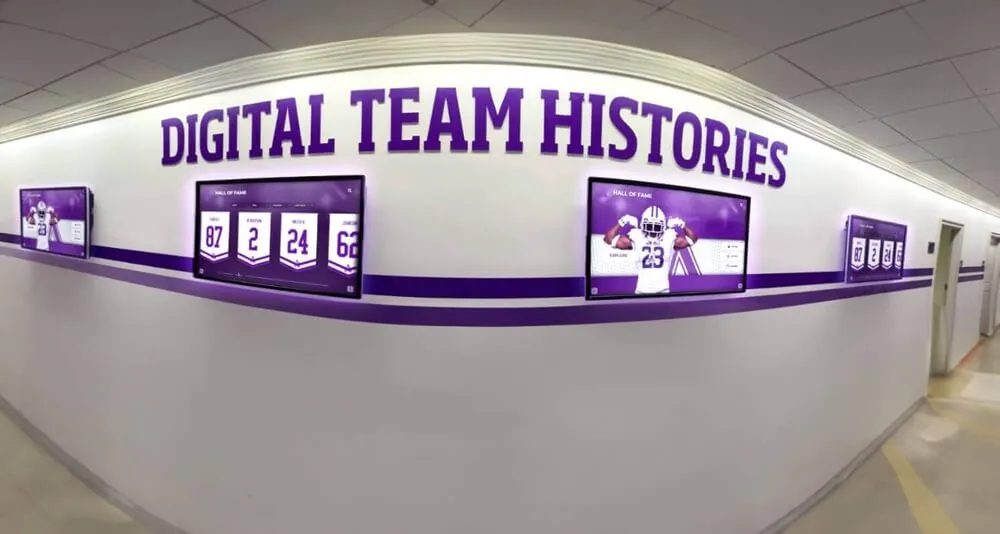
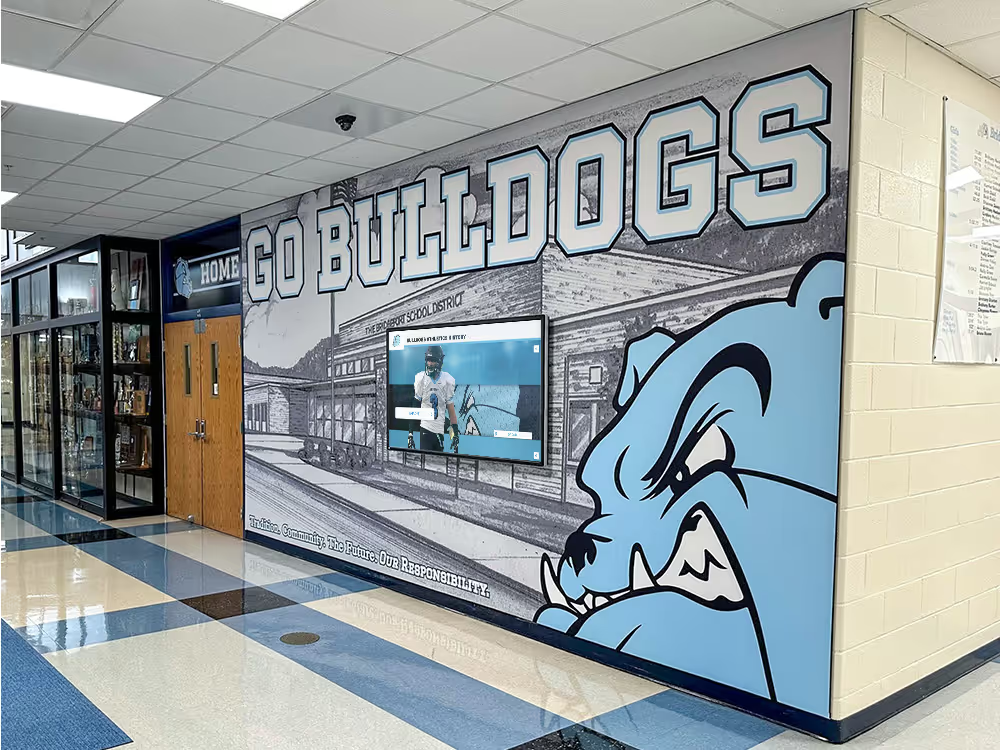
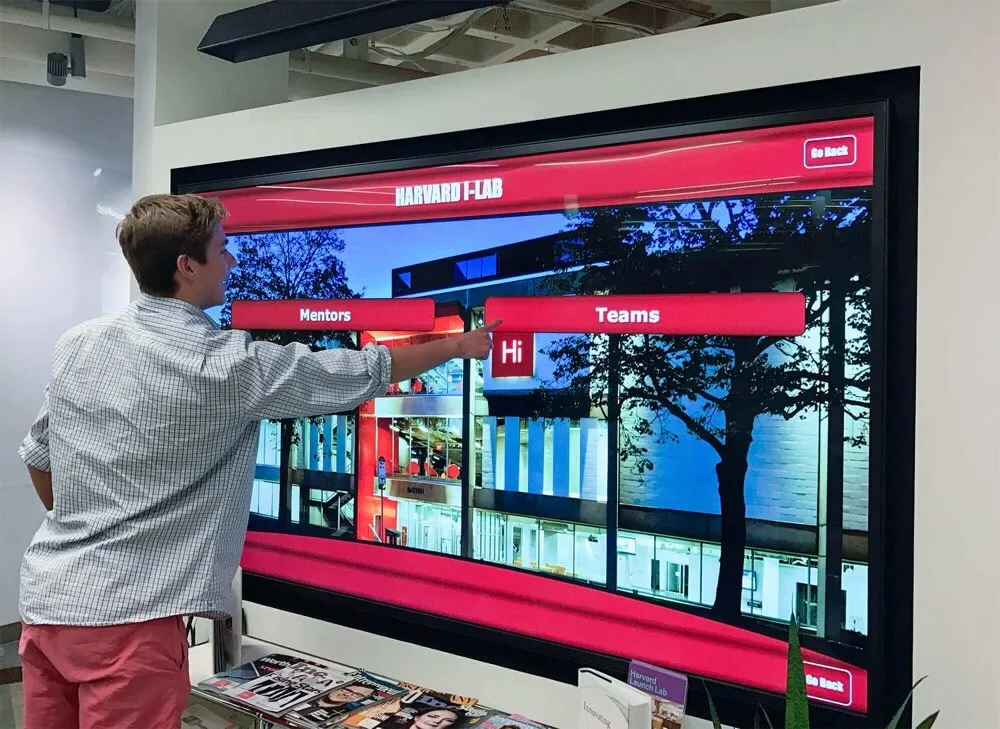
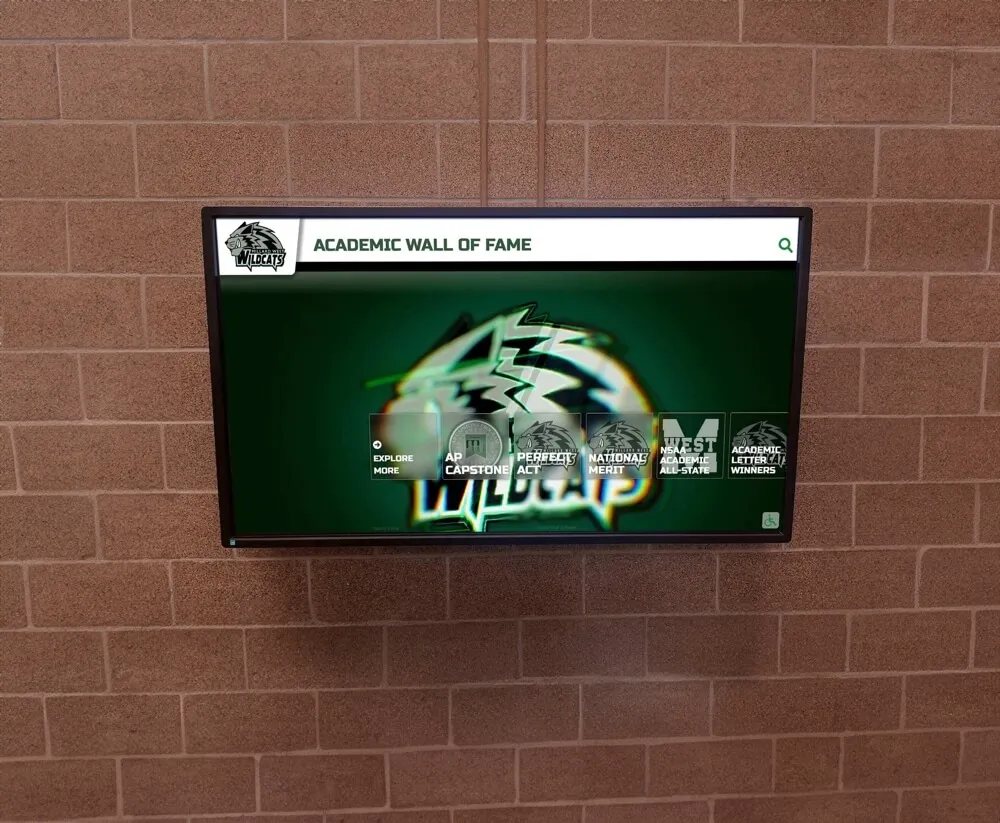
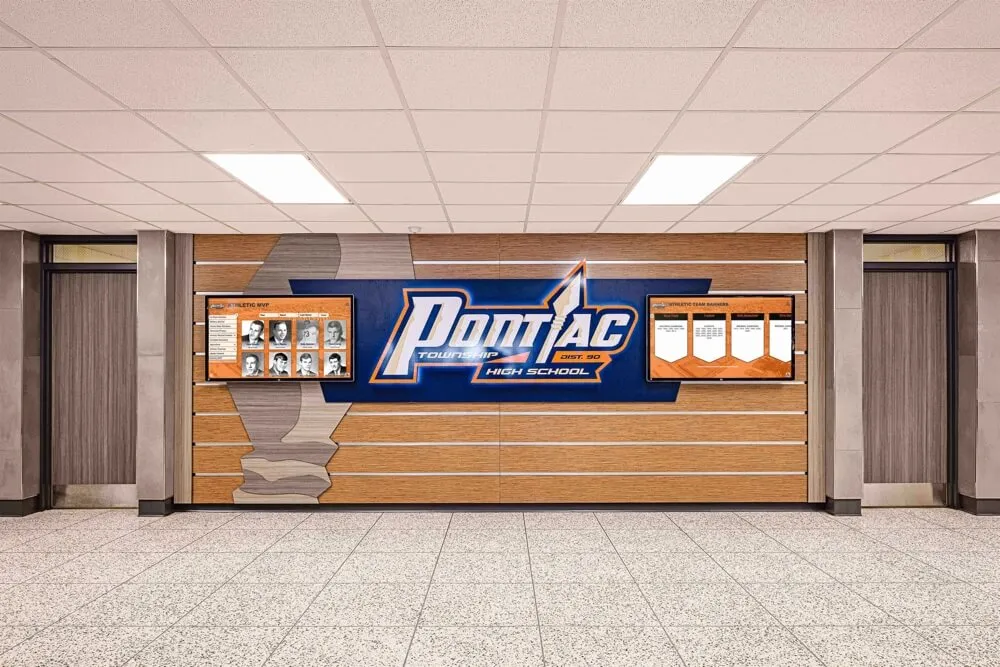
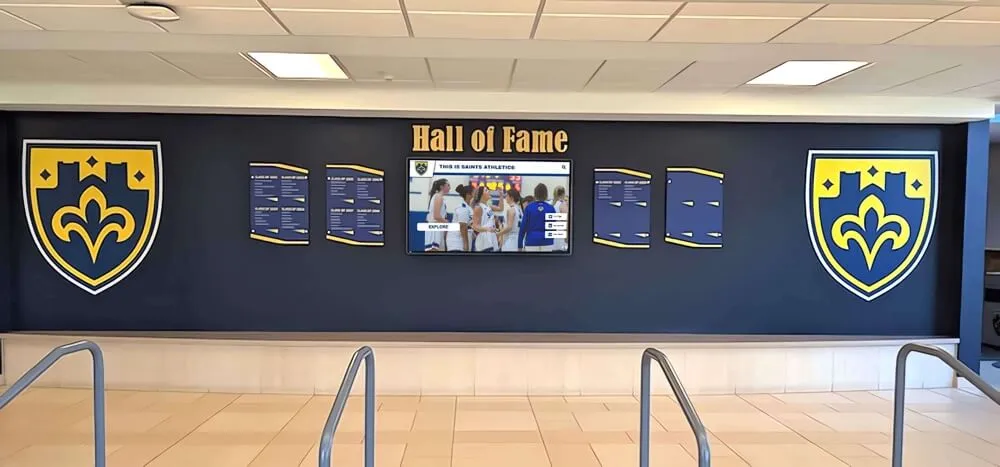
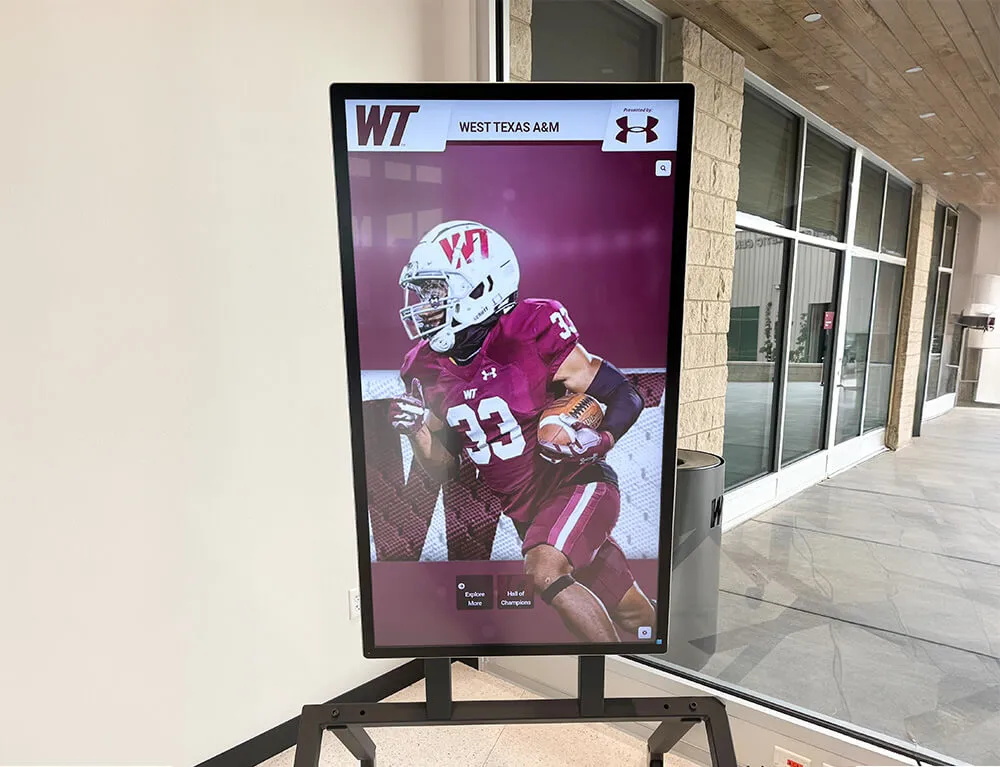
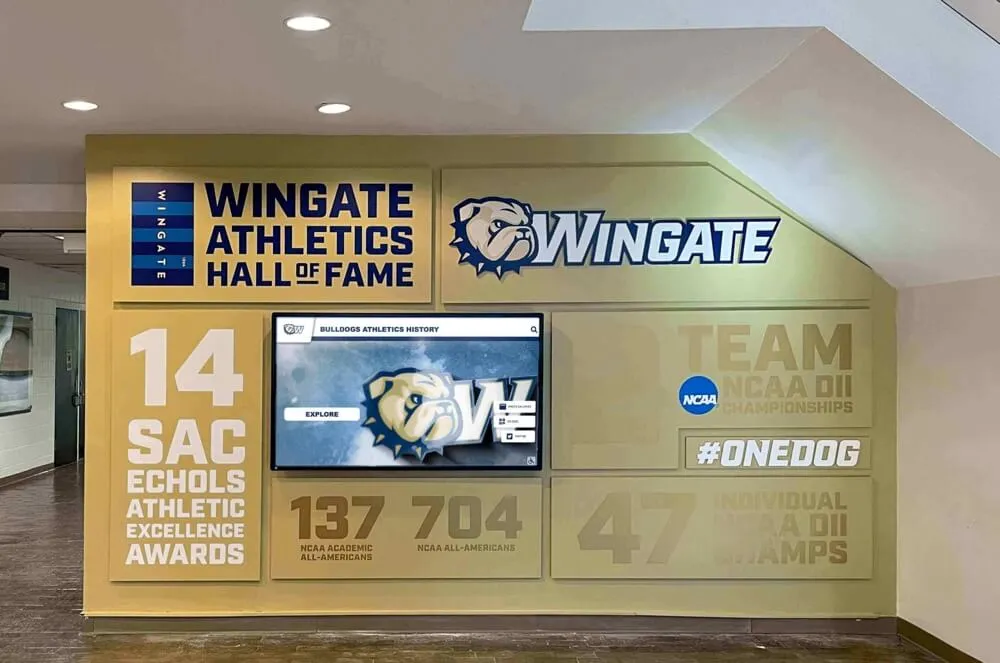
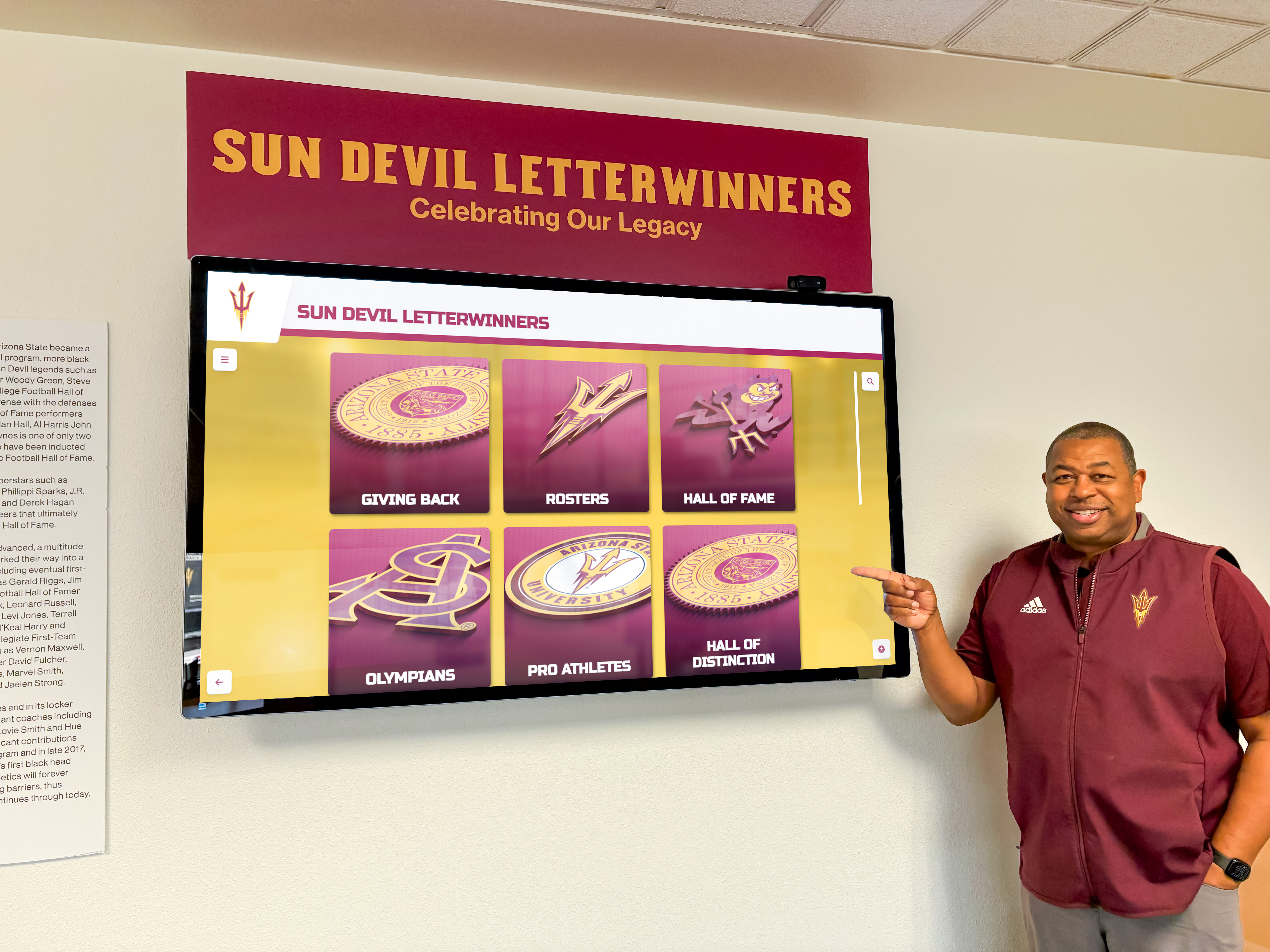
Digital letterwinners displays allow schools to reference and honor every varsity letter recipient without relying solely on physical frames
Types of Varsity Letter Frames: A Practical Comparison
Not every varsity letter frame serves the same purpose. The right choice depends on whether the display is intended for a family home, a school trophy case, an athletic office, or an institutional archive.
Standard Certificate-Style Frames
The simplest varsity letter frame is a certificate-style option sized to hold the letter patch alongside a photograph and a short caption. These frames are inexpensive, easy to source, and straightforward to assemble. Their main limitation is shallow depth: they cannot accommodate dimensional patches, chenille letters, or bulkier medallions without the mounting surface bowing or the glass pressing against the material.
Best for: Individual student-athletes taking a letter home; alumni gifts; low-cost end-of-season recognition items.
Shadow Box Frames
Shadow box frames add depth—typically 1.5 to 3 inches—allowing schools and families to mount a chenille letter patch, a season photograph, pins, a program, a small trophy, or ribbon awards within the same enclosure. The extra dimension better represents the physical reality of a varsity letter, which is rarely just a flat patch.
Shadow boxes also make better institutional display pieces. A row of shadow boxes in a hallway case, each representing a different sport or season, creates a coherent visual archive while accommodating the variation in patch sizes and accompanying materials.
Best for: Trophy cases, athletic hallways, athletic director offices, alumni display walls.
Custom Multi-Window Mat Frames
Multi-window mats cut openings for a letter patch, a portrait photograph, an action photograph, and a stats card within a single frame. This format presents the letter in full context: the athlete’s identity, their competitive performance, and the season. Many schools use this format for their annual letter-winner recognition event and then retain one copy in the school archive.
Best for: Year-end athletic banquets; formal recognition programs; hall-of-fame nominations.
Trophy Cases and Built-In Display Cases
Larger built-in cases are not framing in the individual sense, but they function as the institutional equivalent—a defined, visible home for varsity letters, trophies, and associated records. Cases provide controlled light levels, dust protection, and consistent presentation across multiple sports and seasons.
The limitation is capacity: a physical case can hold only what fits. As decades accumulate, the oldest materials migrate to storage, become inaccessible, and eventually deteriorate.
| Display Type | Ideal Setting | Depth | Capacity Limit | Long-Term Durability |
|---|---|---|---|---|
| Certificate frame | Home / personal | Flat | Single letter | Moderate |
| Shadow box | Hallway / office | 1.5–3 in | Letter + 3–5 items | Good |
| Multi-window mat | Archive / banquet | Flat to 0.5 in | 2–4 items | Good |
| Trophy / built-in case | Athletic lobby | Variable | Season display | Limited by space |
| Digital archive display | Any hallway | None | Unlimited | Permanent |
What to Include in a Varsity Letter Frame
The letter patch is the anchor, but what surrounds it shapes the story. The most useful varsity letter frames—whether for families or for institutional archives—include:
The letter or patch itself. Chenille letters vary significantly by school and era. Document the sport, year awarded, and any additional service bars or pins attached before mounting, because these details become difficult to read once framed.
A portrait photograph. A head-and-shoulders athletic portrait anchors the letter to a specific athlete. If a formal portrait was not taken, a team photograph with the athlete identified on the mat is a practical alternative.
An action or game photograph. Action photography situates the achievement in competitive context. When selecting for an institutional archive, prefer photographs that show the athlete in a game or match setting rather than a posed practice photograph.
Season stats or a short career summary. A 3×5 card printed with the athlete’s season statistics, position, and graduation year takes up little space and becomes invaluable once the athlete is no longer remembered by current staff.
Sport, season, and team context. The team’s season record, conference placement, or any playoff results belong in the frame or on an accompanying label. Individual recognition is more meaningful when it is situated within team performance.
For an institutional perspective on why these details belong in a permanent record, see varsity letter requirements, how to earn your letter in high school sports—which explains the criteria athletes must meet, reinforcing why each letter represents a specific and verifiable achievement.
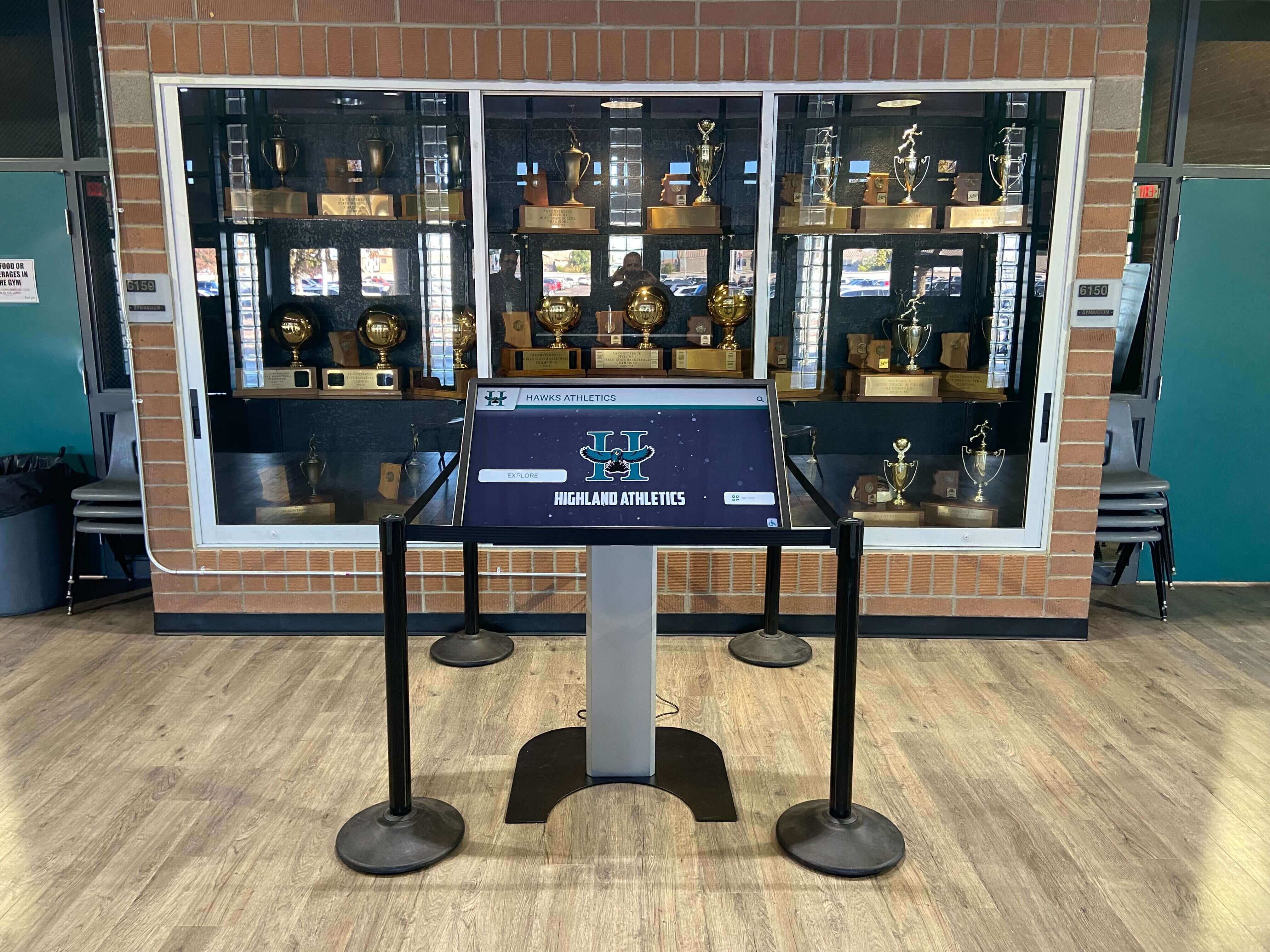
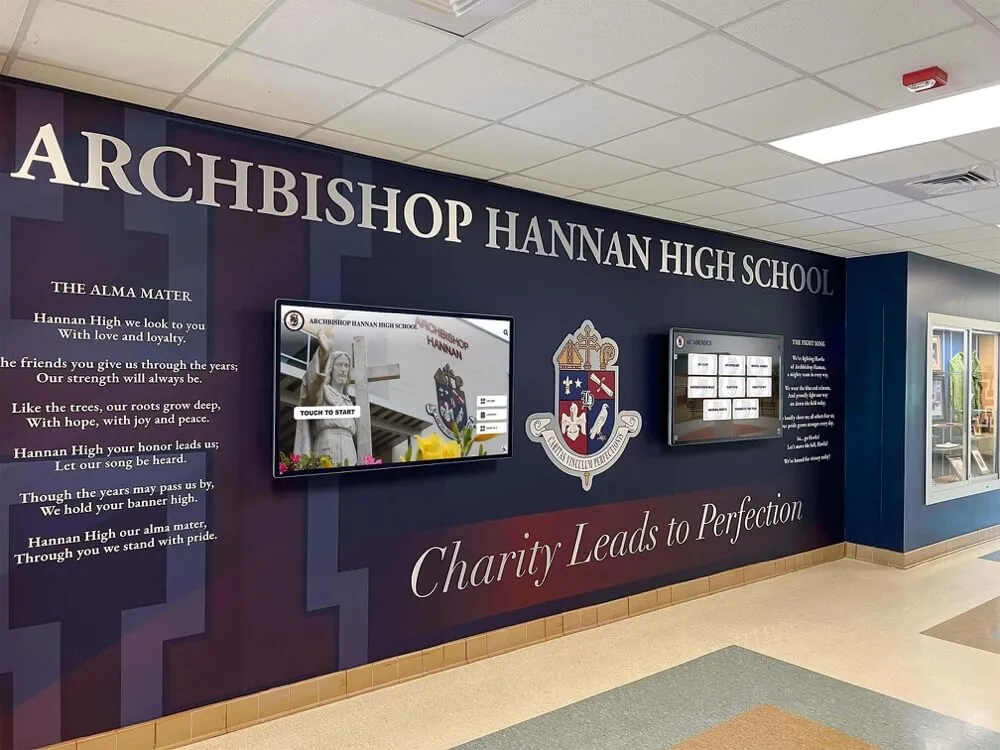
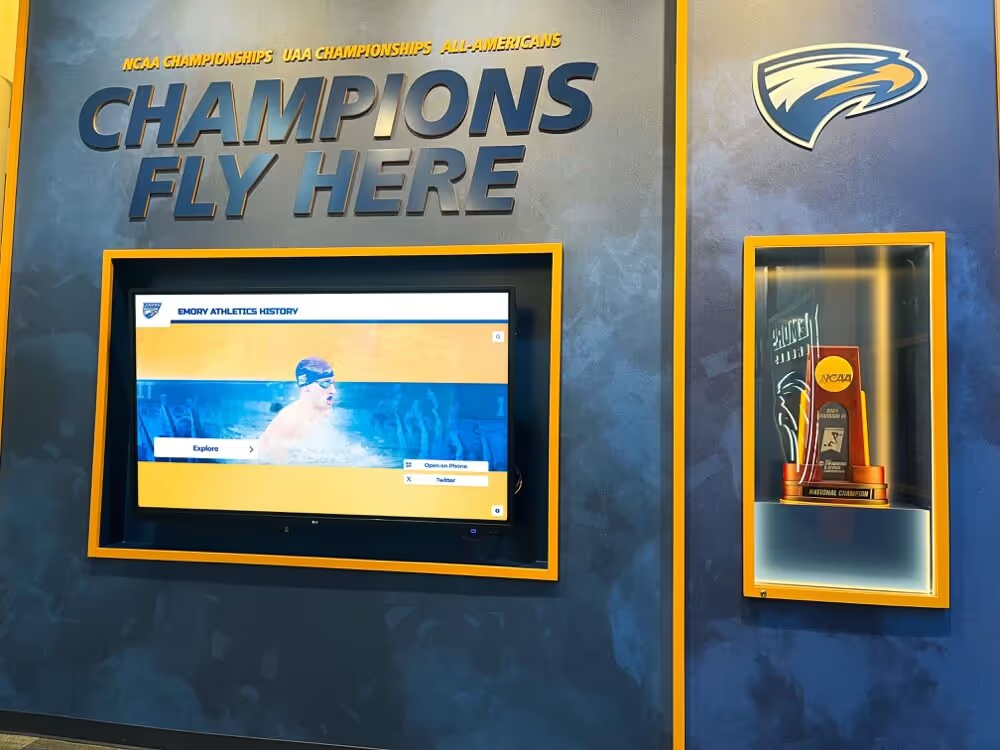
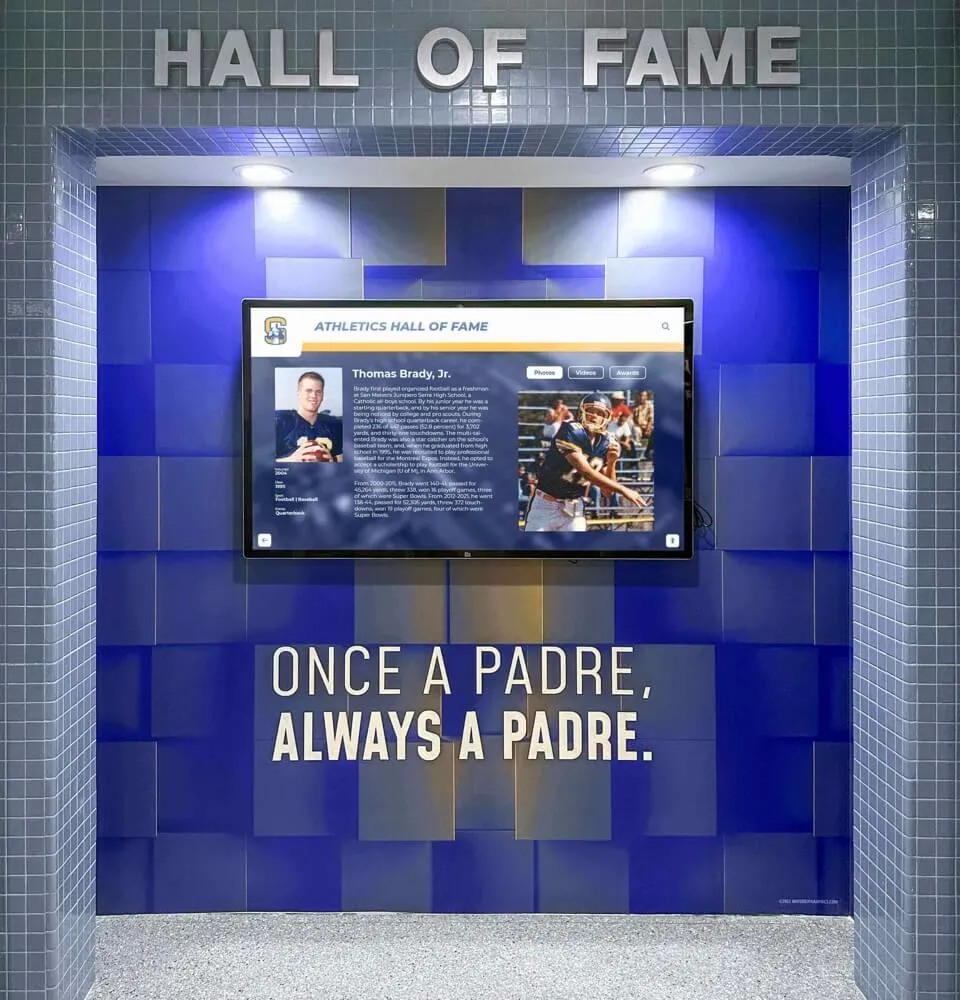
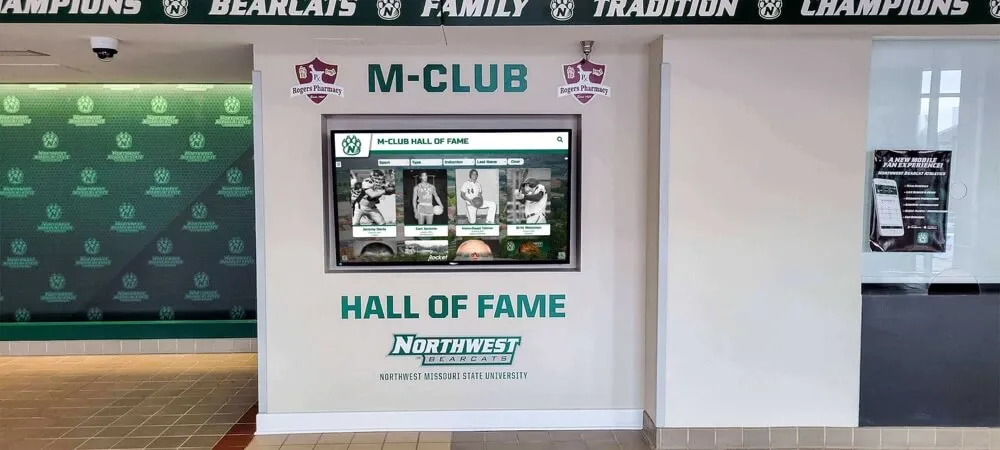
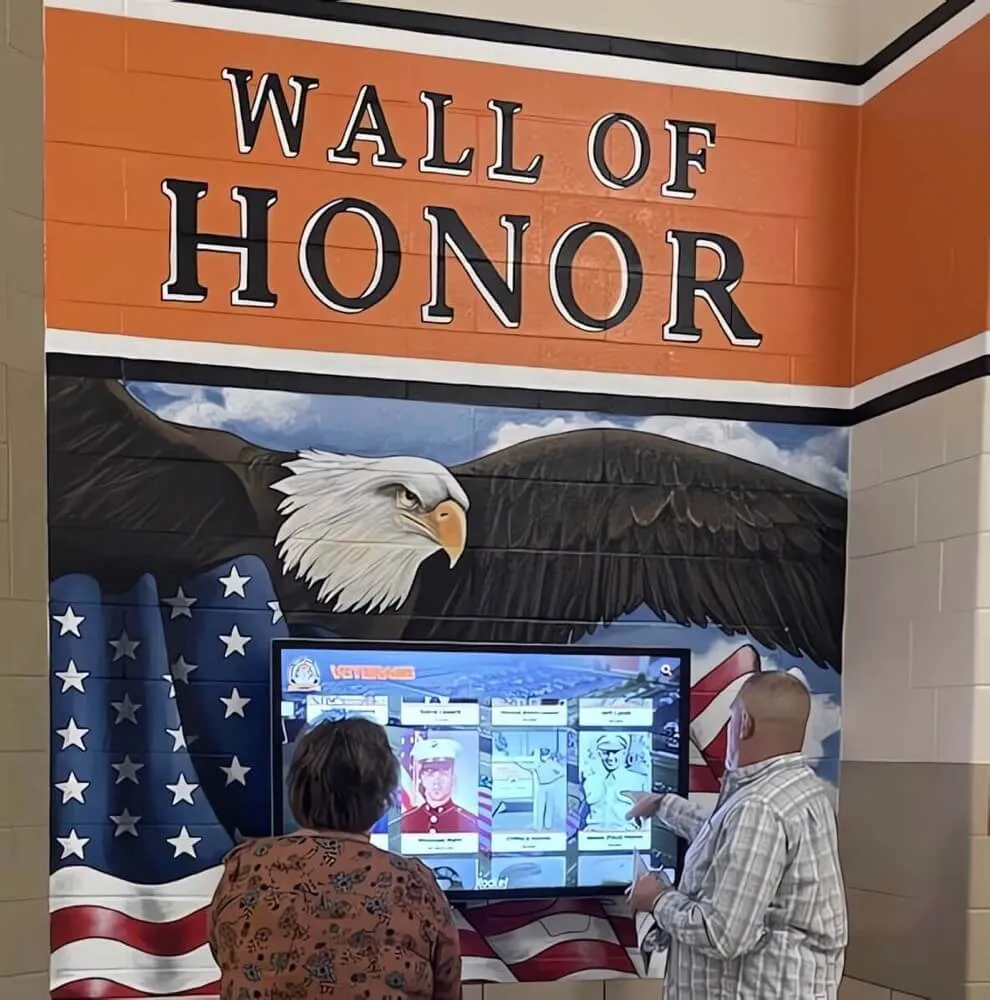
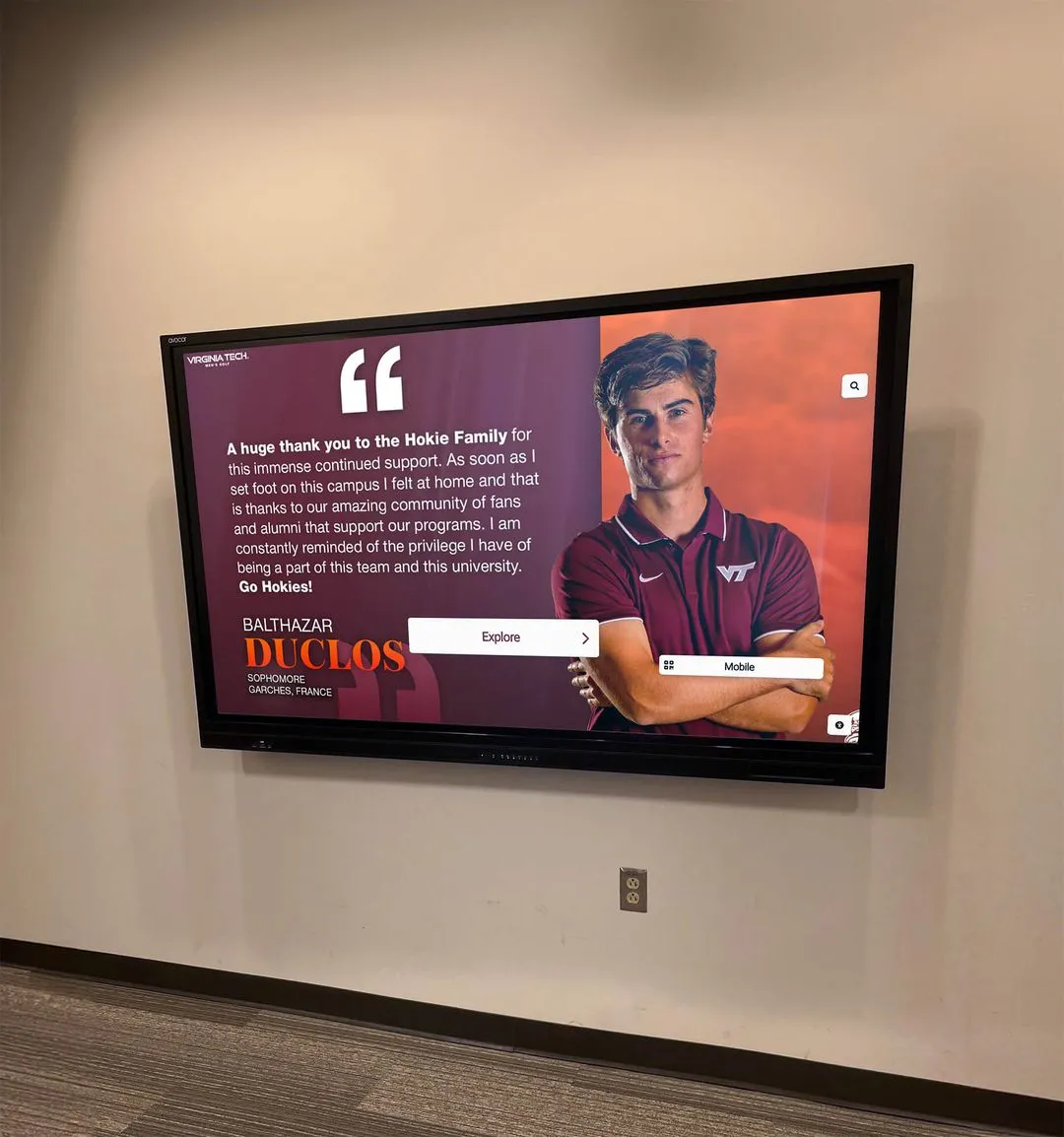
Integrating digital displays alongside physical trophy cases allows schools to extend recognition capacity without replacing existing installations
Digitizing Varsity Letters for School Archives
Physical framing preserves a varsity letter in one location for one audience. Digitization makes the same record accessible to anyone, from any device, at any time—including alumni, advancement staff, journalists, and future students who were not yet born when the letter was earned.
What to Capture When Digitizing
A complete digital record of a varsity letter award includes:
- Front scan of the letter patch: minimum 600 DPI for a patch, higher for any text or embroidery detail
- Reverse scan or photograph: many patches carry manufacturer markings, year codes, or handwritten notations added by the athlete or their family
- Full frame photograph: document the entire framed assembly, not just the patch, to preserve context
- Metadata record: athlete’s full name, sport, season year, graduation year, position, and any awards notations
The metadata record is often omitted or treated as secondary, but it is the most durable part of the digital archive. Photographs degrade, file formats change, and storage media fails. A structured metadata record attached to multiple formats (JPEG, TIFF, and a plain-text sidecar file) survives format obsolescence far better than an image alone.
Scanning Versus Photography
Flatbed scanning at 600 DPI produces the highest-quality capture for flat letter patches. For dimensional shadow box displays already mounted and framed, high-resolution photography under controlled lighting is more practical than disassembly. Use a copy stand or a surface with consistent, diffused lighting and photograph at 90 degrees to avoid keystoning.
For schools digitizing a backlog of letter records from multiple decades, batching by era makes indexing more efficient: process one decade at a time, assign a consistent naming convention (e.g., SPORT_YEAR_LASTNAME_FIRSTNAME.tif), and verify completeness before moving to the next cohort.
Integrating Digital Records with Existing Systems
Digitized letter records belong in your school’s archive management system, not only in a folder on a shared drive. If your school uses an athletic records database, a hall-of-fame nomination workflow, or a recognition platform, the digitized letter and its metadata should be linked to the athlete’s full record so that future research, award nominations, and communications staff can access the complete picture without reconstructing it.
For a broader look at how digitized athletic records connect to recognition and hall-of-fame workflows, the overview of high school varsity letters, how to earn them, and what they mean provides useful institutional context.
Preserving Varsity Letters Beyond the Frame
The frame is where a varsity letter lives. The archive is where it survives.
Physical Preservation Standards
If the letter patch or framed assembly will be returned to the athlete or stored in a school collection, standard preservation principles apply. Store in a climate-controlled environment, away from direct sunlight. Acid-free backing boards prevent chemical transfer from cardboard. UV-filtering glazing (glass or acrylic) reduces fading from ambient light.
Chenille patches are more durable than photographs over the long term, but dye-based photographs placed directly against standard backing board will yellow and transfer acid within a decade. Interleave photographs with acid-free tissue if multiple items share a storage sleeve.
Digital Preservation Standards
For institutional records, plan for format migration from the outset. TIFF files at 600 DPI are the current archival standard for still images; JPEG copies at 72–96 DPI are appropriate for web display and search interfaces. Store master files on a minimum of two geographically separate storage locations. Cloud-based archive platforms with automatic versioning satisfy this requirement for most school budgets.
Building a Searchable Letter-Winner Registry
The most functional long-term outcome of a digitization effort is a searchable registry of every varsity letter recipient in your school’s history. This registry serves multiple audiences:
- Alumni relations: identify letter-winners for reunion events, milestone anniversaries, and hall-of-fame nominations
- Advancement staff: verify athletic history for donor research and stewardship
- Communications staff: pull accurate athlete bios and career highlights for feature stories
- Athletic directors: confirm letter-award records for compliance purposes and historical comparisons
A registry built on structured data—not scanned PDFs—can be queried, filtered, and exported. This distinction matters enormously when you are trying to identify, for example, every three-sport letter winner from a specific decade, or every athlete from a particular sport who later went on to compete at the collegiate level.
For more on how schools design letter-winner recognition programs, varsity letter display ideas and creative ways to showcase athletic achievement covers a range of physical and digital presentation options.
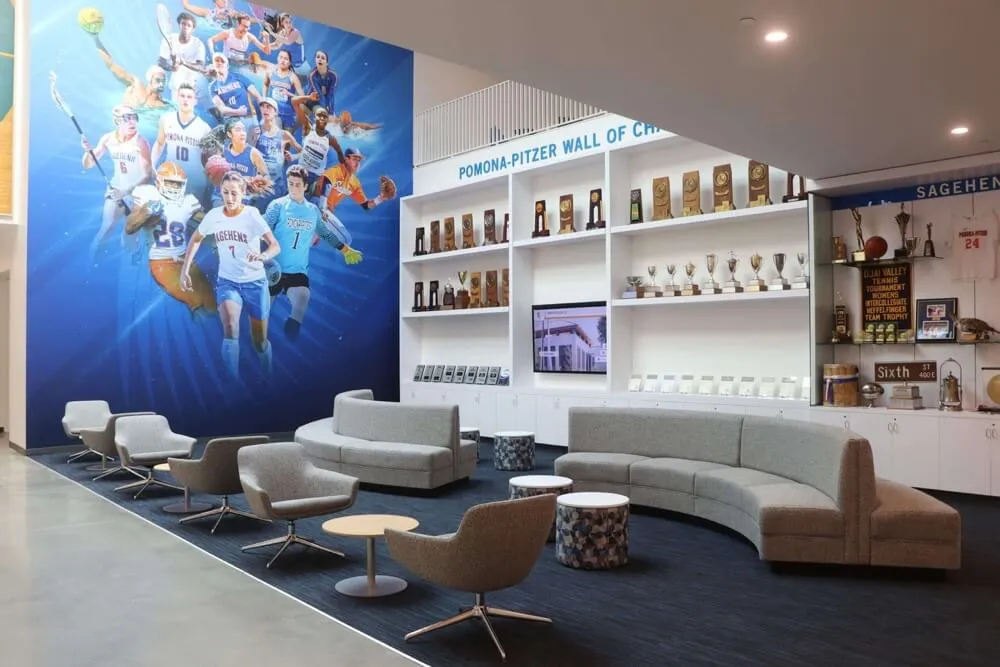
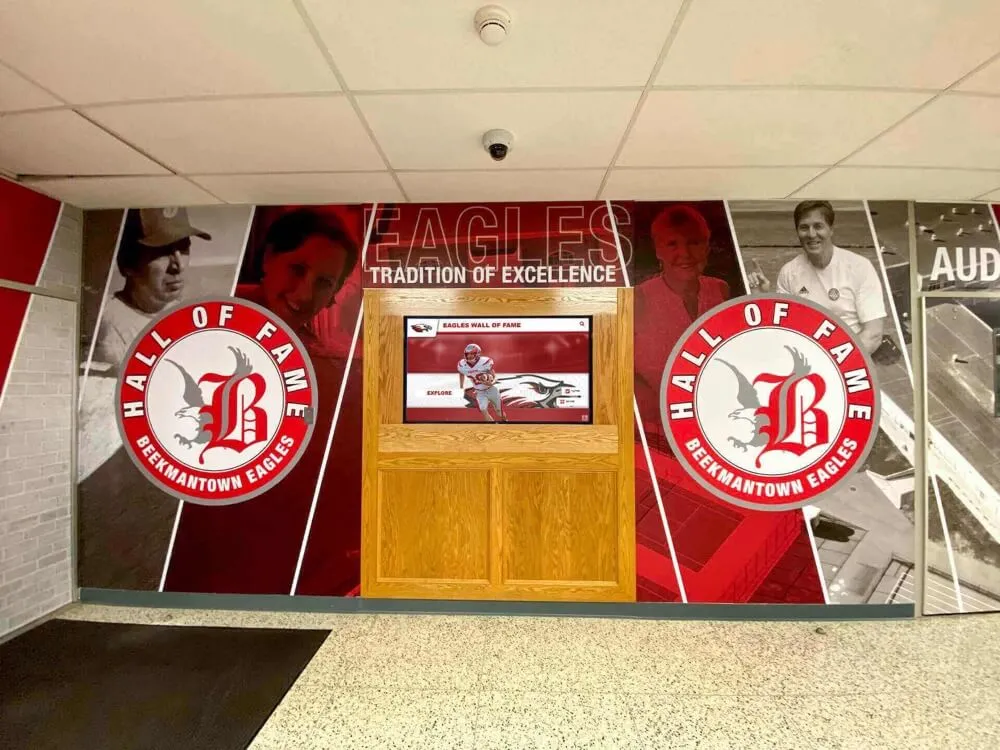
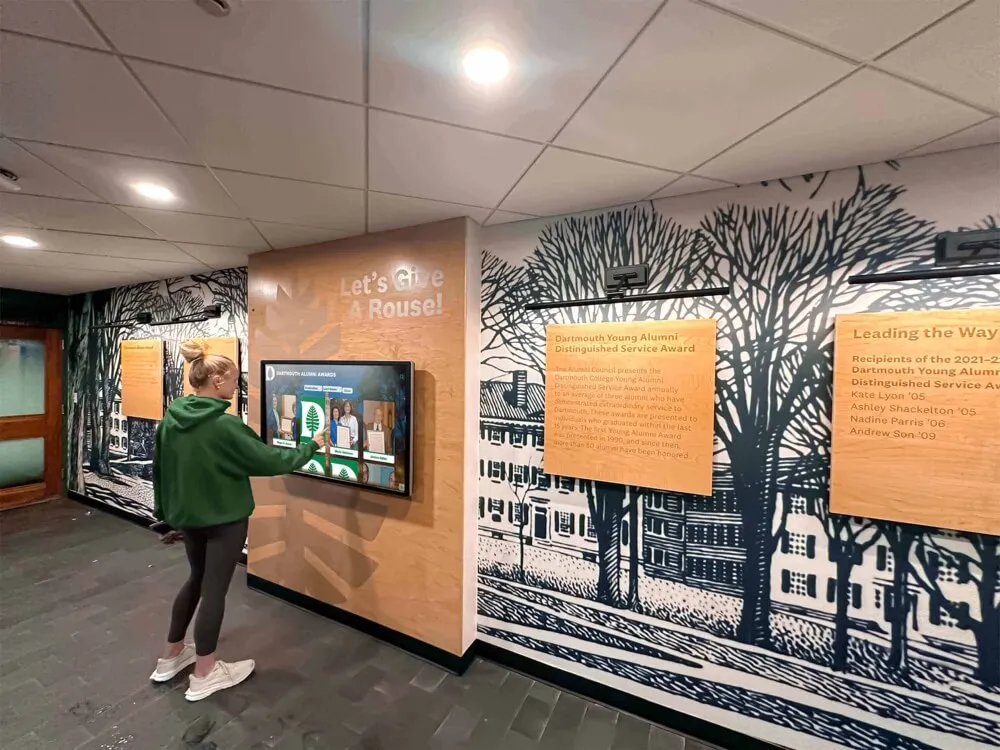
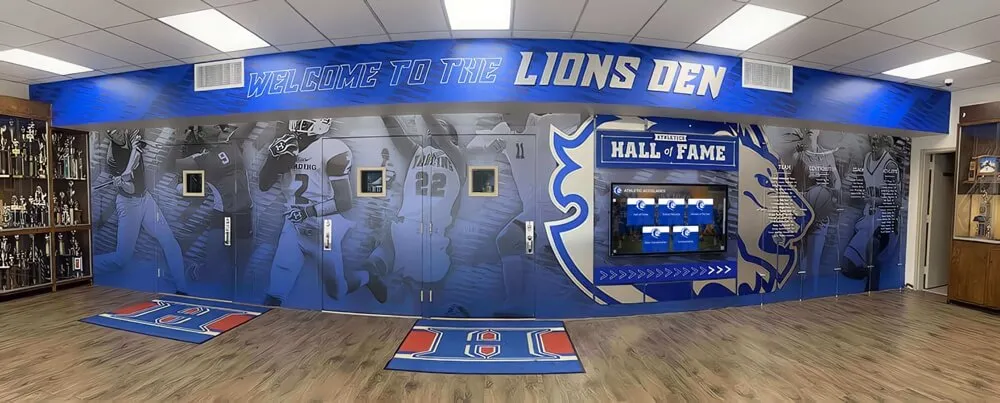
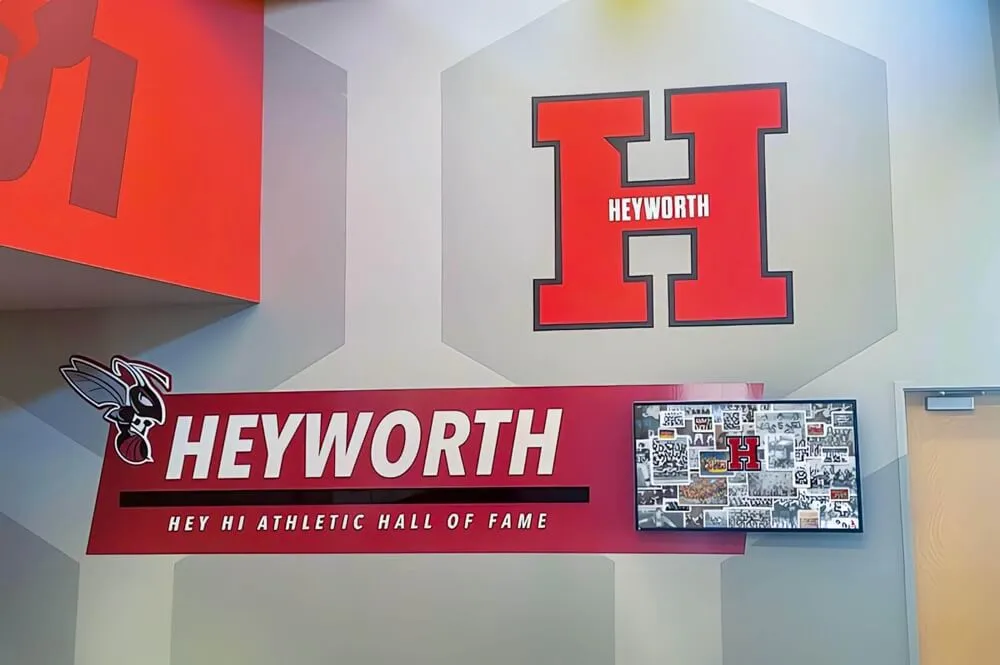
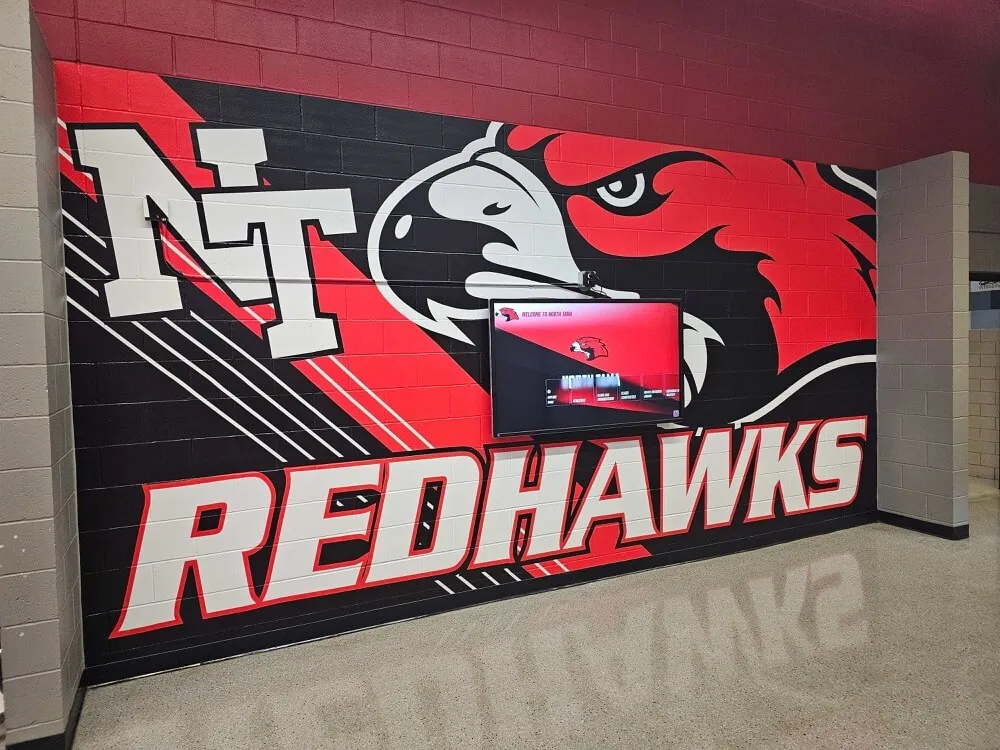
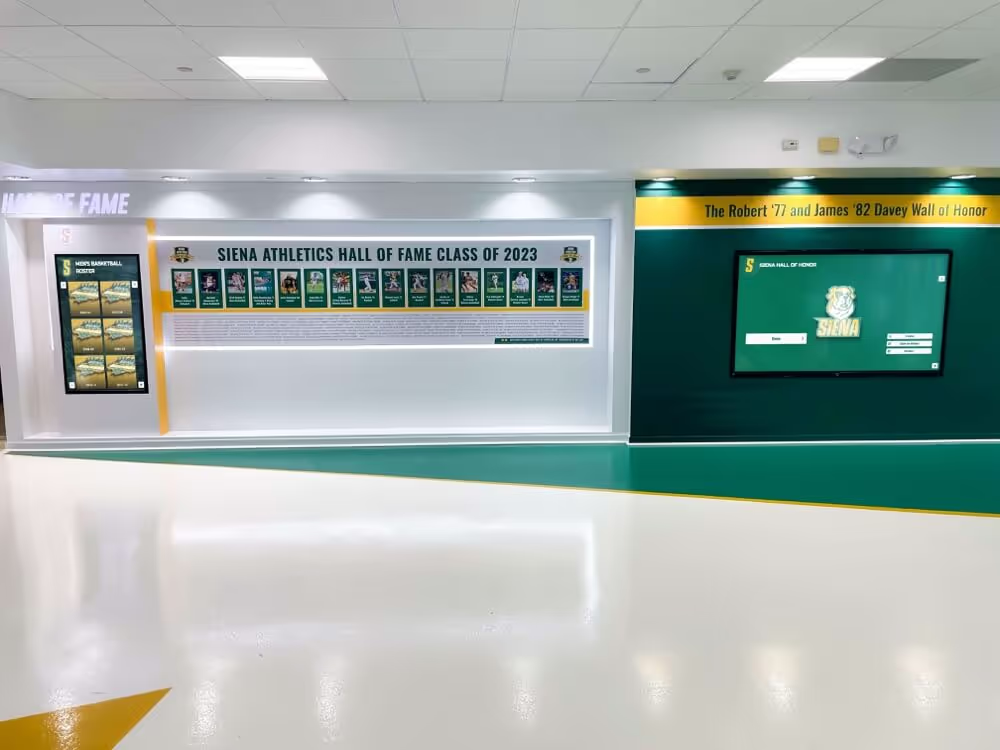
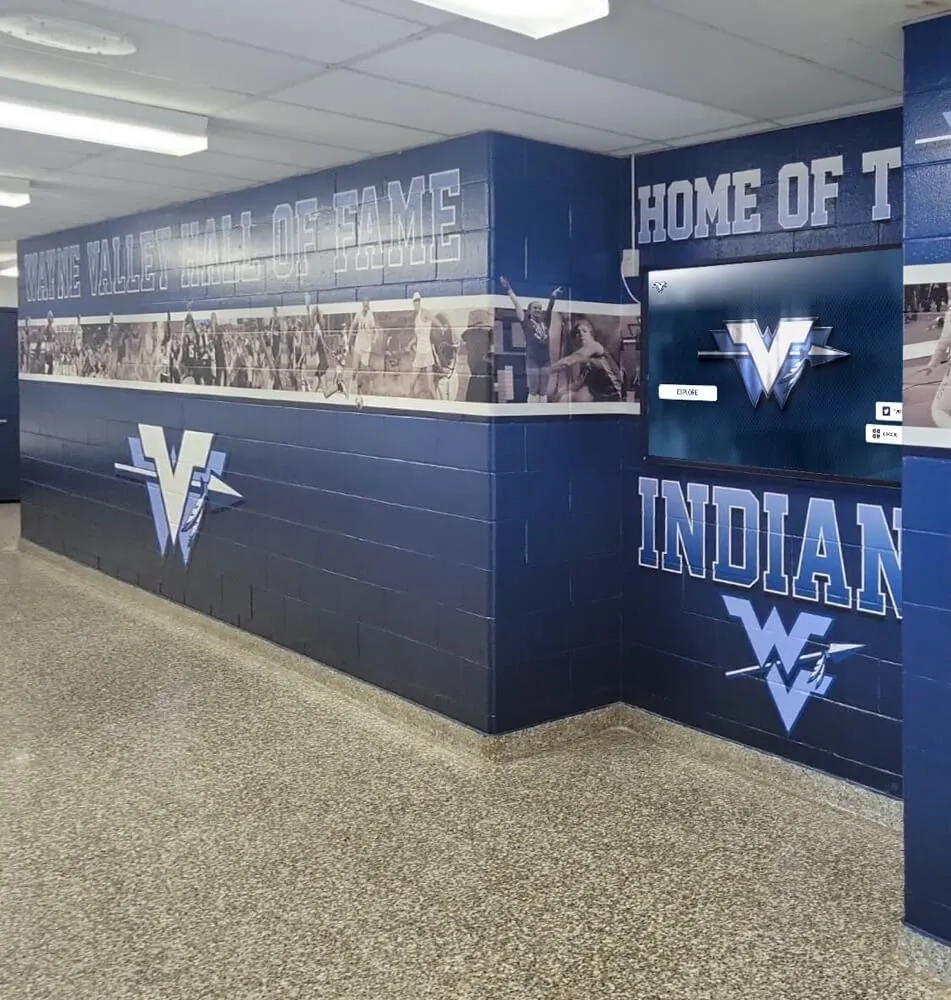
Well-designed athletic recognition spaces combine physical trophies and framed awards with mural art and digital elements that can hold unlimited historical records
From Frame to Digital Display: Connecting Physical and Digital Recognition
The strongest institutional recognition programs treat physical frames and digital archives as complementary layers rather than alternatives. A varsity letter frame displayed in a hallway case reaches visitors who walk past. A digital display in the same hallway, linked to a full letter-winner registry, can surface any athlete from any decade—including those whose frames were never made or whose physical displays were retired when space ran short.
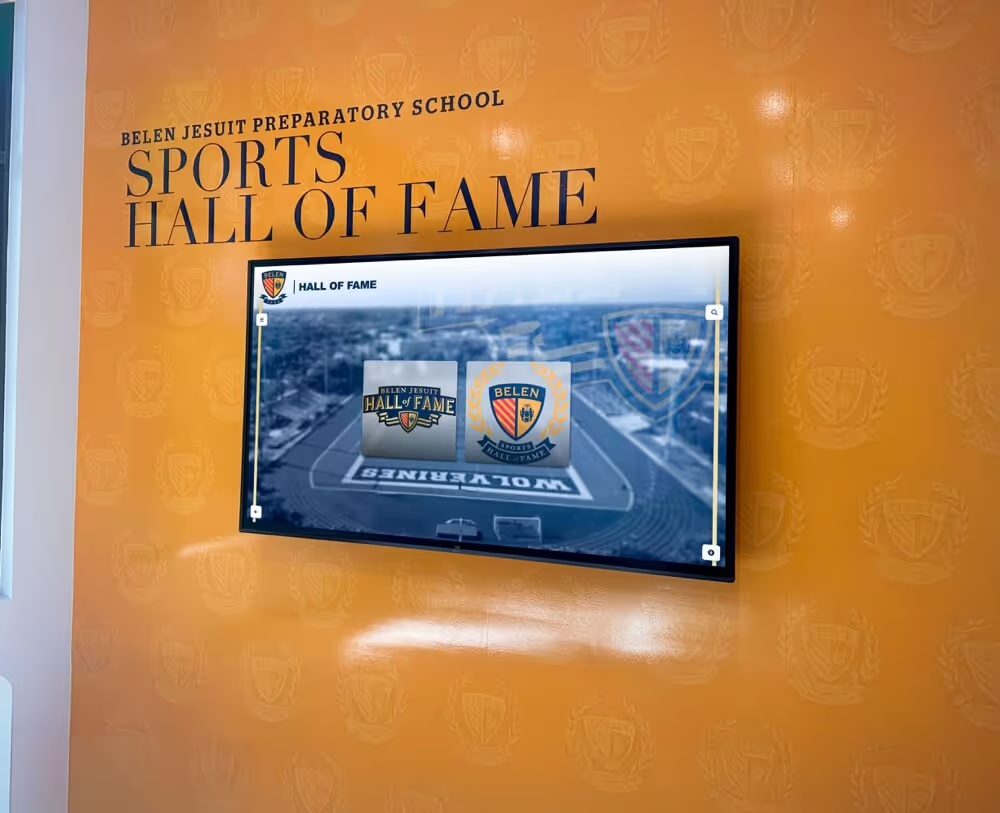
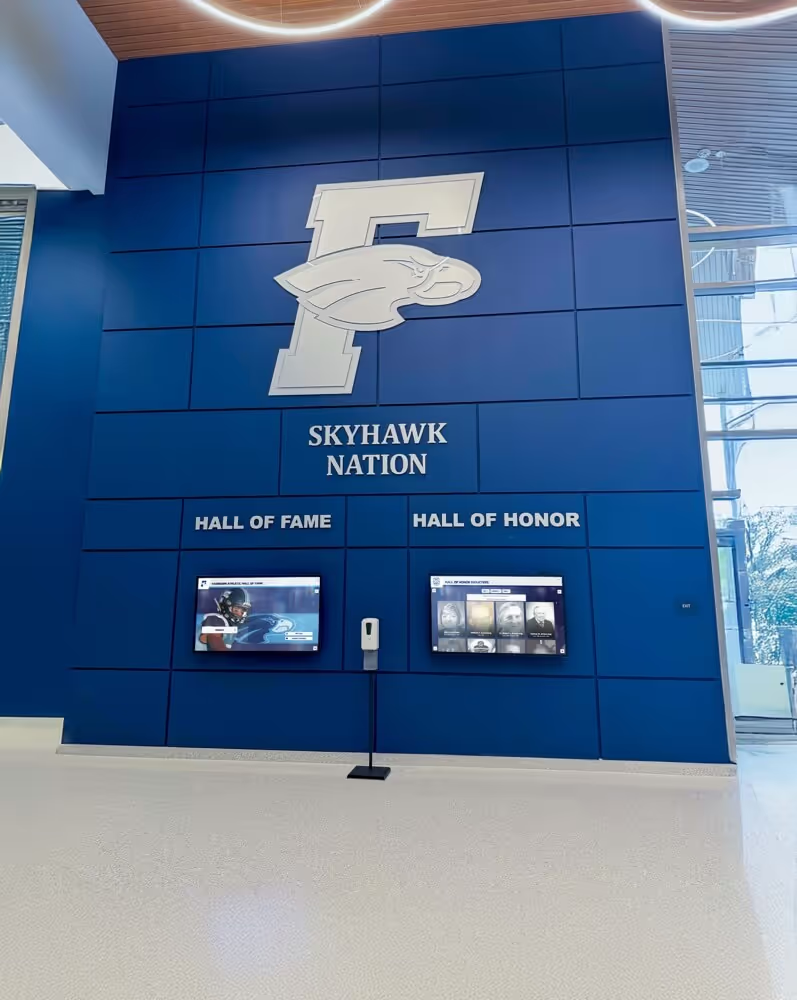
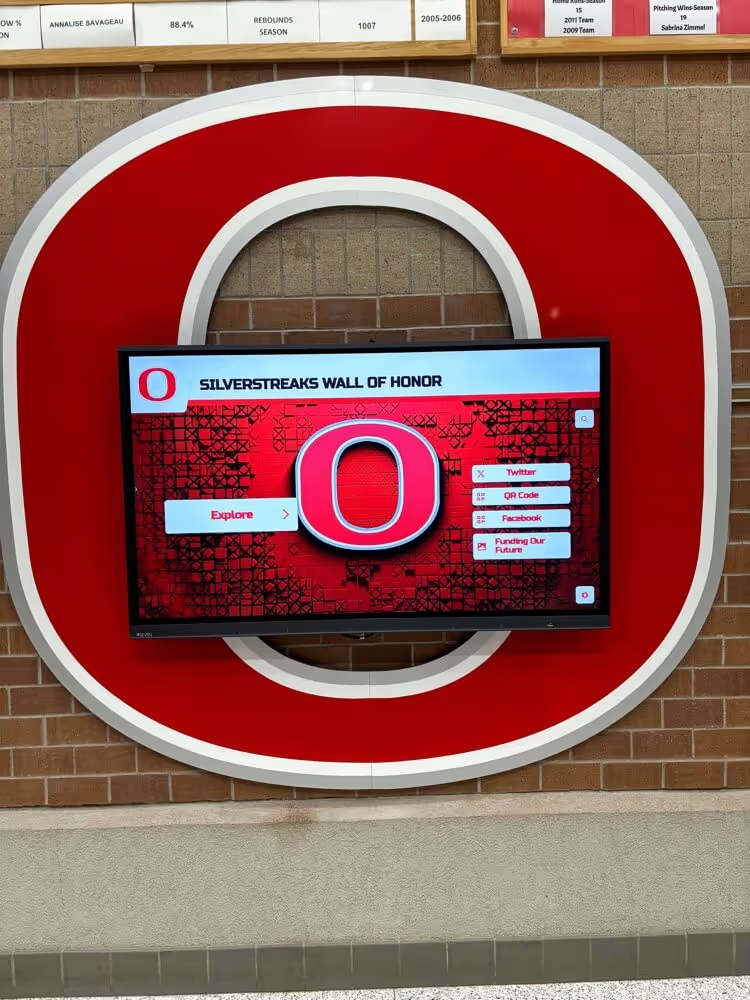
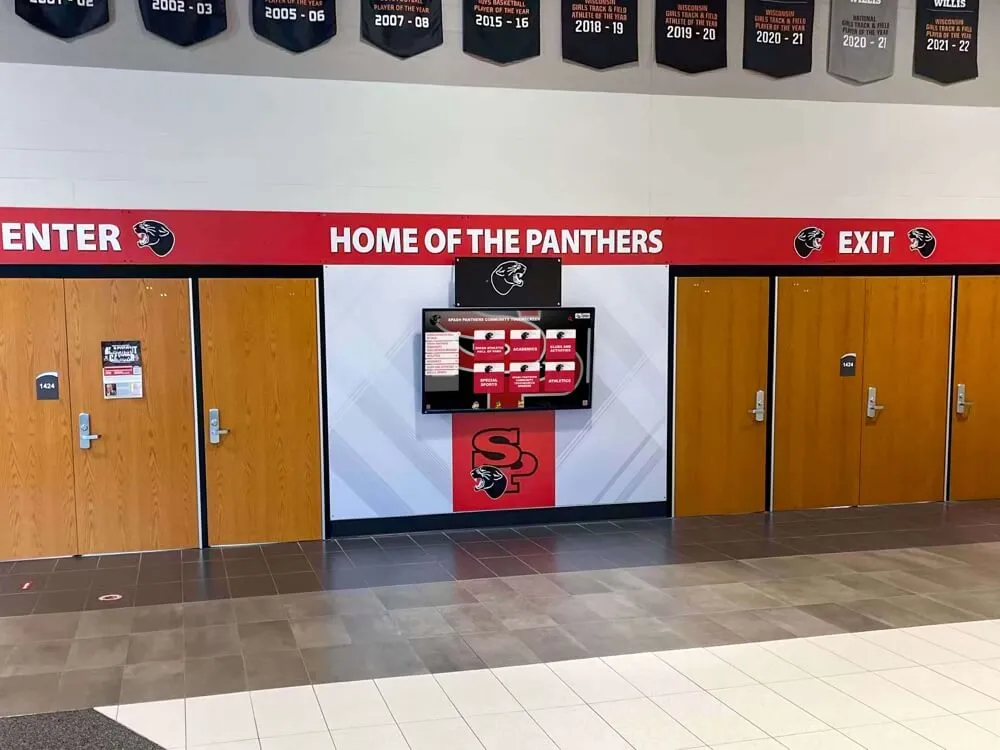
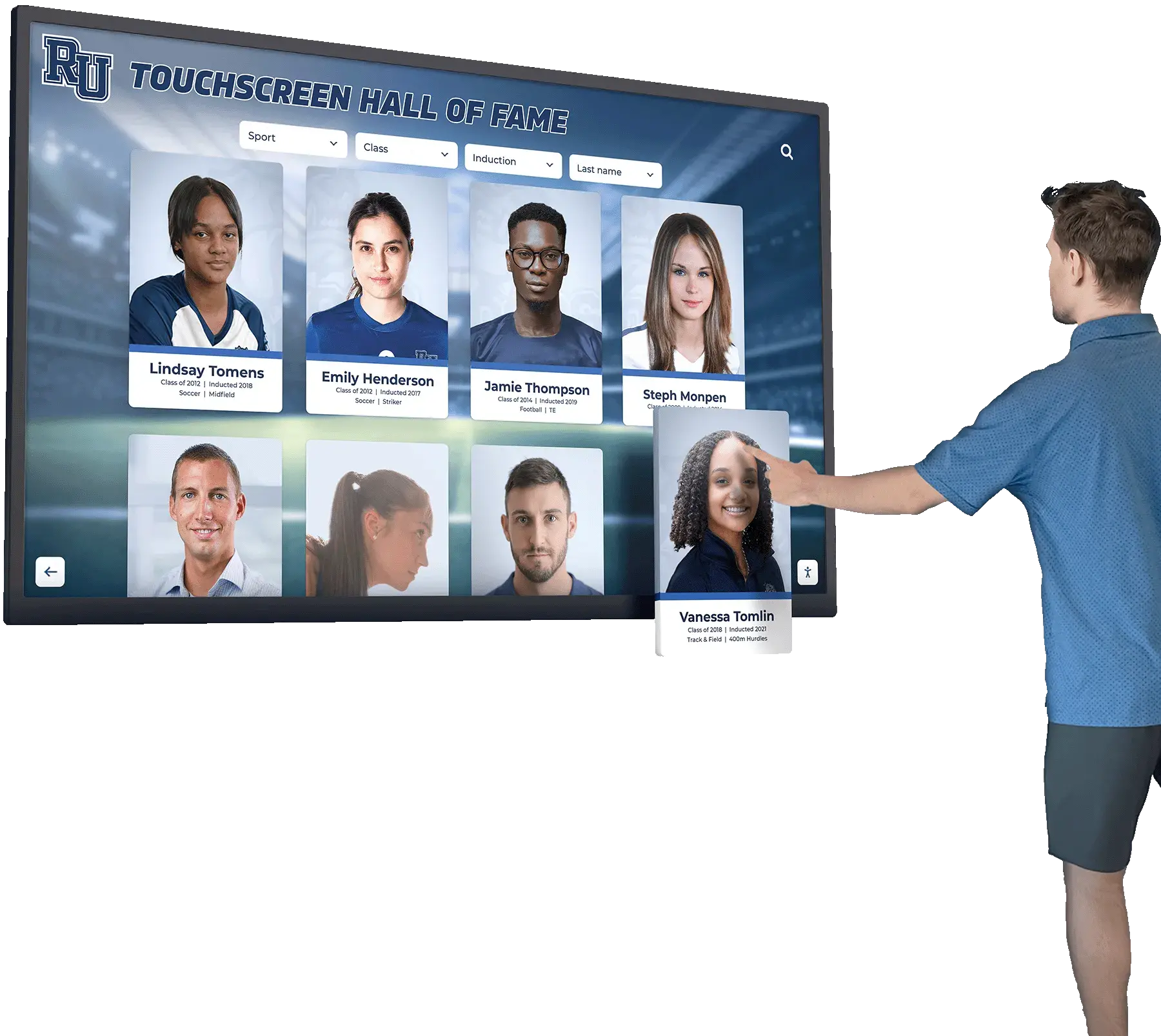
Digital recognition walls and interactive archive displays have become the practical solution for schools whose letter-winner history spans more than a generation. They eliminate the capacity ceiling of physical cases, allow searchable access by sport, year, or athlete name, and can incorporate photographs, video highlights, and career statistics alongside the letter record.
Schools exploring this format often start by understanding the full range of varsity letter display ideas and creative ways to showcase athletic achievement before deciding which elements to retain as physical frames and which to migrate to a digital platform.
For context on the traditions that make these awards meaningful to begin with, the history of varsity letter jackets, their traditions, and what they mean today helps administrators understand what alumni and families expect when they see letter recognition displayed at the school.
The significance of varsity letter patches themselves—types, traditions, and creative display options—is covered in detail in the guide on varsity letter patches, types, traditions, and creative display ideas.
A Practical Checklist for Athletic Directors and Administrators
Use this checklist when evaluating or upgrading your school’s varsity letter recognition and preservation program:
Physical display:
- Frames and shadow boxes selected to fit letter patch dimensions and accompanying materials
- UV-filtering glazing specified to protect photographs
- Acid-free backing materials used for any photographs or documents
- Consistent labeling: athlete name, sport, season year, graduation year
Digitization:
- Scanning or photography workflow documented and assigned
- Naming convention established for all digital files
- Metadata fields defined: name, sport, year, position, stats, notes
- Master files stored in at least two locations
Archive integration:
- Digital records linked to athlete profiles in existing systems
- Registry searchable by sport, year, and athlete name
- Backup and format-migration plan documented
- Access permissions defined for staff roles (AD, advancement, communications)
Long-term recognition:
- Letter-winner registry available for hall-of-fame nomination workflows
- Digital display or interactive archive in place or planned for high-traffic areas
- Process established for adding new letter-winners each season
The requirement side of varsity letter programs—what athletes must do to earn the award—is well documented in the overview of varsity letter requirements and how high school athletes earn this honor. The administrative side—how schools record, frame, and preserve what athletes earned—receives far less attention, which is exactly why archives deteriorate and records go missing.
Frequently Asked Questions
What size frame fits a varsity letter patch? Most chenille varsity letter patches are 4 to 5 inches tall. A standard letter frame accommodates a patch plus a 4×6 or 5×7 photograph within an 8×10 or 11×14 mat opening. Shadow boxes with a 12×12 or 11×14 opening provide enough room for a letter, a photograph, and small accompanying items such as pins or a program card.
Should schools keep a copy of each athlete’s varsity letter for the archive? Yes, when feasible. A duplicate mount—a scanned or photographed record of the patch alongside the athlete’s portrait and season information—stored in a school archive provides an institutional copy independent of what the athlete takes home. Many schools photograph the framed letter at the recognition event before distribution.
How long do varsity letter patches last if properly stored? Chenille wool patches stored in archival-quality conditions (controlled humidity, away from light and acid migration) can last 75 to 100 years or longer. Photographs stored under the same conditions have a shorter window—typically 30 to 70 years for color prints, longer for black-and-white. Digitization extends the effective lifespan indefinitely when copies are maintained.
How does a digital archive display differ from a trophy case? A trophy case holds the physical items a school has accumulated, bounded by physical space. A digital archive display presents searchable records—photographs, statistics, career notes—for every athlete in the school’s history regardless of whether a physical frame exists. The two systems complement rather than replace each other: physical frames honor individuals in a visible, tactile way, while digital archives make the full institutional record accessible and searchable.
Varsity letters represent verified athletic achievement—one of the clearest records any school holds of what its students accomplished in competition. The frames, shadow boxes, and display cases that house them are the first layer of preservation. Digitized records, structured metadata, and searchable archives are the second. Schools that invest in both layers protect not just a patch or a photograph, but the institutional memory those items represent.
Rocket Alumni Solutions provides interactive digital archive platforms that allow schools to display varsity letter records, athlete profiles, and full recognition histories on touchscreen displays in athletic hallways and lobbies—helping every generation of letter-winners find a permanent, accessible home in school history.