How to Create the Perfect Volleyball Practice Plan for Your Team
- Home /
- Touch Archive Blog /
- How to Create the Perfect Volleyball Practice Plan for Your Team
The Easiest Touchscreen Solution




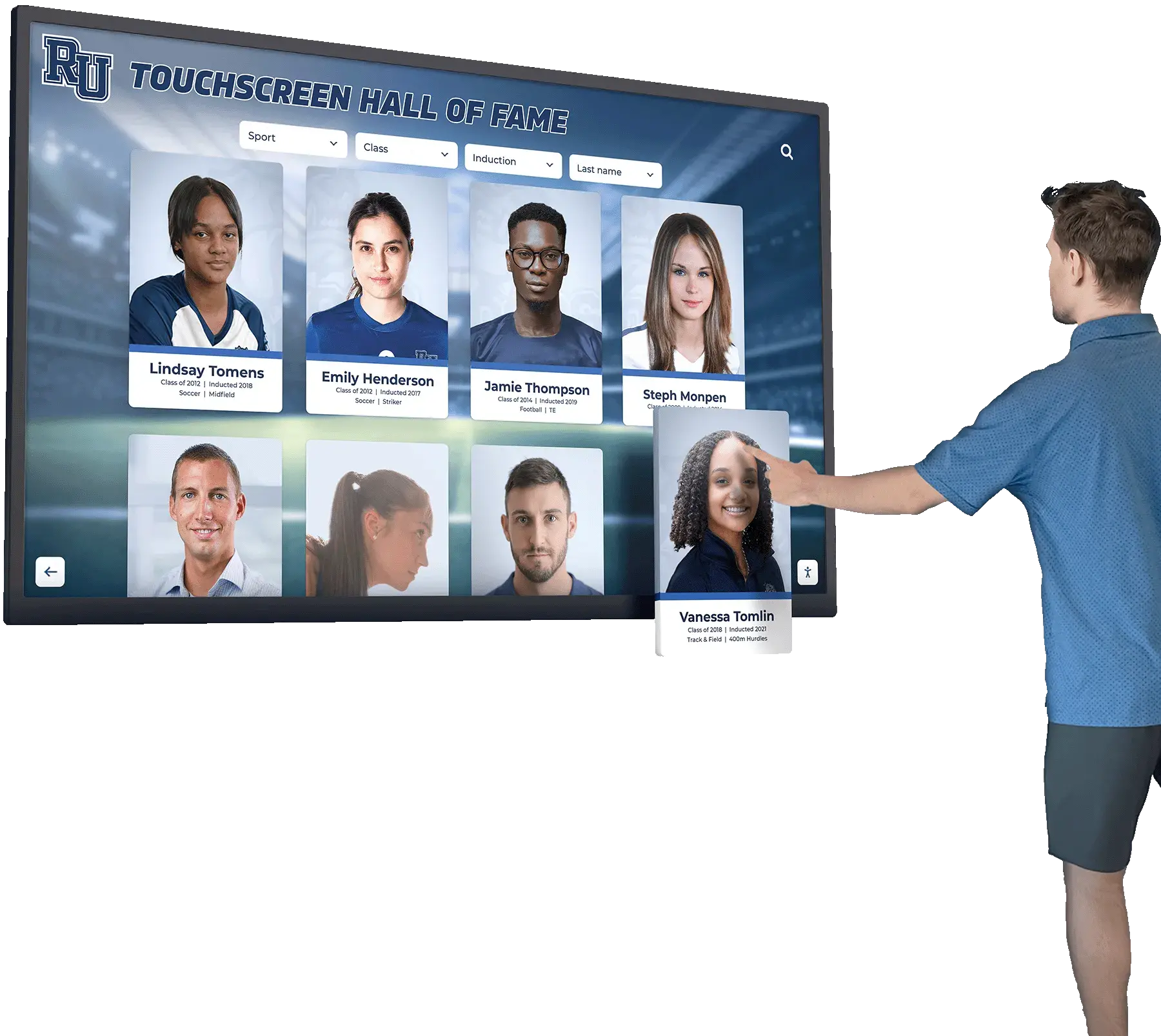
Live Example: Rocket Alumni Solutions Touchscreen Display
Interact with a live example (16:9 scaled 1920x1080 display). All content is automatically responsive to all screen sizes and orientations.
Volleyball coaches face constant pressure to maximize limited practice time while developing technical skills, building team chemistry, implementing tactical systems, and preparing for upcoming opponents. A practice that runs too long risks athlete burnout and diminishing returns. One that lacks structure wastes precious court time on disorganized drills and excessive standing around. Between conditioning demands, skill development needs, tactical preparation, and team building, designing effective volleyball practice plans challenges even experienced coaches.
The difference between successful programs and struggling teams often comes down to practice quality more than raw talent. Championship-caliber teams execute practices with purpose, pacing, and progression—every drill serves specific development goals, transitions minimize downtime, and athletes leave sessions challenged yet energized rather than exhausted and frustrated. These well-designed practices compound over seasons, transforming inexperienced players into confident competitors while building program cultures that attract committed athletes.
This comprehensive guide explores how to create volleyball practice plans that optimize development, maintain engagement, and build winning teams through structured, purposeful training sessions that coaches can implement immediately.
Effective volleyball practice planning requires balancing competing priorities within finite time constraints. Coaches must develop serving consistency, passing accuracy, setting technique, hitting approach, blocking fundamentals, defensive positioning, and team systems—all while maintaining athlete engagement, preventing injury, and preparing for the next opponent on the schedule.

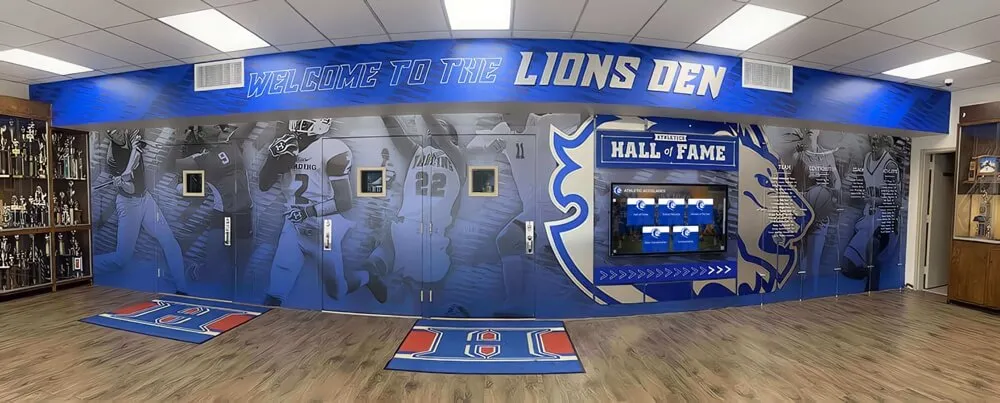
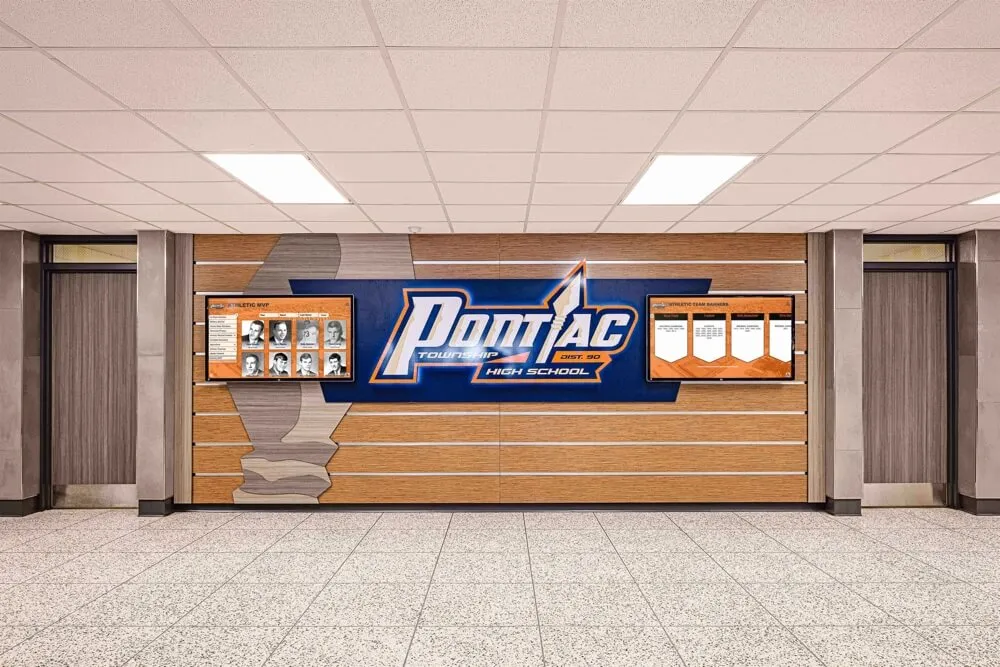
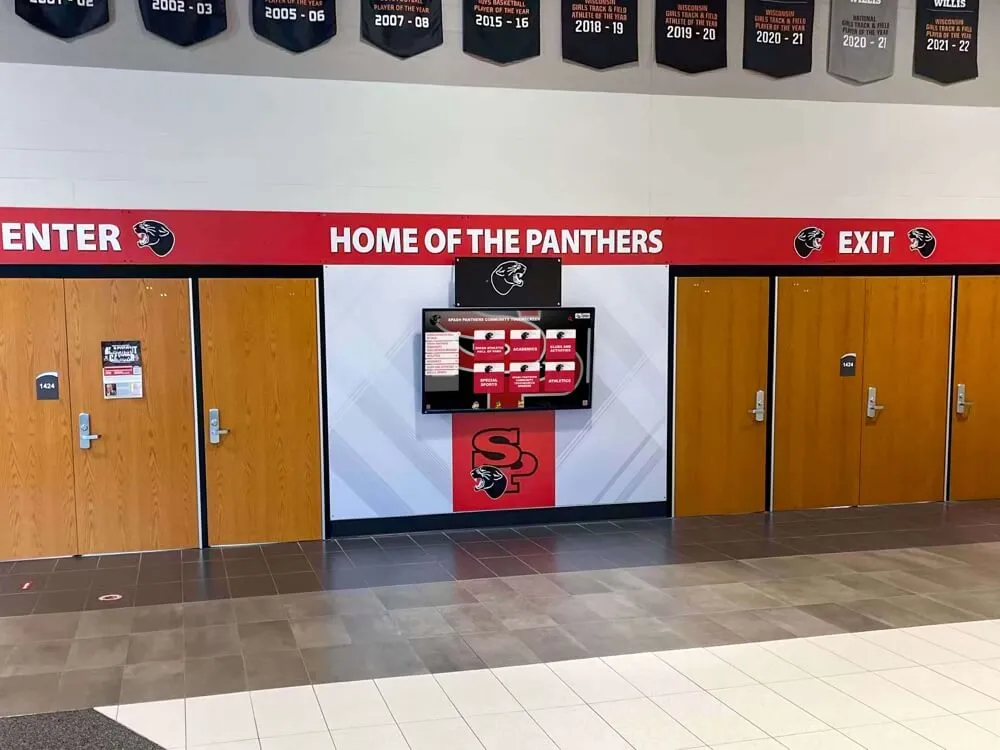
Successful volleyball programs combine structured practice plans with systematic recognition of player development and team achievements
Understanding Volleyball Practice Fundamentals
Before designing specific drills and activities, establish foundational principles that make practices effective and productive.
Core Components of Effective Practice Plans
Every successful volleyball practice incorporates essential elements:
Warm-Up and Movement Preparation
Proper warm-up prevents injury while preparing athletes physically and mentally:
- Dynamic stretching and movement patterns (5-10 minutes)
- Ball control warm-up integrating volleyball-specific movements
- Light cardiovascular activity raising heart rate gradually
- Joint mobility exercises preparing shoulders, knees, and ankles
- Mental preparation transitioning from school day to practice focus
- Team communication and energy building
Starting practices with consistent warm-up routines creates structure while allowing bodies to prepare for intense activity safely.
Skill Development Blocks
Dedicated technical training targeting specific skills:
- Serving technique and consistency development
- Passing fundamentals and platform formation
- Setting footwork, hand position, and accuracy
- Hitting approach, arm swing, and contact point
- Blocking technique, timing, and positioning
- Defensive skills including digging and pursuit
- Position-specific specialization training
Isolating skills allows focused repetition and correction before integrating them into complex game situations.
Tactical Training and Team Systems
Volleyball requires coordinated team execution:
- Offensive system implementation (5-1, 6-2, 4-2 rotations)
- Defensive formation training (perimeter, rotational, hybrid)
- Serve receive patterns and passing responsibilities
- Transition offense and counterattack systems
- Out-of-system play development
- Communication protocols and on-court language
- Situational decision-making training
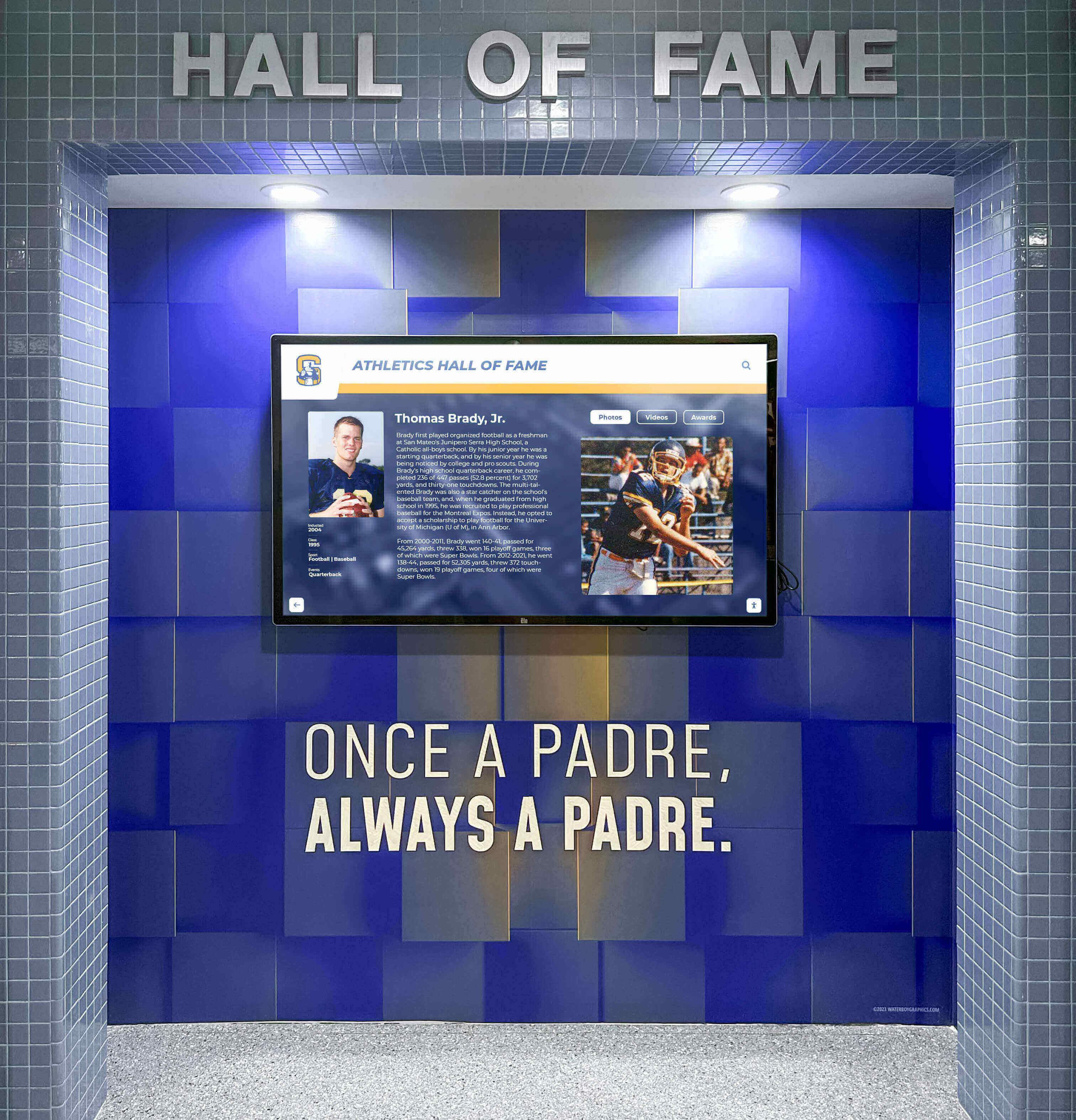
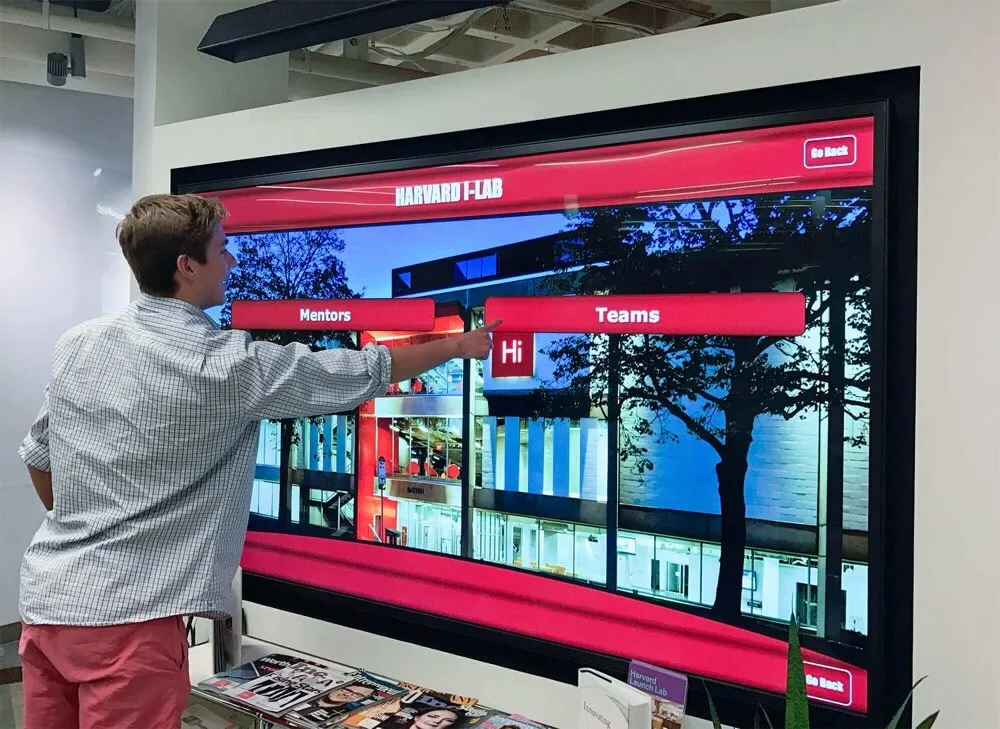
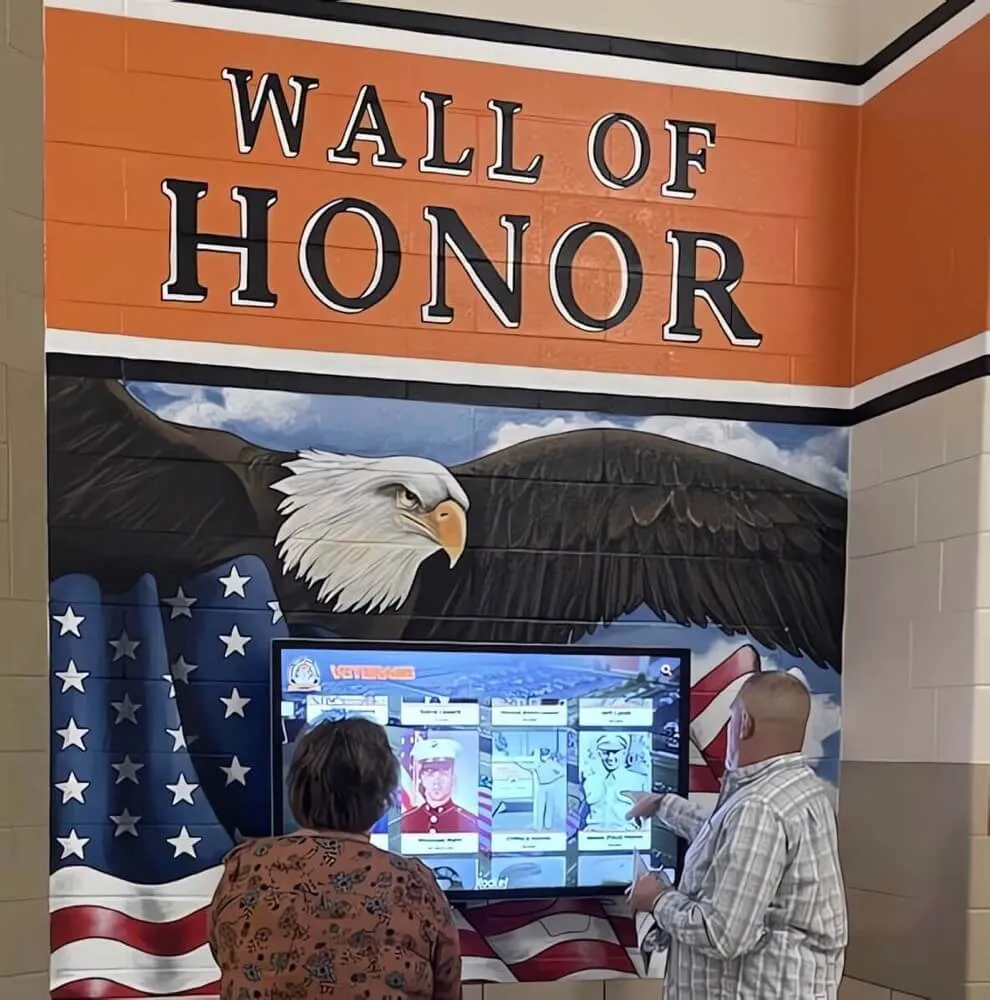
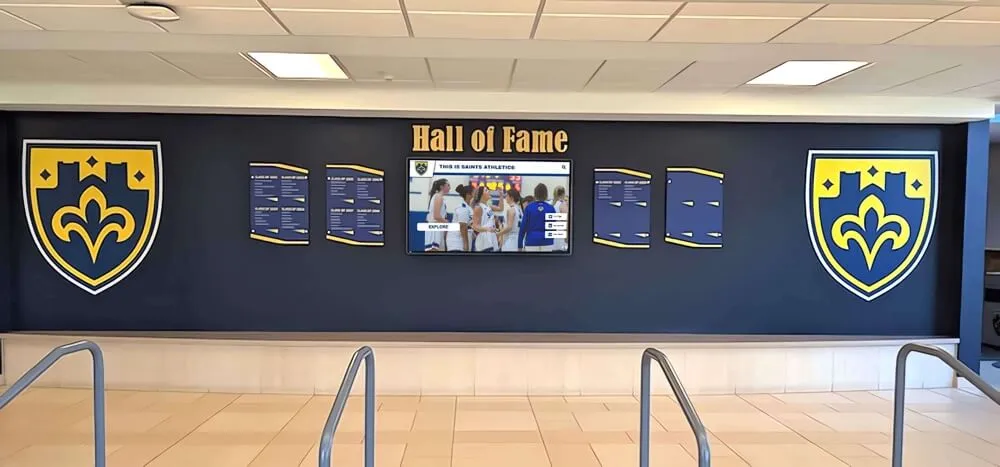
Recognition systems can document practice achievements and skill development milestones alongside competitive results
Competitive Drills and Scrimmaging
Game-like situations apply skills under pressure:
- Competitive small-sided games
- Controlled scrimmages with specific focuses
- Point-scoring drills creating pressure situations
- Consequence-based competitions maintaining intensity
- Position-specific competitions
- Team versus coach challenges
Competition within practice develops mental toughness while revealing which skills transfer to match situations.
Cool-Down and Recovery
Proper session closure promotes recovery:
- Static stretching targeting worked muscle groups
- Core strengthening and injury prevention exercises
- Team reflection and coach feedback
- Recognizing individual improvements and effort
- Preview of next practice or match preparation
- Hydration and recovery reminders
Cool-down provides physical recovery while allowing mental processing of practice content and reinforcing positive moments.
Optimal Practice Duration and Frequency
Practice length significantly impacts effectiveness and athlete well-being:
Age-Appropriate Practice Length
- Youth/Middle School: 60-90 minutes (shorter attention spans, developmental focus)
- Junior Varsity: 90-120 minutes (building endurance and skill foundation)
- Varsity: 120-150 minutes (intensive preparation, tactical complexity)
- Club/Elite: 2-3 hours (higher commitment, specialized training)
Longer doesn’t necessarily equal better—quality repetitions with engaged athletes outperform exhausted players going through motions during extended sessions.
Weekly Practice Frequency
Balance training load with recovery:
- In-season: 4-6 practices weekly depending on match schedule
- Off-season: 3-4 practices allowing recovery and multi-sport participation
- Pre-season: 5-6 practices building fitness and implementing systems
- Championship periods: Maintain but potentially shorten sessions
Schedule lighter practices following intense matches and before critical competitions, recognizing that fresh, energized athletes perform better than overtrained ones.
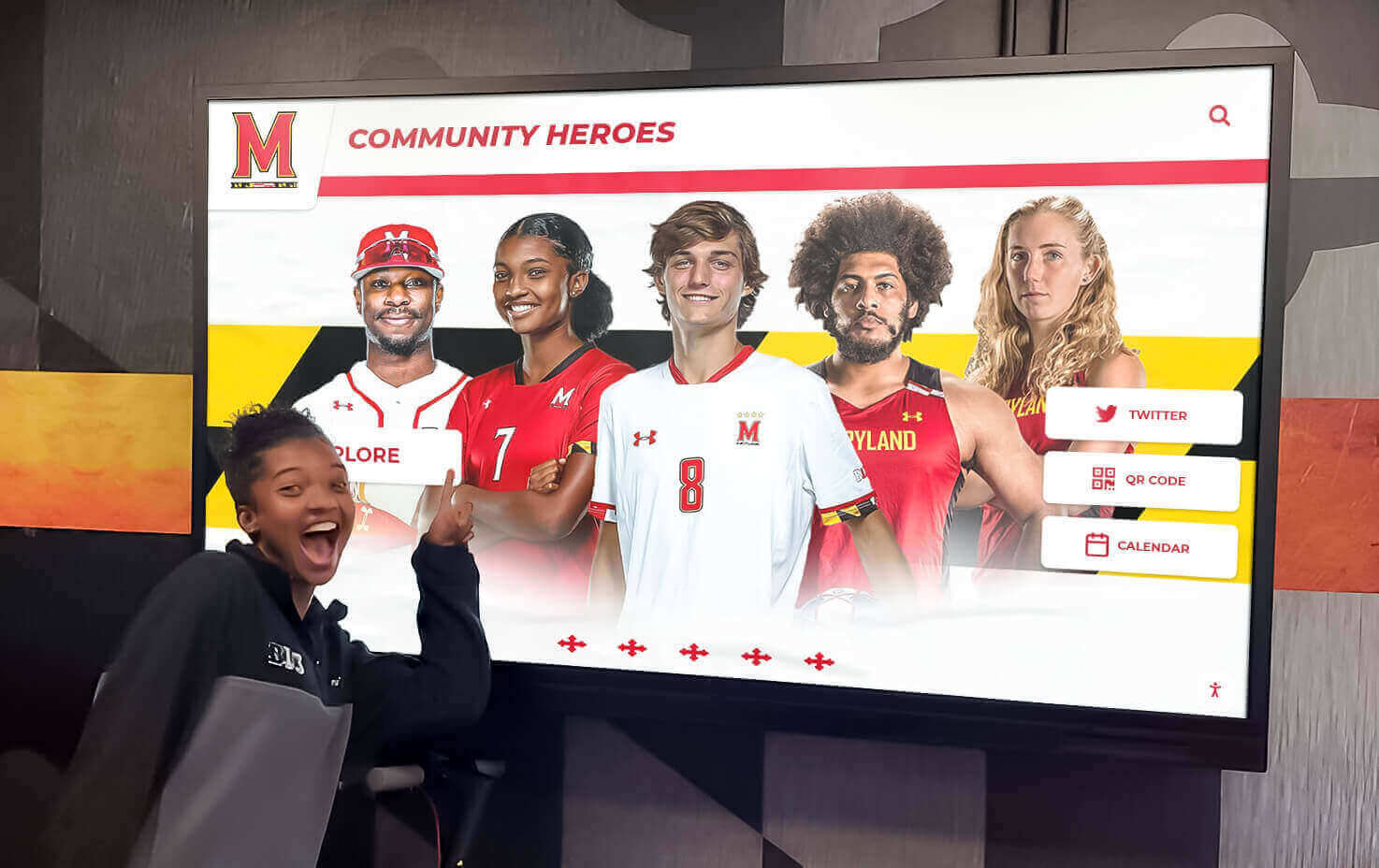
Recognizing practice performance and improvement motivates athletes and reinforces desired behaviors and work ethic
Creating Practice Templates and Structure
Consistent structure creates efficiency and clear expectations:
Standard Practice Format Template
Establish repeatable framework coaches modify based on specific needs:
- Opening (5 minutes): Attendance, announcements, practice objectives overview
- Warm-Up (10-15 minutes): Dynamic movement preparation and ball control
- Skill Block 1 (20-25 minutes): Primary technical focus for the day
- Skill Block 2 (20-25 minutes): Secondary skill development
- Tactical Training (20-30 minutes): Team system implementation
- Competitive Period (20-30 minutes): Game-like drills and scrimmaging
- Conditioning/Specialty Work (10-15 minutes): Fitness, position-specific, or individual work
- Cool-Down (10 minutes): Stretching, team talk, closure
This template provides consistency athletes appreciate while allowing flexibility for specific session goals.
Naming and Organizing Drills
Create library of drills with consistent naming:
- Assign simple, memorable names to common drills
- Document drill setup, objectives, and variations
- Organize by skill category (passing, serving, defense)
- Note equipment needs and court space requirements
- Track which drills athletes respond to most positively
- Build progression sequences from basic to advanced versions
Organized drill libraries prevent planning paralysis while ensuring variety across sessions.
Designing Week-Long Practice Plans
Effective practice planning considers entire weeks rather than isolated sessions.
Weekly Practice Periodization
Structure weekly training addressing all development areas:
Monday (Post-Match Recovery or Weekly Start)
Following weekend matches, prioritize recovery and skill refinement:
- Lower intensity session after competitive weekend
- Technical correction based on match performance
- Individual skill work addressing observed needs
- Lighter physical demands allowing recovery
- Mental focus on learning from recent competition
- Video review and tactical discussion
Tuesday/Wednesday (Mid-Week Intensity)
Peak weekly training intensity with comprehensive development:
- High-volume skill repetitions
- Intensive tactical training implementing systems
- Longer duration competitive drills
- Physically demanding conditioning
- Focus on areas needing most improvement
- Preparation for upcoming opponent specifics
Thursday (Pre-Match Preparation)
Taper intensity while sharpening execution:
- Practice duration slightly reduced
- Emphasis on execution quality over volume
- Opponent-specific preparation and scouting focus
- Confidence-building competitive activities
- Serve receive against serves matching opponent tendencies
- Mental preparation and match visualization
- Energy conservation for Friday/Saturday competition
Friday/Saturday (Match Days or Light Training)
Competition days or very light sessions:
- Pre-match warm-up and preparation only
- If no match, brief technical session (45-60 minutes)
- Low-impact skill work maintaining touch
- Mental preparation and team bonding
- Equipment management and logistics
- Rest and recovery prioritization
This weekly rhythm balances intensive development with adequate recovery while timing peak preparation before competitions.
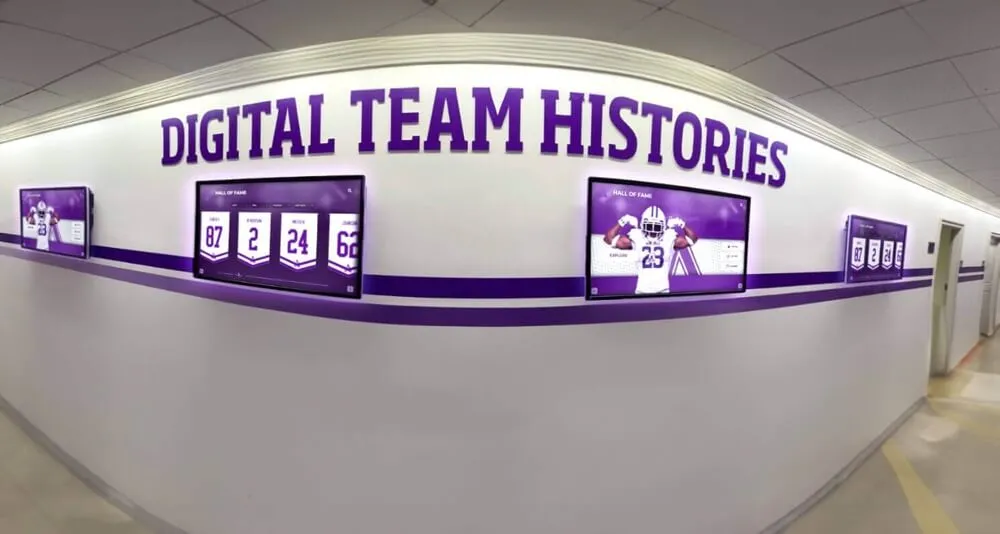
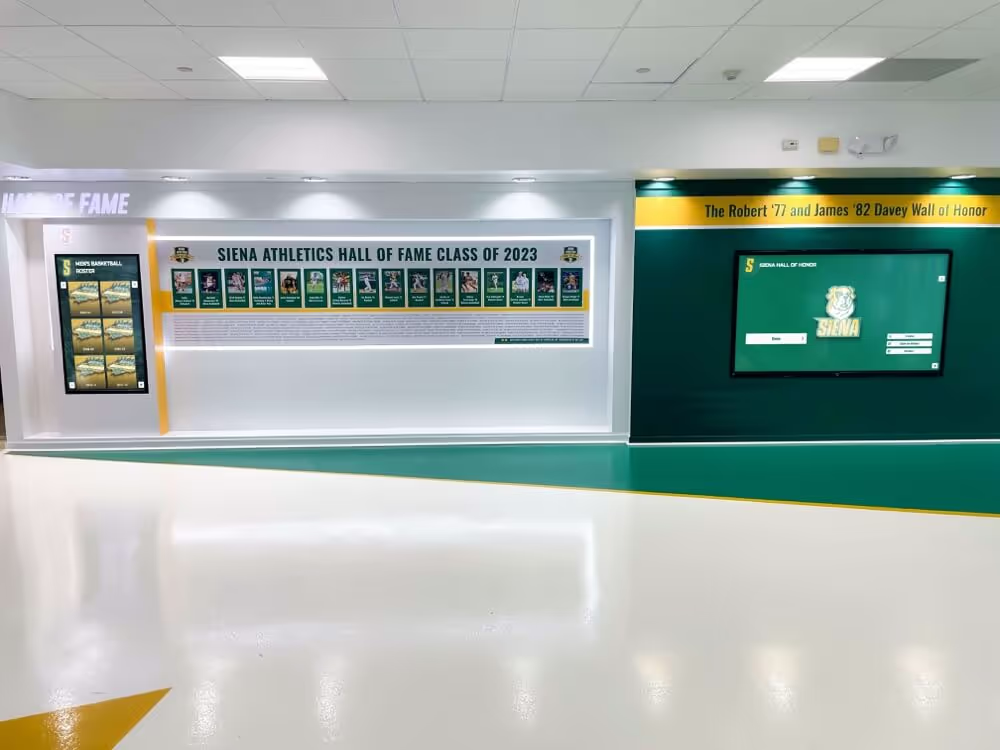
Documenting team practice achievements and skill progression creates visible evidence of collective improvement
Planning Around Competition Schedule
Match schedule heavily influences practice planning:
Tournament Week Adjustments
Multiple matches in short periods require modified approach:
- Reduced practice volume focusing on recovery between matches
- Shorter sessions emphasizing execution review
- Tactical adjustments based on upcoming opponents
- Physical recovery and injury management priority
- Mental freshness through reduced practice stress
- Strategic rest days when schedule allows
Bye Week or Extended Breaks
Weeks without competition allow intensive development:
- Increased practice volume addressing weaknesses
- Implementation of new systems or strategies
- Intensive conditioning blocks
- Individual skill development focus
- Experimental approaches testing new tactics
- Team building activities strengthening chemistry
Championship Season Planning
Late-season practices adapt to playoff preparation:
- Maintaining sharpness without overtraining
- Opponent-specific preparation intensifies
- Increased mental preparation and visualization
- Reduced physical volume managing accumulated fatigue
- Focus on execution consistency
- Confidence-building through mastery demonstrations
Essential Volleyball Drills for Practice Plans
Specific drills form building blocks of effective practices.
Serving Development Drills
Serving creates scoring opportunities and defensive advantages:
Target Serving Progression
Build accuracy through graduated challenges:
- Zone serving hitting designated court areas
- Sequential target serving (zones 1, 5, 6 progression)
- Competitive serving games (first to X successful targets)
- Pressure serving with consequences for misses
- Serving at specific passers exploiting weaknesses
- Advanced placements (deep corners, short serves, seams)
Serving Endurance and Consistency
Develop reliability under fatigue:
- Consecutive successful serves requirements (10, 15, 20 in row)
- Timed serving maximums (most successful serves in 3 minutes)
- Post-conditioning serving testing tired technique
- Partner serving competitions
- Team serving challenges creating collective accountability
- Match-situation serving replicating pressure moments
Systematic serving development transforms weakness into weapon while creating offensive opportunities through service pressure.
Passing and Serve Receive Drills
Reception quality determines offensive capability:
Platform and Technique Training
Build fundamental passing mechanics:
- Partner passing focusing on platform angle and control
- Butterfly passing patterns with movement
- Wall passing for individual repetitions
- Coach toss passing with varying trajectories
- Overhead passing and decision-making
- Emergency technique (one-arm, sprawl) development
Serve Receive Formation Drills
Practice team systems under realistic serving:
- Three-passer receive patterns
- Four-passer formations
- Rotation-specific serve receive
- Coverage responsibilities and communication
- Adjust to different serve types (float, topspin, jump)
- Out-of-system passing and scramble situations
Pressure Passing Development
Challenge passers with difficult serves:
- Coaches serving aggressively at formations
- Varsity versus JV serve receive competitions
- Consequence passing (unsuccessful pass creates fitness requirement)
- Timed passing achieving target number of perfect passes
- Random serving attacking different zones
- Overload serving (multiple servers creating rapid-fire reception)
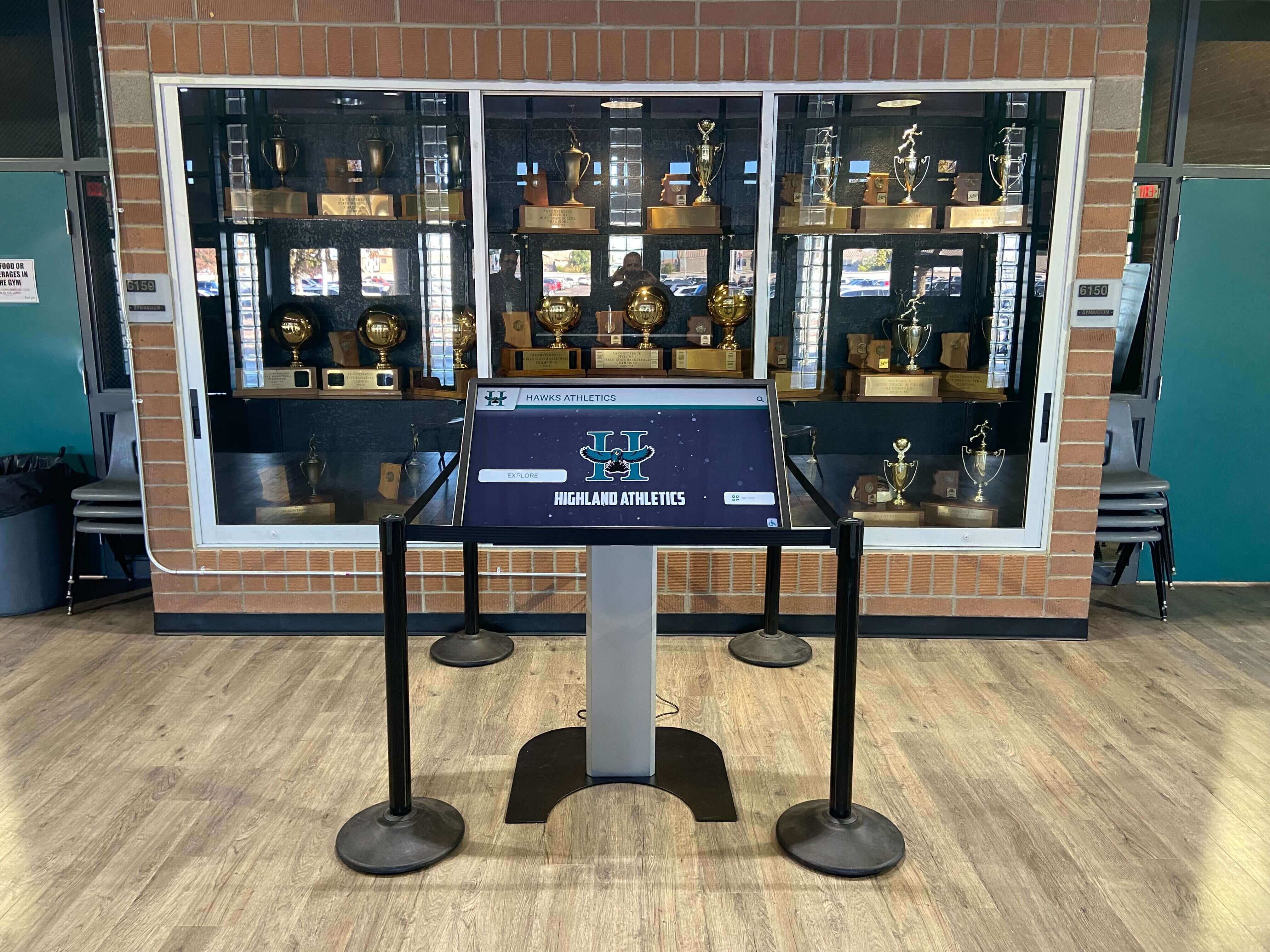
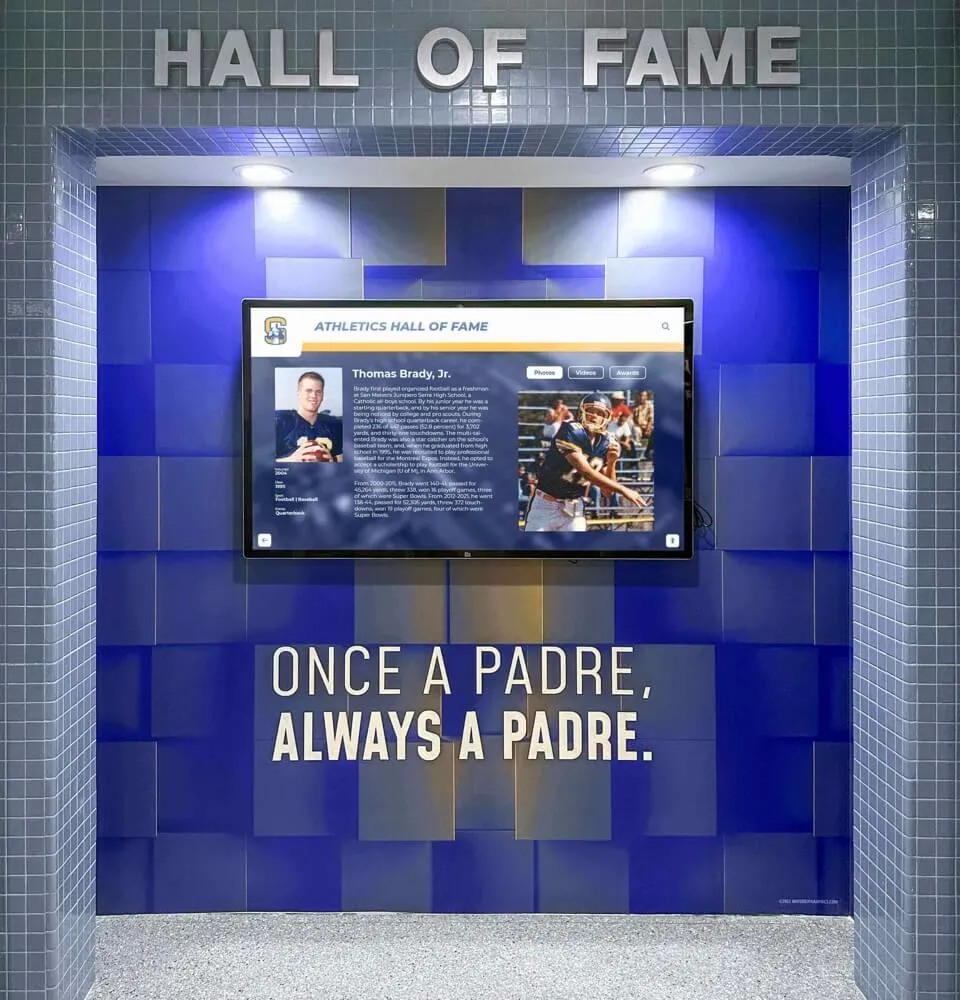
Modern recognition systems can track and display individual skill achievements and practice performance statistics
Setting and Distribution Drills
Setters orchestrate offense requiring specialized training:
Setting Technique Development
Build fundamental setting mechanics:
- Wall setting for hand position and release
- Partner setting with movement and footwork
- Setting from various court positions
- High-low setting varying trajectory
- Back setting and reverse technique
- One-handed emergency setting
- Jump setting advancement
Distribution and Decision-Making
Train offensive system execution:
- Setting out of serve receive to designated zones
- Transition setting from defensive digs
- Reading blocks and adjusting distribution
- Tempo variation (first-tempo, high ball, shoot sets)
- Communication with hitters about preferences
- Out-of-system decision-making
Setter-Hitter Connection Training
Develop timing and understanding:
- Setter-hitter pairs working specific sets
- Approach timing synchronization
- Location adjustment based on hitter feedback
- Multiple hitter distribution drills
- Simulated game situations requiring quick decisions
- Setter defensive responsibilities integration
Attacking and Hitting Drills
Terminating rallies through effective attacks:
Approach and Arm Swing Fundamentals
Perfect technical approach mechanics:
- Footwork patterns without ball
- Approach timing with toss or set
- Arm swing technique and contact point
- Line versus angle shot selection
- Hitting around or off blocks
- Tip and roll shot development
- Correction work with video feedback
Hitting from Different Sets
Train versatility across offensive system:
- Outside hitting from various pass qualities
- Middle hitting quick tempo attacks
- Right side and back row hitting
- Slide and combination attacks
- High ball hitting working placement
- Out-of-system hitting creating offense from bad passes
Competitive Hitting Situations
Apply skills under game pressure:
- Hitter versus blockers competitions
- Hitting against full defensive formations
- Consequence hitting (successful kill versus error outcome)
- Hitting streaks and accuracy challenges
- Situational hitting (match point, close game) simulations
- Hitting following demanding defensive plays
Blocking and Defensive Drills
Defending attacks requires coordinated technique:
Blocking Fundamentals and Footwork
Develop technical blocking skills:
- Footwork patterns (slide step, crossover, hop)
- Hand position and penetration over net
- Timing approaches with hitter contact
- Reading setter and anticipating sets
- Closing block and sealing connections
- Transitioning from block to offense
Team Blocking Systems
Coordinate multiple blockers:
- Two-blocker coordination and communication
- Three-blocker alignment against middle attacks
- Switch blocking in rotations
- Blocking calls and audibles
- Coverage behind blocks
- Blocking different tempo attacks
Defensive Positioning and Digging
Back row defense requires positioning and technique:
- Individual digging technique and platform control
- Base positioning by defensive system
- Reading hitters and anticipating shots
- Defensive pursuit and emergency plays
- Floor defense (rolling, sprawling, pancaking)
- Communication and coverage responsibilities
- Transition from defense to counterattack
Systematic defensive development creates consistent stopping power while building confidence in athletes’ ability to control opponent attacks.
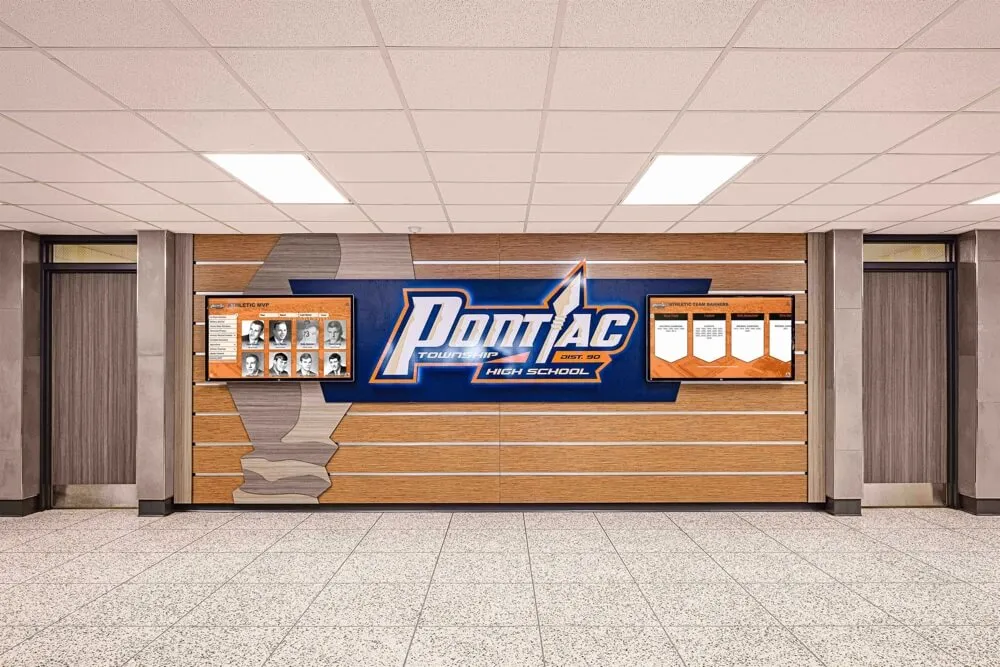
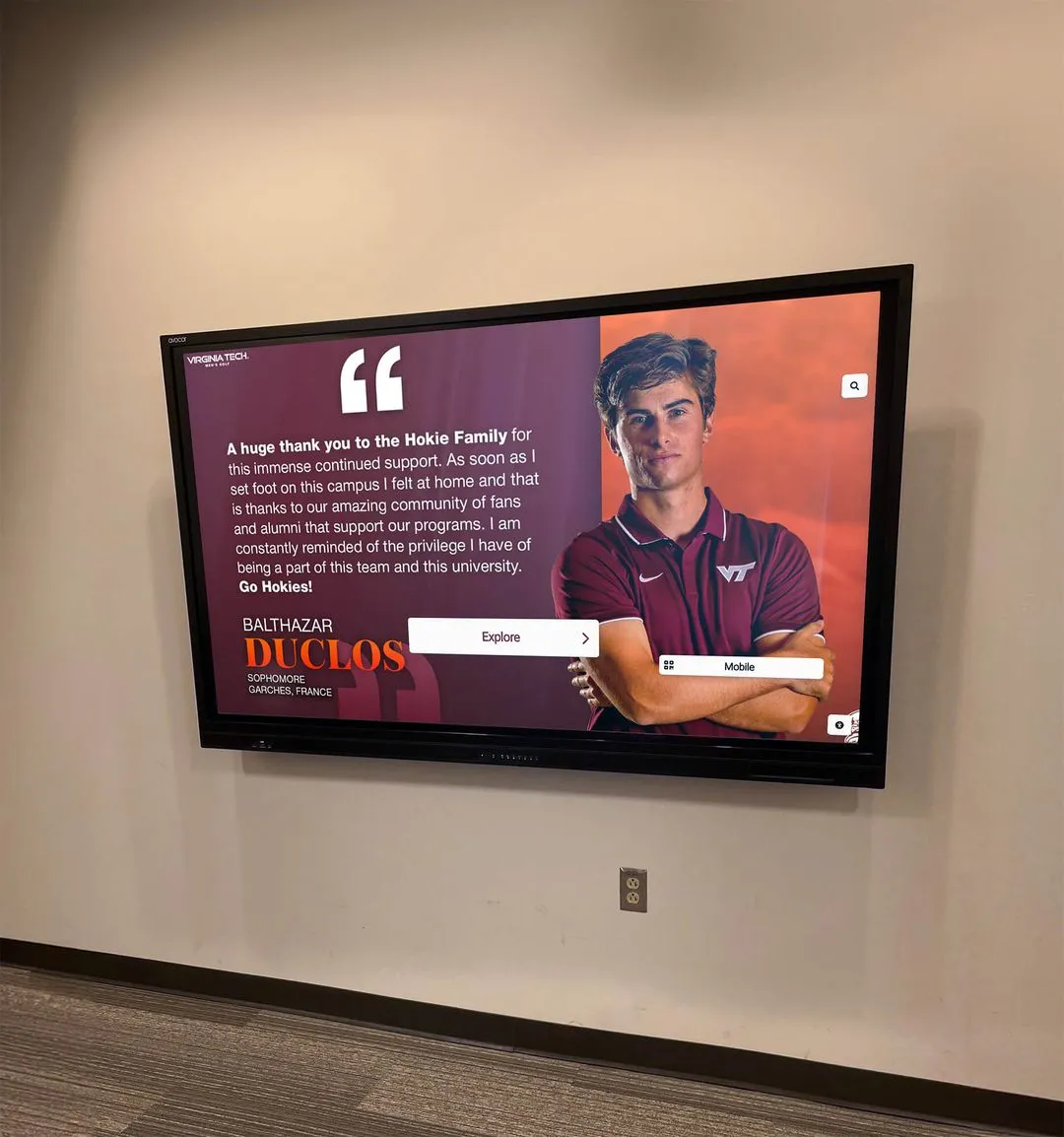
Recognition displays can celebrate defensive specialists and role players whose practice performance drives team success
Implementing Team Systems and Strategy
Individual skills combine into cohesive team systems requiring dedicated practice time.
Offensive System Implementation
Different offensive systems suit various team compositions:
5-1 Offense (One Setter)
Most common system using one setter all rotations:
- Practice all six rotational positions
- Setter location and distribution patterns each rotation
- Transition from serve receive into offense
- Out-of-system adjustments when setter receives serve
- Hitter responsibilities changing by rotation
- Back row attack integration
6-2 Offense (Two Setters)
Two setters creating constant three-hitter front row:
- Setter transition to right front when in back row
- Front row setter blocking and attacking responsibilities
- Rotation-specific offensive patterns
- Setter-to-setter transition between rotations
- Three-hitter attack distribution
- Complex rotation management
4-2 Offense (Two Setters Front Row)
Simpler system for developing teams:
- Two dedicated setters setting from front row
- Simplified rotation transitions
- Two-hitter attack distribution
- Basic offensive patterns
- Foundation system before advancing to 5-1 or 6-2
Practice time dedicated to offensive system implementation pays dividends through coordinated attack and reduced confusion during matches.
Defensive System Training
Multiple defensive approaches require systematic training:
Perimeter Defense
Traditional system with back row defensive base:
- Base positioning forming perimeter around court
- Movement based on hitter approach and set location
- Blocking influences on defensive positioning
- Coverage responsibilities behind block
- Pursuit angles and court coverage
- Communication protocols during rallies
Rotational (Read) Defense
Movement-based system adjusting to ball location:
- Dynamic repositioning based on set and hitter
- Rotation patterns moving defenders with ball
- Reading cues from setter and hitter approach
- Coordinated team movement
- Complex communication requirements
- Higher skill demands but better court coverage
Hybrid and Specialized Defenses
Adapting systems to opponents or situations:
- Defending quick tempo middle attacks
- Adjustments for left-handed hitters
- Free ball defensive formations
- Down-ball defensive positioning
- Specific opponent attack pattern defenses
Defensive system mastery requires hundreds of repetitions across multiple practices before becoming automatic in competitive situations.
Serve Receive Pattern Development
Reception formations determine offensive capability:
Standard Three-Passer Formations
Most common serve receive approach:
- Three primary passers in designated zones
- Rotation-specific formations (setter front versus back)
- Weak passer protection and hiding
- Seam responsibilities and communication
- Depth adjustment for different serve types
- Transition movement after pass
Four-Passer Serve Receive
Distributing passing responsibility:
- Smaller individual zones reducing movement
- Incorporation of additional passers
- Communication complexity increases
- Better coverage but potential confusion
- Specific rotation applicability
Advanced Serve Receive Concepts
Sophisticated approaches for experienced teams:
- Switching positions after serve reception
- Fake formations showing one pattern, rotating to another
- Overload formations concentrating best passers
- Adjustments based on server tendencies
- Match situation modifications
Practice hundreds of serve receive repetitions weekly building automatic positioning and communication under actual serving pressure.
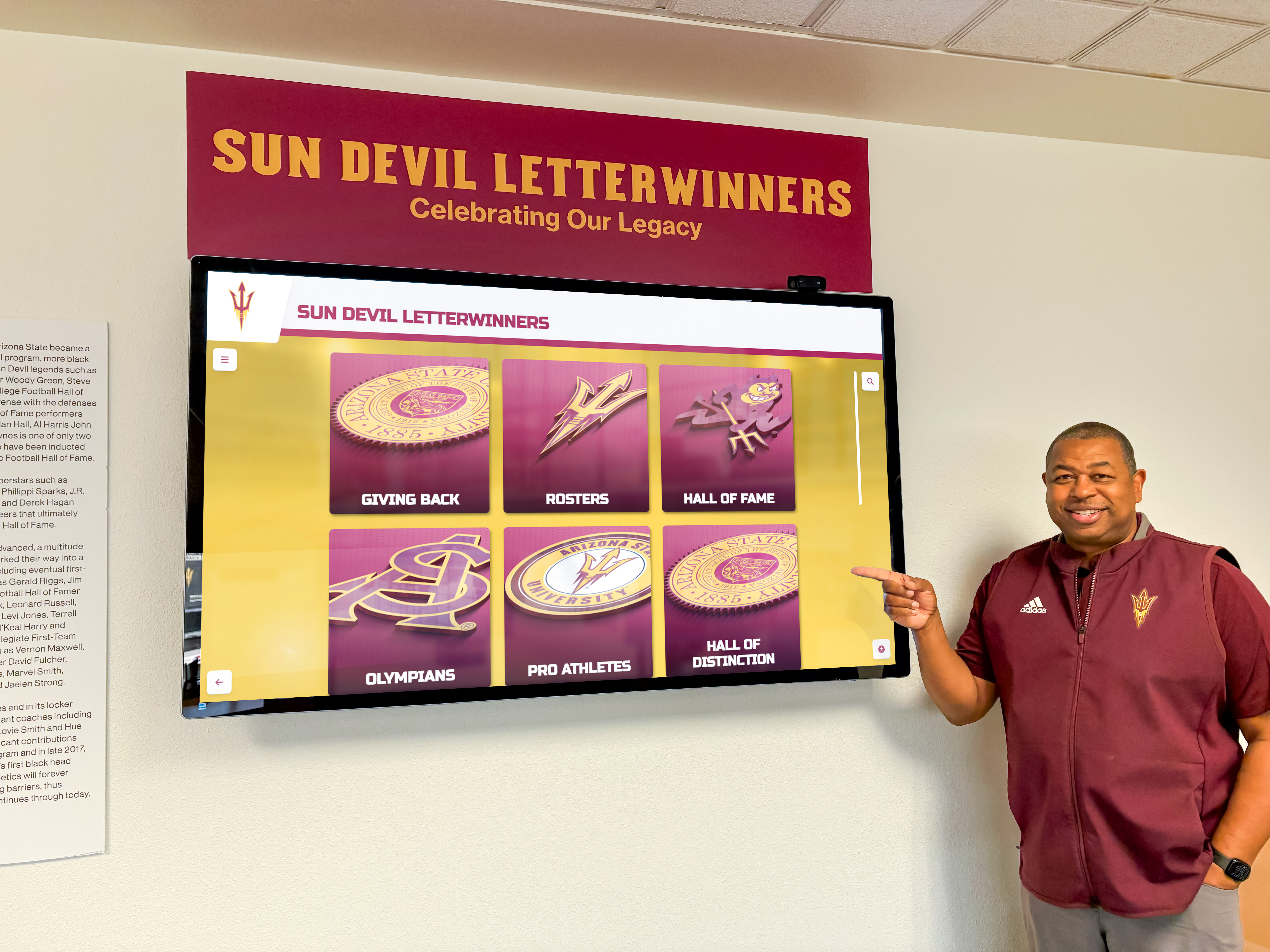
Comprehensive recognition programs honor both competitive achievements and practice excellence, motivating consistent effort
Managing Practice Pace and Athlete Engagement
Technical content matters less if athletes mentally check out during poorly paced practices.
Maximizing Active Participation Time
Athletes develop through repetitions, not standing and watching:
Minimizing Line Time and Waiting
Design drills keeping athletes moving:
- Small-sided games (3v3, 4v4) increasing touches
- Multiple court stations running simultaneously
- Partner drills eliminating lines
- Continuous movement patterns between repetitions
- Coach-player ratios allowing individual attention
- Equipment sufficient for all athletes (multiple balls, nets)
Every minute athletes spend waiting in line represents lost development opportunity.
Efficient Transitions Between Activities
Minimize downtime between drills:
- Pre-planned practice progression reducing decision delays
- Clear communication about next activity before current drill ends
- Equipment pre-positioned for smooth transitions
- Athletes understanding roles in setup/breakdown
- Consistent drill naming allowing rapid setup
- Time limits on activities maintaining flow
Well-organized practices accomplish 30-40% more quality repetitions than disorganized sessions with same duration.
Maintaining Mental Engagement and Energy
Physical presence doesn’t equal mental engagement:
Creating Competitive Elements
Competition maintains intensity:
- Scorekeeping even in drill situations
- Consequences for winning versus losing teams
- Individual challenges and goals
- Team versus coach competitions
- Time-based challenges
- Recognition for drill performance excellence
Competitive elements increase effort while making practice enjoyable.
Varying Activities and Formats
Repetition builds skill but monotony kills engagement:
- Rotating between individual, partner, and team drills
- Mixing competitive games with pure skill work
- Position rotations allowing different perspectives
- Creative drill variations on similar skills
- Music during appropriate segments
- Occasional surprise activities or fun competitions
Balance structure and consistency with enough variety maintaining freshness and interest.
Providing Feedback and Recognition
Athletes crave acknowledgment and correction:
- Specific positive feedback recognizing good execution
- Constructive technical correction delivered respectfully
- Public recognition of exceptional effort or improvement
- Individual conversations about development
- Celebrating milestone achievements
- Connecting practice performance to upcoming recognition opportunities
Athletes who feel seen and valued maintain higher engagement and commitment.
Adapting Practice Plans for Different Skill Levels
One-size-fits-all approaches fail when teams include vastly different athlete capabilities.
Modified Drills for Developing Players
Beginning players require different approaches:
Simplified Drill Variations
Reduce complexity for skill-building:
- Shorter distances between partners
- Tossed balls instead of hit balls initially
- Eliminated or controlled serving allowing successful passing
- Reduced court dimensions for small-sided games
- Slower tempo allowing technical focus
- Increased repetitions of fundamental patterns
- Clear success criteria athletes can achieve
Modification prevents frustration while building foundational competence.
Progressive Skill Development Sequences
Move systematically from simple to complex:
- Master stationary technique before adding movement
- Controlled situations before live game speed
- Individual skills before team coordination
- Technical perfection before competitive pressure
- Step-by-step progressions preventing gaps
Each skill builds on previous mastery creating solid technical foundation.
Advanced Training for Elite Players
Experienced athletes need sophisticated challenges:
Increased Complexity and Game Speed
Push boundaries of capability:
- Faster tempo and reduced reaction time
- Multiple-skill combinations requiring rapid transitions
- Complex decision-making under pressure
- Advanced tactical concepts
- Higher physical demands and intensity
- Reduced margin for error in execution
Advanced athletes stagnate without appropriate challenge levels.
Position Specialization Training
Deep development in specific roles:
- Libero-specific defensive training
- Setter advanced distribution work
- Outside hitter back row attack development
- Middle blocker quick tempo expertise
- Opposite hitter versatility training
- Leadership and communication skill development
Specialization allows mastery beyond general skill development.
Creating Practice Groups by Ability
Managing mixed-ability rosters efficiently:
Skill-Based Station Rotations
Different stations address varied needs:
- Advanced group working complex skills independently
- Developing group receiving more coaching attention on fundamentals
- Position-specific groups focusing on specialized needs
- Rotating groups through stations over practice
- Coaching staff distributed based on group needs
Station approach allows differentiated instruction within single practice.
Integrated Drills with Role Modifications
Keep team together while adjusting difficulty:
- Same drill format with modified responsibilities by skill
- Advanced players hitting, developing players setting
- Experienced athletes in decision-making roles, newer in execution
- Competitive handicaps balancing uneven teams
- Leadership opportunities for veterans mentoring newcomers
Integration builds team chemistry while accommodating development levels.
Incorporating Conditioning and Strength Development
Physical preparation enables skill execution under fatigue.
Volleyball-Specific Conditioning Approaches
General fitness helps but sport-specific conditioning transfers better:
Aerobic Base Development
Volleyball requires sustained effort across long matches:
- Court movement patterns at moderate intensity
- Multi-ball drills creating continuous play
- Longer rally simulations
- Active recovery between high-intensity efforts
- Building work capacity over season
Aerobic base prevents fourth and fifth set collapses when matches extend.
Anaerobic Power and Explosive Movement
Volleyball demands repeated explosive efforts:
- Jump training and plyometrics
- Sprint work for court coverage
- Repeated maximum effort with incomplete recovery
- High-intensity intervals matching match demands
- Power development for attacking and blocking
Explosive power separates effective from ineffective attacks and blocks.
Integrated Conditioning Within Drills
Combine skill work with fitness development:
- Continuous contact drills (butterfly, waves)
- Consequence fitness (unsuccessful execution creates sprint or exercise)
- Timed maximum repetition drills
- Small-sided games creating high movement demands
- Conditioning disguised within volleyball activities
Athletes accept conditioning more readily when integrated with volleyball rather than isolated running.
Injury Prevention and Movement Quality
Smart conditioning prevents injuries while improving performance:
Ankle, Knee, and Shoulder Stability
Target volleyball’s most vulnerable areas:
- Balance and proprioception exercises
- Eccentric strengthening for injury resistance
- Landing mechanics and jump training
- Shoulder stability and rotator cuff work
- Core strength supporting movement quality
Injury prevention work pays massive dividends through availability and durability.
Movement Pattern Quality
Efficiency reduces energy waste and injury risk:
- Proper footwork patterns becoming automatic
- Landing mechanics absorbing force safely
- Change of direction technique
- Posture and body position during skills
- Video analysis revealing movement inefficiencies
Quality movement allows sustained high performance while reducing breakdown risk.
Planning Pre-Season, In-Season, and Off-Season Practices
Annual planning cycle requires different practice emphases across seasons.
Pre-Season Practice Focus
Weeks before first competition set foundation:
System Implementation and Learning
Install offensive and defensive systems:
- Intensive tactical teaching without competition pressure
- Repetitions building automatic execution
- Rotation practice and transition work
- Team concept introduction and refinement
- Communication protocol establishment
- Building team chemistry and culture
Pre-season establishes foundation determining season success.
Physical Preparation and Conditioning
Build fitness base for competitive season:
- Higher volume conditioning work
- Strength development emphasis
- Injury prevention focus
- Movement pattern refinement
- Building training tolerance
Physical preparation prevents mid-season breakdowns.
Competitive Depth Development
Identify rotations and lineups:
- Scrimmaging revealing combinations
- Position competition determining starters
- Depth development for injury/rotation coverage
- Chemistry assessment between player combinations
- Specialization role assignment
Pre-season competition for positions motivates maximum effort.
In-Season Practice Adaptations
Balancing development with recovery during competition:
Maintenance and Refinement
Preserve skills while managing fatigue:
- Reduced practice volume compared to pre-season
- Quality over quantity emphasis
- Technical refinement rather than introduction
- Match performance evaluation and correction
- Opponent-specific preparation
- Injury management and recovery prioritization
In-season practices maintain sharpness without overtraining.
Strategic Adjustments
Adapting to opponents and situations:
- Scouting-based practice preparation
- Exploiting opponent weaknesses
- Defending opponent strengths
- Special situations and late-match scenarios
- Playoff preparation intensification
- Championship match simulation
Strategic practice gives competitive advantages beyond pure skill.
Off-Season Development Focus
Building foundation for next season’s success:
Individual Skill Development
Address personal weaknesses:
- Position-specific skill advancement
- Technical correction without game pressure
- Versatility development (learning new positions)
- Strength and conditioning focus
- Academic achievement and life balance
Off-season creates time for individual development often neglected in-season.
Building Program Culture
Team bonding without competitive pressure:
- Team activities and relationship building
- Leadership development for returning players
- Incoming player integration
- Program tradition establishment
- Community service and visibility
- Celebrating previous season achievements
Off-season invests in culture that sustains during challenging competitive moments.
Evaluating Practice Effectiveness and Making Adjustments
Continuous improvement requires systematic evaluation.
Tracking Practice Outcomes
Measure whether practices achieve intended goals:
Skill Progression Monitoring
Document individual development:
- Periodic skill assessments (serving accuracy, passing rating)
- Statistical tracking across practices
- Video comparison showing technical improvement
- Benchmark testing (vertical jump, court movement time)
- Coach observations and subjective ratings
- Athlete self-assessment and goal tracking
Systematic tracking reveals whether practice approaches work or need modification.
Team Performance Indicators
Assess collective development:
- Scrimmage results and trends
- Match statistics showing improvement areas
- Error rates declining over season
- System execution consistency increasing
- Competitive performance in matches
- Comparison to season goals and benchmarks
Team metrics indicate practice plan effectiveness.
Gathering Athlete Feedback
Players provide valuable perspective coaches might miss:
Formal Feedback Mechanisms
Systematically collect athlete input:
- Anonymous surveys about practice satisfaction
- One-on-one check-ins with individual players
- Team meetings discussing practice structure
- Captain feedback representing team perspectives
- End-of-season evaluations
- Parent observations and input
Athletes often recognize engagement and learning issues before coaches.
Adjusting Based on Response
Flexibility improves practice quality:
- Modifying drills athletes don’t respond to positively
- Increasing time on areas athletes identify as needs
- Adjusting practice length based on fatigue indicators
- Changing competitive formats maintaining engagement
- Adapting communication styles to team personalities
Responsive coaches who adjust based on feedback create better practice environments than rigid adherence to predetermined plans.
Making Data-Driven Practice Decisions
Use available information improving practice design:
Match Performance Analysis
Competitions reveal practice needs:
- Error patterns showing technical weaknesses
- Statistical categories requiring more practice emphasis
- Tactical situations where team struggles
- Rotation-specific vulnerabilities
- Individual player performance gaps
- Comparison to opponent capabilities
Match results directly inform subsequent practice priorities.
Practice Session Documentation
Record and review practice content:
- Practice plan templates with date and focus
- Notes on successful and unsuccessful drills
- Time management and pacing observations
- Athlete engagement and energy levels
- Achievement of session objectives
- Adjustments needed for next session
Documentation prevents repeating mistakes while capturing successful approaches for future use.
Conclusion: Building Winning Programs Through Practice Excellence
Volleyball success stems more from daily practice quality than inherent talent or single brilliant game plans. Programs that consistently develop competitive teams do so through systematic, purposeful practice planning that maximizes every precious minute of court time while maintaining athlete engagement and preventing burnout. The practice strategies explored in this guide provide frameworks for creating training sessions that develop technical skills, implement team systems, build competitive toughness, and strengthen program cultures through structured, energetic, and progressive training.
Whether coaching youth recreational teams, developing high school programs, or leading elite club volleyball, the core principles remain constant: practices require clear objectives, efficient organization minimizing wasted time, appropriate skill progressions matching athlete capabilities, competitive elements maintaining intensity, and systematic evaluation driving continuous improvement. Technology and sophisticated strategies help, but foundational practice planning fundamentals determine whether athletes leave sessions better prepared than when they arrived.
Most importantly, effective volleyball practice plans recognize that competitive results represent outcomes of daily preparation quality. Championship teams don’t emerge overnight through talent alone—they develop through months and years of purposeful training that compounds improvement across seasons. Coaches who invest time designing thoughtful practice plans that balance development priorities while maintaining athlete engagement create programs where success becomes systematic rather than accidental.
Celebrate Practice Excellence and Player Development
Discover how Touch Archive digital recognition systems help volleyball programs honor not just match results but also practice achievements, skill development milestones, and individual improvement. Create engaging displays that motivate athletes by showcasing their progression, recognize effort and dedication beyond statistics, and build program traditions celebrating the daily commitment that makes competitive success possible.
Request a DemoStart transforming your volleyball practices today with confidence that systematic planning, purposeful drill selection, efficient organization, and continuous evaluation will create training environments where athletes thrive and teams reach their competitive potential. Every practice represents an opportunity to build skills, strengthen culture, and move closer to your program goals—make each session count through thoughtful preparation and committed execution.
Ready to explore how comprehensive recognition systems can complement your practice program by celebrating improvement, honoring effort, and documenting player development? Learn how Touch Archive helps volleyball programs create lasting acknowledgment of athlete dedication that extends beyond win-loss records to honor the daily commitment, skill development, and personal growth that define successful volleyball experiences and build program traditions inspiring future generations.
Live Example: Rocket Alumni Solutions Touchscreen Display
Interact with a live example (16:9 scaled 1920x1080 display). All content is automatically responsive to all screen sizes and orientations.