



Every successful school operates because of a complex administrative structure working behind the scenes. While teachers deliver daily instruction in classrooms, school administrators create the organizational framework, manage resources, navigate regulations, build community partnerships, and make strategic decisions that determine institutional quality and effectiveness.
Yet most people outside education—and even many within it—hold only vague understanding of what school administrators actually do. The administrative role extends far beyond discipline and scheduling, encompassing everything from budget management and facilities oversight to instructional leadership and crisis response. For educators considering administrative careers or communities seeking to understand their school leadership, clarity about these roles proves essential.
This comprehensive guide explores what school administrators do, examines the diverse positions comprising educational leadership hierarchies, details typical responsibilities and challenges, and outlines career pathways from classroom teacher to district superintendent.
School administrators form the leadership infrastructure enabling educational institutions to function effectively. They translate educational policy into practice, manage organizational systems, support teaching excellence, ensure compliance with complex regulations, steward public resources responsibly, and create cultures where students thrive academically and socially.

School administrators shape institutional culture and excellence, establishing environments where achievement becomes tradition
Understanding School Administration: Core Functions and Responsibilities
School administrators perform interconnected functions that maintain institutional operations while advancing educational goals.
What Does a School Administrator Do? Primary Responsibilities
Educational administrators balance multiple responsibility areas simultaneously:
Instructional Leadership
- Establishing school-wide academic goals and strategic direction
- Supervising curriculum implementation and instructional quality
- Evaluating teacher performance and providing professional development
- Analyzing student achievement data and implementing improvement strategies
- Ensuring alignment between teaching practices and educational standards
- Supporting teachers in addressing diverse learning needs
- Creating systems for continuous instructional improvement
Organizational Management
- Developing and managing school budgets within district allocations
- Hiring, supervising, and evaluating faculty and staff
- Creating master schedules balancing educational requirements with resources
- Managing facilities, technology infrastructure, and physical resources
- Ensuring operational efficiency across departments and programs
- Coordinating support services (counseling, special education, health services)
- Planning for enrollment fluctuations and program changes
According to the Bureau of Labor Statistics, elementary, middle, and high school principals held approximately 263,700 jobs in the United States as of recent data, with employment projected to grow as student enrollments increase and schools require ongoing leadership.
Compliance and Legal Oversight
- Ensuring compliance with federal, state, and local education regulations
- Managing special education programming and legal requirements
- Overseeing student discipline within legal frameworks
- Maintaining required documentation and reporting
- Managing employee contracts and labor relations
- Addressing safety regulations and emergency preparedness
- Protecting student privacy and data security
Student Affairs and Culture Development
Creating positive school environments requires systematic attention:
Student Support Systems
- Establishing discipline policies balancing accountability with support
- Creating intervention systems for struggling students
- Developing positive behavior frameworks
- Coordinating counseling and mental health resources
- Managing student activities and extracurricular programs
- Addressing bullying, safety concerns, and crisis situations
- Building inclusive environments respecting diversity

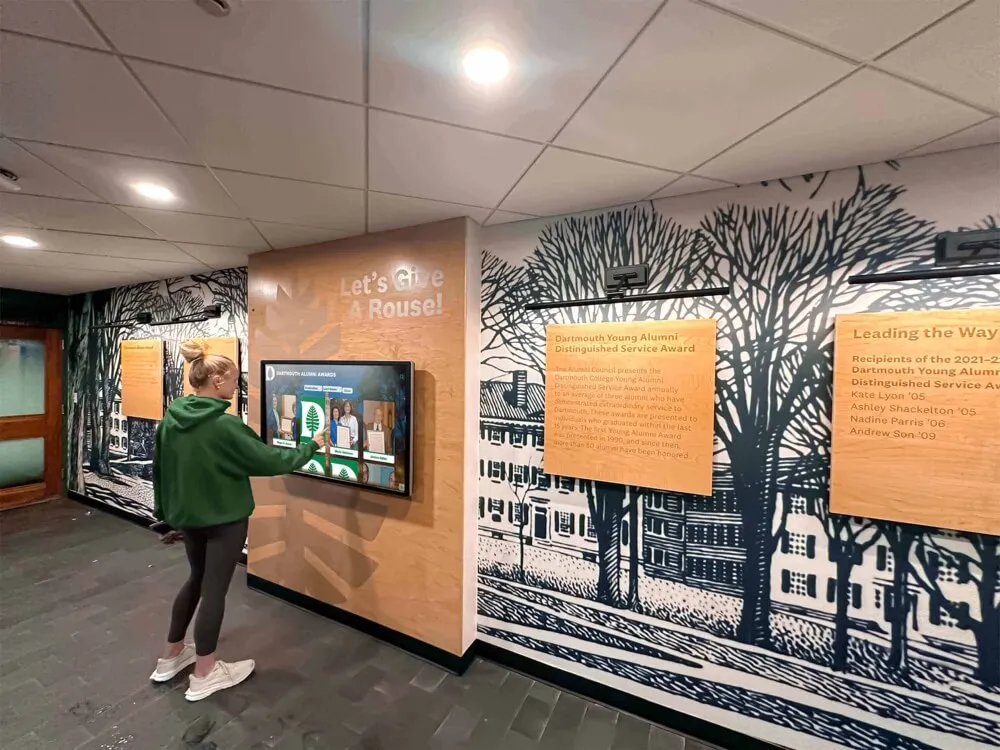
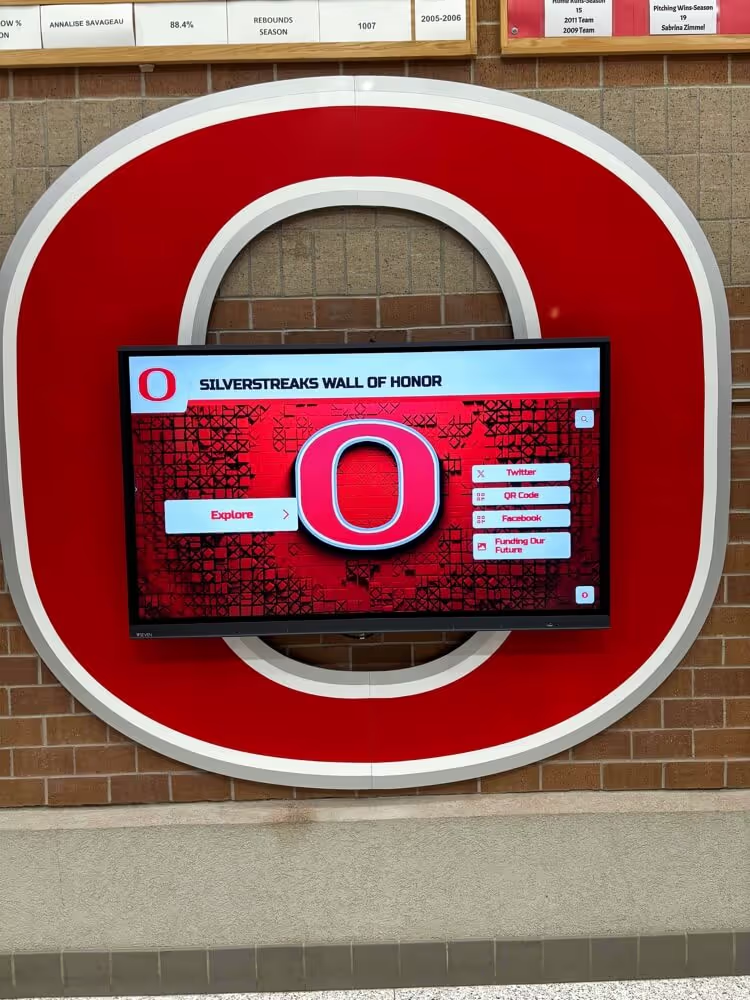
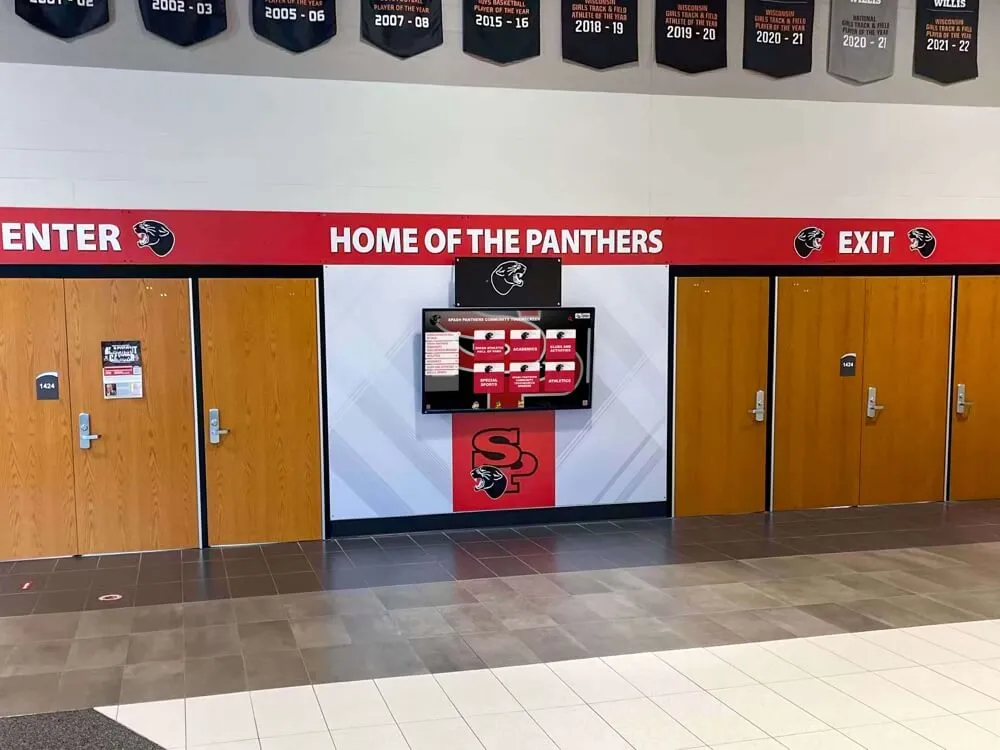
Administrators establish [recognition systems](https://best-touchscreen.com/blog/interactive-display-technology-transforming-school-lobbies-common-spaces/?utm_source=organic&utm_medium=seo-auto&utm_content=toucharchives&utm_campaign=school-administrator&utm_term=seo) celebrating achievement and building school culture
School Culture and Climate
- Defining institutional values and behavioral expectations
- Creating traditions celebrating student achievement
- Building school spirit and community identity
- Fostering respectful relationships among all stakeholders
- Addressing climate issues affecting learning environments
- Promoting equity and belonging for all students
- Establishing recognition programs honoring diverse accomplishments
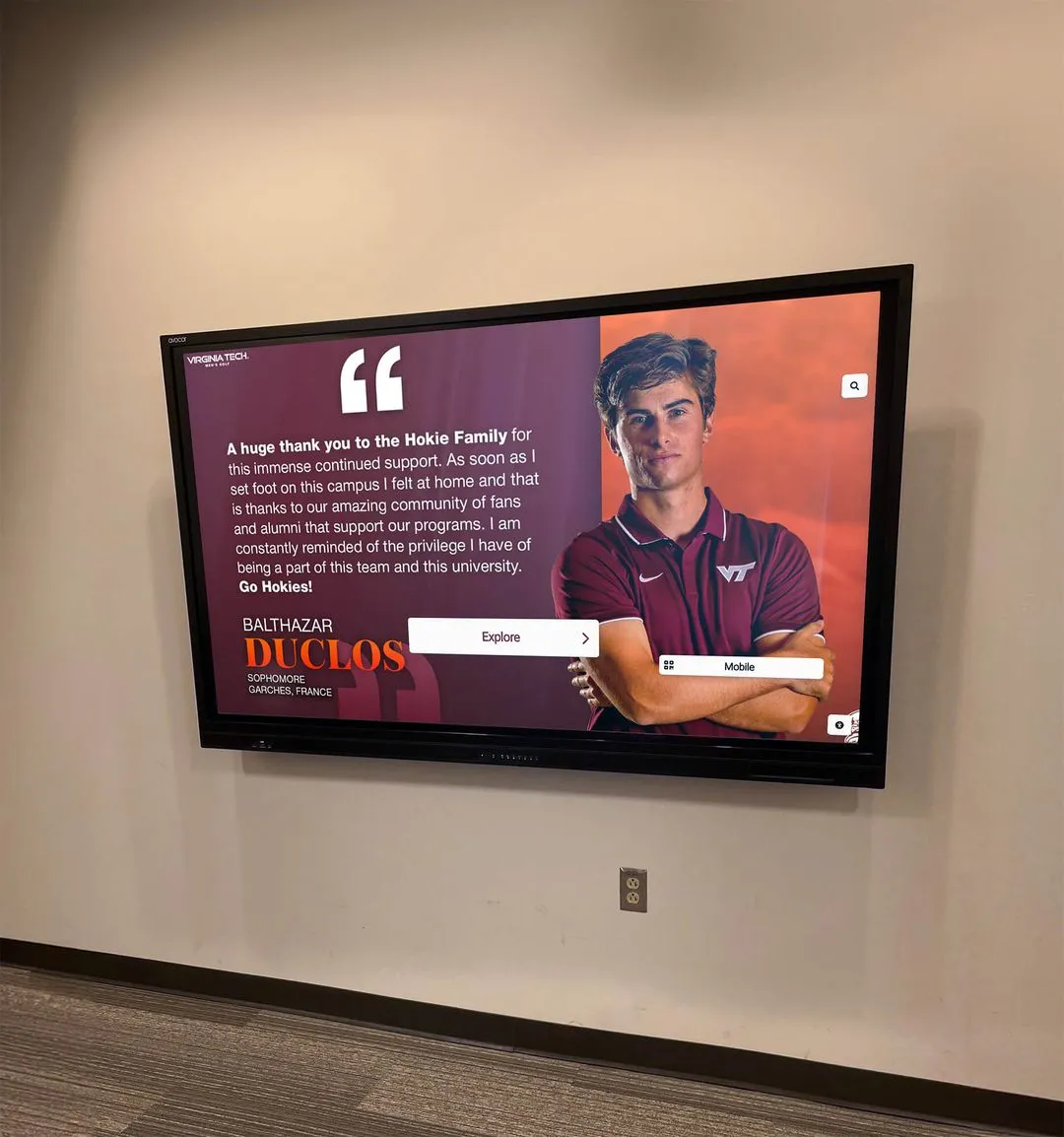
Many administrators implement comprehensive recognition systems showcasing student achievements across academics, athletics, arts, and service—creating visible cultures of excellence that motivate current students while preserving institutional legacy.
Community Relations and Communication
Effective administrators build strong external relationships:
Family and Community Engagement
- Communicating regularly with families about school operations and student progress
- Building partnerships with local businesses, organizations, and agencies
- Managing parent concerns and conflict resolution
- Coordinating parent organizations (PTA/PTO) and volunteer programs
- Representing school at community events and meetings
- Building political relationships with elected officials and policymakers
- Developing positive public relations and managing school reputation
Stakeholder Communication
- Providing transparent information about school performance and challenges
- Responding to media inquiries and managing public messaging
- Engaging alumni networks and leveraging graduate support
- Coordinating with district leadership on initiatives and policies
- Facilitating school board presentations and reporting
- Managing crisis communication during emergencies or controversies
- Building trust through consistent, honest communication
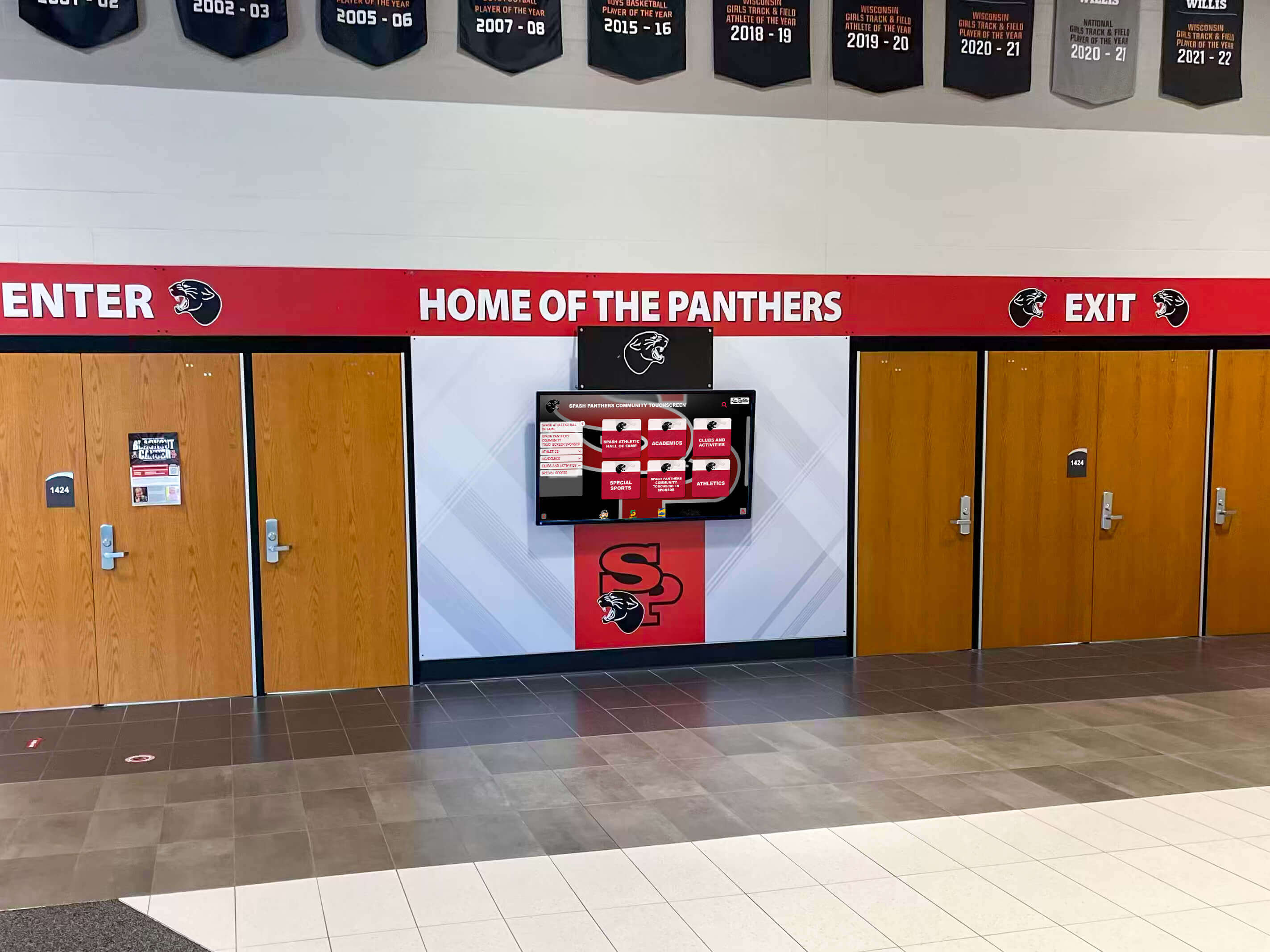
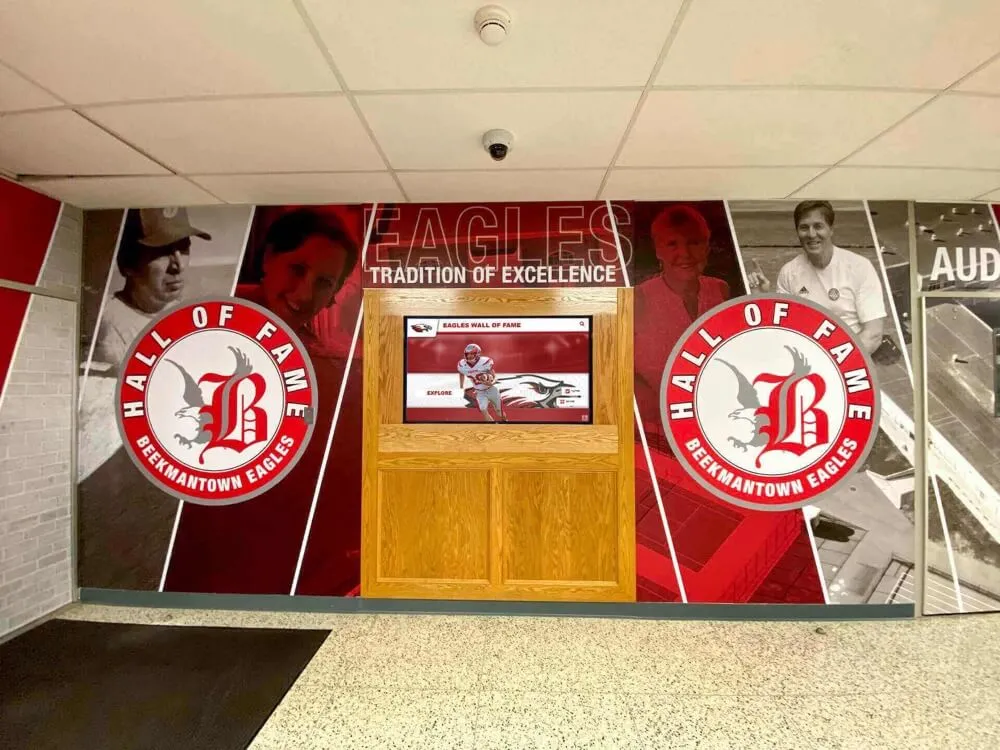
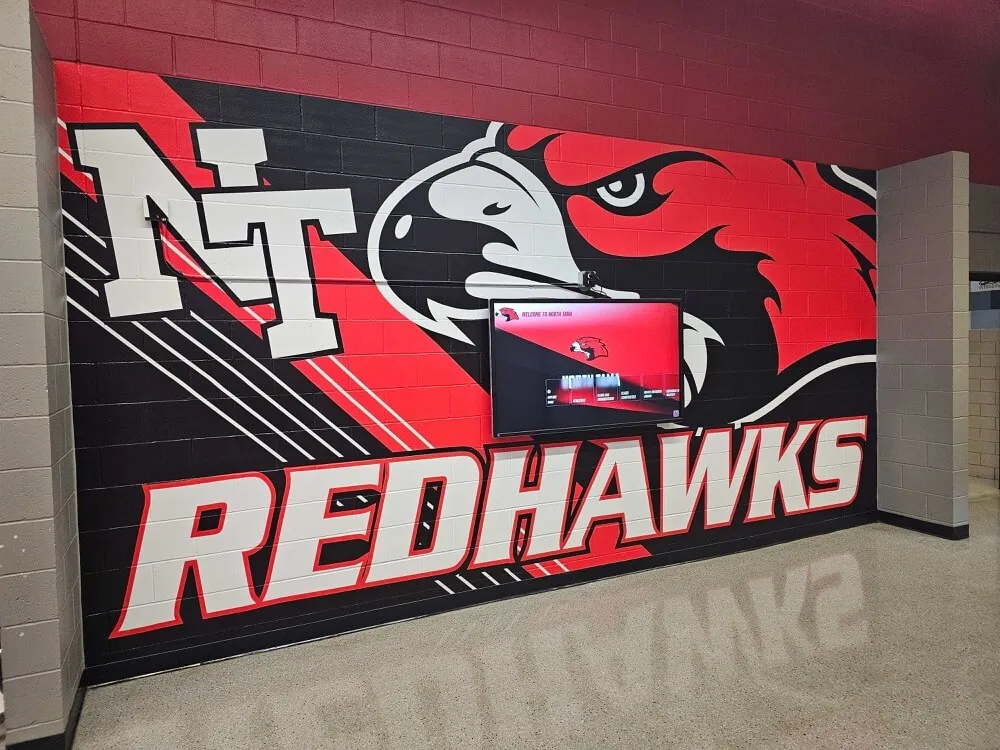
Entrance displays create welcoming environments while communicating institutional priorities administrators establish
Types of School Administrator Positions
Educational administration encompasses diverse roles with distinct responsibilities and scope.
Building-Level Administration
School-based administrators manage individual institutions:
Elementary School Principal
Elementary principals oversee foundational education for youngest learners:
- Supervising typically 300-800 students and 20-60 staff members
- Managing early literacy and numeracy program implementation
- Coordinating special education services for identified students
- Building strong family partnerships essential for young learners
- Creating safe, nurturing environments supporting development
- Addressing social-emotional learning alongside academics
- Managing before and after-school care programs
- Typical salary range: $80,000-$110,000 annually depending on location and experience
Middle School Principal
Middle school leadership addresses unique adolescent needs:
- Managing 400-1,200 students during developmental transition period
- Addressing social dynamics and peer relationships significantly affecting learning
- Coordinating transition support from elementary to high school
- Supervising departmentalized instruction and specialized teachers
- Managing increased student independence and responsibility
- Addressing emerging issues (bullying, social media, mental health)
- Balancing academic rigor with developmental appropriateness
- Typical salary range: $85,000-$115,000 annually
High School Principal
Secondary principals lead complex institutions preparing students for post-graduation success:
- Overseeing 800-3,000+ students in comprehensive programs
- Managing extensive course catalogs and graduation requirements
- Coordinating college and career preparation initiatives
- Supervising athletic programs and extensive extracurricular activities
- Managing student discipline issues with greater complexity
- Building relationships with colleges, employers, and military recruiters
- Coordinating dual enrollment, AP programs, and advanced coursework
- Typical salary range: $90,000-$130,000+ annually
Assistant and Associate Principals
Assistant principals support building leaders while managing specific areas:
Assistant Principal Responsibilities
- Managing student discipline and behavioral interventions
- Supervising specific grade levels or academic departments
- Coordinating special programs (special education, ESL, gifted)
- Overseeing attendance, testing, and compliance requirements
- Supporting teacher evaluation and professional development
- Managing facilities, transportation, and operational details
- Serving as principal designee during absences

Administrators coordinate [recognition programs](https://halloffame-online.com/blog/athletic-hall-of-fame-creation-guide/?utm_source=organic&utm_medium=seo-auto&utm_content=toucharchives&utm_campaign=school-administrator&utm_term=seo) celebrating diverse student accomplishments
Many assistant principals specialize in instruction, operations, or student affairs—developing expertise positioning them for principalships. Typical salaries range from $70,000-$100,000 depending on school size and location.
District-Level Administration
Central office administrators support multiple schools while providing system-wide leadership:
Superintendent
District superintendents serve as chief executives for school systems:
- Overseeing all district schools, programs, and operations
- Serving as board of education’s primary executive officer
- Developing district-wide strategic plans and educational vision
- Managing district budgets often exceeding hundreds of millions of dollars
- Hiring and supervising principals and central office administrators
- Representing district to communities, media, and government officials
- Negotiating collective bargaining agreements with employee unions
- Navigating political landscapes involving boards, unions, and taxpayers
- Typical salary range: $120,000-$300,000+ depending on district size
Superintendent positions require extensive experience, typically including principalship and often assistant superintendency or cabinet positions.
Assistant Superintendent
Assistant superintendents manage major district functions:
- Supervising curriculum and instruction across all district schools
- Managing business operations, finance, and facilities
- Overseeing human resources and personnel administration
- Coordinating special education services district-wide
- Managing technology infrastructure and instructional technology
- Leading strategic planning and continuous improvement initiatives
- Typical salary range: $100,000-$180,000 depending on responsibilities and district size
Central Office Directors and Coordinators
Specialized administrators lead specific programs or services:
- Curriculum directors developing instructional programs
- Special education directors managing compliance and programming
- Technology directors overseeing infrastructure and integration
- Facilities directors managing buildings, maintenance, and construction
- Human resources directors handling hiring, benefits, and labor relations
- Communications directors managing public relations and community engagement
- Federal programs directors coordinating Title I, grants, and specialized funding
- Typical salary range: $80,000-$130,000 depending on role and district
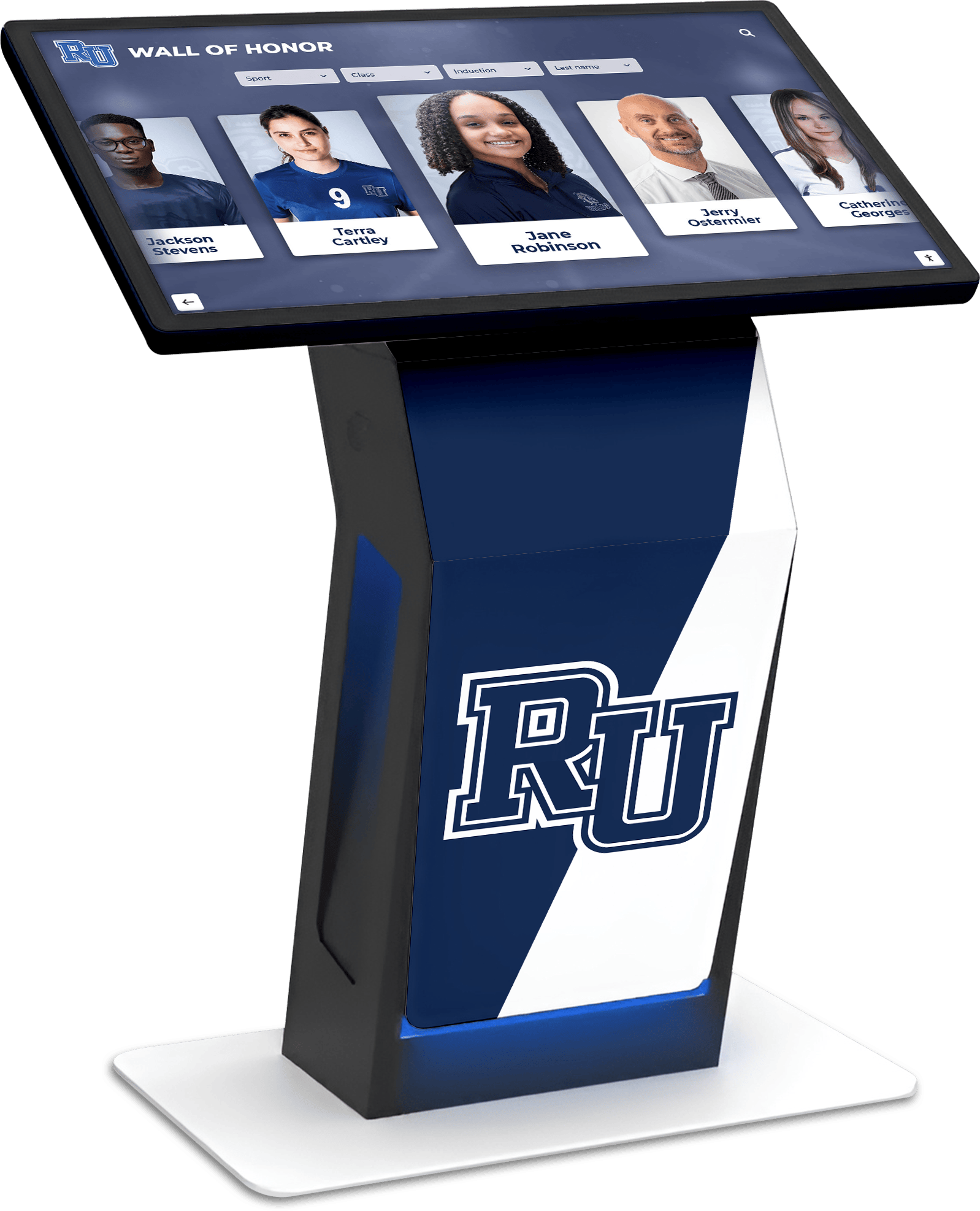
Modern [recognition systems](https://digitalyearbook.org/blog/what-is-a-digital-hall-of-fame/?utm_source=organic&utm_medium=seo-auto&utm_content=toucharchives&utm_campaign=school-administrator&utm_term=seo) enable administrators to celebrate multiple achievement dimensions systematically
Specialized Administrative Roles
Beyond traditional hierarchies, specialized positions support specific functions:
Athletic Director
Athletic directors manage comprehensive sports programs:
- Supervising coaches and athletic staff across all sports
- Managing athletic budgets and fundraising initiatives
- Scheduling competitions and coordinating facilities
- Ensuring compliance with conference and state athletic association rules
- Managing eligibility requirements and academic standards for athletes
- Coordinating recognition programs celebrating athletic achievement
- Building community support for athletic programs
- Typical salary range: $60,000-$110,000 depending on program size
Dean of Students
Deans of students focus specifically on student affairs:
- Managing student discipline and behavioral intervention systems
- Coordinating attendance improvement initiatives
- Supporting students facing academic or personal challenges
- Developing character education and social-emotional learning programs
- Building relationships with students requiring additional support
- Coordinating community service and leadership development
- Typical salary range: $65,000-$95,000
Department Chair/Instructional Coach
Hybrid teacher-administrator positions support instruction:
- Leading subject-area departments or grade-level teams
- Mentoring and supporting teacher professional growth
- Coordinating curriculum development and assessment
- Analyzing student achievement data and guiding instructional adjustments
- Facilitating professional learning communities
- Bridging gap between classroom teachers and building administration
- Typical salary range: $55,000-$85,000 (often teaching positions with stipends)
Career Pathways to School Administration
Most administrators follow progressive career trajectories building necessary skills and credentials.
Traditional Pathway: Teacher to Administrator
The most common route to administration begins with classroom teaching:
Step 1: Teaching Experience (3-5+ Years)
- Building credibility and understanding of instructional practice
- Developing relationships with students, families, and colleagues
- Demonstrating leadership through committee work and initiatives
- Understanding curriculum, assessment, and student learning from practitioner perspective
- Establishing track record of classroom effectiveness and professionalism
Step 2: Advanced Education
- Earning master’s degree or higher in educational administration or leadership
- Completing school administrator preparation programs meeting state requirements
- Studying organizational theory, instructional leadership, finance, and law
- Completing supervised internships in administrative settings
- Many pursue degrees while continuing to teach full-time
Step 3: Administrative Licensure
- Passing required state examinations (often including School Leaders Licensure Assessment)
- Completing background checks and credentialing requirements
- Obtaining initial administrative licenses or certificates
- Meeting continuing education requirements for license renewal
- Some states offer alternative certification routes for career changers
Step 4: Entry-Level Administrative Positions
- Assistant principal positions providing supervised leadership experience
- Dean of students or coordinator positions offering administrative exposure
- Department chair or instructional coach hybrid roles
- Building leadership skills while learning operational realities
- Typical duration: 2-4 years before principalship

Administrators create [comprehensive recognition programs](https://touchwall.tv/blog/volunteer-appreciation-ideas/?utm_source=organic&utm_medium=seo-auto&utm_content=toucharchives&utm_campaign=school-administrator&utm_term=seo) honoring diverse contributions to school communities
Step 5: Building Principal
- Assuming responsibility for complete school operations
- Developing skills managing all aspects of school leadership
- Building successful track record over multiple years
- Establishing reputation for instructional leadership and results
- Typical duration: 5-10+ years at building level
Step 6: District-Level Leadership (Optional)
- Moving to assistant superintendent or director positions
- Specializing in curriculum, operations, or other functions
- Eventually pursuing superintendency in smaller or larger districts
- Some administrators prefer remaining building principals throughout careers
Alternative Pathways to Administration
Non-traditional routes bring diverse perspectives to educational leadership:
Career Changers From Other Fields
- Business executives bringing organizational management expertise
- Military officers transitioning to educational leadership
- Nonprofit leaders with mission-driven organizational experience
- Attorneys or policy professionals contributing regulatory knowledge
- Often require accelerated certification programs and mentorship
Higher Education Administration Crossover
- University administrators moving to K-12 leadership
- Bringing experience with adult learners and organizational systems
- Often possess relevant degrees but need K-12-specific credentialing
- May enter through specialized roles before building principalships
Athletic Administration Route
- Successful coaches becoming athletic directors
- Eventually transitioning to assistant principal or principal roles
- Bringing student relationship skills and program management experience
- Often pursue educational administration degrees while coaching

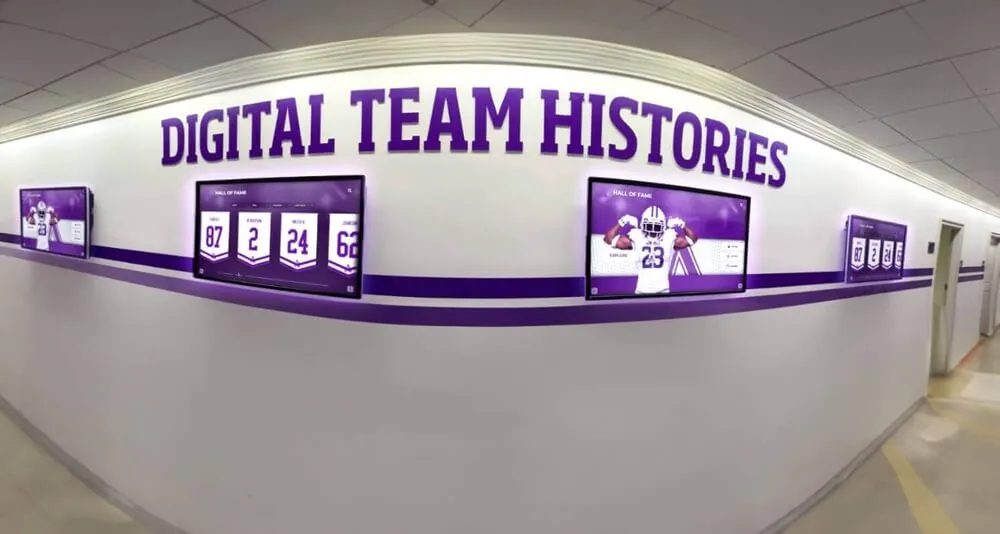
Hallway displays administrators establish create visible cultures celebrating achievement across generations
Key Skills and Competencies for School Administrators
Successful educational leaders develop multifaceted skill sets combining technical knowledge with interpersonal excellence.
Leadership and Interpersonal Skills
Effective administrators excel in human-centered capabilities:
Visionary Leadership
- Articulating compelling visions for school improvement and excellence
- Building consensus around shared goals and strategic direction
- Inspiring commitment to institutional mission and values
- Maintaining focus on core educational priorities amid distractions
- Modeling values and behaviors expected from others
Communication Excellence
- Conveying complex information clearly to diverse audiences
- Active listening demonstrating genuine interest in stakeholder perspectives
- Writing effectively for reports, communications, and policy documents
- Public speaking at board meetings, assemblies, and community events
- Managing difficult conversations with professionalism and empathy
- Utilizing multiple communication channels reaching all stakeholders
Relationship Building
- Developing trust with teachers, students, families, and community
- Navigating interpersonal conflicts productively
- Building coalitions supporting school initiatives
- Demonstrating cultural competence and inclusive practices
- Maintaining professional boundaries while being accessible
- Recognizing and celebrating stakeholder contributions
Emotional Intelligence
- Reading situations and adjusting approach accordingly
- Managing own emotions under pressure and stress
- Demonstrating empathy while maintaining professional judgment
- Building team cohesion and positive culture
- Addressing conflict constructively
- Supporting others through change and challenge
Technical and Managerial Competencies
Beyond interpersonal skills, administrators need operational expertise:
Financial Management
- Understanding school finance systems and funding sources
- Developing and managing budgets with accountability
- Making resource allocation decisions aligning with priorities
- Navigating procurement processes and regulations
- Analyzing financial reports and identifying trends
- Planning for long-term financial sustainability
Data Analysis and Strategic Planning
- Analyzing student achievement data identifying strengths and gaps
- Using evidence to inform decision-making and improvement plans
- Developing measurable goals and accountability systems
- Monitoring progress and adjusting strategies based on results
- Understanding assessment systems and accountability frameworks
- Translating data insights into actionable strategies
Legal and Regulatory Knowledge
- Understanding special education law and compliance requirements
- Navigating student discipline within legal frameworks
- Managing personnel issues following employment law and contracts
- Ensuring Title IX and civil rights compliance
- Understanding liability issues and risk management
- Staying current with evolving education law and policy
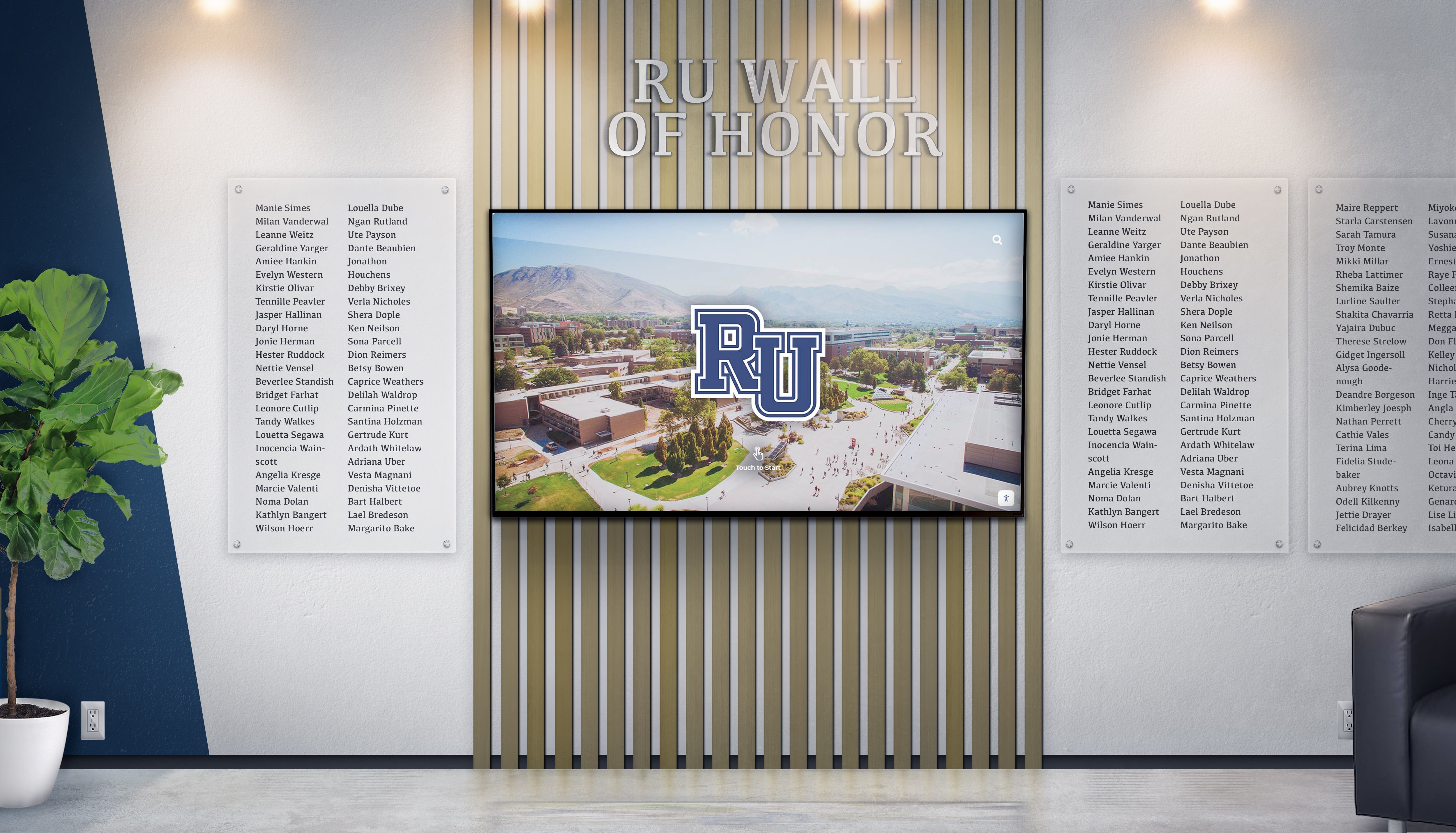
Comprehensive [recognition displays](https://touchscreenwebsite.com/blog/wall-of-fame-ideas-creative-ways-honor-achievement/?utm_source=organic&utm_medium=seo-auto&utm_content=toucharchives&utm_campaign=school-administrator&utm_term=seo) administrators implement celebrate multiple achievement dimensions
Instructional Leadership
- Understanding effective teaching practices and curriculum design
- Providing meaningful feedback improving instructional quality
- Supporting professional development aligned with school goals
- Evaluating teacher performance fairly and constructively
- Staying current with educational research and best practices
- Building systems for continuous instructional improvement
Technology Leadership
- Leveraging technology improving instruction and operations
- Making informed decisions about technology investments
- Understanding data systems, student information systems, and learning platforms
- Ensuring appropriate use of social media and digital communication
- Supporting teachers integrating technology effectively
- Managing cybersecurity and student data privacy
Many administrators find that modern recognition systems like digital displays help them celebrate achievement systematically while preserving institutional history—strengthening school culture through visible appreciation of excellence across academics, athletics, arts, and service.
Daily Realities: What a Typical Day Looks Like
Understanding administrative work requires appreciating the complex, unpredictable nature of school leadership.
The Varied Nature of Administrative Work
No two days look identical, but common patterns emerge:
Morning (6:30 AM - 12:00 PM)
- Arriving early to address issues before students arrive (6:30-7:30 AM)
- Visible presence during student arrival building relationships and supervision
- Morning announcements and school-wide communication
- Handling urgent issues (student crises, facility problems, staff absences)
- Classroom observations and instructional walkthroughs
- Parent meetings addressing concerns or student needs
- Administrative team meetings coordinating operations
- Managing email and communication responding to stakeholders
Afternoon (12:00 PM - 4:00 PM)
- Lunch duty supervision and informal student interaction
- Teacher observations and post-observation conferences
- Discipline meetings with students, families, and staff
- IEP meetings and special education coordination
- Administrative tasks (scheduling, budgets, reports)
- Meeting with department chairs or instructional coaches
- Addressing facilities, technology, or operational issues
- Parent phone calls and communications
Evening (4:00 PM - 9:00 PM)
- After-school supervision and activity oversight
- Athletic events and extracurricular program support
- Evening meetings (board meetings, PTA, community events)
- School performances, concerts, and celebrations
- Open houses and family engagement events
- Completing paperwork and email communication
- Planning and preparation for next day
Many administrators work 60-70+ hours weekly, including significant evening and weekend commitments for school events, emergencies, and planning.

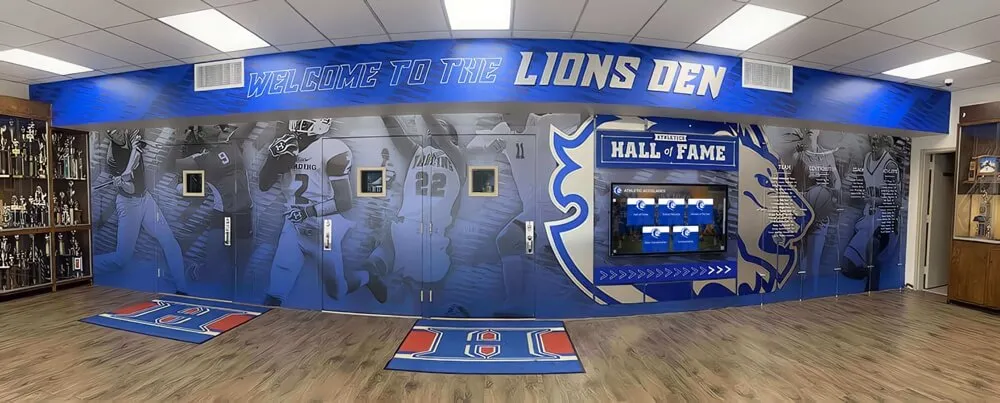
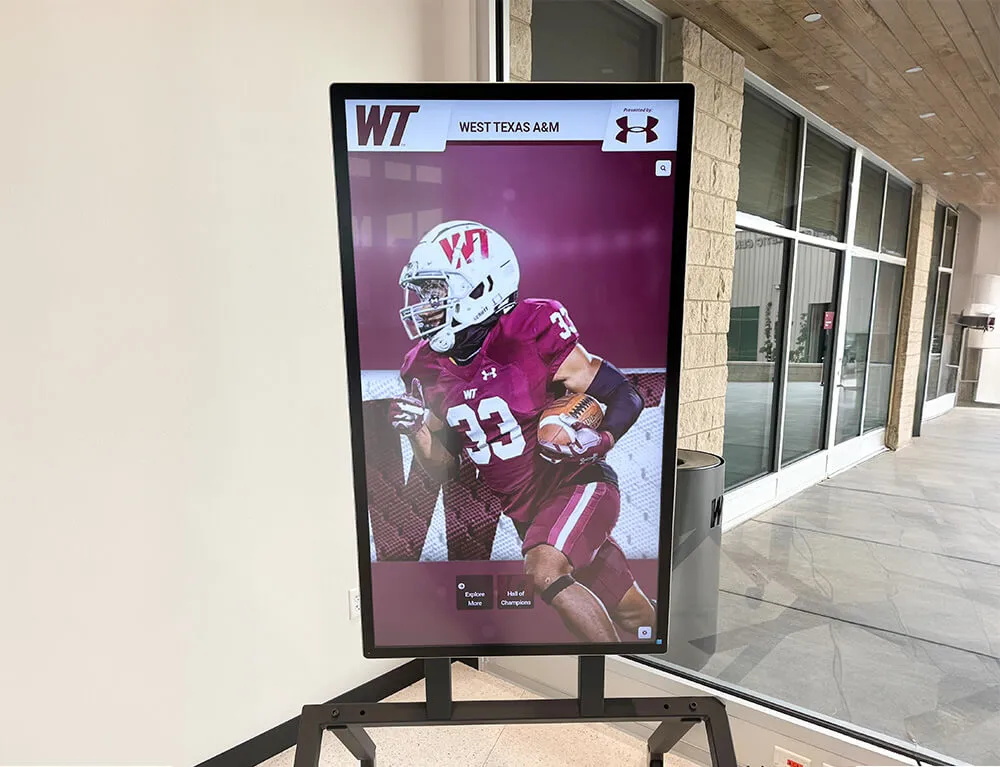
Recognition systems in [athletic facilities](https://digital-trophy-case.com/blog/remembrance-day-ideas-schools-organizations-honor-veterans/?utm_source=organic&utm_medium=seo-auto&utm_content=toucharchives&utm_campaign=school-administrator&utm_term=seo) celebrate programs administrators support through resource allocation and advocacy
The Unpredictable Elements
Despite best planning, administrators must navigate constant interruptions:
Crisis Response and Emergency Management
- Medical emergencies requiring immediate response and family contact
- Student conflicts or behavioral crises disrupting entire school day
- Facility emergencies (power outages, water leaks, HVAC failures)
- Security threats requiring lockdown procedures and coordination with law enforcement
- Staff emergencies requiring substitute coverage and operational adjustments
- Community incidents affecting school operations or student wellbeing
- Weather emergencies and decisions about dismissals or closures
Unplanned Meetings and Conversations
- Upset parents arriving without appointments demanding immediate attention
- Teacher concerns requiring principal intervention or support
- District directives necessitating immediate action or planning
- Community complaints needing prompt response
- Student situations requiring immediate administrative involvement
- Staff conflicts requiring mediation
- Opportunities for informal relationship-building with stakeholders
Successful administrators develop flexibility and prioritization skills, accepting that planned schedules rarely survive contact with daily realities.
Balancing Multiple Priorities Simultaneously
School administrators constantly juggle competing demands:
Short-Term Operational Needs vs. Long-Term Strategic Goals
- Addressing today’s discipline issue while building systems preventing future problems
- Managing immediate budget pressures while planning multiyear improvements
- Responding to individual student needs while maintaining school-wide consistency
- Handling staff concerns while advancing instructional improvement initiatives
Internal Operations vs. External Relations
- Balancing time in buildings supporting staff versus representing school externally
- Meeting community demands while protecting teachers from excessive outside pressures
- Maintaining district directives while advocating for building-level needs
- Supporting current families while engaging broader community and alumni
Individual Needs vs. Institutional Priorities
- Addressing specific student or family situations requiring personalized attention
- Maintaining policies and procedures ensuring fairness and consistency
- Supporting individual teacher development while managing overall instructional quality
- Balancing compassion with accountability in personnel and discipline decisions
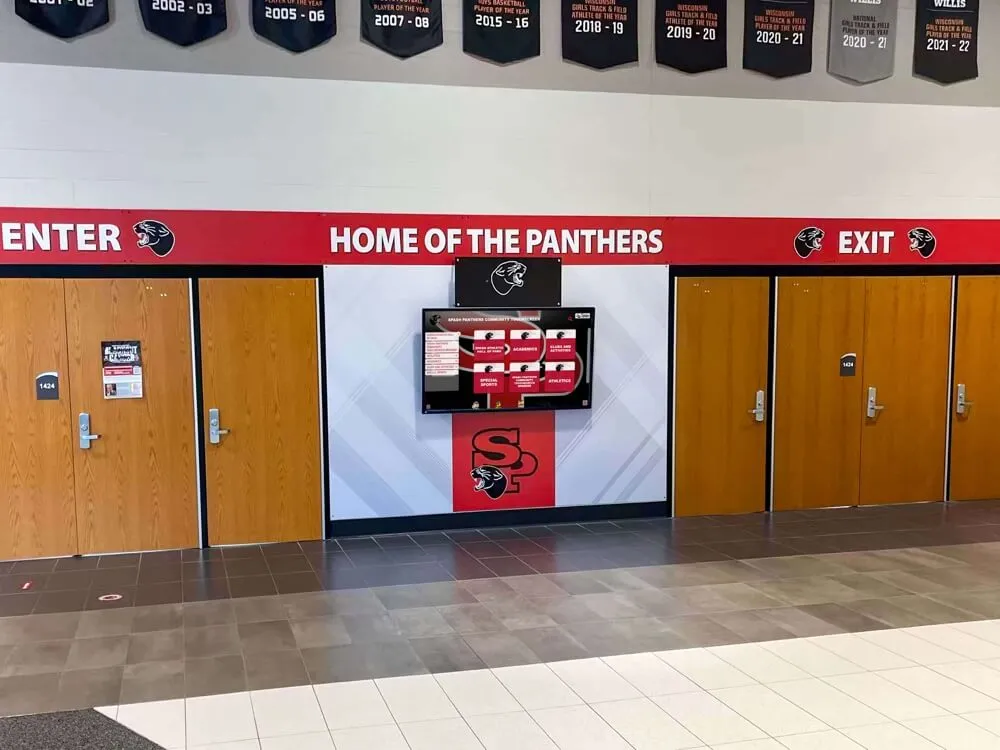
Entrance installations administrators oversee create welcoming environments communicating institutional values and priorities
Challenges and Rewards of School Administration
Understanding administrative work requires honest assessment of both difficulties and satisfactions.
Common Challenges School Administrators Face
Educational leadership presents significant obstacles:
Workload and Time Demands
- Consistently working 60-70+ hour weeks including evenings and weekends
- Limited personal and family time due to school commitments
- Constant availability expectations from stakeholders
- Difficulty disconnecting from work responsibilities
- Managing stress and maintaining personal wellbeing
- Risk of burnout from sustained intensity
Limited Resources and Budget Constraints
- Managing inadequate funding while maintaining program quality
- Making difficult decisions about program cuts or staff reductions
- Explaining resource limitations to disappointed stakeholders
- Competing with other districts for qualified staff amid teacher shortages
- Balancing competing demands with fixed budgets
- Advocating for additional resources from reluctant communities or boards
Navigating Conflicting Stakeholder Expectations
- Satisfying parents with vastly different values and priorities
- Balancing teacher autonomy with accountability expectations
- Managing board directives that may conflict with professional judgment
- Addressing community criticism while remaining focused on student needs
- Navigating political pressures from multiple directions
- Maintaining relationships despite impossible-to-satisfy competing demands
Personnel and Staffing Challenges
- Managing underperforming employees while supporting improvement
- Navigating termination processes when necessary
- Recruiting and retaining quality teachers in competitive markets
- Addressing staff conflicts and interpersonal issues
- Balancing support and accountability in supervision
- Managing collective bargaining dynamics and labor relations
Significant Rewards and Satisfactions
Despite challenges, administrators find meaningful fulfillment:
Student Impact
- Influencing entire schools rather than individual classrooms
- Creating systems helping hundreds or thousands of students
- Watching students overcome challenges through support programs established
- Celebrating student success in academics, athletics, arts, and character
- Maintaining relationships with students throughout careers
- Receiving gratitude from students years later
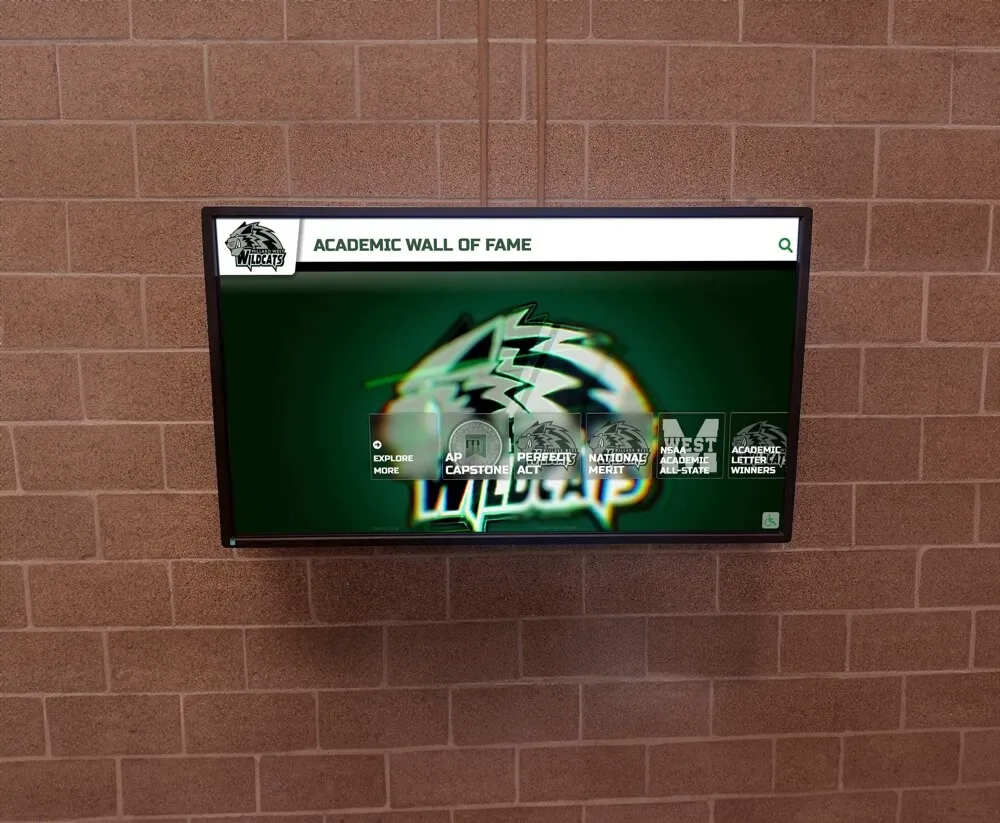
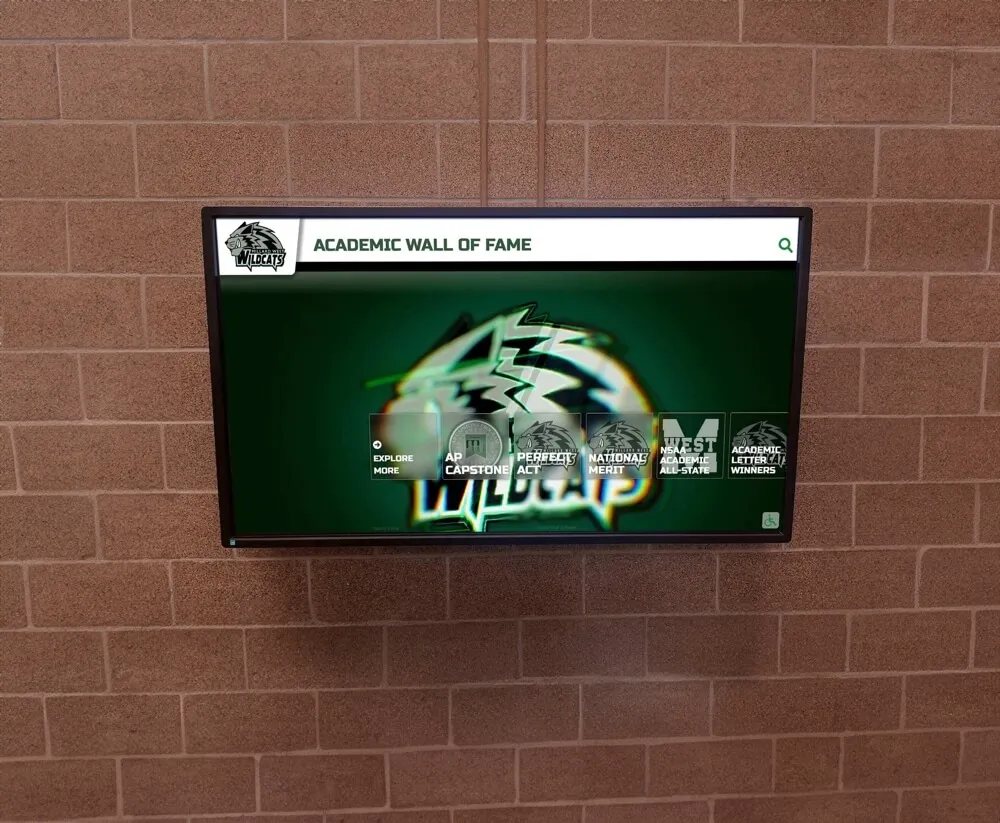
Academic [recognition programs](https://best-touchscreen.com/blog/donor-wall-examples-inspiring-ideas-schools-nonprofits-universities/?utm_source=organic&utm_medium=seo-auto&utm_content=toucharchives&utm_campaign=school-administrator&utm_term=seo) administrators establish celebrate intellectual achievement
Institutional Leadership and Legacy
- Shaping school culture and institutional identity
- Implementing programs and systems lasting beyond individual tenure
- Creating traditions celebrating student achievement and school pride
- Building facilities and resources serving future generations
- Leaving schools better than found
- Establishing recognition systems honoring achievement across decades
Solutions like digital recognition displays enable administrators to implement comprehensive systems celebrating student achievement across academics, athletics, arts, and service—creating visible cultures of excellence while preserving institutional legacy efficiently.
Professional Influence and Intellectual Challenge
- Making significant decisions affecting entire communities
- Engaging intellectually with complex organizational challenges
- Continuous learning and professional growth
- Mentoring emerging leaders and supporting teacher development
- Influencing educational policy through leadership associations
- Recognition from peers and profession for excellence
Community Building and Relationships
- Creating positive school communities where stakeholders feel connected
- Building partnerships enhancing educational opportunities
- Bringing diverse groups together around shared mission
- Celebrating achievements and milestones with school families
- Maintaining lifelong relationships with students, staff, and community
- Representing institutions taking pride in educational mission
Educational Requirements and Professional Development
Becoming and remaining an effective administrator requires substantial preparation and ongoing learning.
Degree Requirements
Administrative positions require significant educational credentials:
Minimum Educational Requirements
- Bachelor’s degree in education or related field (prerequisite for teaching)
- Teaching certification and typically 3-5 years classroom experience
- Master’s degree in educational administration, educational leadership, or related field
- Some states accept master’s degrees in curriculum and instruction or subject areas with additional administrative coursework
Doctoral Education (Optional but Increasingly Common)
- Ed.D. (Doctor of Education) focusing on applied leadership and organizational improvement
- Ph.D. (Doctor of Philosophy) emphasizing research and theoretical foundations
- Increasingly expected for superintendent positions, especially in larger districts
- Approximately 30-40% of superintendents hold doctoral degrees
Administrative Licensure and Certification
States require specific credentials for administrative positions:
Initial Administrative Certification
- Completion of state-approved educational leadership preparation program
- Passing scores on required examinations (commonly School Leaders Licensure Assessment)
- Supervised administrative internships or practicums
- Background checks and character/fitness requirements
- Application fees and credential processing
Levels and Endorsements
- Building-level certification (principal/assistant principal)
- District-level certification (superintendent/central office)
- Specialized endorsements (special education administration, curriculum director)
- Reciprocity agreements enabling cross-state moves with varying requirements
Maintaining Licensure
- Continuing education requirements (typically 100-150 hours per renewal cycle)
- Professional development in leadership, instruction, and specialized areas
- Renewal fees and application processes
- Some states require periodic examination or assessment
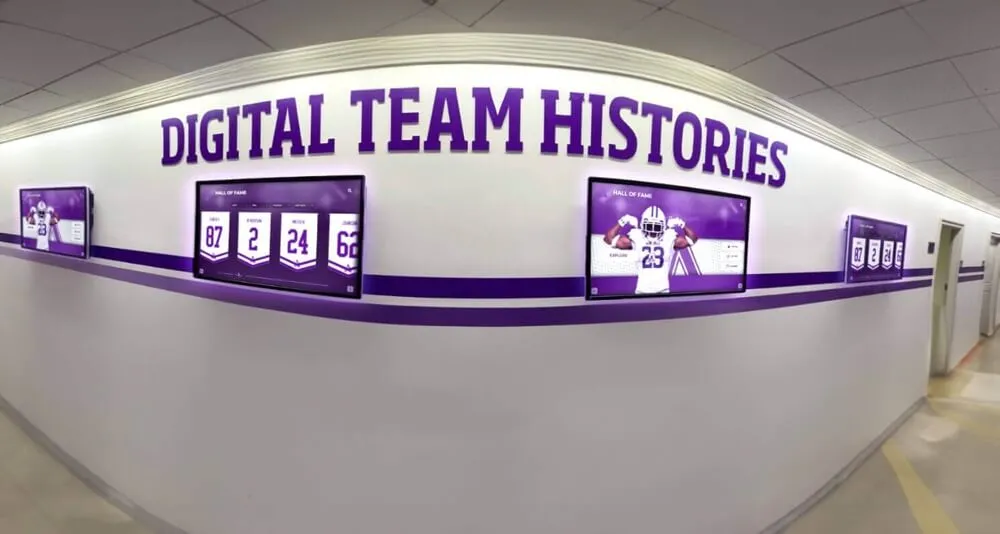
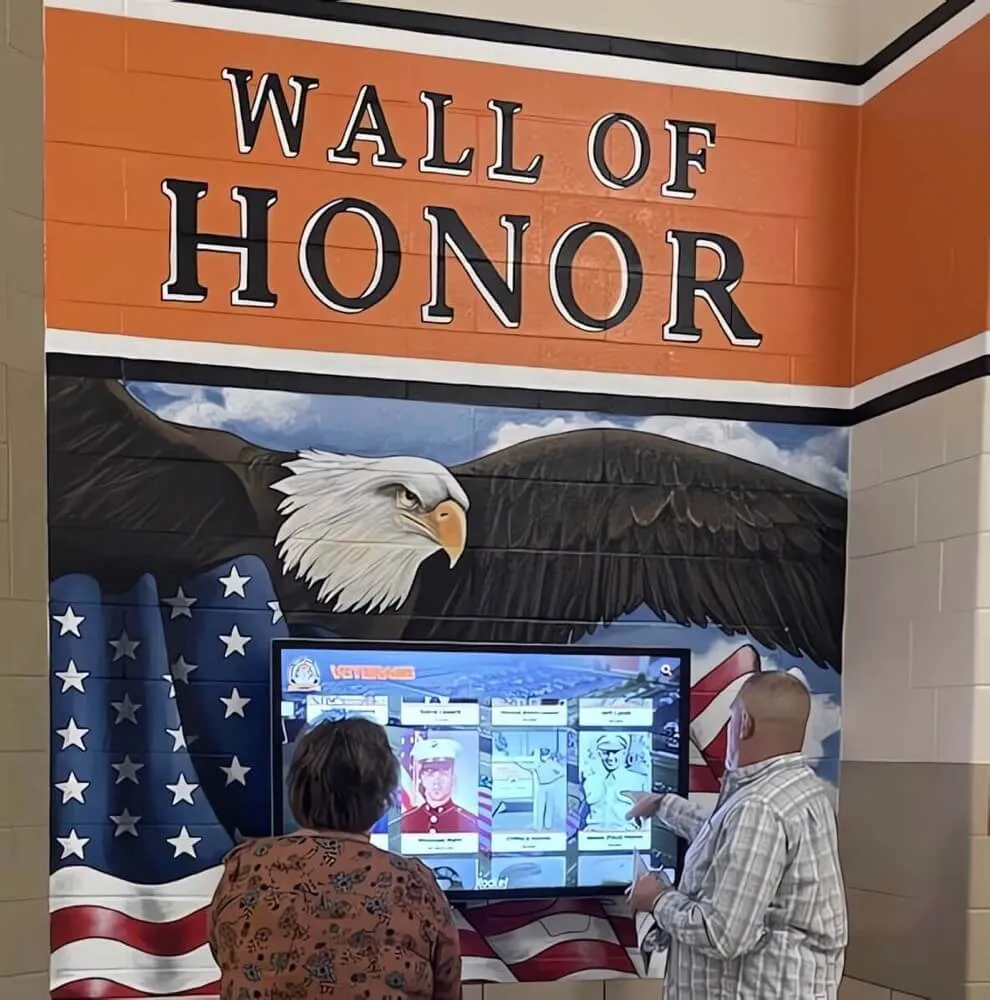
Administrators oversee [historical preservation systems](https://touchhalloffame.us/blog/state-championships-recognition-banner-exhibit/?utm_source=organic&utm_medium=seo-auto&utm_content=toucharchives&utm_campaign=school-administrator&utm_term=seo) documenting institutional achievement traditions
Professional Development and Growth
Effective administrators engage in continuous learning:
Professional Associations and Networks
- National Association of Elementary School Principals (NAESP)
- National Association of Secondary School Principals (NASSP)
- American Association of School Administrators (AASA)
- State-level administrator associations
- Subject-specific administrator groups (athletic directors, special education administrators)
- Networking opportunities and peer learning communities
Ongoing Professional Learning
- Leadership development programs and executive coaching
- Workshops on emerging educational issues and practices
- Legal updates addressing changing regulations and court decisions
- Technology integration and digital leadership training
- Cultural competence and equity-focused professional development
- Crisis management and safety training
- Data analysis and continuous improvement methodologies
Self-Directed Growth
- Reading educational leadership literature and research
- Attending conferences and learning from exemplary schools
- Seeking mentorship from experienced administrators
- Engaging with higher education partners
- Participating in study groups and professional learning communities
- Pursuing specialized certifications or credentials
Compensation and Career Outlook
Understanding earning potential and employment prospects helps those considering administrative careers.
Salary Ranges by Position and Location
Administrative compensation varies significantly by role, location, and experience:
National Average Salaries (2025)
- Assistant Principal: $75,000-$100,000
- Elementary School Principal: $85,000-$110,000
- Middle School Principal: $90,000-$115,000
- High School Principal: $95,000-$130,000
- District Directors/Coordinators: $85,000-$120,000
- Assistant Superintendent: $110,000-$180,000
- Superintendent (small districts): $120,000-$180,000
- Superintendent (medium districts): $180,000-$250,000
- Superintendent (large districts): $250,000-$400,000+
Geographic Variations Urban and suburban districts in high cost-of-living areas typically pay significantly above national averages, while rural districts often pay below. State funding levels and local wealth substantially affect compensation.
Additional Compensation Factors
- School size (larger schools pay more)
- District wealth and local funding capacity
- Experience and longevity in position
- Educational credentials (doctoral degrees often add $5,000-$15,000)
- Performance bonuses in some districts
- Benefits packages (health insurance, retirement contributions)
Career Outlook and Demand
Employment prospects for school administrators remain positive:
Projected Growth According to Bureau of Labor Statistics, employment of elementary, middle, and high school principals is projected to grow 6% from 2023 to 2033, about as fast as the average for all occupations. Approximately 24,000 openings for principals are projected each year over the decade.

Modern [recognition technology](https://donorswall.com/blog/museum-kiosks-ultimate-guide-2026/?utm_source=organic&utm_medium=seo-auto&utm_content=toucharchives&utm_campaign=school-administrator&utm_term=seo) administrators implement engages communities with institutional excellence
Factors Driving Demand
- Student enrollment growth requiring additional schools and administrators
- Retirement of current principals and superintendents
- Turnover from administrators leaving positions due to stress or career changes
- New schools opening in growing communities
- Expanding administrative structures in larger districts
Competitive Factors
- Limited pipeline of qualified candidates in many regions
- High stress and demanding work discouraging some educators from pursuing administration
- Competition from higher education and private sector for leadership talent
- Geographic variations with shortages in rural and high-need urban areas
- Opportunities for advancement into district-level leadership
Making the Decision: Is School Administration Right for You?
Considering administrative careers requires honest self-assessment and realistic expectations.
Qualities of Successful School Administrators
Effective educational leaders typically demonstrate:
Personal Characteristics
- High energy levels sustaining demanding schedules
- Resilience recovering from setbacks and managing stress
- Decisiveness making difficult calls with incomplete information
- Flexibility adapting to changing circumstances and unexpected challenges
- Patience working through complex problems requiring sustained effort
- Optimism maintaining positive outlook despite challenges
- Integrity adhering to ethical principles under pressure
- Humility accepting feedback and learning from mistakes
Professional Dispositions
- Genuine commitment to educational mission and student success
- Desire to influence at organizational rather than just classroom level
- Comfort with authority and responsibility for consequential decisions
- Interest in organizational systems and operational management
- Capacity for political navigation without compromising principles
- Orientation toward problem-solving and continuous improvement
- Appreciation for complexity and ambiguity
- Leadership presence inspiring confidence and respect
Practical Realities
- Willingness to work extensive hours including evenings and weekends
- Family support and arrangements accommodating administrative demands
- Financial stability managing transition from teaching to administration
- Geographic flexibility potentially relocating for opportunities
- Comfort with public visibility and scrutiny
- Capacity to maintain professional boundaries while being accessible
- Technology competence managing information systems and communication platforms

Administrators establish [championship recognition systems](https://halloffamewall.com/blog/donation-honor-wall/?utm_source=organic&utm_medium=seo-auto&utm_content=toucharchives&utm_campaign=school-administrator&utm_term=seo) celebrating athletic excellence and competitive achievement
Questions to Consider Before Pursuing Administration
Prospective administrators should honestly answer:
About Motivation and Goals
- Why do I want to move from classroom teaching to administration?
- What aspects of leadership work most appeal to me?
- What do I hope to accomplish that I cannot achieve as a teacher?
- Am I prepared for reduced direct student contact and teaching time?
- Do I genuinely enjoy organizational leadership and management?
About Practical Realities
- Can my family accommodate administrative work demands?
- Am I prepared for the financial investment in additional education?
- Am I willing to relocate if necessary for career advancement?
- How will I manage stress and maintain work-life balance?
- Do I have mentors and support systems sustaining me through challenges?
About Skills and Readiness
- What leadership experiences prepare me for formal administrative roles?
- Have I developed relevant skills through teacher leadership or committee work?
- What are my developmental areas requiring growth before administration?
- Am I prepared for the political aspects of educational leadership?
- Can I make difficult personnel and discipline decisions when necessary?
Alternative Roles for Teachers Seeking Leadership
Not all leadership requires leaving the classroom:
Teacher Leadership Opportunities
- Department chair or grade-level team leader
- Instructional coach supporting peer professional development
- Curriculum coordinator or specialist
- Teacher mentor for new educators
- Professional development facilitator
- School improvement team member
- Union or association leadership
- National Board Certification pursuit
- Leading specialized programs (gifted education, ESL, special projects)
These roles provide leadership impact while maintaining classroom teaching connections many educators value deeply.
Conclusion: The Essential Role of School Administrators
School administrators form the essential leadership infrastructure enabling educational institutions to function effectively, improve continuously, and serve students successfully. Far from simply managing discipline and schedules, educational leaders shape organizational culture, steward public resources responsibly, build community partnerships, navigate complex regulations, support teaching excellence, and make strategic decisions affecting entire communities for generations.
The work demands extensive education, substantial commitment, extraordinary effort, and willingness to navigate complex political and interpersonal dynamics daily. Yet for those genuinely committed to educational mission and drawn to organizational leadership, school administration offers profound opportunities influencing hundreds or thousands of students, building institutional excellence, creating lasting legacies, and serving communities meaningfully.
Support Your School Administrators With Powerful Recognition Tools
Discover how modern digital recognition displays help school administrators celebrate student achievement systematically, preserve institutional legacies, and build cultures of excellence. Comprehensive touchscreen systems enable administrators to honor accomplishments across academics, athletics, arts, and service—creating visible appreciation while managing recognition programs efficiently.
Request a DemoUnderstanding what school administrators do—and appreciating the complexity, challenge, and significance of their work—helps educators make informed decisions about pursuing administrative careers while building community support for school leaders managing institutions serving our children. Whether considering administrative pathways or simply seeking to understand school leadership better, recognizing administrators’ multifaceted responsibilities and demanding realities proves essential.
For current administrators seeking to enhance recognition programs, preserve institutional history, or celebrate achievement systematically, modern technology increasingly enables comprehensive approaches that previous generations required substantial space and resources to accomplish. Solutions like digital recognition displays transform how schools honor excellence—enabling administrators to implement sophisticated recognition systems celebrating diverse accomplishments while preserving institutional legacy efficiently.
School administration represents noble, demanding work requiring extraordinary dedication from talented professionals committed to educational excellence. Those who pursue administrative careers and excel in these challenging roles deserve appreciation for shouldering responsibilities enabling schools to fulfill their essential missions serving students, families, and communities.