



For parents watching their children navigate high school sports for the first time, the terminology can feel overwhelming. What exactly does “varsity” mean? How is it different from junior varsity? And why does making varsity carry such significance in school communities?
The term “varsity” represents the highest competitive level in high school athletics—the top team representing the school against other institutions. Making varsity signifies that an athlete has demonstrated the skill, dedication, and maturity to compete at the most advanced level their school offers. This designation carries academic, social, and recognition implications that extend far beyond the playing field.
Understanding varsity sports helps families navigate high school athletics more effectively while appreciating the achievement milestones their student-athletes pursue. This comprehensive guide explores what varsity means, how athletes progress through team levels, the recognition traditions surrounding varsity achievement, and how schools preserve these accomplishments through both traditional and modern methods.
High school athletic programs typically organize teams into multiple competitive levels, with varsity representing the pinnacle. These distinctions create developmental pathways allowing athletes of varying abilities to participate meaningfully while providing clear progression goals motivating skill improvement and dedication.

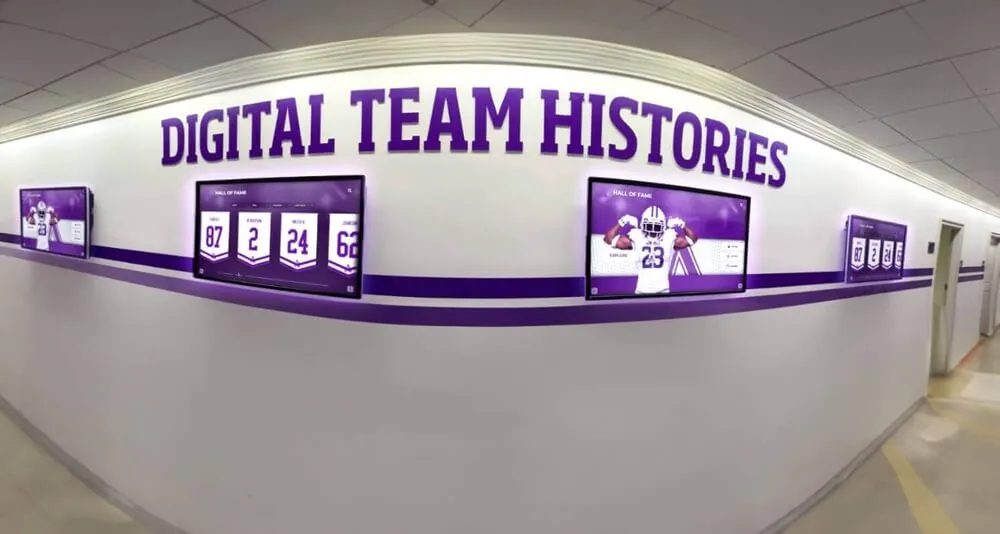
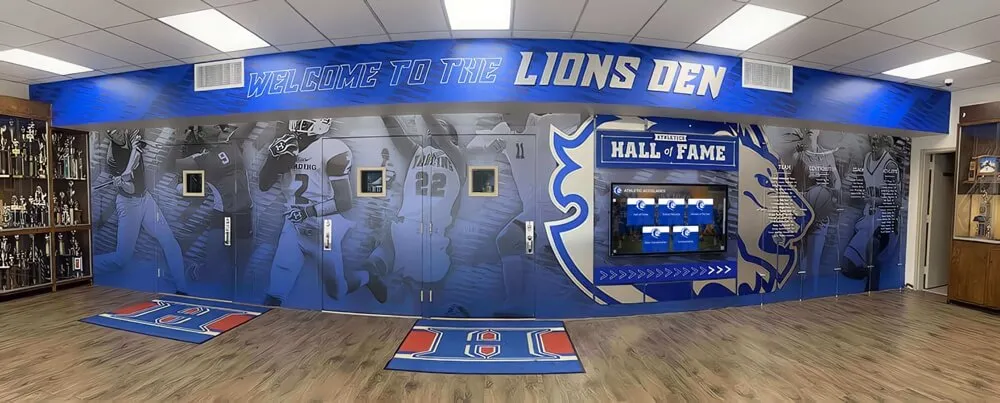
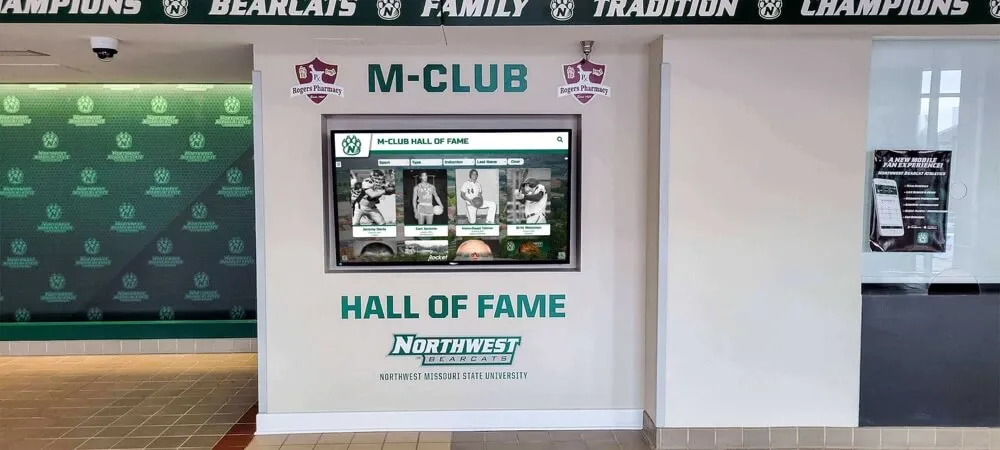
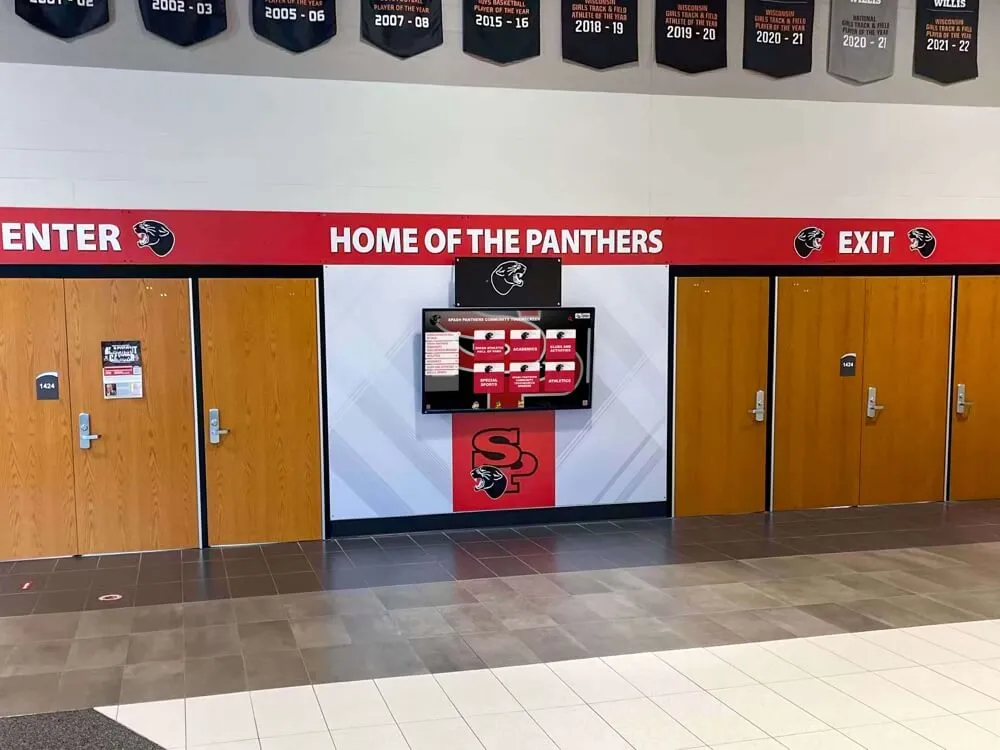
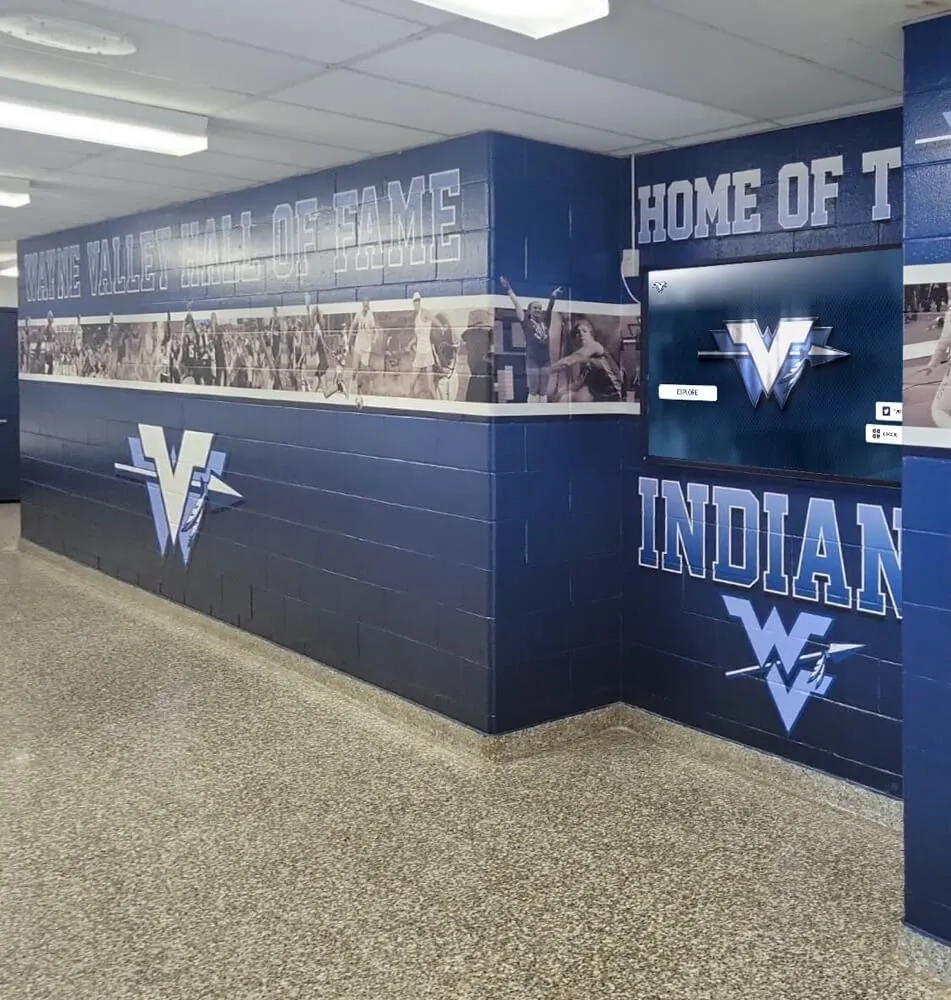
Athletic facilities showcase varsity achievements, honoring the dedication required to compete at the highest high school level
What Does Varsity Mean in Sports?
The term “varsity” identifies the primary competitive team representing a school or university in athletic competition.
Etymology and Origins
Understanding the word’s history clarifies its significance:
Academic Roots
The term varsity derives from “university”:
- British universities shortened “university” to “varsity” in common speech
- Early collegiate athletics adopted the term for primary school teams
- Distinction created between university teams and club or intramural sports
- American colleges imported the terminology in the late 1800s
- High schools eventually adopted collegiate athletic structures
- Term became standard across American secondary education
This academic origin explains why varsity carries connotations beyond athletics—it represents the school itself in competition against other institutions.
Historical Athletic Context
Varsity designation emerged with organized school sports:
- Late 1800s saw formalization of interscholastic athletics
- Schools needed terminology distinguishing official teams from informal play
- Varsity teams received institutional support and official recognition
- Uniforms, facilities, and coaching designated varsity programs
- Competition schedules formalized between varsity teams
- Media coverage focused on varsity-level competition
Varsity as the Top Competitive Level
In contemporary high school athletics, varsity represents the highest tier:
Competition Characteristics
Varsity teams feature distinct elements:
- Most skilled and experienced athletes from school population
- Competition against other schools’ varsity teams
- Official conference and district standings
- Playoff and championship tournament eligibility
- Most extensive coaching staff and resource allocation
- Highest community visibility and attendance
Representative Function
Varsity teams carry special responsibility:
- Official representatives of school in interscholastic competition
- Expected to uphold school reputation and sportsmanship standards
- Visible ambassadors for athletic programs and school culture
- Competition results reflecting on entire institution
- Alumni and community investment in varsity success
- Historical continuity connecting current teams to program legacy
This representative role explains why varsity selection criteria extend beyond pure athletic ability to include character, academics, and leadership considerations.

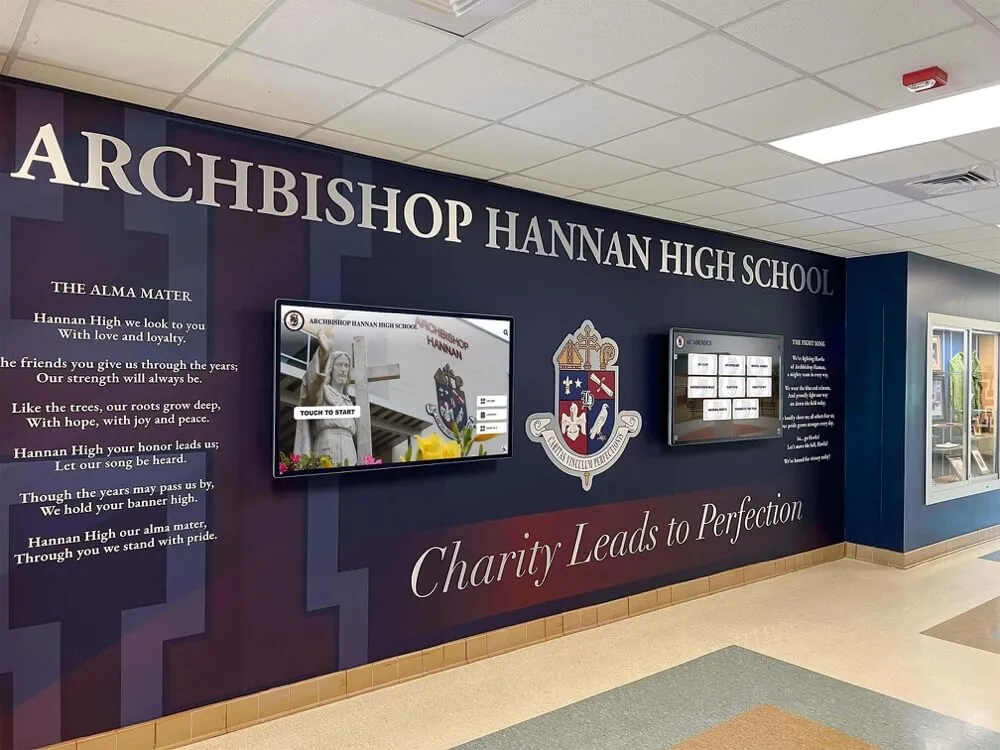
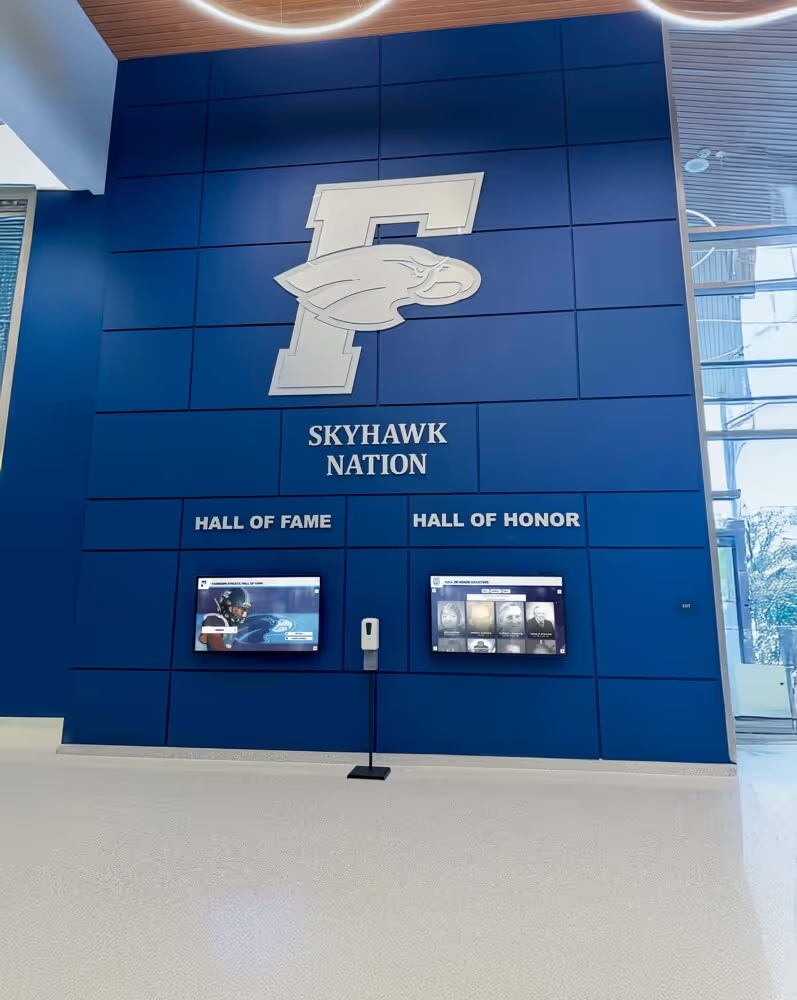
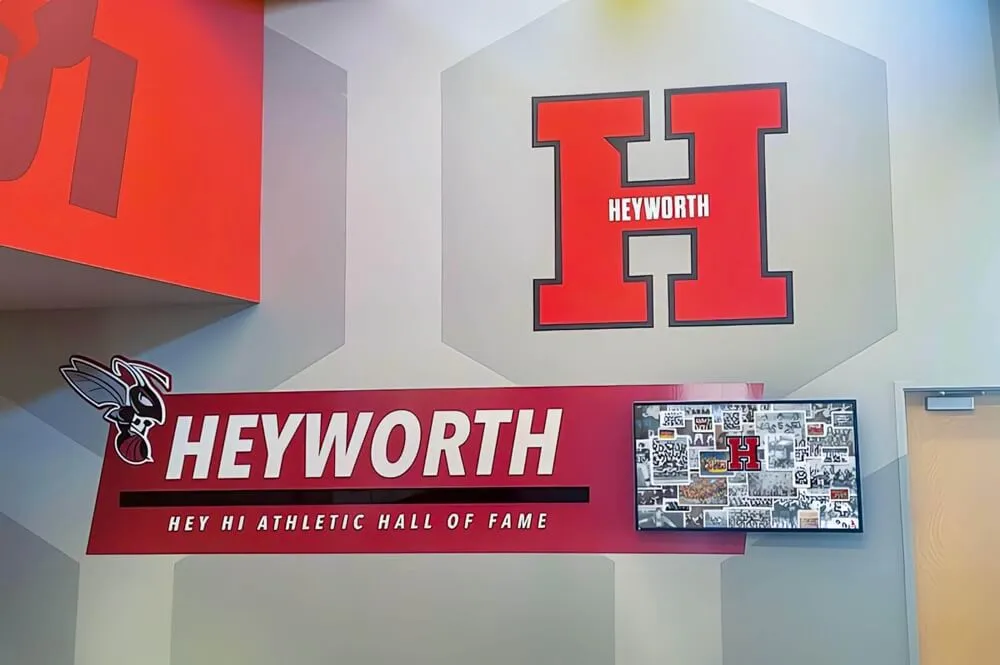
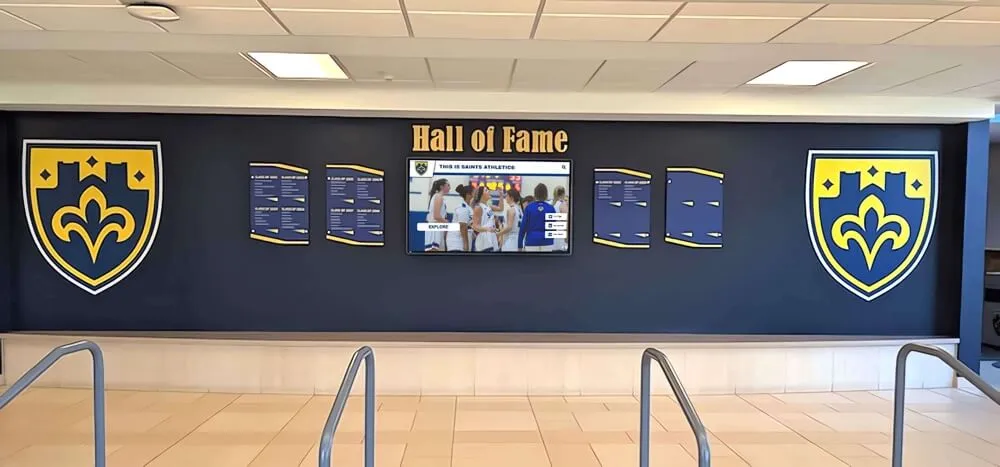
Hall of fame displays preserve varsity championship history, celebrating the athletes who represented their schools at the highest level
Understanding High School Athletic Team Levels
Most high schools organize athletics into multiple competitive tiers creating developmental pathways.
Junior Varsity (JV) Teams
Junior varsity provides essential developmental opportunities:
Purpose and Function
JV teams serve multiple objectives:
- Skill development for athletes not yet ready for varsity competition
- Playing experience helping athletes learn sport rules and strategy
- Physical and mental maturity development before varsity pressure
- Roster depth ensuring program sustainability across graduation cycles
- Inclusive participation opportunities for more students
- Pipeline preparing future varsity athletes
Competition Structure
JV competition differs from varsity:
- Matches scheduled against other schools’ JV teams
- Shorter game times or modified competition formats in some sports
- Less formal conference standings and playoff structures
- Development emphasis over winning at all costs
- Opportunities for position experimentation and skill building
- Coaching focused on teaching fundamentals and growth
For athletes aspiring to varsity status, JV provides crucial preparation developing the skills, experience, and confidence needed for higher-level competition.
Age and Grade Considerations
JV typically serves specific student populations:
- Freshmen and sophomores making up majority of JV rosters
- Younger athletes gaining experience before varsity opportunities
- Late-developing juniors continuing skill development
- Athletes new to sport learning fundamentals
- Multi-sport athletes focusing on secondary sports at JV level
- Participation opportunities for less experienced upperclassmen
Freshman Teams
Many larger schools field separate freshman teams:
Developmental Focus
Freshman teams emphasize foundation building:
- Introduction to high school athletic expectations and culture
- Fundamental skill development appropriate to beginner level
- Transition from middle school to high school competition
- Physical development and strength training introduction
- Team concept and sportsmanship emphasis
- Academic eligibility and time management skill building
Program Pathway Integration
Freshman teams function within broader program structure:
- Coordination with JV and varsity coaching philosophies
- Consistent skill development progression across levels
- Exposure to upperclassmen through shared facilities and events
- Cultural integration into program traditions and expectations
- Talent identification for future varsity rosters
- Foundation establishing multi-year athletic development
Schools implementing comprehensive athletic recognition programs ensure athletes receive appropriate acknowledgment at every competitive level, not just varsity.
Modified and Middle School Teams
Younger students participate in entry-level programs:
Middle School Athletics
Junior high programs introduce organized competition:
- Fifth through eighth grade participation depending on school structure
- Fundamental skill instruction emphasis
- Introduction to competitive athletics
- Multi-sport participation strongly encouraged
- Reduced practice and competition time commitments
- Recreational atmosphere balancing fun with skill development
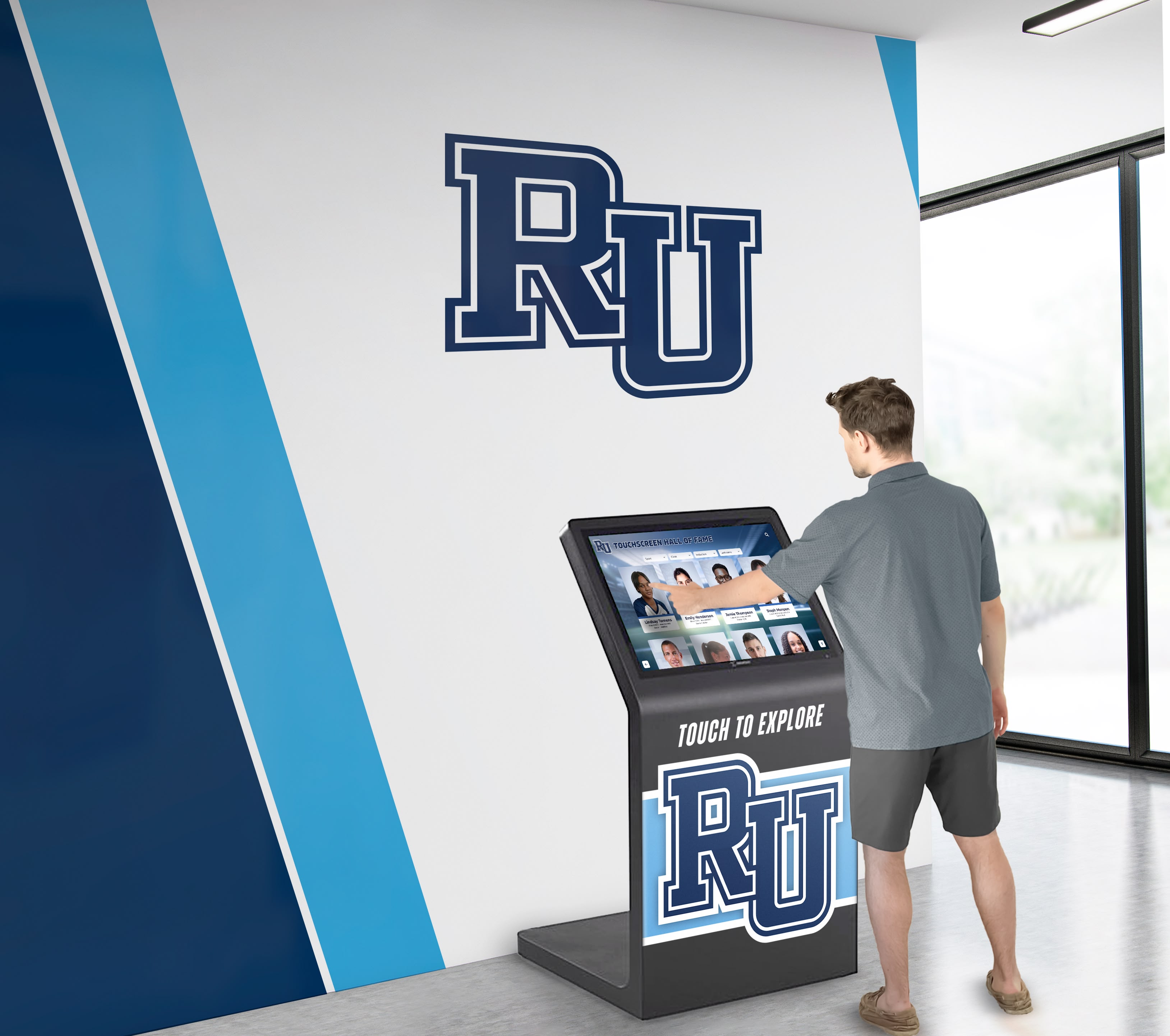
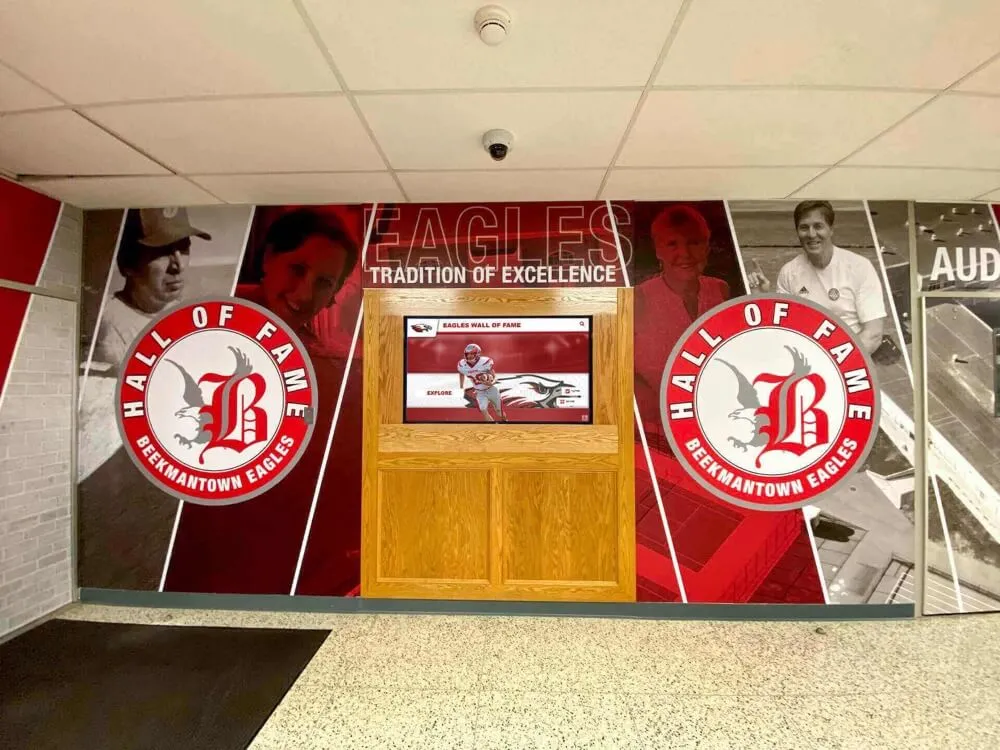
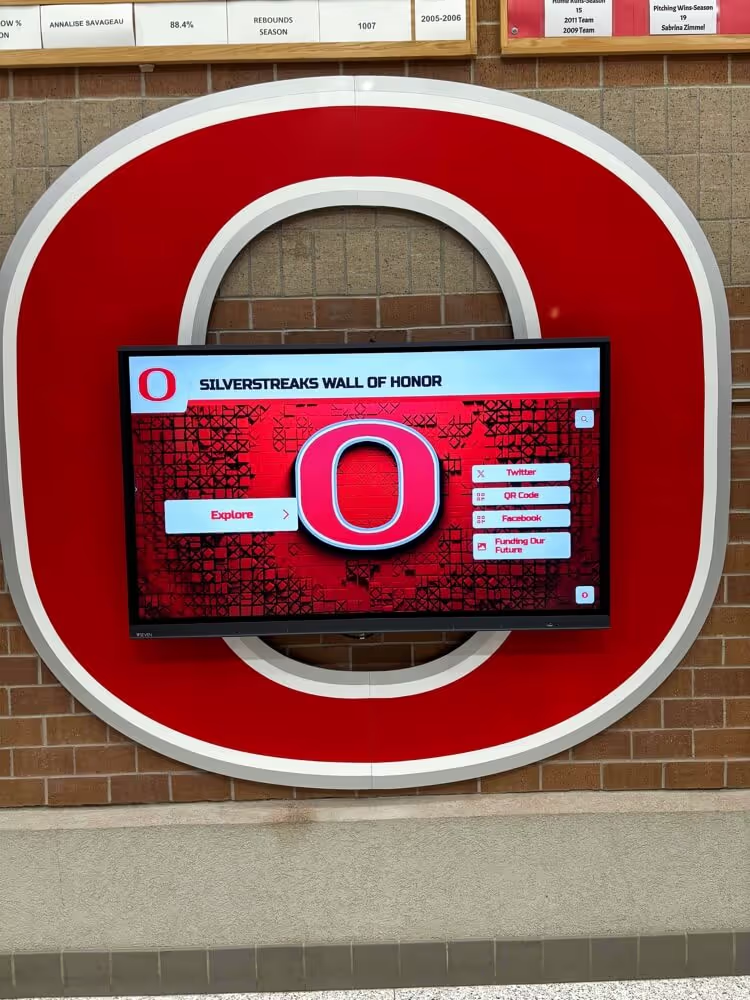
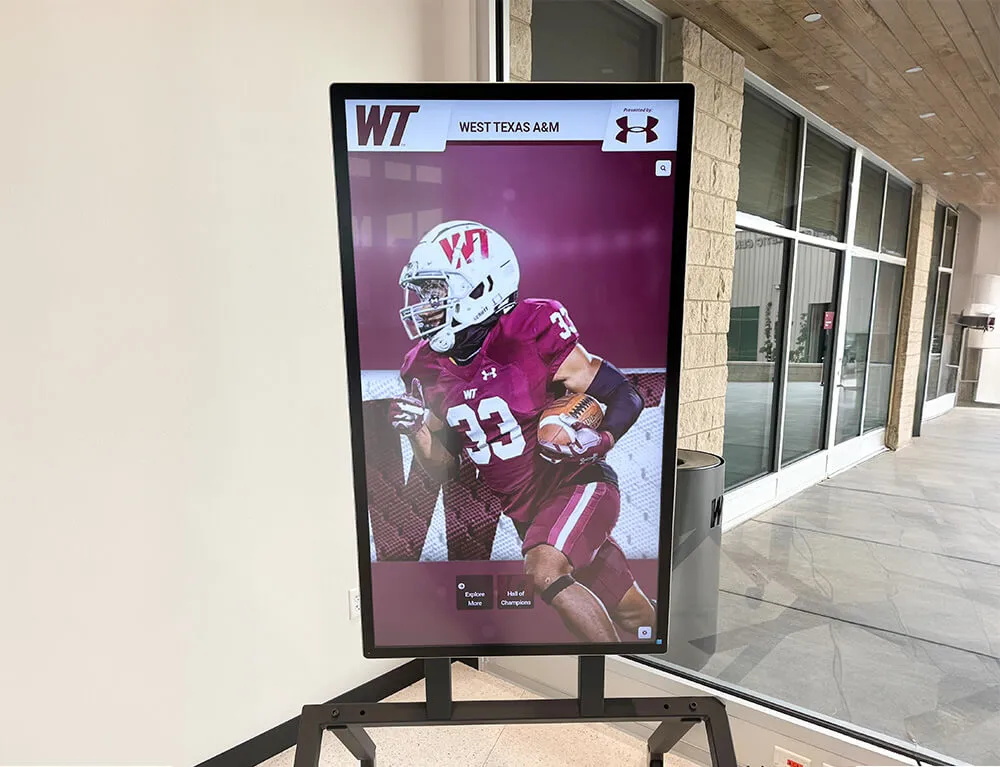
Interactive displays enable schools to recognize achievement across all team levels, from modified through varsity
Modified Teams
Some districts operate modified level programs:
- Seventh and eighth grade teams separate from varsity/JV structure
- Developmental focus with age-appropriate competition
- Bridge between recreational youth sports and high school athletics
- Skill assessment identifying future high school athletes
- Introduction to school athletic culture and expectations
- Foundation for successful high school athletic careers
Making Varsity: Selection Criteria and Progression
Earning varsity status requires meeting multiple criteria demonstrating readiness for top-level competition.
Athletic Skill and Performance
The most obvious varsity criterion involves competitive ability:
Sport-Specific Skills
Coaches evaluate technical proficiency:
- Fundamental skill mastery appropriate to sport
- Advanced technique execution under competitive pressure
- Position-specific skills required for varsity competition
- Physical attributes supporting high-level performance
- Game intelligence and strategic understanding
- Consistency demonstrating reliable performance
Competitive Performance
Demonstrated success in game situations:
- Effectiveness against quality competition
- Performance in high-pressure situations
- Statistics comparing favorably to varsity standards
- Contribution to team success in competition
- Improvement trajectory suggesting continued development
- Previous competitive experience at appropriate levels
Physical Development
Physical maturity supporting varsity competition:
- Strength and size appropriate for physical demands
- Speed and athleticism meeting competitive requirements
- Endurance sufficient for full competition duration
- Injury resilience and physical durability
- Recovery capacity supporting practice and game schedules
- Physical development appropriate to competition level

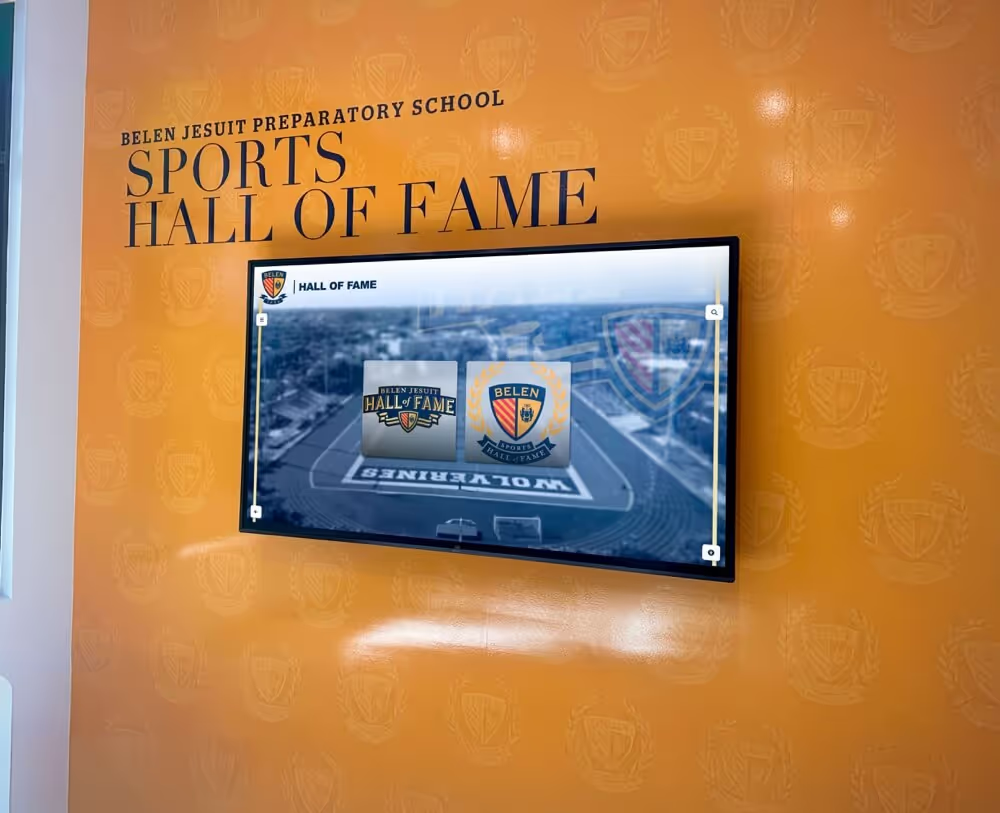
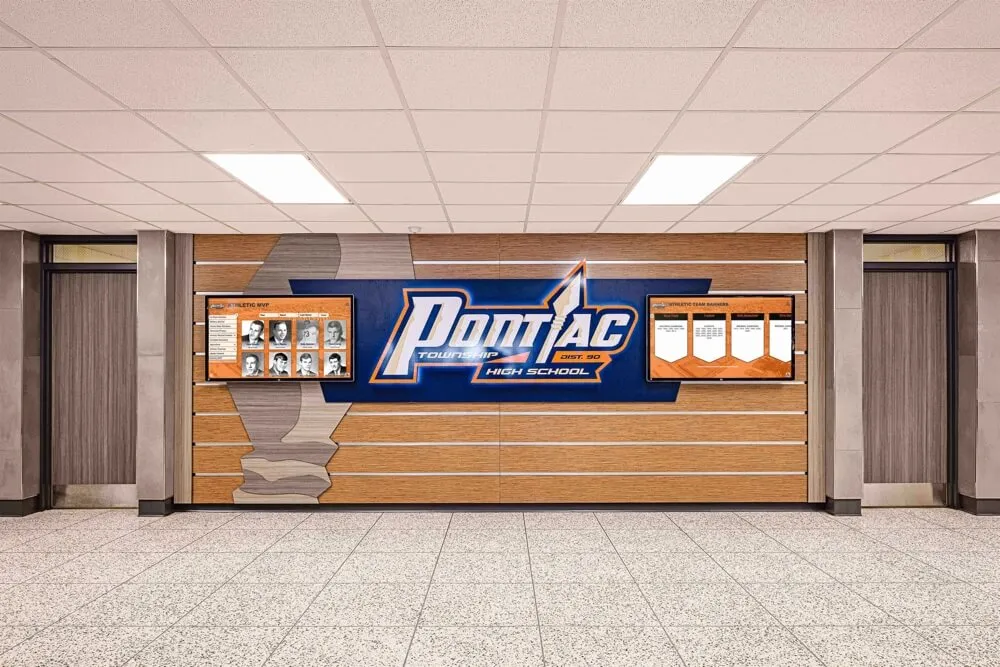
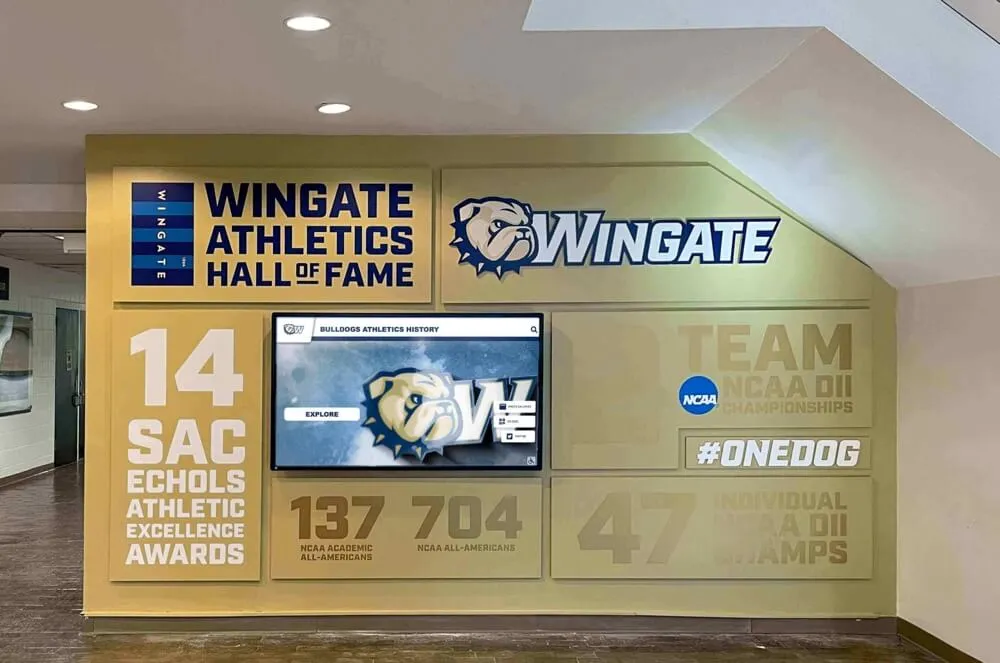
Recognition displays celebrate varsity achievements, documenting the athletes who earned the right to represent their schools
Character and Leadership Qualities
Varsity selection extends beyond athletic ability:
Work Ethic and Dedication
Commitment demonstrated through behavior:
- Consistent practice attendance and punctuality
- Maximum effort in training and preparation
- Off-season training and skill development
- Willingness to perform unrewarding but necessary tasks
- Sacrifice of personal time and social opportunities
- Persistence through challenges and setbacks
Coachability and Attitude
Receptiveness to instruction and feedback:
- Positive response to coaching criticism and direction
- Willingness to adapt and modify technique
- Team-first mentality subordinating ego to collective success
- Support for teammates regardless of personal playing time
- Positive attitude maintaining team morale
- Leadership by example setting practice and behavior standards
Sportsmanship and Character
Personal qualities representing school appropriately:
- Respectful behavior toward opponents and officials
- Appropriate emotional regulation during competition
- Representation of school values on and off field
- Community citizenship and behavior standards
- Accountability for mistakes and poor decisions
- Integrity in academic and personal conduct
Many programs recognize that varsity athletes must embody broader school values, making character evaluation integral to selection decisions.
Academic Requirements
Academic performance typically factors into varsity eligibility:
Minimum Academic Standards
Schools and athletic associations establish requirements:
- Minimum GPA thresholds (often 2.0 or higher)
- No failing grades during athletic seasons
- Progress toward graduation on appropriate timeline
- State athletic association academic eligibility rules
- Local school district academic participation requirements
- NCAA eligibility considerations for college-bound athletes
Academic Support Integration
Programs help varsity athletes maintain eligibility:
- Mandatory study halls for struggling students
- Tutoring services coordinated with practice schedules
- Teacher communication about missing work or concerns
- Academic progress monitoring throughout season
- Consequences for academic underperformance
- Recognition programs celebrating scholar-athletes
These academic requirements communicate that student comes before athlete in student-athlete identity.
Experience and Maturity Factors
Readiness involves more than current skill:
Mental and Emotional Maturity
Psychological readiness for varsity pressure:
- Ability to handle performance pressure and expectations
- Emotional regulation during adversity and frustration
- Focus maintenance amid distractions and stress
- Confidence without arrogance
- Resilience recovering from mistakes and failures
- Perspective maintaining balance between athletics and life
Program Knowledge and Experience
Understanding of team systems and culture:
- Familiarity with offensive and defensive schemes
- Knowledge of team terminology and communication
- Understanding of program expectations and traditions
- Awareness of opponent tendencies and scouting reports
- Integration into team culture and dynamics
- Appreciation for program history and standards
Age and Grade Level
While not absolute, age often correlates with readiness:
- Juniors and seniors typically dominating varsity rosters
- Exceptional sophomores occasionally earning varsity positions
- Rare freshmen making varsity in most sports
- Physical and emotional maturity generally increasing with age
- Experience accumulation across multiple seasons
- Leadership expectations often favoring upperclassmen

Athletic displays document varsity achievements across program history, preserving the legacy of excellence
The JV to Varsity Progression Path
Most high school athletes progress through multiple team levels before making varsity.
Typical Development Timeline
Common progression patterns by grade:
Freshman Year
Typical freshman experience:
- Majority participate on freshman or JV teams
- Skill and physical development primary focus
- Rare freshmen making varsity in most sports
- Introduction to high school athletic culture and expectations
- Foundation building for future progression
- Adjustment to increased competition and practice intensity
Sophomore Year
Second-year athlete typical experience:
- Strong athletes moving to JV or splitting JV/varsity time
- Continued skill development and physical maturity
- Occasional full-time varsity positions for advanced athletes
- Increased competition for varsity roster spots
- Leadership opportunities on JV teams
- Evaluation for junior year varsity readiness
Junior Year
Third-year athlete expectations:
- Many athletes earning full-time varsity positions
- Competition for starting roles intensifies
- Critical year for college recruitment visibility
- Leadership roles and team captain consideration
- Refinement of skills at varsity competition level
- Mentorship of younger athletes developing behind them
Senior Year
Final high school season:
- Majority of seniors occupying varsity roster positions
- Leadership and mentorship expectations increased
- Final opportunity for achievement and recognition
- Special traditions and senior night celebrations
- Legacy considerations and impact on program culture
- Transition preparation for post-high school athletics or retirement
Making the Jump: What Changes at Varsity Level
Athletes transitioning to varsity encounter significant differences:
Competition Intensity
Varsity competition demands more:
- Faster pace and higher skill level from opponents
- Increased physicality and strength requirements
- More sophisticated strategy and tactical complexity
- Heightened pressure and stakes in competition
- Tighter margins for error and fewer second chances
- Playoff and championship implications in many contests
Practice and Preparation Expectations
Varsity practice culture differs:
- Longer practice hours and more intensive training
- Greater attention to detail in skill execution
- Video study and film review requirements
- Individual preparation and homework outside team time
- Off-season training and conditioning expectations
- Year-round commitment in many competitive programs
Visibility and Pressure
Public nature of varsity athletics:
- Larger crowds attending games and matches
- Media coverage and social media attention
- Community expectations and investment in results
- Family and friend attendance creating added pressure
- Recognition and criticism both amplified
- Representation of school creating responsibility beyond self
Team Dynamics and Culture
Social environment shifts:
- More mature and experienced teammates
- Competitive internal dynamics for playing time
- Leadership and mentorship expectations
- Higher standards for behavior and conduct
- Greater accountability to coaches and teammates
- Integration into program traditions and history
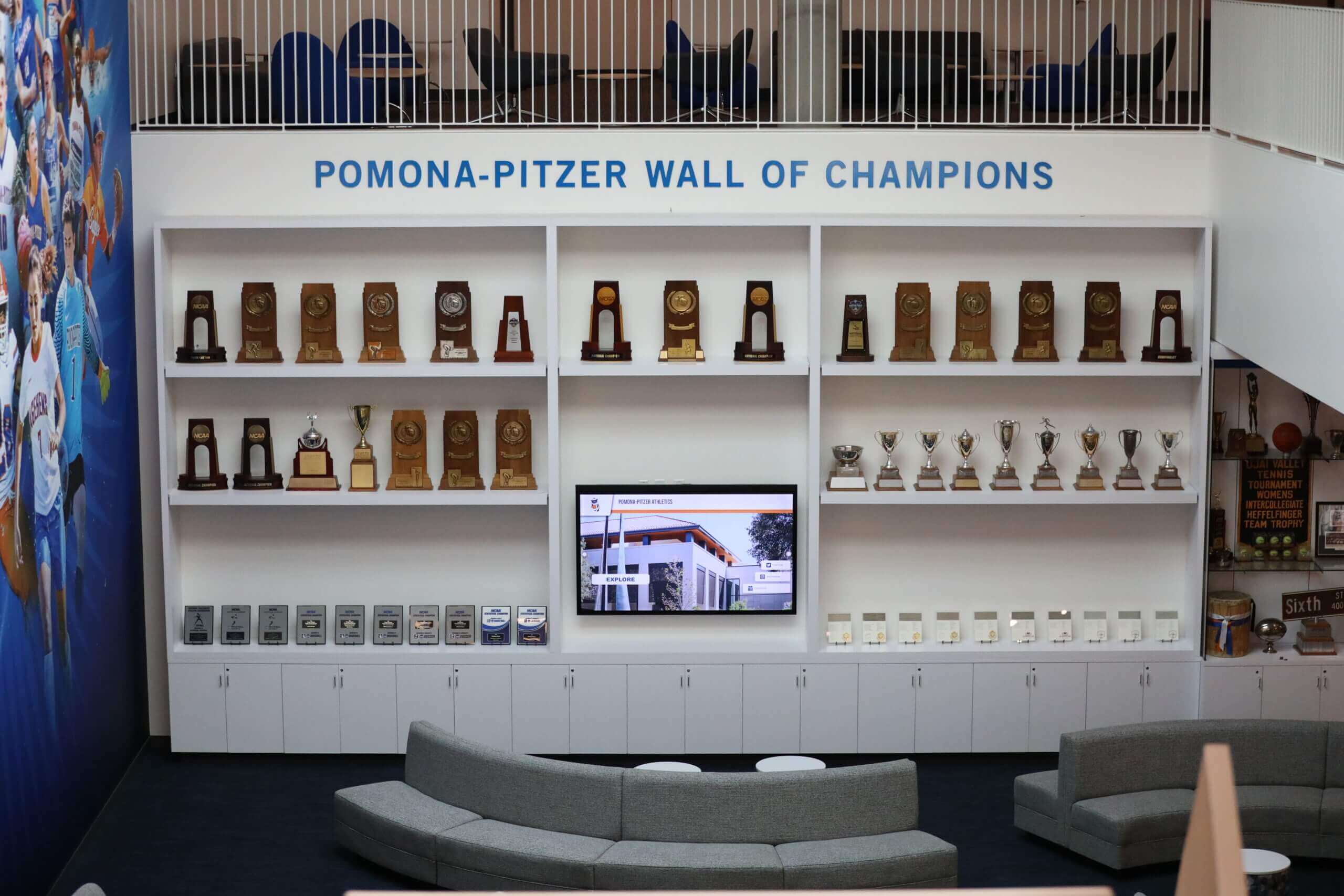
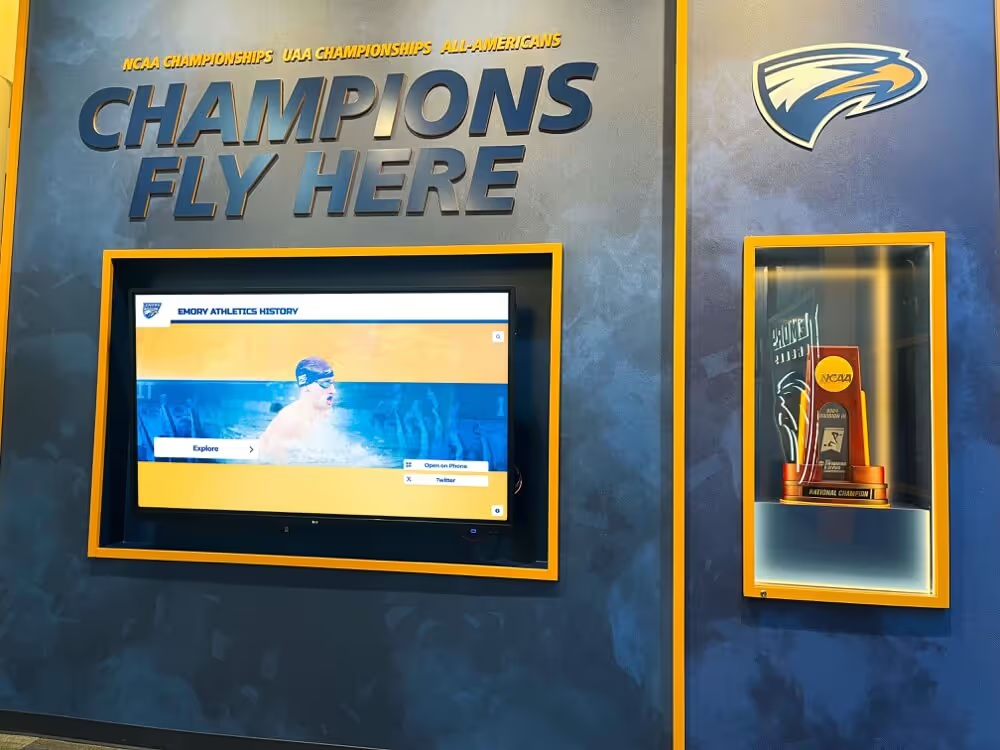
Championship displays celebrate varsity success, honoring the teams and athletes who achieved at the highest level
Supporting Athletes During Transition
Parents and coaches facilitate successful progression:
Managing Expectations
Realistic preparation for varsity level:
- Honest assessment of readiness and timeline
- Understanding that reduced playing time initially is normal
- Patience with adjustment period and learning curve
- Recognition that varsity requires proven contribution, not just roster spot
- Appreciation that development continues at varsity level
- Acceptance that not all athletes will make varsity despite effort
Development Focus
Continuing improvement while competing:
- Skill refinement addressing varsity-level deficiencies
- Physical development through strength and conditioning
- Mental training for pressure and adversity
- Position versatility increasing roster value
- Understanding of team systems and strategy
- Leadership skill development for future team roles
Emotional Support
Addressing psychological challenges:
- Acknowledging difficulty of transition and adjustment
- Celebrating small victories and improvement
- Supporting through frustration and setbacks
- Maintaining perspective on athletics within broader life
- Building confidence through preparation and growth
- Encouraging persistence while accepting possible outcomes
Varsity Recognition and Traditions
Schools celebrate varsity achievement through formal and informal recognition systems.
Varsity Letters and Letter Jackets
The most traditional varsity recognition involves letter awards:
Earning a Varsity Letter
Criteria typically include:
- Specified percentage of games or competitions (often 50% or more)
- Full season participation from start through conclusion
- Practice attendance and preparation standards
- Academic eligibility maintenance throughout season
- Coach discretion considering overall contribution
- Character and citizenship standards met
Athletes typically earn their first varsity letter during sophomore through senior years, with some exceptional freshmen occasionally qualifying.
Letter Jacket Traditions
Physical symbols of varsity achievement:
- Letterman jackets featuring school colors and varsity letter
- Sport-specific patches documenting participation
- Additional patches for championships, leadership, academic achievement
- Personal customization with names, graduation years, jersey numbers
- Jacket cost typically $200-400, sometimes school or booster funded
- Worn throughout school as visible achievement marker
Letter jackets represent tangible recognition validating the work required to reach varsity level while creating visible distinction within school community.
Letter Award Ceremonies
Formal recognition of varsity achievement:
- End-of-season banquets celebrating team and individual accomplishments
- Coach presentations explaining each athlete’s contributions
- First-time varsity letter special recognition
- Multi-year lettermen honored for sustained excellence
- Academic achievement integration with athletic awards
- Family involvement in recognition celebrations
Team Recognition and Honors
Varsity teams receive collective acknowledgment:
Championship Recognition
Celebrating varsity team success:
- Conference championship banners in gymnasiums
- State tournament qualification and success recognition
- Trophy displays in school trophy cases
- Championship ring or medal ceremonies
- Pep rally celebrations for advancing teams
- Media coverage and community recognition
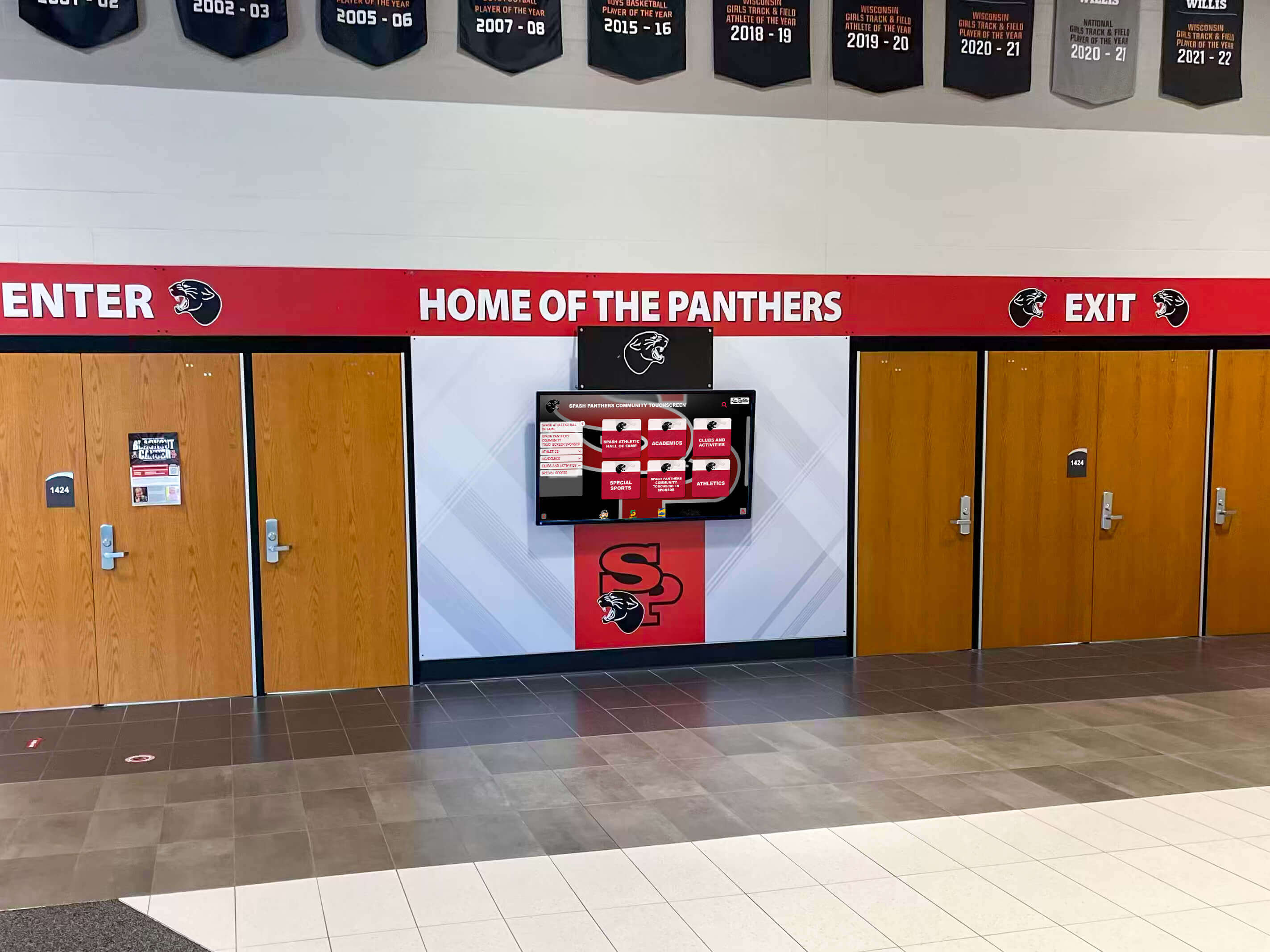
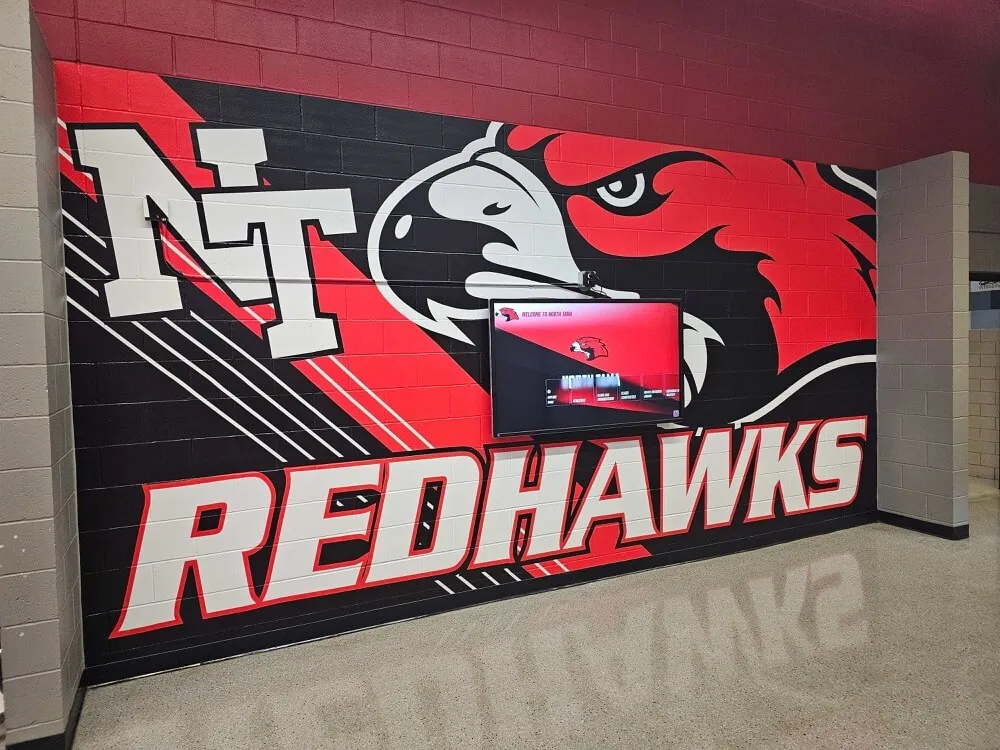
Entrance displays welcome visitors while showcasing varsity achievements and athletic program excellence
All-Conference and All-State Honors
Individual recognition at varsity level:
- Coach voting or selection committees determining honorees
- All-conference teams recognizing best athletes in league
- All-state teams celebrating top performers statewide
- Special recognition ceremonies and publications
- College recruitment boost from prestigious selections
- Permanent documentation in school records and displays
Record-Setting Performances
Individual statistical achievements:
- School records documented on facility displays
- Conference and state record recognition
- Career milestone celebrations (1,000 points, etc.)
- Historical context connecting current to past athletes
- Digital displays showing record progressions
- Alumni connections through shared record achievement
Modern Recognition Approaches
Contemporary schools supplement traditional recognition:
Social Media Celebration
Digital platforms amplifying recognition:
- Athlete spotlights highlighting varsity participants
- Game day previews featuring varsity rosters
- Performance highlights and statistical leaders
- Championship and milestone celebrations
- Senior athlete tributes and career retrospectives
- Alumni engagement through nostalgia content
Athletic Hall of Fame Inductions
Long-term recognition of exceptional varsity athletes:
- Selection criteria emphasizing varsity achievement
- Induction ceremonies during homecoming or special events
- Permanent display of inductee information
- Connection between current athletes and program legends
- Motivation for current varsity athletes pursuing excellence
- Alumni engagement through shared elite status
Digital Recognition Systems
Technology enabling comprehensive documentation:
Schools implementing solutions like Touch Archive transform varsity recognition by:
- Creating searchable databases of all varsity athletes across program history
- Preserving complete roster information with photos and achievements
- Documenting seasonal statistics and career accomplishments
- Enabling alumni to locate themselves and teammates decades later
- Providing accessible recognition visible to entire school community
- Updating continuously as current varsity athletes add to program legacy
These interactive touchscreen displays ensure varsity achievements receive permanent acknowledgment extending far beyond graduation.
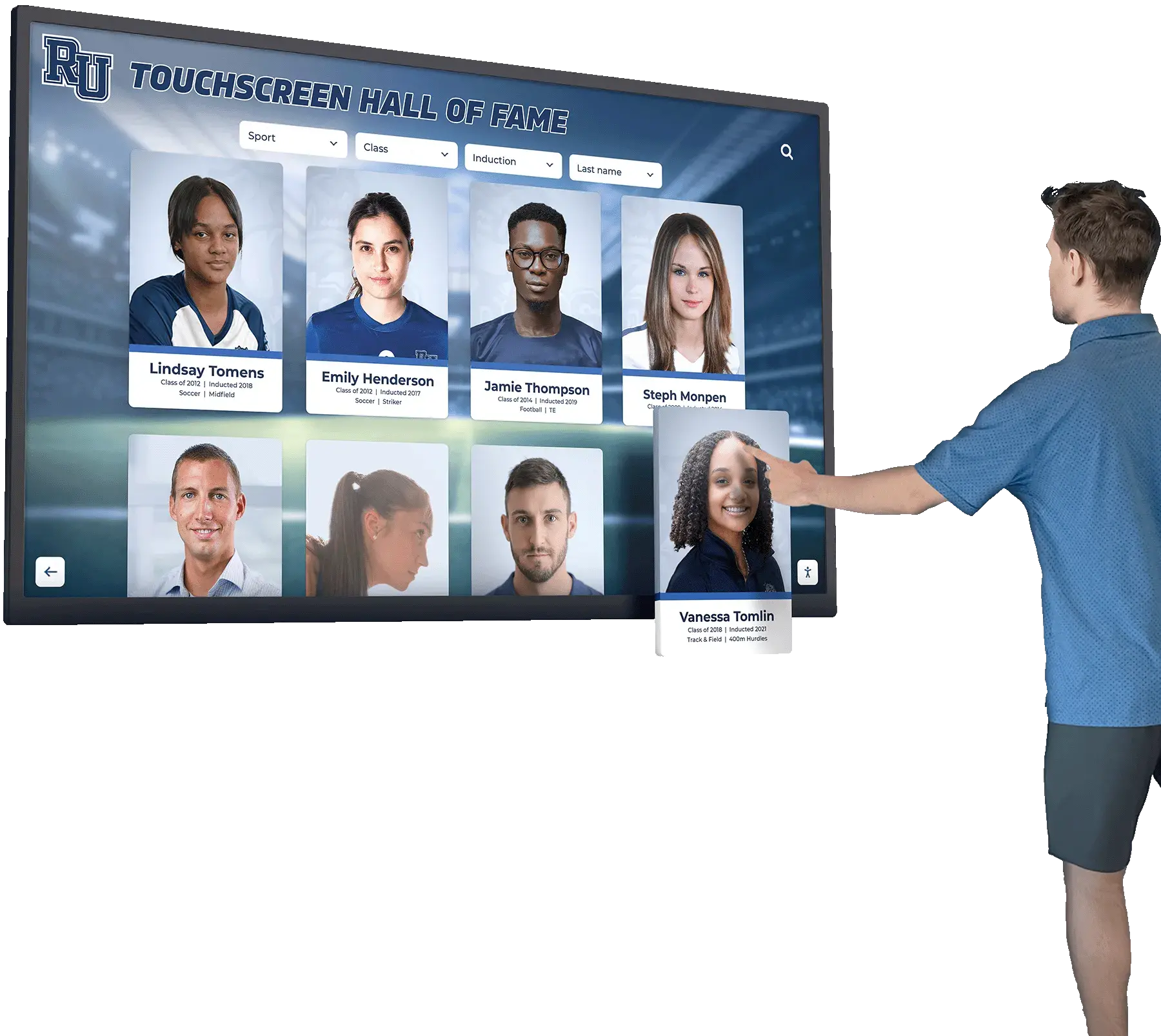
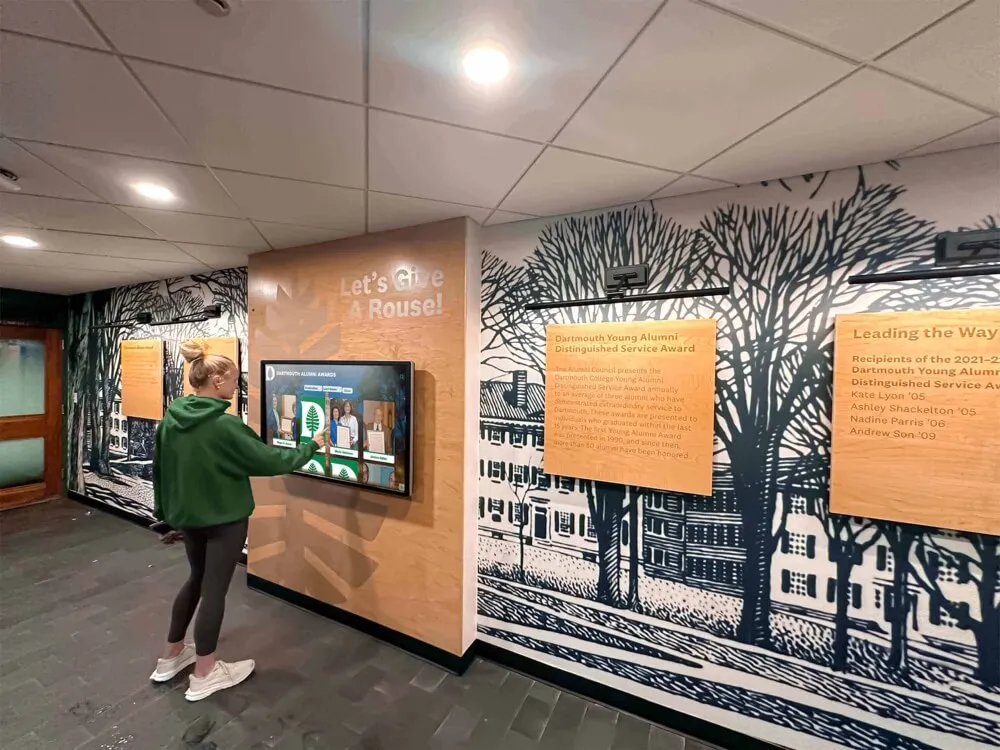
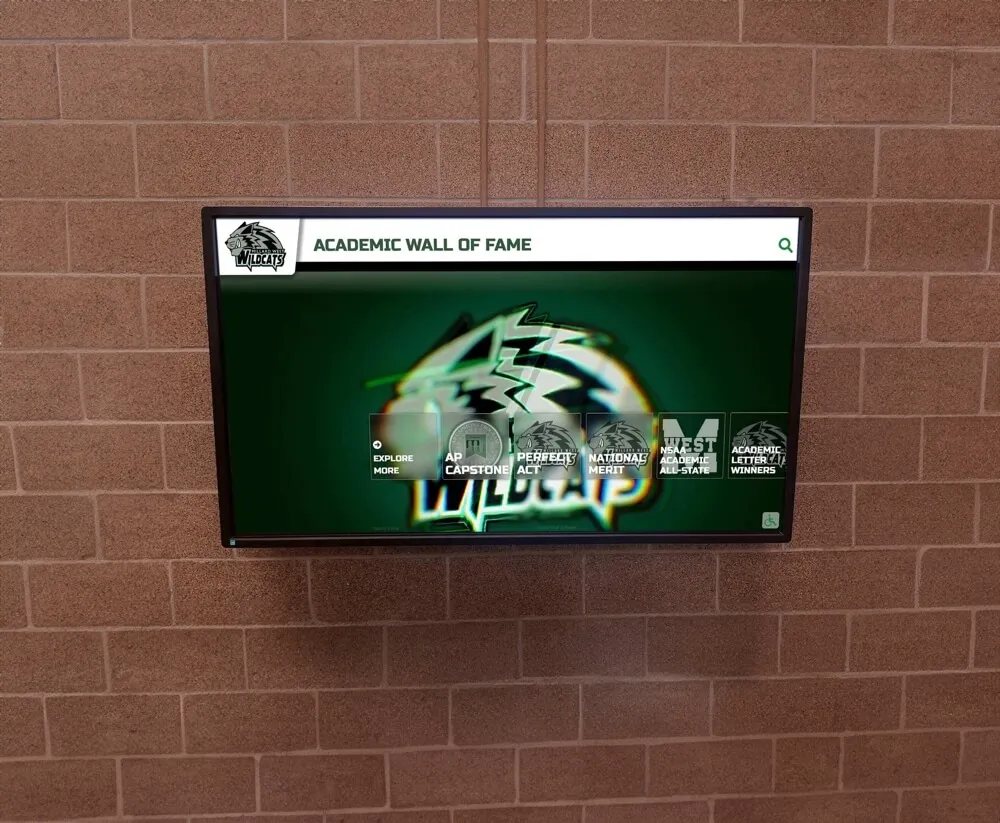
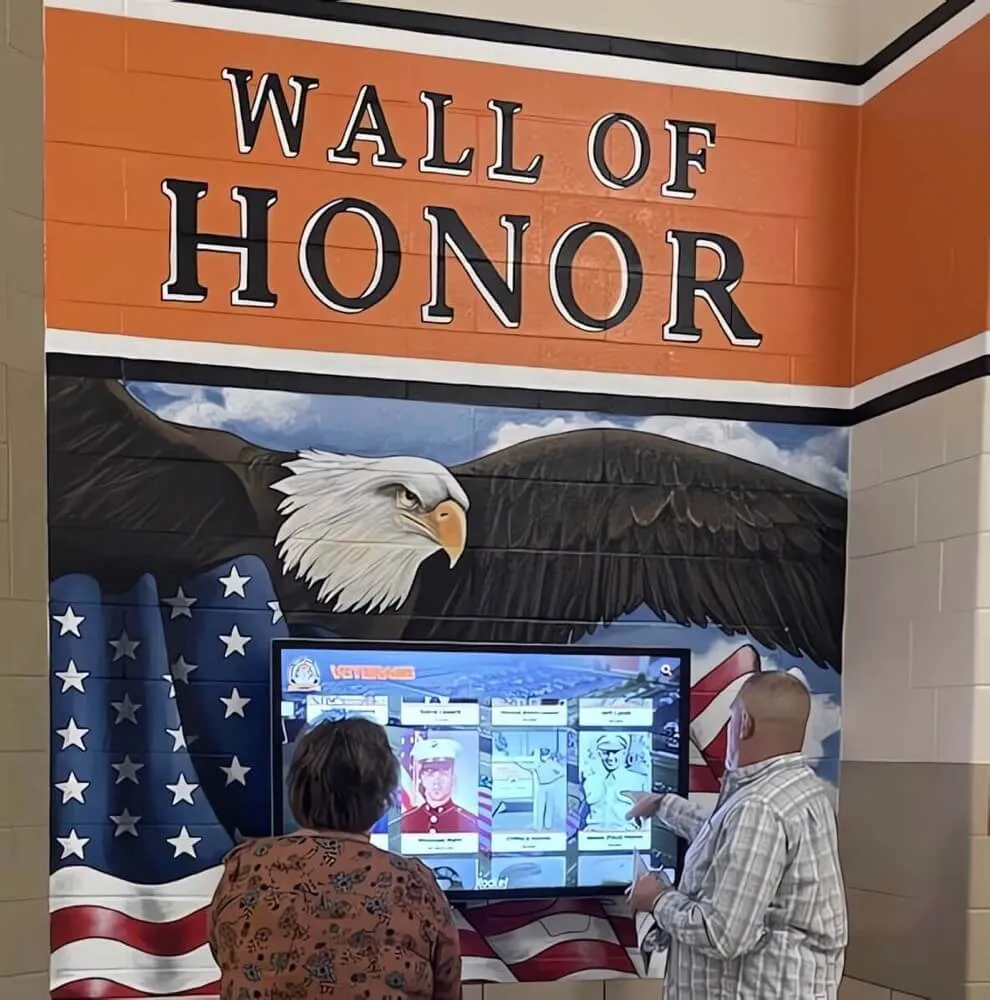
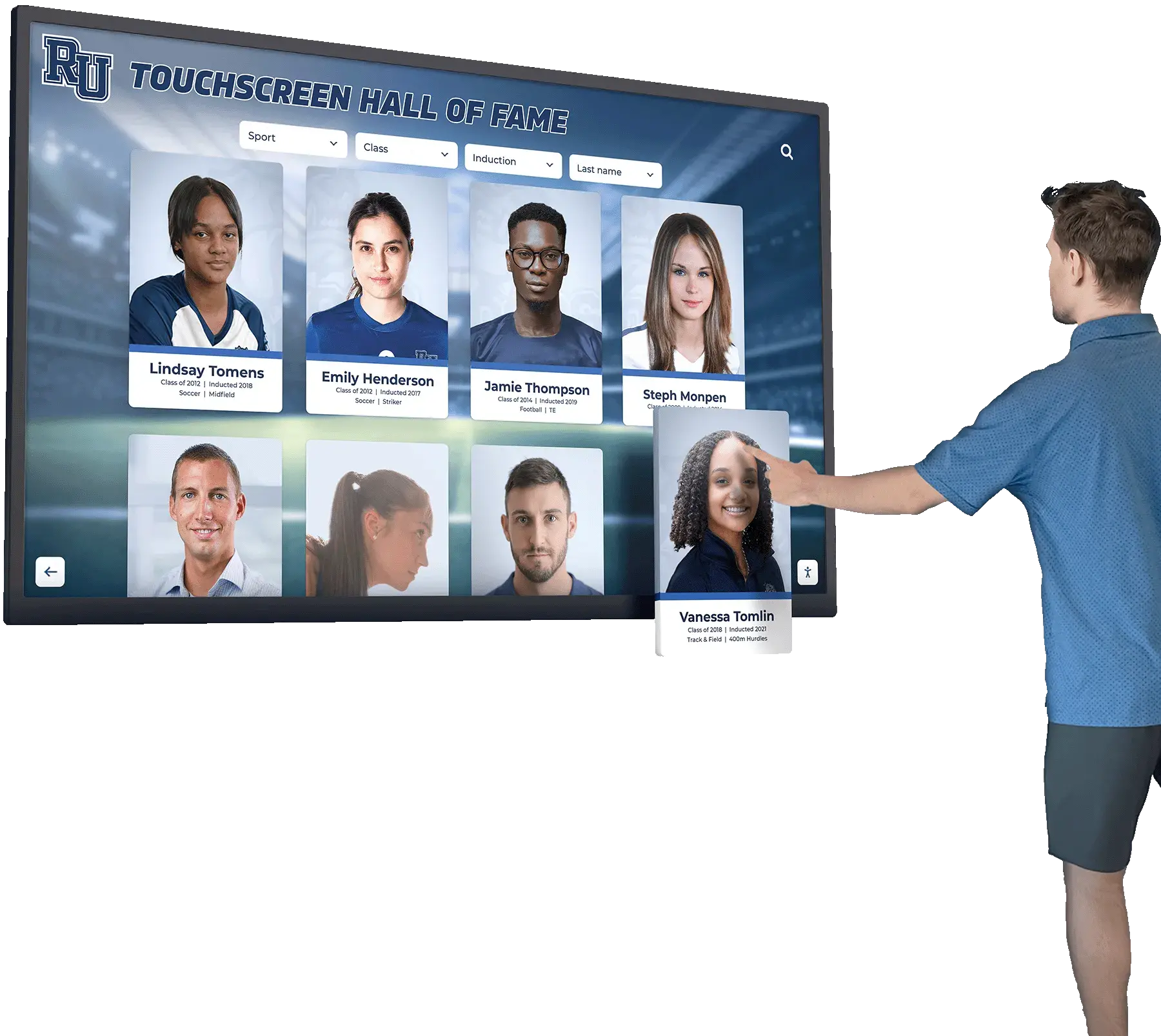
Interactive displays enable intuitive exploration of varsity athletic history, honoring every athlete who represented their school
The Significance of Varsity Status
Making varsity carries meaning extending beyond athletic achievement alone.
Social and Cultural Impact
Varsity status influences high school experience:
School Community Recognition
Varsity athletes occupy visible positions:
- Name recognition within school community
- Announcements and acknowledgment at assemblies
- Visible letter jacket identification in hallways
- Feature placement in yearbooks and publications
- Leadership opportunities in student organizations
- Expectation to model positive behavior
Peer Relationships and Status
Social dynamics of varsity participation:
- Respect from peers for achievement and dedication
- Team bonding creating close friend groups
- Multi-sport varsity athletes connecting diverse teams
- Dating and social dynamics influenced by visibility
- Pressure to maintain image consistent with athlete identity
- Support network through shared experiences
Family Pride and Involvement
Varsity achievement impacts families:
- Parents attending games and supporting participation
- Family schedule coordination around athletic commitments
- Pride in child’s dedication and accomplishment
- Connection to other athletic families through team community
- Financial and time investment validation through varsity achievement
- Legacy considerations when multiple family members make varsity
College and Future Implications
Varsity participation creates opportunities:
College Athletic Recruitment
Varsity experience supporting college aspirations:
- College coaches recruiting primarily from varsity level
- Varsity statistics and performance video required for recruitment
- All-conference and all-state honors attracting attention
- Varsity competition exposure to college scouts
- Coach recommendations carrying more weight for varsity athletes
- Athletic scholarship opportunities emerging from varsity performance
College Admissions Considerations
Academic applications benefit from varsity athletics:
- Demonstrated time management and dedication
- Leadership experience through team captainship
- Teamwork and collaboration skill evidence
- Resilience and persistence through competitive athletics
- Unique application elements distinguishing from other candidates
- Potential for recruited athlete admissions advantages
Life Skills Development
Varsity athletics teaching transferable competencies:
- Work ethic and delayed gratification
- Goal setting and achievement planning
- Performance under pressure
- Collaboration and communication
- Accountability and responsibility
- Emotional regulation and resilience
Research consistently shows that varsity athletes develop characteristics supporting success in college, career, and personal contexts throughout their lives.
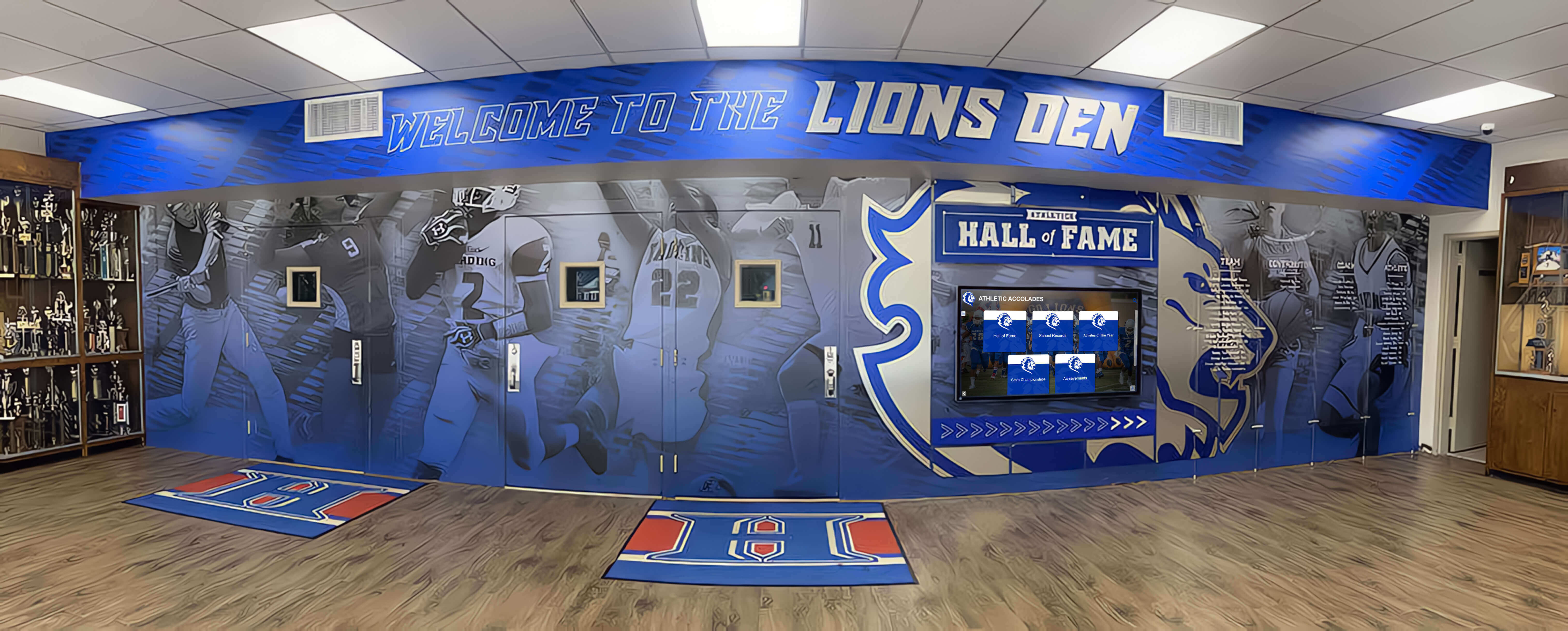
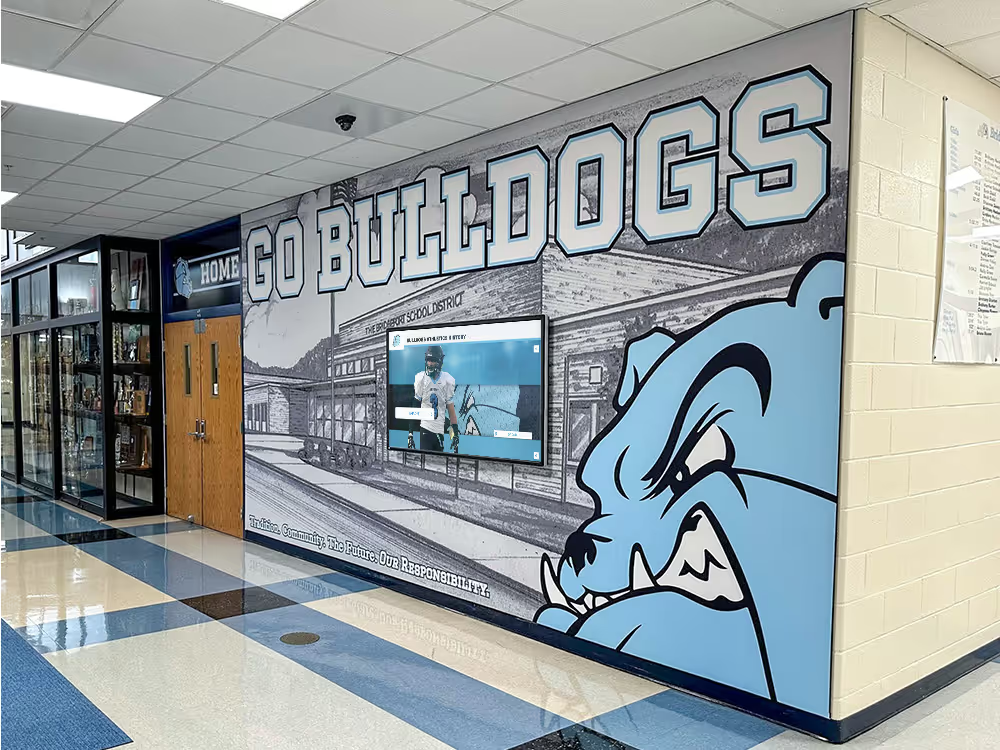
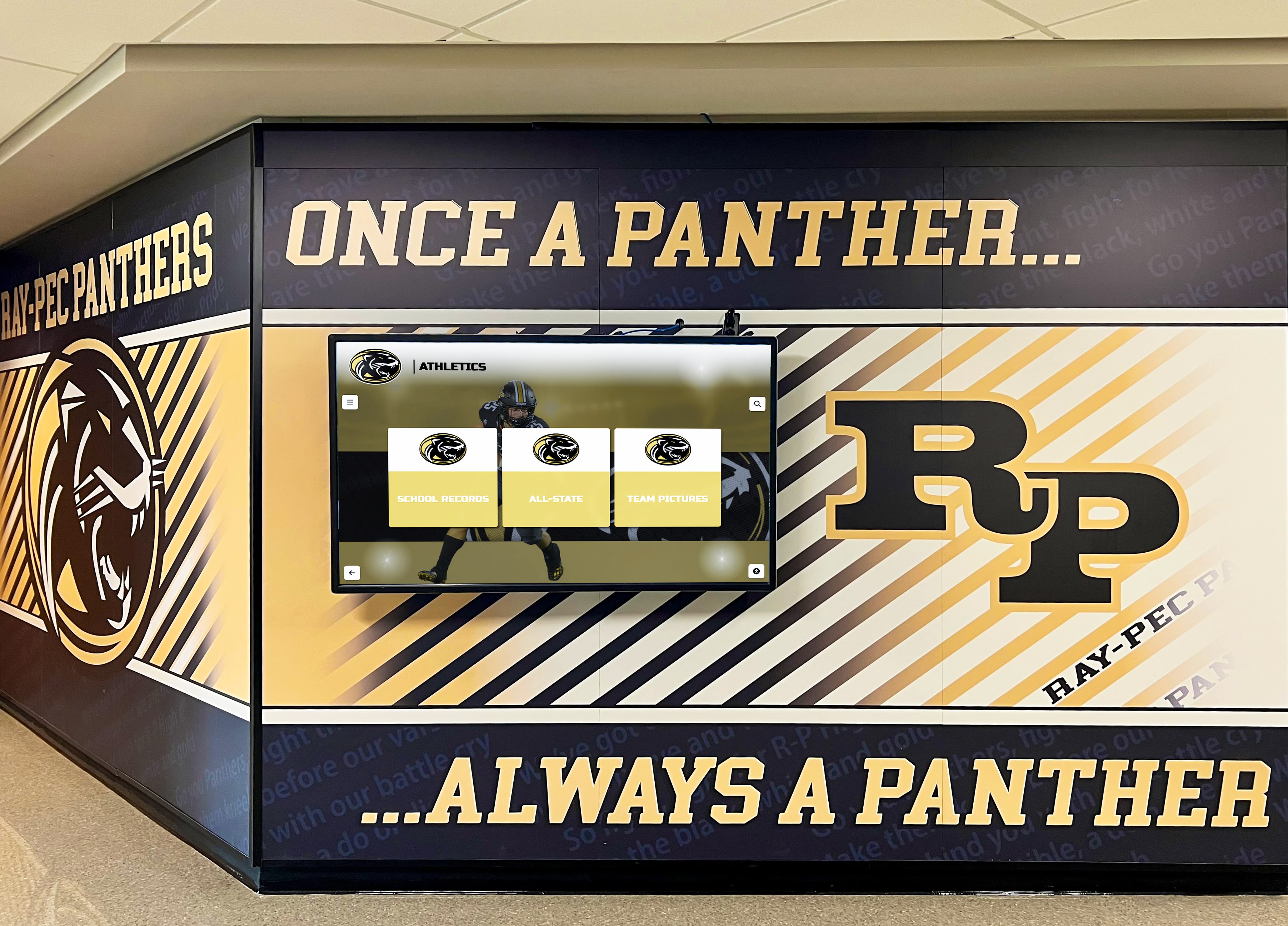
Athletic facility murals celebrate varsity traditions while trophy cases document championship history and individual excellence
Varsity Sports Across Different Seasons
Varsity athletics span the entire academic year with seasonal sport offerings.
Fall Varsity Sports
Autumn marks the beginning of athletic competition:
Major Fall Sports
Common varsity offerings include:
- Football: Friday night games creating major school events
- Soccer: Both boys’ and girls’ varsity teams competing simultaneously
- Volleyball: Predominantly girls’ programs at high school level
- Cross Country: Individual and team competition in distance running
- Field Hockey: Regional varsity sport particularly in Northeast
- Golf and Tennis: Varsity seasons in many states during fall
Fall sports recognition often occurs through sport-specific banquets and end-of-season awards ceremonies.
Winter Varsity Sports
Cold months feature indoor and adapted outdoor athletics:
Winter Sport Offerings
Typical varsity programs include:
- Basketball: Both boys’ and girls’ varsity teams with high visibility
- Wrestling: Individual competition with team scoring format
- Swimming and Diving: Pool sports emphasizing individual and relay events
- Ice Hockey: Cold-climate sport with growing national participation
- Indoor Track: Continuation of cross country for distance runners
- Gymnastics: Artistic gymnastics at schools with facilities and programs
Winter sports often face compressed schedules and intense playoff tournaments determining conference and state champions.
Spring Varsity Sports
Academic year concludes with spring athletic season:
Spring Sport Opportunities
Final seasonal offerings typically include:
- Baseball and Softball: Diamond sports with varsity and JV levels
- Track and Field: Multi-event outdoor athletics
- Lacrosse: Growing sport with varsity programs expanding nationally
- Tennis: Varsity teams competing in spring in many regions
- Golf: Spring golf seasons in areas with fall climate challenges
- Soccer: Some regions schedule soccer during spring rather than fall
Spring sports culminate academic year athletics, with senior recognition particularly emphasized during final home competitions.
Preserving Varsity Athletic History
Schools document varsity participation and achievement through systematic preservation.
Traditional Documentation Methods
Conventional approaches to athletic history:
Physical Records and Displays
Standard recognition infrastructure:
- Trophy cases showcasing varsity championship hardware
- Championship banners hanging in gymnasiums
- Record boards documenting statistical achievements
- Team photos displaying varsity rosters by year
- Plaques listing all-conference and all-state selections
- Hall of fame displays honoring exceptional varsity athletes
These traditional methods create visible recognition but face space limitations constraining comprehensive documentation.
Yearbooks and Publications
Annual documentation through print media:
- Team photos identifying varsity athletes
- Season recap articles describing competition highlights
- Individual athlete recognition and statistics
- Coach commentary on season accomplishments
- Senior athlete tributes and career summaries
- Championship and milestone celebration
While valuable, yearbooks capture single-year snapshots rather than longitudinal program history.
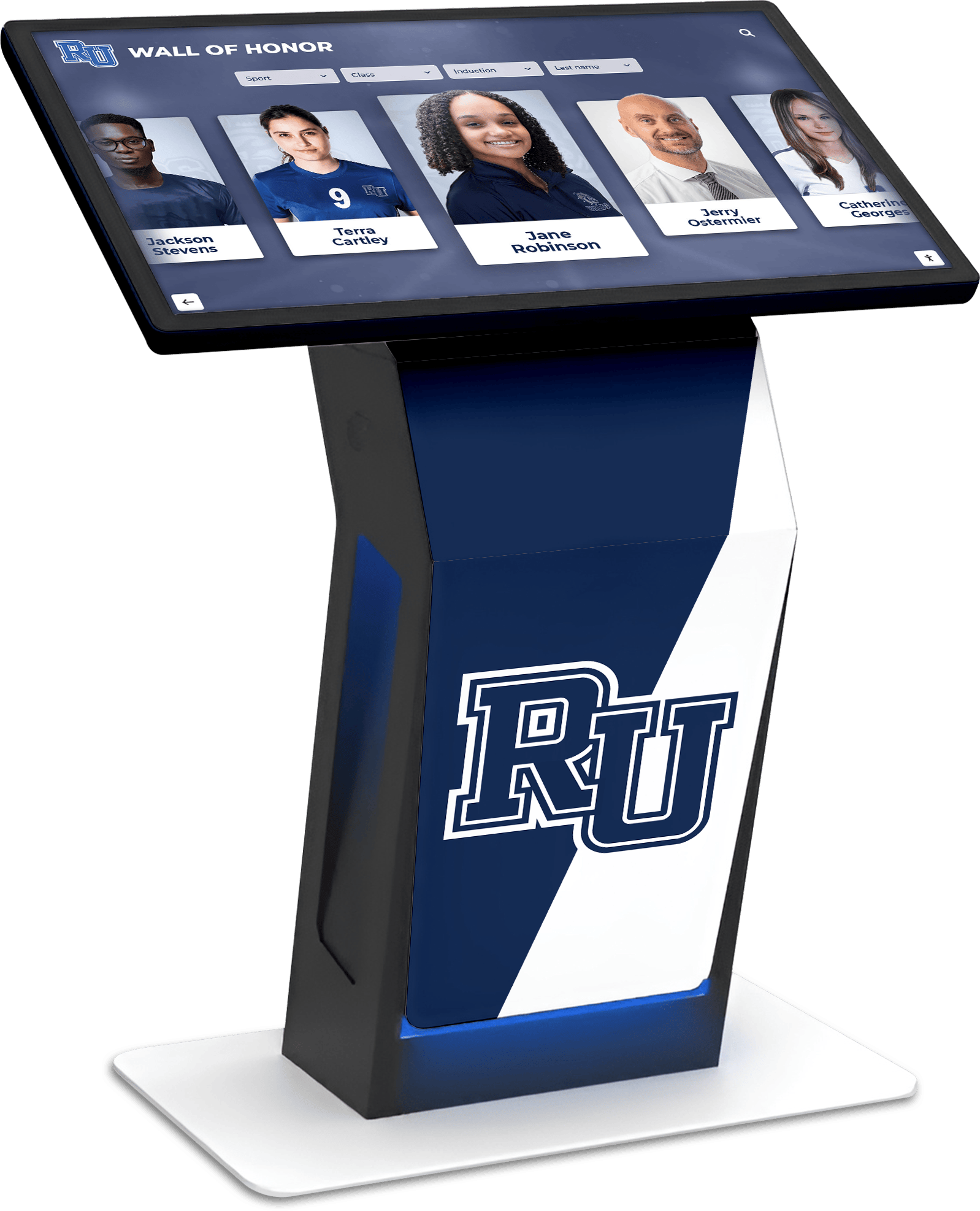
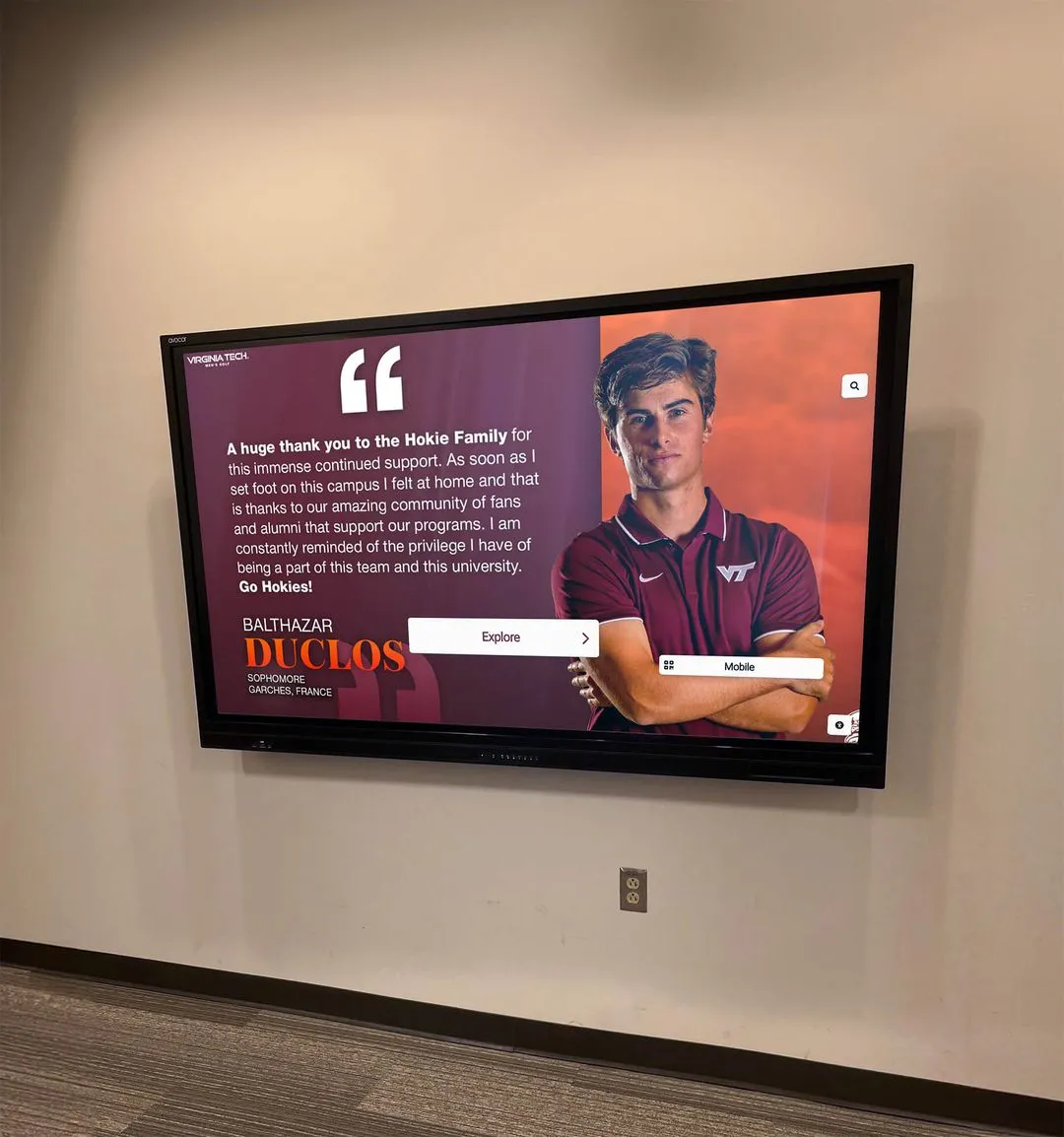
Modern touchscreen kiosks provide permanent platforms celebrating every varsity athlete across program history
Digital Recognition Innovation
Technology transforms athletic documentation:
Comprehensive Database Systems
Digital platforms enable unlimited recognition:
Modern solutions like Rocket Alumni Solutions help schools preserve complete varsity athletic history through:
- Complete Roster Documentation: Every varsity athlete recorded with photos and participation details
- Statistical Archives: Career and seasonal statistics preserved permanently
- Searchable Databases: Alumni easily locating themselves and teammates decades later
- Multimedia Integration: Photos, videos, and narratives creating rich athlete profiles
- Championship Documentation: Complete team history with championship seasons highlighted
- Unlimited Capacity: No space constraints limiting recognition unlike physical displays
Interactive Touchscreen Displays
Engaging recognition experiences:
- Facility installations enabling intuitive exploration of athletic history
- Visitor access allowing families and community to explore achievements
- Student engagement with program legacy and traditions
- Alumni return visits reconnecting with personal athletic history
- Recruiting tool showcasing program depth and tradition
- ADA accessibility ensuring inclusive access to program history
Web-Based Access
Remote availability extending recognition reach:
- Anywhere access from computers and mobile devices
- Alumni engagement regardless of geographic location
- Family sharing of athletic achievements and milestones
- Social media integration amplifying recognition
- Recruiting information available to prospective athletes and families
- Historical research supporting anniversary celebrations and reunions
These digital approaches ensure varsity achievements receive permanent acknowledgment accessible to current and future community members.
Building a Culture of Recognition
Systematic approaches maximizing recognition impact:
Consistent Documentation
Establishing regular practices:
- Annual data collection for all varsity rosters
- Photo documentation of teams and individual athletes
- Statistics gathering and verification processes
- Achievement milestone identification and recording
- Alumni information updating and maintenance
- Historical research filling gaps in documentation
Inclusive Recognition Philosophy
Celebrating diverse contributions:
- Every varsity athlete honored regardless of playing time or statistics
- Role players acknowledged alongside stars
- Career participation recognized as much as single-season excellence
- Academic and character achievement integrated with athletic honors
- Multi-sport athletes celebrated for breadth of contribution
- Manager and support staff inclusion when appropriate
Integration With Program Culture
Recognition reinforcing positive values:
- Current athletes inspired by program history and tradition
- Standards and expectations communicated through past achievements
- School spirit and pride strengthened through visible success documentation
- Alumni investment sustained through continued recognition
- Community connection to school enhanced through athletic tradition
- Recruiting advantages from demonstrated program excellence and care

Interactive lobby displays create accessible recognition celebrating varsity athletes while engaging visitors and community members
Supporting Varsity Student-Athletes
Schools provide comprehensive support ensuring varsity participation benefits athletes holistically.
Academic Support Systems
Maintaining educational priorities alongside athletics:
Academic Monitoring
Tracking student-athlete progress:
- Grade checks throughout athletic seasons
- Eligibility verification before competitions
- Teacher communication about missing work or struggles
- Early intervention when academic concerns emerge
- Study hall requirements for struggling students
- Tutoring services coordinated with practice schedules
Time Management Development
Teaching essential organizational skills:
- Schedule balancing between academics and athletics
- Assignment planning around competition travel
- Test preparation despite practice commitments
- Long-term planning for college applications and recruitment
- Priority setting when commitments conflict
- Communication skills for proactive teacher outreach
Scholar-Athlete Recognition
Celebrating academic achievement:
- GPA-based recognition programs for varsity athletes
- Academic all-conference and all-state teams
- Honors distinction at athletic banquets and ceremonies
- College scholarship emphasis on academic credentials
- Messaging reinforcing student before athlete priority
- Alumni success stories emphasizing educational achievement
Mental Health and Wellness
Addressing psychological dimensions of athletic participation:
Performance Pressure Management
Supporting athletes navigating stress:
- Sports psychology resources for competitive anxiety
- Pressure coping skill development
- Perspective maintenance about athletics within life
- Healthy competition frameworks separating worth from performance
- Confidential counseling access
- Parent education about supporting athlete wellness
Injury Support
Comprehensive care for injured athletes:
- Medical evaluation and treatment coordination
- Rehabilitation program development and monitoring
- Mental health support during injury recovery
- Team connection maintenance despite competition absence
- Return-to-play protocols balancing safety and readiness
- Long-term health prioritization over short-term competition
Balance and Burnout Prevention
Sustainable athletic experiences:
- Rest and recovery emphasis in training programs
- Multi-sport participation encouraged over specialization
- Off-season expectations appropriate to athlete age and development
- Mental health days when needed
- Fun and enjoyment emphasis alongside competitive excellence
- Graceful exit opportunities when athletics no longer fulfilling
Common Varsity Questions and Misconceptions
Clarifying frequent misunderstandings about varsity athletics.
“Can freshmen make varsity?”
Yes, though it’s relatively uncommon:
- Exceptional freshmen occasionally earn varsity positions
- More common in individual sports than team sports
- Physical maturity and skill must match upperclassmen
- Mental and emotional readiness equally important
- Some schools have policies limiting freshman varsity participation
- Depends significantly on sport, school size, and program depth
“Do all seniors make varsity?”
Not automatically:
- Varsity positions earned through ability, not grade level
- Talented underclassmen may displace less skilled seniors
- Some seniors remain at JV level their entire careers
- Senior recognition occurs through other means when appropriate
- Playing time not guaranteed even for varsity seniors
- Merit-based selection maintains competitive integrity
“Is varsity better than club sports?”
Different rather than universally better or worse:
- School varsity represents institution in formal competition
- Club sports often offer higher competition levels in some sports
- Varsity provides school community connection and tradition
- Club sports typically require greater financial and time commitment
- College recruitment occurs through both varsity and club pathways
- Many athletes participate in both varsity and club sports
“Do you need a minimum GPA for varsity?”
Generally yes, with standards varying:
- Most states require 2.0 GPA minimum for athletic participation
- Individual schools may set higher standards
- Eligibility rules often include “no failing grades” provisions
- Academic ineligibility can result in temporary or permanent removal
- Standards apply to varsity and all athletic levels
- Athletic associations enforce academic requirements strictly
Celebrate Varsity Achievement Permanently
Discover how Touch Archive digital recognition displays help schools honor every varsity athlete across program history—creating searchable databases, interactive touchscreen experiences, and comprehensive documentation ensuring no achievement is forgotten.
Request a DemoConclusion: The Meaning and Value of Varsity Athletics
Understanding what varsity means in sports requires appreciating multiple dimensions beyond simple team designation. Varsity represents the highest competitive level in high school athletics—the culmination of skill development, dedication, and readiness to represent one’s school against other institutions. Making varsity validates countless practice hours, personal sacrifices, and persistent effort while opening doors to recognition, college opportunities, and lifelong memories.
For student-athletes, varsity participation provides formative experiences developing character, work ethic, and resilience extending far beyond athletic competition. The teamwork, leadership, accountability, and pressure management learned through varsity athletics create foundations supporting success in college, career, and personal contexts throughout life. Research consistently demonstrates that high school varsity athletes develop competencies distinguishing them in future endeavors regardless of whether they continue athletic participation.
For families navigating high school athletics, understanding varsity significance helps set appropriate expectations while appreciating genuine achievement when athletes reach this level. Not every athlete will make varsity despite hard work and dedication—and that reality doesn’t diminish the value of athletic participation at any level. JV, freshman, and modified teams provide meaningful development and community connection, with varsity representing one potential outcome rather than the sole measure of athletic success.
Schools supporting varsity athletics effectively balance competitive excellence with holistic student development, ensuring varsity participation enhances rather than compromises educational priorities. Academic support, mental health resources, and inclusive recognition systems demonstrate that athletic achievement matters within broader context of student growth and well-being.
Modern technology increasingly enables schools to preserve and celebrate varsity athletic history comprehensively. Interactive digital displays and cloud-based databases ensure every varsity athlete receives permanent recognition accessible to current students, returning alumni, and entire school communities. These systems document complete program histories—preserving not just championship teams but every athlete who earned the right to represent their school at the highest level.
Whether you’re a parent whose child just made varsity, an athlete aspiring to reach this level, or a school administrator seeking to honor varsity achievement appropriately, understanding what varsity means clarifies both the significance of this milestone and the comprehensive support required to help student-athletes thrive. Varsity athletics at their best create experiences that shape positive development, build school pride, and generate memories sustaining alumni connection throughout their lives—outcomes extending far beyond wins and losses to touch the very essence of what makes high school education transformative.
Ready to preserve your school’s varsity athletic history permanently? Learn how Touch Archive helps athletic programs create comprehensive recognition systems celebrating every varsity athlete, documenting championships and milestones, and building interactive displays that inspire current students while honoring program traditions across generations of excellence.