



Few archival projects carry the weight of a well-made time capsule. Unlike static display cases or digitized record libraries, a time capsule creates a direct, intimate conversation across generations—a deliberate act of preservation where one group of people chooses what future students, alumni, and community members will know about this particular moment in school history. The objects and documents sealed inside become primary sources the moment that lid closes. When archives coordinators approach this responsibility with intention, the result is something genuinely irreplaceable: an unmediated window into the life of a school community at a specific point in time.
Deciding what to put in a time capsule is where most projects either succeed or stumble. Include only formal achievements and trophies, and you capture the institution but miss the culture. Fill it with novelties and you sacrifice the archival depth that makes it valuable decades later. The goal is a carefully balanced selection that honors both the official record of the school year and the lived, everyday experience of the students who shaped it.
This guide walks archives coordinators through every major category of time capsule contents, preservation considerations, ceremony planning, and how modern digital tools extend time capsule work beyond the sealed container.
A school time capsule is one of the most powerful tools an archives coordinator has for connecting future generations to the present. But unlike ongoing archival work—digitizing records, maintaining databases, cataloging media—time capsule creation happens within a compressed window, typically tied to a milestone anniversary, building renovation, new construction, or graduation season. That compressed timeline rewards coordinators who have thought through content categories in advance rather than scrambling at the last minute.

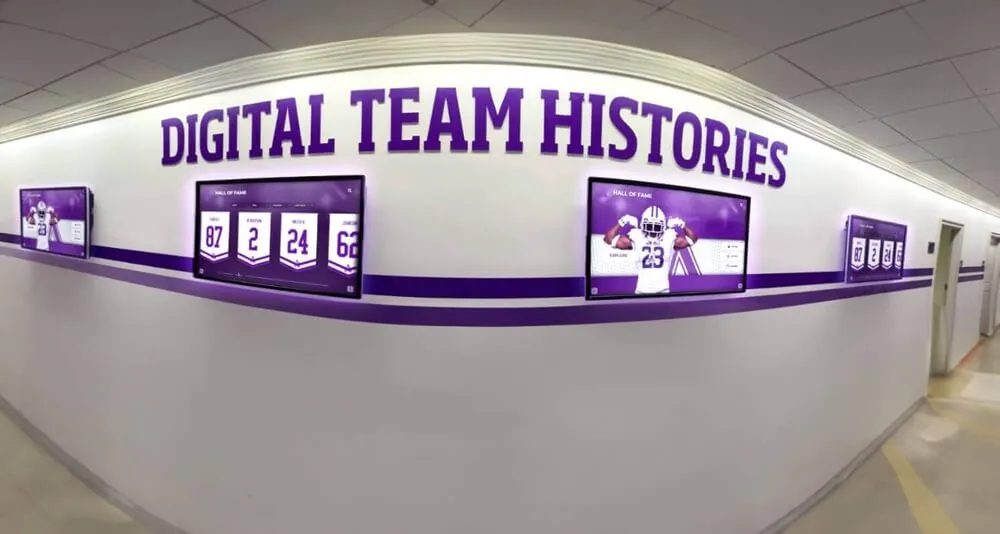
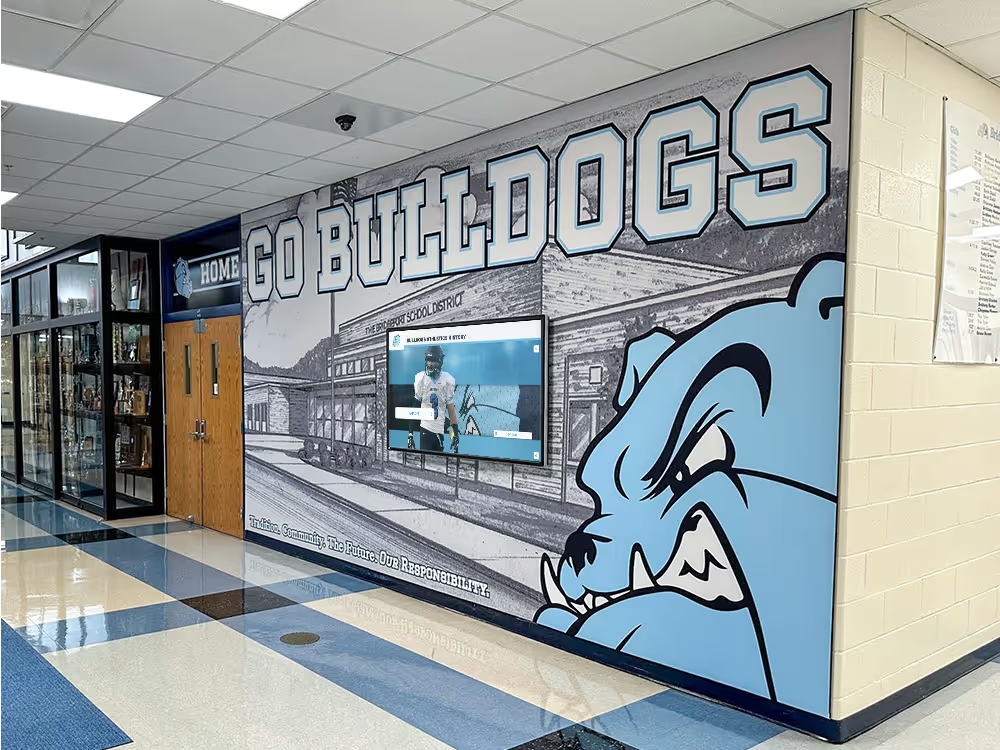
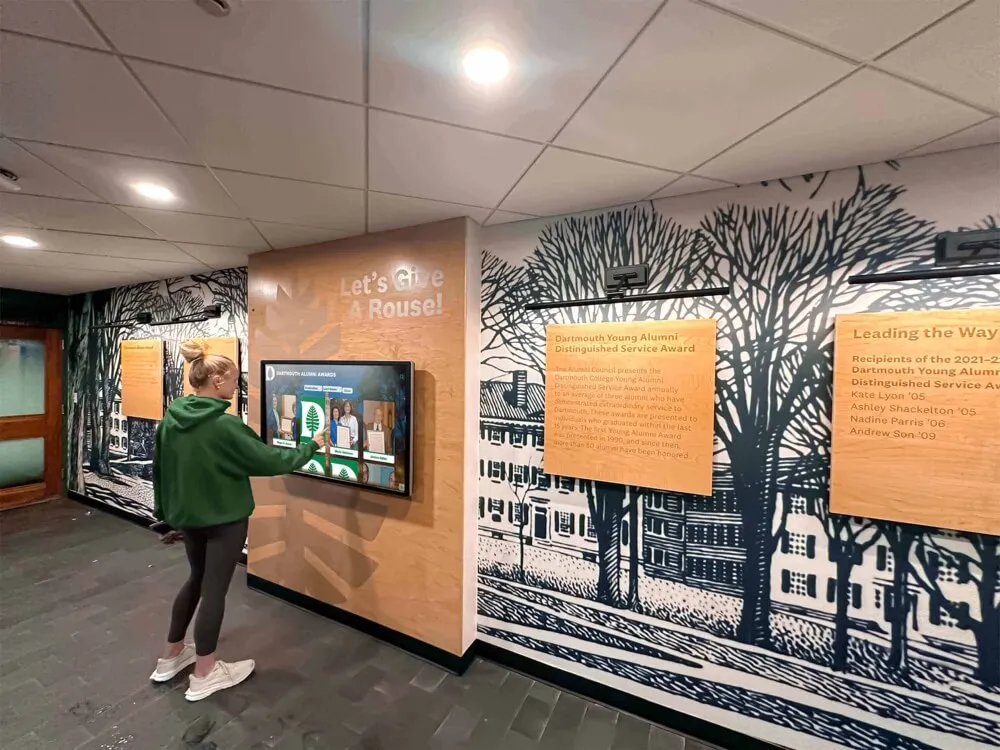
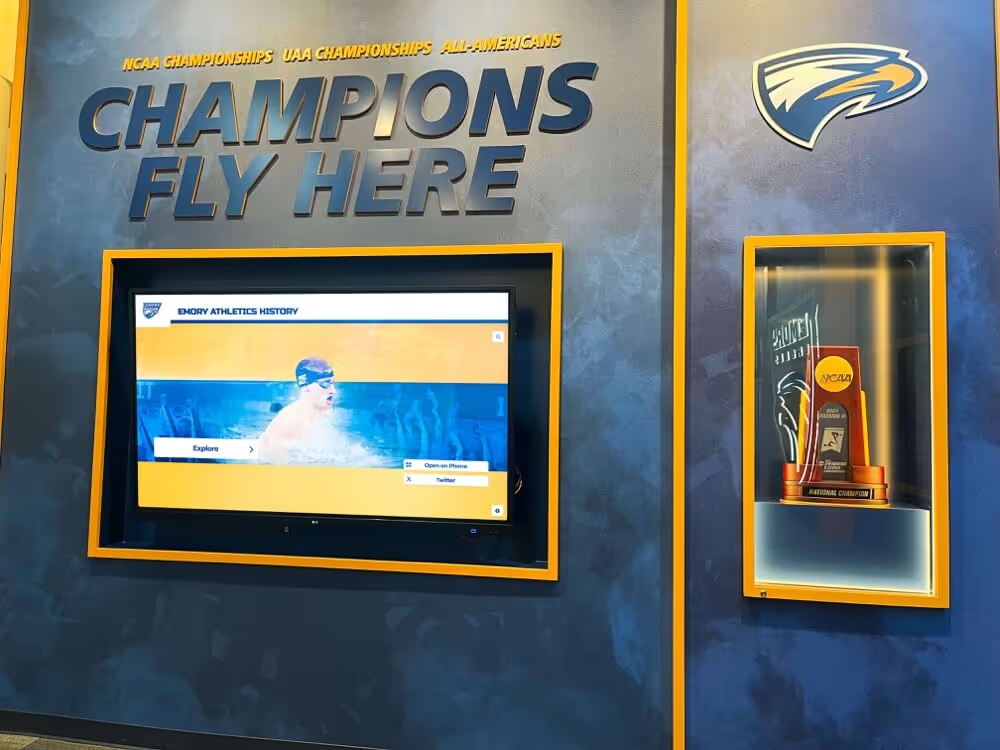
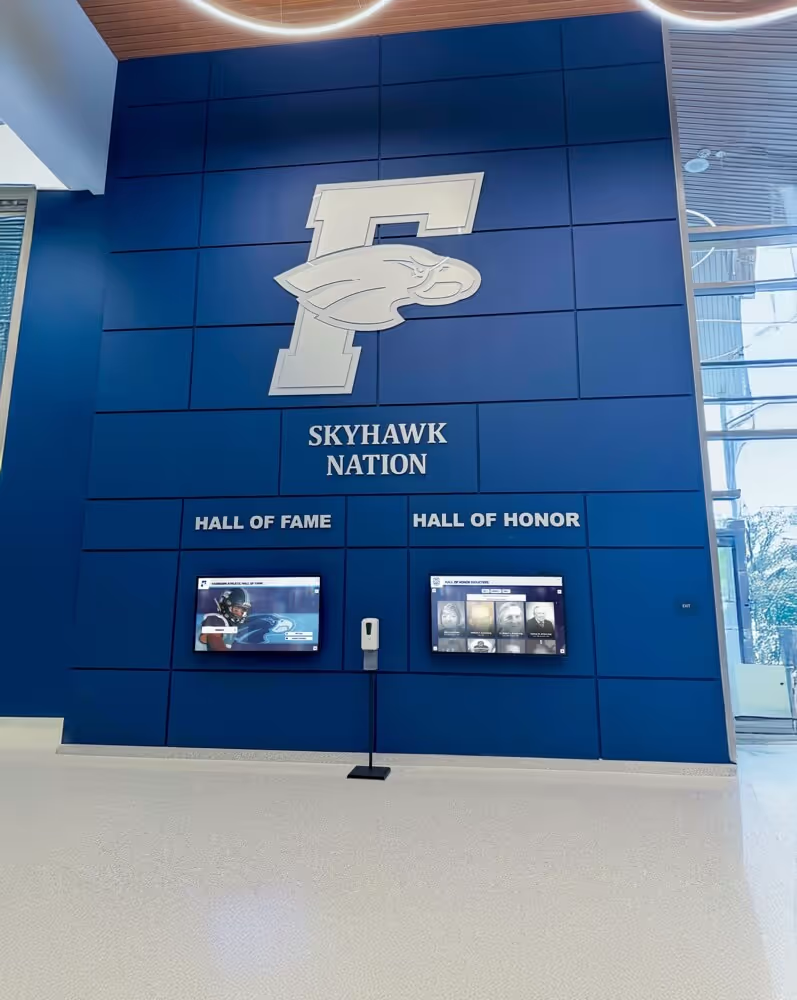
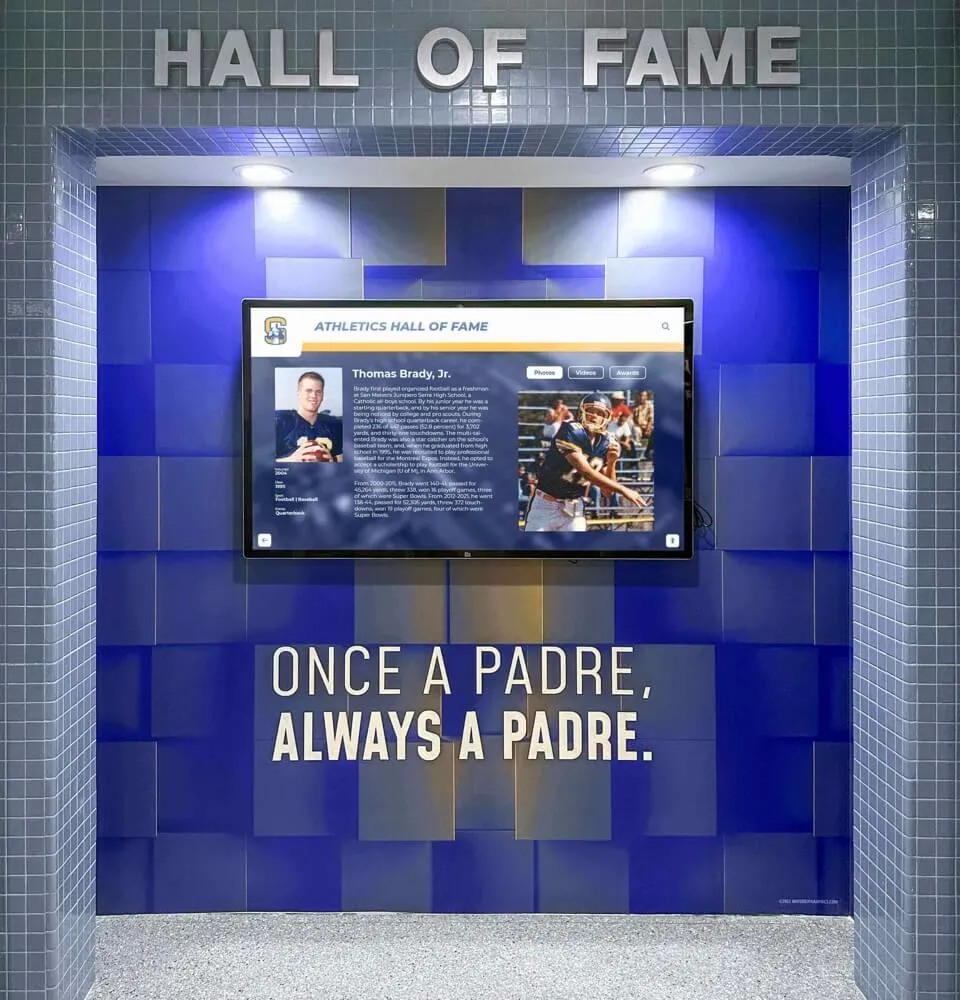
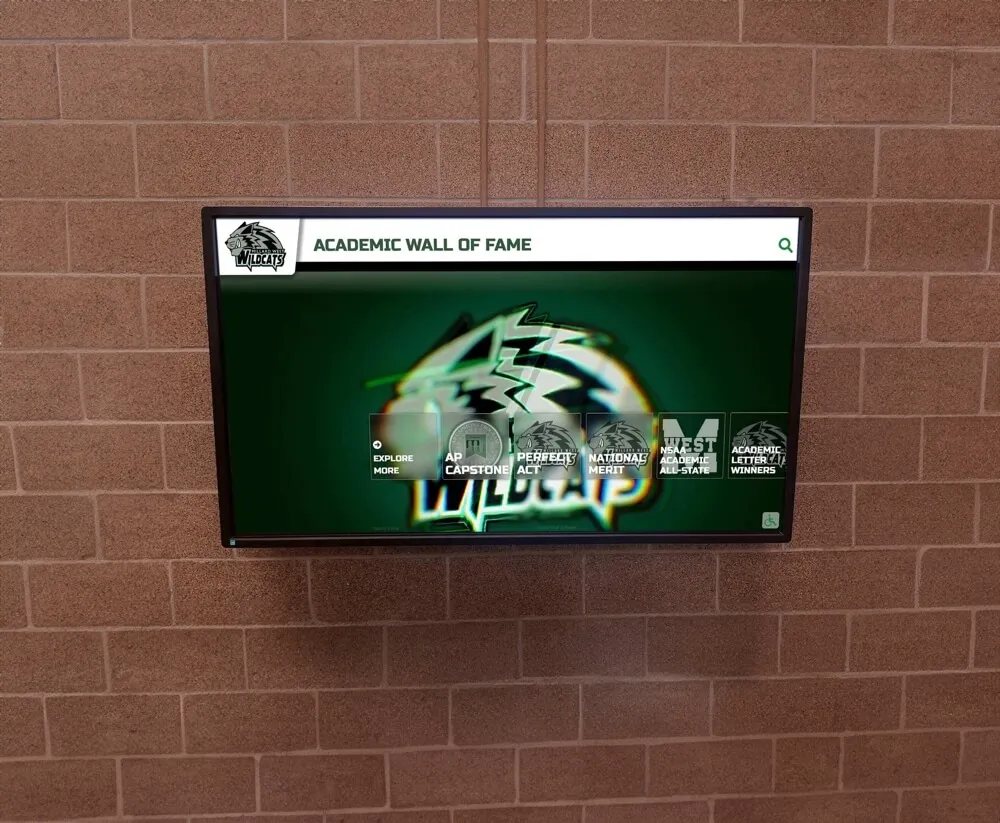
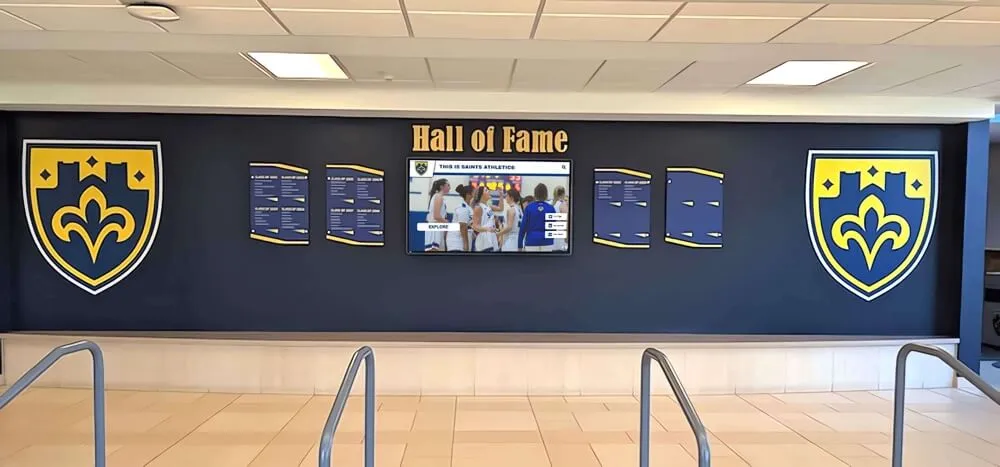
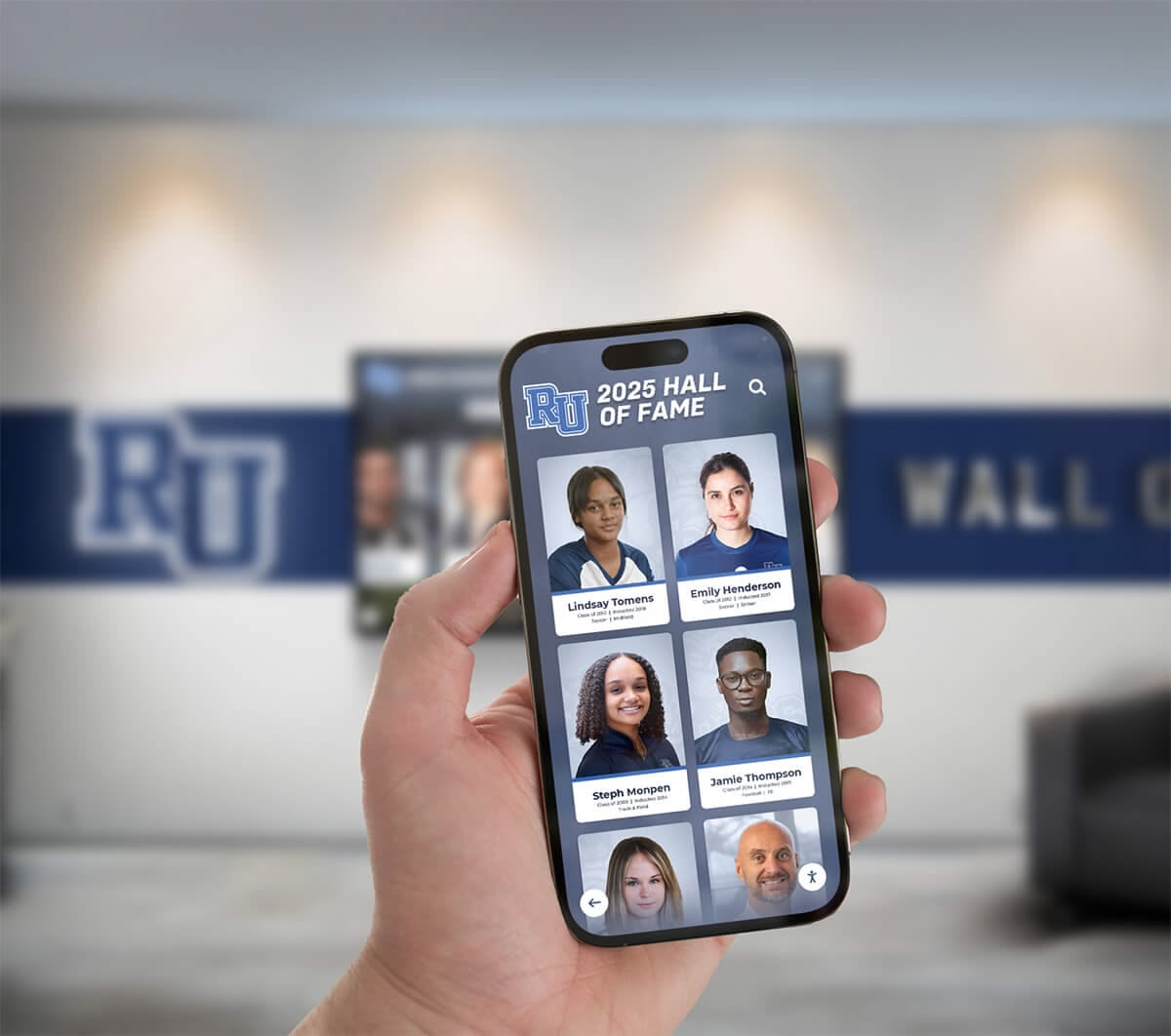
Time capsules and digital archives work together: physical contents become primary sources while digital systems ensure the broader institutional record remains searchable and accessible
Why Time Capsules Are More Valuable Than They First Appear
Before cataloging contents, it helps to understand what makes a time capsule archivally significant—because that understanding shapes every selection decision you’ll make.
Time capsules create unmediated primary sources. When a student writes a letter in 2026 describing what a typical Tuesday feels like, that document hasn’t passed through any editorial or interpretive layer. It hasn’t been summarized, contextualized, or cleaned up. Fifty years from now, a historian reading that letter receives direct testimony in a way no retrospective account can replicate.
They also capture what no official record preserves. Annual reports, honor rolls, and championship records document the formal achievements of a school year. They don’t capture the social texture—what students worried about, what music they listened to, what school lunch cost, which hallway was loudest between classes. Time capsule contents that reach for this texture are often the items future openers find most valuable and most poignant.
For archives coordinators, the time capsule is also a mirror on current practices. The process of deciding what to include forces an audit of what documentation exists, what gaps there are, and how well current record-keeping will serve future researchers. Many coordinators discover during this process that content strategies for digital recognition can fill gaps in physical archives by capturing and preserving recognition moments that would otherwise exist only in memory.
The Core Content Categories
Organizing time capsule contents by category ensures coverage across the full range of school life and prevents the common error of overloading on one type of material at the expense of others.
Category 1: Official School Documents and Records
Every time capsule should include a foundation of formal institutional documentation that establishes the school’s official identity and condition at the time of sealing.
What to include:
- Current school calendar: The complete academic year calendar showing event dates, schedule structure, holidays, and exam periods. Future researchers will use this to reconstruct the rhythm of daily school life.
- Student handbook excerpt: The current rules, dress code, and behavioral standards. These documents reveal how a school defined its expectations at a particular moment.
- Course catalog or curriculum guide: A snapshot of what subjects were being taught, what electives existed, and what academic pathways students could pursue.
- Enrollment and demographics summary: Total enrollment figures, grade-level breakdowns, and any published demographic data that contextualizes the school community’s composition.
- Administration and faculty directory: Names and roles of current leadership, department heads, and faculty. A simple list preserved here becomes a primary source for future researchers tracing institutional history.
- Current school budget summary (if publicly available): Budget documents capture institutional priorities in ways that narrative accounts rarely convey.
- Strategic plan or mission statement: The formal statement of institutional direction provides important context for understanding decisions made during the period.
Official documents often seem prosaic but prove extraordinarily valuable to future researchers. A 1976 student handbook telling researchers what students were and weren’t allowed to wear is a primary source with no equivalent substitute.
Category 2: Photographs and Visual Media
Visual materials are the items future time capsule openers typically respond to most immediately and emotionally. Photographs of buildings, spaces, people, and events create the visual substrate onto which all other documentation layers.
What to include:
- School exterior and interior photographs: Every school building changes over time. Photographs of the current facility—main entrance, gymnasium, cafeteria, library, athletic fields, parking areas—document the physical environment students inhabited.
- Classroom photographs: Occupied classrooms showing current furniture, technology, wall displays, and the visual texture of learning spaces.
- Student and faculty portraits: Current yearbook-style portraits provide faces to names and create emotional resonance for future openers who may recognize themselves or their relatives.
- Athletic facilities photographs: Gymnasiums, weight rooms, locker rooms, and outdoor facilities change substantially over decades. These photographs become important records for future facility historians.
- Group and team photographs: Full team portraits for every athletic program, club, ensemble, and student organization create a complete record of student participation.
- Candid event photographs: Graduation ceremonies, pep rallies, homecoming, talent shows, and community events captured candidly (rather than formally posed) convey social atmosphere that formal portraits miss.
- Video documentation (on archival-grade media): Short video recordings of school life, if budget and media longevity allow, add dimension that still photographs cannot.
For photographs, include both print copies (archival-quality prints on acid-free paper) and digital copies on high-quality media with appropriate labeling. Digitizing old yearbooks and hall of fame materials follows similar preservation principles—high-resolution scans, proper format selection, and redundant storage.
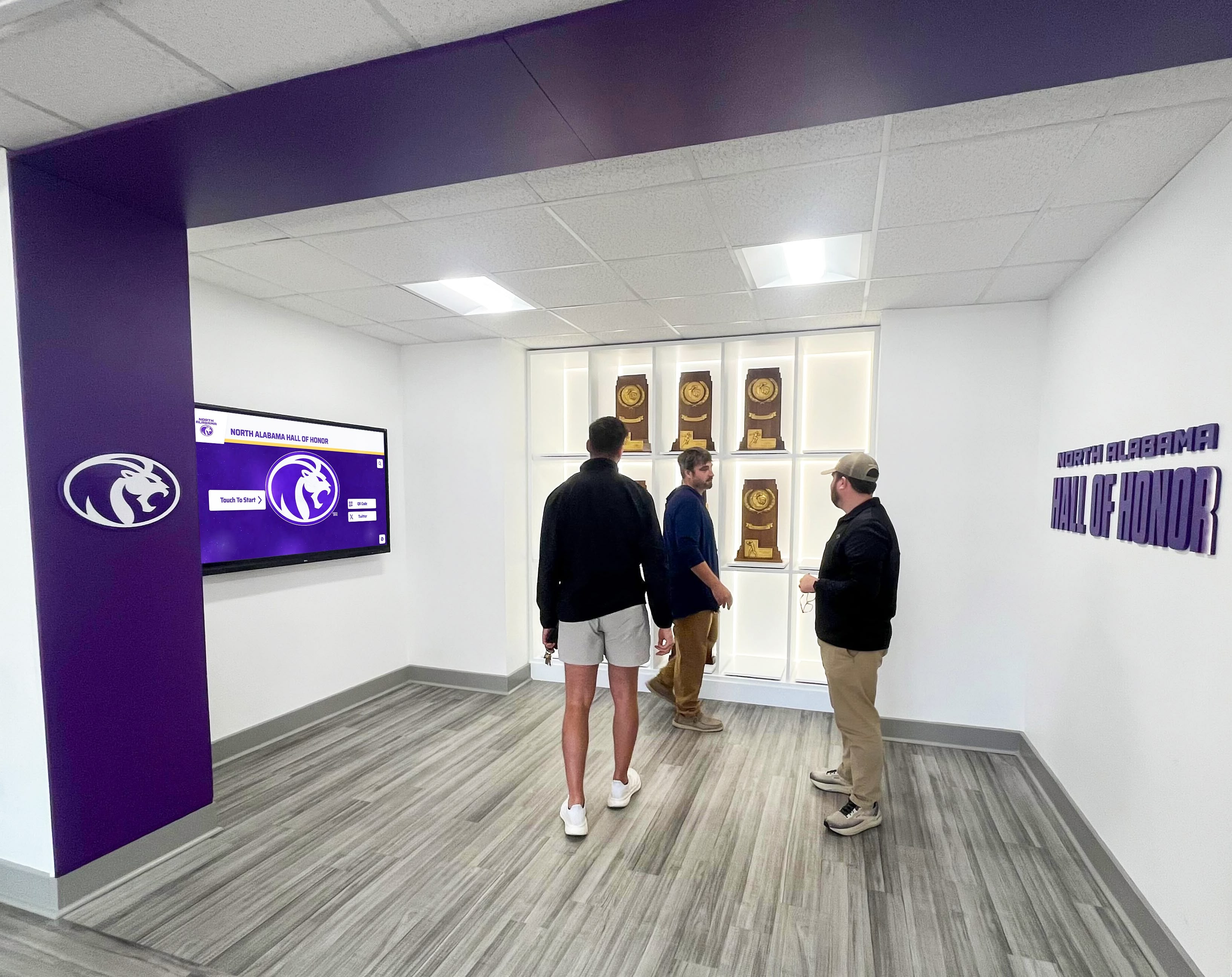
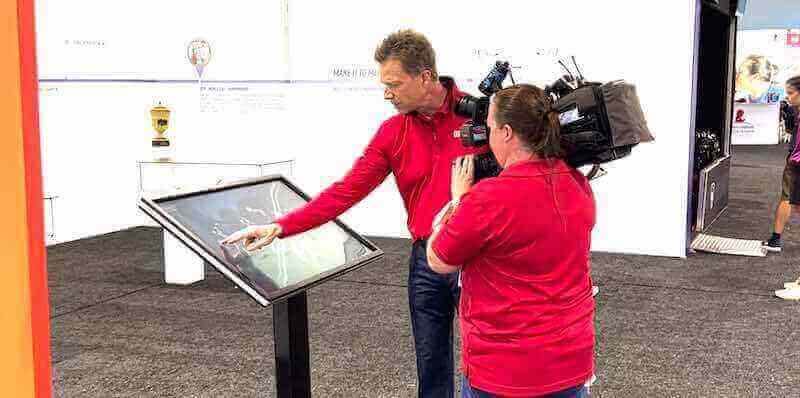
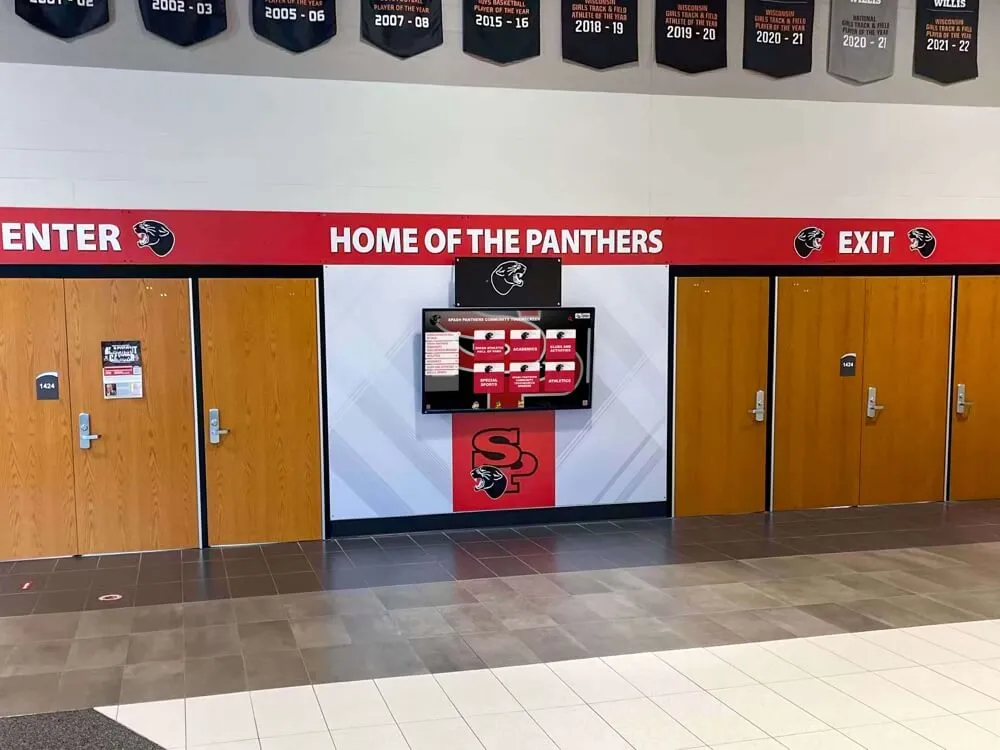
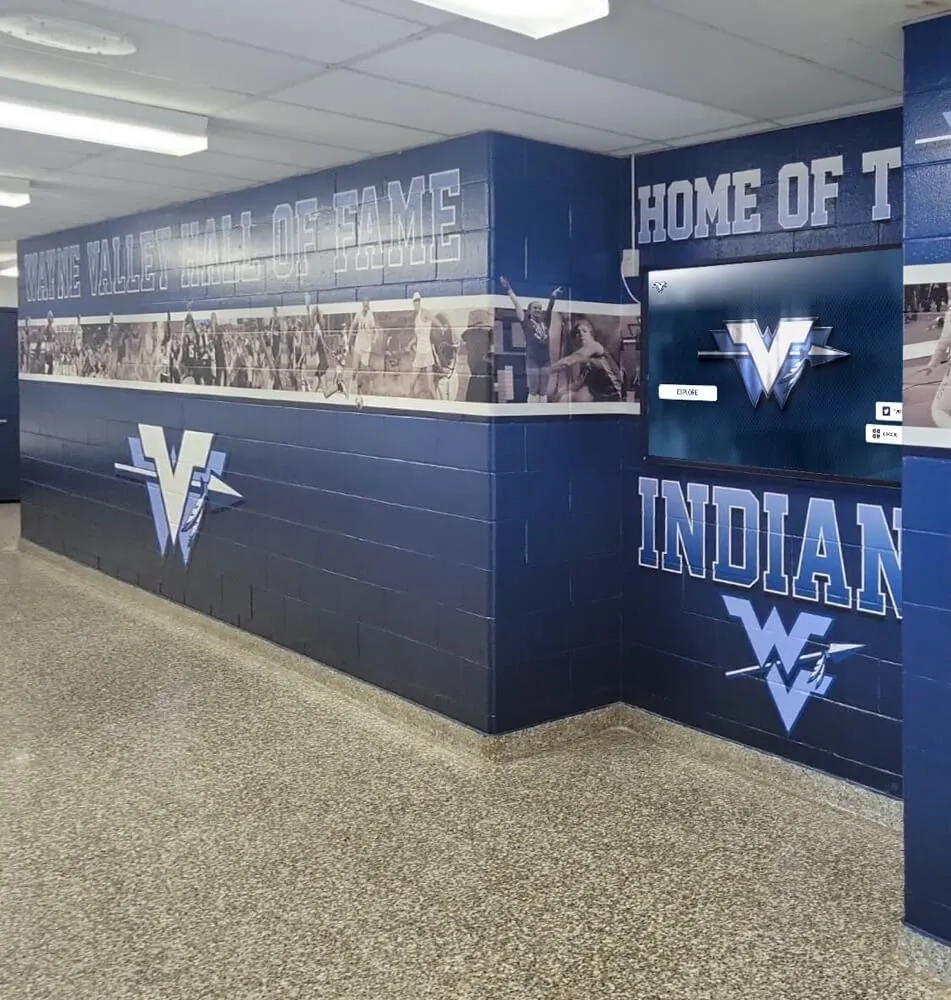
Physical trophy displays represent decades of accumulated achievement; time capsules can document these spaces before facility changes alter or remove them
Category 3: Student Work and Academic Materials
Student-produced work is among the most direct evidence of intellectual and creative life at a school. Future researchers—including historians, educators, and the students themselves—find tremendous value in encountering the actual products of student effort from a particular year.
What to include:
- Student essays and writing samples: A representative selection of student writing across grade levels and subjects. Creative writing, analytical essays, science reports, and personal narratives all capture different dimensions of student thought.
- Art portfolios or representative artwork: Student artwork from visual arts programs represents creative culture and aesthetic sensibility. Photographs of larger works or small originals of manageable pieces work well.
- Science fair project documentation: Abstract, hypothesis, methodology, and findings from representative science fair projects document STEM learning at a particular moment.
- Student newspaper or literary magazine issues: A complete set of student publications from the current year documents how students narrated their own community to peers.
- Senior thesis or capstone project examples: If your school conducts senior research projects or capstone presentations, including representative work demonstrates academic depth.
- Sample tests and assignments: Current assessments reveal what students were expected to know and demonstrate—valuable data for future educators studying curriculum history.
The yearbook page ideas and design layouts that students create each year represent a form of student production particularly worth preserving—yearbooks are already curated snapshots of student life that make natural time capsule inclusions.
Category 4: Athletic and Extracurricular Achievement Records
Schools generate extensive records of competitive achievement that deserve systematic inclusion in any time capsule. These documents connect future generations to the competitive history of the institution in ways that general histories rarely capture.
What to include:
- Season records for all varsity sports: Win-loss records, playoff results, and final standings for every sport fielded that year.
- Individual performance records: Athletes who set school, conference, or regional records deserve documentation of those achievements with precise statistics.
- Championship hardware and documentation: Photographs and documentation of trophies, plaques, and championship hardware earned during the covered period.
- All-conference and all-state honors lists: Complete rosters of athletes receiving post-season recognition.
- Athletic hall of fame induction records: Any athletes inducted during the current year, with their career statistics and the rationale for induction.
- Coaching staff accomplishments: Career wins, milestone achievements, and any coaching recognition received during the period.
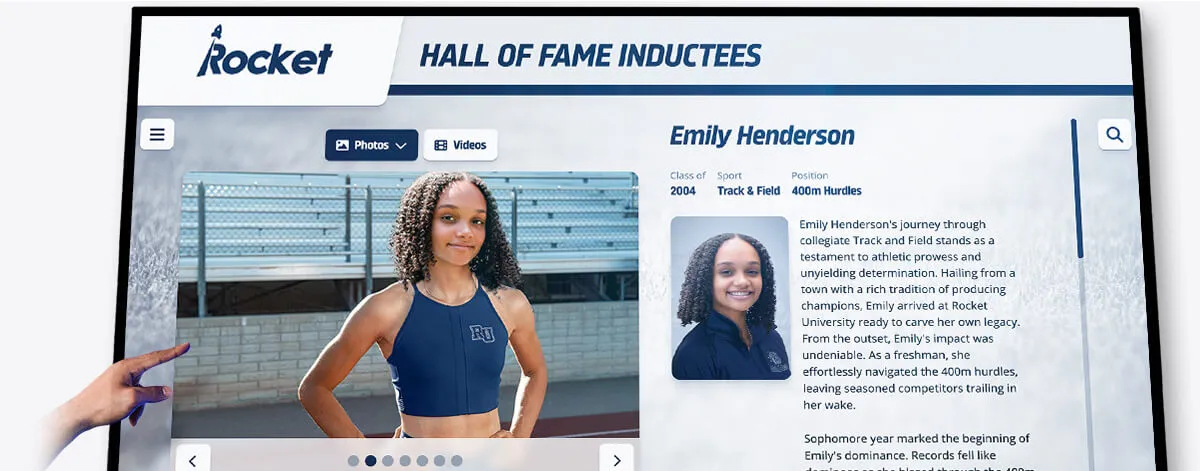
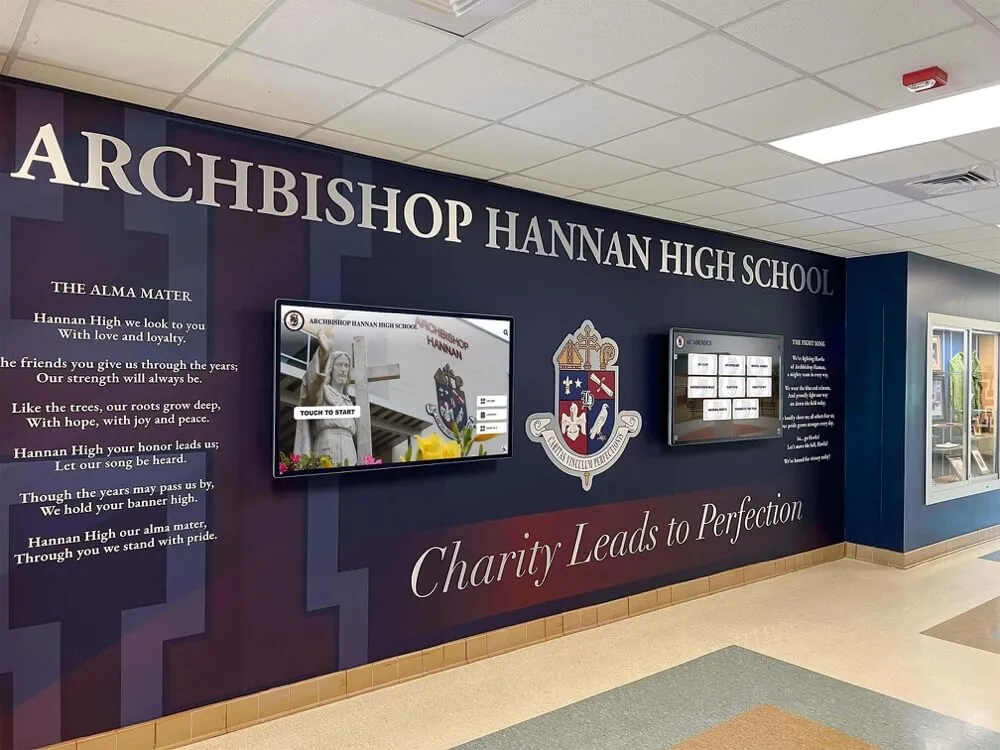
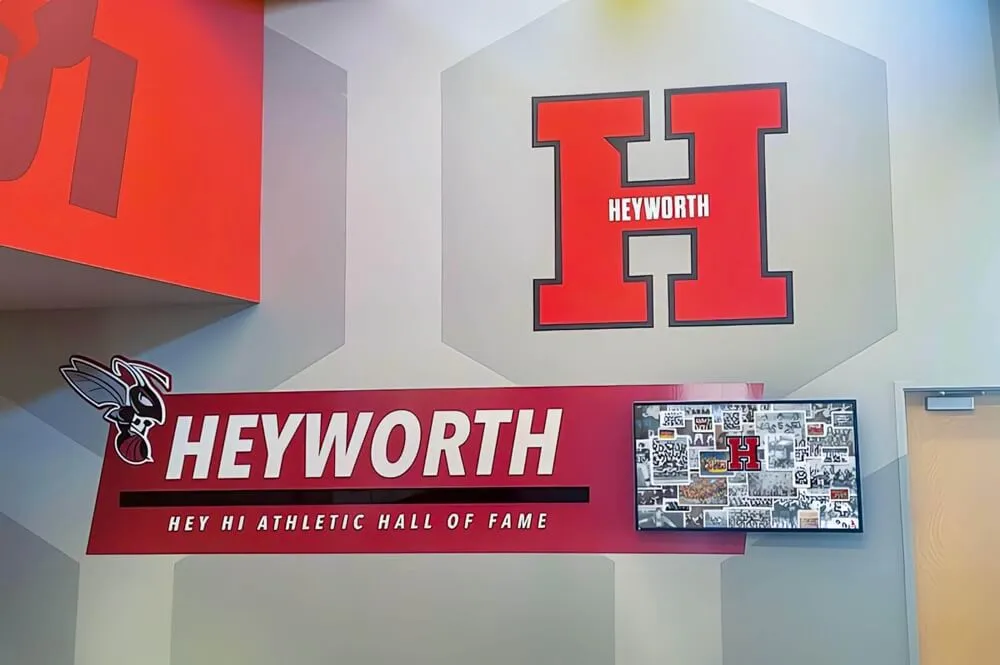
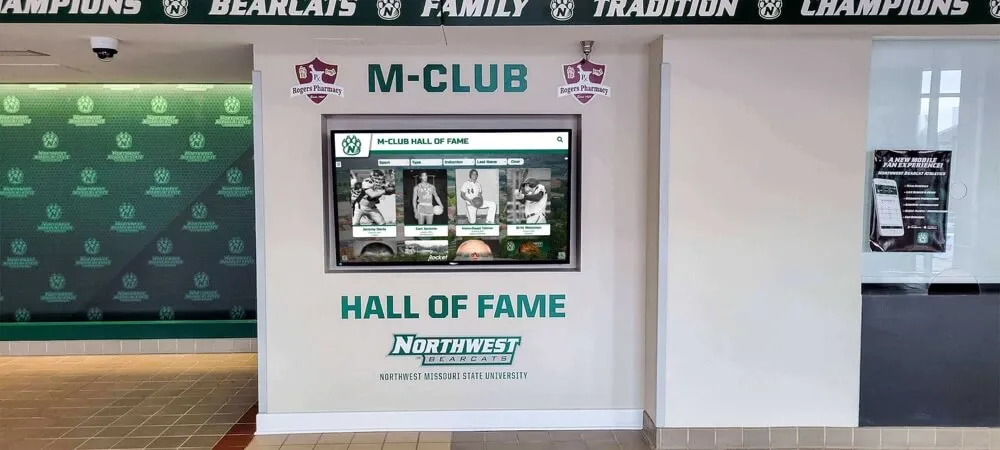
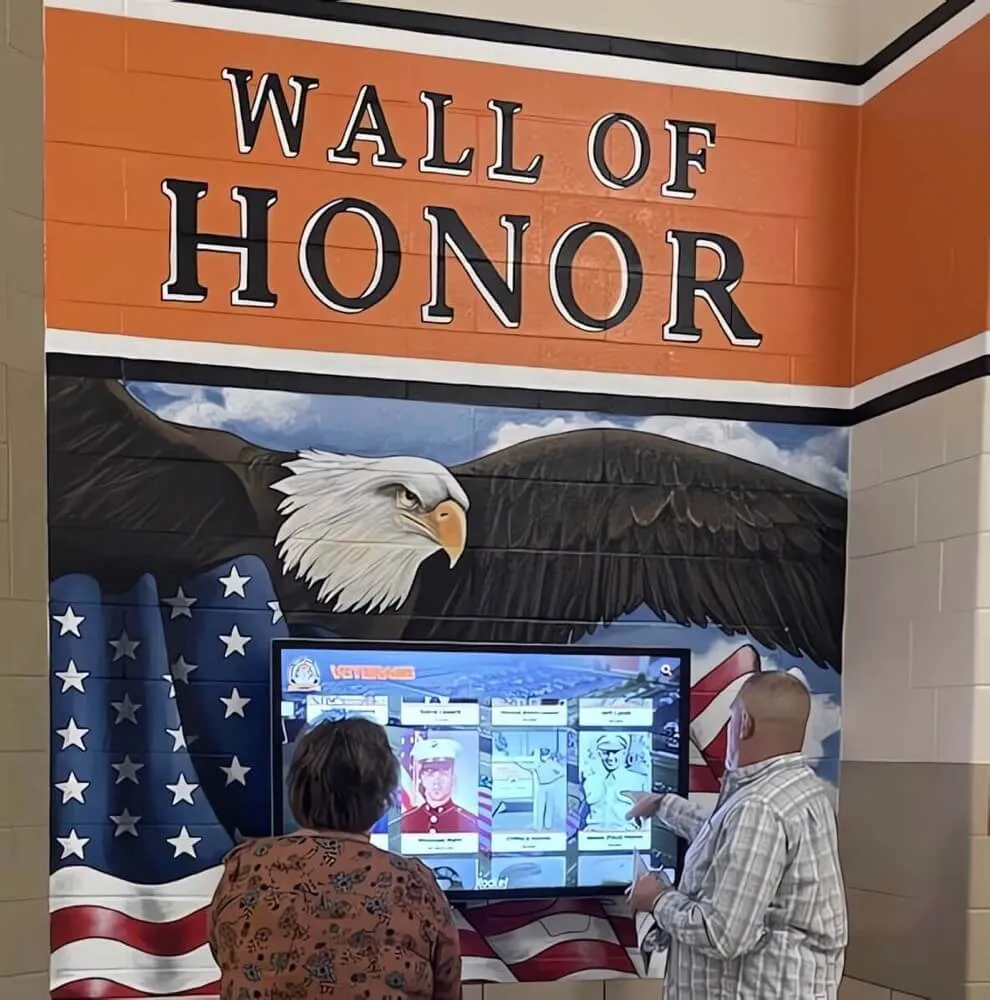
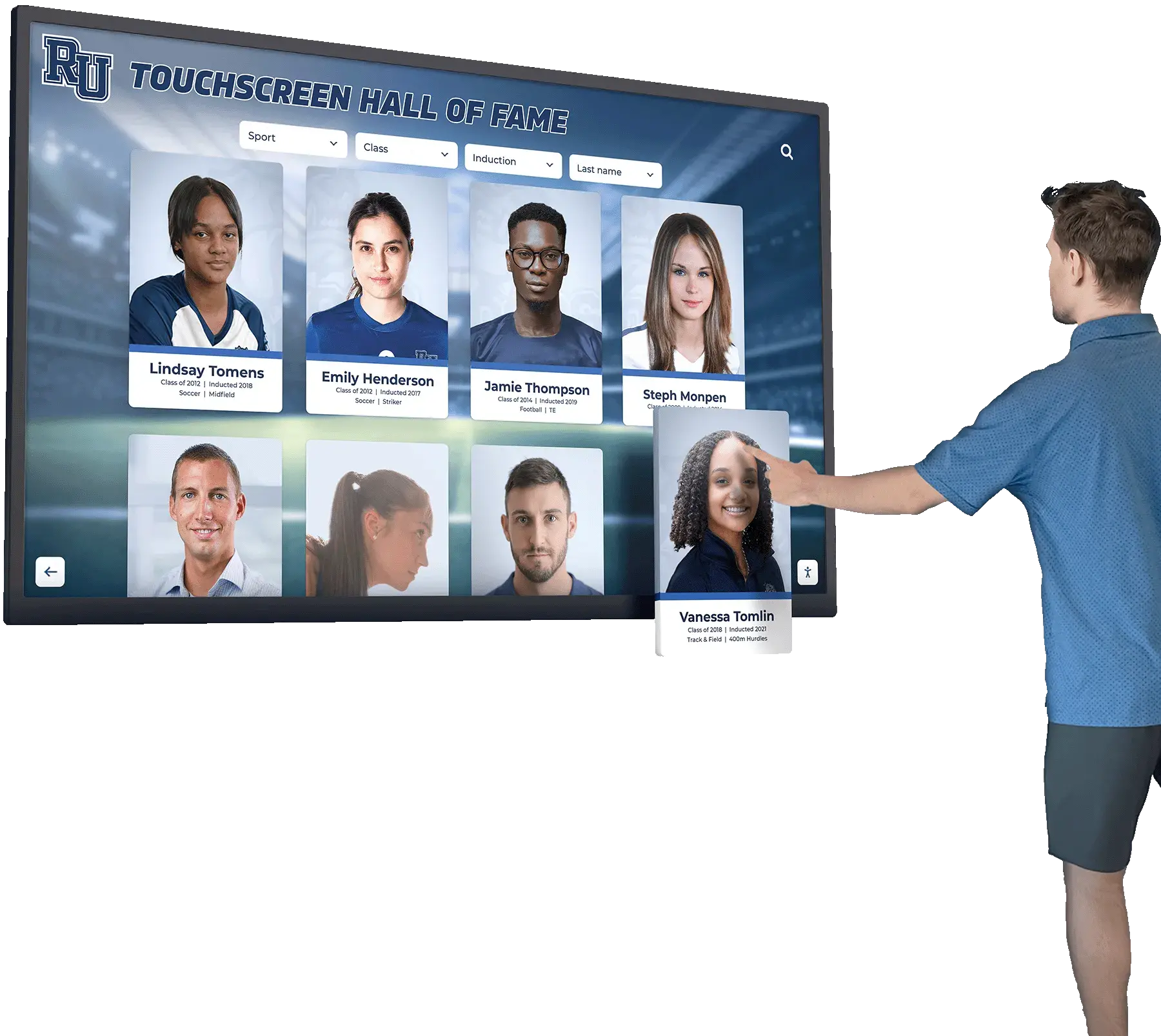
Digital recognition systems like interactive touchscreens can generate printed or exported records that serve as excellent time capsule inclusions alongside physical documentation
For extracurricular achievements beyond athletics, apply the same systematic approach: document competitive outcomes for academic teams (debate, Science Olympiad, quiz bowl), performing arts (music competition results, theater festival participation), and service organizations (community service hours logged, service awards received). Academic recognition programs generate exactly the kind of structured data that translates well into time capsule documentation.
Category 5: Cultural Artifacts and Everyday Objects
This category is where time capsules transcend institutional record-keeping and become genuine cultural artifacts. The ordinary objects and ephemera of school life in a particular year prove surprisingly compelling to future generations.
What to include:
- A copy of the current school lunch menu: What cafeteria food cost and what was served tells a specific story about school life that no formal document captures.
- Current student ID card format: A sample (not a used card with personal information) showing the current design documents institutional identity.
- Program from a major school event: Graduation program, homecoming game program, or winter concert program—these everyday documents disappear rapidly once their moment passes.
- Sample of current school supplies: A pencil, notebook, or small supply item with labels documenting the year creates a tactile connection to everyday student life.
- Printed social media content or digital communications: Screenshots or prints of current school social media posts, email newsletter headers, or official communications document how the school communicated during this period.
- Local newspaper clippings featuring the school: Coverage from local media provides the external perspective on school events that internal documents miss.
- Student survey responses: Brief, anonymous surveys asking students about their daily experience, aspirations, concerns, and impressions of current events create direct first-person testimony.
- Faculty and staff perspectives: Short written contributions from teachers describing their classrooms, current challenges, and what they find meaningful about teaching at this school.
- Price list of common school-related items: What school supplies, athletic registration fees, field trip costs, and school lunch prices were at this moment documents economic context that future researchers will find valuable.
Optional cultural additions:
- USB drive with a playlist of currently popular music (labeled with format and access instructions)
- Sample technology the school currently uses (or photographs of current devices)
- A small physical object that represents current student culture—but document what it is and why it was included
Category 6: Letters to the Future
Personal letters written specifically for the time capsule are the category future openers universally cite as most meaningful. Unlike documents created for other purposes that end up in the capsule, letters are addressed directly to the people who will read them.
Who should write:
- Current students: A selection across grade levels. Senior letters carry particular weight but letters from freshmen imagining what their school will be like when they graduate have their own charm.
- Student body president and class officers: Leadership voices provide perspective on institutional priorities.
- Principal and superintendent: Official leadership letters establish the institutional context from the administration’s perspective.
- Teachers with long tenures: Faculty members who have witnessed decades of school history have a unique vantage point worth preserving.
- School librarian or archives coordinator: Your own perspective as the keeper of institutional memory is particularly valuable.
- Coaches and activity sponsors: Long-serving coaches carry decades of program memory.
- Custodial staff and support personnel: These perspectives on school life are almost never captured in formal records.
What letters should address:
Letters to future readers benefit from specific prompts rather than open-ended requests. Consider asking contributors to address: What does a typical day feel like? What challenges is the school community currently navigating? What are you most proud of? What do you hope will be different by the time this capsule is opened? What do you hope will be exactly the same?
The more specific and personal the letter, the more valuable it becomes. Generic reflections on the importance of education are far less useful to future readers than an honest account of what it felt like to be a student or teacher in this particular year.
What to Put in a Time Capsule: A Quick-Reference Checklist
For coordinators working against a deadline, this condensed checklist covers the essential categories:
Documents (Official Records)
- Academic calendar for current year
- Student handbook (current edition)
- Course catalog or curriculum guide
- Enrollment summary and demographics
- Administration and faculty directory
- Mission statement or strategic plan excerpt
Visual Media
- Exterior and interior building photographs
- Faculty and staff portraits
- Student group/team photographs
- Candid event photographs
- Yearbook (current year, if available at sealing)
Student Work
- Student writing samples (multiple grades/subjects)
- Representative artwork photographs
- Student newspaper or publication copies
- Sample assessments and assignments
Achievement Records
- Athletic season records (all sports)
- Individual performance and record documentation
- Extracurricular competitive results
- Award recipient lists (academic and athletic)
- Hall of fame induction records
Cultural Artifacts
- School lunch menu with pricing
- Event programs (graduation, major performances)
- Local newspaper clippings
- Student survey responses
- Faculty and staff reflections
Letters to Future Readers
- Student letters (multiple grade levels)
- Principal/administrator letter
- Long-tenure faculty perspectives
- Archives coordinator letter
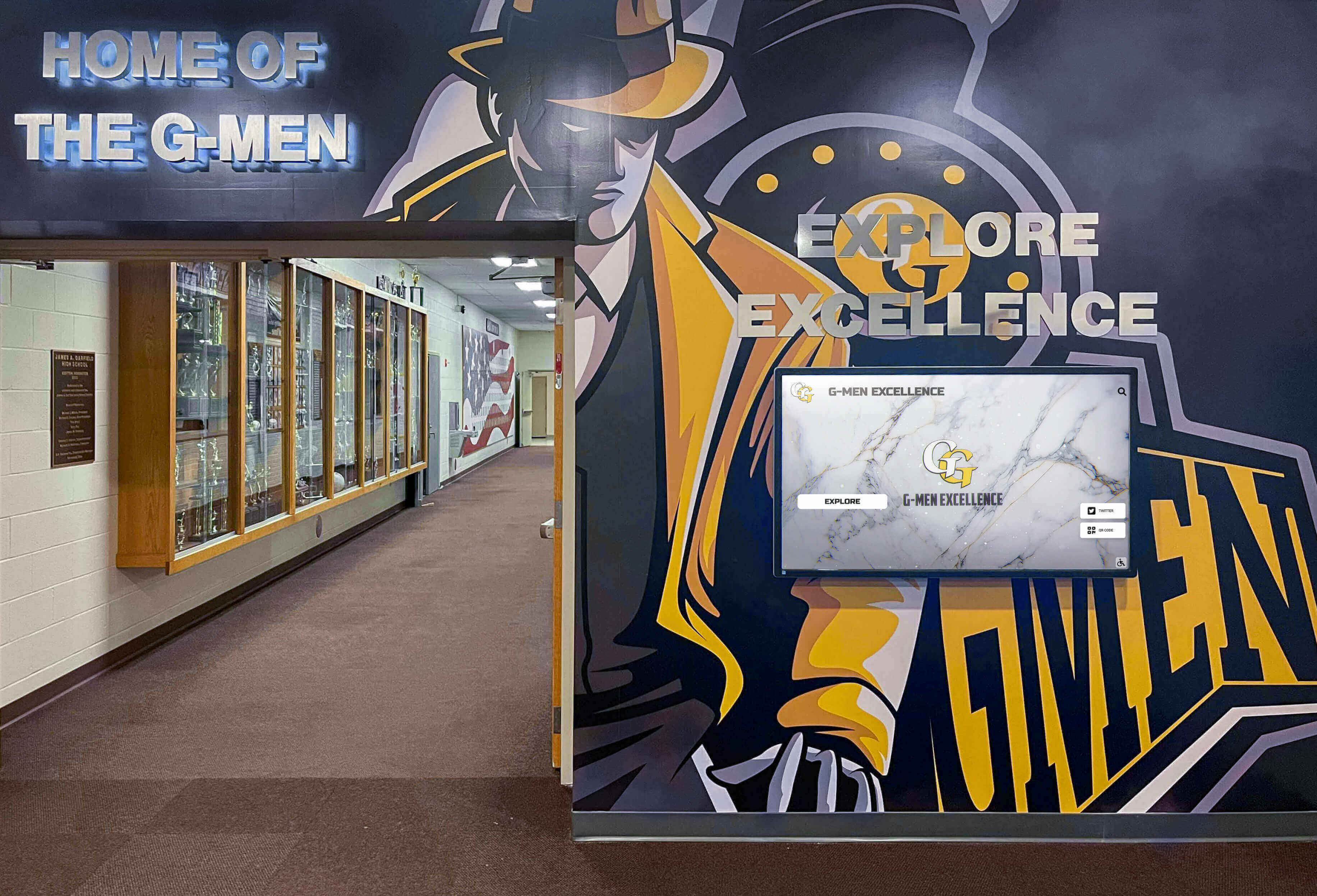
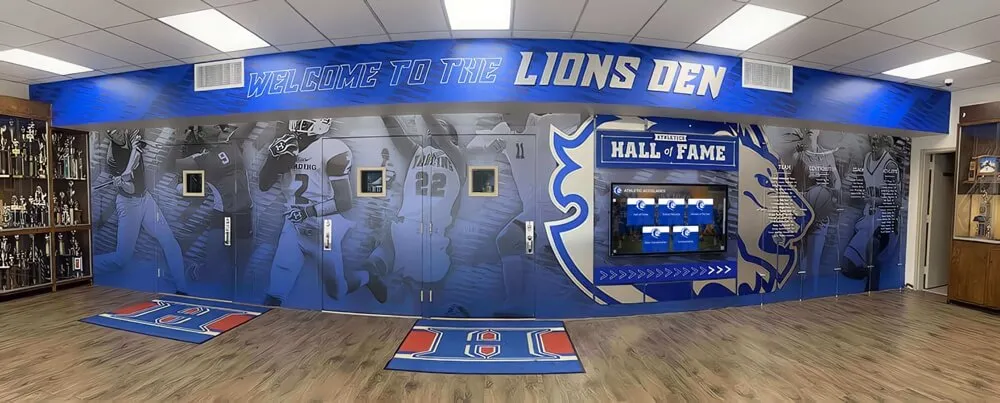
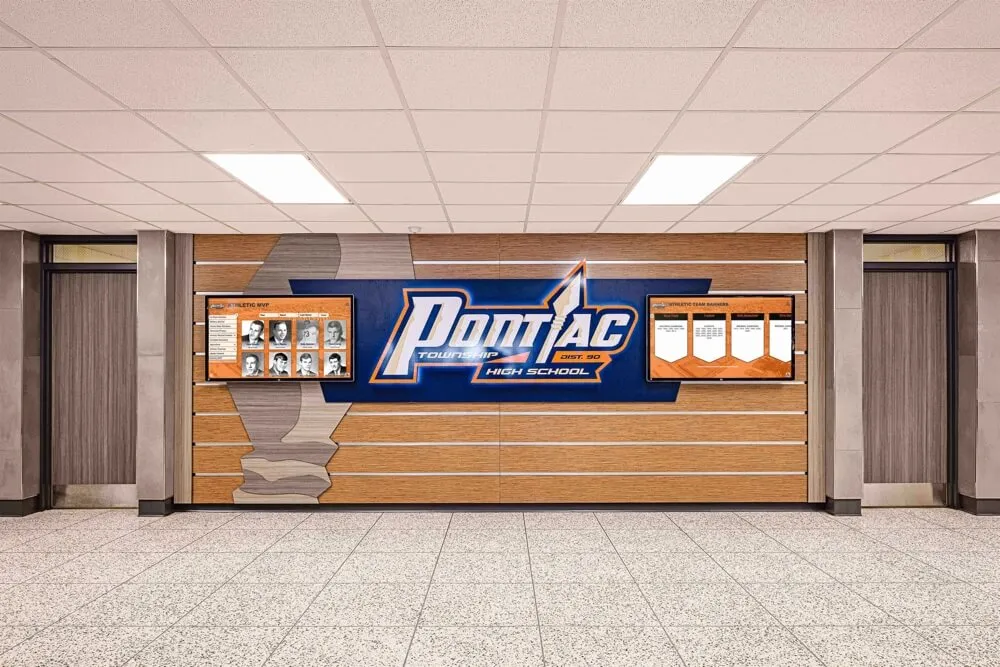
School hallways accumulate decades of achievement documentation across multiple formats; photographing these spaces before changes is an often-overlooked time capsule priority
Preservation Considerations That Determine Long-Term Value
What you put in a time capsule matters, but so does how you preserve it. Materials that aren’t properly prepared may not survive to their intended opening date—which can range from 10 to 100 years depending on the project.
Materials Selection
Paper documents: Use acid-free, lignin-free paper for any documents printed specifically for the capsule. If including documents printed on standard office paper, make archival copies on acid-free paper before sealing. Standard paper yellows, brittles, and degrades; archival paper can last centuries under proper conditions.
Photographs: Print photographs on archival-quality inkjet or chromogenic paper, not standard consumer photo paper. Photographs printed on standard glossy paper develop color fading within decades. Indicate clearly on the back of each print (using archival pencil, not pen or regular marker) what the image depicts and when it was taken.
Physical objects: Avoid including materials that off-gas—rubber, certain plastics, and wood products can damage adjacent materials over time. Clean metal objects before inclusion. Wrap items in acid-free tissue paper rather than plastic bags when possible.
Digital media: Digital preservation for time capsules is genuinely difficult. USB drives and optical discs (CDs, DVDs) have limited shelf lives and depend on technology that may not be available decades later. If including digital media, prioritize formats with high probability of long-term readability (TIFF for images, PDF/A for documents), include multiple copies, and add printed paper backups of the most important digital content.
Container Selection
The container itself is a preservation decision with long-term consequences. A water-tight stainless steel container provides better protection than PVC pipe or wooden boxes. If the capsule will be buried, verify that the container material is appropriate for soil conditions at the burial site. Indoor storage in climate-controlled spaces expands container options significantly.
Include a sealing log that documents: exact seal date, list of contents, intended opening date, contact information for the institution, and instructions for handling contents upon opening.
Condition Documentation
Before sealing, create a complete inventory with photographs of every item included. This documentation serves as both a record and a guide for future openers. Store a copy of the inventory with the school’s official archives—not only inside the capsule.
Planning the Time Capsule Ceremony
A time capsule sealed without ceremony is a missed opportunity. The ceremony transforms an archival act into a community ritual that deepens the project’s meaning and ensures broader institutional memory of what was preserved and why.
Before the ceremony:
Involve students in content selection where possible. When students choose what represents their school year, they invest in the project differently than when materials are selected by adults alone. A committee of student representatives working with the archives coordinator to select student contributions creates both better content and stronger community ownership.
Document the selection process itself. Photographs and notes from the process of choosing contents—including what was considered but not included and why—add valuable context to the archive.
The ceremony itself:
Effective time capsule ceremonies typically include a brief historical framing (what other time capsules this school or community has created, when they were opened and what was inside), a moment for each contributor to speak briefly about what they included and why, and a formal sealing that involves students or community representatives.
Storytelling through digital recognition describes the importance of giving individual stories context within institutional narrative—the same principle applies to time capsule ceremonies. The individual letters, photographs, and artifacts gain meaning when they’re framed as part of a larger story about the school’s history.
Preserve the ceremony itself: photograph and video-record the sealing event and add documentation to the school’s official archives. Future researchers will want to know not just what was sealed, but how the school community marked the occasion.
Opening date considerations:
Common time capsule intervals include 10, 25, 50, and 100 years. Shorter intervals (10-25 years) increase the probability that some original contributors will be present at the opening, creating reunion possibilities. Longer intervals (50-100 years) maximize the historical distance and the sense of speaking to genuinely future generations. Consider your institution’s likely stability over the planned interval—a 100-year seal at a school that may close or merge in 30 years produces different outcomes than intended.
Connecting Time Capsule Work to the Living Archive
A time capsule, by definition, is sealed and static. But the archival work that produces a strong time capsule has direct applications to your ongoing, living archive—and the best archives coordinators treat time capsule projects as catalysts for improving broader preservation practices.
The process of gathering materials for a time capsule typically reveals gaps: sports that haven’t been systematically documented, events whose photographs exist only in individuals’ personal collections, programs that generated no written records. These gaps persist in the broader archive beyond the time capsule itself.
Modern digital recognition platforms address exactly this category of gap. Digital tools that bring school history to life allow institutions to build searchable, continuously updated archives that complement physical time capsules with dynamic ongoing documentation.
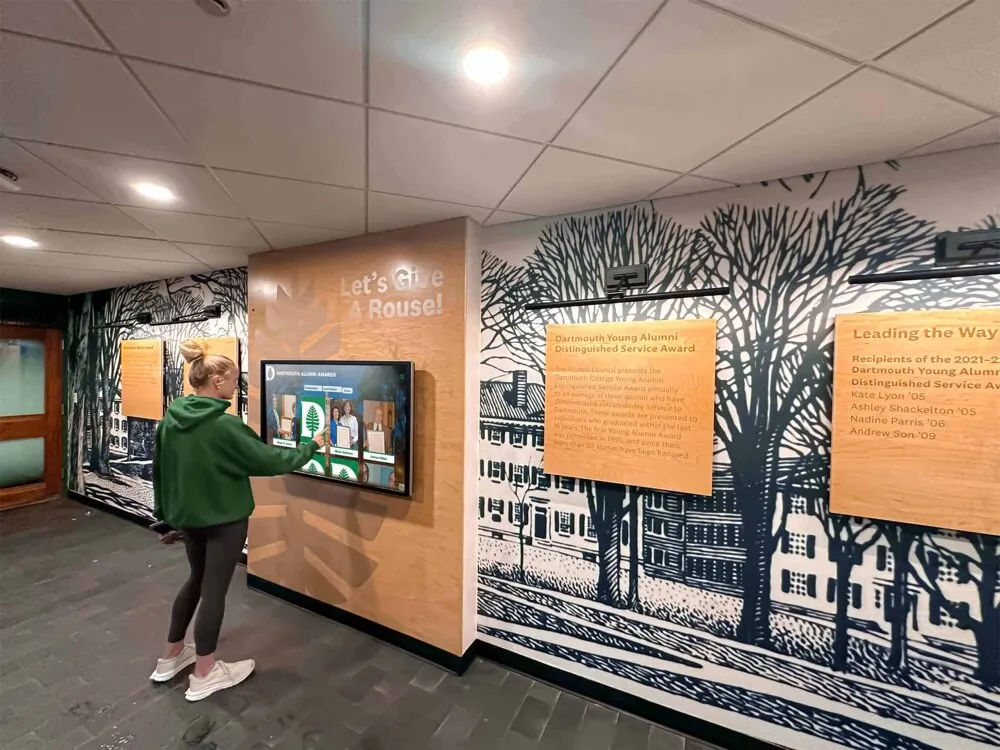
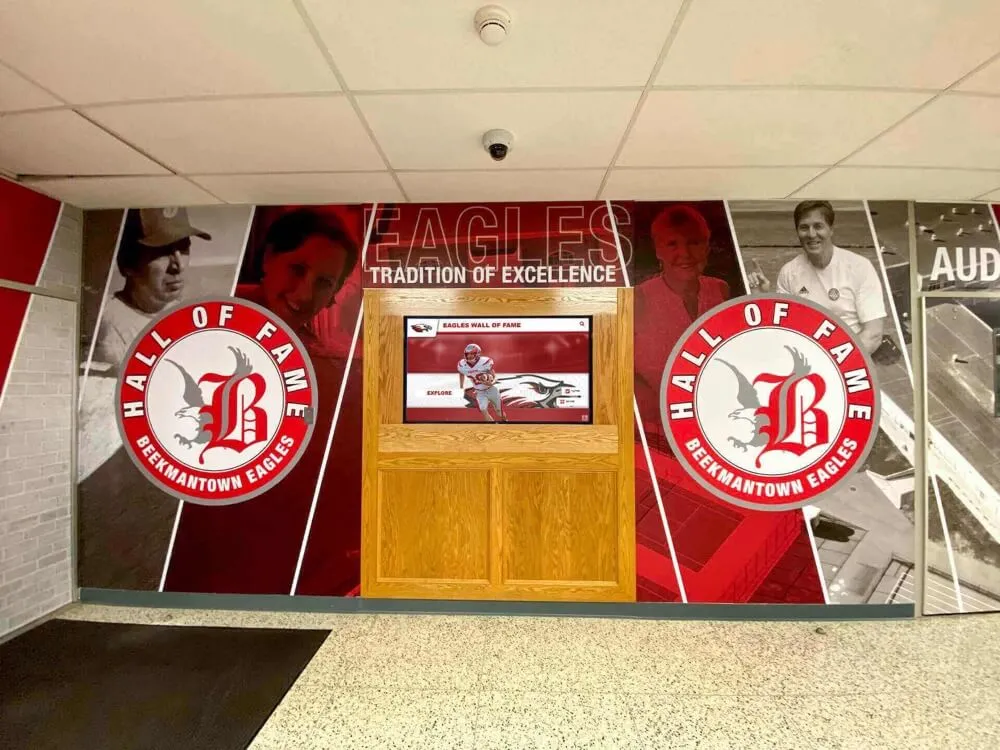
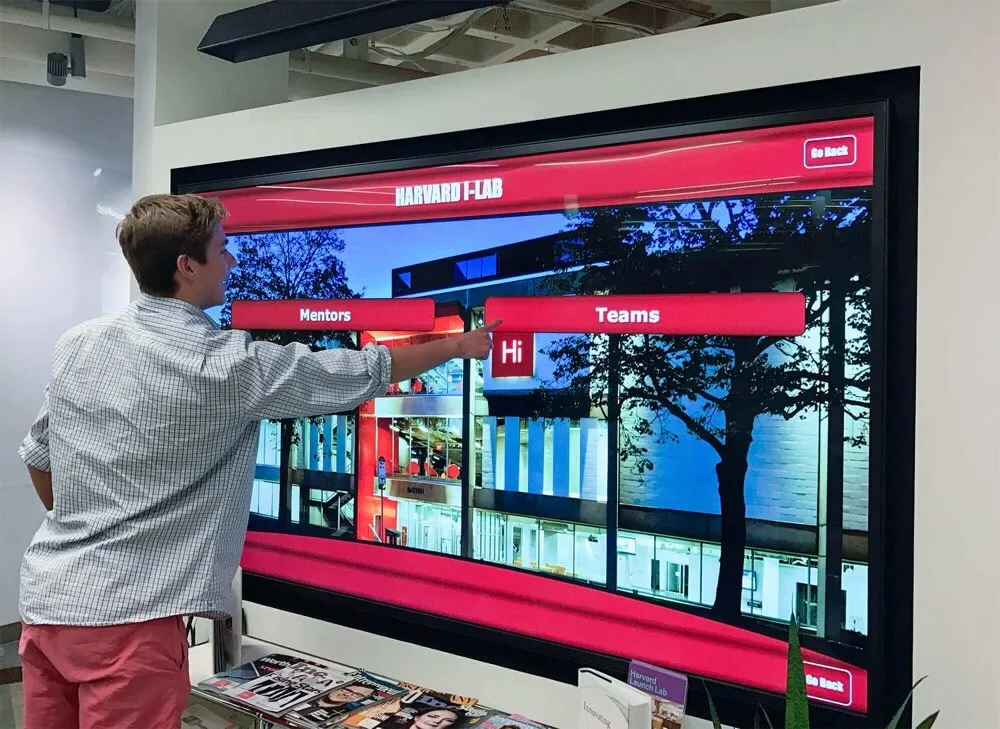
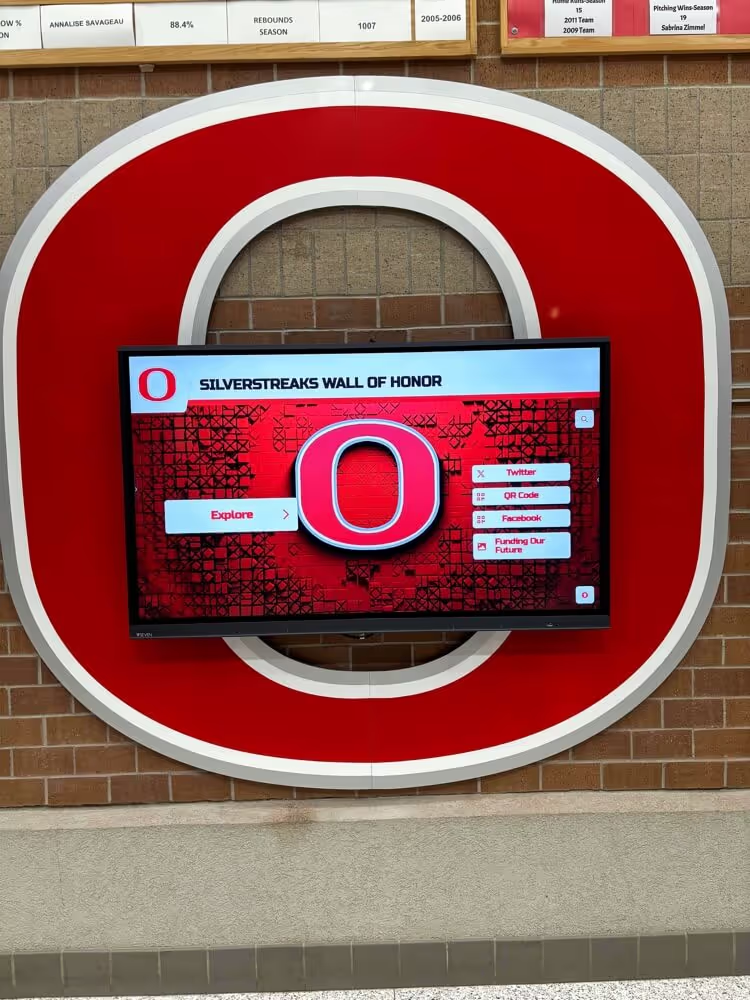
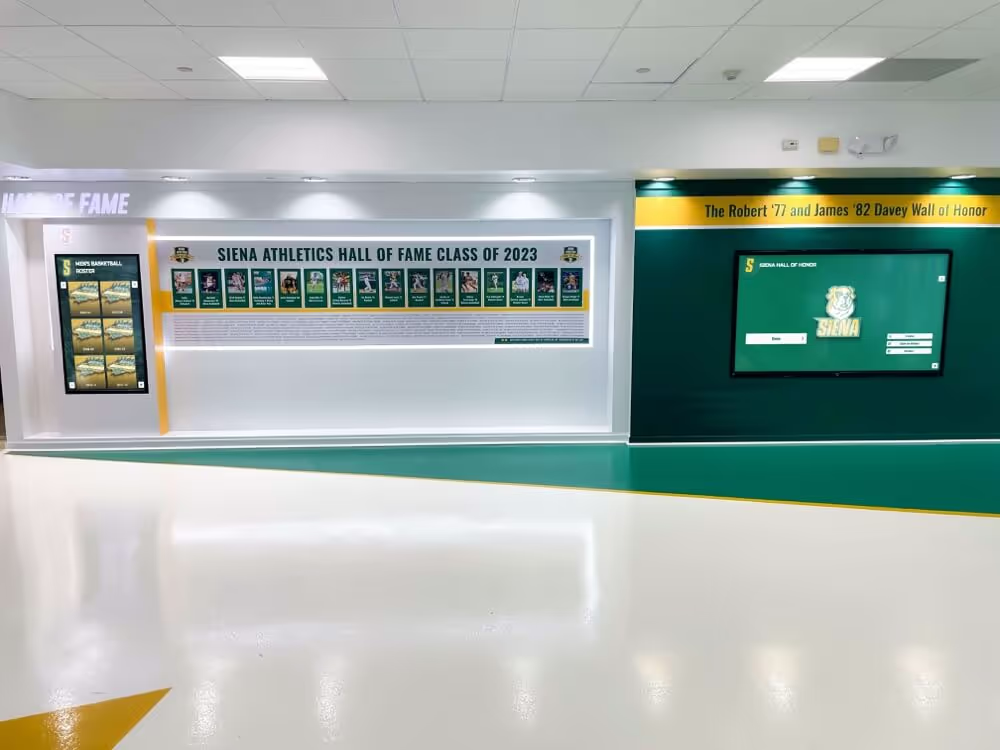
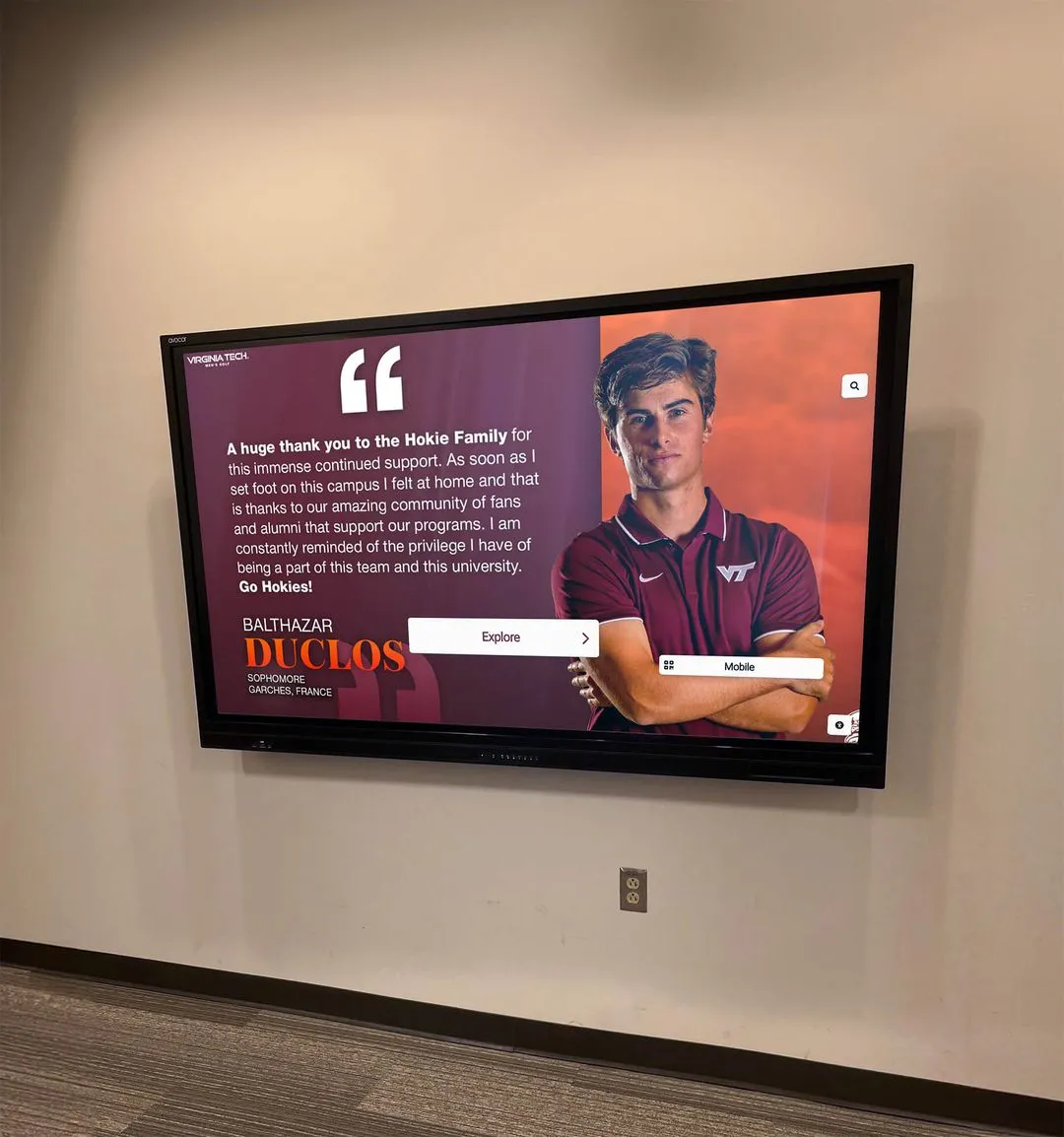
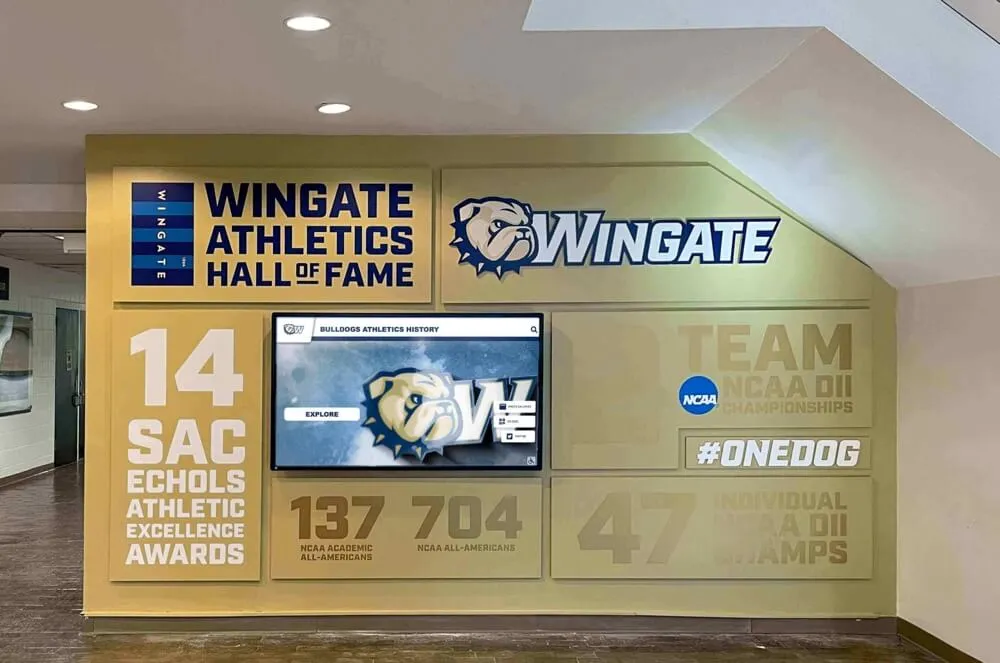
Interactive digital archives allow visitors to explore school history continuously, extending the work that time capsules preserve in a single sealed moment
What the Time Capsule Teaches the Archive
Every time capsule project produces lessons about what documentation the institution currently lacks. Common findings include:
No systematic photographic coverage of daily school life: Most schools photograph major events but lack consistent documentation of ordinary days. A time capsule project motivates creation of this documentation.
Athletic records with gaps: Schools with strong athletic traditions often discover mid-project that seasons from certain years were never systematically documented. Creating an inspiring recognition display requires the same systematic approach to historical records that time capsule projects demand.
Ephemeral materials that weren’t preserved: Event programs, newsletters, and everyday institutional communications often disappear within years of creation. Time capsule projects motivate systematic collection of these materials going forward.
Student voice gaps: Formal archives rarely include student perspectives. Letters-to-the-future written for time capsule projects represent a model for ongoing collection of student voice documentation.
The Digital Extension of Physical Preservation
A time capsule stores contents physically, but the institutional memory those contents represent can be extended through digital systems that make archival materials continuously accessible rather than sealed away.
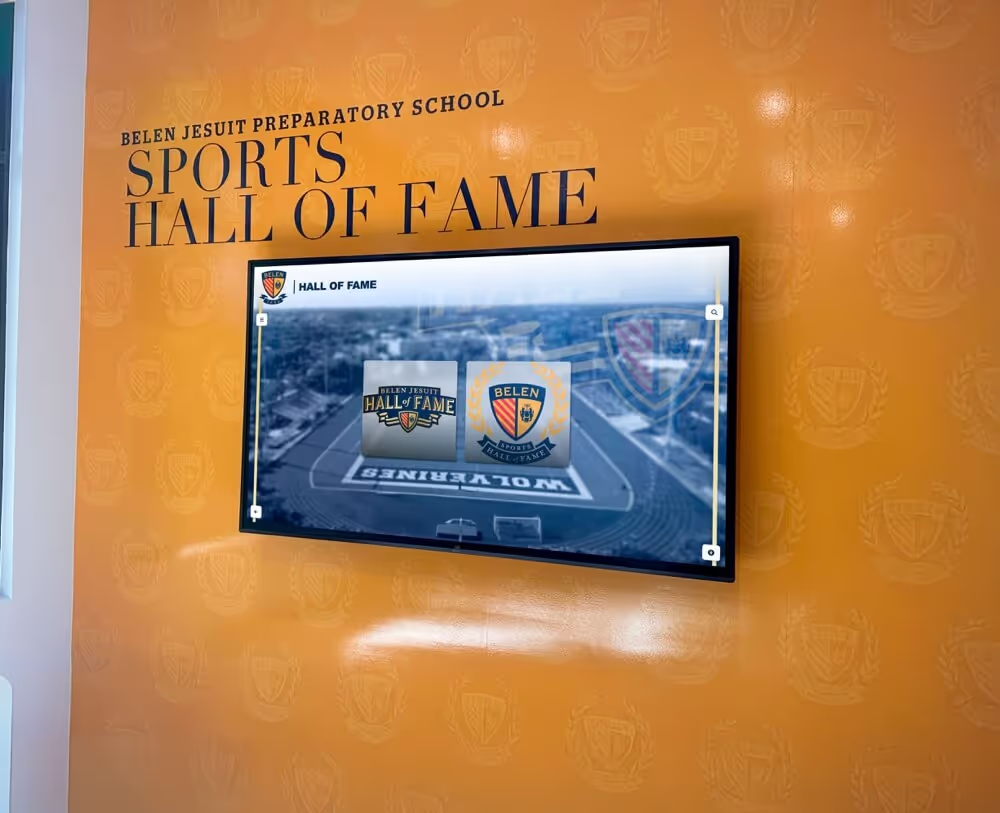
Interactive touchscreen archive systems allow schools to digitize and display decades of historical photographs, achievement records, and recognition materials in searchable formats that visitors—current students, alumni, and community members—can explore at any time. These systems complement physical time capsules by keeping the broader archive alive and accessible rather than concentrating historical documentation in a sealed container opened once in a generation.
Memorial wall and institutional memory concepts share underlying principles with time capsule work: both involve decisions about what to preserve, how to present it, and who the intended audience is. The key distinction is that living digital archives can grow continuously, while time capsules offer the irreplaceable authenticity of an unaltered moment.
Dedication plaques and permanent recognition serve similar functions—marking a moment, honoring contributions, creating lasting institutional records. Effective archives coordinators use all available tools: physical capsules, digital displays, permanent plaques, and searchable online archives.
Common Mistakes Archives Coordinators Should Avoid
Even experienced coordinators encounter these pitfalls when planning time capsule projects:
Including only achievements, not experience: A capsule full of trophy photographs and award lists documents success but misses daily life. Balance formal achievement documentation with evidence of ordinary school experience.
Neglecting non-athletic programs: Athletic achievements are easy to document systematically, but academic competitions, performing arts, community service, and vocational programs deserve equal archival attention.
Using inappropriate preservation materials: Standard office paper, inkjet photographs on consumer photo paper, and standard plastic bags all degrade faster than archival materials and can damage adjacent contents. The investment in proper materials is small relative to the importance of the project.
Not creating external documentation: If the only record of what’s in the capsule is inside the capsule, future coordinators have no way to reference or verify contents without opening it. Always maintain an external inventory.
Skipping the ceremony: A capsule sealed without ceremony misses the community-building and institutional memory functions that make time capsule projects meaningful beyond their archival value.
Not thinking about opening logistics: Who will be responsible for opening the capsule? Where will the contents go afterward? Creating a brief opening protocol at the time of sealing—and storing it in the school’s official archives—prevents future confusion.
Overloading on current technology: It’s tempting to include the latest devices and media formats, but technological artifacts age in unpredictable ways. Include documentation of current technology through photographs and written descriptions rather than functional devices.
A Final Word for Archives Coordinators
A time capsule created with intention and care becomes one of the most significant archival contributions an institution can make to its own future. The decisions you make about what to put in the capsule—and how to preserve and document those contents—will shape what future students, researchers, and community members know about this specific chapter of your school’s history.
Approach the selection process as both archivist and storyteller. Ask not just what happened this year, but what would help someone fifty years from now understand what it felt like to be here. The answer to that question leads to better capsule contents, better archives practice, and a deeper connection between the institution’s past and its future.
If your school is also building a living digital archive alongside physical preservation efforts—a searchable display of historical achievements, an interactive hall of fame, or a digital record of decades of student accomplishment—Rocket Alumni Solutions helps schools create touchscreen archive systems that keep institutional history accessible and continuously updated. While a time capsule speaks to the future, a living digital archive speaks to today’s students, alumni, and visitors—ensuring no generation has to wait to encounter the school’s story.
Ready to transform your school’s historical records into an interactive archive? Request a free demo from Rocket Alumni Solutions and see how touchscreen displays can bring decades of school history to life alongside your physical preservation work.