



The blank space beneath a yearbook photo holds surprising power. In just a few words, captions transform static images into stories, capturing personalities, achievements, and moments that define a school year. Yet yearbook advisors and student editors often struggle with caption writing—balancing creativity with clarity, humor with respect, and brevity with meaningful content that readers will appreciate decades later.
Great yearbook captions do more than identify who appears in a photo. They preserve context that memories alone can’t capture: the inside joke that defined a friendship, the championship victory years in the making, the quiet student who surprised everyone with unexpected talent. When alumni flip through old yearbooks at reunions, well-crafted captions transport them instantly back to specific moments, triggering memories that photographs alone might not evoke.
This comprehensive guide provides 60 ready-to-use yearbook caption examples organized by category, plus proven writing strategies that help student editors create captions worthy of the memories they document. Whether you’re writing captions for sports action shots, candid moments, club activities, or senior portraits, you’ll discover approaches that engage readers while honoring the students and moments you’re celebrating.
Yearbook captions serve as permanent records that provide context, personality, and storytelling to the visual documentation of a school year. Unlike social media posts that disappear into feeds or captions that can be edited later, yearbook text endures—making thoughtful caption writing essential for creating meaningful memory books students treasure throughout their lives.

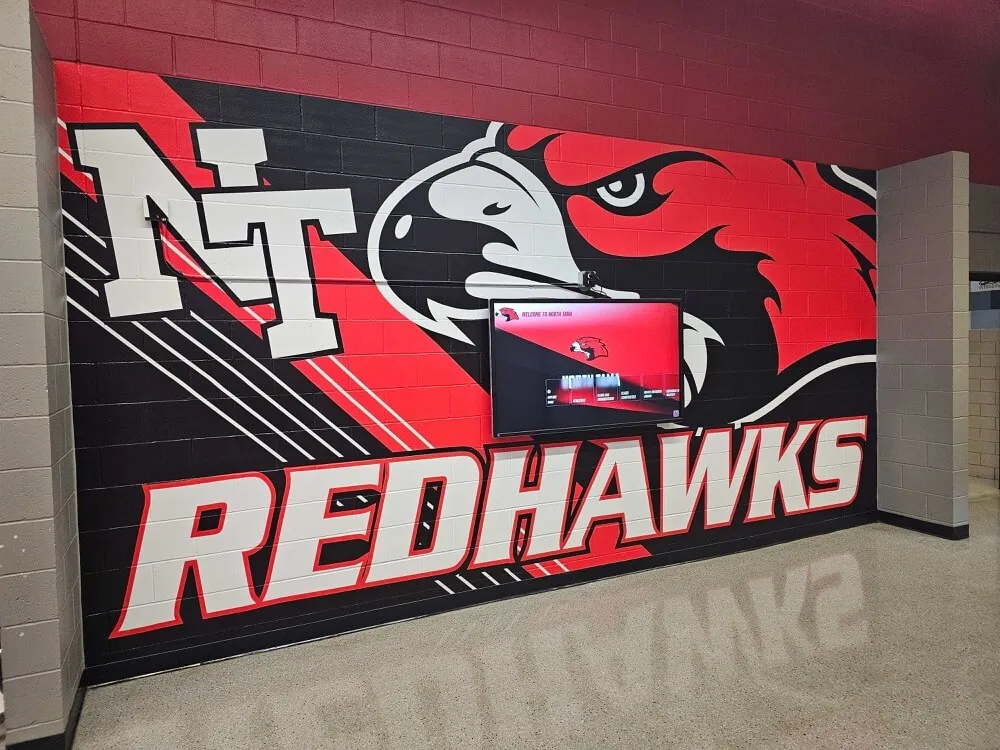
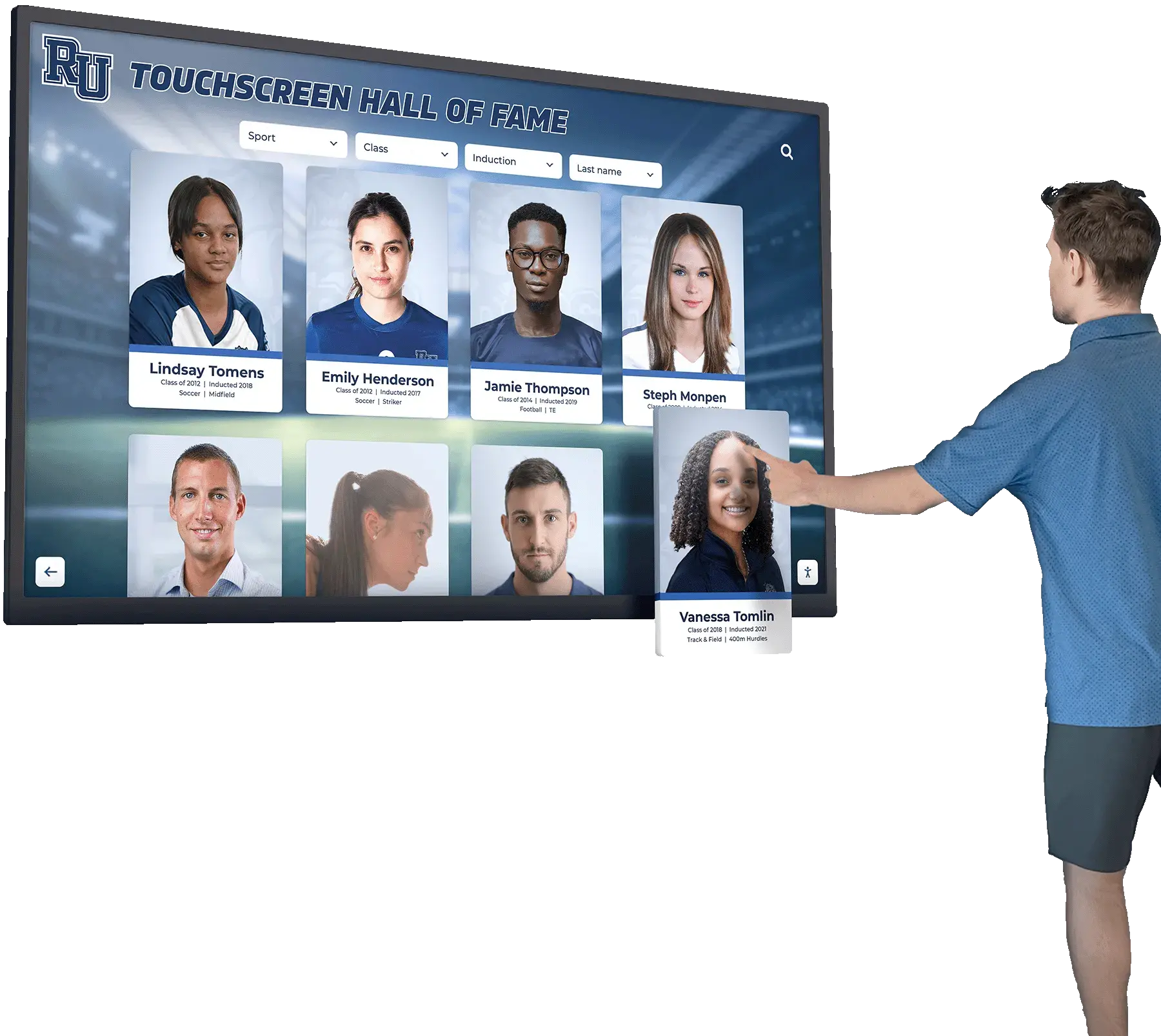
Effective yearbook captions transform photos into lasting stories that students revisit throughout their lives
Why Yearbook Captions Matter
Before exploring specific caption examples and writing techniques, understanding why captions hold such importance helps frame your approach to this critical yearbook element.
Providing Essential Context
Photos capture moments, but captions explain what those moments meant:
Identifying Key Information
Every caption should answer fundamental questions:
- Who appears in the photo (names, grade levels when relevant)
- What activity or event the photo documents
- When the moment occurred (specific date or general timeframe)
- Where the photo was taken if location provides meaningful context
- Why the moment mattered to participants or the school community
Without this information, future readers—including the students themselves years later—may struggle to remember or understand the significance of captured moments.
Preserving Stories Photos Can’t Tell
The most effective captions share information invisible in the image itself:
- The preparation and practice leading to a performance or competition
- Challenges overcome to achieve the moment being captured
- Emotions participants felt during the experience
- Unexpected outcomes or surprising developments
- Connections between the moment and larger school traditions or stories
These contextual details transform yearbook pages from simple photo collections into narrative documentation of the school year.
Showcasing Student Personality
Generic captions waste opportunities to highlight what makes each student unique:
Capturing Individual Voice
Strong captions reflect student personality through:
- Relevant quotes from students in the photo
- Descriptions highlighting personal interests or quirks
- References to characteristic behaviors or expressions
- Wordplay or humor matching individual personalities
- Recognition of talents or contributions specific to each person
When students see themselves accurately represented in yearbook captions—not just identified but truly captured—the yearbook becomes more meaningful.
Celebrating Diverse Achievements
Thoughtful captions ensure recognition extends beyond traditional achievements, honoring students for varied contributions including academic excellence, artistic talent, community service, leadership, and the countless ways students enrich their school communities.
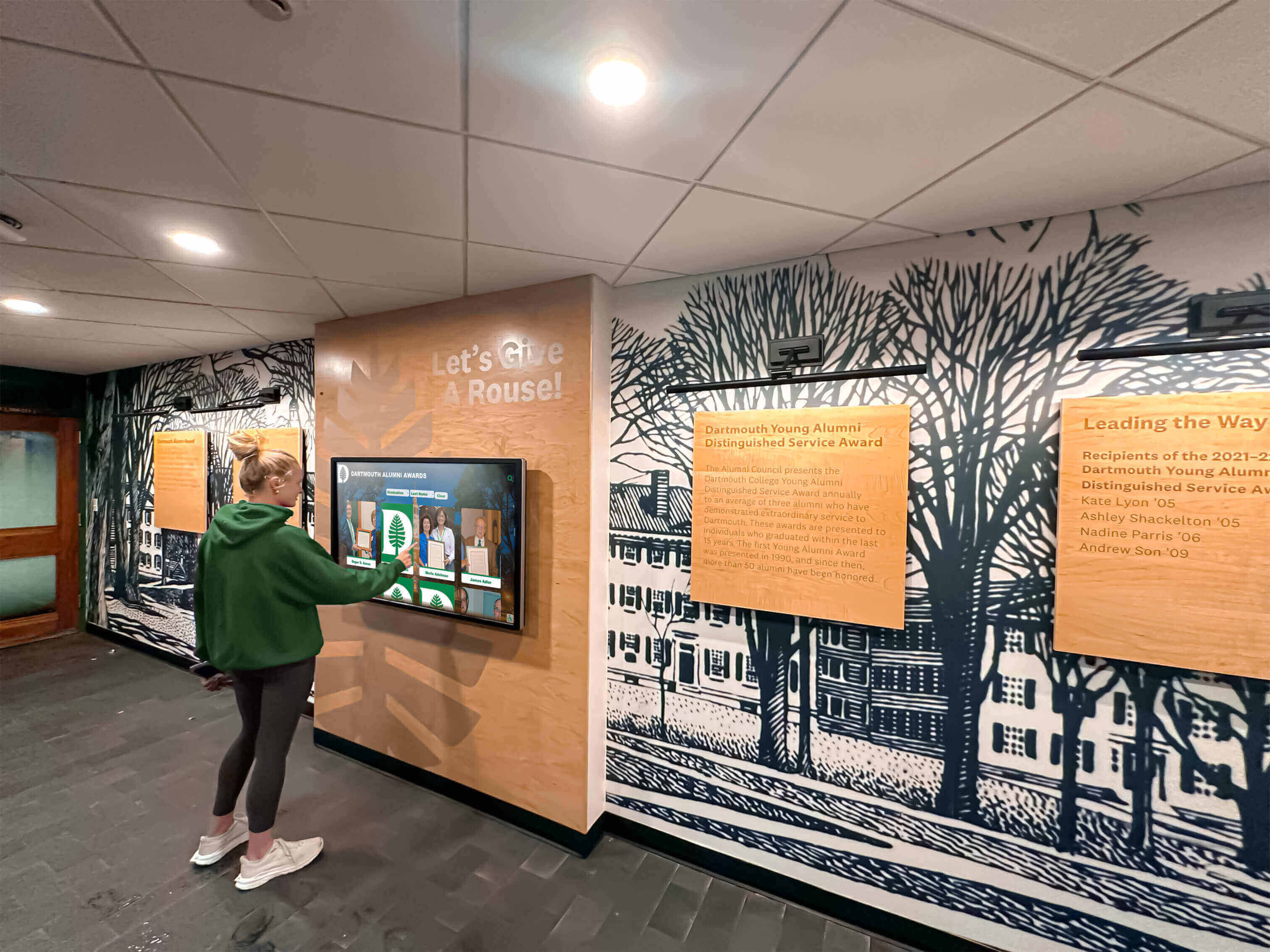
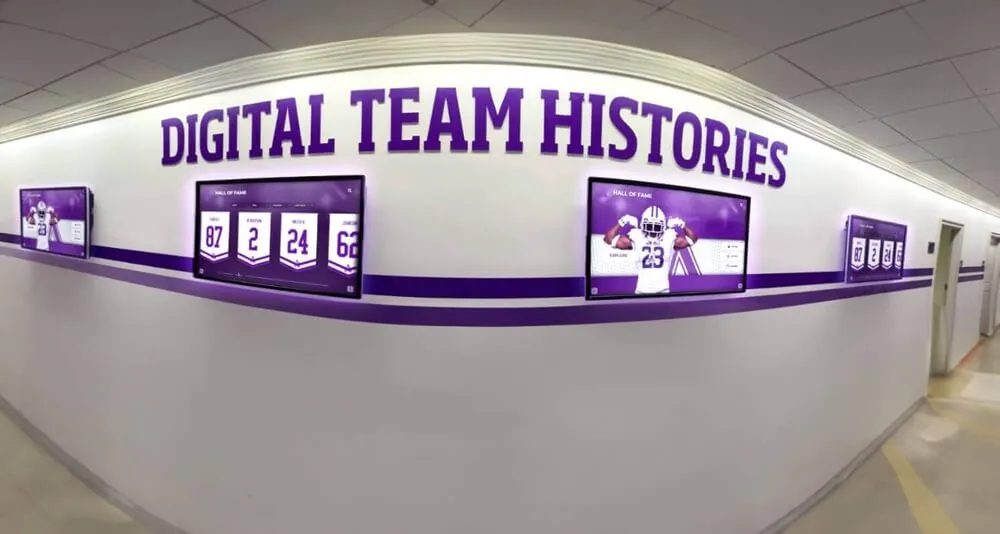
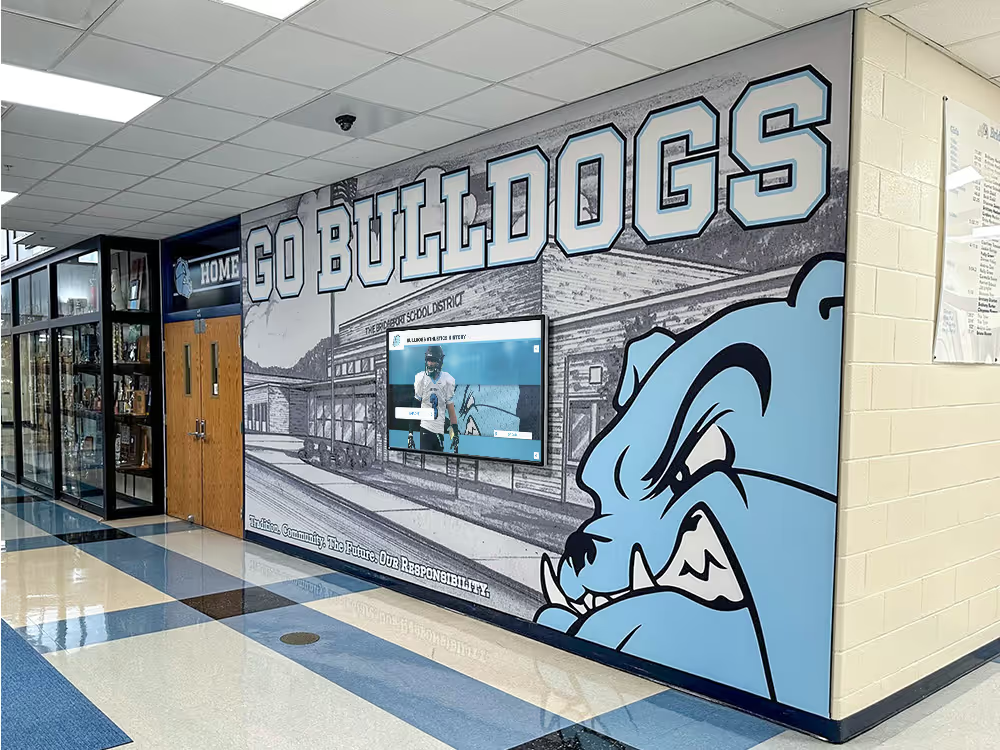
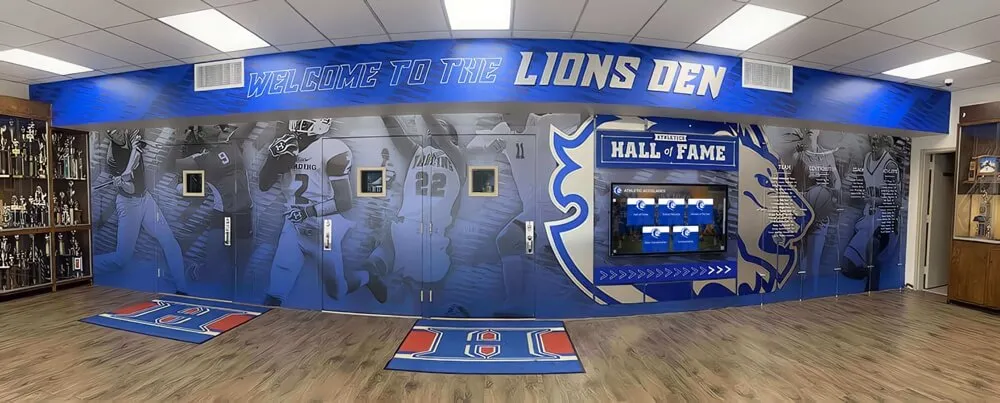
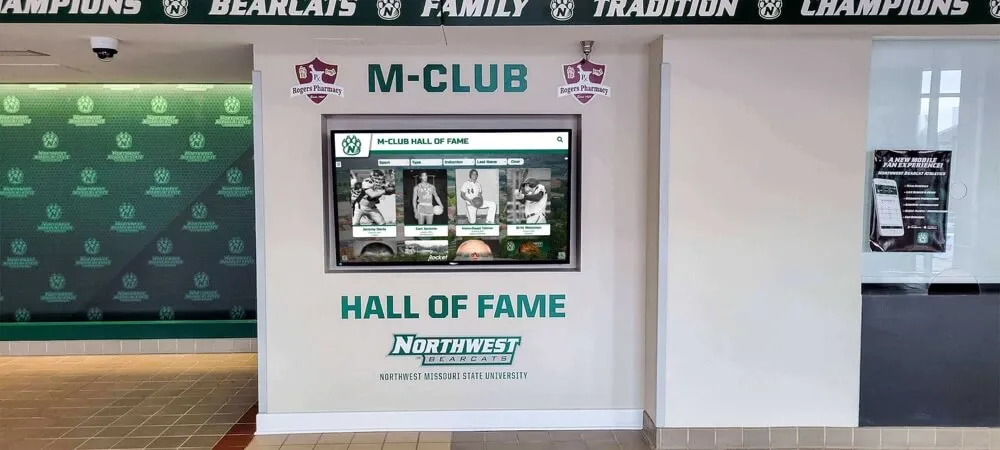
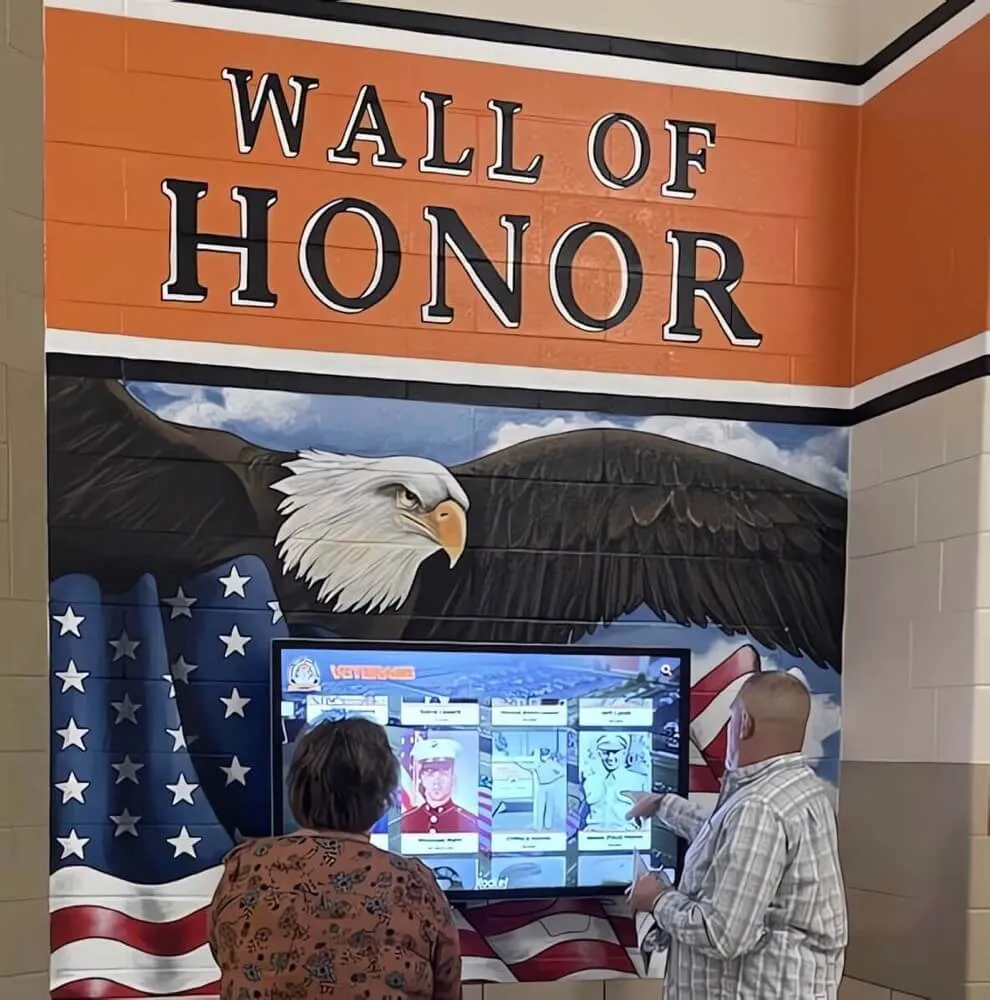
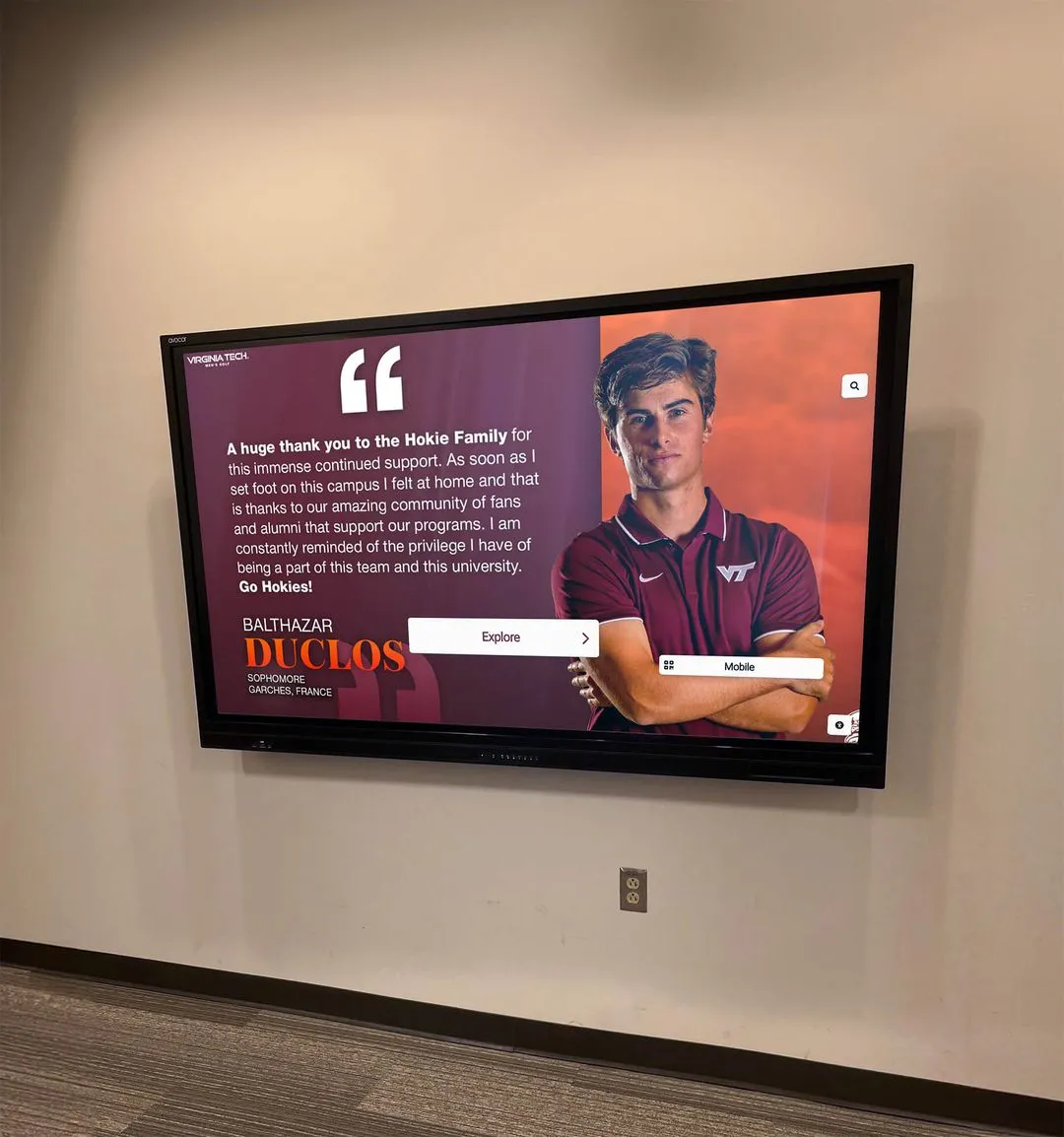
Modern schools preserve student memories through both traditional yearbooks and interactive digital displays celebrating achievements
Essential Elements of Effective Yearbook Captions
Successful yearbook captions share common characteristics that make them informative, engaging, and memorable.
Accuracy Above All
Nothing undermines yearbook credibility faster than inaccurate captions:
Verify Every Detail
Before finalizing captions, confirm:
- Correct spelling of all student names (including preferred names and nicknames)
- Accurate grade levels and class years
- Precise dates, scores, and statistics
- Correct activity, club, or team names
- Appropriate titles for faculty, staff, and administrators
- Factual descriptions of events and outcomes
Create a verification system where multiple editors check names and facts before publication.
Handle Corrections Professionally
If errors are discovered before printing:
- Implement systematic review processes to catch mistakes early
- Maintain updated student databases with verified information
- Cross-reference multiple sources when uncertain about details
- Consult with students, sponsors, and coaches to confirm facts
Accuracy demonstrates respect for the students being featured and maintains yearbook integrity.
Conciseness with Impact
Space limitations require captions that convey maximum meaning with minimum words:
Eliminate Unnecessary Words
Streamline captions by removing:
- Obvious observations visible in the photo (“Sarah smiles for the camera”)
- Redundant qualifiers (“very unique,” “completely finished”)
- Filler phrases adding no meaning (“it goes without saying”)
- Overly formal or stiff language inappropriate for yearbook tone
- Repetitive information already stated in headlines or surrounding text
Every Word Should Earn Its Place
Strong captions use specific, vivid language:
Instead of: “Students had fun at the dance”
Write: “Seniors celebrated homecoming with themed costumes and DJ battles”
Instead of: “The team played hard during the season”
Write: “Varsity soccer claimed district championship after overtime victory against rival Lincoln High”
Specific details create more engaging, memorable captions than vague generalities.
Appropriate Tone
Caption tone should match photo content while maintaining yearbook-wide consistency:
Matching Tone to Content
Different photos call for different approaches:
- Action sports shots: Energetic, dynamic language emphasizing movement and competition
- Academic achievements: Professional, respectful tone highlighting accomplishments
- Candid moments: Lighthearted, warm language capturing spontaneous joy
- Formal portraits: Dignified approach appropriate to traditional photography
- Club activities: Enthusiastic tone reflecting student passion and involvement
Maintaining School-Appropriate Language
All captions should reflect positively on students and school:
- Avoid inside jokes that exclude readers or could seem hurtful
- Eliminate slang that may seem dated when yearbook is reread years later
- Skip references to controversial topics or divisive issues
- Maintain respectful tone even when incorporating humor
- Consider how captions will read at class reunions decades later
Active Voice and Present Tense
Dynamic writing creates more engaging captions:
Using Active Voice
Active construction emphasizes student action and agency:
Instead of: “The winning goal was scored by Marcus in overtime”
Write: “Marcus scored the winning goal in overtime”
Instead of: “The fundraiser was organized by Student Council members”
Write: “Student Council organized the charity fundraiser”
Present Tense for Immediacy
Present tense brings readers into the moment:
Instead of: “The cast performed the spring musical”
Write: “The cast performs the spring musical to sold-out audiences”
Instead of: “Students celebrated senior night”
Write: “Seniors celebrate their final home game with teammates and families”
This approach creates immediacy even when readers encounter captions years later.
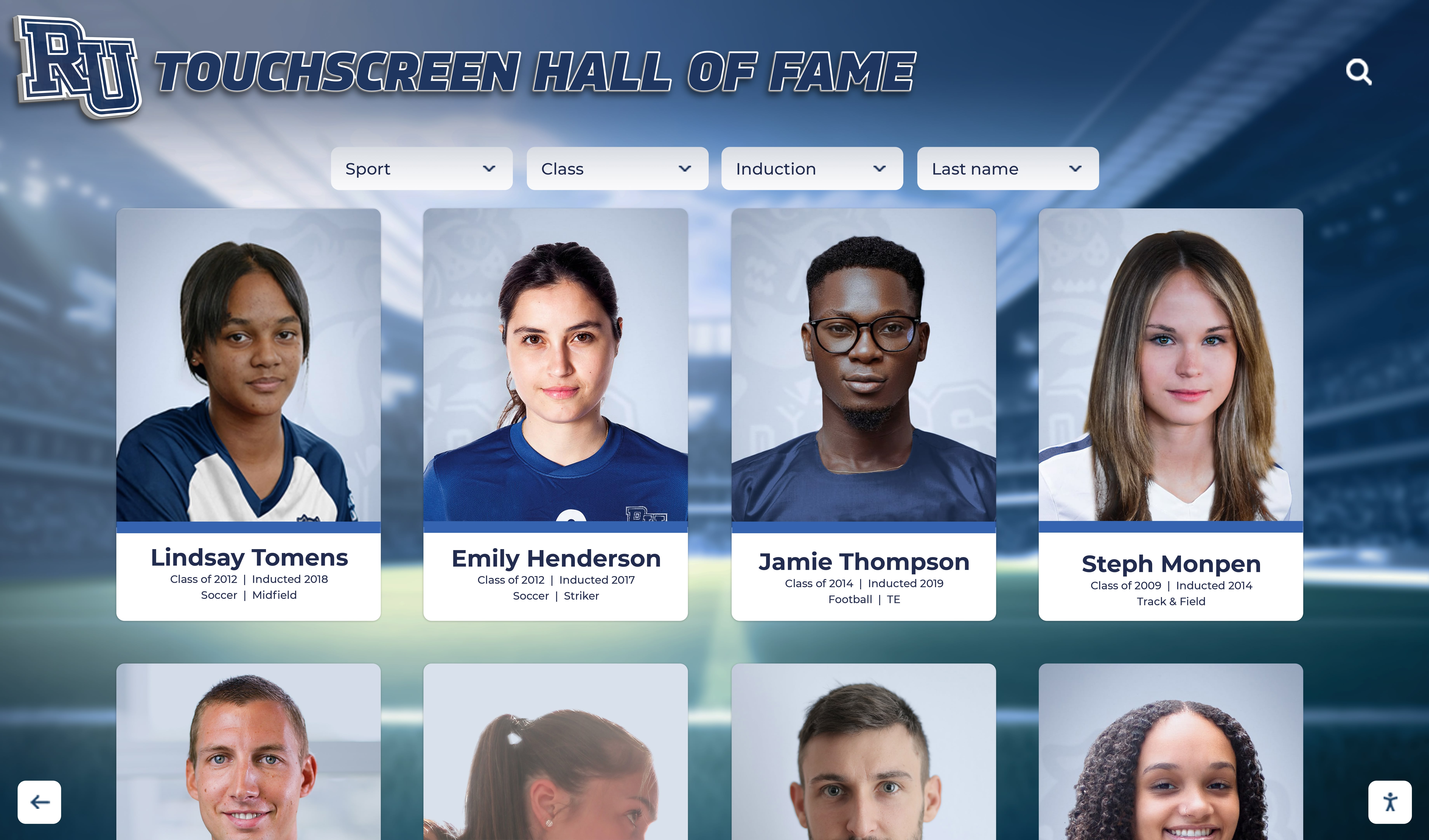
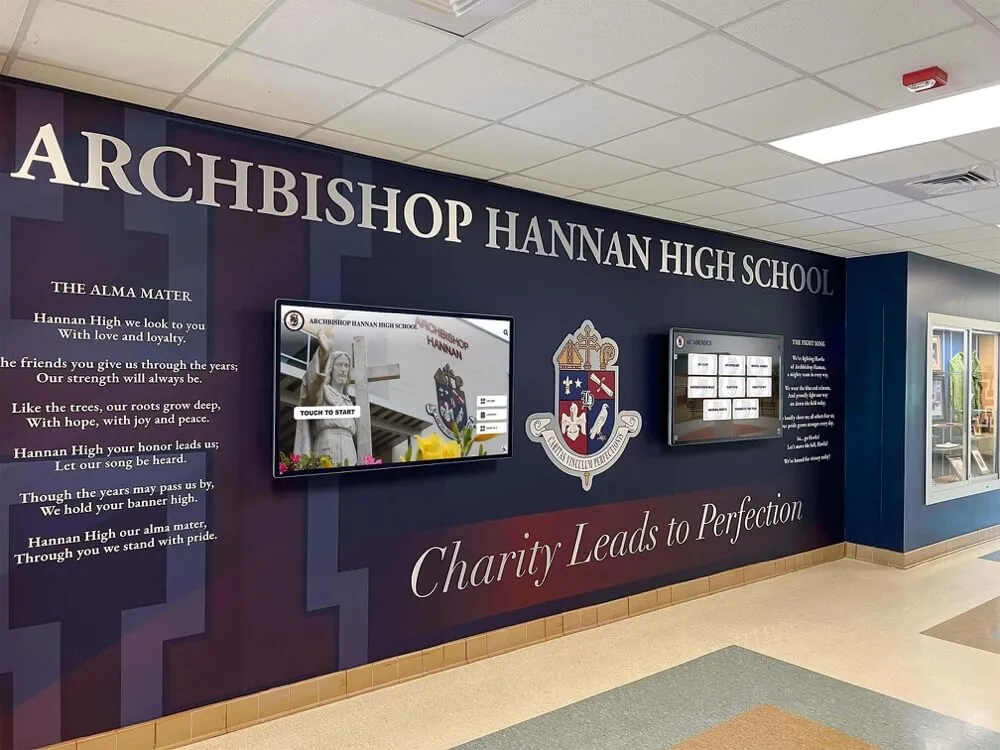
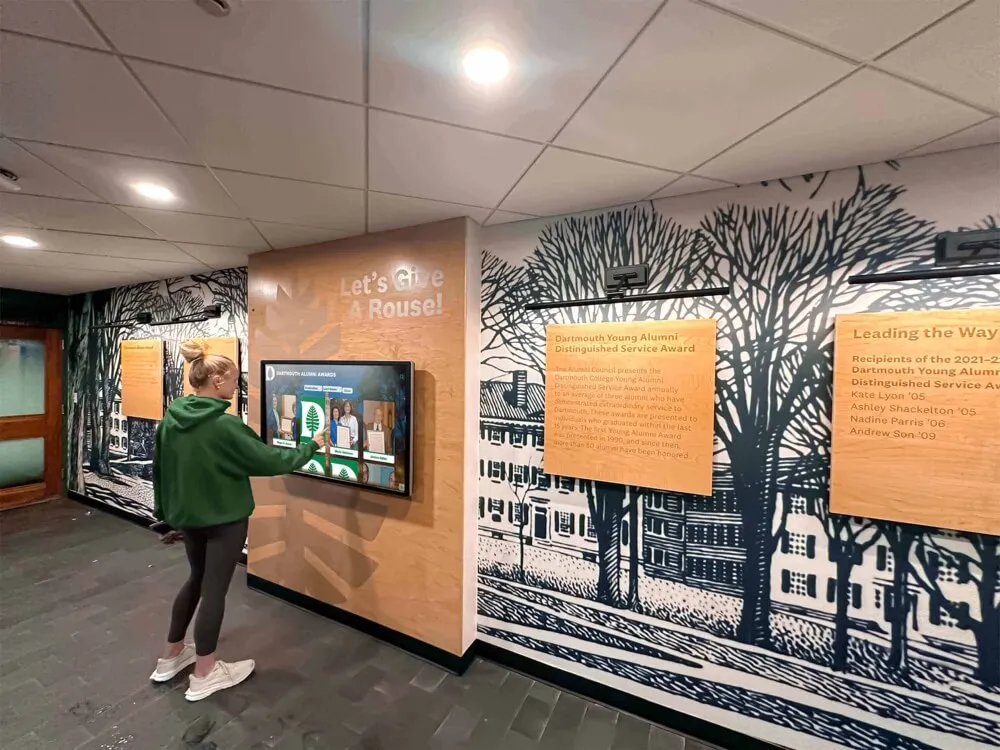
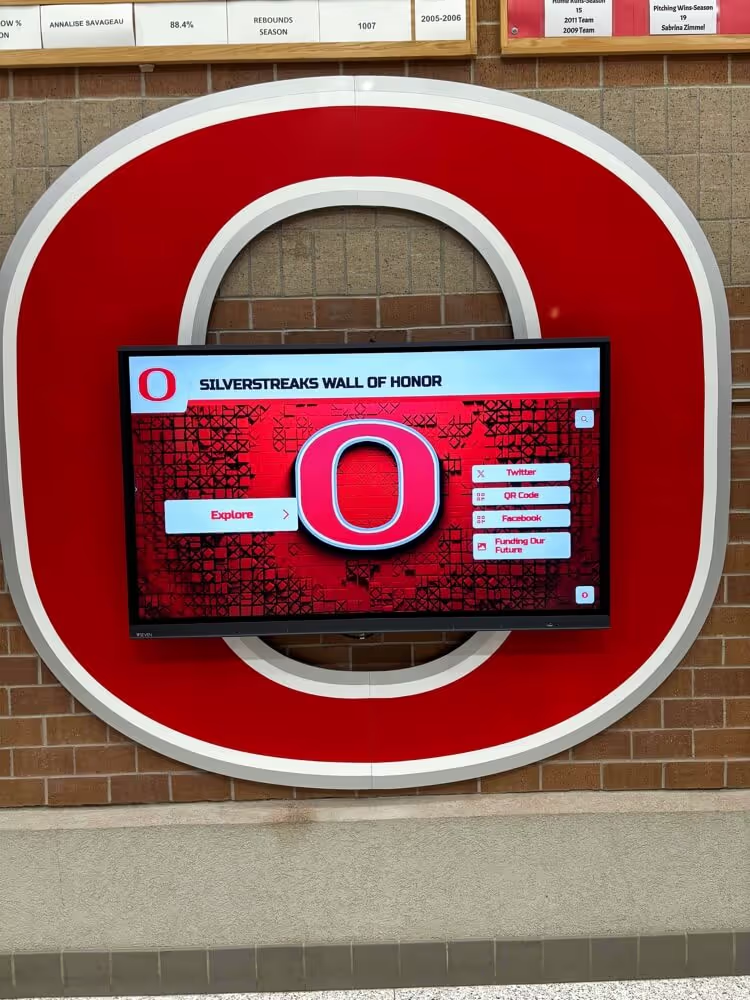
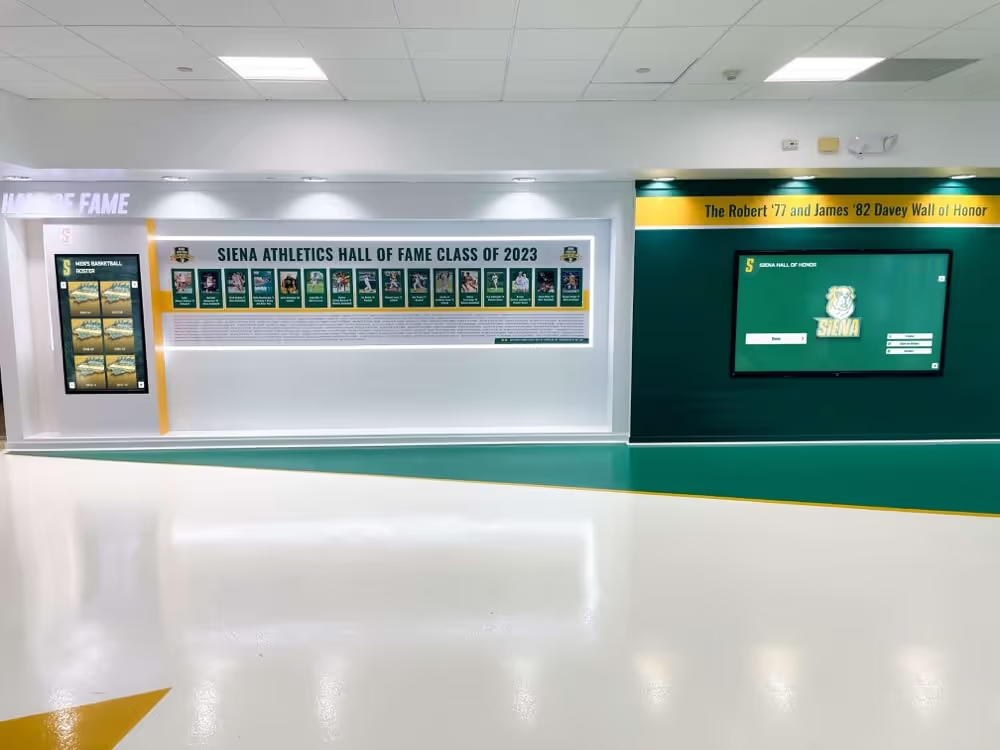
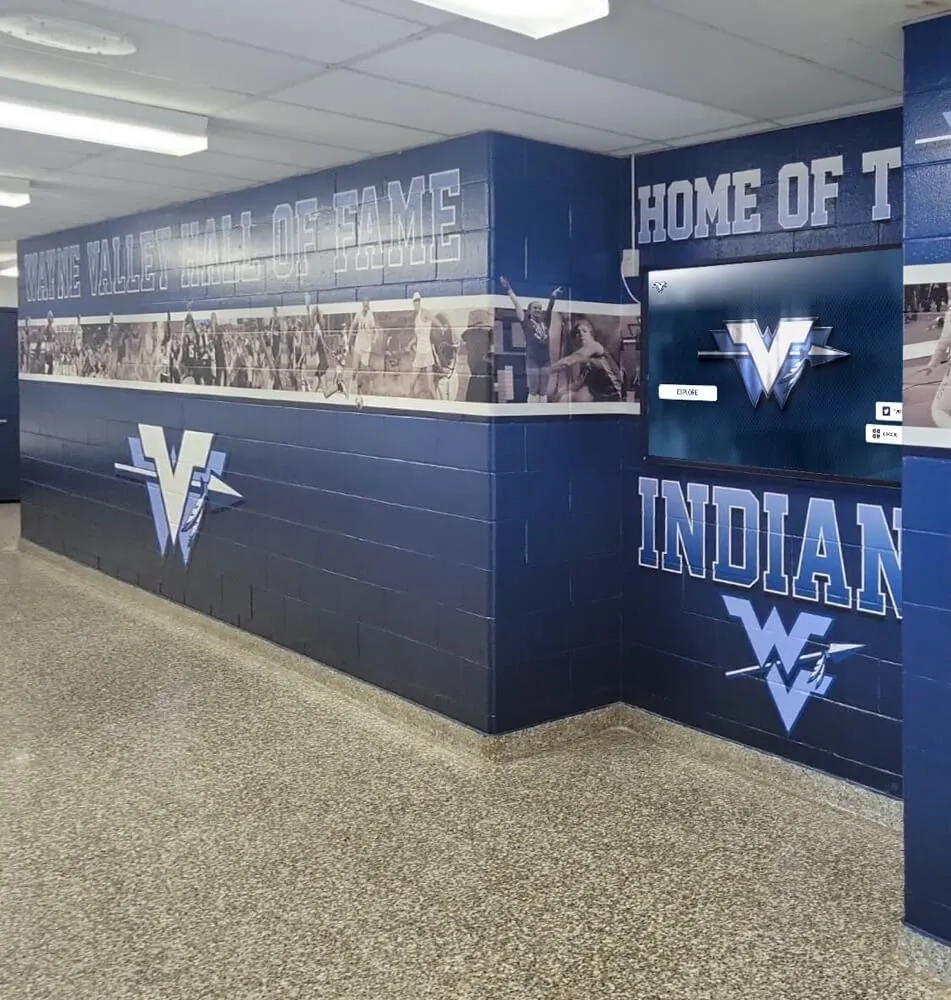
Schools honor student achievements through yearbooks and permanent recognition displays preserving accomplishments for future generations
60 Ready-to-Use Yearbook Caption Examples by Category
These caption examples demonstrate effective approaches for common yearbook situations. Adapt them to your specific students, events, and school culture.
Sports Action Shots (10 Captions)
1. Basketball Game Action “Junior guard Maya Thompson drives past defenders for a layup during the district championship game. Thompson averaged 18 points per game and earned All-Conference honors.”
2. Football Victory Celebration “Defensive lineman Jake Martinez (77) celebrates with teammates after recovering a fumble in the fourth quarter. The turnover secured the Wildcats’ 24-17 homecoming victory over rival Central High.”
3. Soccer Goal Celebration “Forward Emma Rodriguez (#10) celebrates her second-half goal with midfielder Sofia Chen. The juniors combined for 35 goals this season, leading the team to the state semifinals.”
4. Track and Field Personal Best “Senior sprinter DeShawn Williams crosses the finish line in the 200-meter dash, setting a new personal record of 21.8 seconds and qualifying for the regional championship.”
5. Volleyball Team Victory “The varsity volleyball team erupts in celebration after winning the fifth set 15-13 to claim the district title. The victory marked the program’s first district championship in eight years.”
6. Baseball Pitcher Concentration “Junior pitcher Carlos Sanchez winds up during the playoff game against Lincoln High. Sanchez struck out 12 batters in the complete-game victory.”
7. Swimming Championship “Sophomore Hannah Lee touches the wall first in the 100-meter freestyle, earning gold at the state championship meet. Lee broke the school record with a time of 52.4 seconds.”
8. Wrestling Match Intensity “Senior captain Marcus Johnson attempts a takedown in the 170-pound weight class finals. Johnson finished the season with a 34-2 record and his second consecutive state title.”
9. Tennis Doubles Victory “Doubles partners Ashley Nguyen and Rachel Park high-five after winning the district championship. The senior duo remained undefeated throughout conference play.”
10. Cross Country Team Support “Teammates cheer as runners approach the finish line at the regional championship meet. Five team members qualified for state competition, the most in school history.”
These sports captions provide context beyond what’s visible in photos, including scores, statistics, and significance of moments captured. Schools often complement yearbook coverage of athletic achievements with permanent digital recognition displays that honor athletes for years to come.
Senior Portraits (10 Captions)
11. Academic Achievement Focus “Valedictorian Sarah Chen plans to study biomedical engineering at MIT. Chen served as Math Club president and volunteered at Children’s Hospital throughout high school.”
12. Arts and Creativity “Theater enthusiast Marcus Thompson performed in twelve school productions during his four years. Thompson earned the Outstanding Actor Award and plans to major in drama at NYU.”
13. Athletic Leadership “Three-sport athlete Jessica Martinez captained volleyball, basketball, and track teams. Martinez earned All-State honors in volleyball and holds school records in shot put.”
14. Community Service Recognition “Volunteer coordinator Amanda Foster organized service projects that contributed over 2,000 community service hours. Foster plans to study social work at State University.”
15. Future Plans Focus “Computer science enthusiast David Park created apps used by student organizations across campus. Park accepted a scholarship to study software engineering at Carnegie Mellon.”
16. Multiple Interests “Student body president Emma Wilson balanced leadership responsibilities with honors classes and varsity soccer. Wilson will attend Georgetown to study political science.”
17. Quiet Achievement “Library aide and book club founder James Rodriguez read over 100 novels during high school. Rodriguez plans to study English literature and creative writing at Oberlin College.”
18. School Spirit Embodied “Four-year band member and pep squad leader Katie Sullivan brought energy to every school event. Sullivan plans to continue her education at State University while studying music education.”
19. Unexpected Path “Former introvert turned debate team captain Alex Thompson discovered a passion for public speaking. Thompson earned national recognition and will study communications at Northwestern.”
20. Legacy and Family “Third-generation student Daniel Garcia follows family tradition at Roosevelt High. Garcia served as baseball captain and plans to attend his parents’ alma mater, State University.”
Senior portrait captions should celebrate individual journeys while looking forward to future possibilities, much like schools honor graduating classes through senior recognition ceremonies and permanent displays.
Club and Organization Activities (10 Captions)
21. Drama Production Behind Scenes “Stage crew members construct the elaborate set for the spring musical. Twenty students worked backstage to bring ‘Hamilton’ to the school stage.”
22. Science Club Experiment “Robotics team members program their competition robot during after-school practice. The team advanced to state finals for the third consecutive year.”
23. Art Club Collaboration “Art students collaborate on the hallway mural celebrating school history. The project took six weeks and involved contributions from 15 student artists.”
24. Debate Team Competition “Junior debaters present their case at the regional tournament. The team earned second place and qualified three students for national competition.”
25. Environmental Club Initiative “Green Team members plant native flowers in the school courtyard garden. The club’s sustainability initiatives reduced campus waste by 30 percent.”
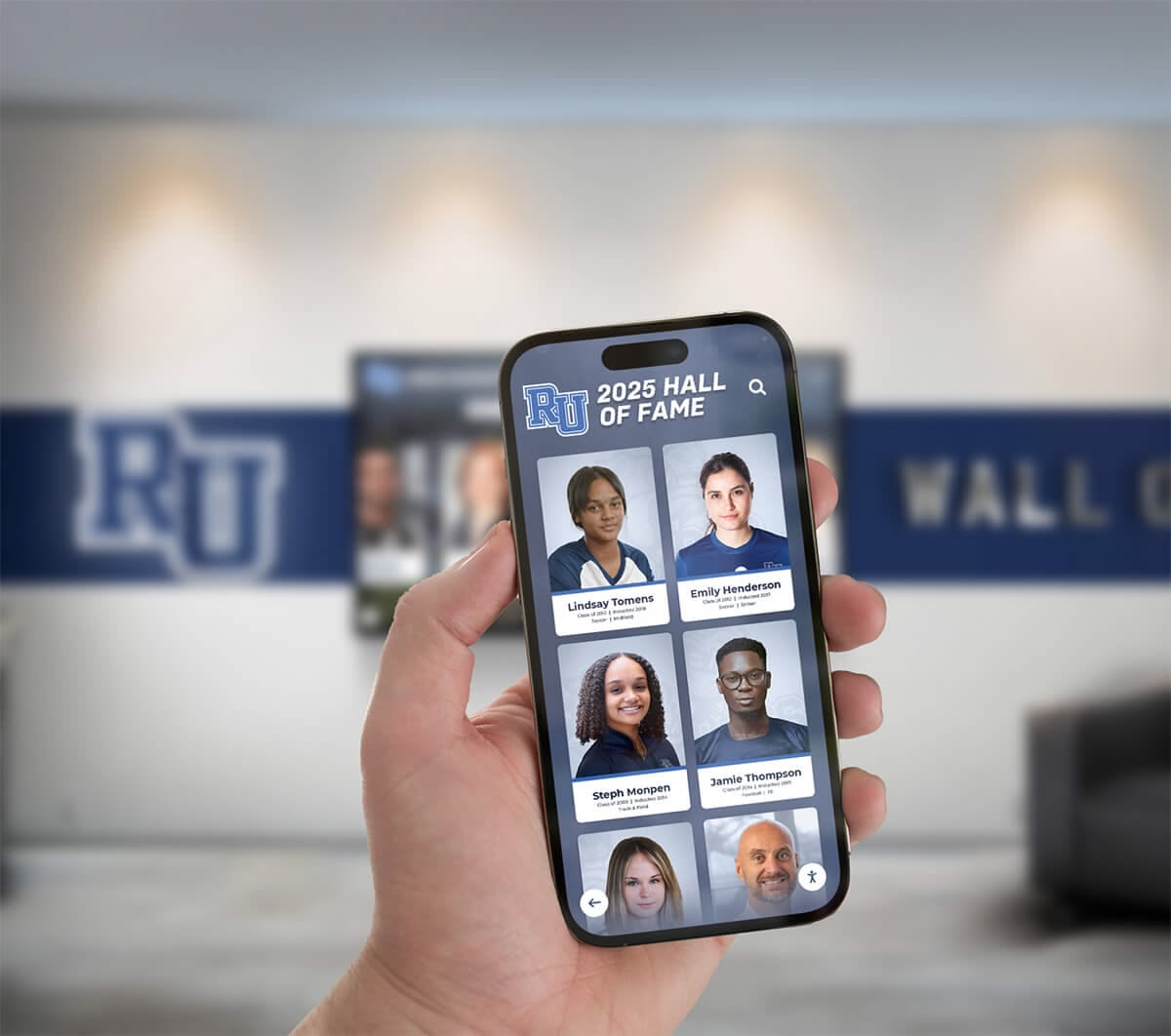
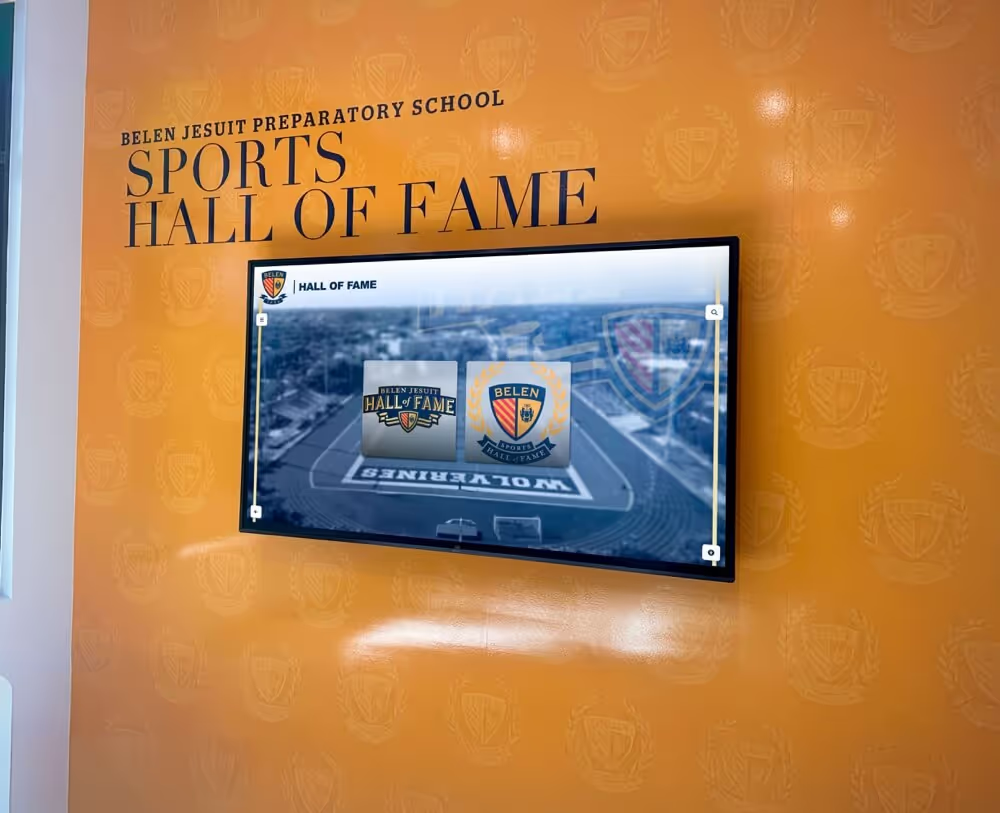
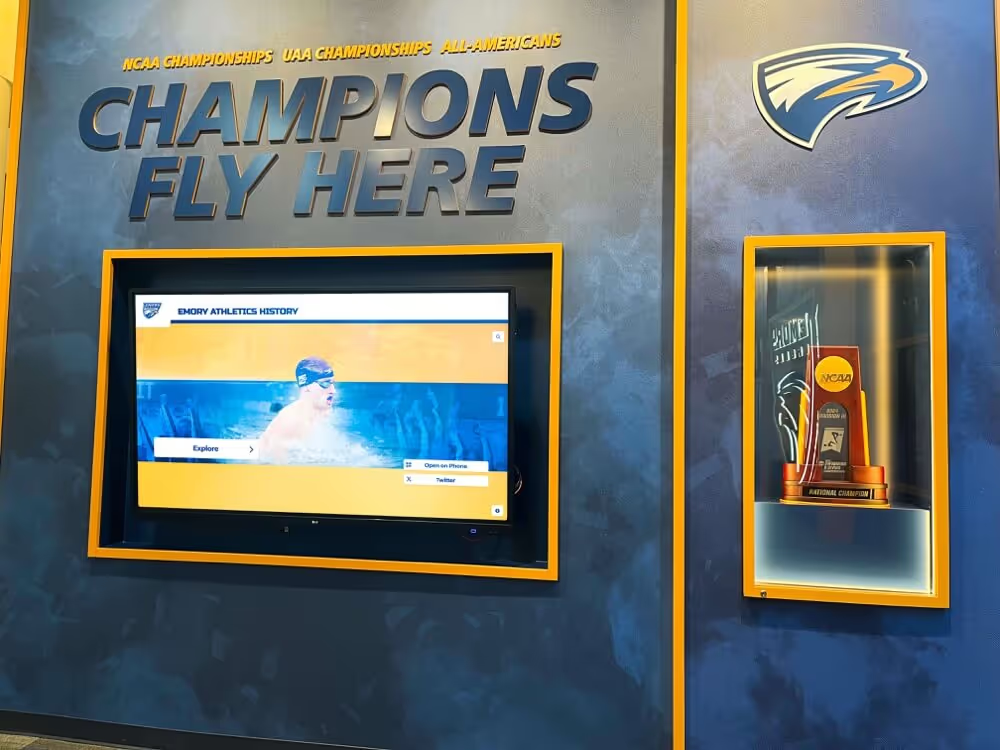
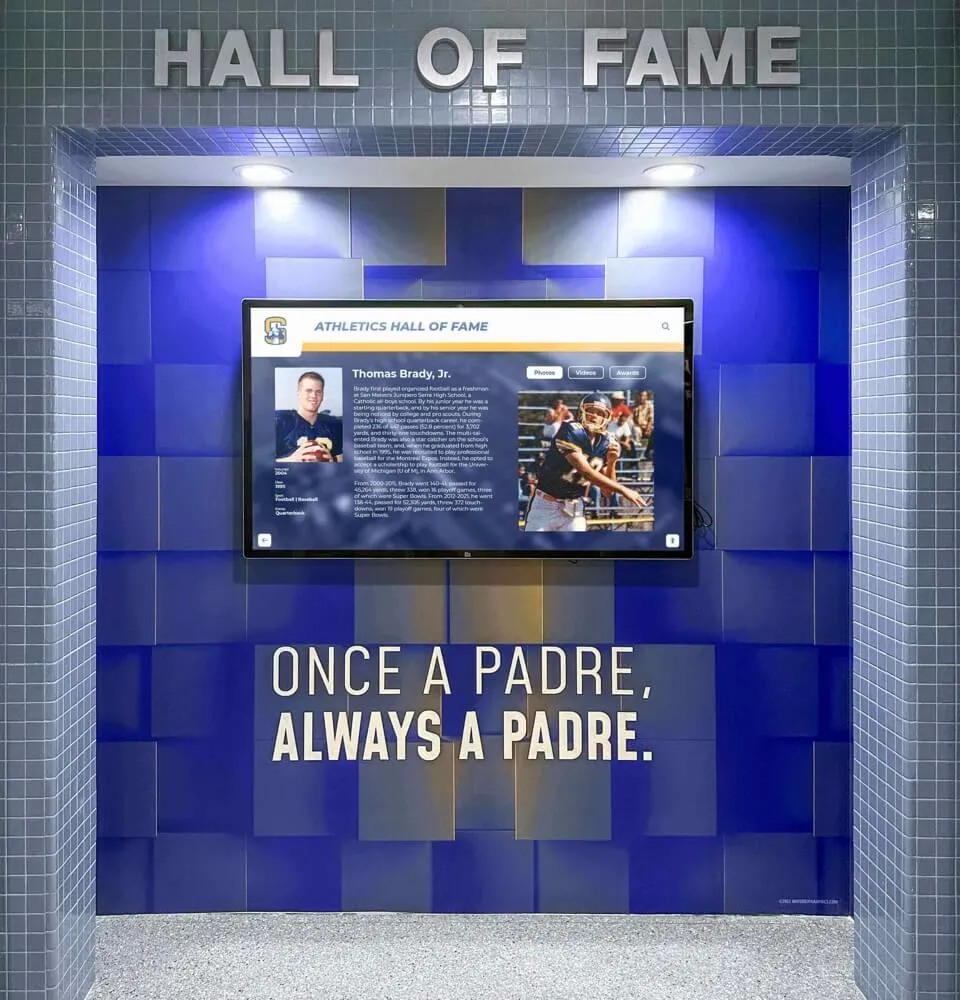
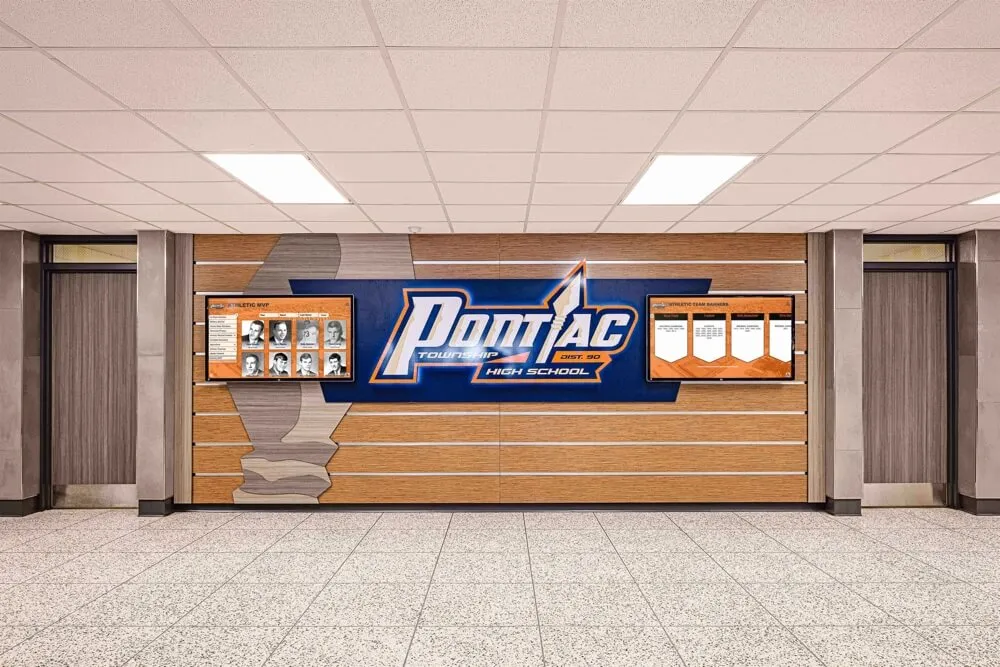
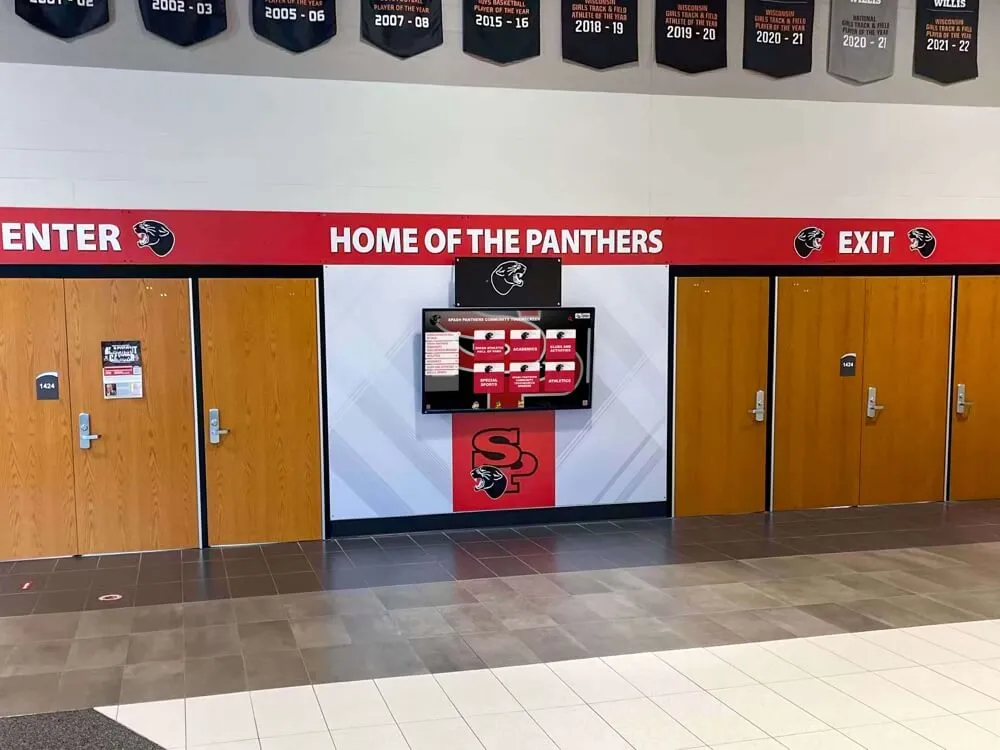
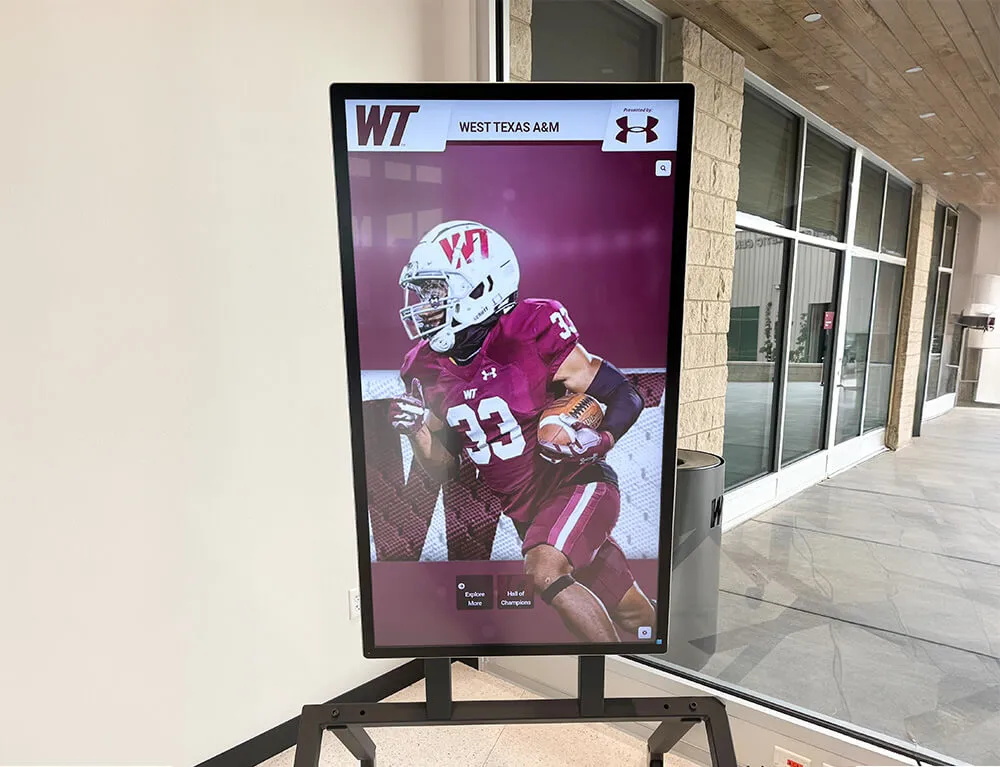
Technology enables schools to preserve yearbook-worthy moments in accessible digital formats students can share for years
26. Student Government Meeting “Student Council members discuss homecoming week activities during their weekly meeting. The council organized twelve major school events throughout the year.”
27. Music Ensemble Performance “Jazz band members perform at the winter concert. The ensemble earned superior ratings at district and state competitions.”
28. Literary Magazine Publication “Creative writing students review submissions for the annual literary magazine. This year’s publication featured work from 47 student writers and artists.”
29. Academic Competition Victory “Math team celebrates after winning the regional championship. Team members solved complex equations under pressure to claim first place.”
30. Service Organization Project “Key Club members pack care packages for deployed military personnel. The organization completed over 500 hours of community service this year.”
Candid Classroom Moments (10 Captions)
31. Lab Experiment Concentration “Chemistry students conduct titration experiments in AP Chemistry class. Lab partners work together to analyze chemical reactions and record precise measurements.”
32. English Class Discussion “Seniors engage in lively debate about ‘The Great Gatsby’ during American Literature. The class analyzed classic novels and developed critical thinking skills.”
33. Art Class Creativity “Painting students work on self-portraits in Advanced Art. The class showcased finished pieces at the spring art exhibition attended by 200 community members.”
34. Computer Lab Collaboration “Technology students debug code for their final programming project. The class developed functioning apps addressing real-world problems.”
35. History Presentation “Junior delivers presentation on World War II to classmates. Students researched historical events and presented findings using multimedia formats.”
36. Mathematics Problem Solving “Calculus students work through complex equations on the board. The collaborative approach helped students master difficult concepts.”
37. Language Class Immersion “Spanish students practice conversational skills during cultural celebration day. The class prepared traditional foods and presented on Spanish-speaking countries.”
38. Music Theory Practice “Band students sight-read new music during class. Daily practice sessions prepared the ensemble for district competition success.”
39. Physical Education Teamwork “Students collaborate during fitness challenge activities. The class emphasized health, wellness, and teamwork throughout the semester.”
40. Business Class Simulation “Economics students run mock stock market during investment simulation unit. Teams competed to earn the highest portfolio returns using real market data.”
These classroom captions celebrate academic engagement and diverse learning experiences, recognizing that scholarly achievement deserves recognition alongside athletic accomplishments through both yearbooks and academic recognition programs.
School Events and Traditions (10 Captions)
41. Homecoming Court Ceremony “The homecoming court parades around the track during halftime. Students voted to select representatives from each class to participate in the tradition.”
42. Pep Rally Energy “The student section erupts in cheers during the championship pep rally. Class competitions and spirit challenges showcased school pride.”
43. Graduation Ceremony Emotion “The Class of 2026 celebrates as they officially become graduates. The ceremony honored 347 seniors beginning their next chapters.”
44. Homecoming Dance Celebration “Students dance to DJ-selected music at the annual homecoming celebration. The dance committee transformed the gym with themed decorations.”
45. Spirit Week Participation “Students dress in decades-themed costumes for Spirit Week. Daily themes encouraged participation and built excitement for the homecoming game.”
46. Award Ceremony Recognition “Academic award recipients receive recognition at the annual honors ceremony. The event celebrated achievement across all subject areas and grade levels.”
47. Cultural Festival Showcase “Students share traditions from cultures around the world at the International Festival. Performances, food, and displays educated the community about global diversity.”
48. Charity Fundraiser Success “Student volunteers staff the charity carnival booth raising money for local food bank. The event raised over $5,000 for community organizations.”
49. Athletic Banquet Celebration “Fall sports athletes receive recognition at the annual athletic banquet. Coaches presented awards acknowledging achievement, improvement, and sportsmanship.”
50. Fine Arts Exhibition Opening “Art students showcase their work at the spring exhibition opening night. Parents, teachers, and community members attended the gallery-style display.”
Schools preserve these special moments through yearbooks while many also create permanent digital archives that celebrate traditions and make memories accessible to future students and returning alumni.
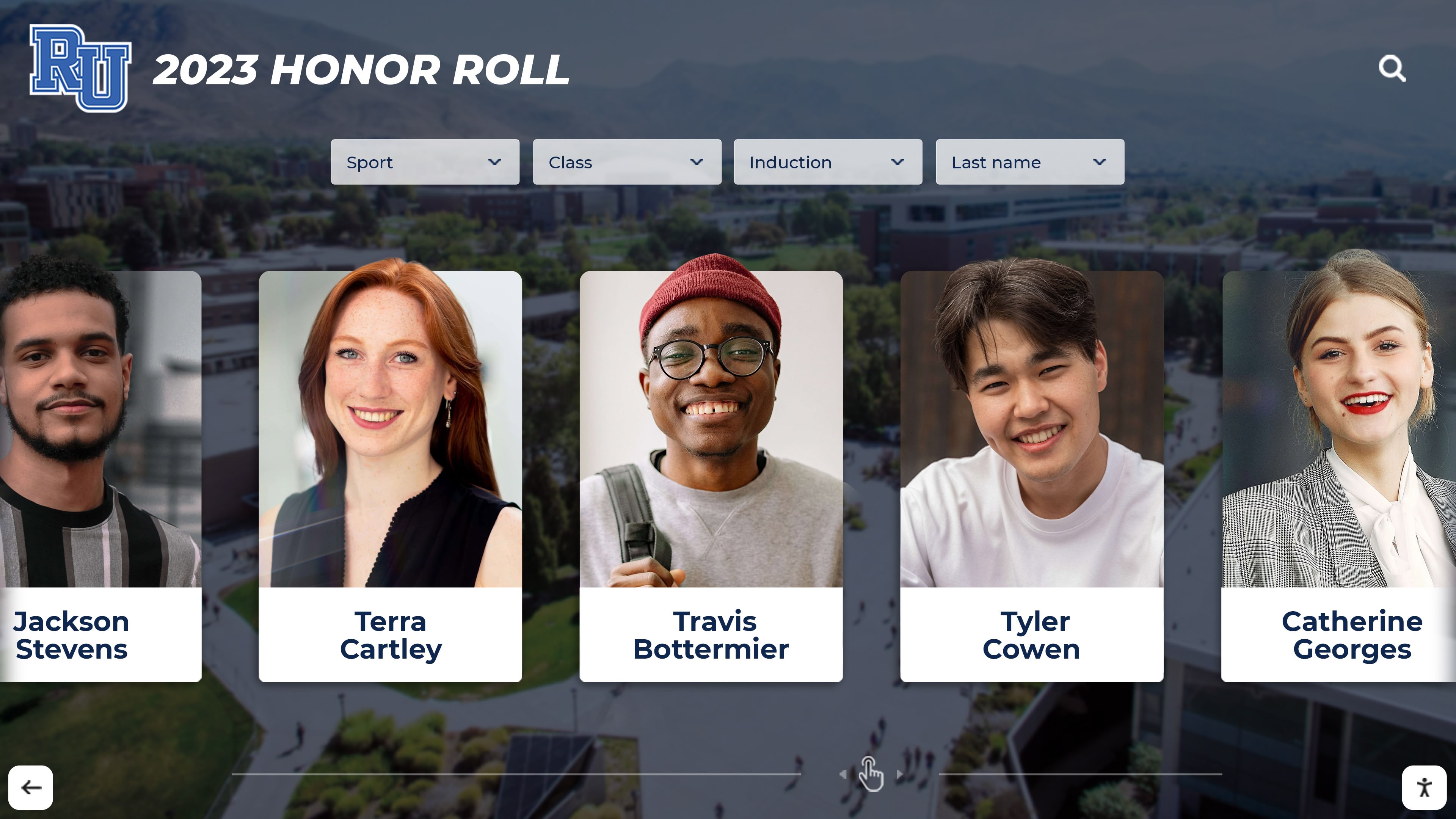
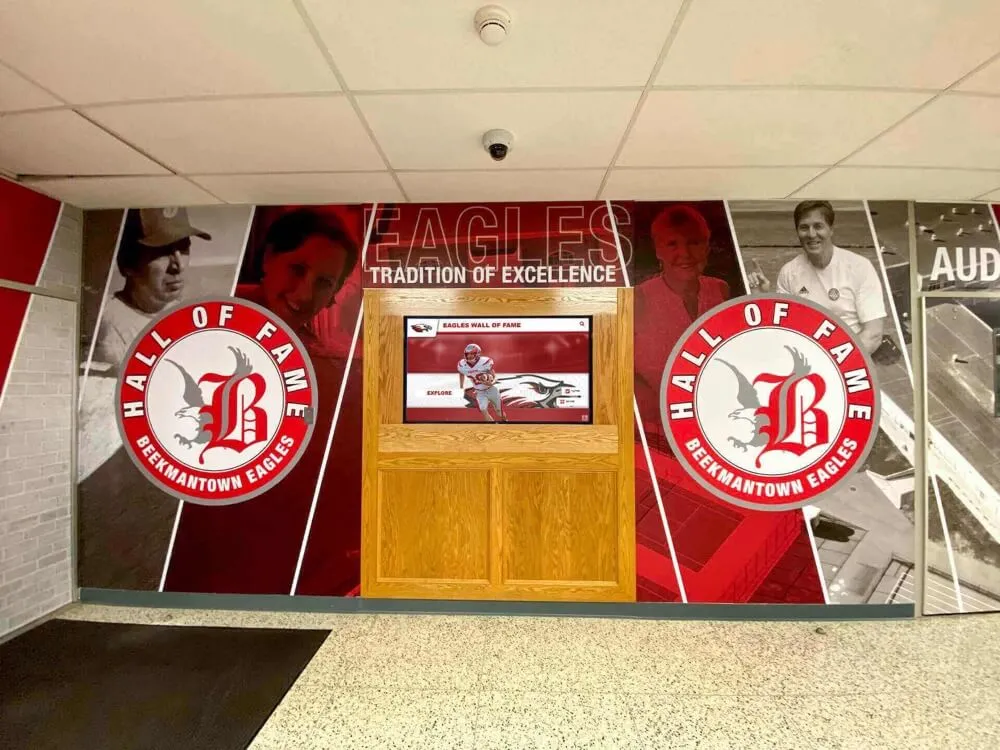
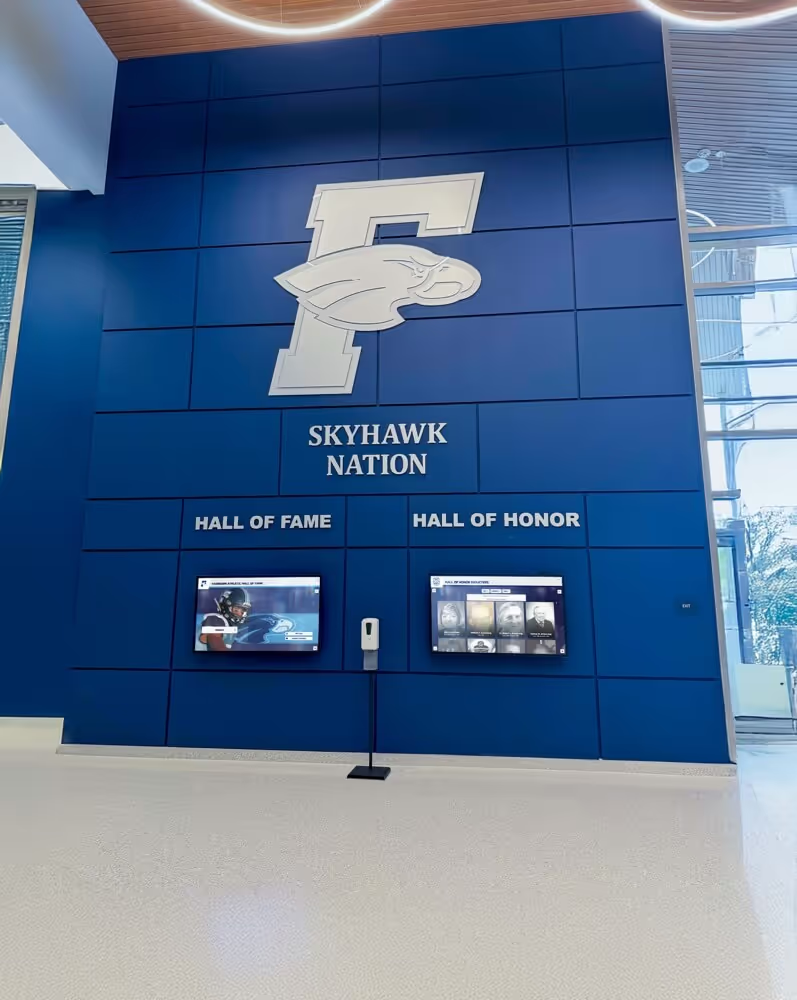
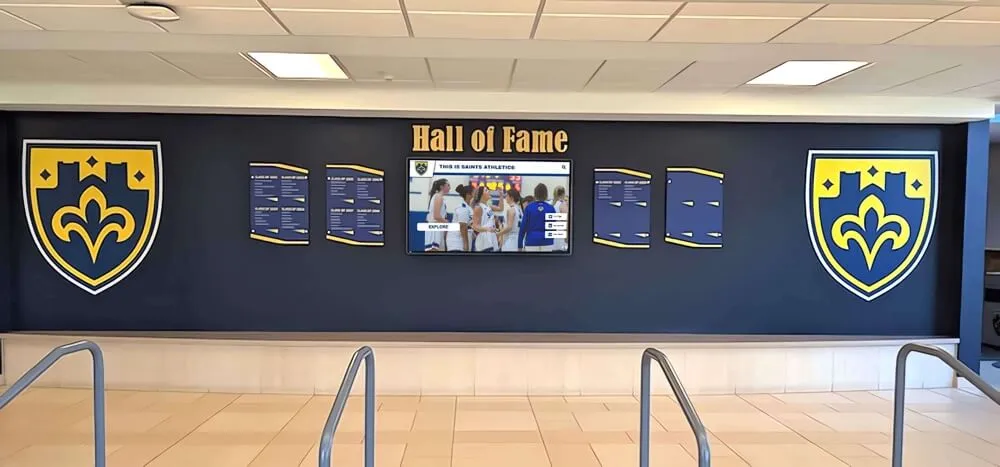
Recognition programs honor diverse student achievements through multiple channels including yearbooks, displays, and digital platforms
Humorous and Lighthearted Moments (10 Captions)
51. Cafeteria Food Reactions “Sophomore friends react dramatically to ‘mystery meat’ Monday in the cafeteria. Despite the theatrical complaints, most students cleaned their plates.”
52. Dress Code Day Mix-Up “Students accidentally coordinate in matching spirit wear on non-spirit-week day. The unplanned twin day created social media buzz and inside jokes.”
53. Teacher Costume Surprise “Biology teacher Mr. Patterson dresses as the cell membrane he’s teaching about. Students voted the creative costume their favorite teacher moment of the year.”
54. Senior Prank Harmless Fun “Seniors fill the courtyard with plastic flamingos as their harmless prank. The creative display required cleanup but earned administration approval.”
55. Weather Day Adventures “Students make the most of unexpected snow day by building snowmen on campus. The rare winter weather created spontaneous moments of joy.”
56. Photobomb Champion “Junior Sam Rodriguez makes his signature appearance in another yearbook photo. Rodriguez photobombed 23 pictures throughout the year.”
57. Spirit Week Over-Achiever “Senior takes ‘decades day’ seriously with authentic 80s outfit complete with boom box. The commitment to theme earned social media fame.”
58. Academic Team Celebration “Mathletes celebrate victory with nerdy dance moves. The team embraced their academic identity with pride and humor.”
59. Mascot Mischief “The school mascot attempts cheerleading stunts with mixed success. The beloved mascot brought energy and entertainment to every game.”
60. Last Day Traditions “Seniors sign each other’s shirts on the final day of school. The tradition marked the end of their high school journey.”
Humorous captions add personality to yearbooks while maintaining appropriate tone for permanent publications. These lighter moments balance serious content and make yearbooks more engaging and reflective of actual student experience.
Advanced Yearbook Caption Writing Strategies
Beyond basic examples, these advanced techniques elevate caption writing from functional to exceptional.
Using Quotes Effectively
Student quotes add authenticity and voice to captions:
Selecting Meaningful Quotes
The best quotes reveal:
- Personal perspectives on captured moments
- Emotions experienced during events
- Insights about challenges overcome
- Reactions to achievements or surprises
- Connections to larger school traditions or values
Quote Integration Methods
Incorporate quotes using these approaches:
Full Caption Quote “‘This championship means everything to our program,’ said senior captain Maria Garcia after the victory. ‘We worked four years for this moment.’”
Quote as Caption Starter “‘I never imagined I’d love science this much,’ reflects junior Amy Chen. The chemistry student discovered her passion through hands-on lab experiments.”
Quote as Caption Closer “The debate team advanced to nationals for the first time in school history. ‘All our hard work finally paid off,’ says team president Jason Wu.”
Integrated Quote Segment “Senior Emily Rodriguez calls theater ‘my second family,’ crediting the program with building her confidence and providing lasting friendships.”
Quotes should sound natural and conversational rather than stiff or overly formal.
Creating Caption-Photo Synergy
The most effective captions complement photos rather than simply describing them:
Adding Information Photos Can’t Show
While photos capture moments, captions provide:
- Background explaining how participants prepared
- Outcomes that occurred after the photo was taken
- Significance of the moment within larger context
- Connections between the specific moment and school traditions
- Student emotions or thoughts during the captured moment
Avoiding Redundancy
Skip obvious observations:
- Don’t describe exactly what’s visible in the photo
- Avoid stating the obvious (“students smile in this photo”)
- Focus on the “why” and “so what” rather than the “what”
Balancing Description and Context
Effective captions find equilibrium:
- Provide enough description for context
- Add information that enriches photo understanding
- Keep focus on what makes the moment meaningful
Maintaining Consistency Across Sections
Yearbook-wide caption consistency creates professional publications:
Style Guide Development
Create guidelines addressing:
- Tone and voice (formal vs. casual, third person vs. varied)
- Name formatting (full names, nicknames, abbreviations)
- Date and number formatting
- Capitalization of titles and positions
- Grade level inclusion and formatting
- Quote attribution methods
Section-Specific Adaptations
While maintaining overall consistency, adjust approach for different sections:
- Sports sections may use more dynamic, action-focused language
- Academic sections might employ slightly more formal tone
- Club pages can reflect specific organization personalities
- Senior portraits balance individual voice with consistent format
Editor Review Processes
Implement systems ensuring consistency:
- Multiple editors review all captions before finalization
- Style guide references guide all caption writing
- Revision rounds focus specifically on tone and consistency
- Final proofing checks verify adherence to established standards
Schools that prioritize recognition consistency across all student achievement types create inclusive cultures celebrated in yearbooks and through year-round programs including honor roll displays and award ceremonies.
Addressing Sensitive Situations
Some photos require particularly thoughtful caption approaches:
Students Who Left During Year
Handle departures respectfully:
- “Former student Alex Martinez transferred to Lincoln High in January but remained connected to friends made here”
- Avoid negative framing or speculation about reasons for departure
- Include students in group photos with appropriate identification
Loss and Difficult Circumstances
Approach sensitive topics with care:
- Consult with families, counselors, and administration before publishing
- Focus on celebration of life and positive memories when appropriate
- Consider whether inclusion serves students and families or primarily fills space
- Err on the side of compassion and privacy
Controversial Events
Navigate complex situations professionally:
- Focus on factual, balanced descriptions
- Avoid taking sides on divisive issues
- Highlight resolution and positive outcomes when possible
- Consult with advisors and administration on sensitive content
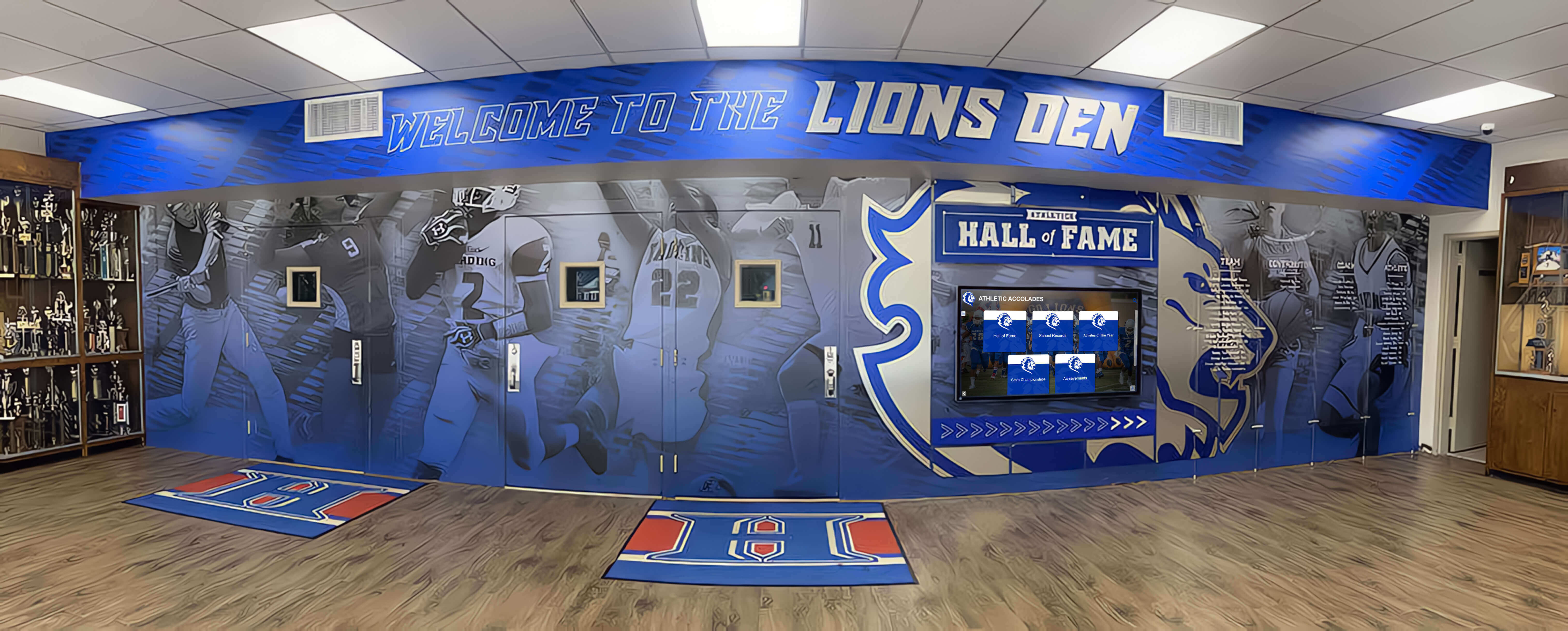
Schools honor student achievements through yearbooks and permanent displays creating lasting legacies for future generations to discover
Common Yearbook Caption Mistakes to Avoid
Learning from common errors helps caption writers create stronger, more professional content.
Mistake #1: Stating the Obvious
Weak Caption: “Students sit in the library reading books.”
Improved Version: “Book club members discuss their current selection, ‘The Hate U Give,’ during weekly meeting. The club read twelve novels throughout the year.”
The improvement adds context, names, and meaningful details rather than describing what’s clearly visible.
Mistake #2: Missing Key Information
Incomplete Caption: “The team celebrates their victory.”
Complete Version: “Varsity volleyball celebrates their 3-2 victory over Lincoln High that secured the district championship. The win marked the program’s first district title in eight years.”
Complete captions identify who, what, when, where, and why—providing full context future readers need.
Mistake #3: Inconsistent Tense or Voice
Inconsistent: “Sarah Johnson scores the winning goal. She was excited about the victory and has been training all year.”
Consistent: “Sarah Johnson scores the winning goal in overtime. The senior forward trained all year for this moment, leading the team in goals scored with 23.”
Maintaining consistent tense and voice creates more polished, professional captions.
Mistake #4: Inappropriate Humor or Inside Jokes
Problematic: “The usual suspects cause trouble in class again.”
Appropriate: “Study group members collaborate on chemistry project during class. The team earned high marks on their presentation about chemical reactions.”
Humor should include rather than exclude, and never imply negative characterizations students won’t appreciate years later.
Mistake #5: Passive Voice Overuse
Passive: “The championship trophy was won by the debate team.”
Active: “The debate team wins the championship trophy after dominating regional competition.”
Active voice creates more dynamic, engaging captions that emphasize student agency and action.
Mistake #6: Name Misspellings
Error: “Katherine Rodrigez celebrates with teammates.”
Correct: “Katherine Rodriguez celebrates with teammates after the victory.”
Name accuracy shows respect and maintains yearbook credibility. Verify every single name before publication.
Mistake #7: Overly Long Captions
Too Long: “The junior class held their annual fundraiser on Saturday, November 12th, from 9:00 AM to 4:00 PM in the school gymnasium where they sold baked goods, offered car washes, and organized games for younger children, ultimately raising over $2,000 for their class trip fund which they will use for their senior year trip to Washington, D.C.”
Appropriately Concise: “Juniors raise over $2,000 during the annual class fundraiser. Bake sales, car washes, and children’s games contributed to the successful event funding the senior class trip to Washington, D.C.”
Concise captions respect space constraints while maintaining essential information.
Technical Considerations for Yearbook Captions
Beyond writing quality, technical aspects ensure captions display correctly and professionally.
Font and Formatting Choices
Readability Requirements:
- Use clear, legible fonts (avoid overly decorative options)
- Maintain consistent font sizes throughout sections
- Ensure sufficient contrast between text and background
- Consider font weight (regular vs. bold) for emphasis and hierarchy
- Test font choices at actual printed size before finalizing
Formatting Consistency:
- Establish standard formats for names, titles, and dates
- Create templates for different caption types
- Use consistent alignment (left-aligned typically works best)
- Maintain appropriate spacing between caption and photo
- Standardize punctuation and capitalization rules
Caption Length Guidelines
General Length Recommendations:
- Small photos (1-2 people): 15-30 words
- Medium photos (3-5 people): 25-40 words
- Large photos (groups/events): 35-60 words
- Feature photos: 50-80 words
- Spread dominants: Up to 100 words
These are guidelines, not rigid rules—adjust based on photo significance and available information.
Placement and Design
Strategic Caption Positioning:
- Place captions consistently relative to photos (typically below)
- Group related captions logically for easy reading flow
- Avoid captions that interrupt design elements or break across pages
- Ensure captions clearly connect to their corresponding photos
- Use leader lines when necessary to clarify which photo captions describe
Design Integration:
- Work with design editors to plan caption space
- Consider caption blocks as design elements contributing to page aesthetics
- Balance caption-heavy pages with more visual pages
- Use caption formatting (boxes, backgrounds, colors) consistently
- Maintain adequate white space around caption text
Review and Editing Process for Yearbook Captions
Systematic review prevents errors and improves caption quality:
Multiple Review Rounds
First Draft Review (Content):
- Verify factual accuracy of all information
- Ensure complete information (who, what, when, where, why)
- Check that tone matches photo content and overall yearbook voice
- Confirm captions add value beyond photo description
Second Review (Style and Consistency):
- Apply style guide standards consistently
- Verify consistent tense, voice, and perspective
- Check name spelling against official records
- Ensure consistent formatting of dates, titles, and numbers
Third Review (Technical):
- Proofread for grammar, spelling, and punctuation
- Verify caption length fits designated space
- Check caption placement and photo association
- Confirm readability at printed size
Final Proof:
- Fresh eyes review for any remaining errors
- Verify changes from previous rounds were implemented correctly
- Check that captions still make sense after any design modifications
- Confirm all captions have corresponding photos
Involving Students in Review
Peer Review Benefits:
- Students catch errors editors might miss
- Provides additional fact-checking for names and events
- Ensures captions resonate with student audience
- Identifies potentially problematic content before publication
Faculty and Administration Review:
- Advisors verify appropriateness of all content
- Subject teachers confirm accuracy of academic information
- Coaches verify sports statistics and details
- Administration approves any sensitive content
Schools that implement thorough review processes create more accurate, professional publications that students appreciate, similar to how recognition program planning requires multiple stakeholder input to honor students appropriately.
Digital Yearbooks and Caption Considerations
Technology expands caption possibilities while introducing new considerations:
Enhanced Digital Caption Features
Multimedia Integration:
- Link captions to video content showing moments beyond still photos
- Embed audio clips of student quotes or performances
- Include photo galleries expanding single-image stories
- Connect to social media posts providing additional context
- Link to achievement databases with comprehensive student information
Extended Content Capacity:
- Digital platforms remove space limitations of printed pages
- Longer captions can provide deeper context and storytelling
- Multiple students can contribute perspectives on shared experiences
- Updates and corrections remain possible after initial publication
Interactive Elements:
- Searchable captions help users find specific content
- Tags and keywords enable filtering by topic, person, or category
- Comment features allow community engagement with memories
- Sharing capabilities extend yearbook reach beyond campus
Adapting Writing for Digital Formats
Digital-Specific Writing Approaches:
Search Optimization:
- Include relevant keywords students might search
- Tag photos with names, activities, and events
- Write descriptive alternative text for accessibility
- Create clear titles and headers for content organization
Engagement Focus:
- Opening sentences must hook readers quickly
- Break longer captions into readable chunks
- Use questions or calls to action to encourage interaction
- Include links to related content for deeper exploration
Updating Capabilities:
- Note that digital captions can be updated with “where are they now” information
- Alumni can contribute retrospective perspectives on captured moments
- Additional photos from students can supplement official yearbook images
- Corrections can be made without reprinting
Combining Print and Digital Approaches
Complementary Strategies:
Many schools maintain both print and digital yearbooks:
- Print yearbooks provide essential highlights with traditional captions
- Digital platforms offer expanded content and multimedia elements
- QR codes in print yearbooks link to digital content
- Digital archives preserve older yearbooks for alumni engagement
Both formats serve important purposes in memory preservation and school community building.
Caption Writing for Different Yearbook Sections
Different sections require adapted approaches while maintaining overall consistency:
Sports Section Captions
Emphasize Action and Achievement:
- Include relevant statistics and records
- Highlight team accomplishments and individual honors
- Reference specific games or competitions
- Acknowledge improvements and milestones
- Credit team effort while spotlighting standouts
Academic Section Captions
Focus on Learning and Achievement:
- Recognize academic excellence and improvement
- Highlight unique projects or learning experiences
- Include relevant subject-specific details
- Acknowledge collaborative learning efforts
- Connect classroom work to real-world applications
Club and Organization Captions
Showcase Activity and Involvement:
- Describe specific projects or initiatives
- Highlight club accomplishments and contributions
- Include participation numbers and scope
- Acknowledge leadership and dedication
- Connect activities to larger school or community impact
People Section Captions
Celebrate Individual Journeys:
- Highlight unique qualities and achievements
- Include future plans when relevant
- Reference involvement across activities
- Acknowledge growth and development
- Balance individual recognition with inclusive tone
Events and Traditions Captions
Preserve Context and Atmosphere:
- Explain traditions for readers unfamiliar with them
- Capture energy and emotions of events
- Include attendance or participation numbers
- Reference planning efforts and student leadership
- Connect current events to school history
Preserve Student Achievements Beyond the Yearbook
Discover how interactive digital displays can complement your yearbook program by creating permanent, searchable archives celebrating student achievements. Touch Archive solutions enable schools to honor every student's unique contributions through modern technology accessible to current students and returning alumni for generations. Showcase yearbook-quality recognition year-round while preserving memories in formats students can easily share and revisit.
Explore Recognition SolutionsThe Lasting Impact of Well-Crafted Yearbook Captions
Yearbook captions represent far more than space-filling text beneath photos. These carefully crafted sentences preserve context that photographs alone cannot capture, transforming visual documentation into narrative storytelling that honors student experiences and achievements. When yearbook editors invest time in thoughtful caption writing—verifying accuracy, adding meaningful details, showcasing personality, and maintaining professional quality—they create memory books that increase in value as years pass.
The 60 caption examples provided throughout this guide demonstrate approaches that work across different contexts while maintaining the core principles of effective caption writing: accuracy, conciseness, appropriate tone, and meaningful content. Whether you’re captioning sports action, academic achievement, club activities, or candid moments, these strategies help you create text worthy of the students and moments you’re documenting.
Well-written captions serve students in ways that extend beyond the yearbook publication year. Alumni returning for reunions flip through yearbook pages and find captions that trigger specific memories, explain inside jokes they’d forgotten, or remind them of achievements they’d overlooked. Parents share yearbooks with their own children, using captions to tell stories about their high school experiences. Teachers reference yearbooks to remember former students and track program evolution across decades.
This enduring value justifies the significant time and effort required for excellent caption writing. Every name verified, every fact checked, every detail added, and every phrase refined contributes to creating permanent records that honor the students they feature. Yearbook captions become historical documentation, preserving not just faces and events but the stories, emotions, and contexts that defined specific school years.
As schools evolve their memory preservation approaches—combining traditional yearbooks with digital platforms and permanent recognition displays—the principles of effective caption writing remain constant. Students deserve recognition that celebrates their unique contributions, preserves their achievements accurately, and honors their experiences authentically. Whether delivered through ink on paper or pixels on screens, captions that meet these standards create lasting value for school communities.
Take pride in caption writing as essential yearbook work rather than tedious busywork. Approach each caption as an opportunity to tell a student’s story, preserve an important moment, or provide context that enriches understanding. Apply the strategies and examples shared in this guide to elevate your yearbook from simple photo collection to comprehensive narrative documentation of the school year. Your efforts create memory books that students will treasure throughout their lives, revisiting captions that transport them back to formative moments and remind them of the people and experiences that shaped their journeys.
Ready to enhance how your school preserves and celebrates student achievements? Explore comprehensive recognition solutions that complement yearbook programs with year-round digital displays honoring every student’s unique contributions to your school community.