



The final weeks of the school year bring a cherished tradition: signing yearbooks. Students crowd hallways exchanging books, parents draft heartfelt messages to graduating seniors, and friends craft notes they hope will be remembered for years to come. Yet when faced with that blank page, many people freeze—wondering what to write that captures years of friendship, growth, and shared experiences in just a few sentences.
Yearbook messages represent more than casual notes. They become permanent records of relationships and moments, discovered years later when alumni flip through pages remembering their school days. A thoughtful message can bring tears of joy, spark fond memories, or remind someone of their potential during challenging times. These written tributes preserve connections and encouragement in ways that transcend the school year they commemorate.
This comprehensive guide provides yearbook message examples, writing strategies, and practical tips for students, parents, teachers, and friends creating messages that recipients will treasure throughout their lives. Whether you’re signing your best friend’s yearbook or writing to a graduating senior, you’ll discover approaches that make your words meaningful, personal, and memorable.
Writing in someone’s yearbook carries a special responsibility—your words become part of their permanent school memory. Unlike text messages that disappear or social media posts that scroll away, yearbook messages endure, revisited during reunions, shared with children, and treasured as tangible connections to formative years.

Yearbook messages become treasured keepsakes that students revisit throughout their lives, connecting them to friendships and memories
Why Yearbook Messages Matter
Before exploring specific message examples, understanding why these notes hold such significance helps frame your writing approach.
Creating Permanent Memory Records
Yearbook messages serve as time capsules preserving specific moments:
Documentation of Relationships
Your message captures the nature of your relationship at a particular point in time:
- Inside jokes that define your friendship
- Shared experiences unique to your connection
- The roles you played in each other’s lives
- How you saw and appreciated the recipient
- Predictions for their future based on who they were then
Years later, when recipients reread yearbook messages, they reconnect with former selves and relationships that shaped their development.
Validation and Encouragement
Messages from meaningful people provide lasting validation:
- Recognition of achievements and growth
- Acknowledgment of character strengths
- Encouragement during uncertain transitions
- Affirmation of potential and capabilities
- Reminders of impact on others’ lives
These affirmations become especially meaningful during difficult periods when individuals doubt themselves or their paths. A message written years earlier can provide unexpected comfort and perspective.
Preserving School Traditions and Memories
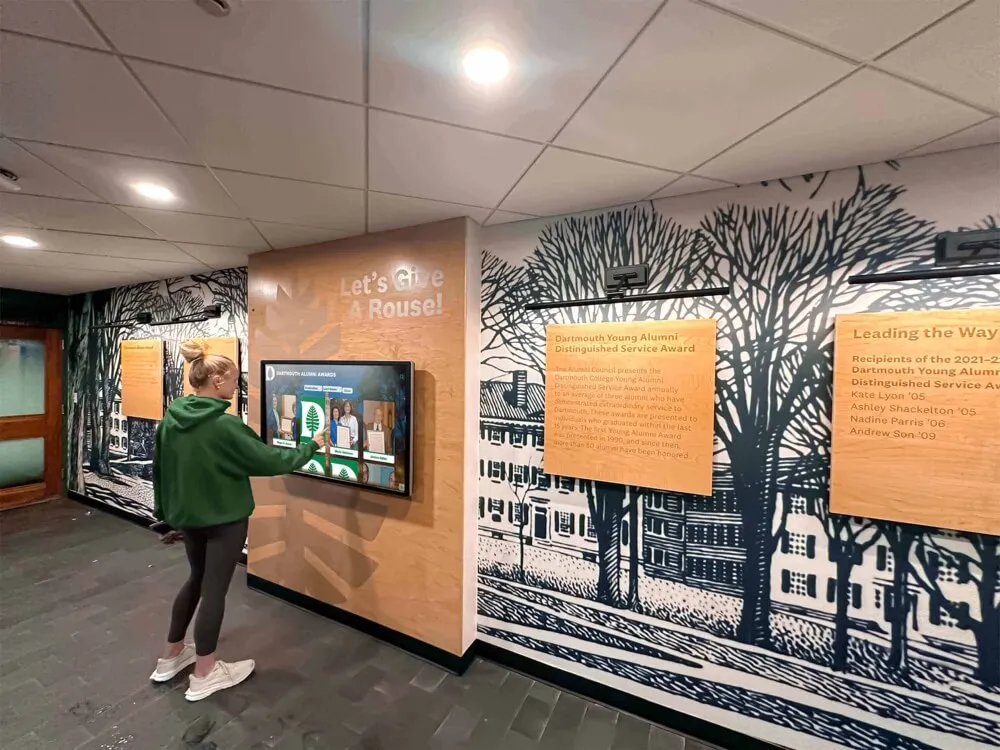
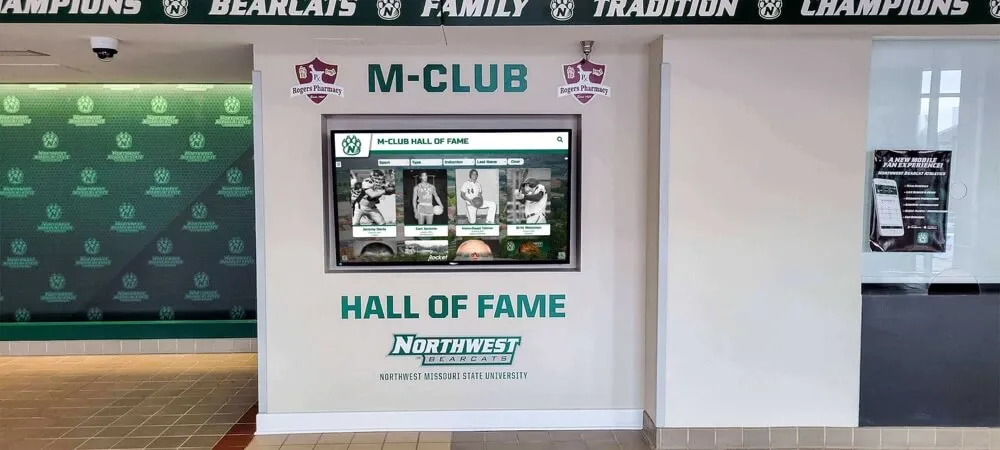
Yearbook signing represents a ritual connecting generations of students who participated in the same tradition. Modern schools increasingly complement physical yearbooks with digital recognition systems that preserve student achievements and memories permanently, ensuring traditions evolve while maintaining their commemorative purpose.
Multi-Generational Connection
Parents who signed yearbooks decades ago now write messages in their children’s books:
- Shared understanding of the yearbook tradition
- Stories of their own yearbook memories
- Perspective on how quickly school years pass
- Connection through similar experiences across decades
- Continuation of family tradition and legacy
This intergenerational participation makes yearbook signing more than a student activity—it becomes a family milestone connecting past, present, and future.
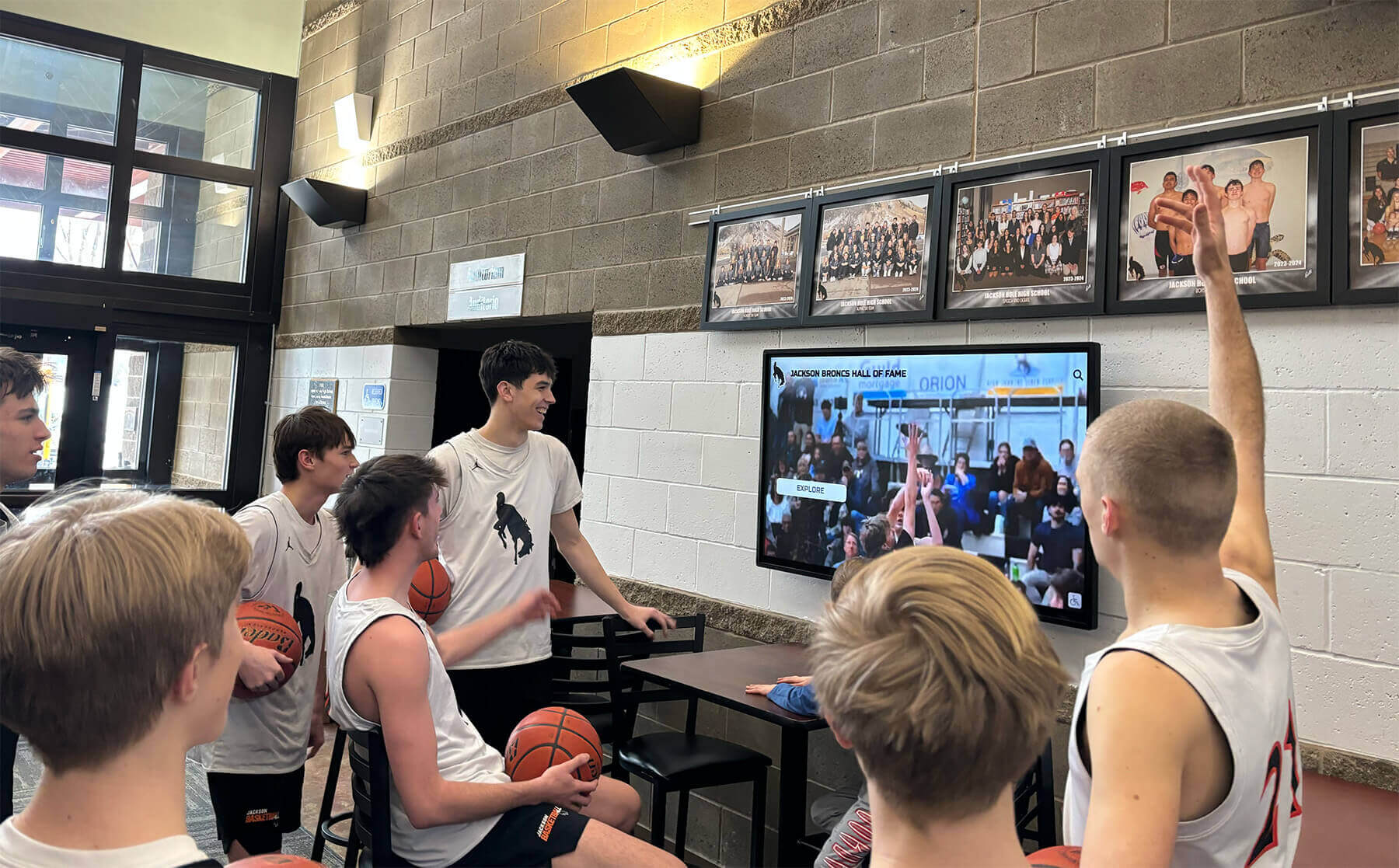
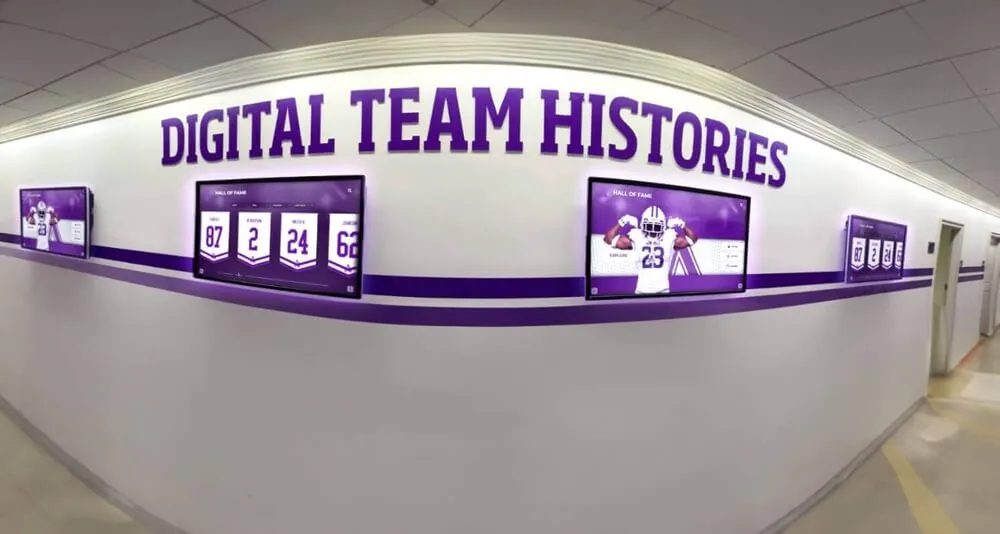
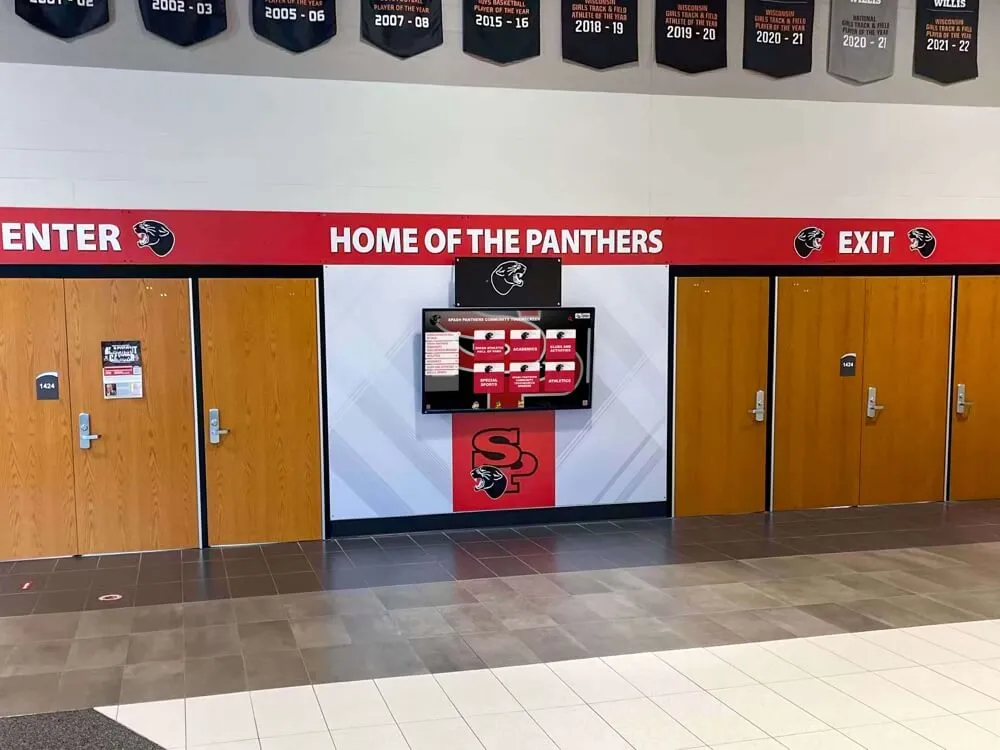
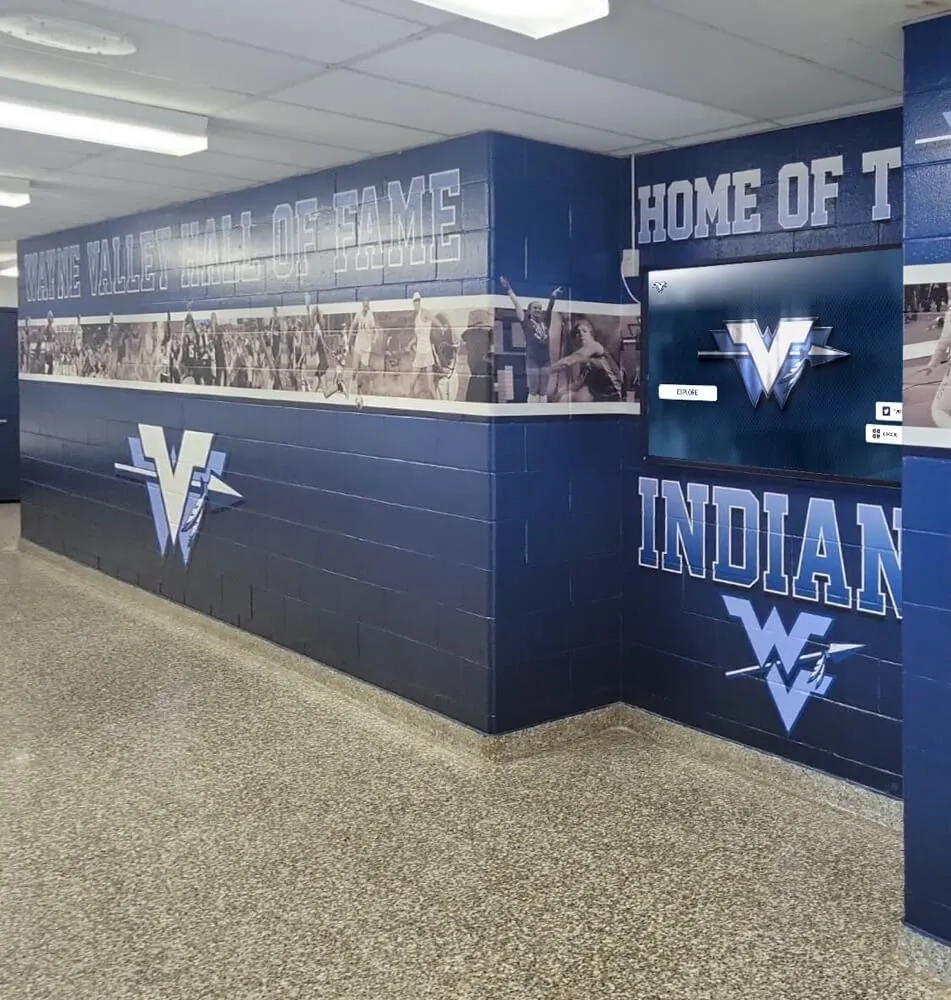
Schools create lasting memories through both traditional yearbooks and modern digital displays celebrating student achievements
Yearbook Messages from Friends: Examples and Approaches
Messages between friends form the core of most yearbook signing, capturing the essence of school friendships through humor, shared memories, and genuine affection.
Messages for Best Friends
Your closest friends deserve messages reflecting the depth of your relationship:
Heartfelt Best Friend Messages
“These four years wouldn’t have been the same without you by my side. From freshman year awkwardness to senior year confidence, you’ve been my constant. Thank you for every laugh, every adventure, and every moment you reminded me who I really am. Can’t wait to see where life takes us—but I know we’ll always find our way back to each other. Love you always!”
“Remember when we thought freshman year would last forever? Now here we are signing yearbooks and pretending we’re ready for what comes next. Thank you for being the friend who saw me at my worst and loved me anyway. All the late-night talks, the spontaneous adventures, the inside jokes no one else understands—I’m keeping them all. You’re my person. Forever.”
“To my partner in crime: We survived high school! From terrible cafeteria food to amazing school event memories, from failed tests to incredible victories, you made everything better. Thank you for accepting all my weird, celebrating all my wins, and standing beside me through everything else. Here’s to the next chapter—wherever it takes us, you’ll always be my best friend.”
Humorous Best Friend Messages
“Congratulations on finally escaping! I’ll miss our daily complaints about homework, but I won’t miss your terrible jokes (just kidding—your jokes are the worst and I’ll miss them desperately). Thanks for making high school bearable and for being the friend who always knew what I needed—usually food. Stay awesome, stay weird, and please visit me!”
“Four years with you: 1,460 days of laughter, approximately 47,000 inside jokes, infinite memories. Remember when we said we’d be friends forever? Turns out we were right about something! Thanks for being the friend I can be completely myself with—no filter needed. Don’t become too cool and successful to remember me. HAGS! (Actually—have a GREAT life!)”
“We came. We saw. We barely passed. But we did it together, and that’s what counts! Thank you for every study session that turned into a YouTube marathon, every serious plan that ended in chaos, and every moment that reminded me friendship is the best part of school. You’re stuck with me forever now—good luck with that!”
Messages for Close Friends
Friends you’re close to but not “best friends with forever” status still deserve thoughtful messages:
Warm and Appreciative Messages
“This year was so much better because of you! I loved getting to know you better and sharing so many great memories. Thank you for all the laughs, the conversations, and the moments that made school feel less like school and more like fun. Wishing you all the success and happiness you deserve!”
“I’m so glad we became friends this year. You brought so much positive energy and fun into my days. Thank you for being genuine, kind, and always down for an adventure. I hope our paths cross again—until then, go be amazing!”
“To one of the good ones: Thanks for making this year memorable. From class projects to lunch table conversations, you made everything more enjoyable. I appreciate your friendship more than this small space can express. Have an incredible future!”
Messages for Casual Friends and Classmates
Even acquaintances deserve kind words:
Friendly and Positive Messages
“It was great sharing classes with you this year! Thanks for all the help with assignments and for making biology more bearable with your sense of humor. Best wishes for everything ahead!”
“Thanks for being such a positive presence in our grade. Your kindness and energy made a difference. Wishing you all the best in your next adventure!”
“Good luck with everything! You’re going to do great things. Thanks for being part of what made this year special. Stay in touch!”
Messages That Reference Shared Memories
Specific memories make messages more meaningful:
Memory-Based Messages
“Remember that time we got completely lost on the field trip and ended up having the best day anyway? That’s basically our friendship in a nutshell—unexpected, chaotic, perfect. Thanks for every adventure.”
“I’ll never forget [specific event/memory]—it’s one of those moments that defines high school for me, and I’m so glad you were part of it. Thanks for the memories!”
“From day one of freshman year when we met in [class/activity] to now, it’s been an amazing journey. Thank you for being part of my story.”
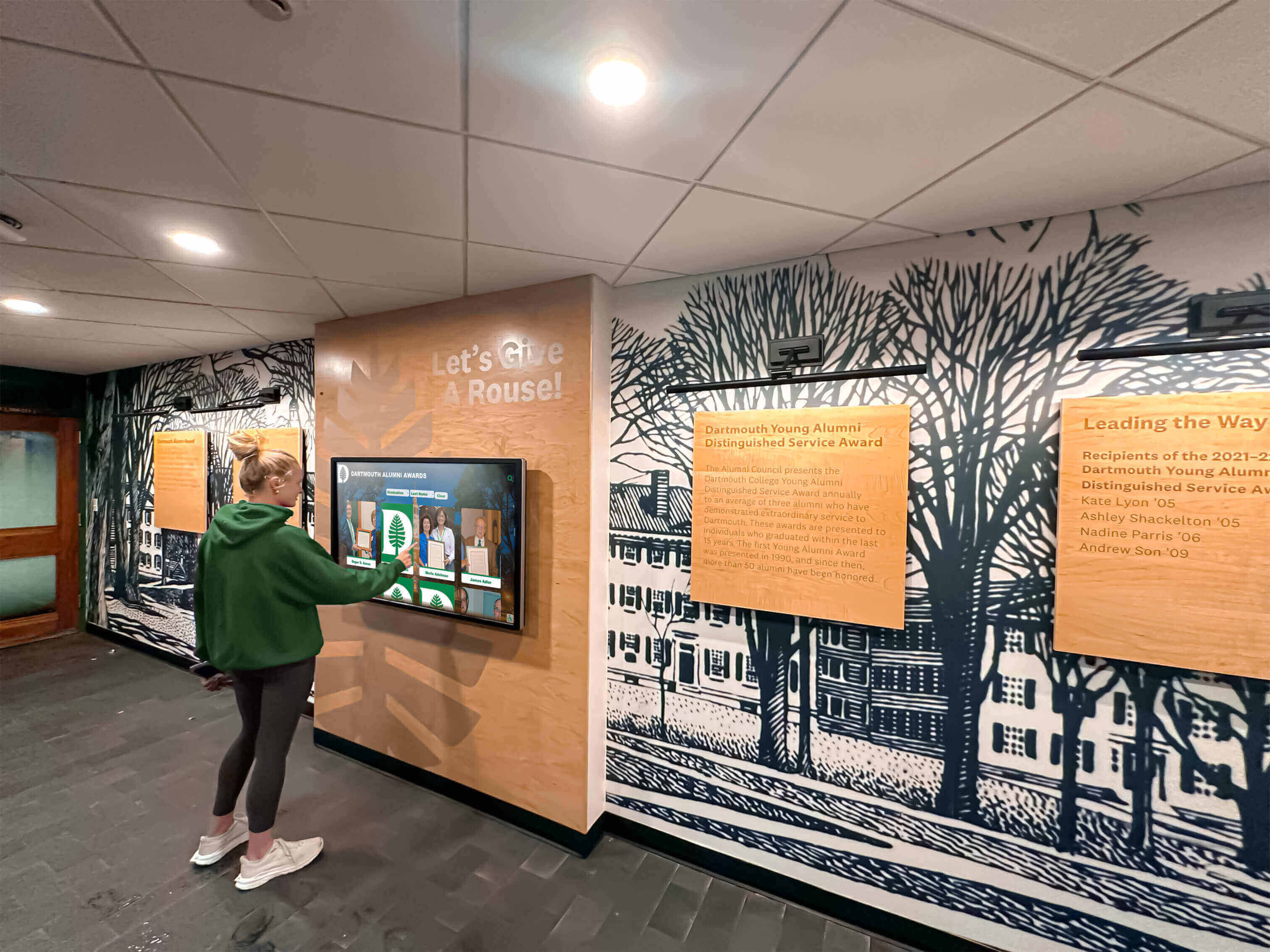
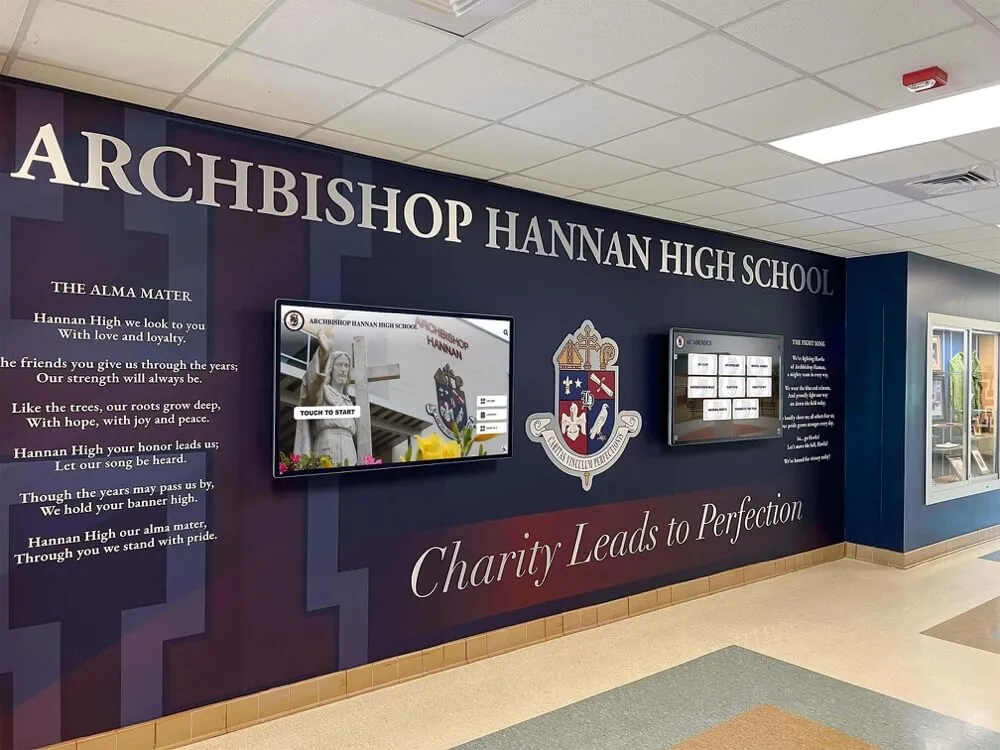
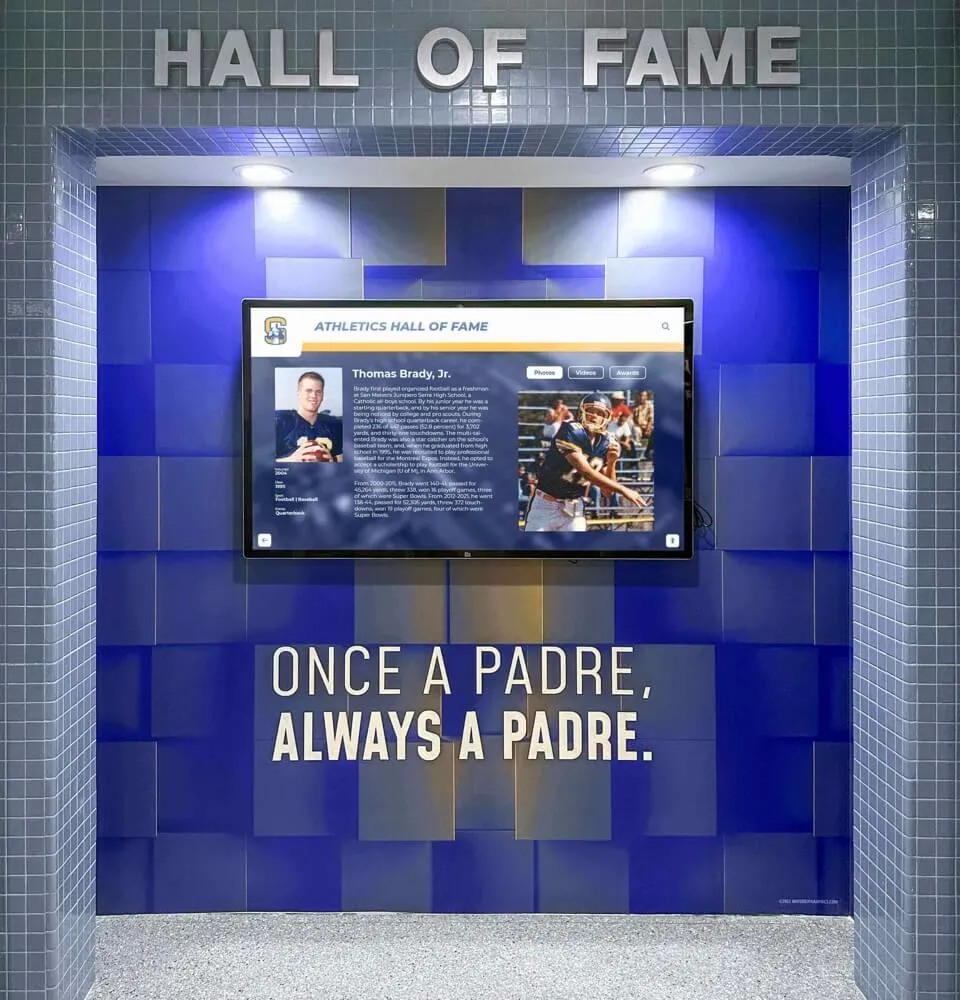
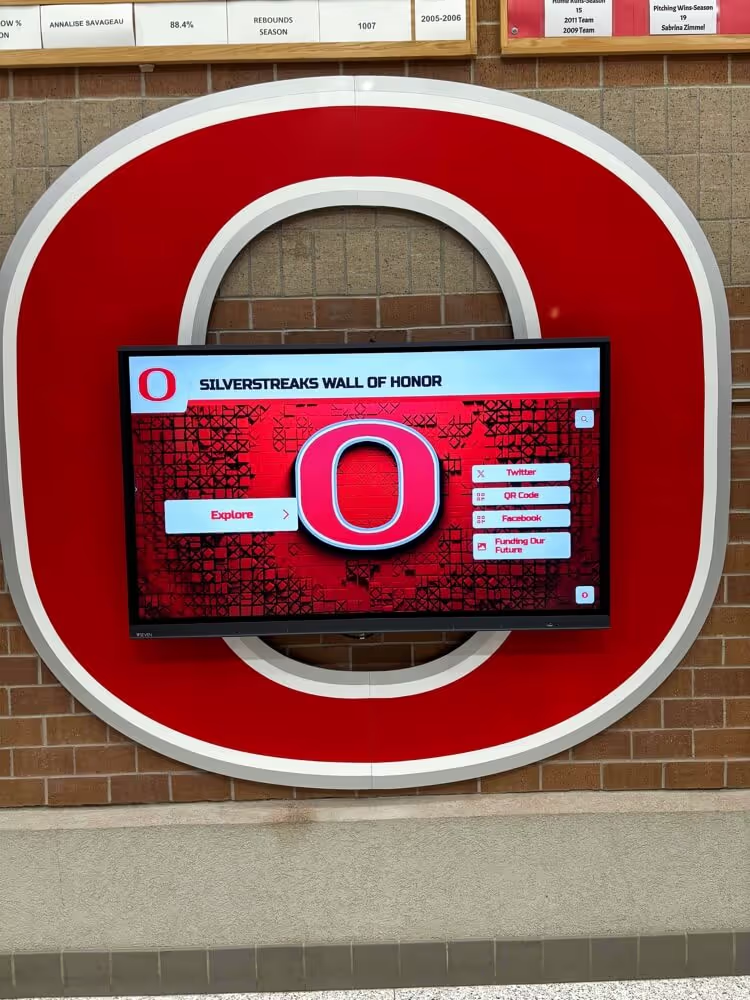
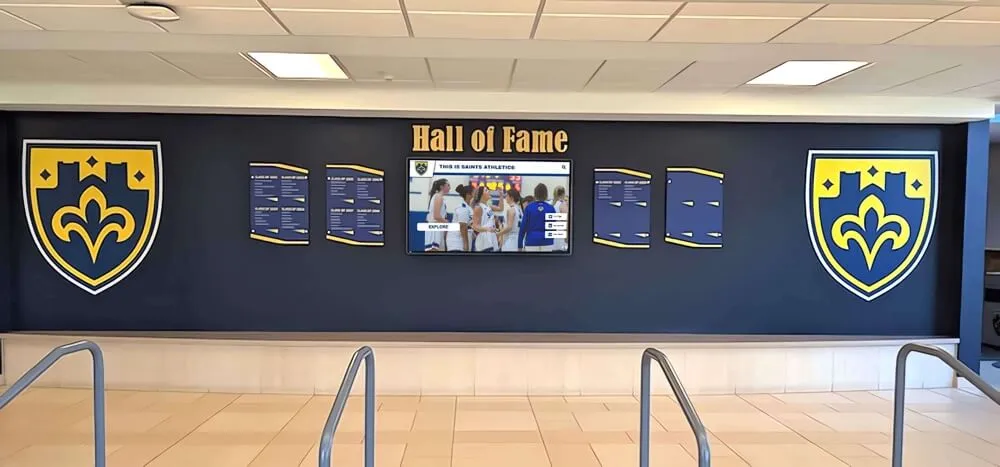
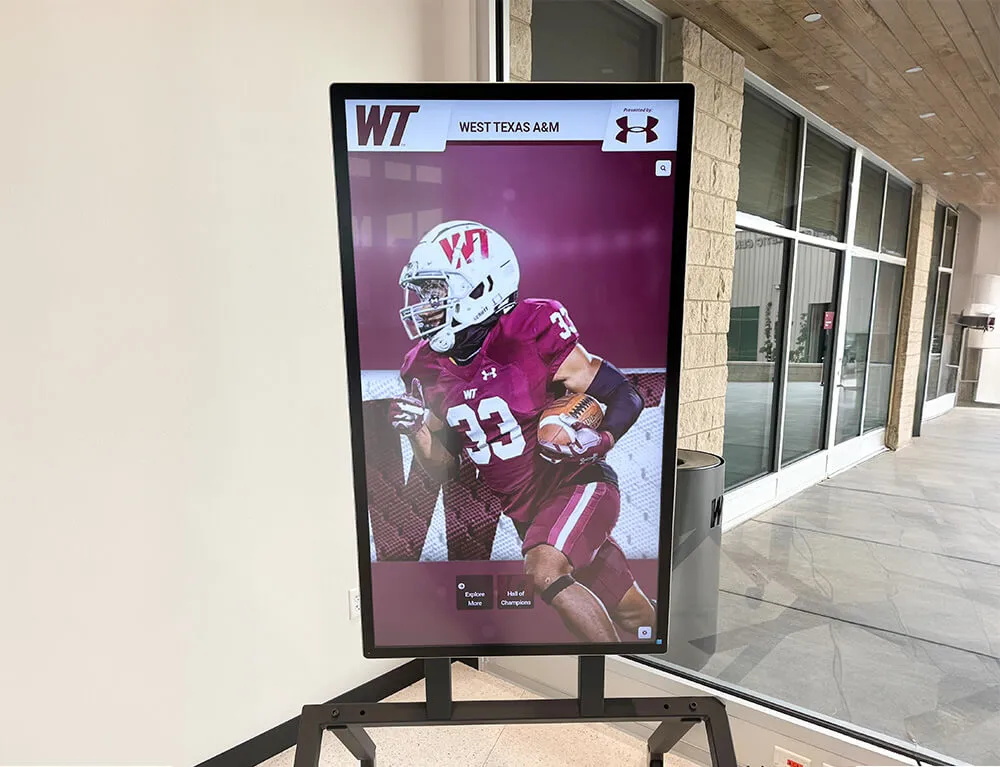
Modern technology helps schools preserve memories digitally, complementing traditional yearbook messages
Parent Yearbook Messages: Writing to Your Child
Parents writing in their child’s yearbook create especially meaningful tributes that become more precious over time.
Messages from Parents to Elementary School Students
Younger students need messages appropriate to their developmental stage:
Encouraging and Age-Appropriate Messages
“Dear [Name], What an amazing [grade] year you had! I’m so proud of watching you learn, grow, and make new friends. You worked hard, tried new things, and showed kindness every day. Keep being the wonderful person you are. I love you so much! Love, Mom/Dad”
“To my favorite [grade] grader: This year you learned to [specific achievement—read chapter books, solve multiplication, play an instrument]. But more importantly, you showed courage, kindness, and determination. I’m proud of you every single day. Can’t wait to see what next year brings! Love you to the moon and back! Mom/Dad”
“You made [grade] grade look easy! I loved watching you discover new interests, make great friends, and become more confident. Thank you for being such a special kid. Summer adventures await! Love, Mom and Dad”
Messages from Parents to Middle School Students
Middle schoolers need messages acknowledging their growing independence:
Supportive and Understanding Messages
“Dear [Name], Middle school isn’t easy, but you’re handling it with grace and resilience. I’m proud of how you’re growing into yourself—discovering your interests, finding your people, and becoming more independent. Remember I’m always here whenever you need me. Watching you grow up is my greatest joy. Love always, Mom/Dad”
“To my incredible kid: These middle school years are tough, but you’re tougher. I see you figuring out who you are, standing up for what matters, and working toward your goals. I’m proud of you—not just for your accomplishments, but for who you are becoming. Love you more than words can say. Mom/Dad”
“Another year older, wiser, and more amazing! I’m grateful for the privilege of being your parent and watching you navigate these challenging years. You’re doing great, even when it doesn’t feel like it. Remember: I believe in you always. Love, Mom and Dad”
Messages from Parents to High School Students
High school yearbook messages carry additional emotional weight as students prepare for adulthood:
Reflective and Encouraging Messages
“Dear [Name], Watching you grow through high school has been one of my life’s greatest privileges. I’ve seen you overcome challenges, discover your passions, develop your voice, and become the remarkable person you are today. As you prepare for the next chapter, remember that you carry with you our love, our pride, and our complete confidence in your abilities. The future is bright because you’re in it. We love you more than words can express. Love, Mom and Dad”
“To our graduate: Four years ago you walked into high school as one person and you’re leaving as someone even more incredible. We’ve watched you work hard, fail and try again, support your friends, find your passions, and grow into someone we deeply admire. College is lucky to get you. The world is lucky to have you. And we’re lucky to be your parents. Congratulations on this amazing accomplishment. We love you forever. Mom and Dad”
“These four years flew by too quickly. From nervous freshman to confident senior, you’ve amazed us at every turn. You’ve shown determination in your studies, dedication in your activities, compassion toward others, and courage facing challenges. We couldn’t be prouder of the person you’ve become or more excited for your future. Remember: home is always here, love is always yours, and we’re always cheering for you. Love always, Mom and Dad”
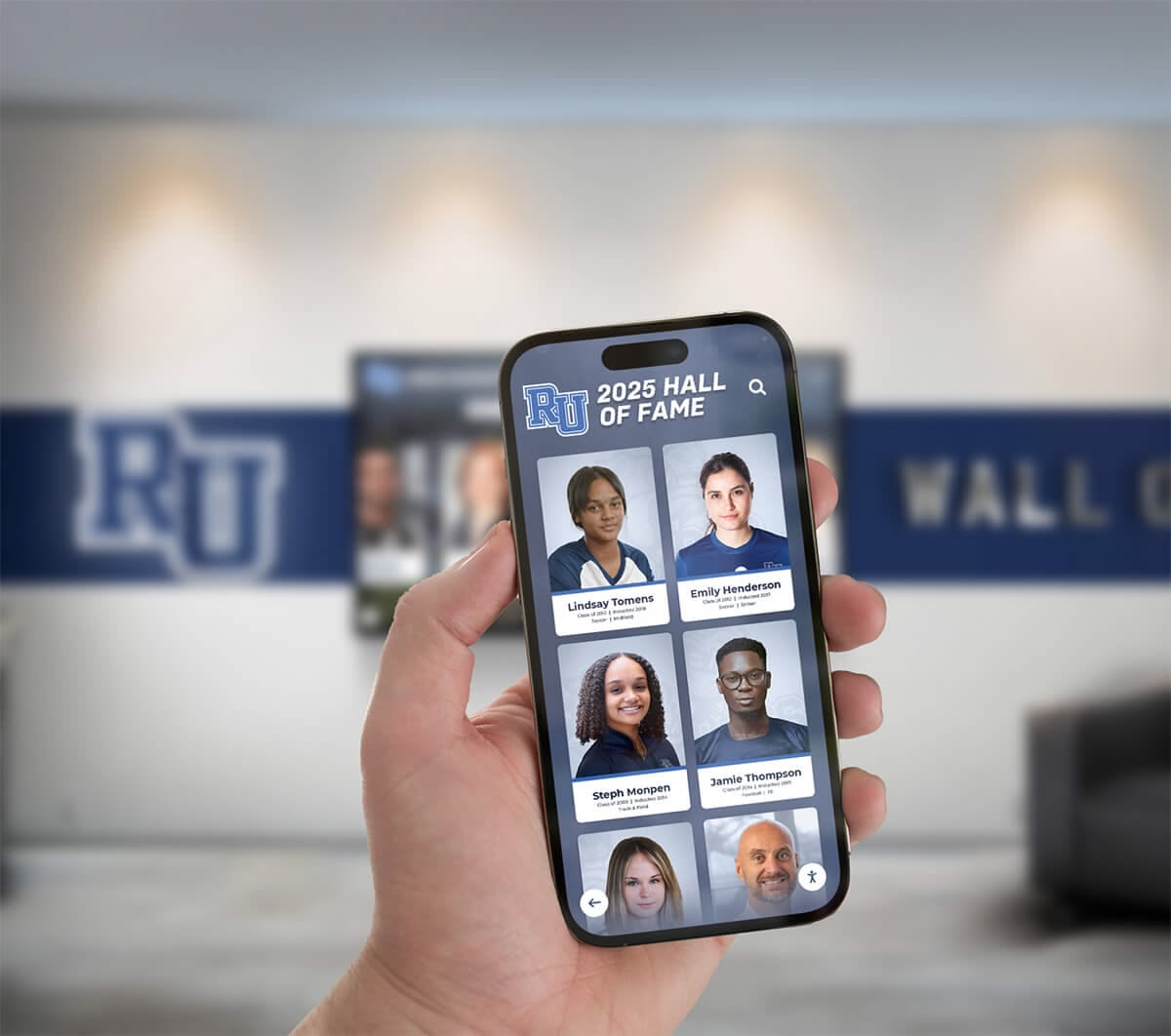
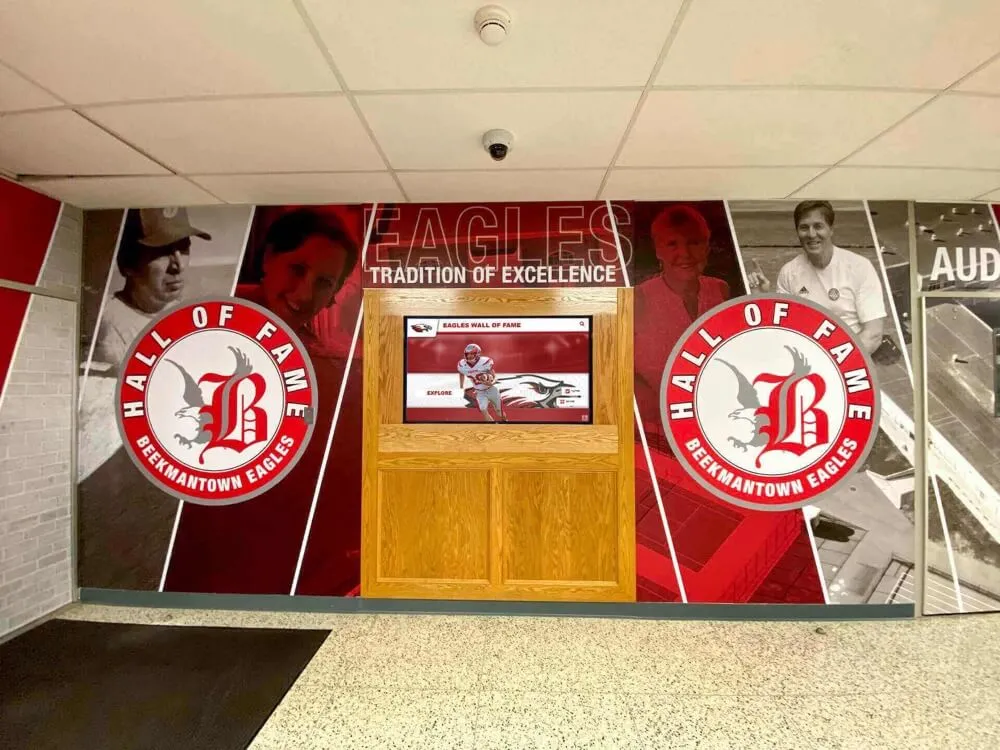
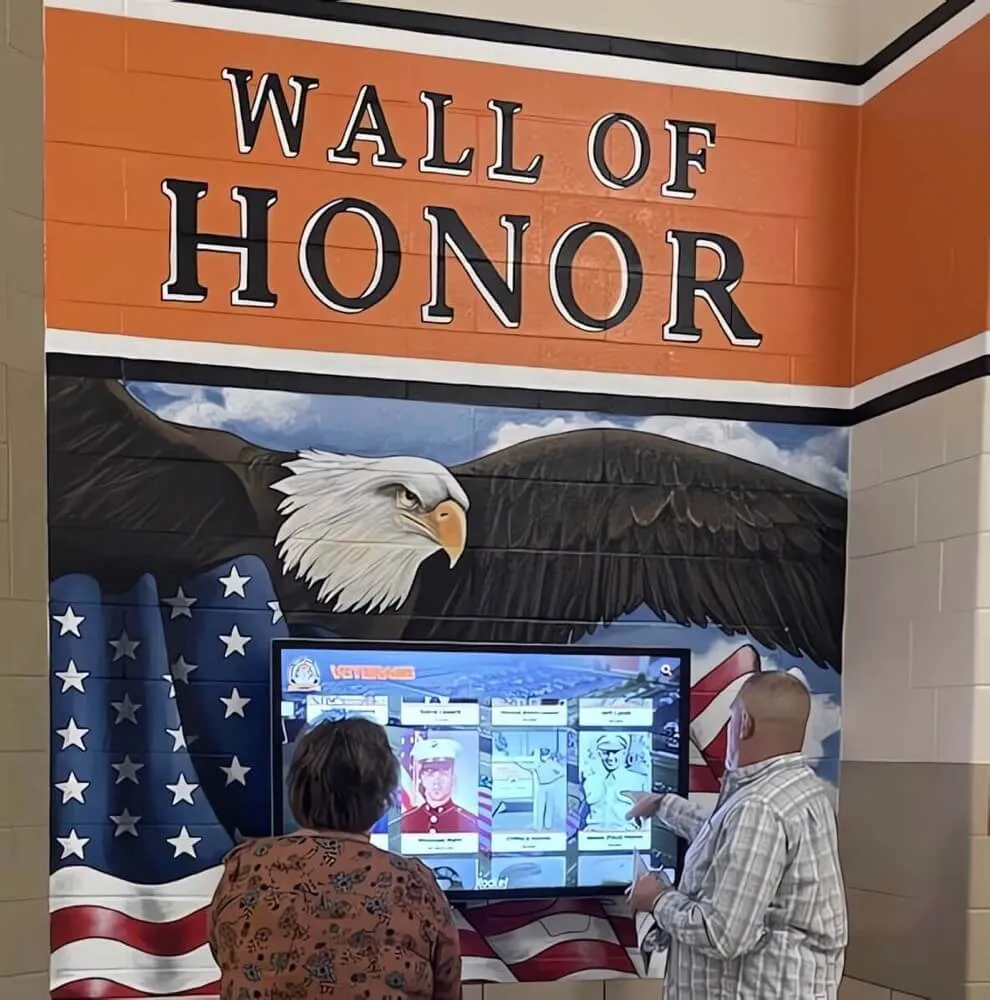
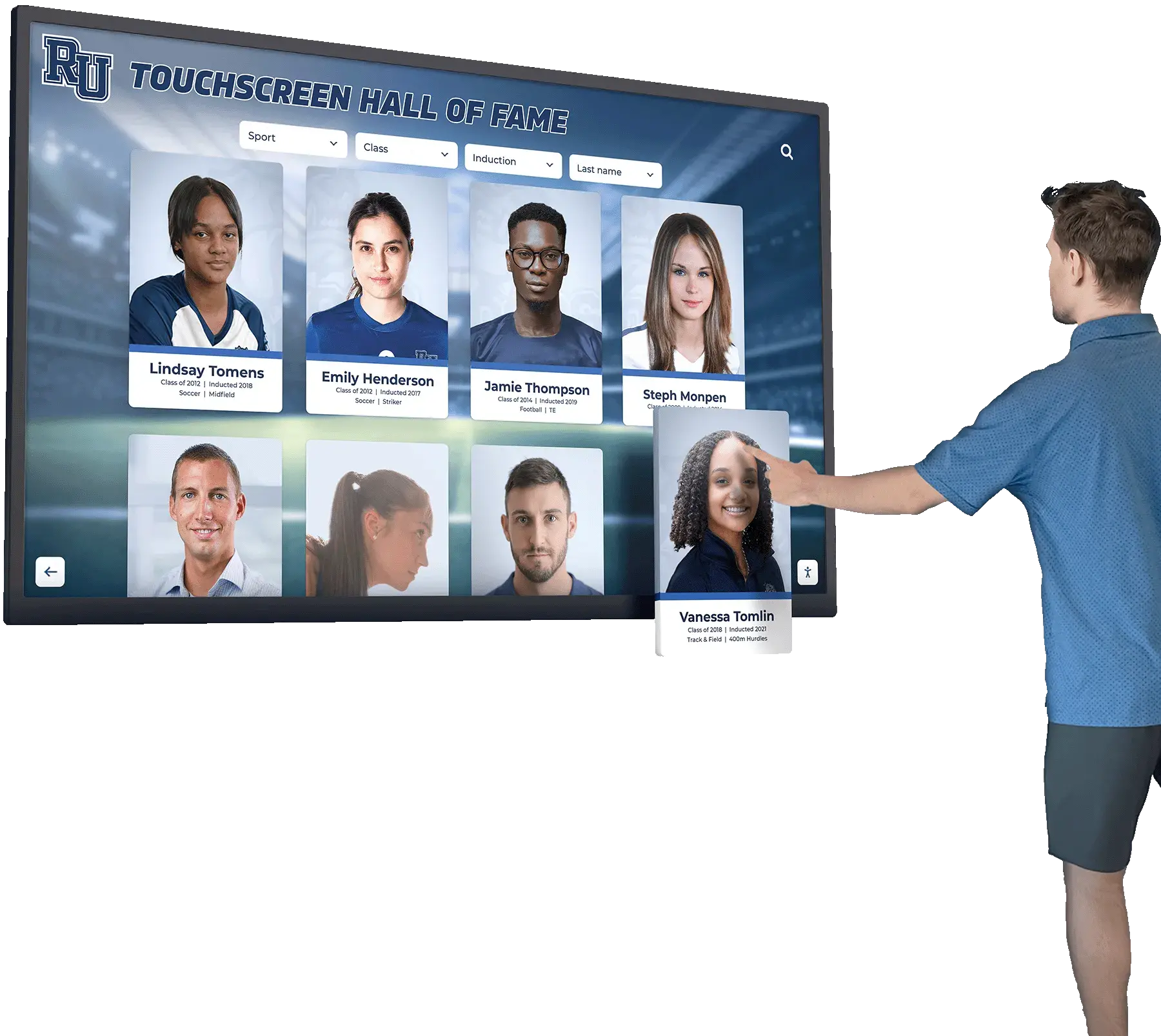
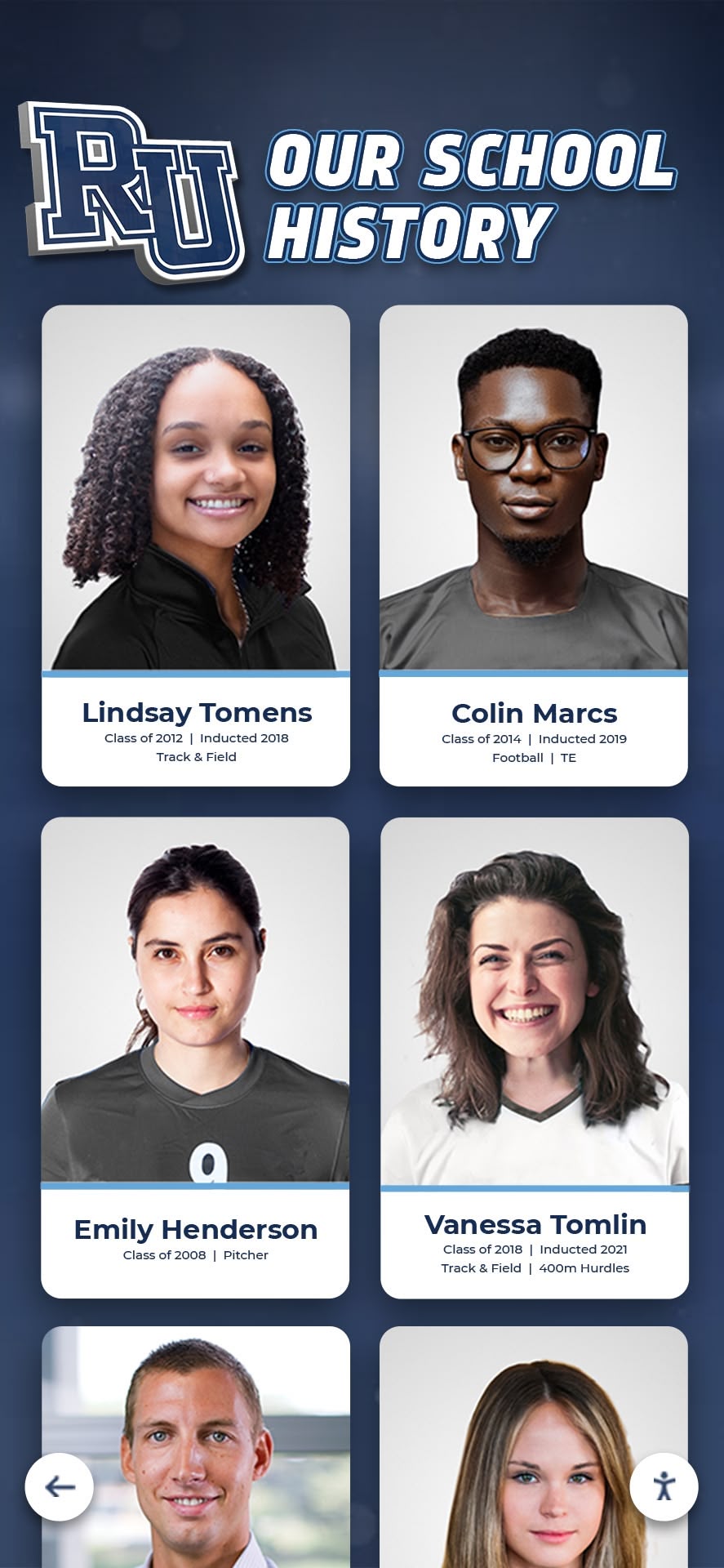
Parents can now access and share their children's achievements through digital platforms that complement traditional yearbook memories
Messages from Parents to Graduating Seniors
Senior yearbook messages mark a major life transition:
Meaningful Senior Year Messages
“Dear [Name], As you close this chapter and begin the next, I want you to know how proud I am—not just of your accomplishments, but of your character, your kindness, and your courage. You’re ready for whatever comes next because you’ve become exactly who you were meant to be. Take chances, follow dreams, and remember you’re loved beyond measure. The world awaits—go show them what you’re made of. Love forever, Mom/Dad”
“Eighteen years have passed in what feels like eighteen minutes. From the day you were born to this graduation day, you’ve filled our lives with joy, pride, and love beyond description. As you leave for college/the next chapter, carry with you the knowledge that you are capable, loved, and ready. We believe in you completely. Go make your mark on the world—and call us often! Love always, Mom and Dad”
“To our graduate: This yearbook represents the end of one journey and the beginning of another. As you turn these pages years from now, remember who you were at this moment—full of potential, surrounded by people who loved you, ready to become who you’re meant to be. We’re honored to be your parents and excited to see where life takes you. You’ve got this. We love you. Mom and Dad”
Teacher and Coach Yearbook Messages
Educators writing yearbook messages have opportunities to impact students profoundly, as messages from teachers carry significant weight and credibility.
Messages from Teachers to Students
Teachers balance encouragement, recognition, and guidance:
Inspirational Teacher Messages
“It’s been a privilege having you in class this year. Your curiosity, participation, and positive attitude made teaching a joy. I’ve watched you grow academically and personally, and I’m excited to see where your talents take you. Remember: you’re capable of more than you know. Keep learning, keep growing, keep being yourself. Best wishes for a bright future!”
“Thank you for being such a wonderful student. Your hard work, creativity, and kindness didn’t go unnoticed. You have gifts that will take you far—use them wisely and generously. I’m proud to have been your teacher and excited to hear about your future successes. Congratulations on a great year!”
“You came into my class as a student and you’re leaving as someone I truly admire. Your dedication, resilience, and character set you apart. Never stop questioning, learning, and challenging yourself. The world needs people like you. Wishing you all the success you deserve!”
Messages from Coaches to Athletes
Coaches writing to athletes acknowledge both athletic and personal development:
Motivational Coach Messages
“Coaching you has been one of the highlights of my career. You brought dedication, team spirit, and heart to everything you did. The lessons you learned on the field/court will serve you throughout life—perseverance, teamwork, resilience. I’m proud of the athlete and person you’ve become. Keep working hard and believing in yourself. Best of luck!”
“From day one you showed up ready to work and committed to the team. That attitude will take you far beyond sports. Thank you for your leadership, effort, and positive example. It’s been an honor coaching you. [Specific memory or achievement]. Wishing you continued success in all you do!”
“You’ve grown so much as an athlete and a person during your time in our program. I’ve loved watching you develop your skills, support your teammates, and represent our school with pride. The dedication you demonstrated will serve you well wherever life takes you. Keep that competitive spirit and never stop pushing yourself. Proud of you!”
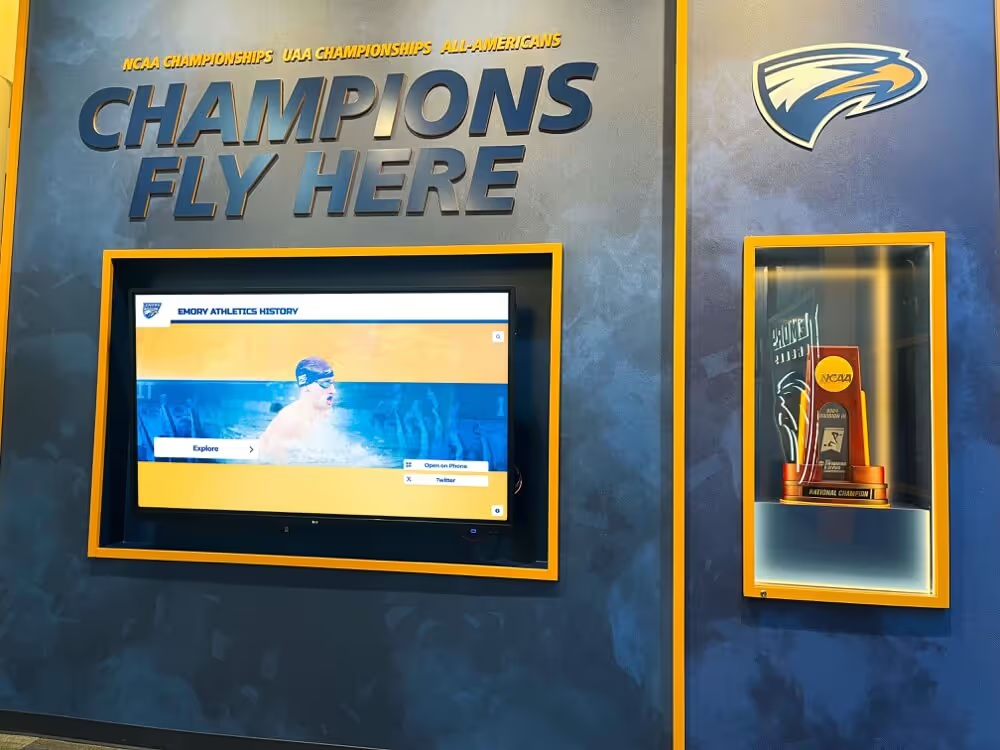
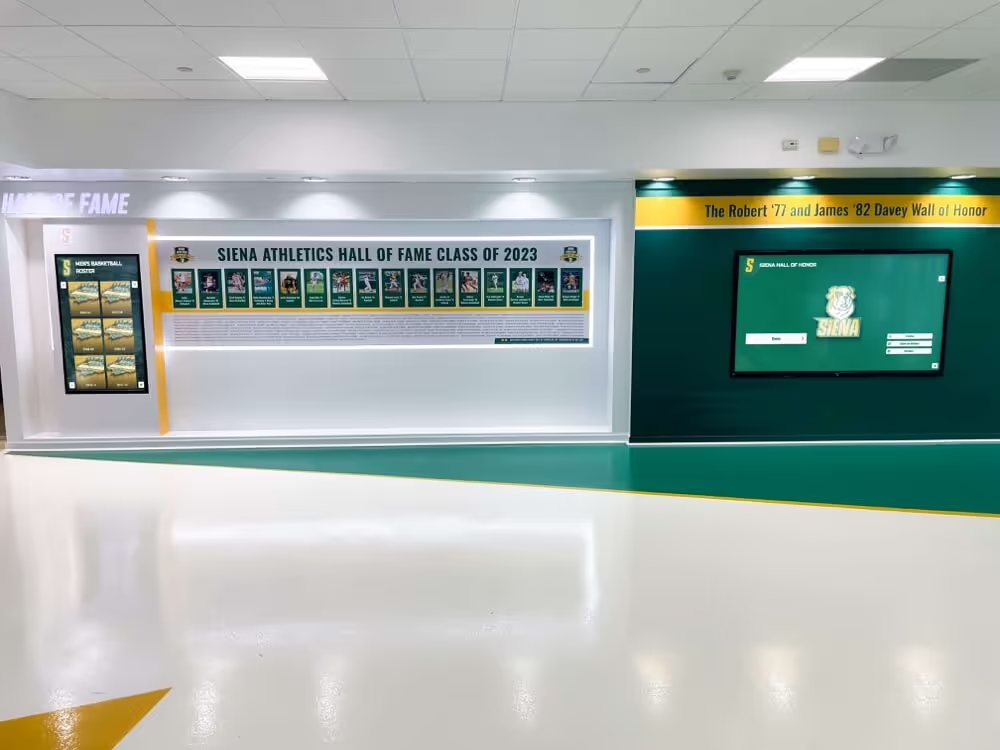
Schools that celebrate athletic achievements through recognition programs help preserve memories and inspire future students, complementing the personal messages coaches share in yearbooks.
Messages from Advisors and Mentors
Club advisors, counselors, and mentors offer unique perspectives:
Supportive Mentor Messages
“Working with you in [club/activity] has been wonderful. Your passion, creativity, and leadership made our group better. Thank you for your contributions and for being such a positive force. I’ve enjoyed watching you discover your interests and develop your talents. Excited to see where your journey leads!”
“It’s been a pleasure being your [counselor/advisor]. You’ve shown tremendous growth, faced challenges with courage, and approached opportunities with enthusiasm. Remember: the qualities that made you successful here will continue serving you well. Believe in yourself as much as I believe in you. Best wishes!”
“Thank you for being such an active, positive participant in [activity]. Your enthusiasm and ideas made everything better. You have natural leadership abilities and a bright future ahead. Keep pursuing your passions and making a difference. Congratulations on a fantastic year!”
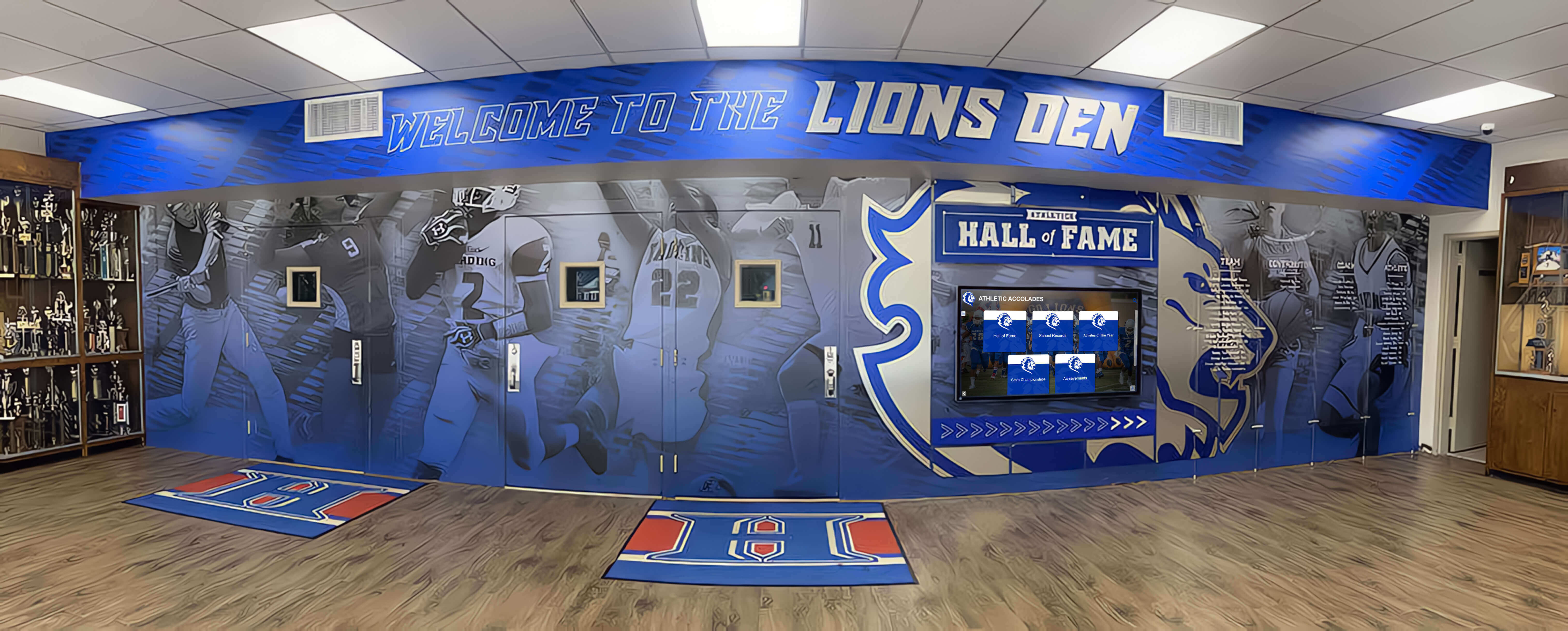
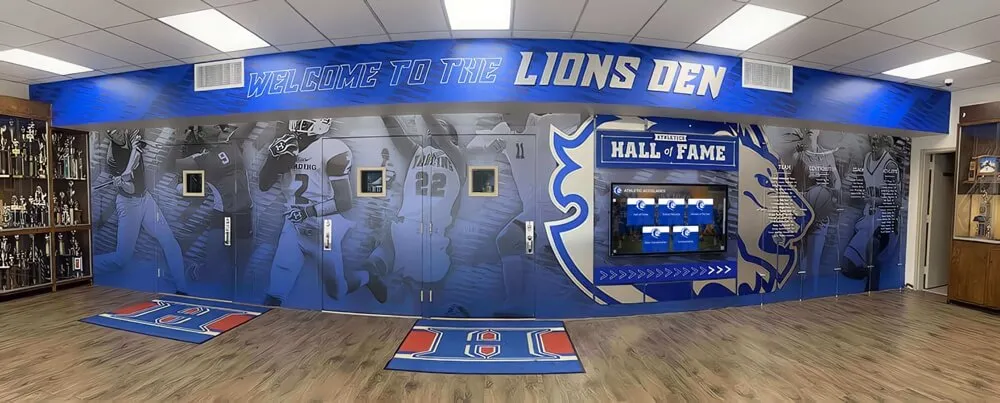
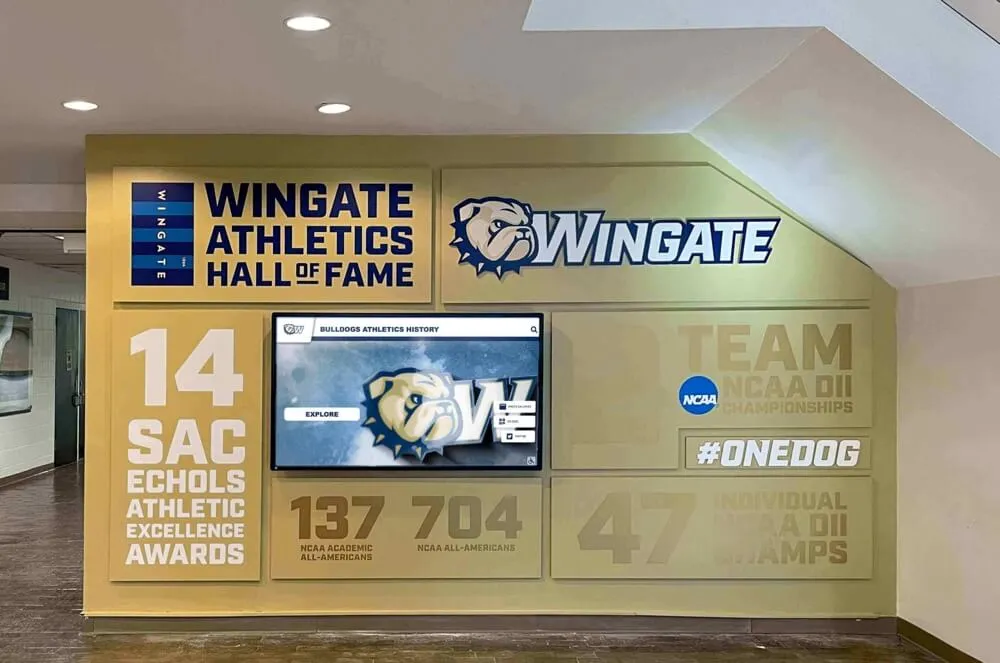
Schools honor student achievements through multiple channels including yearbooks, displays, and [digital recognition systems](https://halloffame-online.com/blog/recognition-board-ideas-creative-displays-schools-teams-organizations/?utm_source=organic&utm_medium=seo-auto&utm_content=toucharchives&utm_campaign=yearbook-messages&utm_term=seo)
Writing Tips for Meaningful Yearbook Messages
Regardless of your relationship to the recipient, certain principles make yearbook messages more meaningful and memorable.
Be Specific and Personal
Generic messages feel impersonal—specificity shows genuine thought and connection:
Avoid Generic Phrases
Replace vague statements with specific references:
Instead of: “You’re really nice. Good luck!”
Try: “Thank you for always including everyone at lunch and making people feel welcome. Your kindness made such a difference this year.”
Instead of: “Have a great summer!”
Try: “Can’t wait for our summer plans! Beach trip, late-night drives, making memories before college—it’s going to be amazing.”
Instead of: “You’re a great friend.”
Try: “Remember when we stayed up all night working on that project and ended up learning more about each other than about the assignment? That’s when I knew we’d be friends forever.”
Reference Shared Experiences
Specific memories anchor messages in genuine relationship:
- “That time we got caught in the rain during [event] and turned it into the best day ever”
- “Your amazing performance in [play/game/competition]—I was so proud!”
- “All the times you helped me understand [subject] when I was completely lost”
- “Our tradition of [specific activity]—I’ll miss it so much”
These specific references remind recipients of actual moments that defined your connection.
Balance Humor and Sincerity
The best messages often combine lighthearted humor with genuine sentiment:
Using Humor Effectively
“We survived four years of [teacher’s name]’s class, cafeteria mystery meat, and those awful pep rally games. Basically we can survive anything now. Thanks for being my survival partner!”
“Remember when we thought high school would never end? Surprise—it did! And now we have to be adults. No one prepared us for this. At least we’re facing it with the right people. Love you!”
“Thanks for putting up with my drama, my bad jokes, and my complete inability to understand [subject]. You deserve an award just for being my friend. Here’s to many more years of you being way too patient with me!”
Following Humor with Heart
After humorous opening, add sincere sentiment:
“[Funny opening] But seriously, your friendship means everything to me. Thank you for being exactly who you are.”
“[Humorous reference] In all seriousness, I don’t know what I would have done without you these four years. You’re incredible.”
“[Lighthearted joke] Jokes aside—you’re one of the best people I know. I’m lucky to have you in my life.”
This balance prevents messages from feeling too heavy while still expressing genuine appreciation.
Keep It Age-Appropriate
Consider the recipient’s age and maturity level:
Elementary School Messages
- Use simple language and concepts
- Focus on fun memories and accomplishments
- Keep it brief and positive
- Use encouraging language about growing up
- Avoid inside jokes they won’t understand later
Middle School Messages
- Acknowledge growing independence
- Reference shared interests and activities
- Balance fun with appropriate seriousness
- Recognize challenges of middle school years
- Support their developing identity
High School Messages
- Can be longer and more reflective
- Acknowledge approaching adulthood
- Reference future plans and dreams
- More complex humor and references
- Balance nostalgia with forward-looking sentiment
College/University Yearbooks
- More mature tone and content
- Career and life goals appropriate
- Can be more philosophical
- Adult humor acceptable
- Acknowledgment of life transitions
Write Legibly (Or Type It Out)
Even the most heartfelt message loses impact if recipients can’t read it:
Handwriting Tips
- Write slowly and carefully—this isn’t a race
- Use dark pen (blue or black) that won’t fade
- Print if your cursive is difficult to read
- Consider printing long messages first, then copying into yearbook
- If your handwriting is truly problematic, type it on a nice card and attach it
Presentation Matters
- Avoid writing too small to fit more words—clarity matters more
- Leave appropriate margins
- If you make a mistake, acknowledge it humorously rather than scribbling
- Use paragraph breaks for longer messages
- Sign clearly so they know who wrote it (even if they “should” know)
What to Avoid in Yearbook Messages
Certain approaches undermine your good intentions—avoid these common mistakes:
Avoid Inside Jokes Others Shouldn’t See
Remember that parents, siblings, and future partners may read these:
Inappropriate References
- References to illegal activities or risky behavior
- Inside jokes about other people that could be hurtful
- Complaints about teachers, parents, or school that seem disrespectful
- Content you wouldn’t want a college admissions officer or employer to see
- Anything that could embarrass the recipient later
The Ten-Year Test
Ask yourself: “Would this message still seem appropriate if someone read it ten years from now?” If not, revise it.
Don’t Be Negative
Yearbooks preserve positive memories—keep negativity out:
Avoid These Approaches
- Complaints about how terrible the year was
- Negative predictions (“You’ll probably end up…”) even if joking
- References to conflicts or drama
- Criticism disguised as humor
- Reminders of embarrassing moments (unless recipient found them funny)
Even if the year was challenging, focus messages on positive aspects and growth rather than dwelling on difficulties.
Don’t Make It About You
While shared memories are appropriate, the message should focus on the recipient:
Self-Centered Messages to Avoid
- Long stories about your own accomplishments
- Extensive discussion of your future plans without connecting to recipient
- Using their yearbook page to work through your feelings
- Making requests or demands (“Don’t forget about me!” repeatedly)
- Comparing their achievements unfavorably to yours
Keep the focus on celebrating the person whose yearbook you’re signing.
Avoid Clichés Without Personal Context
Common phrases aren’t inherently bad, but using them without personalization creates forgettable messages:
Overused Phrases
These phrases need additional context to be meaningful:
- “Have a great summer” (Add: doing what? what will you miss about them?)
- “Stay cool” (What made them cool? what did you appreciate?)
- “Don’t ever change” (Be specific: what qualities do you hope they maintain?)
- “Good luck with everything” (What specifically are you wishing them luck with?)
- “Keep in touch” (Share how you actually plan to stay connected)
These phrases work as closings after more specific content, but shouldn’t constitute the entire message.
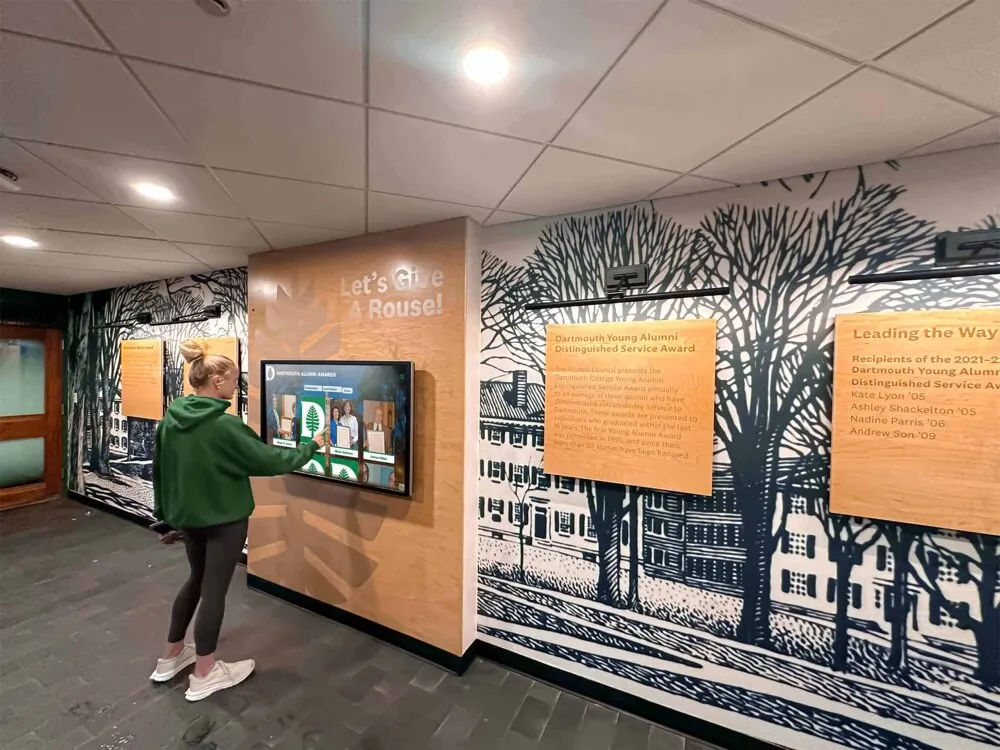
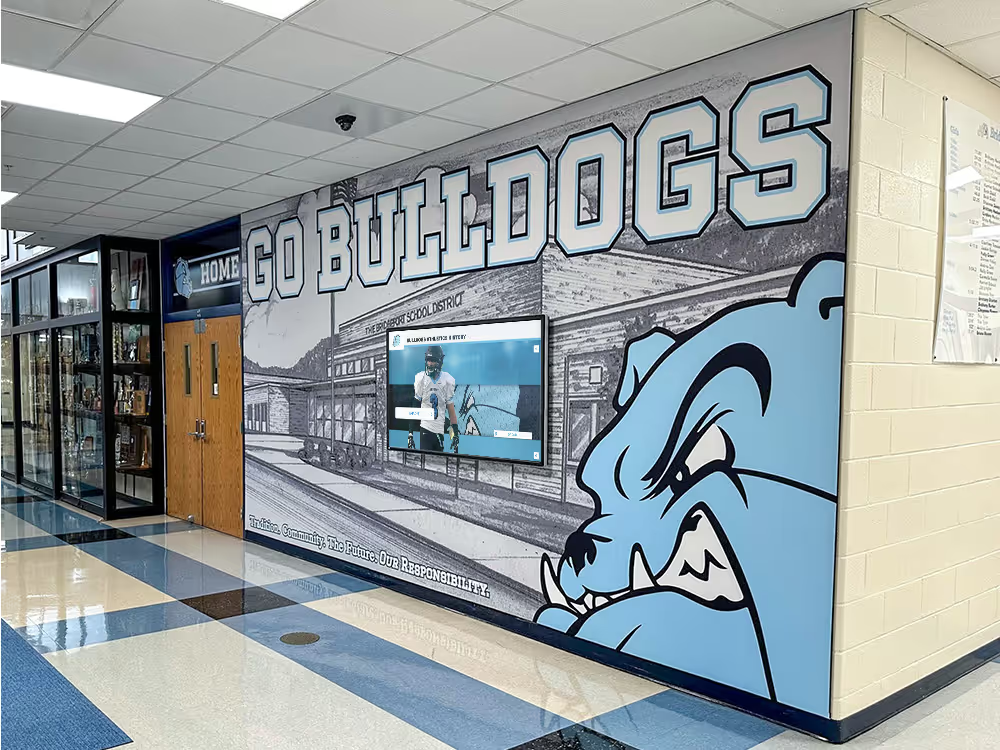
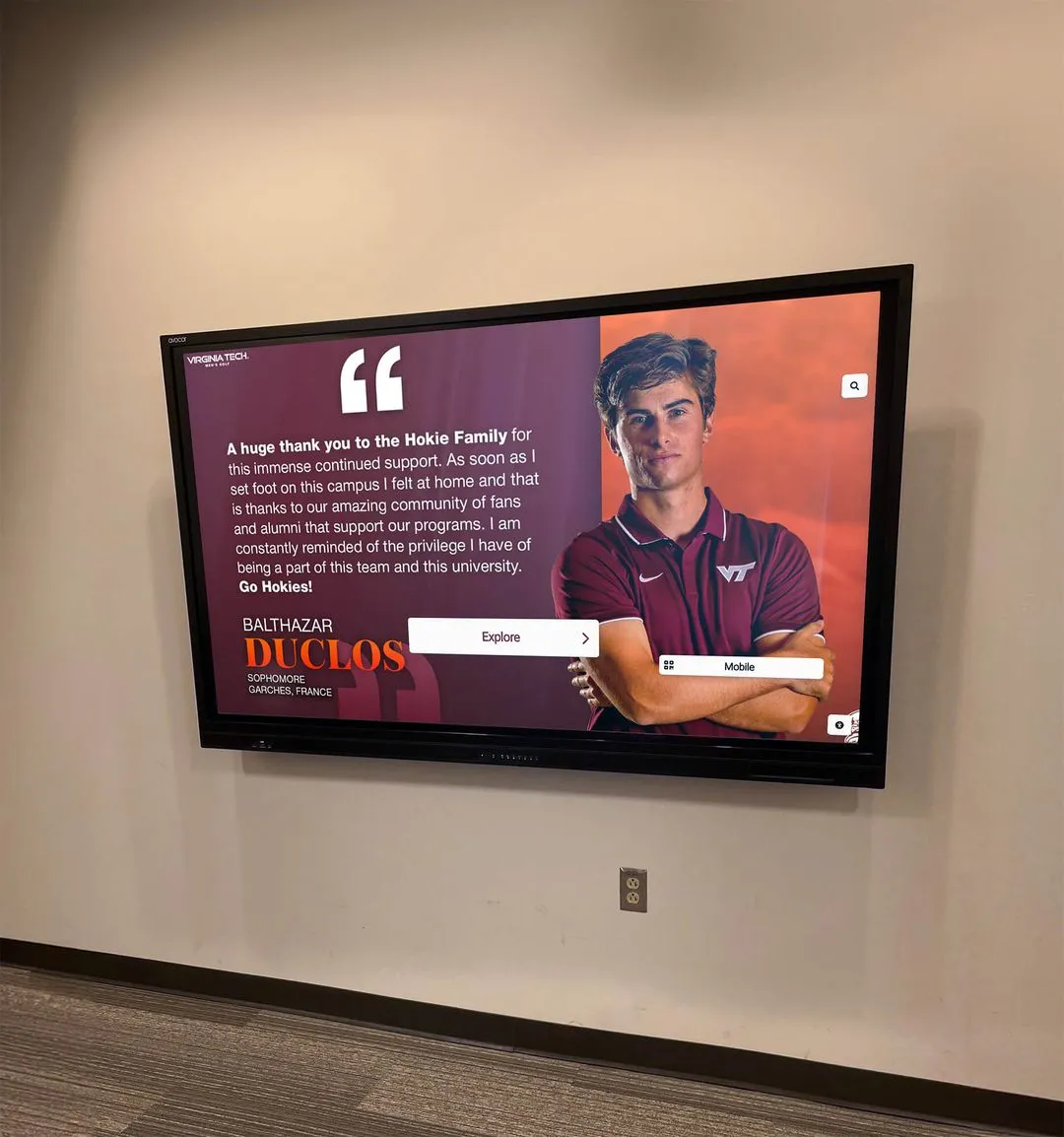
Schools preserve memories through both traditional methods like yearbooks and modern [digital archives](https://halloffame-online.com/blog/high-school-wall-of-fame-blueprint/?utm_source=organic&utm_medium=seo-auto&utm_content=toucharchives&utm_campaign=yearbook-messages&utm_term=seo) accessible to alumni for years
Yearbook Messages by Relationship Type
Different relationships call for different message approaches—tailor your writing to your specific connection.
Messages for Romantic Partners
Writing to someone you’re dating requires balancing affection with appropriateness:
Thoughtful Partner Messages
“This year was amazing because I got to share it with you. Thank you for every laugh, every adventure, every moment that made high school better than I ever imagined. Whatever happens next, I’m grateful for what we shared and who you are. You’re pretty incredible. Love you!”
“To the person who made this year unforgettable: Thank you for being my partner, my best friend, and my favorite person. From [specific memory] to [another memory], every moment with you was a gift. Here’s to our future—whatever and wherever that means. You mean everything to me.”
“Remember when we first met in [circumstance]? I had no idea then how important you’d become to me. Thank you for this incredible year, for supporting my dreams, for making me laugh, and for being exactly who you are. I love you. Always.”
If Relationship Recently Ended
If you’re no longer together, keep messages respectful:
“We had some great times this year. Thanks for the memories and for teaching me so much about relationships and myself. I wish you nothing but the best in everything ahead.”
“Even though things changed between us, I’m grateful for the time we shared. You’re an amazing person and you’re going to do great things. Best wishes for your future!”
Messages for Siblings
Brothers and sisters have unique perspectives on each other’s school experiences:
Sibling Messages
“To my amazing sister/brother: Watching you succeed this year made me so proud to be your sibling. You handled challenges I’m not sure I could have faced and you did it with style. Thanks for being someone I look up to (even though I’ll never admit that in person). Love you!”
“Another year down! Thanks for making school more bearable by being there. From sharing rides to sharing advice, you’re the best sister/brother I could ask for. Proud of you and everything you accomplished this year. Love you!”
“I know I give you a hard time, but I want you to know how proud I am to be your sibling. You’re smart, talented, and way cooler than you think. Keep being awesome. Love you (even when you’re annoying).”
Messages for Teammates
Sports teammates share bonds through competition and collaboration:
Teammate Messages
“What a season! Playing alongside you taught me so much about dedication, teamwork, and pushing past limits. Thank you for being an incredible teammate and for making every practice and game memorable. From [specific game/moment] to [championship/achievement], we made amazing memories. Good luck with everything—you’re going places!”
“Thanks for being the kind of teammate everyone wants—hardworking, supportive, and always positive even when things got tough. I learned a lot from watching how you approached [sport]. Best of luck next year and beyond. It was an honor being your teammate!”
“We started as teammates and ended as friends—that’s the best part of this season. Thank you for every early morning practice, every challenging game, and every moment you pushed me to be better. You’re going to do amazing things. Stay in touch!”
Athletes often appreciate messages that acknowledge both their athletic achievements and personal qualities, similar to how schools honor students through recognition programs celebrating multiple dimensions of student success.
Messages for Study Partners and Academic Friends
Friends connected through academic pursuits deserve acknowledgment:
Academic Friendship Messages
“We survived [difficult class]! Thank you for every study session, every late-night homework help text, and every moment you made learning actually fun. You’re brilliant and I’m grateful to have studied alongside you. Best of luck with [college/major/plans]—you’re going to excel!”
“Thanks for being my academic lifeline this year. I literally would have failed [subject] without you. More importantly, thanks for being patient, kind, and willing to explain concepts seventeen different ways until I finally got it. You’re going to make an amazing [career]!”
“To my favorite nerd (said with love): Thanks for making school interesting, challenging my thinking, and showing me that learning could be exciting. You’re going places and I can’t wait to say ‘I knew them when.’ Stay curious and keep being brilliant!”
Messages for Activity/Club Partners
Fellow club members, drama cast mates, band members, and other activity partners share unique bonds:
Activity-Based Messages
“Thank you for making [club/activity] one of the best parts of this year! From [specific event/project] to all our regular meetings, you made everything more fun and meaningful. I’ll miss working alongside you. Good luck with everything ahead!”
“Being in [play/musical/production] with you was unforgettable. You’re incredibly talented and watching you perform was inspiring. Thank you for the memories, the laughs, and the friendships formed backstage. Break a leg in everything you do!”
“Band wouldn’t have been the same without you! Thanks for every practice, every performance, and every moment we made music together. You’re a talented musician and an even better friend. Keep making beautiful music!”
Students involved in activities often form lasting bonds, and schools increasingly celebrate these connections through recognition displays honoring diverse achievements beyond just athletics.
Special Circumstances: Yearbook Messages for Unique Situations
Certain situations require adapted approaches:
Messages for Someone You Don’t Know Well
Sometimes you’re asked to sign a yearbook for someone you barely know:
Polite Acquaintance Messages
“Thanks for being part of what made this year great! Wishing you all the best in your future endeavors. Have a wonderful summer!”
“It was nice sharing [class/grade/school] with you. Best wishes for everything ahead!”
“Good luck with all your future plans! Hope your summer is amazing!”
Keep these brief, positive, and general—don’t try to fake a closer relationship than exists.
Messages for Someone Who Helped You
Acknowledge people who made a difference:
Gratitude Messages
“I don’t think I ever properly thanked you for [specific help]. Your kindness made such a difference during a difficult time. I won’t forget it. Thank you truly, and I wish you all the best!”
“You might not remember this, but [specific incident when they helped]. I do remember, though, and I’m grateful. Thank you for being someone who looks out for others. That quality will take you far.”
“Thanks for always being willing to help, whether with homework, advice, or just a friendly smile. You made school a better place just by being you. Best wishes!”
Messages After Loss or Difficult Times
If someone experienced loss during the school year:
Compassionate Messages
“This year brought challenges I can’t imagine, but watching how you handled them showed incredible strength. I’m thinking of you and wishing you peace and happiness ahead. You’re stronger than you know.”
“You’ve been through so much this year. I hope you know how much people admire your courage and resilience. Wishing you brighter days ahead and sending you all my best wishes.”
Keep these messages sensitive—focus on their strength without dwelling extensively on the difficulty if you weren’t especially close.
Messages for Someone Moving Away
For friends who won’t be returning:
Farewell Messages
“I can’t believe you’re moving! This year wouldn’t have been the same without you. Thank you for being such an amazing friend. Even though you’ll be far away, I hope we’ll stay in touch. You made such a difference here—your new school is lucky to get you!”
“Saying goodbye is so hard. Thank you for every memory we made this year. Distance doesn’t change friendship—you’ll always be important to me. Good luck with the move and your new school. Stay in touch! I’ll miss you!”
“To my friend who’s leaving: Thank you for the time we had. You left a mark on this place and on me. Wishing you incredible adventures in your new home. Don’t forget about us back here!”
Traditional Yearbook Signing Etiquette
Understanding yearbook signing customs helps navigate this social tradition successfully:
When and Where to Sign
Timing Considerations
- Wait for the owner to hand you their yearbook—don’t grab it
- Sign during appropriate times (lunch, breaks, after school)—not during class unless permitted
- Don’t keep someone’s yearbook overnight unless specifically agreed
- Return yearbooks promptly
Space and Placement
- Sign where the owner indicates if they guide you to a specific page
- If not directed, choose an appropriate space—don’t take up an entire page unless you’re extremely close
- Respect space—leave room for other people to sign
- Don’t sign over pictures unless invited to do so
- Avoid signing on someone’s personal photo pages without permission
How Much to Write
Length Guidelines
Match message length to relationship depth:
- Acquaintances: 1-3 sentences
- Friends: 3-5 sentences or a short paragraph
- Close friends: A paragraph or more
- Best friends/family: Multiple paragraphs acceptable
- Teachers/coaches: Usually keep to one paragraph unless very close relationship
Quality matters more than quantity—a thoughtful sentence beats a rambling page.
Who Signs What
Different Yearbook Contexts
- High school yearbooks: Friends, classmates, teachers, coaches, family
- Elementary/middle school: Classmates, teachers, parents often write longer messages
- College yearbooks: Less common, but when they exist, follow high school guidelines
- Activity-specific yearbooks (sports teams, drama): Focus on shared activity experiences
Group Signing Sessions
Sometimes yearbooks get passed around groups:
Group Etiquette
- Don’t read others’ messages without permission
- Take reasonable time to write—don’t monopolize the yearbook
- If many people are waiting, keep messages briefer
- Pass yearbooks in organized way so everyone gets opportunities
- Respect if someone declines to sign—not everyone wants to write messages
Schools foster community through traditions like yearbook signing alongside modern celebration approaches that honor student achievements and milestones throughout the year.
Digital Yearbooks and Virtual Messages
Technology transforms how students share yearbook messages:
Digital Yearbook Platforms
Many schools now offer digital yearbooks alongside or instead of physical copies:
Digital Message Features
- Video messages addition to text
- Link sharing to photos and memories
- Multi-media content integration
- Searchable databases for finding specific people
- Cloud storage ensuring permanent preservation
Benefits of Digital Approaches
- No space limitations
- Easier content preservation
- Ability to include more people
- Environmental sustainability
- Cost effectiveness
- Easier distribution to entire community
Schools implementing digital recognition systems find they complement traditional yearbooks by offering expanded capacity for honoring students. Digital display solutions enable schools to showcase student achievements permanently while maintaining beloved traditions like yearbook signing.
Writing Virtual Messages
Digital platforms require slight adaptation:
Virtual Message Tips
- Still be thoughtful and personal—medium doesn’t change message importance
- Consider that digital messages may be even more permanent and searchable
- Include photos or media if platform allows
- Proofread carefully—autocorrect mistakes are permanent
- Be mindful of privacy settings and who can view messages
Combining Traditional and Digital
The best approach often combines both formats:
- Physical yearbooks provide tactile keepsakes with handwritten personality
- Digital platforms offer expanded content, permanent preservation, and easier sharing
- Together they create comprehensive memory archives students treasure
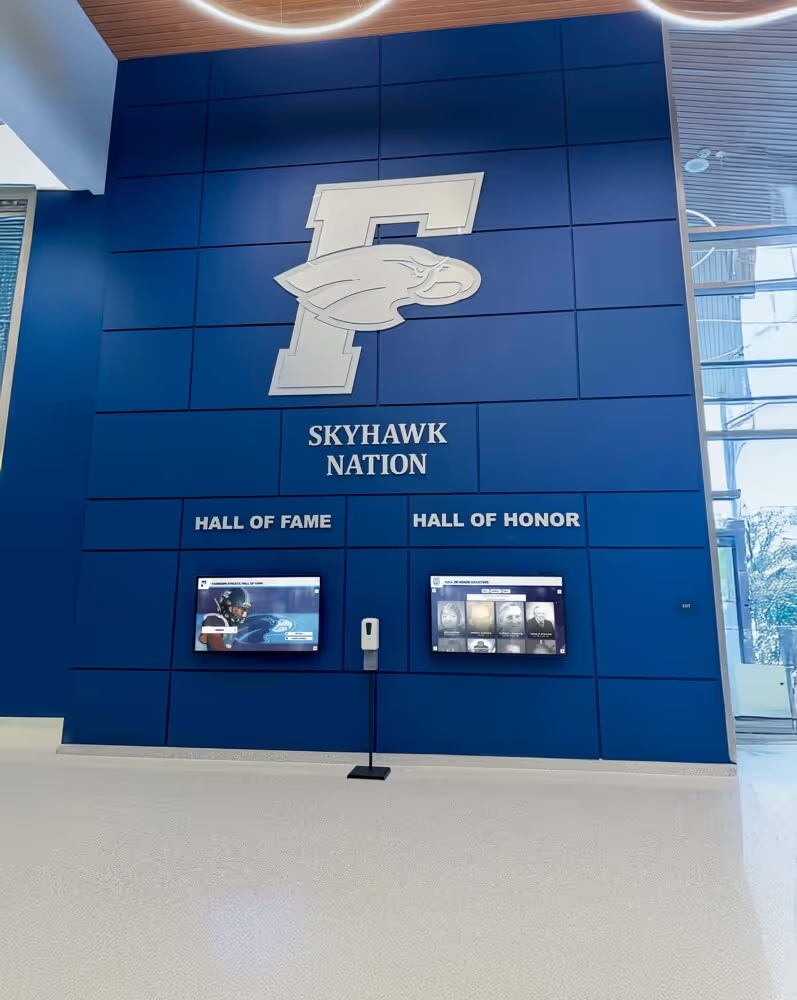
Modern schools increasingly integrate multiple recognition and memory preservation approaches, using digital touchscreens alongside traditional methods to ensure every student’s achievements receive lasting acknowledgment.
Creating Your Own Yearbook Message: Step-by-Step Process
When facing that blank yearbook page, follow this process:
Step 1: Reflect on Your Relationship
Before writing, consider:
- How do you know this person?
- What makes your relationship special?
- What specific memories do you share?
- What do you appreciate about them?
- What do you hope for their future?
Taking a moment to think before writing produces more meaningful messages.
Step 2: Choose Your Tone
Decide on the appropriate tone:
- Humorous: For close friends who appreciate your sense of humor
- Sentimental: For people you’re close to emotionally
- Encouraging: For people facing transitions or challenges
- Grateful: For people who helped or supported you
- Professional: For teachers or mentors
- Balanced: Mix of humor and heart (often the best approach)
Step 3: Start Strong
Begin with an engaging opening:
- Reference a specific memory
- Make a relevant joke
- State your relationship
- Jump right into your message
- Ask a rhetorical question
Avoid generic openings like “Have a nice summer” that could apply to anyone.
Step 4: Include Specific Content
The heart of your message should include:
- Specific memories: “Remember when…”
- Appreciation: “Thank you for…”
- Recognition: “I admire how you…”
- Impact: “You made a difference by…”
- Wishes: “I hope you…”
Specific content personalizes messages and makes them memorable.
Step 5: Look Forward
Acknowledge the future:
- What are you excited about for them?
- What do you hope they’ll remember?
- How do you envision staying connected?
- What potential do you see in them?
Forward-looking content balances nostalgia with optimism.
Step 6: Close Meaningfully
End with a strong closing:
- Restate appreciation or affection
- Circle back to opening theme
- Share final wish or hope
- Sign with appropriate closing (“Love,” “Best wishes,” “Your friend,” etc.)
- Include your name clearly
Step 7: Review Before Finalizing
Read your message before committing:
- Does it sound like you?
- Is it appropriate for the recipient and potential readers?
- Have you spelled everything correctly (especially names)?
- Would you want to receive this message?
- Is your handwriting legible?
Taking a moment to review prevents regrettable messages.
Preserving Yearbook Messages and Memories for the Future
Yearbook messages gain value over time—protecting them ensures lasting preservation:
Physical Yearbook Care
Protect physical yearbooks:
Storage Best Practices
- Store in cool, dry location away from direct sunlight
- Use archival-quality plastic sleeves for especially valuable pages
- Keep away from potential water damage
- Handle with clean hands to prevent oil and dirt transfer
- Consider climate-controlled storage for long-term preservation
Handling Guidelines
- Support yearbook spine when opening
- Don’t fold pages or force book flat
- Use bookmarks rather than folding page corners
- Keep food and drinks away from yearbooks
- Store flat or properly supported—not jammed on shelves
Digital Preservation
Create digital backups of important yearbook content:
Digitization Methods
- Scan or photograph important pages
- Use high-resolution settings for clarity
- Organize digital files systematically
- Store in multiple locations (cloud and physical backup)
- Consider professional digitization services for valuable yearbooks
Digital Advantages
Digital copies provide benefits physical yearbooks can’t offer:
- Easy sharing with family and friends
- Protection against physical damage or loss
- Ability to zoom and enhance text
- Searchable content when using OCR
- Permanent cloud storage
Schools now complement physical yearbooks with digital recognition platforms that preserve student memories permanently while making them accessible to alumni for decades.
Creating Memory Books
Enhance yearbook preservation:
- Create supplementary albums with additional photos and memorabilia
- Include contextual notes explaining inside jokes or references
- Add current thoughts about messages received
- Document where people are now for future reference
- Compile digital slideshow with yearbook highlights
Sharing with Future Generations
Yearbooks become family treasures:
- Share your yearbook with children or future family
- Use messages to tell stories about school experiences
- Explain traditions and contexts
- Connect family members across generations through similar experiences
- Preserve family history through school memories
Preserve School Memories Beyond the Yearbook
Discover how interactive touchscreen displays can help your school create permanent digital archives celebrating student achievements, preserving memories for current students and returning alumni to explore for generations. Complement traditional yearbooks with modern recognition systems that honor every student's unique contributions.
Explore SolutionsThe Lasting Impact of Thoughtful Yearbook Messages
Yearbook messages represent more than end-of-year traditions—they create permanent records of relationships, achievements, and moments that defined formative years. A message written in five minutes can provide comfort during difficult times decades later, spark joyful memories at reunions, or remind someone of their potential when they’ve forgotten it themselves.
The most meaningful yearbook messages share common characteristics: they’re specific rather than generic, authentic rather than performative, balanced between humor and heart, and focused on the recipient rather than the writer. They reference shared experiences that define relationships, acknowledge growth and achievement, and look forward with optimism and encouragement.
Whether you’re a student signing a friend’s yearbook, a parent writing to your graduating senior, or a teacher acknowledging a student’s growth, remember that your words become part of someone’s permanent memory archive. This responsibility need not feel burdensome—rather, it offers the privilege of contributing to someone’s story, of being remembered as someone who saw them, appreciated them, and believed in their potential.
As schools continue evolving how they preserve student memories—combining traditional yearbooks with modern digital recognition systems—the core purpose remains unchanged: honoring students, celebrating achievements, preserving relationships, and creating tangible connections to formative experiences. These memory preservation systems, whether ink on paper or pixels on screens, serve the same fundamental human need to be seen, remembered, and valued.
Take time crafting yearbook messages worthy of the people receiving them. Be specific about what makes each person special. Share genuine appreciation for their impact on your life. Look forward with hope and confidence in their future. And remember that the few minutes you invest in thoughtful message writing create value lasting far beyond the school year they commemorate.
Years from now, when recipients flip through yearbook pages, your message might be exactly what they need to read—a reminder of who they were, validation of their worth, or encouragement to keep going. That’s the extraordinary power of yearbook messages: they transcend time, preserving moments and connections that shaped who we become.
Ready to enhance how your school preserves student memories and achievements? Explore Touch Archive solutions for comprehensive student recognition and memory preservation systems that complement traditional yearbooks with permanent, searchable digital archives. Contact us today to discover how your school can honor every student’s journey through innovative recognition technology accessible to your community for generations.