Athletic Archive Bit-Depth Preservation: Choose Capture Settings for Photos and Audio
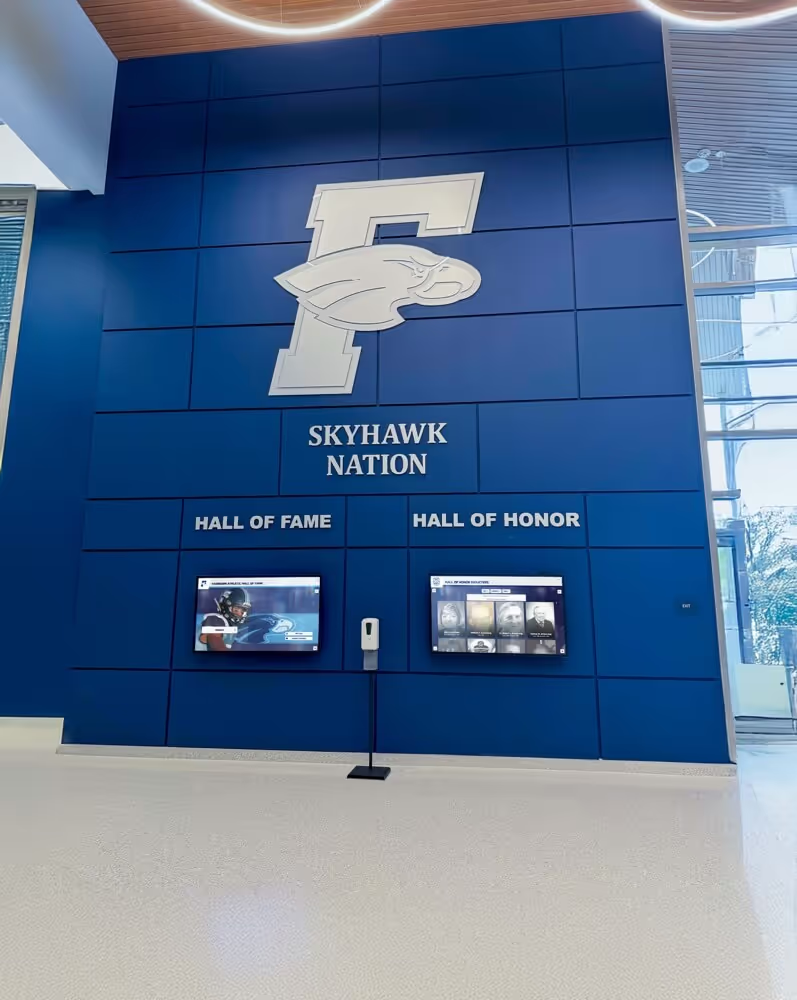
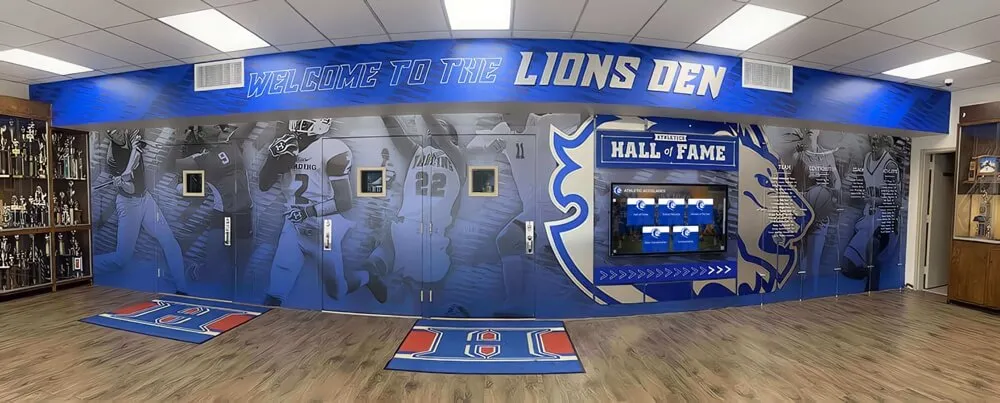
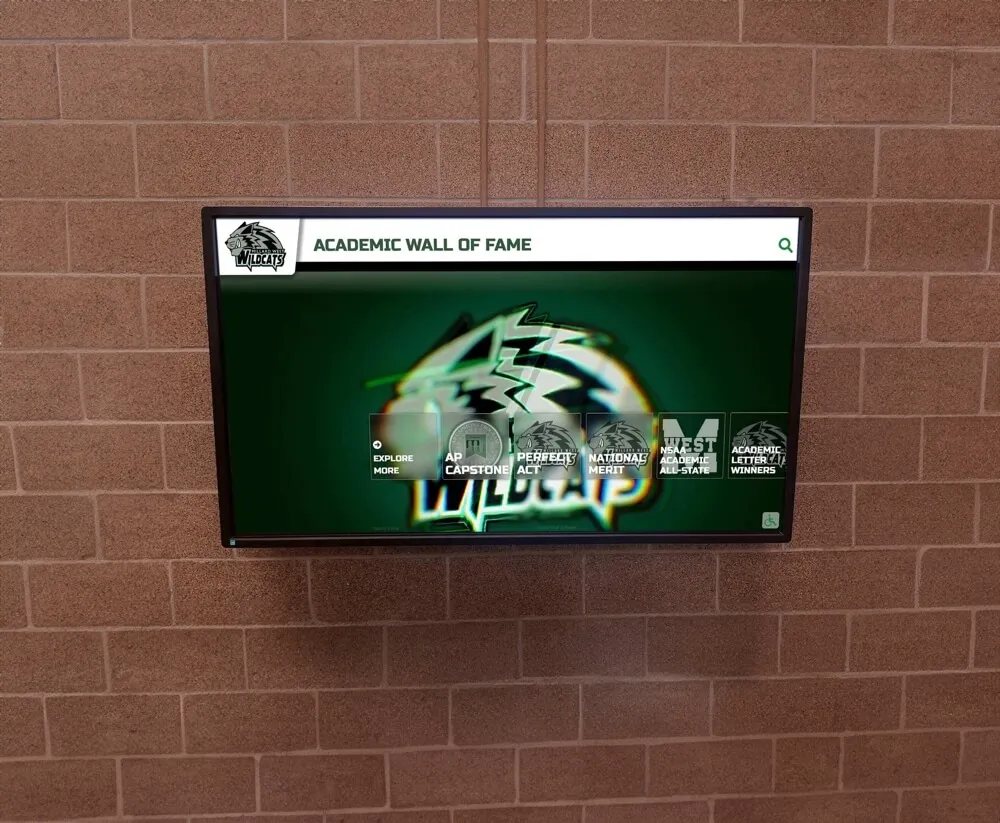
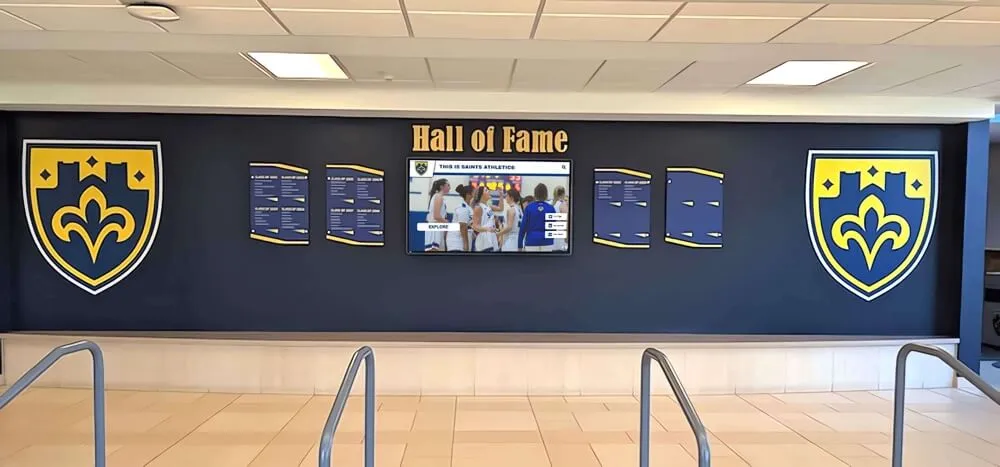
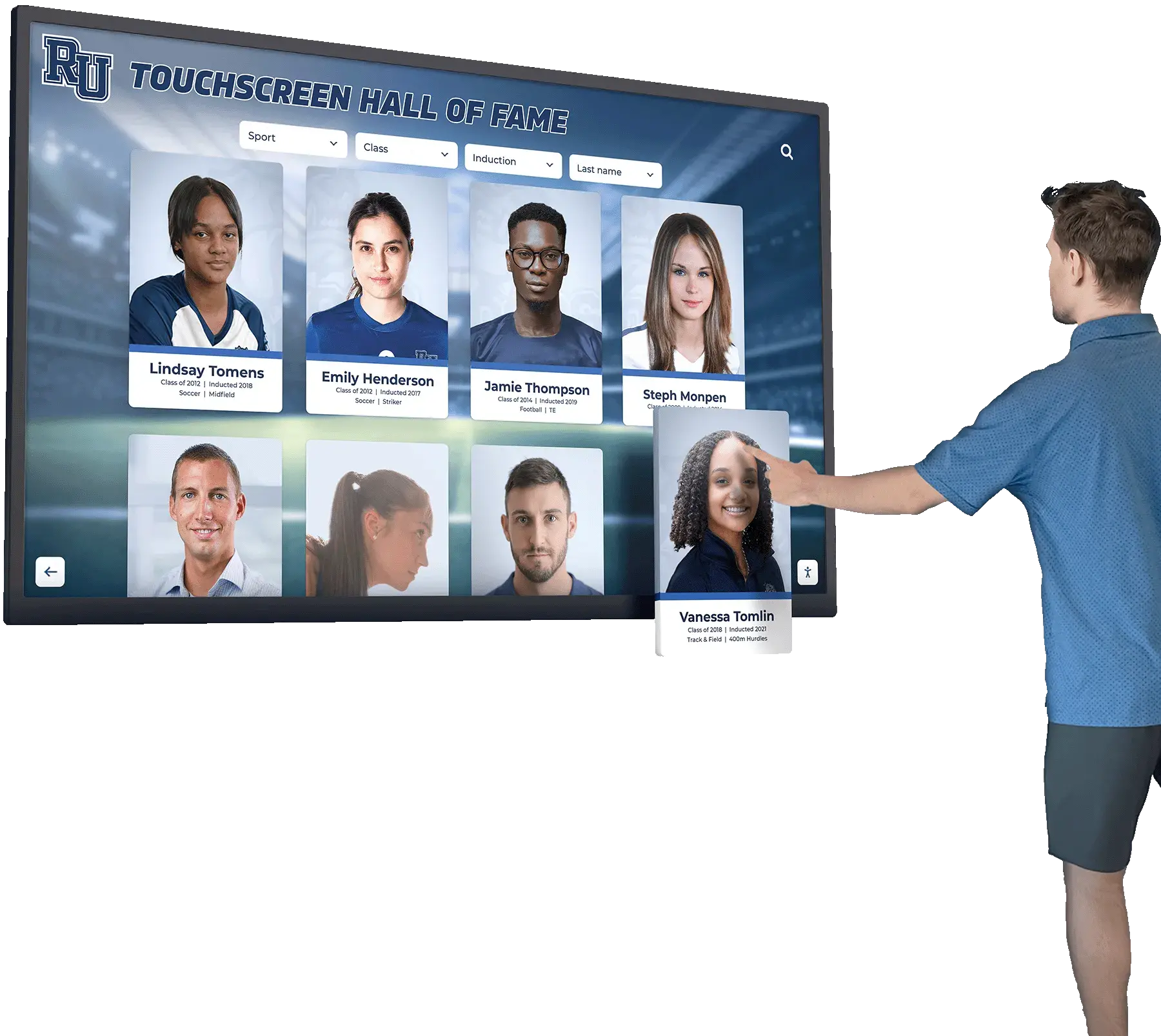
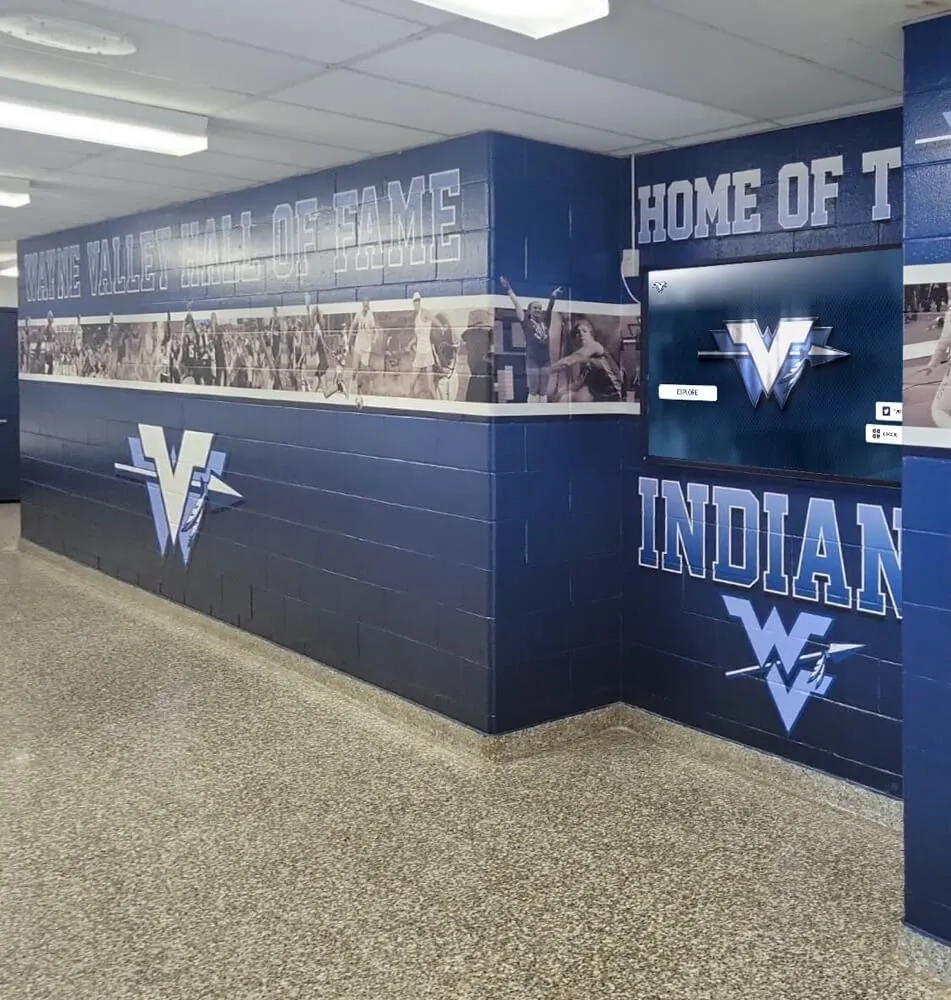
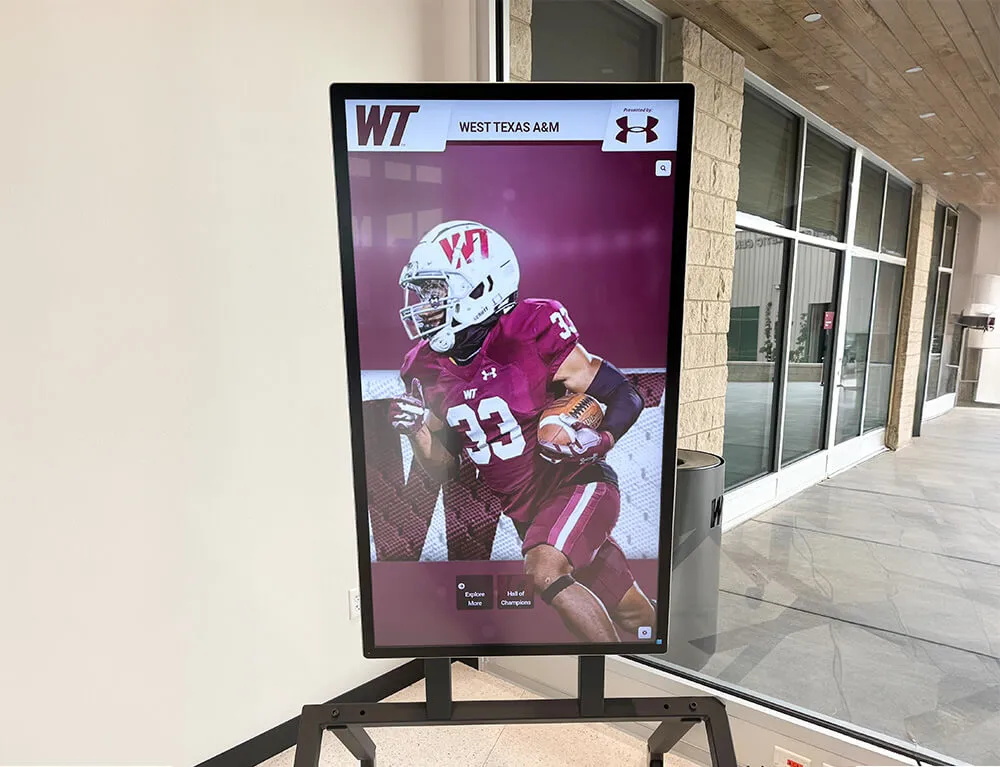
Athletic archive bit depth preservation is the practice of capturing and storing school photos and audio recordings at a sufficient bit depth to retain the tonal gradations and dynamic detail that low-bit-depth files permanently discard. The direct answer: bit depth determines how many distinct values are available to represent the brightness of each pixel in an image or the amplitude of each sample in an audio recording. A photograph captured in 8-bit JPEG compresses 16.7 million possible color values into a fixed output — adequate for social media, insufficient for an archive that will be enlarged, color-corrected, and displayed on a high-resolution touchscreen decades from now. An audio recording captured in 16-bit holds 65,536 amplitude steps across its dynamic range; a 24-bit recording holds 16,777,216 — the difference between quiet crowd murmurs that disappear into the noise floor and quiet crowd murmurs that survive the digitization chain intact. For school athletic programs whose photographs will eventually appear in yearbook layouts, hall-of-fame displays, lobby recognition kiosks, and walls of honor, the bit depth decision made at the moment of capture is the decision that limits every downstream use of that file, permanently and without appeal. This guide explains what bit depth means for both photographic and audio archive content, specifies the capture settings that protect archival quality, walks through the conditions under which lower bit depths are acceptable, and provides decision tables for athletic directors, archive coordinators, IT staff, and facilities teams responsible for maintaining and publishing athletic heritage content.
Read More