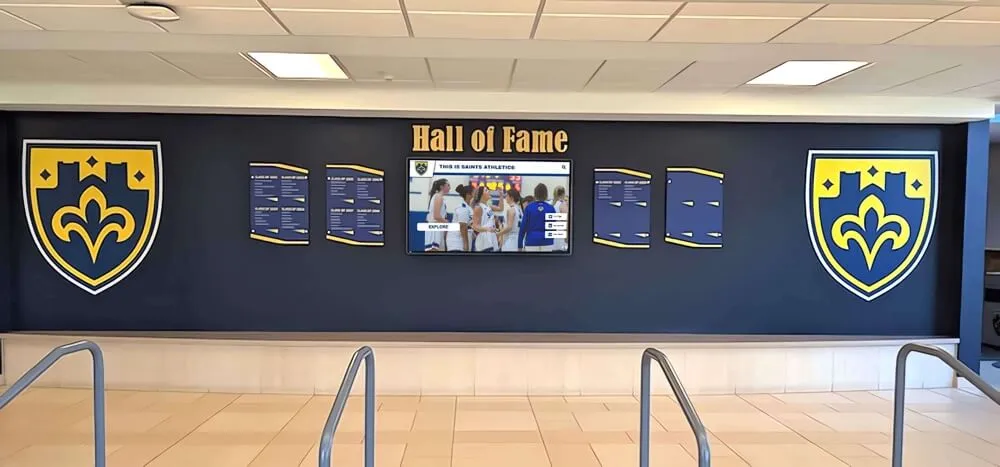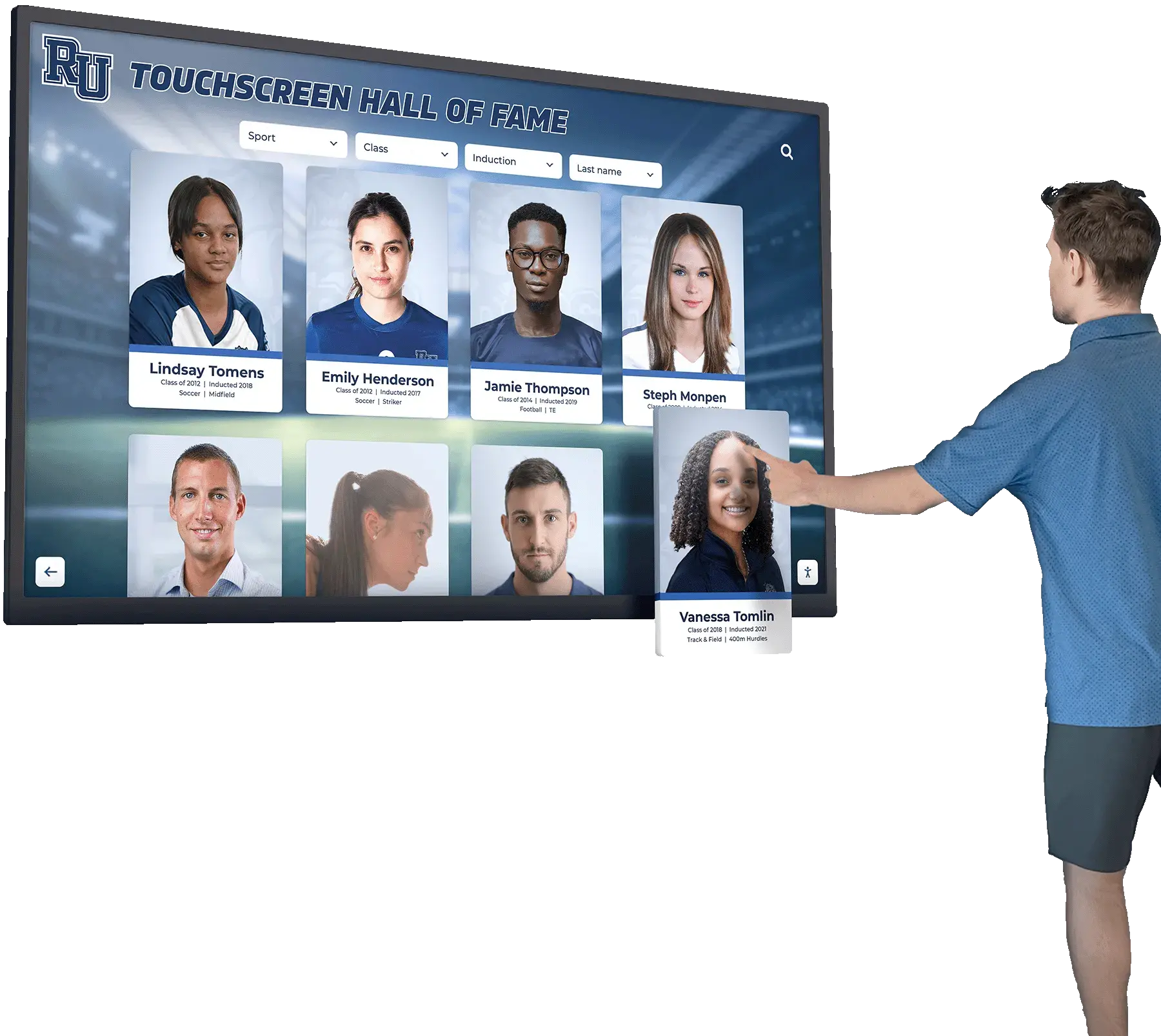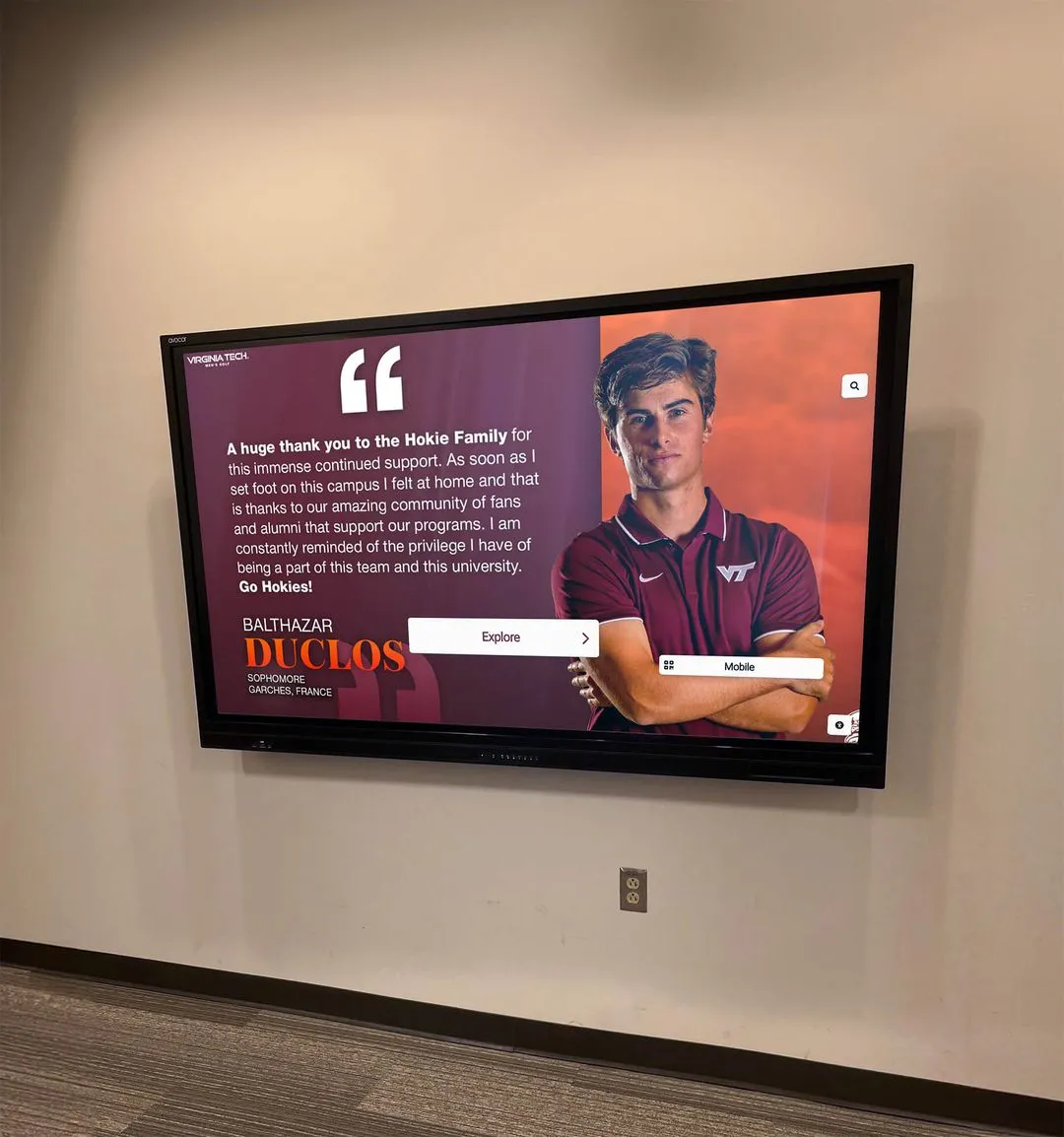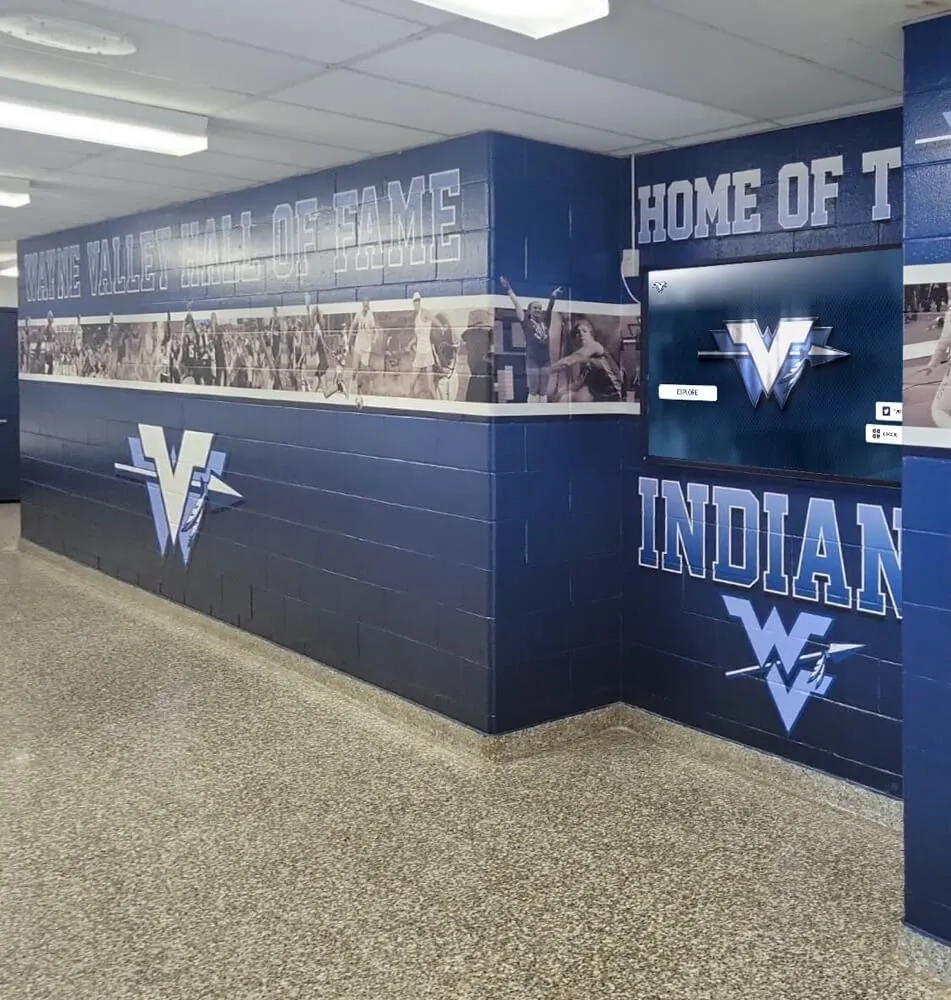
Interactive Touch Screen Digital Signage: How It Works and What You Need
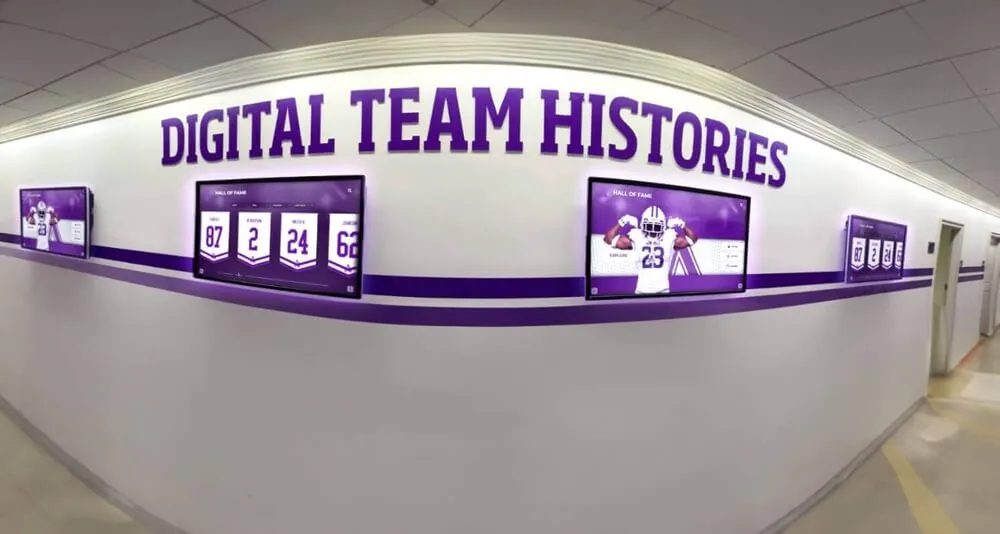
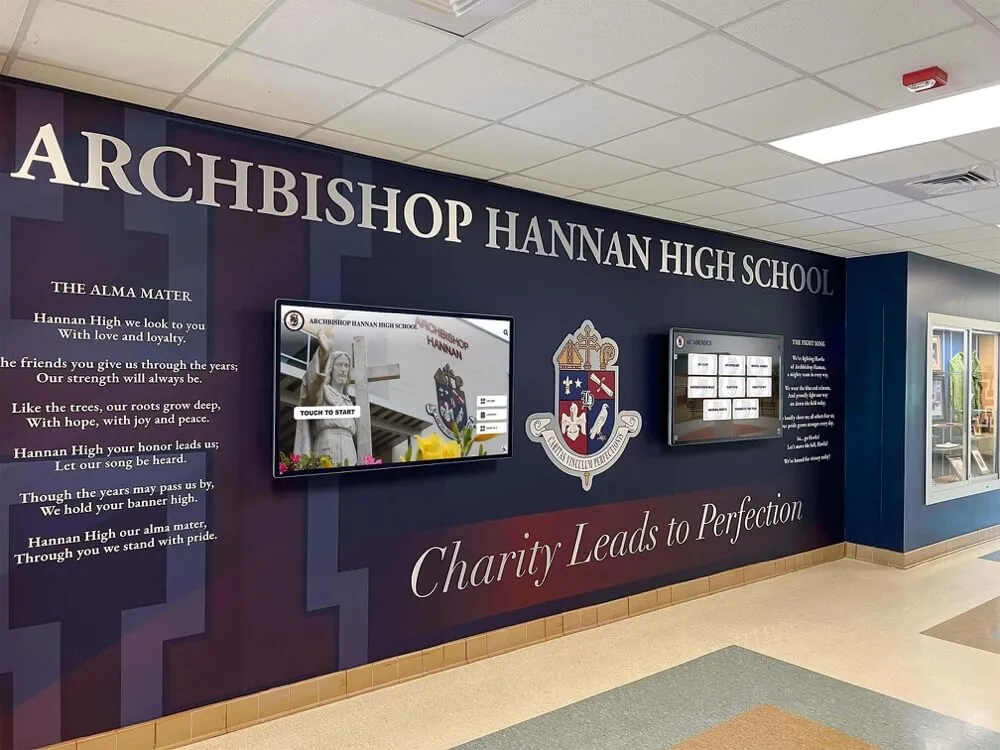
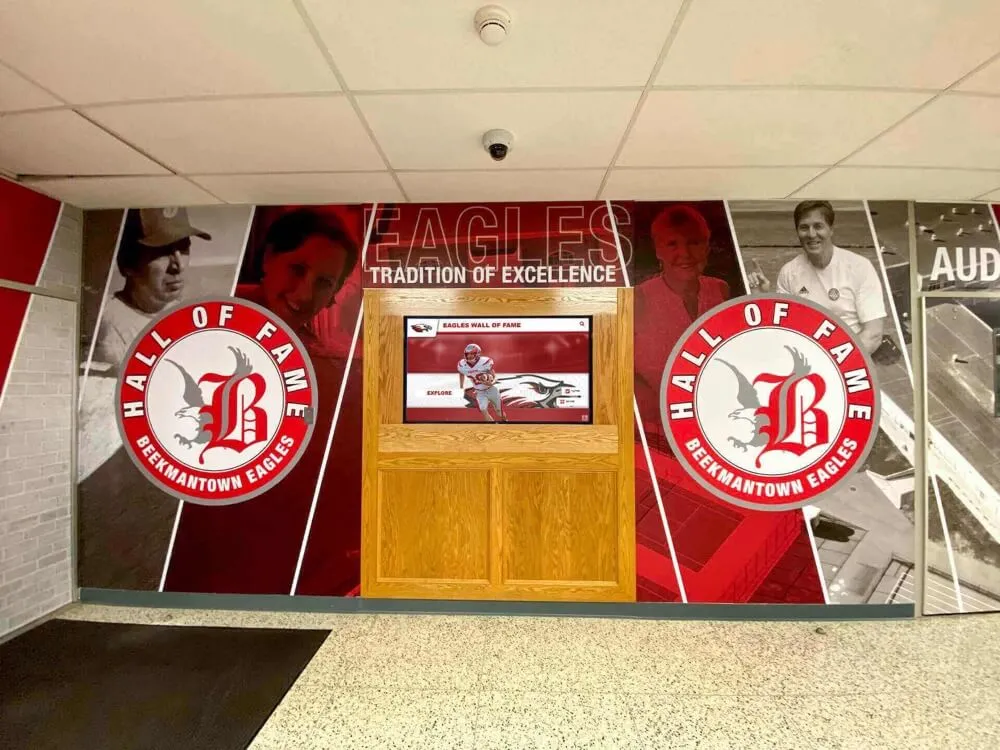
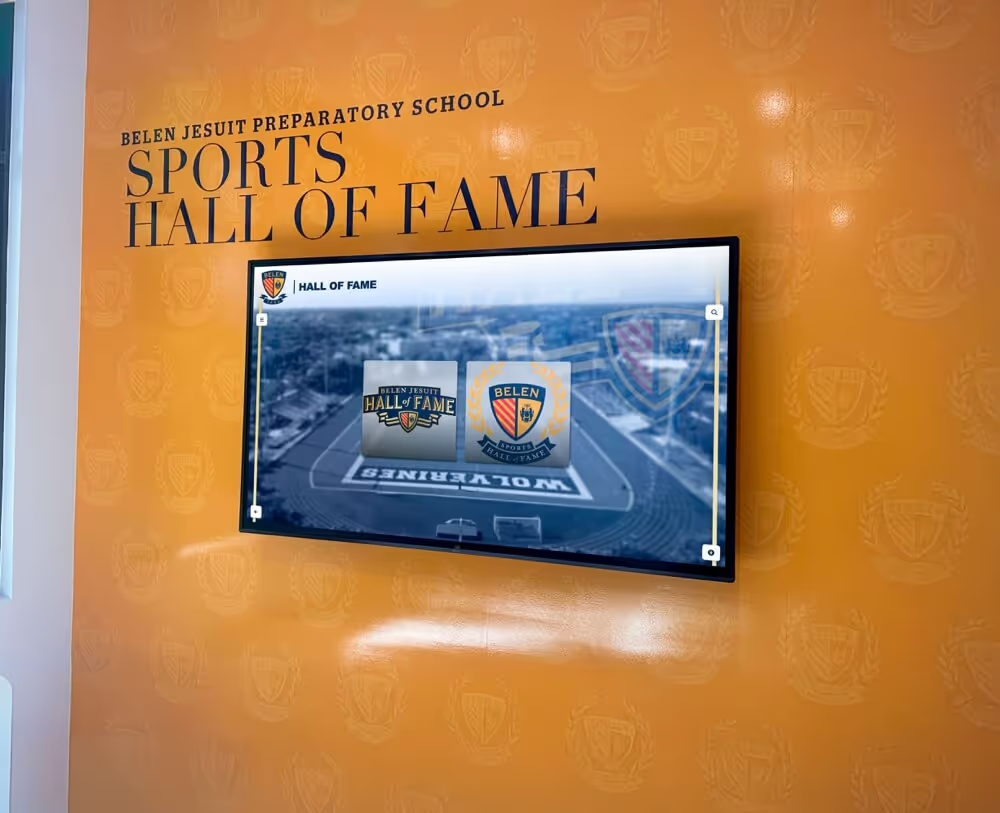
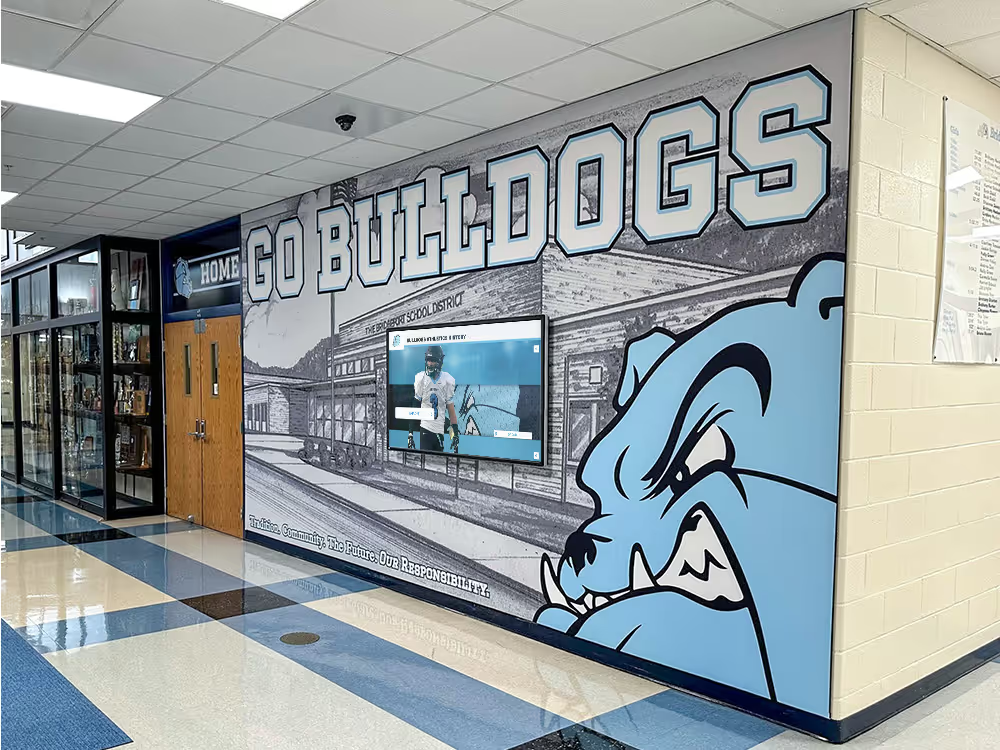
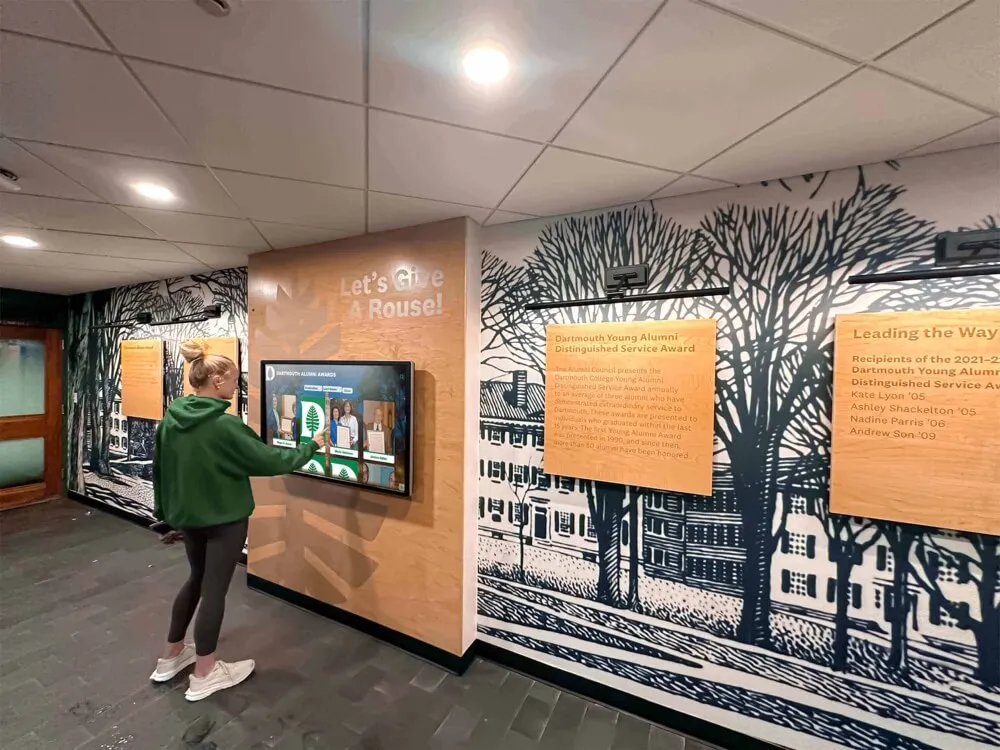
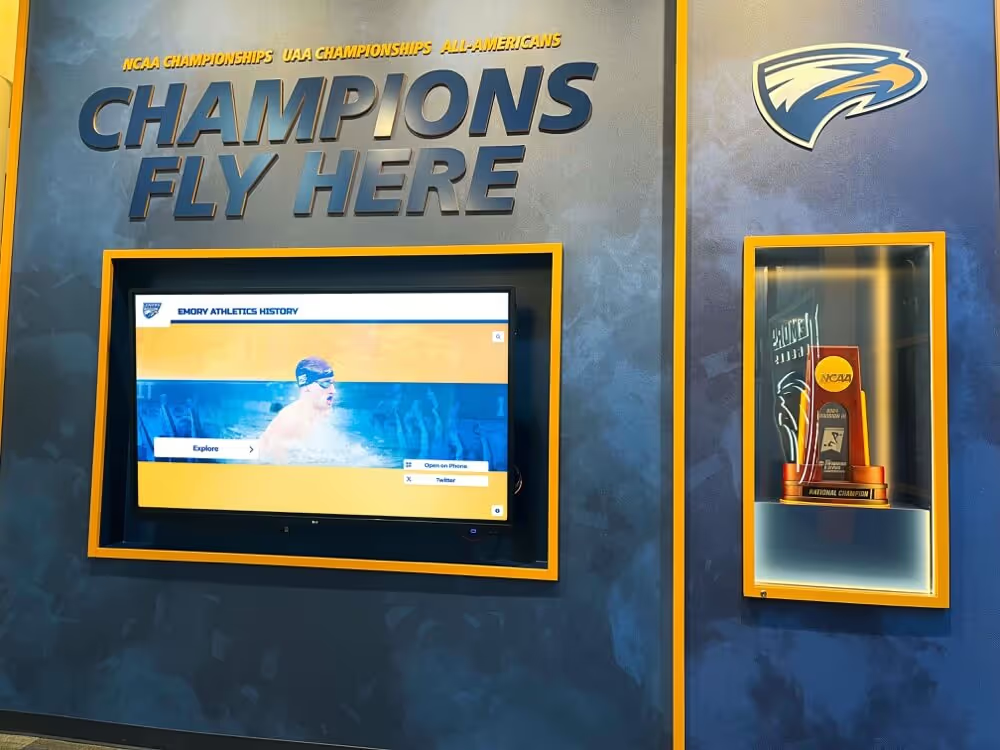
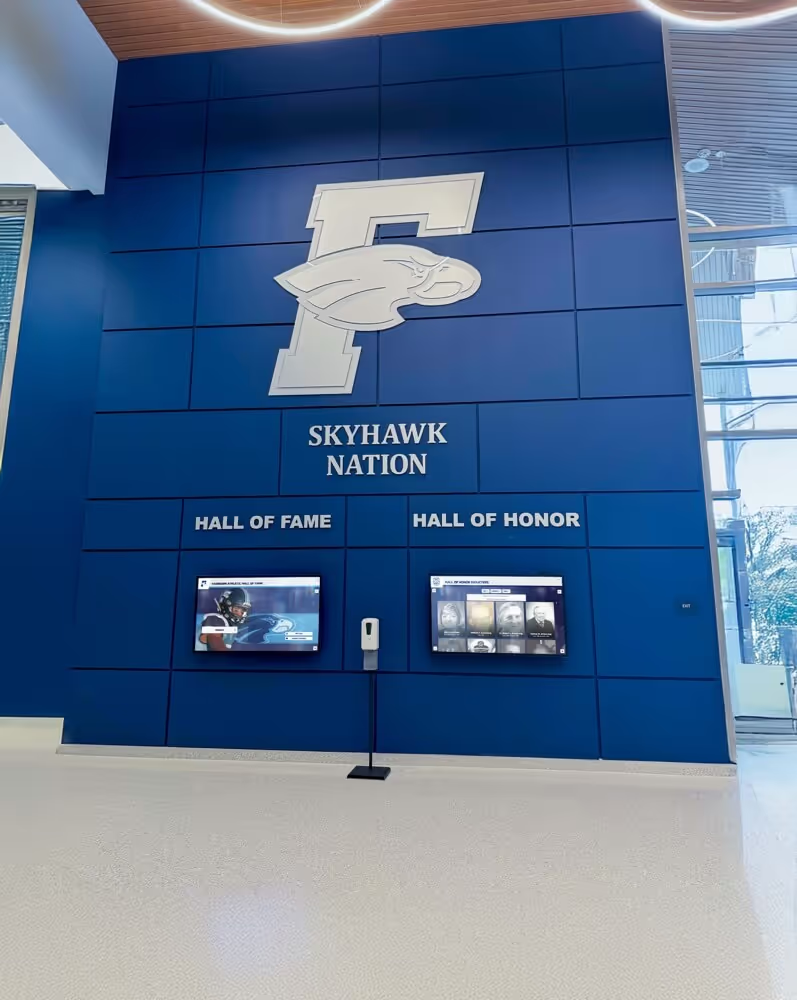
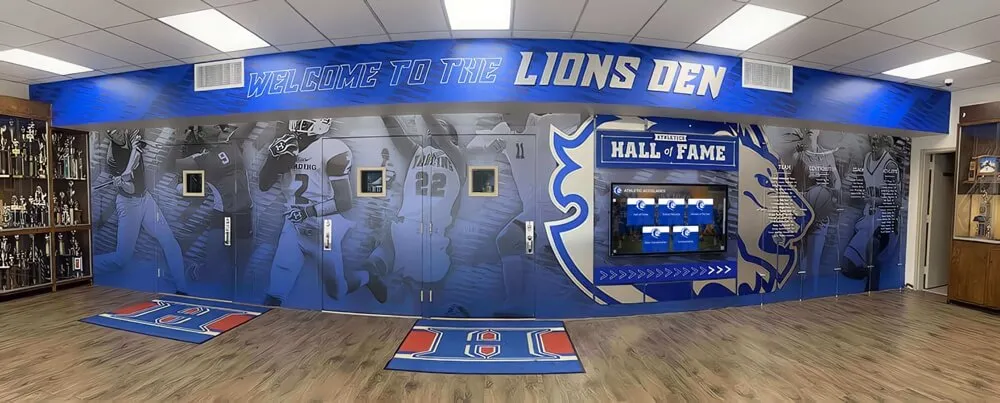
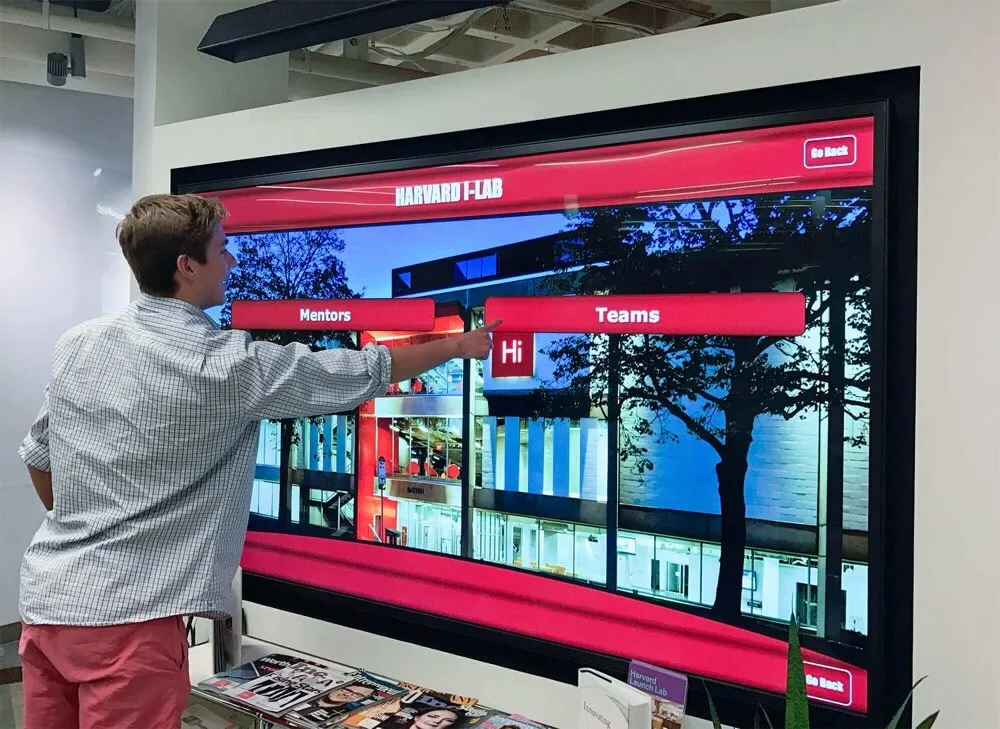
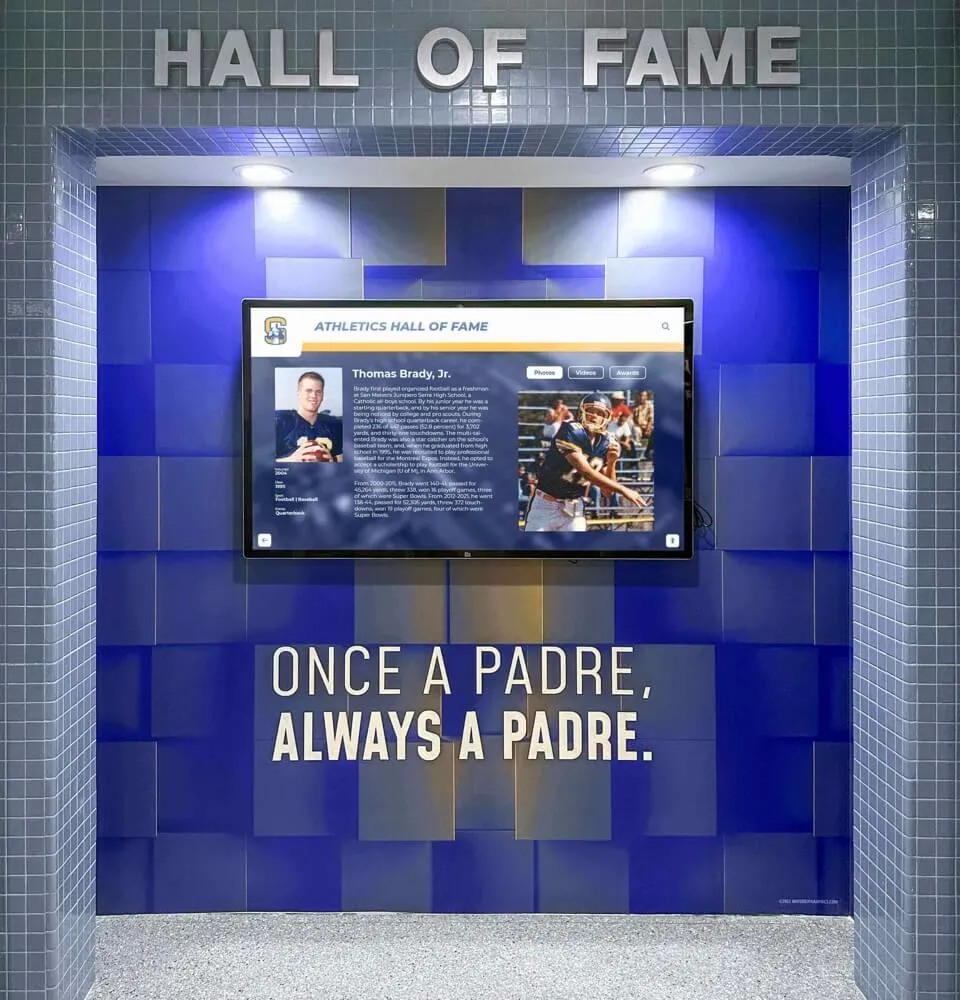
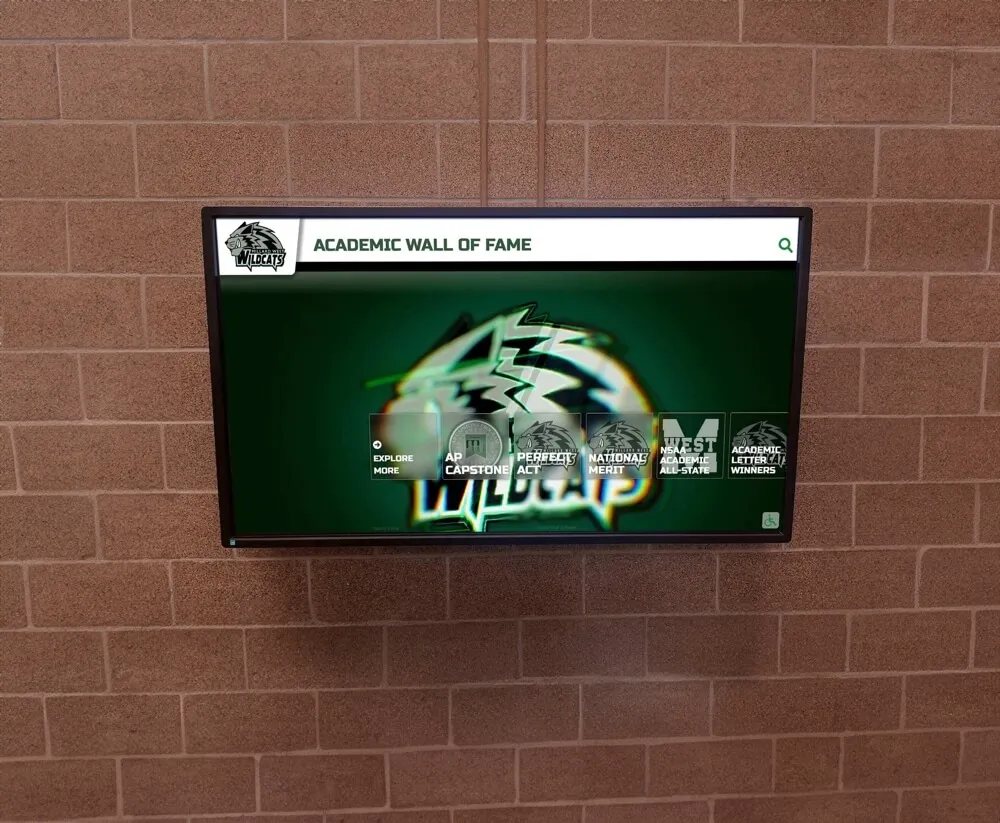
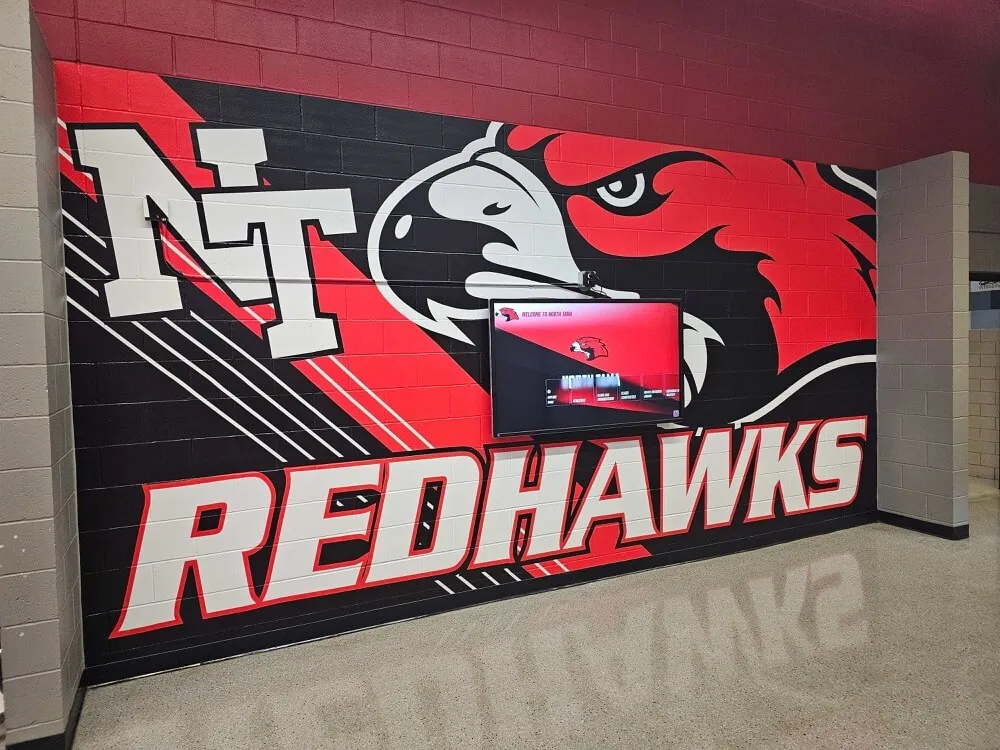
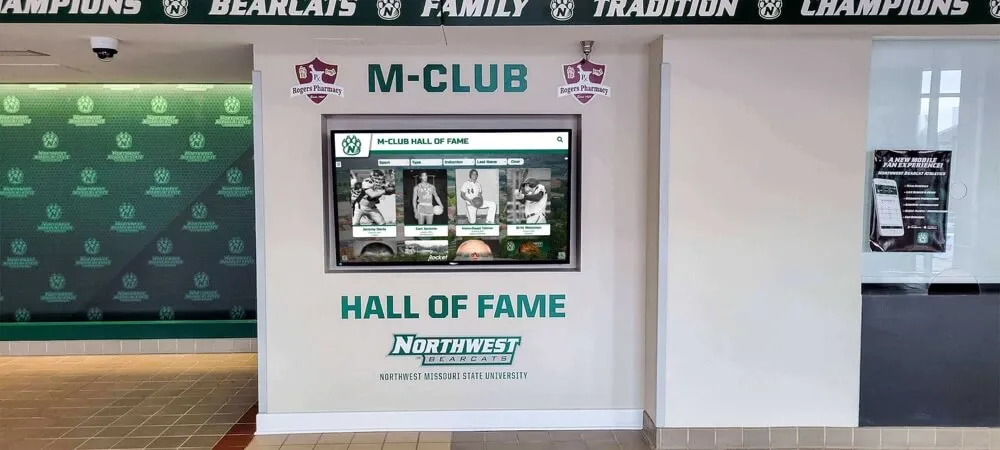
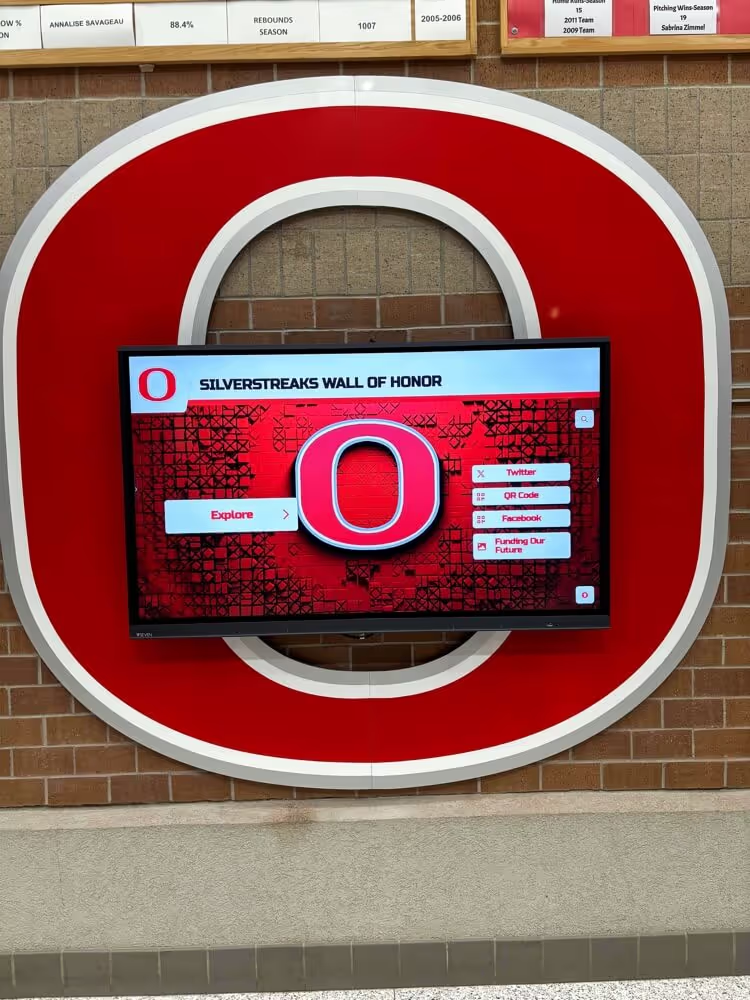
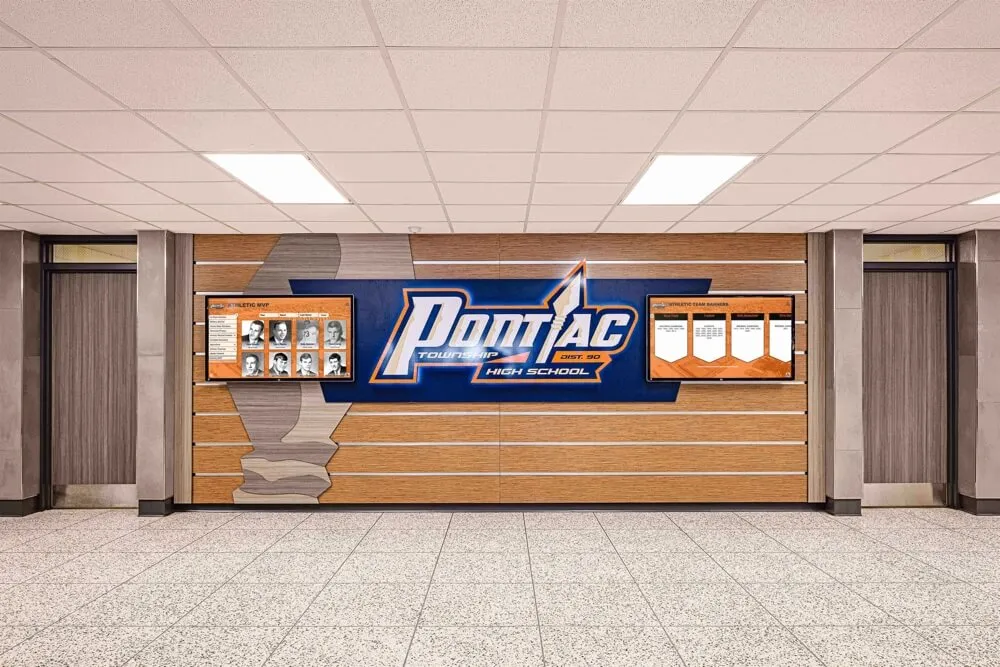
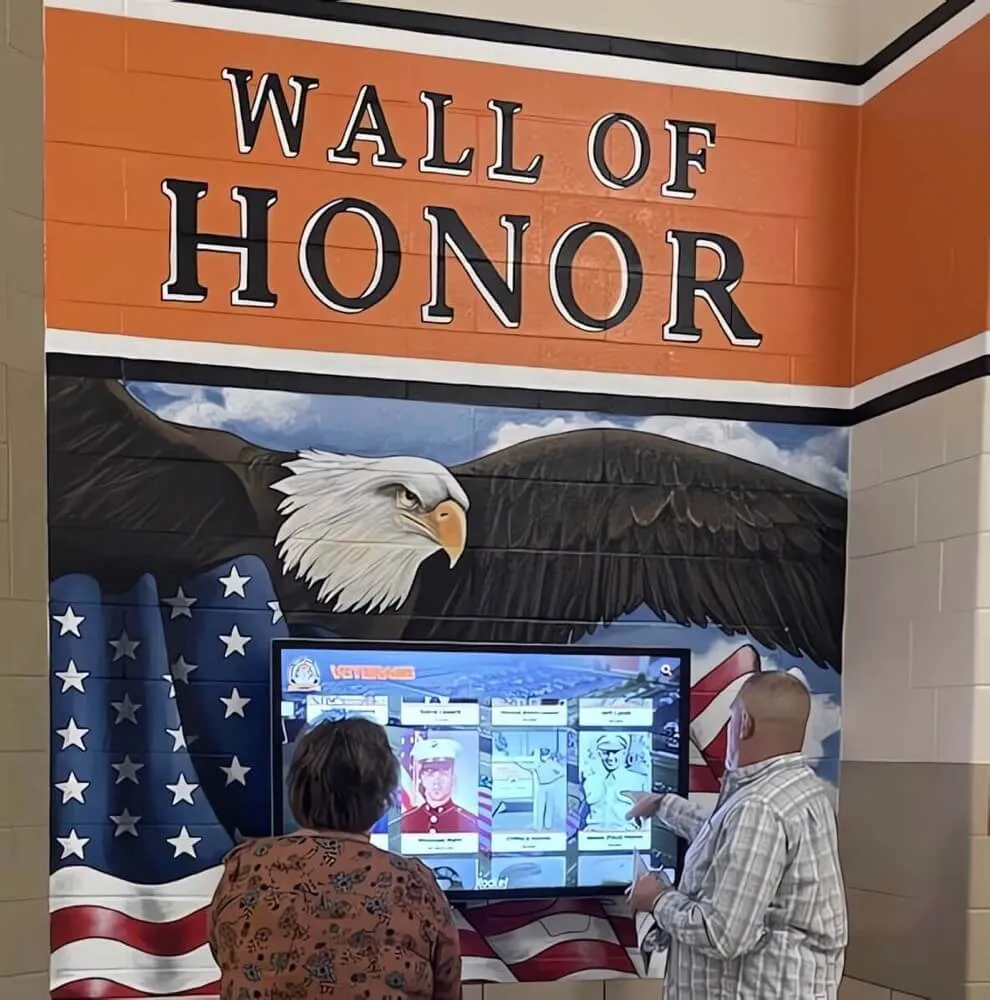
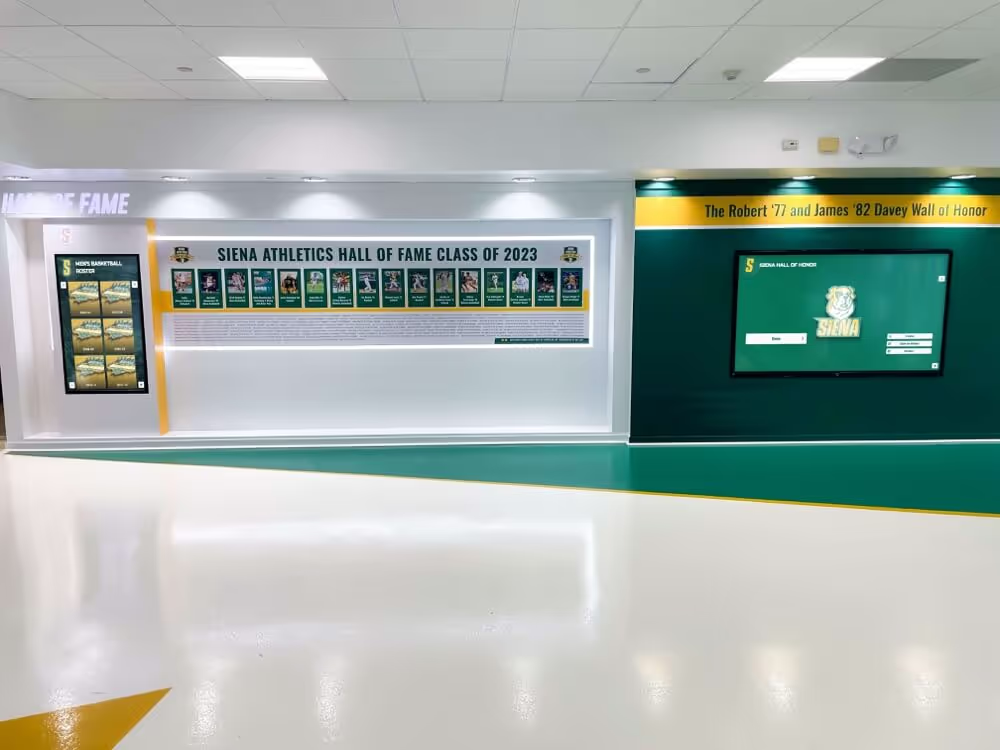
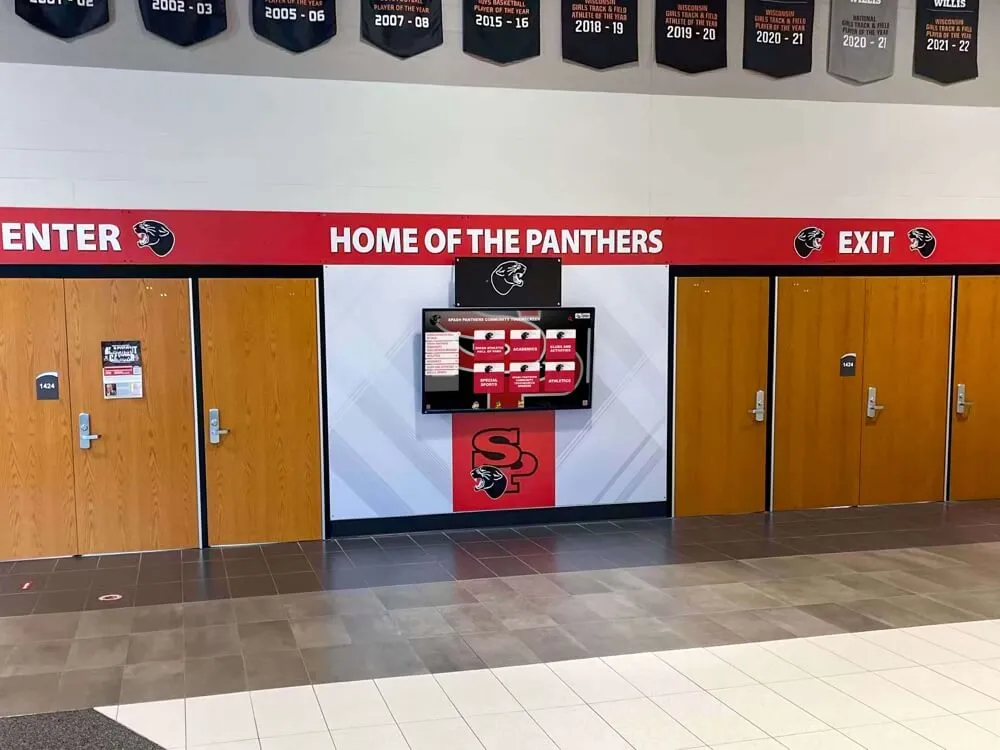
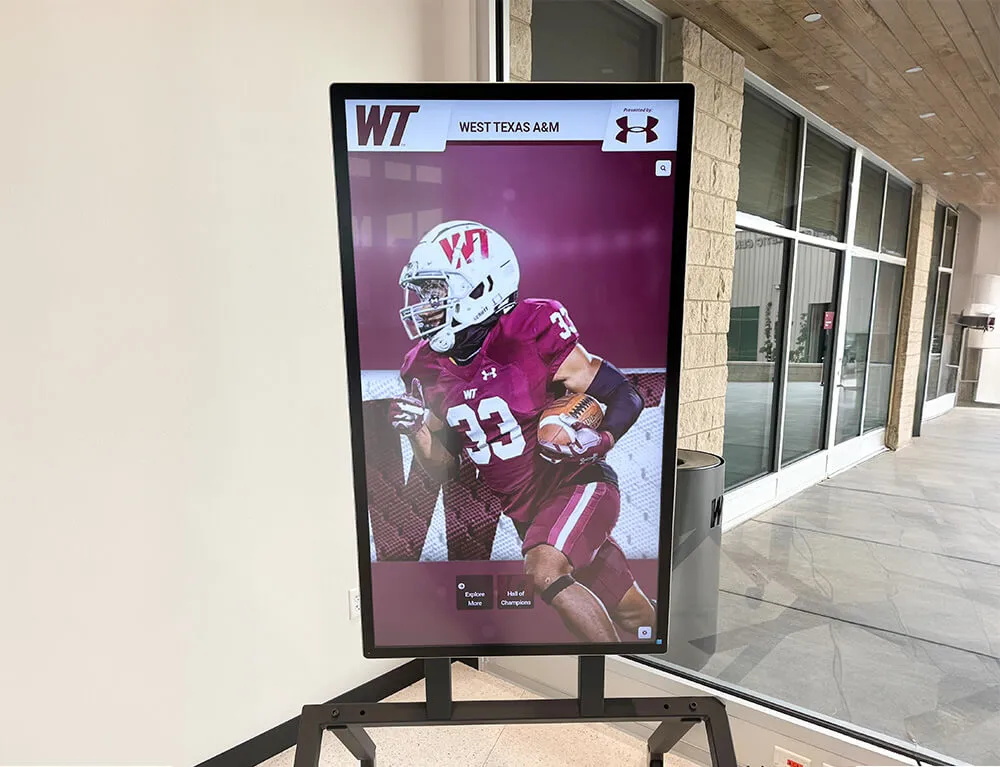
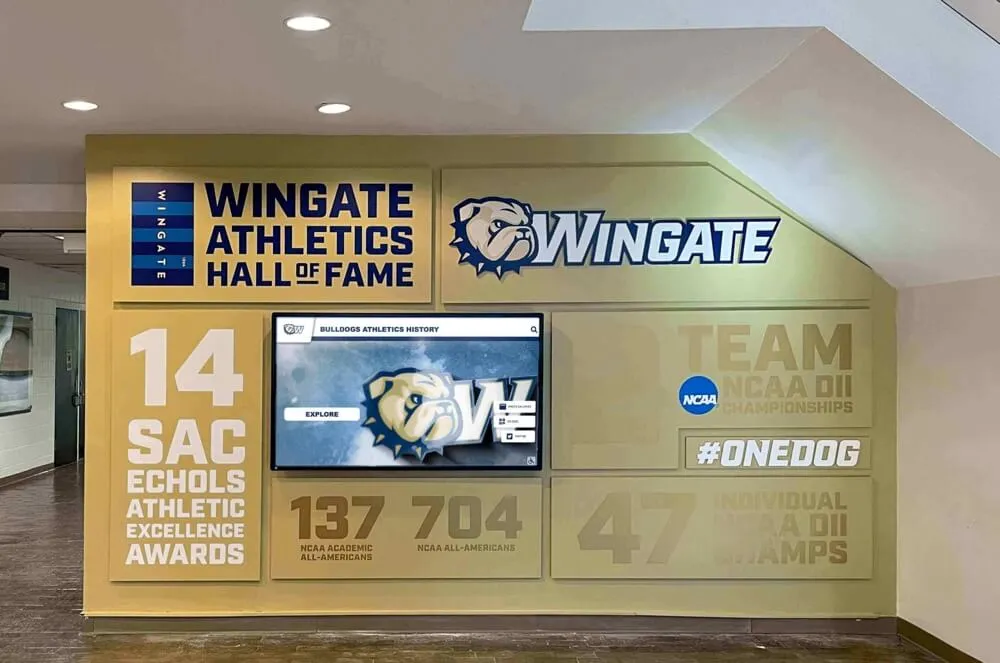
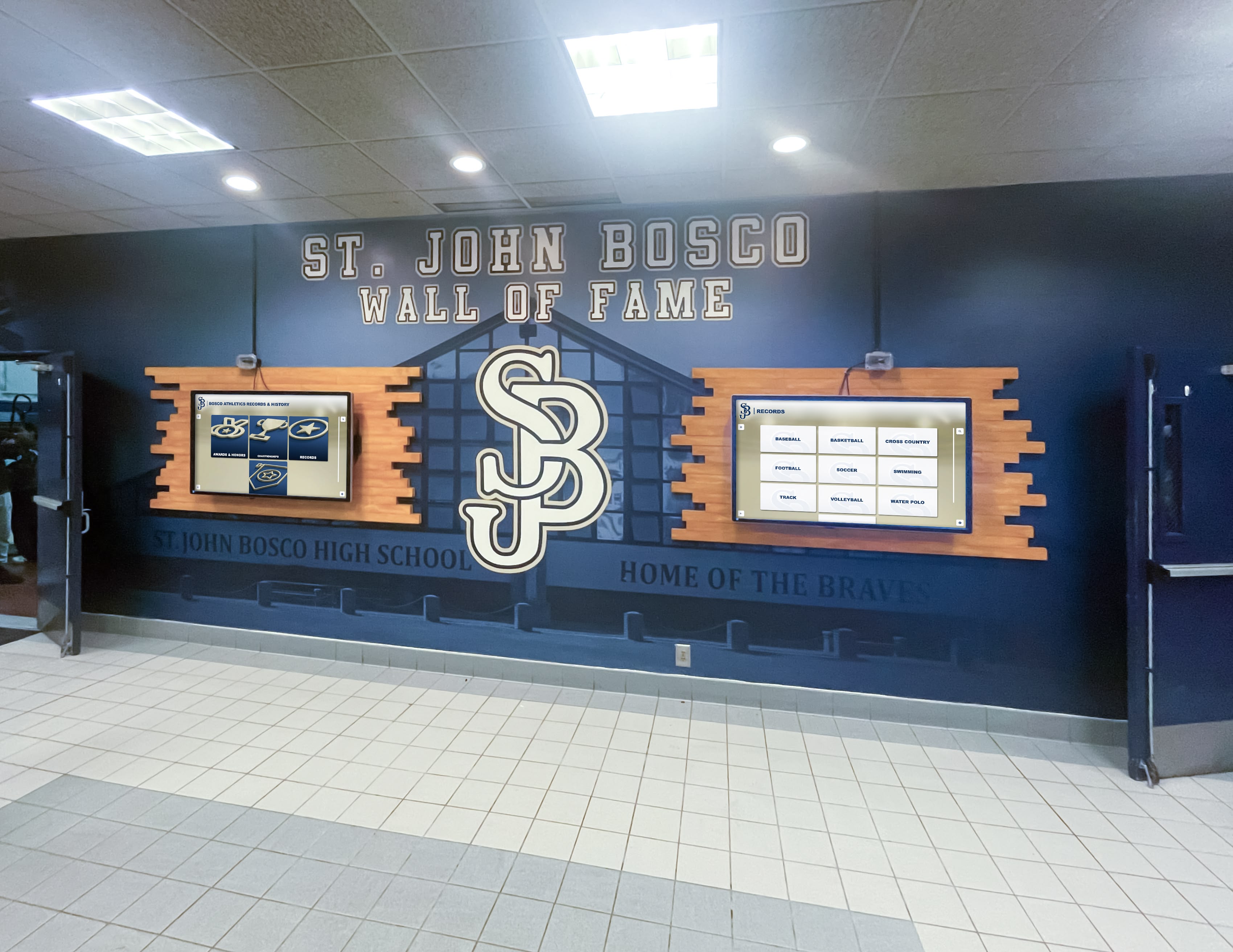
Walk into almost any modern school lobby, museum, or sports facility and you will find at least one interactive touchscreen display. These systems have moved from novelty to standard infrastructure over the past decade, yet many administrators and facilities managers purchase them without fully understanding how the technology works or what a complete installation actually requires.
Read More
Former Athlete Information Form: Collecting Alumni Updates, Photos, and Honors
Recognizing a former athlete without accurate information is a risk most schools discover too late. A name misspelled on a hall of fame plaque, a graduation year that turns out to be wrong, or a championship photo that shows up three sizes too small — these errors damage the credibility of recognition programs and frustrate the alumni you are trying to honor. A well-designed former athlete information form prevents every one of those problems before they occur.
Read More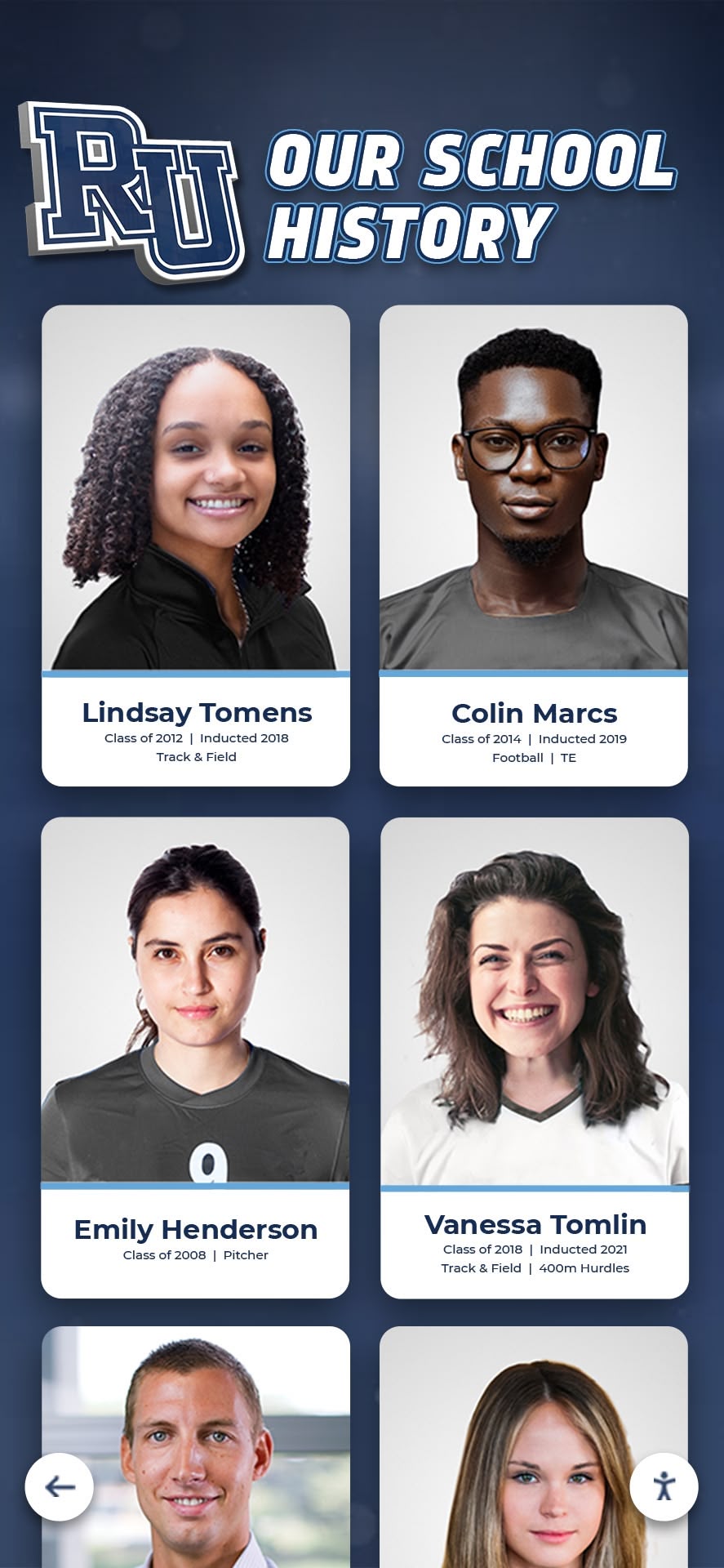
Sports Media Archive: Preserving Photos, Videos, Programs, and Season Stories
Every athletic program generates a remarkable volume of media each season: action photographs, highlight reels, game-day programs, scorebooks, stat sheets, and the written accounts that give those numbers meaning. The challenge isn’t creating this content — it’s making sure it survives, stays organized, and remains accessible ten, twenty, or fifty years from now.
Read More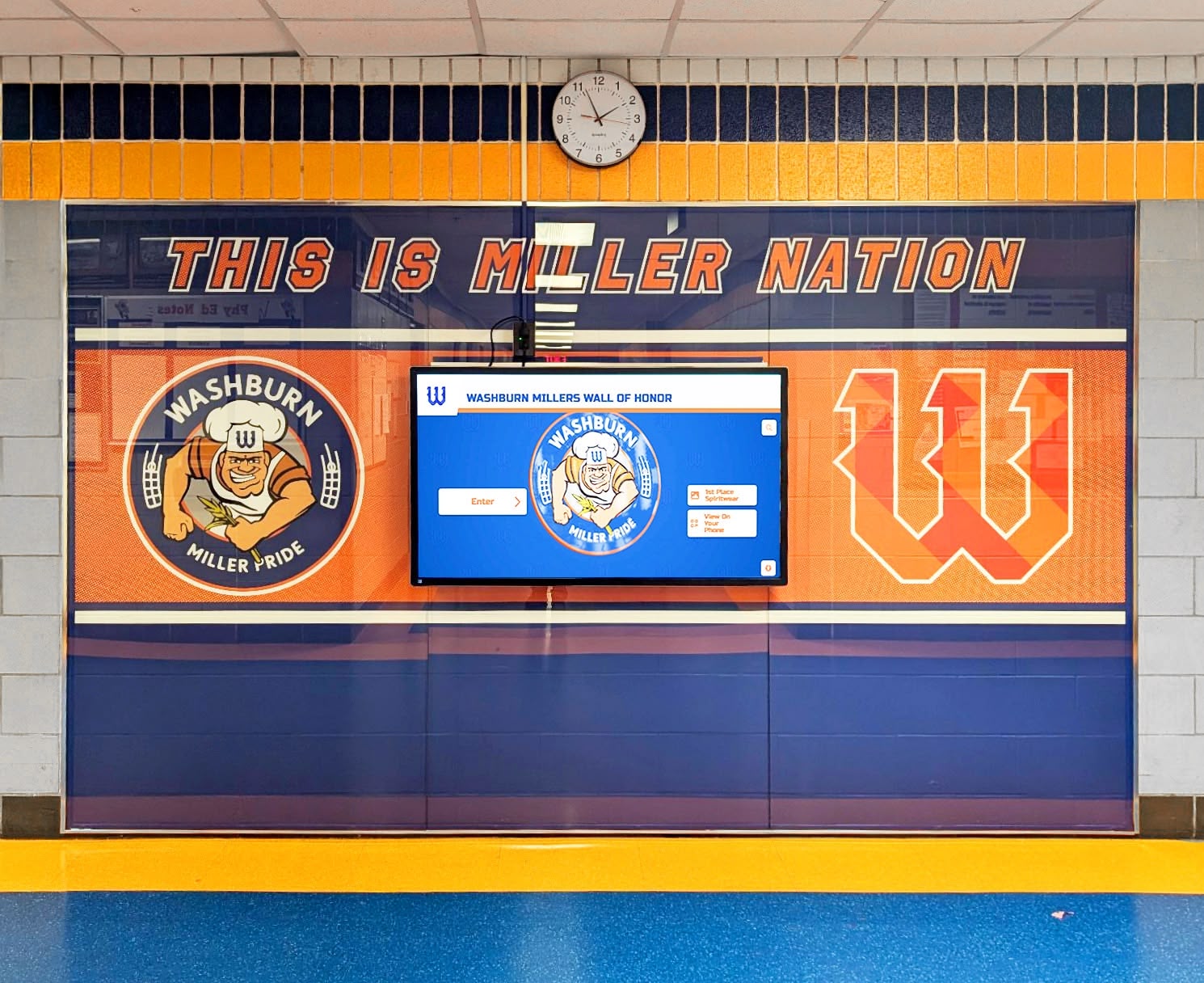
School Newspaper Covers Display: Archiving and Showcasing Front Pages from Decades of School History
Every school newspaper cover tells a story that no other document can replicate. The bold headlines that announced championship victories, election upsets, and community crises represent student journalists at their most focused—distilling months of campus life into a single, arresting front page. Yet most of these covers quietly disappear into recycling bins, damp storage closets, or forgotten file boxes, slowly erasing decades of student journalism from institutional memory.
Read More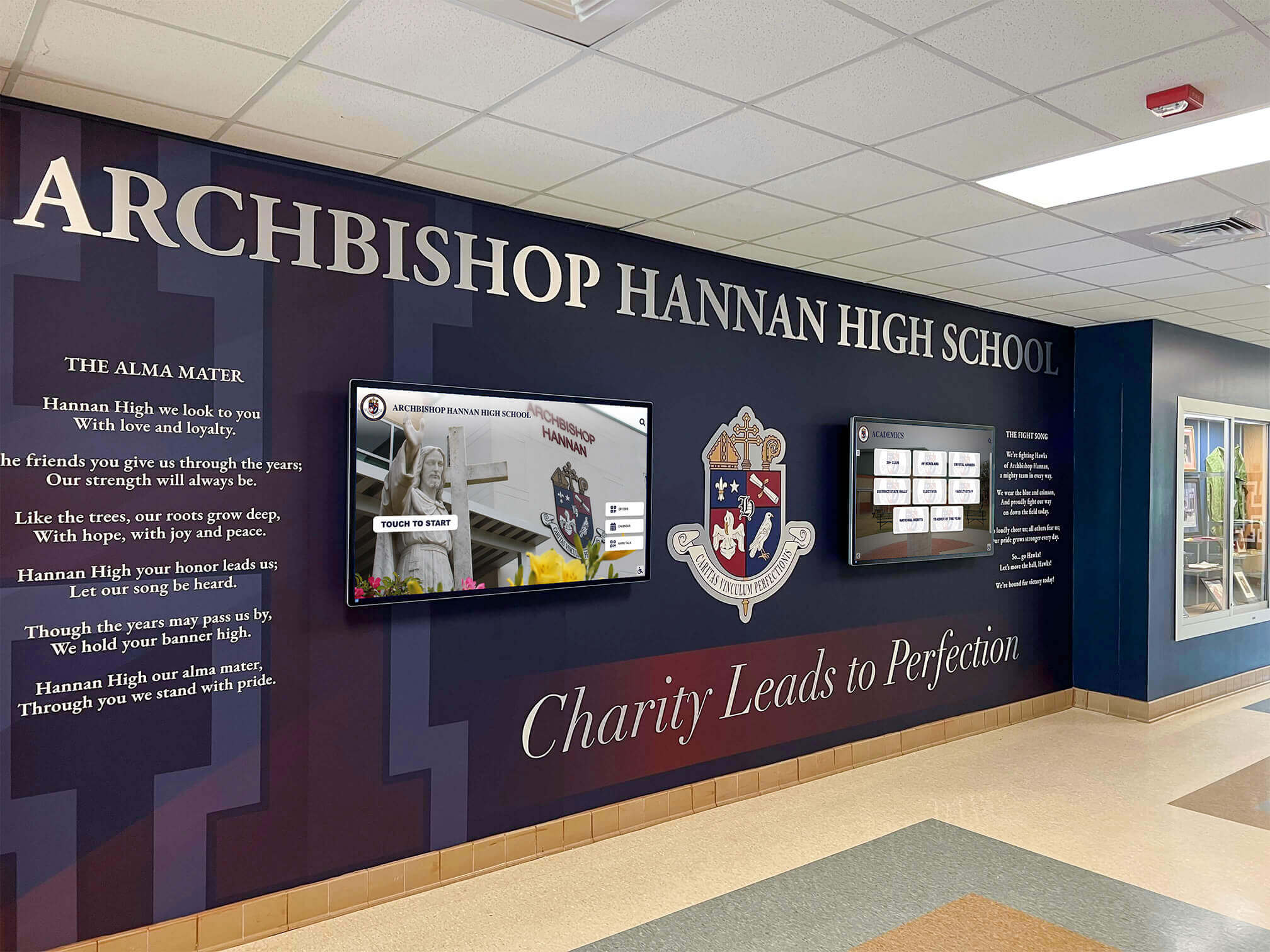
School Newspaper Examples: How Schools Showcase and Archive Student Journalism
School newspapers are some of the most underappreciated archives in any institution’s history. Every issue is a timestamped record of student life, athletic achievement, campus events, and community voice—a primary source that yearbooks supplement but never replace. Yet most schools treat their student publications as disposable current-events documents rather than the institutional records they actually are. This guide presents school newspaper examples across ten distinct formats and approaches, followed by practical strategies for archiving and showcasing student journalism so it continues serving the school community long after each issue’s original audience has graduated.
Read More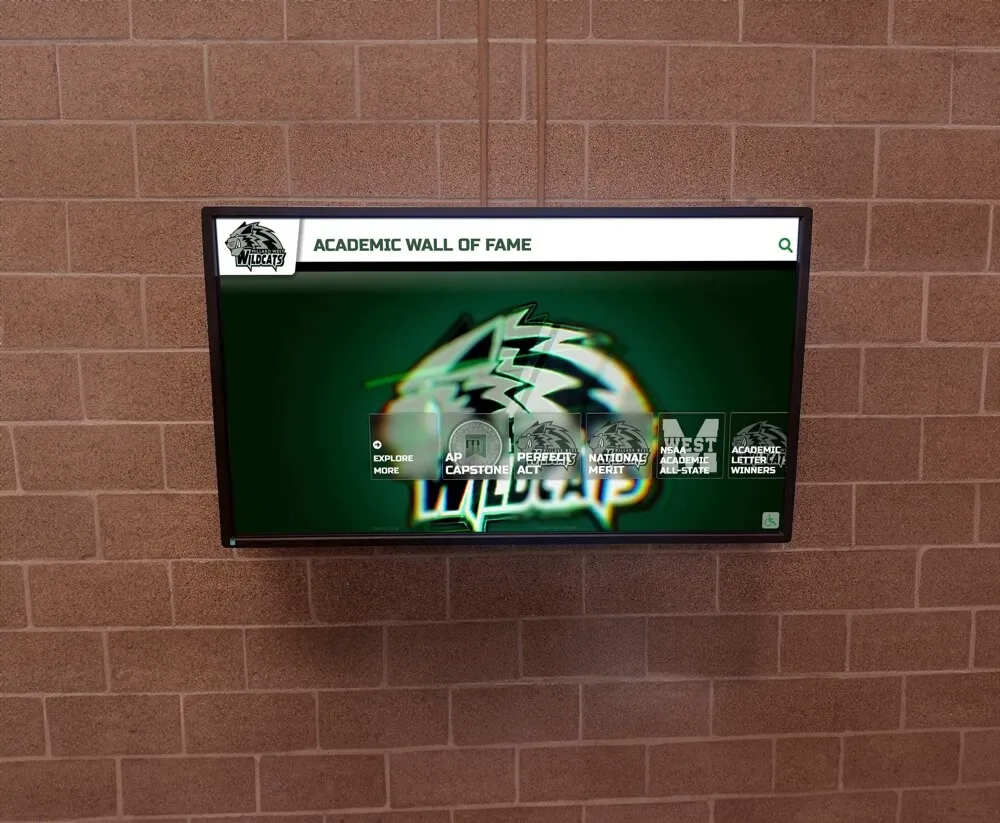
School Memory Book Ideas: How K-12 Programs Preserve Class Memories and Recognize Milestones
Every school year carries moments worth saving forever — the kindergartner who finally mastered reading, the middle schooler who found their voice in drama class, the senior who crossed the stage at graduation surrounded by the community that watched them grow. A school memory book captures these moments before time and changing faces allow them to fade. For K-12 programs across the country, creating meaningful memory books has become both an art and a strategic priority, evolving far beyond simple photo albums into rich, multi-layered archives that serve students, families, and future generations.
Read MoreYearbook Layout Ideas: 25 Designs Schools Are Using This Year (Plus Digital Preservation Tips)
Every spring, yearbook advisors and student editors face the same creative challenge: designing layouts that capture the energy, diversity, and personality of an entire school year within limited pages. Traditional grid-based spreads compete with modern asymmetric designs, minimalist approaches clash with maximalist photo collages, and the pressure to create something fresh—yet timeless—weighs on every design decision.
Read MoreBookcase Yearbook Scanning Explained: A Coordinator's Guide to High-Volume Archive Digitization
School archivists and alumni coordinators face a common challenge: decades of yearbooks gathering dust in storage rooms, their pages yellowing and bindings deteriorating while the memories they contain become increasingly inaccessible. A high school with fifty years of yearbooks means potentially thousands of pages documenting student achievements, team photos, and institutional history—all trapped in physical format, viewable only to those who can physically access the archive room.
Read MoreDAM for Schools: Complete Guide to Digital Asset Management for Educational Institutions
Schools generate enormous volumes of digital assets every year. Championship photos capture decades of athletic excellence. Yearbook archives document generations of graduates. Event photography preserves institutional memory. Historical documents record your school’s evolution. Faculty photos, student artwork, performance recordings, facility images—the list expands constantly.
Read More
How to Preserve Old School Photos Digitally: A Complete Archive Guide
Old school photographs hold irreplaceable memories—championship teams celebrating victories, graduating classes assembled on gymnasium steps, beloved teachers captured mid-lesson, and candid moments from decades of dances, assemblies, and athletic events. These images document institutional history, preserve individual memories, and connect current students with the legacy of those who came before them. Yet physical photographs deteriorate over time—colors fade, paper yellows, surfaces crack, and water damage or simple mishandling can destroy decades of history in moments.
Read More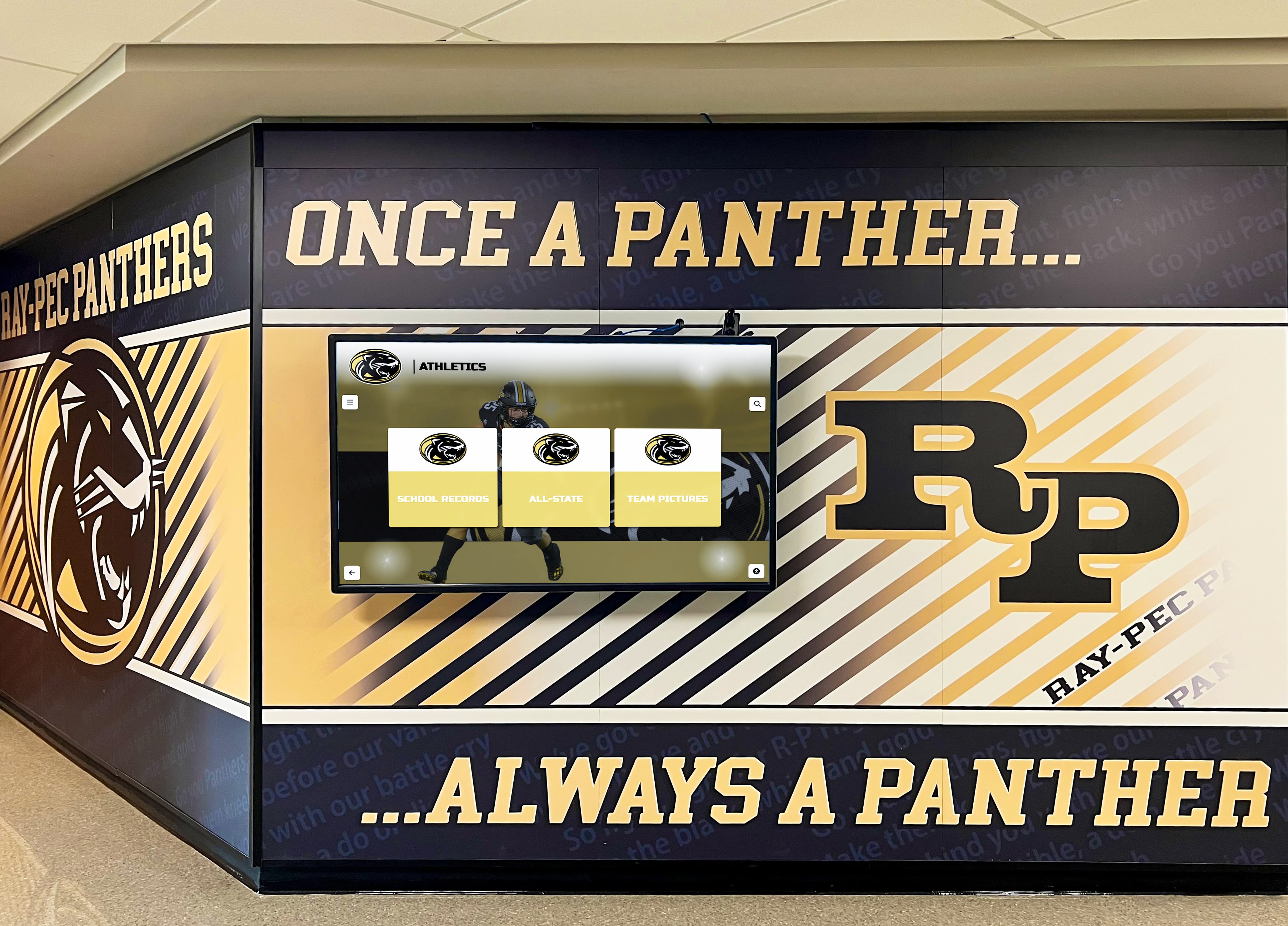
School Picture Wall Ideas: From Physical Hallway Displays to Digital Archives
School picture walls transform ordinary hallways into vibrant showcases celebrating student achievement, preserving institutional history, and creating visual connections between past and present generations. From traditional bulletin boards displaying senior class portraits to sophisticated digital archives accessible at the touch of a screen, picture walls serve as permanent reminders that every student matters and every accomplishment deserves recognition.
Read More
Best Touchscreen Hall of Fame Solutions for 2026: Complete Buyer's Guide
Schools, universities, sports organizations, and cultural institutions face mounting pressure to preserve institutional history while creating engaging recognition experiences. Traditional plaques and trophy cases served adequately for generations, but space limitations, maintenance requirements, and accessibility concerns have exposed significant shortcomings in physical recognition systems.
Read MoreDigital History Archive: Preserve and Display Institutional Legacy Through Interactive Technology
Schools, museums, universities, and institutions face a pressing challenge: preserving decades or centuries of historical records, photographs, documents, and artifacts while making these materials accessible to students, researchers, alumni, and visitors. Traditional preservation methods—storing physical materials in climate-controlled rooms, displaying select items in cases, or maintaining printed archives—provide limited access and require significant ongoing resources.
Read More
Interactive Touchscreens for Museums & Galleries: The Complete 2026 Guide to Digital Exhibits
Museums and galleries face a defining challenge in 2026: how to present historical artifacts, cultural heritage, and educational content in ways that engage digital-native visitors accustomed to smartphones, tablets, and instant interactive experiences. Static display cases and printed placards no longer capture attention or facilitate the deep learning experiences modern audiences expect.
Read More