Athletic Archive Microfilm Storage Checklist: Inspection, Handling, and Digitization Triggers
An athletic archive microfilm storage checklist is a structured inspection and handling guide that school administrators, athletic directors, facilities managers, archive coordinators, and IT teams use to evaluate the physical condition of microfilm rolls and microfiche containing legacy athletic content — school newspaper athletic coverage, statistical record ledgers, program newsletters, yearbook sections, and booster association publications — before those materials are handled, loaded on a reader, or sent to a digitization vendor. The direct answer: microfilm inspection is the step that moves a school’s legacy film holdings from “we have rolls in a cabinet from the 1970s through 1990s” to a documented, prioritized account of which rolls are stable, which show early signs of degradation, and which have reached the condition thresholds that make immediate digitization necessary. Schools that skip the inspection phase risk damaging irreplaceable content during routine handling, missing active deterioration until image recovery is no longer possible, and sending deteriorated film to a scanning service that cannot produce usable output. This guide provides a complete checklist across five phases: storage environment assessment, physical film inspection, reader and scanner equipment condition, safe handling protocols, and digitization trigger evaluation. It is designed for school staff and volunteers completing an initial review, with the understanding that film showing significant deterioration should be referred to a qualified preservation professional before any further handling is attempted.
Read More
Athletic Archive Magnetic Tape Storage Inspection Checklist
An athletic archive magnetic tape storage inspection checklist is a structured, item-by-item assessment tool that athletic directors, facilities staff, archive coordinators, and IT teams use to evaluate the physical condition of legacy magnetic tape media — VHS game tapes, cassette recordings of coach interviews, reel-to-reel ceremony audio, and camcorder formats such as MiniDV, Hi8, and Video8 — before those items are digitized, placed in long-term storage, or used in active recognition programming. The direct answer: magnetic tape inspection is the step between “we have a box of old tapes” and “we know which tapes are stable, which need immediate digitization, and which have degraded to the point where professional remediation is required before playback.” Without an inspection phase, athletic departments that send a box of VHS game tapes to a digitization service risk discovering — after paying for the project — that half the tapes carry corrupted signals, vinegar syndrome, or active oxide shedding that makes recovery expensive or impossible. A systematic inspection checklist, completed before digitization, produces a prioritized triage list that allows the school to direct preservation resources toward the tapes most likely to yield usable content and most at risk of imminent failure. This guide provides a complete inspection checklist organized across six phases: environmental conditions, physical media inspection, housing and container integrity, labeling and documentation, playback assessment, and pre-digitization triage. It is written for school administrators, athletic directors, IT and facilities teams, archive staff, and recognition-program owners working with tape collections of any size.
Read More
Athletic Archive Digitization Project Closeout Checklist: Files, Metadata, Rights, and Handoff
An athletic archive digitization project closeout checklist is a structured, phase-by-phase verification sequence that athletic directors, school administrators, archive coordinators, and IT staff complete after the active scanning phase of a sports archive digitization project ends — confirming that every file has been delivered, every metadata record is complete, every rights question has been documented, and a responsible steward has formally accepted custody of the finished collection before project resources are released. The direct answer: a digitization project is not finished when scanning stops. It is finished when a designated steward has verified the files, confirmed the metadata, documented the rights status of every item, received access credentials and a handoff package, and signed a record that the archive meets the standard established at project kickoff. Skipping the closeout phase is the most common reason digitized collections become inaccessible within three years — files exist, but no one knows where they are, what the naming conventions mean, or whether the school has permission to display them publicly. This checklist covers all five closeout phases — file audit, metadata review, rights clearance, handoff documentation, and stakeholder sign-off — and is written for athletic directors, school administrators, facilities and IT staff, booster leaders, and recognition-program owners who need a finish line that produces a durable, usable archive rather than a folder of scanned files.
Read More
Athletic Archive Vendor Due Diligence Checklist: Vet Digitization and Storage Partners
An athletic archive vendor due diligence checklist is a structured set of questions and evidence requests that a school uses before signing any contract with a scanning service, digital storage provider, or archive migration partner — covering how the vendor handles original physical materials, what file formats and metadata standards it delivers, who retains rights to the digitized content, how it secures custody of irreplaceable items, what the exit path looks like, and what proof it can offer of its preservation standards. The direct answer: do not select a digitization or storage vendor on price alone. Require written answers to each category in this checklist, request sample deliverables and client references from comparable athletic archive projects, and confirm that your school’s IT, legal, and records management staff have reviewed any contract that involves transferring custody of original materials or locking archive files into a proprietary platform. This guide covers every major evaluation category, a vendor scorecard table, a red-flags reference, and a full FAQ — written for athletic directors, school administrators, alumni and archives staff, booster leaders, facilities teams, and school IT.
Read More
Athletic Memorabilia Loan Agreement: A Template for School Displays and Archives
An athletic memorabilia loan agreement is a written document that records the terms under which a donor, alumnus, or family lends physical artifacts — game-worn jerseys, championship trophies, framed records, or historic photographs — to a school for display, archiving, or digitization. Without a signed agreement, questions about ownership, responsibility for damage, display permissions, and return timelines have no written baseline to reference. A clear loan agreement protects both the lender and the institution, creates a legal record of the artifact’s custody status, and removes ambiguity from every subsequent decision about how the item is handled, shown, and eventually returned.
Read More
Athletic Memorabilia Condition Report: A Template for Jerseys, Trophies, and Photos
An athletic memorabilia condition report is a structured document that records the physical state of a school artifact—a game-worn jersey, championship trophy, or historic team photograph—at a specific point in time. Completing one before a piece is displayed, digitized, loaned to a partner institution, or moved into long-term storage creates a verifiable baseline that protects both the institution and the artifact. Without it, questions about when damage occurred are impossible to answer, conservation decisions lack objective reference points, and the documentation that makes an item archive-ready is simply missing.
Read More
School Archive Room: How Athletic Departments Can Organize History Before Digitizing It
Every athletic department eventually faces the same problem: a school archive room full of decades worth of history with no clear organization system. Championship programs are stacked with dusty equipment catalogs. Roster sheets from 1994 share a shelf with last season’s banquet photos. Retired jerseys hang on hooks next to boxes of unidentified trophies. It is all there—decades of institutional memory—and none of it is ready to be digitized.
Read More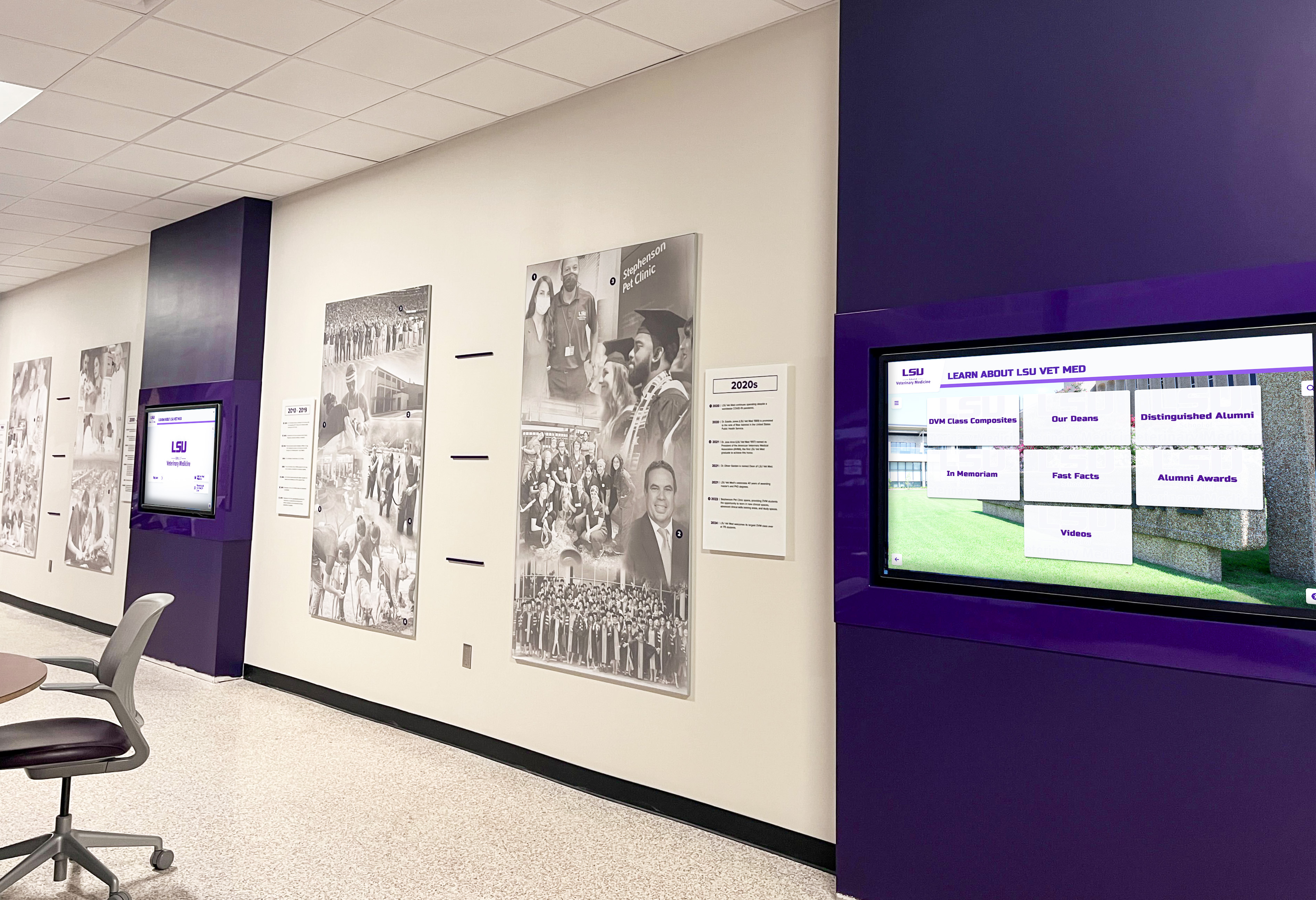
How to Digitize School Photo Negatives for an Online Archive
Open a typical school’s filing cabinets, storage closets, or facilities office and you’re likely to find them: boxes of photographic film negatives from the 1960s through the early 2000s, some still in their original photo-lab sleeves, others loose and unlabeled. These strips and sheets of film hold visual records of championship teams, graduating classes, faculty portraits, and school events that no yearbook fully captured. They are irreplaceable primary sources—and right now, every year they remain in storage, heat, humidity, and film chemistry are steadily destroying them.
Read More