Athletic Archive Content Provenance Records: Document the Source of Photos, Programs, and Results
An athletic archive content provenance record is a structured metadata entry that documents the origin, chain of custody, and acquisition context of every photograph, game program, result document, or media file entering a school’s athletic archive — establishing a traceable source for each item before it is cataloged, displayed, or published. The direct answer: when a school publishes historical photographs on a touchscreen recognition display, posts championship records in a hall of fame, or uses game programs as source evidence for award nominations, content provenance documentation answers three questions that arise repeatedly — Where did this come from? How did we get it? Can we publish it? A complete provenance record answers all three at the moment of publication, not weeks after a question is raised. This guide provides a required-field metadata template, a six-step provenance workflow, and material-type guidance for the three most common athletic archive categories — photographs, programs, and results — written for athletic directors, archives staff, administrators, and school IT or facilities teams building or expanding a digital athletic archive or recognition program.
Read More
Athletic Archive Digital Preservation Budget Template: Storage, Labor, Vendors, and Contingency
An athletic archive digital preservation budget template organizes every cost a school can expect to incur when digitizing, storing, and maintaining its athletic history — photographs, game programs, championship records, rosters, and video — into four categories: storage, labor, vendors, and contingency. The direct answer to how much it costs: a small high school program digitizing fewer than 5,000 items typically plans an initial project budget in the low thousands of dollars, while a large program digitizing tens of thousands of items across multiple media types — and building out redundant cloud storage and a public-facing recognition display — may invest significantly more over a multi-year timeline. The template below breaks every cost category into its component line items, provides a budgeting formula, and connects each expenditure to the recognition displays and searchable archives that make the investment visible to students, alumni, and families.
Read MoreAthletic Archive Derivative File Creation Policy: Masters, Access Copies, and Thumbnails
An athletic archive derivative file creation policy is the written rule that tells everyone on your team — archive coordinator, IT staff, athletic department administrators, and hall-of-fame committee volunteers — exactly when to create a master file, when to produce an access copy, and when a thumbnail is required. The short answer: every digitized or natively digital file in a school athletic archive should exist in at least two tiers — a preservation master and an access copy — and any item displayed in a searchable interface or recognition screen should also have a thumbnail. Without a policy, derivative file creation is left to individual judgment each time a file is processed, producing an archive where some items have all three tiers, others have only a compressed copy of unknown provenance, and no one can reliably reproduce missing files from a master that may or may not have been saved.
Read More
Athletic Archive Digitization Project Closeout Checklist: Files, Metadata, Rights, and Handoff
An athletic archive digitization project closeout checklist is a structured, phase-by-phase verification sequence that athletic directors, school administrators, archive coordinators, and IT staff complete after the active scanning phase of a sports archive digitization project ends — confirming that every file has been delivered, every metadata record is complete, every rights question has been documented, and a responsible steward has formally accepted custody of the finished collection before project resources are released. The direct answer: a digitization project is not finished when scanning stops. It is finished when a designated steward has verified the files, confirmed the metadata, documented the rights status of every item, received access credentials and a handoff package, and signed a record that the archive meets the standard established at project kickoff. Skipping the closeout phase is the most common reason digitized collections become inaccessible within three years — files exist, but no one knows where they are, what the naming conventions mean, or whether the school has permission to display them publicly. This checklist covers all five closeout phases — file audit, metadata review, rights clearance, handoff documentation, and stakeholder sign-off — and is written for athletic directors, school administrators, facilities and IT staff, booster leaders, and recognition-program owners who need a finish line that produces a durable, usable archive rather than a folder of scanned files.
Read More
Athletic Archive Cloud Exit Plan: Protect Records When Platforms or Vendors Change
An athletic archive cloud exit plan is a documented, pre-approved procedure that a school or athletic program follows when a cloud storage vendor, digital archive platform, or recognition display provider stops operating, changes its pricing model, loses data, is acquired by another company, or no longer meets the school’s needs — covering what data must be exported, what formats it must be saved in, where off-platform backups are stored, who is authorized to execute the exit, and how historical records transfer to a replacement system without permanent loss. The direct answer: every school that stores photographs, record books, hall-of-fame inductee data, championship rosters, or recognition program content in any cloud or software-as-a-service platform should have a written exit plan before it is needed — because the moment a platform announces a shutdown or a contract dispute arises is not the moment to discover that your archive has no export path. This guide covers all five phases of a cloud exit plan — documentation, export testing, off-platform backup, contract review, and migration execution — and is written for athletic directors, school administrators, archive and recognition program coordinators, IT staff, and booster leaders who share responsibility for preserving institutional athletic history.
Read MoreAthletic Archive Inventory Reconciliation Checklist: Match Files, Catalog Records, and Storage Locations
An athletic archive inventory reconciliation checklist is the structured process that school administrators, athletic directors, archive coordinators, and IT staff use to compare three authoritative sources — the digital file store, the catalog or database of record, and the physical storage inventory — and confirm that every photograph, championship record, roster, and award document is represented consistently across all three. The direct answer: reconciliation is not a one-time cleanup; it is a scheduled comparison that catches discrepancies before they become permanent gaps. A file that exists on a drive but not in the catalog is undiscoverable. A catalog entry with no corresponding file is a promise the archive cannot keep. A physical box listed in a storage manifest but not cataloged is history that may never be digitized. This checklist walks athletic archive teams through a complete reconciliation cycle — from pre-work and role assignments through each source audit, the three-way comparison, discrepancy resolution, and sign-off — and explains how reconciled archives directly power the recognition displays, donor programs, and award ceremonies that celebrate institutional athletic history.
Read MoreAthletic Archive Collection Development Policy: What to Preserve and Why
An athletic archive collection development policy is the written framework that defines which record types a school’s athletic archive actively collects, which it accepts on a case-by-case basis, which it declines, and what criteria govern each of those decisions — before materials arrive, not after they accumulate in a storage room. The direct answer: without a collection development policy, athletic archives grow by default rather than design, absorbing whatever is handed to them until the collection is too large to manage, too undifferentiated to search, and too expensive to digitize in full. A collection development policy solves that problem at the source by establishing selection criteria, defining the scope of the archive’s mission, and creating an appraisal framework that staff can apply consistently to every donation, transfer, and acquisition decision. This guide provides a complete policy framework, a selection matrix covering the major record categories in school athletic archives — team records, photographs, video, game programs, awards documentation, and oral histories — and a practical FAQ written for school administrators, athletic directors, archive coordinators, and facilities or IT staff who need to build or formalize a sustainable athletic archive.
Read More
Athletic Archive Data Classification Policy: Separate Public, Restricted, and Sensitive Records
An athletic archive data classification policy is the documented framework that assigns every record type in a school’s athletic archive to a defined tier — public, restricted, or sensitive — based on the nature of the information it contains, the privacy interests it implicates, and the access controls that the tier requires. The direct answer: before a school publishes championship records on a touchscreen display, posts historical rosters on an alumni portal, or grants archive access to a recognition committee, it needs to know which records are safe to share openly, which require authenticated access, and which must remain protected behind administrative controls regardless of who asks. A data classification policy answers that question systematically, so individual display and access decisions do not have to be made from scratch each time. This guide provides a working three-tier classification framework, record-type tables, implementation steps, and a practical FAQ — written for school administrators, athletic directors, archives staff, facilities coordinators, and school IT teams preparing to build or expand a digital athletic archive or recognition program.
Read MoreAthletic Archive Content Migration Checklist: Move History Without Losing Context
An athletic archive content migration checklist is a step-by-step sequence that school administrators, athletic directors, and archive teams follow when moving sports photographs, historical records, hall-of-fame data, rosters, and recognition display content from one storage system, drive, database, or platform to another — covering inventory, source-to-destination mapping, metadata preservation, file format verification, redirect planning, validation, and formal stakeholder sign-off. The direct answer: do not begin any migration without a complete inventory of what you have and a written mapping of where each asset will land; every item that moves without a destination mapping is a candidate for being dropped, renamed without context, or orphaned in a folder that no one manages. This checklist covers all ten phases of a content migration — from the first stakeholder meeting through post-migration monitoring — and is written for athletic directors, school administrators, archive and recognition program owners, and school IT staff managing the technical side of the move. Use it whether you are migrating from a shared drive to a cloud storage system, from one recognition platform to another, from a physical binder to a digital database, or from a legacy website to a new one.
Read MoreAthletic Archive Vendor Due Diligence Checklist: Vet Digitization and Storage Partners
An athletic archive vendor due diligence checklist is a structured set of questions and evidence requests that a school uses before signing any contract with a scanning service, digital storage provider, or archive migration partner — covering how the vendor handles original physical materials, what file formats and metadata standards it delivers, who retains rights to the digitized content, how it secures custody of irreplaceable items, what the exit path looks like, and what proof it can offer of its preservation standards. The direct answer: do not select a digitization or storage vendor on price alone. Require written answers to each category in this checklist, request sample deliverables and client references from comparable athletic archive projects, and confirm that your school’s IT, legal, and records management staff have reviewed any contract that involves transferring custody of original materials or locking archive files into a proprietary platform. This guide covers every major evaluation category, a vendor scorecard table, a red-flags reference, and a full FAQ — written for athletic directors, school administrators, alumni and archives staff, booster leaders, facilities teams, and school IT.
Read MoreAthletic Archive Disaster Recovery Plan: Protect Photos, Records, and Historic Media
An athletic archive disaster recovery plan is the documented process that tells a school exactly how to protect, restore, and verify its sports photographs, video footage, rosters, record books, and recognition-display content when a storage failure, hardware loss, fire, flood, ransomware attack, or accidental deletion occurs. The direct answer: complete a full inventory of every archive asset before writing a single backup rule, apply the 3-2-1 backup principle to all master files (three copies, two different media types, one copy offsite), assign named recovery roles to athletic and IT staff before an incident happens, define tiered recovery priorities so the most irreplaceable materials are restored first, and run a documented restoration test at least once per year so that the plan works when it is needed — not just when it is written. This guide covers the complete seven-step process, a priority table for every common athletic archive material type, a recovery roles matrix, a scenario response table, and a full FAQ — written for athletic directors, school administrators, facilities staff, alumni and advancement teams, and school IT staff who are responsible for preserving institutional athletic history.
Read MoreAthletic Archive Metadata Crosswalk Guide: Map Rosters, Awards, Photos, and Records
An athletic archive metadata crosswalk guide is a structured field-mapping reference that shows schools how to translate the inconsistent column names, value formats, and data structures found in legacy rosters, award records, photographs, and performance records into a single normalized schema — so that decades of athletic history can be imported cleanly into a searchable digital archive or recognition display. The direct answer: before any data moves from a spreadsheet, paper form, or database export into a display platform, every source field must be matched to a target field with an agreed-upon name, data type, and controlled vocabulary. This guide provides field-mapping tables for all four major athletic archive data types — rosters, awards, photos, and records — plus a six-step migration workflow, a normalization troubleshooting table, and answers to the questions school administrators, athletic directors, and archive coordinators ask most often when preparing a legacy archive for digital display.
Read MoreAthletic Archive Cataloging Backlog Reduction Plan: A Prioritized Workflow for School Collections
An athletic archive cataloging backlog reduction plan is a structured, prioritized approach for processing the uncataloged photographs, programs, rosters, statistics, and award documentation that has accumulated in a school’s athletic storage — converting unorganized materials into searchable, displayable records. The direct answer: survey the full backlog before touching anything, sort materials into four priority tiers using the criteria of recognition impact and condition risk, establish naming and metadata conventions before processing begins, and work through the tiers in order with a sustainable weekly quota rather than an all-at-once sprint. This guide provides the complete workflow in eight steps, a prioritized triage table for every common athletic archive material type, a table of common processing obstacles, and a FAQ — written for athletic directors, archive coordinators, and school administrators who need to move from a storage room of boxes to a searchable, display-ready collection without dedicated archival staff.
Read More
Athletic Archive Metadata Standards for Searchable School History
Athletic archive metadata standards are the agreed-upon field names, value formats, and controlled vocabularies that allow a school’s historical records — athlete names, seasons, sports, awards, and statistics — to be searched, sorted, filtered, and displayed consistently regardless of who entered the data or which system holds it. Without standards, a database of ten thousand records becomes an unsearchable list: “Basketball” in one entry, “Boys Basketball” in another, “BB-Varsity” in a third, and “M. Johnson” in the athlete field where one staff member typed “Marcus Johnson” and another typed “Johnson, M.”
Read More
Hall of Fame Ceremony Program: What to Include Before Adding Inductees to a Digital Display
Every hall of fame induction ceremony produces a printed program. Most schools treat that program as a one-night keepsake—something guests flip through during the reception and leave on the banquet table when the evening ends. But the athletic directors and recognition coordinators who get the most out of their ceremonies understand something that others miss: a well-designed hall of fame ceremony program is also the most complete source document your team will ever have for updating a digital display.
Read More
Employee Celebration Ideas: Building a Culture of Recognition in Your Organization
Building a culture where employees feel genuinely valued requires more than annual performance reviews and occasional thank-you emails. Organizations that thrive understand that employee celebration isn’t a luxury—it’s a strategic necessity that directly impacts retention, engagement, and overall performance. When companies systematically recognize and celebrate their people, they create environments where excellence becomes the norm rather than the exception.
Read MoreEmployee Recognition Quotes: 100+ Appreciation Messages for Awards and Displays
Words matter. When recognizing exceptional employees, the right quote elevates a simple acknowledgment into a lasting tribute that honors contributions, inspires continued excellence, and reinforces organizational values. Whether inscribed on traditional plaques, featured on digital recognition displays, or included in award ceremonies, thoughtfully chosen employee recognition quotes transform routine appreciation into meaningful celebration.
Read More
School Recognition Days: Complete Calendar and Celebration Ideas for 2026
Recognition shapes school culture more profoundly than most administrators realize. When schools systematically acknowledge achievements, celebrate milestones, and honor contributions throughout the year, they create environments where everyone—students, teachers, staff, and community members—feels valued and motivated to excel. Yet many schools approach recognition reactively, scrambling to organize last-minute assemblies or overlooking important celebration opportunities entirely.
Read MoreTeam Recognition Ideas: 40+ Creative Ways to Celebrate Your Group's Achievements
Teams accomplish remarkable things when members work together toward shared goals. Whether a sales department exceeds quarterly targets, a debate team wins state championships, a robotics club places at nationals, or a volleyball squad completes an undefeated season, collective achievements deserve celebration that honors both the group’s success and individual contributions that made it possible.
Read MoreEmployee Recognition Program Ideas: 35+ Creative Ways to Celebrate Your Team
Every organization claims to value its people, yet recognition remains one of the most underutilized tools for building exceptional workplace cultures. Research consistently shows that 82% of employees consider recognition essential to their happiness at work, yet fewer than one in three workers report feeling adequately appreciated for their contributions. This disconnect creates silent turnover risks, disengagement, and cultures where talented people quietly plan their exits.
Read More
Student Awards Ideas: Creative Categories That Celebrate Every Type of Achievement
Every student deserves recognition for something. Yet traditional student awards often celebrate the same narrow categories—highest GPA, best athlete, perfect attendance—leaving many deserving students overlooked. When recognition programs focus exclusively on conventional excellence, they miss opportunities to honor the diverse talents, character qualities, and unique contributions that enrich school communities.
Read MoreEmployee Recognition Ideas That Build Workplace Culture
Recognition remains the most underutilized lever for building exceptional workplace cultures. While 82% of employees consider recognition essential to job satisfaction, most organizations default to annual performance reviews and generic “employee of the month” programs that fail to inspire genuine engagement. The result: talented people leave, performance plateaus, and organizational culture stagnates.
Read More
End of Year Awards Ideas: Categories and Ceremonies for Schools
The final weeks of the school year bring an opportunity to pause, reflect, and celebrate the accomplishments that defined months of learning, growth, and community building. End of year awards represent more than ceremonial tradition—they provide structured recognition that validates student effort, reinforces institutional values, and creates lasting memories that shape how students perceive their capabilities and contributions.
Read MoreEnd of Year Awards for Students: Creative Ideas Beyond Academics
As the school year winds down, educators face a meaningful opportunity to celebrate student growth, character development, and unique contributions that extend far beyond report cards. While academic excellence certainly deserves recognition, end of year awards become truly transformative when they acknowledge the full spectrum of student achievement—from acts of kindness and creative thinking to leadership, perseverance, and the qualities that make each student remarkable.
Read MoreEmployee of the Month Award Program: Best Practices for Recognition That Drives Results
Employee recognition remains one of the most powerful yet underutilized tools for building thriving workplace cultures. Organizations that systematically celebrate outstanding performance see measurably higher employee engagement, retention, and productivity. Yet many companies struggle to move beyond token employee of the month programs that feel perfunctory rather than meaningful.
Read More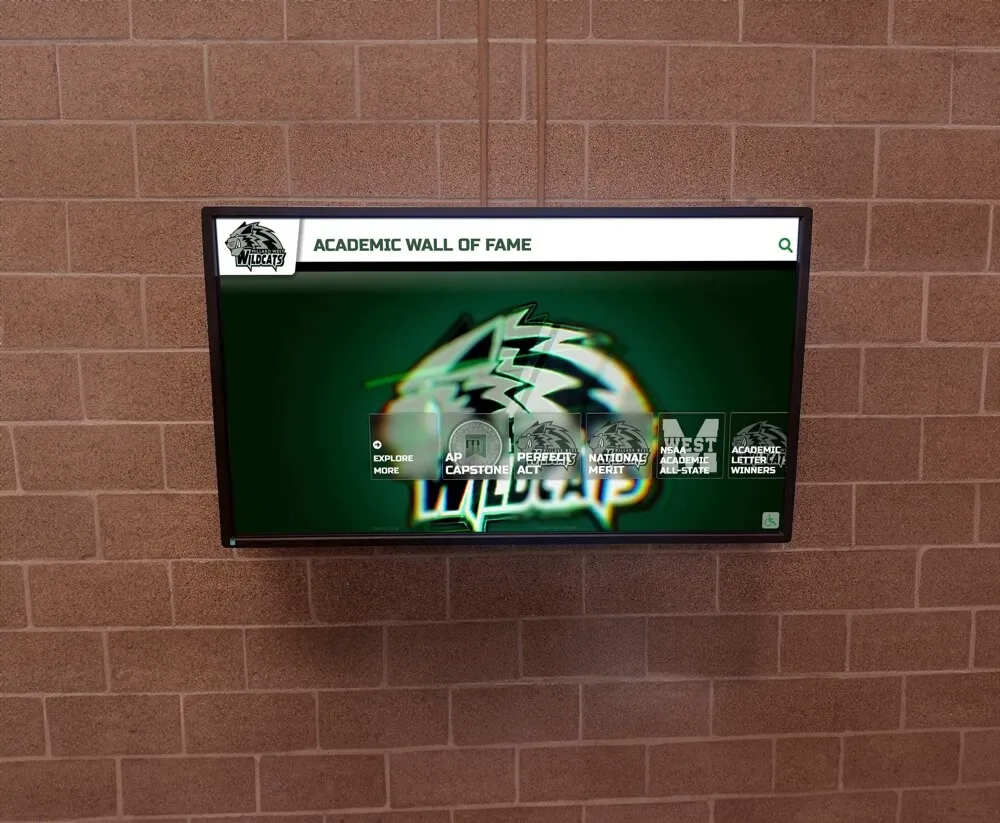
Academic Recognition Programs: A Complete Guide to Celebrating Student Excellence in 2025
Academic recognition programs represent one of the most powerful tools educational institutions have to motivate student achievement, reinforce educational values, and create cultures of excellence. When schools systematically celebrate academic accomplishments—from perfect attendance to National Merit recognition—they send clear messages about what matters while providing motivation that extends far beyond individual recognized students.
Read More